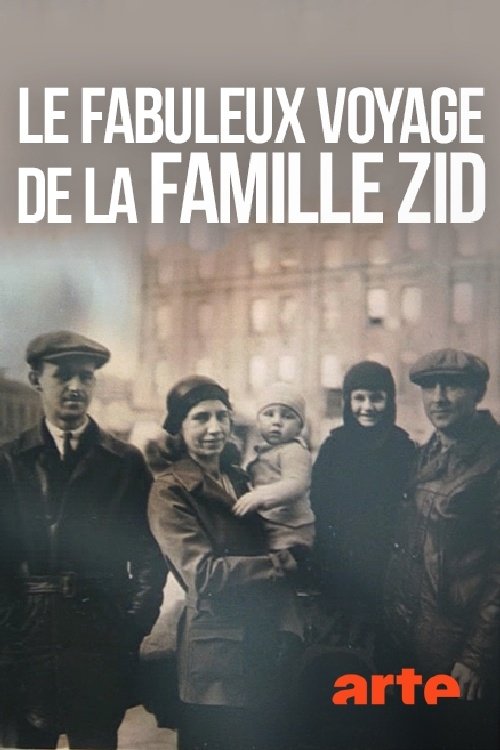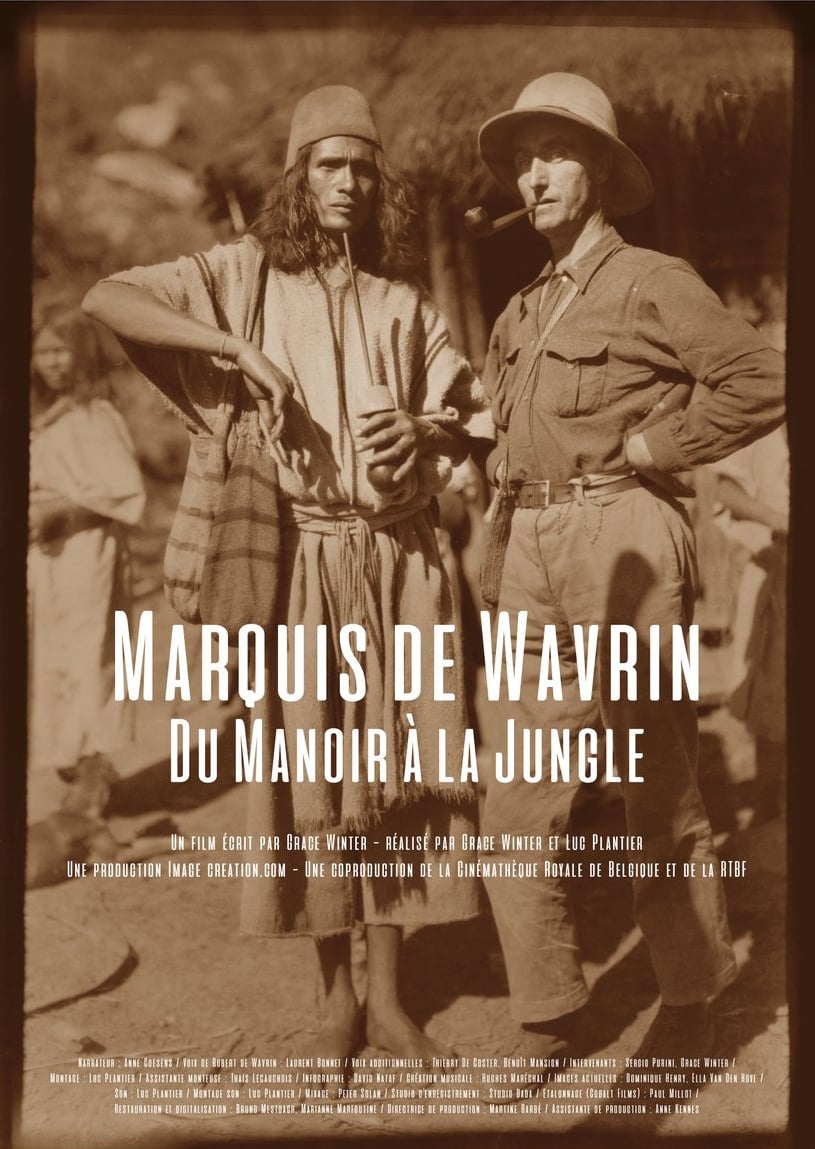
A documentary that invites us to discover the strange path led by the explorer-ethnographer Marquis de Wavrin who, in the 1920s and 1930s, made ethnographic films in several countries of Latin America.
Social & External
The people behind it
Grace Winter
Self
Sergio Purini
Robert de Wavrin
Self (archive footage)
Anne Coesens
Narrator
Laurent Bonnet
Thierry de Coster
Benoit Mansion
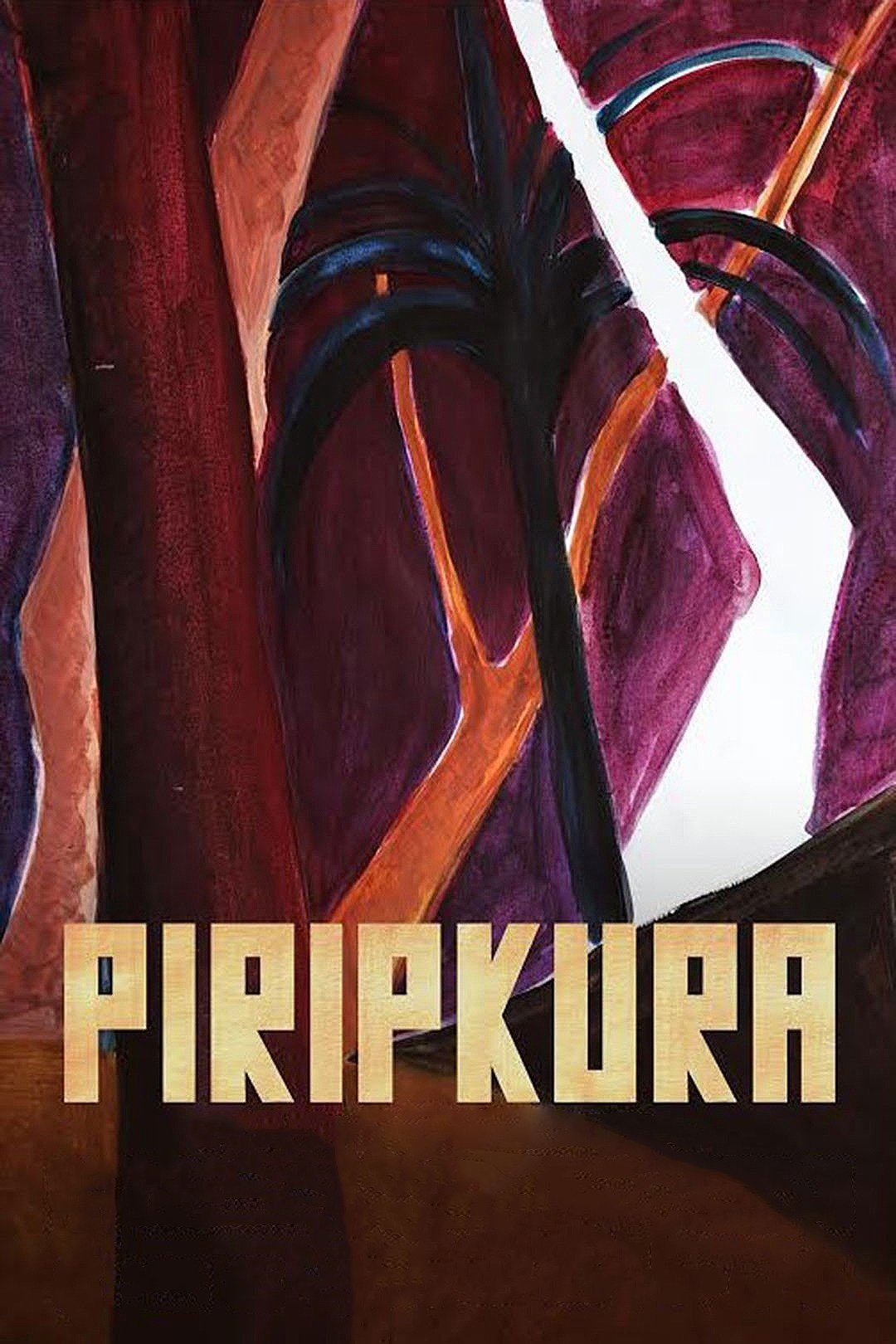
The last two surviving members of the Piripkura people, a nomadic tribe in the Mato Grosso region of Brazil, struggle to maintain their indigenous way of life amidst the region's massive deforestation. Living deep in the rainforest, Pakyî and Tamandua live off the land relying on a machete, an ax, and a torch lit in 1998.
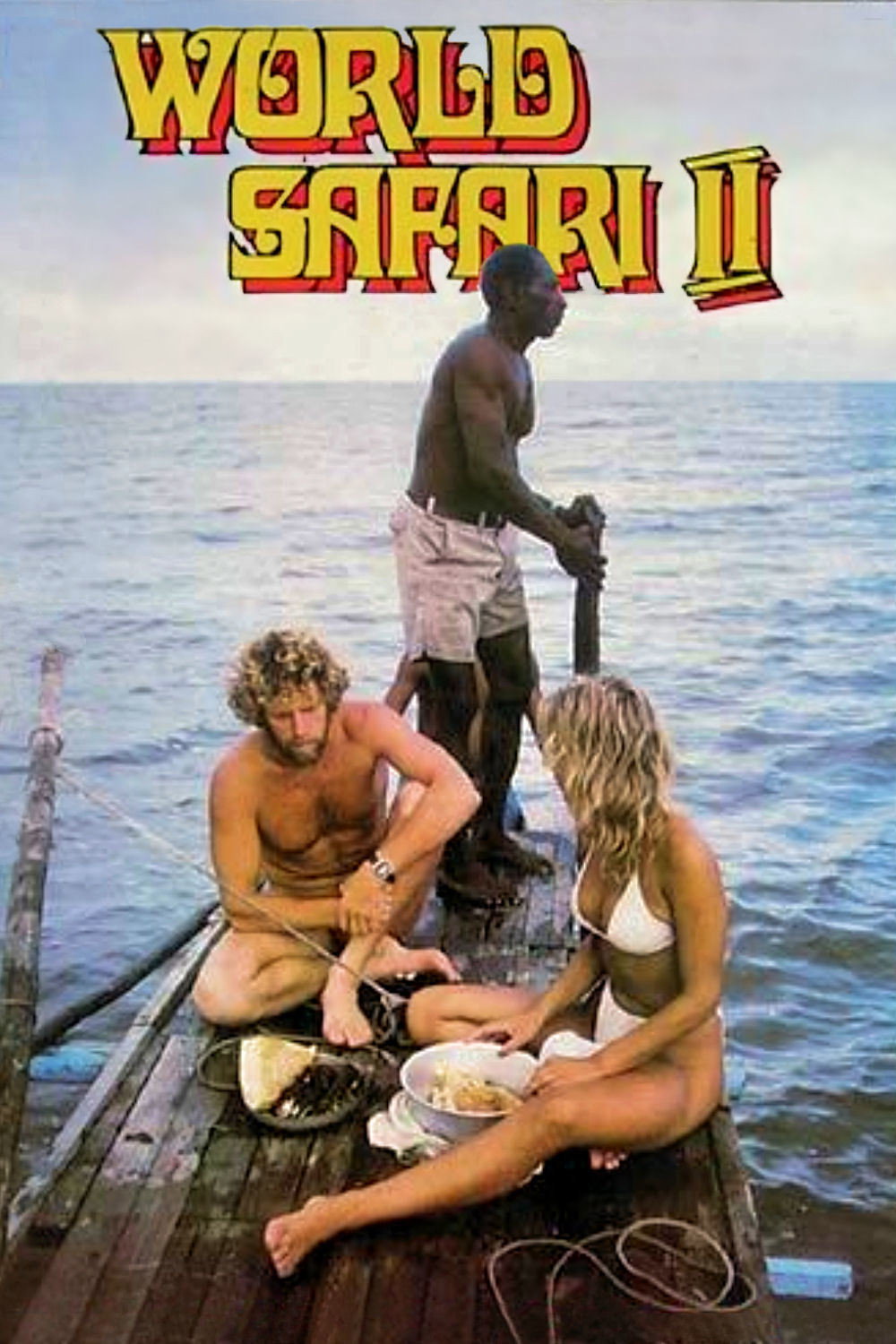
Six years in preparation & three years in filming, World Safari 2 covers one of the largest Australian cattle musters, the wild New Guinea highlands and finally discover the terrorist controlled jungles of South America.
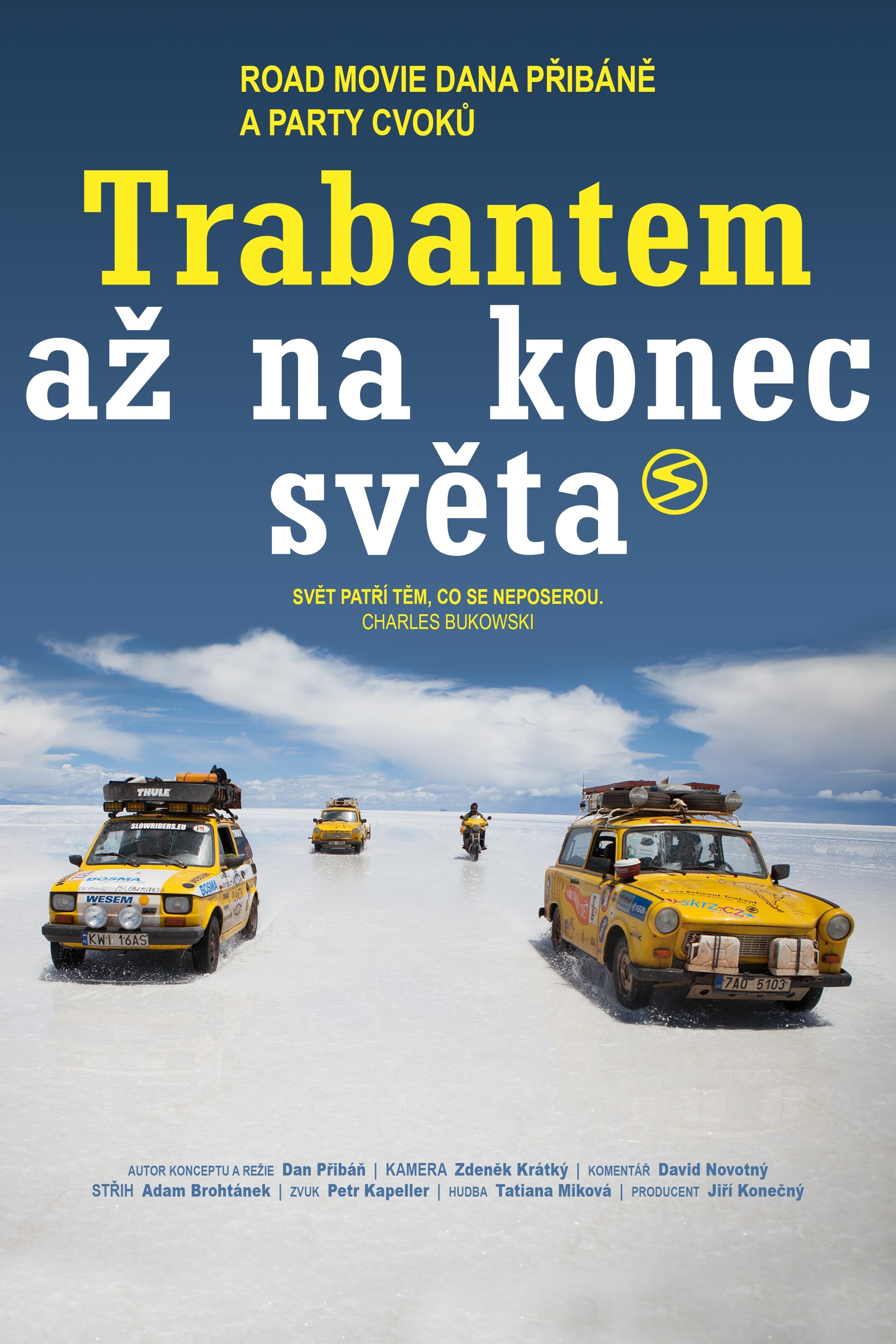
The third installment in Dan Přibáň's series of travel documentaries describes the author's journey with his friends across South America in vehicles that are often notorious but cult in their own way. The charming dynamics of the group on screen are further enhanced by the high-quality craftsmanship.
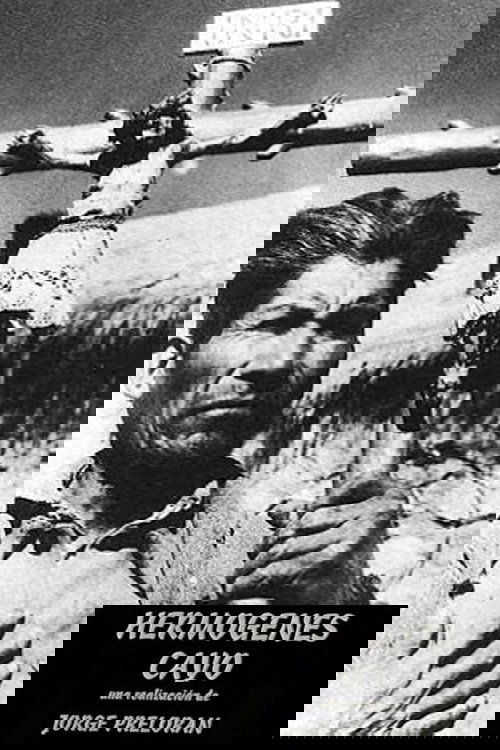
IMAGINERO is an ethnobiography of Hermogenes Cayo, a self-taught woodcarver and painter who lives on the high Andean plateau of Argentina. The film portrays Hermogenes, his wife Aurelia Kilpe, and their children in their Andean lifestyle, as well as Hermogenes' passion for painting, carving, building, and his devotion to the Virgin Mary. Devout, austere and dedicated to craftsmanship, he can make anything from religious figures carved from cactus wood to a working harmonium. Inspired by a trip to Buenos Aires to advocate for land rights, Hermogenes has labored to replicate the style of the capital's grand cathedral and shrine to the Virgin with resourcefulness and skill.
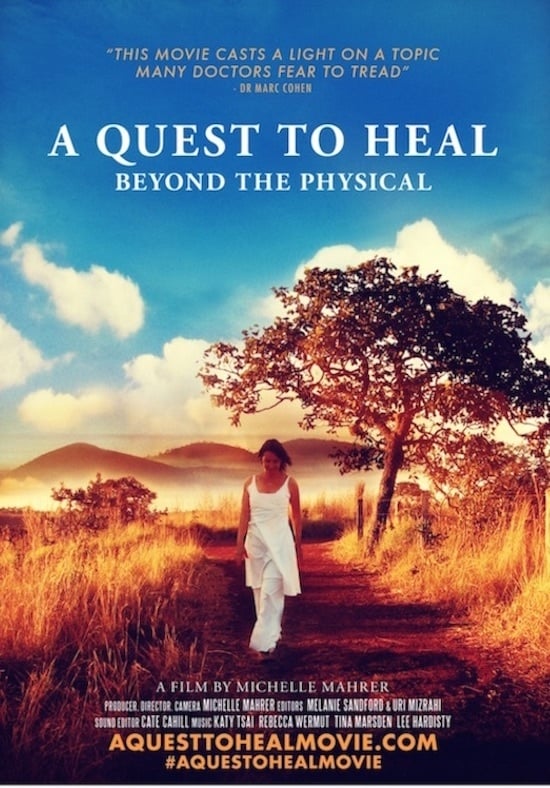
Joao Texeira de Faria, also known as John of God, is a world famous spiritual healer from Brazil who has been attributed to many miracles that science cannot explain. His work attracts both controversy and acclaim. For the past 30 years, thousands of people from all over the world have been flocking to his remote village in Brazil in search of cures for illnesses Western medicine offers little hope. Film maker Michelle Mahrer follows the journey of two of her friends on a healing odyssey to Brazil - Lya Shaked from Australia has terminal cancer, and Fred Porter from USA has HIV. Will they be lucky enough to receive a miracle?
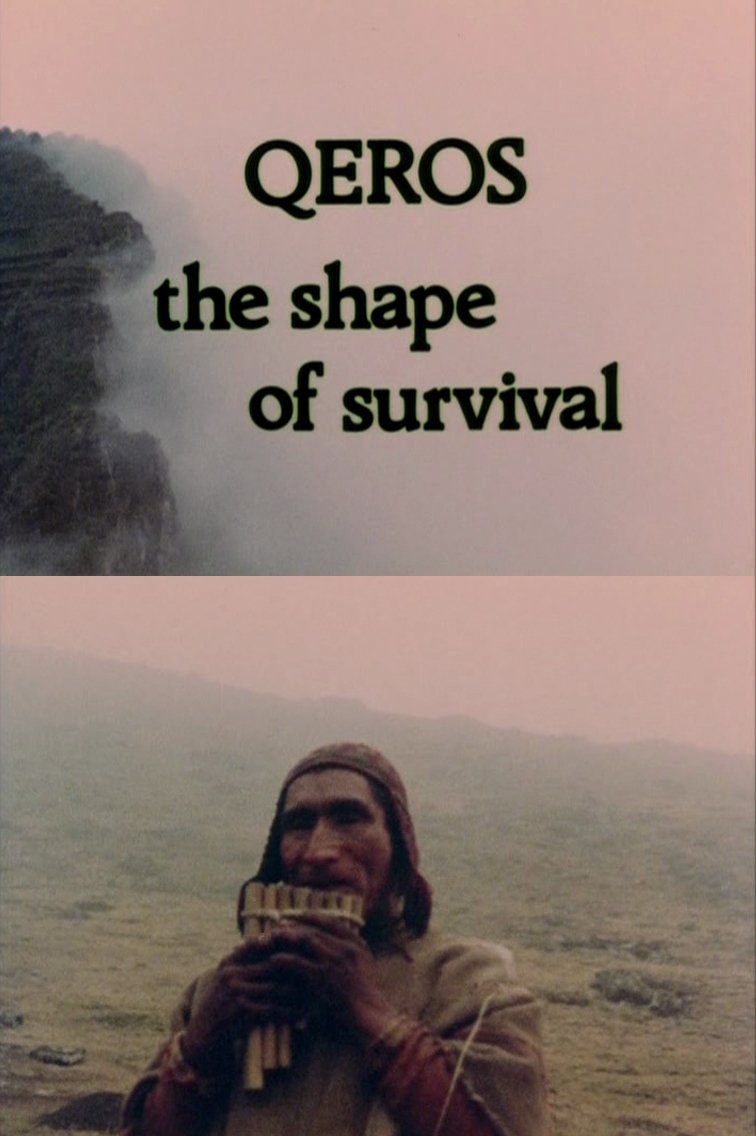
Exploration of the way of life of the Q’eros Indians of Peru, who have lived in the Andes for more than 3,000 years.
Documentary that collects various oral testimonies about the life of the Seris, a small ethnic group in the state of Sonora, Mexico.
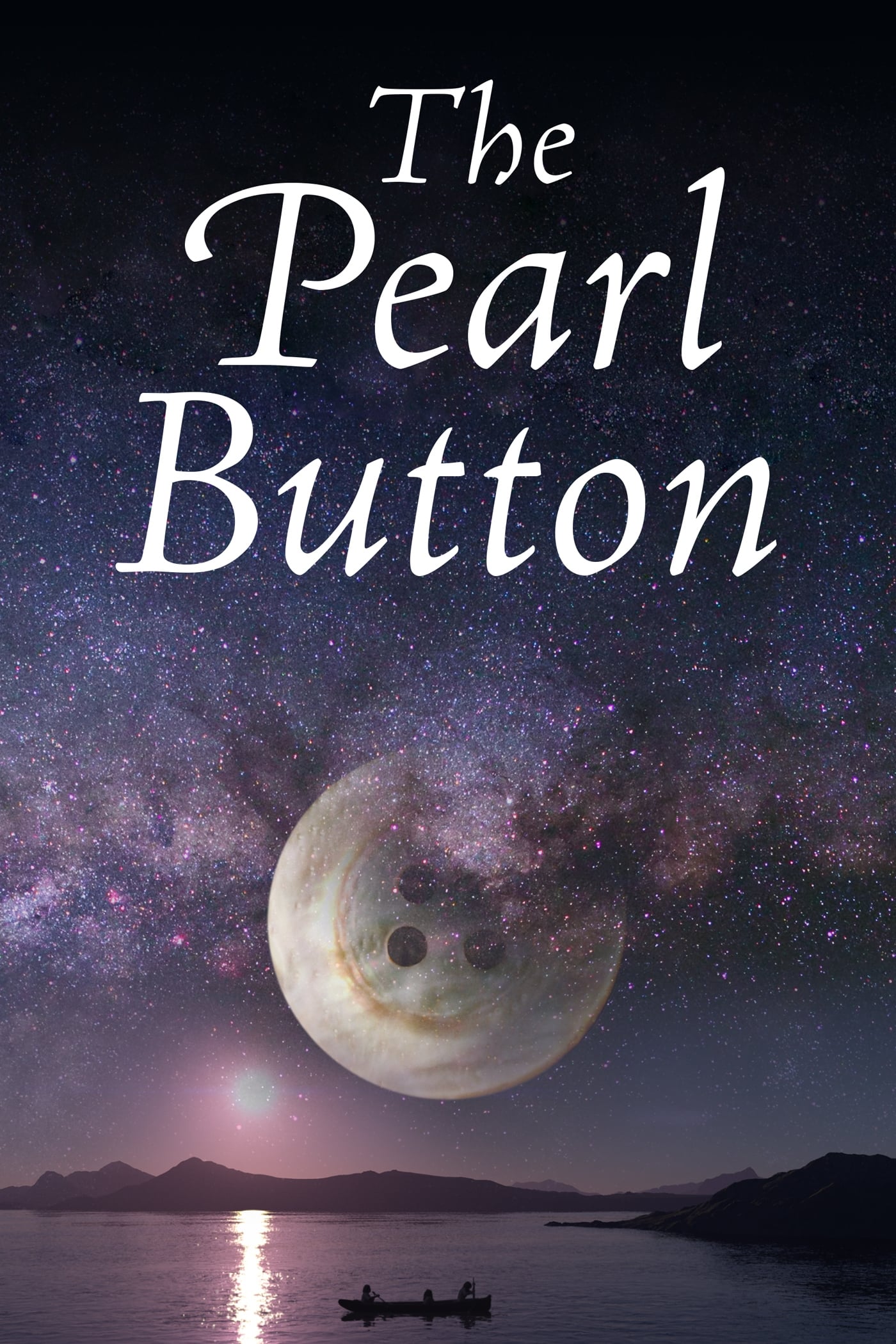
The ocean contains the history of all humanity. The sea holds all the voices of the earth and those that come from outer space. Water receives impetus from the stars and transmits it to living creatures. Water, the longest border in Chile, also holds the secret of two mysterious buttons which were found on its ocean floor. Chile, with its 2,670 miles of coastline and the largest archipelago in the world, presents a supernatural landscape. In it are volcanoes, mountains and glaciers. In it are the voices of the Patagonian Indigenous people, the first English sailors and also those of its political prisoners. Some say that water has memory. This film shows that it also has a voice.
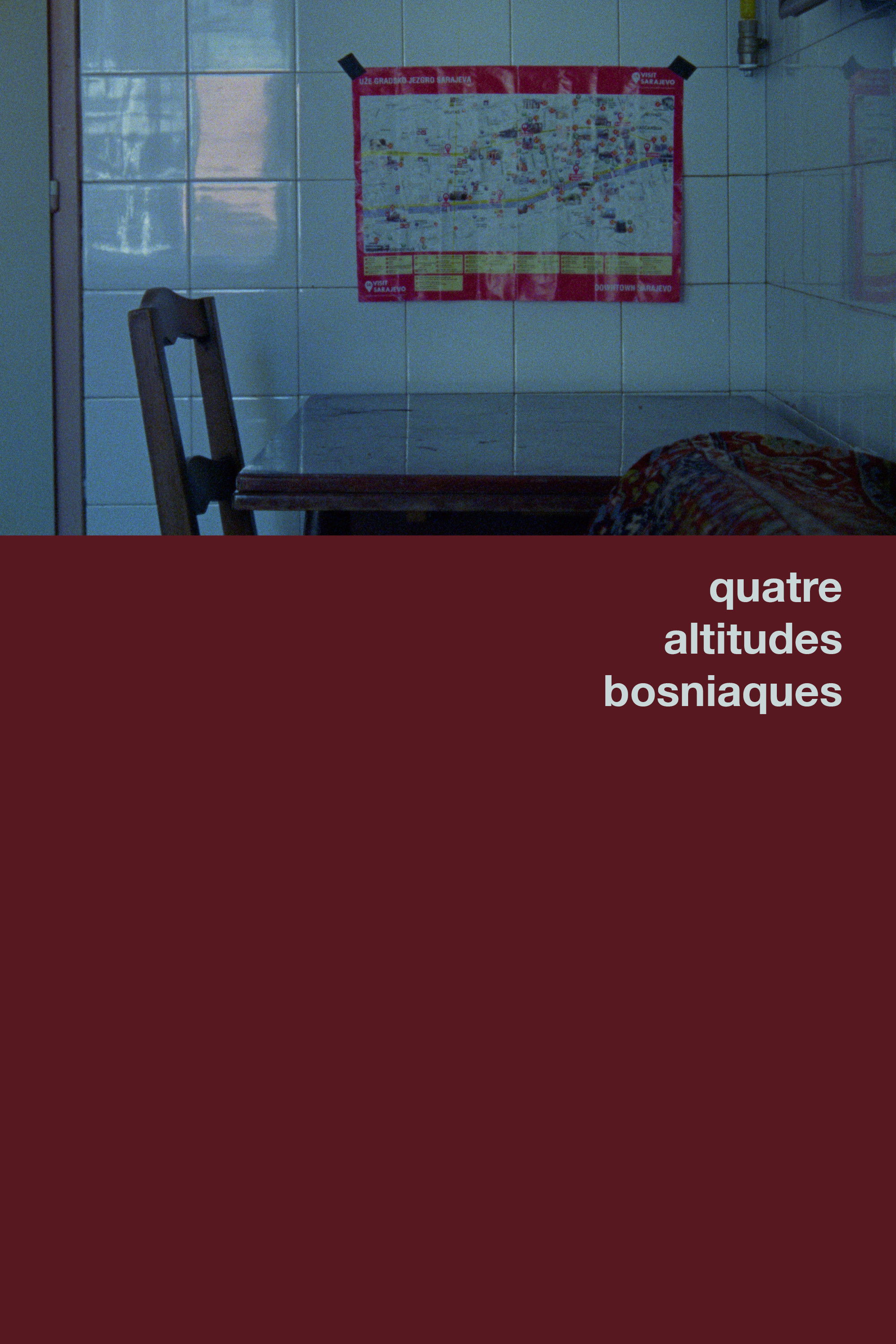
Quatre altitudes bosniaques is an exercise in topographic cinema shot in Bosnia-Herzegovina. The document draws on the geography of the city of Sarajevo, from which the filmmakers construct a visual ethnography fragmented into four levels of elevation.
Humanity’s ascent is often measured by the speed of progress. But what if progress is actually spiraling us downwards, towards collapse? Ronald Wright, whose best-seller, “A Short History Of Progress” inspired “Surviving Progress”, shows how past civilizations were destroyed by “progress traps”—alluring technologies and belief systems that serve immediate needs, but ransom the future. As pressure on the world’s resources accelerates and financial elites bankrupt nations, can our globally-entwined civilization escape a final, catastrophic progress trap? With potent images and illuminating insights from thinkers who have probed our genes, our brains, and our social behaviour, this requiem to progress-as-usual also poses a challenge: to prove that making apes smarter isn’t an evolutionary dead-end.
Images of Argentinian companies and factories in the first light of day, seen from the inside of a car, while the director reads out documents in voiceover that reveals the collusion of the same concerns in the military dictatorship’s terror.

Cartoneras is a documentary that grapples with Latin America’s urban realities, and the cardboard publishing movement that has emerged from these in the 21st century. Reflecting on the different contexts that propelled this form of community publishing, like Argentina’s 2001 economic crisis, the independent art scene, and the movements which formed around waste-pickers, the film’s narrative is developed through conversations with important actors from the cartonera world.
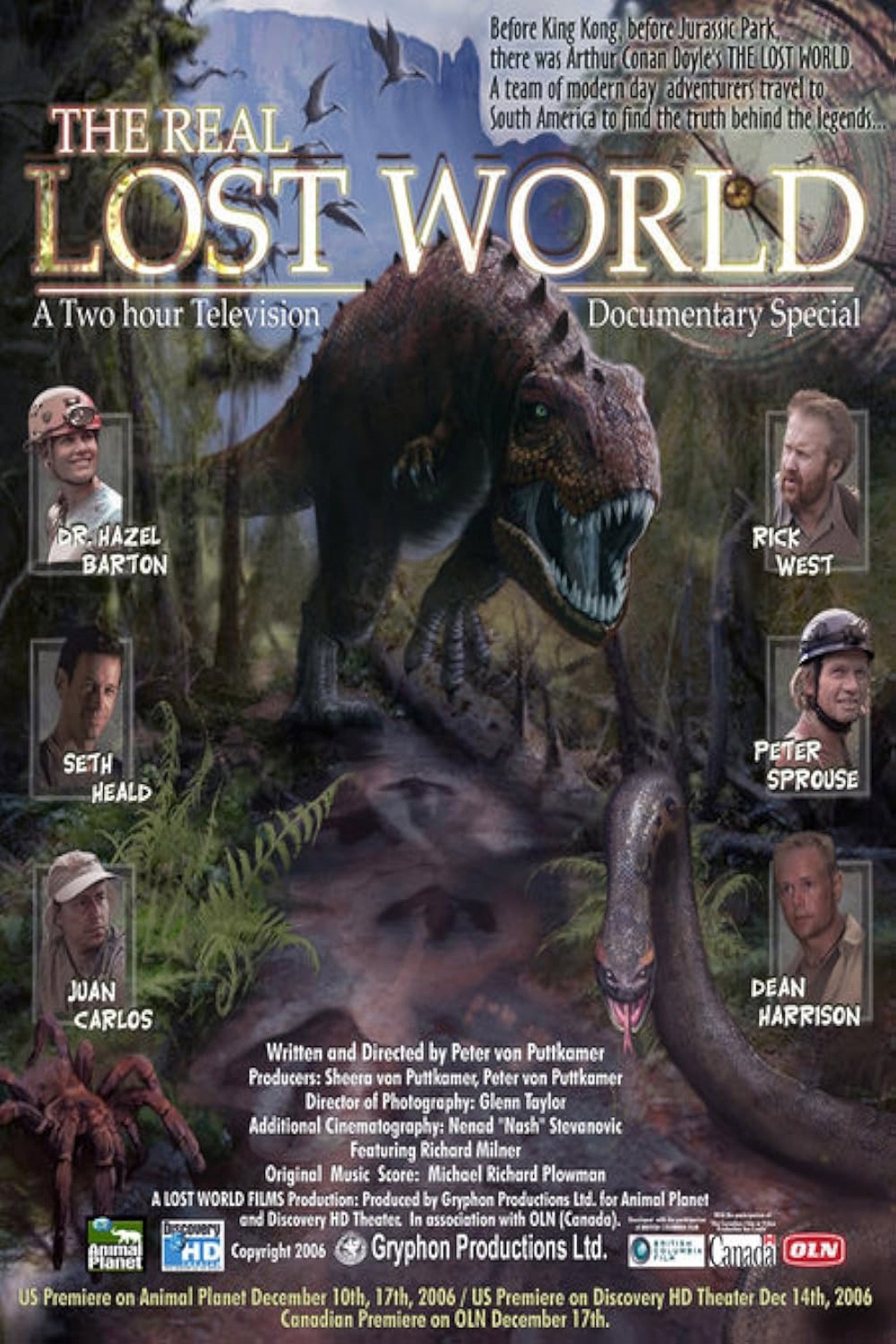
A modern team of explorers venture to the legendary "Lost World"- the remote jungle plateau of Roraima in Venezuela. Cut off from time and the jungle below, feared by natives because of "evil spirits", flying reptiles and other beasts, Roraima has sparked human imagination since the time of the 19th century explorers. Sherlock Holmes author Sir Arthur Conan Doyle based his book "The Lost World" (1912) about men and dinosaurs on the tales from early explorers to this plateau. This was the inspiration for Jurassic Park. The modern expedition team encounters the animals, people and extreme habitat on its route across the Gran Sabana and up the 9000 ft. mountain. Once there they explore a new cave system, that may well contain new forms of life.
Living among the percebeiros of the Coast of Death (Galicia), this documentary shows a unique relationship between man and his surroundings, man and the sea. At the end of Europe, years after the Prestige oil spill disaster, these fishermen face an uncertain future.
In Brussels, Belgium, the Royal Museum of Central Africa is undertaking a radical renovation, both physical and ethical, to show with sincerity, crudeness and open-mindedness the reality of the atrocities perpetrated against the inhabitants of the Belgian colonies in Africa, still haunted and traumatized by the ghost of King Leopold II of Belgium, a racist and genocidal tyrant.
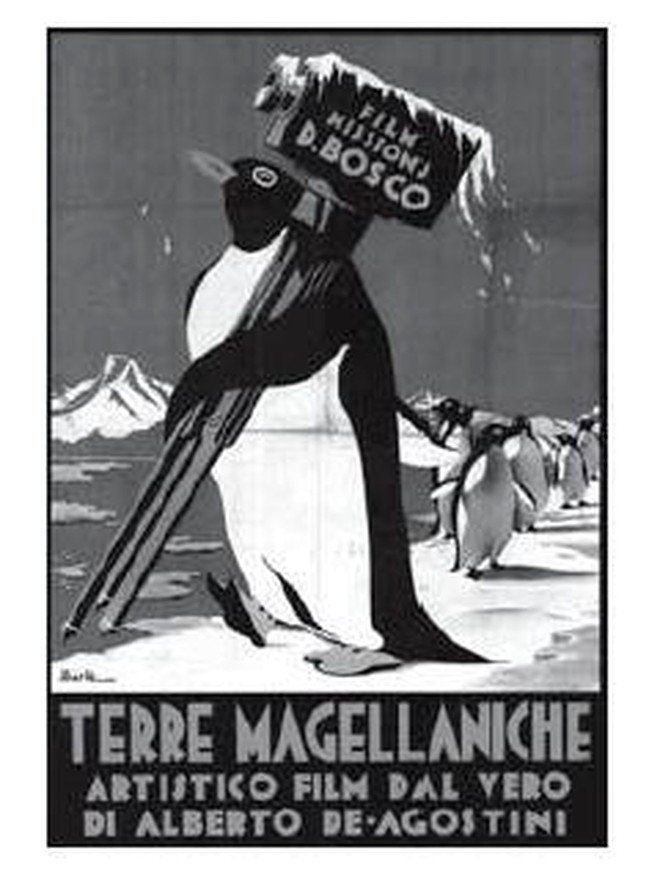
The film Terre Magellaniche represents the fruit of multiple and risky trips that the explorer Alberto M. De Agostini made in the Patagonian mountain range and in the Tierra del Fuego archipelago. Executed with rare mastery and exquisite artistic sense, the film shows the explorer in the labyrinth of Patagonian channels, penetrating the deep fjords between large masses of floating ice of curious shapes, coming from the immense glaciers that descend from the Cordillera and bathe its frontal walls on the waters of the sea. Transported to regions of extraordinary beauty, situated in front of gigantic mountains, from which majestic waterfalls rush, the viewer experiences the illusion of finding themselves in a mysterious kingdom of dream and enchantment.
The Color of Ultimate: ATL was an All-Star ultimate frisbee that showcased many of the sport’s most talented players of color from across the United States and Colombia, South America. This documentary details the stories of players who participated in the game. The stories include why the players enjoy ultimate, what the Color of Ultimate: ATL means to them, and how race and socioeconomic status have influenced their lives, both in the sport of ultimate, and in life at large.
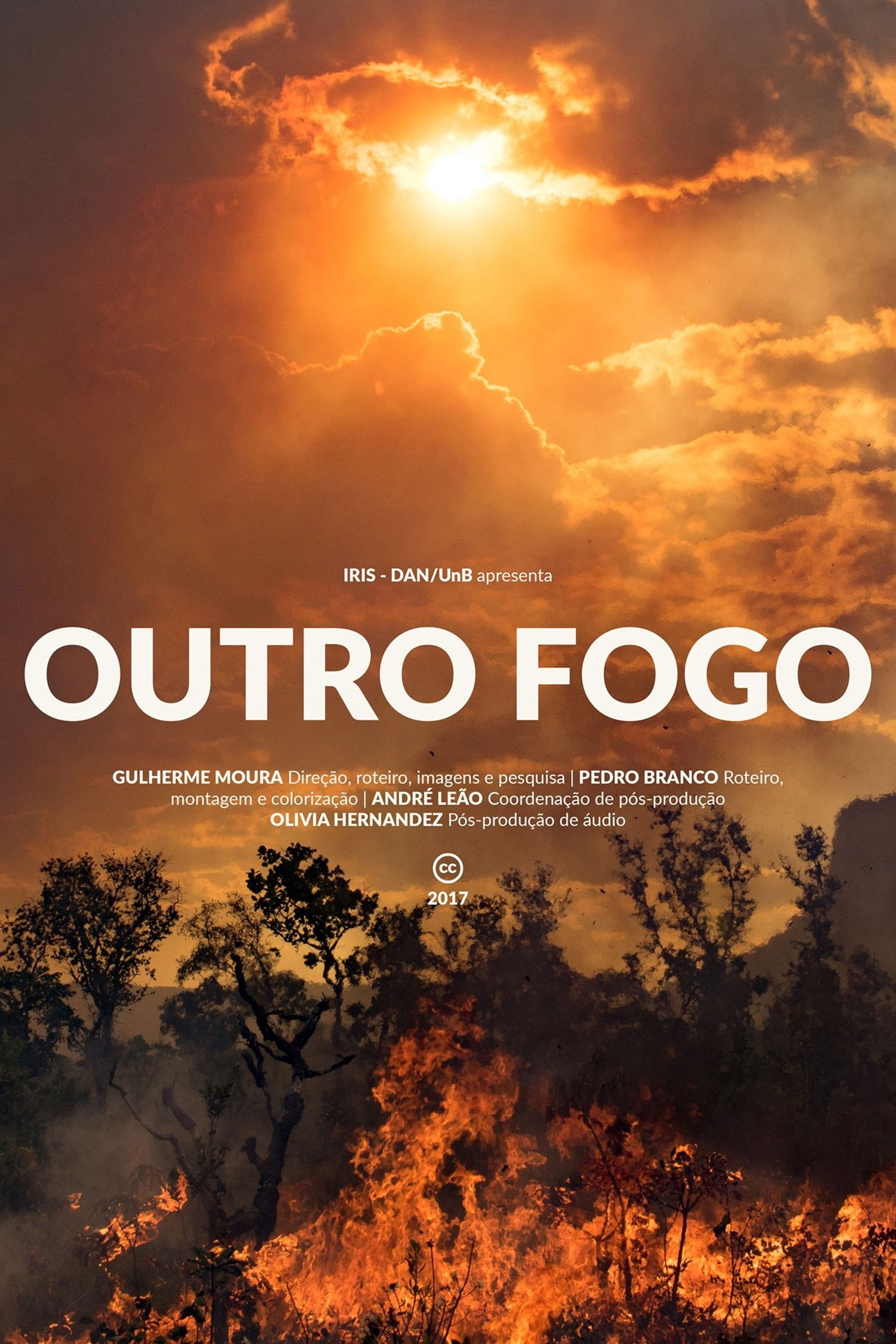
A sensory record of the relationships of affinity and enmity with fire in the conservation of the Cerrado biome. In the company of local residents hired to act as brigadiers and, more recently, as management agents, the short film explores the affections established with fire in the midst of combat pyrophobias and management pyrophilias. In addition to documenting fire fighting and manipulation techniques, the cinematographic experiment points to a more than human visual anthropology, where environmental forces such as heat, vegetation and wind make up an alterity whose condition remains ambiguous.
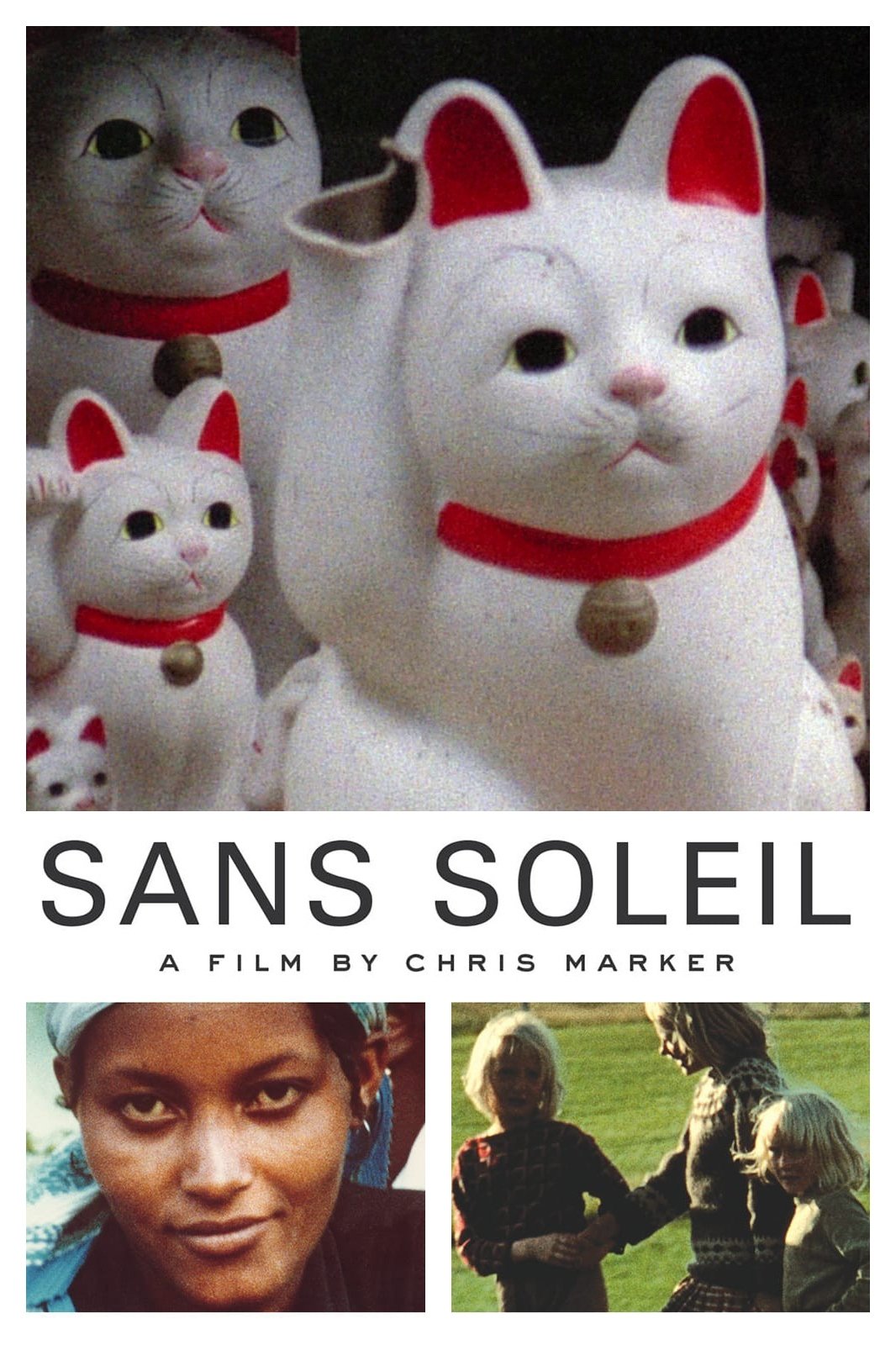
A woman narrates the thoughts of a world traveler, meditations on time and memory expressed in words and images from places as far-flung as Japan, Guinea-Bissau, Iceland, and San Francisco.
A visual montage portrait of our contemporary world dominated by globalized technology and violence.
A documentary about the life and films of director John Ford.
A documentary on the expletive's origin, why it offends some people so deeply, and what can be gained from its use.
The film follows adventurer Jeff Johnson as he retraces the epic 1968 journey of his heroes Yvon Chouinard and Doug Tompkins to Patagonia.
A documentary about how a dominant cultural and demographic institution both sustains their traditional activities and adapts to the digital revolution.
In an intimate and joyful story of love in the face of loss, celebrated poets Andrea Gibson and Megan Falley find strength—and unexpected hilarity—in what might be their final year together.
A compilation of over 30 years of private home movie footage shot by Lithuanian-American avant-garde director Jonas Mekas, assembled by Mekas "purely by chance", without concern for chronological order.
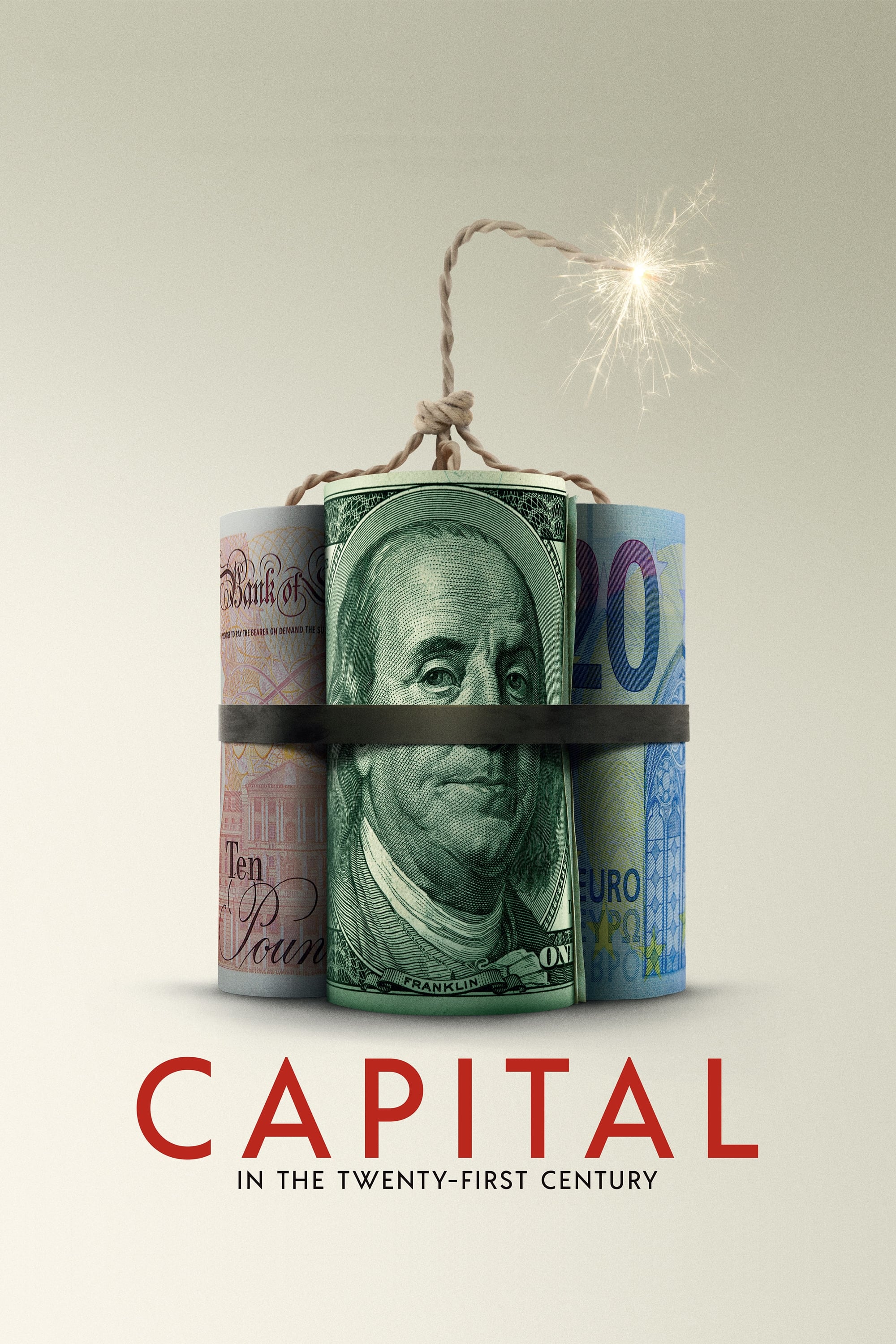
Film adaptation of French economist Thomas Piketty's ground-breaking global bestseller of the same name: an eye-opening journey through wealth and power.
A documentary about the making of David Fincher's 2008 film THE CURIOUS CASE OF BENJAMIN BUTTON. Virtually every element in the evolution of the Fincher's film is documented here, from the project's attachment to numerous other directors during the 1990s, to its shoot in 2006 and 2007 in New Orleans, to its complex, CGI-intensive postproduction process.
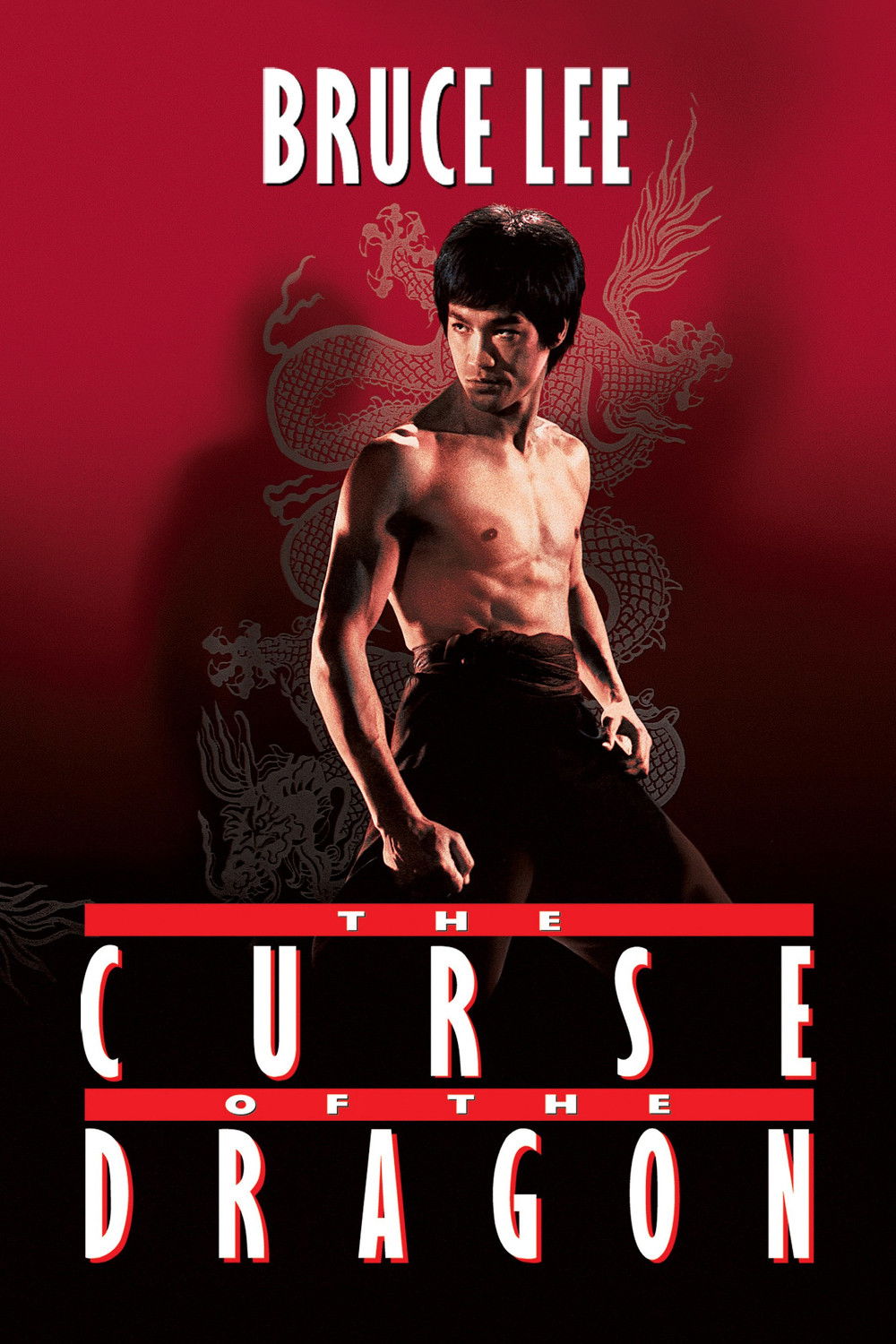
A 1993 documentary film about Bruce Lee. The film includes interviews from some of his fellow students and opponents who worked alongside him in his movies.
A deep dive into the making of the Paranormal Activity films with first time ever interviews with cast and crew, never-before-seen footage from the movies, and a preview of the seventh installment in the franchise.
A road trip across five countries to explore the social and political movements as well as the mainstream media's misperception of South America while interviewing seven of its elected presidents.
Stars of "The Walking Dead," Andrew Lincoln and Danai Gurira, walk down memory lane and visit iconic locations where pivotal moments between their characters, Rick and Michonne, were filmed.
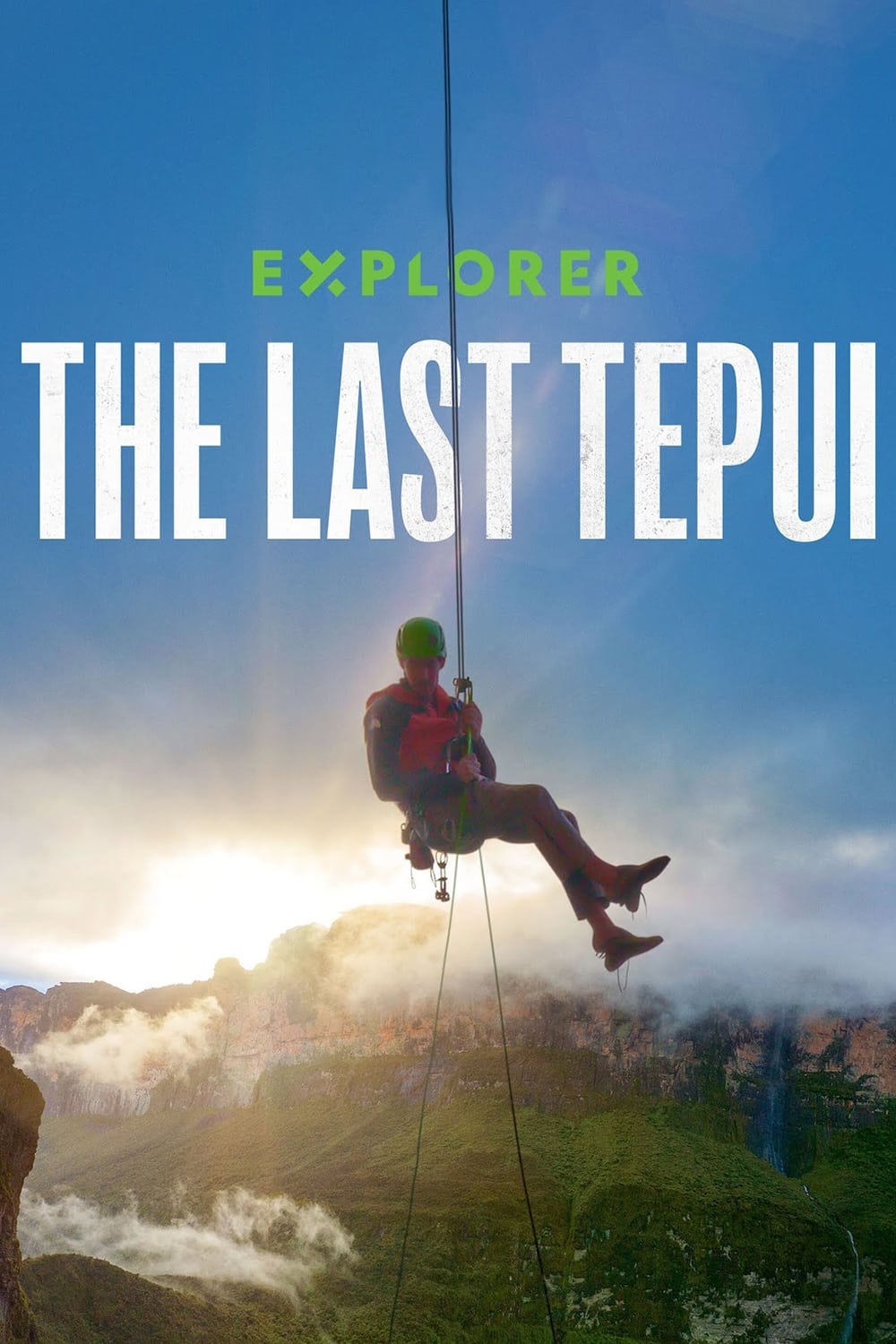
This documentary starring climber Alex Honnold and famous biologist Bruce Means document their expedition to the South American sky islands in search of new species and discoveries. Follows elite climber Alex Honnold and a world-class climbing team led by National Geographic Explorer and climber Mark Synnott on a grueling mission deep in the Amazon jungle as they attempt a first-ascent climb up a 1000 foot sheer cliff.
Ranjit, a farmer in India, takes on the fight of his life when he demands justice for his 13-year-old daughter, the victim of a brutal gang rape. His decision to support his daughter is virtually unheard of, and his journey unprecedented.
BBC Arena's documentary on the Dames of British Theatre and film featuring Maggie Smith, Eileen Atkins, Judi Dench and Joan Plowright on screen together for the first time as they reminisce over a long summer weekend in a house Joan once shared with Sir Laurence Olivier.
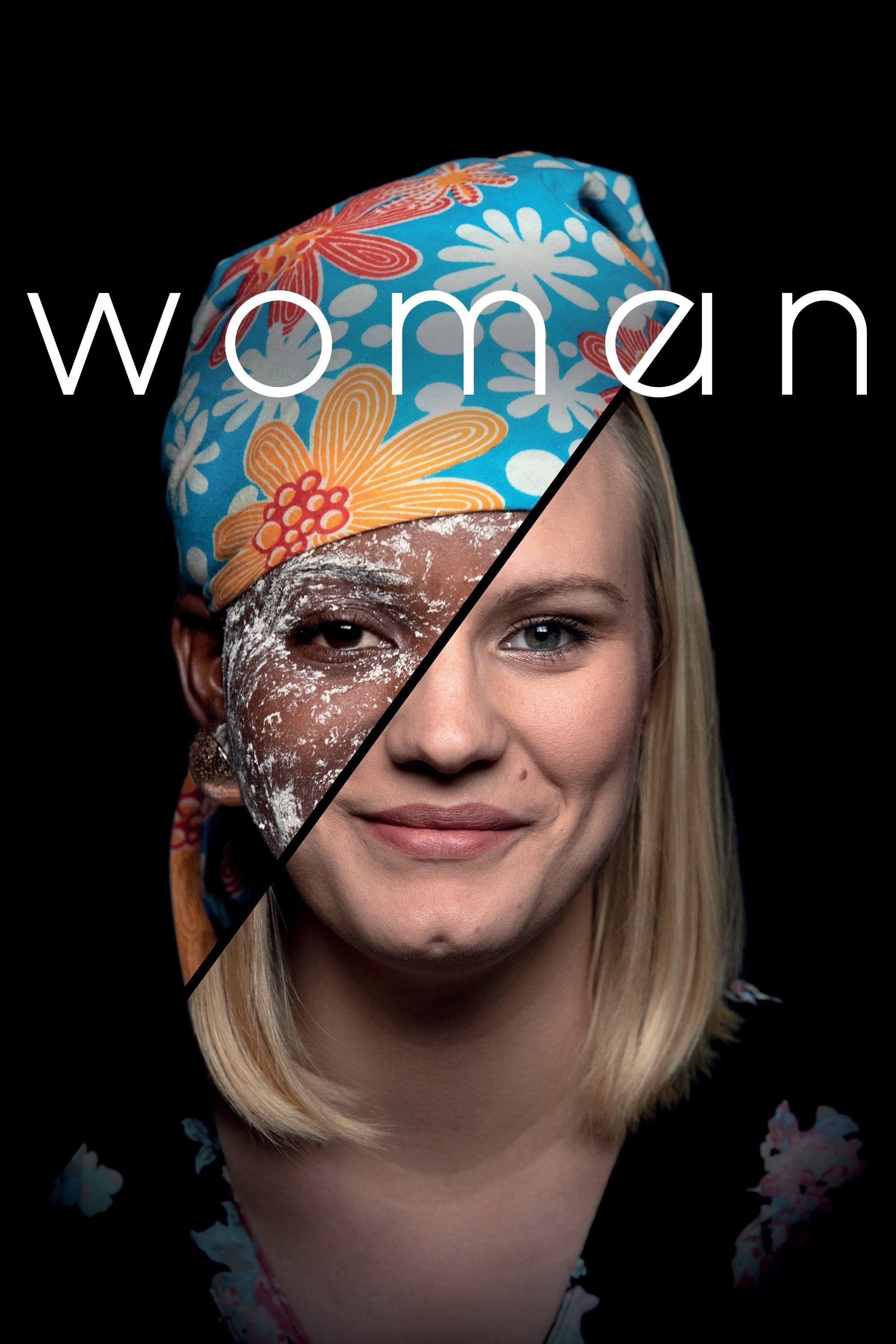
The film is based on interviews with 2,000 women from 50 countries, and covers the status of women all over the world. The topics covered include forced marriages, sexual assault, female genital mutilation, acid attacks, motherhood, sexuality, menstruation, education and the professional success of women.
From the heights of her modeling fame to her tragic death, this documentary reveals Anna Nicole Smith through the eyes of the people closest to her.
Director Michael Apted revisits the same group of British-born adults after a 7 year wait. The subjects are interviewed as to the changes that have occurred in their lives during the last seven years.