Social & External
The people behind it
Anicée Alvina
Elise
Jean-Luc Bideau
Bouillon
Danièle Delorme
Eudes
Philippe Noiret
Eugène Pottier
Raymond Bussières
Jean-Baptiste
Cécile Vassort
Leila
Claude Brosset
Madrou
Paulette Dubost
Mme Lapoule
Monique Chaumette
Henriette
László Szabó
Léo Frankel
A retelling of the story of France’s iconic but ill-fated queen, Marie Antoinette - from her betrothal and marriage to Louis XVI at fifteen to her reign as queen at nineteen and ultimately the fall of Versailles.
In 19th century France, Jean Valjean, a man imprisoned for stealing bread, must flee a relentless policeman named Javert. The pursuit consumes both men's lives, and soon Valjean finds himself in the midst of the student revolutions in France.
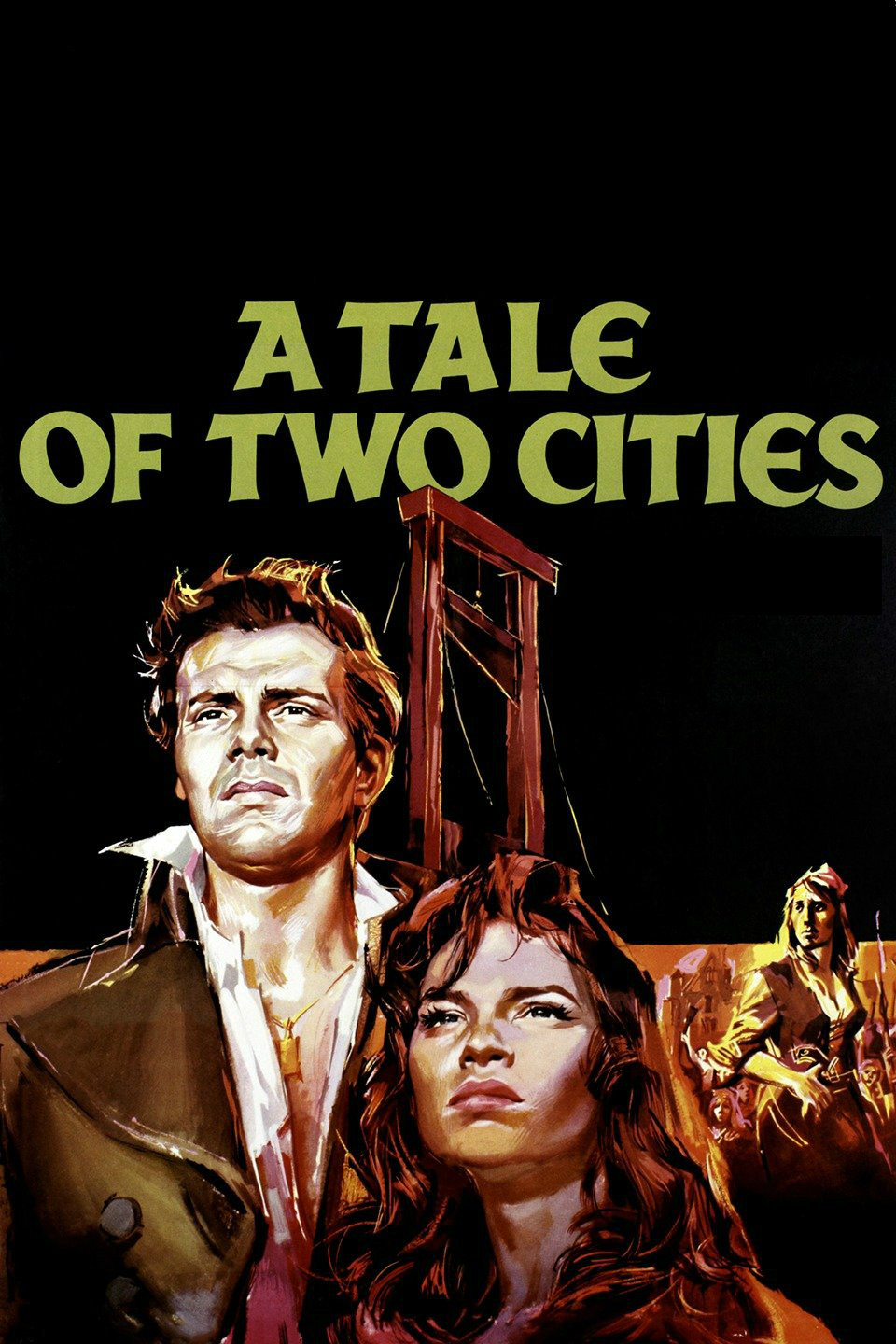
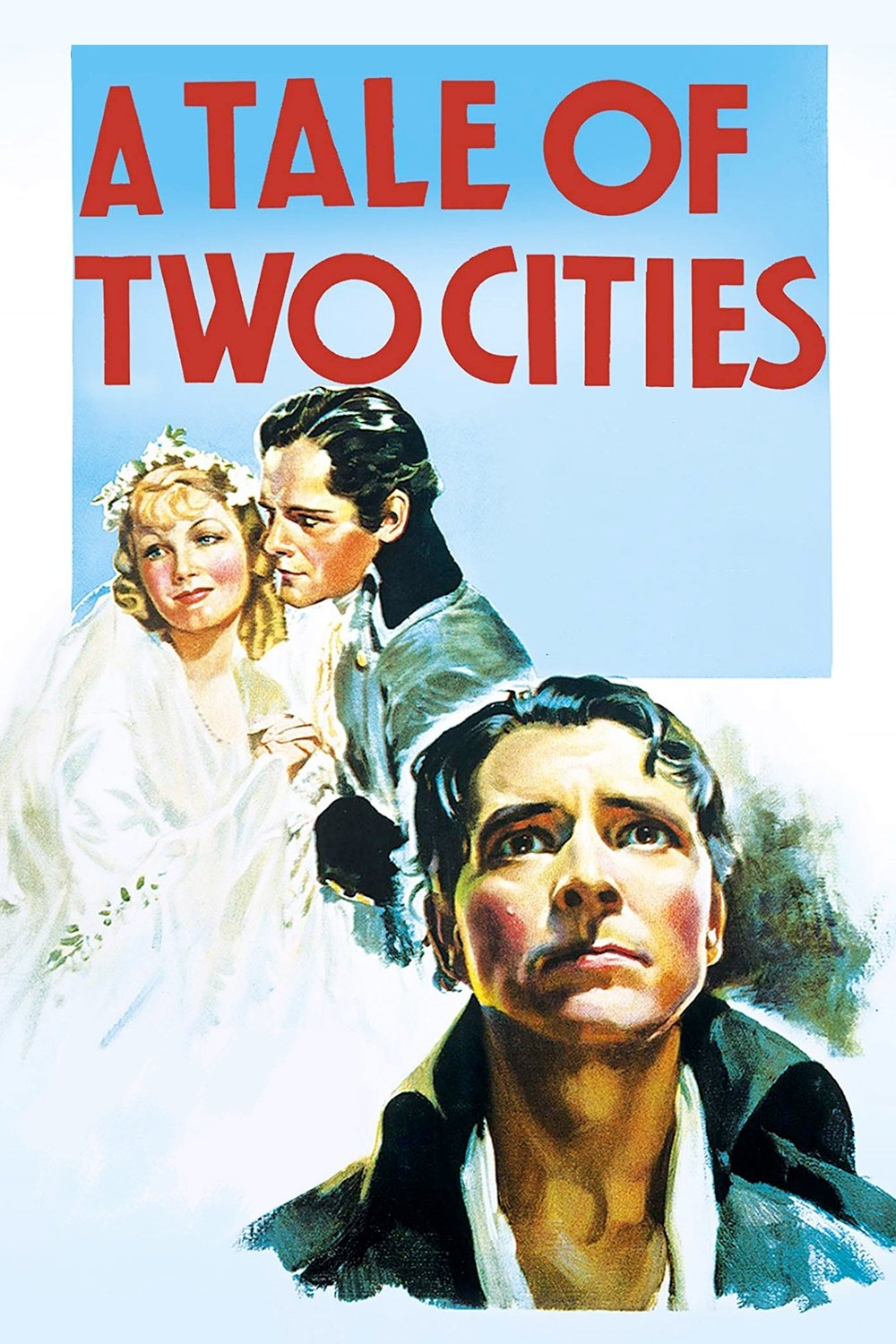
Set against the conditions leading up to the French Revolution and the Reign of Terror, French doctor Alexandre Manette serves an 18-year imprisonment in the Bastille in Paris, followed by his release to live in London with the daughter he has never met.
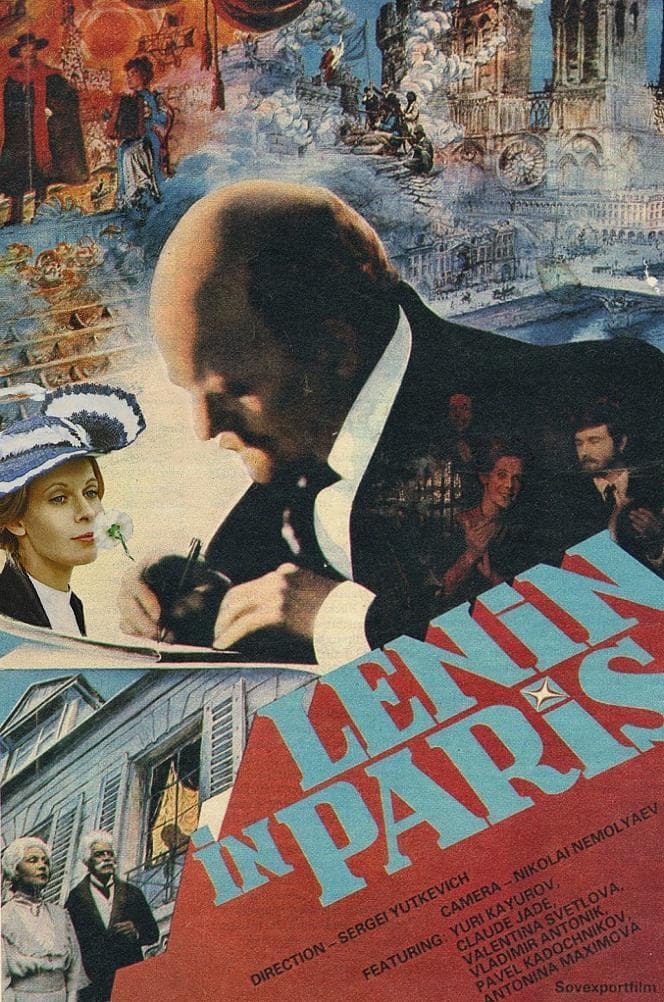
1911. Lenin organizes the first Bolshevik party school near Paris, in the small town of Longjumeau. Through a chain of historical parallels and associations, this time is intertwined with the events of the Paris Commune, the October Revolution and the political struggles of the post-revolutionary years.
After serving as an embassy secretary in London at the end of 1787, a position he didn't exactly enjoy, the poet André Chénier returns to Paris. When the Revolution breaks out, he becomes enthusiastic about it, and never ceases to express his love of liberty and high principles. But he also speaks out against excesses and troublemakers. For her part, the beautiful Aimée de Coigny, who has just divorced the Duc de Fleury, leads a dissolute life. In 1793, the Convention decides to put "the Terror on the agenda". Aimée de Coigny and her new lover, Casimir de Montrond, are arrested. At the Saint-Lazare prison, their life together is preserved. Six months later, Chénier is arrested and imprisoned. Dazzled by the young woman's beauty, the poet dedicates his most beautiful verses to her. But Aimée remains unmoved by his love.
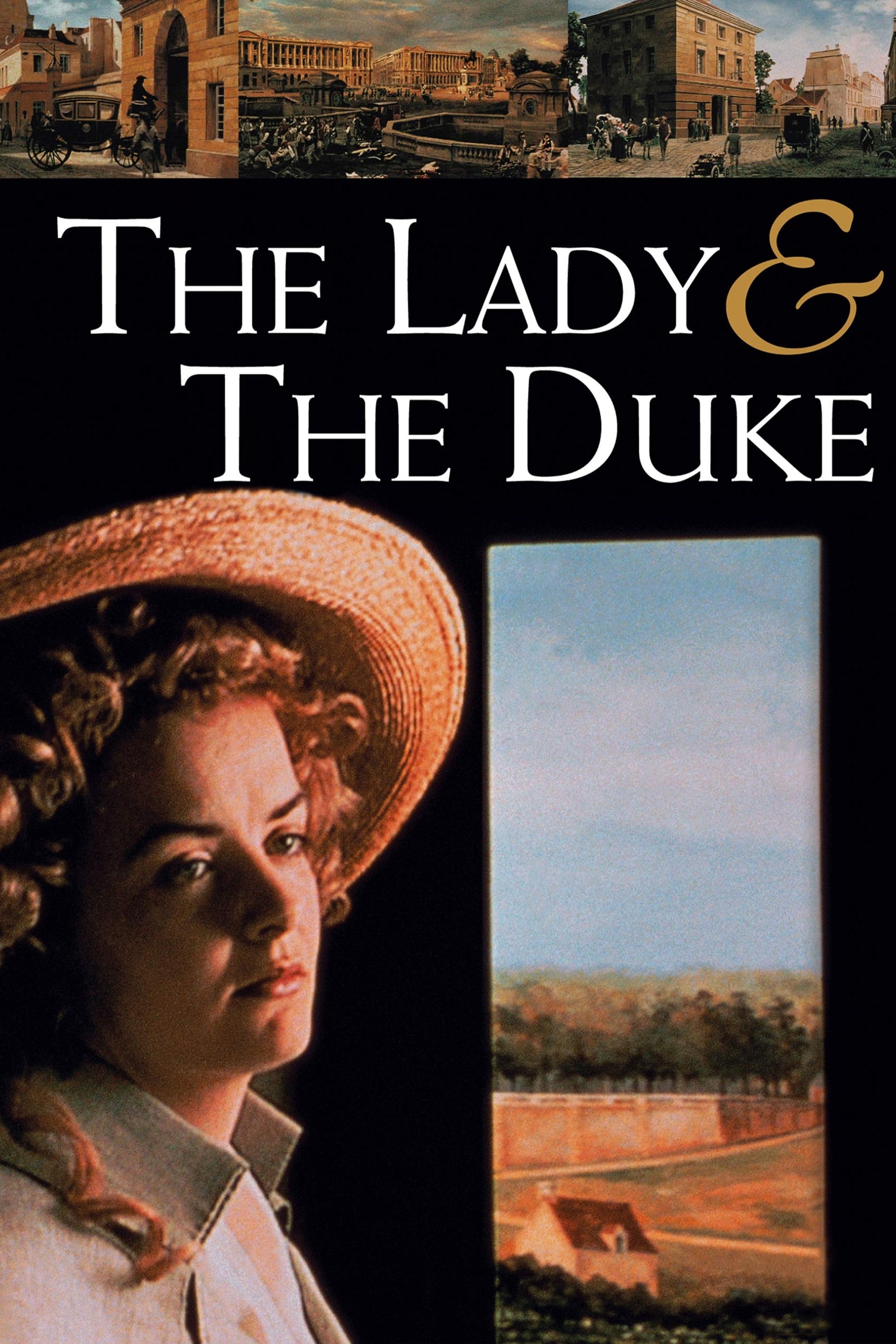
Grace Dalrymple Elliot is a British aristocrat trapped in Paris during the French Revolution. Determined to maintain her stiff upper lip and pampered life despite the upheaval, Grace continues her friendship with the Duke of Orléans while risking her life and liberty to protect a fugitive.
Two sets of identical twins are accidentally switched at birth. One pair, Phillipe and Pierre DeSisi, are aristocratic and haughty, while the other, Charles and Claude Coupé, are poor and dim-witted. On the eve of the French Revolution, both sets find themselves entangled in palace intrigue.
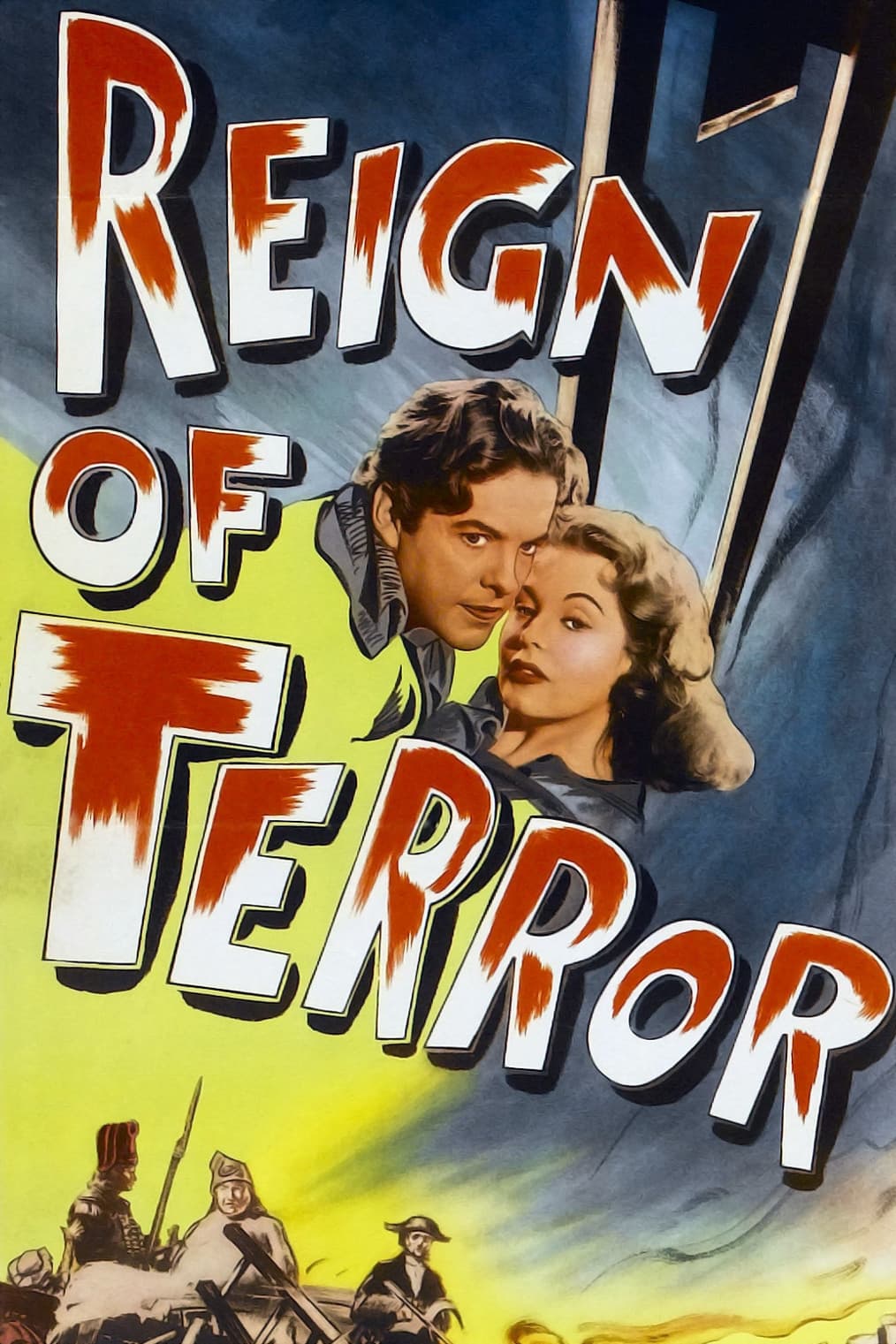
The French Revolution, 1794. The Marquis de Lafayette asks Charles D'Aubigny to infiltrate the Jacobin Party to overthrow Maximilian Robespierre, who, after gaining supreme power and establishing a reign of terror ruled by death, now intends to become the dictator of France.
Oscar François de Jarjayes was born female, but her father insisted she be raised as a boy as he had no sons. She becomes the captain of the guards at Versailles under King Louis XVI and Marie Antonette. Her privileged, noble life comes under fire as she discovers the hard life of the poor people of France. She is caught up in the French Revolution, and must choose between her loyalty and love.
The time is the French Revolution; the place is the village of Travers, ensconsed in neutral Switzerland. Prussian aesthete Herman Beyer is on the verge of divorcing wife Corinna Harfouch. Radical writer Uwe Kokisch, Corinna's lover, hopes to find a way of smoothing out animosities. What follows, however, is a nonstop drinking binge. The film subliminally addresses the then-prevalent issue of a divided Germany. Whether or not it succeeds is unimportant; Treffen in Travers (Reunion in Travers) has proven to be a crowd pleaser wherever it has been shown.
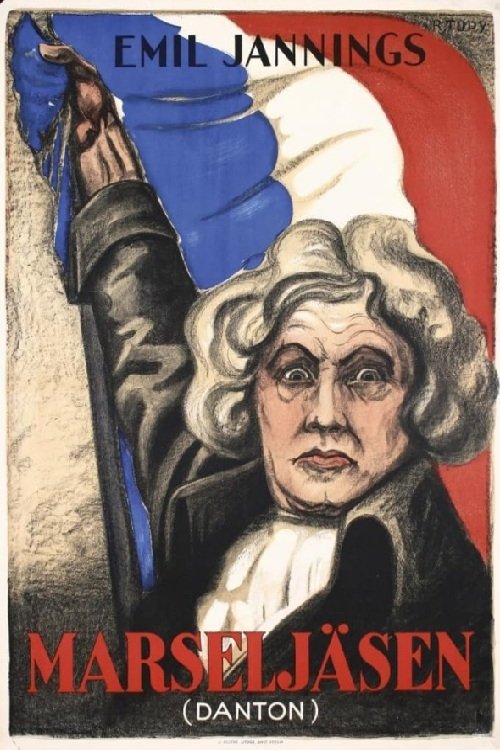
Danton and Robespierre were close friends and fought together in the French Revolution, but by 1793 Robespierre was France's ruler, determined to wipe out opposition with a series of mass executions that became known as the Reign of Terror. Danton, well known as a spokesman of the people, had been living in relative solitude in the French countryside, but he returned to Paris to challenge Robespierre's violent rule and call for the people to demand their rights. Robespierre, however, could not accept such a challenge, even from a friend and colleague, and he blocked out a plan for the capture and execution of Danton and his allies.
A history of the French Revolution beginning from the decision of the king to convene the Etats-Generaux in 1789 in order to deal with France's debt problem. Part one spans the event until August 10, 1792 (when the King Louis XVI lost all authority and was imprisoned). Part two carries the story through the end of the terror in 1794.
Nicolas Philibert goes to America after killing a French aristocrat. On his return he tries to divorce his wife, Charlotte, but when he sees others trying to woo her his own interest is rekindled.
At the height of Reign of Terror Maximilien Robespierre orchestrates the trial and execution of several of his fellow leading French revolutionaries including Georges Danton.
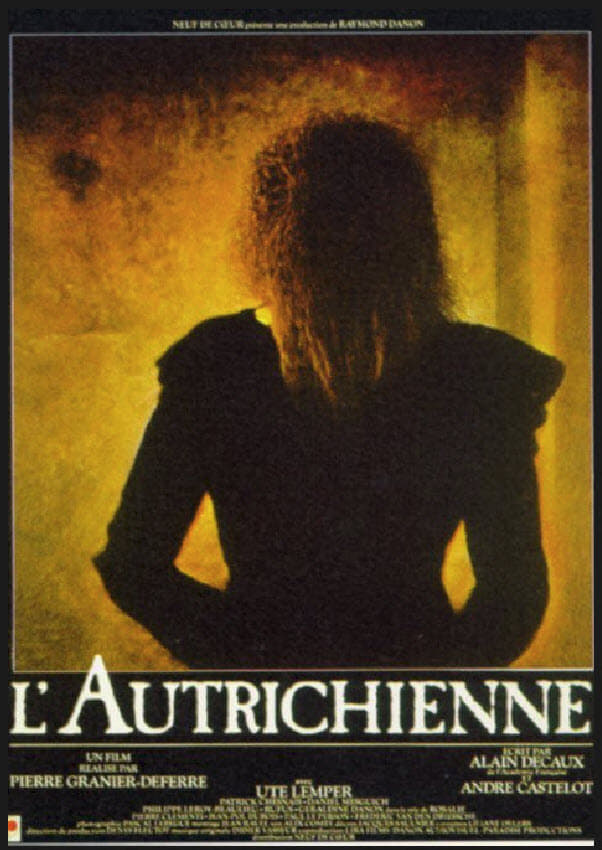
A woman is detained at La Conciergerie. She's 37 but her hair are already white. She's suffering from terrible haemorraghe. Her name is Marie-Antoinette of Lorraine, from Austria, and she's living her last four days.
1759, Mauritius Island, Indian Ocean. The island is controlled by French settlers and the deported slave population live in fear while toiling in the sugar cane plantations. Unlike her disillusioned father Massamba, 16-year-old Mati refuses to keep her head down and accept her fate.
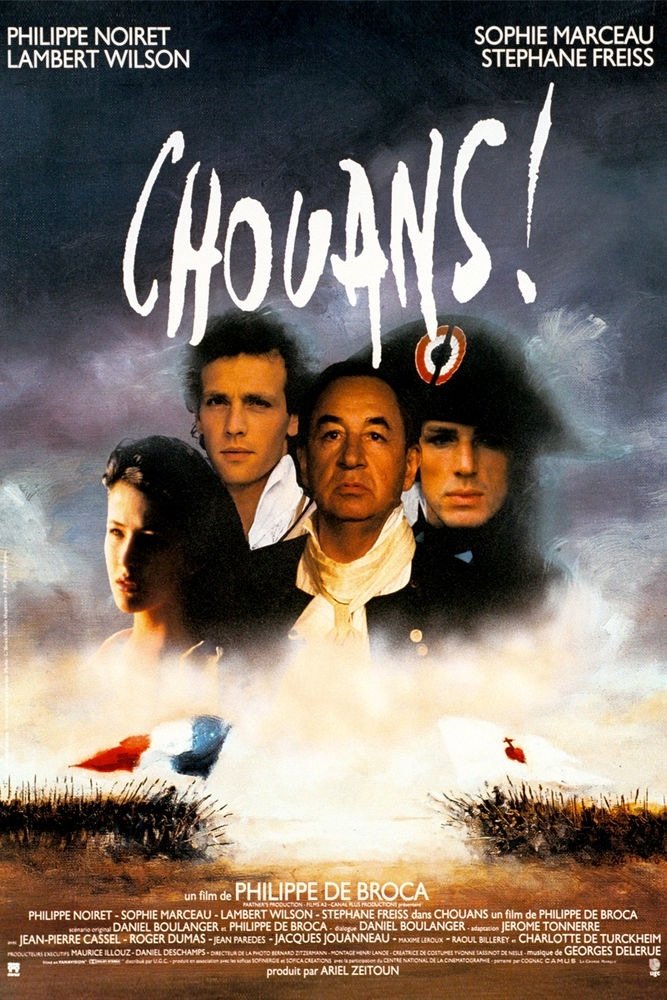
Directed by Philippe de Broca, the film recounts a bloody episode of the French Revolution. 1793, the Terror . In Vendée and in Bretagne, the chouans are revolting against the young Republic and fight for the monarchy restauration. The civil war divides also the family of the Count Savinien de Kerfadec, a liberal and generous noble and a flying machines inventor.
At the tense 1938 Munich Conference, former friends who now work for opposing governments become reluctant spies racing to expose a Nazi secret.
A WWII veteran escapes his care home in Northern Ireland and embarks on an arduous but inspirational journey to France to attend the 75th anniversary of the D-Day landings, finding the courage to face the ghosts of his past.
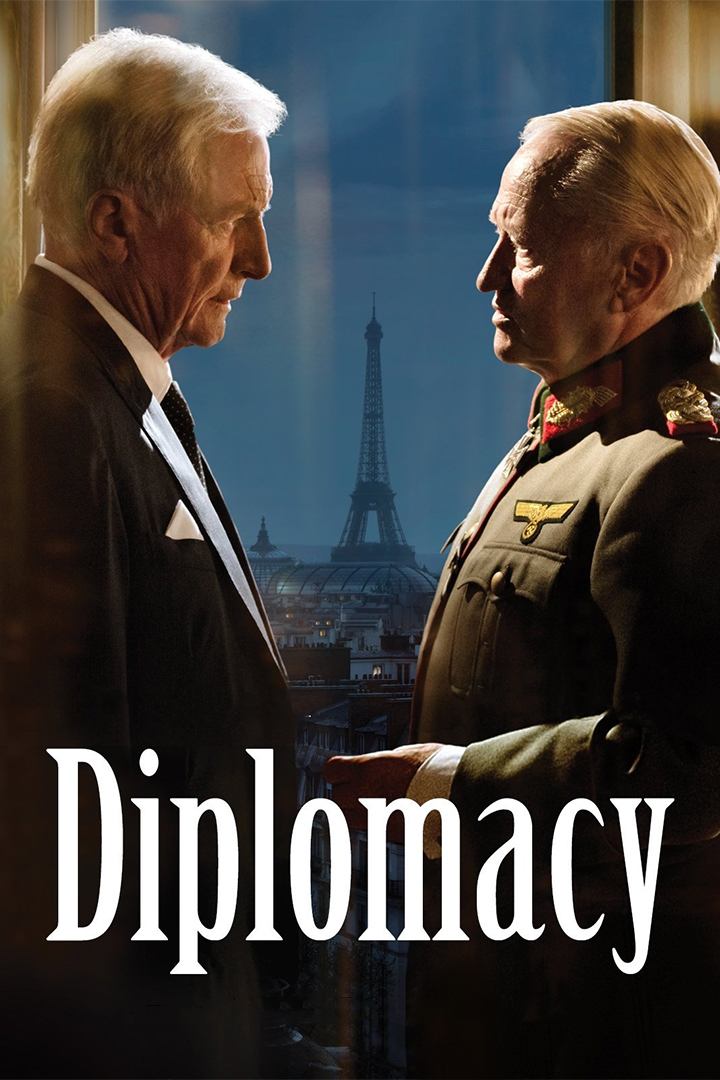
On the night of August 24, 1944, the fate of Paris rests with General von Choltitz, who plans to destroy the city on Hitler's orders. As the general prepares to detonate explosives throughout the capital, Swedish consul Raoul Nordling uses diplomacy in a desperate bid to convince him to defy the orders and save Paris.
Napoleon Bonaparte crowns himself emperor and fights the English, Austrians and Russians in 1802.
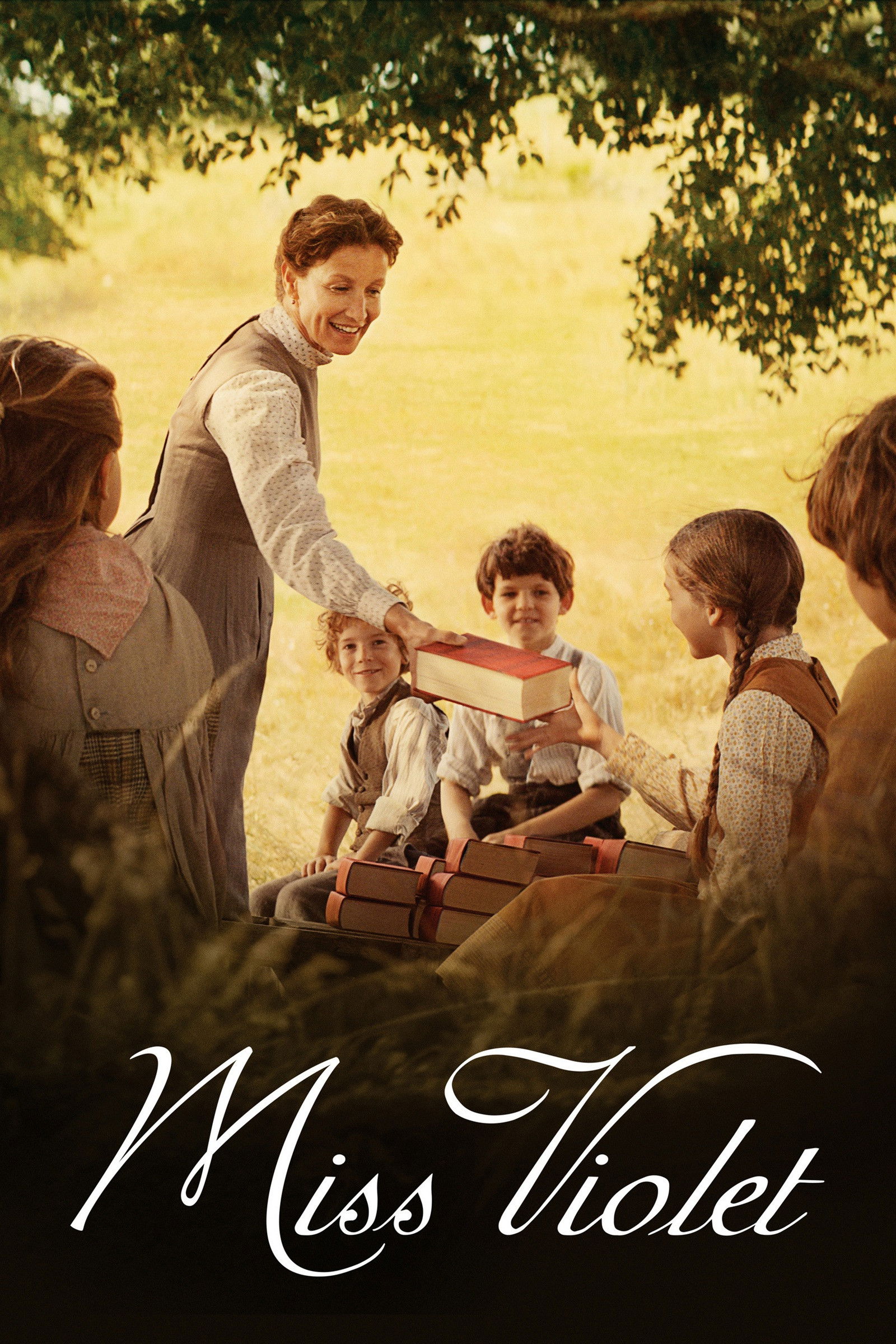
France. End of the 19th century. Louise Violet 40, a Parisian teacher, is sent on a mission to the French countryside. But in a place where the daily life is linked to the seasons, land and crops, she must first convince parents to send their kids to school. With the help of the mayor, she is gradually accepted by the parents and their children. But soon, her past catches up with her. Despite the obstacles she faces, Miss Violet will give her heart and soul to her belief that education is the key to freedom.
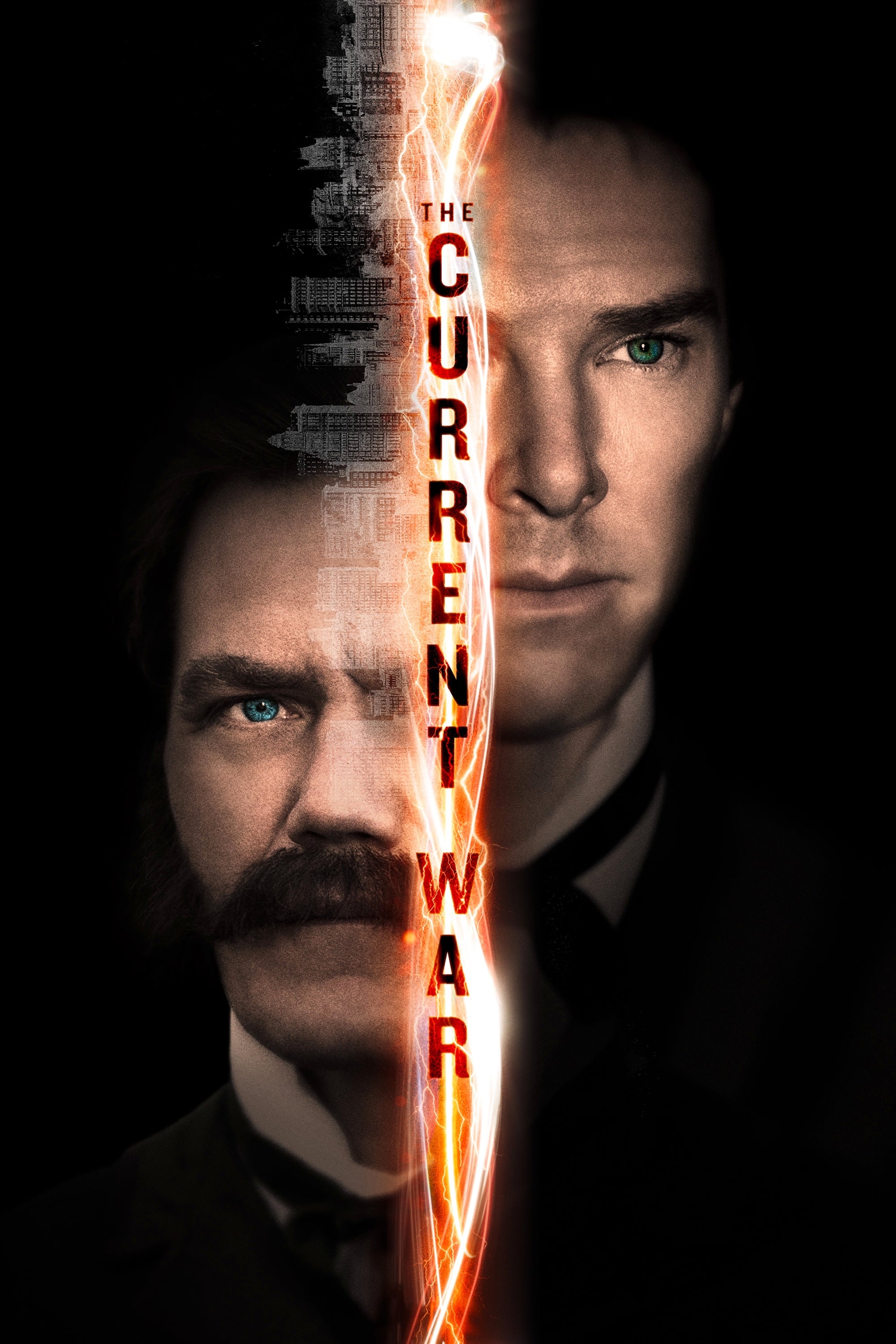
Electricity titans Thomas Edison and George Westinghouse compete to create a sustainable system and market it to the American people.
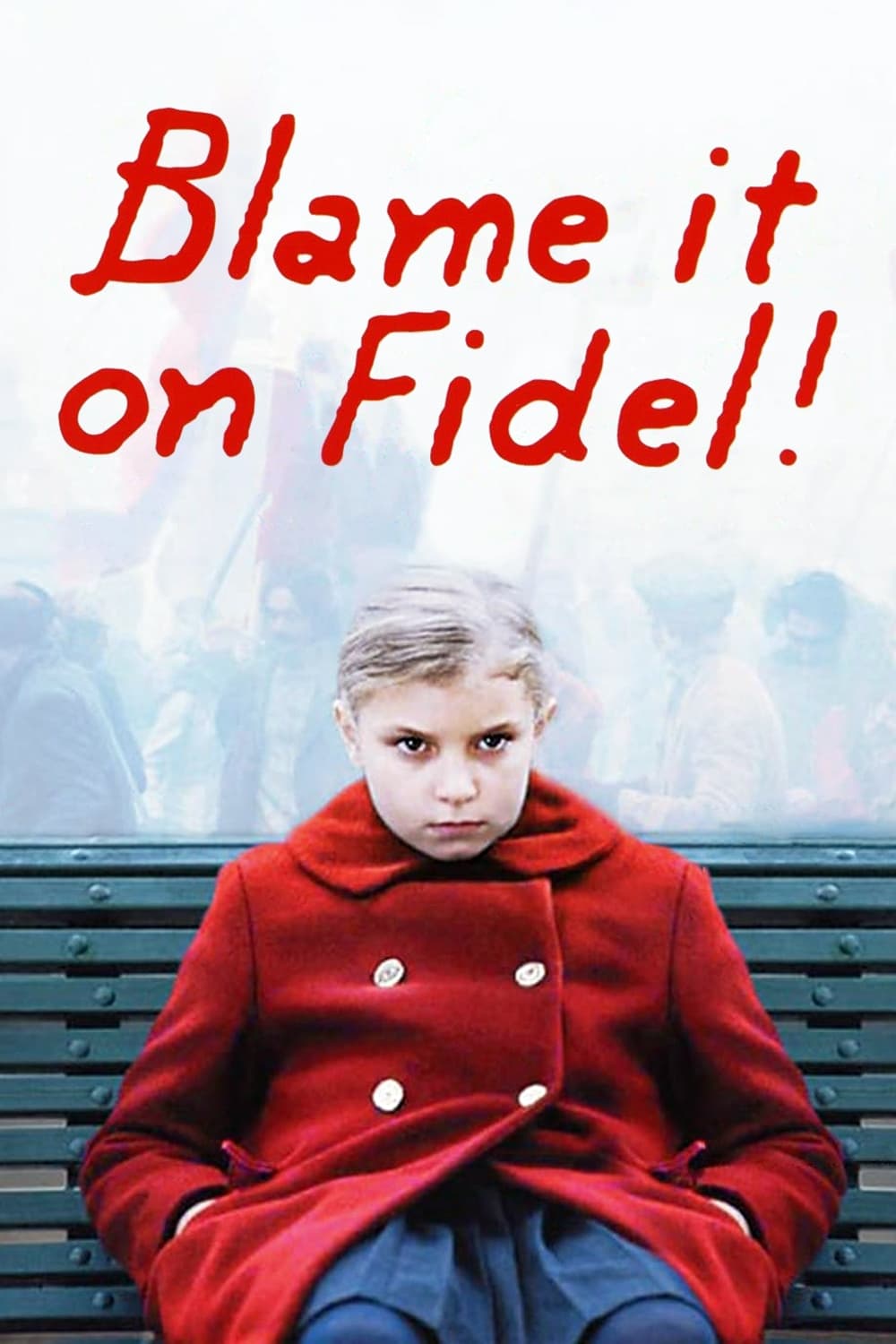
A 9-year-old girl weathers big changes in her household as her parents become radical political activists in 1970-71 Paris.
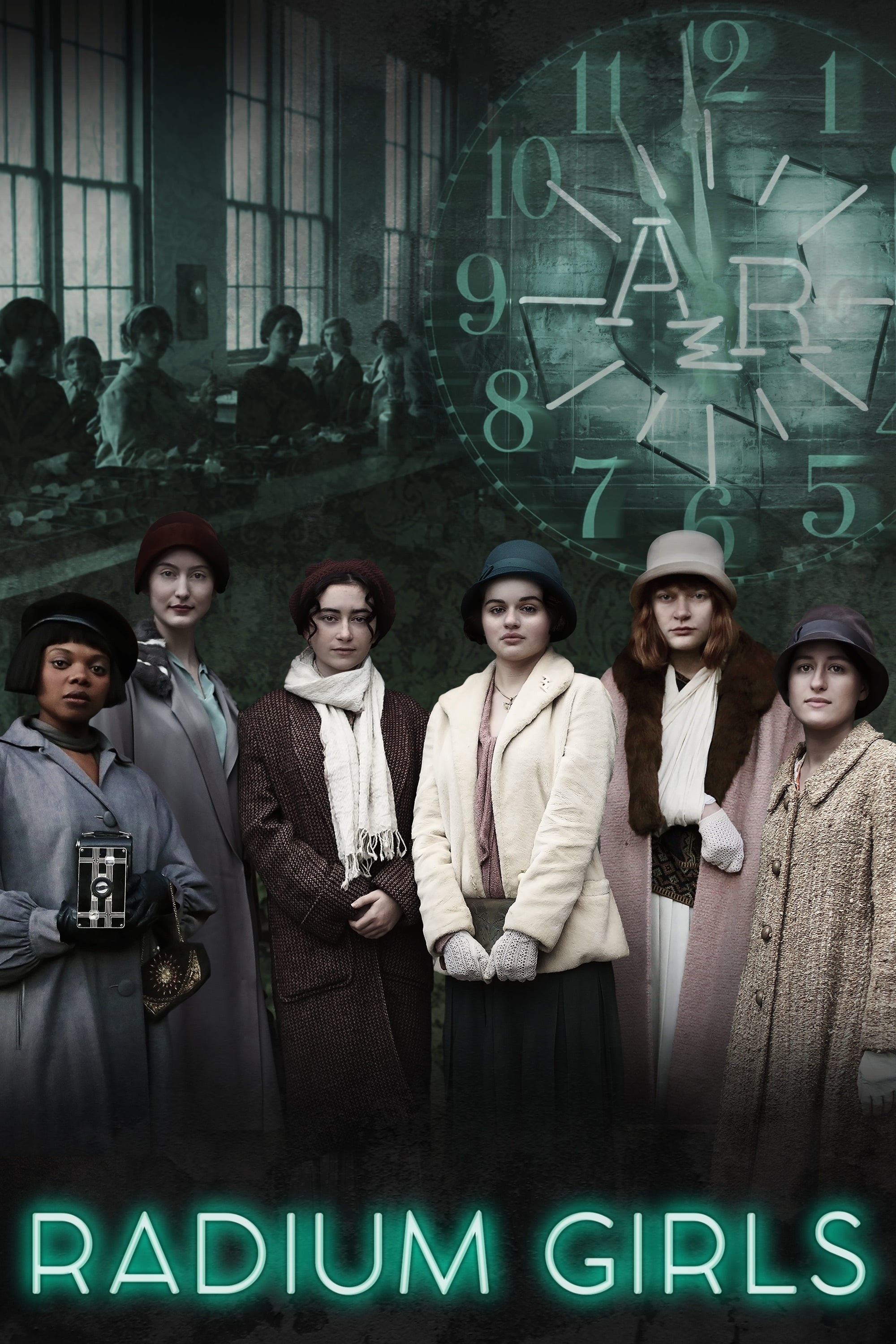
Young women toiling in a factory are exposed to hazardous material which takes a disastrous toll on their health.
During the German occupation of World War II, François, Eusèbe, and Lisa, three courageous children, embark on a secret adventure: resisting the Nazis in the heart of France. Through sabotage, hidden messages, and perilous escapes, they carry out clandestine actions right under the enemy's nose. Daring and friendship are their only weapons in the fight against injustice.
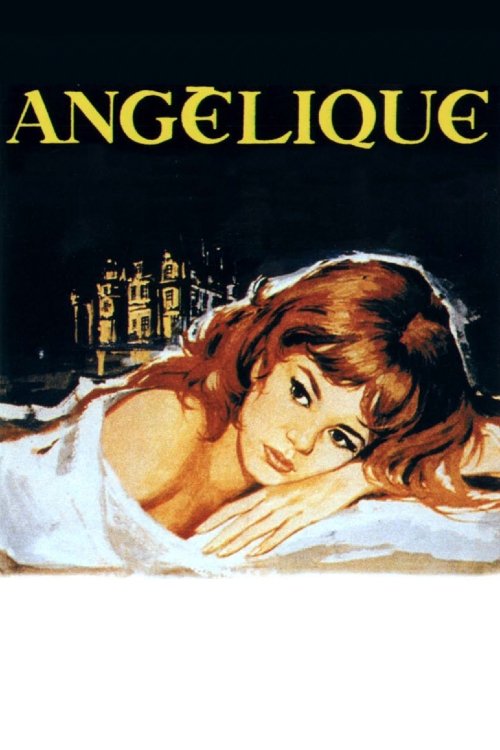
Angelique goes in search of her husband Joffrey de Peyrac who did not die on the stake.
In 17th-century France, beautiful country maiden Angélique marries wealthy neighbor Jeoffray de Peyrac out of convenience, but eventually, she falls in love with him. So when Jeoffray is arrested and then vanishes, she bravely sets out to find him. This is the first of many dramas based on Anne and Serge Golon's novels about strong-willed Angélique and her adventures during the reign of Louis XIV, the Sun King.
Stephen Glass is a staff writer for the respected current events and policy magazine The New Republic and a freelance feature writer for publications such as Rolling Stone, Harper's and George. By the mid-90s, Glass' articles had turned him into one of the most sought-after young journalists in Washington, but a bizarre chain of events - chronicled in Buzz Bissinger's September 1998 Vanity Fair article - suddenly stopped his career in its tracks.
Near the end of World War II, General Dietrich von Choltitz receives orders to burn down Paris if it becomes clear the Allies are going to invade, or if he's unable to maintain control of the city. After much contemplation, Choltitz ignores orders, enraging the Germans and giving hope to various resistance factions that the city will be liberated. Choltitz, alongside Swedish diplomat Raoul Nordling, helps a leader organise his forces.
A story set in 19th century China and centered on the lifelong friendship between two girls who develop their own secret code as a way to contend with the rigid cultural norms imposed on women.
In 1887, at a time when duels are in vogue in Paris, Clément Lacaze and Marie-Rose Astié meet. He's a charismatic master of arms; she's a feminist, far ahead of her time. Clément gets caught in a spiral of violence and decides to initiate Marie-Rose in the art of dueling. The two must work together to save face. How far will they go to defend their honor?