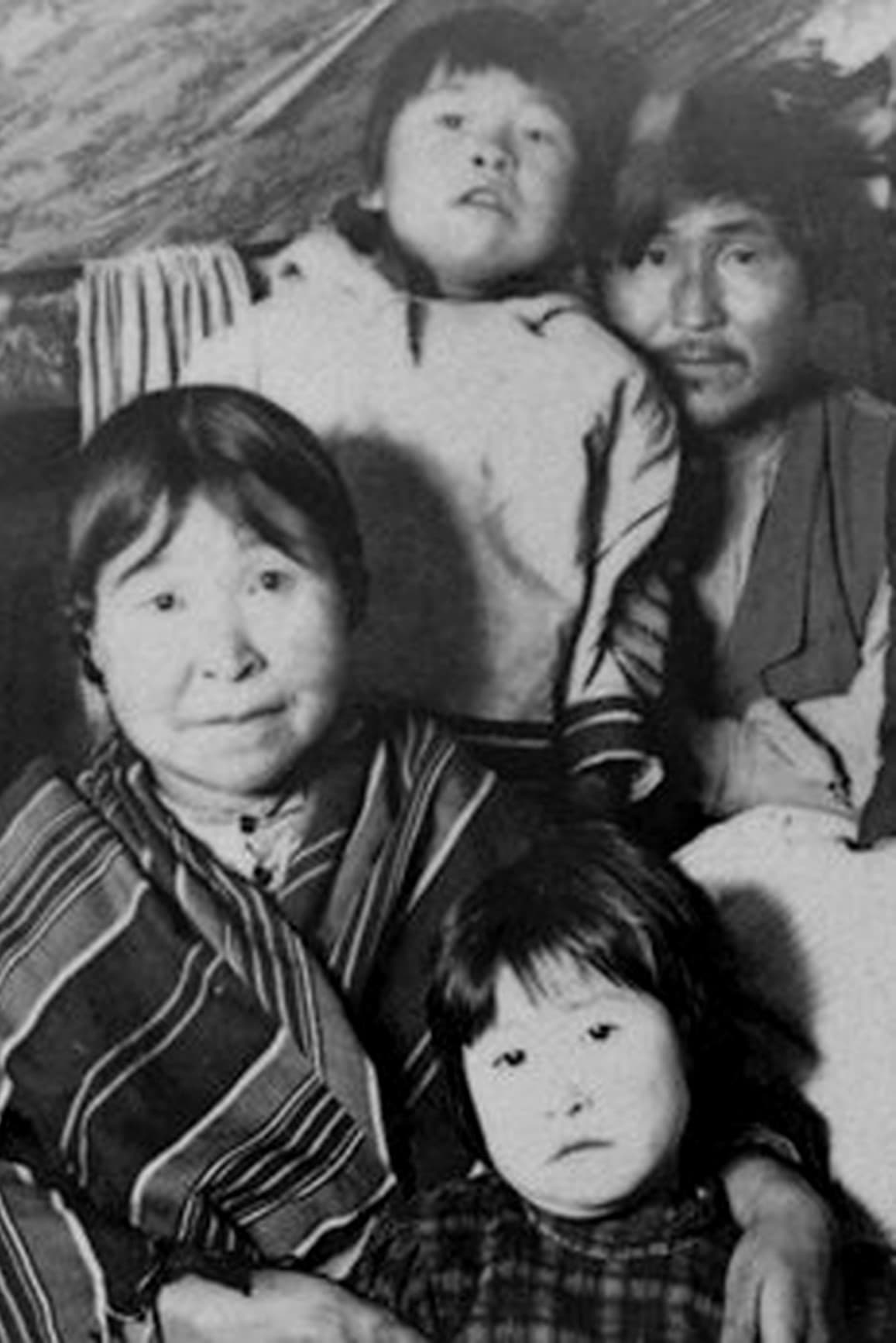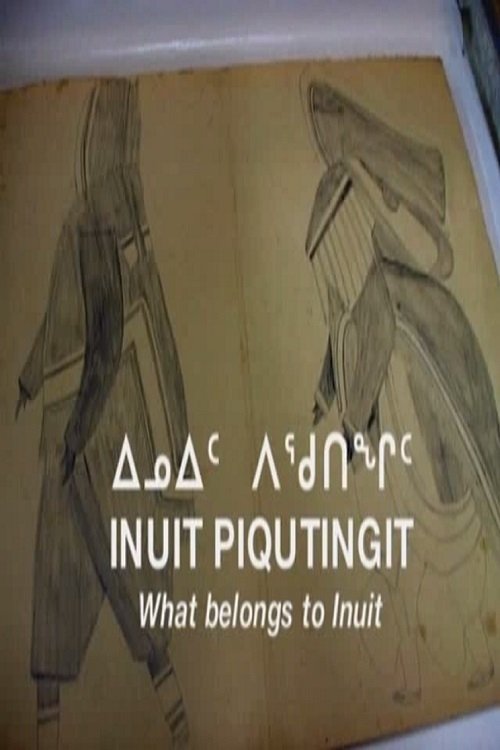
A group of Nunavut elders travel to five museums in North America to see and identify artifacts, tools and clothing collected from their Inuit ancestors. Directed by Zacharias Kunuk and Bernadette Dean.
Social & External
The people behind it
Mosha Michael made an assured directorial debut with this seven-minute short, a relaxed, narration-free depiction of an Inuk seal hunt. Having participated in a 1974 Super 8 workshop in Frobisher Bay, Michael shot and edited the film himself. His voice can be heard on the appealing guitar-based soundtrack…. Natsik Hunting is believed to be Canada’s first Inuk-directed film. – NFB
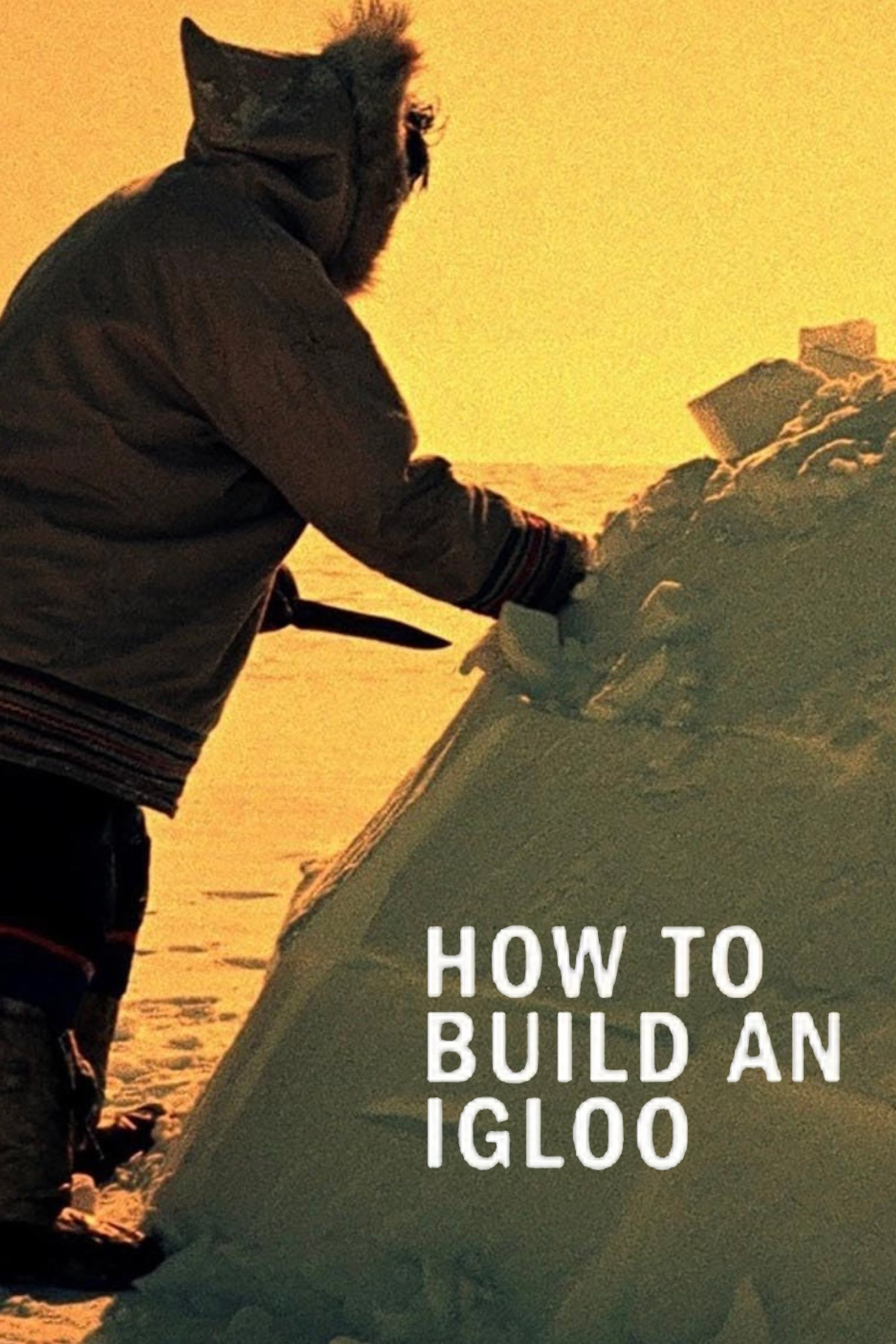
This classic short film shows how to make an igloo using only snow and a knife. Two Inuit men in Canada’s Far North choose the site, cut and place snow blocks and create an entrance--a shelter completed in one-and-a-half hours. The commentary explains that the interior warmth and the wind outside cement the snow blocks firmly together. As the short winter day darkens, the two builders move their caribou sleeping robes and extra skins indoors, confident of spending a snug night in the midst of the Arctic cold!
Zacharias Kunuk tackles the subject of the High Arctic Relocation from an Inuit point of view in the documentary Exile. In 1953, Inuit families were forcibly relocated to the uninhabited and inhospitable high arctic, 1500 kilometres north of their traditional homeland of Nunavik, in northern Québec. The goal of the move was to extend Canadian claims of sovereignty to Ellesmere Island. As a result, Inuit people were forced to endure the pain of families torn apart and many years of hardship. With devastating first-person accounts of survival, the trail of broken promises and shameful practices of the government and the RCMP, this powerful documentary captures the long-standing effects of these events from the perspectives of the people who were forced to endure them.
Qallunajatut (Urban Inuk) follows the lives of three Inuit in Montreal over the course of one hot and humid summer.Only two generations ago Inuit lived in small, nomadic hunting camps scattered across the vast Arctic landscape. Since the 1950s, this traditional lifestyle has undergone an astonishing transition from Stone Age to Information Age, as Inuit first relocated (often by force) to government-run settlements, and, more recently, beyond the settlement into southern cities.
Filmmakers revisit Inukjuak, the Inuit village where Robert J. Flaherty filmed Nanook of the North in the early twentieth century, and examine the realities behind the ground-breaking documentary.
Documentary about filmmaker Bonnie Ammaaq's memories of life on Baffin Island, where her family moved for eleven years during her childhood from the hamlet of Igloolik to return to the traditional Inuit way of life.
In this short docu-fiction film, strong and hardy Inuit hunters demonstrate and test their strength in boxing, tug-of-war, and other strenuous activities. We see and hear the drum dance, a demonstration of Inuit poetry and rhythm.
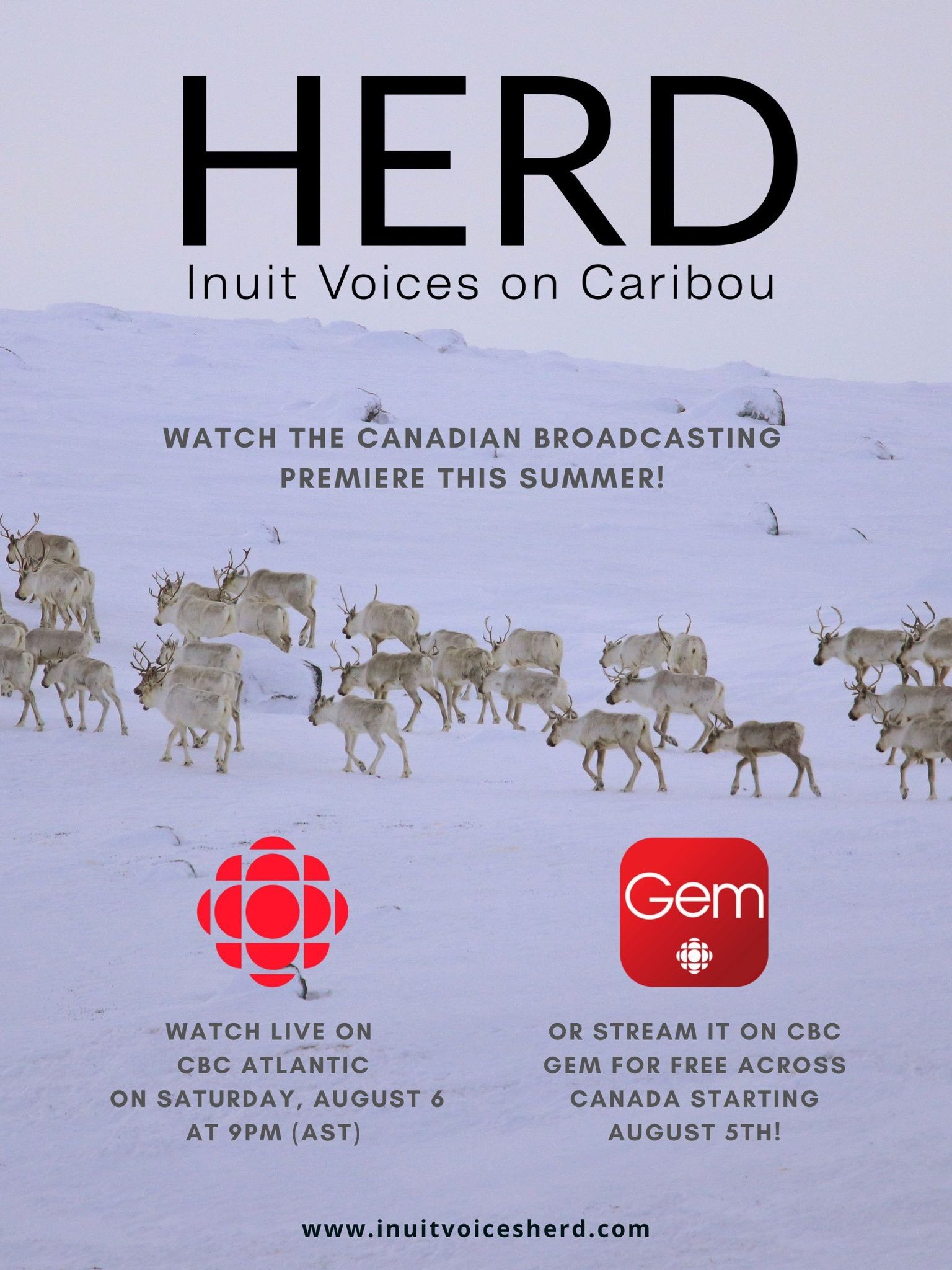
Through Inuit voices, HERD: Inuit Voices on Caribou tells the story of the social, emotional, and cultural disruptions from ecological change by putting an essential human face to the caribou declines - including a 99% decline of the once-massive George River Caribou Herd. The film was developed over four years of collaboration between filmmakers and 11 Inuit communities across Labrador. It cinematically explores an array of lived experiences, from youth to Elders and hunters to cooks, to ensure that the stories of those living on the frontlines of this ecological crisis are HERD. It is a portrait of the deep connections that exist between humans and non-humans, a glimpse of heartbreaking loss felt by entire communities, and a lasting testament of cultural resilience in the context of ecological uncertainty.
The director goes back to her roots in Pangnirtung, amongst her family and community. It leads her to another journey: to Qipisa, the outpost camp from where they were uprooted.
Every winter for decades, the Northwest Territories, in the Canadian Far North, changes its face. While the landscape is covered with snow and lakes of a thick layer of ice, blocking land transport, ice roads are converted to frozen expanses as far as the eye can see.
This short documentary depicts the formation in 1959 of the first successful co-operative in an Inuit community in Northern Québec. The film describes how, with other Inuit of the George River community, the Annanacks formed a joint venture that included a sawmill, a fish-freezing plant and a small boat-building industry.
The documentary proposes a unique meeting with the speakers of several indigenous and inuit languages of Quebec – all threatened with extinction. The film starts with the discovery of these unsung tongues through listening to the daily life of those who still speak them today. Buttressed by an exploration and creation of archives, the film allows us to better understand the musicality of these languages and reveals the cultural and human importance of these venerable oral traditions by nourishing a collective reflection on the consequences of their disappearance.
One day in the lives of an average Greenlandic family, which happens to be of great importance for 8-year old Kali - he's about to catch his first prey with the harpoon. The whole family is looking forward for the huge step in boy's maturation.
This short documentary looks at the government relocation of the Labrador Inuit and the effects on their culture and social structures.
The drawings and recollections of Inuit artist Pitseolak, from the book of the same title written by Dorothy Eber. Now in her seventies, Pitseolak is one of the most famous of the graphic artists of the Cape Dorset (Baffin Island) artists' colony and co-operative. Her coloured pencil and felt-pen drawings vividly illustrate her memories of past life in the Arctic, and of the birds, animals and spirits that figured so large in the daily life of the Inuit.
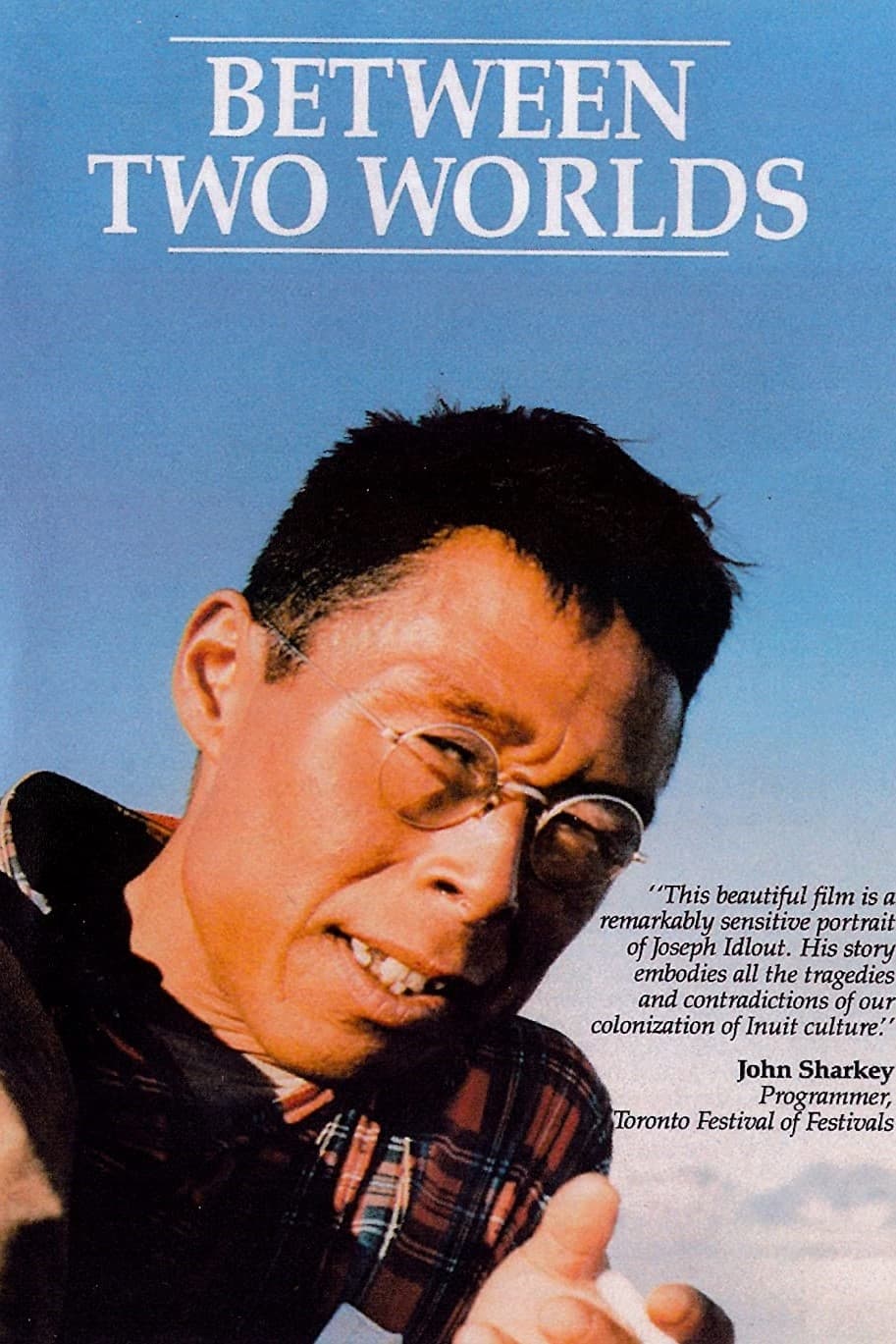
This feature film is a documentary portrait of Joseph Idlout, a man who was once the world's most famous Inuit. Unknown to most Canadians today, Idlout was the subject of many films and books, and one of the Inuit hunters pictured for many years on the back of Canada's $2 bill. In this film Idlout's son, Peter Paniloo, takes us on a journey through his father's life - that of a man caught "between two worlds."
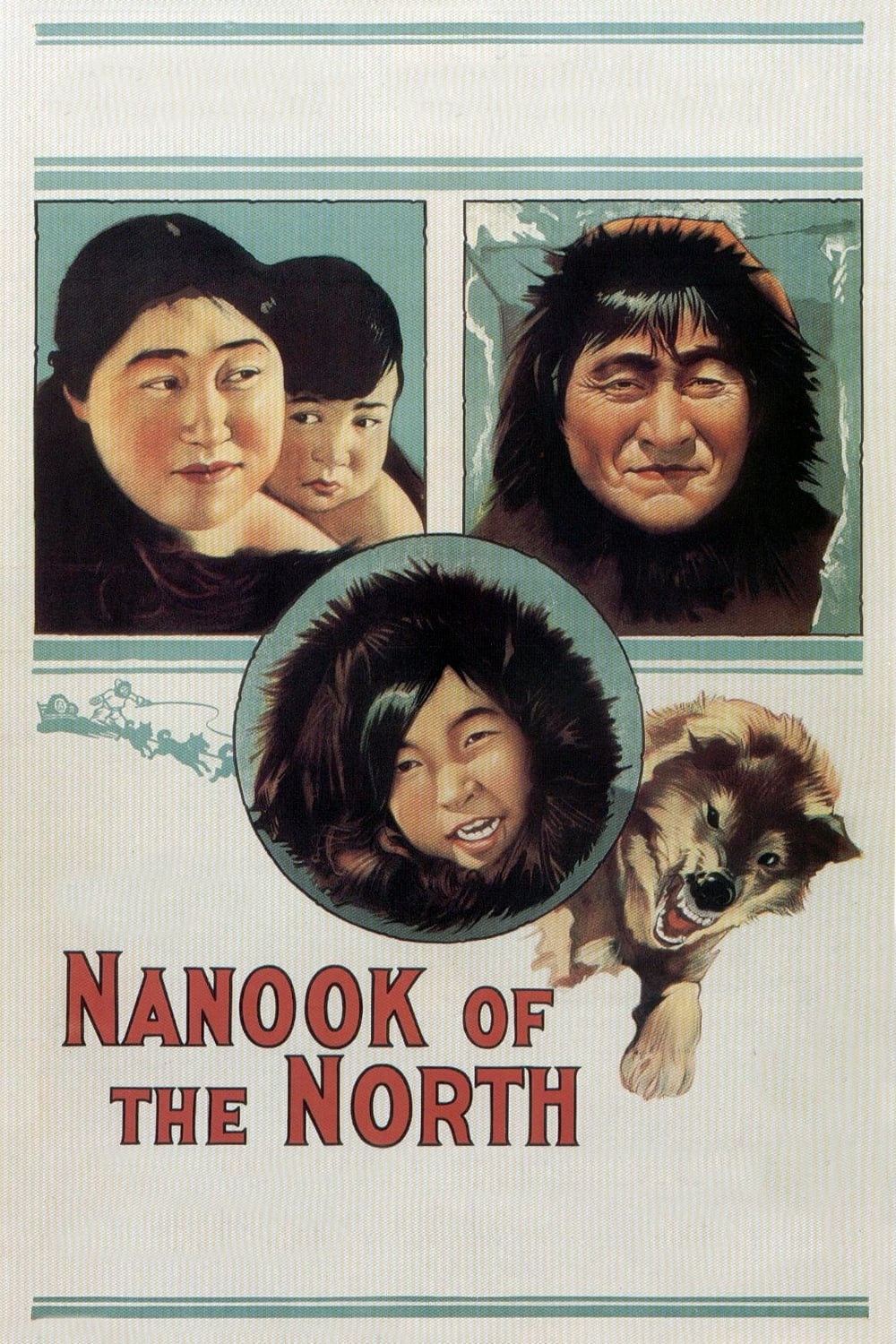
This pioneering documentary film depicts the lives of the indigenous Inuit people of Canada's northern Quebec region. Although the production contains some fictional elements, it vividly shows how its resourceful subjects survive in such a harsh climate, revealing how they construct their igloo homes and find food by hunting and fishing. The film also captures the beautiful, if unforgiving, frozen landscape of the Great White North, far removed from conventional civilization.
This film joins a hunting-party of inhabitants of the Frobisher Bay Correctional Centre. The stalking, killing and skinning of seal and caribou are featured prominently, with explanations as to the importance of these animals to the Inuit way of life.
Brief history and profile of Inuit communities in Northern Labrador and the role of the Moravian missionaries in the region. Warning for outdated and offensive term used.
This short documentary studies life in the village of Kangirsujuaq, Nunavik. In this community on the edge of the Arctic Ocean, children’s laughter fills the streets while the old people ponder the passage of time. They are nomads of the wide-open spaces who are trying to get used to the strange feeling of staying put. While the teenagers lap up Southern culture and play golf on the tundra to kill time, the Elders are slowly dying, as their entire culture seems to fade away. Elisapie Isaac, a filmmaker born in Nunavik, decides to return to her roots on this breathtaking land. To bridge the growing gap between the young and the old, she speaks to her grandfather, now deceased, and confides in him her hopes and fears. Grappling with isolation, family relationships, resource extraction, land-based knowledges, the influence of Southern culture and the ongoing impacts of colonialism on Inuit ways of life, Elisapie Isaac offers a nuanced portrait of the North.
Through deeply personal interviews with her siblings and an examination of the photographs, letters, and belongings left behind, Mariska assembles a new portrait of her mother Jayne Mansfield, an extraordinary and complex woman.

In an intimate and joyful story of love in the face of loss, celebrated poets Andrea Gibson and Megan Falley find strength—and unexpected hilarity—in what might be their final year together.
An inside look at one of the most anticipated movie sequels ever with James Cameron and cast.
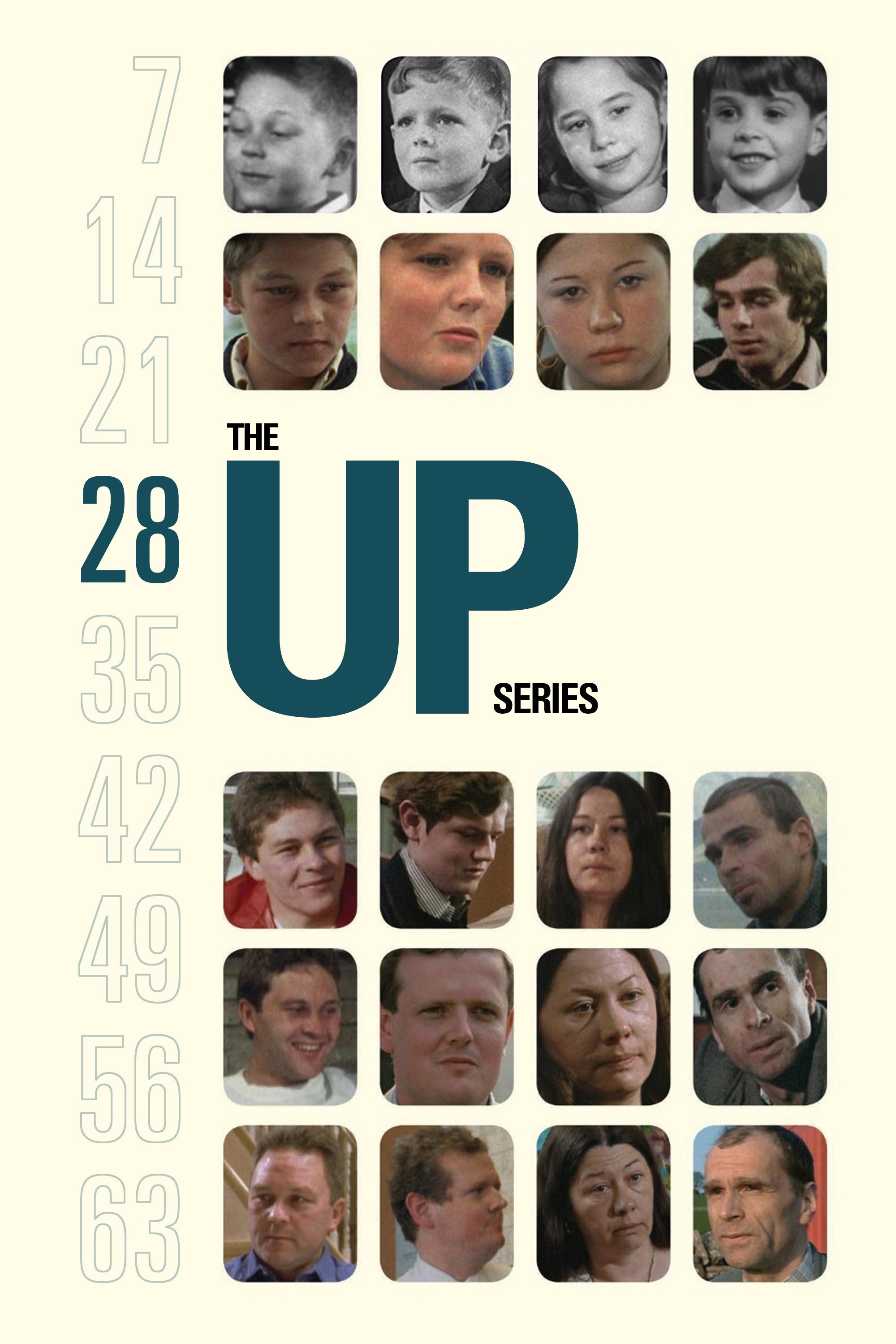
Just two years away from turning 30, participants in Michael Apted's documentary series are facing serious questions of identity and purpose, wondering whether they've found their place in the world.
A visual montage portrait of our contemporary world dominated by globalized technology and violence.
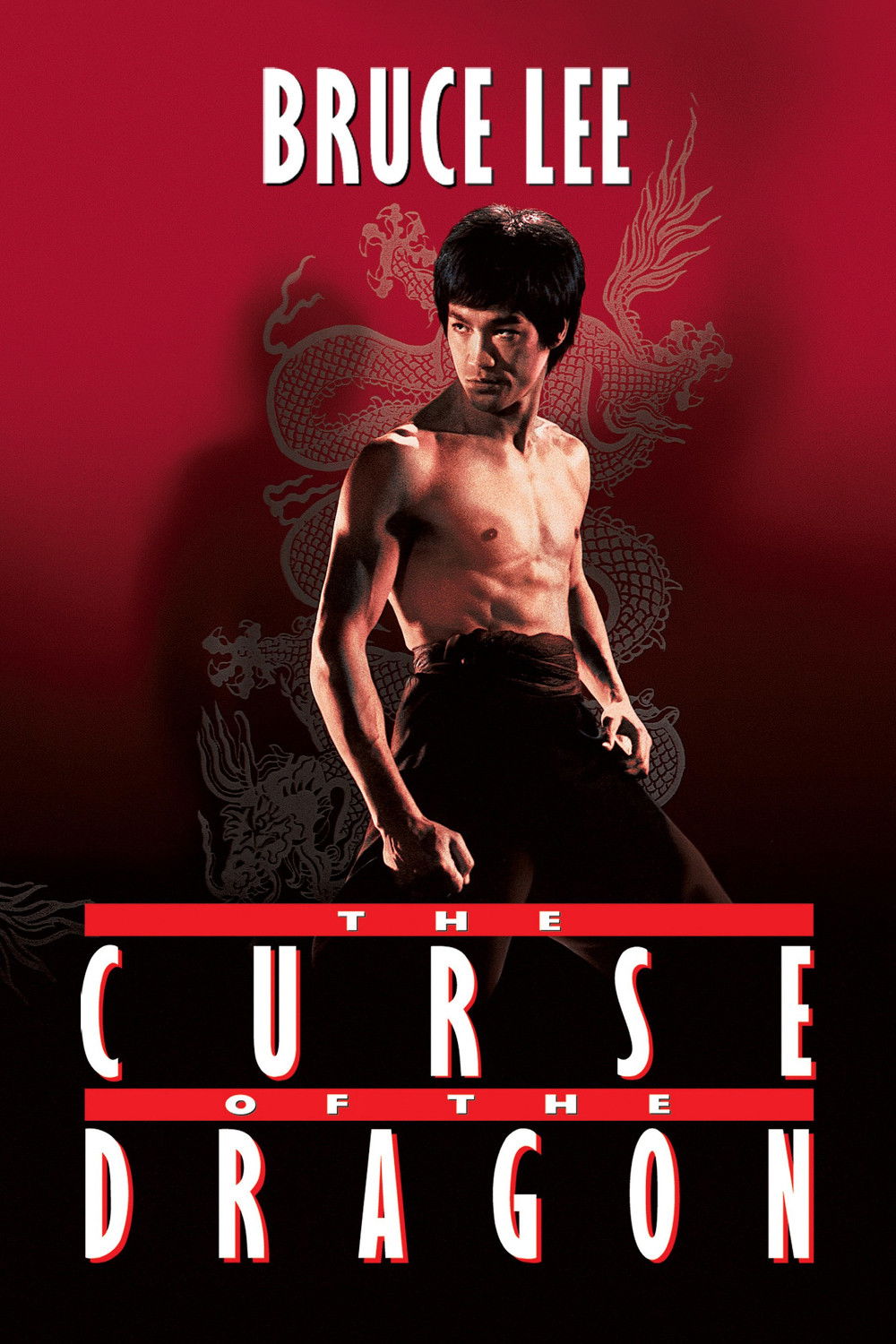
A 1993 documentary film about Bruce Lee. The film includes interviews from some of his fellow students and opponents who worked alongside him in his movies.
A string of threatening emails escalates into a revenge plot involving a newly married US marshal and his ex-girlfriend.
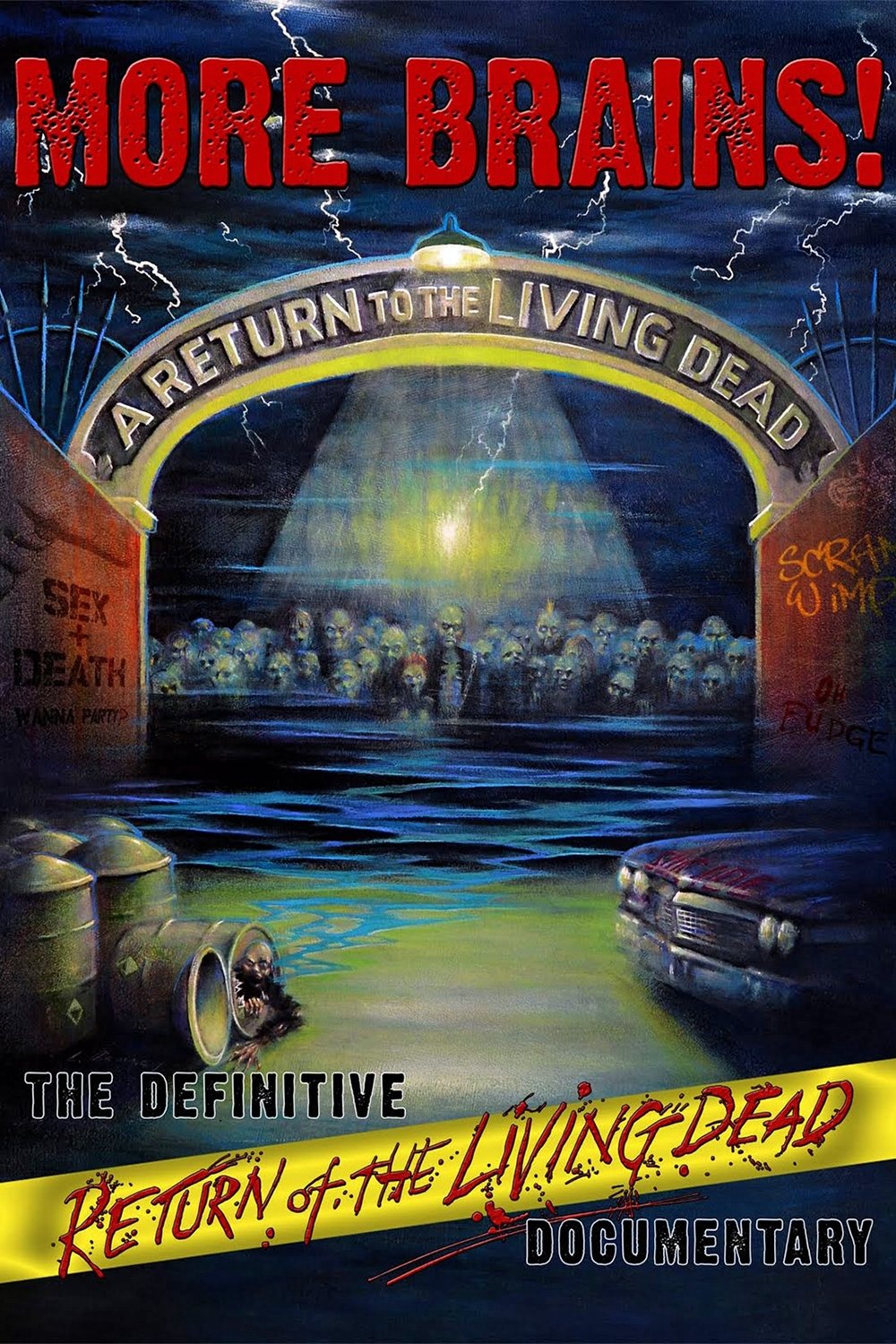
Retrospective documentary about the making of the horror cult classic "The Return of the Living Dead."
A documentary on the expletive's origin, why it offends some people so deeply, and what can be gained from its use.
A detailing of the rise to prominence and global sporting superstardom of six supremely talented young Manchester United football players (David Beckham, Nicky Butt, Ryan Giggs, Paul Scholes, Phil and Gary Neville). The film covers the period 1992-1999, culminating in Manchester United's European Cup triumph.
A documentary about the making of season five of the acclaimed AMC series Breaking Bad.
A documentary about how a dominant cultural and demographic institution both sustains their traditional activities and adapts to the digital revolution.

A documentary about the making of David Fincher's 2008 film THE CURIOUS CASE OF BENJAMIN BUTTON. Virtually every element in the evolution of the Fincher's film is documented here, from the project's attachment to numerous other directors during the 1990s, to its shoot in 2006 and 2007 in New Orleans, to its complex, CGI-intensive postproduction process.
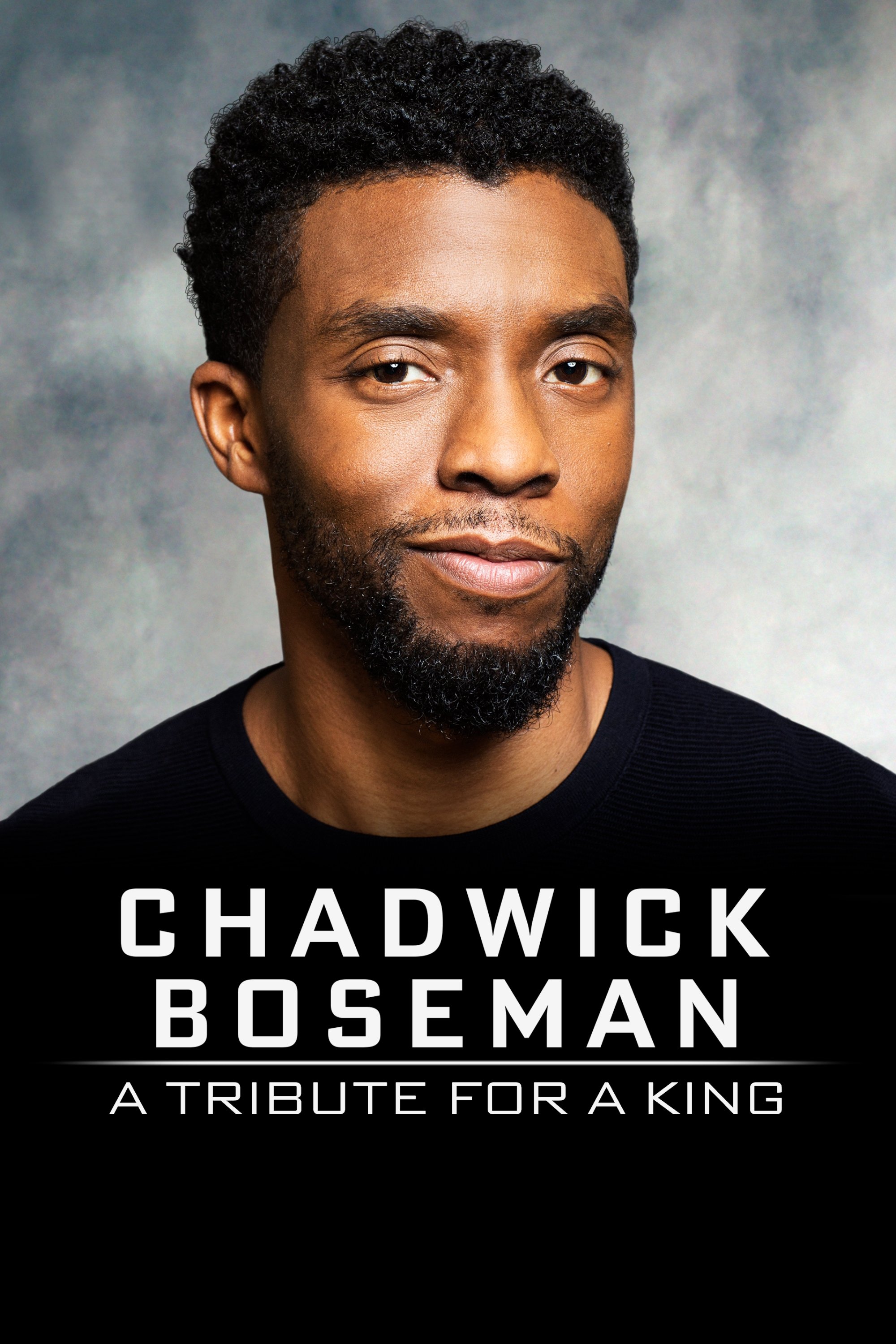
A tribute to Chadwick Boseman, celebrating his life and legacy.
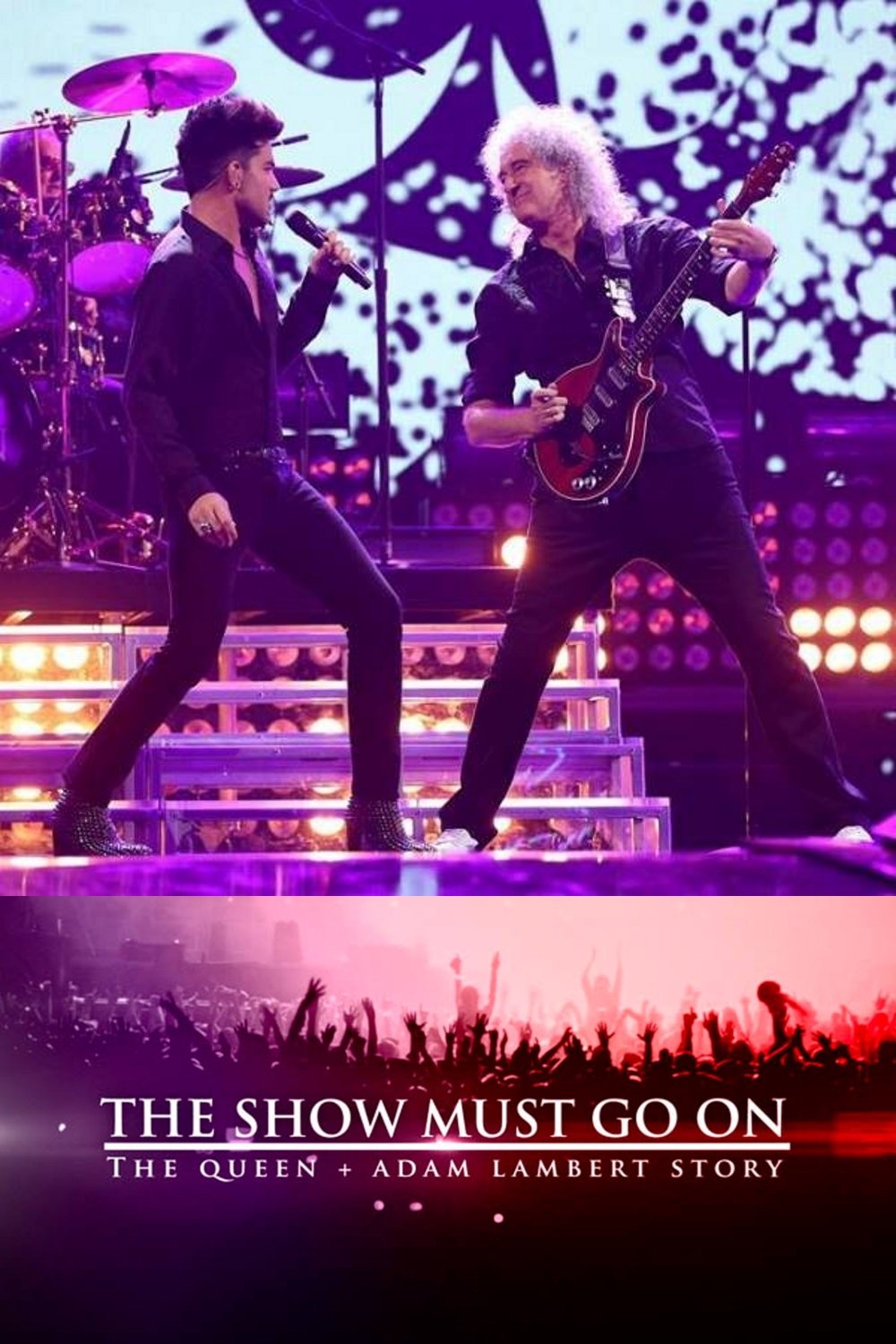
A documentary chronicling Queen and Lambert's incredible journey since they first shared the stage together on "American Idol" in 2009.
The film follows adventurer Jeff Johnson as he retraces the epic 1968 journey of his heroes Yvon Chouinard and Doug Tompkins to Patagonia.
This revealing documentary honors the legendary Sidney Poitier—iconic actor, filmmaker, and civil rights activist. Featuring interviews with Denzel Washington, Spike Lee, Halle Berry, and more.
A look at the origins, history and conspiracies behind the "Majestic 12", a clandestine group of military and corporate figureheads charged with reverse-engineering extraterrestrial technology.
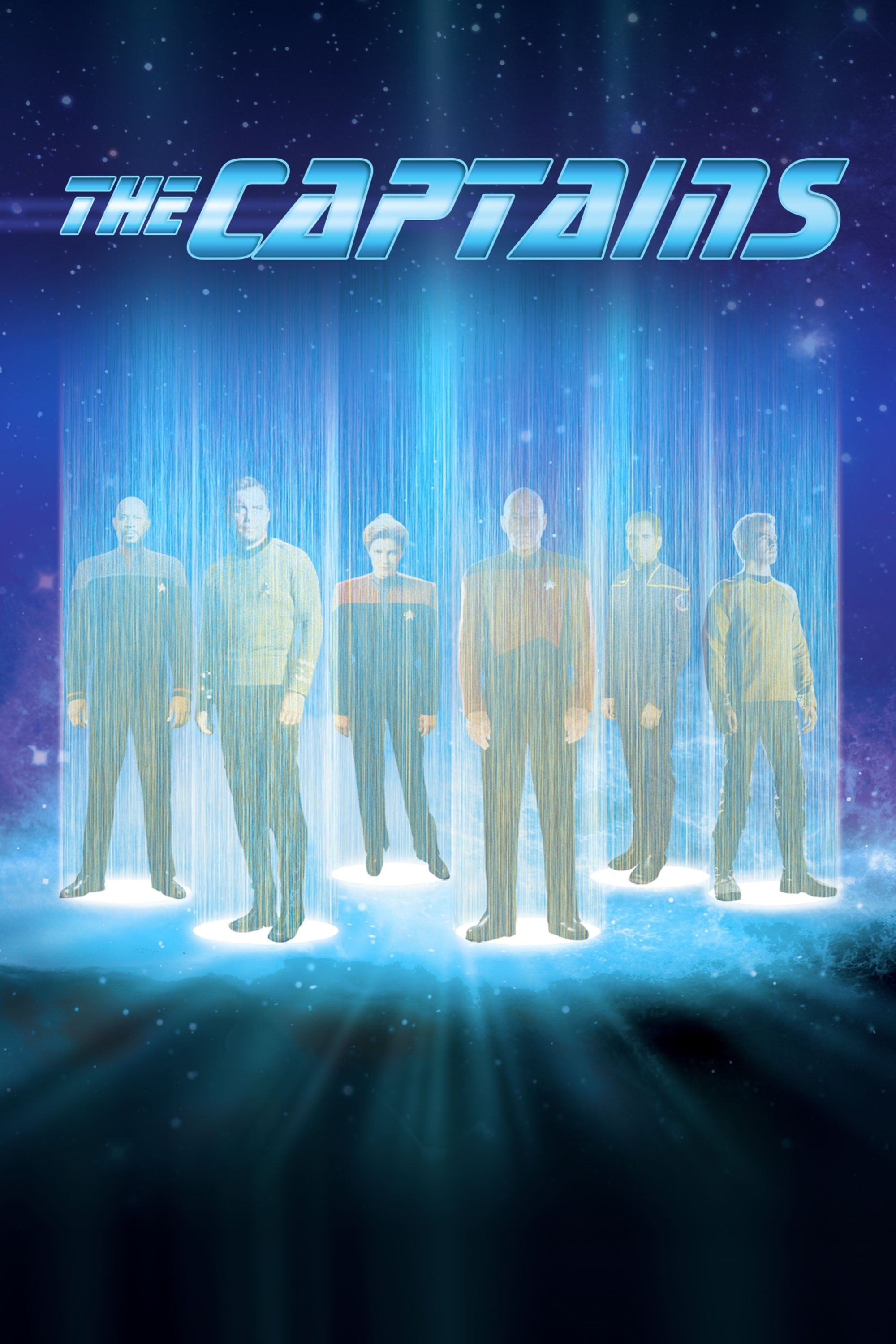
The Captains is a feature-length documentary film written and directed by William Shatner. The film follows Shatner as he interviews the other actors who have portrayed starship captains in the Star Trek franchise.
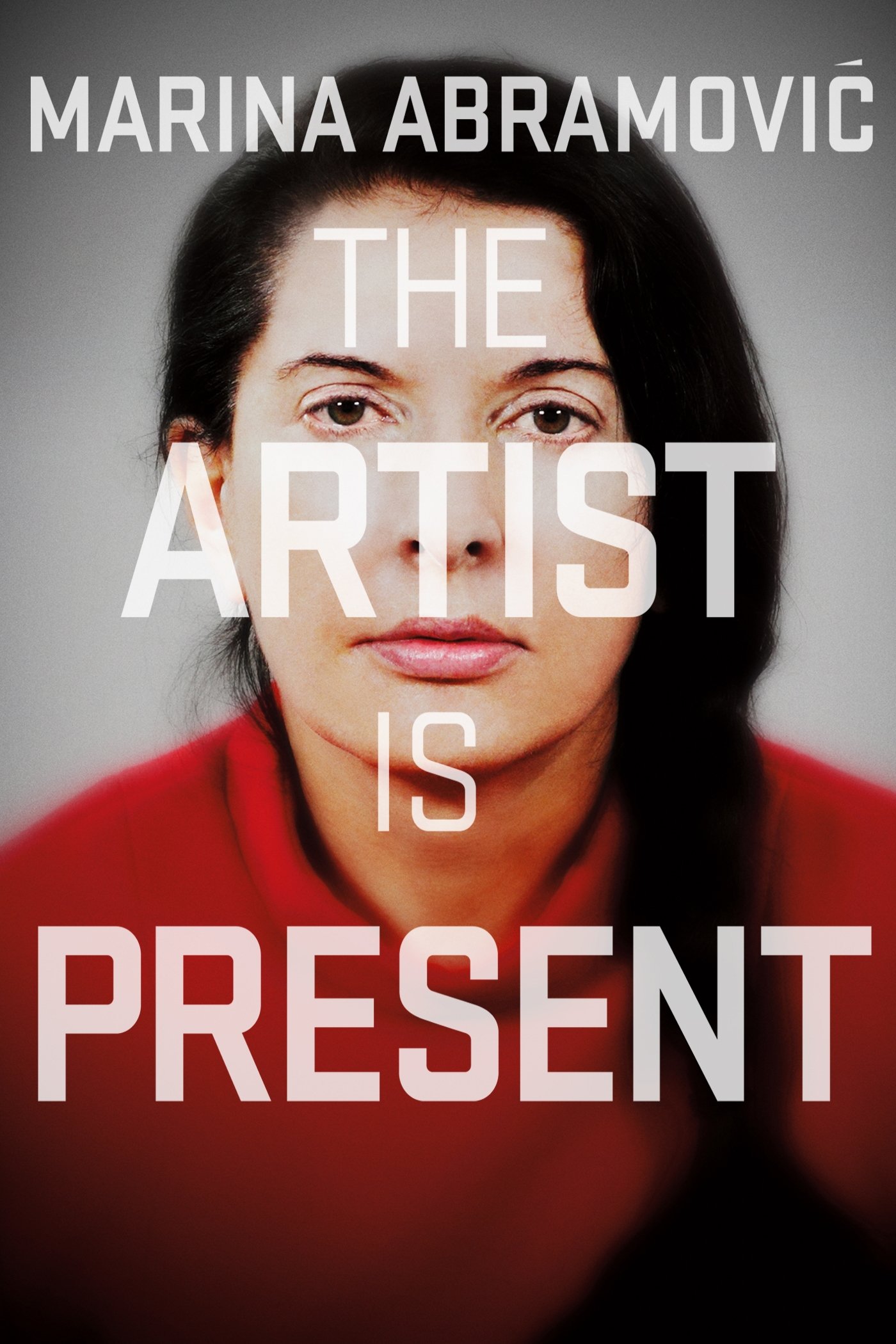
Performance artist Marina Abramovic prepares for a major retrospective of her work at the Museum of Modern Art in New York.