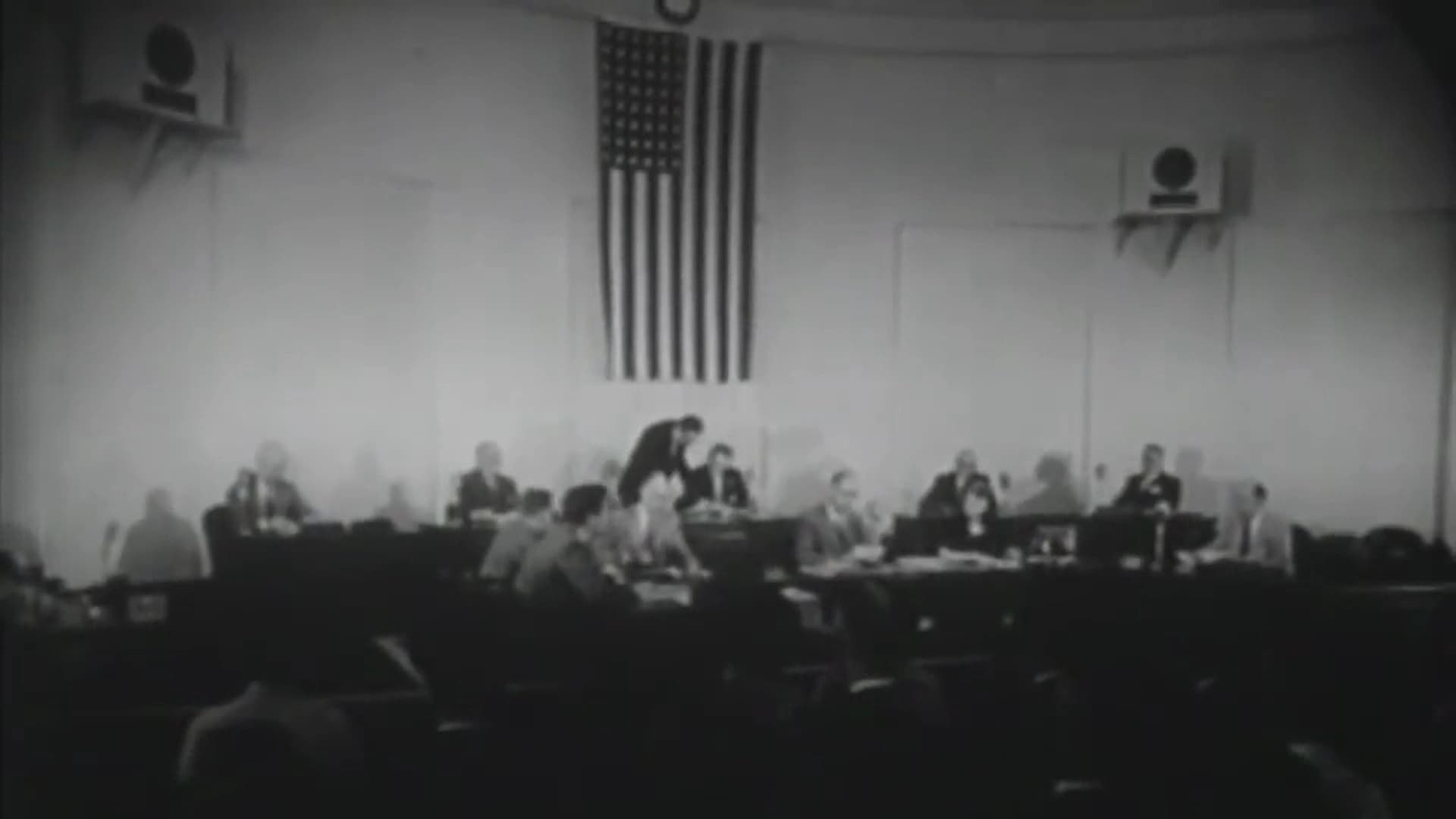
Portentously portrays the evacuation of Portland, Oregon, when threatened by a nuclear attack on its state-of-the-art civil defense system.
Social & External
The people behind it
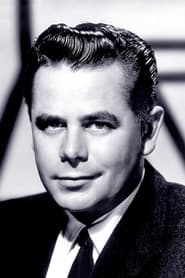
Glenn Ford
Narrator
Terry Schrunk
Himself (Mayor of Portland)
As Russian writer Boris Pasternak (1890-1960) thinks it is impossible that his novel Doctor Zhivago is published in the Soviet Union, because it supposedly shows a critical view of the October Revolution, he decides to smuggle several copies of the manuscript out of the country. It is first published in 1957 in Italia and the author receives the Nobel Prize in Literature in 1958, which has consequences.
A man named Walt who has recently completed building a fallout shelter in his home, a project initiated due to the threat of nuclear war during the Cold War era. Walt demonstrates to his friends the multi-functionality of the shelter, which can also serve as a darkroom, an extra bedroom, or a safe space during tornadoes. He explains the construction process in detail, emphasizing the need for precise measurements, proper leveling, and the use of concrete blocks for radiation protection. The shelter includes a stock of essentials like a radio, batteries, and a fire extinguisher. Walt’s narrative is interspersed with advice on obtaining official bulletins for guidance and the importance of building shelters correctly. The film concludes with a message from the Director of the Office of Civil and Defense Mobilization, advocating for the construction of family fallout shelters across America as a means of personal safety and national security in the nuclear age.
Created in 1963 at the height of the Cold War, this Civil Defense training film uses a dramatic premise to show how emergency staff should manage and organize a large public fallout shelter during a crisis. A Shelter Manager is shown immediately taking control of the situation in the shelter, speaking calmly to those who have made it into the facility, closing the door promptly once the shelter is full, and sticking to the "shelter plan" as the situation unfolds. Some of the areas discussed in this nuclear war drama are the safety plan, regular inspections, supervised public entry into shelters, ventilation, first aid, sanitation, fire prevention, decontamination of personnel, and more. "Shelter living is different," the Manager states, "But we have a trained staff that will make your stay in this shelter livable for us all."
A heavily dramatized Civil Defense film that demonstrates how a public fallout shelter is supposed to function after a nuclear attack. This scenario takes place in a fictional any town called "Middlebury". The film describes the situation in a public shelter in Middlebury following an attack on the United States.
Training film for shelter managers. Food, water, sanitation, medical, and radiation detection systems are explained.
This Cold War film "Information Within Public Shelters" (1953) takes place in a fallout shelter, showing how a well-trained staff that provides information to shelter occupants, can keep them busy and calm during nuclear armageddon. This film was produced as the U.S. Government began to shift from promoting privately-owned "family" fallout shelters to the concept of large, public shelters.
The film features a meeting led by Dave Taylor, the shelter manager, discussing the protocols and responsibilities for staff members involved in managing a public shelter. Key participants, including operations deputy Harvey Johnson and health leader Mrs. Carter, outline their roles in ensuring a smooth entry for occupants during an emergency. The meeting emphasizes the importance of organization, communication, and the distribution of supplies. Staff members are encouraged to familiarize themselves with each other's duties and prepare for potential scenarios, including managing newcomers and ensuring safety and sanitation within the shelter.
A training film for public shelter managers explaining when people should be allowed to leave the shelter after a disaster.
In the shadows of a Cold War Military depot, a colony of pint-sized predators faces an uncertain future as one owl biologist races to save it from extinction. As a young family of burrowing owls learns to grow up wild, will his scientific discoveries be enough to rescue this fragile population in the wake of a changing planet?
A documentary produced by the United States Central Intelligence Agency (CIA) that covers the history, land reform, industry, religion, educational system, and urban activities of Taiwan.
Japan, 1954. A legend emerges from the ashes of Hiroshima and Nagasaki, devastated by atomic bombs in 1945. The creature's name is Godzilla. The film that tells its story is the first of kaiju eiga, the giant monster movies.
An exploration —manipulated and staged— of life in Las Hurdes, in the province of Cáceres, in Extremadura, Spain, as it was in 1932. Insalubrity, misery and lack of opportunities provoke the emigration of young people and the solitude of those who remain in the desolation of one of the poorest and least developed Spanish regions at that time.
How the Soviet Union was able to copy the Boeing B-29 Superfortress bomber, and the influence of the resulting Tupolev TU-4 on the Cold War.
Short news featurette produced by Pathe-RKO after the Russians launched the first orbiting satellite, Sputnik. It is a patriotic 'call to arms' from the threat posed by this and the need for Americans to spend more on education in general and a college education in particular. A visit to the University of Buffalo highlights its science programs and the need for more graduates from all technical disciplines if America is to rise to the challenge. It bemoans the fact the PhDs earn less than a mechanic and the need to re-order priorities.
Jonathan Stavleu explores, in a stream-of-consciousness video essay, the relationship people have with water and what happens when access to it is taken away. For this work, he examines anecdotal histories he has heard from Estonians, as well as stories from his own family history in the Netherlands, weaving them together into a journal-like narrative.
We were just 15 minutes away from the end of the world. ABOVE ALL is a revealing short documentary about the life of an American man who ended up onboard with an atomic bomb, in the midst of the 1962 Cuban Crisis. The world was never been closer to nuclear war than this moment. A surprisingly heart-warming story told with his own words and pictures, the film is made from family home movies, including previously unseen footage from inside the US airbases. This film juxtaposes love, family and war through the arc of one man’s life. As President Kennedy addressed the world in a live televised speech of extraordinary gravity, we glimpse at the true psychology of what is was like to be in the air in those infamous moments, whilst the very essence of life on Earth was on the line.
Made at the height of 'cold war' paranoia, this drama-documentary shows the work of the UK Warning and Monitoring Organisation, who's duties included the issuing of public warnings of any nuclear missile strike and the subsequent fallout.
A powerful drama of soaring ambition and shattered dreams that takes a provocative insider's look at the way the USA goes to war—as seen from inside the LBJ White House leading up to and during the Vietnam War.
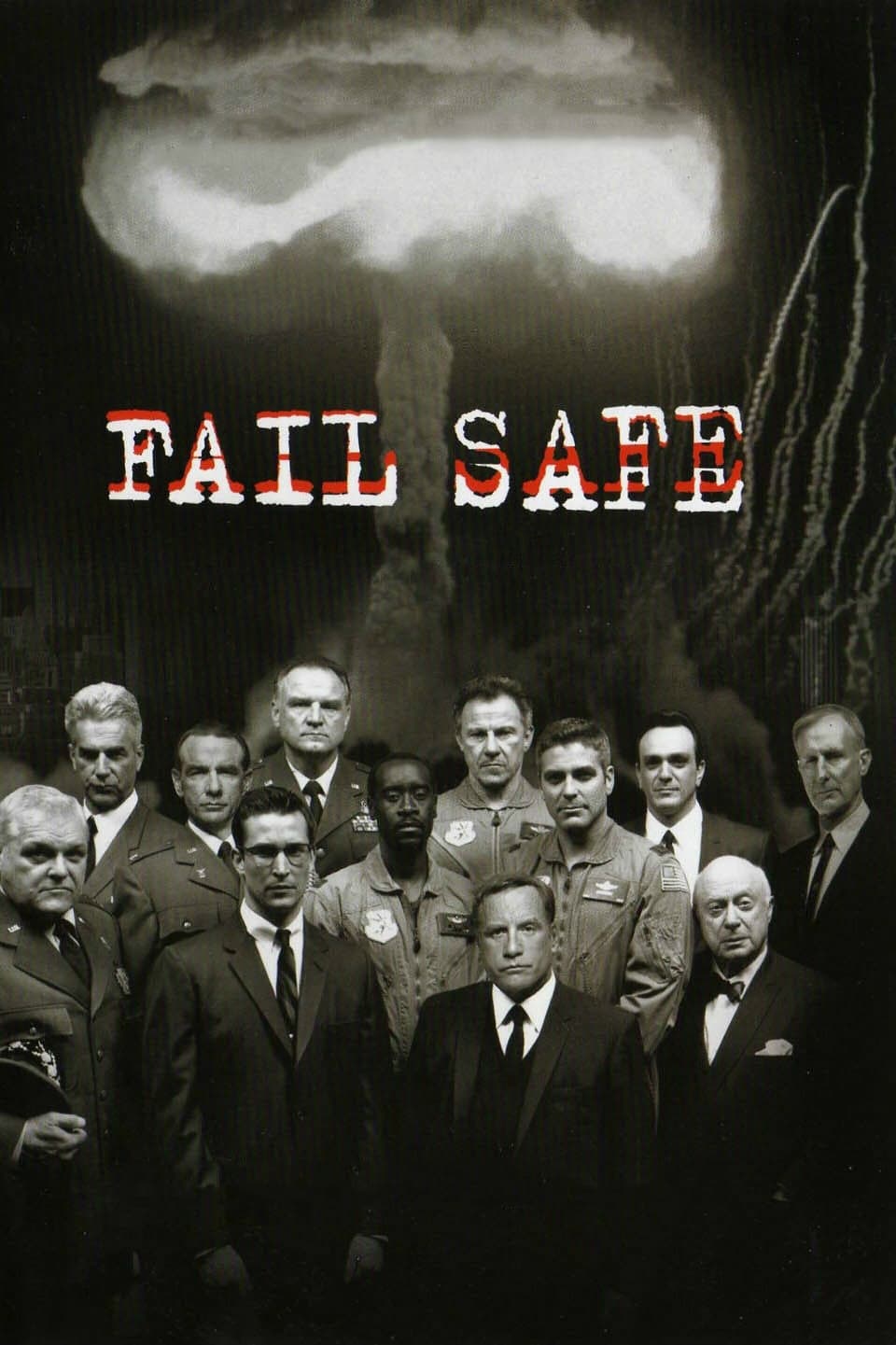
Cold War tensions climb to a fever pitch when a U.S. bomber is accidentally ordered to drop a nuclear warhead on Moscow.
A fake documentary on a fictional lazy animal.
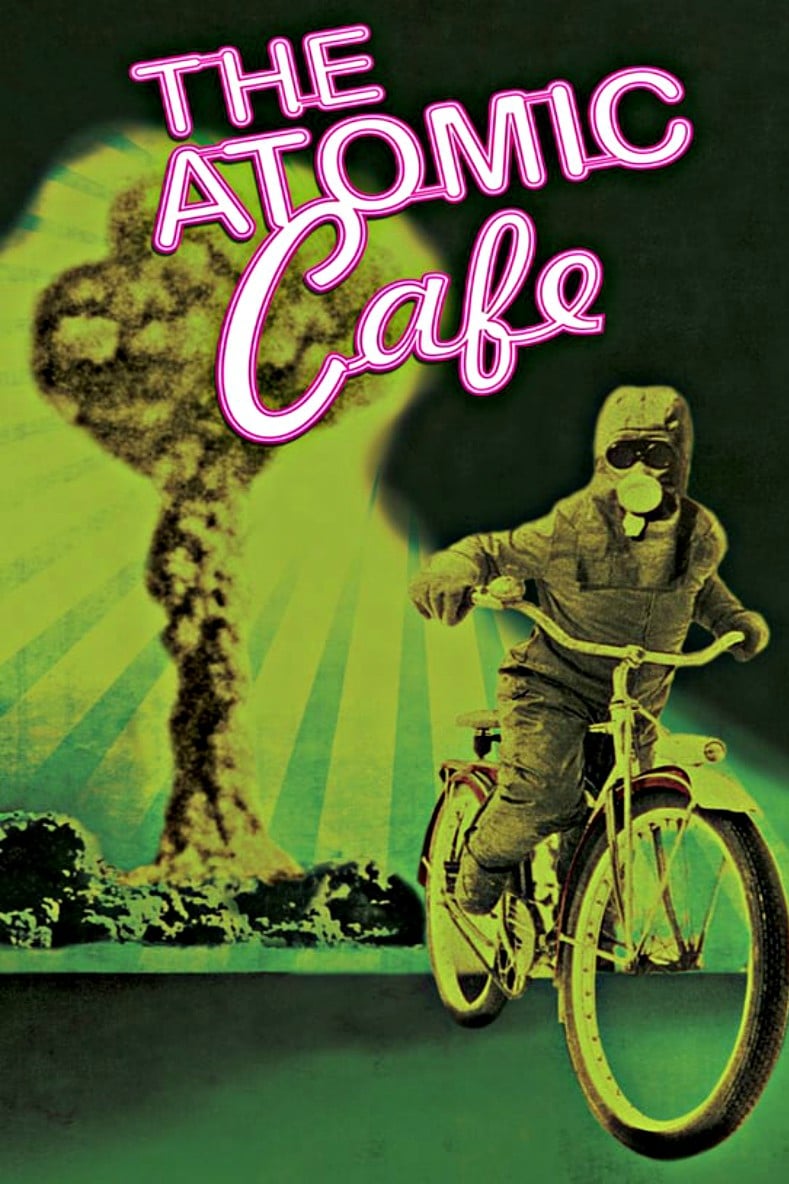
A disturbing collection of 1940s and 1950s United States government-issued propaganda films designed to reassure Americans that the atomic bomb was not a threat to their safety.
On September 15, 1963, a bomb destroyed a black church in Birmingham, Alabama, killing four young girls who were there for Sunday school. It was a crime that shocked the nation--and a defining moment in the history of the civil-rights movement. Spike Lee re-examines the full story of the bombing, including a revealing interview with former Alabama Governor George Wallace.
David Blaine's signature brand of street magic mystifies the most recognisable celebrities in the world, such as Jamie Foxx, Bryan Cranston, Aaron Paul, Ricky Gervais, Katy Perry, Woody Allen, and Robert DeNiro, to name a few. He goes to the homes of Kanye West and Harrison Ford, Will Smith and Olivia Wilde. He pays a visit to Stephen Hawking at his office in Cambridge University. Blaine also travels the world, astonishing people from all walks of life with never-before seen, inconceivable magic.
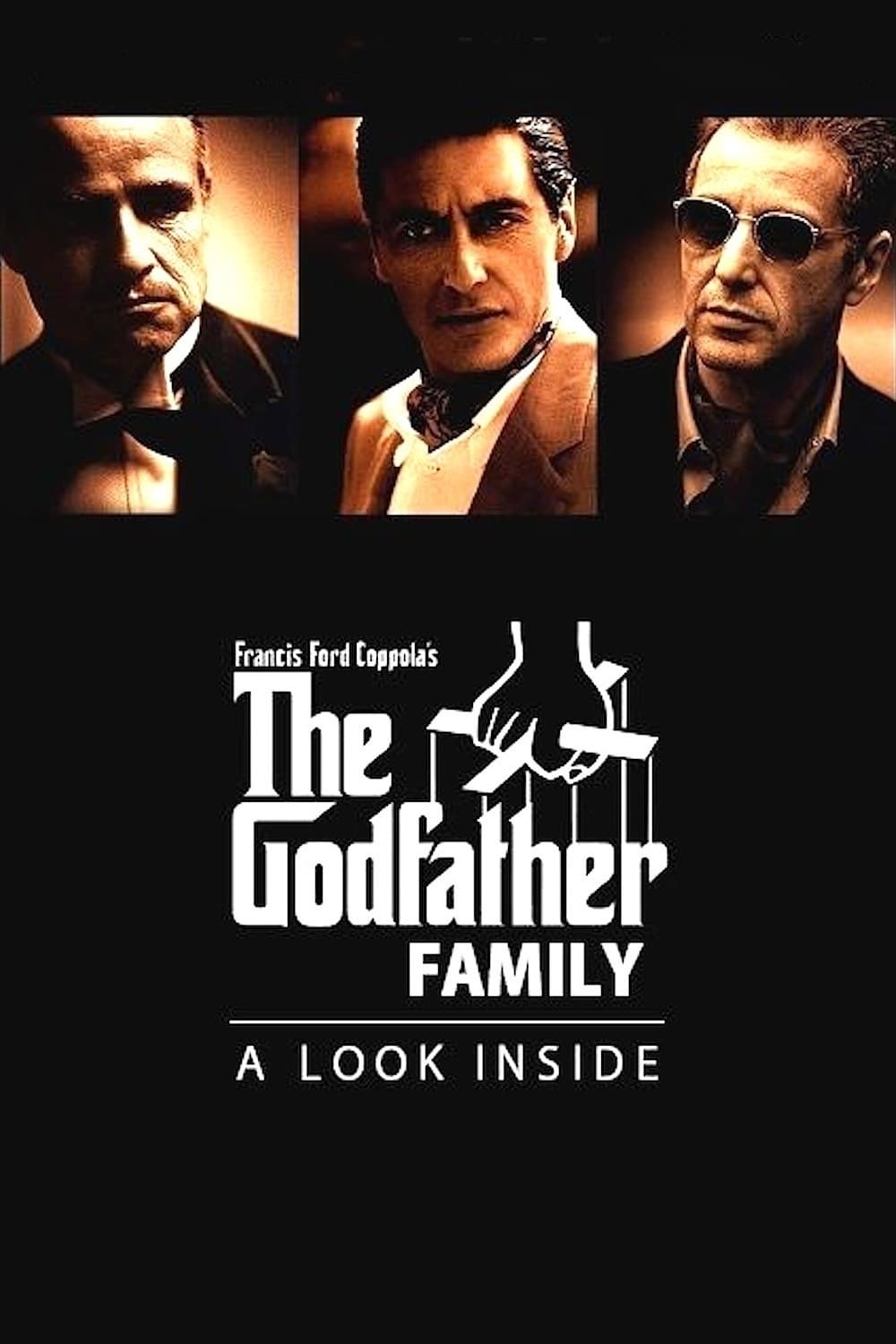
A documentary on the making of the three Godfather films, with interviews and recollections from the film makers and cast. This feature also includes the original screen tests of some of the actors for "The Godfather" film, and some candid moments on the set of "The Godfather: Part III."
A string of threatening emails escalates into a revenge plot involving a newly married US marshal and his ex-girlfriend.
A look behind the lens of Christopher Nolan's space epic.
In the Realms of the Unreal is a documentary about the reclusive Chicago-based artist Henry Darger. Henry Darger was so reclusive that when he died his neighbors were surprised to find a 15,145-page manuscript along with hundreds of paintings depicting The Story of the Vivian Girls, in What is Known as the Realms of the Unreal, of the Glodeco-Angelinnian War Storm, Cased by the Child Slave Rebellion.
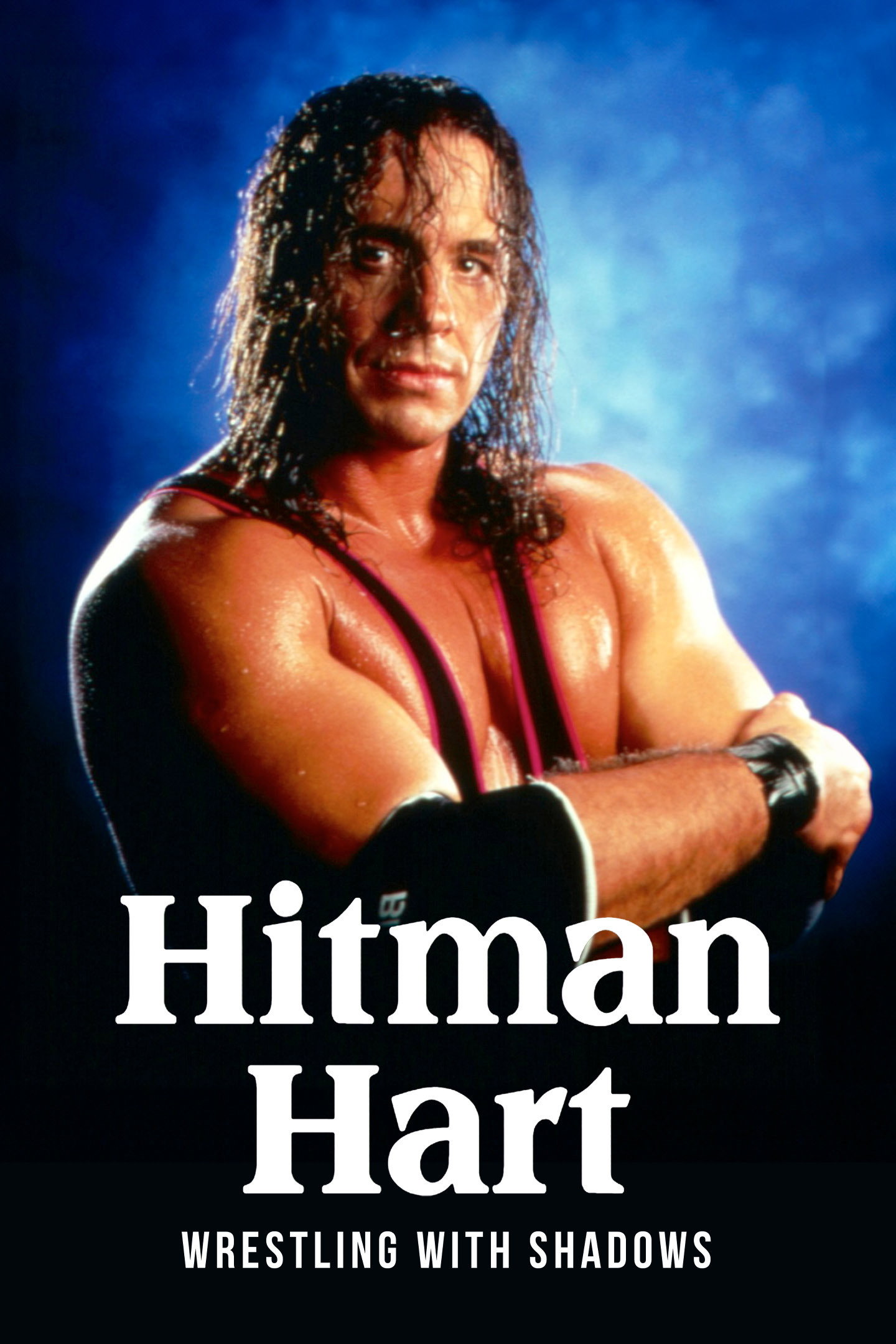
This documentary follows superstar Bret Hart during his last year in the WWF. The film documents the tensions that resulted in The Montreal Screwjob, one of the most controversial events in the history of professional wrestling, in which Vince McMahon, Shawn Micheals, and others, legitimately conspired behind the scenes to go against the script and remove Bret Hart as champion.
Captured during Billie Eilish's sold-out world tour, a concert experience from one of the most celebrated and successful artists of her generation, presented in immersive 3D.
For the 20th anniversary of "Titanic," James Cameron reopens the file on the disaster.
A documentary on legendary movie-poster artist Drew Struzan.
Take a virtual vacation to some of the Star Wars films' most iconic and beloved locations like Hoth, Tatooine, and Sorgan, as this charming series whisks you off for fly-through tours of the Galaxy Far, Far Away.
The story lives forever in this feature-length documentary that charts the making of Star Wars: The Rise of Skywalker.
Canadian acting legend William Shatner takes viewers inside the creation of Star Trek: The Next Generation, the bold attempt in 1986 to recreate the success of the original television series, in which Shatner played Captain James T. Kirk.
The film goes behind the scenes of the 1999 sci-fi movie The Matrix.
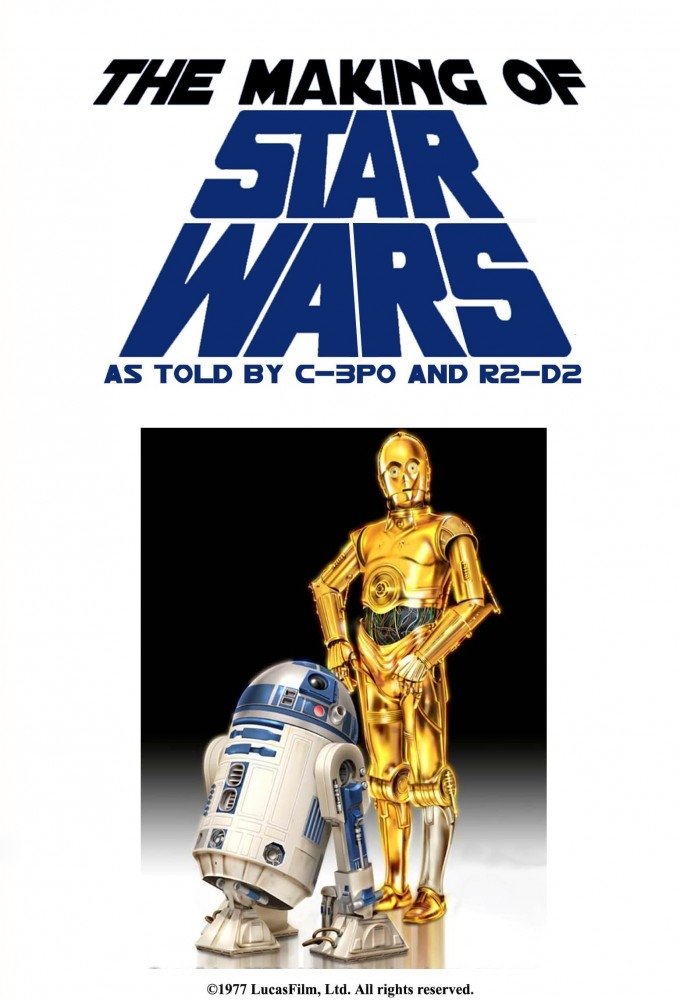
Learn the incredible behind-the-scenes story of how the original Star Wars movie was brought to the big screen in this fascinating documentary hosted by C-3PO and R2-D2 which includes interviews with George Lucas and appearances by Mark Hamill, Harrison Ford and Carrie Fisher.
A journalist and a photographer set out to memorialize the bedrooms left behind by children killed in school shootings.
A comprehensive 12-part documentary on the making of "Spider-Man 2," covering everything from pre-production to premiere.
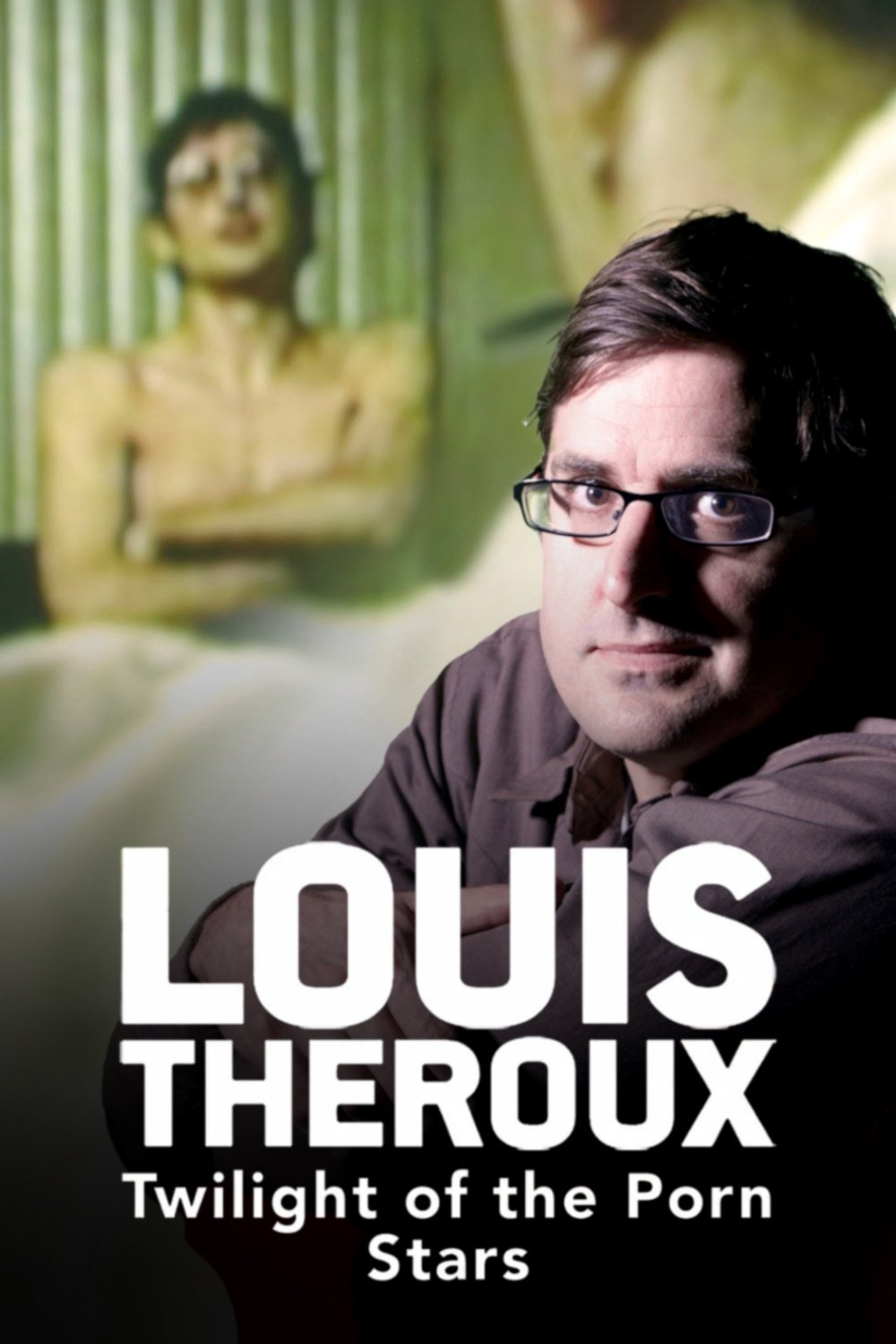
In 1997, Louis Theroux made a documentary about the world of male porn performers in Los Angeles. 15 years later, he returns to find a business struggling with the deluge of free porn on the internet. Louis revisits some of the original programme's contributors as well as meeting the latest crop of porn performers dreaming of porn stardom.
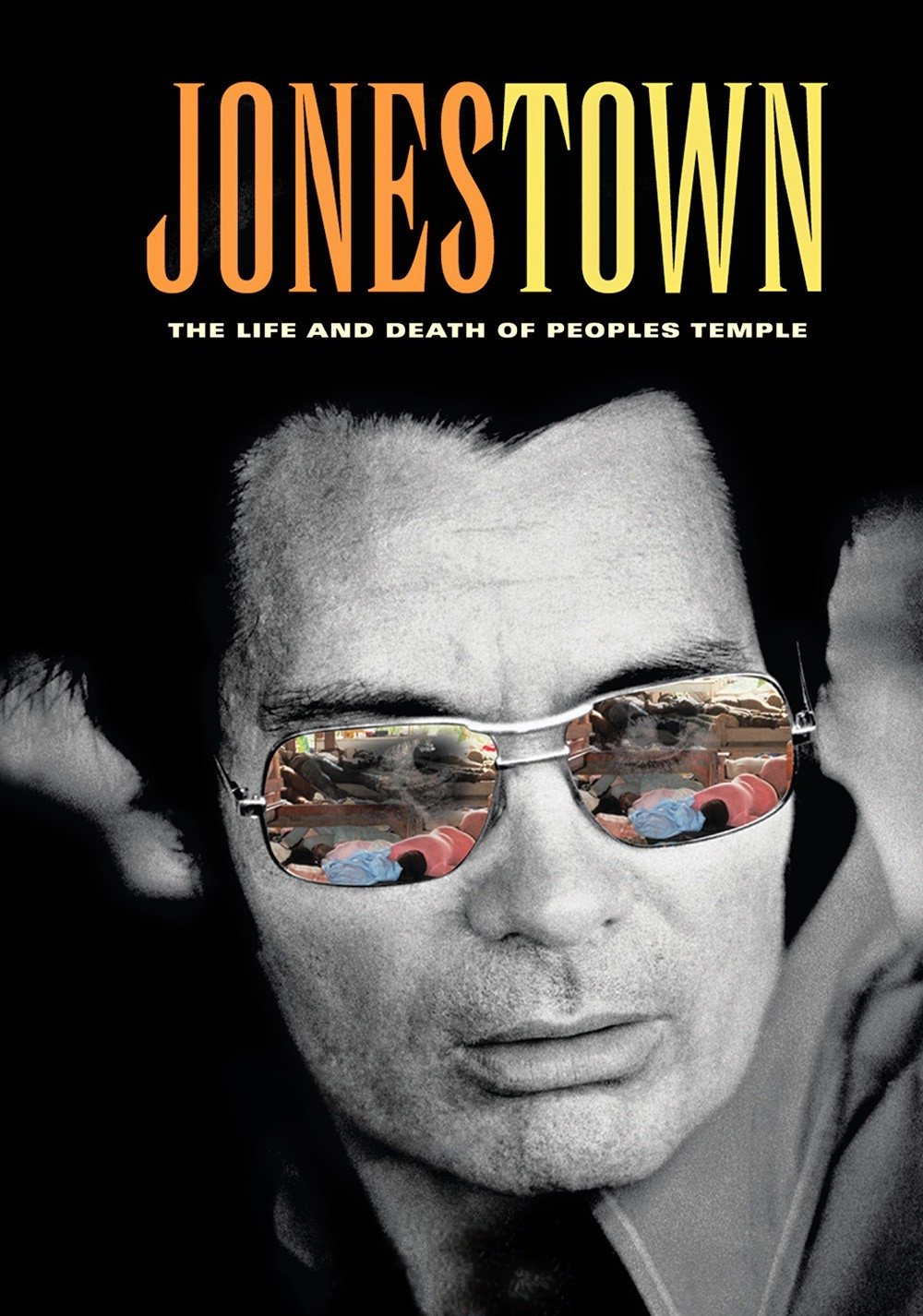
Featuring never-before-seen footage, this documentary delivers a startling new look at the Peoples Temple, headed by preacher Jim Jones who, in 1978, led more than 900 members to Guyana, where he orchestrated a mass suicide via tainted punch.