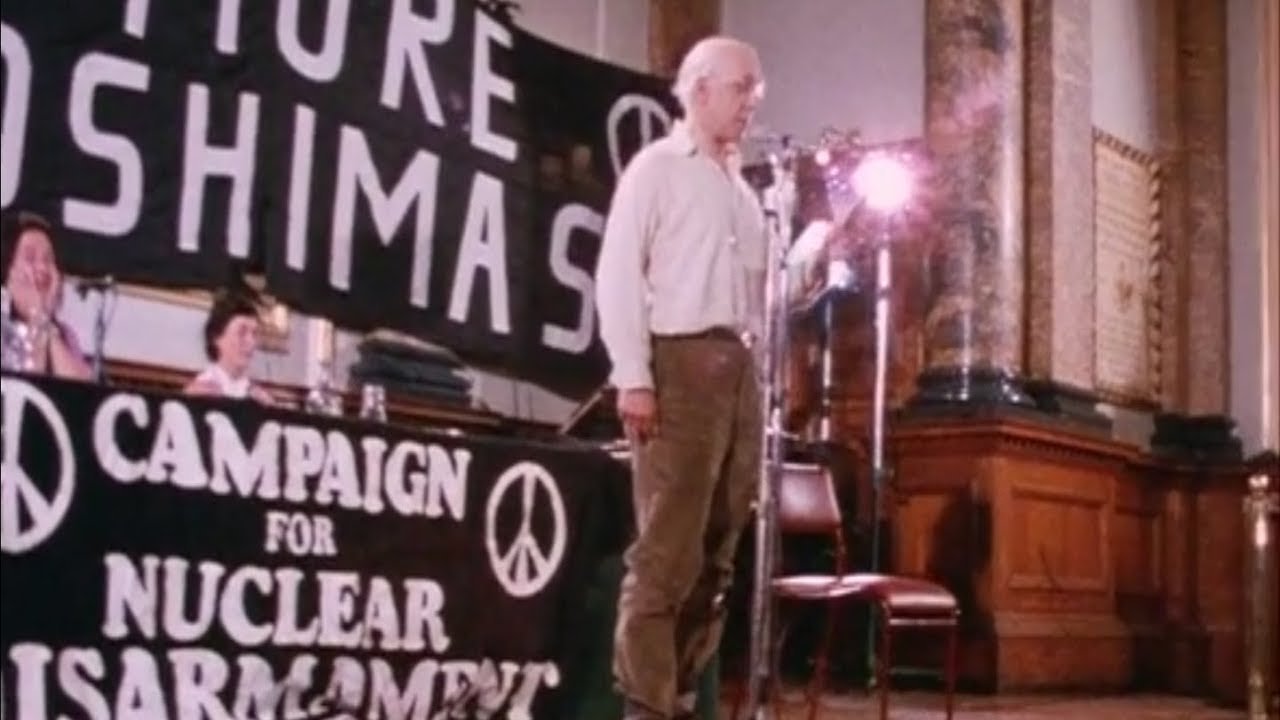
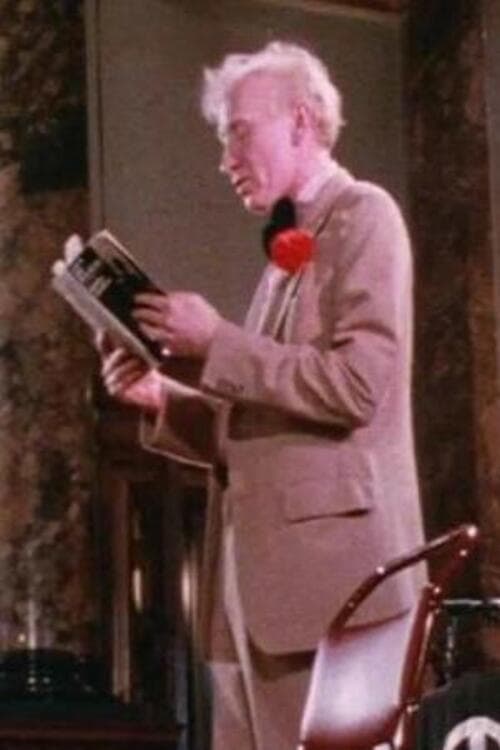
An event organised by CND pits the bomb against poetry. Hear artists who hoped that words and rhymes could put an end to destructive times.
Social & External
The people behind it
Pete Brown
Gavin Ewart
Adrian Mitchell
Brian Patten
Harold Pinter
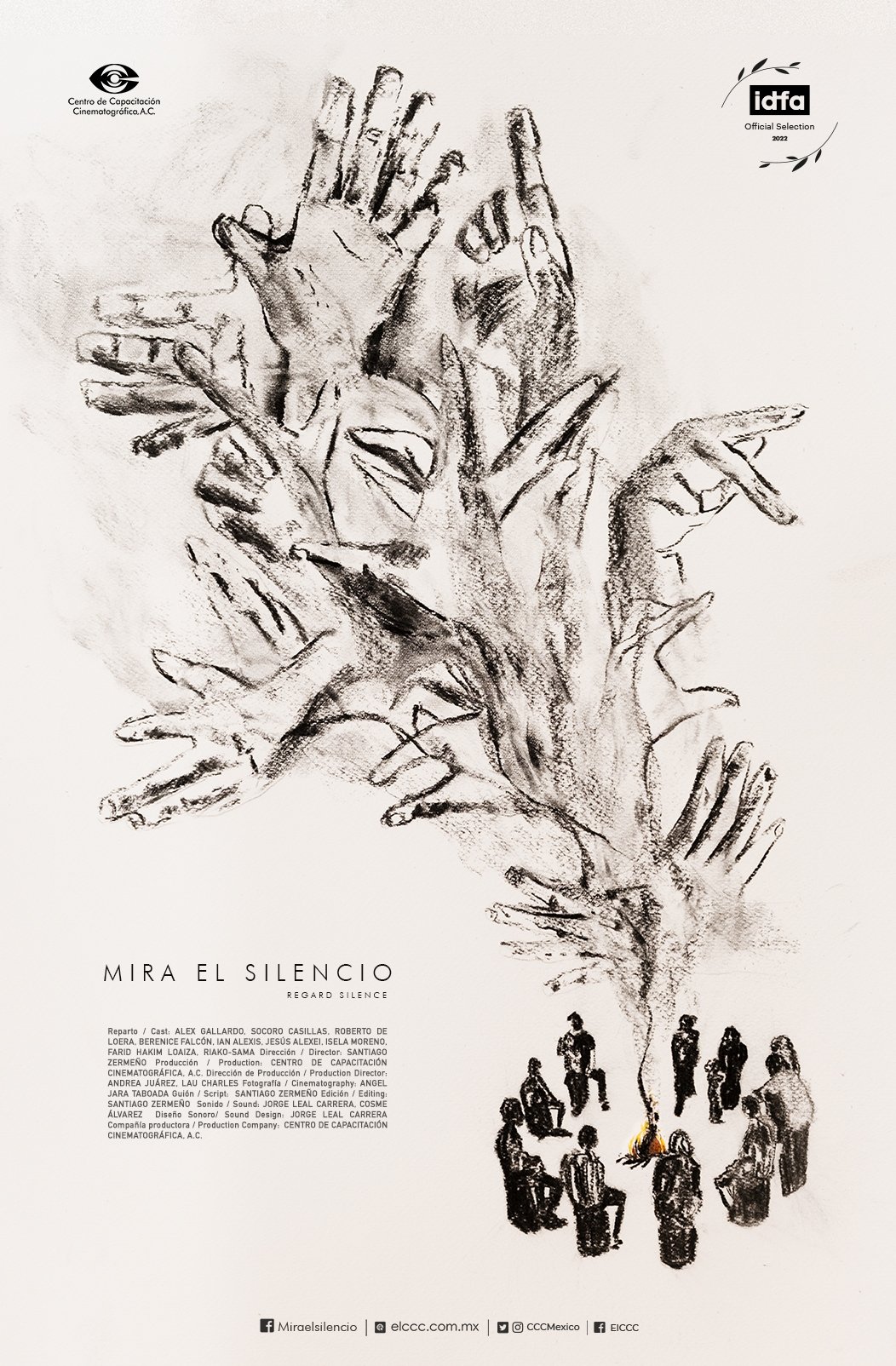
“I love poetry because it makes me feel like my mind expands.” In Regard Silence, that's the very first sentence expressed—in sign language of course. Watching the poems signed by deaf people in this film has a similarly mind-expanding effect. That’s because sign language—the Mexican version in this case—is a very different means of communication than written or spoken language.
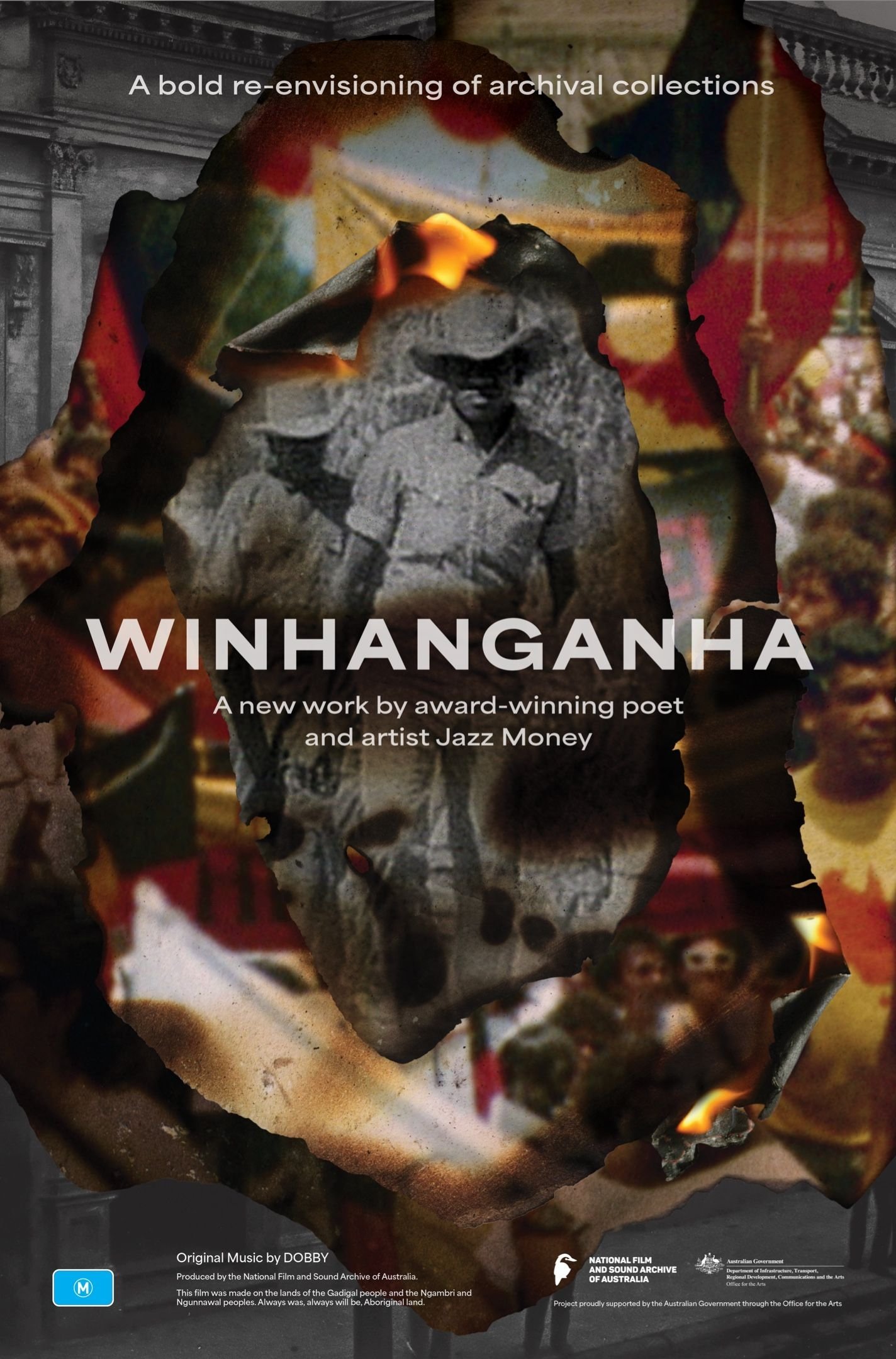
WINHANGANHA (Wiradjuri language: Remember, know, think) - is a lyrical journey of archival footage and sound, poetry and original composition. It is an examination of how archives and the legacies of collection affect First Nations people and wider Australia, told through the lens of acclaimed Wiradjuri artist, Jazz Money.
James Franco interviews three experts on the poet Hart Crane, whose life was the subject of his feature The Broken Tower (2011).
A journey into the BBC archives unearthing glorious performances and candid interviews from some of Britain's greatest poets.
The Soviet General Vlasov remains one of the most intriguing, yet least known figures of World War II. In 1942, the German war machine had come to a halt near the Russian city of Leningrad. The Russian Second Assault Army, led by General Vlasov, fights itself to death in an effort to break the German siege. Their general is captured and later defects to the Germans. In ANGELS OF DEATH we experience the fate of General Vlasov’s army as we hear the personal accounts of those who died in the massacre through their poems, letters and photographs.
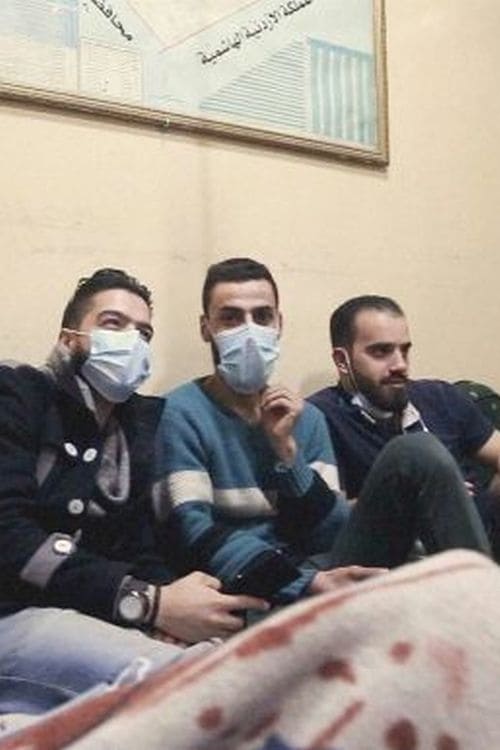
"With the barrel bombs falling on Ghouta, civilians sought shelter in the basements of their homes. I was one of them, holding on to my camera, I tried to film what I couldn’t express in words."
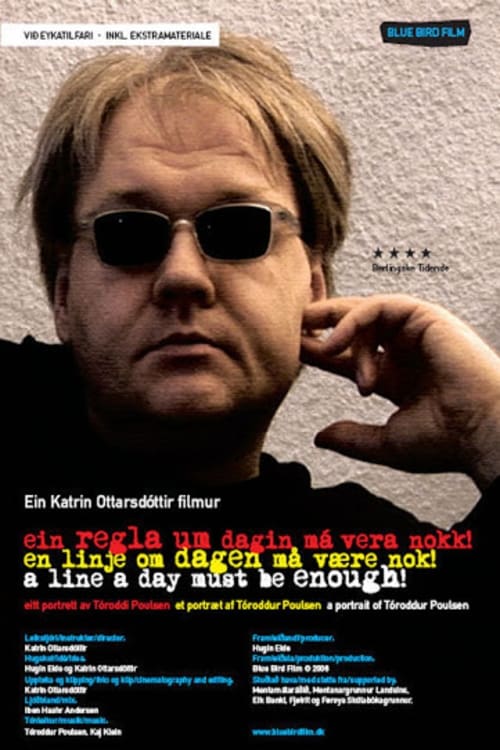
In a film bursting with lyrics, pictures, and music the director shows us a way into the peculiar universe of Tóroddur, and the otherwise not very talkative artist gives us a glimpse of his thoughts on art, God, life and death.
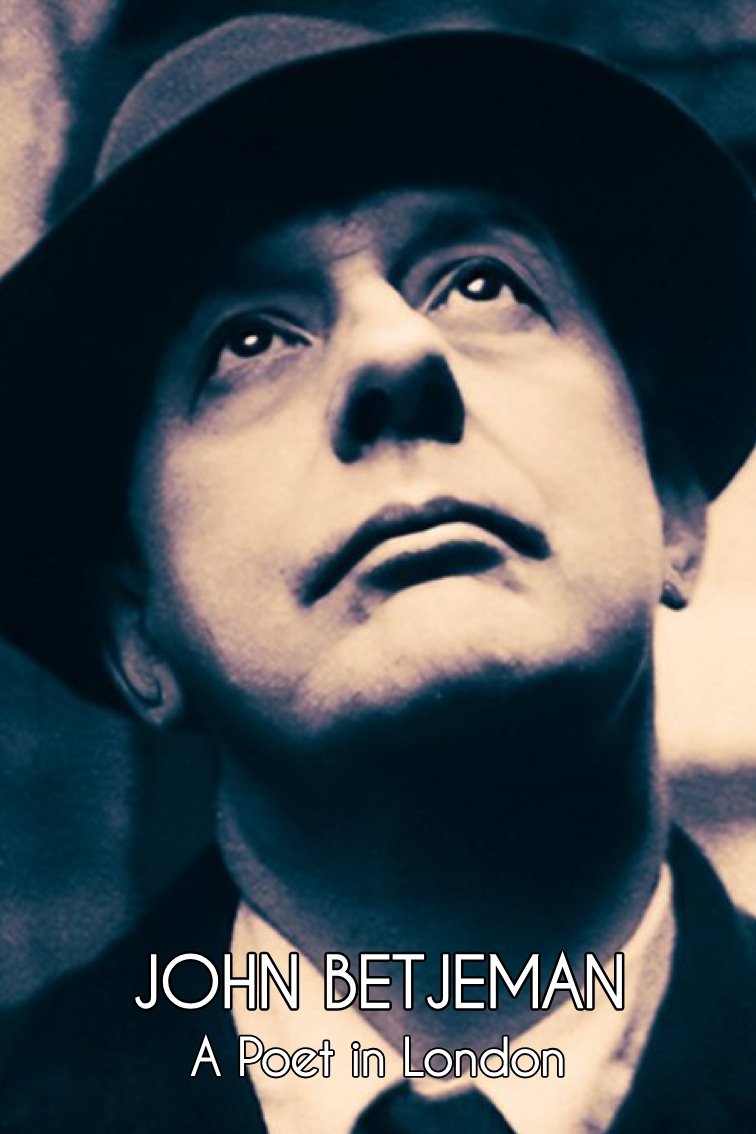
Poet John Betjeman is shown visiting locations including Vauxhall Park, Aldersgate Street station, Camden Town and Hatfield, where he recites a handful of his poems.
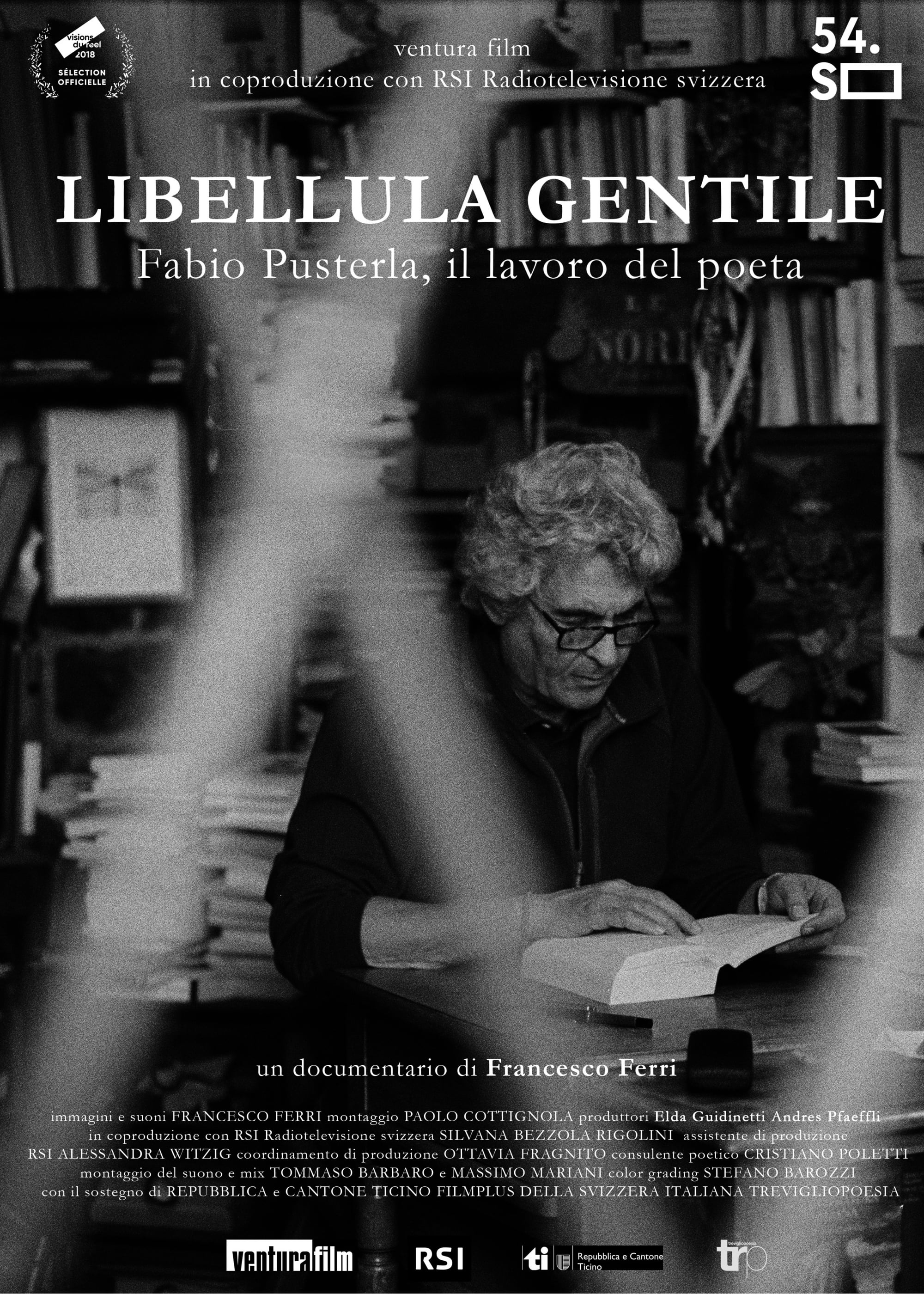
A film about the Swiss Italian poet Fabio Pusterla and his creative poetic process, his struggle to find an honest language, one which adheres to the personal experience and is able to unfold a hidden truth that creates a strong and profound bond with the other, with his public.
George Stevens's remarkable film is acclaimed by historians as the most important colour footage taken during the war. Milestones covered include the liberation of Paris, the link-up between the Russian and American armies on the River Elbe and the Allied capture of the Dachau concentration camp.
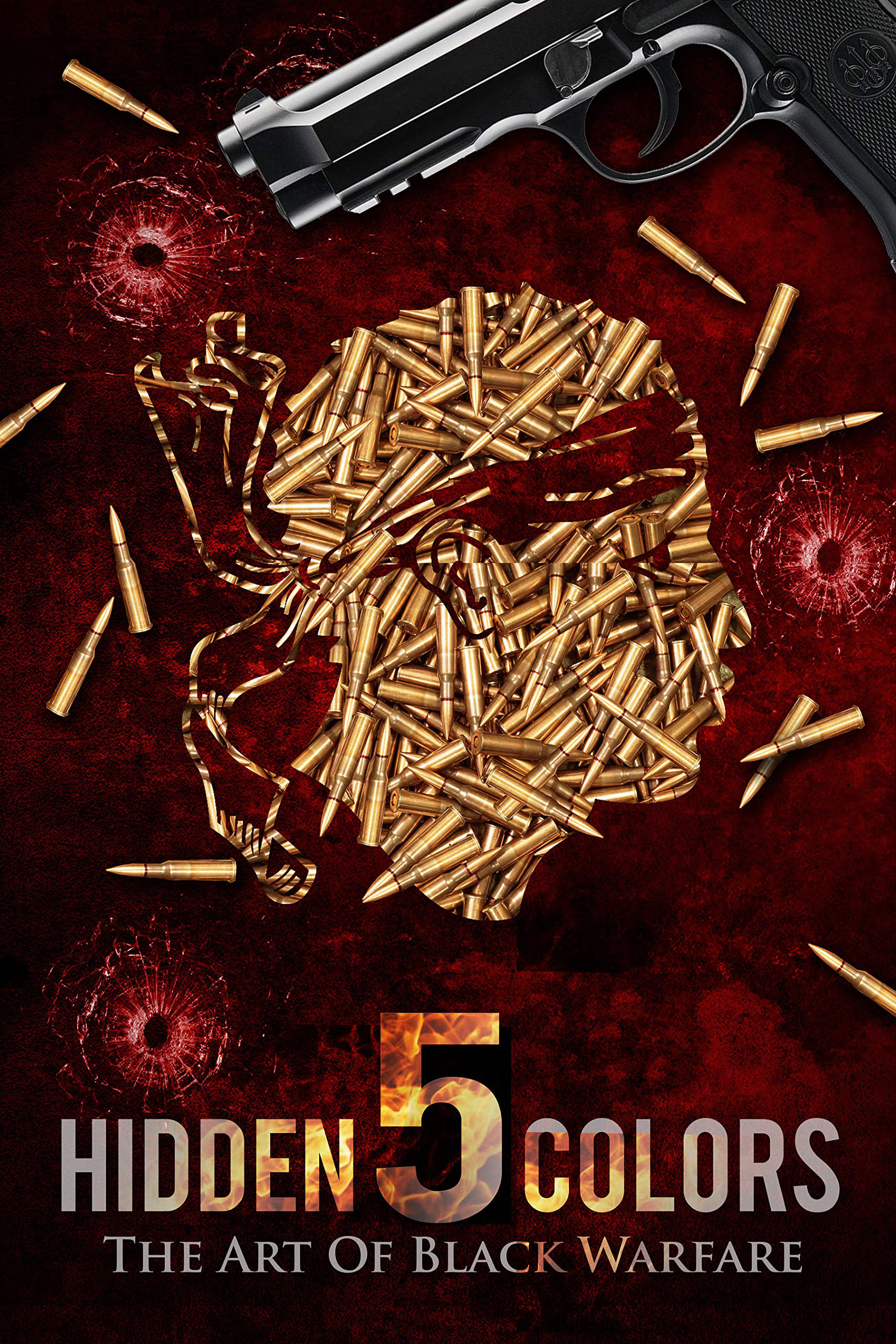
The history of warfare as it relates to global Black society, broken down into 7 chapters that examines the ways the system of racism wages warfare from a historical, psychological, sexual, biological, health, educational, and military perspective.
Having emerged from an 11-year civil war that left more than 50,000 people dead and two million displaced, Sierra Leone strives for a peaceful and democratic future. Since the end of conflict in 2002, the people of Sierra Leone have strived to build a democratic and peaceful society. The path remains difficult, with poverty entrenched, yet signs of progress, too often ignored by the international media, can also be found. Sierra Leone has held two consecutive democratic elections, and women and young people have taken the lead in creating an engaged civil society. This short film documents the progress Sierra Leone has made since the end of its brutal civil war and the hope of a new generation for creating a more just society.
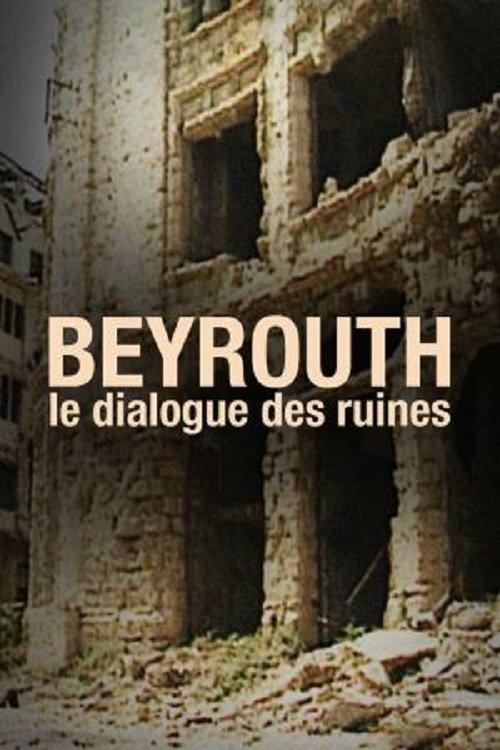
Architecture in Beirut was the second greatest victim of the civil war, with pages of ancient and modern history erased by the end of the conflict. This documentary interviews citizens calling for a reconstruction plan that would preserve Beirut’s spirit of culture and openness.
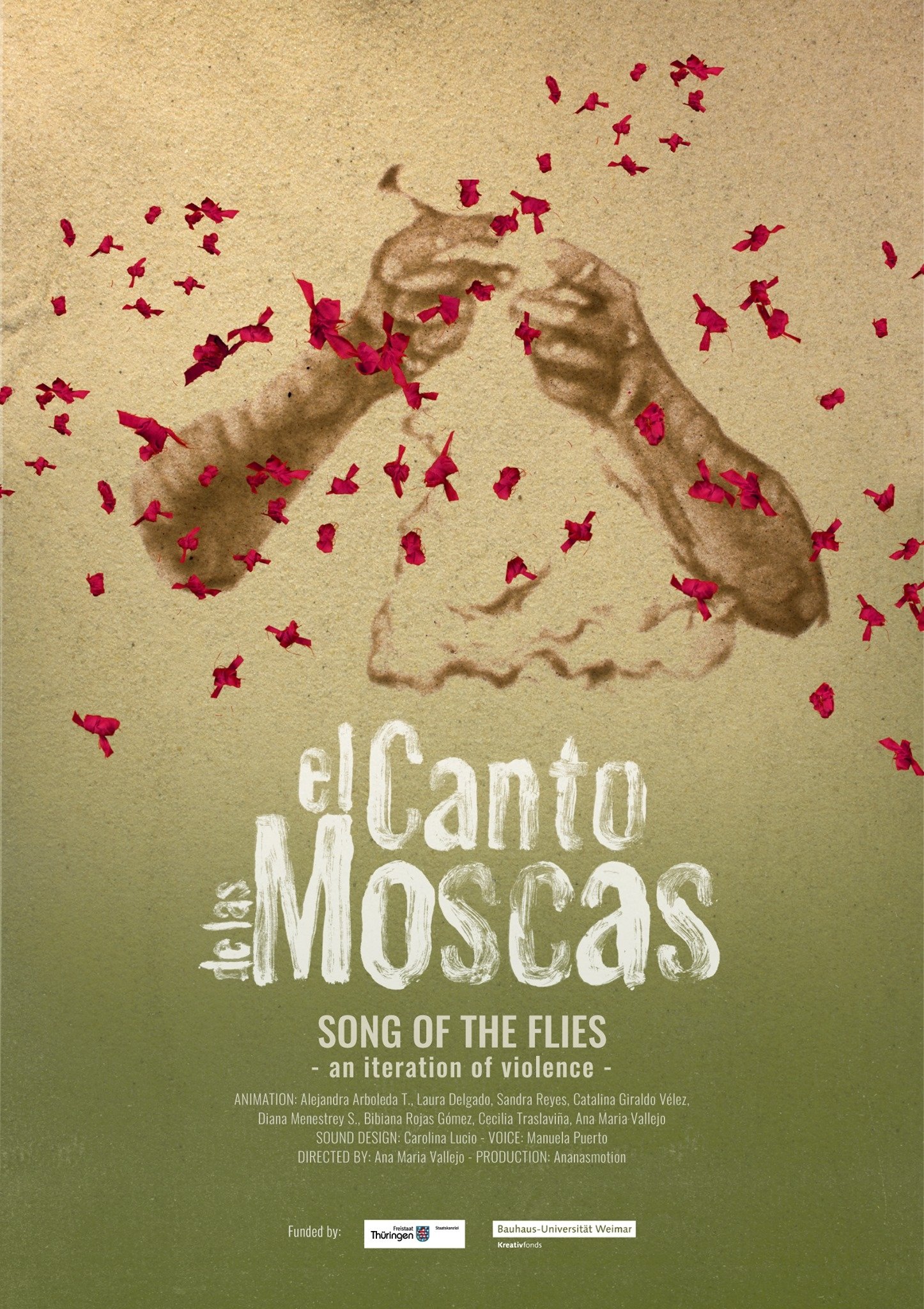
The experimental animated film Song of the Flies (El Canto de las Moscas), translates the desolation caused by the violence of the Colombian armed conflict through the poetic voice of Maria Mercedes Carranza (1945–2003) and the audiovisual dialogue between 9 Colombian women. In 24 places, as a transit over the course of a day (Morning, Day, Night) a map of terror is drawn where massacres took place in Colombia in the 1990s. Archival images, the artists’ personal memories and the use of loops and analogue materials bring to life the landscapes ravaged by violence and build a polyphony of memory and mourning, a universal song of pain.
The United States fought the American Revolution primarily over King George III's Currency act, which forced the colonists to conduct their business only using printed bank notes borrowed from the Bank of England at interest. After the revolution, the new United States adopted a radically different economic system in which the government issued its own value-based money, so that private banks like the Bank of England were not siphoning off the wealth of the people through interest-bearing bank notes. But bankers are nothing if not dedicated to their schemes to acquire your wealth, and know full well how easy it is to corrupt a nation's leaders. Just one year after Mayer Amschel Rothschild had uttered his infamous "Let me issue and control a nation's money and I care not who makes the laws", the bankers succeeded in setting up a new Private Central Bank called the First Bank of the United States, largely through the efforts of the Rothschild's chief US supporter, Alexander Hamilton.
In the Realms of the Unreal is a documentary about the reclusive Chicago-based artist Henry Darger. Henry Darger was so reclusive that when he died his neighbors were surprised to find a 15,145-page manuscript along with hundreds of paintings depicting The Story of the Vivian Girls, in What is Known as the Realms of the Unreal, of the Glodeco-Angelinnian War Storm, Cased by the Child Slave Rebellion.
In an intimate and joyful story of love in the face of loss, celebrated poets Andrea Gibson and Megan Falley find strength—and unexpected hilarity—in what might be their final year together.
A visual montage portrait of our contemporary world dominated by globalized technology and violence.
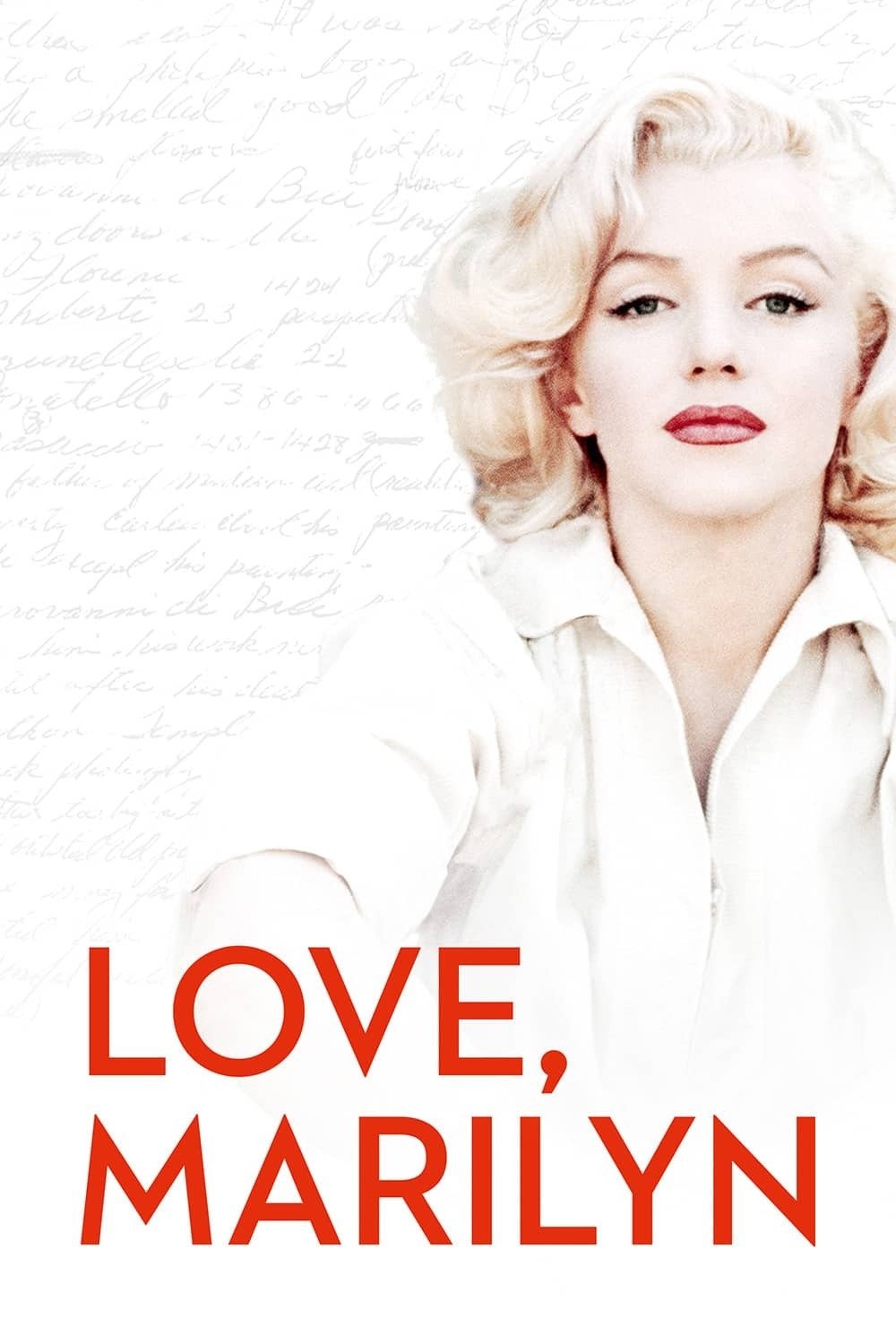
Using the book 'Fragments', which collects Marilyn Monroe's poems, notes and letters, and with participation from the Arthur Miller and Truman Capote estates who have contributed more material, each of the actresses will embody the legend at various stages in her life.
Al Pacino's deeply-felt rumination on Shakespeare's significance and relevance to the modern world through interviews and an in-depth analysis of "Richard III."
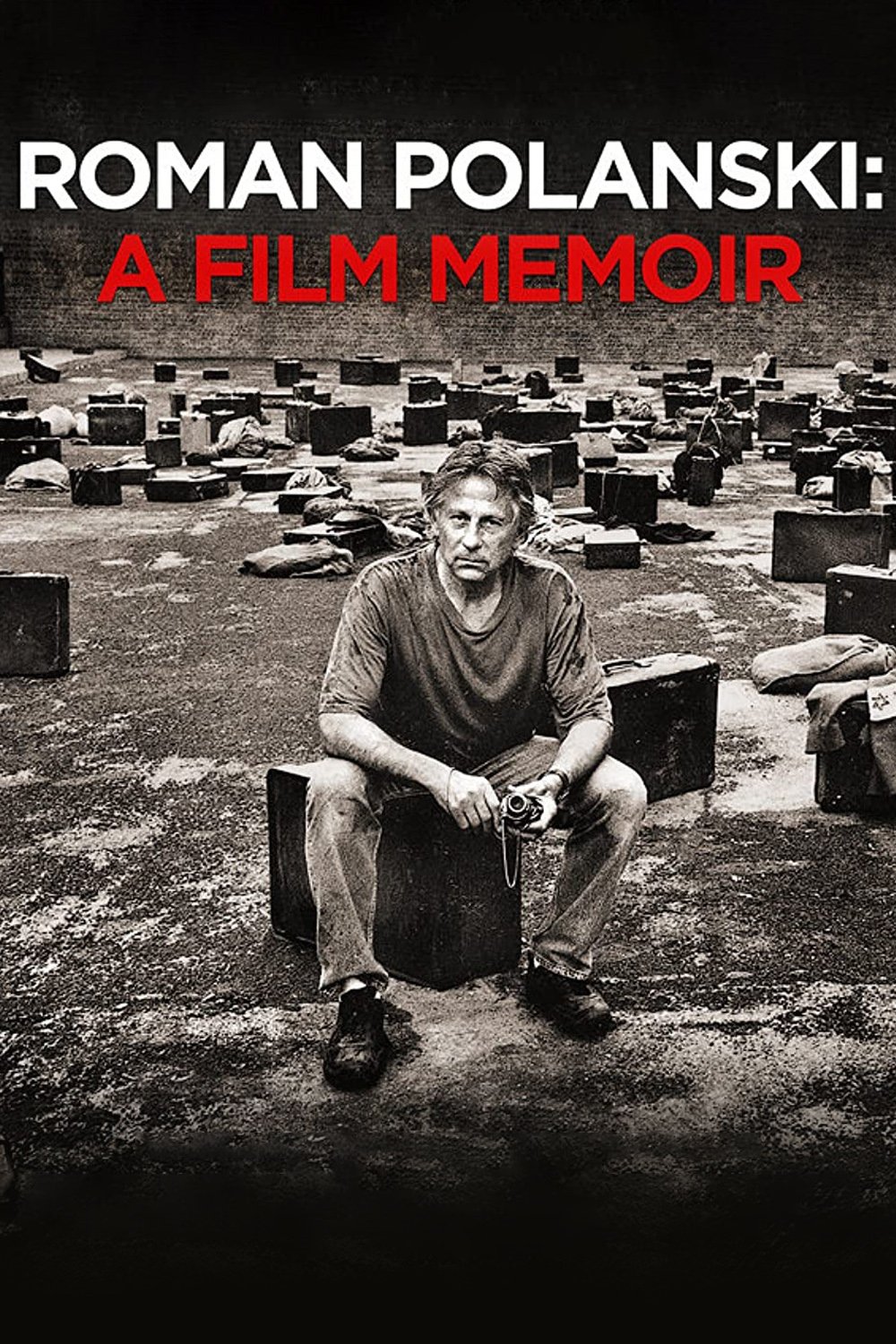
An interview with film director Roman Polanski conducted during his period of house arrest, discussing his life and work.
A documentary on the expletive's origin, why it offends some people so deeply, and what can be gained from its use.
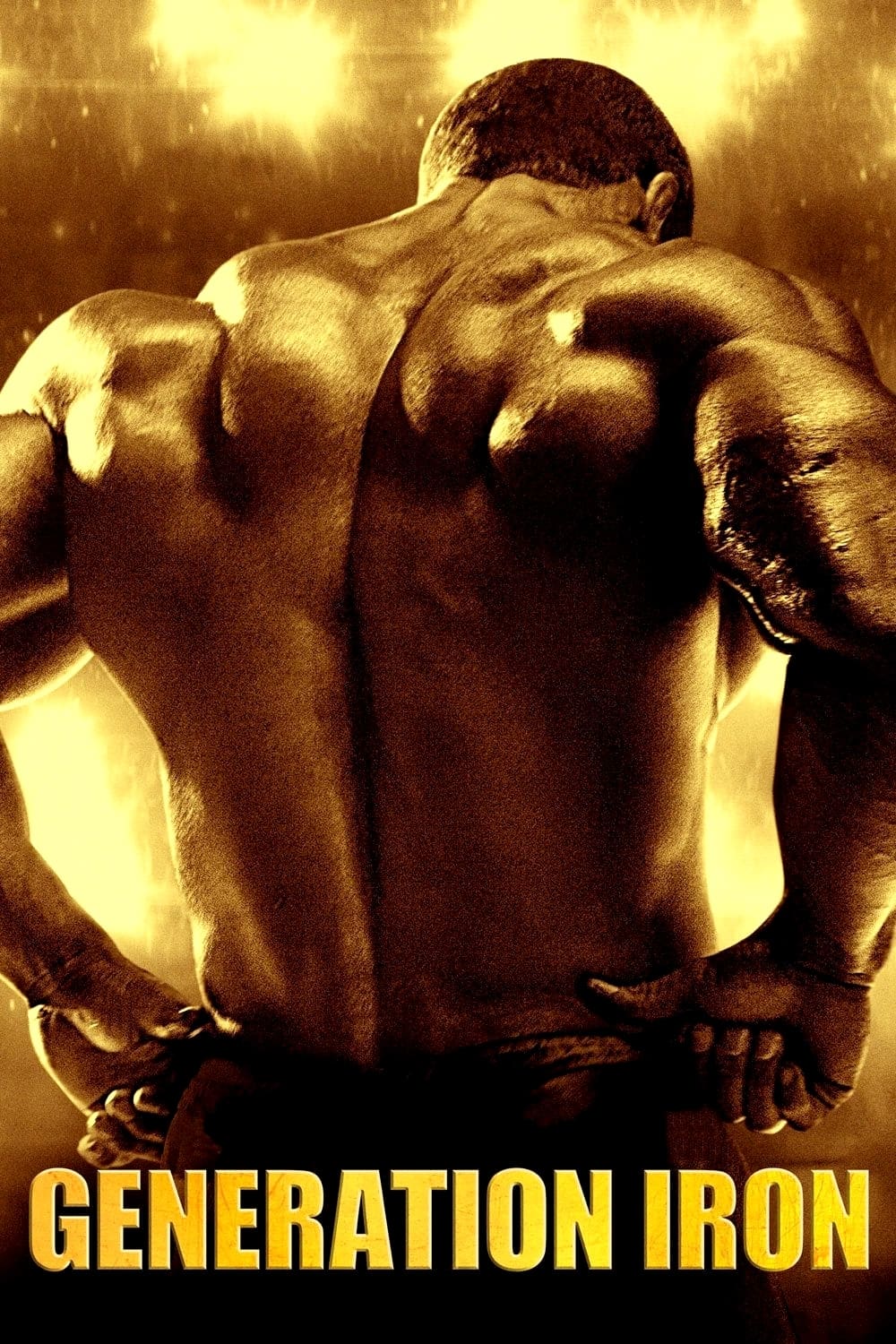
Generation Iron - examines the professional sport of bodybuilding today and gives the audience front row access to the lives of the top 7 bodybuilders in the sport as they train to compete in the world's most premiere bodybuilding stage - Mr. Olympia.
Musician and performance artist Laurie Anderson reflects on the deaths of her husband Lou Reed, her mother and her beloved dog.
Over 35 years after Bob Lazar's revelations, this documentary exposes secrets of a facility the government still denies. Featuring Lazar's testimony, recreations, and new evidence, it reopens a case that continues to spark global curiosity
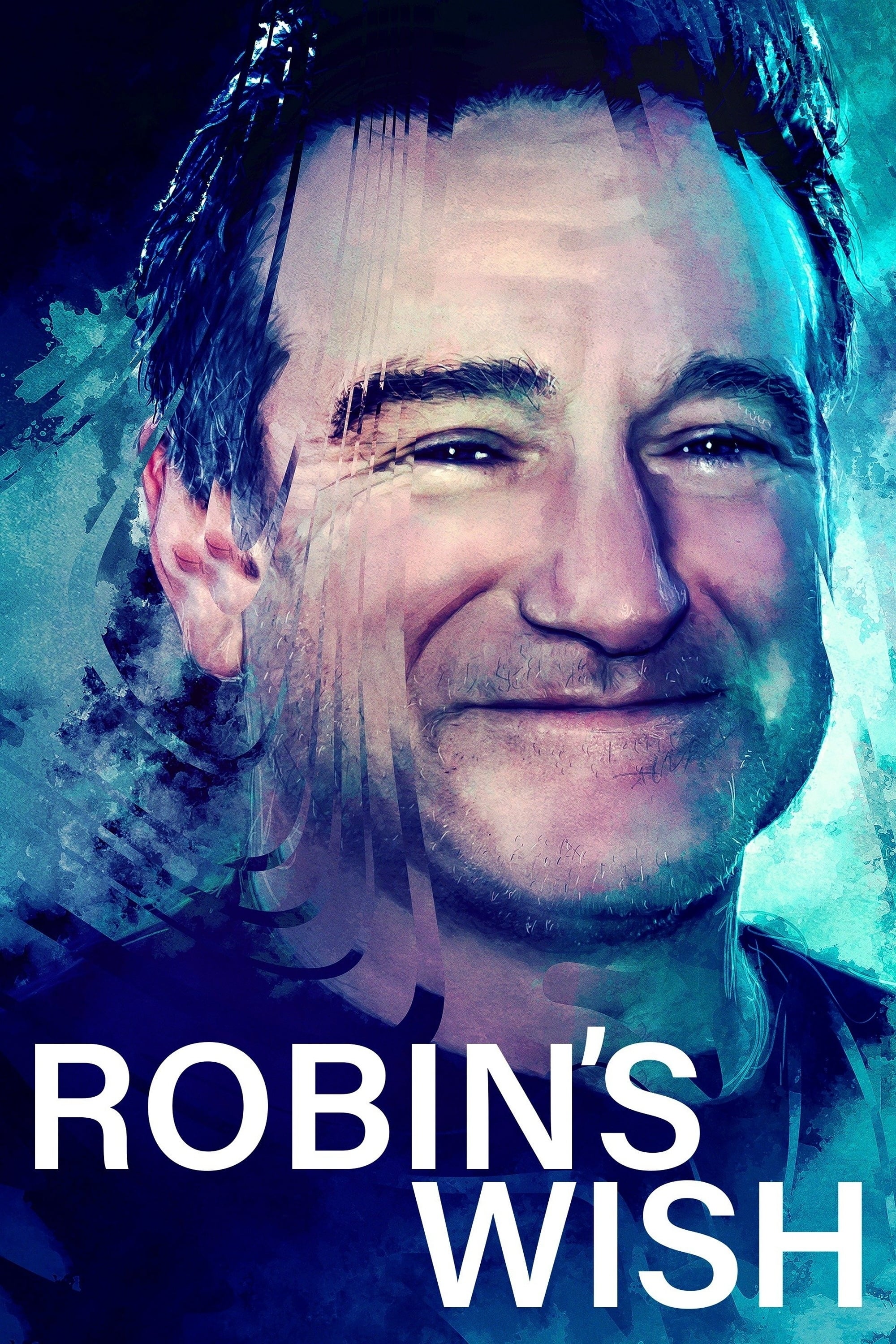
The final word in the story of what really happened to Robin Williams at the end of his life, focusing on his fight against a deadly neurodegenerative disorder known as Lewy body dementia.
A 1993 documentary film about Bruce Lee. The film includes interviews from some of his fellow students and opponents who worked alongside him in his movies.
Alex Gibney explores the charged issue of pedophilia in the Catholic Church, following a trail from the first known protest against clerical sexual abuse in the United States and all way to the Vatican.
A global television broadcast of the event in which former Pink Floyd leader singer and composer Roger Waters led an all-star cast in a mammoth benefit performance of his acclaimed concept album, The Wall. Set in Berlin, Germany less than a year after the destruction of the hated Berlin Wall, Waters was accompanied by disparate talents such as Cyndi Lauper, James Galway, Joni Mitchell and Albert Finney in the classic dark musical tale of a rock star's descent into madness and back.
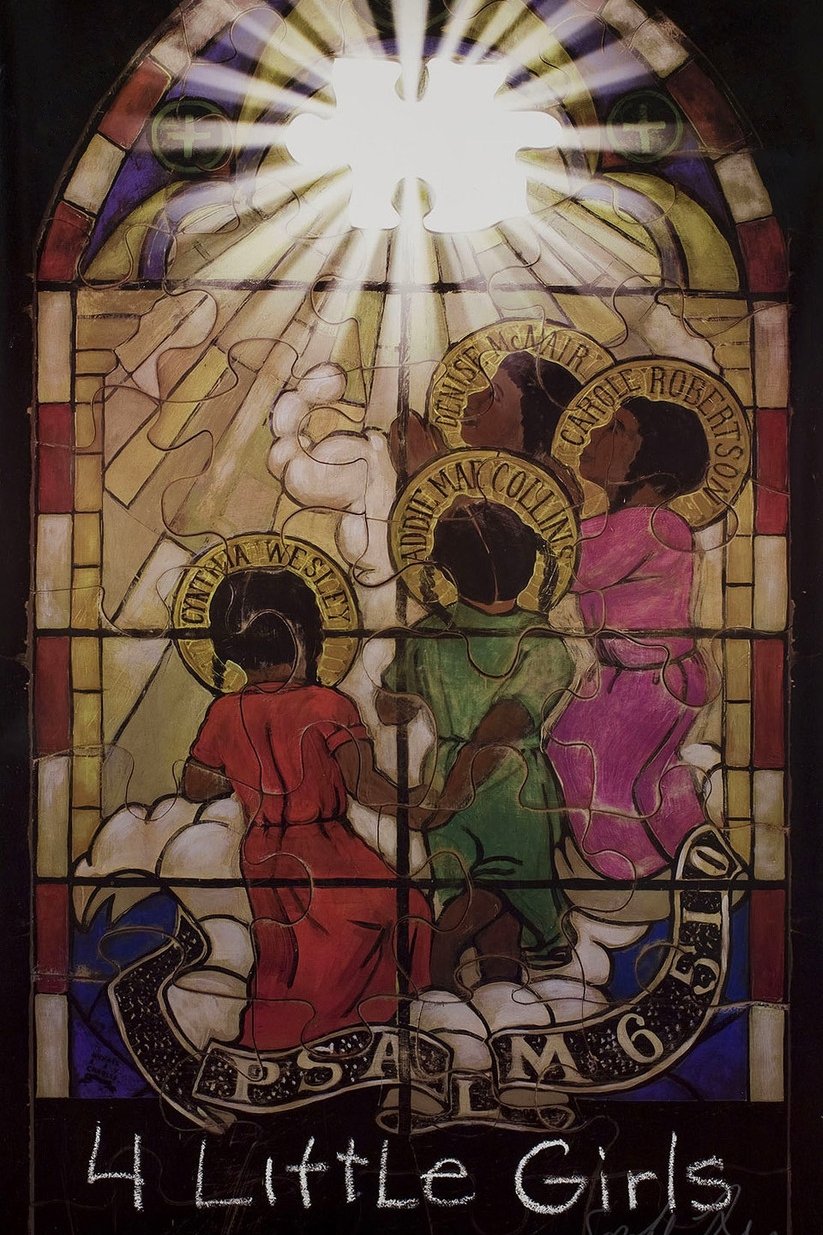
On September 15, 1963, a bomb destroyed a black church in Birmingham, Alabama, killing four young girls who were there for Sunday school. It was a crime that shocked the nation--and a defining moment in the history of the civil-rights movement. Spike Lee re-examines the full story of the bombing, including a revealing interview with former Alabama Governor George Wallace.
In celebration of the publisher's 75th anniversary, the hour-long special will take a detailed look at the company's journey from fledgling comics publisher to multi-media juggernaut. Hosted by Emily VanCamp (S.H.I.E.L.D. Agent Sharon Carter), the documentary-style feature will include interviews with comic book icons, pop culture authorities, and Hollywood stars. The special also promises an "extraordinary peek into Marvel's future!" Might Marvel release the first official footage from next year's Avengers: Age of Ultron or Ant-Man? If they do, you'll know about it here.
When Allied forces liberated the Nazi concentration camps in 1944-45, their terrible discoveries were recorded by army and newsreel cameramen, revealing for the first time the full horror of what had happened. Making use of British, Soviet and American footage, the Ministry of Information’s Sidney Bernstein (later founder of Granada Television) aimed to create a documentary that would provide lasting, undeniable evidence of the Nazis’ unspeakable crimes. He commissioned a wealth of British talent, including editor Stewart McAllister, writer and future cabinet minister Richard Crossman – and, as treatment advisor, his friend Alfred Hitchcock. Yet, despite initial support from the British and US Governments, the film was shelved, and only now, 70 years on, has it been restored and completed by Imperial War Museums under its original title "German Concentration Camps Factual Survey".
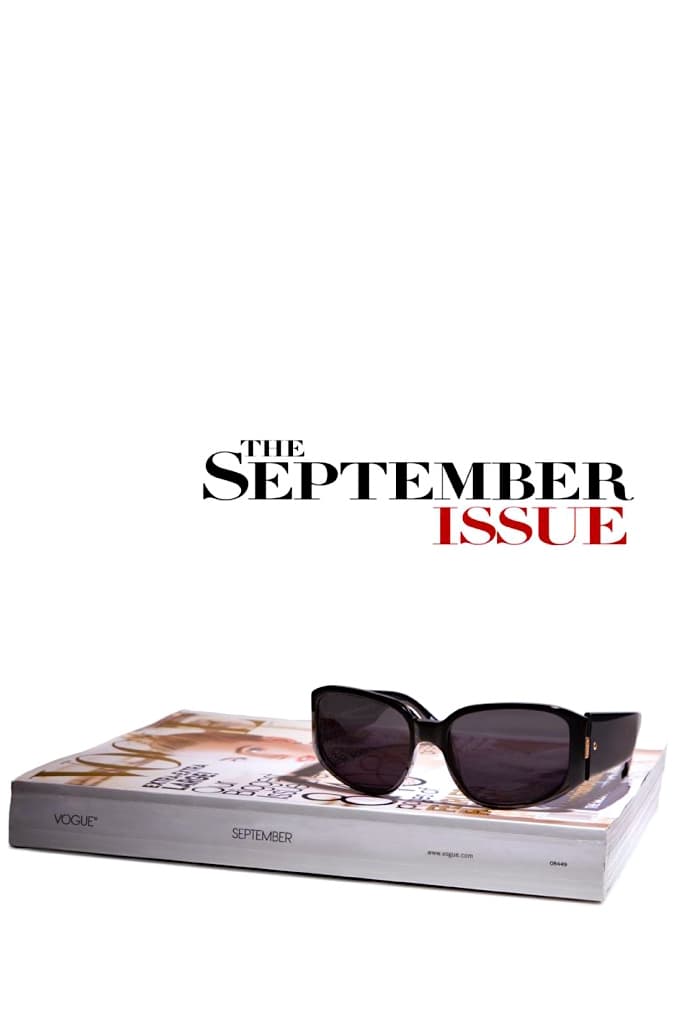
A documentary chronicling Vogue editor-in-chief Anna Wintour's preparations for the 2007 fall-fashion issue.
“The Soviet Story” is a story of an Allied power, which helped the Nazis to fight Jews and which slaughtered its own people on an industrial scale. Assisted by the West, this power triumphed on May 9th, 1945. Its crimes were made taboo, and the complete story of Europe’s most murderous regime has never been told. Until now...
Literary icon Joan Didion reflects on her remarkable career and personal struggles in this intimate documentary directed by her nephew, Griffin Dunne.