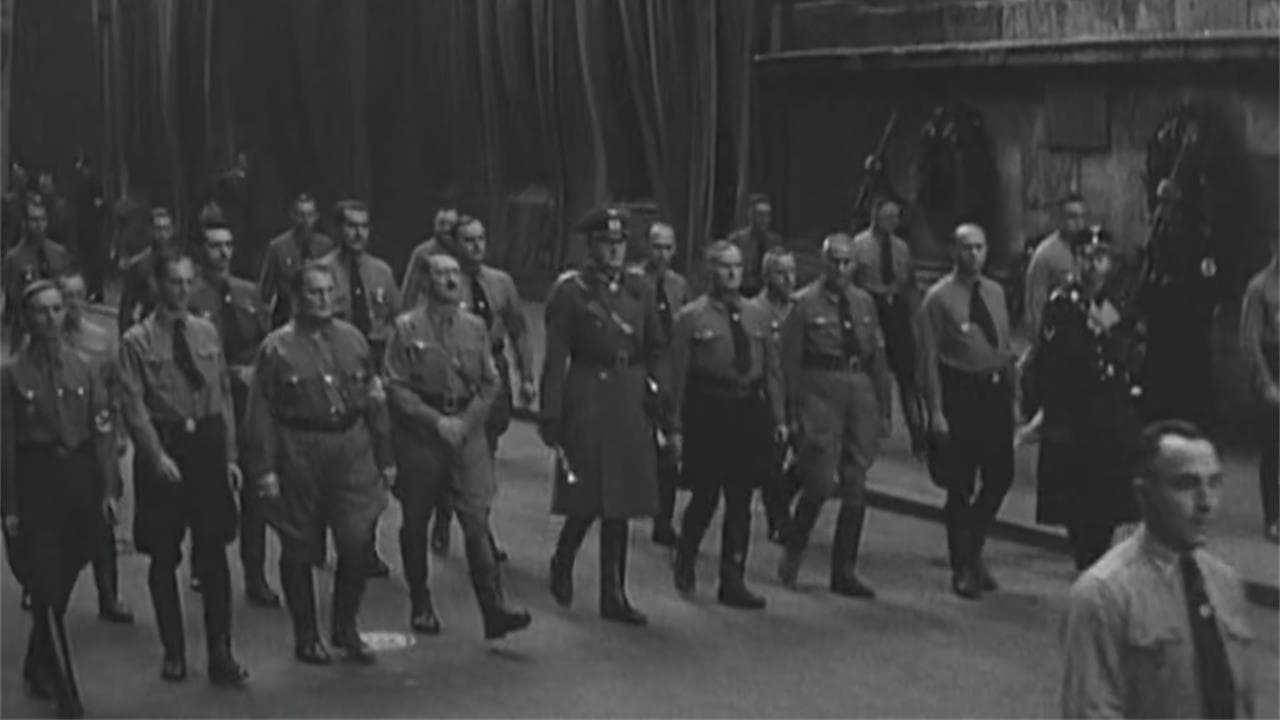
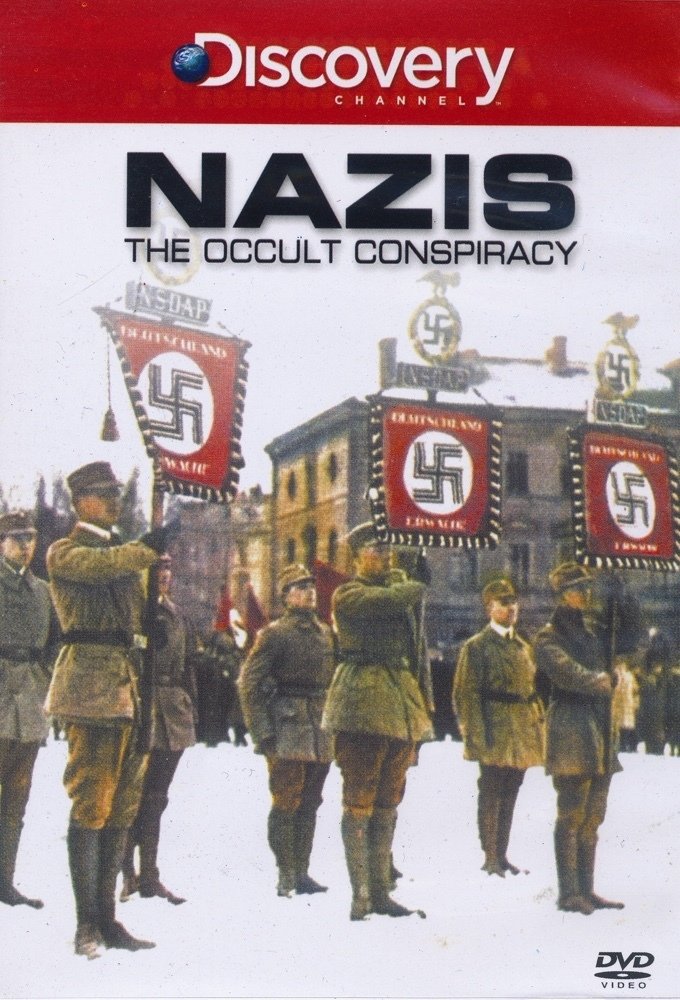
This documentary examines how Adolf Hitler and the Nazi regime made use of ancient mysticism, occultism, and mind-control techniques in their efforts to win the war.
Social & External
The people behind it
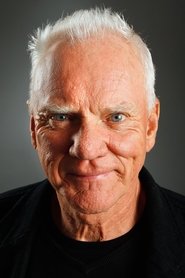
Malcolm McDowell
Narrator (voice)
Nick Campion
Self
Angus Douglas-Hamilton
Wolf Rüdiger Hess
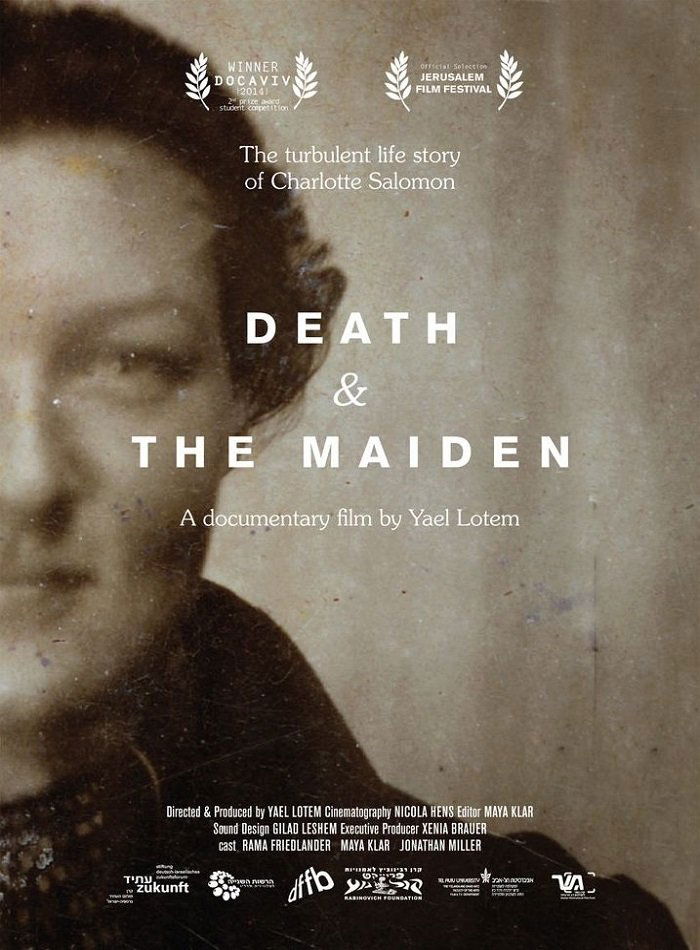
Shortly after World War II, over 1,000 paintings were found in a cellar in southern France. The paintings were created by a young Jewish woman named Charlotte Salomon. She painted her turbulent life story in a unique creation called: ‘Life? Or Theater? – A Tri-Colored Operetta.’ Death and the Maiden unravels the story behind her creation.
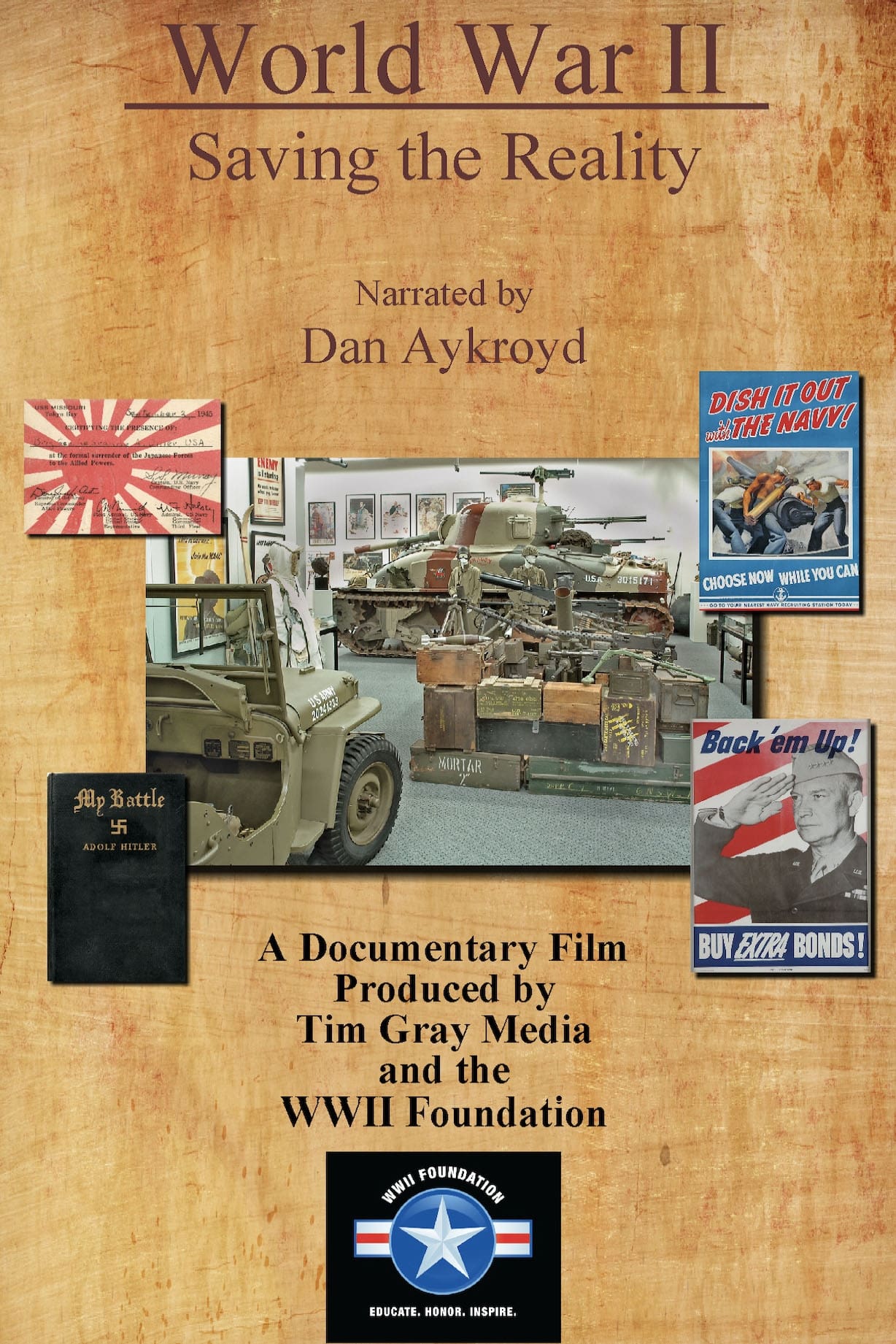
See Kenneth W. Rendell's collection of over 6,000 artifacts that range from the end of World War I and the rise of Nazism to the start of World War II and the fight in Europe and the Pacific.
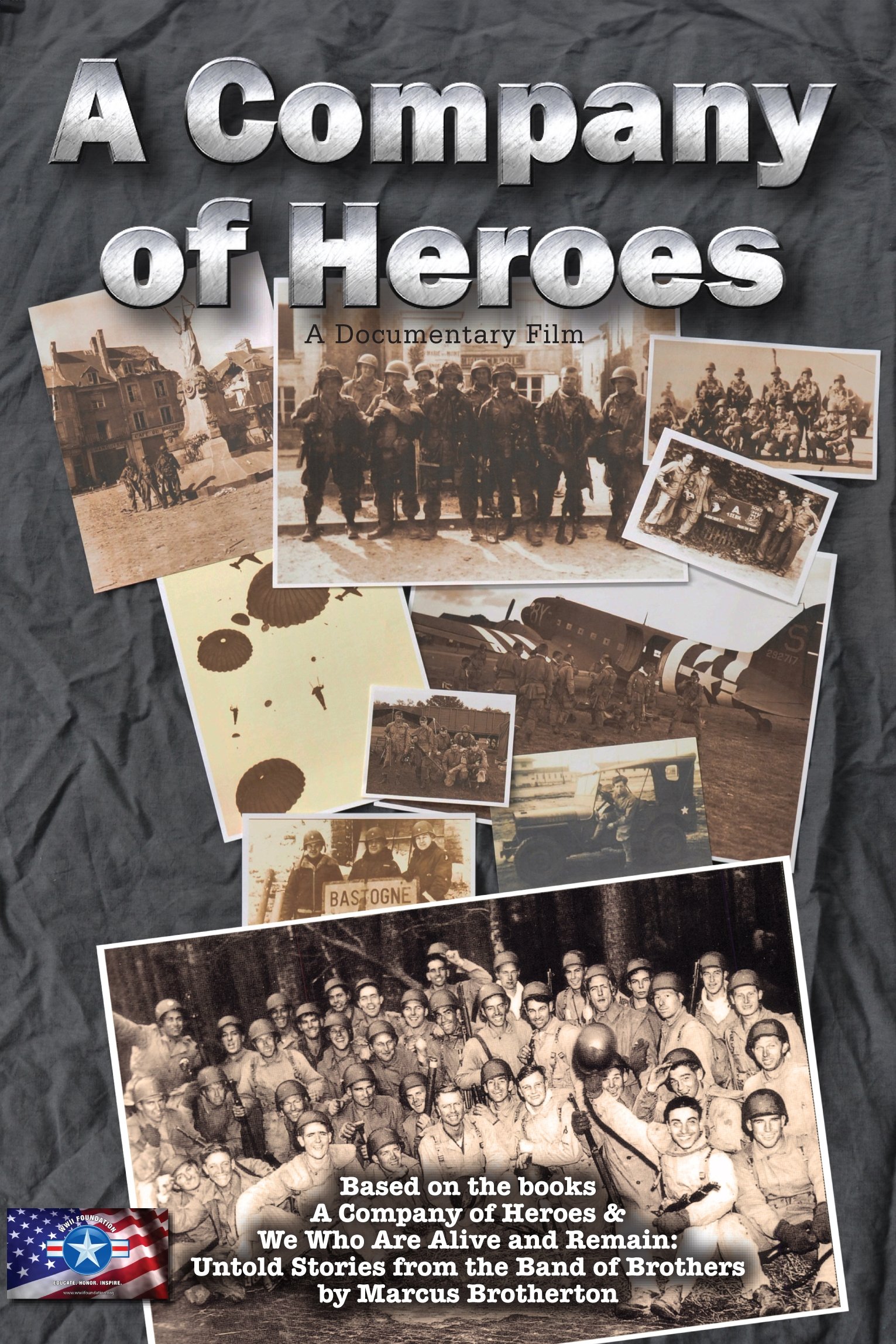
Easy Company, the 2nd Battalion of the 506th Parachute Infantry Regiment of the 101st Airborne Division, fought their way through Europe, liberated concentration camps, and drank a victory toast in April 1945 at Hitler's hideout. Veterans from Easy Company, along with the families of three deceased others, recount their horrors and victories, bonds they made and the friends they lost.
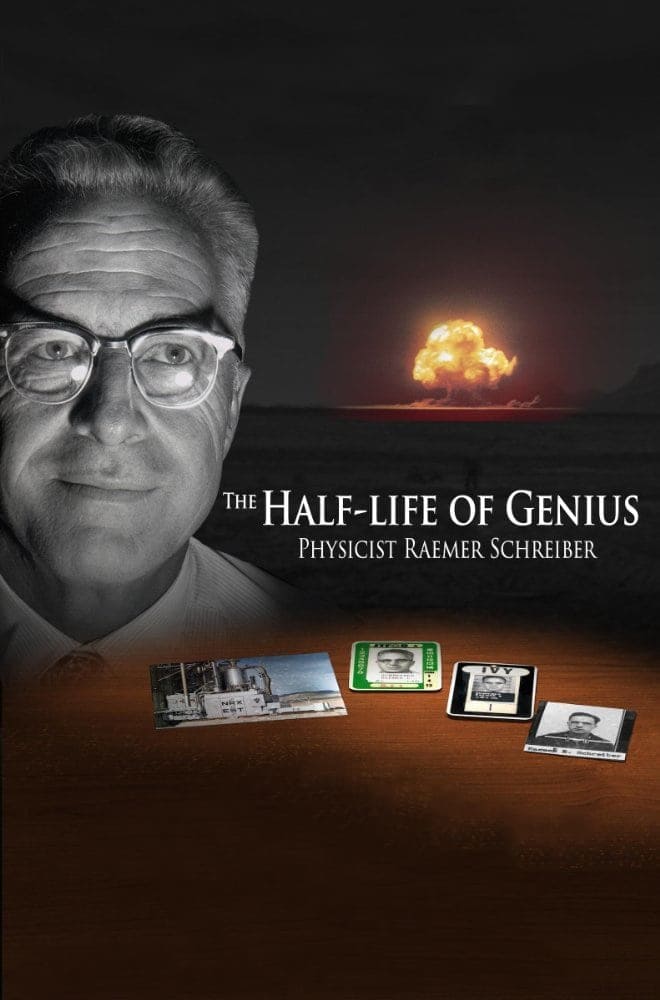
Our two-hour film highlights the life and career of Dr. Schreiber with respect and clarity. Raemer, his wife Marge, and young daughter Paula would move to the high-desert of New Mexico where he and other brilliant minds would change the world forever.
Documentary about the Battle of the Scheldt.
An accurate depiction of the basic tenets of northern Mahayana Buddhism, cast into living or "experiential" form, consistent with powerful mantras heard on the soundtrack of the film. Tarthang Tulku, a Tibetan Lama, was the advisor.
Filmdocumentary about the Battle of the Scheldt.
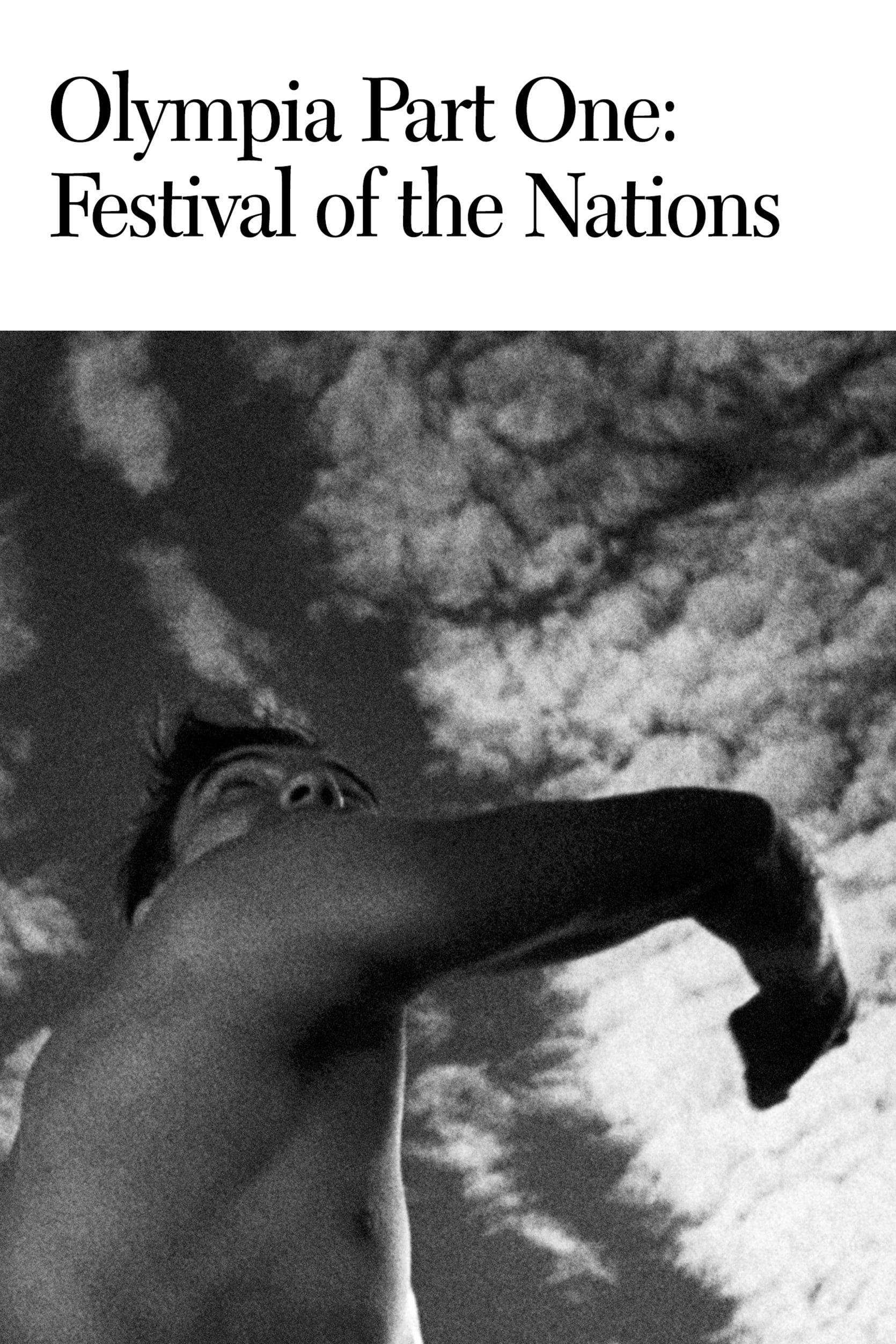
Starting with a long and lyrical overture, evoking the origins of the Olympic Games in ancient Greece, Riefenstahl covers twenty-one athletic events in the first half of this two-part love letter to the human body and spirit, culminating with the marathon, where Jesse Owens became the first track and field athlete to win four gold medals in a single Olympics.
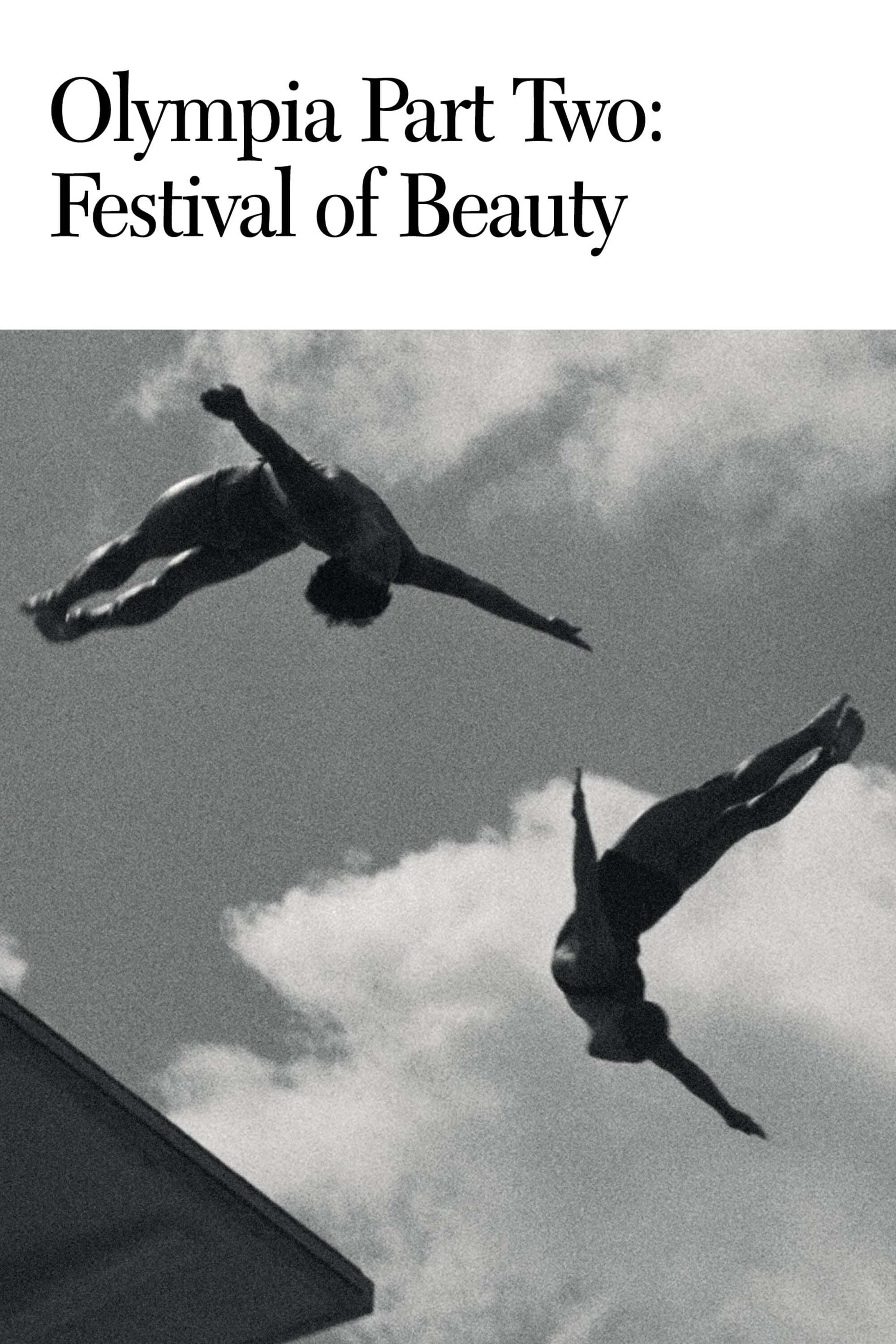
Part two of Leni Riefenstahl's monumental examination of the 1938 Olympic Games, the cameras leave the main stadium and venture into the many halls and fields deployed for such sports as fencing, polo, cycling, and the modern pentathlon, which was won by American Glenn Morris.
Filmmaker Alain Resnais documents the atrocities behind the walls of Hitler's concentration camps.
Professor Saul David uses the BBC archive to chart the history of the world's most destructive war, by chronicling how the story of the battle has changed. As new information has come to light, and forgotten stories are remembered, the history of World War Two evolves. The BBC has followed that evolution, and this programme examines the most important stories, and how our understanding of them has been re-defined since the war ended over 70 years ago.
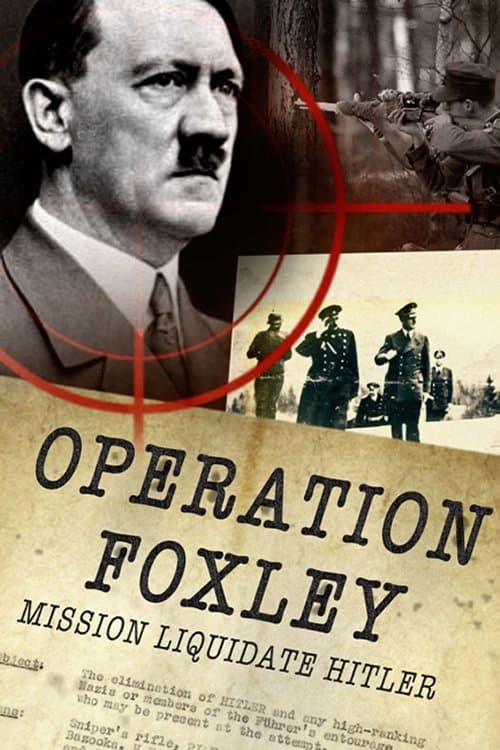
Throughout his time as head of the Nazi party, Adolph Hitler evaded numerous attempts to assassinate him. However the secret Operation Foxely came the closest to succeeding. Based on declassified World War II documents from the British secret service, this award-winning film reconstructs the detailed plan that nearly resulted in the murder of the notorious German Fuhrer, and why it failed.
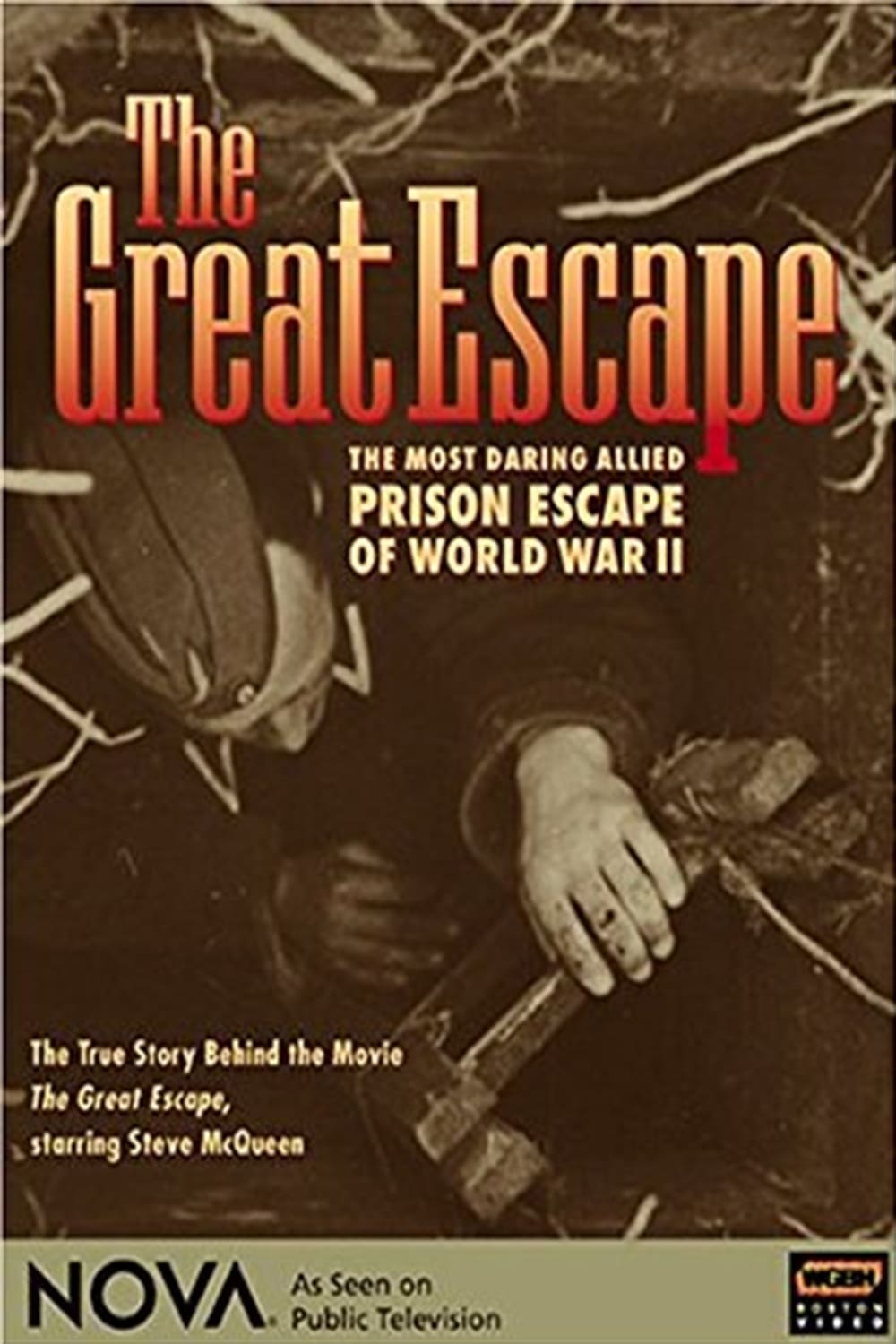
The real Great Escape didn't feature Steve McQueen racing through the Third Reich on a motorcycle like in the 1963 movie, but the big breakout was still thrilling in every way. This program sheds new light on the audacious escape of 76 Allied airmen from a Nazi POW camp during World War II.
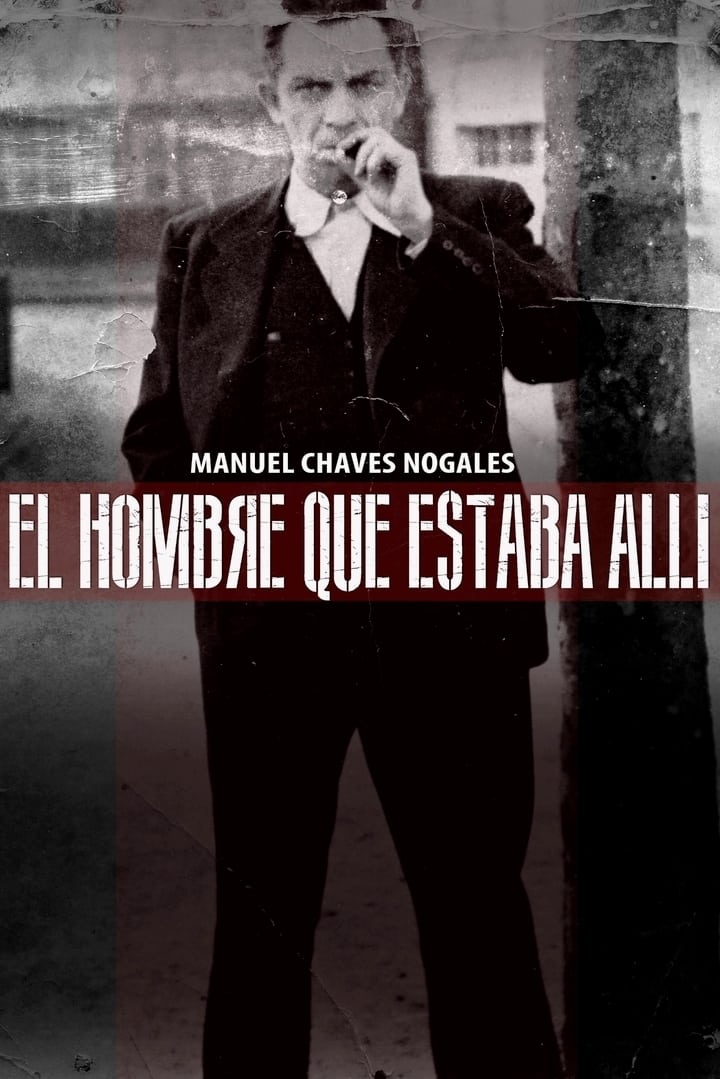
The Spanish journalist Manuel Chaves Nogales (1897-1944) was always there where the news broke out: in the fratricidal Spain of 1936, in Bolshevik Russia, in Fascist Italy, in Nazi Germany, in occupied Paris or in the bombed London of World War II; because his job was to walk, see and tell stories, and thus fight against tyrants, at a time when it was necessary to take sides in order not to be left alone; but he, a man of integrity to the bitter end, never did so.
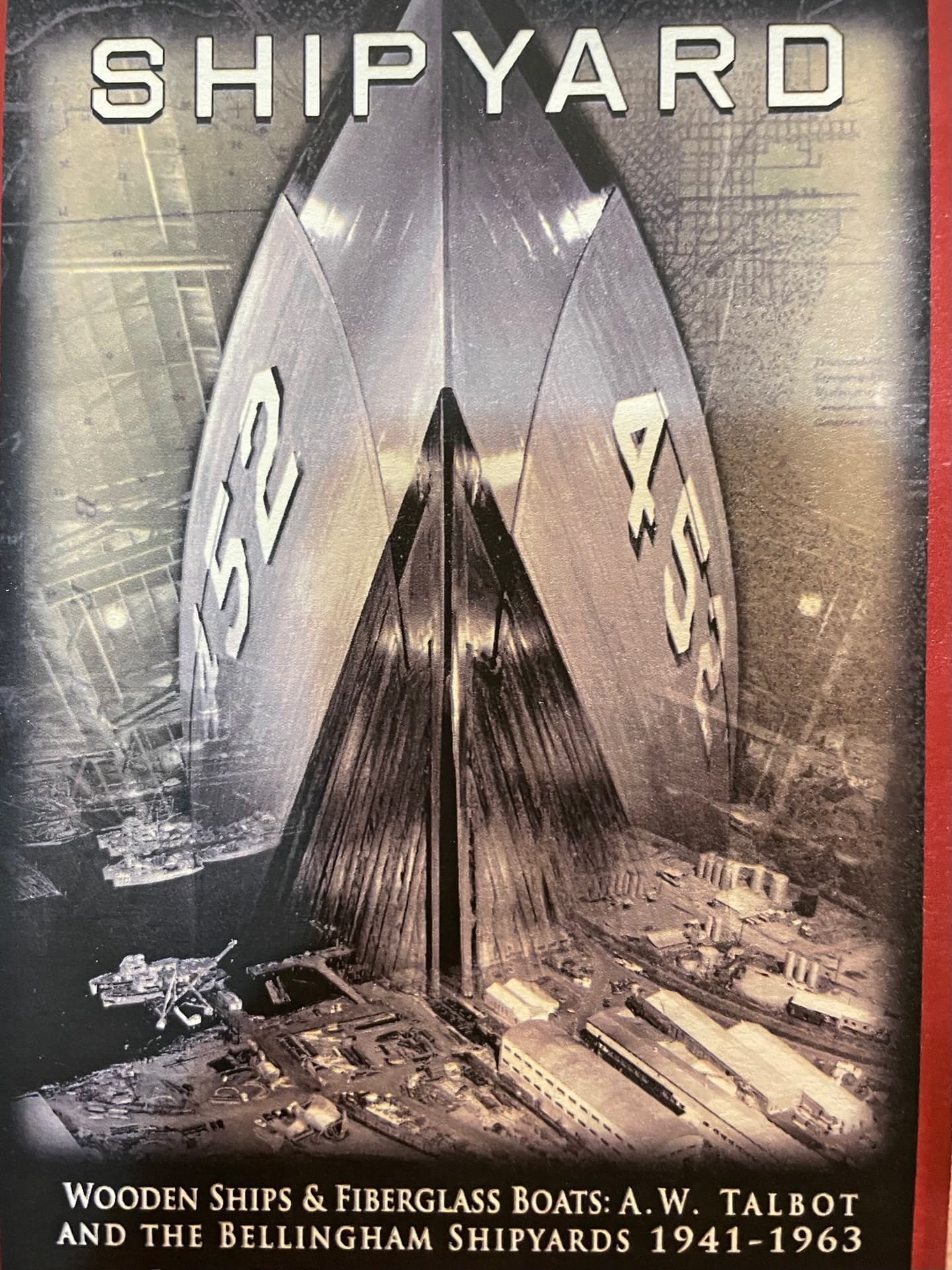
Shipyard is a landmark documentary covering the creation and life of Bellingham, Washington's wooden boat shipyard, which was built in response to the Axis threat of WWII, it's continued growth through the '50's and '60's, as well as it's innovative role in the development and production of fiberglass boats, including patrol riverboats for the Vietnam war.

A look at the recently discovered fascinating behind the scenes footage shot by the legendary Hollywood director John Ford at Pearl Harbor in 1942 while filming his popular World War II documentaries December 7th and The Battle of Midway.
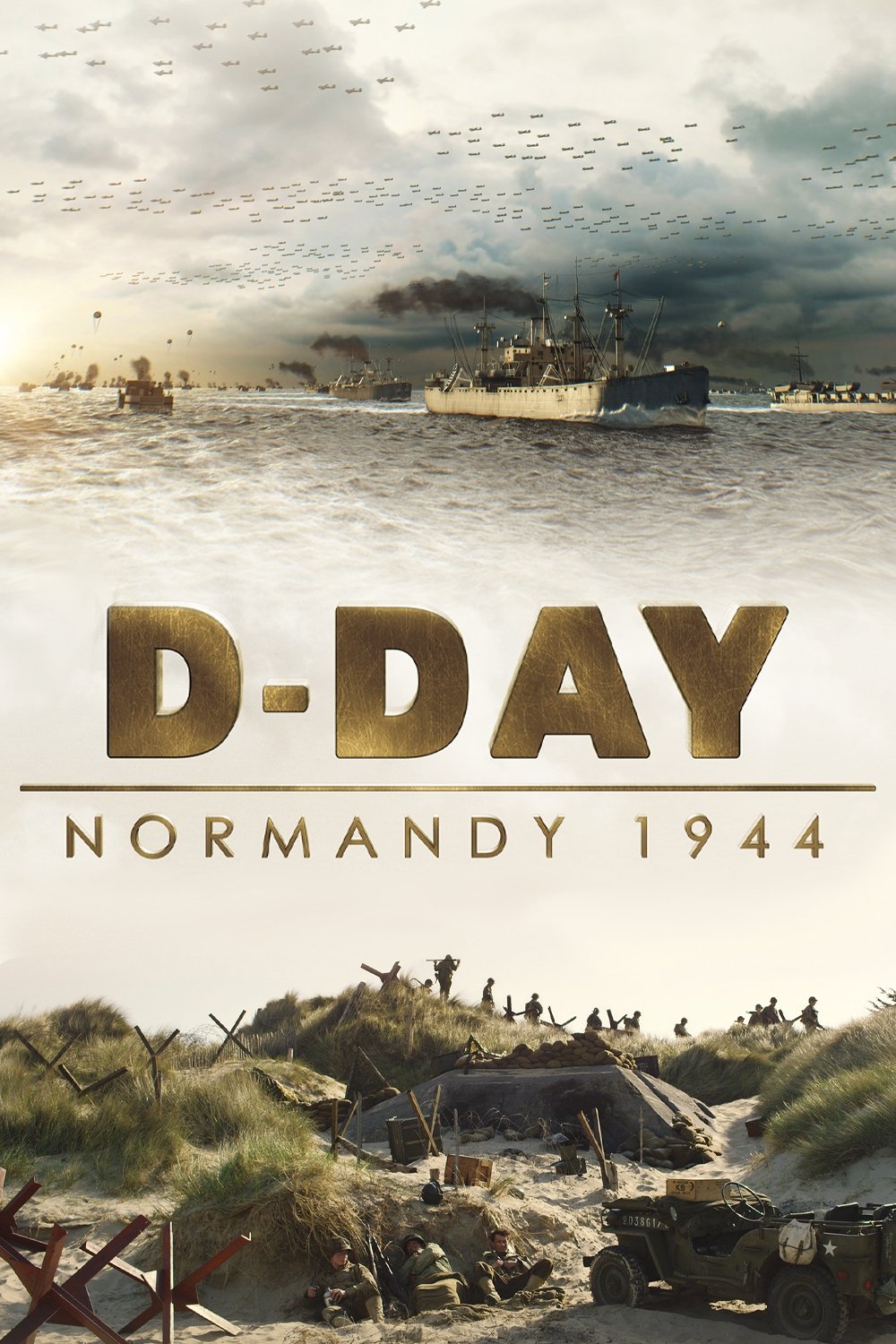
June 6, 1944: The largest Allied operation of World War II began in Normandy, France. Yet, few know in detail exactly why and how, from the end of 1943 through August 1944, this region became the most important location in the world. Blending multiple cinematographic techniques, including animation, CGI and stunning live-action images, “D-Day: Normandy 1944” brings this monumental event to the world’s largest screens for the first time ever. Audiences of all ages, including new generations, will discover from a new perspective how this landing changed the world. Exploring history, military strategy, science, technology and human values, the film will educate and appeal to all. Narrated by Tom Brokaw, “D-Day: Normandy 1944” pays tribute to those who gave their lives for our freedom… A duty of memory, a duty of gratitude.
The "Alaska at War" film project was an effort to document events of World War II in Alaska. It was funded by the Alaska Legislature through the Alaska Historical Commission and was supported by the Alaska Historical Society and private subscription. The production work was performed by aurora Films, assisted by a citizen's advisory committee. The production "Alaska at War" was first shown in public on Alaska Day, October 18th 1986.
One famous day. Five heroes. Five key turning points that changed the course of World War II during the D-Day landings, told through the eyes of the people who made a difference. Using rarely seen archival footage dramatic reconstruction and written accounts from eye witnesses, and personal testimony from five heroes, this is D-Day as never seen before.
When Allied forces liberated the Nazi concentration camps in 1944-45, their terrible discoveries were recorded by army and newsreel cameramen, revealing for the first time the full horror of what had happened. Making use of British, Soviet and American footage, the Ministry of Information’s Sidney Bernstein (later founder of Granada Television) aimed to create a documentary that would provide lasting, undeniable evidence of the Nazis’ unspeakable crimes. He commissioned a wealth of British talent, including editor Stewart McAllister, writer and future cabinet minister Richard Crossman – and, as treatment advisor, his friend Alfred Hitchcock. Yet, despite initial support from the British and US Governments, the film was shelved, and only now, 70 years on, has it been restored and completed by Imperial War Museums under its original title "German Concentration Camps Factual Survey".
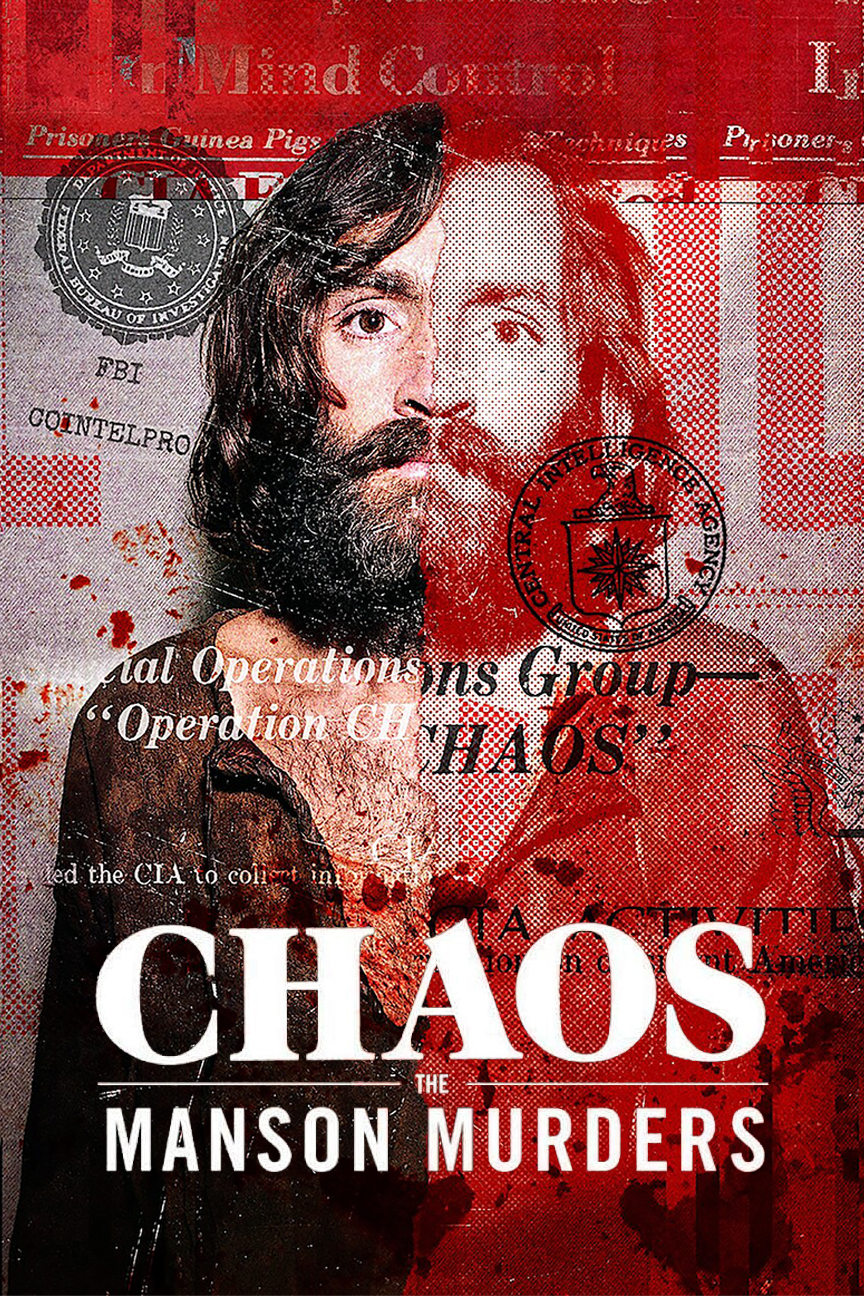
In August 1969, Charles Manson's followers killed seven people on his orders. Why? Explore a conspiracy of mind control, CIA experiments, and murder.
A documentary examining possible historical and modern conspiracies surrounding Christianity, the 9/11 terrorist attacks, and the Federal Reserve bank.
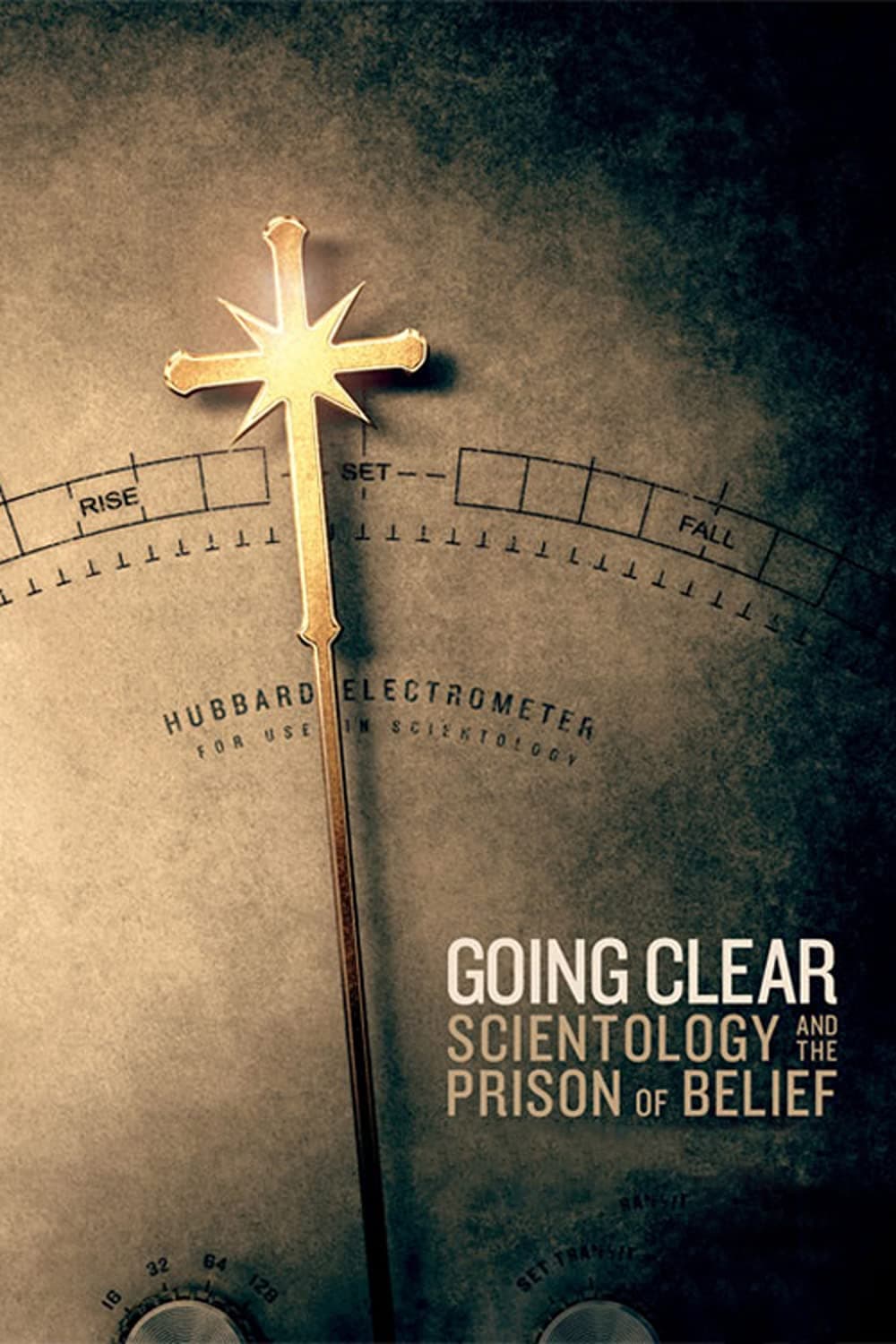
The film profiles eight former members of the Church of Scientology, shining a light on how they attract true believers and the things they do in the name of religion.
A look at the origins, history and conspiracies behind the "Majestic 12", a clandestine group of military and corporate figureheads charged with reverse-engineering extraterrestrial technology.
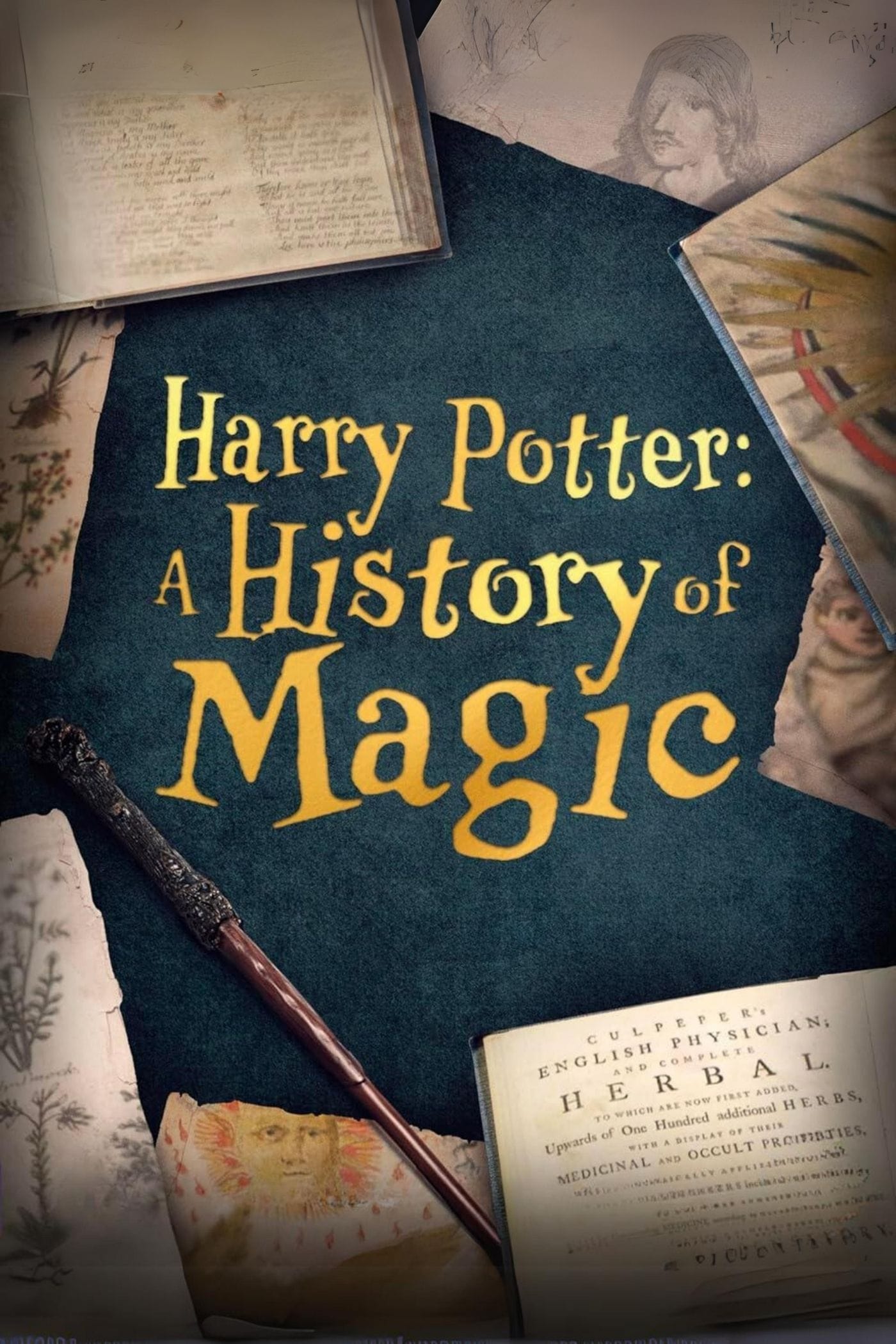
A thrilling journey through legends, belief and folklore, this film goes behind the scenes with the British Library as they search to tell that story through objects in their collection, in an ambitious new exhibition: Harry Potter: A History Of Magic. J.K. Rowling, who is lending unseen manuscripts, drawings and drafts from her private archives (which will sit alongside treasures from the British Library, as well as original drafts and drawings from Jim Kay) talks about some of the personal items she has lent to the exhibition and gives new insight into her writing, looking at some of the objects from the exhibition that have fired her imagination.
“The Soviet Story” is a story of an Allied power, which helped the Nazis to fight Jews and which slaughtered its own people on an industrial scale. Assisted by the West, this power triumphed on May 9th, 1945. Its crimes were made taboo, and the complete story of Europe’s most murderous regime has never been told. Until now...
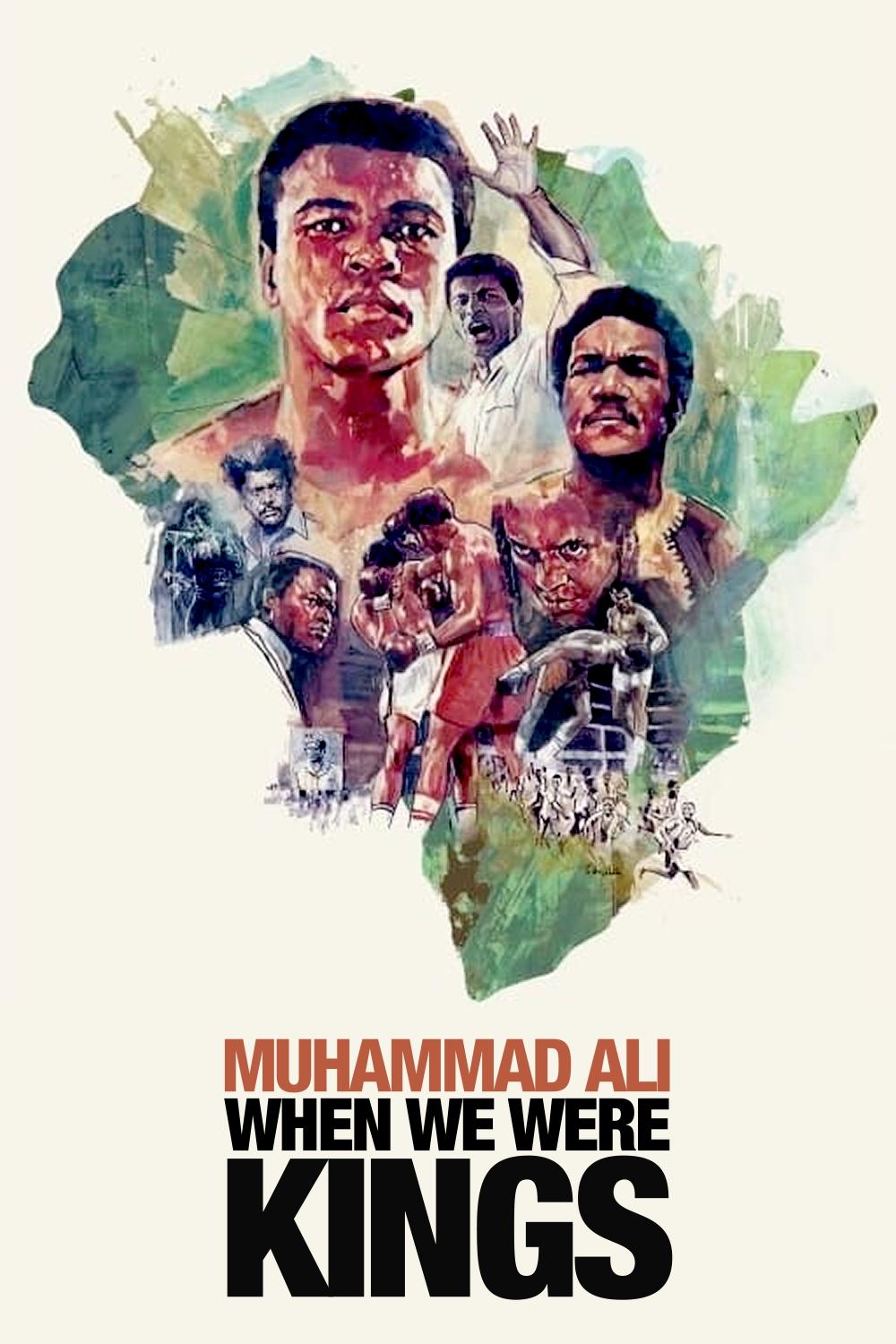
It's 1974. Muhammad Ali is 32 and thought by many to be past his prime. George Foreman is ten years younger and the heavyweight champion of the world. Promoter Don King wants to make a name for himself and offers both fighters five million dollars apiece to fight one another, and when they accept, King has only to come up with the money. He finds a willing backer in Mobutu Sese Suko, the dictator of Zaire, and the "Rumble in the Jungle" is set, including a musical festival featuring some of America's top black performers, like James Brown and B.B. King.
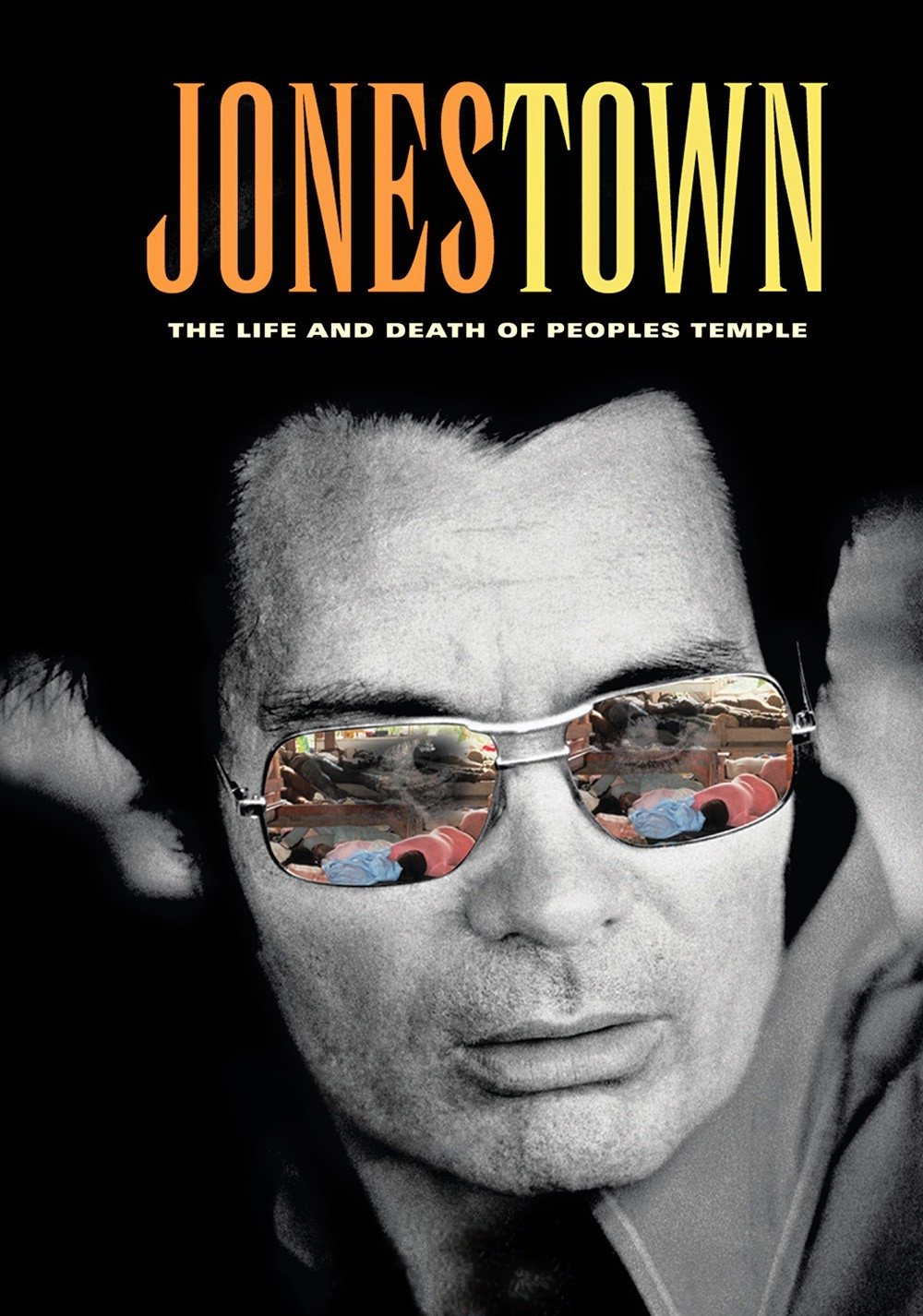
Featuring never-before-seen footage, this documentary delivers a startling new look at the Peoples Temple, headed by preacher Jim Jones who, in 1978, led more than 900 members to Guyana, where he orchestrated a mass suicide via tainted punch.
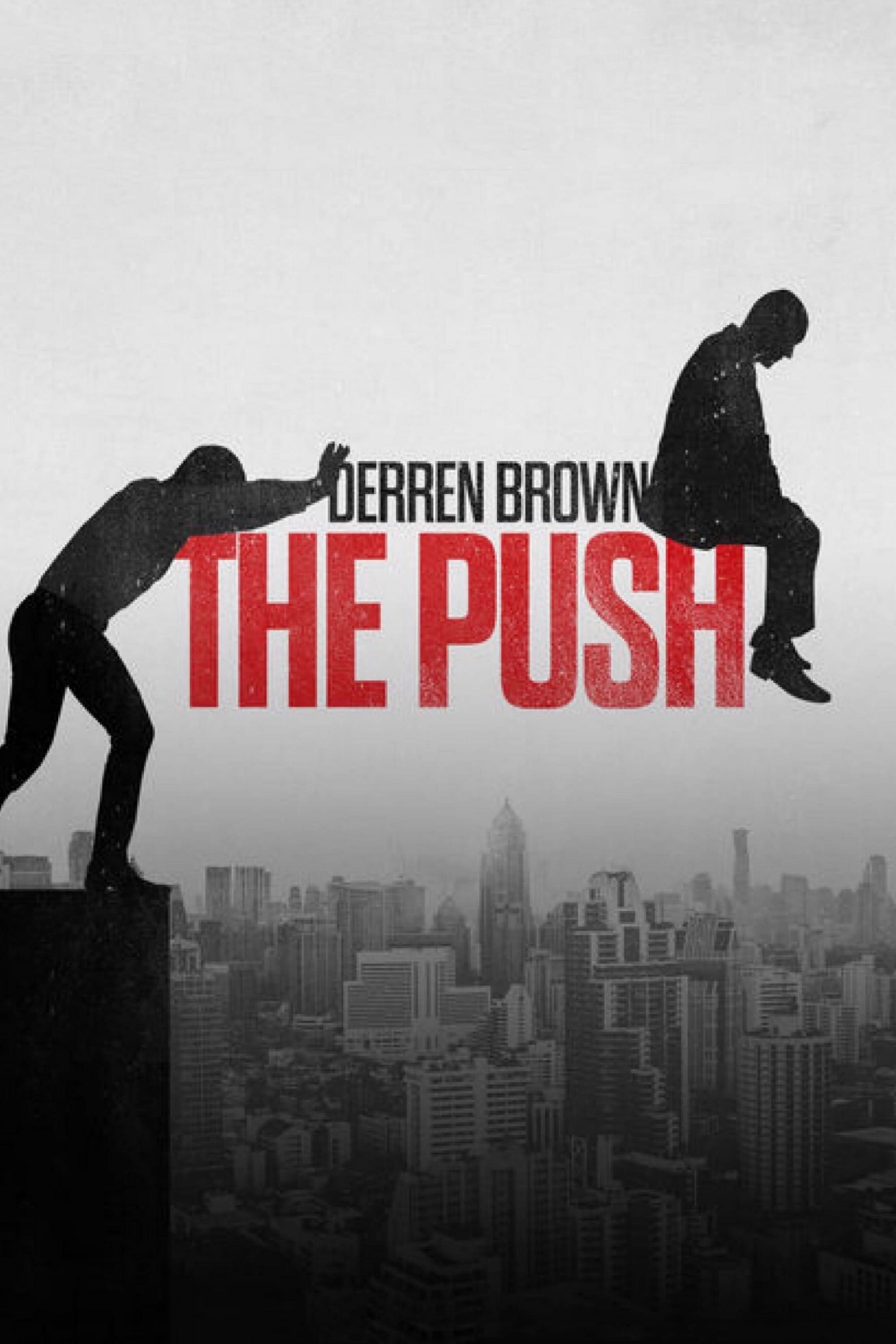
Derren Brown investigates the power of social compliance by persuading an unwitting member of the public into believing that they have pushed someone to their death.
After being denied access to the Church of Scientology's headquarters, documentarian Louis Theroux teams up with ex-Scientology official Marty Rathbun to stage re-enactments of alleged abuses within the organization. Theroux soon discovers that the church is watching his every move.
A subjective documentary that explores various theories about hidden meanings in Stanley Kubrick's classic film The Shining. Five very different points of view are illuminated through voice over, film clips, animation and dramatic reenactments.
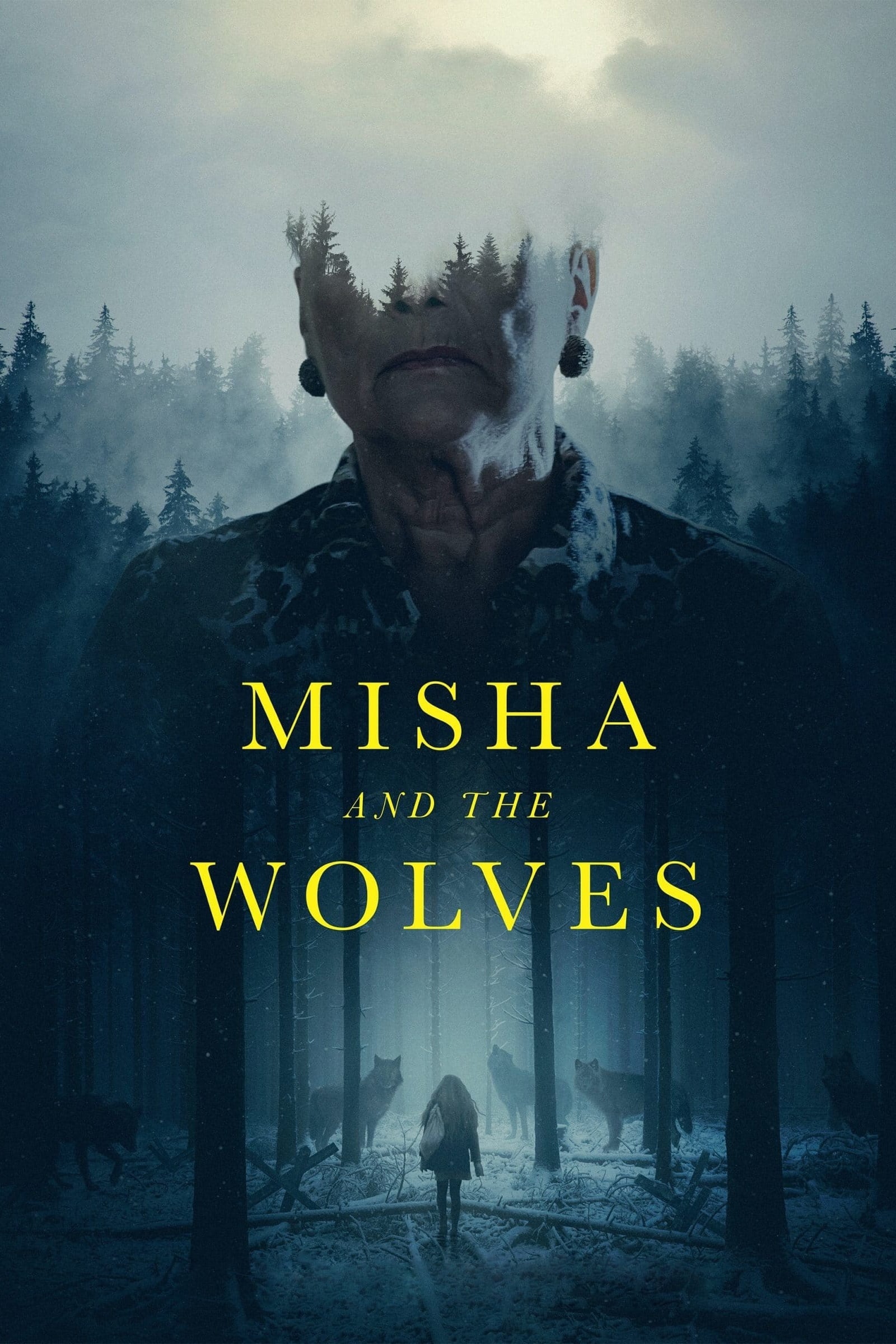
A woman’s Holocaust memoir takes the world by storm, but a fallout with her publisher-turned-detective reveals her story as an audacious deception created to hide a darker truth.
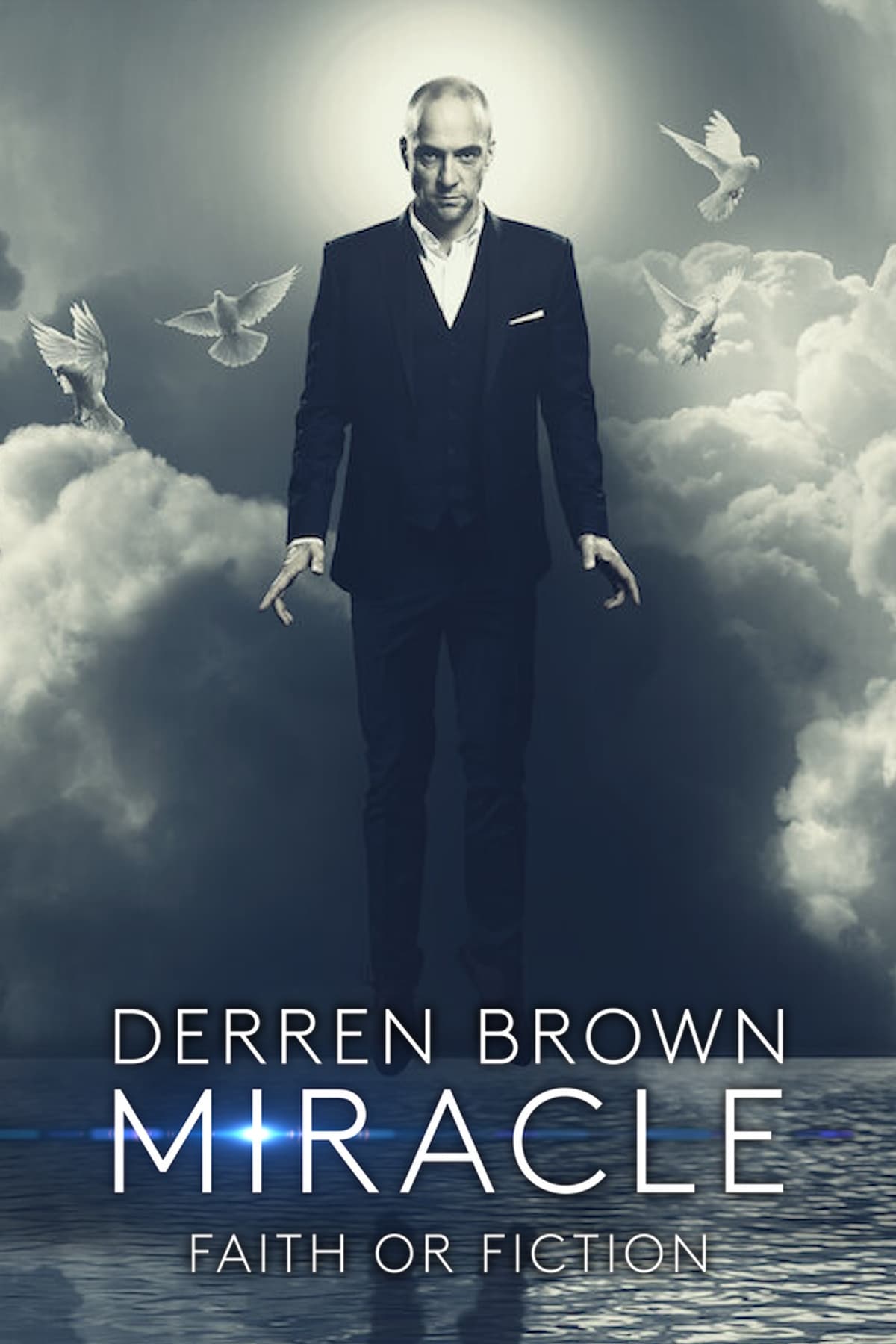
Illusionist Derren Brown reinvents the concept of "faith healing" through a series of stunts that debunk the confines of fear, pain and disbelief.
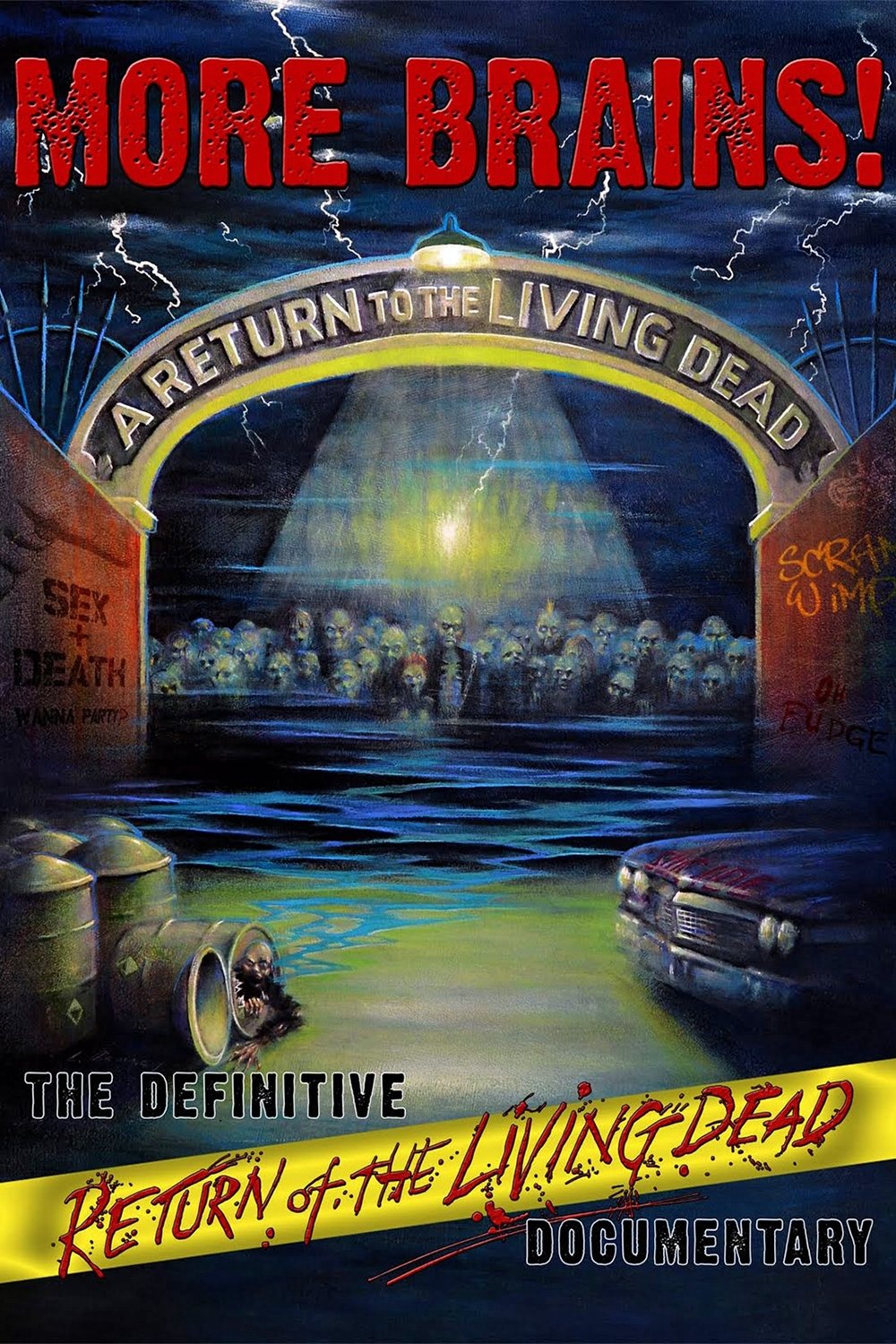
Retrospective documentary about the making of the horror cult classic "The Return of the Living Dead."
A documentary on the expletive's origin, why it offends some people so deeply, and what can be gained from its use.
This documentary movie is about the battle of San Pietro, a small village in Italy. Over 1,100 US soldiers were killed while trying to take this location, that blocked the way for the Allied forces from the Germans. Preserved by the Academy Film Archive in 2005.
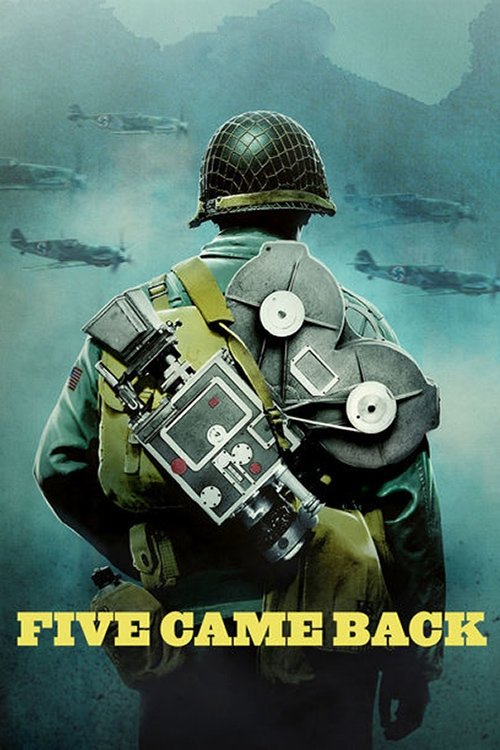
The extraordinary story of how Hollywood changed World War II – and how World War II changed Hollywood, through the interwoven experiences of five legendary filmmakers who went to war to serve their country and bring the truth to the American people: John Ford, William Wyler, John Huston, Frank Capra, and George Stevens. Based on Mark Harris’ best-selling book, “Five Came Back: A Story of Hollywood and the Second World War.”
Interviews with leading authors, philosophers and scientists, with an in-depth discussion of the Law of Attraction. The audience is shown how they can learn and use 'The Secret' in their everyday lives.
An experimental documentary that explores Saudi Arabia's relationship with the U.S. and the role this has played in the war in Afghanistan.