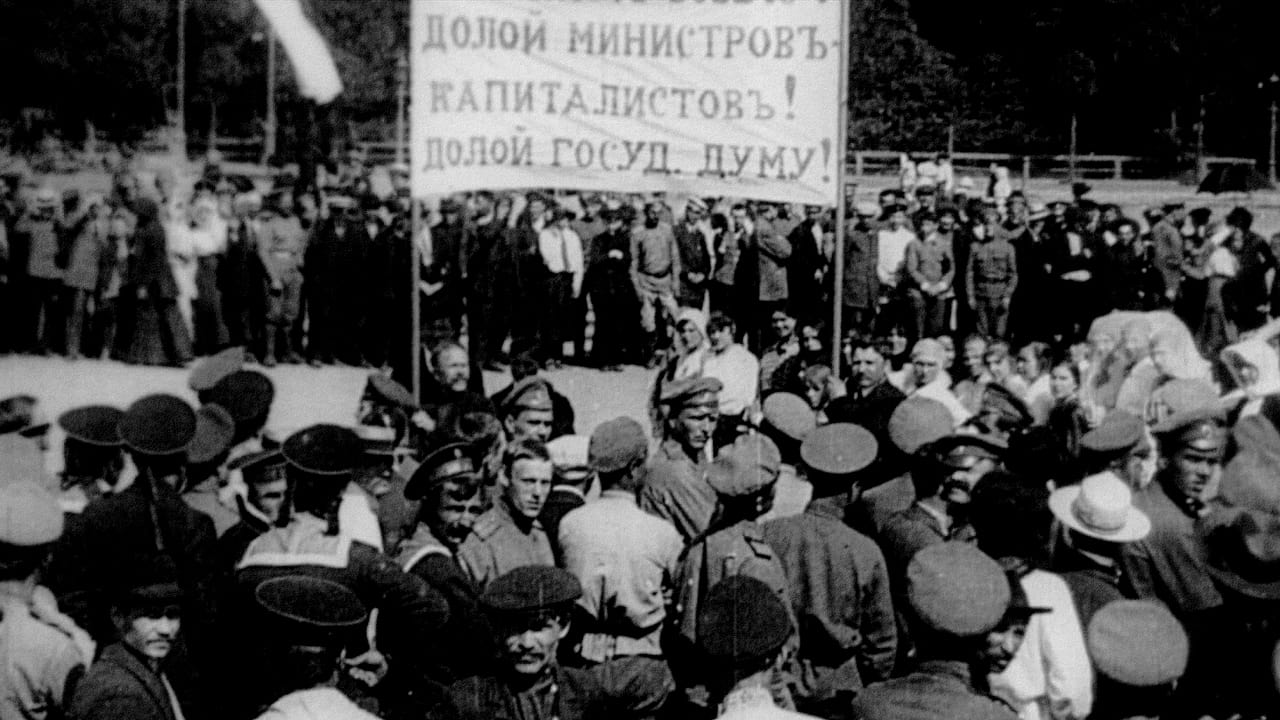
A chronicle of the Russian Revolution of 1917, from the bourgeois democratic February Revolution to the great socialist October Revolution and the final triumph.
Social & External
The people behind it
Vladimir Purishkevich
Self - Politician
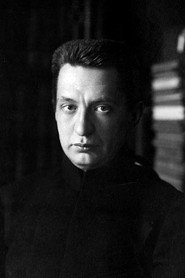
Alexander Kerensky
Mikhail Rodzianko
Alexander Guchkov
Nikolai V. Nekrasov
Mikhail Stakhovich
Ivan N. Efremov
G. A. Yakubovich
Andrei Manuilov
Nikolai Chkheidze
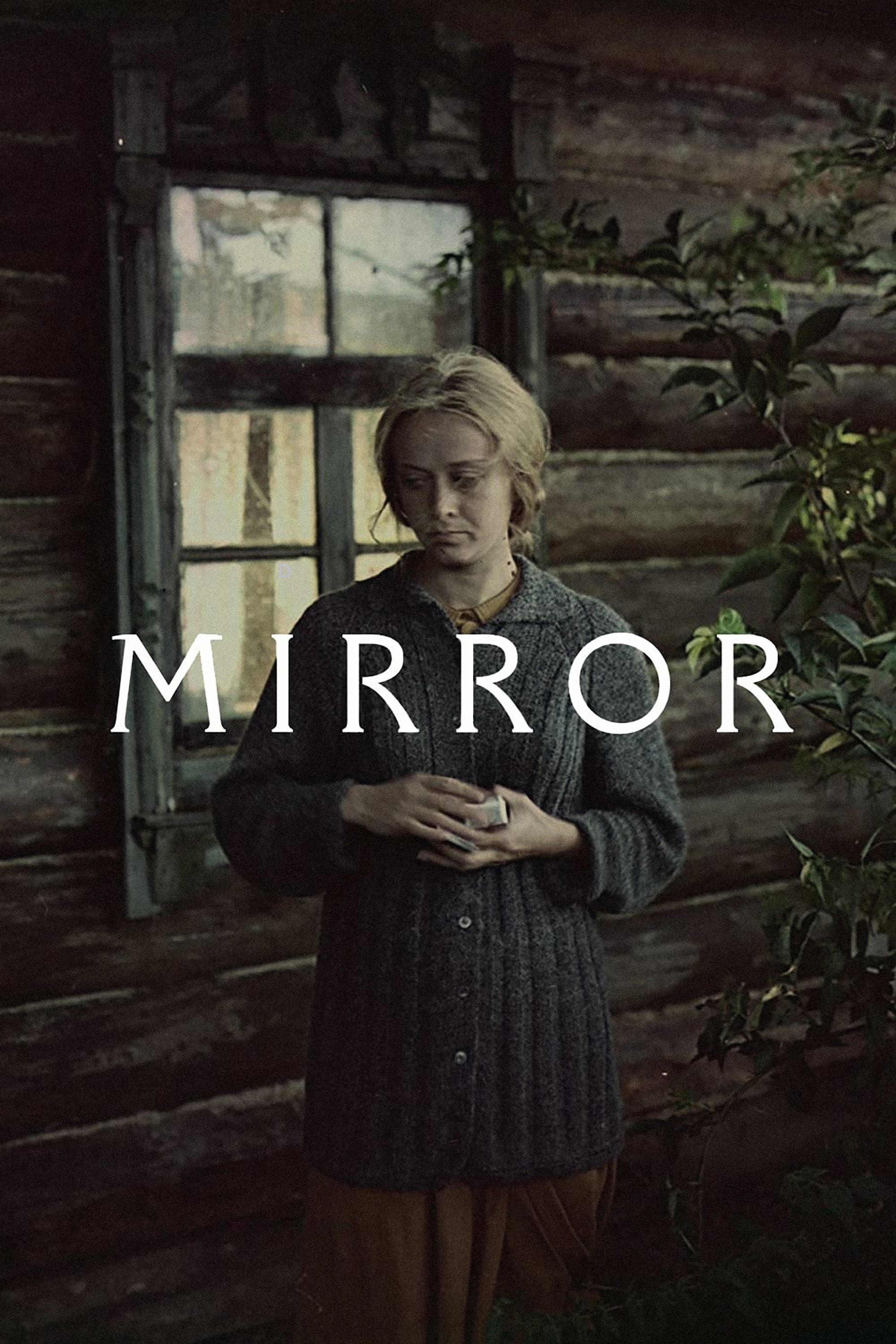
A dying man in his forties recalls his childhood, his mother, the war and personal moments that tell of and juxtapose pivotal moments in Soviet history with daily life.
Film historians, and survivors from the nearly 30-year struggle to bring sound to motion pictures take the audience from the early failed attempts by scientists and inventors, to the triumph of the talkies.
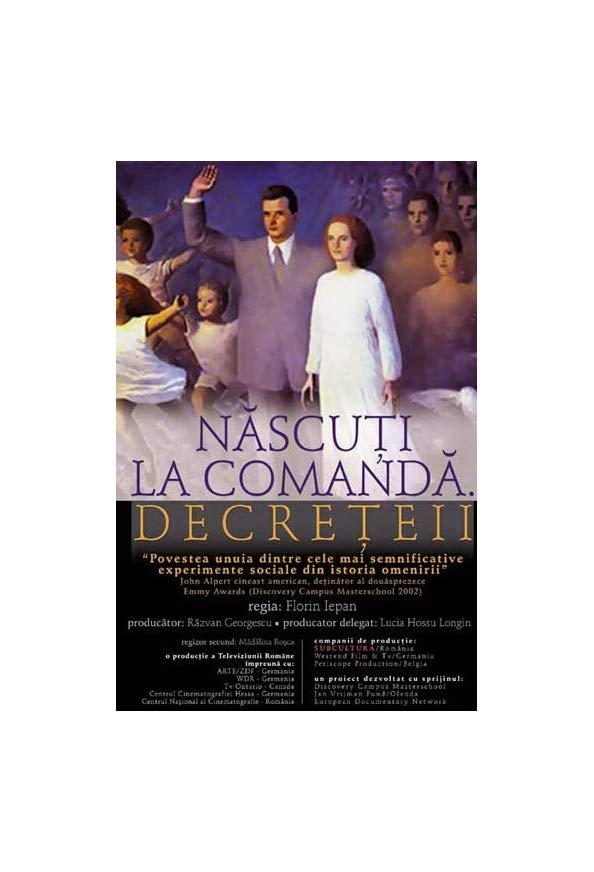
Procreation is the social duty of all fertile women, was the political thinking during the 1960s and 1970s in Romania. In 1966, Ceaucescu issued Decree 770, in which he forbade abortion for all women unless they were over forty or were already taking care of four children. All forms of contraception were totally banned. The New Romanian Man was born. By 1969, the country had a million babies more than the previous average. Romanian society was rapidly changing. By using very interesting archival footage and excerpts from old fiction films and by interviewing famous personalities from that time – gynecologists or mothers who were part of the new society - the director revives this period of tremendous oppression of personal freedom. Many deaths were caused by the mere fact that women, including wives of secret Romanian agents, famous TV presenters, and actresses, had to undergo illegal abortions. Many women were jailed for having them.
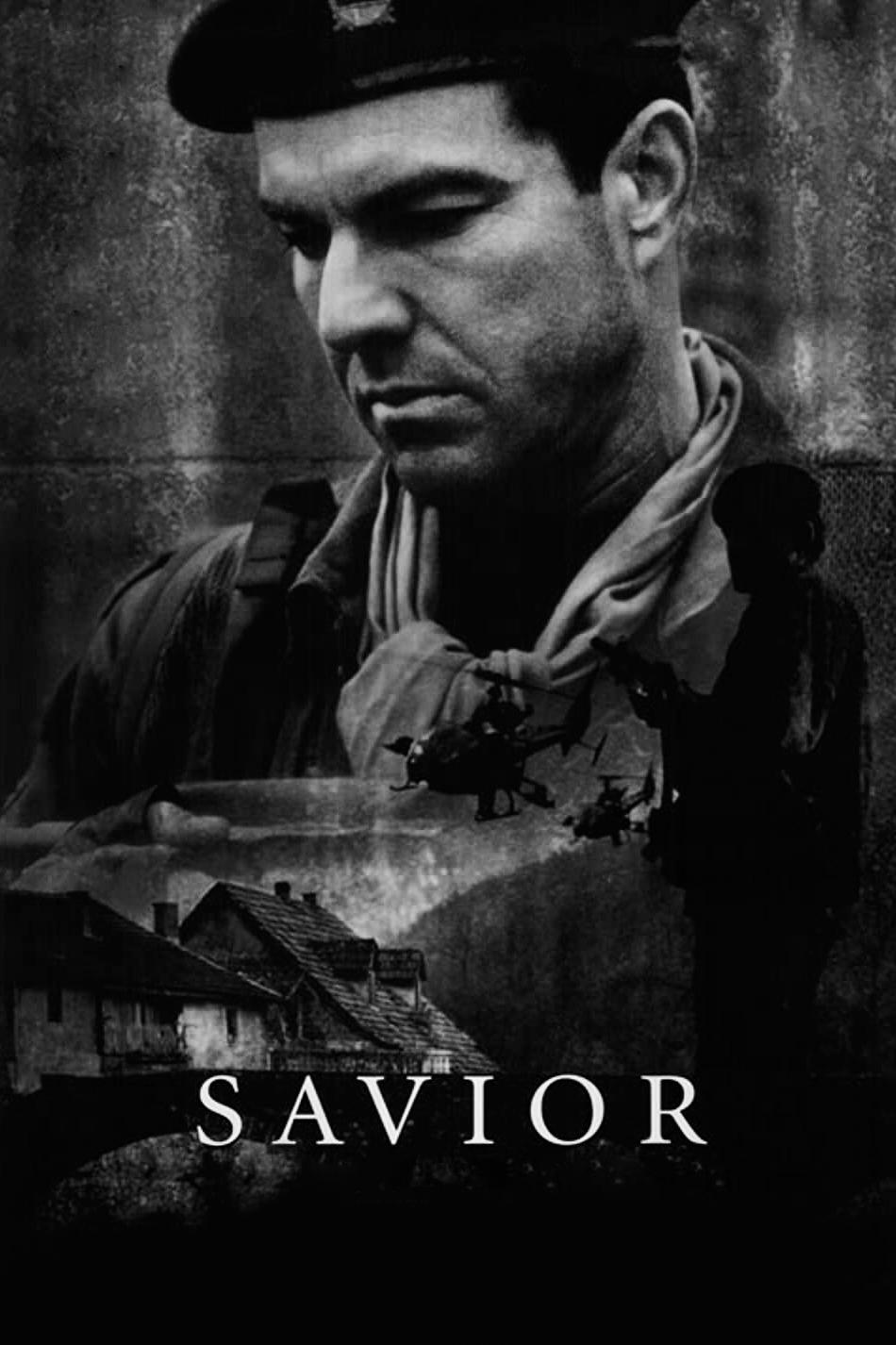
A hardened mercenary in the Foreign Legion begins to find his own humanity when confronted with atrocities during the fighting in Bosnia.
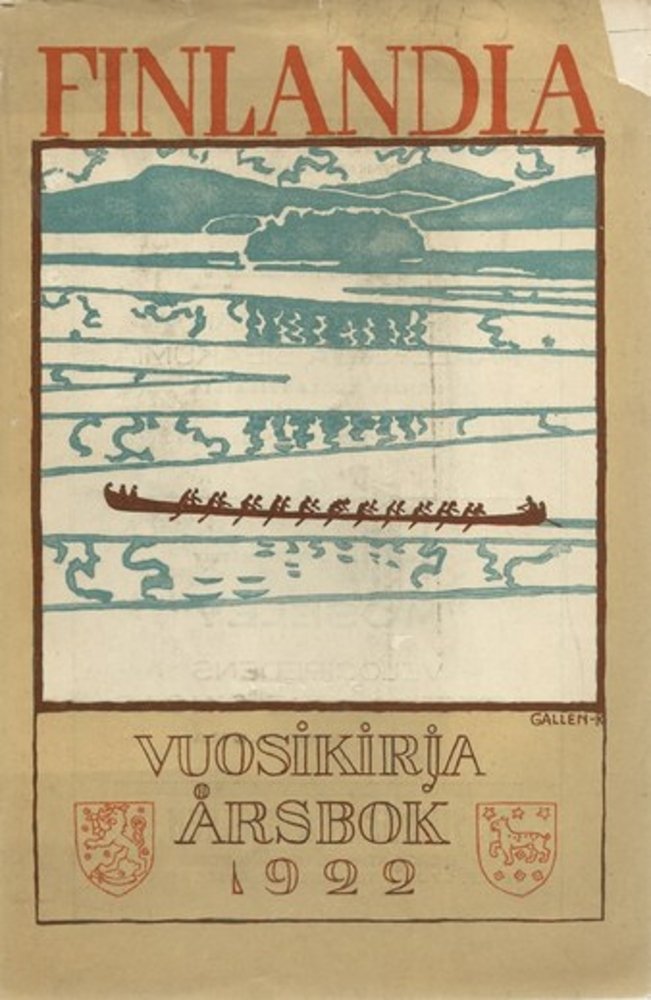
A documentary from Erkki Karu, one of the earliest pioneers of Finnish cinema: This government-produced propaganda film introduces the nature, sports, military, agriculture and capital of Finland.
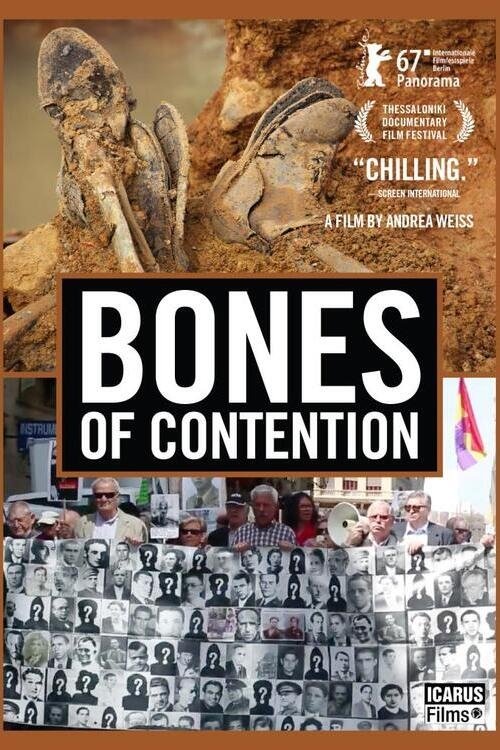
A history of the political and social repression carried out by the ruthless regime of Spanish dictator Francisco Franco between 1936 and 1975 that focuses on the lives of gays and lesbians during those dark years and the death of the Spanish gay poet Federico García Lorca.
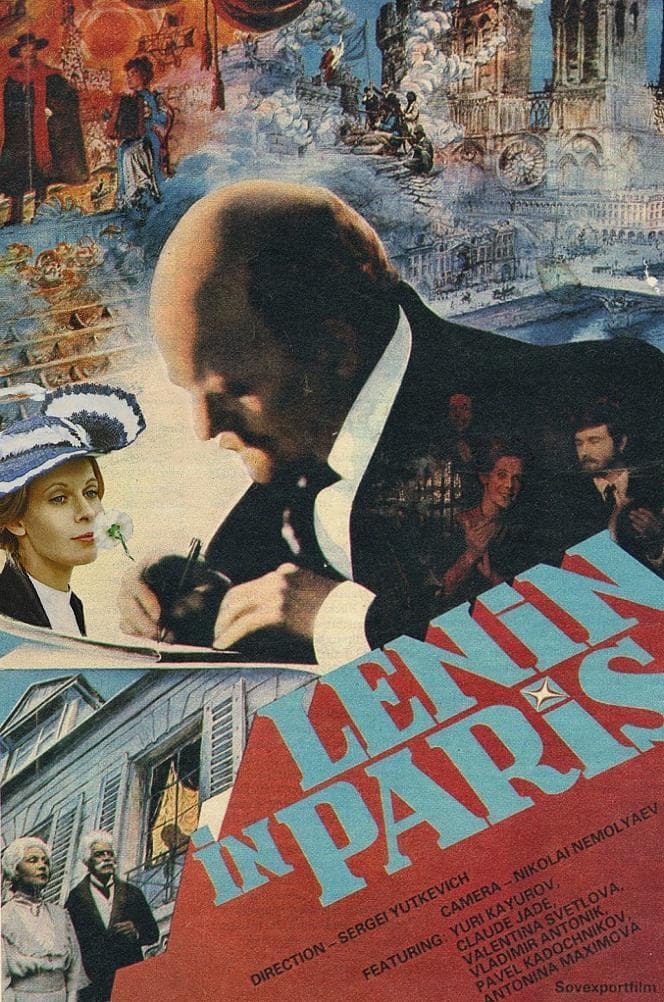
1911. Lenin organizes the first Bolshevik party school near Paris, in the small town of Longjumeau. Through a chain of historical parallels and associations, this time is intertwined with the events of the Paris Commune, the October Revolution and the political struggles of the post-revolutionary years.
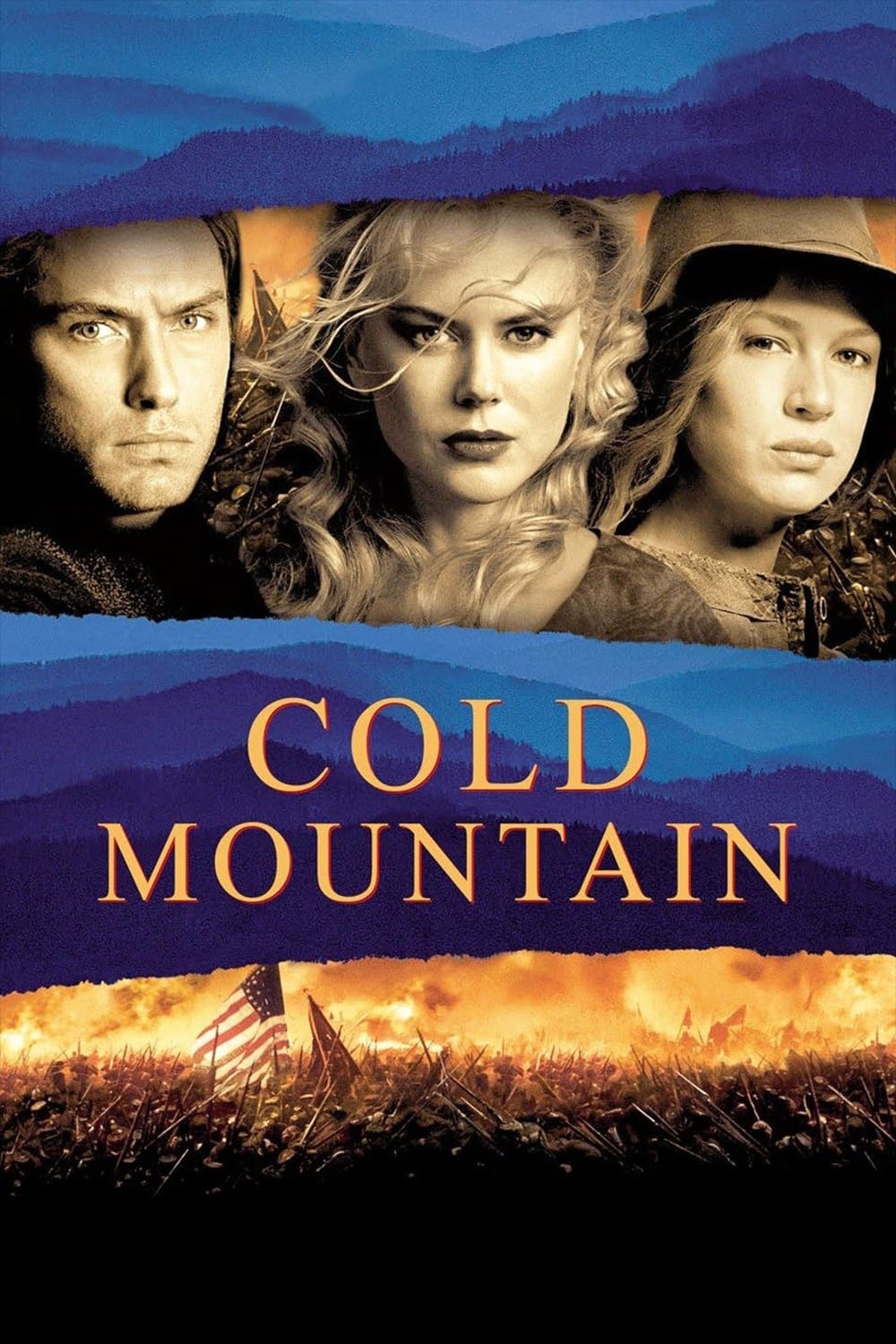
In this classic story of love and devotion set against the backdrop of the American Civil War, a wounded Confederate soldier named W.P. Inman deserts his unit and travels across the South, aiming to return to his young wife, Ada, who he left behind to tend their farm. As Inman makes his perilous journey home, Ada struggles to keep their home intact with the assistance of Ruby, a mysterious drifter sent to help her by a kindly neighbor.
Taking stock of the extraordinary adventure of "Pif Gadget", a French publishing phenomenon of the 1970s-80s and even of the whole history of children's press. For the comic-strip magazine with the iconic dog, created in 1969 by the French Communist Party, often reached a million copies. With editions available for all of Europe (including Germany, under the title Yps), and on both sides of the Iron Curtain.
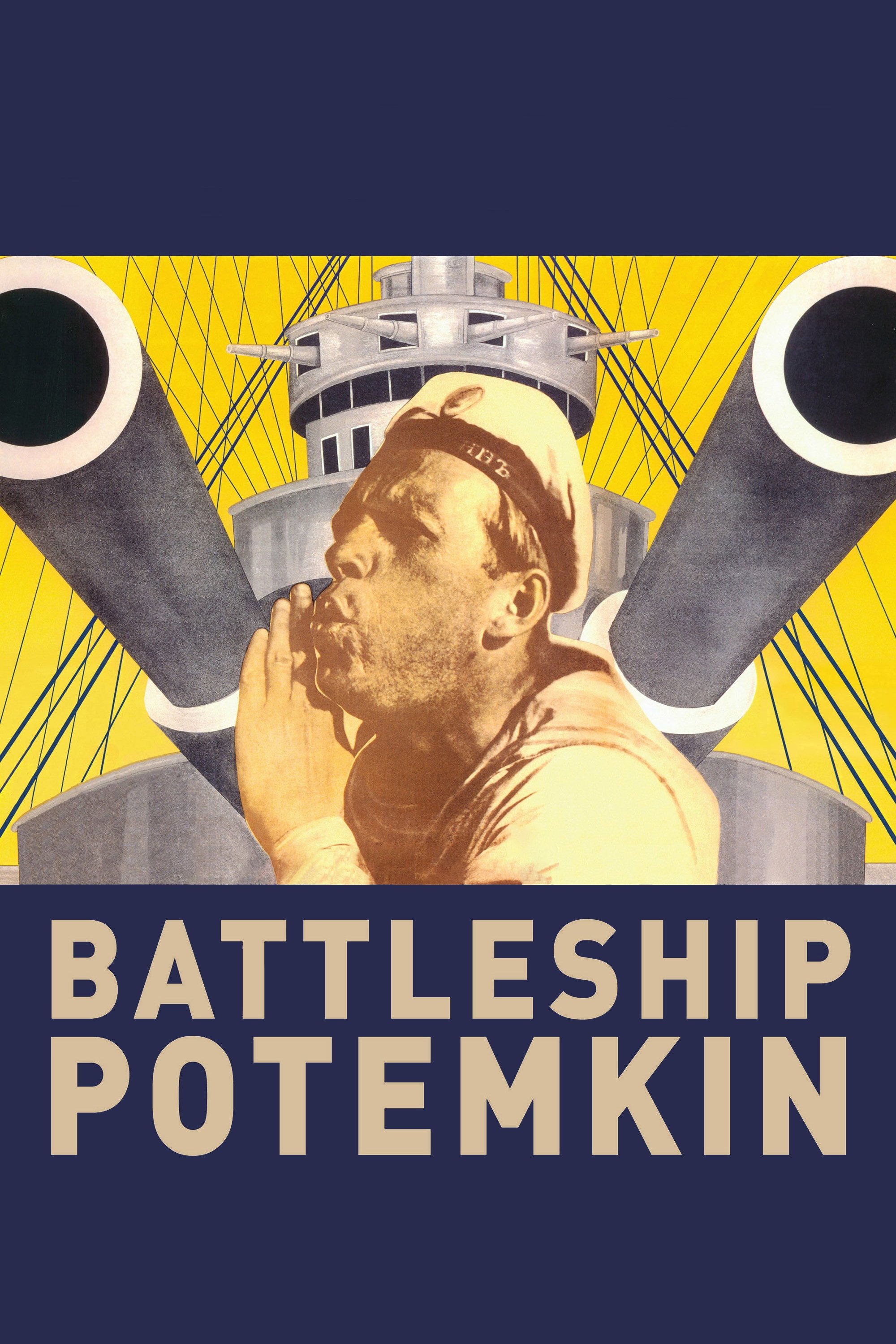
A dramatized account of a great Russian naval mutiny and a resultant public demonstration, showing support, which brought on a police massacre.
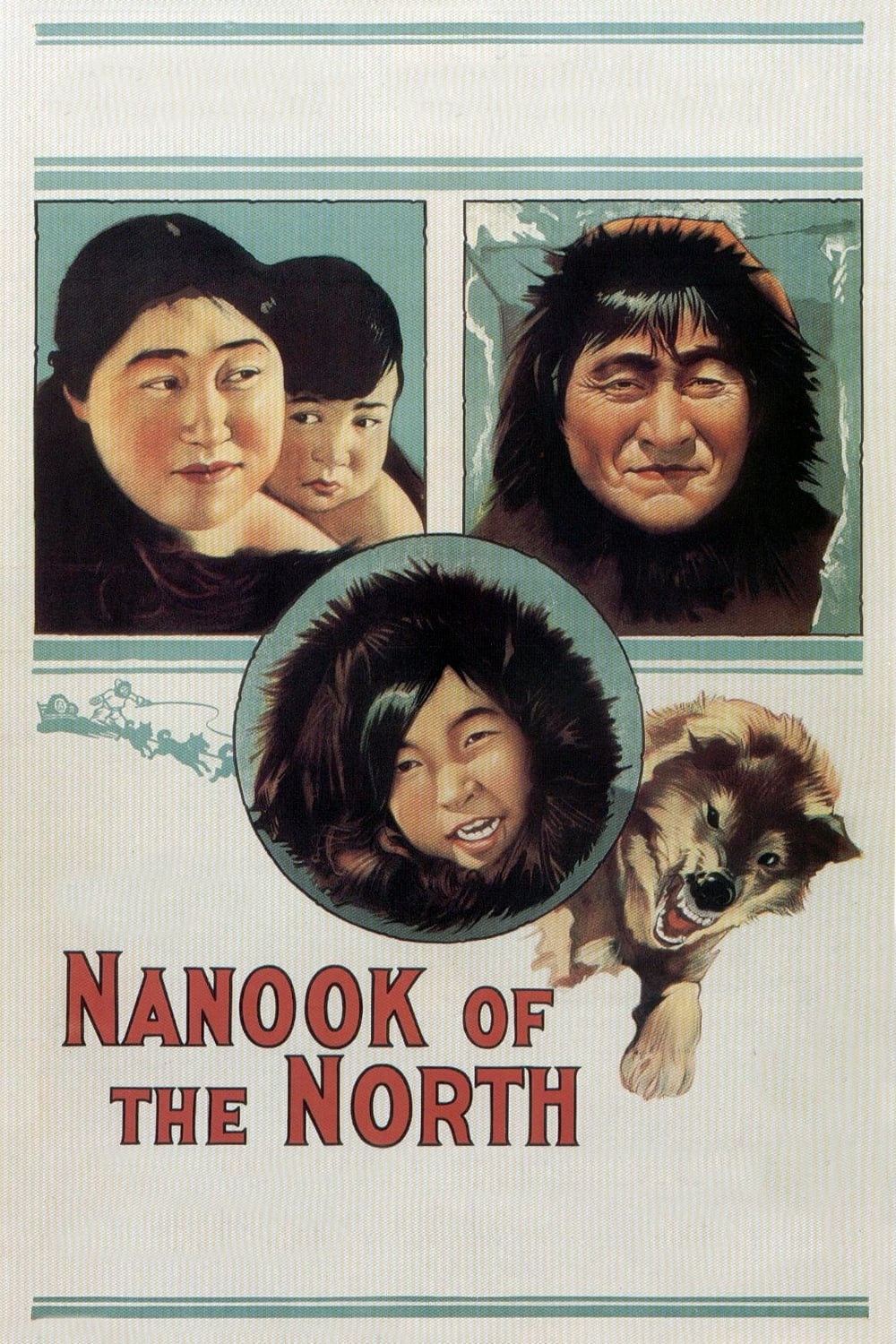
This pioneering documentary film depicts the lives of the indigenous Inuit people of Canada's northern Quebec region. Although the production contains some fictional elements, it vividly shows how its resourceful subjects survive in such a harsh climate, revealing how they construct their igloo homes and find food by hunting and fishing. The film also captures the beautiful, if unforgiving, frozen landscape of the Great White North, far removed from conventional civilization.
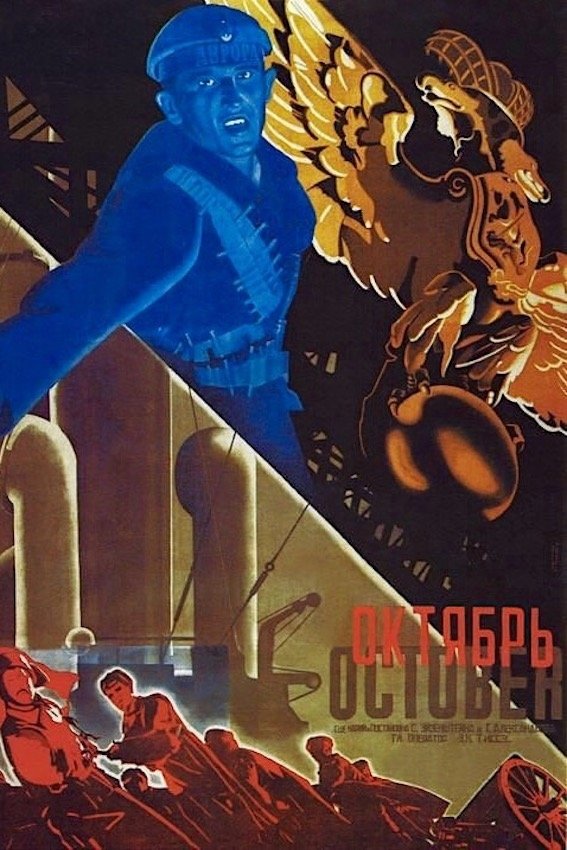
Sergei M. Eisenstein's docu-drama about the 1917 October Revolution in Russia. Made ten years after the events and edited in Eisenstein's 'Soviet Montage' style, it re-enacts in celebratory terms several key scenes from the revolution.
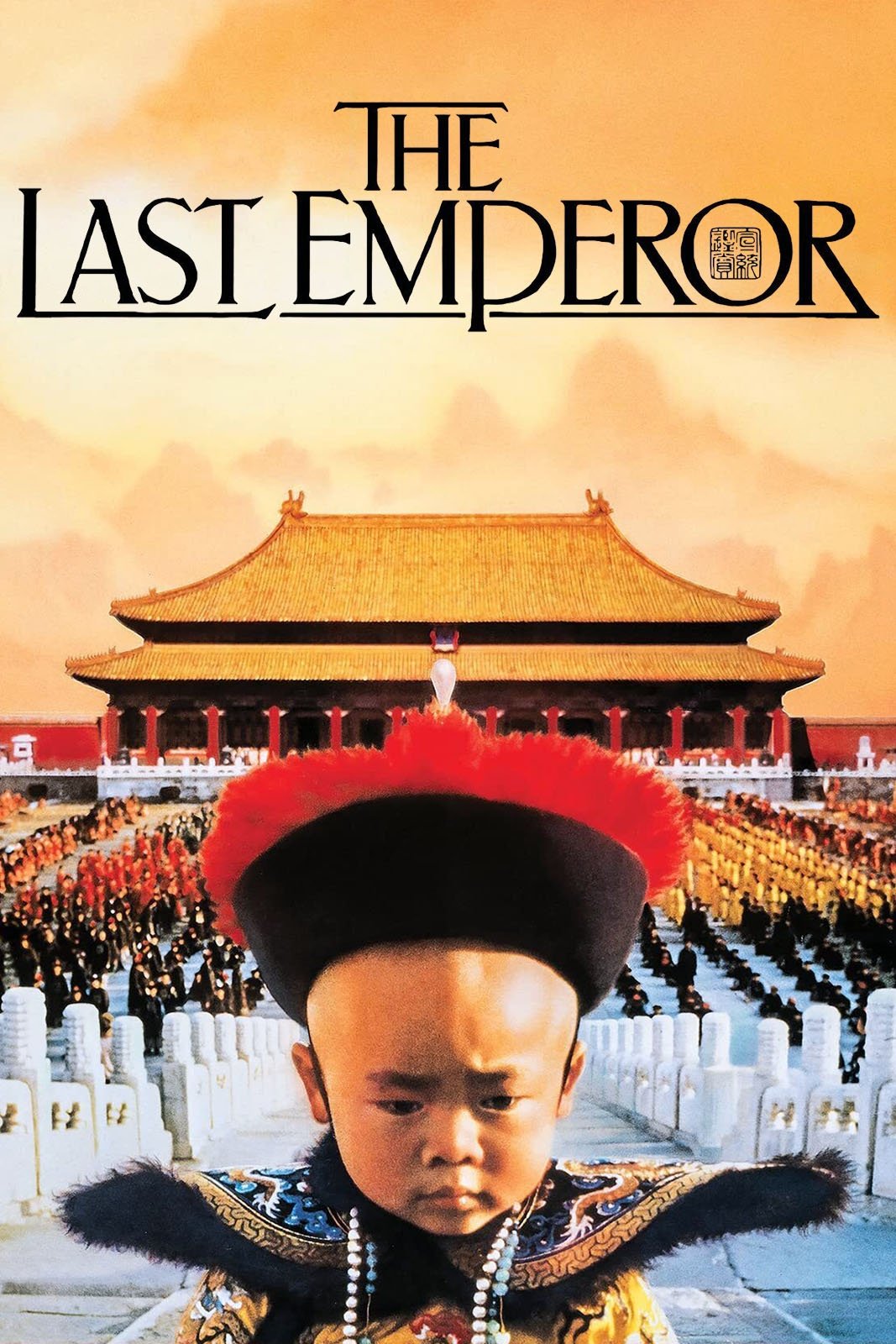
A dramatic history of Pu Yi, the last of the Emperors of China, from his lofty birth and brief reign in the Forbidden City, the object of worship by half a billion people; through his abdication, his decline and dissolute lifestyle; his exploitation by the invading Japanese, and finally to his obscure existence as just another peasant worker in the People's Republic.
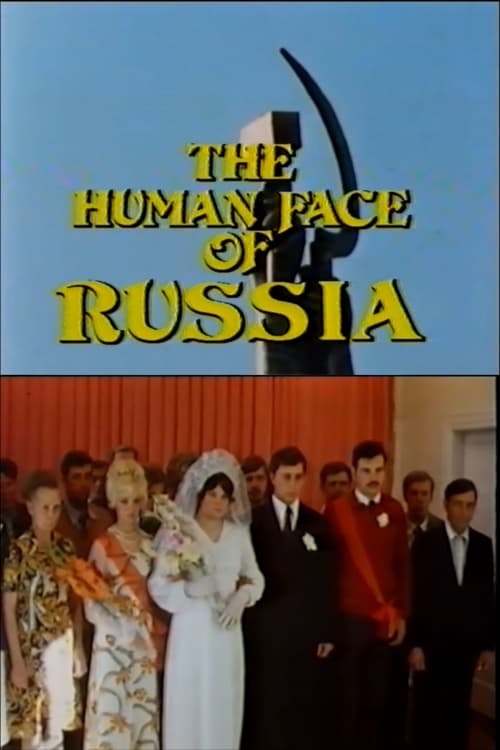
Documentary on the USSR
The documentary Their Kingdom, co-directed in 1928 by Nutsa Gogoberidze and Mikhail Kalatozishvili (Kalatozov) for Soviet Georgia’s Cinema Trust, was considered lost until 2008, when there appeared a possibility that this important film – Georgia’s first documentary feature and Kalatozov’s directorial debut – had not disappeared irretrievably.
Two families, abolitionist Northerners the Stonemans and Southern landowners the Camerons, intertwine. When Confederate colonel Ben Cameron is captured in battle, nurse Elsie Stoneman petitions for his pardon. In Reconstruction-era South Carolina, Cameron founds the Ku Klux Klan, battling Elsie's congressman father and his African-American protégé, Silas Lynch.
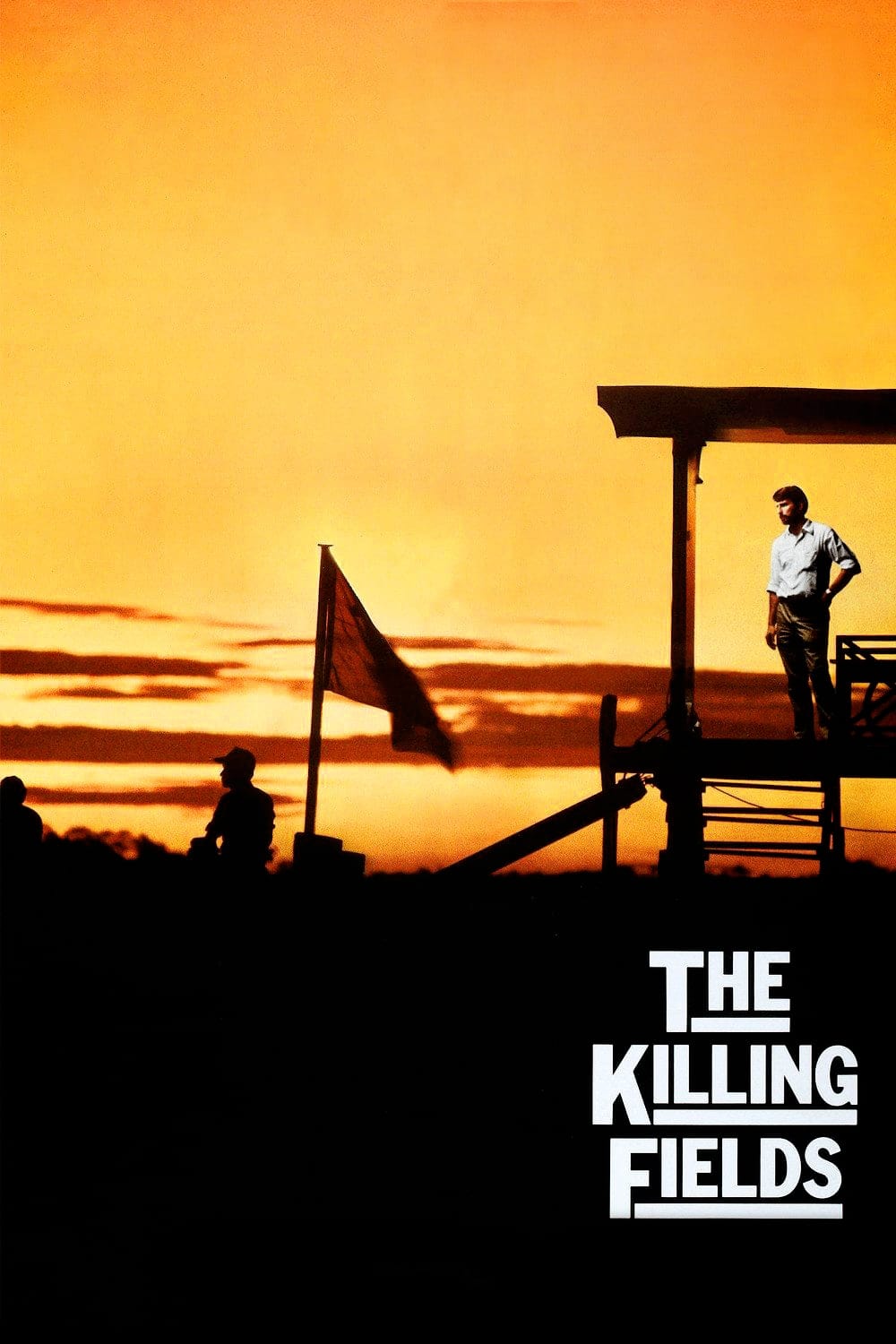
New York Times reporter Sydney Schanberg is on assignment covering the Cambodian Civil War, with the help of local interpreter Dith Pran and American photojournalist Al Rockoff. When the U.S. Army pulls out amid escalating violence, Schanberg makes exit arrangements for Pran and his family. Pran, however, tells Schanberg he intends to stay in Cambodia to help cover the unfolding story — a decision he may regret as the Khmer Rouge rebels move in.
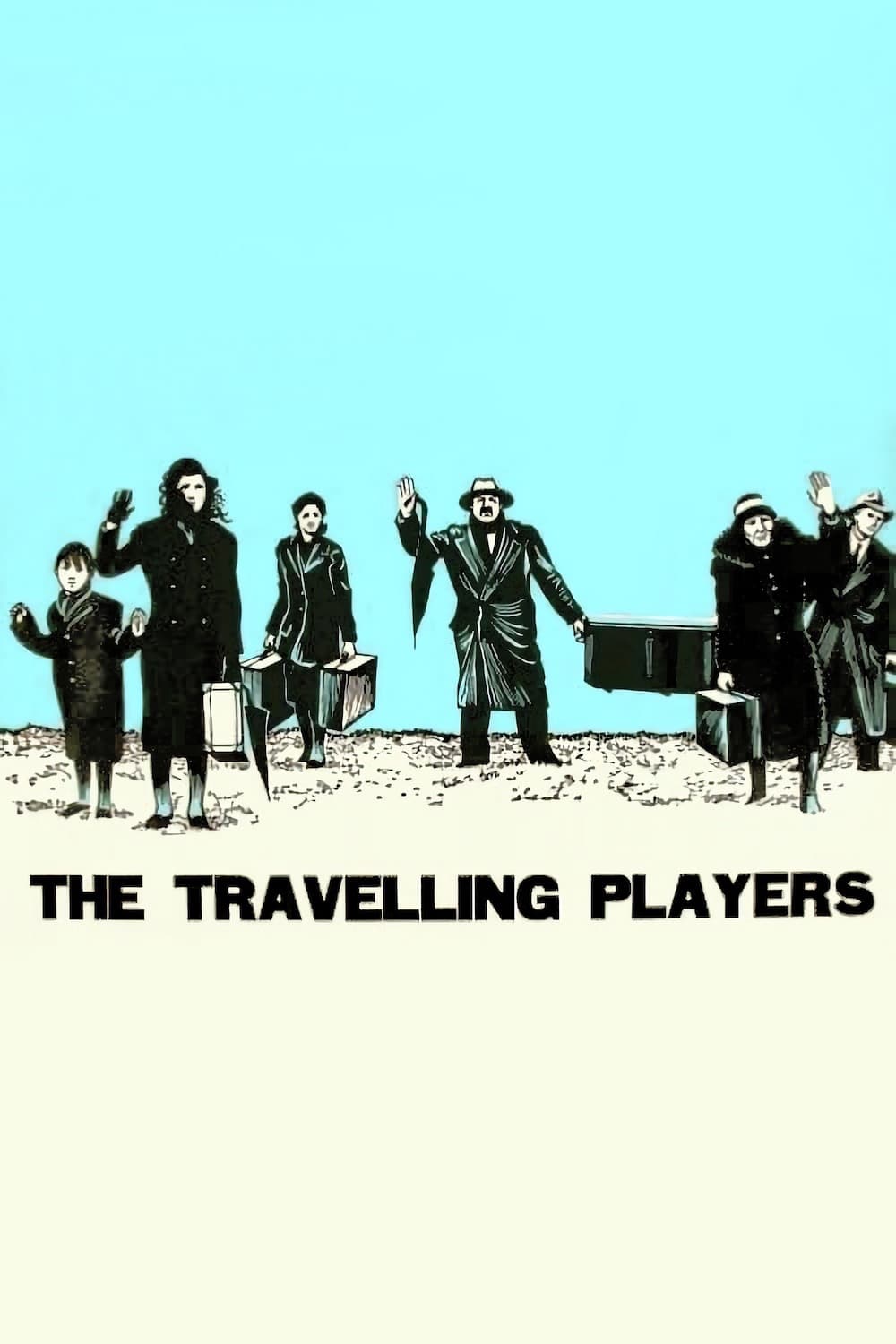
A traveling theatre troupe tours the Greek countryside from 1939 to the early 1950s, staging “Golfo the Shepherdess”. As the years pass, its members endure persecution, betrayal, executions, and exile. Their personal stories become entangled with the country’s major historical events, in a seemingly endless cycle of violence and loss.
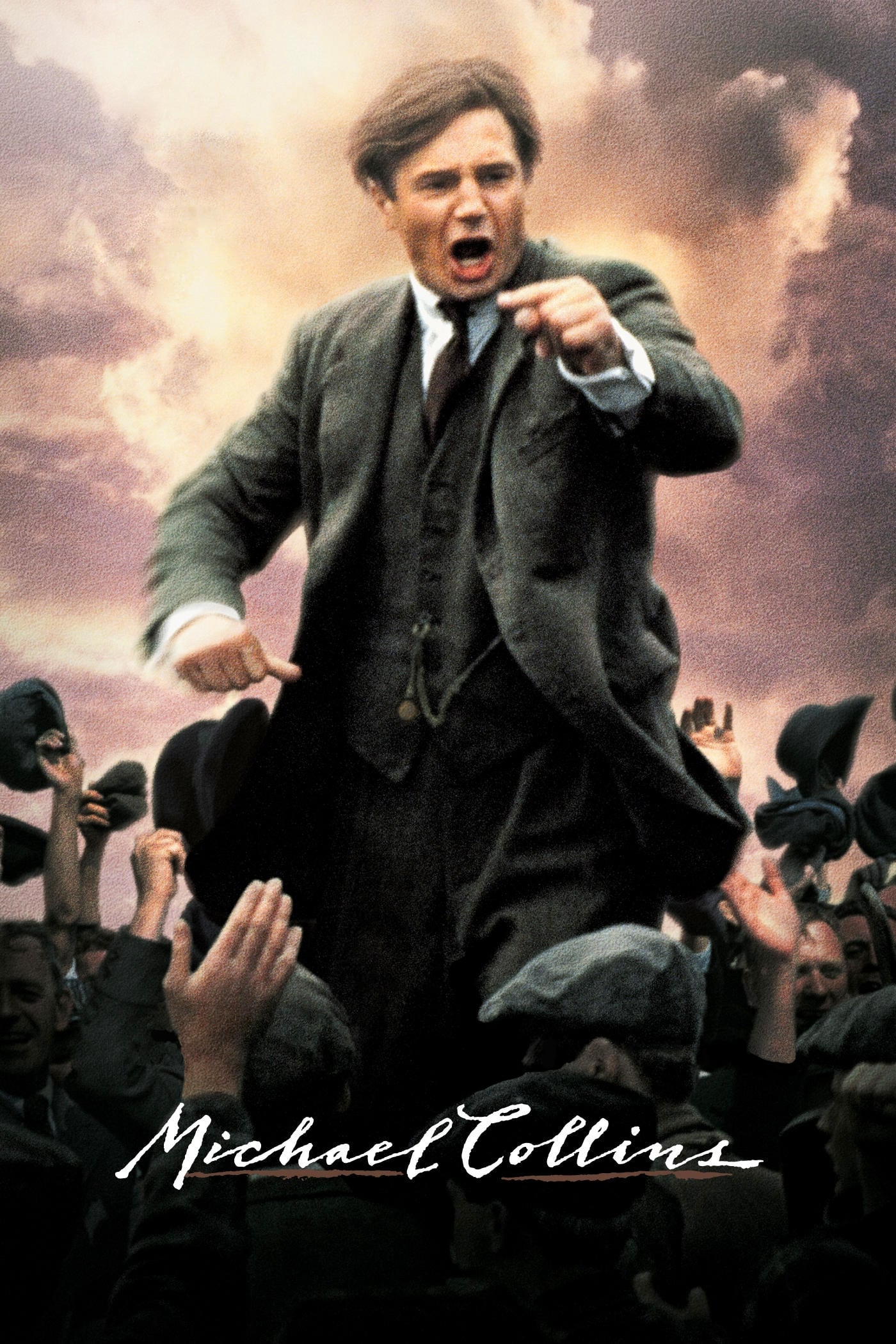
Michael Collins plays a crucial role in the establishment of the Irish Free State in the 1920s, but becomes vilified by those hoping to create a completely independent Irish republic.
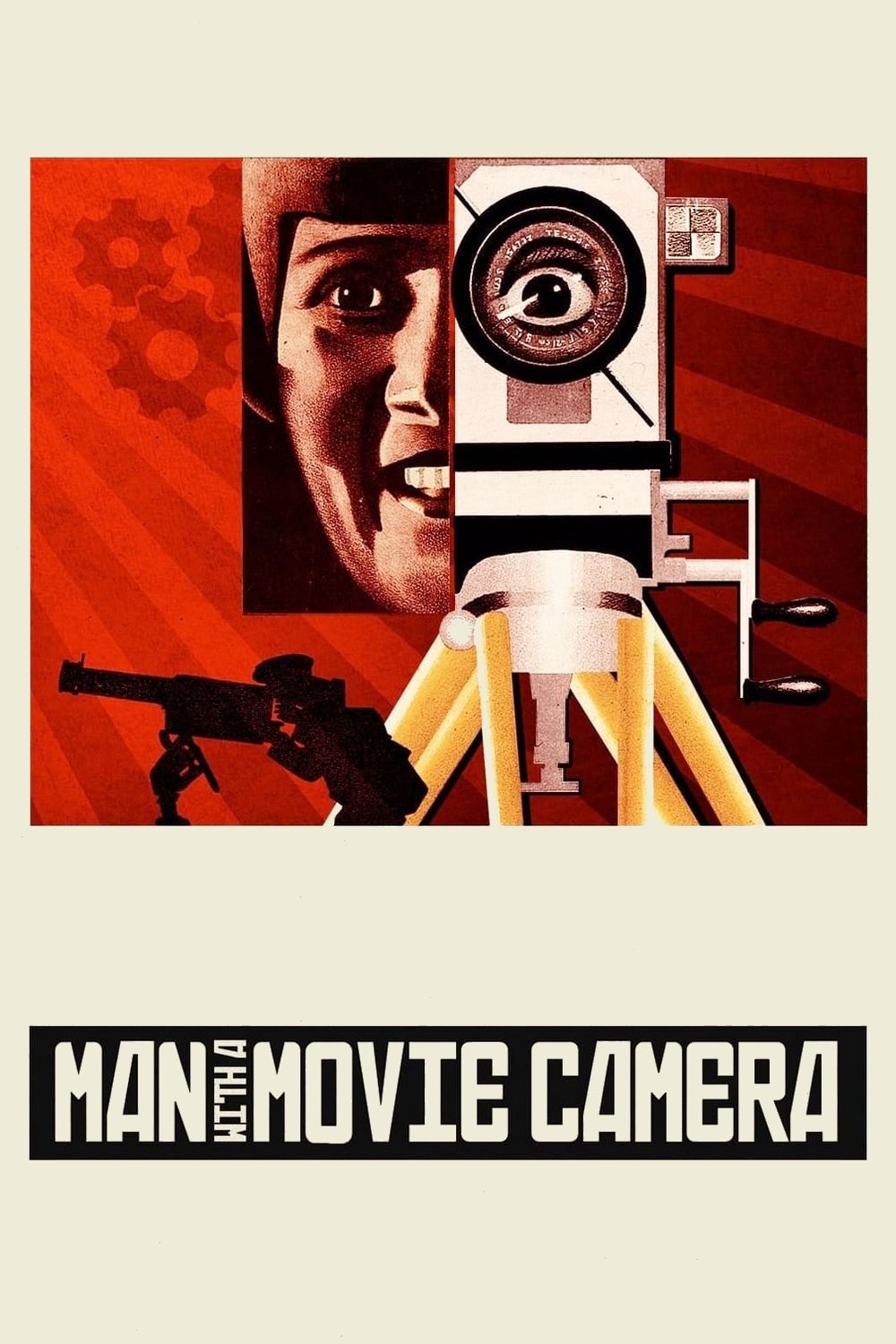
A cameraman wanders around with a camera slung over his shoulder, documenting urban life with dazzling inventiveness.
In 1972, a seemingly typical shoestring budget pornographic film was made in a Florida hotel: "Deep Throat," starring Linda Lovelace. This film would surpass the wildest expectation of everyone involved to become one of the most successful independent films of all time. It caught the public imagination which met the spirit of the times, even as the self-appointed guardians of public morality struggled to suppress it, and created, for a brief moment, a possible future where sexuality in film had a bold artistic potential. This film covers the story of the making of this controversial film, its stunning success, its hysterical opposition along with its dark side of mob influence and allegations of the on set mistreatment of the film's star.
A love letter from a young mother to her daughter, the film tells the story of Waad al-Kateab’s life through five years of the uprising in Aleppo, Syria as she falls in love, gets married and gives birth to Sama, all while cataclysmic conflict rises around her. Her camera captures incredible stories of loss, laughter and survival as Waad wrestles with an impossible choice– whether or not to flee the city to protect her daughter’s life, when leaving means abandoning the struggle for freedom for which she has already sacrificed so much.
A subjective documentary that explores various theories about hidden meanings in Stanley Kubrick's classic film The Shining. Five very different points of view are illuminated through voice over, film clips, animation and dramatic reenactments.
A documentary about World War I with never-before-seen footage to commemorate the centennial of Armistice Day, and the end of the war.
In 1975, Ryszard Kapuściński, a veteran Polish journalist, embarked on a seemingly suicidal road trip into the heart of the Angola's civil war. There, he witnessed once again the dirty reality of war and discovered a sense of helplessness previously unknown to him. Angola changed him forever: it was a reporter who left Poland, but it was a writer who returned…
An unprecedented and intimate look at the life, work and enduring legacy of British actress Audrey Hepburn (1929-1993).
Exuberant, eye-opening movie that serves up a dazzling hundred-year history of the role of gay men and lesbians have had on the silver screen. Film contains fabulous footage from 120 films showing the changing face of cinema sexuality, from cruel stereotypes to covert love to the activist triumphs of the 1990s.
As the Russian invasion begins, a team of Ukrainian journalists trapped in the besieged city of Mariupol struggle to continue their work documenting the war's atrocities.
This searing investigative work shadows a group of activists risking unimaginable peril to confront the ongoing anti-LGBTQ program raging in the repressive and closed Russian republic. Unfettered access and a remarkable approach to protecting anonymity exposes this under-reported atrocity–and an extraordinary group of people confronting evil.
A string of threatening emails escalates into a revenge plot involving a newly married US marshal and his ex-girlfriend.
Using archival footage, cabinet conversation recordings, and an interview of the 85-year-old Robert McNamara, The Fog of War depicts his life, from working as a WWII whiz-kid military officer, to being the Ford Motor Company's president, to managing the Vietnam War as defense secretary for presidents Kennedy and Johnson.
When Allied forces liberated the Nazi concentration camps in 1944-45, their terrible discoveries were recorded by army and newsreel cameramen, revealing for the first time the full horror of what had happened. Making use of British, Soviet and American footage, the Ministry of Information’s Sidney Bernstein (later founder of Granada Television) aimed to create a documentary that would provide lasting, undeniable evidence of the Nazis’ unspeakable crimes. He commissioned a wealth of British talent, including editor Stewart McAllister, writer and future cabinet minister Richard Crossman – and, as treatment advisor, his friend Alfred Hitchcock. Yet, despite initial support from the British and US Governments, the film was shelved, and only now, 70 years on, has it been restored and completed by Imperial War Museums under its original title "German Concentration Camps Factual Survey".
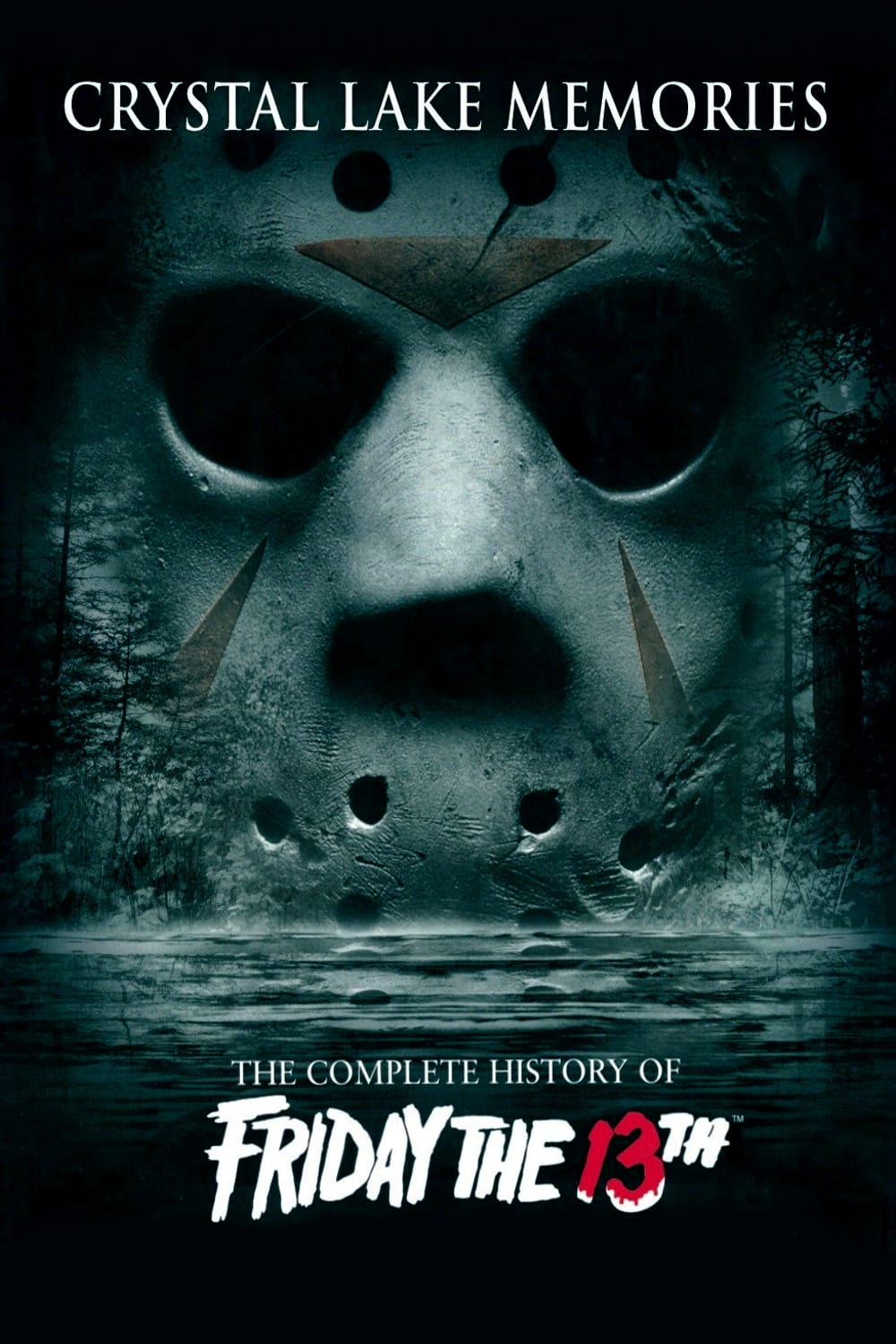
Taking inspiration from Peter M. Bracke's definitive book of the same name, this seven-hour documentary dives into the making of all twelve Friday the 13th films, with all-new interviews from the cast and the crew.
The most comprehensive retrospective of the '80s action film genre ever made.
Many times during his presidency, Lyndon B. Johnson said that ultimate victory in the Vietnam War depended upon the U.S. military winning the "hearts and minds" of the Vietnamese people. Filmmaker Peter Davis uses Johnson's phrase in an ironic context in this anti-war documentary, filmed and released while the Vietnam War was still under way, juxtaposing interviews with military figures like U.S. Army Chief of Staff William C. Westmoreland with shocking scenes of violence and brutality.
A documentary examining the decade of the 1970s as a turning point in American cinema. Some of today's best filmmakers interview the influential directors of that time.
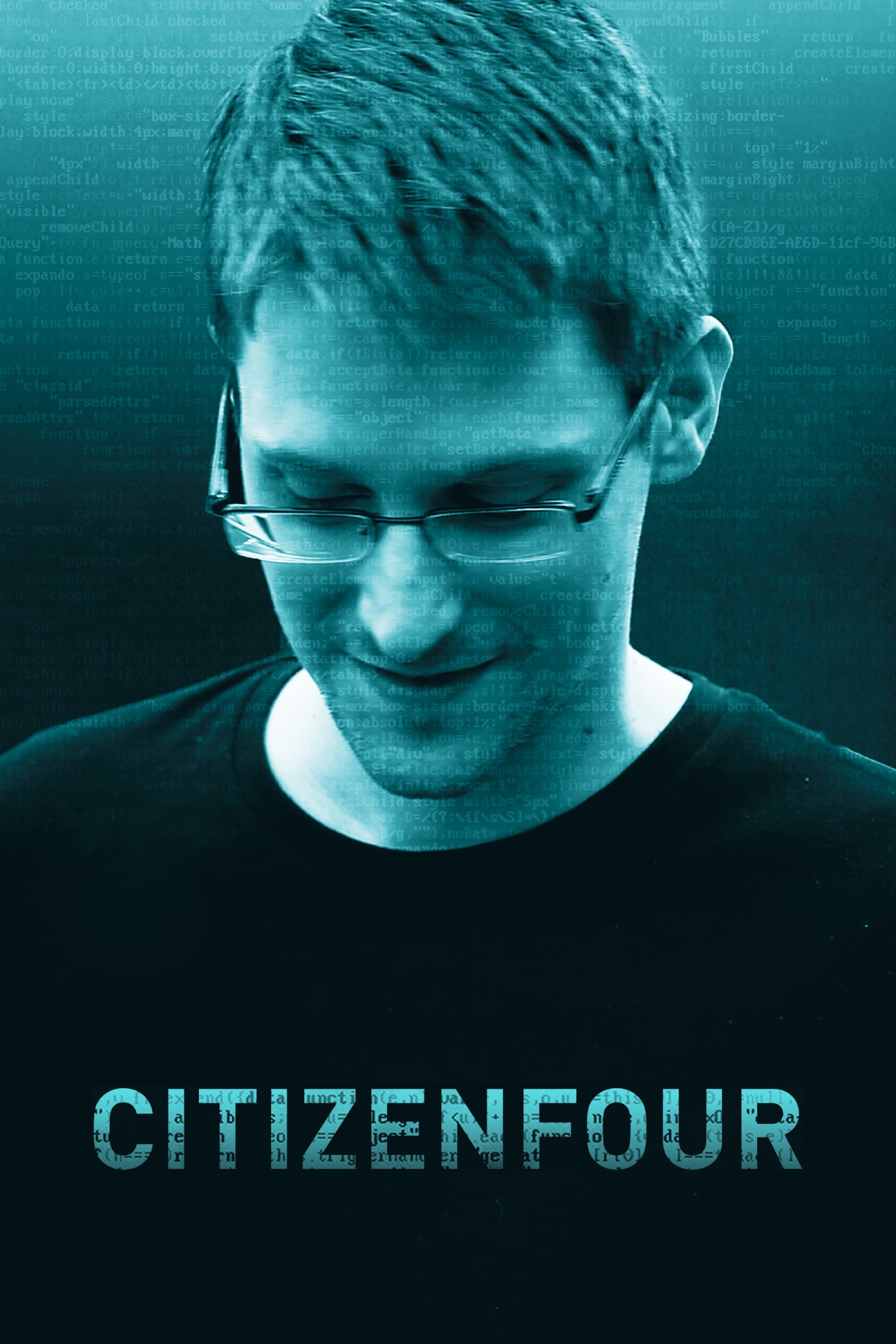
In June 2013, Laura Poitras and reporter Glenn Greenwald flew to Hong Kong for the first of many meetings with Edward Snowden. She brought her camera with her.
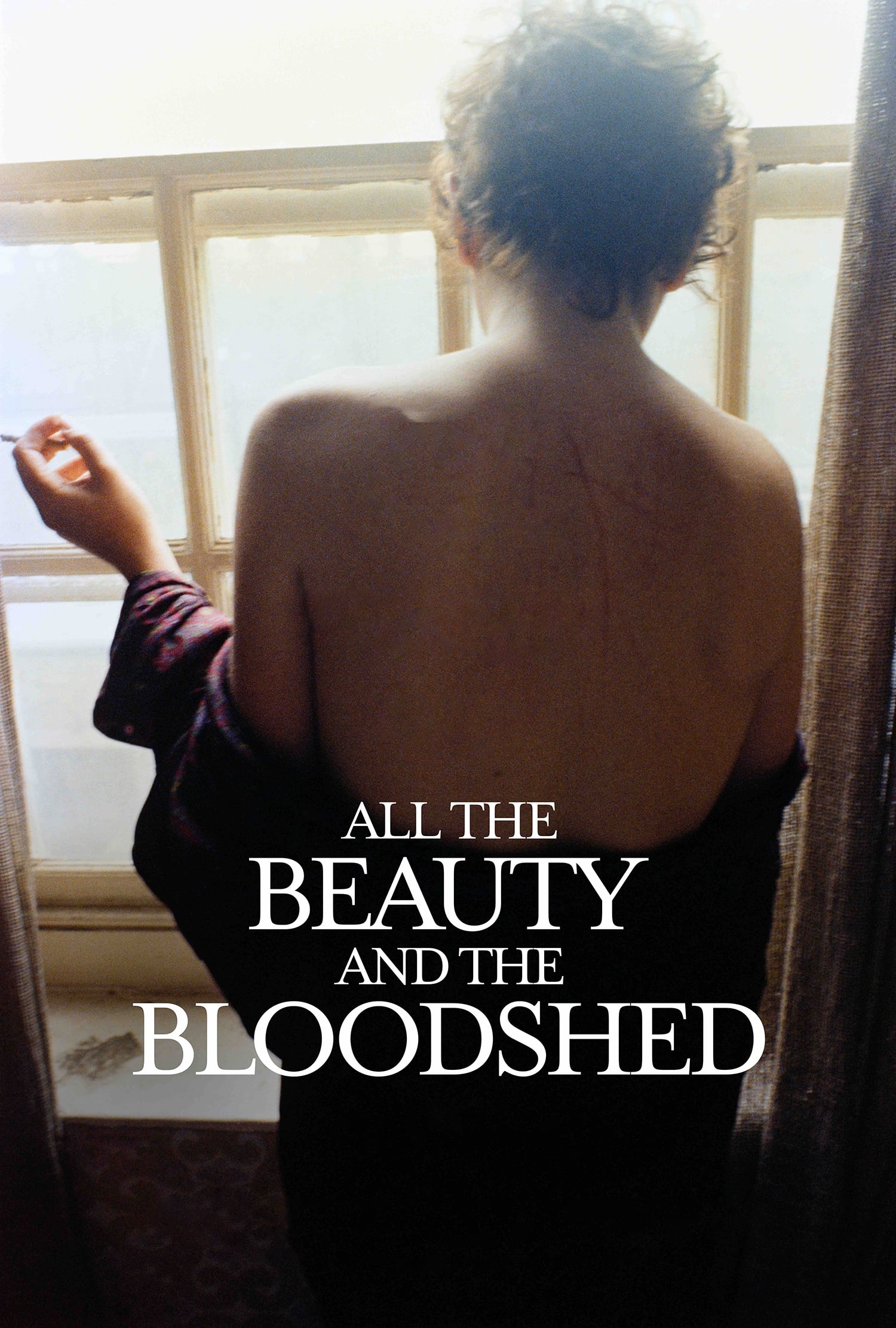
The life of internationally renowned artist and activist Nan Goldin is told through her slideshows, intimate interviews, ground-breaking photography, and rare footage of her personal fight to hold the Sackler family accountable for the overdose crisis.
Through deeply personal interviews with her siblings and an examination of the photographs, letters, and belongings left behind, Mariska assembles a new portrait of her mother Jayne Mansfield, an extraordinary and complex woman.