Social & External
The people behind it
Why would two New York-based filmmakers dedicate five years of their lives to following three white, Jesus-loving, spandex-clad men from the Bible Belt, particularly when the world of documentary filmmaking has generated its fair share of films concerning sensationalistic religious expression and contact sports in recent years? Because it's not about wrestling, and it's not about Jesus. Against a bizarre and entertaining backdrop, and through a motley cast of characters, we are reminded of what connects us all, lest we forget what it means to be human.
Amanda is a divorced woman who makes a living as a photographer. During the Fall of the year Amanda begins to see the world in new and different ways when she begins to question her role in life, her relationships with her career and men and what it all means. As the layers to her everyday experiences fall away insertions in the story with scientists, and philosophers and religious leaders impart information directly to an off-screen interviewer about academic issues, and Amanda begins to understand the basis to the quantum world beneath. During her epiphany as she considers the Great Questions raised by the host of inserted thinkers, she slowly comprehends the various inspirations and begins to see the world in a new way.
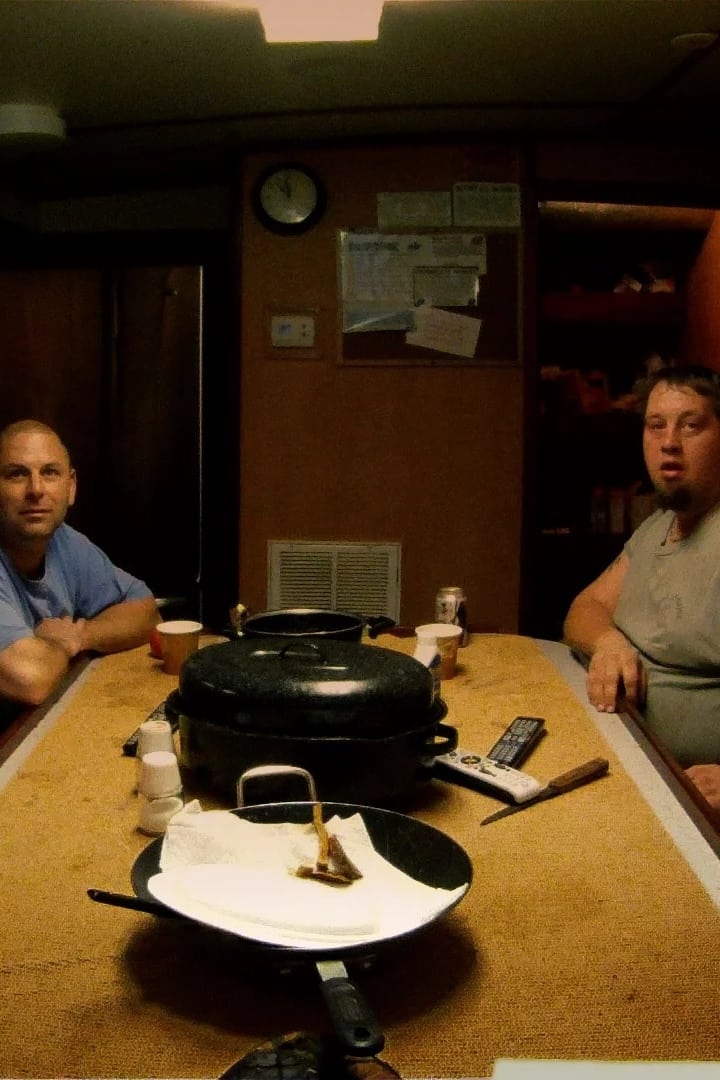
A short companion to Leviathan, set inside the fishing vessel.
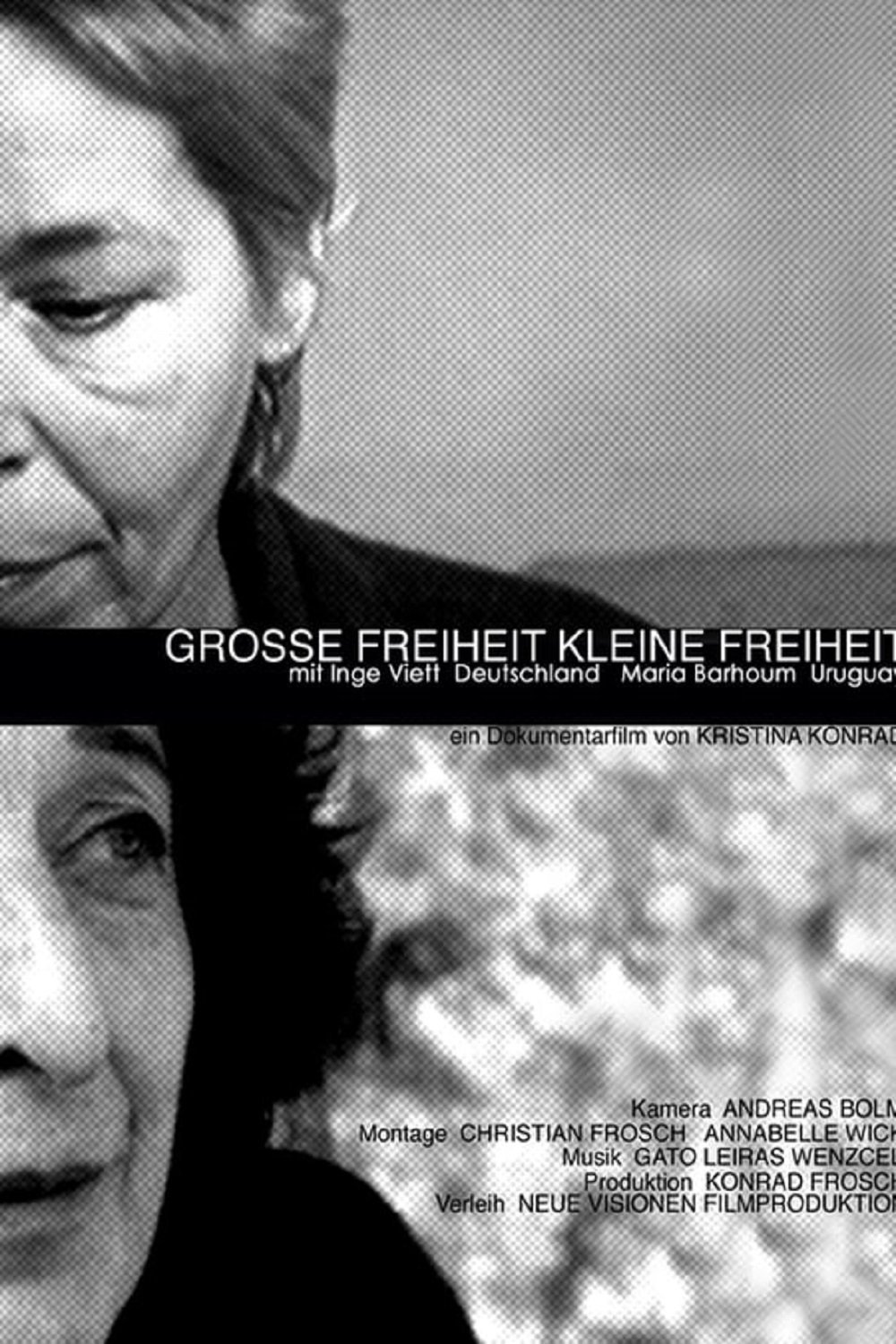
Two women fought with uncompromising conviction to change the world in the late 1960s - Inge Viett as a former member of the RAF in Germany, Maria Barhoum as former member of the FAU in Uruguay. In 1999, they met in Cuba, a country that seemed to mirror many of their questions, hopes and fears. The film looks at their real lives and different roads to exile; two utopian visions sought under very different conditions on separate continents. It is a double portrait of two extraordinary women that succeeds in avoiding the twin pitfalls of condemnation and glorification.
Ismini (13) often stays over for the night at the house of Komal (12), her neighbor and closest friend. Their friendship has been solid since they were 3. In the year that they will change more than ever, physically and mentally, we are present at their pajamas parties. They are both convinced that nothing will ever change between them. We experience that year as one intimate film night in which they develop from girls into women. Does their friendship change along?
Gymnastics - a single common dream : The Olympic Games , Rio De Janeiro, 2016.
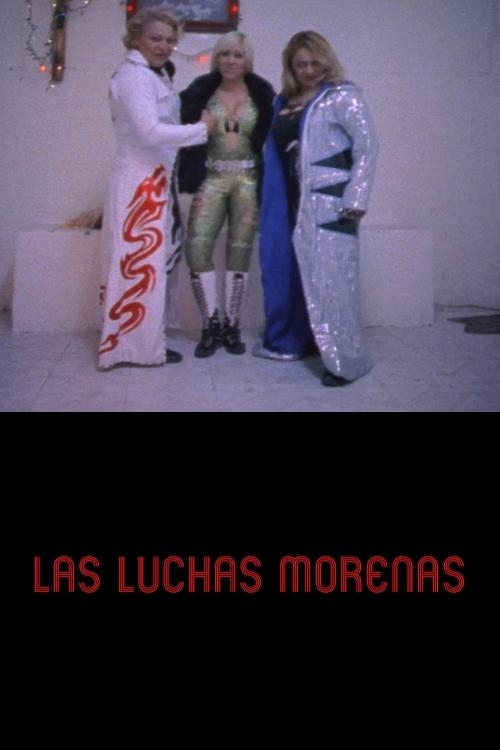
Bim Bam Boom Las Luchas Morenas, is about three Mexican sisters, professional wrestlers, whose lives, lived according to their own ideas, are a struggle but also a lot fun.
A very personal and dynamic meditation on the current global refugee crisis through the eyes and voices of campaigners, specially children, where past and present establish a dialogue. A reflection on the importance of human rights.
With his industry on lockdown and no end in sight, Toronto chef Luke Donato tries to keep his culinary passion alive during the COVID-19 pandemic - even if it means teaching a group of misfits online.
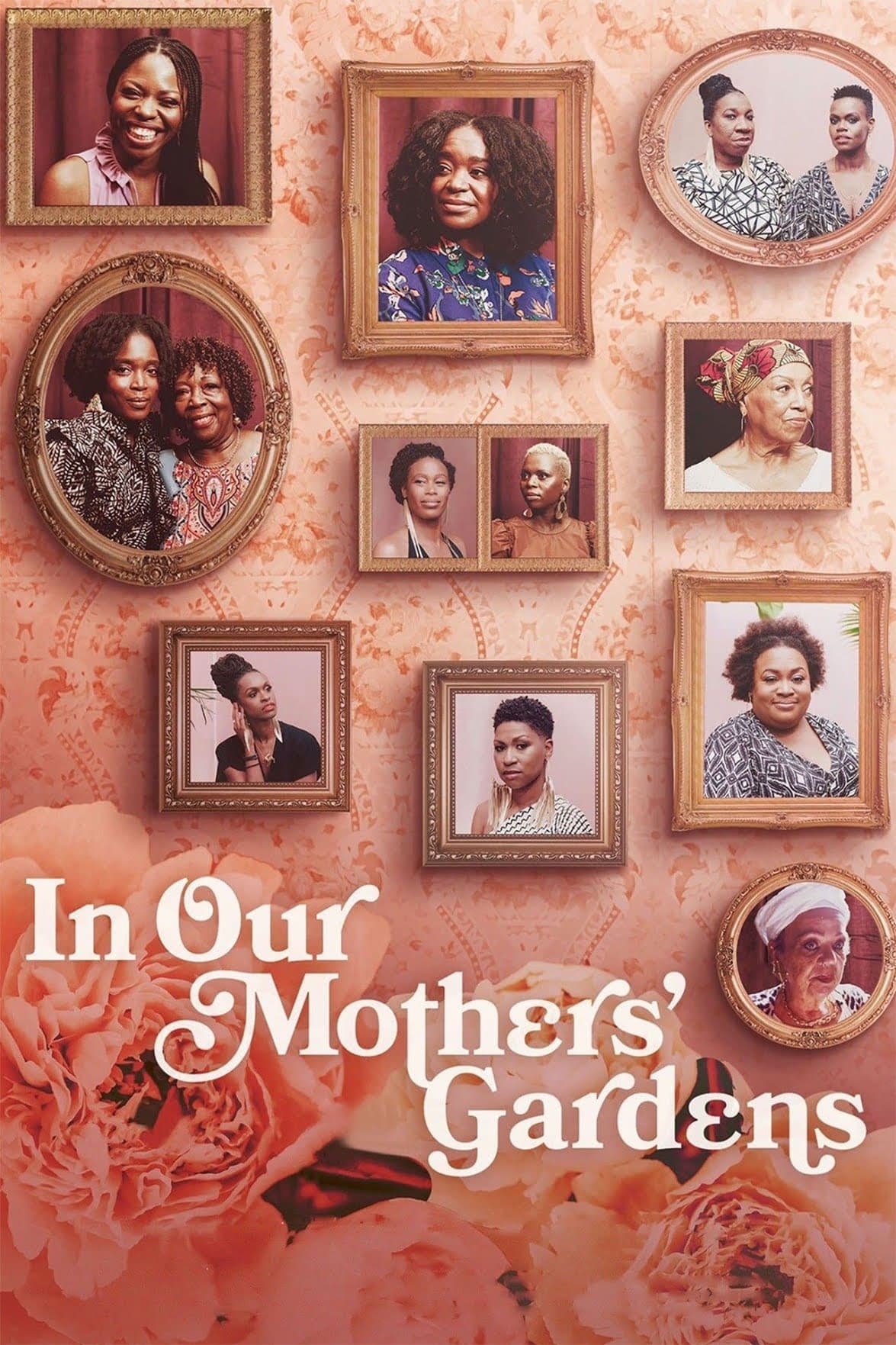
In Our Mothers' Gardens celebrates the strength and resiliency of Black women and Black families through the complex, and often times humorous, relationship between mothers and daughters.
Documents a woman's actual pregnancy; the emotions, the affects on her husband and first-born child, the birth itself via Caesarean section, and her struggle to return to work and a social life, while still being a good mother.
Documentary on Seattle's Pike Place Market, and those who have saved it from destruction over its first 100 years of existence. Covers the history of the Market, the people who live and work there, and the ghosts who still haunt it.
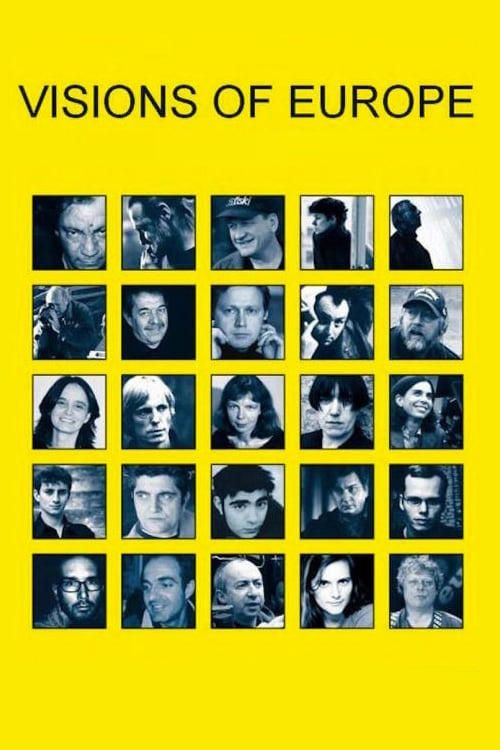
Twenty-five films from twenty-five European countries by twenty-five European directors.
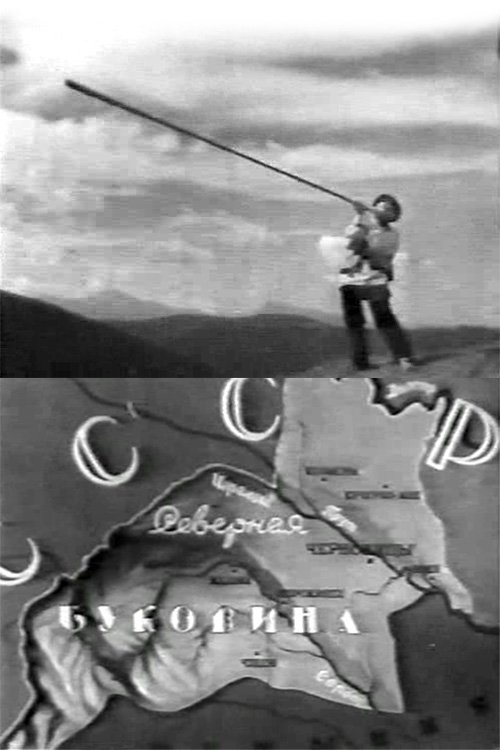
Dovzhenko and Solntseva's documentary about the Bukovina region.
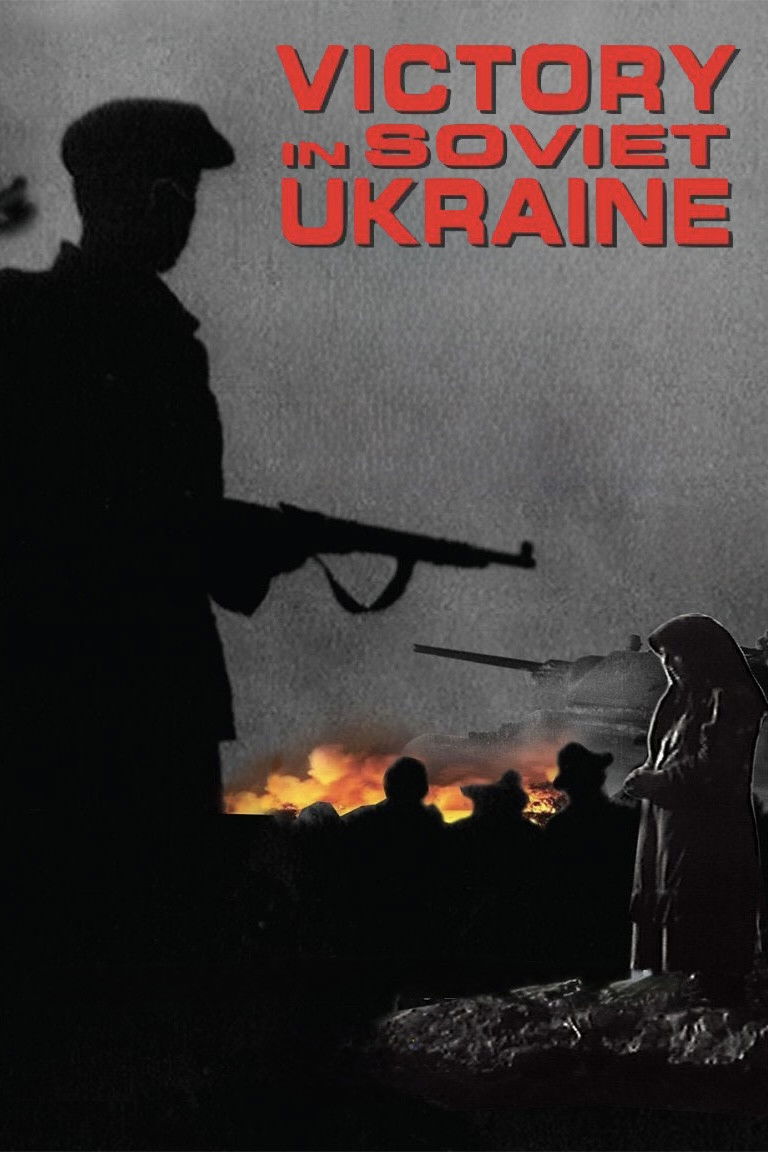
A wartime documentary directed by Alexander Dovzhenko and Yuliya Solntseva, depicting the final campaigns that drove Nazi forces from Ukraine in 1944–45. Combining frontline footage, liberated cityscapes, and scenes of returning civilians, the film chronicles both the devastation of occupation and the triumph of Soviet arms. It stands as both a historical record of the Ukrainian front and a patriotic celebration of victory at the close of the Second World War.
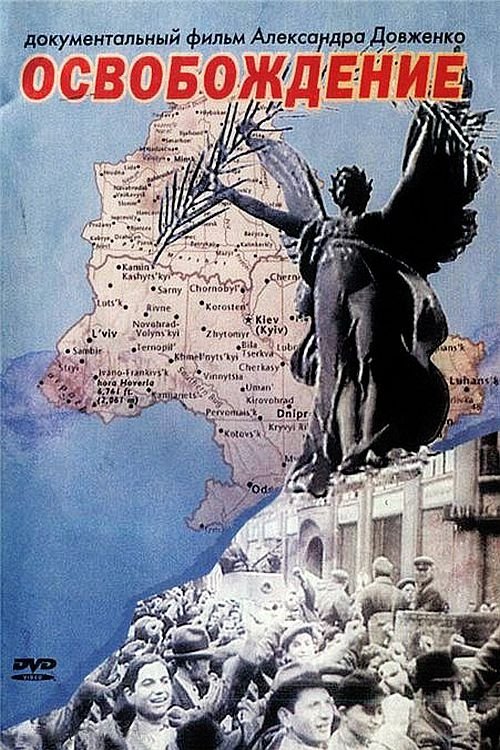
Wartime documentary by Dovzhenko and Solntseva.
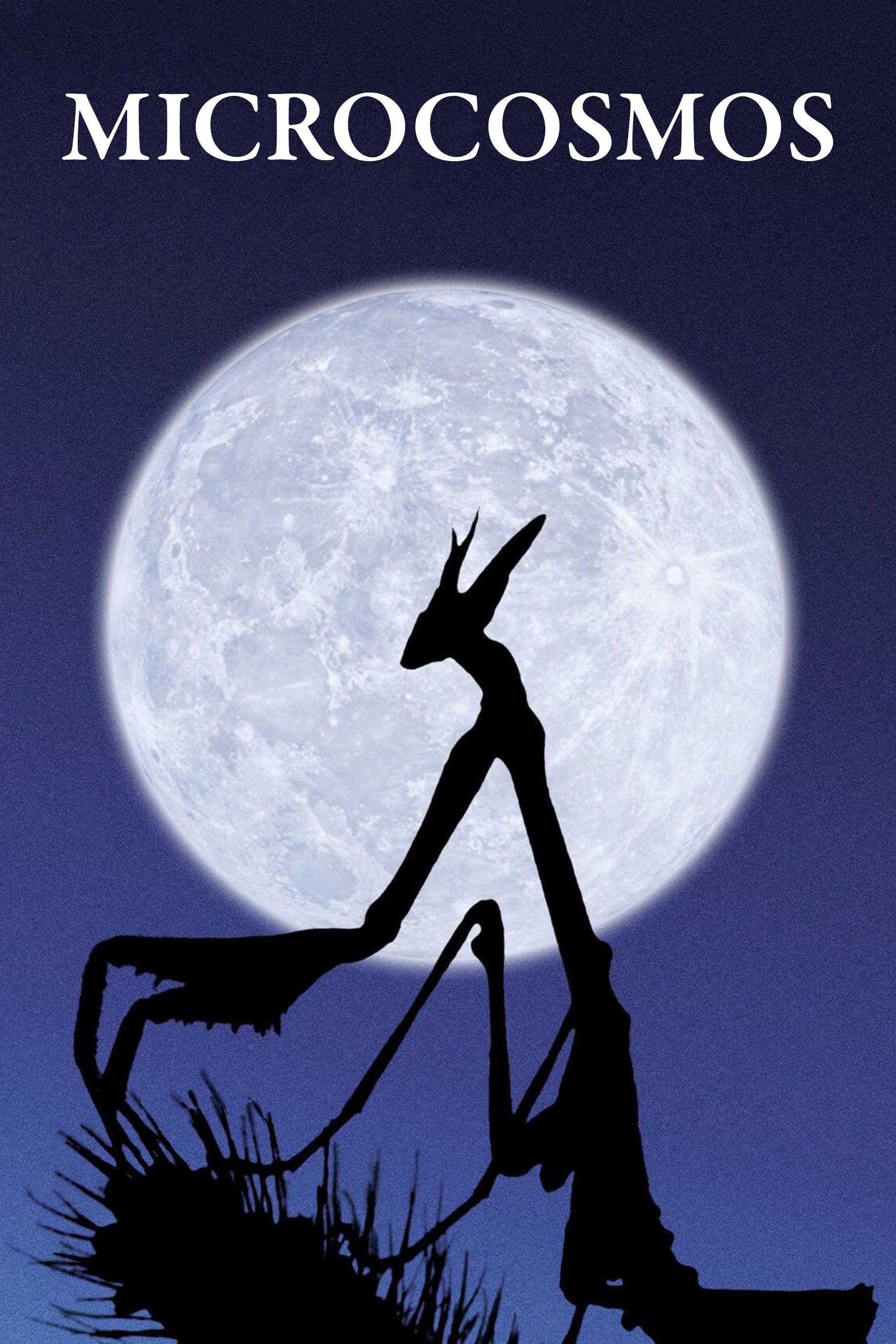
A documentary of insect life in meadows and ponds, using incredible close-ups, slow motion, and time-lapse photography. It includes bees collecting nectar, ladybugs eating mites, snails mating, spiders wrapping their catch, a scarab beetle relentlessly pushing its ball of dung uphill, endless lines of caterpillars, an underwater spider creating an air bubble to live in, and a mosquito hatching.
For three teenage girls growing up in Kahnawake — and indeed, all teenagers on the reserve — life can be quite confusing. If they want to move away to pursue new experiences — perhaps in nearby Montreal — they risk losing credibility, or worse yet, their rights as Mohawk women. Of course, if they stay, their opportunities in the tiny community are limited. With insight, humour and heart, director Tracey Deer (who left Kahnawake to attend school and pursue filmmaking) returns to her community to follow these Mohawk girls and tell their stories. Her deeply emotional documentary reveals the complex hope, heartache and promise of growing up Indigenous in the 21st century.
A glimpse into the raw and simple power of nature through encounters with farm animals: the eponymous Gunda, a mother pig; two cows, and a one-legged chicken.
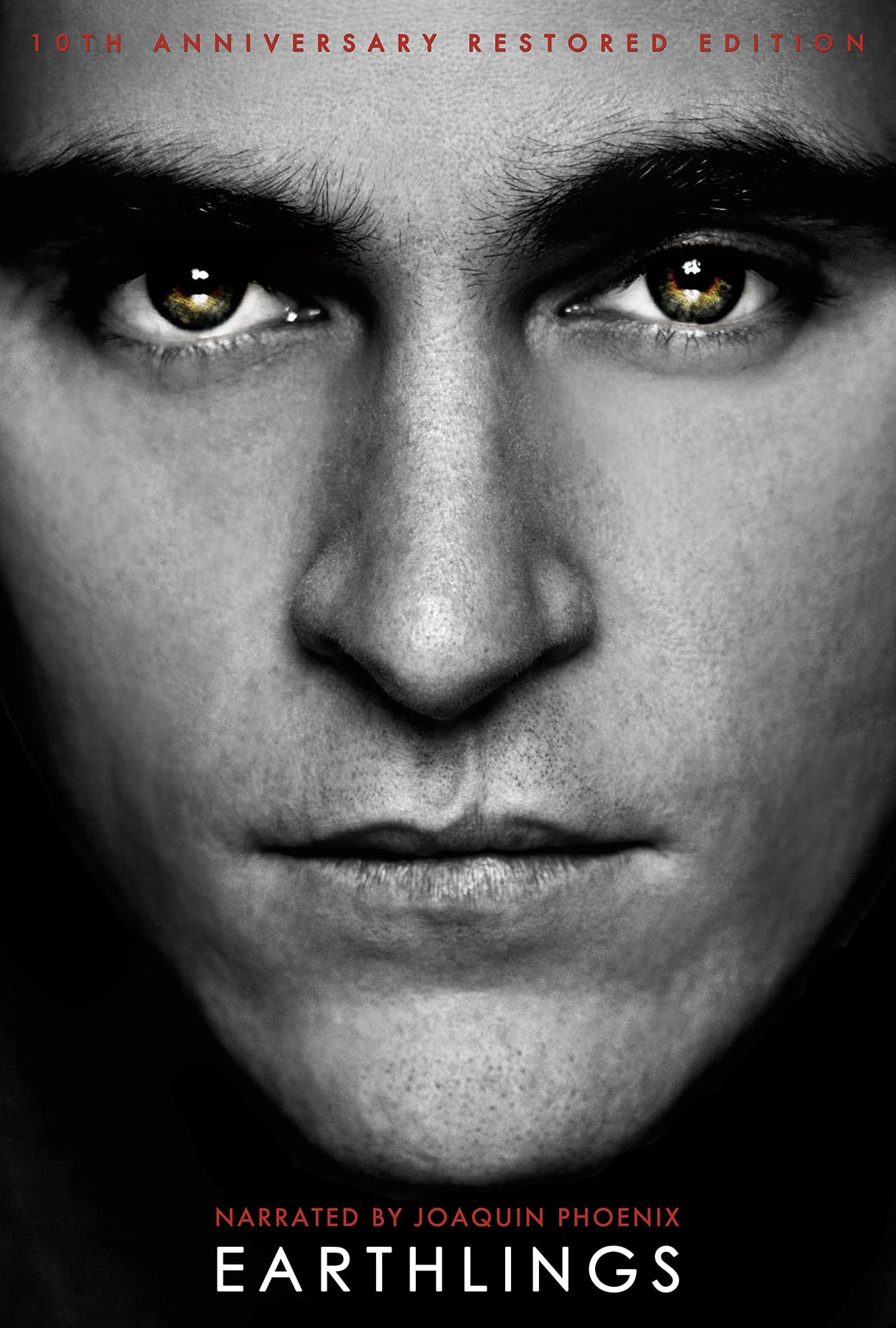
Using hidden cameras and never-before-seen footage, Earthlings chronicles the day-to-day practices of the largest industries in the world, all of which rely entirely on animals for profit.
Follow the shocking, yet humorous, journey of an aspiring environmentalist, as he daringly seeks to find the real solution to the most pressing environmental issues and true path to sustainability.
Fed Up blows the lid off everything we thought we knew about food and weight loss, revealing a 30-year campaign by the food industry, aided by the U.S. government, to mislead and confuse the American public, resulting in one of the largest health epidemics in history.
Documentary filmmaker Robert Kenner examines how mammoth corporations have taken over all aspects of the food chain in the United States, from the farms where our food is grown to the chain restaurants and supermarkets where it's sold. Narrated by author and activist Eric Schlosser, the film features interviews with average Americans about their dietary habits, commentary from food experts like Michael Pollan and unsettling footage shot inside large-scale animal processing plants.
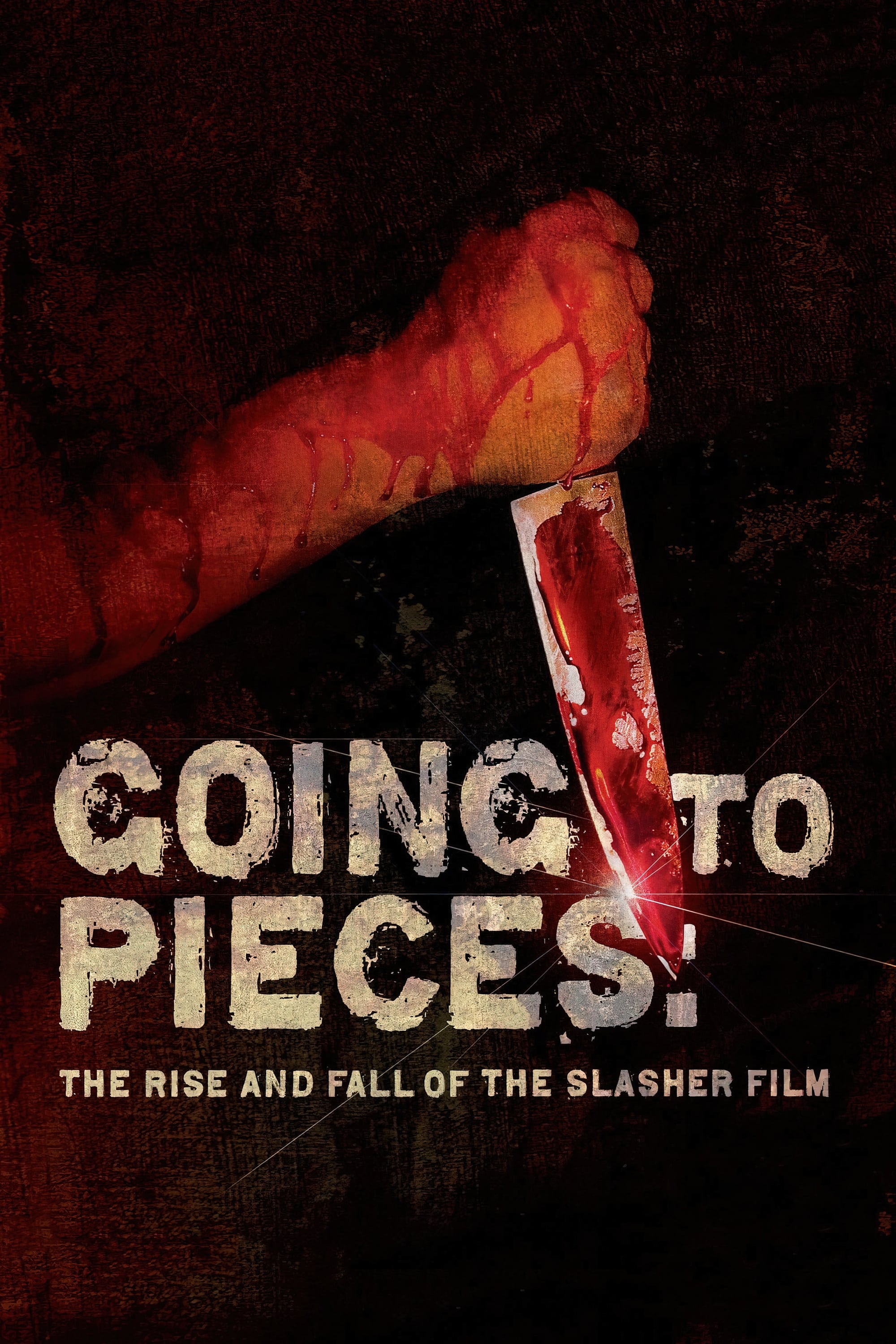
This historical and critical look at slasher films, which includes dozens of clips, begins with Halloween, Friday the 13th, and Prom Night. The films' directors, writers, producers, and special effects creators comment on the films' making and success. During the Reagan years, the films get gorier, budgets get smaller, and their appeal wanes. Then, Nightmare on Elm Street revives the genre. Jump to the late 90s, when Scream brings humor and TV stars into the mix.
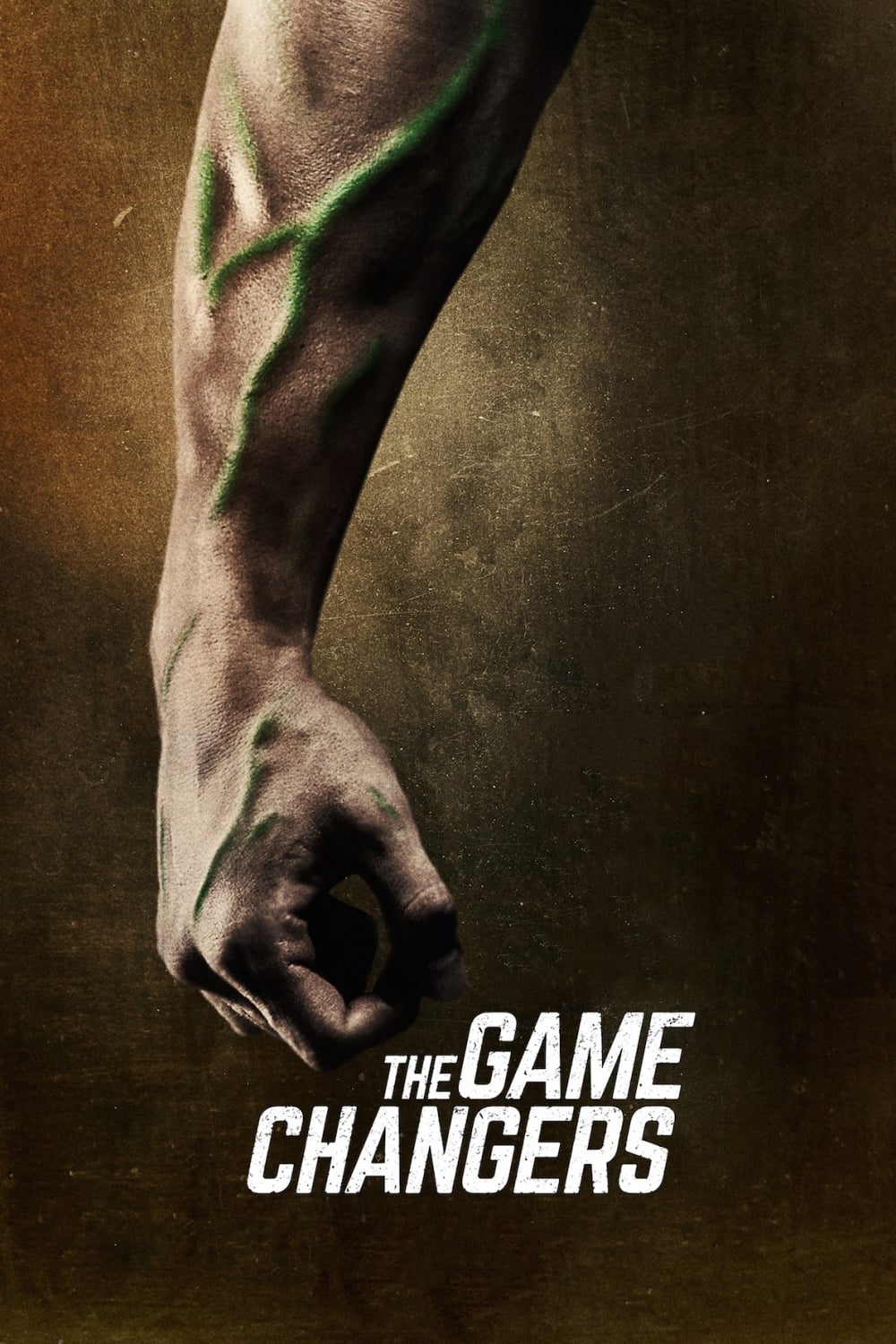
From the UFC Octagon in Las Vegas and the anthropology lab at Dartmouth, to a strongman gym in Berlin and the bushlands of Zimbabwe, the world is introduced to elite athletes, special ops soldiers, visionary scientists, cultural icons, and everyday heroes—each on a mission to create a seismic shift in the way we eat and live.
Musician and performance artist Laurie Anderson reflects on the deaths of her husband Lou Reed, her mother and her beloved dog.
A visual montage portrait of our contemporary world dominated by globalized technology and violence.
Morgan Spurlock subjects himself to a diet based only on McDonald's fast food three times a day for thirty days without exercising to try to prove why so many Americans are fat or obese. He submits himself to a complete check-up by three doctors, comparing his weight along the way, resulting in a scary conclusion.
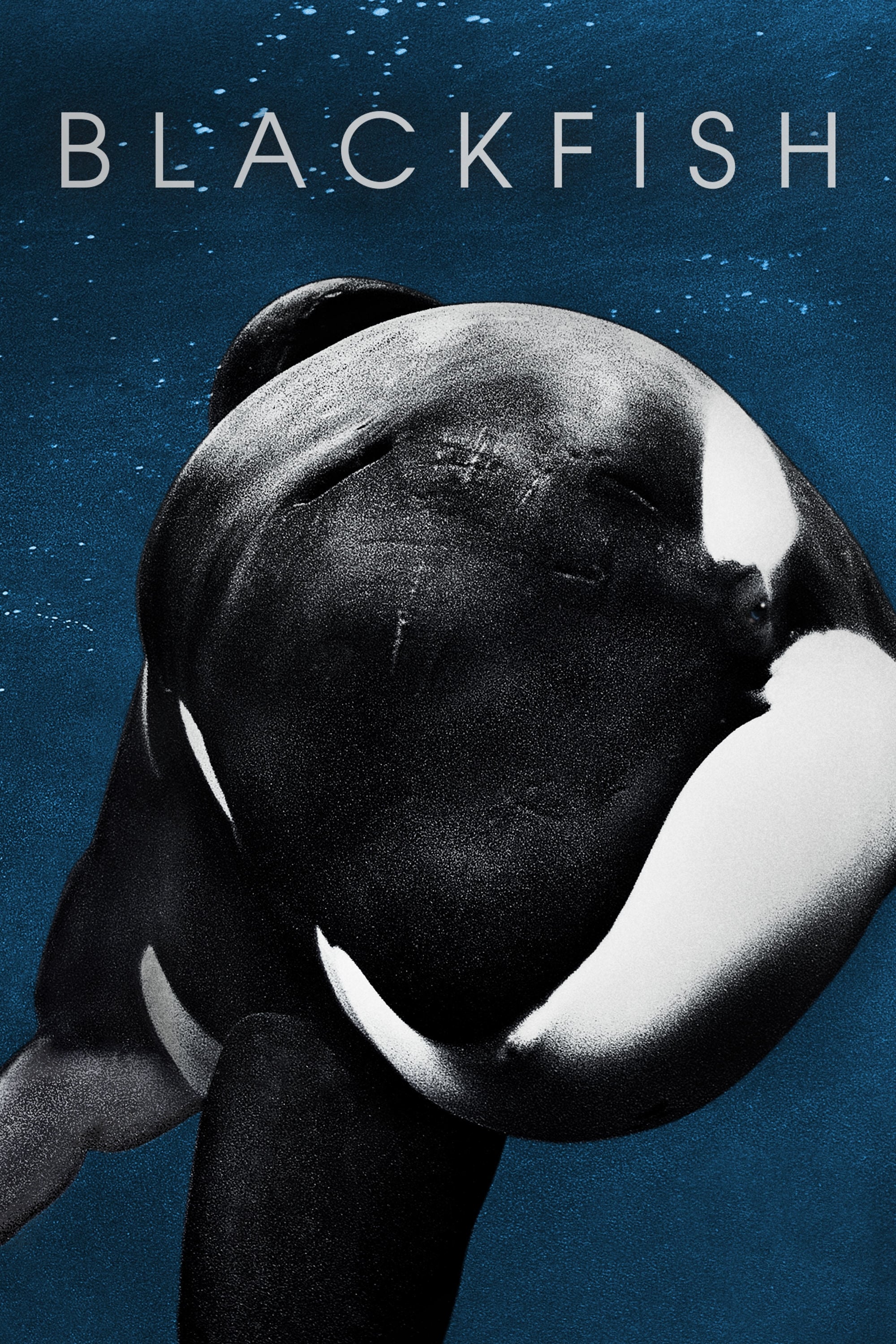
Notorious killer whale Tilikum is responsible for the deaths of three individuals, including a top killer whale trainer. Blackfish shows the sometimes devastating consequences of keeping such intelligent and sentient creatures in captivity.
Documentary about the art of film editing. Clips are shown from many groundbreaking films with innovative editing styles.
Amber Heard and Nicole Kidman discuss their characters Mera and Atlanna.
Filmmaker Martin Scorsese interviews his mother and father about their life in New York and family history back in Sicily.
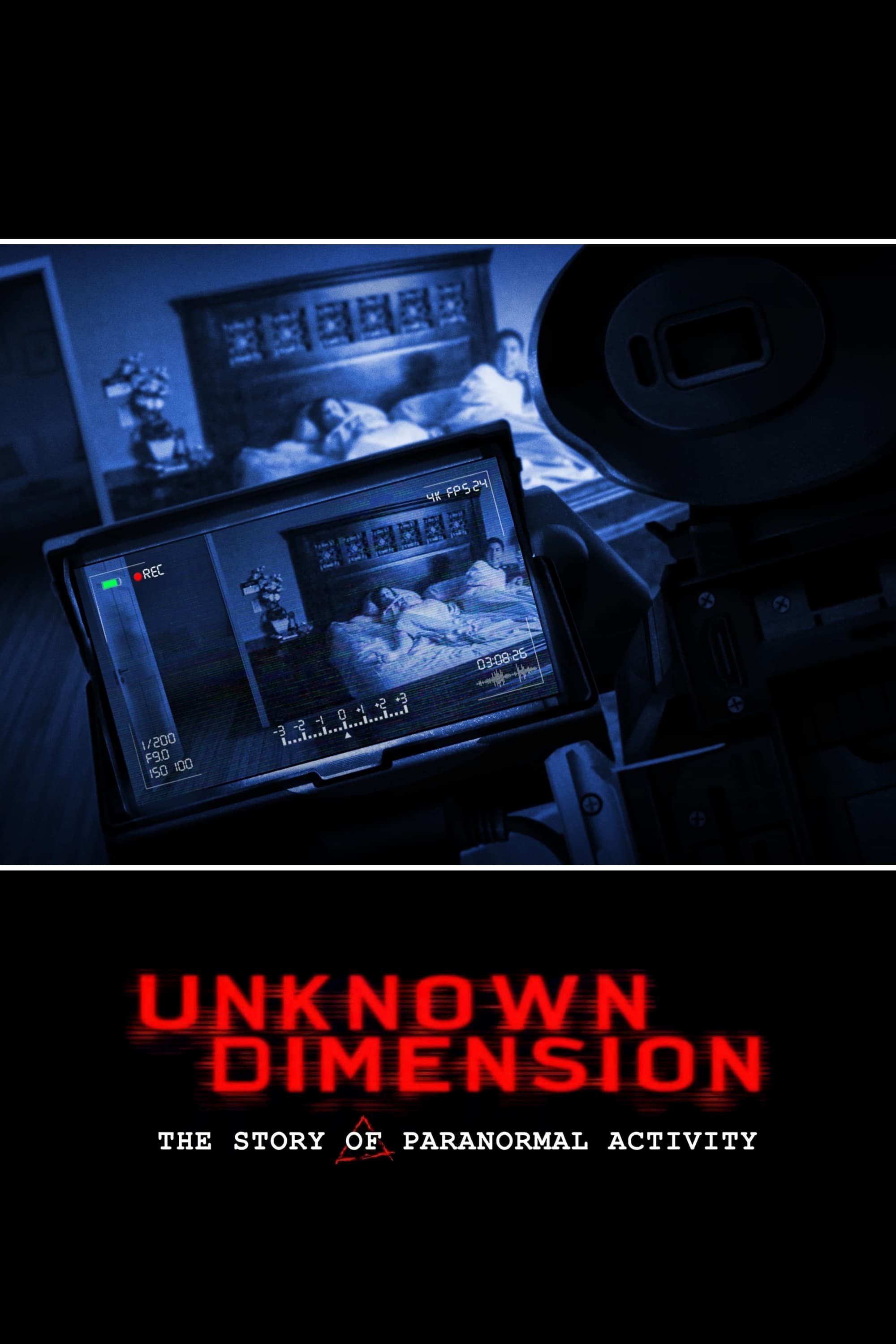
A deep dive into the making of the Paranormal Activity films with first time ever interviews with cast and crew, never-before-seen footage from the movies, and a preview of the seventh installment in the franchise.
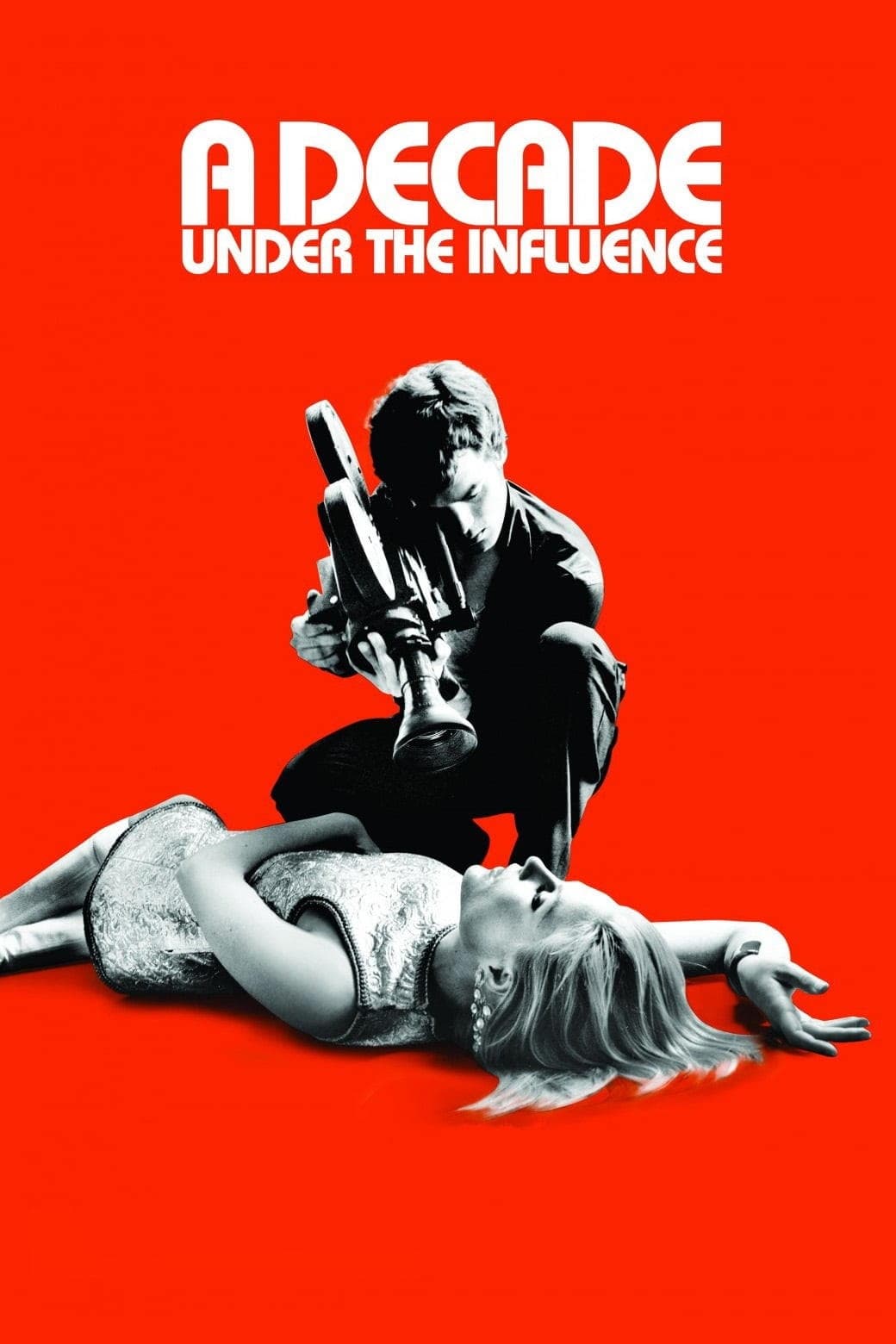
A documentary examining the decade of the 1970s as a turning point in American cinema. Some of today's best filmmakers interview the influential directors of that time.
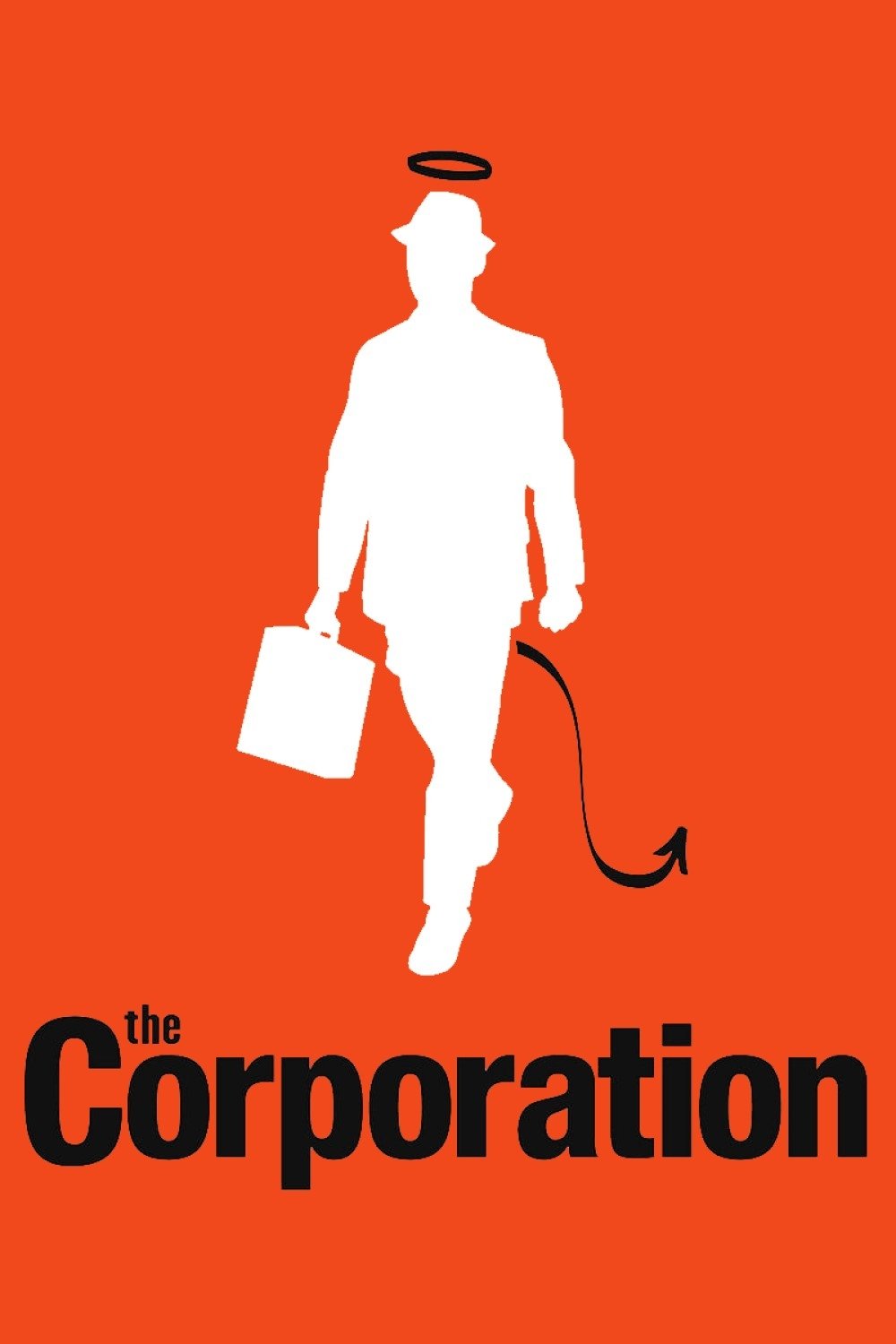
Since the late 18th century American legal decision that the business corporation organizational model is legally a person, it has become a dominant economic, political and social force around the globe. This film takes an in-depth psychological examination of the organization model through various case studies. What the study illustrates is that in the its behaviour, this type of "person" typically acts like a dangerously destructive psychopath without conscience. Furthermore, we see the profound threat this psychopath has for our world and our future, but also how the people with courage, intelligence and determination can do to stop it.
Through deeply personal interviews with her siblings and an examination of the photographs, letters, and belongings left behind, Mariska assembles a new portrait of her mother Jayne Mansfield, an extraordinary and complex woman.
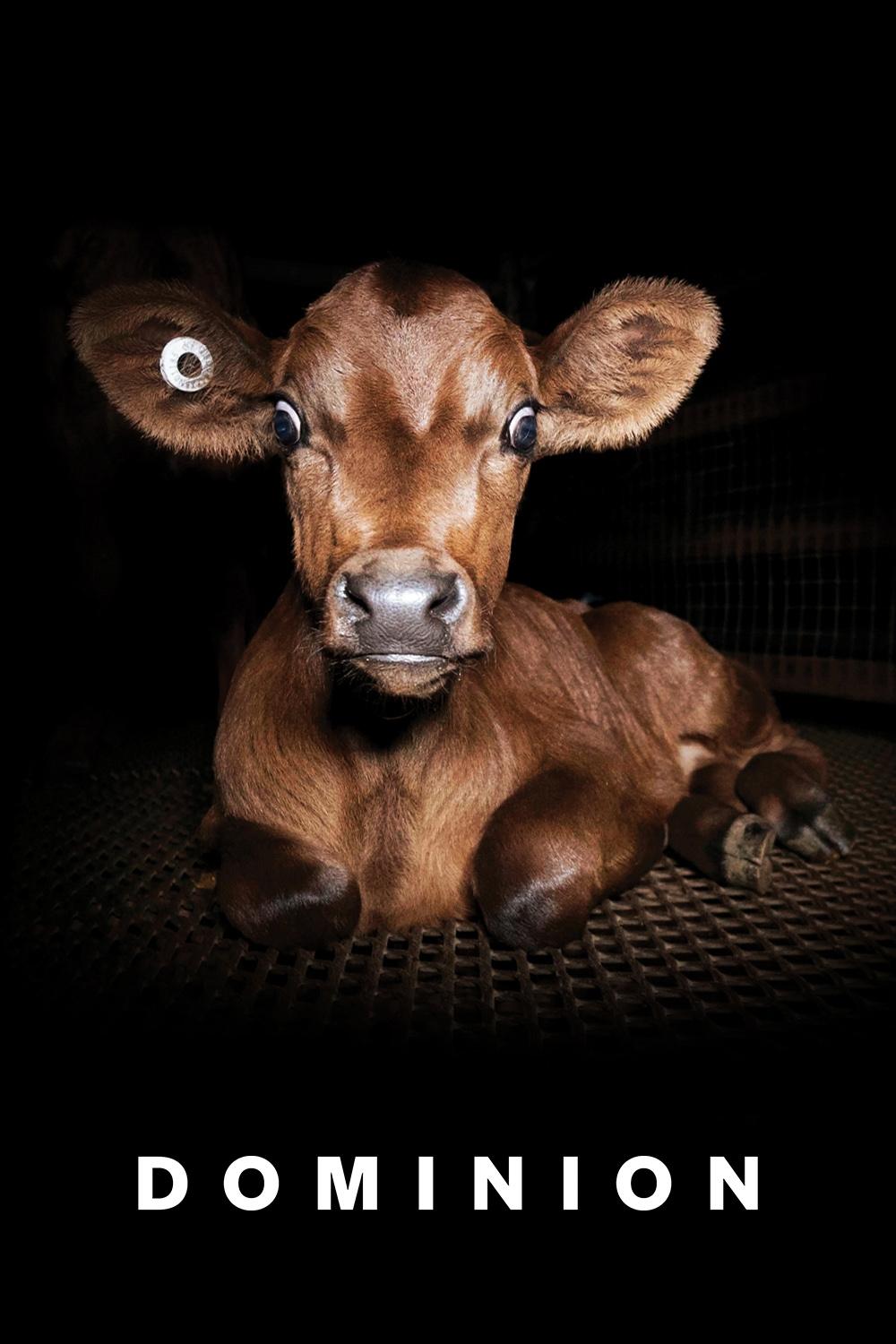
Exposing the dark underbelly of modern animal agriculture through drones, hidden & handheld cameras, the feature-length film explores the morality and validity of our dominion over the animal kingdom.
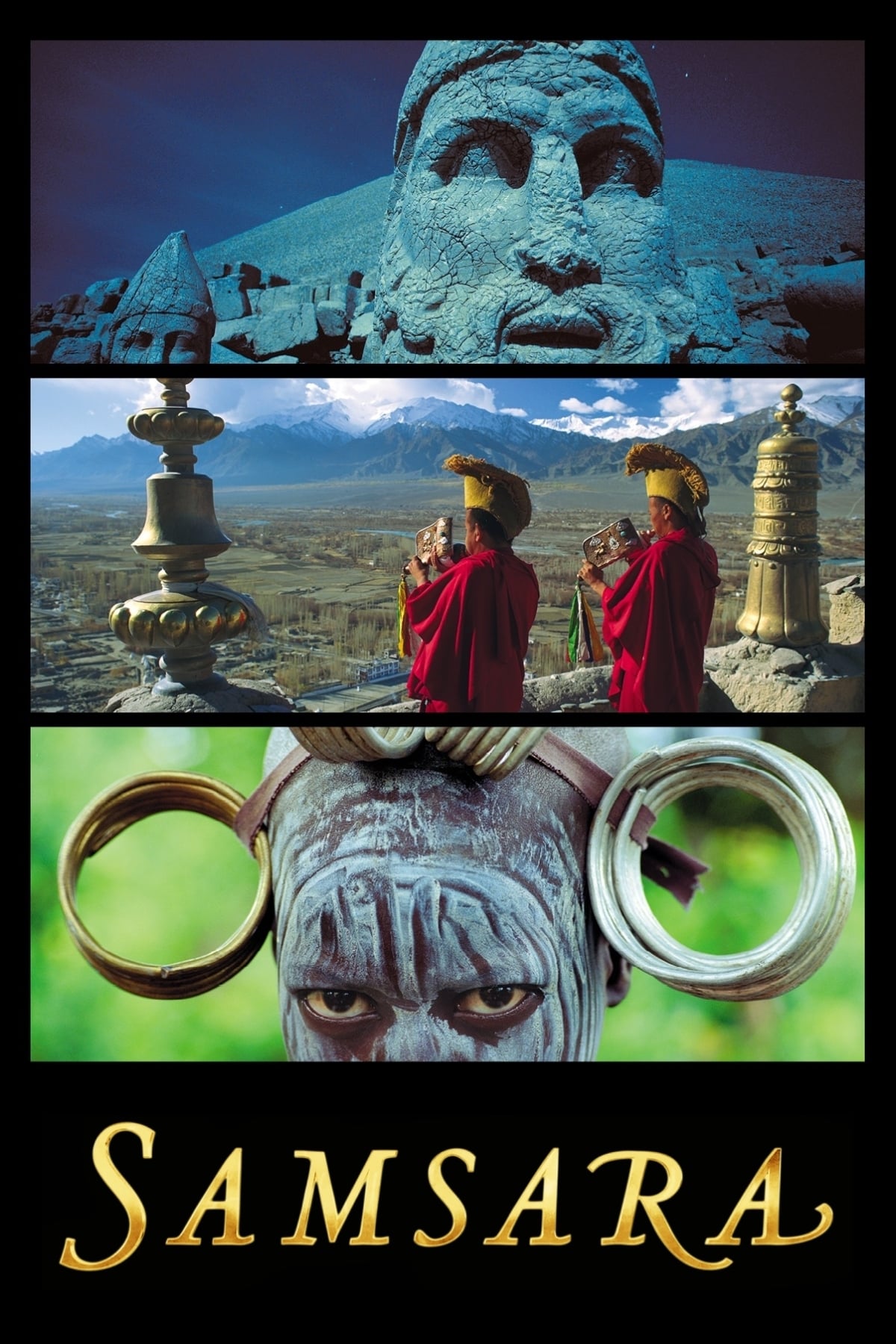
Filmed over nearly five years in twenty-five countries on five continents, and shot on seventy-millimetre film, Samsara transports us to the varied worlds of sacred grounds, disaster zones, industrial complexes, and natural wonders.