Experimental short film about car wreckage and automobile safety.
Social & External
The people behind it
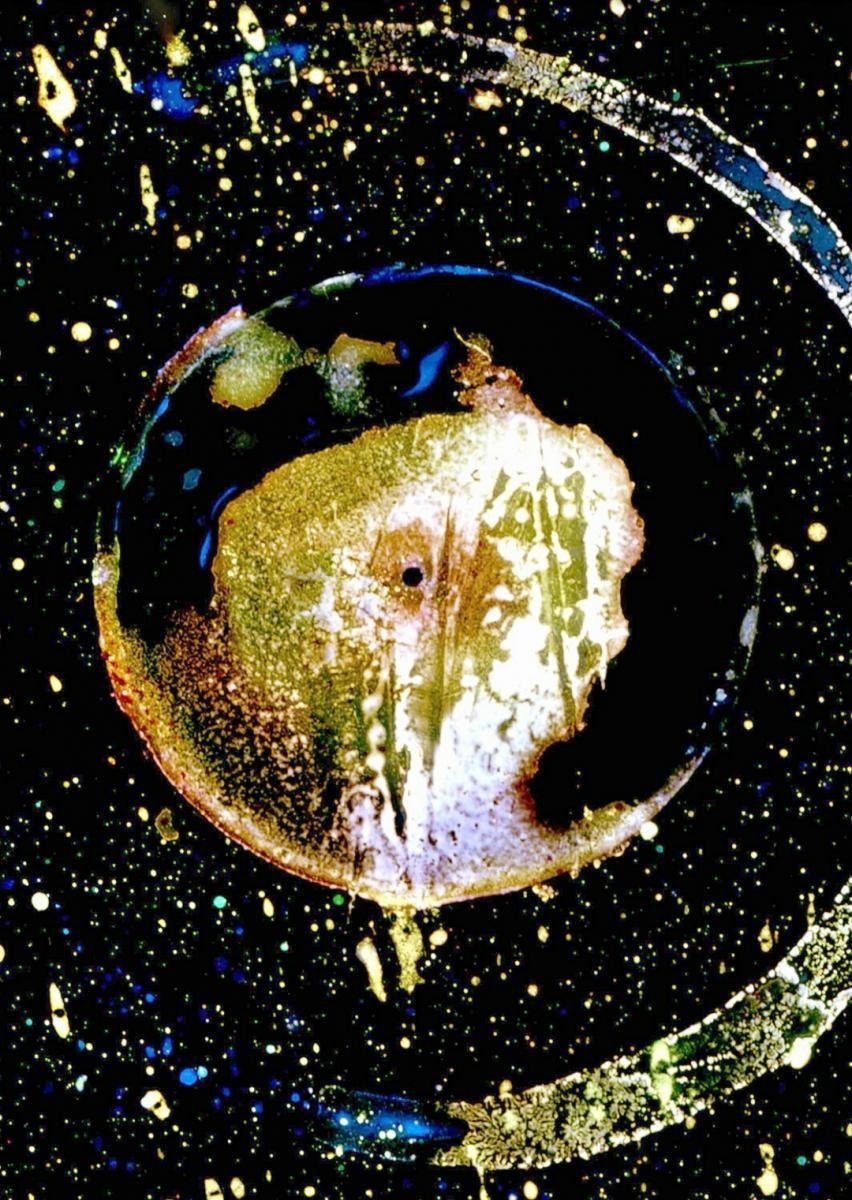
Sistiaga painted directly on 70mm film a circular (planetary?) form, around which dance shifting colours in a psychedelic acceleration matched by the soundtrack’s deep-space roar and howl. - Cinema Scope
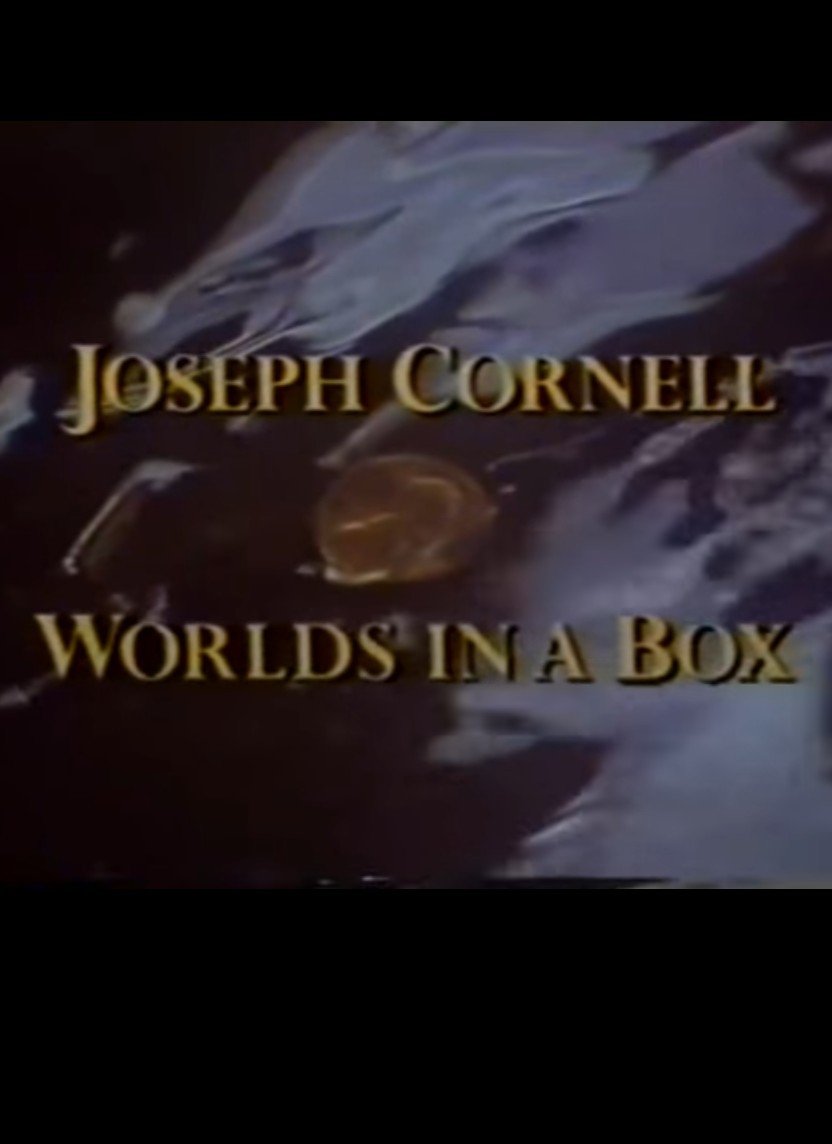
This is a 1991 documentary film about the legendary artist and filmmaker, Joseph Cornell, who made those magnificent and strange collage boxes. He was also one of our great experimental filmmakers and once apparently made Salvador Dali extremely jealous at a screening of his masterpiece, Rose Hobart. In this film we get to hear people like Susan Sontag, Stan Brakhage, and Tony Curtis talk about their friendships with the artist. It turns out that Curtis was quite a collector and he seemed to have a very deep understanding of what Cornell was doing in his work.
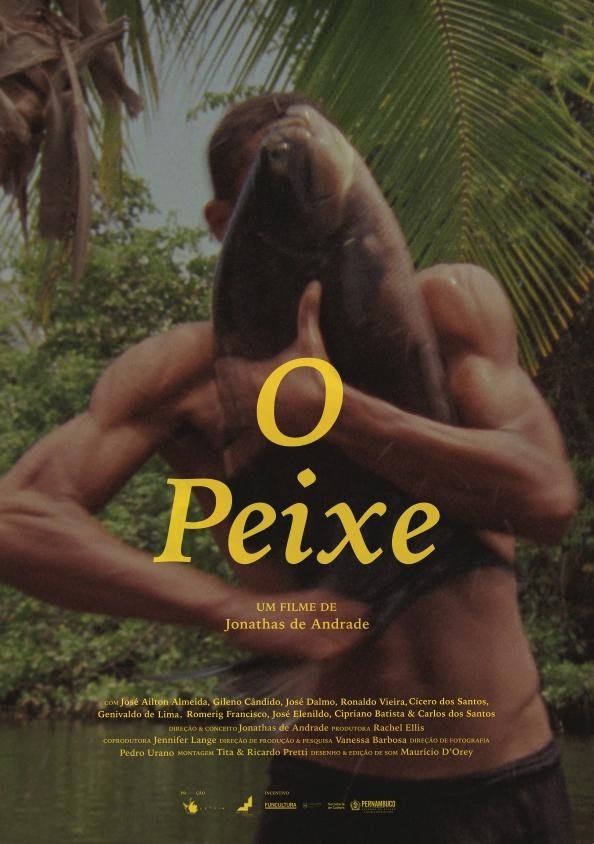
"A fisherman, dark-skinned and shirtless, sits in a boat on a quiet river and, before long, catches a fish. The fish gasps for air and the fisherman holds it to his chest until it dies. This sequence—performed by a series of fishermen, of various ages and using various styles of capture—is the spine of the work, interrupted by passages of quiet natural beauty; one shot is a steady, stately pan through scores of trees and empty air behind." - Vinson Cunningham
A tale of 2 passages within the Spirit house. This is the first in a series that looks at the places we find our spiritual presence augmented, inflamed, or simply acknowledged.
Towards a Black Testimony: Prayer, Protest, Peace is a new work by Languid Hands that examines Black Testimony as obscured, ignored and undermined. Drawing on archival imagery, Black geographies, and the dying declarations of Black Martyrs, it explores the complexities of truth, empathy, justice, the law, life and death for the Black Mass.
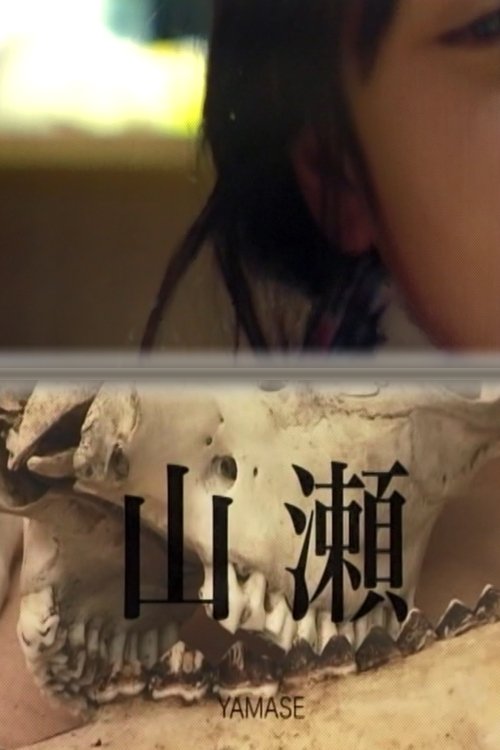
Film by Kenji Onishi. With friends. Mr. Yamase as main character, Sasakubo and Shinojima. And the girls having a good time. The camera is all you need. Looking still at the Mt. Buko which is disappearing.
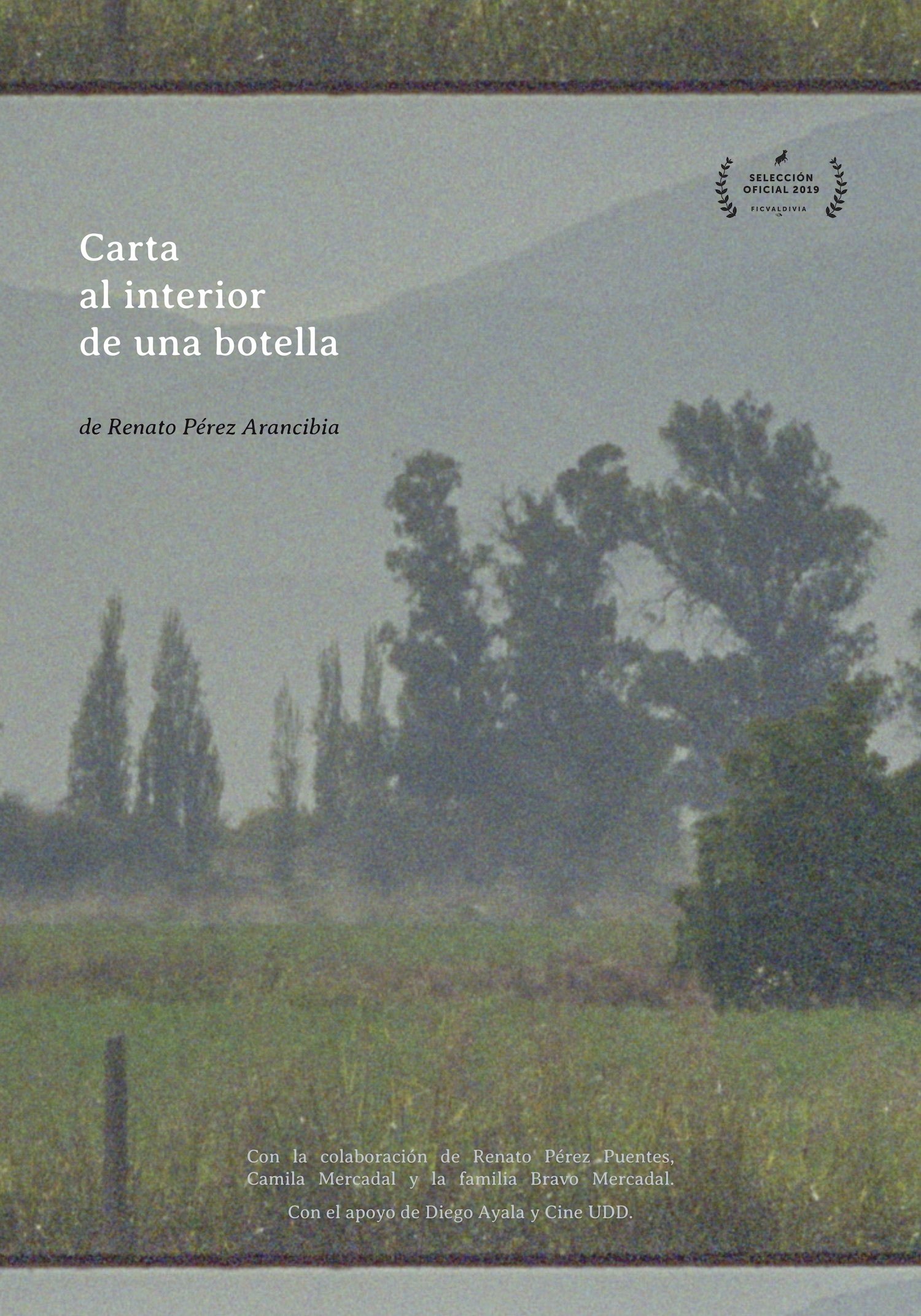
The meeting point between two comunication media: A letter written in 1929 -hidden inside the adobe walls of an old country house - and the shooting of the coutryside along the highway that connects two Chilean cities un 2018.
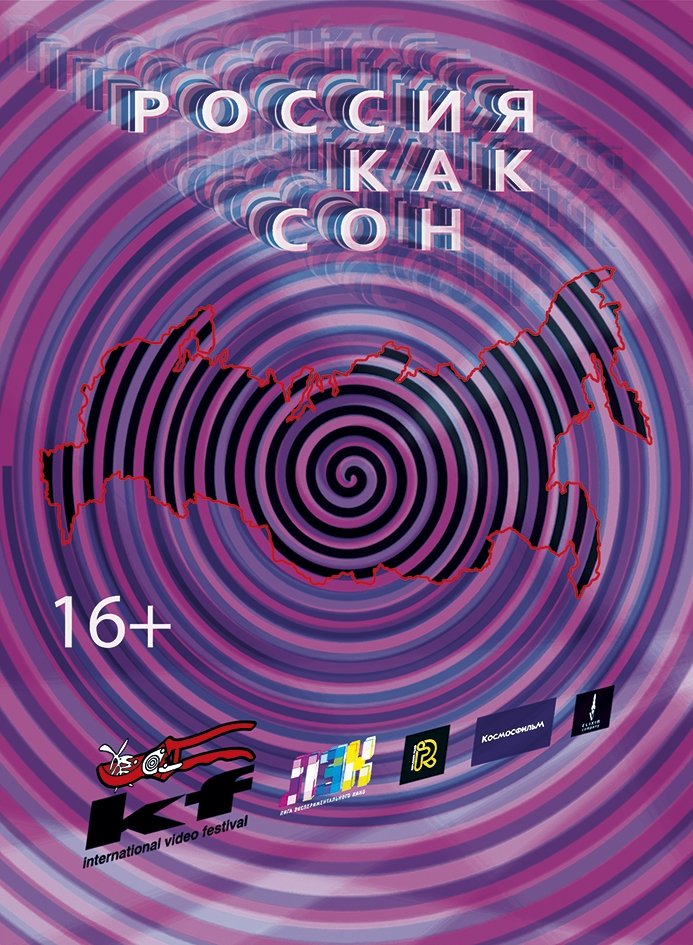
In the small town of Kansk, the Krasnoyarsk Territory many years in a row there is an international festival of short experimental films, which has a strong reputation throughout the world. "Russia as a dream" is an international project, shot by a team of authors and united directors, artists, poets. Each of the guests of the 14th International Kan Video Festival held in 2015 was invited to participate in the creation of a general film, the theme of which was the relationship of man and landscape, civilization and nature, reality and sleep.
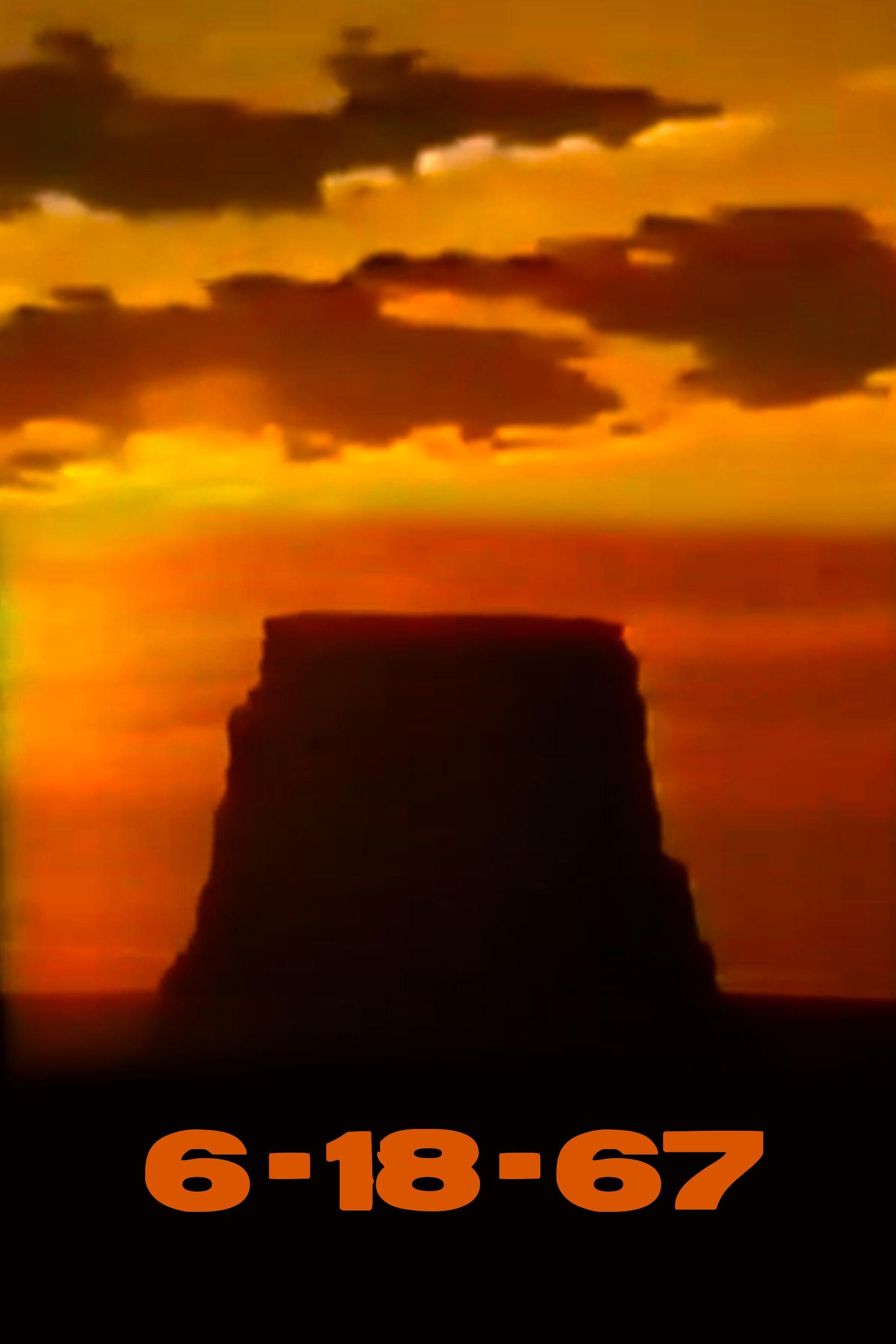
Filmed during the production of the Columbia Pictures western "Mackenna’s Gold," this short work presents a non-narrative visual study of the Arizona desert. Rather than documenting the film set itself, "6-18-67" assembles landscape images, time-lapse photography, and ambient sound into an abstract record of place and duration.
Experimental 8mm film.
Culled from four rolls of Super-8 film shot while the maker was a development worker in a small South American village, Daumë is at its center a film about ritual, power, and play. Daumë is both ethnography and critique; it is an interrogation into how to represent a place that can't be represented.
Terra Incognita is a lensless film whose cloudy pinhole images create a memory of history. Ancient and modern explorer texts of Easter Island are garbled together by a computer narrator, resulting in a forever repeating narrative of discovery, colonialism, loss and departure.
An ethnographic field report in which the Anthropologist describes the mythic creation of an unnamed ‘sun-scraping structure’ through the ritualized actions of the Red and the Blue Gods.
Mostly dark, rejecting images which are repeated. A stone wall, the chamber of a revolver which is, at first not recognizable, a close-up of a cactus. The duration of the takes emphasises the photographic character of the pictures, simultaneously with a crackling, brutal sound. (Hans Scheugl)
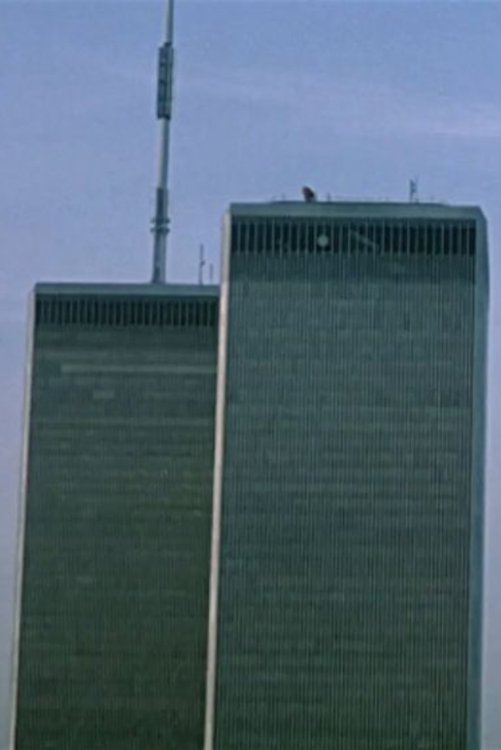
The television images of the collapse of the World Trade Center were preceded by manifold stagings of the building, either as a highly symbolic icon, a speculative destruction fantasy or merely as a spectacular backdrop. In Misty Picture, city symphony, disaster movie and media trauma therapy become one.
The passing time is displayed as a series of still frames, or a rapid sequence of moments, ever flowing like the waves that break on the shore, like a repeated chant with no beginning, middle or end.
A loose collection of scenes in Hong Kong shot over a five-year period, this film begins with the Umbrella Movement in 2014 and ends right before the summer of 2019, when large-scale social unrest and violent resistance erupted. The everyday scenes capture the ambience and the landscape of change in the city, standing as a quiet prelude to the ensuing conflicts.
"Adrift" is shot on the arctic island of Spitzbergen and in Norway. It combines time-lapse photography with stop-motion animation of the landscape. Through camera-angles and framing the film gradually dislocates the viewer from a stable base where one loses the sense of scale and grounding.
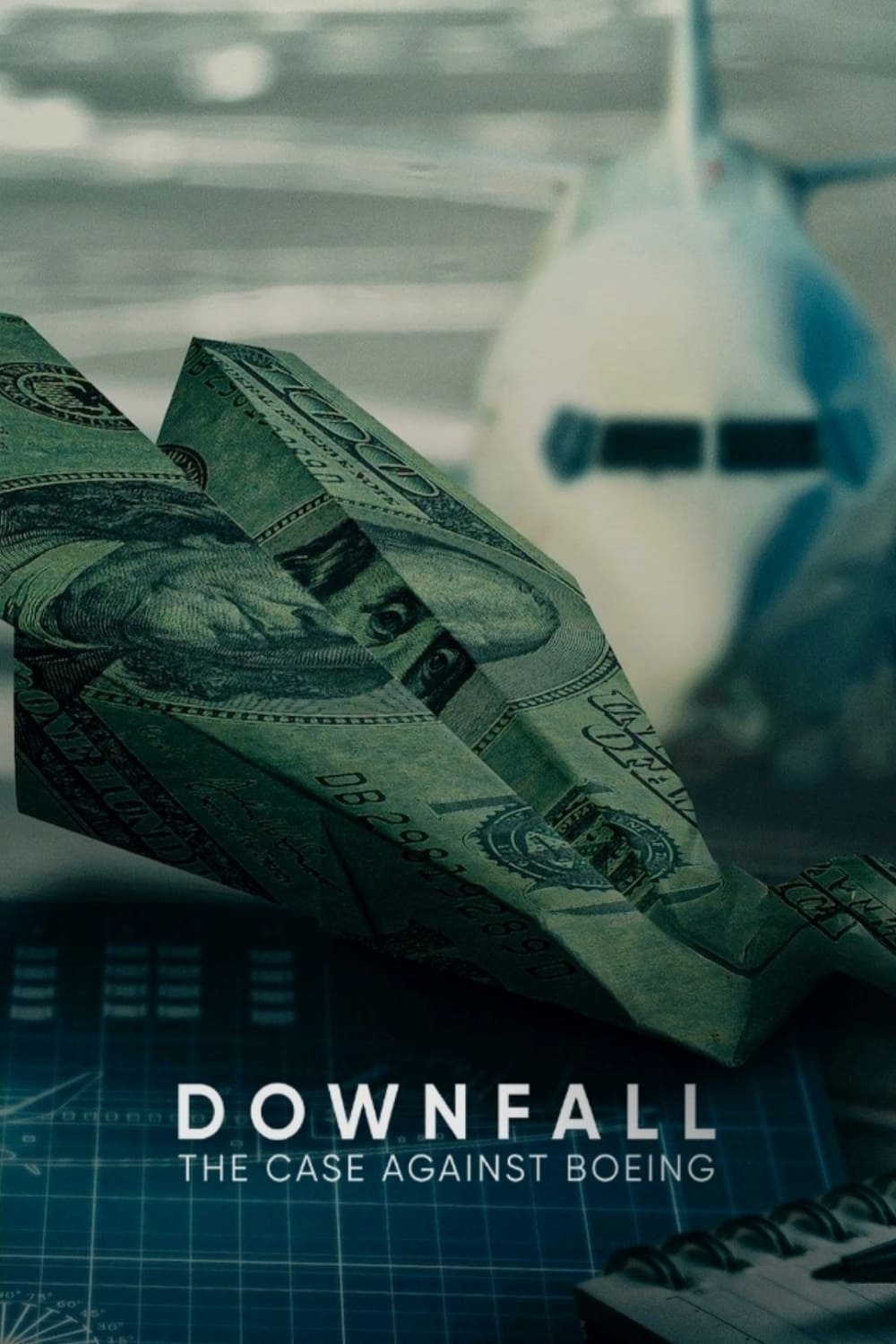
Investigators reveal how Boeing’s alleged priority of profit over safety could have contributed to two catastrophic crashes within months of each other.
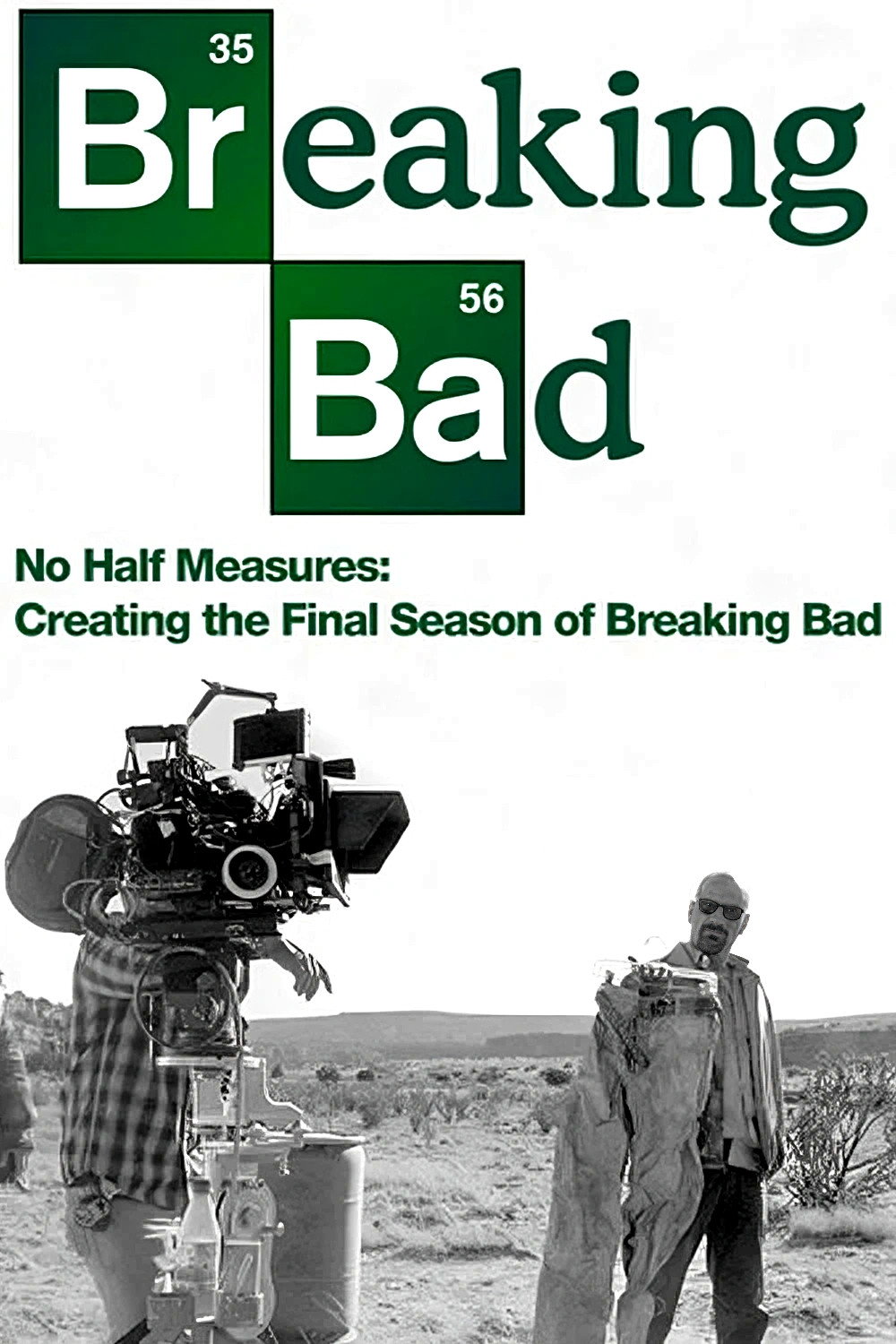
A documentary about the making of season five of the acclaimed AMC series Breaking Bad.
In an intimate and joyful story of love in the face of loss, celebrated poets Andrea Gibson and Megan Falley find strength—and unexpected hilarity—in what might be their final year together.
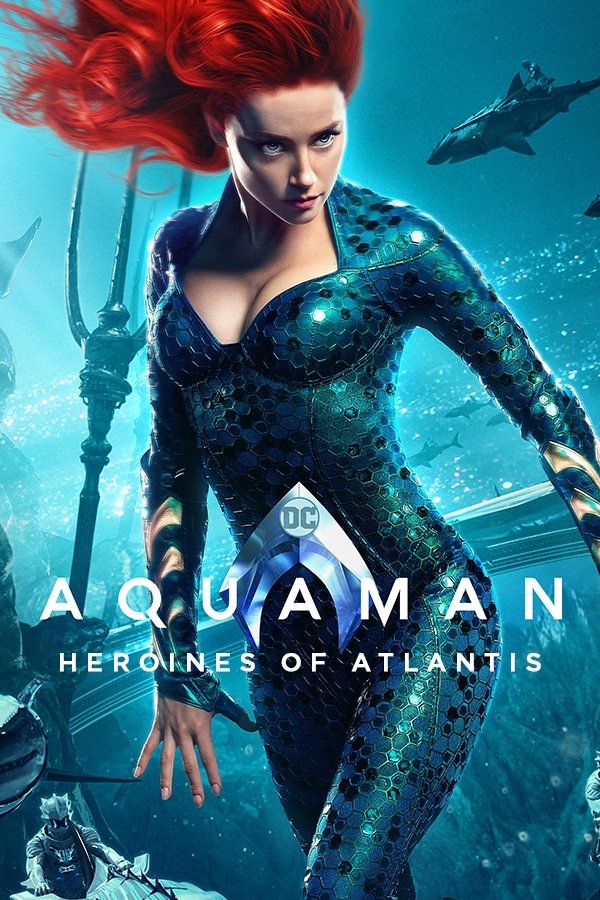
Amber Heard and Nicole Kidman discuss their characters Mera and Atlanna.
Daniel Craig candidly reflects on his 15 year adventure as James Bond. Including never-before-seen archival footage from Casino Royale to the upcoming 25th film No Time To Die, Craig shares his personal memories in conversation with 007 producers, Michael G Wilson and Barbara Broccoli.
Class Action Park explores the legend, legacy, and truth behind the 1980s water park in Vernon, New Jersey that long ago entered the realm of myth. Known for its dangerous, unsupervised rides and lack of regulation, guests of Action Park expected to walk away with injuries and were lucky if they made it out alive. Shirking the trappings of nostalgia, the film uses investigative journalism, original animations, recordings, and interviews with the people who lived it to reveal the true story of Action Park.
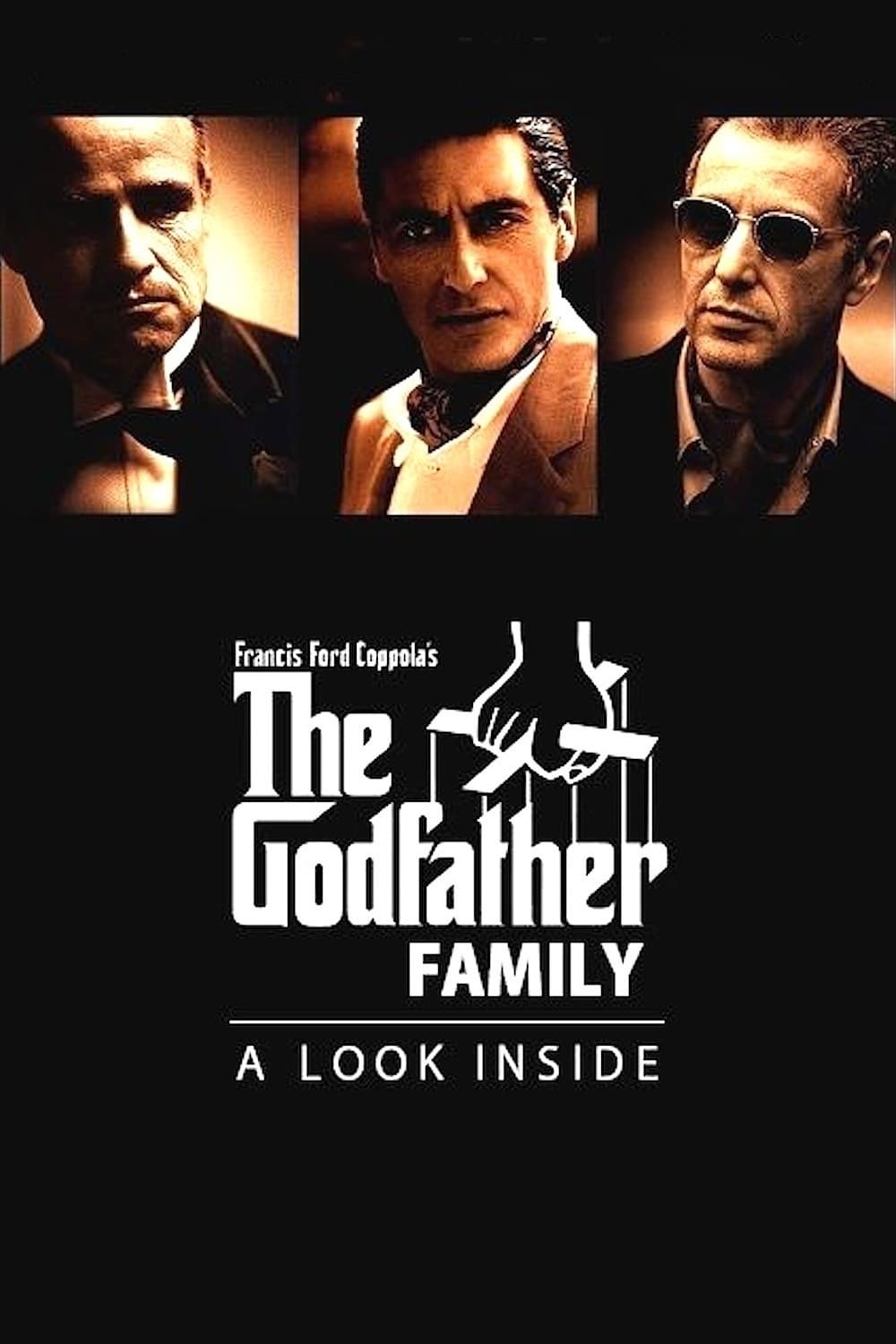
A documentary on the making of the three Godfather films, with interviews and recollections from the film makers and cast. This feature also includes the original screen tests of some of the actors for "The Godfather" film, and some candid moments on the set of "The Godfather: Part III."
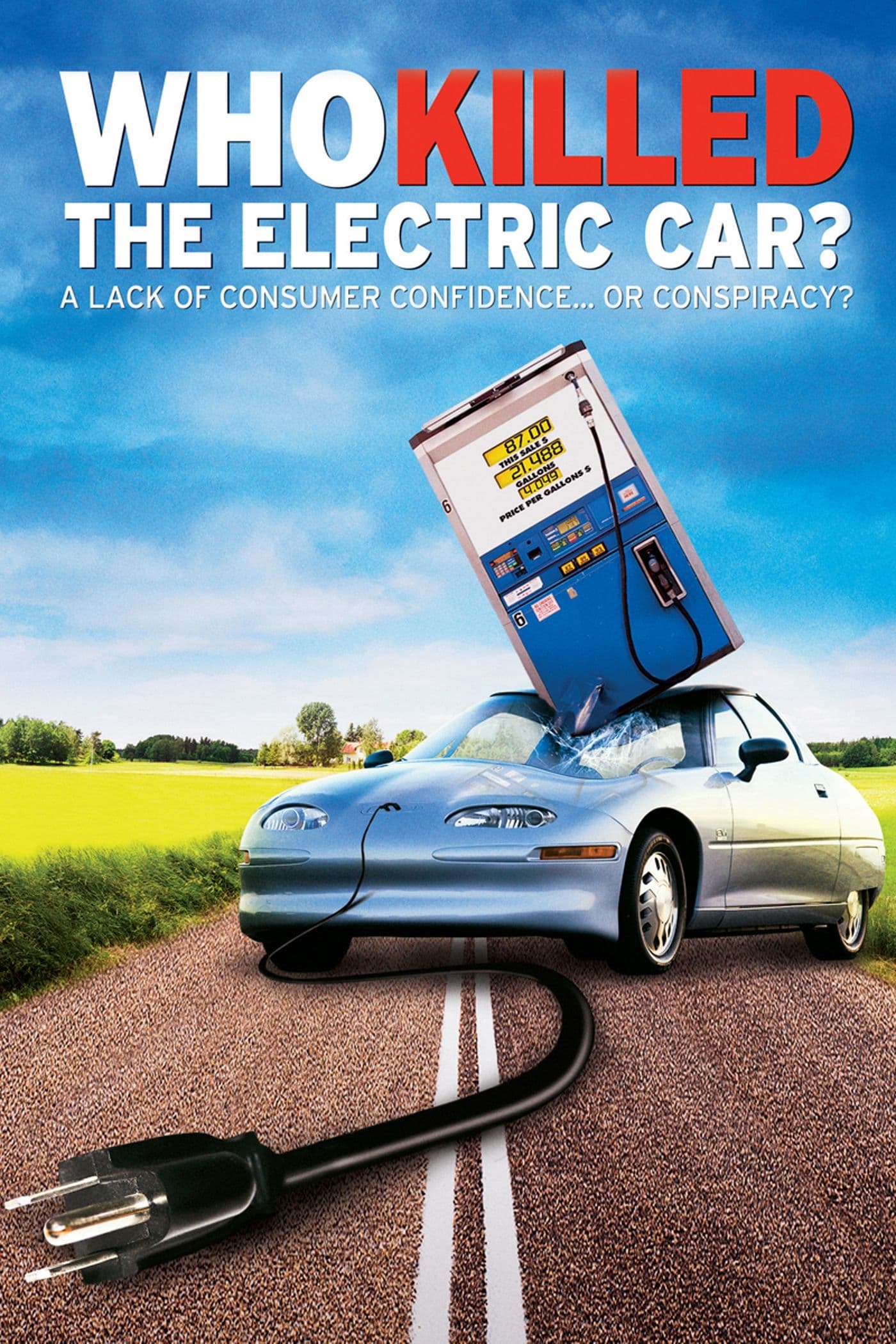
In 1996, electric cars began to appear on roads all over California. They were quiet and fast, produced no exhaust, and ran without gasoline... Ten years later, these cars were destroyed.
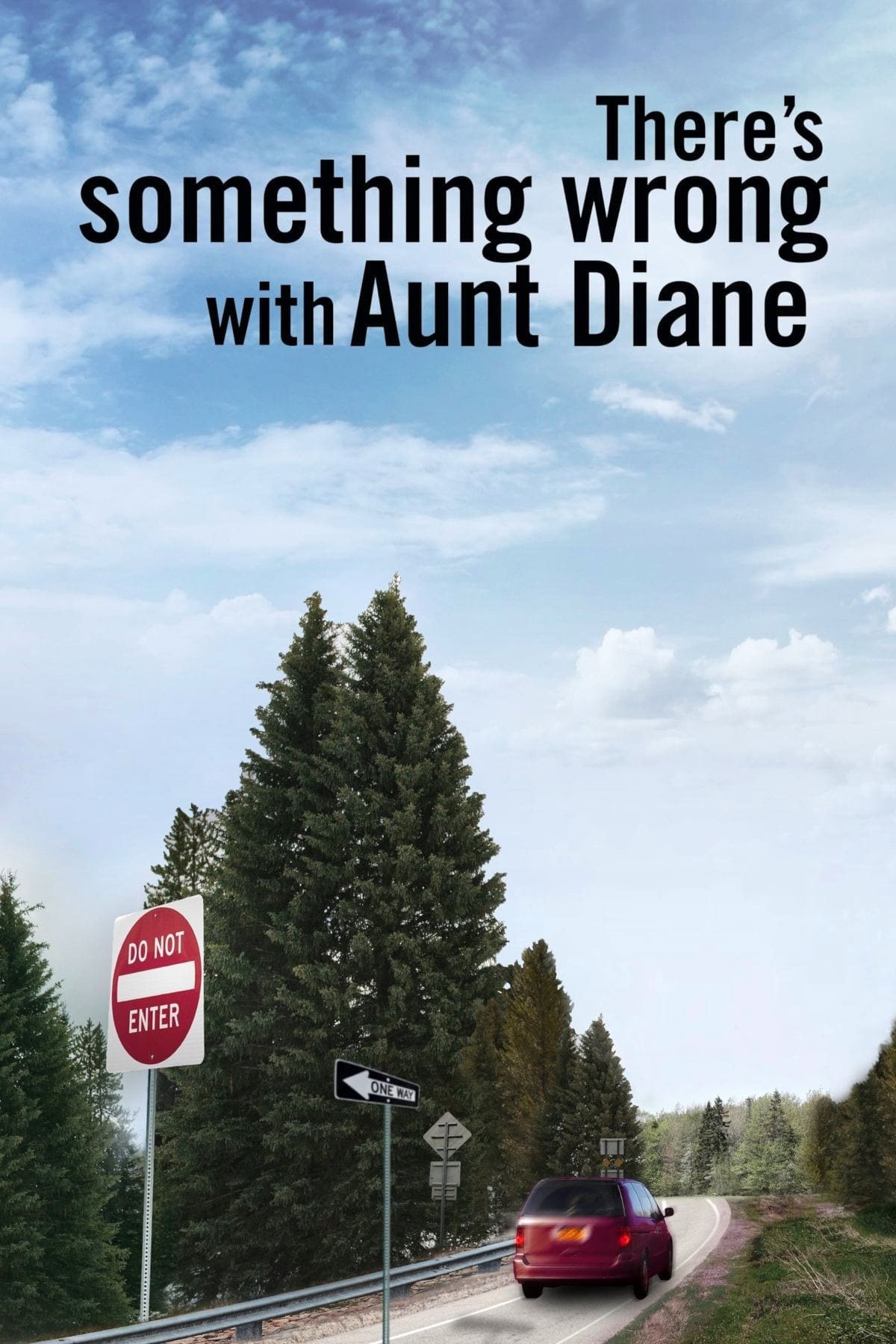
Filmmaker Liz Garbus investigates the mysterious tragedy of Diane Schuler in an effort to understand what went wrong.
A documentary about the life and films of director John Ford.
A documentary about the making of David Fincher's 2008 film THE CURIOUS CASE OF BENJAMIN BUTTON. Virtually every element in the evolution of the Fincher's film is documented here, from the project's attachment to numerous other directors during the 1990s, to its shoot in 2006 and 2007 in New Orleans, to its complex, CGI-intensive postproduction process.
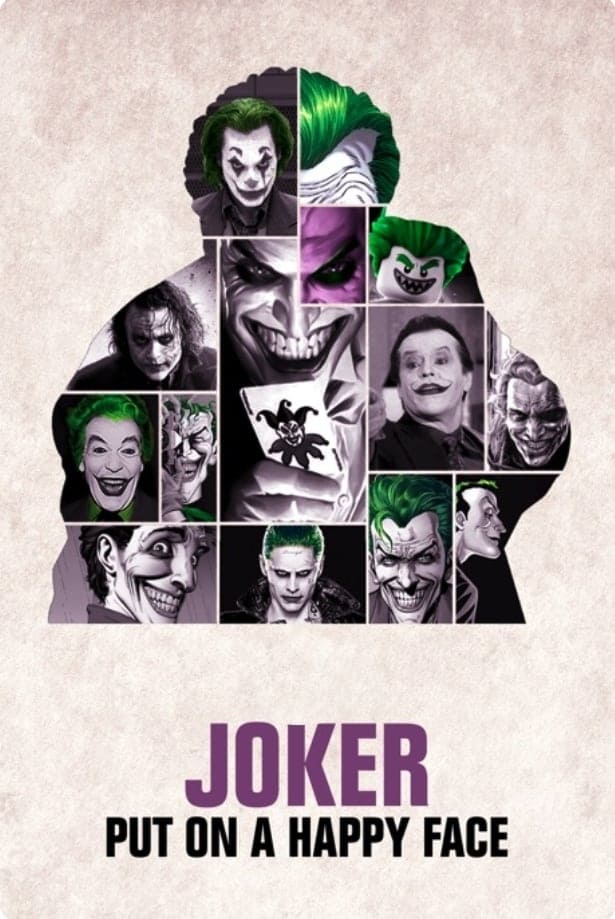
Featuring interviews with filmmakers and industry legends, discover the origins and evolution of The Joker, and learn why The Clown Prince of Crime is universally hailed as the greatest comic-book supervillain of all time.
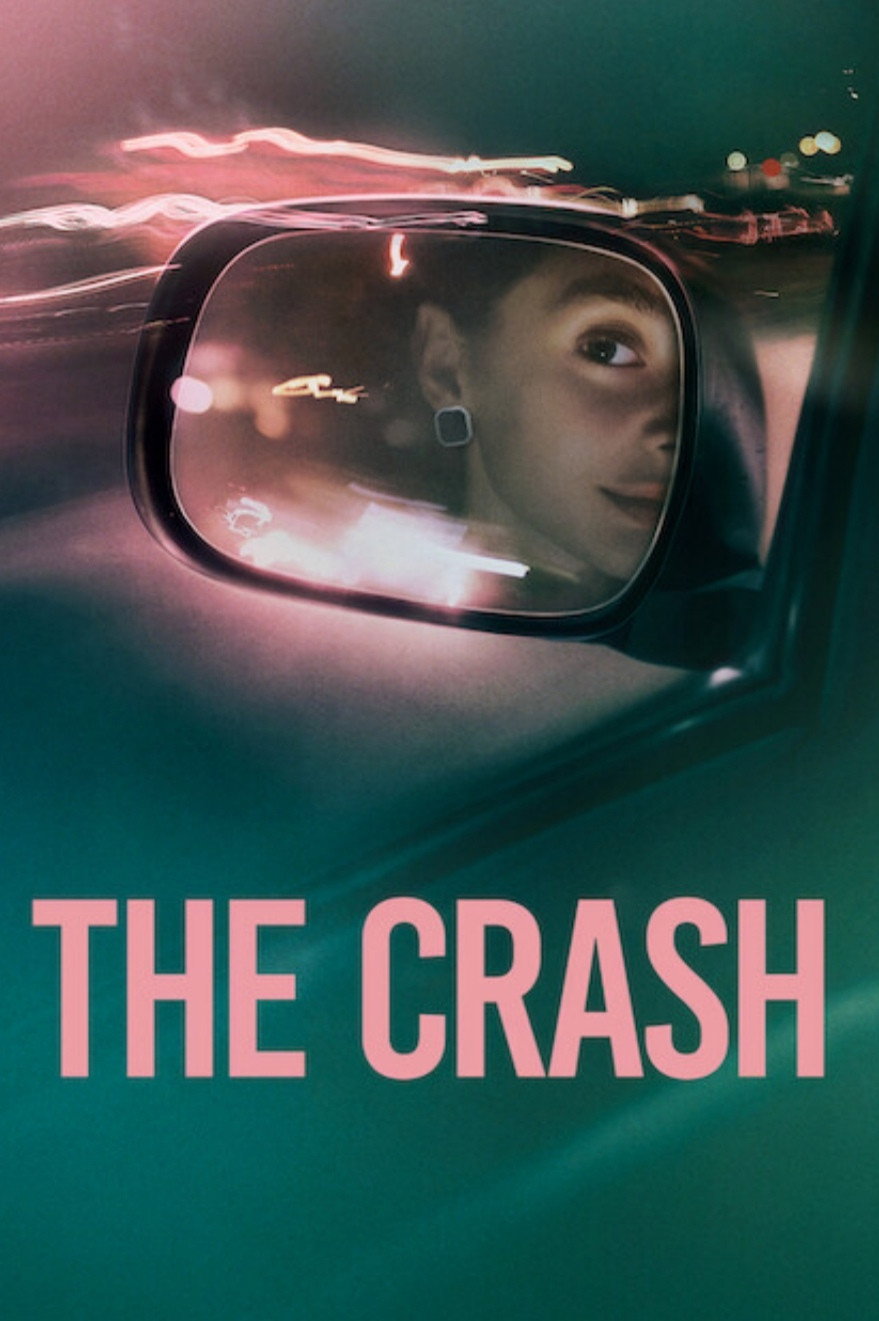
A teen slams her car into a building, killing her boyfriend and his friend. What seems like a tragic accident becomes a murder case.
Those who knew iconic funnyman John Candy best share his story, in their own words, through never-before-seen archival footage, imagery, and interviews.
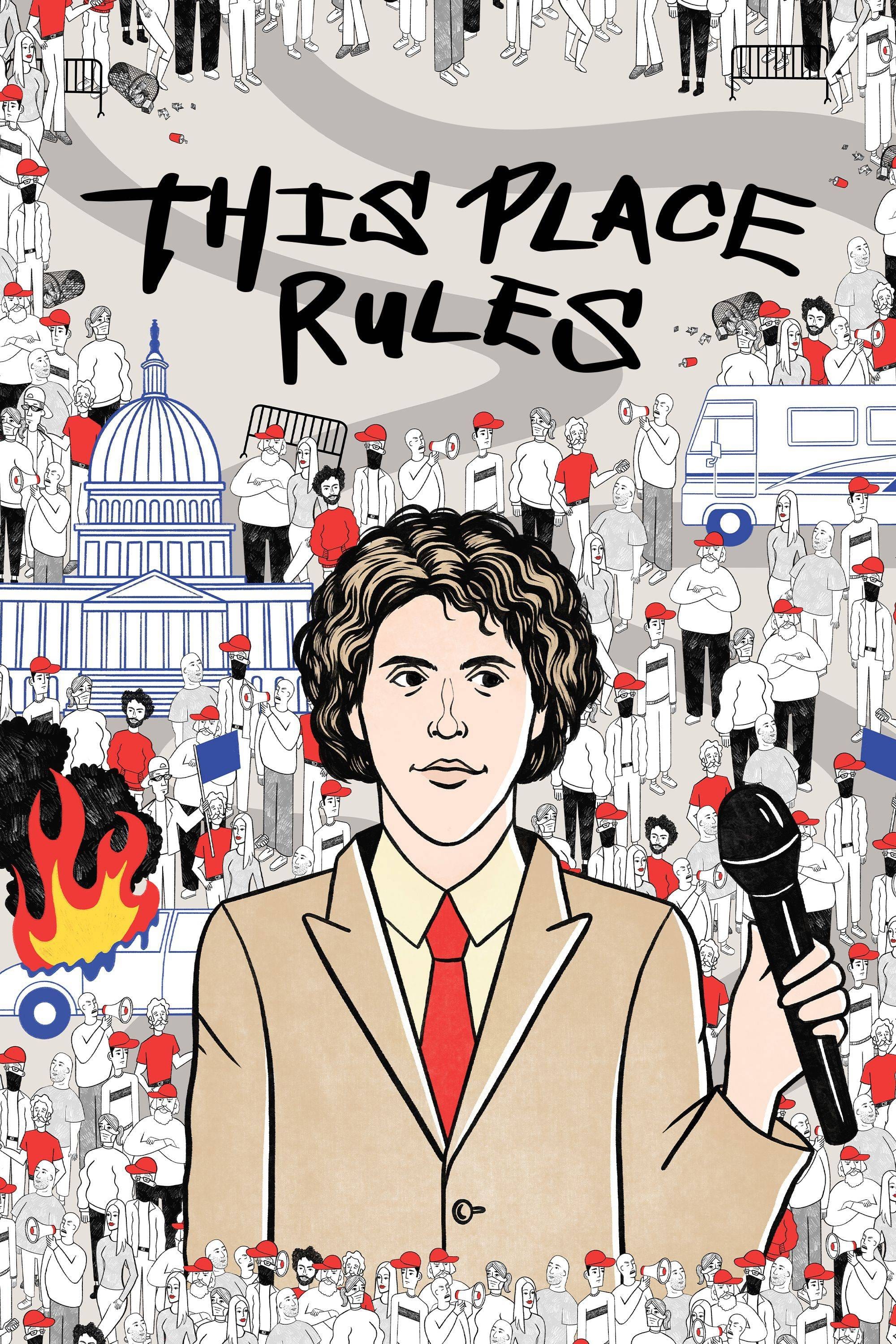
Acclaimed for his unfiltered reporting and deadpan humor, Andrew Callaghan brings his gonzo style reporting to the undercurrents that led to the January 6 Capitol Riot. As one of the best-known and hardest working journalists of his generation, the 25-year-old ventures on a wild RV journey through America to take the pulse of a divided nation.
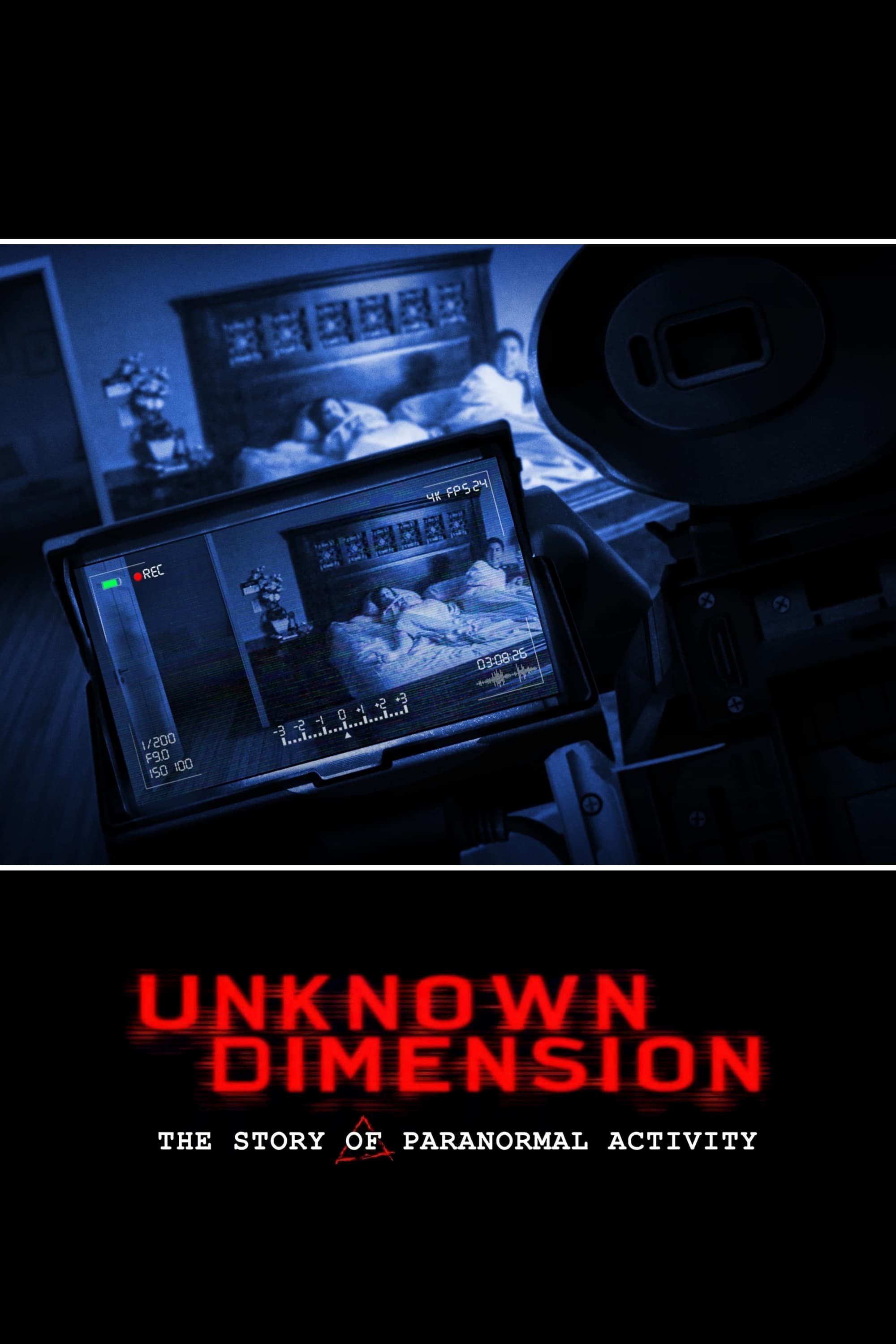
A deep dive into the making of the Paranormal Activity films with first time ever interviews with cast and crew, never-before-seen footage from the movies, and a preview of the seventh installment in the franchise.
Through deeply personal interviews with her siblings and an examination of the photographs, letters, and belongings left behind, Mariska assembles a new portrait of her mother Jayne Mansfield, an extraordinary and complex woman.
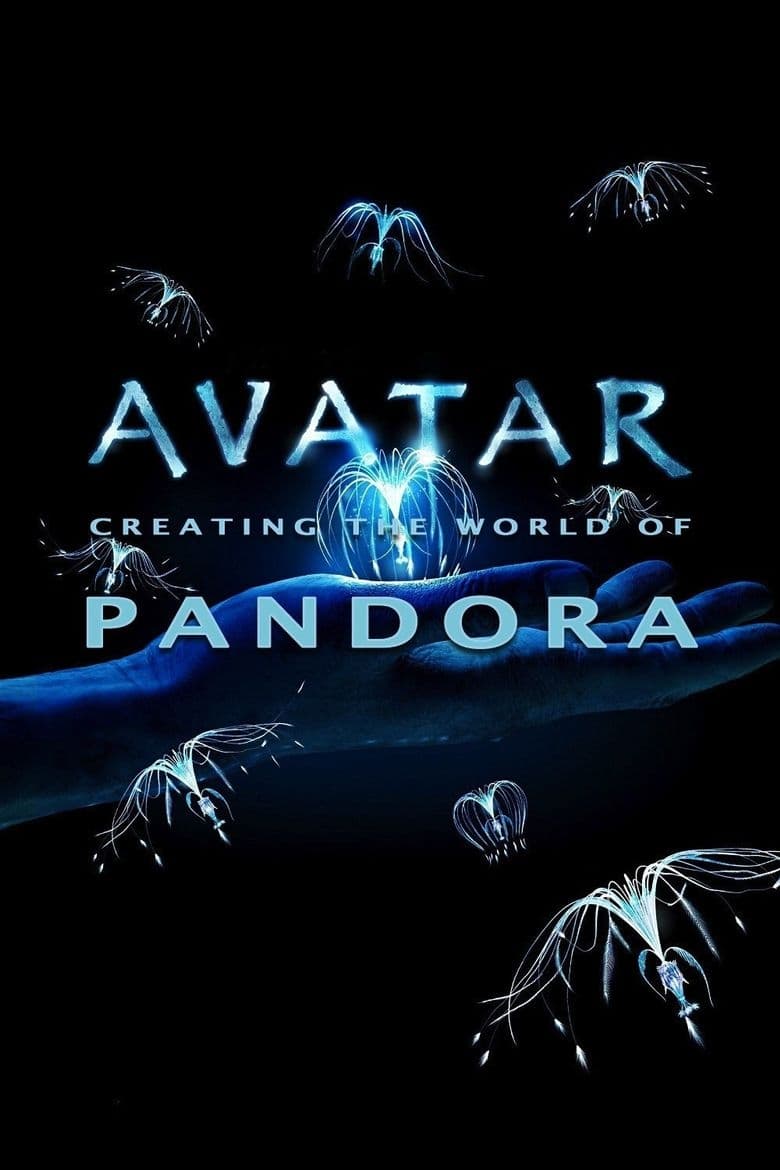
The Making-of James Cameron's Avatar. It shows interesting parts of the work on the set.
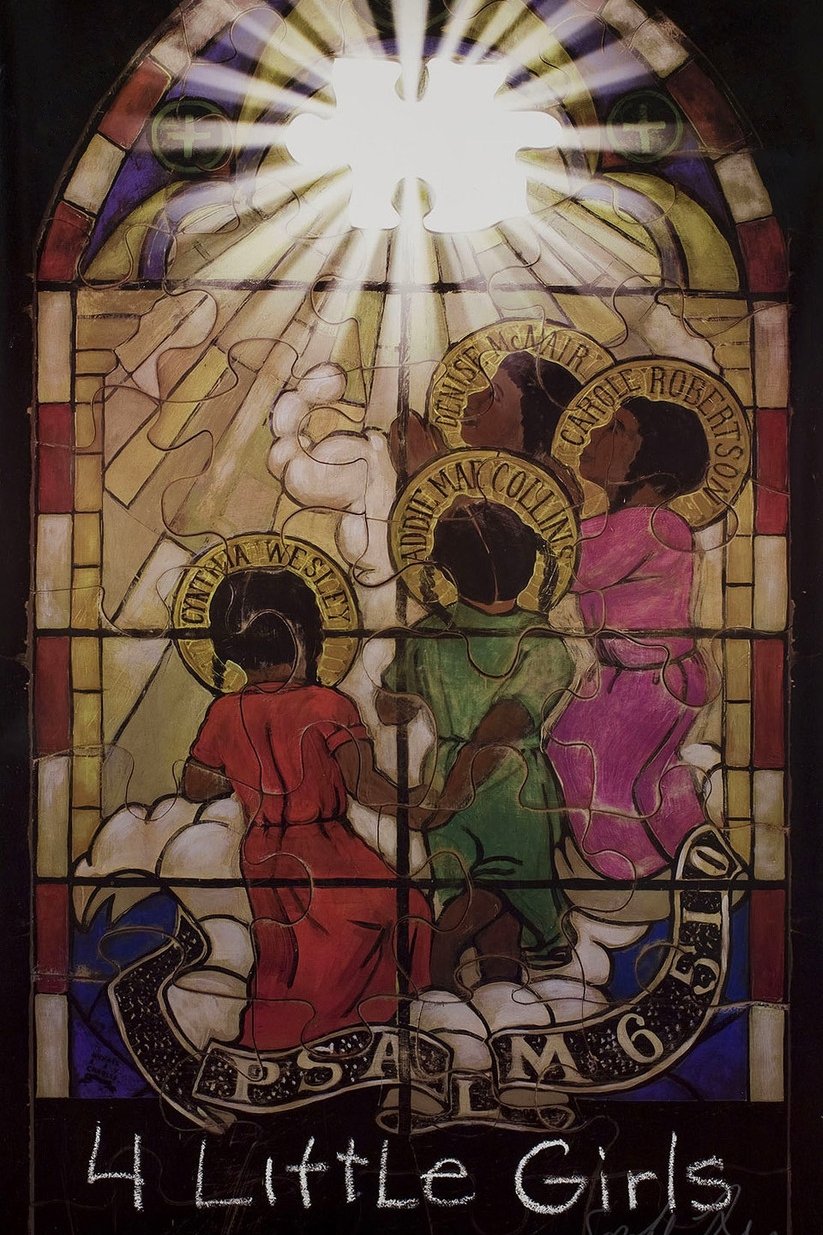
On September 15, 1963, a bomb destroyed a black church in Birmingham, Alabama, killing four young girls who were there for Sunday school. It was a crime that shocked the nation--and a defining moment in the history of the civil-rights movement. Spike Lee re-examines the full story of the bombing, including a revealing interview with former Alabama Governor George Wallace.
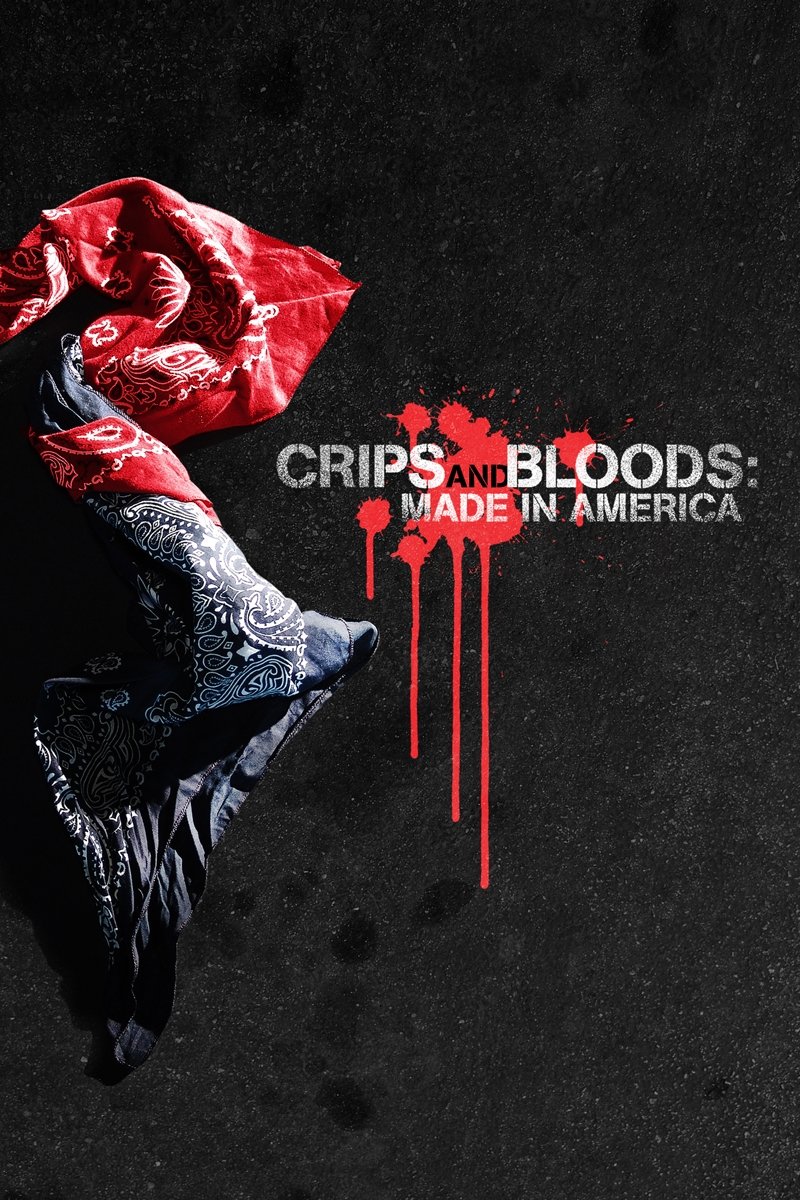
With a first-person look at the notorious Crips and Bloods, this film examines the conditions that have lead to decades of devastating gang violence among young African Americans growing up in South Los Angeles.