In White Like Me, anti-racist educator Tim Wise explores race and racism in the US through the lens of whiteness and white privilege.
Social & External
The people behind it
Tim Wise
Himself
This award-winning documentary shows the irreplaceable role classical Physical Education plays to develop smart, productive and mentally stable citizens, and the out-of-control consequences we face today with its absence in our society.
Animated propaganda advocating for the importance of unregulated capitalism to the American way of life.
A look at the end of the footballing television career of Ron Atkinson
Re-enactments augment this documentary that chronicles Lincoln's journey from his early years as a rising politician through his presidency, the Civil War and to his untimely death.
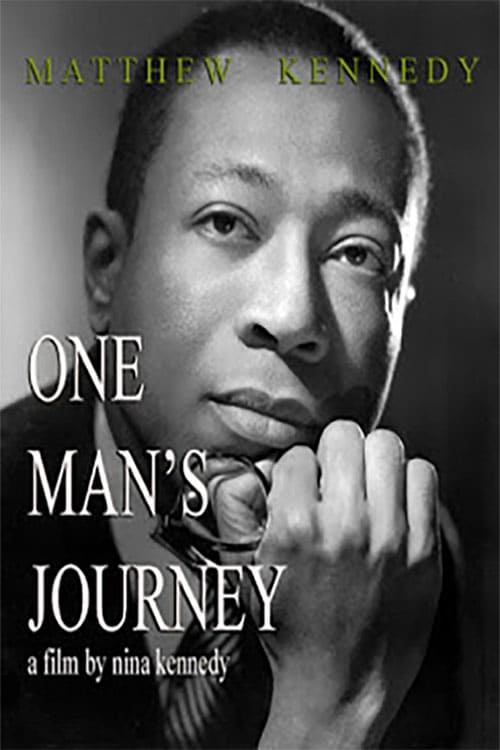
A documentary on the life of Matthew Kennedy, one of the first internationally acclaimed African American concert pianists, and former director of the Fisk Jubilee Singers of Nashville, Tennessee. The film contains footage of interviews with Dr. Kennedy, live performances, radio broadcasts, studio recordings, and interviews with his former students and colleagues. Born in the segregated South in 1921, Matthew Kennedy was known throughout his home state of Georgia as a child-prodigy. At age 12 he attended a concert given by the famous Russian pianist Sergei Rachmaninoff in Macon, Georgia in 1932. Kennedy describes what he remembers of the concert from his perspective in the segregated balcony for “Colored.” He was also the star of his own radio show in the early 1930s. At that time, Kennedy's stage name on radio and in the cinema – where he played the organ to accompany the silent films – was “Sunshine.”
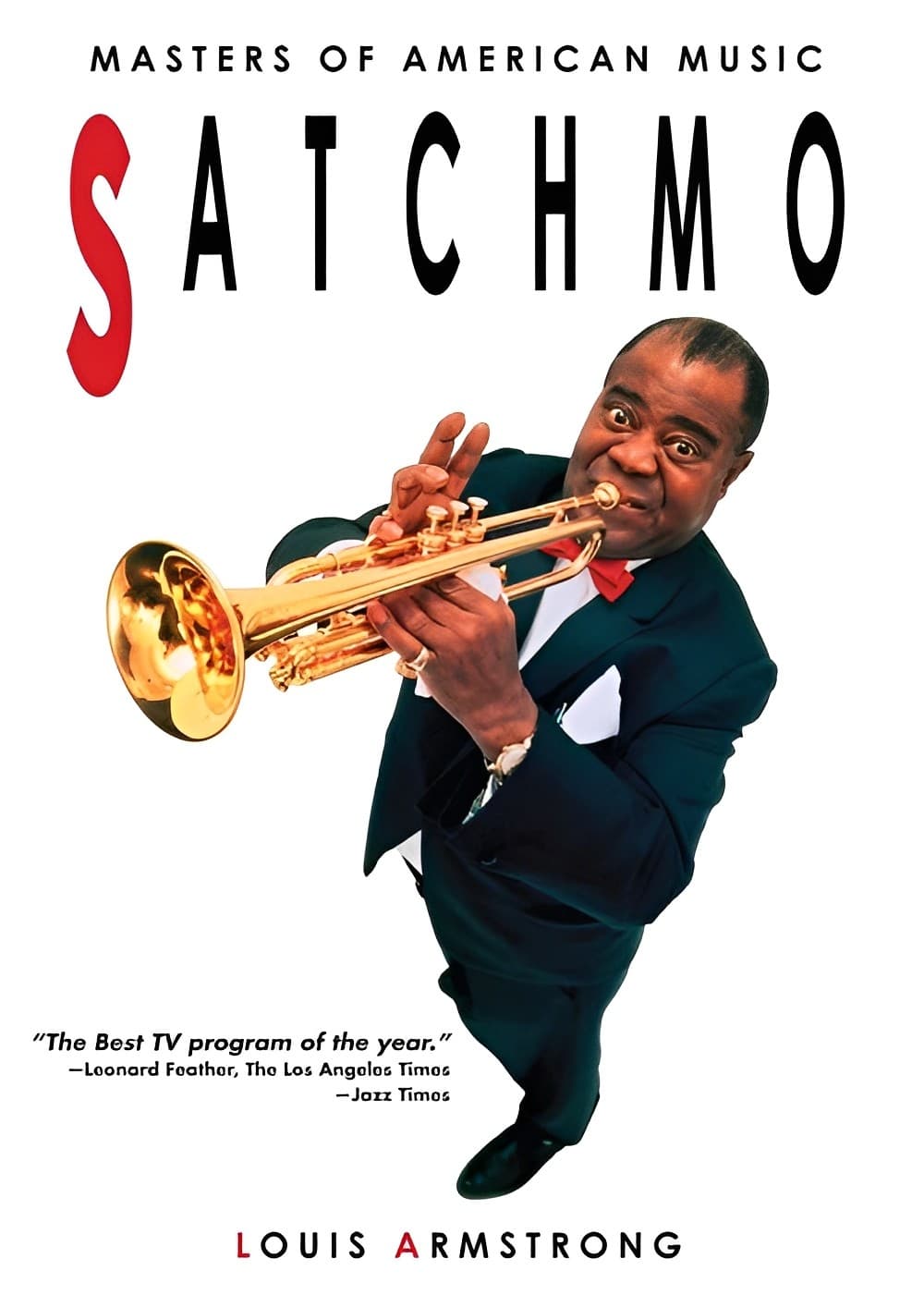
Satchmo. There are few people in this country - or around the world - who will not recognize that name. Louis Armstrong embodied 20th-century American culture. He revolutionized the world of music and became one of the nation's most influential entertainers. No other performer of his era has such a profound effect as a singer as well as an instrumentalist.
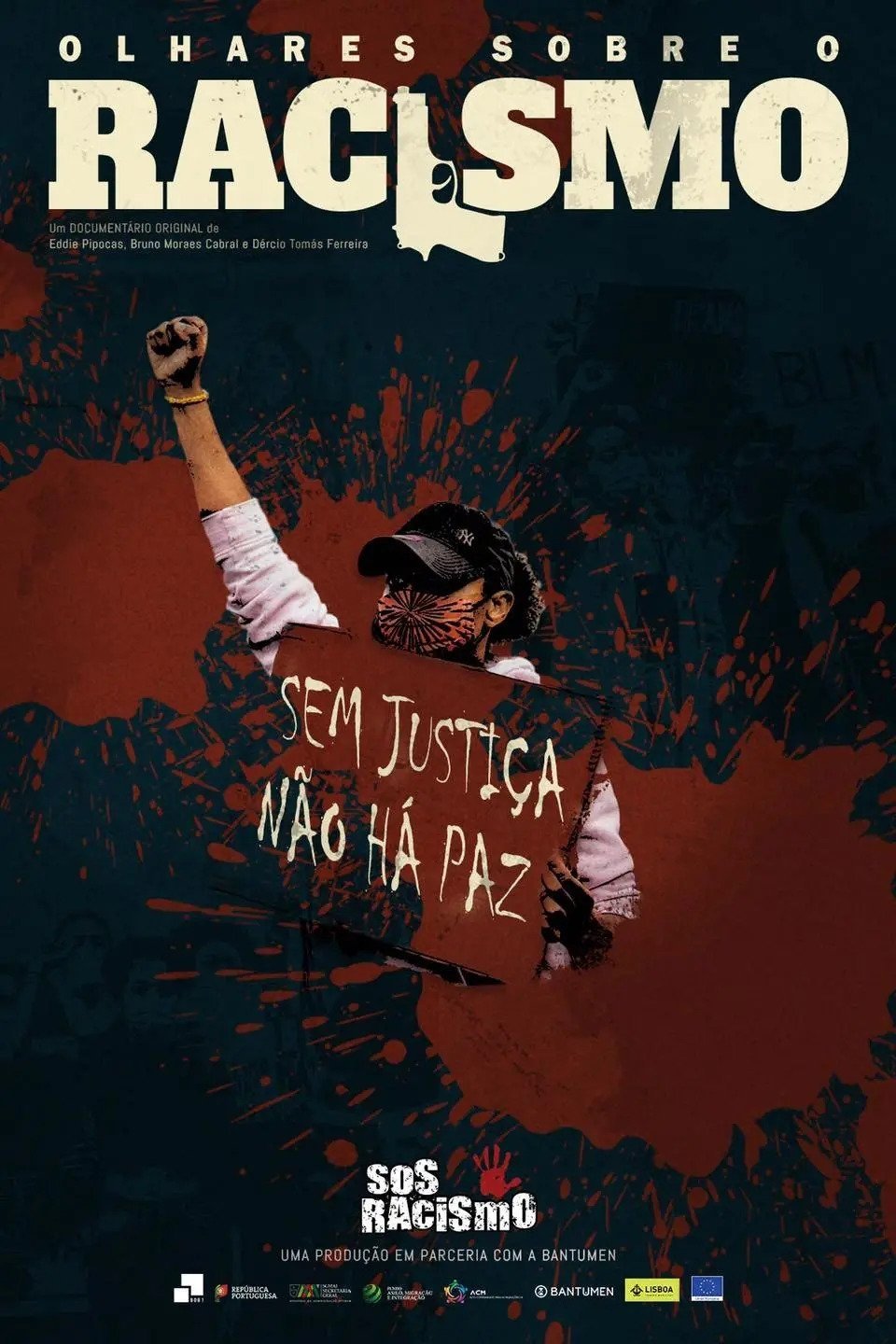
The film marks the 30th anniversary of the SOS Racismo Movement and gives voice to participants in the debate on racial issues in Portugal, bringing together multiple testimonies from racialized, black, gypsy, and migrant communities, as well as contributions from various figures in social and political mobilization, reflecting the intersectionality, diversity, and transversality of the various fronts in the fight against racism. As a tool for debate, mobilization, and awareness-raising in the fight against racism, this documentary aims to contribute to the development of effective political responses to racial discrimination.
“Over 500 years ago, my tribe arrived on the shores of India from Africa,” says the social worker narrator of Asha Stuart’s Lost Tribe of Africa. His ancestors fled enslavement, escaping into the forest in the Indian state of Karnataka where they live today, most of them Hindu converts. India’s 35,000 descendants of slaves from Africa’s Bantu Region are members of the Siddi tribe. Siddi means “enlightened one,” but the Siddi are “Untouchables” in India’s caste system. “How do you empower the youth in a world whose people think they’re less than human?” asks the narrator, whose life mission is to do just that.
A public celebration of the inauguration of Barack Obama as the 44th President of the United States of America at the Lincoln Memorial and the National Mall in Washington D.C., on January 18, 2009.
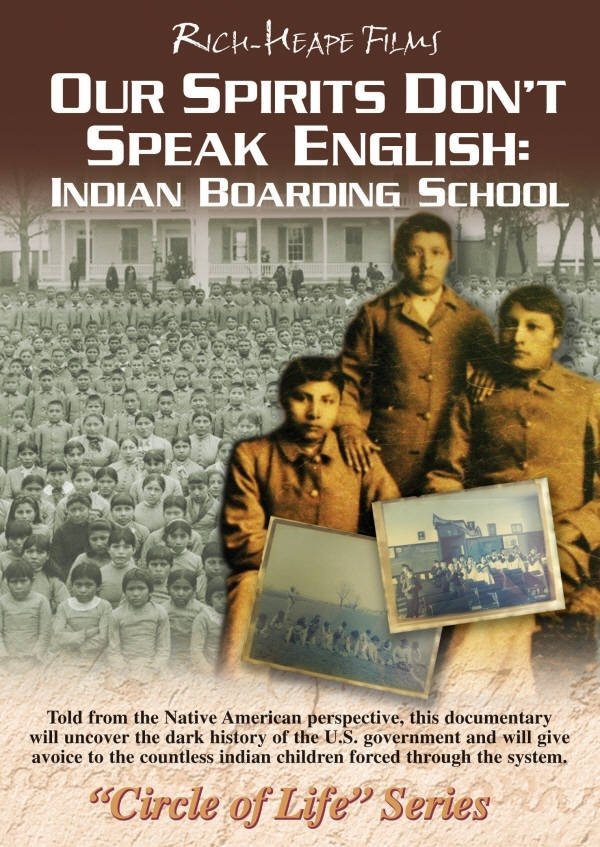
This compelling documentary feature gives the Native American perspective on Indian Boarding Schools and uncovers the dark history of U.S. Government policy which took Indian children from their homes, forced them into boarding schools, and enacted a policy of educating them in the ways of Western Society. This award-winning film gives a voice to the countless Indian children forced through a system designed to strip them of their Native American culture, heritage, and traditions.
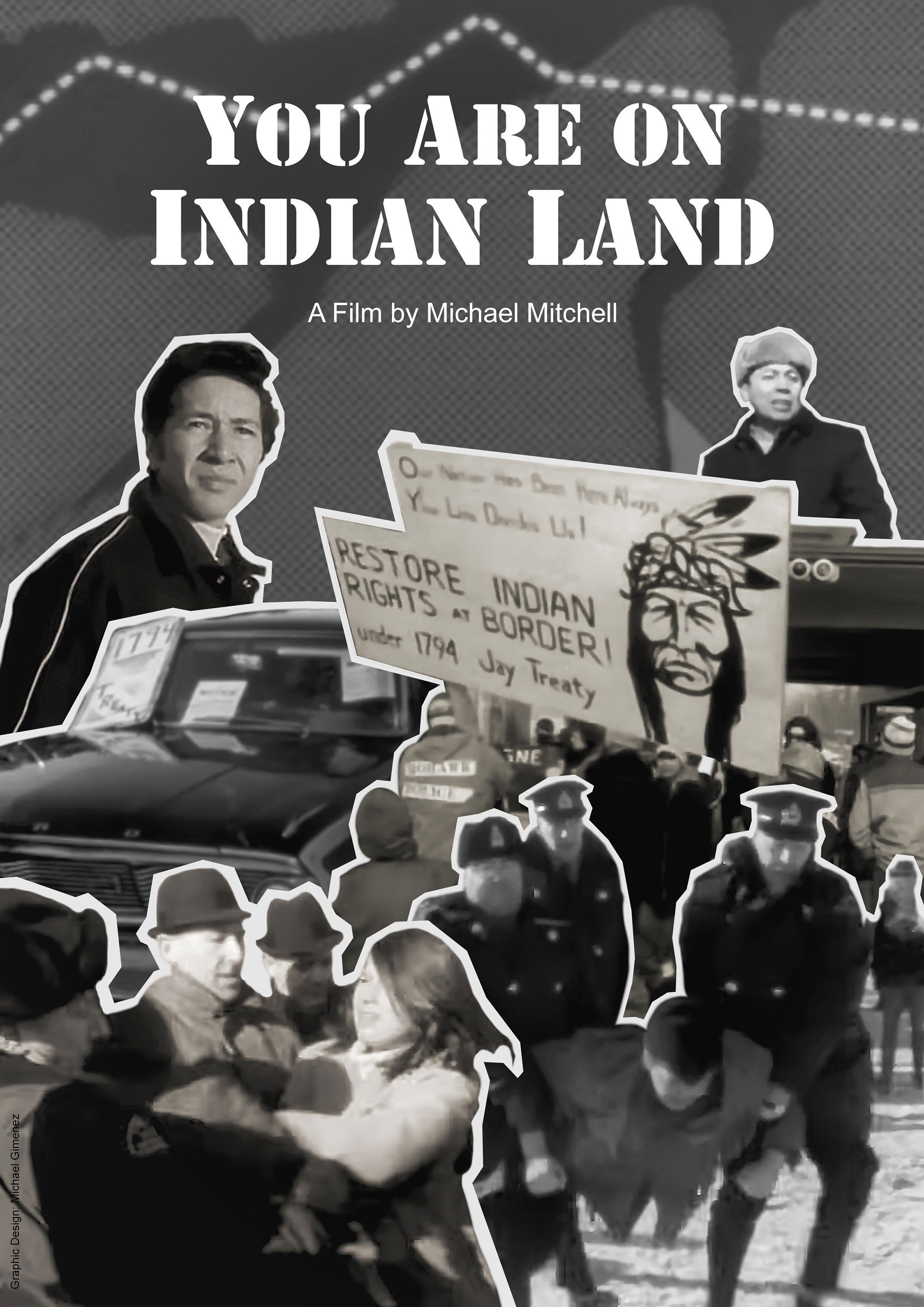
The territory of Akwesasne straddles the Canada-U.S. border. When Canadian authorities prohibited the duty-free cross-border passage of personal purchases - a right established by the Jay Treaty of 1794 - Kanien'kéhaka protesters blocked the international bridge between Ontario and New York State.
A scream amid so many silences, an attempt to rescue the human's gaze upon himself.
Winner of the New York LOVES Film Award at the Tribeca Film Festival in 2008. Filmed over the course of nine years, Zoned In traces the remarkable real-life journey of 16-year-old Daniel from a Bronx high school to an Ivy League university while simultaneously exploring the role of race and class in the American education system. Narrated by Daniel himself, the movie celebrates the accomplishments of this extraordinary young man but does not shy away from depicting his struggles to fit in amongst the privileged students at his college and his candid questioning of a system that has allowed him to excel but has left so many of his friends and family members behind.
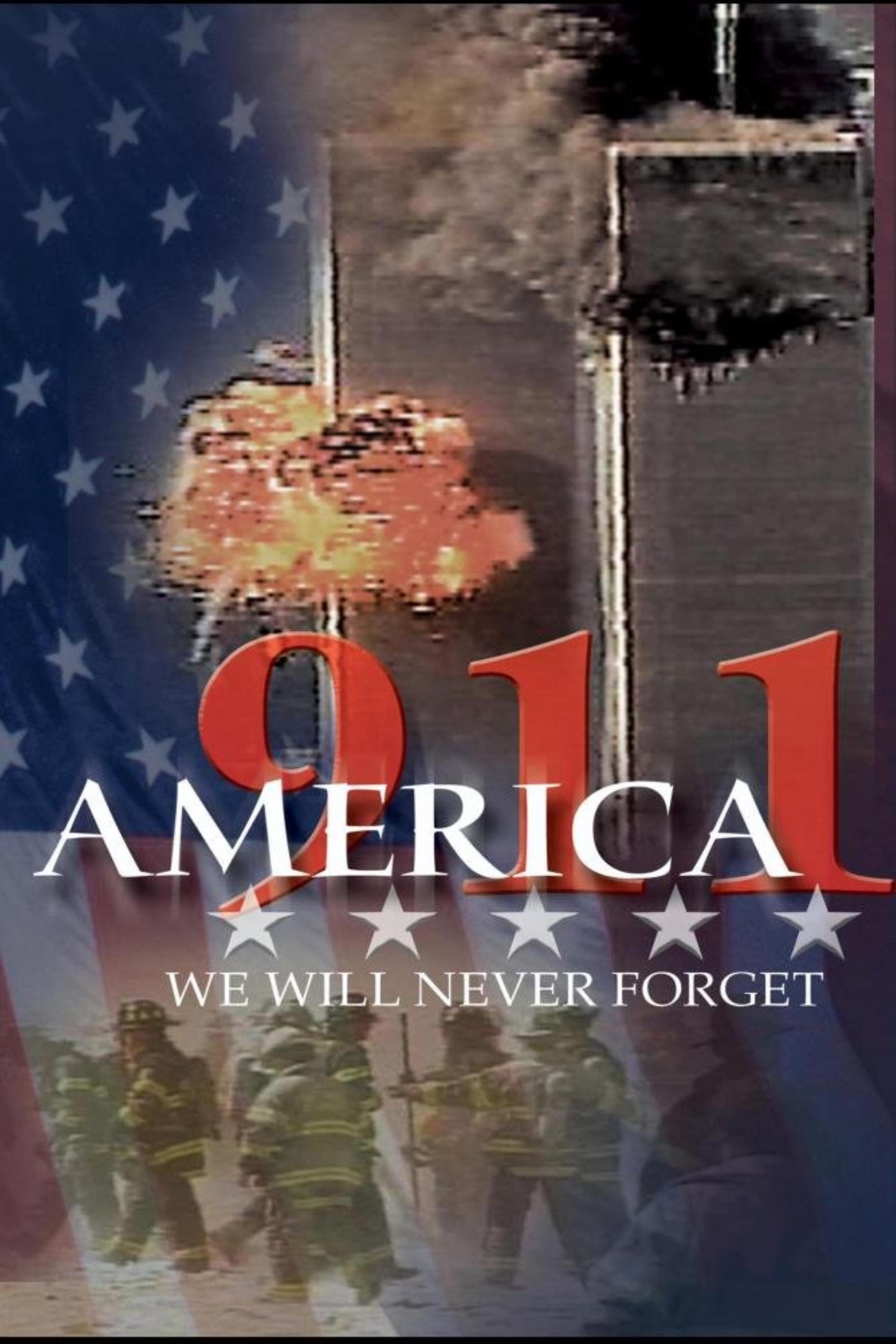
Within minutes of the first explosion, CameraPlanet's video journalists hit the streets and began shooting videos of the tragedy as seen through the eyes of the people who were literally at "ground zero". America 911 is intended as a tribute and a memorial to the fallen and a permanent reminder so that we never forget.
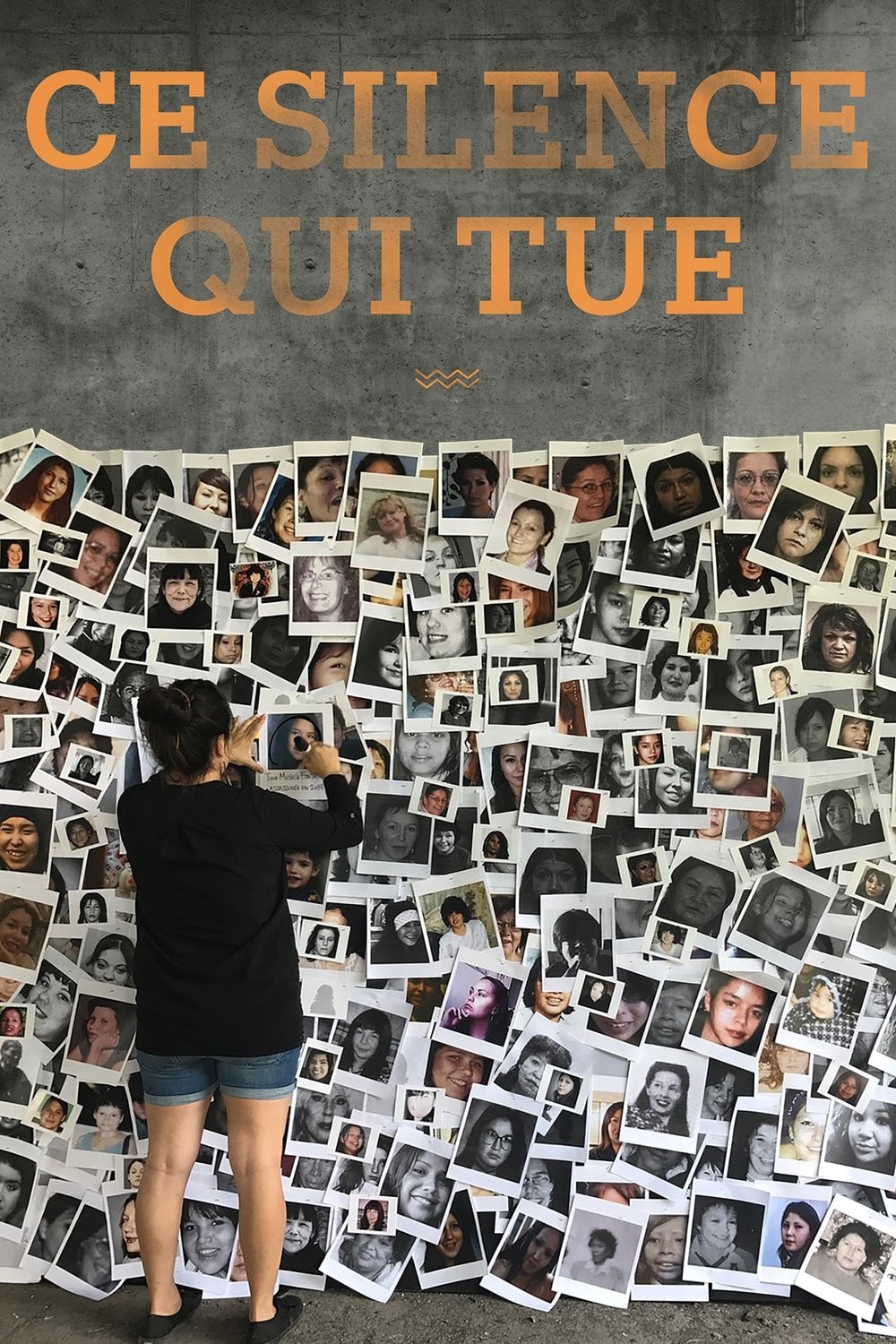
An examination of the issue of missing and murdered Indigenous women, the film explores the reasons why Indigenous women are uniquely vulnerable to violence by juxtaposing the stories of some missing or murdered women with the personal testimonies of women who are doing activism on the issue and women who have personally survived incidents of violence.
Prejudices, ignorance, and racism still leave their mark on the everyday life of black Germans, respectively Europeans, until today. How do Afro-Germans deal with their history? Which colonial-racist patterns still shape our society today? With insights into various historic epochs, it is made clear that THE history of the Black people does not exist. And neither exists THE history of white people.
A short documentary looking at Altoona in its heyday.
On Jan. 5, 1931, Mexican-American students were barred from attending their local elementary school. The parents took the school district to court.
Drawing on the book of the same name, League of Denial crafts a searing two-hour indictment of the National Football League’s decades-long concealment of the link between football related head injuries and brain disorders.
In US society, people of East Asian heritage are often perceived through an obscuring lens of ethnic and cultural stereotypes. In STOLEN GROUND, six Asian-American men talk about their experience of the highly racialized United States, and consider how racism has affected their lives and those of their family members.
A string of threatening emails escalates into a revenge plot involving a newly married US marshal and his ex-girlfriend.
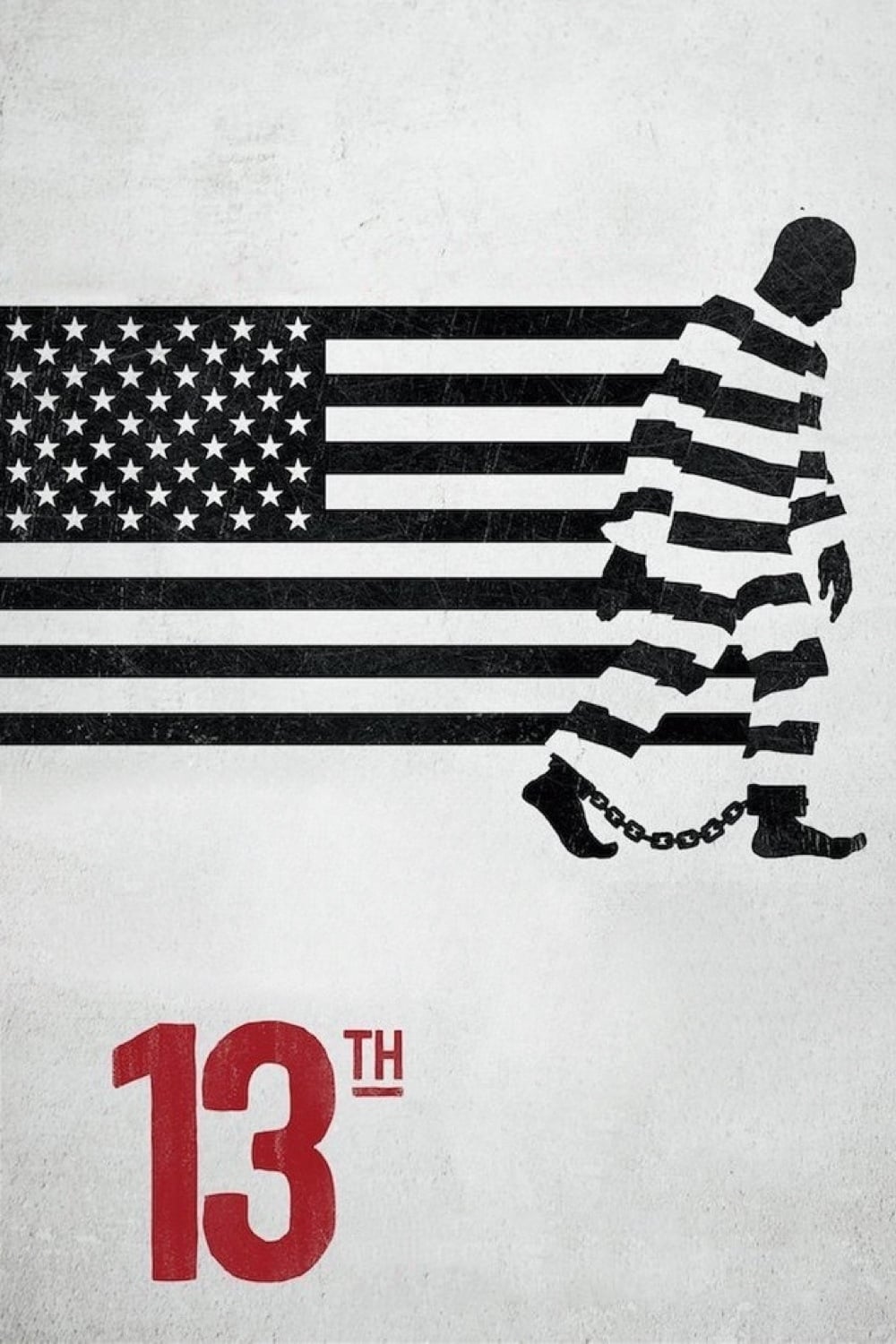
An in-depth look at the prison system in the United States and how it reveals the nation's history of racial inequality.
In 1936, Victor H. Green (1892-1960) published The Negro Motorist Green Book, a book that was both a travel guide and a survival manual, to help African-Americans navigate safe those regions of the United States where segregation and Jim Crow laws were disgracefully applied.
The life and career of one of comedy's most inimitable modern voices, Mr. Gilbert Gottfried.
Those who knew iconic funnyman John Candy best share his story, in their own words, through never-before-seen archival footage, imagery, and interviews.
This revealing documentary honors the legendary Sidney Poitier—iconic actor, filmmaker, and civil rights activist. Featuring interviews with Denzel Washington, Spike Lee, Halle Berry, and more.
Over 35 years after Bob Lazar's revelations, this documentary exposes secrets of a facility the government still denies. Featuring Lazar's testimony, recreations, and new evidence, it reopens a case that continues to spark global curiosity
Daniel Craig candidly reflects on his 15 year adventure as James Bond. Including never-before-seen archival footage from Casino Royale to the upcoming 25th film No Time To Die, Craig shares his personal memories in conversation with 007 producers, Michael G Wilson and Barbara Broccoli.
The life and career of an actor, artist, and icon. His own journey through his own camera.
Working from the text of James Baldwin’s unfinished final novel, director Raoul Peck creates a meditation on what it means to be Black in the United States.
A comedic, brutally honest documentary following self-destructive TV writer Dan Harmon as he takes his live podcast on a national tour.
Alexander McQueen's rags-to-riches story is a modern-day fairy tale, laced with the gothic. Mirroring the savage beauty, boldness and vivacity of his design, this documentary is an intimate revelation of McQueen's own world, both tortured and inspired, which celebrates a radical and mesmerizing genius of profound influence.
Through deeply personal interviews with her siblings and an examination of the photographs, letters, and belongings left behind, Mariska assembles a new portrait of her mother Jayne Mansfield, an extraordinary and complex woman.
An inside look at one of the most anticipated movie sequels ever with James Cameron and cast.
Documentary about legendary Paramount producer Robert Evans, based on his famous 1994 autobiography.
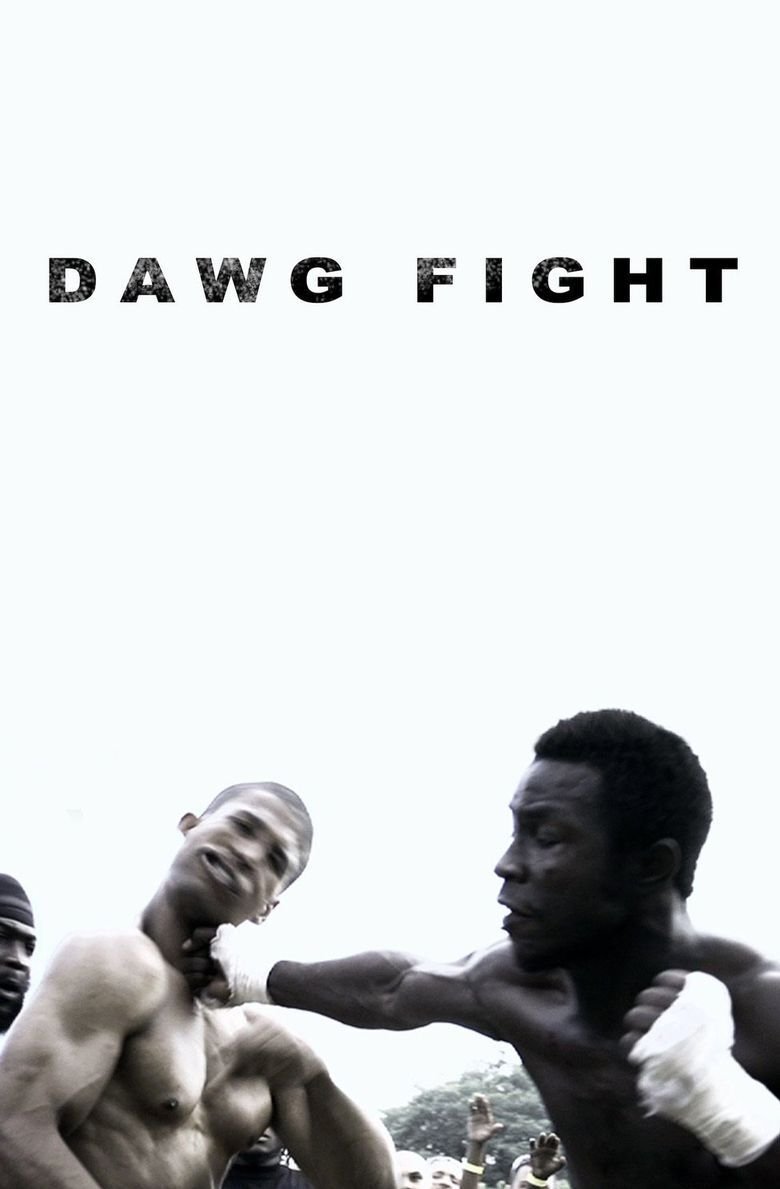
In a crime-plagued neighborhood near Miami, brutal, bare-knuckled backyard fights give young men a chance to earn money -- and self-respect.
In the Realms of the Unreal is a documentary about the reclusive Chicago-based artist Henry Darger. Henry Darger was so reclusive that when he died his neighbors were surprised to find a 15,145-page manuscript along with hundreds of paintings depicting The Story of the Vivian Girls, in What is Known as the Realms of the Unreal, of the Glodeco-Angelinnian War Storm, Cased by the Child Slave Rebellion.
Brilliant, long in-the-works story of the life and art of the world's greatest comedian and the cinema's first genius, Charlie Chaplin. Produced, written and directed by renowned film critic Richard Schickel.
Al Pacino's deeply-felt rumination on Shakespeare's significance and relevance to the modern world through interviews and an in-depth analysis of "Richard III."
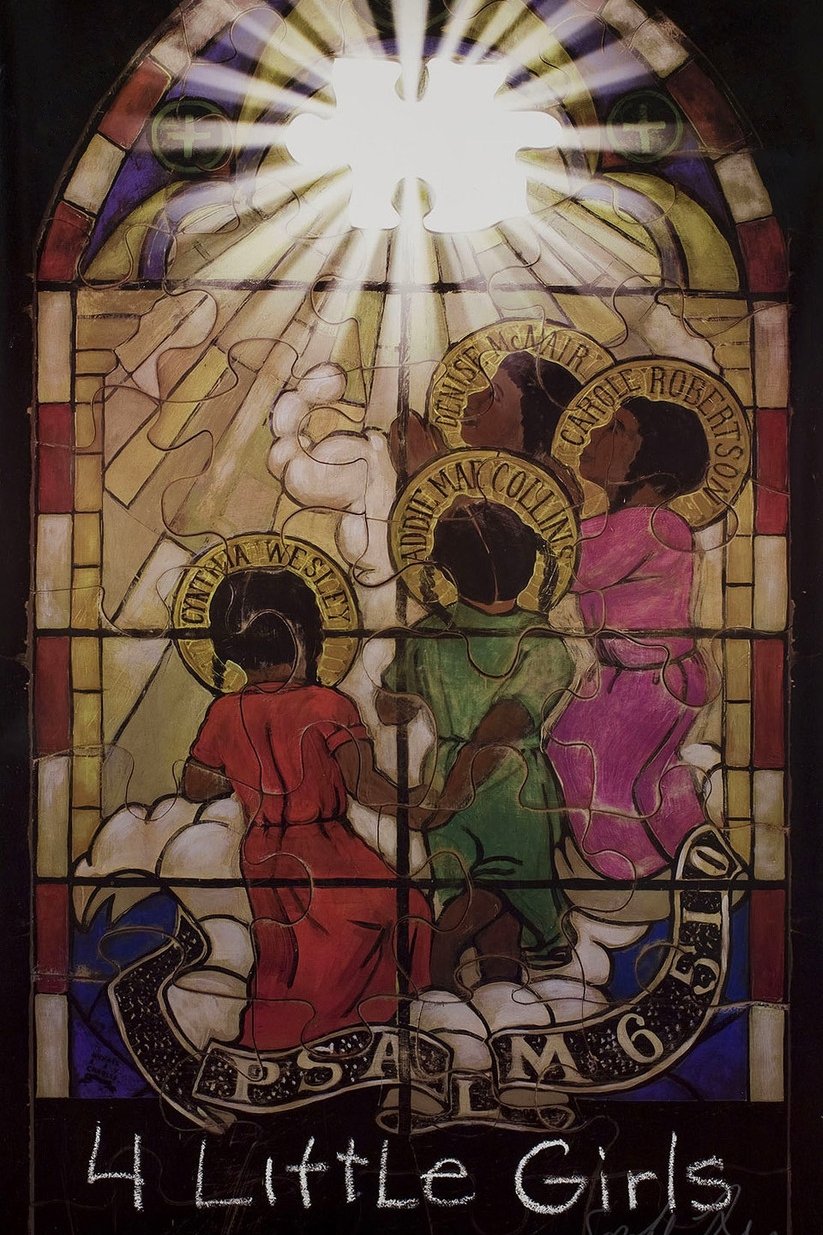
On September 15, 1963, a bomb destroyed a black church in Birmingham, Alabama, killing four young girls who were there for Sunday school. It was a crime that shocked the nation--and a defining moment in the history of the civil-rights movement. Spike Lee re-examines the full story of the bombing, including a revealing interview with former Alabama Governor George Wallace.