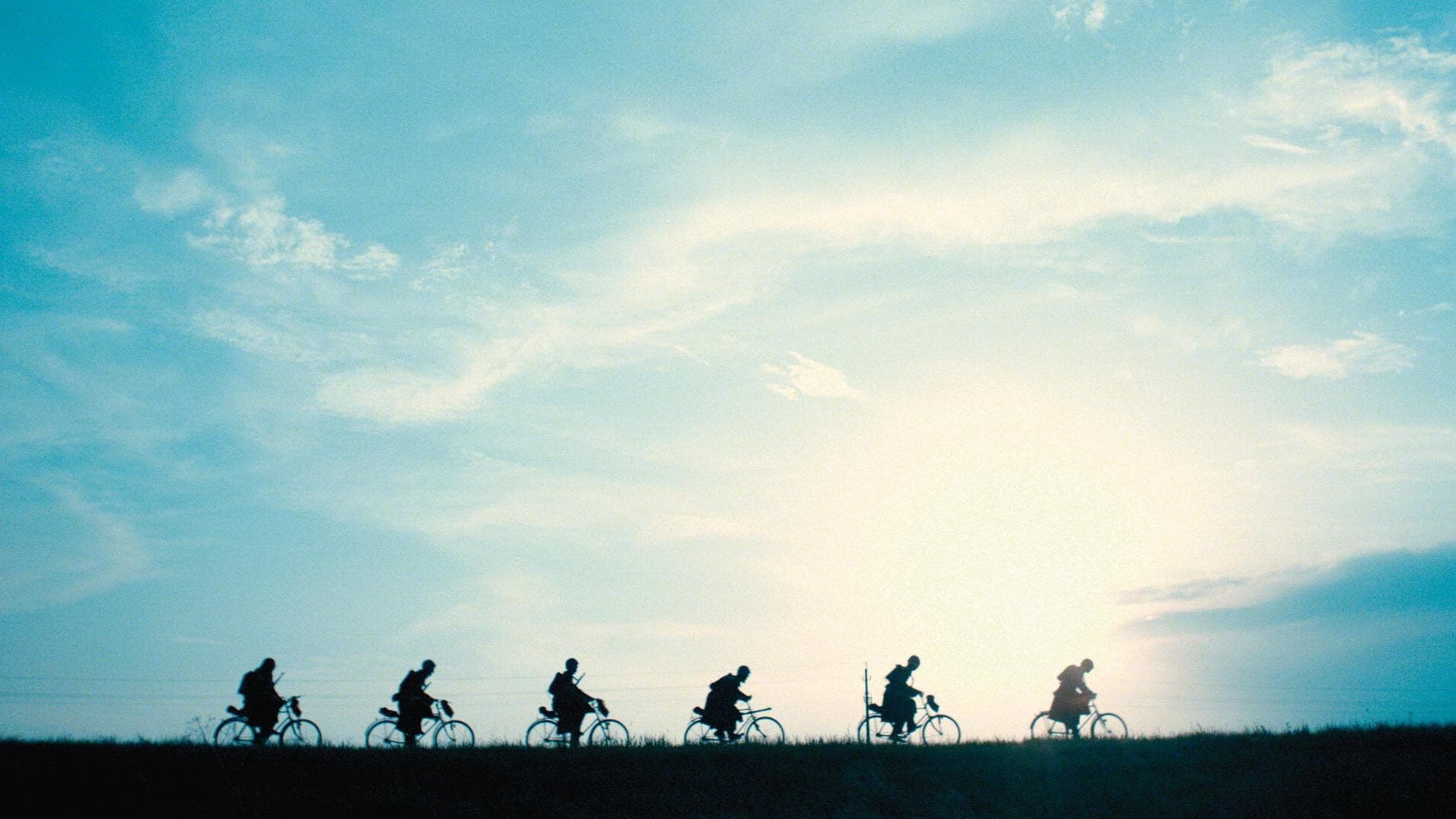
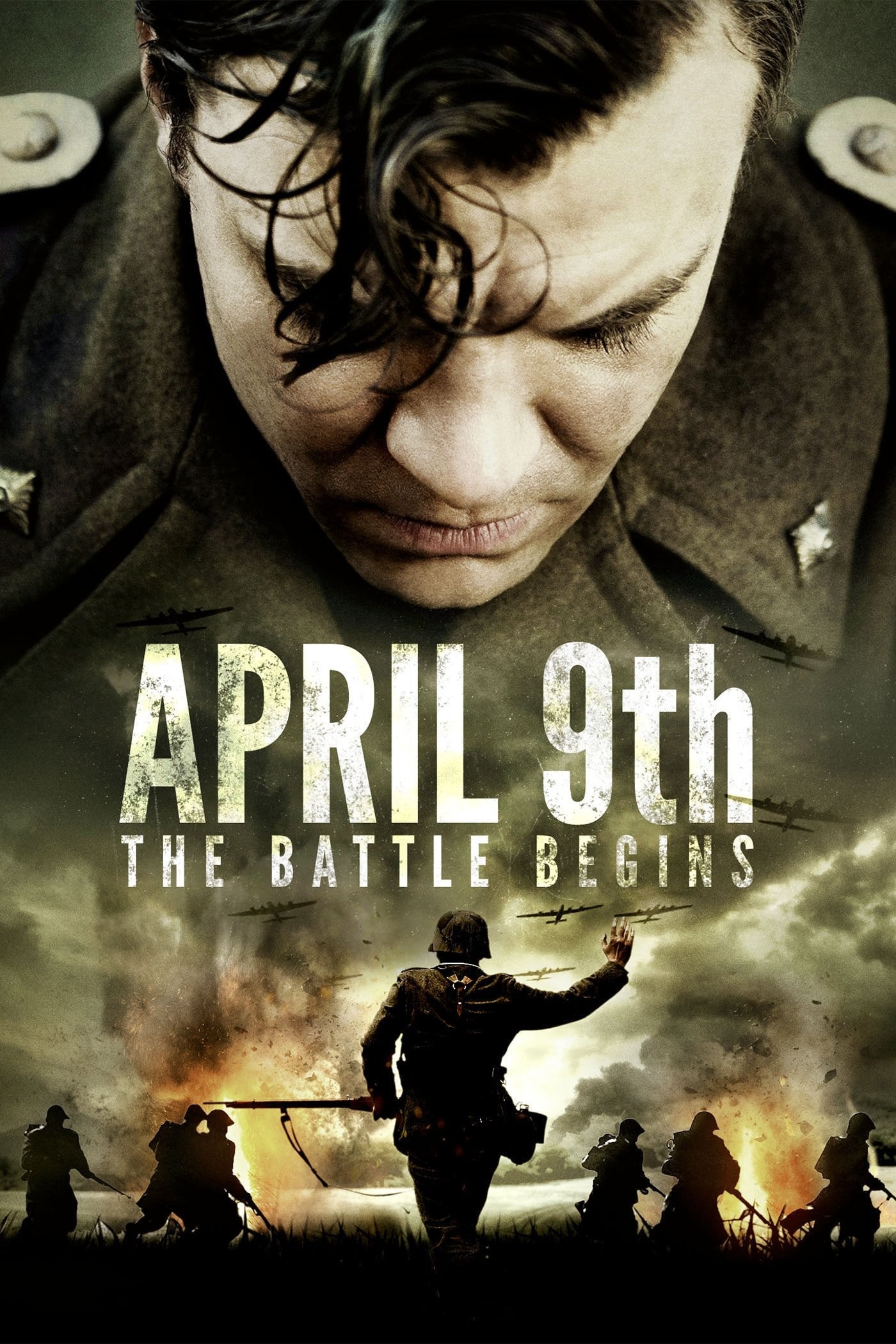
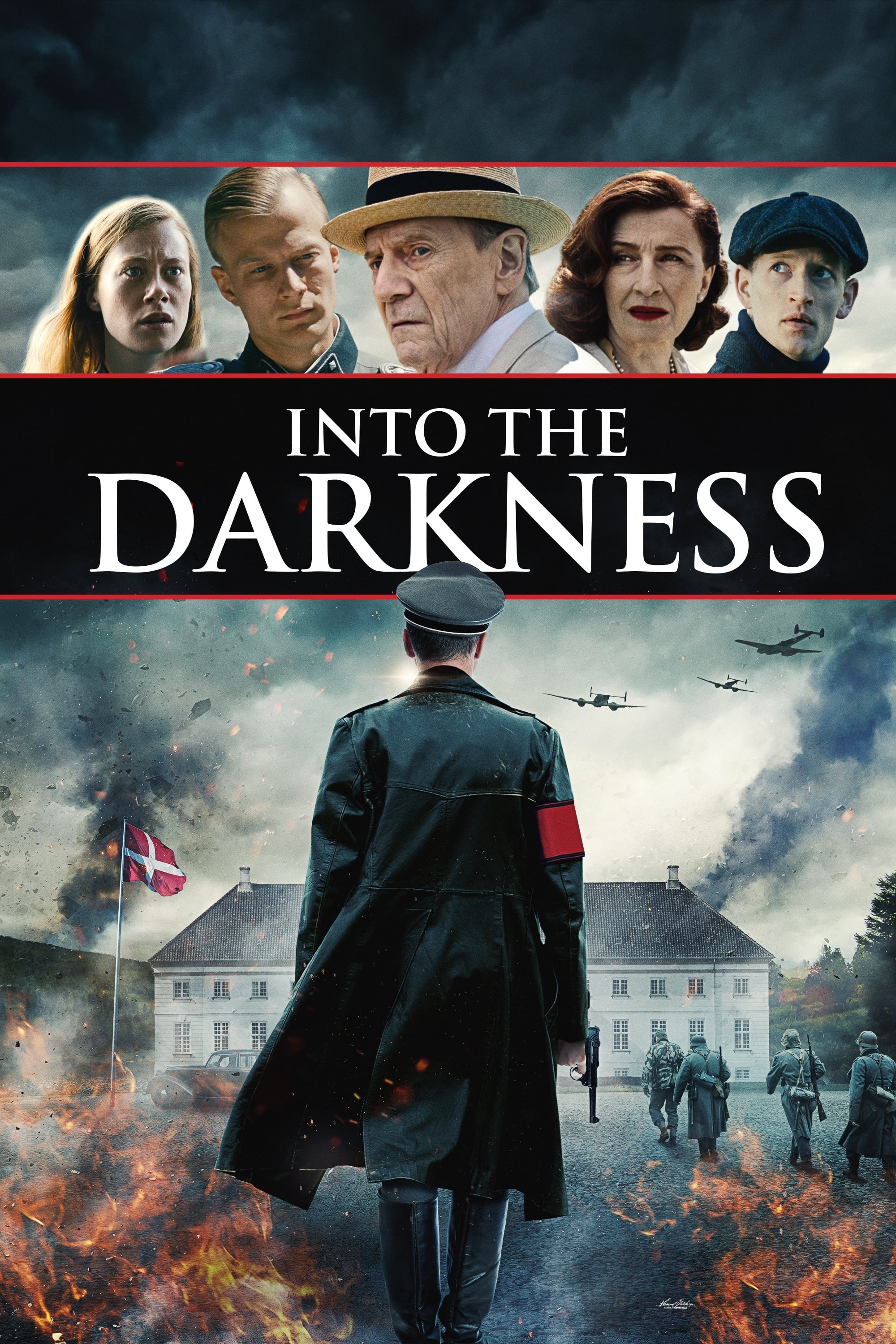
In the early morning of April 9, 1940, the Danish army is alerted: the Germans have crossed the border.
Social & External
The people behind it
Pilou Asbæk
Sekondløjtnant Sand
Lars Mikkelsen
Oberstløjtnant Hintz
Gustav Dyekjær Giese
Menig Andersen
Martin Greis-Rosenthal
Løjtnant Gjermansen
Joachim Fjelstrup
Sergent Bundgaard
Jannik Lorenzen
Menig Gram
Elliott Crosset Hove
Menig Lassen
Mikkel Bentzen
Menig Nørreskov
Ari Alexander
Menig Justesen
Mathias Lundkvist
Menig Kolding
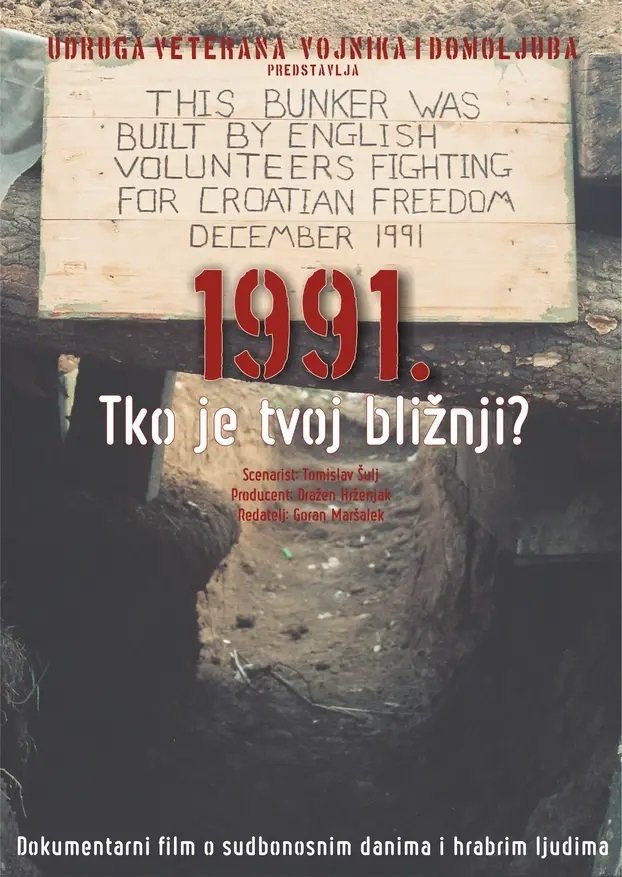
An experimental film about a peaceful and carefree life in a small Dalmatian town, which turns into bloodshed and horror on the eve of the Italian occupation of the country.
Rebecca, an American who has been living in Jerusalem for a few months now, has just broken off her engagement. She gets into a cab driven by Hanna, an Israeli. But Hanna is on her way to Jordan, to the Free Zone, to pick up a large sum of money.
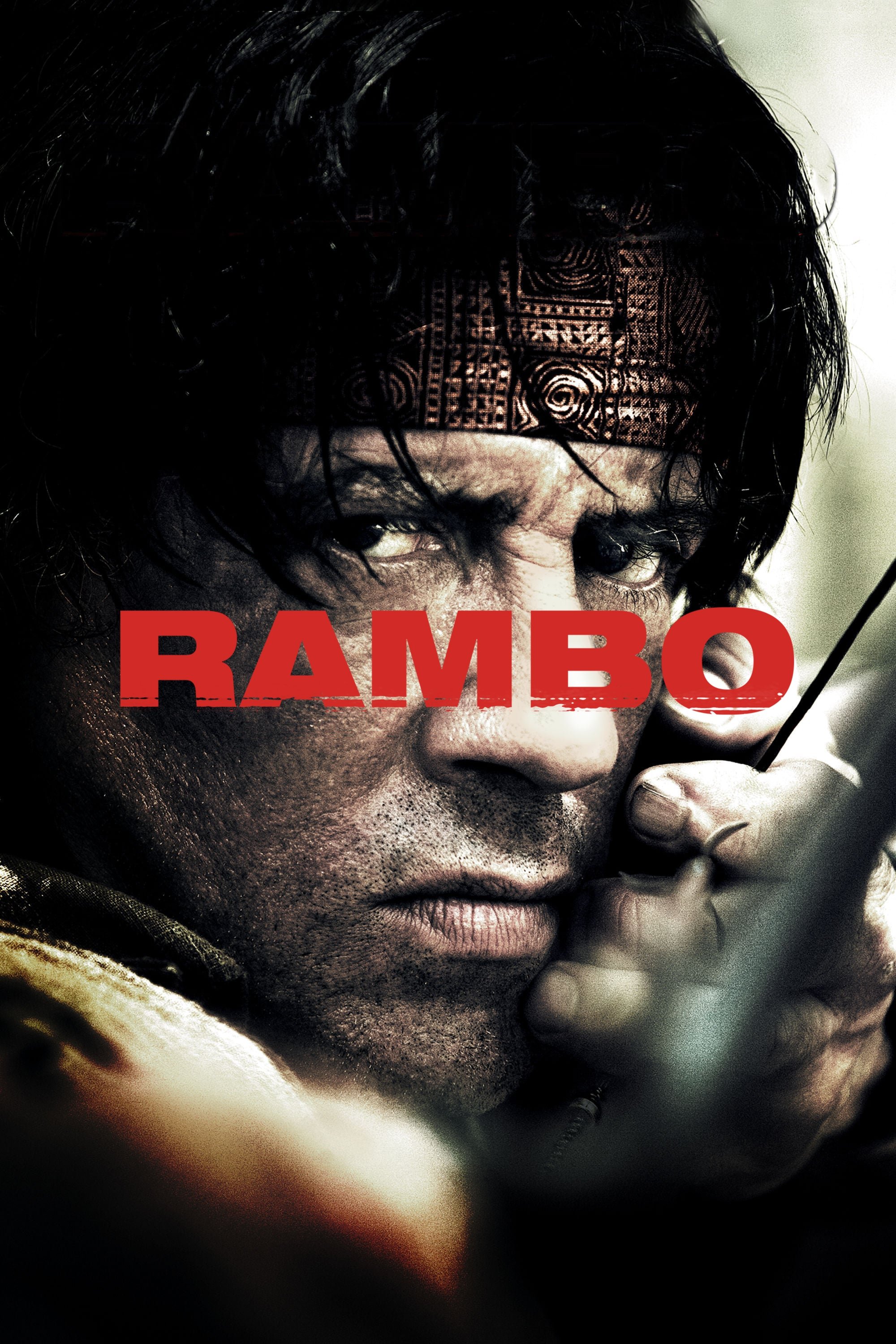
In Thailand, ex-Green Beret John James Rambo joins a group of mercenaries to venture into war-torn neighboring Myanmar to rescue a group of Christian aid workers who have been kidnapped by a ruthless local infantry unit.
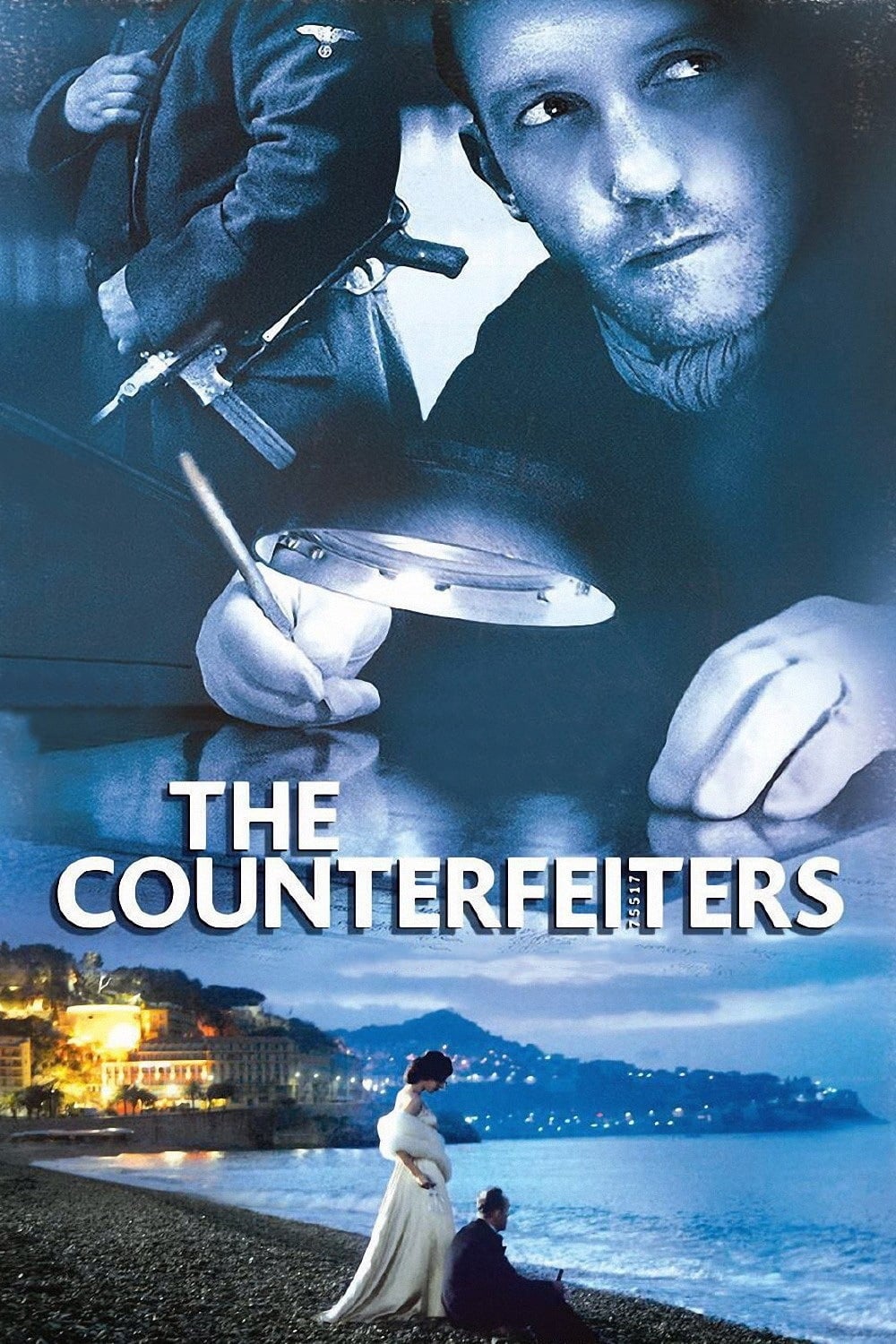
The story of Jewish counterfeiter Salomon Sorowitsch, who was coerced into assisting the Nazi operation of the Sachsenhausen concentration camp during World War II.
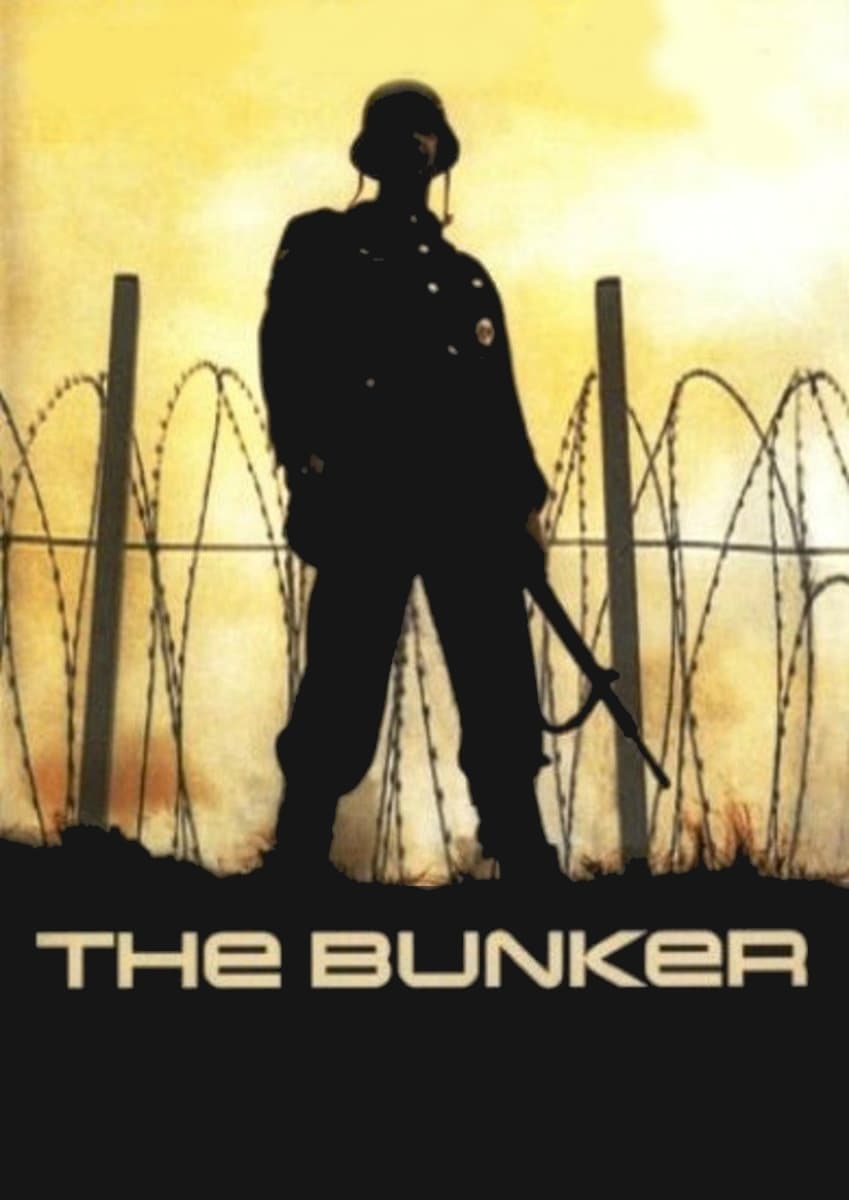
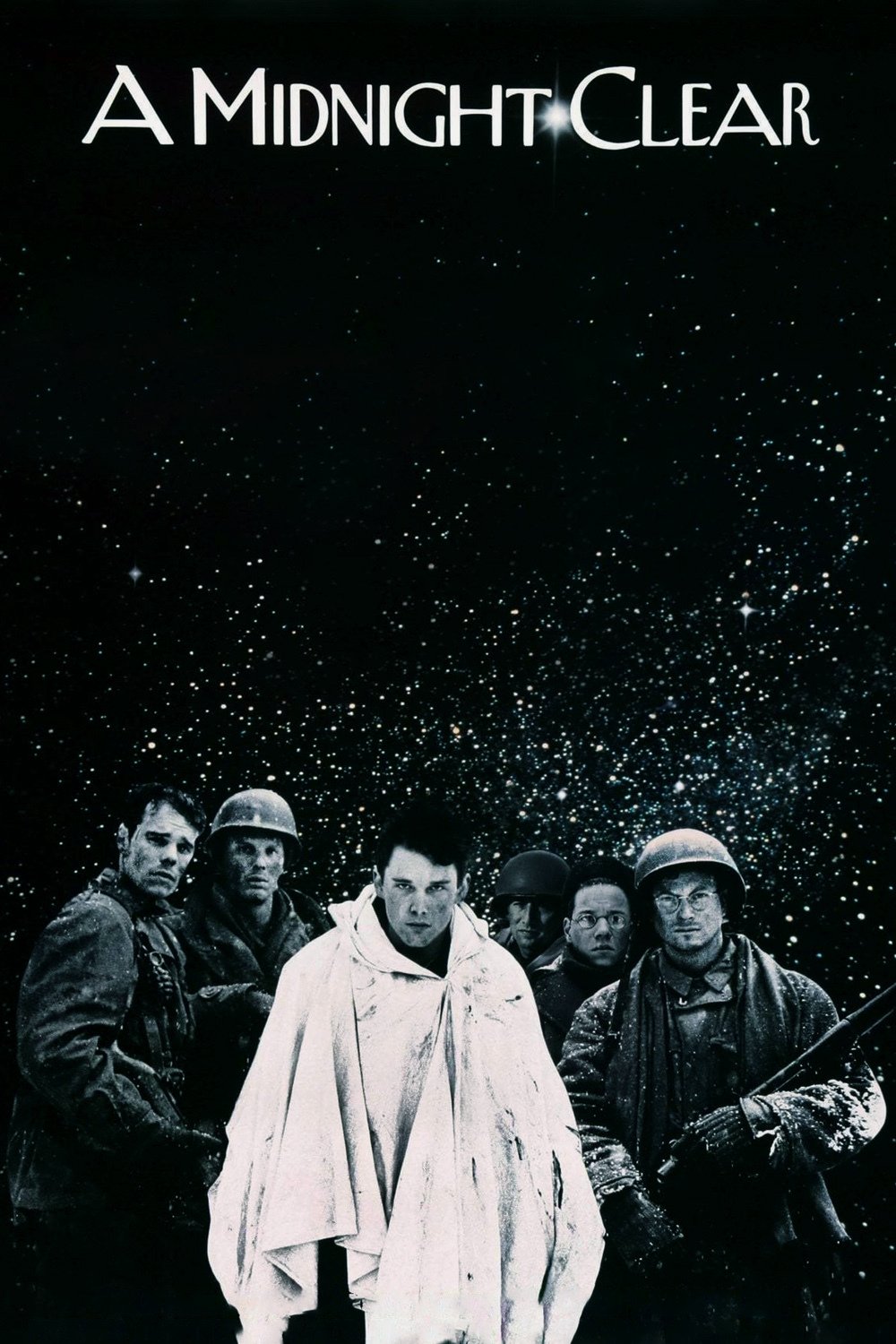
In 1944, in the Belgian - German border, seven German soldiers survive an American attack in the front and lock themselves in a bunker to protect the position. Under siege by the enemy and with little ammunition, they decide to explore underground tunnels to seek supplies and find an escape route. While in the tunnel, weird things happen with the group.
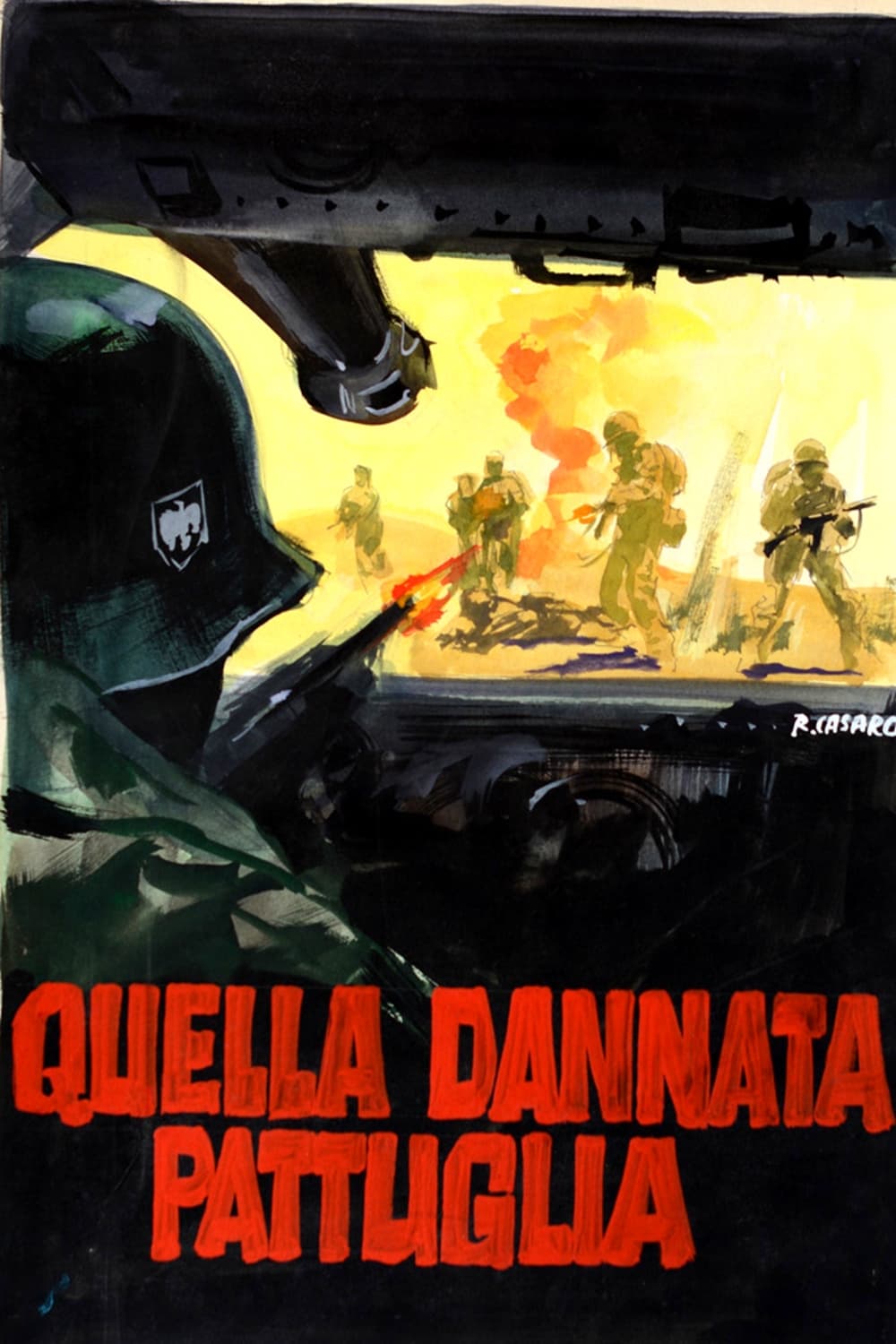
A small band of misfit American commandos are assigned to head across the North African desert to blow up a huge German fuel depot.
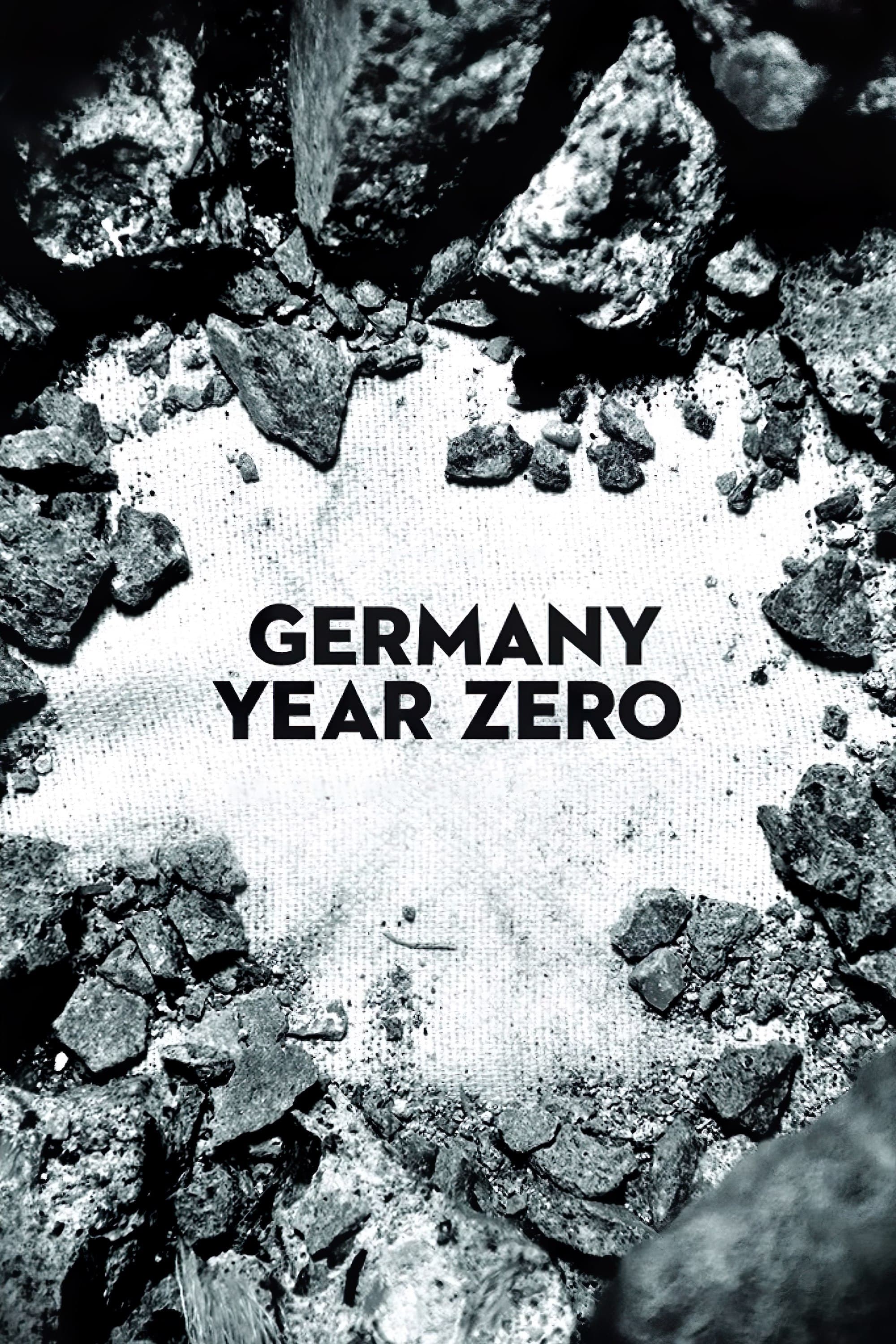
In the ruins of post-WWII Berlin, a twelve-year-old boy is left to his own devices in order to help provide for his family.
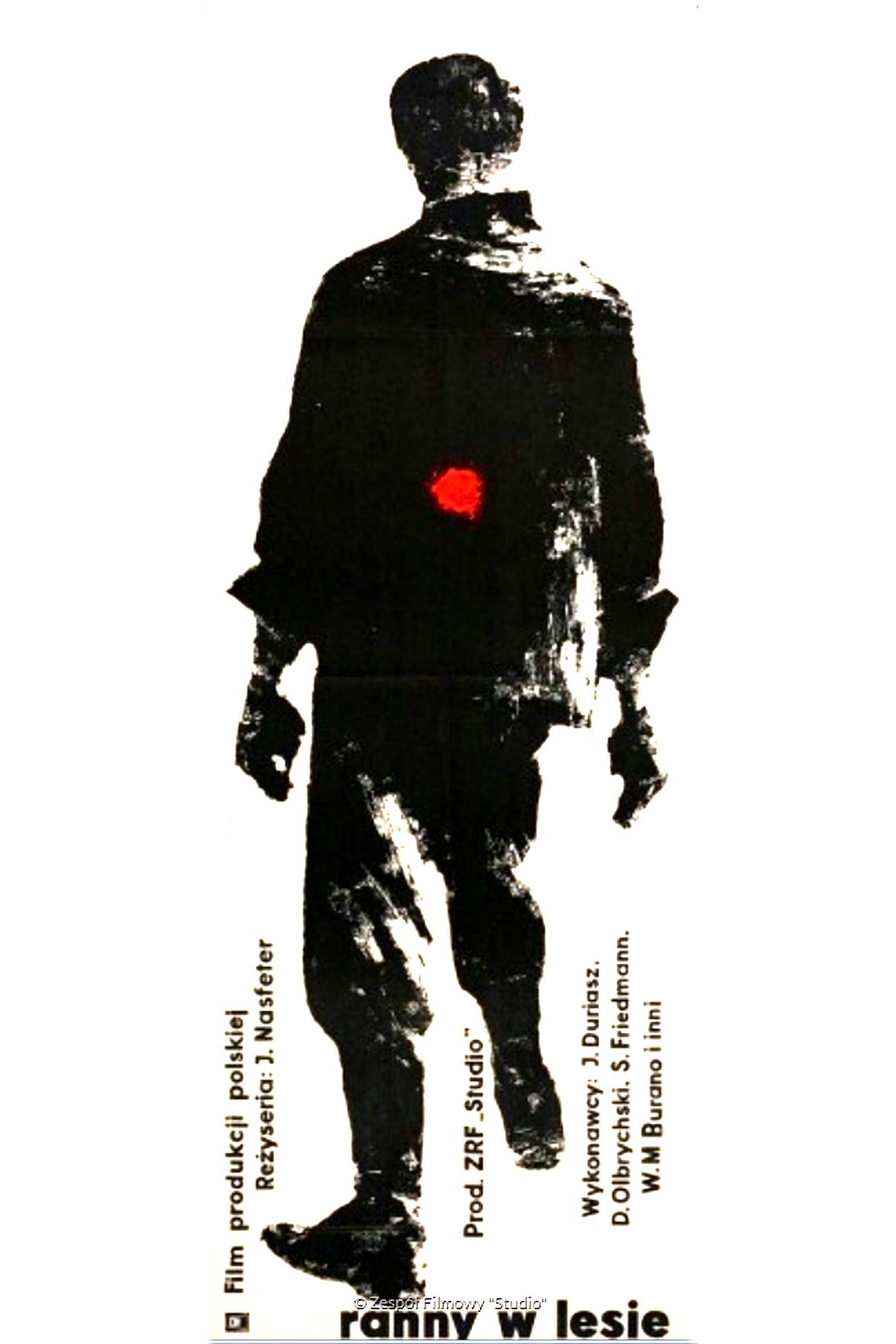
While hiding from the Germans in the forest, young Polish corporal tries hard to fulfill his order to take care of a wounded lieutenant and wait for the doctor and transportation to come.
The story of Michael Berg, a German lawyer who, as a teenager in the late 1950s, had an affair with an older woman, Hanna, who then disappeared only to resurface years later as one of the defendants in a war crimes trial stemming from her actions as a concentration camp guard late in the war. He alone realizes that Hanna is illiterate and may be concealing that fact at the expense of her freedom.
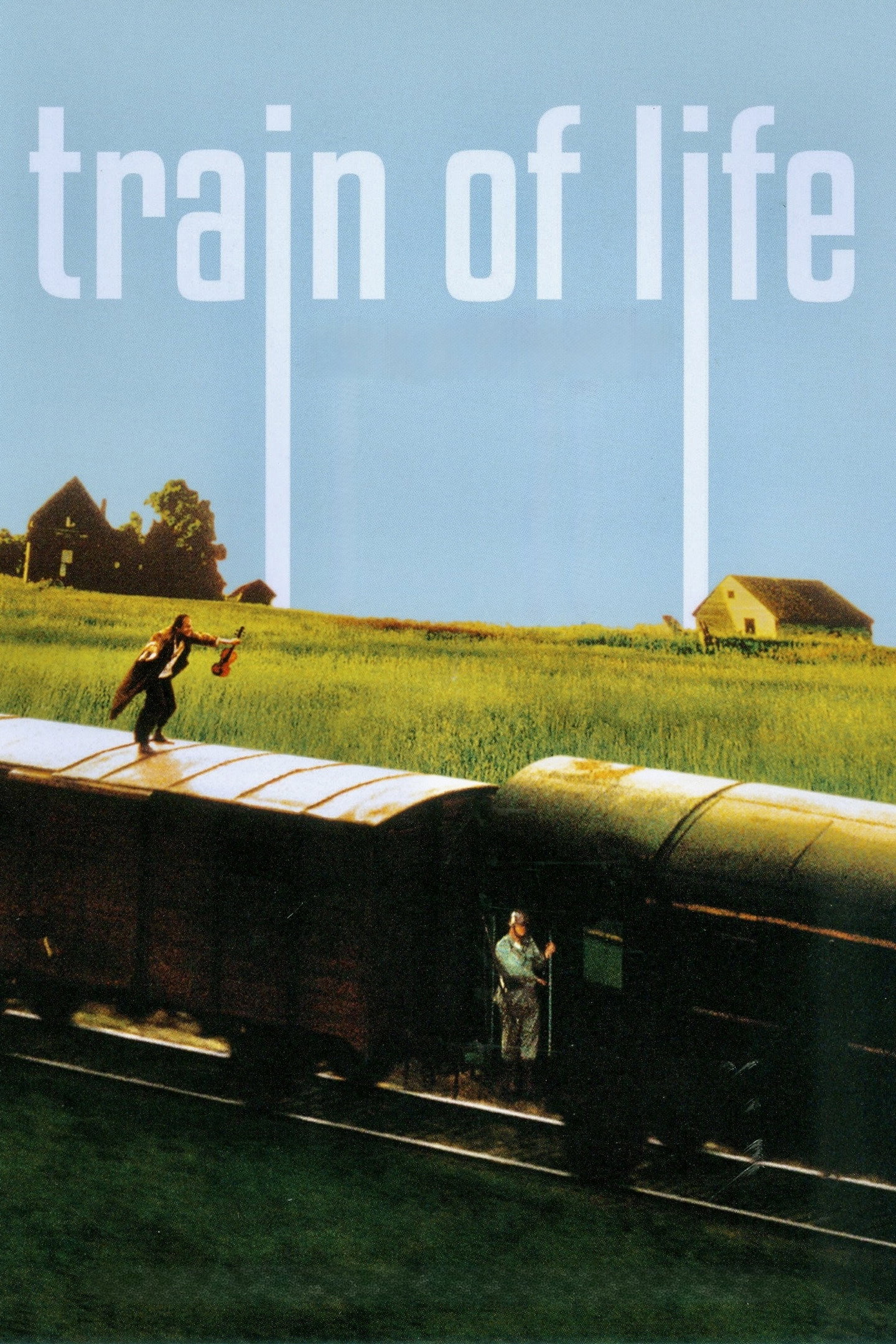
In 1941, the inhabitants of a small Jewish village in Central Europe organize a fake deportation train so that they can escape the Nazis and flee to Palestine.
Set in northern Australia before World War II, an English aristocrat who inherits a sprawling ranch reluctantly pacts with a stock-man in order to protect her new property from a takeover plot. As the pair drive 2,000 head of cattle over unforgiving landscape, they experience the bombing of Darwin by Japanese forces firsthand.
Follow a group of children who are evacuated to a Yorkshire village during the Second World War, where they encounter a young soldier who, like them, is far away from home.
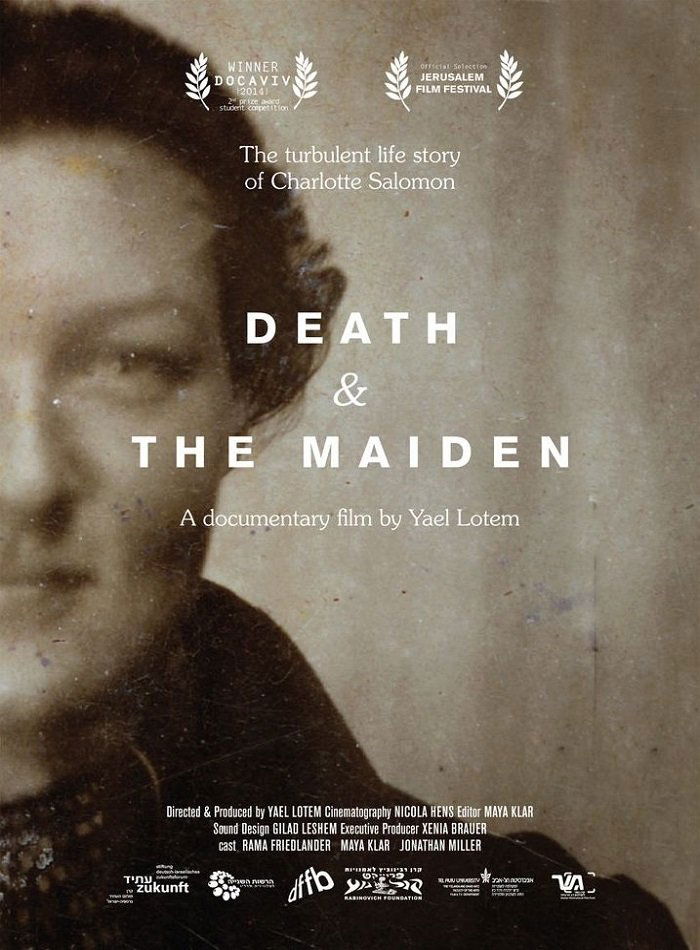
Shortly after World War II, over 1,000 paintings were found in a cellar in southern France. The paintings were created by a young Jewish woman named Charlotte Salomon. She painted her turbulent life story in a unique creation called: ‘Life? Or Theater? – A Tri-Colored Operetta.’ Death and the Maiden unravels the story behind her creation.
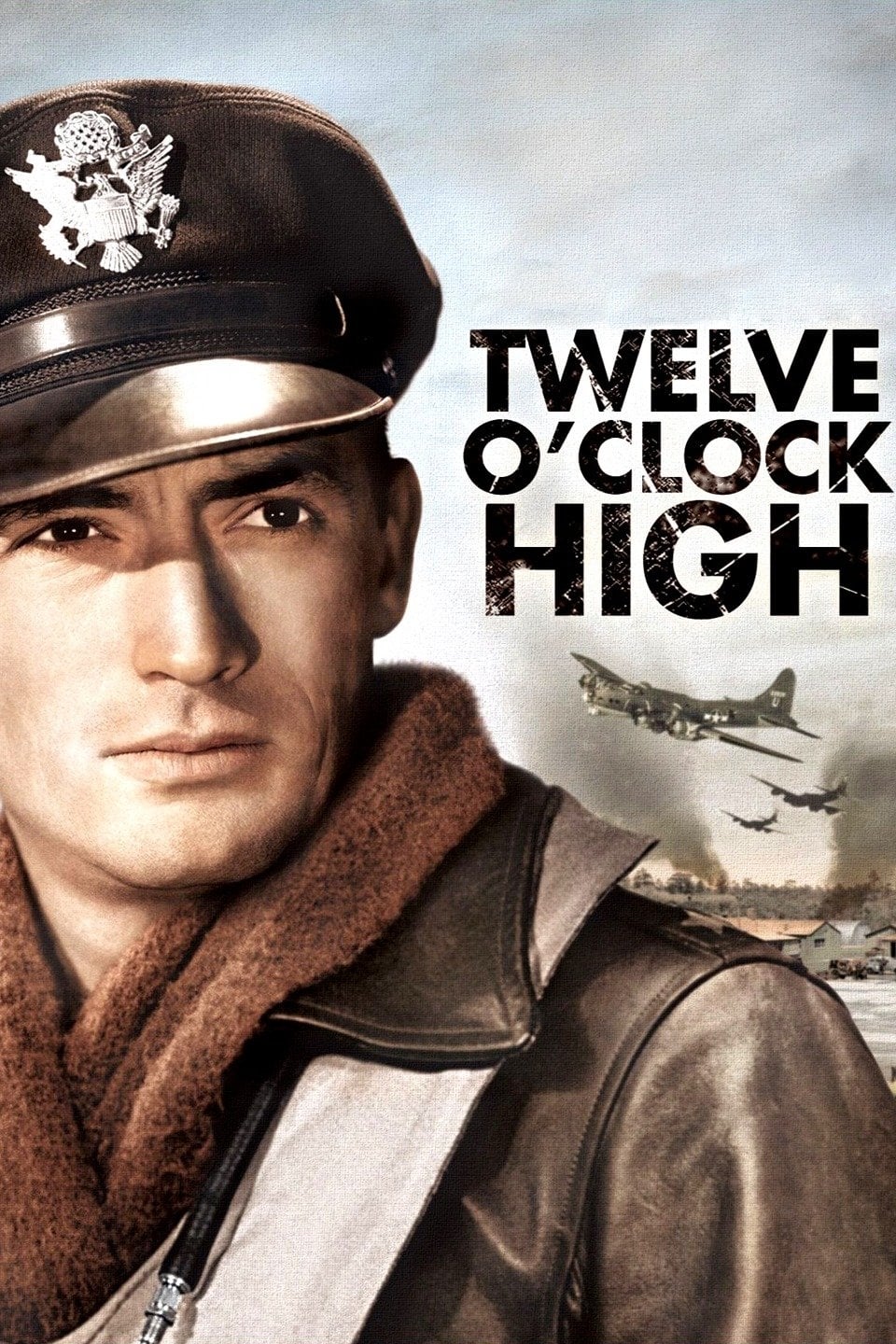
In the early days of daylight bombing raids over Germany, General Frank Savage must take command of a 'hard luck' bomber group. Much of the story deals with his struggle to whip his group into a disciplined fighting unit in spite of heavy losses, and withering attacks by German fighters over their targets.
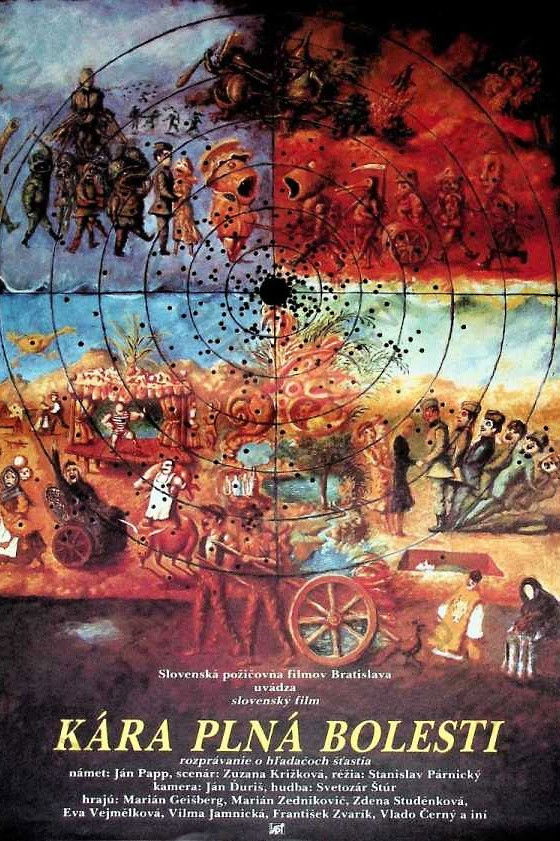
War takes its cruel toll, which everyone must pay. It hits a small Slovak village especially hard, where the struggle for a bare life becomes a test of human character. For two impoverished friends, Jakub and Maja, struggling through poverty is more than difficult. Jakub delivers sour milk from somewhere on his cart to the entire village and lives in a dilapidated house with his sister Tereza, whose caregiver and guide through life is the experienced woman Mara, who provides herself with money from seduced soldiers. Maja, on the other hand, is a foundling and homeless man who does whatever he can to survive the next day. The only consolation for the two inseparable friends are the circulating tales of a kind of promised land, where there is no poverty or hunger, and where they could both go. Only this vision, this idea alone keeps the two of them and the rest of the village on their feet, and gives them hope for a better tomorrow.
How to repay parental debt on the other side of the front line? Why would a doctor kill and when to believe the enemy? How is the war in eastern Ukraine different from any other war in the world? A war drama about the stories of two families, where adult men took up arms and thus crossed their destinies.
See Kenneth W. Rendell's collection of over 6,000 artifacts that range from the end of World War I and the rise of Nazism to the start of World War II and the fight in Europe and the Pacific.
A made-for-television play about an exiled Polish Army lieutenant faced with his darkest secret.
Regent Horthy is the leader of Hungary and a German ally, but his favorable standing with Hitler changes as the war comes to an end. Forced to cede Hungary’s power or else witness the execution of his son, Regent Horthy gives up control of his country to the Nazis, who quickly move Hungarians to ghettos and death camps, with no hope in sight. But the despair changes when a young man named Elek emerges. Separated from his family during the relocations and aided by the woman he loves , Elek defies the enemy by becoming one of them. In a race against time, disguised as a Nazi Officer he embarks on a mission to save his family and thousands of his countrymen.
A group of teenage cadets sheltered from war at the Virginia Military Institute must confront the horrors of an adult world when they are called upon to defend the Shenandoah Valley.
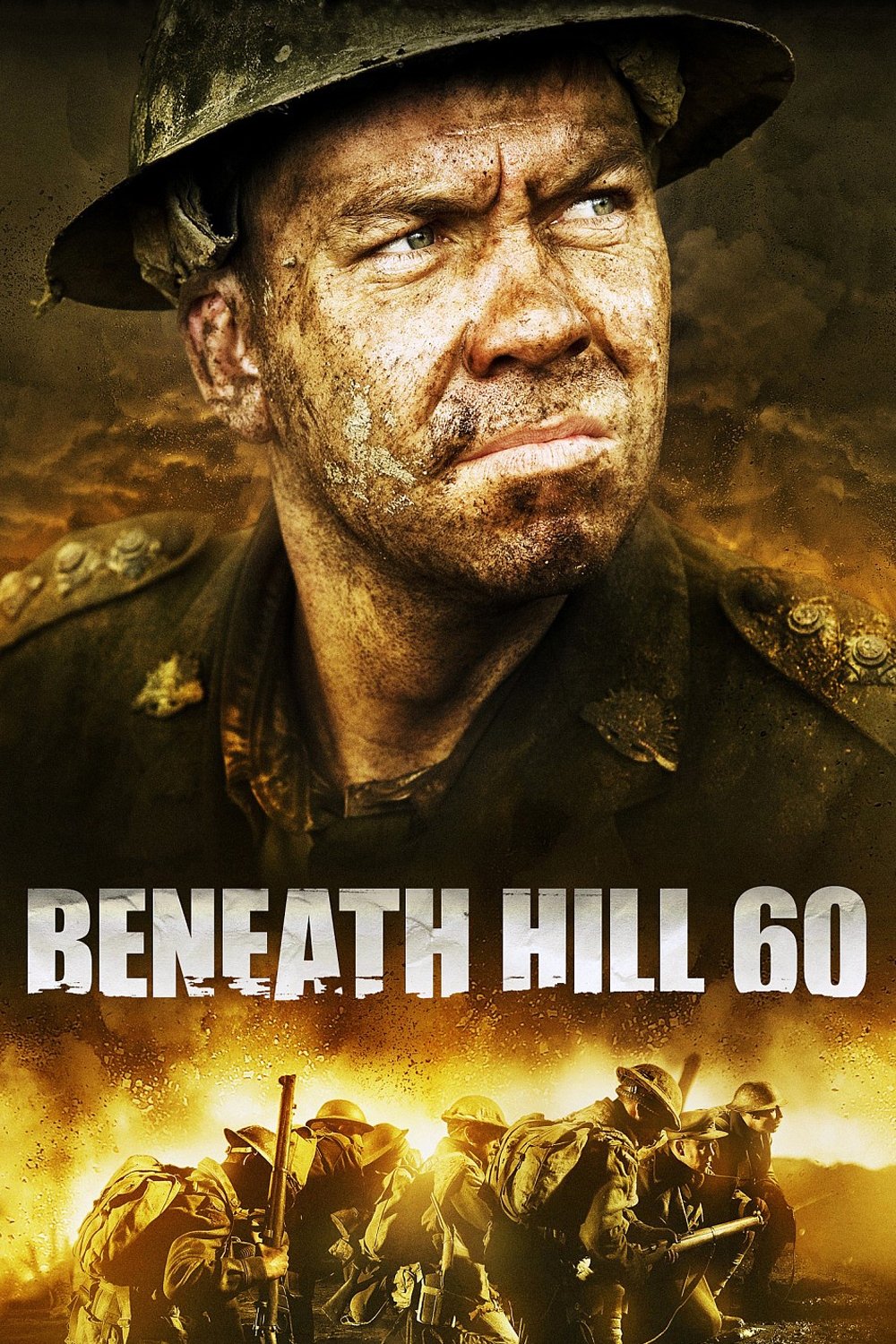
The true story of Australia's cat-and-mouse underground mine warfare—one of the most misunderstood, misrepresented and mystifying conflicts of WW I. It was secret struggle BENEATH the Western Front that combined daring engineering, technology and science. Few on the surface knew of the brave, claustrophobic and sometimes barbaric work of these tunnellers.
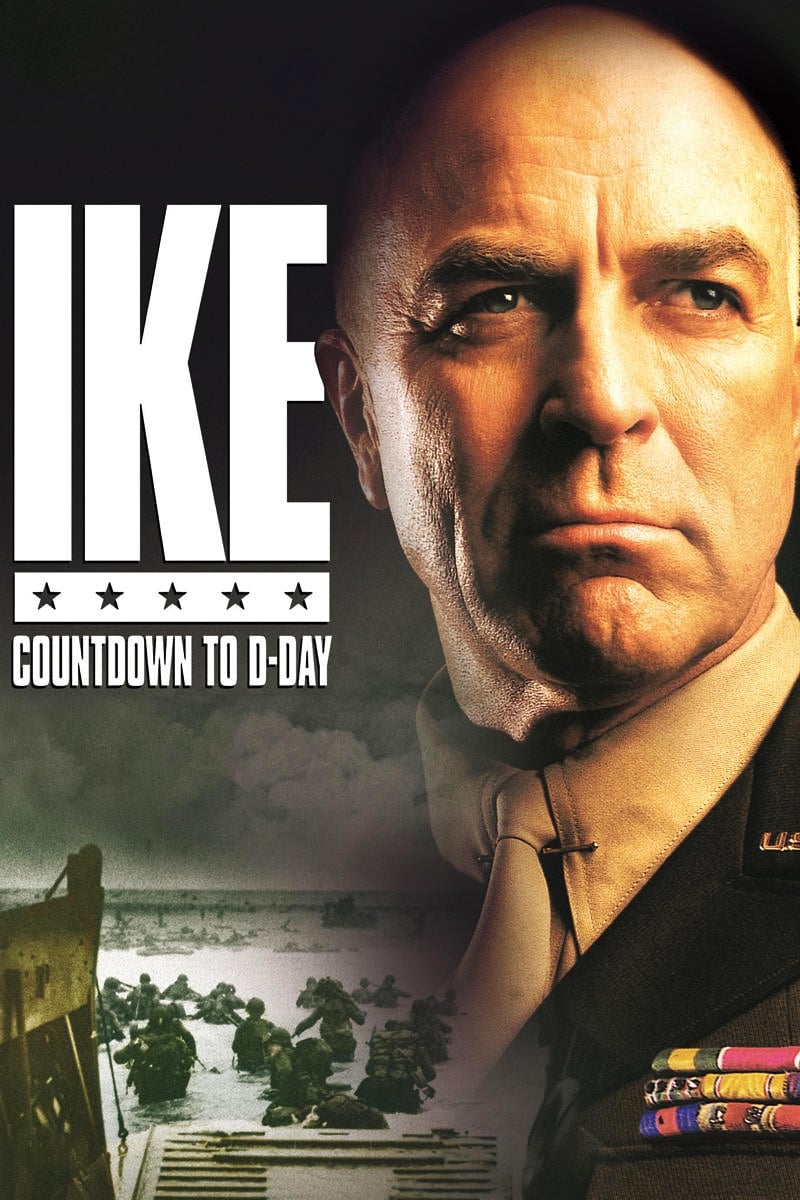
The story of the senior-level preparations for the D-Day invasion on June 6, 1944 from the time of Dwight D. Eisenhower's appointment as the Supreme Allied Commander in Europe, to the establishment of the beachhead in Normandy.
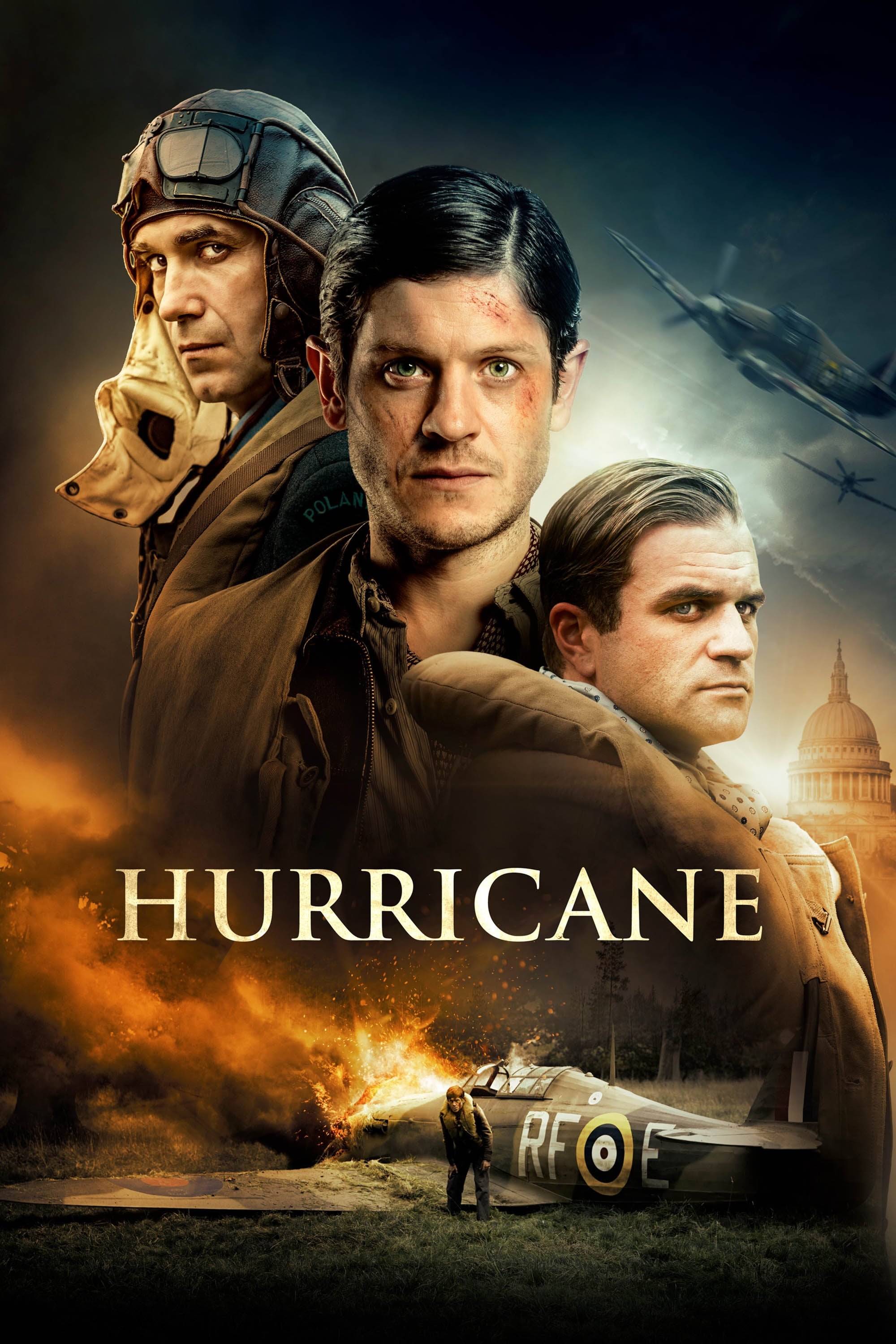
Polish pilots overcome prejudice to fight against the Luftwaffe with the Royal Air Force during the Second World War, in the hope of protecting both Great Britain and their own Poland from the German advance.
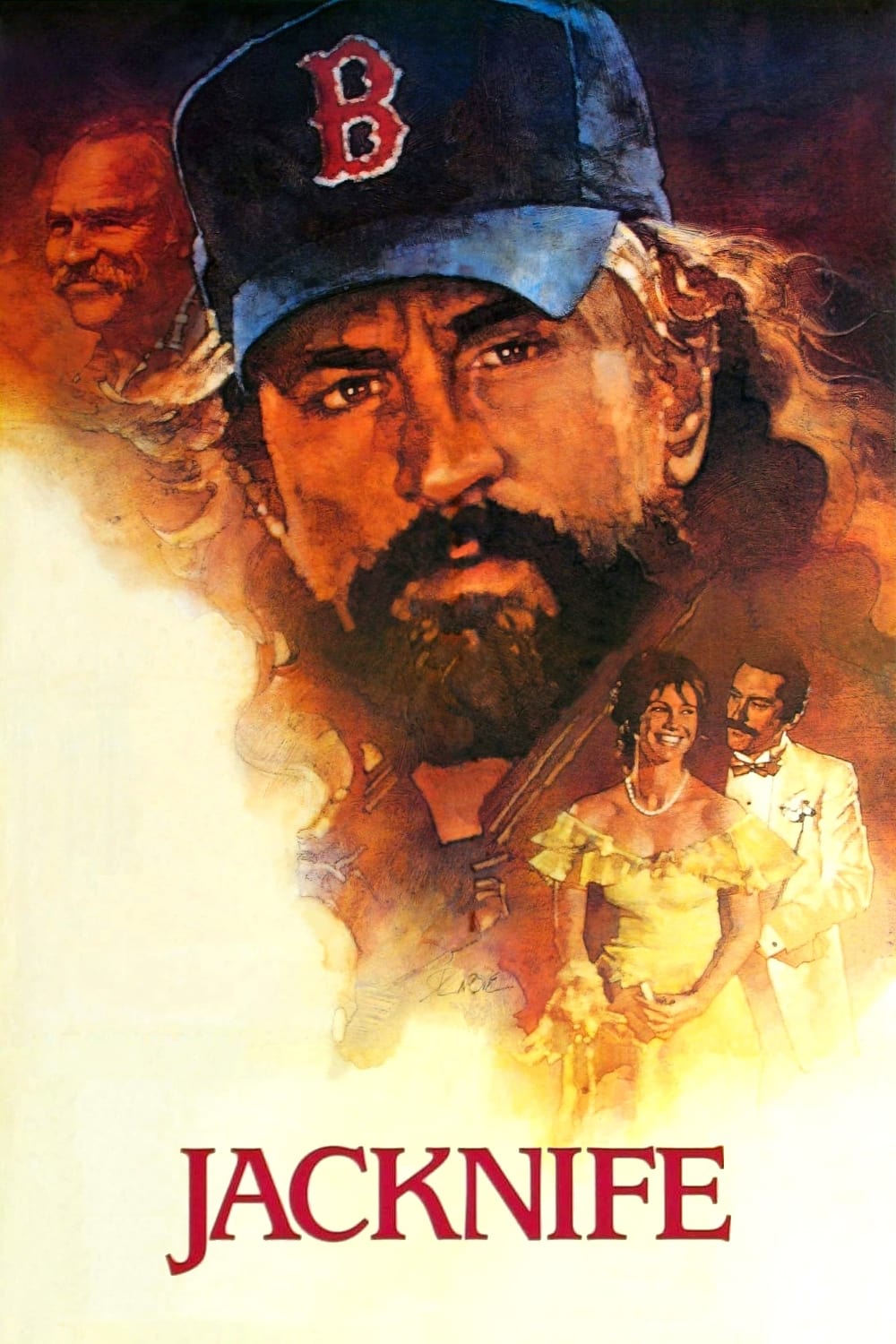
A conflict develops between a troubled Vietnam veteran and the sister he lives with when she becomes involved romantically with the army buddy who reminds him of the tragic battle they both survived.
In 1944 France, an American Intelligence Squad locates a German Platoon wishing to surrender rather than die in Germany's final war offensive. The two groups of men, isolated from the war at present, put aside their differences and spend Christmas together before the surrender plan turns bad and both sides are forced to fight the other.
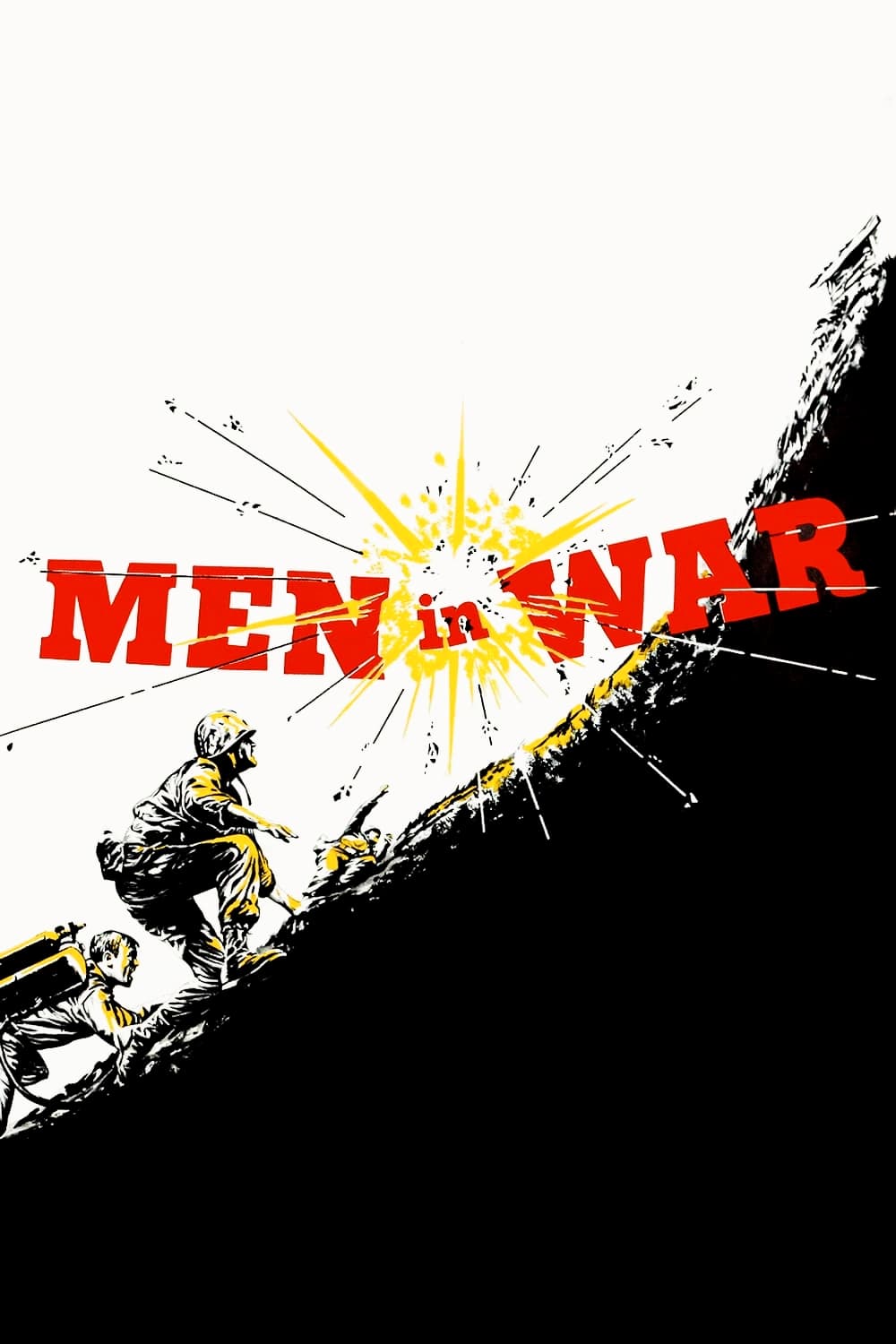
In Korea, on 6 September 1950, Lieutenant Benson's platoon finds itself isolated in enemy-held territory after a retreat. Soon they are joined by Sergeant Montana, whose overriding concern is caring for his catatonic colonel. Benson and Montana can't stand each other, but together they must get the survivors to Hill 465, where they hope the division is waiting. It's a long, harrowing march, fraught with all the dangers the elusive enemy can summon.
A chronicle of the Cristeros War (1926-1929), which was touched off by a rebellion against the Mexican government's attempt to secularize the country.
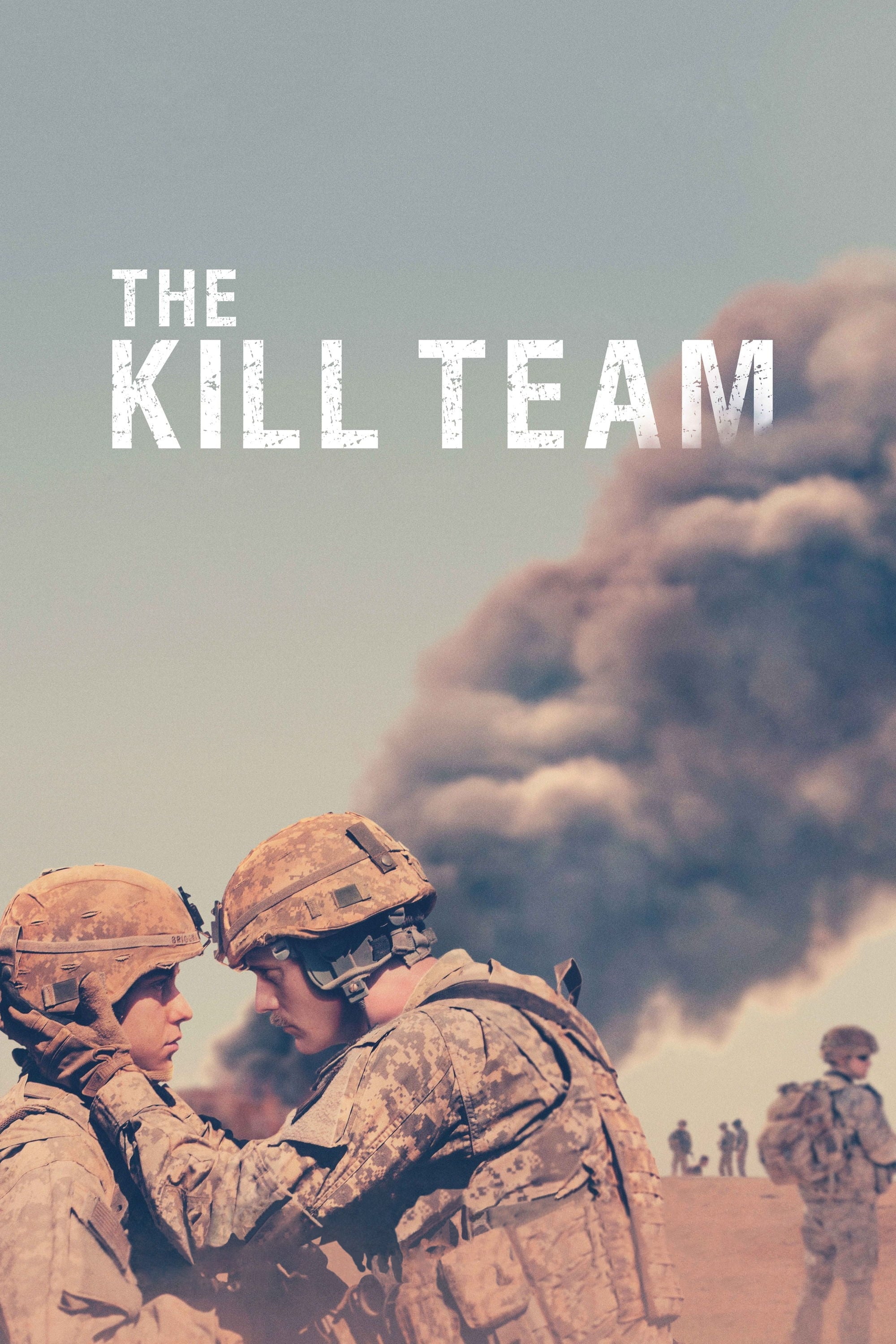
When Andrew Briggman — a young soldier in the US Army during the invasion of Afghanistan — witnesses the murderous behavior of fellow soldiers, under the direction of a malevolent Sergeant, he faces a moral dilemma. His increasingly-violent platoon becomes suspicious that someone in their ranks has turned on them, and Andrew begins to fear for his safety. A fictionalized dramatization based on a true story.
Karlskov is a self made, successful owner of a large electronics factory, has a wife and five children. They live the good, privileged upper-class life on Strandvejen north of Copenhagen when the Nazis occupy Denmark in April 1940. Karl struggles to continue production at the factory, but to protect his family and employees he reluctantly begins to produce for the German market. It brings him into a controversial collaboration with the occupying power and causes painful breaks in the family.
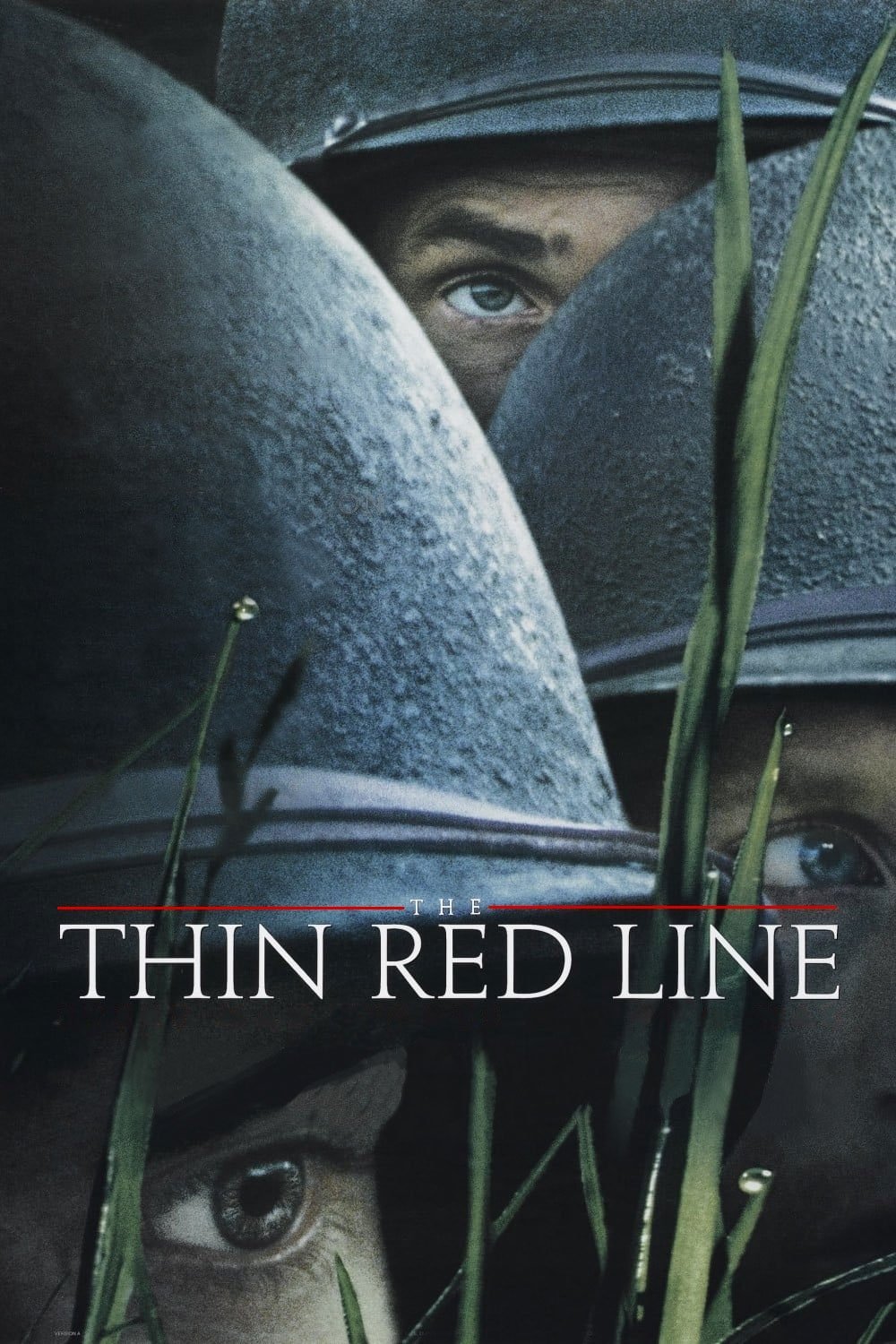
The story of a group of men, an Army Rifle company called C-for-Charlie, who change, suffer, and ultimately make essential discoveries about themselves during the fierce World War II battle of Guadalcanal. It follows their journey, from the surprise of an unopposed landing, through the bloody and exhausting battles that follow, to the ultimate departure of those who survived.
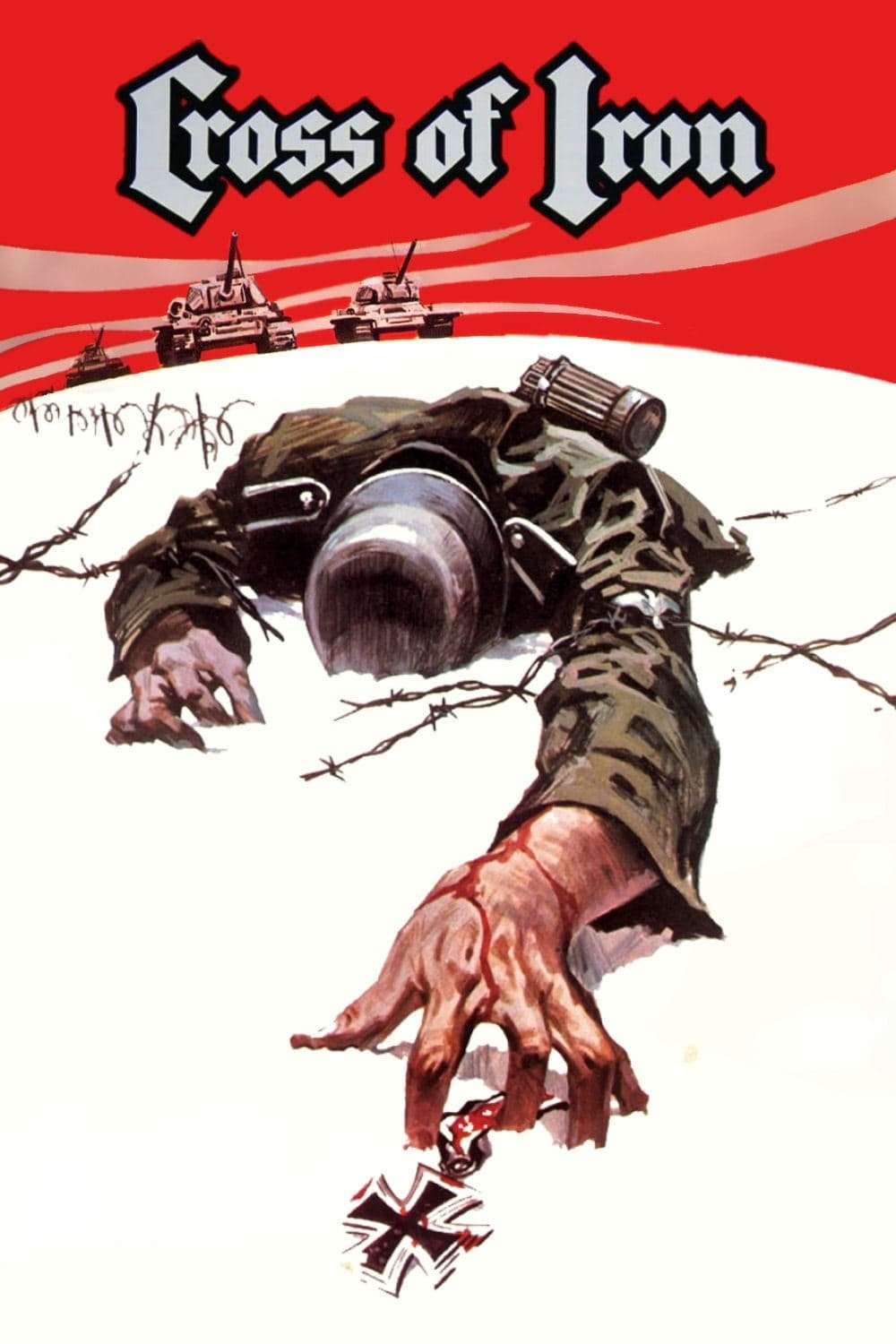
It is 1943, and the German army—ravaged and demoralised—is hastily retreating from the Russian front. In the midst of the madness, conflict brews between the aristocratic yet ultimately pusillanimous Captain Stransky and the courageous Corporal Steiner. Stransky is the only man who believes that the Third Reich is still vastly superior to the Russian army. However, within his pompous persona lies a quivering coward who longs for the Iron Cross so that he can return to Berlin a hero. Steiner, on the other hand is cynical, defiantly non-conformist and more concerned with the safety of his own men rather than the horde of military decorations offered to him by his superiors.
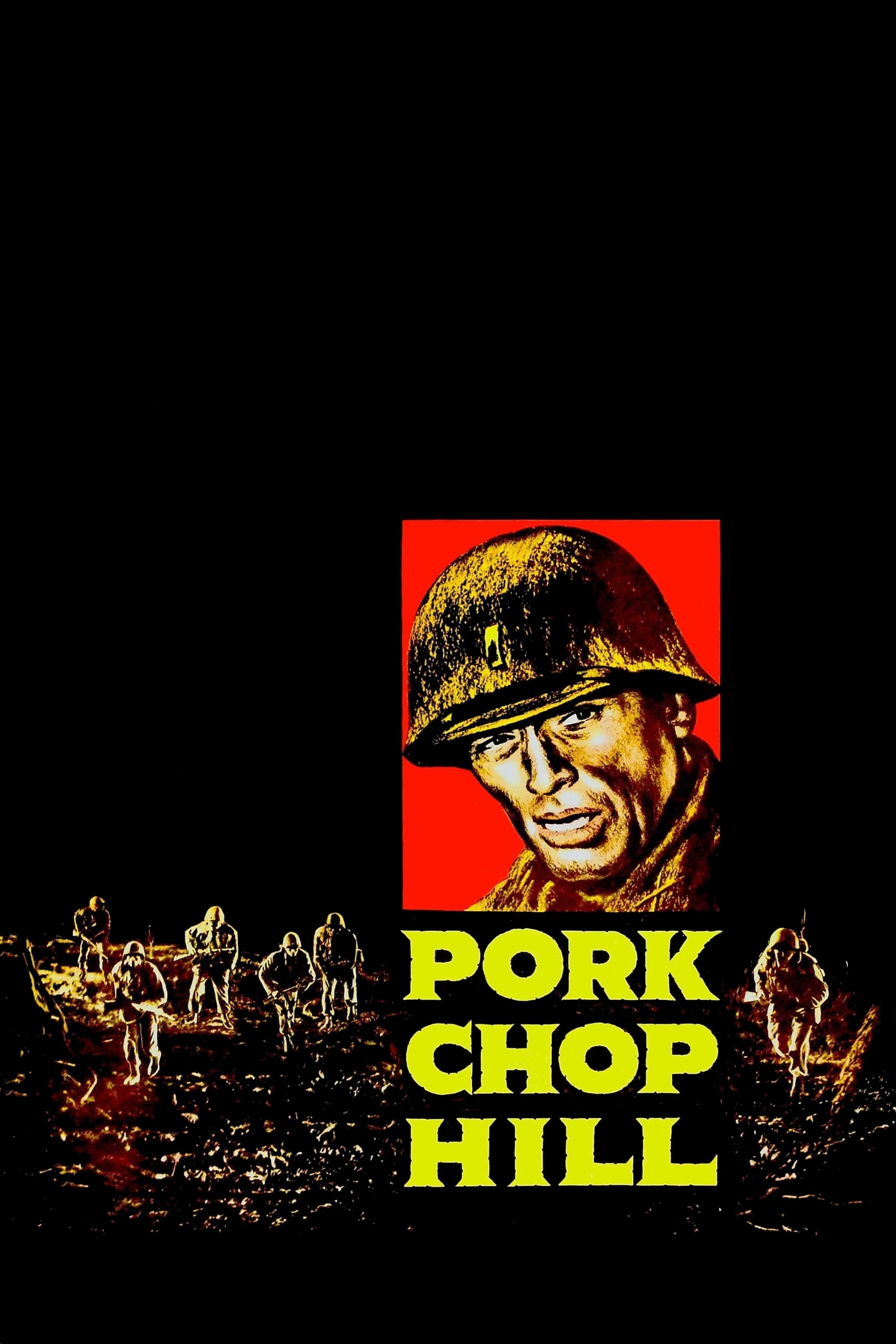
Korean War, April 1953. Lieutenant Clemons, leader of the King company of the United States Infantry, is ordered to recapture Pork Chop Hill, occupied by a powerful Chinese Army force, while, just seventy miles away, at nearby the village of Panmunjom, a tense cease-fire conference is celebrated.
During the war in Afghanistan a Soviet tank crew commanded by a tyrannical officer find themselves lost and in a struggle against a band of Mujahadeen guerrillas in the mountains.
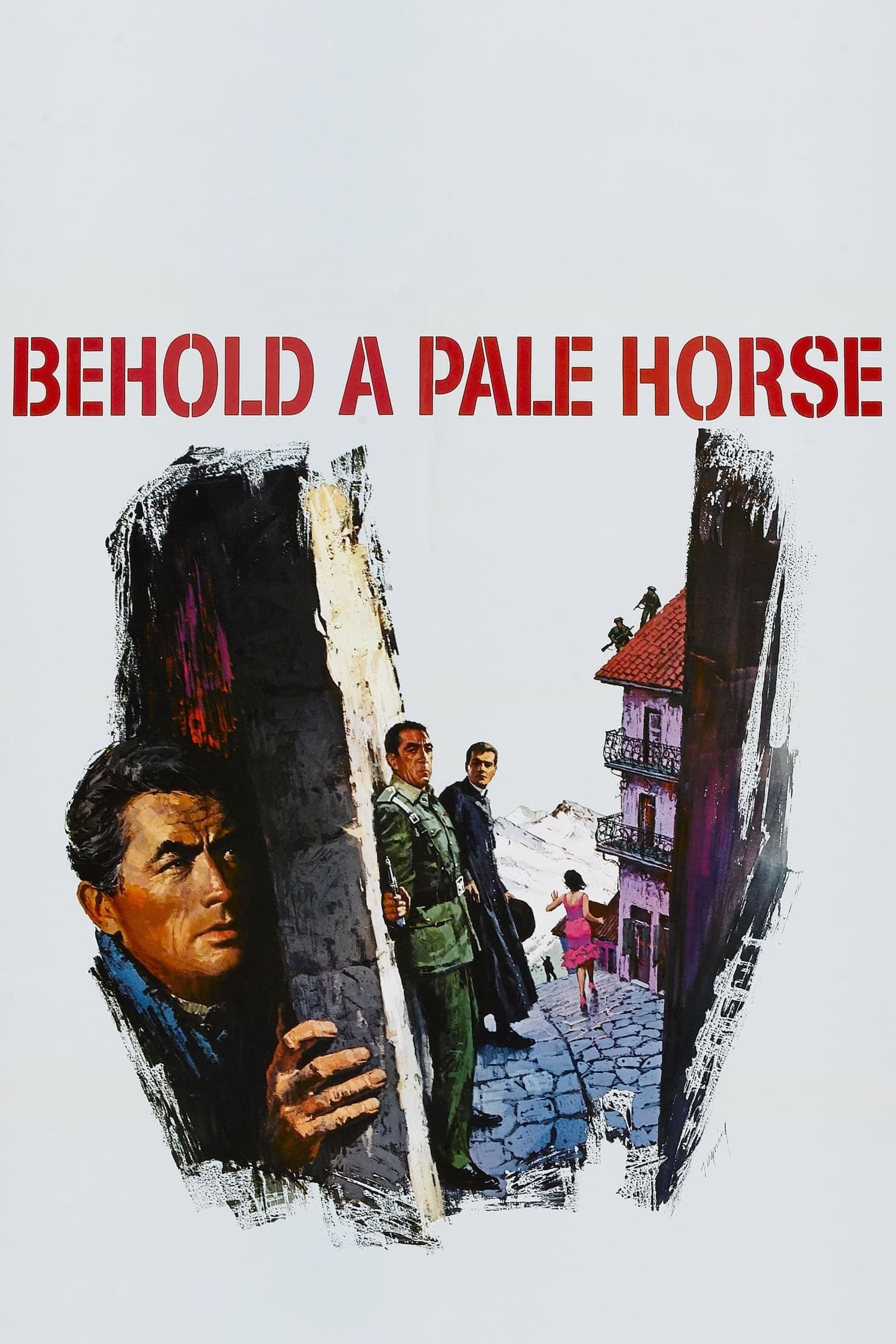
Manuel Artiguez, a famous bandit during the Spanish civil war, has lived in French exile for 20 years. When his mother is dying he considers visiting her secretly in his Spanish home town. But his biggest enemy, the Spanish police officer Vinolas, prepared a trap at the hospital as a chance to finally catch Artiguez.
In WWII Western Germany, Private David Manning reluctantly leaves behind a mortally wounded fellow soldier and searches for survivors from his platoon, only to learn from commanding officer Captain Pritchett that they have all been killed in action. Despite requesting a discharge on the grounds of mental disability, Manning is promoted to sergeant and assigned to lead a new platoon of young inductees.
In the summer of 1941, the United States and Japan seem on the brink of war after constant embargos and failed diplomacy come to no end. "Tora! Tora! Tora!", named after the code words used by the lead Japanese pilot to indicate they had surprised the Americans, covers the days leading up to the attack on Pearl Harbor, which plunged America into the Second World War.
The incredible, untold true story of how a group of prisoners attempt a seemingly impossible escape from the first Nazi death camp in order to provide the first eyewitness account of the Holocaust.
At the height of the First World War, two young British soldiers must cross enemy territory and deliver a message that will stop a deadly attack on hundreds of soldiers.