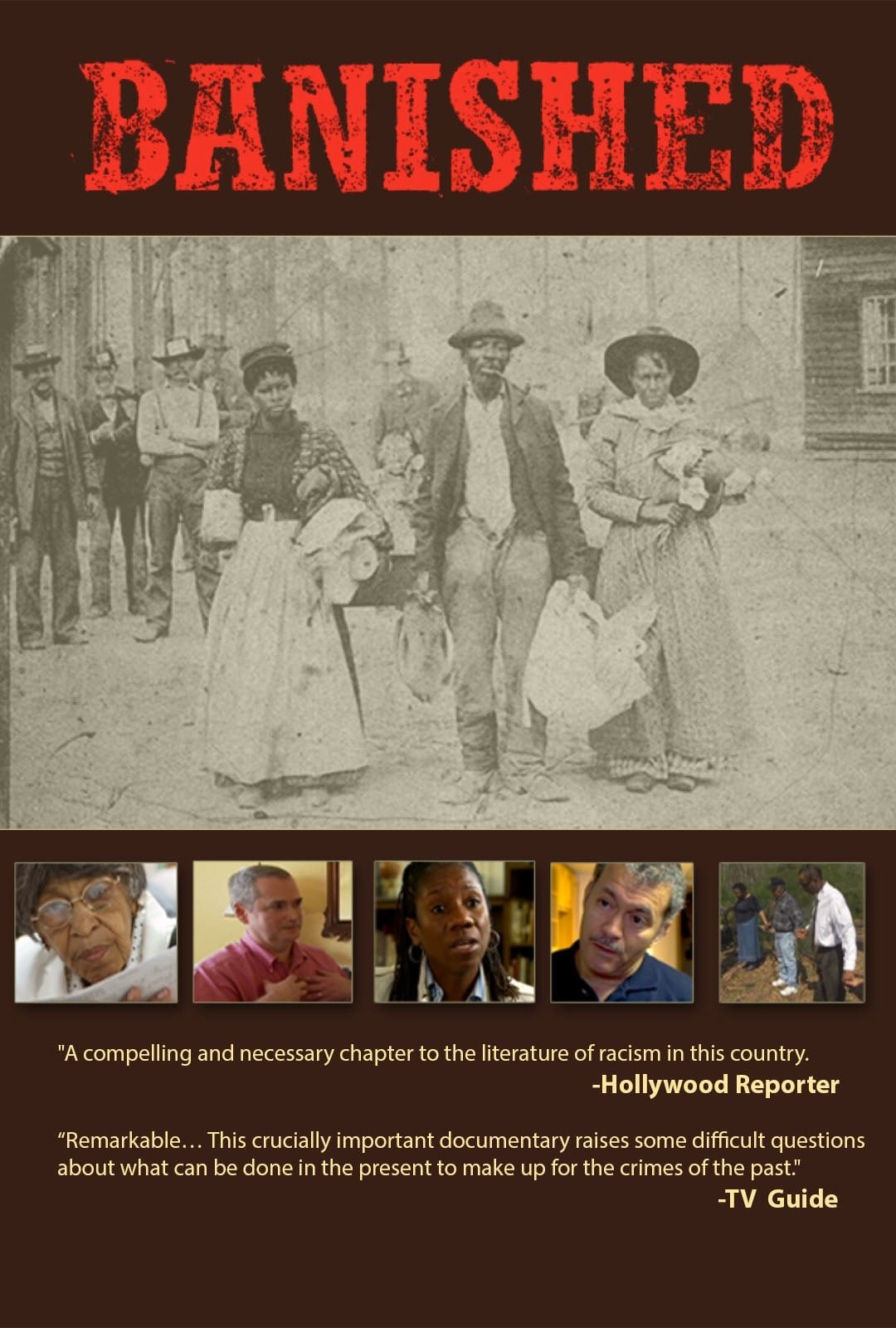
A look at three U.S. cities, which were part of many communities that violently forced African American families to flee in post-reconstruction America.
Social & External
The people behind it
In the 1980s, young people of North African descent born in France and a priest from the Lyon suburbs organized the "March of the Beurs." Launched on October 15, 1983, by seventeen people from the La Cayolle neighborhood in Marseille following a racist crime, the march concluded two months later—on December 3—on the streets of Paris, with 100,000 participants. This movement demanded equal rights. Was their cry heard?
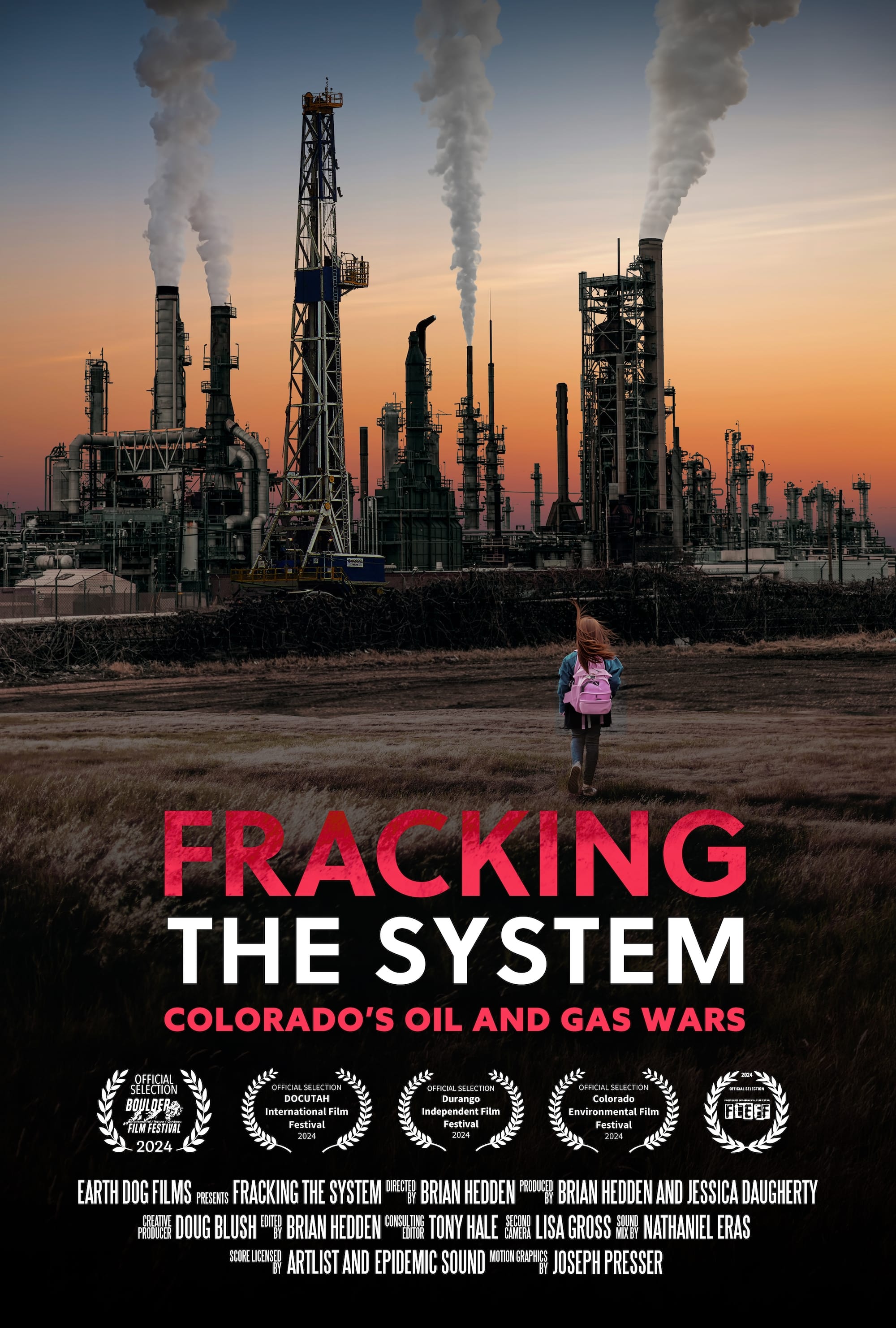
Fracking the System is a political thriller documentary from the front lines of climate justice activism in Colorado. When a fracking mega-site gets moved from a White neighborhood to a BIPOC neighborhood, a concerned mother fights to try and stop it. This is an investigative exposé about the harms of fracking, the lengths to which the government is complacent with industrial pollution, and the nefarious tactics that the oil and gas industry uses to undermine democratic elections.
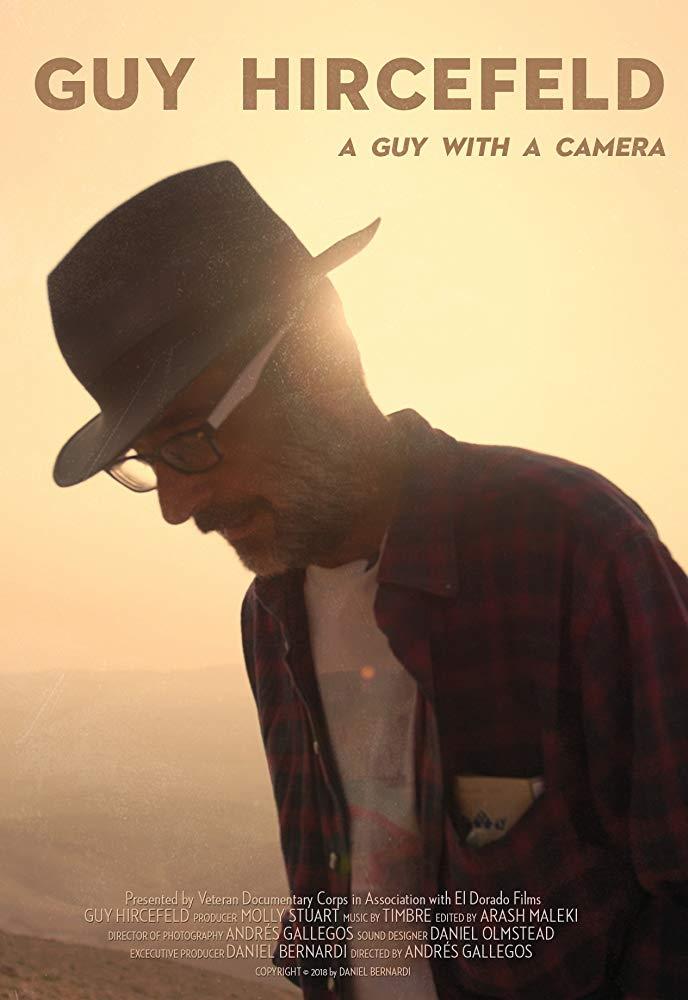
Guy Hircefeld, a veteran who served in the Israeli military at the start of its occupation of Palestine in the 1980s, now fights against the Israeli occupation. His only weapon is a camera.
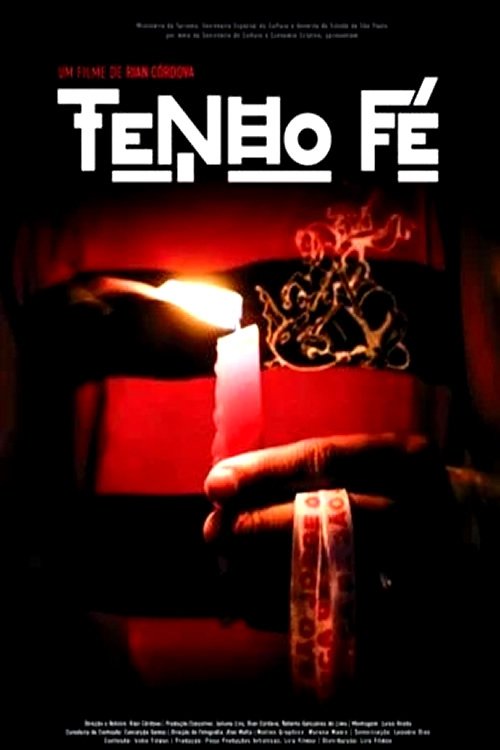
This documentary accompanies the journey of artists who exalt and celebrate ancestry and the orishas in their work. It also offers a manifesto against one of the biggest problems facing Brazil: religious racism. The feature brings together stories from music, theater, fashion, dance and the visual arts to promote reflection on the power and importance of black representation, art and diversity
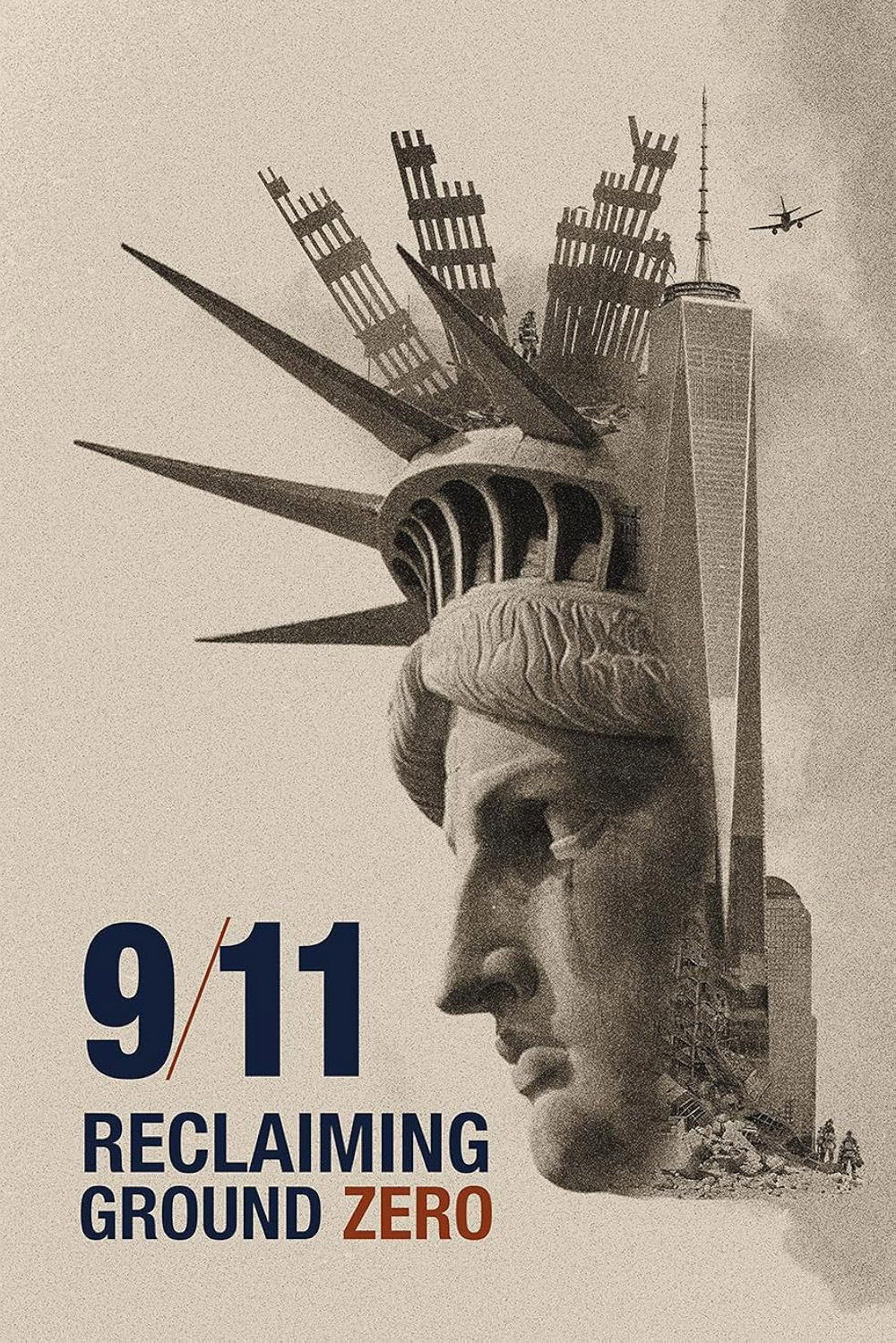
After the 9/11 attacks, after the smoke was gone, after the rubble cleared away, New Yorkers had a city to rebuild. In response to fast-tracked redevelopment plans, more than 5,000 people gathered in the largest town hall in American history. They came to vote on the city’s six proposals for rebuilding Ground Zero. But instead, the people rejected the top down approach and successfully charted a new path forward. Their work determined what is at Ground Zero today. And their story is an example of what democracy can look like.
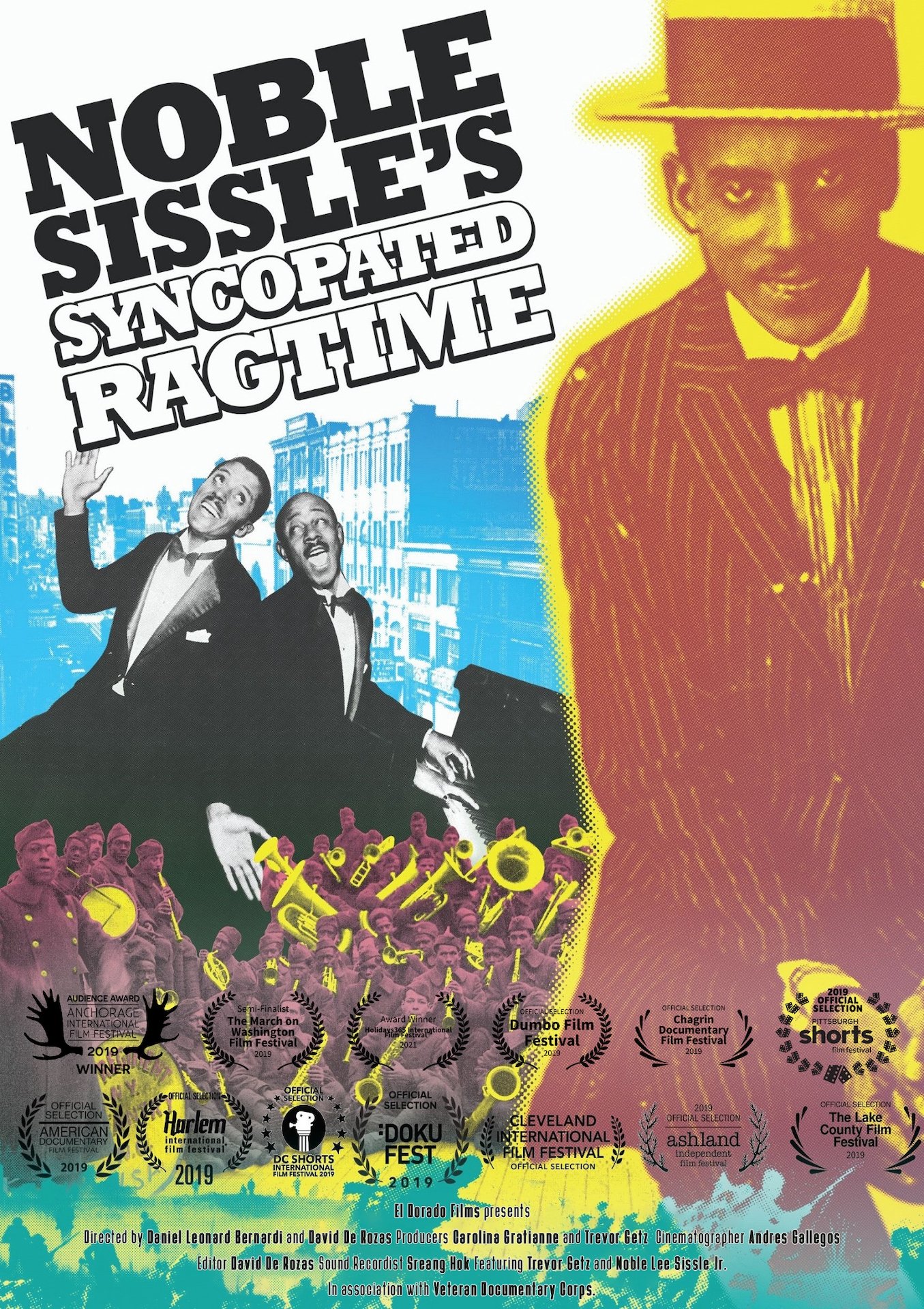
Combining footage unseen since WWI with original scores from the era, this film tells the story of Noble Sissle's incredible journey that spans "The Harlem Hellfighters" of World War I, Broadway Theatre, the Civil Rights movement, and decades of Black cultural development.
Eyewitness accounts recall when Klansmen attacked a bus filled with Freedom Riders in Anniston, Ala. and set it on fire.
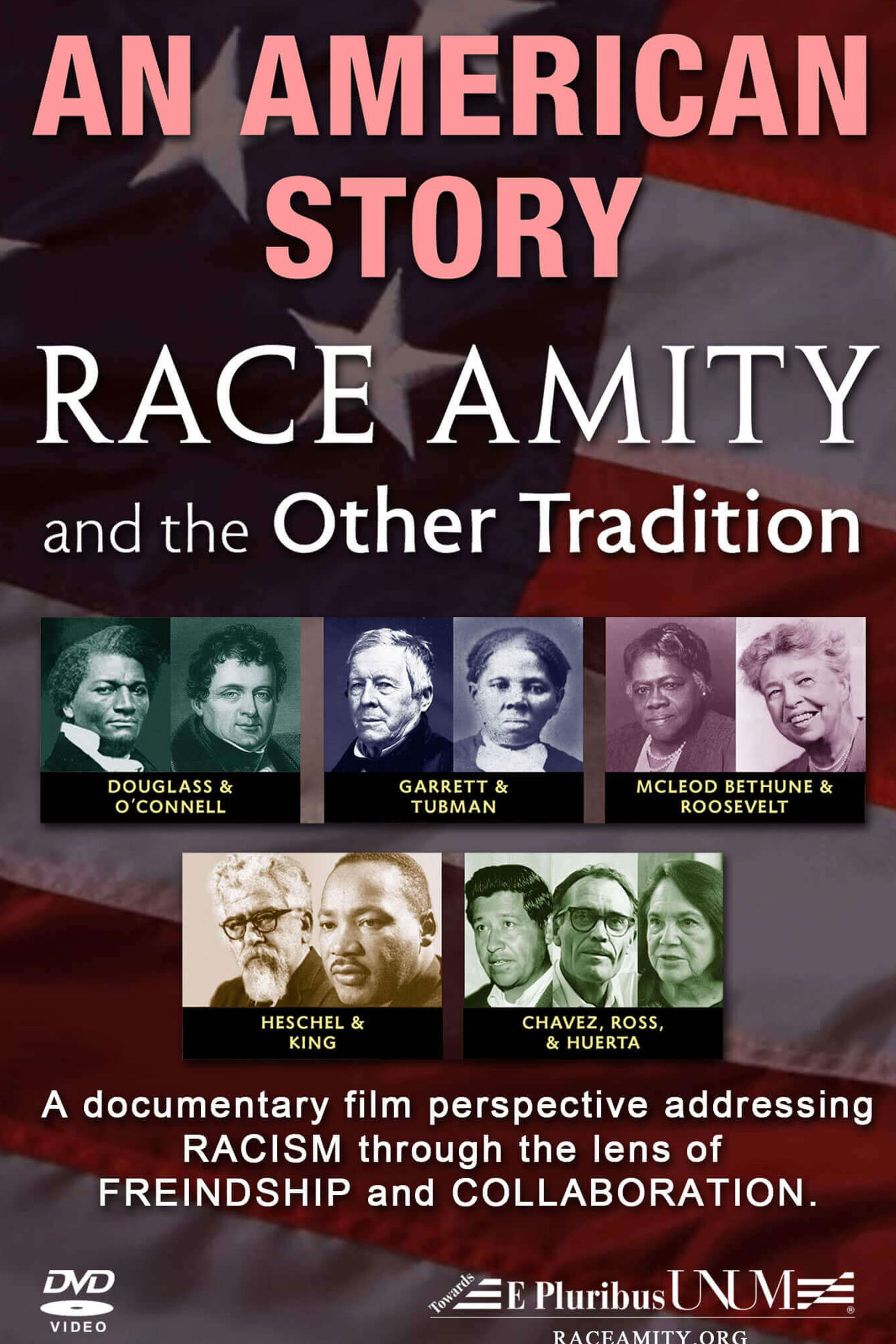
In contrast to the lens that focuses exclusively on the racist traditions that are rooted in America’s social history, the moral counterweight of close, loving, friendship and collaboration, which have always been present in our history, represents “the other tradition.” This “other tradition” is a source of inspiration and presents models of behavior that are instructional and include unknown and uncelebrated legacies to be absorbed and emulated across generations of present day Americans. The documentary discusses the “better in us” a needed collective perspective in the current climate of national disunity across racial, religious, and political lines. This has significant implications for addressing public issues from immigration to health care and the myriad of governmental, educational, business, and religious challenges that we must successfully meet to weave the fabric of unity which is indispensable to survival as a nation.
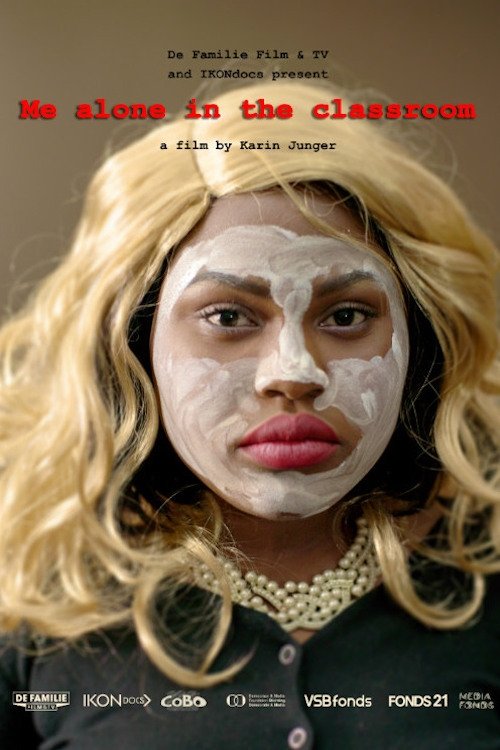
Doing really well on your school assessment tests, but still having the school recommend that you go to preparatory vocational school. Going to a club with friends and having the bouncer keep you out. Having to endure jokes from classmates. These are examples of the sort of casual racism that the children of director Karin Junger and their friends have to face. In Ik alleen in de klas, director Karin Junger, white mother of three darker-skinned children, stands with her family to confront the racism they experience in their daily lives. Twelve adolescents meet at a mansion in France. The group consists of Junger’s children and their friends. All of them come from ethnic minority backgrounds and share a feeling of being excluded from Dutch society. Re-enactment is used to explore painful situations again. In this simple but effective documentary, we can see the impact of subtle and less subtle forms of racism on the lives of young Dutch people.
In April 1999, three Lakeside brothers murdered a Mexican migrant worker by beating him to death. Producer Lee Harvey spent several months talking with Lakesiders--teachers, social workers, longtime residents and teens who are avowed racists--to unearth the reasons why kids would commit this gruesome crime and why it happened in the peaceful, semi- rural town of Lakeside in eastern San Diego county.
Pop star Leigh-Anne Pinnock confronts her experience as the only black member of Little Mix, and as a black woman in the music industry. She embarks on her own very personal journey to understand how she can use her platform and privilege to combat the profound racism she sees in society around her.
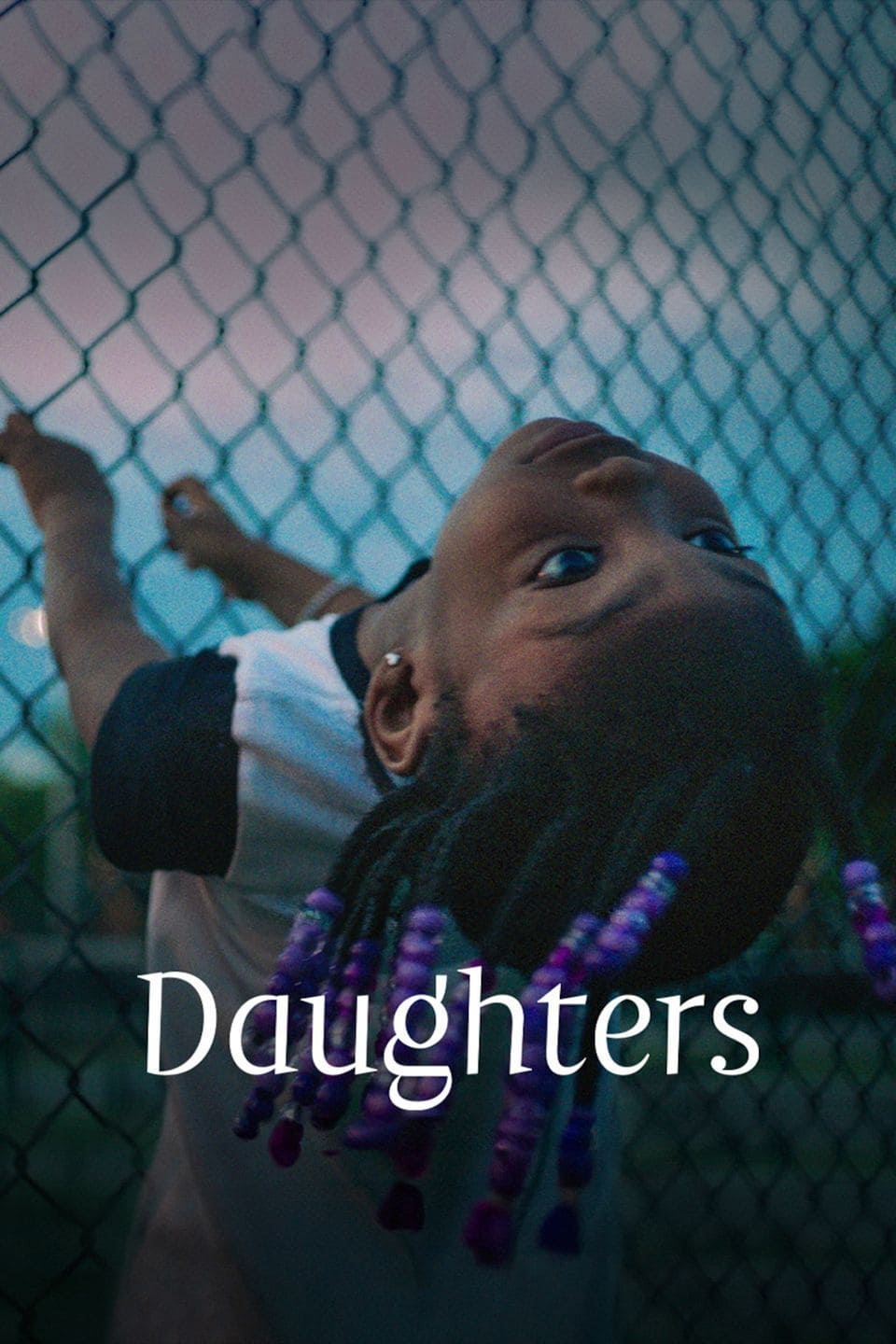
Four young girls prepare for a special Daddy Daughter Dance with their incarcerated fathers, as part of a unique fatherhood program in a Washington, D.C., jail.
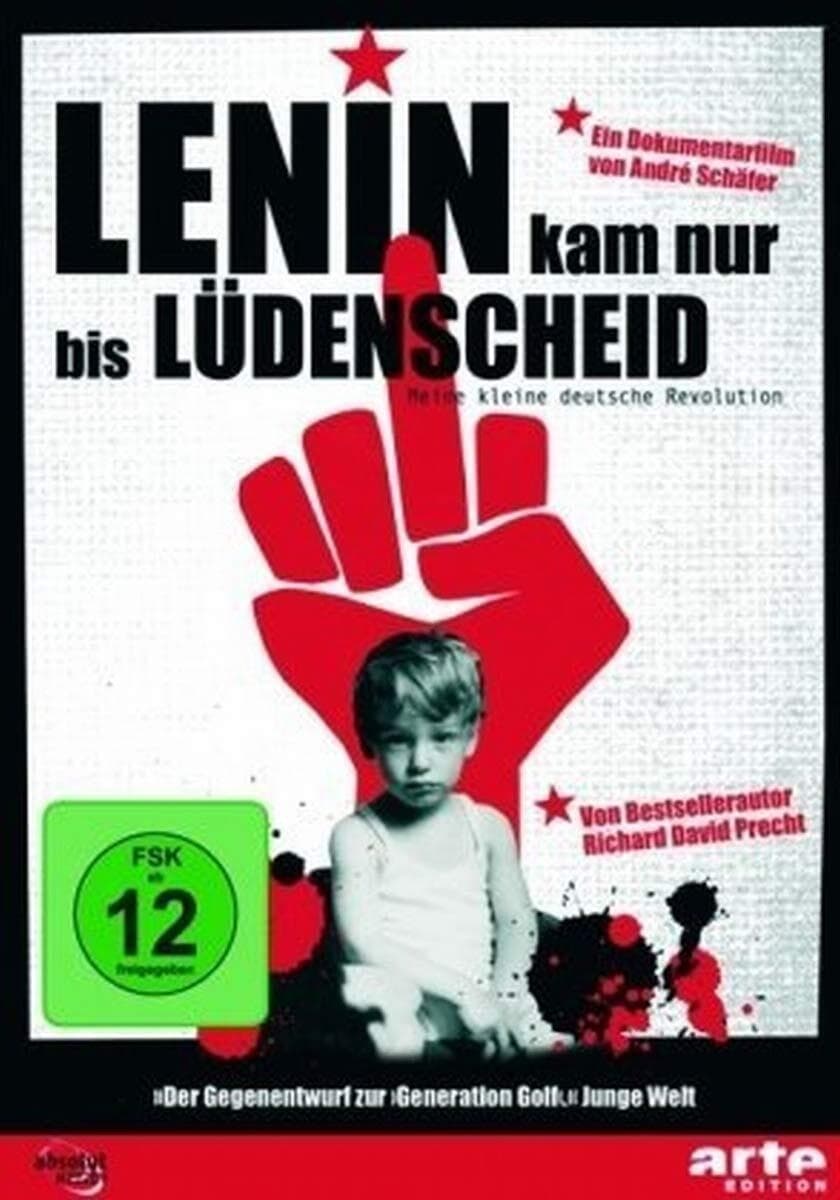
The free, almost naive view from the perspective of a child puts the "68ers" in a new, illuminating light in the anniversary year 2008. The film is a provocative reckoning with the ideological upbringing that seemed so progressive and yet was suffocated by the children's desire to finally grow up. With an ironic eye and a feuilletonistic style, author Richard David Precht and Cologne documentary film director André Schäfer trace a childhood in the West German provinces - and place the major events of those years in completely different, smaller and very private contexts.
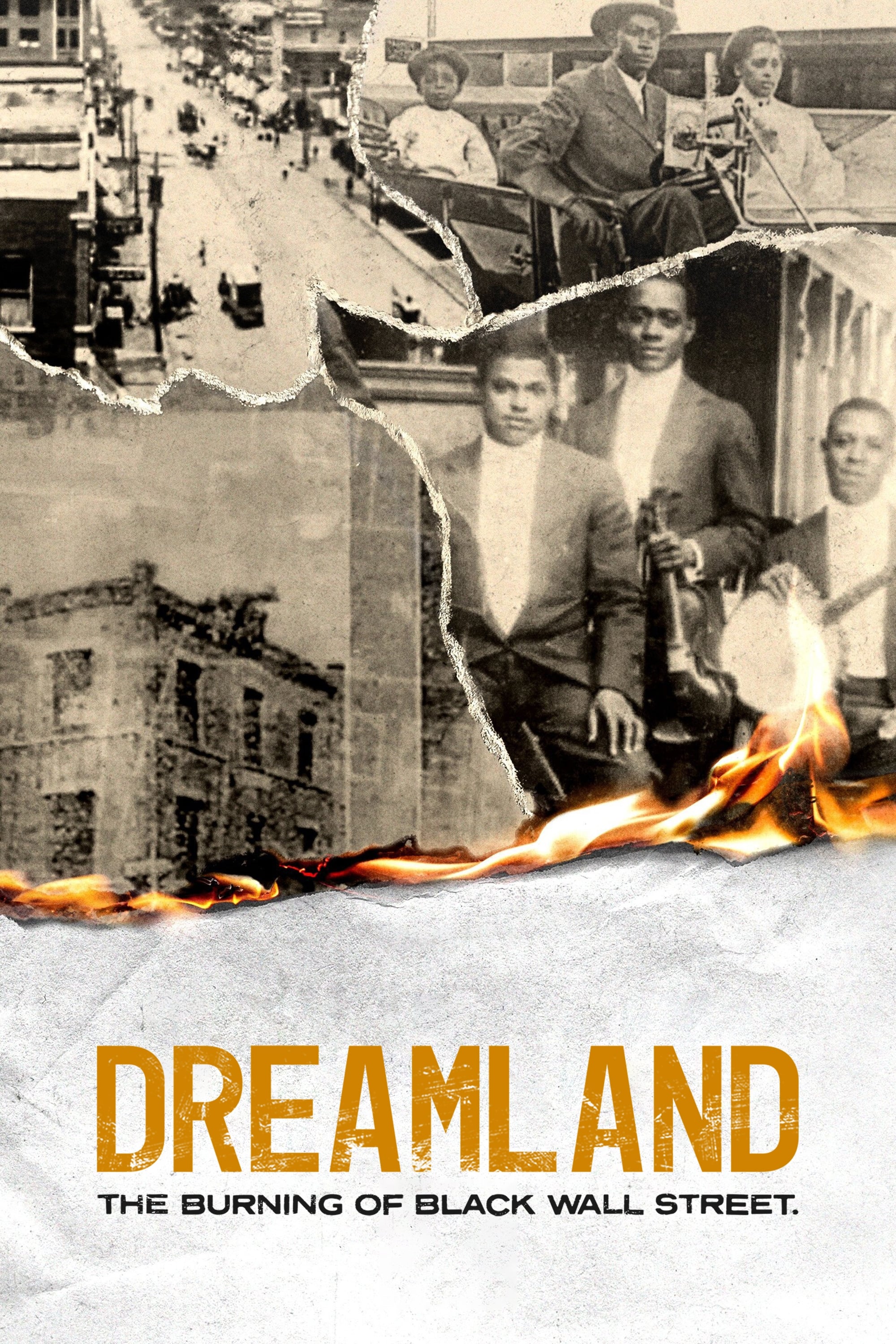
This documentary celebrates the Black cultural renaissance that existed in the Greenwood district of Tulsa, OK, and investigates the 100-year-old race massacre that left an indelible, though hidden stain on American history.
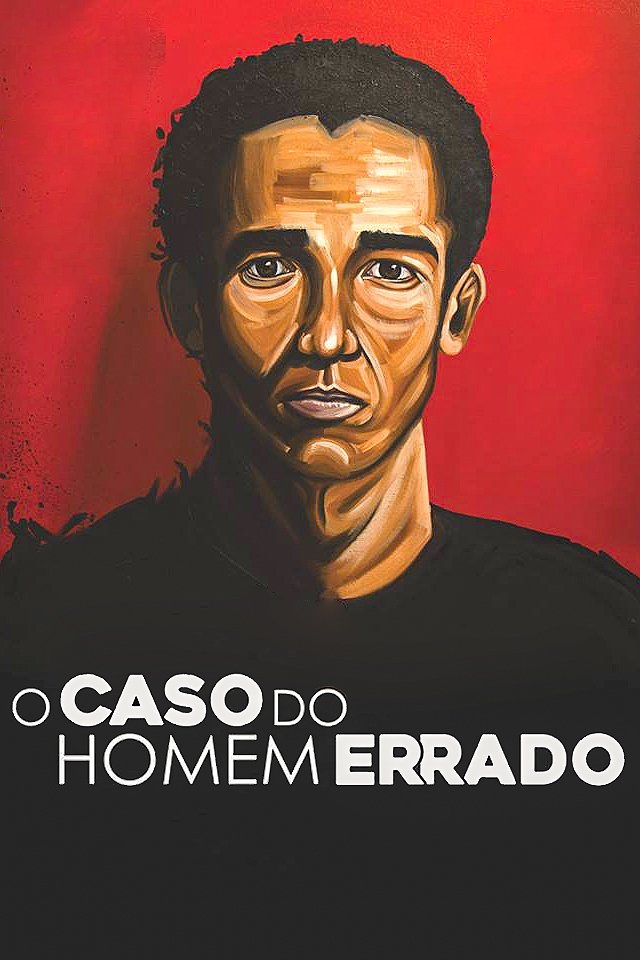
The documentary tells the story of Júlio César, a young Afro-Brazilian who was executed by the Police in the 1980s in Porto Alegre. The crime became notorious when the press published photos of Julius being put alive in the police car and arriving 37 minutes later shot and dead at the hospital.
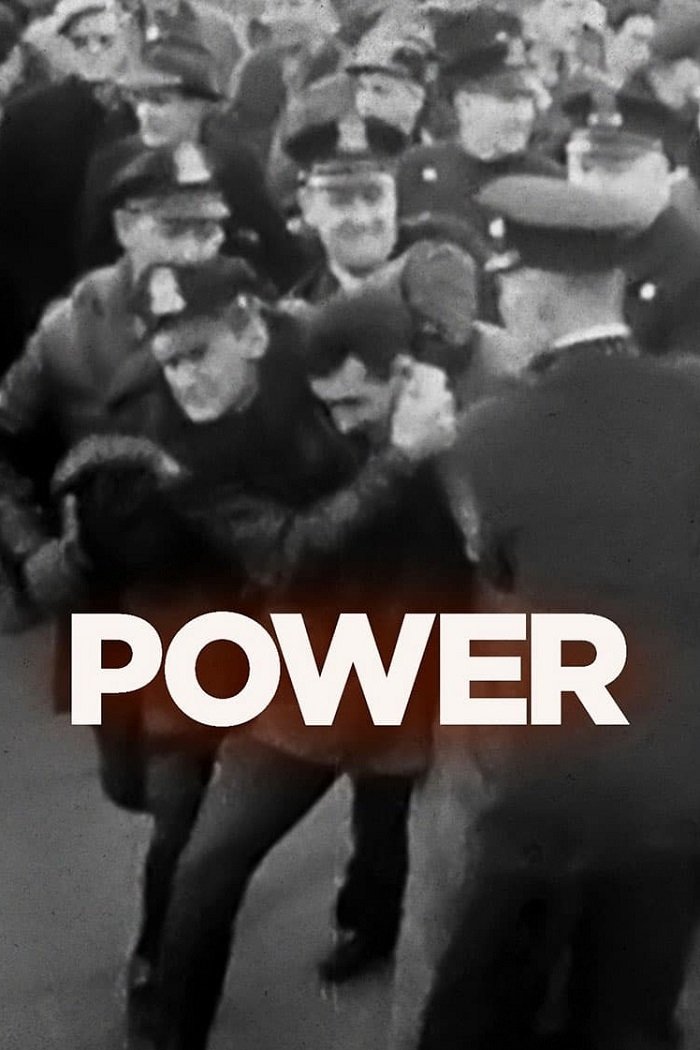
Driven to maintain social order, policing in the United States has exploded in scope and scale over hundreds of years. Now, American policing embodies one word: power.
OJ: TRIAL OF THE CENTURY, premiered on June 12, 2014 and it chronicles the twists and turns of the OJ Simpson murder trial and allows viewers to relive every moment of the investigation first-hand.
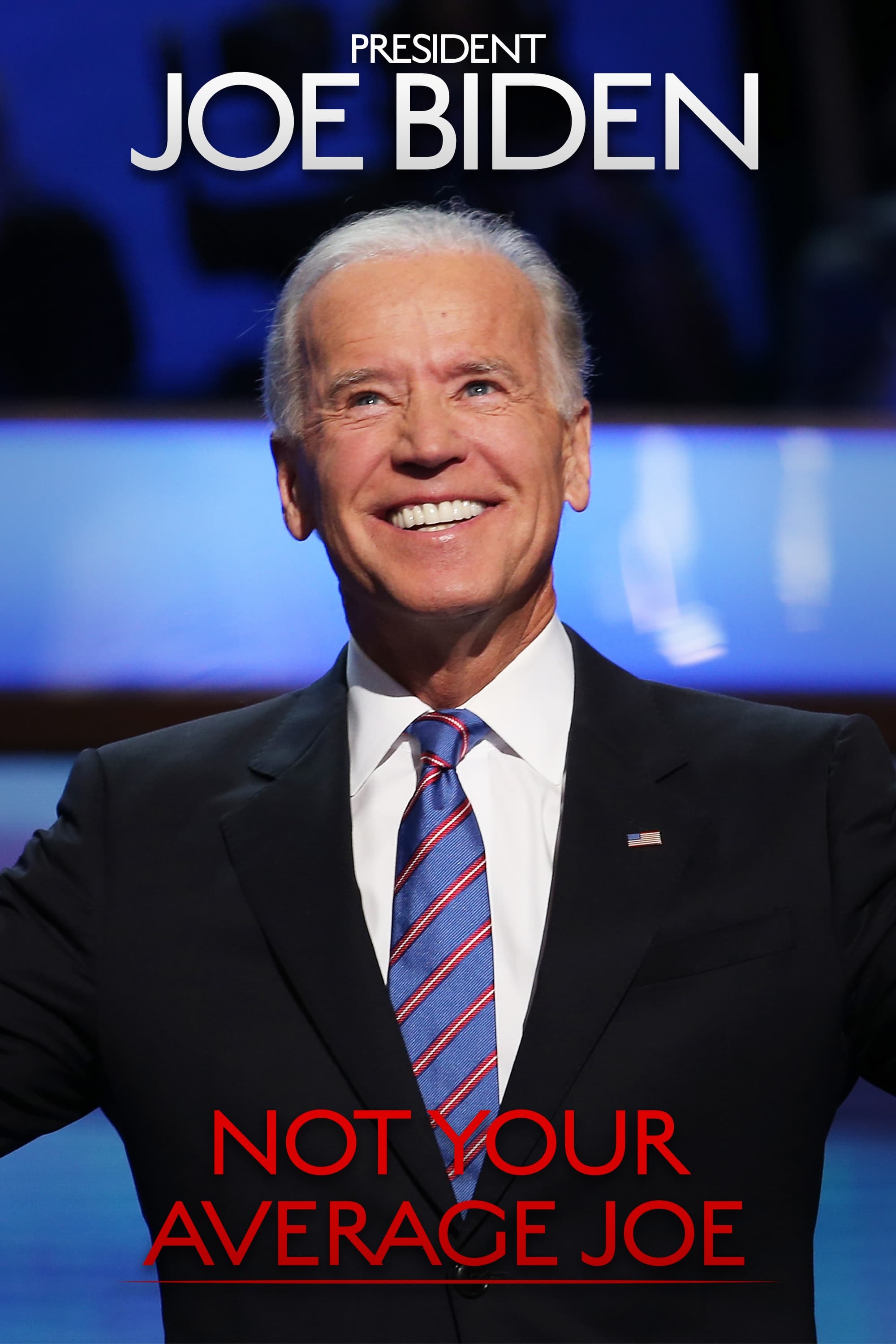
After two failed presidential campaigns, learn how Joe Biden overcame losses, controversies, and corruption scandals to finally take the oval office.
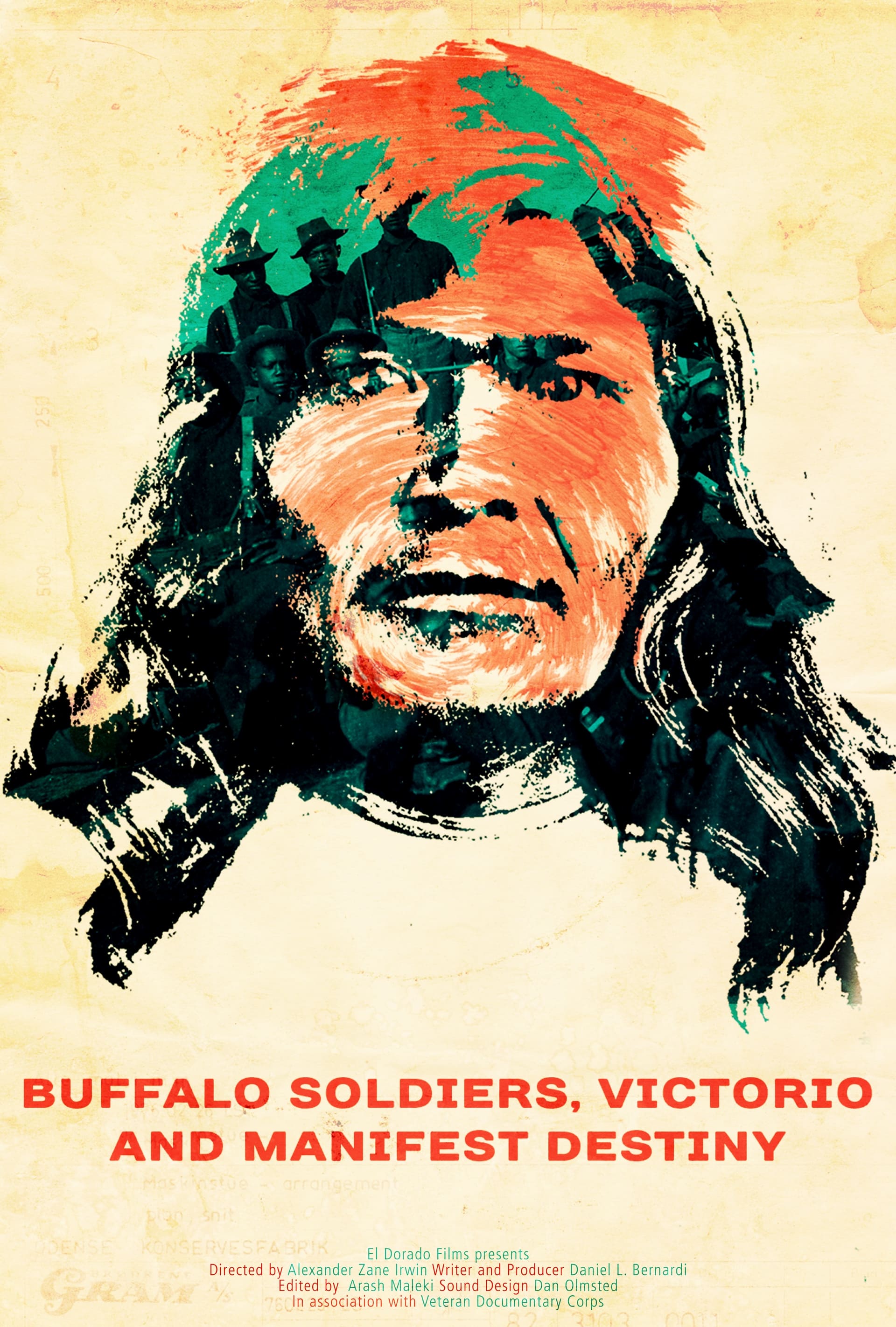
A look into the 19th century American-Indian Wars, Manifest Destiny, and the conflicts between Apache tribes and the African-American Buffalo soldier regiments.
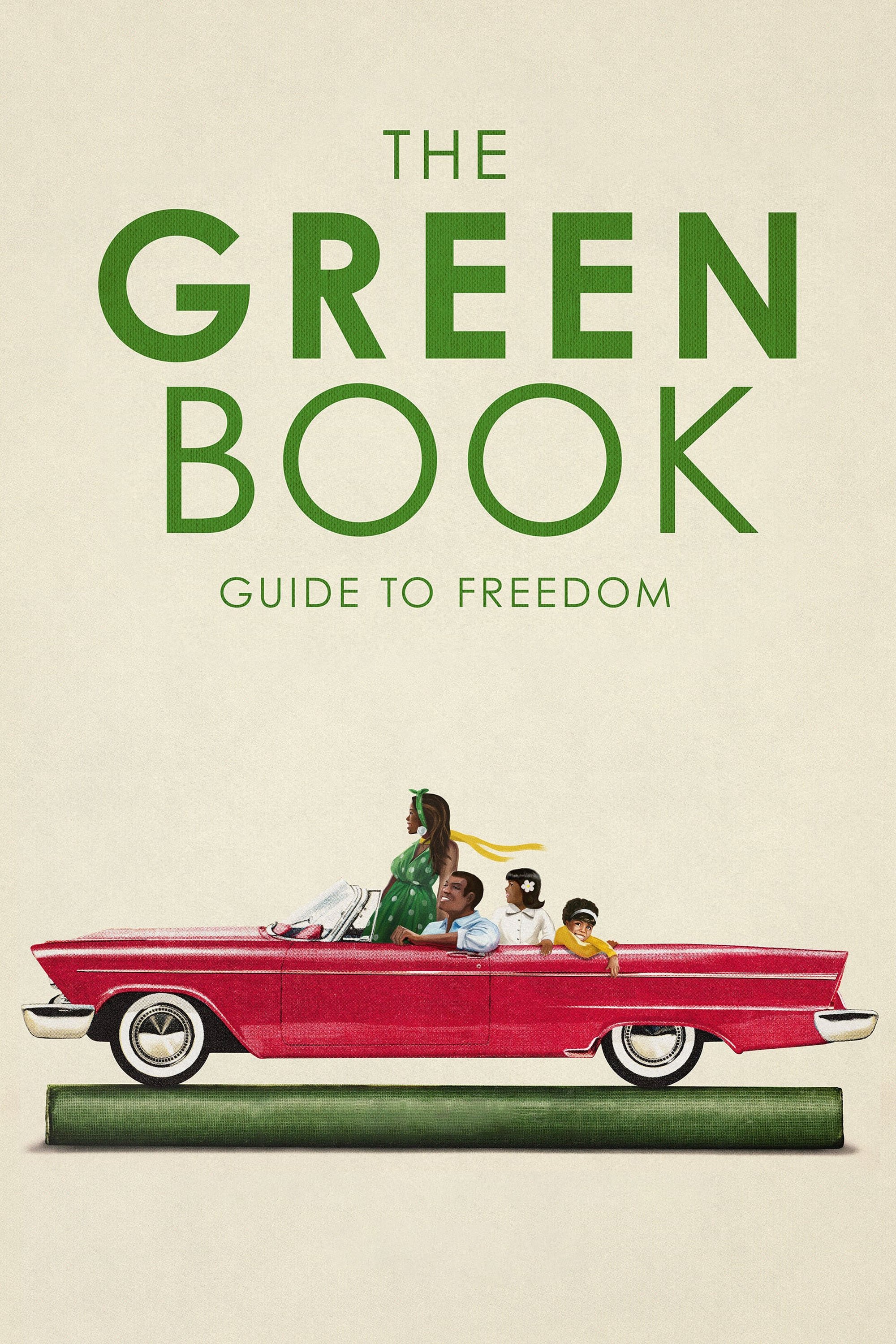
In 1936, Victor H. Green (1892-1960) published The Negro Motorist Green Book, a book that was both a travel guide and a survival manual, to help African-Americans navigate safe those regions of the United States where segregation and Jim Crow laws were disgracefully applied.
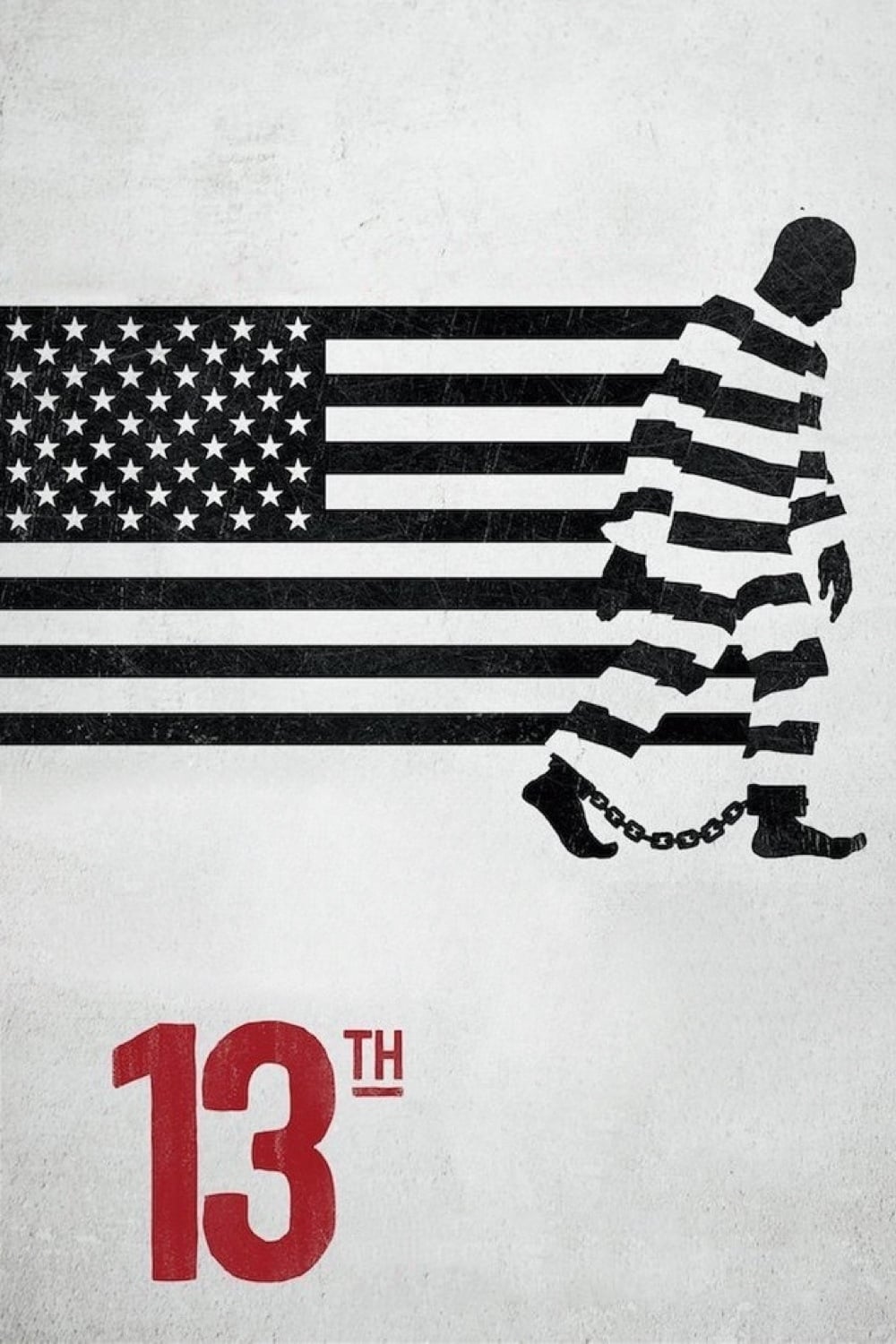
An in-depth look at the prison system in the United States and how it reveals the nation's history of racial inequality.
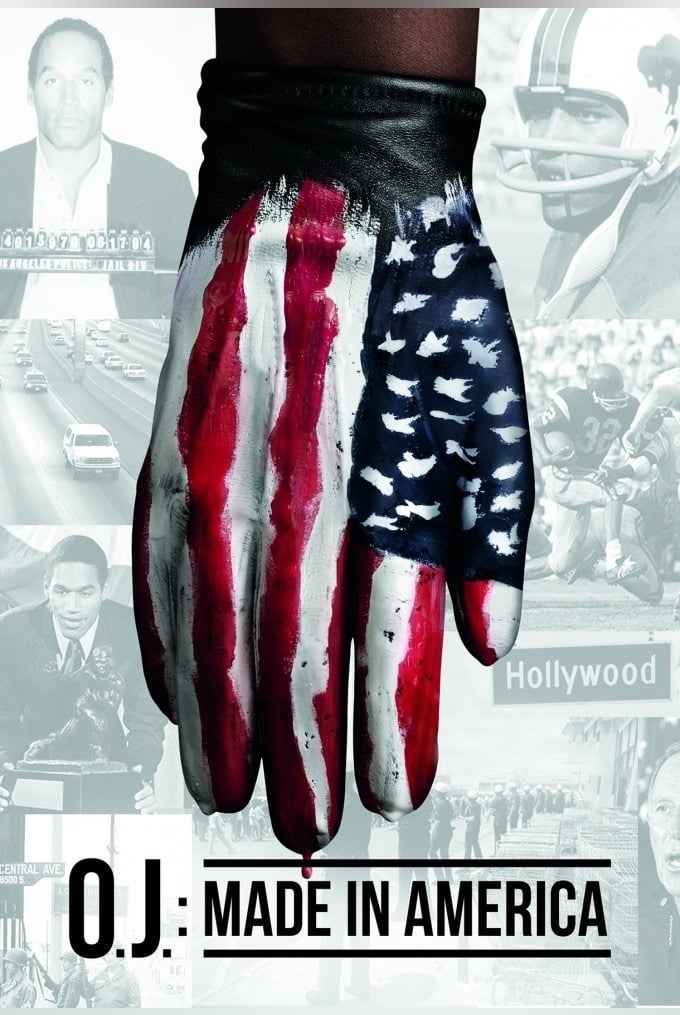
A chronicle of the rise and fall of O.J. Simpson, whose high-profile murder trial exposed the extent of American racial tensions, revealing a fractured and divided nation.
In an intimate and joyful story of love in the face of loss, celebrated poets Andrea Gibson and Megan Falley find strength—and unexpected hilarity—in what might be their final year together.
Marlon Riggs, with assistance from other gay Black men, especially poet Essex Hemphill, celebrates Black men loving Black men as a revolutionary act. The film intercuts footage of Hemphill reciting his poetry, Riggs telling the story of his growing up, scenes of men in social intercourse and dance, and various comic riffs, including a visit to the "Institute of Snap!thology," where men take lessons in how to snap their fingers: the sling snap, the point snap, the diva snap.
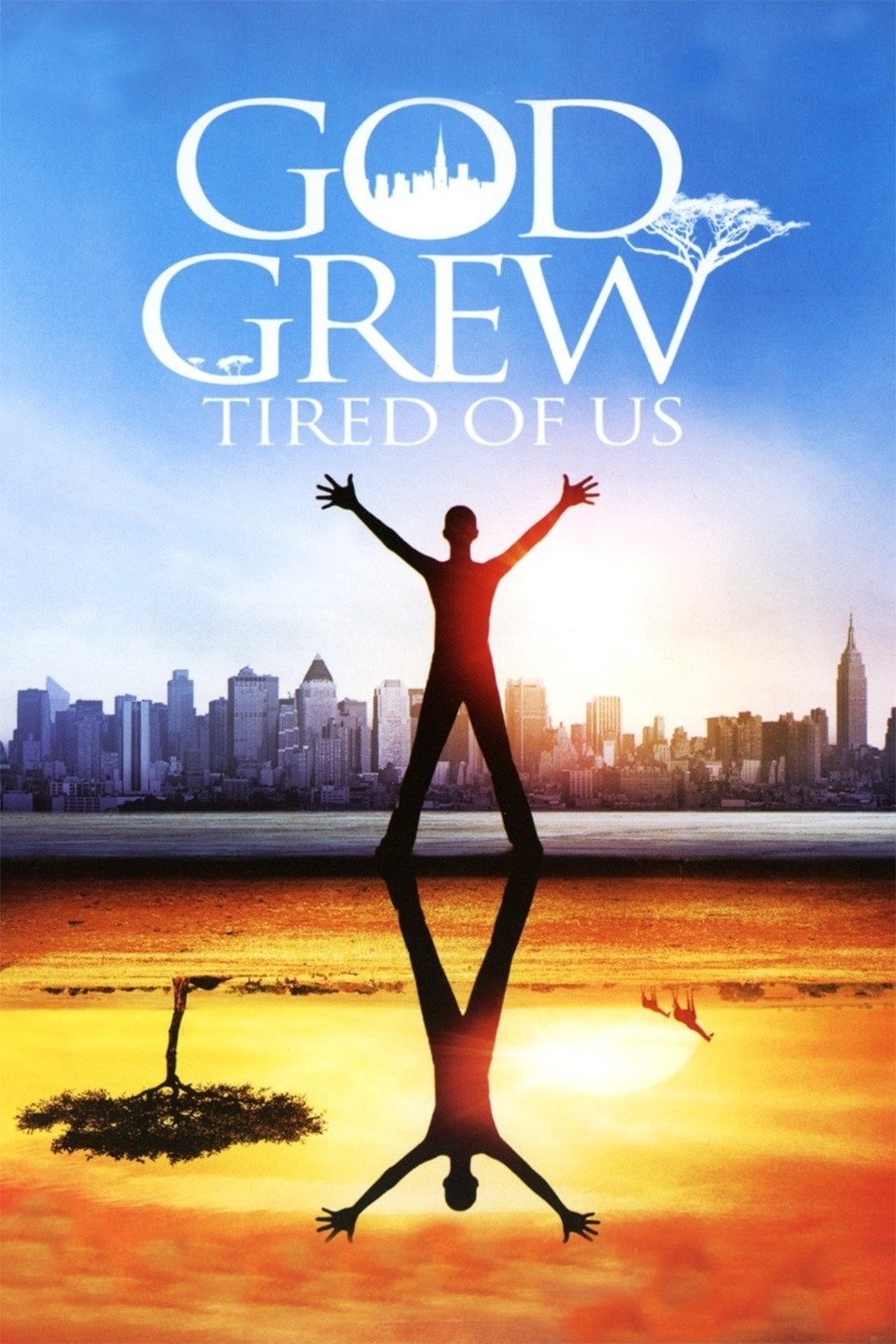
Filmmaker Christopher Quinn observes the ordeal of three Sudanese refugees -- Jon Bul Dau, Daniel Abul Pach and Panther Bior -- as they try to come to terms with the horrors they experienced in their homeland, while adjusting to their new lives in the United States.
A string of threatening emails escalates into a revenge plot involving a newly married US marshal and his ex-girlfriend.
Working from the text of James Baldwin’s unfinished final novel, director Raoul Peck creates a meditation on what it means to be Black in the United States.
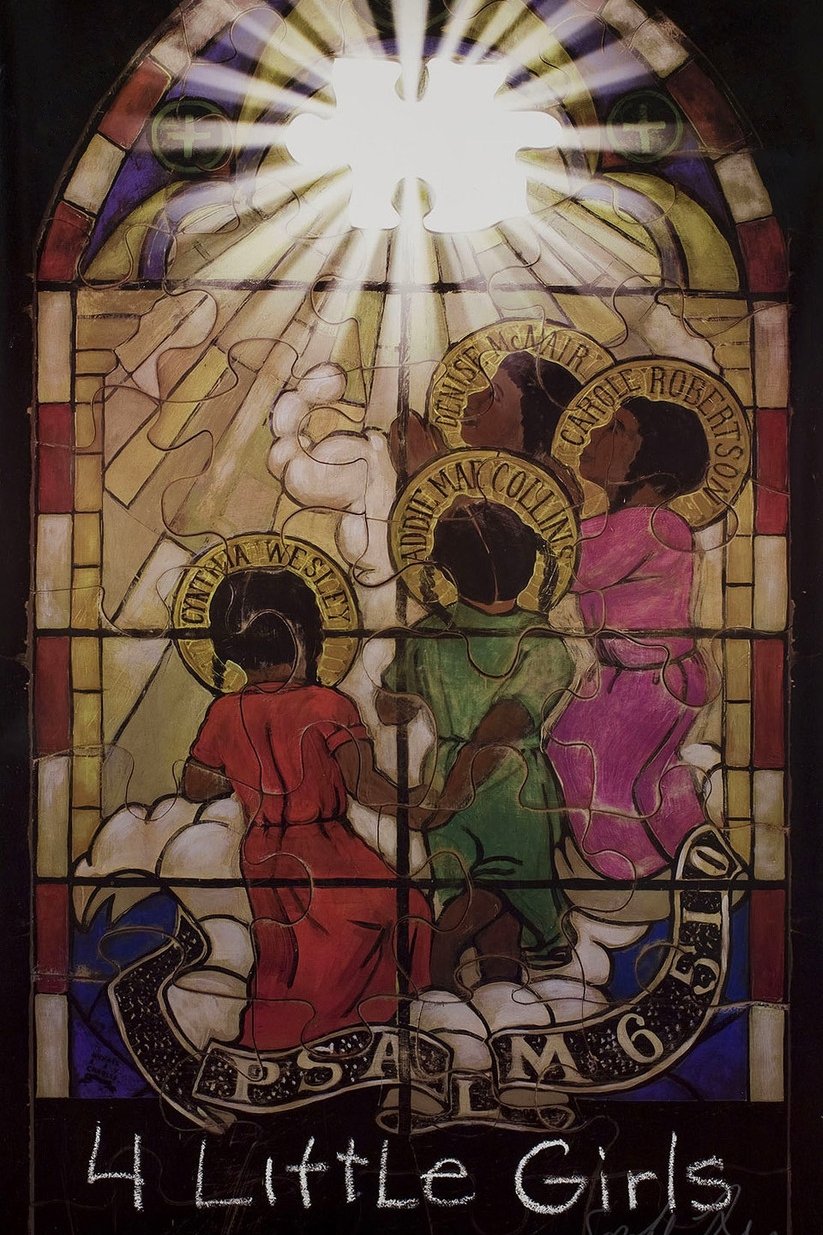
On September 15, 1963, a bomb destroyed a black church in Birmingham, Alabama, killing four young girls who were there for Sunday school. It was a crime that shocked the nation--and a defining moment in the history of the civil-rights movement. Spike Lee re-examines the full story of the bombing, including a revealing interview with former Alabama Governor George Wallace.
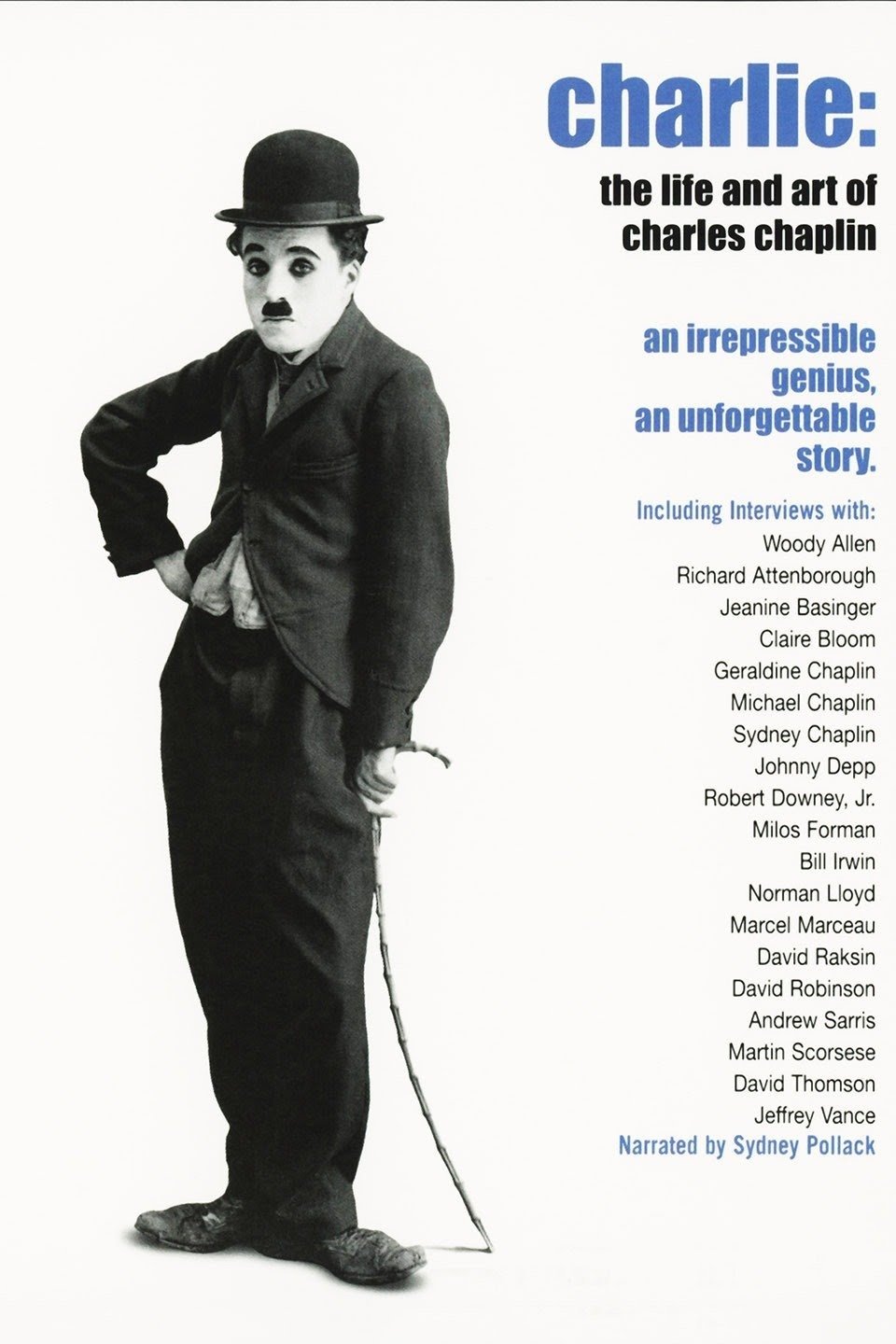
Brilliant, long in-the-works story of the life and art of the world's greatest comedian and the cinema's first genius, Charlie Chaplin. Produced, written and directed by renowned film critic Richard Schickel.
Composed of intimate and unencumbered moments of people in a community, this film is constructed in a form that allows the viewer an emotive impression of the Historic South - trumpeting the beauty of life and consequences of the social construction of race, while simultaneously a testament to dreaming.
Through deeply personal interviews with her siblings and an examination of the photographs, letters, and belongings left behind, Mariska assembles a new portrait of her mother Jayne Mansfield, an extraordinary and complex woman.
Musician and performance artist Laurie Anderson reflects on the deaths of her husband Lou Reed, her mother and her beloved dog.
A visual montage portrait of our contemporary world dominated by globalized technology and violence.
Twenty-five years after the verdict in the Rodney King trial sparked several days of protests, violence and looting in Los Angeles, LA 92 immerses viewers in that tumultuous period through stunning and rarely seen archival footage.
Al Pacino's deeply-felt rumination on Shakespeare's significance and relevance to the modern world through interviews and an in-depth analysis of "Richard III."
A compilation of over 30 years of private home movie footage shot by Lithuanian-American avant-garde director Jonas Mekas, assembled by Mekas "purely by chance", without concern for chronological order.
With a first-person look at the notorious Crips and Bloods, this film examines the conditions that have lead to decades of devastating gang violence among young African Americans growing up in South Los Angeles.
The life and career of an actor, artist, and icon. His own journey through his own camera.
Over 35 years after Bob Lazar's revelations, this documentary exposes secrets of a facility the government still denies. Featuring Lazar's testimony, recreations, and new evidence, it reopens a case that continues to spark global curiosity