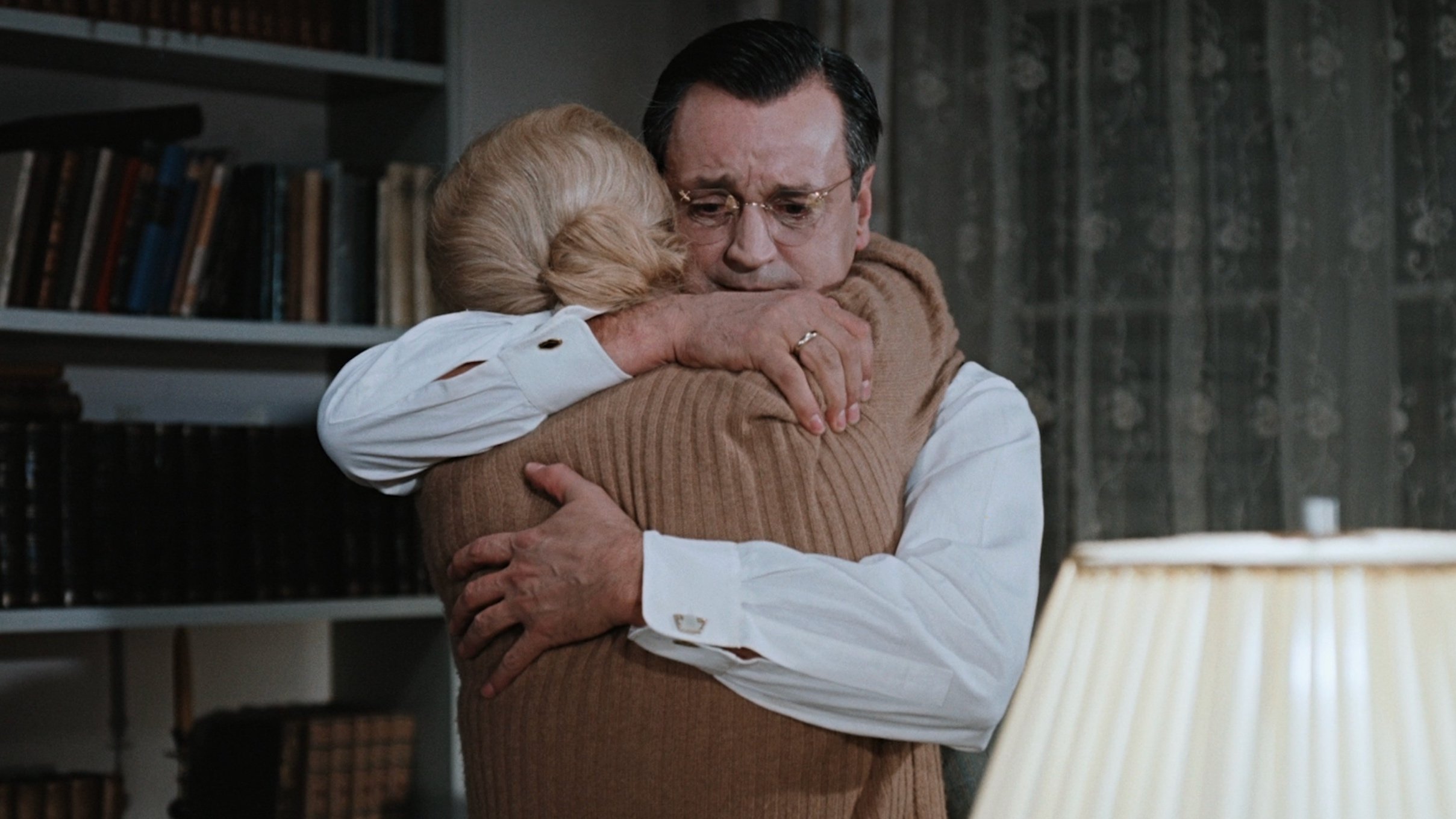
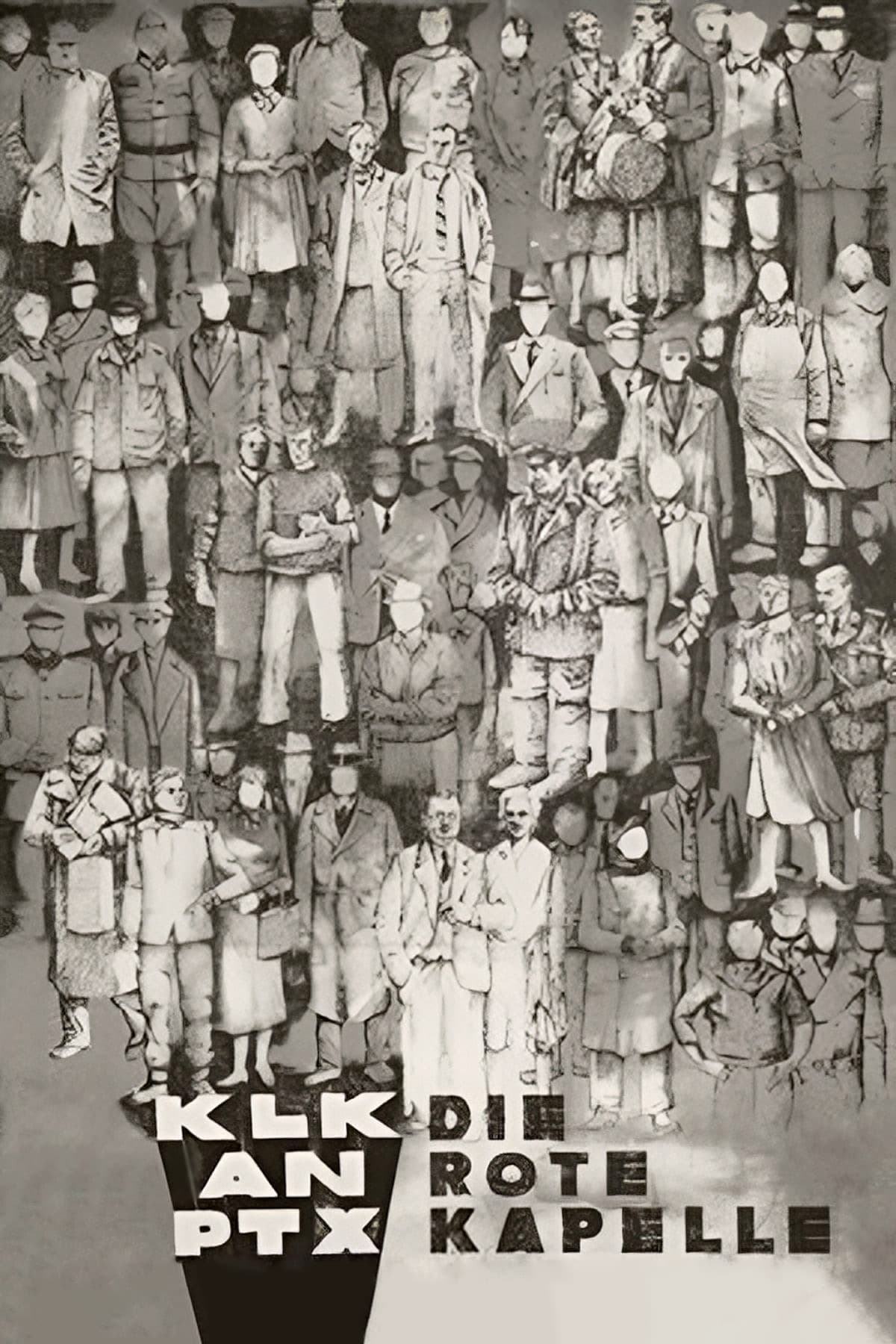
East German film about the history of Red Orchestra, a real life German pro-Soviet spy ring created after the rise of Hitler that turned into a resistance movement led by a leftist Nazi officer, Harro Schulze-Boysen, and Arvid Harnack.

Social & External
The people behind it
Horst Drinda
Arvid Harnack
Irma Münch
Mildred Harnack
Horst Schulze
Adam Kuckhoff
Barbara Adolph
Greta Kuckhoff
Klaus Piontek
Harro Schulze-Boysen
Jutta Wachowiak
Libertas Schulze-Boysen
Eckhard Bilz
Fähnrich Thierbach
Harry Pietzsch
Walter Küchenmeister
Karin Lesch
Elfriede Paul
Marylu Poolman
Elisabeth Schumacher
Sunny is the singer of a band trying to establish itself in the East Berlin music scene. They play regular gigs in small towns, but Sunny feels out of touch with the audience and with her life as a whole. She begins a relationship with Ralph, an amateur saxophonist and philosophy student, who writes her a very personal song—but his obsession with death and unfaithful lifestyle are not for her. After getting into a quarrel with a band member who harasses her and telling off a show host, she is thrown out of the band. Abandoned, she struggles to regain control over her life.
Frustrated, because he is forced to produce bad TV-shows, a manager of a TV-station, enters the station and manipulates the ratings, to initiate a TV-revolution.
A posthumous look at the last days of Guenther's life as he, his best friend, and his sister let loose on a four-day binge of alcohol, drugs, and sex.
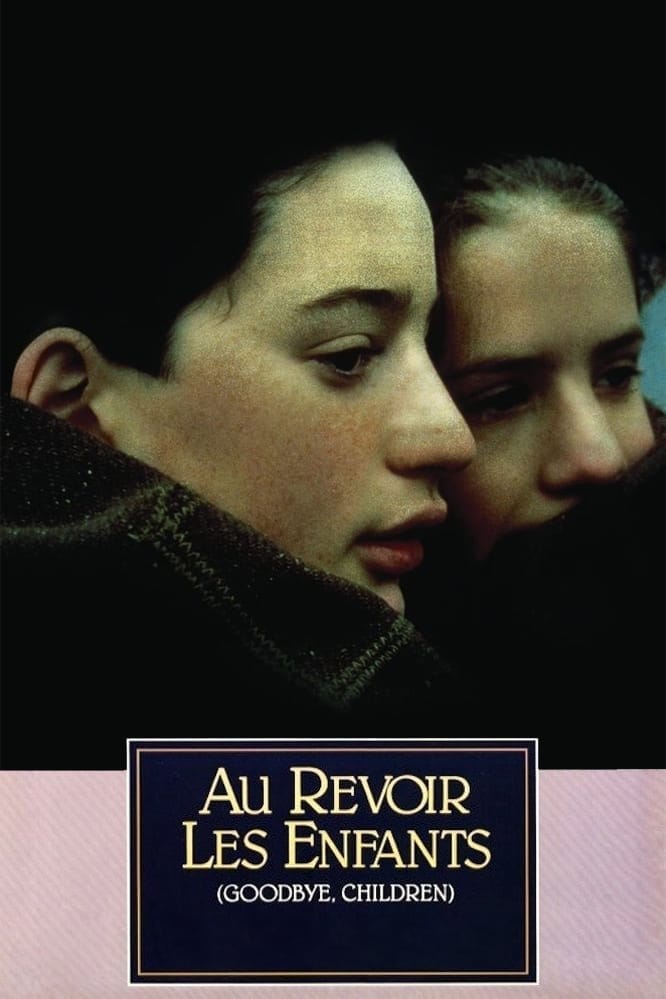
Au revoir les enfants tells a heartbreaking story of friendship and devastating loss concerning two boys living in Nazi-occupied France. At a provincial Catholic boarding school, the precocious youths enjoy true camaraderie—until a secret is revealed. Based on events from writer-director Malle’s own childhood, the film is a subtle, precisely observed tale of courage, cowardice, and tragic awakening.
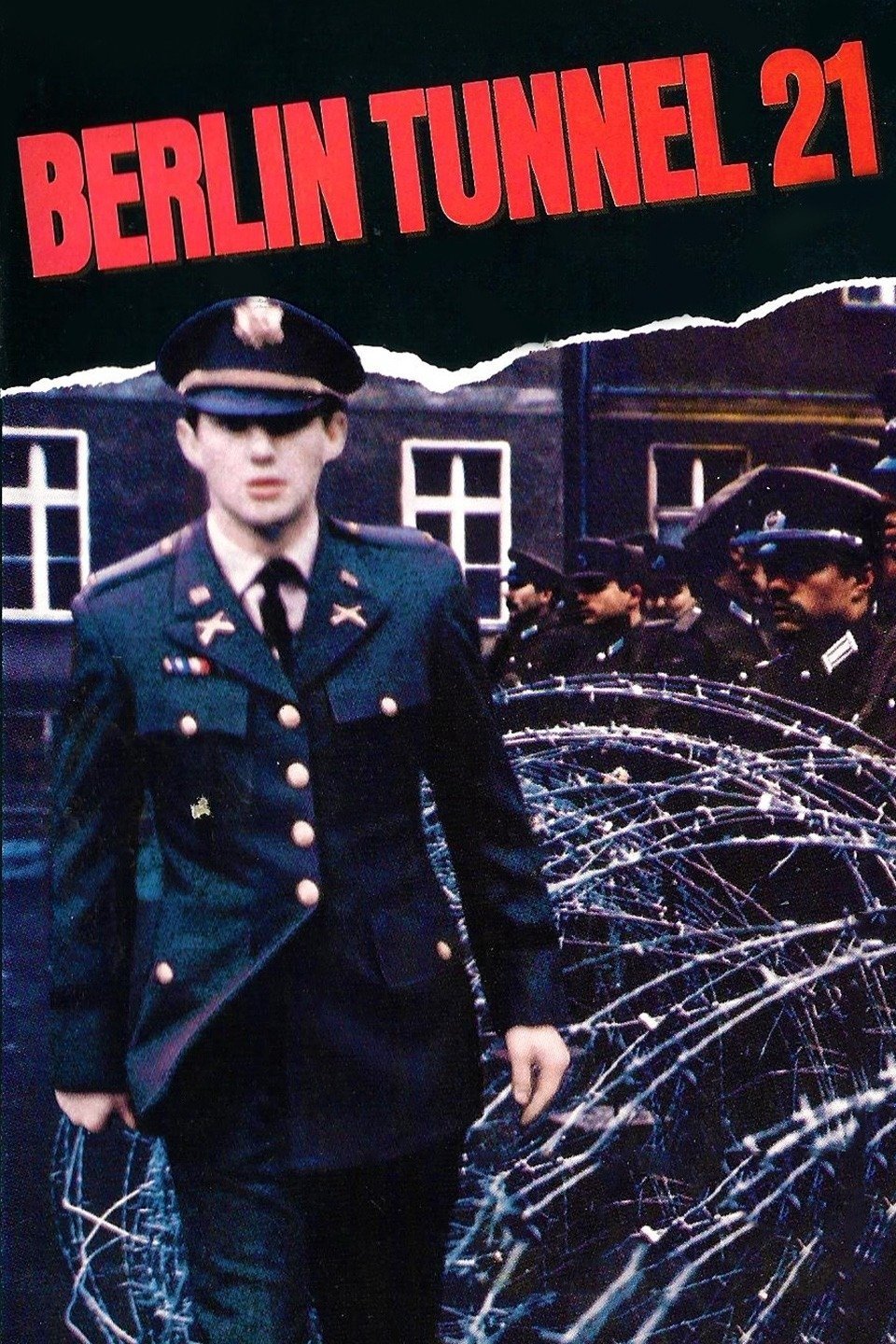
In Berlin in 1961, an American soldier and a German engineer join forces to build a tunnel under the Berlin Wall in order to smuggle out refugees, including the soldier's East German girlfriend.
Germany 1982: The country is divided into two parts. Nele, coming from West-Germany, travels to East-Germany where she meets Captain, singer of a band. They fall in love with each other, but the regime "takes care" of their relationship, meaning: They can not see each other again. Germany 1990: The country is reunited. Nele starts searching their lost love...
After getting threatened by Kelly's friends and family, Constable Fitzpatrick places the blame on Ned Kelly and exaggerates what happened. With the biggest ever award available, Kelly and his gang set into the wild, to remain hidden from everyone who seeks them. Even if it means having his family arrested, the members of the Kelly Gang stay hidden and plan a way to get their names cleared.
Inside the Kit Kat Club of 1931 Berlin, starry-eyed singer Sally Bowles and an impish emcee sound the clarion call to decadent fun, while outside a certain political party grows into a brutal force.
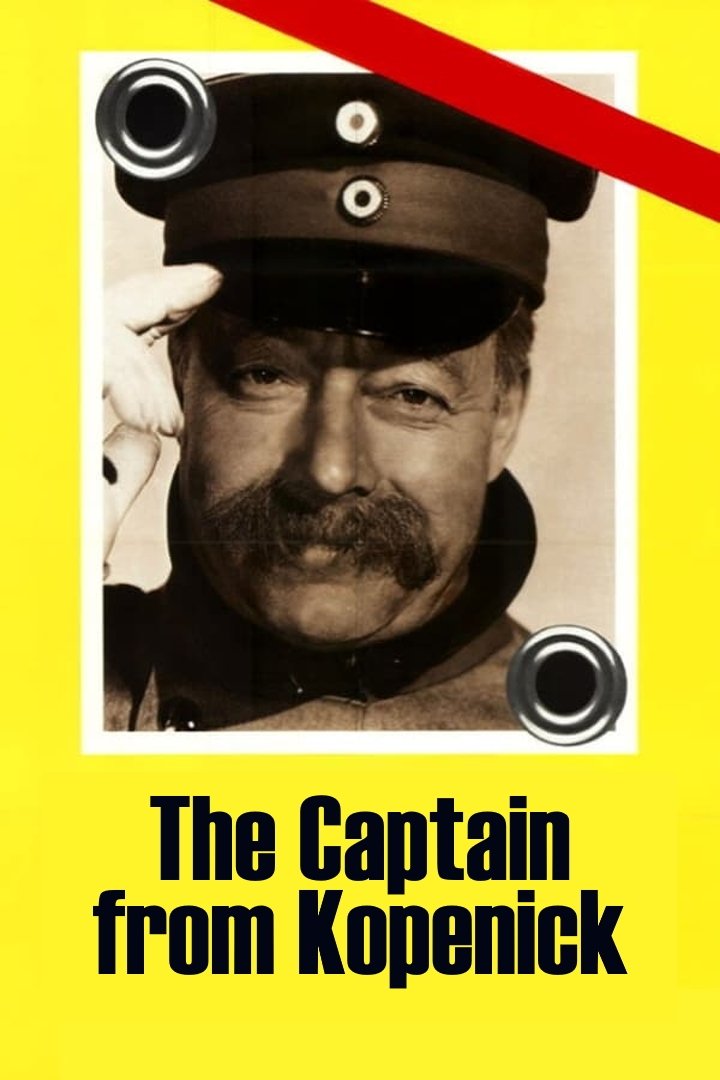
A young shoemaker is arrested for stealing a small amount of money, and is jailed for fifteen years. Upon his release, he wants to get a permit to get a job and start anew, but finds that without a job he can't get a permit, and without a permit he can't get a job. Ensnared in the absurd net of Prussian bureaucracy, he can't see any way out. That is, until he enters a thrift shop and spots a Prussian officer's uniform that fits him like a second skin...
During the Second World War, a small group of students at Munich University begin to question the decisions and sanity of Germany's Nazi government. The students form a resistance cell which they name the "White Rose" after a newsletter that is secretly distributed to the student body. At first small in numbers and fearful of discovery, the White Rose begins to gain massive support after a Nazi Gauleiter nearly incites a student riot after a provokative speech. At this point, the matter is taken over by the German Gestapo, who pledge to hunt down and destroy the members of the White Rose.
Moritz follows a boyfriend to Berlin and is soon abandoned by him. Alone in the big city, he embarks on a journey through a wide range of queer experience. Only through a new circle of queer friends does he develop his own ideas of sexuality and masculinity, leading him to a clearer self-identity.
The retelling of June 6, 1944, from the perspectives of the Germans, US, British, Canadians, and the Free French. Marshall Erwin Rommel, touring the defenses being established as part of the Reich's Atlantic Wall, notes to his officers that when the Allied invasion comes they must be stopped on the beach. "For the Allies as well as the Germans, it will be the longest day"
Comedian Harmonists tells the story of a famous, German male sextet, five vocals and piano, the "Comedian Harmonists", from the day they meet first in 1927 to the day in 1934, when they become banned by the upcoming Nazis, because three of them are Jewish.
A slingshot is loaded, the stone flies and crashes - the neighbor's window breaks. Ramona and Nico are friends, lazy bums and fresh out of school. But instead of thinking about their future, they prefer to let the hot Berlin summer get the better of them. When they release a beloved neighbor's bird, they have to flee - into the politically charged world that they really don't want to be in. A road trip through Berlin begins - but on foot.
Flying at 40,000 feet in a state-of-the art aircraft that she helped design, Kyle Pratt's 6-year-old daughter Julia vanishes without a trace. Or did she? No one on the plane believes Julia was ever onboard. And now Kyle, desperate and alone, can only count on her own wits to unravel the mystery and save her daughter.
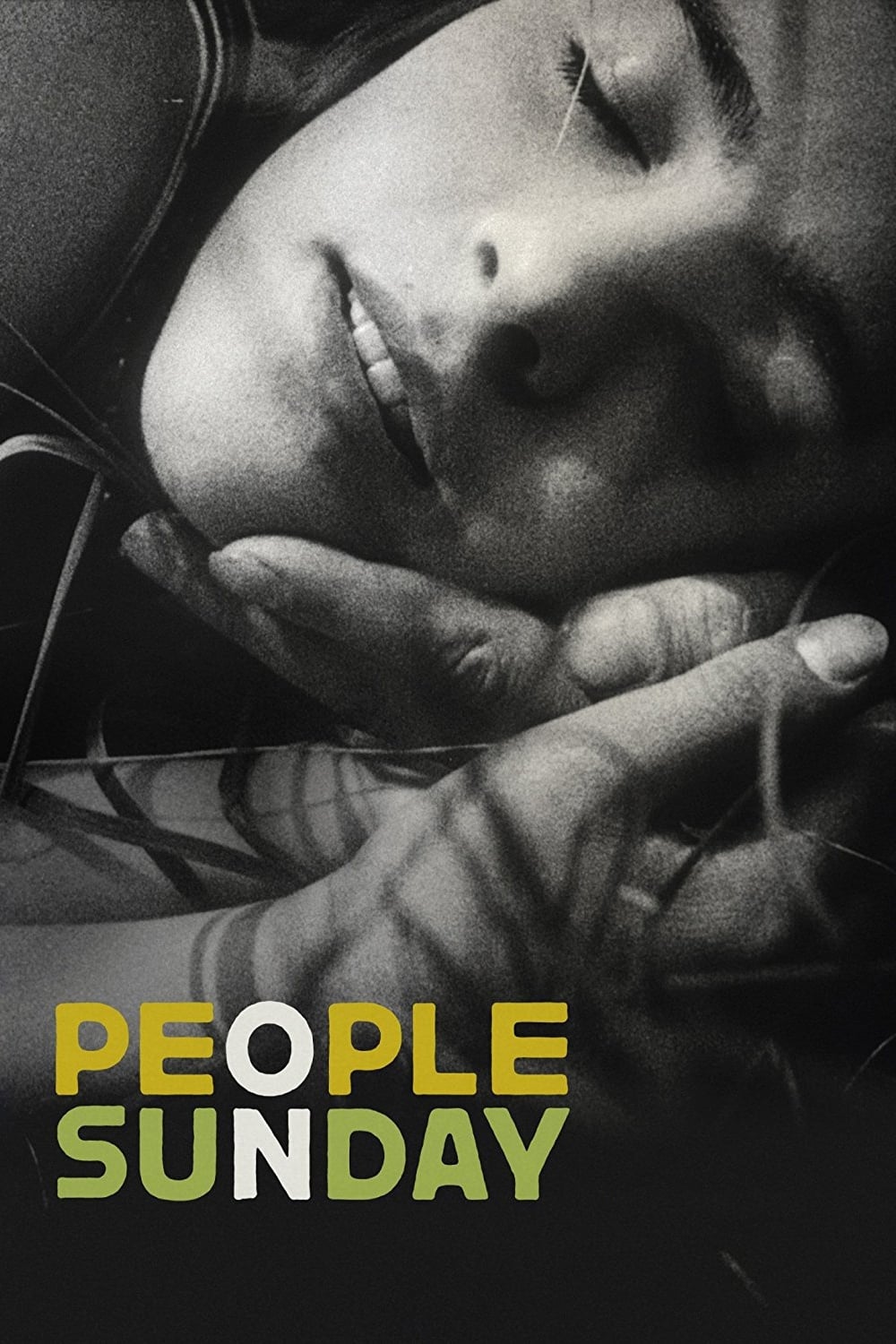
A semi-documentary experimental 1930 German silent film created by amateurs with a small budget. With authentic scenes of the metropolis city of Berlin, it's the first film from the later famous screenwriters/directors Billy Wilder and Fred Zinnemann.
During the Nazi occupation of 1944 Rome, Resistance leader Giorgio Manfredi is pursued by the Nazis as he seeks refuge and a means of escape.
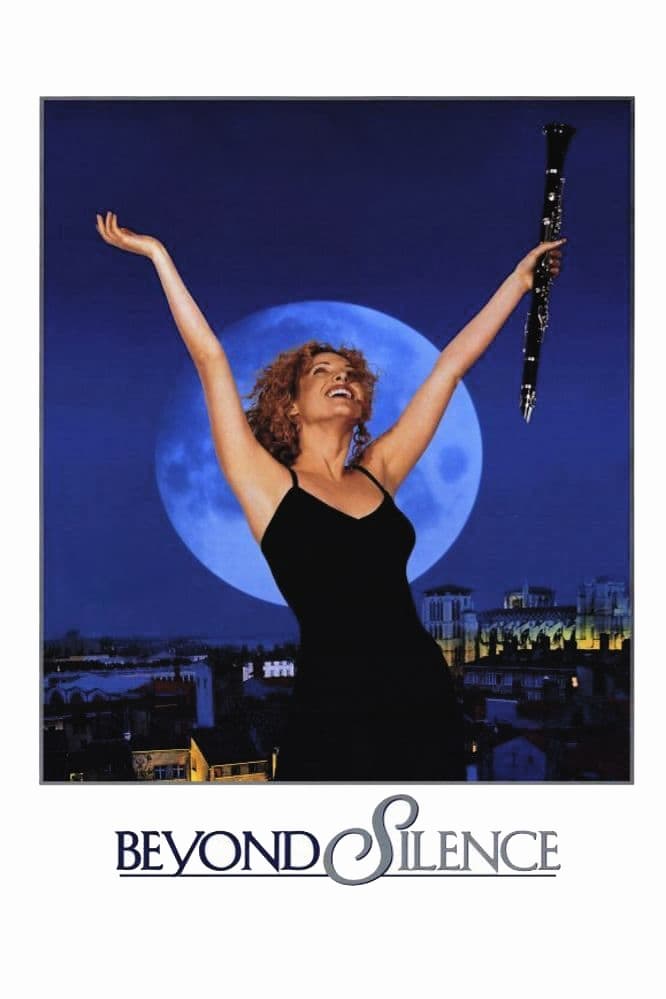
Beyond Silence is about a family and a young girl’s coming of age story. This German film looks into the lives of the deaf and at a story about the love for music. A girl who has always had to translate speech into sign language for her deaf parents yet when her love for playing music grows strong she must decide to continue doing something she cannot share with her parents.
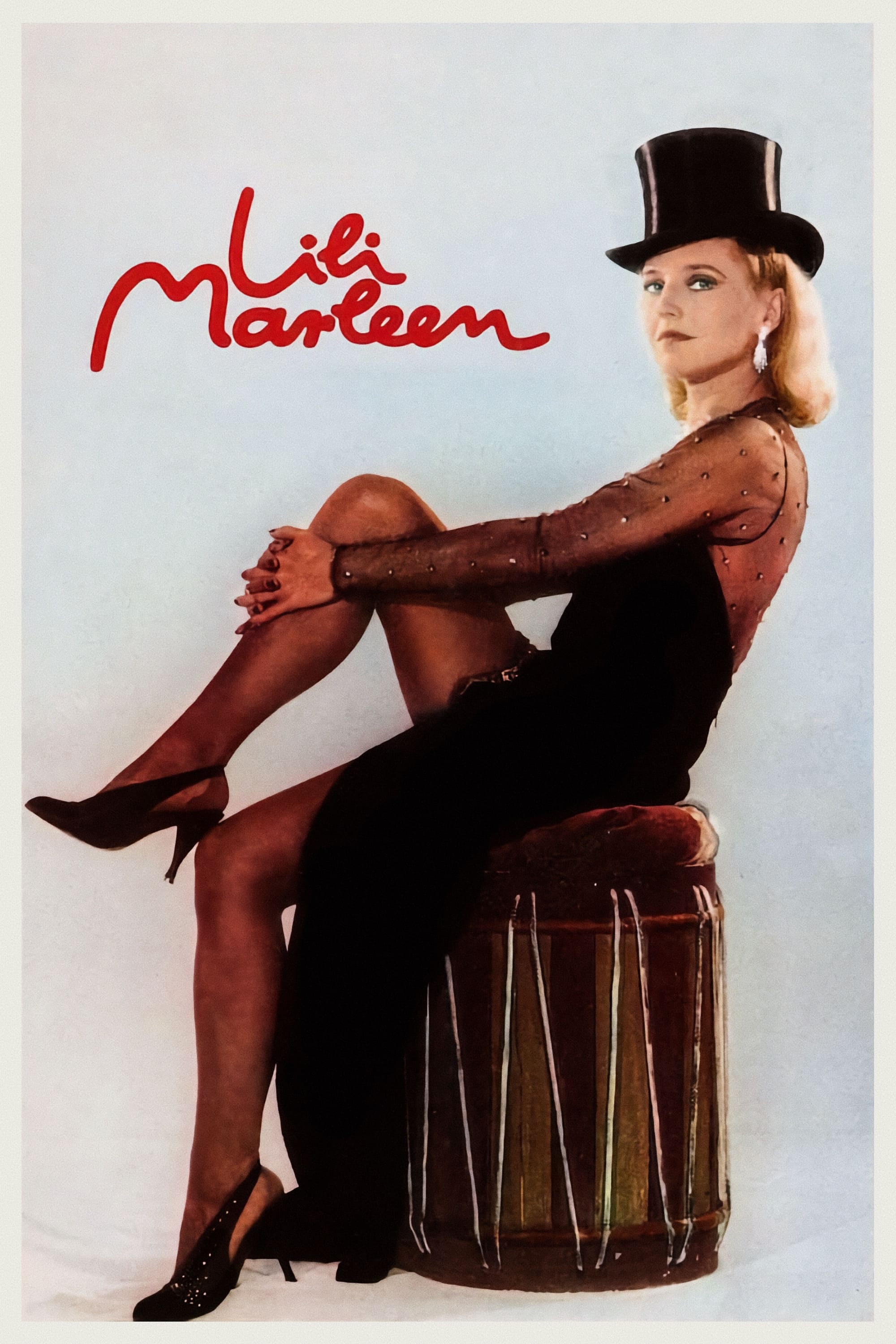
The story of a German singer named Willie, who while working in Switzerland, falls in love with a Jewish composer named Robert, whose family is helping people to flee from the Nazis. Robert’s family is skeptical of Willie, thinking she could be a Nazi as she becomes famous for singing the song “Lili Marleen”.
In Casablanca, Morocco in December 1941, a cynical American expatriate meets a former lover, with unforeseen complications.
At the tense 1938 Munich Conference, former friends who now work for opposing governments become reluctant spies racing to expose a Nazi secret.
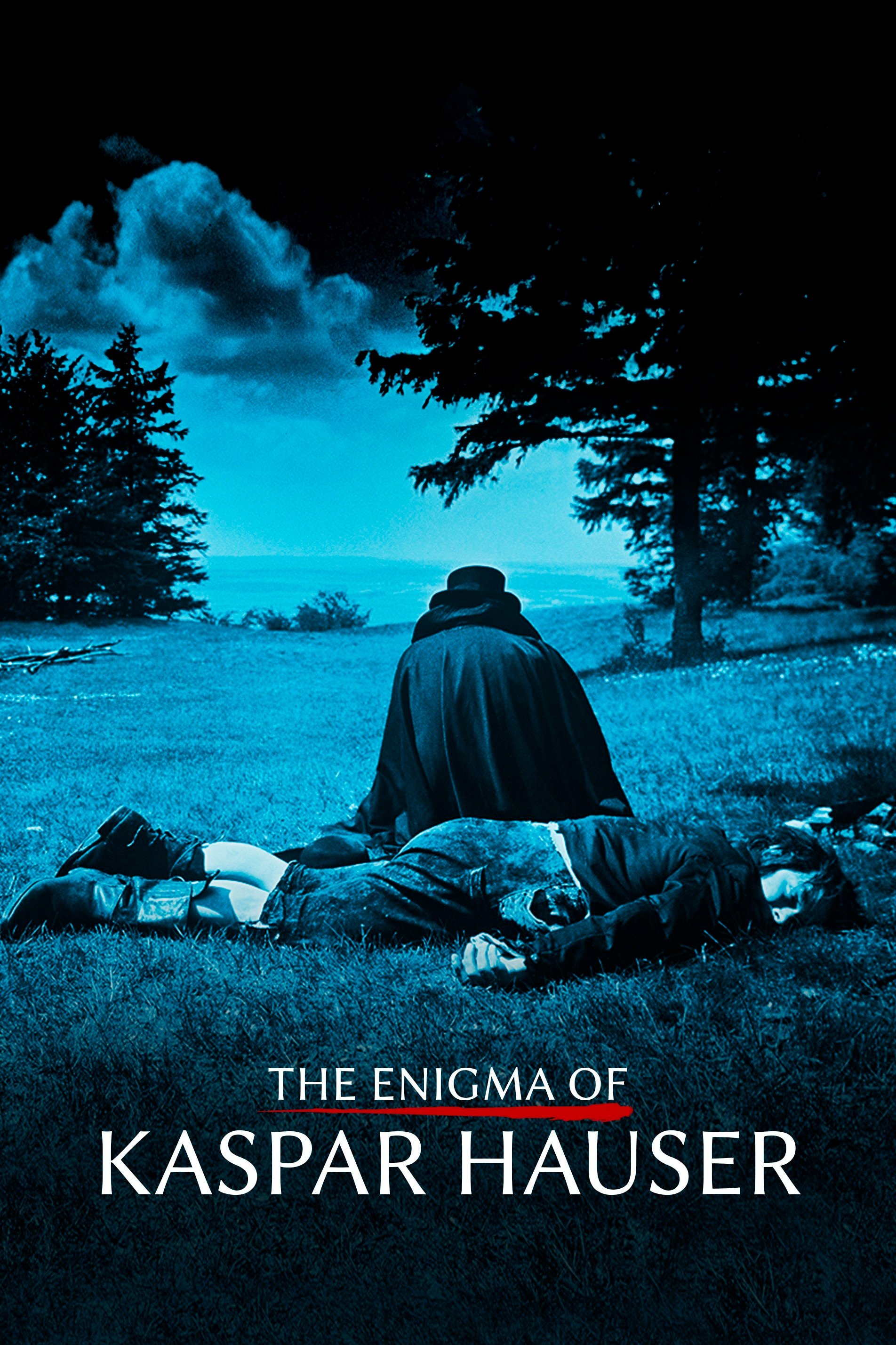
The film follows Kaspar Hauser, who lived the first seventeen years of his life chained in a tiny cellar with only a toy horse to occupy his time, devoid of all human contact except for a man who wears a black overcoat and top hat who feeds him.
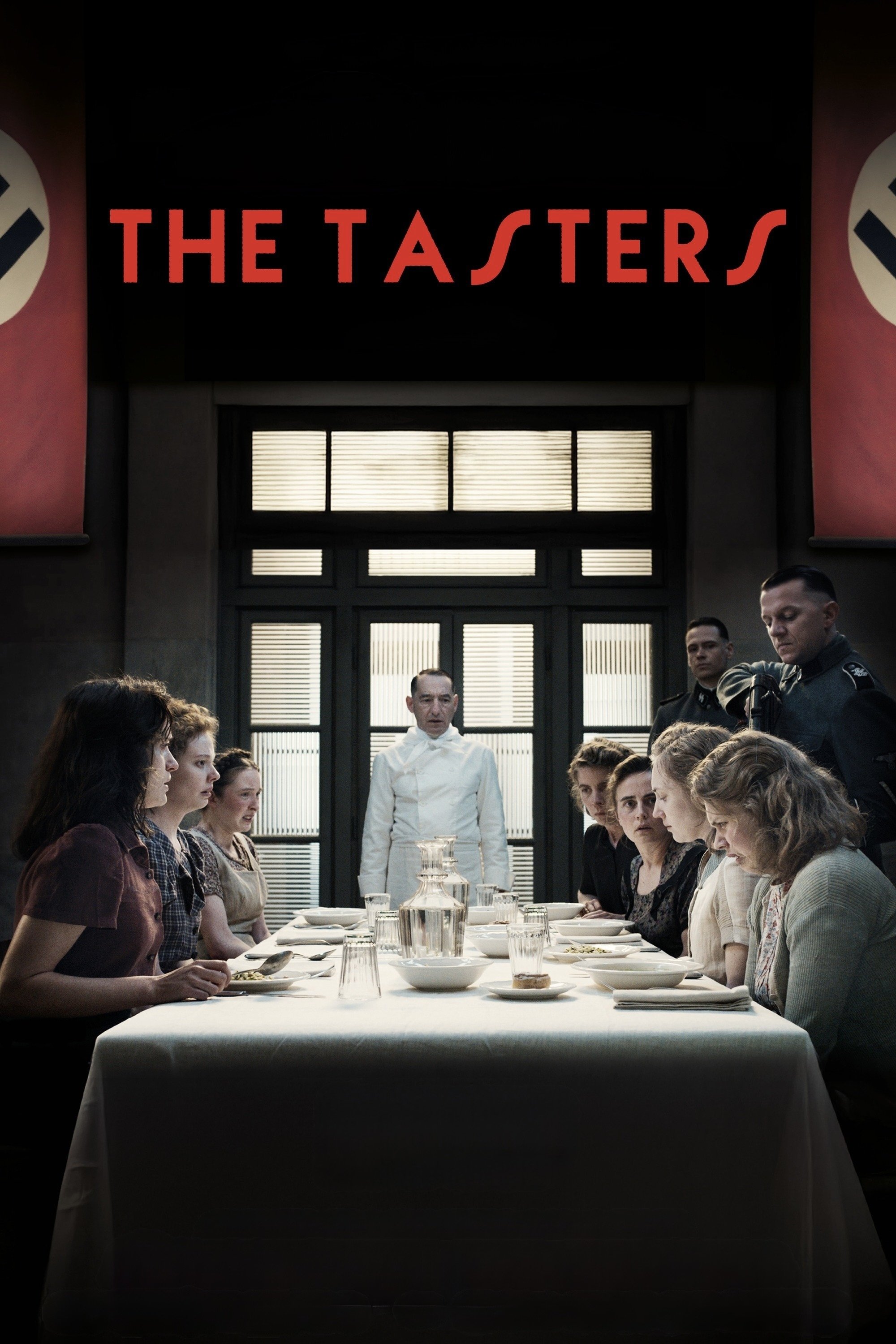
In autumn 1943, in Gross-Partsch, 26-year-old Rosa, who had come from Berlin to stay with the parents of her husband Gregor, who was fighting on the Russian front, was taken by the SS to a mysterious place. Forced to taste a dish, she joins the group of tasters responsible for checking that the food destined for Hitler is not poisoned.
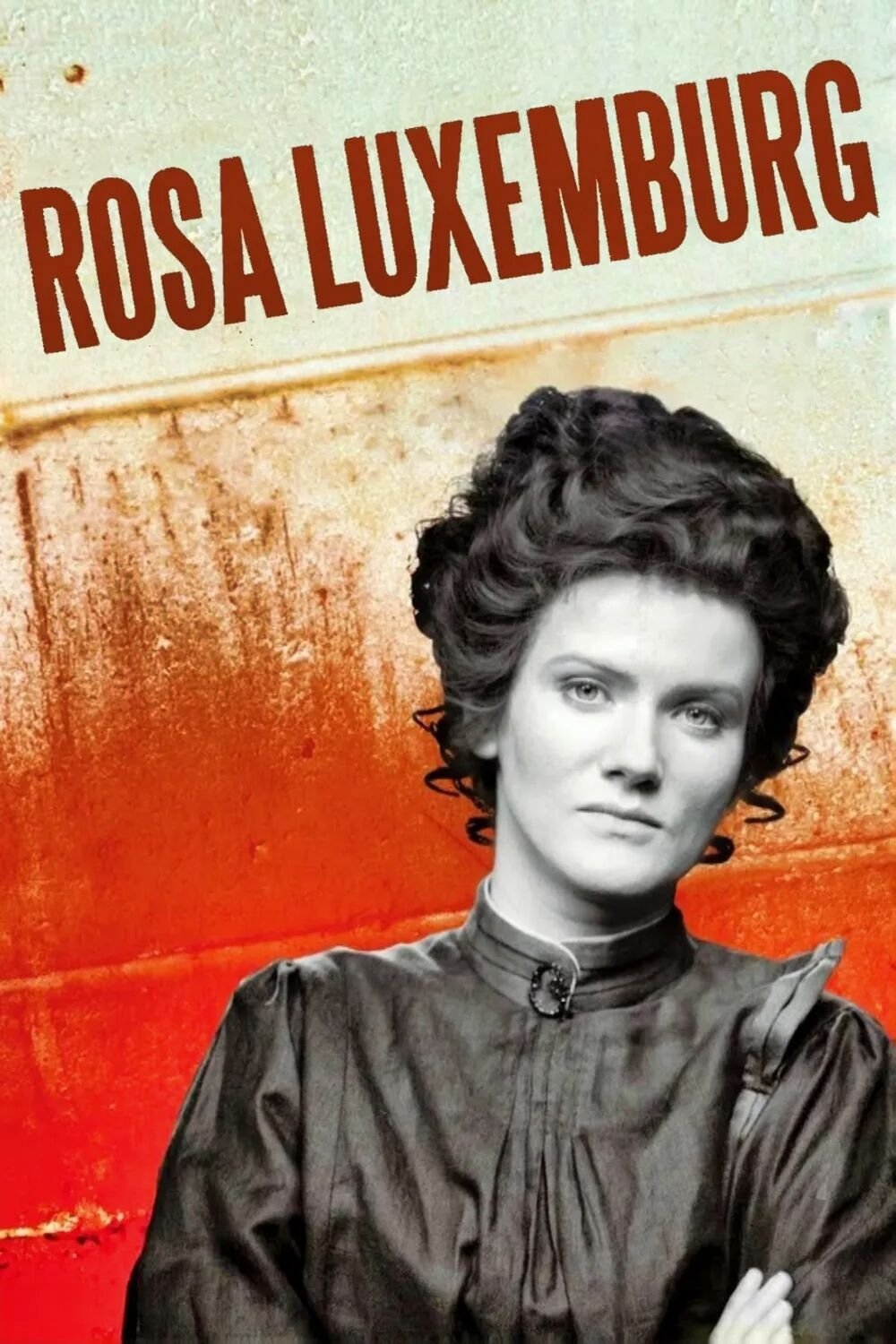
Polish socialist and Marxist Rosa Luxemburg works tirelessly in the service of revolution in early 20th century Poland and Germany. While Luxemburg campaigns for her beliefs, she is repeatedly imprisoned as she forms the Spartacist League offering a new vision for Germany.
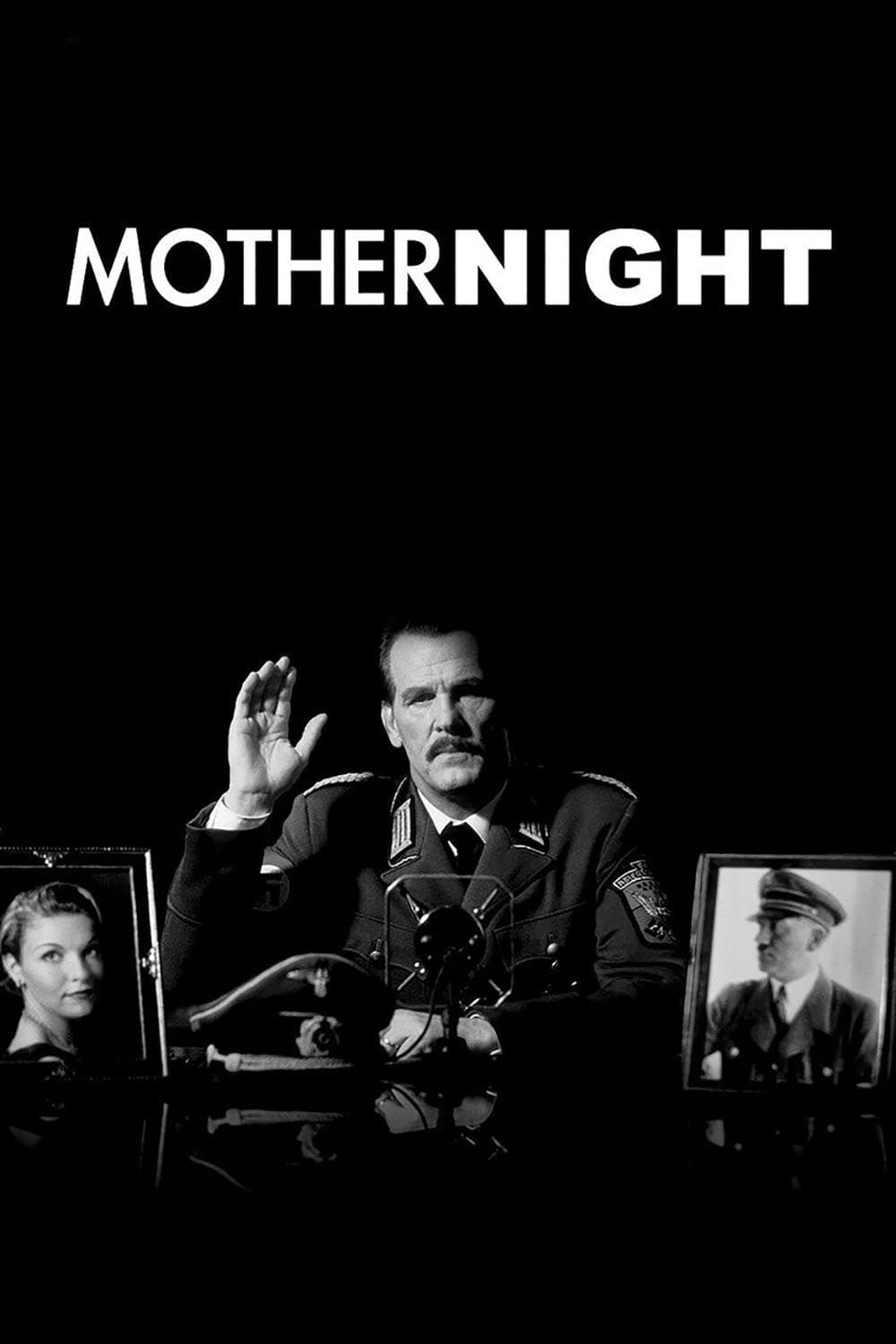
An American spy behind the lines during WWII serves as a Nazi propagandist, a role he cannot escape in his future life as he can never reveal his real role in the war.
Young women toiling in a factory are exposed to hazardous material which takes a disastrous toll on their health.
Jewish aesthete Cioma, 21, does not let anyone take away his joy of life, especially not the Nazis. In 1942, he has to find new ways to make his living in Berlin and escape deportation. In the process he discovers his talent for forgery: not only with passports, but also his own identity.
On the eve of World War II, the German Kurt Müller, his American-born wife Sara, and their three children, having lived in Europe for years, visit Sara's wealthy mother near Washington, DC. Kurt secretly works for the anti-Nazi resistance. A visiting Romanian count, becoming aware of this, seeks to blackmail him.
When loyalty to country becomes loyalty to a lie, one teen risks everything to expose the truth. With the Gestapo closing in, he must decide what it really means to be a good German.
Desperate to help her son, Rabiye Kurnaz, a housewife and loving mother from Bremen, goes to the police, notifies authorities and almost despairs at their impotence and in the end, against all the odds, something truly remarkable happens.
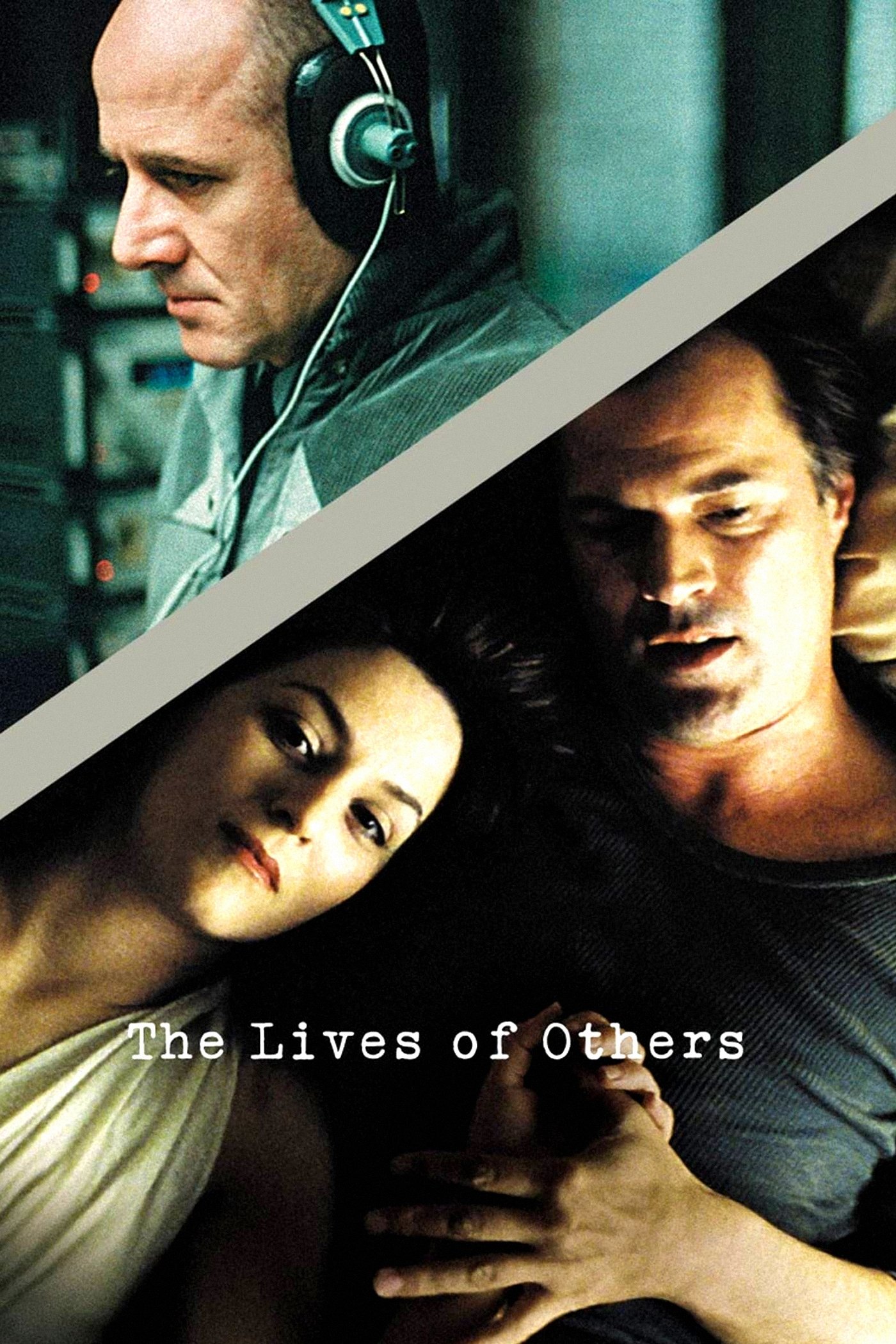
In 1984 East Berlin, dedicated Stasi officer Gerd Wiesler begins spying on a famous playwright and his actress-lover Christa-Maria. Wiesler becomes unexpectedly sympathetic to the couple, and faces conflicting loyalties when his superior takes a liking to Christa-Maria.
At the behest of an old and dear friend, playwright Lillian Hellman undertakes a dangerous mission to smuggle funds into Nazi Germany.
A WWII veteran escapes his care home in Northern Ireland and embarks on an arduous but inspirational journey to France to attend the 75th anniversary of the D-Day landings, finding the courage to face the ghosts of his past.
The story of Margaret Humphreys, a social worker from Nottingham, who uncovers one of the most significant social scandals in recent times – the forced migration of children from the United Kingdom to Australia and other Commonwealth countries. Almost singlehandedly, Margaret reunited thousands of families, brought authorities to account and worldwide attention to an extraordinary miscarriage of justice.
In postwar Germany, an American psychiatrist must determine whether Nazi prisoners are fit to go on trial for war crimes, and finds himself in a complex battle of intellect and ethics with Hermann Göring, Hitler's right-hand man.
In 1943, as Hitler continues to wage war across Europe, a group of college students mount an underground resistance movement in Munich. Dedicated expressly to the downfall of the monolithic Third Reich war machine, they call themselves the White Rose. One of its few female members, Sophie Scholl is captured during a dangerous mission to distribute pamphlets on campus with her brother Hans. Unwavering in her convictions and loyalty to the White Rose, her cross-examination by the Gestapo quickly escalates into a searing test of wills as Scholl delivers a passionate call to freedom and personal responsibility.
Follow-up to the TV trilogy “Heimat”, this time for cinemas, set again in the fictional village Schabbach in the Hunsrück region of Rhineland-Palatinate.
Fr. Hugh O'Flaherty is a Vatican official in 1943-45 who has been hiding downed pilots, escaped prisoners of war, and Italian resistance families. His activities become so large that the Nazis decide to assassinate him the next time he leaves the Vatican.
Andreas Dresen's adaptation of Clemens Meyer's novel about a group of East German friends right after the fall of the Wall.
A seamstress recalls events leading to her act of peaceful defiance that prompted the 1955 bus boycott in Montgomery, Alabama.