"Lesbians and gay men tell history"
Stories of 12 gay and lesbian survivors of Nazism and the Holocaust.
Social & External
The people behind it
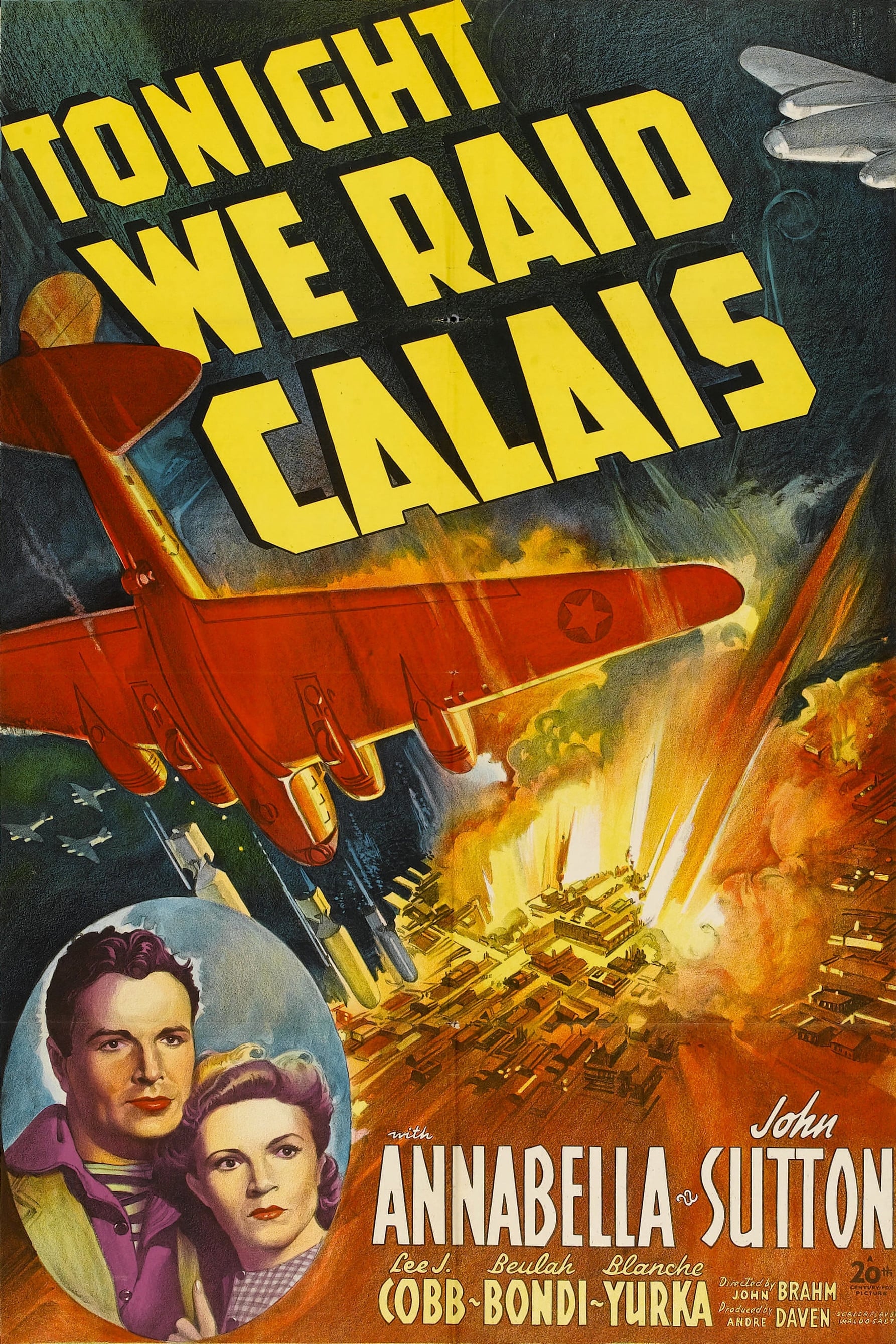
A grounded American fighter pilot is switched to espionage on a special job in which he must kill a small-time Paris lawyer suspected of double-crossing France by selling out radio operators to the Nazis.
A POW in World War II is put to work in a Munich zoo, looking after an Asian elephant. The zoo is bombed by the Americans and the director of the zoo decides it is not safe for his Asian elephant Lucy to remain there. So he sends Brooks to safety with Lucy. They escape and go on the run in order to get to Switzerland.
Two-time Olympian and World Champion, the legendary Randy Gardner, explores his true identity through figure skating and his one man show. With his skating partner of over fifty years, Tai Babilonia, the pair experienced the heights of worldwide glory and devastating personal tragedy. Now that the intense glare of the public spotlight softens, he is free to finally reveal his untold magical and meaningful journey... on and off the ice.
A documentary about the portrayal of Adolf Hitler in popular culture.
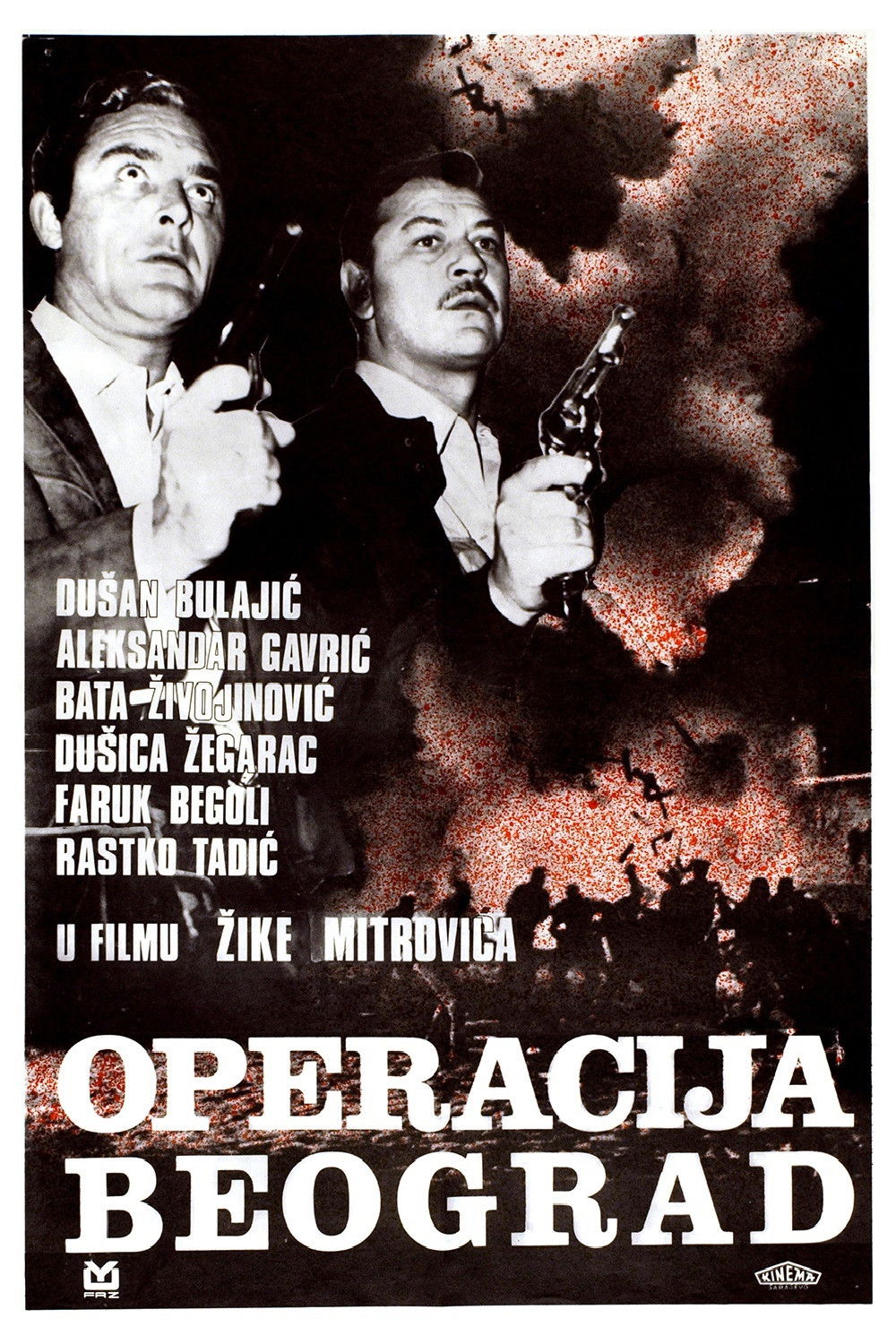
In Autumn of 1943 American plane carrying Soviet colonel is shot down near Nazi-occupied Belgrade. Germans capture the colonel and begin interrogations, because he knows everything about forecoming Allied summit in Tehran. Group of Yugoslav Partizans is sent to Belgrade in order to rescue the colonel before he starts talking.
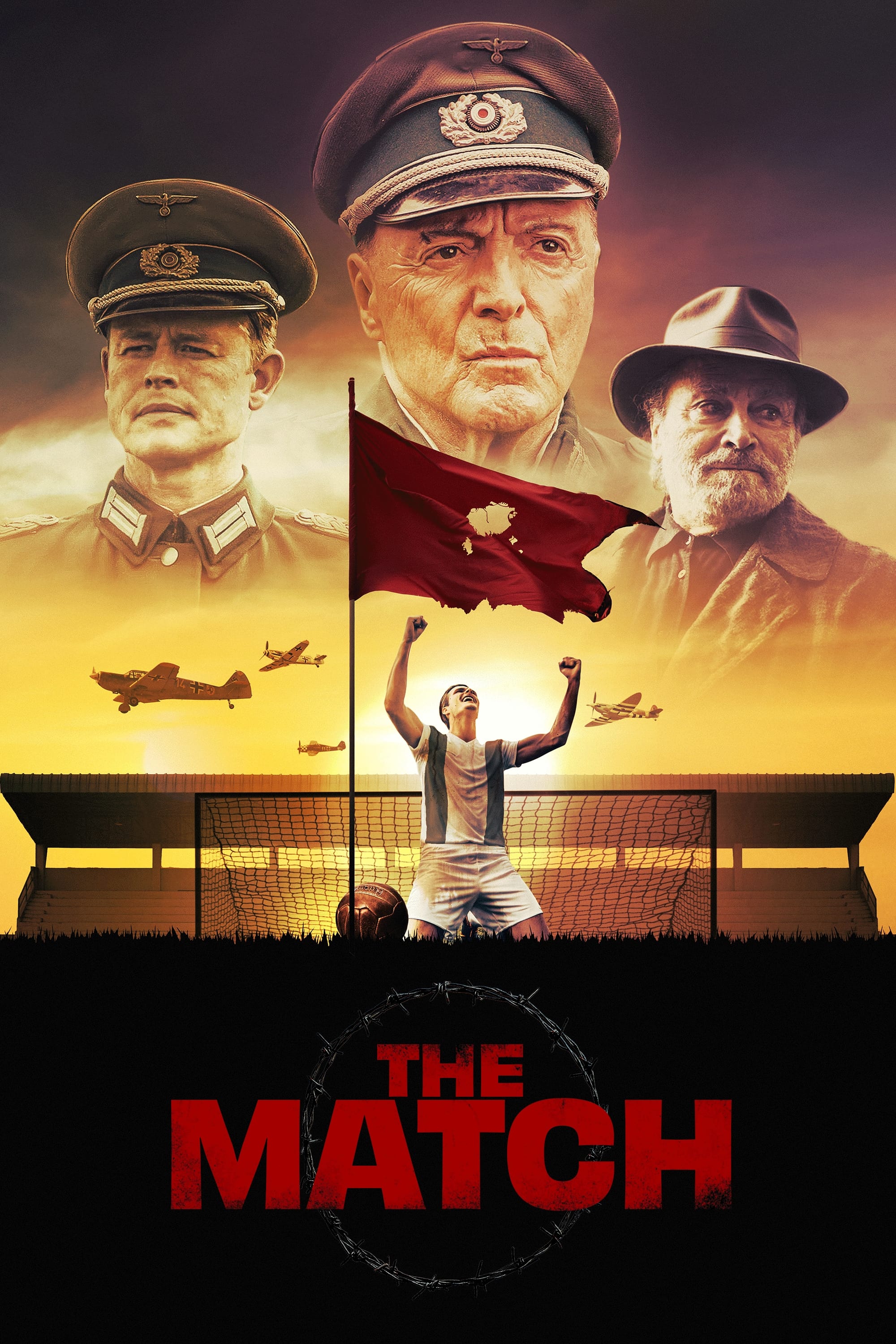
Inspired by true events from the spring of 1944 when the Nazis organized a football match between a team of camp inmates and an elite Nazi team on Adolf Hitler's birthday. A match the prisoners are determined to win, no matter what happens.
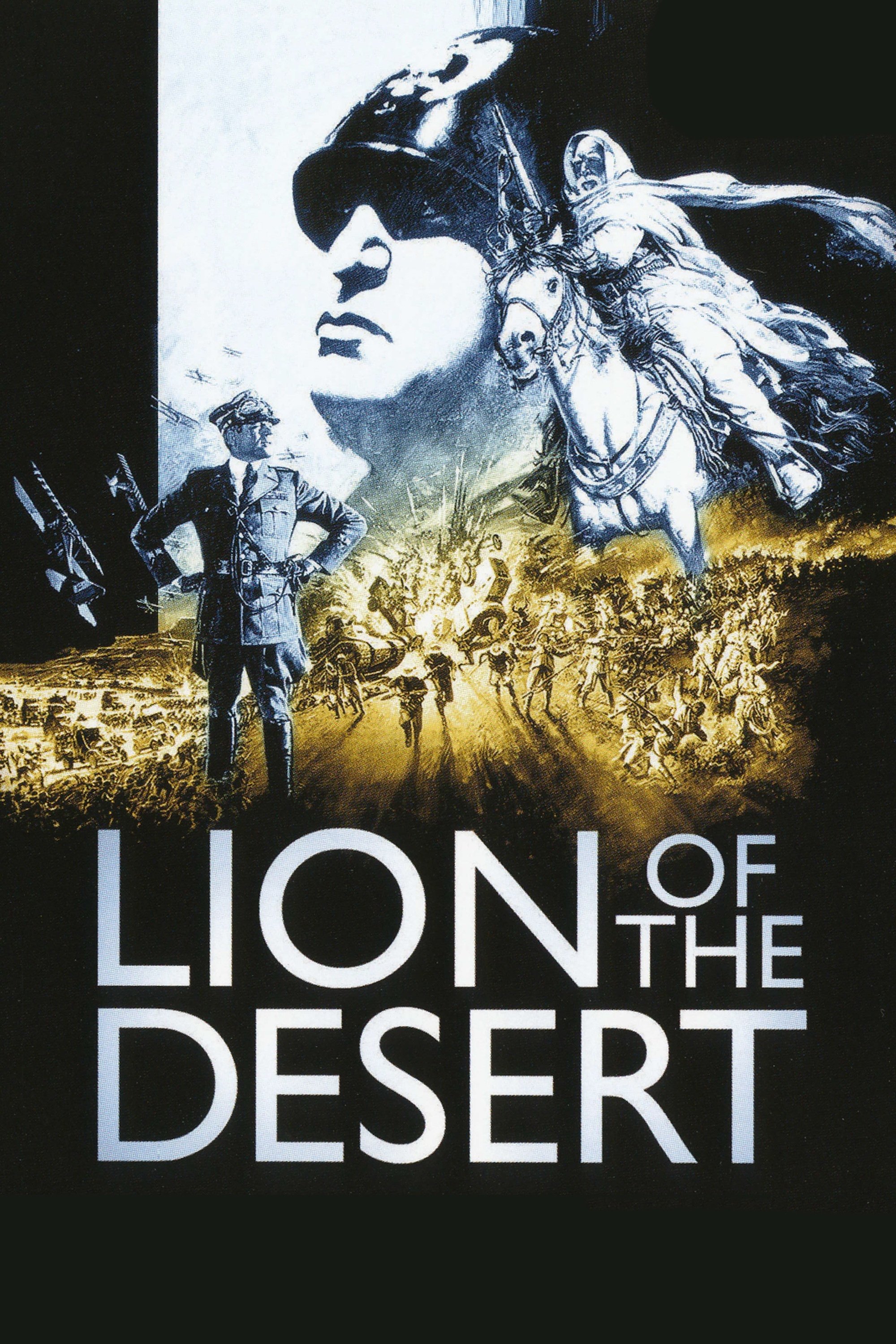
Resistance leader Omar Mukhtar opposes Italian colonization before World War II. The brutal guerrilla war against Italian General Rodolfo Graziani and the Fascist forces of Benito Mussolini highlights the struggle for Libyan independence and the harsh tactics utilised by the colonisers.
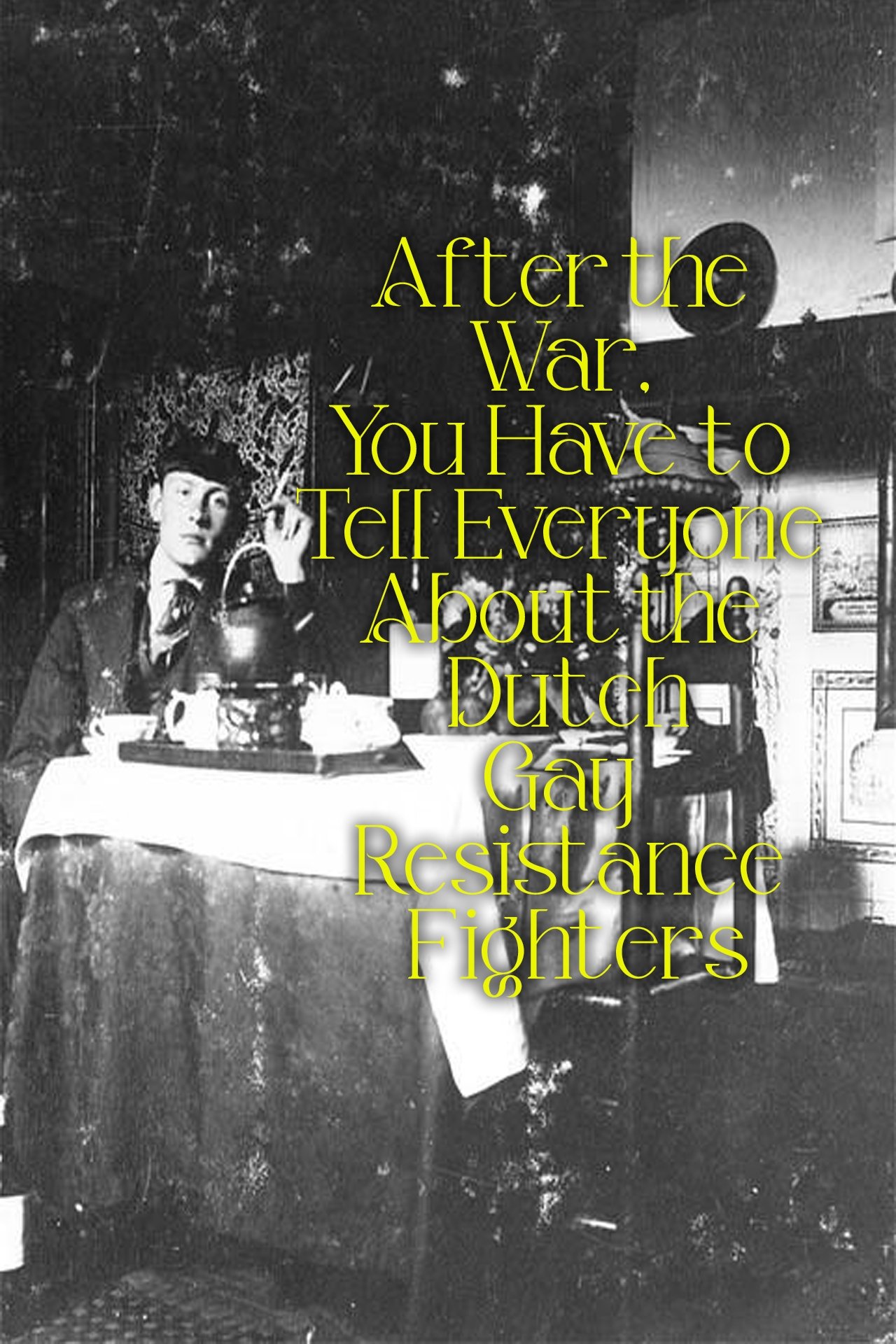
Many members of the Dutch Underground were gay and lesbian. This film pays homage to them and recounts their story.
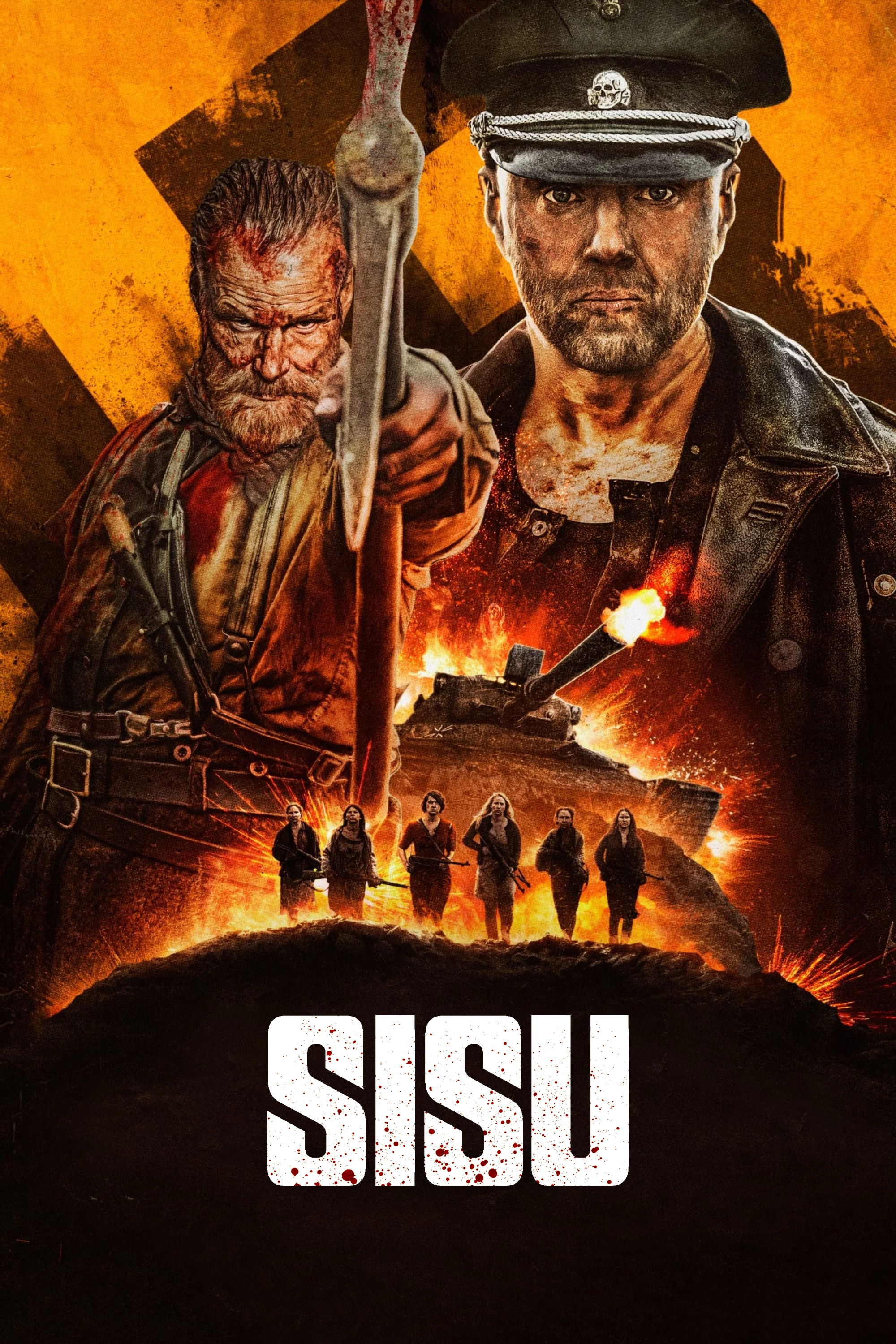
When an ex-soldier who discovers gold in the Lapland wilderness tries to take the loot into the city, German soldiers led by a brutal SS officer battle him.
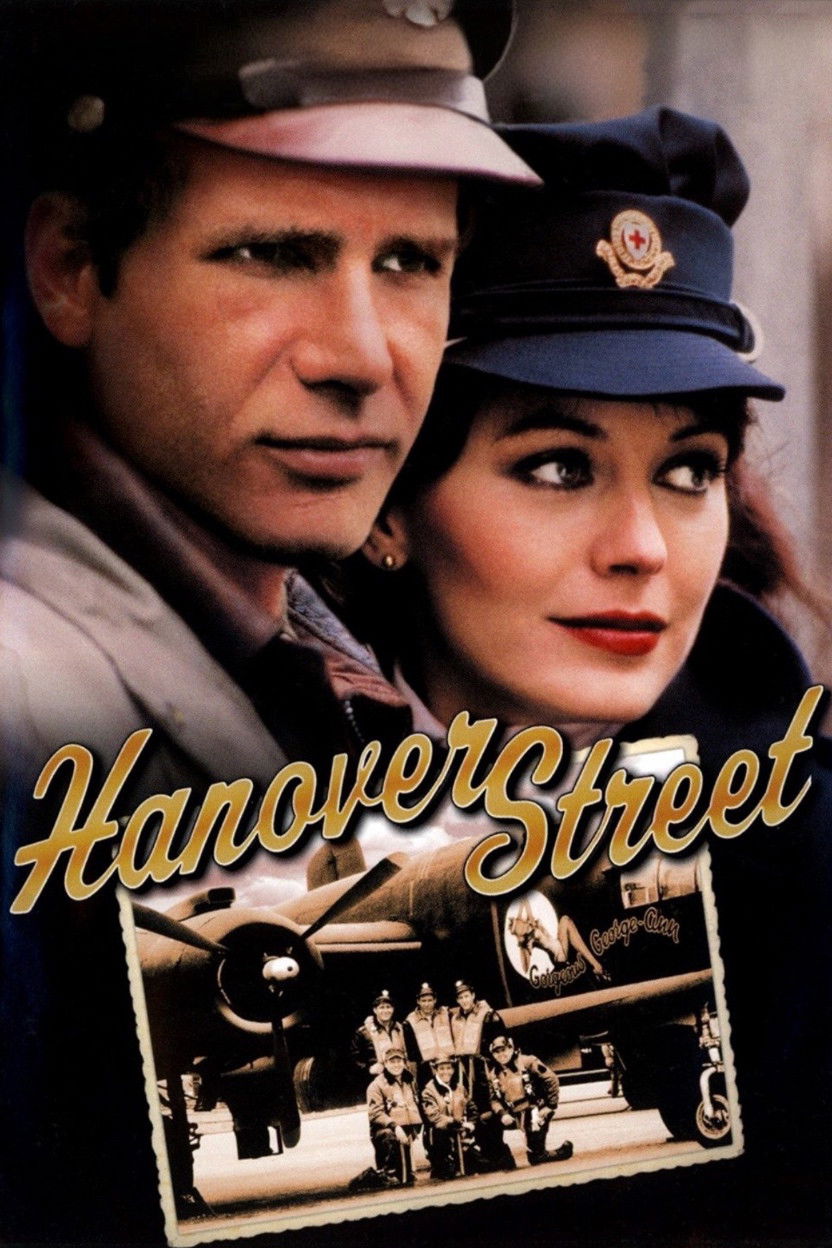
Margaret is a nurse in England during WW2, and married to a secret agent. Things get complicated when she falls for David, an American pilot.
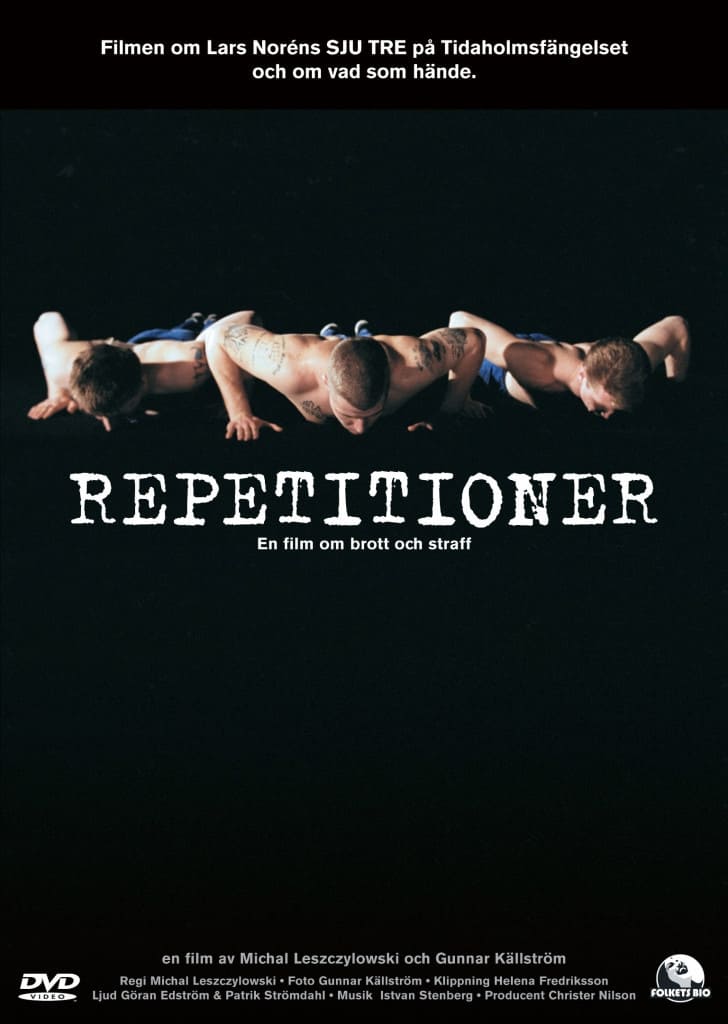
The theatre 7:3 project was conducted at the Tidaholm prison 1998-1999. What started as an artistic experiment, ended up in police killings at Malexander. The process in the prison were filmed during 6 months.
In Córdoba, far from the Argentine capital, the end of a military regime promises a spring that is all too brief. “La Delpi” is the only survivor of a group of friends who are transgender women and drag-queens, who began to die of aids in the late 80s. In a Catholic and conservative city, the Grupo Kalas made their weapons and trenches out of improvised dresses and lip-syncing. Today the images of unique and unknown footage are not only a farewell letter, but a manifesto to friendship.
Five Guamanians interviewed in the early 2000s recall the Japanese bombing of Guam on 7 December 1941, and the years of food shortages, abuses, and other hardships that followed. They describe their childhood lives before, during, and after the island's occupation by Japanese soldiers.
A British commando is on a one-man raid to destroy a bomb factory in Nazi-occupied France. He must enlist the aid of French farmers to complete his mission.
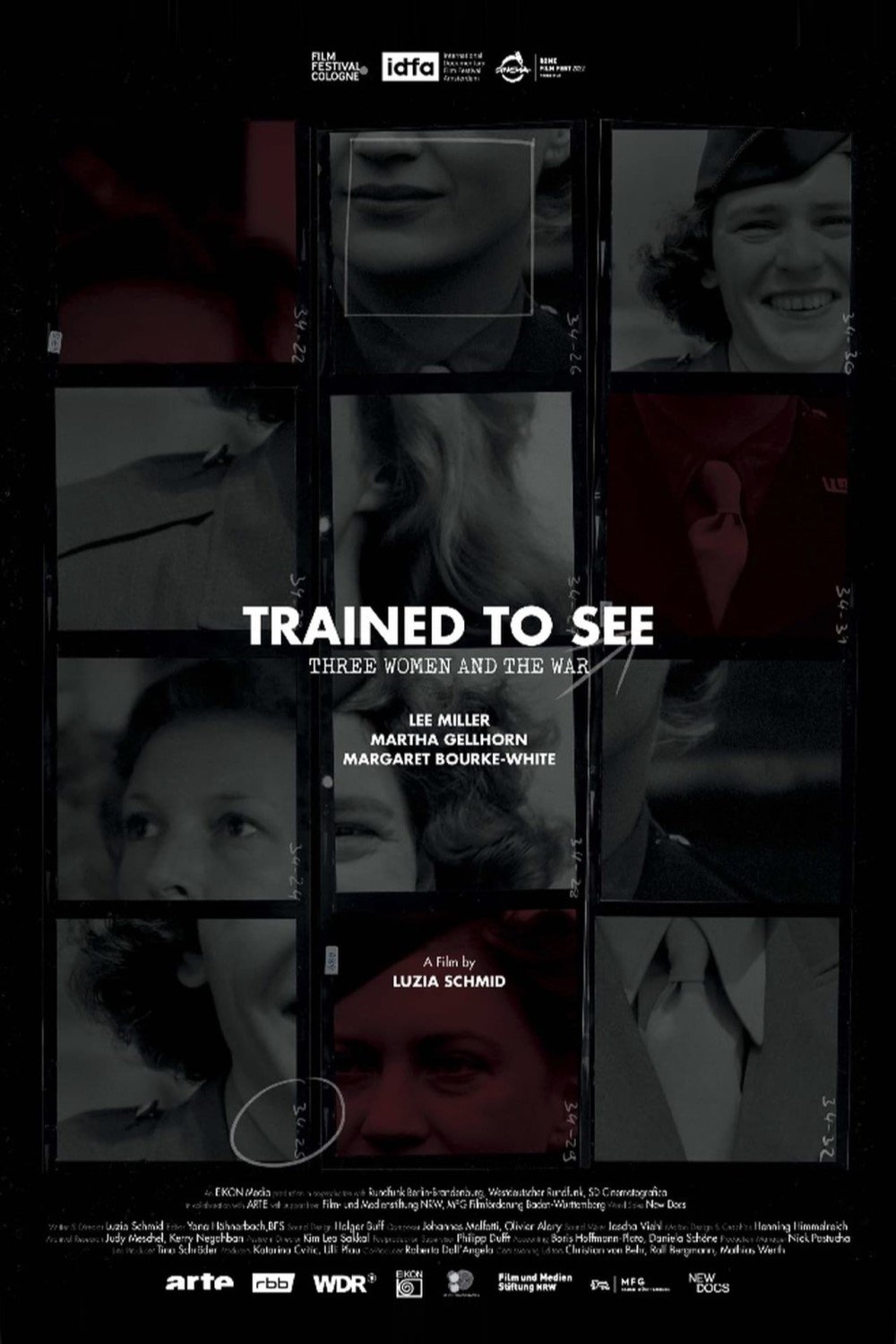
During the Second World War, women were for the first time allowed to work as war correspondents. Based on reports, letters and diary excerpts, filmmaker Luzia Schmid sketches a personal portrait of three fearless women and their unique attempts to report on the war.
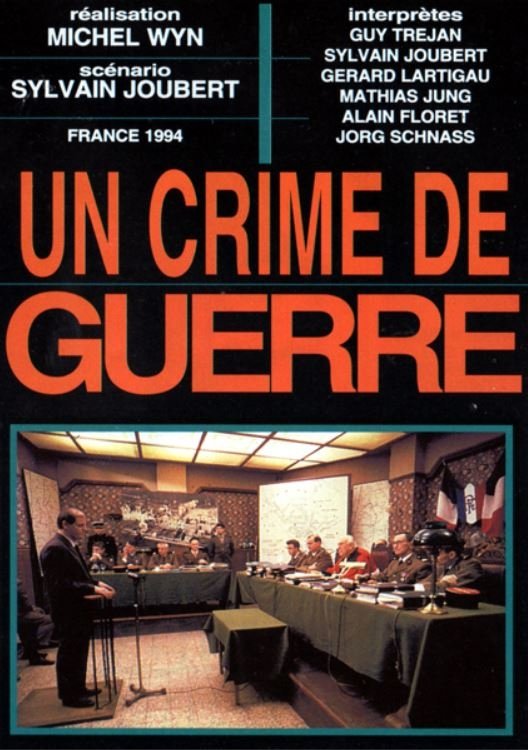
A film that relates the trial in Bordeaux in January 1953 of some of the participants in the Oradour-sur-Glane massacre of June 10, 1944.
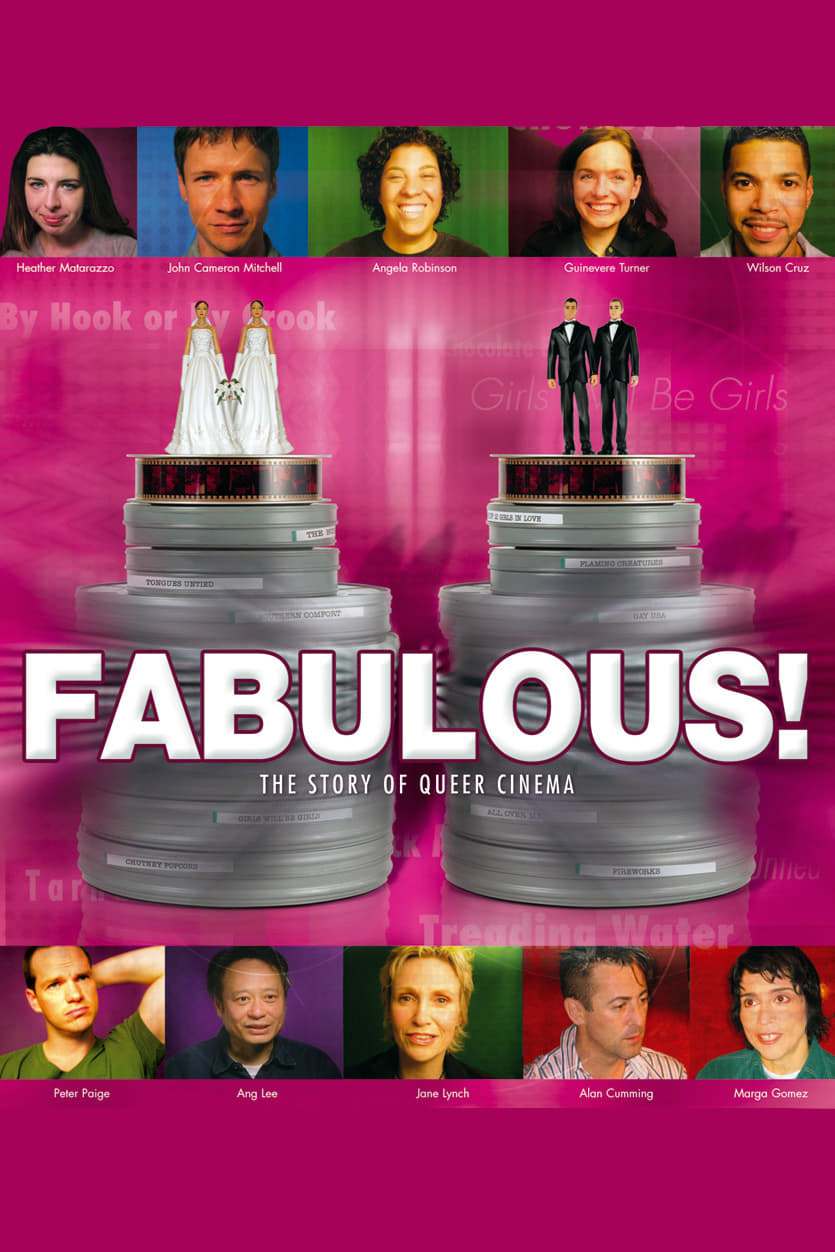
A chronological look at films by, for, or about gays and lesbians in the United States, from 1947 to 2005, Kenneth Anger's "Fireworks" to "Brokeback Mountain". Talking heads, anchored by critic and scholar B. Ruby Rich, are interspersed with an advancing timeline and with clips from two dozen films. The narrative groups the pictures around various firsts, movements, and triumphs: experimental films, indie films, sex on screen, outlaw culture and bad guys, lesbian lovers, films about AIDS and dying, emergence of romantic comedy, transgender films, films about diversity and various cultures, documentaries and then mainstream Hollywood drama. What might come next?
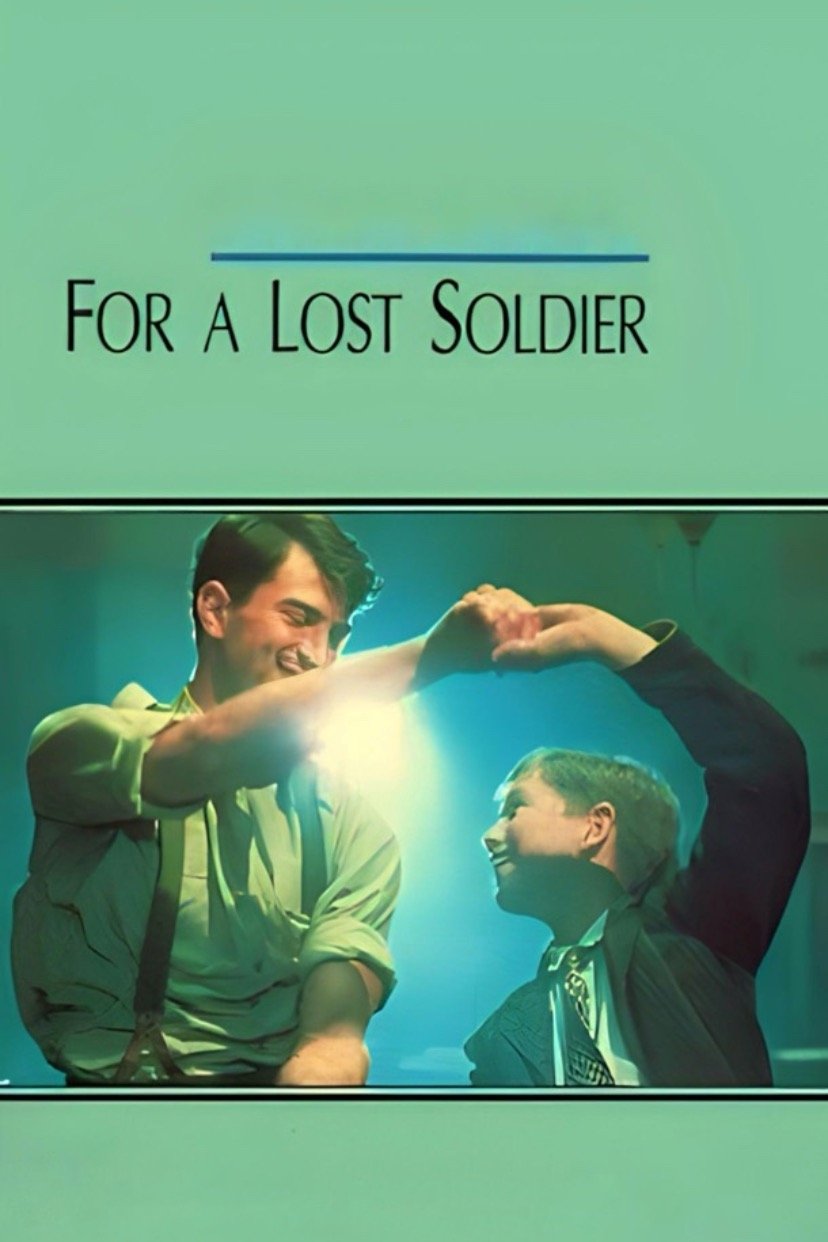
In the occupied Netherlands near the end of WWII, a young teenager, Jeroen Boman (Maarten Smit) is sent to the Dutch countryside to avoid the war in Amsterdam. While living with his adopted family, Jeroen meets and becomes friends with a Canadian soldier named Walt Cook, who is stationed at the same town he is staying at. Joroen and Walt spend a lot of time playing around and eventually a romantic relationship develops between them. The boy’s sexual curiosity leads him to have a sexual experience with Walt, an encounter that is shown with some vague detail but without actually showing any nudity, even though sexual intimacy between the two of them is implied. Overall, the movie handles this difficult subject with an elegant style and feeling, without having the adult-child relationship overwhelm the viewer and thus allowing the movie to be seen as just a wartime relationship between two people that marks an important time in a young boy’s life.
Filmmaker Eva Colmers' father Theo Melzer spent three and a half years in a POW camp in Lethbridge, Alberta -- one of 25 such camps across Canada housing German prisoners captured during World War II. Surviving prisoners, including Melzer, recount how their lives were changed by the unexpected respect and dignity they received at the hands of their Canadian captors.
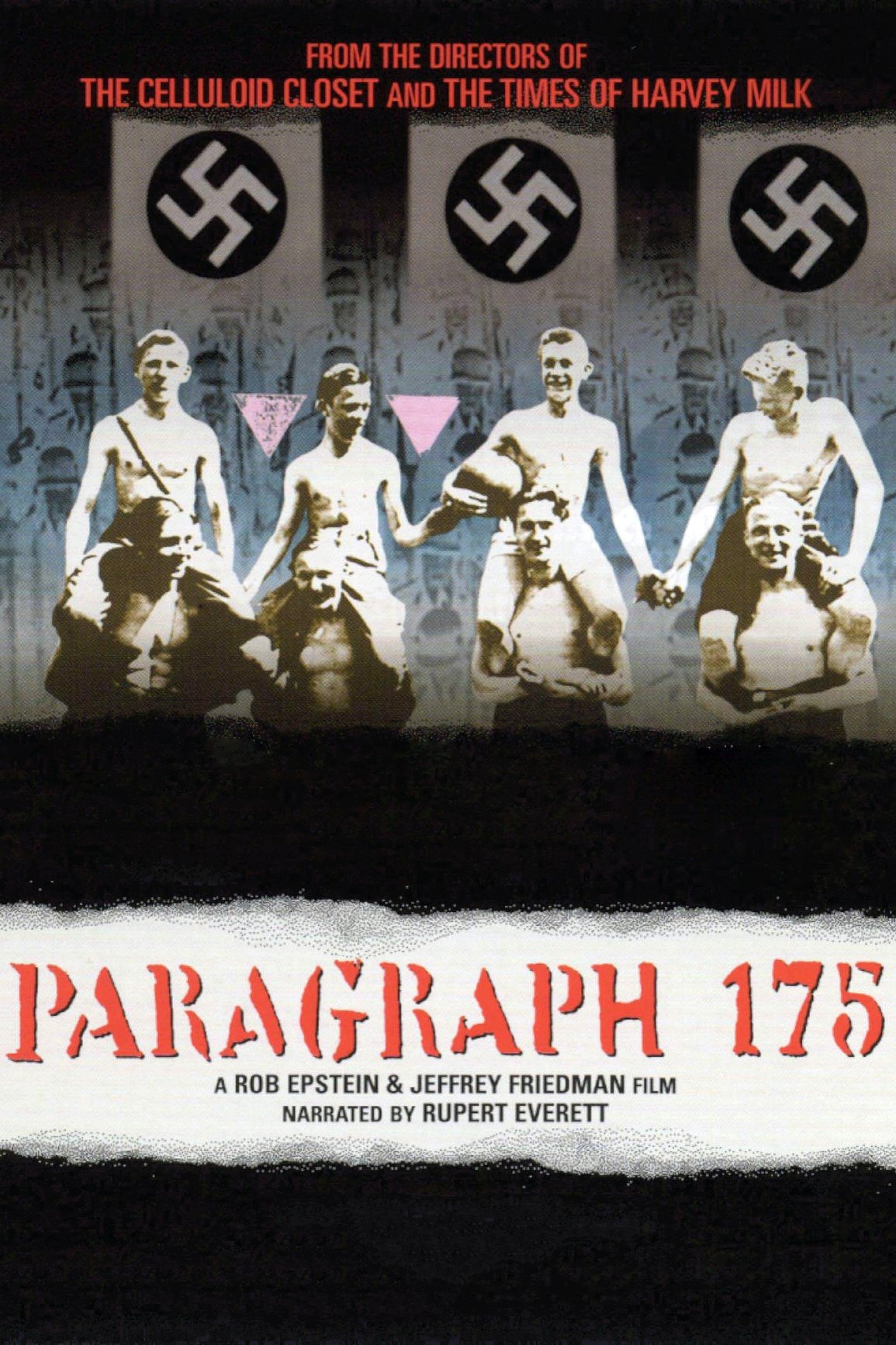
During the Nazi regime, there was widespread persecution of homosexual men, which started in 1871 with the Paragraph 175 of the German Penal Code. Thousands were murdered in concentration camps. This powerful and disturbing documentary, narrated by Rupert Everett, presents for the first time the largely untold testimonies of some of those who survived.
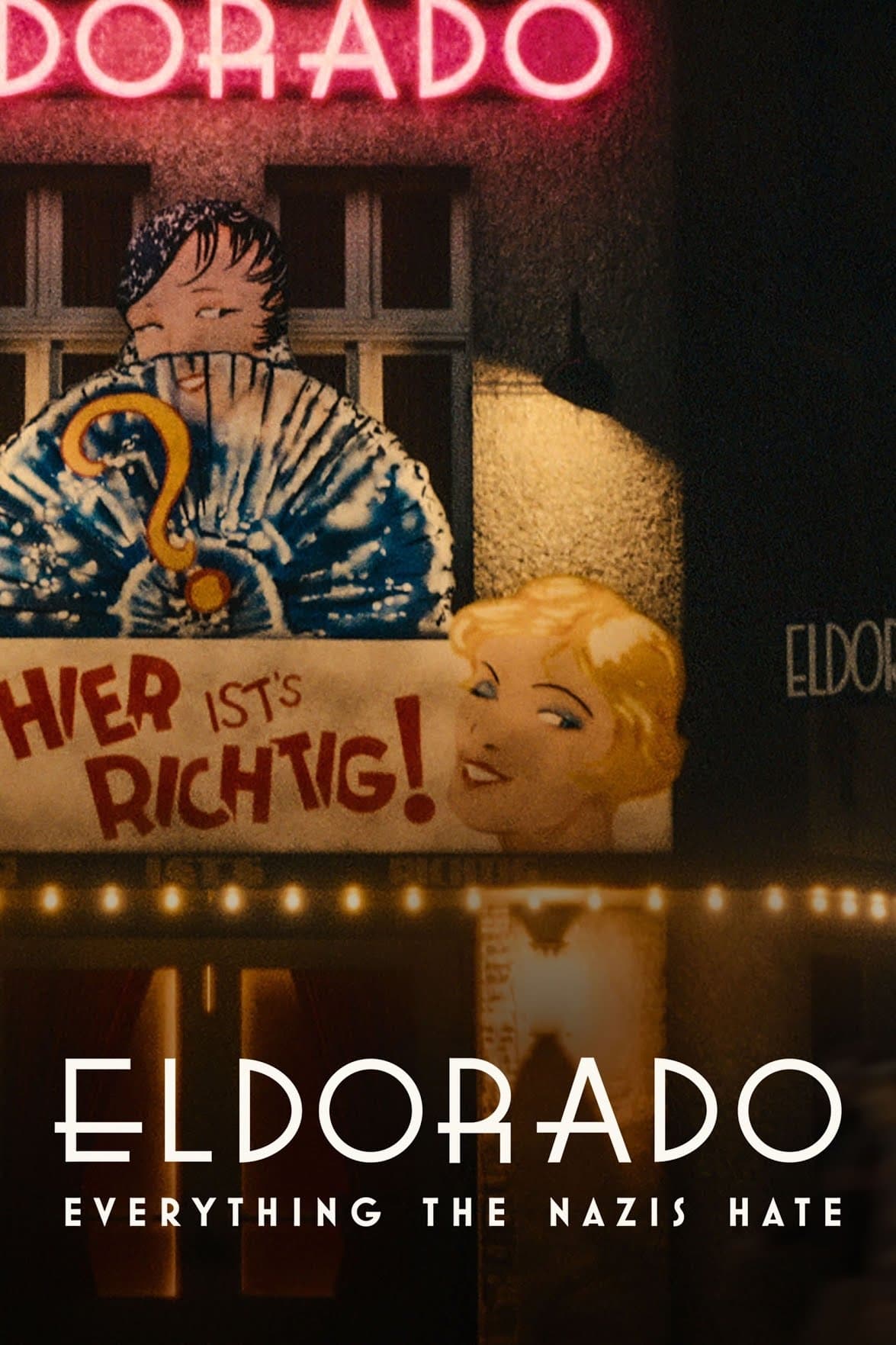
A glittery nightclub in 1920s Berlin becomes a haven for the queer community in this documentary exploring the freedoms lost amid Hitler’s rise to power.
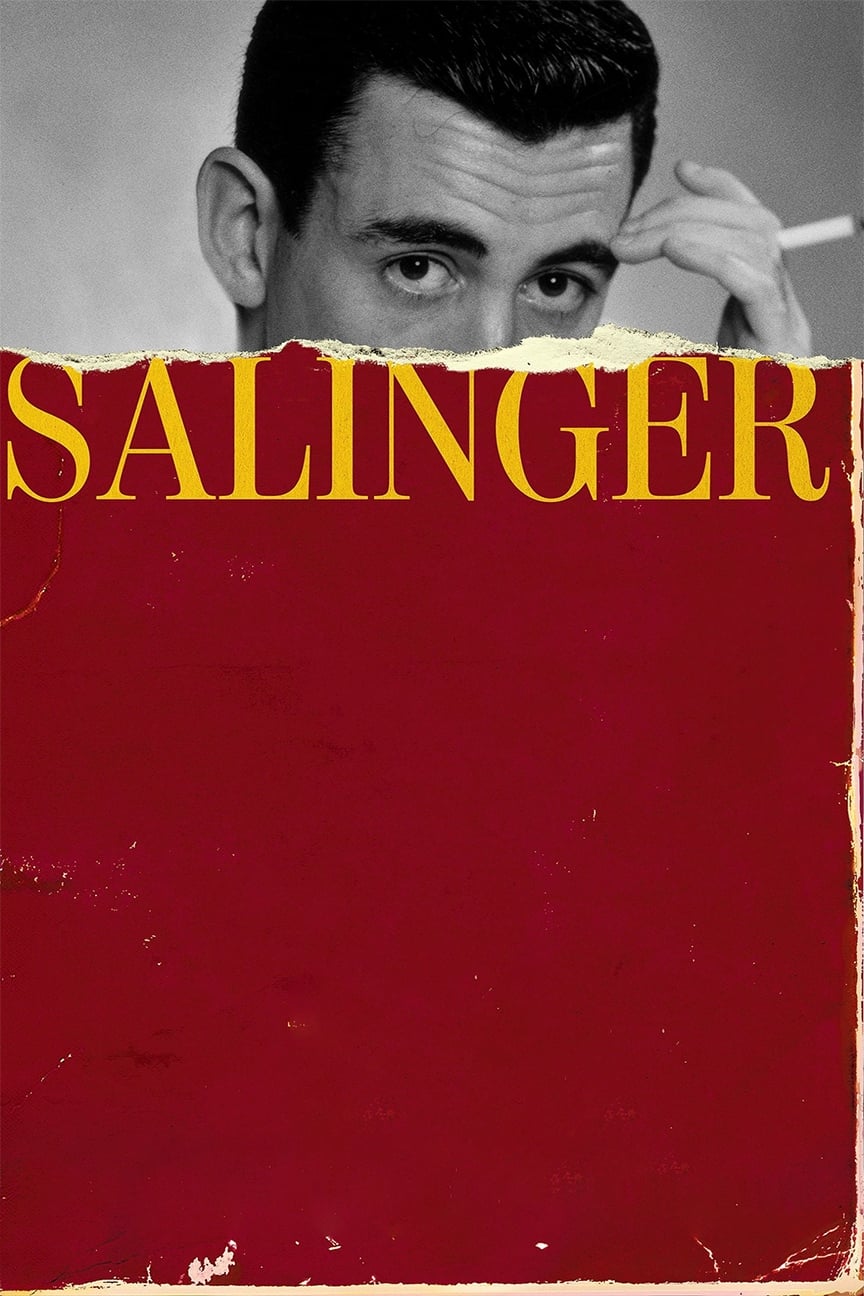
An in-depth investigation into the private world of the American writer J. D. Salinger (1919-2010), who lived most of his life behind the impenetrable wall of a self-imposed seclusion: how his dramatic experiences during World War II influenced his life and work, his relationships with very young women, his obsessive writing methods, his many literary secrets.
“The Soviet Story” is a story of an Allied power, which helped the Nazis to fight Jews and which slaughtered its own people on an industrial scale. Assisted by the West, this power triumphed on May 9th, 1945. Its crimes were made taboo, and the complete story of Europe’s most murderous regime has never been told. Until now...
Prelude to War was the first film of Frank Capra's Why We Fight propaganda film series, commissioned by the Pentagon and George C. Marshall. It was made to convince American troops of the necessity of combating the Axis Powers during World War II. This film examines the differences between democratic and fascist states.
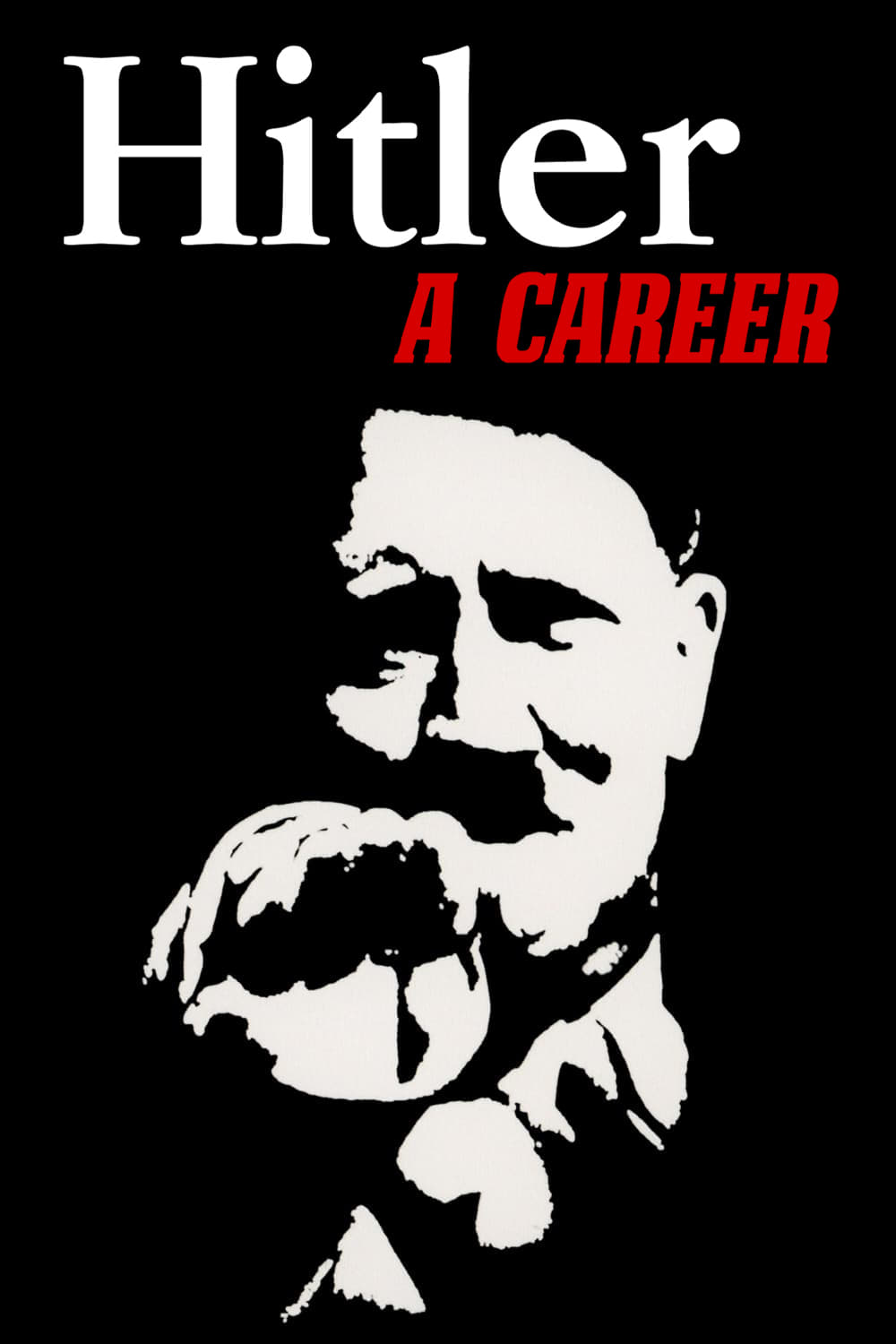
A keen chronicle of the unlikely rise to power of Adolf Hitler (1889-1945) and a dissection of the Third Reich (1933-1945), but also an analysis of mass psychology and how the desperate crowd can be deceived and shepherded to the slaughterhouse.
A woman’s Holocaust memoir takes the world by storm, but a fallout with her publisher-turned-detective reveals her story as an audacious deception created to hide a darker truth.
Six million Jews died during World War II, both in the extermination camps and murdered by the mobile commandos of the Einsatzgruppen and police battalions, whose members shot men, women and children, day after day, obediently, as if it were a normal job, a fact that is hardly known today. Who were these men and how could they commit such crimes?
This searing investigative work shadows a group of activists risking unimaginable peril to confront the ongoing anti-LGBTQ program raging in the repressive and closed Russian republic. Unfettered access and a remarkable approach to protecting anonymity exposes this under-reported atrocity–and an extraordinary group of people confronting evil.
When Allied forces liberated the Nazi concentration camps in 1944-45, their terrible discoveries were recorded by army and newsreel cameramen, revealing for the first time the full horror of what had happened. Making use of British, Soviet and American footage, the Ministry of Information’s Sidney Bernstein (later founder of Granada Television) aimed to create a documentary that would provide lasting, undeniable evidence of the Nazis’ unspeakable crimes. He commissioned a wealth of British talent, including editor Stewart McAllister, writer and future cabinet minister Richard Crossman – and, as treatment advisor, his friend Alfred Hitchcock. Yet, despite initial support from the British and US Governments, the film was shelved, and only now, 70 years on, has it been restored and completed by Imperial War Museums under its original title "German Concentration Camps Factual Survey".
The extraordinary story of how Hollywood changed World War II – and how World War II changed Hollywood, through the interwoven experiences of five legendary filmmakers who went to war to serve their country and bring the truth to the American people: John Ford, William Wyler, John Huston, Frank Capra, and George Stevens. Based on Mark Harris’ best-selling book, “Five Came Back: A Story of Hollywood and the Second World War.”
Explores Leni Riefenstahl's artistic legacy and her complex ties to the Nazi regime, juxtaposing her self-portrayal with evidence suggesting awareness of the regime's atrocities.
Through deeply personal interviews with her siblings and an examination of the photographs, letters, and belongings left behind, Mariska assembles a new portrait of her mother Jayne Mansfield, an extraordinary and complex woman.
In an intimate and joyful story of love in the face of loss, celebrated poets Andrea Gibson and Megan Falley find strength—and unexpected hilarity—in what might be their final year together.
A showcase of German chancellor and Nazi Party leader Adolf Hitler at the 1934 Nuremberg Rally.
Documentary filmmaker Errol Morris investigates the case of a man who became an authority on capital punishment, but was discredited when he got involved on the wrong side of a court case. Leuchter, a meek man whose appearance belies his grim expertise, develops what he says is a more effective electric chair. Before long, he's in demand from officials who want his opinions on other execution methods. But when called to aid the case of an accused Holocaust denier, Leuchter's problems begin.
A documentary about World War I with never-before-seen footage to commemorate the centennial of Armistice Day, and the end of the war.
The Captains is a feature-length documentary film written and directed by William Shatner. The film follows Shatner as he interviews the other actors who have portrayed starship captains in the Star Trek franchise.
Al Pacino's deeply-felt rumination on Shakespeare's significance and relevance to the modern world through interviews and an in-depth analysis of "Richard III."
Amid the failing counteroffensive, a journalist follows a Ukrainian platoon on their mission to traverse one mile of heavily fortified forest and liberate a strategic village from Russian occupation. But the farther they advance through their destroyed homeland, the more they realize that this war may never end.