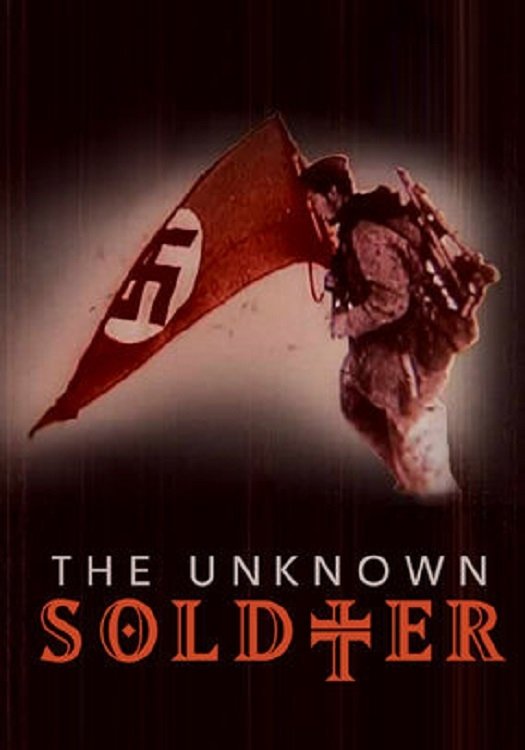
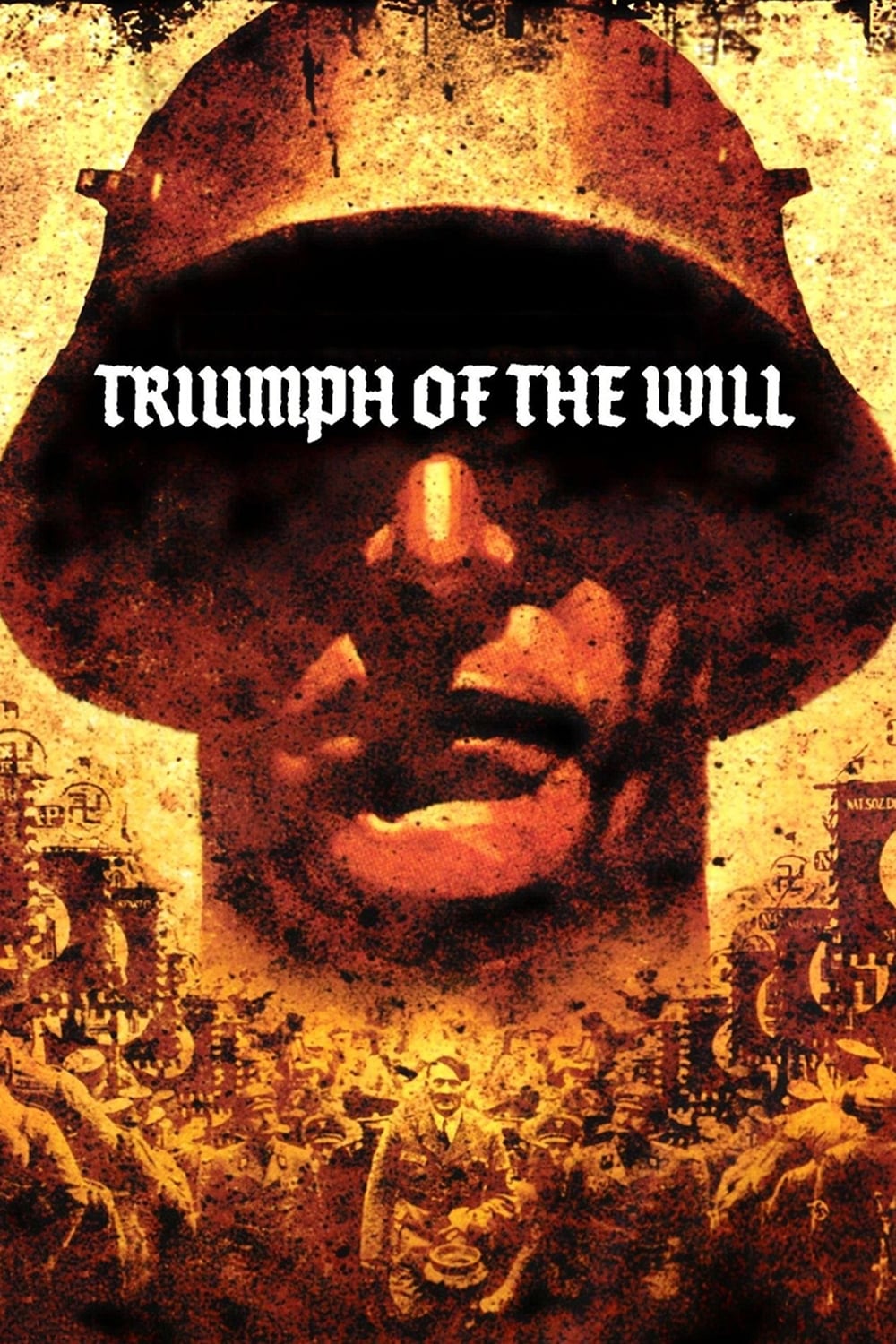
Nazi propaganda film contrasting Germany in the days before Adolf Hitler became Chancellor with the Germany of "today" and how much better it is.
Social & External
The people behind it
Adolf Hitler
Self
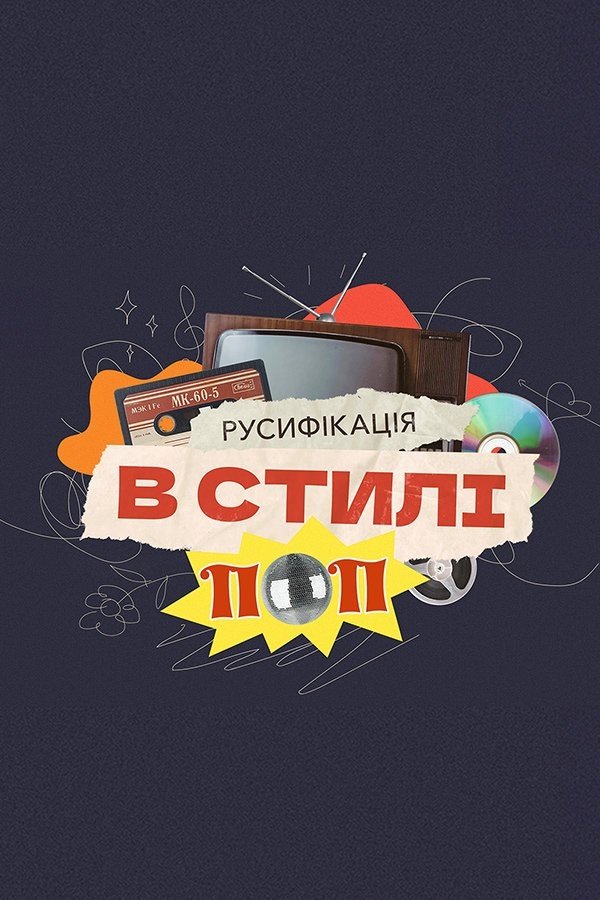
A documentary about how Russia has been using popular culture as a weapon against Ukraine for decades. Together with industry participants, the film's narrator, musician Albert Tsukrenko, explores the financial, political and psychological reasons for the vulnerability of Ukrainian artists and reflects on how to break this vicious circle. Unfortunately, our own Ukrainian talents are becoming the ammunition in this weapon. Several generations of original Ukrainian musicians at different times in the 1970s and 1980s, 1990s and 2000s, and 2010s switched from Ukrainian to Russian in their work. Whether willingly or unwittingly, they became tools of Russian show business, which has always sought to blur the cultural border between Russia and Ukraine and worked to promote the imperial myth of "one nation".
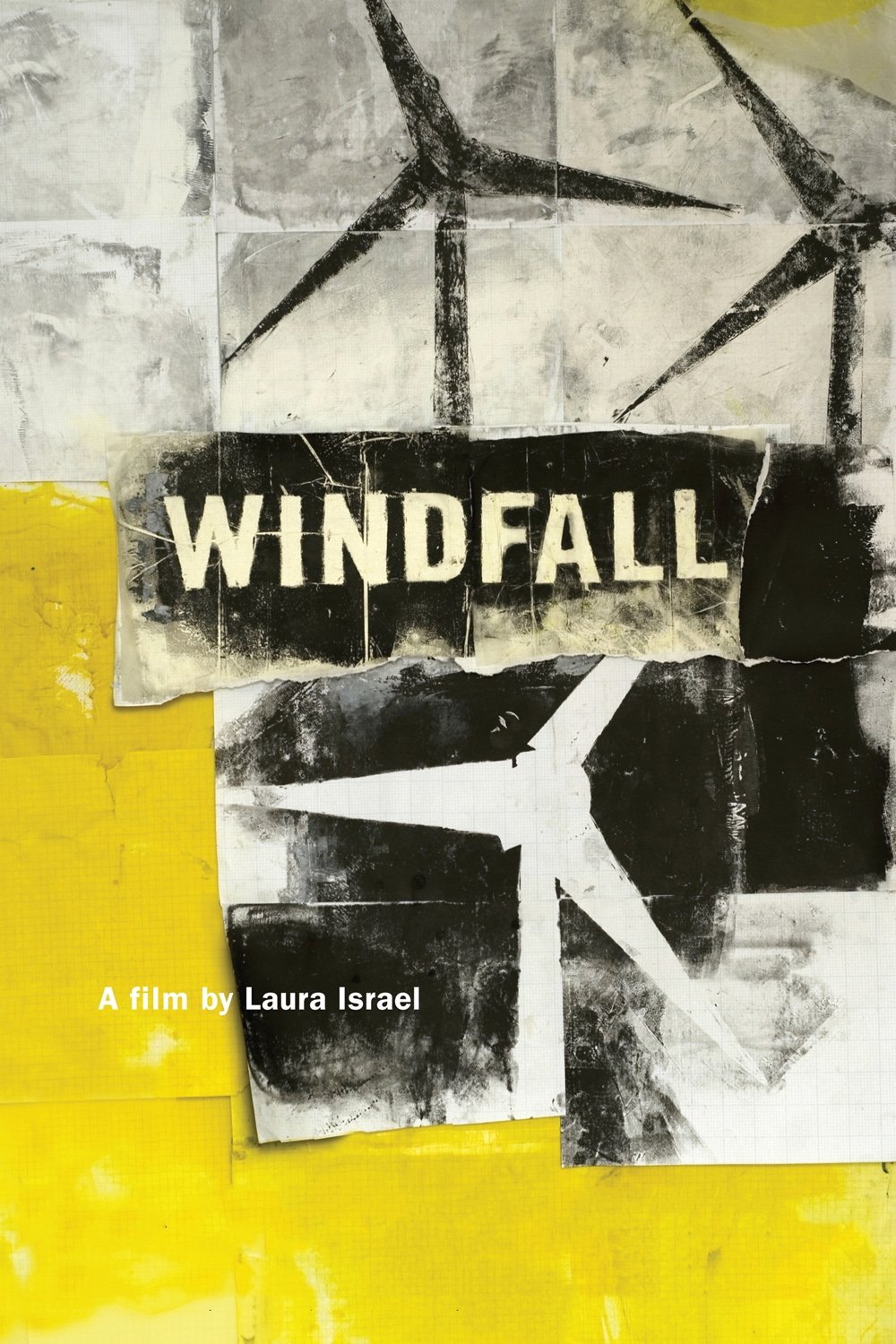
Wind power... It's green... It's good... It reduces our dependency on foreign oil... That's what the people of Meredith, in upstate New York first thought when a wind developer looked to supplement this farm town's failing economy with a farm of their own — that of 40 industrial wind turbines. Attracted at first to the financial incentives, residents grow increasingly alarmed as they discover side effects they never dreamed of, as well as the potential for disturbing financial scams. With wind development growing rapidly at 39% annually in the US, WINDFALL is an eye-opener for anyone concerned about the future of renewable energy.
For the whole of his long life Emil Nolde, the leading German Expressionist, luxuriated in colour. Before the First World War in Berlin he made many paintings of the theater, music-hall and opera; he loved flowers and even coaxed a garden out of the salty soil of the Baltic coast, where he had built himself an isolated house. His parents were Frisian peasants and he loved the landscape of North Friesland: it was the theme of many of his pictures. But the Nazis disapproved of his work and finally forbade him to paint at all. Although Nolde was already in his seventies when this happened, no political regime could stifle his vision. At great danger to himself he continued to work, making watercolour sketches the size of postcards, which he called 'unpainted pictures,' meaning them to serve as sketches for the large oils he would paint when he was free. And he did outlive the Nazi regime, marrying a twenty-eight-year-old woman in 1948 and painting up until the year before he died.
The story of the making of "The Night Witches: the amazing true story of how Russian woman pilots helped win World War II" at UNW Theatre.
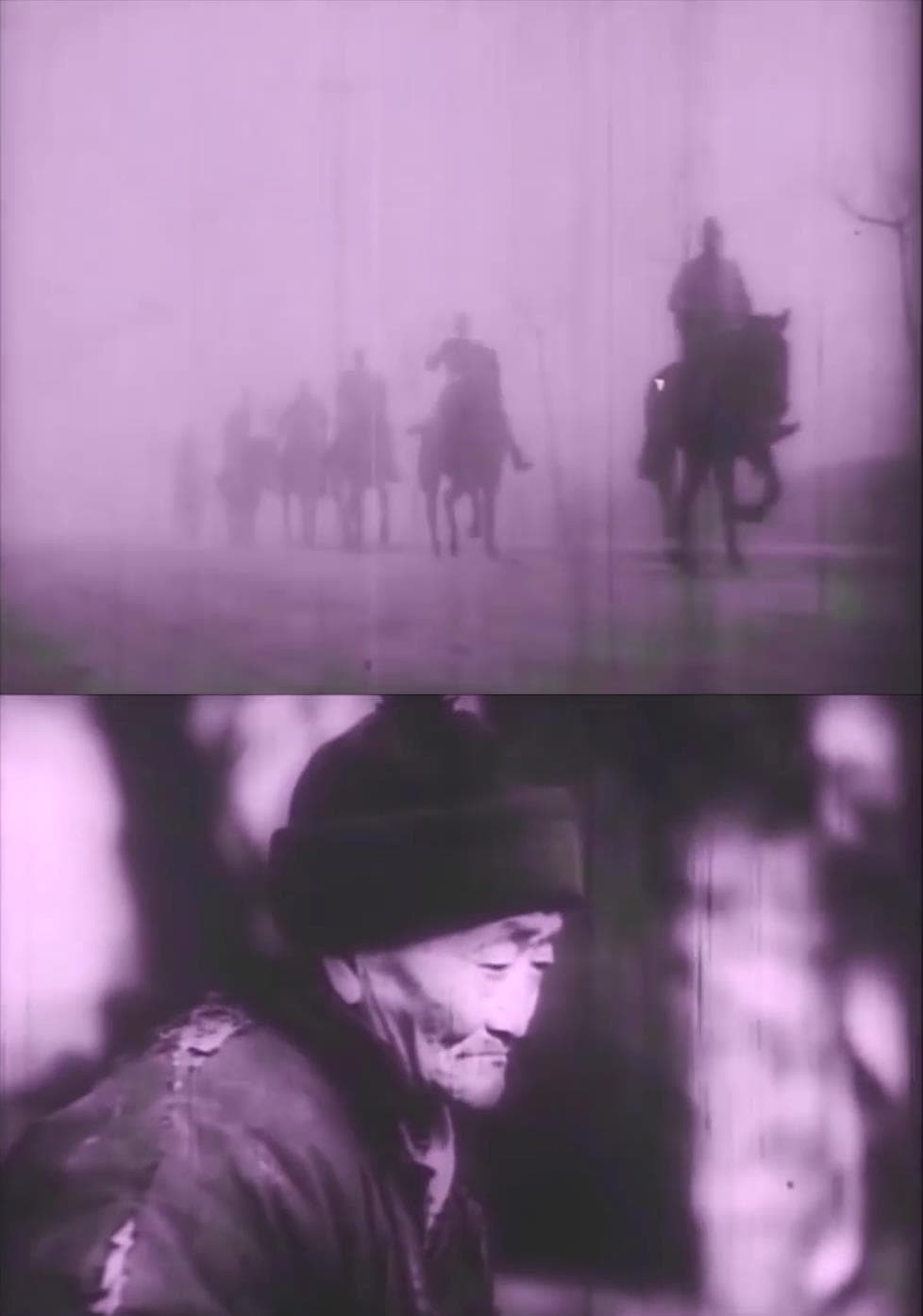
Propaganda documentary about the fall of Nanking. Considered for a long time as a lost film, it was discovered in Beijing, China, in the year 1995.
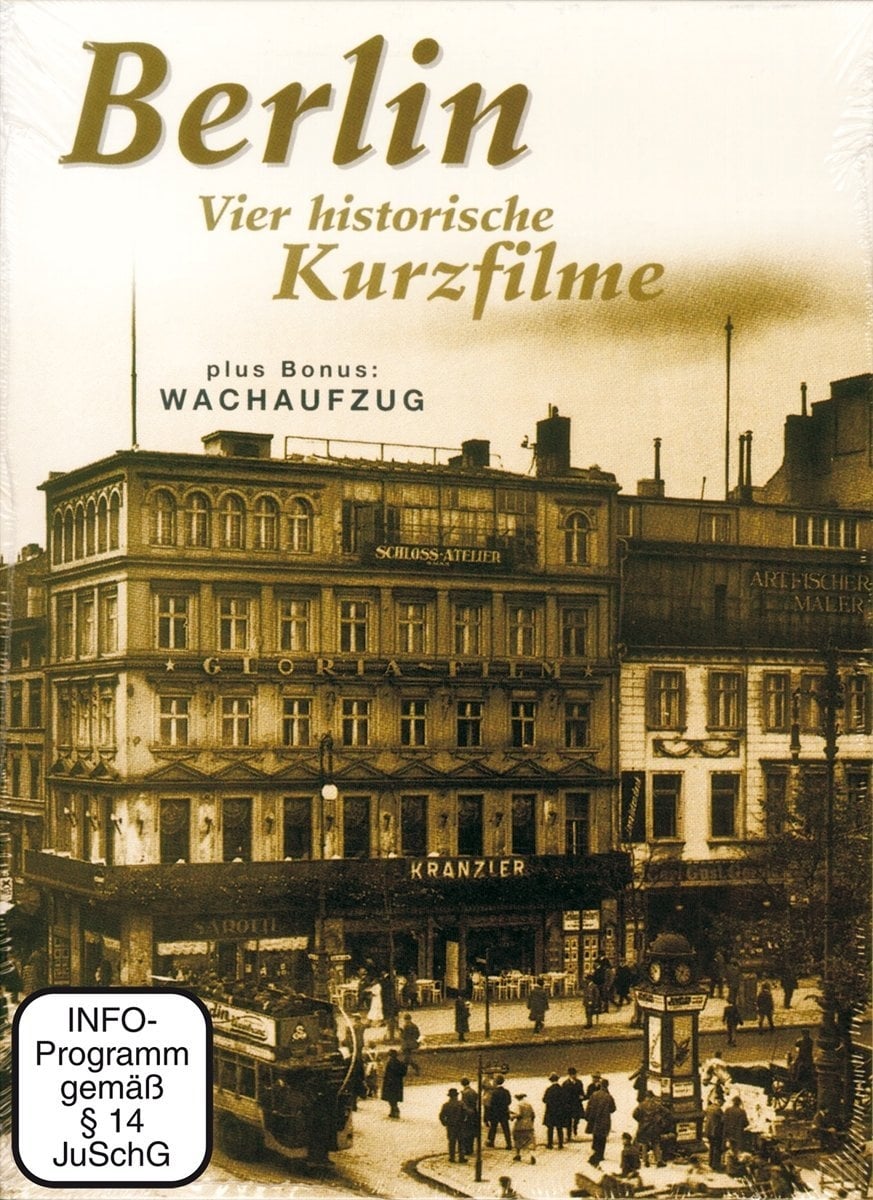
Berlin in the Olympic summer 1936. A Nazi propaganda film and a portrait in colour of the early 20th century city.
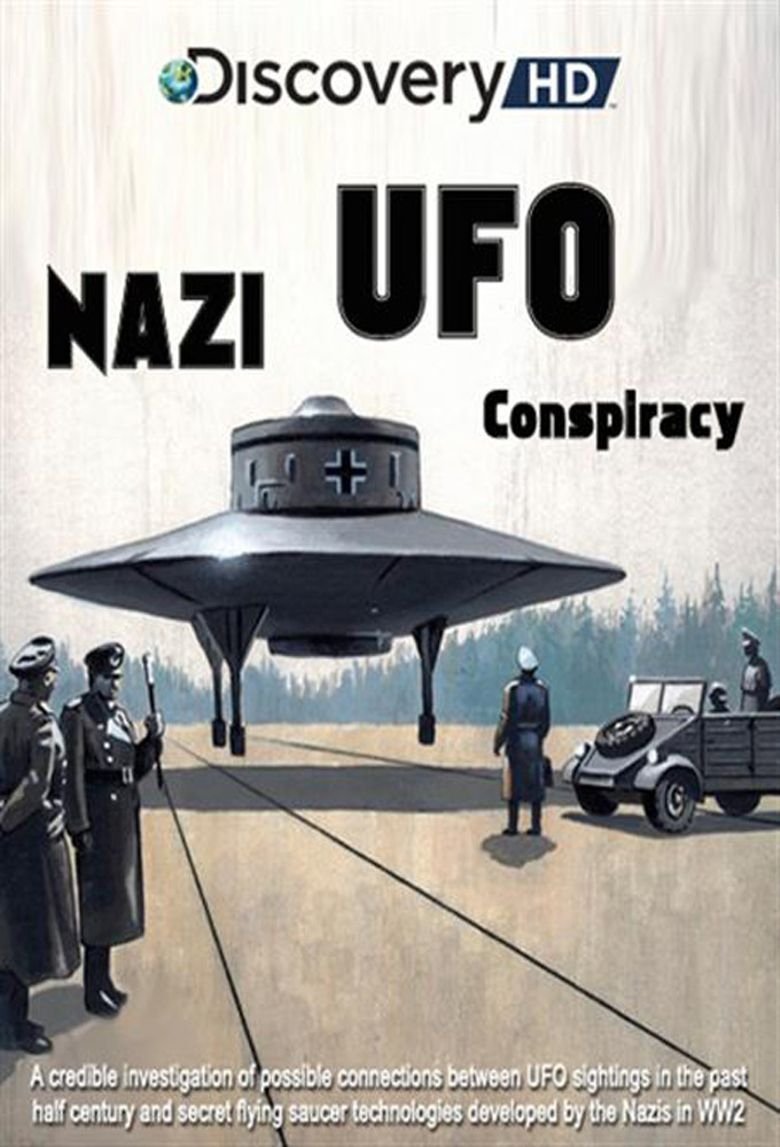
Where do flying saucers originate? Do they carry aliens from other worlds? Or is the truth actually a lot stranger. During World War II the Nazi's employed scientists to re-imagine the boundaries of scientific thought and practise. Many in the field of advanced weapon design - the programme that produced the V1 and V2 rockets that rained on Britain. But did this same unit produce rudimentary flying saucers? Declassified military documents detail the numerous reports by allied pilots of 'foo fighters', unusual craft with incredible acceleration engaging them in the skies above Germany. In addition there was the Nazi 'Der Glocke' or 'The Bell' project for a vertical take-off vehicle, which resembles eyewitness reports of a UFO crash in Pennsylvania after the war. Thousands of Nazi scientists were brought to the US at the end of the war. Are these men, and the projects they continued to work on in America, responsible to little green men, 400 UFO sightings a month and even the ...
During the Second World War, the Allies threaten to attack Spain, an allegedly neutral country, if the Francoist regime keeps allowing Nazi Germany to extract Galician tungsten, a strategic mineral, paramount to the war effort.
Until 1942 around 100 German propaganda films were made, that were set in Africa. They were produced in Germany, with Black Germans and Africans living in Germany. Who were these Black extras and how did they come to Germany? Why did they work in film-making? Which roles did they play and what messages did they send? What were their daily experiences as Black people during the Weimar Republic and the Nazi Regime?
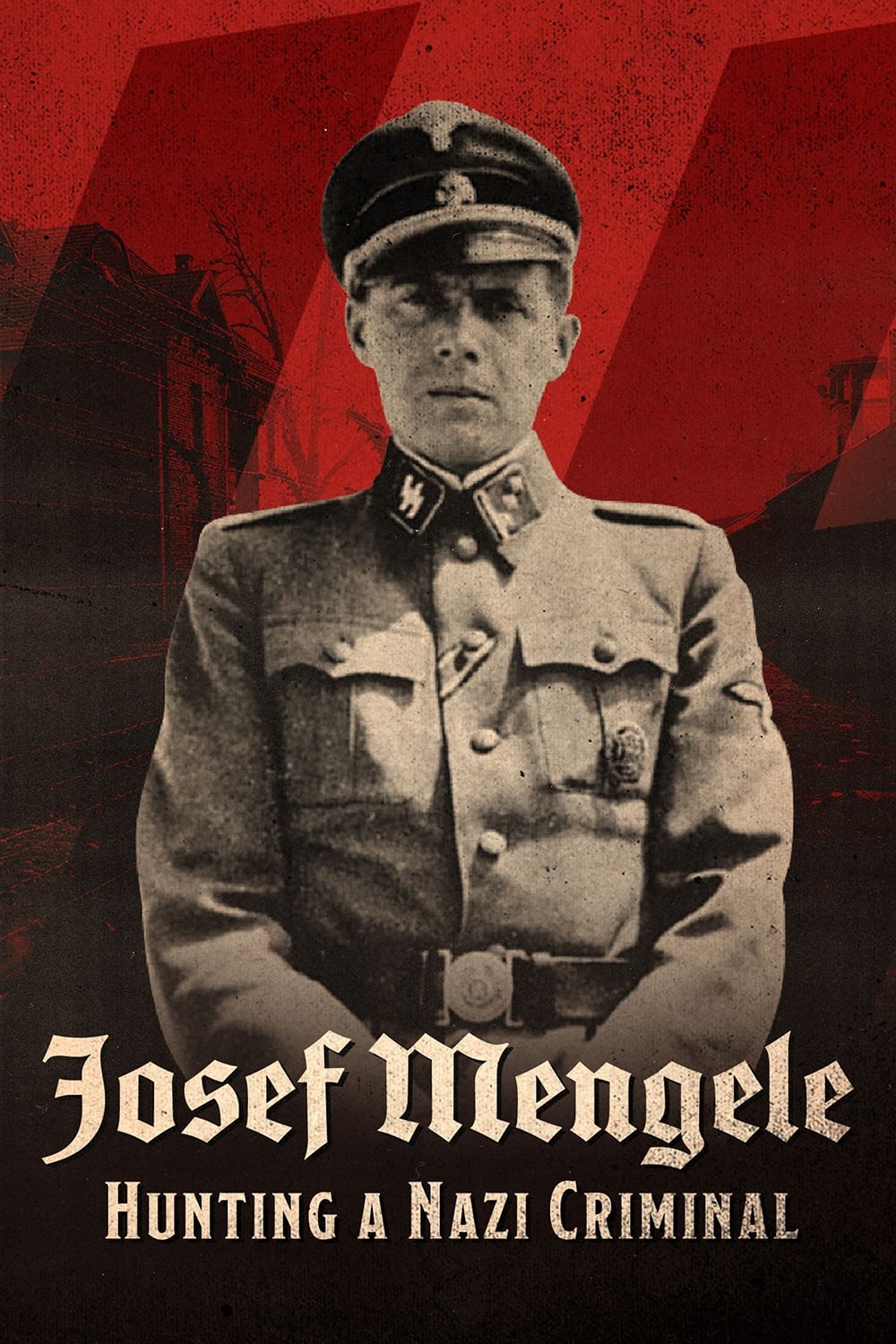
He was one of the most notorious Nazi war criminals, infamous for his deadly experiments on twins. But at the end of WWII, he simply disappeared. Despite a global manhunt by Mossad and the allies, he would die a free man, 34 years later, in Brazil. Who was Dr Mengele? What did he do after the war? And why was he never caught? We speak to those who knew him and profile the 'angel of death'.
On the eve of Russia's war against Ukraine, a Russian journalist from a pro-Kremlin TV channel brings her rebellious and Westernized teenage daughter on a journey through Putin’s Russia to make her more "Russian".
Documentary about the importance of discipline, team work and rank in the military.
Paris 1943. Hitler set up the systematic looting of works of art in France. Rose Valland, infiltrated as intendant at the Jeu de Paume museum, which has become the sorting station for works leaving for Germany, will take all the risks to oppose this spoliation enterprise.
This propaganda film was supported by US Information Service (USIS) and presents Bangkok as a peaceful and developing city at the centre of the “free world,” a narrative pushed forth to counter the threat of the Cold War. Political motivations aside, the film shows Bangkok as a capital on the cusp of modernity that still preserves its traditional values, and there are scenes that evokes nostalgia such as the ballroom dancing at Lumpini Park Auditorium, Chalermthai Theatre on Ratchadamneon Avenue, Dusit Zoo, Don Mueng Airport, the studio at Thailand’s first TV channel, night scenes of downtown Bangkok, and many more.
In the wake of World War II, most Germans have been raised with the mistaken belief that the Holocaust had been planned and executed by just a tiny minority of Nazis, namely, the Gestapo and the SS. The sad truth, however, is that Hitler's philosophy of ethnic cleansing, as the Fuhrer so brazenly espoused in his frightening manifesto, "Mein Kampf," had been enthusiastically embraced not only by the entire military but also by most of the civilian population. The long-suppressed proof of their widespread collaboration and participation was unveiled in The Wehrmacht Exhibition, a damning collection of photographs and film footage that toured Deutschland between 1999 and 2004. The show shook the country to its core because it forced folks to face up to the fact that it took much more than a madman and his henchmen to wipe out six million.
A documentary about missionaries in formal Belgian Congo.
How can the masses be controlled? Apparently, the American publicist Edward L. Bernays (1891-1995), a pioneer in the field of propaganda and public relations, knew the answer to such a key question. The amazing story of the master of manipulation and the creation of the engineering of consent; a frightening true story about advertising, lies and charlatans.
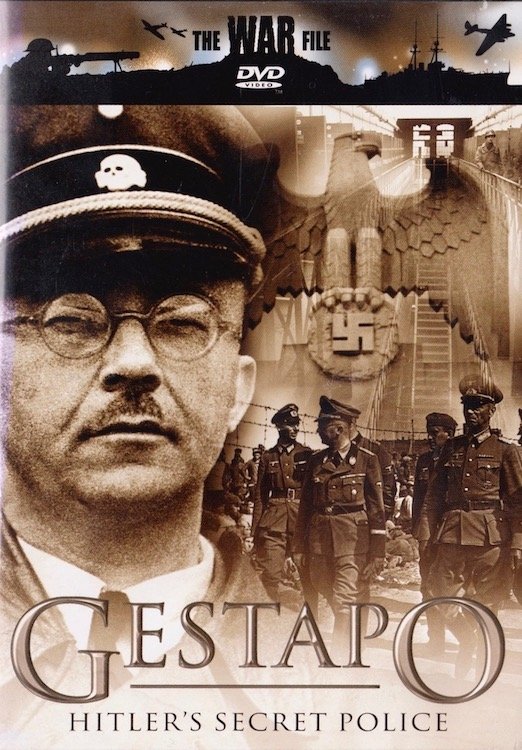
The rise and fall of Nazi Germany's terrifying secret police force from 1933 through 1945.
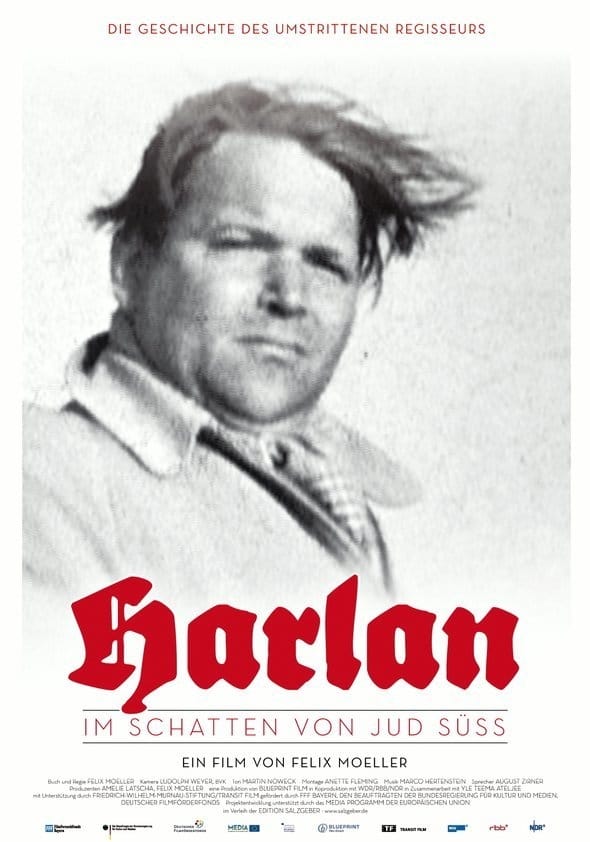
Though almost forgotten today, Veit Harlan was one of Nazi Germany's most notorious filmmakers. His most perfidious film was the treacherous anti-Semitic propaganda film Jud Süß - required viewing for all SS members. This documentary is an eye-opening examination of World War II film history as well as the story of a German family from the Third Reich to the present; one that is marked by reckoning, denial and liberation.
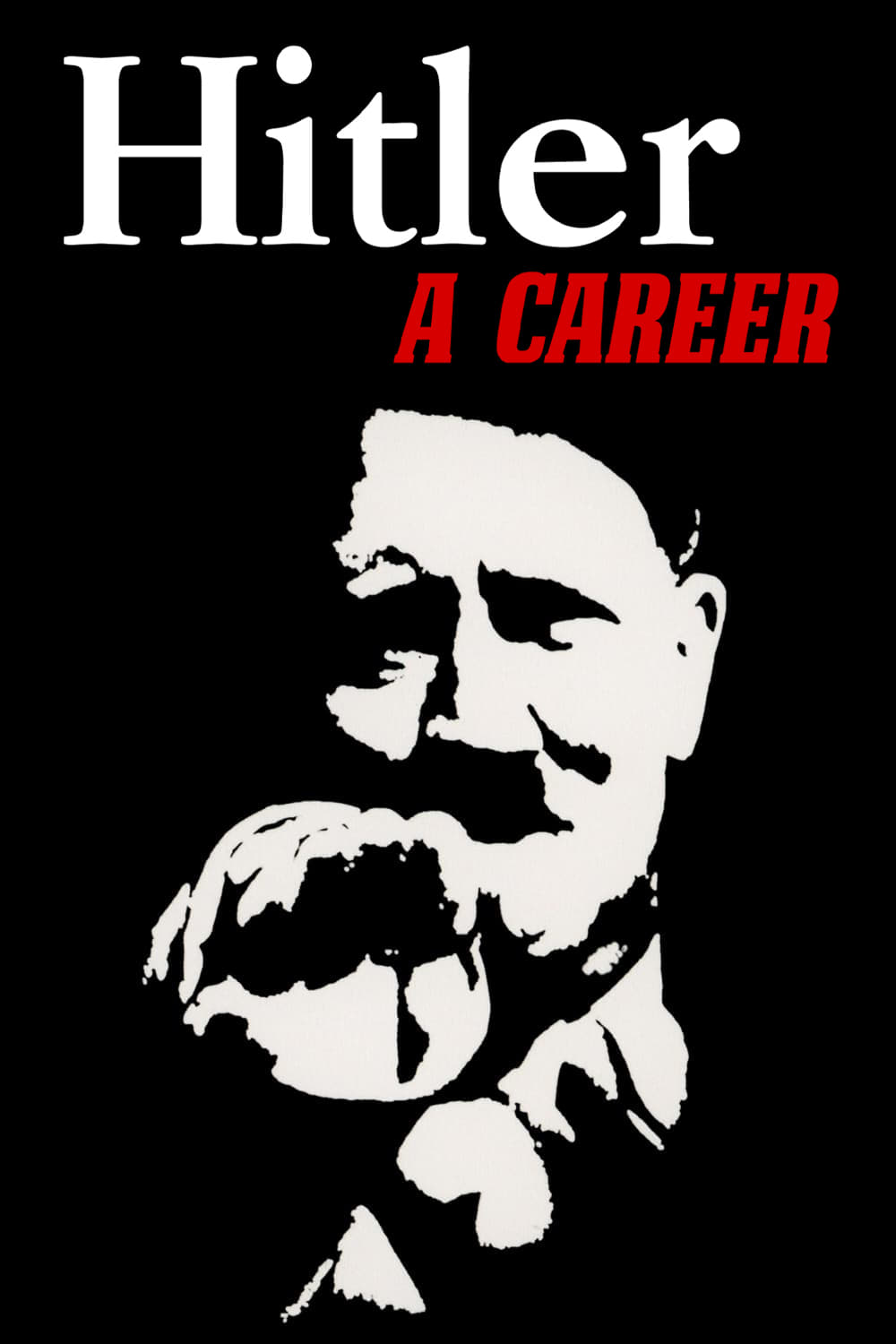
A keen chronicle of the unlikely rise to power of Adolf Hitler (1889-1945) and a dissection of the Third Reich (1933-1945), but also an analysis of mass psychology and how the desperate crowd can be deceived and shepherded to the slaughterhouse.
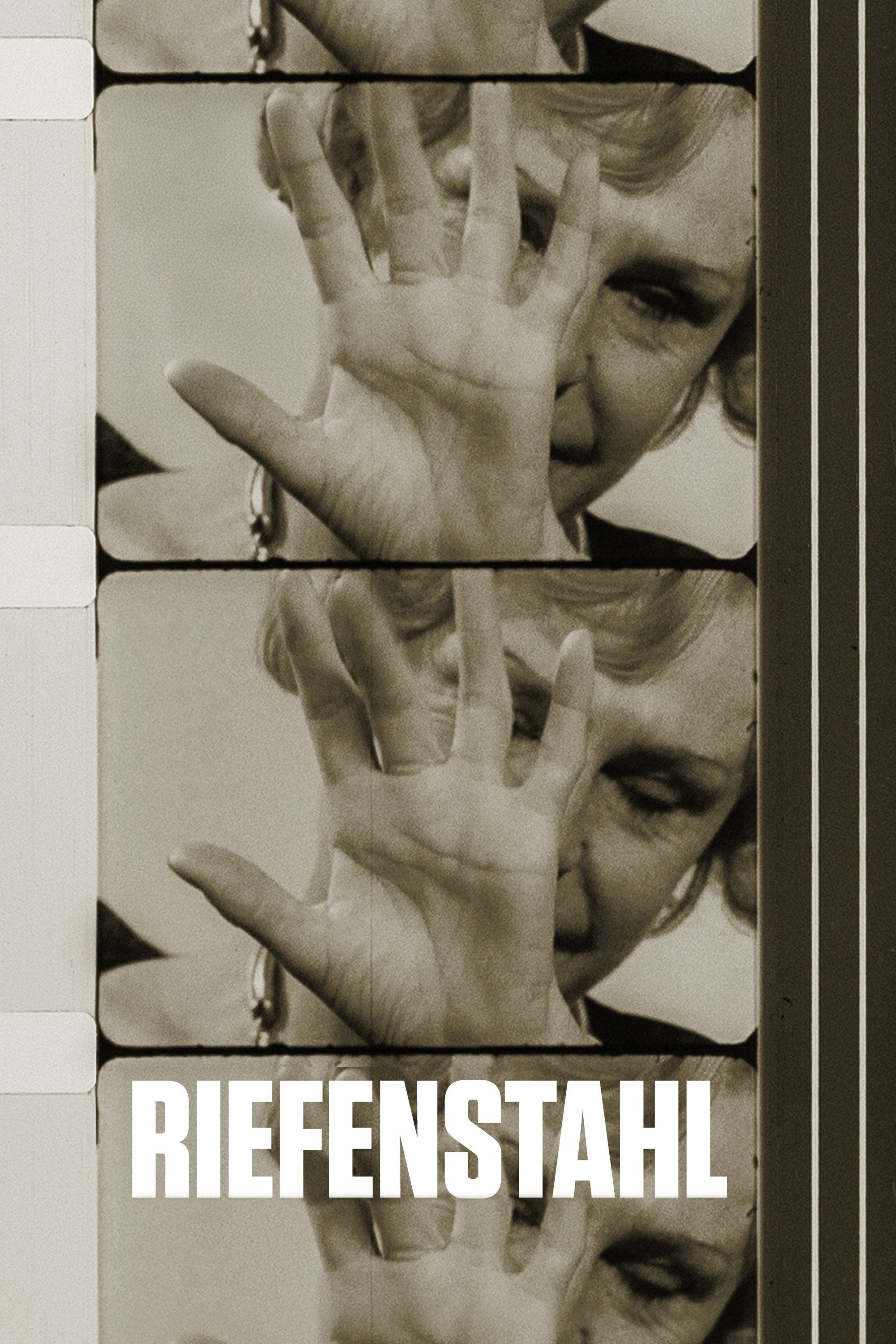
Explores Leni Riefenstahl's artistic legacy and her complex ties to the Nazi regime, juxtaposing her self-portrayal with evidence suggesting awareness of the regime's atrocities.
A showcase of German chancellor and Nazi Party leader Adolf Hitler at the 1934 Nuremberg Rally.
When Allied forces liberated the Nazi concentration camps in 1944-45, their terrible discoveries were recorded by army and newsreel cameramen, revealing for the first time the full horror of what had happened. Making use of British, Soviet and American footage, the Ministry of Information’s Sidney Bernstein (later founder of Granada Television) aimed to create a documentary that would provide lasting, undeniable evidence of the Nazis’ unspeakable crimes. He commissioned a wealth of British talent, including editor Stewart McAllister, writer and future cabinet minister Richard Crossman – and, as treatment advisor, his friend Alfred Hitchcock. Yet, despite initial support from the British and US Governments, the film was shelved, and only now, 70 years on, has it been restored and completed by Imperial War Museums under its original title "German Concentration Camps Factual Survey".
A documentary on the expletive's origin, why it offends some people so deeply, and what can be gained from its use.
In an intimate and joyful story of love in the face of loss, celebrated poets Andrea Gibson and Megan Falley find strength—and unexpected hilarity—in what might be their final year together.
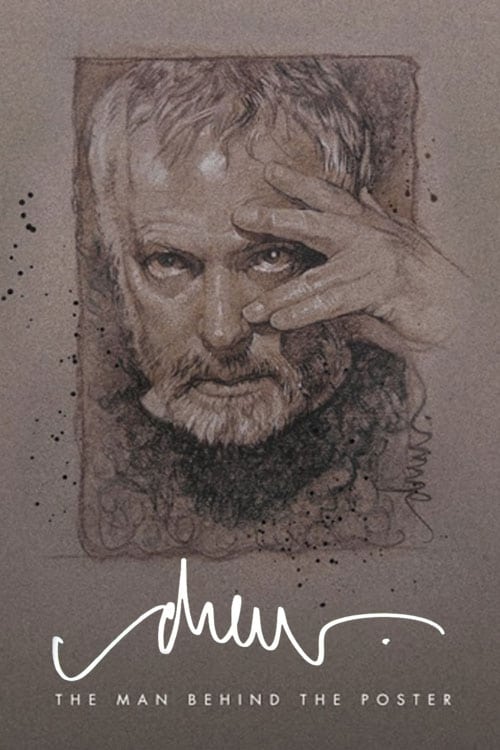
A documentary on legendary movie-poster artist Drew Struzan.
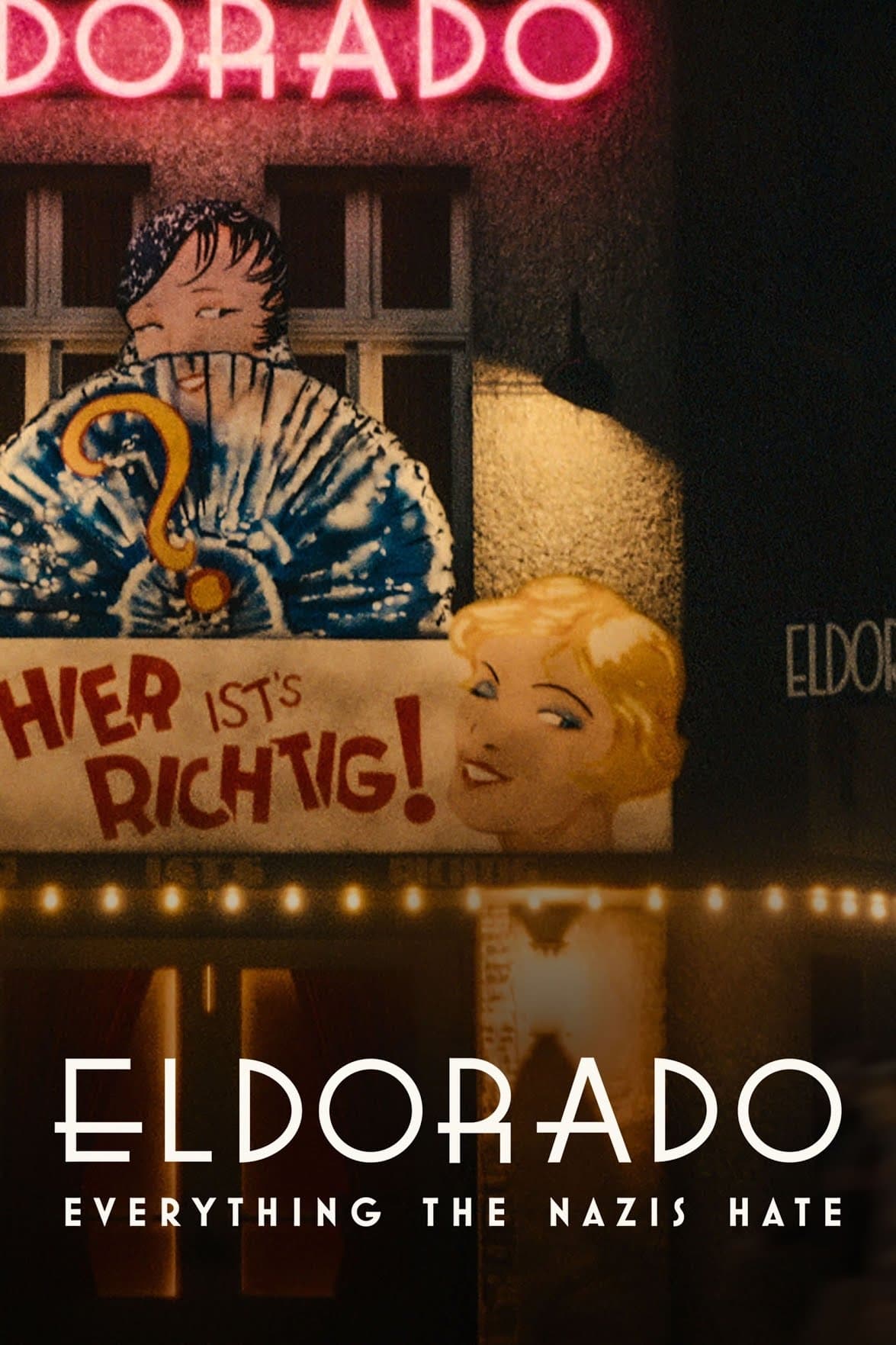
A glittery nightclub in 1920s Berlin becomes a haven for the queer community in this documentary exploring the freedoms lost amid Hitler’s rise to power.
Alexander McQueen's rags-to-riches story is a modern-day fairy tale, laced with the gothic. Mirroring the savage beauty, boldness and vivacity of his design, this documentary is an intimate revelation of McQueen's own world, both tortured and inspired, which celebrates a radical and mesmerizing genius of profound influence.
A string of threatening emails escalates into a revenge plot involving a newly married US marshal and his ex-girlfriend.
A 1993 documentary film about Bruce Lee. The film includes interviews from some of his fellow students and opponents who worked alongside him in his movies.
A visual montage portrait of our contemporary world dominated by globalized technology and violence.
Over the course of one year, this film follows the life of an ordinary Pyongyang family whose daughter was chosen to take part in Day of the Shining Star (Kim Jong-il's birthday) celebration. While North Korean government wanted a propaganda film, the director kept on filming between the scripted scenes. The ritualized explosions of color and joy contrast sharply with pale everyday reality, which is not particularly terrible, but rather quite surreal.
A documentary about the life and films of director John Ford.
Brilliant, long in-the-works story of the life and art of the world's greatest comedian and the cinema's first genius, Charlie Chaplin. Produced, written and directed by renowned film critic Richard Schickel.
The life and career of one of comedy's most inimitable modern voices, Mr. Gilbert Gottfried.
A compilation of over 30 years of private home movie footage shot by Lithuanian-American avant-garde director Jonas Mekas, assembled by Mekas "purely by chance", without concern for chronological order.
Daniel Craig candidly reflects on his 15 year adventure as James Bond. Including never-before-seen archival footage from Casino Royale to the upcoming 25th film No Time To Die, Craig shares his personal memories in conversation with 007 producers, Michael G Wilson and Barbara Broccoli.
This documentary movie is about the battle of San Pietro, a small village in Italy. Over 1,100 US soldiers were killed while trying to take this location, that blocked the way for the Allied forces from the Germans. Preserved by the Academy Film Archive in 2005.
Using the book 'Fragments', which collects Marilyn Monroe's poems, notes and letters, and with participation from the Arthur Miller and Truman Capote estates who have contributed more material, each of the actresses will embody the legend at various stages in her life.