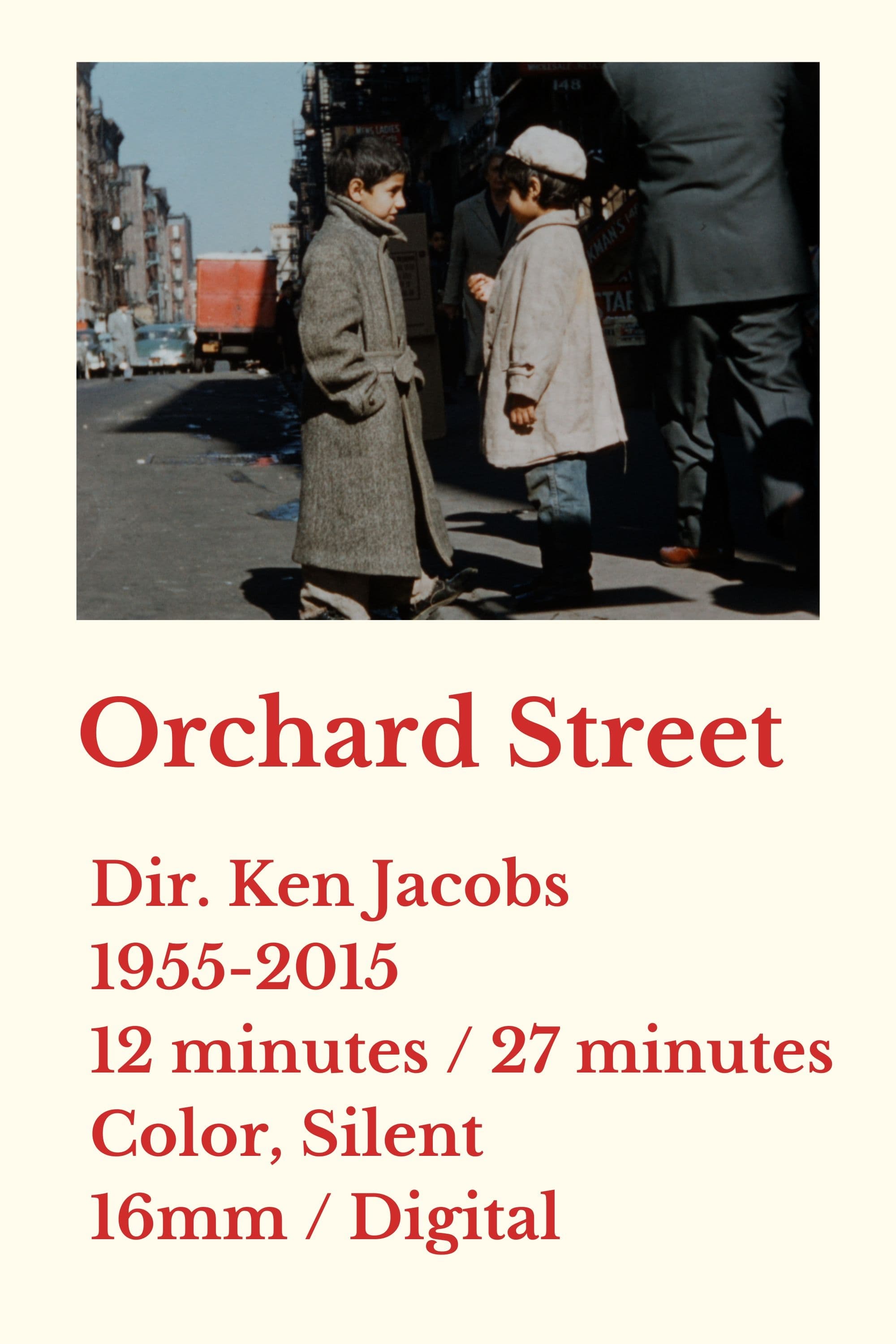
This short film documents the daily life of the goings-on on Orchard Street, a commercial street in the Lower East Side New York City.
Social & External
The people behind it
A poetic journey through the paths and places of old Castile that were traveled and visited by the melancholic knight Don Quixote of La Mancha and his judicious squire Sancho Panza, the immortal characters of Miguel de Cervantes, which offers a candid depiction of rural life in Spain in the early 1930s and illustrates the first sentence of the first article of the Spanish Constitution of 1931, which proclaims that Spain is a democratic republic of workers of all kind.
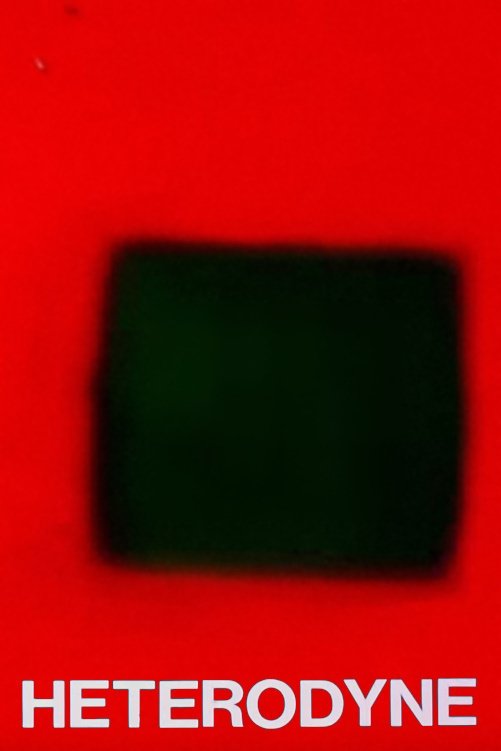
“Geometric animation made entirely by sculptural methods: cutting, punching, welding colored leader. HETERODYNE is related to some of my other work as RNA to a protein or polypeptide. It was made in abject (if blissful) ignorance of Paul Sharits’ early work.” –Hollis Frampton
As a major storm strikes Texas in 1900, a mysterious televisual device is built and tested. Blake Williams’ experimental 3D sci-fi film immerses us in the aftermath of the Galveston disaster to fashion a haunting treatise on technology, cinema, and the medium’s future.
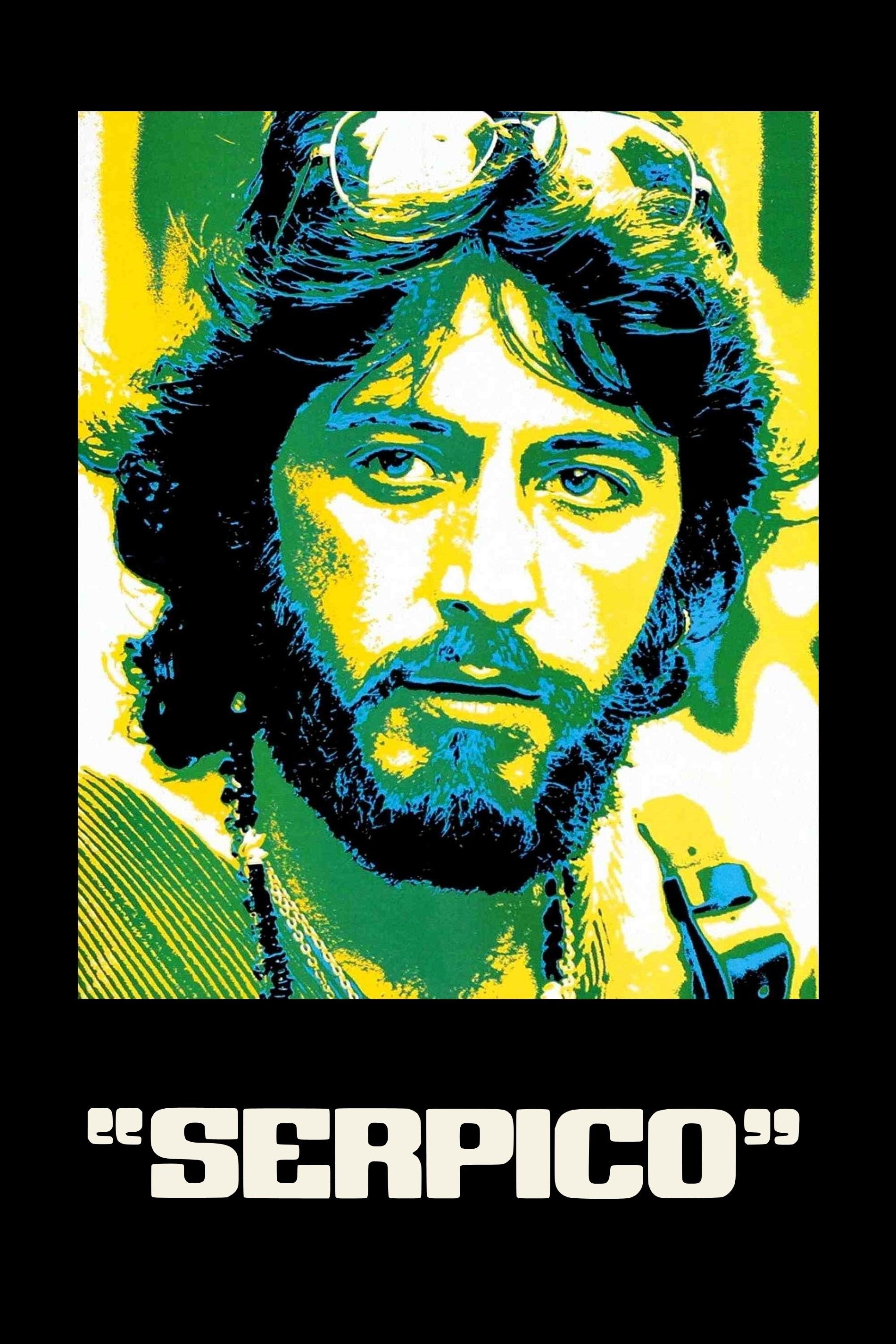
New York cop Frank Serpico blows the whistle on the rampant corruption in the force only to have his comrades turn against him.
Experimental short film exploring New York City's multicultural history through the eyes of three chosen individuals.
Szirtes's masterful experimental work is a dazzling composition of several years of filming within an industrial macro/microcosm, an abstract model of revolution and the beauty of daybreak.
Chronicles the rise and fall of 1970s New York City nightclub Plato's Retreat.
The inner world of the great painter Max Ernst is the subject of this film. One of the principal founders of Surrealism, Max Ernst explores the nature of materials and the emotional significance of shapes to combine with his collages and netherworld canvases. The director and Ernst together use the film creatively as a medium to explain the artist's own development.
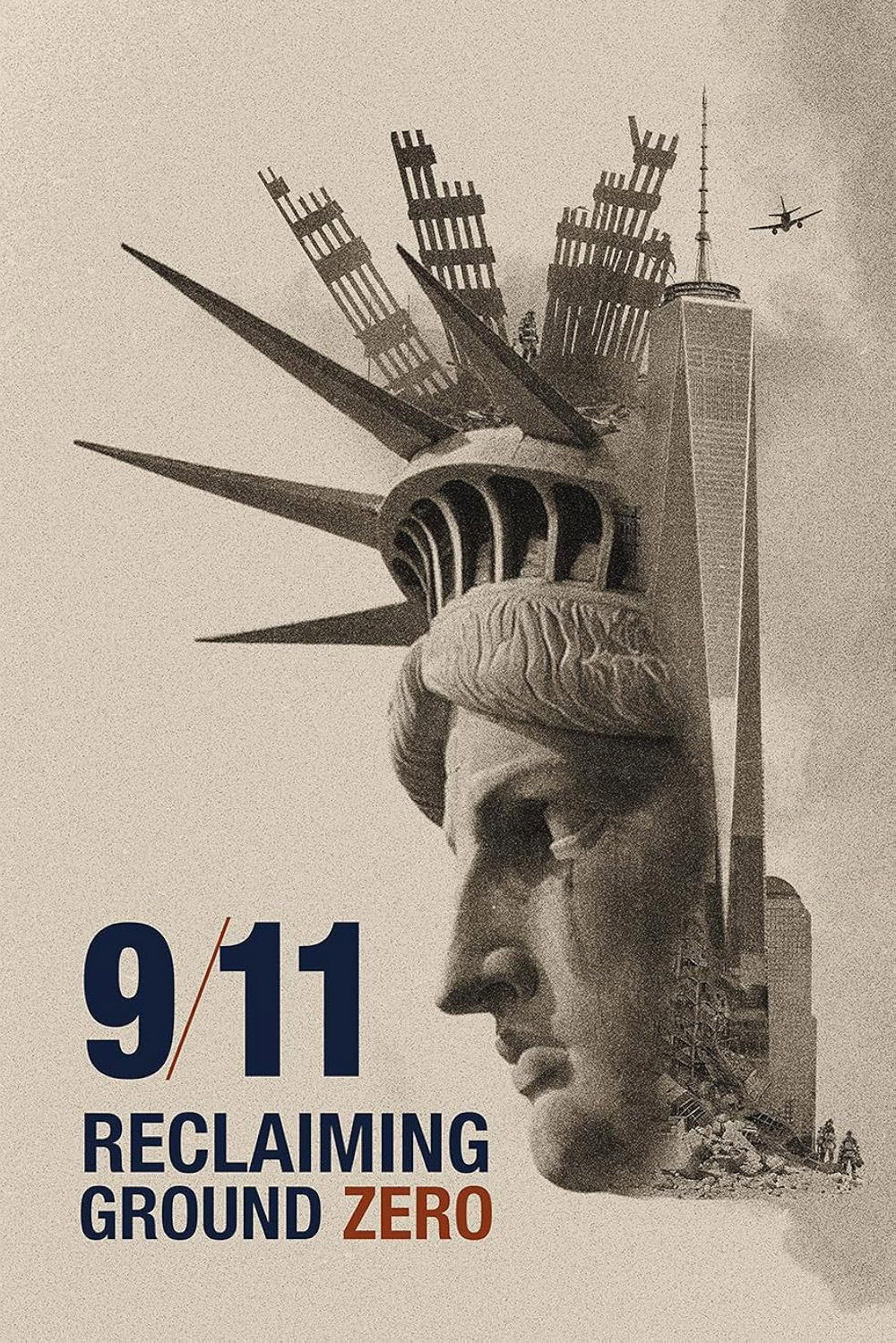
After the 9/11 attacks, after the smoke was gone, after the rubble cleared away, New Yorkers had a city to rebuild. In response to fast-tracked redevelopment plans, more than 5,000 people gathered in the largest town hall in American history. They came to vote on the city’s six proposals for rebuilding Ground Zero. But instead, the people rejected the top down approach and successfully charted a new path forward. Their work determined what is at Ground Zero today. And their story is an example of what democracy can look like.
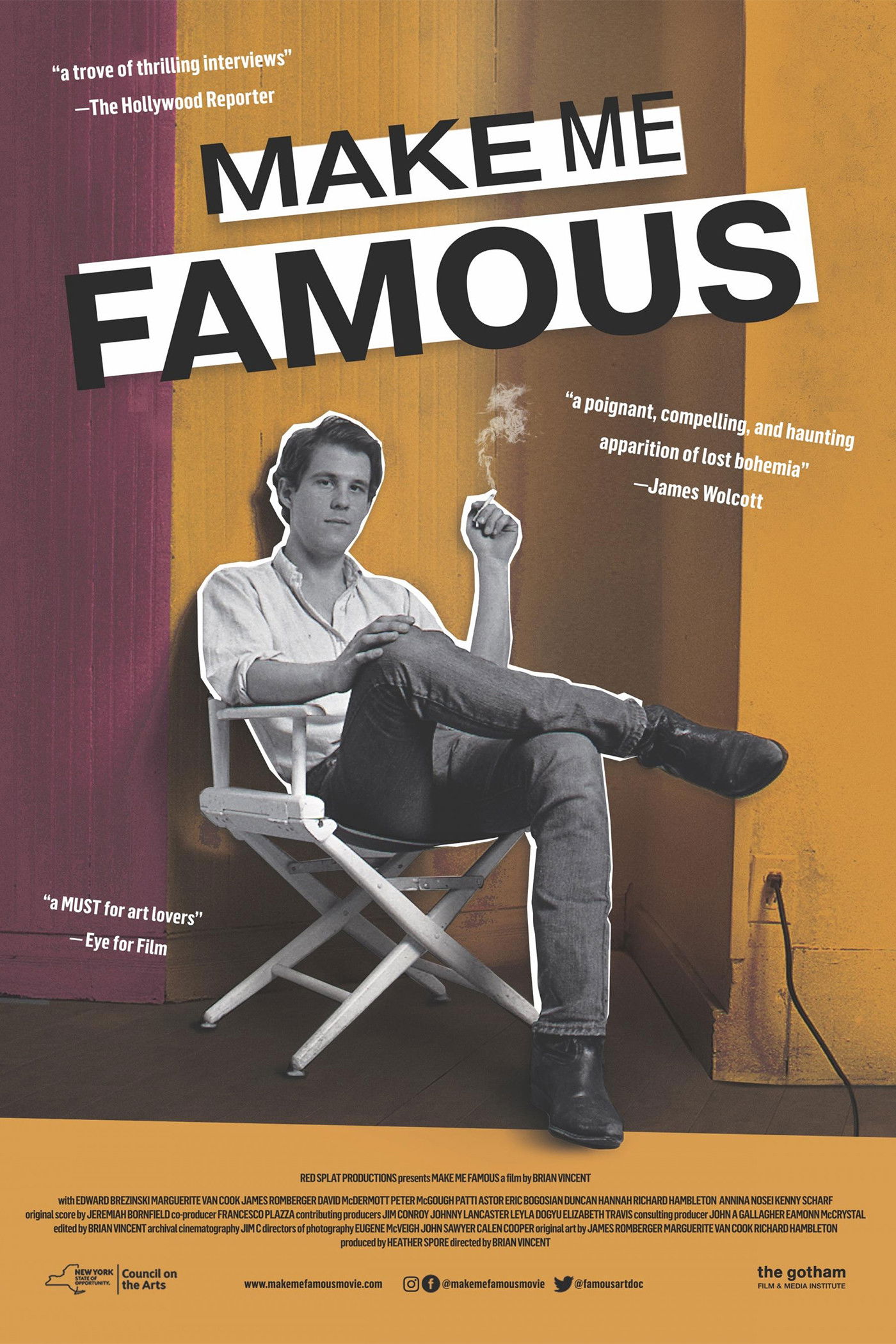
An investigation of Edward Brezinski, an ambitious, charismatic Lower East Side painter hell-bent on sucess, who thwarted his own career with antics that roiled NYC’s art elite. Brezinski’s quest for fame gives an intimate portrait of the art world’s attitude towards success and failure, fame and fortune, notoriety and erasure.
Amateur footage of a young couple on a trip.
"This film explores how freedom of speech — including dissent — is afforded to all Americans, and shows freedom of expression in art, music, dance, architecture, and science. The film also emphasizes the importance of the individual’s contribution to the whole of society and demonstrates how a productive and creative society is formed by the open and respectful exchange of ideas. The film was written, produced, and directed by William Greaves" (National Archives).
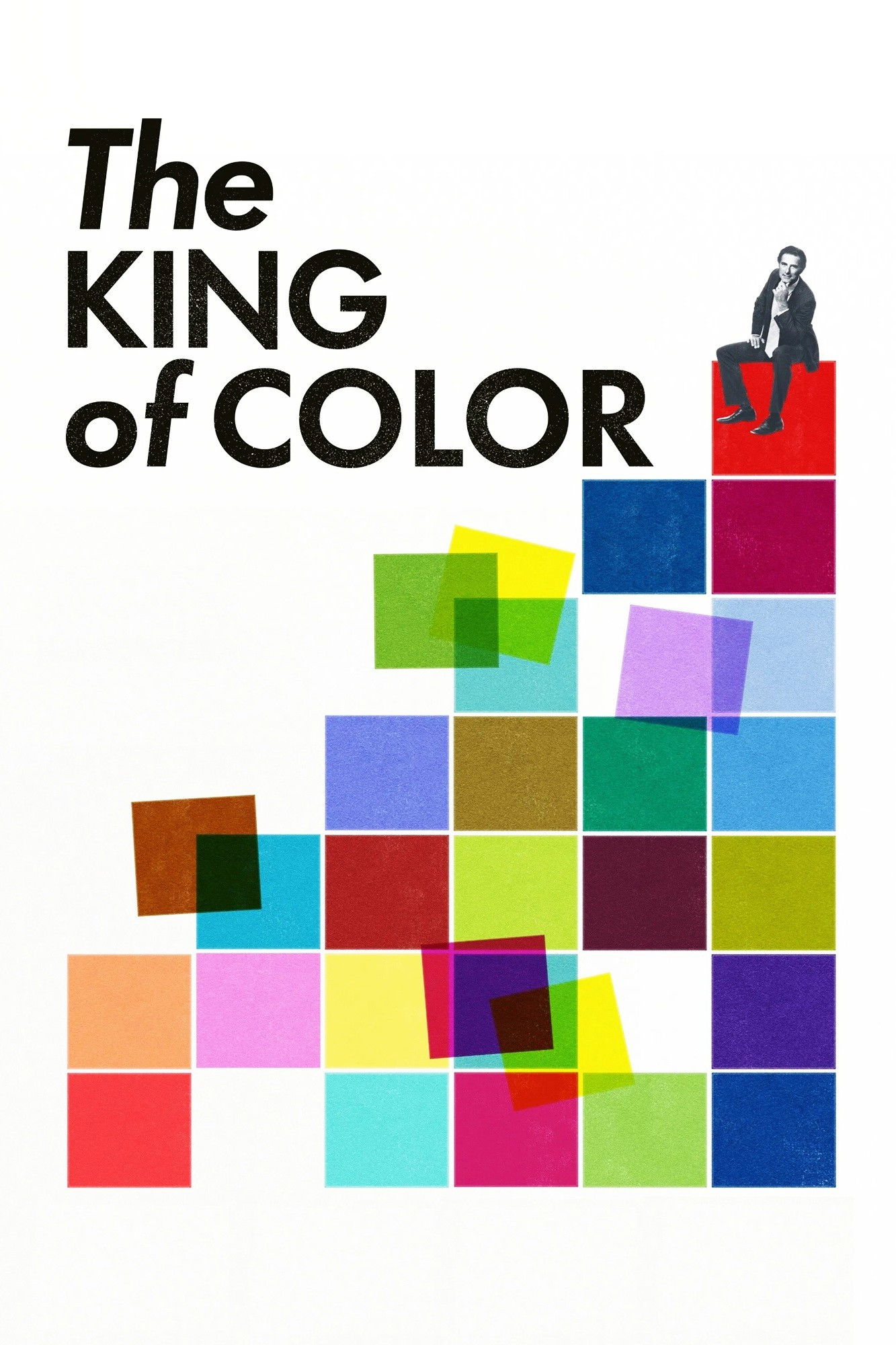
At 96, Lawrence Herbert reflects on his life, from his Depression-era Brooklyn upbringing to creating the Pantone Matching System, which revolutionized the worldwide use of color.
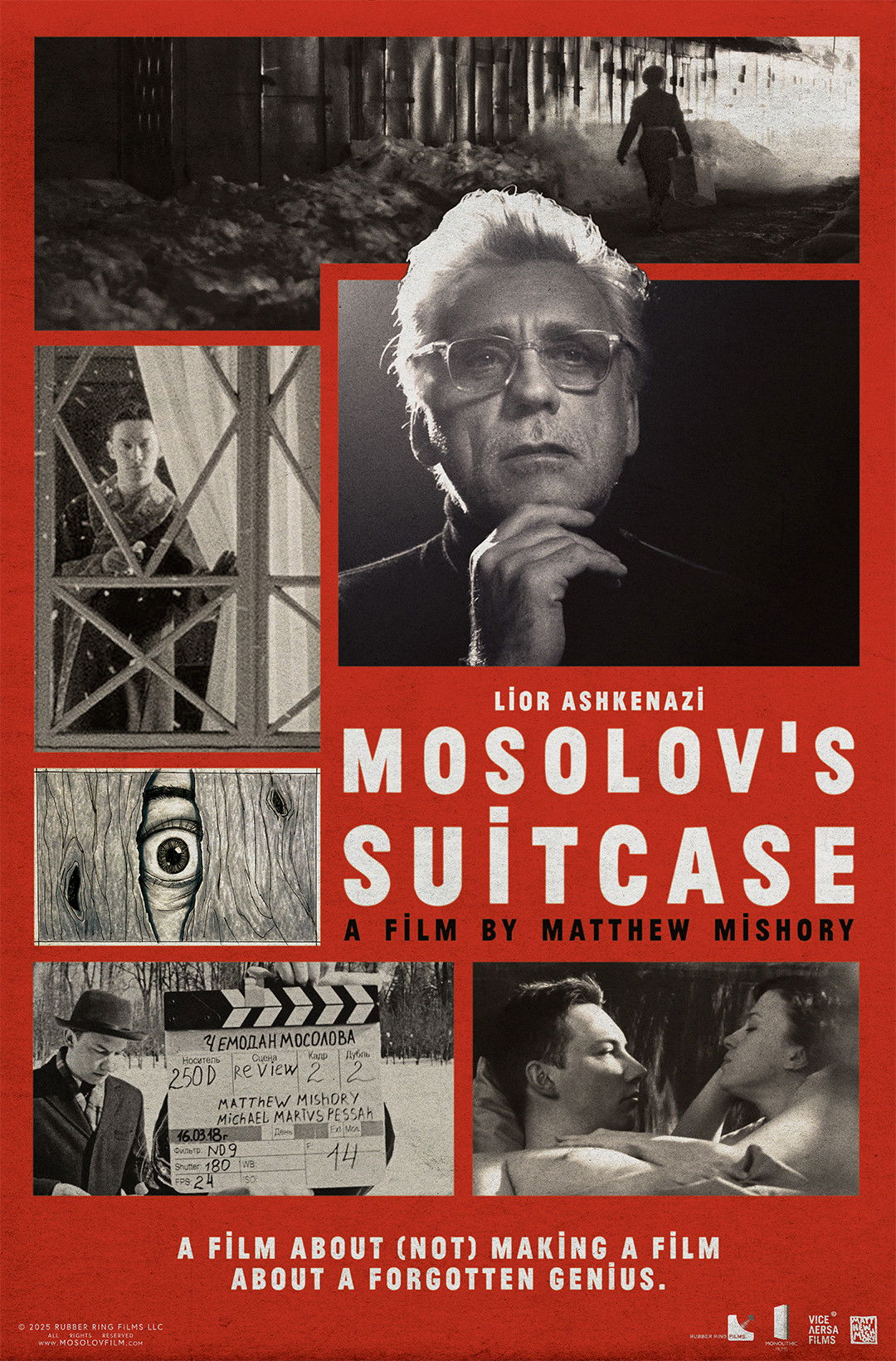
The life of Ukrainian-Soviet avant-garde composer Alexander Mosolov inspires three stories about creation and individualism in the face of state power, set against the Great Purge of the 1930s and the ongoing Russian invasion of Ukraine.
A visual journey into the life and legacy of one of Australia's most celebrated artists, Brett Whiteley.
In the early nineties, before the massive gentrification of many of New York's then slums, several young people from very disparate backgrounds left their broken homes and ventured onto the brutal streets of the city. United by their love of skateboarding, they formed a family and built a unique lifestyle that eventually inspired Kids, a groundbreaking and outrageous film directed by photographer Larry Clark and released in 1995.
A day in the city of Berlin, which experienced an industrial boom in the 1920s, and still provides an insight into the living and working conditions at that time. Germany had just recovered a little from the worst consequences of the First World War, the great economic crisis was still a few years away and Hitler was not yet an issue at the time.
Trance dances and out of body projection. In front of the camera, Parvaneh Navaï becomes a mediator who enters in contact with and immerses into the energies of Nature, while her own energy radiates and echos in the forest ("selva"). The camera amplifies and expands her presence, transforming the forest into an imaginary space. The camera becomes a painter's brush.
Martin Scorsese’s electrifying concert documentary captures The Rolling Stones live at New York’s Beacon Theatre during their A Bigger Bang tour. Filmed over two nights in 2006 with an all-star team of cinematographers, the film combines dynamic performances with archival footage and rare glimpses behind the scenes, offering a vibrant portrait of the band’s enduring energy and legacy.
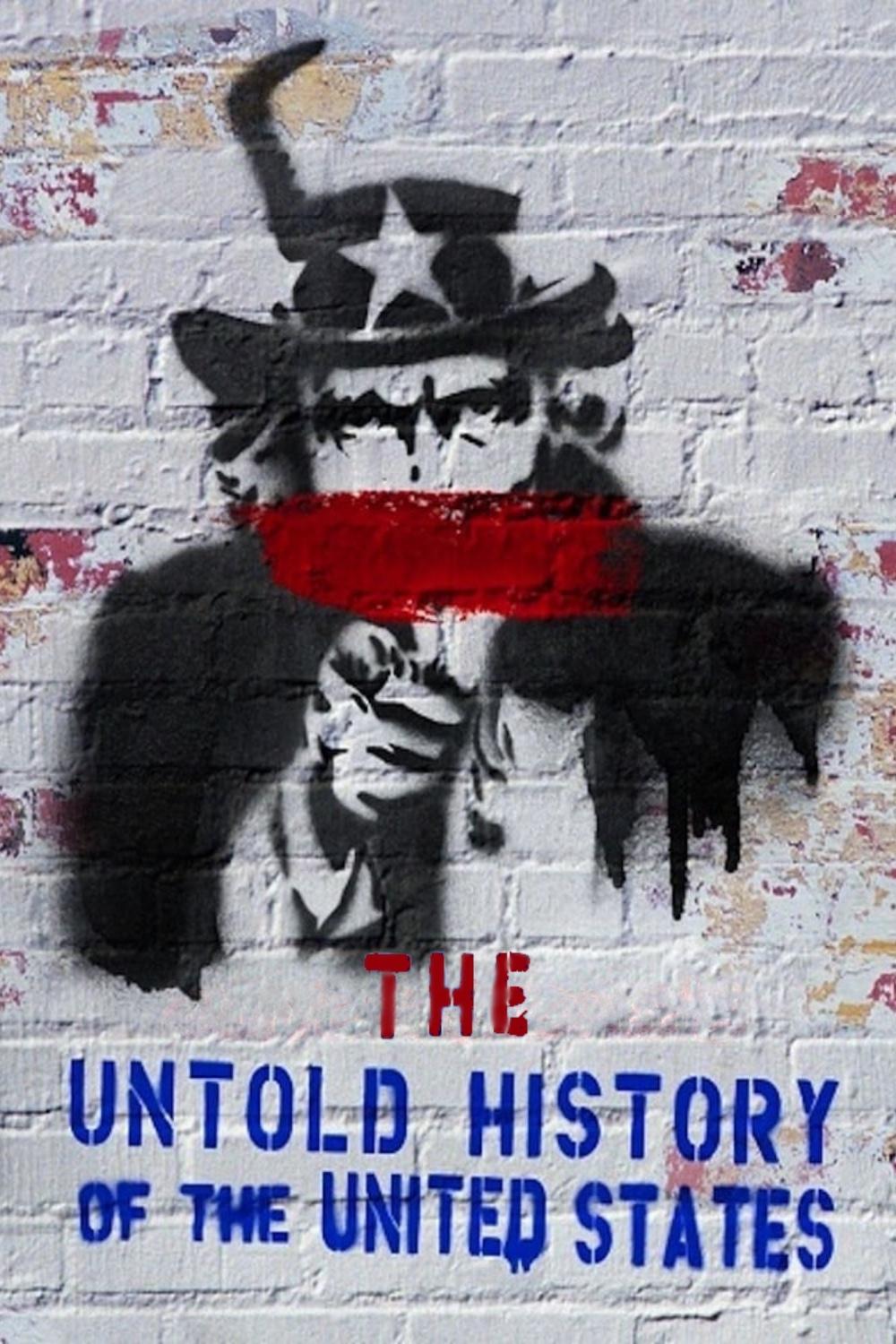
Oliver Stone charts the history of the United States from the Second World War to the present.
A visual montage portrait of our contemporary world dominated by globalized technology and violence.
The history of cinematic sound, told by legendary sound designers and visionary filmmakers.
Through deeply personal interviews with her siblings and an examination of the photographs, letters, and belongings left behind, Mariska assembles a new portrait of her mother Jayne Mansfield, an extraordinary and complex woman.
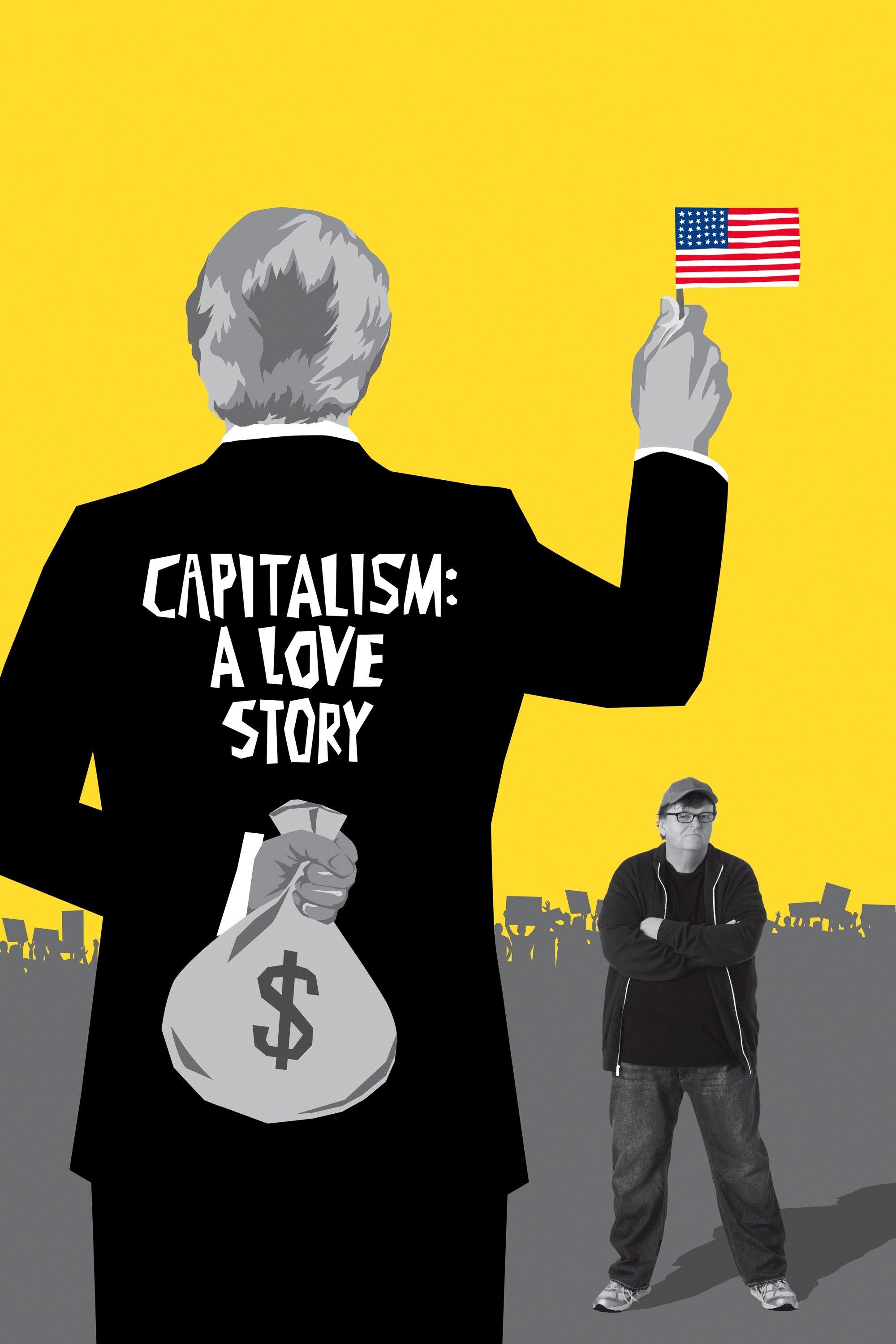
Michael Moore comes home to the issue he's been examining throughout his career: the disastrous impact of corporate dominance on the everyday lives of Americans (and by default, the rest of the world).
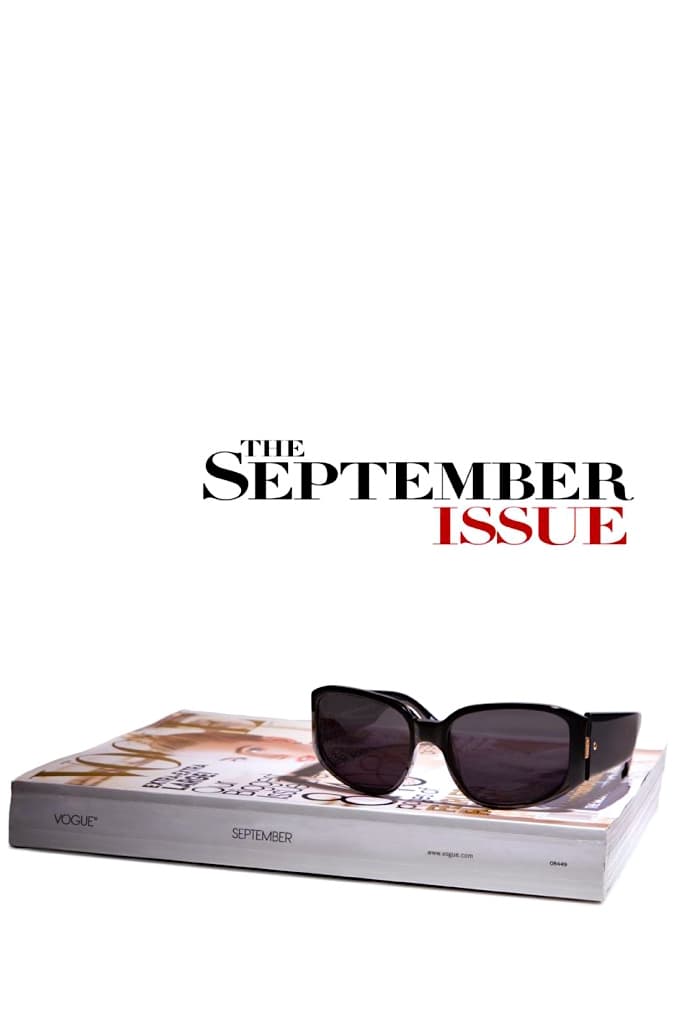
A documentary chronicling Vogue editor-in-chief Anna Wintour's preparations for the 2007 fall-fashion issue.
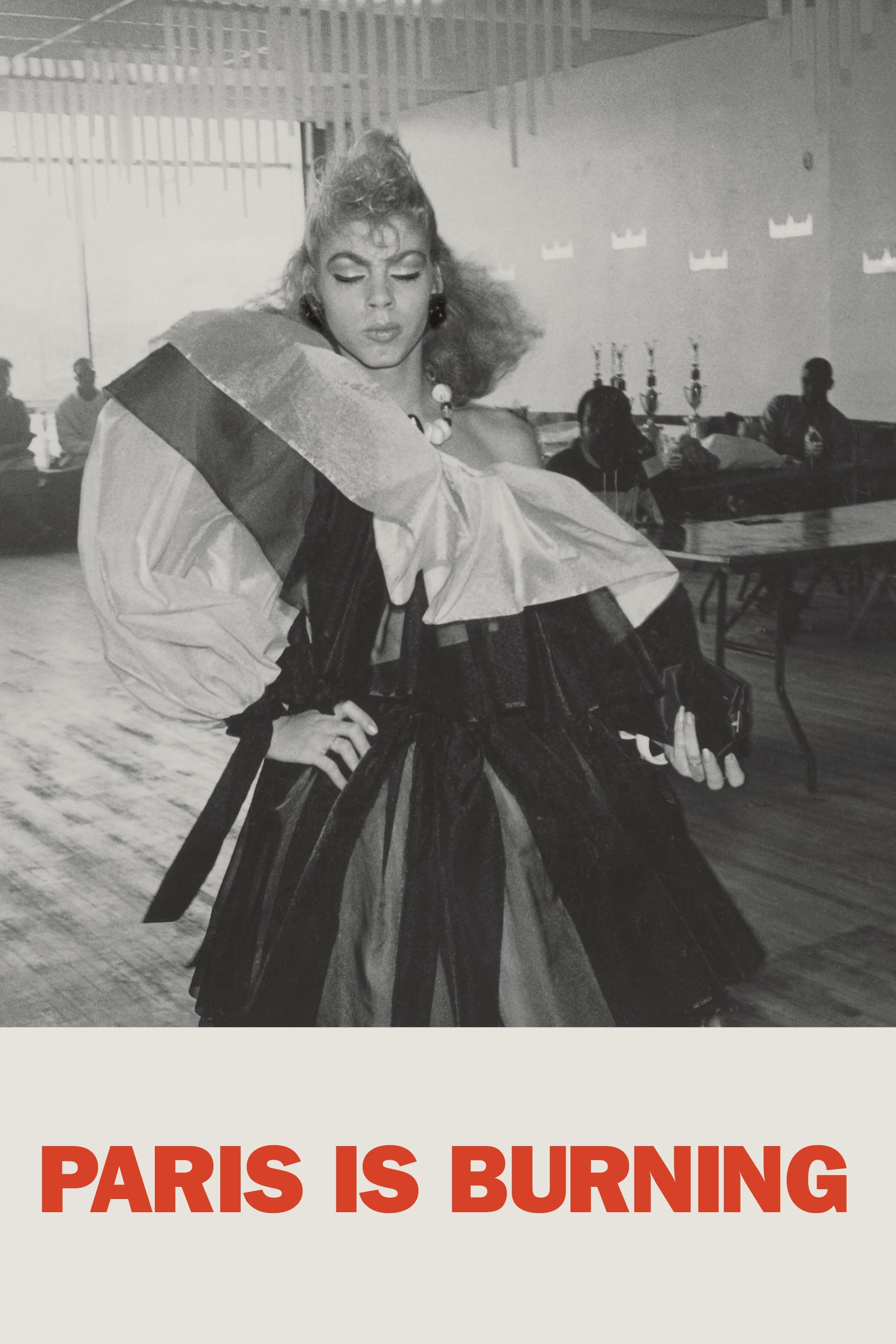
Where does voguing come from, and what, exactly, is throwing shade? This landmark documentary provides a vibrant snapshot of the 1980s through the eyes of New York City's African American and Latinx Harlem drag-ball scene. Made over seven years, PARIS IS BURNING offers an intimate portrait of rival fashion "houses," from fierce contests for trophies to house mothers offering sustenance in a world rampant with homophobia, transphobia, racism, AIDS, and poverty. Featuring legendary voguers, drag queens, and trans women — including Willi Ninja, Pepper LaBeija, Dorian Corey, and Venus Xtravaganza.
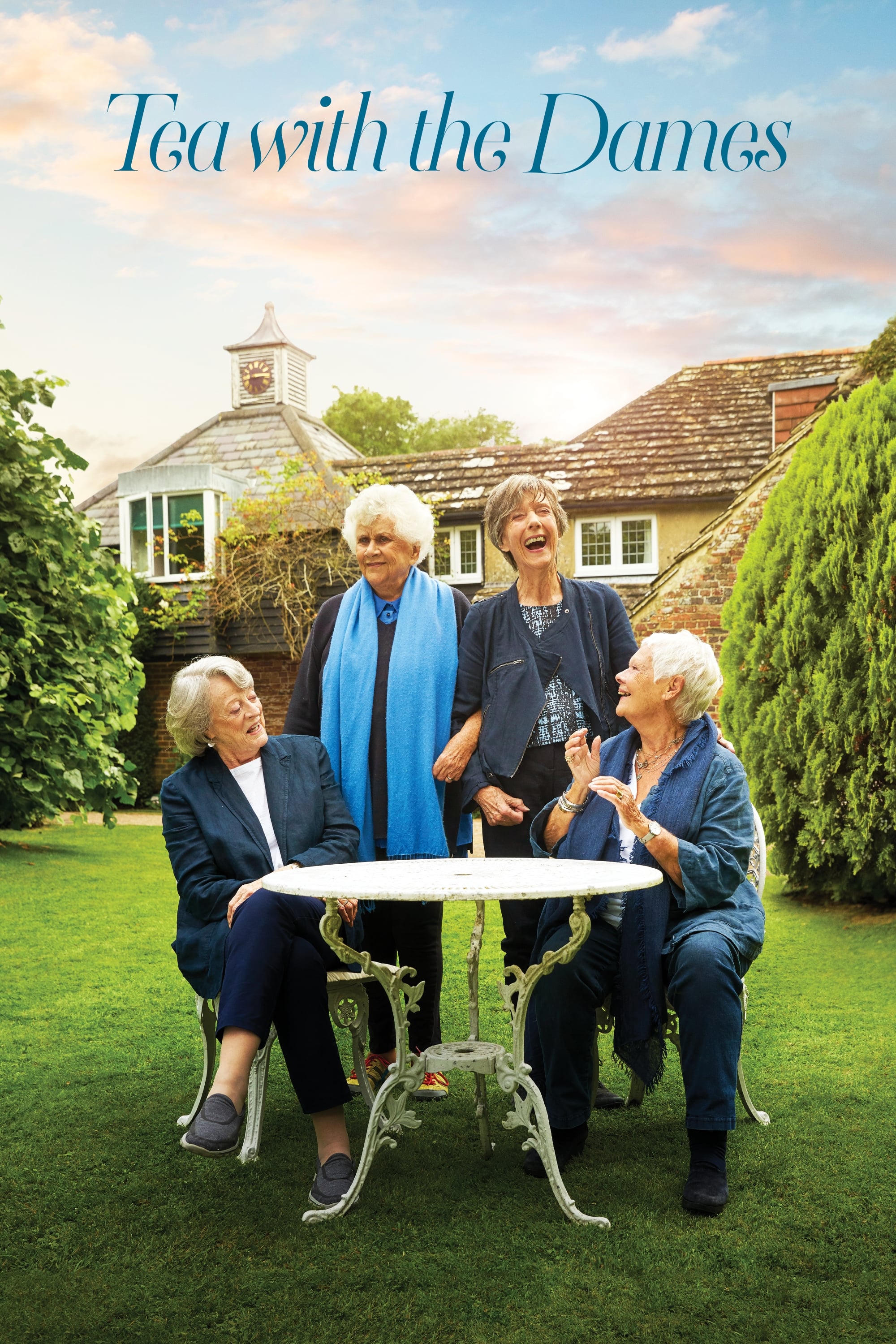
BBC Arena's documentary on the Dames of British Theatre and film featuring Maggie Smith, Eileen Atkins, Judi Dench and Joan Plowright on screen together for the first time as they reminisce over a long summer weekend in a house Joan once shared with Sir Laurence Olivier.
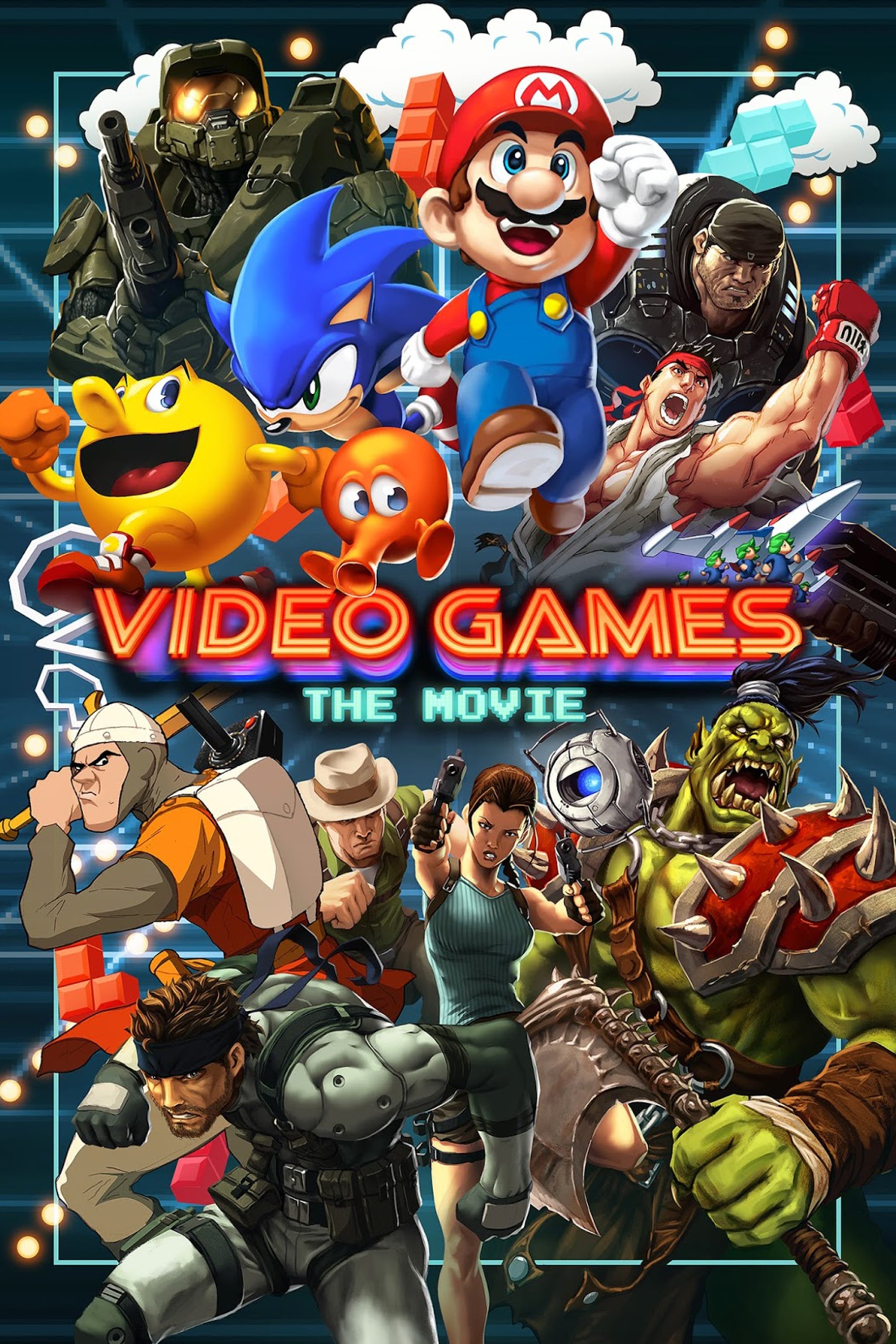
From executive producer Zach Braff and director Jeremy Snead, "Video Games: The Movie" is an epic feature length documentary chronicling the meteoric rise of video games from nerd niche to multi-billion dollar industry. Narrated by Sean Astin and featuring in-depth interviews with the godfathers who started it all, the icons of game design, and the geek gurus who are leading us into the future, "Video Games: The Movie" is a celebration of gaming from Atari to Xbox and an eye-opening look at what lies ahead.
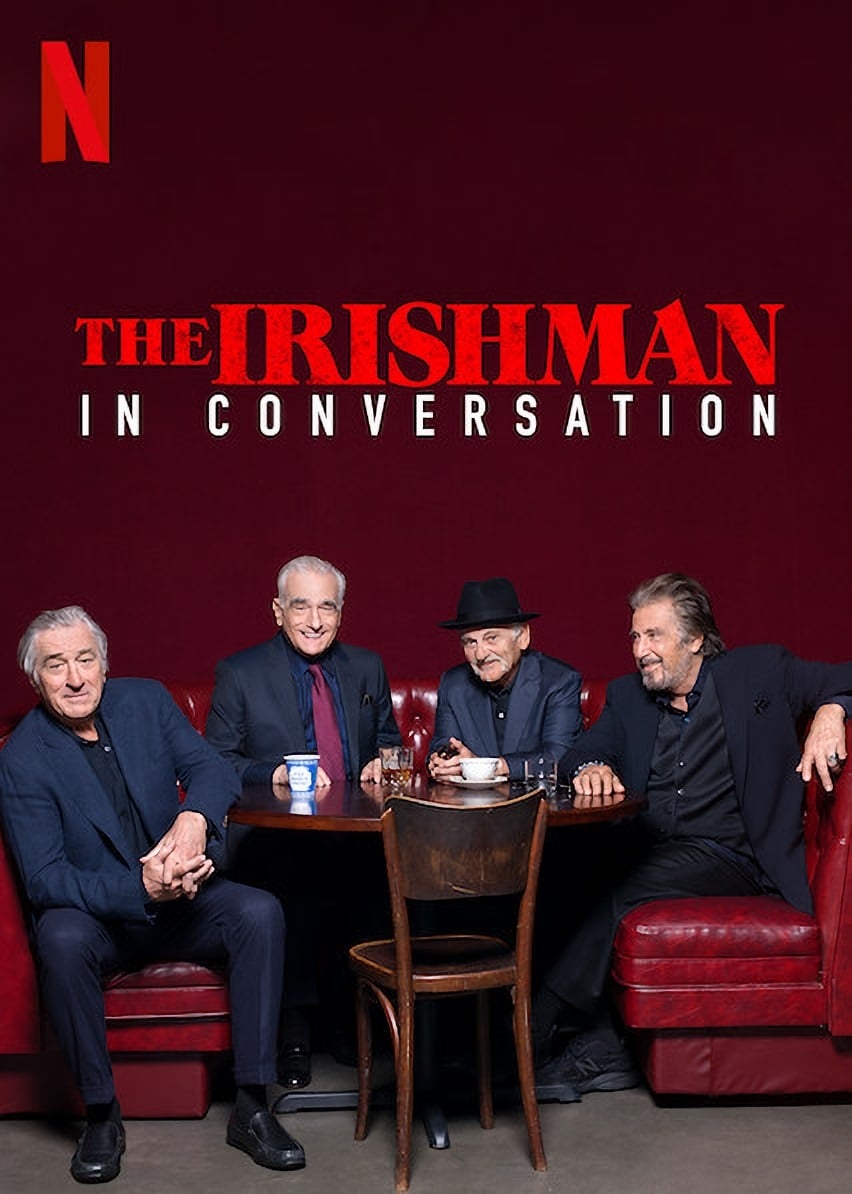
Martin Scorsese, Robert De Niro, Joe Pesci, and Al Pacino in conversation about The Irishman.
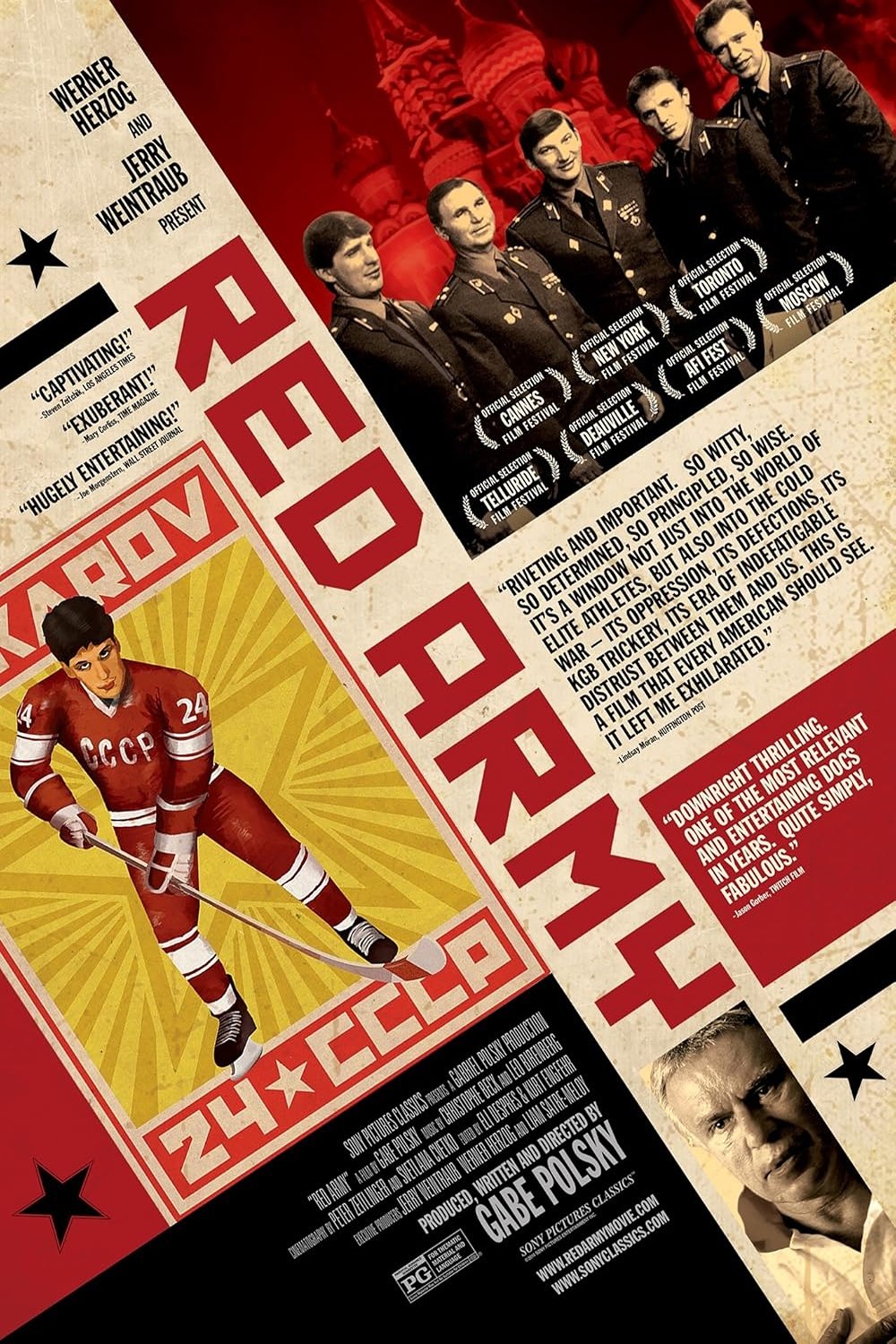
A documentary highlighting the Soviet Union's legendary and enigmatic hockey training culture and world-dominating team through the eyes of the team's Captain Slava Fetisov, following his shift from hockey star and celebrated national hero to political enemy.
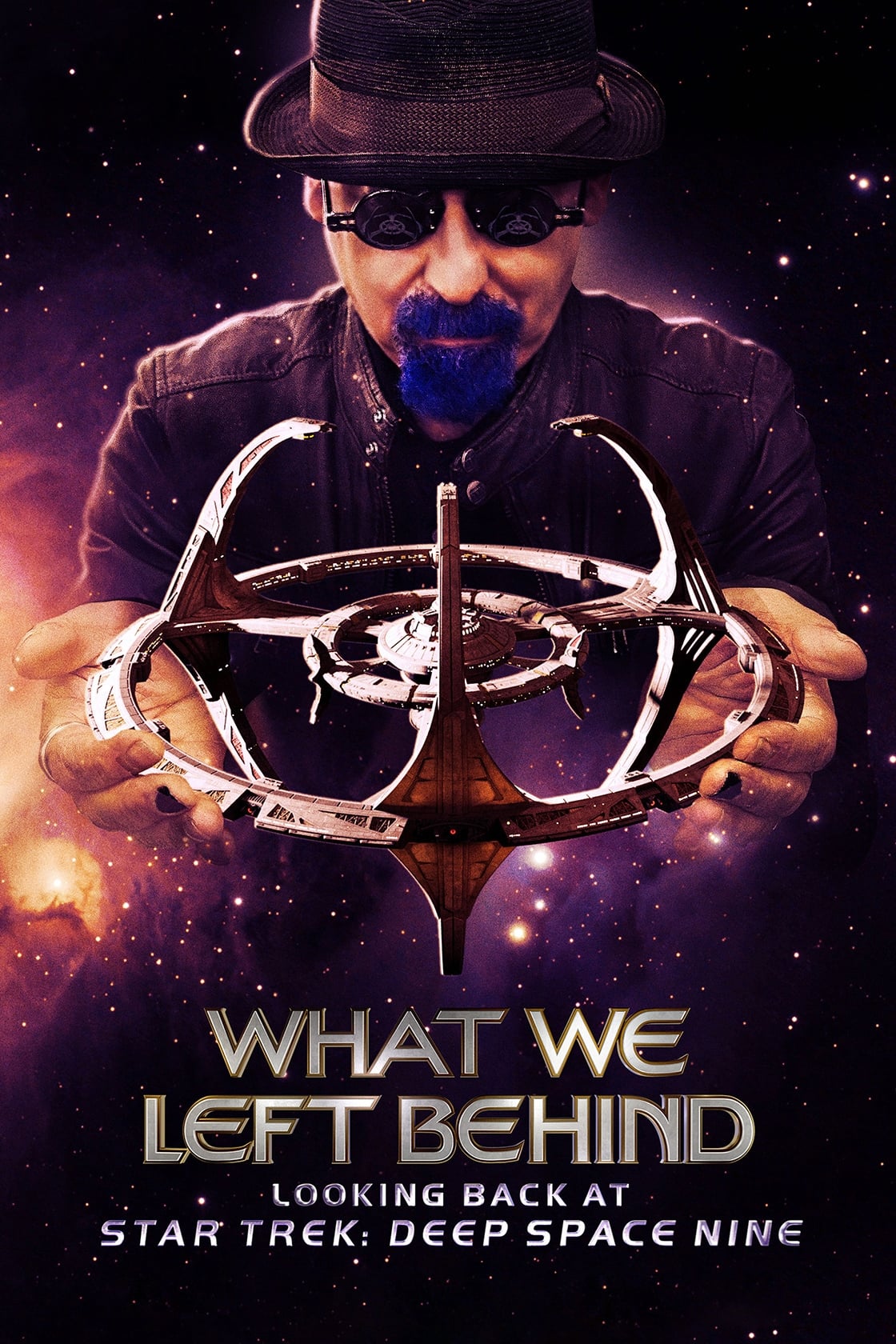
A documentary exploring the legacy of Star Trek: Deep Space Nine, the reasons it went from the black sheep of Star Trek to a beloved mainstay of the franchise, and a brainstorm with the original writers on what a theoretical eighth season of the show could look like.
JB Smoove and Martin Starr host a celebration of 20 years of "Spider-Man" movies, from the Sam Raimi trilogy to Marc Webb's movies and the trio from Jon Watts.
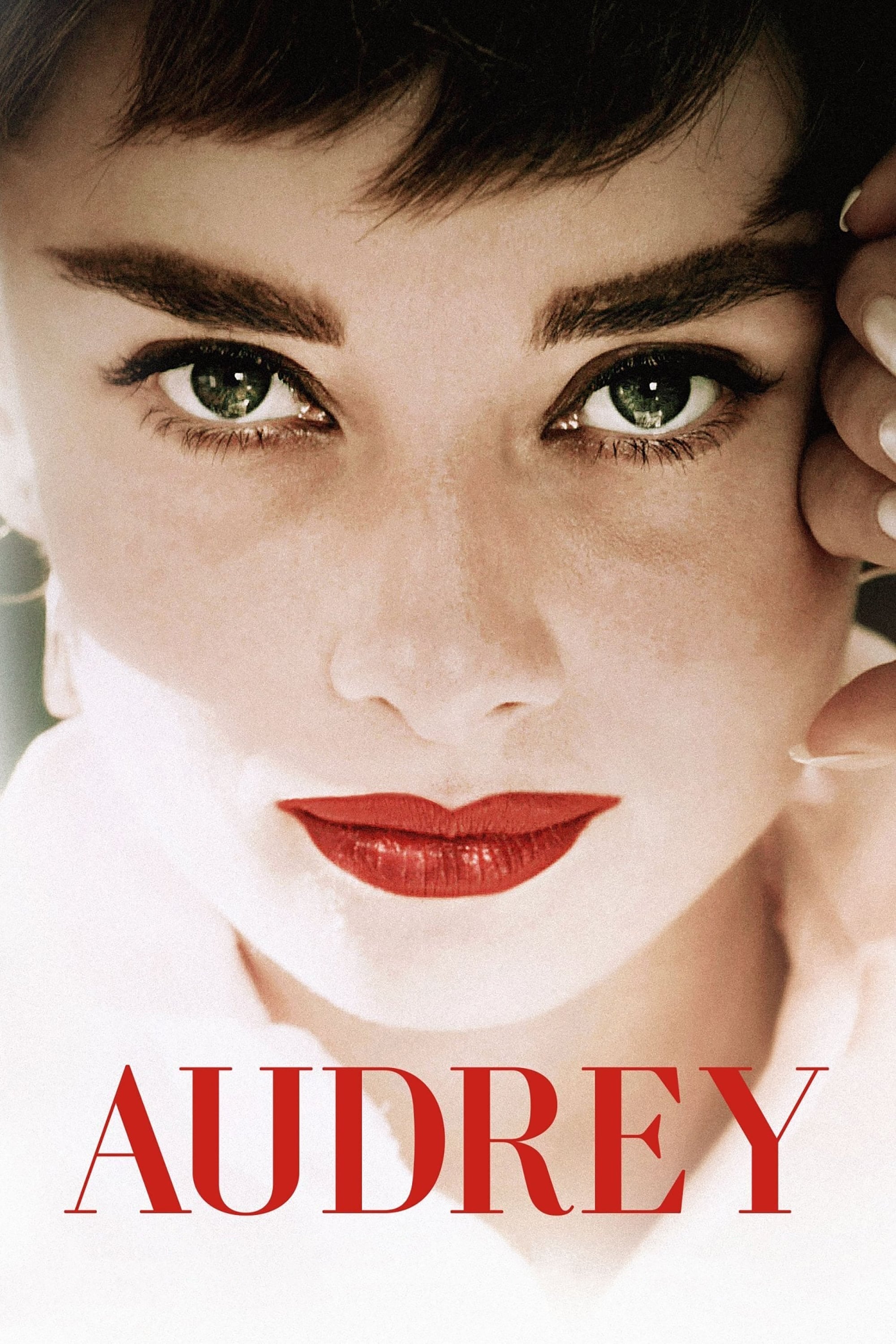
An unprecedented and intimate look at the life, work and enduring legacy of British actress Audrey Hepburn (1929-1993).
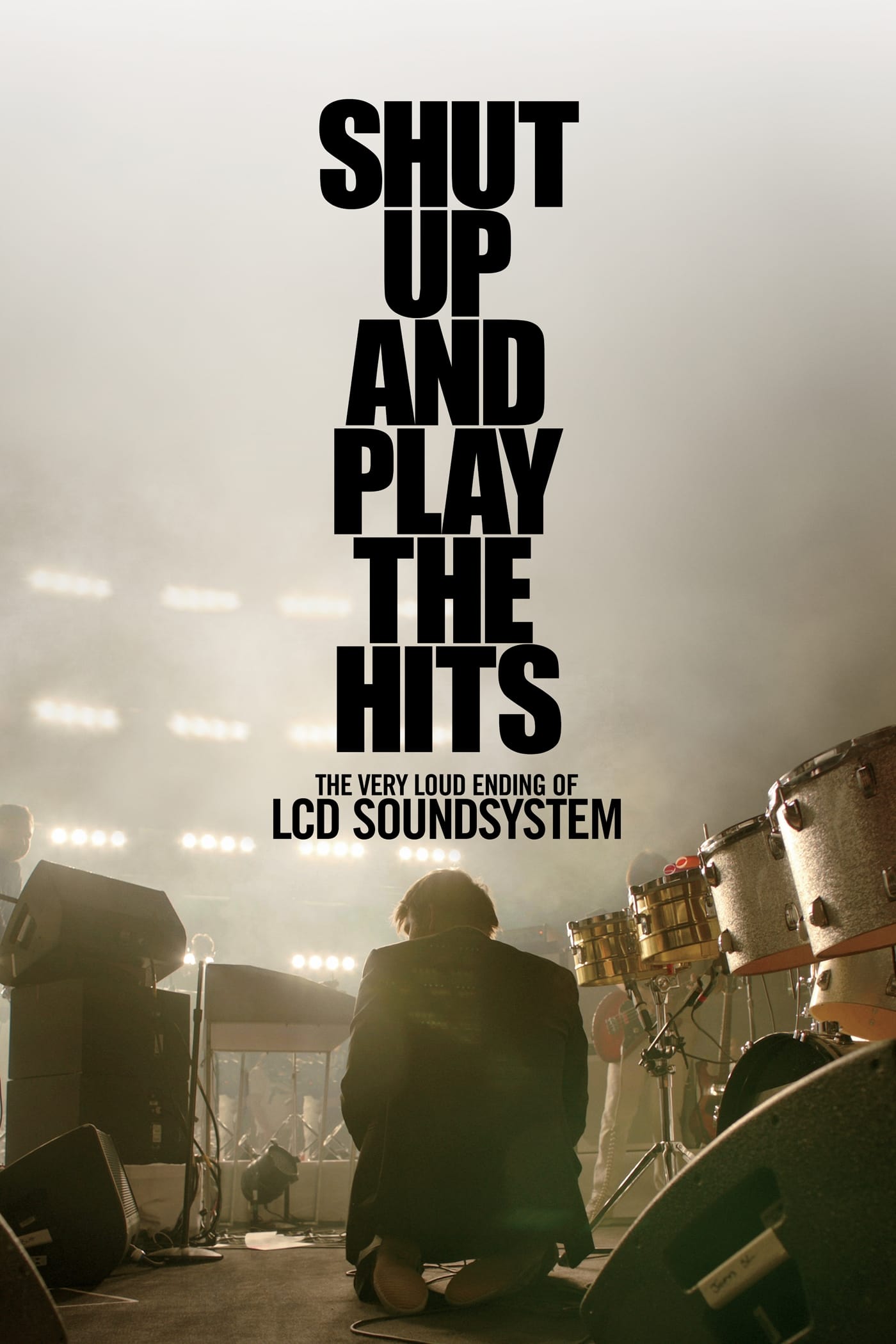
An intimate portrait of Brooklyn-based electronic rock band LCD Soundsystem's then-final live show on April 2, 2011, capturing both the exuberant, three-hour farewell concert at New York City's Madison Square Garden and frontman James Murphy's introspective 48 hours surrounding it.
A documentary detailing the epic Rogues' Gallery of DC Comics from The Joker and Lex Luthor, Sinestro, Darkseid and more, this documentary will explore the Super Villains of DC Comics.
Al Pacino's deeply-felt rumination on Shakespeare's significance and relevance to the modern world through interviews and an in-depth analysis of "Richard III."
A look at the origins, history and conspiracies behind the "Majestic 12", a clandestine group of military and corporate figureheads charged with reverse-engineering extraterrestrial technology.
Musician and performance artist Laurie Anderson reflects on the deaths of her husband Lou Reed, her mother and her beloved dog.
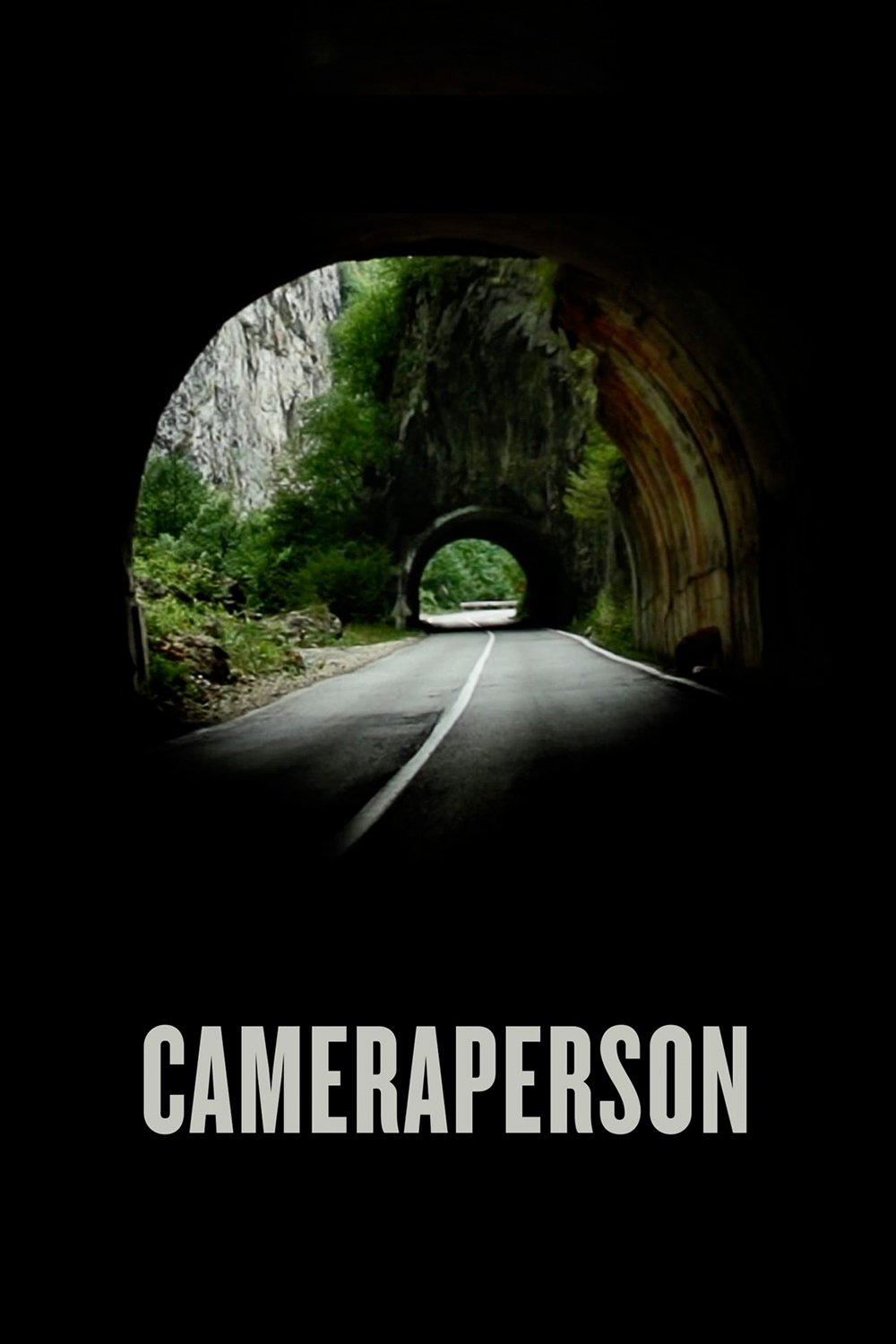
As a visually radical memoir, CAMERAPERSON draws on the remarkable footage that filmmaker Kirsten Johnson has shot and reframes it in ways that illuminate moments and situations that have personally affected her. What emerges is an elegant meditation on the relationship between truth and the camera frame, as Johnson transforms scenes that have been presented on Festival screens as one kind of truth into another kind of story—one about personal journey, craft, and direct human connection.