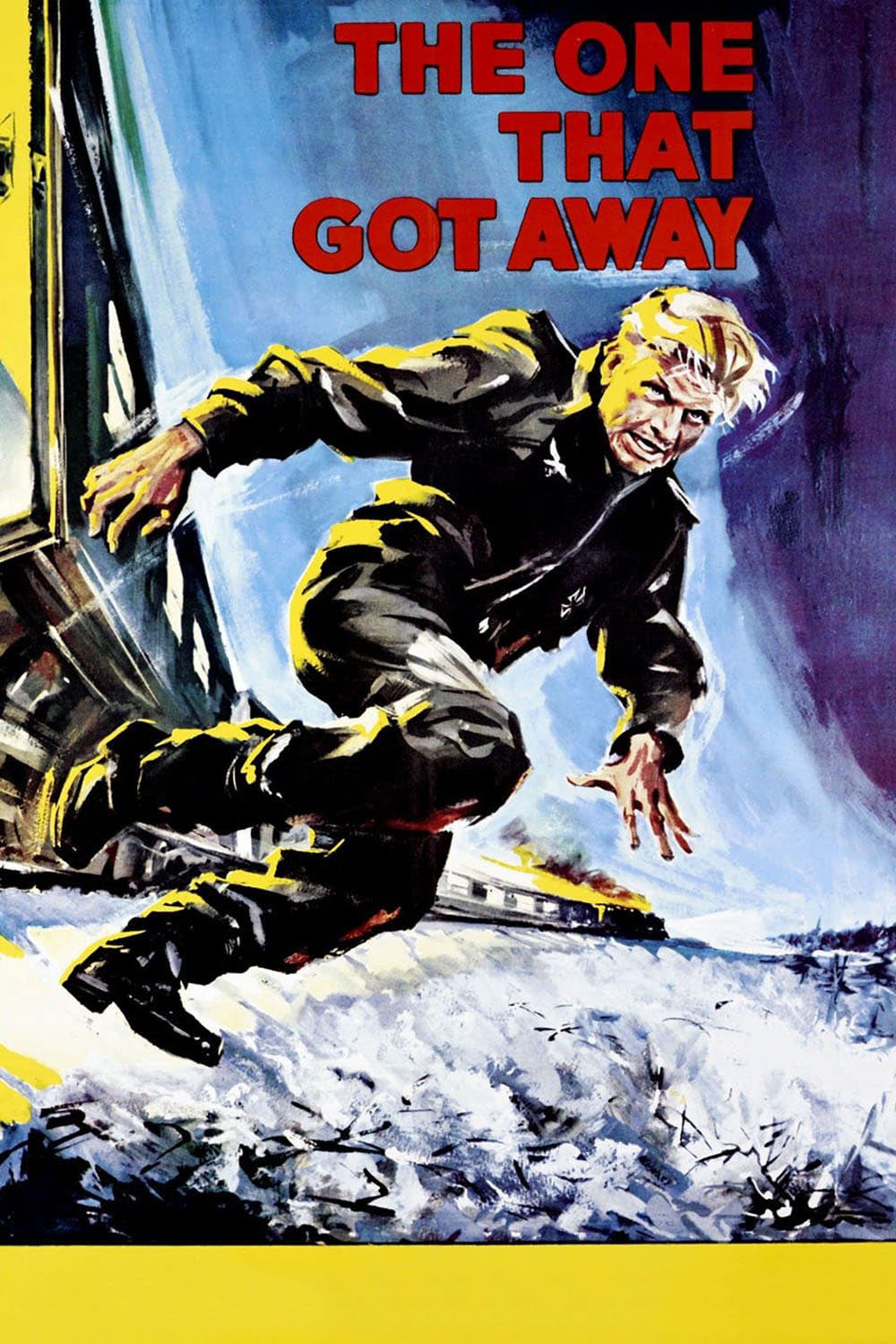
"They were damned by fate and dogged by a deadly foe!"
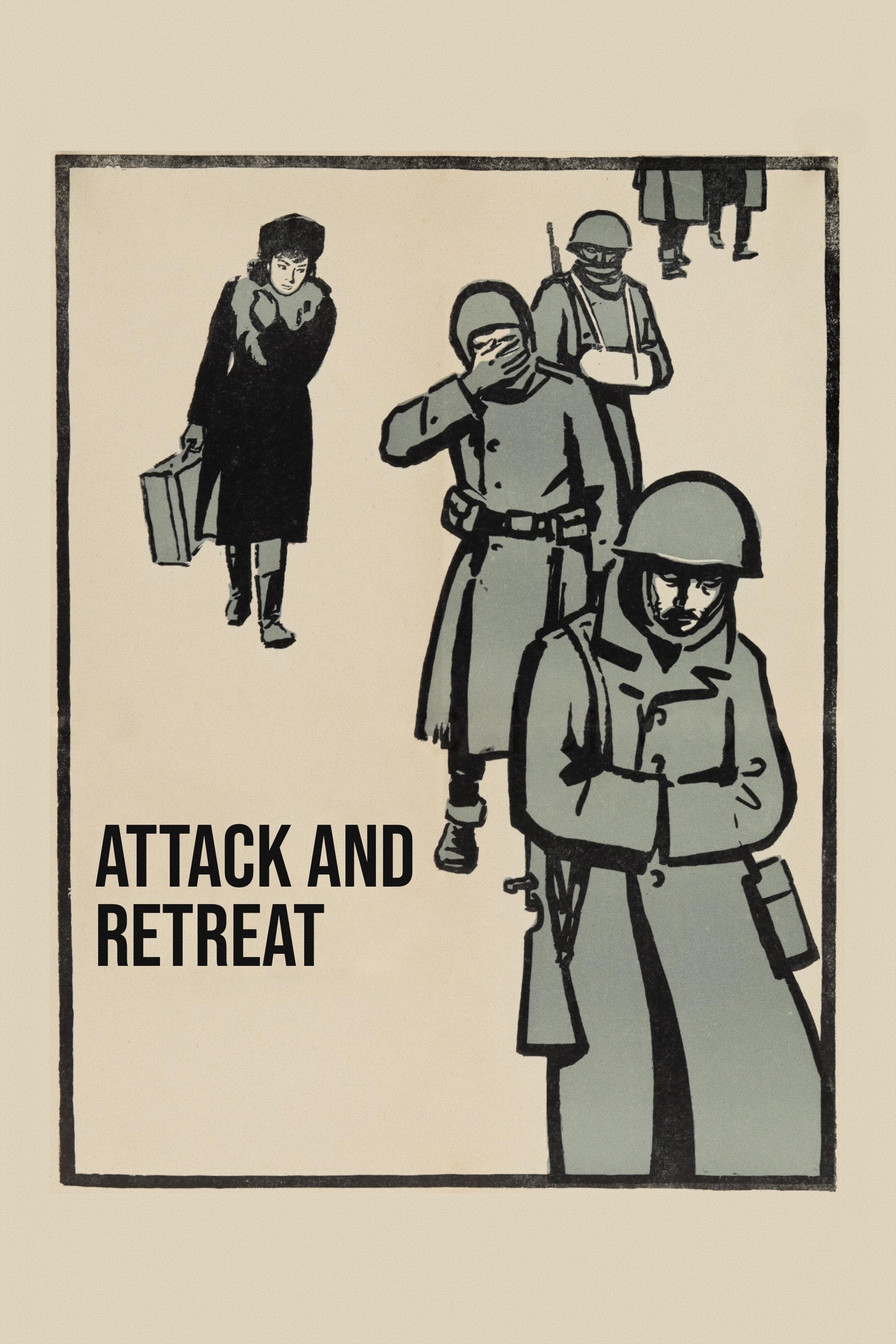
Chronicle of the unheralded and unsuccessful invasion of the Soviet Union by the Italian army during World War II.
Social & External
The people behind it
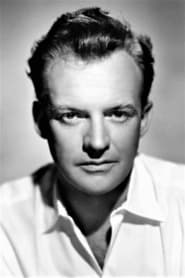
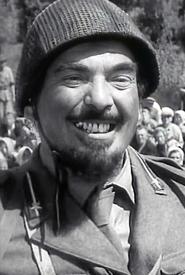
Arthur Kennedy
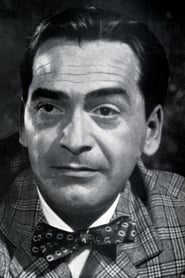
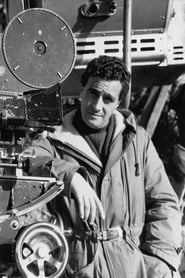
Ferro Maria Ferri
Zhanna Prokhorenko
Katya
Raffaele Pisu
Gabrielli
Tatyana Samoylova
Sonya
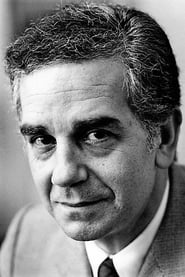
Andrea Checchi
Sermonti
Riccardo Cucciolla
Sanna
Valeri Somov
Giuliani
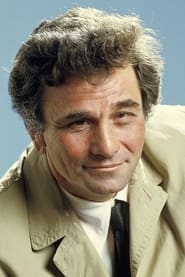
Peter Falk
Medic Captain
Nino Vingelli
Amalfitano
Lev Prygunov
Bazzocchi
A New York City probation officer, noted for his sympathy with delinquents, put to a severe test when his daughter falls for a boy whom circumstances force into breaking the law.
12 American military prisoners in World War II are ordered to infiltrate a well-guarded enemy château and kill the Nazi officers vacationing there. The soldiers, most of whom are facing death sentences for a variety of violent crimes, agree to the mission and the possible commuting of their sentences.
In the years before World War II, a penniless Japanese child is torn from her family to work as a maid in a geisha house.
When a fisherman leaves to fight with the Greek army during World War II, his fiancée falls in love with the local Italian commander.
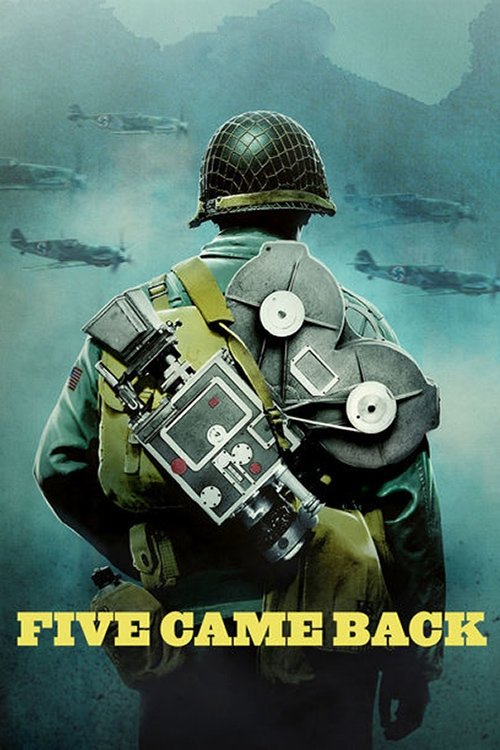
The extraordinary story of how Hollywood changed World War II – and how World War II changed Hollywood, through the interwoven experiences of five legendary filmmakers who went to war to serve their country and bring the truth to the American people: John Ford, William Wyler, John Huston, Frank Capra, and George Stevens. Based on Mark Harris’ best-selling book, “Five Came Back: A Story of Hollywood and the Second World War.”
Based on a real-life story, this drama focuses on a small group of Allied soldiers in Burma who are held captive by the Japanese. Capt. Ernest Gordon, Lt. Jim Reardon and Maj. Ian Campbell are among the military officers kept imprisoned and routinely beaten and deprived of food. While Campbell wants to rebel and attempt an escape, Gordon tries to take a more stoic approach, an attitude that proves to be surprisingly resonant.
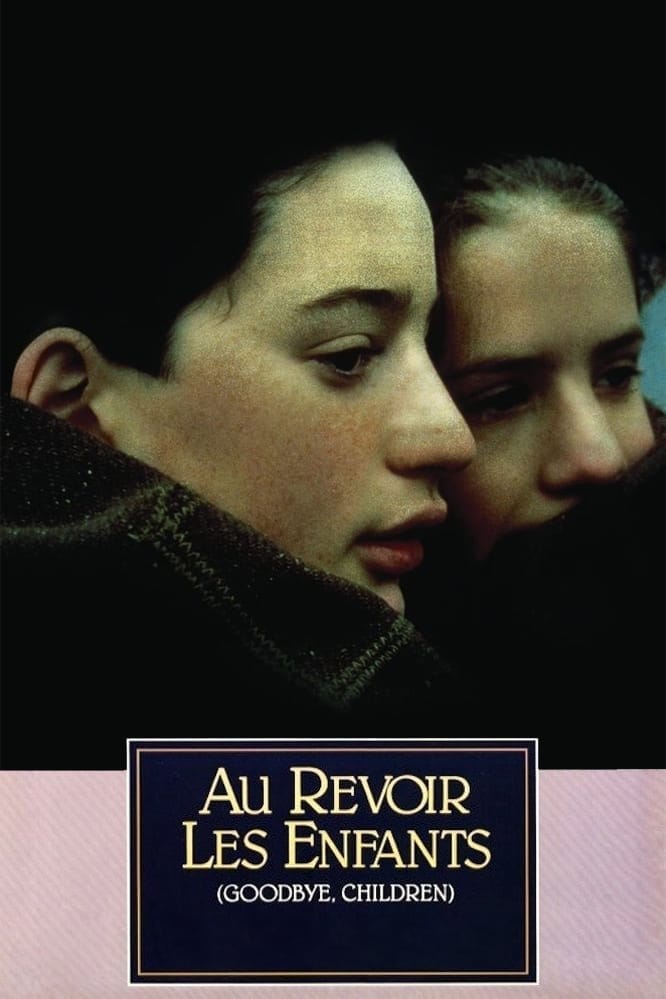
Au revoir les enfants tells a heartbreaking story of friendship and devastating loss concerning two boys living in Nazi-occupied France. At a provincial Catholic boarding school, the precocious youths enjoy true camaraderie—until a secret is revealed. Based on events from writer-director Malle’s own childhood, the film is a subtle, precisely observed tale of courage, cowardice, and tragic awakening.
After World War II, a woman refuses to believe her husband, missing on the Russian front, is dead. Flashbacks reveal their brief courtship and marriage. Years later, she travels to Russia with his photo, determined to find him. What will she discover?
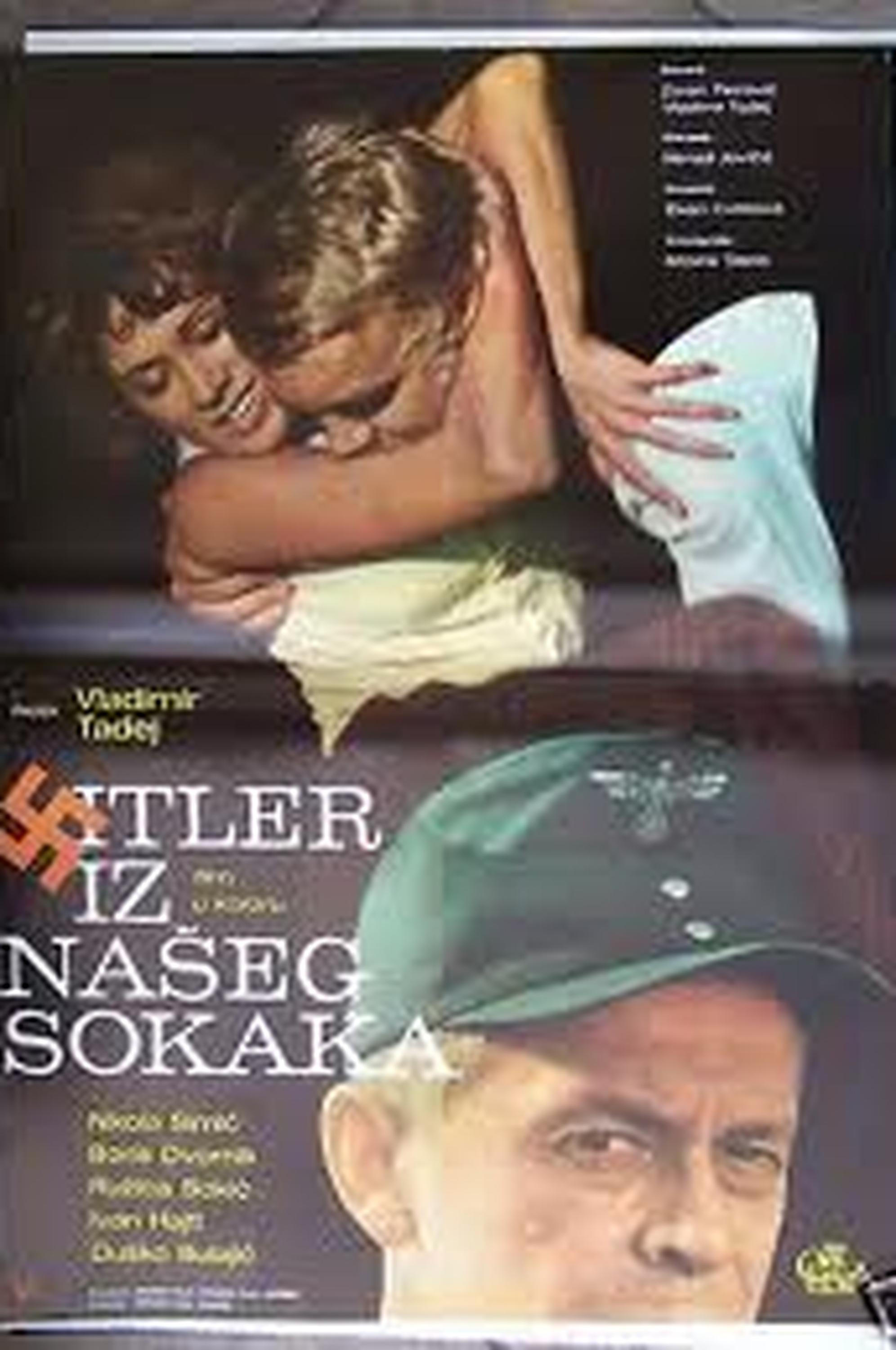
Before and during WW II and the German occupation of Serbia, in a village in Vojvodina, inhabitants are separated based on their nationality. Local Volksdeutschers (ethnic Germans) enlist with the Nazi occupiers. The village bum, Leksi, jumps at the opportunity to put on a uniform and parade around with a gun. Leksi gets into an argument with villagers Marko and Joca, who devise a plan to get rid of him. At the same time, Marko tries to seduce Leksi's wife, Anika.
When Col. William McNamara is stripped of his freedom in a German POW camp, he's determined to keep on fighting even from behind enemy lines. Enlisting the help of a young lieutenant in a brilliant plot against his captors, McNamara risks everything on a mission to free his men and change the outcome of the war.
Recently widowed well-to-do Laura Henderson purchases the Windmill Theatre in London as a post-widowhood hobby. After starting an innovative continuous variety review, which is copied by other theaters, they begin to lose money. Mrs Henderson suggests they add risqué burlesque acts similar to the Moulin Rouge in Paris.
One famous day. Five heroes. Five key turning points that changed the course of World War II during the D-Day landings, told through the eyes of the people who made a difference. Using rarely seen archival footage dramatic reconstruction and written accounts from eye witnesses, and personal testimony from five heroes, this is D-Day as never seen before.
Produced by the Army Pictorial Service, Signal Corps, with the cooperation of the Army Air Forces and the United States Navy, and released by Warner Bros. for the War Activities Committee shortly after the surrender of Japan. Follow General Douglas MacArthur and his men from their exile from the Philippines in early 1942, through the signing of the instrument of surrender on the USS Missouri on September 1, 1945. Preserved by the Academy Film Archive in 2013.
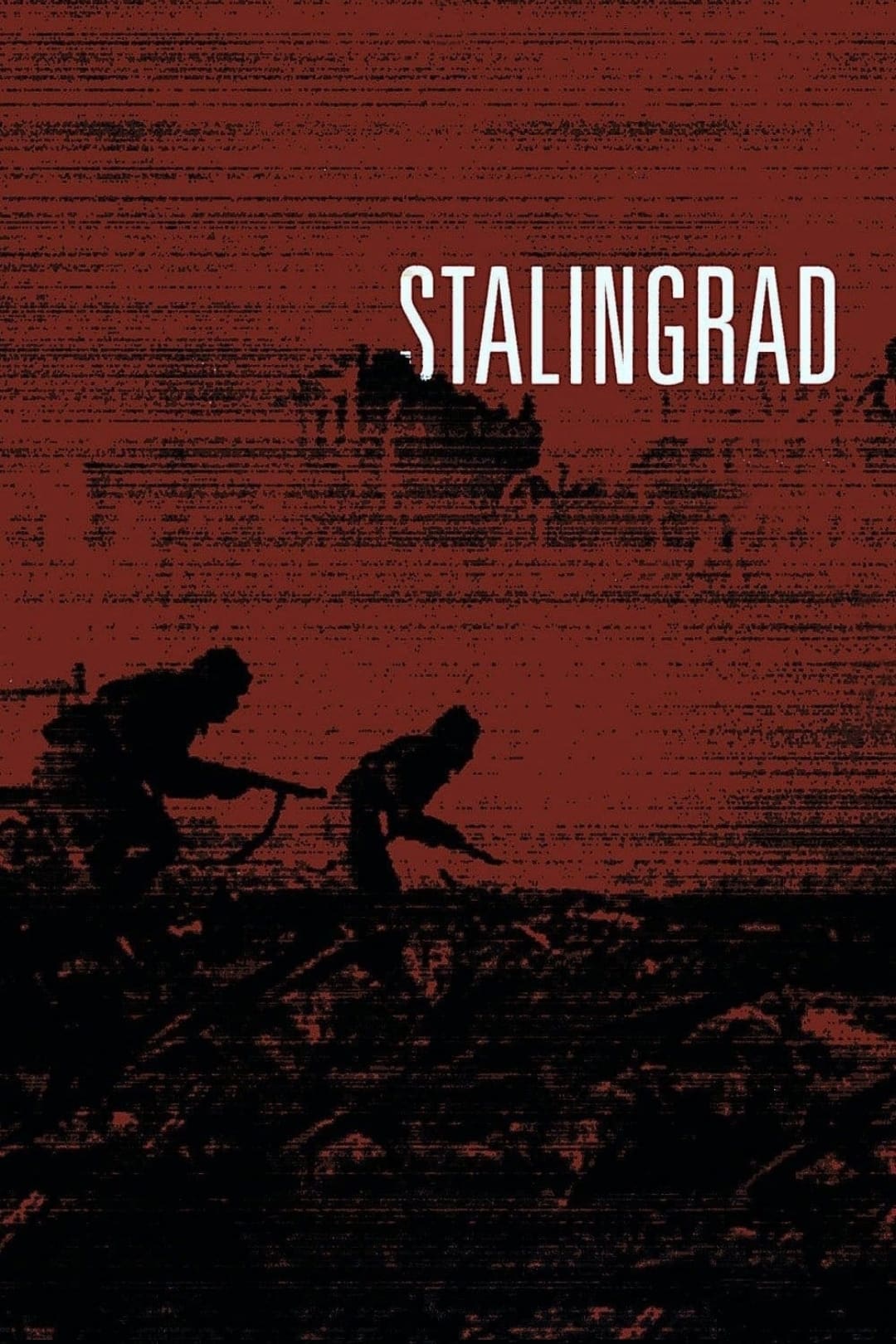
A German Platoon is explored through the brutal fighting of the Battle of Stalingrad. After half of their number is wiped out and they're placed under the command of a sadistic captain, the platoon lieutenant leads his men to desert. The platoon members attempt escape from the city, now surrounded by the Soviet Army.
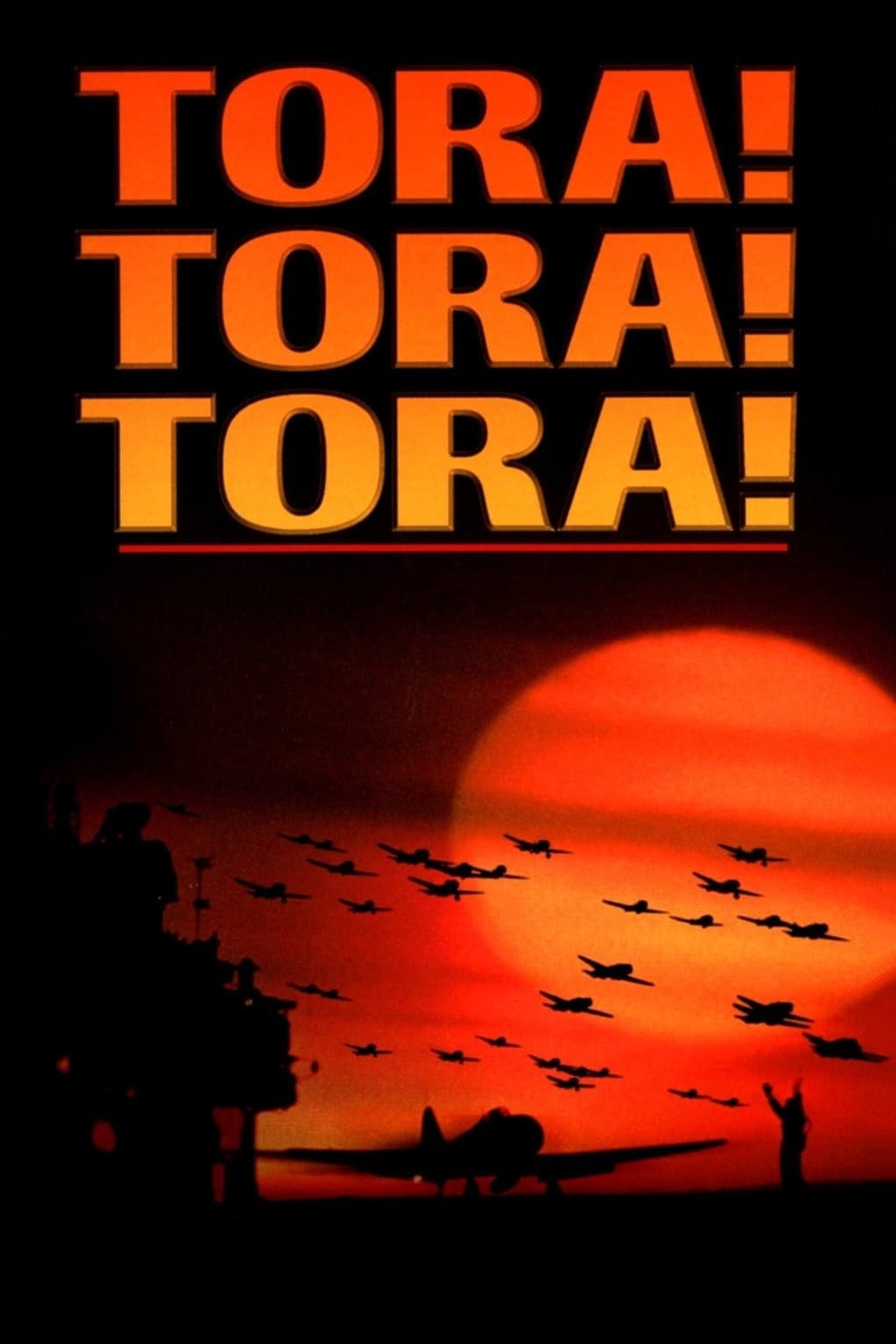
In the summer of 1941, the United States and Japan seem on the brink of war after constant embargos and failed diplomacy come to no end. "Tora! Tora! Tora!", named after the code words used by the lead Japanese pilot to indicate they had surprised the Americans, covers the days leading up to the attack on Pearl Harbor, which plunged America into the Second World War.
Television film about people who are actively involved in the Slovak national uprising in 1944. A screen adaptation of the novel by Rudo Moritz in 1951.
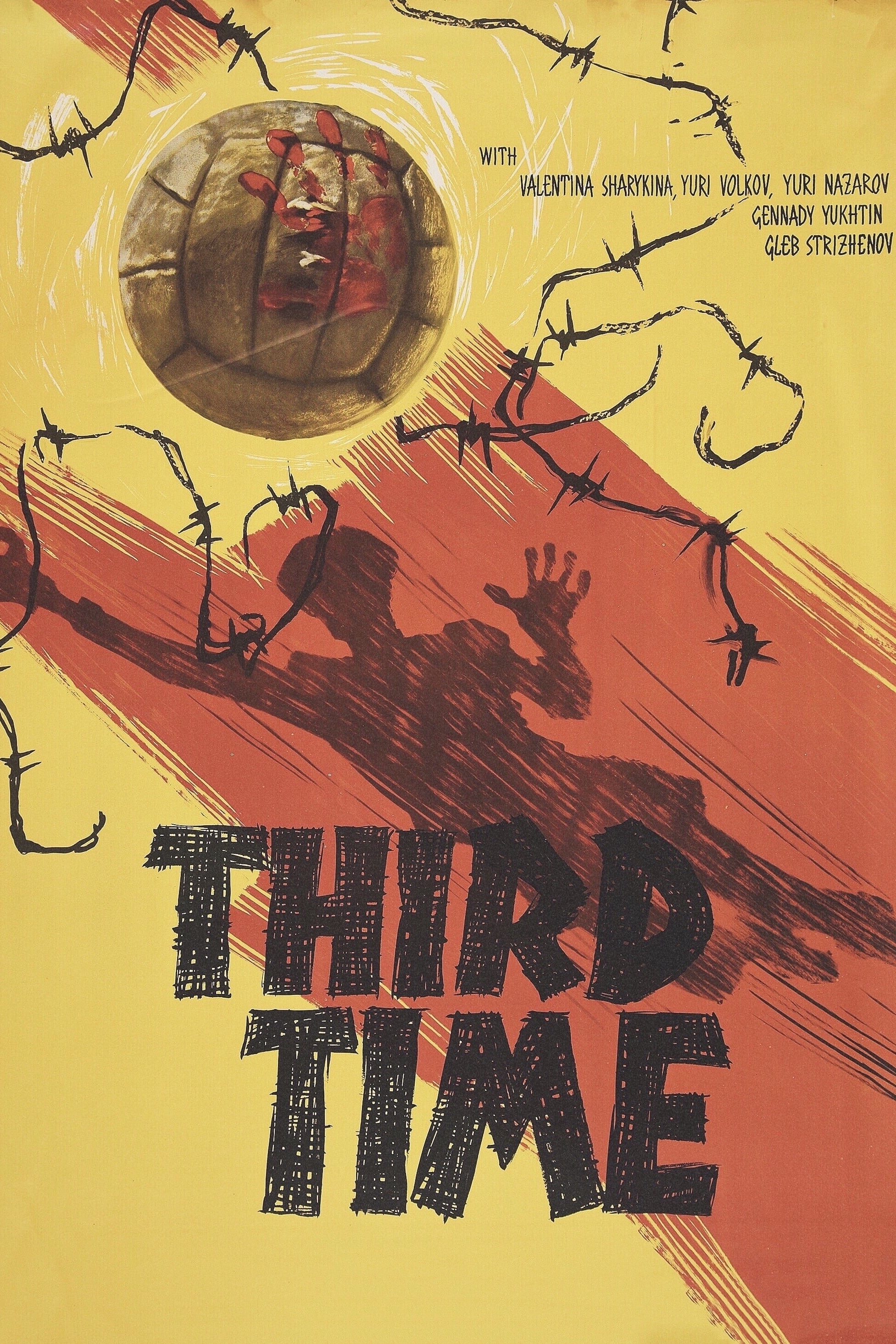
The film is based on the real fact — football «The Death Match» between the German team and a team of Soviet prisoners of war, former "Dinamo". It happened in Kiev on June 22, 1942. Anticipating the possibility of losing, the Germans made a condition — defeat or death. If the Germans won, the Soviet footballers were promised freedom...
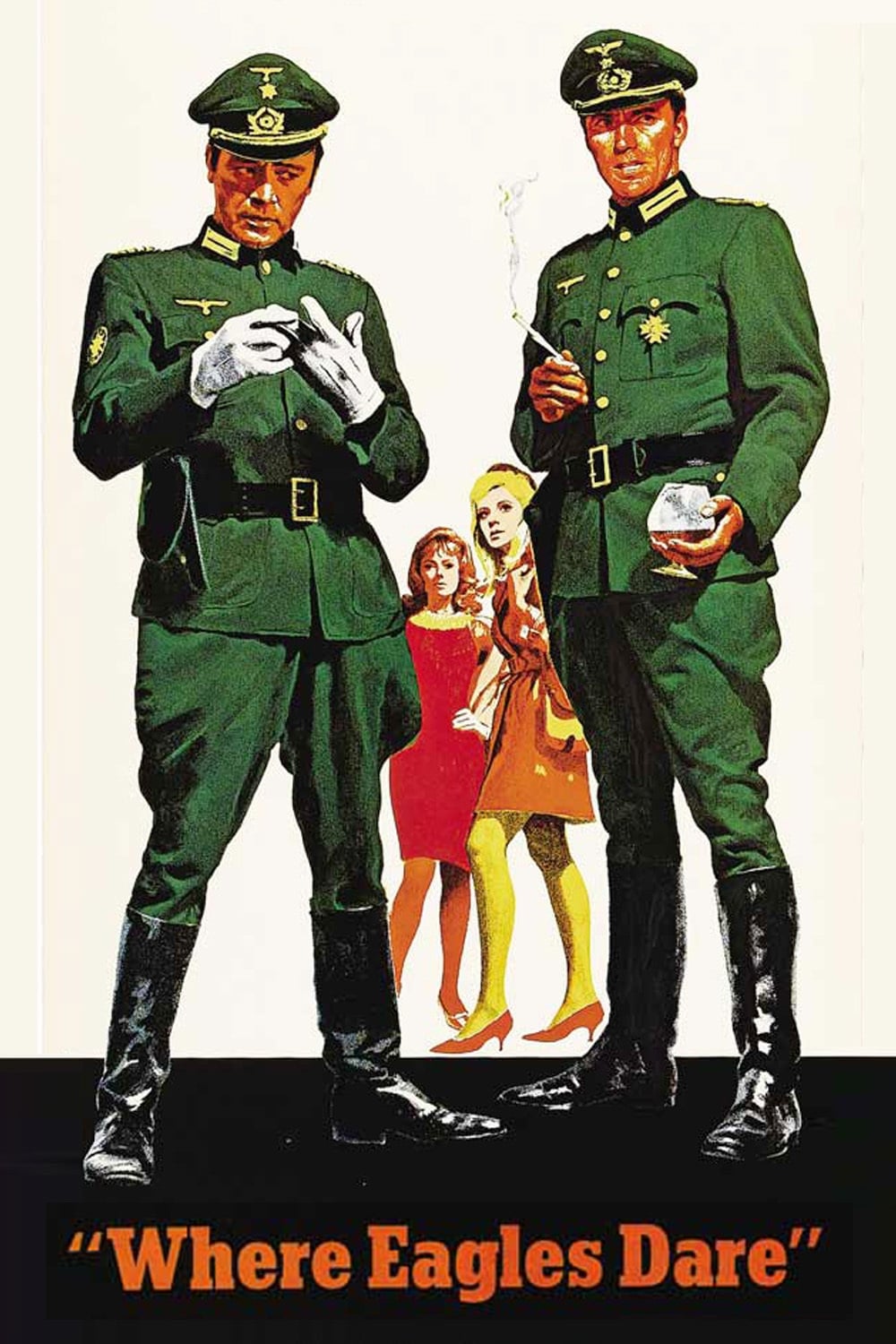
World War II is raging, and an American general has been captured and is being held hostage in the Schloss Adler, a Bavarian castle that's nearly impossible to breach. It's up to a group of skilled Allied soldiers to liberate the general before it's too late.
A wounded American soldier fights to survive behind enemy lines during WWII's Battle of the Bulge against the Germans, relying on his instinct, spy craft and a hand-radio to evade capture and find his way back to his unit.
Regent Horthy is the leader of Hungary and a German ally, but his favorable standing with Hitler changes as the war comes to an end. Forced to cede Hungary’s power or else witness the execution of his son, Regent Horthy gives up control of his country to the Nazis, who quickly move Hungarians to ghettos and death camps, with no hope in sight. But the despair changes when a young man named Elek emerges. Separated from his family during the relocations and aided by the woman he loves , Elek defies the enemy by becoming one of them. In a race against time, disguised as a Nazi Officer he embarks on a mission to save his family and thousands of his countrymen.
An American spy behind the lines during WWII serves as a Nazi propagandist, a role he cannot escape in his future life as he can never reveal his real role in the war.
During the harrows of WWII, Jo, a young shepherd along with the help of the widow Horcada, helps to smuggle Jewish children across the border from southern France into Spain.
A WWII veteran escapes his care home in Northern Ireland and embarks on an arduous but inspirational journey to France to attend the 75th anniversary of the D-Day landings, finding the courage to face the ghosts of his past.
A group of teenage cadets sheltered from war at the Virginia Military Institute must confront the horrors of an adult world when they are called upon to defend the Shenandoah Valley.
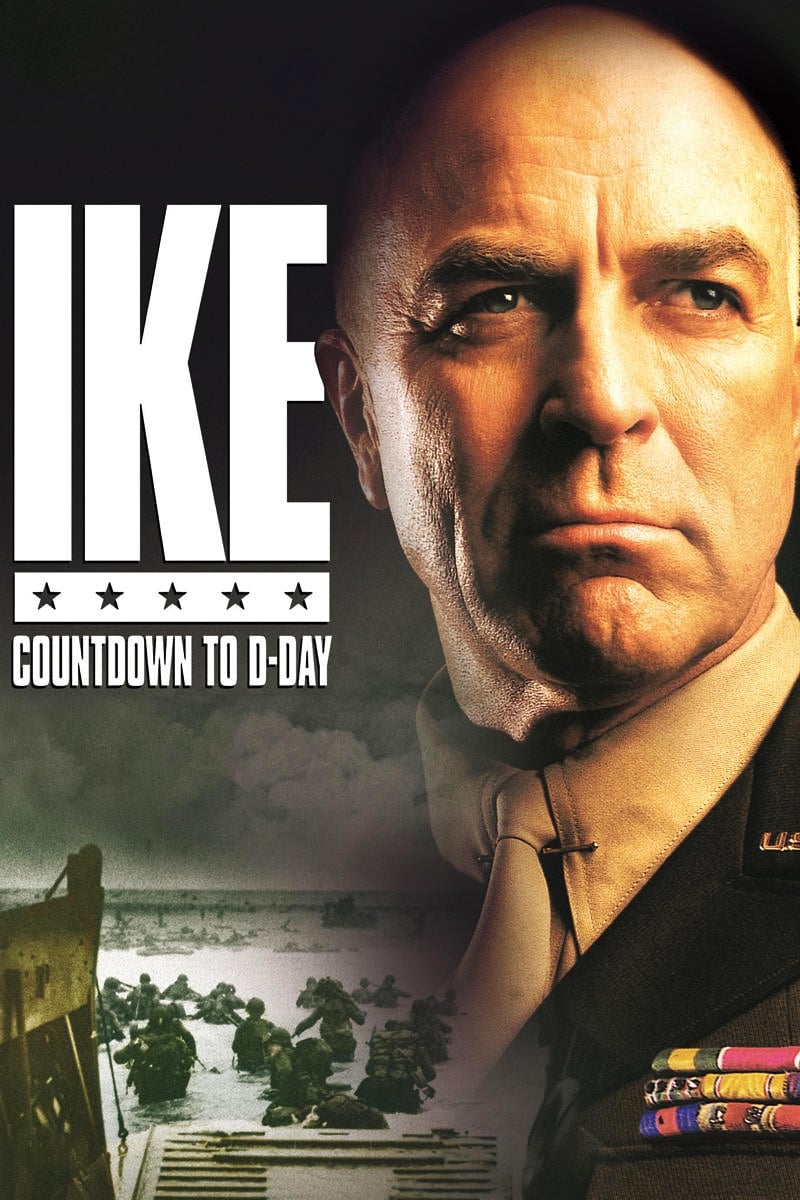
The story of the senior-level preparations for the D-Day invasion on June 6, 1944 from the time of Dwight D. Eisenhower's appointment as the Supreme Allied Commander in Europe, to the establishment of the beachhead in Normandy.
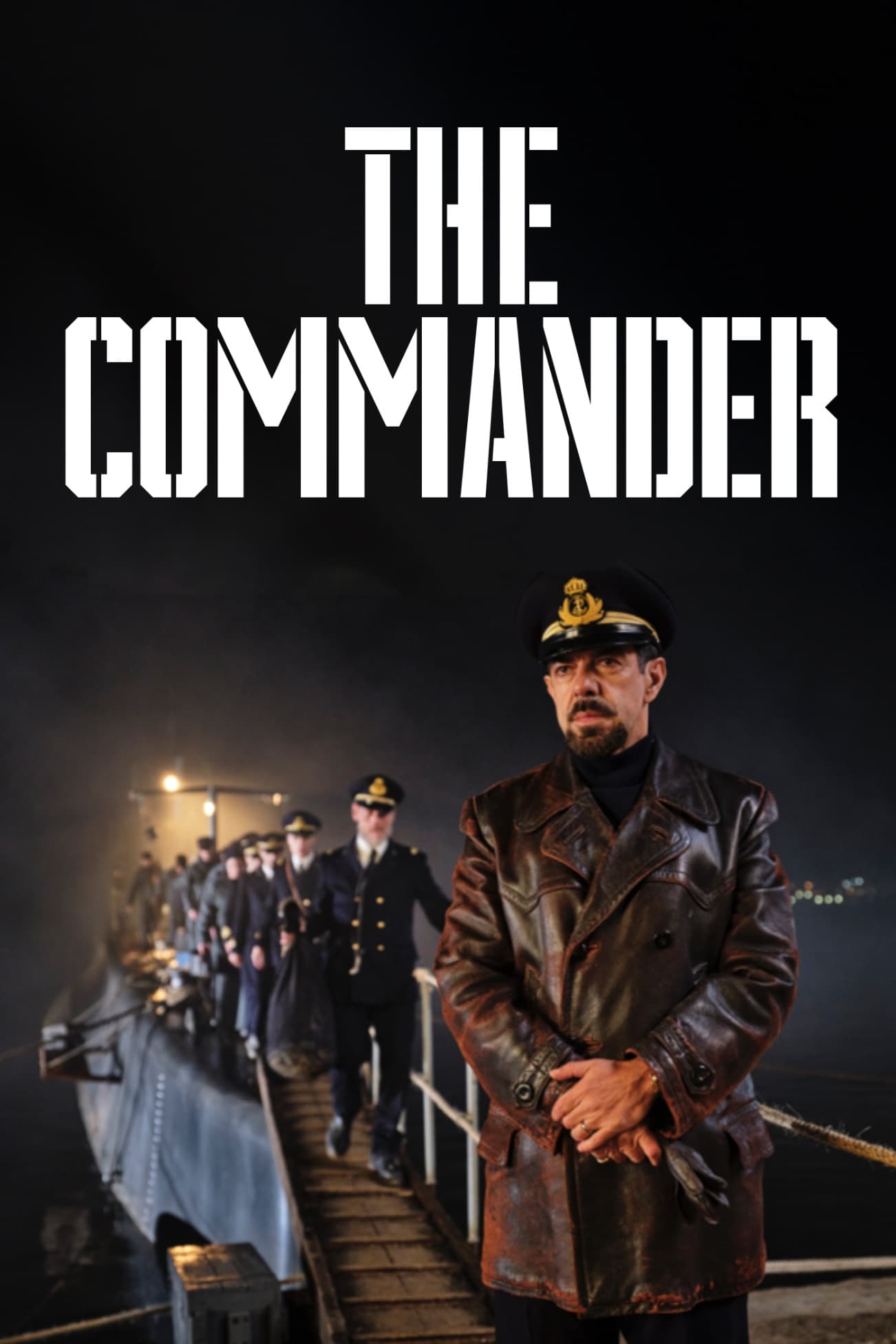
One dark night during the early phases of WWII, the Italian Royal Navy submarine Cappellini sinks an armed merchant ship sailing with lights out. At that moment, its commander Salvatore Todaro makes a decision that was destined to go down in history: to save the 26 shipwrecked Belgians who otherwise would have drowned in the middle of the Atlantic Ocean and disembark them at the nearest safe harbor. To make room for them on board his submarine, he is forced to navigate on the surface of the water for three days, visible to the enemy forces and endangering his life and that of his men.
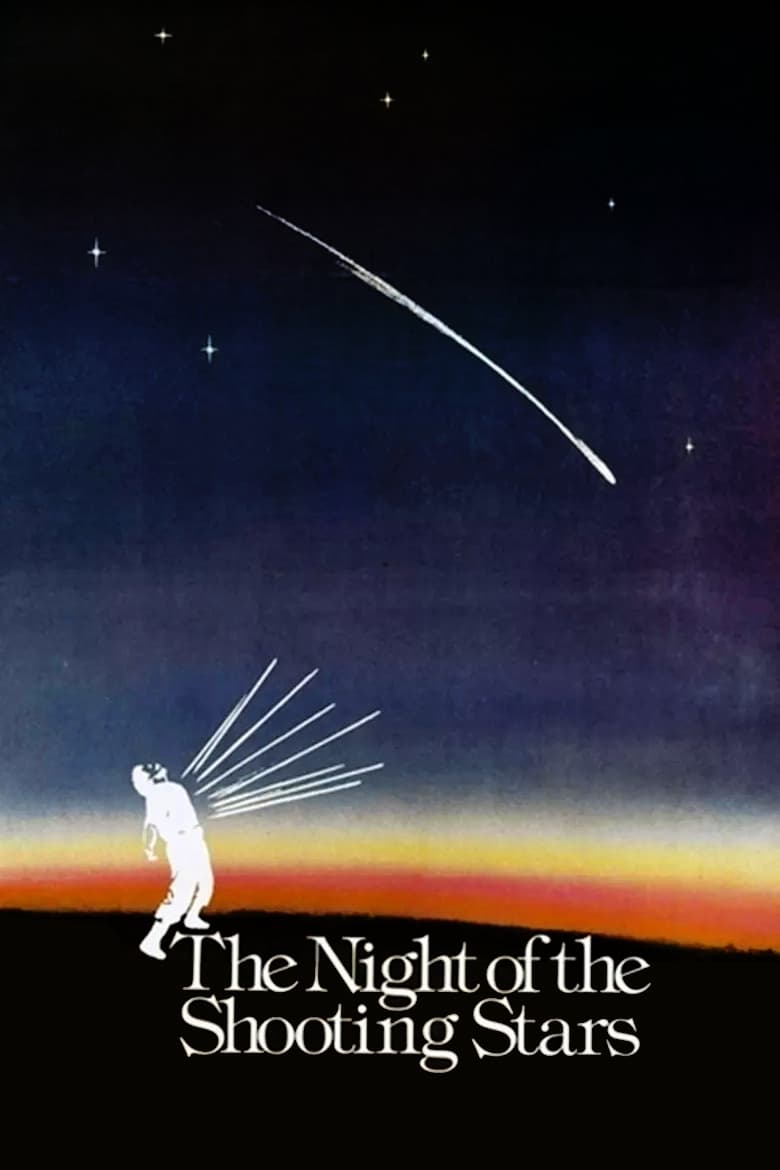
The Night of San Lorenzo, the night of the shooting stars, is the night when dreams come true in Italian folklore. In 1944, a group of Italians flee their town after hearing rumours that the Nazis plan to blow it up and that the Americans are about to arrive to liberate them.
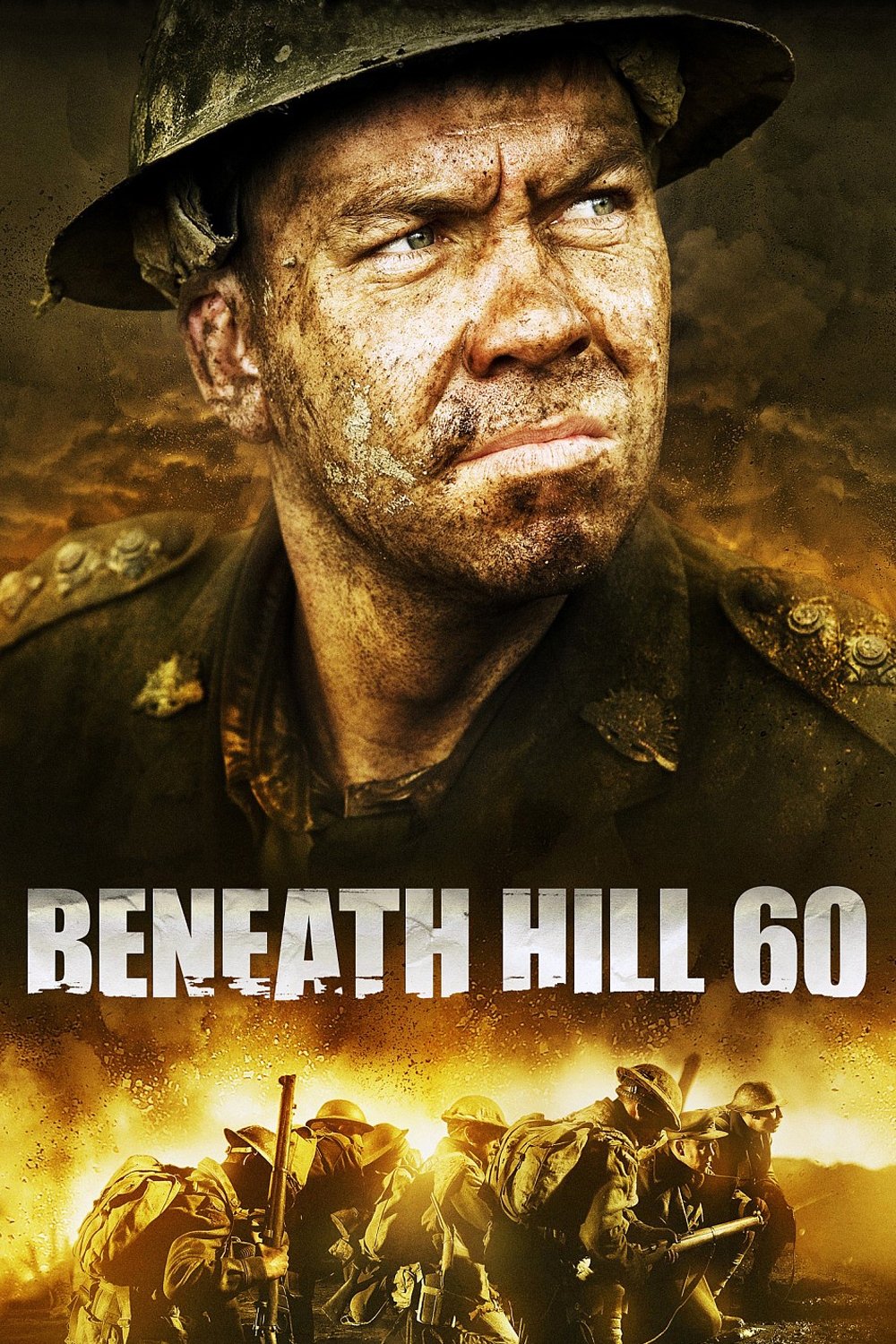
The true story of Australia's cat-and-mouse underground mine warfare—one of the most misunderstood, misrepresented and mystifying conflicts of WW I. It was secret struggle BENEATH the Western Front that combined daring engineering, technology and science. Few on the surface knew of the brave, claustrophobic and sometimes barbaric work of these tunnellers.
During World War II, a young man is called up and, with an increasing sense of foreboding, undertakes his army training ready for D-Day, June 6th, 1944.
After the liberation of Auschwitz, an Italian prisoner of War begins a torturous voyage home to Turin, through a Europe caught between war and peace.
In September 1942, the German Afrika Korps under Rommel have successfully pushed the Allies back into Egypt. A counter-attack is planned, for which the fuel dumps at Tobruk are a critical impediment. In order to aid the attack, a group of British commandos and German Jews make their way undercover through 800 miles of desert, to destroy the fuel dumps starving the Germans of fuel.
These are the years of the First World War and Dr. Stefano Zorzi spends his days in the Exemption Clinic in a large city of Northern Italy, where he not only takes care of soldiers who arrive from the massacre of the front, but also he fights simulation and self-harm of those who hope to be dispensed, by sending them before the Military Court. If Stefano, in fact, does his utmost to heal soldiers and send them back to fight, Dr. Giulio Farradio makes them ill, or helps them to self-injure seriously enough to be exonerated. The two doctors, who went to university together and were great friends, they not only (secretly) challenge each other on a professional level, but also on the sentimental one: they are both linked to Anna, a courageous nurse with a strong character. But when the great ‘Spanish’ fever epidemic arrived in 1918, the time for love, politics and science ends up getting confused dangerously...
Members of the U.S. Army's 101st Airborne Division are fighting for their country amidst the rugged terrain of Bastogne, Belgium, in December 1944. Holley and his American compatriots have already seen one of their own, Roderigues, perish under enemy fire. The men try to rebuff another series of Nazi attacks, but what they really need is a change in the weather. Without clear skies, they'll never get the air support they need.
Fr. Hugh O'Flaherty is a Vatican official in 1943-45 who has been hiding downed pilots, escaped prisoners of war, and Italian resistance families. His activities become so large that the Nazis decide to assassinate him the next time he leaves the Vatican.
In Korea, on 6 September 1950, Lieutenant Benson's platoon finds itself isolated in enemy-held territory after a retreat. Soon they are joined by Sergeant Montana, whose overriding concern is caring for his catatonic colonel. Benson and Montana can't stand each other, but together they must get the survivors to Hill 465, where they hope the division is waiting. It's a long, harrowing march, fraught with all the dangers the elusive enemy can summon.
Based upon the final confession of Adolf Eichmann, made before his execution in Israel, of his role in Hitler's plan for the final solution.
In WWII Western Germany, Private David Manning reluctantly leaves behind a mortally wounded fellow soldier and searches for survivors from his platoon, only to learn from commanding officer Captain Pritchett that they have all been killed in action. Despite requesting a discharge on the grounds of mental disability, Manning is promoted to sergeant and assigned to lead a new platoon of young inductees.
In the winter of 1944, the Allied Armies stand ready to invade Germany at the coming of a New Year. To prevent it, Hitler orders an all-out offensive to re-take French territory and capture the major port city of Antwerp.
Based on the true story of Oberleutnant Franz von Werra, the only German prisoner of war captured in Britain to escape back to Germany during the Second World War.