"The Amblystoma: Curious Salamander From Mexico". Vintage French educational film from 1913 describing the Axolotl. Very impressive footage for the time.
Social & External
"Africa Light" - as white local citizens call Namibia. The name suggests romance, the beauty of nature and promises a life without any problems in a country where the difference between rich and poor could hardly be greater. Namibia does not give that impression of it. If you look at its surface it seems like Africa in its most innocent and civilized form. It is a country that is so inviting to dream by its spectacular landscape, stunning scenery and fascinating wildlife. It has a very strong tourism structure and the government gets a lot of money with its magical attraction. But despite its grandiose splendor it is an endless gray zone as well. It oscillates between tradition and modernity, between the cattle in the country and the slums in the city. It shuttles from colonial times, land property reform to minimum wage for everyone. It fluctuates between socialism and cold calculated market economy.
Every month, an estimated 200,000 Australians deliberately hurt themselves. They cut, scratch, burn and sometimes even break bones. It's called self-harm, and it peaks in teenagers and young people. The Silent Epidemic explores this dark and often secret behaviour, asking why more and more people are turning to self-harm as a way to cope with life. Interweaving their personal stories with scientific enquiry, The Silent Epidemic casts a unique lens onto what is fast becoming a problem that can no longer remain hidden. In response to the growing numbers, a group of Melbourne scientists are hunting for a radical solution to self-harm with a world-first experiment. The Silent Epidemic charts their progress: it is both a wake-up call, and ultimately, a story of hope. Written by Mark Hamlyn
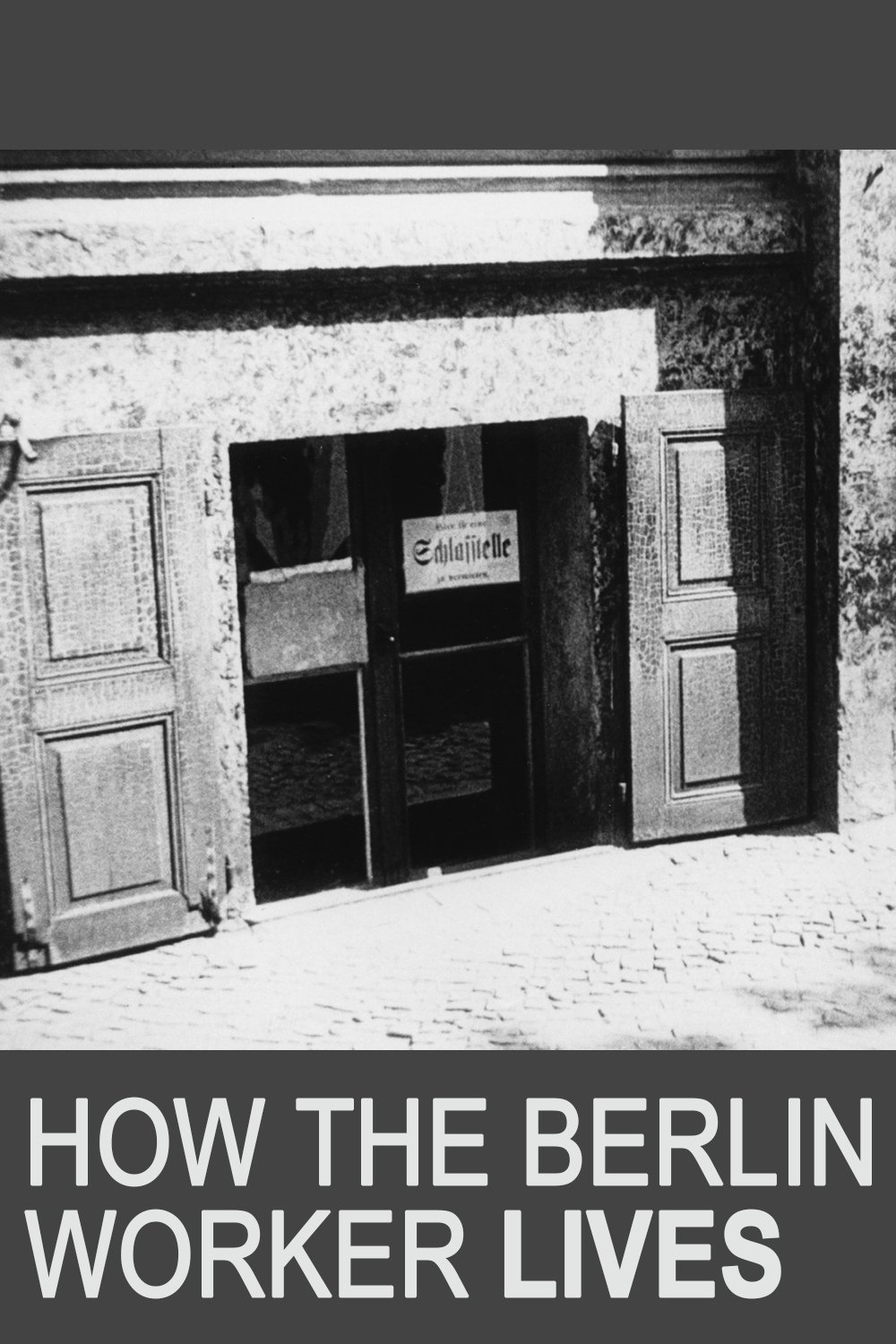
This documentary shows how the Berliner workers lived in 1930. The director Slatan Dudow shows through images: a) the workers leaving the factory; b) the raise of the rents; c) the "unpleasant" guest, meaning the justice officer that brings the eviction notice; d) the fight of classes of the houses of capitalists and working classes; e) the parks of the working class; f) the houses of the working class, origin of the tuberculosis and the victims; g) the playground of the working class; h) the swimming pool for the working class, ironically called the "Baltic Sea" of the working class; i) the effects of humidity of basement where a family lives, with one member deaf; j) one working class family having dinner while the capitalist baths his dog; k) the eviction notice received from an unemployed family and their eviction.
Woolly Mammoth: Secrets from the Ice is a documentary presented by English anatomist Dr. Alice Roberts that reveals some of the secrets of one of the most widely known extinct animals ever. Humans have been transfixed by the Wolly Mammoth since the end of the last ice age when there were still herds of them roaming the continents of Asia and Europe. Despite many people knowing about the great Woolly Mammoth until recently very little was known about them despite ancient humans living along side them for so long; few documented accounts exist.
Also known as The Operation of Dr. Alejandro Posadas. Filmed with early orthochromatic film in the Hospital de Clínicas de la Ciudad in Buenos Aires.
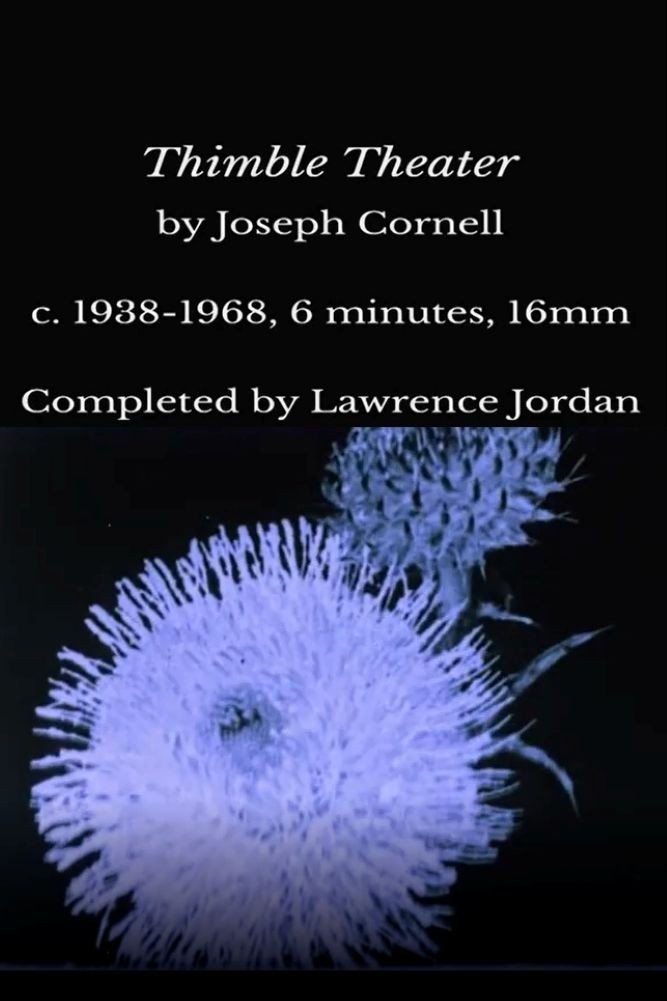
One of Joseph Cornell’s funniest films, Thimble Theater is structured like a vaudeville variety show about nature.
A troupe of gypsies takes a traveler along with them on their day trip.
On a market day in Kernascleden, two Breton women exchange their hair for a few coins. The hair becomes hairpieces. Last scene, an elegant Parisian removes her hat and exposes her generous wig skillfully coiffed.
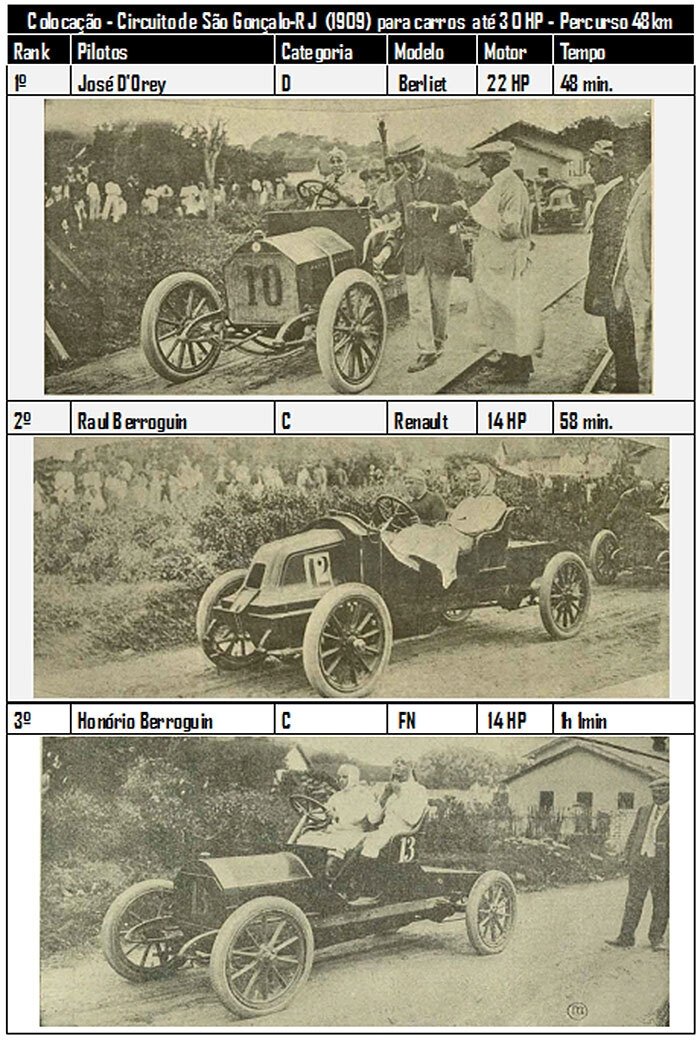
It's the oldest Brazilian movie that survived and the film that captured the first car race in Brazil.
Lucien Bull was a pioneer in chronophotography. Chronophotography is defined as "a set of photographs of a moving object, taken for the purpose of recording and exhibiting successive phases of motion."
It is a dramatic film, with its colossal explosion and smouldering remains. Within seconds of the chimney's collapse, crowds swarm in to inspect the site; issues of the crowd's health and safety are clearly not a concern, as people smile, wave and salute the camera.
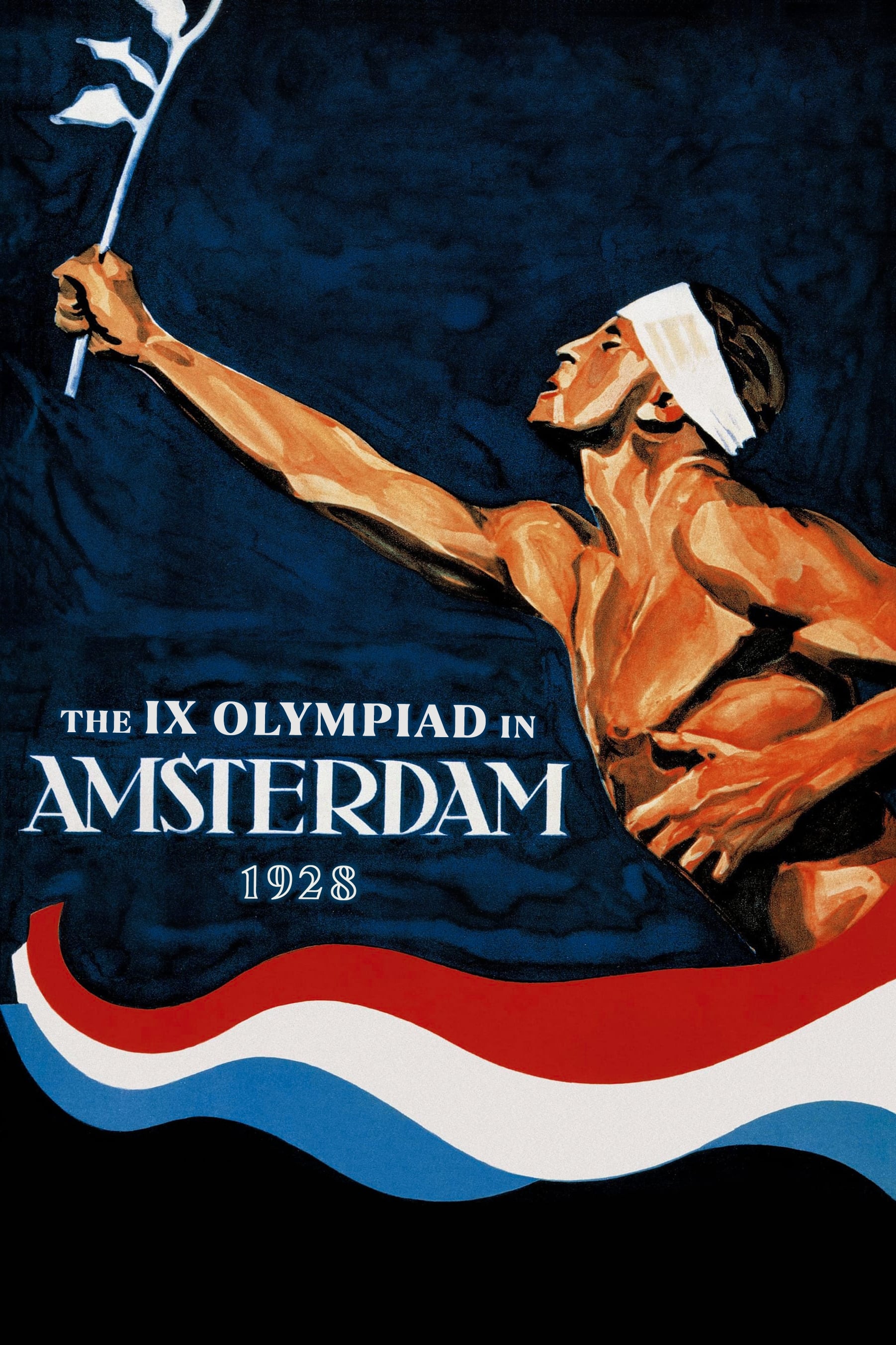
A documentary on the 1928 Olympic Games in Amsterdam. Made by Istituto Luce, there is an understandable focus on Italian athletes, but it is the first Olympic documentary that describes the techniques of certain events.
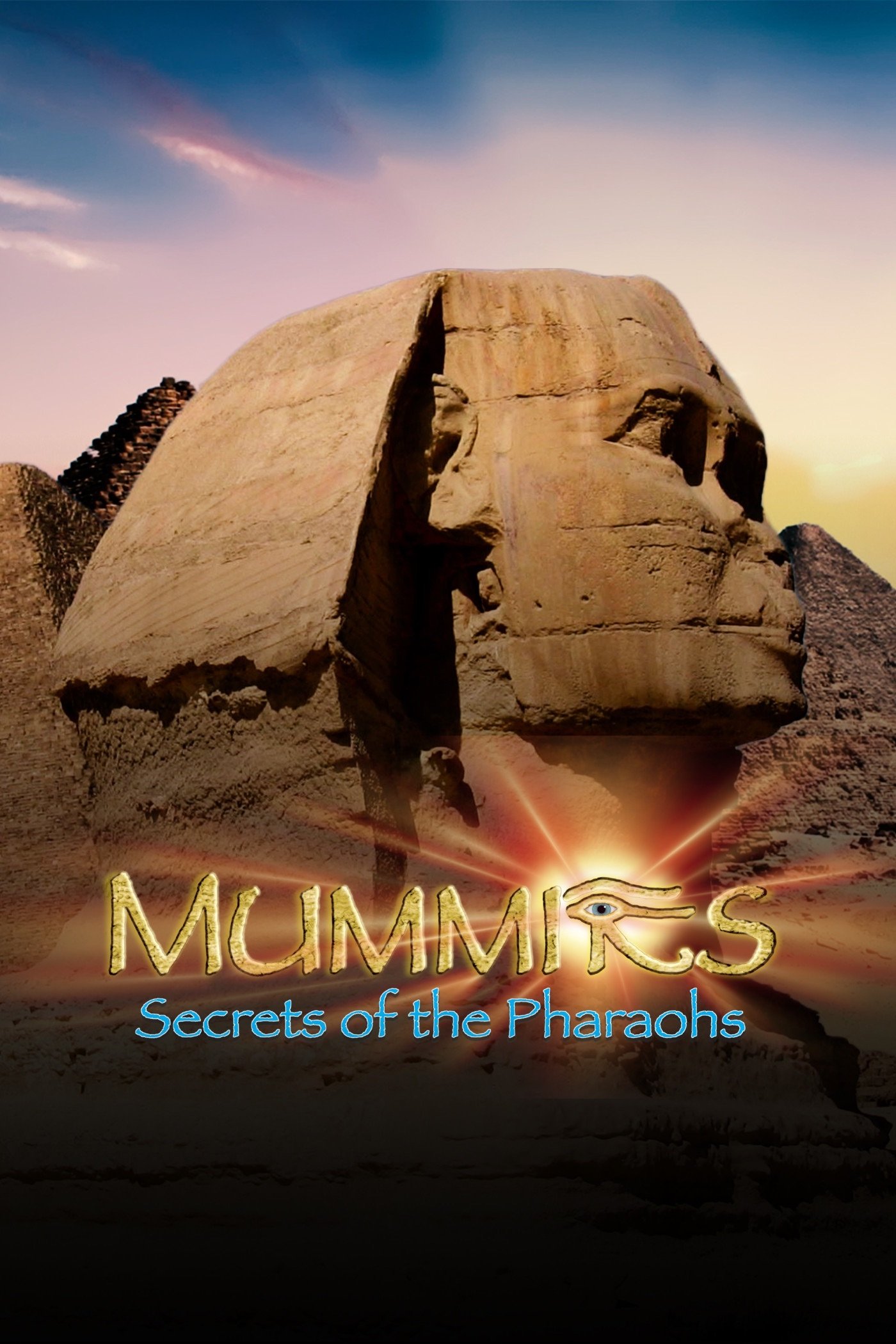
The grail is not the gold, nor the books of ancient wisdom, but the 3,000 year old DNA of the mummies, which may lead to a cure for malaria.
Featuring Michael Pollan and based on his best-selling book, this special takes viewers on an exploration of the human relationship with the plant world — seen from the plants' point of view. Narrated by Frances McDormand, the program shows how four familiar species — the apple, the tulip, marijuana and the potato — evolved to satisfy our yearnings for sweetness, beauty, intoxication.
In a studio setting, Stephen Hawking, Arthur C. Clarke and Carl Sagan (who joins them via satellite) discuss the Big Bang theory, God, our existence as well as the possibility of extraterrestrial life.
A short dance film in Pathécolor, also know as stencil colouring. The editing cuts correspond with the dancers' costume changes. More about stencil colouring at http://zauberklang.ch/filmcolors/timeline-entry/1218/.
Documentary about the leader of the fascist party in The Netherlands, from 1931 till 1945. This architect called Anton Mussert was shot in 1946 after having been convicted for high treason and aiding the enemy.
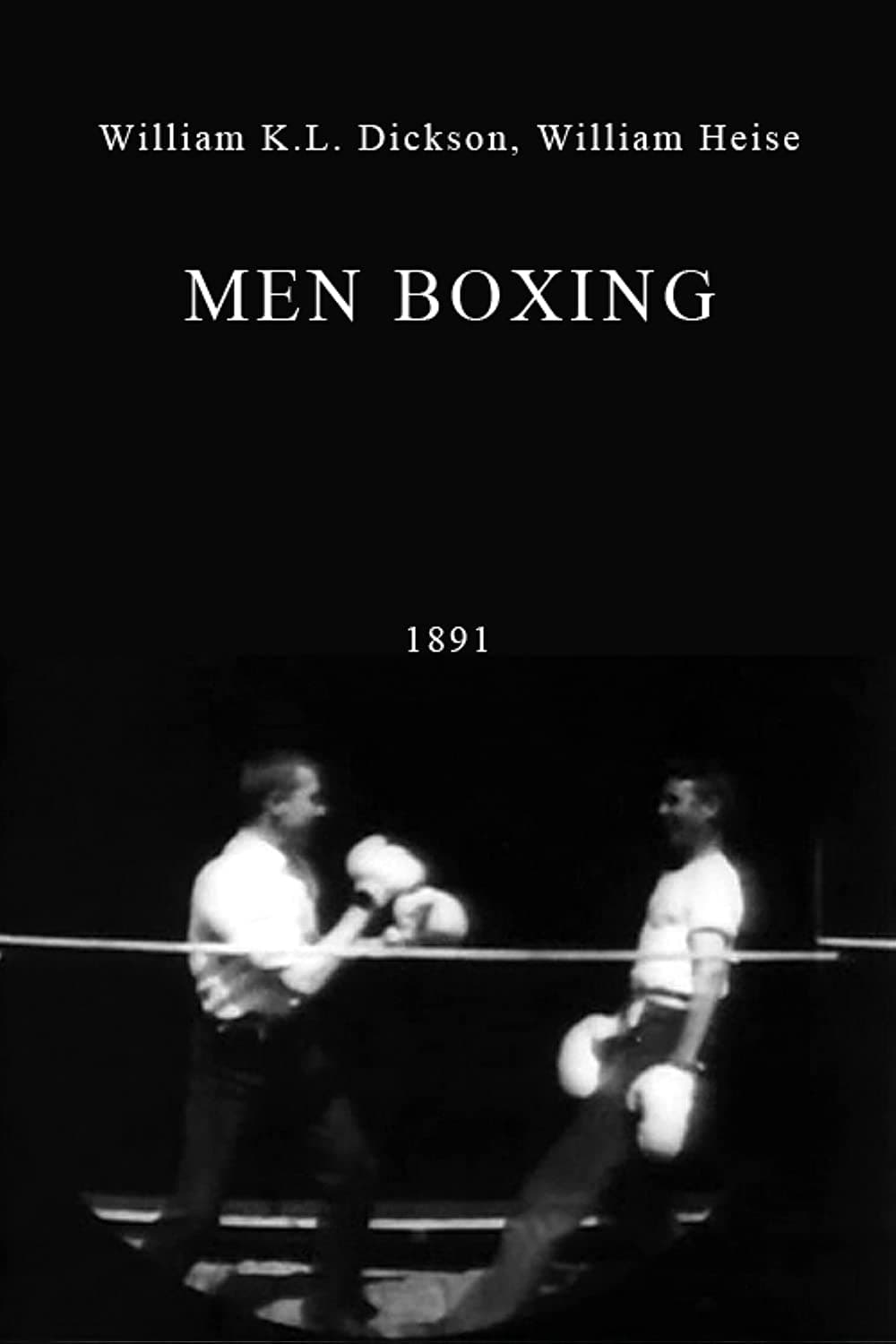
Experimental film fragment made with the Edison-Dickson-Heise experimental horizontal-feed kinetograph camera and viewer, using 3/4-inch wide film.
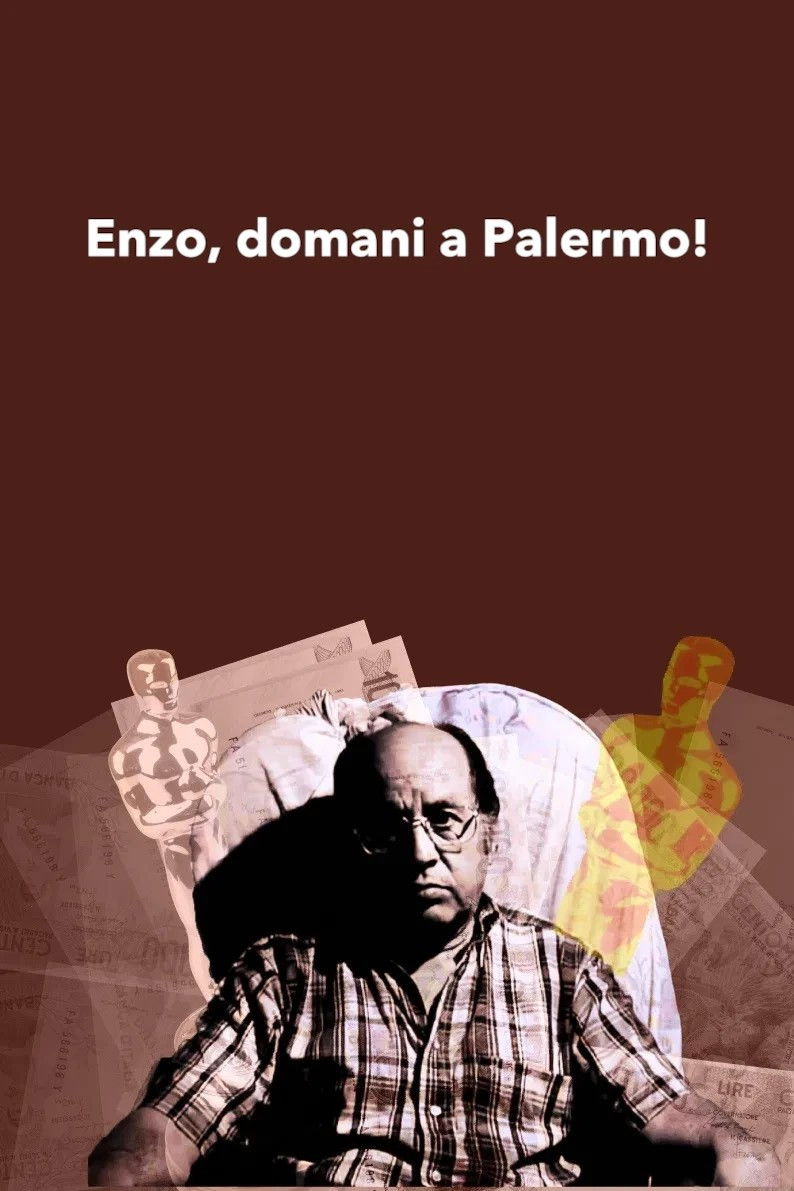
Ciprì and Maresco's delicious documentary portrays Sicilian super-agent Enzo Castagna, a man with some 20,000 extras on his books, who has worked with the likes of Loren, Pasolini, Rosi, Coppola and Cimino (indeed, virtually anyone who's ever chosen to film in Palermo). It's typically weird, witty and wonderful, partly due to its subject, a self-styled 'little big man' who consents to be described as 'almighty' and 'the greatest contributor to Italian cinema in the last 35 years'. The local favourite has also done time for bribery, but refuses to comment on Cosa Nostra. The film is as astonishing as its subject. Shot in luscious b/w, it's driven forward by an offscreen interrogator who alternates between ludicrously hyperbolic flattery and forthright questions about corruption and crime. It also serves as a study of the way ethics get abandoned in the unending pursuit of fame, wealth and self-esteem.
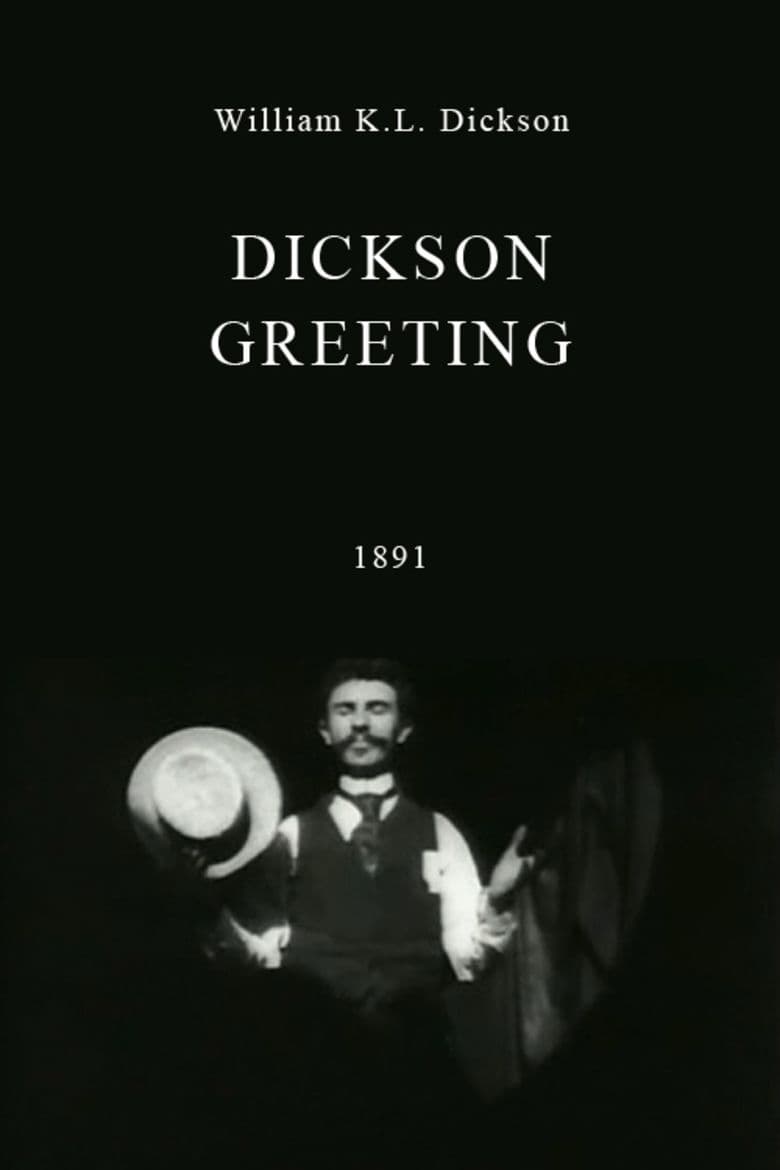
William K.L. Dickson brings his hat from his one hand to the other and moves his head slightly, as a small nod toward the audience. This was the first film produced by the Edison Manufacturing Company to be shown to public audiences and the press.
SEDUCED AND ABANDONED combines acting legend Alec Baldwin with director James Toback as they lead us on a troublesome and often hilarious journey of raising financing for their next feature film. Moving from director to financier to star actor, the two players provide us with a unique look behind the curtain at the world's biggest and most glamourous film festival, shining a light on the bitter-sweet relationship filmmakers have with Cannes and the film business. Featuring insights from directors Martin Scorsese, 'Bernando Bertolucci' and Roman Polanski; actors Ryan Gosling and Jessica Chastain and a host of film distribution luminaries.
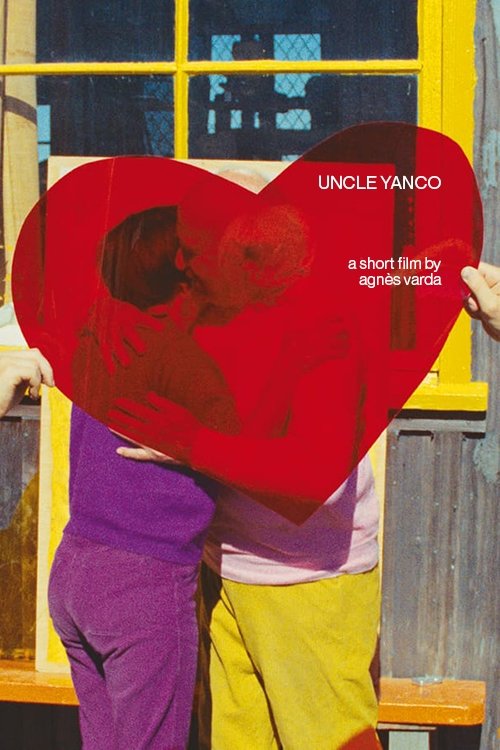
While in San Francisco for the promotion of her last film in October 1967, Agnès Varda, tipped by her friend Tom Luddy, gets to know a relative she had never heard of before, Jean Varda, nicknamed "Yanco". This hitherto unknown uncle lives on a boat in Sausalito, is a painter, has adopted a hippie lifestyle and loves life. The meeting is a very happy one.
A look behind the lens of Christopher Nolan's space epic.
This special explores the return of Obi-Wan Kenobi and Anakin Skywalker to the screen, as well as Ewan McGregor and Hayden Christensen to their classic roles. Director Deborah Chow leads the cast and crew as they create new heroes and villains that live alongside new incarnations of beloved Star Wars characters, and an epic story that dramatically bridges the saga films.
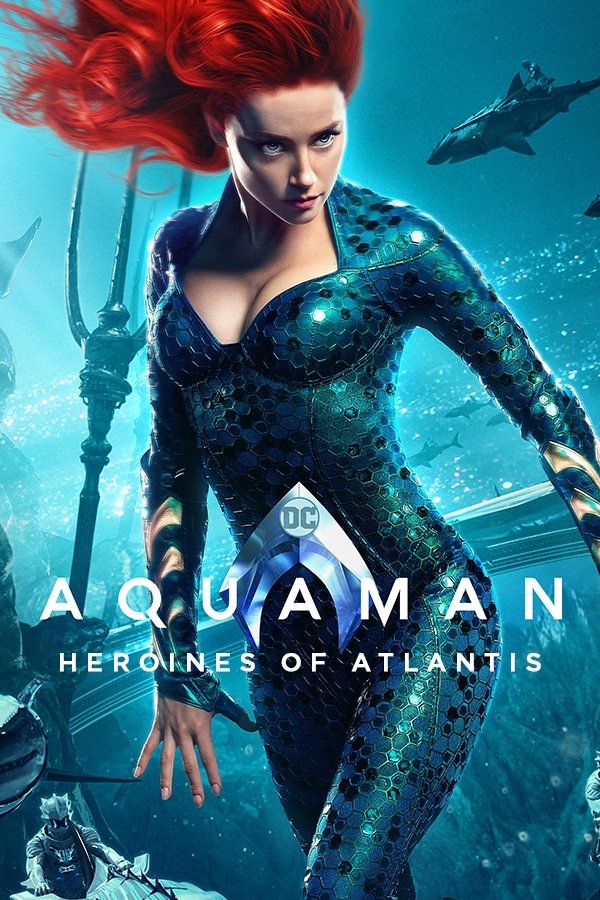
Amber Heard and Nicole Kidman discuss their characters Mera and Atlanna.
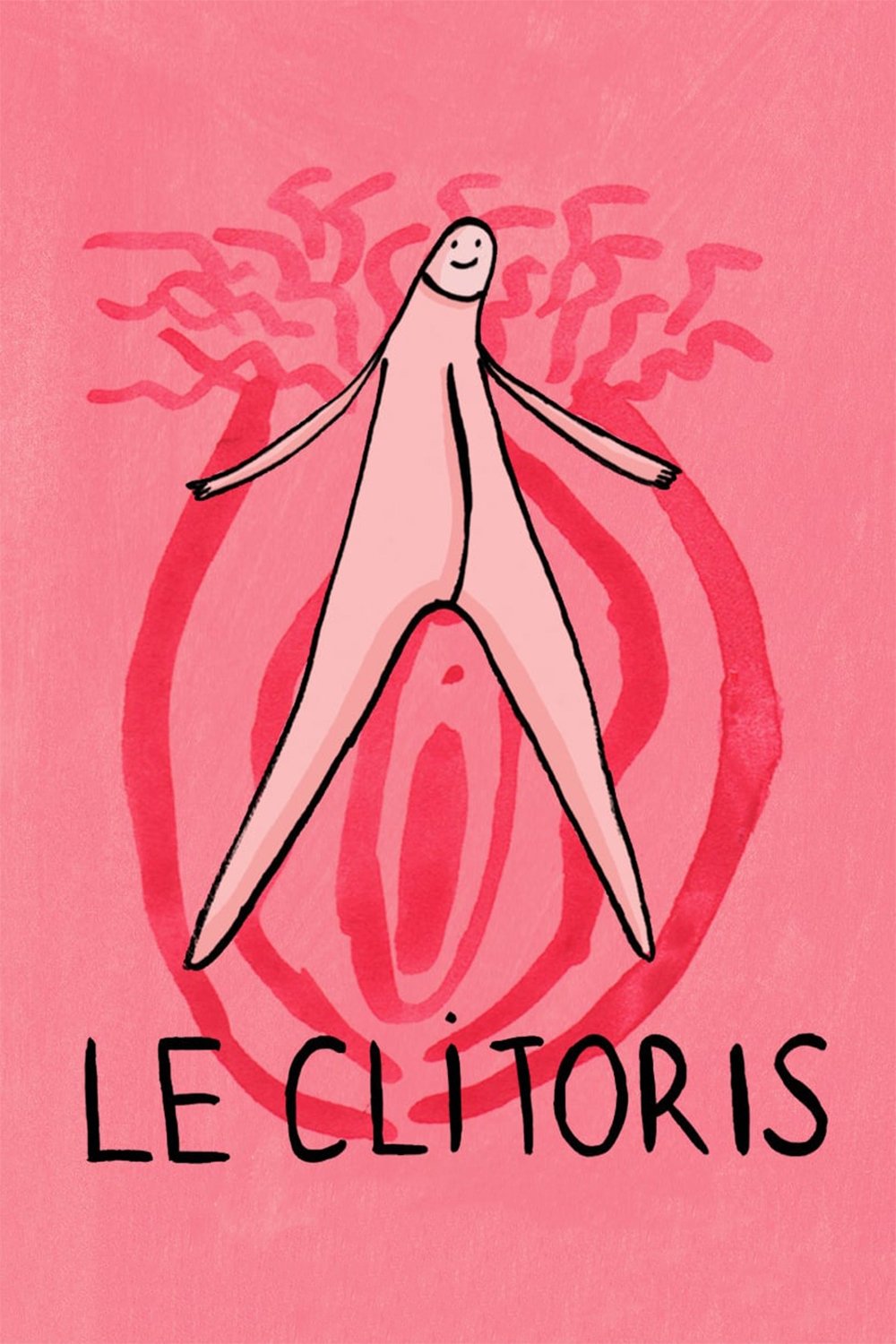
Women are lucky, they get to have the only organ in the human body dedicated exclusively for pleasure: the clitoris! In this humorous and instructive animated documentary, find out its unrecognized anatomy and its unknown herstory.
As a visually radical memoir, CAMERAPERSON draws on the remarkable footage that filmmaker Kirsten Johnson has shot and reframes it in ways that illuminate moments and situations that have personally affected her. What emerges is an elegant meditation on the relationship between truth and the camera frame, as Johnson transforms scenes that have been presented on Festival screens as one kind of truth into another kind of story—one about personal journey, craft, and direct human connection.
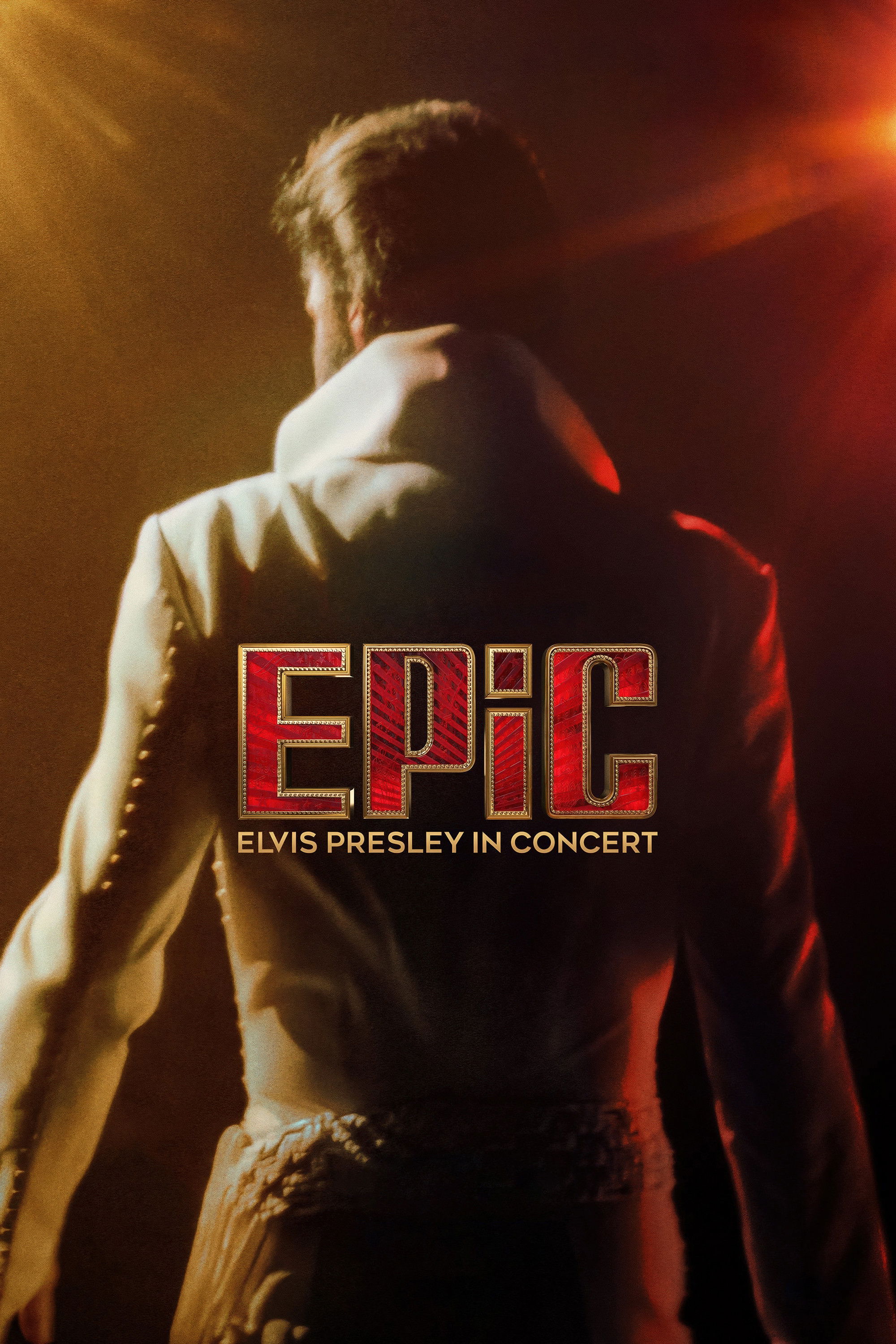
Long-lost footage from Elvis Presley's legendary Las Vegas residency in the 1970s woven together with rare 16mm footage from Elvis on Tour, and 8mm from the Graceland archive, plus recordings of Elvis telling "his side of the story" rediscovered during Baz Luhrmann's research for his 2022 film, Elvis.
Told through performances, TV interviews, home movies, family photographs, private letters and unpublished memoirs, the film reveals the essence of an extraordinary woman who rose from humble beginnings in New York City to become a glamorous international superstar and one of the greatest artists of all time.
The evolution of adult cinema through the most influential films in history, a journey that begins in the 1970s and ends nowadays. An in-depth analysis of the success of the most prestigious erotic films, their impact on industry and society, and their influence on cinema and contemporary culture.
Daniel Craig candidly reflects on his 15 year adventure as James Bond. Including never-before-seen archival footage from Casino Royale to the upcoming 25th film No Time To Die, Craig shares his personal memories in conversation with 007 producers, Michael G Wilson and Barbara Broccoli.
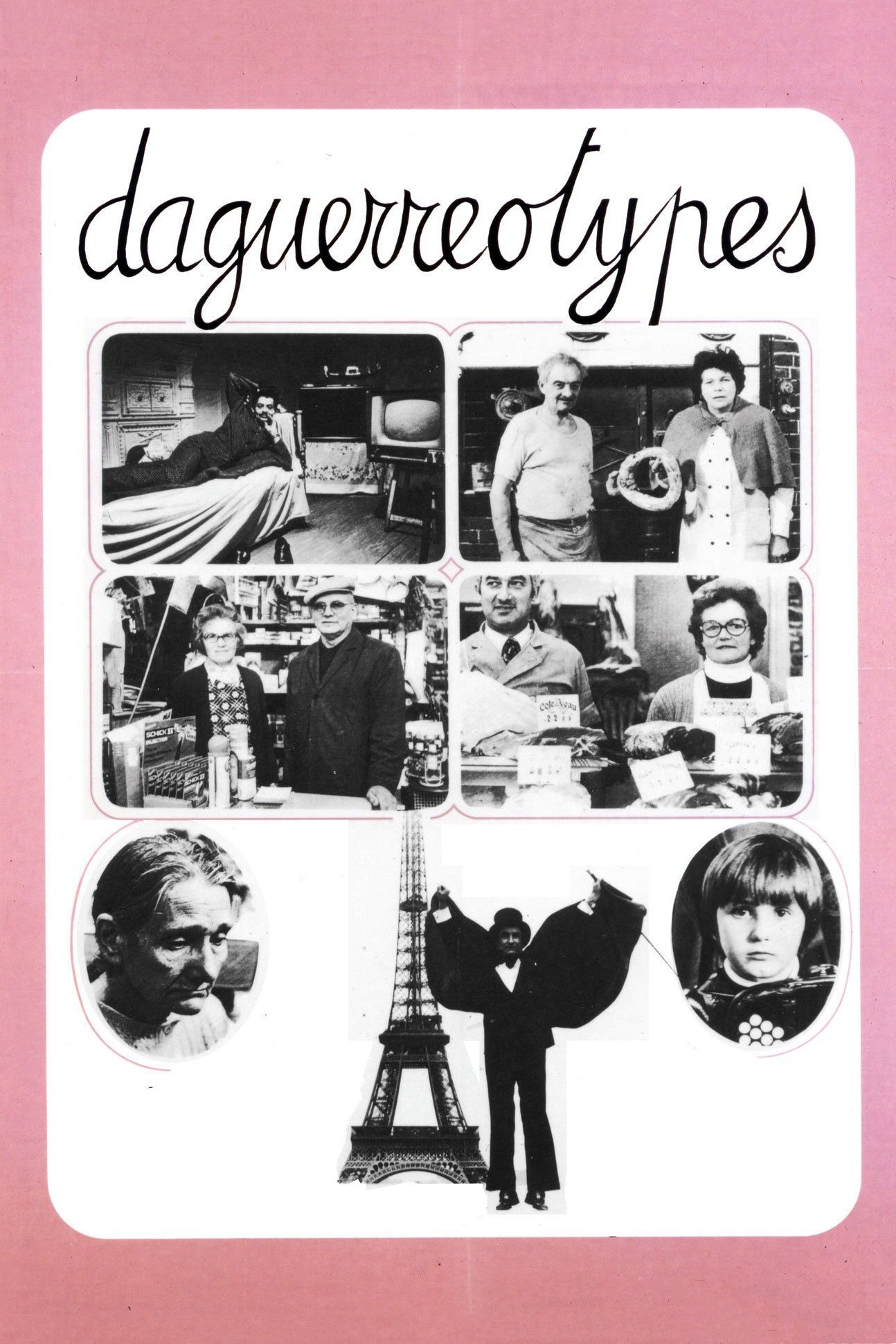
An intimate portrait of the small shops and shopkeepers of the Rue Daguerre in Paris, a picturesque street that has been the filmmaker’s home for more than 50 years.
Featuring new, previously unseen footage documenting the bizarre and unsettling things that happened to filmmakers David Farrier and Dylan Reeve as Tickled premiered at film festivals and theaters in 2016. Lawsuits, private investigators, disrupted screenings and surprise appearances are just part of what they encounter along the way. Amidst new threats, the duo begins to answer questions that remained once the credits rolled on Tickled, including whether the disturbing behavior they uncovered will ever come to an end.
An inside look at one of the most anticipated movie sequels ever with James Cameron and cast.
Capturing Avatar is a feature length behind-the-scenes documentary about the making of Avatar. It uses footage from the film's development, as well as stock footage from as far back as the production of Titanic in 1995. Also included are numerous interviews with cast, artists, and other crew members. The documentary was released as a bonus feature on the extended collector's edition of Avatar.
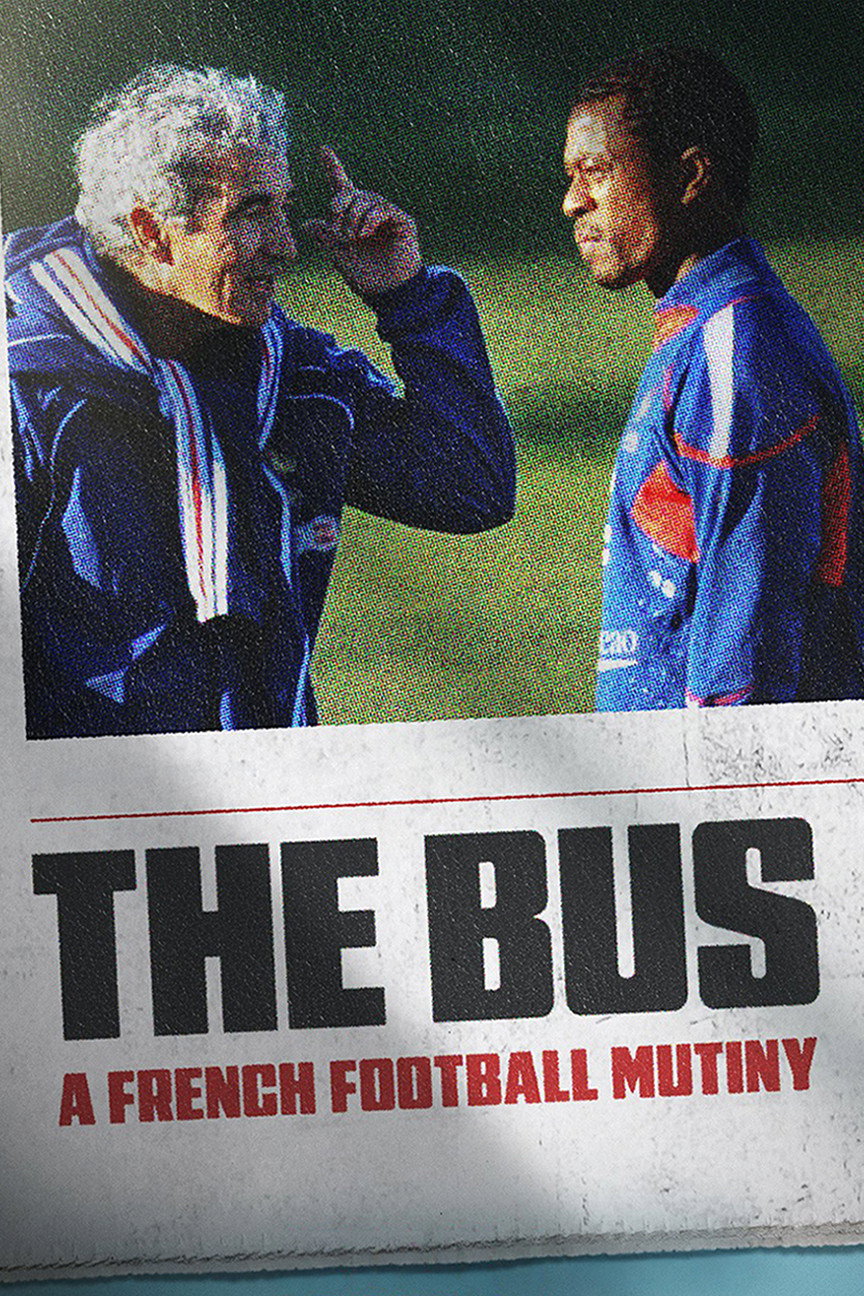
This documentary revisits the French football team's controversial 2010 World Cup and the bus strike that sparked global headlines and national outrage.
Over 35 years after Bob Lazar's revelations, this documentary exposes secrets of a facility the government still denies. Featuring Lazar's testimony, recreations, and new evidence, it reopens a case that continues to spark global curiosity
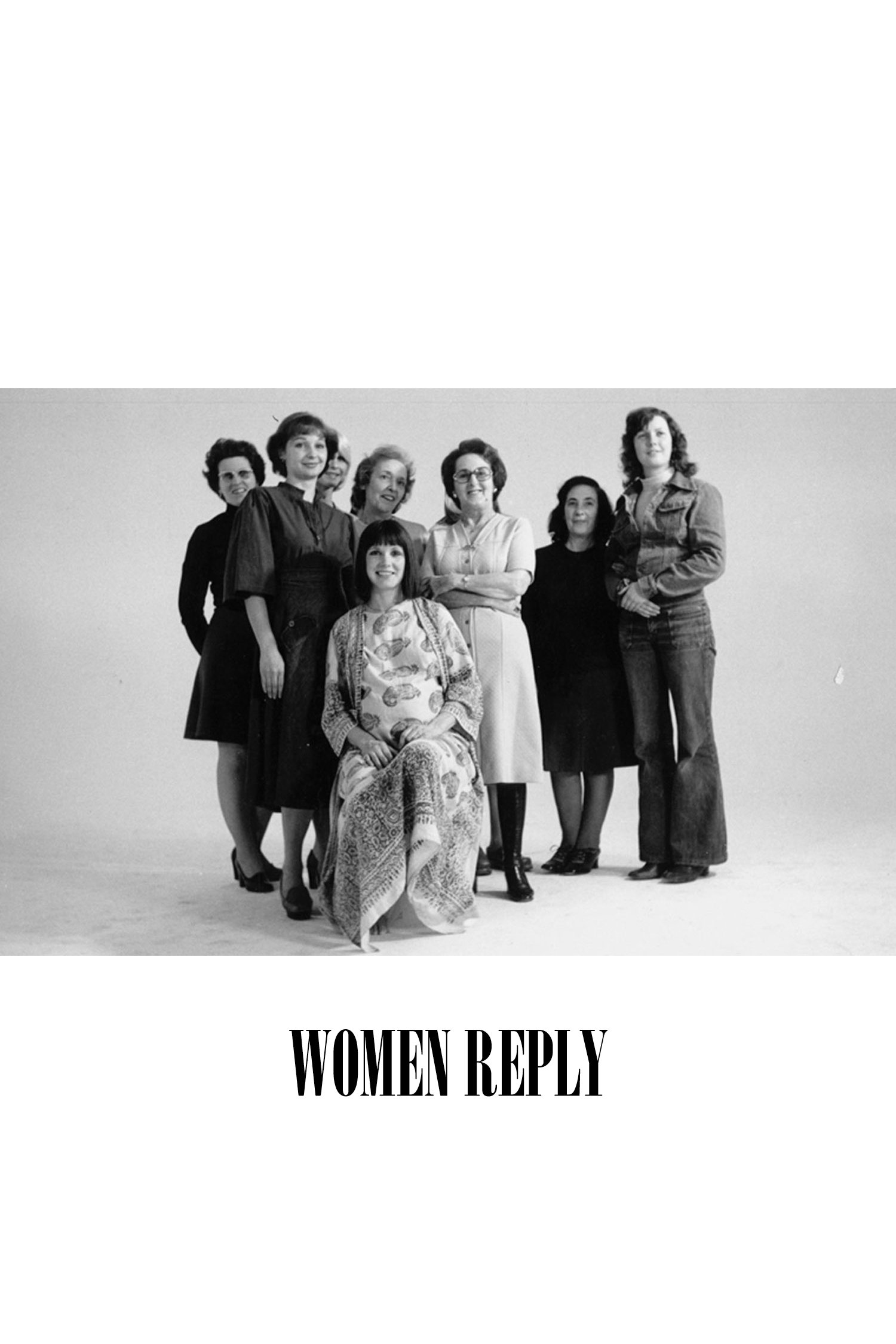
What does being a woman really mean? How do women live the status society reserves for them? A group of women, beautiful or not, young or not, gifted with motherly instinct or not, answer before Agnès Varda's camera.
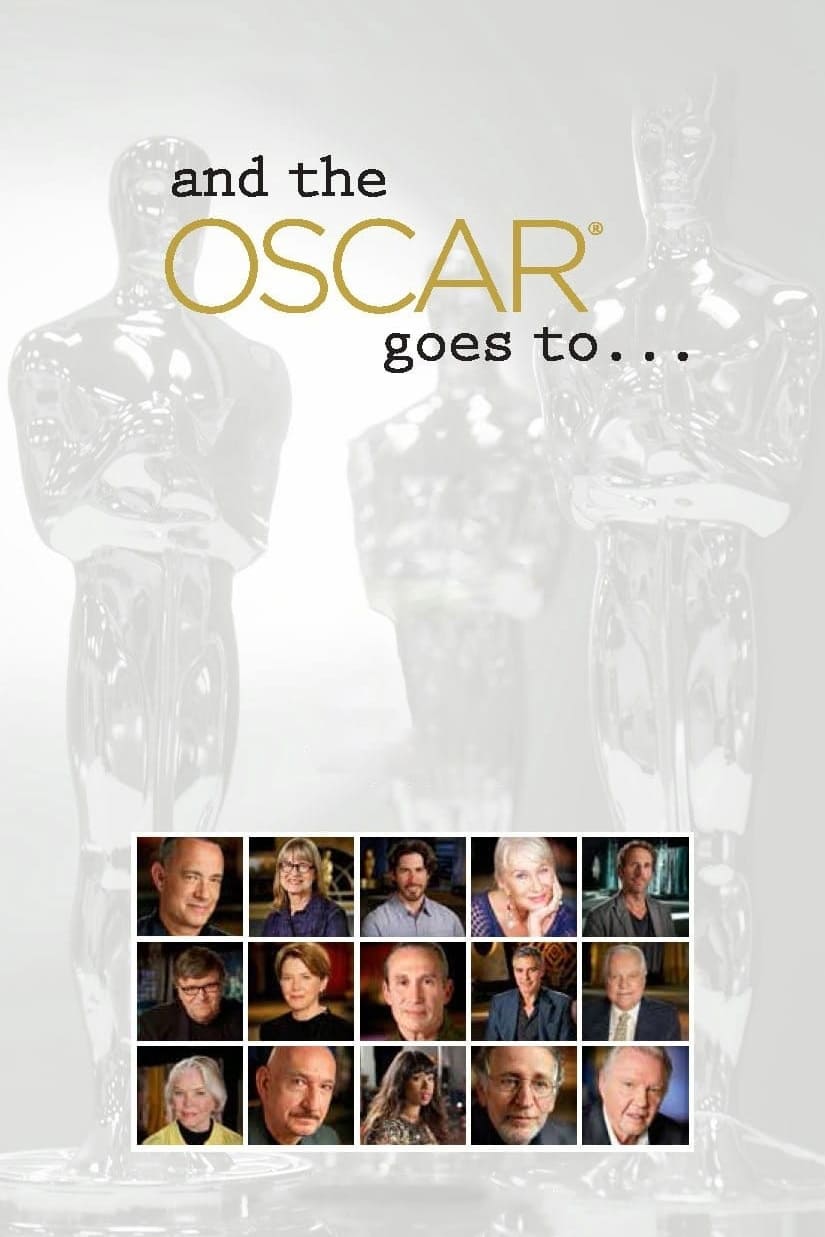
The story of the gold-plated statuette that became the film industry's most coveted prize, AND THE OSCAR GOES TO... traces the history of the Academy itself, which began in 1927 when Louis B. Mayer, then head of MGM, led other prominent members of the industry in forming this professional honorary organization. Two years later the Academy began bestowing awards, which were nicknamed "Oscar," and quickly came to represent the pinnacle of cinematic achievement.
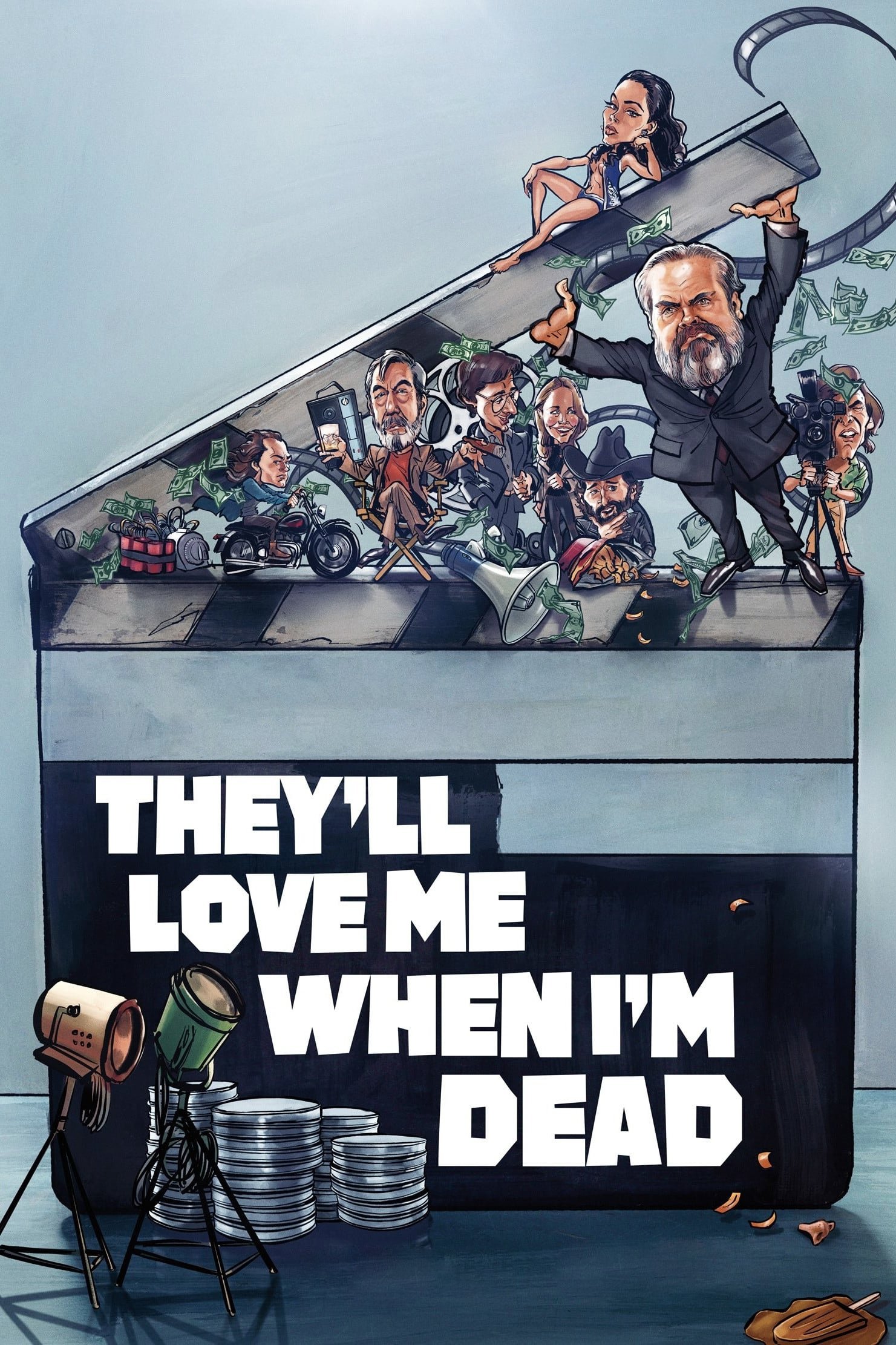
As his life comes to its end, famous Hollywood director Orson Welles puts it all on the line at the chance for renewed success with the film The Other Side of the Wind.