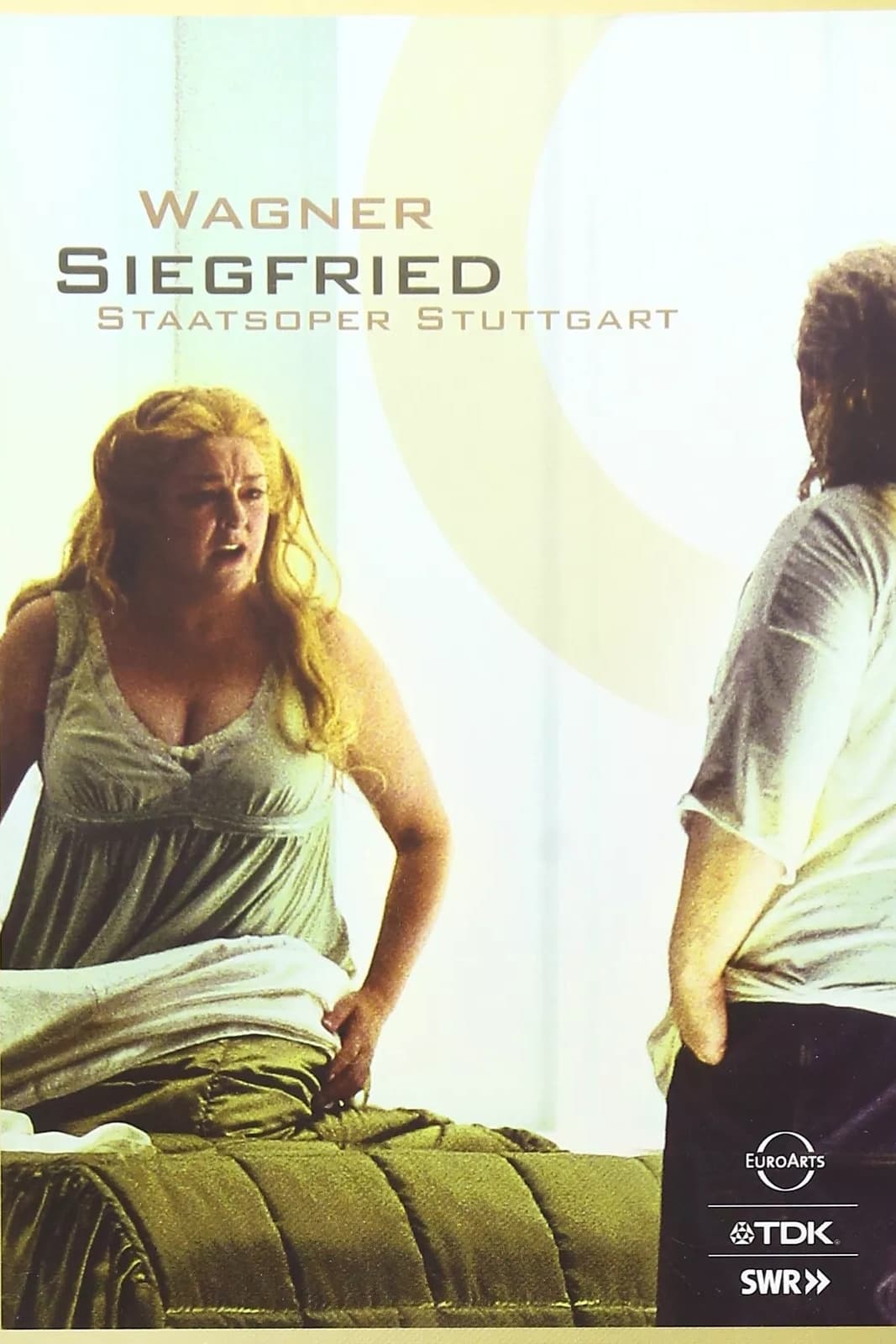
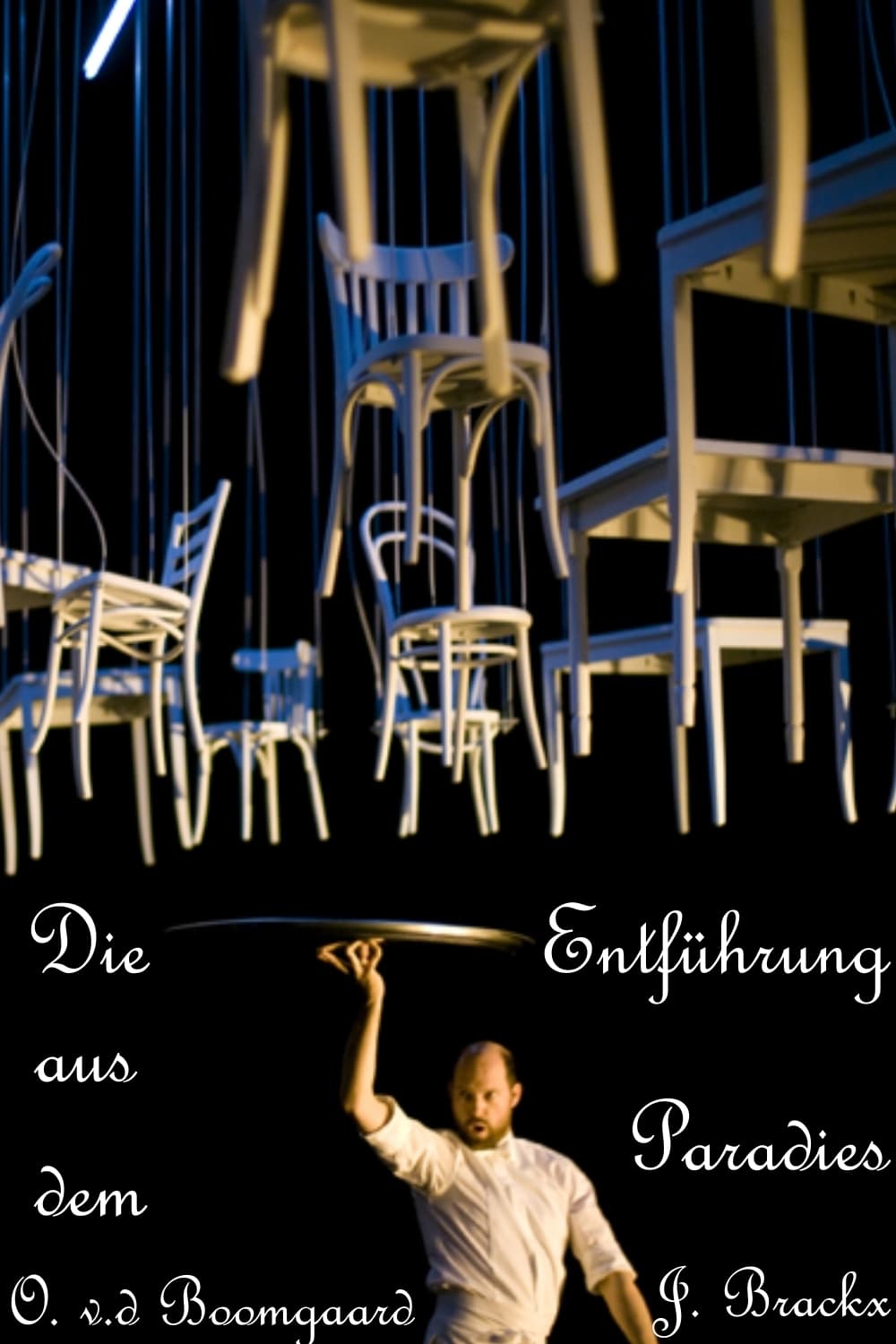
Part of Stuttgart Ring Cycle 2002/2003 - Second day.
Social & External
The people behind it
Jon Frederic West
Siegfried
Heinz Göhrig
Mime
Wolfgang Schöne
Der Wanderer
Björn Waag
Alberich
Attila Jun
Fafner
Helene Ranada
Erda
Lisa Gasteen
Brünnhilde
Gabriela Herrera
Der Waldvogel
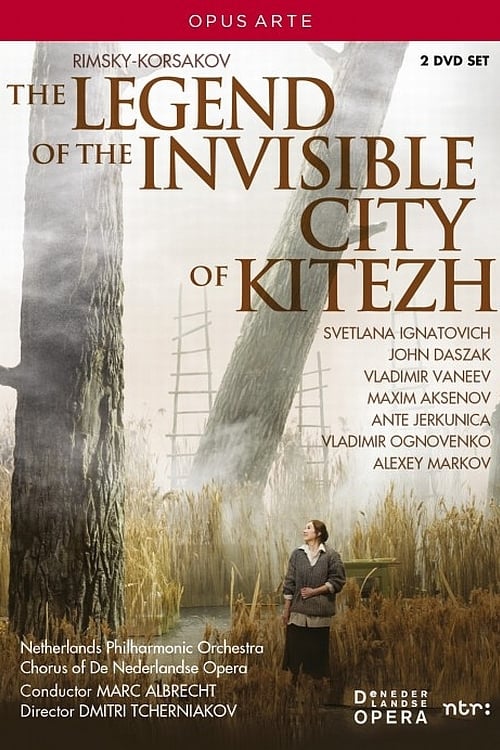
Opera lies at the heart of Rimsky-Korsakov's colourful idiom, but performances are few and far between; this realisation of his penultimate and grandest stage work is a very rare and special experience. Kitezh is known as "the Russian Parsifal", which encapsulates its mystical flavour and steady unfolding of a legend of redemption
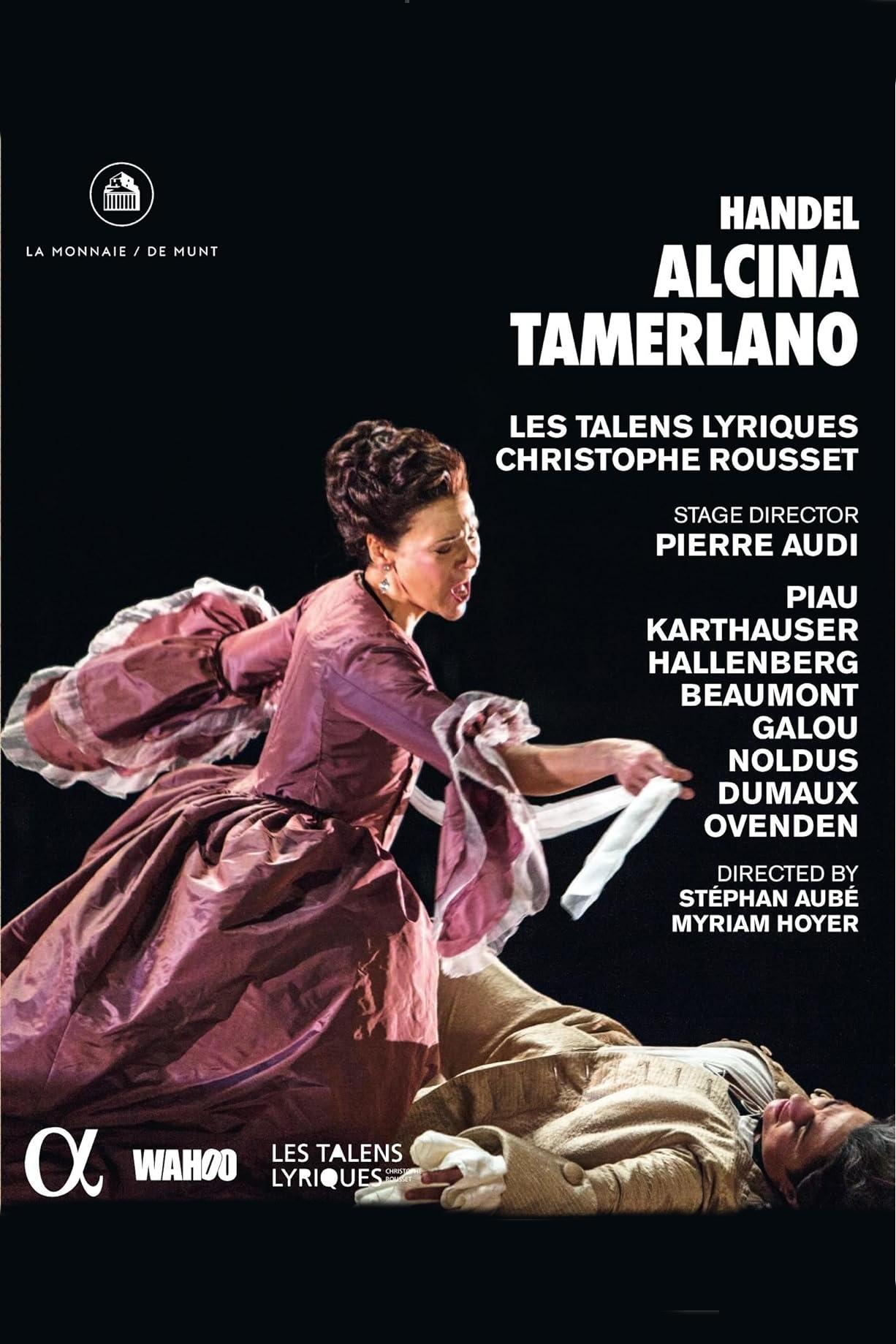
Like Handel’s Orlando (1732) and Ariodante (1734), Alcina derives from the narrative material in Ariosto’s Orlando furioso. The story of the sorceress Alcina, an initially hedonistic, manipulative woman who later finds herself a victim of love, fits into the genre of the ‘magical opera’ with numerous magical elements, but Handel achieved considerable emotional authenticity in his characterisations. This makes Alcina one of the most deeply felt and multifaceted operas. ‘You may despise what you like ; but you cannot contradict Handel,’ said the Irish playwright George Bernard Shaw. As in Tamerlano, Pierre Audi based this production on the stage at the baroque theatre at Drottningholm, for which he originally developed the directing concept. His set is thus based on the principles of perspective, with wings in the form of painted panels. The result is marvellous modern musical theatre in a historizing frame.
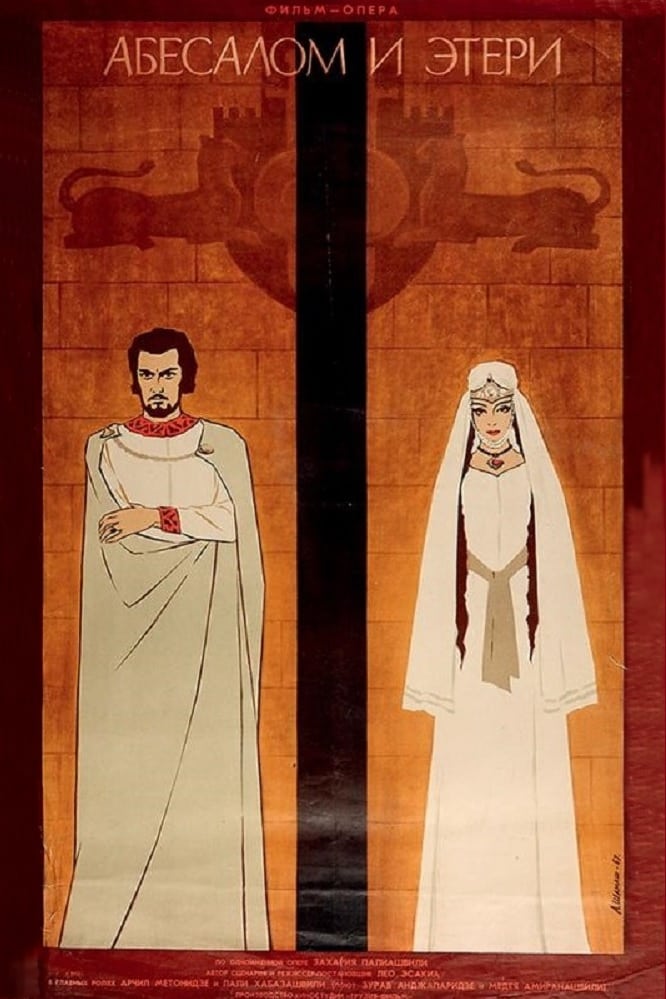
Prince Abesalom runs into an orphaned Eteri while hunting, falls for her and brings the woman to his palace as his fiancé. The Prince’s aid Murman loses his self-control at Eteri’s beauty and gives her a spelled necklace as a wedding gift. Eteri contracts a mysterious disease that only Murman is capable to heal.
Glyndebourne's pulsating new production of the Waltz King's much-loved comic operetta. Its story centers on a magnificent masked ball, given by a Russian prince, that brings together all the main characters in various disguises. The three-act journey from boudoir to ballroom to jail provides ample opportunities for farce and humor, but also for genuine human emotion and a surprisingly realistic view of urban life.
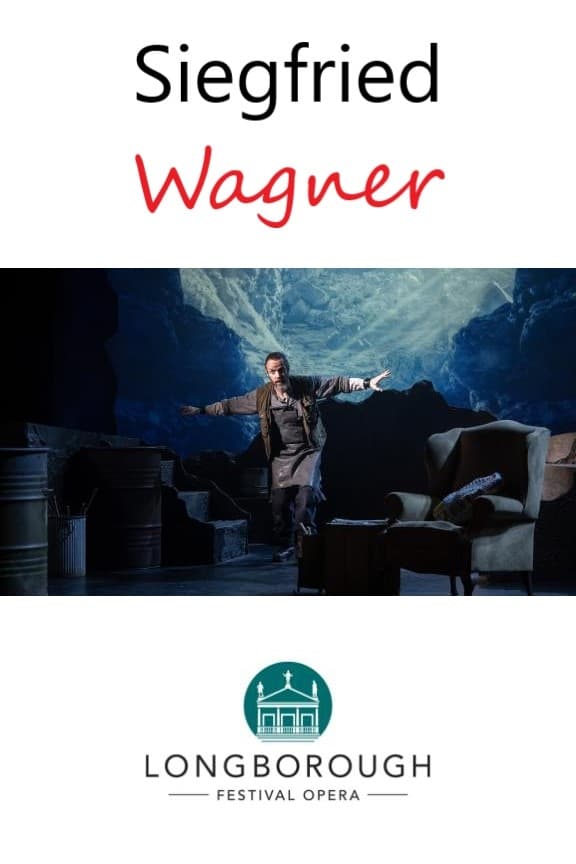
The hero Siegfried reforges his father’s shattered sword, embarking on a quest for the greatest prize of all – the love of the valkyrie Brünnhilde, who lies trapped in a ring of fire. Siegfried is the third opera in Richard Wagner’s four-opera cycle Der Ring des Nibelungen. Wagner broke off composition at the end of Act II of Siegfried to write Tristan und Isolde and Die Meistersinger von Nürnberg, returning to Siegfried seven years later. Longborough Festival Opera, known as the British Bayreuth, calls on renowned Wagnerian Anthony Negus to conduct and Amy Lane to stage this new production of Siegfried in the bucolic English Cotswolds.
Shortly before his death, Romitelli together with his friend Paolo Pachini and the poetess Kenka Lèkovich, resurrected the dream of a total scenic art (a furnace of sensations, they called it, an_ initiation rite_) in the manner of the Futurists: rhythms and gleams of light striking metals (for the video part), poems in iron and chrome singing of fusion with matter (Kenka Lekovich), acoustic/electric music highly amplified, filtered, spatialised, in as artificial a manner as possible. An Index of Metals bears vigorous witness to this determination to go beyond: sizzling orchestration, electric and psychedelic; a voice which plays on effects, murmurs with reverb, cackles into a megaphone, screams like a pop star; and an electric guitar score of a kind that no ‘serious’ composer has ever written, sliding across an infinite range of tones with a lightness of touch and blurring of contours.
The man looks back on a turbulent love life, which he does not dare to opt definitively for a permanent love. He loves Tosca, but leaves her for another new love, Alpha. He cherishes the infatuation at the start of a relationship, meaning he is not yet ready for real life. However, at the end, he is able to make his choice ...
Le convenienze ed inconvenienze teatrali (Conventions and Inconveniences of the Stage) is a two-act opera that shines an exaggerated spotlight on the behind-the-scenes working of a theatre and the rehearsal process, showing what can go wrong when the egos of the performers get in the way of putting on a good show. A regional (and mediocre) operatic troupe is rehearsing a new work and faces numerous obstacles. The prima donna acts every bit the diva, refusing to rehearse. The Tenor finds himself in the wrong production and quite out of his depth. The Seconda Donna’s mother (played by a baritone) demands that her daughter be given a more prominent role, before deciding to take on several roles herself. Not be outshone, the Prima Donna’s husband takes to the stage too. When the show eventually collapses and the company tries to flee under cover of night, rather than pay back all the investors (whose money has already been spent), the Impresario has other plans…
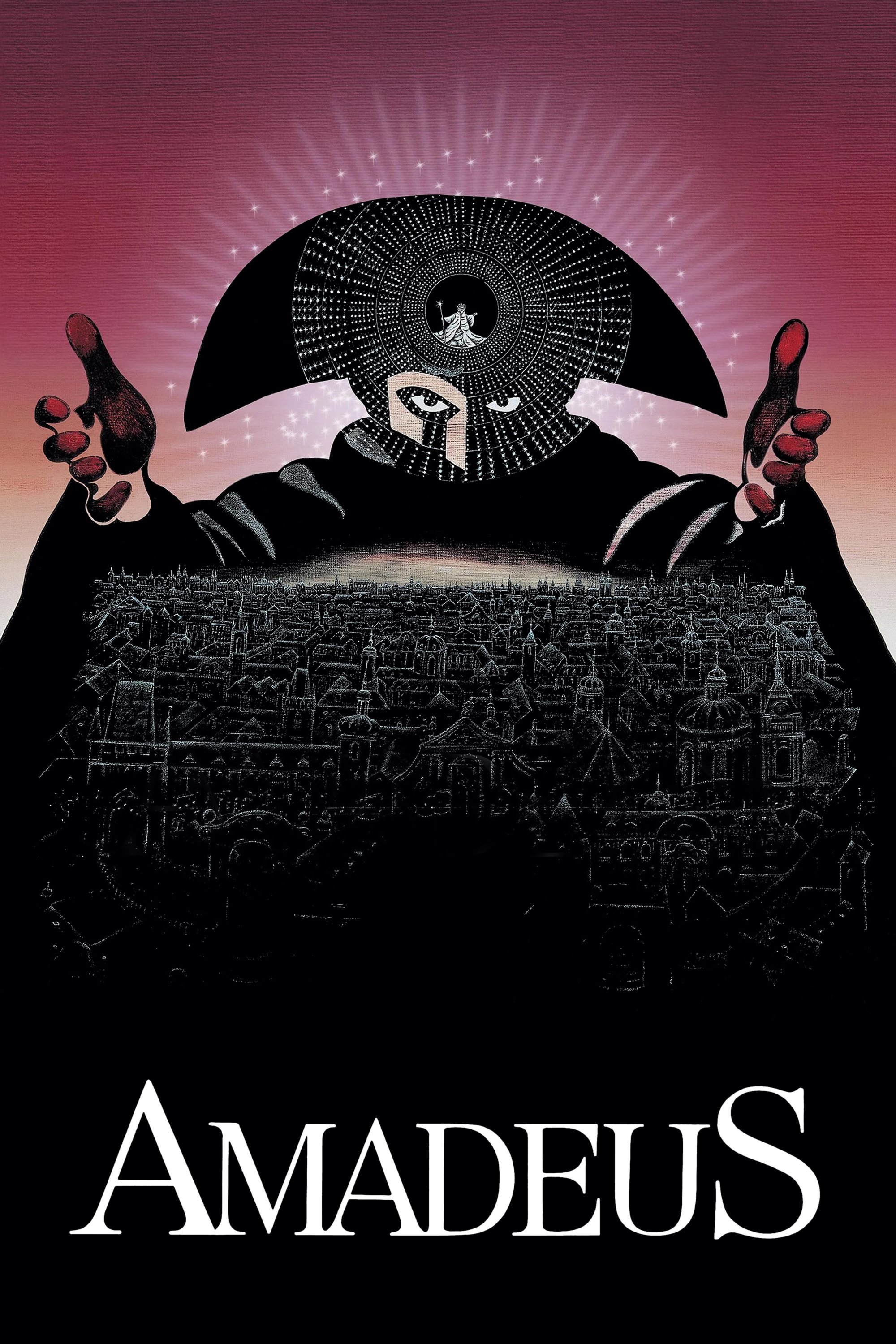
Disciplined Italian composer Antonio Salieri becomes consumed by jealousy and resentment towards the hedonistic and remarkably talented young Salzburger composer Wolfgang Amadeus Mozart.
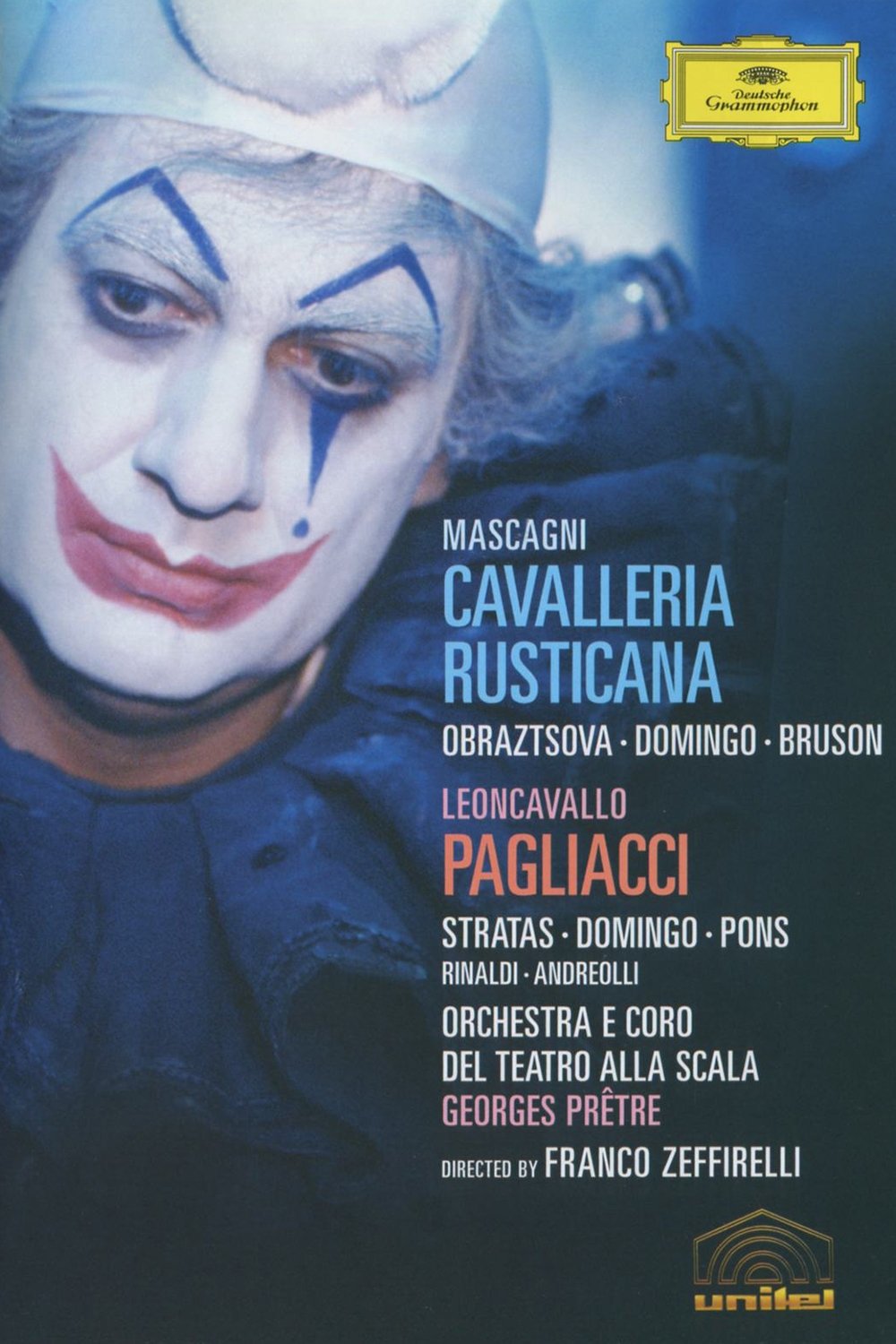
Franco Zeffirelli directs these two legendary La Scala productions telling tragic tales of jealousy. Mascagni's Cavalleria Rusticana features performances by Elena Obraztsova, Plácido Domingo, and Renato Bruson. Leoncavallo's I Pagliacci stars Teresa Stratas, Plácido Domingo, and Juan Pons. Both are conducted by George Pretre. This production of Pagliacci earned director Franco Zeffirelli the coveted Emmy as Best Director in the category of Classical Music Programming.
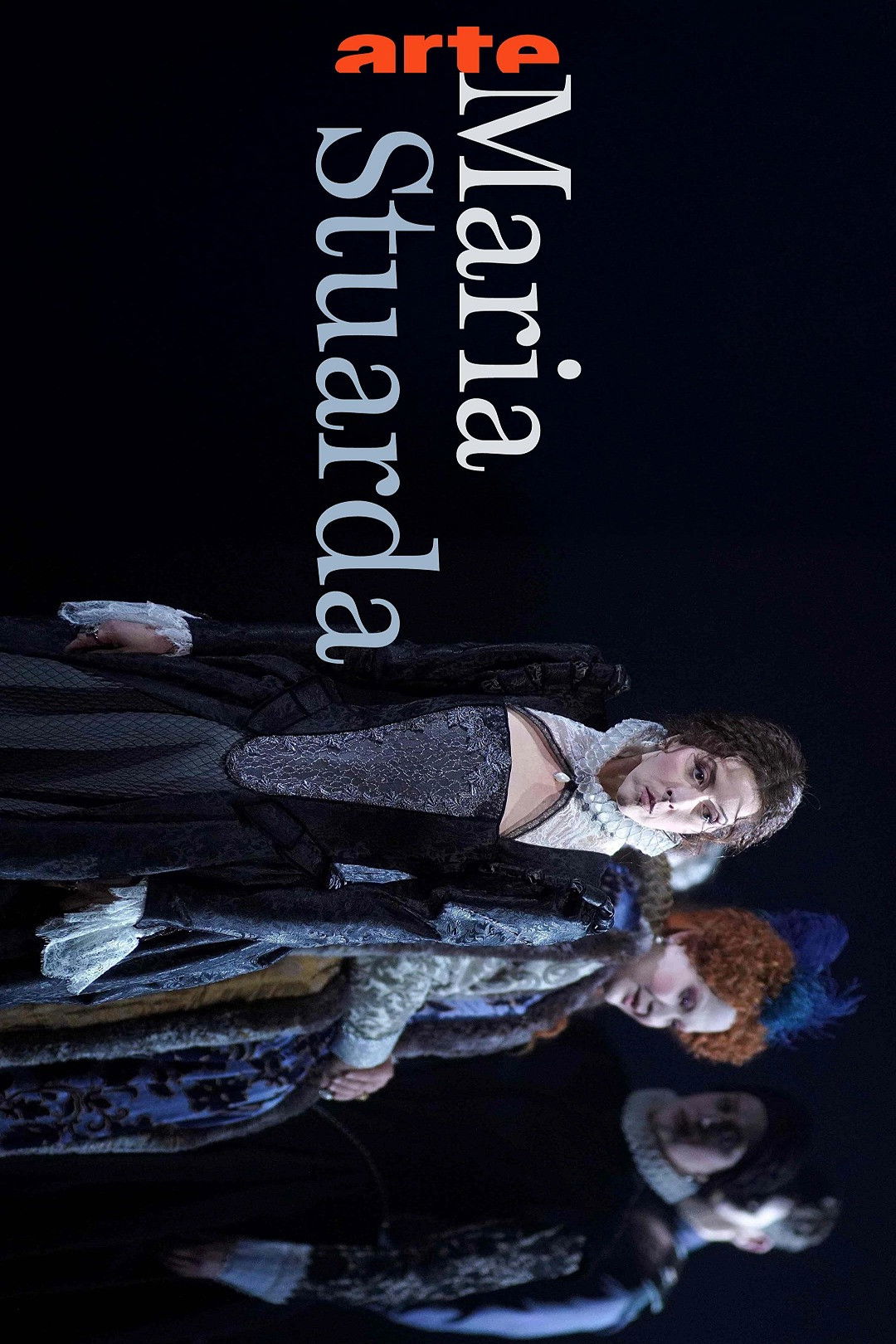
A masterpiece of bel canto at the Teatro Real in Madrid: conductor José Miguel Pérez-Sierra and director David McVicar take on Donizetti’s Maria Stuarda, with Lisette Oropesa in the title role.
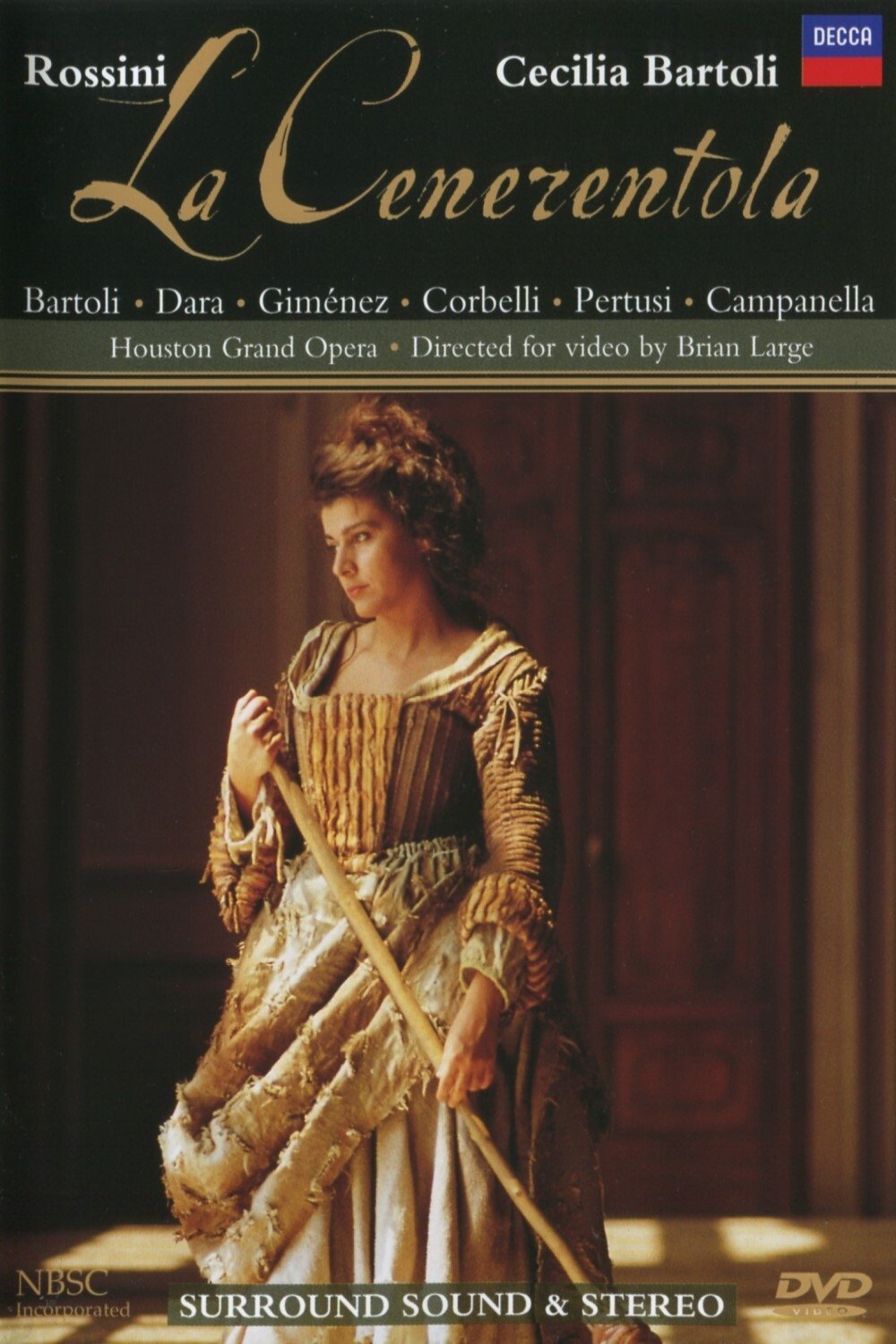
La Cenerentola, ossia La bontà in trionfo (Cinderella, or Goodness Triumphant) is an operatic dramma giocoso in two acts by Gioachino Rossini. The libretto was written by Jacopo Ferretti, based on the fairy tale Cendrillon by Charles Perrault. The opera was first performed in Rome's Teatro Valle on 25 January 1817.---- IMDB id refers to Great Performances: Season 24, Episode 12 La Cenerentola (3 Apr. 1996) from Houston Grand Opera so release date is misleading.
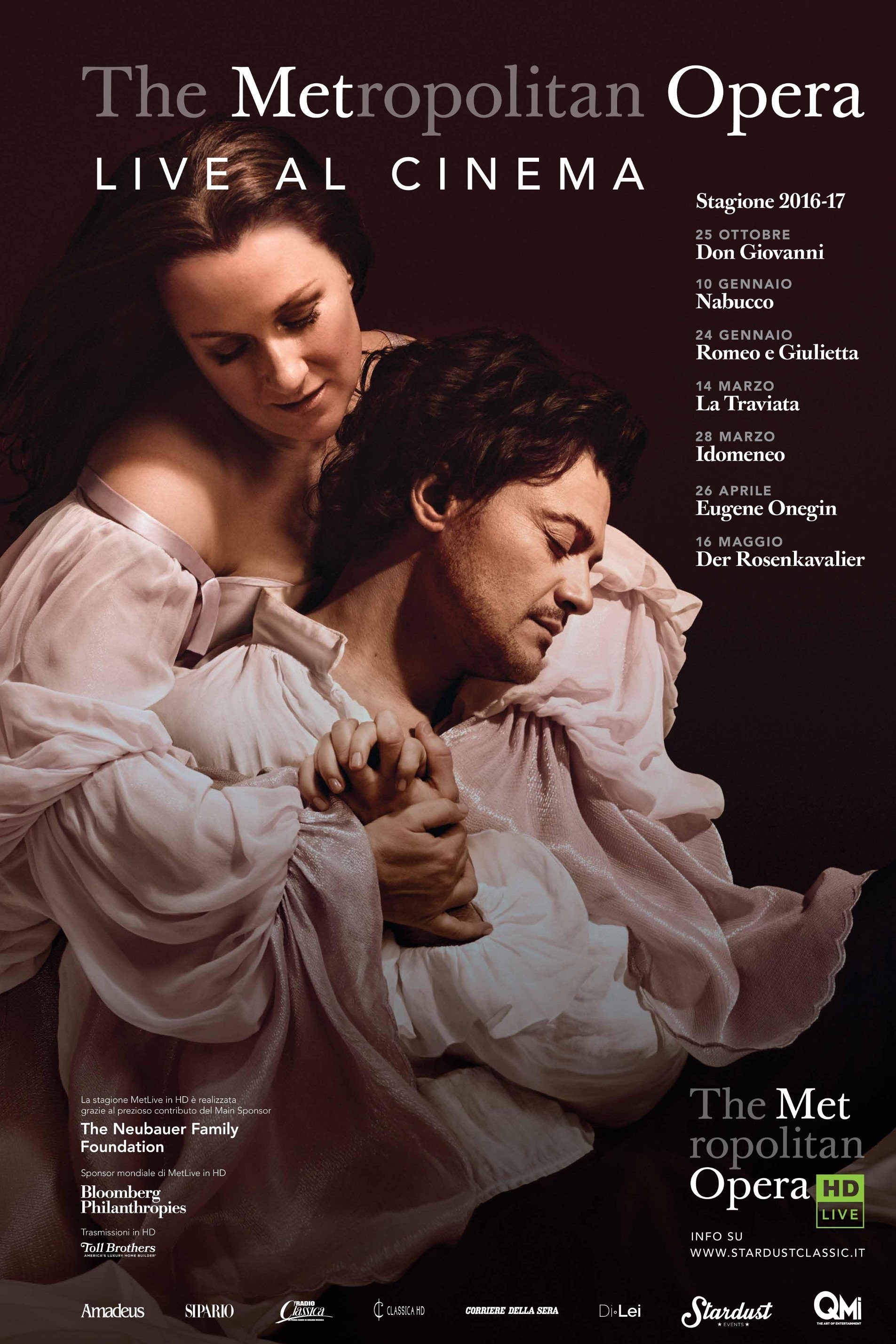
Diana Damrau and Vittorio Grigolo are opera’s classic lovers in Gounod’s lush Shakespeare adaptation. Director Bartlett Sher’s “brilliant and inspired new production … is a revelation” (Huffington Post), and has already won acclaim for its vivid 18th-century milieu and stunning costumes during runs at Salzburg and La Scala. Emmanuel Villaume conducts the sumptuous score.
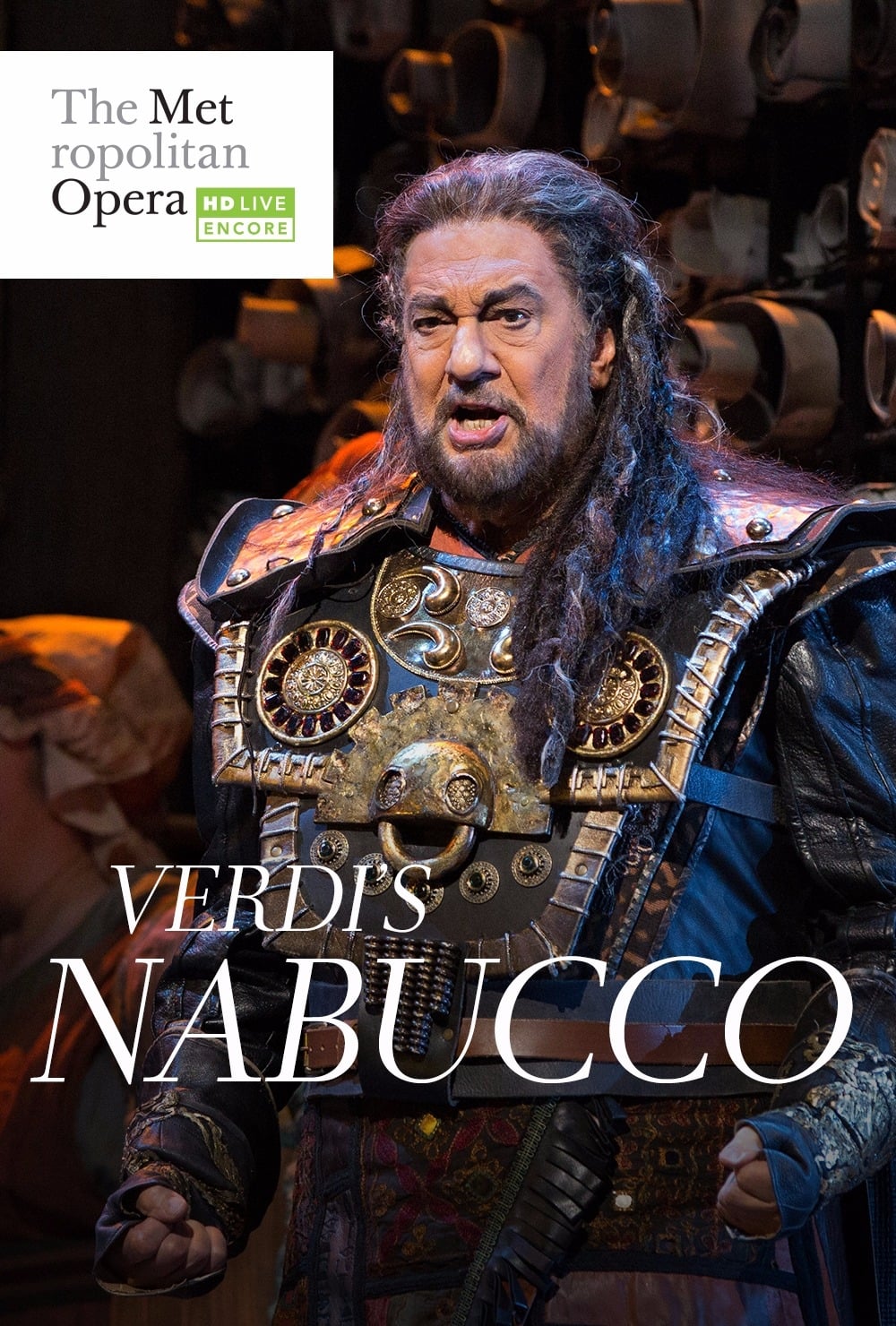
The legendary Plácido Domingo brings another new baritone role to the Met under the baton of his longtime collaborator James Levine. Liudmyla Monastyrska is Abigaille, the warrior woman determined to rule empires, and Jamie Barton is the heroic Fenena. Dmitri Belosselskiy is the stentorian voice of the oppressed Hebrew people.
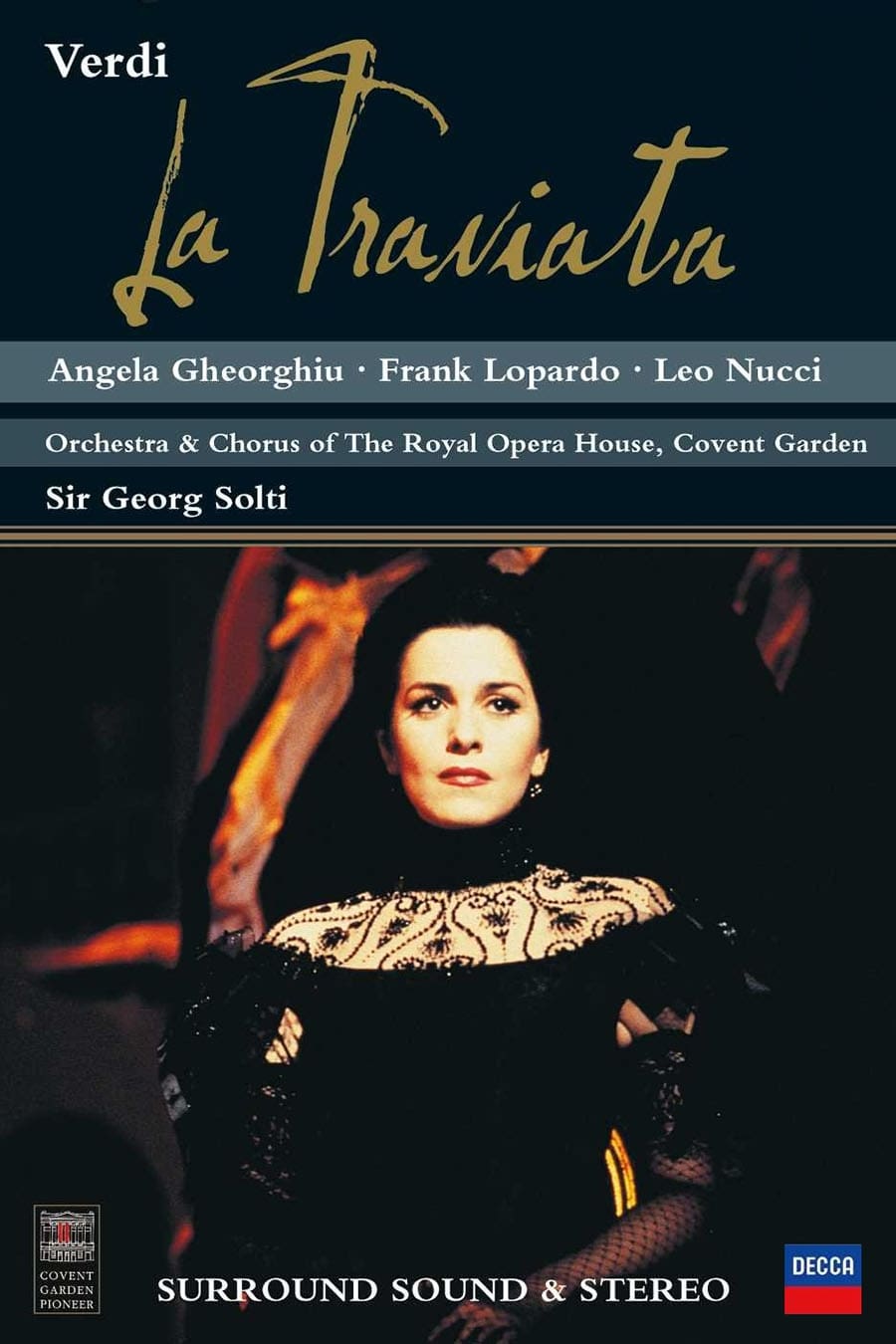
La traviata (Italian: [la traˈviaːta], "The Fallen Woman"[1][2]) is an opera in three acts by Giuseppe Verdi set to an Italian libretto by Francesco Maria Piave. It is based on La dame aux Camélias (1852), a play adapted from the novel by Alexandre Dumas, fils. The opera was originally entitled Violetta, after the main character. It was first performed on 6 March 1853 at the La Fenice opera house in Venice. Piave and Verdi wanted to follow Dumas in giving the opera a contemporary setting, but the authorities at La Fenice insisted that it be set in the past, "c. 1700". It was not until the 1880s that the composer and librettist's original wishes were carried out and "realistic" productions were staged.[3]
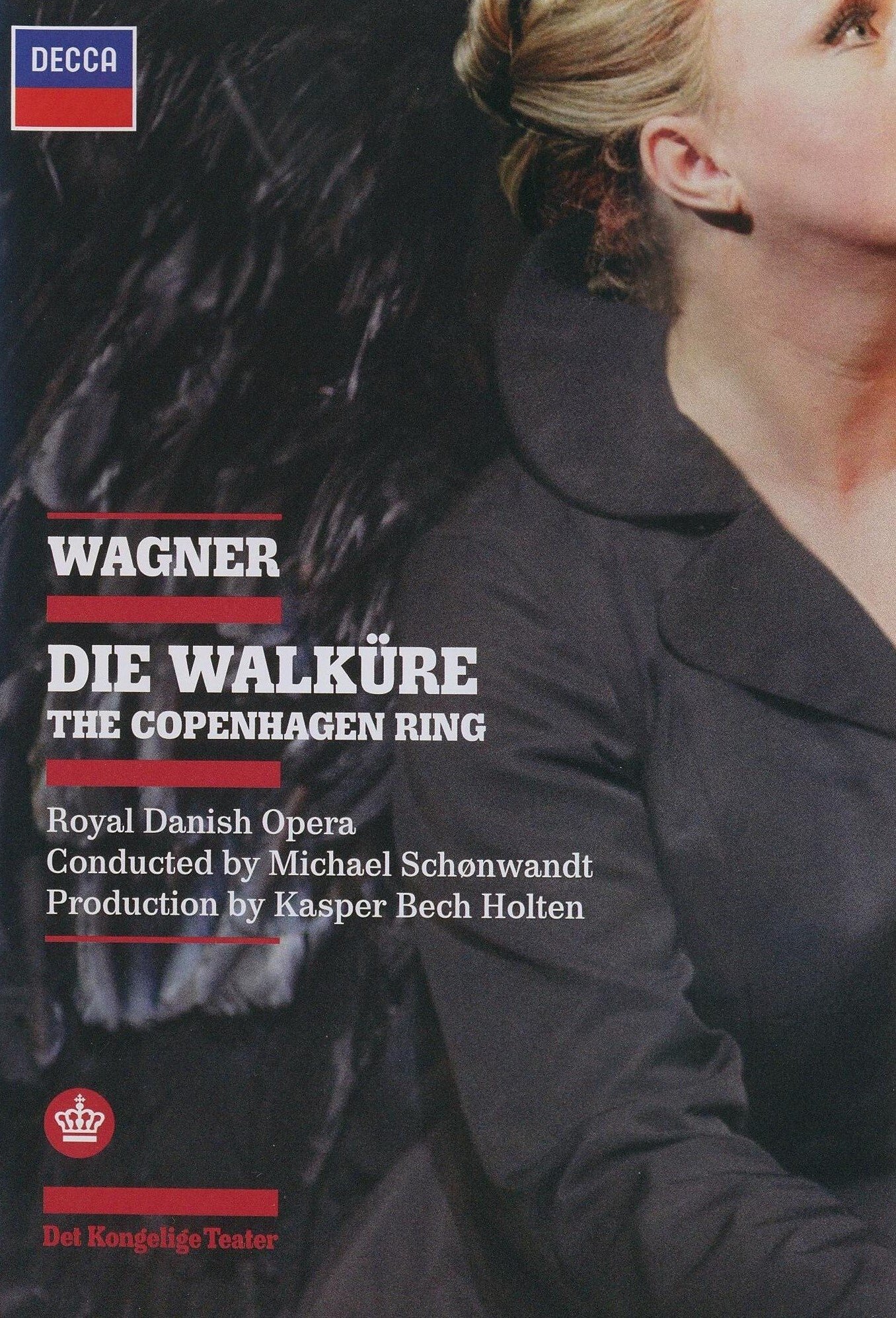
Die Walküre (The Valkyrie), WWV 86B, is an opera in three acts by Richard Wagner with a German libretto by the composer. It is the second of the four operas that form Wagner's cycle Der Ring des Nibelungen (The Ring of the Nibelung). The story of the opera is based on the Norse mythology told in the Volsunga Saga and the Poetic Edda.[1][2] In Norse mythology, a valkyrie is one in a group of female figures who decide which soldiers die in battle and which live. Die Walküre's best-known excerpt is the "Ride of the Valkyries". DVD release June 2009.
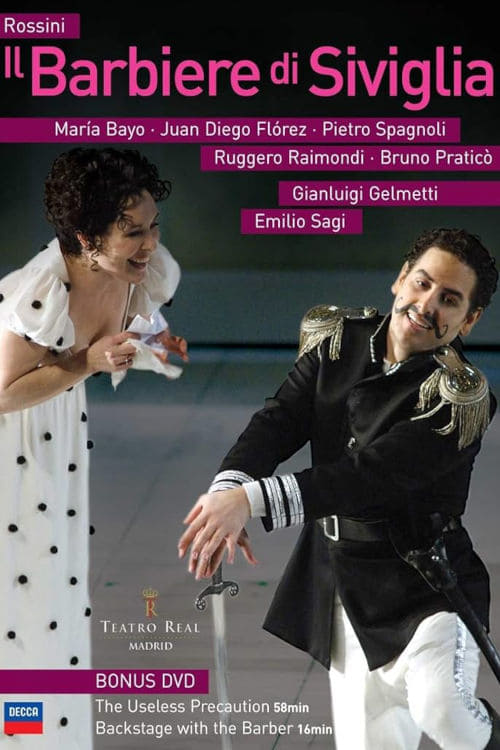
Stage director Emilio Sagi's production of the legendary Barber of Seville is enriched by a bright distribution. Maria Bayo returns to one of her signature role as Rosina, opposite Juan Diego Florez, the Rossini expert tenor. The title role is embodied by the Italian baritone Pietro Spagnoli, while Ruggero Raimondi and Bruno Pratico reconcile the audience with Don Basilio and Don Bartolo.
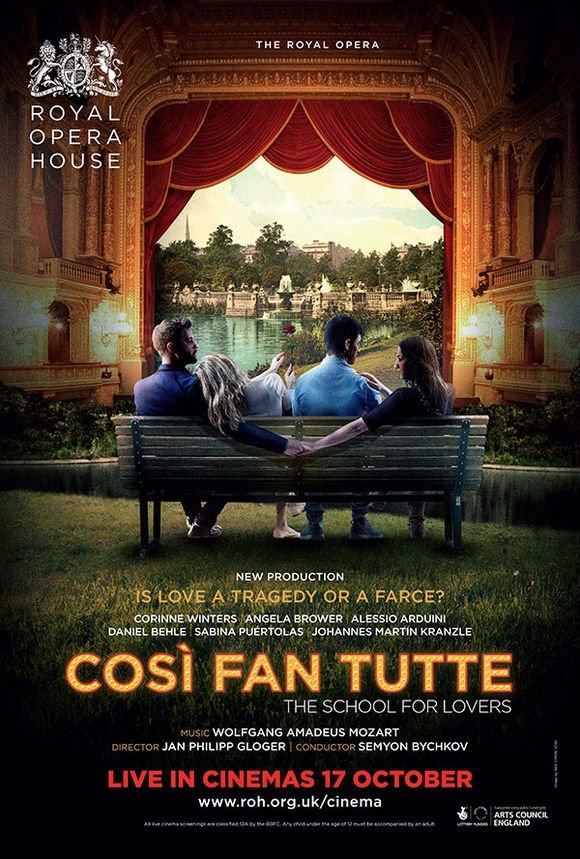
Semyon Bychkov conducts a cast of young, up-and-coming talent including American soprano Corinne Winters in a new production of Mozart’s opera on the nature of love.
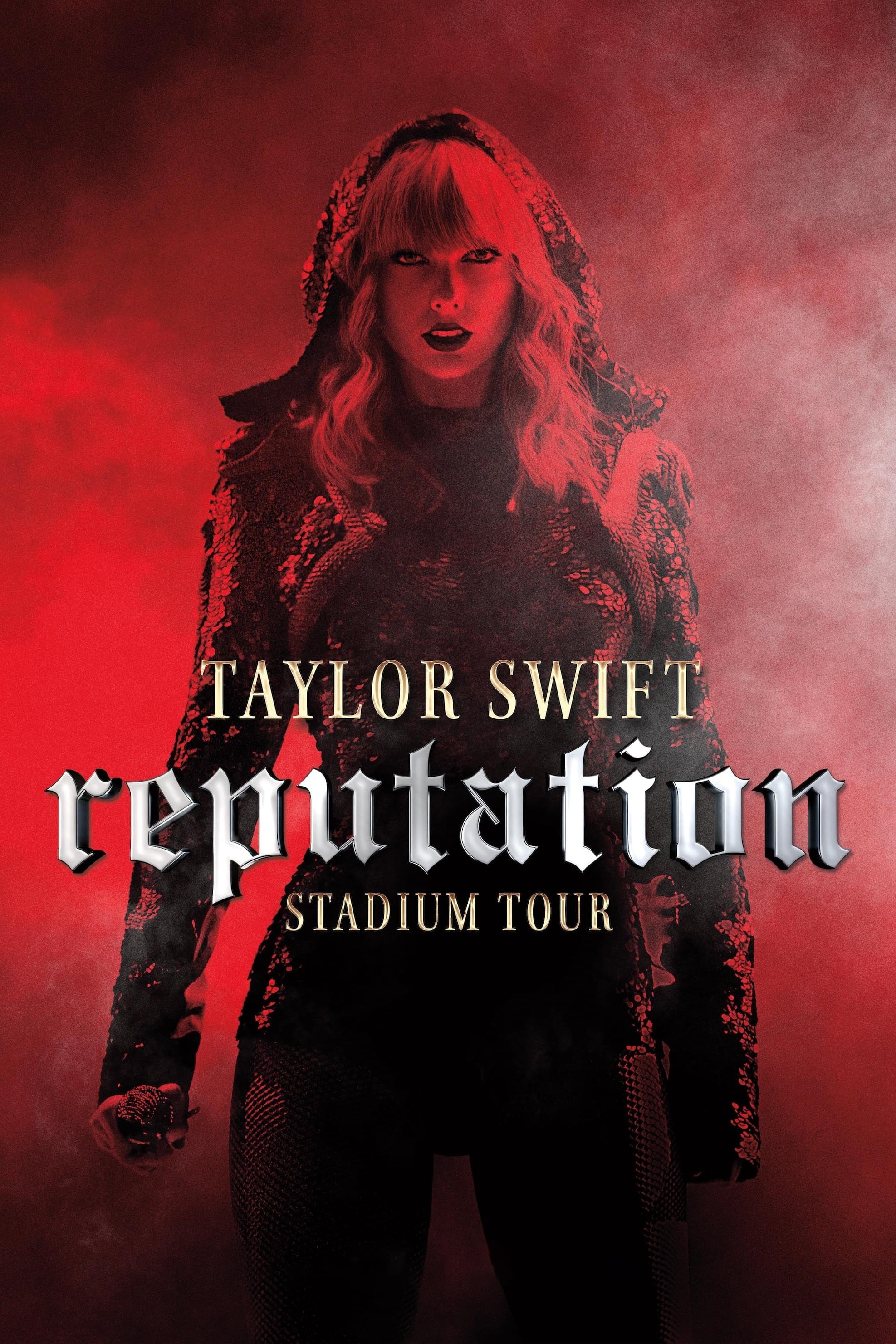
Taylor Swift takes the stage in Dallas for the Reputation Stadium Tour and celebrates a monumental night of music, memories and visual magic.
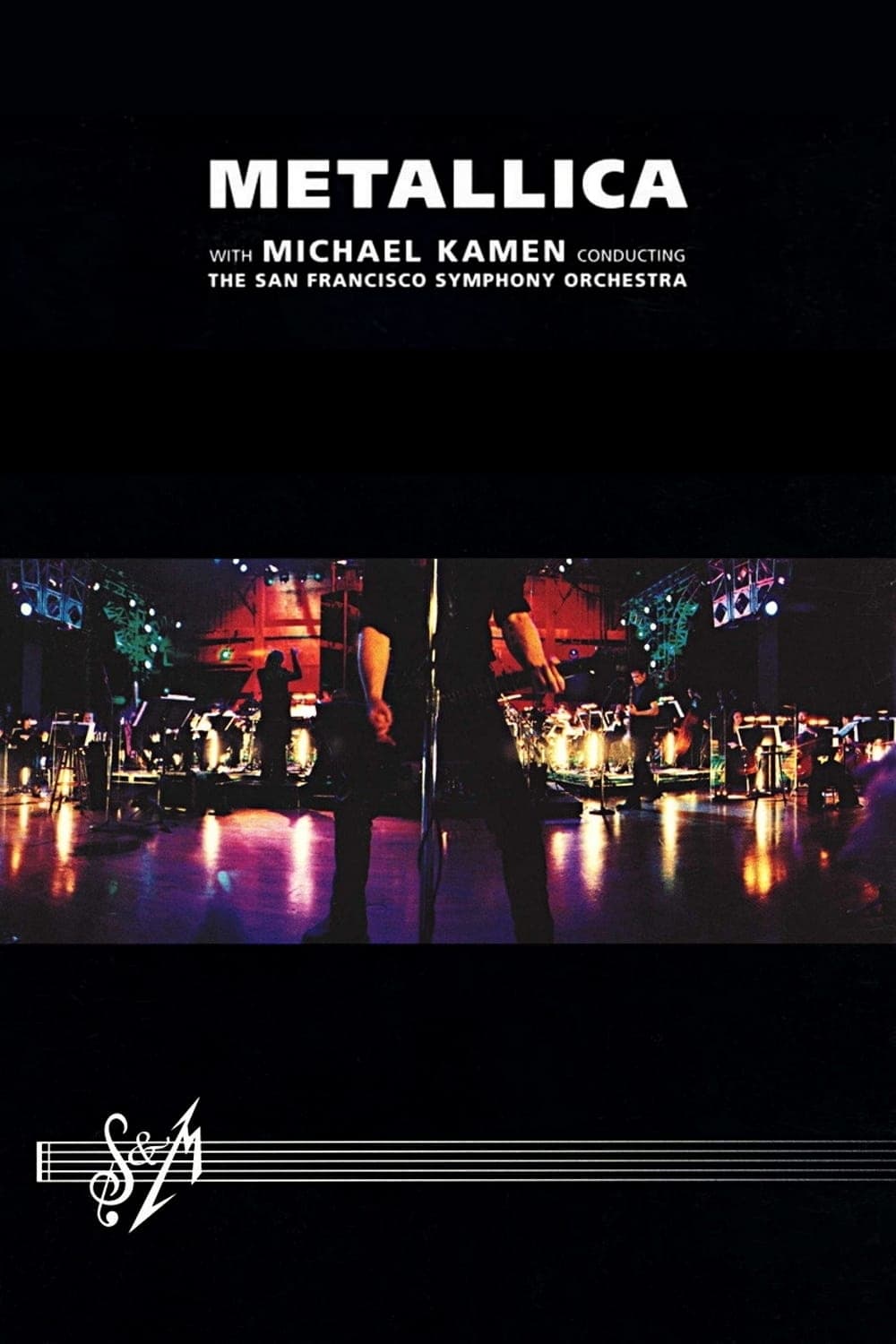
Michael Kamen conducts the San Francisco Symphony Orchestra in support of metal rockers Metallica in this 1999 concert performance.
Live Aid was held on 13 July 1985, simultaneously in Wembley Stadium in London, England, and the John F. Kennedy Stadium in Philadelphia, United States. It was one of the largest scale satellite link-ups and television broadcasts of all time: watched live by an estimated global audience of 1.9 billion, across 150 nations. "It's twelve noon in London, seven AM in Philadelphia, and around the world it's time for Live Aid...!"
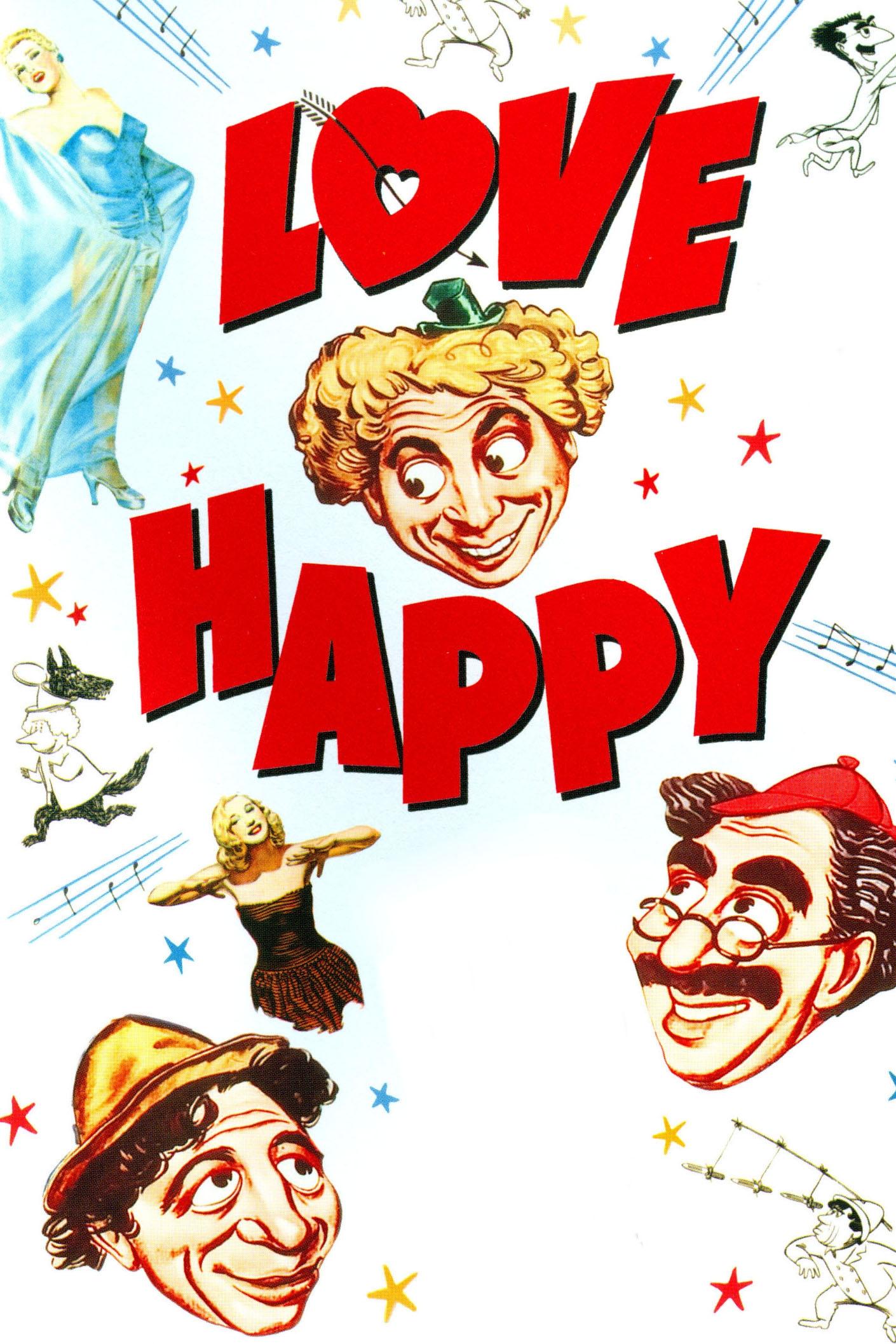
The Marx Brothers help young Broadway hopefuls when they get mixed up with gangsters due to a tin of sardines containing Romanoff diamonds.
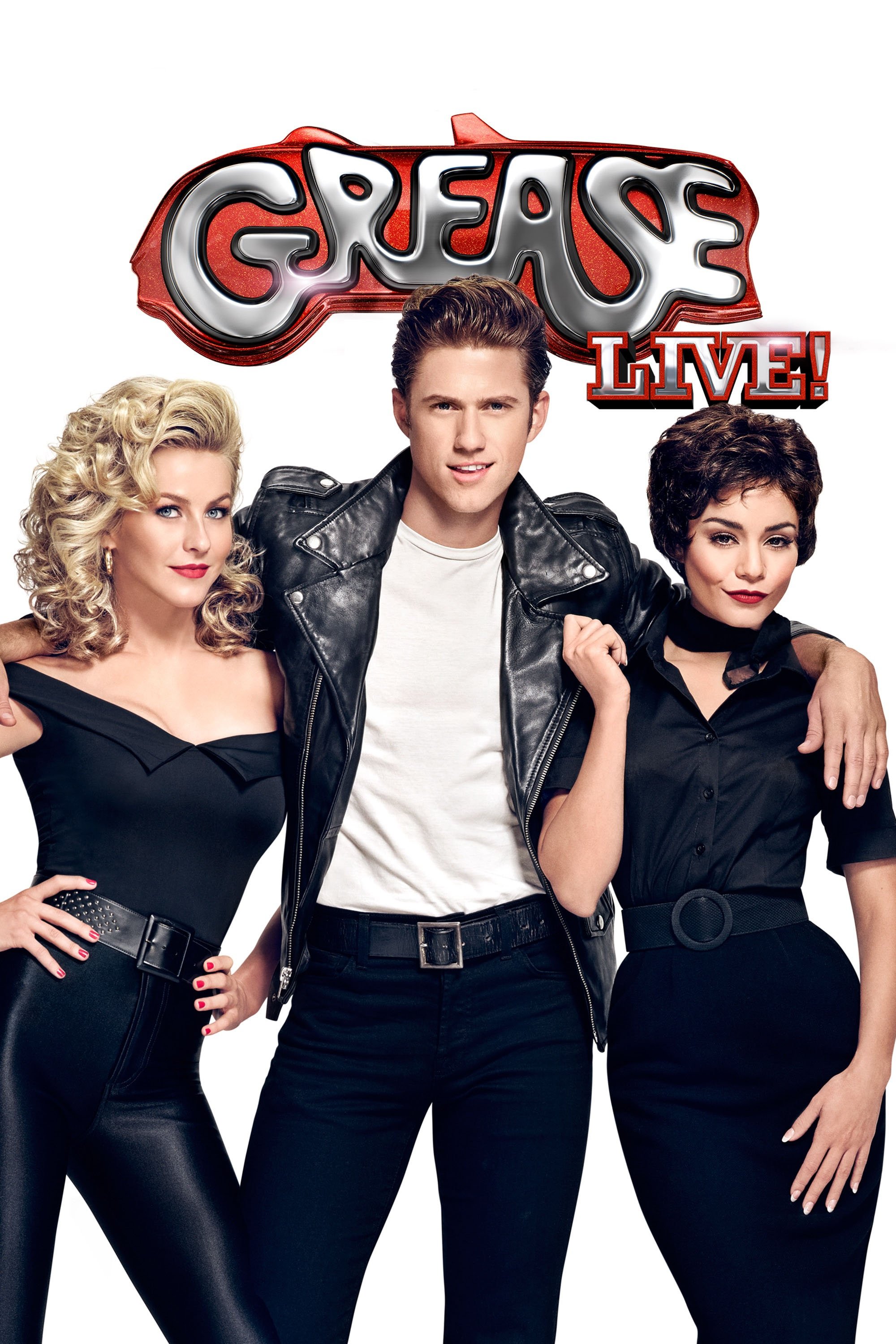
After enjoying a holiday romance, high school students Danny and Sandy are unexpectedly reunited when she transfers to Rydell High, where she must contend with cynical Rizzo and the Pink Ladies.
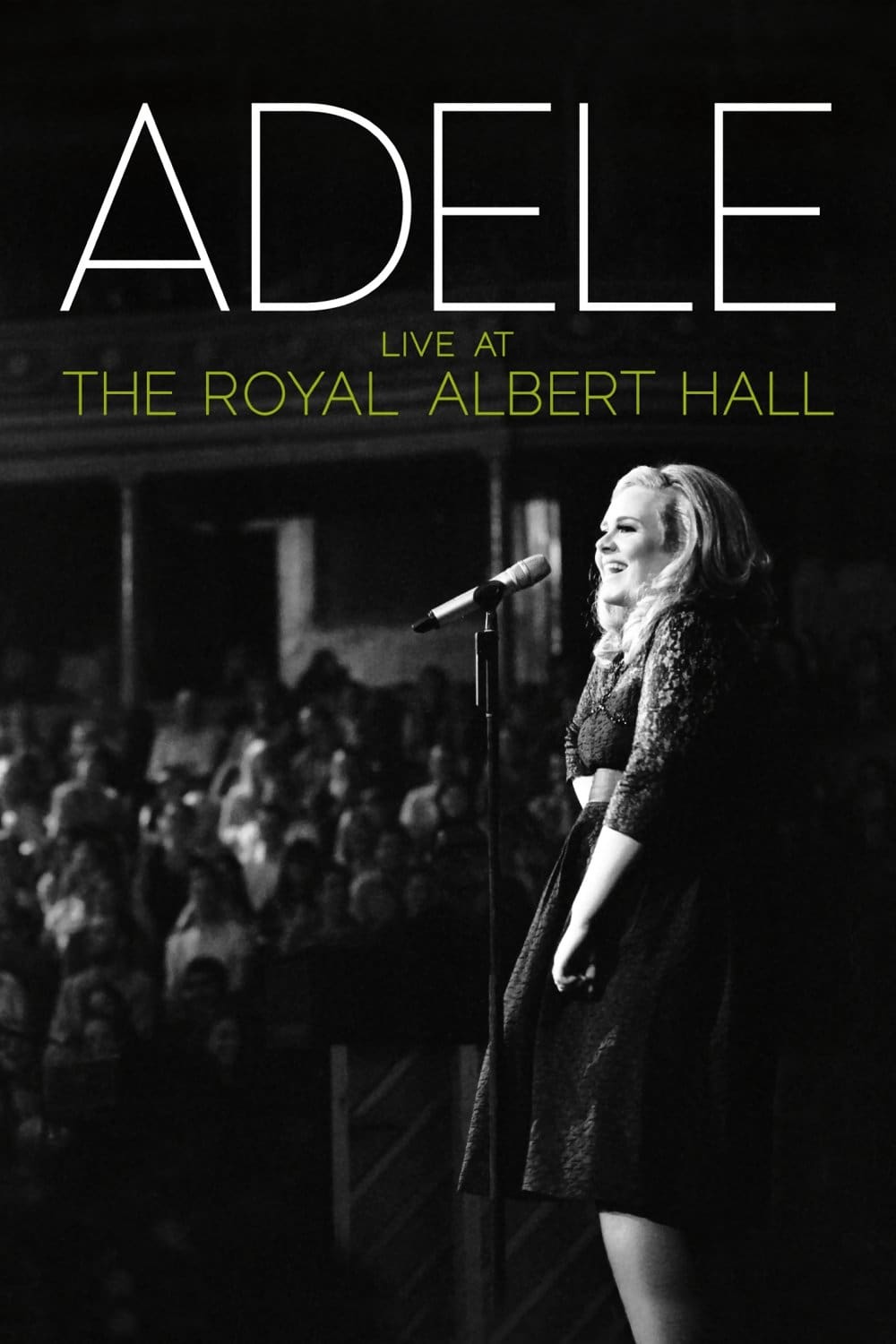
On September 22nd 2011, Adele played The Royal Albert Hall in London. A dream come true moment and a highlight of her record breaking year with the album '21'.
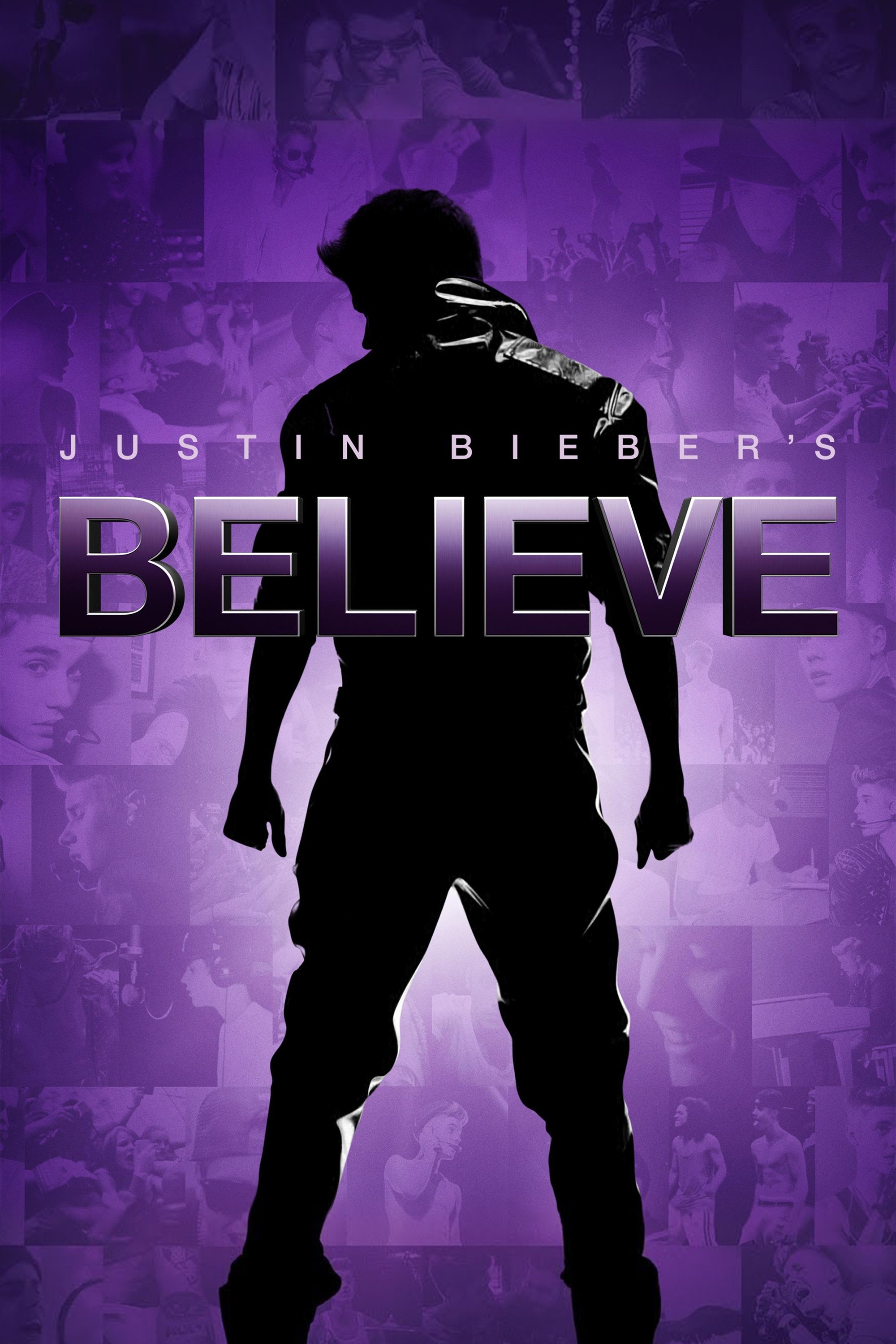
A backstage and on-stage look at Justin Bieber during his rise to super stardom.
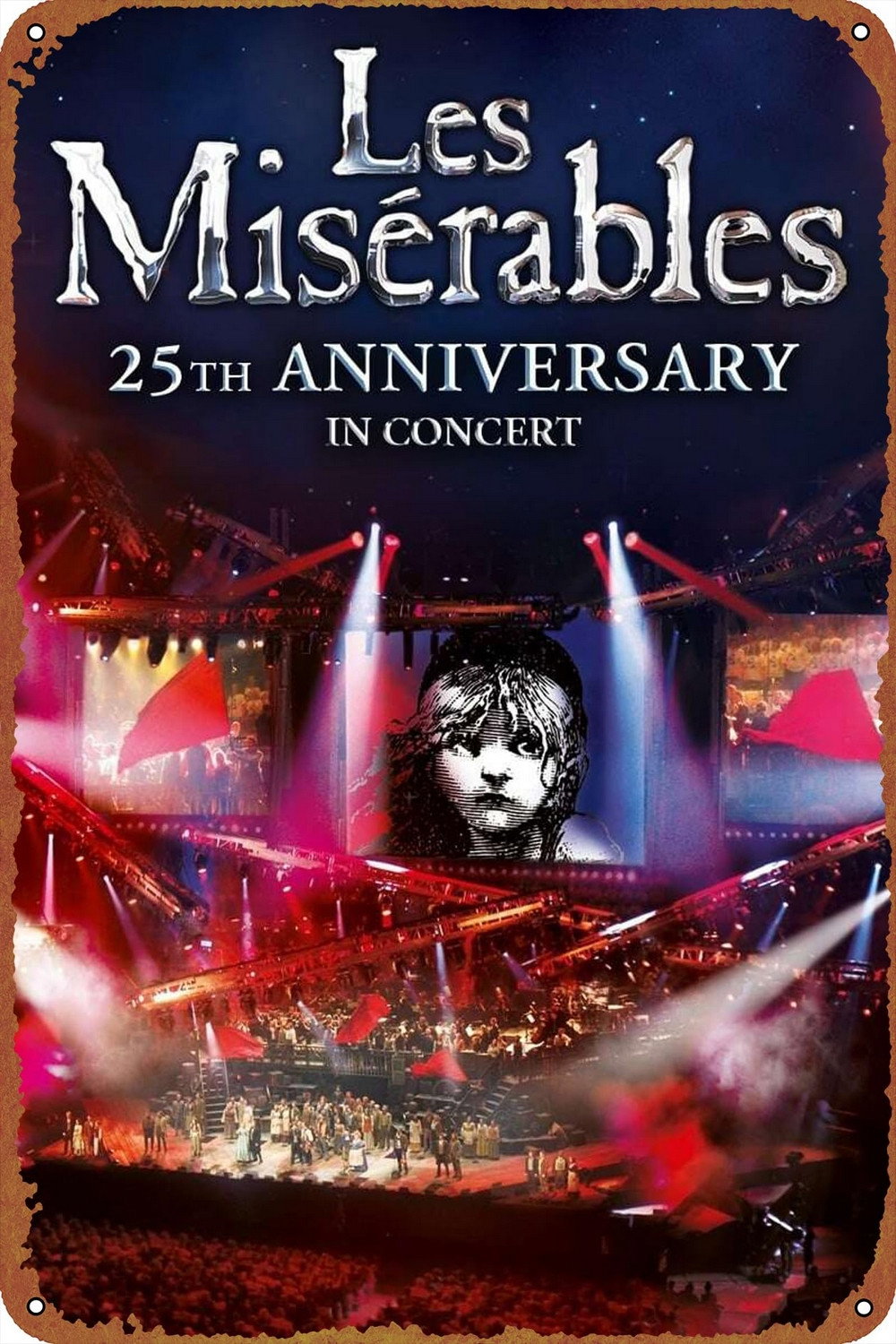
This concert, recorded to celebrate the 25th anniversary of the landmark musical Les Miserables, gathers the casts of the show's 2010 original production at the Queen's Theatre, the 1985 original production by the London company, and the 2010 production at the Barbican together for one performance. Together with talents like Michael Ball, Hadley Fraser, and John Owen-Jones, the performers present the play's musical numbers in a semi-theatrical style, fully costumed and with all the emotion of the musical's heyday.
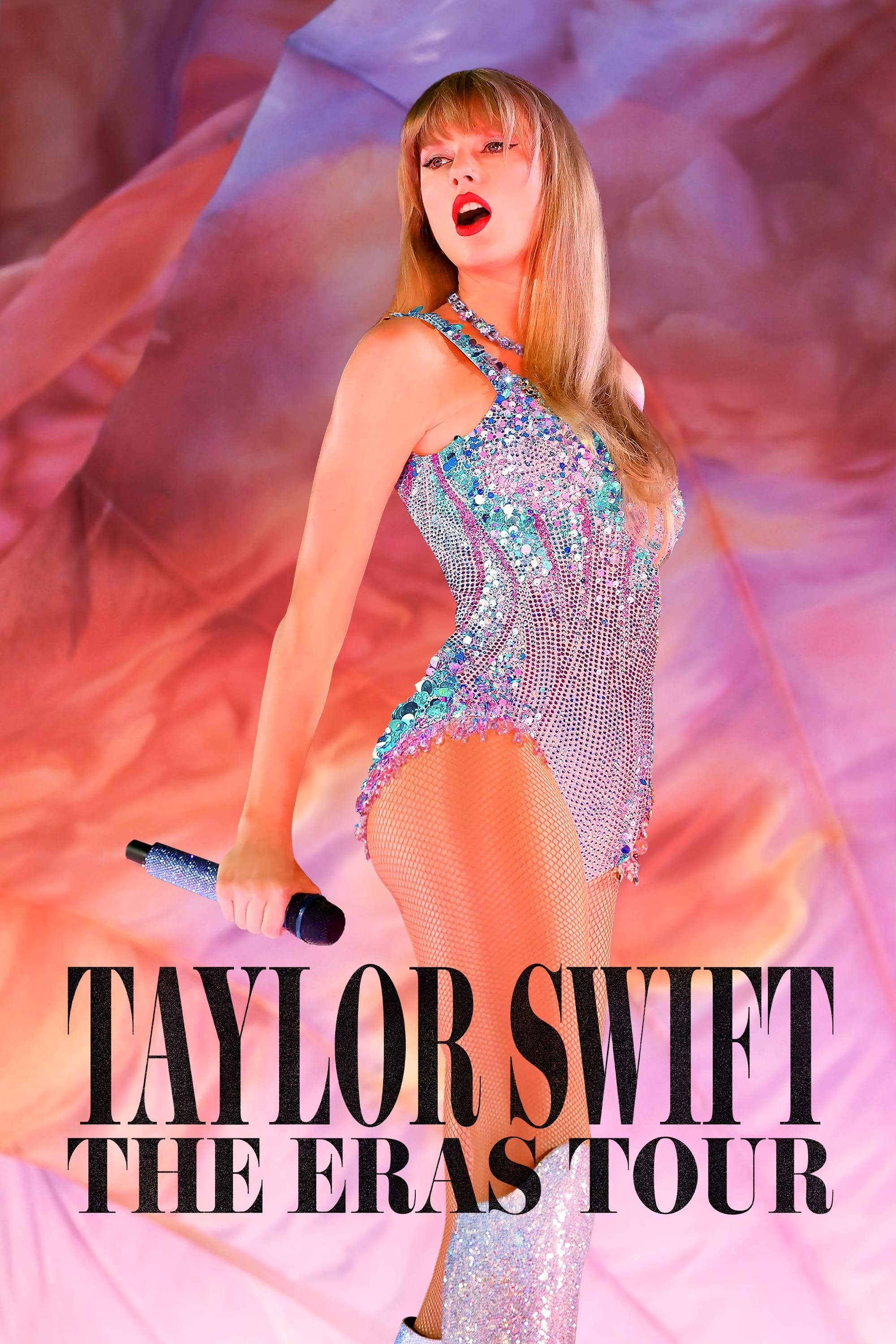
A concert film documenting Taylor Swift's record-breaking Eras Tour (2023-2024). Filmed during the Los Angeles shows, the film captures the tour's ten acts, each representing a different musical era from Swift's career. The film showcases over 40 songs, elaborate stage productions, and Swift's performance.
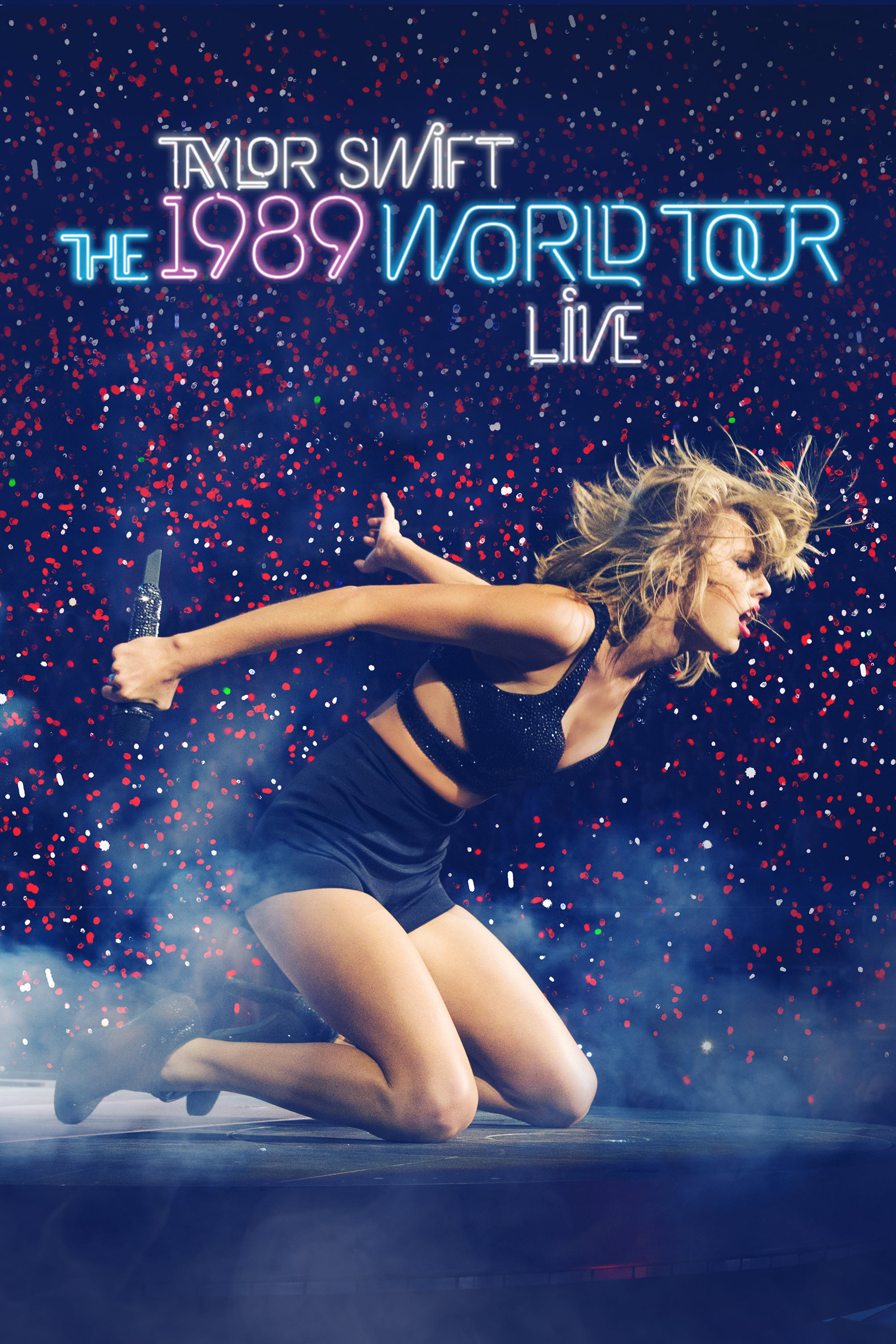
Filmed in front of 76,000 fans at the ANZ Stadium in Sydney, Australia, "The 1989 World Tour Live" captures Taylor Swift's entire performance while also mixing in behind-the-scene, rehearsal, and special guest footage from her 1989 Tour.
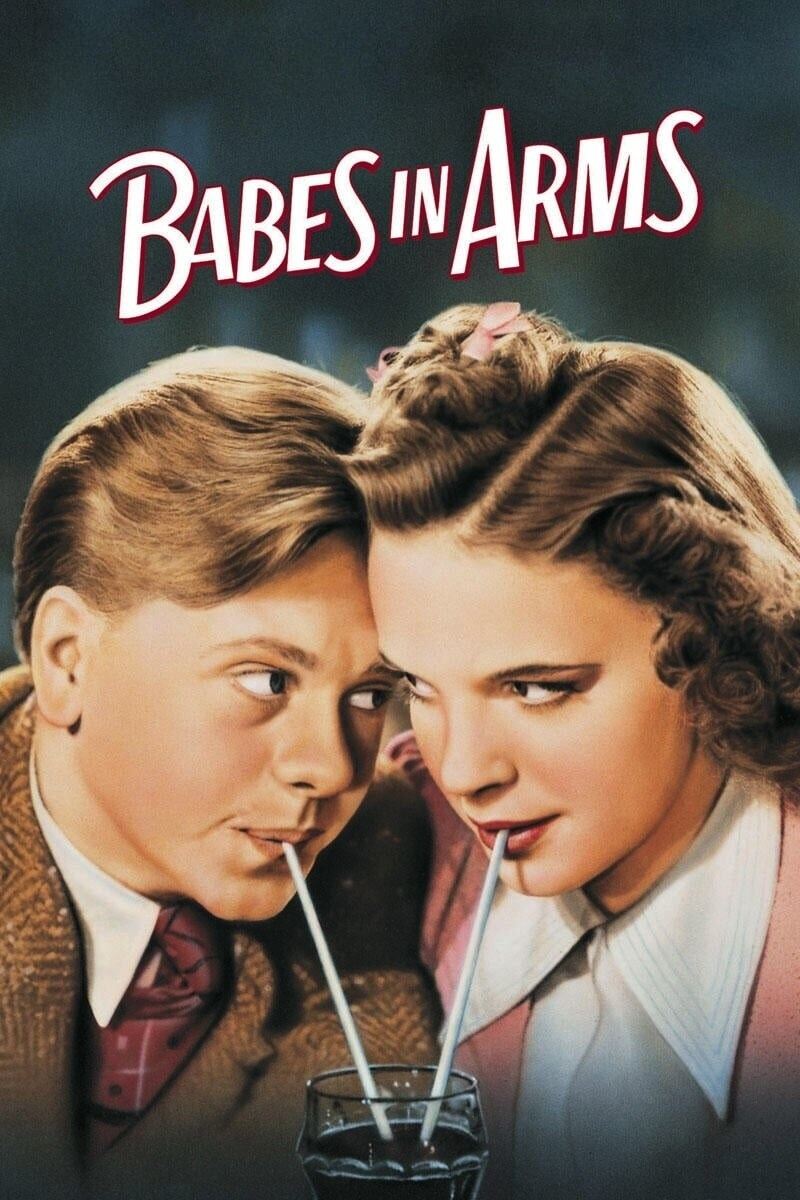
Mickey Moran, son of two vaudeville veterans, decides to put up his own vaudeville show with his girlfriend Patsy Barton. But child actress Rosalie wants to make a comeback and replace Patsy both professionally and as Mickey's girl.
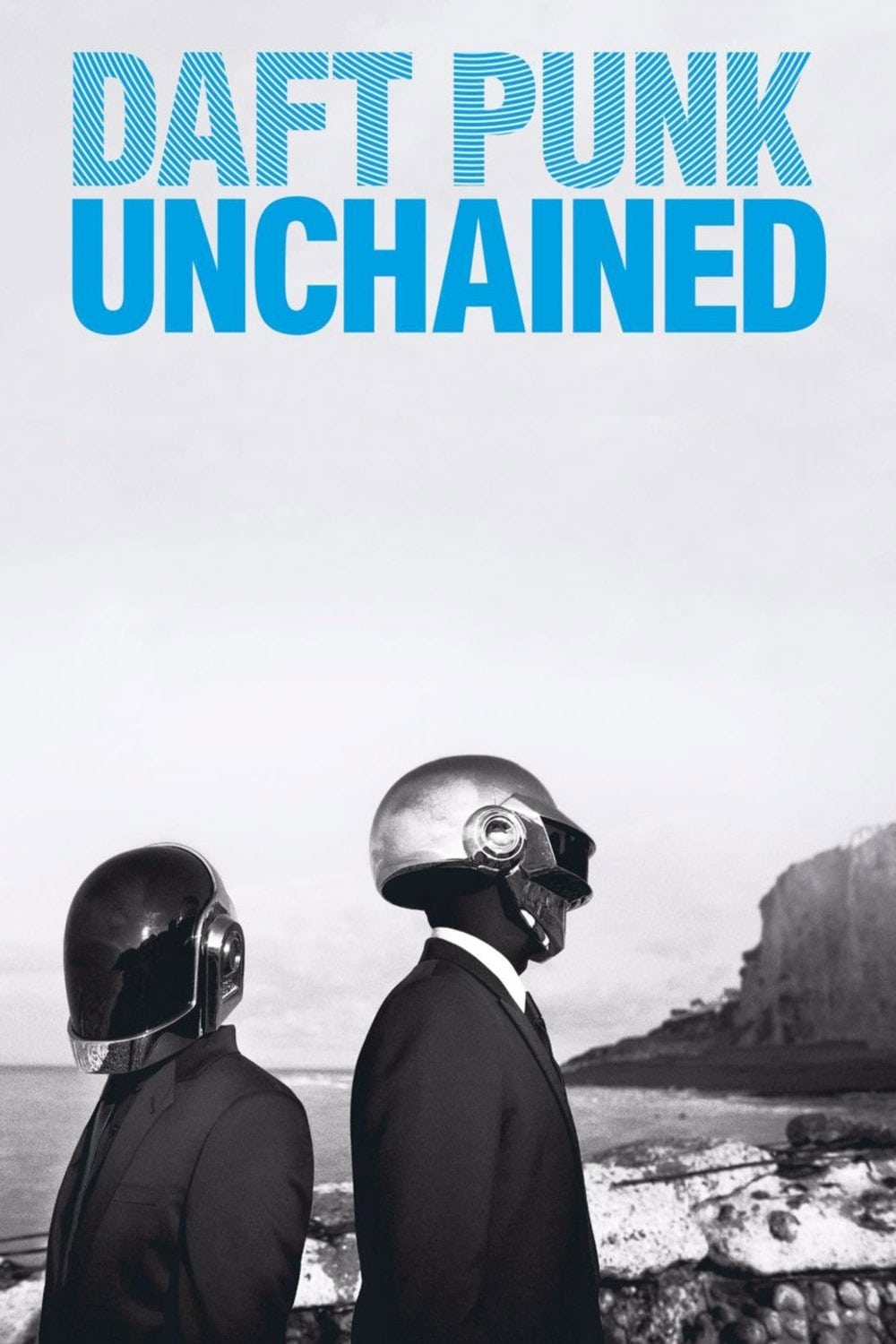
Daft Punk Unchained is the first film about the pop culture phenomenon that is Daft Punk, the duo with 12 million albums sold worldwide and seven Grammy Awards. Throughout their career Thomas Bangalter and Guy-Manuel de Homem-Christo have always resisted compromise and the established codes of show business. They have remained determined to maintain control of every link in the chain of their creative process. In the era of globalisation and social networks, they rarely speak in public and neither do they show their faces on TV. This documentary explores this unprecedented cultural revolution revealing a duo of artists on a permanent quest for creativity, independence and freedom.
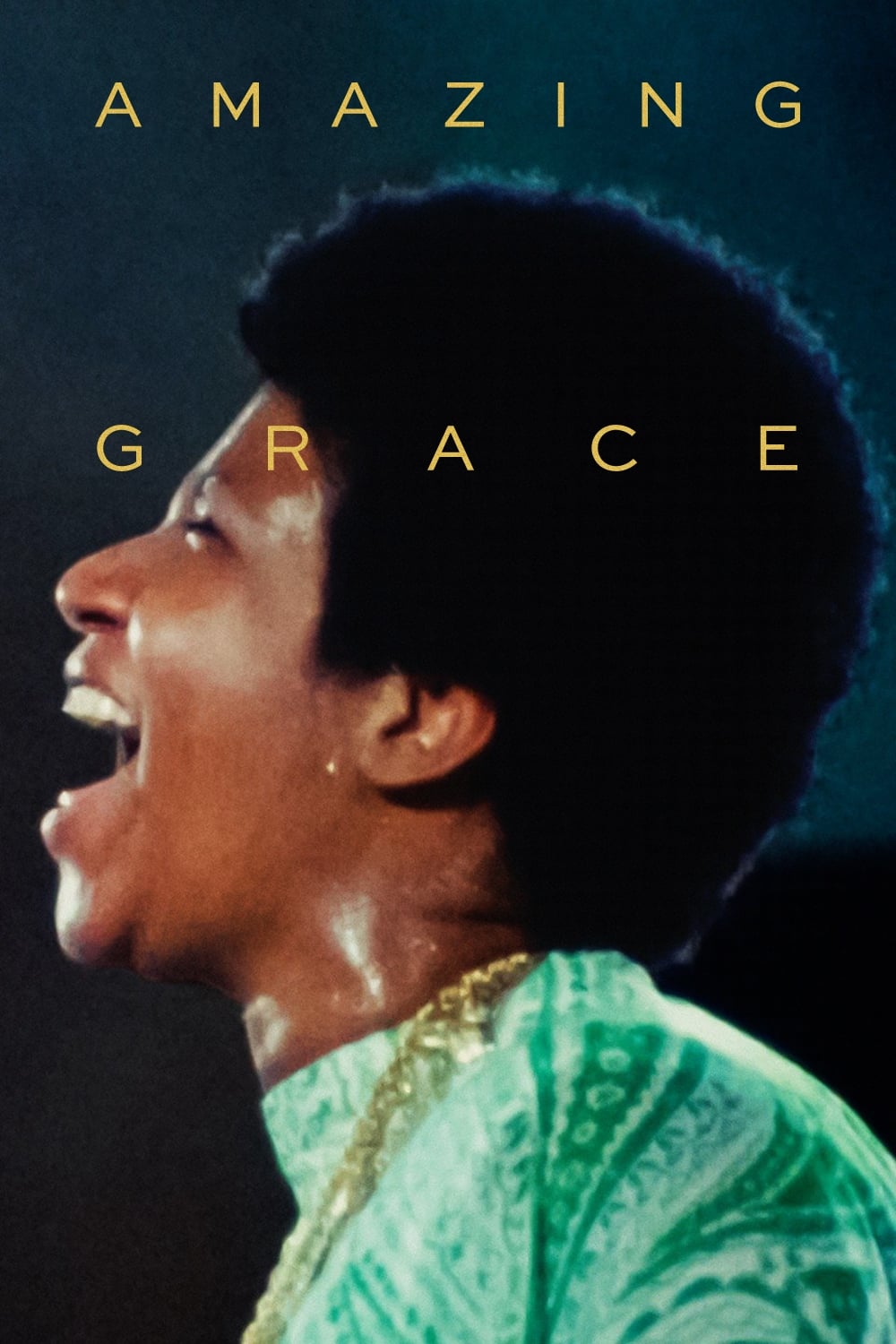
A behind-the-scenes documentary about the recording of Aretha Franklin's best-selling album finally sees the light of day more than four decades after the original footage was shot.
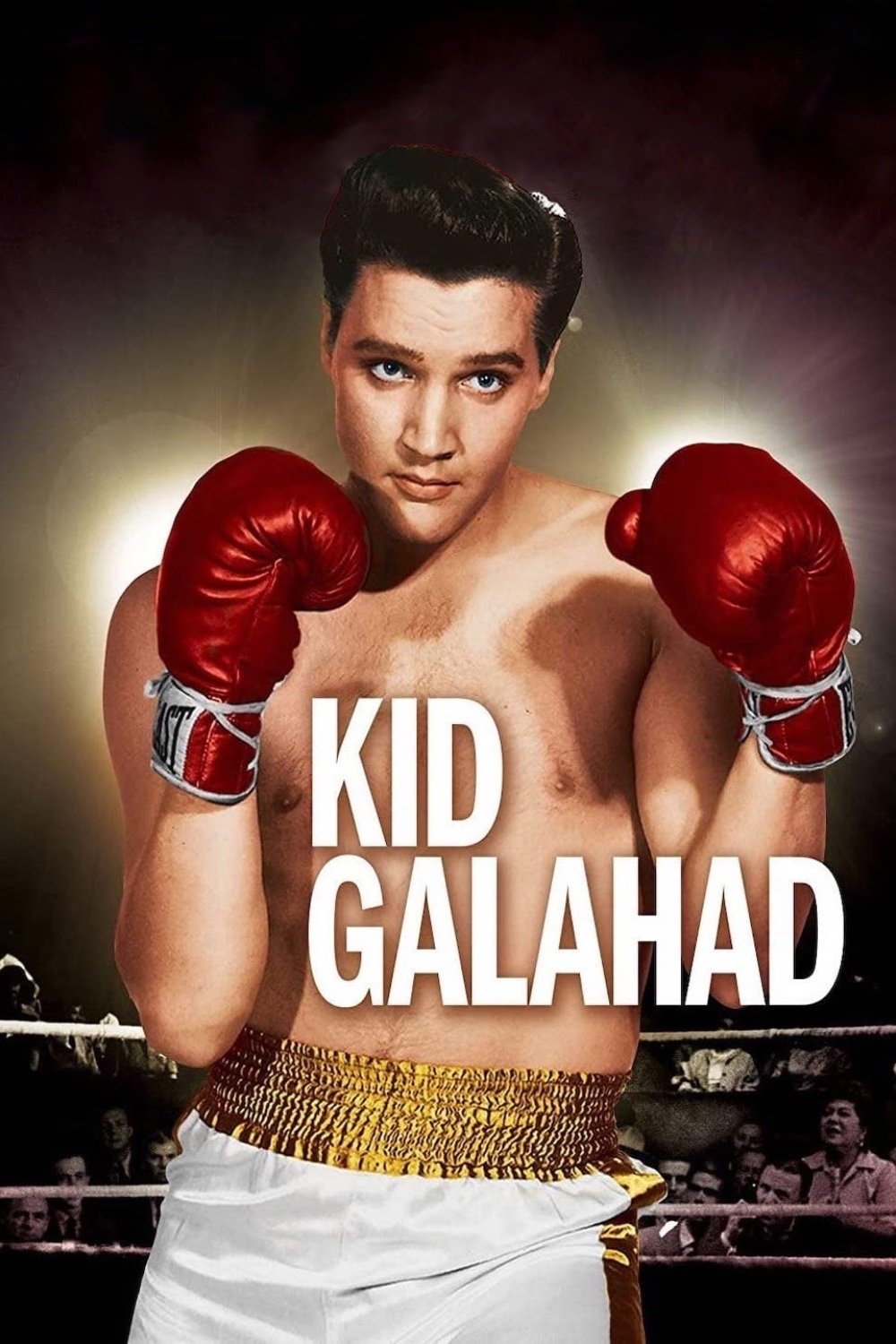
After completing military service, Walter Gulick takes a job as a sparring partner at a gym, the owner of which sees potential in Walter as a professional fighter—and takes him under his wing.
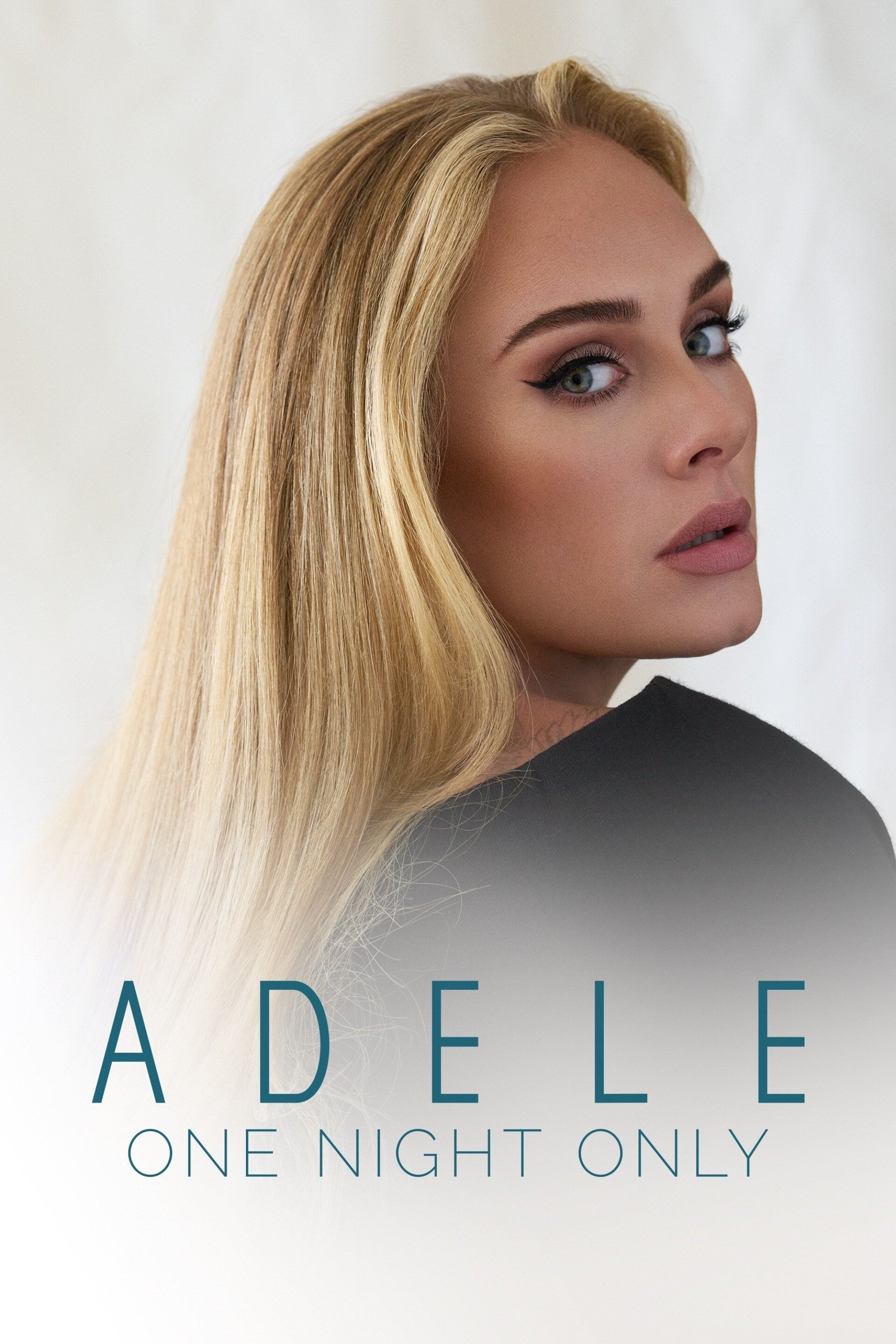
A primetime special with performances from the superstar including Adele’s first new material in six years plus her chart-topping hits. The special will also feature an exclusive interview with Adele by Oprah Winfrey from her rose garden, in Adele’s first televised wide-ranging conversation.
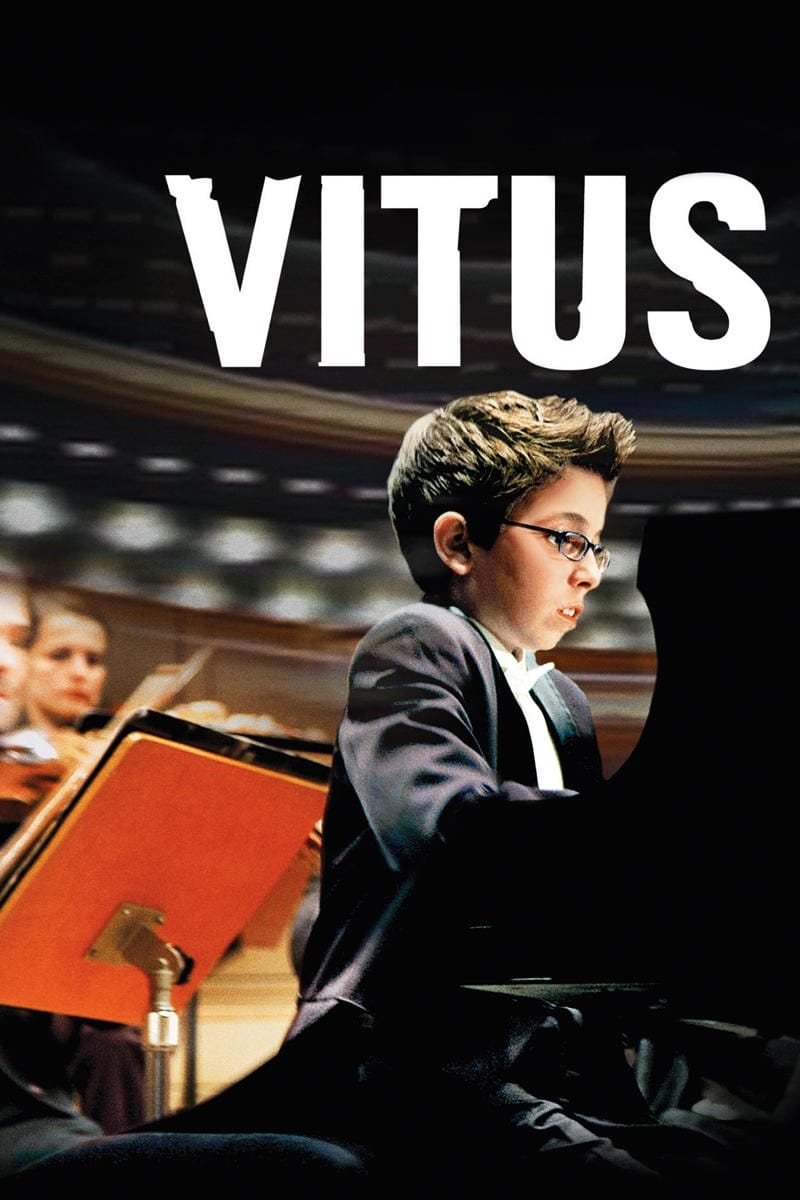
Vitus tells the story of a highly-gifted boy (played by real-life piano prodigy Teo Gheorghiu) whose parents have demanding and ambitious plans for him.
Hammersmith Odeon, London, July 3, 1973. British singer David Bowie performs his alter ego Ziggy Stardust for the very last time. A decadent show, a hallucinogenic collage of kitsch, pop irony and flamboyant excess: a musical symbiosis of feminine passion and masculine dominance that defines Bowie's art and the glam rock genre.
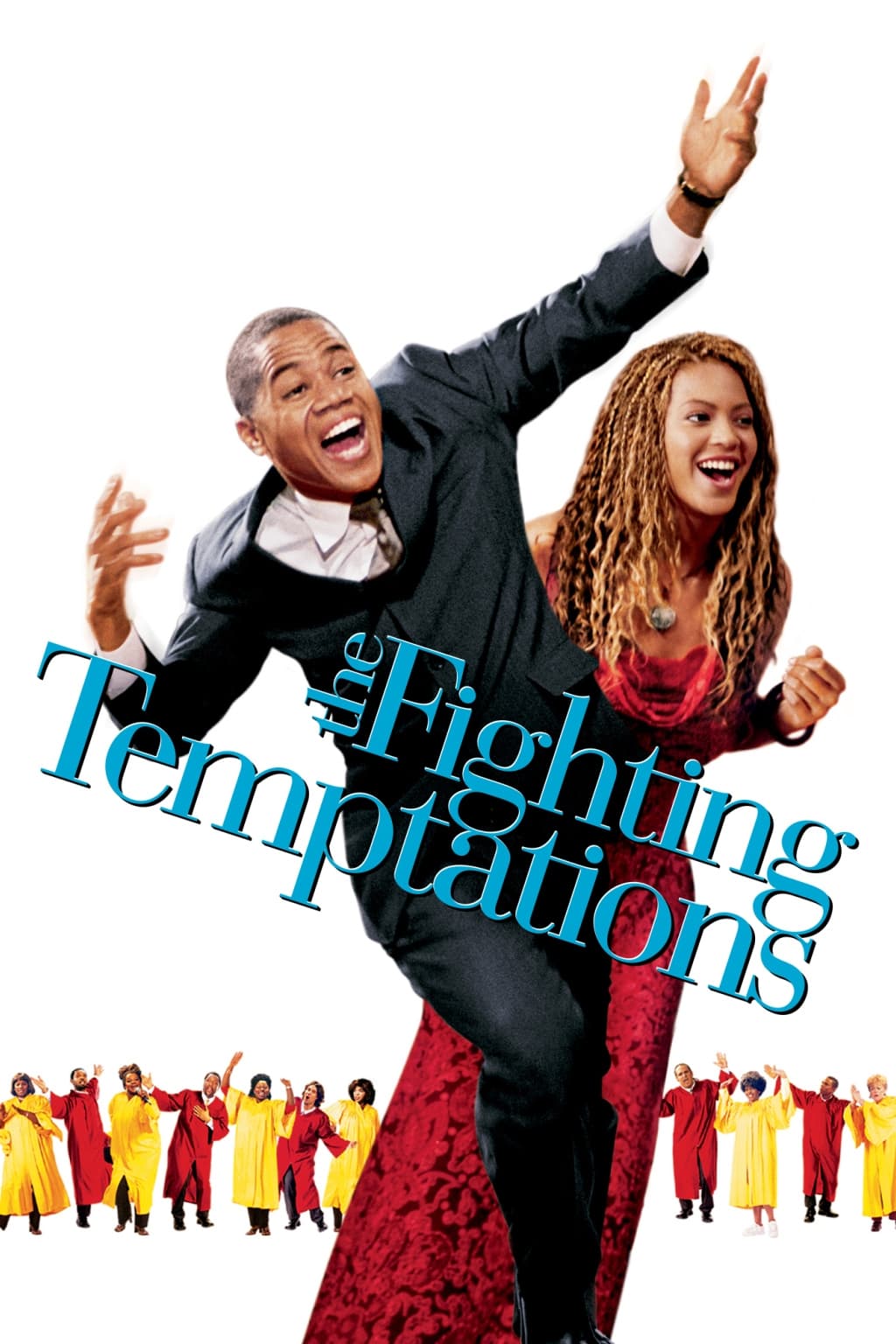
Darrin Hill, a slick-talking but down-on- his-luck NYC advertising exec, returns to his hometown in Georgia to claim the inheritance his aunt left him. But before Darrin can collect the money, he must fulfill his aunt's final wish -- to create a local choir.
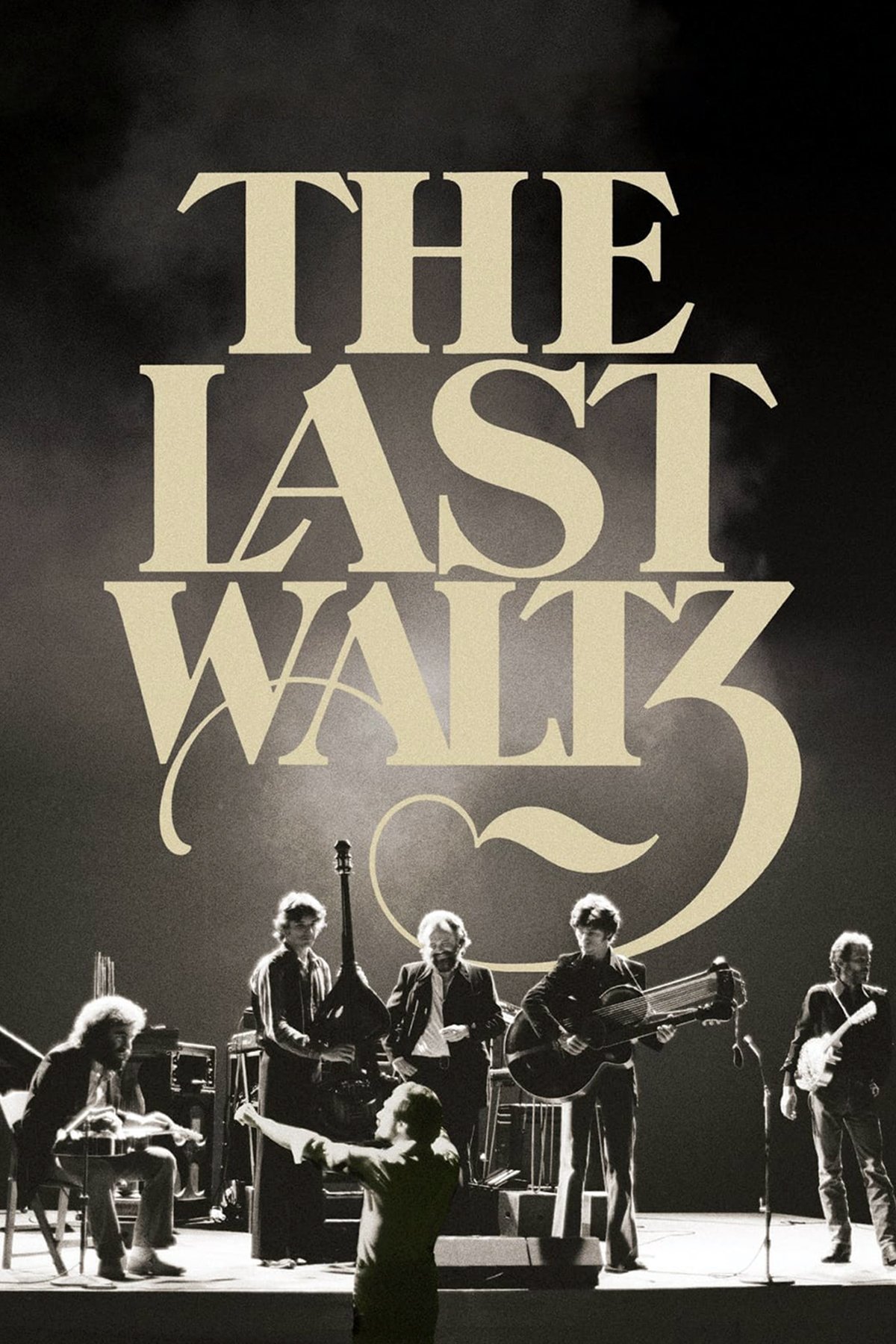
Martin Scorsese's documentary intertwines footage from The Band's incredible farewell tour with probing backstage interviews and featured performances by Eric Clapton, Bob Dylan, Joni Mitchell, Van Morrison, and other rock legends.
Winner of 7 Tony Awards, including Best Musical, The Wiz was a massive Broadway hit which spawned a dismal feature film starring Diana Ross and Michael Jackson. Executive Producers Craig Zadan and Neil Meron have assembled a Tony-winning creative team, the imaginative Cirque du Soleil Theatrical and a diverse cast of showstoppers designed to create an eye-popping new take on the musical unlike anything ever seen.