Social & External
The people behind it
Michael Einkörn
Self
Lars Templin
Jürgen Weber
Viktor Teukler
Hermann Layher
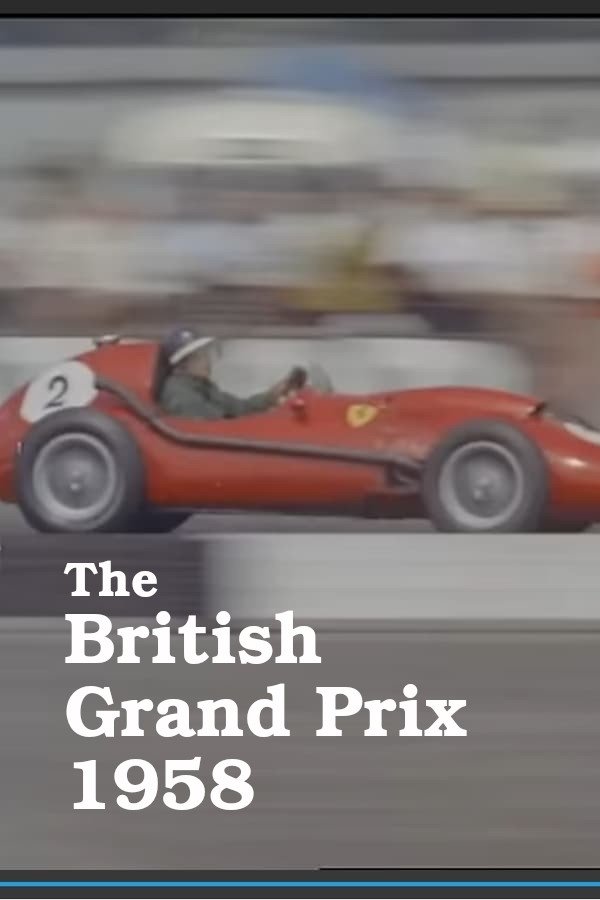
Overview of the 1958 British Grand Prix by Shell-Mex and BP. Wonderful 1950's colour film
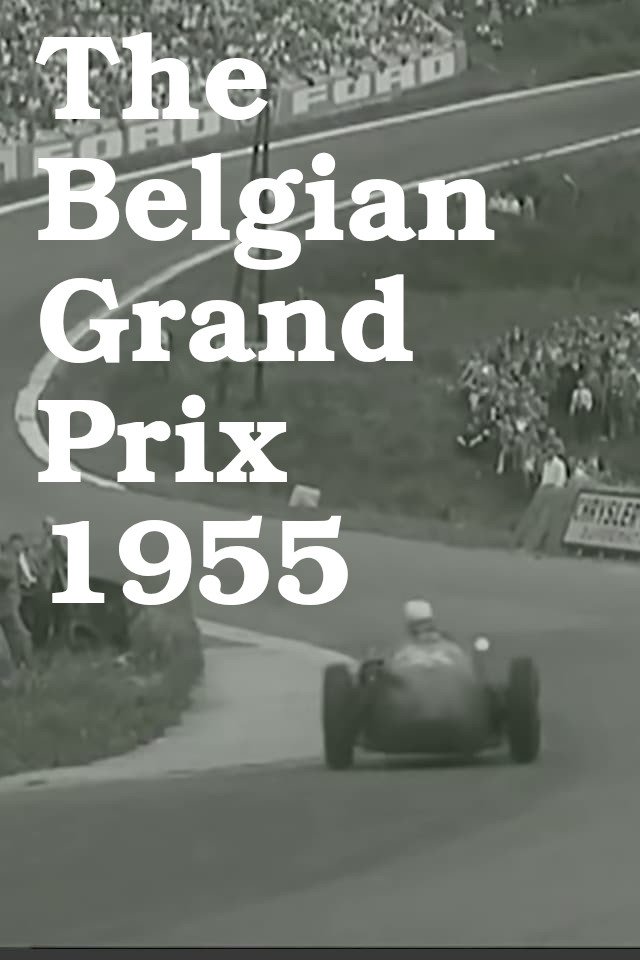
An overview of the 1955 Belgian Grand Prix by Shell Oil. Watch the racing heroes of the 1950's conquer the tarmac in one of the picturesque racing circuits of Europe.
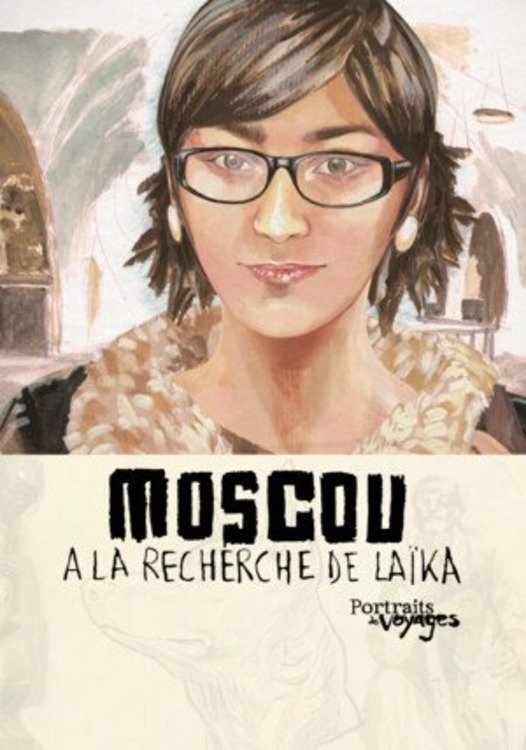
Exploring Moscow and paying tribute to Laika, the first dog in space.
Second part of a two-part documentary about the now largely defunct network of local railways in the areas around Erlangen and Forchheim, Germany.
“Promotes trade with Britain among other countries in the European Community after the UK's entry on 1st January 1973. Kelloggs is given as an example of how major British companies worked at this period.” - Robin Carmody.
A British Transport Film, in German!
When a business tycoon allows himself to be 'snared' into seeing some films in a railway traffic manager's office, there must be a reason for it. In this case, it's a particularly giant-sized transport problem. But before he's convinced that the railways can help him solve it, there is an atmosphere of battle in the room, and some interesting and unexpected facts are hurled about in the course of the argument. Made to promote the use of railways to transport raw materials and finished products.
This short documentary examines the complex range of issues affecting urban transport in developing countries. After examining cost and available technology, as well as the different needs of the industrialized middle class and the urban poor, the film proposes some surprising solutions.
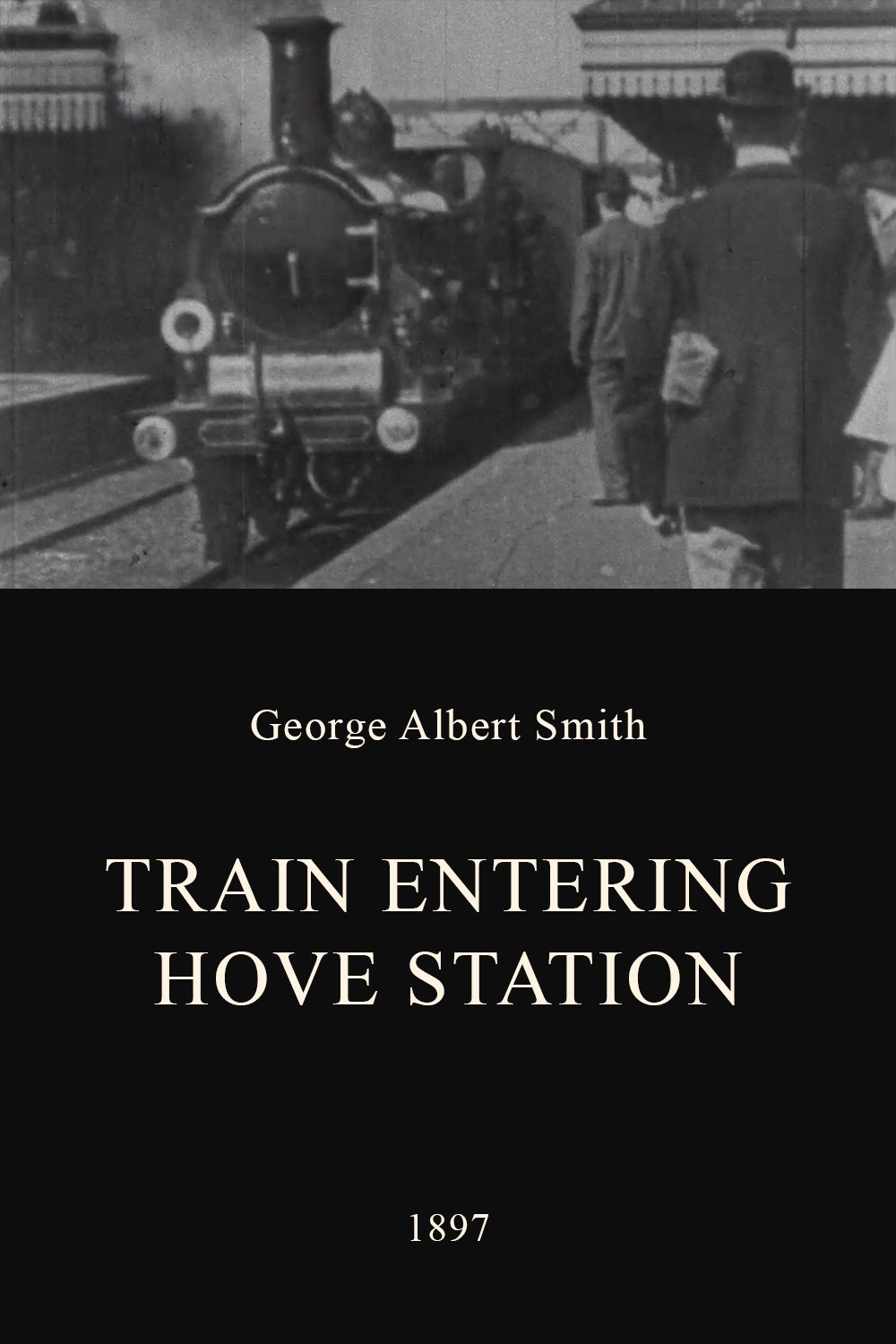
Most movie fans know that the first filmmakers liked to shoot trains entering stations. This example by Sussex film pioneer George Albert Smith illustrates why. The train's rush towards the audience brings movement and visual drama. The flurry of human activity offers plenty for the audience to engage with - who are these people and where are they going? And the time pressure exerted by the fact that the train must soon depart adds narrative tension - will everyone get on and off in time?
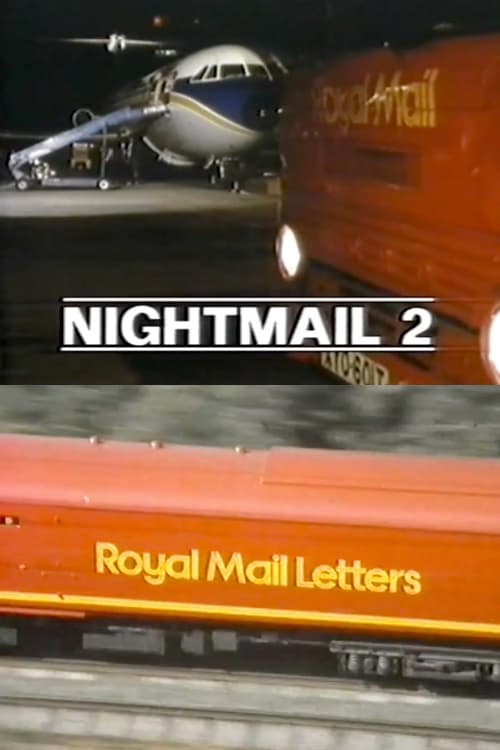
An updated version of the classic 1936 "Night Mail", this time using an aeroplanes and vans as well as trains, and with poetry by Blake Morrison.
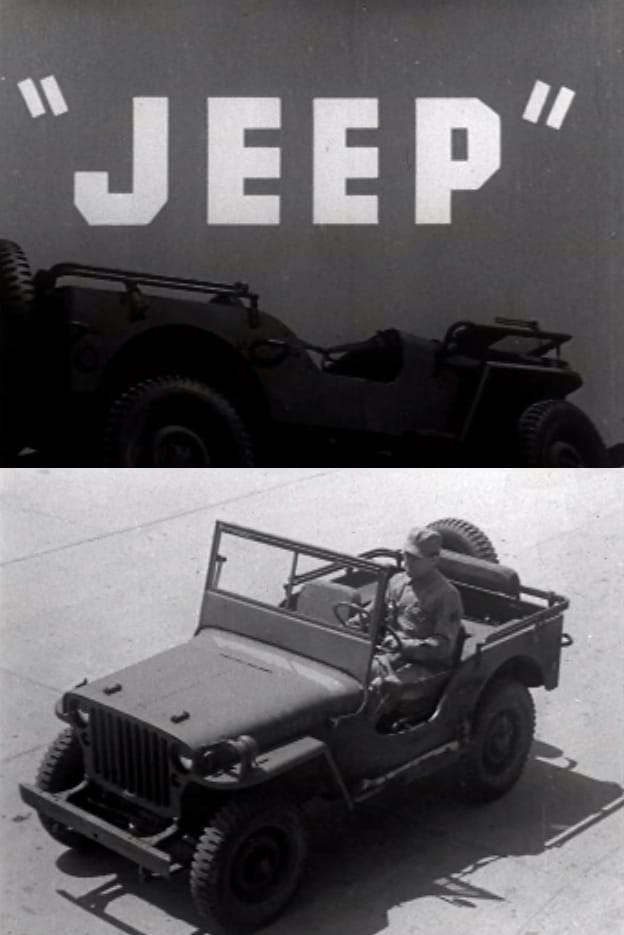
The invention and use of a jeep are described, from the viewpoint of one of the vehicles.
In 1968, a convoy set off to transport a Calandria, the 70-ton core of a Canadian nuclear reactor, to Rajasthan in India. Even the largest semi-trailers could not keep up with this transport, which drove over specially reinforced roads and through city walls that had been demolished to make room.
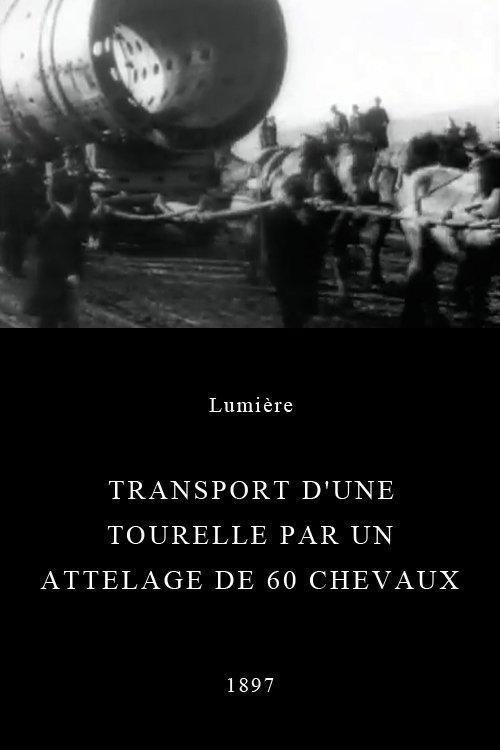
A very heavy turret is transported on a truck drawn by a long line of horses. The inscription “Charlemagne 53790K” readable on the turret suggests that this view was shot in the vicinity of Saint-Chamond, a town where there are factories specializing in the construction of heavy steel. It is certainly a turret intended for the battleship “Charlemagne”. In addition, a view projected by the Aléthorama on January 20, 1898 in Saint-Étienne, and entitled “Transportation of the armored turret of Saint-Chamond by a team of 80 horses”, could represent the same event.
A staged film where over 100 cyclists cycle towards the camera.
One day, the tree is considered mature. In any case, it is exploitable for the industry. So, we mark it and then cut it down. With the chainsaw or the harvester, it depends. And then it becomes biomass, pallets, panels, pellets, crates, paper pulp for printing promotions. But what profit does man get from the pains he takes under the sun?
A short documentary about the transportation of goods and livestock by train around the UK.
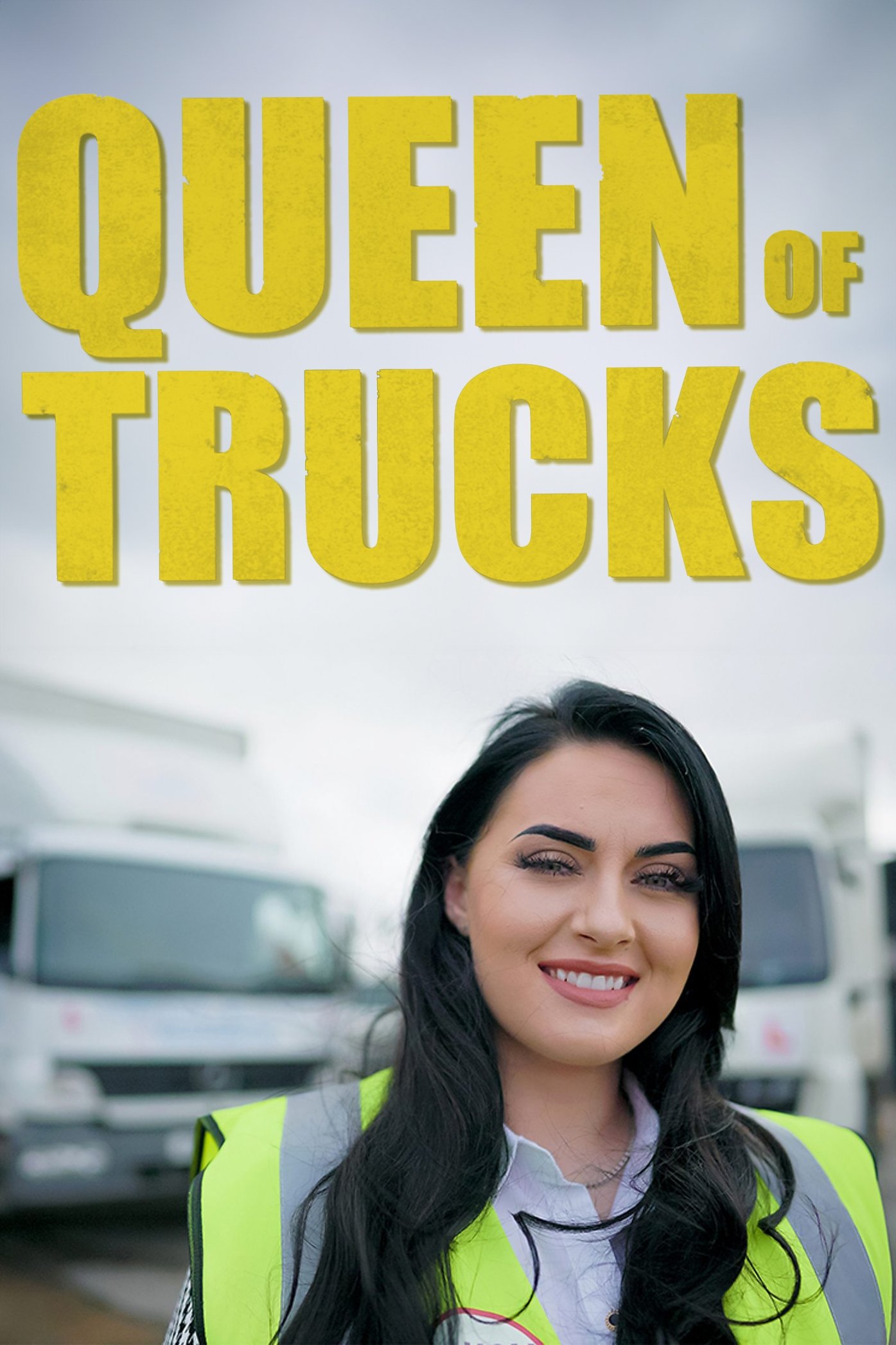
Zina left Algeria to fulfill her childhood dream of driving trucks. At every turn, her cabin becomes a space of freedom and the highway a battlefield.
Trucking is big business. Cashing in on the boom is Shannan’s trucker driving school. But can she pass her own HGV test?
Go behind the scenes with stars, puppeteers and creators as they bring Jim Henson's magical world of Thra back to life in a sweeping fantasy series.
Al Pacino's deeply-felt rumination on Shakespeare's significance and relevance to the modern world through interviews and an in-depth analysis of "Richard III."
Through deeply personal interviews with her siblings and an examination of the photographs, letters, and belongings left behind, Mariska assembles a new portrait of her mother Jayne Mansfield, an extraordinary and complex woman.
A look at the origins, history and conspiracies behind the "Majestic 12", a clandestine group of military and corporate figureheads charged with reverse-engineering extraterrestrial technology.
This documentary focuses on the actors and their journey over two summers to create the remake to the original IT, by Stephen King. The documentary originally released as bonus material, bundled with IT: Chapter Two.
A documentary about how a dominant cultural and demographic institution both sustains their traditional activities and adapts to the digital revolution.
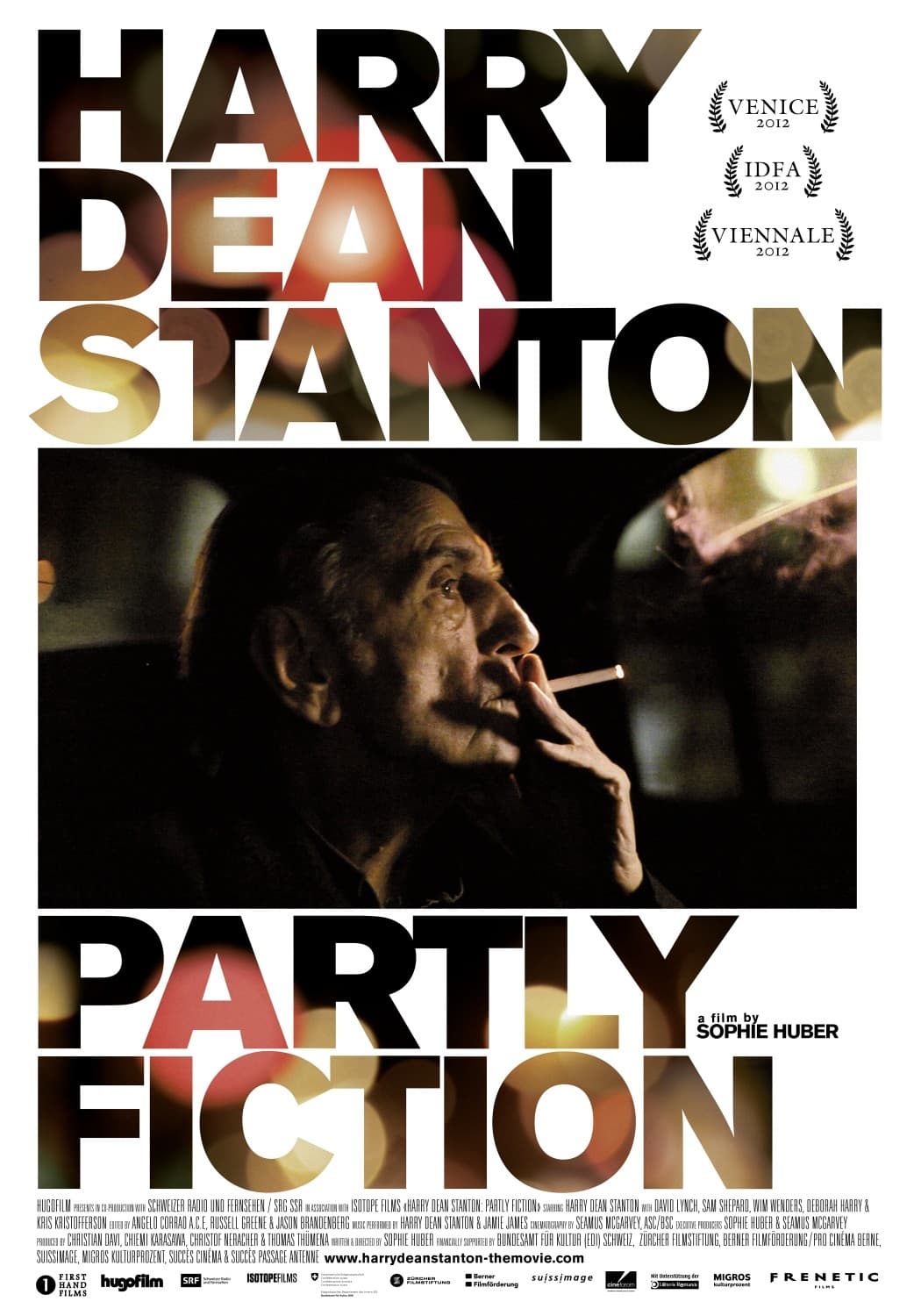
An impressionistic portrait of the iconic actor Harry Dean Stanton comprised of intimate moments, film clips from some of his 250 films and his renditions of American folk songs.
Musician and performance artist Laurie Anderson reflects on the deaths of her husband Lou Reed, her mother and her beloved dog.
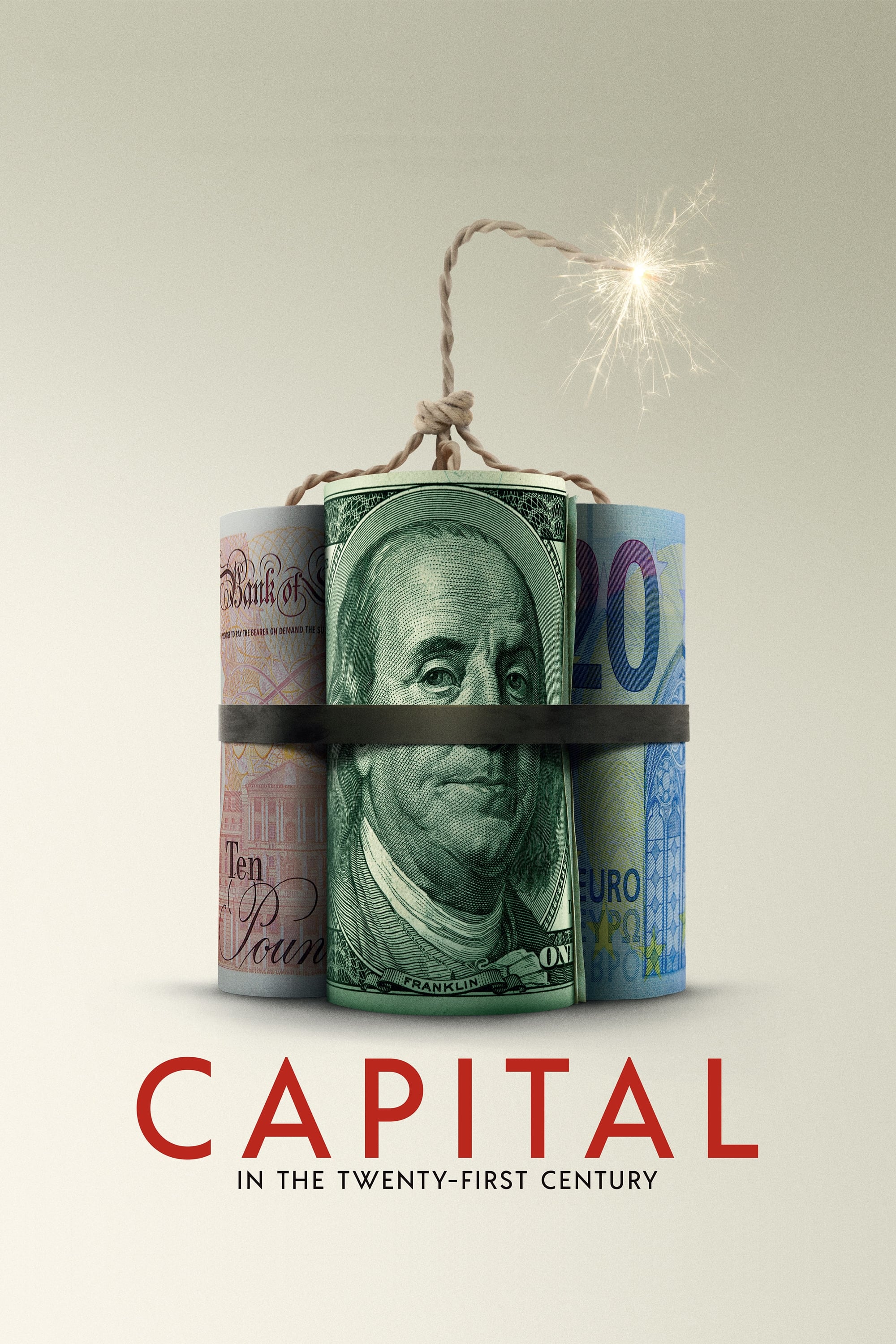
Film adaptation of French economist Thomas Piketty's ground-breaking global bestseller of the same name: an eye-opening journey through wealth and power.
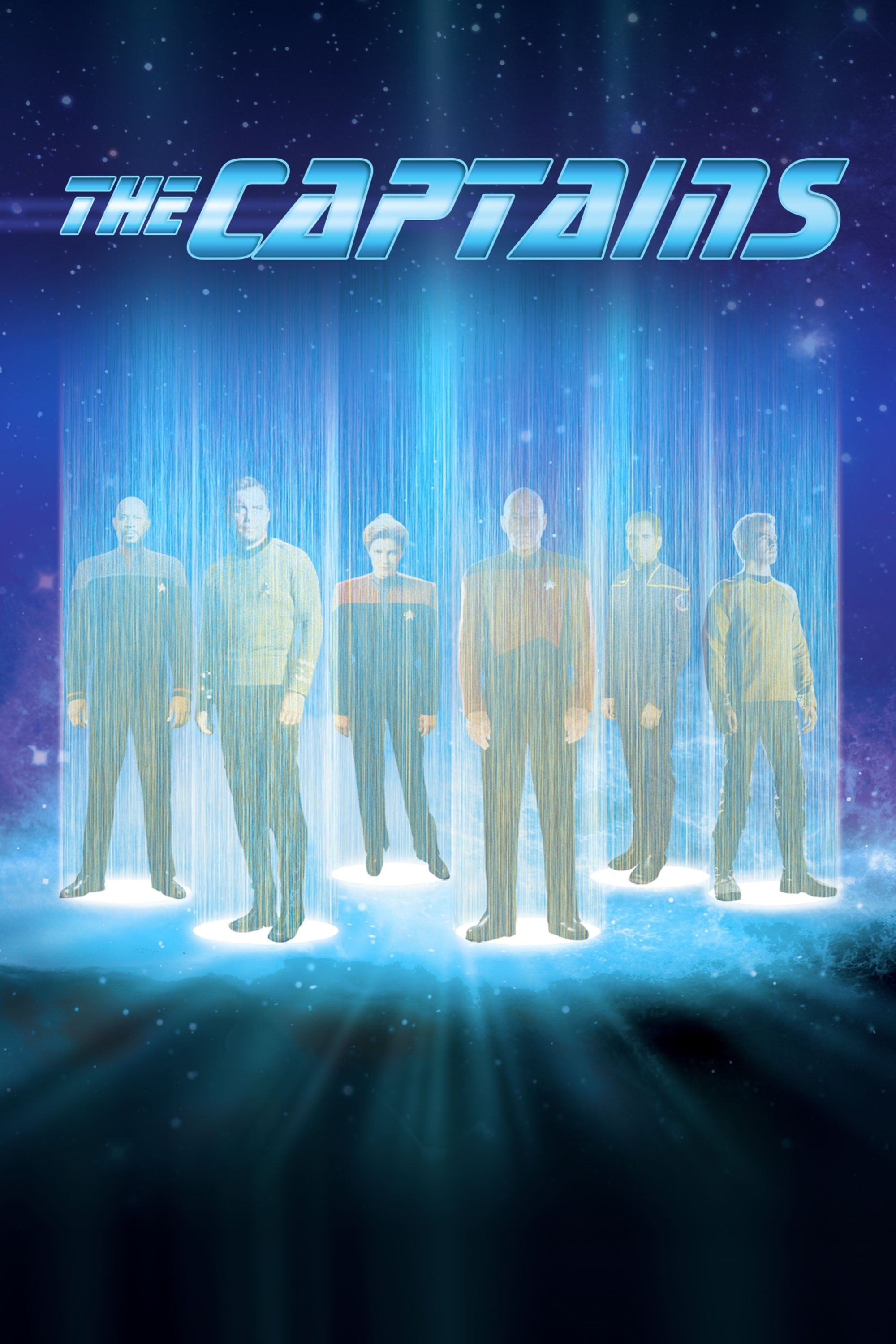
The Captains is a feature-length documentary film written and directed by William Shatner. The film follows Shatner as he interviews the other actors who have portrayed starship captains in the Star Trek franchise.
The film follows adventurer Jeff Johnson as he retraces the epic 1968 journey of his heroes Yvon Chouinard and Doug Tompkins to Patagonia.
Using the book 'Fragments', which collects Marilyn Monroe's poems, notes and letters, and with participation from the Arthur Miller and Truman Capote estates who have contributed more material, each of the actresses will embody the legend at various stages in her life.
The life and career of an actor, artist, and icon. His own journey through his own camera.
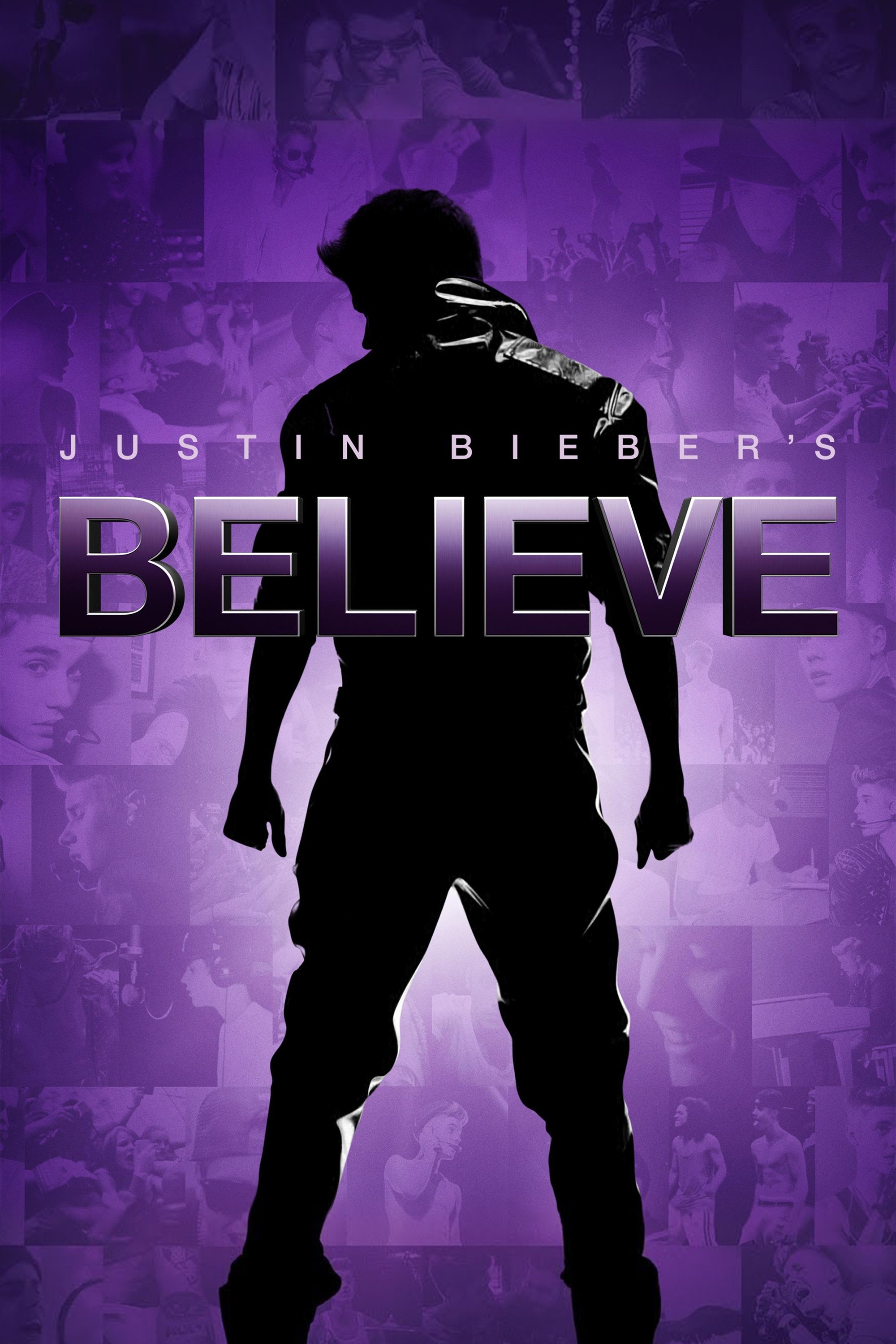
A backstage and on-stage look at Justin Bieber during his rise to super stardom.
A visual montage portrait of our contemporary world dominated by globalized technology and violence.
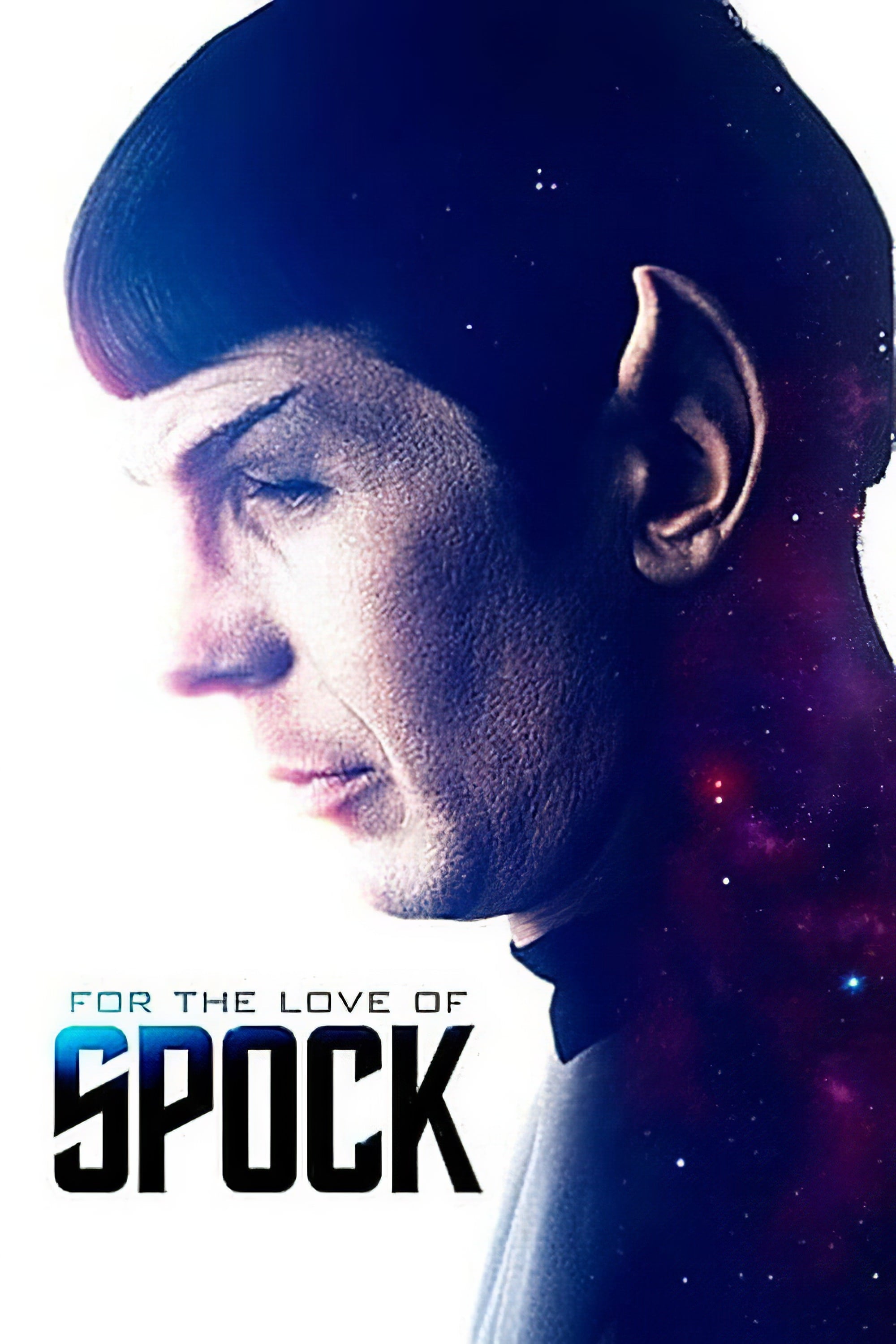
The life of Mr. Spock, as well as that of Leonard Nimoy, the actor who played him for almost fifty years, written and directed by his son: Adam.
Daniel Craig candidly reflects on his 15 year adventure as James Bond. Including never-before-seen archival footage from Casino Royale to the upcoming 25th film No Time To Die, Craig shares his personal memories in conversation with 007 producers, Michael G Wilson and Barbara Broccoli.
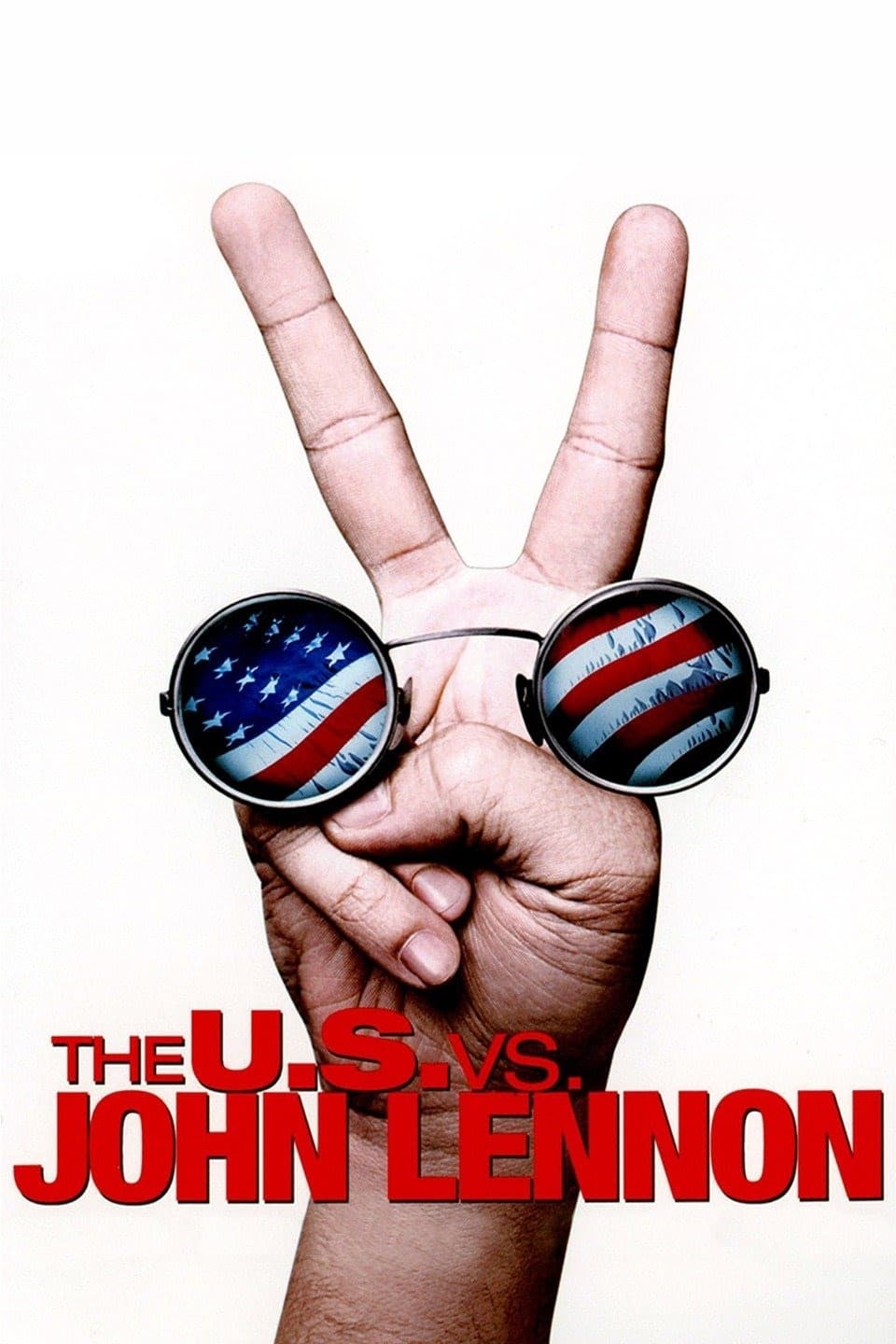
A documentary on the life of John Lennon, with a focus on the time in his life when he transformed from a musician into an antiwar activist.
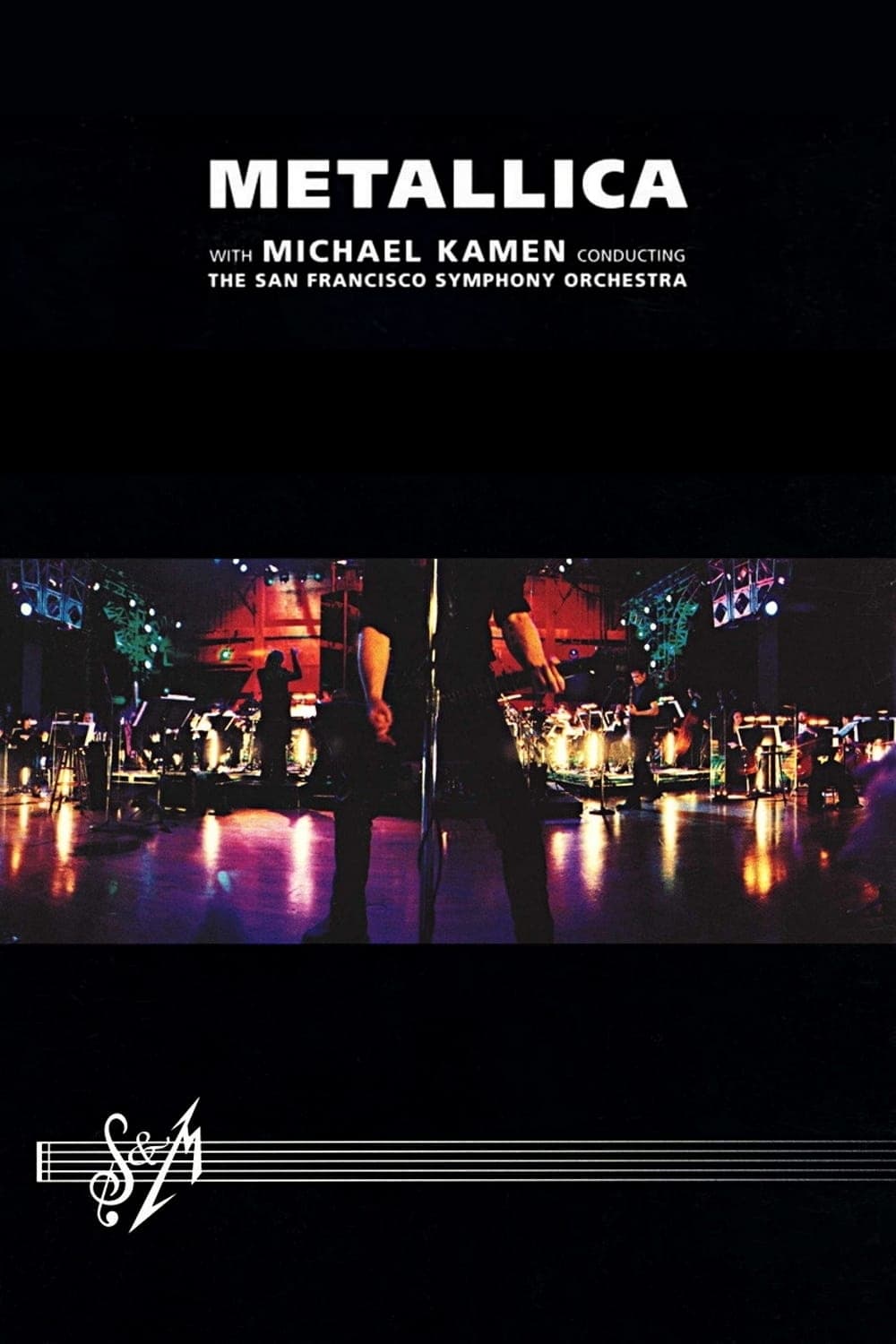
Michael Kamen conducts the San Francisco Symphony Orchestra in support of metal rockers Metallica in this 1999 concert performance.
The Up in Smoke Tour is a West Coast hip hop tour in 2000 featuring artists Ice Cube, Eminem, Proof, Snoop Dogg, Dr. Dre, Nate Dogg, Kurupt, D12, MC Ren, Westside Connection, Mel-Man, Tha Eastsidaz, Doggy's Angels, Devin The Dude, Warren G, TQ, Truth Hurts and Xzibit.