Social & External
The people behind it
Benjamin Stora
Self
Abdelmadjid Merdaci
Ali Haroun
Alain Ruscio
Jean Lacouture
Van Khanh Nguyen
Phuong Bui Tran
Jacques Allaire
Geneviève de Galard
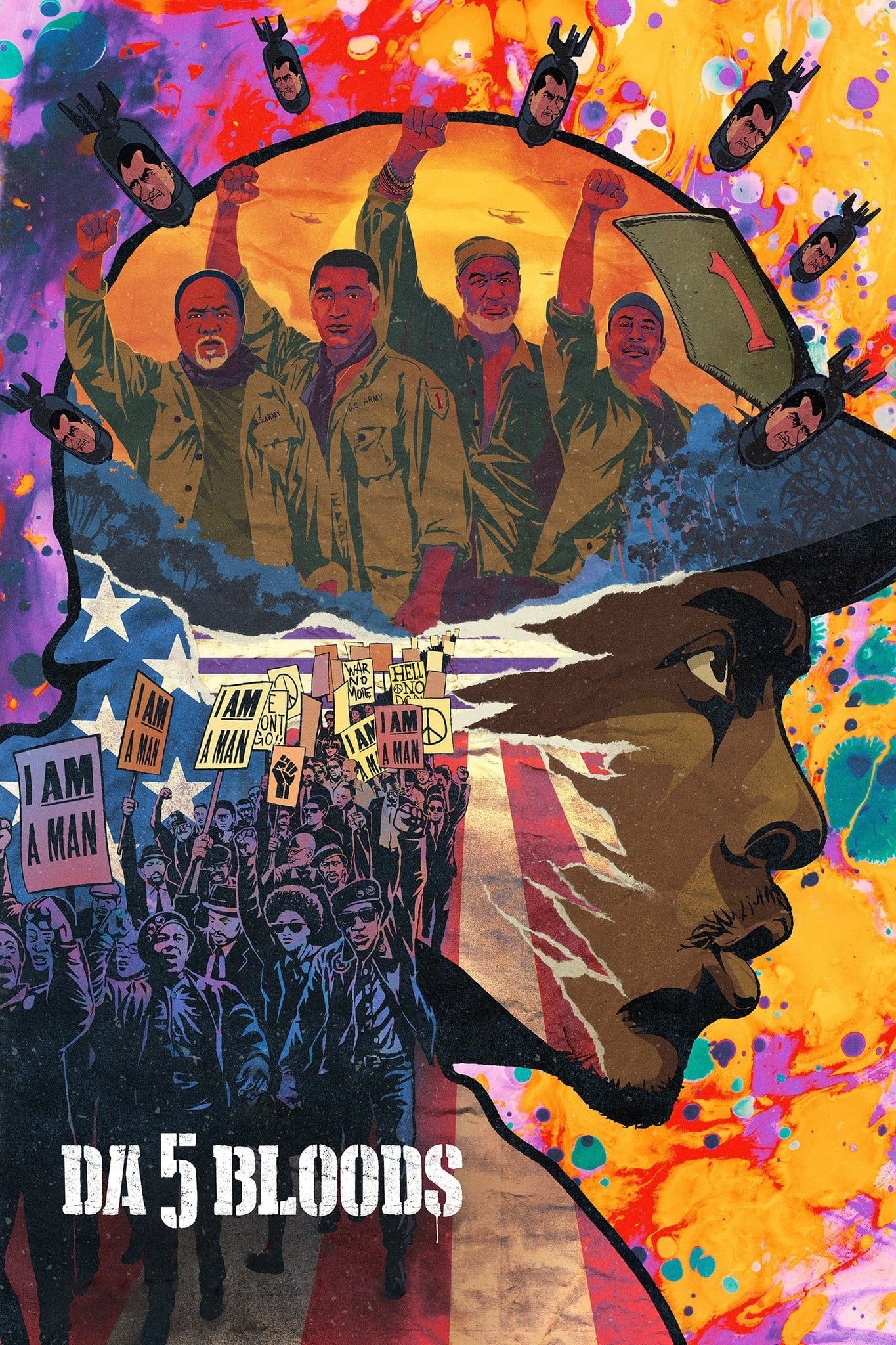
Four African-American Vietnam veterans return to Vietnam. They are in search of the remains of their fallen squad leader and the promise of buried treasure. These heroes battle forces of humanity and nature while confronted by the lasting ravages of the immorality of the Vietnam War.
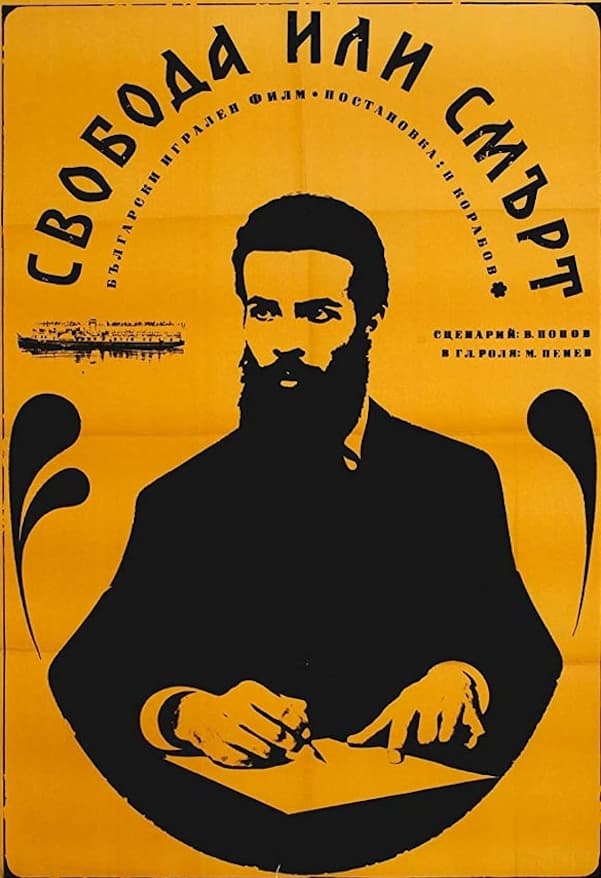
In а short but heroic campaign, Bulgarian poet and revolutionary Hristo Botev leads a band of rebels from the Danube to the Balkan Range.
A melancholic meditation on the capital, considering official narratives of ancient elegance alongside the reality of long welfare lines and neglected monuments.
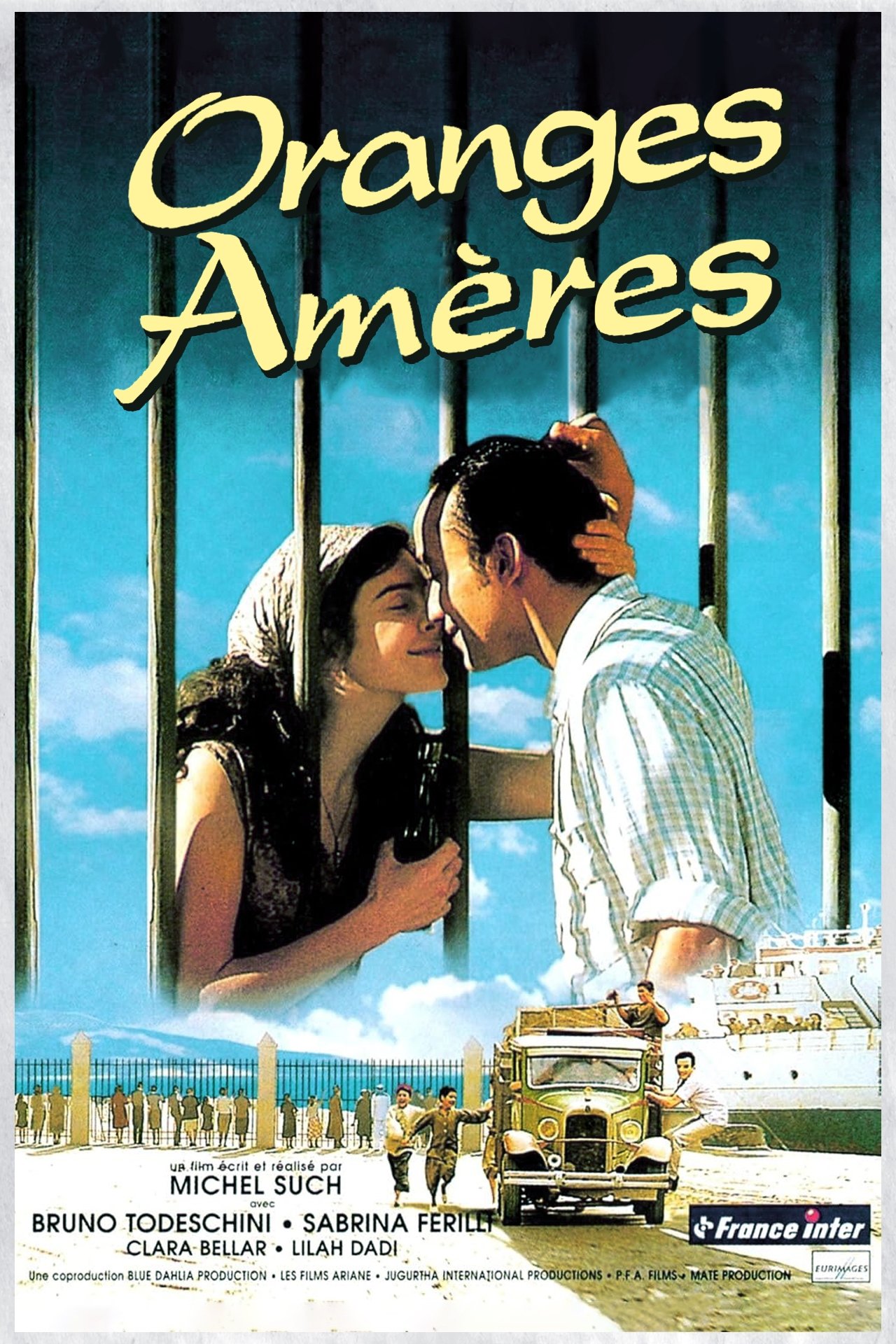
Recognizing no boundaries to her love, Angele manages to foment riots, rages and tragedy in colonial Algeria. Angele, an Algerian colonist with impeccably French origins, has fallen in love with Said, the assistant in her brother-in-law's bakery shop. Said is conscious of his Arab origins and traditions, and Angele has her work cut out for her if she wants to persuade him to marry her. Once she does, all hell breaks loose, as neither her European-origin peers nor Said's conservative Arab family approve of the union. When word of the proposed marriage gets out, strikes, violence and murder quickly follow, ruining not only Angele's life, but the lives of those around her. Her brother-in-law Paco, meanwhile, has been doggedly trying to get along and raise his family in an increasingly chaotic and difficult situation.
In March 2002, the Italian climbers of the Ragni di Lecco group embarked on an expedition across the Algerian Sahara. Mario Conti, Simone Pedeferri, Marco Vago and Massimo Bosetti, during a long journey, completed numerous ascents: Ihaghen, Adaouda, Tizouyag Sud, Dôme de l'Éléphant (Tesnou mountain range) and around thirty new boulders, including La Gazelle (7b) and Le Guépard (7c). But the main objective was the opening of a new climbing route on the face of Garet El Djenoun, in the Tefedest mountain range. The 400-meter route, named "Mariolino Fotonico", has 13 pitches (8 new, plus 3 spans with "Mosquitoes" and 2 with a "Voie des Espagnoles" from 1985), with a maximum difficulty of 8a/A1. This film has a special significance, as it is the first film of the rebirth of the Ragni group, after the 90s marked by tragedy, and at the same time the end of the tragic black decade in Algeria which raged between 1992 and 2002.
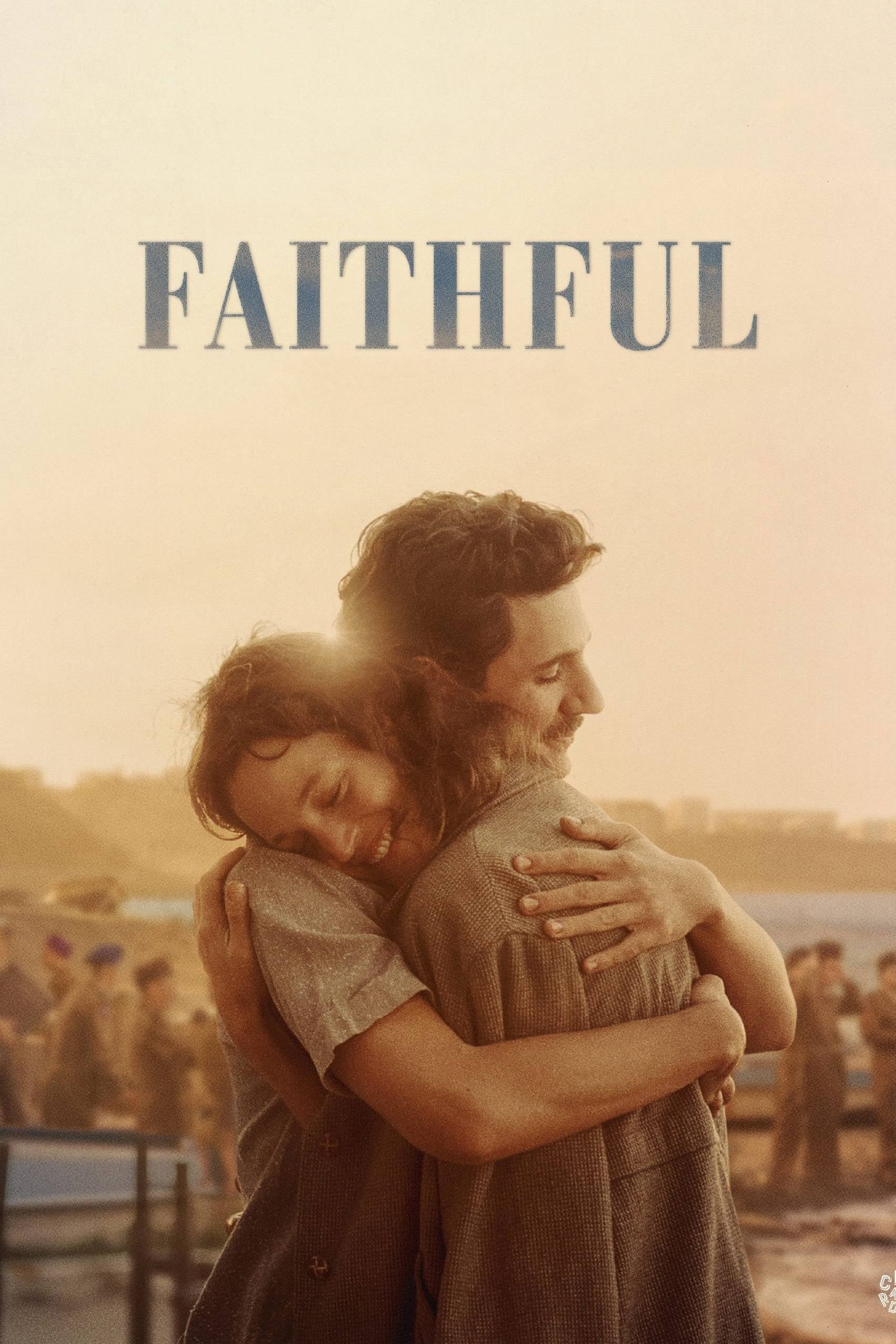
1956. Algeria is a French colony. Fernand and Helene are madly in love. Fernand is an activist, fighting for independence alongside the Algerians. Helene is fighting for Fernand’s life. History will irrevocably change the course of their destiny.
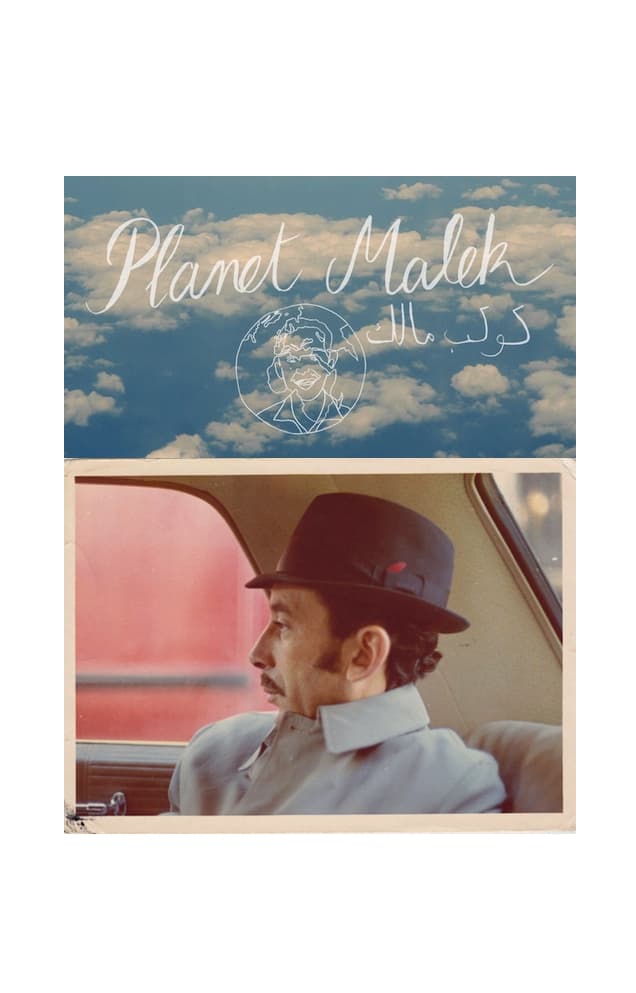
Ahmed Malek’s name might have been forgotten by his fellow Algerians but his timeless tunes certainly haven’t. Called the Ennio Morricone of Algiers, he composed music for more than 200 movies, amongst which the most famous films of the Algerian New Wave in the 70s and the 80s can be found. Paloma Colombe, a DJ, digger and documentary director, went to Algiers to meet his daughter, friends and former coworkers. Images of the city by night offer a perfect background to Ahmed Malek’s music. Globetrotter, pioneer of electronic music and of the concept of the home studio, he created a unique sound that truly goes beyond genres and countries.
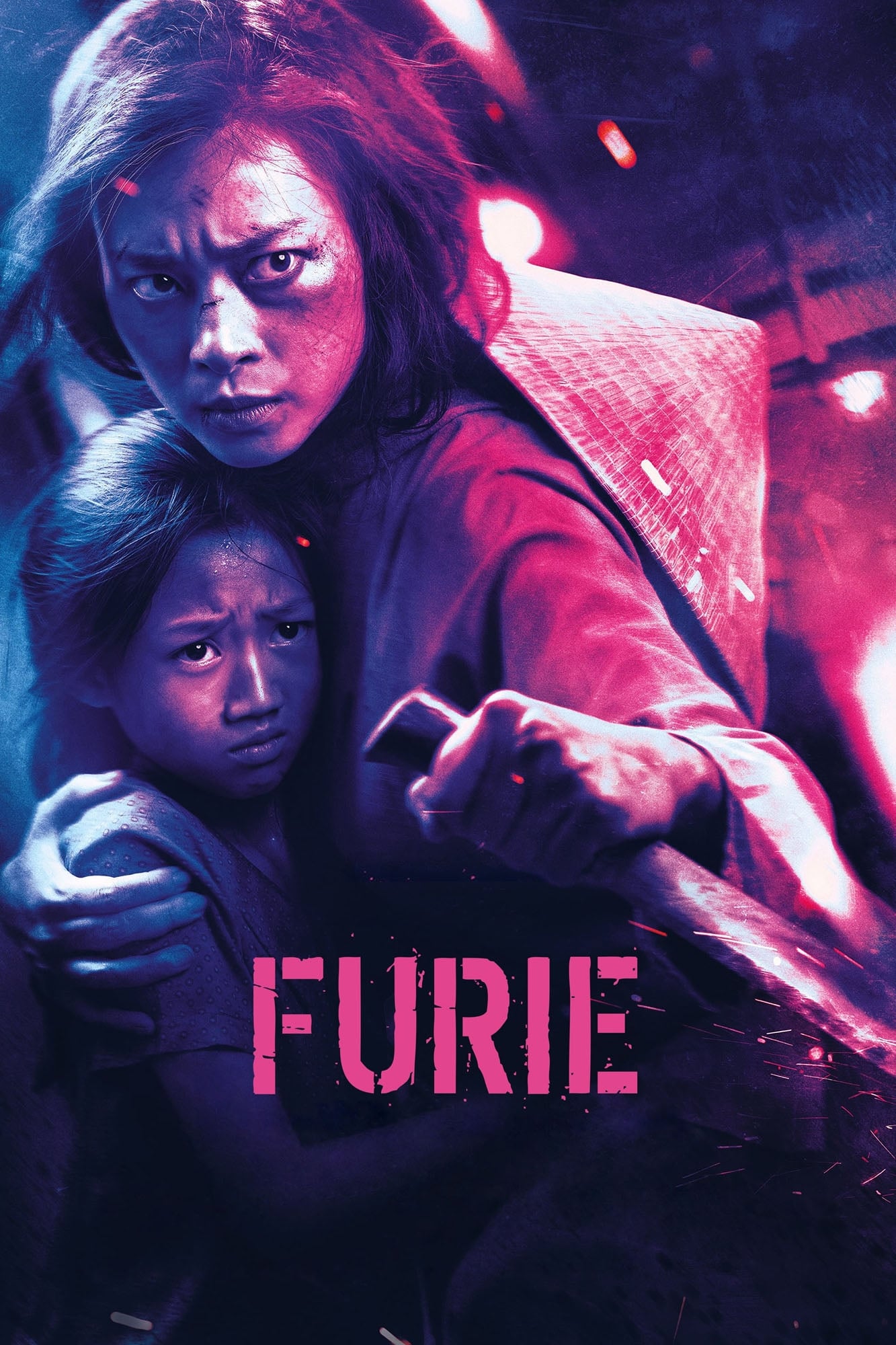
When a little girl is kidnapped by a trafficking ring, they soon find they messed with the wrong child. Her mother, a notorious former gang leader, is close on their trail and will go to any lengths to bring her child home.
"Film shot on the 'bench' from hundreds of photos, buildings, streets, towns unusually colorful for a North Mediterranean eye. The editing was composed on a score because the shots are generally very short, up to two images, and they do not follow each other "cut" or crossed but in "racket". The progression of shots varies from faintly colored recognizable to strongly colored unrecognizable. The soundtrack is composed of Arabic music that gradually turns into free-jazz. » Mannheim Festival, 1973
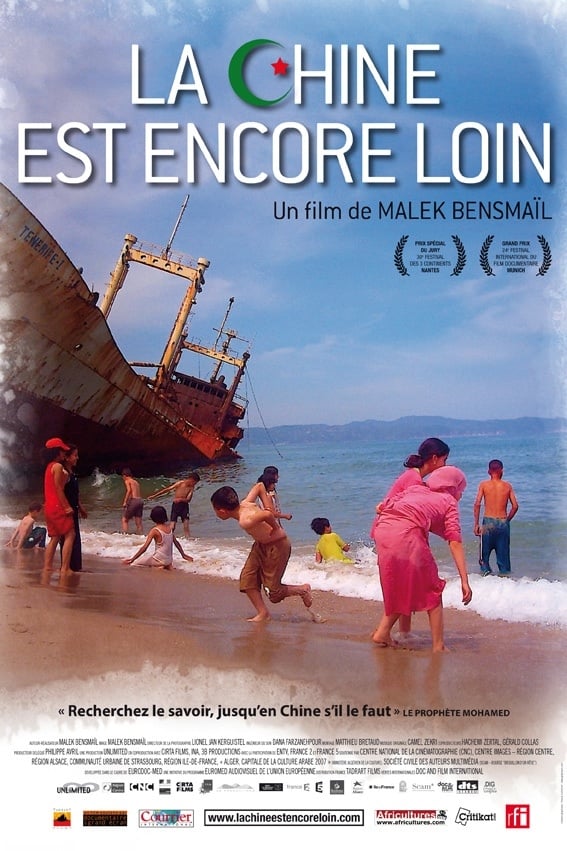
On November 1, 1954, near Ghassira, a small village lost in the Aurès, a couple of French teachers and an Algerian boss were the first civilian victims of a seven-year war which would lead to the independence of Algeria. More than fifty years later, Malek Bensmaïl returns to this Chaoui village, which has become “the cradle of the Algerian revolution”, to film, throughout the seasons, its inhabitants, its school and its children.
El Gusto is the story of an orchestra of Jewish and Muslim musicians torn apart by war 50 years ago, and recently reunited for an exceptional concert. These musicians share a passion they never lost: the soul of Algiers, Chaabi music.
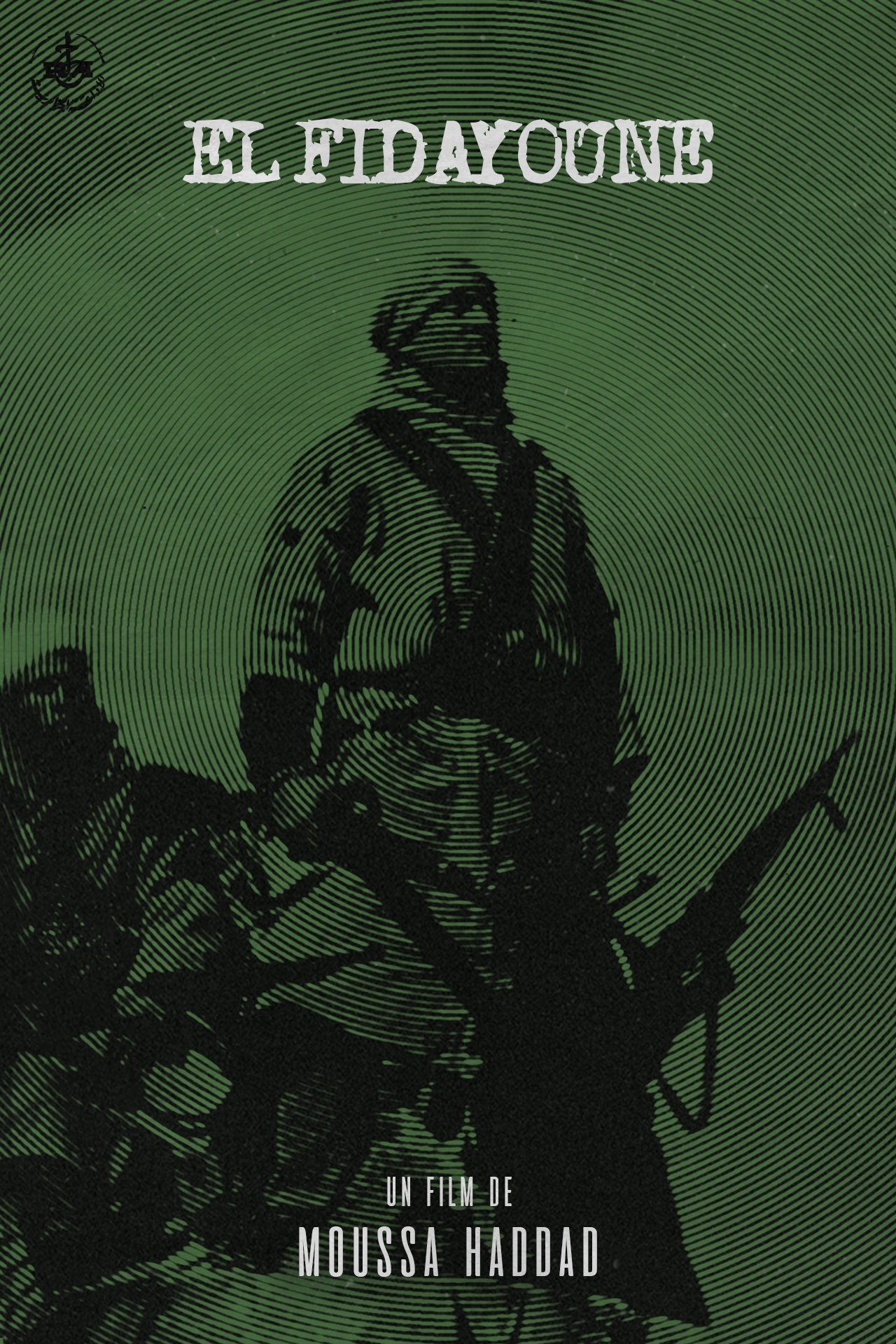
In the midst of the Algerian War in 1957, fighters (fidayounes) resisted French intervention with the help of a doctor.
In the streets of Hanoi, the fiercest battles are fought neither with weapons nor in the shadows, but in broad daylight. Here, gray-haired “street fighters” face off with the intensity of legendary duelists, only to become old friends again moments later, sharing a cup of tea. Balancing fierce competition with unshakable camaraderie, Hanoi Street Fighters reveals a way of life in which every battle is, above all, an excuse to never truly be alone.
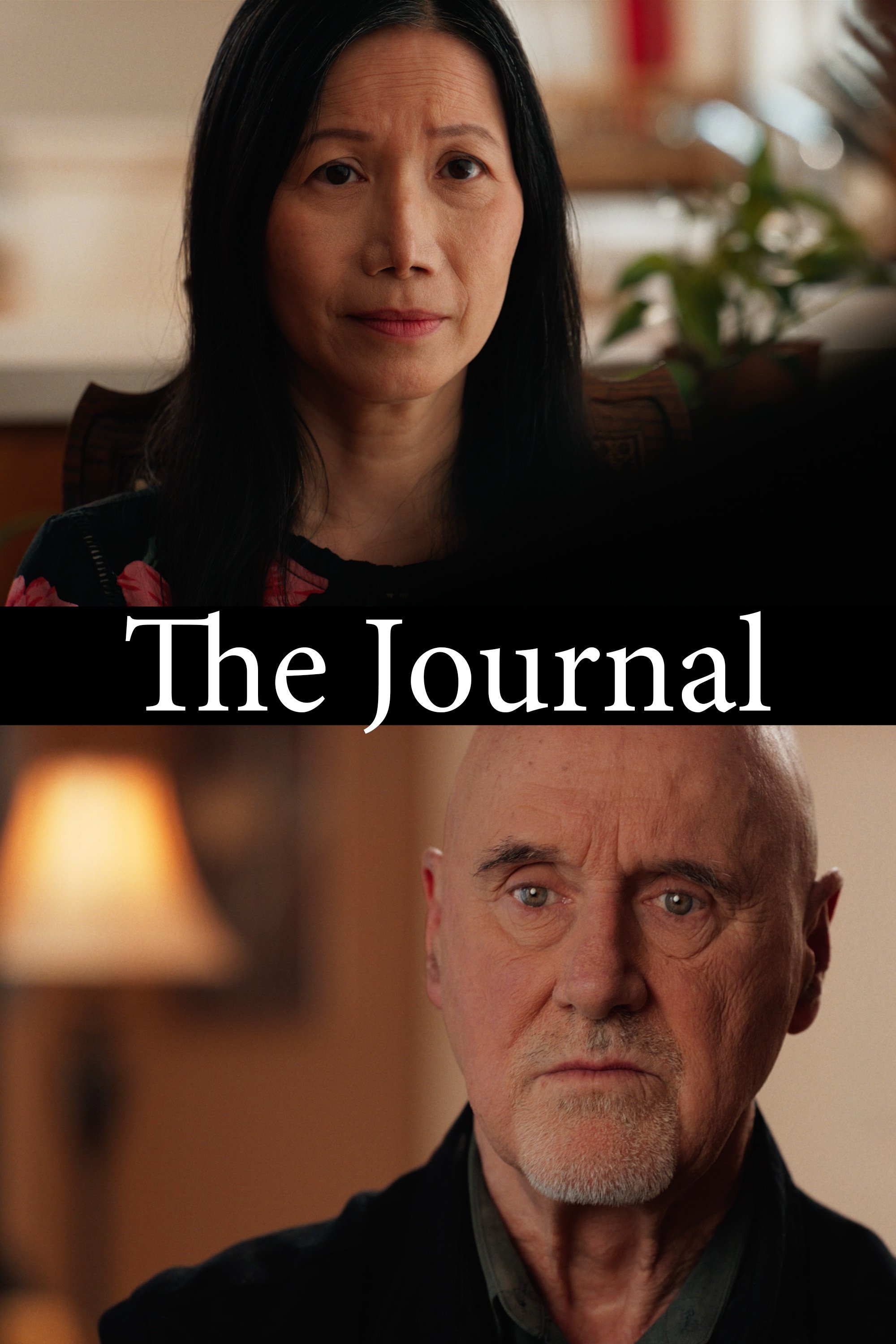
An American veteran of the Vietnam War returns a precious keepsake to the daughter of an enemy solider, 50 years later. The film stars Elyse Dinh, a refugee of the war, and Brian Delate, a veteran of the war. Directed, written, and produced by James Andrews.
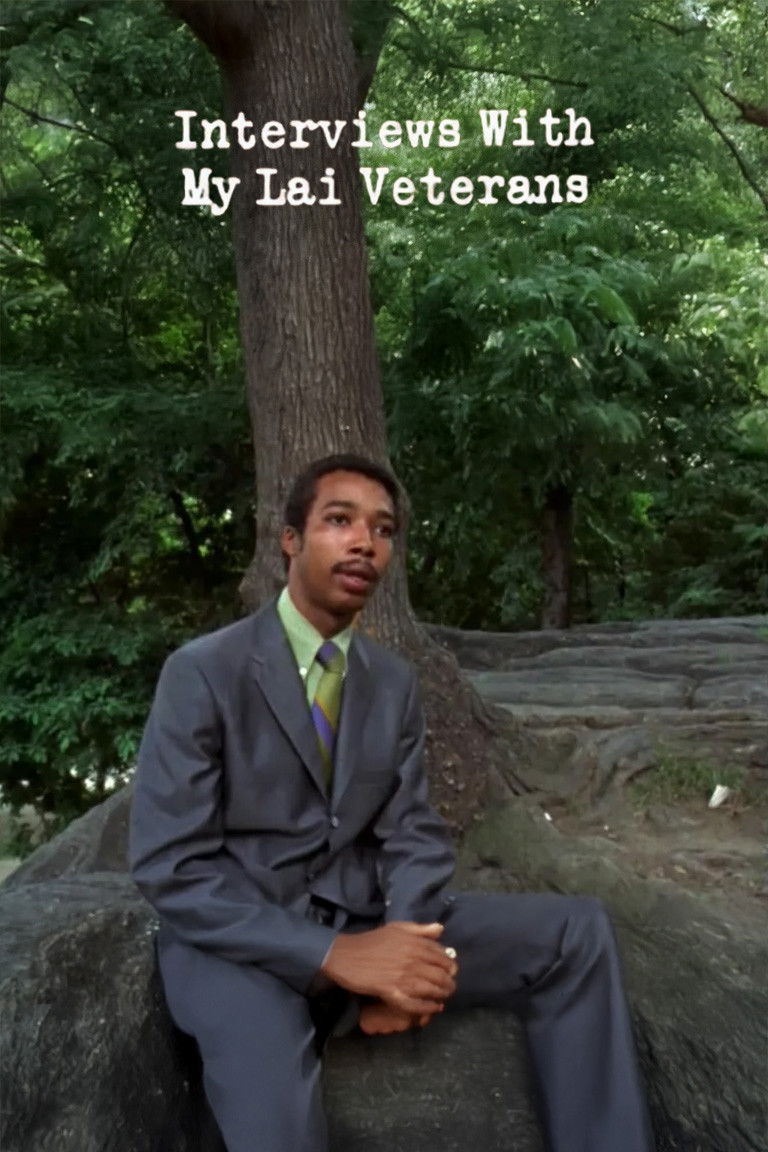
Interviews with five former American soldiers who were present at the March 16, 1968 attack on the village of My Lai during the Vietnam War; they discuss the orders that were issued leading up to the attack, their expectations of what they would find there, and the subsequent massacre of the inhabitants and destruction of the village, as well as possible motivations for the killings and rapes which took place. Preserved by the Academy Film Archive in 2002.
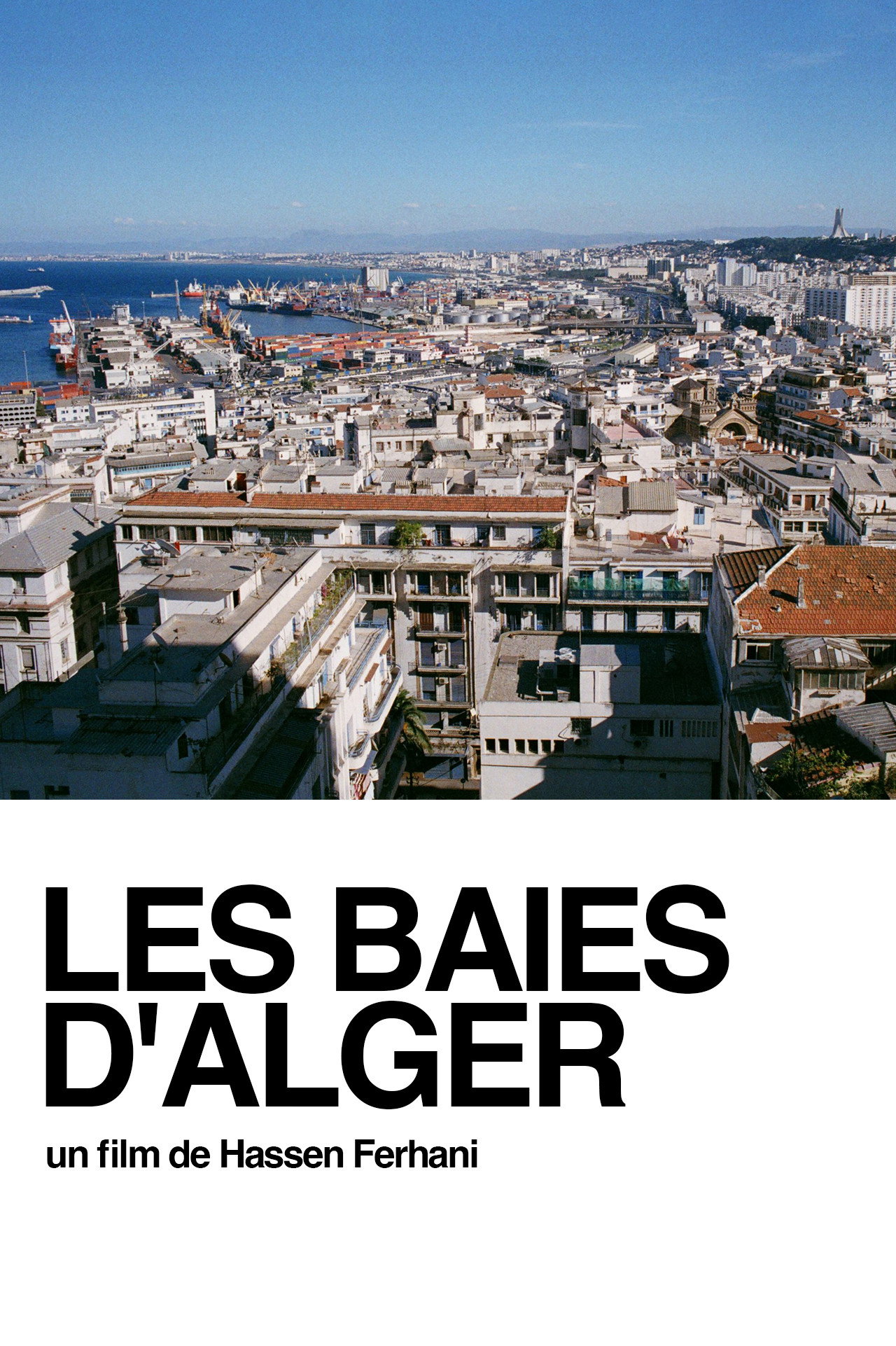
In an extended panoramic view—an "audioscopy" of Algiers—the camera’s eye scrutinizes various buildings and city-center neighborhoods with an intimate approach. "I want to show Algerian society’s openness to the world and to modern means... as well as its contradictions regarding tradition." One might think that filming is merely about capturing images; yet for Hassen Ferhani, filming is first and foremost about welcoming presences—allowing the world to emerge with all its density, fragility, and silences. He does not frame to confine, but to liberate; he frames to offer a space where people, gestures, and voices can find their true rhythm. This kind of cinema dictates nothing: it stands back—attentive and open—allowing itself to be surprised by the most unpredictable aspects of reality, and it is in this act of letting go that beauty is born.
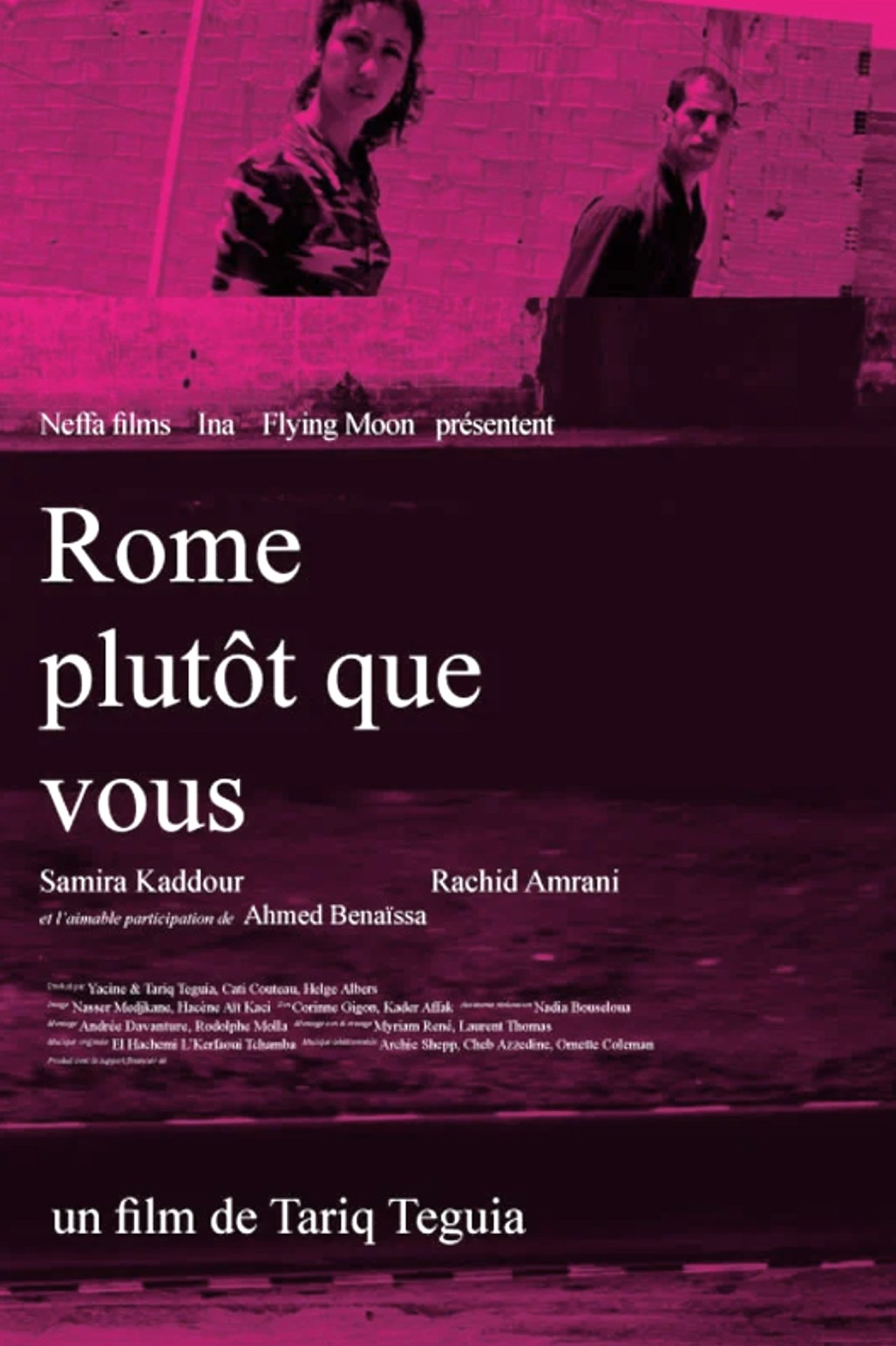
"For more than ten years, Algeria has been living a slow war, a war without a front line but having caused more than 100,000 deaths. It is this desert that Zina and Kamel – two young Algerians sometimes hallucinated and joyful, sometimes dejected and serene – will want to travel one last time before leaving it for elsewhere. Road Movie on the territories of a city, Algiers whose construction sites are in decline. Roma wa la n'touma will show that fleeing abroad is not is not a refusal of combat, but an obscure struggle against assignment. Tariq Teguia
Isabelle Brodeur embarks on a journey to Vietnam, her adopted daughter’s birthplace. Throughout this stunningly beautiful journey, Isabelle discovers her daughter’s country through the eyes of the woman who brought her into this word.
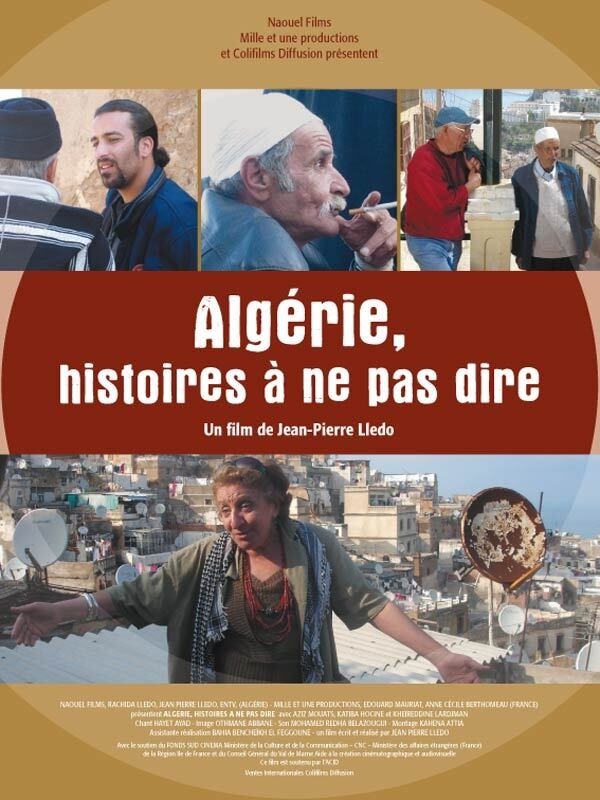
When independence is declared in 1962, the minority communities of Jewish and European origin flee Algeria. Four people of Muslim ascendency searching for the truth about their own lives evoke the last decades of French colonization, the years of war, from 1955 to 1962. Hatred and friendship lead us through a hidden memory: their relationships with their Jewish and Christian neighbours. The foundational myths of the new Algeria are revisited, but will they succeed in getting to the bottom of their own legends?
“The Soviet Story” is a story of an Allied power, which helped the Nazis to fight Jews and which slaughtered its own people on an industrial scale. Assisted by the West, this power triumphed on May 9th, 1945. Its crimes were made taboo, and the complete story of Europe’s most murderous regime has never been told. Until now...
During the chaotic final weeks of the Vietnam War, the North Vietnamese Army closes in on Saigon as the panicked South Vietnamese people desperately attempt to escape. On the ground, American soldiers and diplomats confront a moral quandary: whether to obey White House orders to evacuate only U.S. citizens.
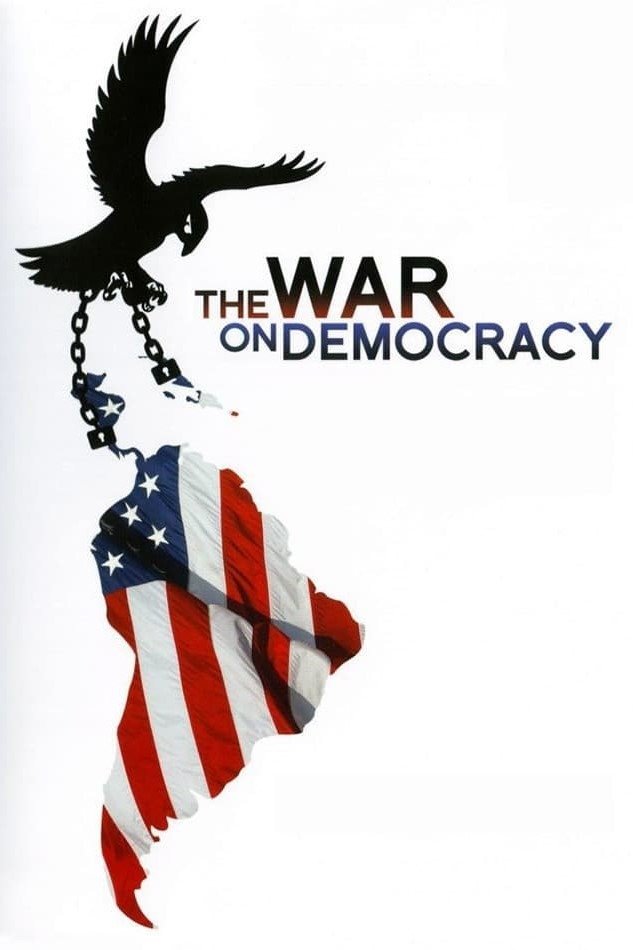
Set both in Latin America and the United States, the film explores the historic and current relationship of Washington with countries such as Venezuela, Bolivia and Chile. Pilger says that the film "...tells a universal story... analysing and revealing, through vivid testimony, the story of great power behind its venerable myths. It allows us to understand the true nature of the so-called "war on terror". According to Pilger, the film’s message is that the greed and power of empire is not invincible and that people power is always the "seed beneath the snow".
Prelude to War was the first film of Frank Capra's Why We Fight propaganda film series, commissioned by the Pentagon and George C. Marshall. It was made to convince American troops of the necessity of combating the Axis Powers during World War II. This film examines the differences between democratic and fascist states.
In 1936, Victor H. Green (1892-1960) published The Negro Motorist Green Book, a book that was both a travel guide and a survival manual, to help African-Americans navigate safe those regions of the United States where segregation and Jim Crow laws were disgracefully applied.
The odyssey of Senegalese friends who attempt a life-threatening boat crossing.
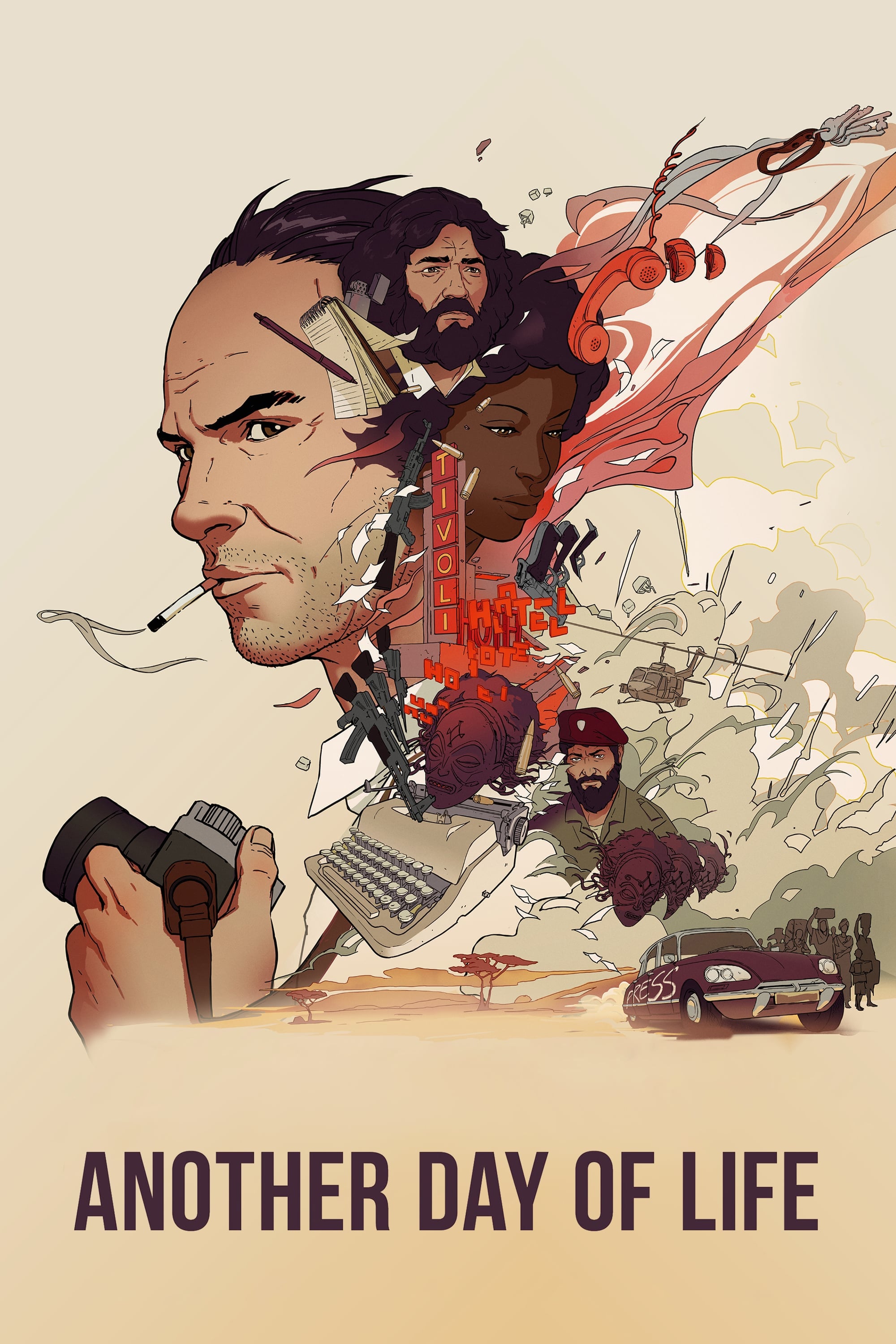
In 1975, Ryszard Kapuściński, a veteran Polish journalist, embarked on a seemingly suicidal road trip into the heart of the Angola's civil war. There, he witnessed once again the dirty reality of war and discovered a sense of helplessness previously unknown to him. Angola changed him forever: it was a reporter who left Poland, but it was a writer who returned…
Amid the failing counteroffensive, a journalist follows a Ukrainian platoon on their mission to traverse one mile of heavily fortified forest and liberate a strategic village from Russian occupation. But the farther they advance through their destroyed homeland, the more they realize that this war may never end.
Filmmaker Alain Resnais documents the atrocities behind the walls of Hitler's concentration camps.
A love letter from a young mother to her daughter, the film tells the story of Waad al-Kateab’s life through five years of the uprising in Aleppo, Syria as she falls in love, gets married and gives birth to Sama, all while cataclysmic conflict rises around her. Her camera captures incredible stories of loss, laughter and survival as Waad wrestles with an impossible choice– whether or not to flee the city to protect her daughter’s life, when leaving means abandoning the struggle for freedom for which she has already sacrificed so much.
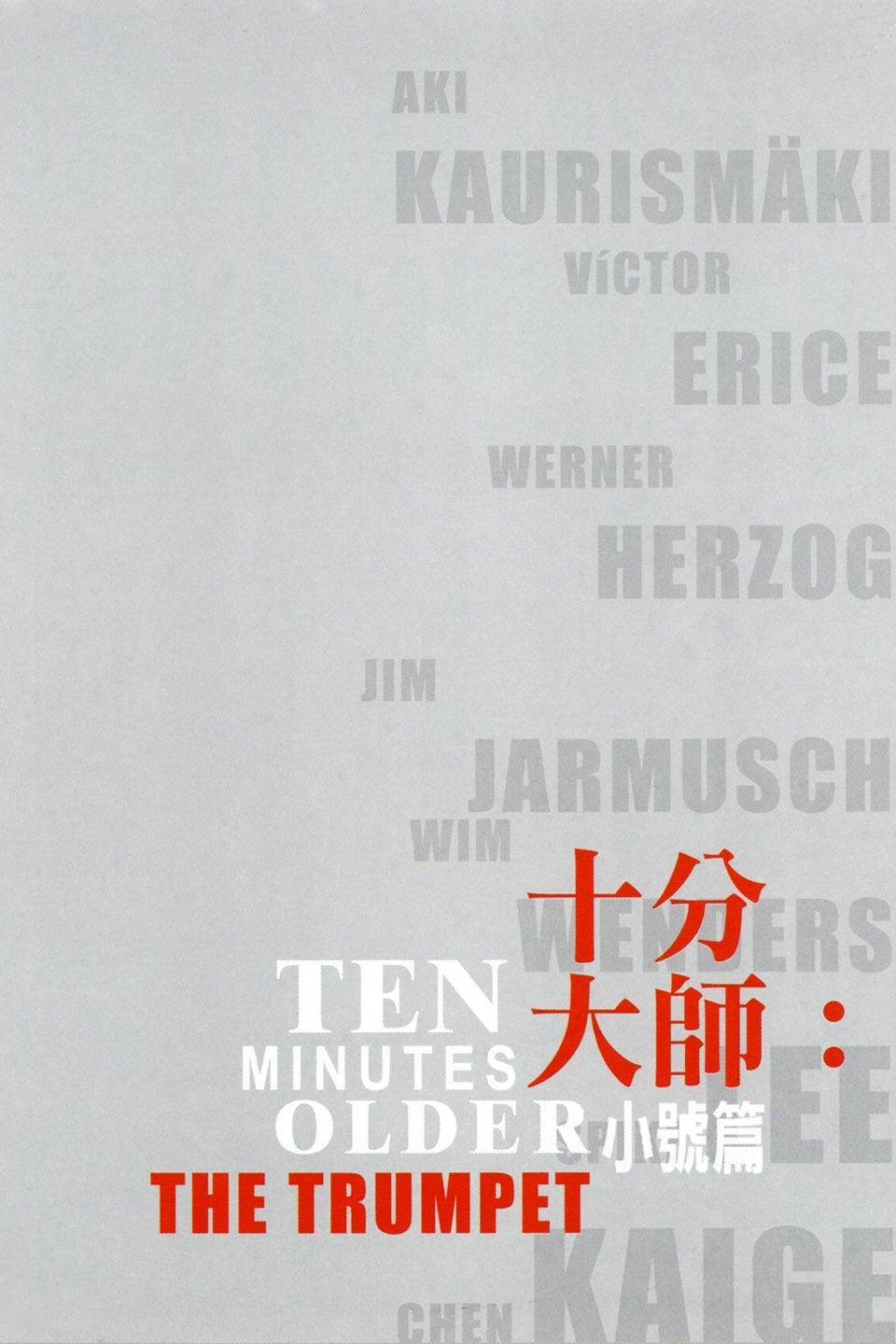
Ten Minutes Older is a 2002 film project consisting of two compilation feature films entitled The Trumpet and The Cello. The project was conceived by the producer Nicolas McClintock as a reflection on the theme of time at the turn of the Millennium. Fifteen celebrated film-makers were invited to create their own vision of what time means in ten minutes of film.
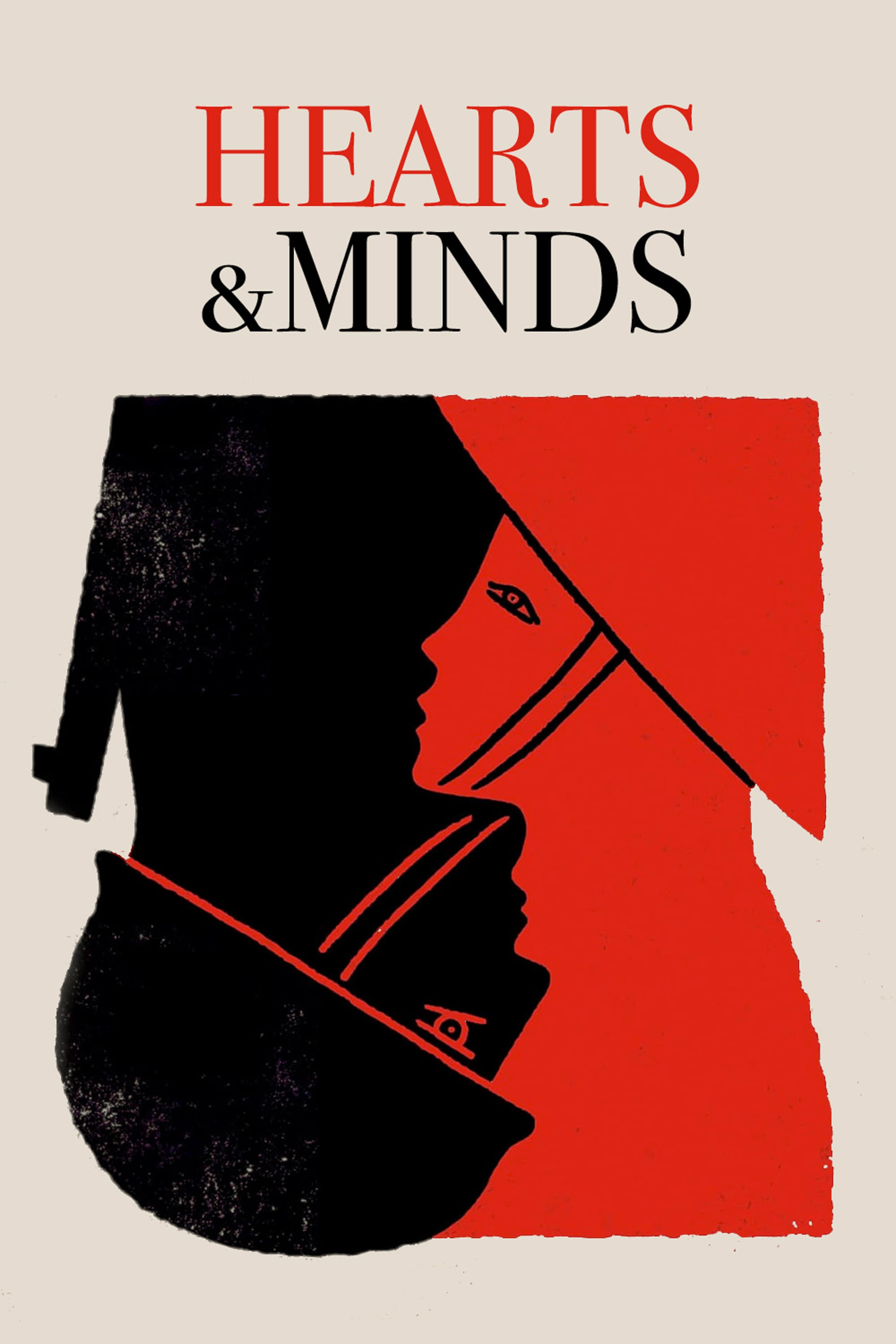
Many times during his presidency, Lyndon B. Johnson said that ultimate victory in the Vietnam War depended upon the U.S. military winning the "hearts and minds" of the Vietnamese people. Filmmaker Peter Davis uses Johnson's phrase in an ironic context in this anti-war documentary, filmed and released while the Vietnam War was still under way, juxtaposing interviews with military figures like U.S. Army Chief of Staff William C. Westmoreland with shocking scenes of violence and brutality.
A documentary about World War I with never-before-seen footage to commemorate the centennial of Armistice Day, and the end of the war.
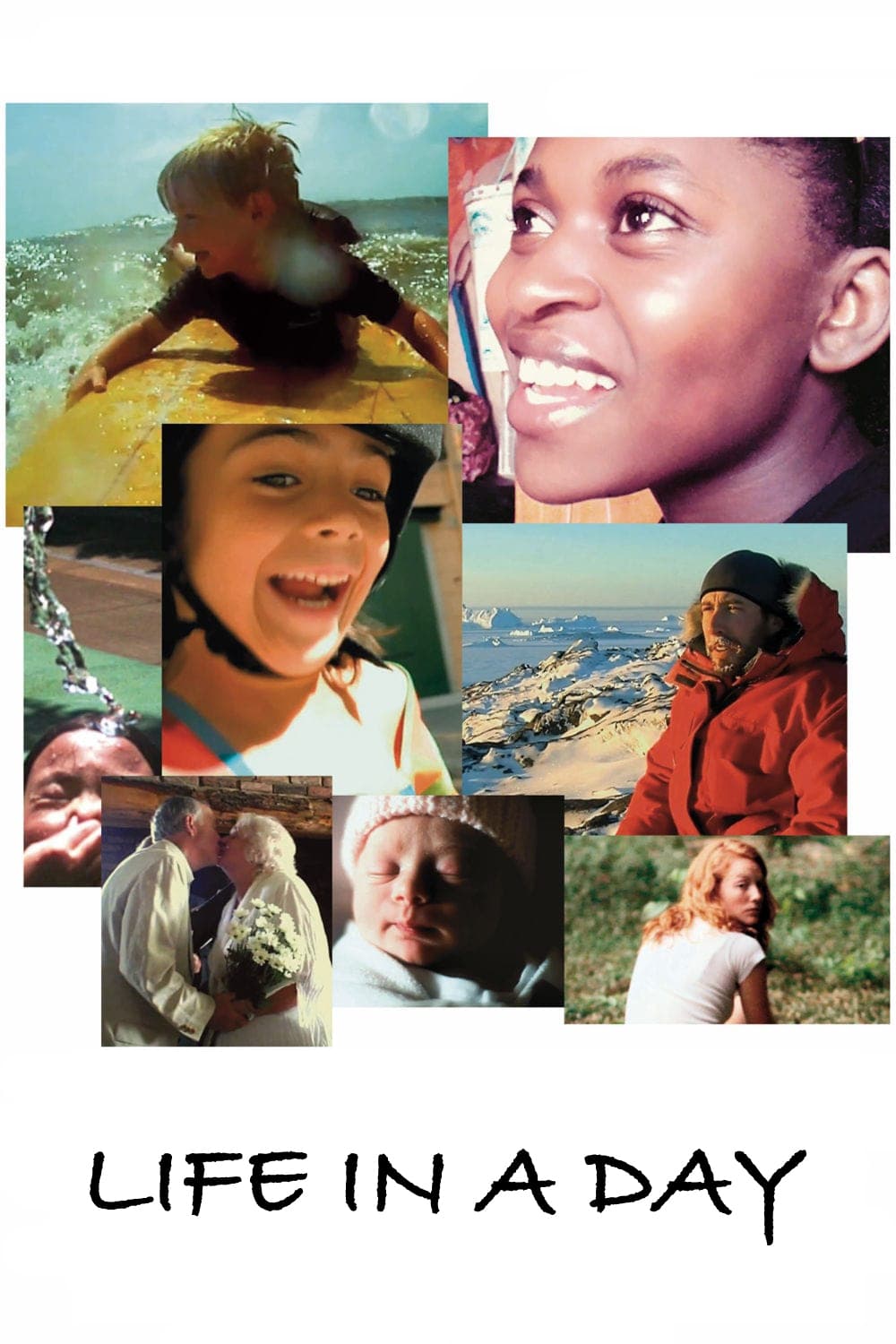
A documentary shot by filmmakers all over the world that serves as a time capsule to show future generations what it was like to be alive on the 24th of July, 2010.
An unprecedented and intimate look at the life, work and enduring legacy of British actress Audrey Hepburn (1929-1993).
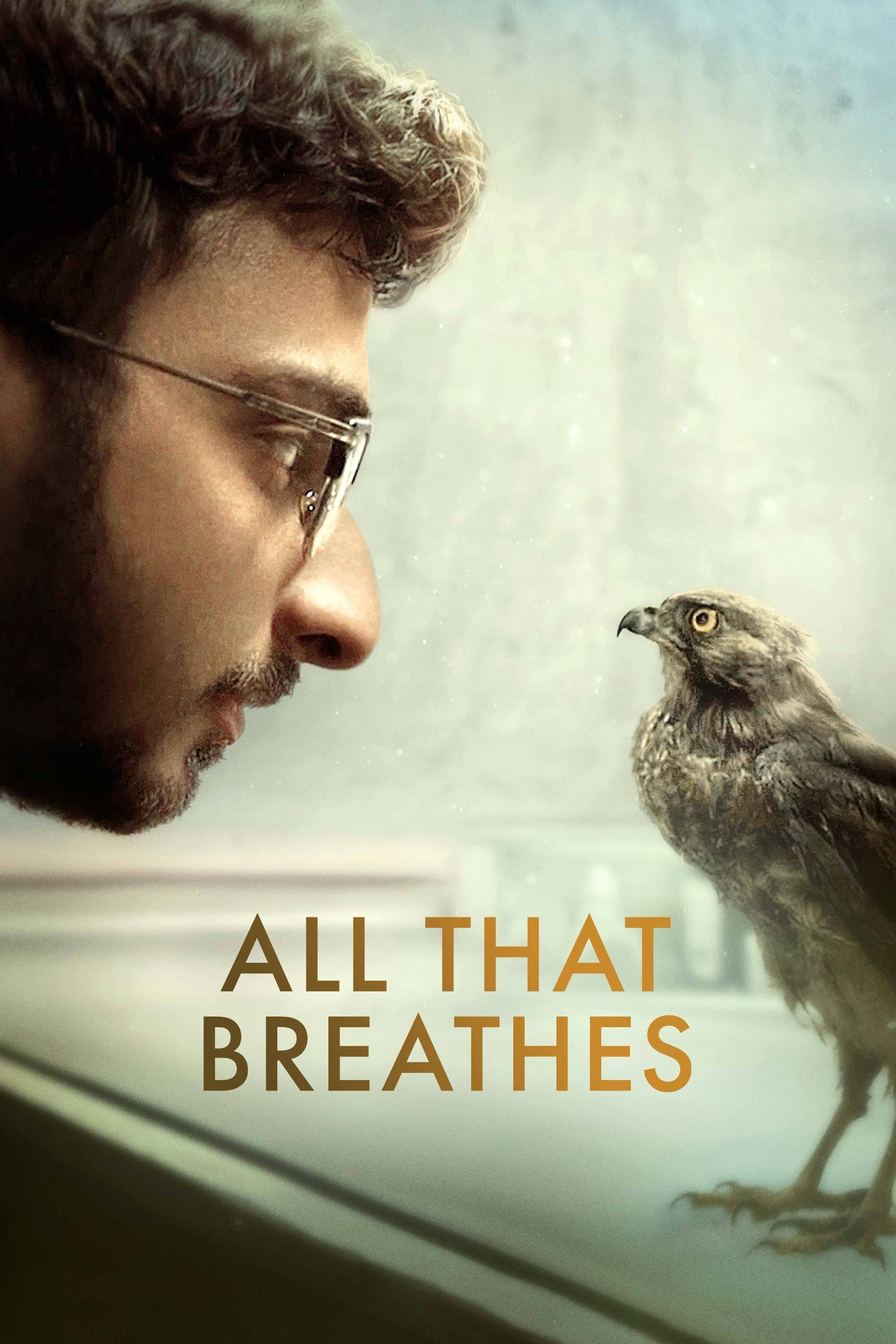
Against the darkening backdrop of New Delhi's apocalyptic air and escalating violence, two brothers devote their lives to protecting one casualty of the turbulent times: the bird known as the black kite.
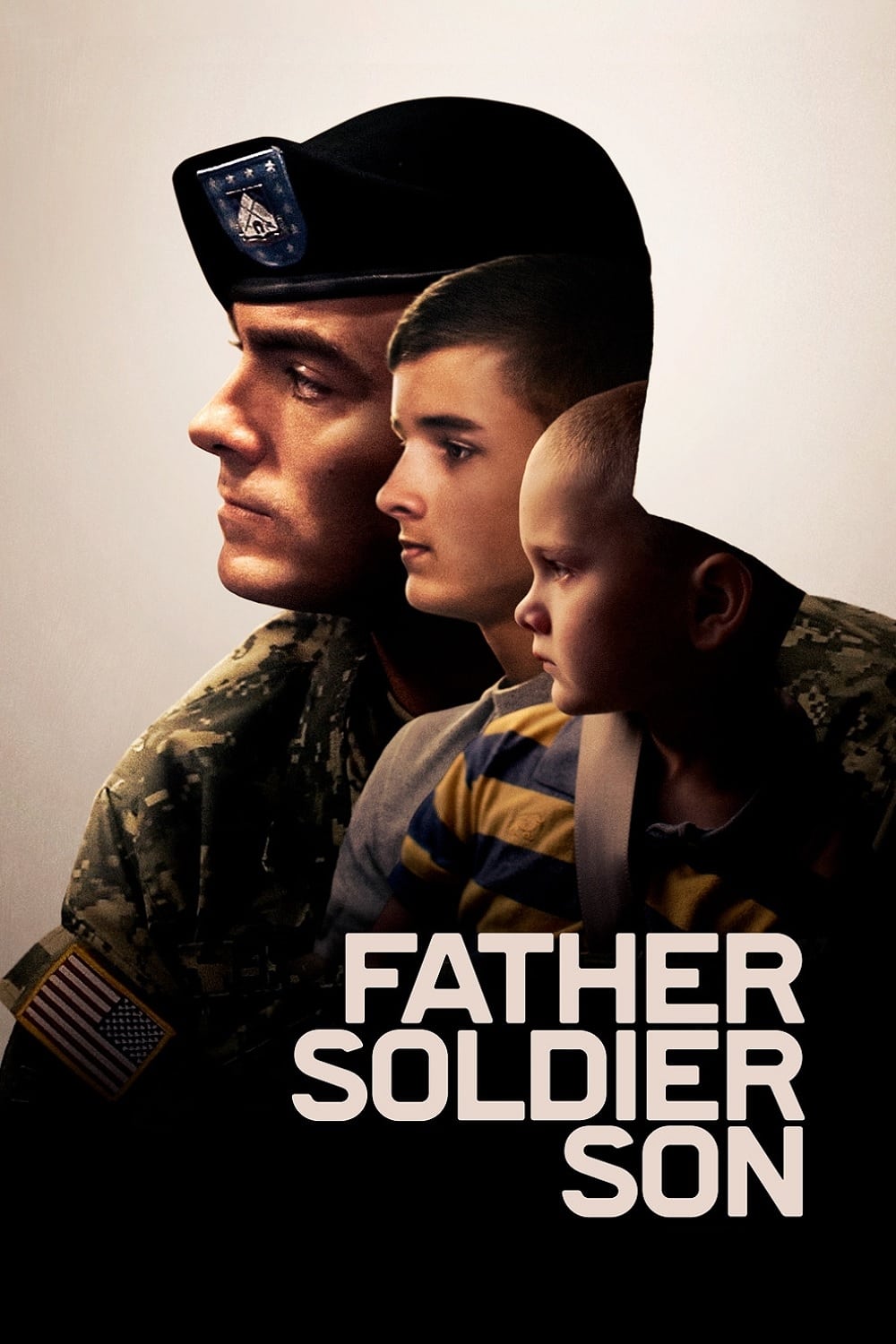
When Sgt. First Class Brian Eisch is critically wounded in Afghanistan, it sets him and his sons on a journey of love, loss, redemption and legacy.
"Trinity and Beyond" is an unsettling yet visually fascinating documentary presenting the history of nuclear weapons development and testing between 1945-1963. Narrated by William Shatner and featuring an original score performed by the Moscow Symphony Orchestra, this award-winning documentary reveals previously unreleased and classified government footage from several countries.
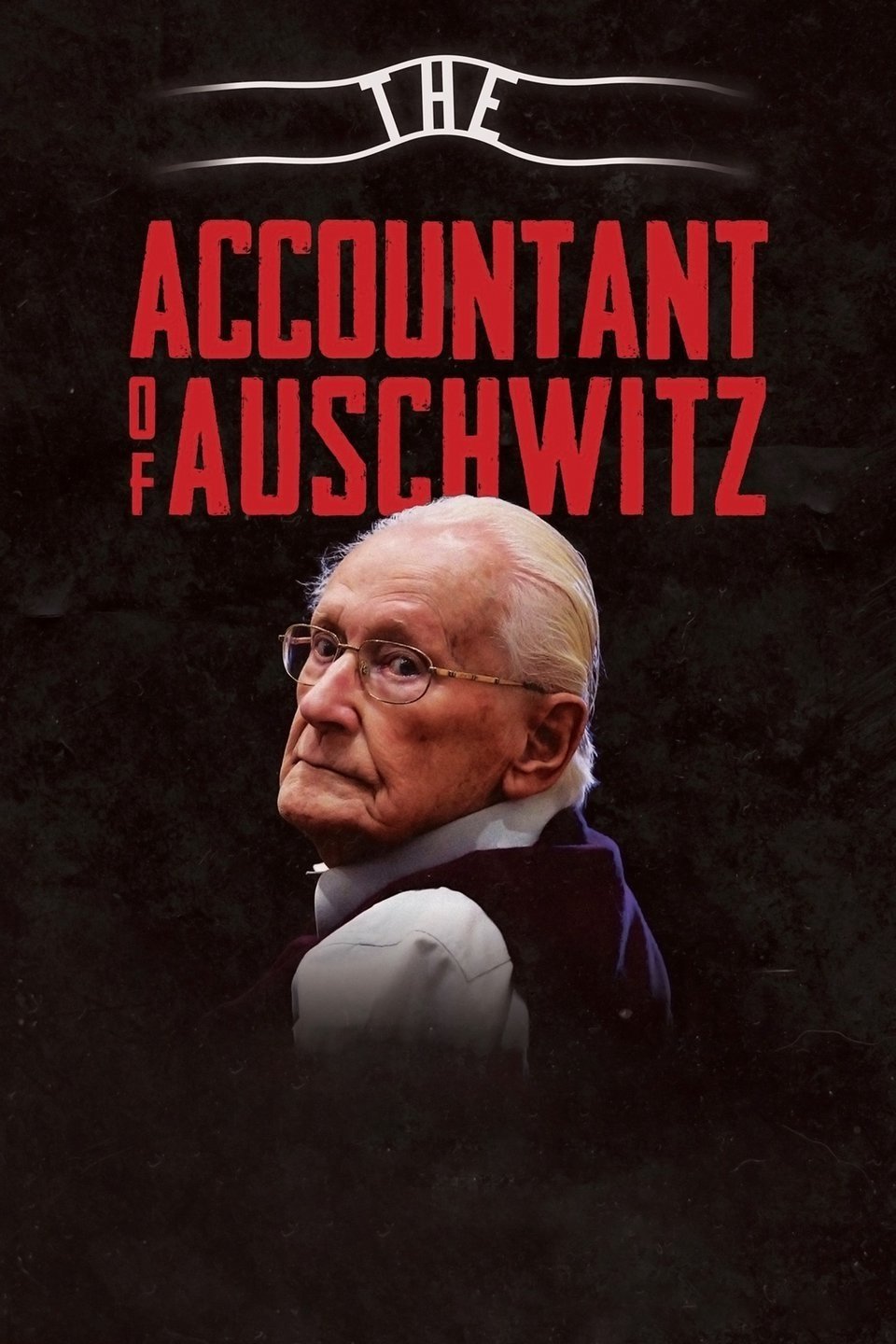
Oskar Gröning, known as the "Accountant of Auschwitz," was charged with the murder of 300,000 Jews. When he took the stand in 2015, at the age of 94, his trial made headlines worldwide.
This documentary movie is about the battle of San Pietro, a small village in Italy. Over 1,100 US soldiers were killed while trying to take this location, that blocked the way for the Allied forces from the Germans. Preserved by the Academy Film Archive in 2005.