Social & External
The people behind it
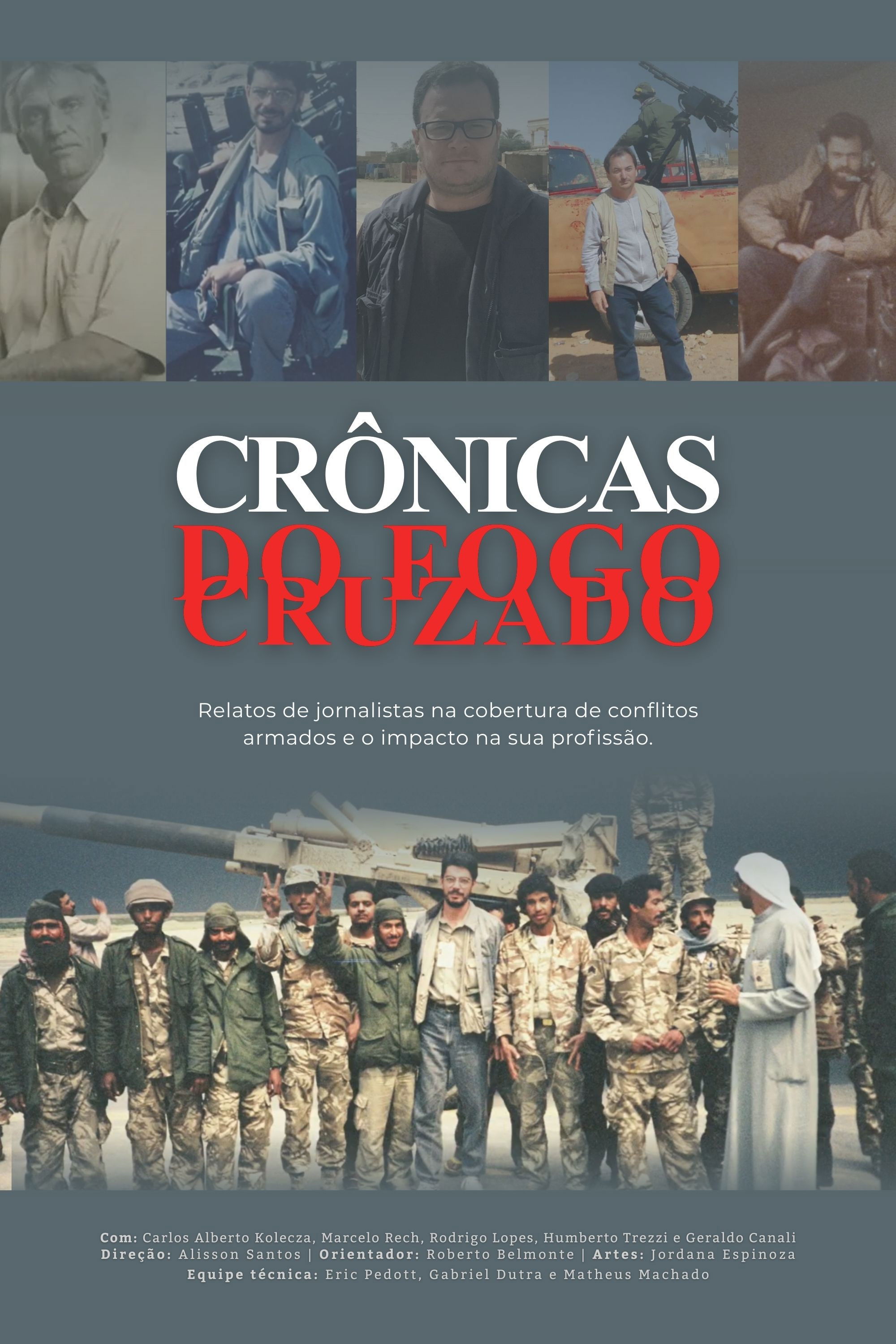
Carlos Alberto Kolecza
Geraldo Canali
Marcelo Rech
Humberto Trezzi
Rodrigo Lopes
“Shellmound” is the story of how one location was transformed from a sacred center of pre-historic cultures to a commercial mecca for modern people. What began as a Native American burial ground three thousand years ago, was transformed first into an amusement park, and later an industrial age paint factory. Now, the tainted ancient soil sits beneath the glittering lights of Banana Republic, Victoria’s Secret, and the AMC movie theaters. “Shellmound” examines the decisions made during the recent toxic cleanup, excavation, and construction of the Bay Street mall through the eyes of the city of Emeryville, the developer, the archaeologists, and the native Californians who worked on the site.
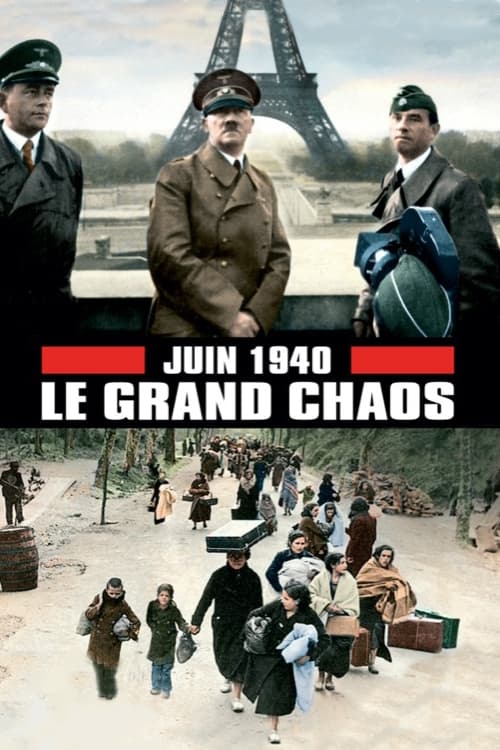
From May 10, 1940, France is living one of the worst tragedies of it history. In a few weeks, the country folds, and then collapsed in facing the attack of the Nazi Germany. On June 1940, each day is a tragedy. For the first time, thanks to historic revelations, and to numerous never seen before images and documents and reenacted situations of the time, this film recounts the incredible stories of those men and women trapped in the torment of this great chaos.
Decolonising the Curatorial Process is a forty-minute documentary which explores decolonial strategies in an academic and curatorial context. The film features academics, activists and practitioners, and contains case studies of institutions that are deploying critical, self-reflective forms of curatorial practice. The Museum of London Docklands exhibition on slavery and the sugar industry is examined as an example of how an institution can decolonise the curatorial process, utilise the work of artists in a museum context, and critically examine East London's imperial history. The Pitt Rivers museum in Oxford, who are working with Maasai activists from Kenya and Tanzania on a project centred on repatriating the museum's collection of sacred Maasai artefacts, also features in the film.
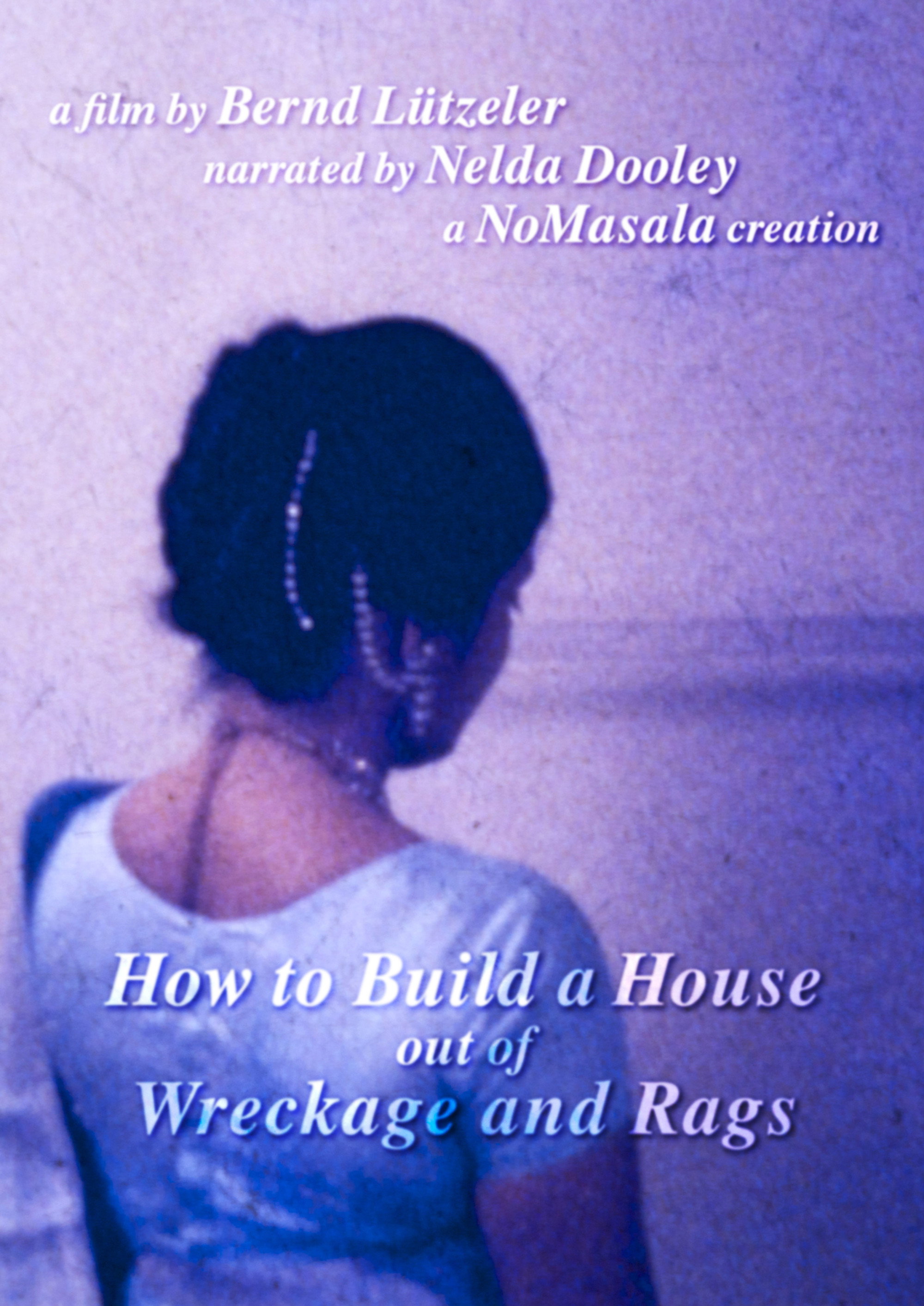
Found footage: California in the 1950's and 60's. A young Indian couple enjoys their personal American dream come true in their home somewhere in the suburbs of San Francisco. In great detail they pose with their newly achieved wealth in front of their Super-8 camera. Just like postcards, they would send these film rolls to their joint families back in India. Around the same time, an American missionary couple visits the city of Calcutta to shoot a Christian propaganda film. The drastic reality with poverty and famine in the streets of the Indian metropolis fits perfectly into their wicked plan: To promote the faith in Jesus by showing the misery that pagan believers are doomed to suffer from.
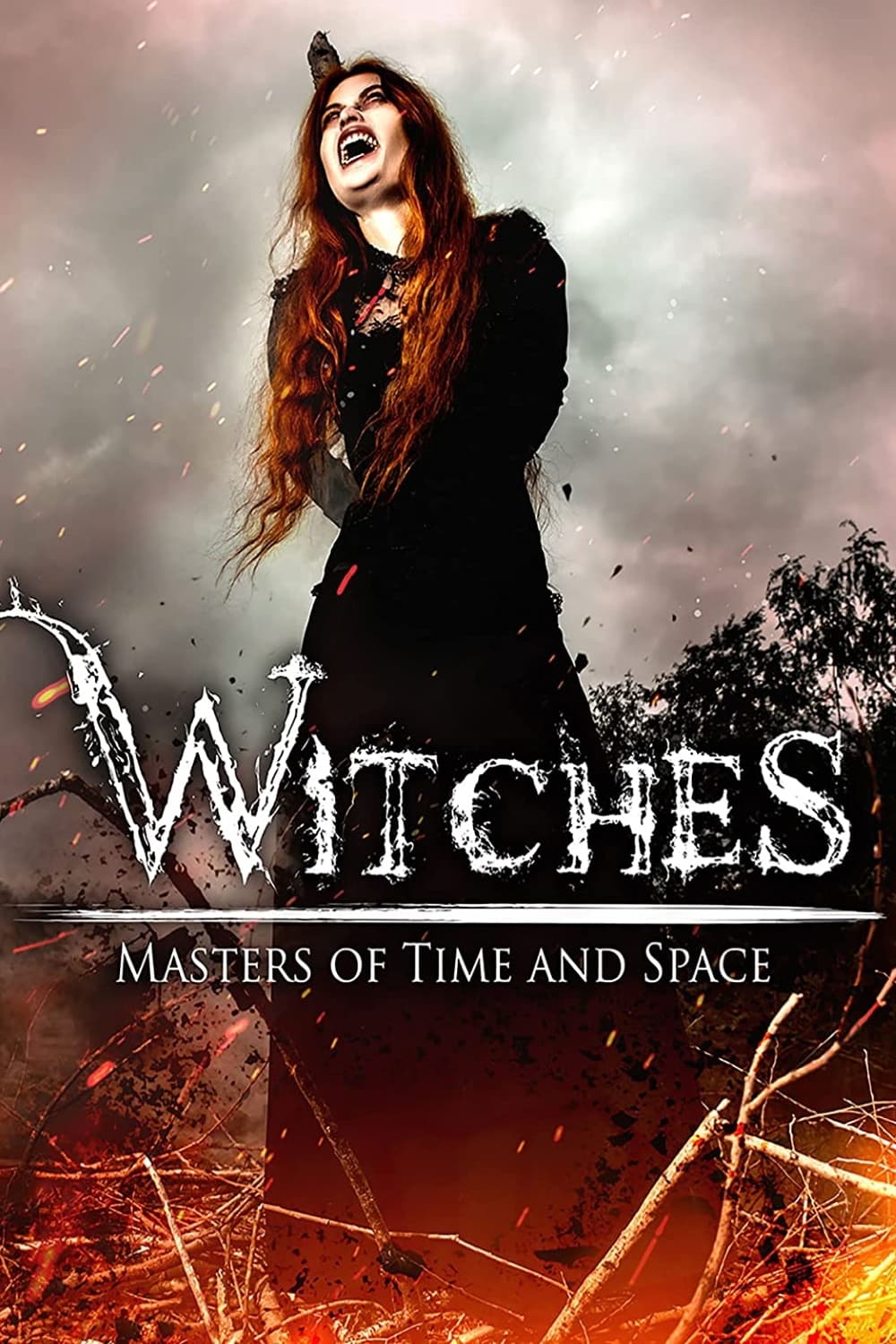
Witchcraft is older than recorded history and holds great truths and powers, from the natural world to the realms beyond. Witches were masters of a long forgotten world, a time when all things "paranormal and supernatural" were commonplace and its practitioners were revered in awe. It's time to put away the ideas borne of organized religious intolerance and learn the true reality of Witches, then and those that live among us today.
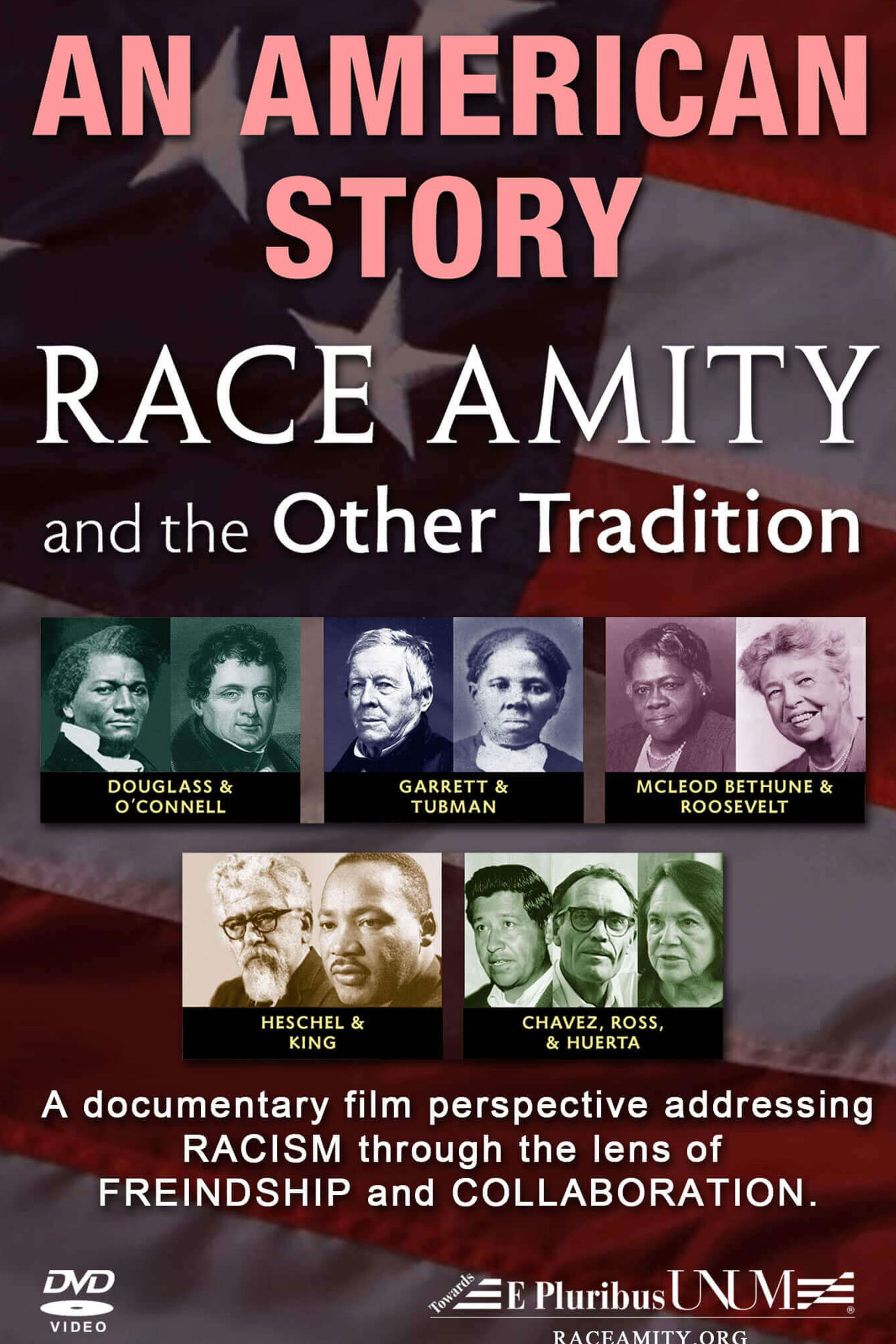
In contrast to the lens that focuses exclusively on the racist traditions that are rooted in America’s social history, the moral counterweight of close, loving, friendship and collaboration, which have always been present in our history, represents “the other tradition.” This “other tradition” is a source of inspiration and presents models of behavior that are instructional and include unknown and uncelebrated legacies to be absorbed and emulated across generations of present day Americans. The documentary discusses the “better in us” a needed collective perspective in the current climate of national disunity across racial, religious, and political lines. This has significant implications for addressing public issues from immigration to health care and the myriad of governmental, educational, business, and religious challenges that we must successfully meet to weave the fabric of unity which is indispensable to survival as a nation.
In 1944 Rudolf Breslauer documented the everyday life in the Westerbork transit camp on film, commissioned by the German camp commander Albert Gemmeker. The Westerbork Film was never completed, but much of the raw footage is preserved.
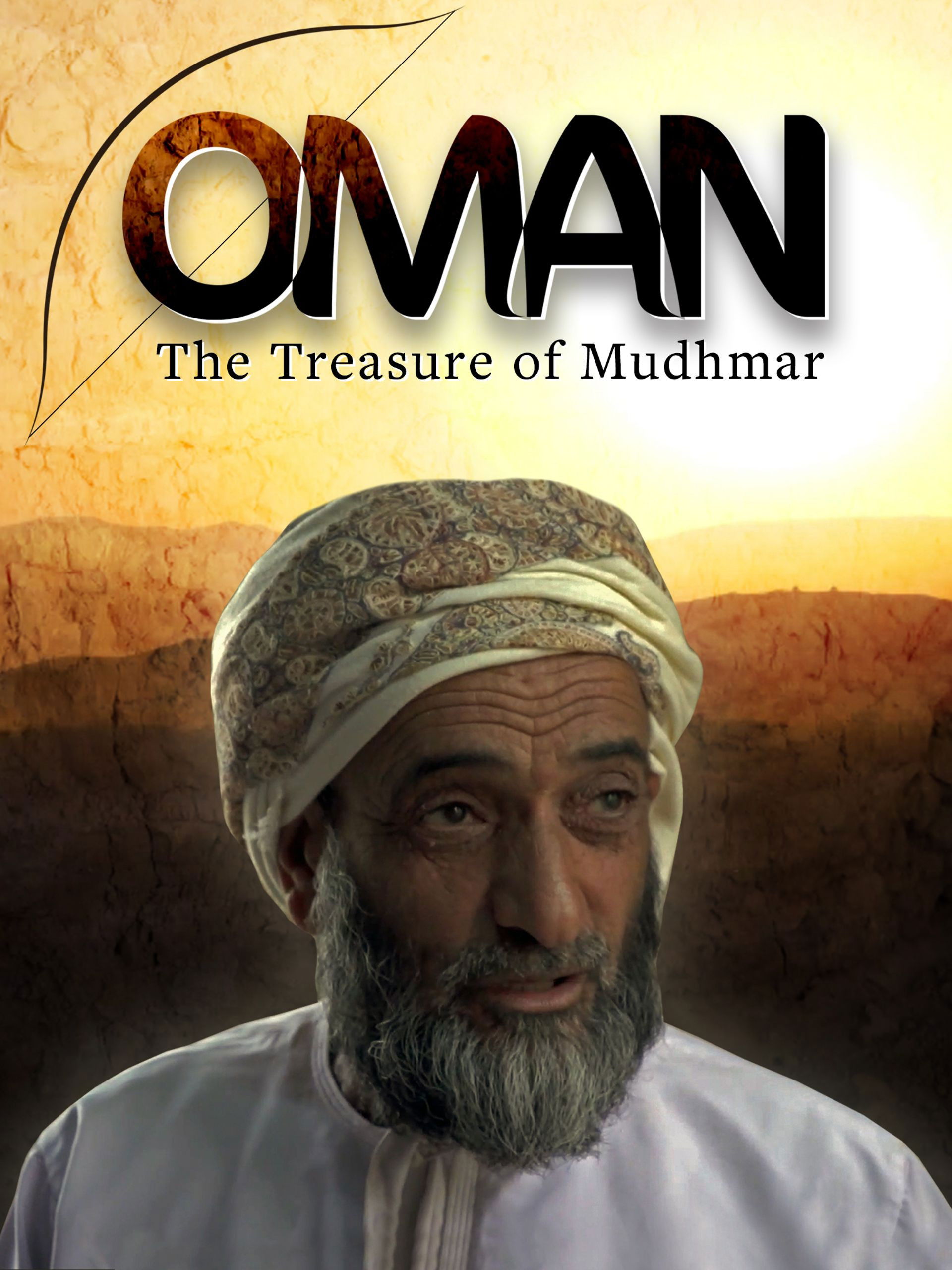
To the east of the Arabian desert, an ancient culture developed; and it attainted the sophistication of its civilized neighbours in Mesopotamia & Iran. The extreme aridity of the spot, combined with the strictness of religious prohibitions, discouraged archaeologists for a long period of time. Only recently, a group of French scientists initiated a large-span excavation. Their aim is to comprehend how this society succeeded to prosper, despite a natural environment so hostile to any conditions of life. The answer seems to be the refinement of a revolutionary, water management technique. Yet beyond such technical prowess, this documentary provides a unique look to discover a unique way of life; but also the pre-Islamic religious beliefs of this milieu.
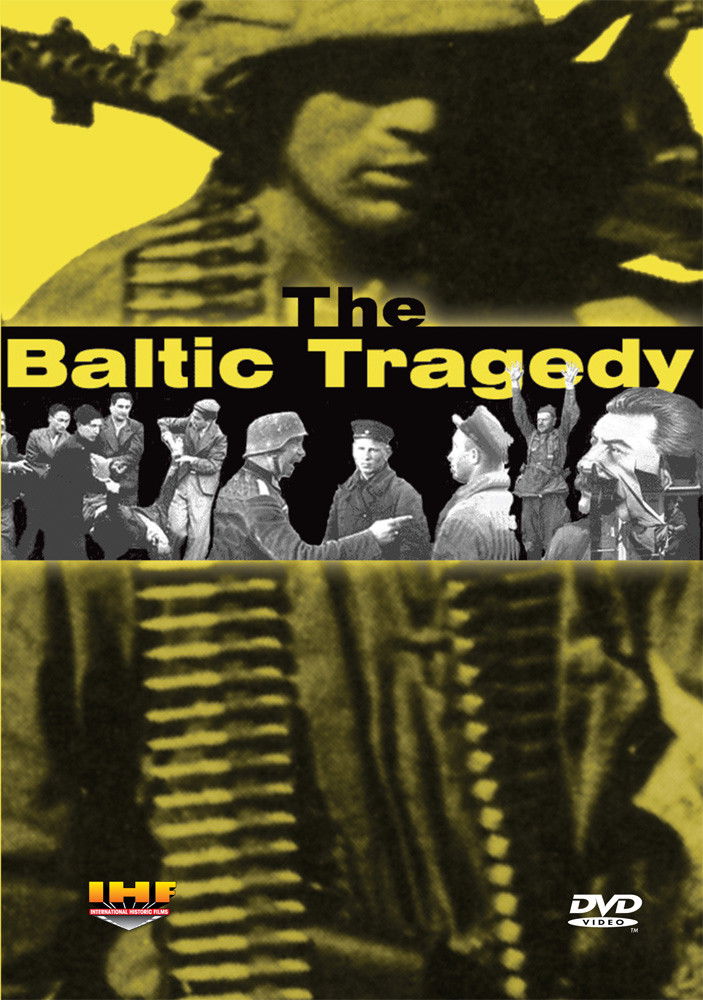
Special care has been taken by International Historic Films to assemble this monumental documentary, which tells the story of what is left for a people after its land has been ravaged by war. Situated between the powerful antagonists Germany and the Soviet Union, the Baltic nations of Latvia, Lithuania, and Estonia bore witness to some of the most ferocious land battles of the Second World War.
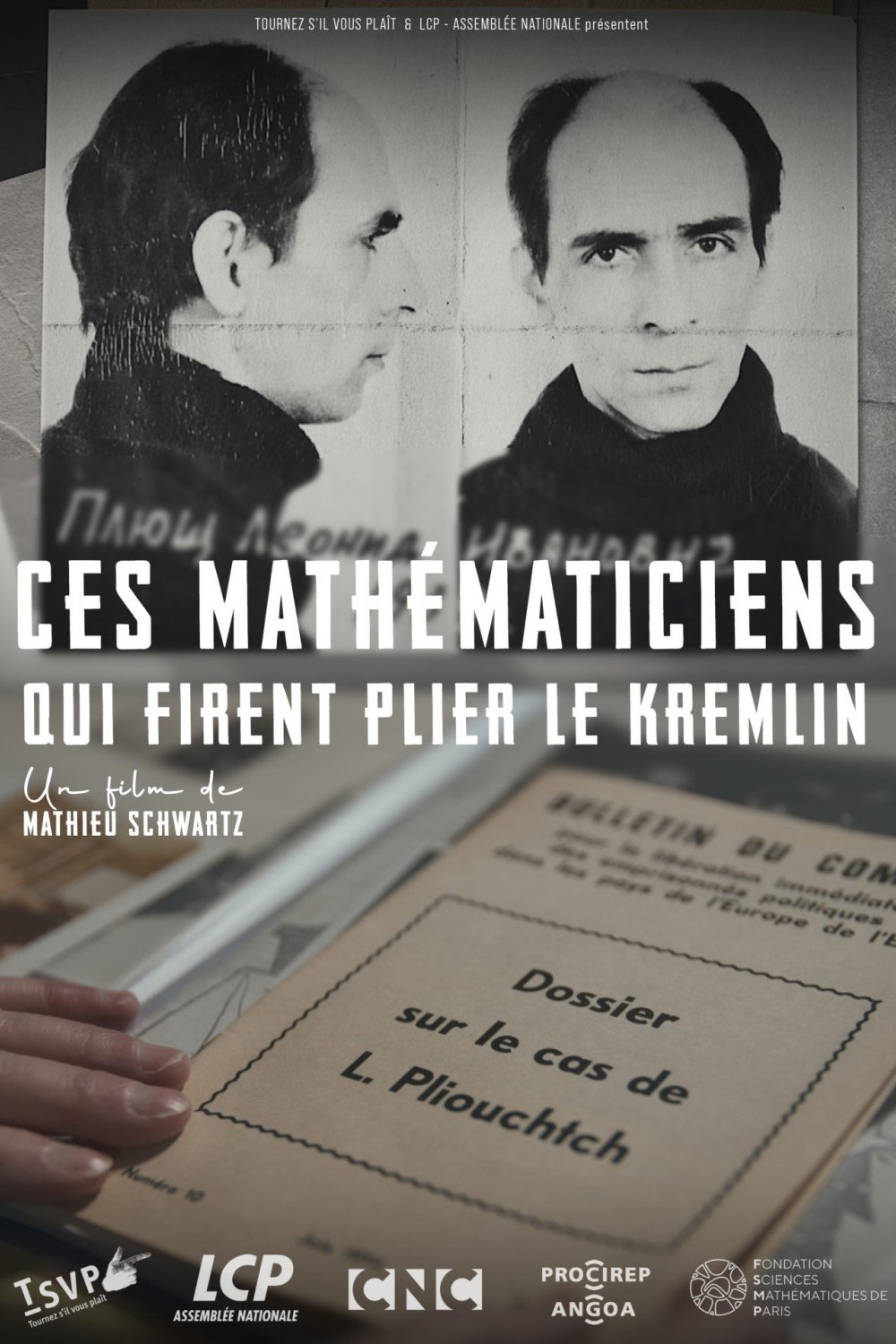
On January 15, 1972, Leonid Pliouchtch, a Ukrainian mathematician who was unknown at the time, was locked up in a Soviet psychiatric institution and accused of dissidence. His wife, Tatiana, fought for his defense and contacted a committee of French mathematicians to help him. Led by Laurent Schwartz, they launched a three-year campaign to secure his release and succeeded in getting the USSR to back down on the issue.
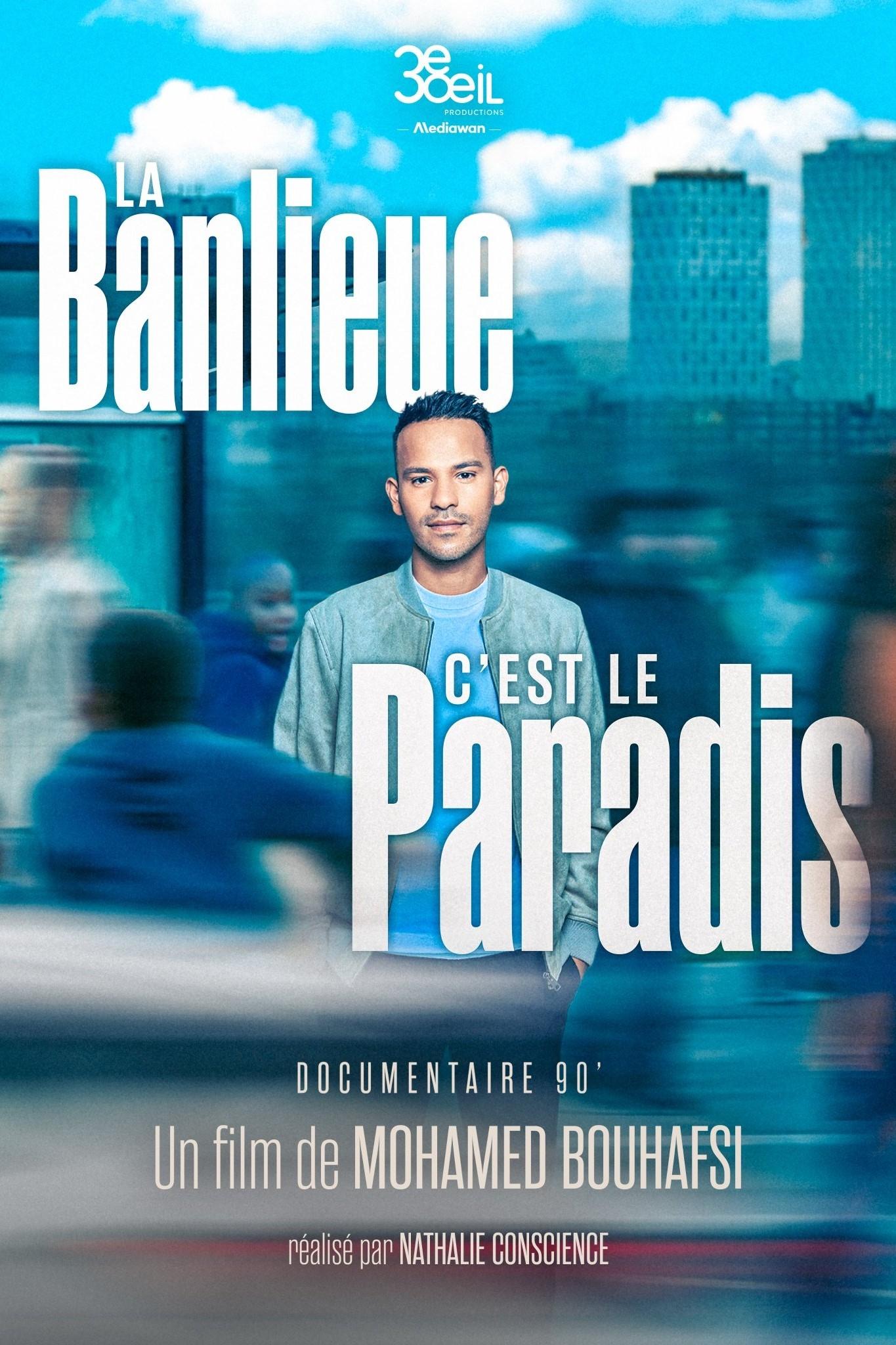
In the 1960s, the suburbs were meant to be modern havens for newcomers from rural France, Portugal, Spain, North Africa, and Africa, helping rebuild post-war France. Large housing complexes symbolized this ideal, offering comfort, heating, and electricity. But by the 1980s, disillusionment set in as economic crisis, unemployment, poverty, crime, racism, and police violence took hold. Mohamed Bouhafsi tells the story of a dream that didn’t last.
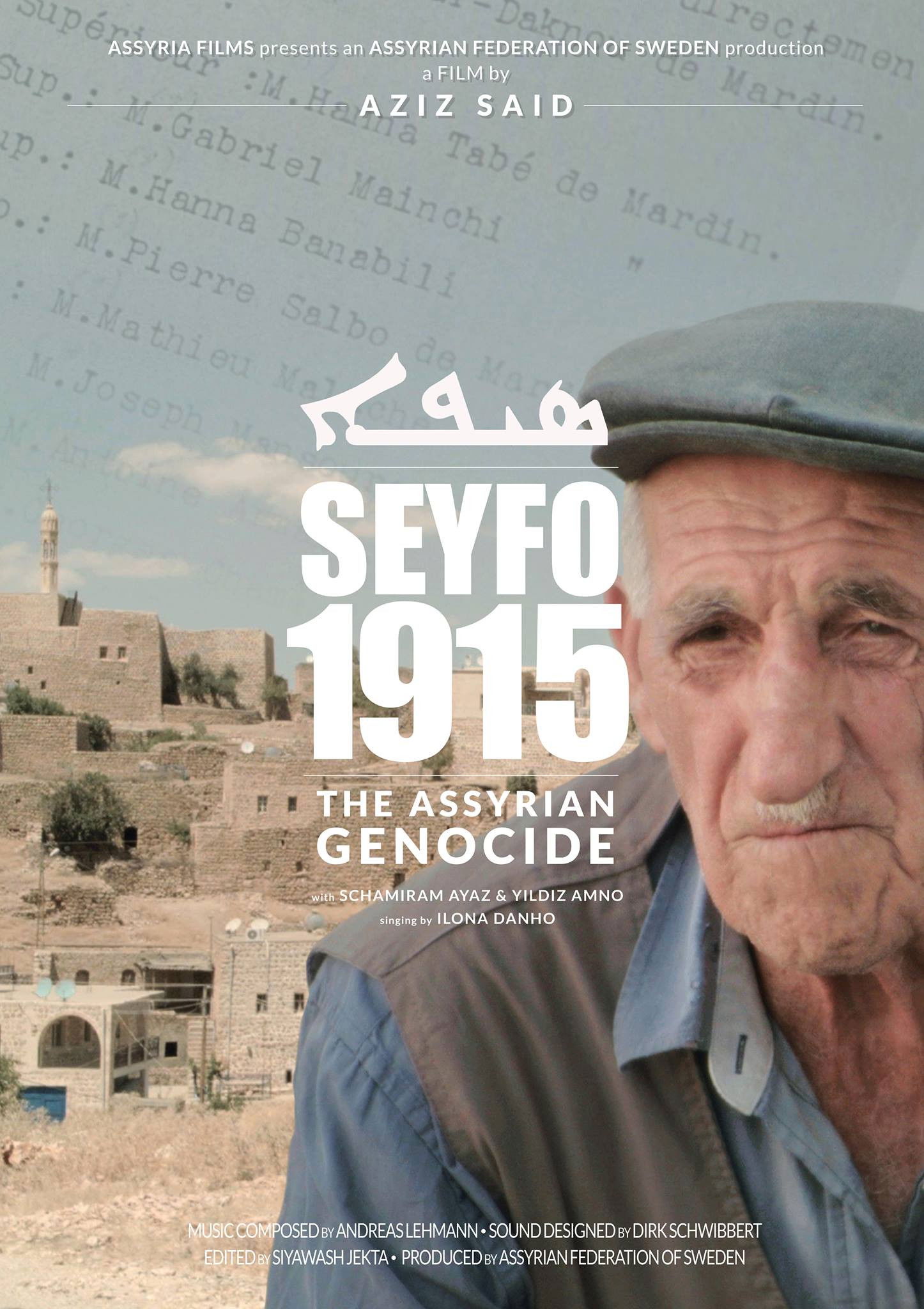
In the shadow of the First World War, the genocide of the Christian Assyrians took place almost unnoticed by the world public. This first systematic genocide of the 20th century was committed by the Young Turks (Ottoman Empire) and would not have been possible without the support of some Kurdish local rulers and their family clans. The Assyrians are the indigenous people of Mesopotamia and have lived in Mesopotamia for thousands of years. The film includes testimony from several European, Turkish and Assyrian historians, as well as genocide researchers, including Professor Taner Akcam, Dr. Gabriele Yonan and Professor David Gaunt. The film includes testimony from survivors of the genocide. Various journalists and publicists also have their say with well-researched information in this documentary. The Assyrians refer to the Genocide as "Seyfo" (ܣܝܦܐ), which translates as "sword".
A Moment in Her Story is an honest, complex exploration of some of the major challenges faced by those active in the Second Wave women's movement of the late 60s and early 70s.
Several historical facts were raised again to remember the story of the President who was born in the village of Peneleh, Surabaya, who is also Arek Suroboyo.
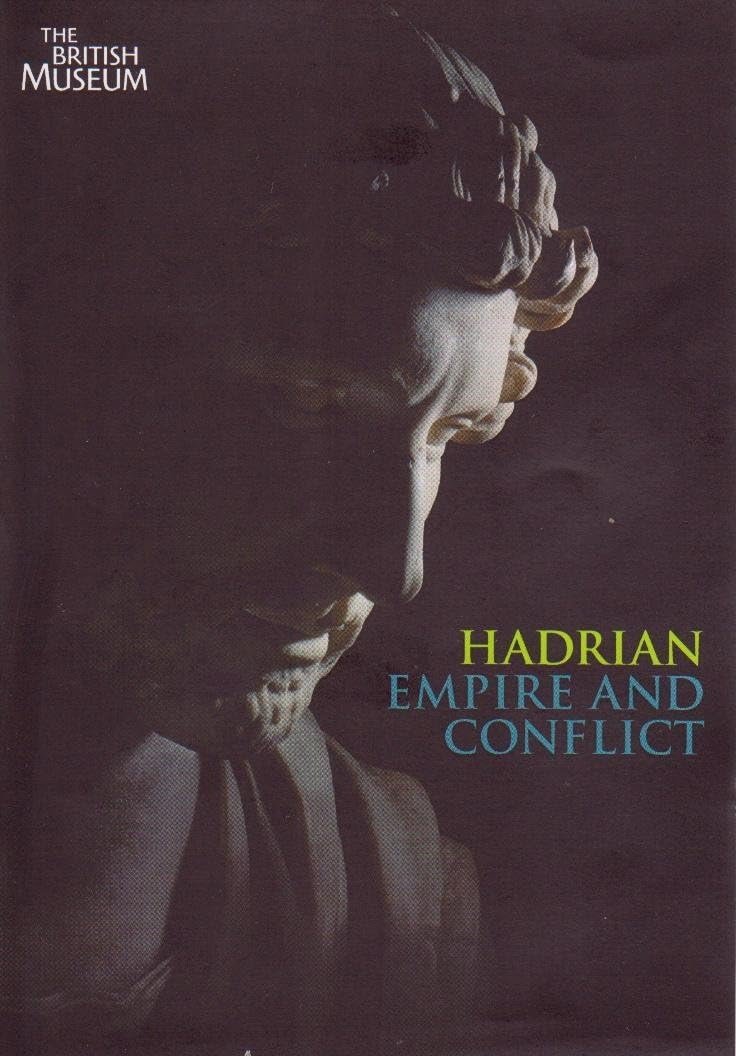
Documentary released to coincide with the British Museum's exhibition dedicated to the man who ruled the Roman Empire from 117 to 138 AD. The programme explores the life, achievements, passions and legacy of the emperor who was both soldier and poet and responsible for that most famous construction - Hadrian's Wall. The documentary was produced in conjunction with the exhibition Hadrian: Empire and Conflict at the British Museum 24 July - 26 October 2008.
Why did the Roman Empire, which dominated Europe and the Mediterranean for five centuries, inexorably weaken until it disappeared? Archaeologists, specialists in ancient pathologies and climate historians are now accumulating clues converging on the same factors: a powerful cooling and pandemics. A disease, whose symptoms described by the Greek physician Galen are reminiscent of those of smallpox, struck Rome in 167, soon devastating its army. At the same time, a sudden climatic disorder that was underway as far as Eurasia caused agricultural yields to plummet and led to the westward migration of the Huns. Plagued by economic and military difficulties, attacked from all sides by barbarian tribes, the Roman edifice gradually cracked.
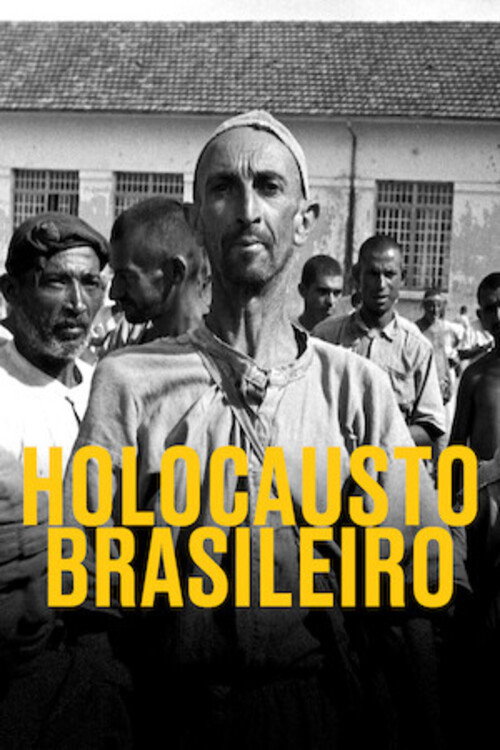
Award-winning journalist Daniela Arbex examines the horrors of the Colônia psychiatric hospital, where more than 60,000 people were killed over decades.
A string of threatening emails escalates into a revenge plot involving a newly married US marshal and his ex-girlfriend.
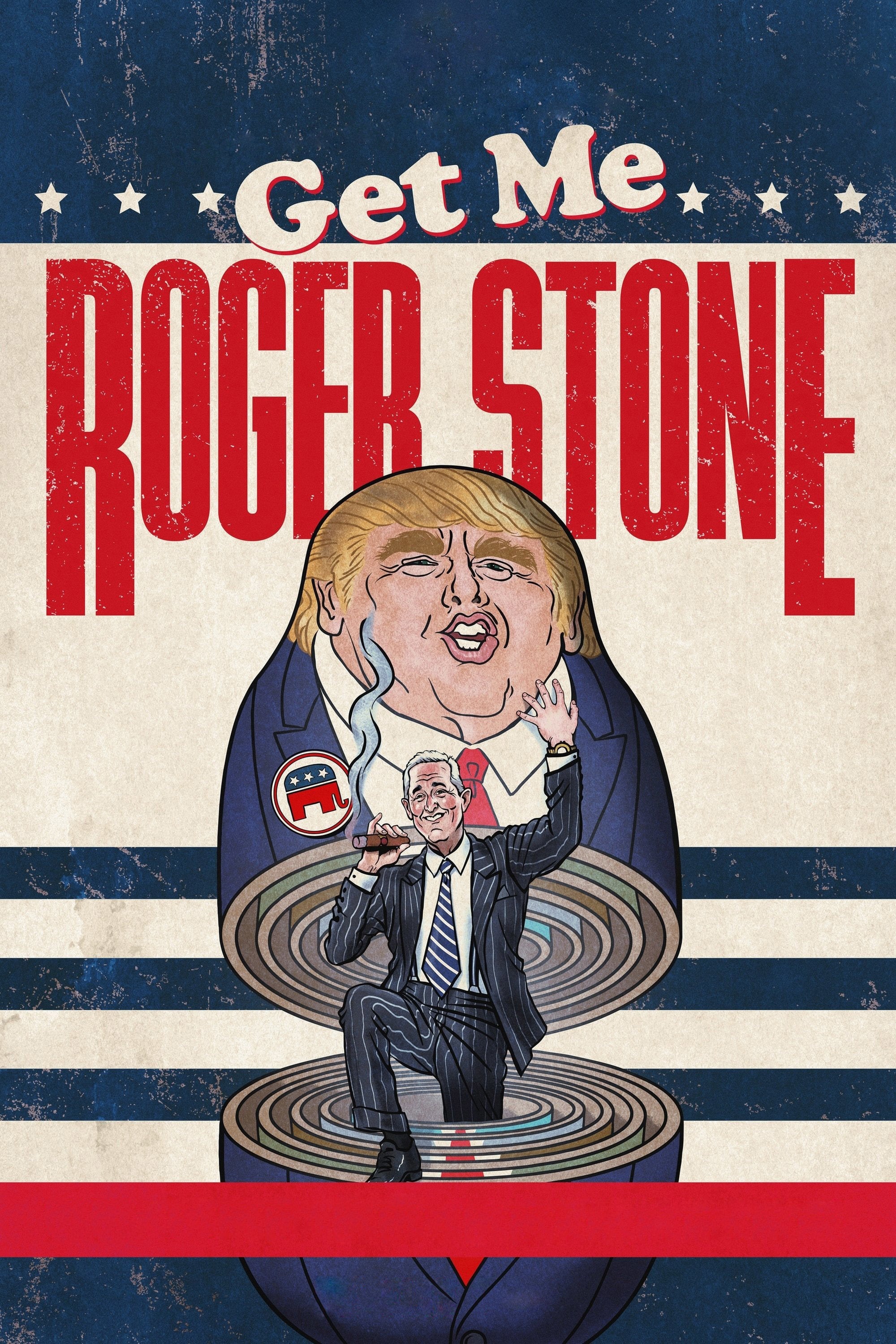
From his days of testifying at the Watergate hearings to advising recent presidential candidate Donald Trump, Roger Stone has long offended people on both sides of the political fence as a force in conservative America. Outspoken author, pundit, ahead of his time election strategist, this is his story.
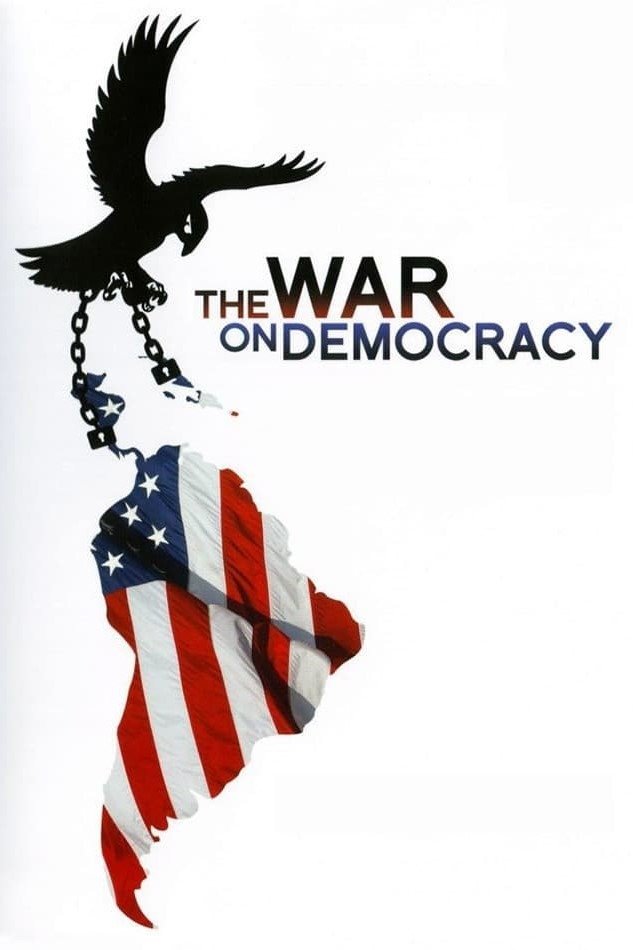
Set both in Latin America and the United States, the film explores the historic and current relationship of Washington with countries such as Venezuela, Bolivia and Chile. Pilger says that the film "...tells a universal story... analysing and revealing, through vivid testimony, the story of great power behind its venerable myths. It allows us to understand the true nature of the so-called "war on terror". According to Pilger, the film’s message is that the greed and power of empire is not invincible and that people power is always the "seed beneath the snow".
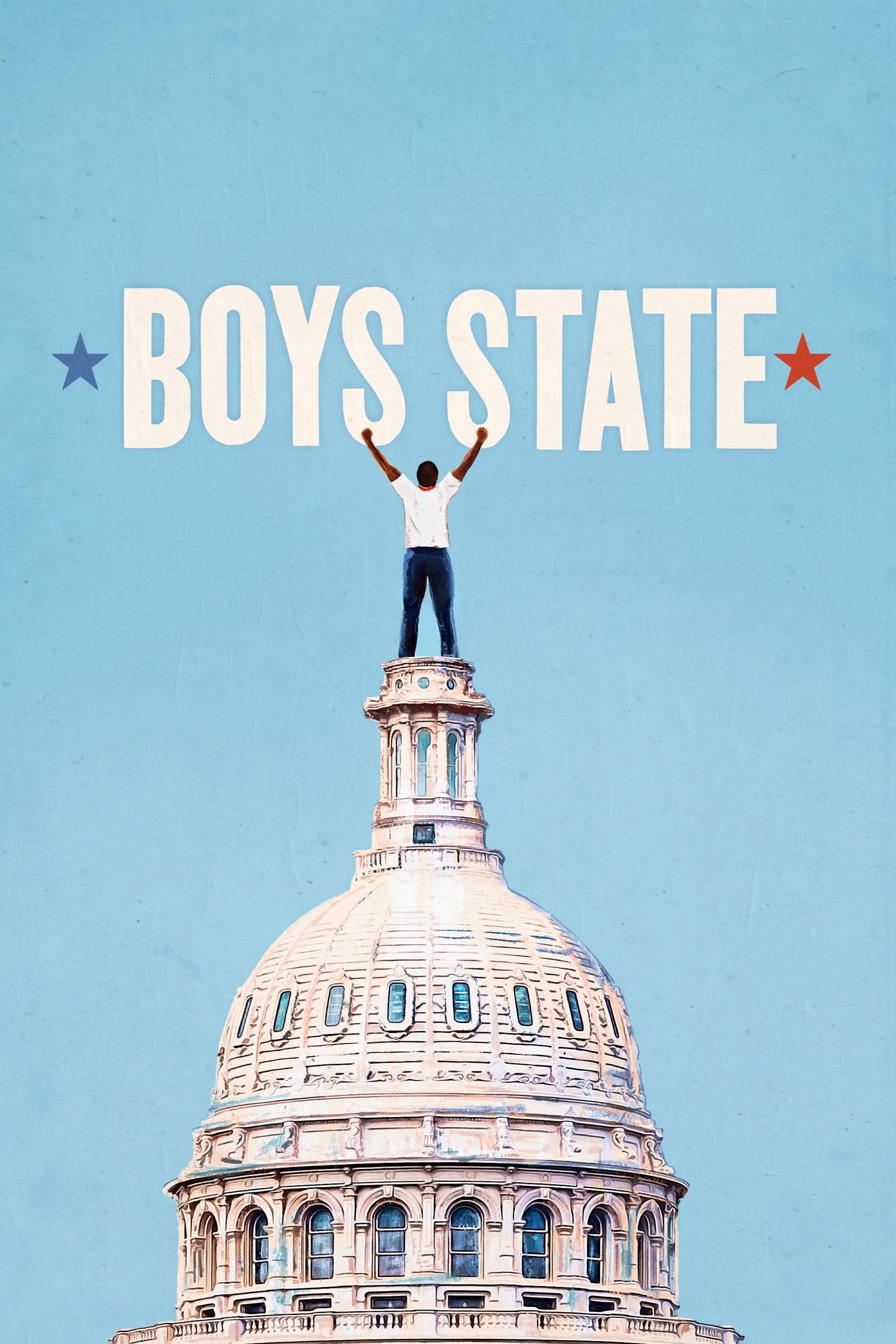
This raucous journey into the heart of democracy captures an unusual rite of passage: 1,100 teenage boys from across Texas coming together to build a representative government from the ground up.
When Allied forces liberated the Nazi concentration camps in 1944-45, their terrible discoveries were recorded by army and newsreel cameramen, revealing for the first time the full horror of what had happened. Making use of British, Soviet and American footage, the Ministry of Information’s Sidney Bernstein (later founder of Granada Television) aimed to create a documentary that would provide lasting, undeniable evidence of the Nazis’ unspeakable crimes. He commissioned a wealth of British talent, including editor Stewart McAllister, writer and future cabinet minister Richard Crossman – and, as treatment advisor, his friend Alfred Hitchcock. Yet, despite initial support from the British and US Governments, the film was shelved, and only now, 70 years on, has it been restored and completed by Imperial War Museums under its original title "German Concentration Camps Factual Survey".
In an intimate and joyful story of love in the face of loss, celebrated poets Andrea Gibson and Megan Falley find strength—and unexpected hilarity—in what might be their final year together.
Journey into the extraordinary world of "The Witcher" — from casting the roles to Jaskier's catchy song — in this behind-the-scenes look at the series.
Ranjit, a farmer in India, takes on the fight of his life when he demands justice for his 13-year-old daughter, the victim of a brutal gang rape. His decision to support his daughter is virtually unheard of, and his journey unprecedented.
When a 5-year-old girl falls from her father's apartment, her mother embarks on a quest for justice — and is put under the national spotlight.
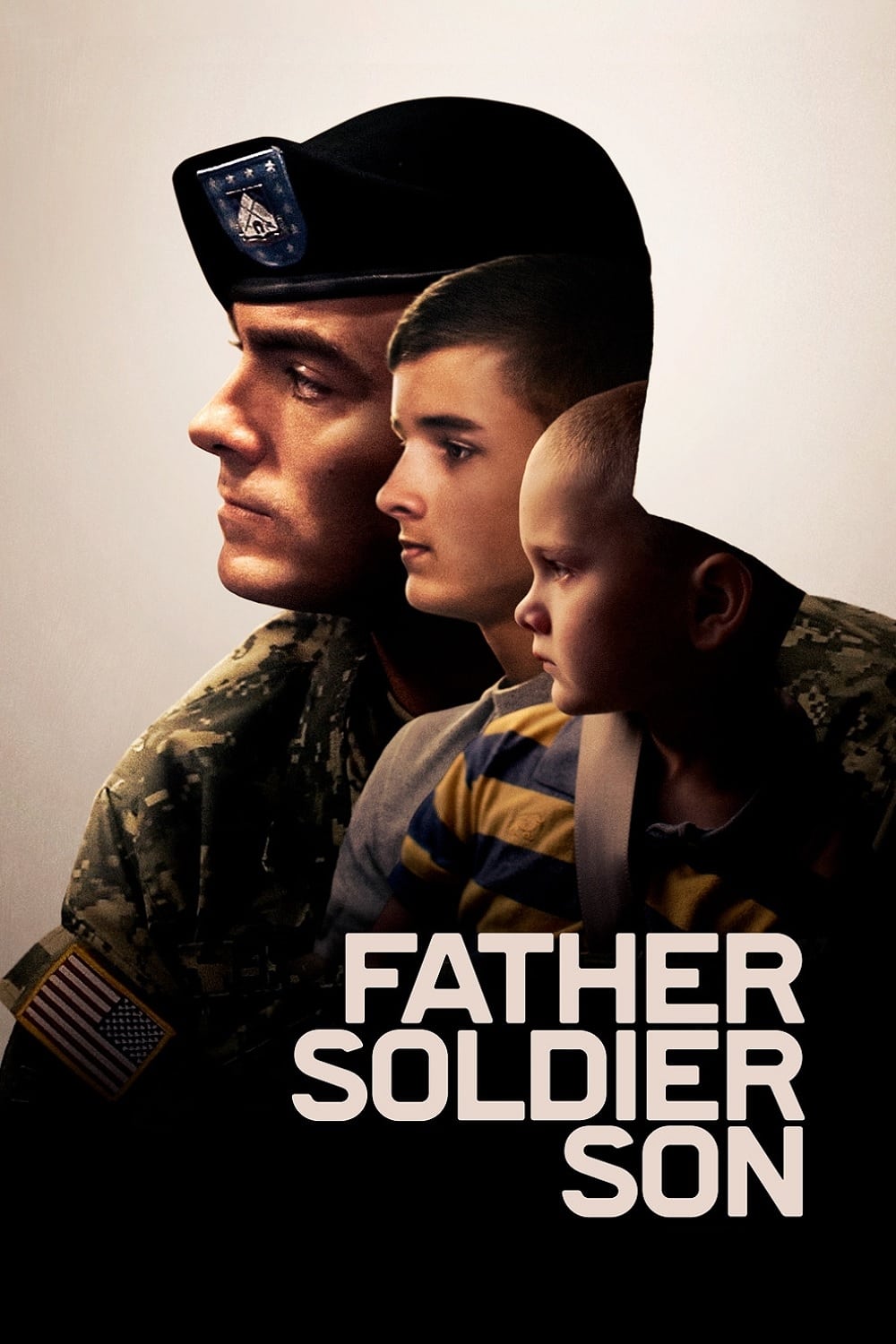
When Sgt. First Class Brian Eisch is critically wounded in Afghanistan, it sets him and his sons on a journey of love, loss, redemption and legacy.
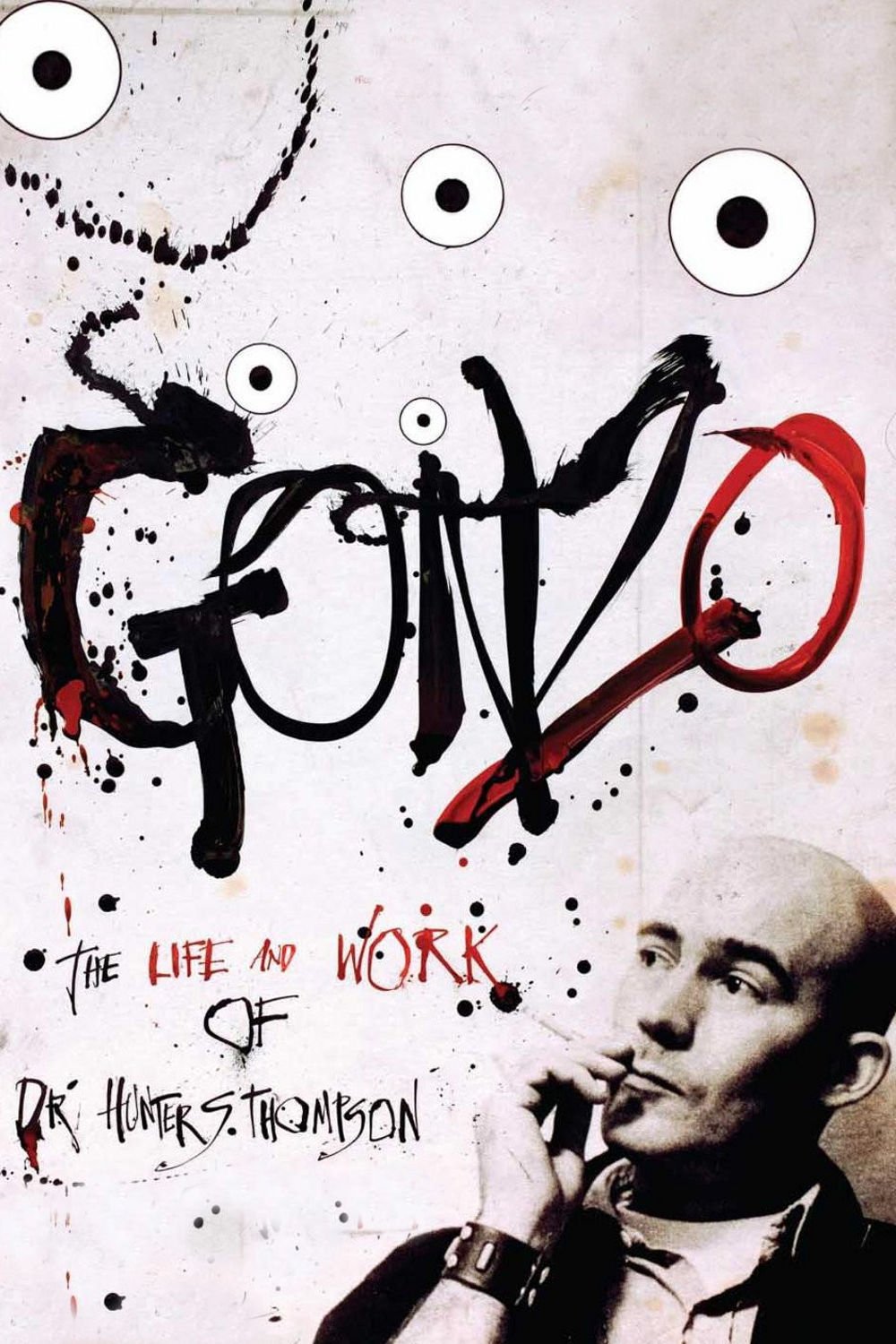
Fueled by a raging libido, Wild Turkey, and superhuman doses of drugs, Thompson was a true "free lance, " goring sacred cows with impunity, hilarity, and a steel-eyed conviction for writing wrongs. Focusing on the good doctor's heyday, 1965 to 1975, the film includes clips of never-before-seen (nor heard) home movies, audiotapes, and passages from unpublished manuscripts.
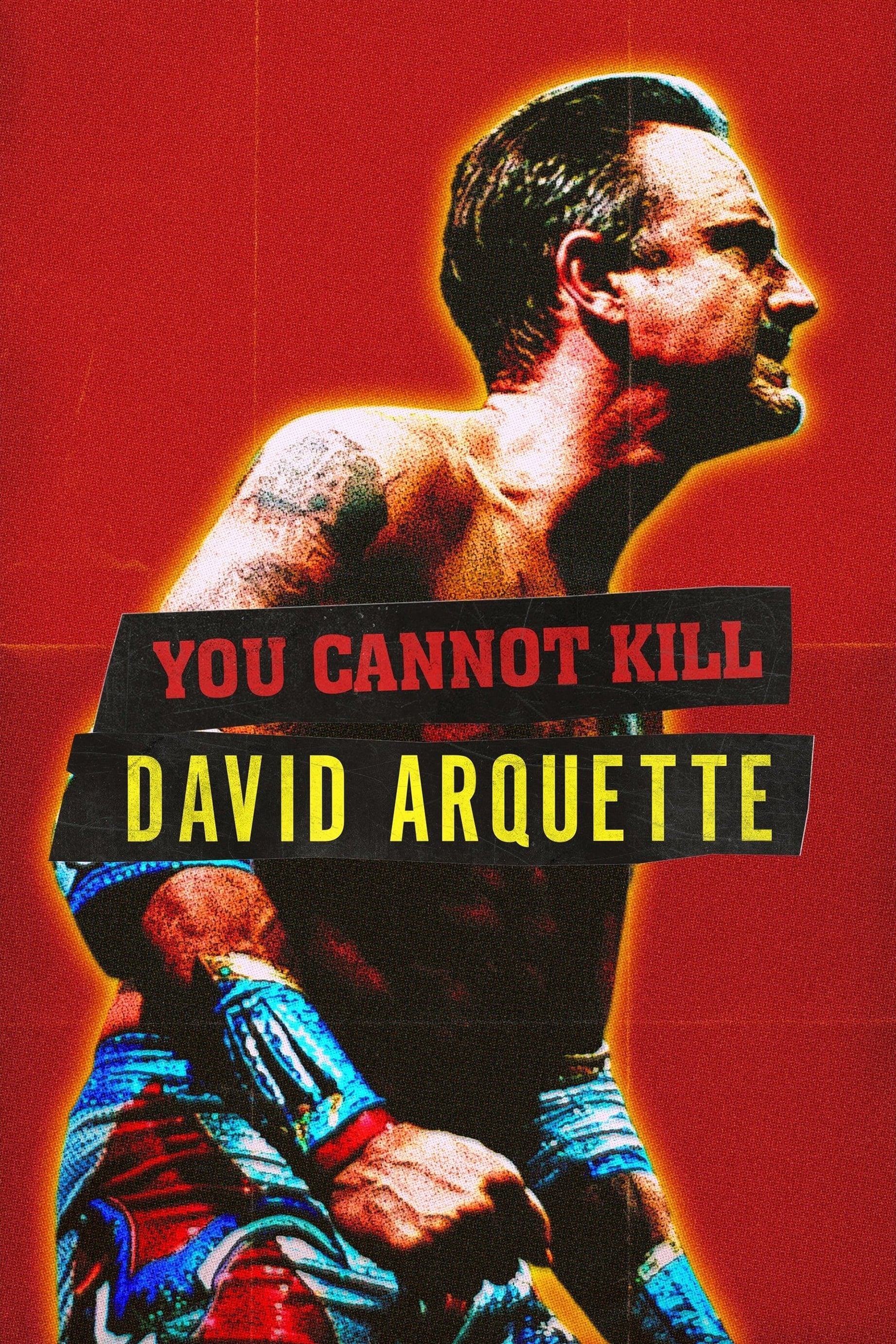
Following his infamous championship as part of a marketing stunt for the film Ready to Rumble, David Arquette is widely known as the most hated man in pro-wrestling worldwide. Nearly 20 years after he "won" the initial title, through ups and downs in his career, with his family, and with his struggles with addiction, David Arquette seeks redemption by returning to the ring...for real this time.
A documentary about World War I with never-before-seen footage to commemorate the centennial of Armistice Day, and the end of the war.
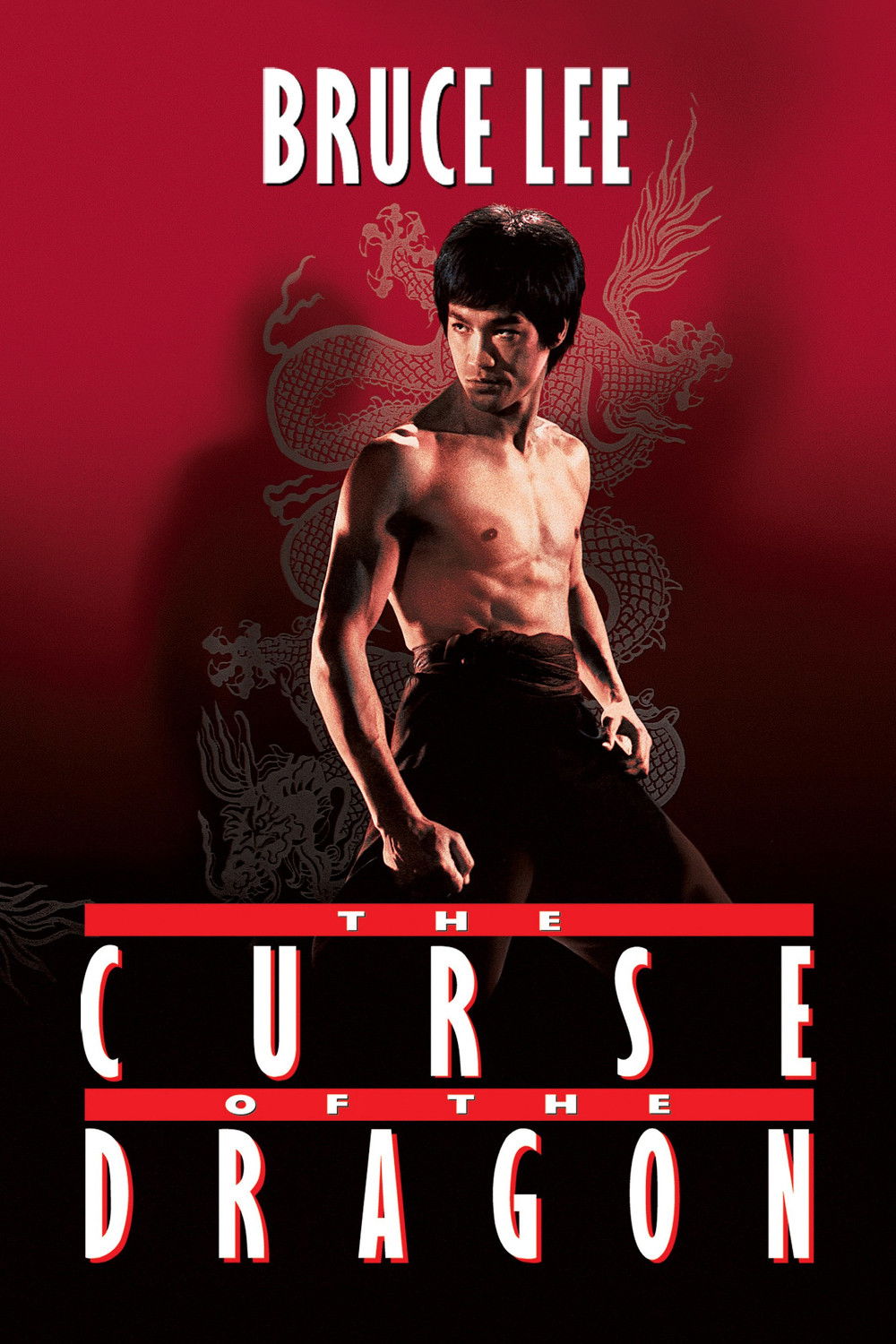
A 1993 documentary film about Bruce Lee. The film includes interviews from some of his fellow students and opponents who worked alongside him in his movies.
A documentary on the expletive's origin, why it offends some people so deeply, and what can be gained from its use.
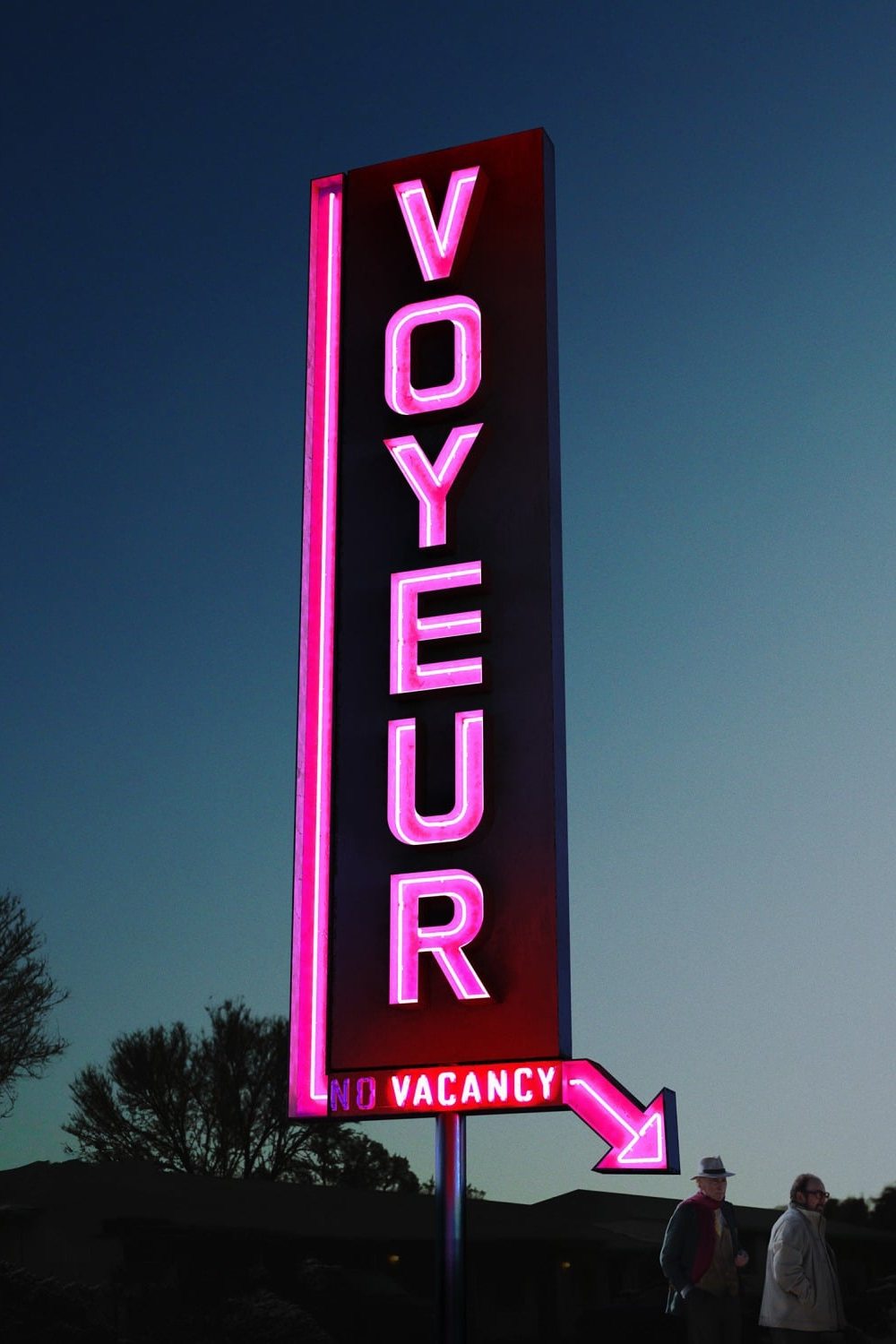
Legendary journalist Gay Talese unmasks a motel owner who spied on his guests for decades. But his bombshell story soon becomes a scandal of its own.
The life and career of one of comedy's most inimitable modern voices, Mr. Gilbert Gottfried.
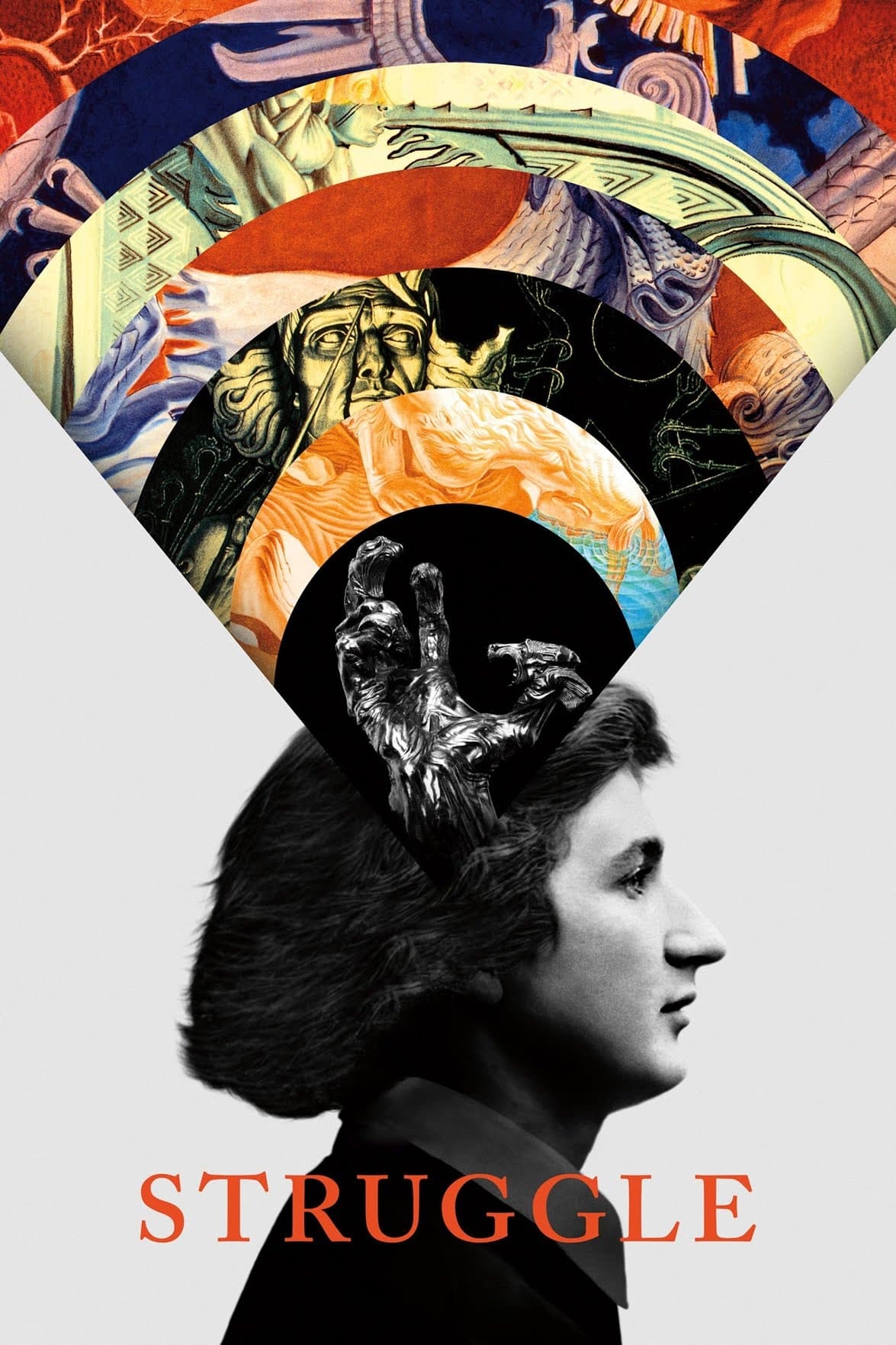
Artists in LA discover the work of forgotten Polish sculptor Stanislav Szukalski, a mad genius whose true story unfolds chapter by astounding chapter.
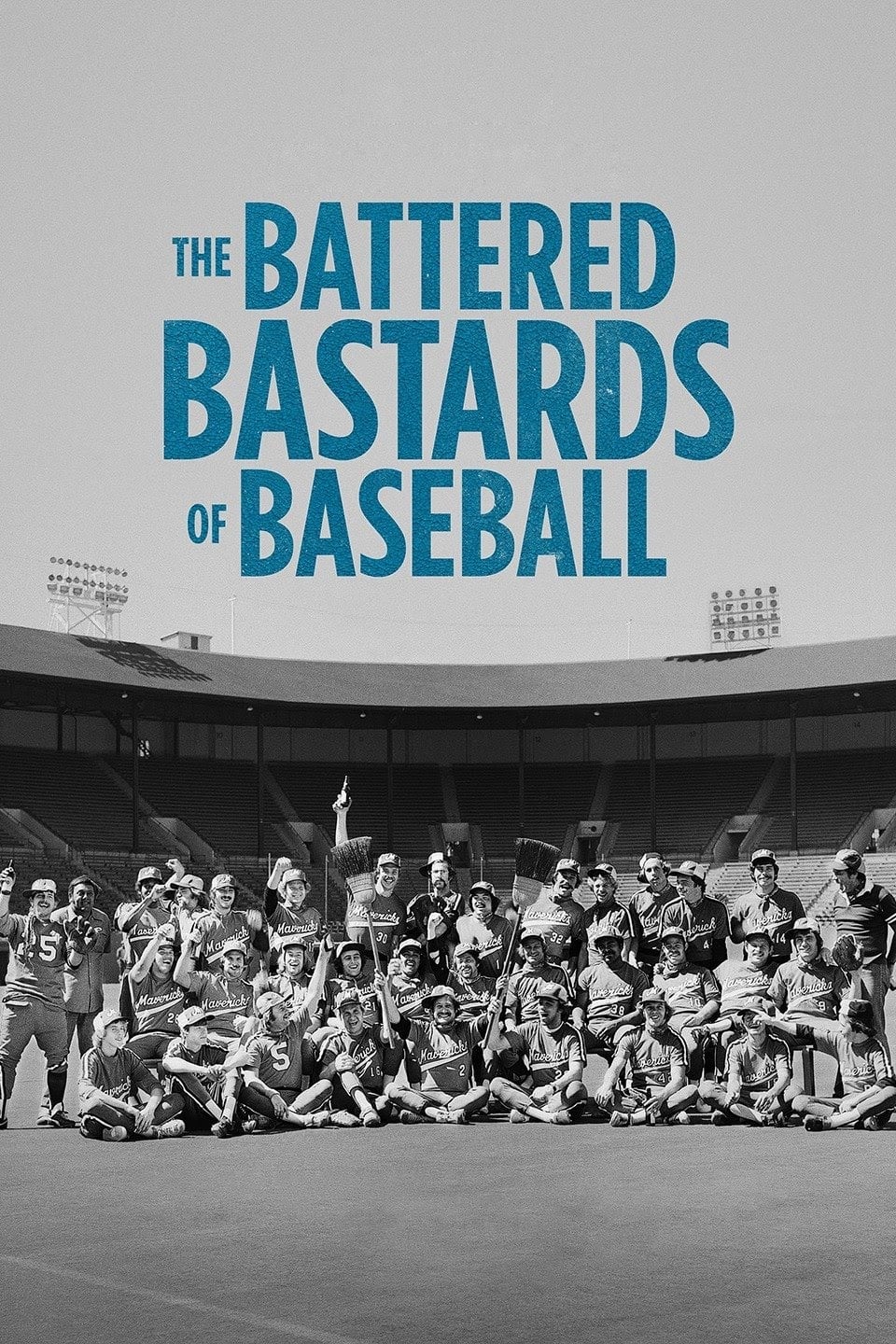
Hollywood veteran Bing Russell creates the only independent baseball team in the country—alarming the baseball establishment and sparking the meteoric rise of the 1970s Portland Mavericks.