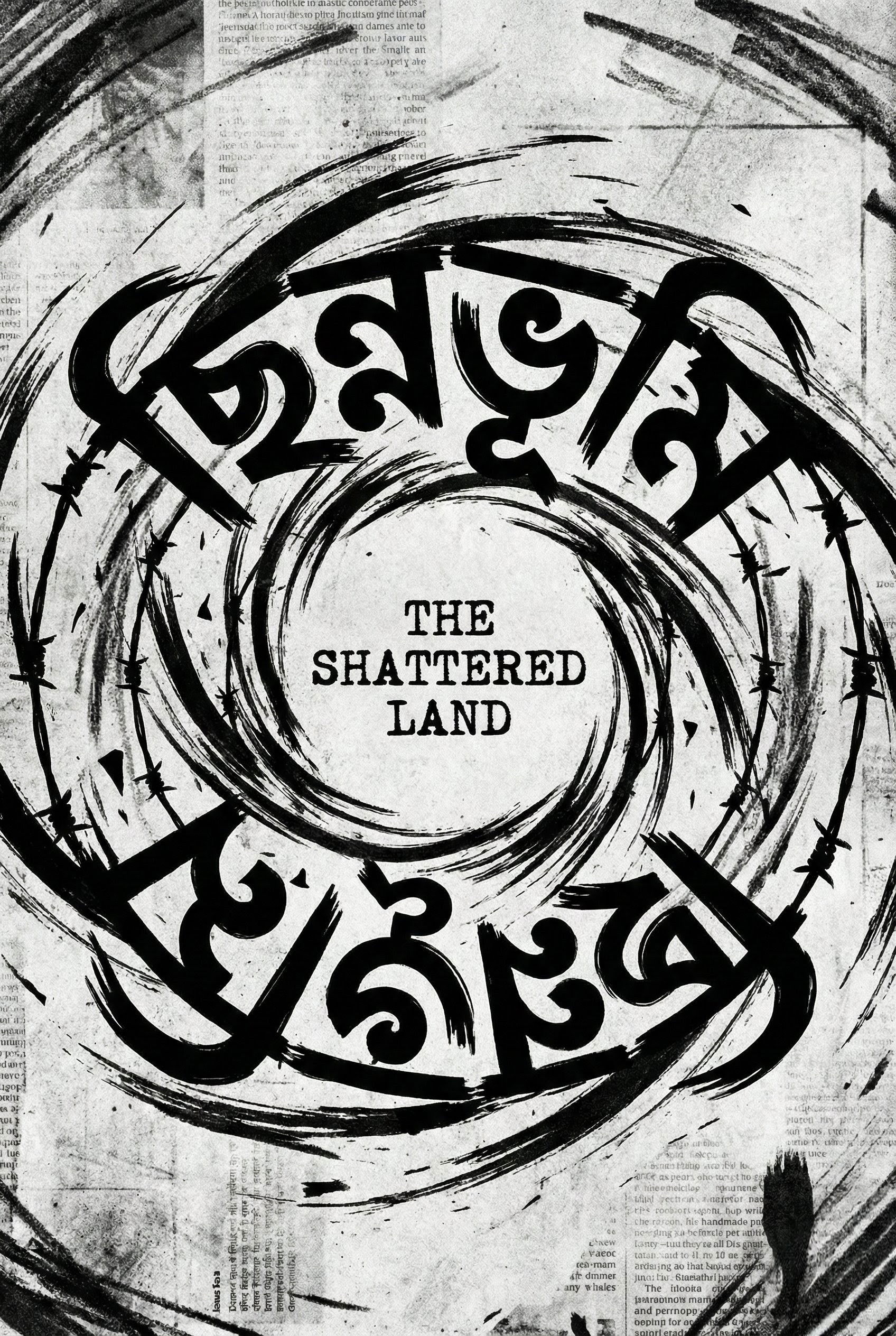
"For Ritwik Ghatak"
A tribute. A protest. A memory. Marking 50 years without Ritwik Ghatak.
Social & External
The people behind it
Chronicles the powerful friendship between two young Black teenagers navigating the harrowing trials of reform school together in Florida.
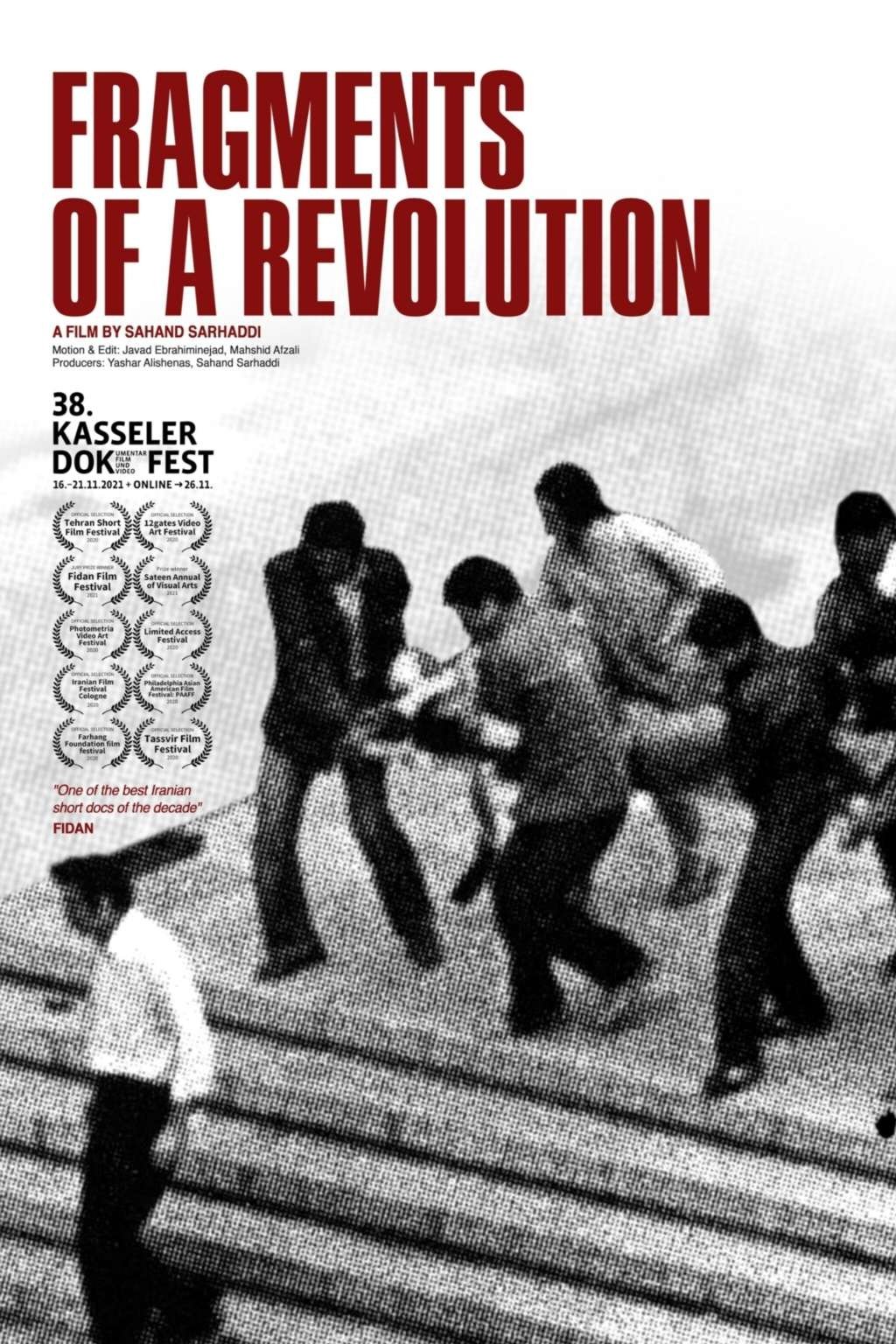
An experimental film about narrations of two journal photos from Iran's revolution in 1979.
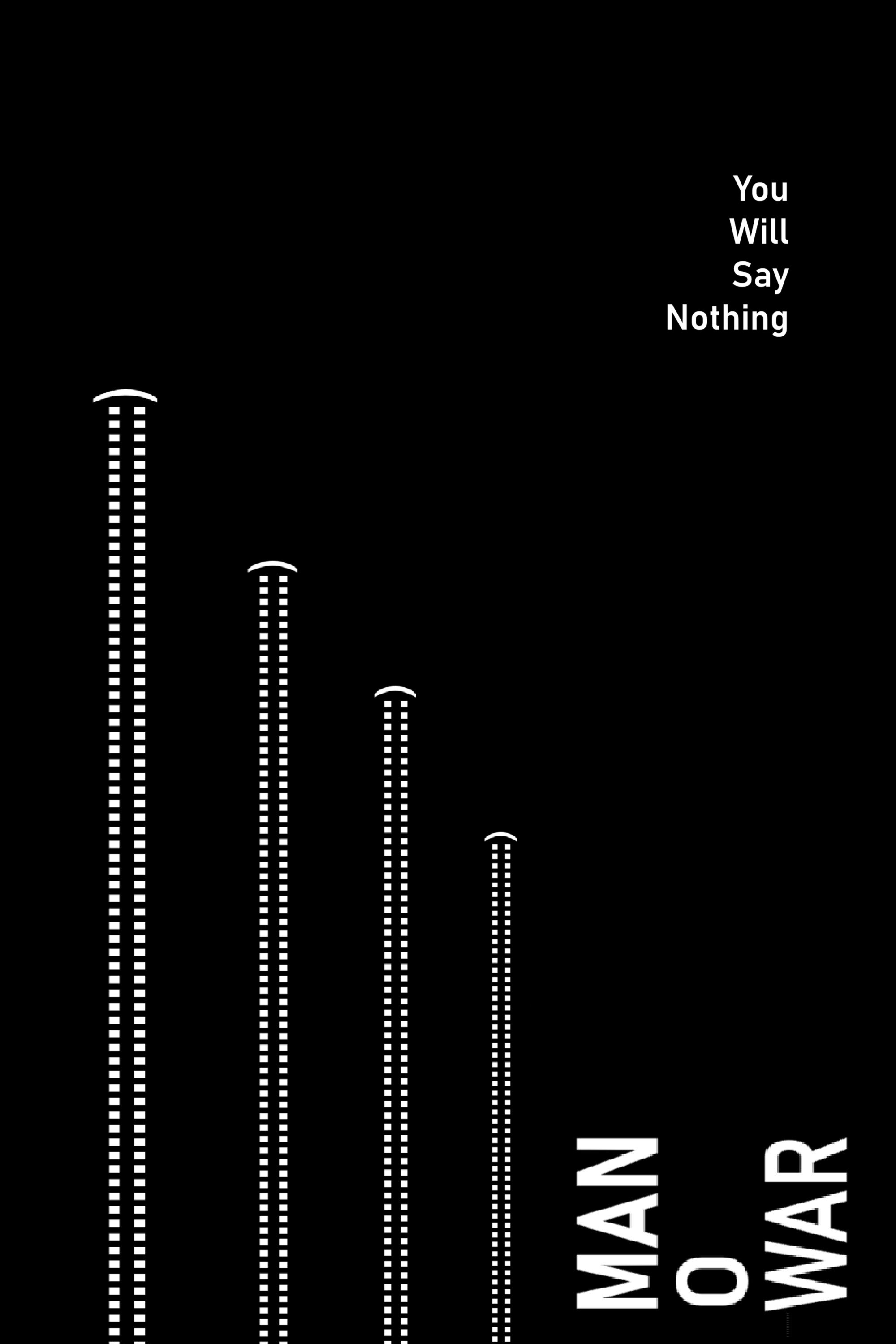
A film about peace, love and war. Dedicated to the 100th anniversary of the end of the Civil War in Russia. The film takes place at the end of the summer of 1917, when Russia and the whole world were at a crossroads between two eras. None of the people could even imagine how much his life would change in the very near future. In a strange way, the atmosphere of the film echoes our current reality and what is happening in Russia today. According to the form of visualization, the film belongs to experimental mockumentary cinema. To give greater authenticity to what is happening on the screen, the shooting was carried out on black-and-white negatives of 16 and 35 mm, hand-operated cameras were used and the material was developed in manual spiral tanks. The documentary chronicle of the Kolchak army of 1919 and the White army in the Far East of 1922 is embedded in the finale of the film.
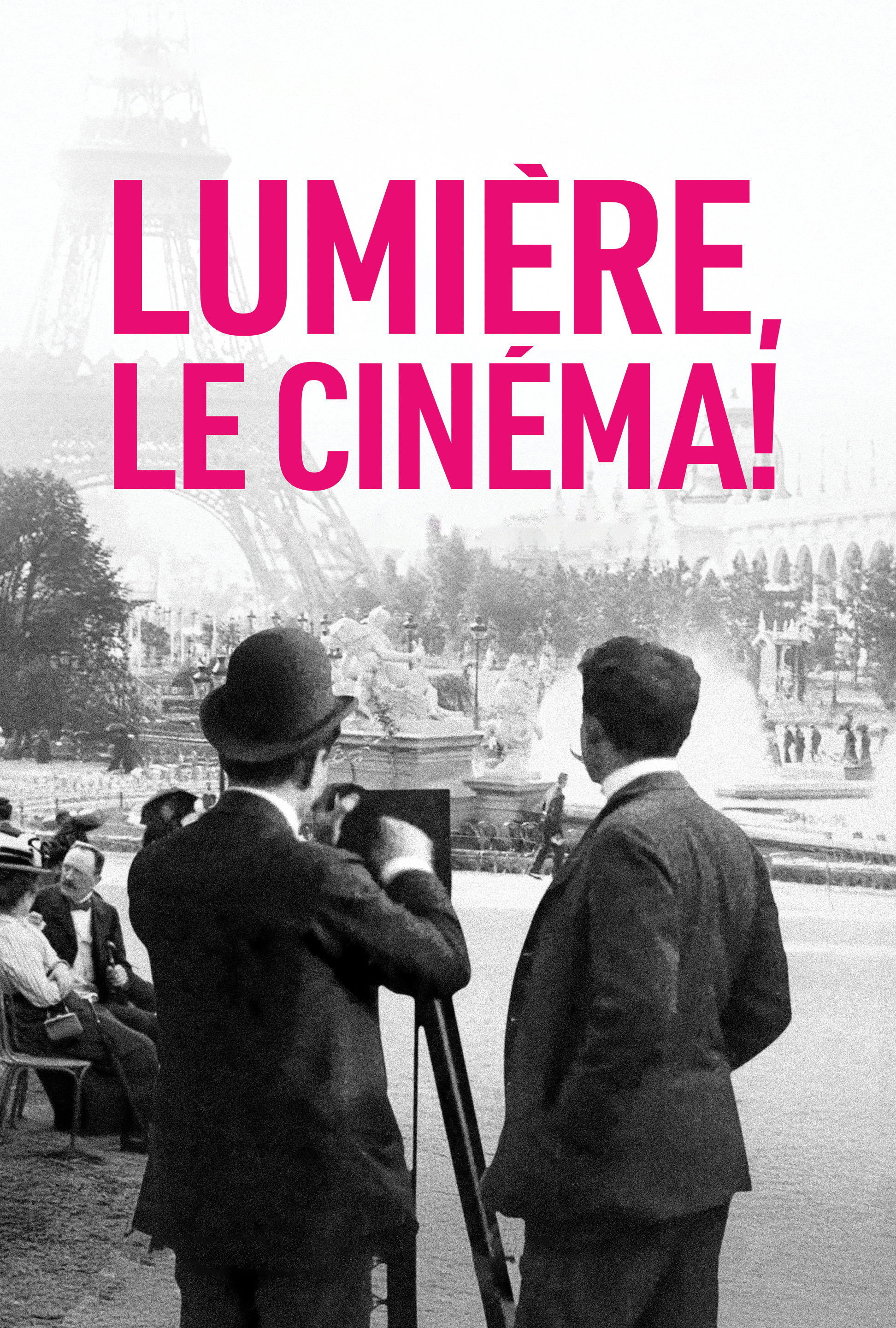
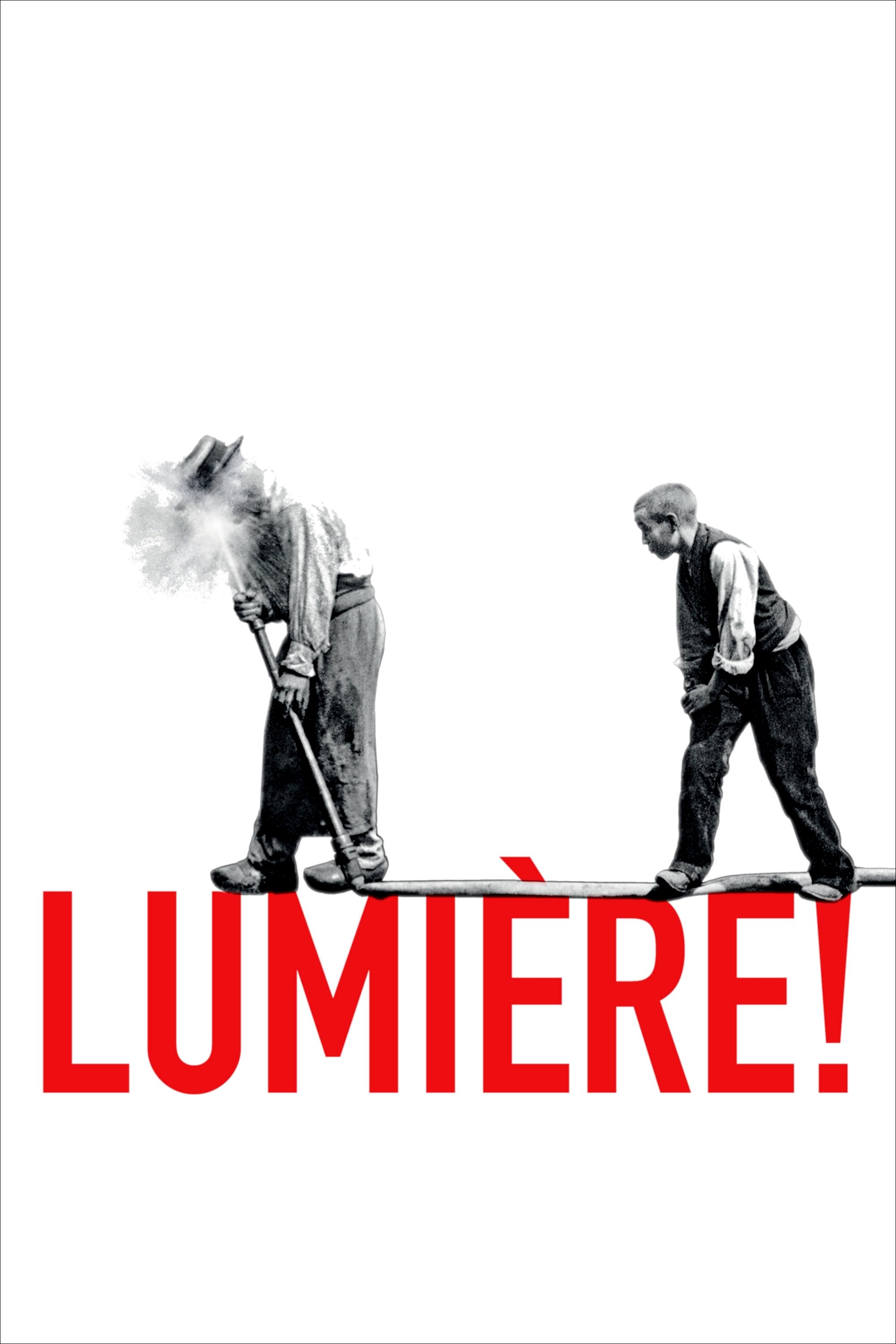
In one of those wonderful coincidences of history, lumière, the French word for “light,” was also the last name of brothers Auguste and Louis, whose brilliant invention, the cinematograph, helped to inaugurate the most beloved art form of the last 130 years. Institute Lumière director Thierry Frémaux uses Lumière, Le Cinema! to guide the viewer through over a hundred shorts—some famous, some forgotten, some never before seen—directed by Lumière and company. In the process, Frémaux illuminates how the brothers employed the camera as a creative instrument as they (and their operators) mastered framing, staging, and subject selection for quotidian and exotic microdocumentaries as well as the first ever fictional motion pictures. The result is not only a glorious re(telling) of the genesis of cinema but a profound meditation on the beautiful world captured—and the mysterious world imagined—by the Lumières.
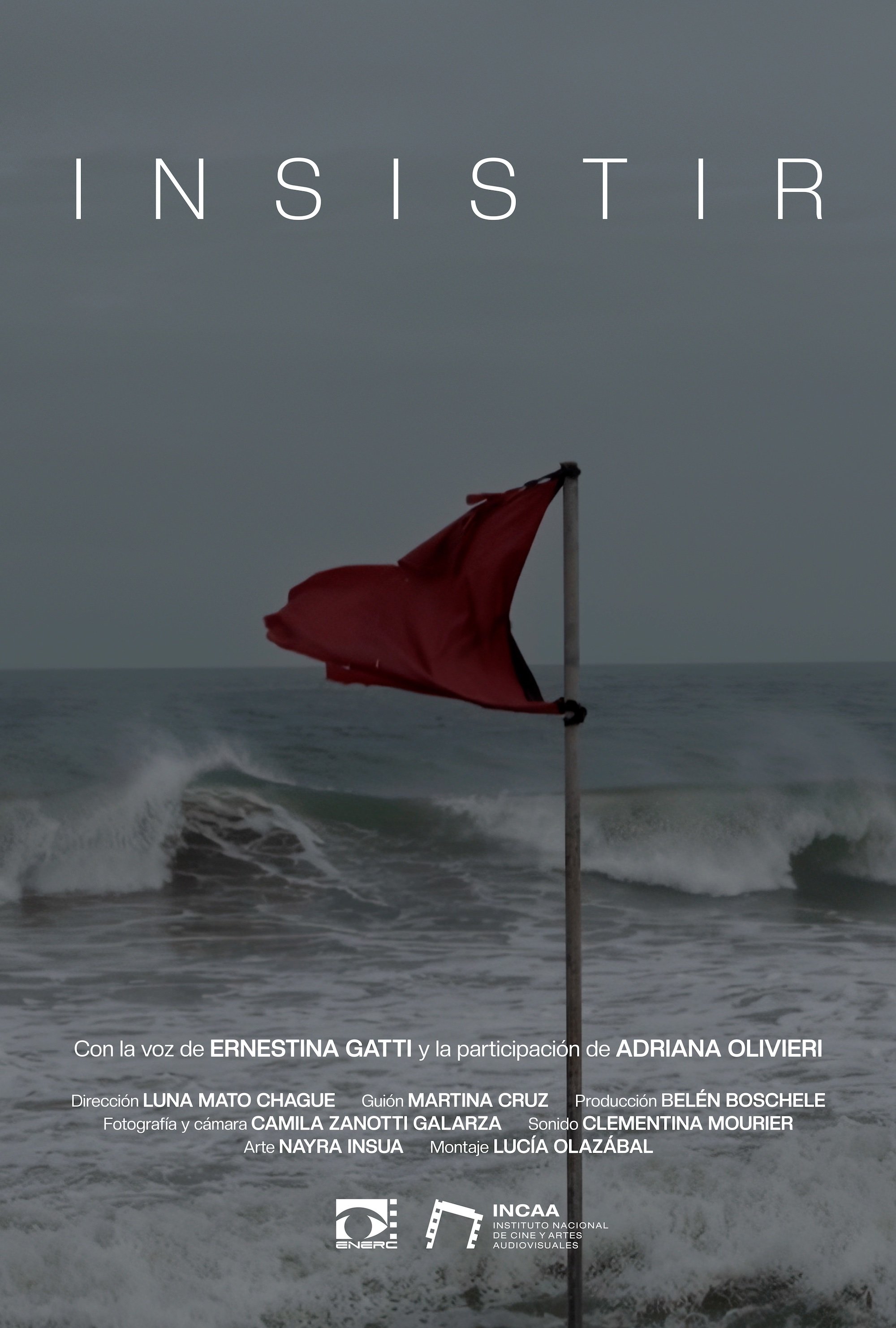
A documentary about the sea and memory. Its movement is its form. Its strength.
An animated film using a multitude of techniques, in which a flower tries to grow while the planet is dying.
Sistine Chapel is an audio-visual collage of new footage and samples from Paik’s past videos, which featured many of his friends, collaborators, and public figures. It was Paik’s own way of summarizing his artistic career with video. The film installation consists of fast-paced and overlapping images that completely cover the gallery walls and ceiling—one of the most under-appreciated parts of architecture, according to Paik. With its electronic visuals and booming audio, interspersed with periods of silence, the immersive installation stands in stark contrast to the experience of its namesake.
Old ghosts celebrate the past as it intrudes on those who think it past.
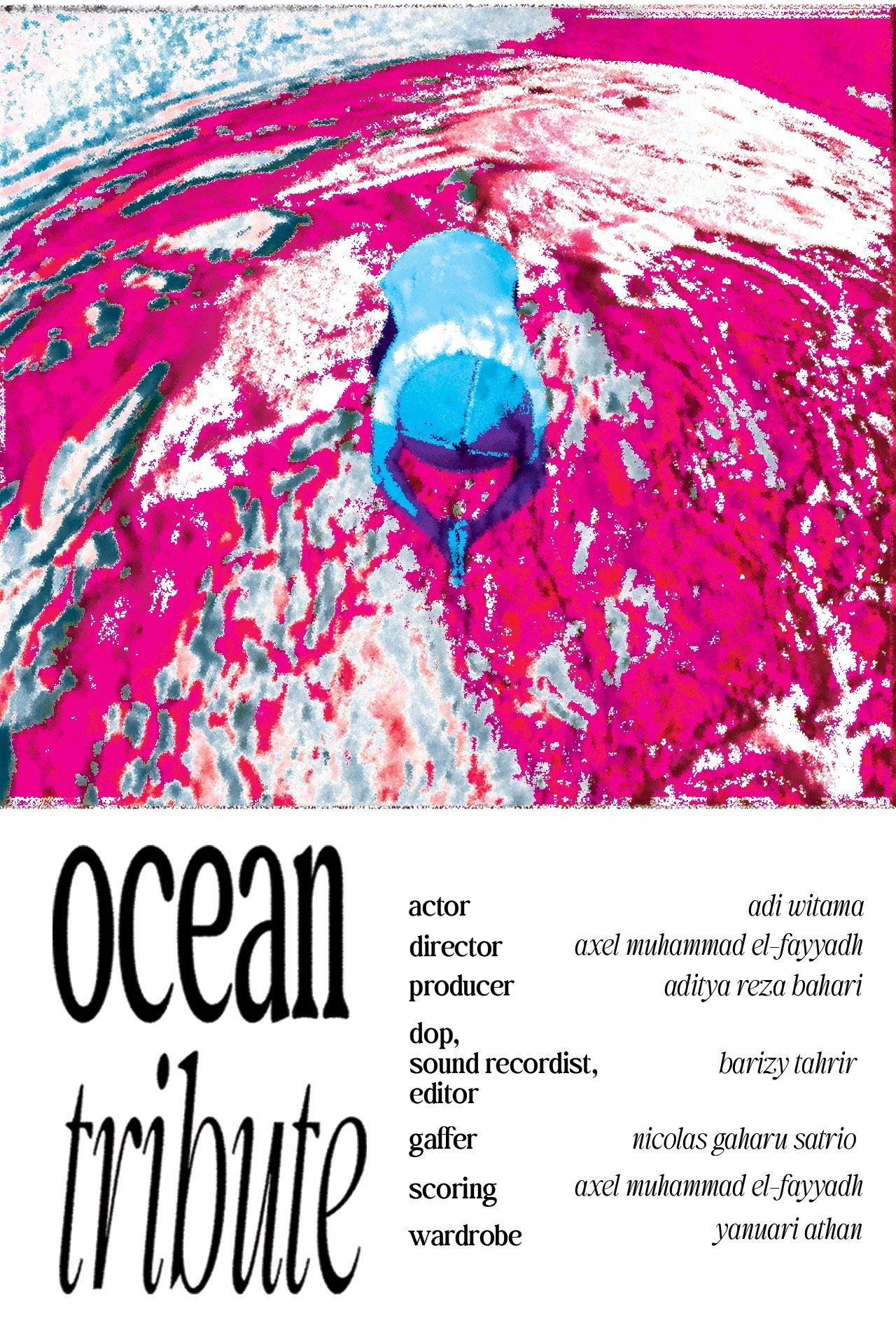
The sea is rumbling. My body was weakened by the south wind. Sea water seeped into the shivering veins. A king rises with new strength. The labuhan ritual was born as a form of gratitude. The fishermen continue this ritual. Offering after offering dissolves in the swish of the waves. Until one day a young man stood proudly. Human apathy towards nature ignites the anger of the sea. The waves crashed, the body moved uncontrollably. Dragged into the vortex of nature's punishment, his body twisted to the rhythm of the tide before finally being swallowed by the water.
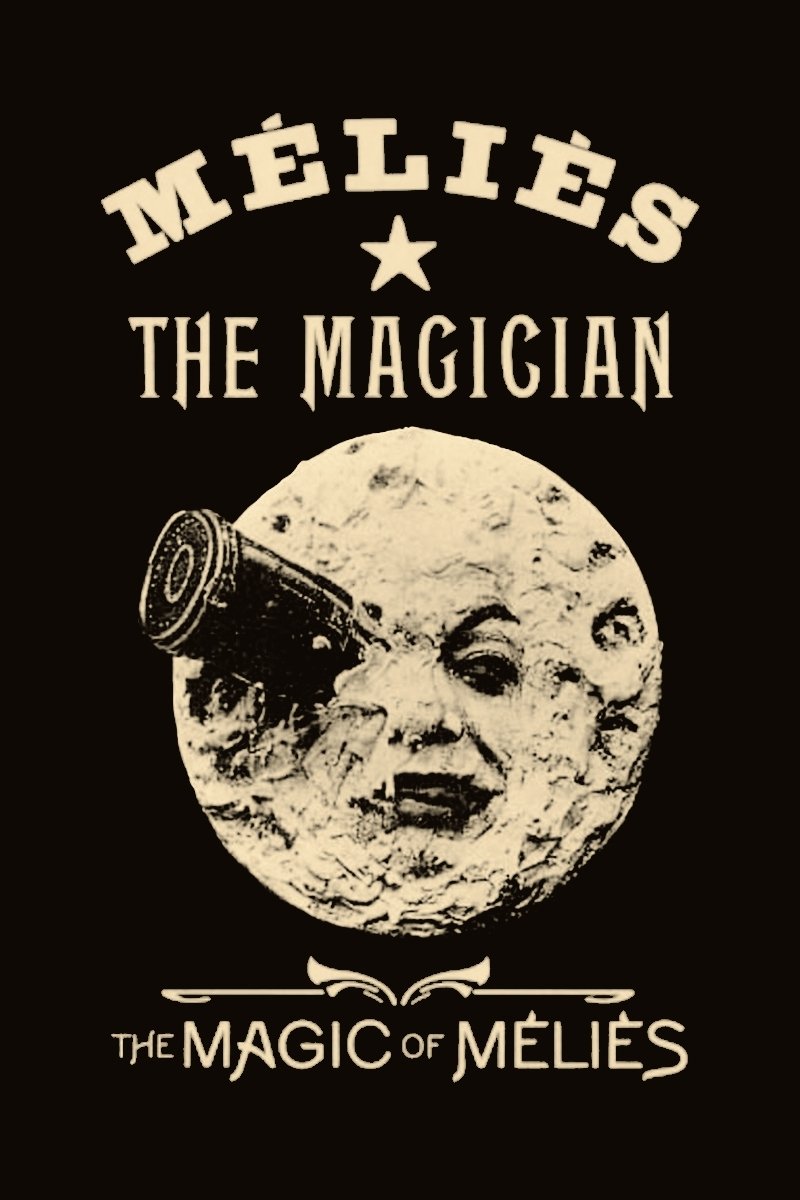
A walk through the life and work of the brilliant French filmmaker Georges Méliès (1861-1938), pioneer of special and visual effects.
Through four nonlinear but interconnected Finno-Ugric storylines, approximately 7,500 years ago, traces of the Kaalo meteorite – that struck the Estonian island of Saarema – left a profound mark on the peoples living along the Baltic Sea, shaping local myths and legends.
An Experimental Film about Manchester's "Great Flood". In July 1872, Manchester's River Medlock overflowed its banks due to heavy and continuous rains, resulting in the "Great Flood." The flood severely damaged areas around the River Medlock, with parts of Ancoats and Hulme being particularly affected.
«I often have dreams. Careless dreams. When the sun was shining. It was calm and quiet. And a peaceful sky overhead.» An experimental musical film on the theme of love. Memories of the past excite the imagination and make you evaluate what is happening in the present in a new way.
After tragedy strikes a bustling London neighbourhood, disarray ensues, and our hero becomes lost to their pain. A cherub-like spectre soon appears, embodying the change the community desperately craves. All bear witness as winds of hope and unity take shape and the seeds are sown for their growth out of grief
In 1960s France, a jazz musician becomes the subject of an impromptu documentary.
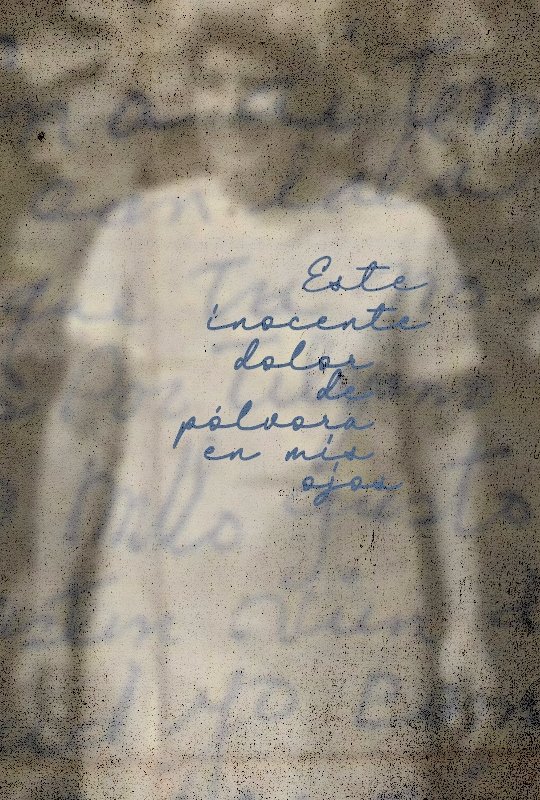
In 1967, Beulah struck Reynosa. Family survives through images from memory circling the wreck. Rituals of celebration and violence like hurricane, shift between dancing, cyanotypes, blue fire and lost family archive. We have come to see the damage that was done and the treasures that prevail. Thus invent colors that burn the eyelid like 火藥.
A collection of restored prints from the Lumière Brothers.
A stasis work invoking the memory of the lynching of Mary Turner, a young, pregnant African American woman in South Georgia. Publicly demanding justice after the murder of her husband, Turner was kidnapped by a mob, hung up in a tree, set on fire, her child cut out and killed, and shot hundreds of times before being buried on-site in 1918. Returning to the origins of cinema, filmed on the exact date and time of Turner’s lynching 105-years earlier, # 3 uses form, time, light, shadow, and landscape as metaphor to not only invoke the memory of Mary Turner, but to also ponder perspective relating to racial violence, violence against women, our failure to acknowledge our past, and the racial divide that continues to exist today in the schizophrenia of America life.
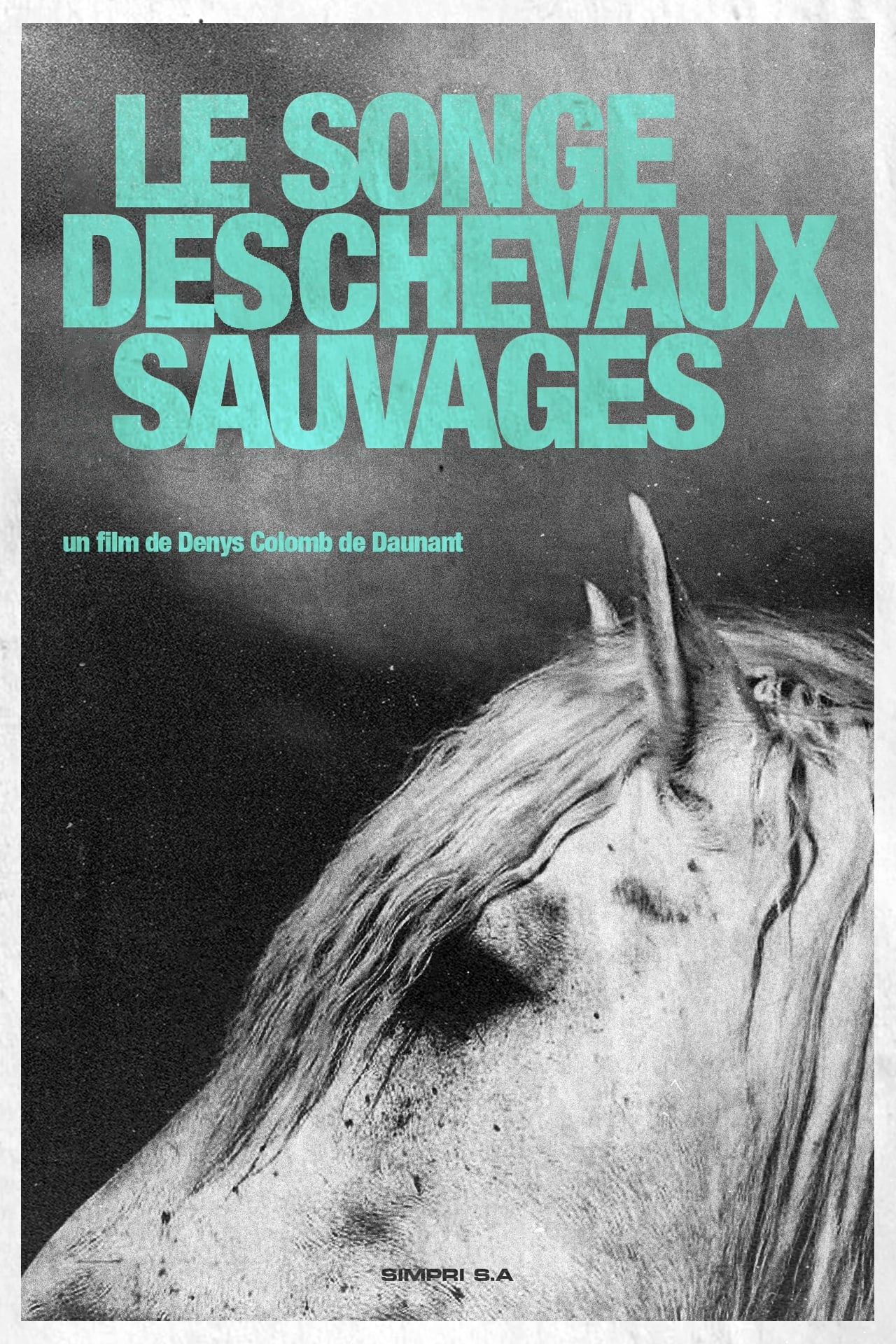
The horses in Denys Colomb Daunant’s dream poem are the white beasts of the marshlands of the Camargue in South West France. Daunant was haunted by these creatures. His obsession was first visualized when he wrote the autobiographical script for Albert Lamorisse’s award-winning 1953 film White Mane. In this short the beauty of the horses is captured with a variety of film techniques and by Jacques Lasry’s beautiful electronic score.
A human figure synergizes with the light and questions its existence and society's expectations of it.
The history of cinematic sound, told by legendary sound designers and visionary filmmakers.
A WWII veteran escapes his care home in Northern Ireland and embarks on an arduous but inspirational journey to France to attend the 75th anniversary of the D-Day landings, finding the courage to face the ghosts of his past.
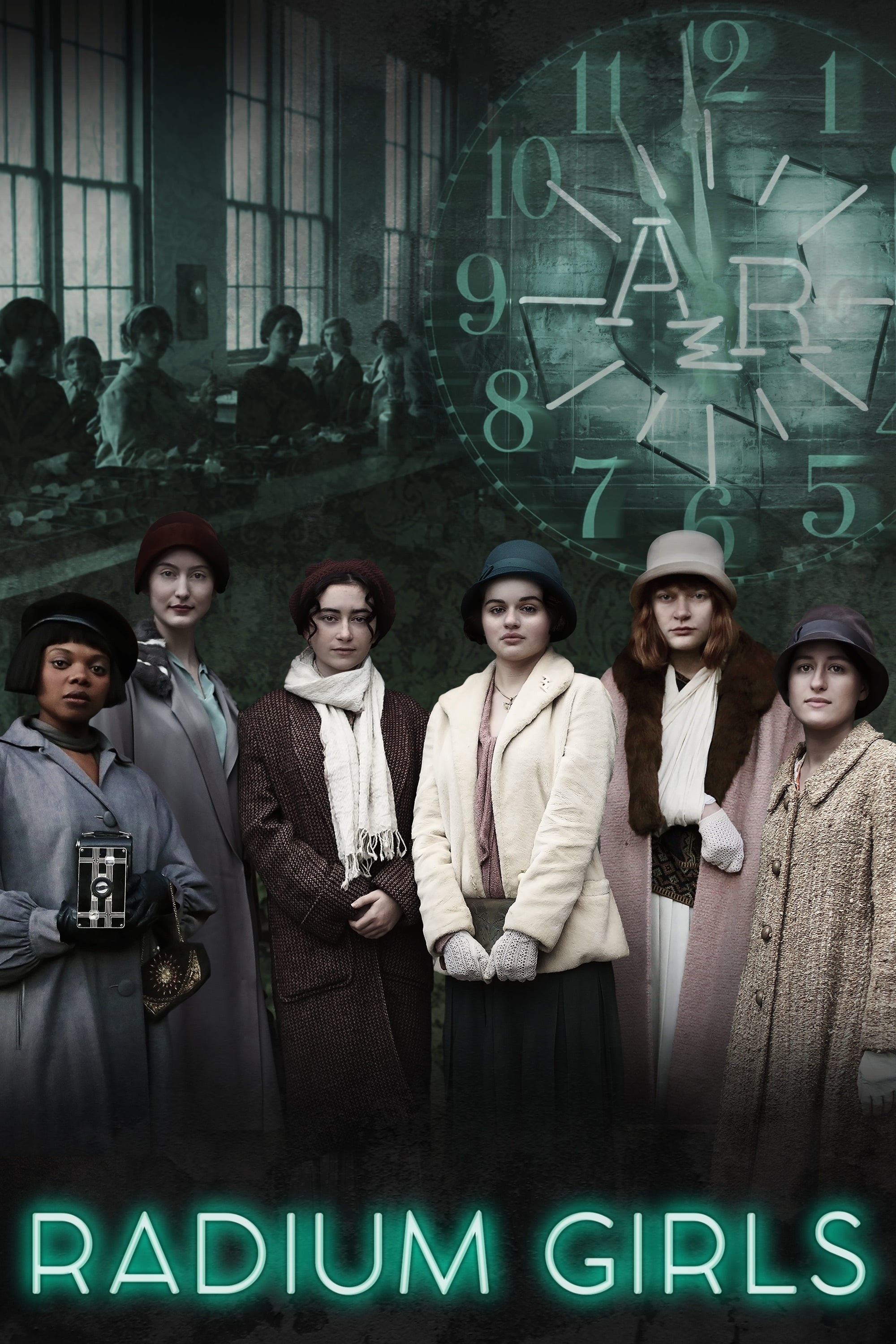
Young women toiling in a factory are exposed to hazardous material which takes a disastrous toll on their health.
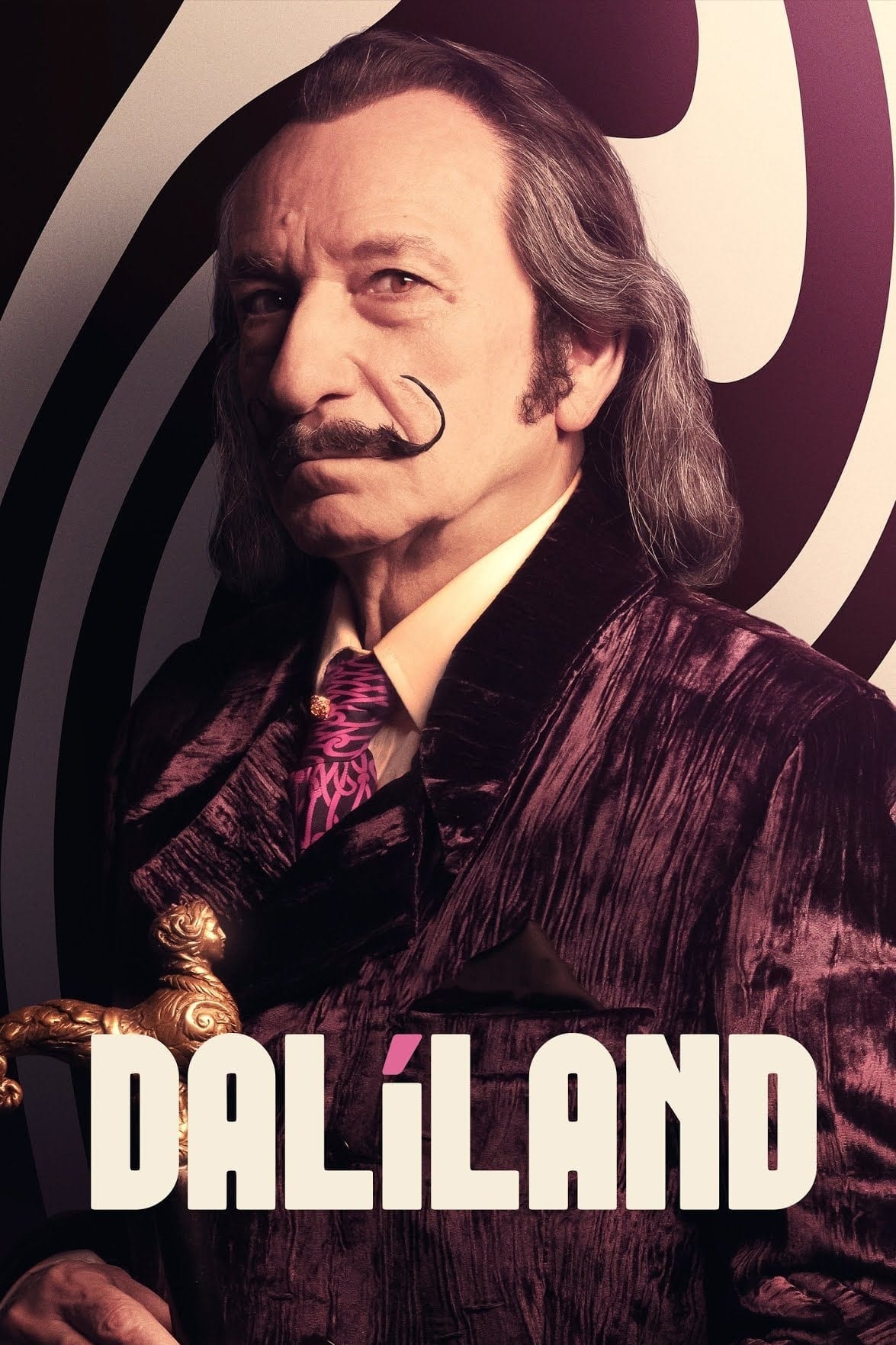
In 1973, a young gallery assistant goes on a wild adventure behind the scenes as he helps aging genius Salvador Dali prepare for a big show in New York.
In post-World War II America, a woman, rebuilding her life in the suburbs with her husband, kidnaps her neighbor and seeks vengeance for the heinous war crimes she believes he committed against her.
The story of Margaret Humphreys, a social worker from Nottingham, who uncovers one of the most significant social scandals in recent times – the forced migration of children from the United Kingdom to Australia and other Commonwealth countries. Almost singlehandedly, Margaret reunited thousands of families, brought authorities to account and worldwide attention to an extraordinary miscarriage of justice.
Documentary about the art of film editing. Clips are shown from many groundbreaking films with innovative editing styles.
A seamstress recalls events leading to her act of peaceful defiance that prompted the 1955 bus boycott in Montgomery, Alabama.
A look at the history of the American comedy publication and production company, National Lampoon, from its beginning in the 1970s to 2010, featuring rare and never before seen footage, this is the mind boggling story of The National Lampoon from its subversive and electrifying beginnings, to rebirth as an unlikely Hollywood heavyweight, and beyond. A humour empire like no other, the impact of the magazines irreverent, often shocking, sensibility was nothing short of seismic: this is an institution whose (drunk stoned brilliant) alumni left their fingerprints all over popular culture. Both insanely great and breathtakingly innovative, The National Lampoon created the foundation of modern comic sensibility by setting the bar in comedy impossibly high.
In this sprawling, fictionalized history of the Black Panthers, 1960s Oakland becomes a war zone as the Panthers battle for the right to exist.
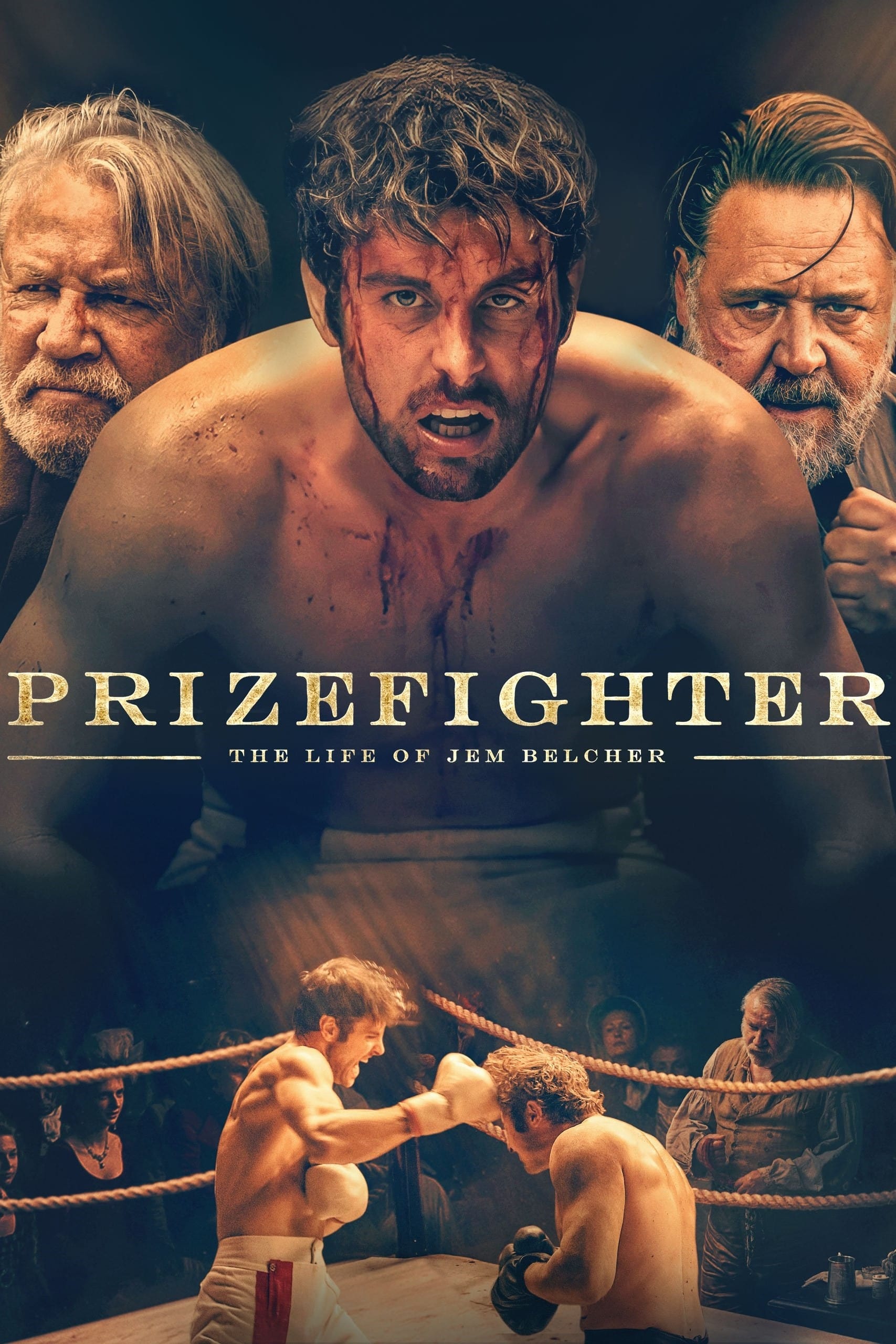
At the turn of the 19th century, Pugilism was the sport of kings and a gifted young boxer fought his way to becoming champion of England.
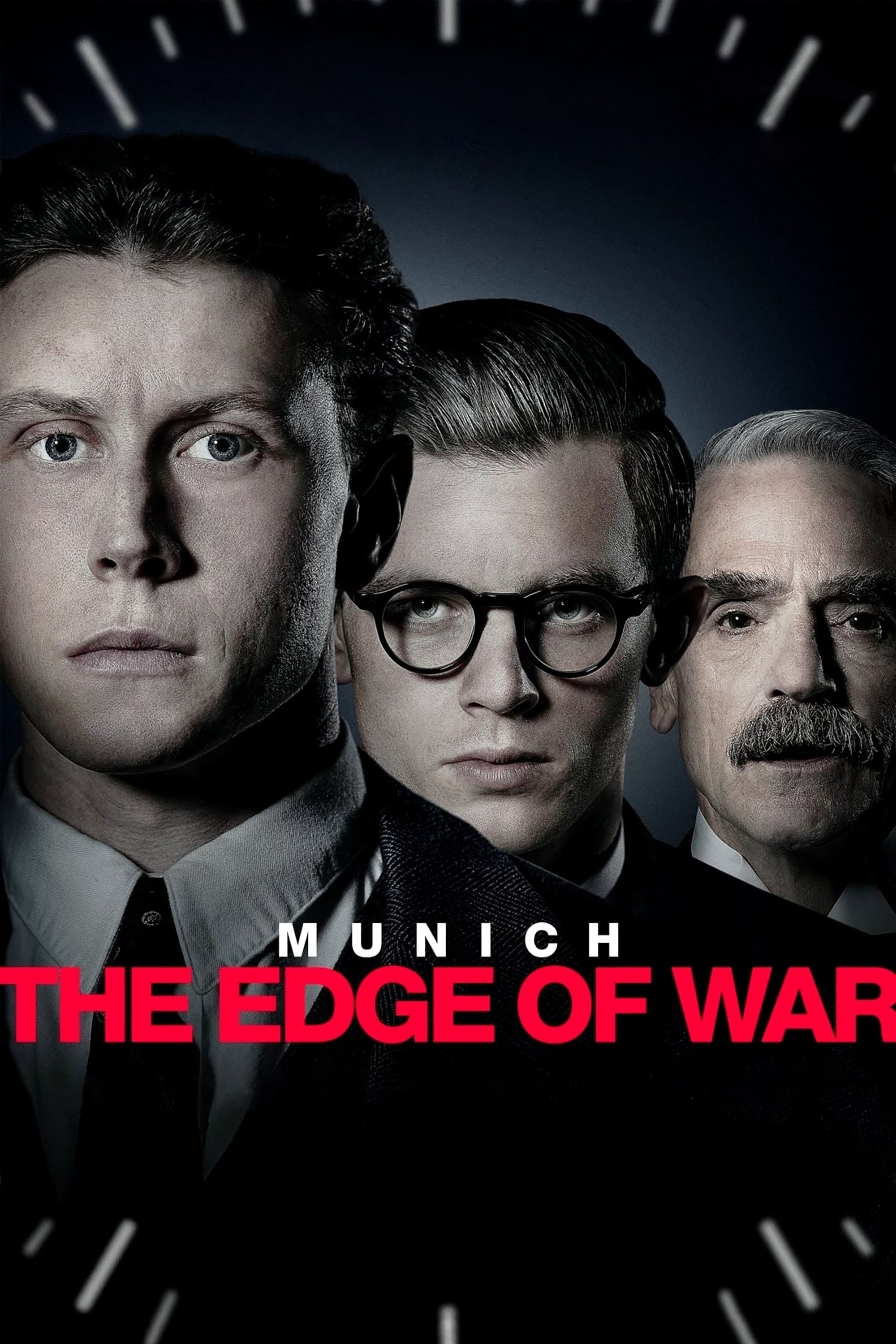
At the tense 1938 Munich Conference, former friends who now work for opposing governments become reluctant spies racing to expose a Nazi secret.
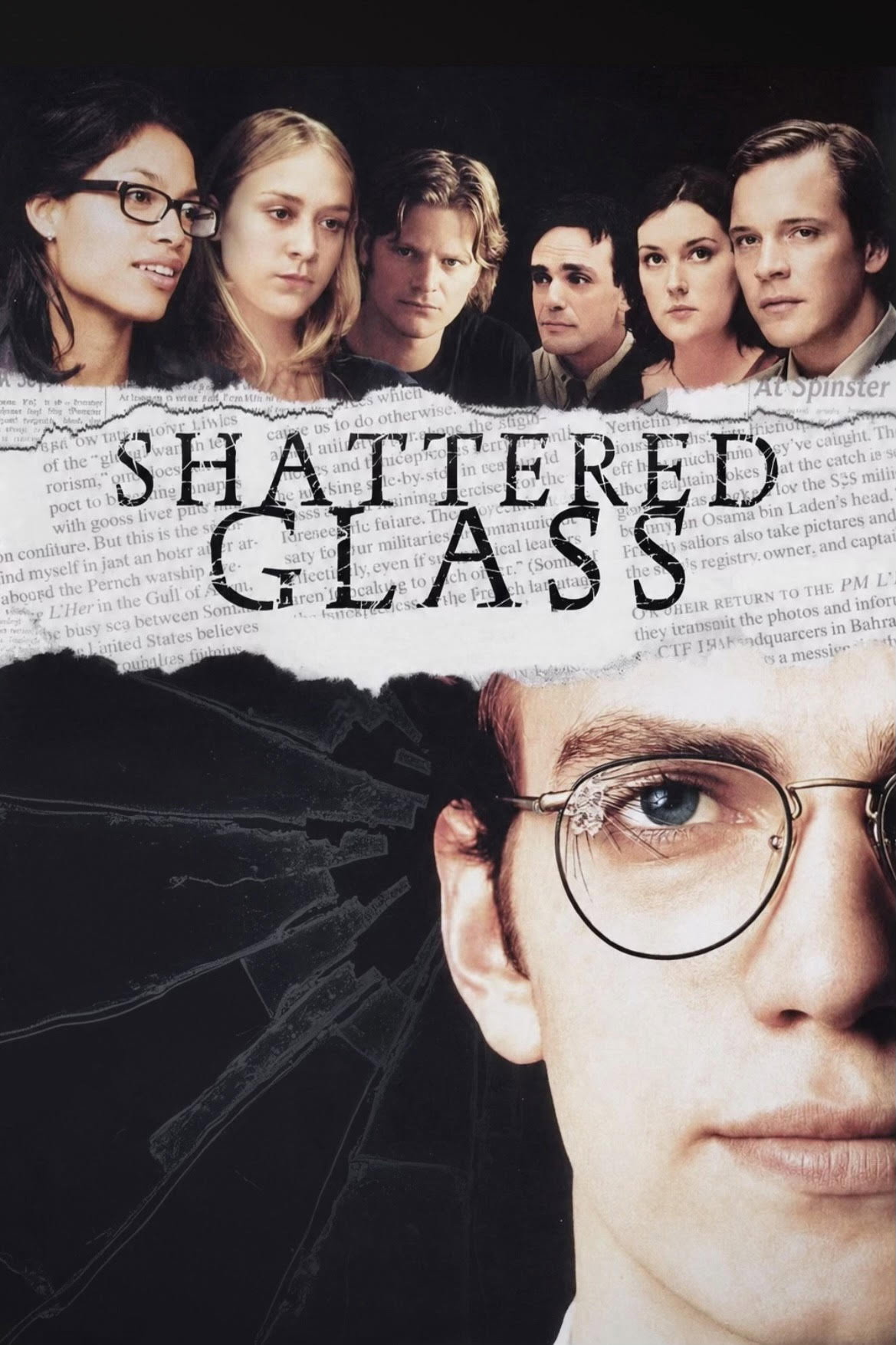
Stephen Glass is a staff writer for the respected current events and policy magazine The New Republic and a freelance feature writer for publications such as Rolling Stone, Harper's and George. By the mid-90s, Glass' articles had turned him into one of the most sought-after young journalists in Washington, but a bizarre chain of events - chronicled in Buzz Bissinger's September 1998 Vanity Fair article - suddenly stopped his career in its tracks.
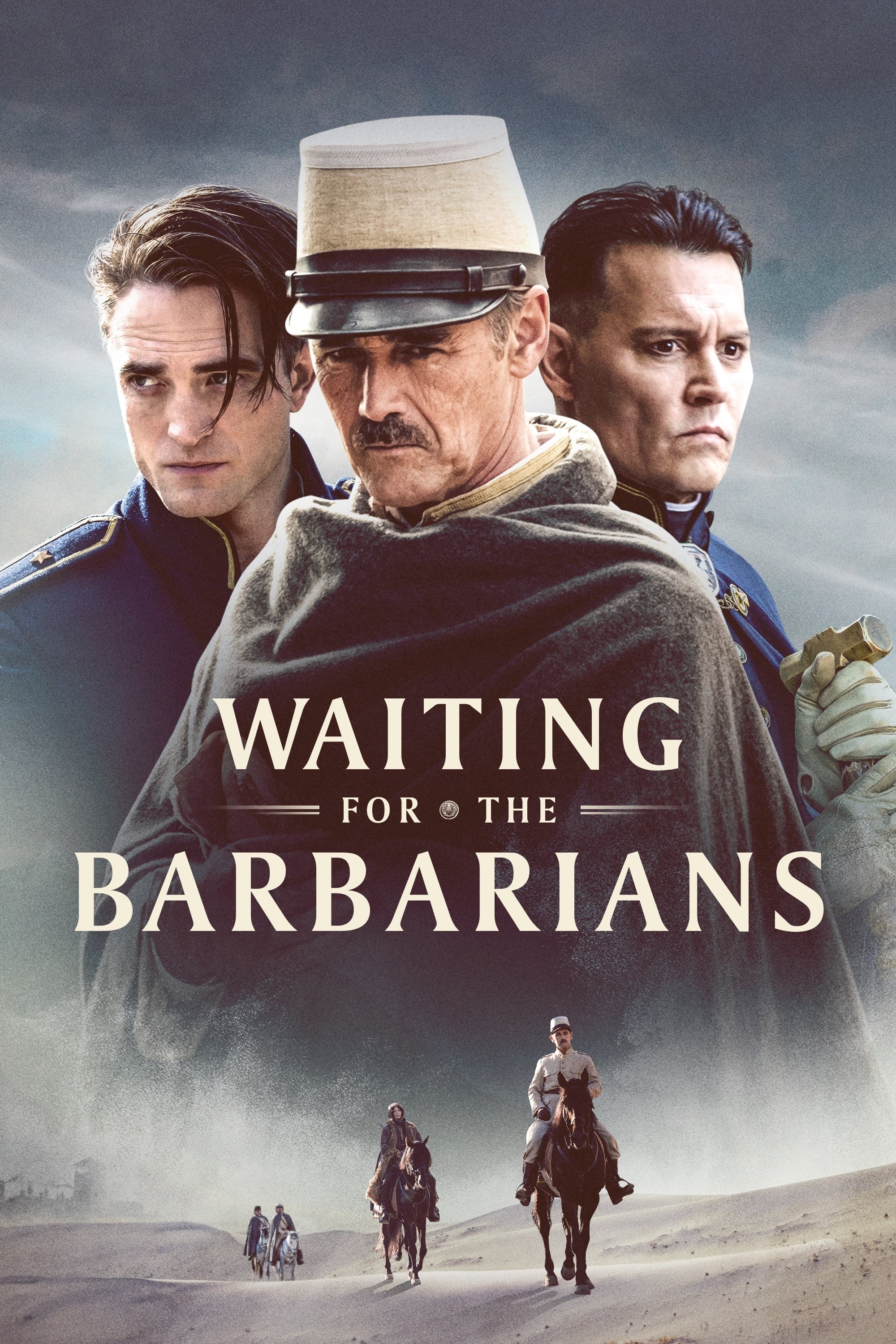
At an isolated frontier outpost, a colonial magistrate suffers a crisis of conscience when an army colonel arrives looking to interrogate the locals about an impending uprising, using cruel tactics that horrify the magistrate.
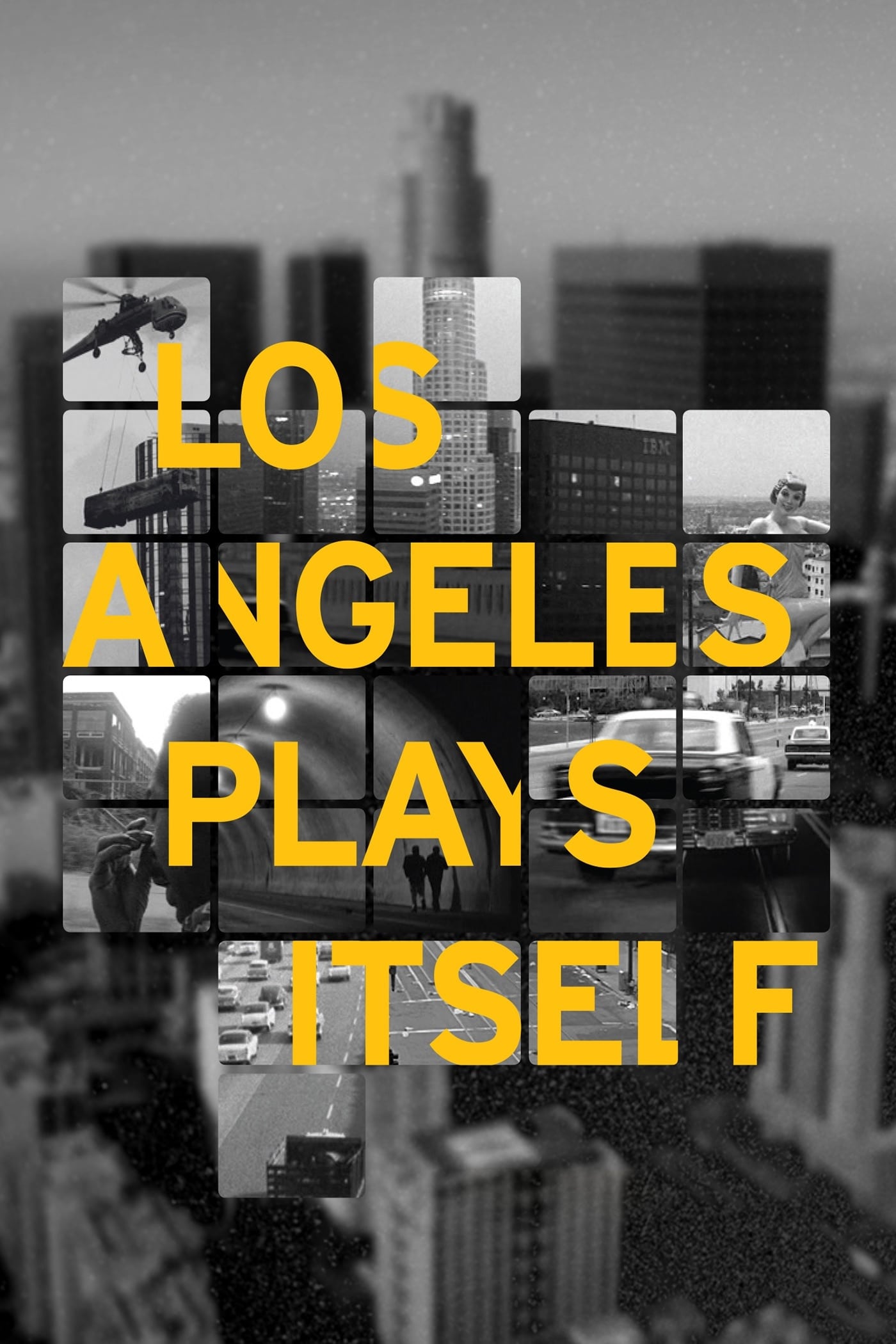
From its distinctive neighborhoods to its architectural homes, Los Angeles has been the backdrop to countless movies. In this dazzling work, Andersen takes viewers on a whirlwind tour through the metropolis' real and cinematic history, investigating the myriad stories and legends that have come to define it, and meticulously, judiciously revealing the real city that lives beneath.
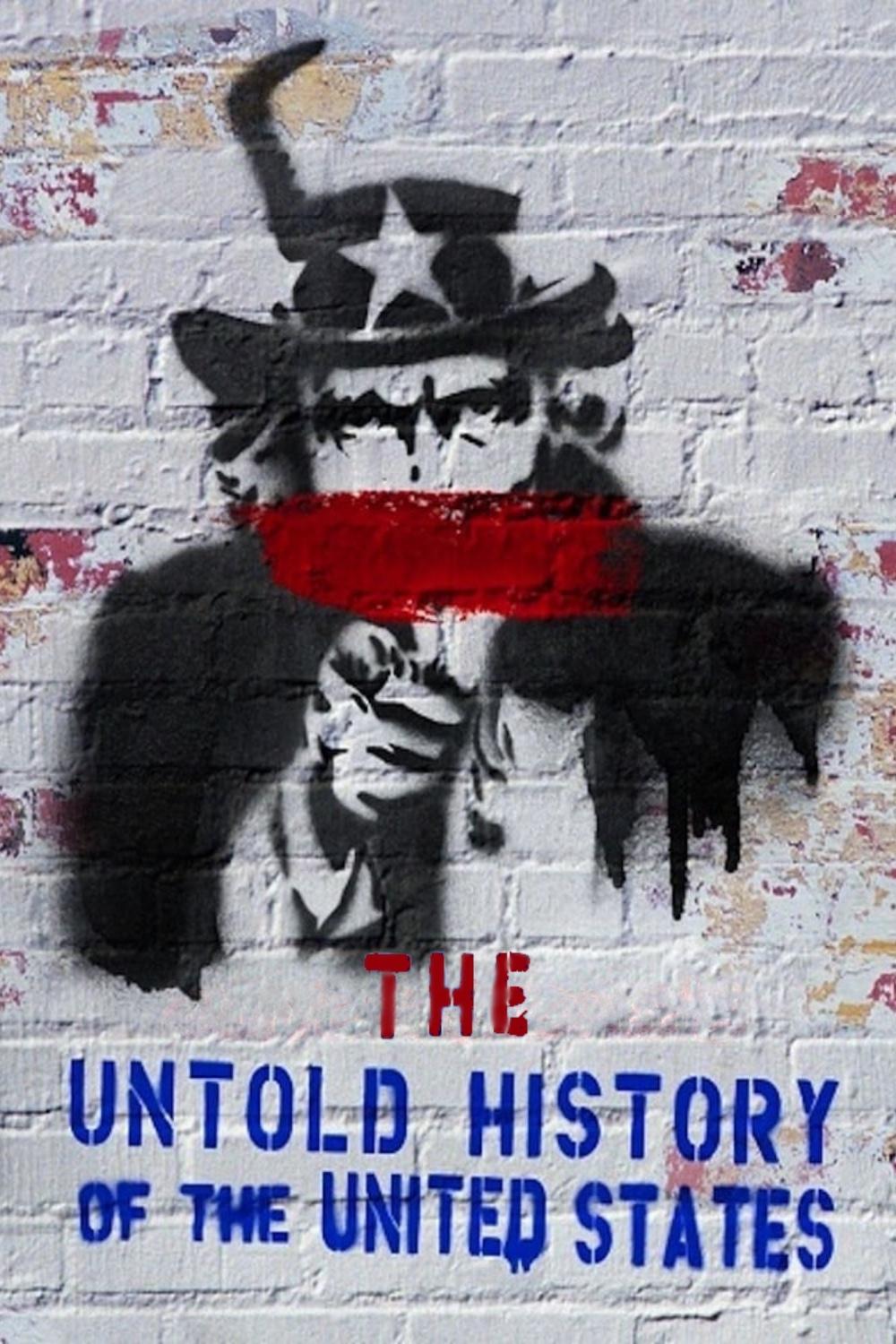
Oliver Stone charts the history of the United States from the Second World War to the present.
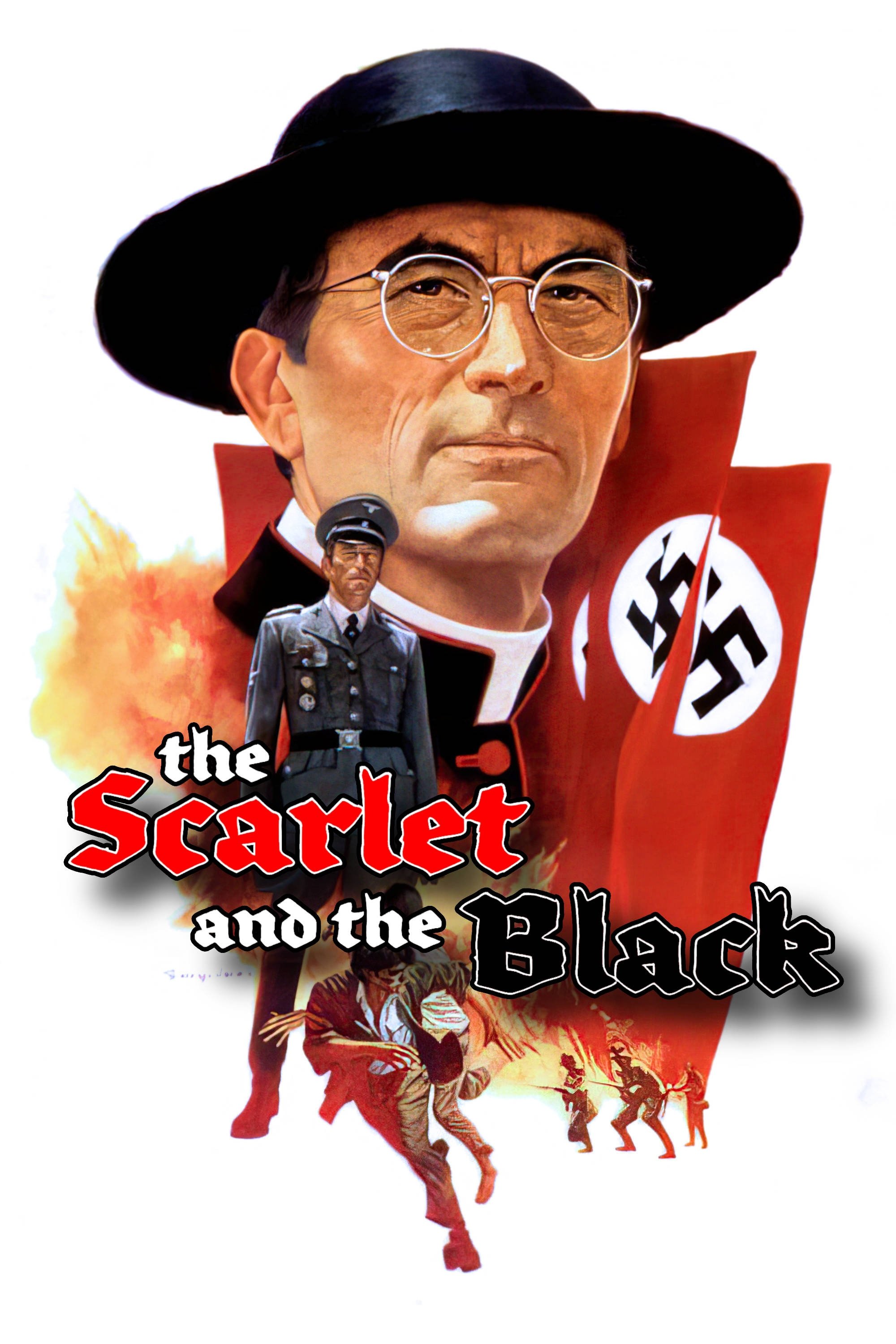
Fr. Hugh O'Flaherty is a Vatican official in 1943-45 who has been hiding downed pilots, escaped prisoners of war, and Italian resistance families. His activities become so large that the Nazis decide to assassinate him the next time he leaves the Vatican.
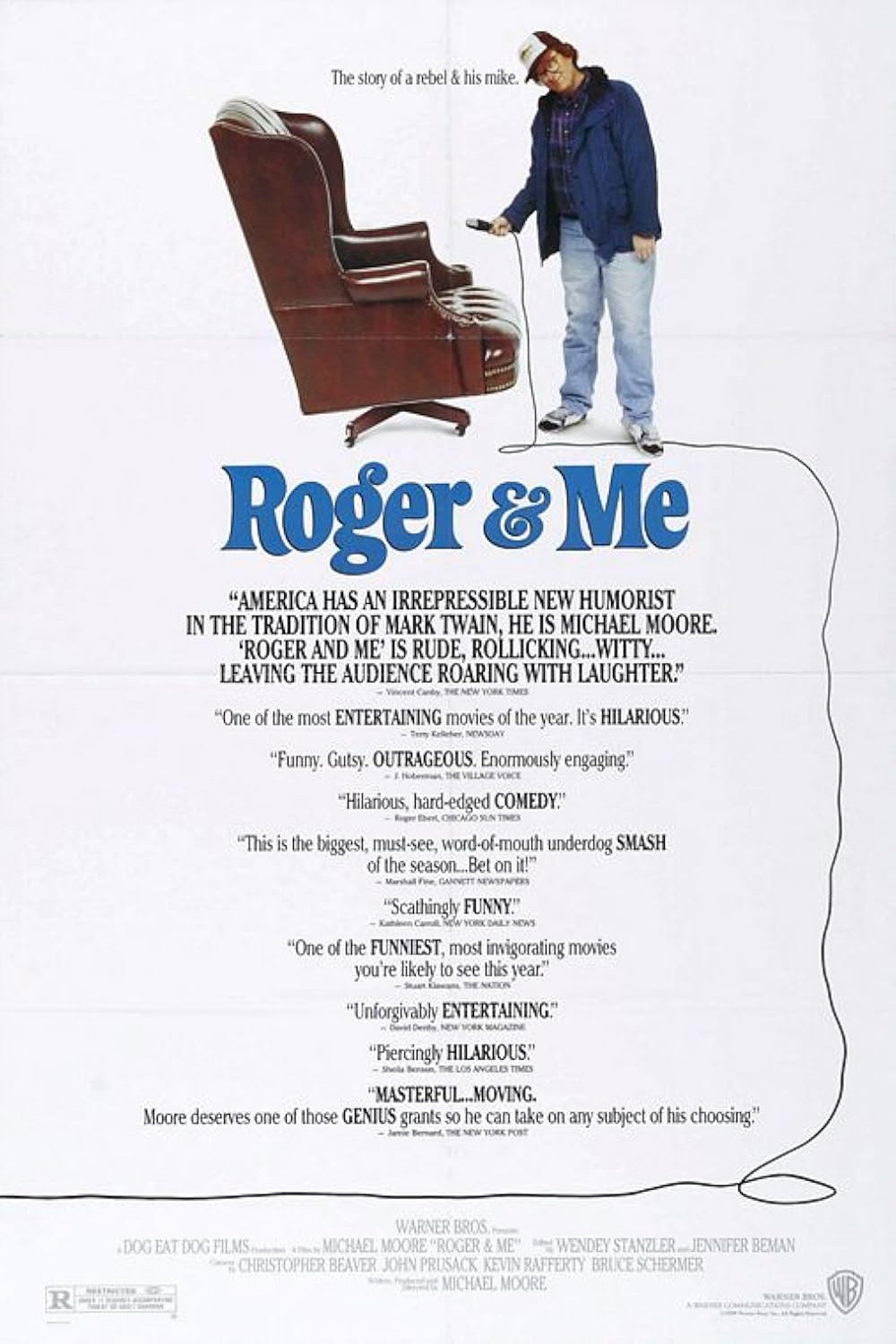
A documentary about the closure of General Motors' plant at Flint, Michigan, which resulted in the loss of 30,000 jobs. Details the attempts of filmmaker Michael Moore to get an interview with GM CEO Roger Smith.
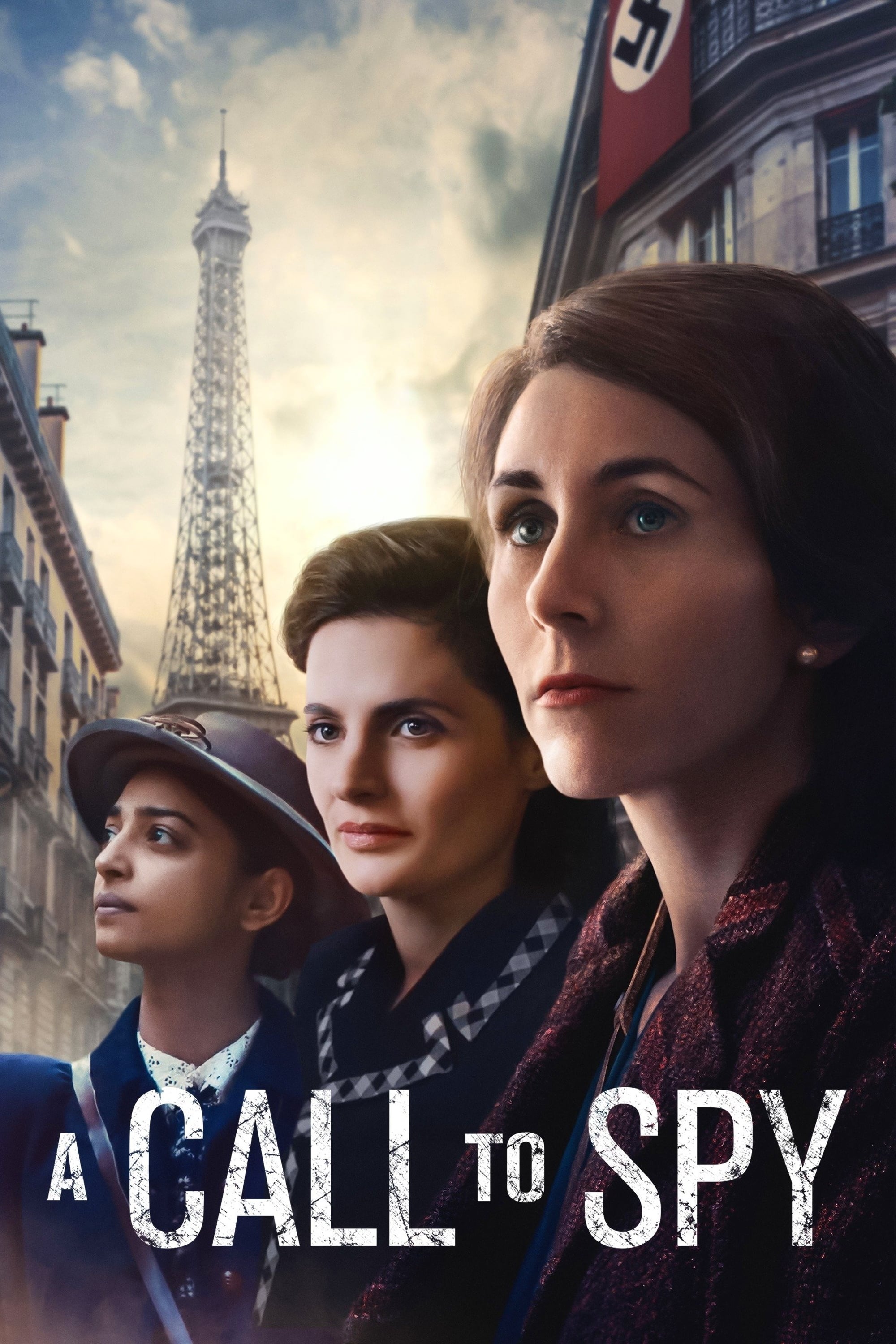
The story of Vera Atkins, a crafty spy recruiter, and two of the first women she selects for Churchill's "secret army": Virginia Hall, a daring American undaunted by a disability and Noor Inayat Khan, a pacifist. These civilian women form an unlikely sisterhood while entangled in dangerous missions to turn the tide of the war.
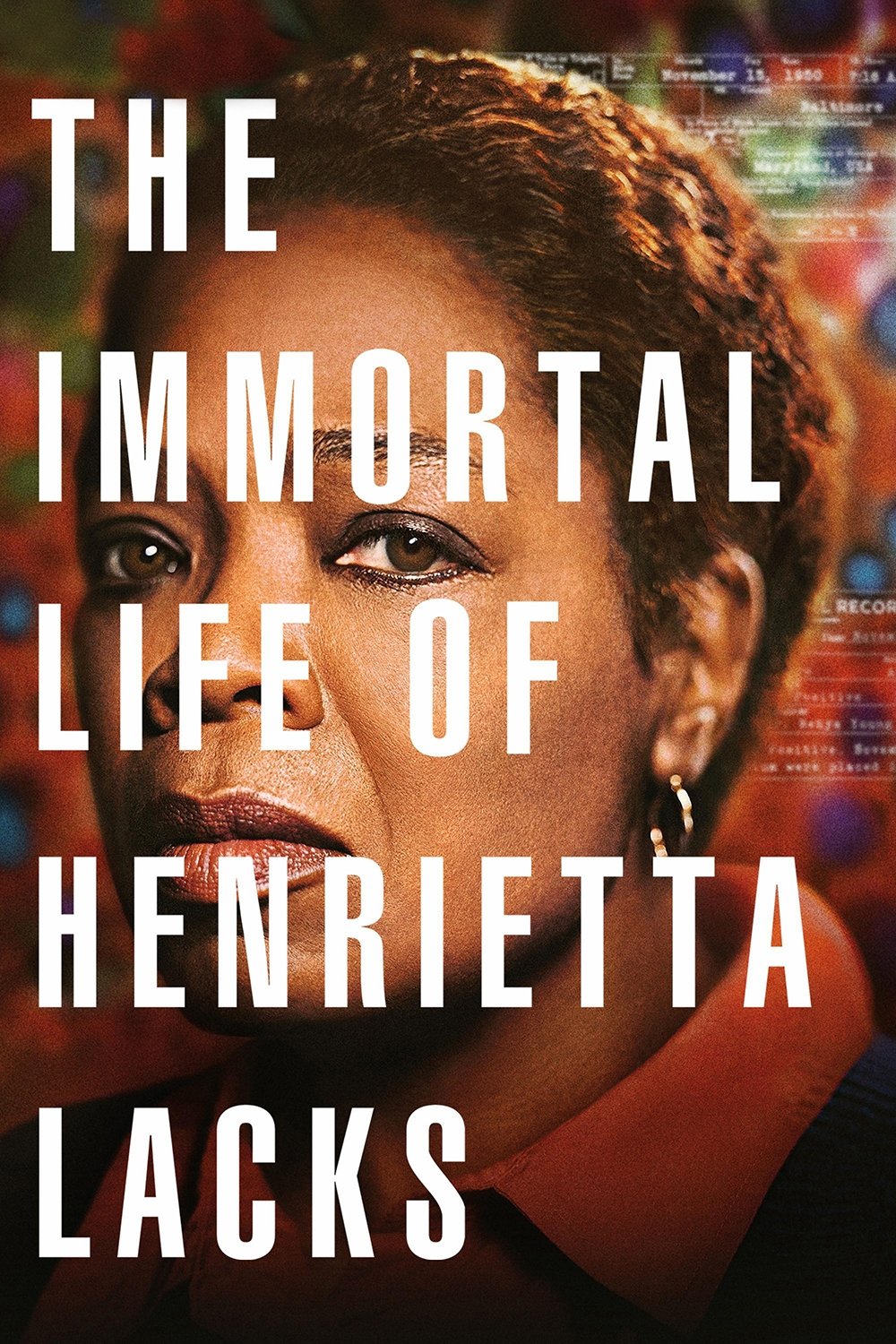
An African-American woman becomes an unwitting pioneer for medical breakthroughs when her cells are used to create the first immortal human cell line in the early 1950s.