Social & External
The people behind it
Philippe Descola
Self
Laura Raim
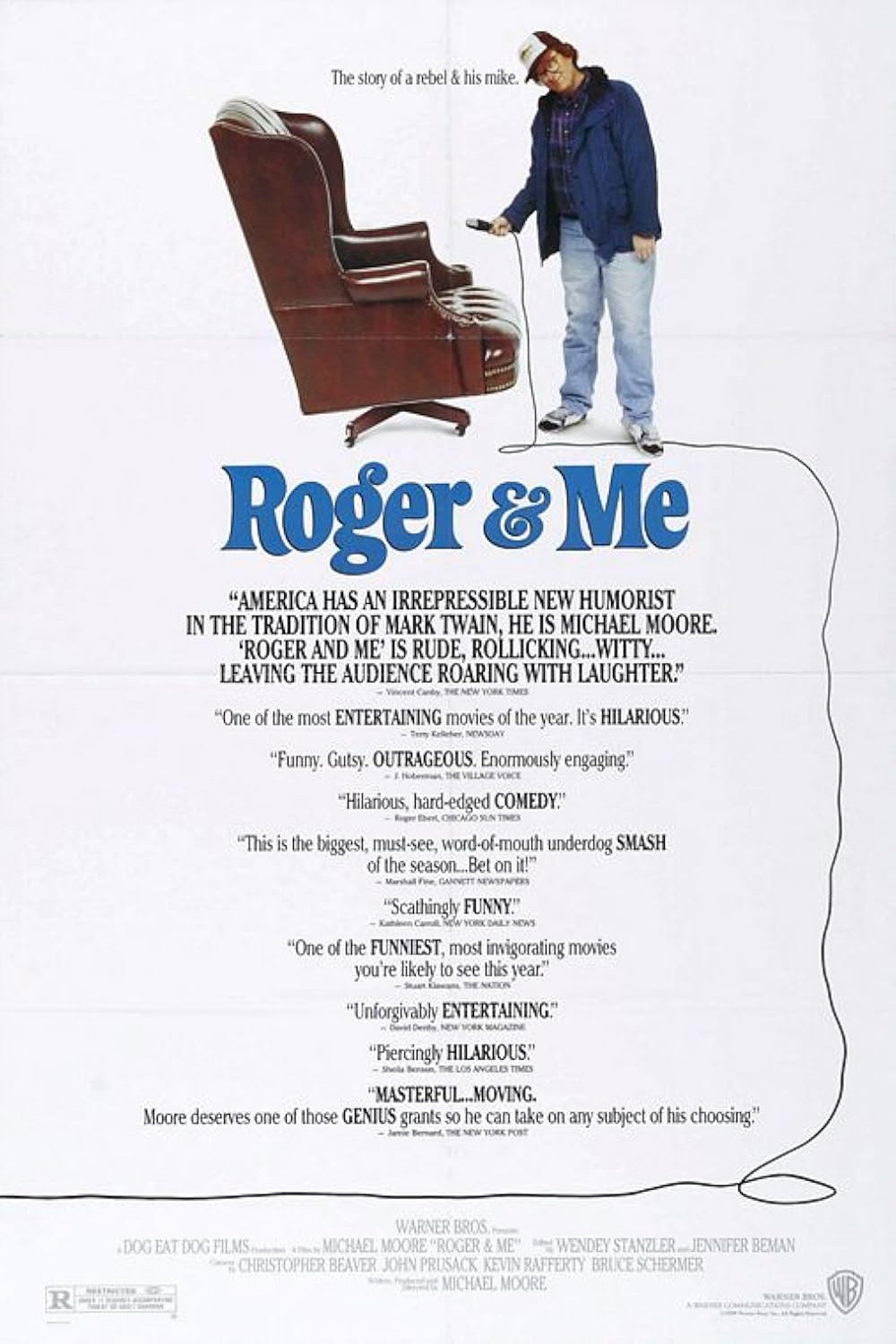
A documentary about the closure of General Motors' plant at Flint, Michigan, which resulted in the loss of 30,000 jobs. Details the attempts of filmmaker Michael Moore to get an interview with GM CEO Roger Smith.
Ethnologist Marius Barbeau introduces us to indigenous mythology. Masks, dances, songs, and totems are used to give the audience a highly suggestive representation of the "biblical" history (Mr. Barbeau's word) of Indigenous tribes.
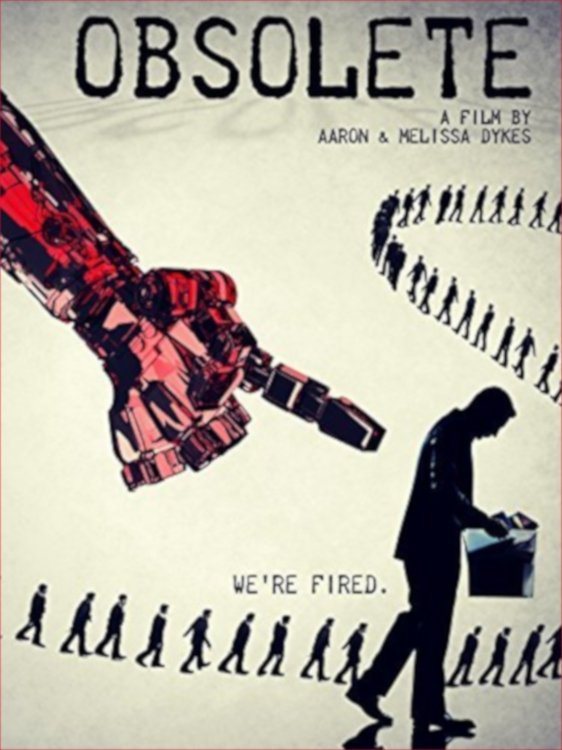
The Future Doesn't Need Us… Or So We've Been Told. With the rise of technology and the real-time pressures of an online, global economy, humans will have to be very clever – and very careful – not to be left behind by the future. From the perspective of those in charge, human labor is losing its value, and people are becoming a liability. This documentary reveals the real motivation behind the secretive effort to reduce the population and bring resource use into strict, centralized control. Could it be that the biggest threat we face isn't just automation and robots destroying jobs, but the larger sense that humans could become obsolete altogether?
Men and women in the Horn of Africa and adjiacent regions of the Middle East tell stories of their relationships and contacts with demons and spirits in their life and culture.
"Heart of the Country" is the story of Shinichi Yasutomo, the extraordinary principal of a rural elementary school in Kanayama, central Hokkaido, Northern Japan. Yasutomo is a man driven by his vision for learning and his passion for educating the heart as well as the mind. The film follows Yasutomo, his teachers and staff, students and their families over the course of one entire school year. The film is also the story of the families of Kanayama. Parents and elders of this once impoverished town embrace Yasutomo's vision, but not without wary glances back to the past. This small community, bound together by love for its children, is also defined by its journey through the cultural upheavals of postwar Japan.
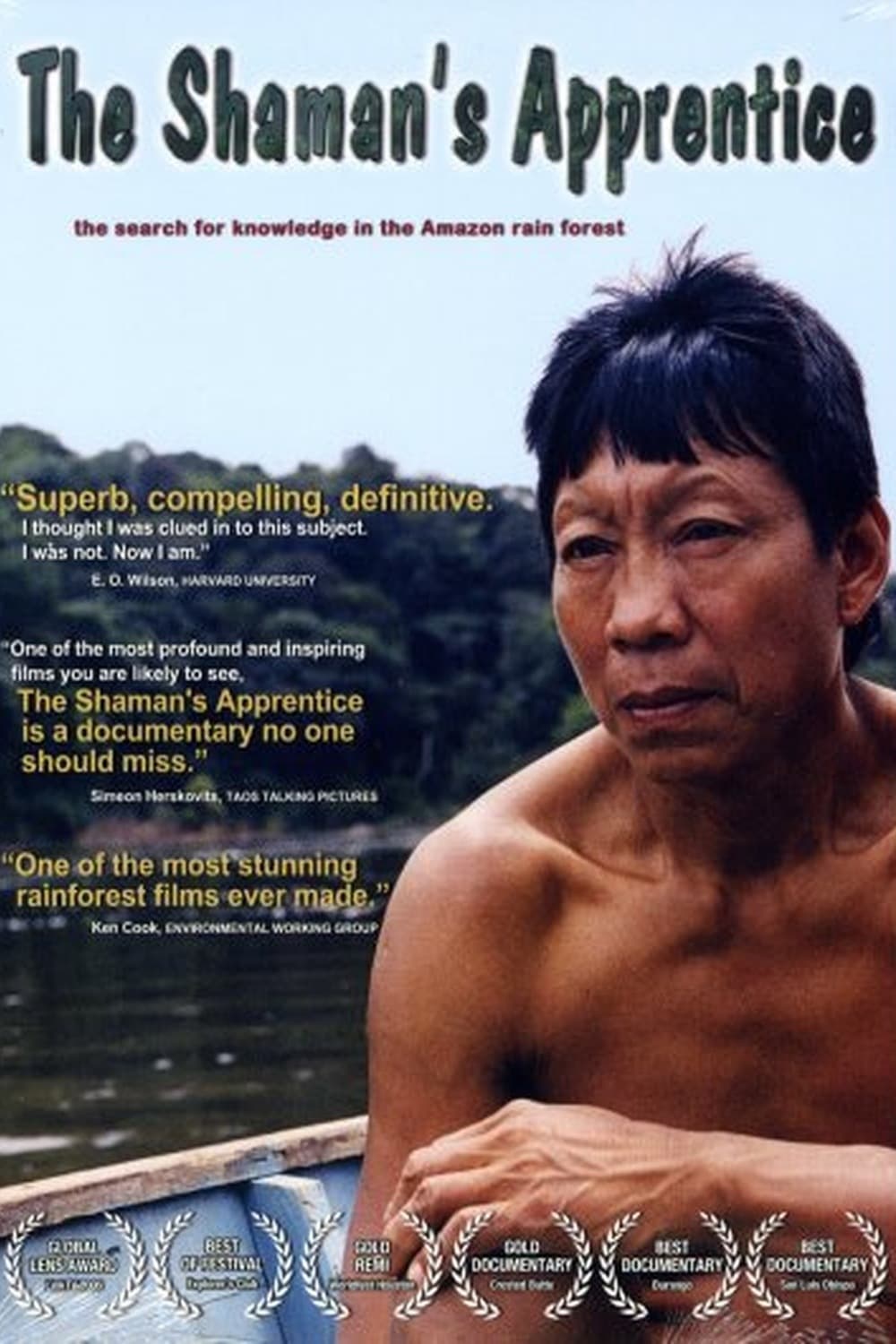
Scientist Mark Plotkin races against time to save the ancient healing knowledge of Indian tribes from extinction.
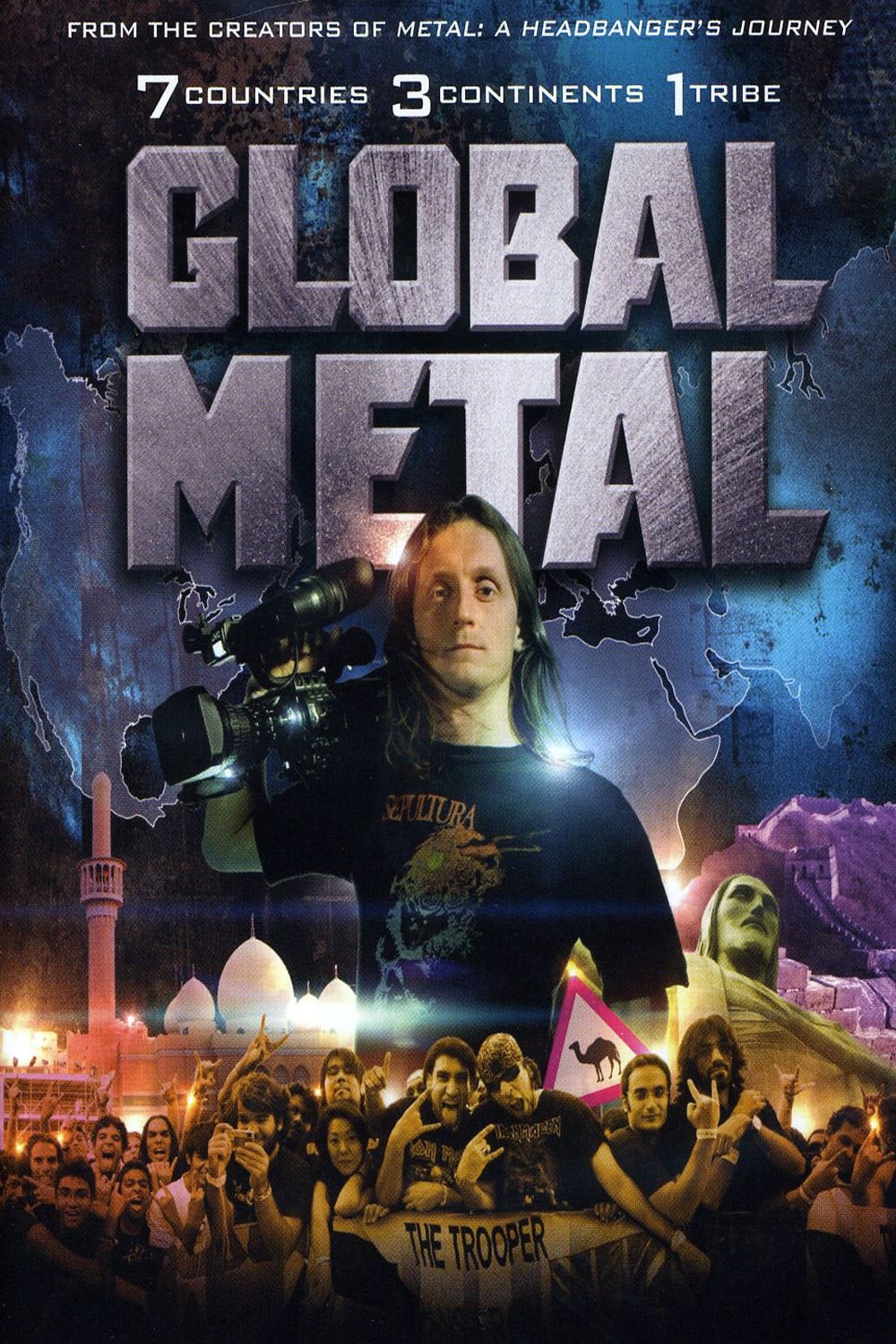
In GLOBAL METAL, directors Scot McFadyen and Sam Dunn set out to discover how the West's most maligned musical genre - heavy metal - has impacted the world's cultures beyond Europe and North America. The film follows metal fan and anthropologist Sam Dunn on a whirlwind journey through Asia, South America and the Middle East as he explores the underbelly of the world's emerging extreme music scenes; from Indonesian death metal to Chinese black metal to Iranian thrash metal. GLOBAL METAL reveals a worldwide community of metalheads who aren't just absorbing metal from the West - they're transforming it - creating a new form of cultural expression in societies dominated by conflict, corruption and mass-consumerism.
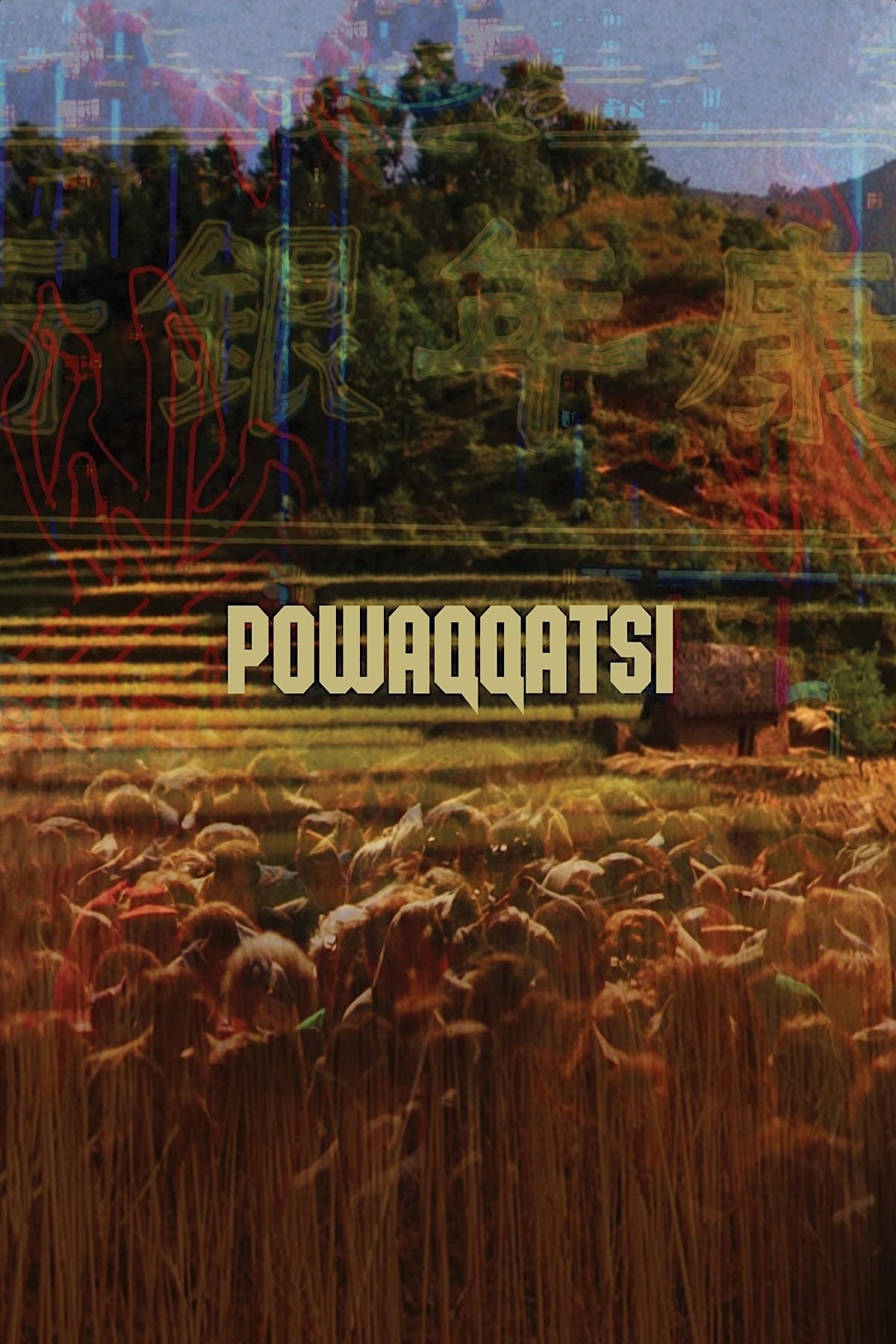
An experimental ethnographic documentary that criticizes the colonizer view of anthropology.
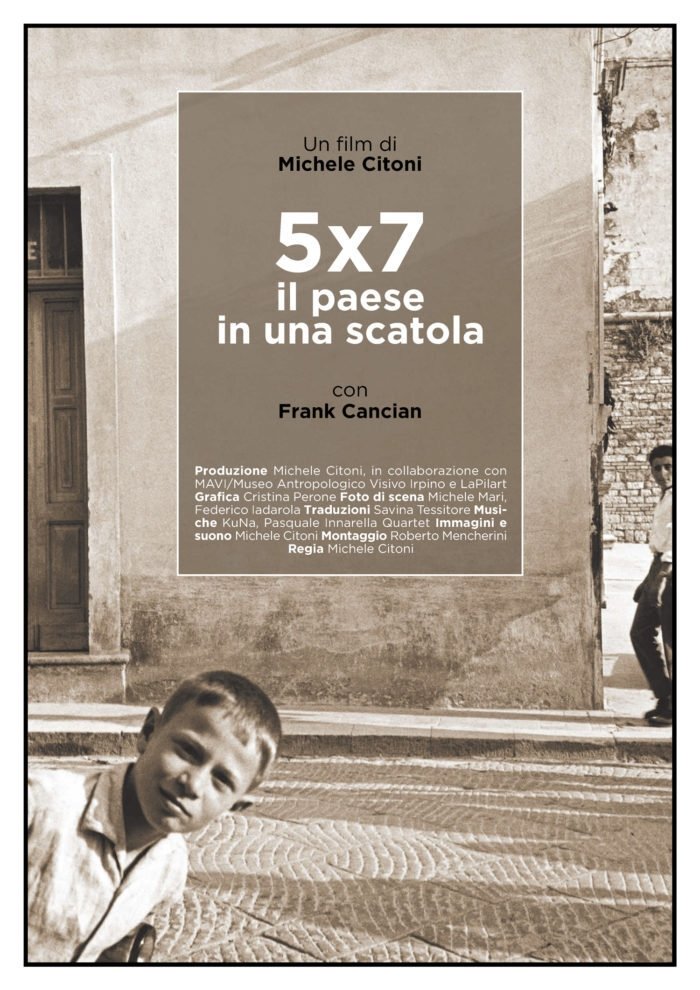
A beautiful collection of pictures ties Frank Cancian, an elderly photographer and retired professor of anthropology, American with origin from Veneto, to the people of Lacedonia, a small town in southern Italy. Thanks to the rediscovery of the photos taken in 1957 by the young Cancian in that rural village where he had arrived almost by chance, the story resumes there where it was interrupted 60 years earlier. And the thread of memories ties back to people and places, bringing with itself some essential reflections on how photography can become an ethnographic look at small communities.
An analysis of the controversy over the participation of women in the Irun and Hondarribia festivity known as Alarde. It is divided into three parts: in the first part, the history, structure, and characteristics of the Alarde are explained; in the second part, the beginning of the conflict and its development in the 1990s; and in the third part, the present situation, reflecting on the present and future of the festival.
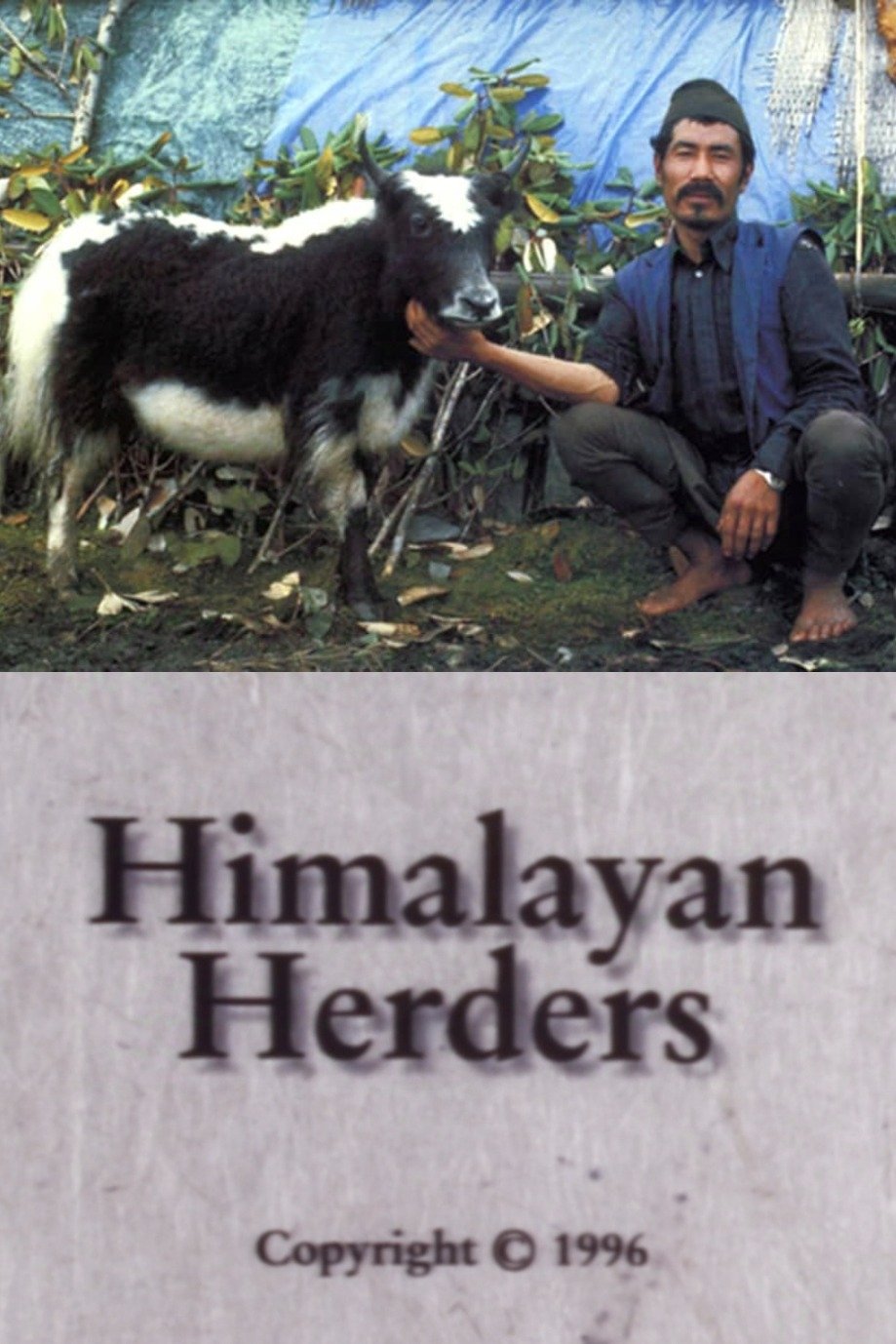
John Bishop and Naomi Bishop present a portrait a peculiar life style of the Himalayan indigenous Sherpa people in their documentary , the Himalayan Herders. The 76 minutes long film is about the diverse culture and life style of herders community near Mt. Everest region of Nepal.The film was made in 1997 as a part of Case Studies in Cultural Anthropology Series.
Documentary following dockers of Liverpool sacked in a labour dispute and their supporters’ group, Women of the Waterfront, as they receive support from around the world and seek solidarity at the TUC conference.
Through the account of her research, encounters and experiences, Claire Latour, an influencer, explores the inner workings of the ultra-fast fashion giant: Shein. A true ecological cost, the quality and toxicity of the garments, sales techniques, greenwashing, and the reasons behind the ultra-low prices, this unprecedented investigation leads her to question her way of consuming… but also of influencing.
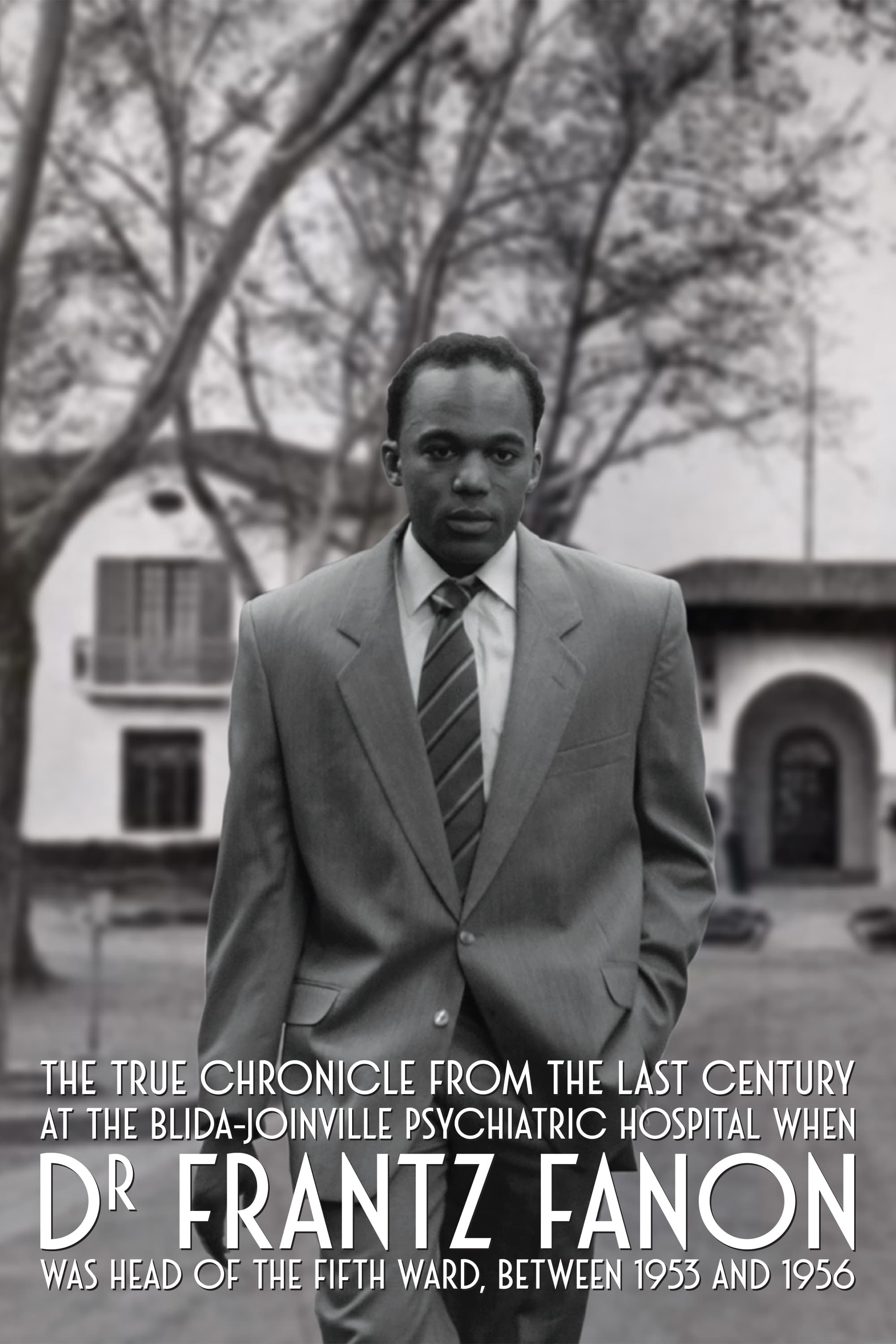
1953, colonized Algeria. Fanon, a young black psychiatrist is appointed head doctor at the Blida-Joinville Hospital. He was putting his theories of ‘Institutional Psychotherapy’ into practice in opposition to the racist theories of the Algies School of Psychiatry, while a war broke out in his own wards.
Inspired by Steven Blush's book "American Hardcore: A tribal history" Paul Rachman's feature documentary debut is a chronicle of the underground hardcore punk years from 1979 to 1986. Interviews and rare live footage from artists such as Black Flag, Bad Brains, Minor Threat, SS Decontrol and the Dead Kennedys.
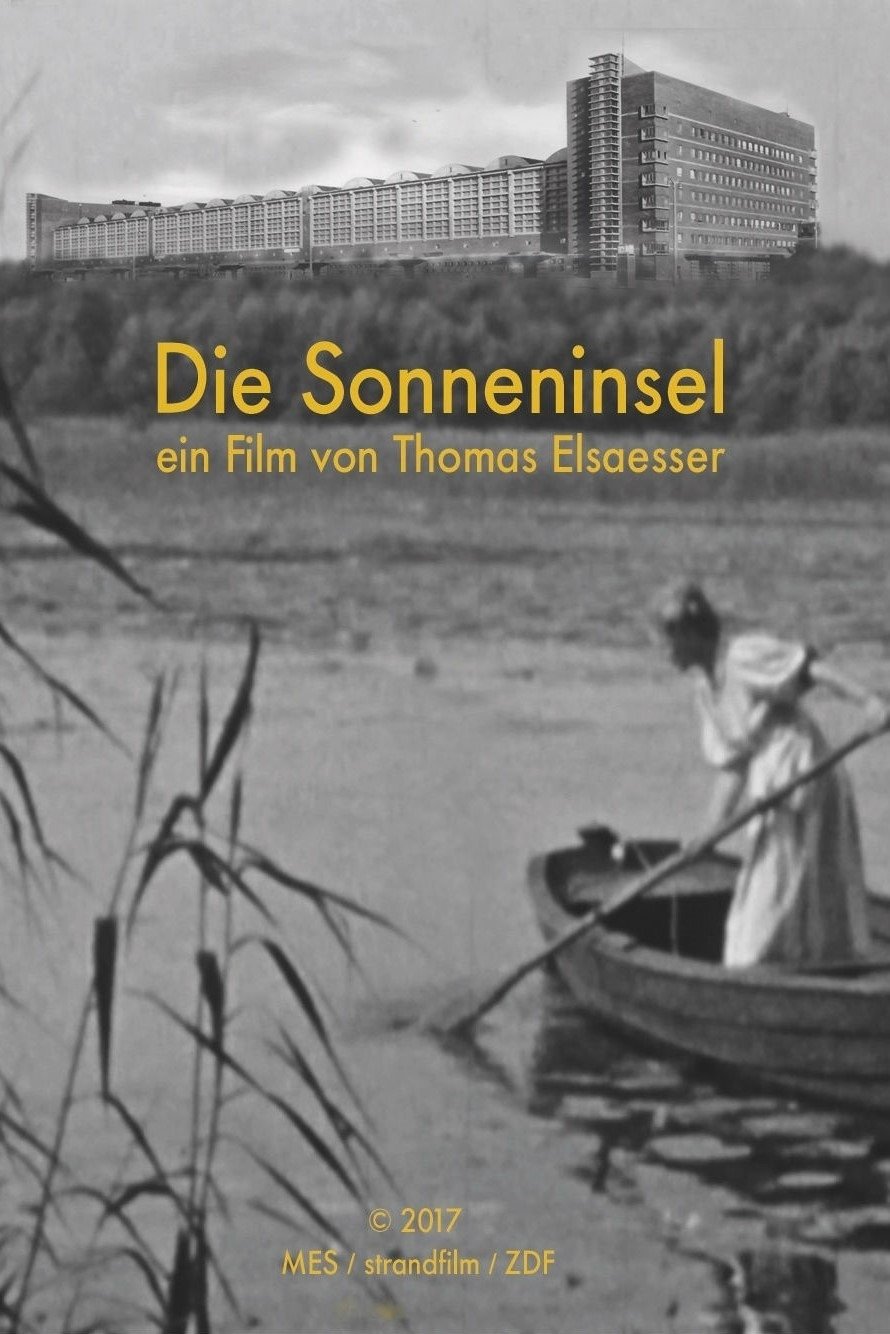
A documentary essay film about coincidences, shattered lives and posthumous fame. A found footage family film about love and passion, friendship and heartbreak in Berlin between the wars. But a film also about self-sufficiency and recycling, about the green movement and the environment – before these notions had yet been properly invented. And it touches the utopian potential of ideas that have lain buried in the ground of an island for the past 70 years. The film’s protagonist, Martin Elsaesser, was one of the most prominent modernist architects of Weimar Germany.
Why Is Mona Lisa Smiling? is a captivating documentary that connects the revolutionary spirit of the Renaissance with a modern reimagining of capitalism. Featuring a diverse cast of influential CEOs, visionaries, and historians, the film delves into the transformations reshaping companies.
Haunted by uncanny similarities between Nazi stage techniques and the showmanship employed by modern entertainers, a filmmaker investigates the dangers of audience manipulation and leader worship.
Swedish documentary film on consumerism and globalization, created by director Erik Gandini and editor Johan Söderberg. It looks at the arguments for capitalism and technology, such as greater efficiency, more time and less work, and argues that these are not being fulfilled, and they never will be. The film leans towards anarcho-primitivist ideology and argues for "a simple and fulfilling life".
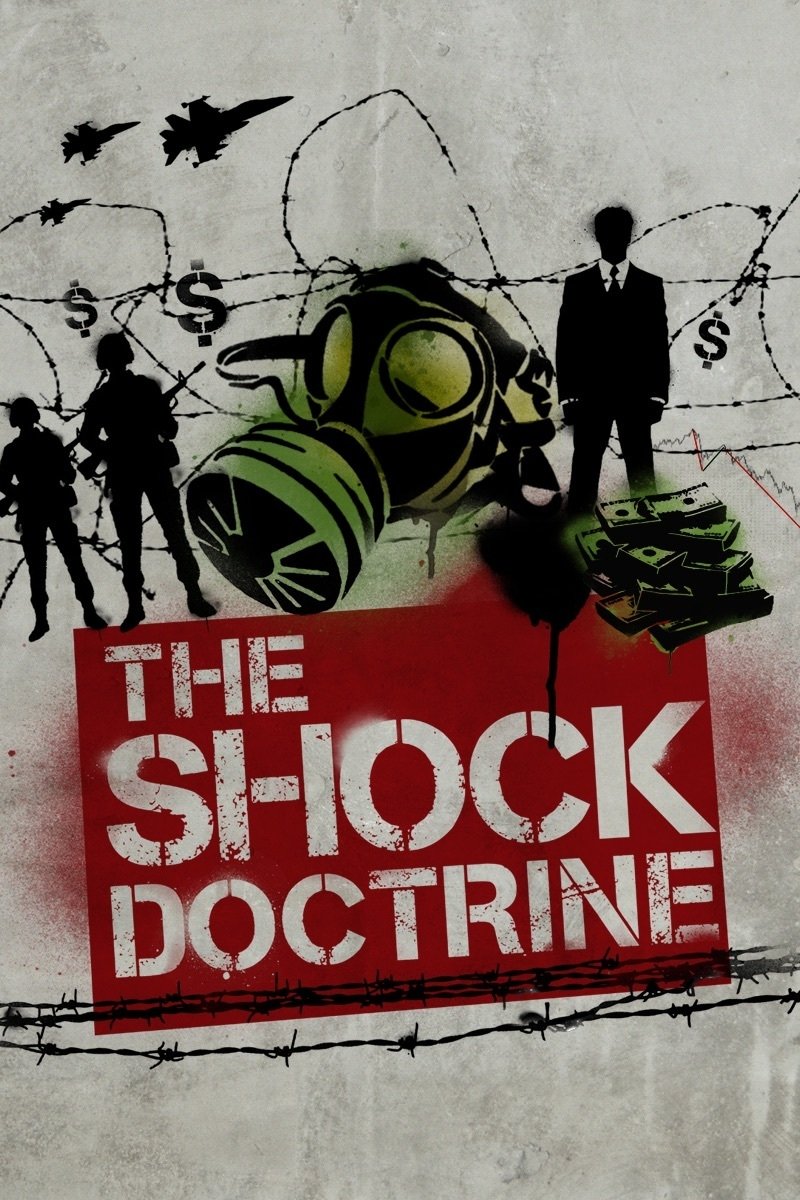
An investigation of "disaster capitalism", based on Naomi Klein's proposition that neo-liberal capitalism feeds on natural disasters, war and terror to establish its dominance.
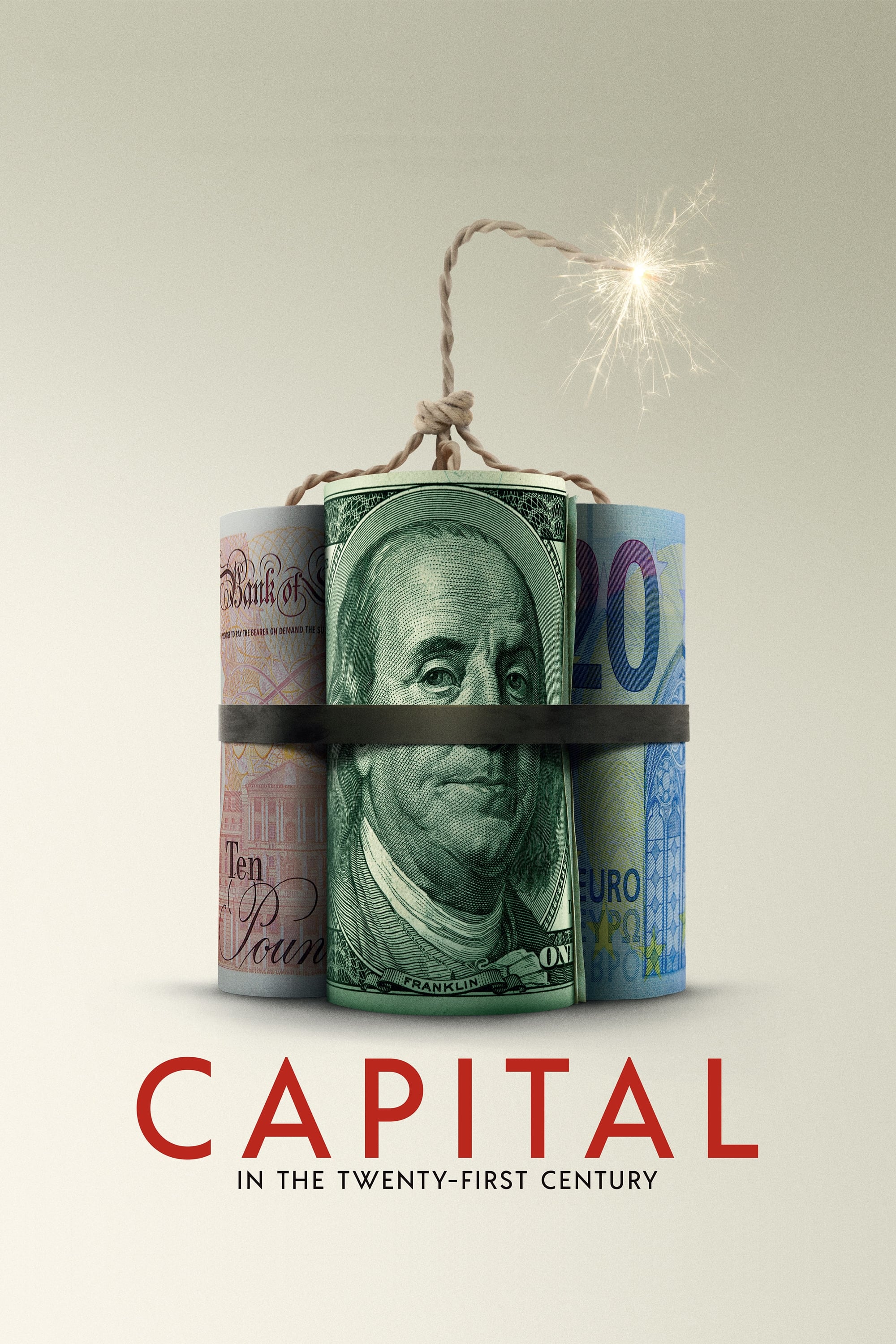
Film adaptation of French economist Thomas Piketty's ground-breaking global bestseller of the same name: an eye-opening journey through wealth and power.
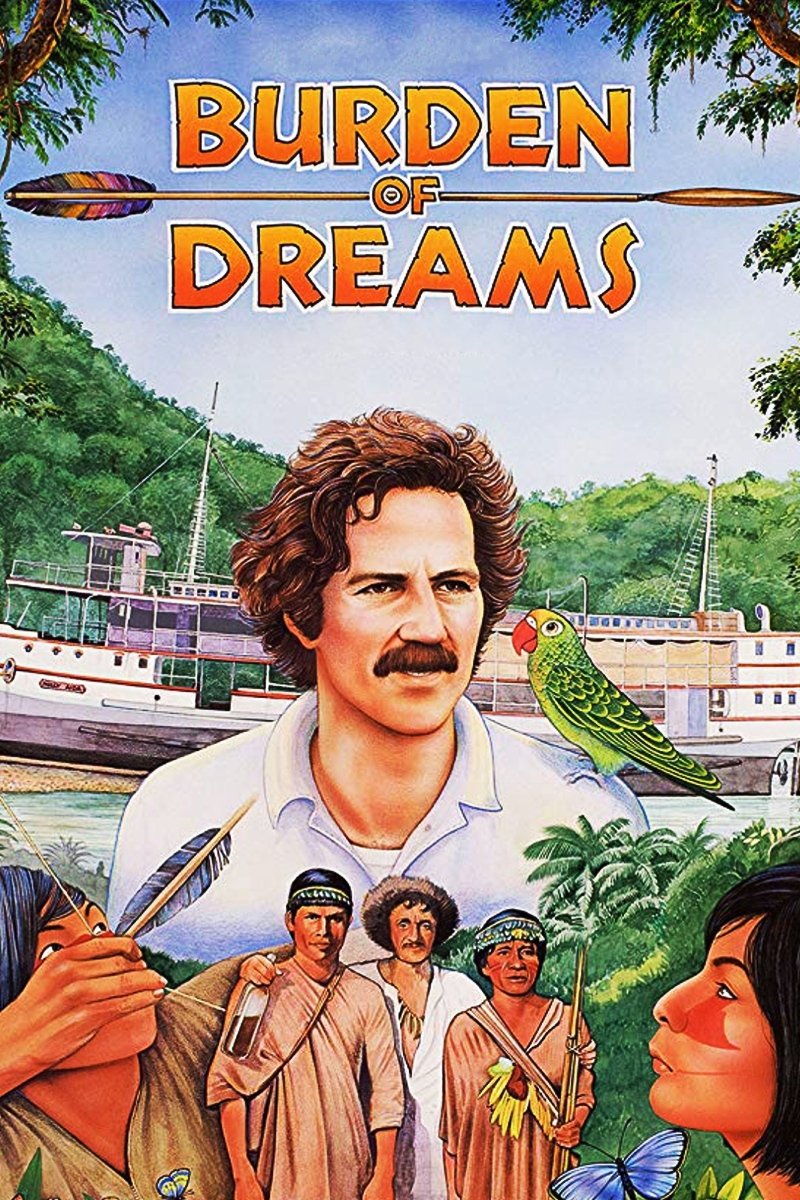
The Amazon rain forest, 1979. The crew of Fitzcarraldo (1982), a film directed by German director Werner Herzog, soon finds itself with problems related to casting, tribal struggles and accidents, among many other setbacks; but nothing compared to dragging a huge steamboat up a mountain, while Herzog embraces the path of a certain madness to make his vision come true.
Ranjit, a farmer in India, takes on the fight of his life when he demands justice for his 13-year-old daughter, the victim of a brutal gang rape. His decision to support his daughter is virtually unheard of, and his journey unprecedented.
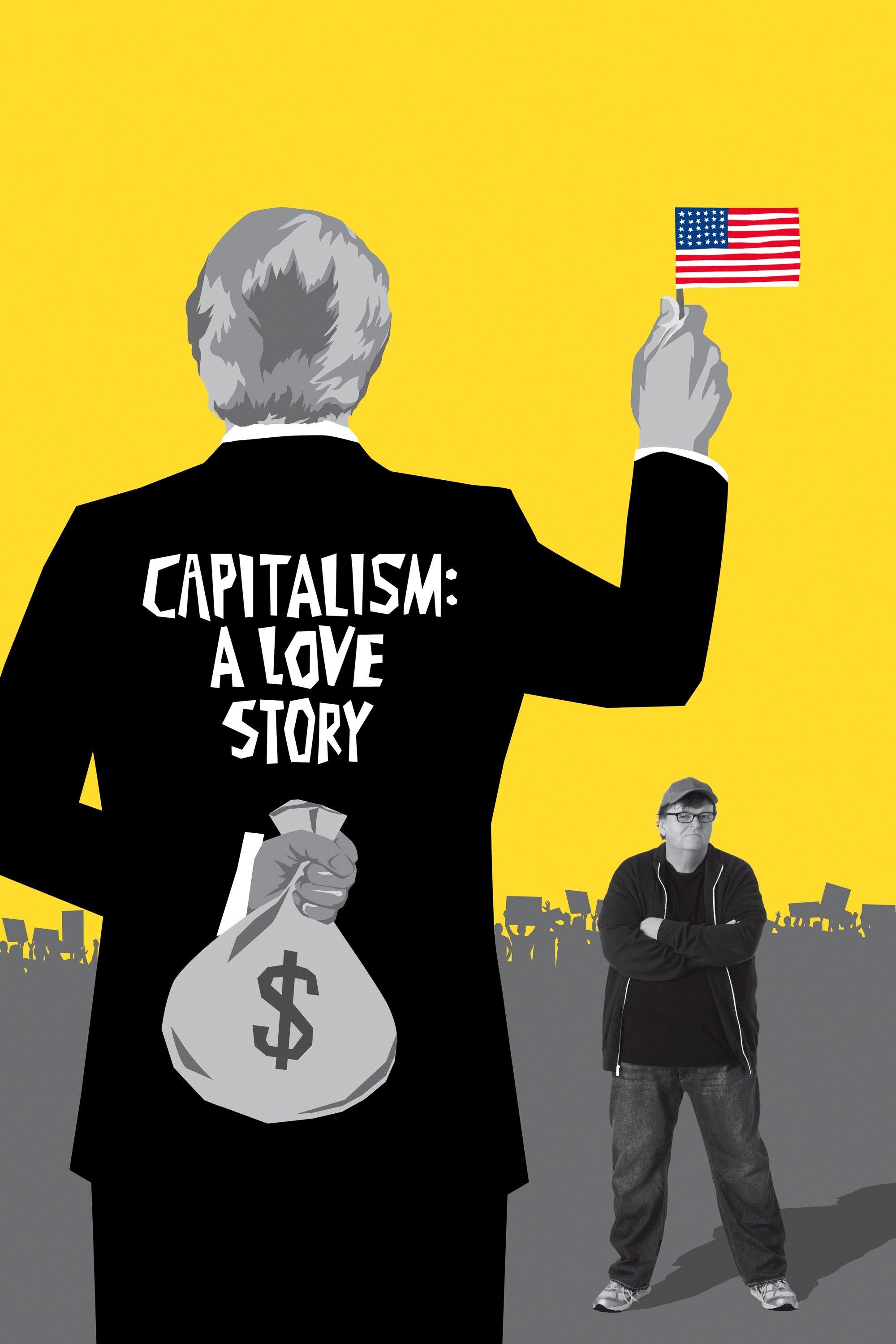
Michael Moore comes home to the issue he's been examining throughout his career: the disastrous impact of corporate dominance on the everyday lives of Americans (and by default, the rest of the world).
A visual montage portrait of our contemporary world dominated by globalized technology and violence.
Alexander McQueen's rags-to-riches story is a modern-day fairy tale, laced with the gothic. Mirroring the savage beauty, boldness and vivacity of his design, this documentary is an intimate revelation of McQueen's own world, both tortured and inspired, which celebrates a radical and mesmerizing genius of profound influence.
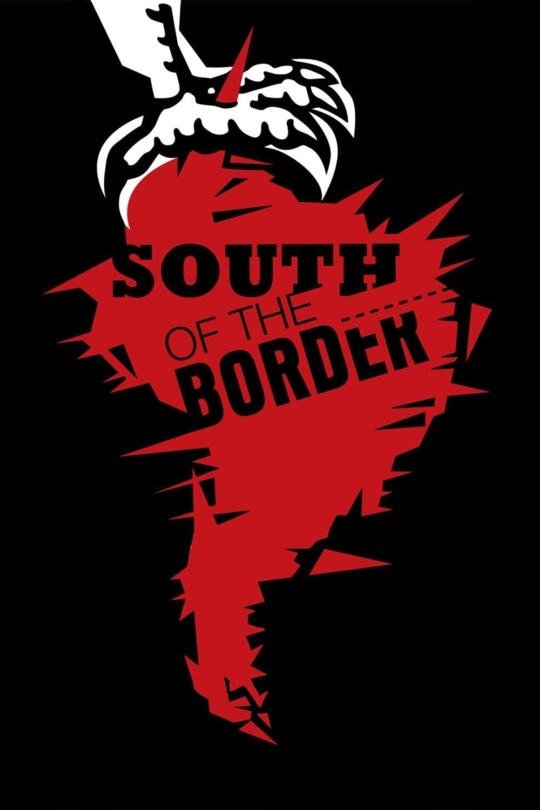
A road trip across five countries to explore the social and political movements as well as the mainstream media's misperception of South America while interviewing seven of its elected presidents.
A documentary about how a dominant cultural and demographic institution both sustains their traditional activities and adapts to the digital revolution.
In an intimate and joyful story of love in the face of loss, celebrated poets Andrea Gibson and Megan Falley find strength—and unexpected hilarity—in what might be their final year together.
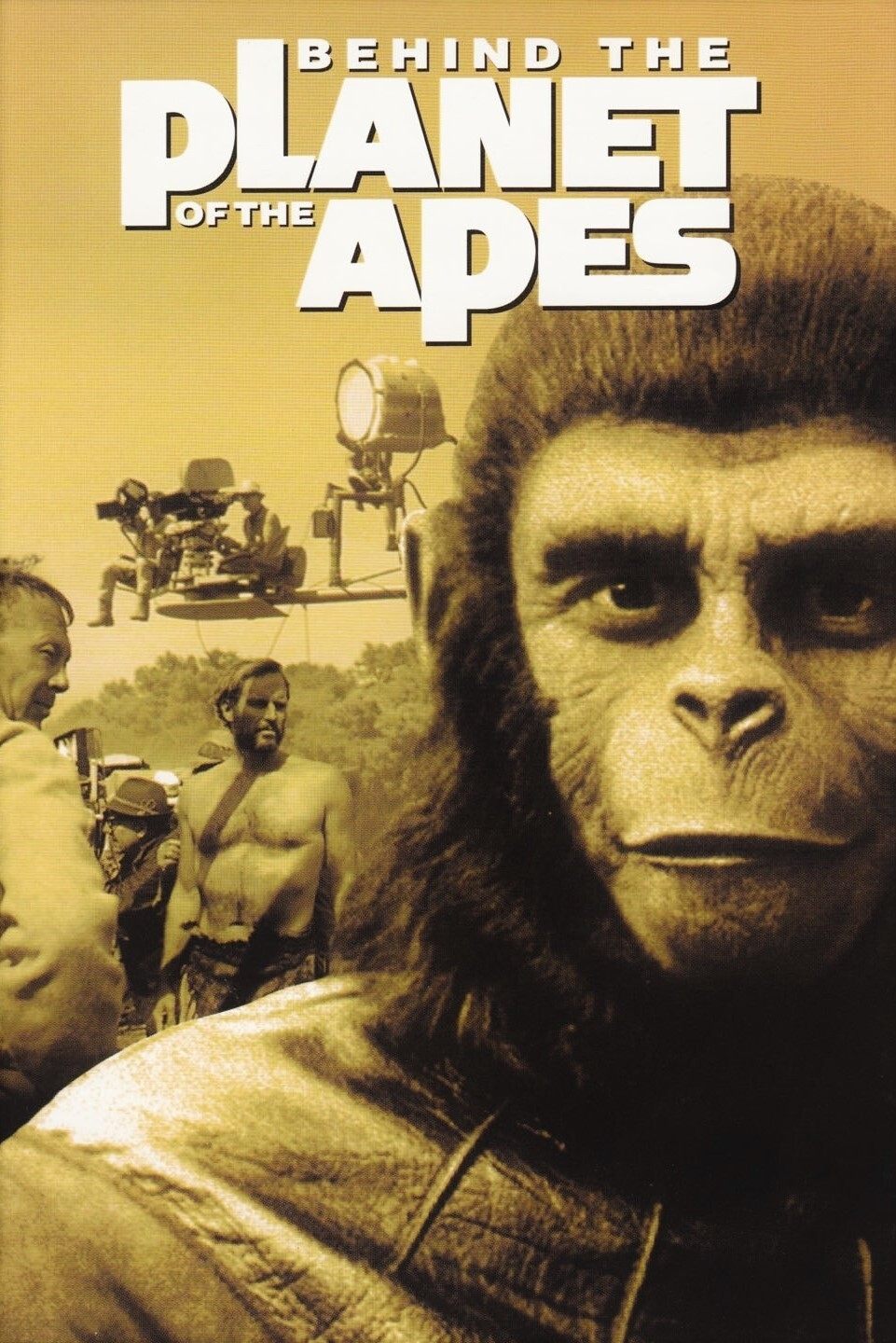
Roddy McDowall takes you, film by film, from production meetings to make-up sessions, then right onto the movie set to see the actual filming of the science fiction masterpiece. The most comprehensive history of Planet of the Apes ever created, this fascinating 127-minute documentary explores one of the most imaginative and influential series in movie history.
A documentary about the life and films of director John Ford.
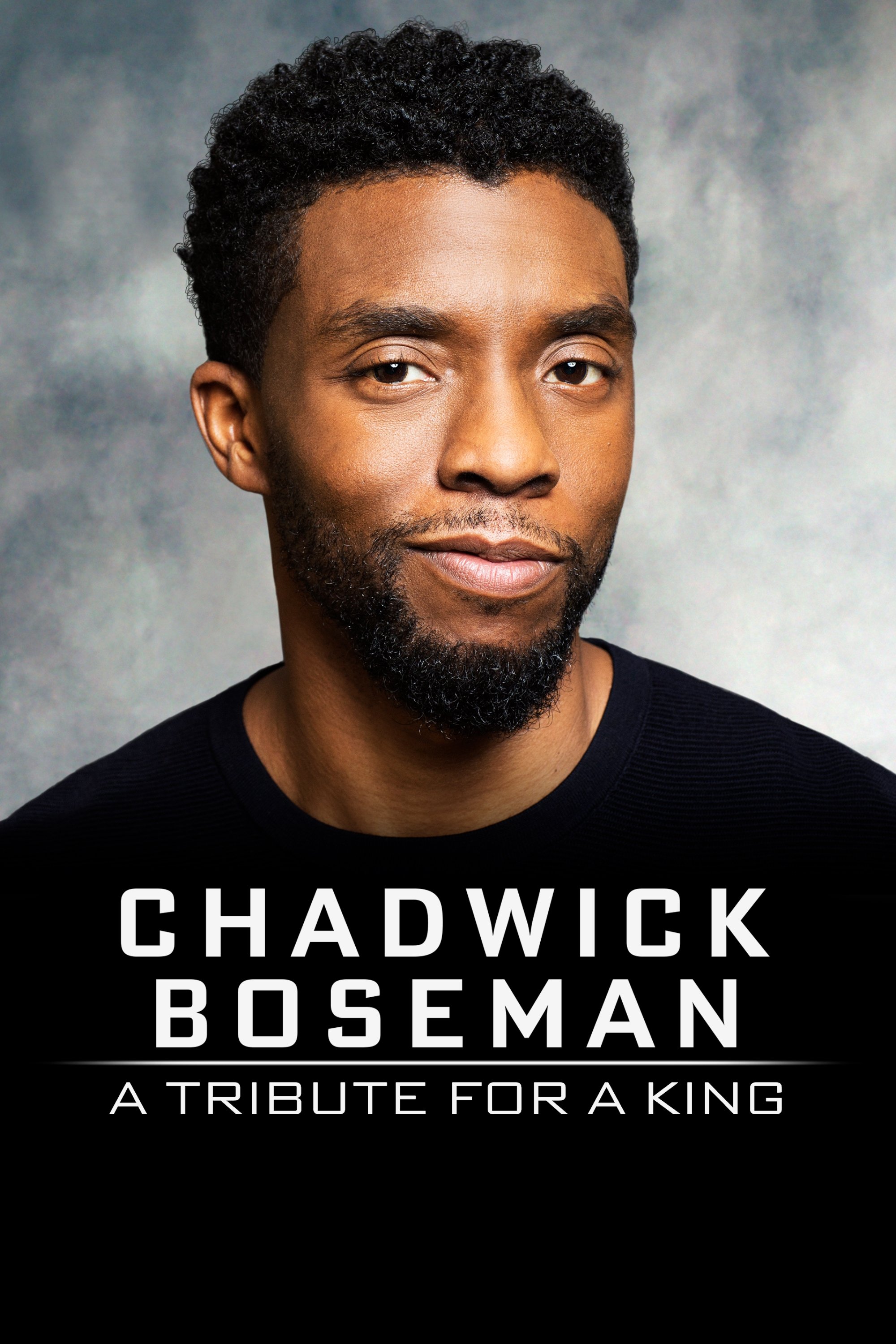
A tribute to Chadwick Boseman, celebrating his life and legacy.
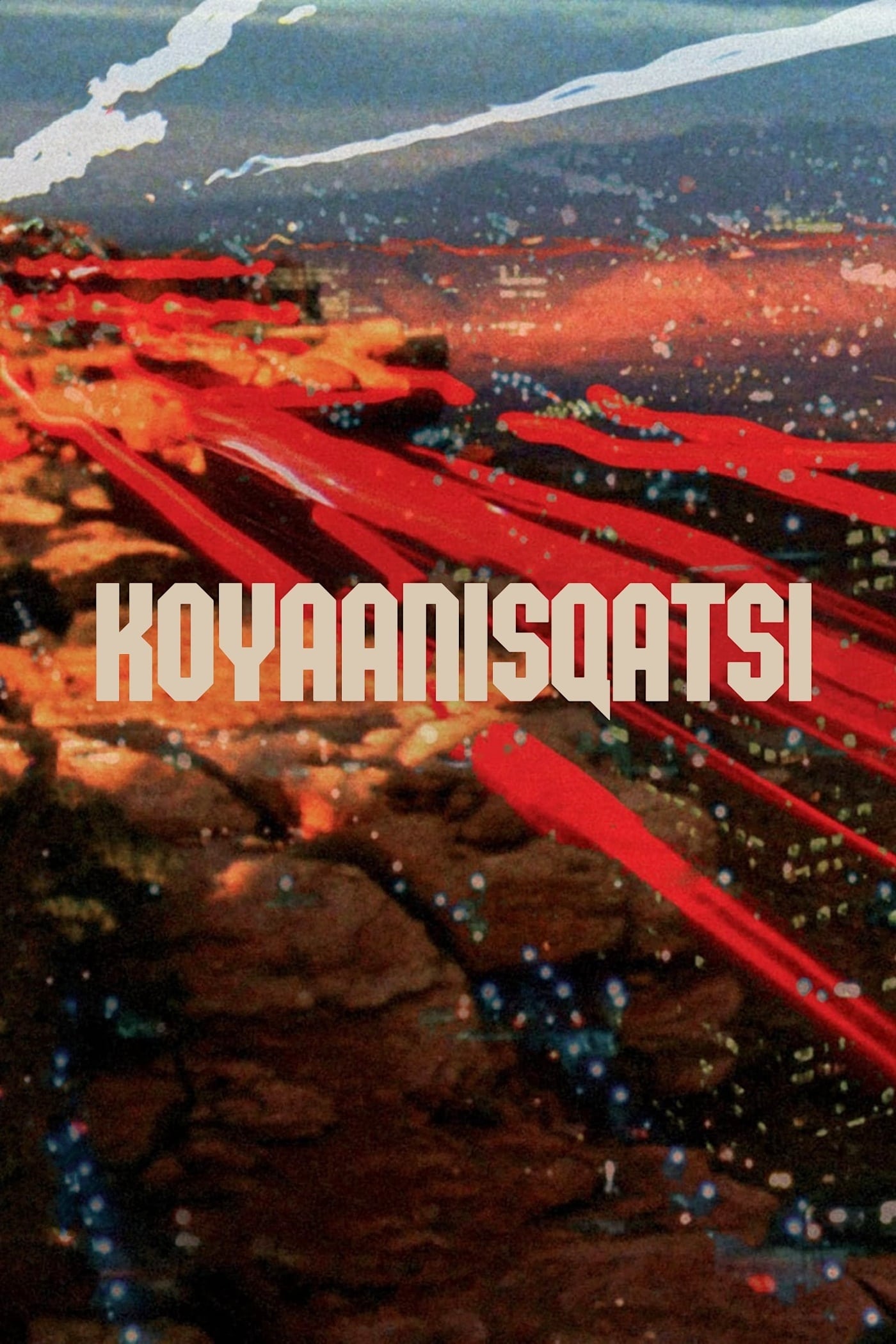
Takes us to locations all around the US and shows us the heavy toll that modern technology is having on humans and the earth. The visual tone poem contains neither dialogue nor a vocalized narration: its tone is set by the juxtaposition of images and the exceptional music by Philip Glass.
An exploration of technologically developing nations and the effect the transition to Western-style modernization has had on them.
Unravel the case of Utah therapist Jodi Hildebrandt, whose child abuse arrest with parenting YouTuber Ruby Franke exposed a twisted tale of manipulation.
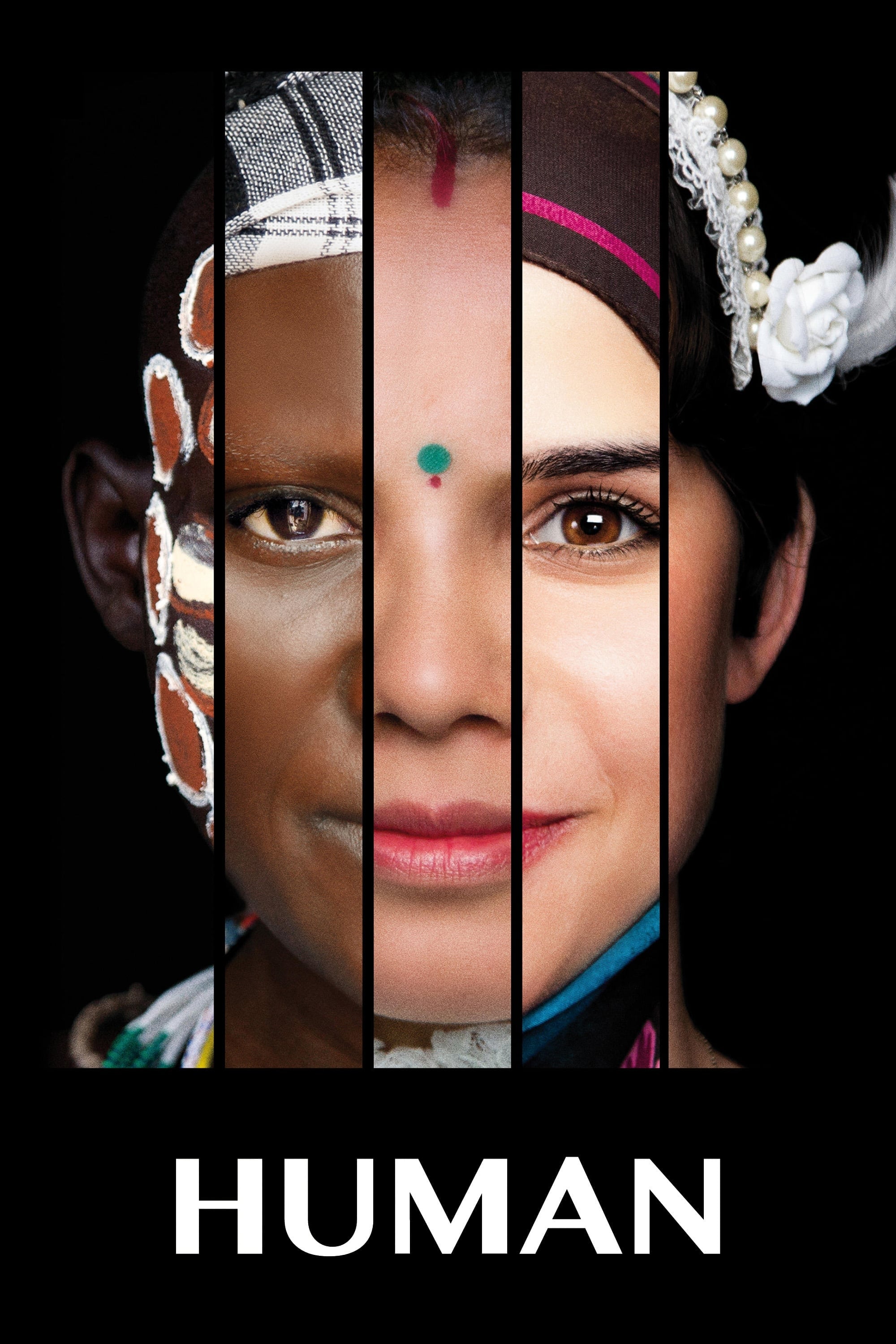
A collection of stories about and images of our world, offering an immersion to the core of what it means to be human. Through these stories full of love and happiness, as well as hatred and violence, it brings us face to face with the Other, making us reflect on our lives. From stories of everyday experiences to accounts of the most unbelievable lives, these poignant encounters share a rare sincerity and underline who we are – our darker side, but also what is most noble in us, and what is universal. Our Earth is shown at its most sublime through never-before-seen aerial images accompanied by soaring music, resulting in an ode to the beauty of the world, providing a moment to draw breath and for introspection. This film is a politically engaged work which allows us to embrace the human condition and to reflect on the meaning of our existence.
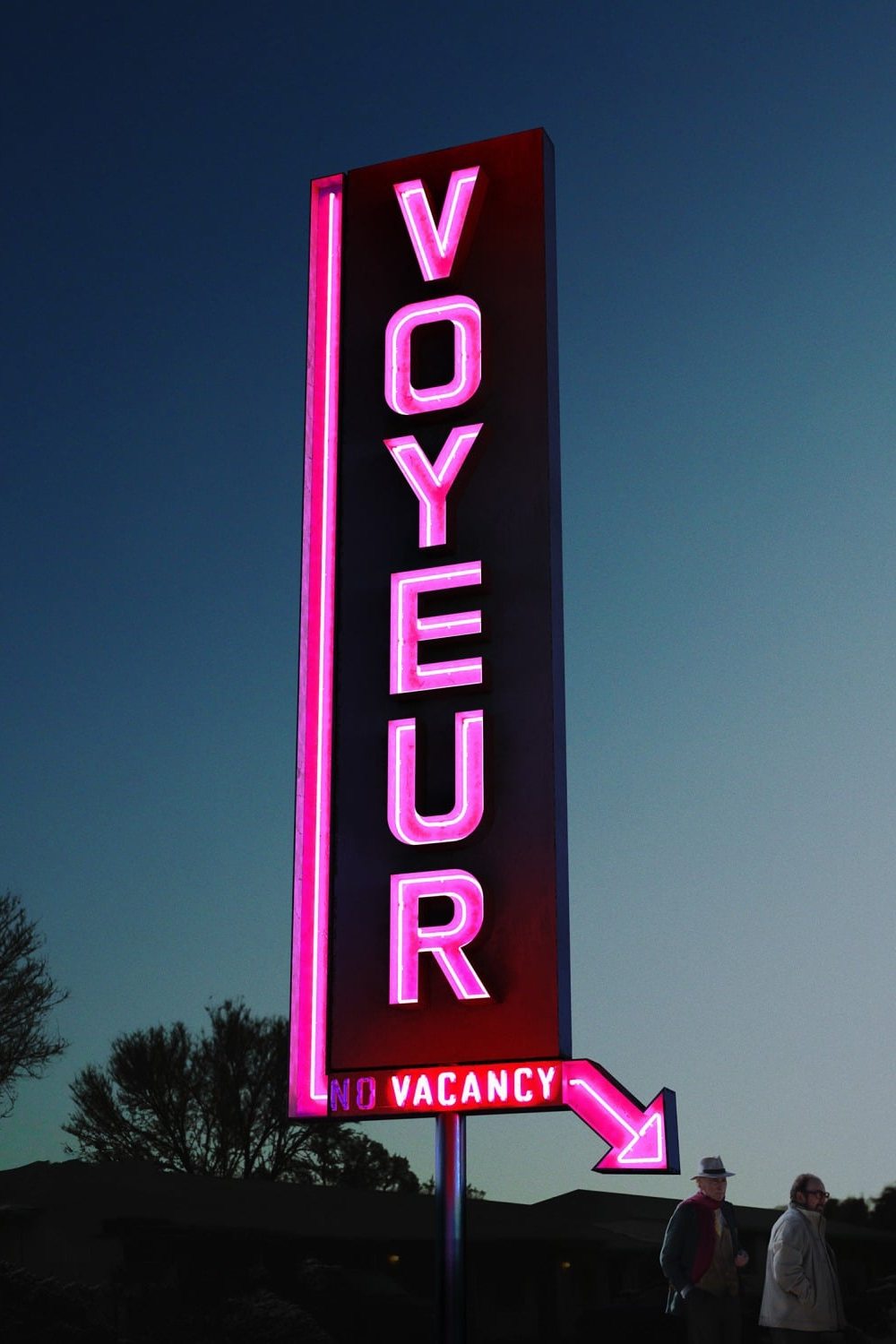
Legendary journalist Gay Talese unmasks a motel owner who spied on his guests for decades. But his bombshell story soon becomes a scandal of its own.
A woman narrates the thoughts of a world traveler, meditations on time and memory expressed in words and images from places as far-flung as Japan, Guinea-Bissau, Iceland, and San Francisco.