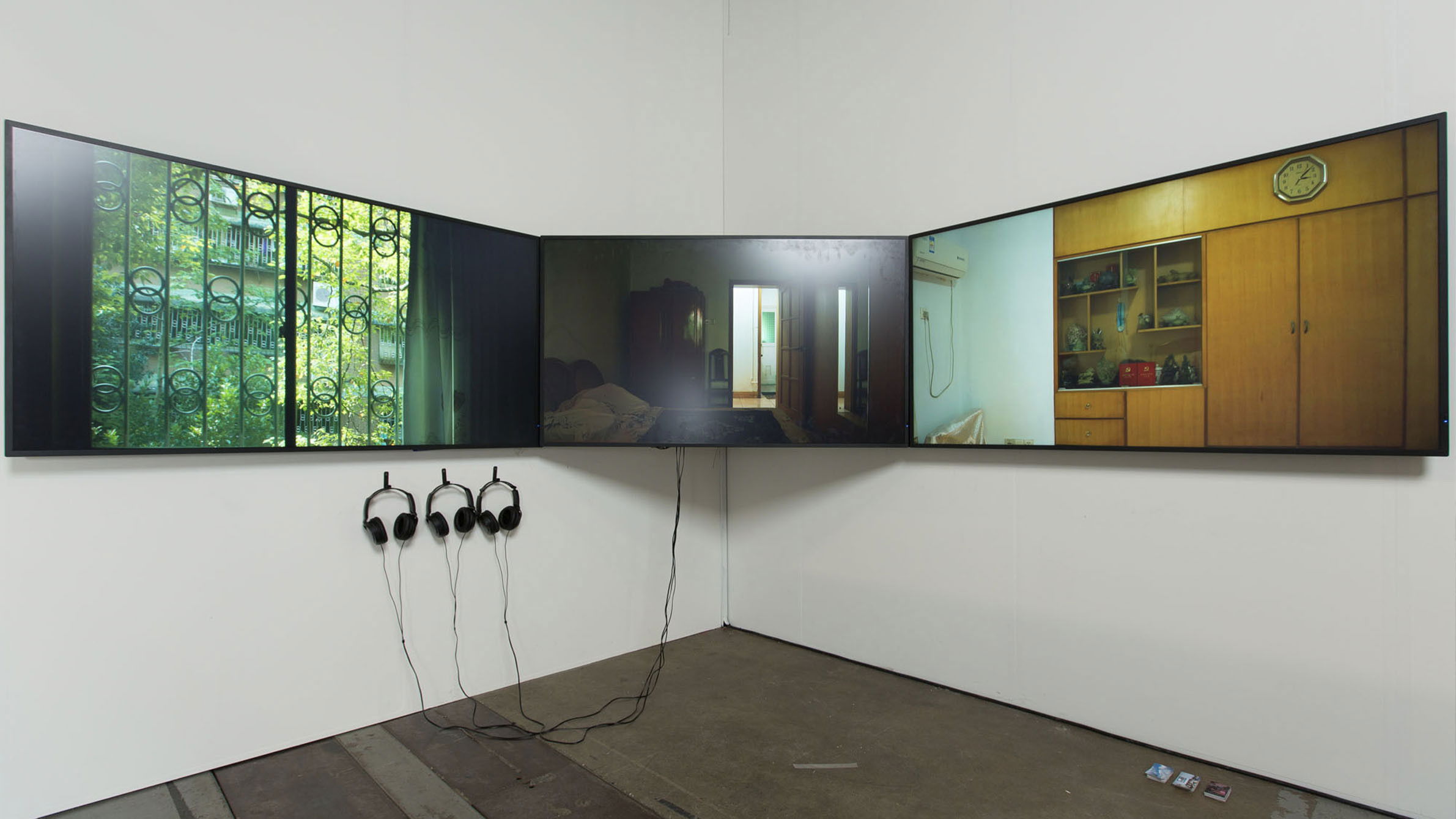
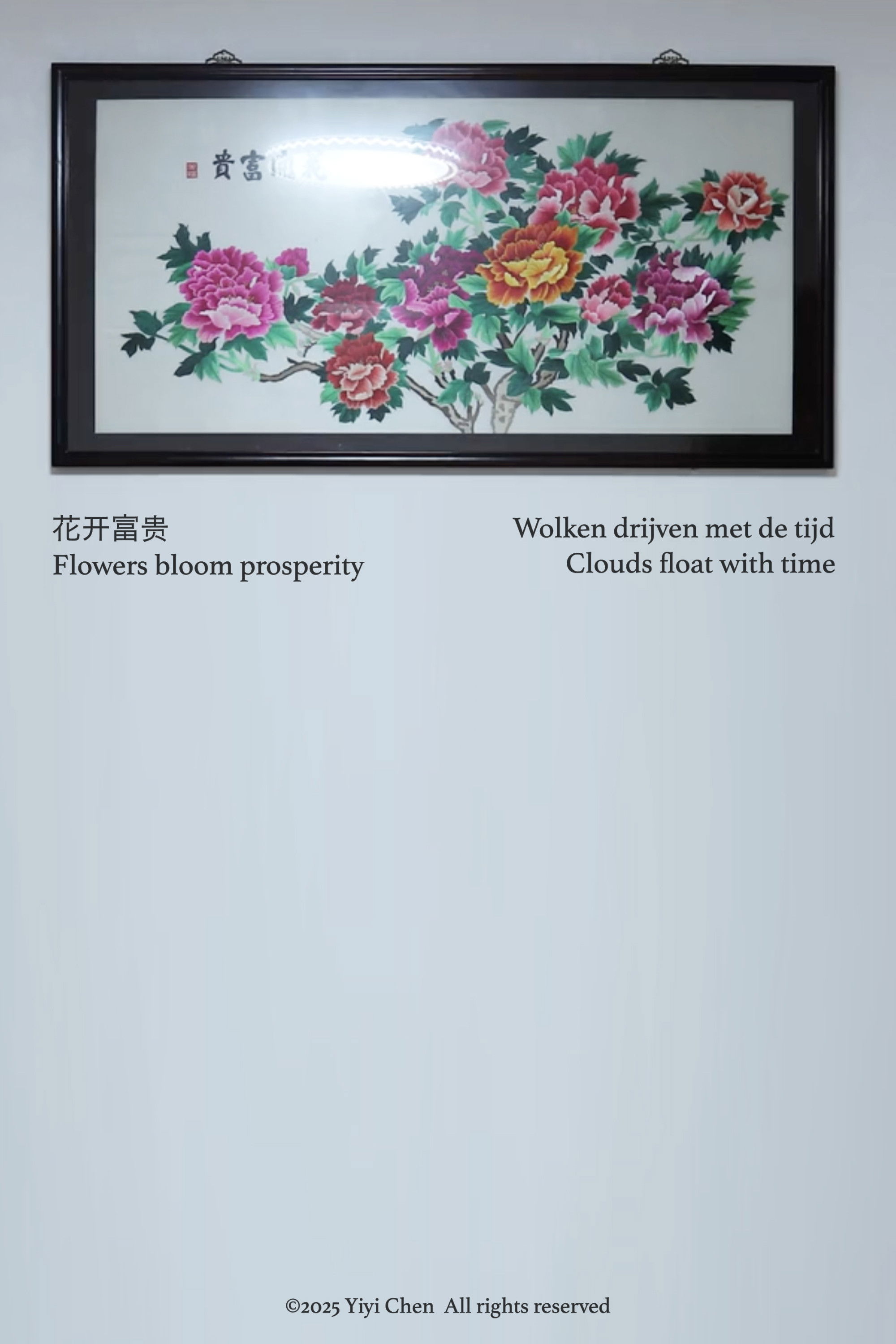
A three-screen video installation juxtaposing the Dutch sky, the artist's grandparents' apartment, and the cityscape of Changsha.
Social & External

The people behind it
Yiyi Chen
Self (Granddaughter)
Jieping Liu
Self (Grandmother)
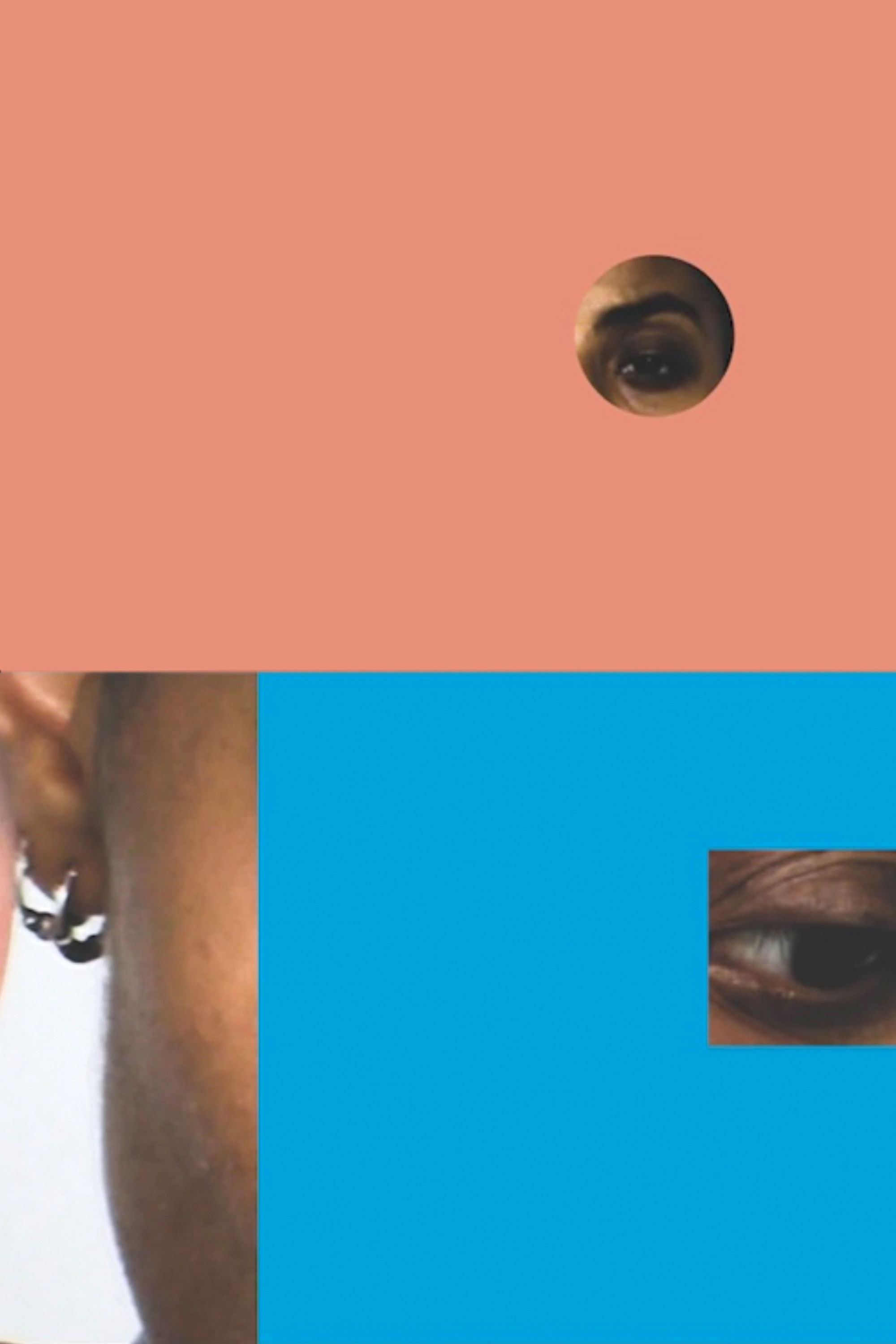
A silent experimental film, originally made in accompaniment to Josephine Zwaan's '1/4' album release presentation in 2016. The film sees musician Josephine Zwaan persist through a test of endurance, with the foundation of the film being a one-take of her staring deeply into the lens of the camera, haphazardly overlayed and re-framed by graphical elements color-matched to the album's artwork.
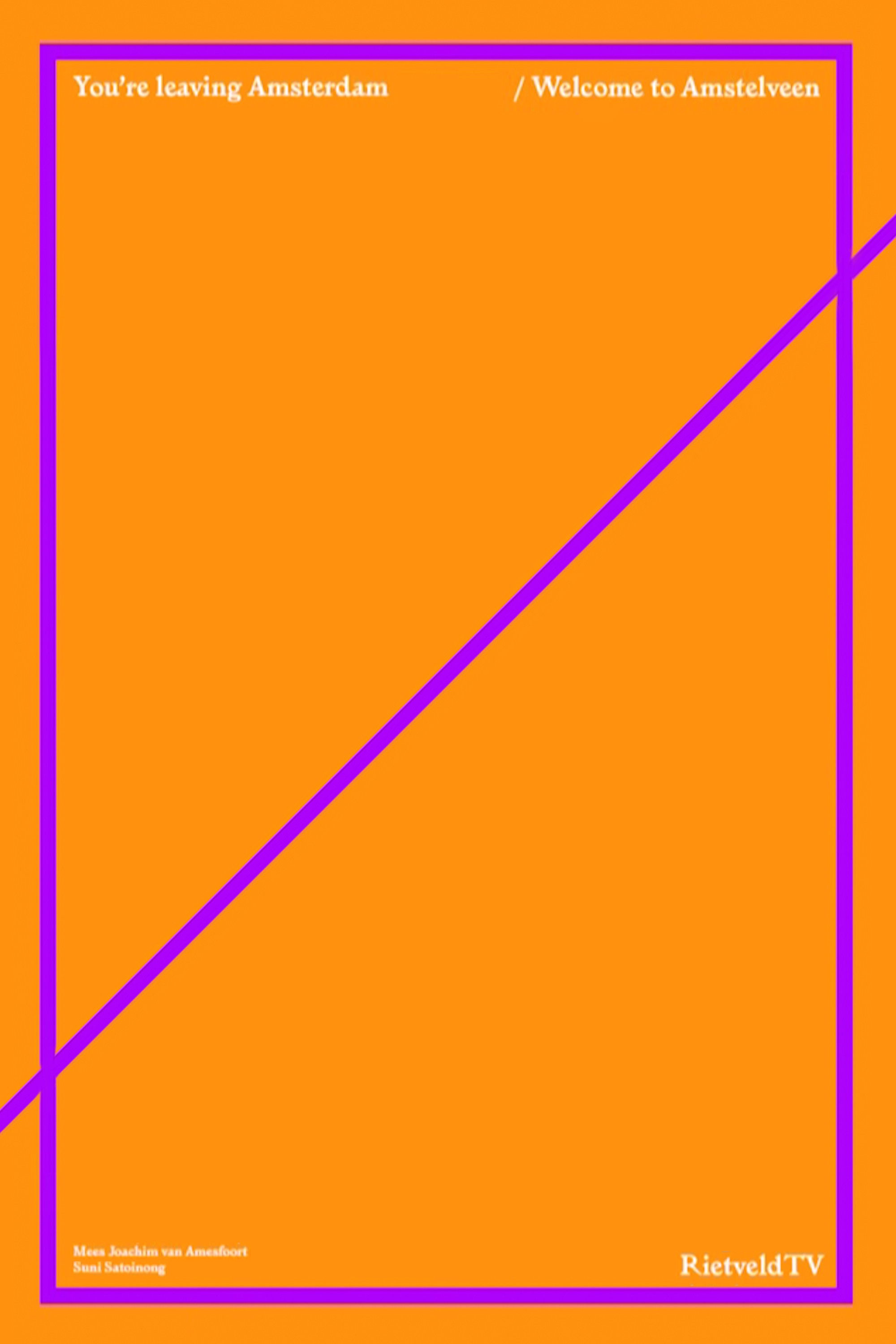
A short documentary film functioning as the introduction to the One Minutes x Inter-Architecture Department (Gerrit Rietveld Academy) short-film broadcast episode for Rietveld TV, as aired on SALTO. This broadcast was meant to give an artistic impression of a communal art-project developed by the Inter-Architecture Department for the municipality of Amstelveen, The Netherlands. This short documentary film introduces each duo placed and posing at their respective project-based locations, spread out over Amstelveen, through purposely awkward still-but-moving vignettes. The duo's are reintroduced several times in quick succession, with each consecutive appearance showing more of an awkward inter-personality, meant to evoke a certain liminal playfulness. An overpass, a bridge, a bridge-barrier, a docking port, the border between Amsterdam and Amstelveen, the edges of Amsterdamse Bos, an abandoned railroad.


what was the last dream you had?
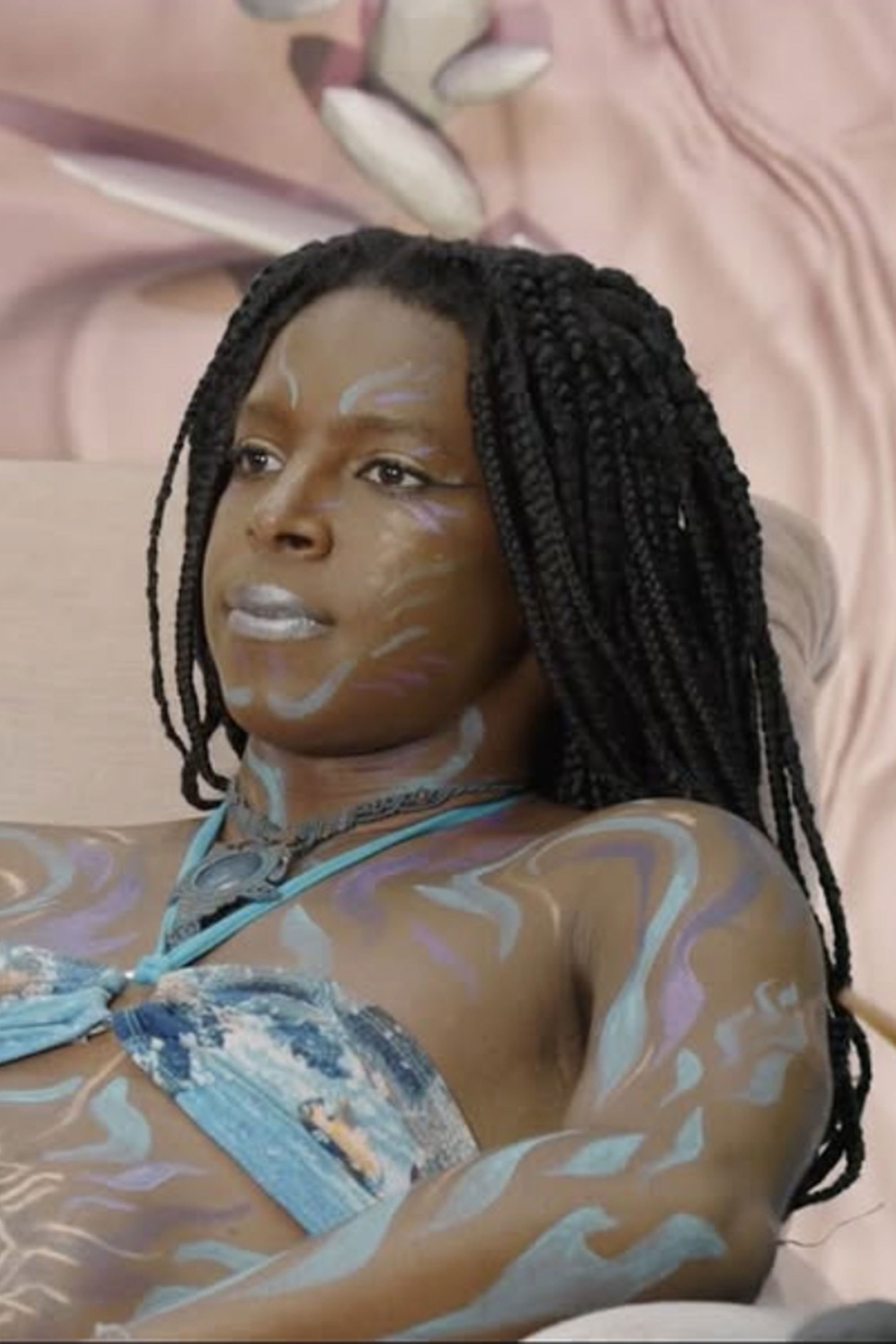
Aida Ra Mana invites you to explore a sci-fi universe set in the year 2044. In this imagined future, the story revolves around three aliens whose deep friendship unfolds in a world dominated by military rule and stringent restrictions. Through this work, Aida Ra Mana poses profound questions about resilience and the human spirit. How do we create joy and humor when faced with pervasive limitations and diminished opportunities? What does it mean to nurture friendship and creativity in an environment where one must constantly conceal their magic and beliefs from an authoritarian regime? By blending elements of science fiction with poignant social commentary, Aida Ra Mana's universe serves as a mirror to our own society's challenges and a testament to the enduring power of joy and laughter in the face of adversity.
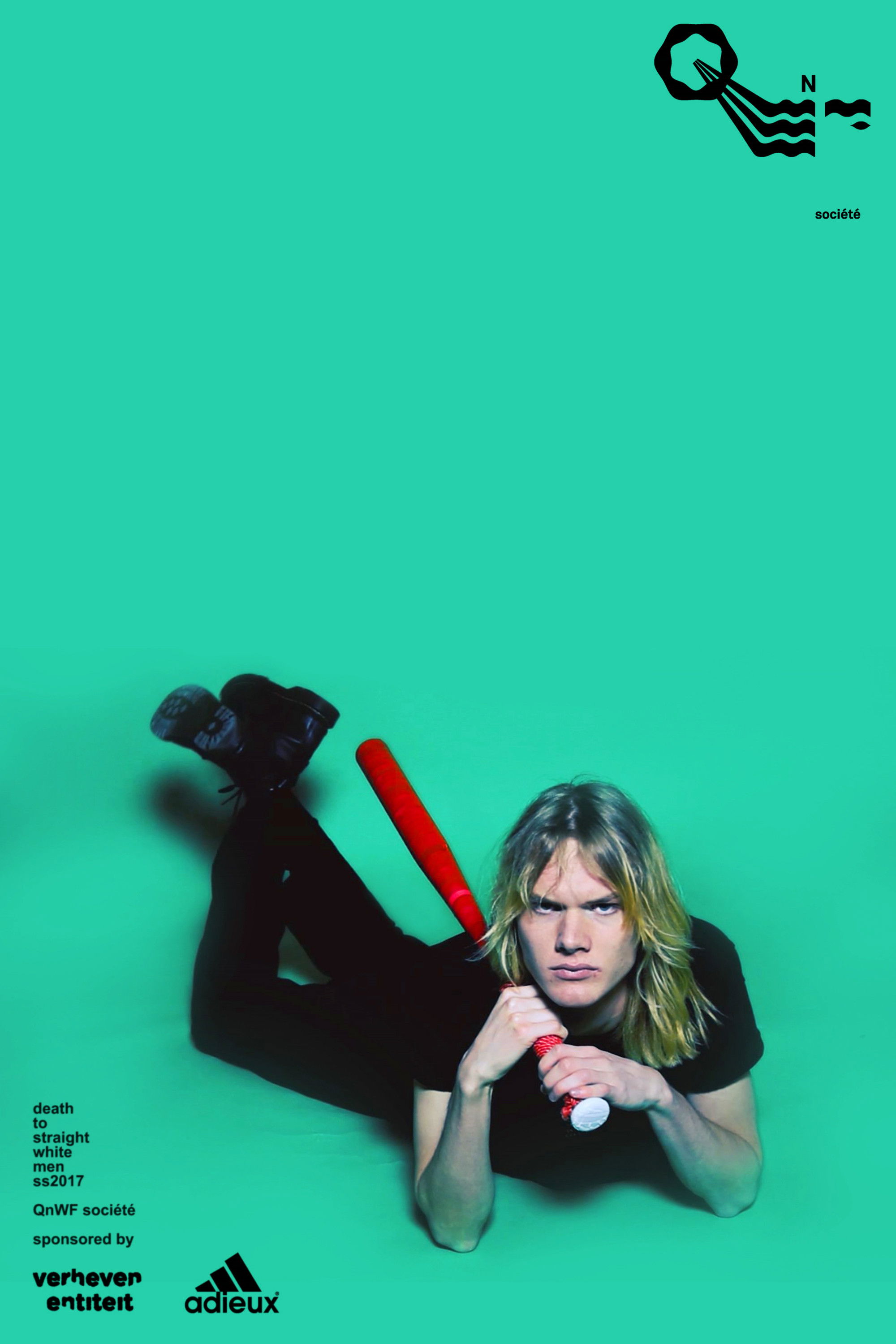
Three commercials, presented as a short film, for fictional clothing brand 'Death To Straight White Men' by the QnWF-Sociétè. This fictional clothing brand and the ready-for-action poses and portraits of the three models were in many ways the foundation for 'E Kolór Korra' (2017).
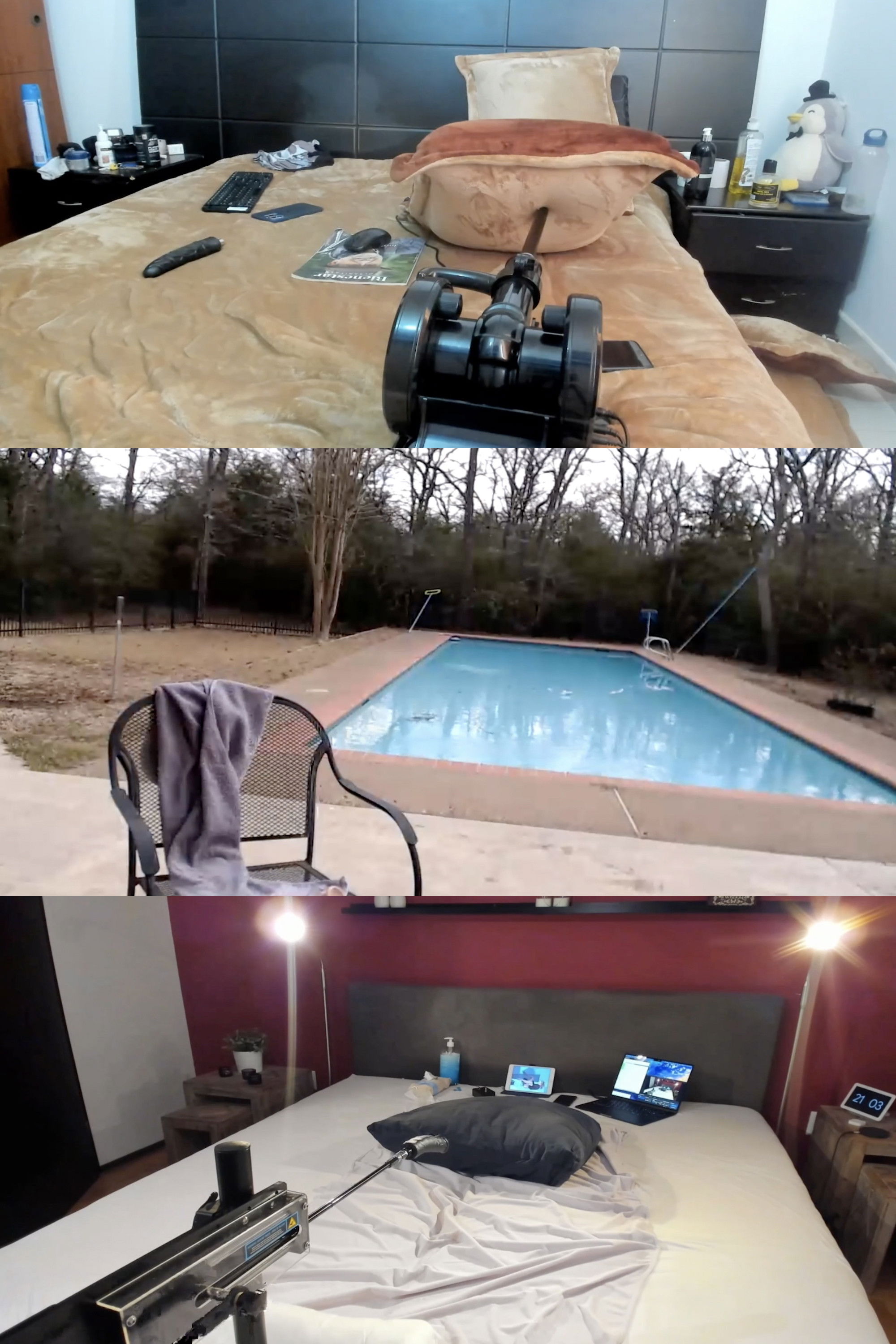
A 'very intellectual' dirty talk on online sex work and a remix of 23-different-sources on the lookout for the answer to 'What happens to violence when you are not looking at it?' In this new work, EMIRHAKIN traces the parabola of performativity and gauges the unequal distances of labor in performance art and webcam performances from the focus point of body politics.
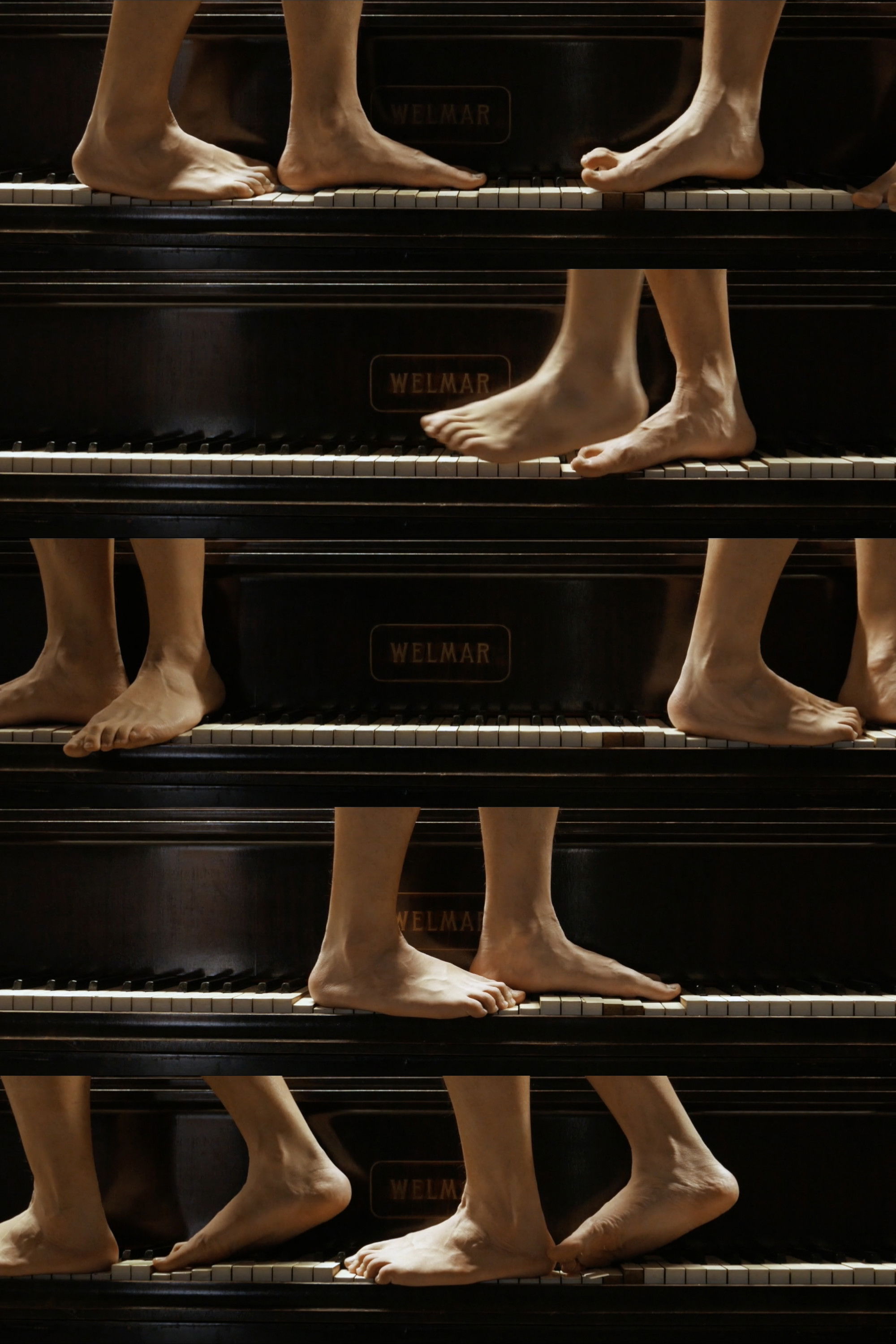
An experimental short where one's footsteps create sound on a piano, creaks and all.
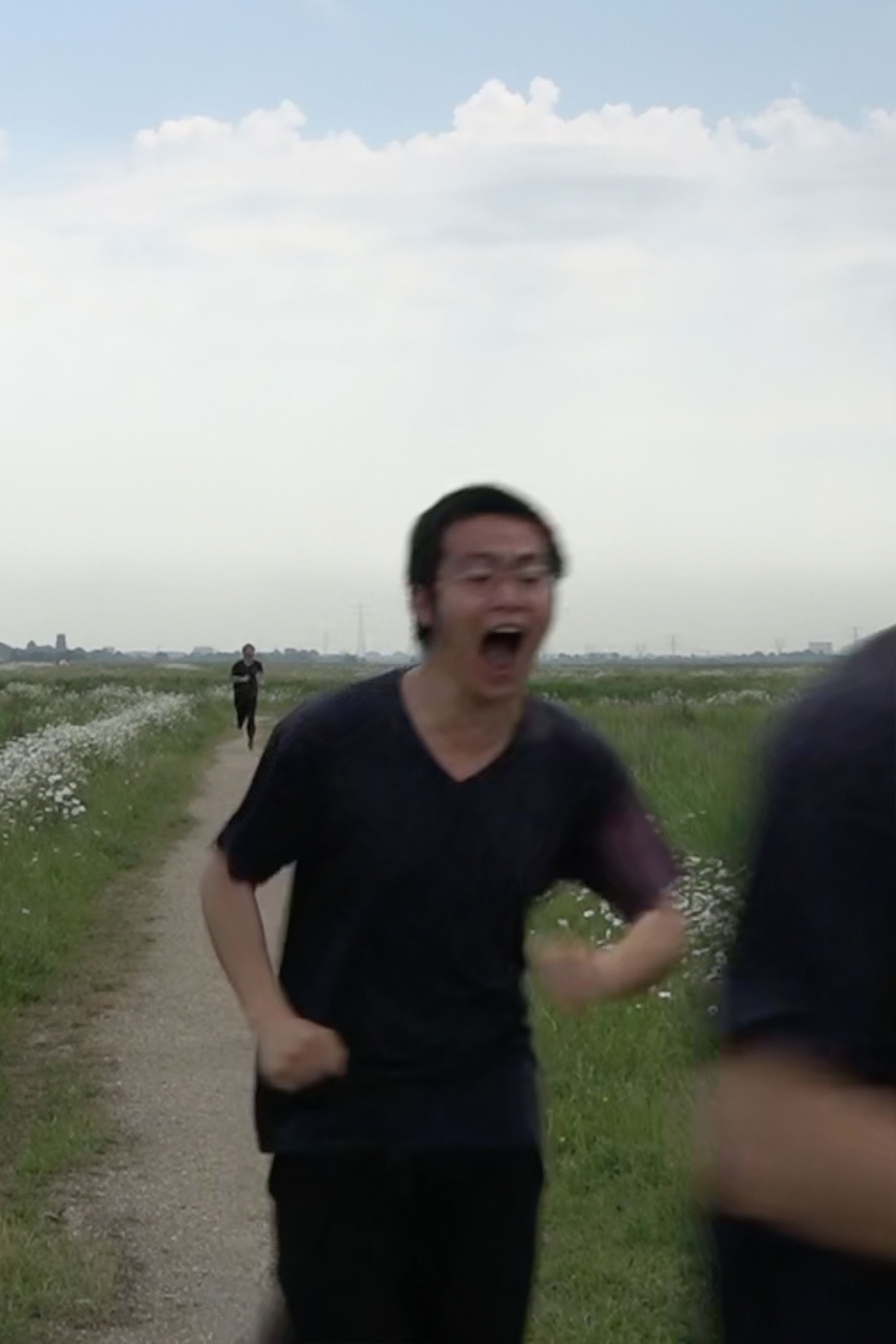
A peaceful path with grass along the sides is disturbed by a man that is running and screaming.
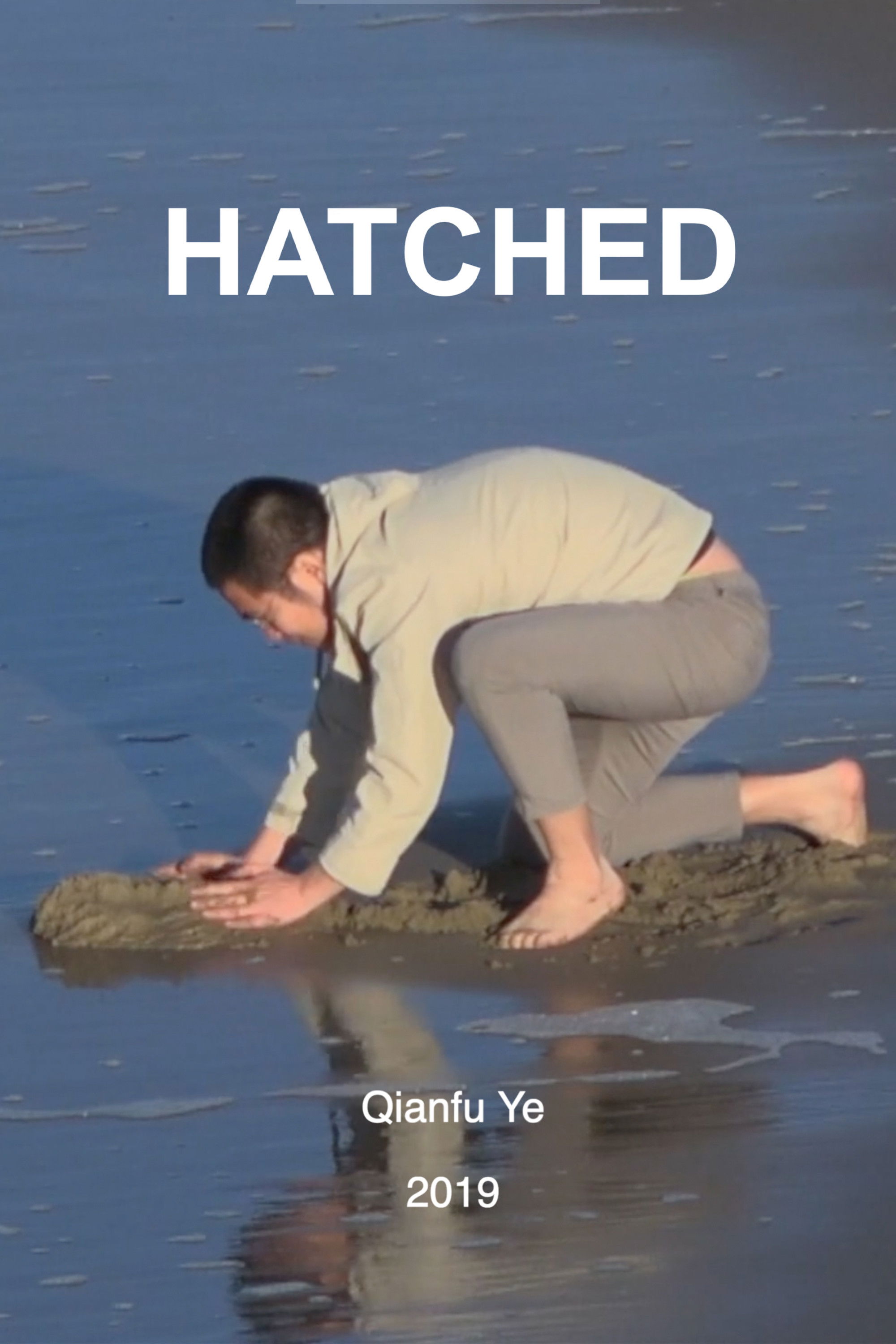
A recently hatched turtle, made of sand and by hand, returns to the sea.
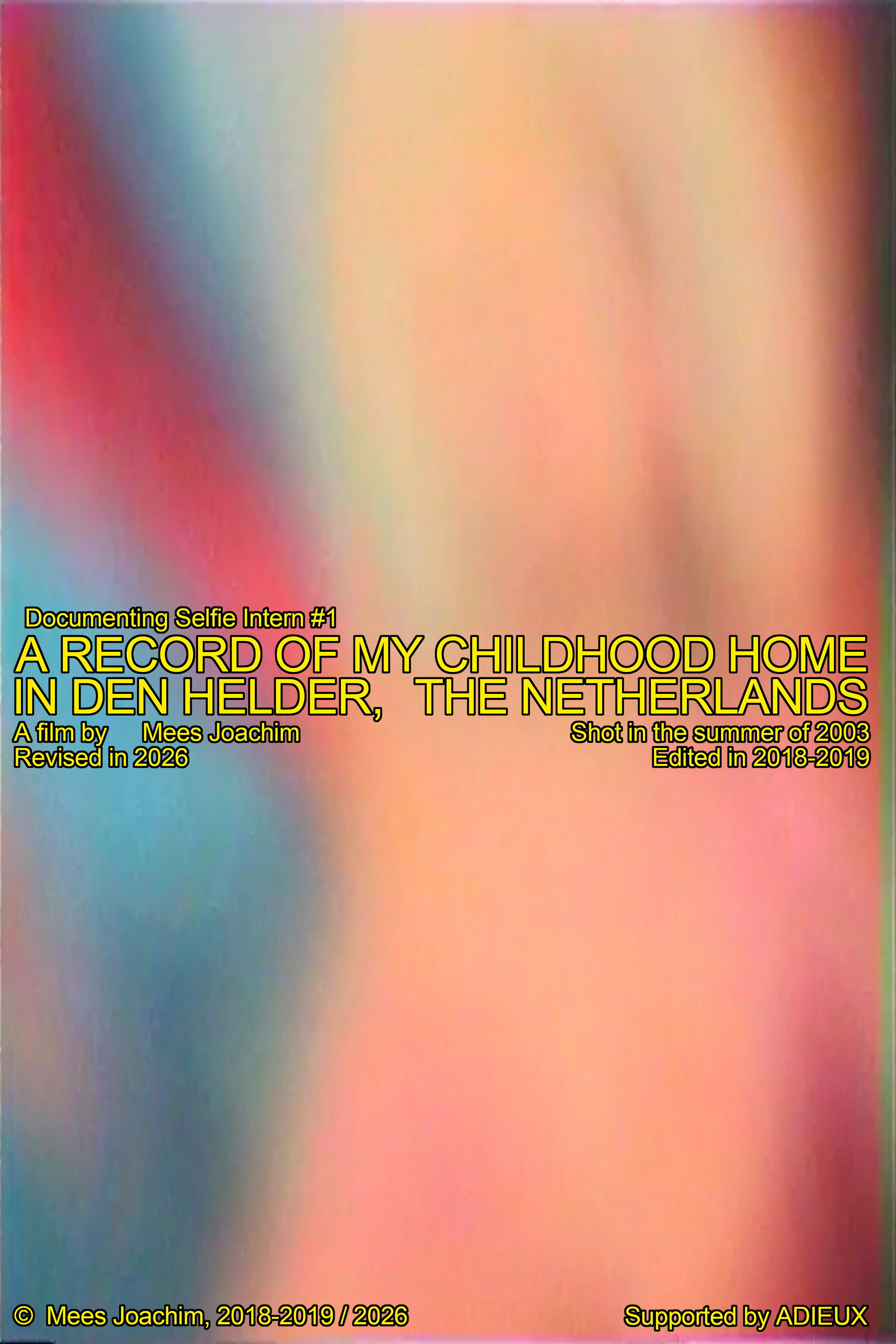
A short documentary film made up of archival footage shot in 2003, which was reworked and edited in 2018-2019. The film shows a haphazardly shot, fragmented property viewing and inventarisation through the eyes of a child, featuring a voice over by that same child. Because of having unrestricted access to their family’s camcorder as a child, there were a few instances where the artist's child form had shot ‘full length’ documentary films - with this documentary short being one of those instances. Often these documentations were a call for seeking comfort in a new surrounding, stemming from a deep fear of being forgotten or unheard, and a playful way of documenting one’s thoughts and feelings. In many ways the artist, Mees Joachim, was the original vlogger, before the advent of Youtube.
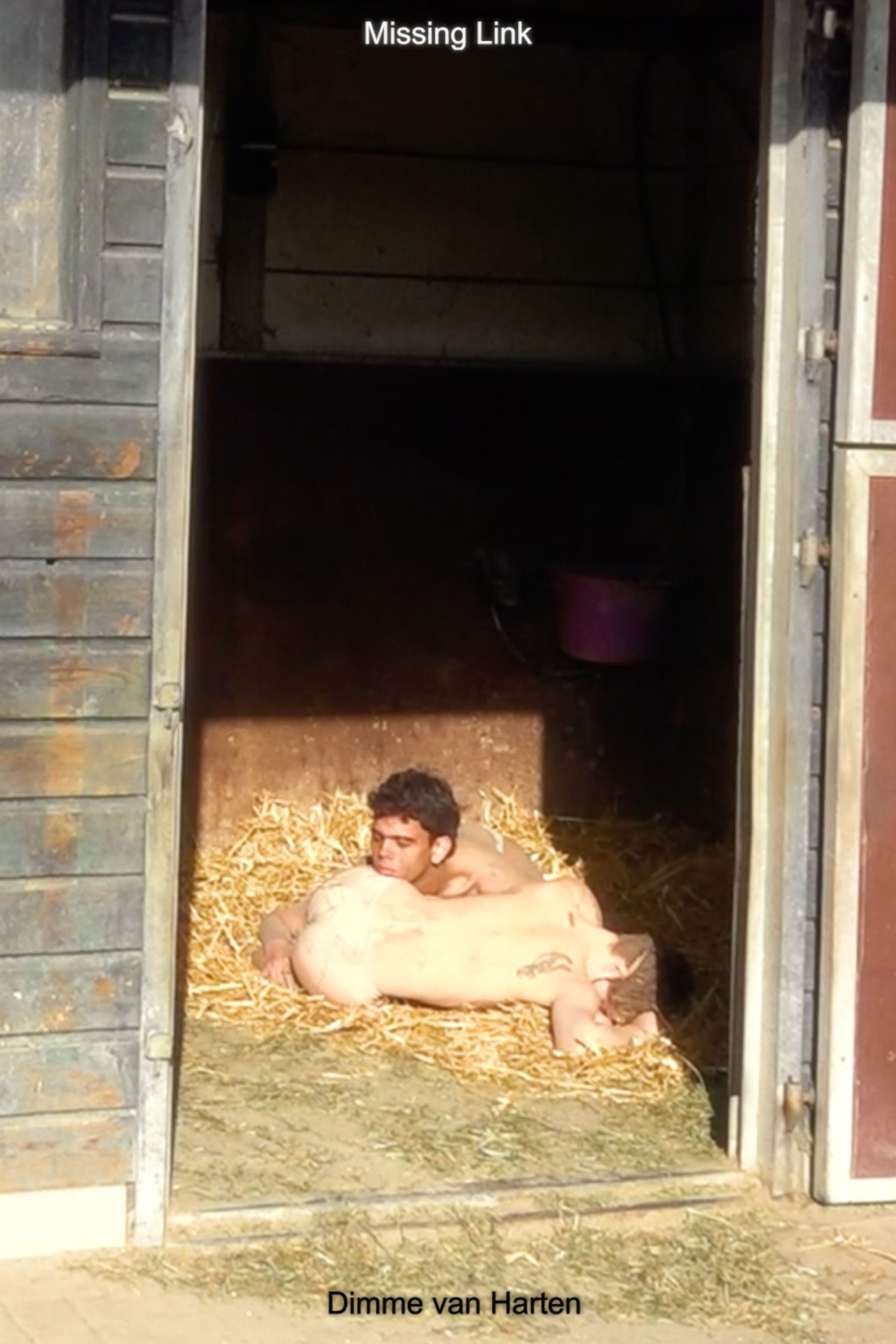
"Encouraged by a special encounter between myself and an animal, my research into the “humanimal” began. This is a performative exploration reflecting on the place of animals and humans in their changing relationships throughout time. The research spans from topics like the cohabitation of different human species, the prehuman, the posthuman, to domestication and the numerous animal watching webcams found in zoos and online. Missing Link reflects on the intimacy between the species and how it can be expressed through movement here and now. "
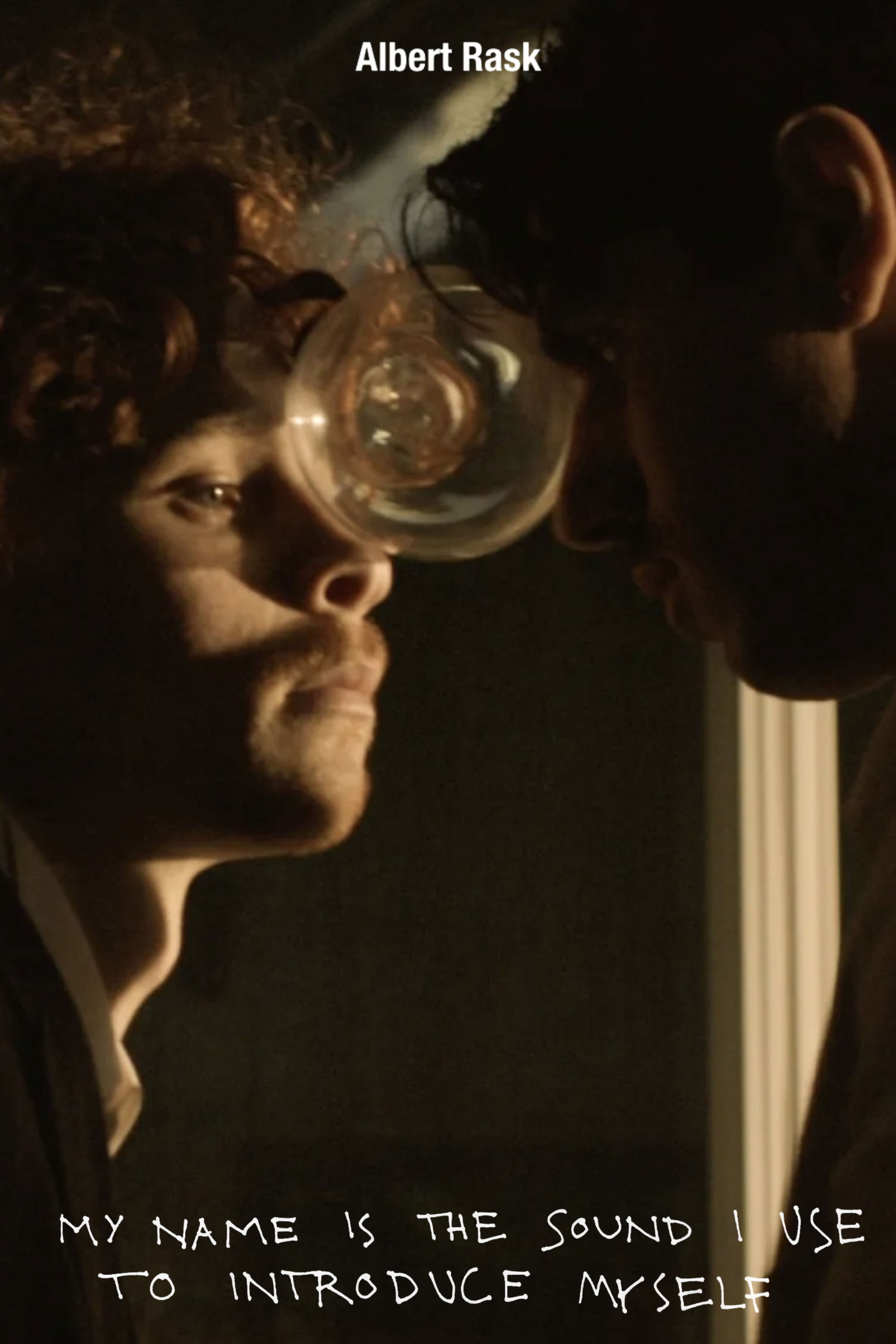
A group of young men waltz in pairs, balancing with a glass between their foreheads. In this captivating setting, director Albert Rask crafts a new code of conduct - an allegory reflecting the experience of growing up. A playful yet poignant exploration that reframes the burdens of responsibility, expectations and the rules of adulthood.
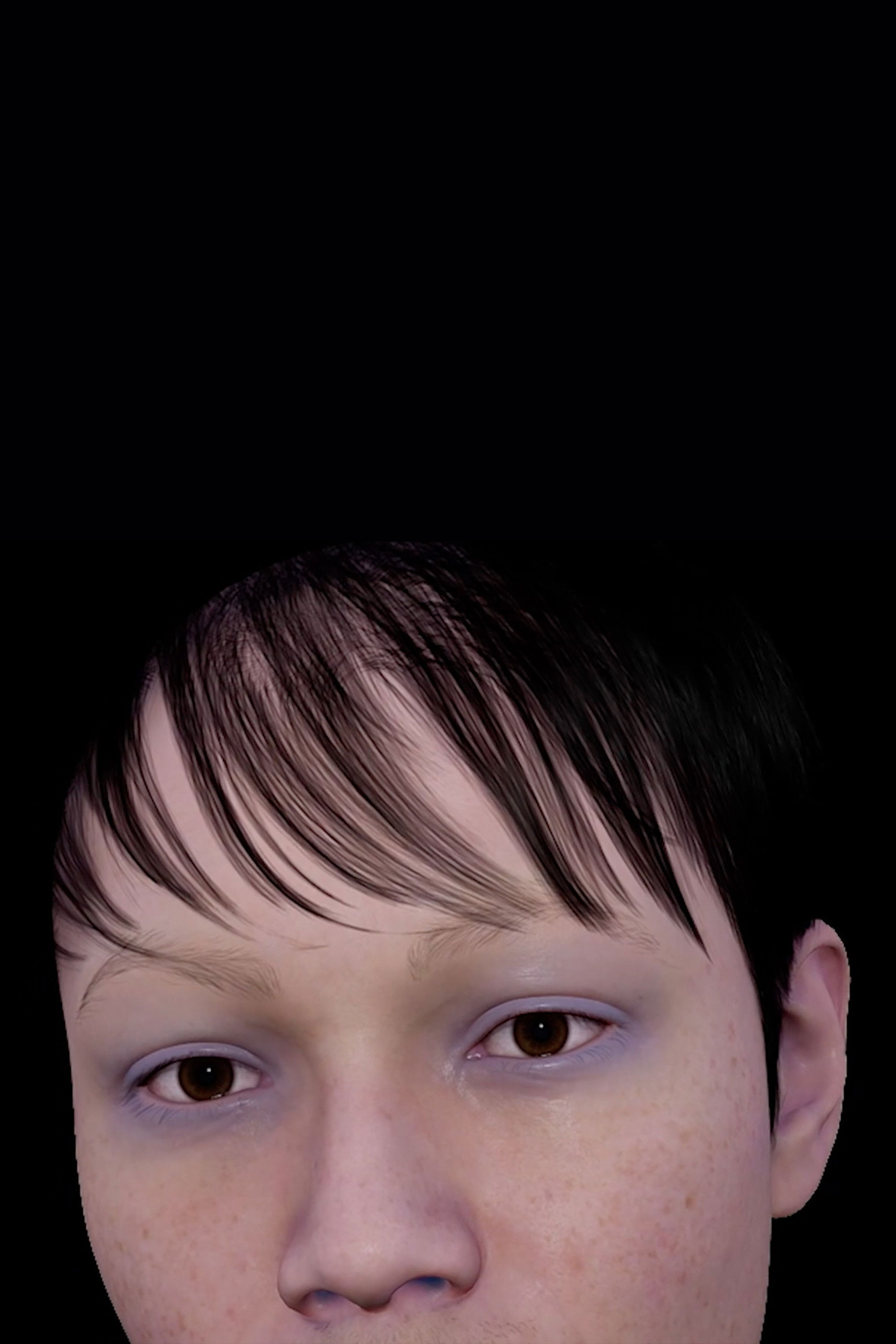
The Concrete Road is a three-channel installation work which was premiered during the Graduation Show 2021 at Gerrit Rietveld Academie. "Landscape shifts, unmodernised desires. This is a story comprising three avatars of myself talking to and interviewing each other, reflecting on memories and weaving a path on coming of age. Sticky childhood memory which never fades. Loosely fitted gender/racial identity struts in juvenile cravings. Self-loathing, negation of the past, and his frowning parents. The tyranny of modernism leaves a leaky path for the protagonist to escape and slobber in a dream of wet summer night. My highest appreciation towards Bertien van Manen, who not only provides images on memory bubbles, but also her images help me to develop the initial script for this work."
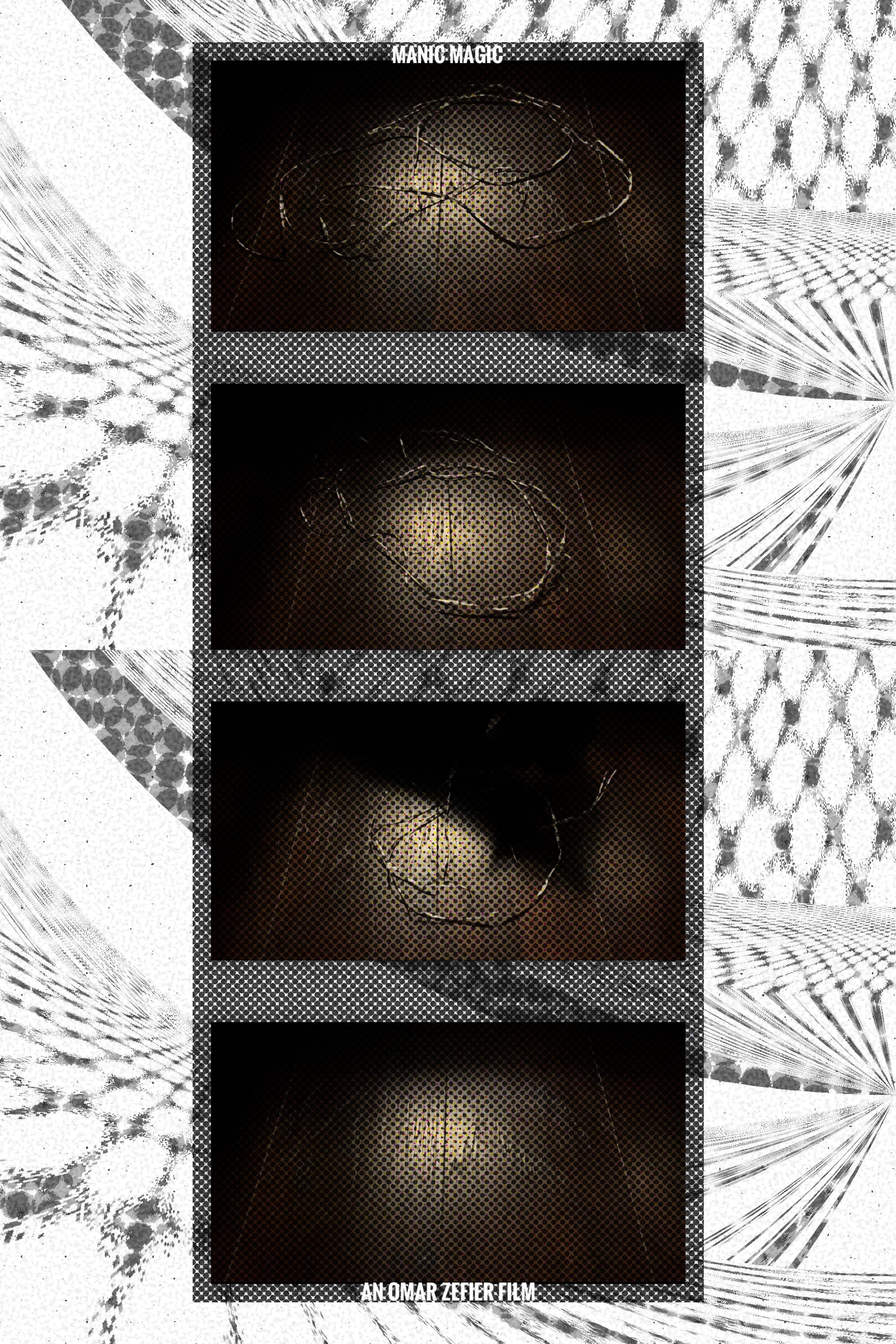
A poem about mania written by Omar Zefier. His second film.
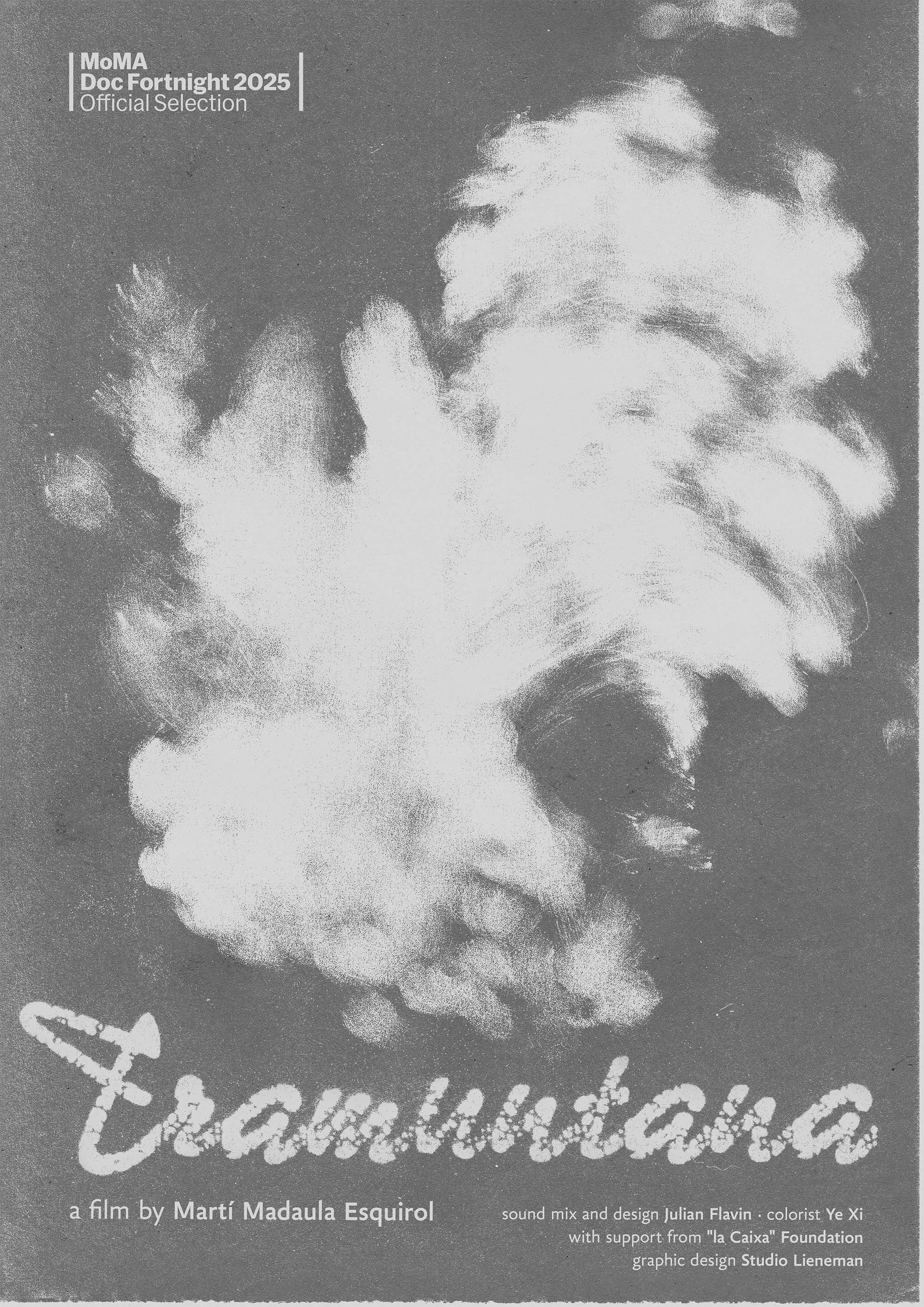
In a remote area of northern Spain, the wind has a name: Tramuntana. Tramuntana takes what it wants—clothes, trees, boats, and the people of the landscape who live with the endless threat of being carried away by its force. This film is a lyrical portrait of this furious wind, woven from the stories passed down by local villagers.
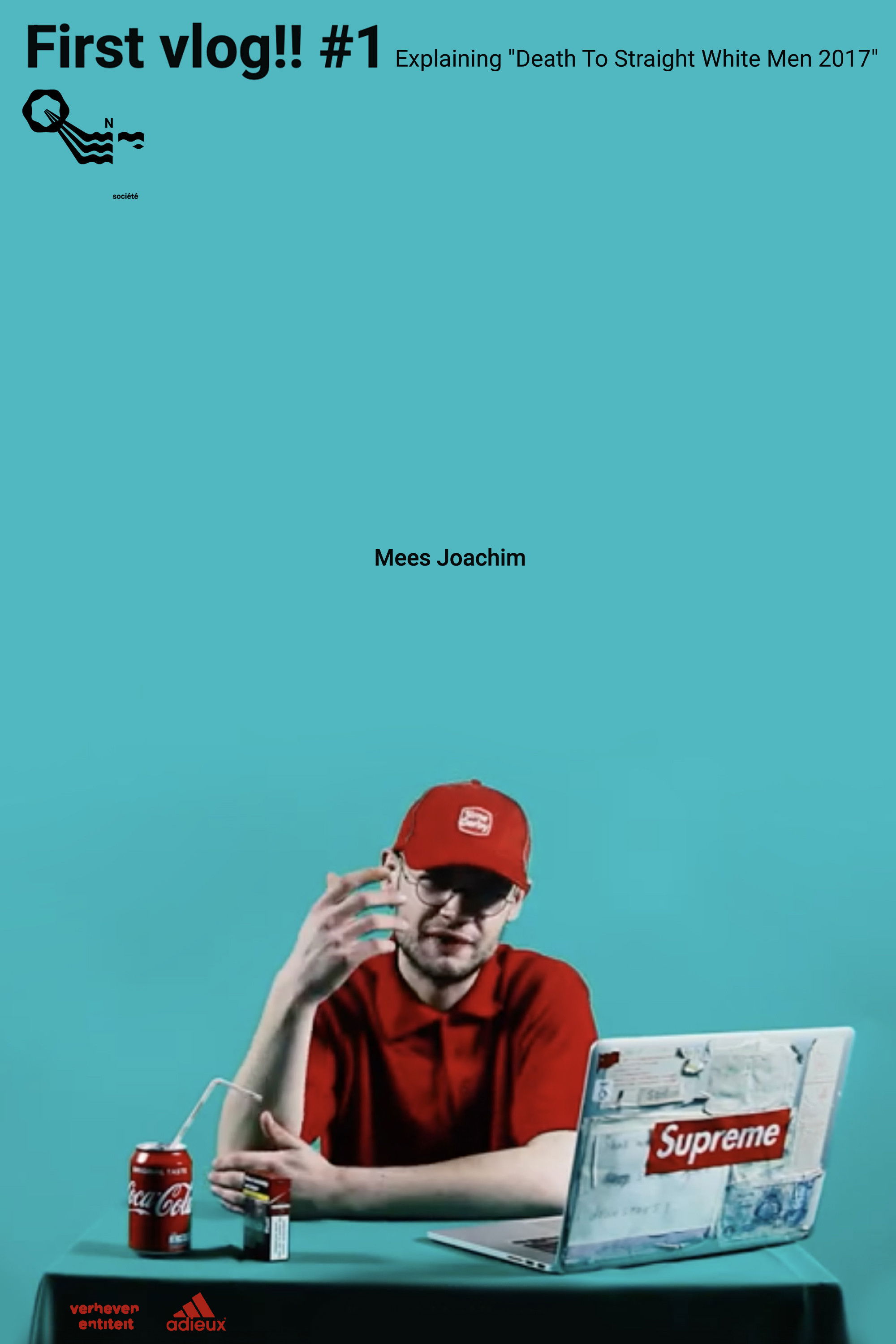
A short mock-vlog film explaining and defending the concepts behind the fictional 'Death To Straight White Men 2017' clothing brand. Edited in a way that mocked the trends of Youtube vlogging and apology-videos of the time, including sound effects and interjected fast-moving graphics. "After QnWF-société received an overwhelming amount of negative feedback following the launch of their 'Death To Straight White Men 2017' clothing brand, their CEO felt the need to create an apology video of sorts - explaining and defending the concepts behind their latest line of clothing."
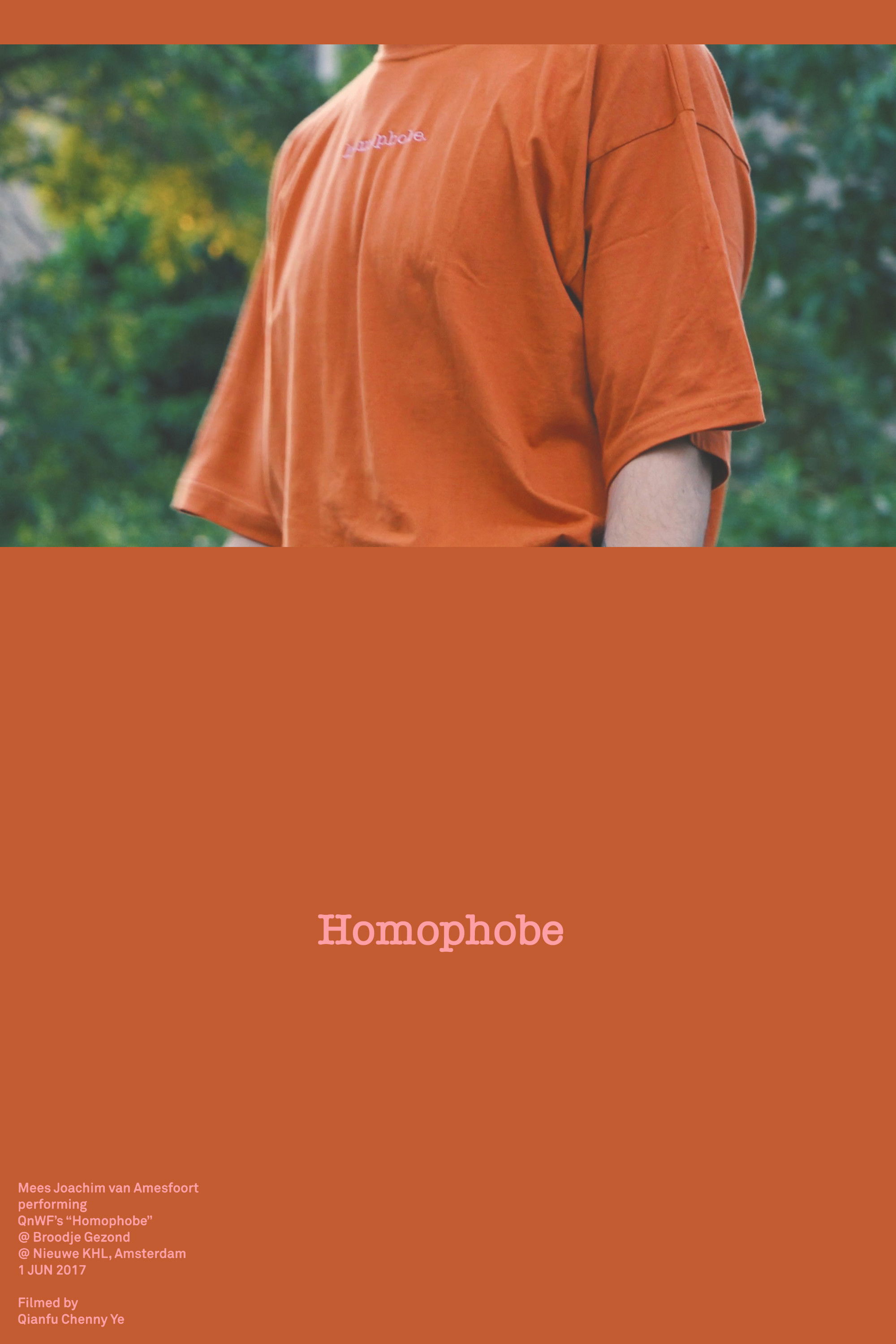
Performance documentation of Mees Joachim's 'Homophobe', a 10 minute live-reenactment of a scene from 'E Kolór Korrá' (2017). A juxtaposition performed as minimally as possible. A destructively interpretive dance, literally shattering bones whilst forcefully dropping on the ground. A pre-cursor to their 'The Scaphoid Fracture' (2017) performance.
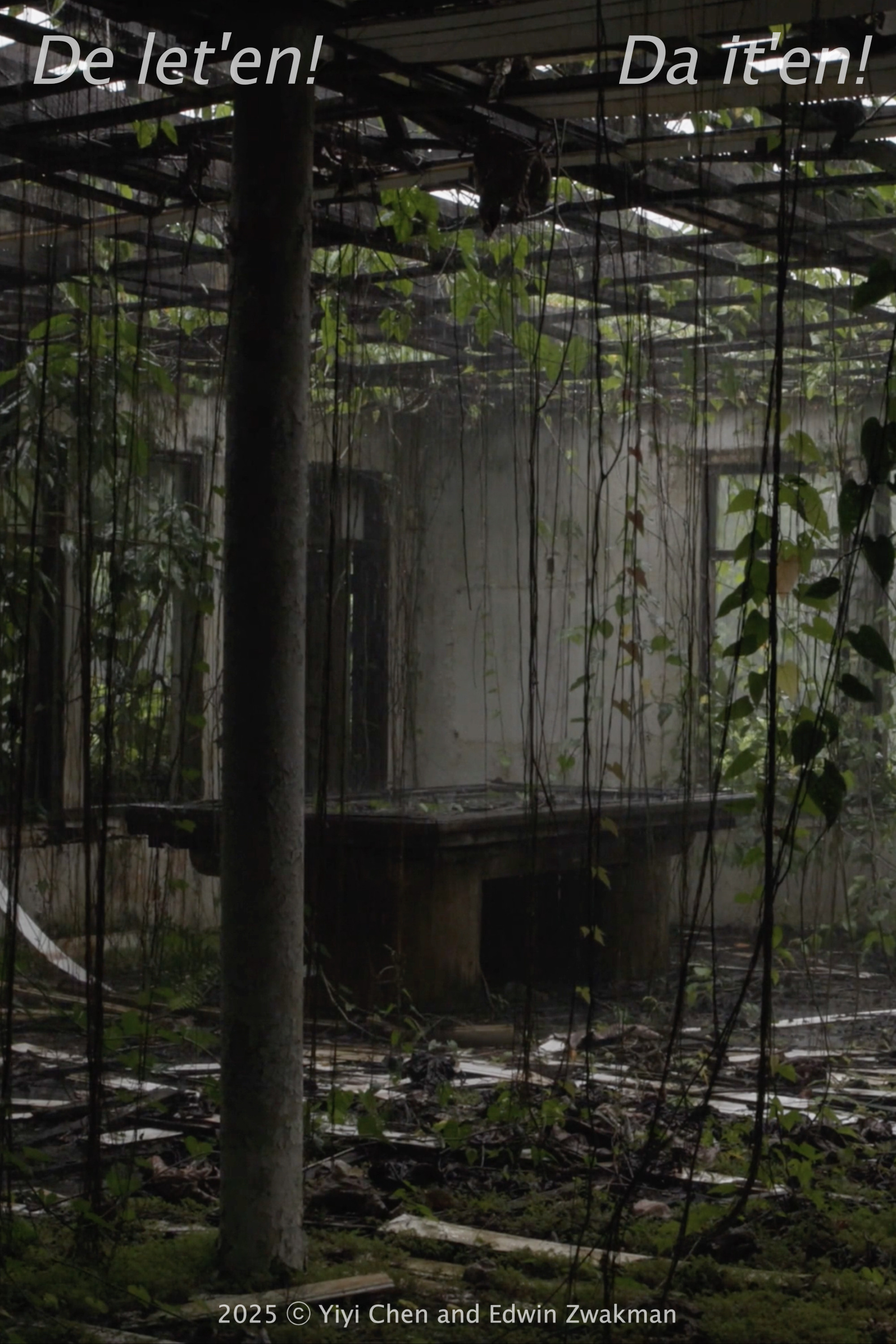
A meditative depiction of a colonial villa in Mungo, Surinam, taken back by nature.
What begins as a spatially abstract, weightless situation transforms into a mediation of geography, culture, and history. Filmed transcontinentally between Singapore and The Netherlands, Control emphasizes the idiosyncratic texture of a common, fragmented consciousness.
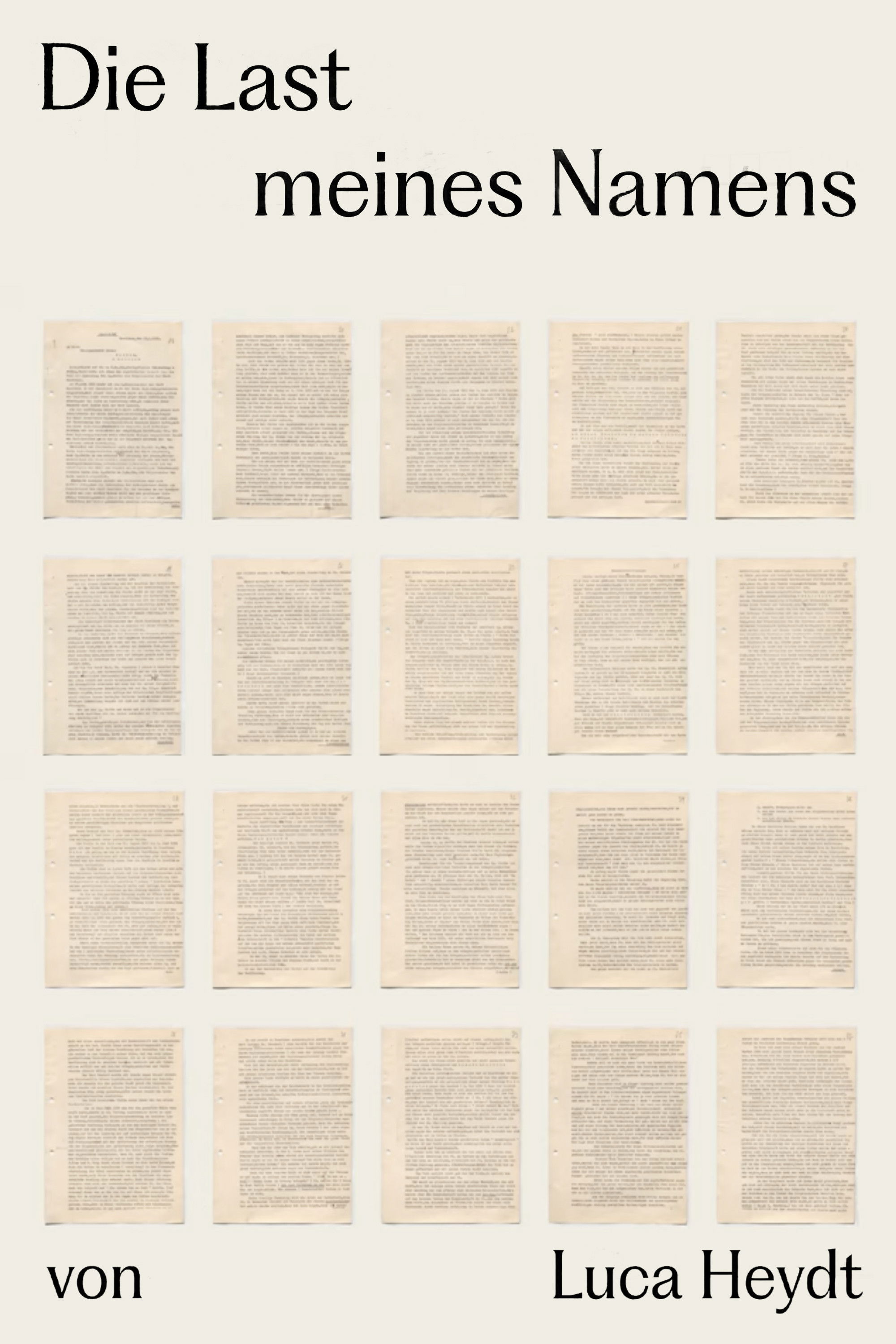
2-channel film installation 'Die Last meines Namens', wherein Heydt deals with an unpleasant part of his own family history. Heydt’s great-grandfather was a member of the NSDAP and mayor of the small town of Haselünne in Emsland for almost 10 years during the Third Reich. Based on interviews with his grandfather and research in various archives, Heydt develops a personal perspective on the subject. The film deals with how we construct identity from oral retellings, how we process family histories, and how we can find current and personal points of access to German remembrance culture. At the heart of the work are two conversations with his grandfather Heinrich Heydt, recorded at different points in the research process. In them, the grandfather describes his memories of his father, the time, and the two reflect on the subject and the results of the research.
A visual montage portrait of our contemporary world dominated by globalized technology and violence.
Musician and performance artist Laurie Anderson reflects on the deaths of her husband Lou Reed, her mother and her beloved dog.
In an intimate and joyful story of love in the face of loss, celebrated poets Andrea Gibson and Megan Falley find strength—and unexpected hilarity—in what might be their final year together.
A compilation of over 30 years of private home movie footage shot by Lithuanian-American avant-garde director Jonas Mekas, assembled by Mekas "purely by chance", without concern for chronological order.
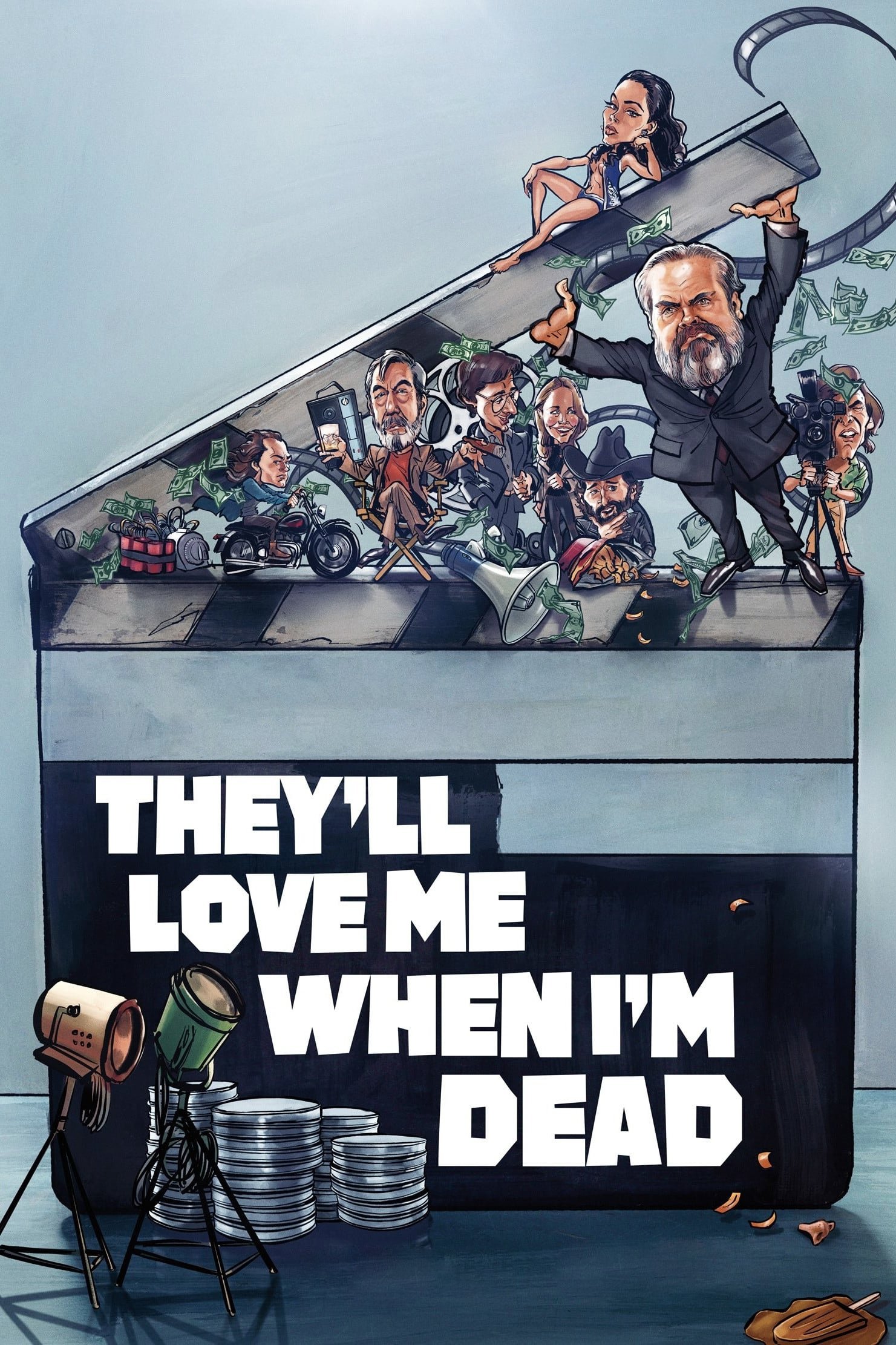
As his life comes to its end, famous Hollywood director Orson Welles puts it all on the line at the chance for renewed success with the film The Other Side of the Wind.
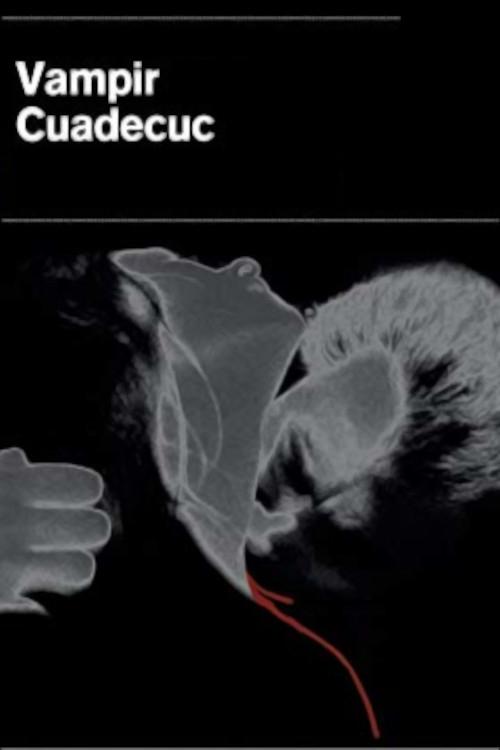
An atmospheric essay, which is an alternative version of Count Dracula, a film directed by Jess Franco in 1970; a ghostly narration between fiction and reality.
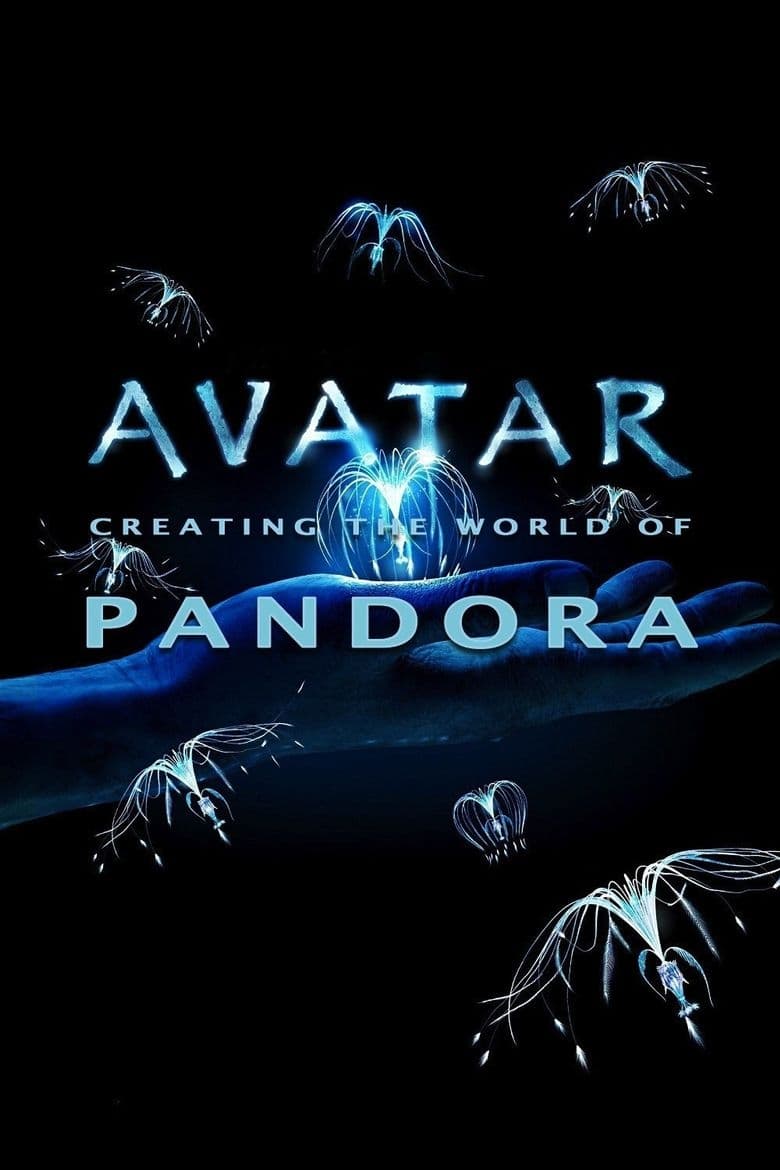
The Making-of James Cameron's Avatar. It shows interesting parts of the work on the set.
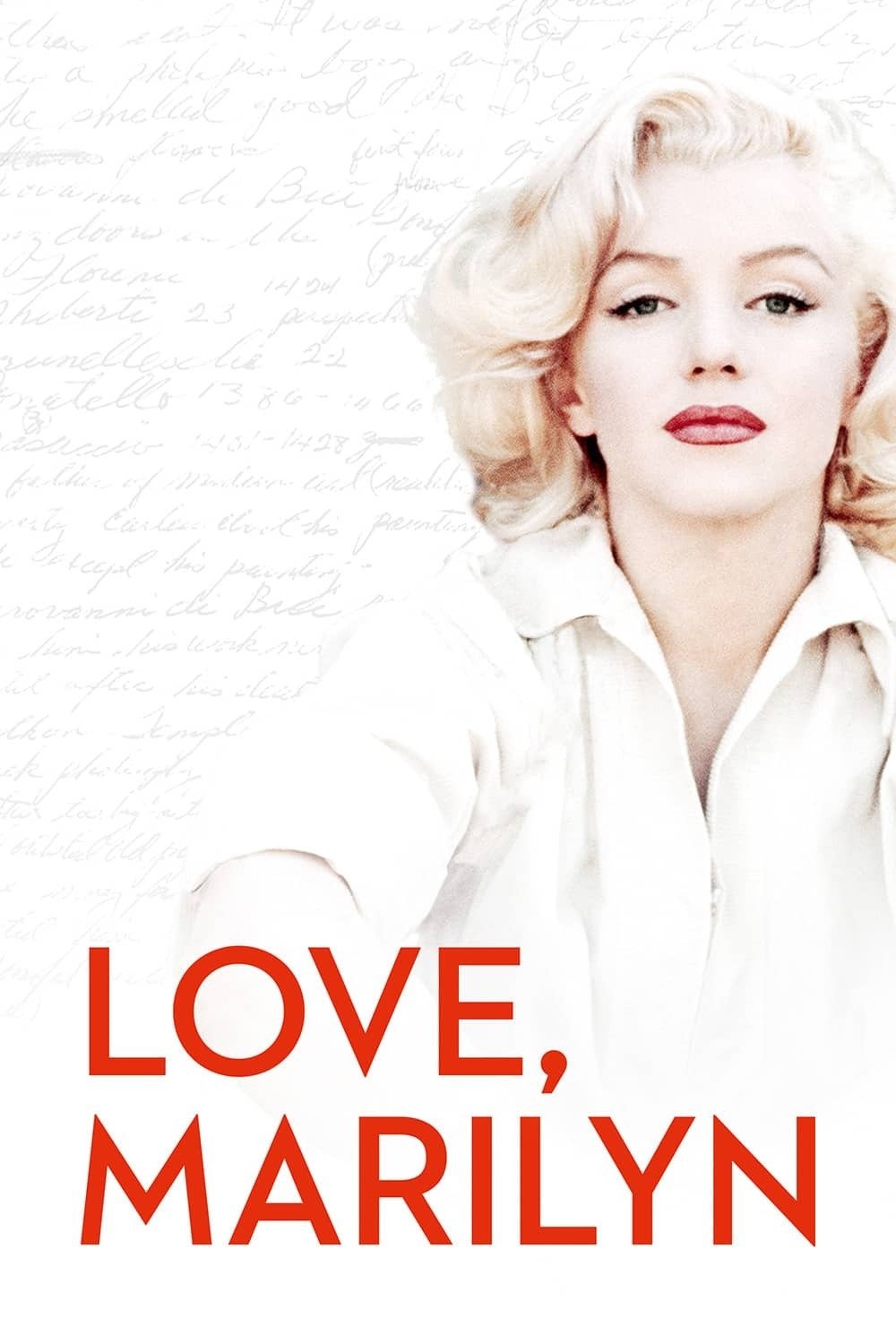
Using the book 'Fragments', which collects Marilyn Monroe's poems, notes and letters, and with participation from the Arthur Miller and Truman Capote estates who have contributed more material, each of the actresses will embody the legend at various stages in her life.
An exploration of technologically developing nations and the effect the transition to Western-style modernization has had on them.
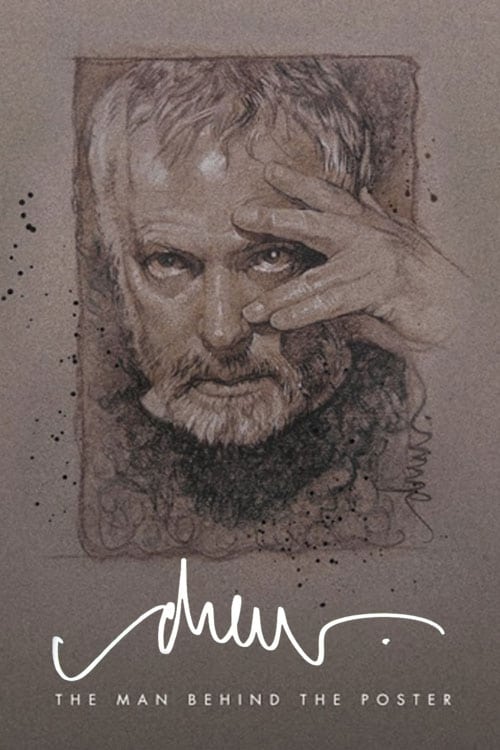
A documentary on legendary movie-poster artist Drew Struzan.
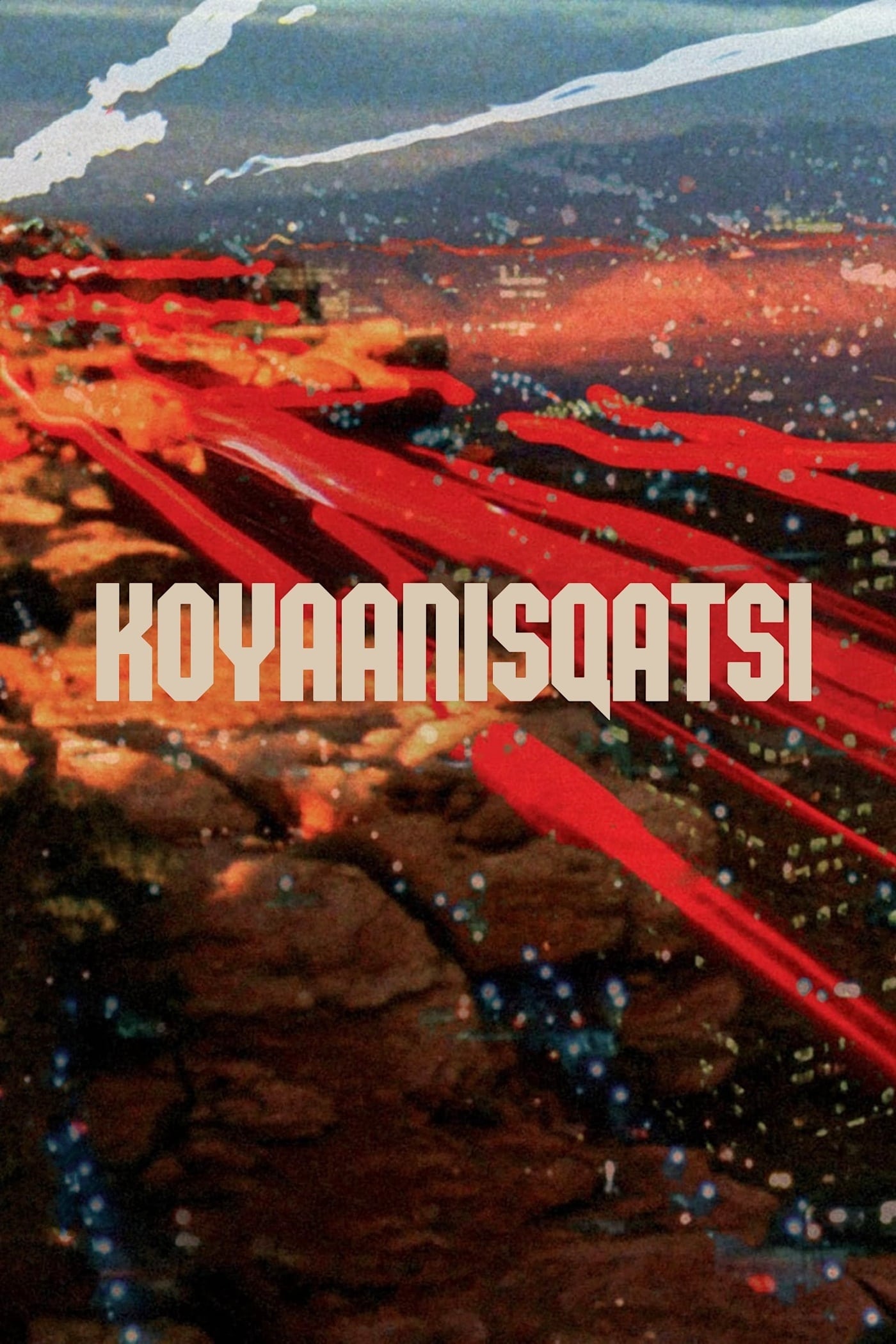
Takes us to locations all around the US and shows us the heavy toll that modern technology is having on humans and the earth. The visual tone poem contains neither dialogue nor a vocalized narration: its tone is set by the juxtaposition of images and the exceptional music by Philip Glass.
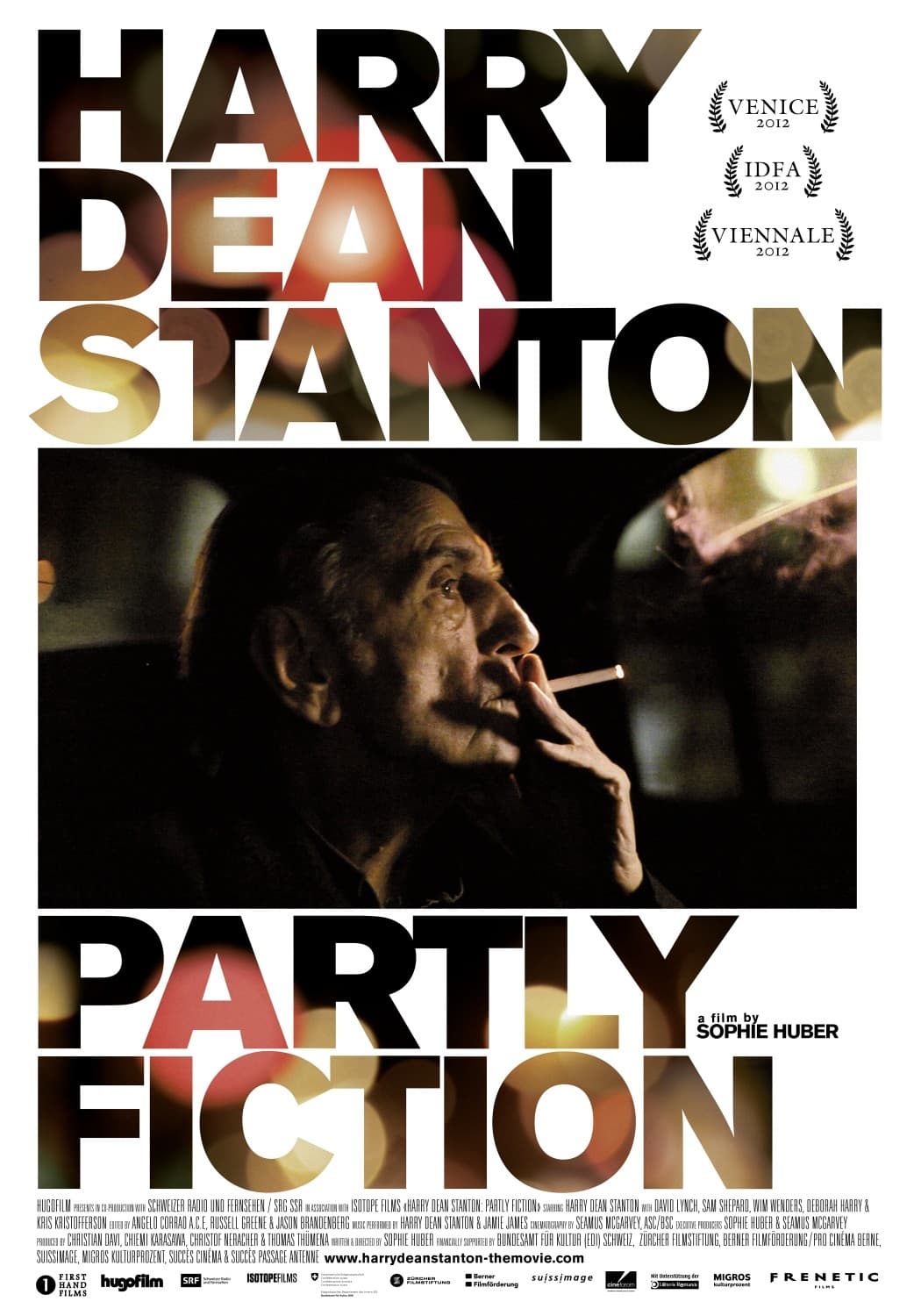
An impressionistic portrait of the iconic actor Harry Dean Stanton comprised of intimate moments, film clips from some of his 250 films and his renditions of American folk songs.
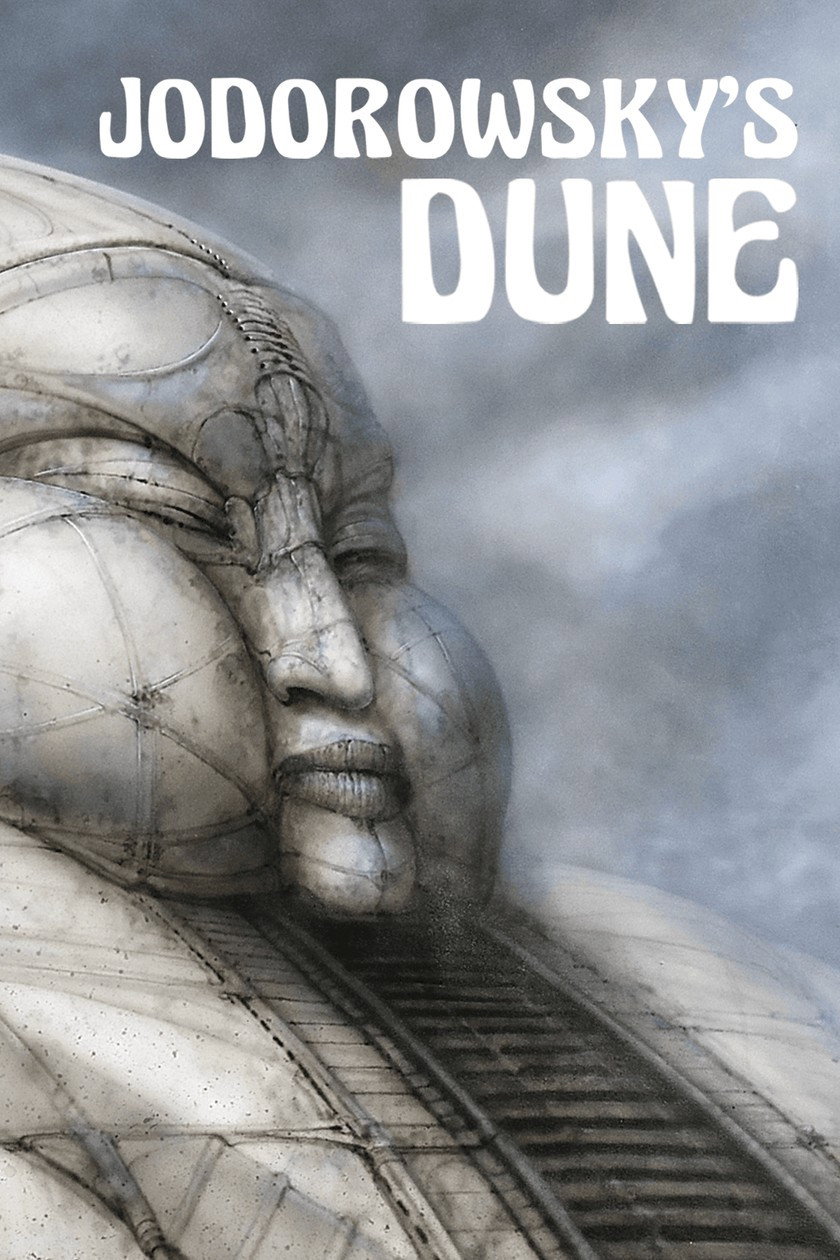
In 1974, Chilean-French director Alejandro Jodorowsky embarked on the quixotic project of adapting Frank Herbert's influential novel Dune (1969) for the big screen. After investing two years, and millions of dollars, the gigantic project ended in failure; but the artists Jodorowsky brought together to carry it out continued to work together, and ended up laying the foundations for modern science fiction cinema.
A string of threatening emails escalates into a revenge plot involving a newly married US marshal and his ex-girlfriend.
Ranjit, a farmer in India, takes on the fight of his life when he demands justice for his 13-year-old daughter, the victim of a brutal gang rape. His decision to support his daughter is virtually unheard of, and his journey unprecedented.
In the Realms of the Unreal is a documentary about the reclusive Chicago-based artist Henry Darger. Henry Darger was so reclusive that when he died his neighbors were surprised to find a 15,145-page manuscript along with hundreds of paintings depicting The Story of the Vivian Girls, in What is Known as the Realms of the Unreal, of the Glodeco-Angelinnian War Storm, Cased by the Child Slave Rebellion.
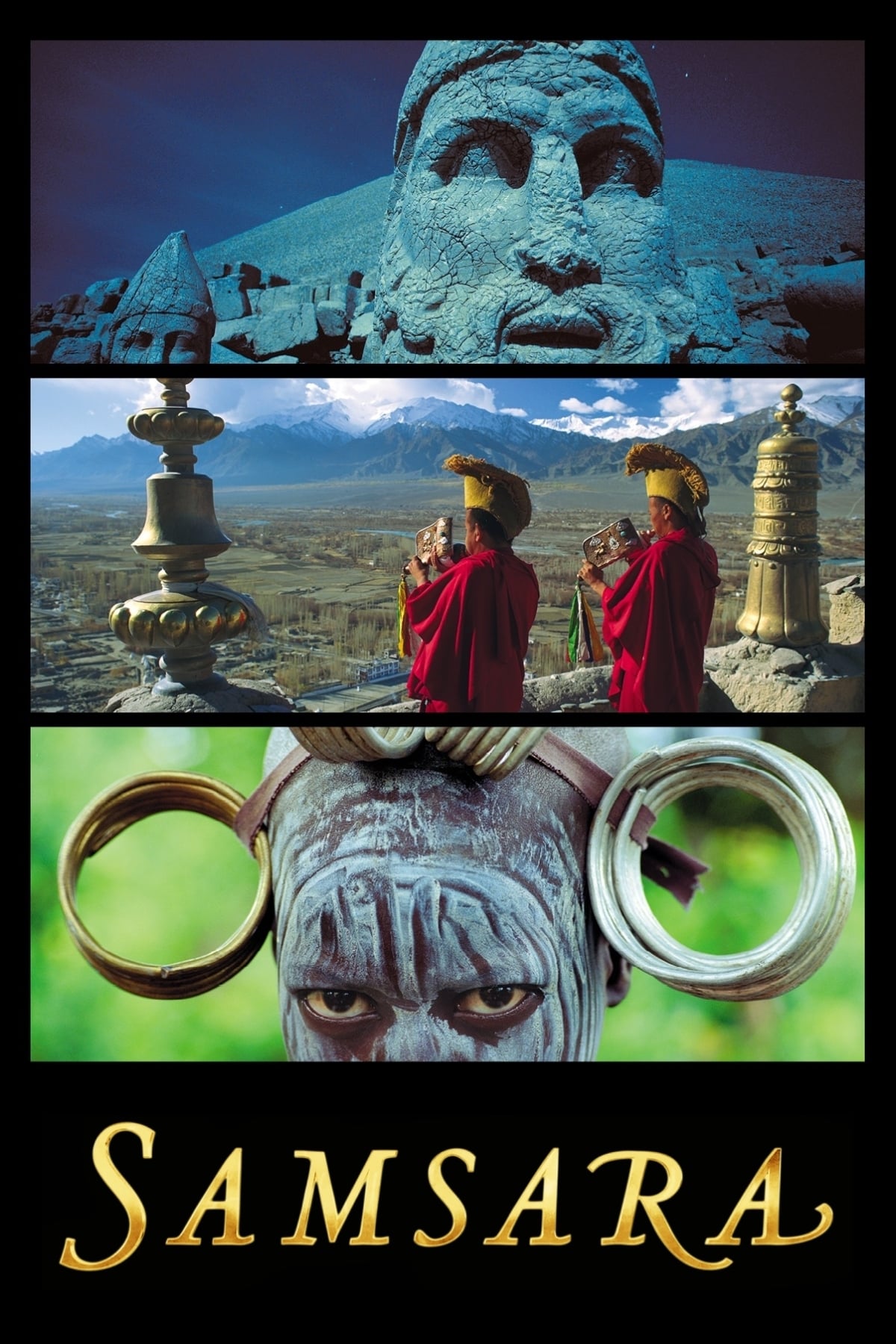
Filmed over nearly five years in twenty-five countries on five continents, and shot on seventy-millimetre film, Samsara transports us to the varied worlds of sacred grounds, disaster zones, industrial complexes, and natural wonders.
A documentary on the expletive's origin, why it offends some people so deeply, and what can be gained from its use.
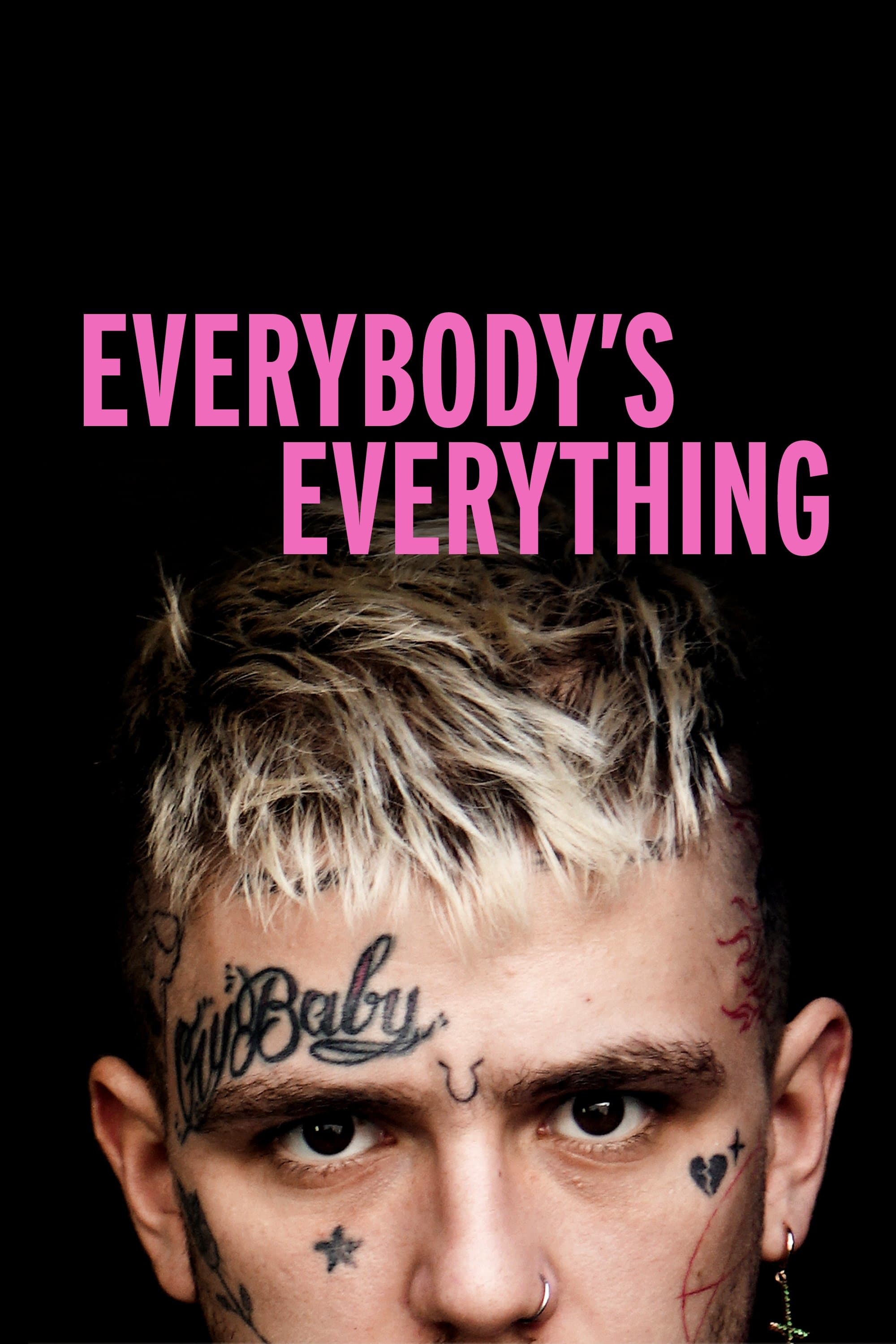
The story of artist Lil Peep from his birth in Long Island and meteoric rise as a genre blending pop star & style icon, to his death due to an accidental opioid overdose in Arizona at just 21 years of age.
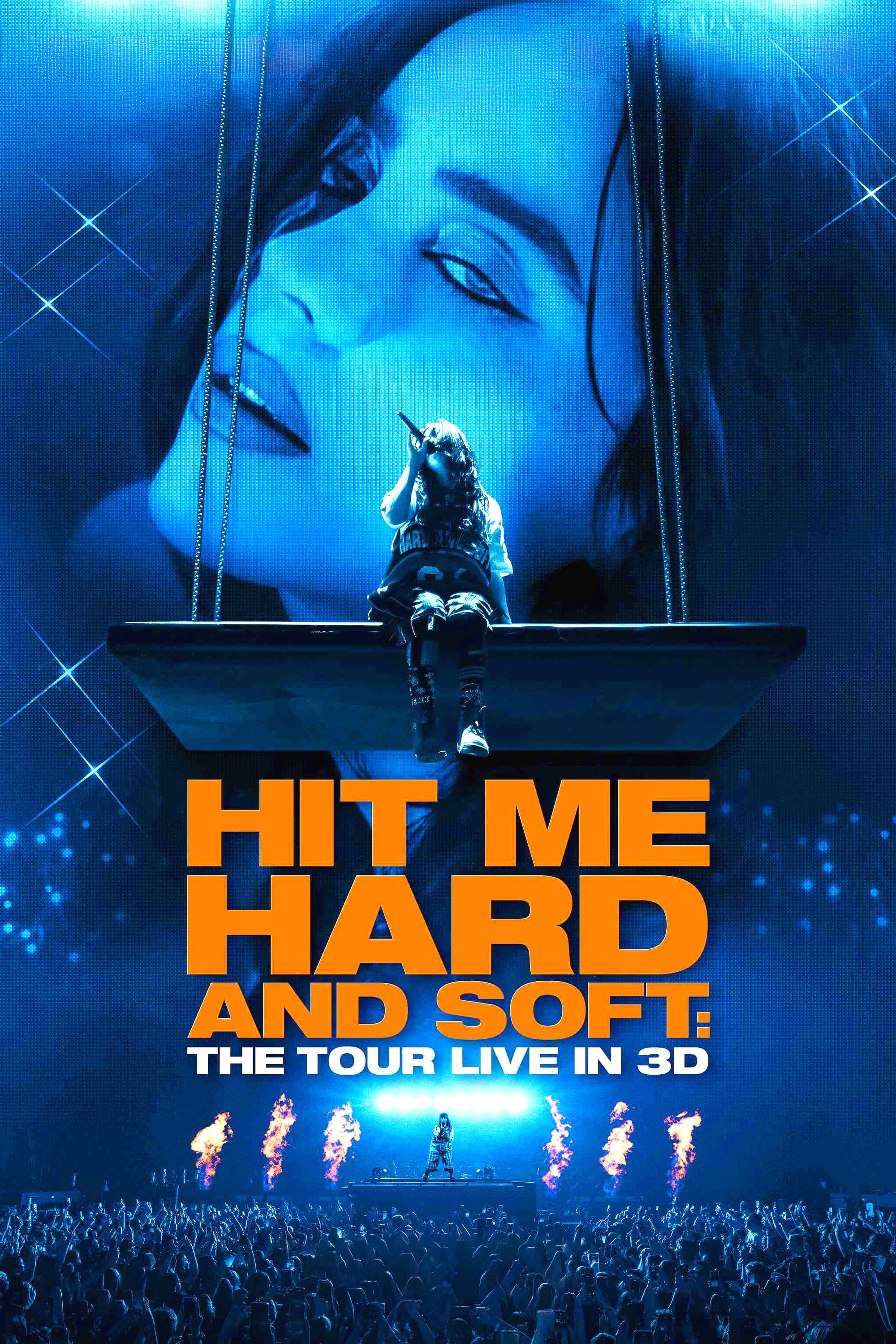
Captured during Billie Eilish's sold-out world tour, a concert experience from one of the most celebrated and successful artists of her generation, presented in immersive 3D.