The dismissal of an elected Australian Government has only happened once. 50 years ago, in 1975, Sir John Kerr sensationally sacked PM Gough Whitlam. Greg Jennett looks at the legacy of the historic event and how it shaped democracy.

Social & External
The people behind it
Greg Jennett
Self
John Faulkner
Sam Mostyn
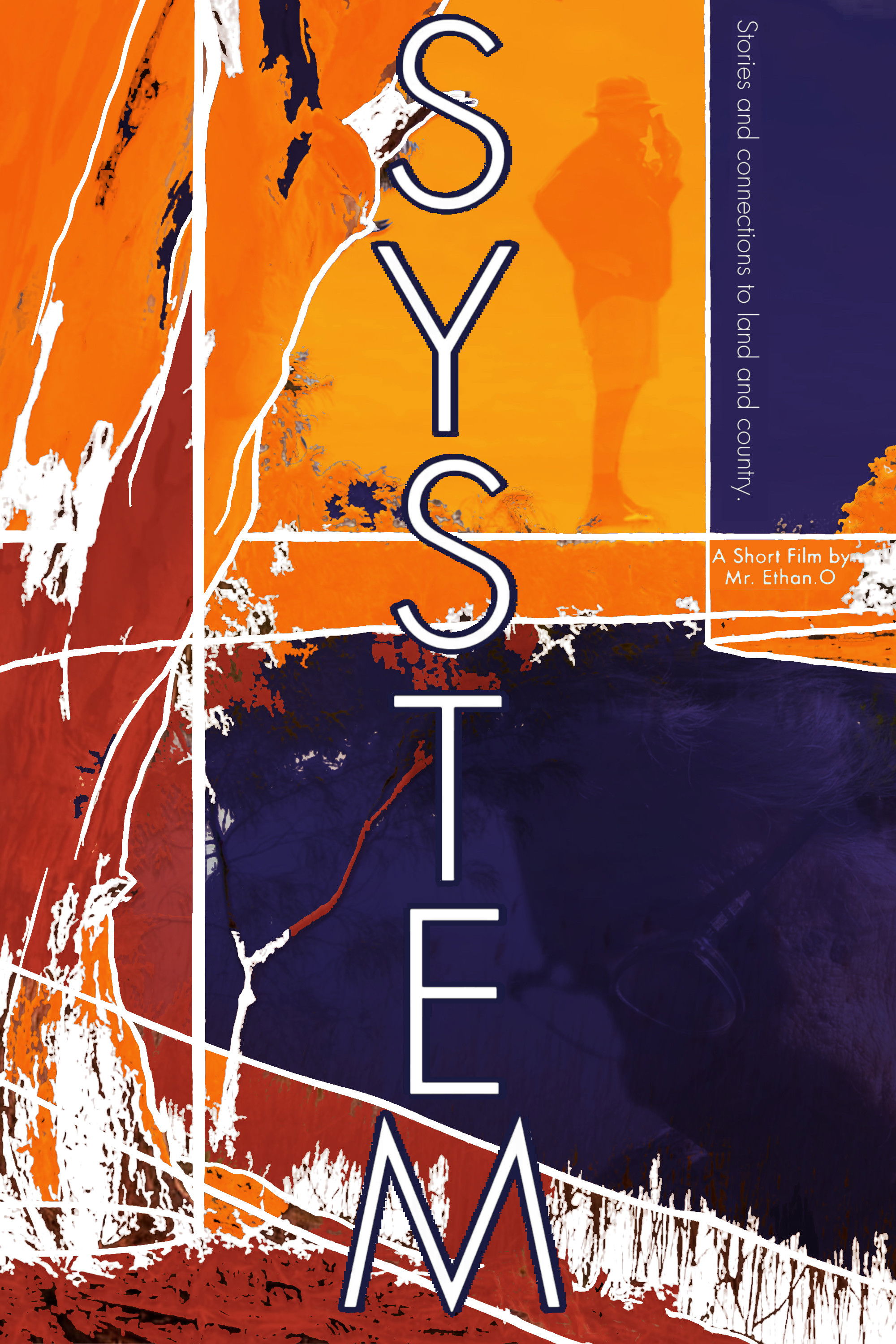
System (2025) is a short documentary film exploring intergenerational connections to land and country. Interviews with Aunty Denise Morgan Bulled, a Yorta Yorta Elder; John Toll and his family, fourth-generation farmers in Gunbower wetlands; and two Local 10 year olds, Harry and his friend Mac. The film reflects on how the river system shapes their daily lives, impacts their quality of life, and influences their passion for country.

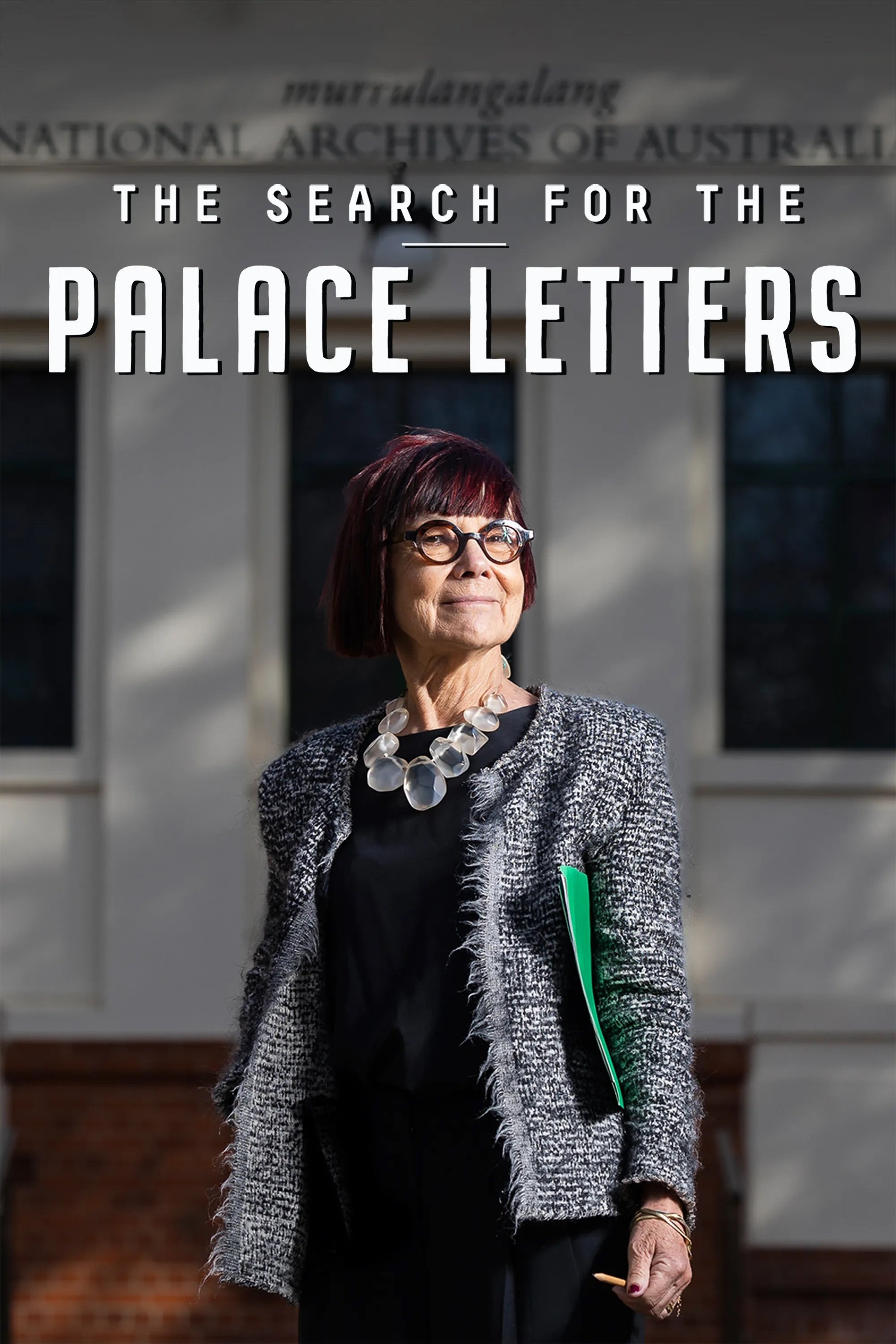
This remarkable documentary tells the story of Professor Jenny Hocking, the historian who took on the Australian Government and HM Queen Elizabeth II in a landmark legal battle - and won.
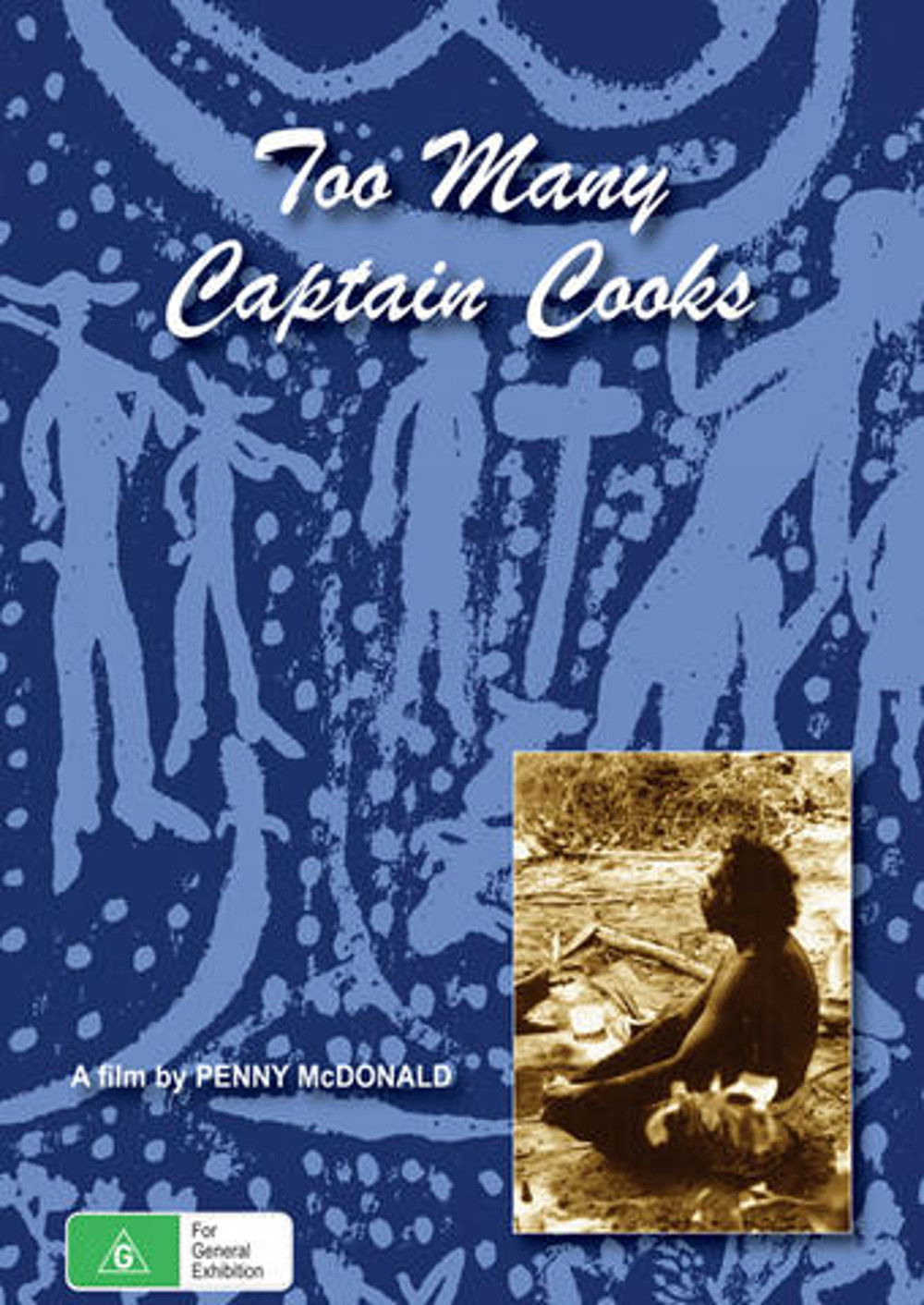
For both Aboriginal and non-Aboriginal Australians, Captain James Cook is a figure of great historical significance.
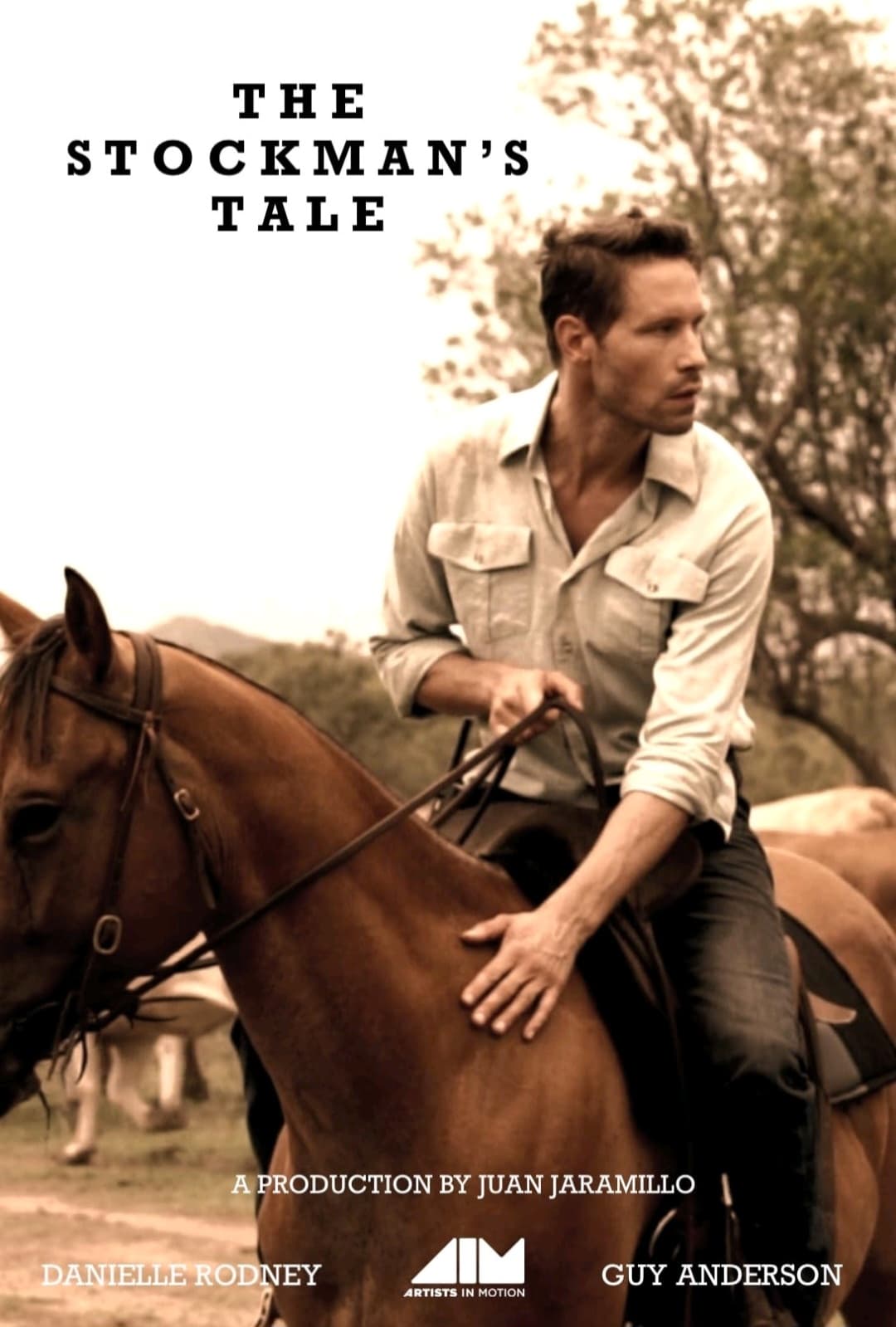
An exploration into the early history of Australian herding
Julie Peters is a legend in the trans community in Australia. She was the first person to transition at the ABC, at a time when there were no role models around her. From her early twenties, Julie started collecting anything trans or queer related to help her work out who she was. Over the years she’s collected one of the most comprehensive trans archives in the country. Including Interview with ABC MD David Anderson.
Jazmin Theodora, 83 is A Nimbin Local Legend and Tarot reader. Jazmin uses her physic abilities to get people in touch with who they are. Her story is about always being yourself. Own who you are and be proud of who you are, regardless of your age. A strong, passionate woman, Jazmin’s zest life shines through inspiring others to live their very best life.
The Ripple Effect is a powerful documentary primarily centred around St Kilda legend and proud Noongar Nicky Winmar's generation-defining stand against racism at Victoria Park in 1993.
Packed with drama, high emotions and cliff-hanger moments, Australia Says Yes is the intimate and personal history of struggle and perseverance that propelled Australia to say Yes to marriage equality. The film shows how a group of determined individuals fought tirelessly against unjust laws that treated LGBTIQ people as second-class citizens, creating a movement that saw them go from criminals to legally equal over the course of five decades.
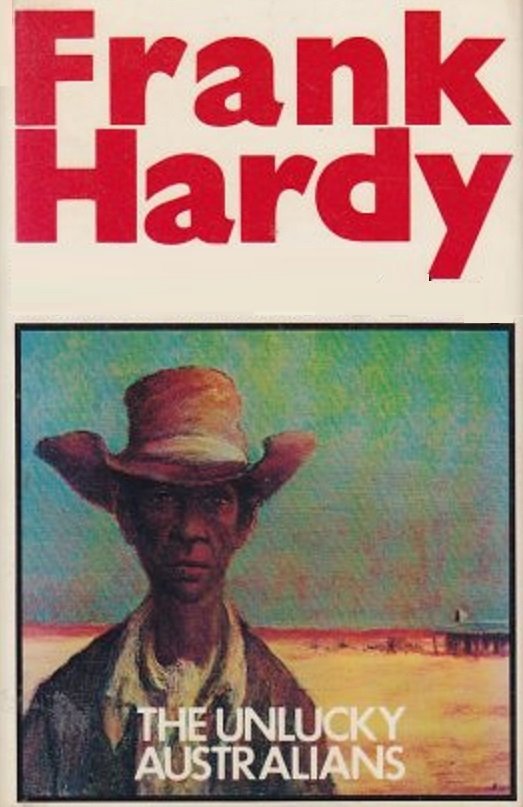
In 1966, Gurindji stockmen & their families walked off the largest cattle station in the NT. Frank Hardy follows the story of the strike as told by the Gurindji people.
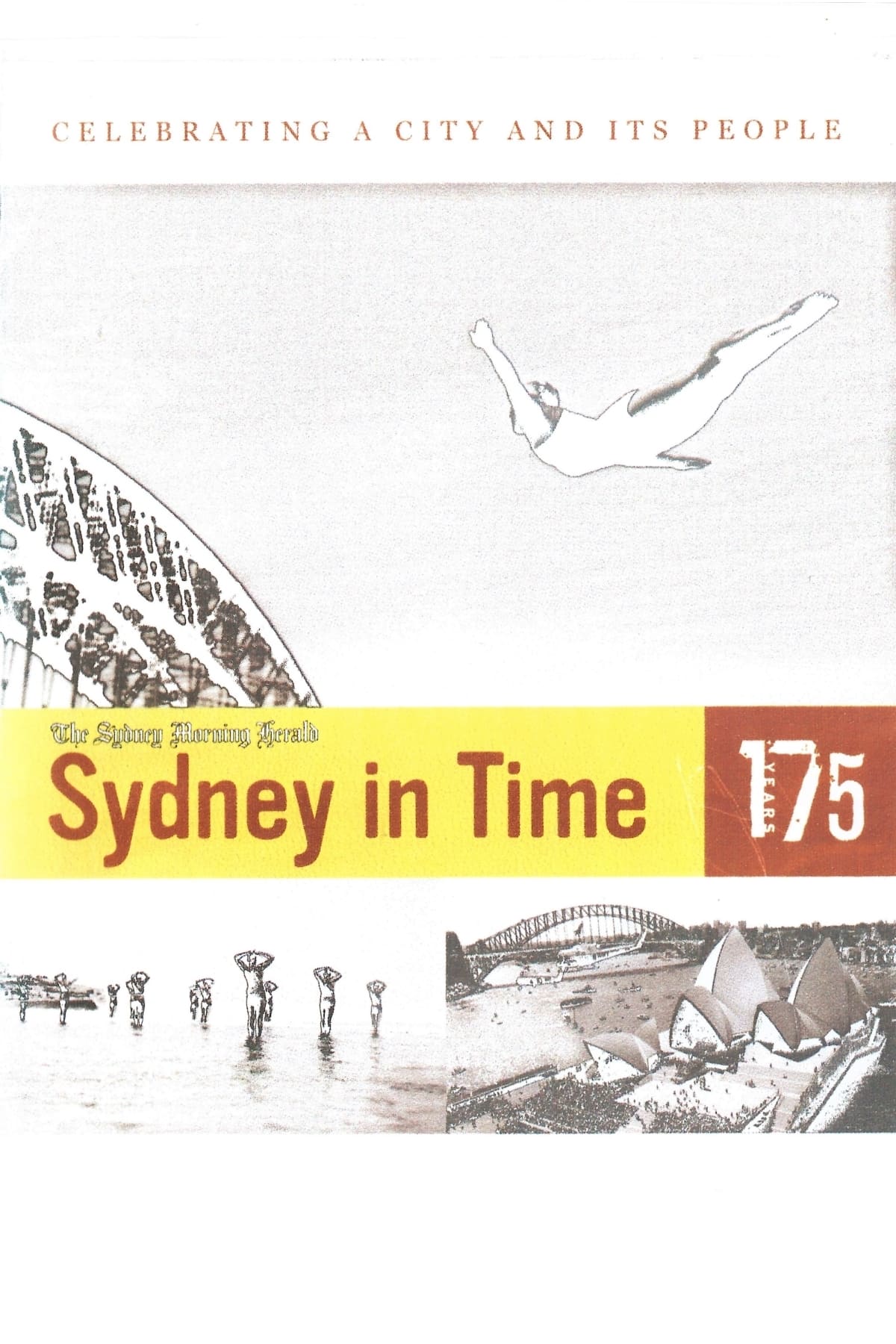
Sydney in Time is a rich and powerful story that charts the evolution of Sydney from its early years as a colonial outpost through to its emergence as a dynamic world city. The one-hour documentary looks back at the people, places and front page stories that have shaped a great city and helped define Australia.
A story of struggle and tragedy, the film features harrowing underground disasters, heroic rescues and traces a history of strikes, industrial turmoil and the current push by global mining giants to destroy regional communities and replace local mineworkers with a subservient itinerant workforce.
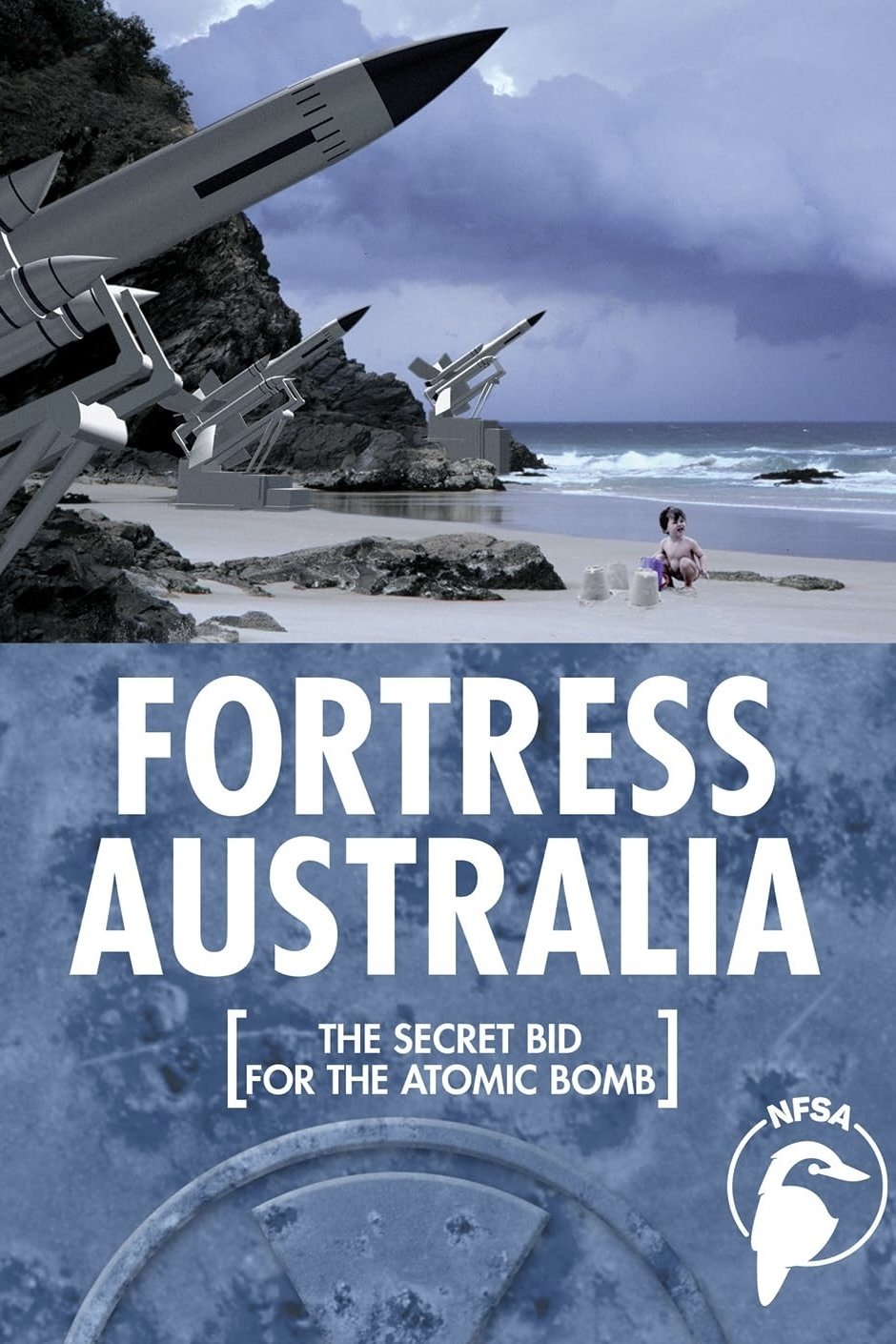
This documentary explores one of the most extraordinary chapters in Australia's history - the attempts by successive Australian governments to fortress the nation with atomic weapons.
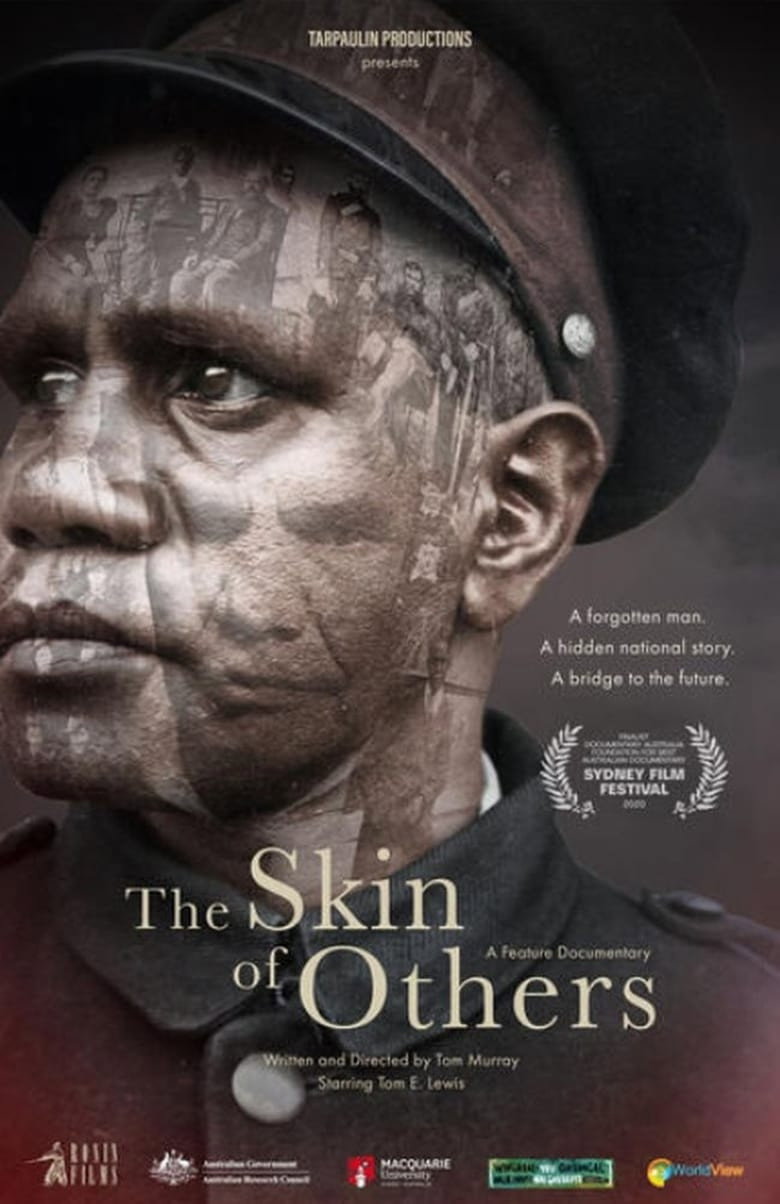
Douglas Grant (c. 1885–1951) was an Aboriginal man who became widely known in his own lifetime: an intellectual, a journalist, a soldier in the First World War, a reader of Shakespeare and a bagpipe player who could hold a convincing Scottish accent. His path ran from Australia to Britain and Europe and back, crossing those of Henry Lawson and Archduke Franz Ferdinand along the way. Balang Tom E. Lewis retraces that life in reflections by turns thoughtful and playful, and through it the longer history of colonial Australia and its relationship with First Nations people.
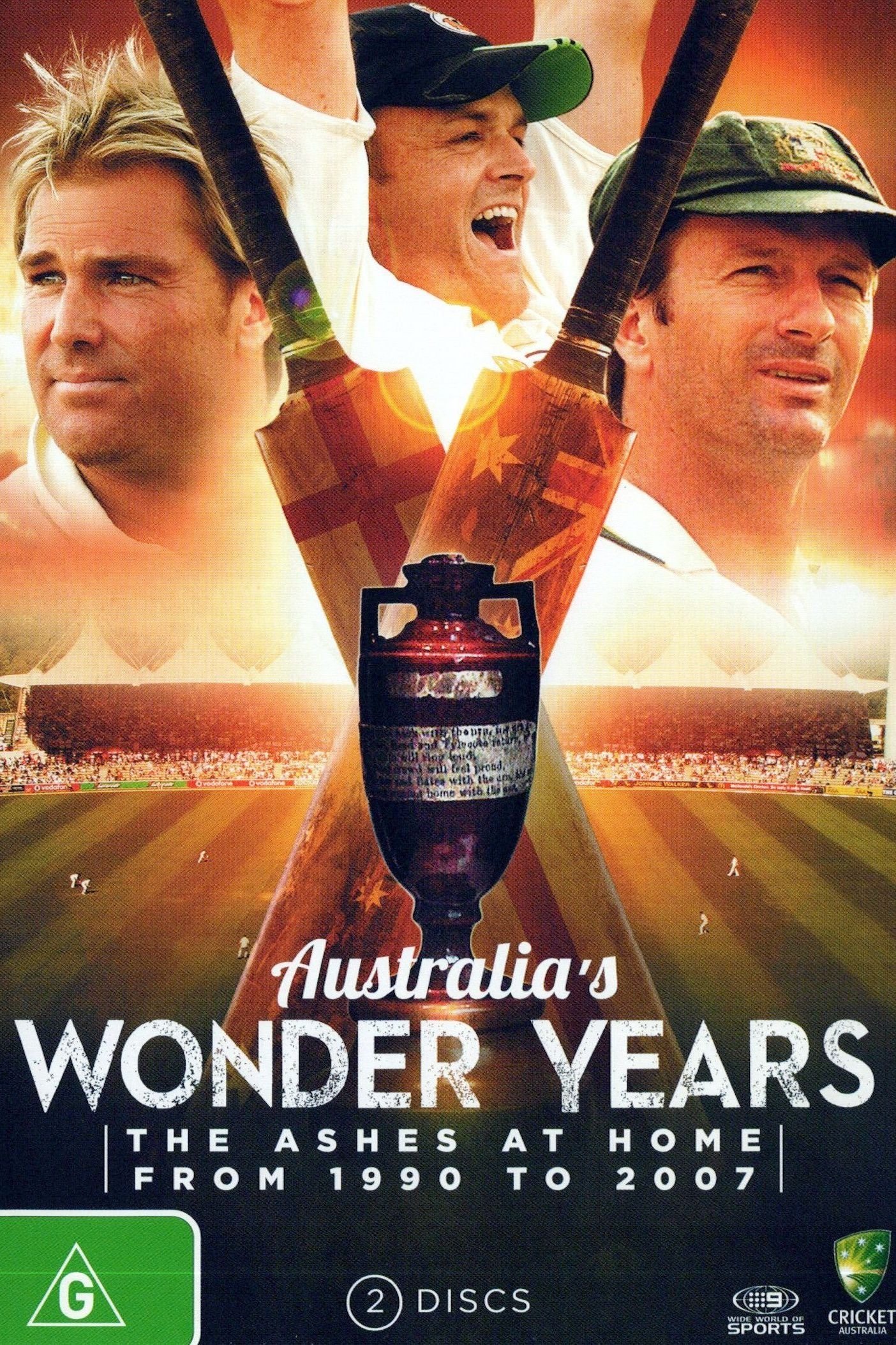
Over 5 red-hot summers between 1990 and 2007, Australia dominated the Ashes down under like never before: in 25 test matches, the rampant Aussies won 18 and lost just 3. It was an unforgettable era when all-time greats including Shane Warne, Glenn McGrath, Allan Border and Steve Waugh inflicted cricket misery upon the English. While Australia re-wrote the record books - showing the inventors of the game how to dominate it We relive unforgettable moments from this all-conquering age: Steve Waugh's career-saving last-ball century; Shane Warne's Ashes hat-trick, the first in over 90 years; Adelaide's amazing victory plucked from nowhere during the 5-nil whitewash of 2006/07. Aussie's lethal bowling artillery: while McGrath and Warne dined out on England's batsmen, Jason Gillespie, Stuart MacGill, Merv Hughes, Brett Lee and Bruce Reid delivered their own brand of merciless bowling attack. These were the wonder years when Australia made history - and England was history.
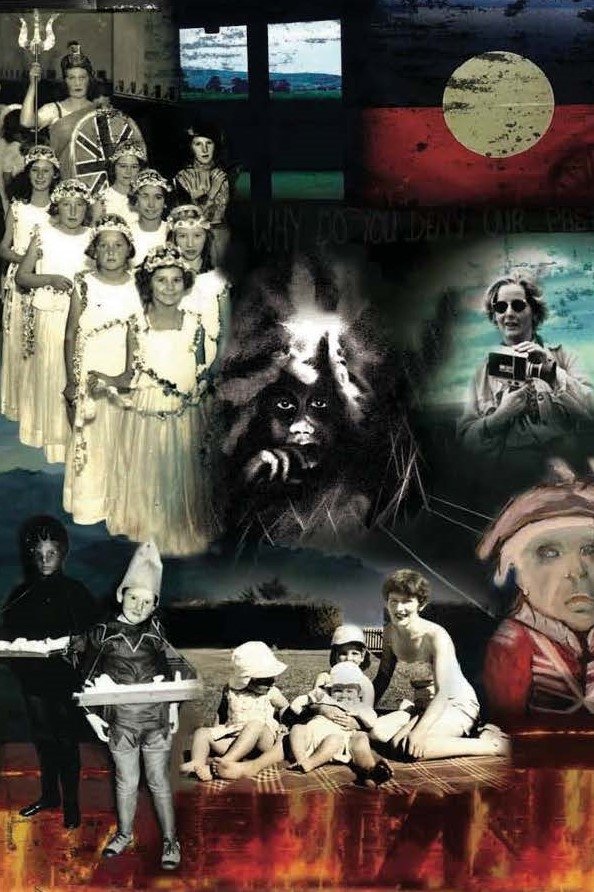
A poetic cine-essay about race and Australia’s colonised history and how it impacts into the present offering insights into how various individuals deal with the traumatic legacies of British colonialism and its race-based policies. The film’s consultative process, with ‘Respecting Cultures’ (Tasmanian Aboriginal Protocols), offers an evolving shift in Australian historical narratives from the frontier wars, to one of diverse peoples working through historical trauma in a process of decolonisation.
Presented by explorer Frank Hurley in his final film appearance, this documentary chronicles Australia's role in the scientific exploration of Antarctica and the hardships the pioneers endured. Using archival footage, this film spans from 1911, following Sir Douglas Mawson's first expedition, to Phillip Law establishing the continent's first permanent research station in 1954.
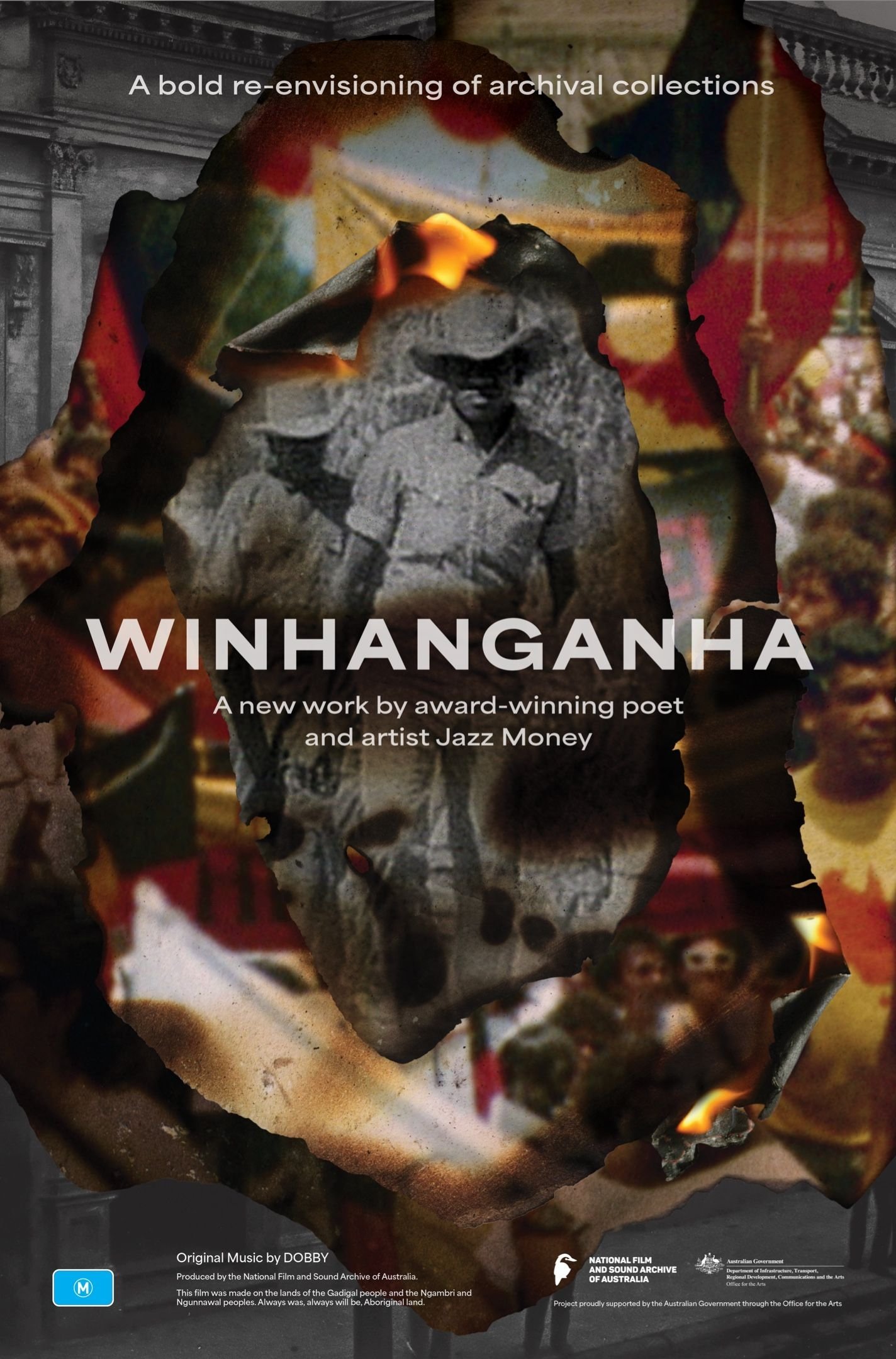
WINHANGANHA (Wiradjuri language: Remember, know, think) - is a lyrical journey of archival footage and sound, poetry and original composition. It is an examination of how archives and the legacies of collection affect First Nations people and wider Australia, told through the lens of acclaimed Wiradjuri artist, Jazz Money.
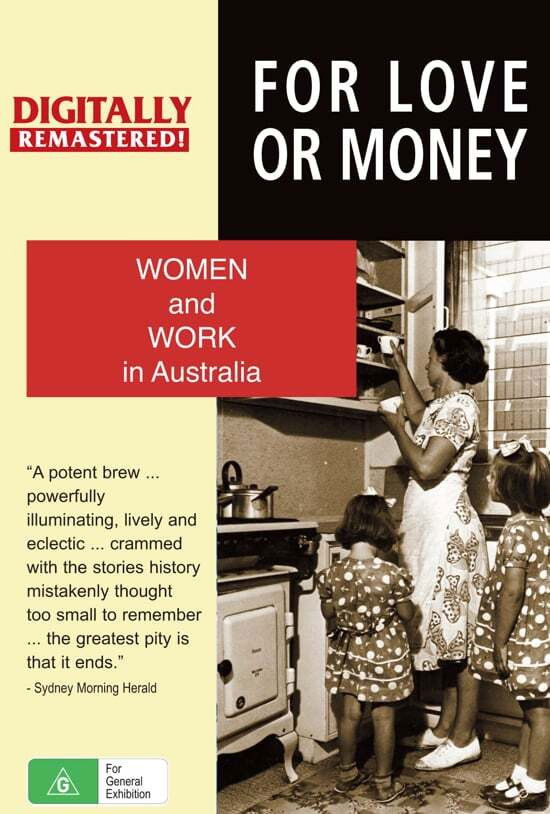
Using almost totally historical material, For Love or Money encompasses the role of Australian women in both paid and unpaid work, over a 200 year period.
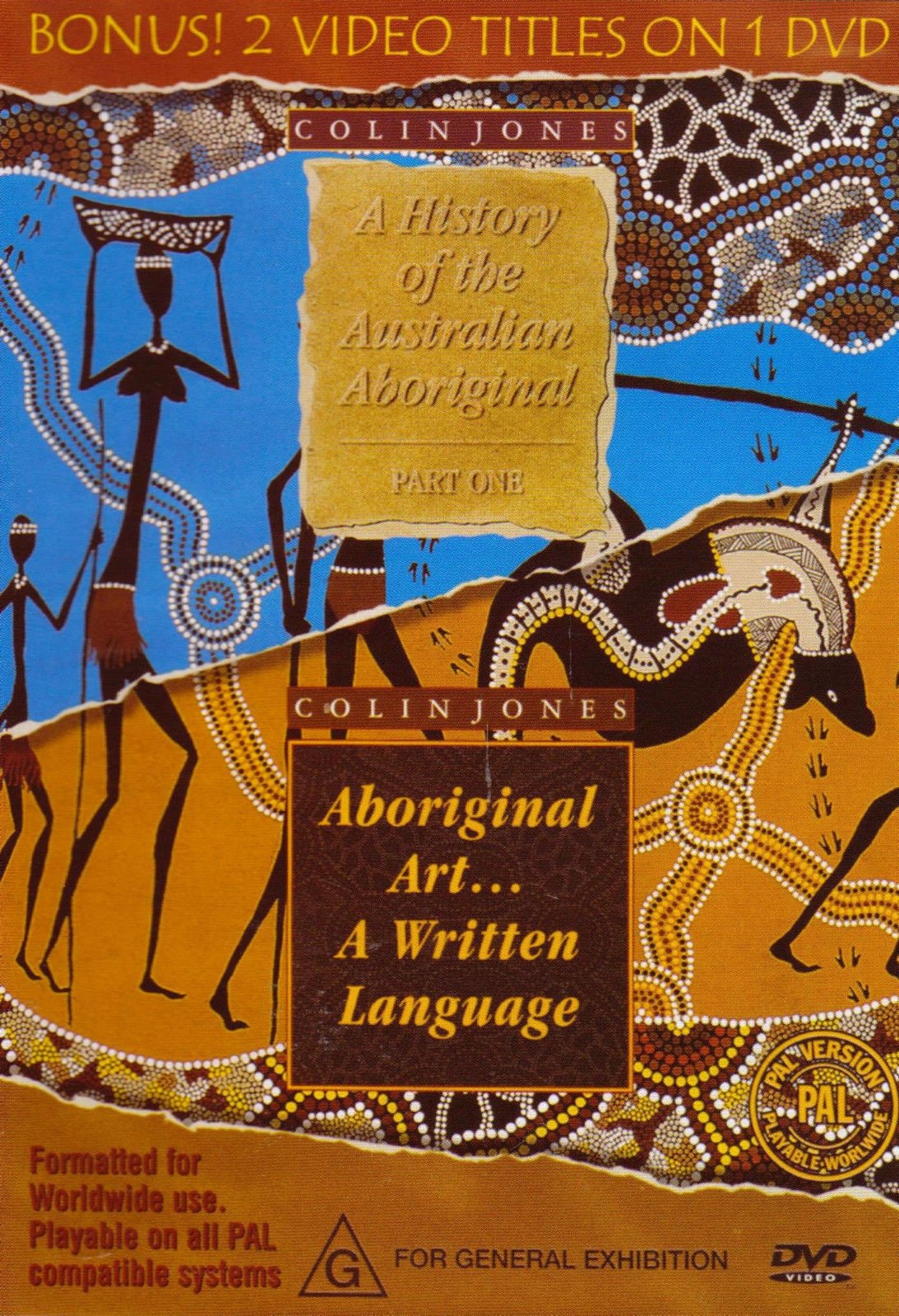
Colin Jones is of Aboriginal, Polynesian and English decent. The Aboriginal side of his family are from the Kalkadoon and Nunuckle tribal groups. His grandfather taught him about Aboriginal traditions and the art of his people. Colin is now a noted Artist. At present Colin is studying for his Masters Degree in Humanities. Much of the history that he talks about in this video comes from his own studies and research, conducted over many years. Colin's reason for making this video is to explain from an Aboriginal point of view based on his historical data, what has happened to his people over the past two hundred years since the white man arrive in Australia.
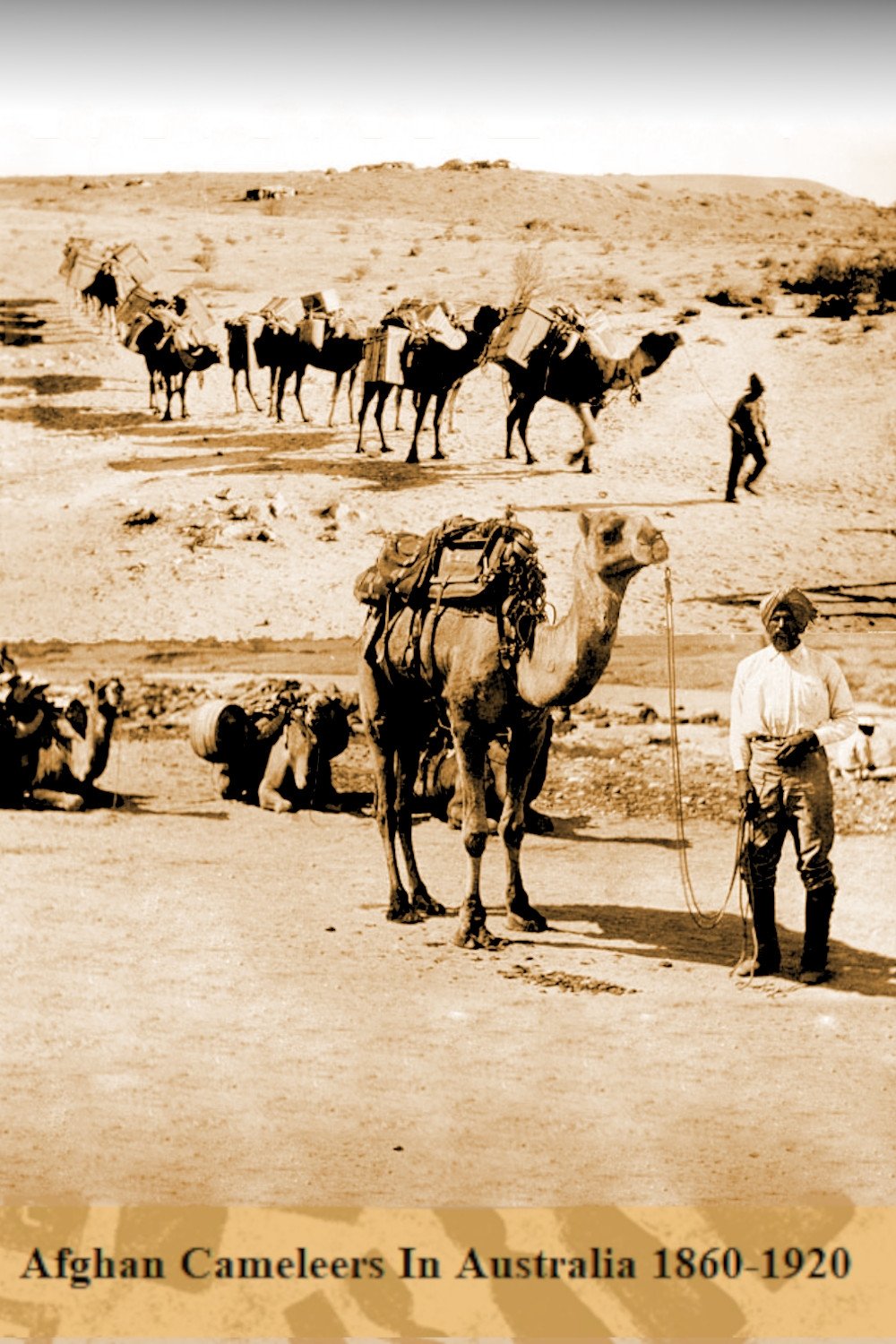
This documentary is about the Afghan cameleer who came to Australia more than a century ago, and travelled across some of the harshest parts of the country. The film explores the historic relationship between the desert and Afghani immigrants in Aboriginal Australia by looking at the role they played in the development of the country and how they helped to set up the railway lines, overland Telegraph line and provided supplies to remote mission stations and farms. By the mid–1800s, exploration in Australia was at its peak with expeditions setting out almost monthly. The race to map the continent, locate natural resources or find new places to settle moved away from the coast and further into the inhospitable heart of Australia. It was soon obvious that the traditional horses and wagons used for such expeditions were not suitable in this strange and foreign land.
A documentary detailing the epic Rogues' Gallery of DC Comics from The Joker and Lex Luthor, Sinestro, Darkseid and more, this documentary will explore the Super Villains of DC Comics.
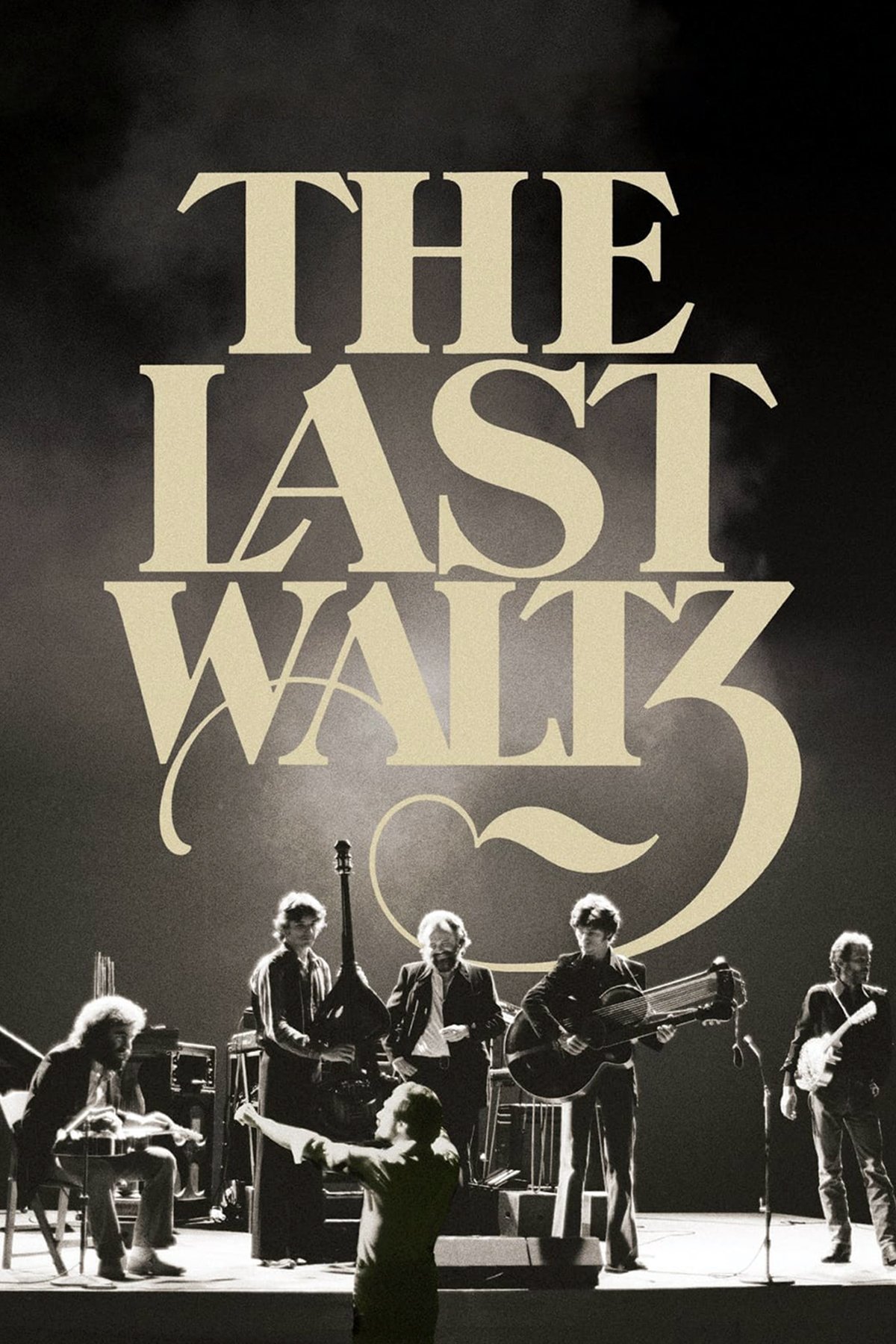
Martin Scorsese's documentary intertwines footage from The Band's incredible farewell tour with probing backstage interviews and featured performances by Eric Clapton, Bob Dylan, Joni Mitchell, Van Morrison, and other rock legends.
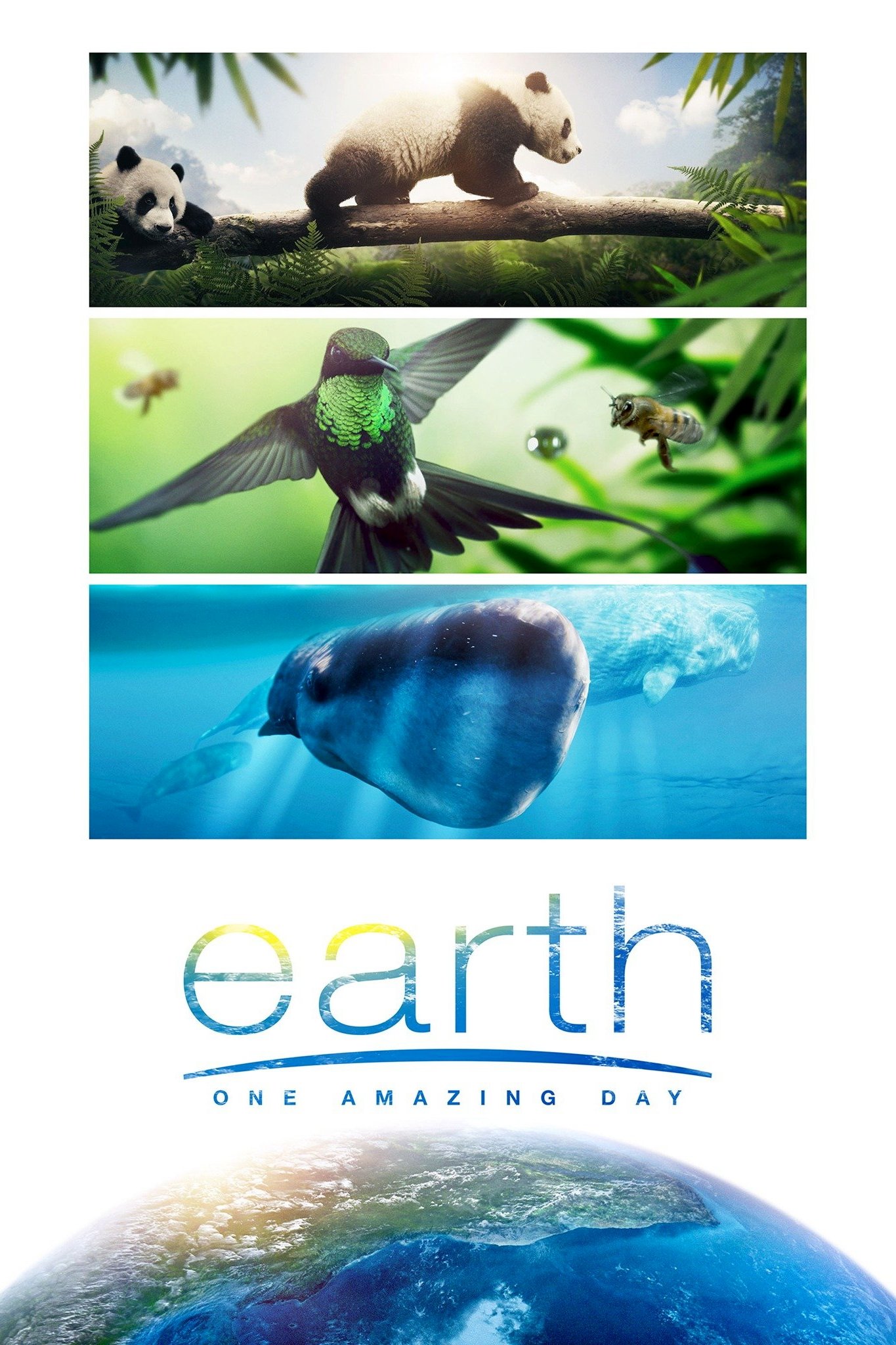
An astonishing journey revealing the awesome power of the natural world. Over the course of one single day, we track the sun from the highest mountains to the remotest islands to exotic jungles.
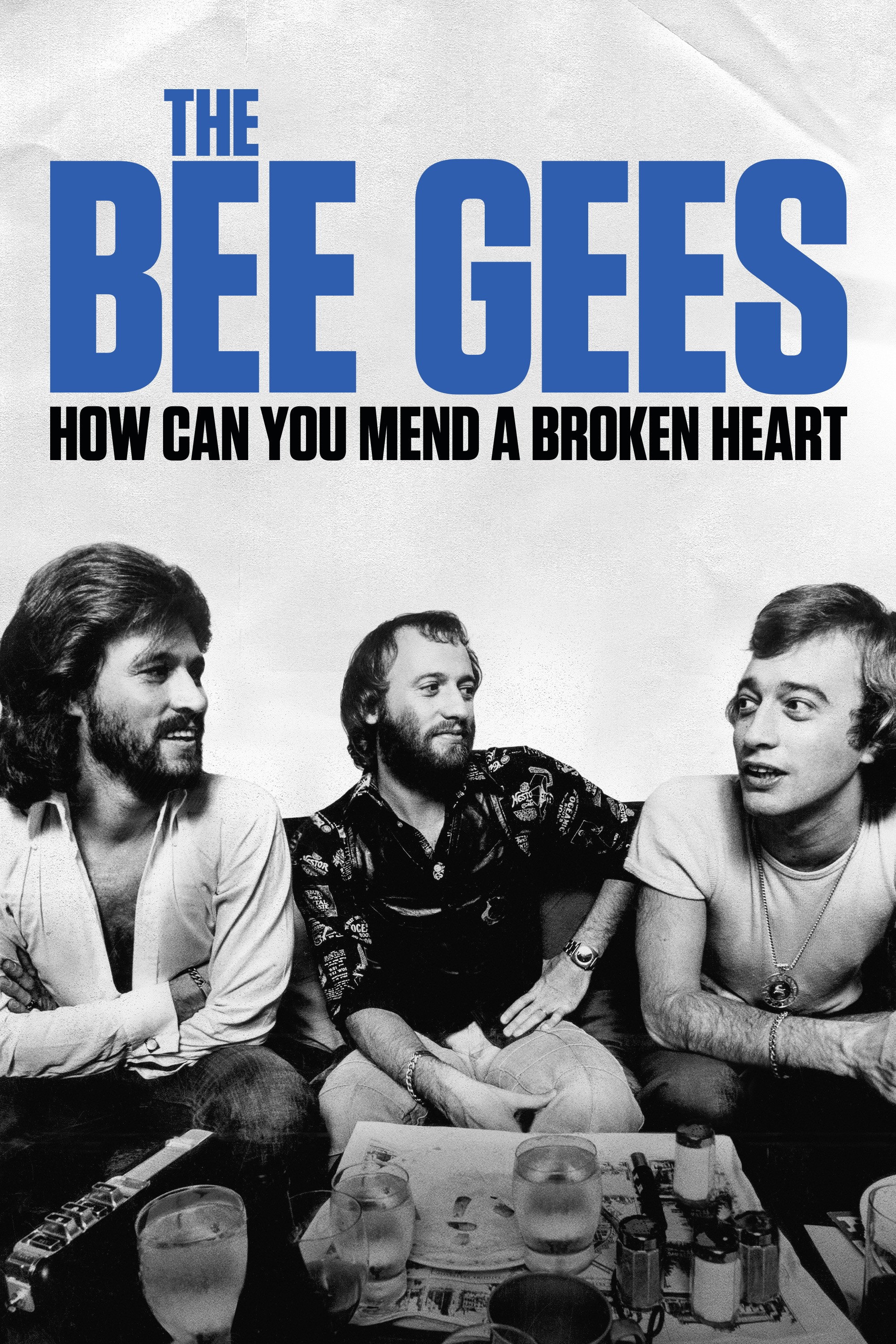
The story of the triumphs and hurdles of brothers Barry, Maurice, and Robin Gibb, otherwise known as the Bee Gees. The iconic trio, who found early fame in the 1960s, went on to write over 1,000 songs and have 20 No. 1 hits throughout their career, transcending more than five decades of changing tastes and styles.
Go behind the scenes with stars, puppeteers and creators as they bring Jim Henson's magical world of Thra back to life in a sweeping fantasy series.
Al Pacino's deeply-felt rumination on Shakespeare's significance and relevance to the modern world through interviews and an in-depth analysis of "Richard III."
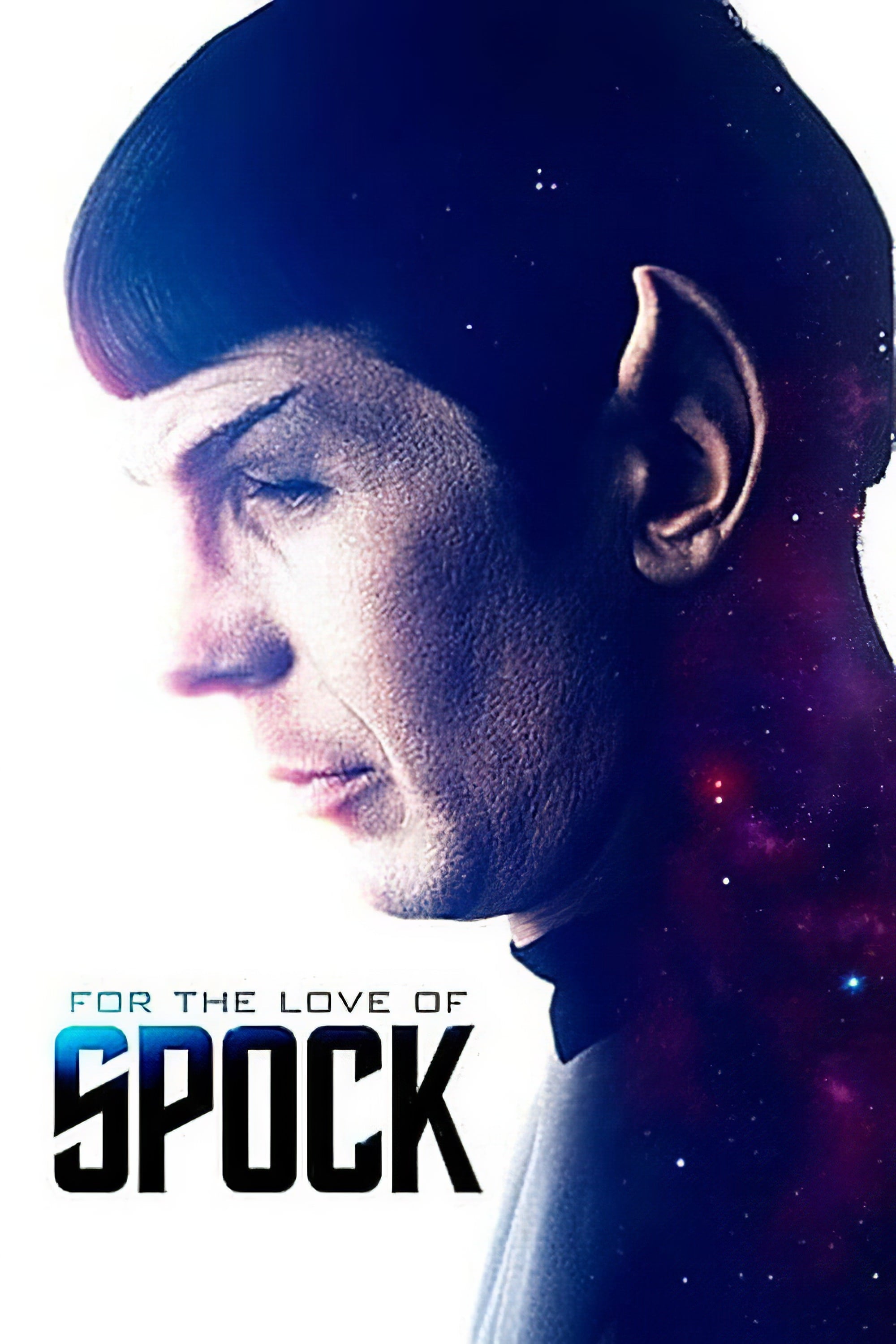
The life of Mr. Spock, as well as that of Leonard Nimoy, the actor who played him for almost fifty years, written and directed by his son: Adam.
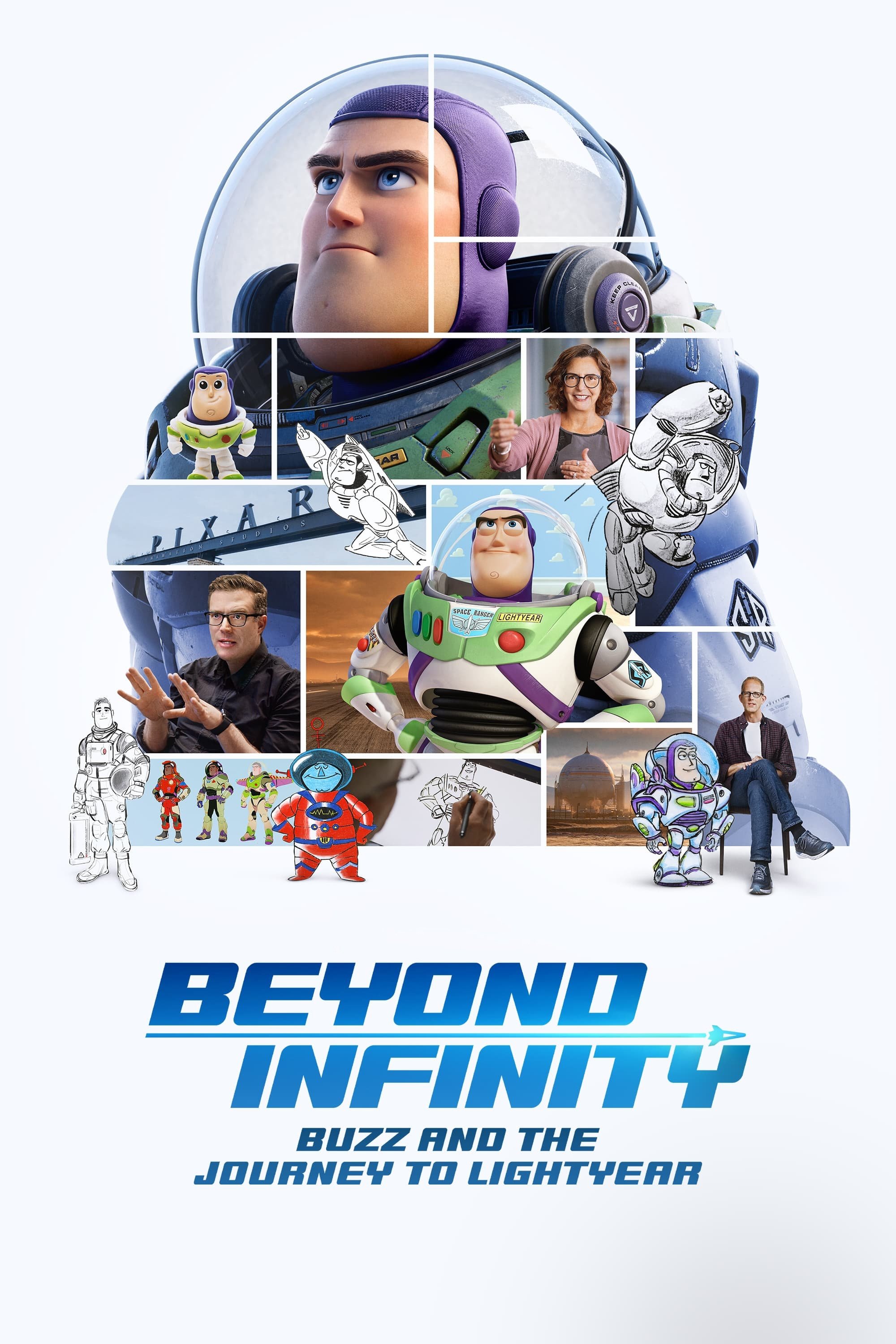
Explore the evolution of Buzz Lightyear from toy to human in the making of Pixar’s Lightyear. Dive into the origin and cultural impact of everyone’s favorite Space Ranger, the art of designing a new “human Buzz,” and the challenges faced by the Lightyear crew along the way.
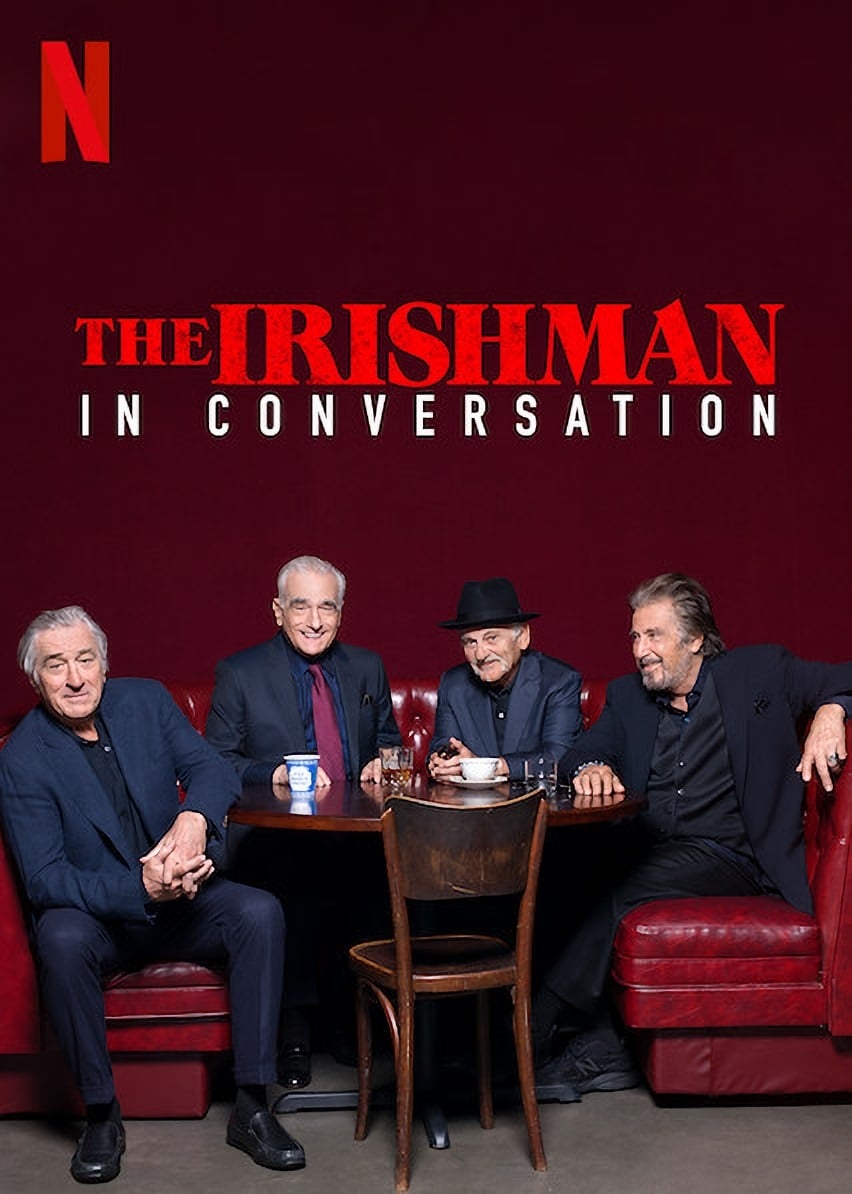
Martin Scorsese, Robert De Niro, Joe Pesci, and Al Pacino in conversation about The Irishman.
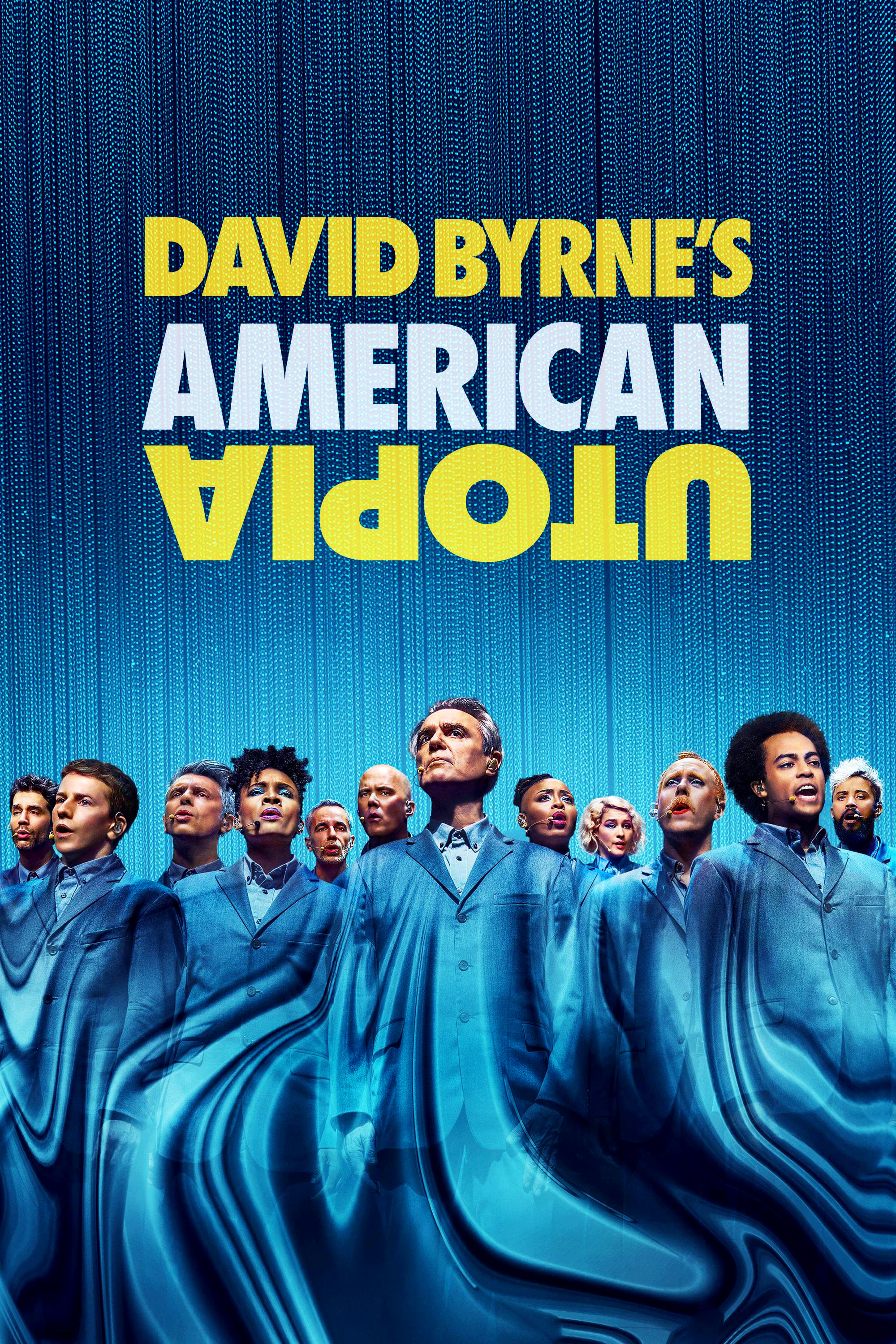
A filmed version of David Byrne's Broadway show, a unifying musical celebration that inspires audiences to connect to each other and to the global community.
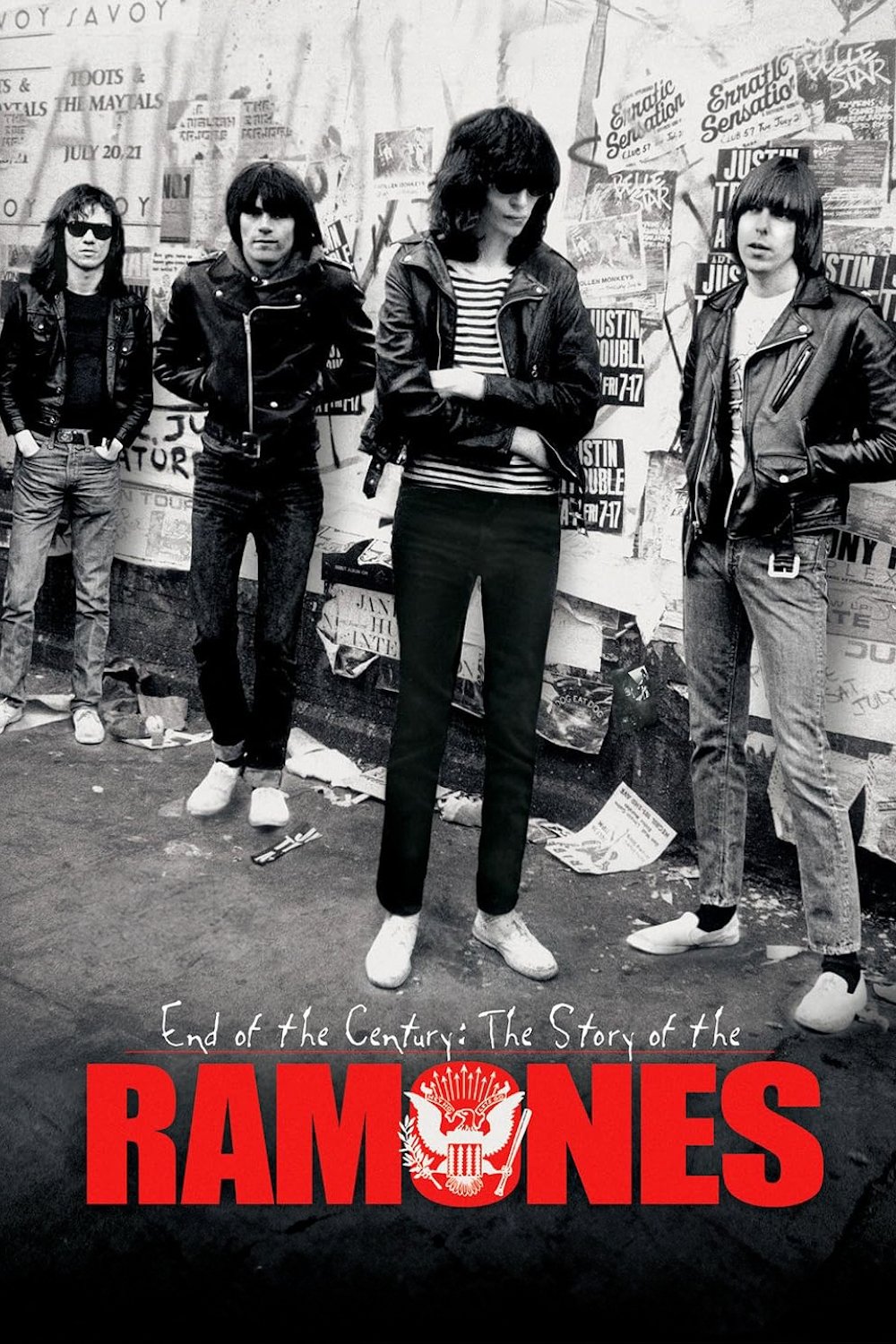
A years-in-the-making documentary on the legendary punk band the Ramones. Through a mixture of archival footage, archival and new interviews with all members of the band's various lineups, and new interviews with a number of their contemporaries, the film traces the peaks and valleys the band experienced over the course of its 20-plus year career before disbanding in 1995.
A visual montage portrait of our contemporary world dominated by globalized technology and violence.
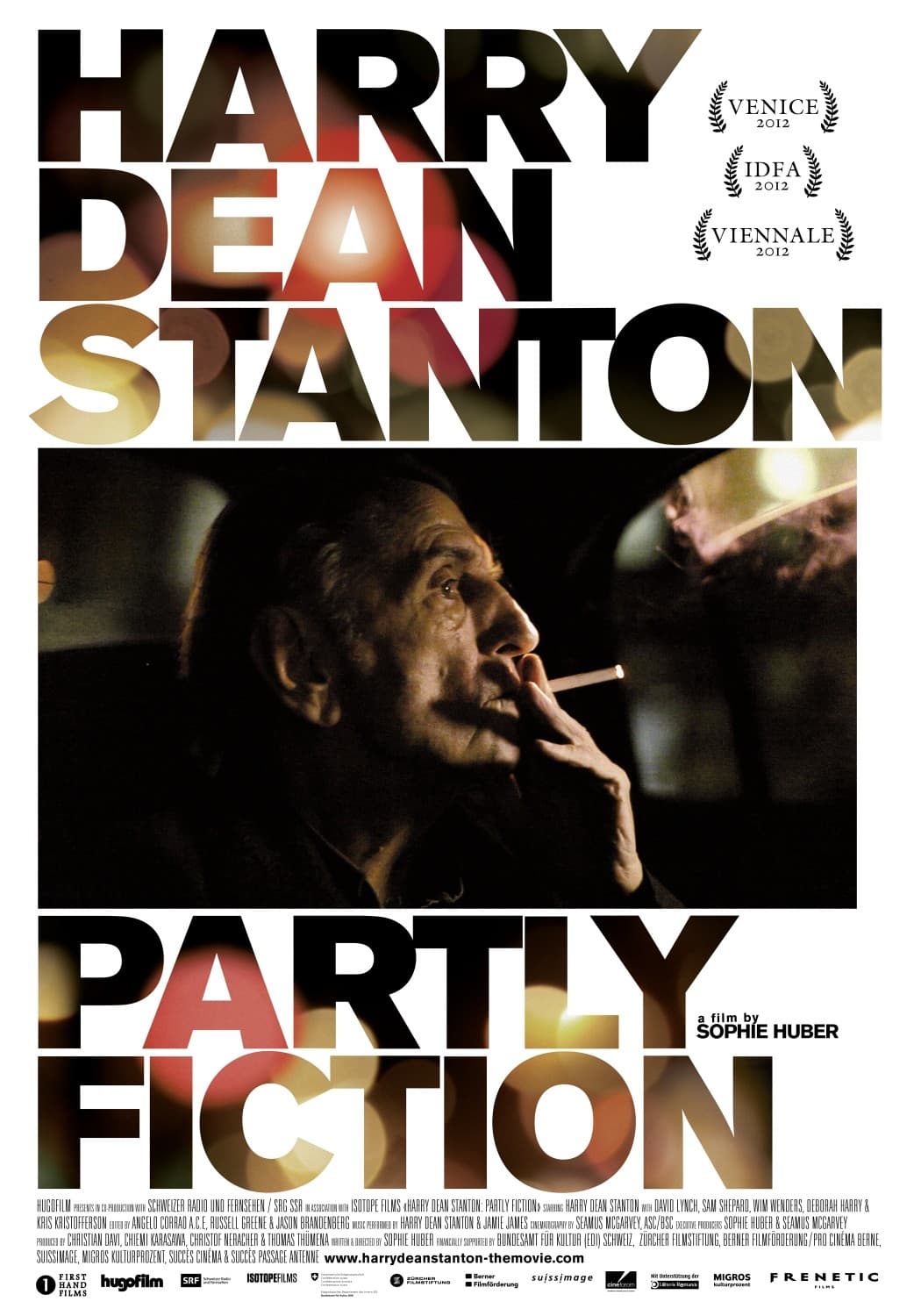
An impressionistic portrait of the iconic actor Harry Dean Stanton comprised of intimate moments, film clips from some of his 250 films and his renditions of American folk songs.
Daniel Craig candidly reflects on his 15 year adventure as James Bond. Including never-before-seen archival footage from Casino Royale to the upcoming 25th film No Time To Die, Craig shares his personal memories in conversation with 007 producers, Michael G Wilson and Barbara Broccoli.
The film follows adventurer Jeff Johnson as he retraces the epic 1968 journey of his heroes Yvon Chouinard and Doug Tompkins to Patagonia.
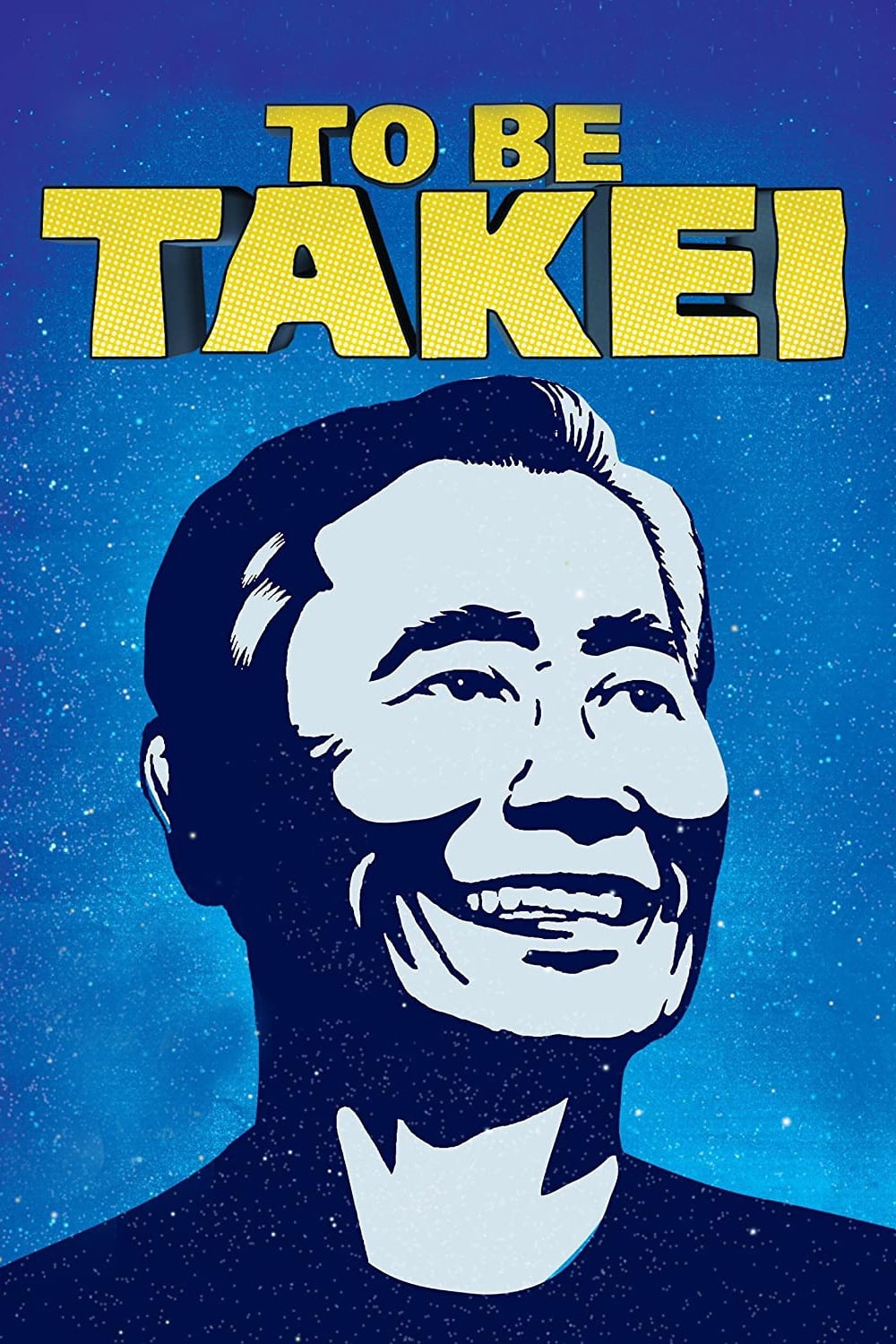
Over seven decades, actor and activist George Takei journeyed from a World War II internment camp to the helm of the Starship Enterprise, and then to the daily news feeds of five million Facebook fans. Join George and his husband, Brad, on a wacky and profound trek for life, liberty, and love.
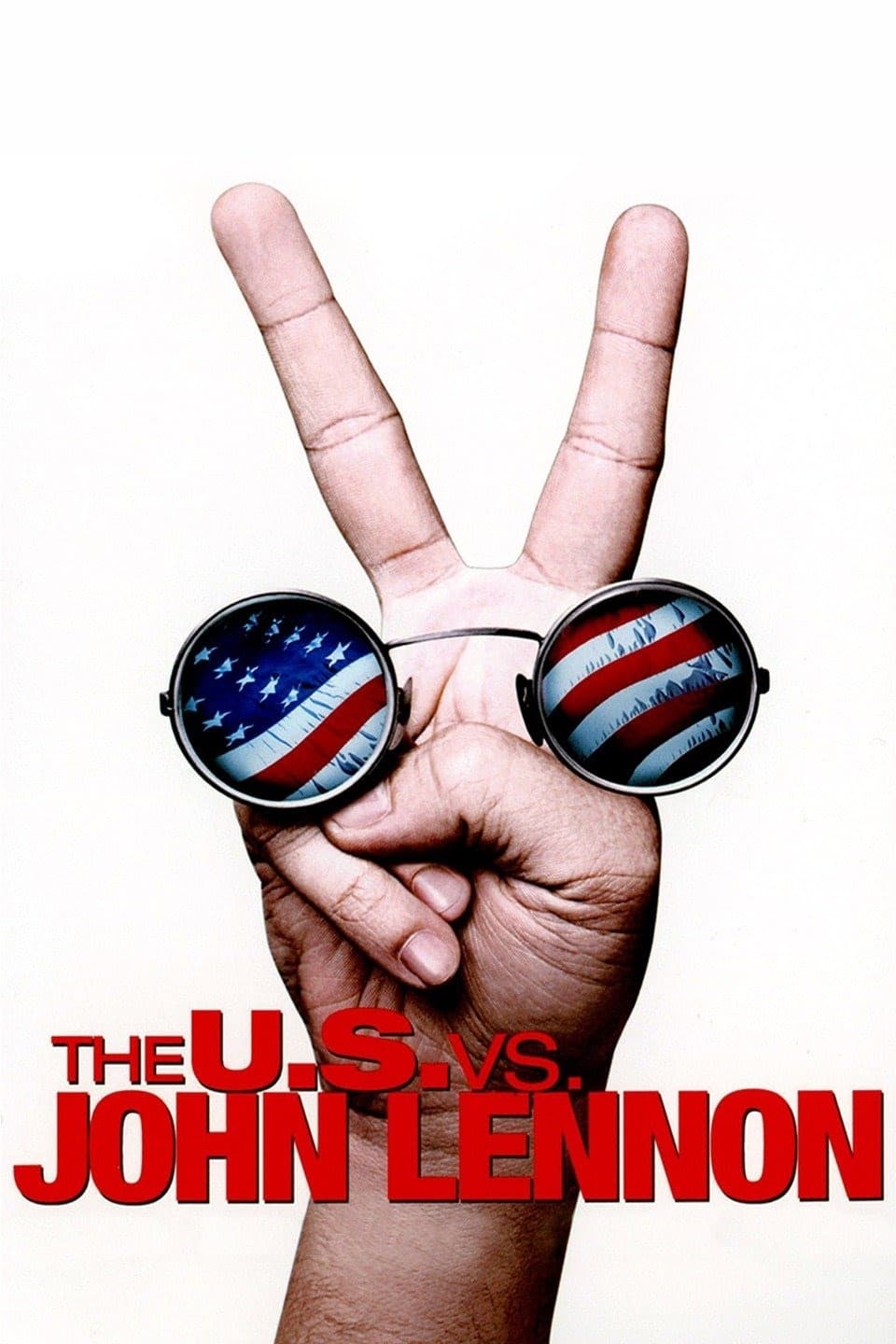
A documentary on the life of John Lennon, with a focus on the time in his life when he transformed from a musician into an antiwar activist.
Musician and performance artist Laurie Anderson reflects on the deaths of her husband Lou Reed, her mother and her beloved dog.
A look at the origins, history and conspiracies behind the "Majestic 12", a clandestine group of military and corporate figureheads charged with reverse-engineering extraterrestrial technology.
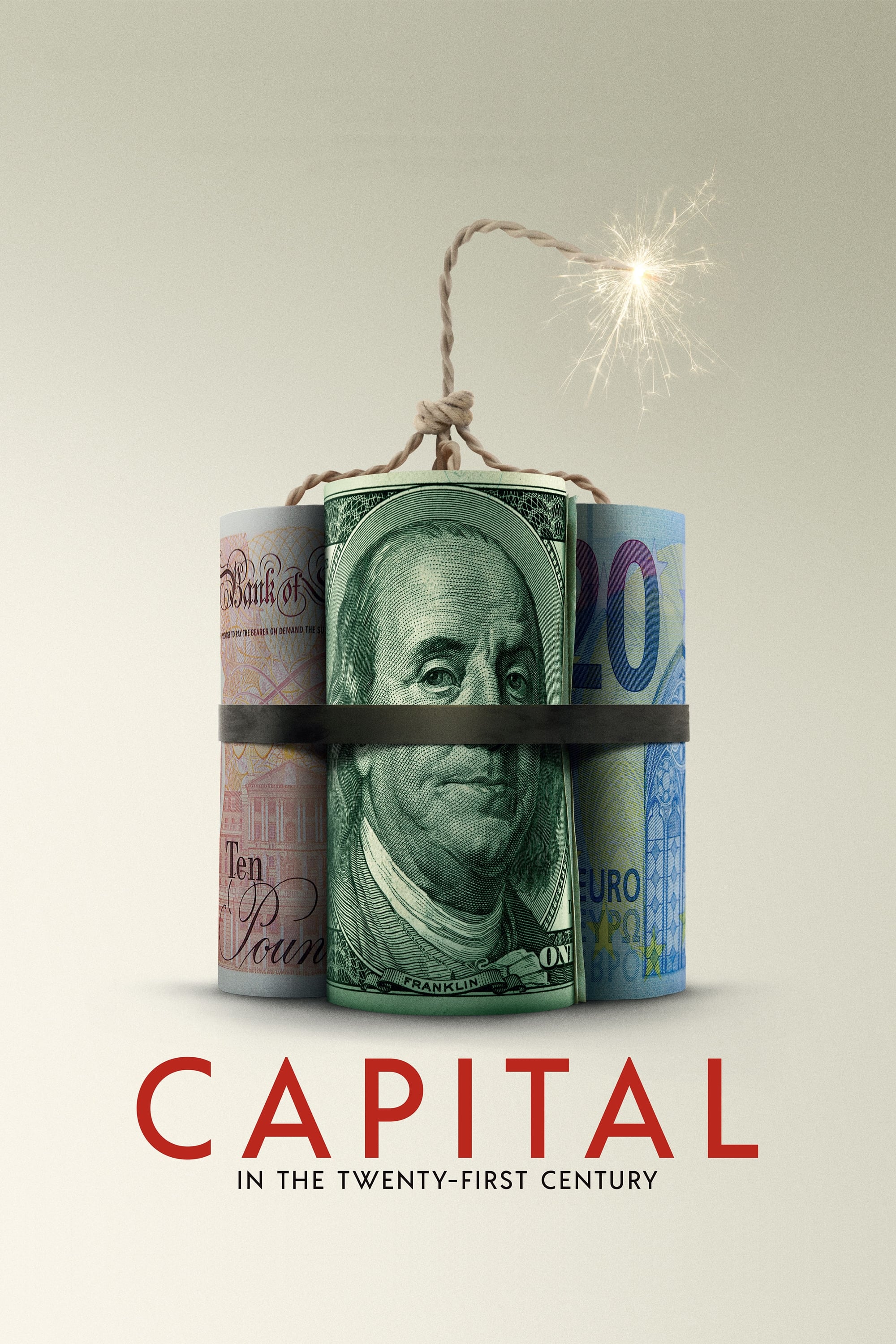
Film adaptation of French economist Thomas Piketty's ground-breaking global bestseller of the same name: an eye-opening journey through wealth and power.