Social & External
The people behind it
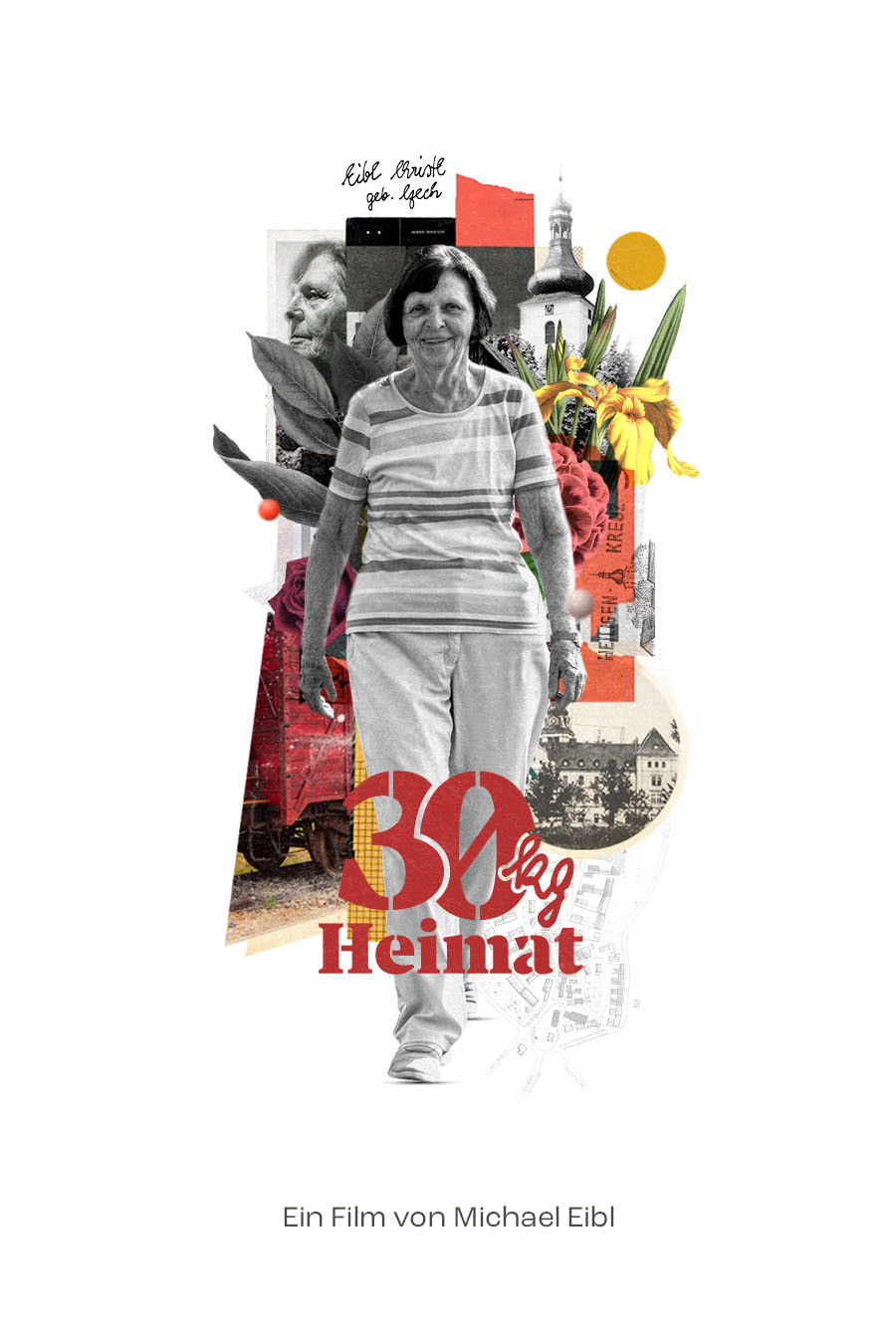
Christl Eibl
herself
Franz Schöner
himself
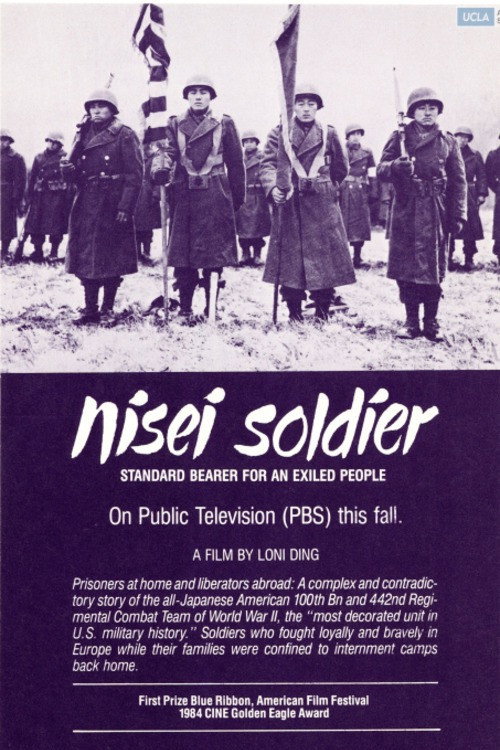
Nisei Soldier focuses on the heroism of American men of Japanese ancestry who fought bravely during World War II, despite the intense moral dilemmas they faced. Leaving their families imprisoned in "relocation centers", many young Nisei (second generation American-born Japanese) proved their loyalty in WWII by enlisting in the all-Japanese American 442nd Infantry Regiment which fought in Europe. Because of the Regiment's incredible bravery in battle, liberation of French towns, and high casualty rate, it became the most decorated unit in U.S. military history. The film asks: What sustained these young men forced to battle on two fronts at once -- against fascism abroad and intense prejudice at home? More than a war story, Nisei Soldier is a tale about personal honor, family loyalty and love of country -- and what it means to be an American.
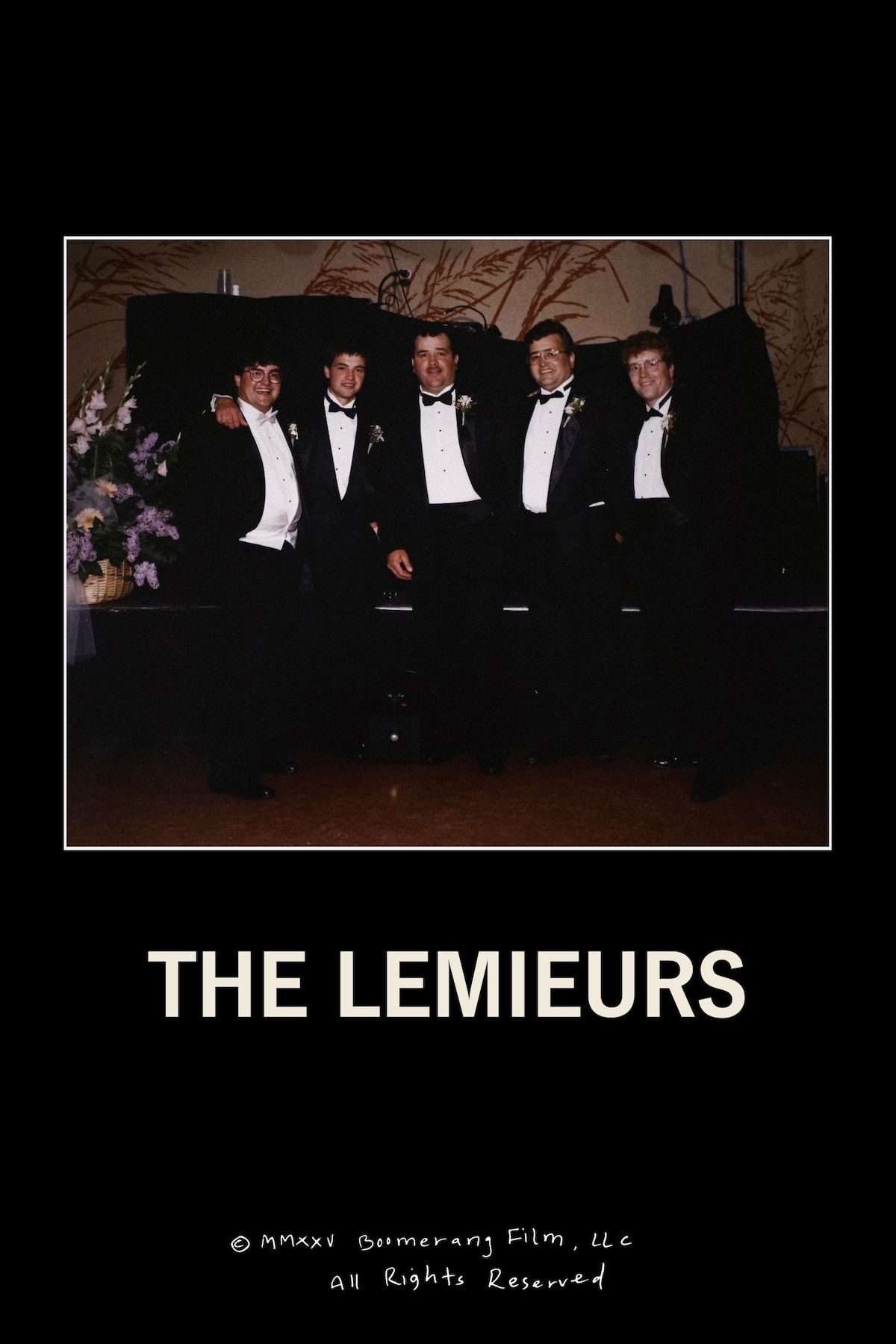
Fearing regret and desperate to keep hold of their history, the five sons of a small-town Minnesota matriarch must reconcile her getting on in years. Meanwhile, for her three grandsons who own and operate a funeral home, death cannot be run from.
The fate of a Hungarian Jewish family throughout the 20th century.
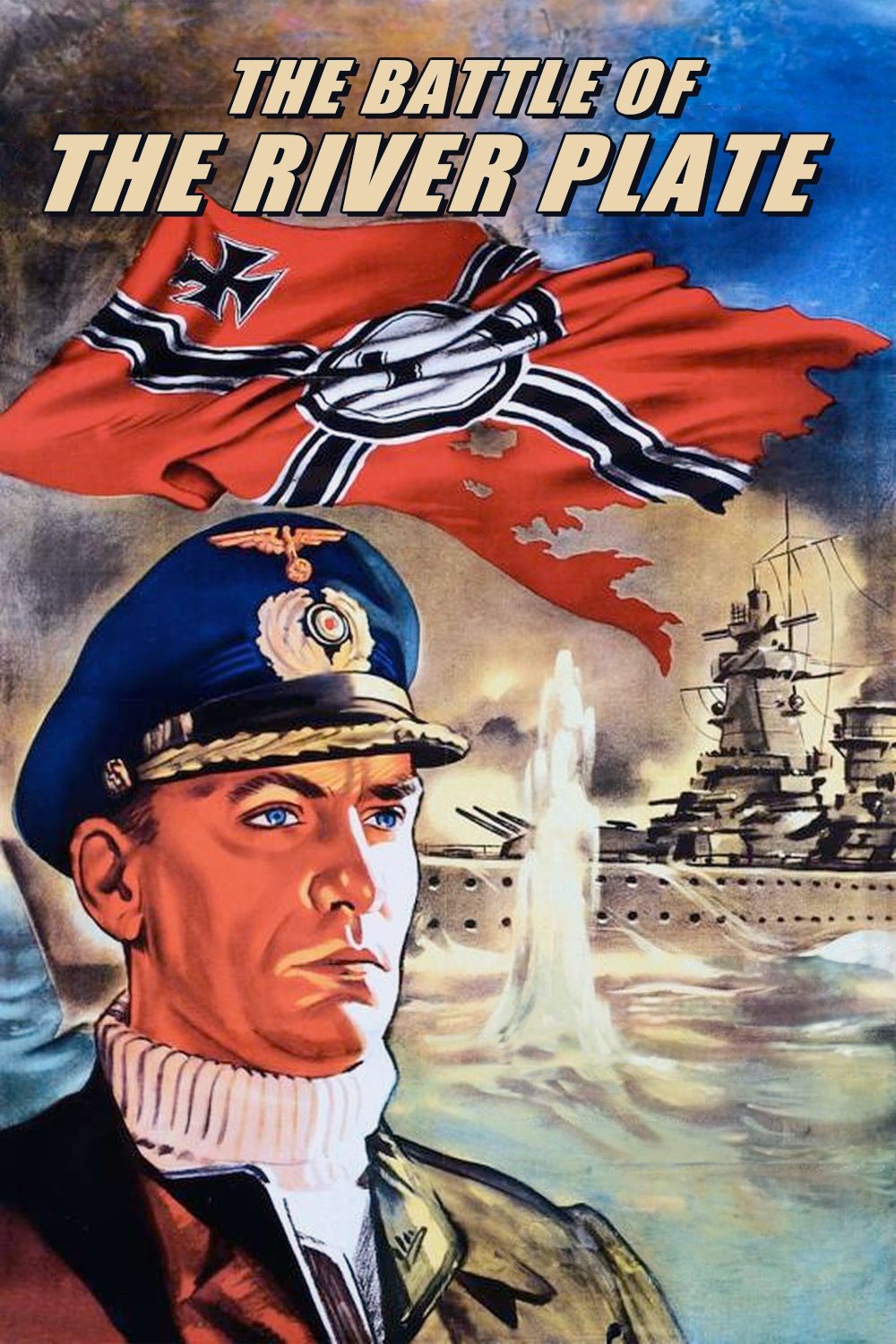
In the early years of the World War II, the Royal Navy is fighting a desperate battle to keep the Atlantic convoy routes open to supply the British Isles, facing the great danger posed by the many German warships, such as the Admiral Graf Spee, which are scouring the ocean for cargo ships to sink.
Documentary about brother and sister duo The Carpenters, one of the biggest-selling pop acts of the 1970s, but one with a destructive and complex secret that ended in tragedy.
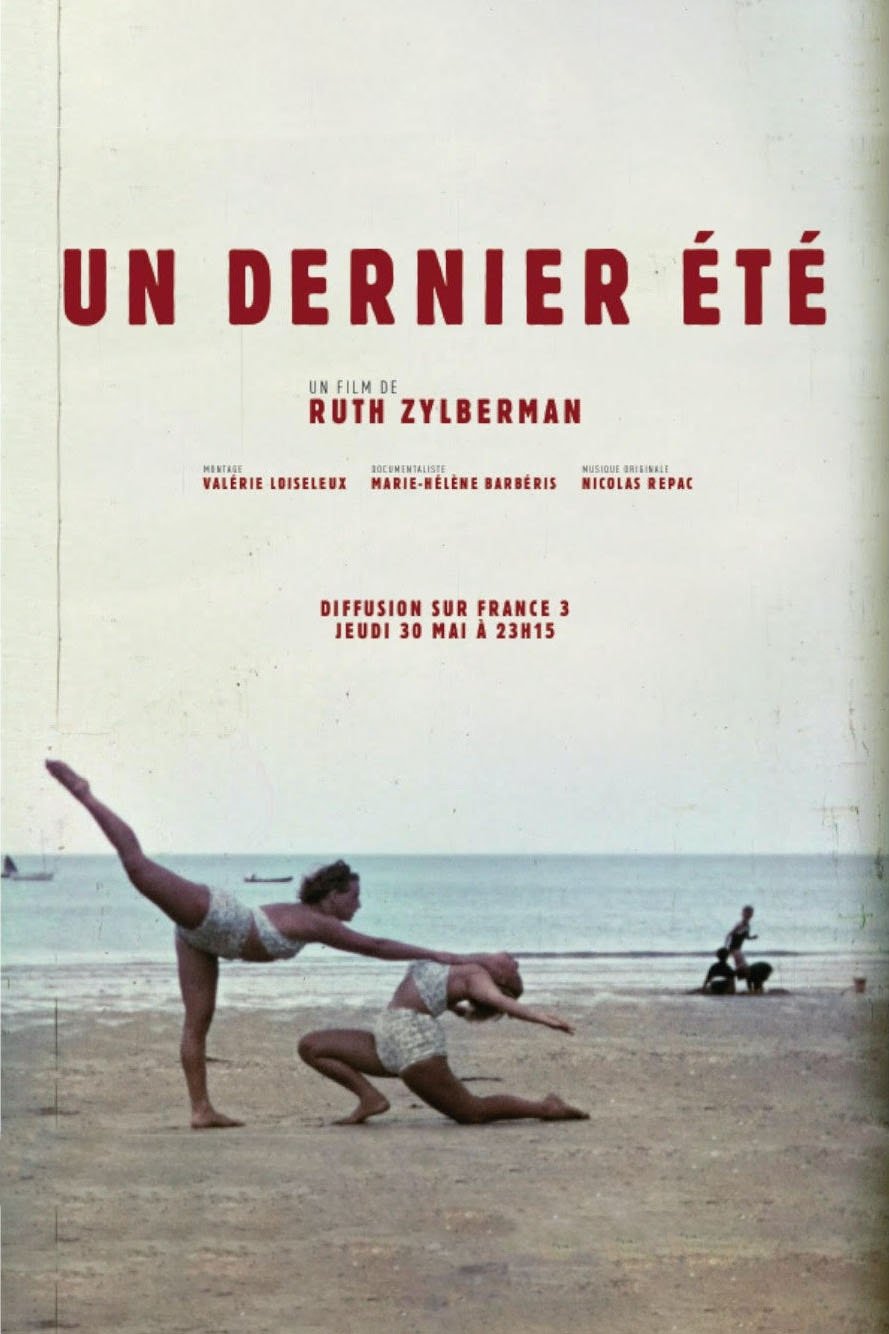
Gustave Folcher, a French farmer, wrote in his 1939 diary that the summer had been long and hot. He was not alone. Many other anonymous French men and women wrote of the beauty and warmth of those summer months and how threats of war were far from their minds. Through home movies, diaries and letters, One Last Summer describes the final weeks of peace in France and the mix of blindness, denial and prophetic clear-sightedness of those facing the war that was about to unfold.
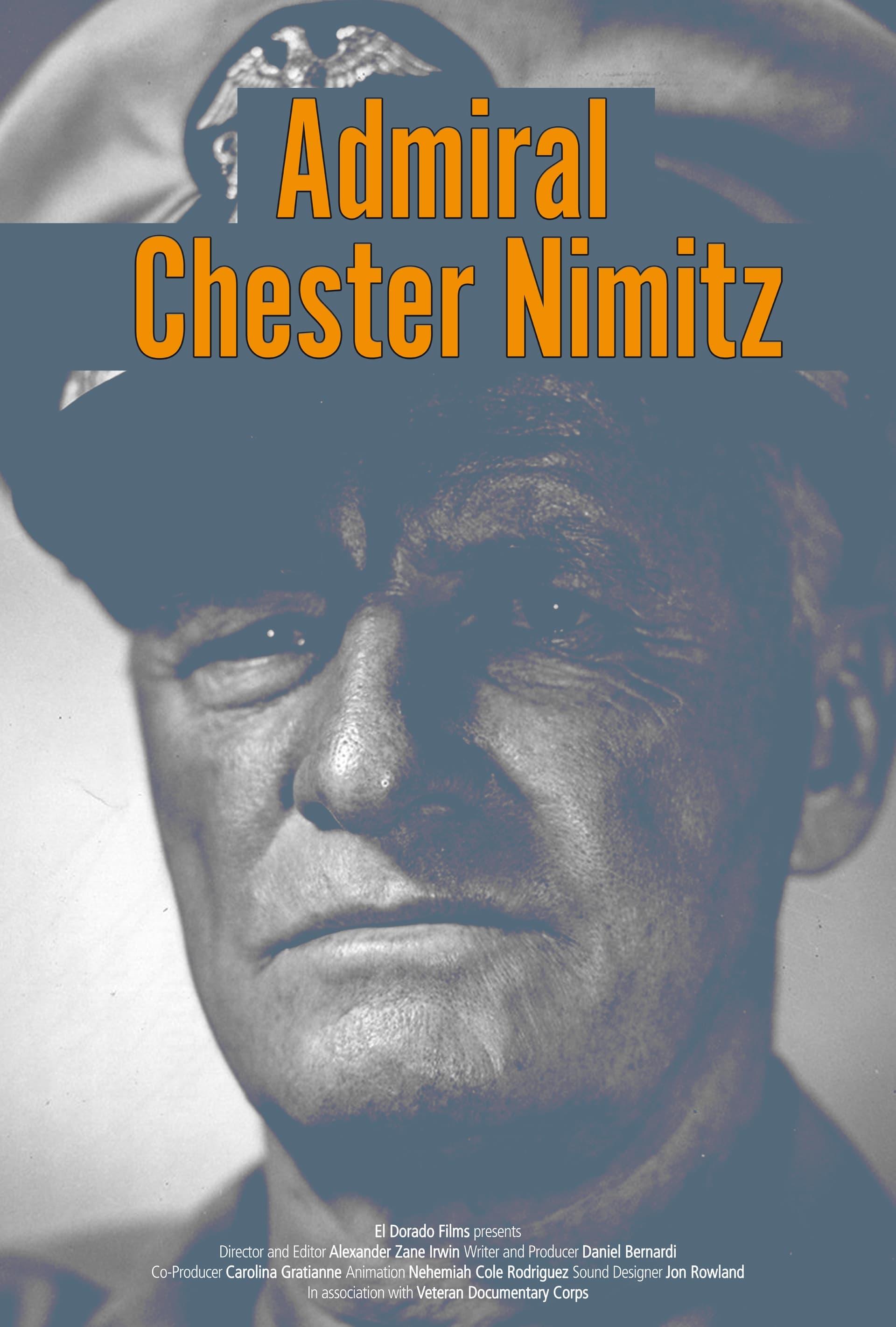
Fleet Admiral Chester Nimitz used submarines, a vessel used to great effect by Germany in WWI and WWII to turn the tide of the War in the Pacific.
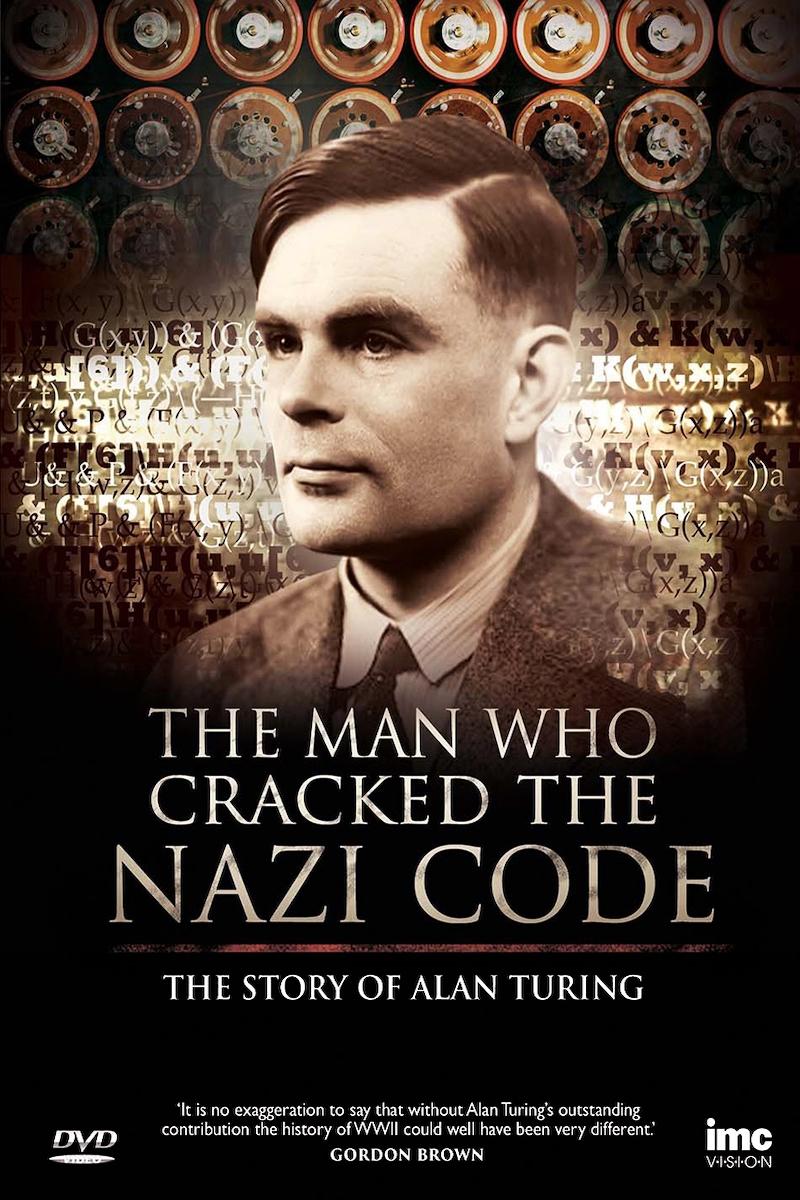
During the Second World War, the allies' key objective was to crack the German army's encrypted communications code. Without a doubt, the key player in this game was Alan Turing, an interdisciplinary scientist and a long-forgotten hero.
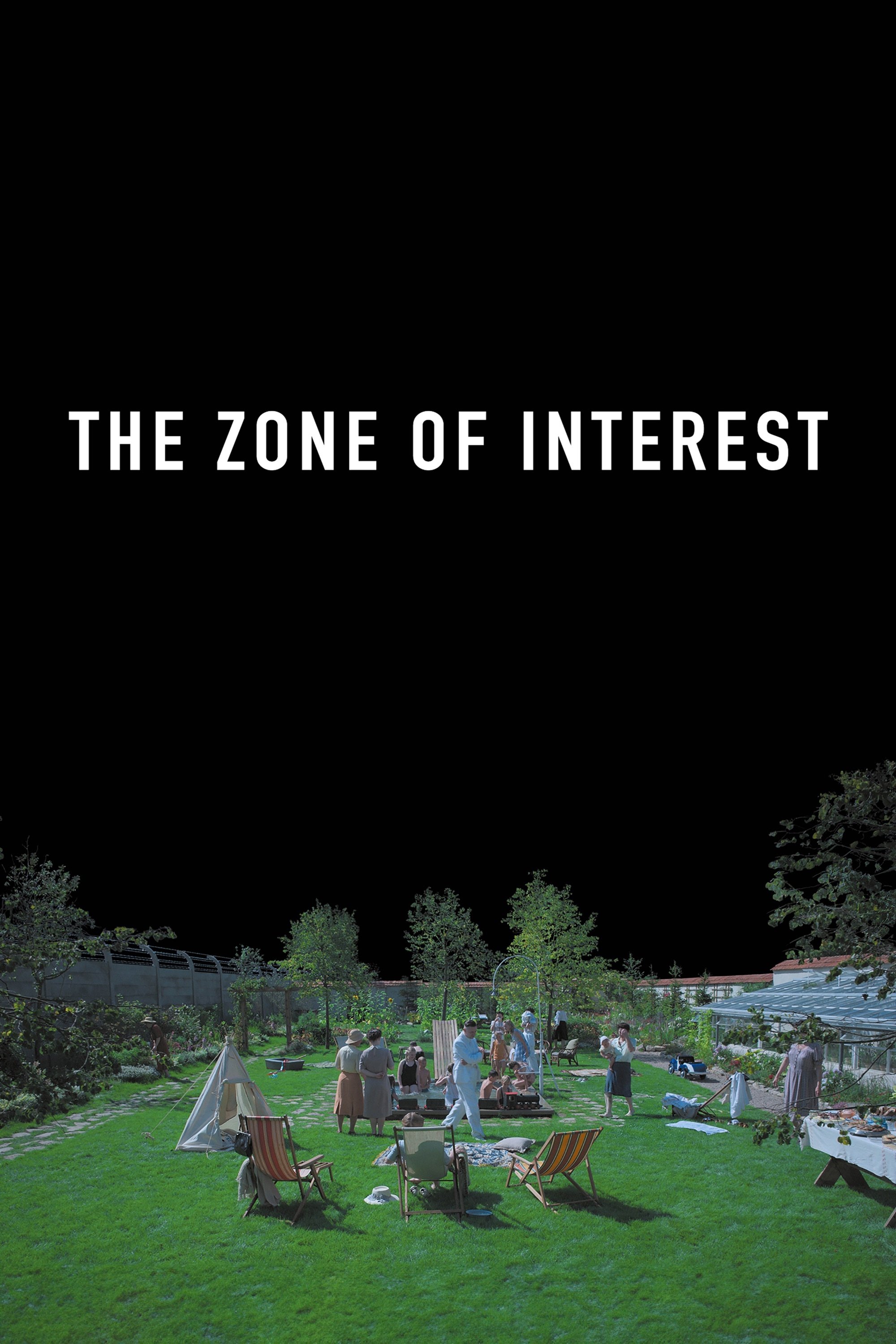
The commandant of Auschwitz, Rudolf Höss, and his wife Hedwig, strive to build a dream life for their family in a house and garden next to the camp.
On June 11th, 1997, Philippe Kahn created the first camera phone solution to share pictures instantly on public networks. The impetus for this invention was the birth of Kahn's daughter, when he jerry-rigged a mobile phone with a digital camera and sent photos in real time. In 2016 Time Magazine included Kahn's first camera phone photo in their list of the 100 most influential photos of all time.
Captured by the Red Army during World War II, Hungarian soldier András Toma was admitted to a Soviet psychiatric hospital. After disappearing from prisoner-of-war records, he was presumed dead in Hungary. Because his name was incorrectly recorded in medical documents and he spoke only Hungarian—mistaken by staff for incoherent speech—Toma spent decades misunderstood and isolated in the institution. Fifty-three years later, a visiting Slovak doctor recognised his language, triggering an investigation by Hungarian authorities. Toma was repatriated in 2000, believed to be the last prisoner of war from World War II to return home.
"My mother is spending all her time with her dying father. I’m spending all my time filming her. As the end is getting closer, my mother and I start doing the filming more and more together. It becomes our way of dealing with the time we have left." —Marius Dybwad Brandrud
The film looks at the men, their living conditions, the food they eat and their bamboo shower. It shows the men building a radio out of spare parts to re-establish contact with the mainland (contact had been lost after the Japanese victory), the use of florins to pay native helpers, and a raid on a hostile native village which sees huts set on fire.
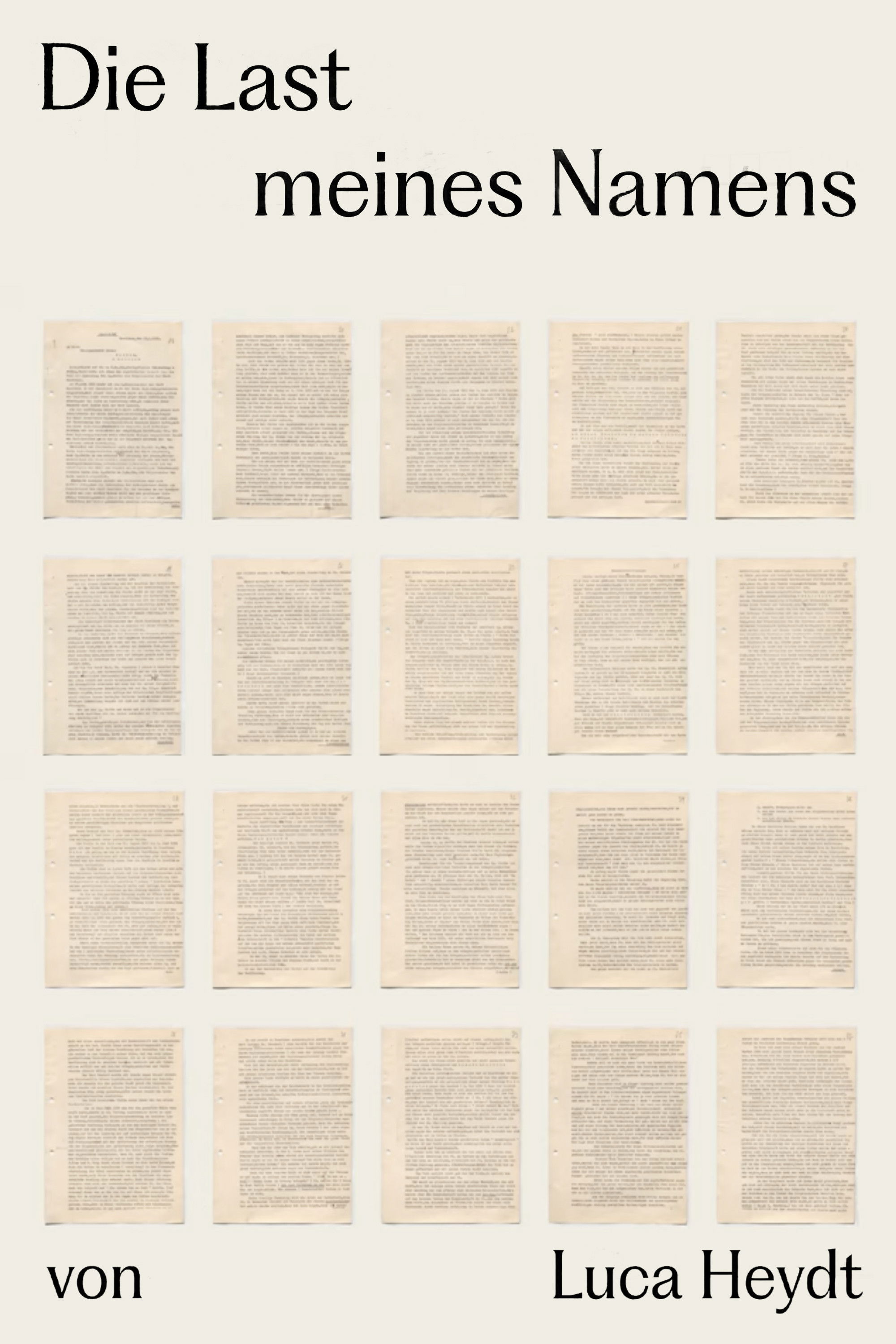
2-channel film installation 'Die Last meines Namens', wherein Heydt deals with an unpleasant part of his own family history. Heydt’s great-grandfather was a member of the NSDAP and mayor of the small town of Haselünne in Emsland for almost 10 years during the Third Reich. Based on interviews with his grandfather and research in various archives, Heydt develops a personal perspective on the subject. The film deals with how we construct identity from oral retellings, how we process family histories, and how we can find current and personal points of access to German remembrance culture. At the heart of the work are two conversations with his grandfather Heinrich Heydt, recorded at different points in the research process. In them, the grandfather describes his memories of his father, the time, and the two reflect on the subject and the results of the research.
Explore the stories of women caught up in World War II, from the American Home Front to Auschwitz Concentration Camp in Poland. Included in this hour-long film are also the personal stories of the incredible women who served in a war that proved women were equal to men when it came to patriotism, service, or in some cases, self-preservation during watershed moments which called for steadfastness.
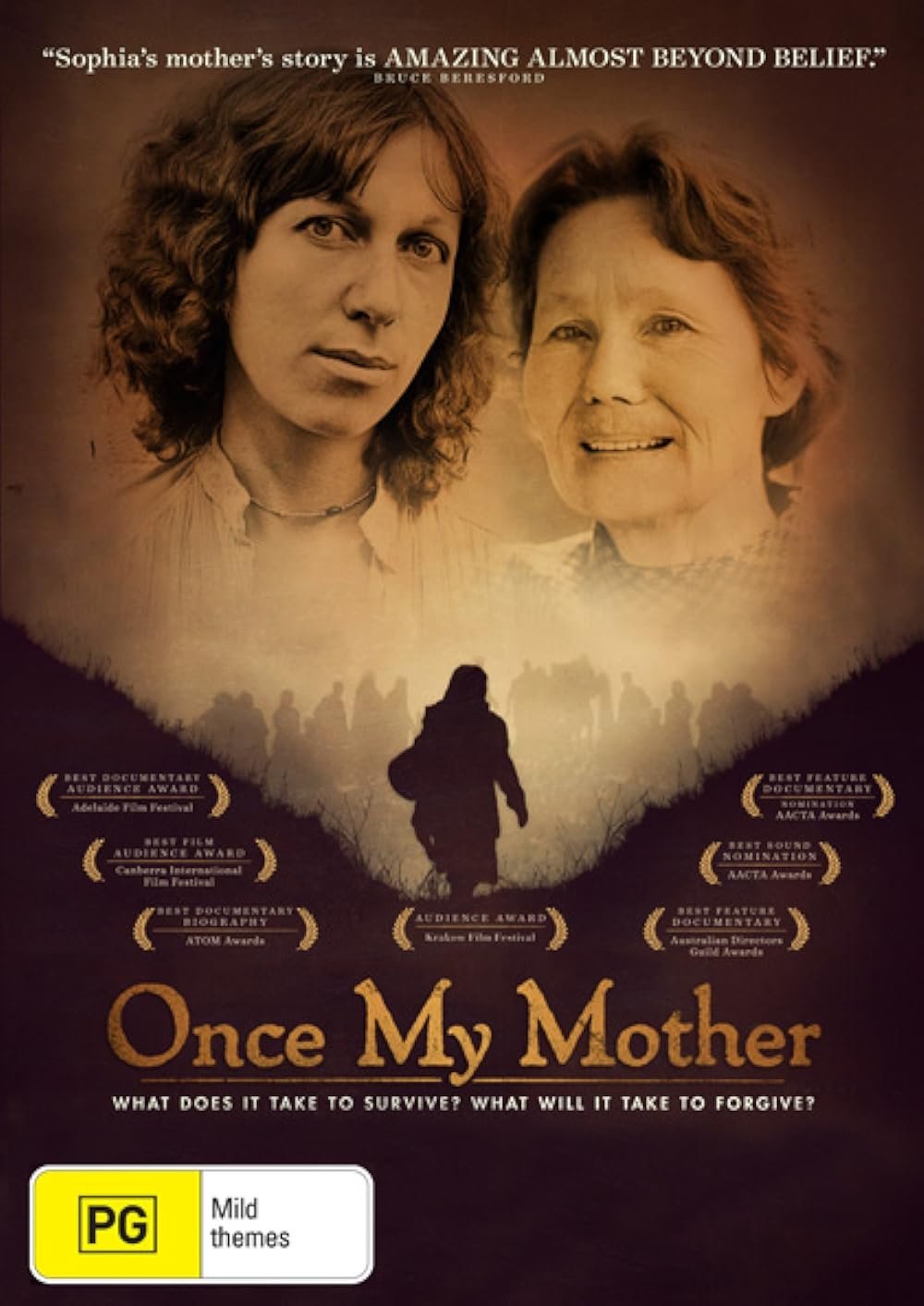
Australian filmmaker Sophia Turkiewicz investigates why her Polish mother abandoned her and uncovers the truth behind her mother's wartime escape from a Siberian gulag, leaving Sophia to confront her own capacity for forgiveness.
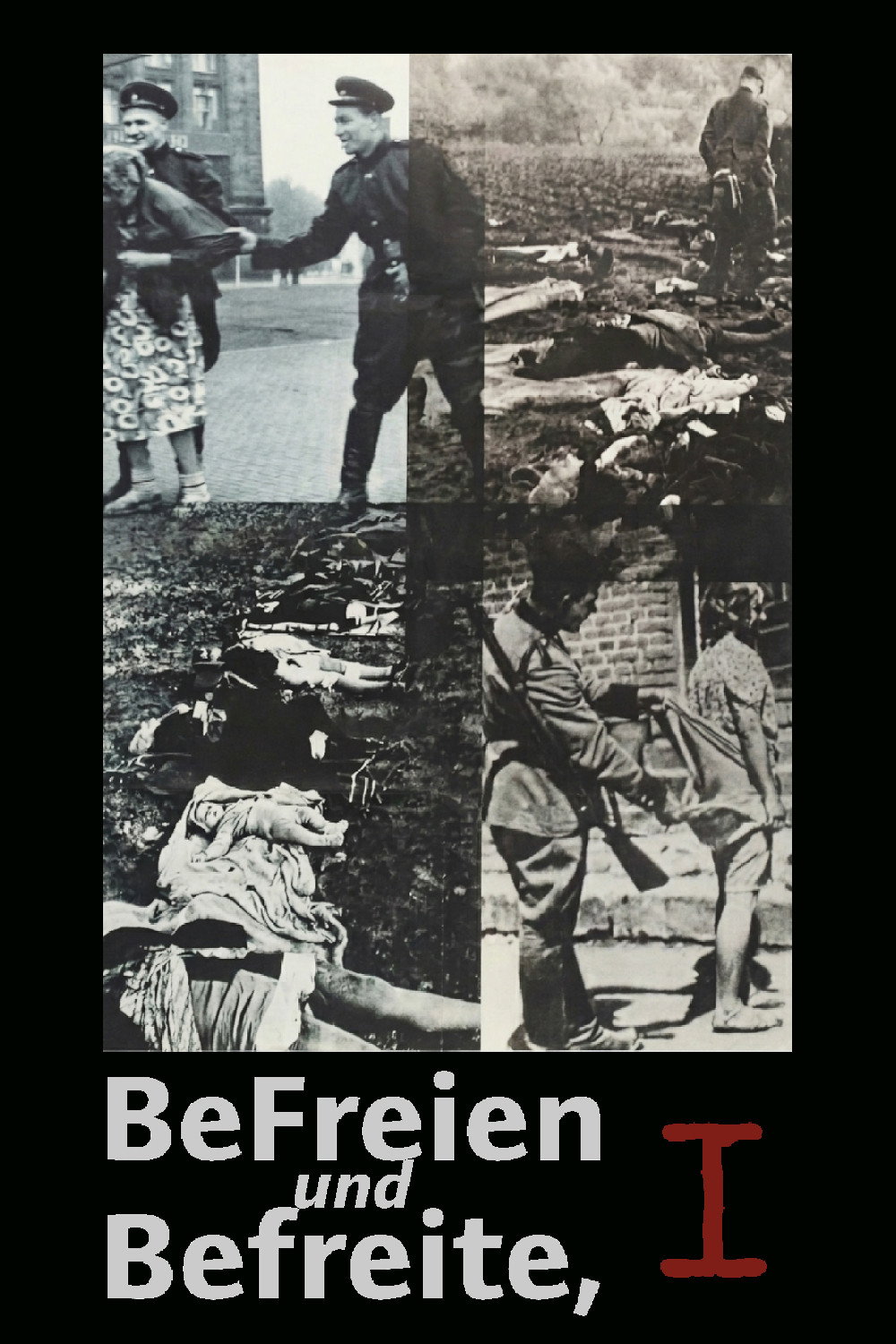
Based on years of research into the mass rapes committed by the Red Army at the end of the Second World War. In the first part of the documentary Helke Sander interviews multiple German women who were raped in Berlin by Soviet soldiers in May 1945. Most women never spoke of their experience to anyone, after 46 years of silence they talk for the first time publicly about their violent experiences that have left such a mark.
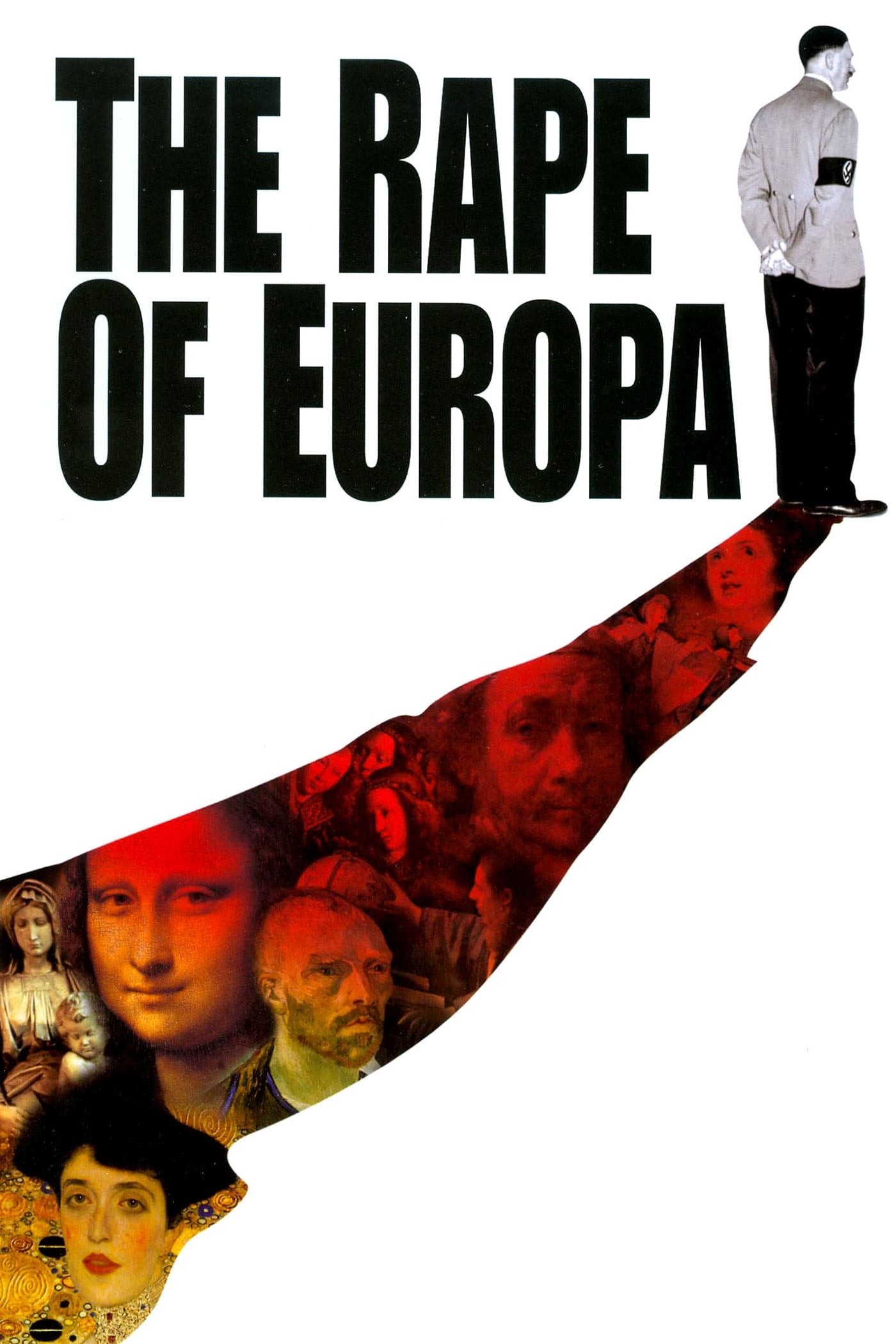
World War II was not just the most destructive conflict in humanity, it was also the greatest theft in history: lives, families, communities, property, culture and heritage were all stolen. The story of Nazi Germany's plundering of Europe's great works of art during World War II and Allied efforts to minimize the damage.
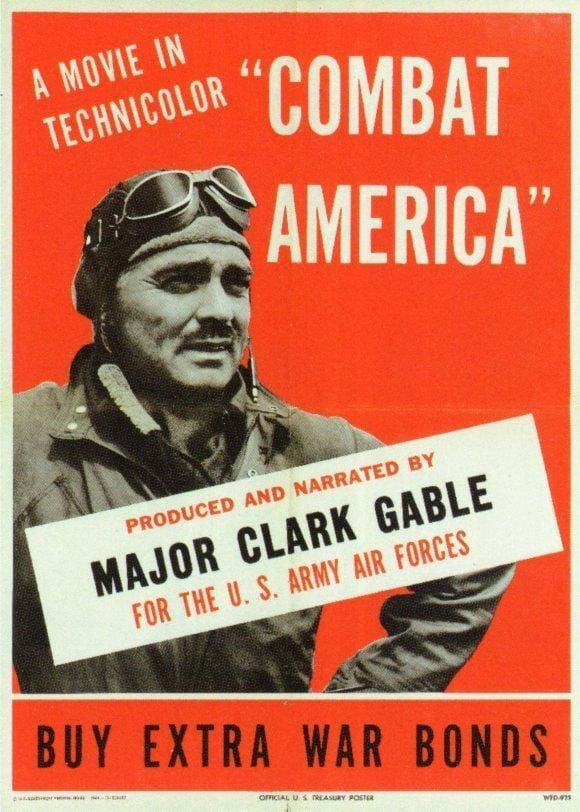
Produced in 1943 under the guidance of Army Air Force Lieutenant Clark Gable, this film follows a single 8th Air Force B-17 crew from training through a series of missions over Europe.
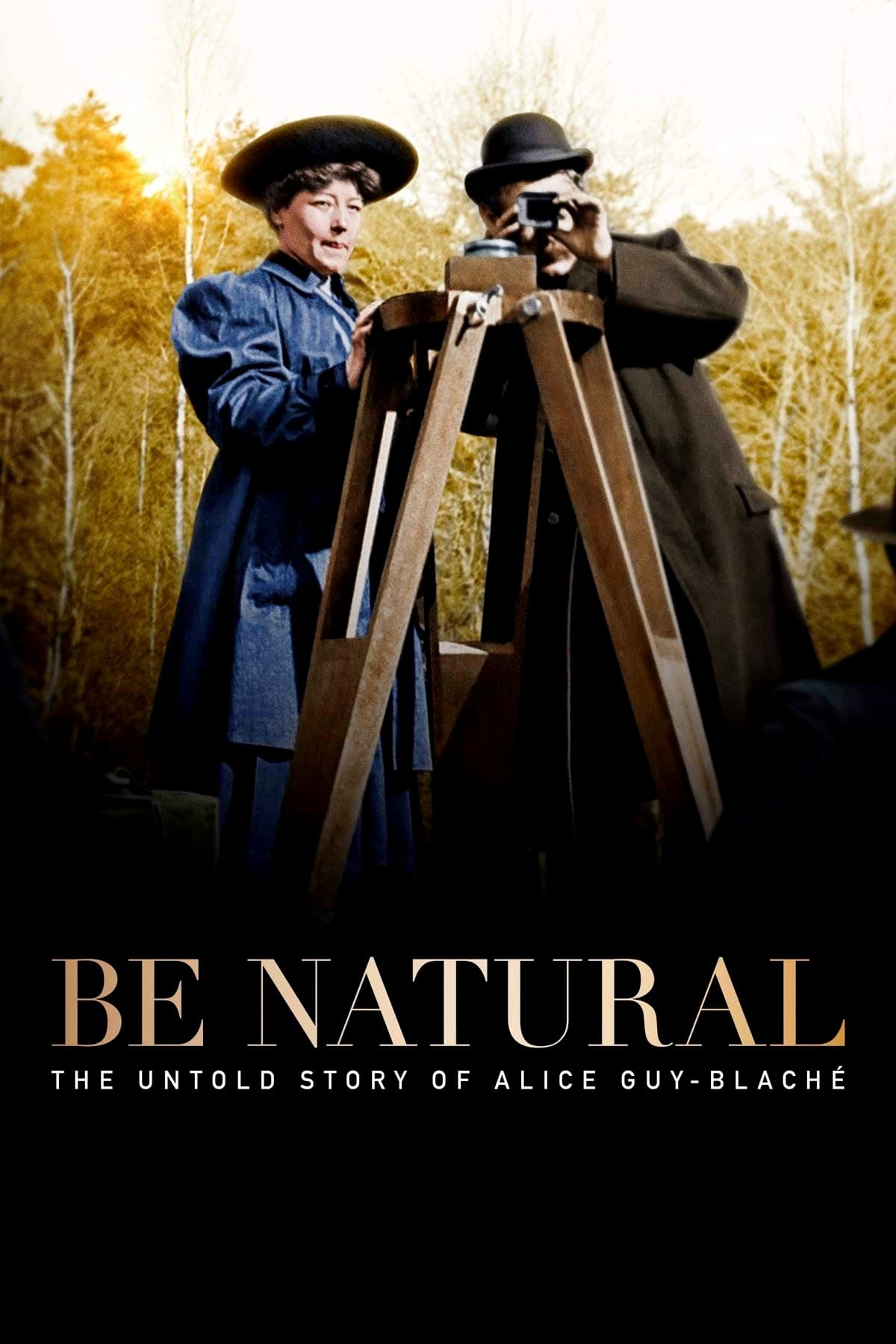
The epic life story of Alice Guy-Blaché (1873–1968), a French screenwriter, director and producer, true pioneer of cinema, the first person who made a narrative fiction film; author of hundreds of movies, but banished from history books. Ignored and forgotten. At last remembered.
The history of cinematic sound, told by legendary sound designers and visionary filmmakers.
Documentary about the art of film editing. Clips are shown from many groundbreaking films with innovative editing styles.
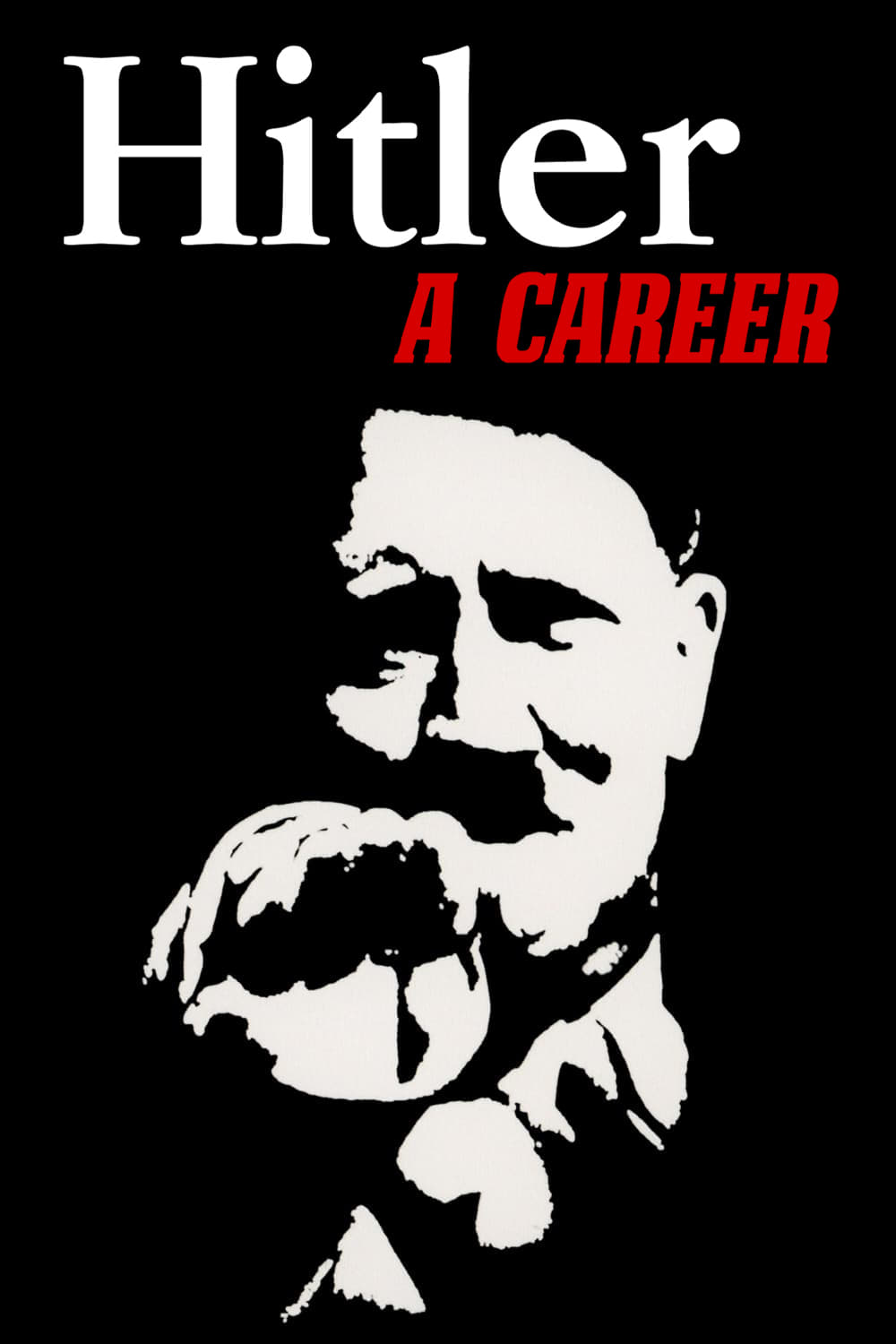
A keen chronicle of the unlikely rise to power of Adolf Hitler (1889-1945) and a dissection of the Third Reich (1933-1945), but also an analysis of mass psychology and how the desperate crowd can be deceived and shepherded to the slaughterhouse.
From its distinctive neighborhoods to its architectural homes, Los Angeles has been the backdrop to countless movies. In this dazzling work, Andersen takes viewers on a whirlwind tour through the metropolis' real and cinematic history, investigating the myriad stories and legends that have come to define it, and meticulously, judiciously revealing the real city that lives beneath.
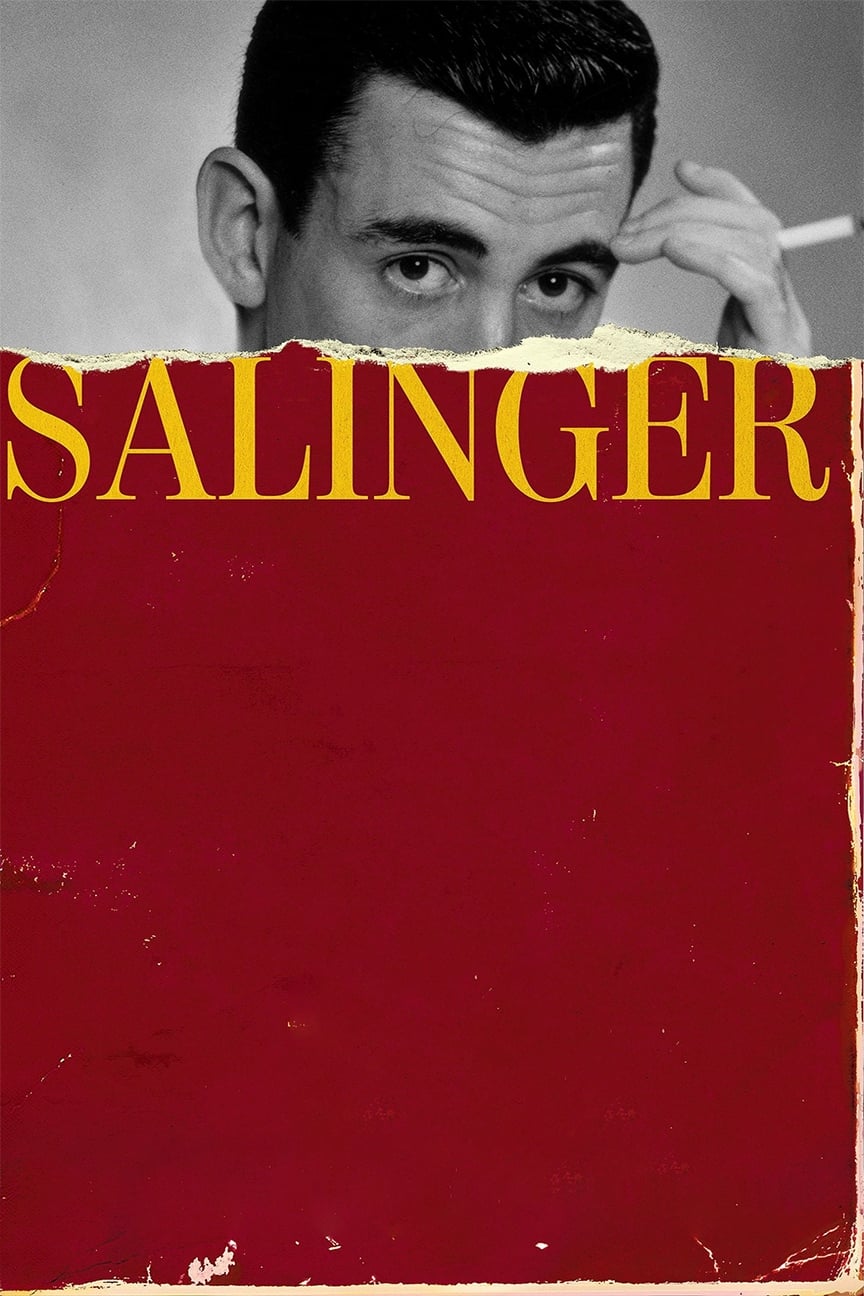
An in-depth investigation into the private world of the American writer J. D. Salinger (1919-2010), who lived most of his life behind the impenetrable wall of a self-imposed seclusion: how his dramatic experiences during World War II influenced his life and work, his relationships with very young women, his obsessive writing methods, his many literary secrets.
“The Soviet Story” is a story of an Allied power, which helped the Nazis to fight Jews and which slaughtered its own people on an industrial scale. Assisted by the West, this power triumphed on May 9th, 1945. Its crimes were made taboo, and the complete story of Europe’s most murderous regime has never been told. Until now...
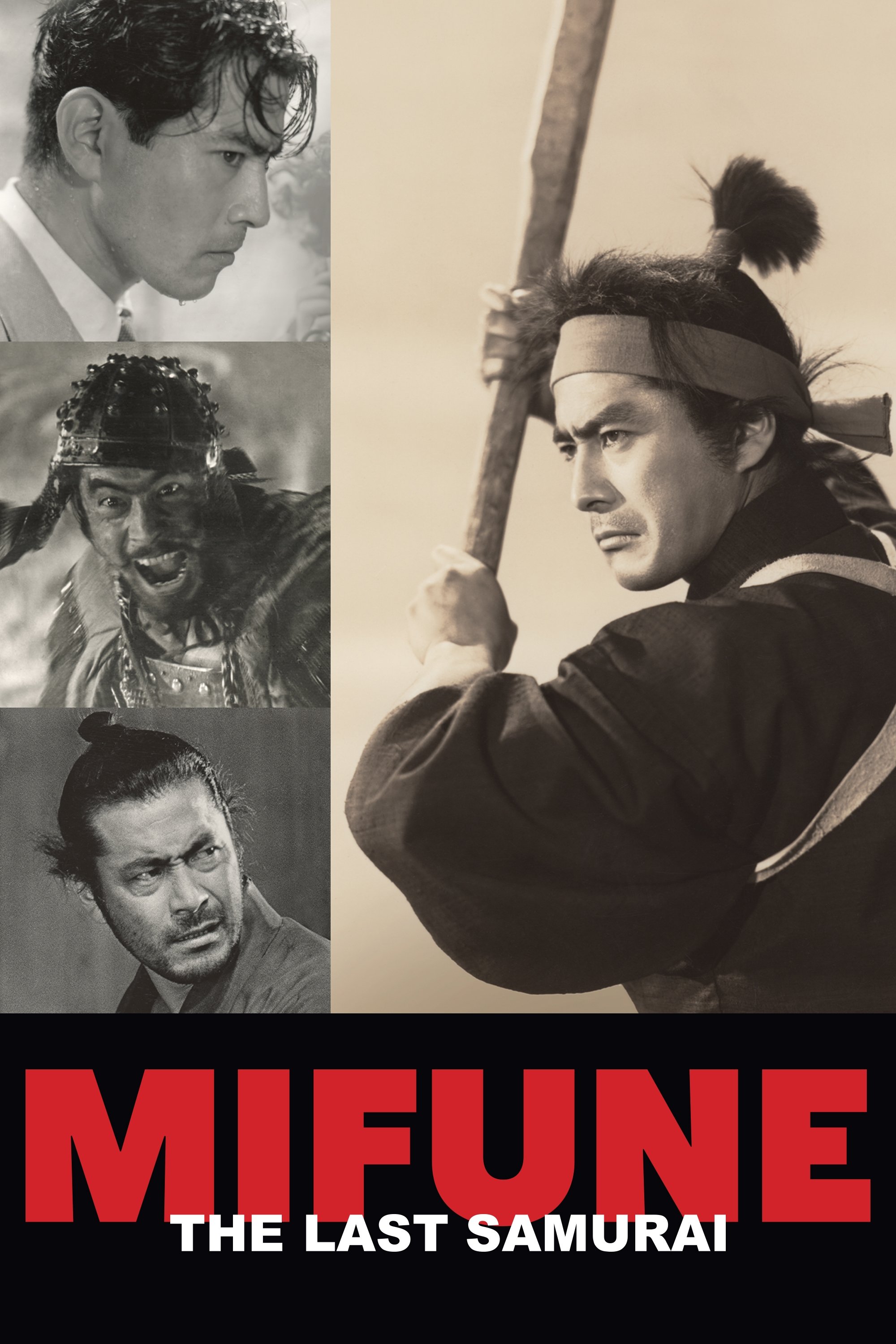
An account of the life and work of legendary Japanese actor Toshirō Mifune (1920-97), the most prominent actor of the Golden Age of Japanese cinema.
The life and career of the hailed Hollywood movie star and underappreciated genius inventor, Hedy Lamarr.
This Oscar-winning documentary recounts the harrowing stories of five Hungarian Jews who endured the horrors of the Holocaust and Hitler's reign.
In 2001, Andrew Bagby, a medical resident, is murdered not long after breaking up with his girlfriend. Soon after, when she announces she's pregnant, one of Andrew's many close friends, Kurt Kuenne, begins this film, a gift to the child.
A tribute to Italian filmmaker Sergio Corbucci (1926-90), presented by American filmmaker Quentin Tarantino.
Oliver Stone charts the history of the United States from the Second World War to the present.
A compilation of over 30 years of private home movie footage shot by Lithuanian-American avant-garde director Jonas Mekas, assembled by Mekas "purely by chance", without concern for chronological order.
BBC Arena's documentary on the Dames of British Theatre and film featuring Maggie Smith, Eileen Atkins, Judi Dench and Joan Plowright on screen together for the first time as they reminisce over a long summer weekend in a house Joan once shared with Sir Laurence Olivier.
A courageous pastor uses his underground network to rescue and aid North Korean families as they risk their lives to embrace freedom.
From the heights of her modeling fame to her tragic death, this documentary reveals Anna Nicole Smith through the eyes of the people closest to her.
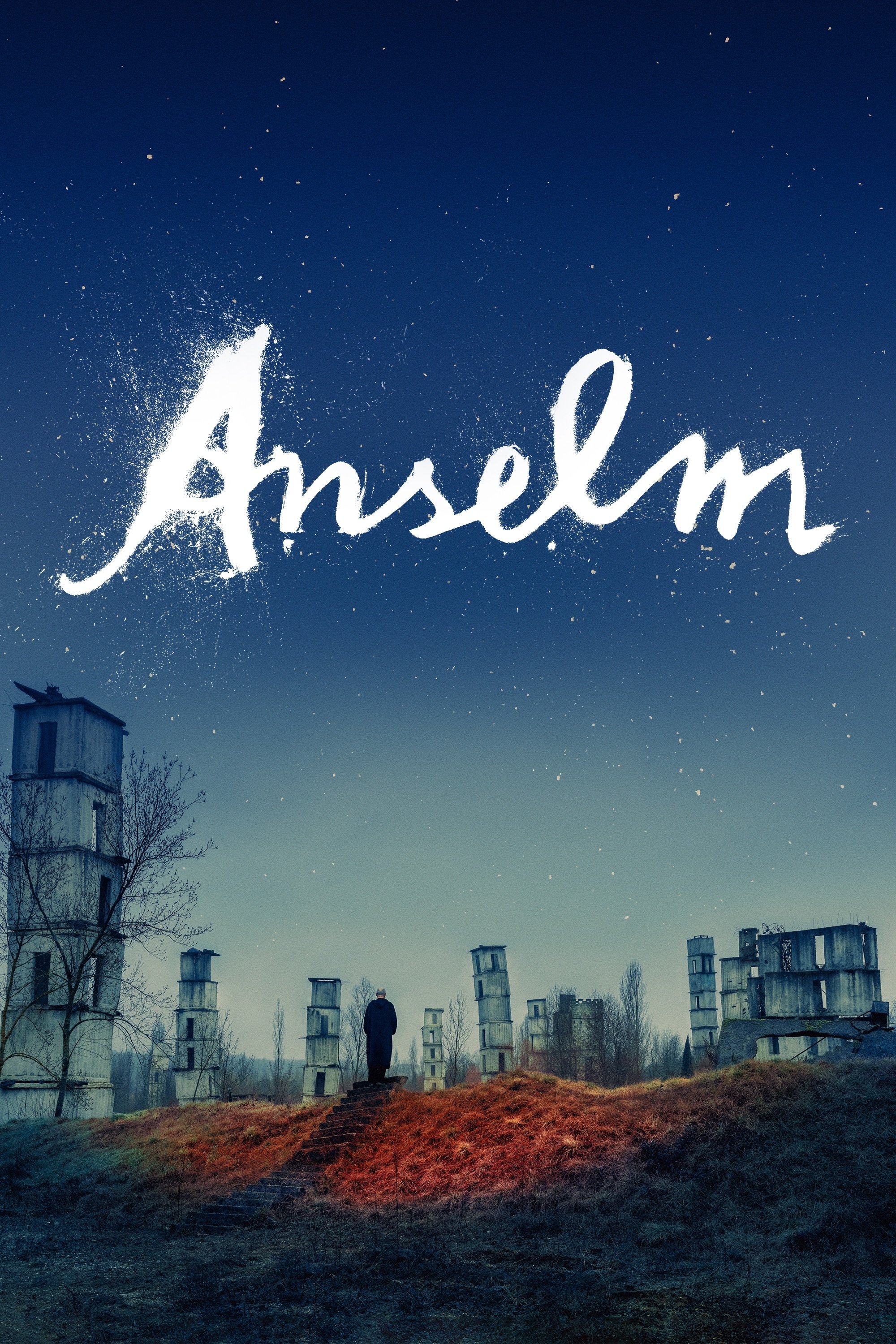
This unique cinematic experience dives deep into an artist’s work and reveals his life path, inspiration, and creative process. It explores his fascination with myth and history. Past and present are interwoven to diffuse the line between film and painting, allowing the audience to be completely immersed in the remarkable world of one of the greatest contemporary artists, Anselm Kiefer. Wim Wenders shot this unique portrait over the course of two years in stunning 3D.
SEDUCED AND ABANDONED combines acting legend Alec Baldwin with director James Toback as they lead us on a troublesome and often hilarious journey of raising financing for their next feature film. Moving from director to financier to star actor, the two players provide us with a unique look behind the curtain at the world's biggest and most glamourous film festival, shining a light on the bitter-sweet relationship filmmakers have with Cannes and the film business. Featuring insights from directors Martin Scorsese, 'Bernando Bertolucci' and Roman Polanski; actors Ryan Gosling and Jessica Chastain and a host of film distribution luminaries.
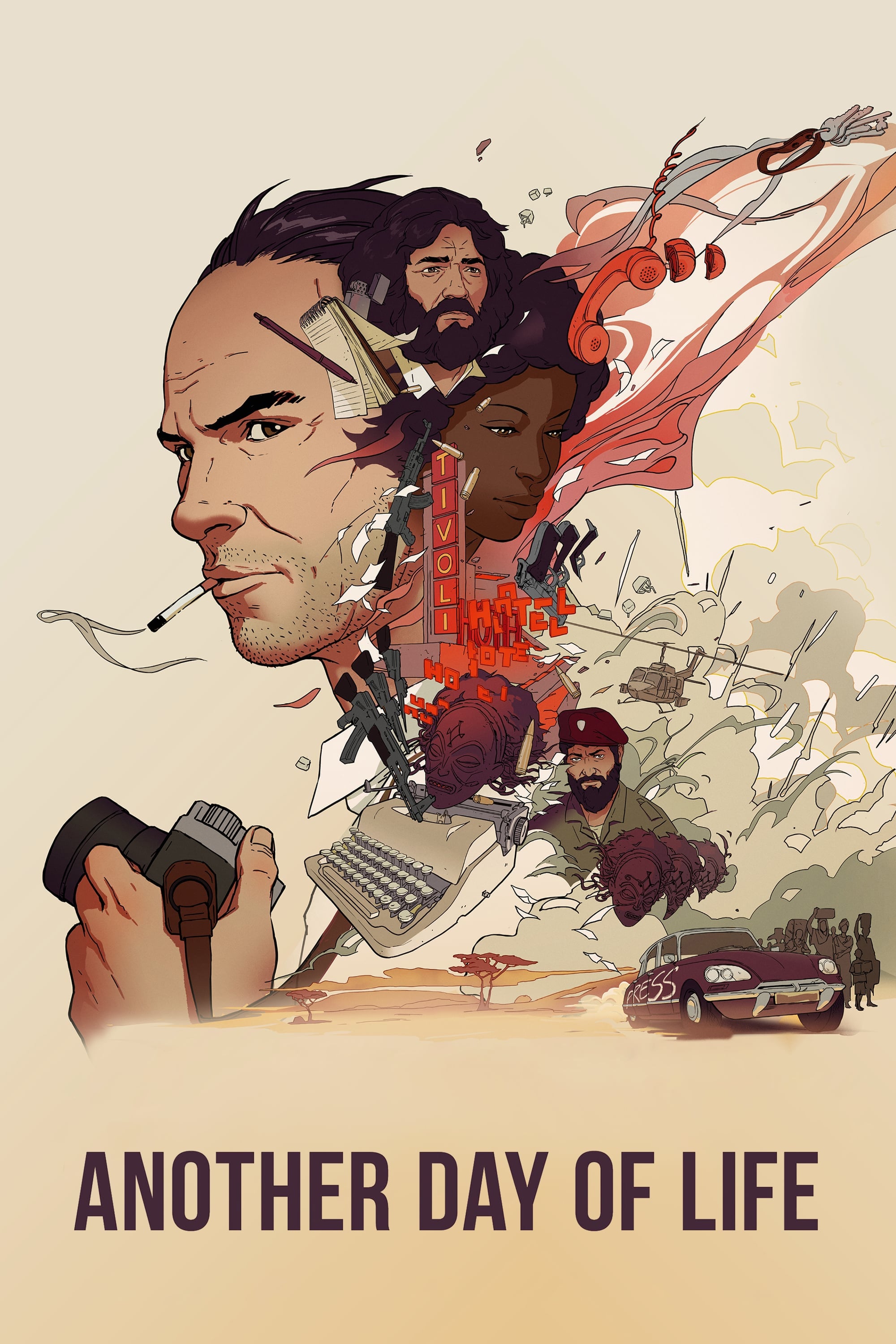
In 1975, Ryszard Kapuściński, a veteran Polish journalist, embarked on a seemingly suicidal road trip into the heart of the Angola's civil war. There, he witnessed once again the dirty reality of war and discovered a sense of helplessness previously unknown to him. Angola changed him forever: it was a reporter who left Poland, but it was a writer who returned…