Social & External
The people behind it
Walter Maestosi
Speaker
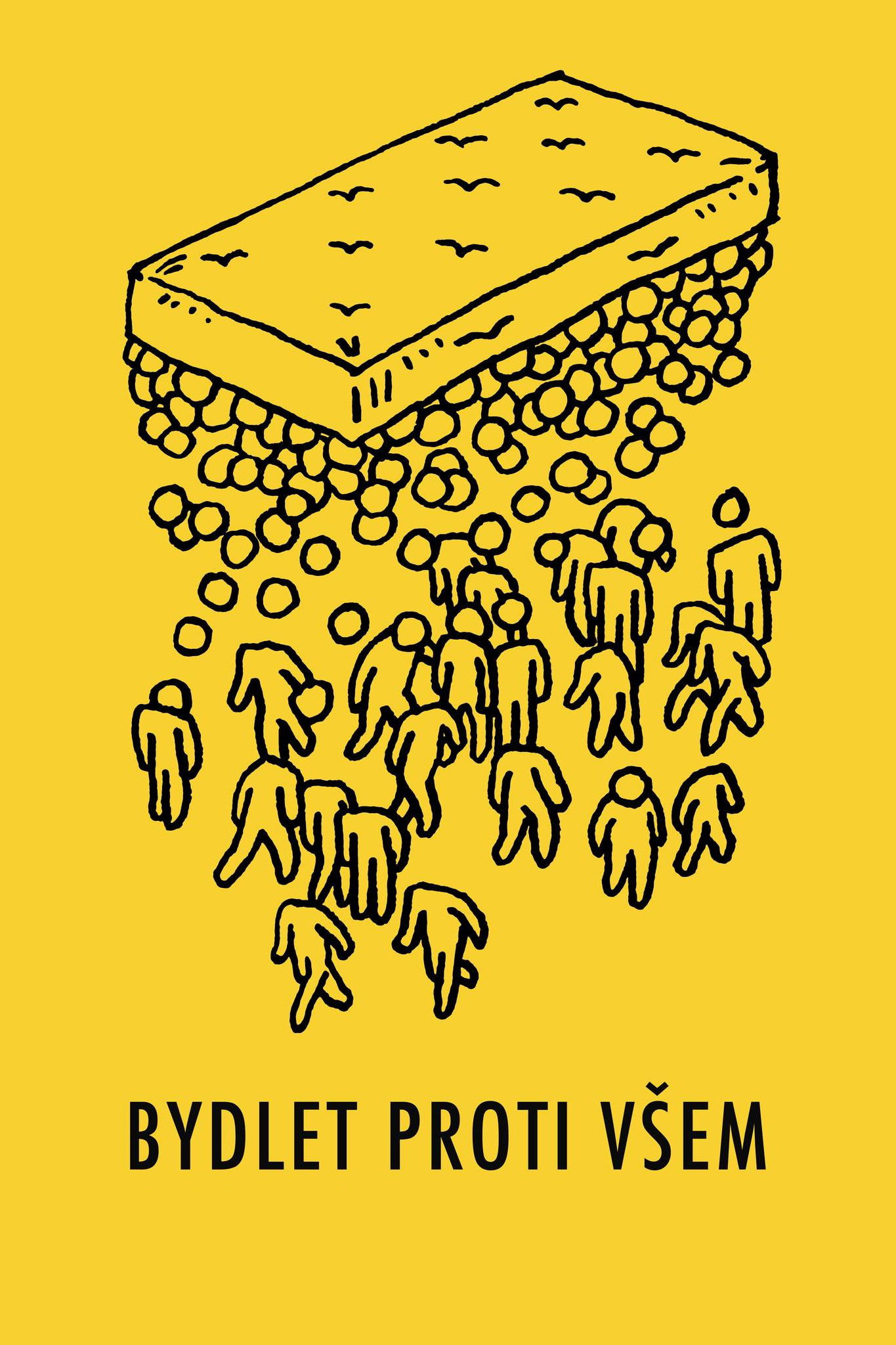
The availability of housing is a big topic today. It has the strongest impact on those who participate least in the public debate – low-income households, minorities or single women. The film follows a group of activists around Martin Freund, a representative and member of the Live Brno movement, as they try to persuade politicians in the second largest Czech city about their vision of affordable housing.
via print and film, love and music, state propaganda and people's archives, five-year plans and Emergency.
The real life story of the events surrounding the fight for and against public housing and racial integration in Yonkers, New York in the 1980s as portrayed in the HBO miniseries Show Me a Hero.
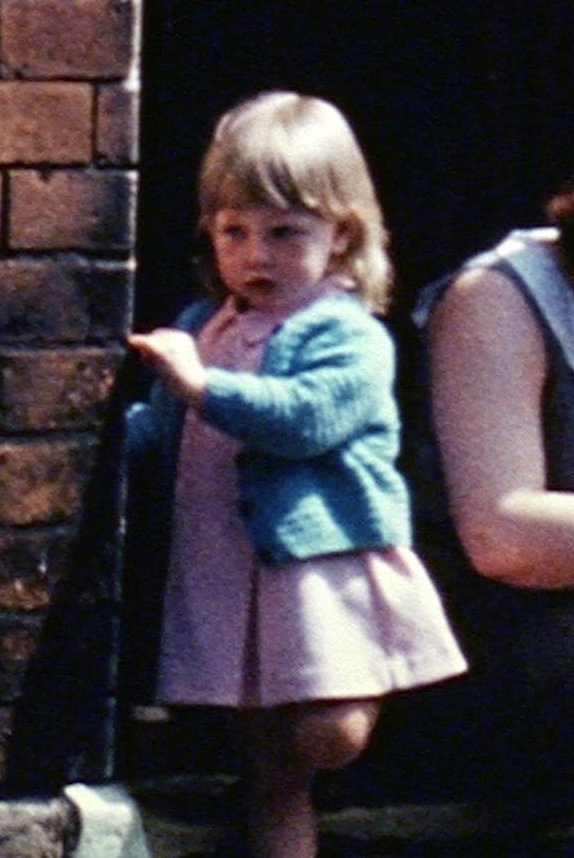
Between 1968 and 1970, J M Goodger, a lecturer at the University of Salford, made a film record of the living conditions in the slums of Ordsall, Salford, which were then in the process of being demolished. Under the title 'The Changing face of Salford', the film was in two parts: 'Life in the slums' and 'Bloody slums'.
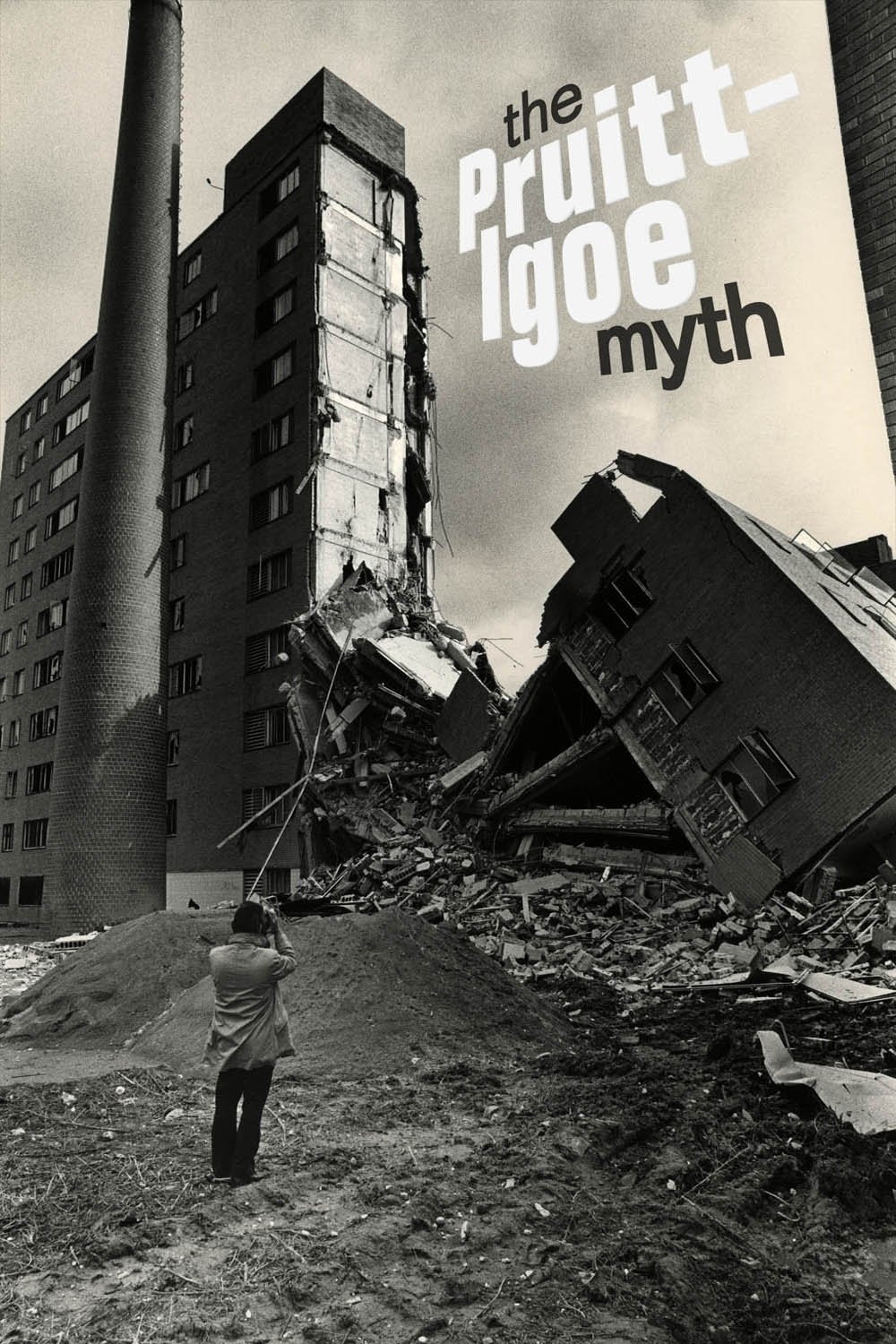
Destroyed in a dramatic and highly-publicized implosion, the Pruitt-Igoe public housing complex has become a widespread symbol of failure amongst architects, politicians and policy makers. The Pruitt-Igoe Myth explores the social, economic and legislative issues that led to the decline of conventional public housing in America, and the city centers in which they resided, while tracing the personal and poignant narratives of several of the project's residents. In the post-War years, the American city changed in ways that made it unrecognizable from a generation earlier, privileging some and leaving others in its wake. The next time the city changes, remember Pruitt-Igoe.
David Jones investigates how 1960s council housing came to be built so poorly that thousands later needed to be demolished.
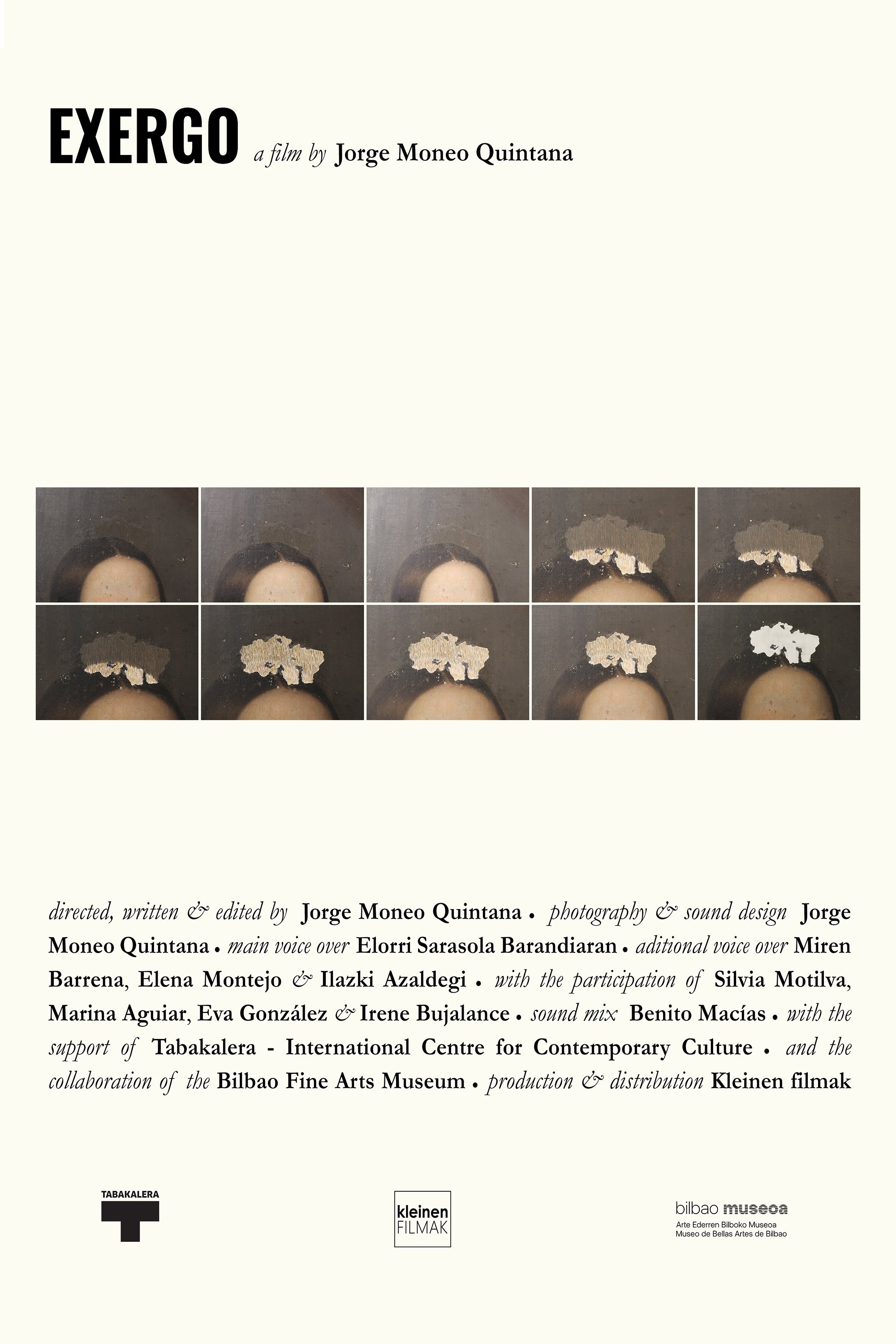
Departing from peripheral details of some paintings of the Bilbao Fine Arts Museum, a female narrator unravels several stories related to the economic, social and psychological conditions of past and current artists.
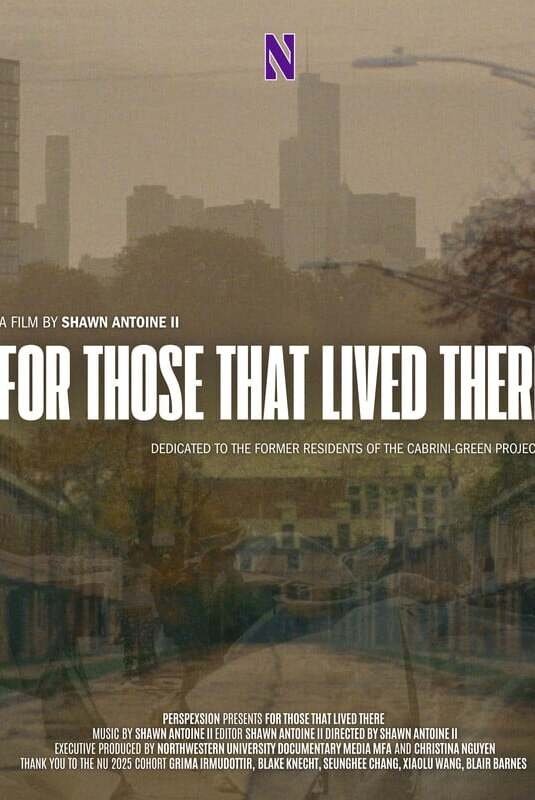
Amidst the ivy-draped remnants of once-notorious public housing projects, FOR THOSE THAT LIVED THERE weaves a visual tapestry, navigating the poignant impacts of gentrification, the displacement of Black legacies, and the emergent migrant narratives. Against Chicago's ever-evolving skyline, this evocative exploration immerses audiences into the soul of a neighborhood transformed.
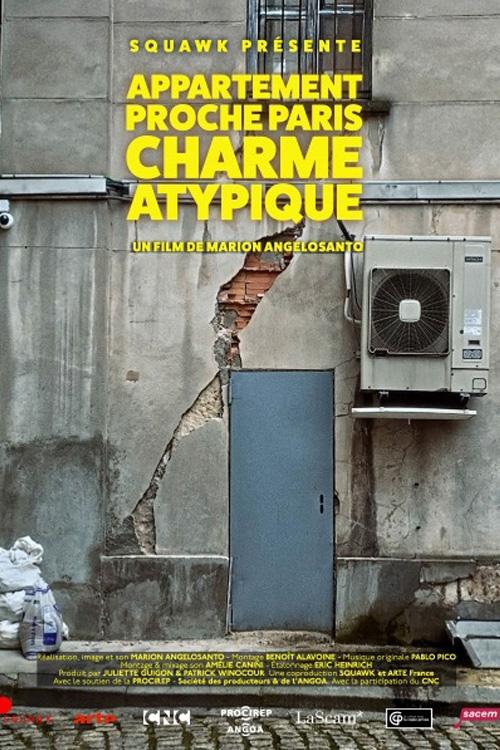
Five floors. Forty apartments. Rats, leaks and debts. In Pantin, I live in a building with a danger order. Under court order, we have to renovate it. Between Dantesque arguments, missing money and humor as a fire extinguisher, I film our collective rescue.
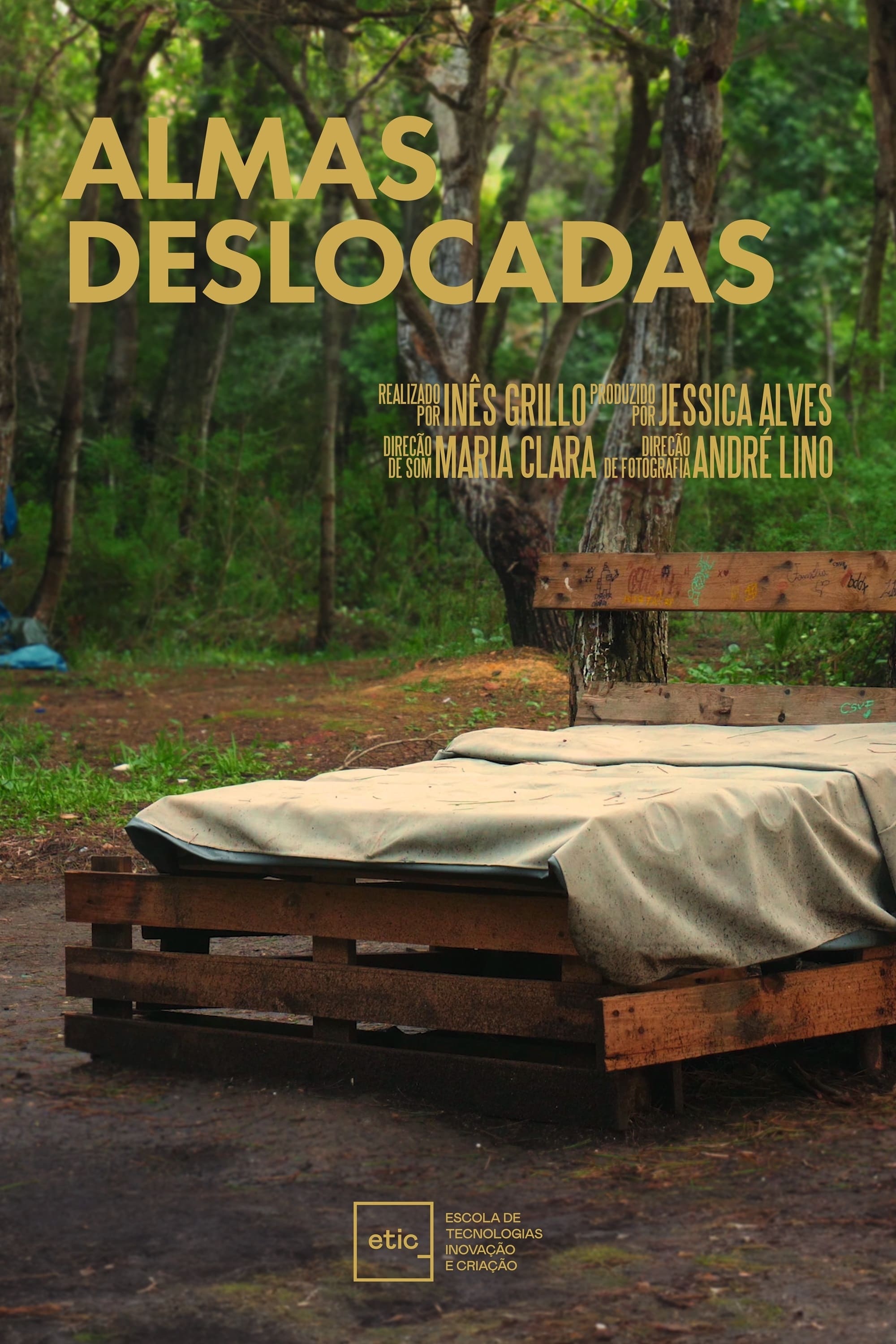
Located in Carcavelos, Quinta Nova de Santo António, or Quinta dos Ingleses, as it is recognized by the population, shelters a small community of people affected by the housing crisis. Natives and immigrants, deprived of a roof over their heads, carry on with their lives in search of better opportunities and a breeze of change. Guided by residents' voices, this documentary is based on the adaptability of human beings in the face of life's adversities and their constant pursue of happiness.
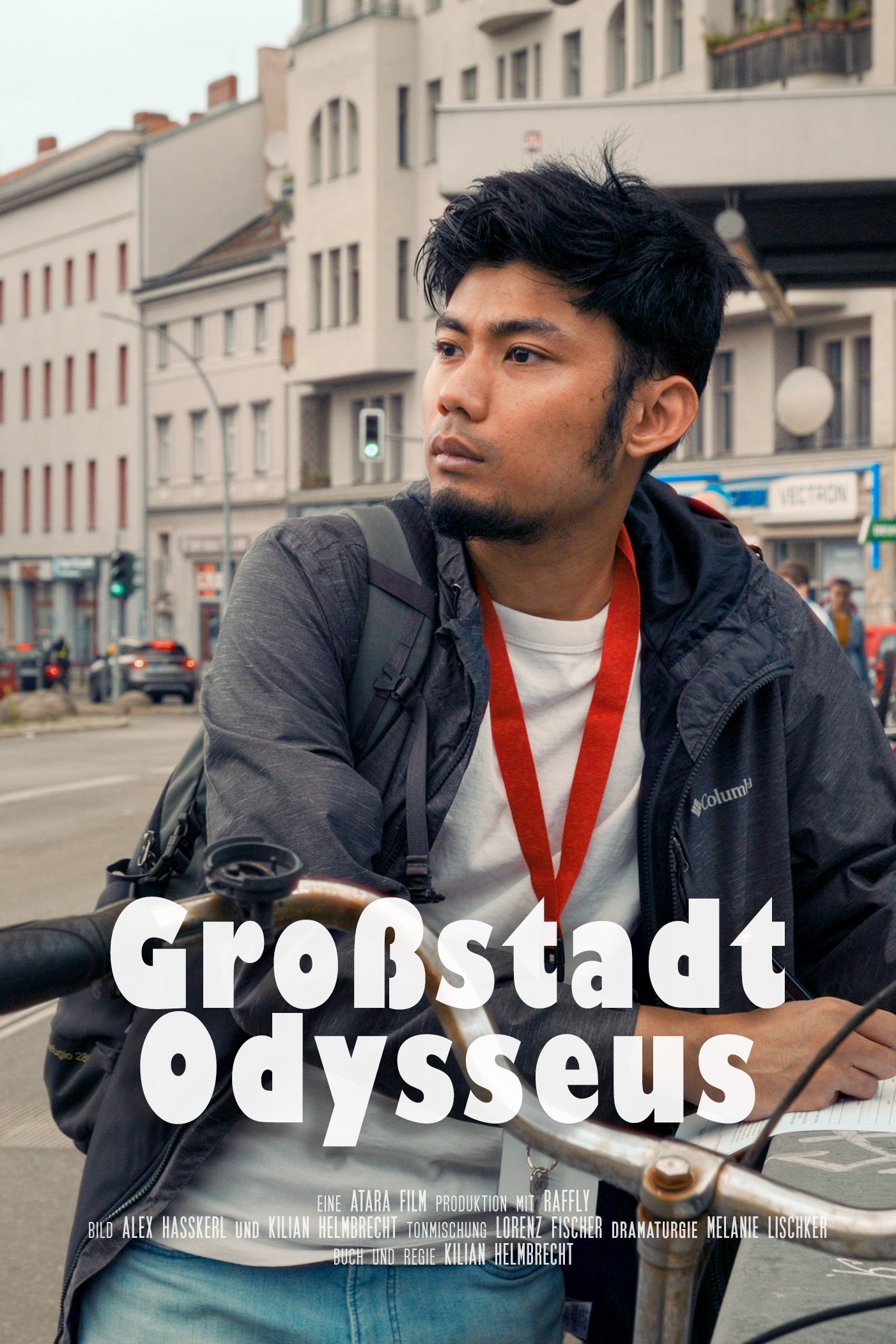
Successfully completed your studies - now what? Raffly already has a lucrative job offer from a large German company, but neither an apartment nor a work permit.
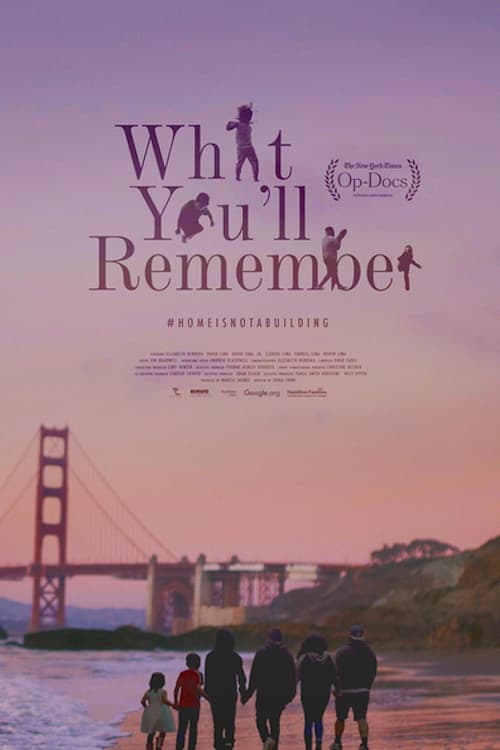
Homelessness in the United States takes many forms. For Elizabeth Herrera, David Lima and their four children, housing instability has meant moving between unsafe apartments, motels, relatives’ couches, shelters, the streets and their car. After 15 years of this uncertainty, the family moved into their first stable housing — an apartment in the San Francisco Bay Area — in the midst of the coronavirus pandemic.
Cranes and Voices explores the evocative power of sound through the experiences of people who hear voices and a collective of sound investigators, tenants documenting their neighborhood. By bringing together listening experiences, housing, and creative practices, the film approaches sound as an ambivalent force, questioning our ability to listen—to the city, to others, and to ourselves.
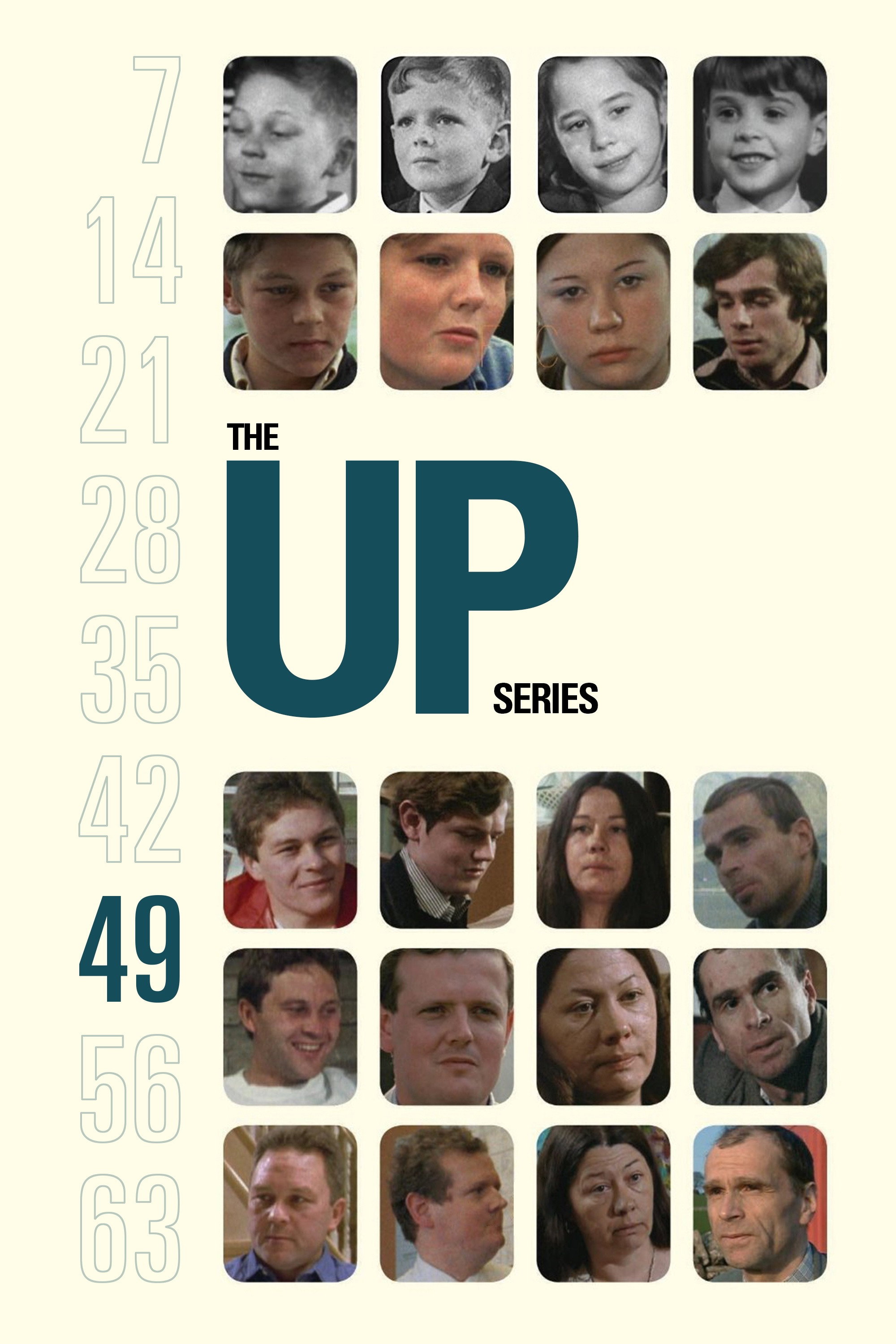
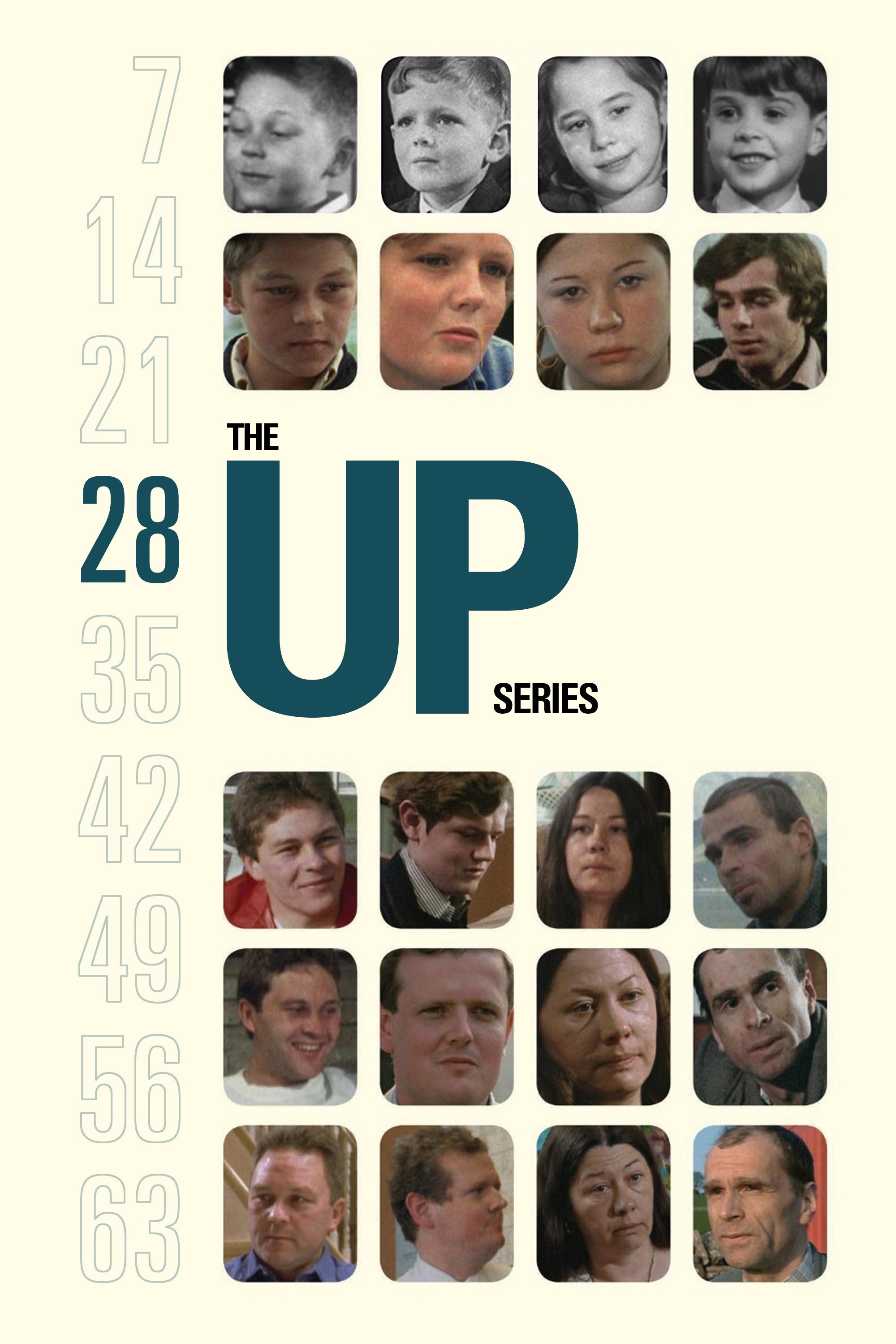
49 Up is the seventh film in a series of landmark documentaries that began 42 years ago when UK-based Granada's World in Action team, inspired by the Jesuit maxim "Give me the child until he is seven and I will give you the man," interviewed a diverse group of seven-year-old children from all over England, asking them about their lives and their dreams for the future. Michael Apted, a researcher for the original film, has returned to interview the "children" every seven years since, at ages 14, 21, 28, 35, 42 and now again at age 49.In this latest chapter, more life-changing decisions are revealed, more shocking announcements made and more of the original group take part than ever before, speaking out on a variety of subjects including love, marriage, career, class and prejudice.
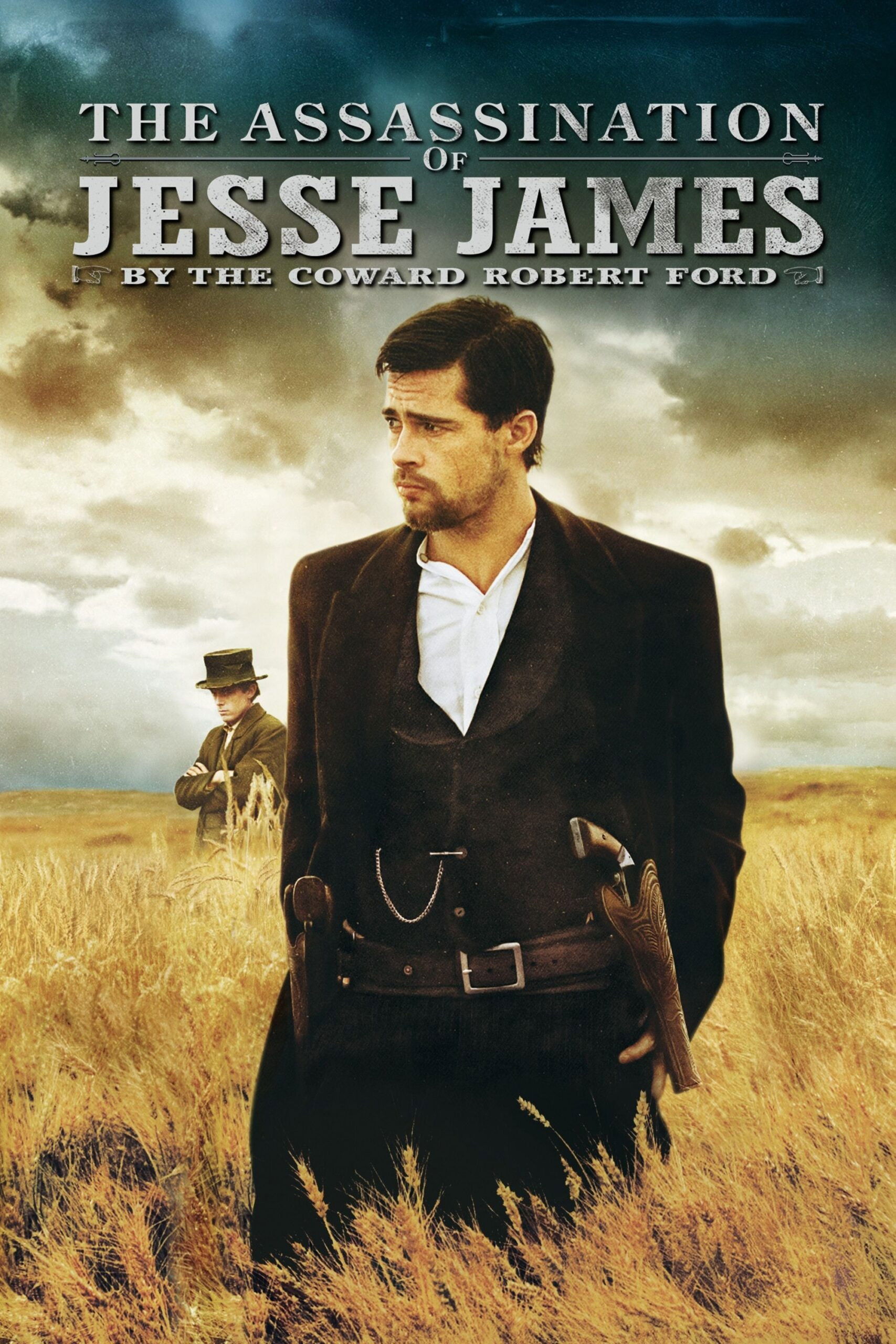
Explores the true story of the notorious Jesse James, how the myth developed during his lifetime, and how the legends have persisted over 100 years after his death at the hands of his former friend, Robert Ford.
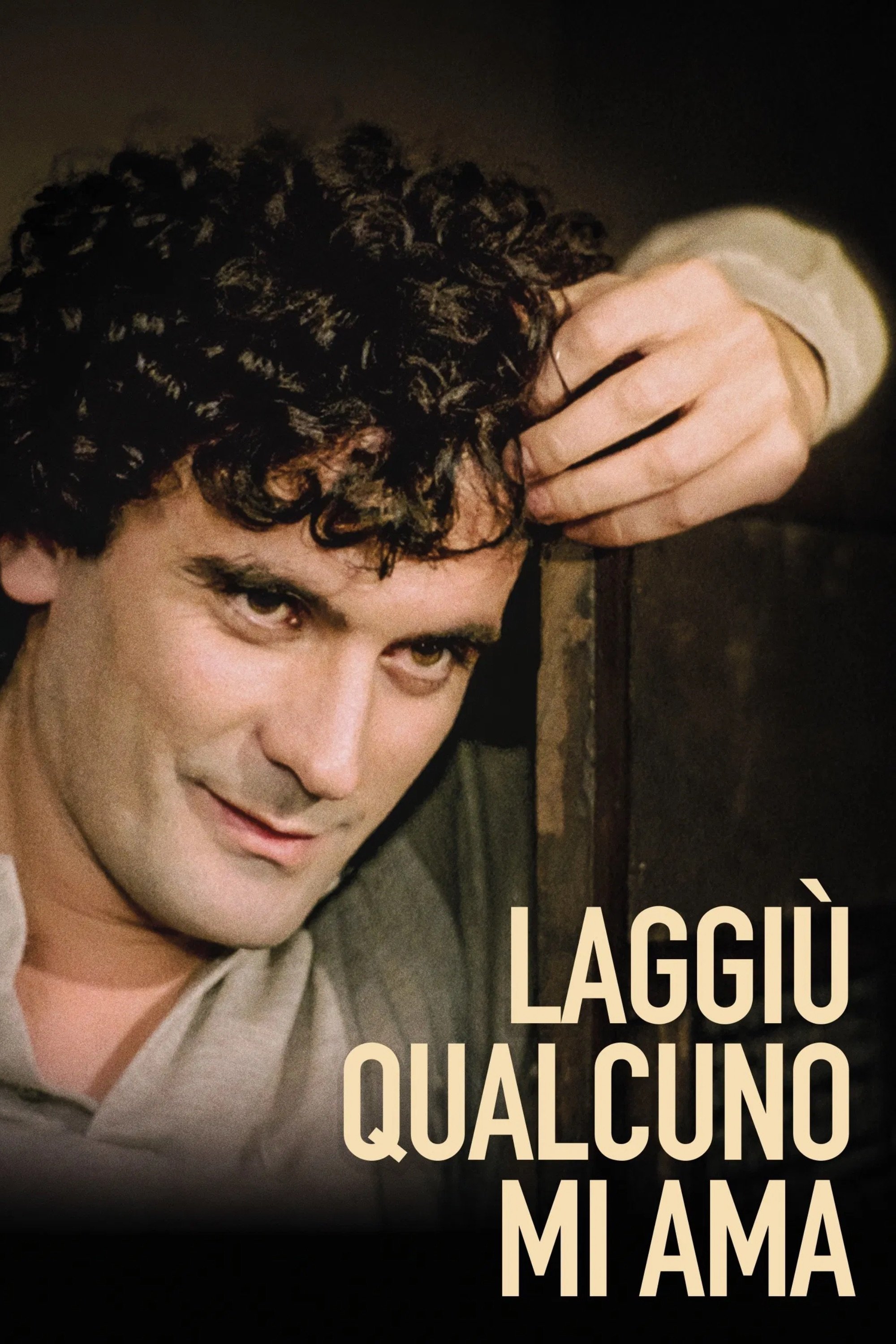
The life of a dying young man at the short age of only forty-one after playing the lead in Il postino. He was a brilliant stage actor before becoming an astonishing film director.
A visual montage portrait of our contemporary world dominated by globalized technology and violence.
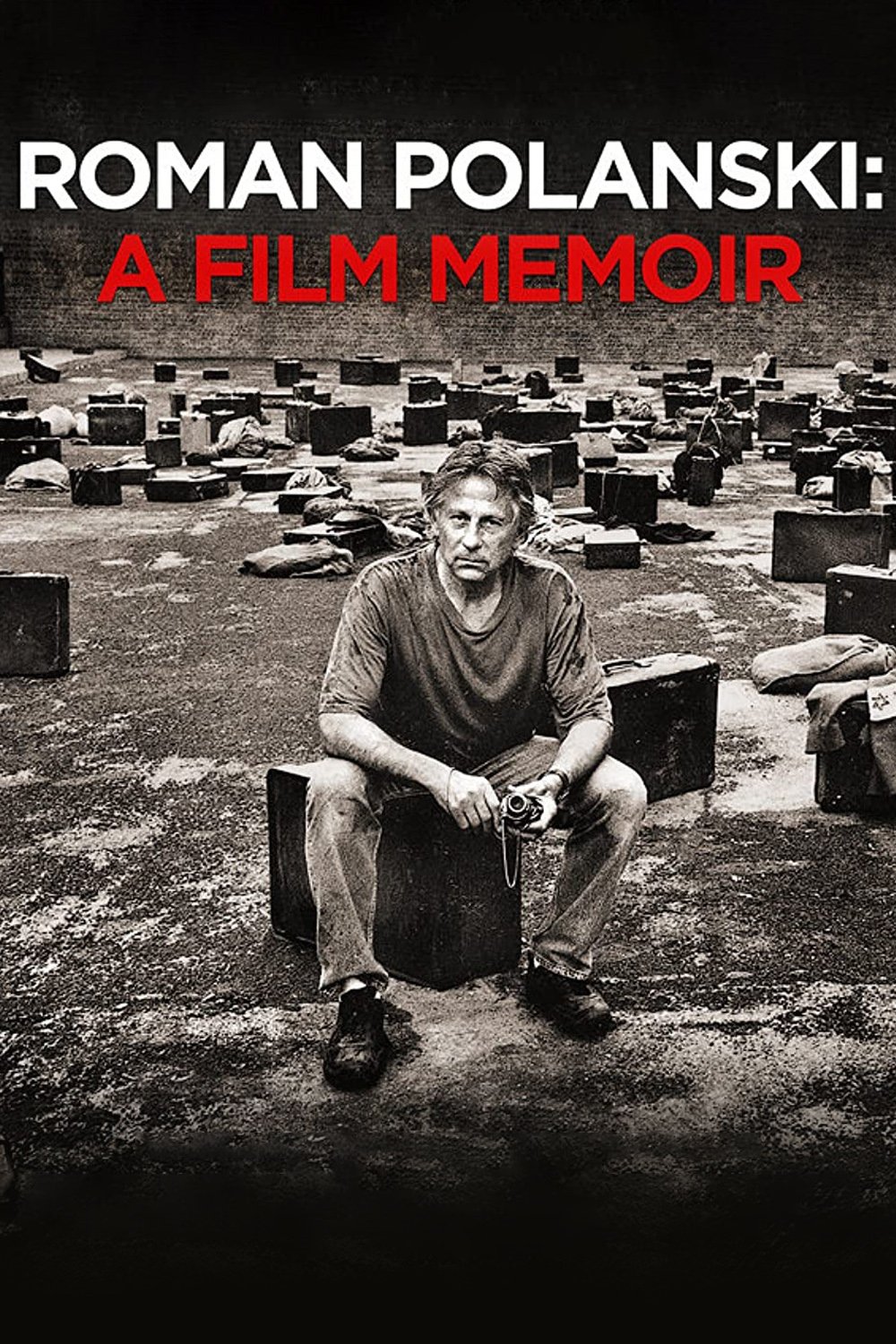
An interview with film director Roman Polanski conducted during his period of house arrest, discussing his life and work.
Naples, Trajan's district. Initially it was intended for the inhabitants of the shantytowns on the seafront of Naples, who were homeless after the war. But it soon became a kind of ghetto. Alessandro and Pietro are two teenagers who film with an iPhone to tell their difficult neighborhood, their daily life, the friendship that binds them.
Through deeply personal interviews with her siblings and an examination of the photographs, letters, and belongings left behind, Mariska assembles a new portrait of her mother Jayne Mansfield, an extraordinary and complex woman.
In an intimate and joyful story of love in the face of loss, celebrated poets Andrea Gibson and Megan Falley find strength—and unexpected hilarity—in what might be their final year together.
An inside look at one of the most anticipated movie sequels ever with James Cameron and cast.
Alex Gibney explores the charged issue of pedophilia in the Catholic Church, following a trail from the first known protest against clerical sexual abuse in the United States and all way to the Vatican.
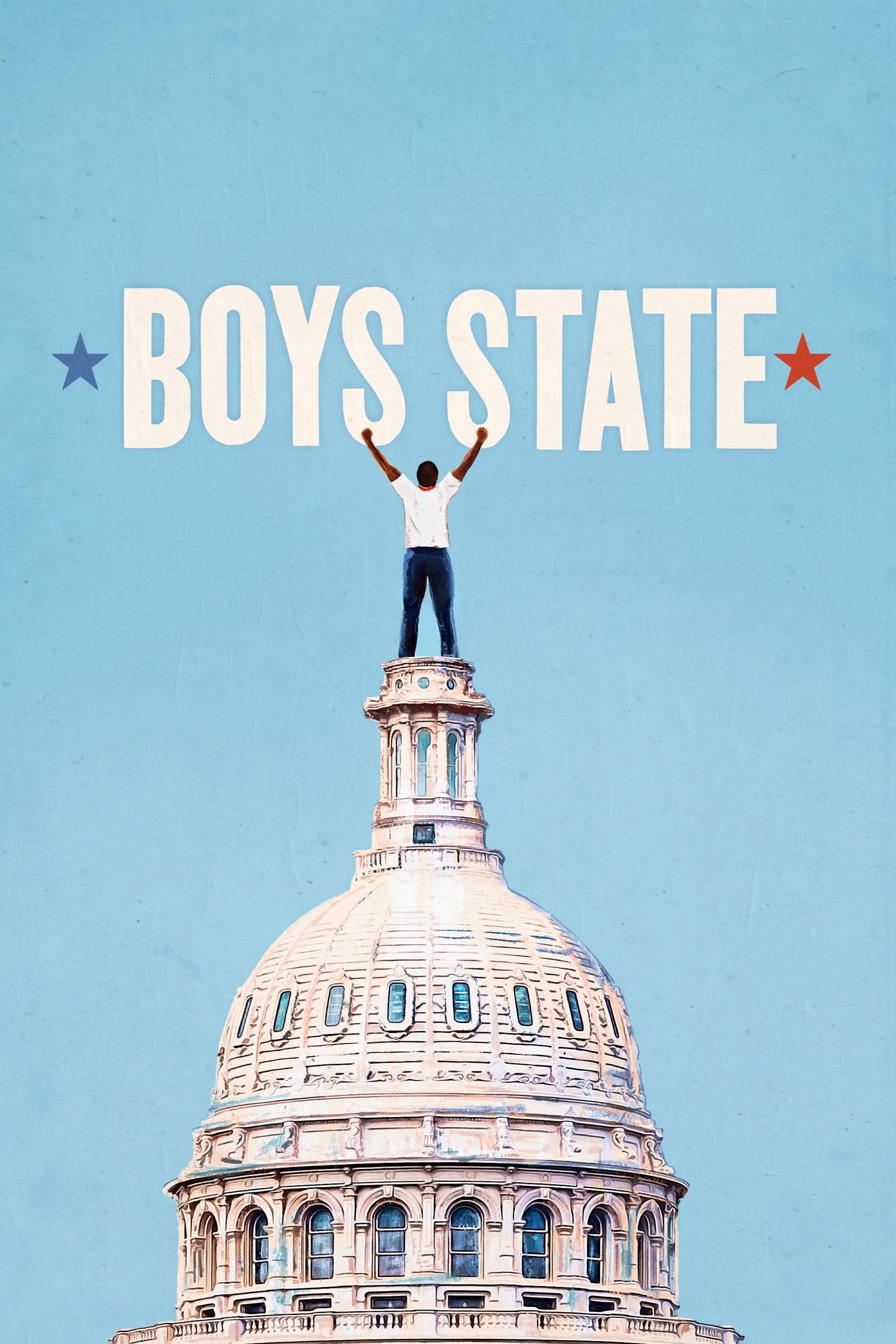
This raucous journey into the heart of democracy captures an unusual rite of passage: 1,100 teenage boys from across Texas coming together to build a representative government from the ground up.
Just two years away from turning 30, participants in Michael Apted's documentary series are facing serious questions of identity and purpose, wondering whether they've found their place in the world.
Amber Heard and Nicole Kidman discuss their characters Mera and Atlanna.
A string of threatening emails escalates into a revenge plot involving a newly married US marshal and his ex-girlfriend.
A detailing of the rise to prominence and global sporting superstardom of six supremely talented young Manchester United football players (David Beckham, Nicky Butt, Ryan Giggs, Paul Scholes, Phil and Gary Neville). The film covers the period 1992-1999, culminating in Manchester United's European Cup triumph.
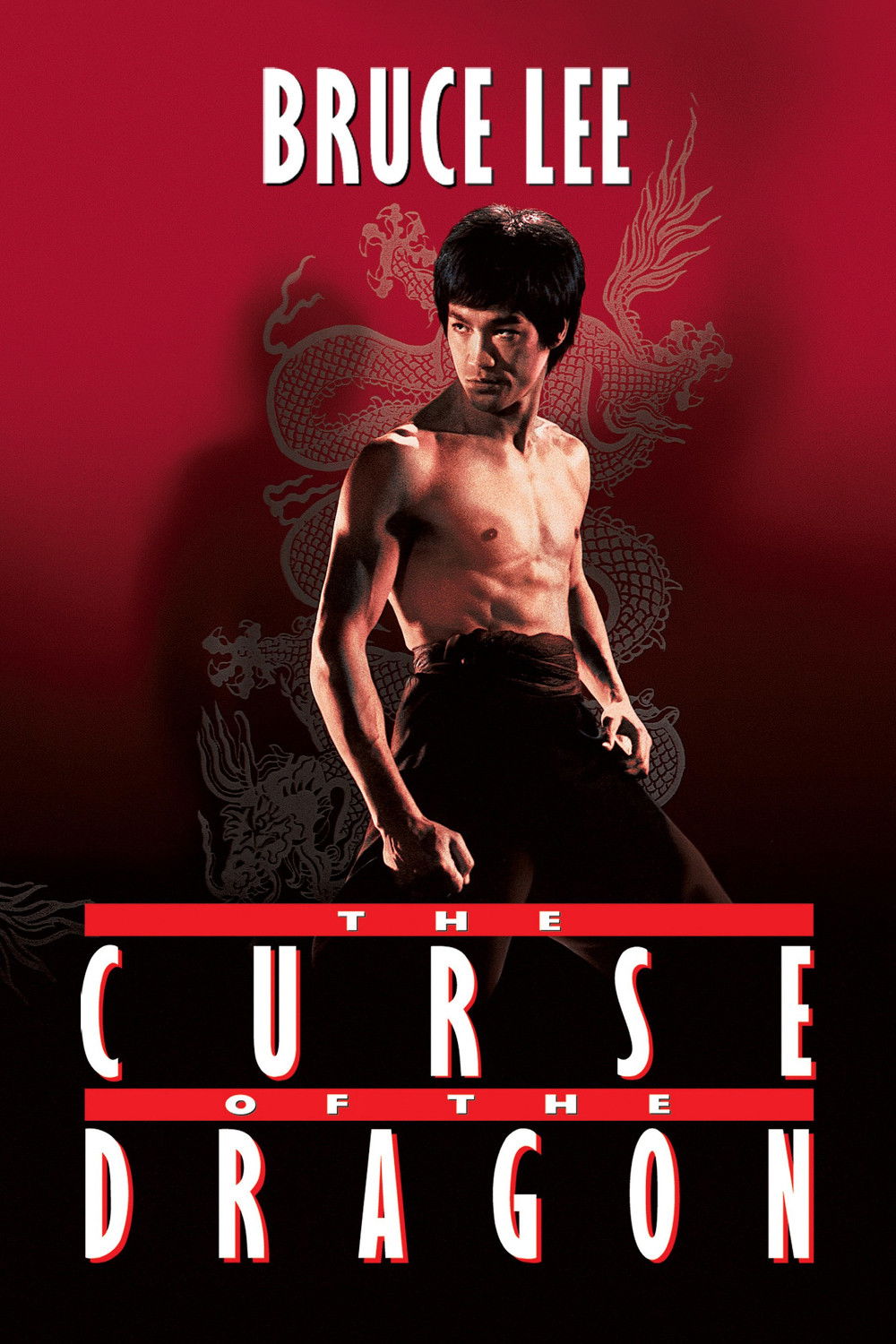
A 1993 documentary film about Bruce Lee. The film includes interviews from some of his fellow students and opponents who worked alongside him in his movies.
A documentary on the expletive's origin, why it offends some people so deeply, and what can be gained from its use.
A documentary about the life and films of director John Ford.
The special focuses on how Star Wars is relevant today and the history that inspired it, and also makes various connections to Greek mythology. It consists of several interviews with well-known politicians, journalists, and critics, along with historical content and clips from all six of the Star Wars movies.
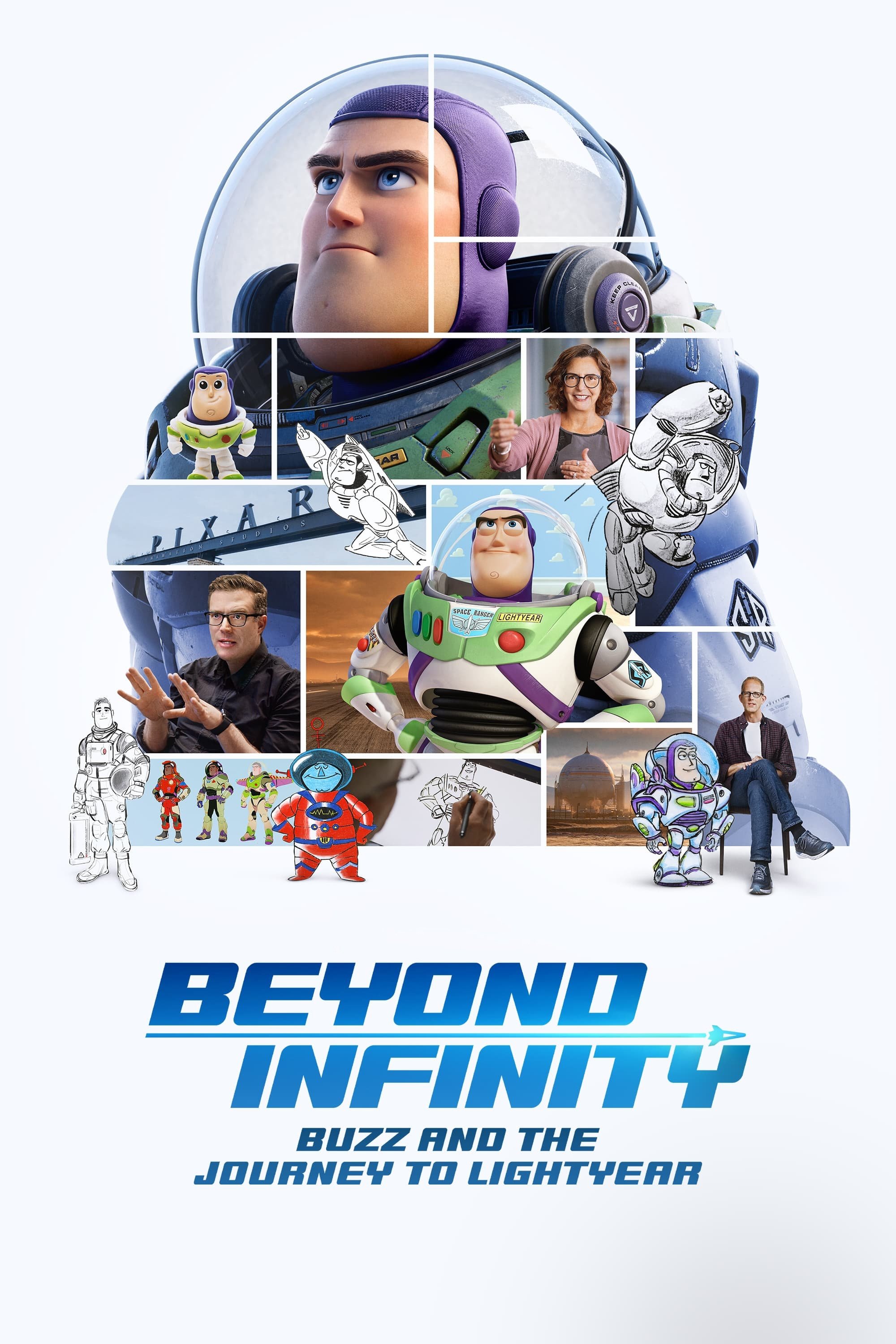
Explore the evolution of Buzz Lightyear from toy to human in the making of Pixar’s Lightyear. Dive into the origin and cultural impact of everyone’s favorite Space Ranger, the art of designing a new “human Buzz,” and the challenges faced by the Lightyear crew along the way.