Social & External
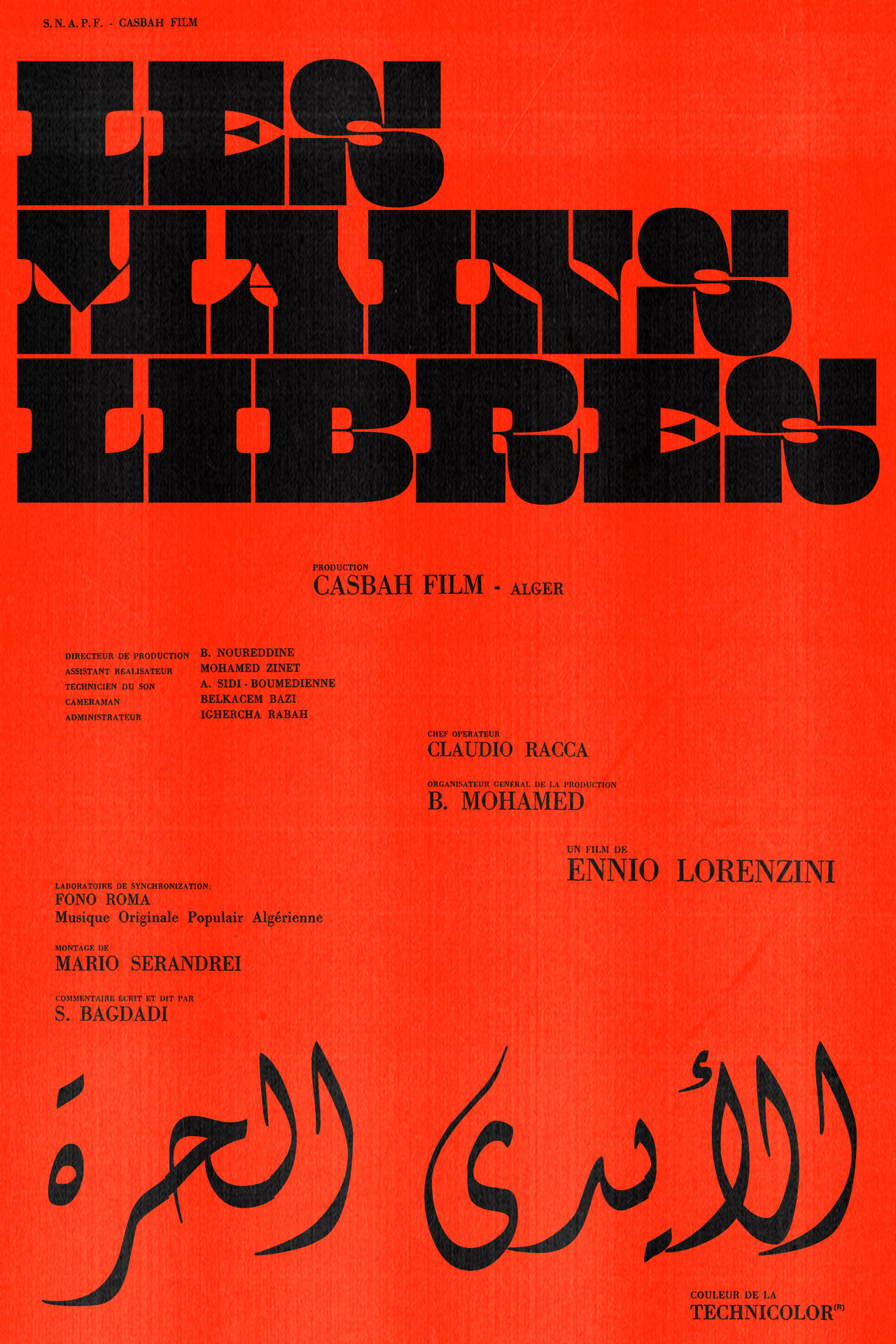
In 1964, Algeria, just two years after the end of the war of independence, found itself catapulted into new contradictions, a still rural territory which responded to the modernity brought by the revolution. Filmed during the winter of 1964-1965 by the young director Ennio Lorenzini, it is the first international Algerian production which paints a rare portrait in color of a multifaceted nation, far from the simplistic vision created by the press and the French army. Produced by Casbah Film, Les Mains Libres (initially titled Tronc De Figuier) bears witness to the stigmata of colonization and the future of free Algeria throughout the Algerian territory and reveals the richness of its landscapes and the diversity of its traditions . The documentary, using the aesthetics of militant cinema of the time, is made up of four scenes: Sea and Desert, The Struggle, The Earth, Freedom.
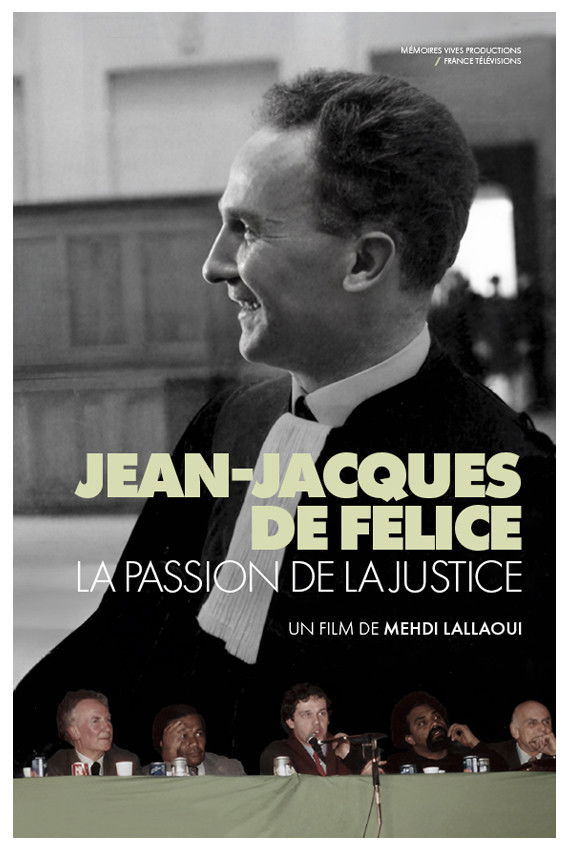
From the rights of minors before the juvenile court, young offenders from the neighborhoods of eastern Paris, or children of Algerian origin from the shantytowns of Nanterre, to the defense of colonized Kanaks and Polynesians; from the fight for conscientious objector status to the denunciation of torture and the death penalty, lawyer Jean-Jacques de Félice has been involved in every struggle. His pacifism knows no bounds: with organizations like Cimade, LDH, and the Louis-Lecoin Committee, he assists draft dodgers in numerous countries. These include Portuguese conscientious objectors refusing to fight in the wars in Angola and Mozambique, American deserters opposed to the Vietnam War, and Israeli objectors refusing to serve in the Occupied Territories. It is no surprise that, as early as 1971, he was one of the very first lawyers representing the farmers of the Larzac plateau.
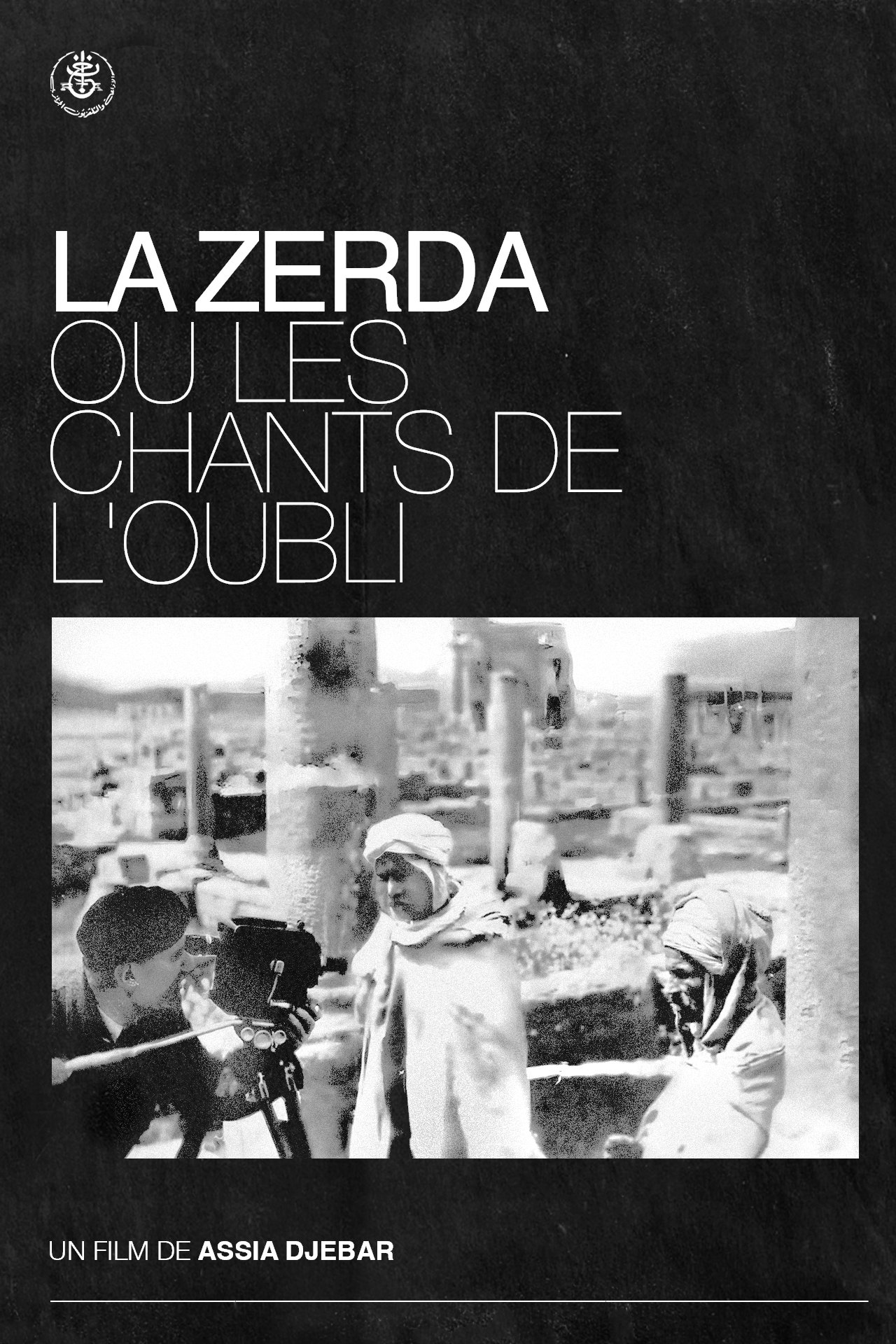
“La Zerda and the songs of oblivion” (1982) is one of only two films made by the Algerian novelist Assia Djebar, with “La Nouba des femmes du mont Chenoua” (1977). Powerful poetic essay based on archives, in which Assia Djebar – in collaboration with the poet Malek Alloula and the composer Ahmed Essyad – deconstructs the French colonial propaganda of the Pathé-Gaumont newsreels from 1912 to 1942, to reveal the signs of revolt among the subjugated North African population. Through the reassembly of these propaganda images, Djebar recovers the history of the Zerda ceremonies, suggesting that the power and mysticism of this tradition were obliterated and erased by the predatory voyeurism of the colonial gaze. This very gaze is thus subverted and a hidden tradition of resistance and struggle is revealed, against any exoticizing and orientalist temptation.
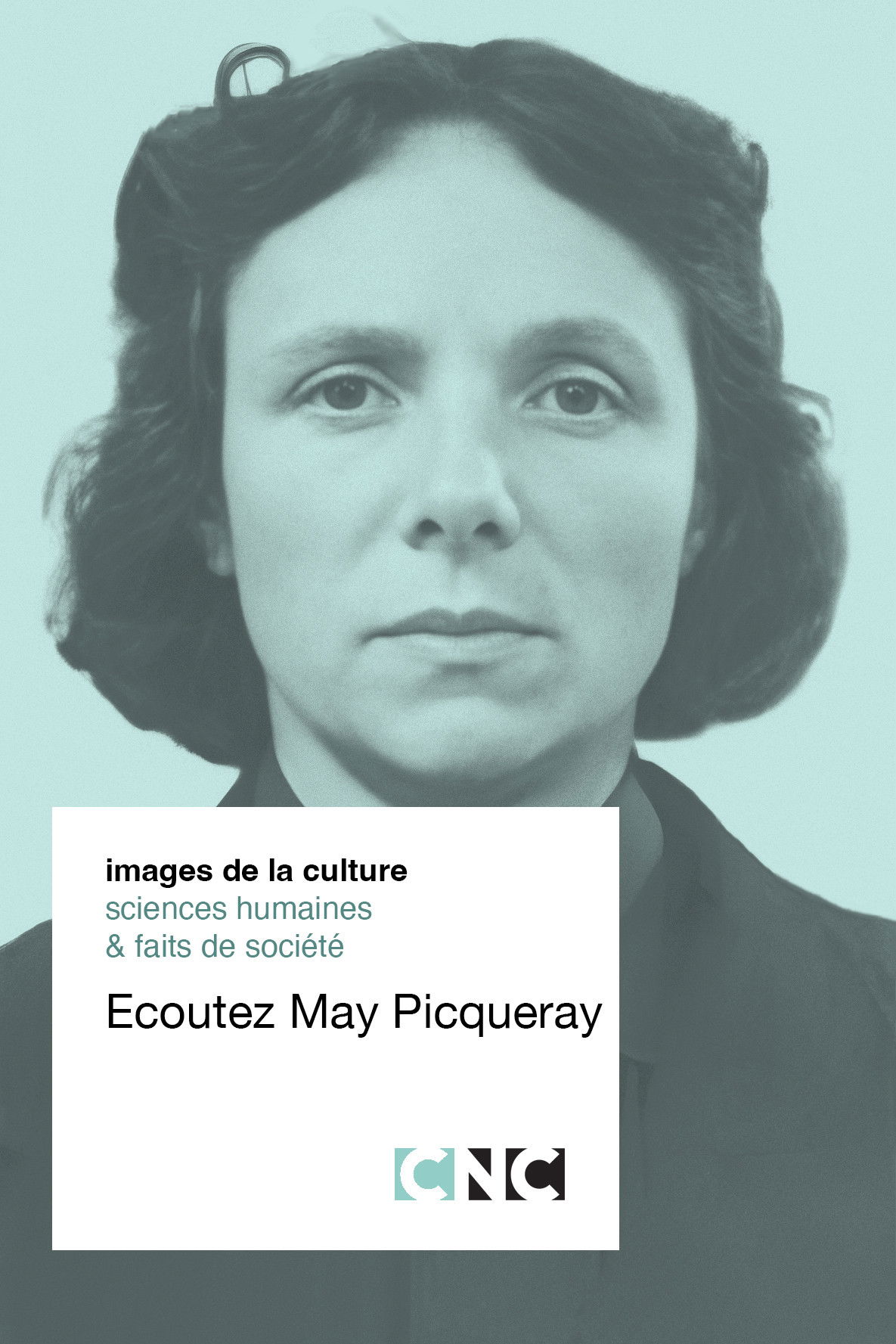
"Well, I believe in anarchy! And I believe it will come true one day." That's what "May the Rebel," a union activist, anti-militarist, and anarchist, always ready to denounce oppression and defend victims, affirms at 85. Born in Brittany, she earned her living at age 10 delivering butter. In Paris, at 20, she became involved with the Anarchist Union. Sébastien Faure became her mentor. She used a grenade to trigger the Sacco-Vanzetti affair. A union delegate in Moscow in 1922, she sang "Hymn to Anarchy" before Trotsky. Children during the Spanish Civil War, Jews during the Second World War, conscientious objectors alongside Louis Lecoin during the Algerian War, and later, through her newspaper Le Réfractaire, the Larzac, Plogoff, and Creys-Malville protests—all these were battlegrounds for May Picqueray. To the very end, she remained true to her commitment to defending peace and individual liberties.
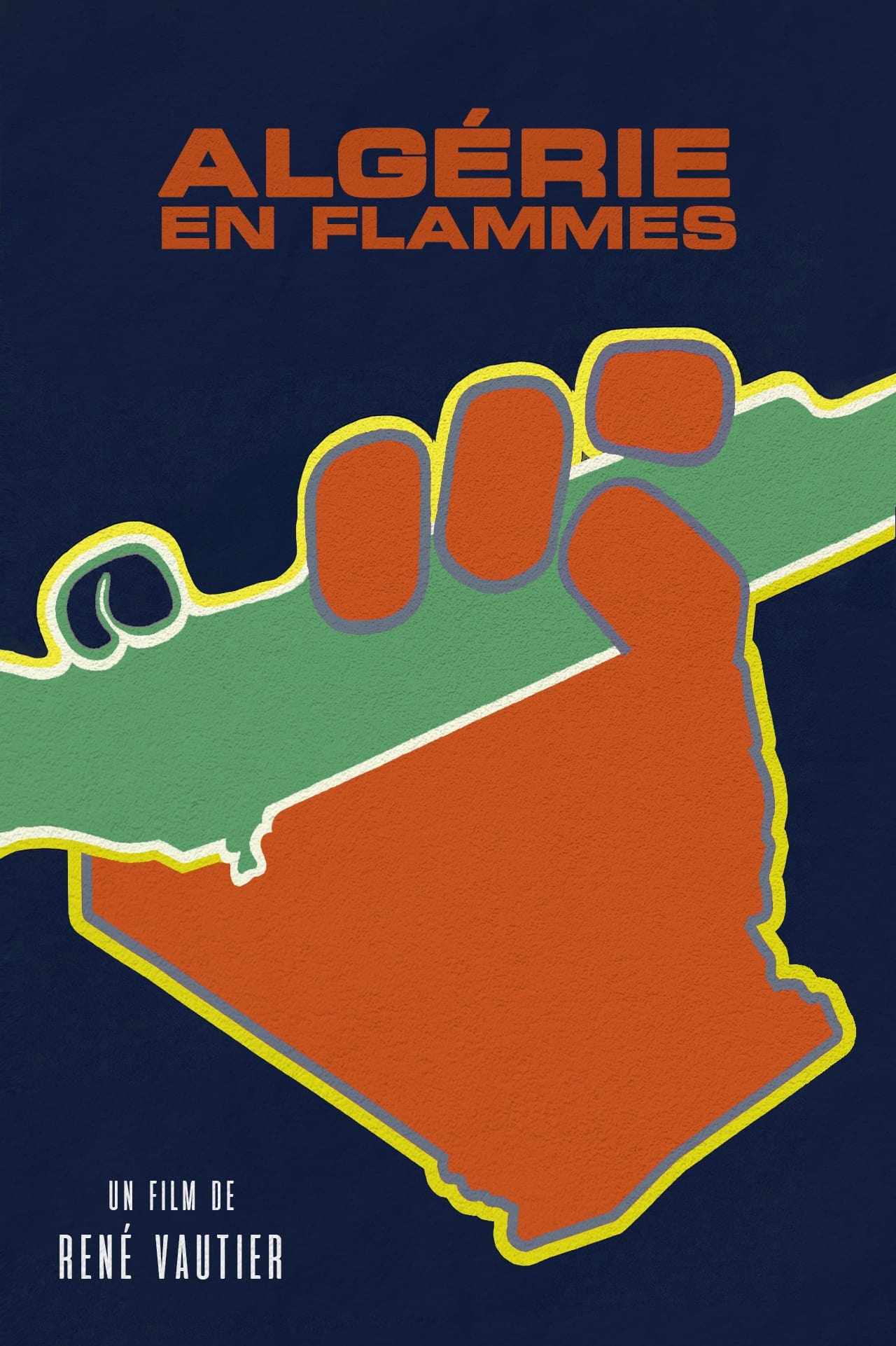
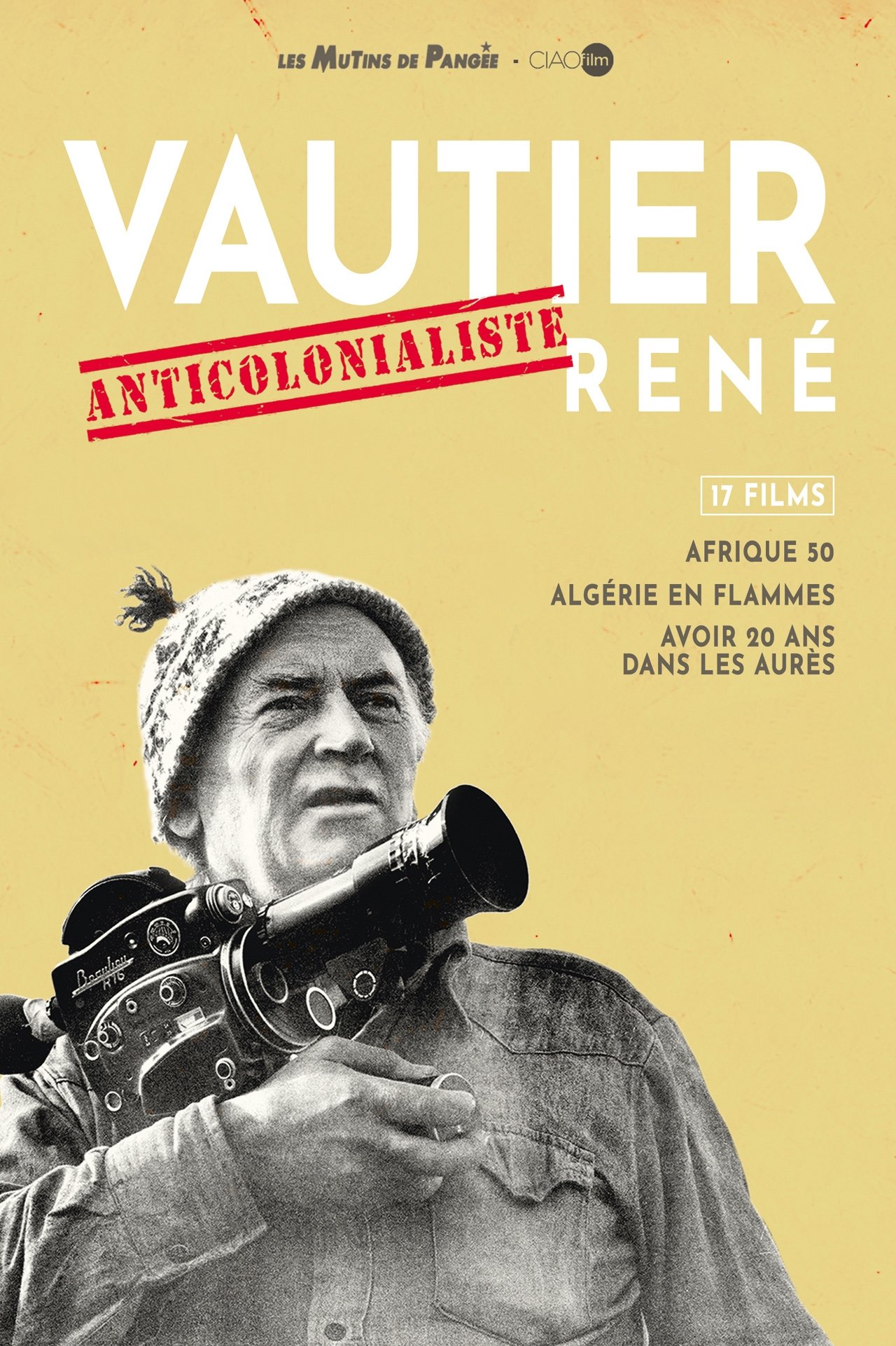
These are the first images shot in the ALN maquis, camera in hand, at the end of 1956 and in 1957. These war images taken in the Aurès-Nementchas are intended to be the basis of a dialogue between French and Algerians for peace in Algeria, by demonstrating the existence of an armed organization close to the people. Three versions of Algeria in Flames are produced: French, German and Arabic. From the end of the editing, the film circulates without any cuts throughout the world, except in France where the first screening takes place in the occupied Sorbonne in 1968. Certain images of the film have circulated and are found in films, in particular Algerian films. Because of the excitement caused by this film, he was forced to go into hiding for 25 months. After the declaration of independence, he founded the first Algerian Audiovisual Center.
A film poem in four parts following the first four days after Algeria's independence in 1962. Footage of the nationwide celebrations is intercut with footage shot among the fighters of the Algerian Army of National Liberation, refugees exiled to the mountains of Tunisia and Morocco, and ordinary people from the towns and villages of Algeria.
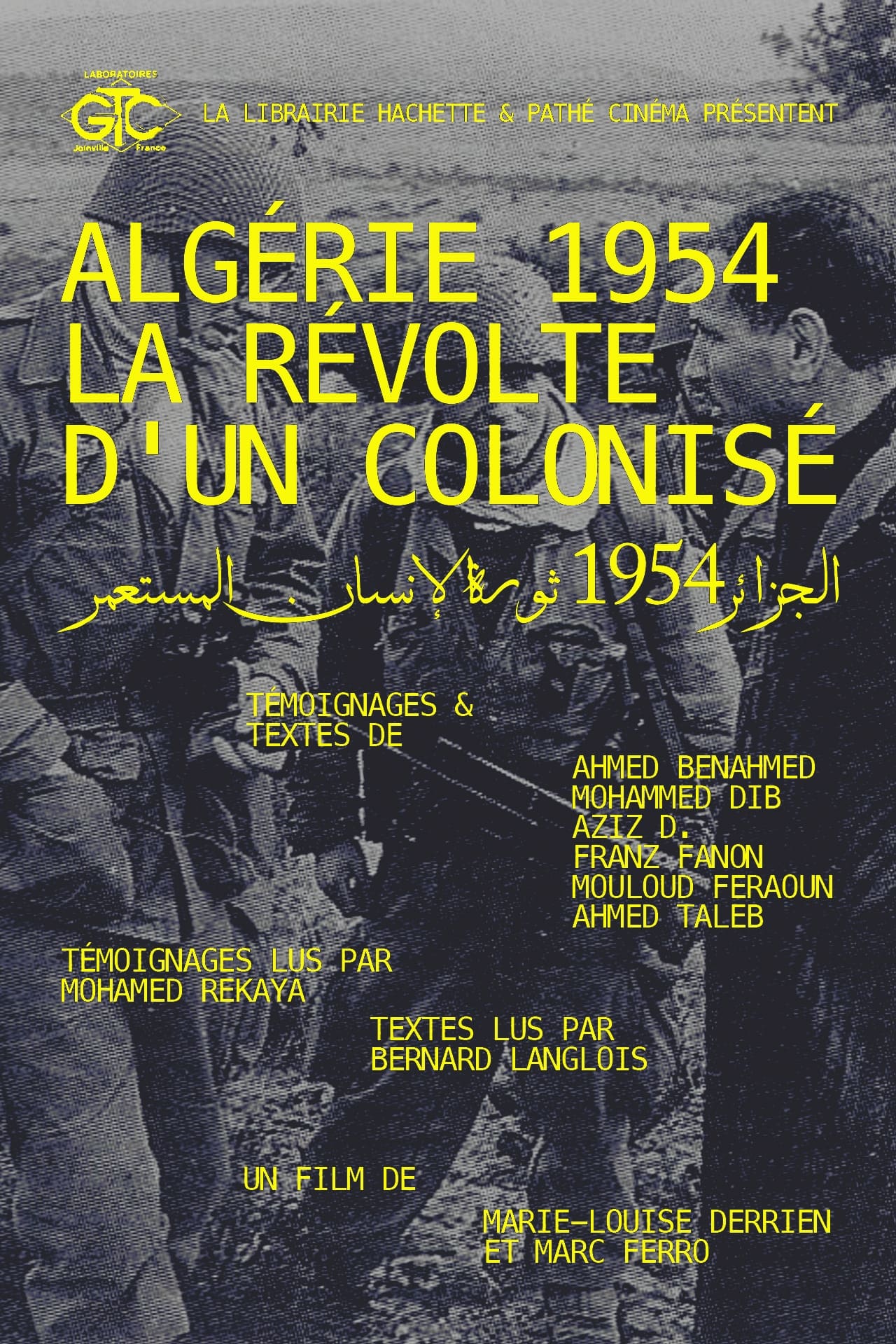
This film presents the point of view of an Arab from Algeria who rebels against colonization. He analyzes the process of awareness, the transition to revolt, to armed insurrection. Algeria and the settlers are seen through this lens and not the way a Frenchman saw the country. He gives voice to the Arabs at a time when this word was not heard: sometimes it was not even produced, at least publicly. The testimonies are based on real propositions, most of them were made to the author during his stay in Algeria from 1948 to 1956, then in 1958 and 1959. The comments are borrowed from the texts of Arab theorists of the revolution Algerian. This film thus completely evacuates the point of view of those who are not insurgents; he does not give the opinion of the colonists. It is the direct expression of what was the revolt of a colonized person: it thus constitutes the very type of the historical document.
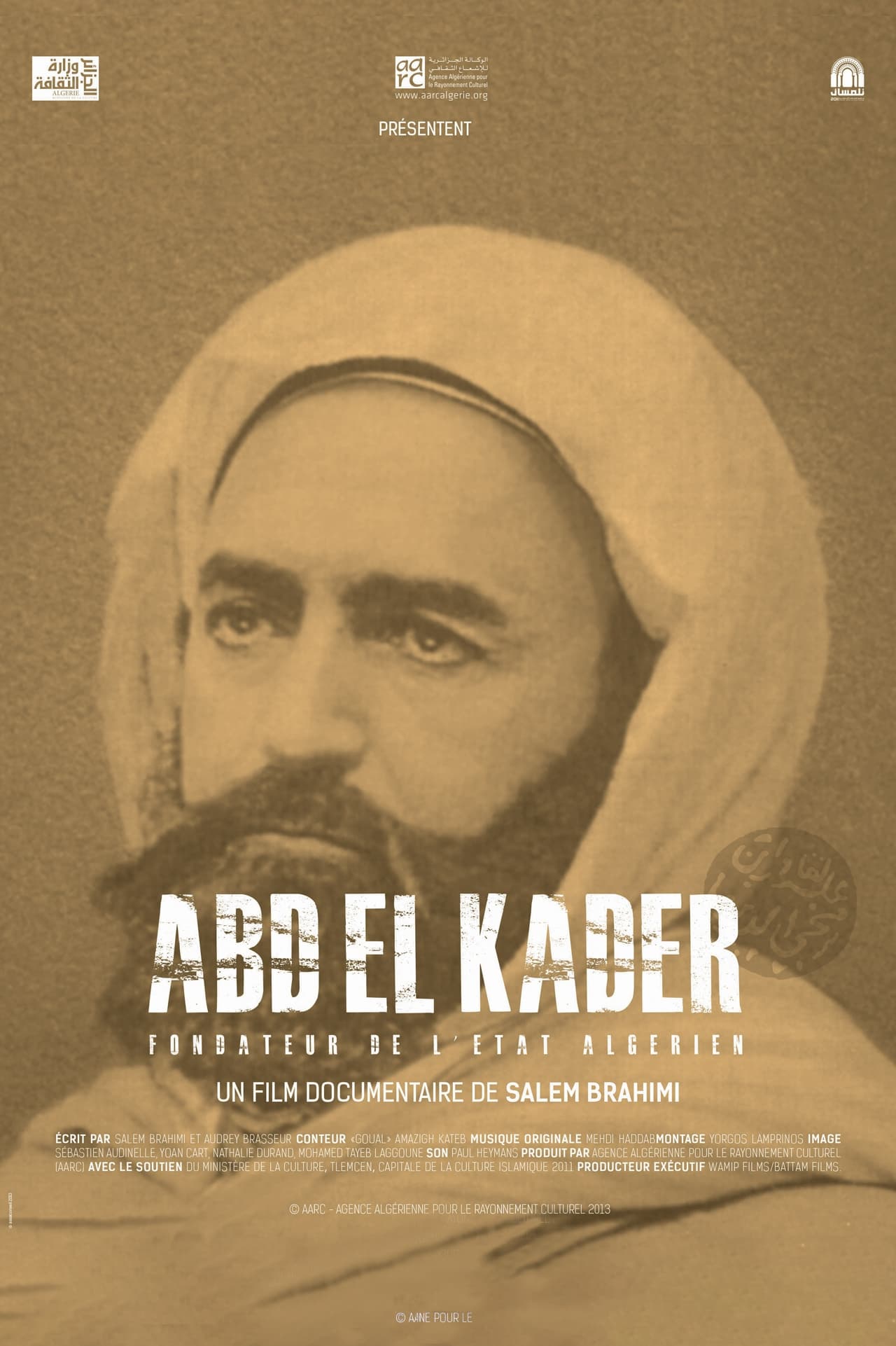
Illustrated with archival photographs, animations and live action, this film explores the history and historical and spiritual heritage of Emir Abd El-Kader. Algerian leader of the 19th century, was admired by Abraham Lincoln and celebrated to this day by the Red Cross as a great humanitarian. Emir Abd el-Kader, the man who challenged the French armies from 1832 to 1847 before creating the bases of a real Algerian state, is today considered by independent Algeria as one of the most outstanding figures. of its history. The nobility of his attitude after his capture and the very effective protection he brought to the Christians of Damascus at the end of his life also earned him great prestige among his former adversaries. A documentary told in dialectal Arabic by the voice of Amazigh Kateb.
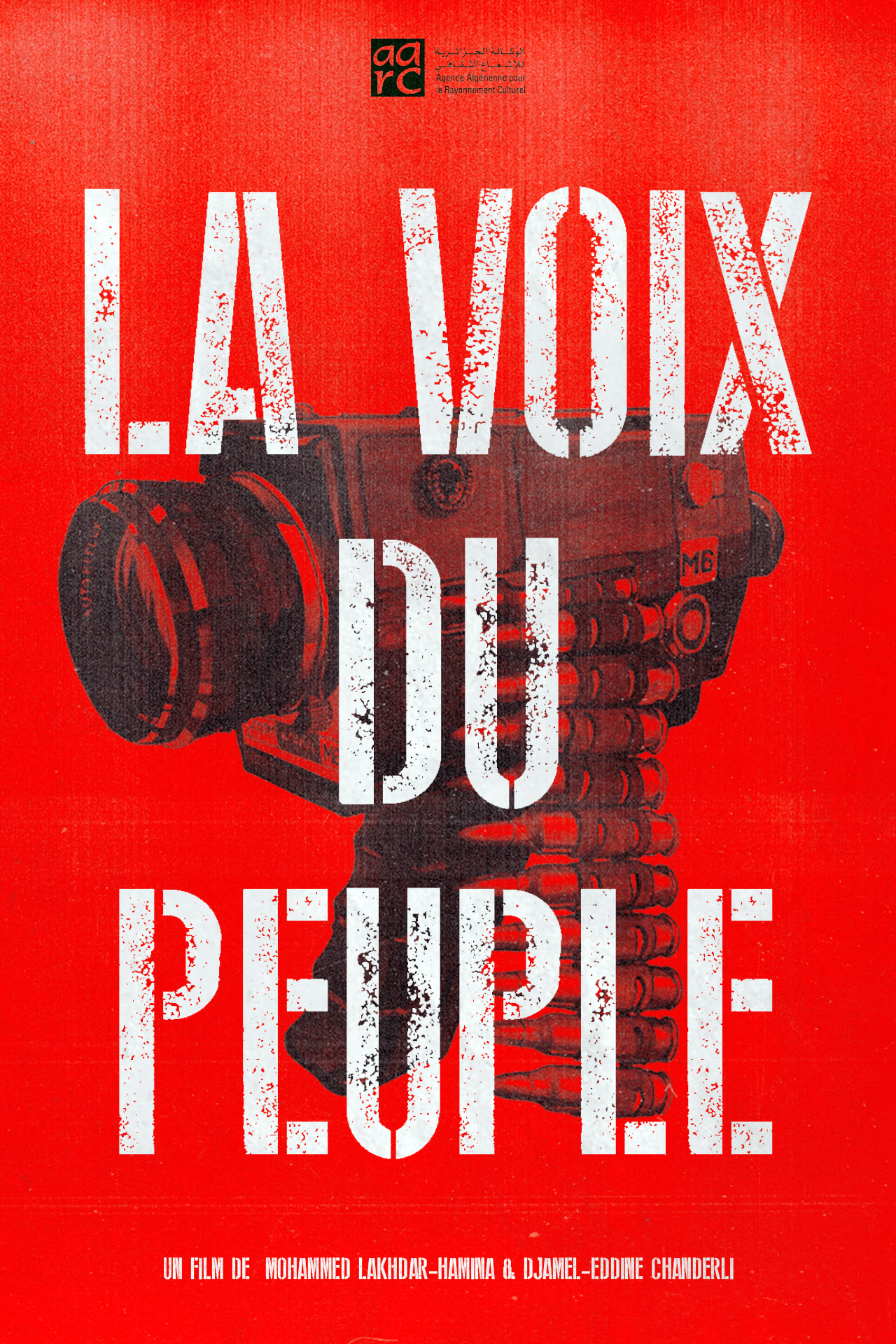
“La Voix du Peuple,” composed of archival photographs by René Vauthier and others, exposes the root causes of the armed conflict of the Algerian resistance. Participating in a war of real images against French colonial propaganda, these images aimed to show the images that the occupier had censored or distorted, by showing the extortions of the French occupation army: torture, arrests and arbitrary executions, napalm bombings, roundabout fires, erasing entire villages from the map, etc. This is what the French media described as a “pacification campaign”.
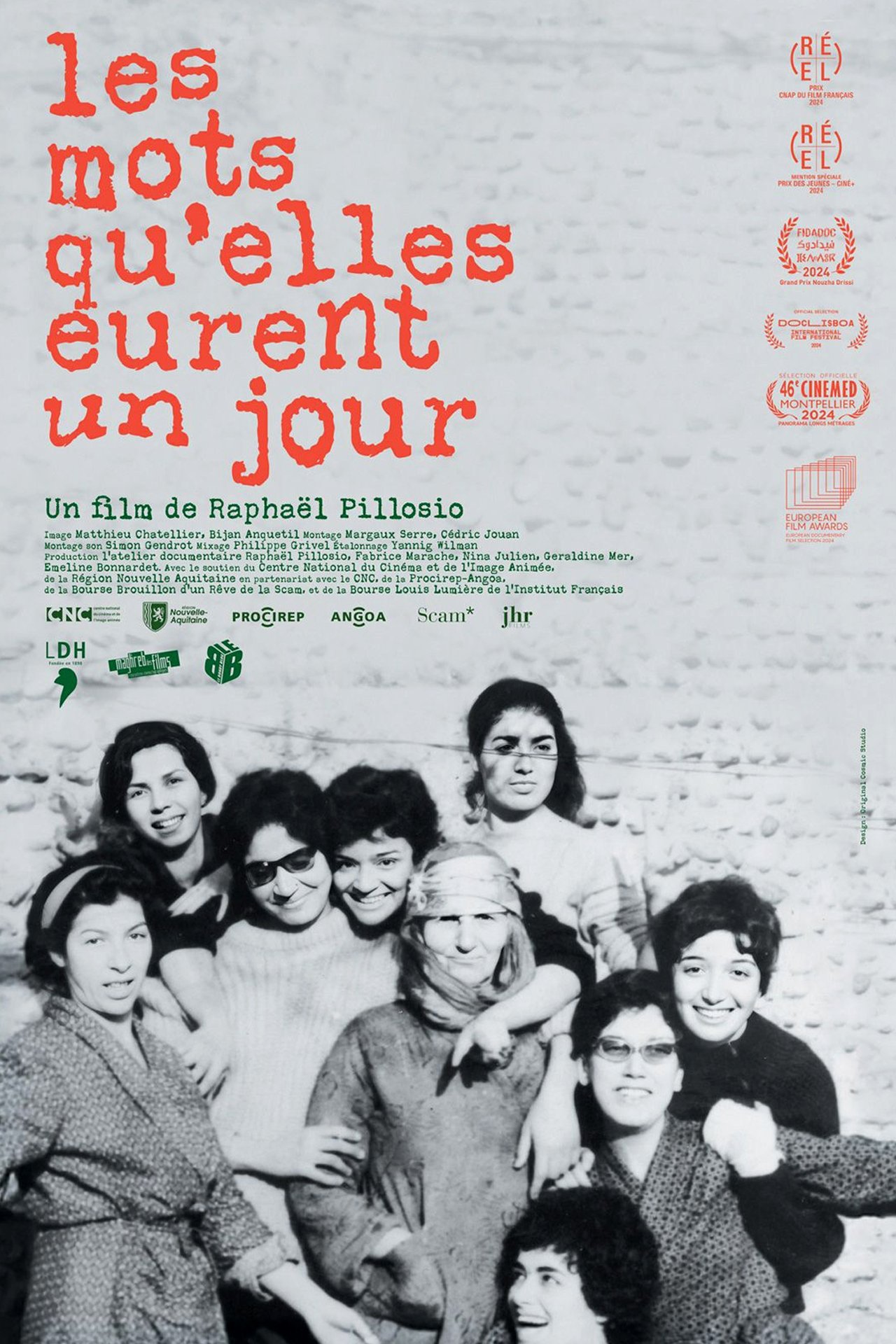
1962, at the end of the Algerian War, Algerian independence activists are released from Rennes prison. For one night, filmmaker Yann Le Masson films them. They tell him their vision for the future of Algeria and the place women must occupy in the new society to be built. Fifty years later, with the soundtrack missing, Raphaël Pillosio sets out to find these women. Two deaf people set about lip-reading the women filmed by Yann Le Masson, revealing snatches of sentences, words cut short by the camera's shifts. An investigative film in which the few activists still alive discover their old testimonies and tell us their silent story. The reconstruction of the lost soundtrack will remain in suspense; no happy ending will come to absorb the absence, to cancel the ferocious operation of time. An essay film about cinema that depicts their disappearance, and forever keeps them alive.
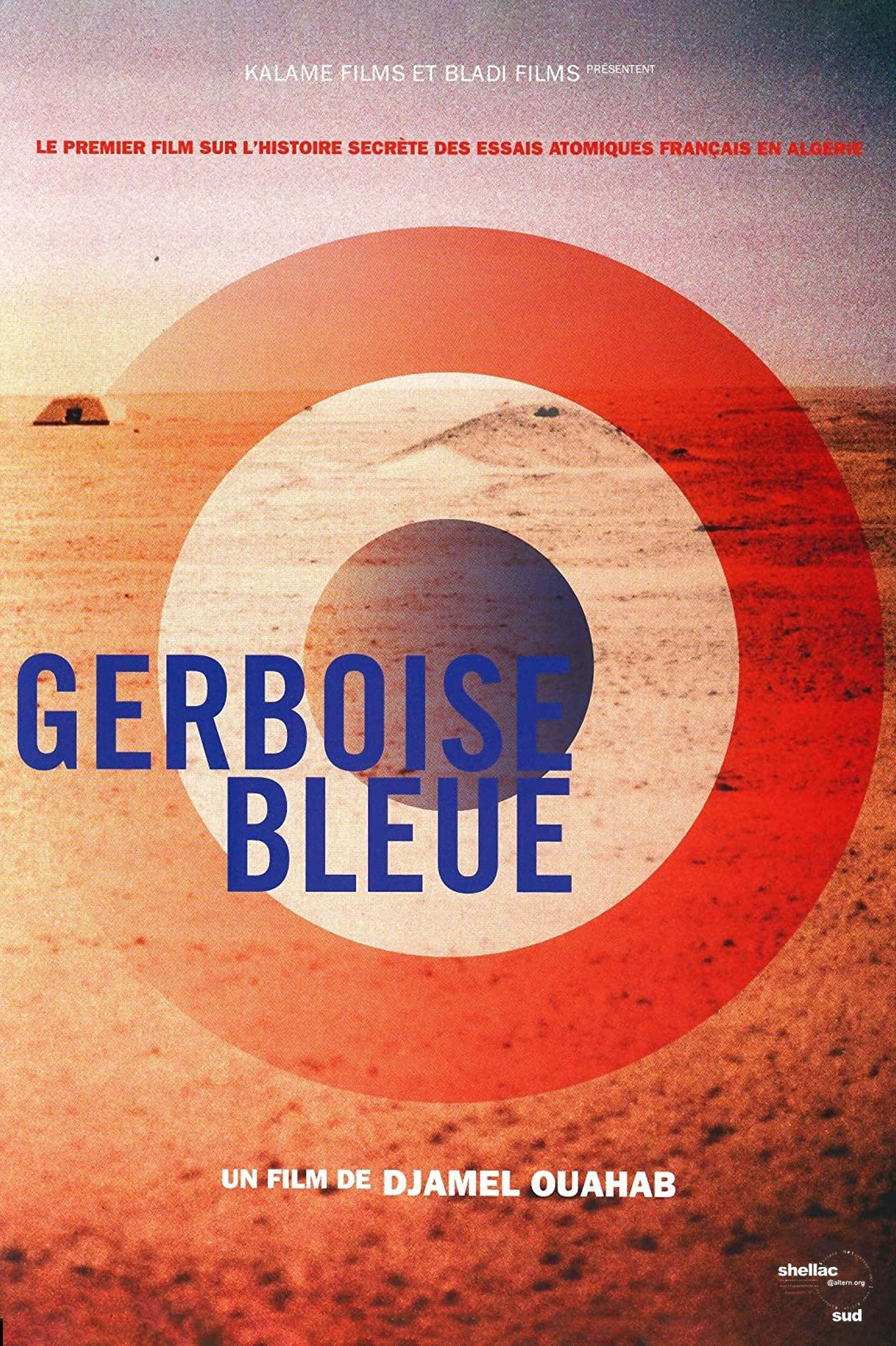
"Gerboise bleue", the first French atomic test carried out on February 13, 1960 in the Algerian Sahara, is the starting point of France's nuclear power. These are powerful radioactive aerial shots carried out in areas belonging to the French army. Underground tests will follow, even after the independence of Algeria. From 1960 to 1978, 30,000 people were exposed in the Sahara. The French army was recognized recognized nine irradiations. No complaint against the army or the Atomic Energy Commission has resulted. Three requests for a commission of inquiry were rejected by the National Defense Commission. For the first time, the last survivors bear witness to their fight for the recognition of their illnesses, and revealed to themselves in what conditions the shootings took place. The director goes to the zero point of "Gerboise Bleue", forbidden access for 47 years by the Algerian authorities
This documentary by director Claire Billet and historian Christophe Lafaye details the massive and systematic use of chemical weapons during the Algerian War. Algerian fighters and civilians, sheltering in caves, were gassed by "special weapons sections" of the French army. The gas identified on military documents is CN2D, whose widespread use forced insurgents to flee "treated" sites, at the risk of dying there. The method is reminiscent of the "enfumades" used by the French expeditionary force during the conquest of Algeria in the 19th century. Between 8,000 and 10,000 such operations are believed to have taken place on Algerian soil between 1956 and 1962. This historical aspect is little known due to the difficulty of accessing archives, many of which are still classified, raising questions about memory, historical truth, and justice.
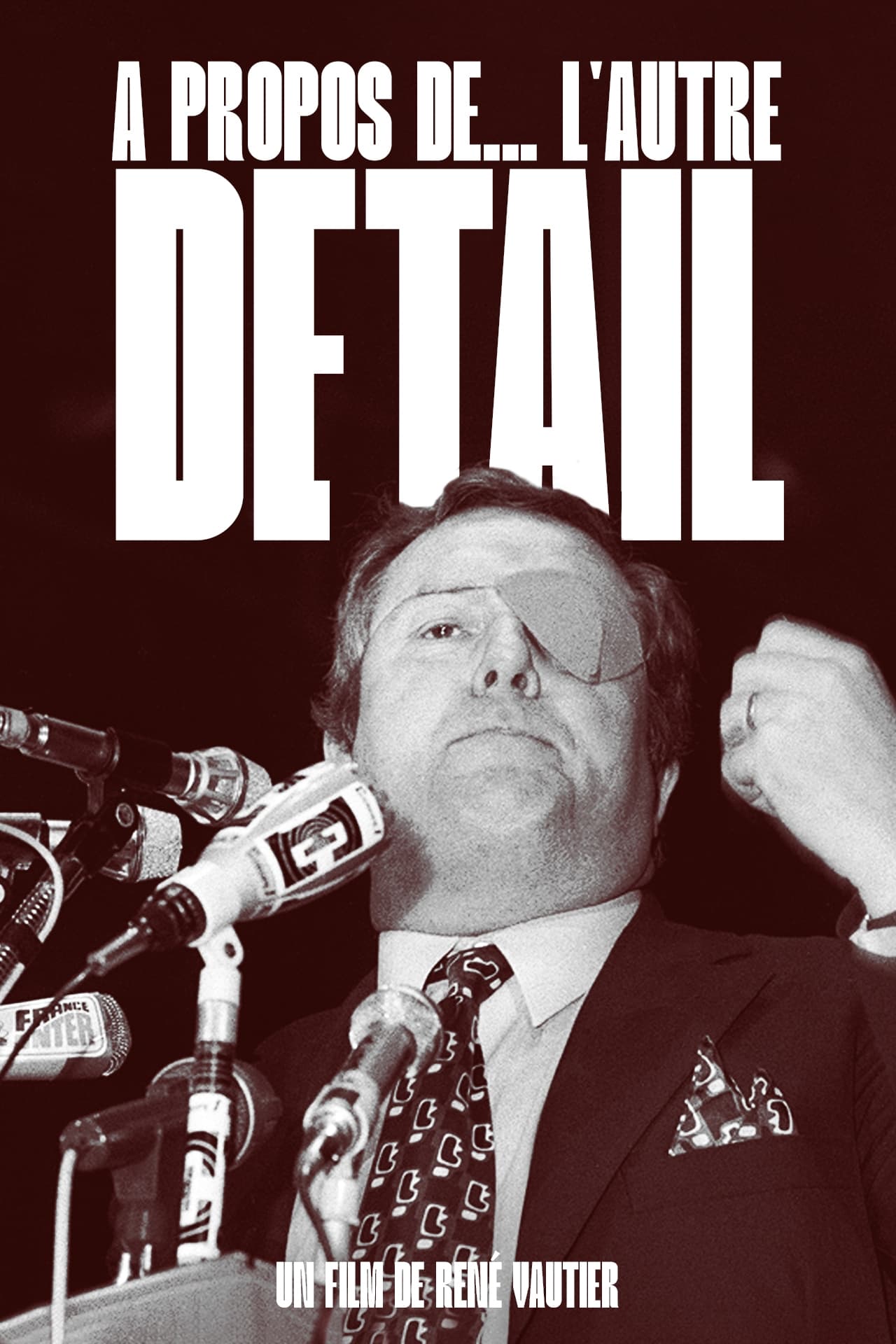
Documentary edited from testimonies on the torture of people who experienced the war. Some witnesses were tortured by Jean-Marie Le Pen. These testimonies will help defend the newspaper Le Canard Enchaîné in court against Jean-Marie Le Pen for defamation. The film was shown in 1985 during the trial and some witnesses also came to support the newspaper. But the 1963 amnesty law protects the politician, prohibiting the use of images that could harm people who served during the Algerian war.
On March 29, 1947, peasants armed with sticks and knives attacked the French garrisons in Madagascar. The revolt would end twenty months later with the death of the last insurgents, shot down by the expeditionary force. France, accustomed to memory lapses, knew nothing of this insurrection and its trail of torture and abuses. In Madagascar, well after independence, the events of 1947 were never discussed. For more than a generation, parents refused to speak of them to their children. It wasn't until the 1980s that the silence was broken.
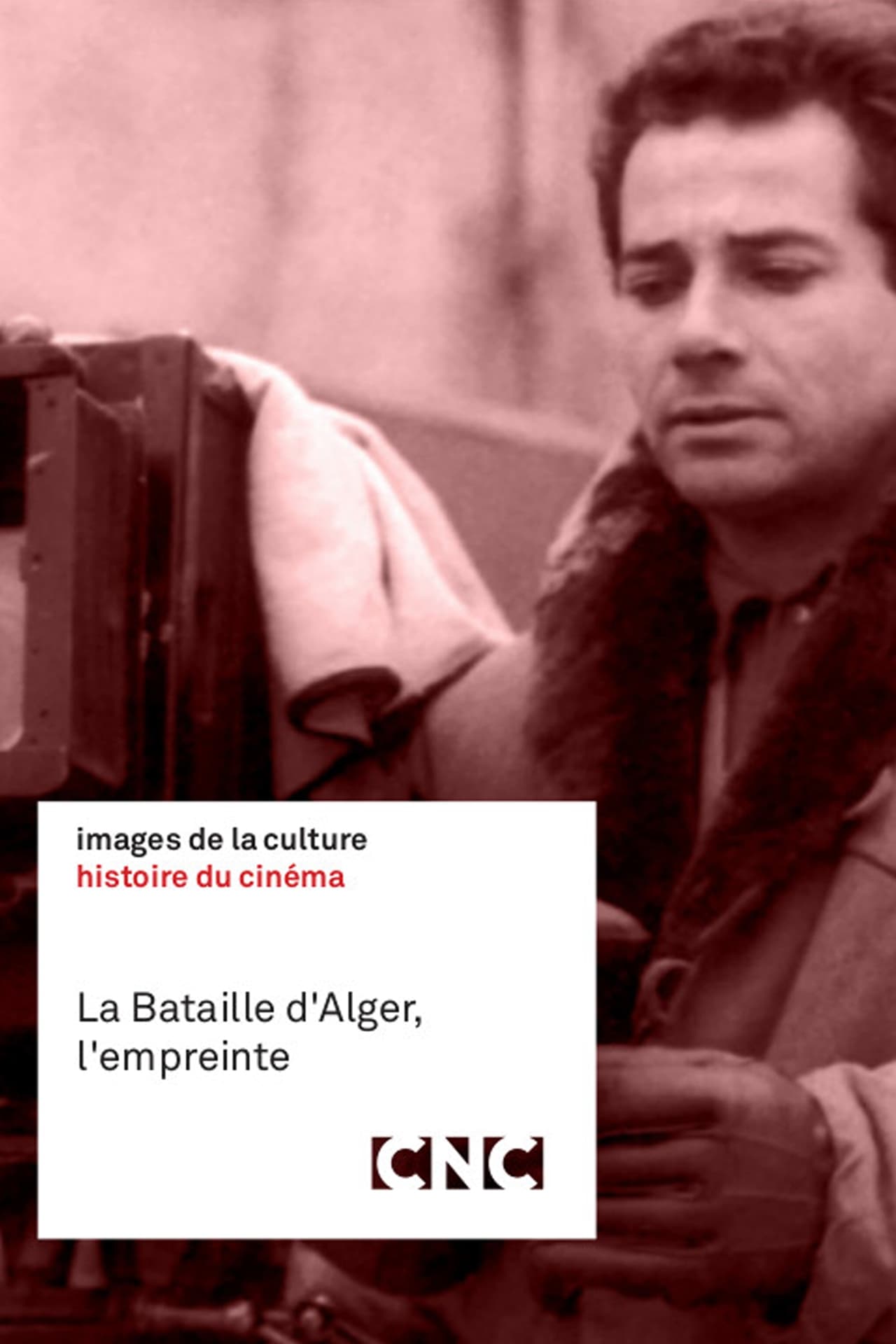
Cheikh Djemaï looks back on the genesis of Gillo Pontecorvo’s feature film, The Battle of Algiers (1965). Through archive images, extracts from the film and interviews with personalities, the filmmaker retraces the journey of a major work - from the events of the Algiers Casbah (1956-1957) to the presentation of the Lion of 'Or causing the anger of the French delegation in Venice - which left its mark as much in the history of cinema as in that of Algeria.
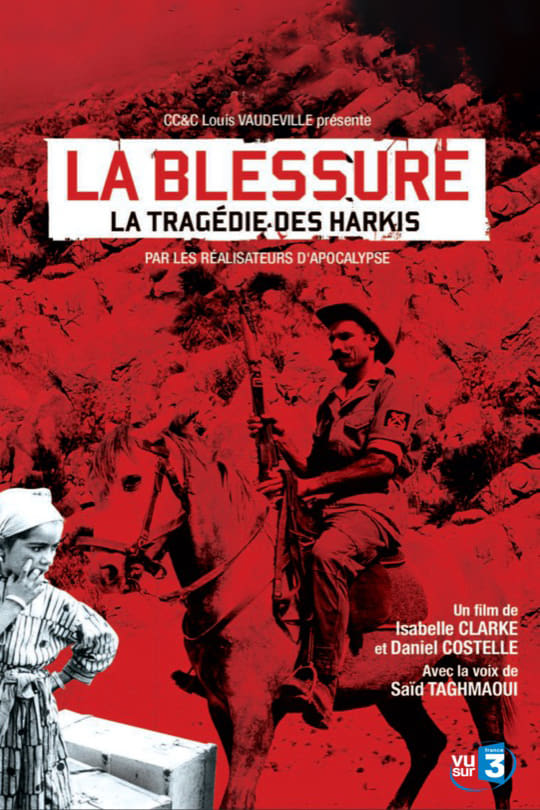
It's the unforgivable story of the two hundred thousands harkis, the Arabs who fought alongside the French in the bitter Algerian war, from 1954 to 1962. Why did they make that choice? Why were they slaughtered after Algeria's independence? Why were they abandonned by the French government? Some fifty to sixty thousands were saved and transferred in France, often at pitiful conditions. This is for the first time, the story of this tragedy, told in the brilliant style of the authors of "Apocalypse".
The image of French prisoners was very often evoked in Algerian cinema and literature, but until today, no Algerian or even European report or documentary had given voice to one of these French prisoners of the war of Algeria. In the interest of truth and writing history, we set out in search of one of these French witnesses. This witness is René Rouby, prisoner of Amirouche's group for more than 114 days in 1958 in the Akfadou region in Kabylia. This is the first testimony from a French prisoner of the ALN (the National Liberation Army).
In 1967, Visconti came to Algiers for the filming of The Stranger with Mastroianni and Anna Karina. Camus, during his lifetime, had always refused to allow one of his novels to be brought to the screen. His family made another decision. The filming of the film was experienced in Algiers, like a posthumous return of the writer to Algiers. During filming, a young filmmaker specializing in documentaries Gérard Patris attempts a report on the impact of the filming of The Stranger on the Algerians. Interspersed with sequences from the shooting of Visconti's film, he films Poncet, Maisonseul, Bénisti and Sénac, friends of Camus, in full discussions to situate Camus and his work in a sociological and historical context. “The idea is for us to show people, others, ourselves as if they could all be Meursault, or at least the witnesses concerned to his drama.”
In an intimate and joyful story of love in the face of loss, celebrated poets Andrea Gibson and Megan Falley find strength—and unexpected hilarity—in what might be their final year together.
The Making-of James Cameron's Avatar. It shows interesting parts of the work on the set.
A documentary on the expletive's origin, why it offends some people so deeply, and what can be gained from its use.
Amber Heard and Nicole Kidman discuss their characters Mera and Atlanna.
A road trip across five countries to explore the social and political movements as well as the mainstream media's misperception of South America while interviewing seven of its elected presidents.
A documentary about the life and films of director John Ford.
A documentary about how a dominant cultural and demographic institution both sustains their traditional activities and adapts to the digital revolution.
A deep dive into the making of the Paranormal Activity films with first time ever interviews with cast and crew, never-before-seen footage from the movies, and a preview of the seventh installment in the franchise.
A compilation of over 30 years of private home movie footage shot by Lithuanian-American avant-garde director Jonas Mekas, assembled by Mekas "purely by chance", without concern for chronological order.
Stars of "The Walking Dead," Andrew Lincoln and Danai Gurira, walk down memory lane and visit iconic locations where pivotal moments between their characters, Rick and Michonne, were filmed.
This documentary revisits the French football team's controversial 2010 World Cup and the bus strike that sparked global headlines and national outrage.
An inside look at one of the most anticipated movie sequels ever with James Cameron and cast.
Alexander McQueen's rags-to-riches story is a modern-day fairy tale, laced with the gothic. Mirroring the savage beauty, boldness and vivacity of his design, this documentary is an intimate revelation of McQueen's own world, both tortured and inspired, which celebrates a radical and mesmerizing genius of profound influence.
Investigators reveal how Boeing’s alleged priority of profit over safety could have contributed to two catastrophic crashes within months of each other.
In the Realms of the Unreal is a documentary about the reclusive Chicago-based artist Henry Darger. Henry Darger was so reclusive that when he died his neighbors were surprised to find a 15,145-page manuscript along with hundreds of paintings depicting The Story of the Vivian Girls, in What is Known as the Realms of the Unreal, of the Glodeco-Angelinnian War Storm, Cased by the Child Slave Rebellion.
A feature length documentary about the all-women team at the helm of Pixar's original feature, Turning Red. With unprecedented behind-the-scenes access to Director Domee Shi and her core leadership crew, this story shines a light on the powerful professional and personal journeys that brought this incredibly comical, utterly relatable, and deeply heartfelt story to the screen.
This special explores the return of Obi-Wan Kenobi and Anakin Skywalker to the screen, as well as Ewan McGregor and Hayden Christensen to their classic roles. Director Deborah Chow leads the cast and crew as they create new heroes and villains that live alongside new incarnations of beloved Star Wars characters, and an epic story that dramatically bridges the saga films.
A documentary examining the decade of the 1970s as a turning point in American cinema. Some of today's best filmmakers interview the influential directors of that time.
A documentary on the making of the three Godfather films, with interviews and recollections from the film makers and cast. This feature also includes the original screen tests of some of the actors for "The Godfather" film, and some candid moments on the set of "The Godfather: Part III."
A new documentary by filmmaker-photographer Raymond Depardon – where justice and psychiatry meet.