Social & External
The people behind it
Clara Maia
Narradora
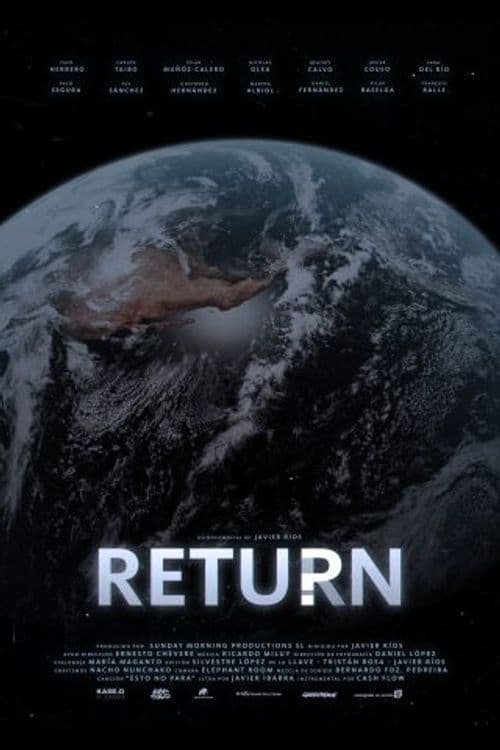
This is a documentary linking ecological and political problems. The planet has come to be less important than the multinational earnings, and with it politicians earnings as well. With this project we bring foreward this problem, witch not only affects the third world, but is a worldwide situation witch needs to be adressed.
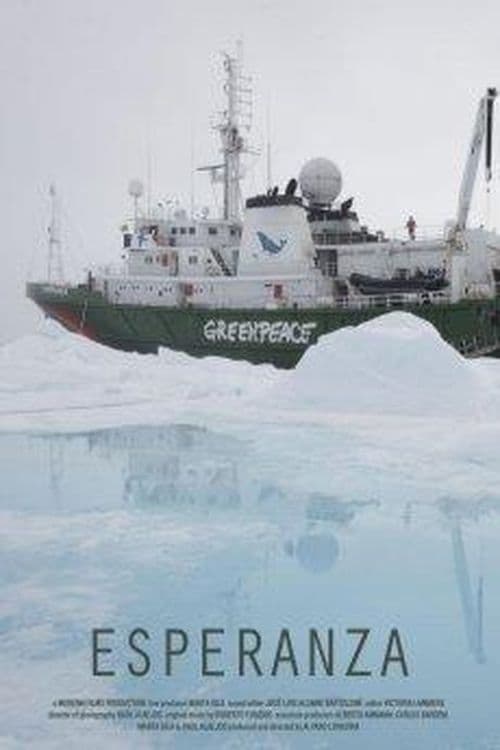
Based on one of the Esperanza's voyages to the Arctic, this short documentary chronicles life aboard the Greenpeace ship. Through conversations with the crew, we will discover her motivations for risking her life defending the planet so far from home.
“Tucaneira: Wooden Hands” is a captivating mini-documentary that takes us on a fascinating journey through the world of a skilled artisan who works with wood at an eco-solidarity fair held in a university environment. In this brief and inspiring portrait, we explore the life and craft of Manoel, a master craftsman whose hands transform tree trunks into true works of art. Through beautiful images, testimonials and captivating photographs, the documentary reveals Manoel's passion for his art. He shares his inspirations and motivations, highlighting how his work is deeply rooted in sustainability and respect for nature. “Tucaneira: Wooden Hands” is a mini-documentary that not only celebrates the talent and dedication of an exceptional artisan, but also reminds us of the importance of supporting initiatives and fairs that promote eco-solidarity, art and sustainability in a vibrant and inspiring university .
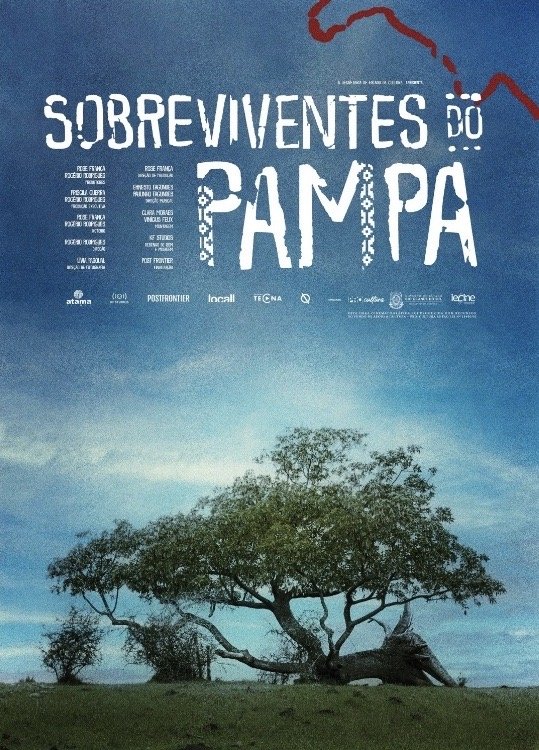
When the search for its origin takes him to the deep pampa, the documentary director discovers a recently recognized biome, little known and that presents more than half of its native area destroyed. So, its goal becomes to present the biome and its inhabitants, in a mosaic between the original peoples, quilombola communities, family cattle ranchers, agrarian reform settlers and rural entrepreneurs, awakening an awareness of belonging, with the objective of strengthening the preservation of the Pampa biome.
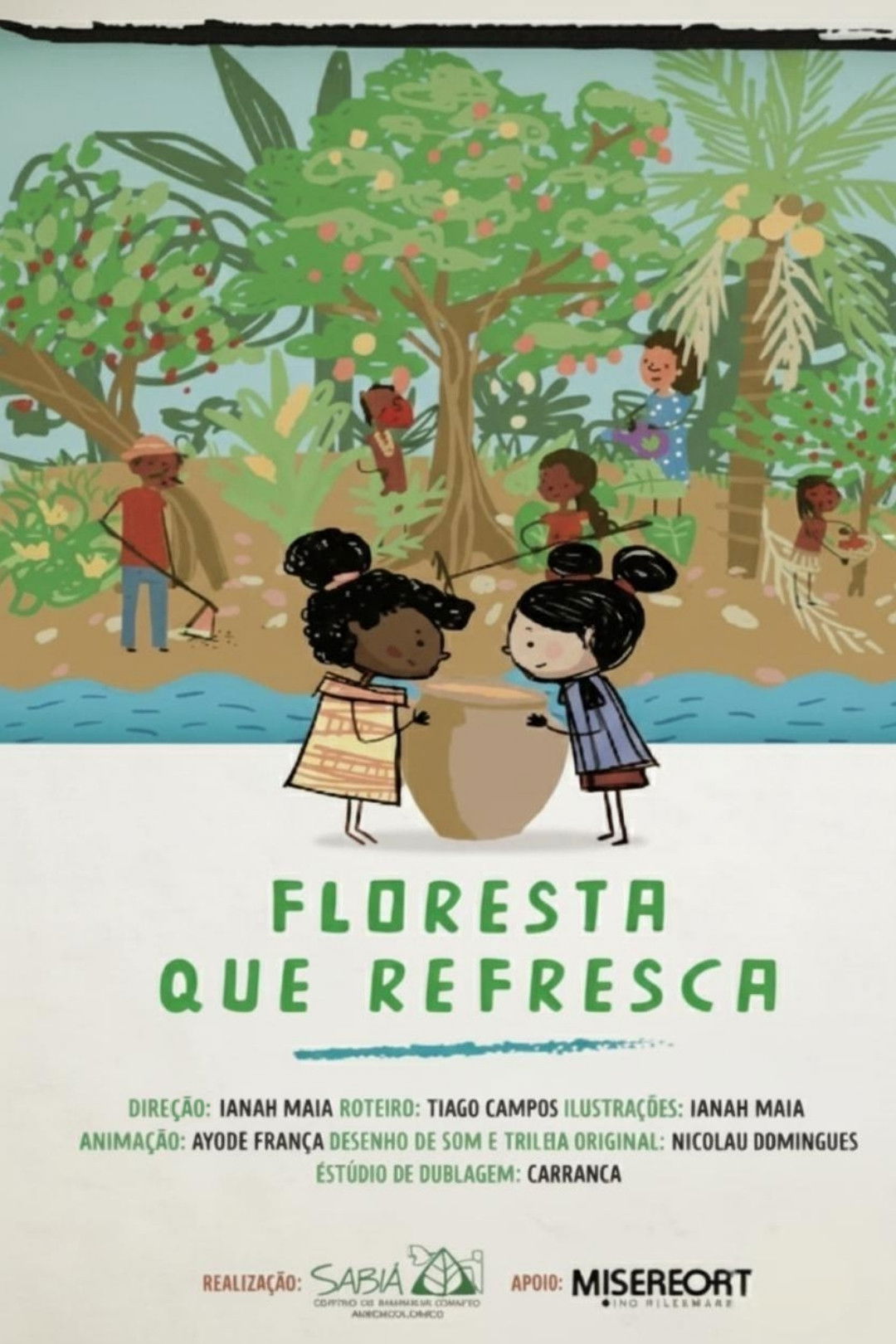
It's a 5-minute animation that addresses the issue of climate change, presenting a proposal for how to balance our relationship with the environment. The short film also shows the importance of agroforestry in the lives of people in both rural and urban areas.
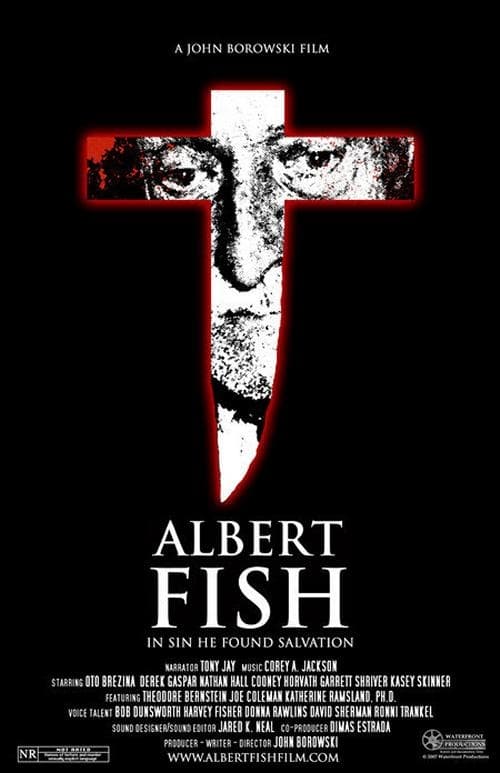
Albert Fish, the horrific true story of elderly cannibal, sadomasochist, and serial killer, who lured children to their deaths in Depression-era New York City. Distorting biblical tales, Albert Fish takes the themes of pain, torture, atonement and suffering literally as he preys on victims to torture and sacrifice.
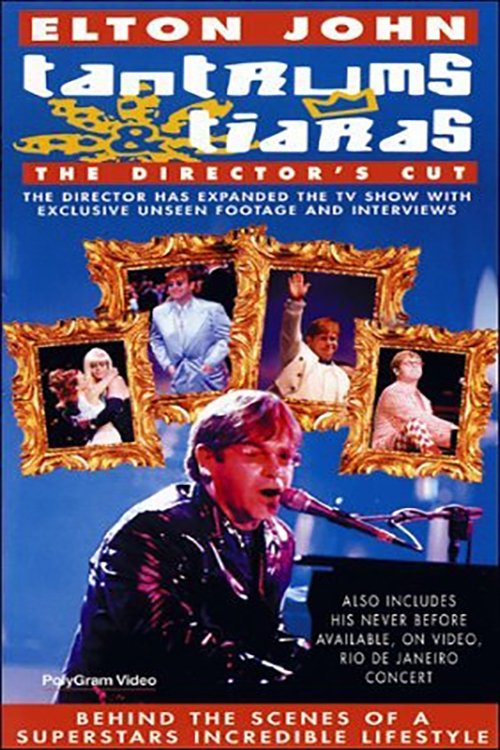
Unprecedented access into one of the world's greatest musical talents and his larger than life lifestyle: Elton John. With frank, funny, and touching filmmaking, this documentary is a fascinating and honest look at the complex character of a modern day composer and performing artist.
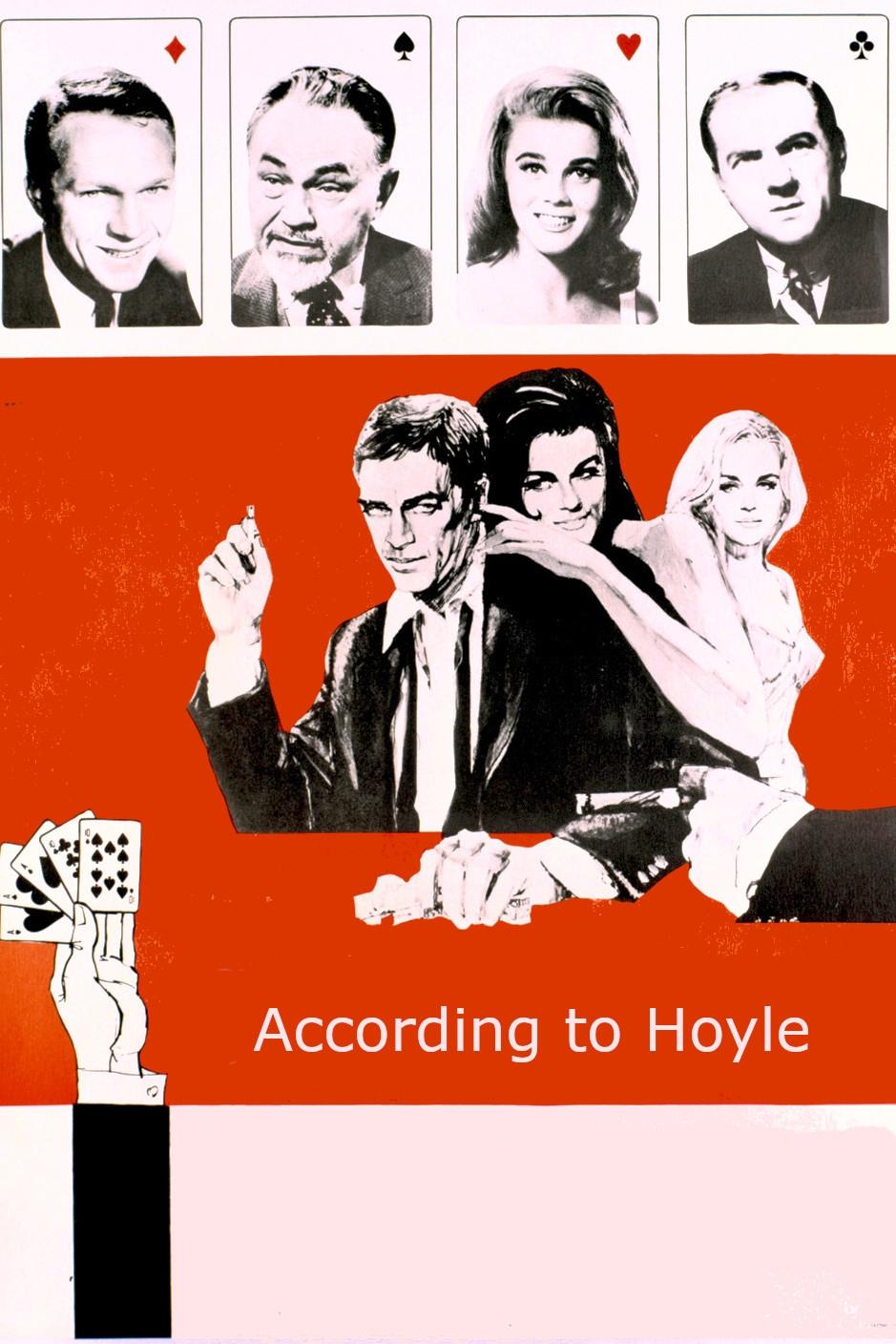
A promotional short for The Cincinnati Kid (1965) showcasing the card handling skills of magician and one-time gambler Jay Ose who was hired as technical adviser to instruct the actors on the techniques used by professional poker players.
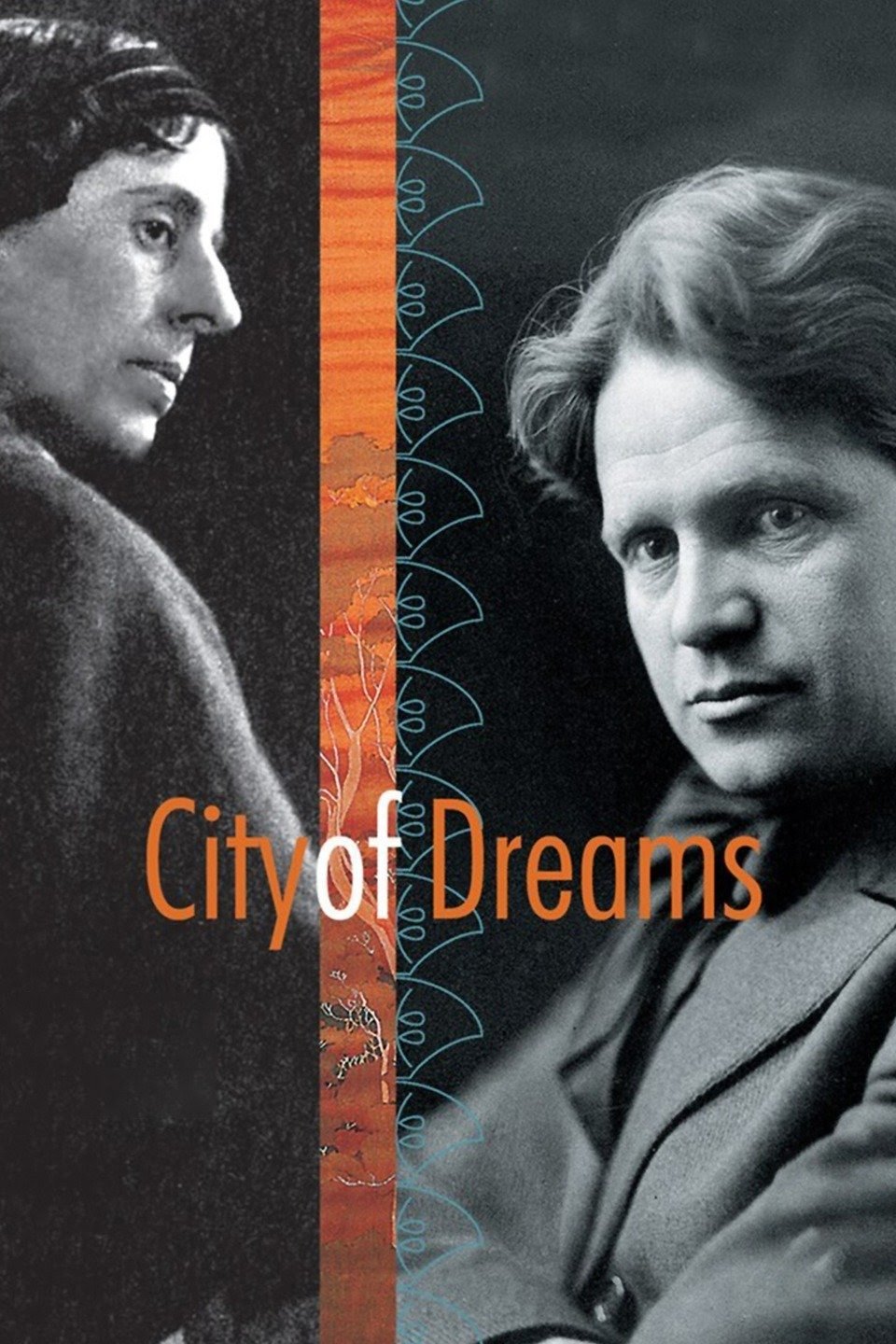
This fascinating documentary explores the collaboration between Marion Mahony, the first registered woman architect in the world and the longest serving designer in Frank Lloyd Wright’s practice, and husband Walter Burley Griffin. Their struggle with unyielding bureaucracy, the philosophies that underscored their life and work, and their passionate commitment to an architecture that expressed a balance between society and the environment and an affinity between the human spirit and the natural world. The film weaves together their personal and professional lives, drawing on archival and contemporary footage of their work, an extensive collection of photographs, the couple’s own correspondance and writing, and interviews with prominent architects, social historians and the people who knew them.
The Dreamers (1985) is a posthumous short film assembled by Oja Kodar from unfinished footage directed by Orson Welles in 1982. Edited after Welles’s death, the film derives from fragmentary material intended for an uncompleted adaptation of stories by Isak Dinesen. The 1985 version represents an editorial assembly rather than a completed work authored by Welles, presenting selected footage in a reconstructed form for archival circulation. (Note: This is a posthumous editorial reconstruction. The original 1982 project exists separately as an unfinished Welles work and was never completed or released by him.)
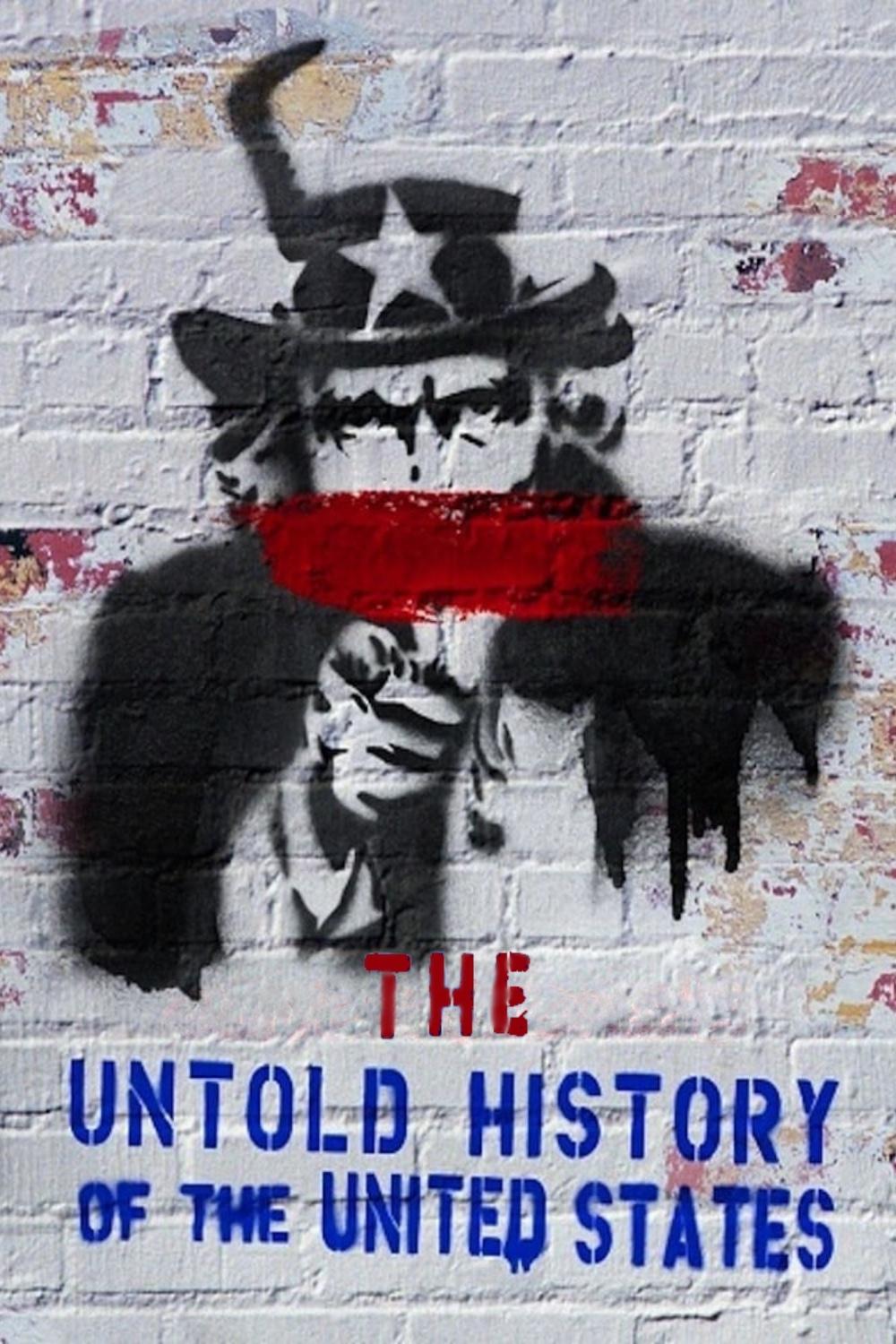
Oliver Stone charts the history of the United States from the Second World War to the present.
The history of cinematic sound, told by legendary sound designers and visionary filmmakers.
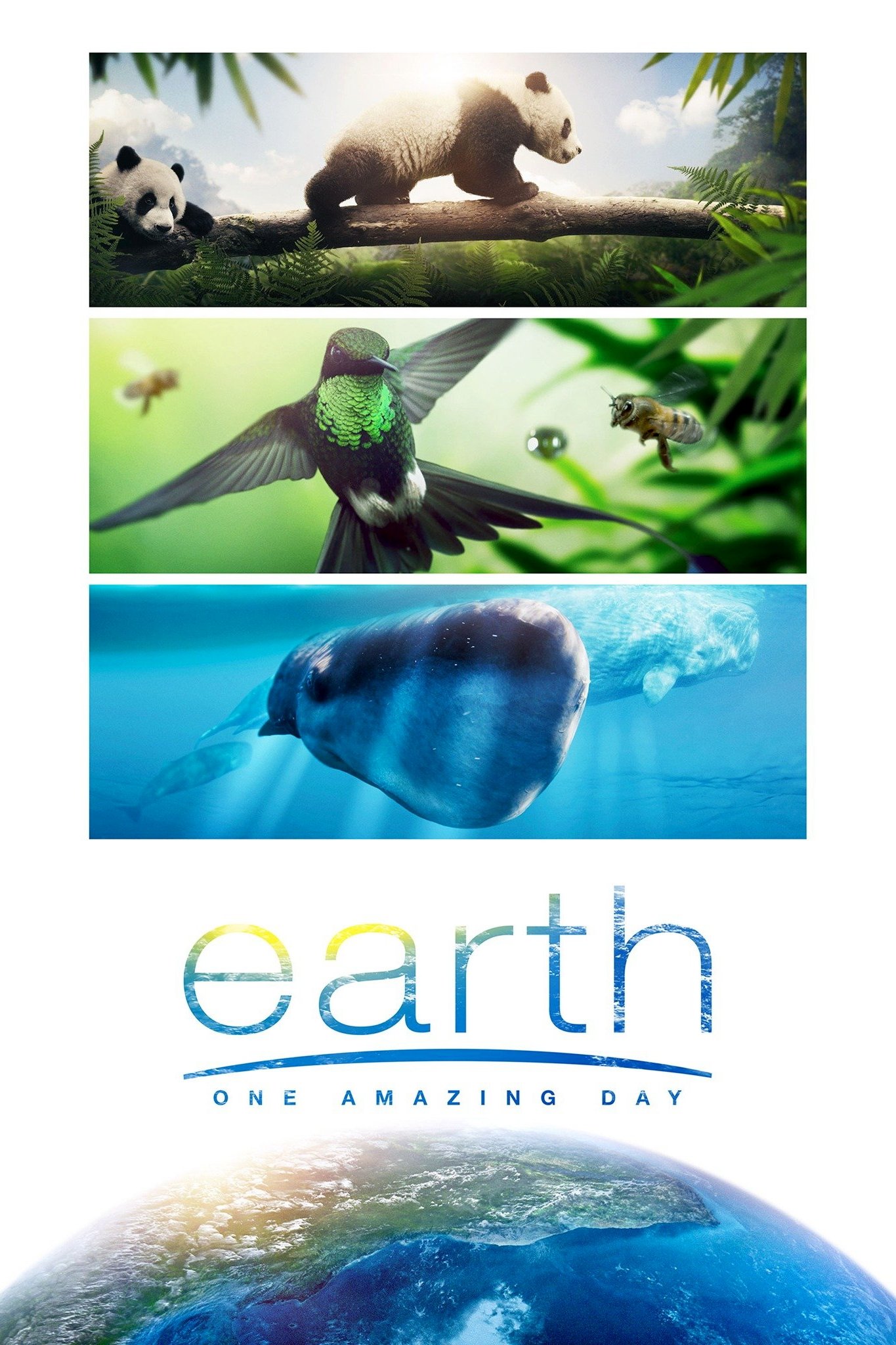
An astonishing journey revealing the awesome power of the natural world. Over the course of one single day, we track the sun from the highest mountains to the remotest islands to exotic jungles.
Experience the events of September 11, 2001 through the eyes of President Bush and his closest advisors as they personally detail the crucial hours and key decisions from that historic day.
“The Soviet Story” is a story of an Allied power, which helped the Nazis to fight Jews and which slaughtered its own people on an industrial scale. Assisted by the West, this power triumphed on May 9th, 1945. Its crimes were made taboo, and the complete story of Europe’s most murderous regime has never been told. Until now...
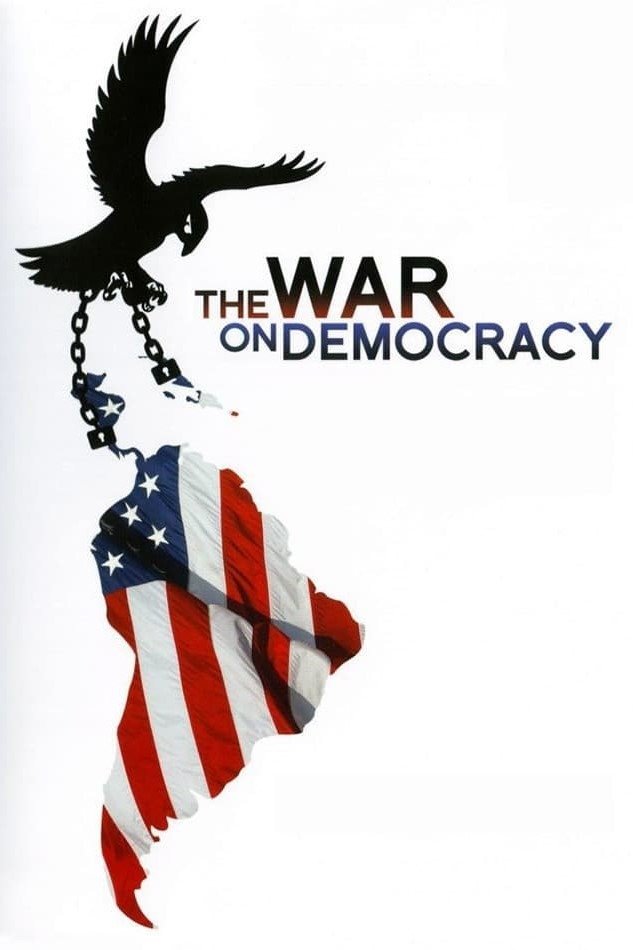
Set both in Latin America and the United States, the film explores the historic and current relationship of Washington with countries such as Venezuela, Bolivia and Chile. Pilger says that the film "...tells a universal story... analysing and revealing, through vivid testimony, the story of great power behind its venerable myths. It allows us to understand the true nature of the so-called "war on terror". According to Pilger, the film’s message is that the greed and power of empire is not invincible and that people power is always the "seed beneath the snow".
Documentary about the art of film editing. Clips are shown from many groundbreaking films with innovative editing styles.
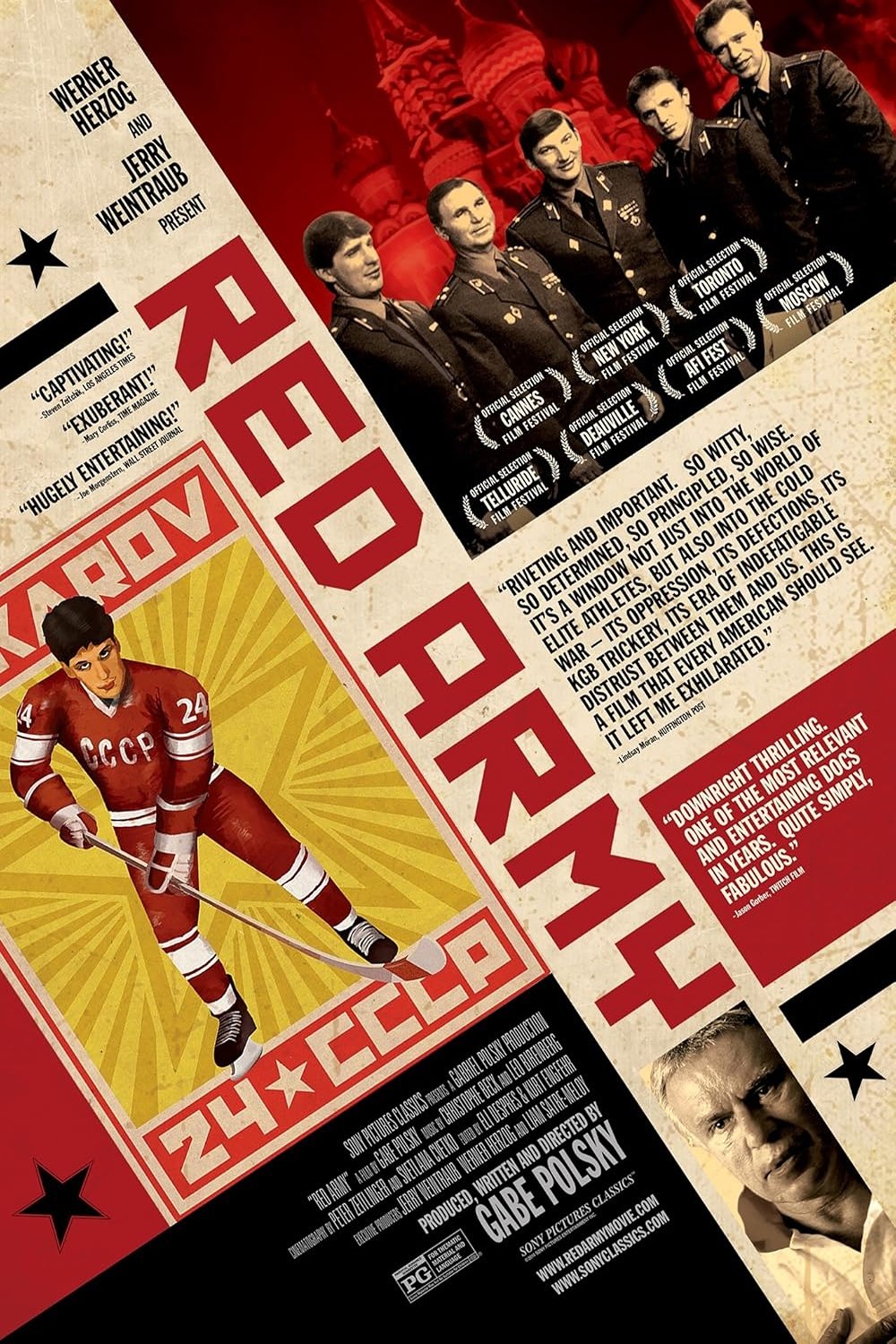
A documentary highlighting the Soviet Union's legendary and enigmatic hockey training culture and world-dominating team through the eyes of the team's Captain Slava Fetisov, following his shift from hockey star and celebrated national hero to political enemy.
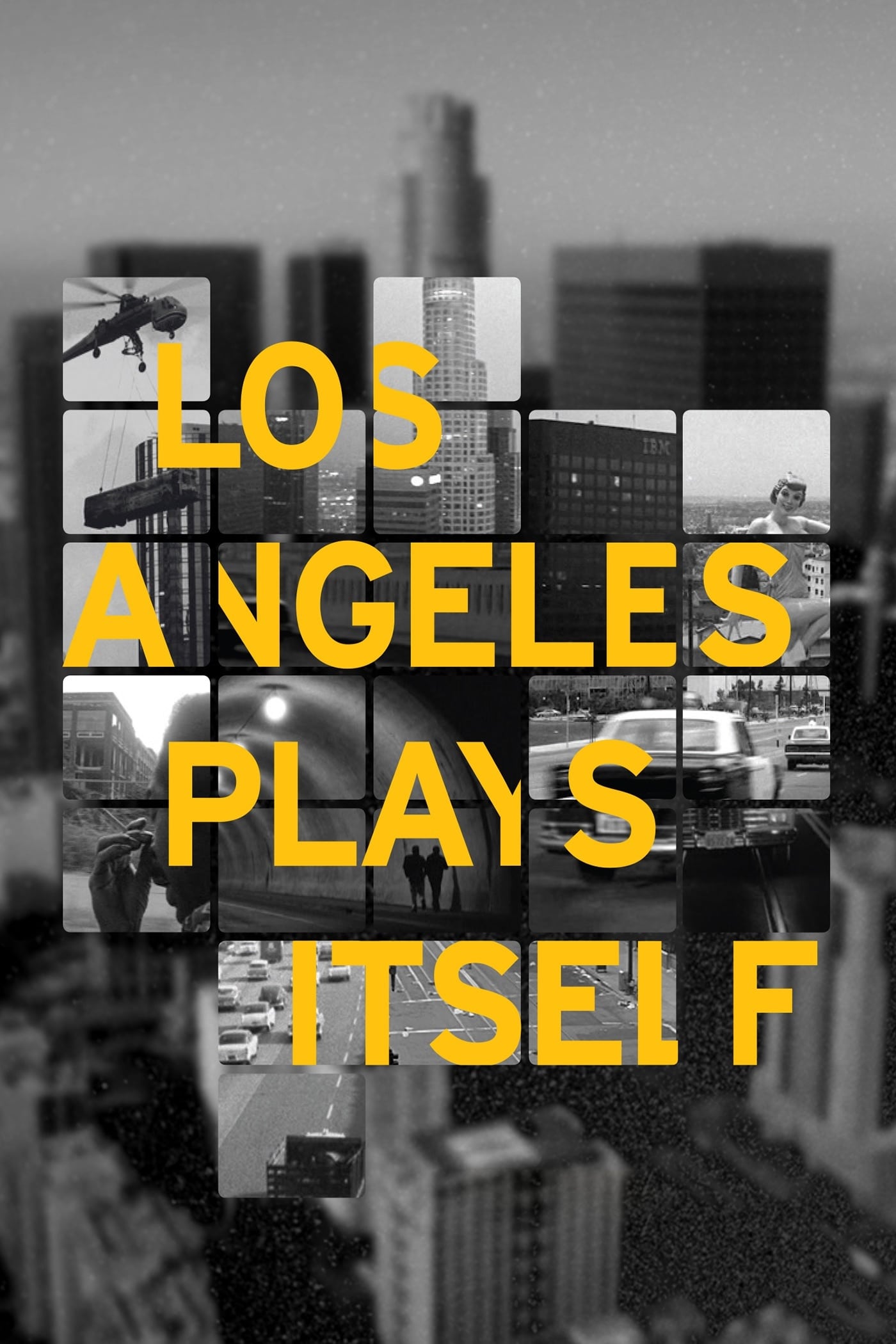
From its distinctive neighborhoods to its architectural homes, Los Angeles has been the backdrop to countless movies. In this dazzling work, Andersen takes viewers on a whirlwind tour through the metropolis' real and cinematic history, investigating the myriad stories and legends that have come to define it, and meticulously, judiciously revealing the real city that lives beneath.
Through deeply personal interviews with her siblings and an examination of the photographs, letters, and belongings left behind, Mariska assembles a new portrait of her mother Jayne Mansfield, an extraordinary and complex woman.
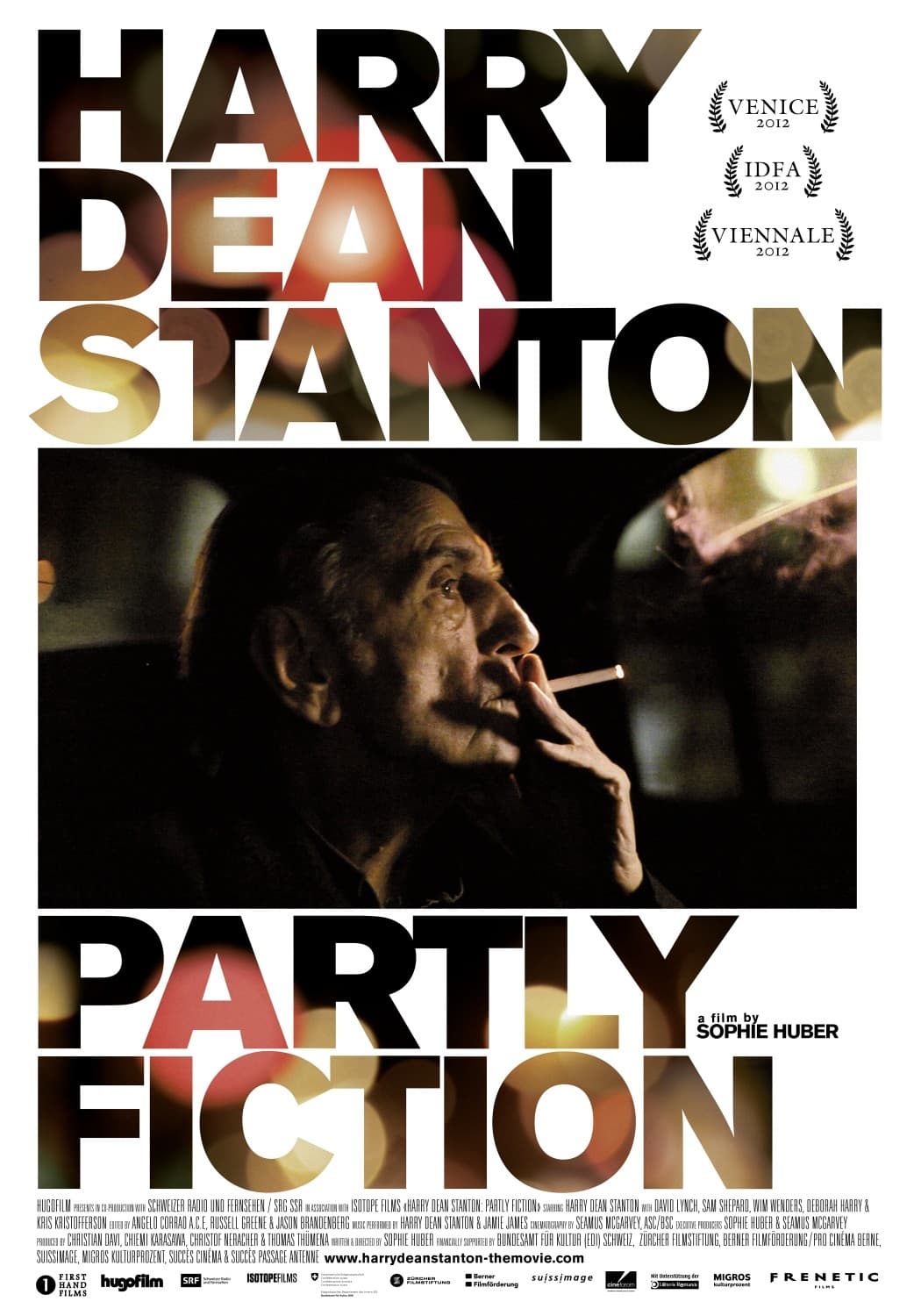
An impressionistic portrait of the iconic actor Harry Dean Stanton comprised of intimate moments, film clips from some of his 250 films and his renditions of American folk songs.
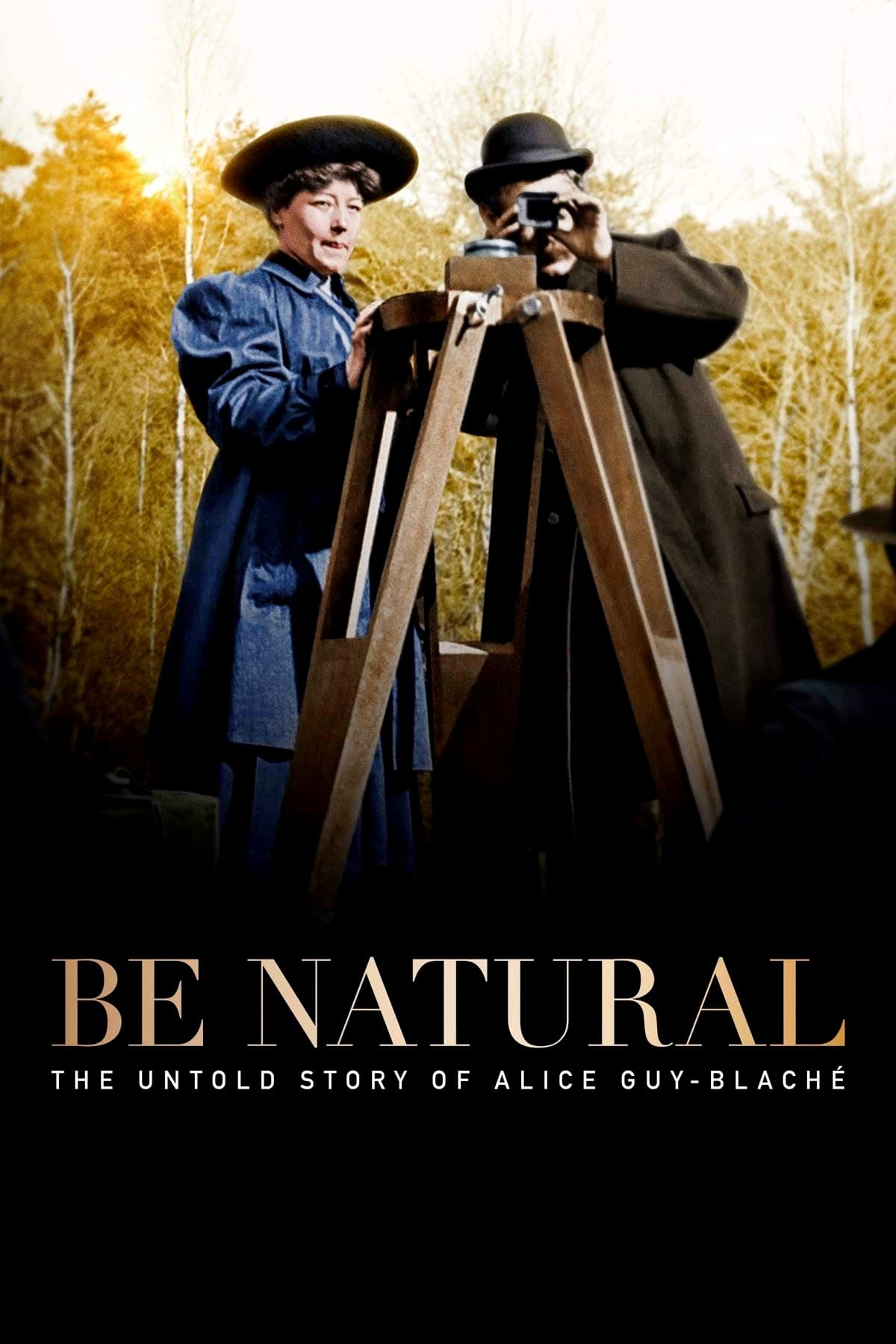
The epic life story of Alice Guy-Blaché (1873–1968), a French screenwriter, director and producer, true pioneer of cinema, the first person who made a narrative fiction film; author of hundreds of movies, but banished from history books. Ignored and forgotten. At last remembered.
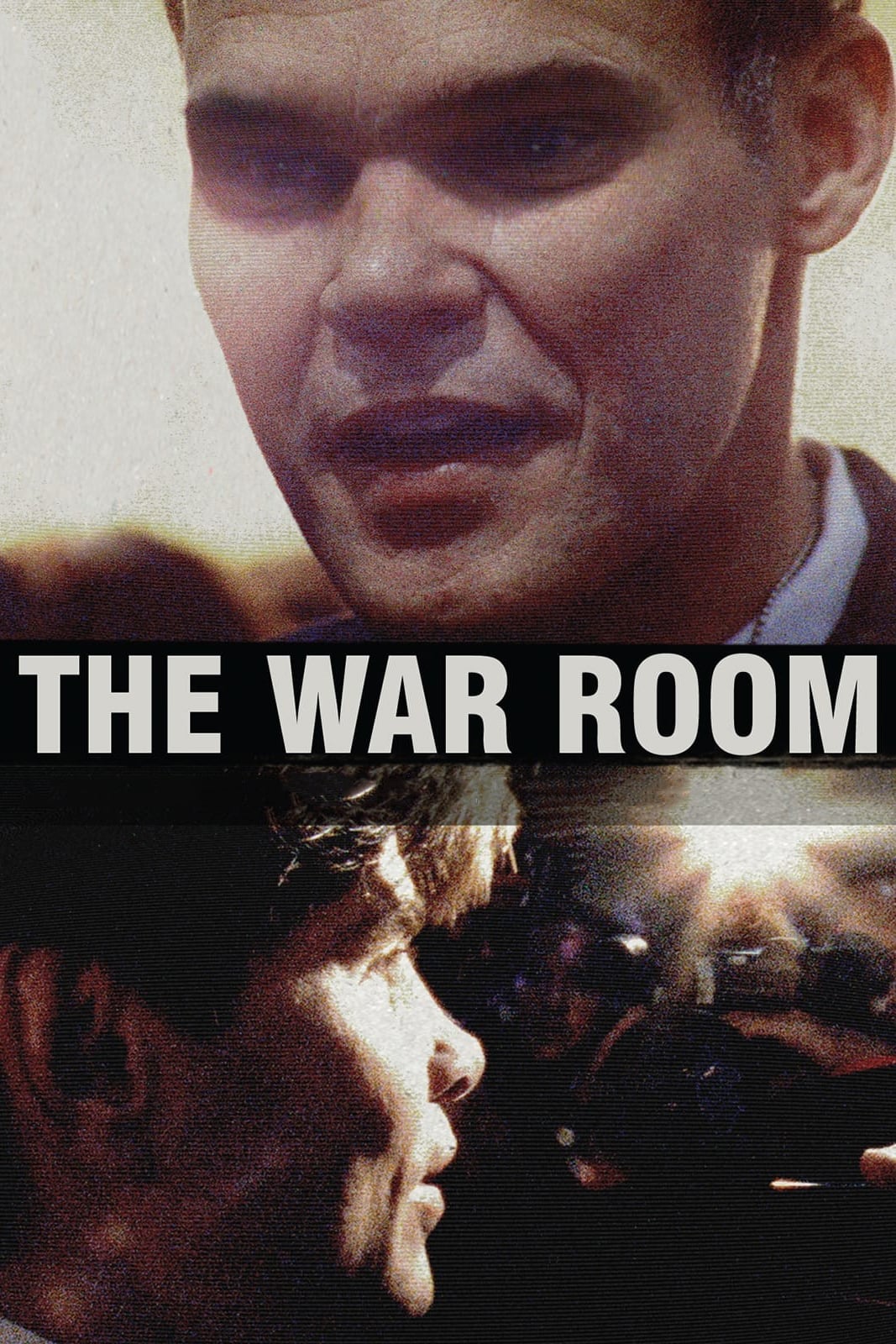
A behind-the-scenes documentary about the Clinton for President campaign, focusing on the adventures of spin doctors James Carville and George Stephanopoulos.
A string of threatening emails escalates into a revenge plot involving a newly married US marshal and his ex-girlfriend.
A comedic, brutally honest documentary following self-destructive TV writer Dan Harmon as he takes his live podcast on a national tour.
In an intimate and joyful story of love in the face of loss, celebrated poets Andrea Gibson and Megan Falley find strength—and unexpected hilarity—in what might be their final year together.
An inside look at one of the most anticipated movie sequels ever with James Cameron and cast.
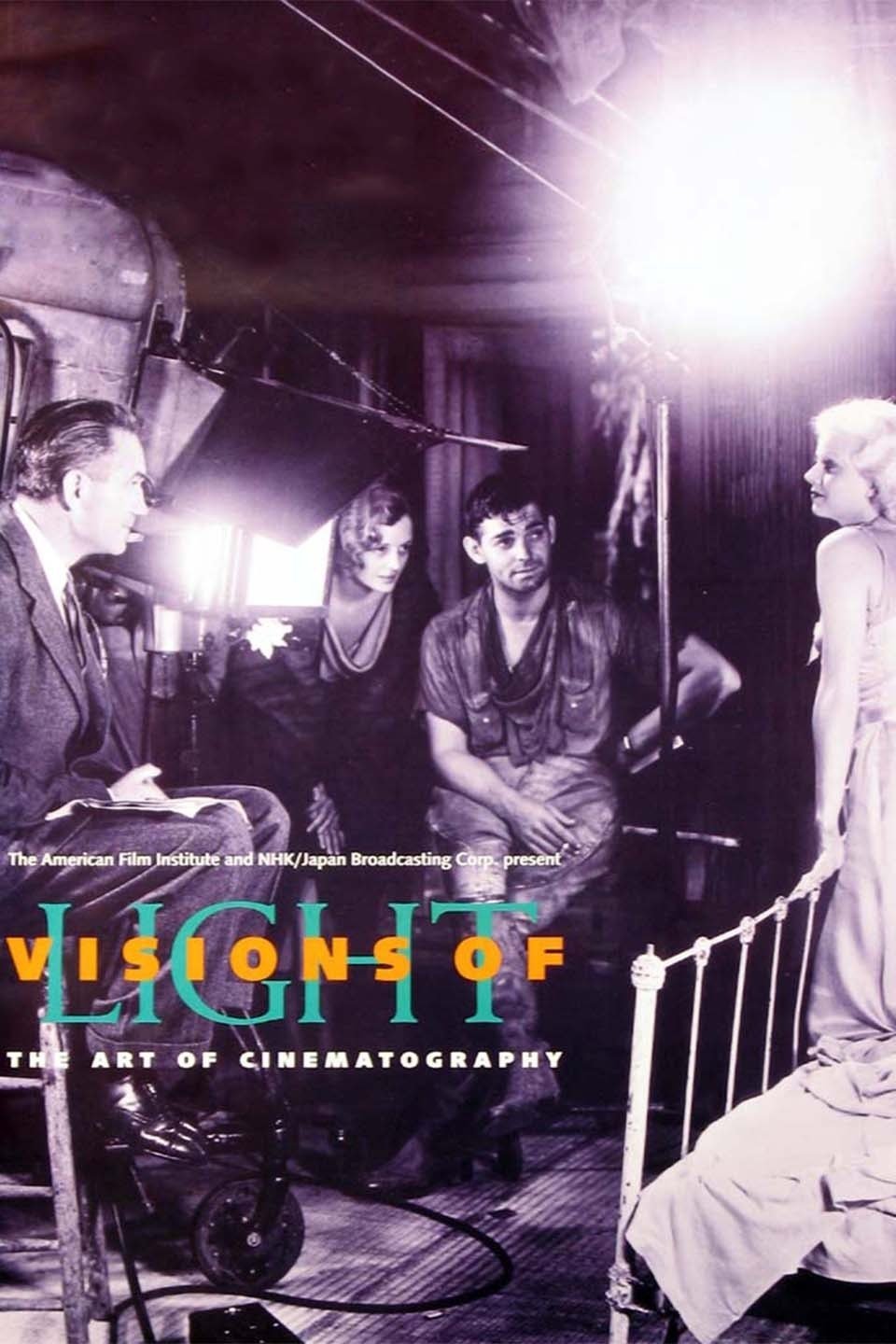
Cameramen and women discuss the craft and art of cinematography and of the "DP" (the director of photography), illustrating their points with clips from 100 films, from Birth of a Nation to Do the Right Thing. Themes: the DP tells people where to look; changes in movies (the arrival of sound, color, and wide screens) required creative responses from DPs; and, these artisans constantly invent new equipment and try new things, with wonderful results. The narration takes us through the identifiable studio styles of the 30s, the emergence of noir, the New York look, and the impact of Europeans. Citizen Kane, The Conformist, and Gordon Willis get special attention.
The Making-of James Cameron's Avatar. It shows interesting parts of the work on the set.
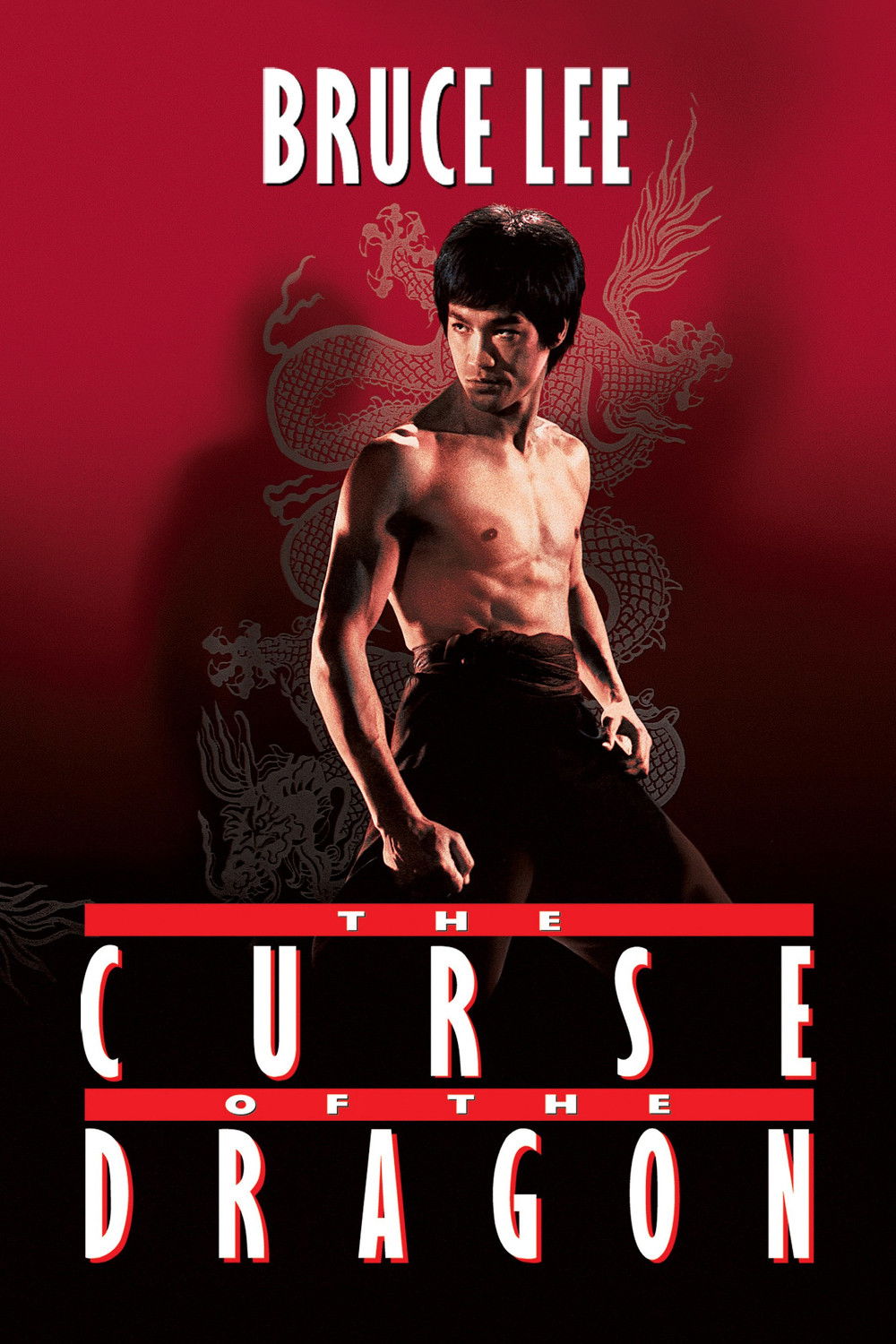
A 1993 documentary film about Bruce Lee. The film includes interviews from some of his fellow students and opponents who worked alongside him in his movies.