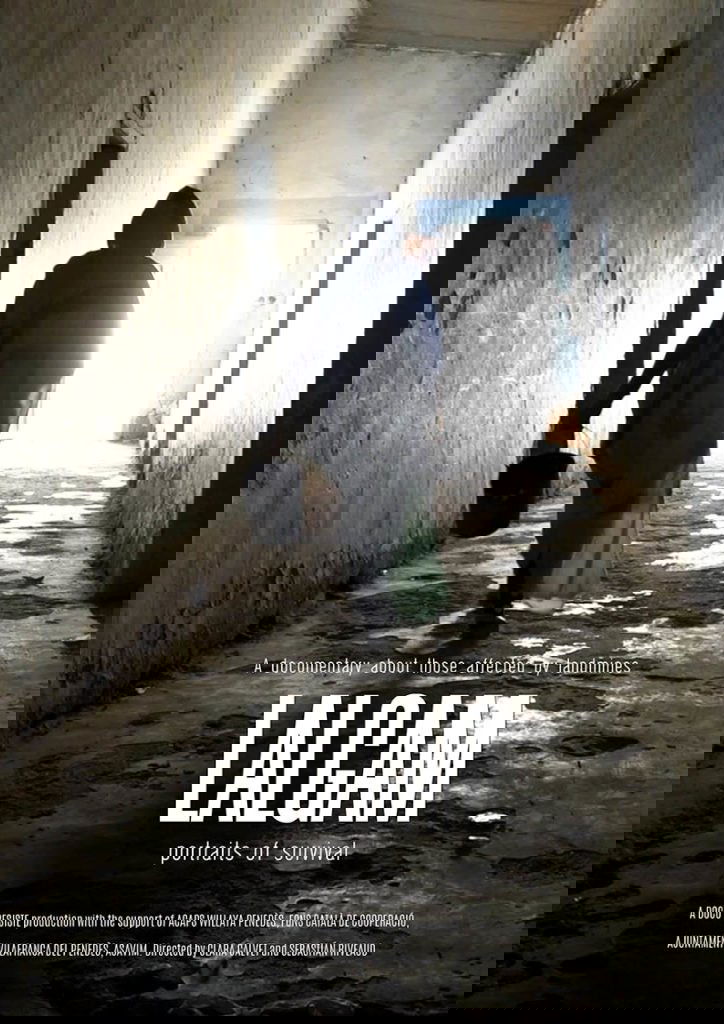
"A documentary about those affected by landmines"
Documentary that denounces the damages caused by the use of land mines in Western Sahara and shows the lives of those affected.
Stream
Social & External
The people behind it
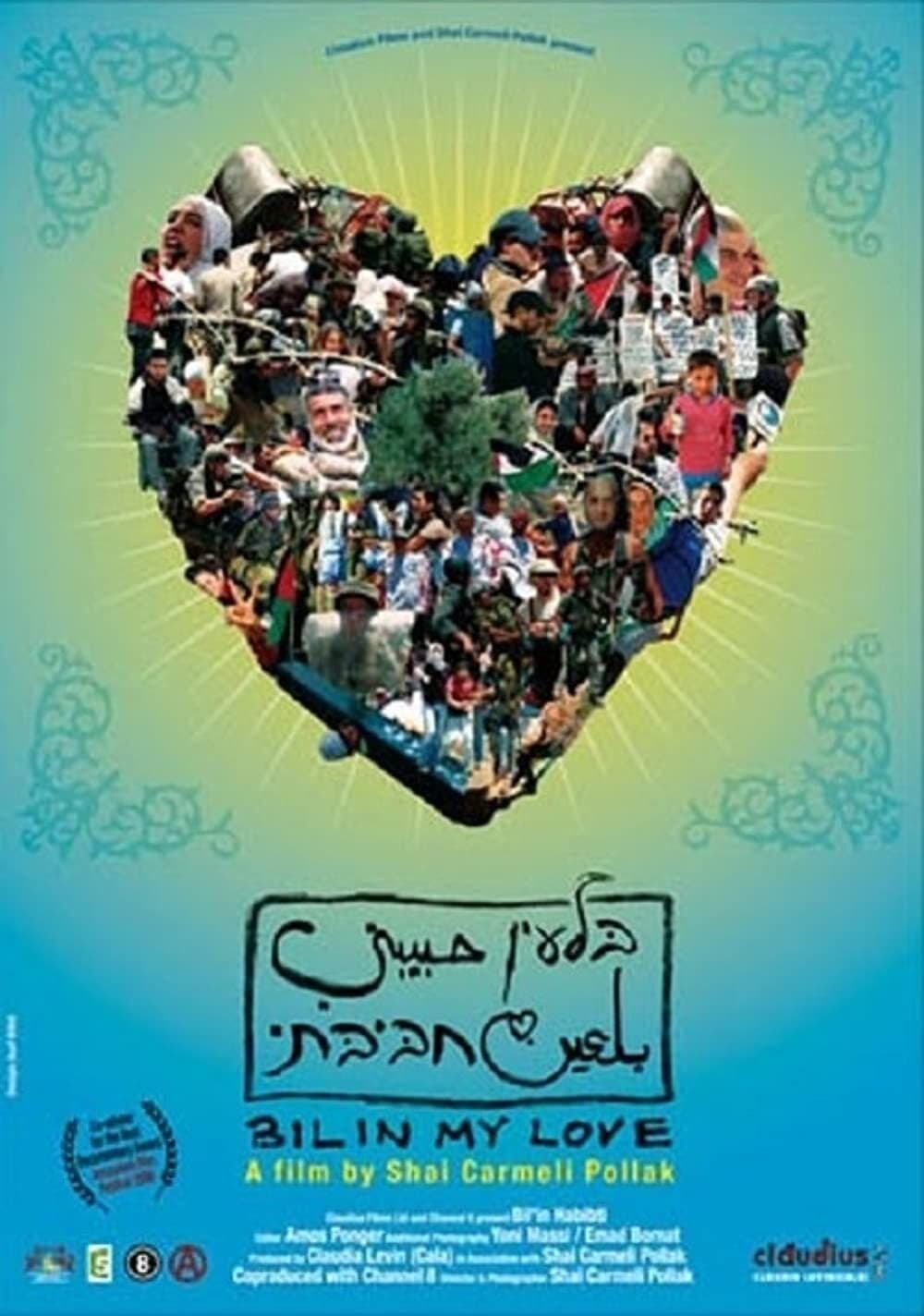
The Israeli filmmaker Shai Corneli Polak records the building of the 'security wall' through Palestinian territory at the village of Bil'in. The villagers protest mostly peacefully, while the Israeli army doesn't react peacefully. By now the Israeli High Court has ruled that the building of the wall was illegal.
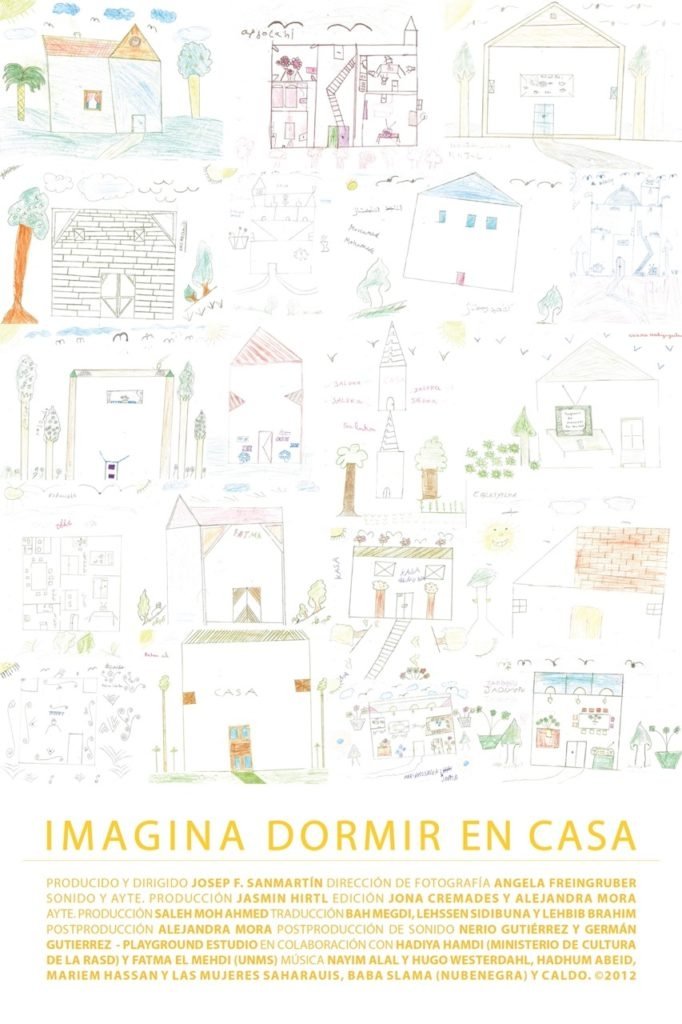
"Imagine sleeping at home" follows the story of several children who guide us to understand the conflict and the problems that they face, but also pay attention of small groups of friends who spontaneously comes to camera to tell what are their concerns. In the documentary we can also find the testimony of the director of a school for disabled children, the story of how a mother had to escape from the occupied territories when the Moroccan police detained for a week her ten years old son, or the analysis of a Sahrawi soldier about the situation of their children.
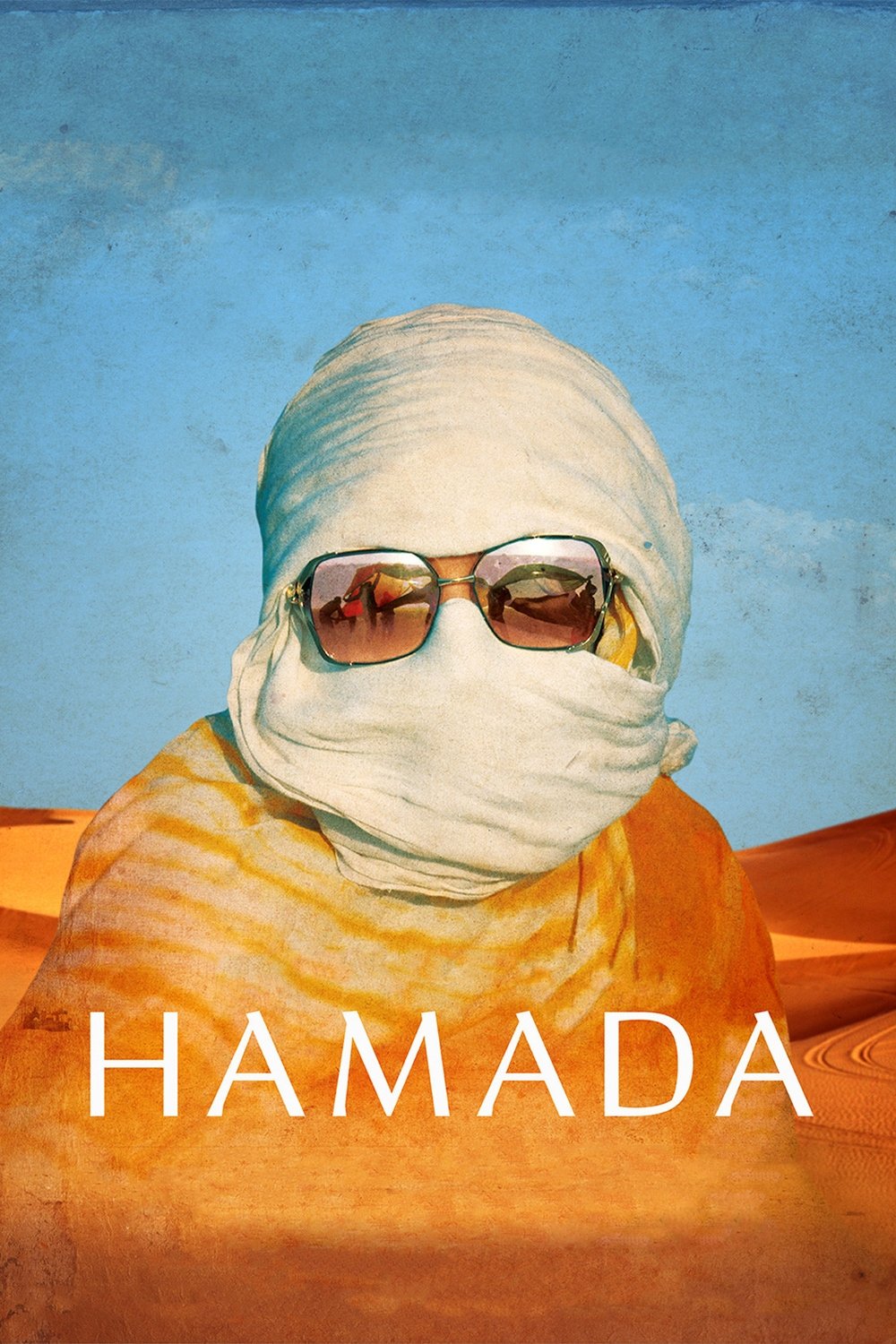
Filled with vitality, humor and unexpected situations, Hamada paints an unusual portrait of a group of young friends living in a refugee camp in the middle of nowhere. Western Sahara is known as “the last colony in Africa” and this conflict is the longest and one of the least known ongoing disputes in the continent, but the Sahrawi people refuse to become invisible.
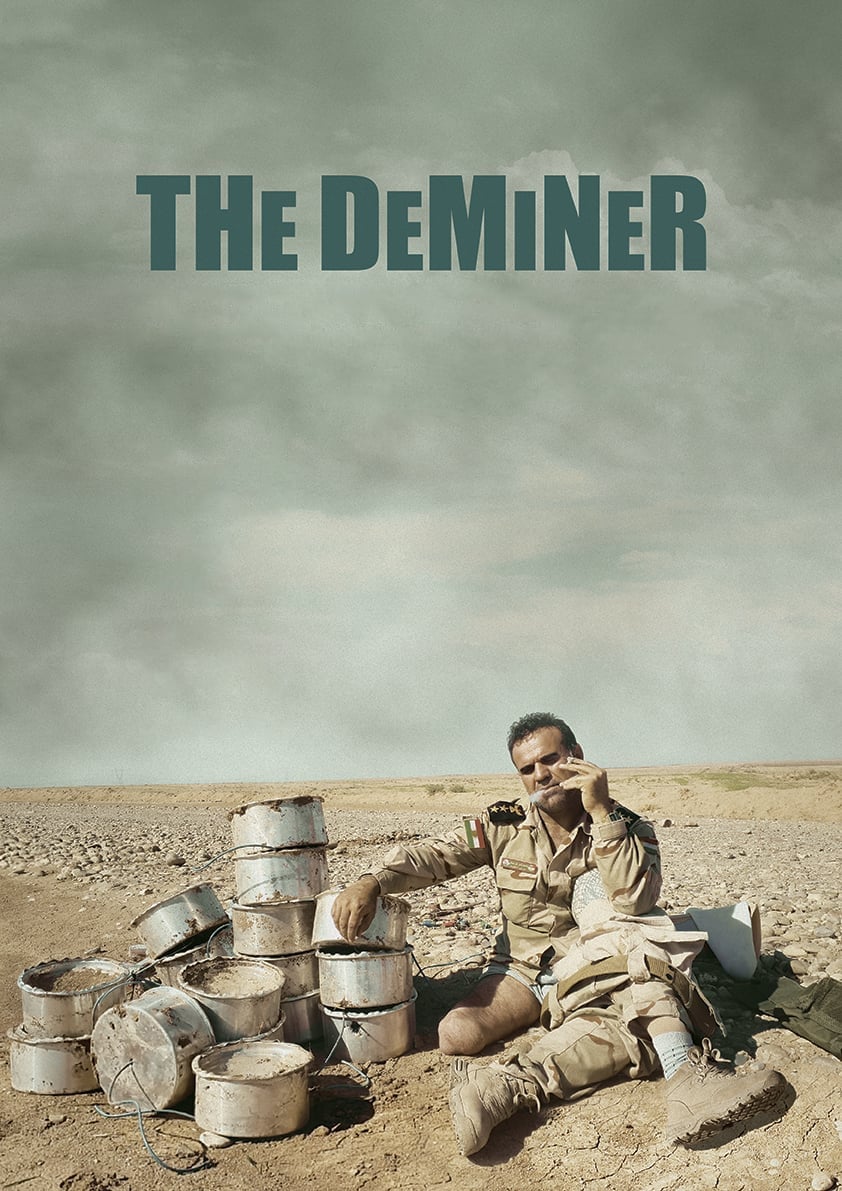
In the chaotic aftermath of the fall of Saddam Hussein, Fakhir, a father of eight, is serving in the Iraqi army. All around him, he sees innocent civilians getting injured by landmines, so he determines to disarm them with his own hands, using just a pocketknife and some wire cutters. He clears thousands of roadside bombs, mines and car bombs, knowing that every time he cuts a wire it could cost him his life—which he seems to find less important than the lives of others. In 2014, by this time having lost a leg, he starts working for the Kurdish Peshmerga, disarming boobytraps left behind by Daesh in and around Mosul. An enthusiastic home video maker, Fakhir collects hundreds of hours of footage of his day-to-day work.
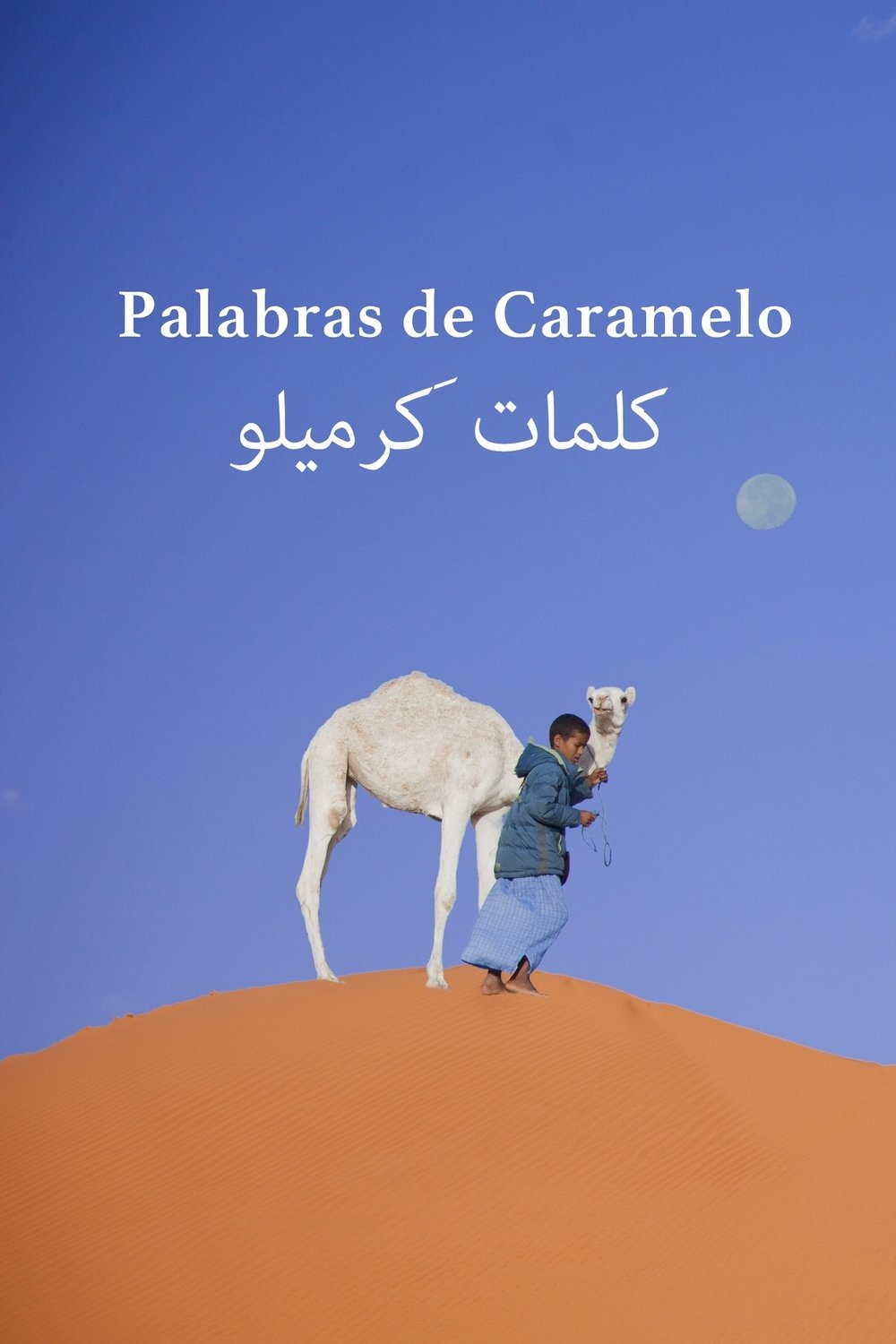
In a refugee camp in the Sahara desert lives a deaf boy who wants to learn to write. Welcome to the silent world of Kori and his best friend the camel Caramelo.
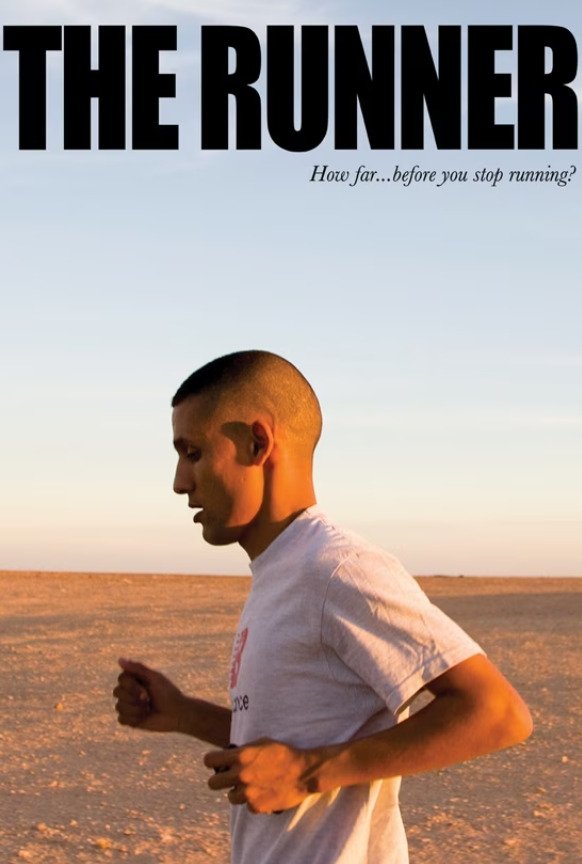
The Runner is a film about endurance. It is the story of a champion long-distance runner whose journey transformed him from an athlete into the symbol of a national liberation movement. Salah Hmatou Ameidan is willing to risk his life, his career, his family and his nationality to run for a country that doesn't exist. He is from Western Sahara, officially Africa's last colony and under Moroccan occupation since 1975.
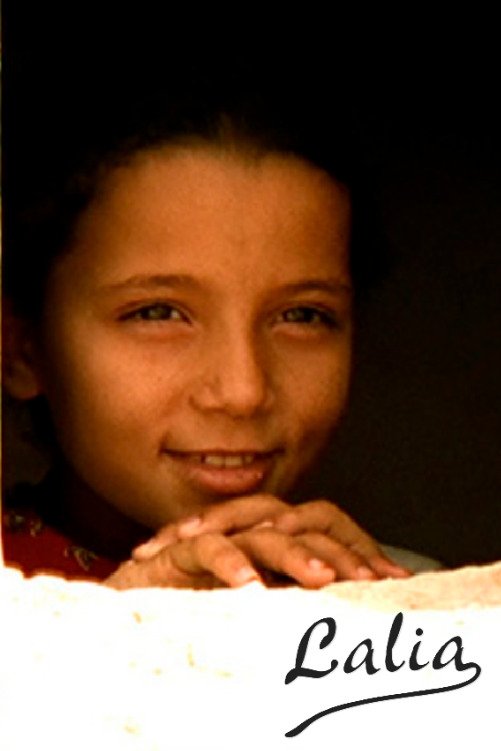
Lalia is a Saharaui girl who lives in a refugee camp in Algiers. She has only heard her grandmother and grandfather talk about her country, about the Sahara, that was taken away by Morroco. She dreams of one day seeing the ocean, seeing her real country. The reality she lives in is different... the uncertainty of the refugee camps, the political unbalance... but she is strong... and she knows that there can be change... she won't stop dreaming, and she won't stop longing..

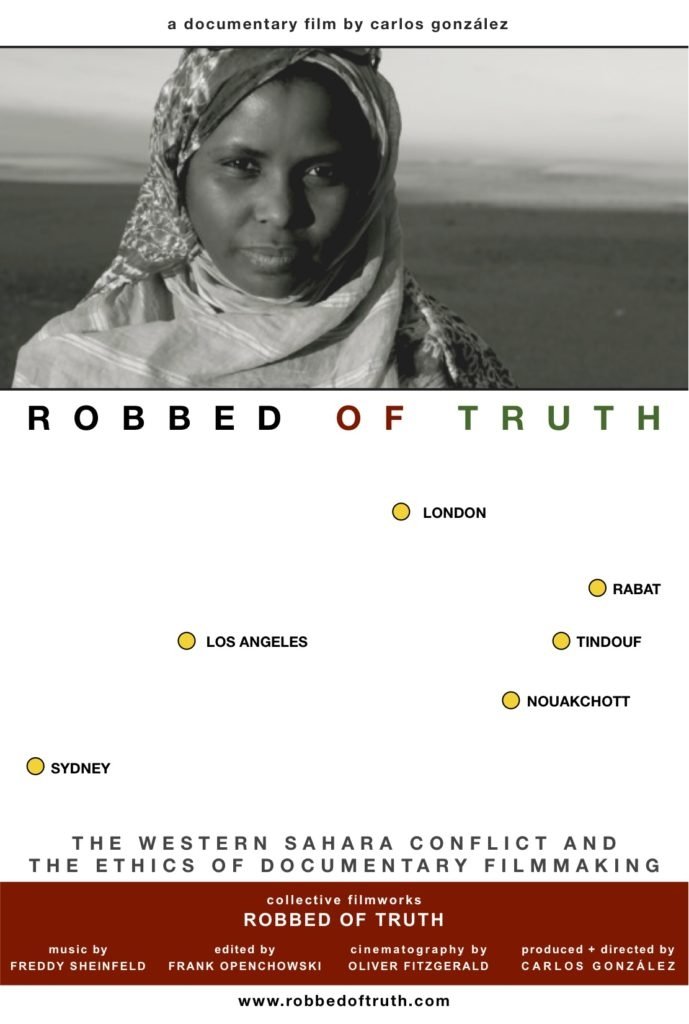
This is the true story of Fetim Salam, a Saharawi refugee falsely portrayed as a slave in the Australian documentary 'Stolen'. Australian filmmakers, Violeta Ayala and Daniel Fallshaw, travel to the Saharawi refugee camps in Tindouf, Algeria in 2007 and claim to discover 20,000 slaves in the camps run by the independence movement Polisario Front. Refugees are outraged for being portrayed as slaves, and humanitarian aid workers are incredulous about these allegations as they know the camps intimately. Filmmaker Carlos Gonzalez retraces their steps in search of the truth and finds a web of lies, misinformation and Moroccan operatives reshaping the truth.
Rebellious City is a documentary about the Provo movement and the city of Amsterdam in the sixties.
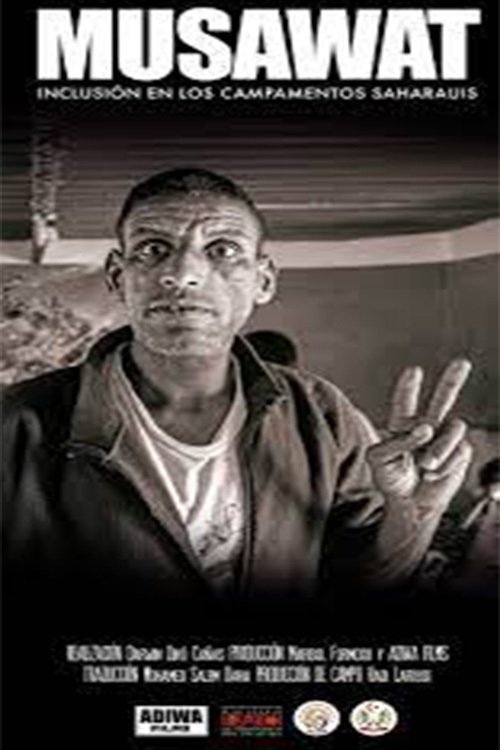
Education Center for disabled children located in the Sahrawi refugee camps in Algeria. Despite the precarious conditions in which this population lives since 40 years ago, the Polisario Front as the representative of the Sahrawi people has promoted inclusion as a way to avoid marginalization and discrimination of one of the most vulnerable populations within these territories: children with special needs. "Castro" is the man who devotes his life to this beautiful project fighting all odds: physical, psychic, social, economic, and even the incomprehensions of his own society. The Sahrawis are living (resisting) in one of the harshest deserts on Earth but Castro has the magic formula to achieve the inclusion of these wonderful beings in his society and in the rest of the world: MUSAWAT, EQUALITY.
Tinder. Woman looking for a man, man looking for a woman. It could have been so simple if she wasn't Israeli and the "man nearby" wasn't behind the wall, in the East Bank of the Jordan River. Israeli filmmaker Ines Moldavski meets Palestinian men she met on the Internet to get them to talk about their need for love and desire to possess.
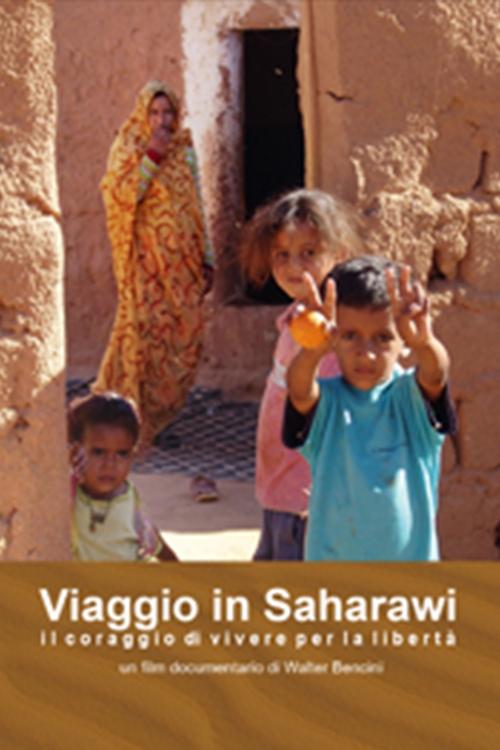
In the stunning and starkly beautiful landscape of Western Sahara, Walter Bencini recounts his journey to meet the Saharawi people, uprooted from their lands for decades and confined to desert tent camps named after the Moroccan cities where they once lived. It's the solidarity journey of a group of people from Valdarno, delivering the money and medicines raised through various initiatives directly into the hands of the beneficiaries.
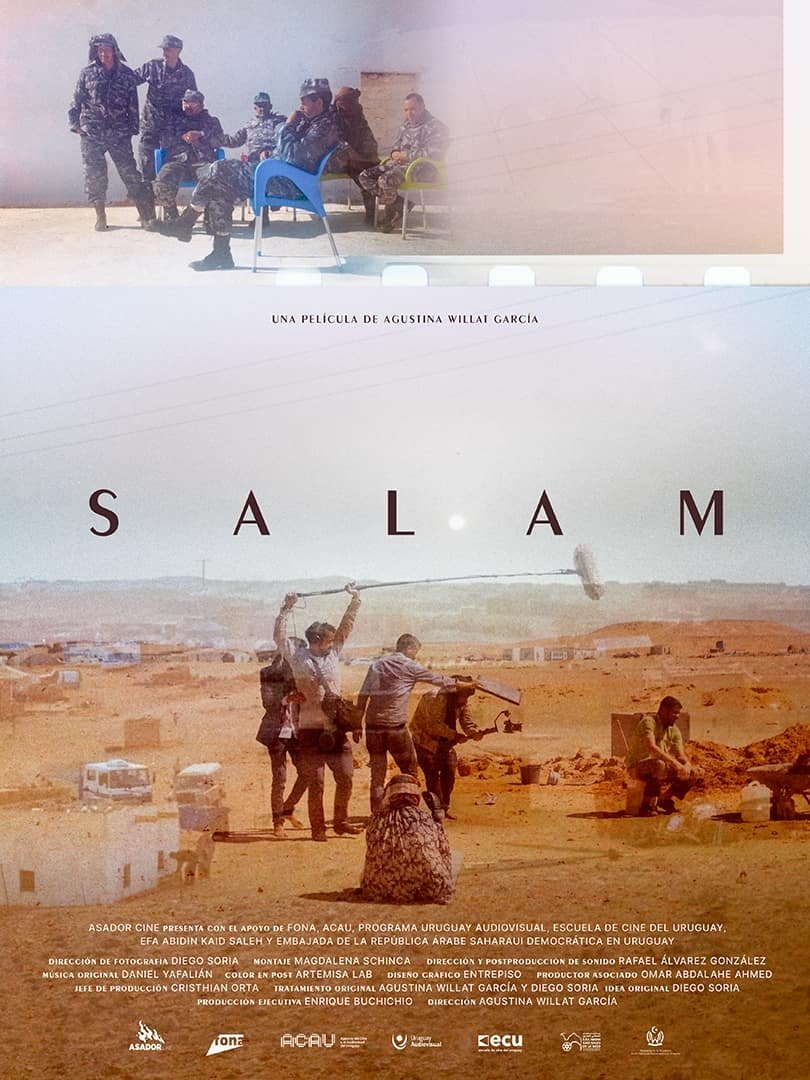
The Sahrawi people have lived in exile for almost half a century in the driest desert of the African continent. There, where basic resources such as water are scarce, there is a film school. As the world looks the other way, a group of young filmmakers carries out a battle against oblivion.
My Sahrawi family' is a report - documentary that reflects the bonds of unity between Sahrawi families and Spanish families who every summer welcome minors from refugee camps into their homes.
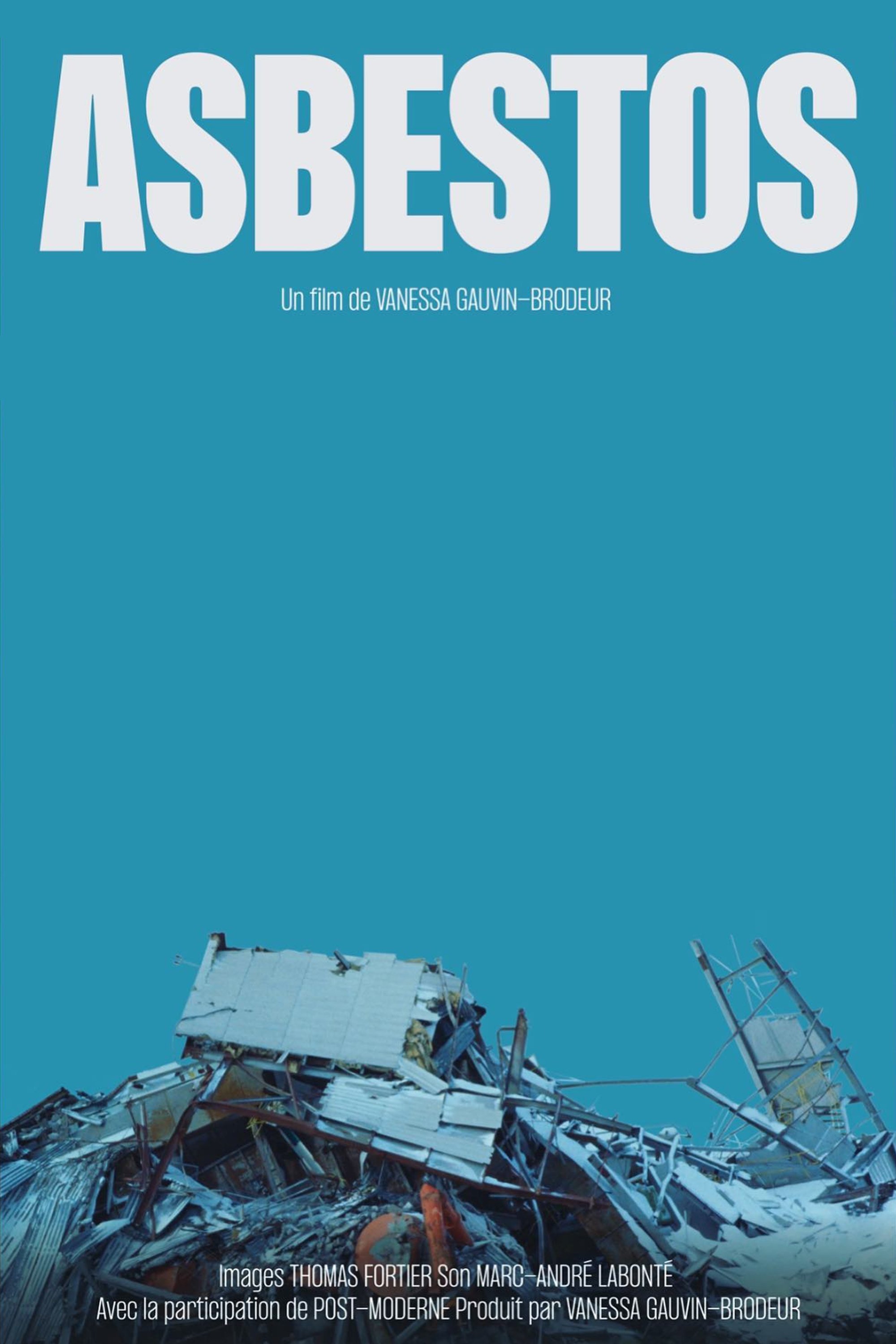
A cinematic and introspective look at the residents of a Quebec town—once the site of the world's largest asbestos mine—as they grapple with their community's industrial past. Striving to honour their heritage while reconciling with their history and forging a new path forward, the miners delve into the intricacies of progress and healing.
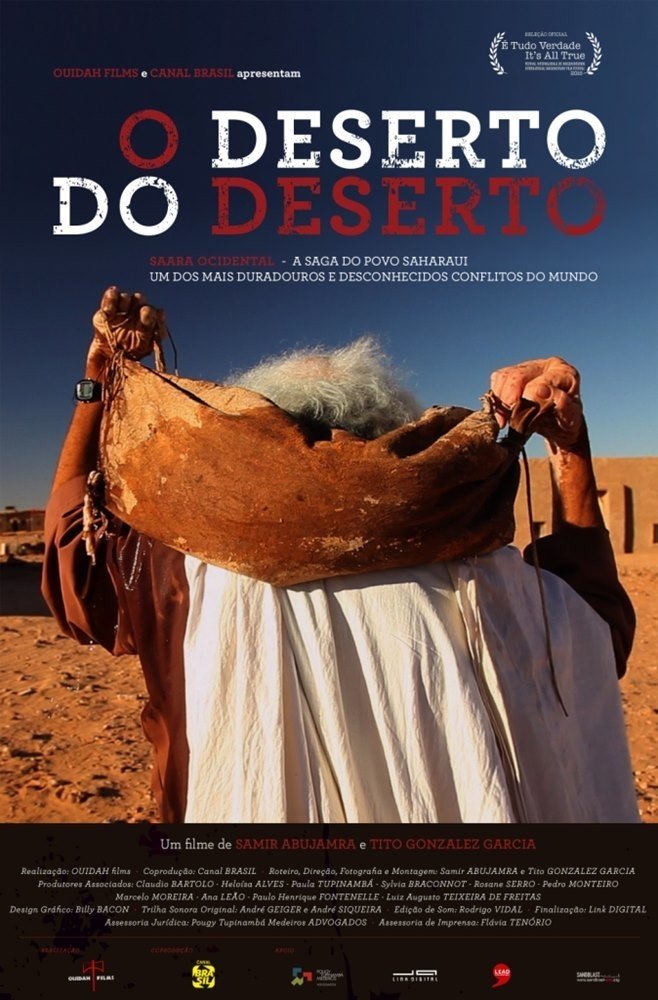
'The Desert of the Desert' is a feature documentary about one of the longest-running and least- known colonial conflicts and the plight of the Sahrawi desert nomads of Western Sahara since Morocco's 1975 invasion. Shot in Jan./Feb. 2014 in the Saharawi Liberated Territories of Western Sahara, and in the Saharawi Refugee Camps in Tindouf, Algeria, the film shows the saga of the Sahrawis, their struggle to regain their homeland and the sad paradox of a nomadic people forced to live in confinement. During production, the crew made a rare treck through 3,000 kilometers of bleak and dangerous desert, becoming unwitting participants in the conflict when their jeep was blown up by an anti-tank mine less than a kilometer from their destination on Western Sahara's Atlantic coast.
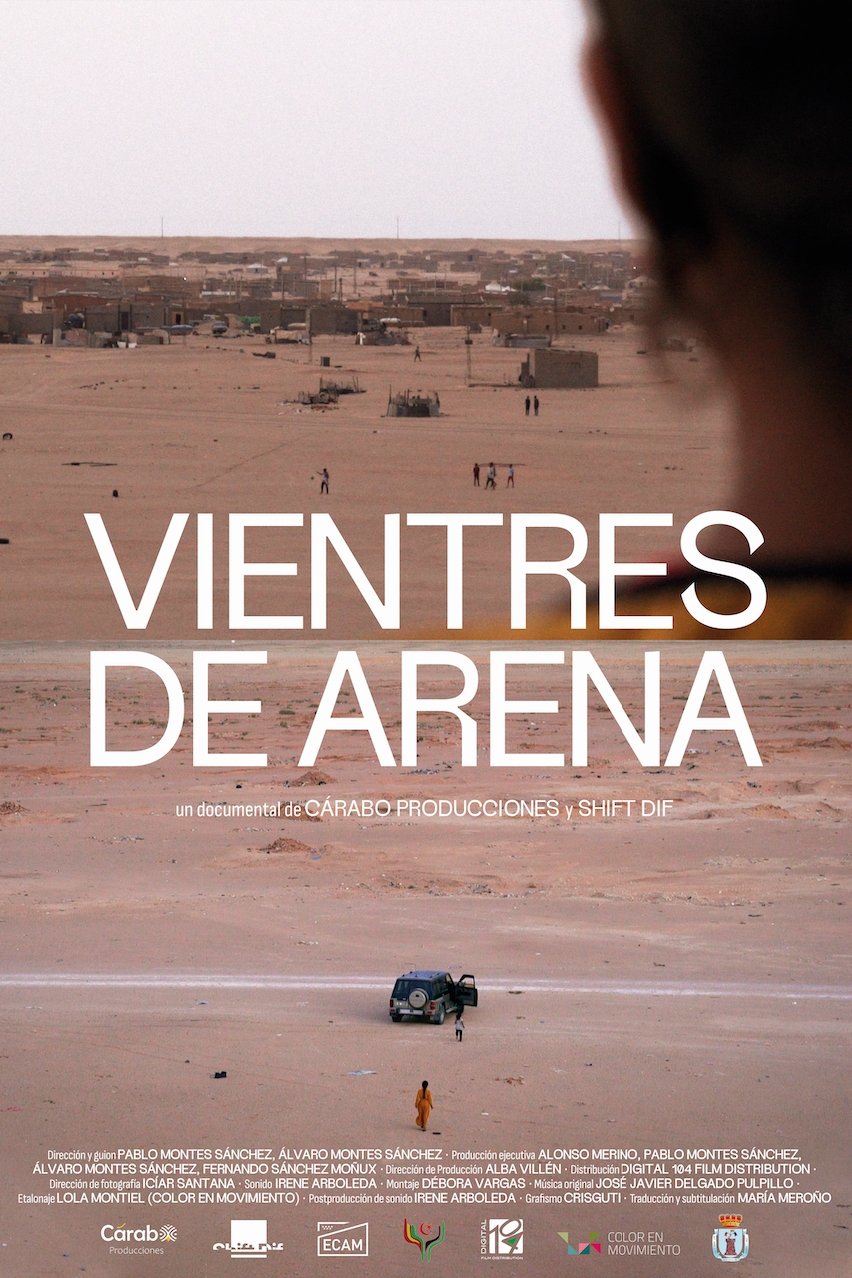
The Algerian region of Tindouf is home to more than 170,000 Sahrawis, who have been living in refugee camps since 1976, when Morocco occupied the Western Sahara region. In a place of inhospitable conditions and scarcity, the Sahrawi population lives on dwindling humanitarian aid. Six percent of them face the added difficulty of coeliac disease.
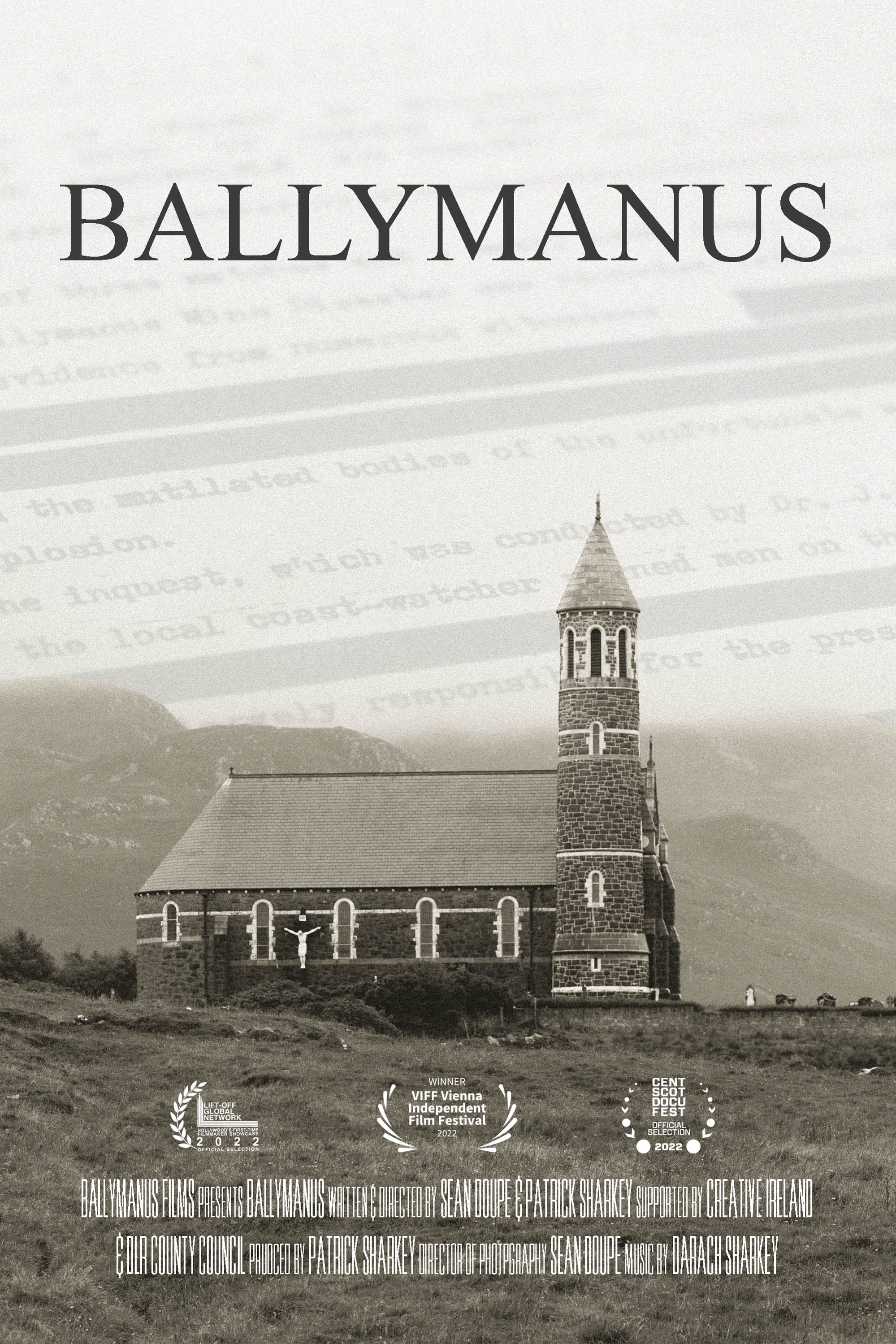
10 May 1943. Something is spotted drifting ashore off the coast of Northwest Donegal, Ireland. Something that would change the lives of the local people forever.
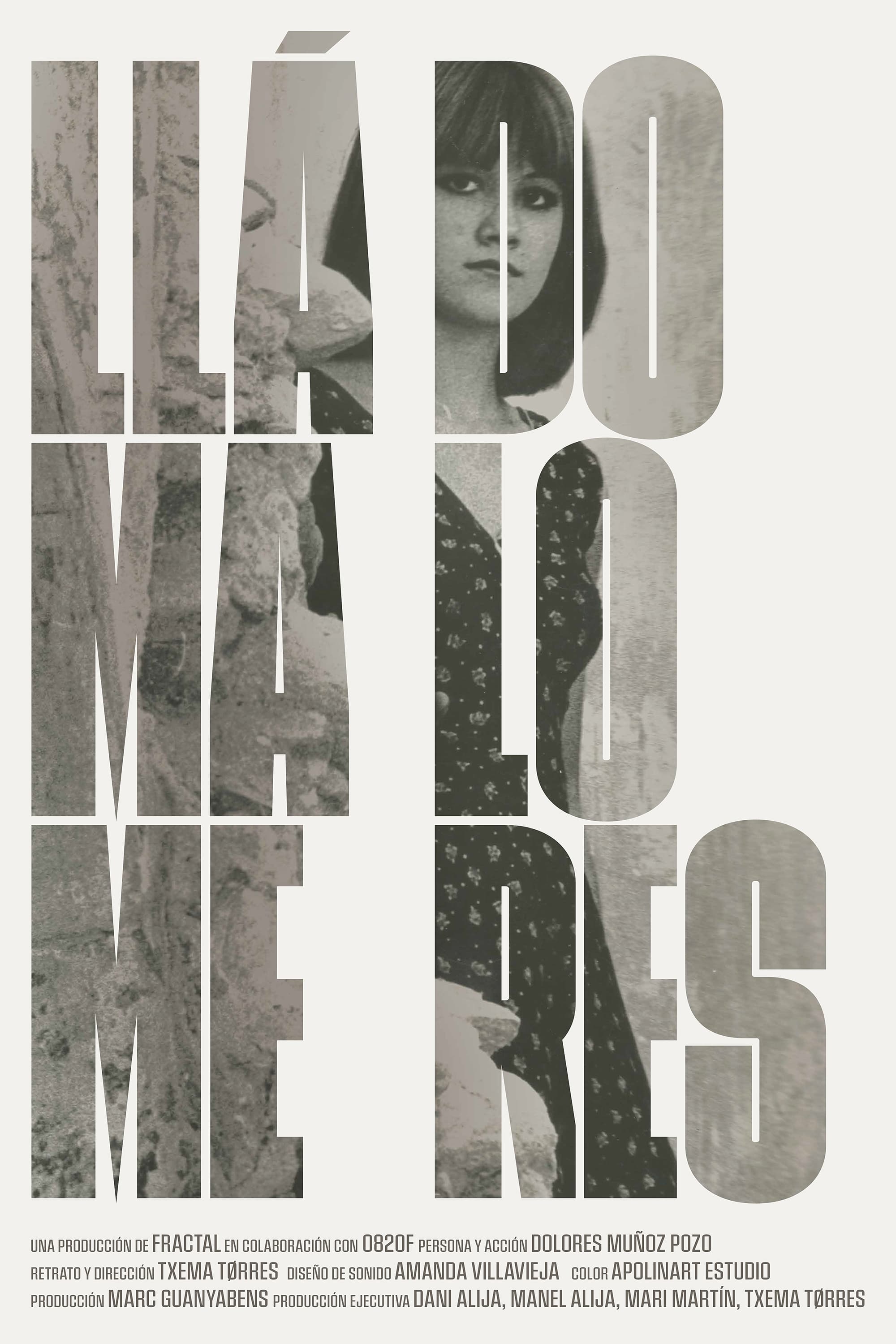
On the threshold of her old age, Dolores faces a wall full of memories.
A documentary on the expletive's origin, why it offends some people so deeply, and what can be gained from its use.
Ranjit, a farmer in India, takes on the fight of his life when he demands justice for his 13-year-old daughter, the victim of a brutal gang rape. His decision to support his daughter is virtually unheard of, and his journey unprecedented.
Alex Gibney explores the charged issue of pedophilia in the Catholic Church, following a trail from the first known protest against clerical sexual abuse in the United States and all way to the Vatican.
A string of threatening emails escalates into a revenge plot involving a newly married US marshal and his ex-girlfriend.
In an intimate and joyful story of love in the face of loss, celebrated poets Andrea Gibson and Megan Falley find strength—and unexpected hilarity—in what might be their final year together.
A visual montage portrait of our contemporary world dominated by globalized technology and violence.
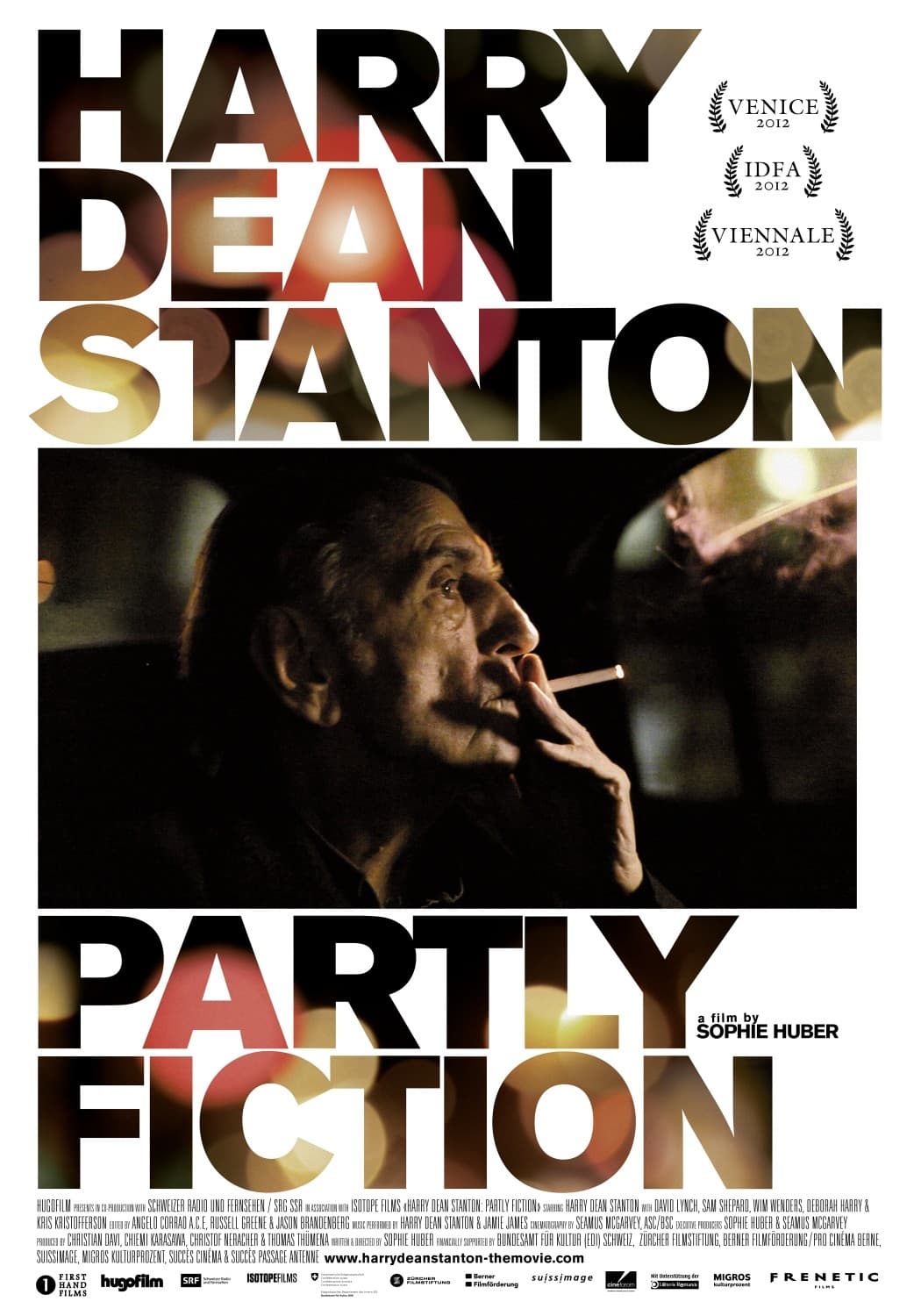
An impressionistic portrait of the iconic actor Harry Dean Stanton comprised of intimate moments, film clips from some of his 250 films and his renditions of American folk songs.
A love letter from a young mother to her daughter, the film tells the story of Waad al-Kateab’s life through five years of the uprising in Aleppo, Syria as she falls in love, gets married and gives birth to Sama, all while cataclysmic conflict rises around her. Her camera captures incredible stories of loss, laughter and survival as Waad wrestles with an impossible choice– whether or not to flee the city to protect her daughter’s life, when leaving means abandoning the struggle for freedom for which she has already sacrificed so much.
Using the book 'Fragments', which collects Marilyn Monroe's poems, notes and letters, and with participation from the Arthur Miller and Truman Capote estates who have contributed more material, each of the actresses will embody the legend at various stages in her life.
Through deeply personal interviews with her siblings and an examination of the photographs, letters, and belongings left behind, Mariska assembles a new portrait of her mother Jayne Mansfield, an extraordinary and complex woman.
From the heights of her modeling fame to her tragic death, this documentary reveals Anna Nicole Smith through the eyes of the people closest to her.
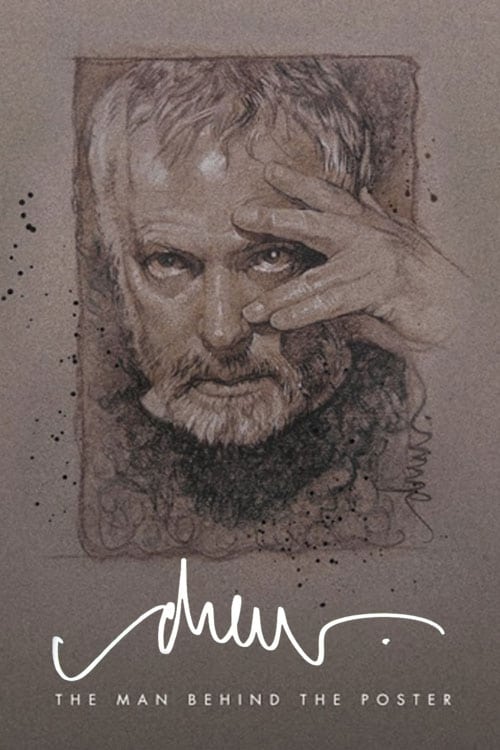
A documentary on legendary movie-poster artist Drew Struzan.
When Allied forces liberated the Nazi concentration camps in 1944-45, their terrible discoveries were recorded by army and newsreel cameramen, revealing for the first time the full horror of what had happened. Making use of British, Soviet and American footage, the Ministry of Information’s Sidney Bernstein (later founder of Granada Television) aimed to create a documentary that would provide lasting, undeniable evidence of the Nazis’ unspeakable crimes. He commissioned a wealth of British talent, including editor Stewart McAllister, writer and future cabinet minister Richard Crossman – and, as treatment advisor, his friend Alfred Hitchcock. Yet, despite initial support from the British and US Governments, the film was shelved, and only now, 70 years on, has it been restored and completed by Imperial War Museums under its original title "German Concentration Camps Factual Survey".
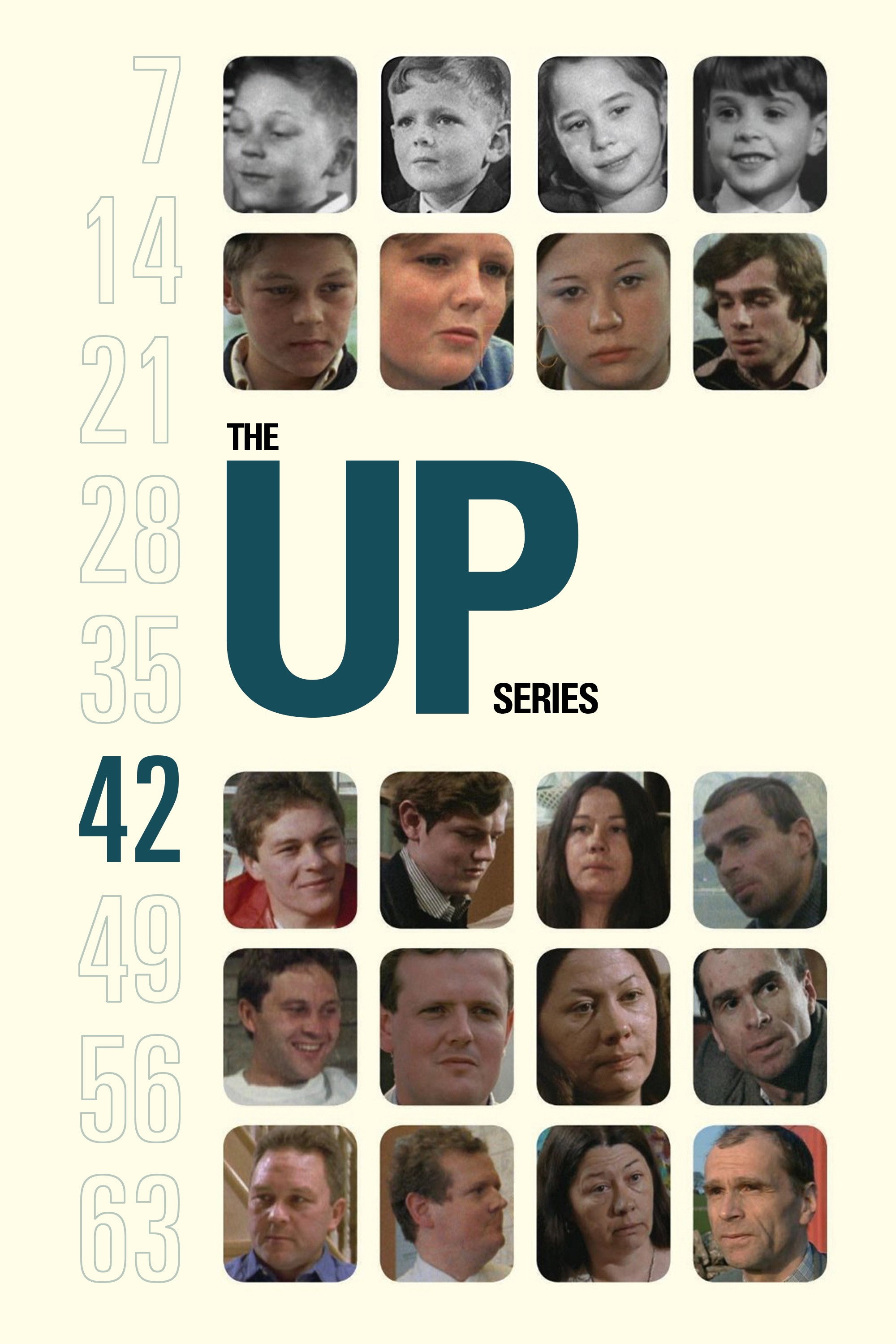
Director Michael Apted revisits the same group of British-born adults after a 7 year wait. The subjects are interviewed as to the changes that have occurred in their lives during the last seven years.
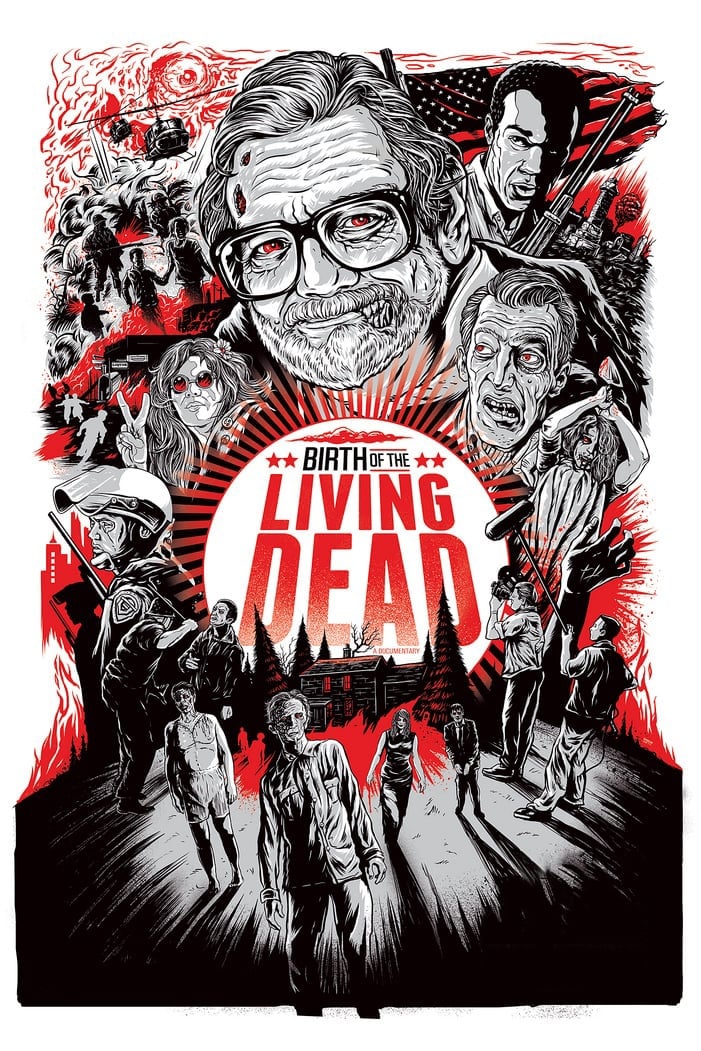
A behind the scenes look into George Romero's groundbreaking horror classic Night of the Living Dead.
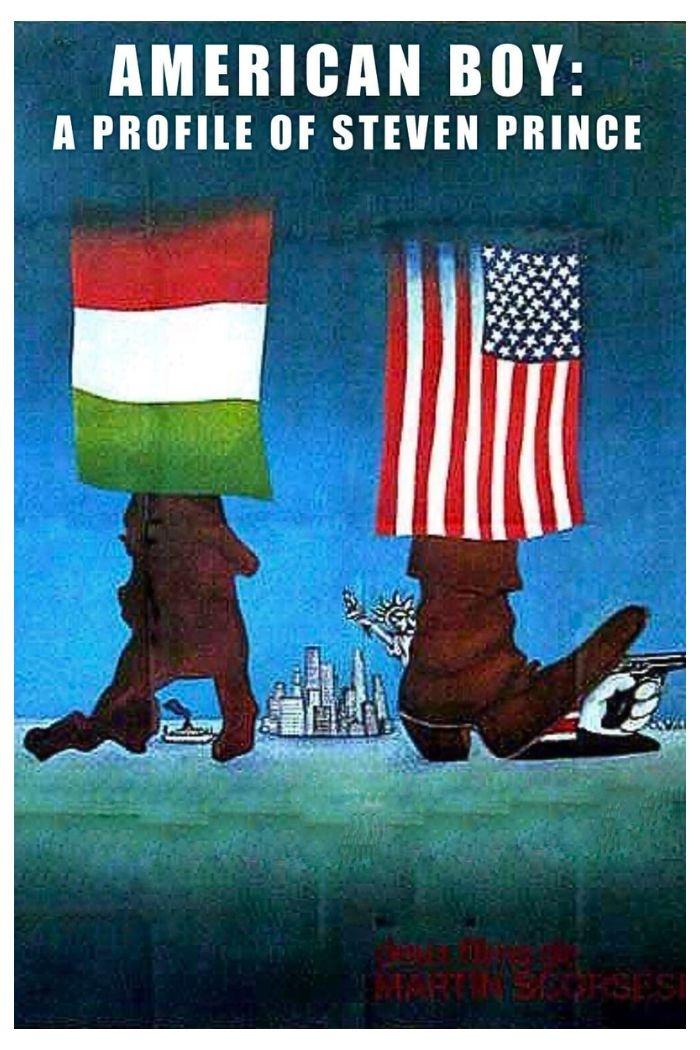
Martin Scorsese spends an evening with larger-than-life raconteur Steven Prince—a former drug addict, road manager for Neil Diamond, and actor—as he recounts stories from his colorful life.
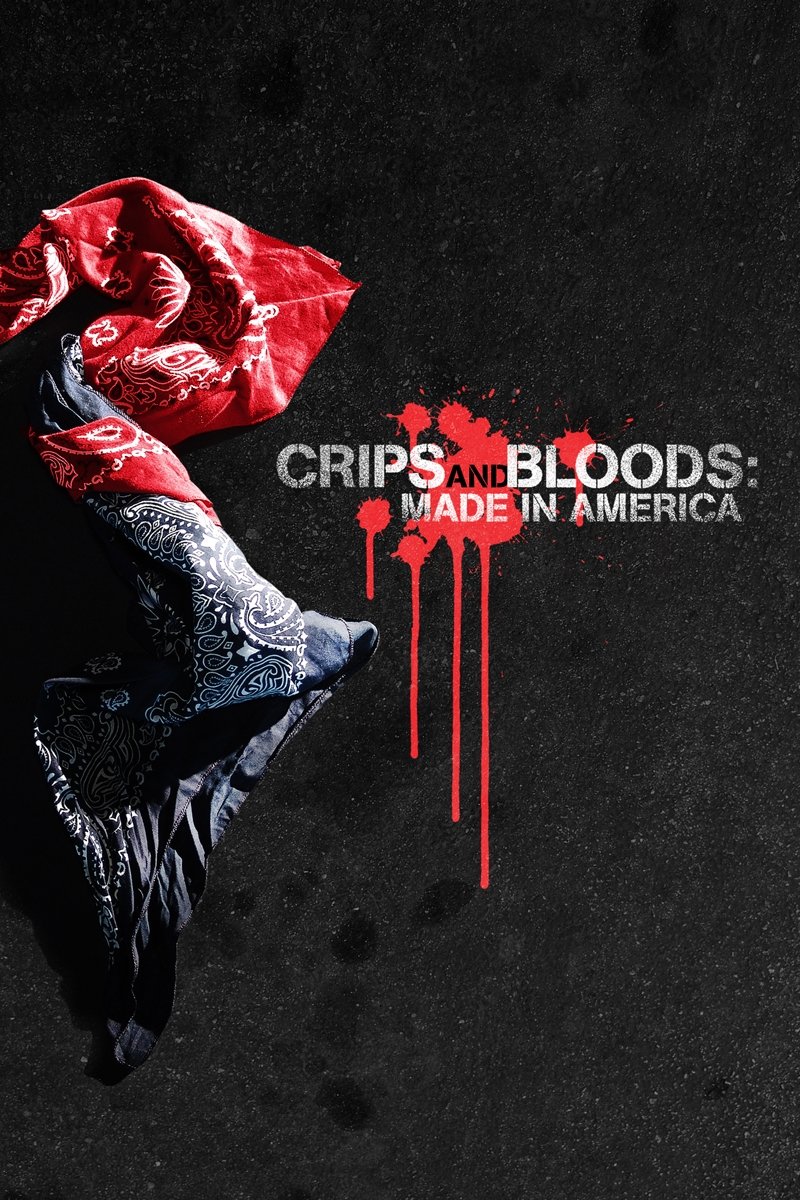
With a first-person look at the notorious Crips and Bloods, this film examines the conditions that have lead to decades of devastating gang violence among young African Americans growing up in South Los Angeles.
The Savage X Fenty Show gives a look into Rihanna's creative process for her latest lingerie collection. Modeled by incredible, diverse talent, celebrating all genders and sizes, and featuring performances by the hottest music artists.
The Making-of James Cameron's Avatar. It shows interesting parts of the work on the set.