Social & External
The people behind it
Salva Reina
Manuel
Cristina Mediero
Sara
Alejandro Escamilla
Bernabé
Vicente Vergara
Fermín
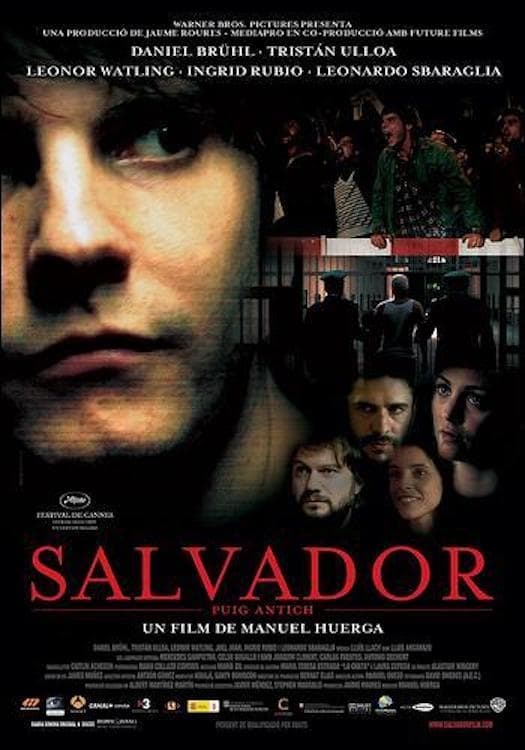
The story of Salvador Puig Antich, one of the last political prisoners to be executed under Franco's Fascist State in 1974.
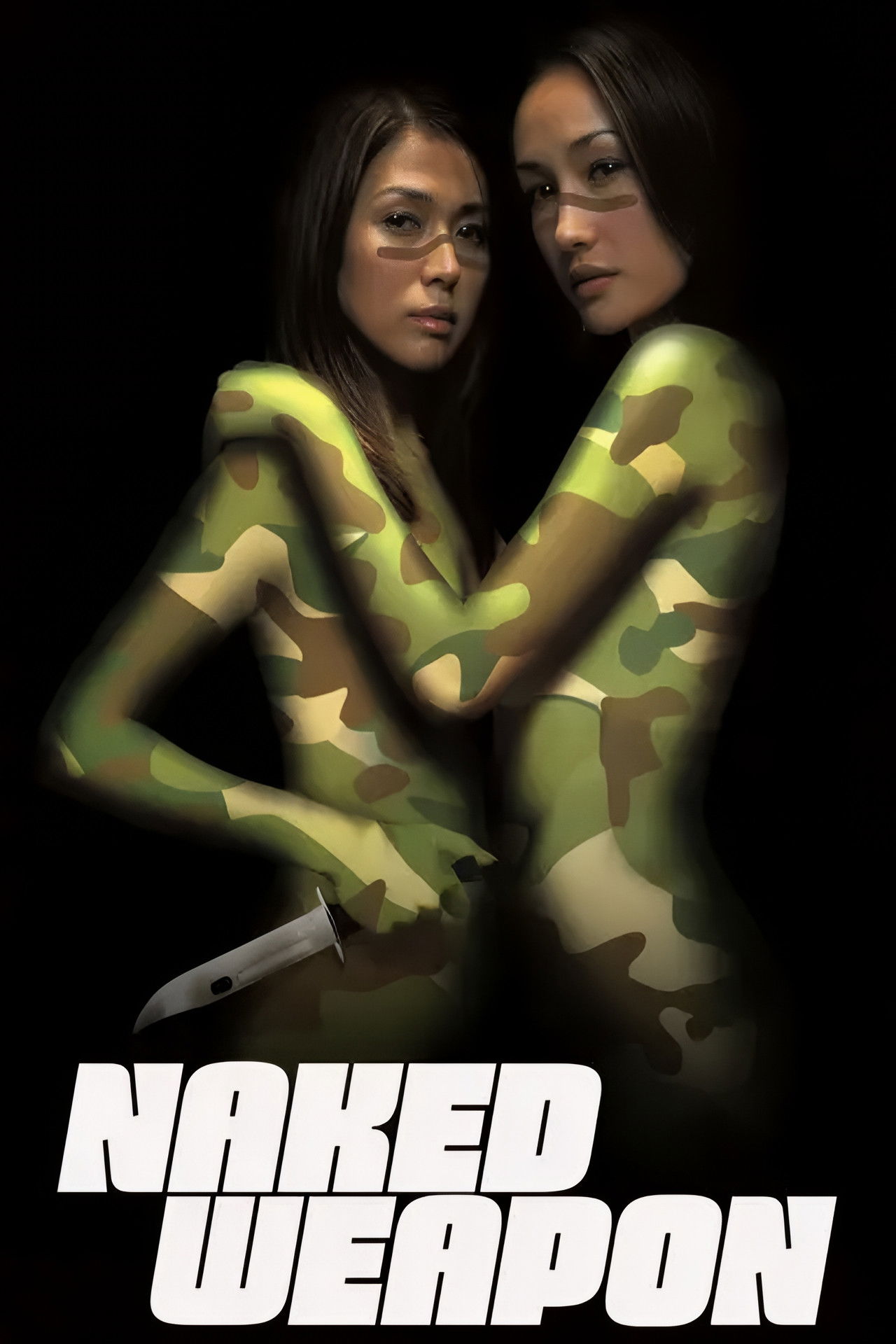
A mysterious woman, known as Madame M, kidnaps forty pre-teen girls and transports them to a remote island to train them as the most deadly assassins. CIA operative Jack Chen follows the case for 6 years with no leads, but when a series of assassinations begin to occur, Jack suspects that Madame M is back in business.
Lukas, a young schizophrenic man, has to deal with a new town, a new relationship, and the paranoia in his head.
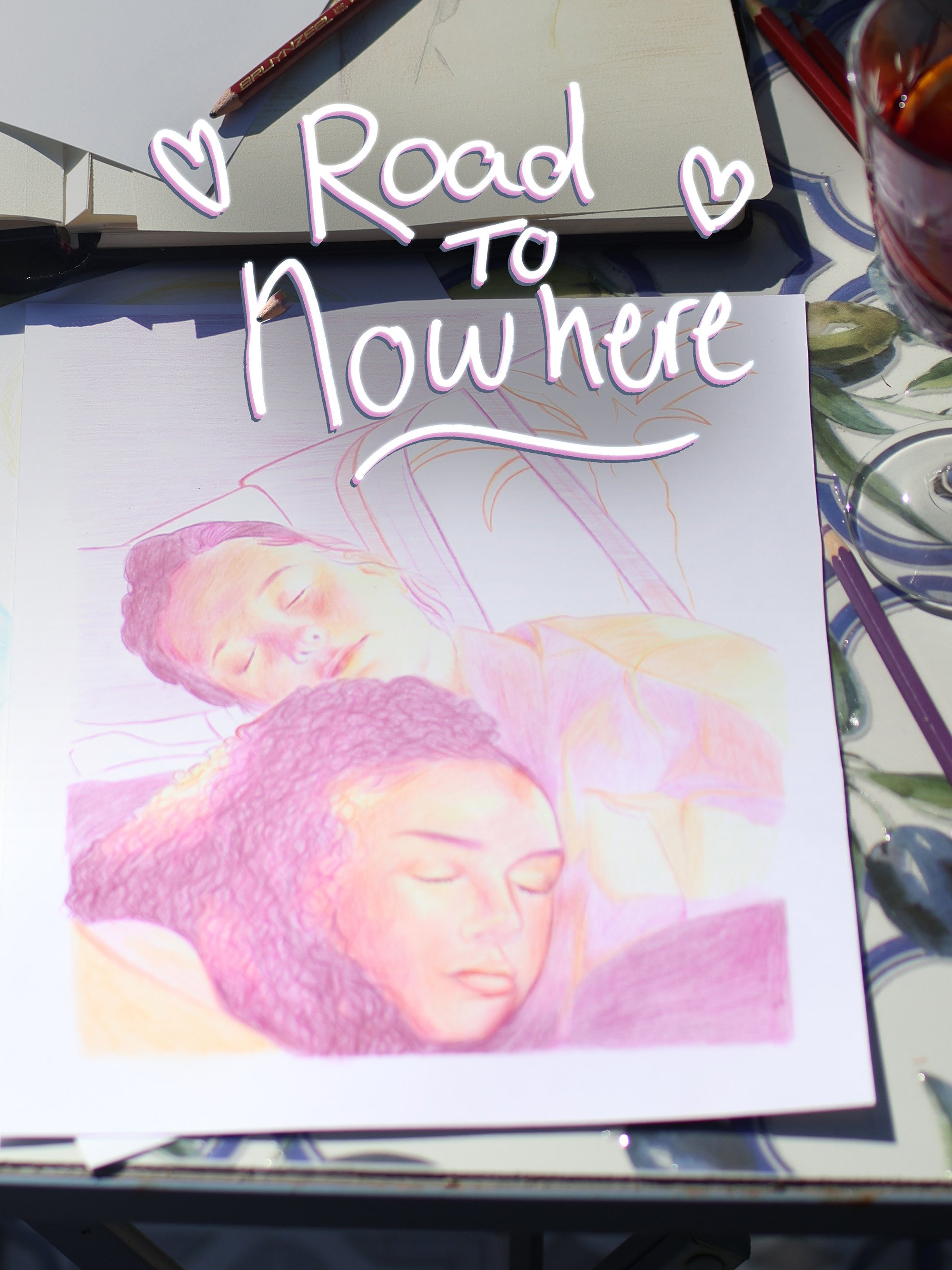
On a graduation trip to sunny Spain, Layla struggles with the pressure of her art school admissions, while Naomi is haunted by calls from her mother about her future plans. Their growing bond culminates in a drunken kiss that unleashes unexpected feelings.
The sailor Quico Carola, alleged war hero of the Francoist side, emigrated to America and amassed a great fortune. Fifteen years later he returns to Ferrera (Asturias), his homeland, in search of a wife who makes him forget his late girlfriend. There he will see his old friends and Armandina, the widow of a Republican shot during the Spanish civil war.
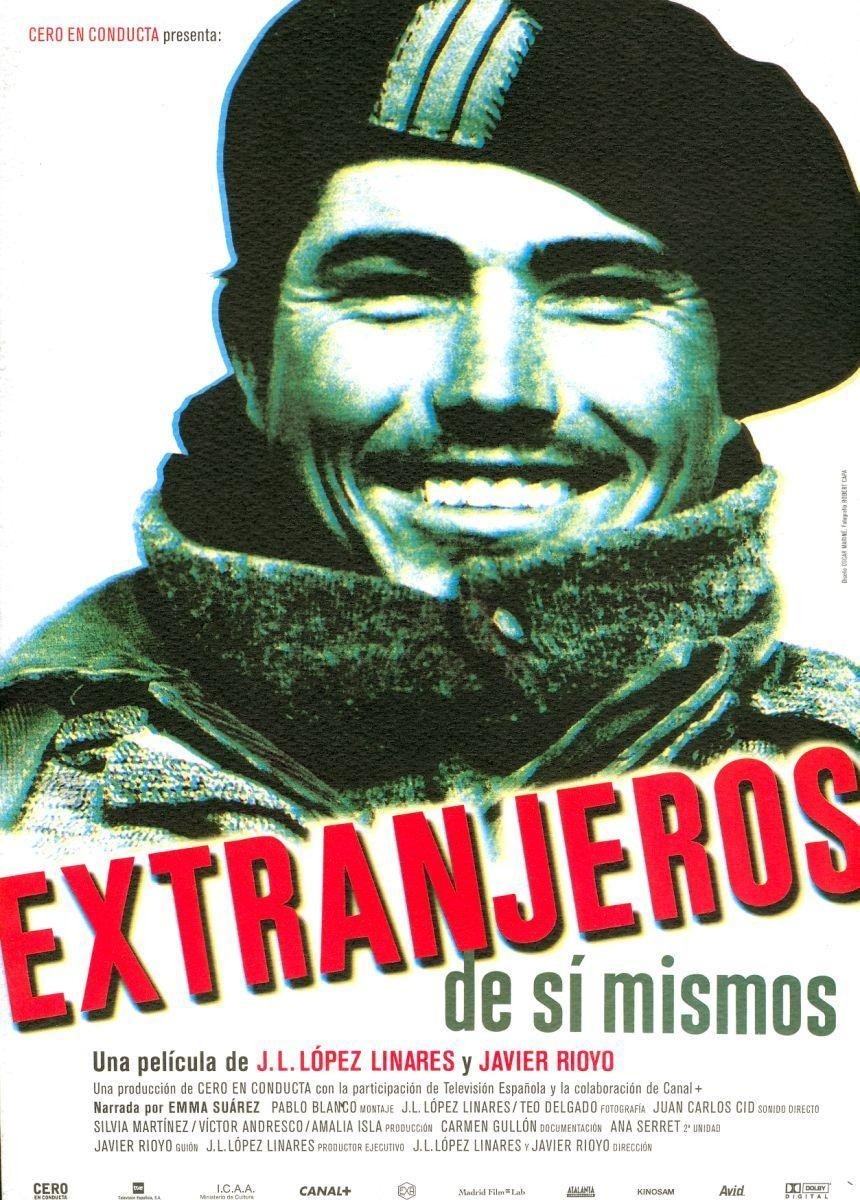
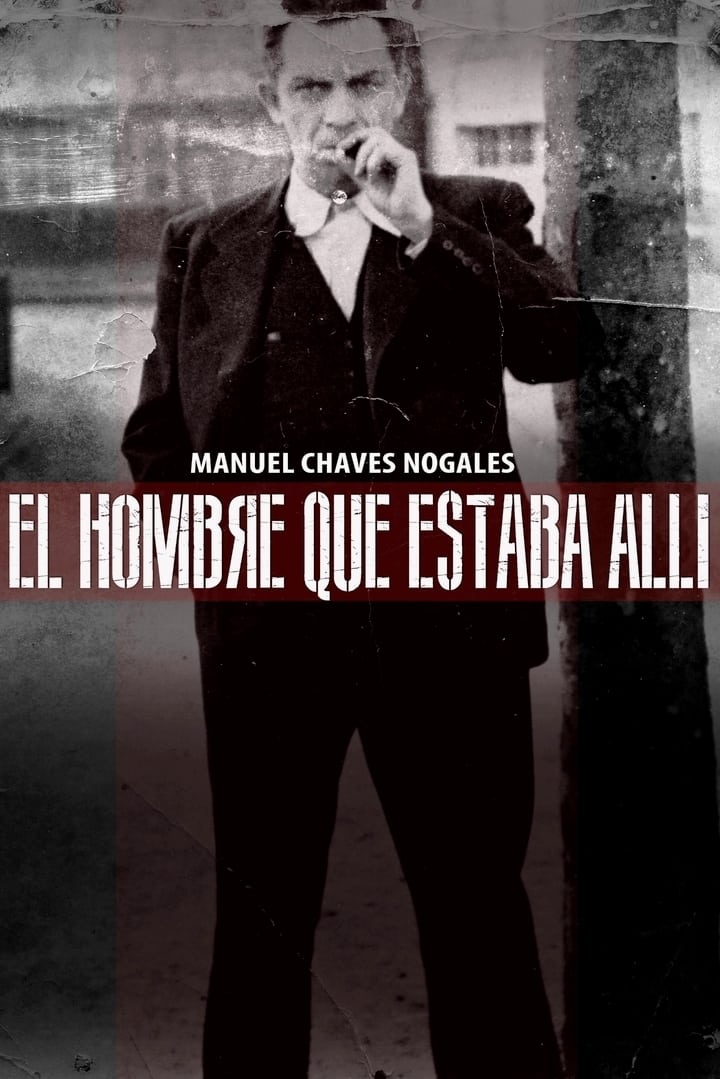
The Spanish journalist Manuel Chaves Nogales (1897-1944) was always there where the news broke out: in the fratricidal Spain of 1936, in Bolshevik Russia, in Fascist Italy, in Nazi Germany, in occupied Paris or in the bombed London of World War II; because his job was to walk, see and tell stories, and thus fight against tyrants, at a time when it was necessary to take sides in order not to be left alone; but he, a man of integrity to the bitter end, never did so.
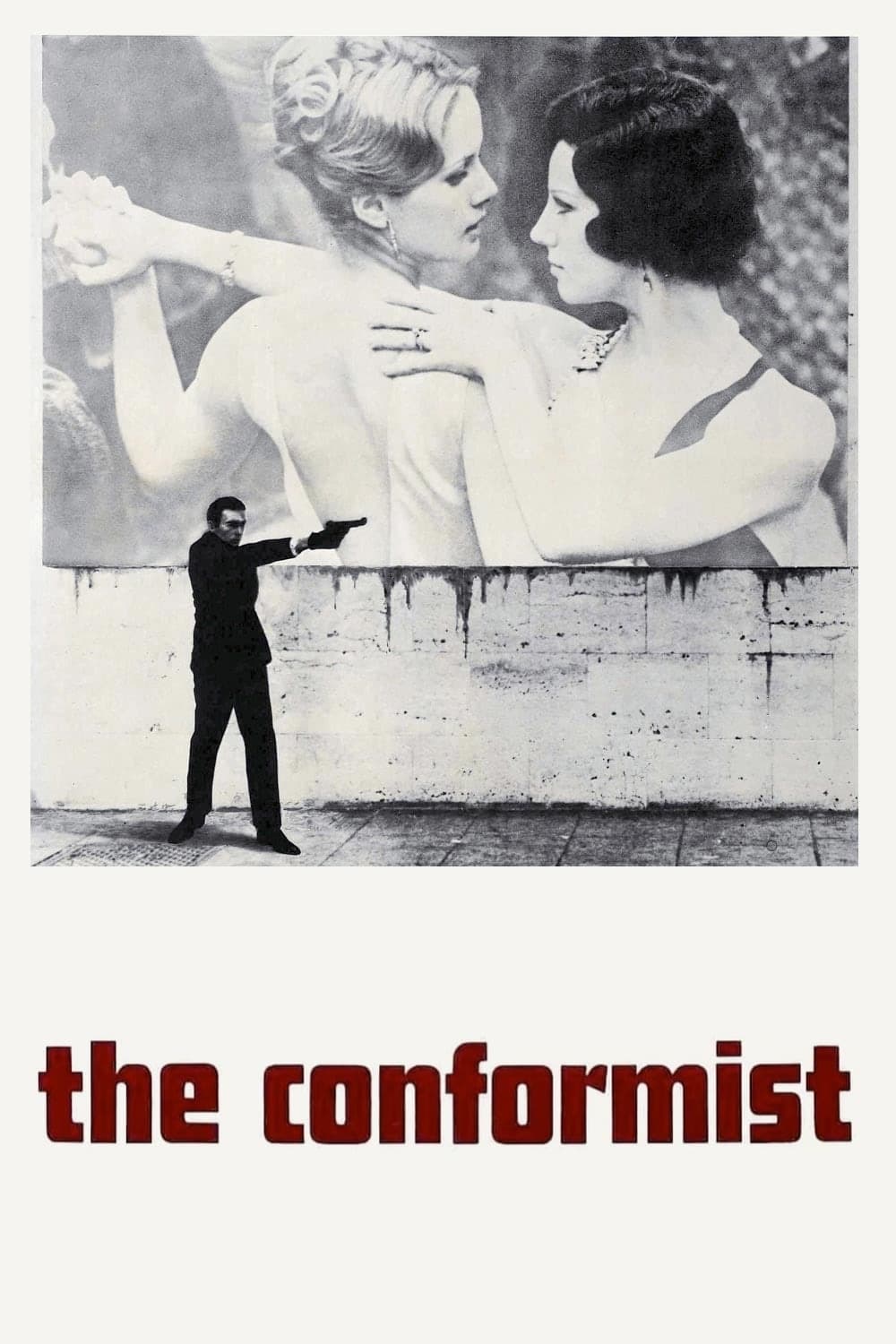
A weak-willed Italian man becomes a fascist flunky who goes abroad to arrange the assassination of his old teacher, now a political dissident.
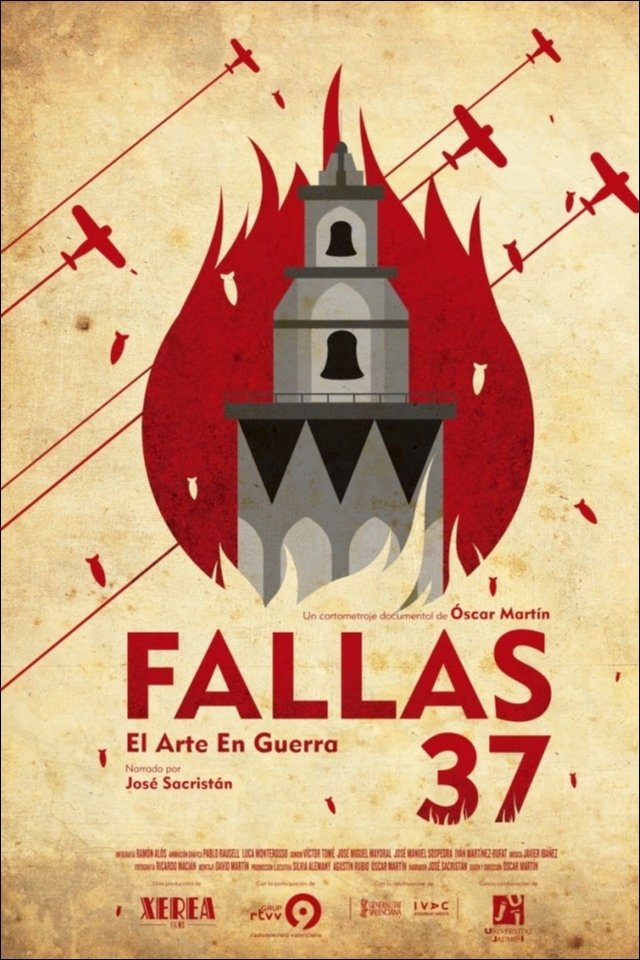
In November 1936, a few months since the beginning of the Spanish Civil War, the government of the Second Republic moves to Valencia. In this situation, several Valencian artists and intellectuals decide to build four fallas — satirical plasterboard sculptures created to be burnt — to mock fascism.
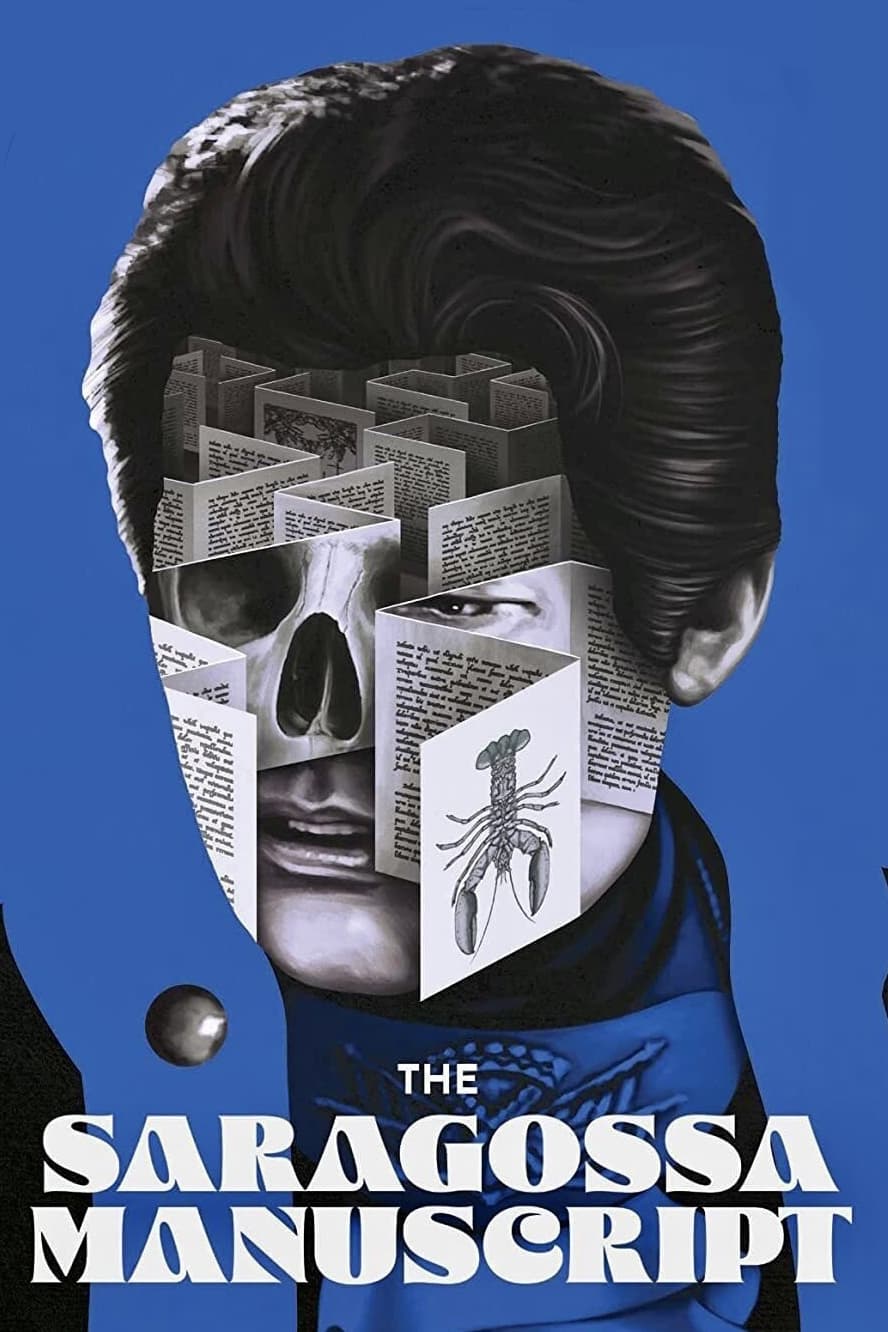
During the Napoleonic wars, a Spanish officer and an opposing officer find a book written by the former's grandfather.
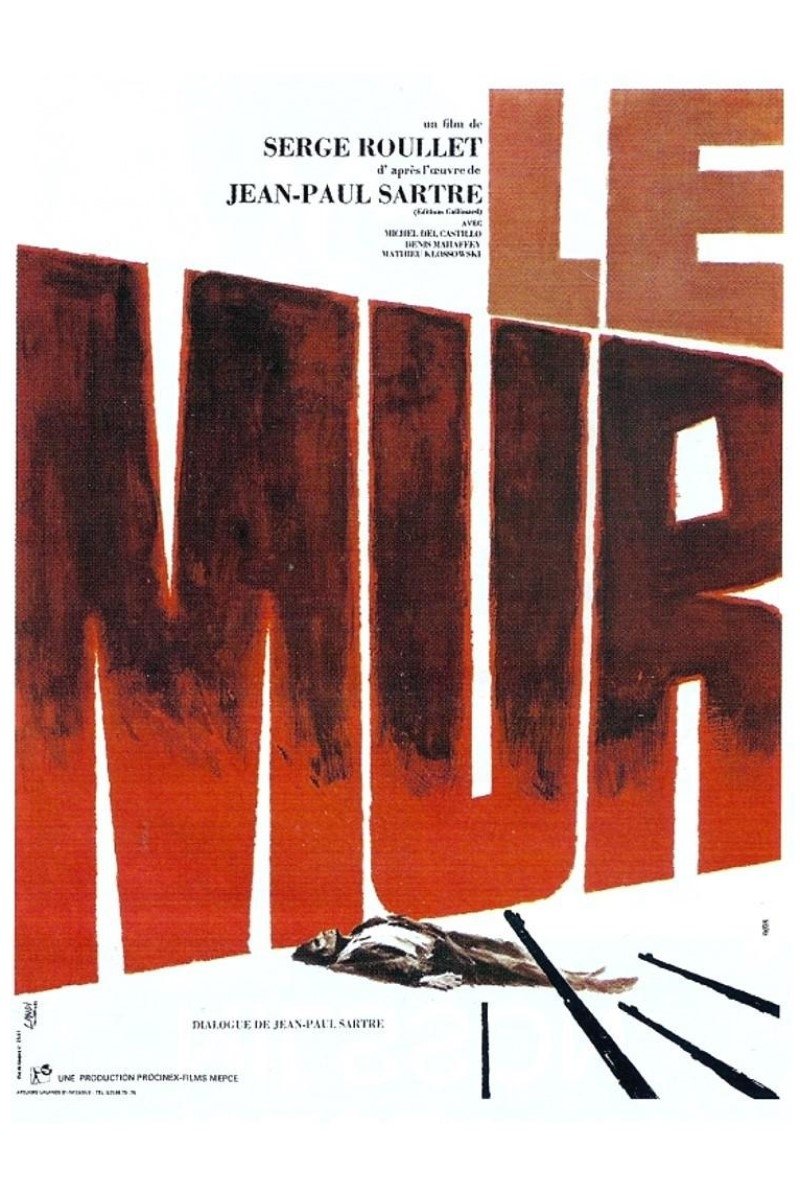
Prisoners await execution by firing squad when they are captured during the Spanish Civil War in this drama taken from the novella by Jean-Paul Sarte. Pablo is a loyalist jailed after he searches for his brother. An Irish mercenary and a Belgian physician are his cellmates. Flashbacks recall their lives before the war as they spend their last moments on Earth waiting for their date with death.
As a young man struggles through moments of uncertainty, grief, mortality and being unable to cope with the influx of emotion, he is brought along on a mental journey of self-discovery and self-worth through a language that speaks when words no longer work -- music.
Manuela is left behind when her husband Justo fights for his ideals against Franco's Nationalists during the Spanish Civil War. He is deported to a concentration camp, and upon his release, continues the fight against nationalism in the French resistance. Years pass without a word from him, but his wife never gives up hope of seeing him again.
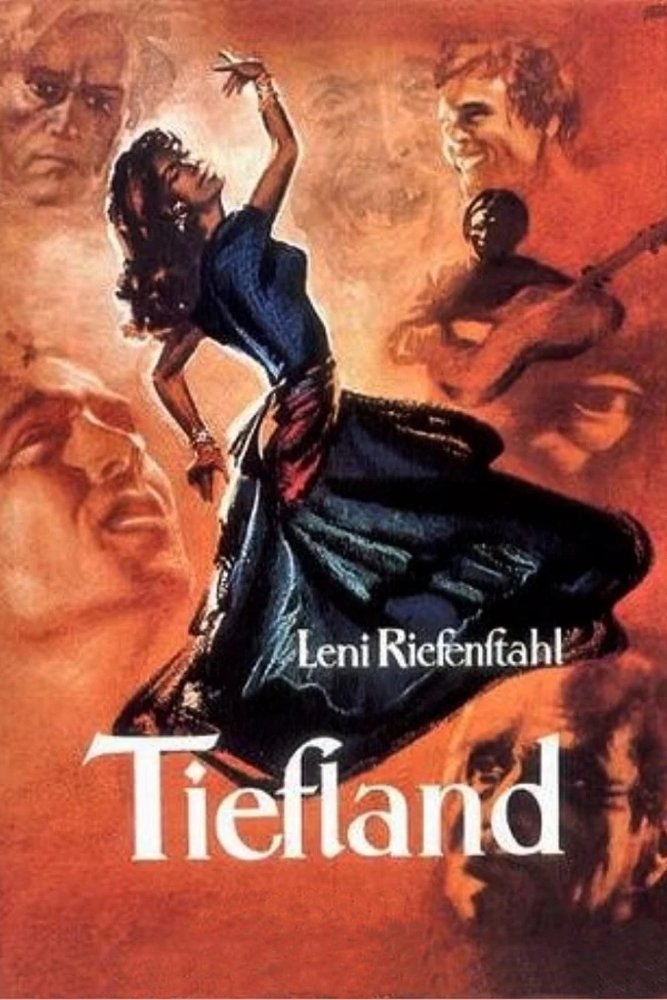
In early 20th Century Europe, a dancer becomes the romantic bone of contention between two men, a humble shepherd and an imperious marquis.
Madrid, Spain. A mutilated man, a war veteran, walks, leaning on a crutch, through the stadium of the Ciudad Universitaria, a place that still preserves in walls and buildings the terrifying traces of one of the bloodiest battles of the Spanish Civil War.
During an historic counter-terrorism summit in Spain, the President of the United States is struck down by an assassin's bullet. Eight strangers have a perfect view of the kill, but what did they really see? As the minutes leading up to the fatal shot are replayed through the eyes of each eyewitness, the reality of the assassination takes shape.
In Nazi-occupied France during World War II, a group of Jewish-American soldiers known as "The Basterds" are chosen specifically to spread fear throughout the Third Reich by scalping and brutally killing Nazis. The Basterds, lead by Lt. Aldo Raine soon cross paths with a French-Jewish teenage girl who runs a movie theater in Paris which is targeted by the soldiers.
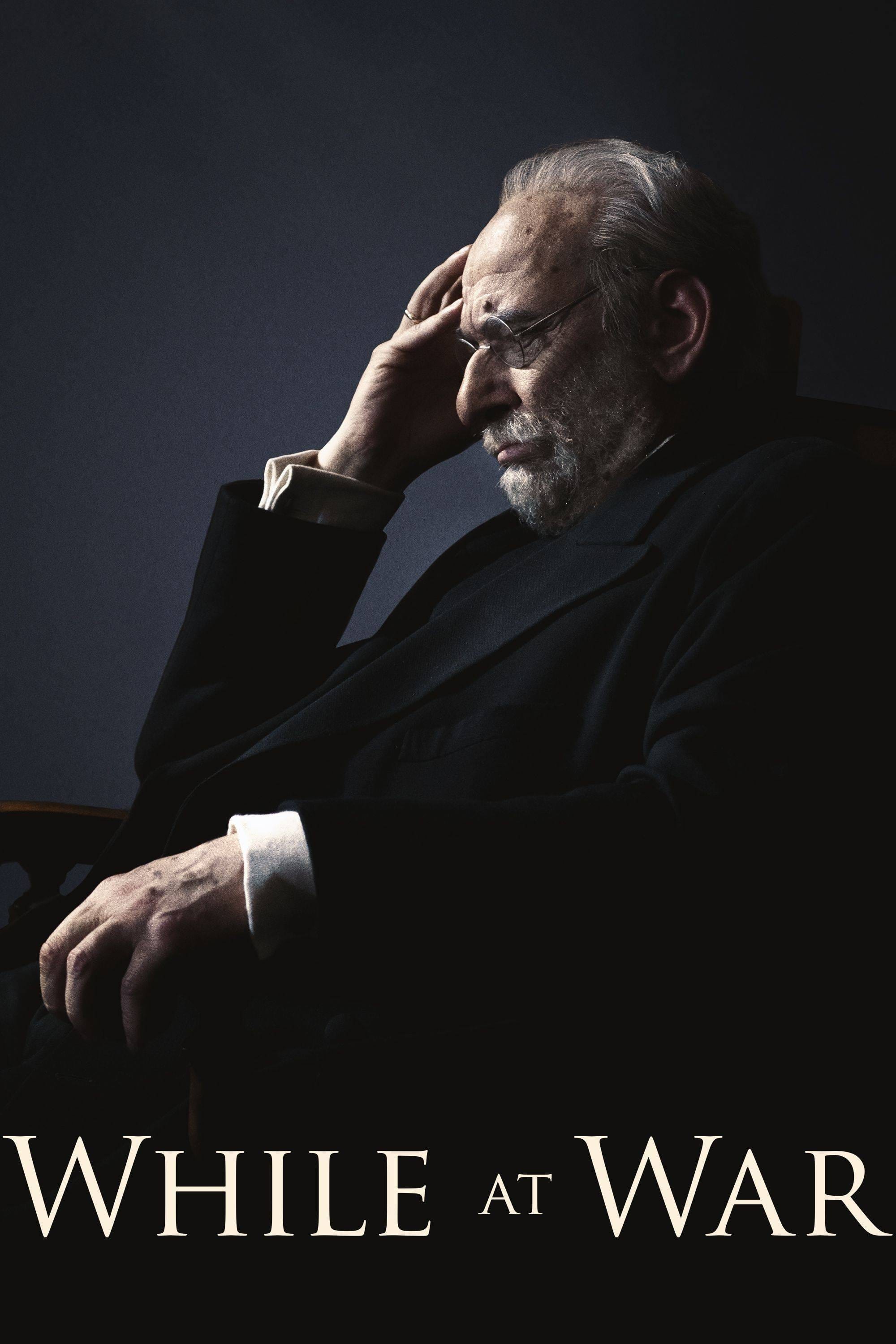
Salamanca, Spain, 1936. In the early days of the military rebellion that began the Spanish Civil War (1936-39), writer Miguel de Unamuno supports the uprising in the hope that the prevailing political chaos will end. But when the confrontation becomes bloody, Unamuno must question his initial position.
Summer 1936: young unemployed communist David Carr leaves Liverpool to join the fight against fascism in Spain. He joins an international group of Militia-men and women, the POUM (Partido Obrero de Unificación Marxista). After being wounded, he goes to Barcelona, where he joins another group of fighters.
Manuel Artiguez, a famous bandit during the Spanish civil war, has lived in French exile for 20 years. When his mother is dying he considers visiting her secretly in his Spanish home town. But his biggest enemy, the Spanish police officer Vinolas, prepared a trap at the hospital as a chance to finally catch Artiguez.
True story of thirteen totally normal young women that suffered harsh questioning and were put in prison under made up charges of helping the rebellion against Franco back in the 1940s. Despite of their innocence, the thirteen were soon executed without even a trace of evidence of any wrong doing.
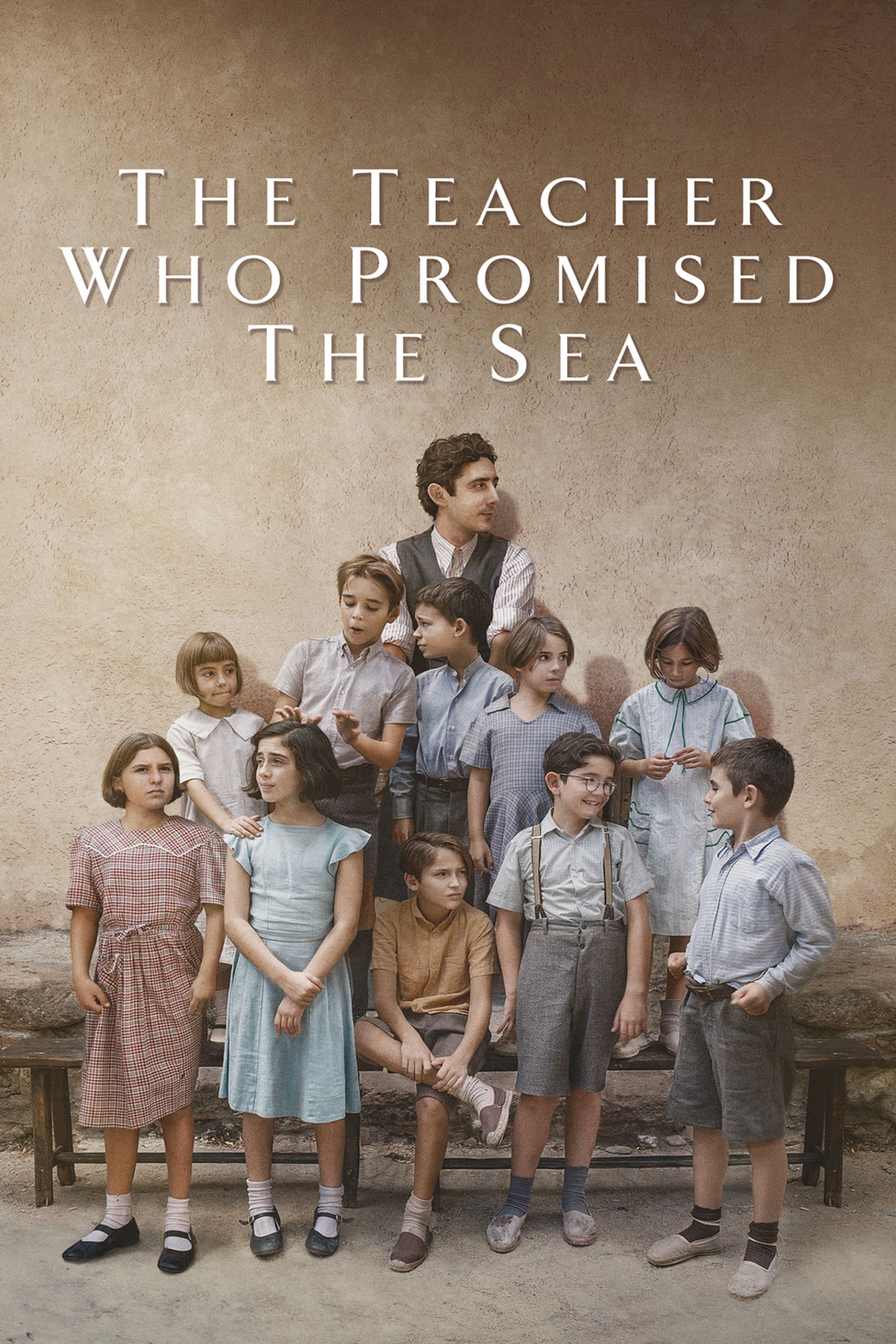
The film centres on Moncho and his coming-of-age experience in Galicia in 1936. Moncho develops a close relationship with his teacher Don Gregorio who introduces the boy to different things in the world. While the story centres on Moncho's ordinary coming-of-age experiences, tensions related to the looming Spanish Civil War periodically interrupt Moncho's personal growth and daily life.
Spain, 1973. Dictator Francisco Franco has ruled the country since 1939 with an iron fist; but he is now a very old and sick man. The future of the weakened regime is in danger. Admiral Carrero Blanco is his natural successor. The Basque terrorist gang ETA decides that he must die to prevent the dictatorship from continuing.
In 1940, in the immediate aftermath of the Spanish Civil War, a young girl living on the Castilian plain is haunted after attending a screening of James Whale's 1931 film Frankenstein and hearing from her sister that the monster is not dead, instead existing as a spirit inhabiting a nearby barn.
At the tense 1938 Munich Conference, former friends who now work for opposing governments become reluctant spies racing to expose a Nazi secret.
A small village in Huelva, Andalusia, Spain, 1936. Higinio and Rosa have been married only for a few months when the Civil War breaks out. Higinio, being afraid of possible reprisals from the rebel faction, decides to use a hole dug in his own house as a temporary hideout.
In post–civil war Spain, 10-year-old Ofelia moves with her pregnant mother to live under the control of her cruel stepfather. Drawn into a mysterious labyrinth, she meets a faun who reveals that she may be a lost princess from an underground kingdom. To return to her true father, she must complete a series of surreal and perilous tasks that blur the line between reality and fantasy.
Finished the Spanish Civil War in April 1939, in November 1940, while Spain is being crushed by the ruthless boot of dictator Franco, Pepita travels from rural Córdoba to Madrid to be near her sister Hortensia, who is seven months pregnant and imprisoned, haunted by the shadow of a death sentence.
Northern Spain, October 1944. Several groups of guerrilla fighters, former Republican soldiers exiled in France after the end of the Spanish Civil War, infiltrate the country in order to provoke a popular uprising against General Franco's dictatorship.
Loosely inspired by the life of Lucio Urtubia, explore the figure of the so-called anarchist 'Robin Hood,' who ran a legendary counterfeiting operation in Paris that put him in the crosshairs of America's largest bank, when he managed to obtain a huge amount of money by forging traveler's checks to invest in causes he believed in.
In the polarized and violent Medellín (Colombia's 'City of Eternal Spring') of the 1970s, doctor Héctor Abad Gómez is concerned about both his children and children from less favored classes. After a devastating loss in the family, Héctor gives himself to the greater cause of public health programs for the poor in Medellín to the consternation of the city's authorities.
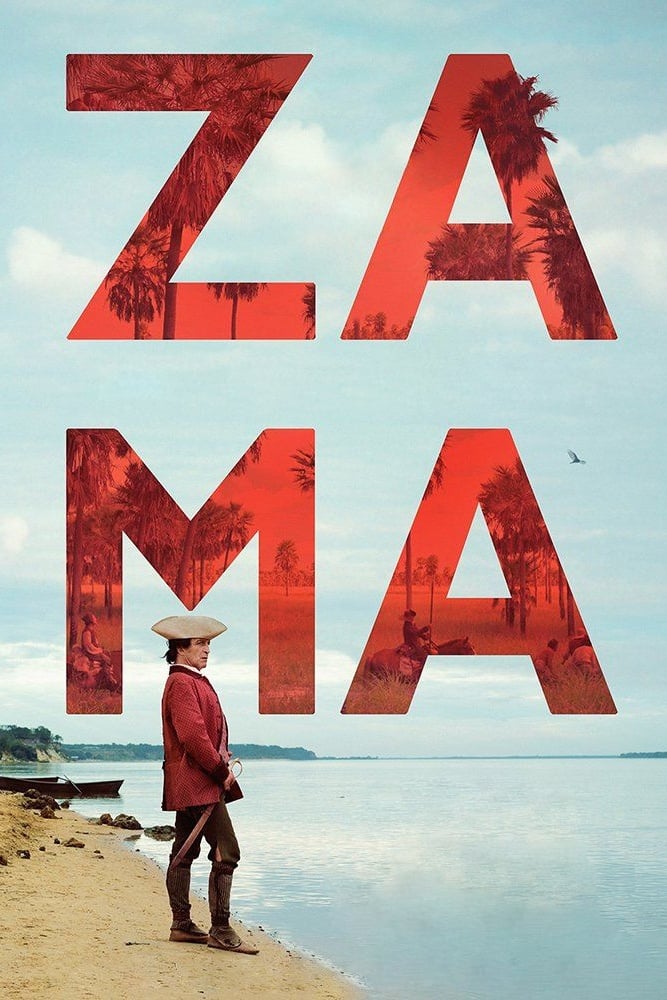
In a remote South American colony in the late 18th century, officer Zama of the Spanish crown waits in vain for a transfer to a more prestigious location. He suffers small humiliations and petty politicking as he increasingly succumbs to lust and paranoia.
The buried memories of the Spanish Civil War are unearthed as a woman searches for the remains of her grandfather's father and discovers the story of an idealistic young teacher from Tarragona.
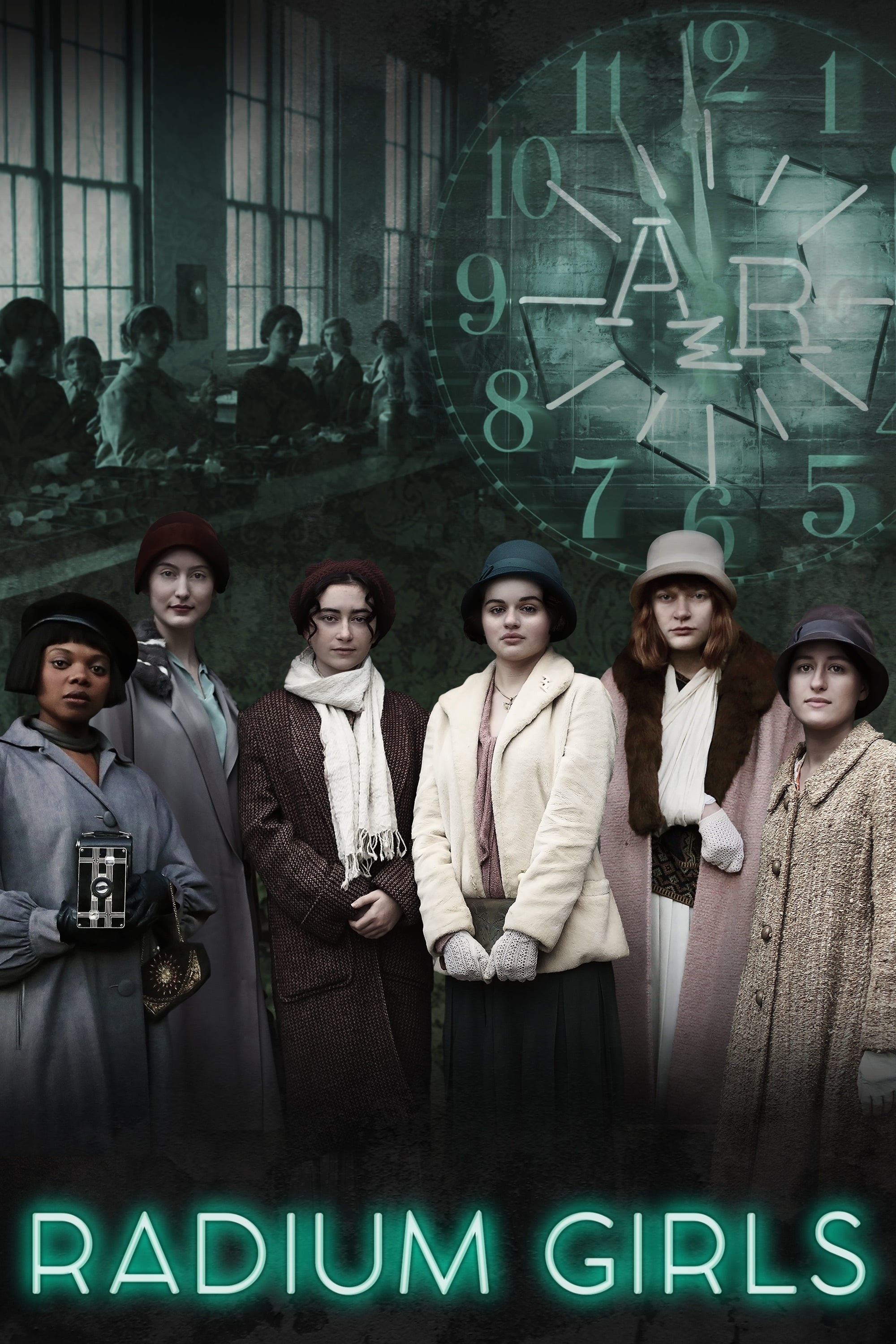
Young women toiling in a factory are exposed to hazardous material which takes a disastrous toll on their health.
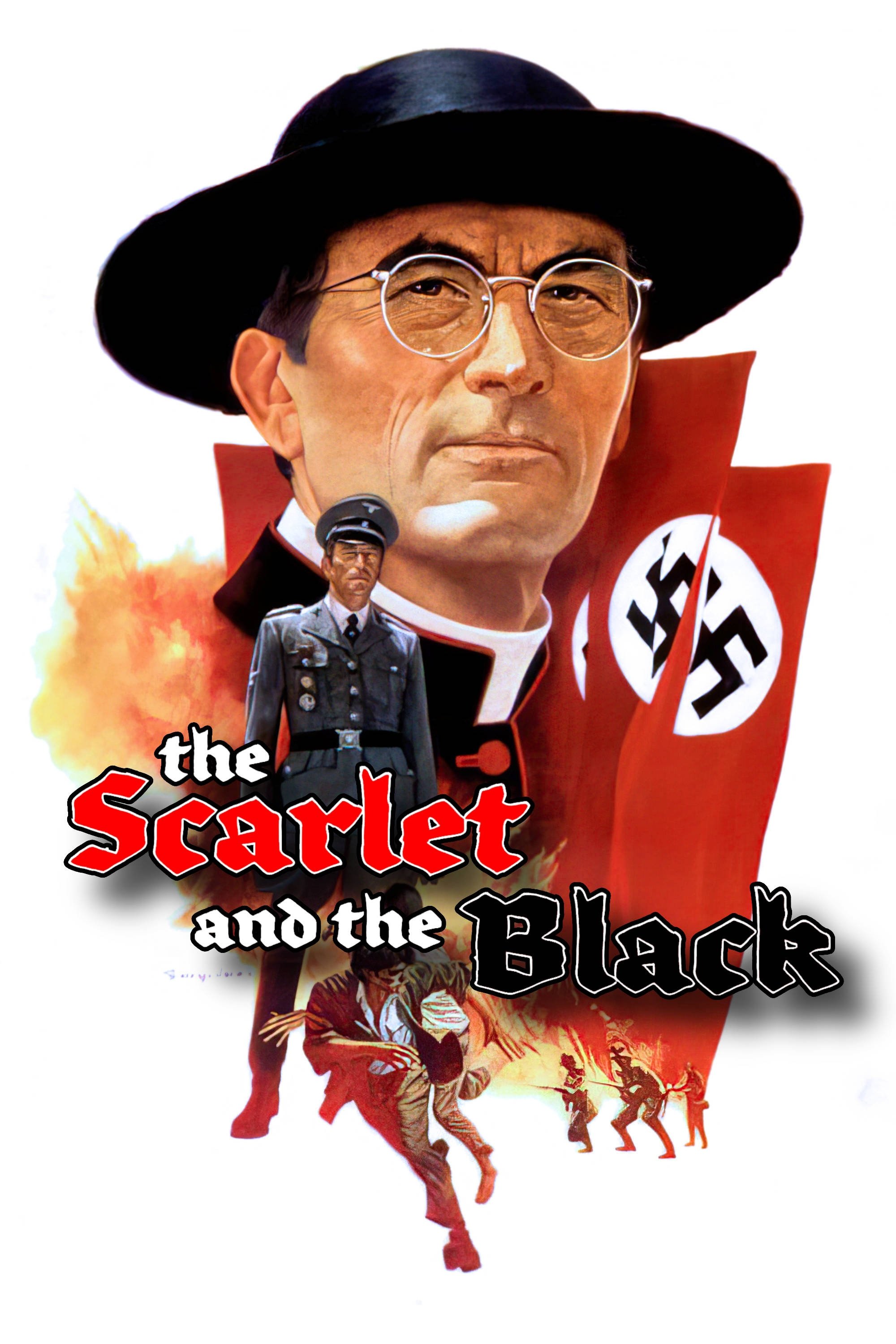
Fr. Hugh O'Flaherty is a Vatican official in 1943-45 who has been hiding downed pilots, escaped prisoners of war, and Italian resistance families. His activities become so large that the Nazis decide to assassinate him the next time he leaves the Vatican.
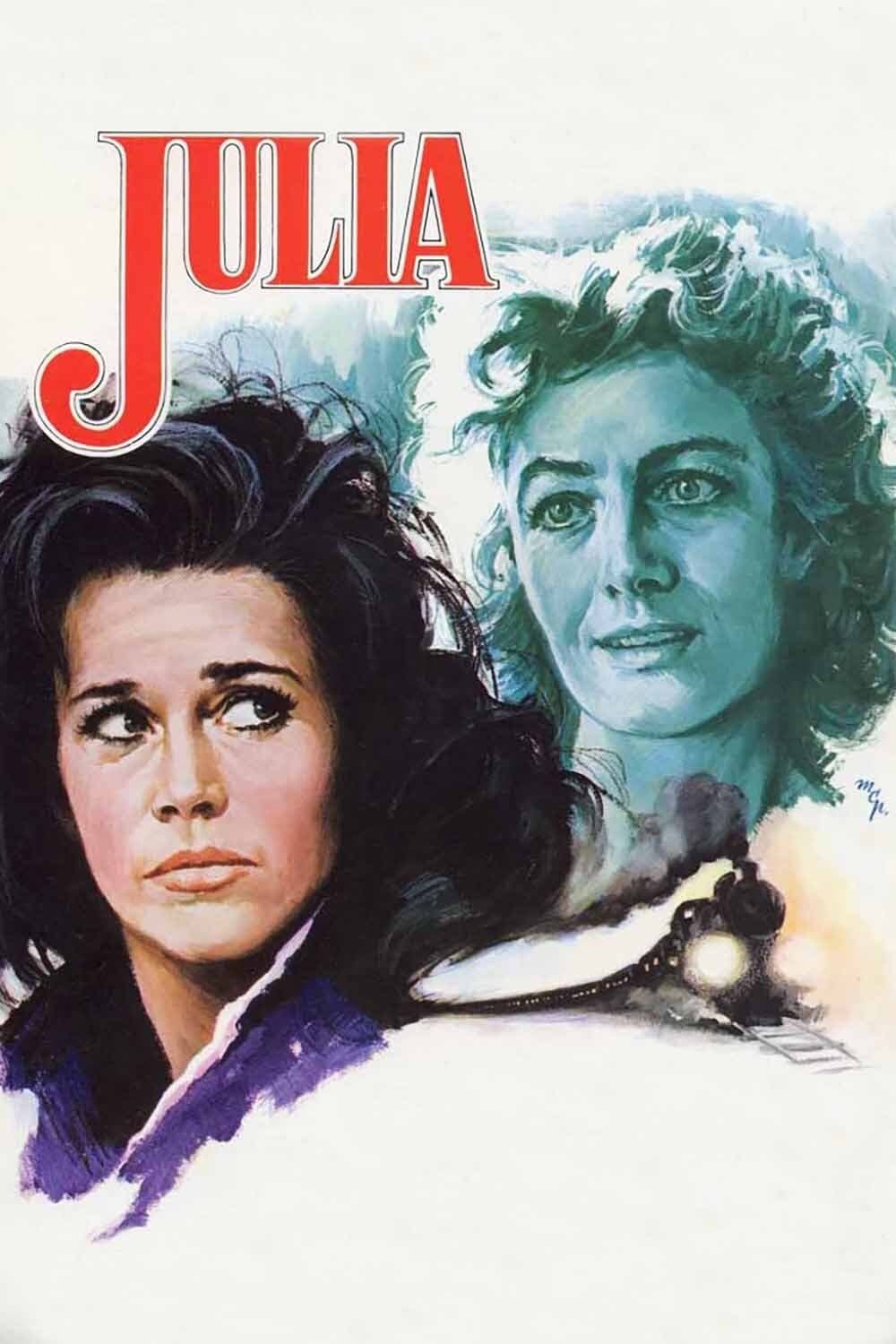
At the behest of an old and dear friend, playwright Lillian Hellman undertakes a dangerous mission to smuggle funds into Nazi Germany.
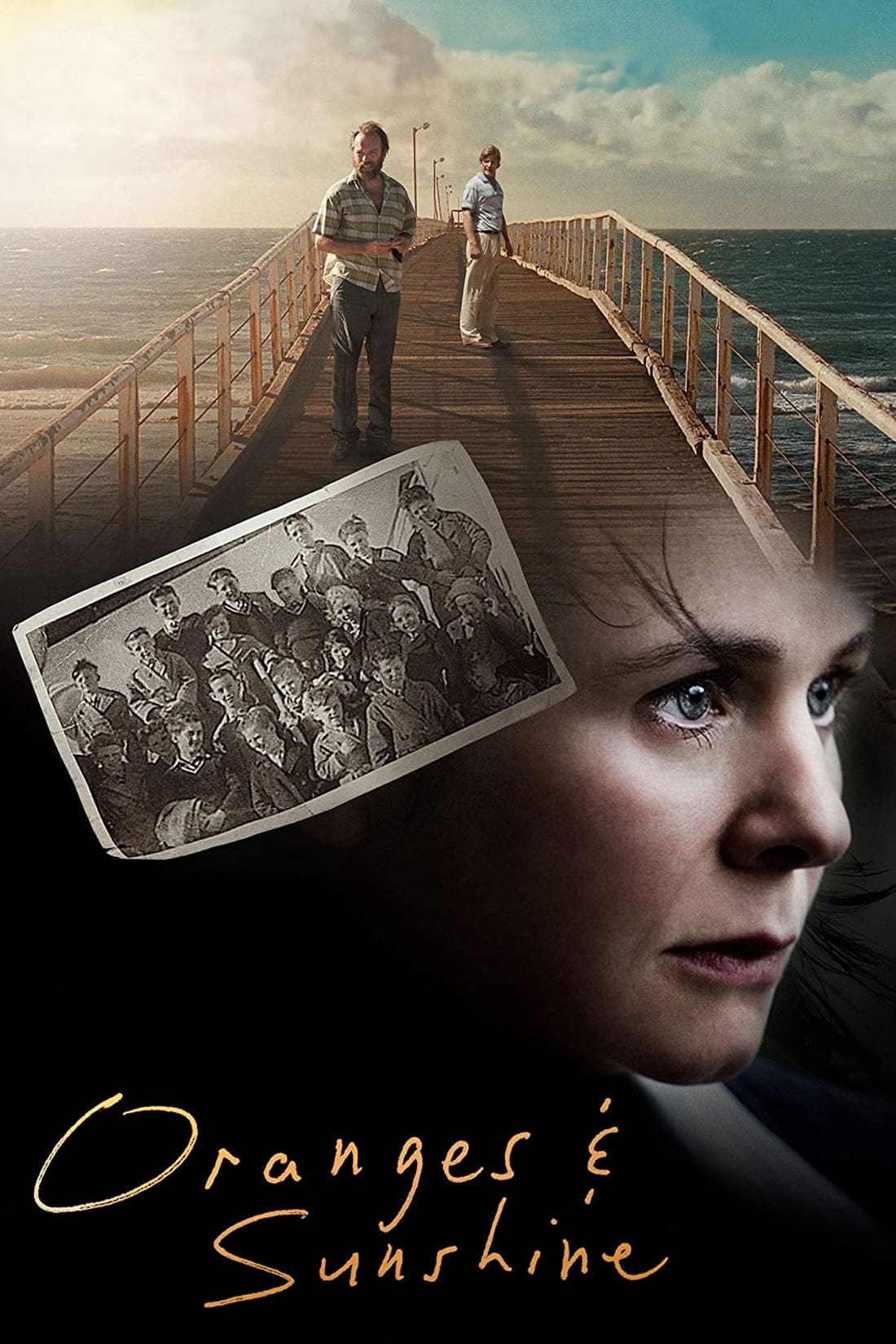
The story of Margaret Humphreys, a social worker from Nottingham, who uncovers one of the most significant social scandals in recent times – the forced migration of children from the United Kingdom to Australia and other Commonwealth countries. Almost singlehandedly, Margaret reunited thousands of families, brought authorities to account and worldwide attention to an extraordinary miscarriage of justice.