Social & External
The people behind it
Zdeněk Oliverius
Commentary (voice)
Jana Pospíšilová
Alexej Gsöllhofer
Karel Šebesta
Čestmír Řanda
Míša Petkov
Jaroslav Nedvěd
Six stories unfold in various regions, from Sicily to the northern Po Valley as American military personnel interact with a variety of Italian locals over eighteen months in the push north during the Italian Campaign of WWII as German forces retreat.
An experimental film about a peaceful and carefree life in a small Dalmatian town, which turns into bloodshed and horror on the eve of the Italian occupation of the country.
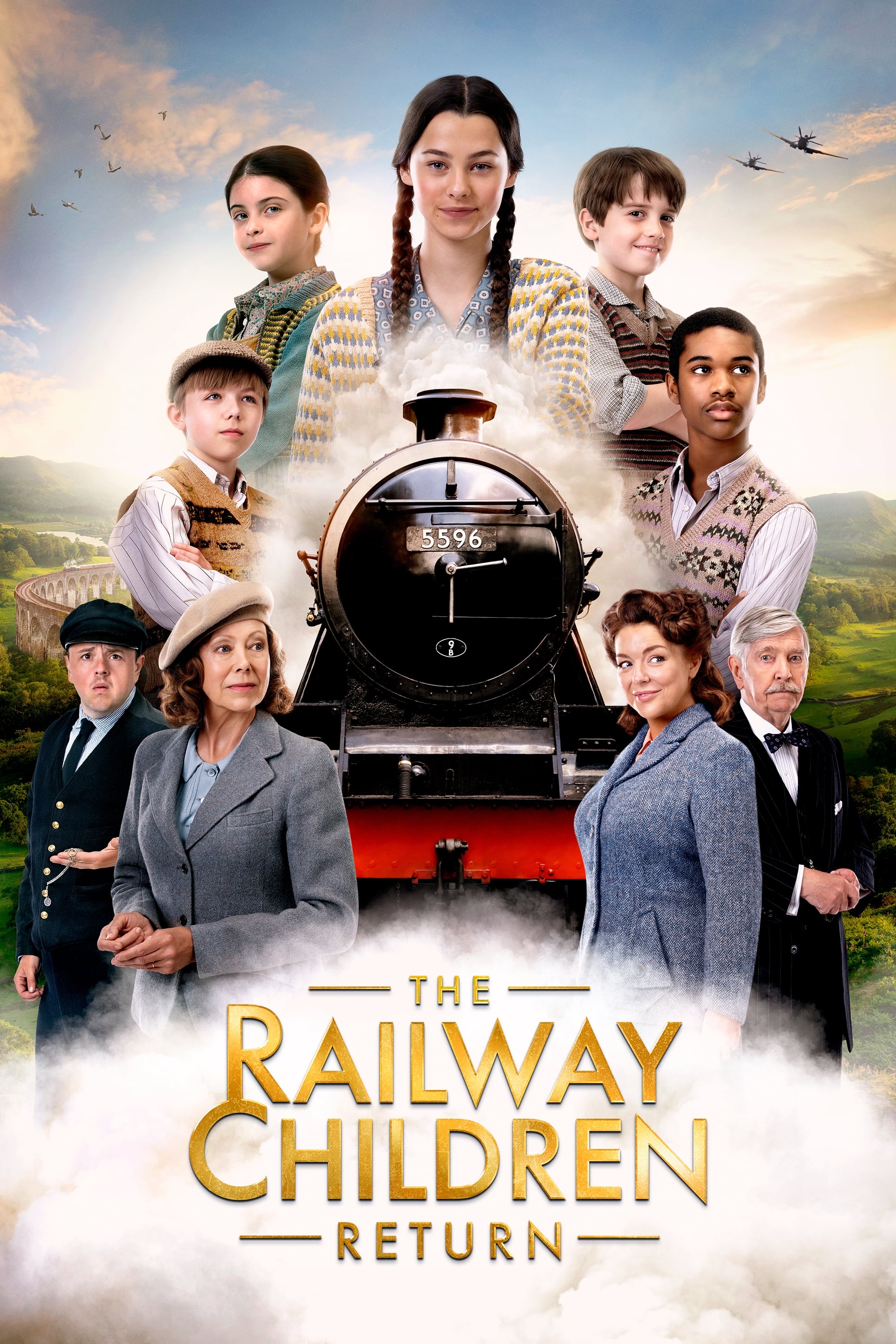
Follow a group of children who are evacuated to a Yorkshire village during the Second World War, where they encounter a young soldier who, like them, is far away from home.
The story of a group of men, an Army Rifle company called C-for-Charlie, who change, suffer, and ultimately make essential discoveries about themselves during the fierce World War II battle of Guadalcanal. It follows their journey, from the surprise of an unopposed landing, through the bloody and exhausting battles that follow, to the ultimate departure of those who survived.
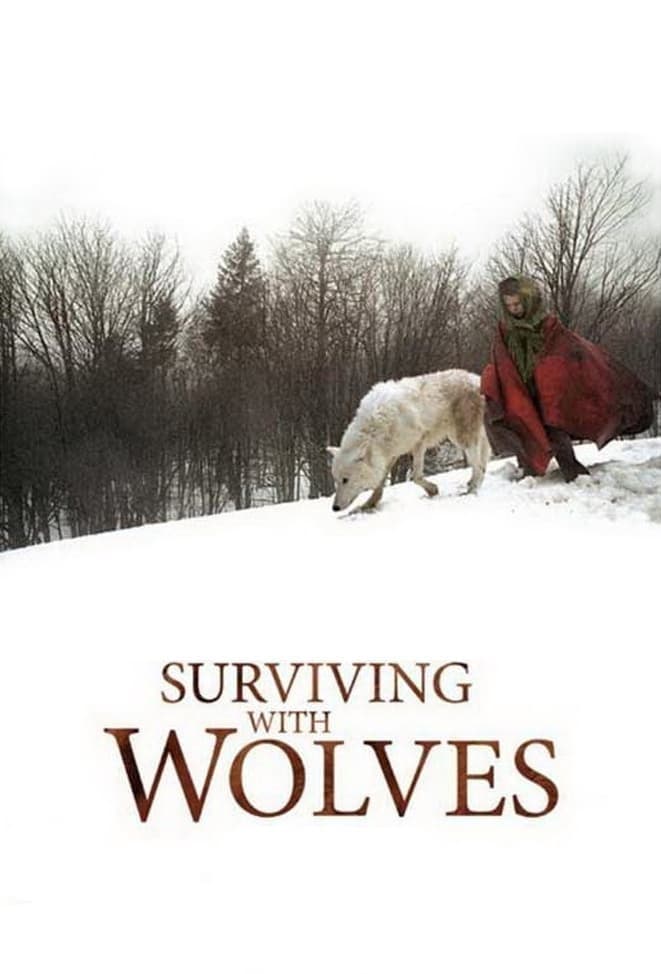
In 1942, the young Jewish girl Misha, her Russian mother Gerusha and her German father Reuven hide from the Germans in a small house in Ardennes, Belgium. Misha is very connected to her mother that advises her that if one day a person comes to her saying "love of my life", she would follow him or her without any question. When her parents are captured by the Nazis, Misha is delivered to a German family and the abusive matriarch gives a bad treatment to the girl. However, she finds support in the family of Ernest and his deranged wife Marthe that supplies groceries to foster family. Misha loves Ernest's dogs and the old man gives a compass to her and tells that her parents have been sent to East to forced labor. When the old couple is denounced for sheltering the girl and arrested by the Germans, Misha flees through the woods heading east. Along her journey seeking out her parents...
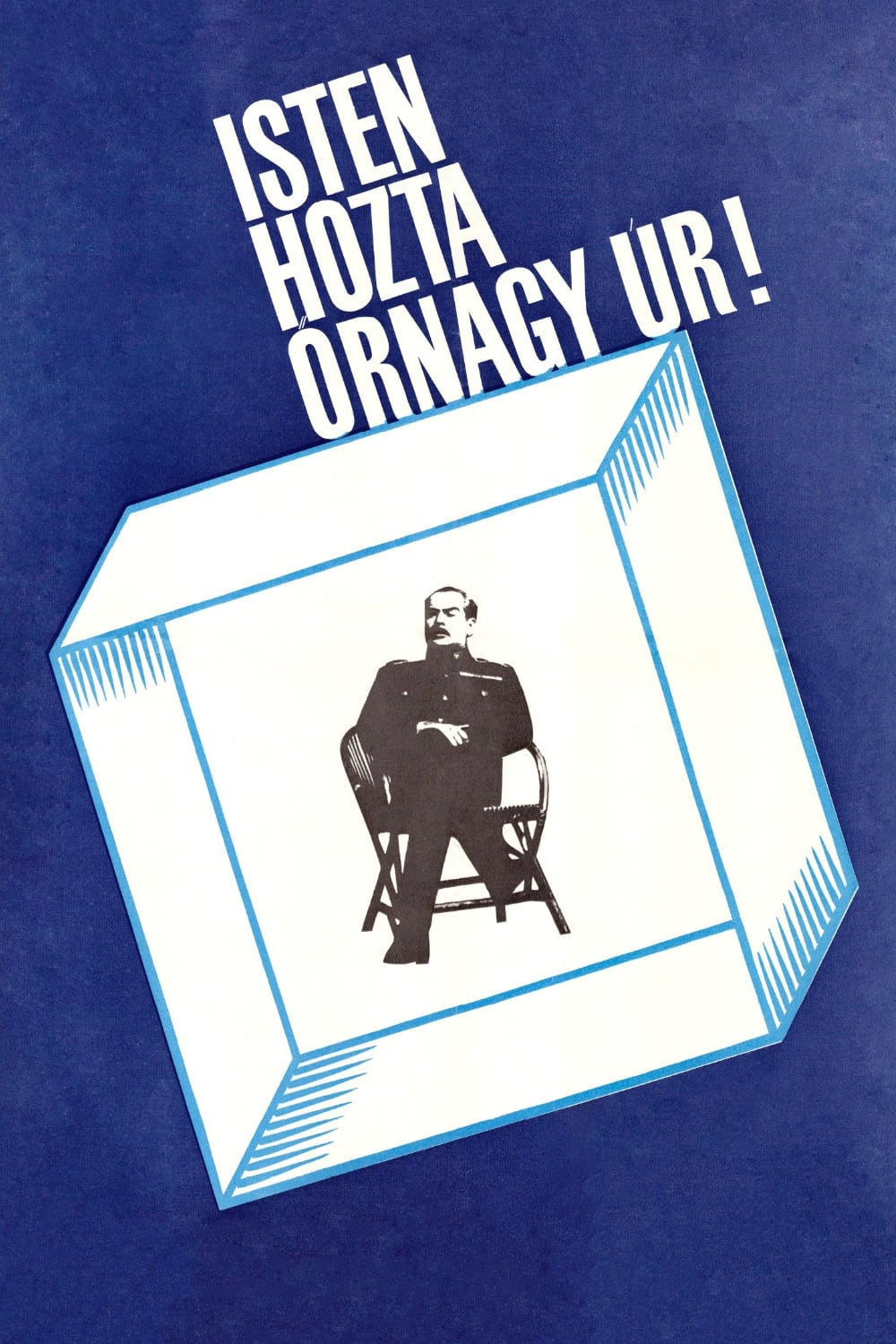
The Tóth family resides in Northern Hungary. The couple has a daughter and a son, the latter a member of the armed forces. When his weary major is ordered to take a vacation, the son talks him into a visit to his family home. Hilarity ensues when the Tóths go overboard trying to make things pleasant for the visiting major in hopes of an easier life for their son, the soldier.
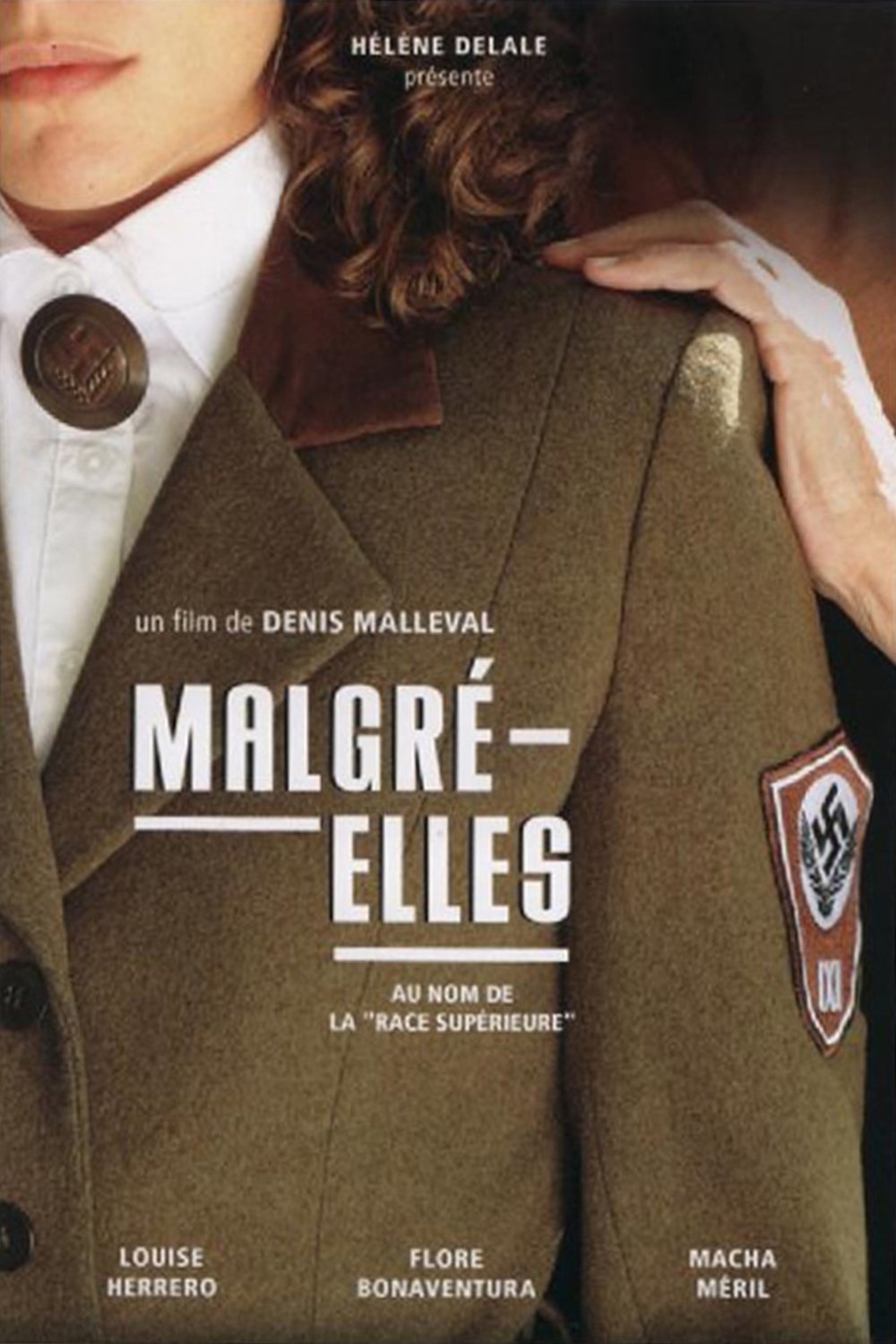
Two beautiful and different girls, Alice and Lisette are 17 years old, when forcibly removed from their Alsatian family to cooperate in the war effort in Germany. After spending six months in a indoctrination camp, they are both sent to a munitions factory where they are tasked to perform inhuman works. An explosion erupts, they are suspected of sabotage and threatened with being sent to a boot camp. Alice and Lisette believe they saved when transferred to a maternity where they continue living the hell of war.
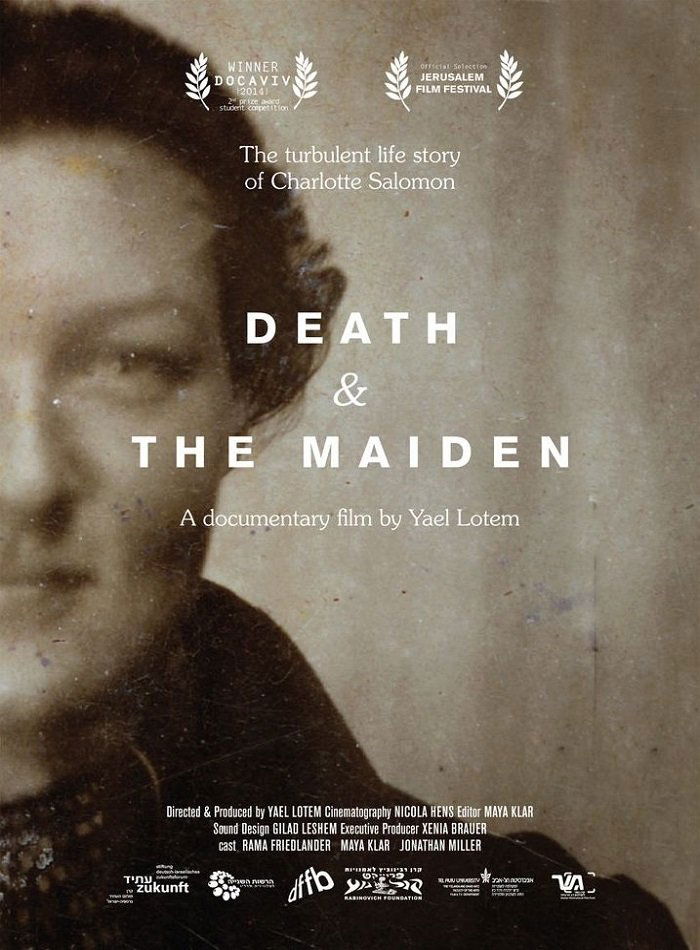
Shortly after World War II, over 1,000 paintings were found in a cellar in southern France. The paintings were created by a young Jewish woman named Charlotte Salomon. She painted her turbulent life story in a unique creation called: ‘Life? Or Theater? – A Tri-Colored Operetta.’ Death and the Maiden unravels the story behind her creation.
Gunman Flame and his partner Citron assassinate Nazi collaborators for the Danish resistance. Assigned targets by their Allies-connected leader, Aksel Winther, they relish the opportunity to begin targeting the Nazis themselves. When they begin to doubt the validity of their assignments, their morally complicated task becomes even more labyrinthine.
The background to, events of and consequences of the Battle of Mers-El-Kebir on 3 July 1940. In that battle, Royal Navy ships fired on the French Fleet in order to prevent it from falling into German hands. A French battleship was sunk and several other ships damaged. Nearly 1,300 French sailors were killed.
In 1941, the inhabitants of a small Jewish village in Central Europe organize a fake deportation train so that they can escape the Nazis and flee to Palestine.
The heroic struggle of Polish post office workers in Gdańsk on the first day of World War II.
A Jewish boy separated from his family in the early days of WWII poses as a German orphan and is taken into the heart of the Nazi world as a 'war hero' and eventually becomes a Hitler Youth.
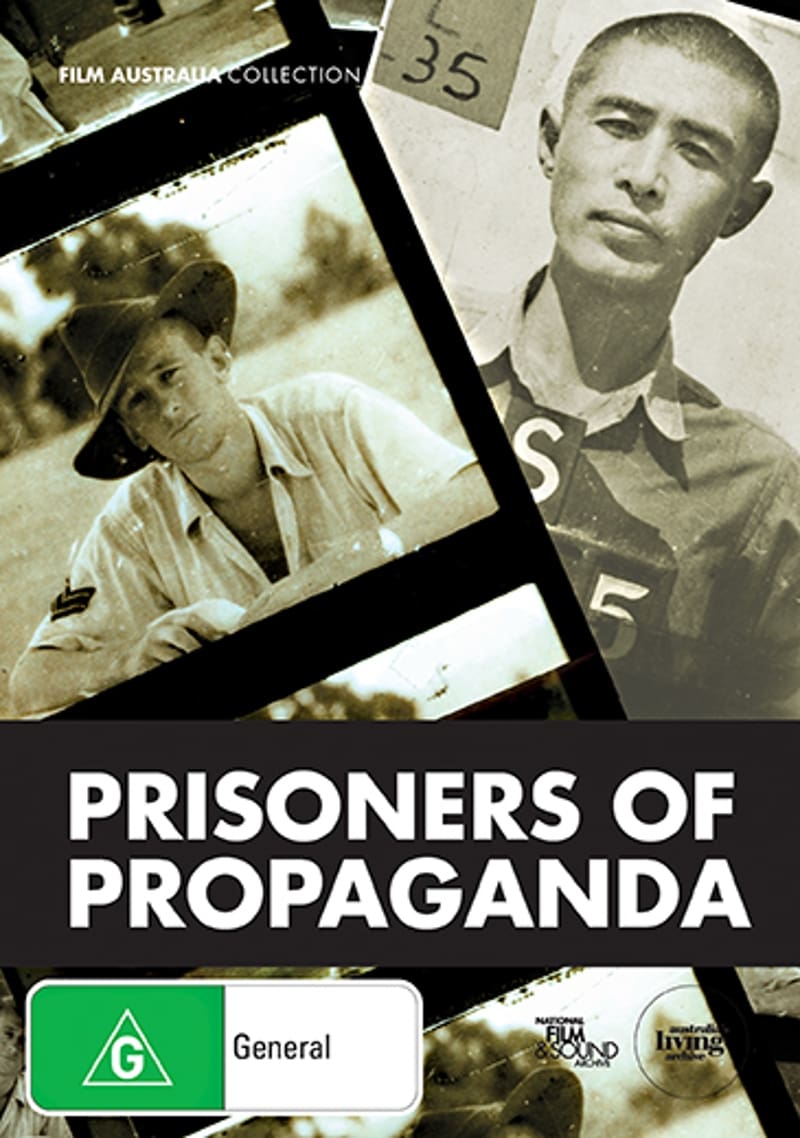
In 1943, the Imperial Japanese Secret Service made a film called Calling Australia! to show the "exemplary conditions" under which prisoners of war were kept, and to "soften up" the Australian public for the anticipated occupation of their country by Japanese forces. Prisoners of Propaganda tells why the film was made, and how it came to be forgotten.
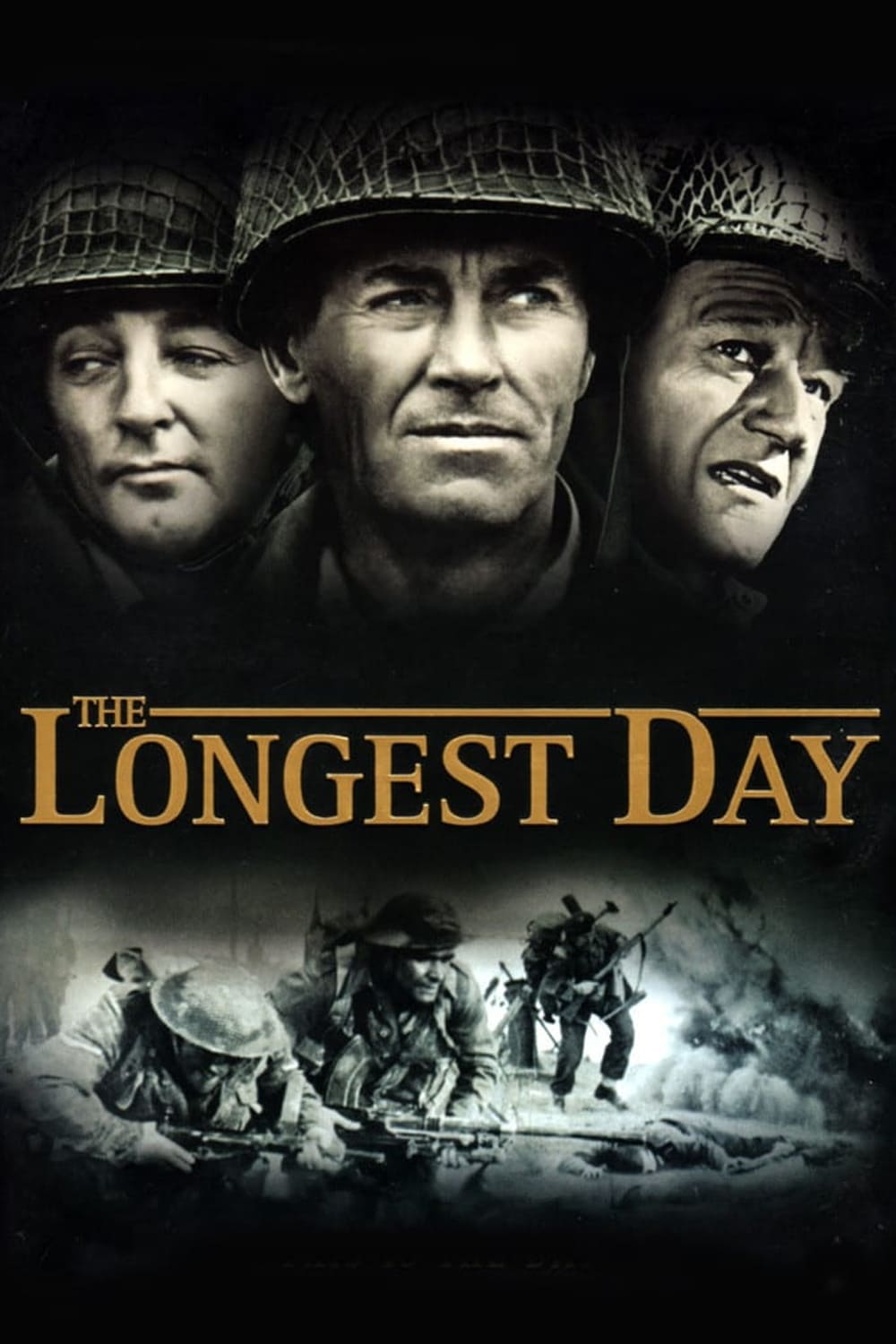
The retelling of June 6, 1944, from the perspectives of the Germans, US, British, Canadians, and the Free French. Marshall Erwin Rommel, touring the defenses being established as part of the Reich's Atlantic Wall, notes to his officers that when the Allied invasion comes they must be stopped on the beach. "For the Allies as well as the Germans, it will be the longest day"
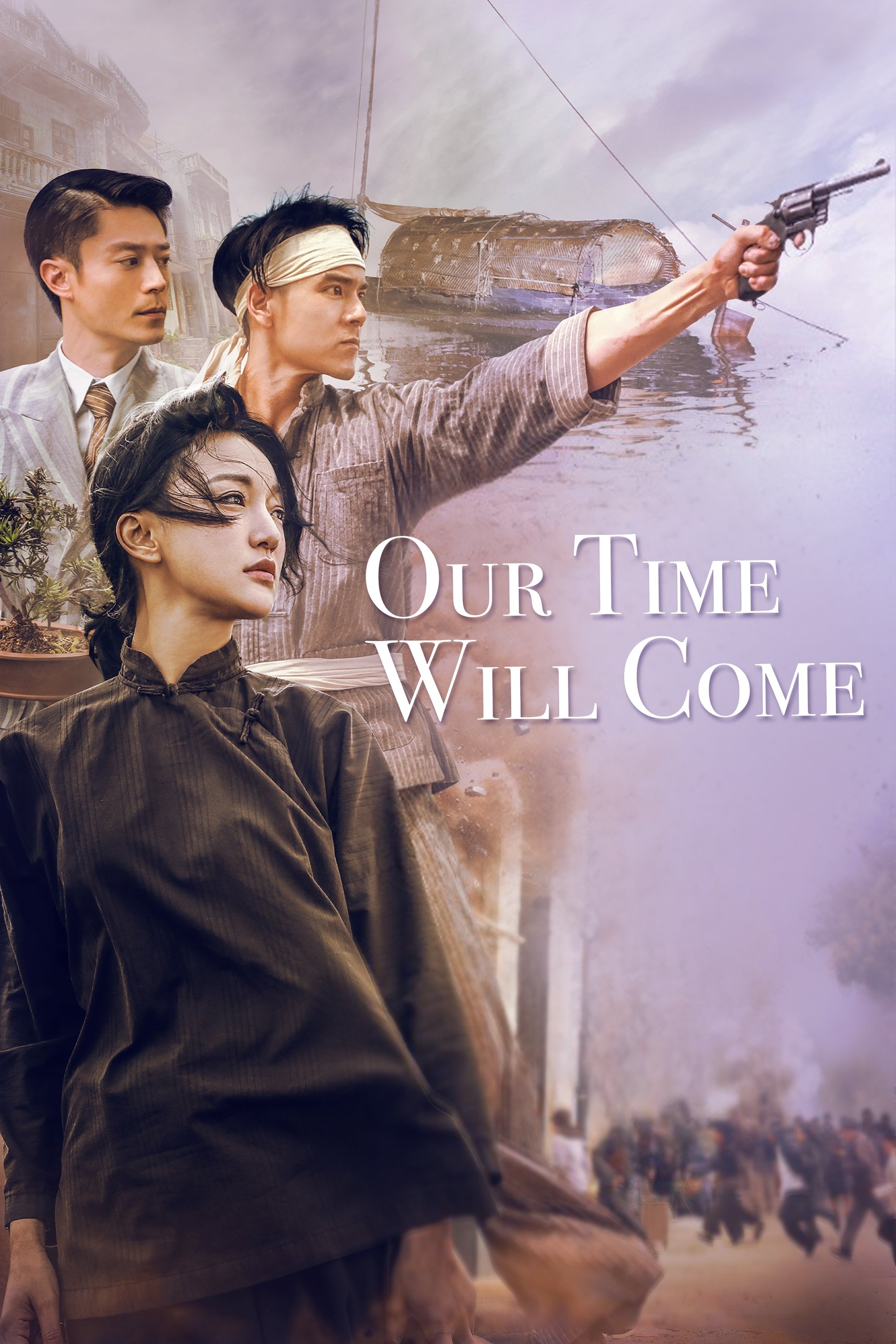
In Japanese-occupied Hong Kong, a school teacher and her would-be-fiancé link up with Chinese guerrilla fighters, forging their own path to freedom.
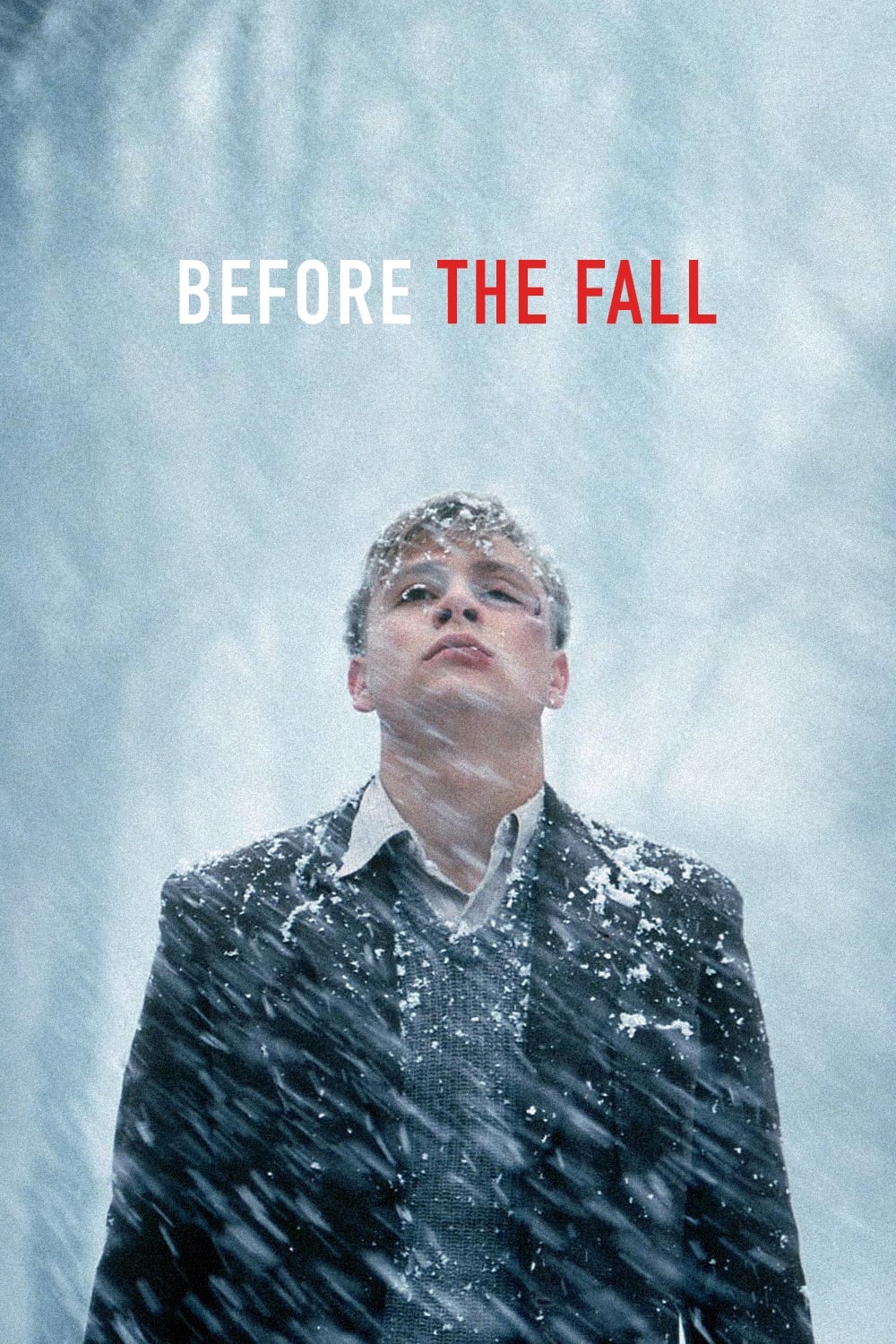
In 1942, Friedrich Weimer's boxing skills get him an appointment to a National Political Academy (NaPolA) – high schools that produce Nazi elite. Over his father's objections, Friedrich enrolls. During his year in seventh column, Friedrich encounters hazing, cruelty, death, and the Nazi code. His friendship with Albrecht, the ascetic son of the area's governor, is central to this education.
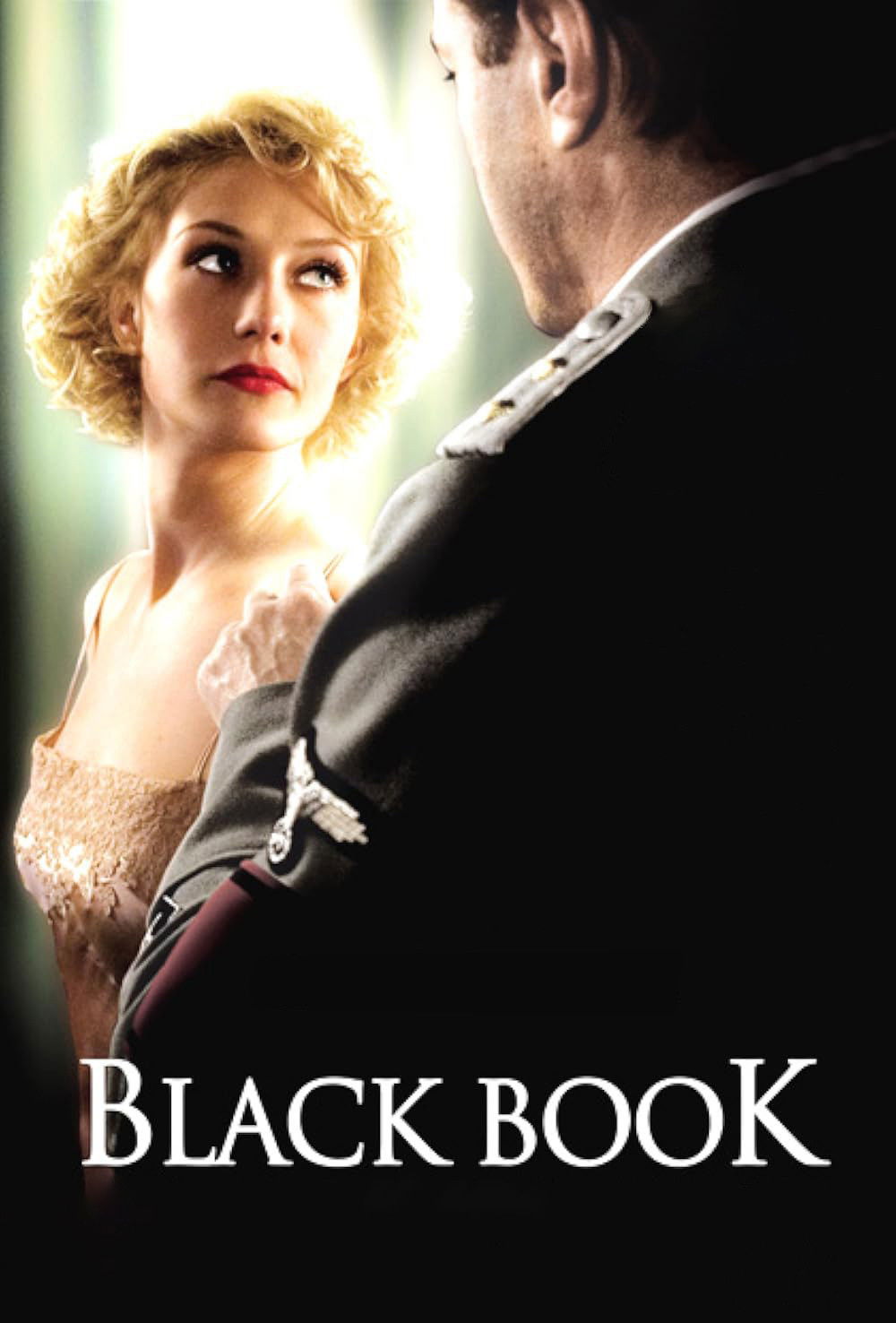
Israel, 1956: Jewish teacher Rachel Stein rather unexpectedly meets an old friend at the kibbutz. It brings back memories of her experiences in the Netherlands during the war, memories of betrayal. In September 1944, Rachel's hiding place is bombed by Allied troops; she makes contact with a resistance member and joins a group of Jews to be smuggled across the Biesbosch to the freed South Netherlands. Only Rachel escapes a massacre by patrol Germans, and is rescued by a resistance group under the leadership of Gerben Kuipers, whose son is captured trying to smuggle weapons. Kuipers asks Rachel to seduce SS-hauptsturmführer Ludwig Müntze, a mission that she will soon learn that the boat attack wasn't a coincidence.
A tribute to the cameramen of the newsreel companies and the service film units, in the form of a compilation of film of the cameramen themselves, their training and some of their most dramatic film.
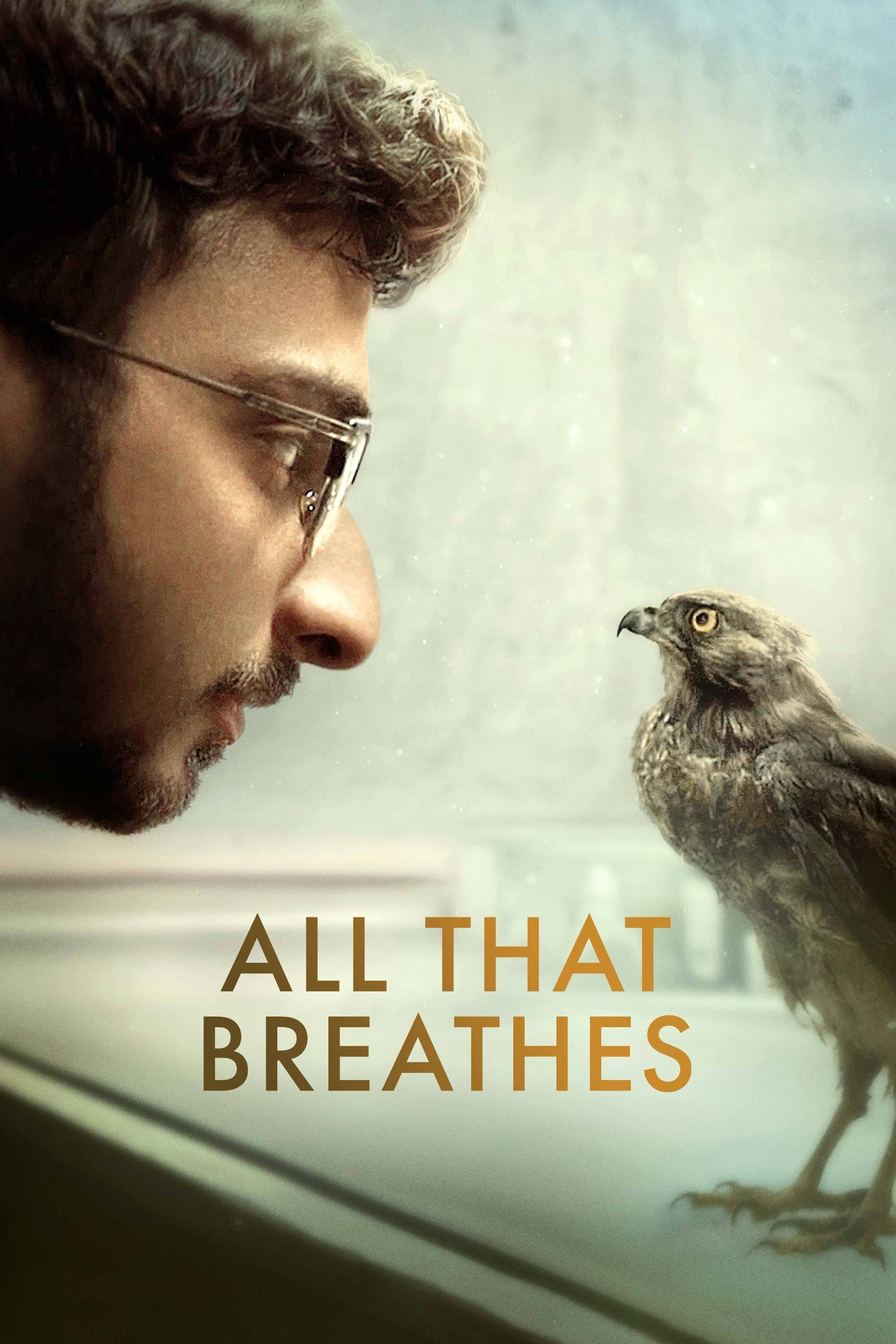
Against the darkening backdrop of New Delhi's apocalyptic air and escalating violence, two brothers devote their lives to protecting one casualty of the turbulent times: the bird known as the black kite.
Ranjit, a farmer in India, takes on the fight of his life when he demands justice for his 13-year-old daughter, the victim of a brutal gang rape. His decision to support his daughter is virtually unheard of, and his journey unprecedented.
Prelude to War was the first film of Frank Capra's Why We Fight propaganda film series, commissioned by the Pentagon and George C. Marshall. It was made to convince American troops of the necessity of combating the Axis Powers during World War II. This film examines the differences between democratic and fascist states.
When Allied forces liberated the Nazi concentration camps in 1944-45, their terrible discoveries were recorded by army and newsreel cameramen, revealing for the first time the full horror of what had happened. Making use of British, Soviet and American footage, the Ministry of Information’s Sidney Bernstein (later founder of Granada Television) aimed to create a documentary that would provide lasting, undeniable evidence of the Nazis’ unspeakable crimes. He commissioned a wealth of British talent, including editor Stewart McAllister, writer and future cabinet minister Richard Crossman – and, as treatment advisor, his friend Alfred Hitchcock. Yet, despite initial support from the British and US Governments, the film was shelved, and only now, 70 years on, has it been restored and completed by Imperial War Museums under its original title "German Concentration Camps Factual Survey".
Ten Minutes Older is a 2002 film project consisting of two compilation feature films entitled The Trumpet and The Cello. The project was conceived by the producer Nicolas McClintock as a reflection on the theme of time at the turn of the Millennium. Fifteen celebrated film-makers were invited to create their own vision of what time means in ten minutes of film.
Amid the failing counteroffensive, a journalist follows a Ukrainian platoon on their mission to traverse one mile of heavily fortified forest and liberate a strategic village from Russian occupation. But the farther they advance through their destroyed homeland, the more they realize that this war may never end.
Go behind the scenes with stars, puppeteers and creators as they bring Jim Henson's magical world of Thra back to life in a sweeping fantasy series.
Alex Gibney explores the charged issue of pedophilia in the Catholic Church, following a trail from the first known protest against clerical sexual abuse in the United States and all way to the Vatican.
In 1975, Ryszard Kapuściński, a veteran Polish journalist, embarked on a seemingly suicidal road trip into the heart of the Angola's civil war. There, he witnessed once again the dirty reality of war and discovered a sense of helplessness previously unknown to him. Angola changed him forever: it was a reporter who left Poland, but it was a writer who returned…
This revealing documentary honors the legendary Sidney Poitier—iconic actor, filmmaker, and civil rights activist. Featuring interviews with Denzel Washington, Spike Lee, Halle Berry, and more.
For over 40 years Val Kilmer, one of Hollywood's most mercurial and/or misunderstood actors, has been documenting his own life and craft through film and video. He has amassed thousands of hours of footage, from 16mm home movies made with his brothers, to time spent in iconic roles for blockbuster movies like Top Gun, The Doors, Tombstone, and Batman Forever. This raw, wildly original and unflinching documentary reveals a life lived to extremes and a heart-filled, sometimes hilarious look at what it means to be an artist and a complex man.
An inside look at one of the most anticipated movie sequels ever with James Cameron and cast.
A string of threatening emails escalates into a revenge plot involving a newly married US marshal and his ex-girlfriend.
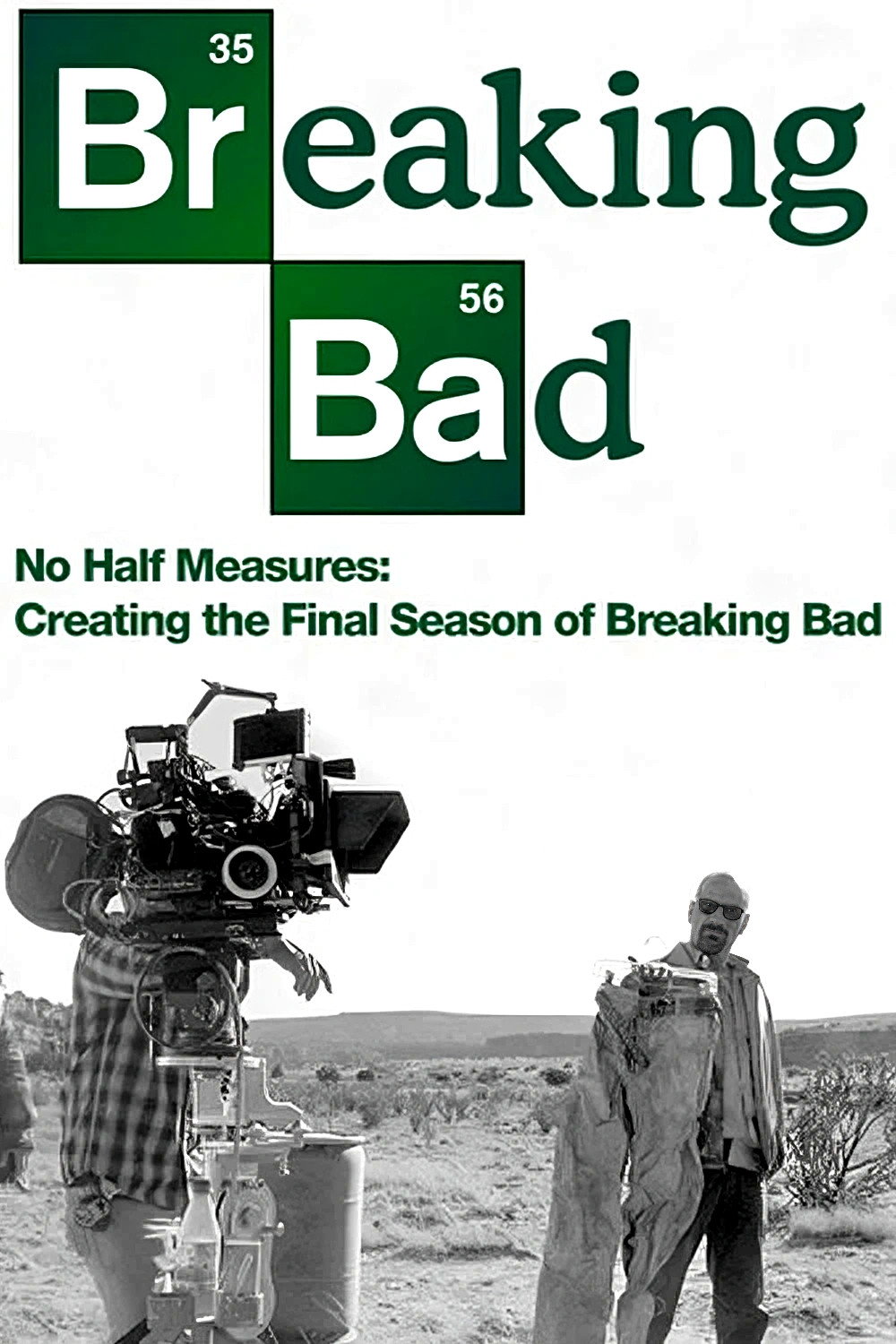
A documentary about the making of season five of the acclaimed AMC series Breaking Bad.
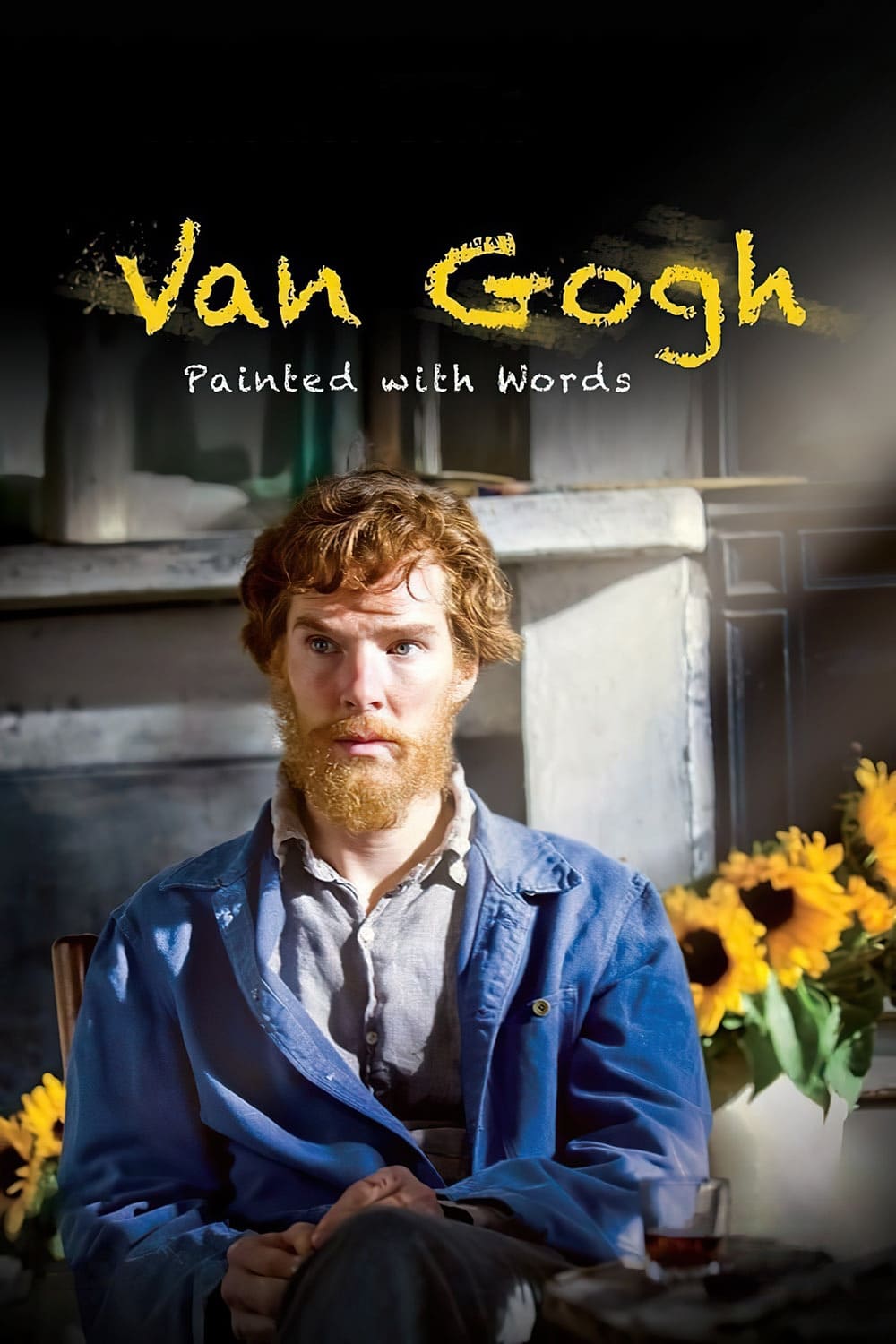
A drama-documentary presented by Alan Yentob, with Benedict Cumberbatch in the lead role. Every word spoken by the actors in this film is sourced from the letters that Van Gogh sent to his younger brother Theo, and of those around him. What emerges is a complex portrait of a sophisticated, civilised and yet tormented man.
This documentary movie is about the battle of San Pietro, a small village in Italy. Over 1,100 US soldiers were killed while trying to take this location, that blocked the way for the Allied forces from the Germans. Preserved by the Academy Film Archive in 2005.
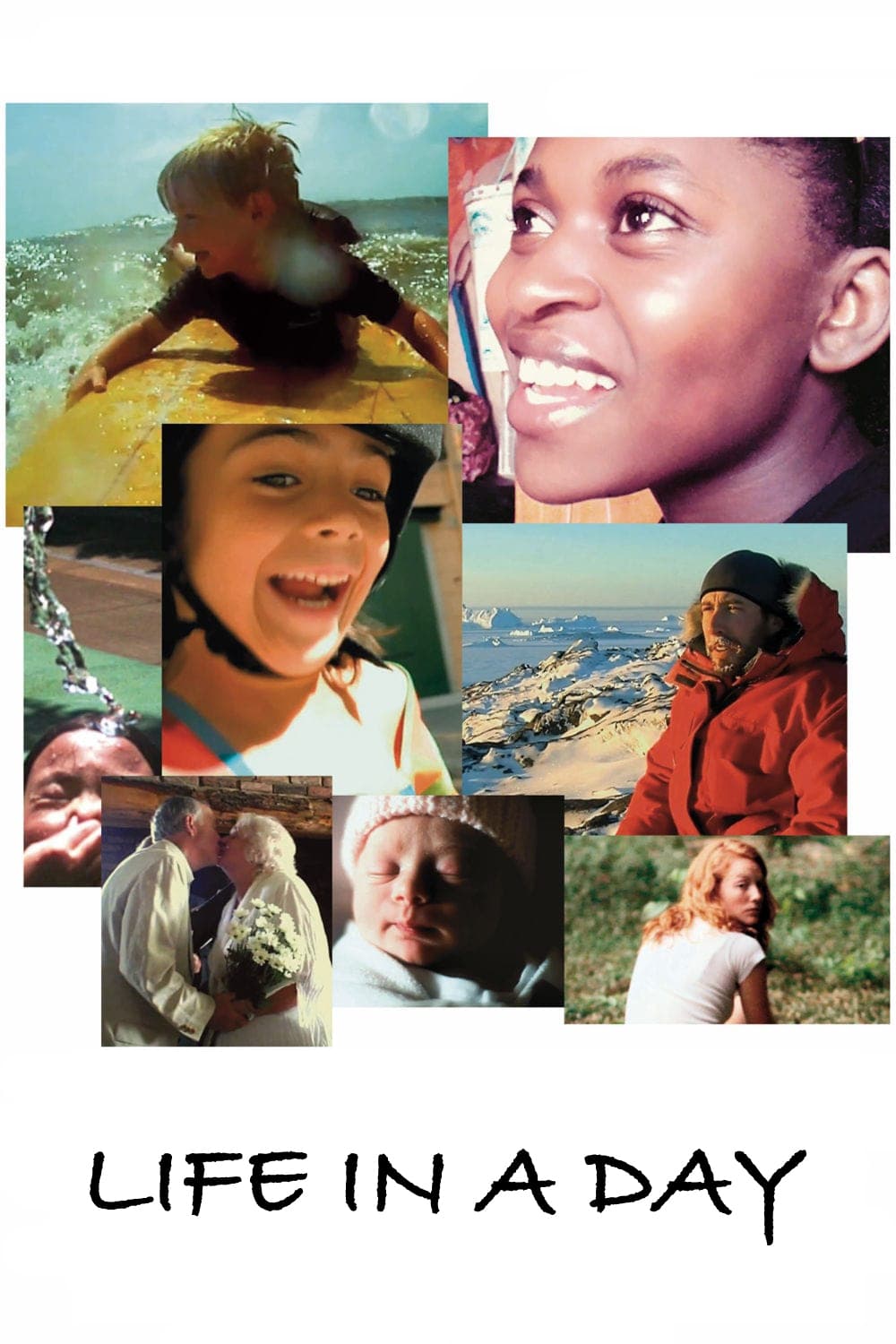
A documentary shot by filmmakers all over the world that serves as a time capsule to show future generations what it was like to be alive on the 24th of July, 2010.
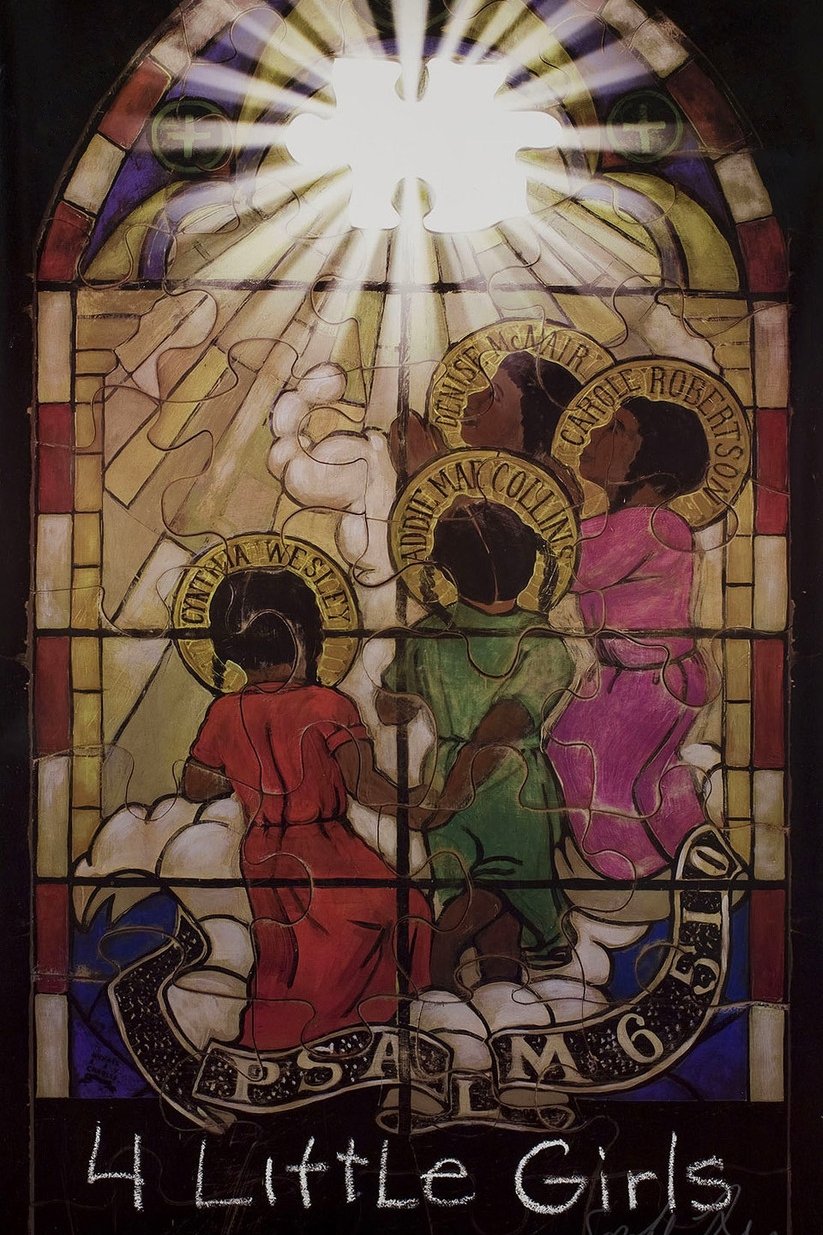
On September 15, 1963, a bomb destroyed a black church in Birmingham, Alabama, killing four young girls who were there for Sunday school. It was a crime that shocked the nation--and a defining moment in the history of the civil-rights movement. Spike Lee re-examines the full story of the bombing, including a revealing interview with former Alabama Governor George Wallace.
Behind the scenes look at fight choreography and action training.
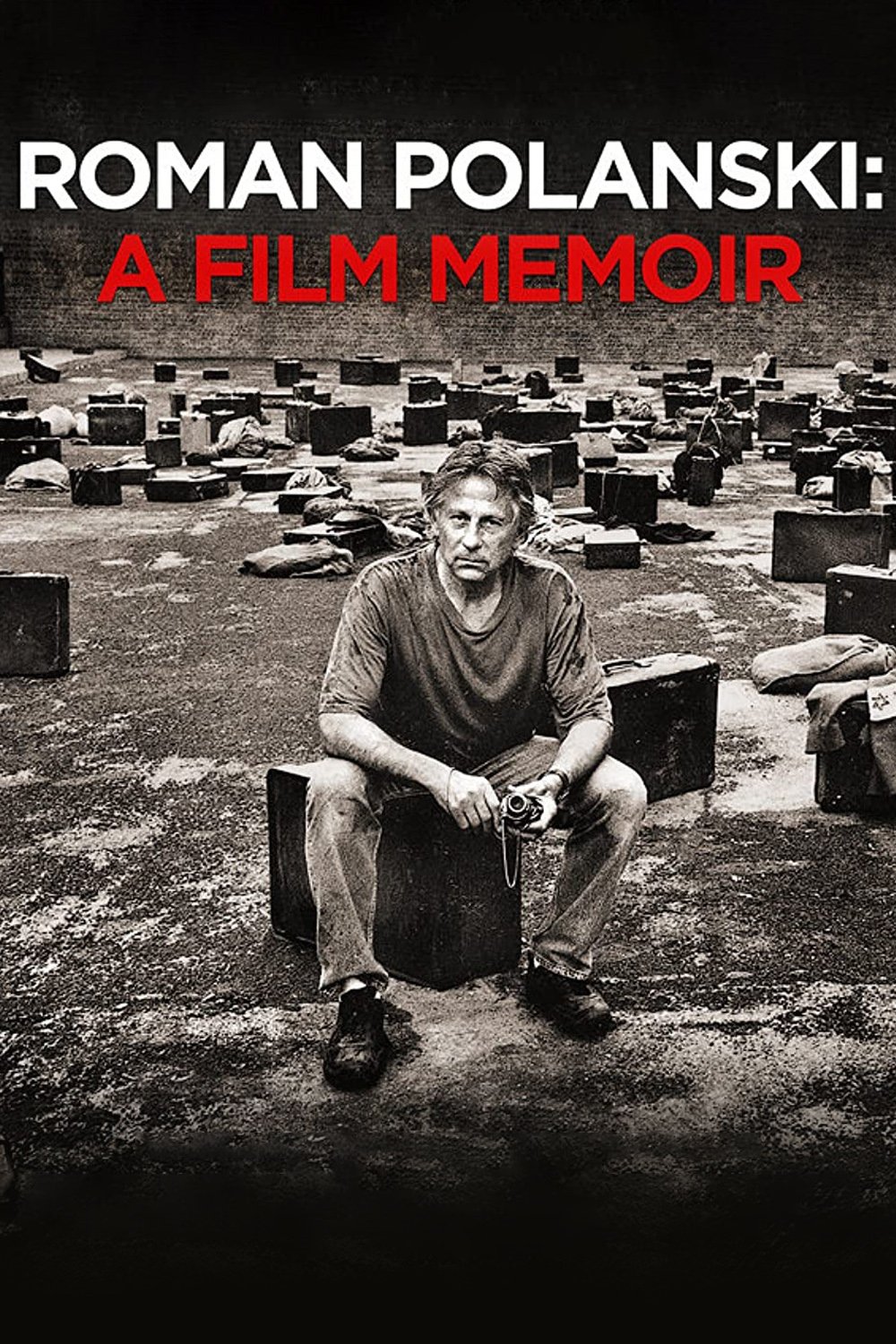
An interview with film director Roman Polanski conducted during his period of house arrest, discussing his life and work.