Social & External
The people behind it
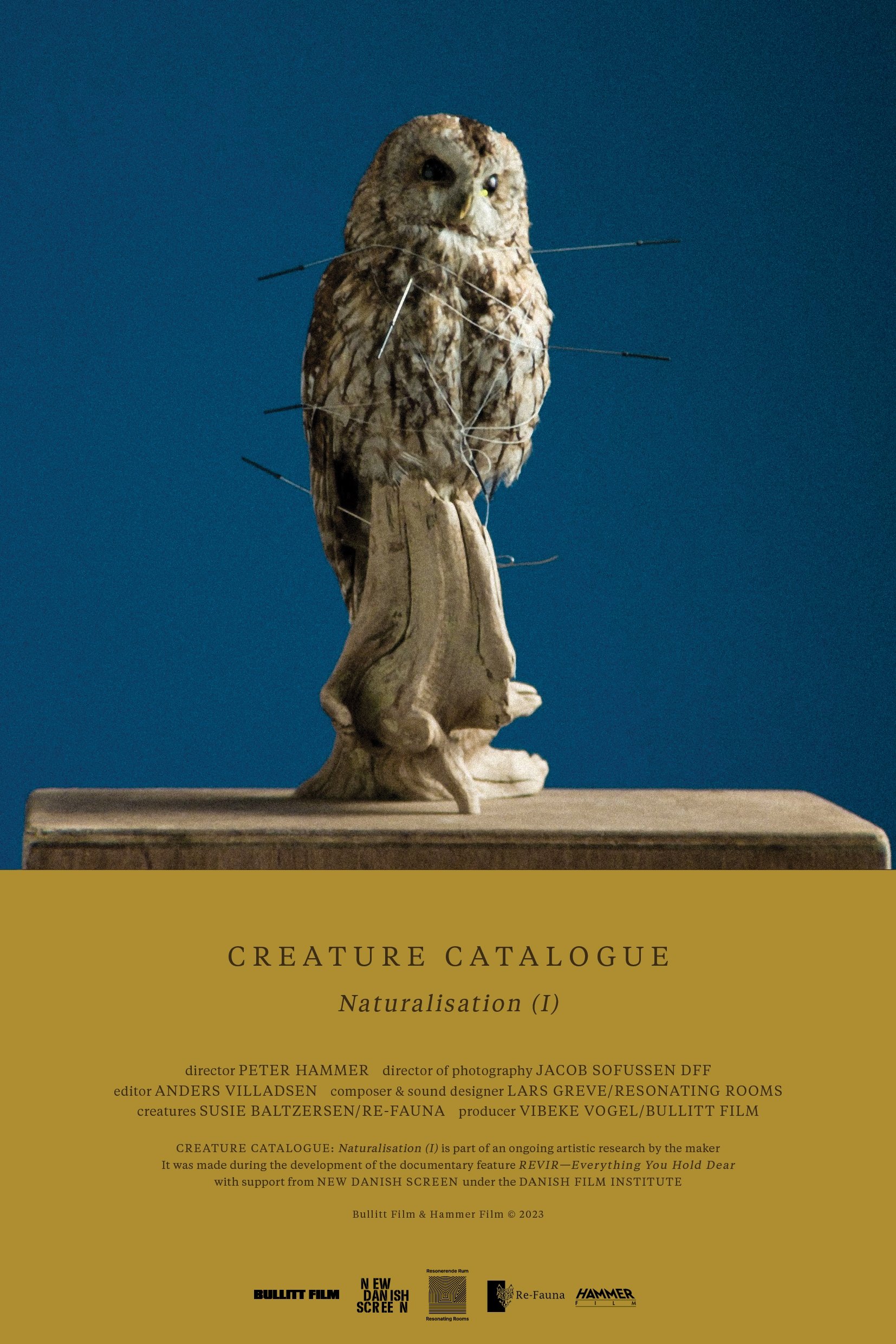
Susie Baltzersen
Self
Sune Baltzersen
She was the first to study gorillas in their natural environment: the high mountains of Rwanda, where she settled in 1967. For nearly twenty years, Dian Fossey lived with the gorillas, observed their behavior, and changed the way people viewed them. Her relentless fight against poaching prevented the species from becoming extinct. But in December 1985, the primatologist was murdered, and the mystery surrounding her death remains unsolved. Former colleagues, scientists, and biographers shed light on the impact of her work, but also on the darker sides of her personality and her uncompromising commitment.
An ethnographic documentary about the Mangbetu tribe of the Belgian Congo (now the Democratic Republic of the Congo). The film features a discussion of various rites including the Mangbetu practice of head binding, as well as various examples of traditional music and dance.
Beauty and the Beast: Comparing Two Igbo Masquerades By Herbert M. Cole
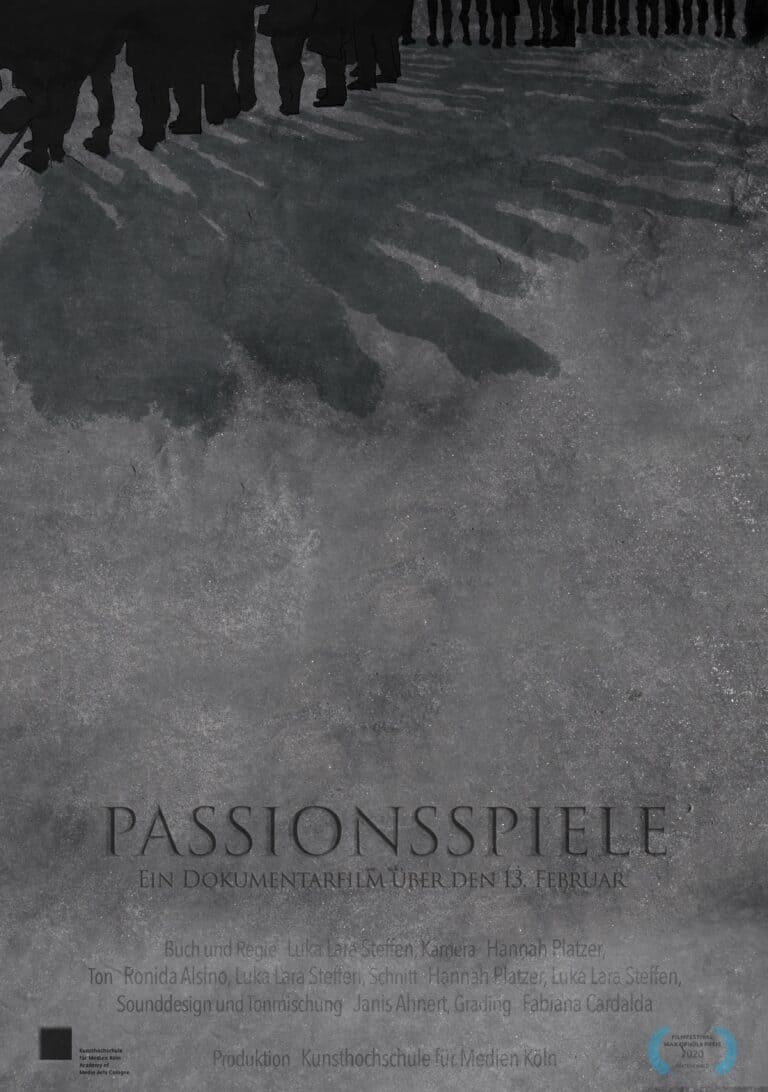
An annual battle of Dresden’s culture of commemoration and the question of authority to interpret history breaks out.
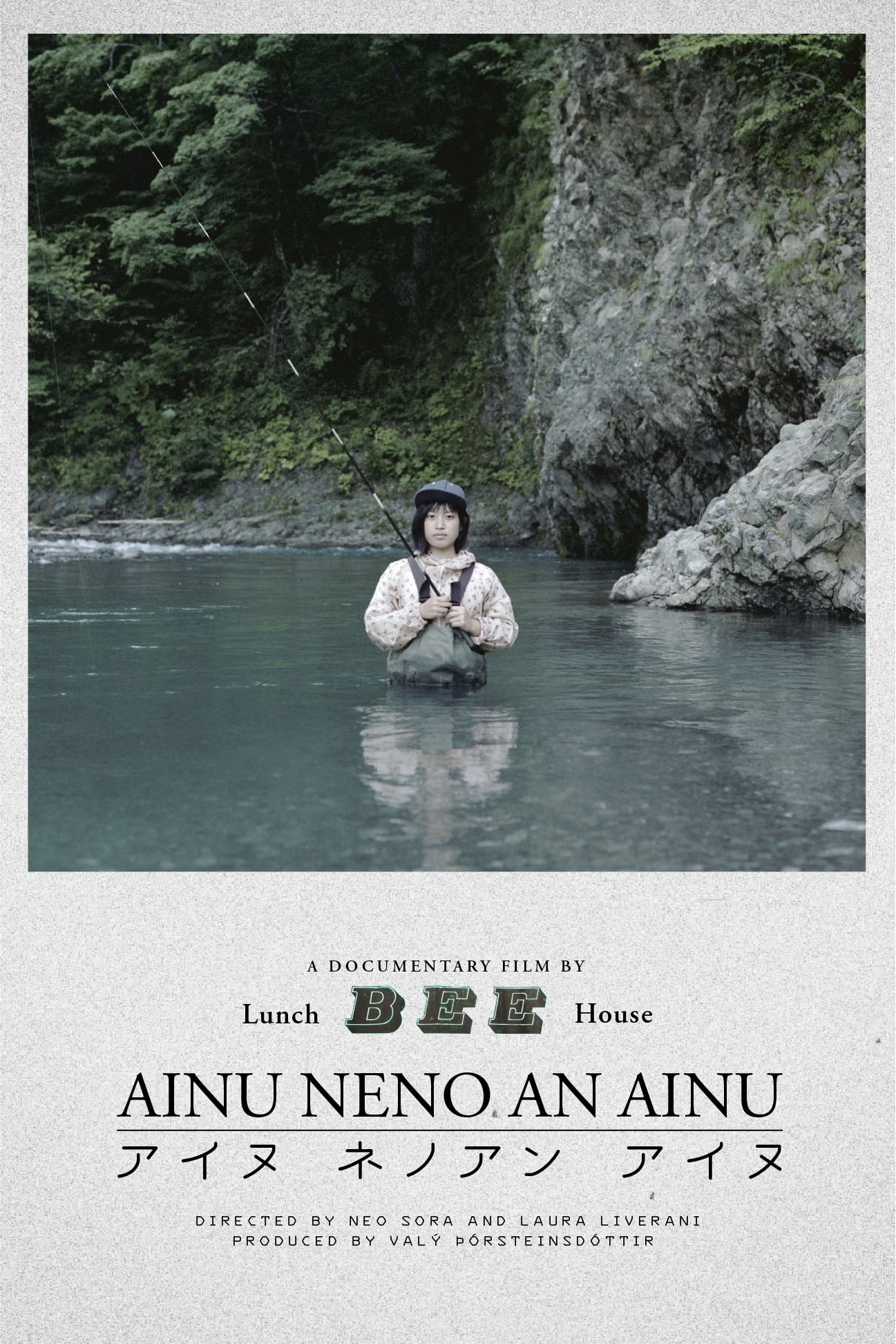
This documentary started as part of a photography project about the indigenous Ainu population in northern Japan, portraying people from tightly knit communities. They feel deeply connected by their culture and tradition. With gorgeous pictures, the directors explore how different generations of Ainu reflect on their identity after centuries of oppression.
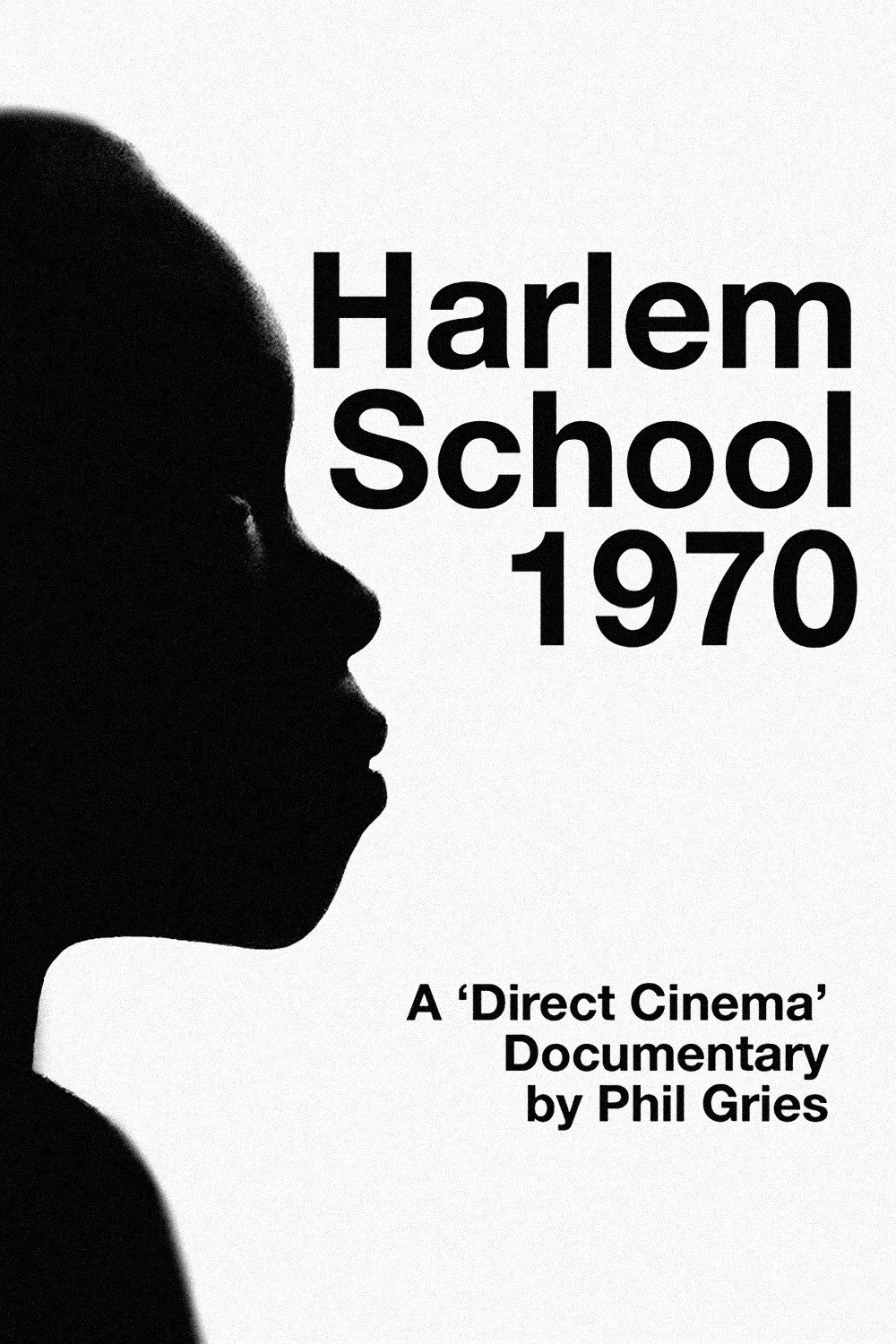
A unique 'direct cinema' feature length documentary (no narration or interviews) originally filmed in the Spring of 1970 and concluded during the Summer of 2017 (footage added, restored, and re-edited). A day in the life of an inner-city Harlem elementary school. In 2018 filmmaker Phil Gries reunited with seven of his former Harlem elementary students whom he hadn't seen in 50 years.
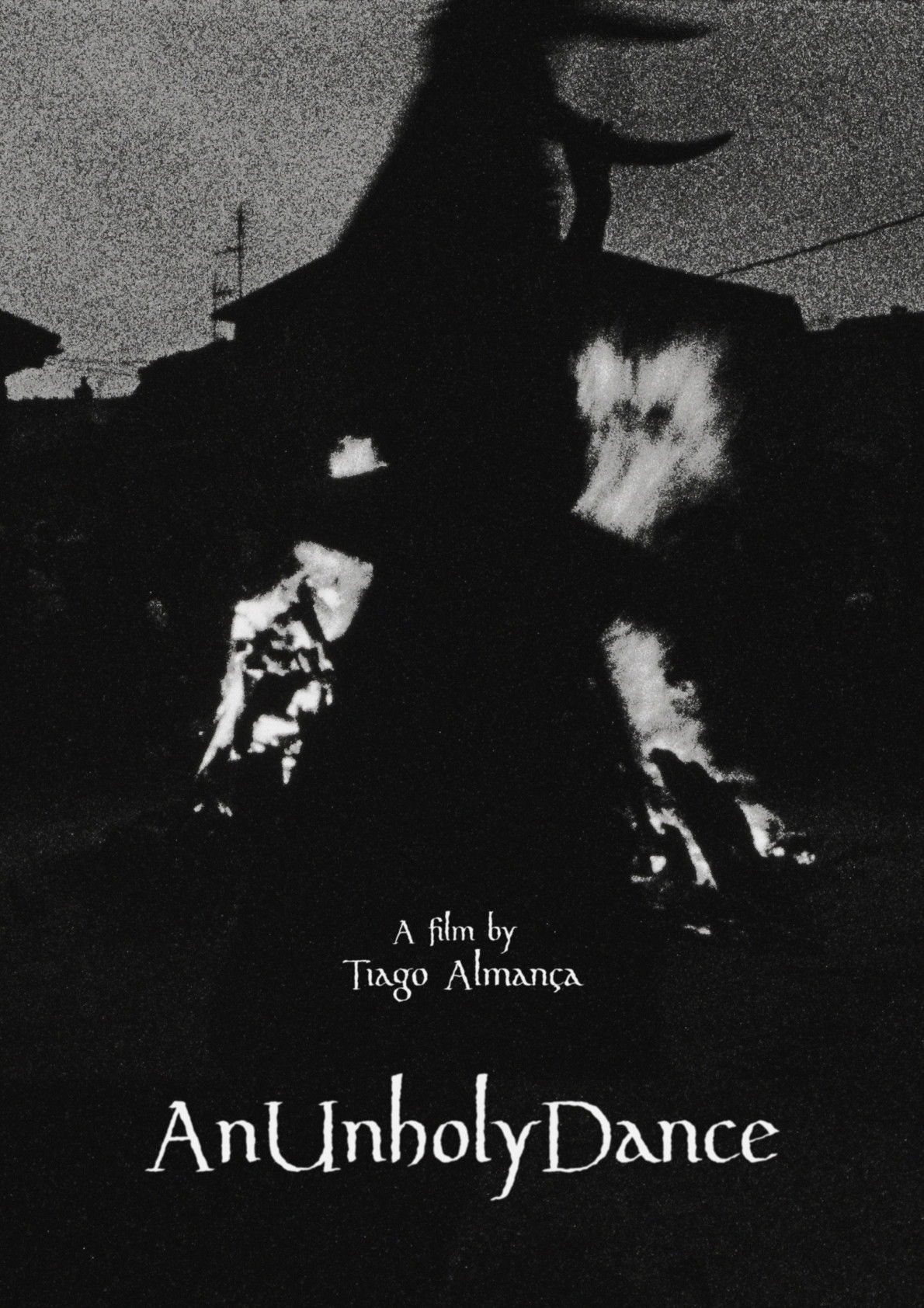
Every winter, a small town in Castilla-La Mancha called Luzón transforms into a little hell. Its inhabitants, dressed as devils, venture into the darkness and roam its streets with horns, bells, and smeared with soot. Una dança non sancta could have been just an anthropological documentary. Instead, it delves into the inferno with the town’s residents to participate in and immortalize this unholy ritual.
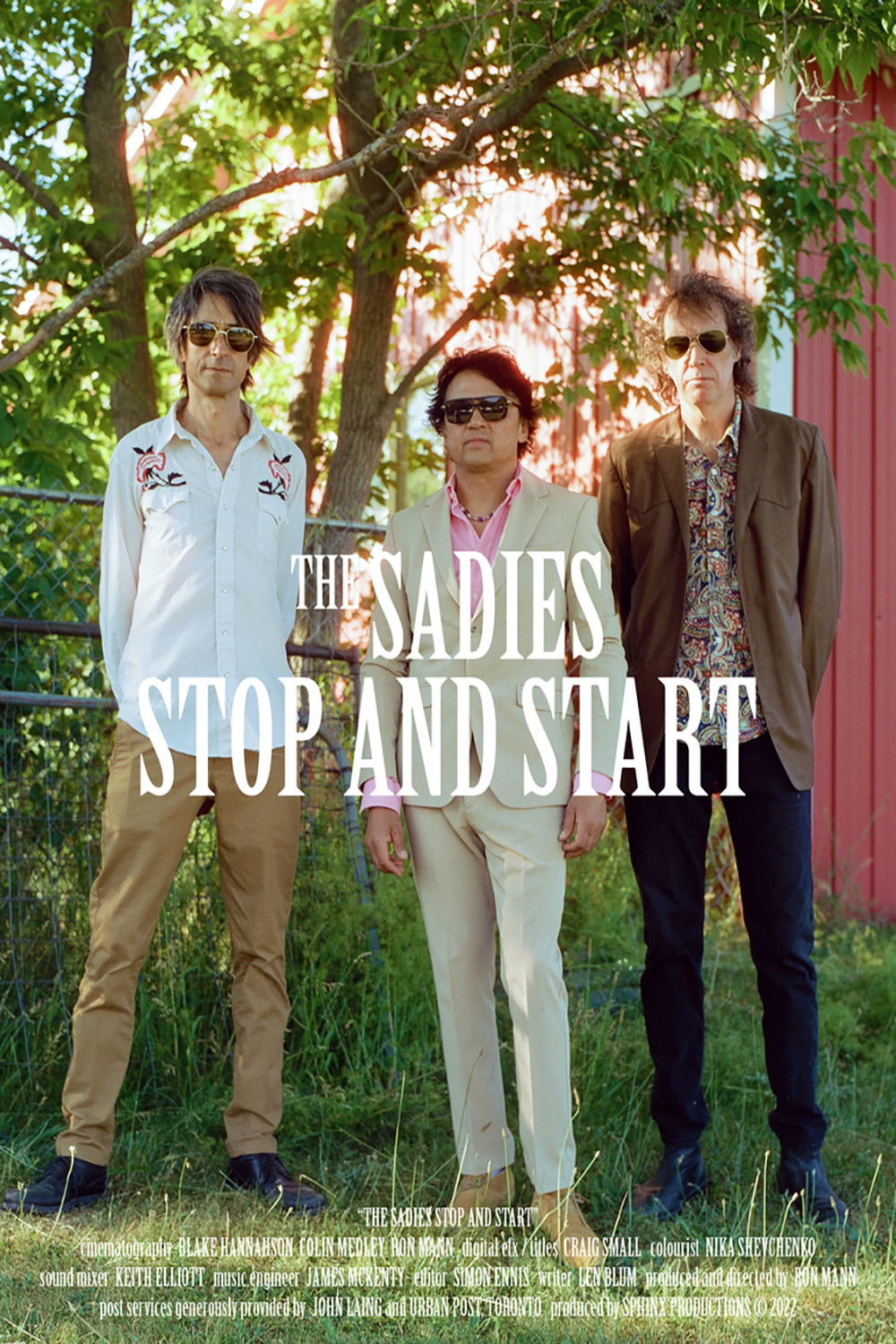
The Sadies Stop and Start captures a moment in time. That time was uncertain and dark. Still reeling from losing Dallas, we found out that Mike needed to have emergency wrist surgery. We needed to play these songs, not knowing if we would ever have the opportunity again. With one day's notice, documentary filmmaker Ron Mann and a stellar crew pulled together to help us capture these songs. Friends and family gathered to help out and show their support. James McKenty engineered in his mobile recording trailer, In Record Time Studio. The resulting film looked and sounded better than we could have hoped. We are thankful to share that Mike's surgery was successful and we are back out on the road and coming to a city near you.
At dawn a nomad caravan descends on Aq Kupruk from the foothills of the Hindu Kush. In their camp, and in commerce with the townspeople, the Maldar reveal the mixture of faith and distrust that has kept nomads and sedentary people separate and interdependent over the centuries. The theme of the film focuses on political and religious beliefs. The film and accompanying instructor notes in this series embrace five different and complex units of analysis concerning how political change occurs; individual attitudes, ethnic identity, national loyalties, institutional affiliations, and ideological beliefs.
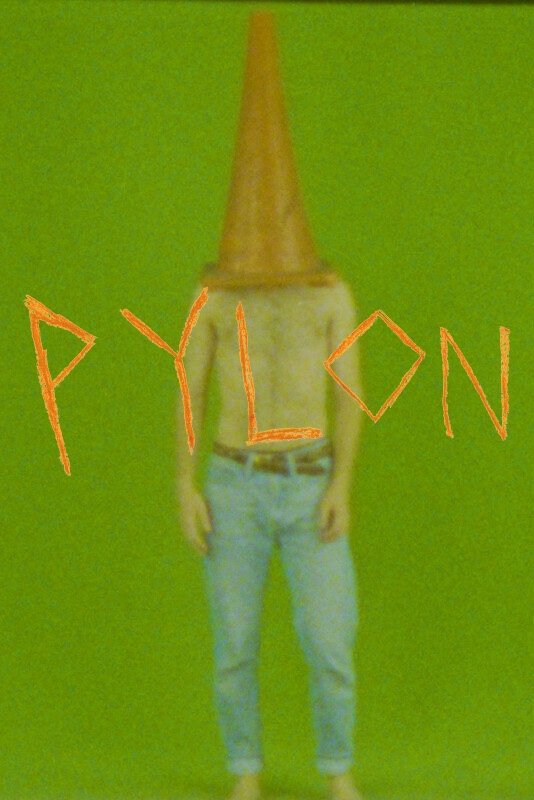
A young woman achieves cone consciousness.
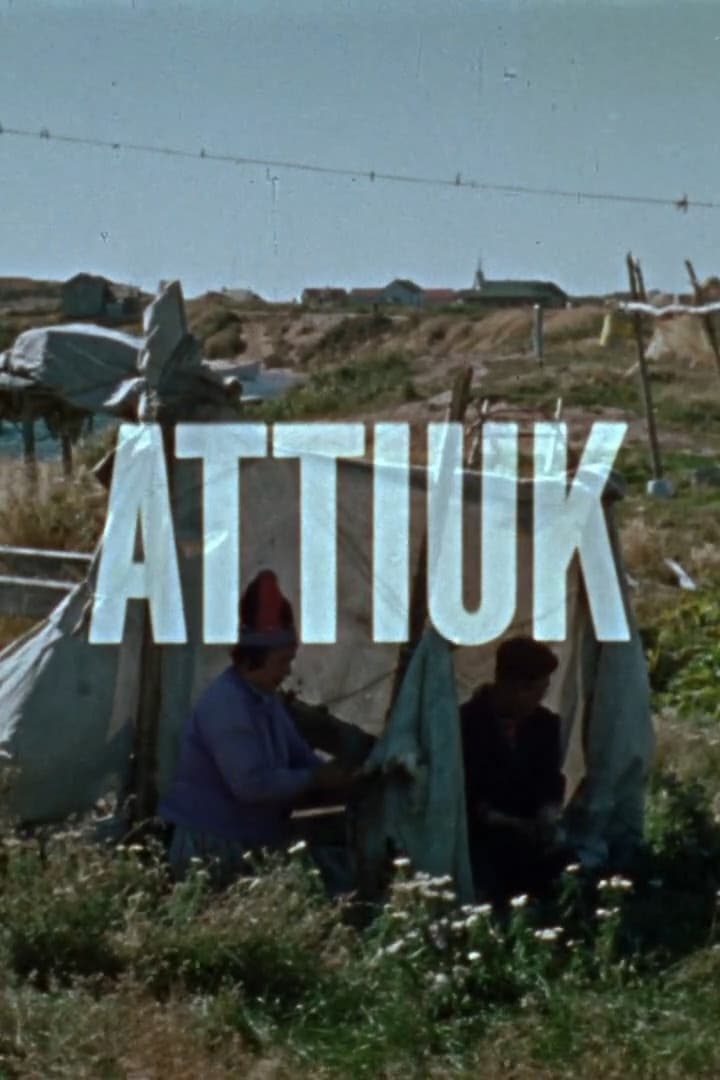
The people of Unamenshipu (La Romaine), an Innu community in the Côte-Nord region of Quebec, are seen but not heard in this richly detailed documentary about the rituals surrounding an Innu caribou hunt. Released in 1960, it’s one of 13 titles in Au Pays de Neufve-France, a series of poetic documentary shorts about life along the St. Lawrence River. Off-camera narration, written by Pierre Perrault, frames the Innu participants through an ethnographic lens. Co-directed by René Bonnière and Perrault, a founding figure of Quebec’s direct cinema movement.
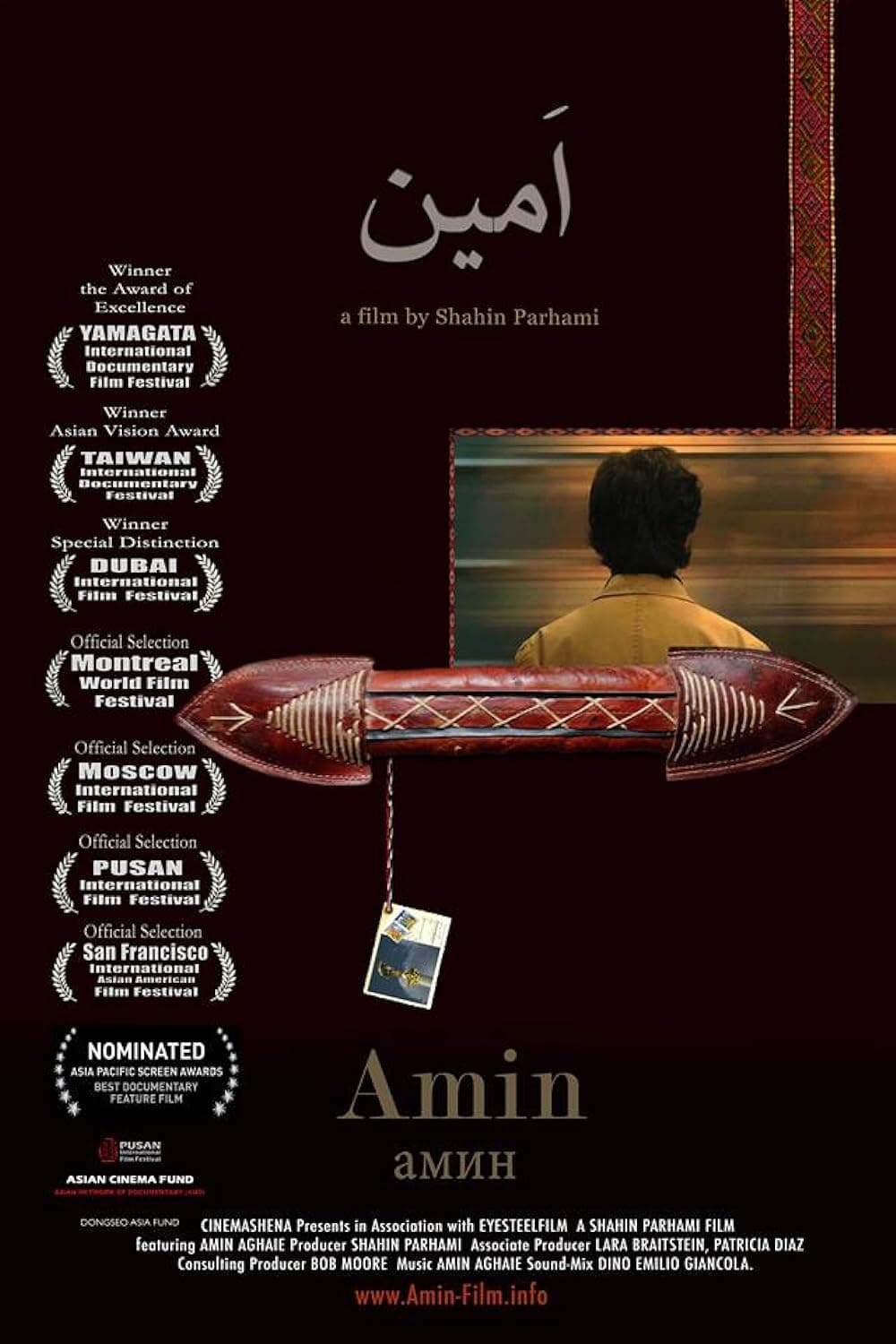
AMIN portrays Qashqai musician Amin Aghaie, a young modern nomad and his family who despite facing steep financial, cultural and political obstacles are dedicated to their art and culture. Amin travels to remote towns and villages to record the music of the surviving masters whose numbers decline each year. His nomadic family are selling their meager belongings to help support their son's education in performance and ethnomusicology at Tchaikovsky's Conservatory in Kyiv, Ukraine, but it is not enough. Amin, desperate to finish his academic education, sells his violins one at a time just to pay for his tuition.
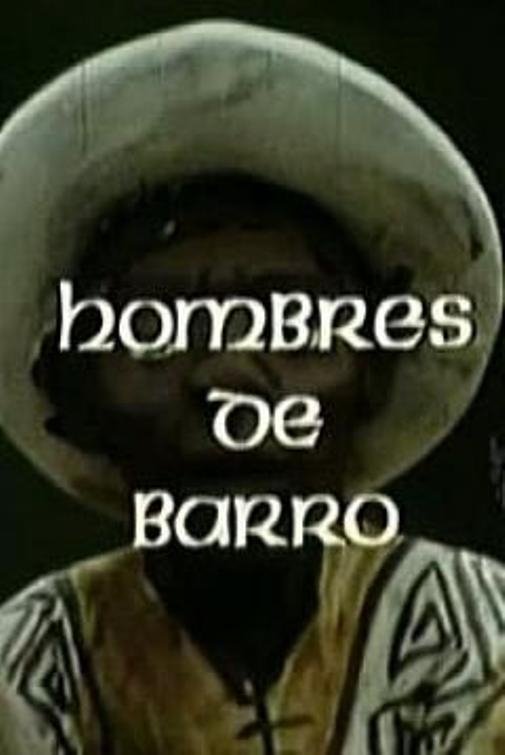
A group of filmmakers travel to a Kolla community in Salta to film their folkways. We see all aspects of their life: farming, herding, cooking, football, and making music during a Pachamama festival. In the course of filming, the leader of the Kolla community changes the filmmakers' view of what the documentary should be, and at the end of their visit they are changed. "La vida se puede ir amasando, como el barro": As life goes along, it becomes more pliant, like clay. An announcement at the beginning of the film states that this is neither fiction nor documentary, but I'd say it's closer to documentary.
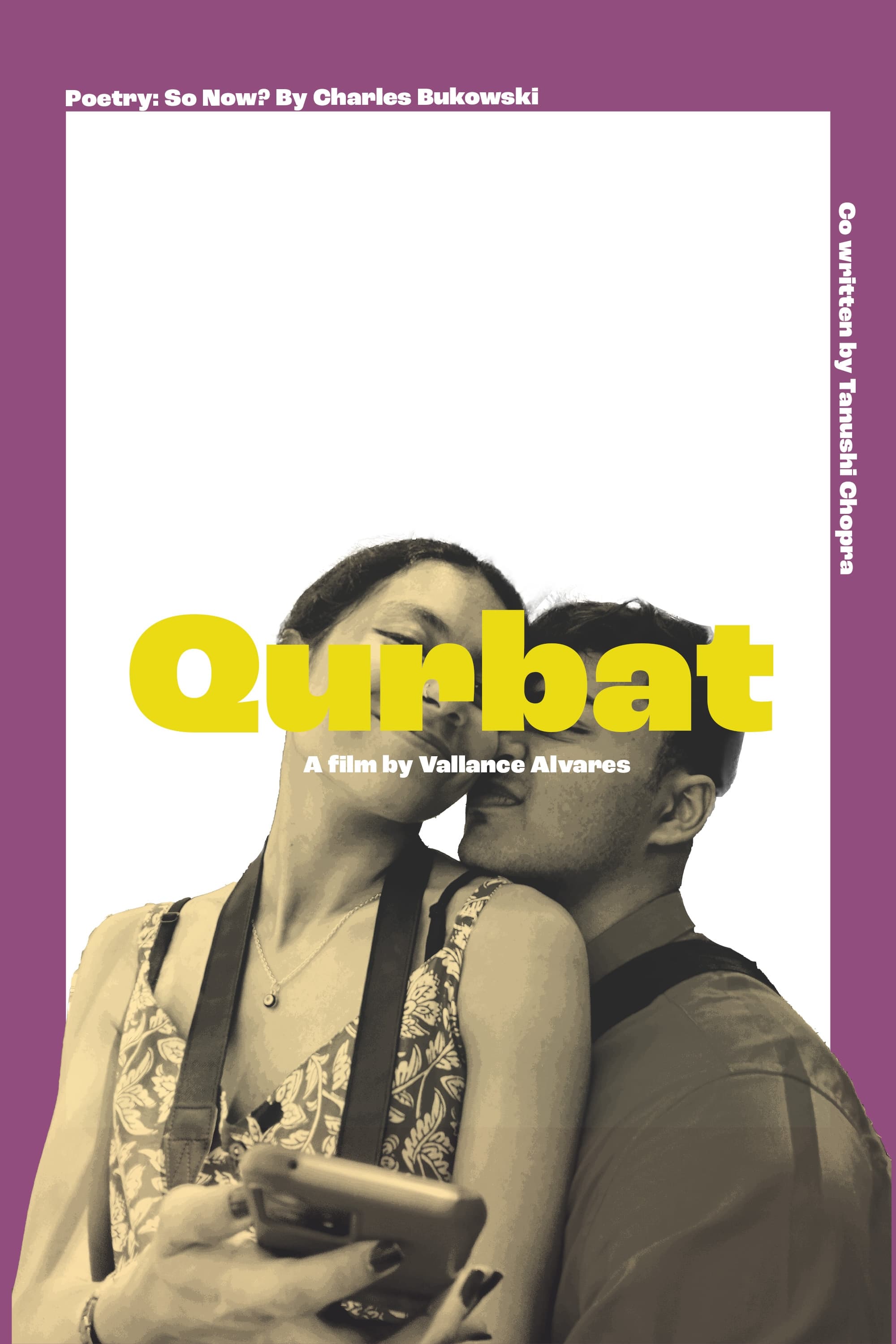
It's been 2 years since they've been together. They haven't seen each other in person. Only pixels on a screen.
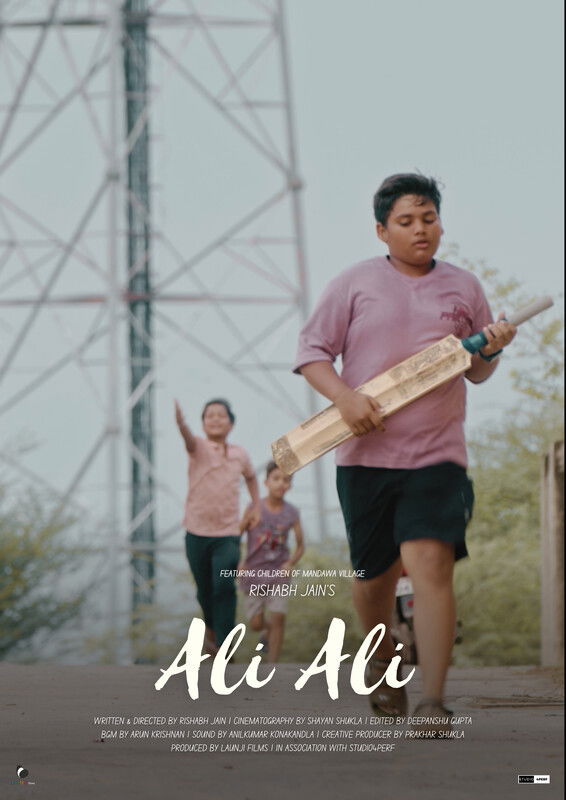
In a quiet Rajasthani village, young Ali clings to his cricket bat as his friends chase it. What starts as playful mischief reveals a film crew struggling to finish their shoot, blurring childhood and the fragile magic of cinema.
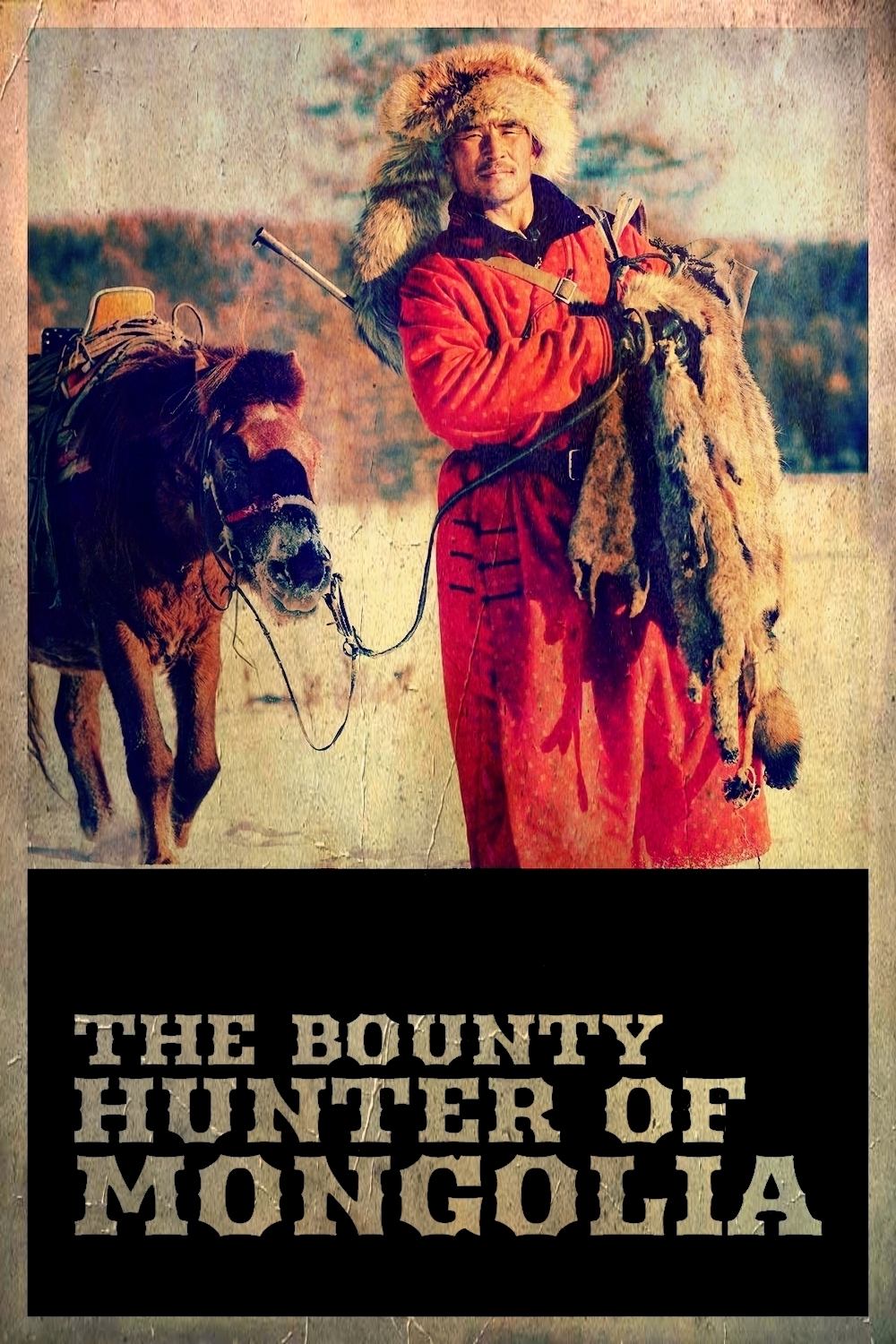
In the Darhat valley in northern Mongolia, the horses of nomadic tribes are stolen by bandits who then sell them to Russian slaughterhouses. Shukhert, a brave horseman, relentlessly pursues them through the Mongolian taiga, bordering Siberia.
A young student heads back to his village during the COVID-19 lockdown to collect ethnographic material for his thesis, but as quarantine stretches on, the rituals and everyday scenes he records start bringing back childhood memories-leading him to piece the footage together into something more personal.
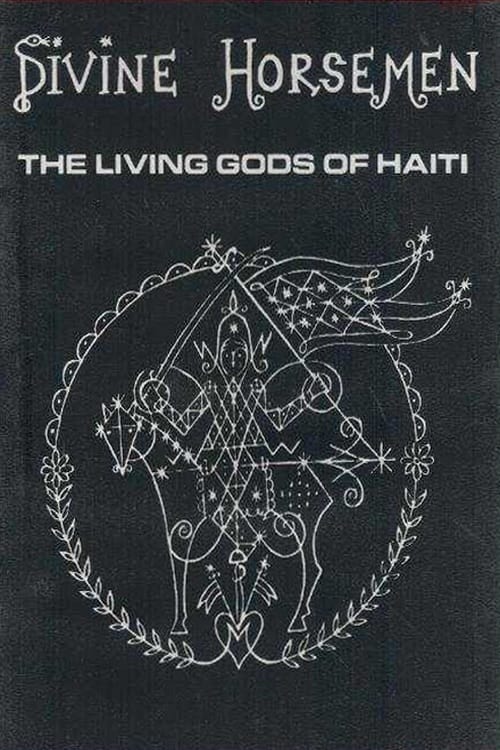
This intimate ethnographic study of Voudoun dances and rituals was shot by Maya Deren during her years in Haiti (1947-1951); she never edited the footage, so this “finished” version was made by Teiji Ito and Cherel Ito after Deren’s death.
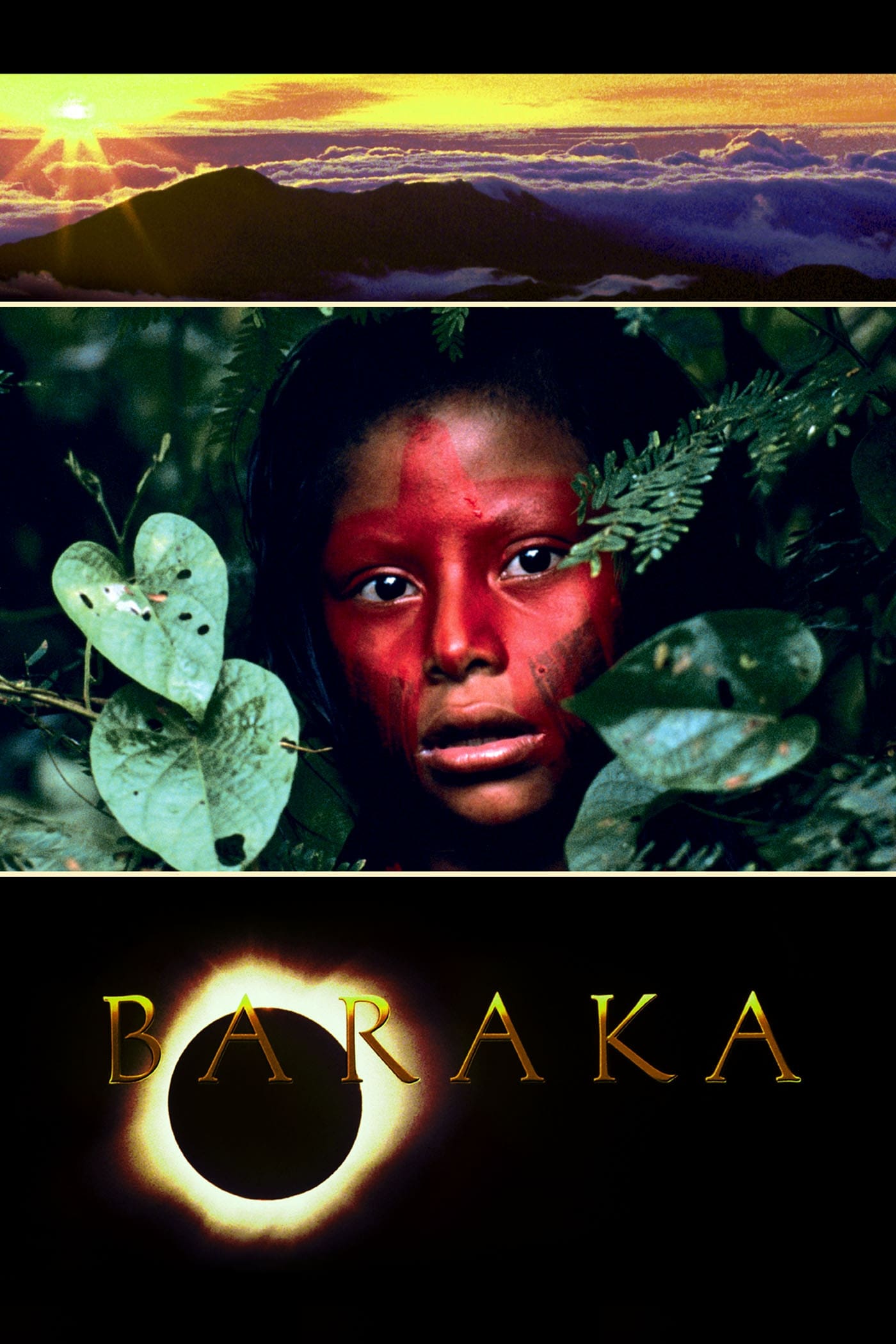
A visual montage portrait of our contemporary world dominated by globalized technology and violence.
A paralysingly beautiful documentary with a global vision—an odyssey through landscape and time—that attempts to capture the essence of life.
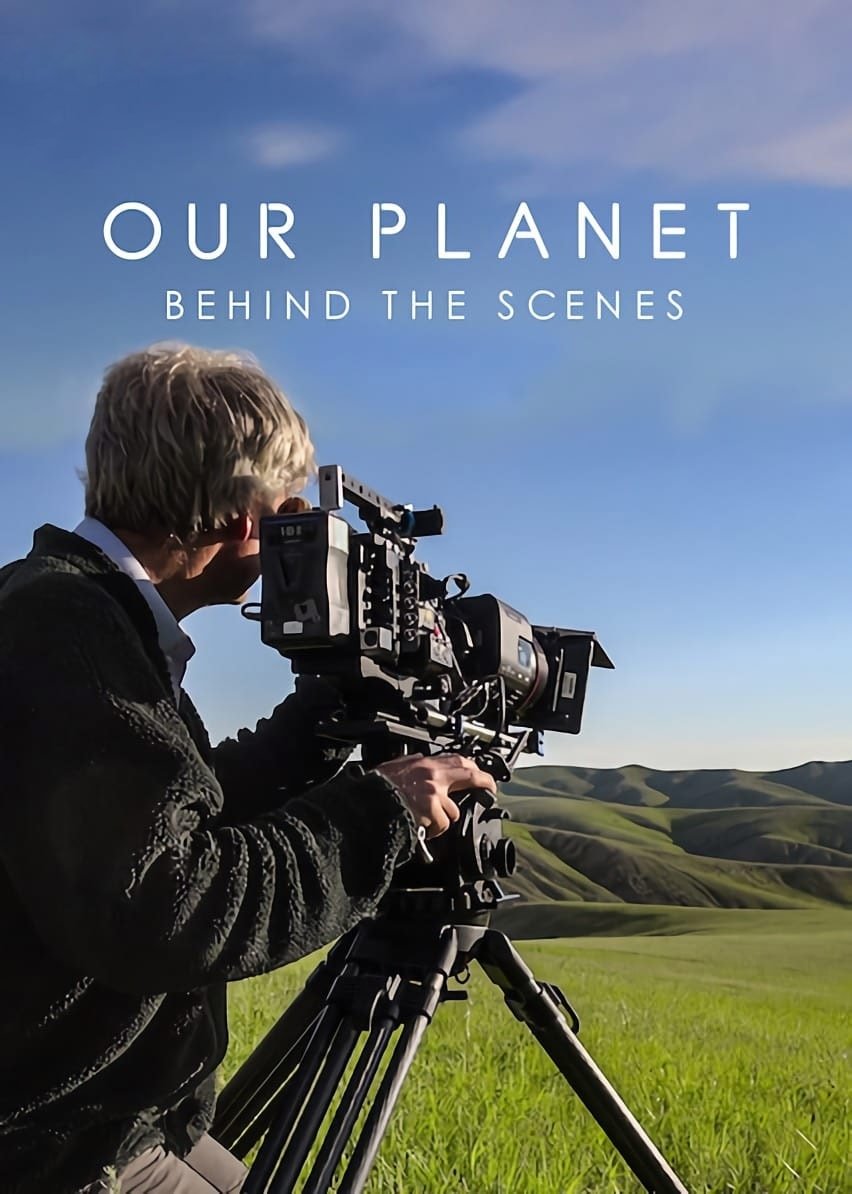
Years spent recording footage of creatures from every corner of the globe is bound to produce a bit of drama. Here's a behind-the-scenes look.
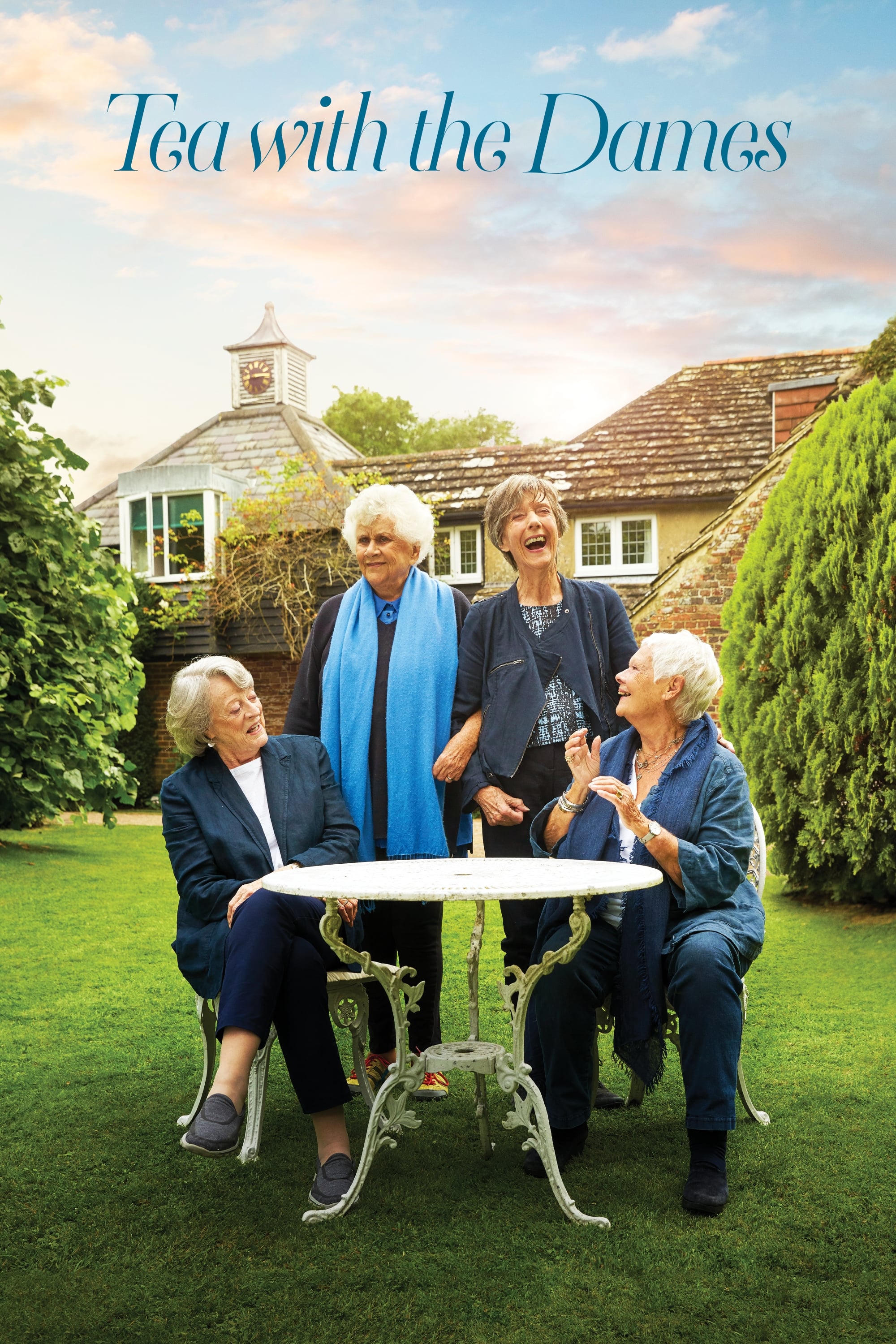
BBC Arena's documentary on the Dames of British Theatre and film featuring Maggie Smith, Eileen Atkins, Judi Dench and Joan Plowright on screen together for the first time as they reminisce over a long summer weekend in a house Joan once shared with Sir Laurence Olivier.
Capturing Avatar is a feature length behind-the-scenes documentary about the making of Avatar. It uses footage from the film's development, as well as stock footage from as far back as the production of Titanic in 1995. Also included are numerous interviews with cast, artists, and other crew members. The documentary was released as a bonus feature on the extended collector's edition of Avatar.
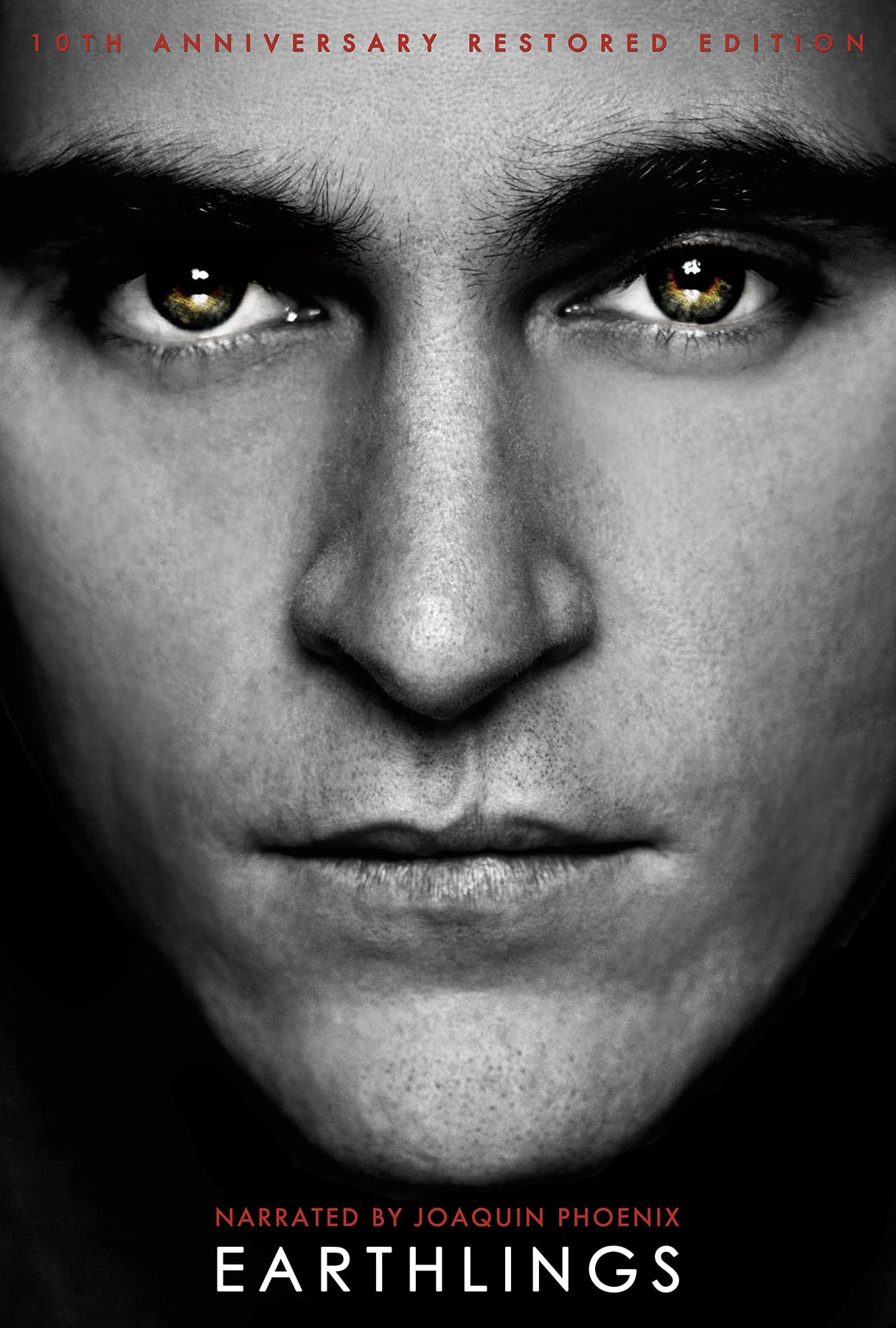
Using hidden cameras and never-before-seen footage, Earthlings chronicles the day-to-day practices of the largest industries in the world, all of which rely entirely on animals for profit.
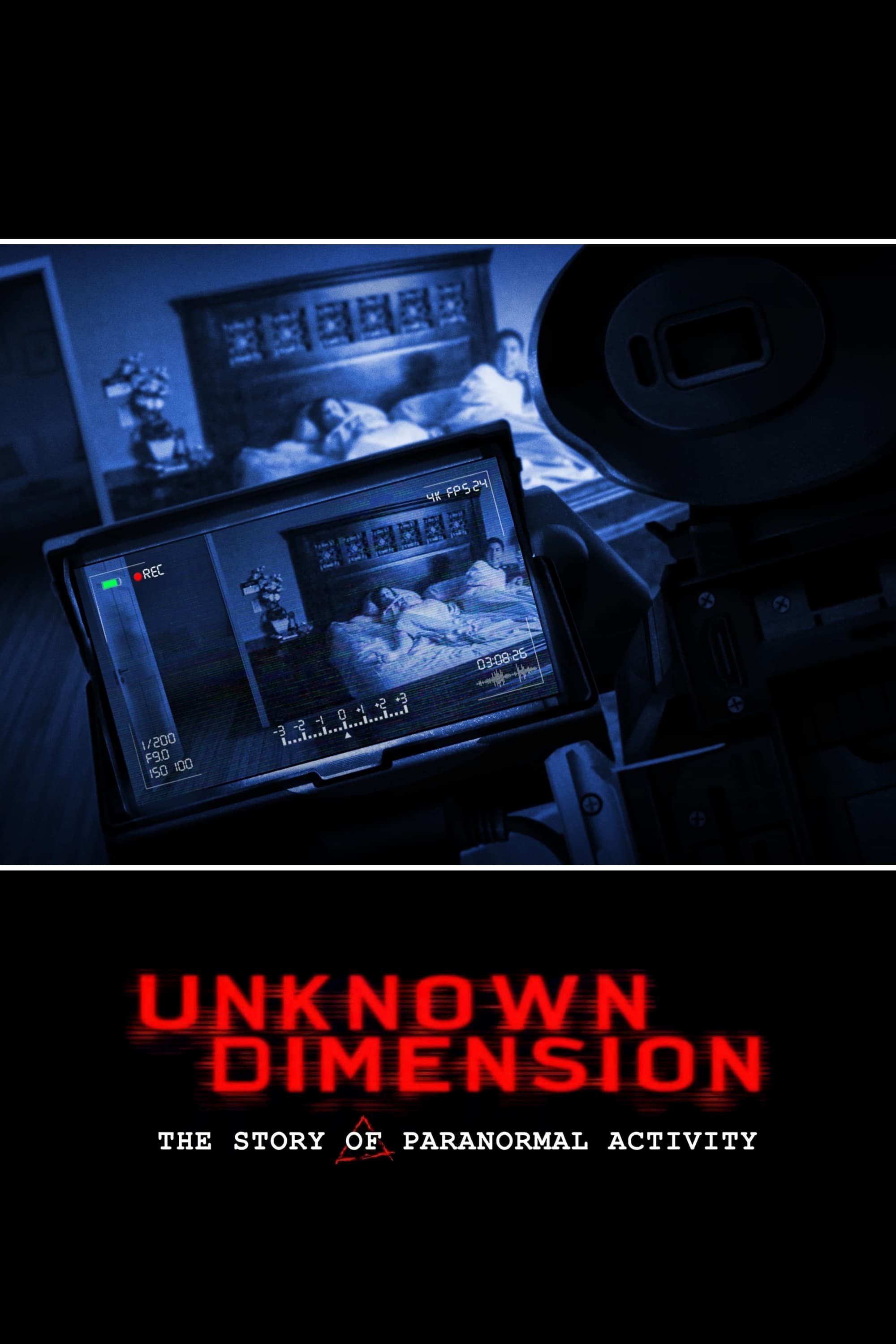
A deep dive into the making of the Paranormal Activity films with first time ever interviews with cast and crew, never-before-seen footage from the movies, and a preview of the seventh installment in the franchise.
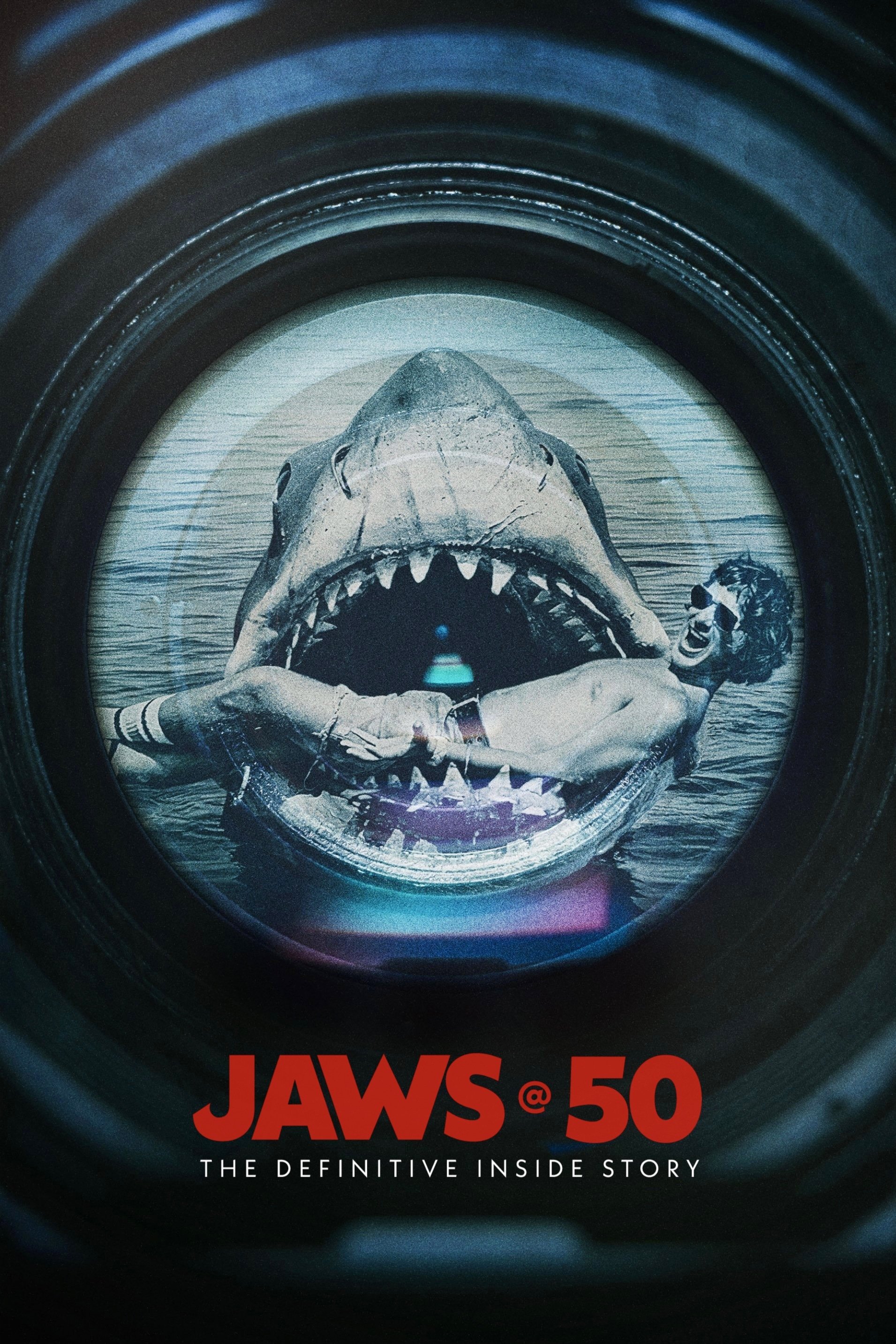
The authorized documentary celebrating the film that redefined Hollywood, 50 years after its premiere. Featuring rare archival footage and interviews with acclaimed Hollywood directors alongside Steven Spielberg, top shark scientists, and conservationists, the film uncovers the behind-the-scenes chaos and how the film launched the summer blockbuster, inspired a new wave of filmmakers, and paved the way for shark conservation that continues today.
In an intimate and joyful story of love in the face of loss, celebrated poets Andrea Gibson and Megan Falley find strength—and unexpected hilarity—in what might be their final year together.
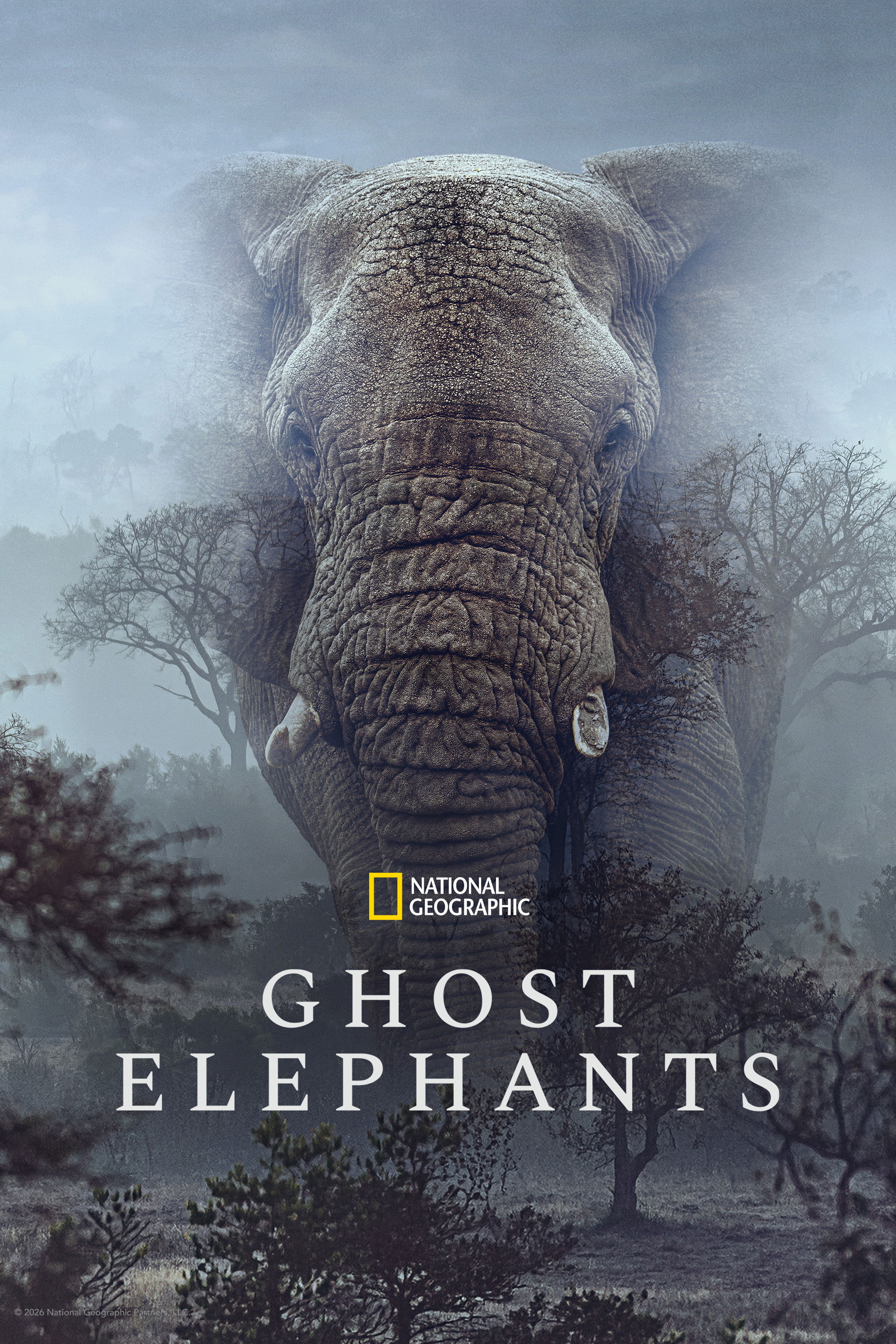
In Angola's mist-shrouded highlands, three KhoiSan master trackers embark on a spiritual quest to rediscover the legendary "ghost elephants" of Lisima, creatures presumed lost but remembered in ancestral trance, ritual, and memory.
An exploration of technologically developing nations and the effect the transition to Western-style modernization has had on them.
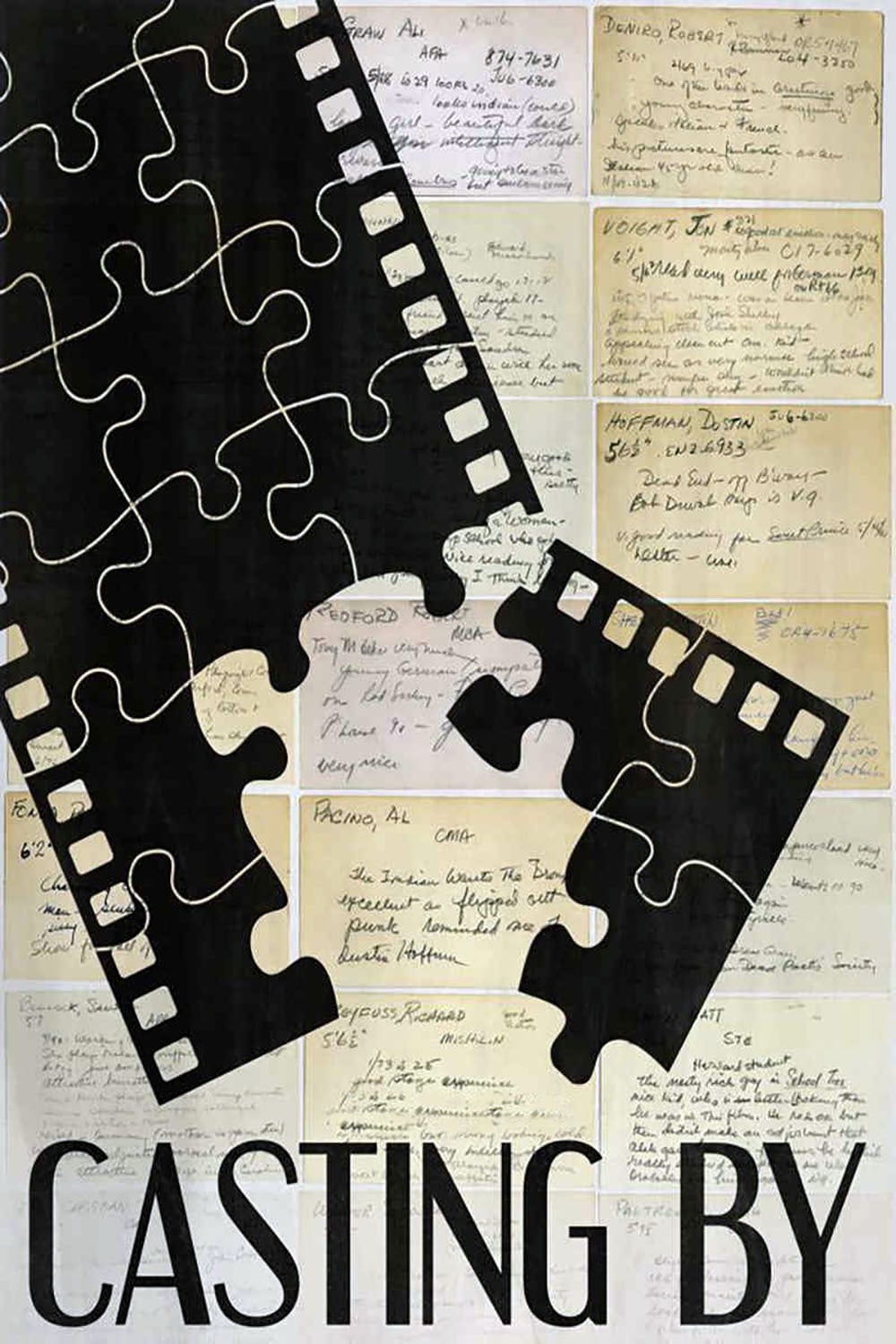
This essential new documentary pays tribute to the legacy of the late, legendary casting director Marion Dougherty and shines a light on one of the most overlooked and least understood crafts in filmmaking.
Amber Heard and Nicole Kidman discuss their characters Mera and Atlanna.
A compilation of over 30 years of private home movie footage shot by Lithuanian-American avant-garde director Jonas Mekas, assembled by Mekas "purely by chance", without concern for chronological order.
A documentary on the expletive's origin, why it offends some people so deeply, and what can be gained from its use.
In the Realms of the Unreal is a documentary about the reclusive Chicago-based artist Henry Darger. Henry Darger was so reclusive that when he died his neighbors were surprised to find a 15,145-page manuscript along with hundreds of paintings depicting The Story of the Vivian Girls, in What is Known as the Realms of the Unreal, of the Glodeco-Angelinnian War Storm, Cased by the Child Slave Rebellion.
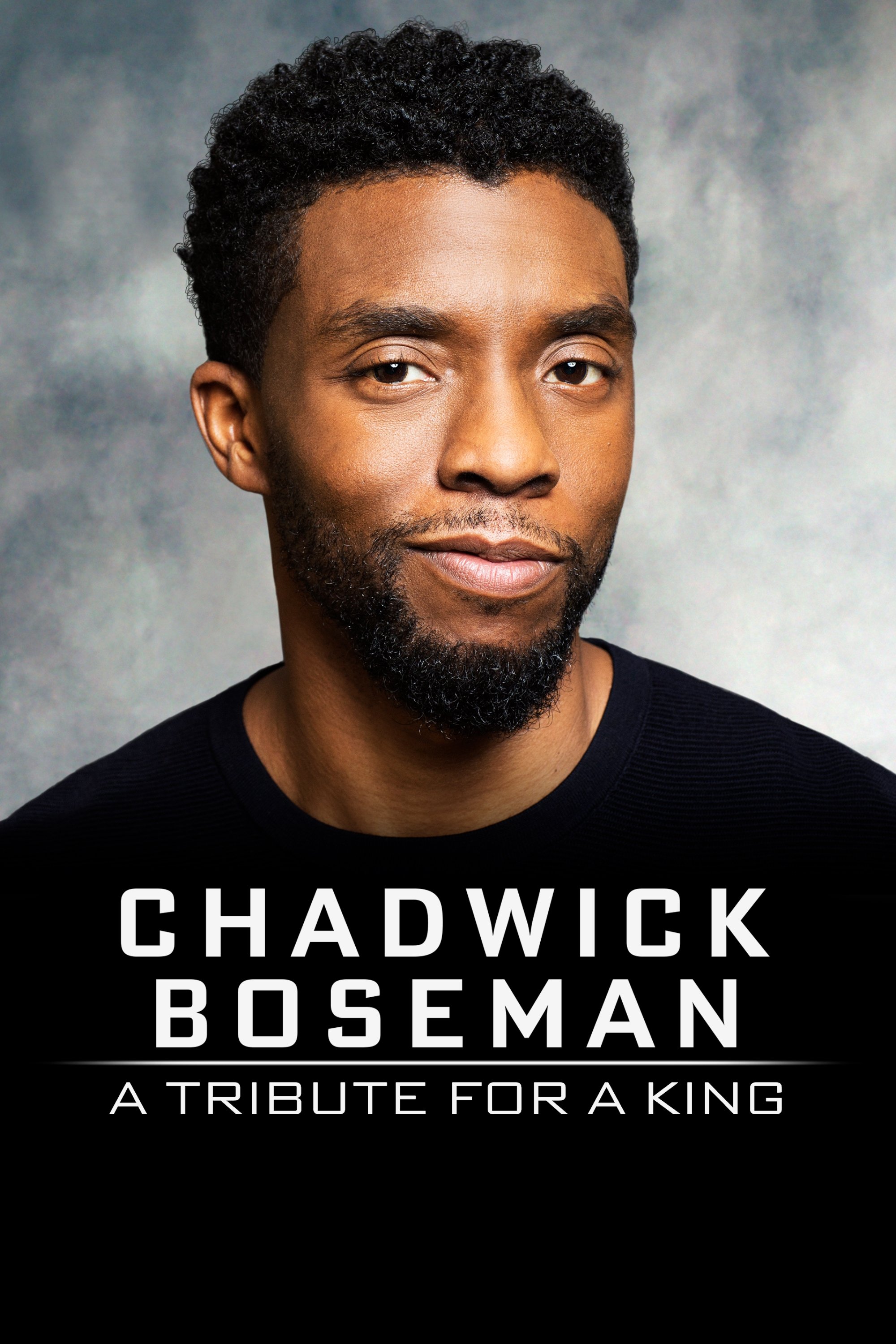
A tribute to Chadwick Boseman, celebrating his life and legacy.
Musician and performance artist Laurie Anderson reflects on the deaths of her husband Lou Reed, her mother and her beloved dog.
A documentary about the making of David Fincher's 2008 film THE CURIOUS CASE OF BENJAMIN BUTTON. Virtually every element in the evolution of the Fincher's film is documented here, from the project's attachment to numerous other directors during the 1990s, to its shoot in 2006 and 2007 in New Orleans, to its complex, CGI-intensive postproduction process.
Daniel Craig candidly reflects on his 15 year adventure as James Bond. Including never-before-seen archival footage from Casino Royale to the upcoming 25th film No Time To Die, Craig shares his personal memories in conversation with 007 producers, Michael G Wilson and Barbara Broccoli.