To help prevent the unthinkable from ever coming true, it is important to know what could really happen....the most awesome and deadly display of warfare that the world has ever seen.
Social & External
The people behind it
Joe Huser
Narrator
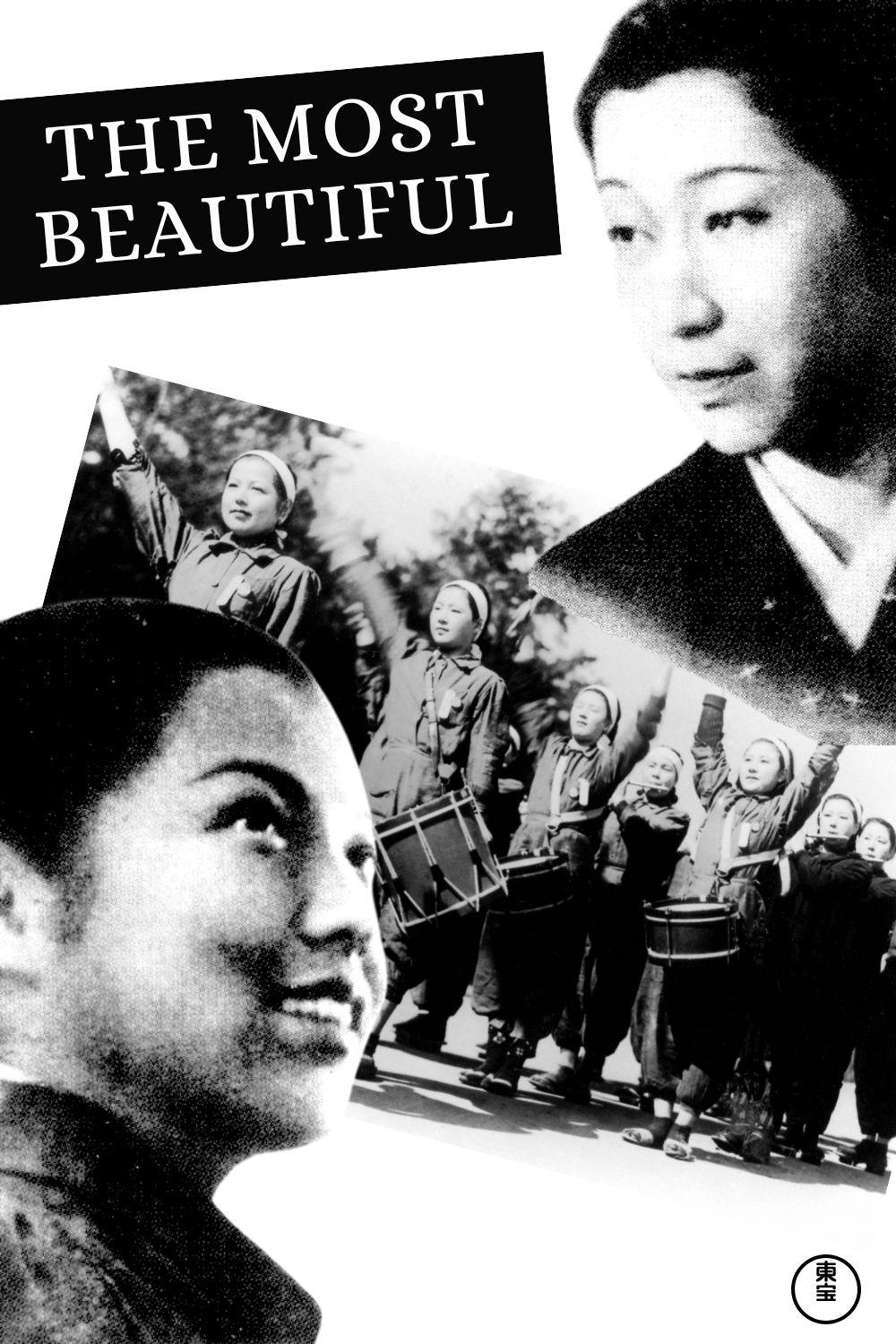
Young women at a precision optics factory in wartime Japan push to exceed production quotas, enduring illness, injury, and personal hardship to “serve the country.” Led by Tsuru Watanabe, they fight fatigue and setbacks to keep their line moving—even when duty collides with grief.
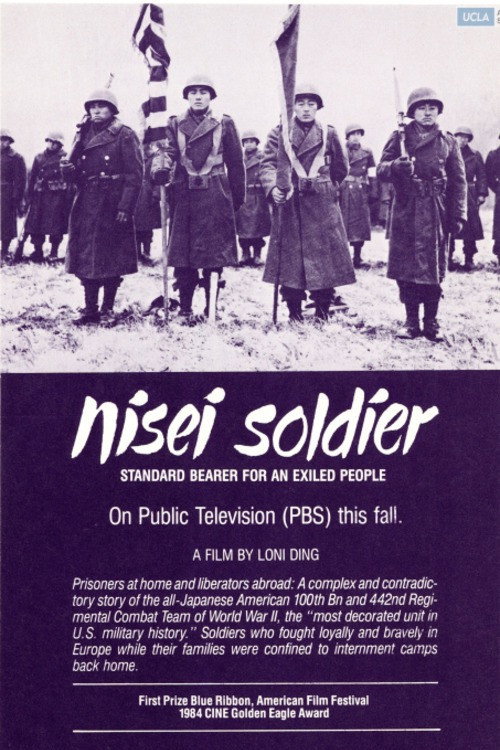
Nisei Soldier focuses on the heroism of American men of Japanese ancestry who fought bravely during World War II, despite the intense moral dilemmas they faced. Leaving their families imprisoned in "relocation centers", many young Nisei (second generation American-born Japanese) proved their loyalty in WWII by enlisting in the all-Japanese American 442nd Infantry Regiment which fought in Europe. Because of the Regiment's incredible bravery in battle, liberation of French towns, and high casualty rate, it became the most decorated unit in U.S. military history. The film asks: What sustained these young men forced to battle on two fronts at once -- against fascism abroad and intense prejudice at home? More than a war story, Nisei Soldier is a tale about personal honor, family loyalty and love of country -- and what it means to be an American.
This program provides, through 1st hand accounts & contemporary films & photographs, a rare insight into what really happened. Together with meticulously researched stories, it provides a unique analysis of the Gallipoli campaign, including never-seen before interviews with the last 10 Gallipoli Anzacs, rare film footage showing the beach & trenches at Gallipoli.
The fate of a Hungarian Jewish family throughout the 20th century.
American soldiers, led by The Sarge, are stuck behind Nazi enemy lines. As they make their way across the Italian countryside, they come across an alien spaceship that has crash-landed in the woods. The alien pilot is dead, but one of the ship's passengers is on the loose. As the GIs hunt down the alien by splitting into smaller groups, they're not only tracked by the Nazis, but also a whole host of other aliens come to save their stranded party.
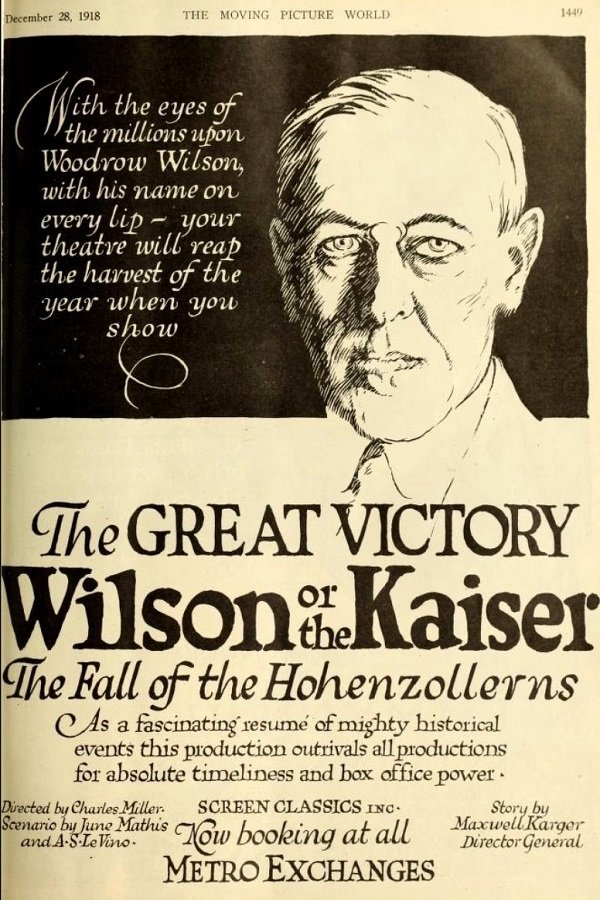
After a prologue where we are shown the backgrounds of Wilhelm II and Woodrow Wilson, we see the story of Conrad Le Brett from Alsace-Lorraine. Forced to fight for Germany Conrad, sees soldiers taking girls into a church to rape them and kills one who murders a baby. Shot in the encounter he is taken to a Brussels hospital run by nurse Edith Cavell where he falls in love with American nurse, Amy Gordon. After Edith Cavell assassination and the murder of Conrad’s sister Vilma by the evil Lieutenant Ober Conrad honors her dying request that he go to America and defend Alsace-Lorraine's reputation. Once there he convinces President Wilson that Alsatians should be allowed to enlist. Fighting with the "doughboys," Conrad kills Ober, and after the armistice, returns to Amy.
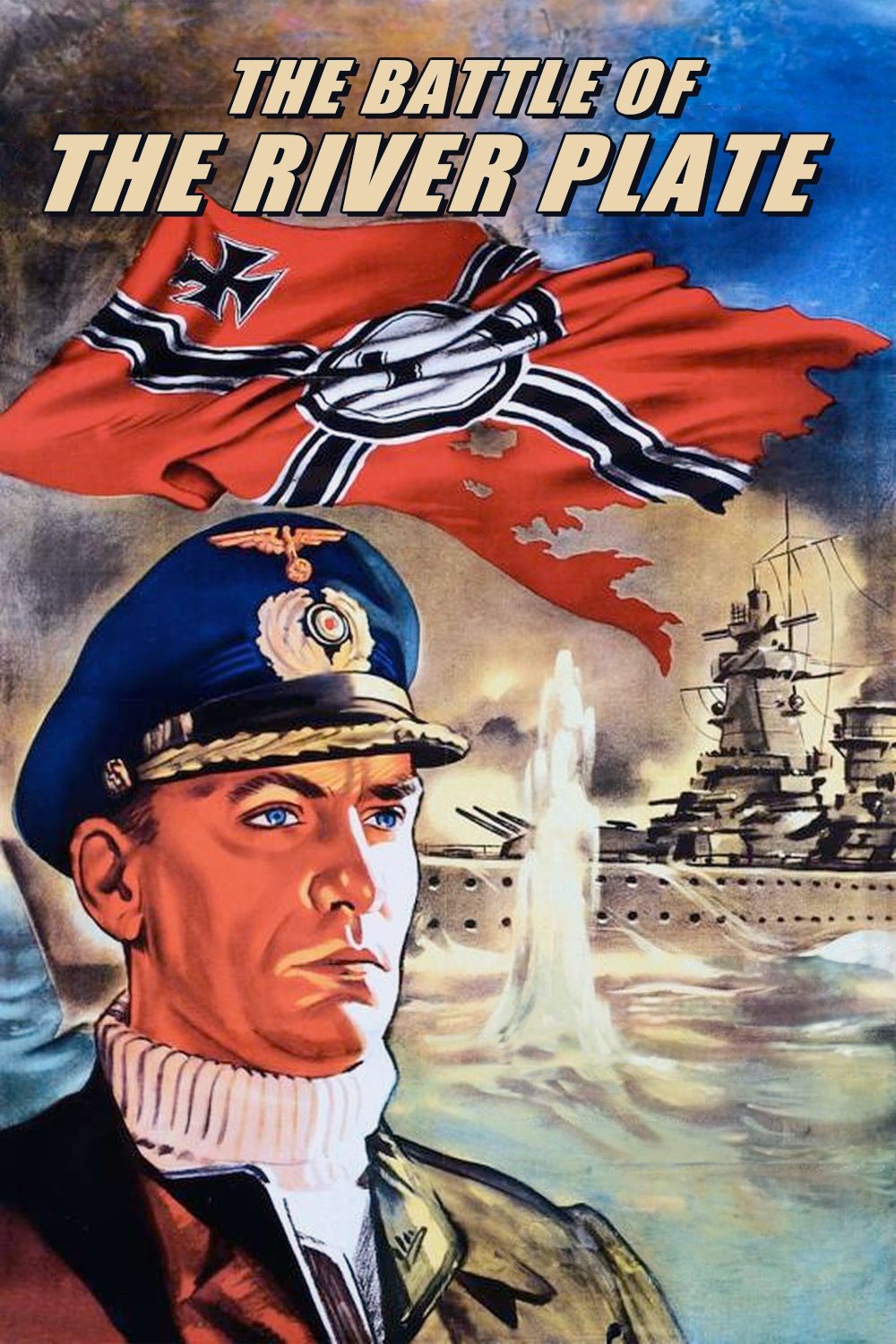
In the early years of the World War II, the Royal Navy is fighting a desperate battle to keep the Atlantic convoy routes open to supply the British Isles, facing the great danger posed by the many German warships, such as the Admiral Graf Spee, which are scouring the ocean for cargo ships to sink.
An ornithologist mistaken for an explosives expert is sent alone into a small French town during WWI to investigate a garbled report from the resistance about a bomb which the departing Germans have set to blow up a weapons cache.
World War II, 1943. Mallory and Miller, the heroes who destroyed the guns of Navarone, are sent to Yugoslavia in search of a ghost from the past.
Can a girl from Little Rock find happiness with a mature French planter she got to know one enchanted evening away from the military hospital where she is a nurse? Or should she just wash that man out of her hair? Bloody Mary is the philosopher of the island and it's hard to believe she could be the mother of Liat who has captured the heart of Lt. Joseph Cable USMC. While waiting for action in the war in the South Pacific, sailors and nurses put on a musical comedy show. The war gets closer and the saga of Nellie Forbush and Emile de Becque becomes serious drama.
A group of POWs in a German prison camp during World War II play the German National Soccer Team in this powerful film depicting the role of prisoners during wartime.
Gustave Folcher, a French farmer, wrote in his 1939 diary that the summer had been long and hot. He was not alone. Many other anonymous French men and women wrote of the beauty and warmth of those summer months and how threats of war were far from their minds. Through home movies, diaries and letters, One Last Summer describes the final weeks of peace in France and the mix of blindness, denial and prophetic clear-sightedness of those facing the war that was about to unfold.
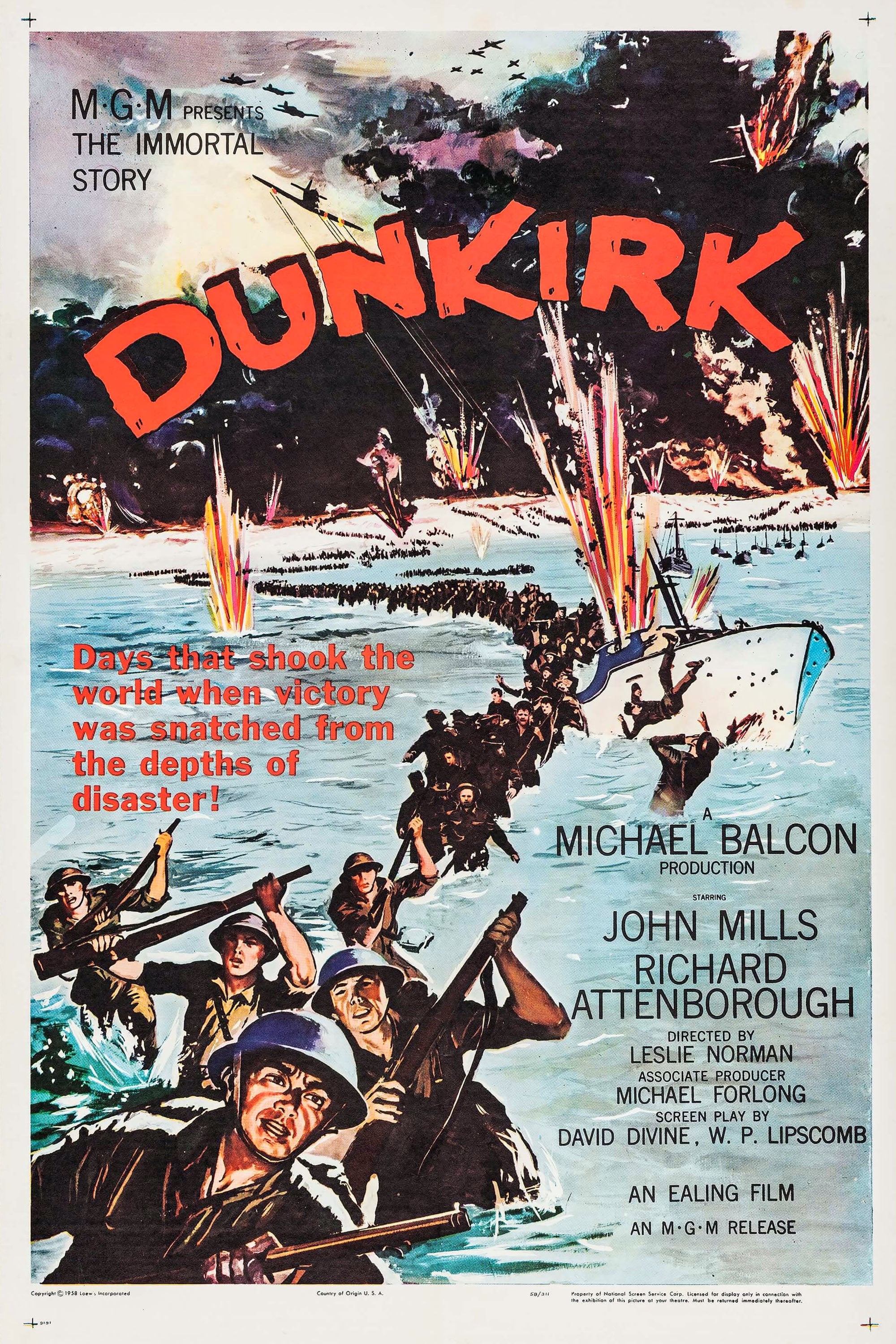
A British Corporal in France finds himself responsible for the lives of his men when their officer is killed. He has to get them back to Britain somehow. Meanwhile, British civilians are being dragged into the war with Operation Dynamo, the scheme to get the French and British forces back from the Dunkirk beaches. Some come forward to help, others were less willing.
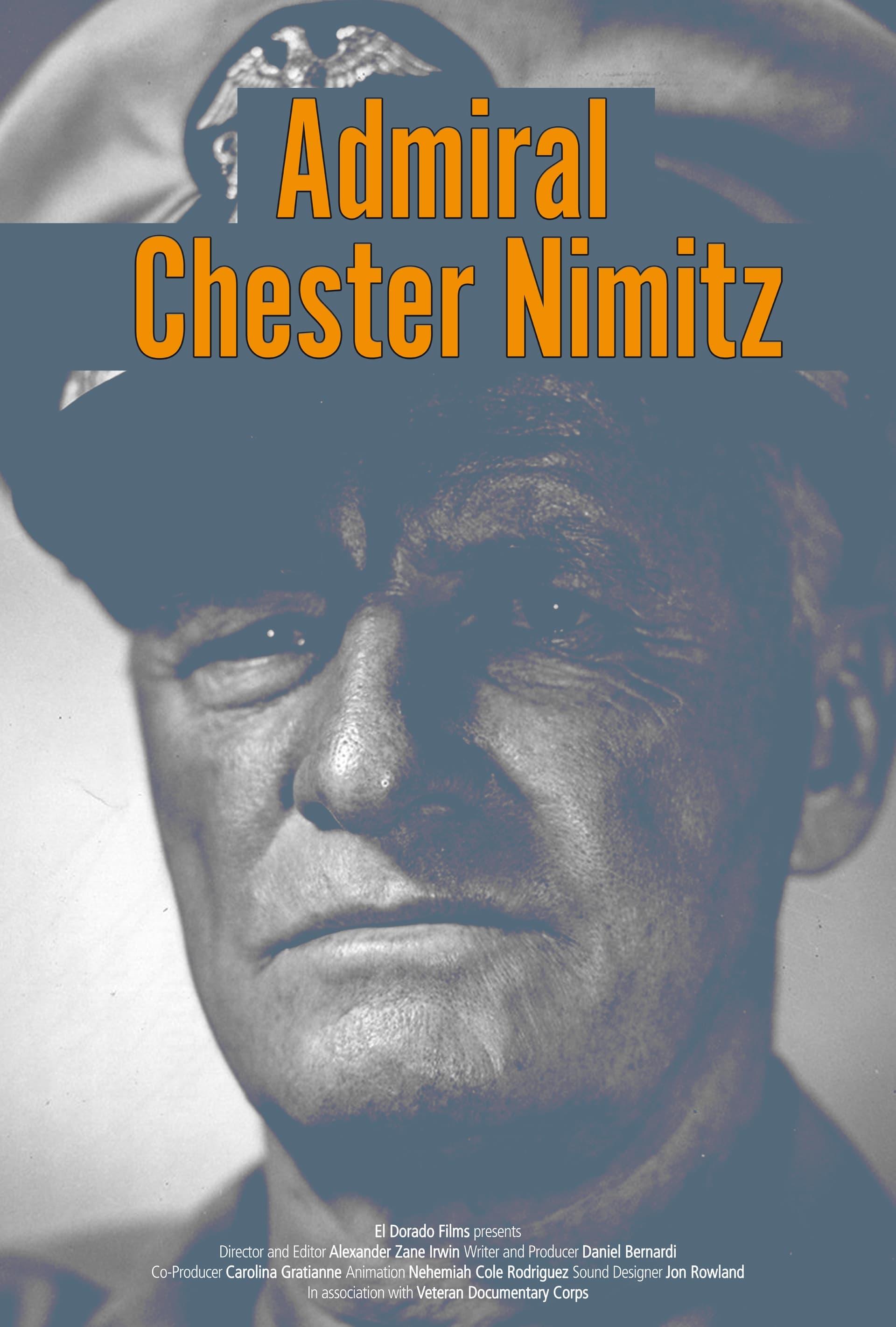
Fleet Admiral Chester Nimitz used submarines, a vessel used to great effect by Germany in WWI and WWII to turn the tide of the War in the Pacific.
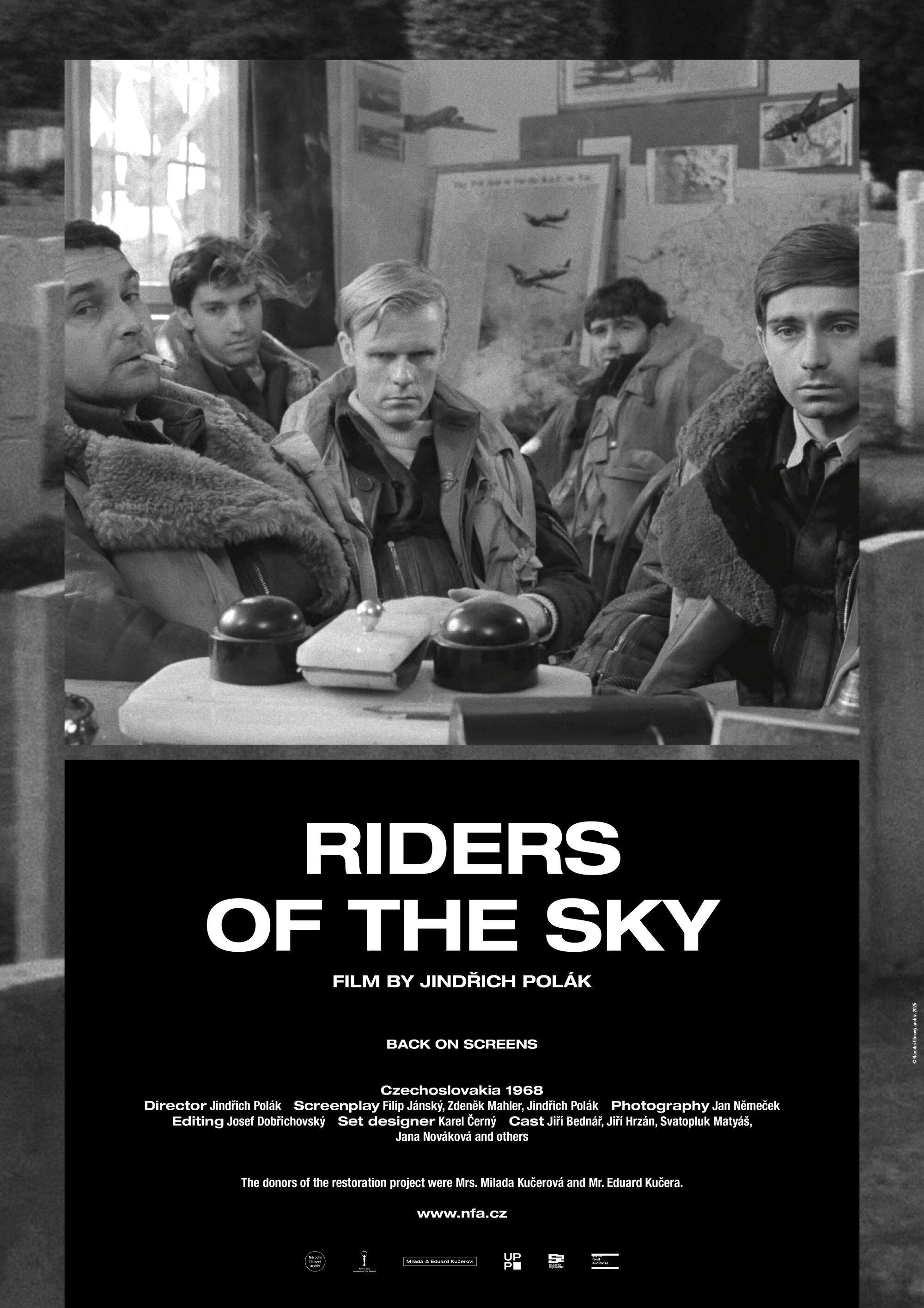
The story of Czech pilots in RAF service during the Battle of Britain, and the ongoing aerial battle in Northern Europe. It tells the story of the crews of the RAF’s No. 311 Squadron, which was mainly crewed by escaped Czech airmen, and their bombing raids during the Second World War.
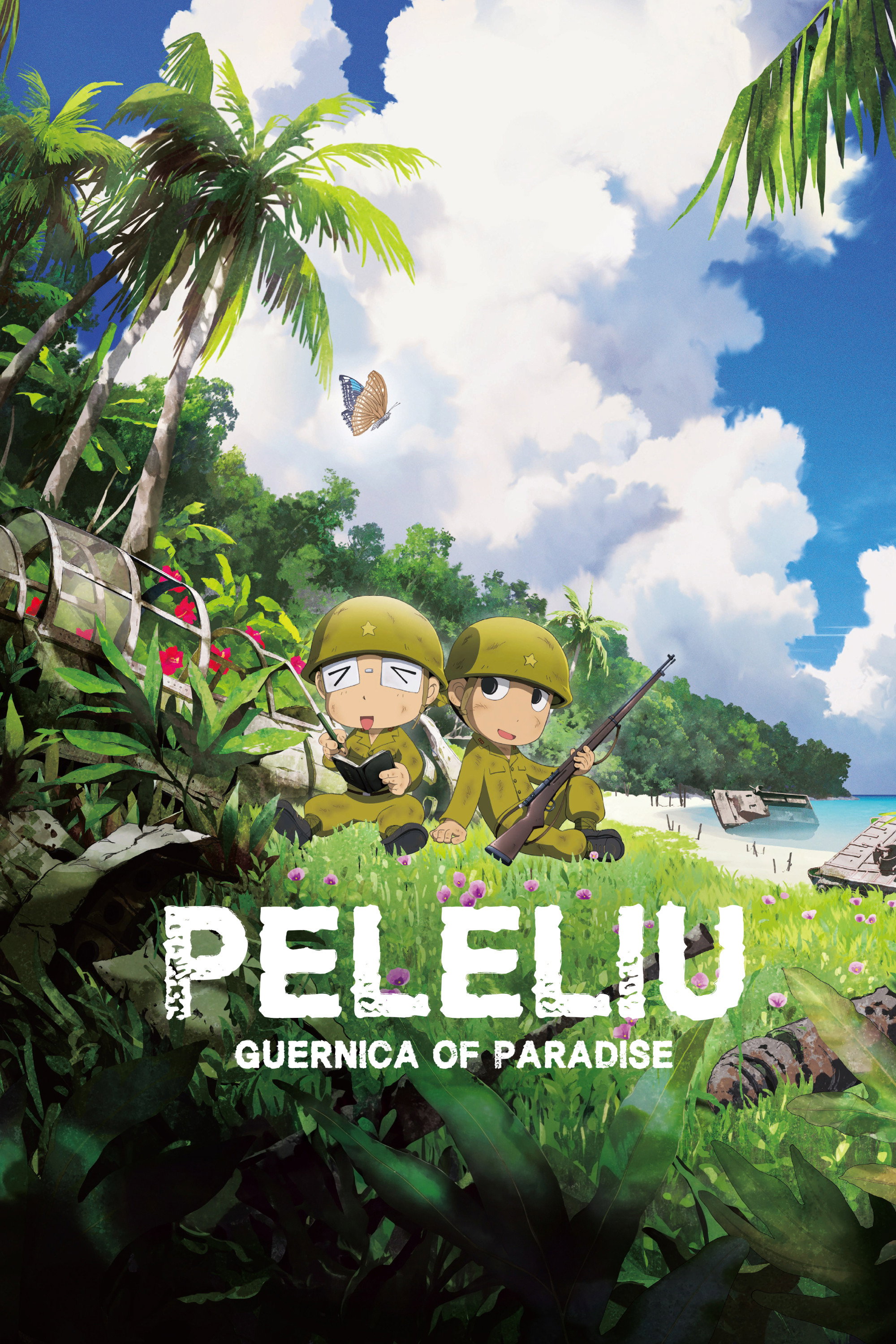
In 1944 on Peleliu, Tamaru writes fake heroic tales of Japanese soldiers' deaths to families. In the hell of bombs, hunger, thirst and disease, he bonds with Yoshiki. Together they cling to life in this atrocious war of attrition. Only 34 survive. What do these two young men witness in the madness?
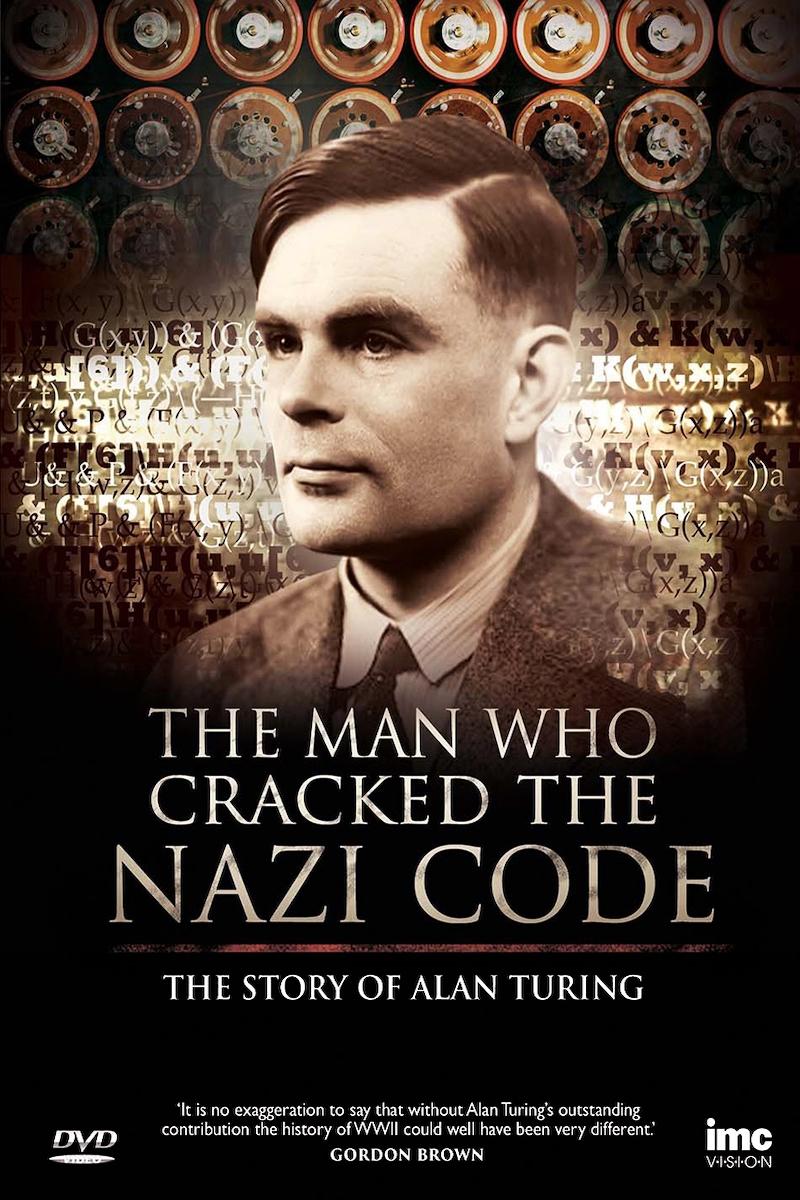
During the Second World War, the allies' key objective was to crack the German army's encrypted communications code. Without a doubt, the key player in this game was Alan Turing, an interdisciplinary scientist and a long-forgotten hero.
The commandant of Auschwitz, Rudolf Höss, and his wife Hedwig, strive to build a dream life for their family in a house and garden next to the camp.
Prelude to War was the first film of Frank Capra's Why We Fight propaganda film series, commissioned by the Pentagon and George C. Marshall. It was made to convince American troops of the necessity of combating the Axis Powers during World War II. This film examines the differences between democratic and fascist states.
"Trinity and Beyond" is an unsettling yet visually fascinating documentary presenting the history of nuclear weapons development and testing between 1945-1963. Narrated by William Shatner and featuring an original score performed by the Moscow Symphony Orchestra, this award-winning documentary reveals previously unreleased and classified government footage from several countries.
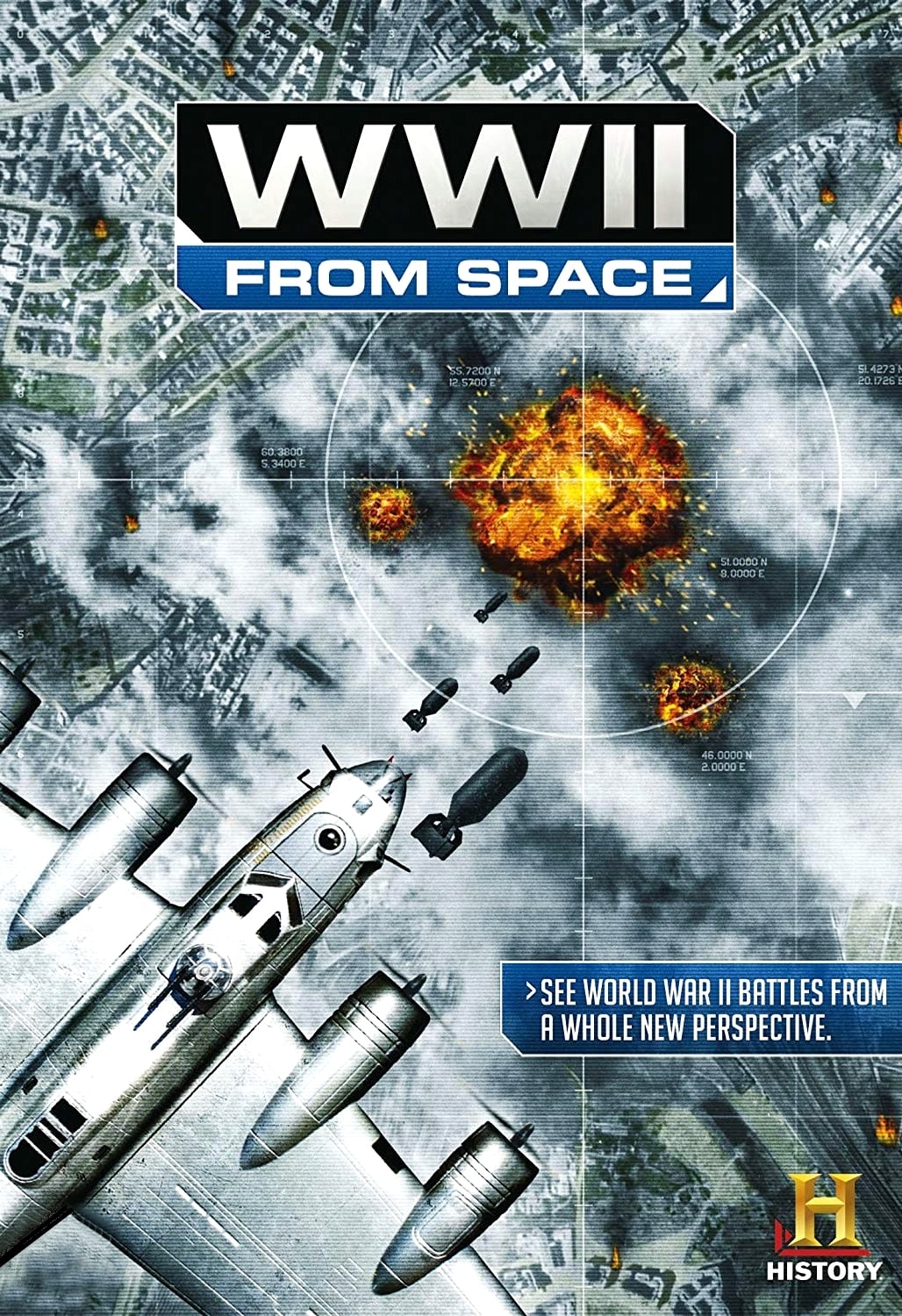
WWII from Space delivers World War II in a way you've never experienced it before. This HISTORY special uses an all-seeing CGI eye that offers a satellite view of the conflict, allowing you to experience it in a way that puts key events and tipping points in a global perspective. By re-creating groundbreaking moments that could never have been captured on camera, and by illustrating the importance of simultaneity and the hidden effects of crucial incidents, HISTORY presents the war's monumental moments in a never-before-seen context. And with new information brought to the forefront, you'll better understand how a nation ranked 19th in the world's militaries in 1939 emerged six years later as the planet's only atomic superpower.
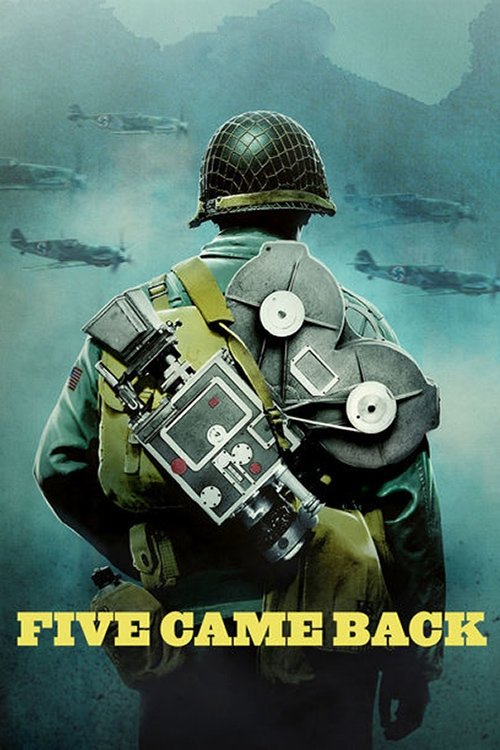
The extraordinary story of how Hollywood changed World War II – and how World War II changed Hollywood, through the interwoven experiences of five legendary filmmakers who went to war to serve their country and bring the truth to the American people: John Ford, William Wyler, John Huston, Frank Capra, and George Stevens. Based on Mark Harris’ best-selling book, “Five Came Back: A Story of Hollywood and the Second World War.”
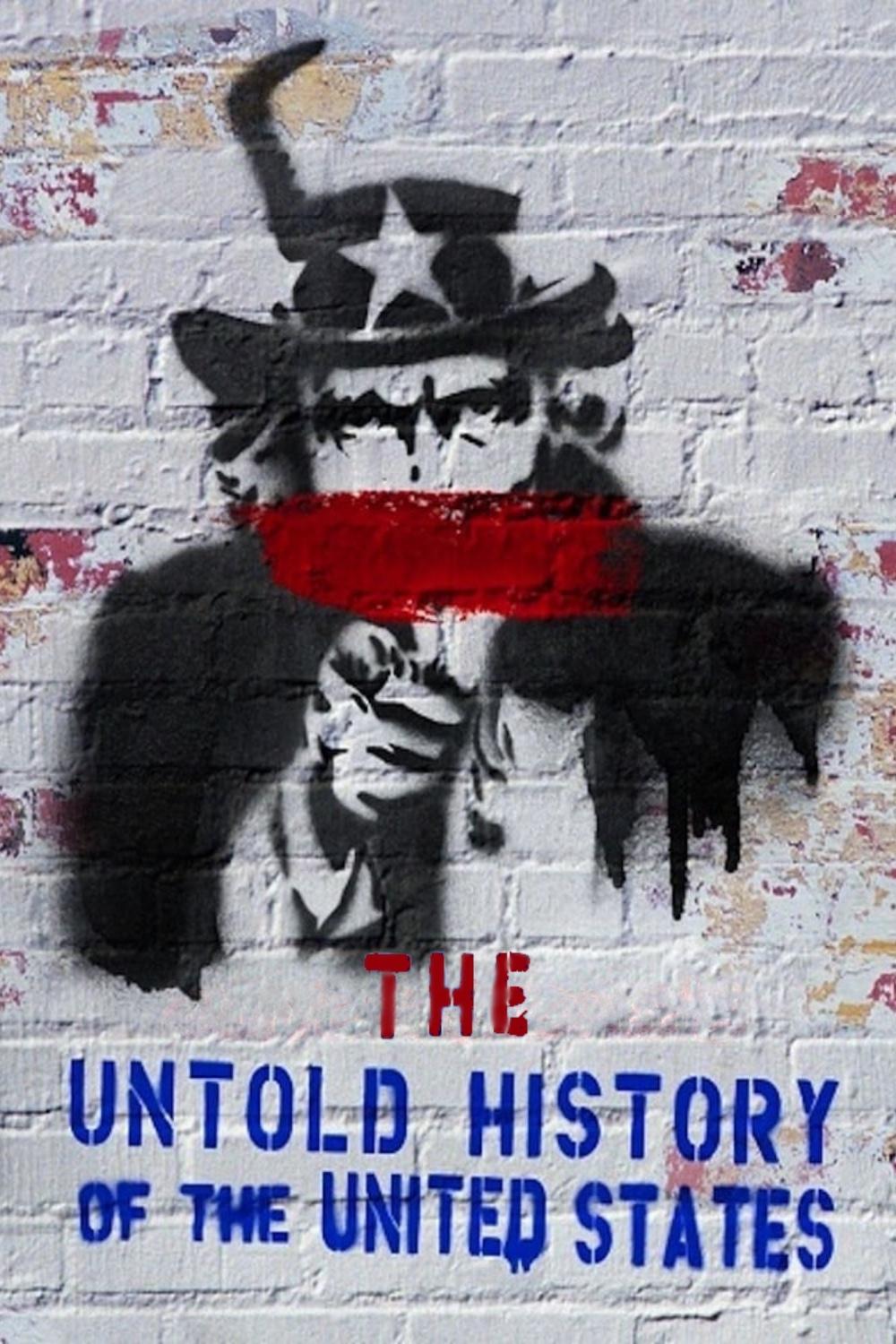
Oliver Stone charts the history of the United States from the Second World War to the present.
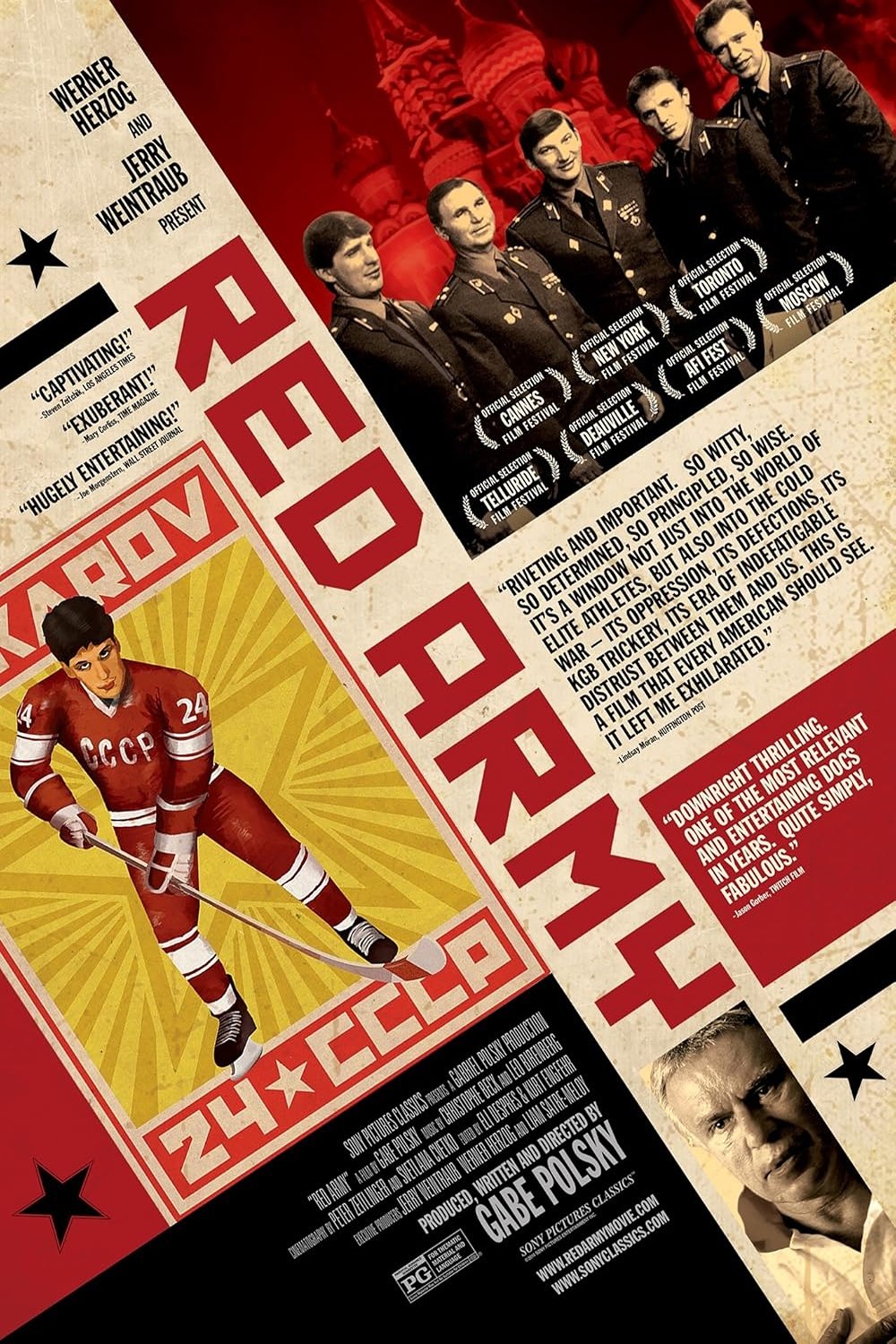
A documentary highlighting the Soviet Union's legendary and enigmatic hockey training culture and world-dominating team through the eyes of the team's Captain Slava Fetisov, following his shift from hockey star and celebrated national hero to political enemy.
The history of cinematic sound, told by legendary sound designers and visionary filmmakers.
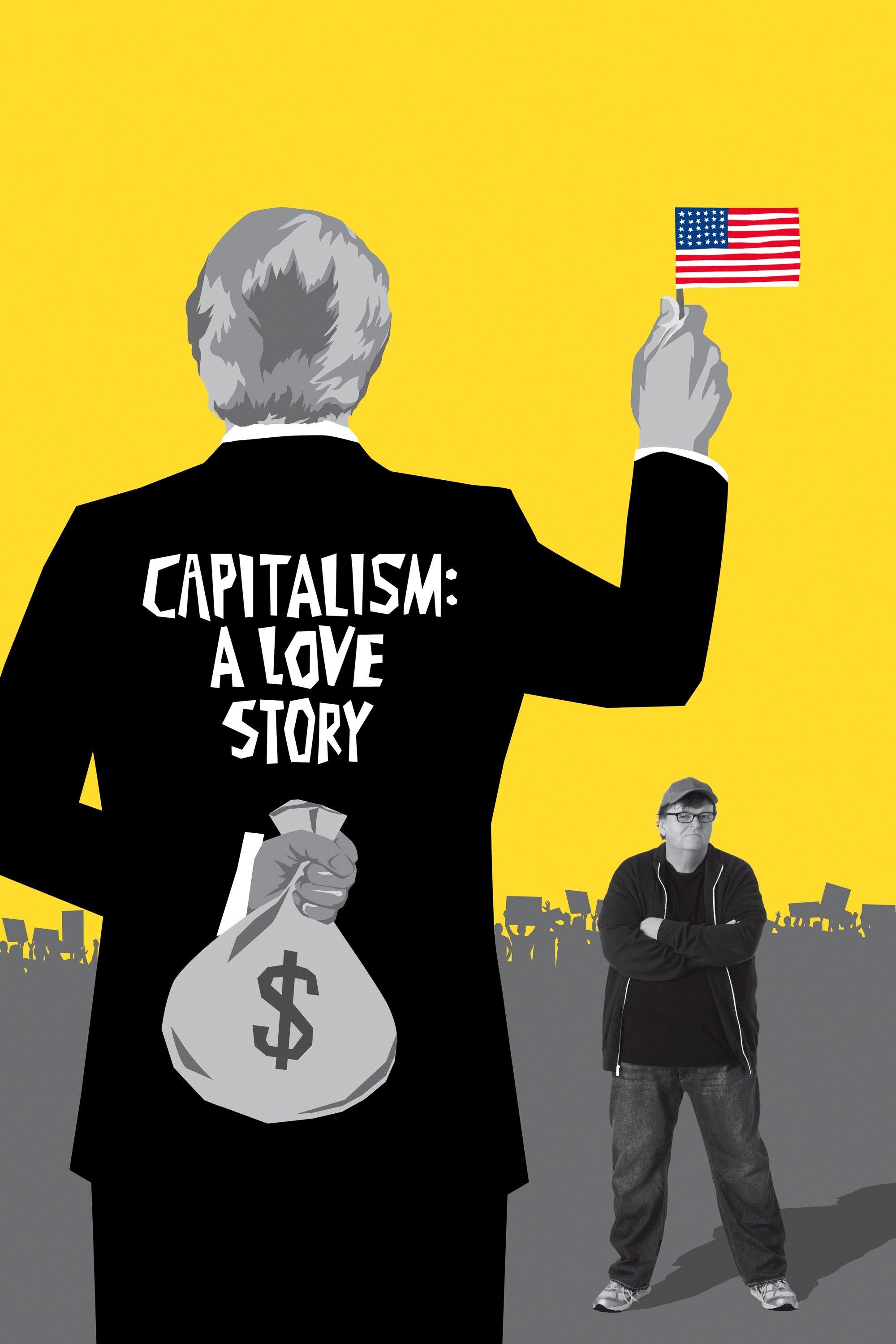
Michael Moore comes home to the issue he's been examining throughout his career: the disastrous impact of corporate dominance on the everyday lives of Americans (and by default, the rest of the world).
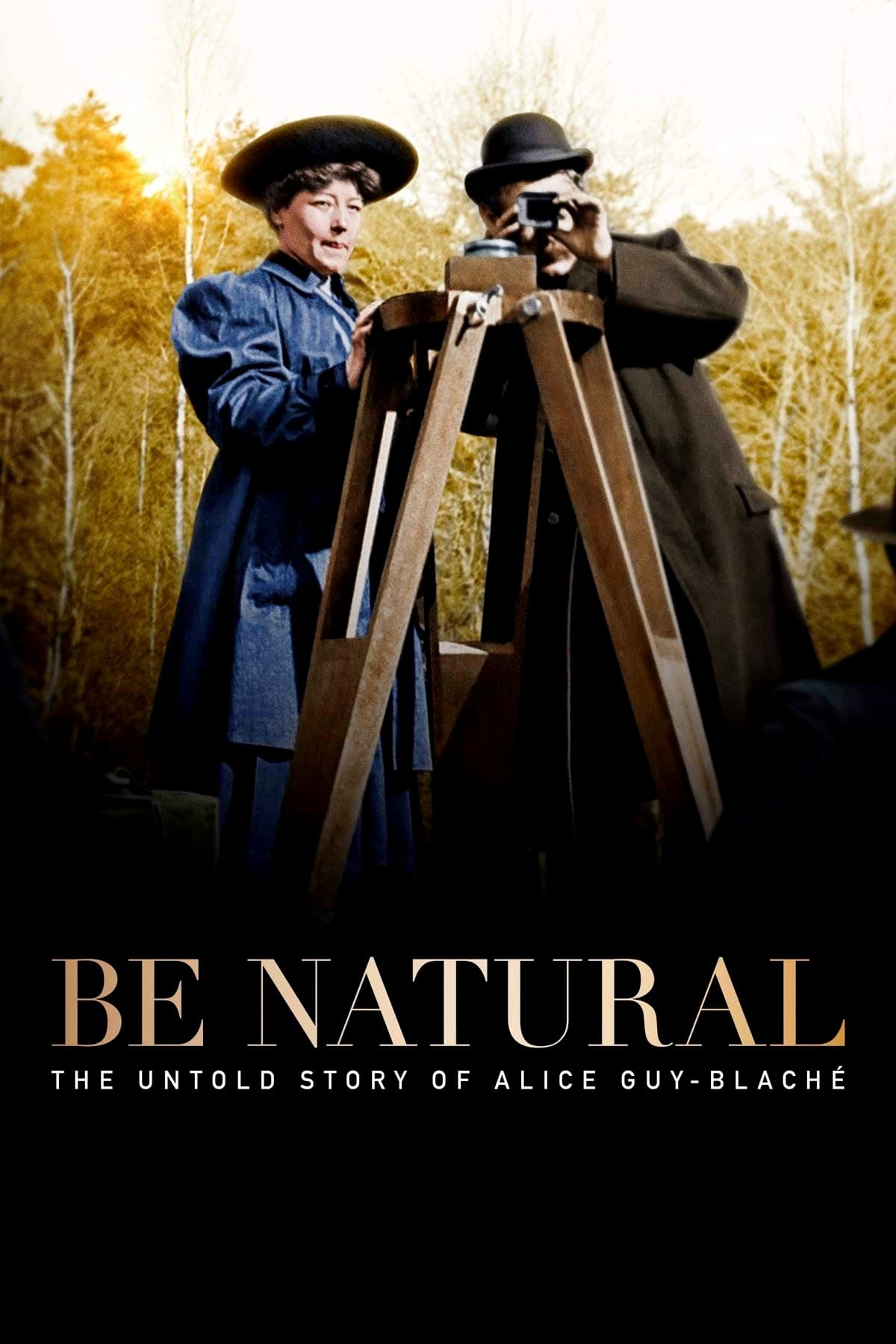
The epic life story of Alice Guy-Blaché (1873–1968), a French screenwriter, director and producer, true pioneer of cinema, the first person who made a narrative fiction film; author of hundreds of movies, but banished from history books. Ignored and forgotten. At last remembered.
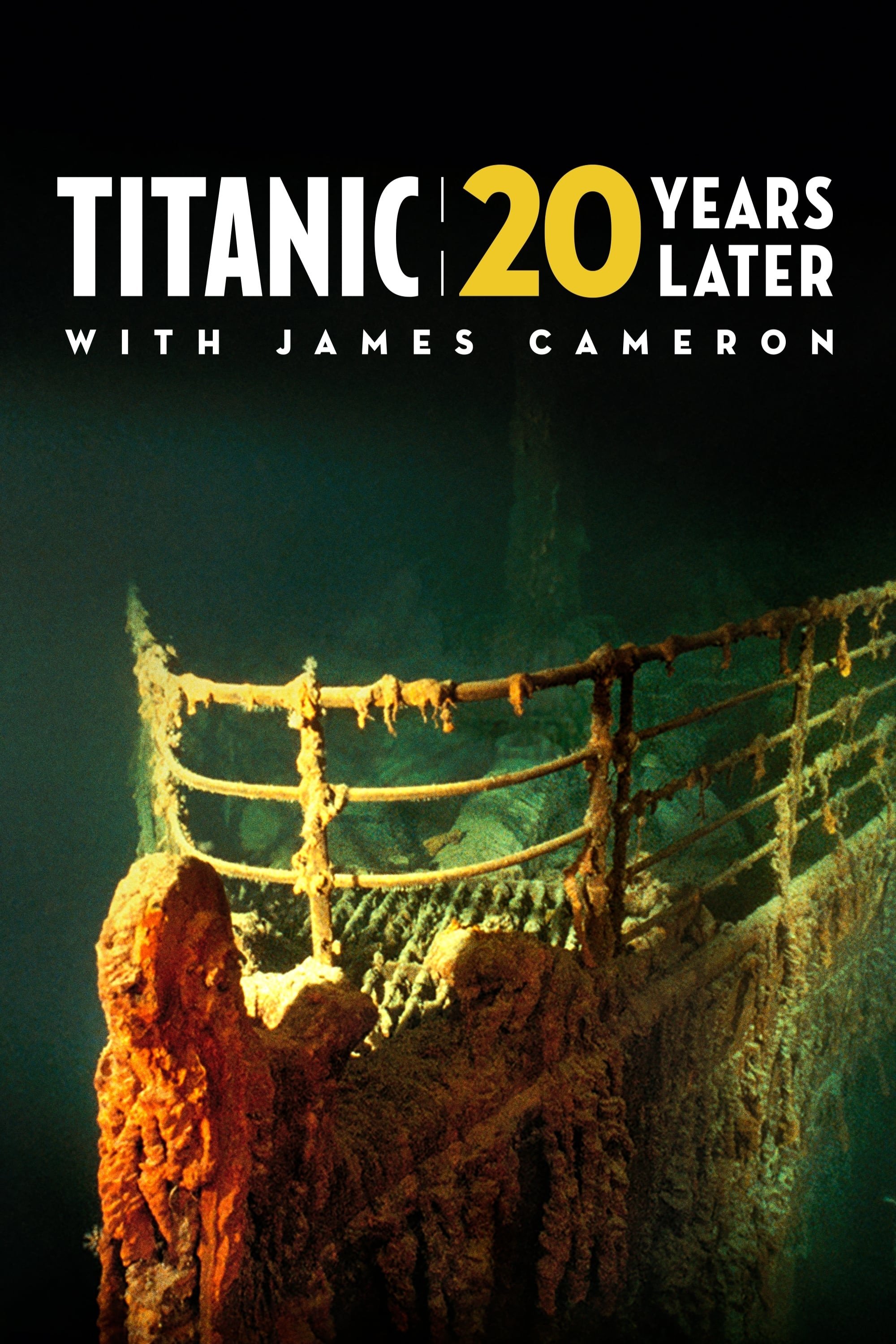
For the 20th anniversary of "Titanic," James Cameron reopens the file on the disaster.
During the chaotic final weeks of the Vietnam War, the North Vietnamese Army closes in on Saigon as the panicked South Vietnamese people desperately attempt to escape. On the ground, American soldiers and diplomats confront a moral quandary: whether to obey White House orders to evacuate only U.S. citizens.
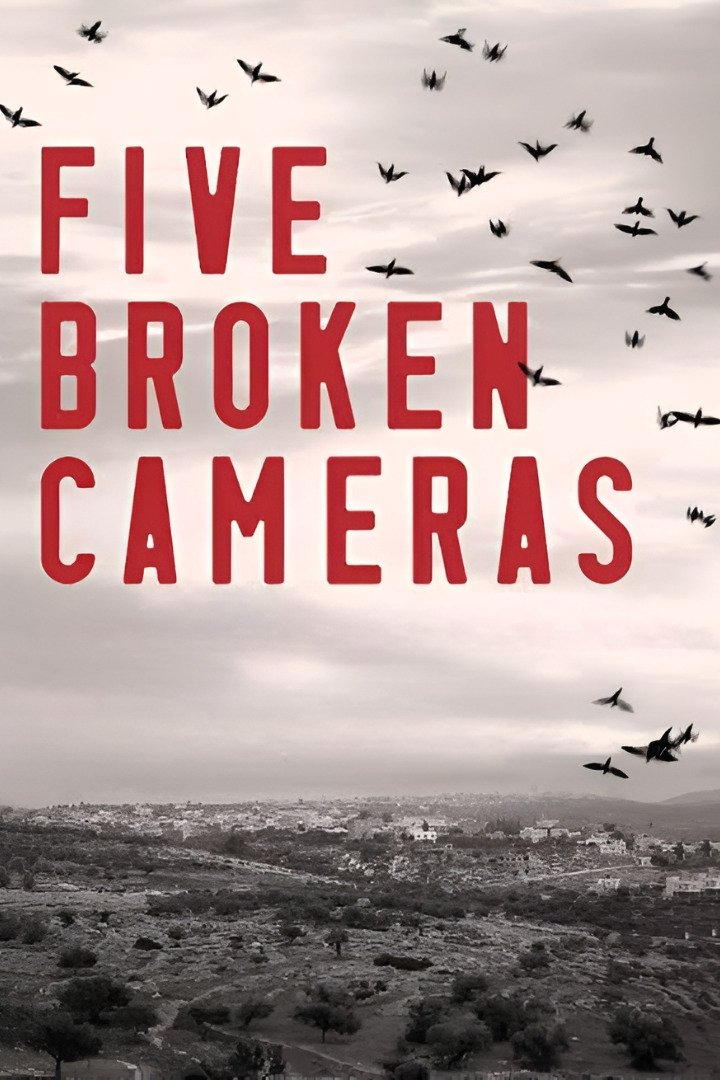
Five broken cameras – and each one has a powerful tale to tell. Embedded in the bullet-ridden remains of digital technology is the story of Emad Burnat, a farmer from the Palestinian village of Bil’in, which famously chose nonviolent resistance when the Israeli army encroached upon its land to make room for Jewish colonists. Emad buys his first camera in 2005 to document the birth of his fourth son, Gibreel. Over the course of the film, he becomes the peaceful archivist of an escalating struggle as olive trees are bulldozed, lives are lost, and a wall is built to segregate burgeoning Israeli settlements.
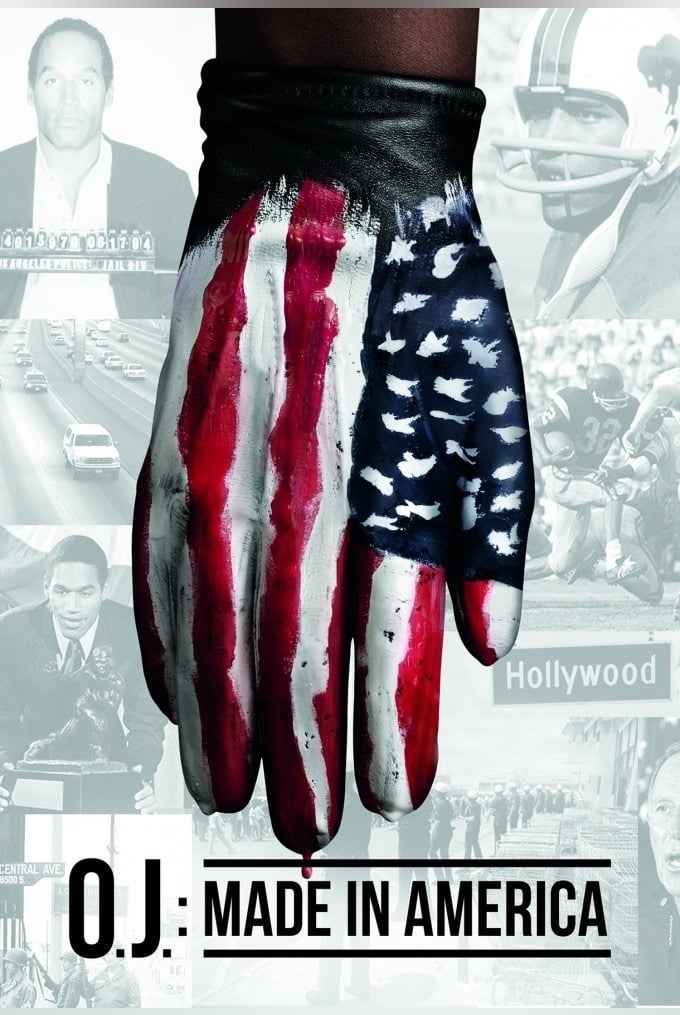
A chronicle of the rise and fall of O.J. Simpson, whose high-profile murder trial exposed the extent of American racial tensions, revealing a fractured and divided nation.
An unprecedented and intimate look at the life, work and enduring legacy of British actress Audrey Hepburn (1929-1993).
Examines the evolution of the Black Power Movement in US society from 1967 to 1975. It features footage of the movement shot by Swedish journalists in the United States during that period and includes the appearances of Angela Davis, Bobby Seale, Huey P. Newton, Eldridge Cleaver, and other activists, artists, and leaders central to the movement.
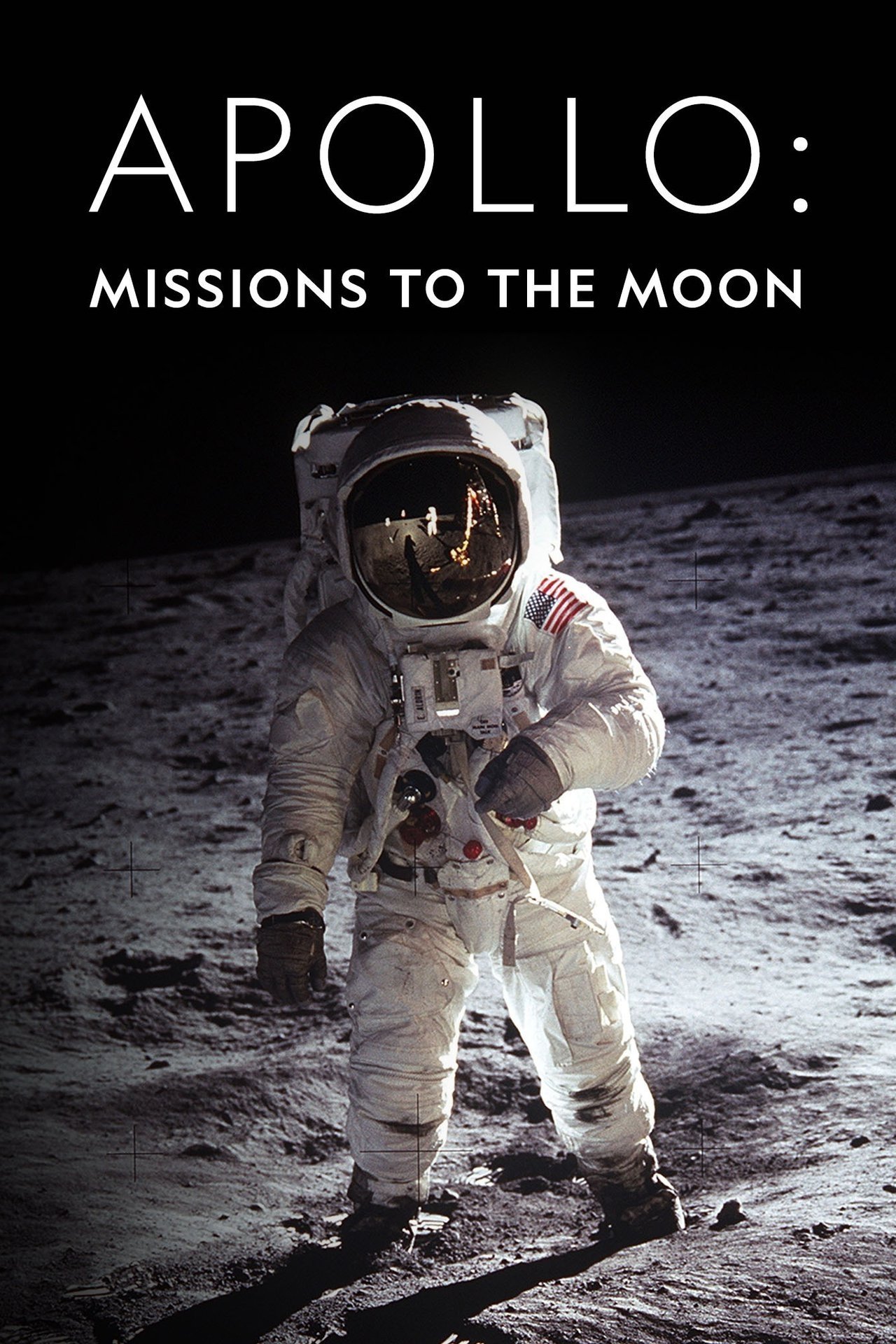
National Geographic's riveting effort recounts all 12 crewed missions using only archival footage, photos and audio.
Filmed over 14 months with unprecedented access into the inner circle of the man and the sport, this is the first official and fully authorised film of one of the most celebrated figures in football. For the first time ever, the world gets vividly candid and un-paralleled, behind-closed-doors access to the footballer, father, family-man and friend in this moving & fascinating documentary. Through in-depth conversations, state of the art football footage and never before seen archival footage, the film gives an astonishing insight into the sporting and personal life of triple Ballon D'Or winner Cristiano Ronaldo at the peak of his career. From the makers of ‘Senna’ and ‘Amy’, Ronaldo takes audiences on an intimate and revealing journey of what it’s like to live as an iconic athlete in the eye of the storm.
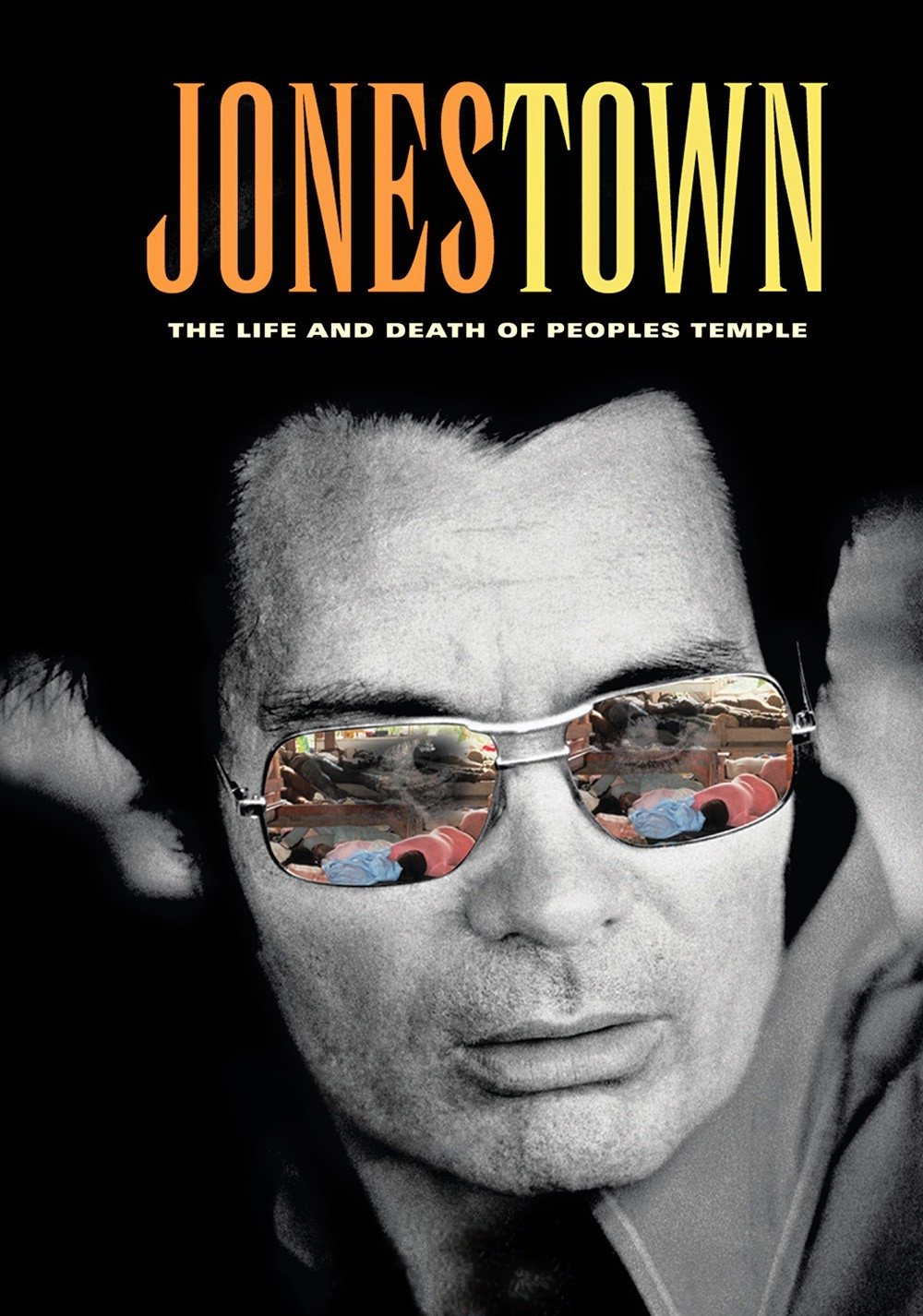
Featuring never-before-seen footage, this documentary delivers a startling new look at the Peoples Temple, headed by preacher Jim Jones who, in 1978, led more than 900 members to Guyana, where he orchestrated a mass suicide via tainted punch.
Featuring never-before-seen footage, concert performances and intimate interviews, filmmaker Ron Howard examines the life and career of famed opera tenor Luciano Pavarotti.
Archival material from the original NASA film footage – much of it seen for the first time – plus interviews with the surviving astronauts, including Jim Lovell, Dave Scott, John Young, Gene Cernan, Mike Collins, Buzz Aldrin, Alan Bean, Edgar Mitchell, Charlie Duke and Harrison Schmitt.