Social & External
The people behind it
Most of us think of death as something clear-cut, and that medical science has it neatly figured out. This feature documentary explodes such assumptions through its exploration of a phenomenon that blurs life and death to an unprecedented degree. In what Tibetan Buddhists call tukdam, advanced meditators die in a consciously controlled manner. Though dead according to our biomedical standards, they often stay sitting upright in meditation; remarkably, their bodies remain fresh and lifelike, without signs of decay for days, sometimes weeks after clinical death. Following ground-breaking scientific research into tukdam and taking us into intimate death stories of Tibetan meditators, the film juxtaposes scientific and Tibetan perspectives as it tries to unravel the mystery of tukdam.
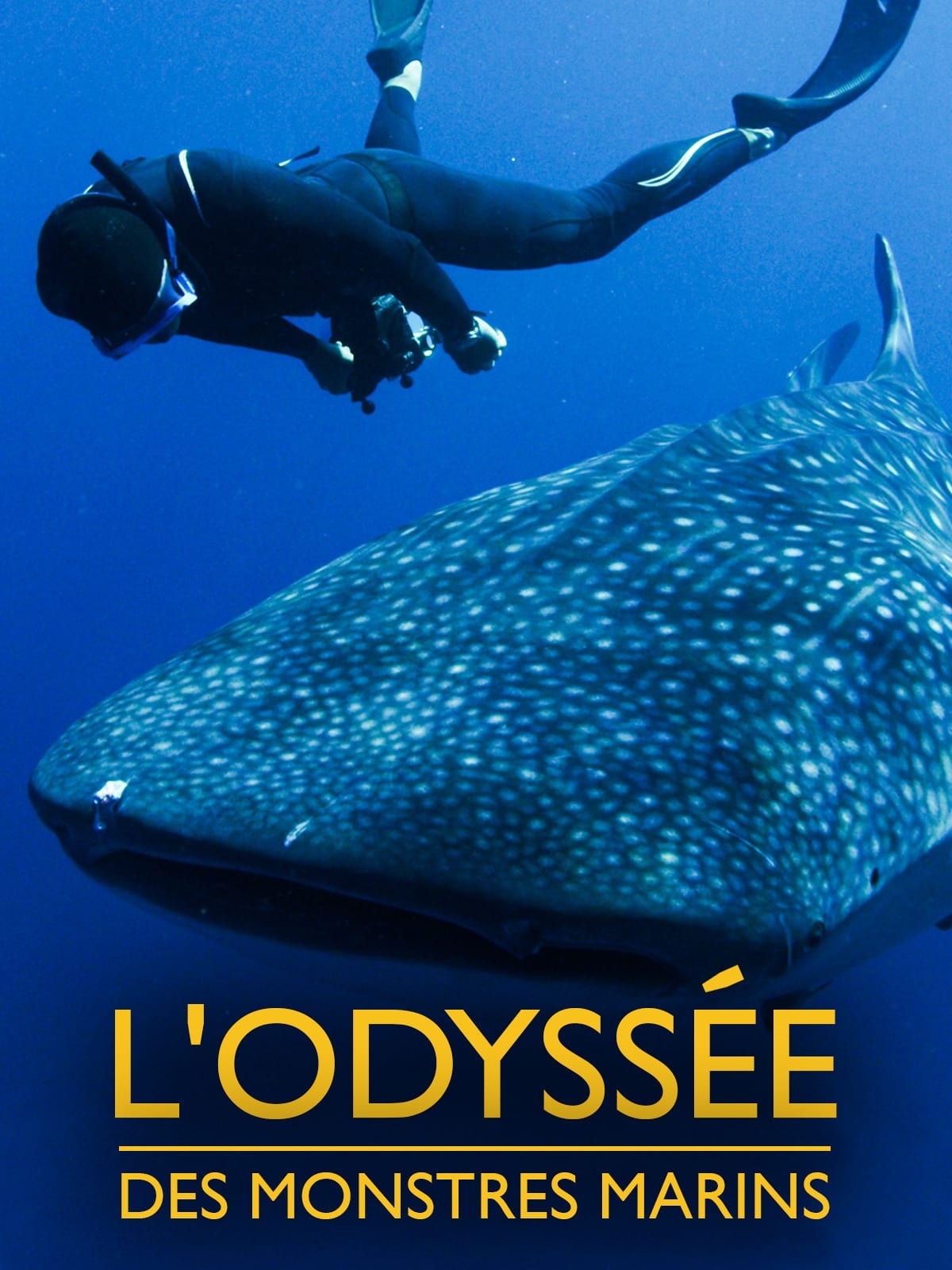
A biographical documentary about the Belgian free-diver Fred Buyle and his art of silent diving.
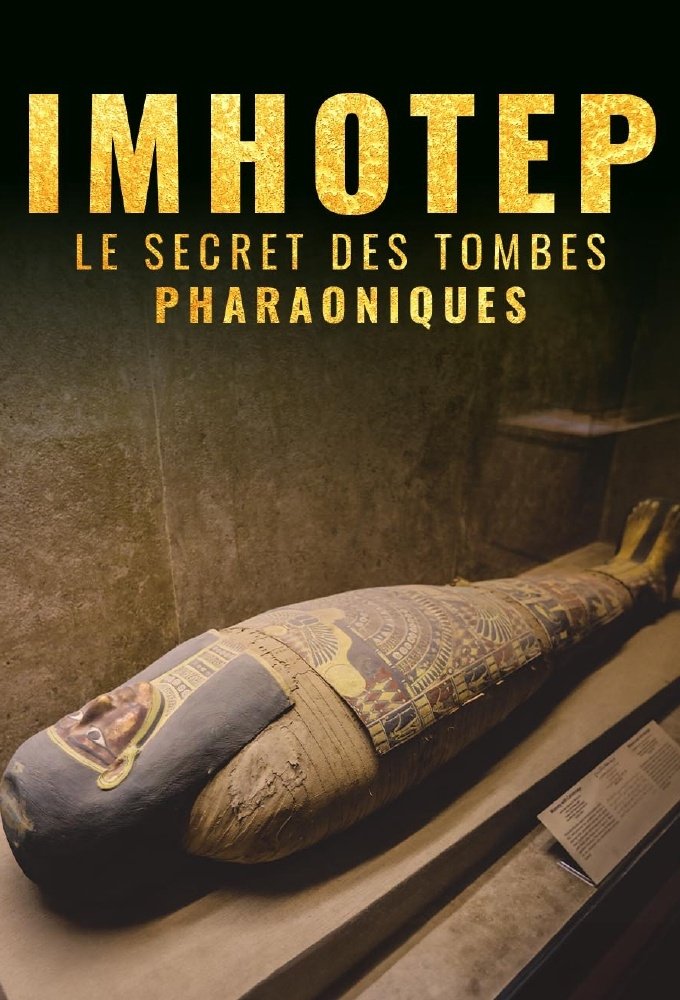
Zahi Hawass, an Egyptian archaeologist, has been excavating the ancient necropolis of Saqqara, south of Cairo, for several decades. He hopes to discover the tomb of Imhotep, the architect of humanity’s first pyramid: Djoser’s Step Pyramid. Together with his team, he will unearth fabulous tombs and uncover the secrets of Egyptian mummies.
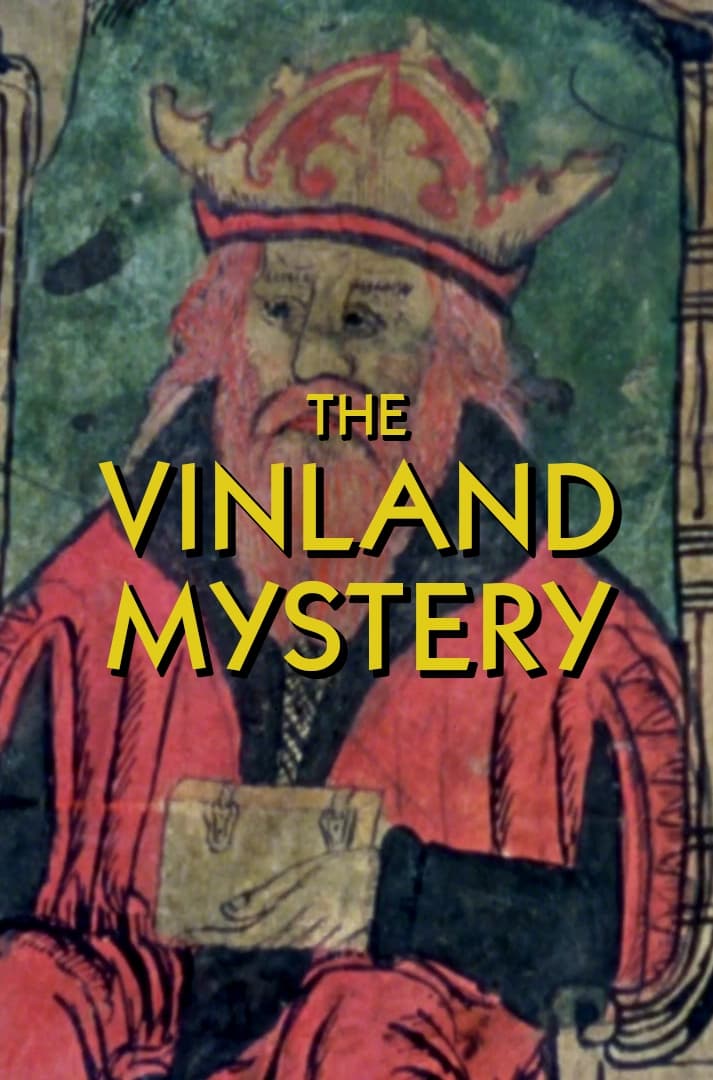
This short documentary depicts the search, discovery and authentication of the only known Norse settlement in North America - Vinland the Good. Mentioned in Icelandic manuscripts and speculated about for over two centuries, Vinland is known as "the place where the wild grapes grow" and was thought to be on the eastern coast between Virginia and Newfoundland. In 1960 a curious group of house mounds was uncovered at l'Anse aux Meadows in northern Newfoundland by Drs. Helge Ingstad and Anne Stine Ingstad of Norway. Added to the United Nations World Heritage List, l'Anse aux Meadows is considered one of the most important archaeological sites in the world.
Archeologists discover a pit filled with terracotta warriors buried to protect the grave of the First Emperor of China.
A homicide detective teams up with an evolutionary biologist to hunt a giant creature that is killing people in a Chicago museum.
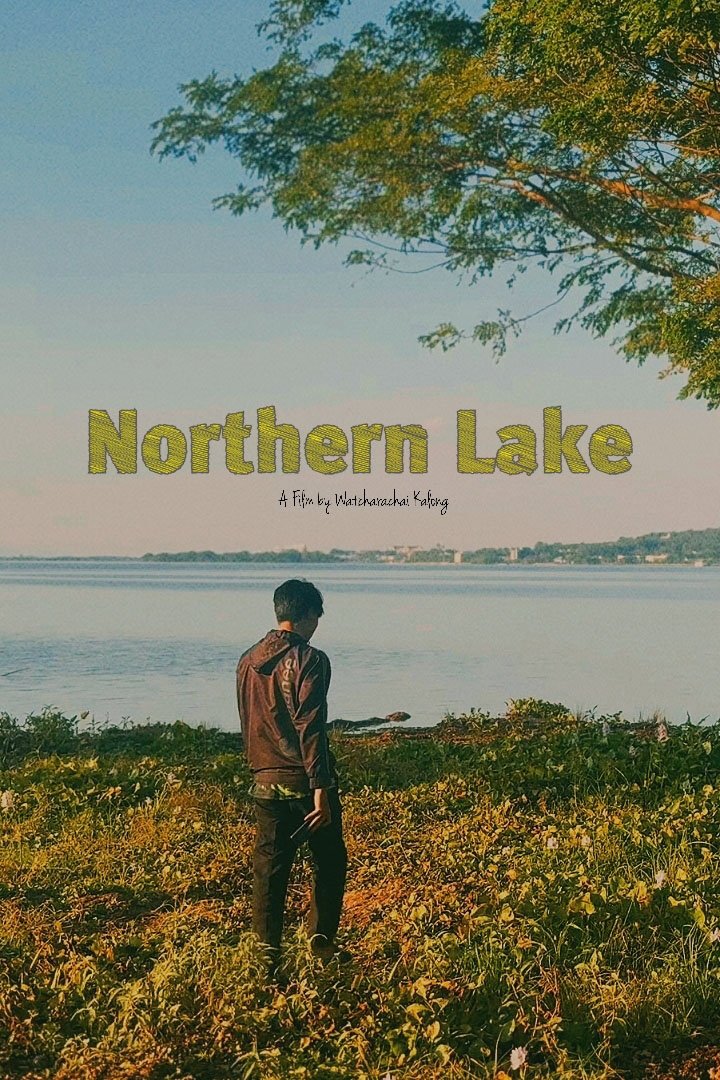
A Country young man wants to film a documentary about the historical remains of Phayao Province, but he faces obstacles because no one supports what he is doing.
French documentary on Walt Disney's relationship with France through his personal and professional life.
Tardigrades, also known as water bears, are microscopic animals famous for their incredible ability to survive extreme conditions. Despite their funny appearance and slow, bear-like movements, they are among the most resilient creatures on Earth. They can withstand extremely high and low temperatures, enormous pressure, toxic substances, and even high levels of radiation. This documentary explores the secrets behind their remarkable survival abilities and explains how these tiny creatures have developed such extraordinary “superpowers.” Combining scientific information with humor, the documentary also looks at what we might learn from tardigrades and how their unique abilities could have potential applications in the future.
David Attenborough and scientist Johan Rockström examine Earth's biodiversity collapse and how this crisis can still be averted.
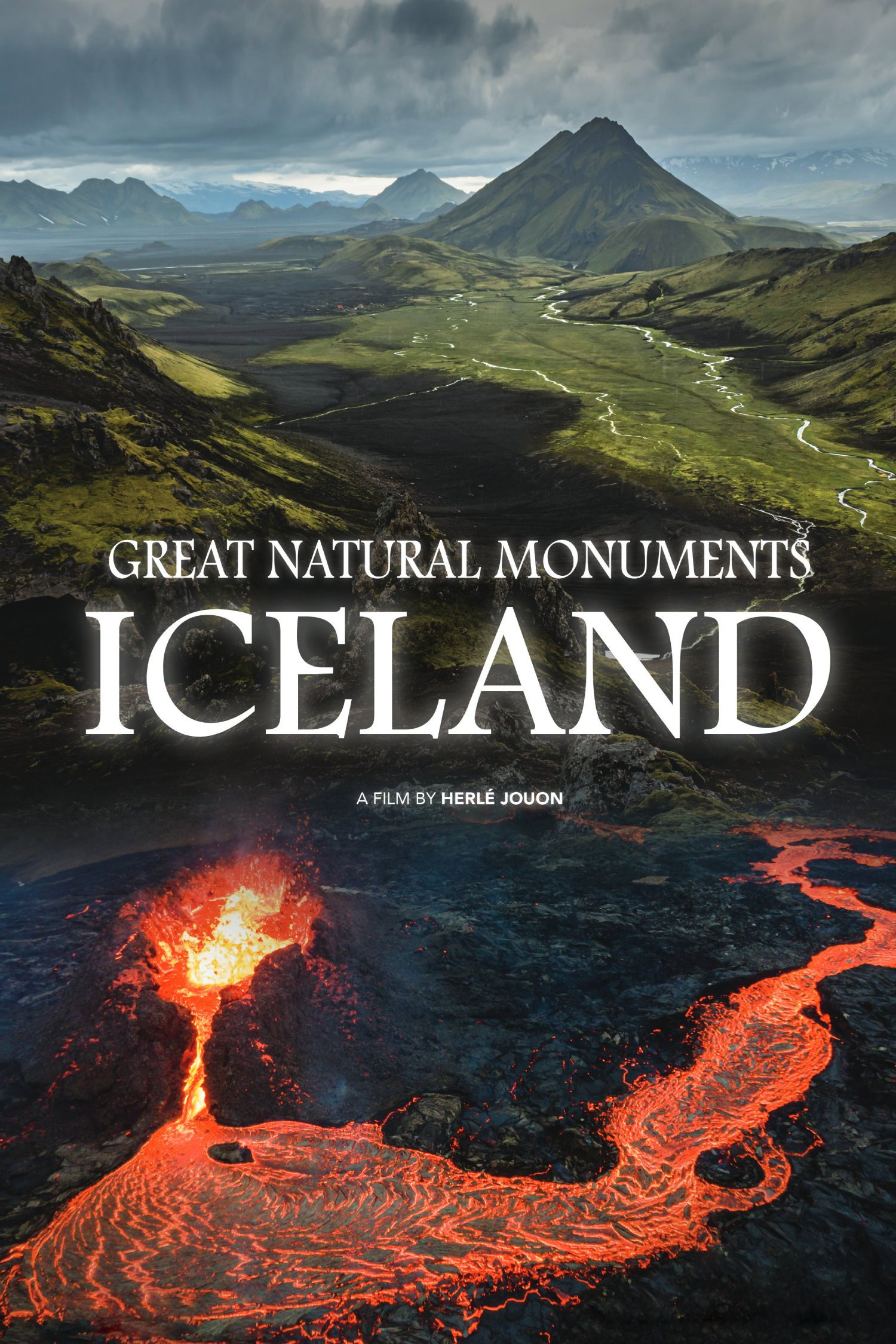
The fascinating landscape formations of Iceland in the North Atlantic bear witness to the beauty and primal power of nature. They were created through the interaction of powerful volcanic, geological and biological processes that have been changing the face of the earth for billions of years. This is what the Earth might have looked like four billion years ago. Iceland is the realm of ice and fire. Nowhere else is there such a high density of volcanoes. The landscapes, which are continually reshaped by eruptions, make the island a natural laboratory full of clues about the formation and development of the earth. The documentary follows a group of scientists through the most active areas of Iceland, along a mountain range that has emerged from the ocean. On the slopes of the volcanoes, in the fog of the fumaroles and on streams and rivers, the three researchers explore how the first forms of life populated the earth's surface and in what evolutionary steps they took over the earth.
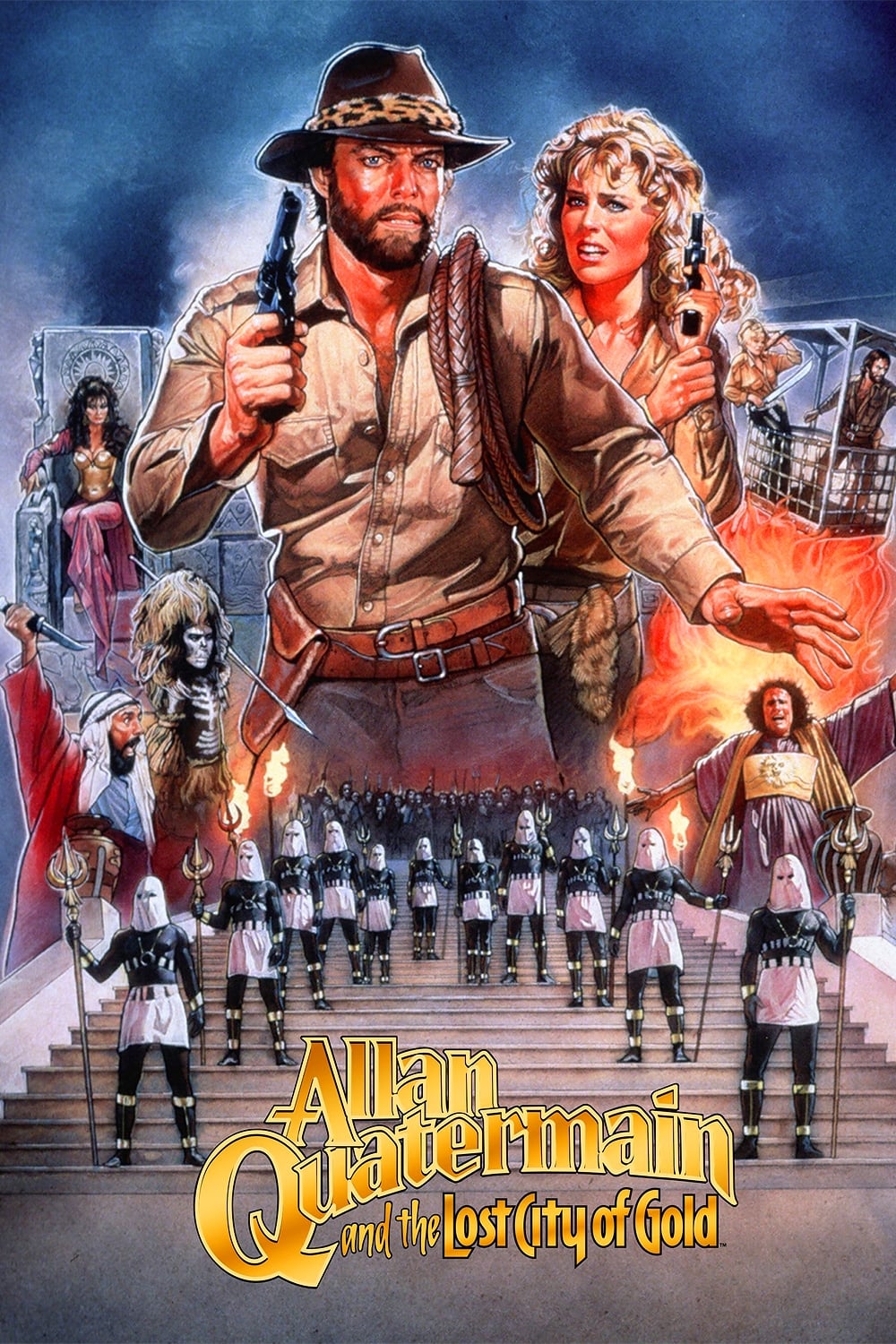
After his brother Robeson disappears without a trace while exploring Africa in search of a legendary 'white tribe', Allan Quatermain decides to follow in his footsteps to learn what became of him. Soon after arriving, he discovers the Lost City of Gold, controlled by the evil lord Agon, and mined by his legions of white slaves.
This film dives into the world of Amazon, its story and view of the world. It offers a large social fresco backed up by an in-depth investigation where private lives meet the mega-machine.
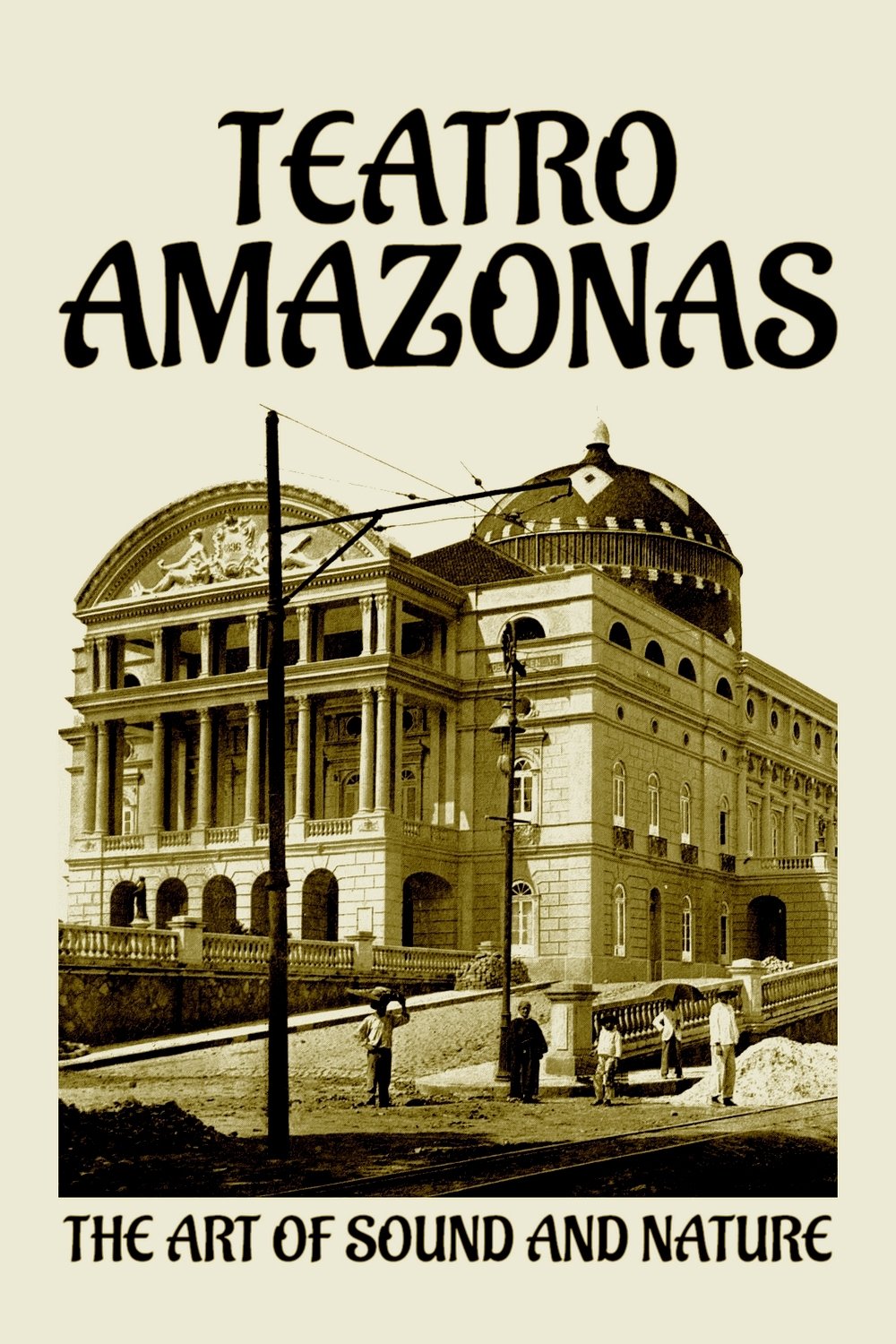
The history of the Teatro Amazonas in Manaus, an opera house located in the middle of the Amazon rainforest, whose construction, between 1884 and 1896, depended on the labor exploitation of the local indigenous populations, provides an insight into the cultural, social and political situation in Brazil.
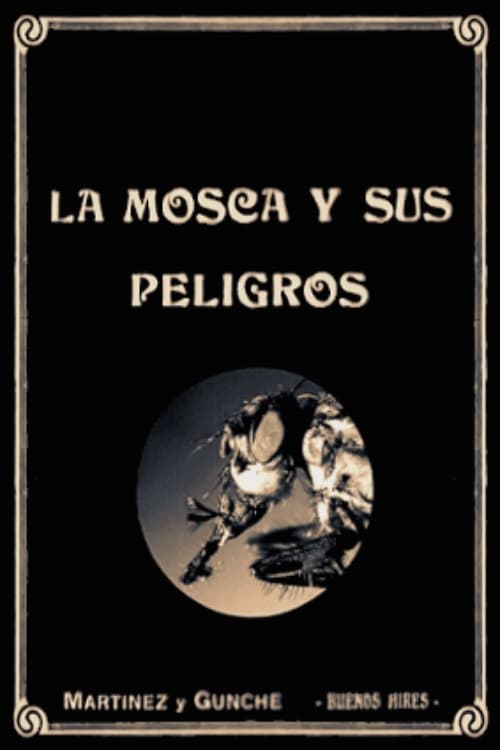
The Dangers of the Fly is an educational film made by Ernesto Gunche and Eduardo Martínez de la Pera, also responsible for Gaucho Nobility (1915), the biggest blockbuster of Argentinean silent cinema. De la Pera was a talented photographer, always willing to try new gadgets and techniques. This film experiments with microphotography in the style of Jean Comandon's films for Pathé and it is part of a series which included a film about mosquitoes and paludism and another one about cancer, which are considered lost. Flies were a popular subject of silent films and there are more than a dozen titles featuring them in the teens and early twenties.
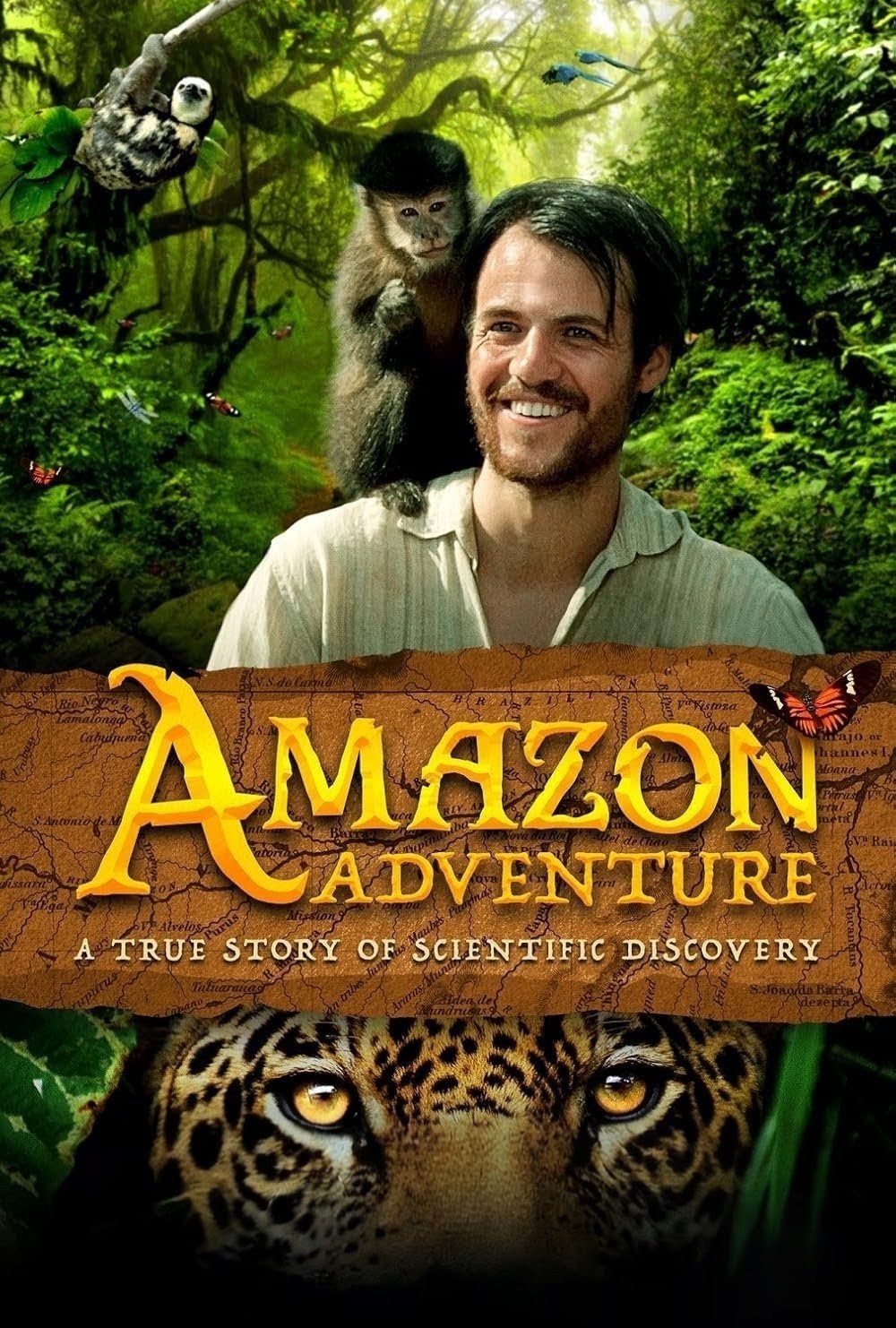
This film follows scientist Henry Bates as he explores the Amazon for proof of natural selection.
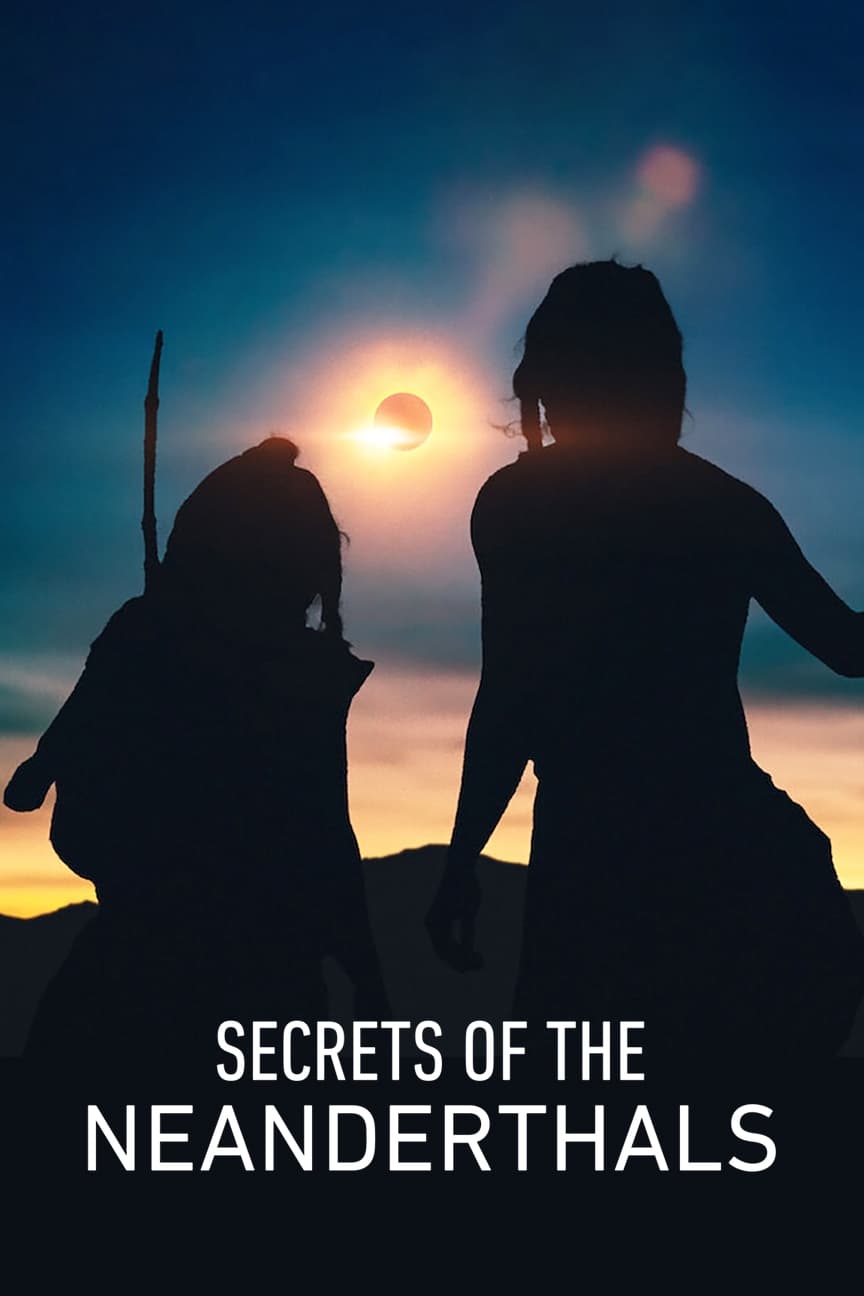
This documentary delves into the mysteries surrounding the Neanderthals and what their fossil record tells us about their lives and disappearance.
James Cameron and Simcha Jacobovici go on an adventure to find the lost city of Atlantis by using Greek philosopher Plato as a virtual treasure map.
In 1994, a 13-year-old boy disappeared without a trace from his home in San Antonio, Texas. Three-and-a-half years later, he is found alive in a village in southern Spain with a horrifying story of kidnap and torture. His family is overjoyed to bring him home. But all is not quite as it seems.
For centuries, the Great Pyramids have fascinated Mankind. Patrice Pooyard's The Revelation Of The Pyramids reveals what lies behind the greatest of archaeological mysteries: a message of paramount importance for humanity. From China to Peru, from Egypt to Mexico, through the world's most enigmatic and most beautiful sites, the director has spent 6 years meeting eminent scientific specialists and verifying his discoveries. The result will shake the teaching of history to its very core, and revolutionize Egyptology entirely. A great odyssey along a breathtaking route climaxes in a revelation as unexpected as it is staggering.
He's devoted his career to uncovering stories the powerful want buried. From My Lai to Abu Ghraib, dig into the life's work of journalist Seymour Hersh.
Darwin meets Hitchcock in this documentary. Directors Dan Geller and Dayna Goldfine have created a parable about the search for paradise, set in the brutal yet alluring landscape of the Galapagos Islands, which interweaves an unsolved 1930s murder mystery with stories of present day Galapagos pioneers. A gripping tale of idealistic dreams gone awry, featuring voice-over performances by Cate Blanchett, Diane Kruger, and Gustaf Skarsgard.
Oskar Gröning, known as the "Accountant of Auschwitz," was charged with the murder of 300,000 Jews. When he took the stand in 2015, at the age of 94, his trial made headlines worldwide.
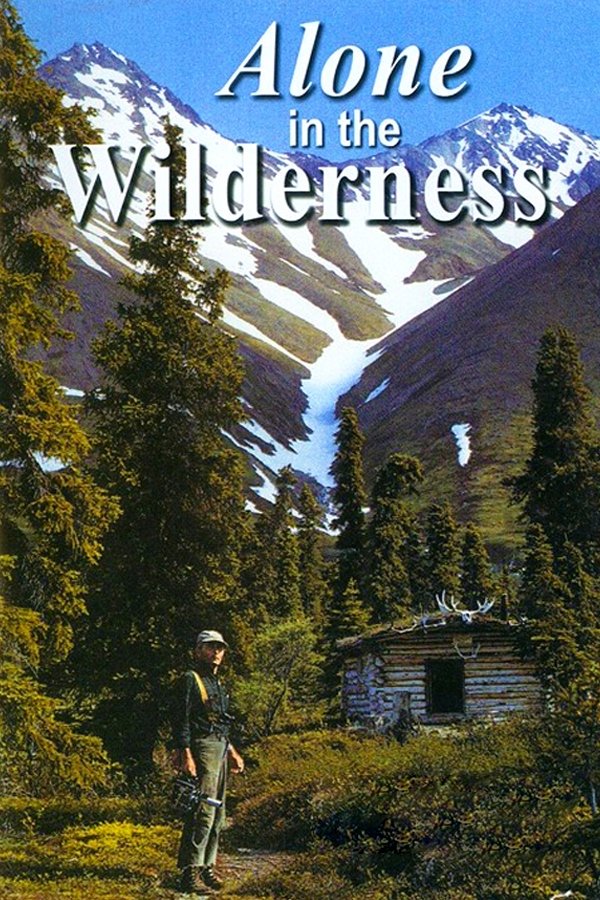
Dick Proenneke retired at age 50 in 1967 and decided to build his own cabin in the wilderness at the base of the Aleutian Peninsula, in what is now Lake Clark National Park. Using color footage he shot himself, Proenneke traces how he came to this remote area, selected a homestead site and built his log cabin completely by himself. The documentary covers his first year in-country, showing his day-to-day activities and the passing of the seasons as he sought to scratch out a living alone in the wilderness.
A woman’s Holocaust memoir takes the world by storm, but a fallout with her publisher-turned-detective reveals her story as an audacious deception created to hide a darker truth.
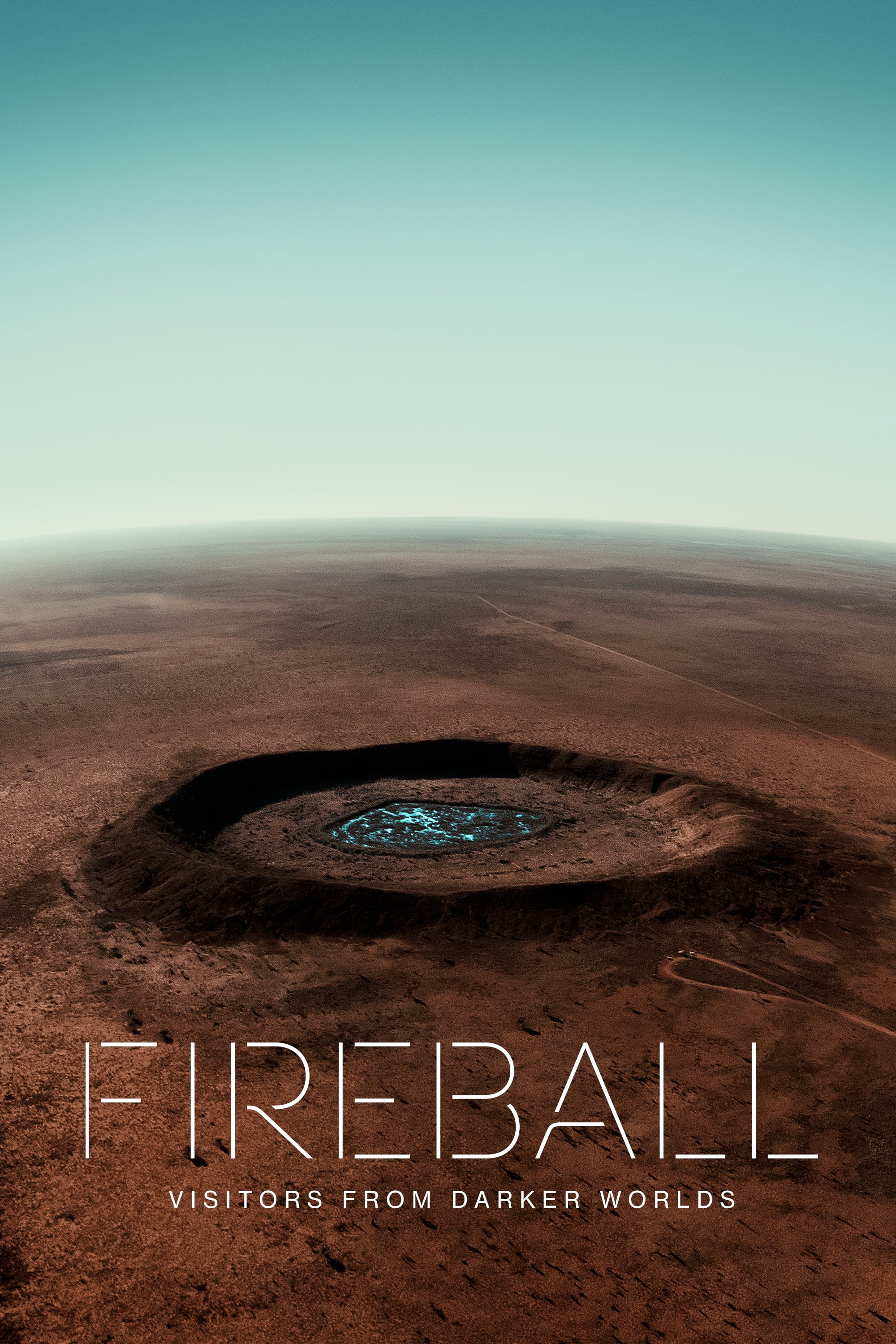
This remarkable journey across our planet and universe explores how meteorites, shooting stars, and deep impacts have awoken our wonder about other realms—and make us rethink our destinies.
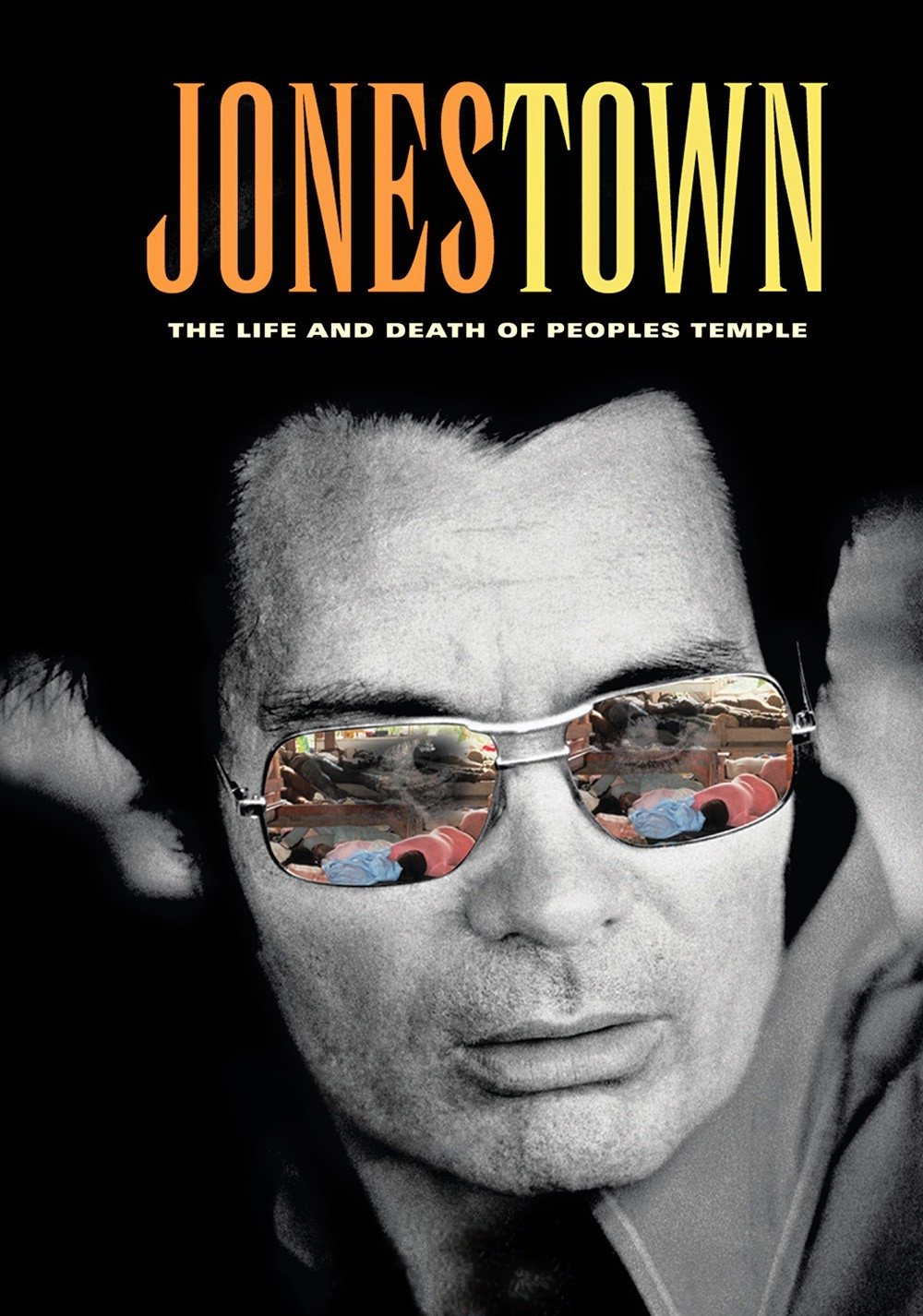
Featuring never-before-seen footage, this documentary delivers a startling new look at the Peoples Temple, headed by preacher Jim Jones who, in 1978, led more than 900 members to Guyana, where he orchestrated a mass suicide via tainted punch.
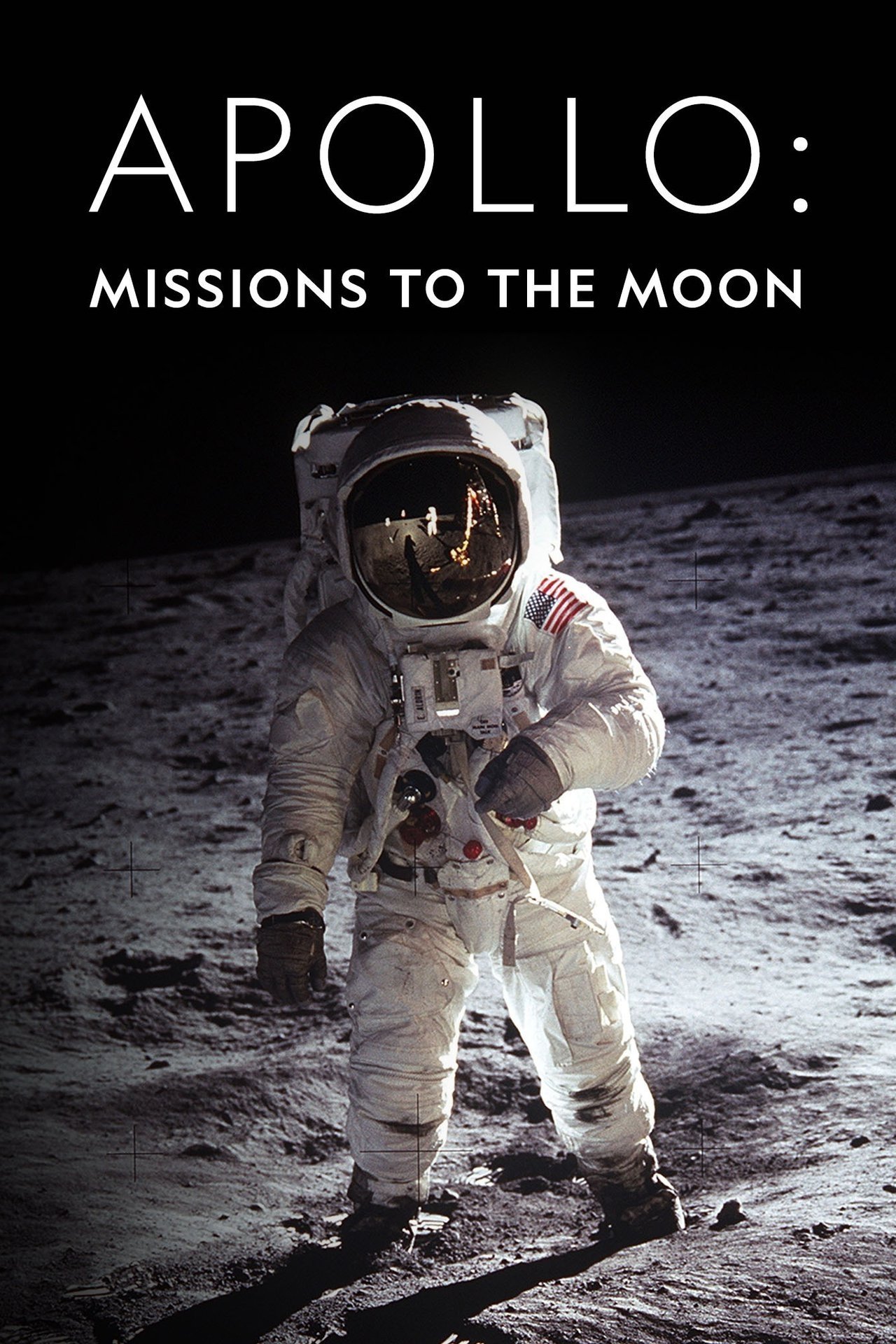
National Geographic's riveting effort recounts all 12 crewed missions using only archival footage, photos and audio.
Director Claude Lanzmann spent 11 years on this sprawling documentary about the Holocaust, conducting his own interviews and refusing to use a single frame of archival footage. Dividing Holocaust witnesses into three categories – survivors, bystanders, and perpetrators – Lanzmann presents testimonies from survivors of the Chelmno concentration camp, an Auschwitz escapee, and witnesses of the Warsaw Ghetto Uprising, as well as a chilling report of gas chambers from an SS officer at Treblinka.
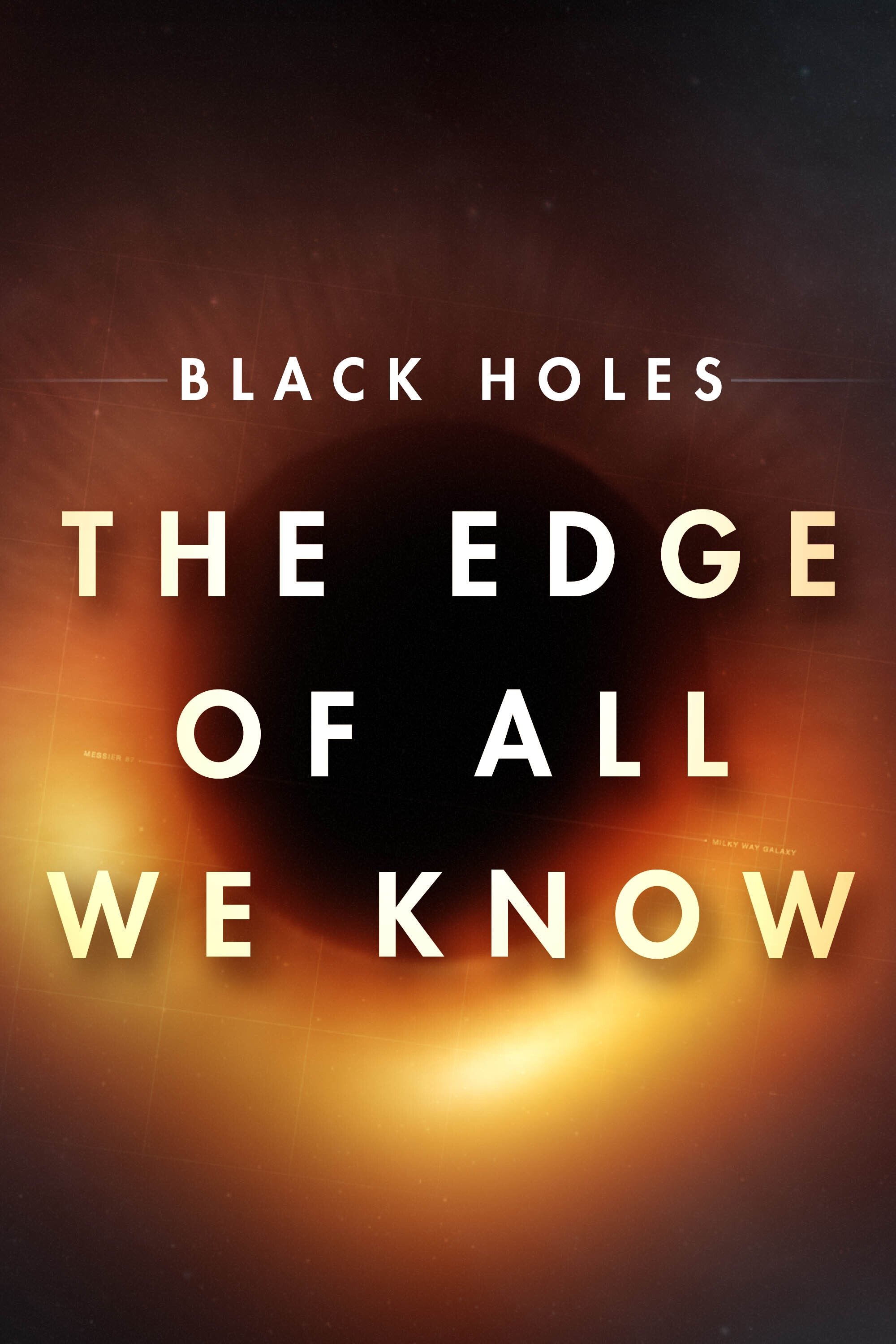
Black holes stand at the limit of what we can know. To explore that edge of knowledge, the Event Horizon Telescope links observatories across the world to simulate an earth-sized instrument. With this tool the team pursues the first-ever picture of a black hole, resulting in an image seen by billions of people in April 2019. Meanwhile, Hawking and his team attack the black hole paradox at the heart of theoretical physics—Do predictive laws still function, even in these massive distortions of space and time? Weaving them together is a third strand, philosophical and exploratory using expressive animation. “Edge” is about practicing science at the highest level, a film where observation, theory, and philosophy combine to grasp these most mysterious objects.
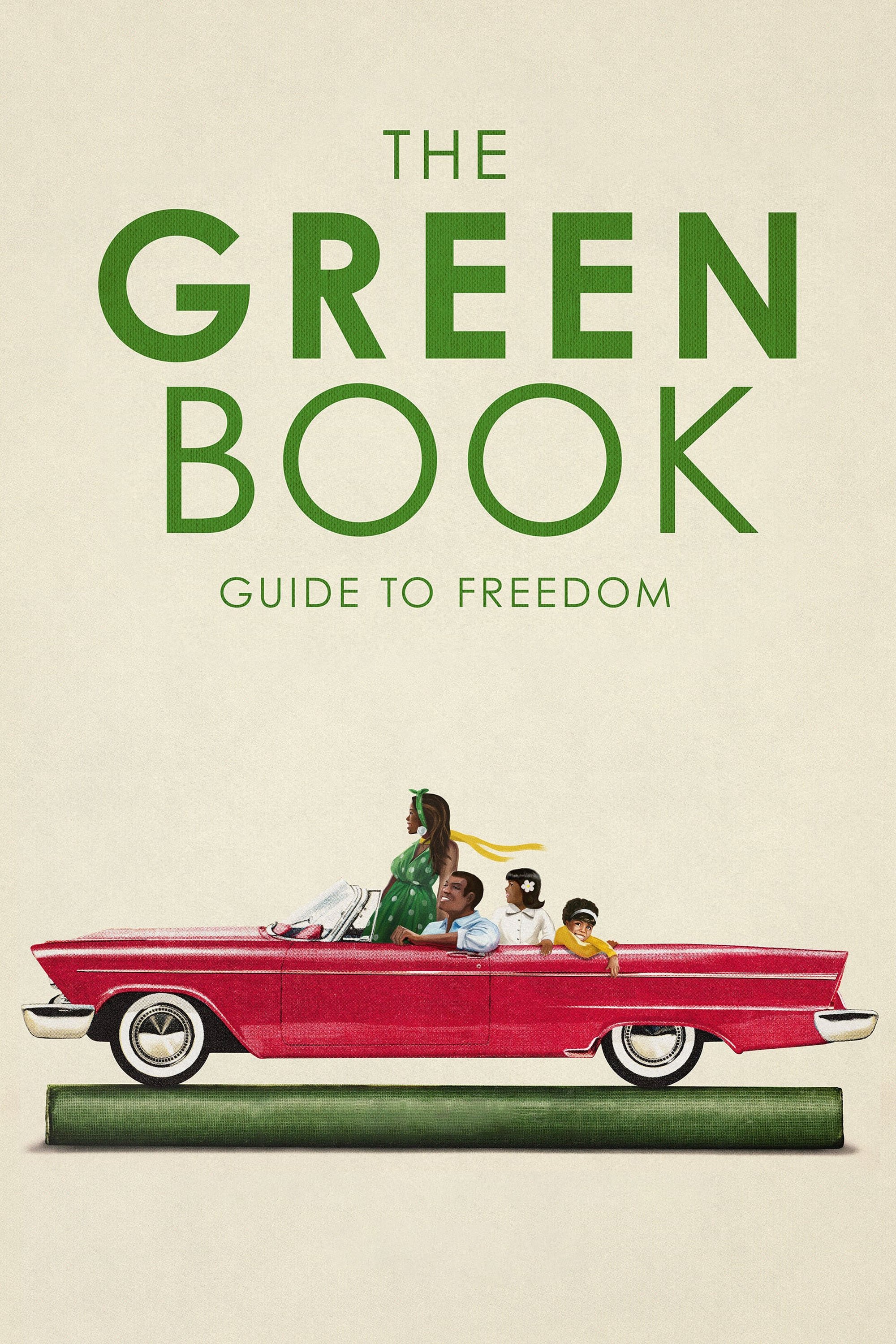
In 1936, Victor H. Green (1892-1960) published The Negro Motorist Green Book, a book that was both a travel guide and a survival manual, to help African-Americans navigate safe those regions of the United States where segregation and Jim Crow laws were disgracefully applied.
Archival material from the original NASA film footage – much of it seen for the first time – plus interviews with the surviving astronauts, including Jim Lovell, Dave Scott, John Young, Gene Cernan, Mike Collins, Buzz Aldrin, Alan Bean, Edgar Mitchell, Charlie Duke and Harrison Schmitt.
Thirty years after the release of his film JFK (1991), filmmaker Oliver Stone reviews recently declassified evidence related to the assassination of President John F. Kennedy, which took place in Dallas on November 22, 1963.
A documentary highlighting the Soviet Union's legendary and enigmatic hockey training culture and world-dominating team through the eyes of the team's Captain Slava Fetisov, following his shift from hockey star and celebrated national hero to political enemy.
This documentary brings to life the stories of four people believed by their family and friends to be “DB Cooper,” a man who hijacked a 727 flying out of Seattle and jumped from the plane over the wilds of Washington State with a parachute and $200,000, never to be heard from again.
A testament to NASA's Apollo program of the 1960s and '70s. Composed of actual NASA footage of the missions and astronaut interviews, the documentary offers the viewpoint of the individuals who braved the remarkable journey to the moon and back.