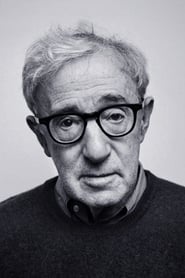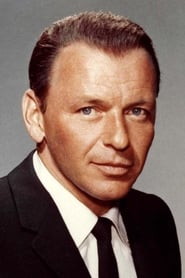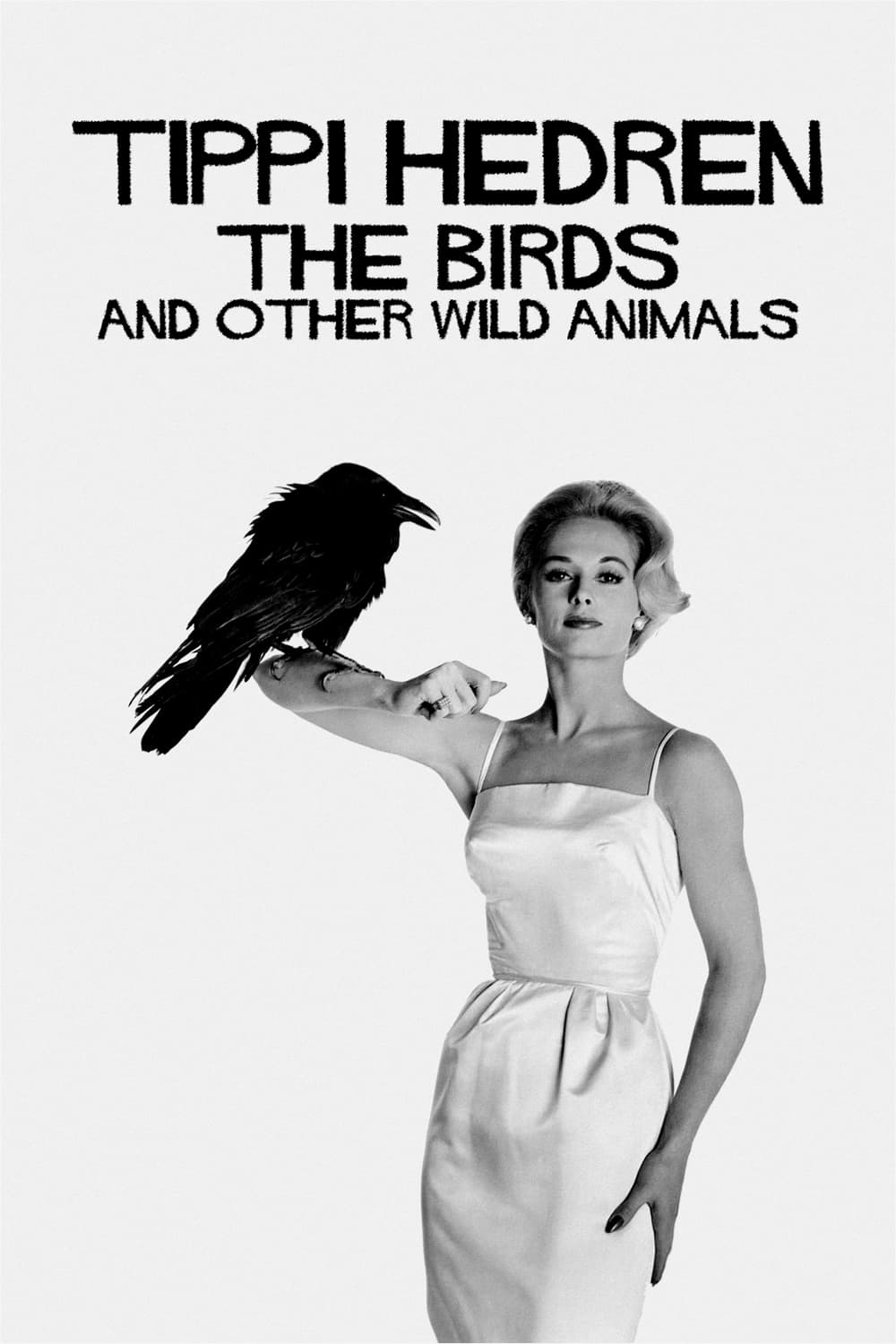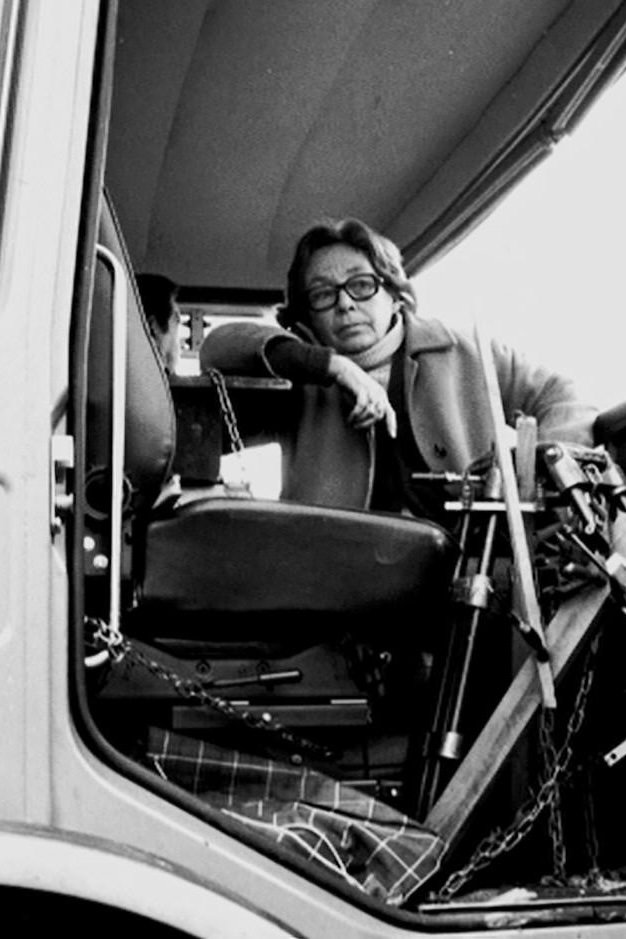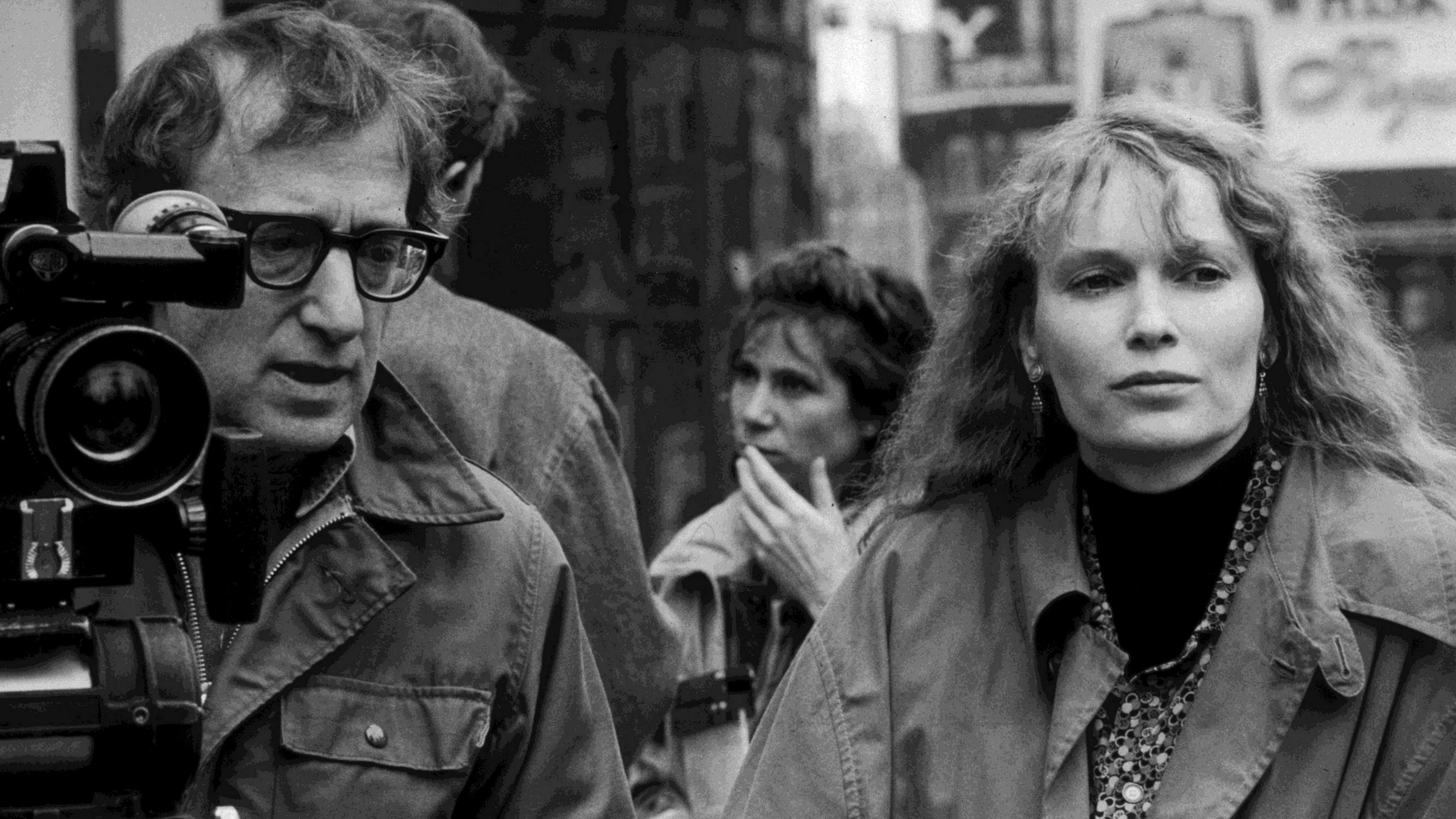
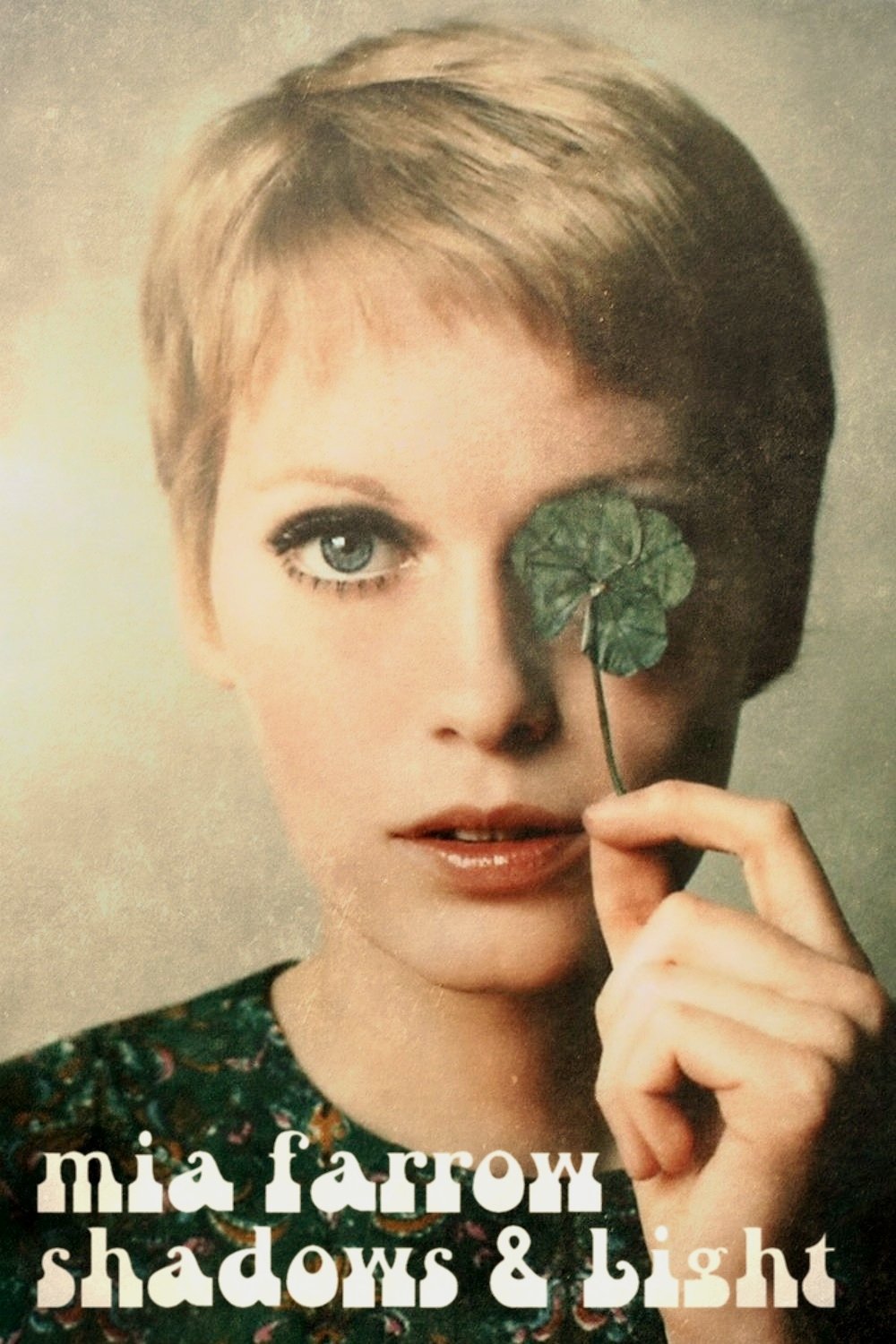
The artistic career of American actress Mia Farrow has been that of a passionate and committed woman who became the embodiment of a special kind of femininity, halfway between innocence and madness.

Social & External
The people behind it
Elsa Lepoivre
Self - Narrator (voice)
Léonie Simaga
Mia Farrow
Self - Actress (archive footage)
Woody Allen
Self - Filmmaker (archive footage)
Claude Chabrol
André Previn
Self - Composer (archive footage)
Frank Sinatra
Self - Singer (archive footage)
Roman Polanski
A dying man in his forties recalls his childhood, his mother, the war and personal moments that tell of and juxtapose pivotal moments in Soviet history with daily life.
Taking an investigative look into the legal battles of the global superstar. Close friends, former staff and researchers paint an intimate portrait of Jackson's complicated world and put allegations of sexual abuse under the microscope. The film defends American singer Michael Jackson against allegations of child sexual abuse made in the documentary Leaving Neverland.
Biographical film about the life and work of the Belgian painter Jan Cox. Cox had a tempestuous youth, during which he co-founded the Jeune Peinture Belge group and worked on the fringes of the Cobra movement.
Shadows have followed Harvey Keitel wherever he went, from his blasphematory childhood, to the army and his iconic roles in films such as Scorsese’s Mean Streets and Taxi Driver. Treated as an outcast after being fired from the set of Apocalypse Now, he made a triumphant return with directors such as Tarantino and Jane Campion.
For the first 50 years of film history, the newsreel was a fixture in American movie theaters. From 1911 to 1967, these shorts proved an influential source of information – and misinformation – for generations of American moviegoers. Television news and public affairs programs became a great improvement over the scanty information offered by the newsreels. This documentary offers insight into a medium which has disappeared.

From his poor childhood to his rise to fame, from his triumphs to his failures, from Paris to New York, discover the exceptional journey of an artist. Intimate, intense, fragile and indestructible, devoted to his art until the very end, here is one of the most immortal singers of all time: MONSIEUR AZNAVOUR.
A new light on American filmmaker Steven Spielberg, Hollywood’s greatest director, offering a unique perspective on his work and digging into his personal influences.
A two-hour documentary special Robin Williams: Behind Closed Doors which gives viewers an intimate look at his life from his childhood in the suburbs of Chicago to small comedy clubs in Los Angeles, his breakthrough role on the TV show Happy Days as Mork from Ork and his big screen triumphs.
A portrait of the brilliant American writer Truman Capote (1924-84) and the New York high society of his time.
The Flemish painter, humanist and diplomat Peter Paul Rubens (1577-1640) was fortunate to be recognized during his lifetime as an artist of genius and one of the most prolific among his peers, making him a key figure of the Baroque.
More than anyone in the cynical film industry, legendary artist Robert Redford embodies the United States' brightest side: perseverance, independence, idealism, and integrity. A champion of active environmentalism and the right to openly criticize any institutional abuse, he has put his artistic work at the service of his political commitments, whether as an actor, director, producer, or founder of the Sundance Festival, a formidable forum for his struggles since 1985.
An investigative journey of more than 120 years of cinema in Paraguay, from the first screening with the Lumière Brothers cinematograph to the present day.
A group of people are standing along the platform of a railway station in La Ciotat, waiting for a train. One is seen coming, at some distance, and eventually stops at the platform. Doors of the railway-cars open and attendants help passengers off and on. Popular legend has it that, when this film was shown, the first-night audience fled the café in terror, fearing being run over by the "approaching" train. This legend has since been identified as promotional embellishment, though there is evidence to suggest that people were astounded at the capabilities of the Lumières' cinématographe.
The documentary film tells the story of Zucchero Sugar Fornaciari through his words and those of colleagues and friends such as Bono, Sting, Brian May, Paul Young, Andrea Bocelli, Salmo, Francesco Guccini, Francesco De Gregori, Roberto Baggio, Jack Savoretti, Don Was, Randy Jackson and Corrado Rustici. A journey of the soul which, thanks to images coming from Zucchero's private archives and from the "World Wild Tour", his last and triumphant world tour, goes beyond the portrait of a successful musician reaching into the doubts and fragilities of 'man.
A portrait of prestigious Spanish comic illustrator Pere Joan Riera.
Film journalist and critic Rüdiger Suchsland examines German cinema from 1933, when the Nazis came into power, until 1945, when the Third Reich collapsed. (A sequel to From Caligari to Hitler, 2015.)
In 1948, French singer Charles Aznavour (1924-2018) receives a Paillard Bolex, his first camera. Until 1982, he will shoot hours of footage, his filmed diary. Wherever he goes, he carries his camera with him. He films his life and lives as he films: places, moments, friends, loves, misfortunes.
This film explains what James Ensor (1860-1949) meant for the development of art and makes palpable where he got his inspiration from.
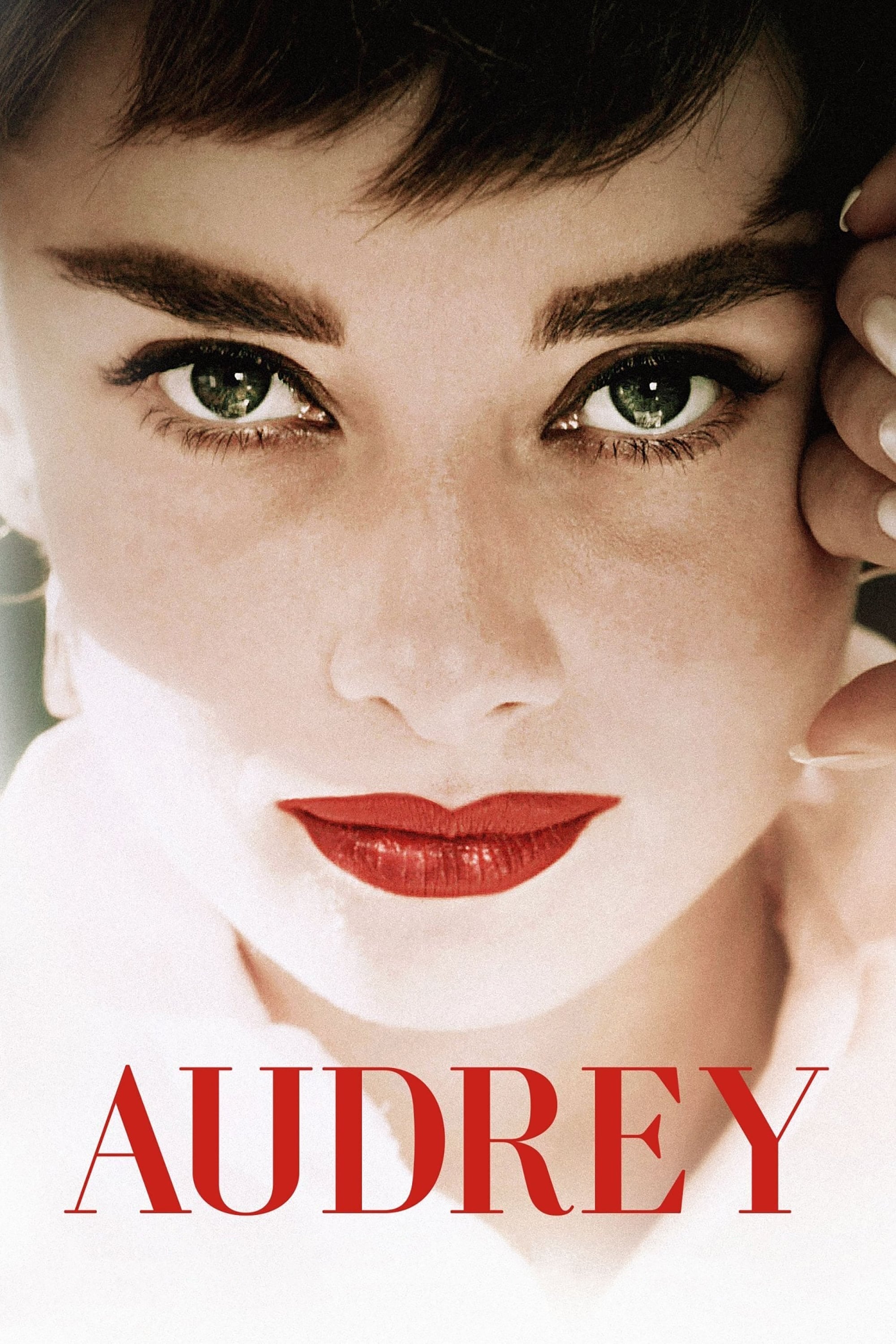
An unprecedented and intimate look at the life, work and enduring legacy of British actress Audrey Hepburn (1929-1993).
American filmmaker Stanley Kubrick (1928–1999), one of the greatest in history, but also one of the most reserved, gave few interviews throughout his long career, and none of them were filmed. A first-person journey through his life and work, based on a recorded conversation with French film critic Michel Climent.
The history of cinematic sound, told by legendary sound designers and visionary filmmakers.
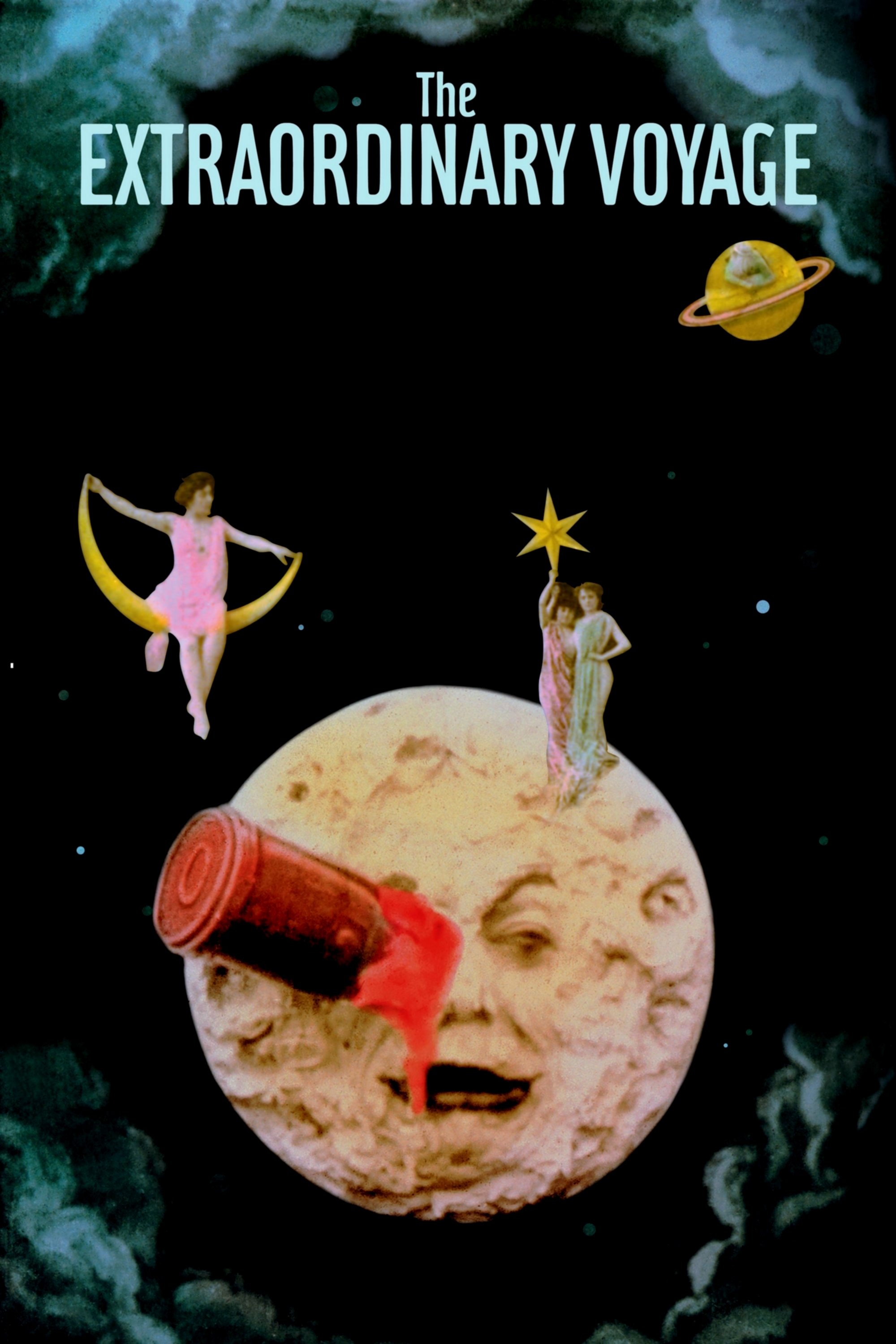
An account of the extraordinary life of film pioneer Georges Méliès (1861-1938) and the amazing story of the copy in color of his masterpiece A Trip to the Moon (1902), unexpectedly found in Spain and restored thanks to the heroic efforts of a group of true cinema lovers.
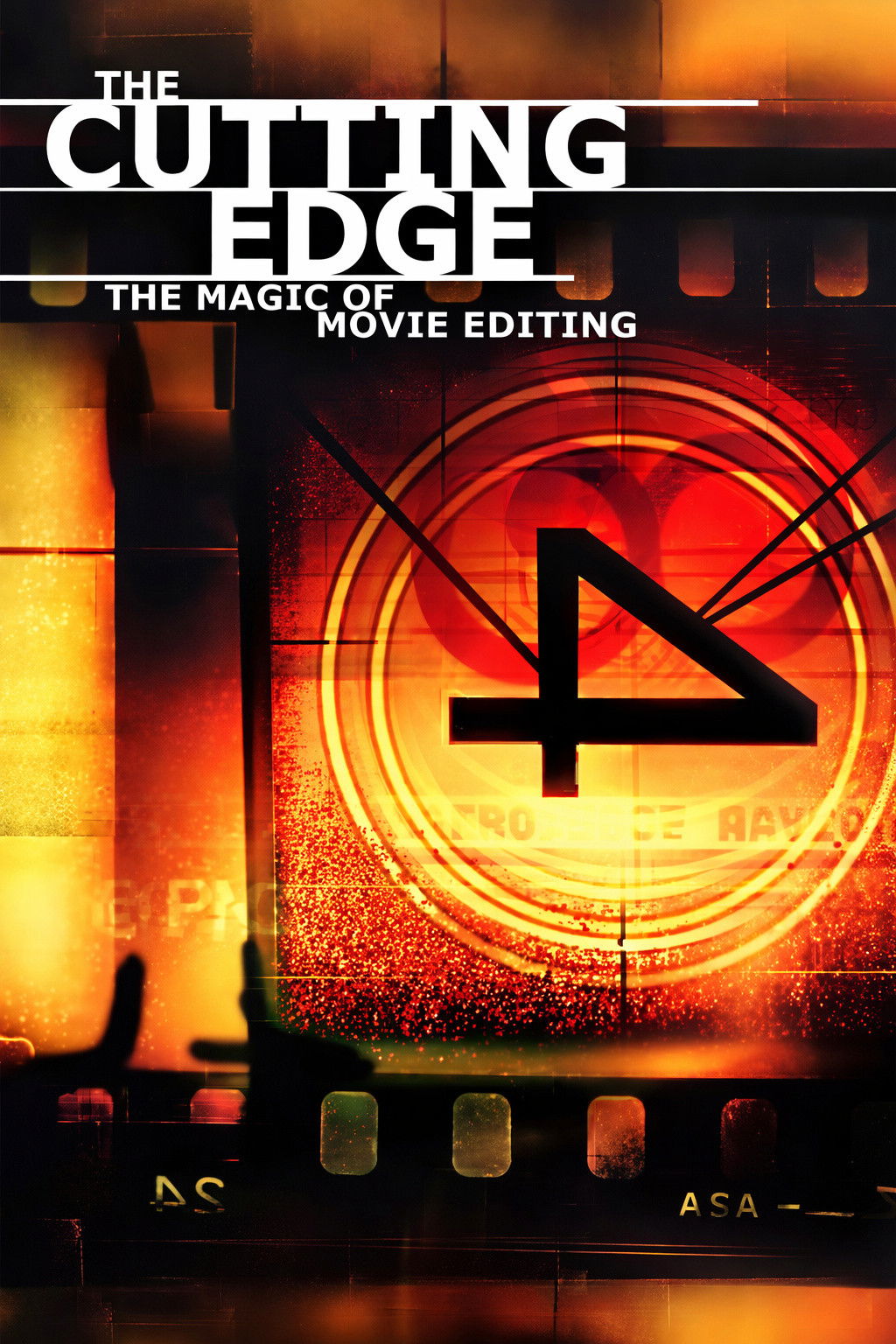
Documentary about the art of film editing. Clips are shown from many groundbreaking films with innovative editing styles.
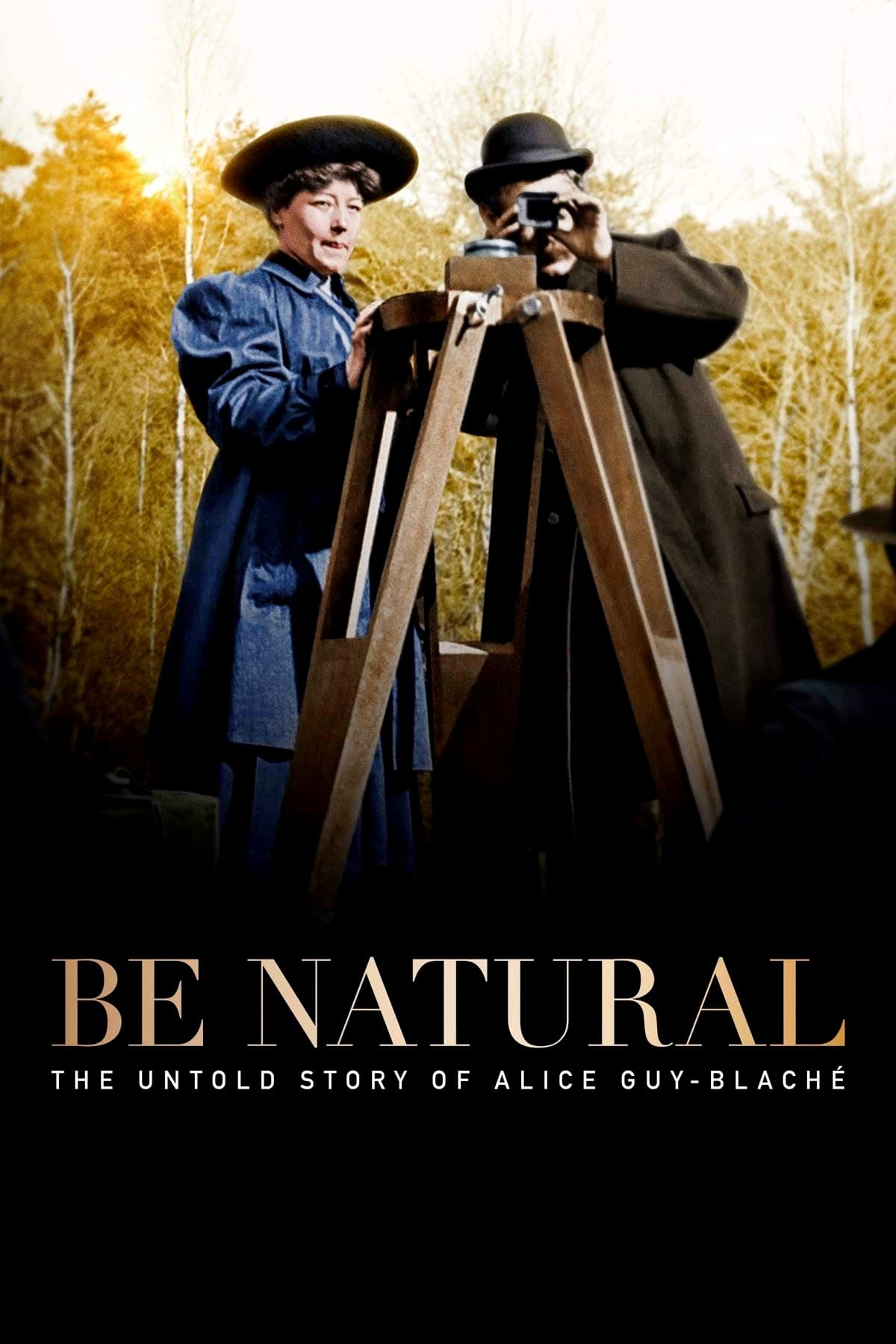
The epic life story of Alice Guy-Blaché (1873–1968), a French screenwriter, director and producer, true pioneer of cinema, the first person who made a narrative fiction film; author of hundreds of movies, but banished from history books. Ignored and forgotten. At last remembered.
In 1972, a seemingly typical shoestring budget pornographic film was made in a Florida hotel: "Deep Throat," starring Linda Lovelace. This film would surpass the wildest expectation of everyone involved to become one of the most successful independent films of all time. It caught the public imagination which met the spirit of the times, even as the self-appointed guardians of public morality struggled to suppress it, and created, for a brief moment, a possible future where sexuality in film had a bold artistic potential. This film covers the story of the making of this controversial film, its stunning success, its hysterical opposition along with its dark side of mob influence and allegations of the on set mistreatment of the film's star.
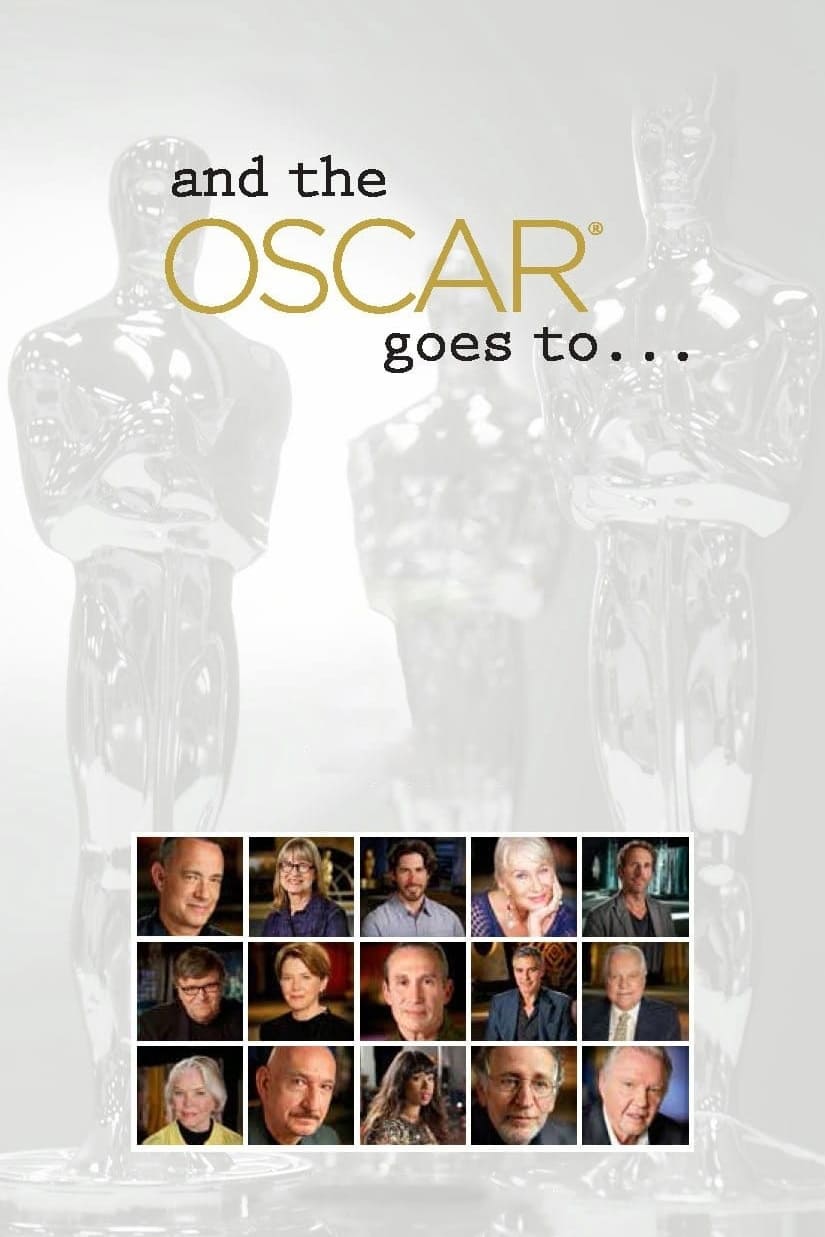
The story of the gold-plated statuette that became the film industry's most coveted prize, AND THE OSCAR GOES TO... traces the history of the Academy itself, which began in 1927 when Louis B. Mayer, then head of MGM, led other prominent members of the industry in forming this professional honorary organization. Two years later the Academy began bestowing awards, which were nicknamed "Oscar," and quickly came to represent the pinnacle of cinematic achievement.
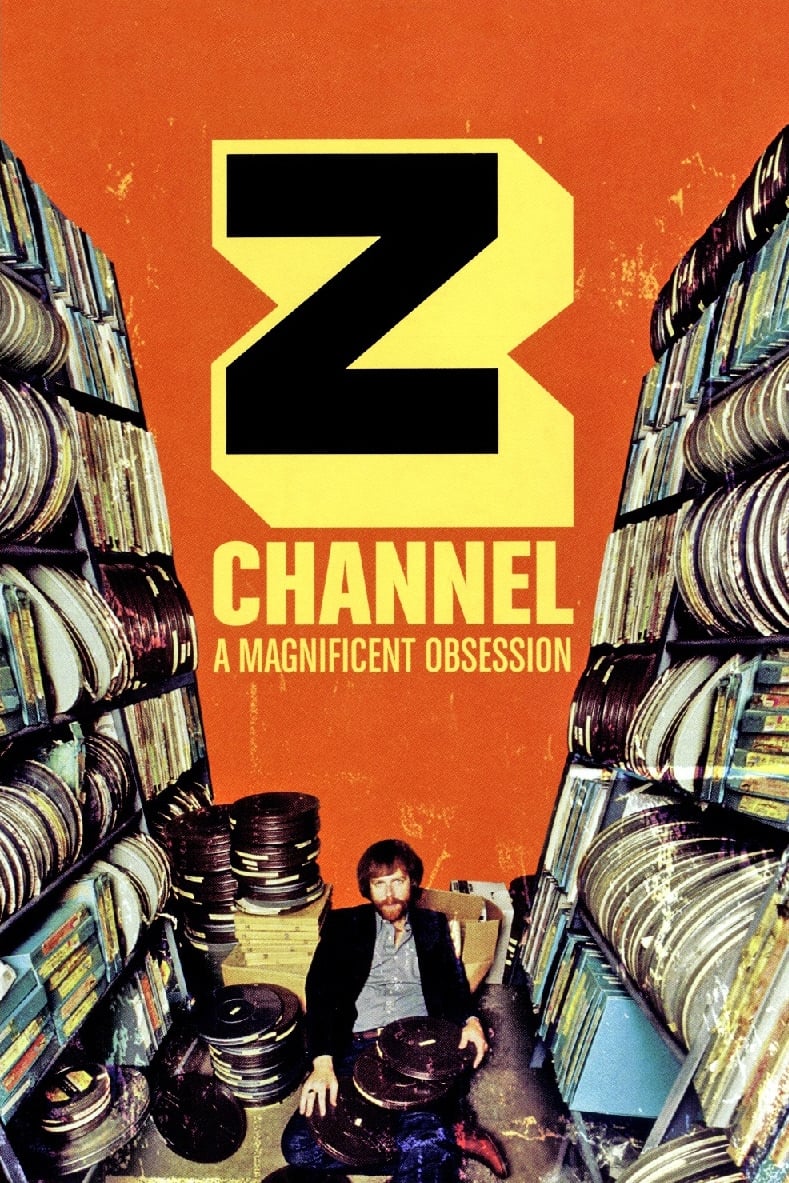
A documentary on the Z Channel, one of the first pay cable stations in the US, and its programming chief, Jerry Harvey. Debuting in 1974, the LA-based channel's eclectic slate of movies became a prime example of the untapped power of cable television.
Learn the incredible behind-the-scenes story of how the original Star Wars movie was brought to the big screen in this fascinating documentary hosted by C-3PO and R2-D2 which includes interviews with George Lucas and appearances by Mark Hamill, Harrison Ford and Carrie Fisher.
A look behind the lens of Christopher Nolan's space epic.
“The Soviet Story” is a story of an Allied power, which helped the Nazis to fight Jews and which slaughtered its own people on an industrial scale. Assisted by the West, this power triumphed on May 9th, 1945. Its crimes were made taboo, and the complete story of Europe’s most murderous regime has never been told. Until now...
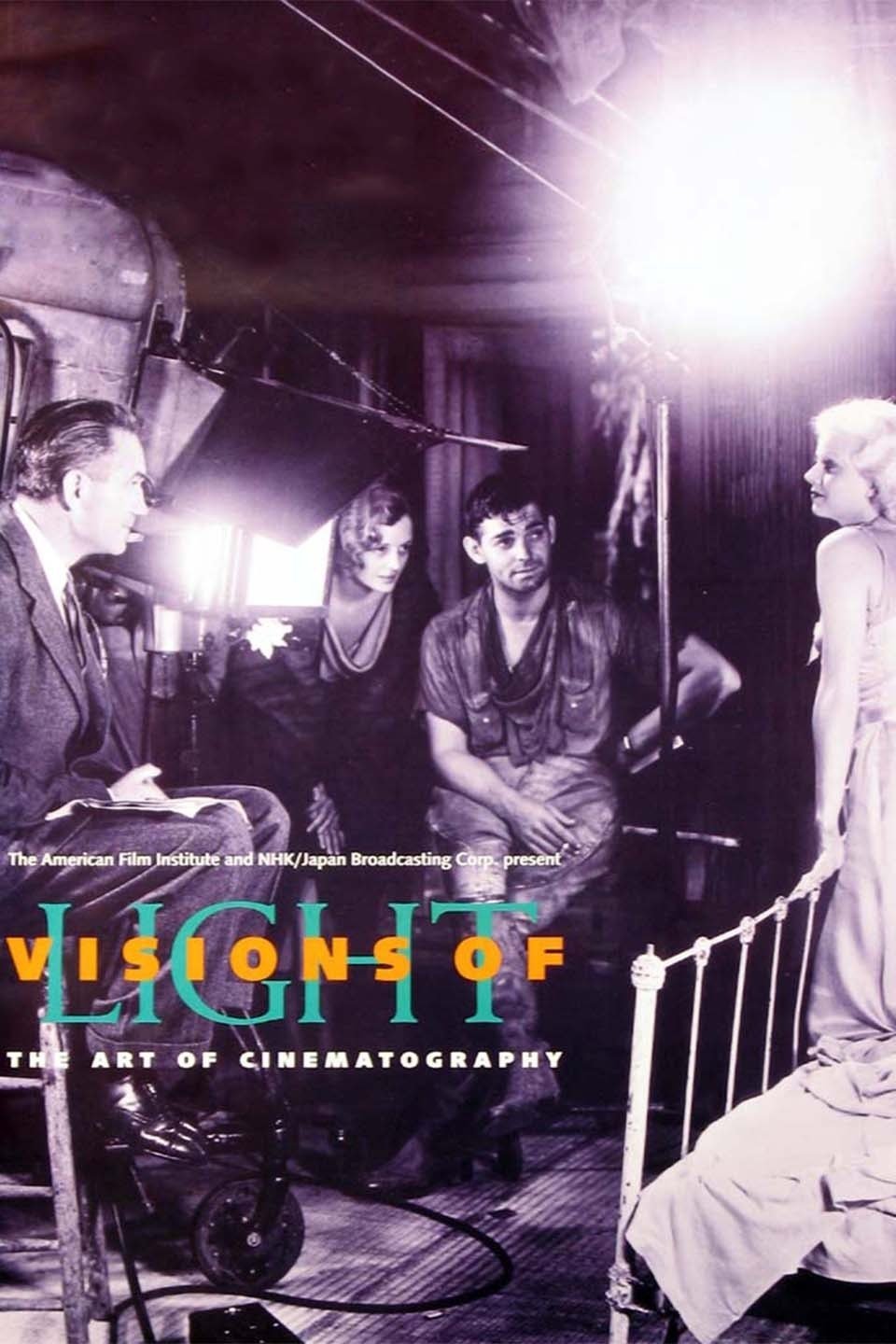
Cameramen and women discuss the craft and art of cinematography and of the "DP" (the director of photography), illustrating their points with clips from 100 films, from Birth of a Nation to Do the Right Thing. Themes: the DP tells people where to look; changes in movies (the arrival of sound, color, and wide screens) required creative responses from DPs; and, these artisans constantly invent new equipment and try new things, with wonderful results. The narration takes us through the identifiable studio styles of the 30s, the emergence of noir, the New York look, and the impact of Europeans. Citizen Kane, The Conformist, and Gordon Willis get special attention.
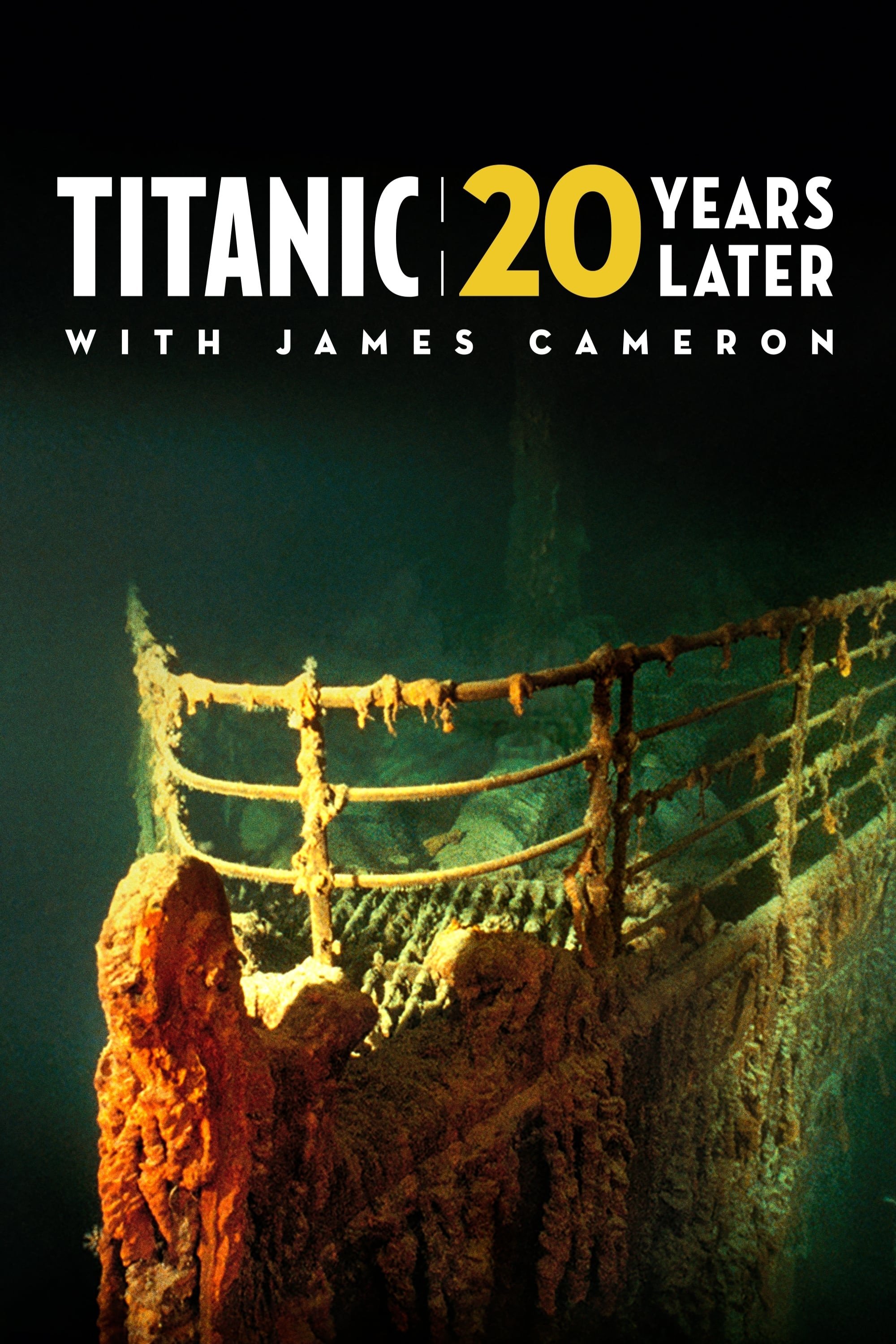
For the 20th anniversary of "Titanic," James Cameron reopens the file on the disaster.
Filmmaker Alain Resnais documents the atrocities behind the walls of Hitler's concentration camps.
A collection of restored prints from the Lumière Brothers.
A primetime special with performances from the superstar including Adele’s first new material in six years plus her chart-topping hits. The special will also feature an exclusive interview with Adele by Oprah Winfrey from her rose garden, in Adele’s first televised wide-ranging conversation.
Director Claude Lanzmann spent 11 years on this sprawling documentary about the Holocaust, conducting his own interviews and refusing to use a single frame of archival footage. Dividing Holocaust witnesses into three categories – survivors, bystanders, and perpetrators – Lanzmann presents testimonies from survivors of the Chelmno concentration camp, an Auschwitz escapee, and witnesses of the Warsaw Ghetto Uprising, as well as a chilling report of gas chambers from an SS officer at Treblinka.
The evolution of the depiction of the various Native American peoples in cinema, from the silent era to the present day: how their image on the screen has changed the way to understand their history and culture.
A tribute to Italian filmmaker Sergio Corbucci (1926-90), presented by American filmmaker Quentin Tarantino.