Social & External
The people behind it
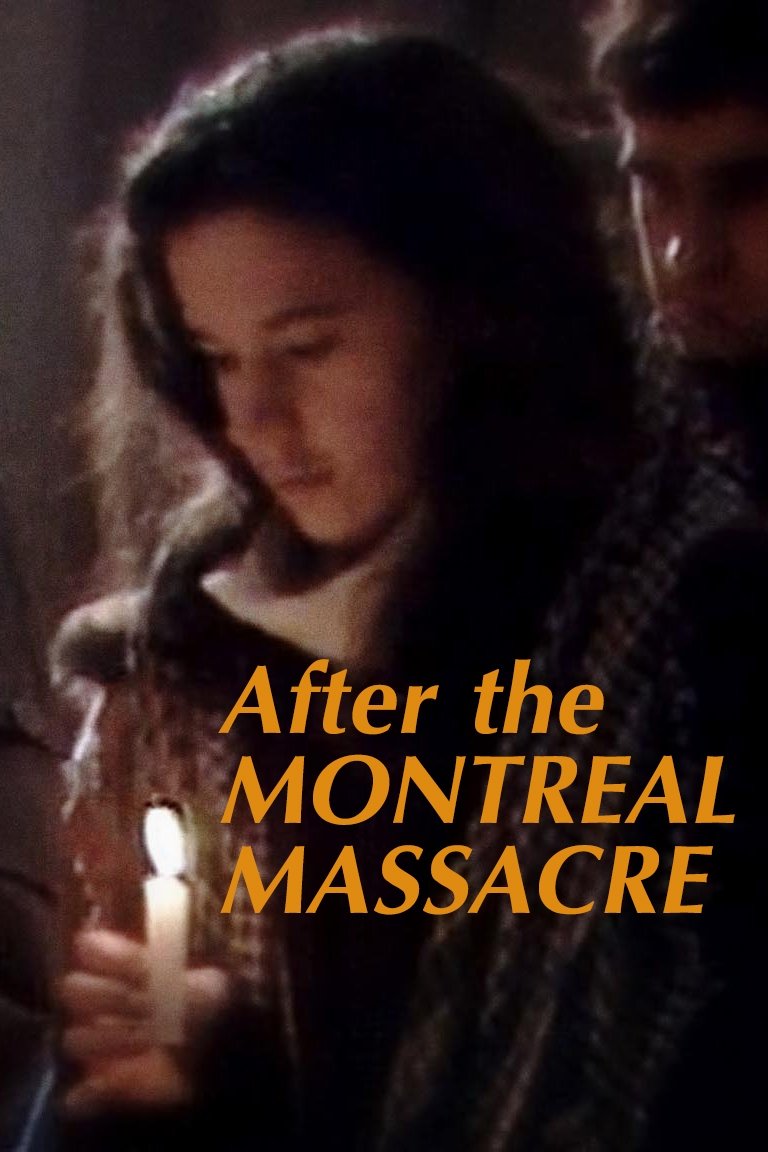
December 6, 1989. Sylvie Gagnon was attending her last day of classes at the University of Montreal's École Polytechnique, when Marc Lépine entered the building. Separating the women from the men, he opened fire on the women students, yelling 'You're all a bunch of feminists.' Sylvie survived, while fourteen other women were murdered. This video makes the connection between the massacre and male violence against women, setting the stage for an exploration of misogyny and sexism.
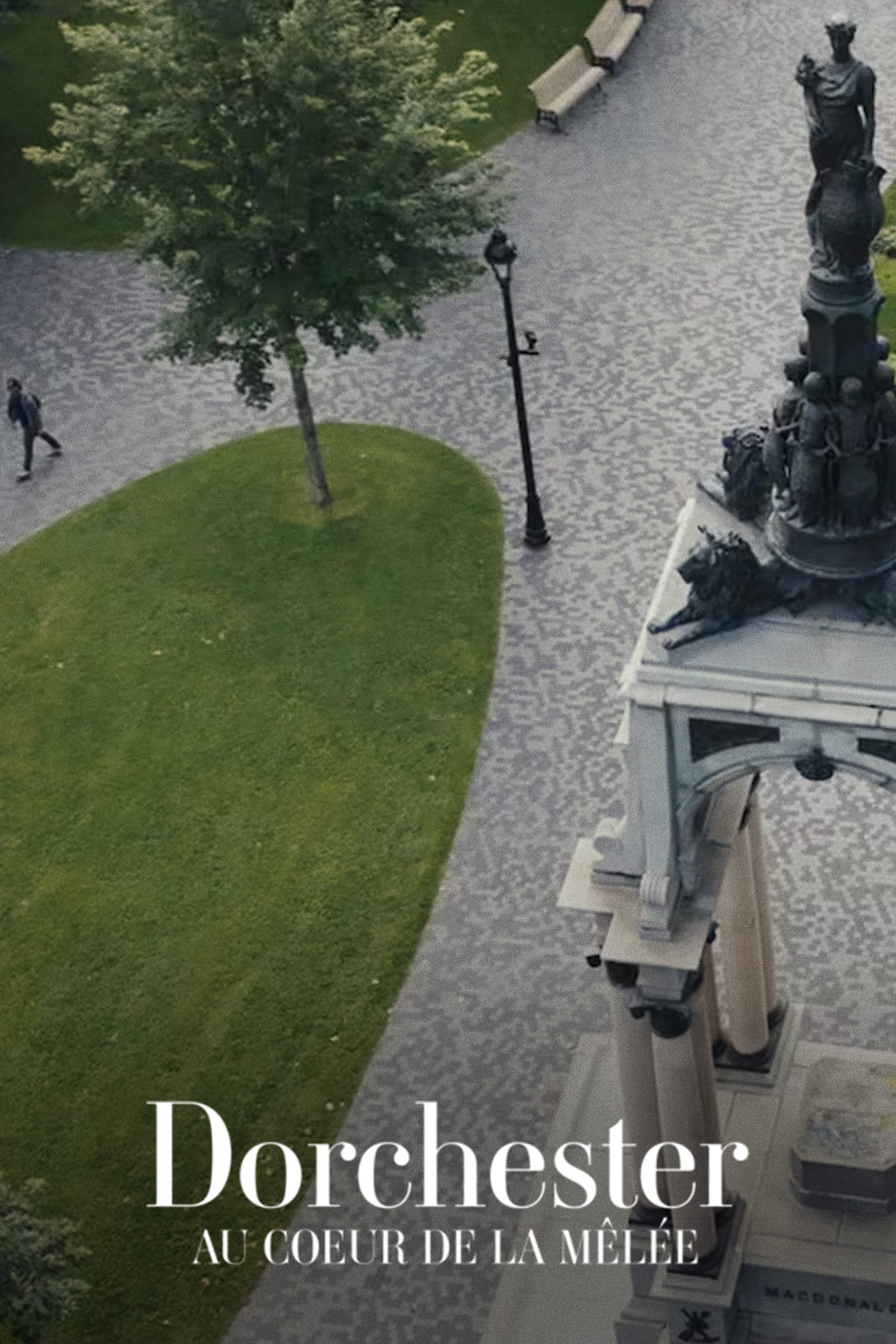
Under Dorchester Square in Montreal lies the cemetery where 55,000 people were buried in the 19th century. The square is still at the heart of social conflicts in Quebec, 150 years later.
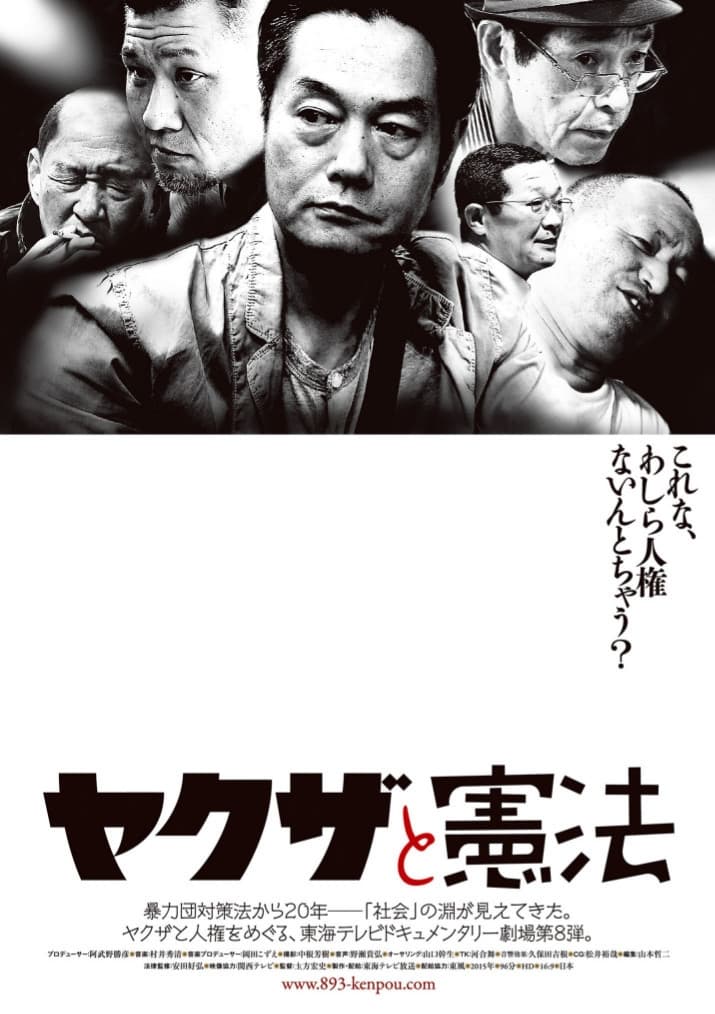
Since the enactment of the Anti-Boryokudan Act and Yakuza exclusion ordinances, the number of Yakuza members reduced to less than 60,000. In the past 3 years, about 20,000 members have left from Yakuza organizations. However, just numbers can’t tell you the reality. What are they thinking, how are they living now? The camera zooms in on the Yakuza world. Are there basic human rights for them?
Openland is an art film guided by issues surrounding micro states and its derivative definitions. Through intertwining interviews, meta-narratives, and digital landscapes, Openland unfurls a dialogue between consciousness, individuality and collectivity.
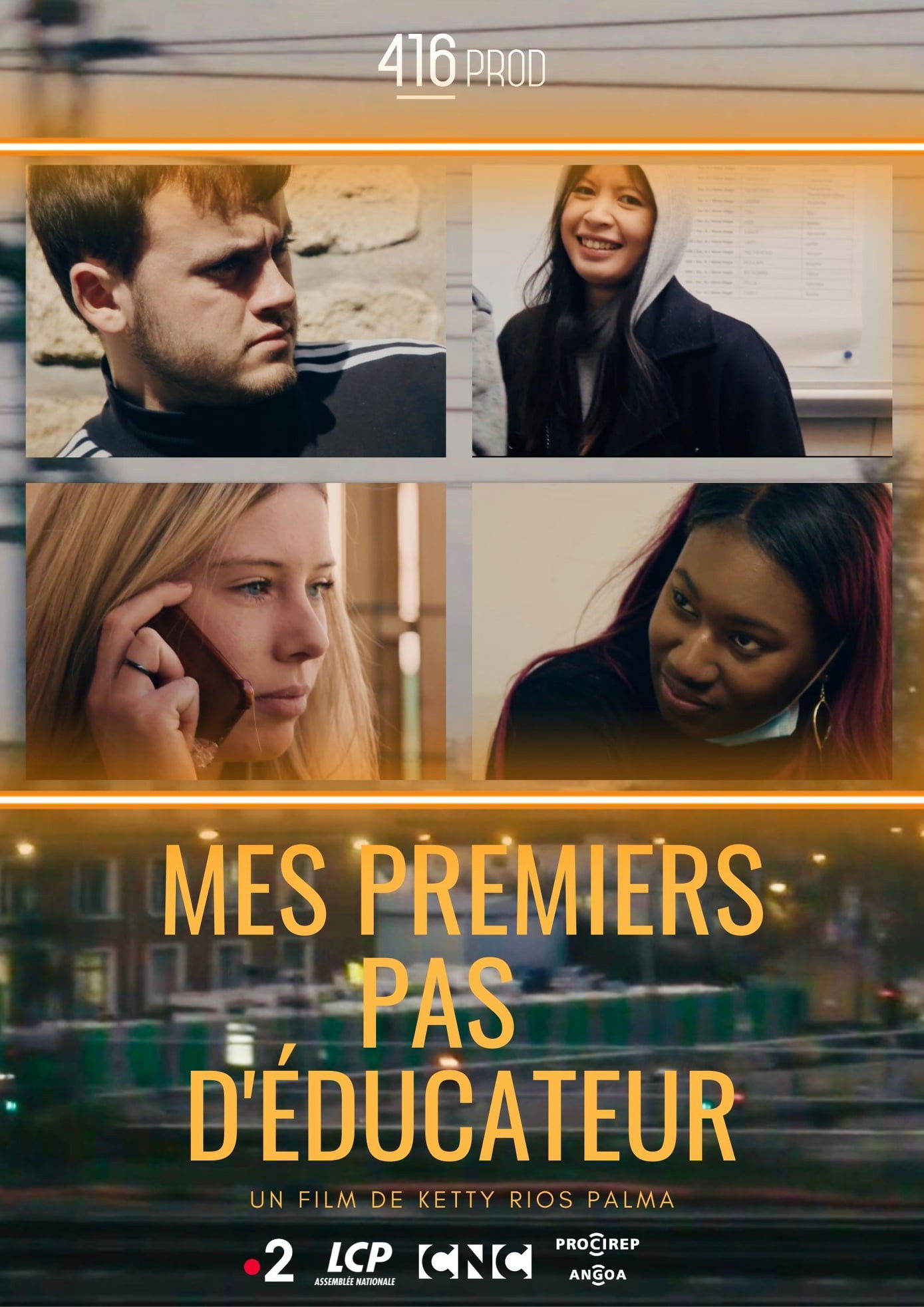
Hannah, Laure, Adrien, and Halima are students at the Regional Institute of Social Work in Paris. Four students among the fifty in the first year of training to become educational support workers. They chose this profession out of commitment and vocation. Between the classroom and their field placements, they will confront their dreams and ideals with the realities on the ground, discover new sides of themselves, and begin to shape the contours of the profession they will practice—each in their own way.
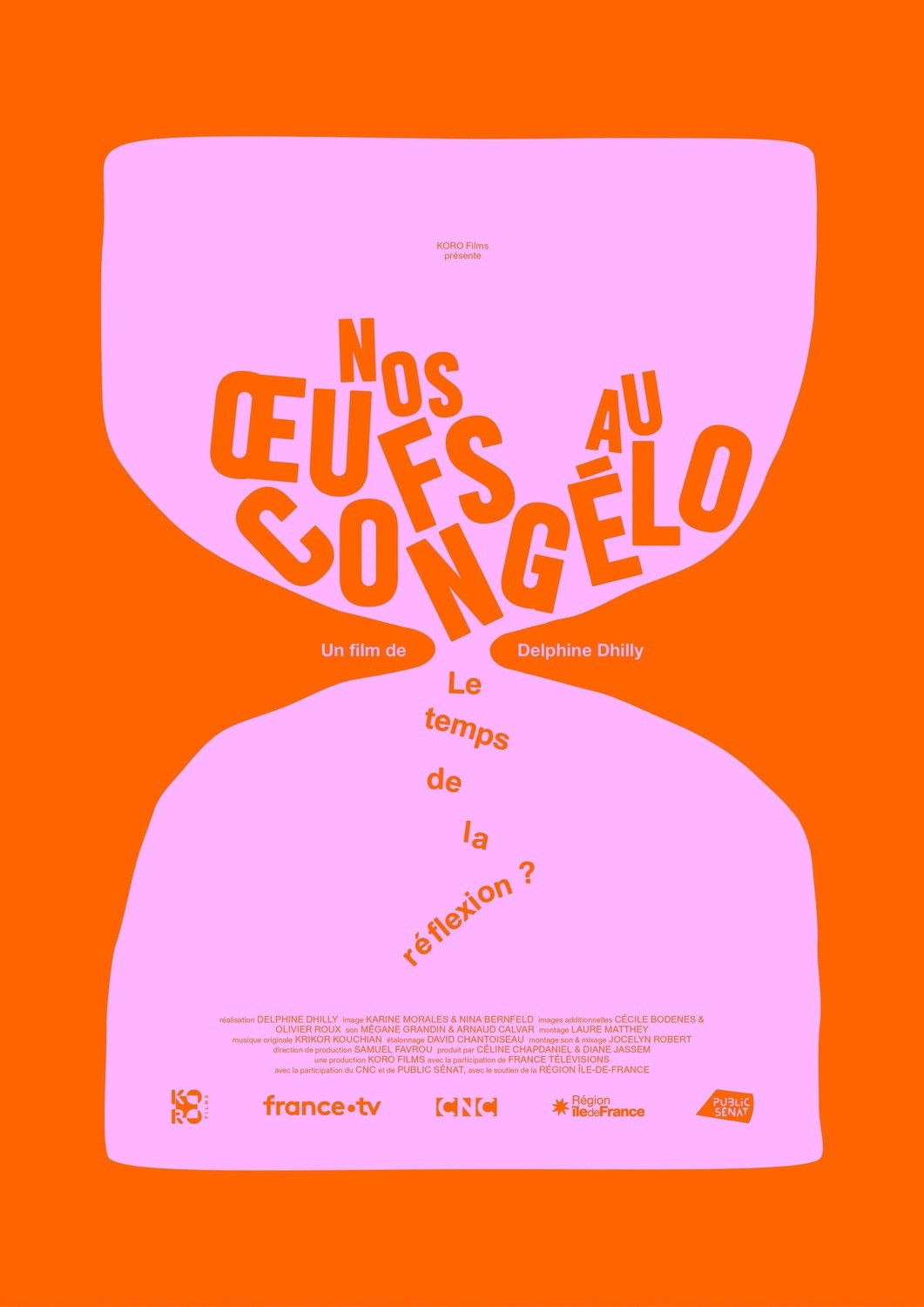
Since the law of August 2, 2021, on bioethics, French women between the ages of 29 and 37 have the right to collect and freeze their eggs, free of charge, without medical reason, regardless of their marital status. From this simple law, and thus from this right, emerges a complex and fascinating reality.
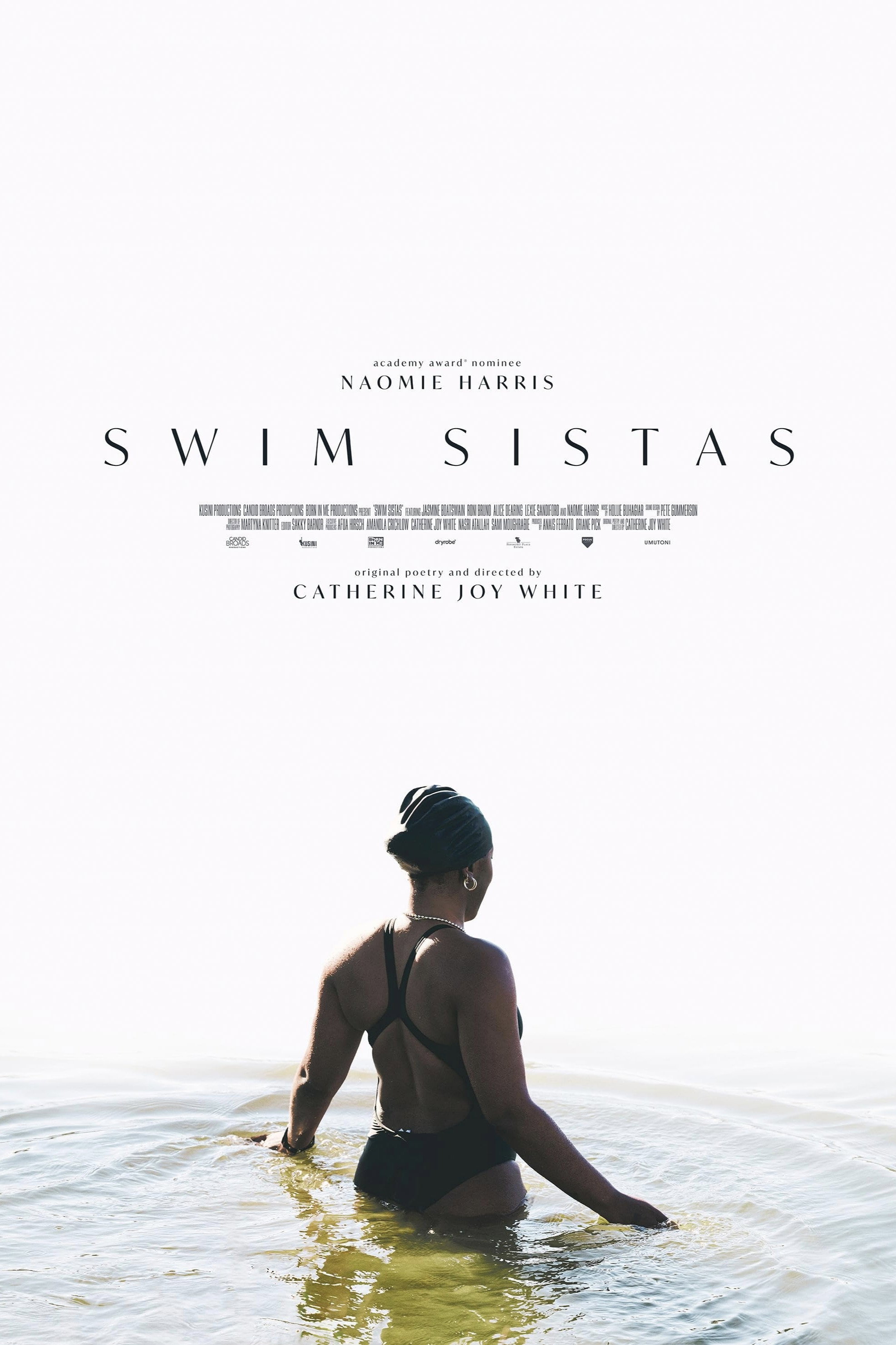
Swim Sistas follows the swimming journeys of three very different Black girls/women as barriers are broken down in the water.
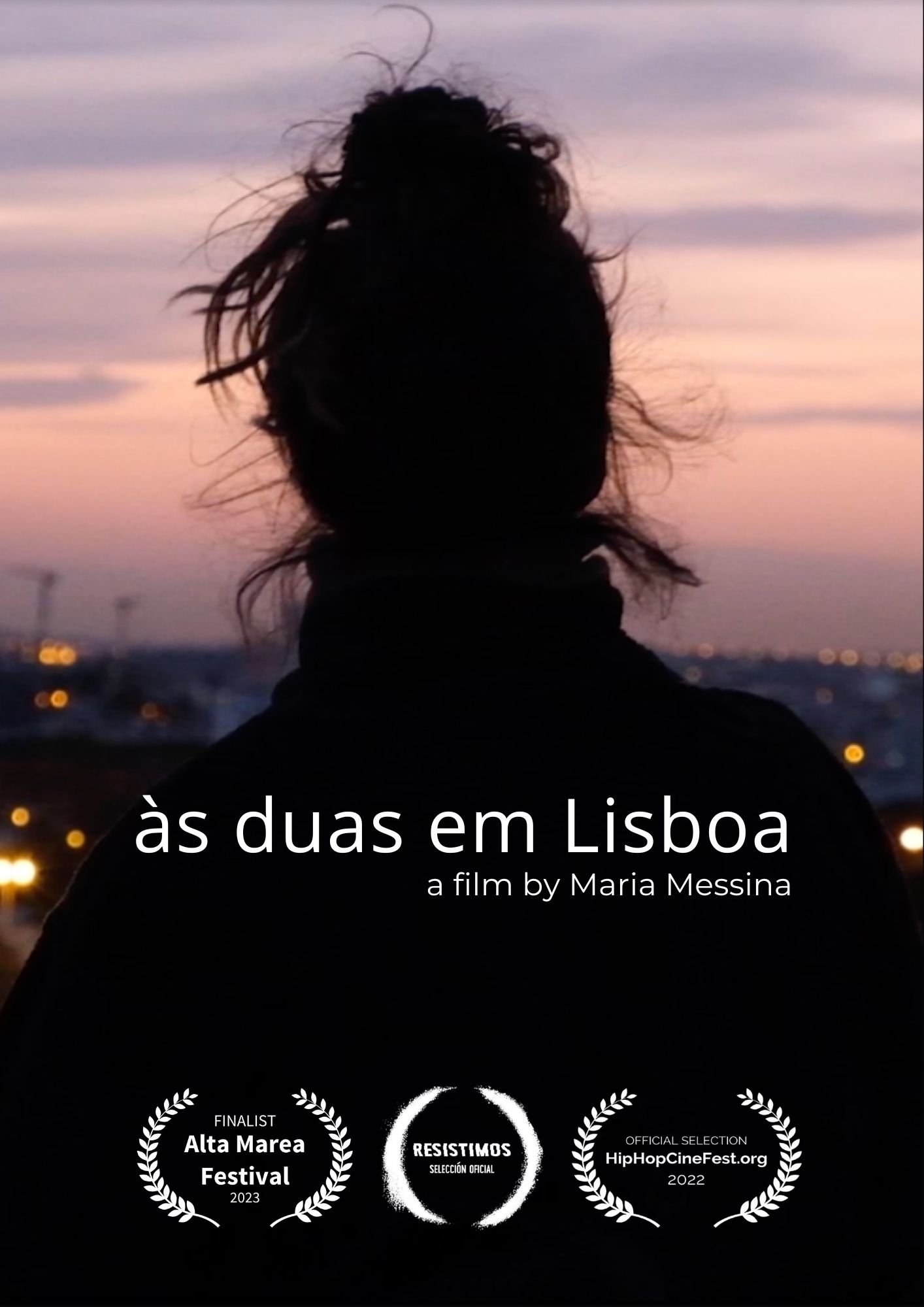
Two writers in Lisbon talk about what it means to be a woman in graffiti world where the survival of the fittest is prevailed and it's difficult to be accepted.
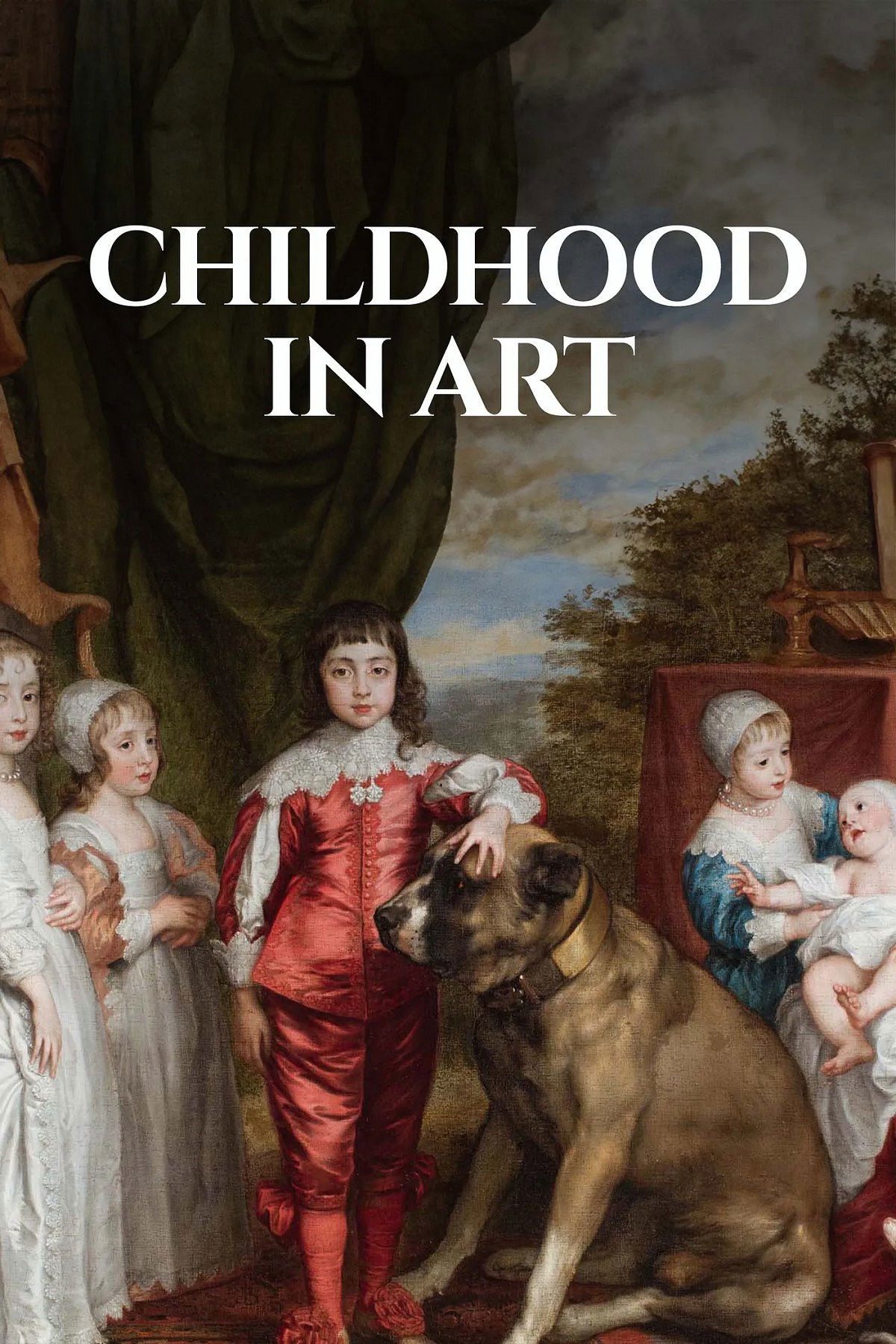
How have the changing views on children been reflected in their representation in art? From Baby Jesus to the first photographic portraits, an exploration of six centuries of art history through the prism of childhood.
Autism spectrum disorder (DSA) - It is not what they have, but what they are, who they are. They are Felix, Anthony, Marc and Brigitte. They are different.
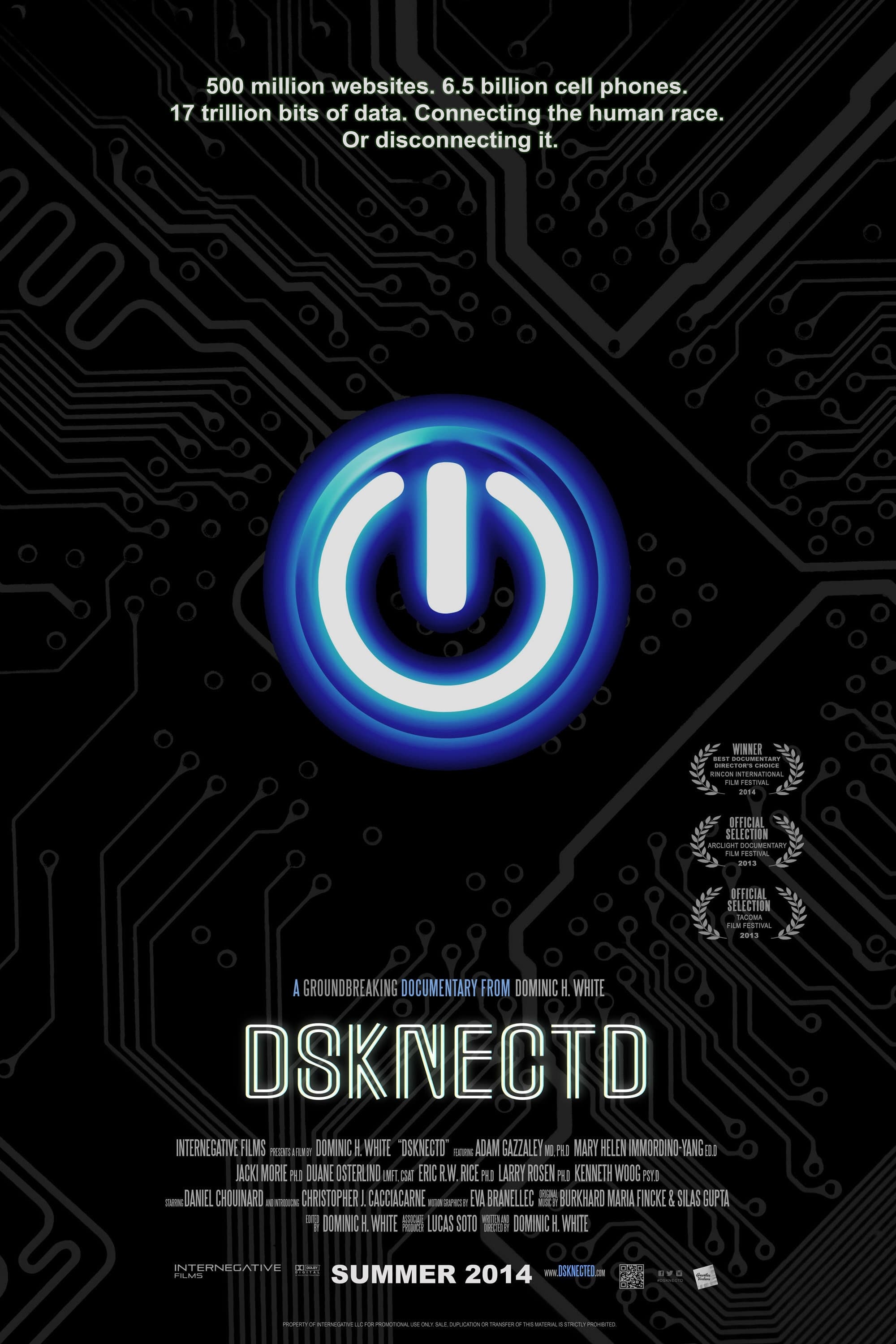
As clichés go, in 1999 the World as we knew it was about to change - and we'd been expecting it. Since childhood we'd been promised that the 21st century would bring us dramatic new technologies like flying cars and Utopian cities. Instead it bought us the smart-phone, social media, and virtual societies. And as it turns out these technologies began to transform society almost as dramatically as the moon colonies we'd been expecting. Now over a decade into the revolution, 'DSKNECTD' explores how digital communication technology is profoundly changing the way we interact and experience each other - for the good and for the bad.
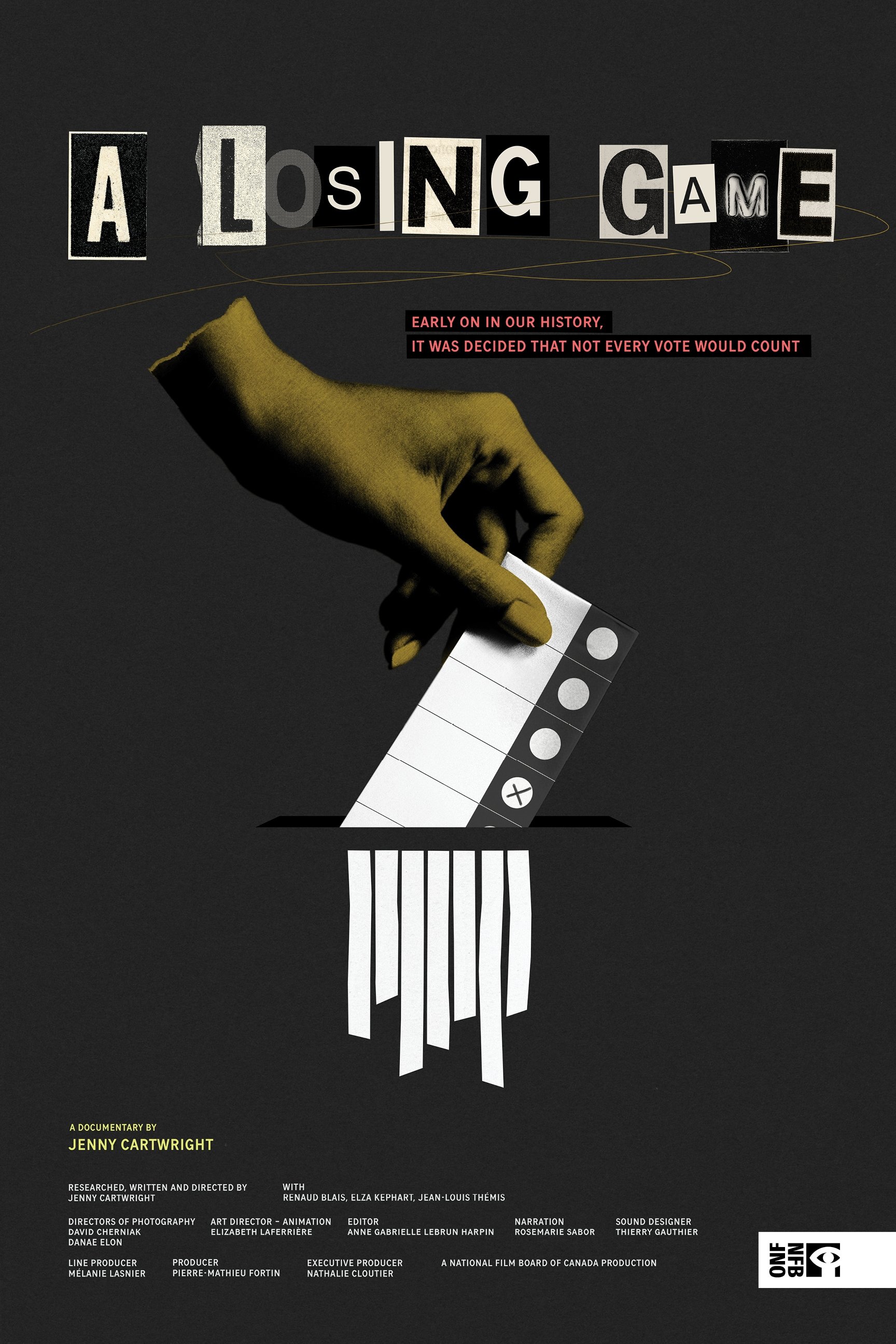
A Losing Game follows three people who ran for office in the 2022 Quebec provincial election, casting a critical eye on its electoral system and the many ways in which it is dysfunctional.
History of women in Latin America
The Taj Mahal and shots of Jalandhar nestle between footage from Canada and Africa.
What does it mean to be Black in America in the 21st century? The recently formed Black American film group TNEG™ has set out to elucidate this very question. Hearing from the likes of fine artist Kara Walker and musical artist Flying Lotus, the film is based on a deceptively simple approach -- asking a refined list of black 'specialists' as well as 'uncommon folks' questions about what they think, and more importantly as lead director Arthur Jafa states, 'What they KNOW' -- the film is an unprecedented 'stream of the black consciousness' and a strikingly original and rarefied look at black intellectual and emotional life. What's so unorthodox about this simple approach is that the interviews were recorded separately from the images in the film. What results is a breathtaking, kaleidoscopic look of American black life from the dawn of three original filmmakers.
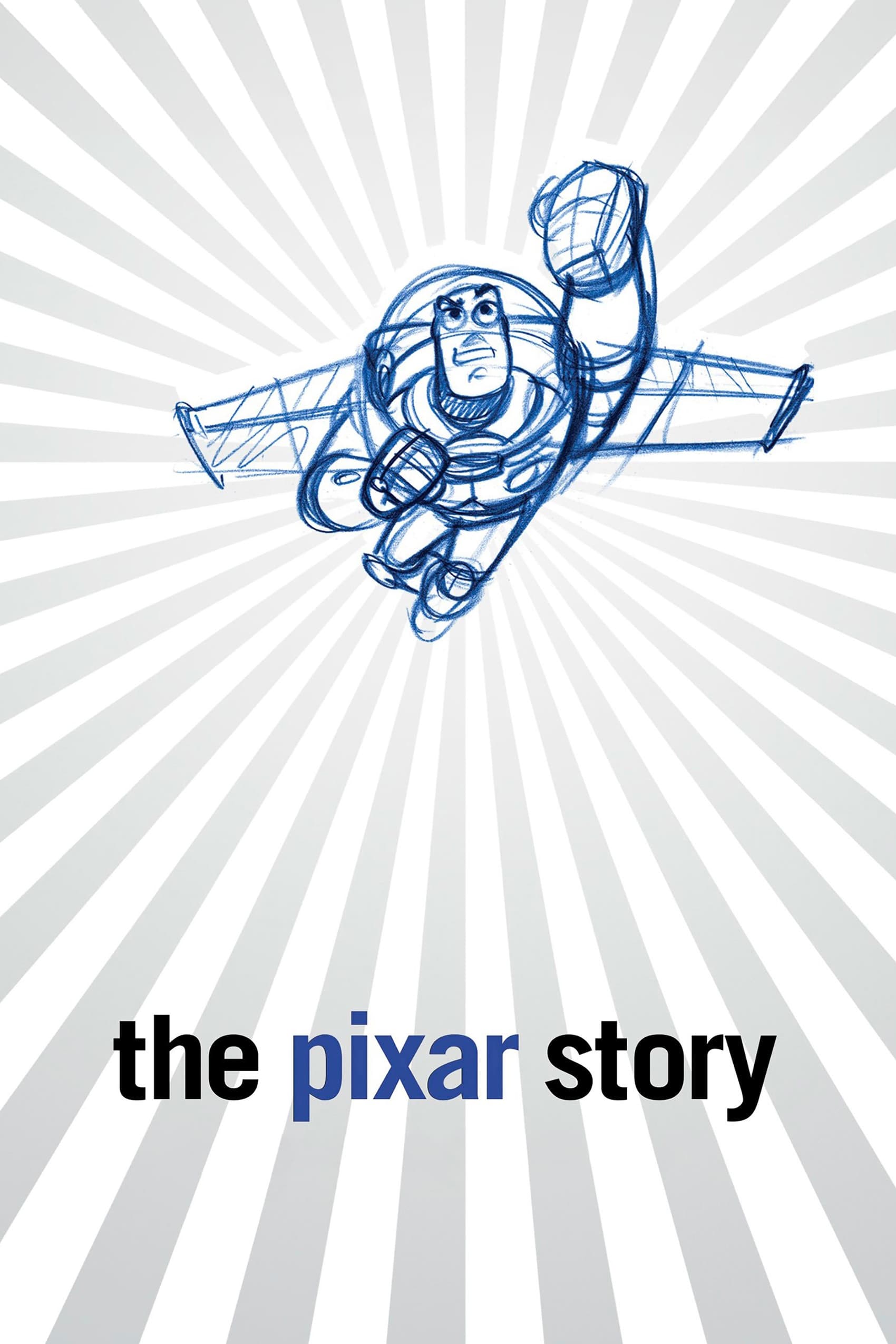
A look at the first years of Pixar Animation Studios - from the success of "Toy Story" and Pixar's promotion of talented people, to the building of its East Bay campus, the company's relationship with Disney, and its remarkable initial string of eight hits. The contributions of John Lasseter, Ed Catmull and Steve Jobs are profiled. The decline of two-dimensional animation is chronicled as three-dimensional animation rises. Hard work and creativity seem to share the screen in equal proportions.
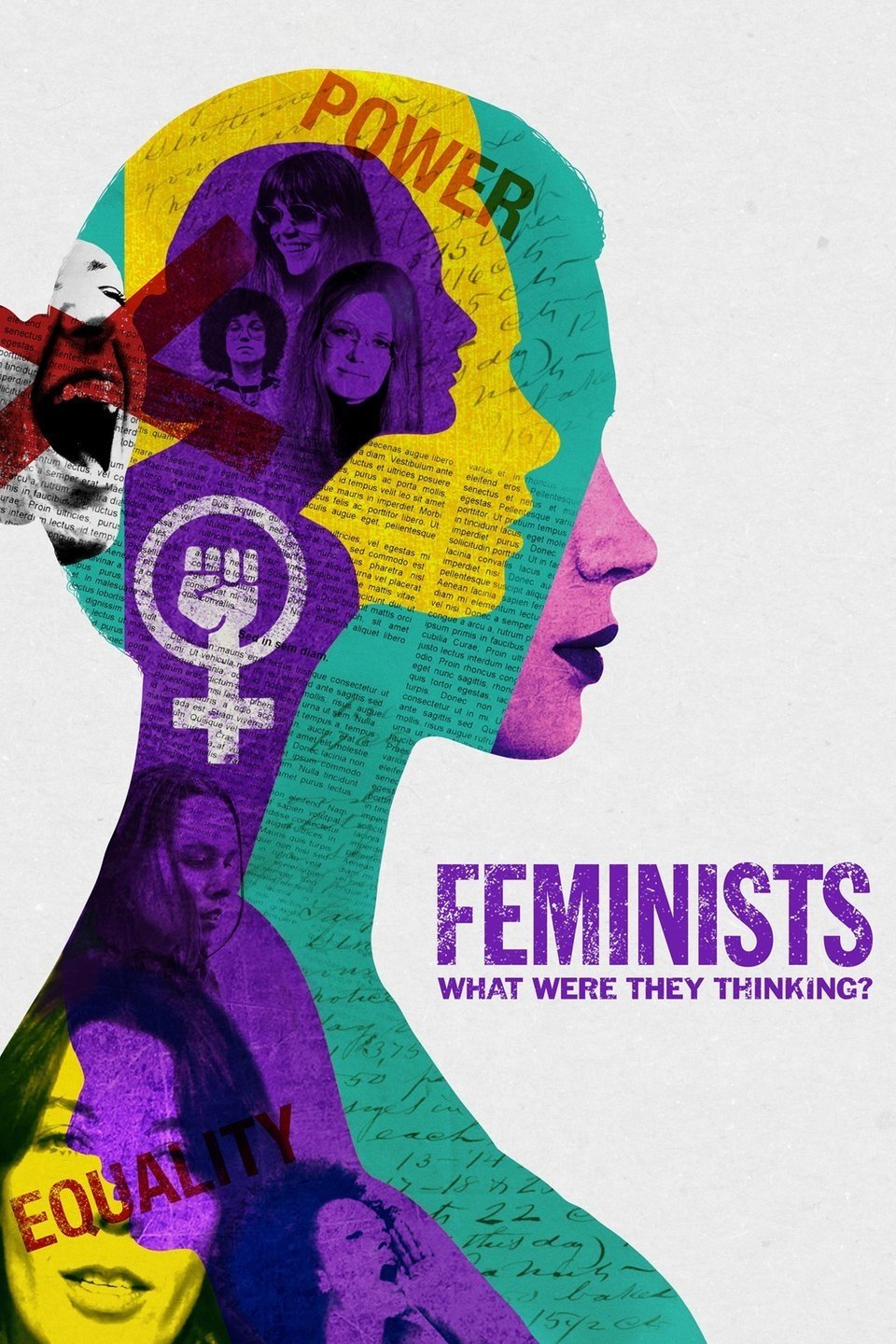
In 1977, a book of photographs captured an awakening - women shedding the cultural restrictions of their childhoods and embracing their full humanity. This documentary revisits those photos, those women and those times and takes aim at our culture today that alarmingly shows the need for continued change.
During the 1982 Cannes Film Festival, Wim Wenders asked a number of global film directors to, one at a time, go into a hotel room, turn on the camera, and answer a simple question: "What is the future of cinema?"
In 1964, Henri-Georges Clouzot's production of L'Enfer came to a halt. Despite huge expectations, major studio backing and an unlimited budget, after three weeks the production collapsed. This documentary presents Inferno's incredible expressionistic original rushes, screen tests, and on-location footage, whilst also reconstructing Clouzot's original vision, and shedding light on the ill-fated endeavor through interviews, dramatizations of unfilmed scenes, and Clouzot's own notes.
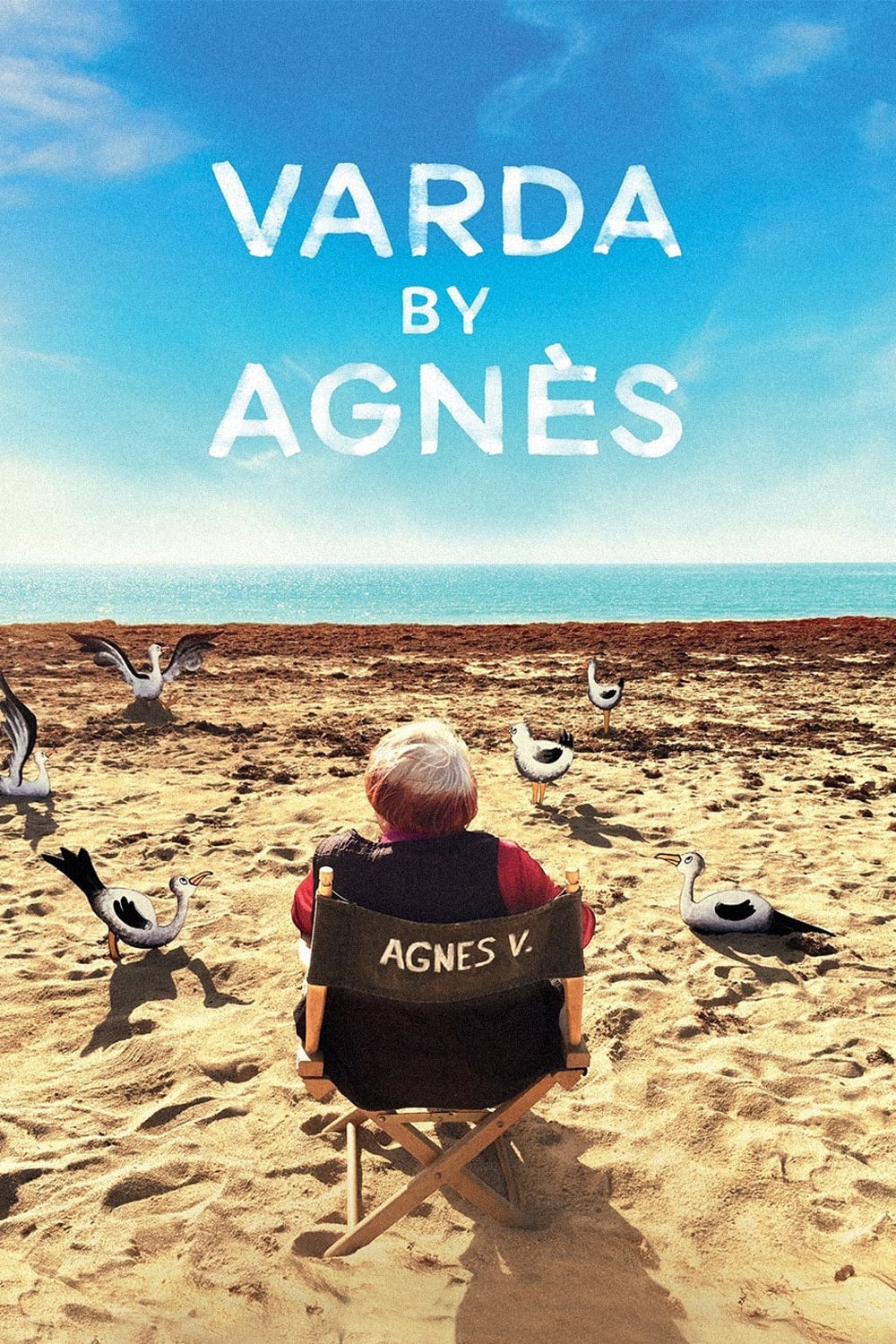
An unpredictable documentary from a fascinating storyteller, Agnès Varda’s last film sheds light on her experience as a director, bringing a personal insight to what she calls "cine-writing," traveling from Rue Daguerre in Paris to Los Angeles and Beijing.
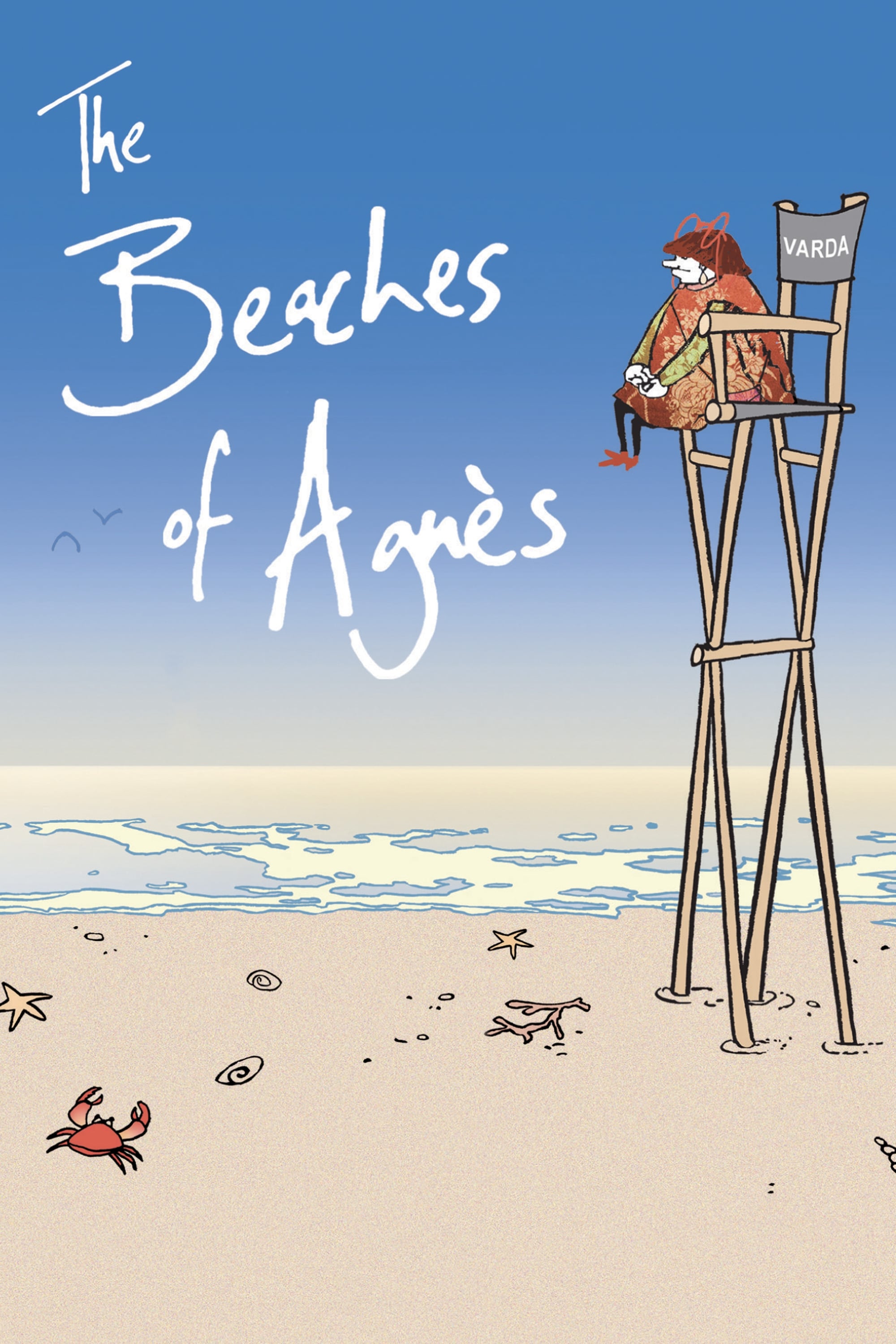
Filmmaking icon Agnès Varda, the award-winning director regarded by many as the grandmother of the French new wave, turns the camera on herself with this unique autobiographical documentary. Composed of film excerpts and elaborate dramatic re-creations, Varda's self-portrait recounts the highs and lows of her professional career, the many friendships that affected her life and her longtime marriage to cinematic giant Jacques Demy.
A documentary about the making of David Fincher's 2008 film THE CURIOUS CASE OF BENJAMIN BUTTON. Virtually every element in the evolution of the Fincher's film is documented here, from the project's attachment to numerous other directors during the 1990s, to its shoot in 2006 and 2007 in New Orleans, to its complex, CGI-intensive postproduction process.
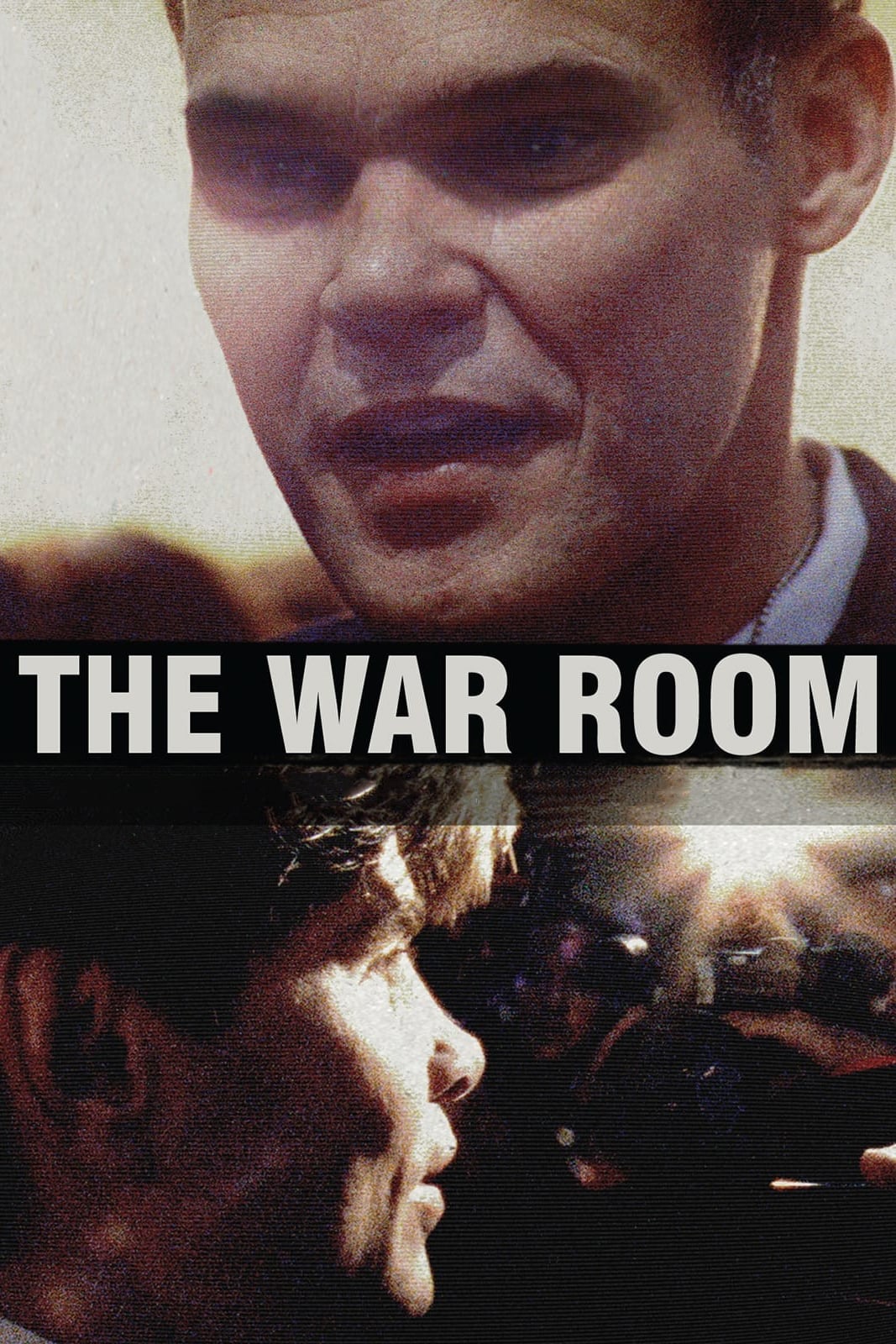
A behind-the-scenes documentary about the Clinton for President campaign, focusing on the adventures of spin doctors James Carville and George Stephanopoulos.
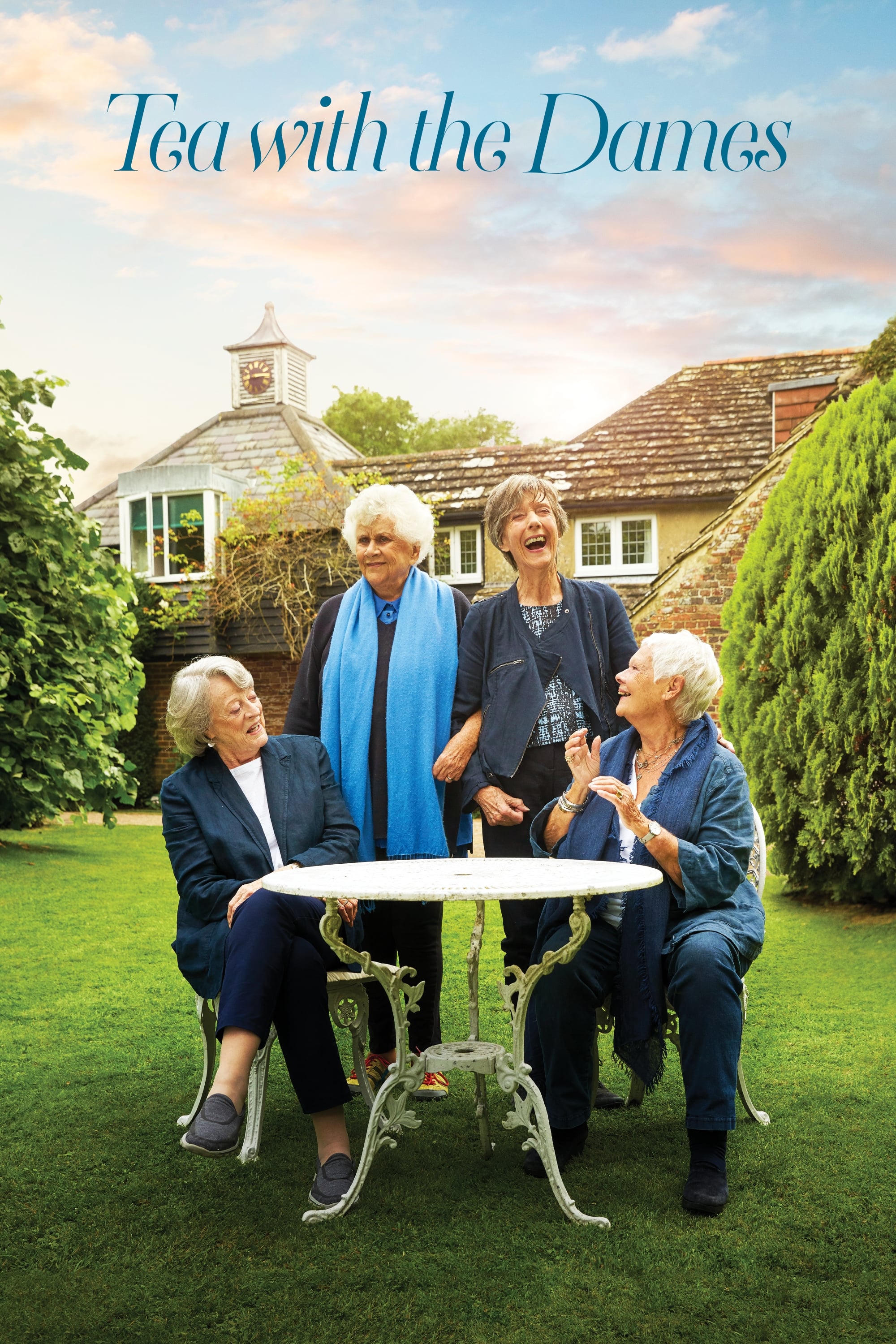
BBC Arena's documentary on the Dames of British Theatre and film featuring Maggie Smith, Eileen Atkins, Judi Dench and Joan Plowright on screen together for the first time as they reminisce over a long summer weekend in a house Joan once shared with Sir Laurence Olivier.
Since the late 18th century American legal decision that the business corporation organizational model is legally a person, it has become a dominant economic, political and social force around the globe. This film takes an in-depth psychological examination of the organization model through various case studies. What the study illustrates is that in the its behaviour, this type of "person" typically acts like a dangerously destructive psychopath without conscience. Furthermore, we see the profound threat this psychopath has for our world and our future, but also how the people with courage, intelligence and determination can do to stop it.
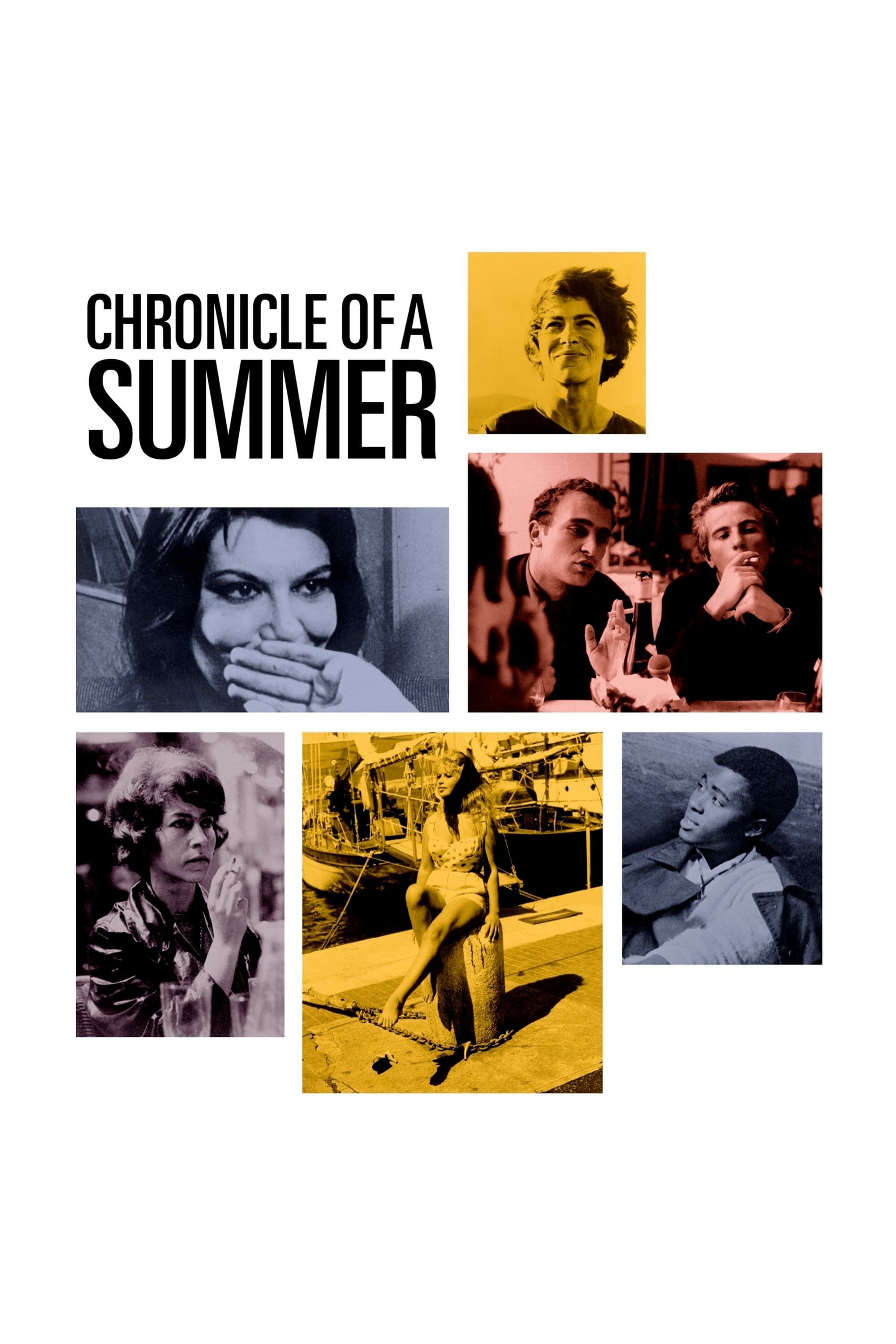
Paris, summer 1960. Anthropologist and filmmaker Jean Rouch and sociologist and film critic Edgar Morin wander through the crowded streets asking passersby how they cope with life's misfortunes.
Musician and performance artist Laurie Anderson reflects on the deaths of her husband Lou Reed, her mother and her beloved dog.
A documentary on the expletive's origin, why it offends some people so deeply, and what can be gained from its use.
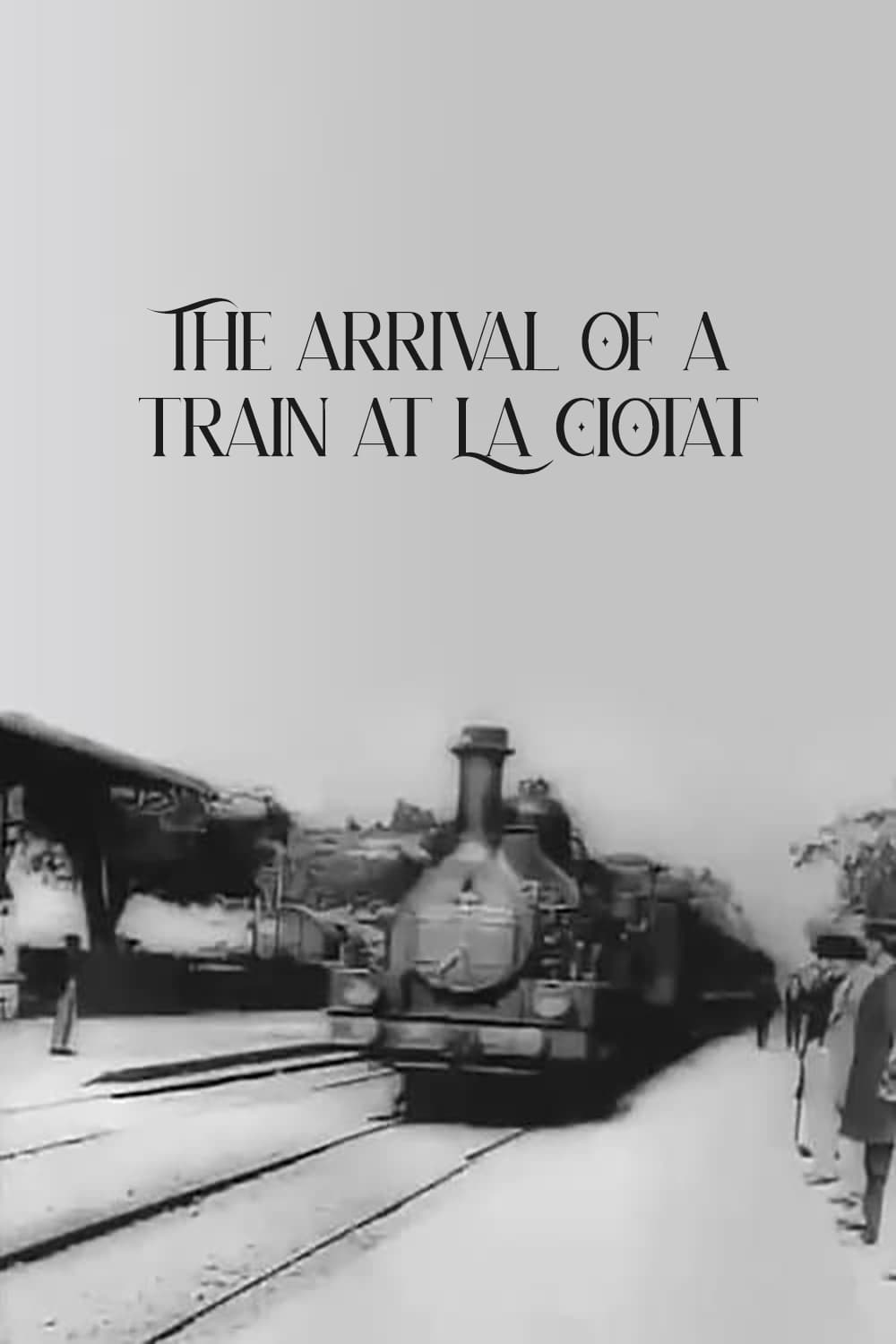
A group of people are standing along the platform of a railway station in La Ciotat, waiting for a train. One is seen coming, at some distance, and eventually stops at the platform. Doors of the railway-cars open and attendants help passengers off and on. Popular legend has it that, when this film was shown, the first-night audience fled the café in terror, fearing being run over by the "approaching" train. This legend has since been identified as promotional embellishment, though there is evidence to suggest that people were astounded at the capabilities of the Lumières' cinématographe.
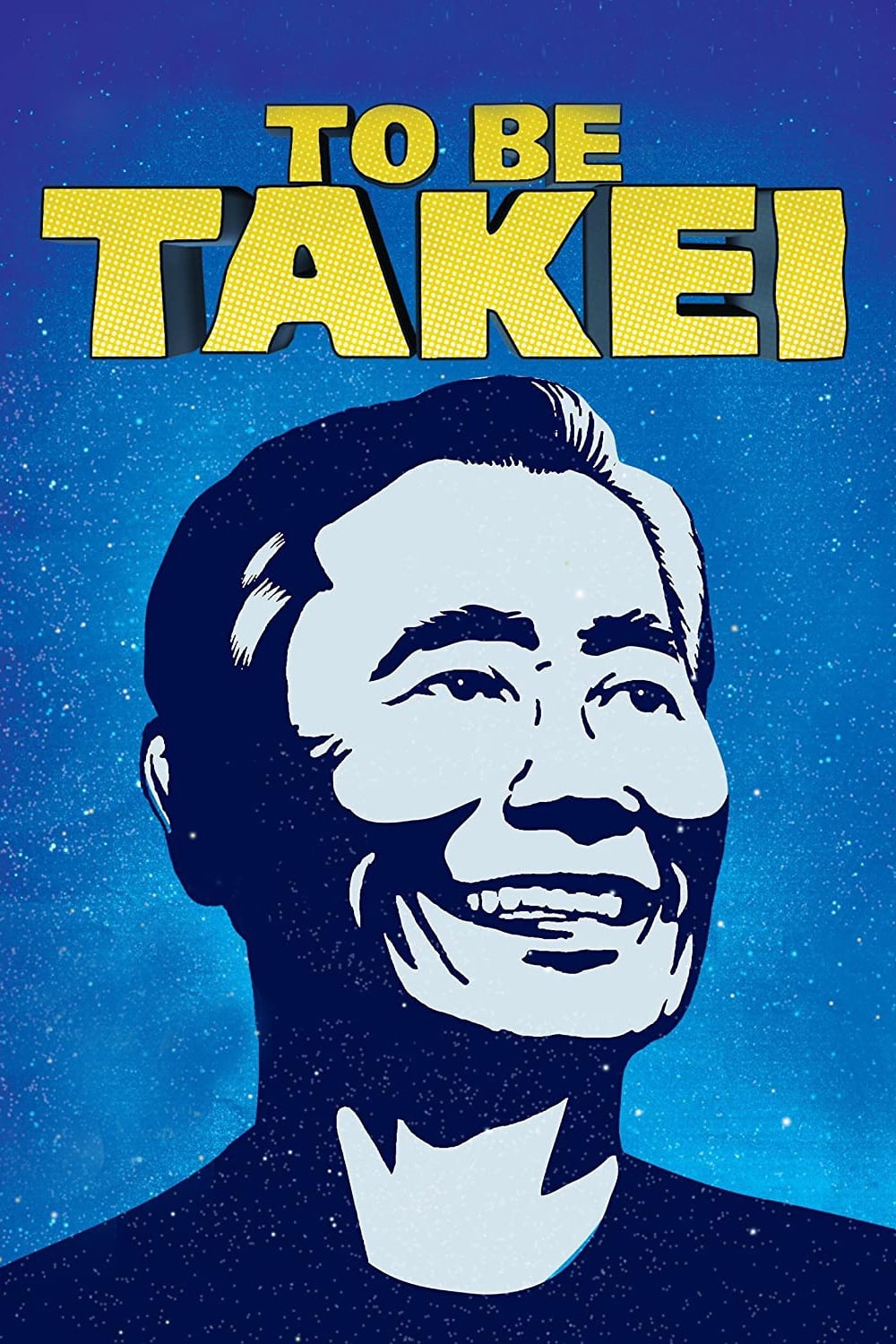
Over seven decades, actor and activist George Takei journeyed from a World War II internment camp to the helm of the Starship Enterprise, and then to the daily news feeds of five million Facebook fans. Join George and his husband, Brad, on a wacky and profound trek for life, liberty, and love.
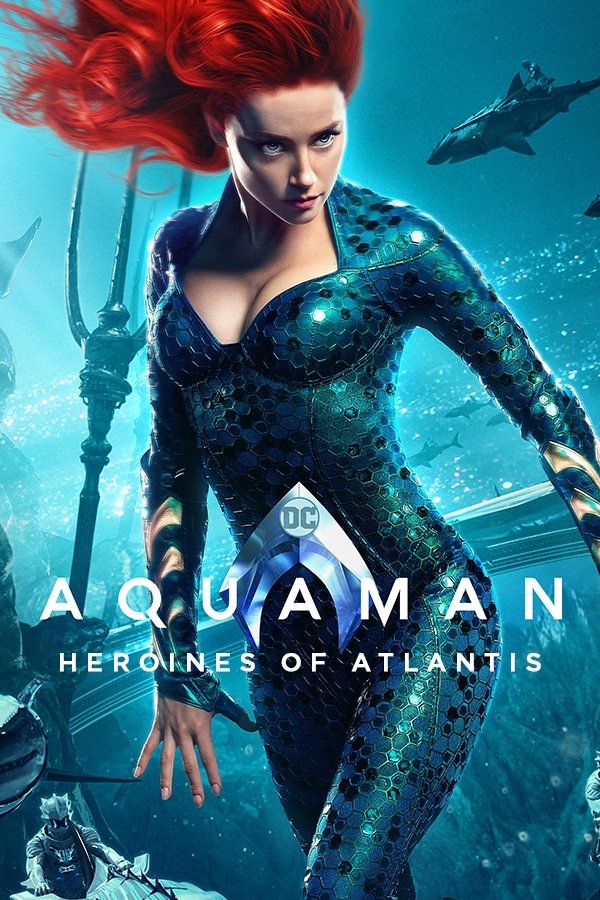
Amber Heard and Nicole Kidman discuss their characters Mera and Atlanna.
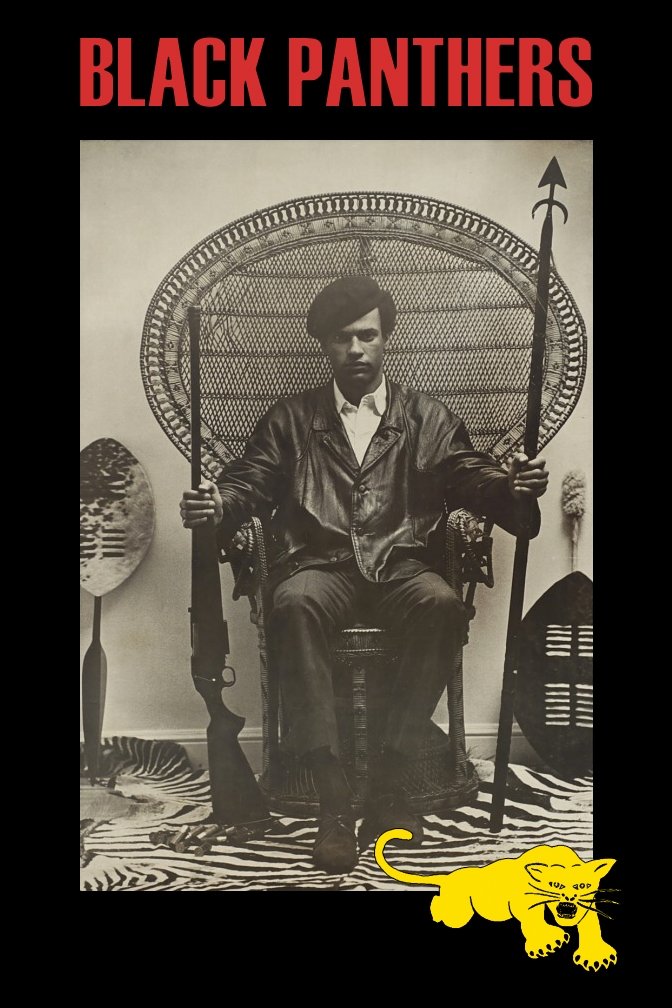
A film shot during the summer of 1968 in Oakland, California around the meetings organised by the Black Panthers Party to free Huey Newton, one of their leaders, and to turn his trial into a political debate. They tried and succeeded in catching America’s attention.
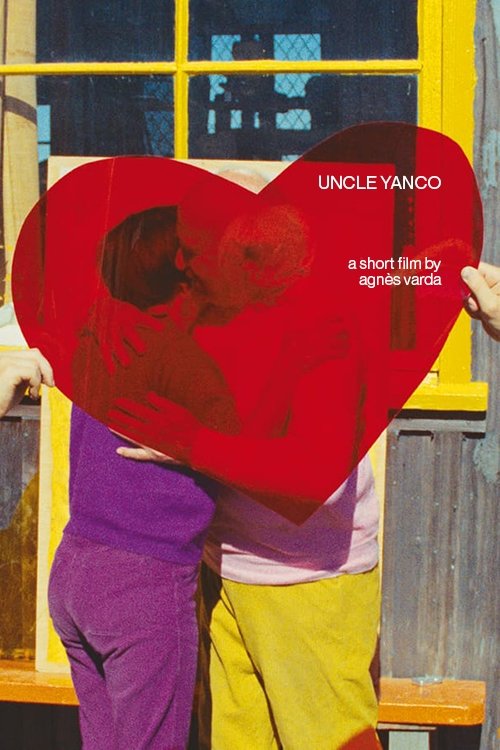
While in San Francisco for the promotion of her last film in October 1967, Agnès Varda, tipped by her friend Tom Luddy, gets to know a relative she had never heard of before, Jean Varda, nicknamed "Yanco". This hitherto unknown uncle lives on a boat in Sausalito, is a painter, has adopted a hippie lifestyle and loves life. The meeting is a very happy one.
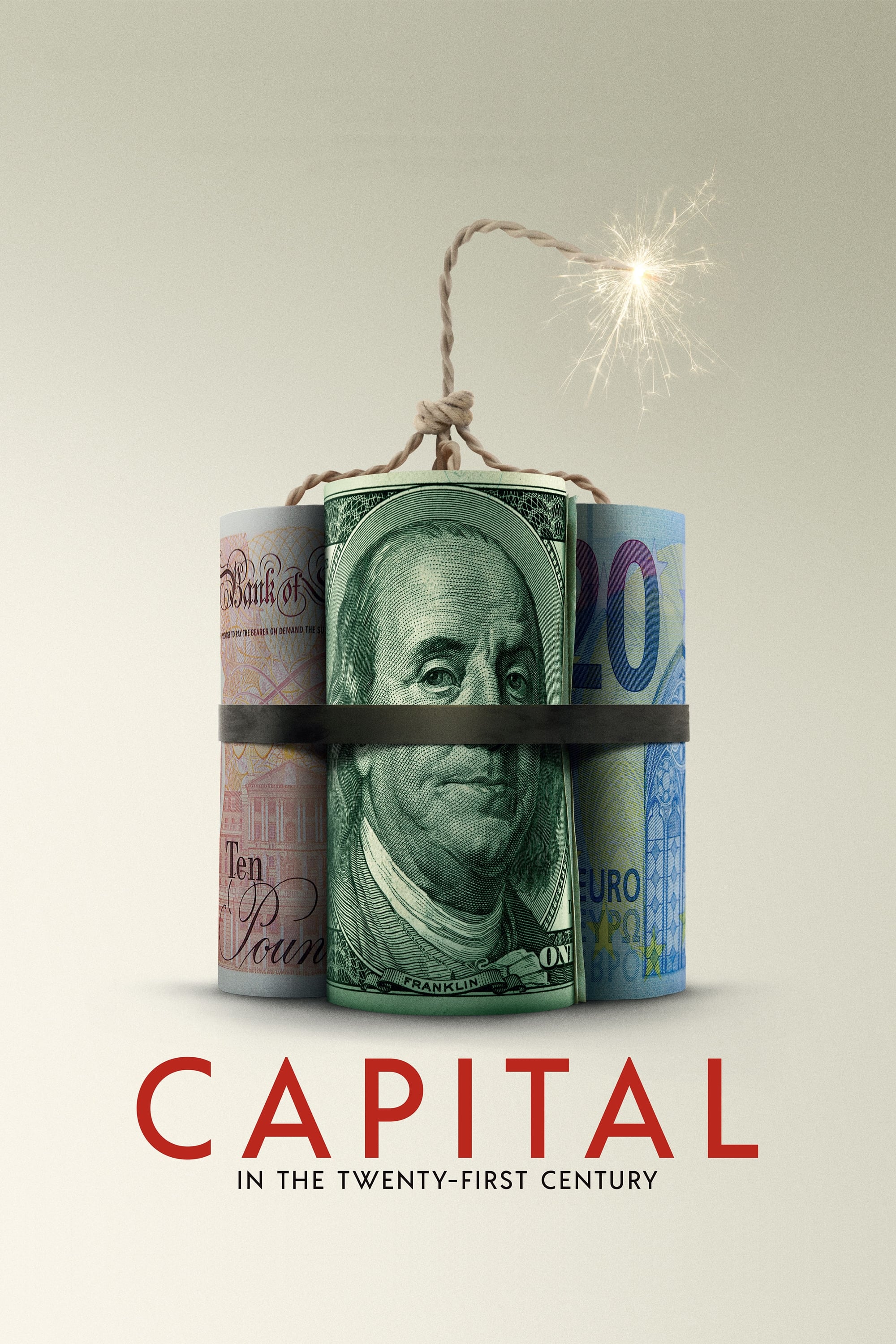
Film adaptation of French economist Thomas Piketty's ground-breaking global bestseller of the same name: an eye-opening journey through wealth and power.
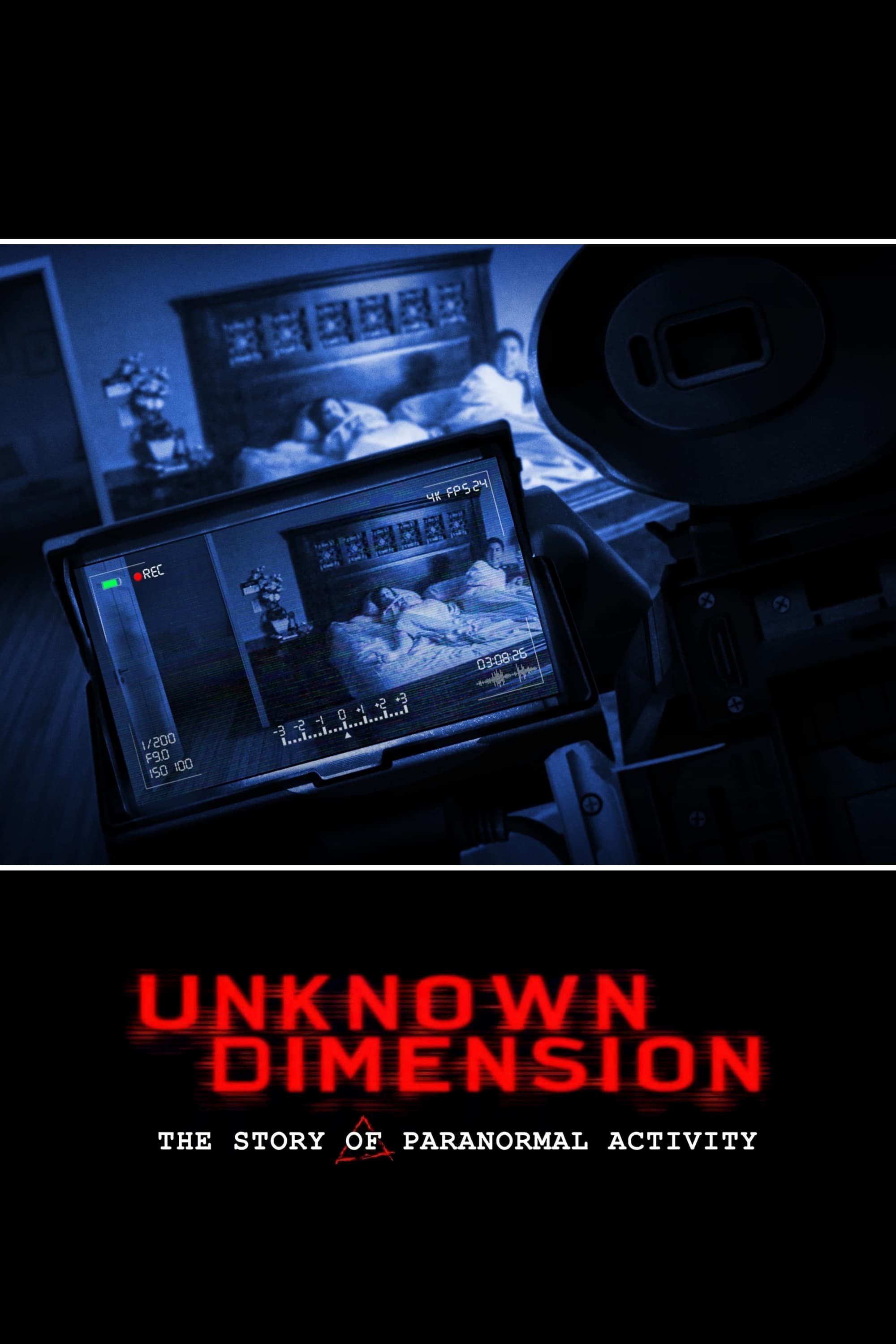
A deep dive into the making of the Paranormal Activity films with first time ever interviews with cast and crew, never-before-seen footage from the movies, and a preview of the seventh installment in the franchise.