Social & External
The people behind it
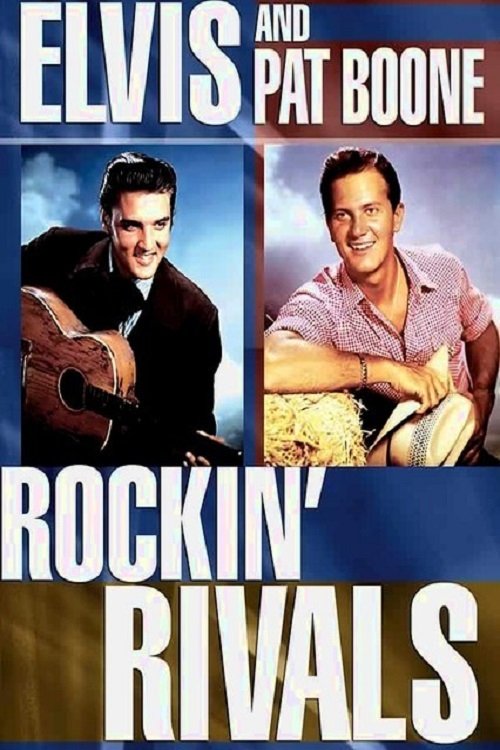
Elvis Presley & Pat Boone were two of the hottest forces on the early rock ‘n’ roll music scene in the 1950’s. In this toe-tapping documentary, the good-nature chart-topping rivalry between the duo is explored through rare footage and newsreels. Interviews include Dick Clark, Tom Jones, Kenny Rogers, Glen Campbell, Phyllis McGuire, Bill Medley, Arlene Dahl, Joe Esposito, Shirley Jones and others.
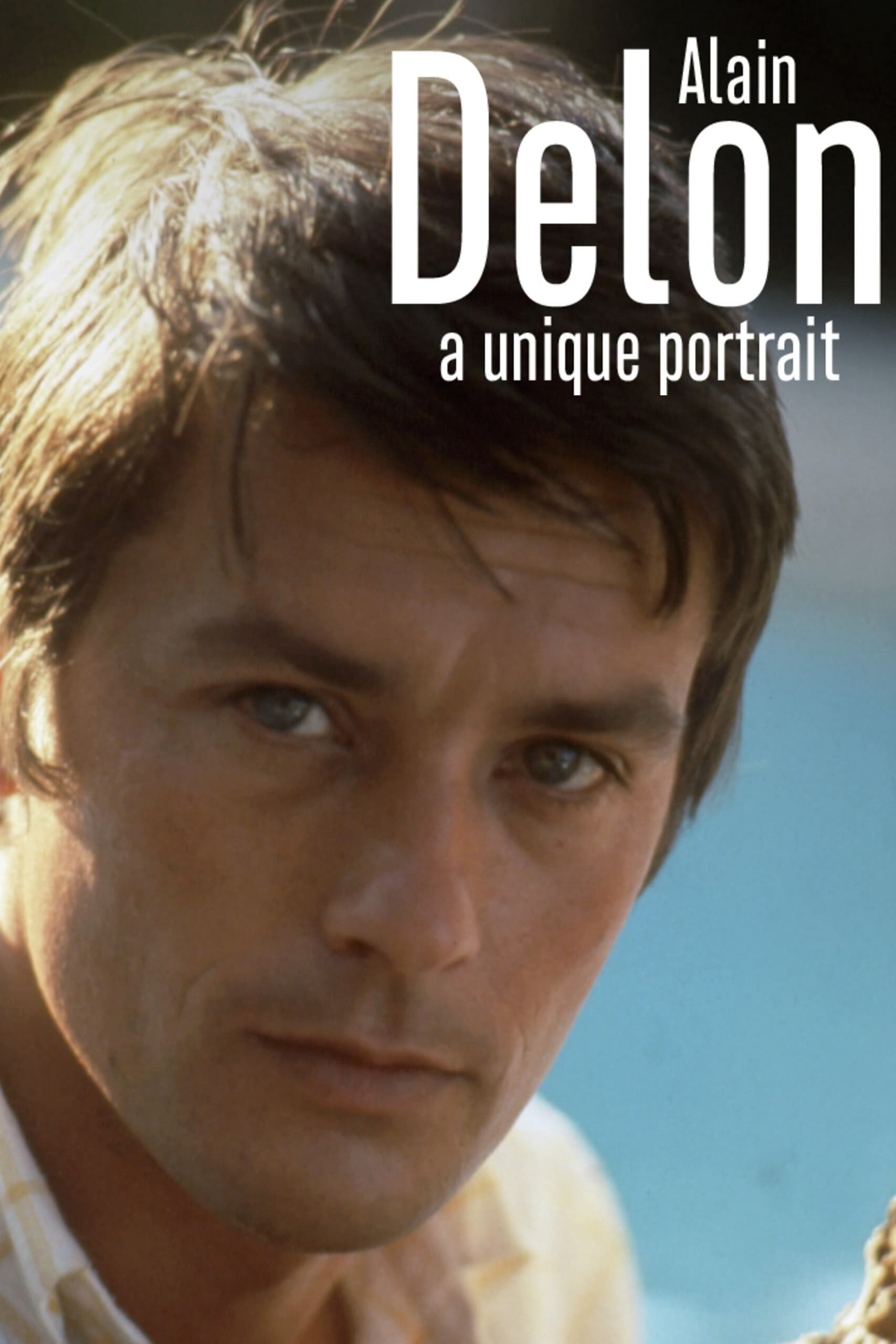
Biography of a star and figure study : This fascinating portrait is for anyone who wants to know more about the man behind the mask. By the end of the film, you will view this famous French icon in a totally different light. Delon speaks in a series of surprising interviews, spanning nearly 50 years.
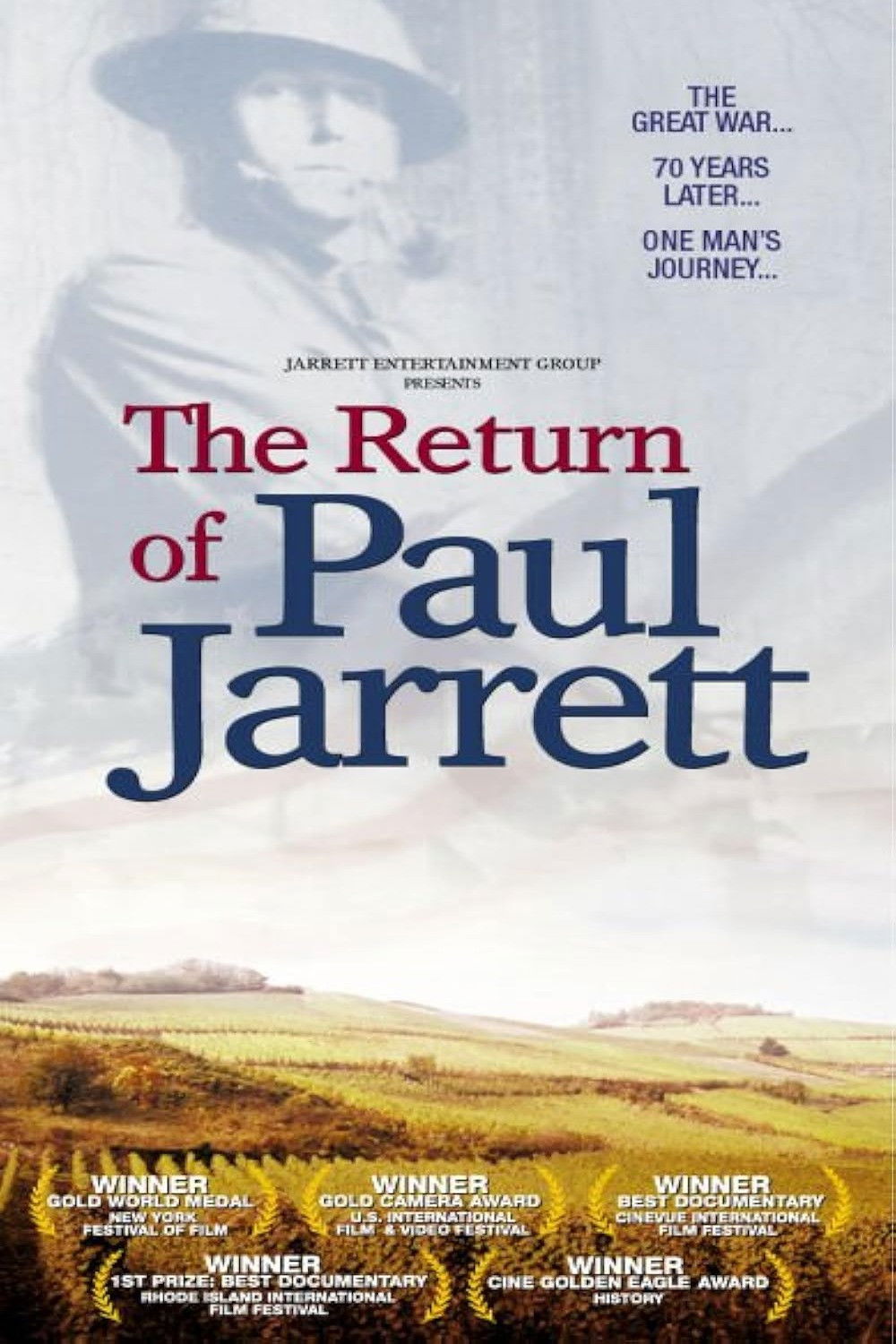
A very personal account of one of the last gentlemen of a dying era. In fact, Paul Jarrett will forever be remembered in the annals of American history as the last WWI veteran to ever return to the battlefields of France.
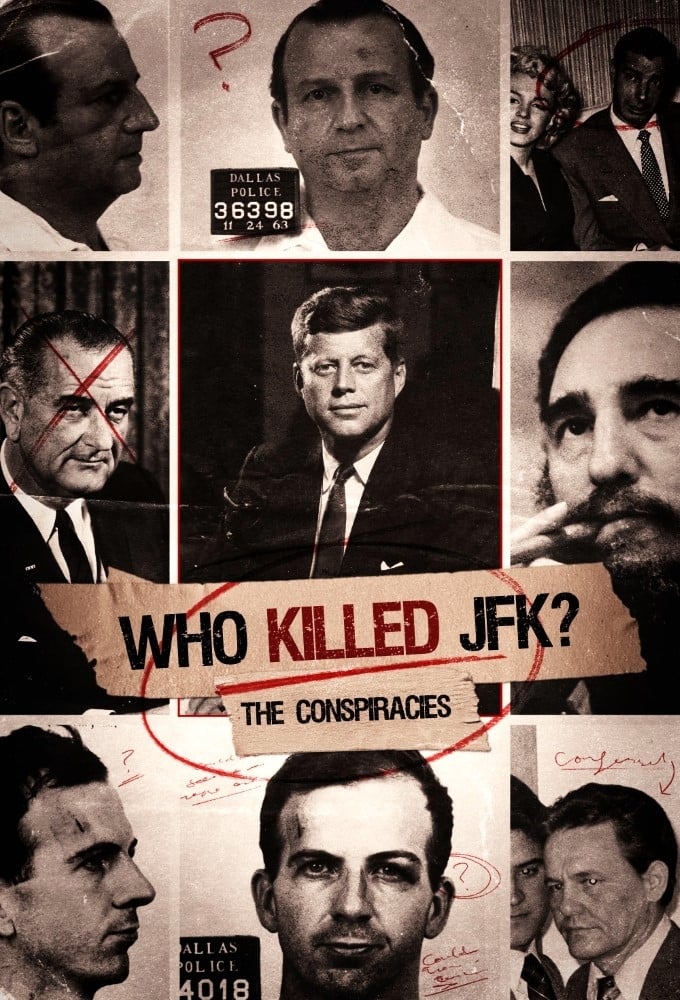
Over the decades, unanswered questions, tampered evidence, ulterior motives, and witness testimony surrounding the assassination has perpetuated conspiracy theories and alternative explanations that challenge the official narrative. Most of the figures involved--or knew who was involved--have mostly passed away, leaving avenues of investigation dead in their tracks. Over time, efforts to determine what happened have left more questions than answers. We take a look back on the moment that changed the course of world history, questioning the official record. Was the assassination a conspiracy?
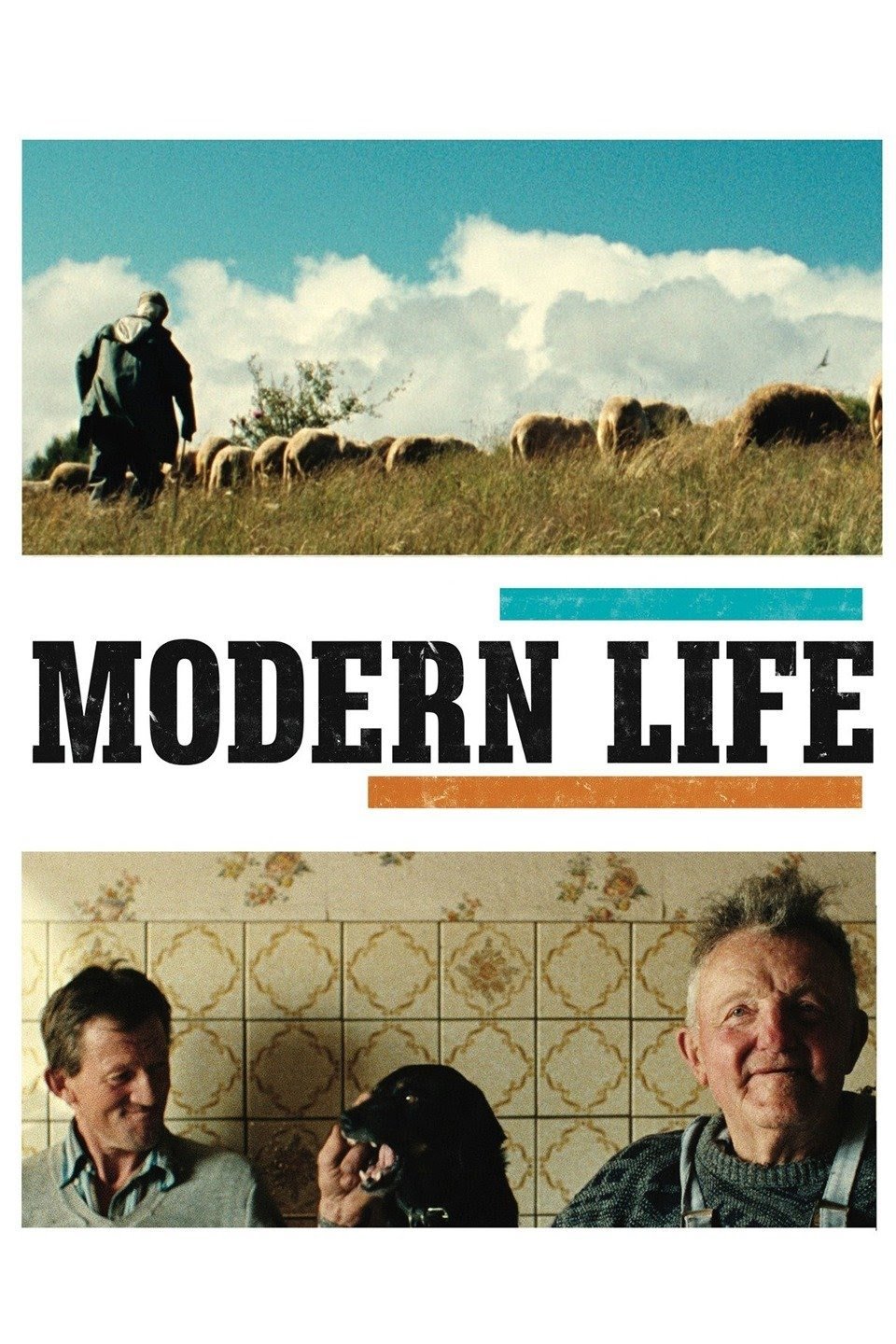
For ten years, Raymond Depardon has followed the lives of farmer living in the mountain ranges. He allows us to enter their farms with astounding naturalness. This moving film speaks, with great serenity, of our roots and of the future of the people who work on the land. This the last part of Depardon's triptych "Profils paysans" about what it is like to be a farmer today in an isolated highland area in France. "La vie moderne" examines what has become of the persons he has followed for ten years, while featuring younger people who try to farm or raise cattle or poultry, come hell or high water.
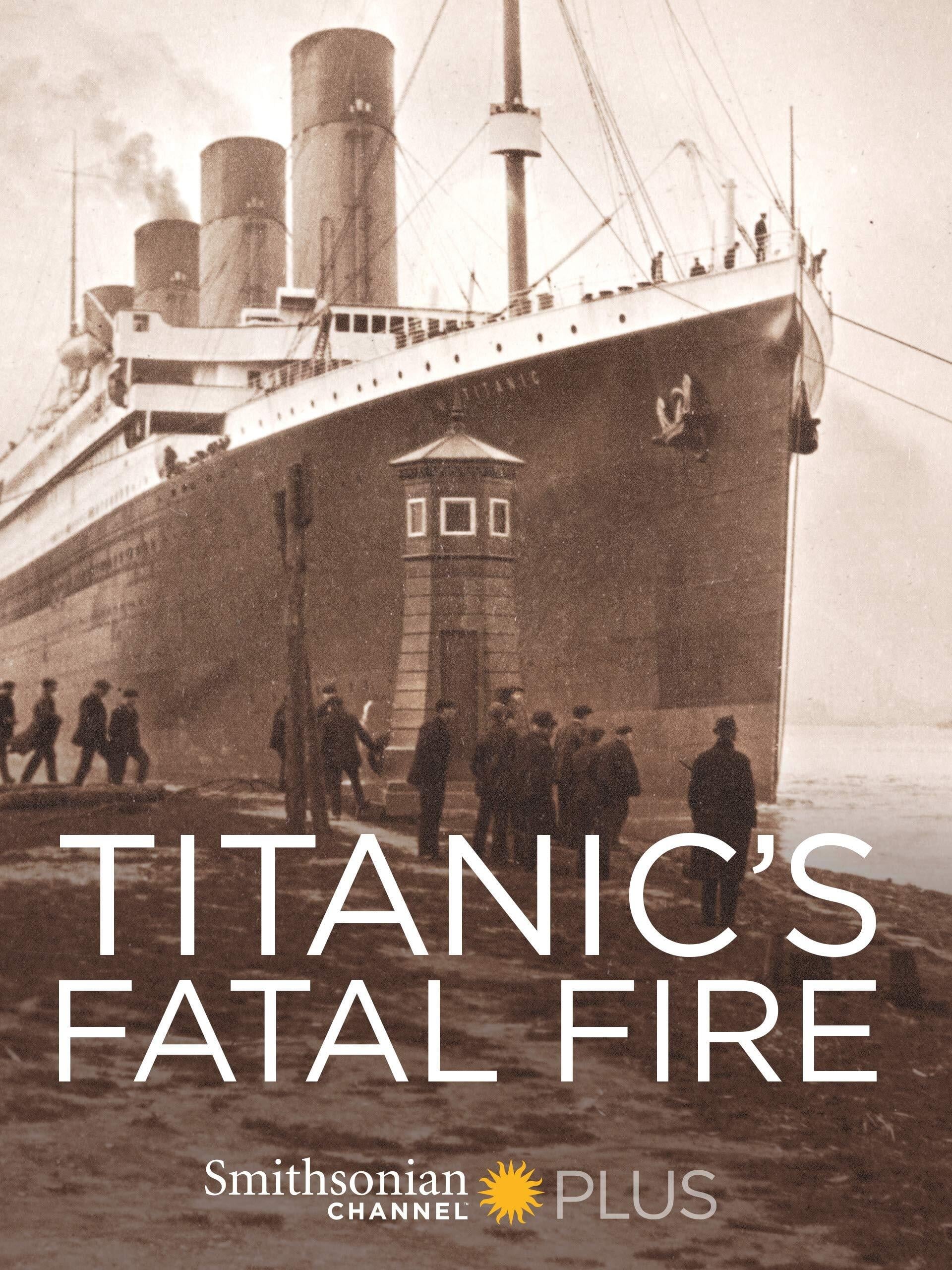
The sinking of the Titanic sent shockwaves around the world and started debates that continue to this day. But new, explosive evidence from the most unlikely of sources may finally lay all arguments to rest and reveal, for the first time, the full story of what possibly doomed the "unsinkable" liner. Join us as we unveil recently discovered and never-before-seen photographs of the super ship that exposes shocking clues that investigators and historians once dismissed but can no longer ignore.
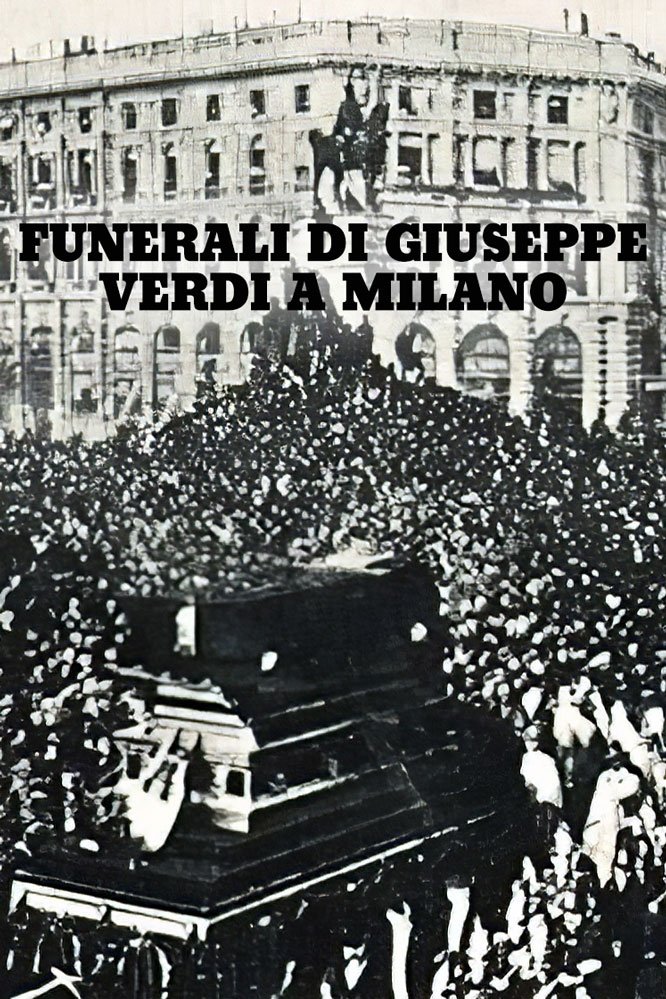
On 28 January 1901 the great musician Giuseppe Verdi died from the consequences of a stroke that had struck him six days earlier. These very rare images, captured in Milan on 27 February 1901 by the operator and pioneer of Milanese cinema Italo Pacchioni, document the transfer of the Maestro's body from the Monumental Cemetery of Milan to the famous retirement home for musicians which he himself founded.
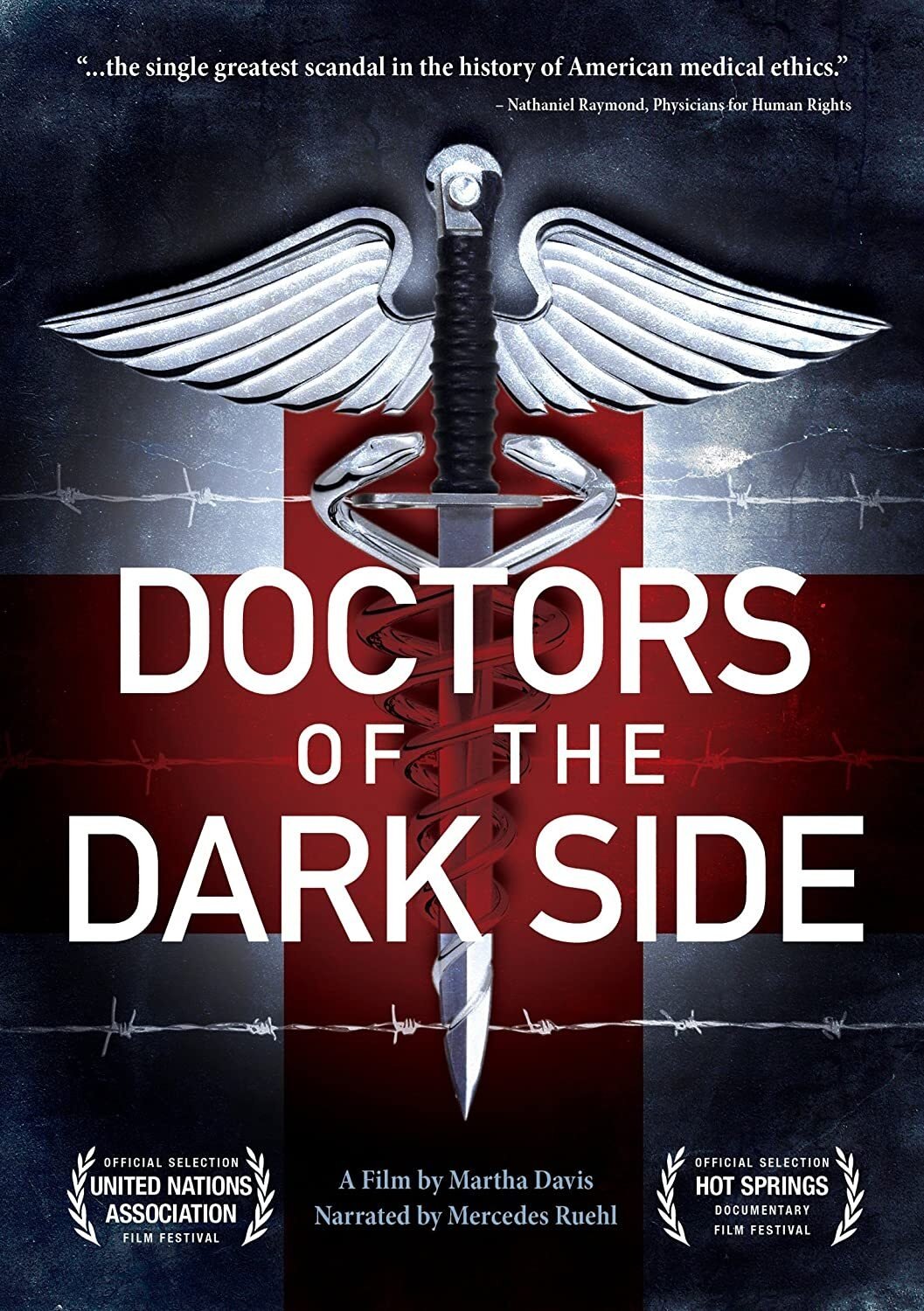
Doctors of the Dark Side is the first feature length documentary about the pivotal role of physicians and psychologists in detainee torture. The stories of four detainees and the doctors involved in their abuse demonstrate how US Army and CIA doctors implemented the Enhanced Interrogation Techniques and covered up signs of torture at Guantanamo and Abu Ghraib. Interviews with medical, legal and intelligence experts and evidence from declassified government memos document what has been called the greatest scandal in American medical ethics. Based on four years of research by Producer/Director Martha Davis, written by Oscar winning Mark Jonathan Harris, and filmed in HD by Emmy winning DP Lisa Rinzler, the film shows how the torture of detainees could not continue without the assistance of the doctors.
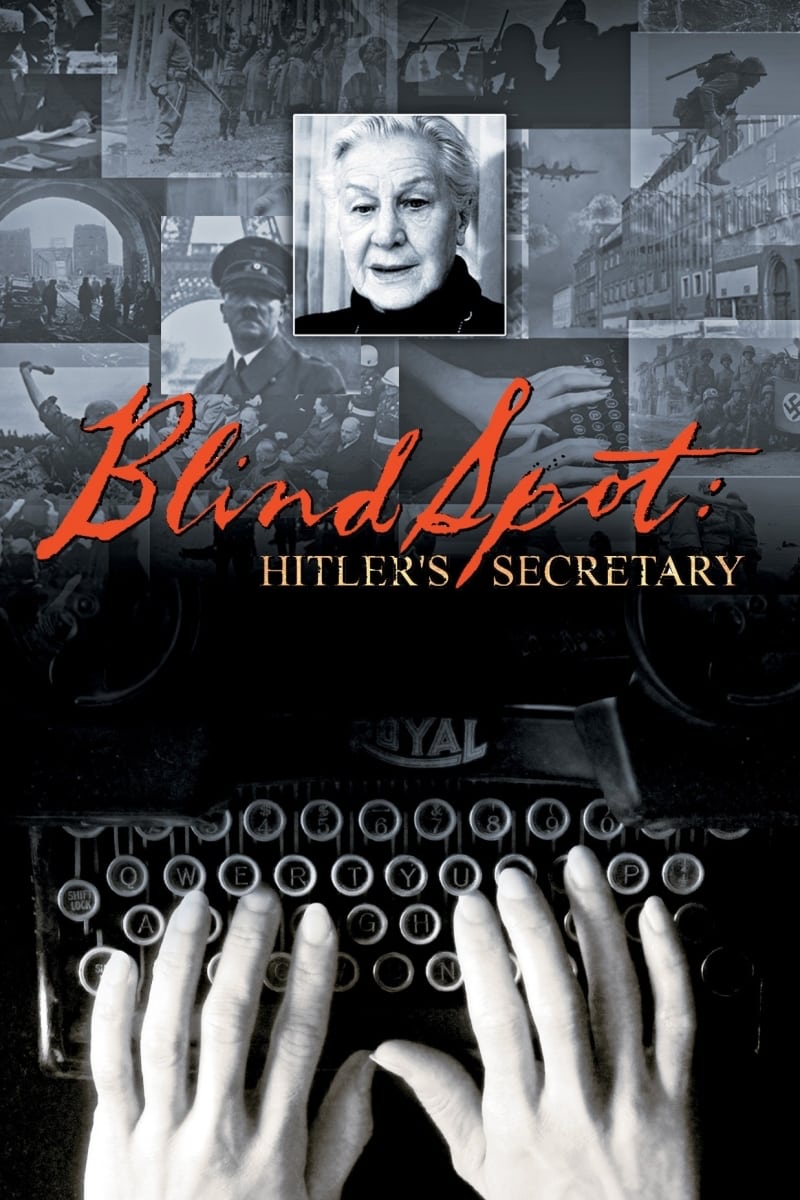
Documentarians Andre Heller and Othmar Schmiderer turn their camera on 81-year-old Traudl Junge, who served as Adolf Hitler's secretary from 1942 to 1945, and allow her to speak about her experiences. Junge sheds light on life in the Third Reich and the days leading up to Hitler's death in the famed bunker, where Junge recorded Hitler's last will and testament. Her gripping account is nothing short of mesmerizing.
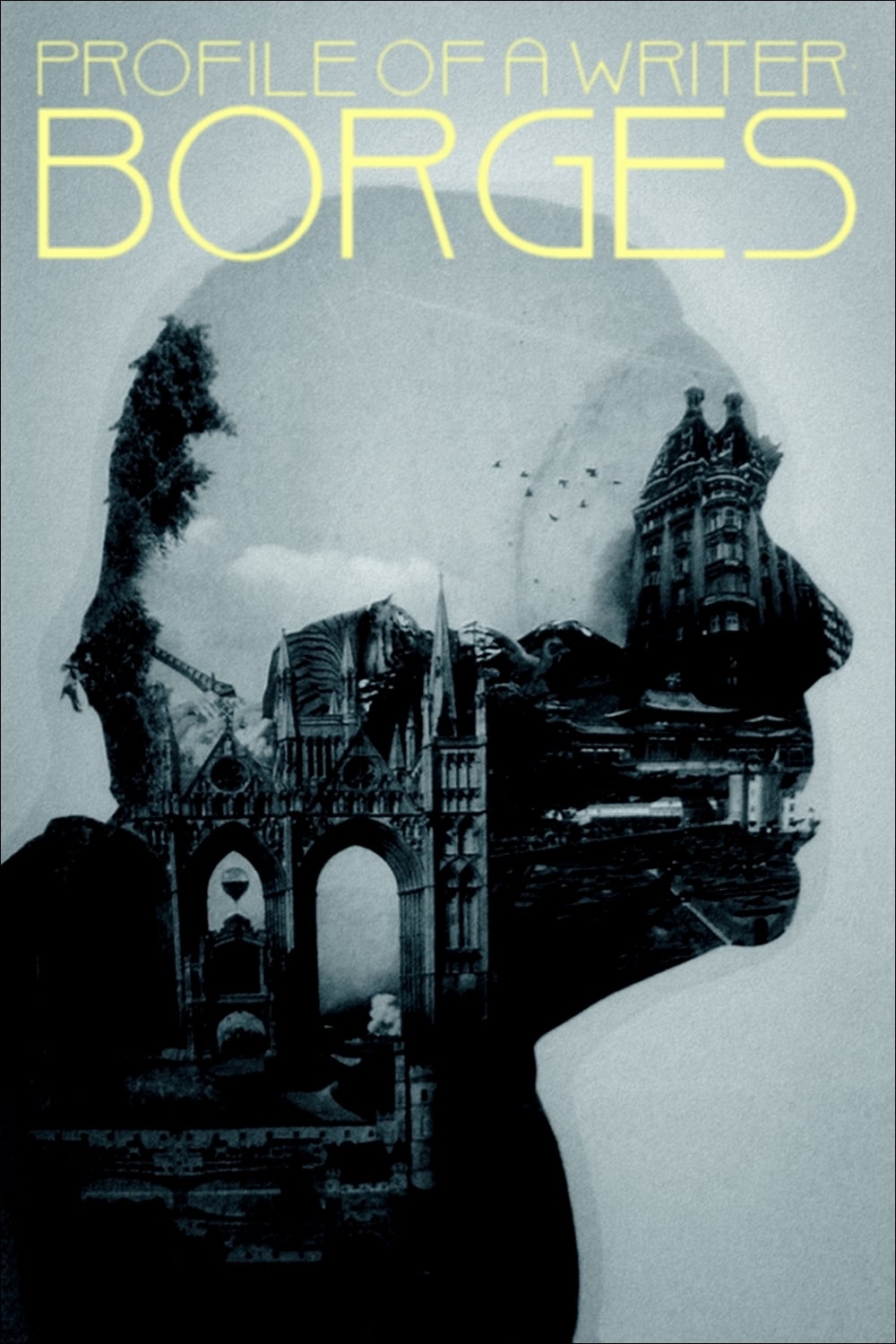
This documentary examines Borges' extraordinary life and work, using dramatizations of his most memorable stories and rare interview footage with the author at his Buenos Aires home.
Revisiting the 1994 Arkansas murder of three 8-year-old boys and the three teenagers convicted of the crime. A follow up to Paradise Lost, Revelations features new interviews with the convicted men, as well as with the original judge and police investigators.
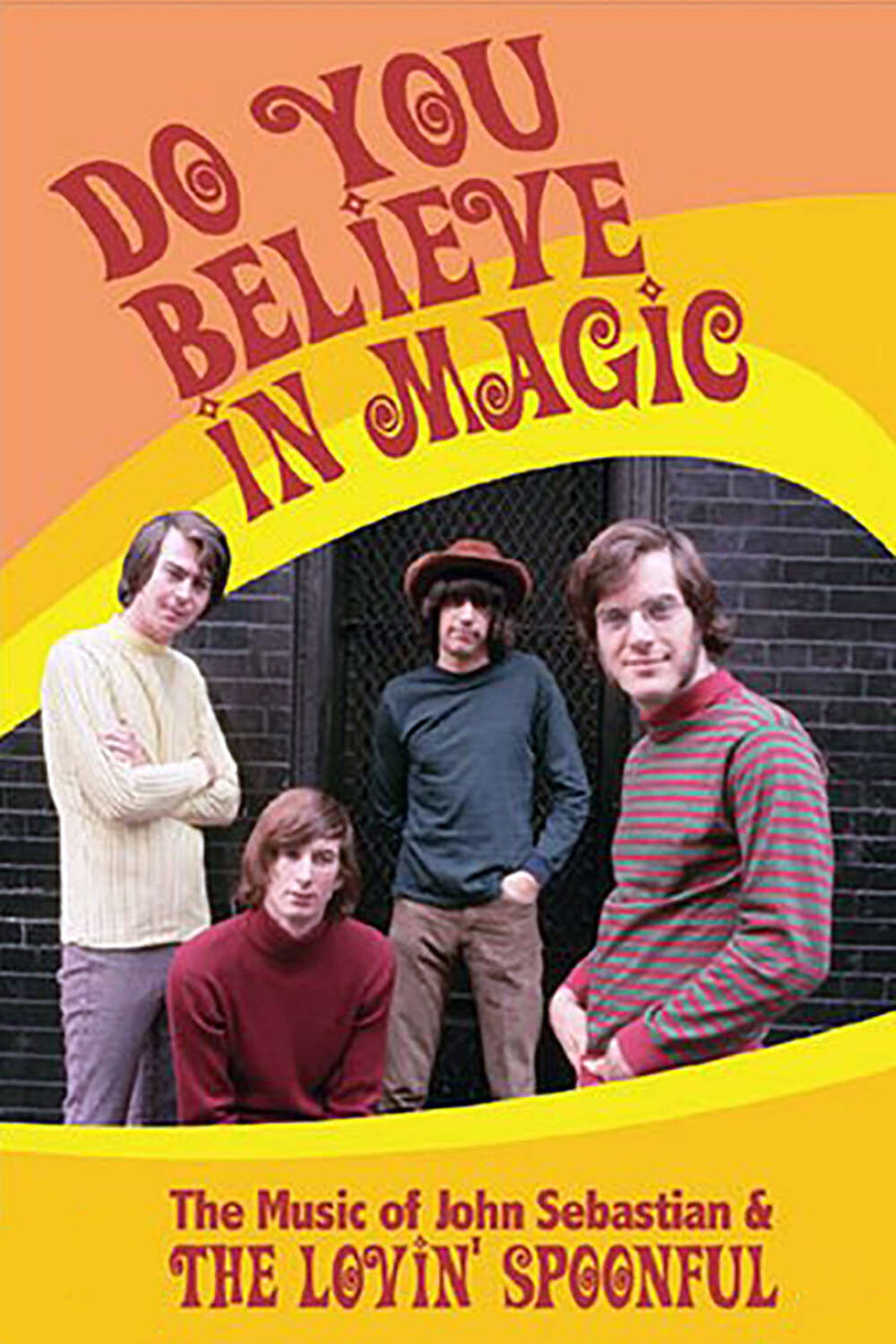
Pop sensations the Lovin' Spoonful perform their biggest hits in this collection of television appearances from the 1960s and '70s. Lead singer and songwriter John Sebastian discusses the band, their music and their legacy. Songs include "Summer in the City," "She's Still a Mystery," "Nashville Cats," the hit theme to the sitcom "Welcome Back, Kotter," "Did You Ever Have to Make Up Your Mind?" and "Do You Believe in Magic?"
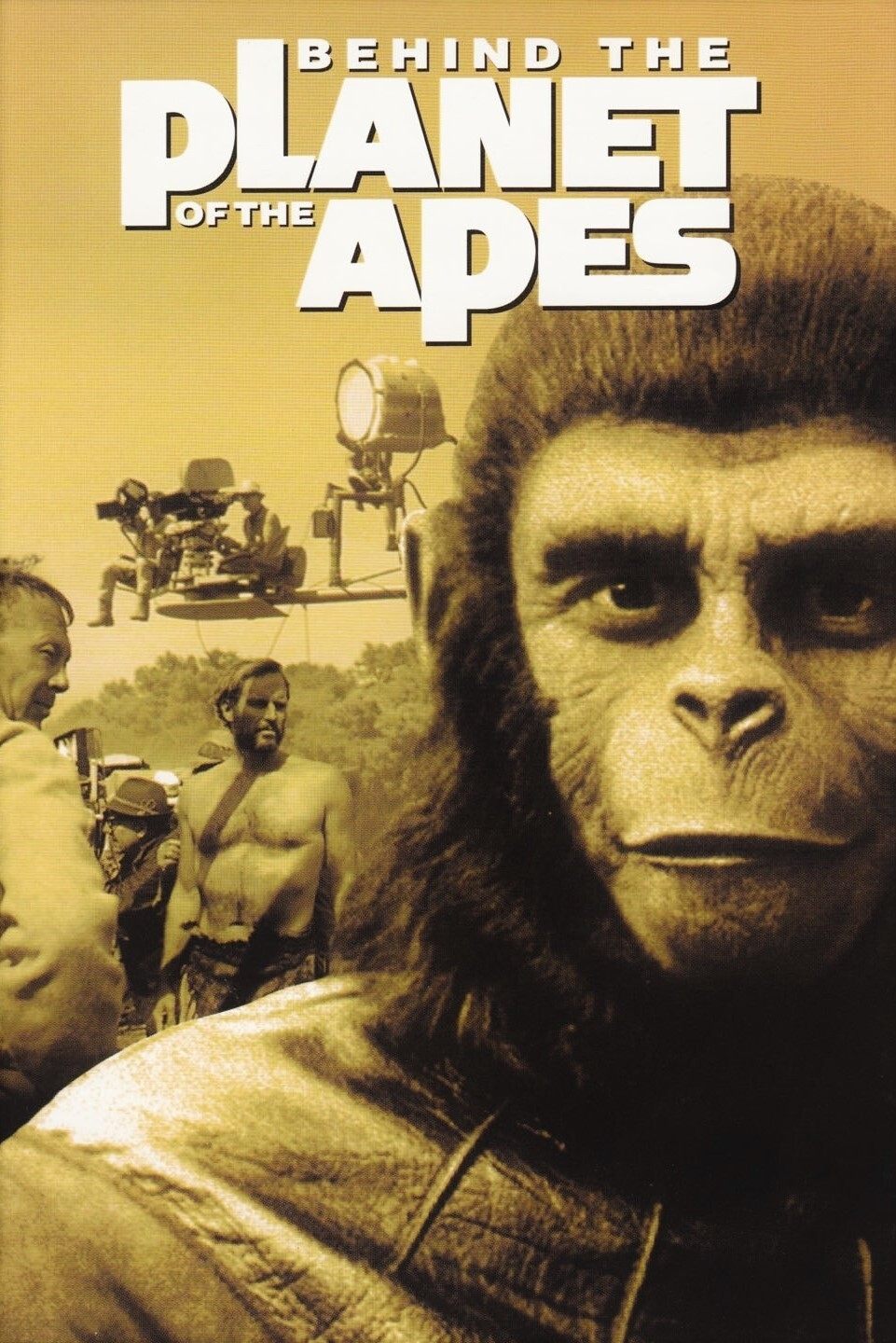
Roddy McDowall takes you, film by film, from production meetings to make-up sessions, then right onto the movie set to see the actual filming of the science fiction masterpiece. The most comprehensive history of Planet of the Apes ever created, this fascinating 127-minute documentary explores one of the most imaginative and influential series in movie history.
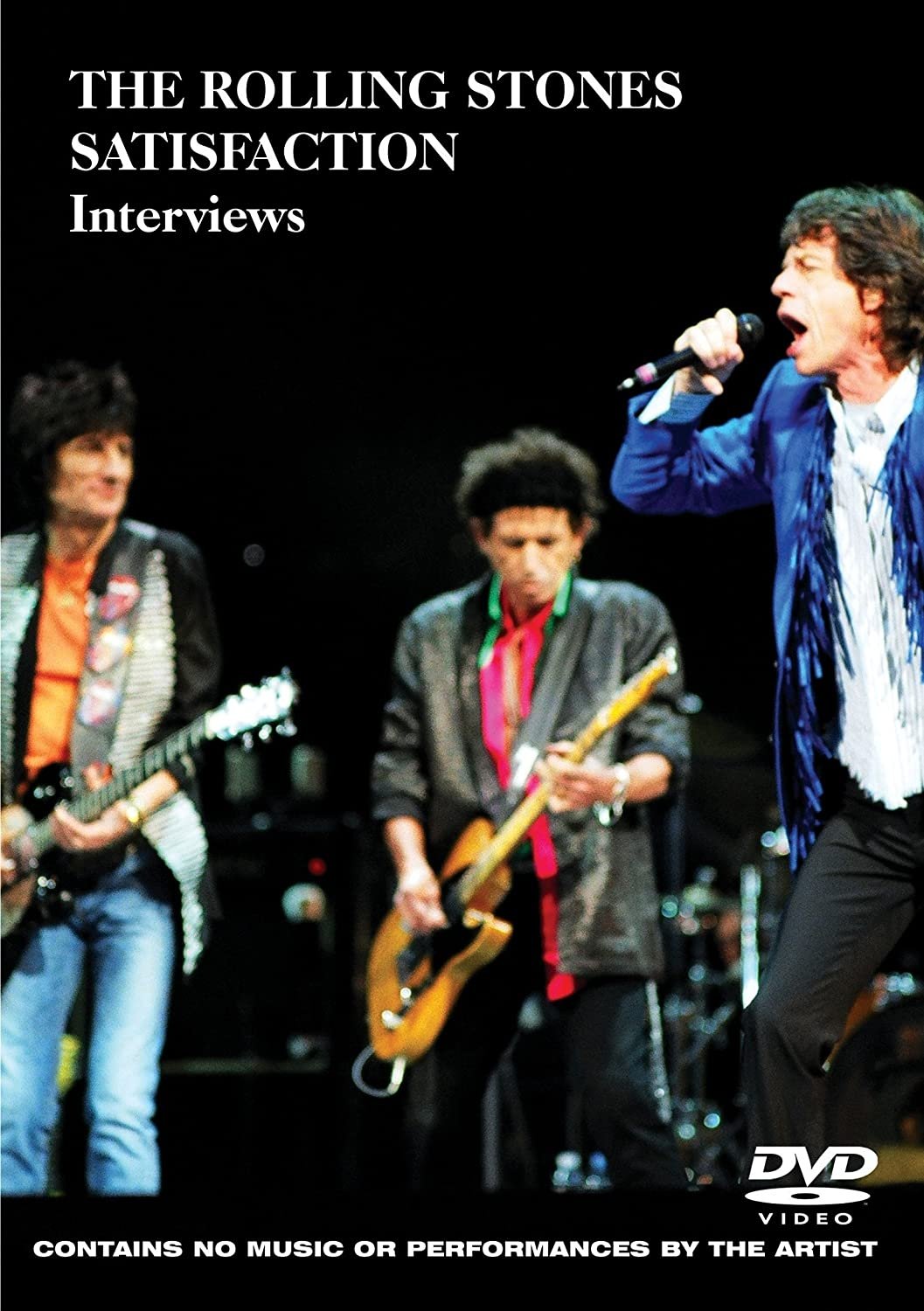
This film contains interview material and archival footage presented all on one film. It begins with very rare black and white Australian documentary from the 60s with Jagger looking like the rebel, and Keith, looking somewhat wasted, talking about Brian Jones in some depth. Also featured are press conferences, a classic interview with Mick, Ronnie and a hung over Charlie Watts, the Life Time Achievements awards, Bill Wyman interview, Keith on why he loves the Stones, Charlie speaking about touring etc, and a long Australian interview to finish.
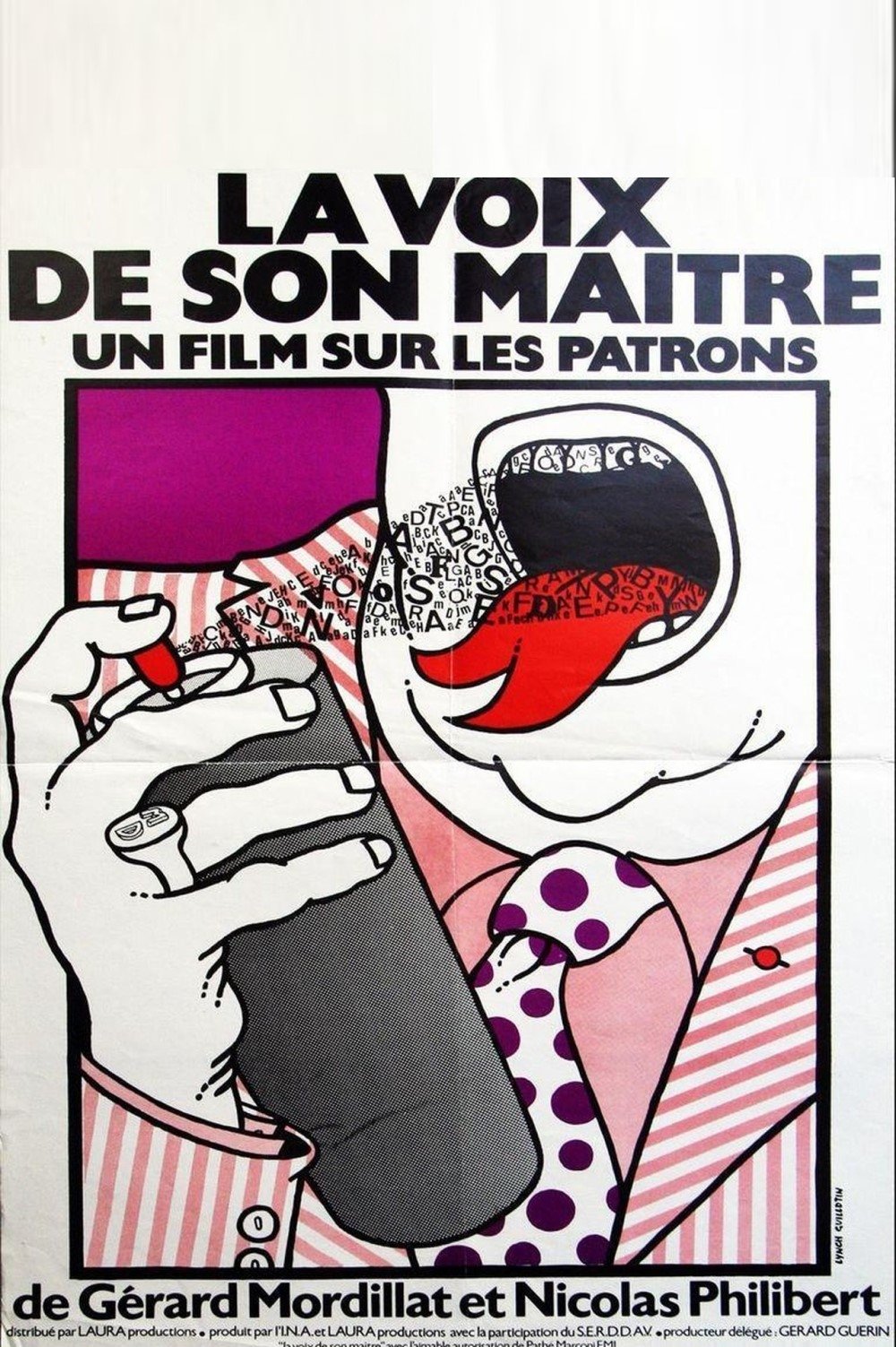
Jacques Lemonnier of IBM France, Francois Dalle of L'Oreal and other ultrapowerful French moguls are surprisingly candid -- and cold-blooded -- as they discuss their attitudes about business in this startling 1978 documentary. After sounding off about unions, strikes, hierarchy and management, the subjects realized how callous they sounded and managed to convince the French government to suppress the film.
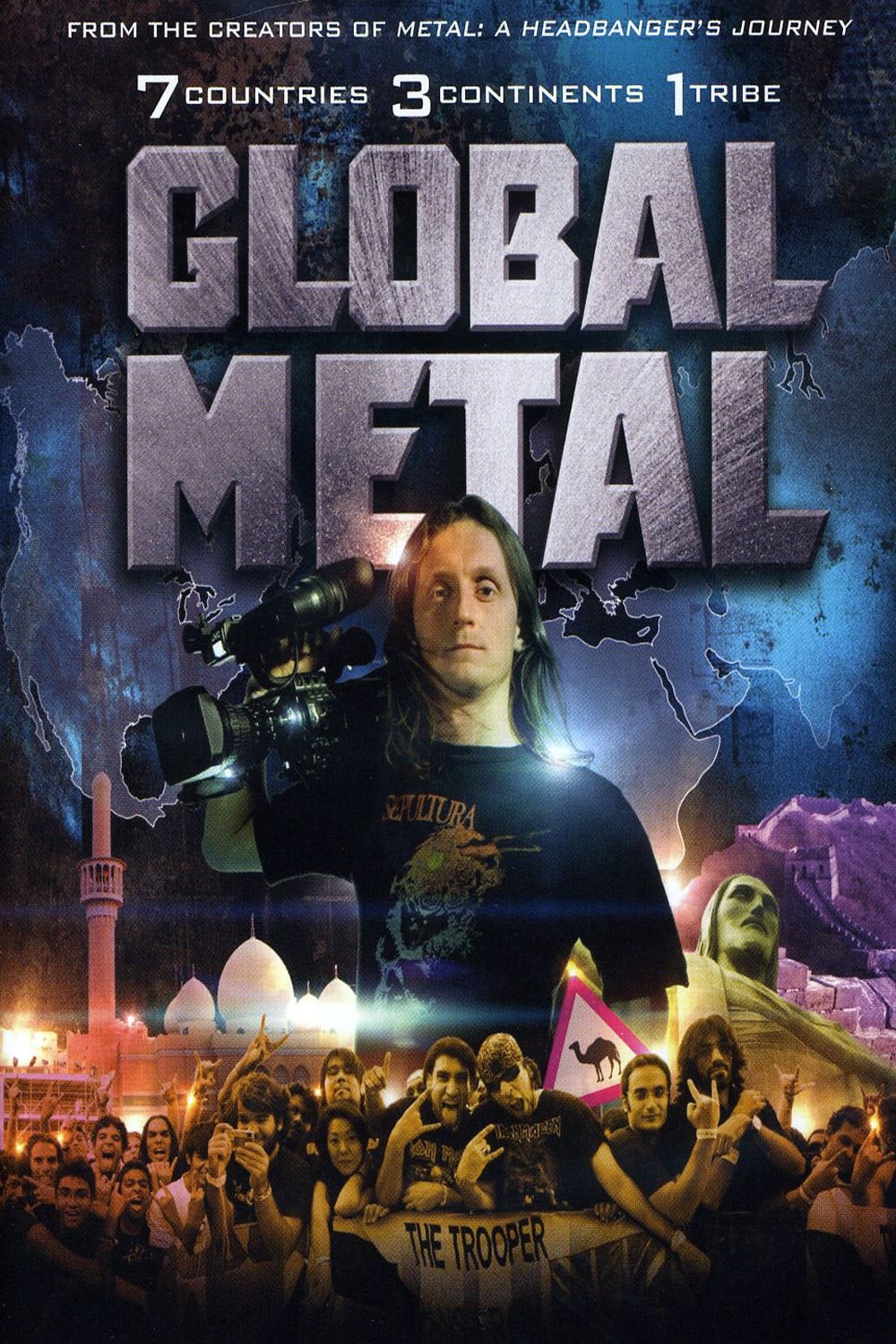
In GLOBAL METAL, directors Scot McFadyen and Sam Dunn set out to discover how the West's most maligned musical genre - heavy metal - has impacted the world's cultures beyond Europe and North America. The film follows metal fan and anthropologist Sam Dunn on a whirlwind journey through Asia, South America and the Middle East as he explores the underbelly of the world's emerging extreme music scenes; from Indonesian death metal to Chinese black metal to Iranian thrash metal. GLOBAL METAL reveals a worldwide community of metalheads who aren't just absorbing metal from the West - they're transforming it - creating a new form of cultural expression in societies dominated by conflict, corruption and mass-consumerism.
Augusto and Paulina have been together for 25 years. Eight years ago, he was diagnosed with Alzheimer's disease. Both fear the day he no longer recognizes her.
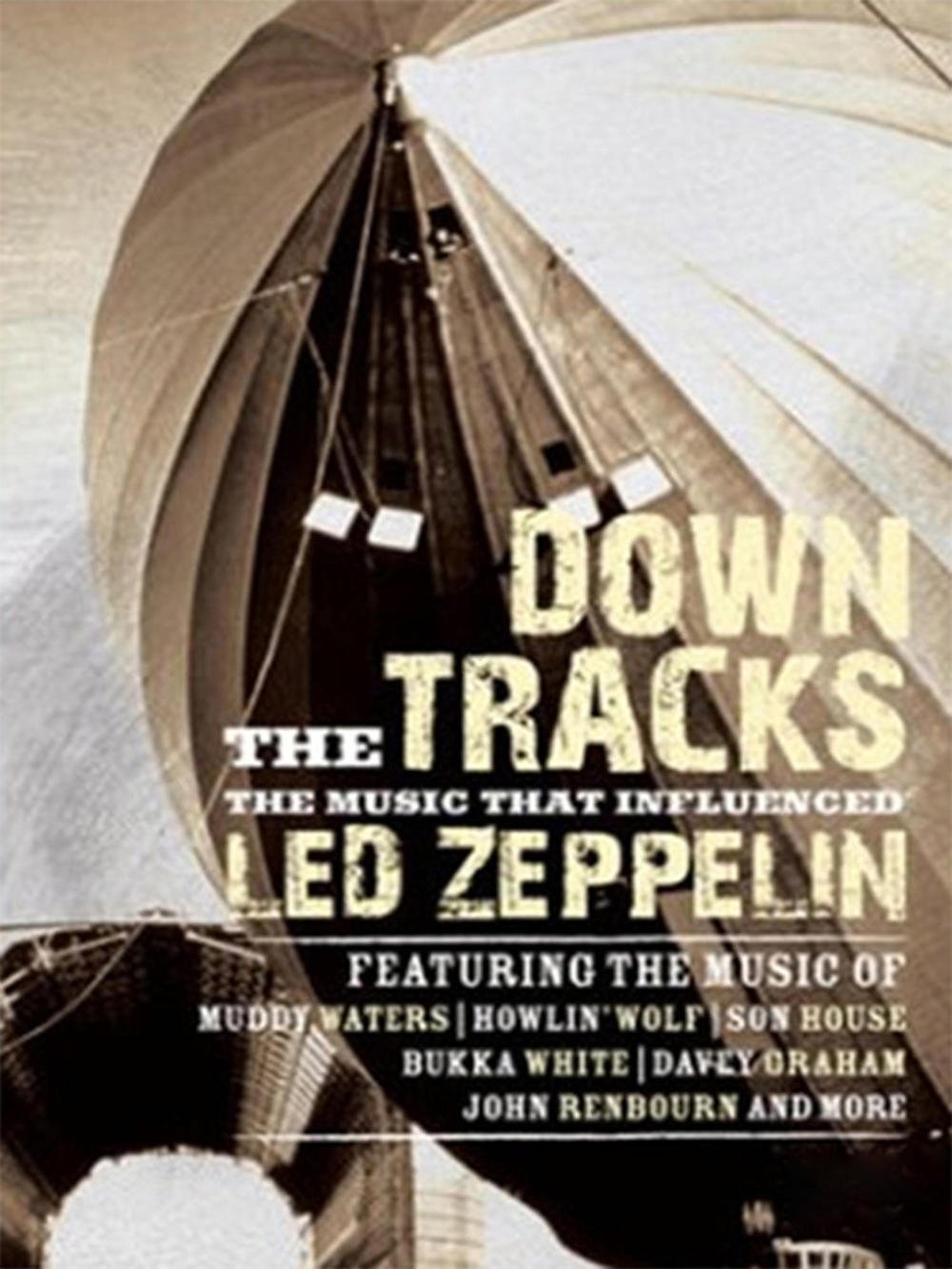
Delve into the musical influences of iconic rockers Led Zeppelin, whose epic brand of arena rock grew out of a deep love of the blues, the skiffle and folk rock. Music historians and authors join producers Joe Boyd and Larry Cohn, as well as performers John Renbourn, Chas McDevitt and Davey Graham, in their analysis of the band's musical roots. An enthralling section also explores Zeppelin's fascination with the occult.
Boogie Man is a comprehensive look at political strategist, racist, and former Republican National Convention Committee chairman, Lee Atwater, who reinvigorated the Republican Party’s Southern Strategy to increase political support among white voters in the South by appealing to racism against African Americans. He mentored Karl Rove and George W. Bush and played a key role in the elections of Reagan and George H.W. Bush.
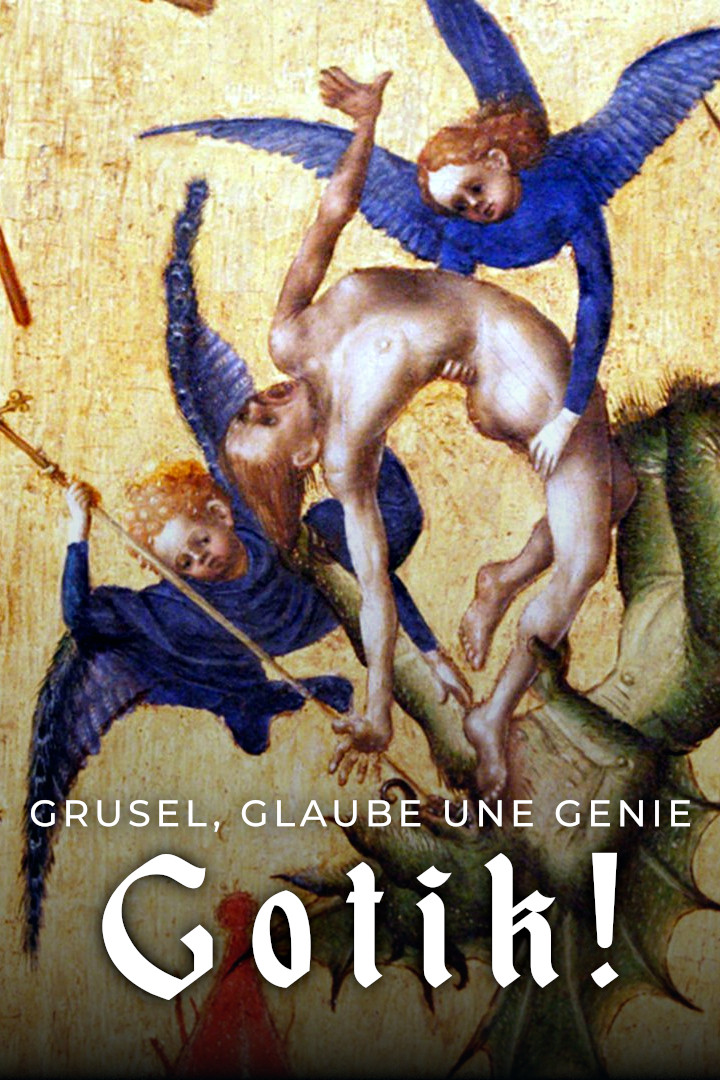
Death and the devil, nudity and eroticism, horror in blazing colours, Gothic art cast a spell over people 500 years ago. In these image-poor times, art deliberately and skilfully played with the emotions of the viewer, triggering fear, devotion, but also rapture. Art documentary on German gothic art of the late-middle ages.
Filmmaker Alain Resnais documents the atrocities behind the walls of Hitler's concentration camps.
Director Claude Lanzmann spent 11 years on this sprawling documentary about the Holocaust, conducting his own interviews and refusing to use a single frame of archival footage. Dividing Holocaust witnesses into three categories – survivors, bystanders, and perpetrators – Lanzmann presents testimonies from survivors of the Chelmno concentration camp, an Auschwitz escapee, and witnesses of the Warsaw Ghetto Uprising, as well as a chilling report of gas chambers from an SS officer at Treblinka.
“The Soviet Story” is a story of an Allied power, which helped the Nazis to fight Jews and which slaughtered its own people on an industrial scale. Assisted by the West, this power triumphed on May 9th, 1945. Its crimes were made taboo, and the complete story of Europe’s most murderous regime has never been told. Until now...
Meet the real-life airmen who inspired Masters of the Air as they share the harrowing and transformative events of the 100th Bomb Group.
A love letter from a young mother to her daughter, the film tells the story of Waad al-Kateab’s life through five years of the uprising in Aleppo, Syria as she falls in love, gets married and gives birth to Sama, all while cataclysmic conflict rises around her. Her camera captures incredible stories of loss, laughter and survival as Waad wrestles with an impossible choice– whether or not to flee the city to protect her daughter’s life, when leaving means abandoning the struggle for freedom for which she has already sacrificed so much.
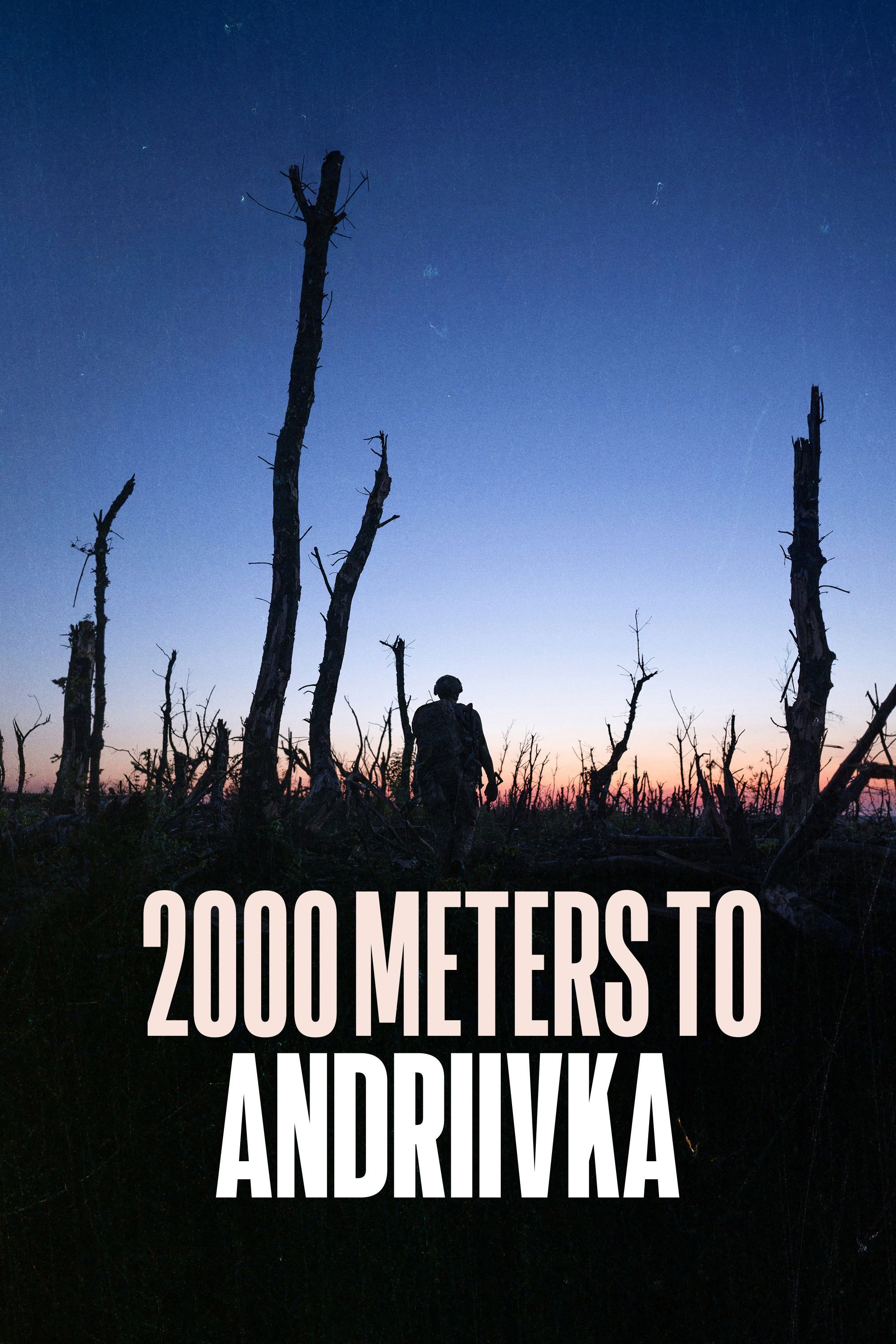
Amid the failing counteroffensive, a journalist follows a Ukrainian platoon on their mission to traverse one mile of heavily fortified forest and liberate a strategic village from Russian occupation. But the farther they advance through their destroyed homeland, the more they realize that this war may never end.
During the chaotic final weeks of the Vietnam War, the North Vietnamese Army closes in on Saigon as the panicked South Vietnamese people desperately attempt to escape. On the ground, American soldiers and diplomats confront a moral quandary: whether to obey White House orders to evacuate only U.S. citizens.
Prelude to War was the first film of Frank Capra's Why We Fight propaganda film series, commissioned by the Pentagon and George C. Marshall. It was made to convince American troops of the necessity of combating the Axis Powers during World War II. This film examines the differences between democratic and fascist states.
As the Russian invasion begins, a team of Ukrainian journalists trapped in the besieged city of Mariupol struggle to continue their work documenting the war's atrocities.
A documentary about World War I with never-before-seen footage to commemorate the centennial of Armistice Day, and the end of the war.
Over a period of two years, Mark Cowen and his crew travelled to thirty U.S. states and ten European cities, to interview the veterans of Easy Company. The stories told by the veterans themselves, create a history of the Second World War from the point of view of this heroic company of men, made famous in the mini-series Band of Brothers.
"Trinity and Beyond" is an unsettling yet visually fascinating documentary presenting the history of nuclear weapons development and testing between 1945-1963. Narrated by William Shatner and featuring an original score performed by the Moscow Symphony Orchestra, this award-winning documentary reveals previously unreleased and classified government footage from several countries.
A tribute to Italian filmmaker Sergio Corbucci (1926-90), presented by American filmmaker Quentin Tarantino.
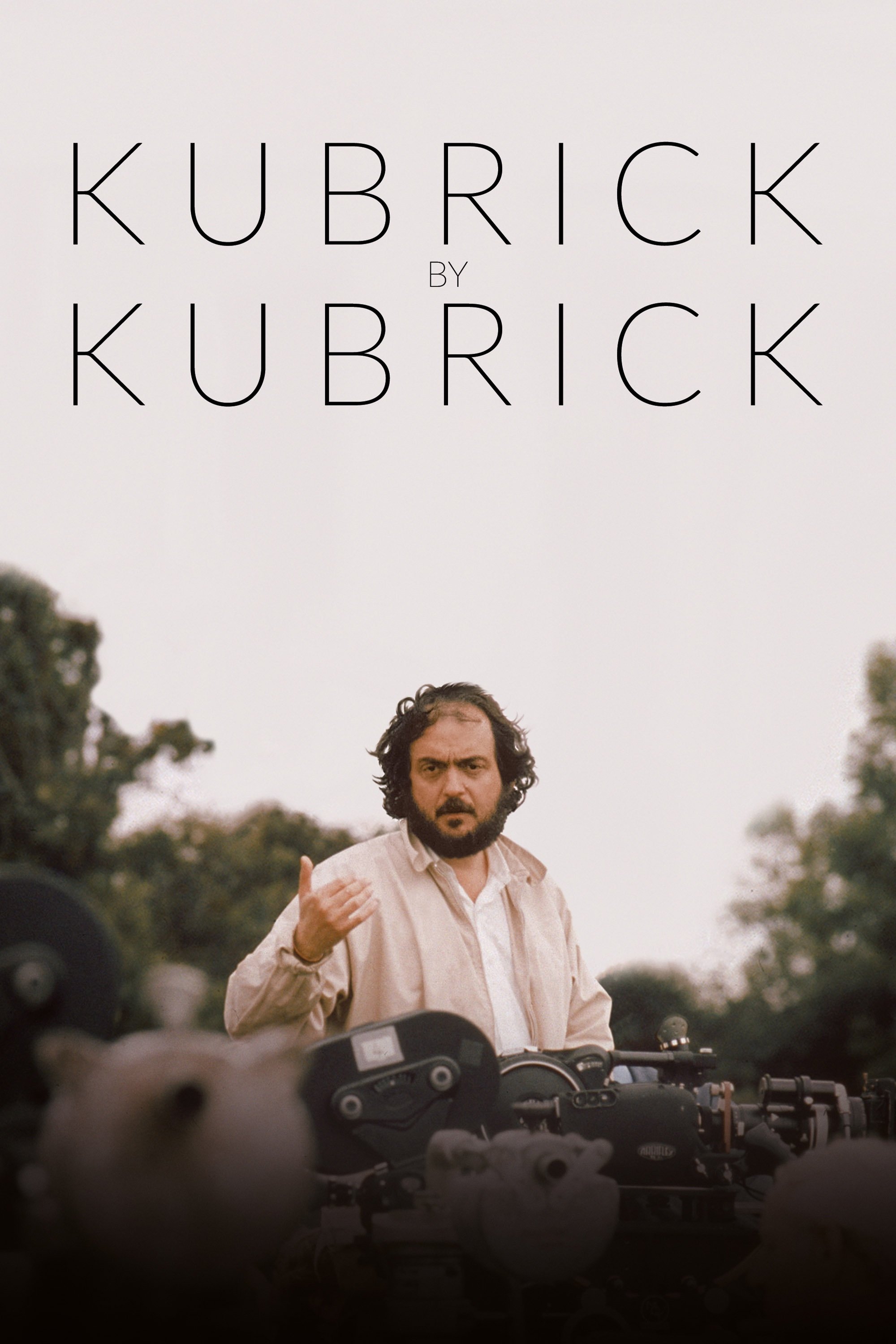
American filmmaker Stanley Kubrick (1928–1999), one of the greatest in history, but also one of the most reserved, gave few interviews throughout his long career, and none of them were filmed. A first-person journey through his life and work, based on a recorded conversation with French film critic Michel Climent.
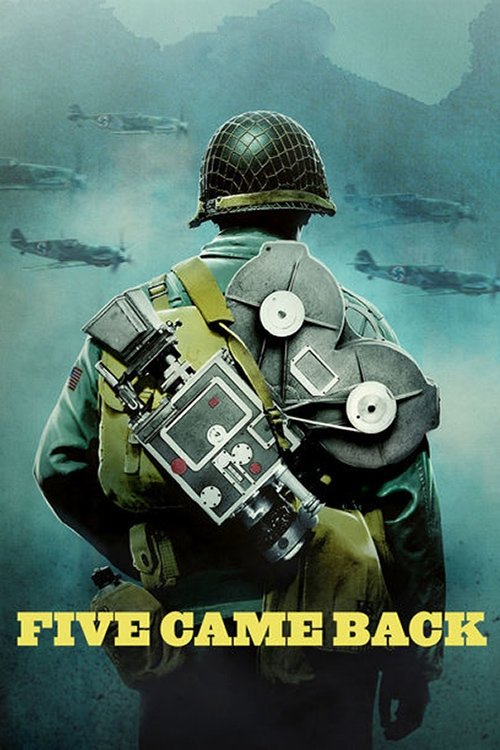
The extraordinary story of how Hollywood changed World War II – and how World War II changed Hollywood, through the interwoven experiences of five legendary filmmakers who went to war to serve their country and bring the truth to the American people: John Ford, William Wyler, John Huston, Frank Capra, and George Stevens. Based on Mark Harris’ best-selling book, “Five Came Back: A Story of Hollywood and the Second World War.”
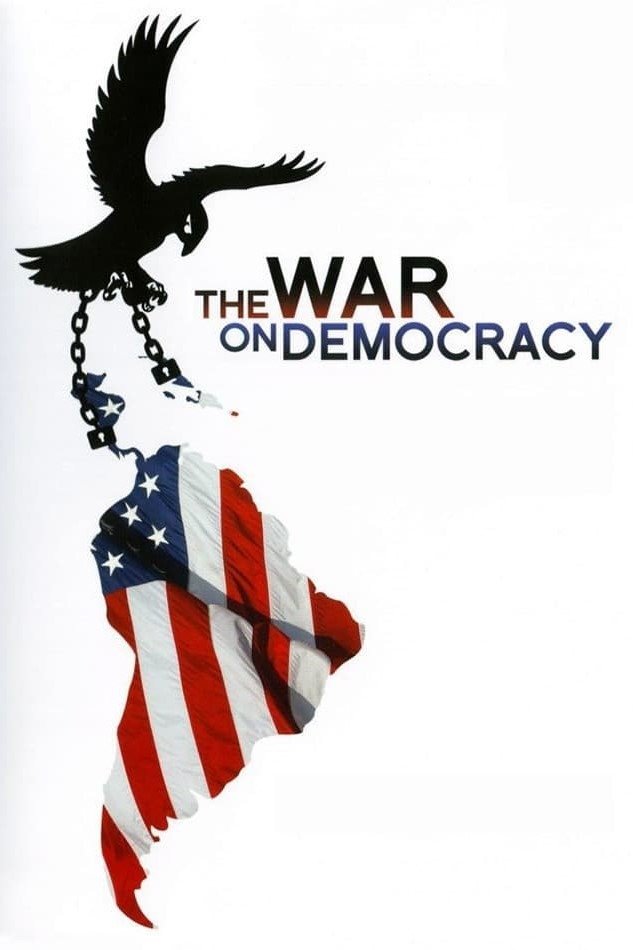
Set both in Latin America and the United States, the film explores the historic and current relationship of Washington with countries such as Venezuela, Bolivia and Chile. Pilger says that the film "...tells a universal story... analysing and revealing, through vivid testimony, the story of great power behind its venerable myths. It allows us to understand the true nature of the so-called "war on terror". According to Pilger, the film’s message is that the greed and power of empire is not invincible and that people power is always the "seed beneath the snow".
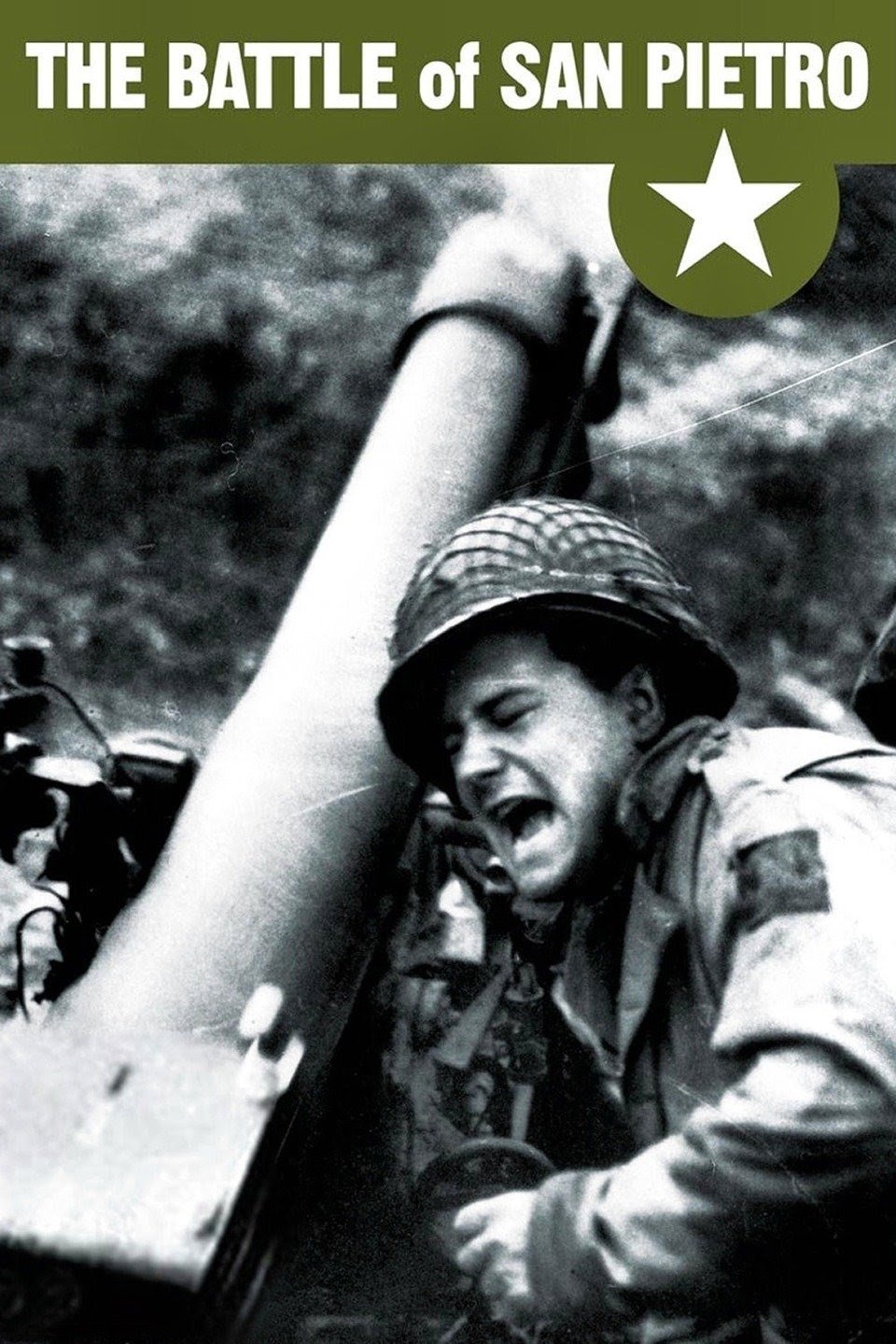
This documentary movie is about the battle of San Pietro, a small village in Italy. Over 1,100 US soldiers were killed while trying to take this location, that blocked the way for the Allied forces from the Germans. Preserved by the Academy Film Archive in 2005.
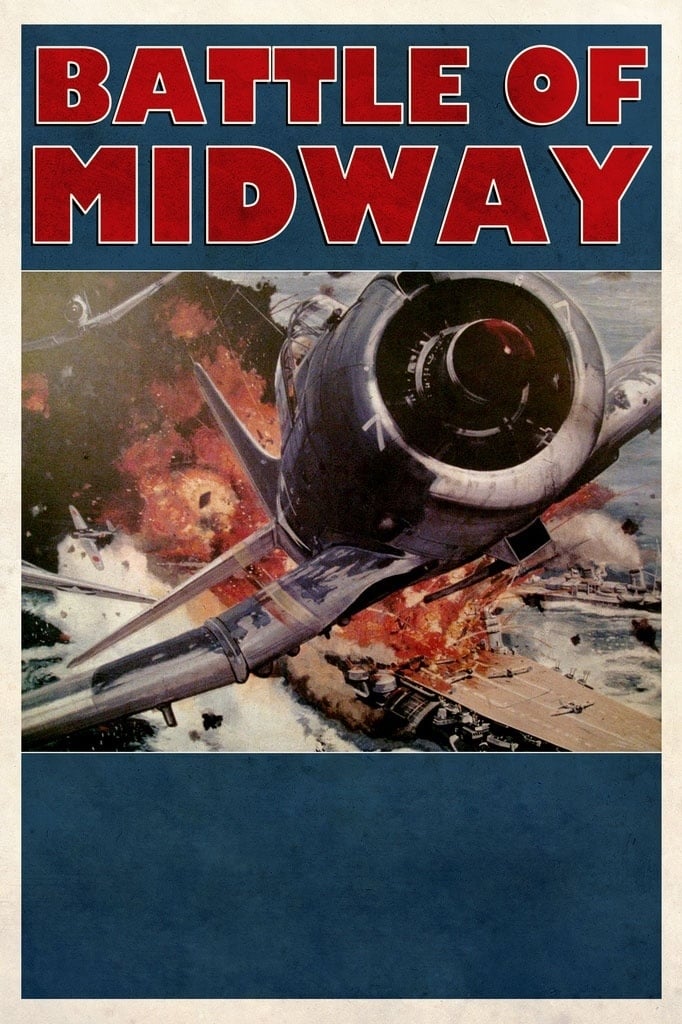
The Japanese attack on Midway in June 1942, filmed as it happened. Preserved by the Academy Film Archive, in partnership with Twentieth Century Fox Film Corporation, in 2006.
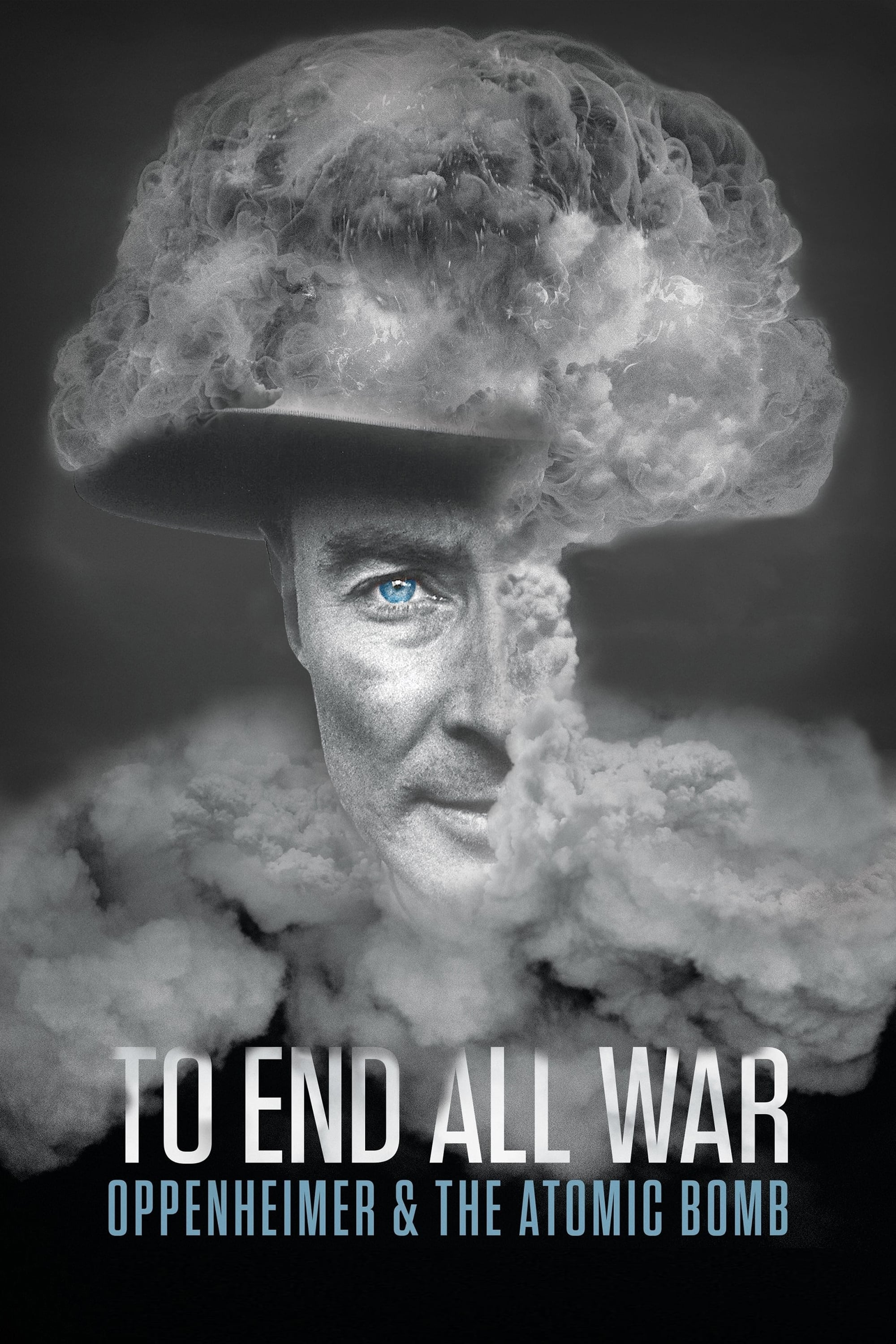
Explore how one man's relentless drive and invention of the atomic bomb changed the nature of war forever, led to the deaths of hundreds of thousands of people and unleashed mass hysteria.
Documentary about the art of film editing. Clips are shown from many groundbreaking films with innovative editing styles.