Social & External
The people behind it
Pier Luigi Zollo
Lebeau, pittore
Mario Piave
Bayard, elettricista
Lucio Rama
Marchand, industriale
Attilio Duse
il cameriere
Pietro Biondi
il maggiore
Benito Artesi
primo poliziotto
Paolo Falace
secondo poliziotto
Franco Graziosi
Leduc, medico
Franco Mezzera
professor Hoffman
Vittorio Mezzogiorno
capitano di polizia
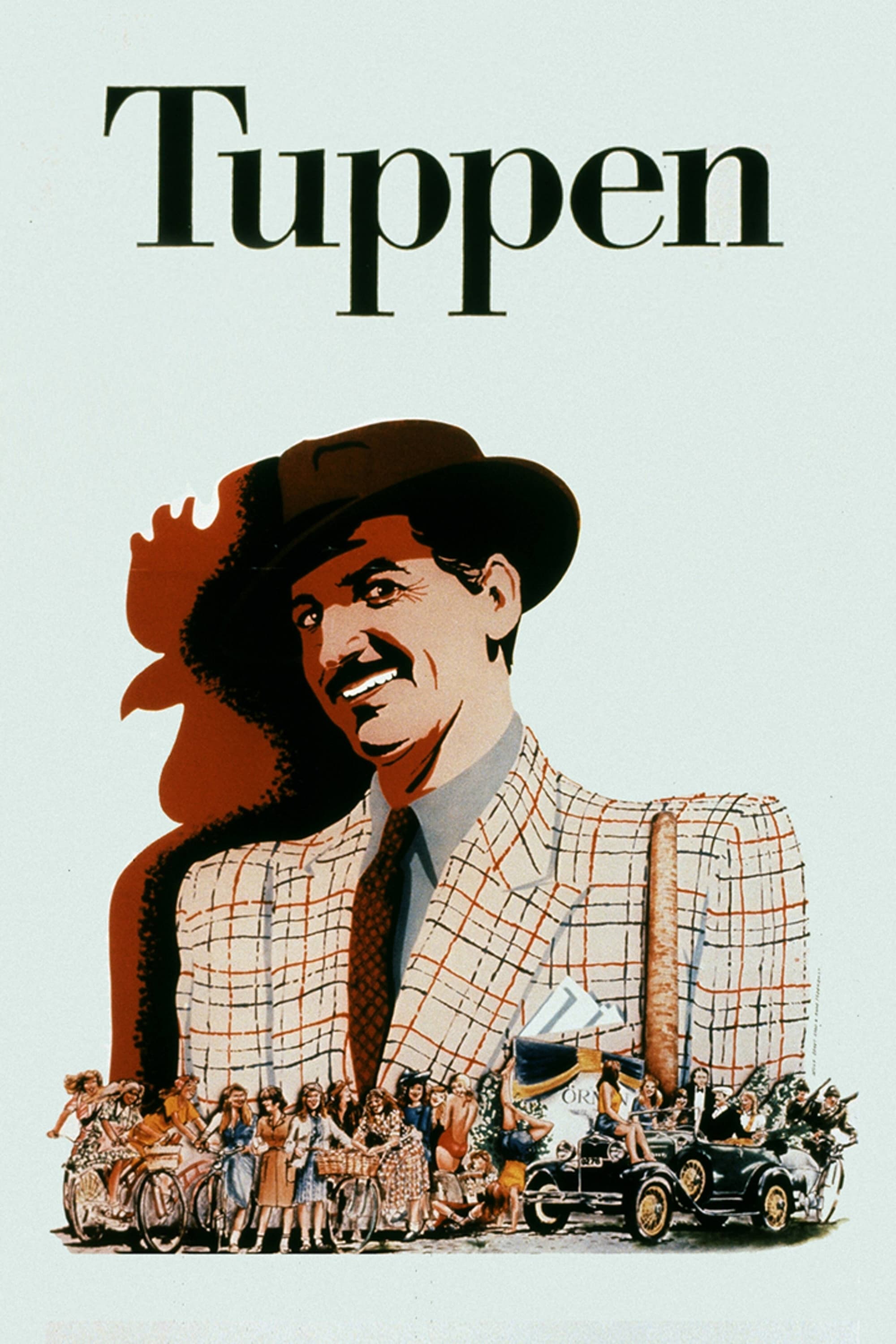
In 1944, Cederqvist comes to a small cloth factory to see how the all-women employees can work more efficiently. At the beginning he is greeted with suspicion and his efforts at courting the young ladies are futile. But as soon as he buys himself a car it becomes much easier, especially since he has the power to relocate people to an easier line of work. Plot by Mattias Thuresson.
Costanza is drinking a beer in a Prague pub, a summer night in 1968, while a violinist enters and starts playing a "canone inverso" for her. It is not a case, that music and that violin have a story behind that could concern her. It is the love story between Jeno Varga and the music, between Jeno and Sophie.
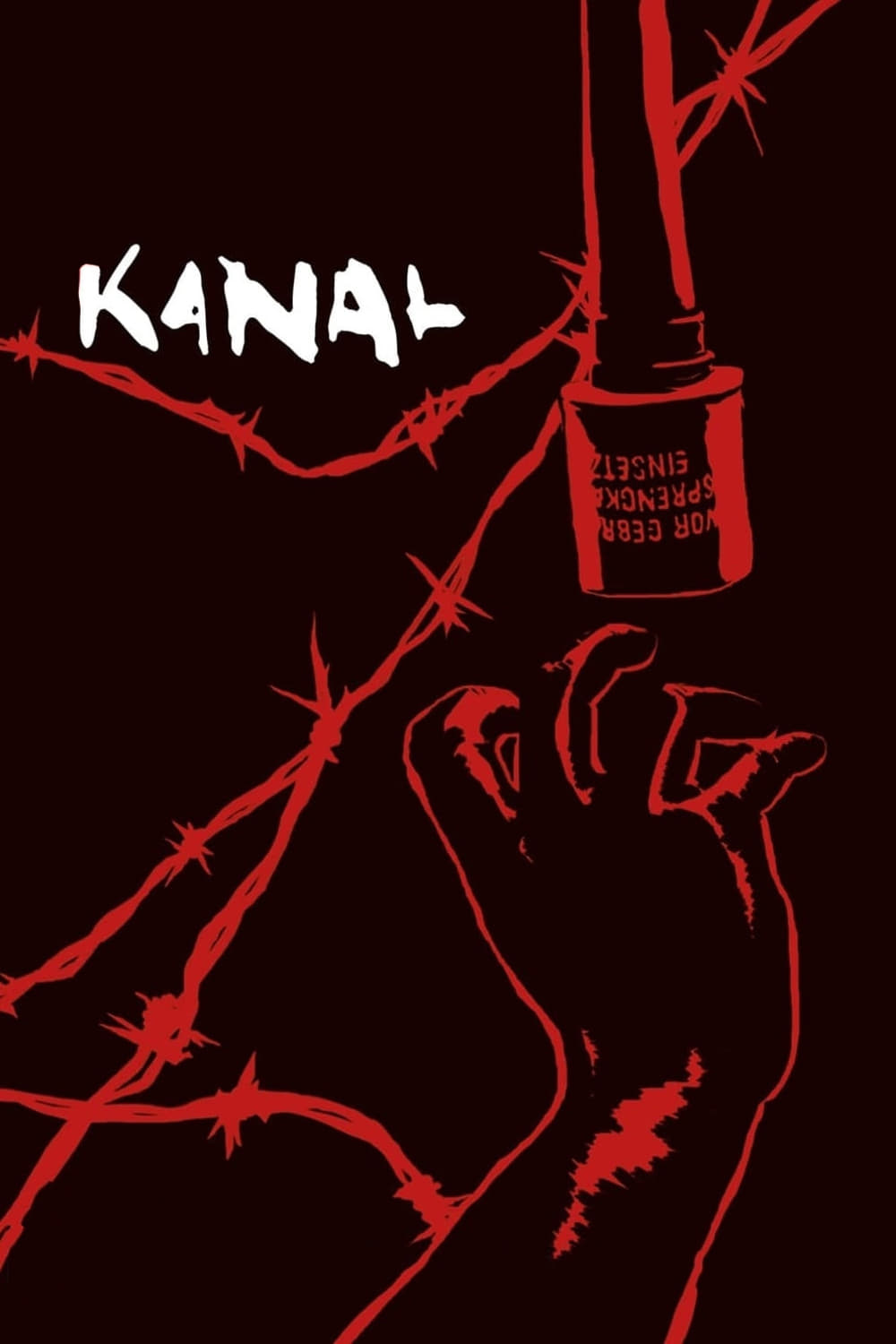
In the last few days of the Warsaw Uprising during World War II, a modest group of Resistance members remains. The band must take refuge in the sewers under the orders of leader Zadra, but it's only a matter of time before they will have to emerge. However, when they try, they are met only with intense hostility from the Nazis. Despite their attempts stay resolute through immense mental strain, it becomes increasingly apparent that they may be doomed.
After Nazi Germany invades Poland in September 1939, Russia attacks Finland two months later. Finnish reservists leave home and go to war. Brothers Martti and Paavo Hakala, farmers from the municipality of Kauhava in the province of Pohjanmaa/Ostrobothnia, serve in a Finnish platoon.
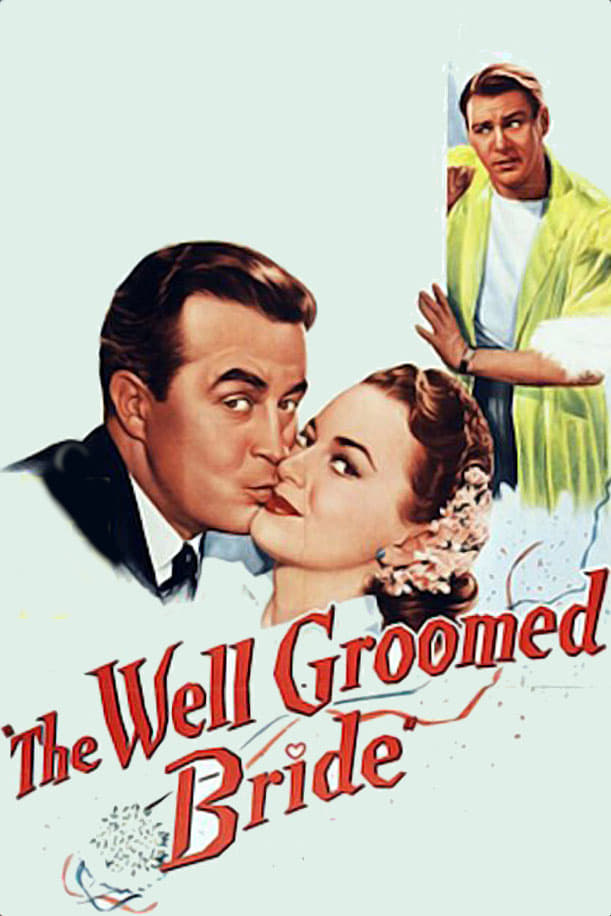
A man and a woman fight over the last bottle of champagne left in San Francisco--she wants it for a wedding, and he wants to use it to christen a ship.
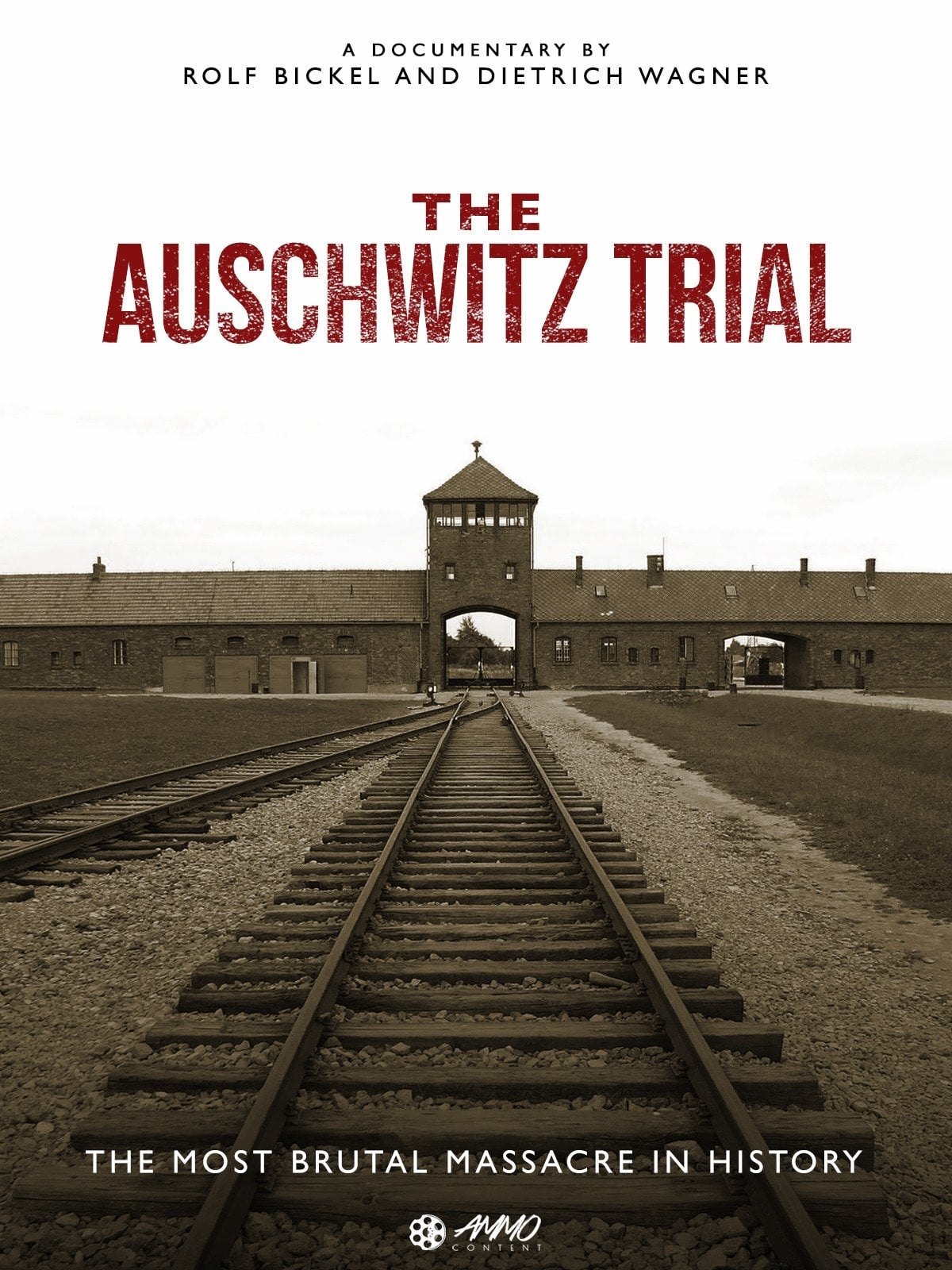
The biggest trial of Nazi war crimes ever: 360 witnesses in 183 days of trial - a stunning and gripping portrayal of the most terrible massacre in history.
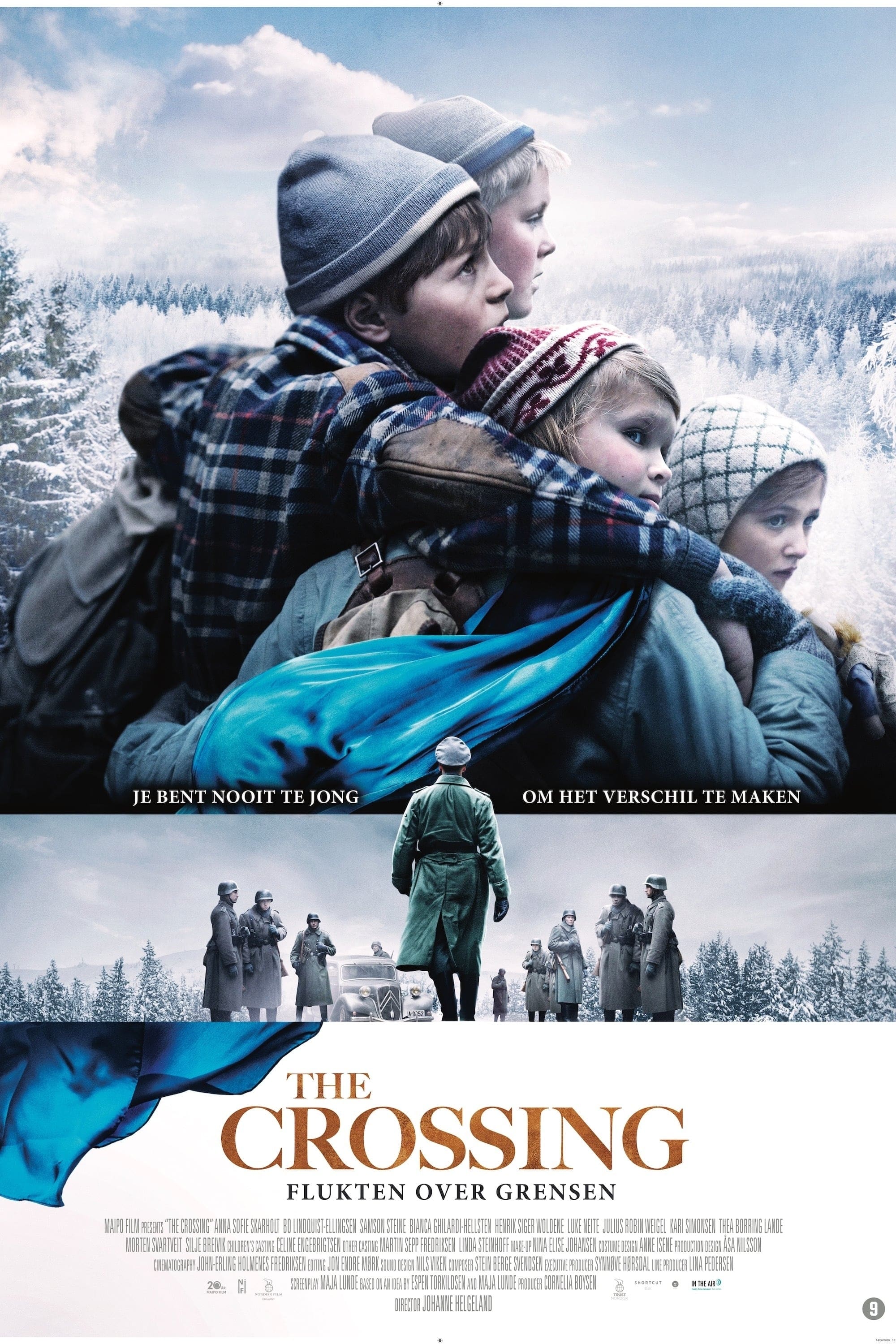
One day, just before Christmas in 1942, Gerda's and Otto's parents are arrested for being part of the Norwegian resistance movement during the Second World War, leaving the siblings on their own. Following the arrest, they discover two Jewish children, Sarah and Daniel, hidden in a secret cupboard in their basement at home. It is now up to Gerda and Otto to finish what their parents started: To help Sarah and Daniel flee from the Nazis cross the border to neutral Sweden and reunite them with their parents.
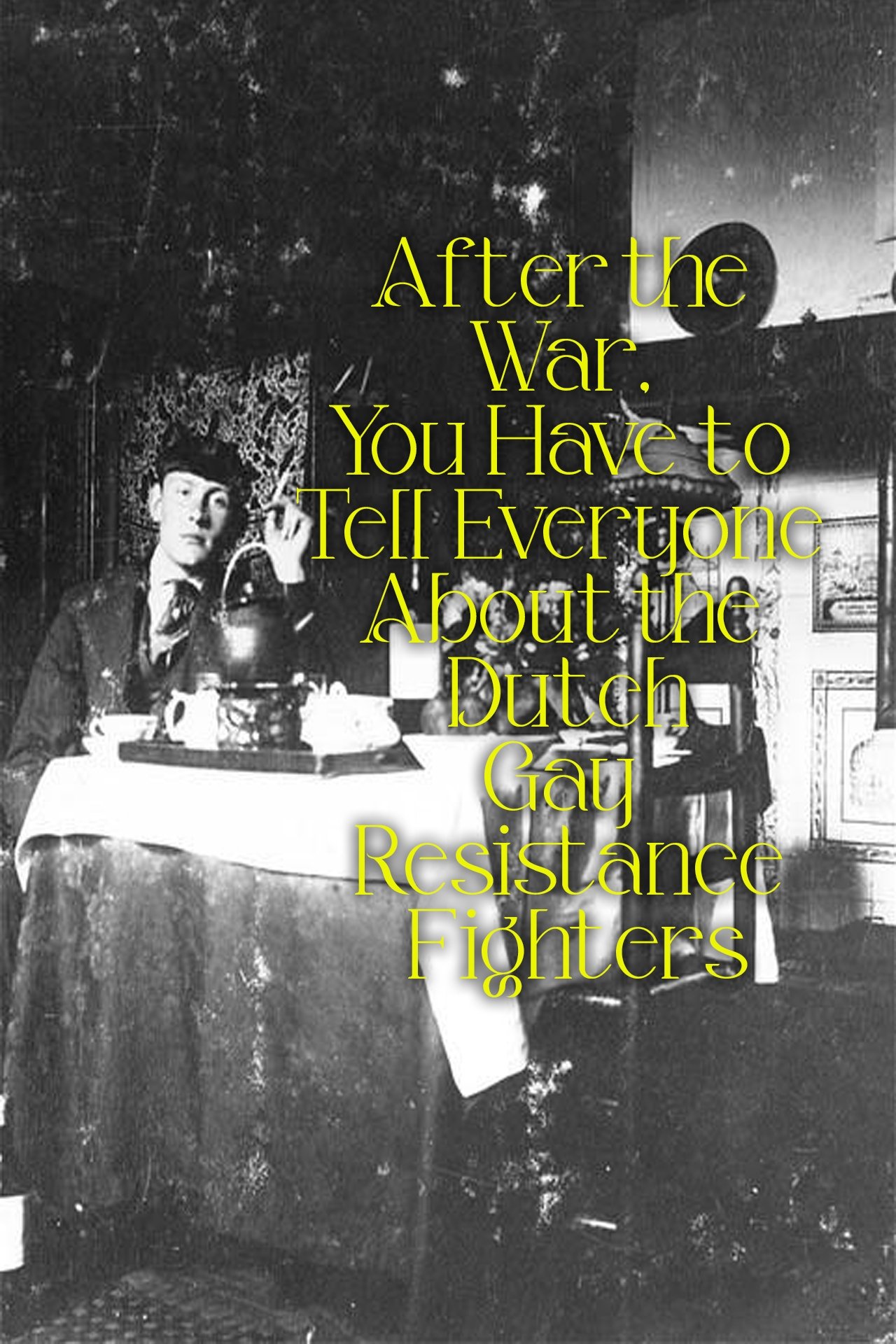
Many members of the Dutch Underground were gay and lesbian. This film pays homage to them and recounts their story.
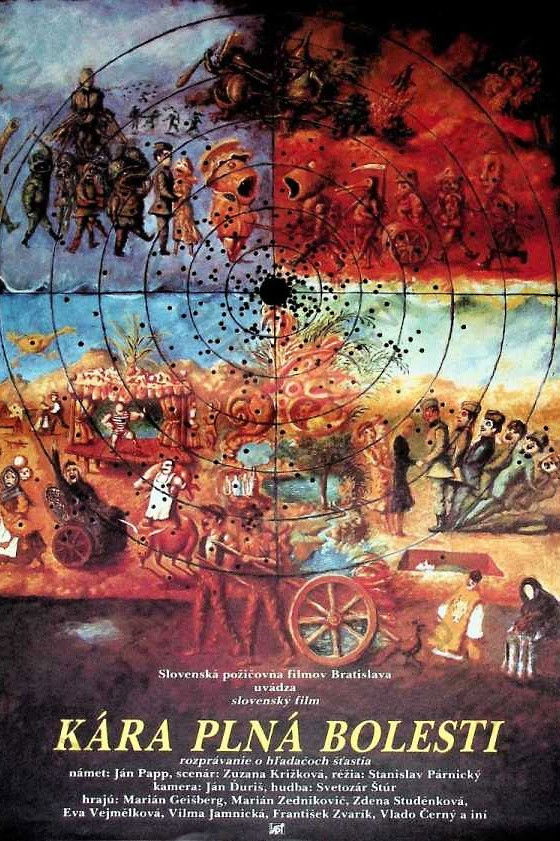
War takes its cruel toll, which everyone must pay. It hits a small Slovak village especially hard, where the struggle for a bare life becomes a test of human character. For two impoverished friends, Jakub and Maja, struggling through poverty is more than difficult. Jakub delivers sour milk from somewhere on his cart to the entire village and lives in a dilapidated house with his sister Tereza, whose caregiver and guide through life is the experienced woman Mara, who provides herself with money from seduced soldiers. Maja, on the other hand, is a foundling and homeless man who does whatever he can to survive the next day. The only consolation for the two inseparable friends are the circulating tales of a kind of promised land, where there is no poverty or hunger, and where they could both go. Only this vision, this idea alone keeps the two of them and the rest of the village on their feet, and gives them hope for a better tomorrow.
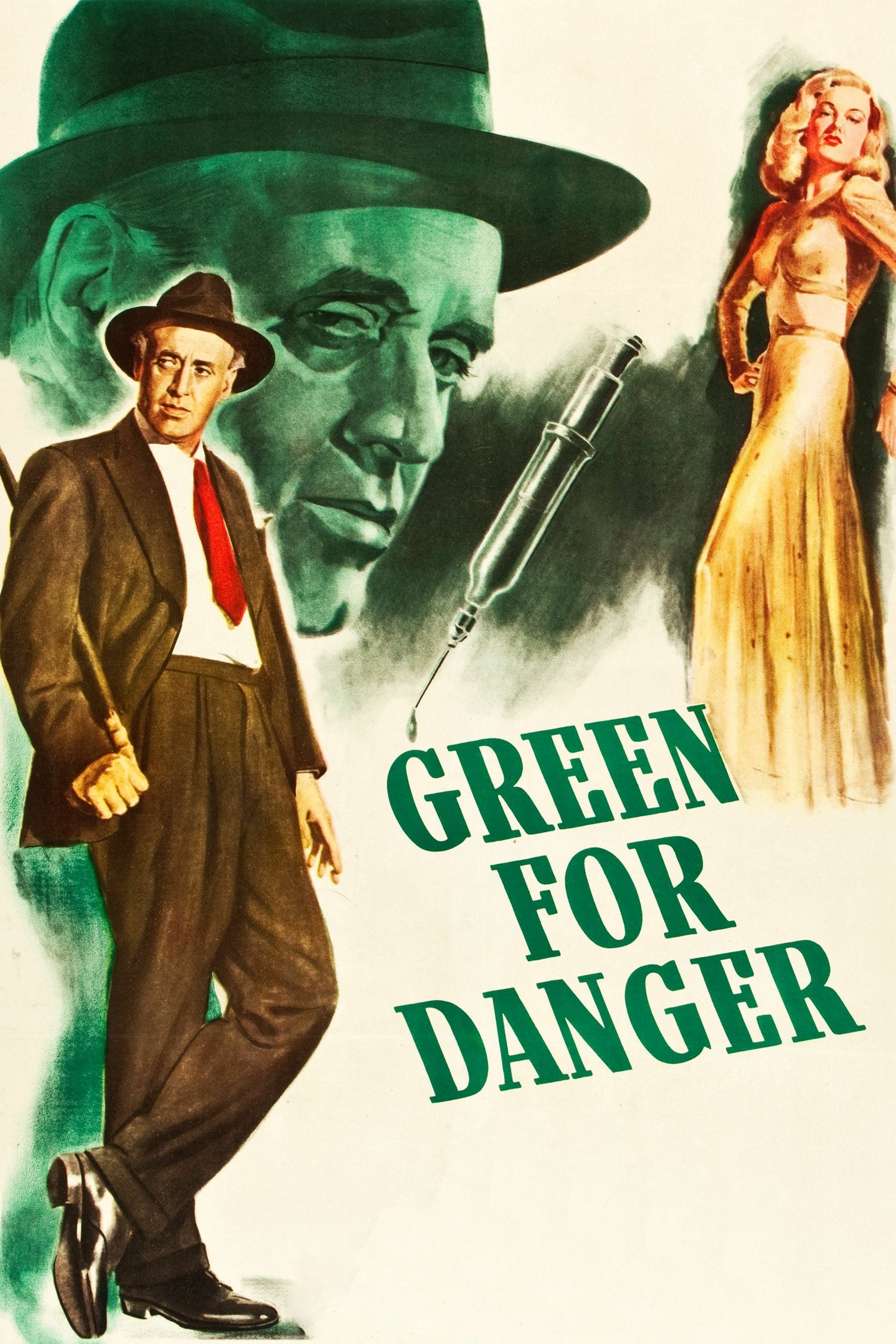
In the midst of Nazi air raids, a postman dies on the operating table at a rural hospital. But was the death accidental?
Mismatched travellers are stranded overnight at a lonely rural railway station. They soon learn of local superstition about a phantom train which is said to travel these parts at dead of night, carrying ghosts from a long-ago train wreck in the area.
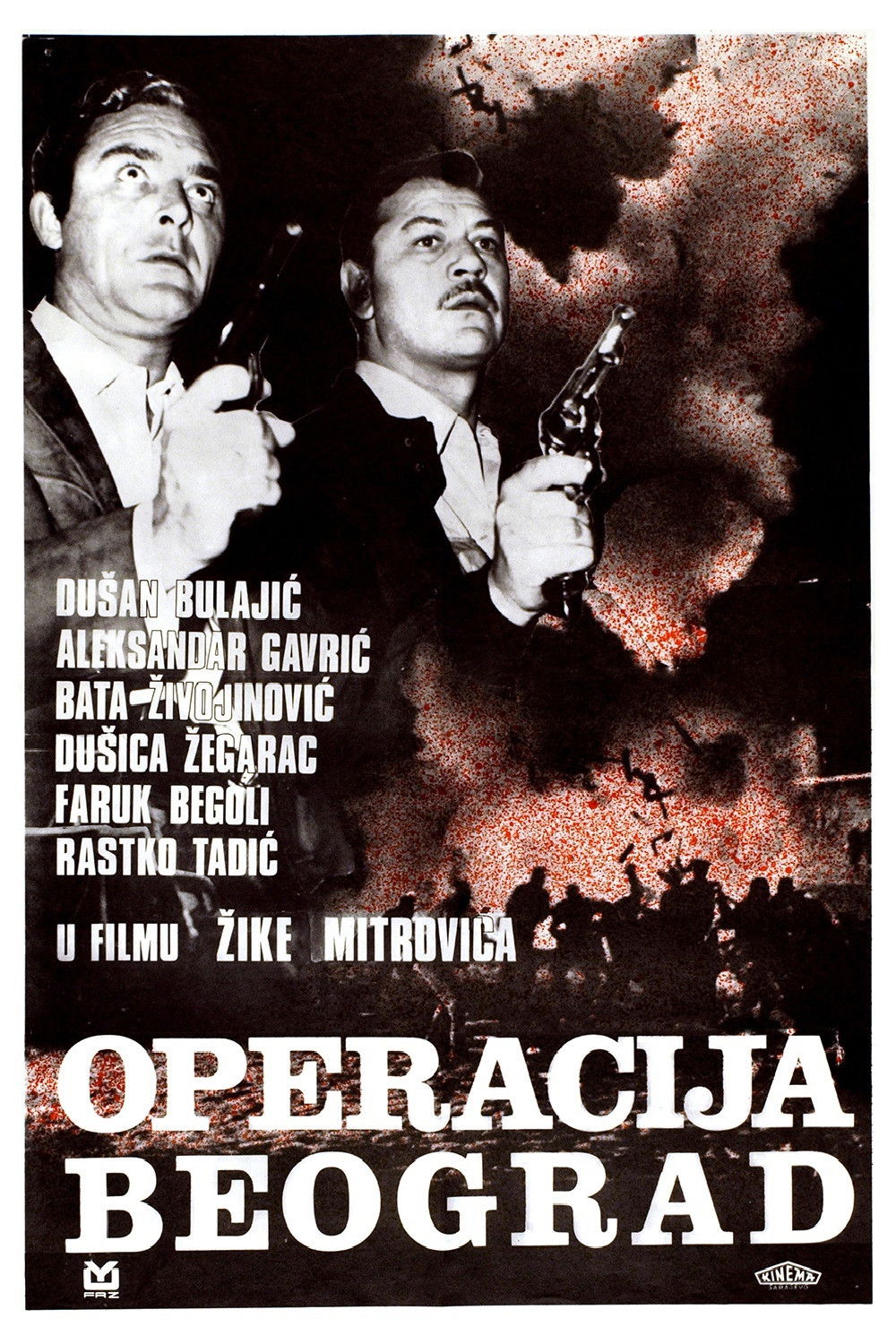
In Autumn of 1943 American plane carrying Soviet colonel is shot down near Nazi-occupied Belgrade. Germans capture the colonel and begin interrogations, because he knows everything about forecoming Allied summit in Tehran. Group of Yugoslav Partizans is sent to Belgrade in order to rescue the colonel before he starts talking.
In 1943, a childless couple, the Čížeks, decide to hide a Jewish refugee, David Wiener, the son of Čížek's former employer, in the secret pantry of their apartment. Čížek is aware of the danger into which he has brought his household and his neighbours, but he takes helping his fellow man in need for granted. But at the same time, as a largely unheroic hero, he is dying of fear. His personal situation is greatly complicated by the approaching end of the war, when he faces danger from both the Germans and his "honest" fellow Czechs...
A movie based on real wartime diaries tells the story of the Swedish speaking Finns' infantry regiment 61. The story follows the regiment during the Continuation War from 1942 to 1944 and from Syväri to the Karelian Isthmus where they faced some of the most grueling battles against the Soviet Union.
Steven Okazaki presents a deeply moving look at the painful legacy of the first -- and hopefully last -- uses of nuclear weapons in war. Featuring interviews with fourteen atomic bomb survivors - many who have never spoken publicly before - and four Americans intimately involved in the bombings, White Light/Black Rain provides a detailed exploration of the bombings and their aftermath.
A marching band of Germans, Italians, and Japanese march through the streets of swastika-motif Nutziland, serenading "Der Fuehrer's Face." Donald Duck, not living in the region by choice, struggles to make do with disgusting Nazi food rations and then with his day of toil at a Nazi artillery factory. After a nervous breakdown, Donald awakens to find that his experience was in fact a nightmare.
Promotional short extolling the virtues of the American government's wartime Economic Stabilization Plan.
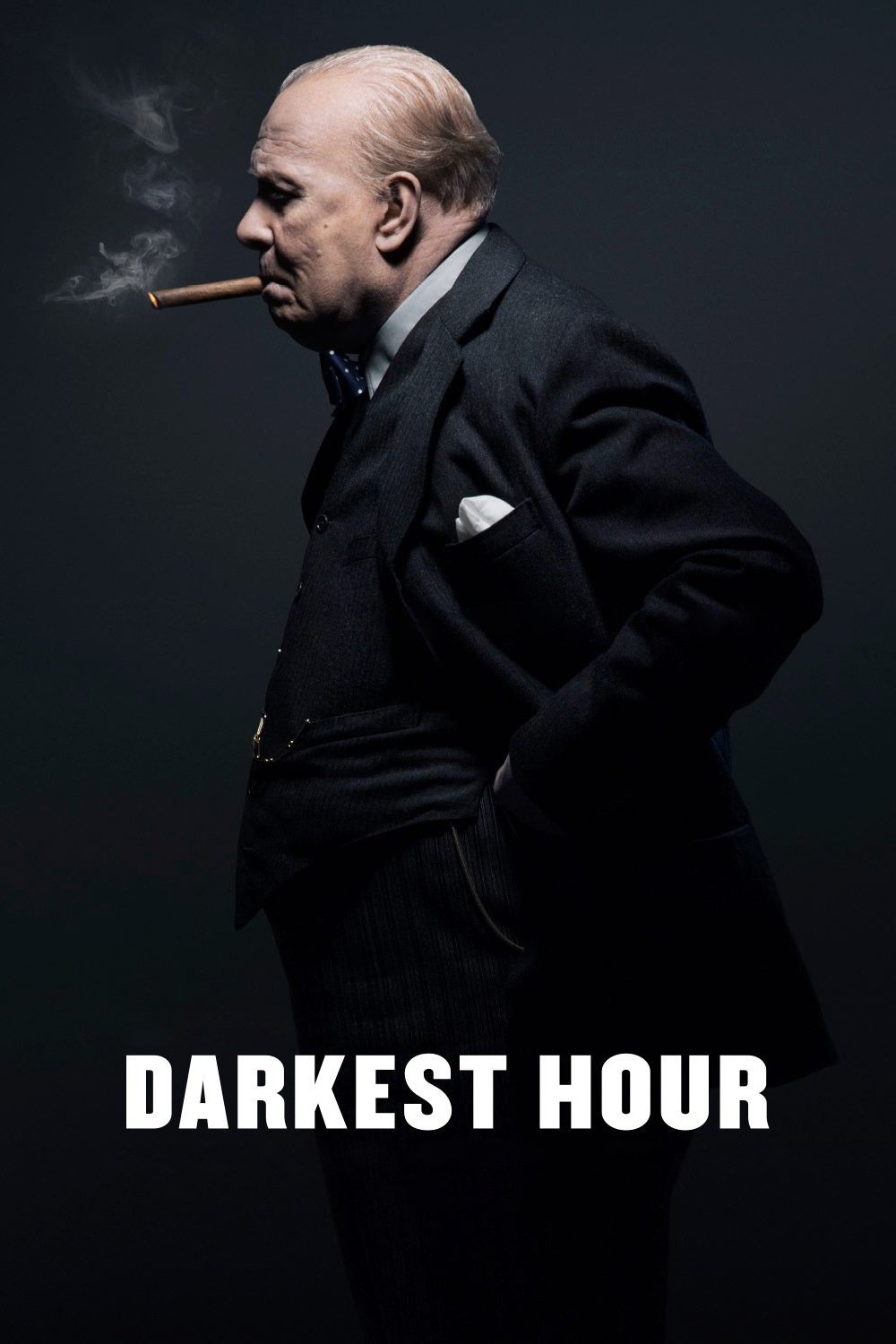
In May 1940, the fate of World War II hangs on Winston Churchill, who must decide whether to negotiate with Adolf Hitler or fight on knowing that it could mean the end of the British Empire.
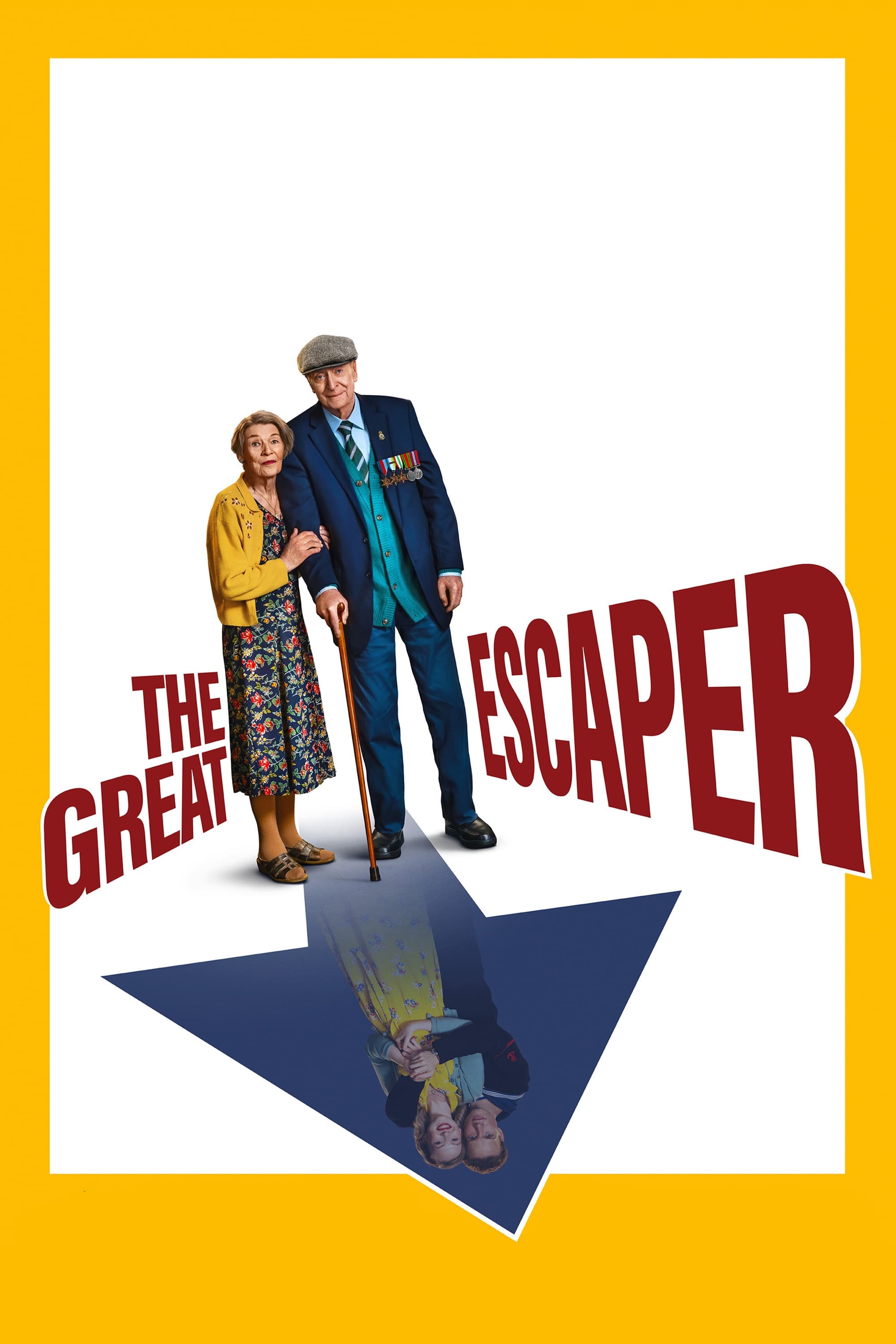
In the summer of 2014, a World War II veteran sneaks out of his care home to attend the 70th anniversary commemoration of the D-Day landings in Normandy.
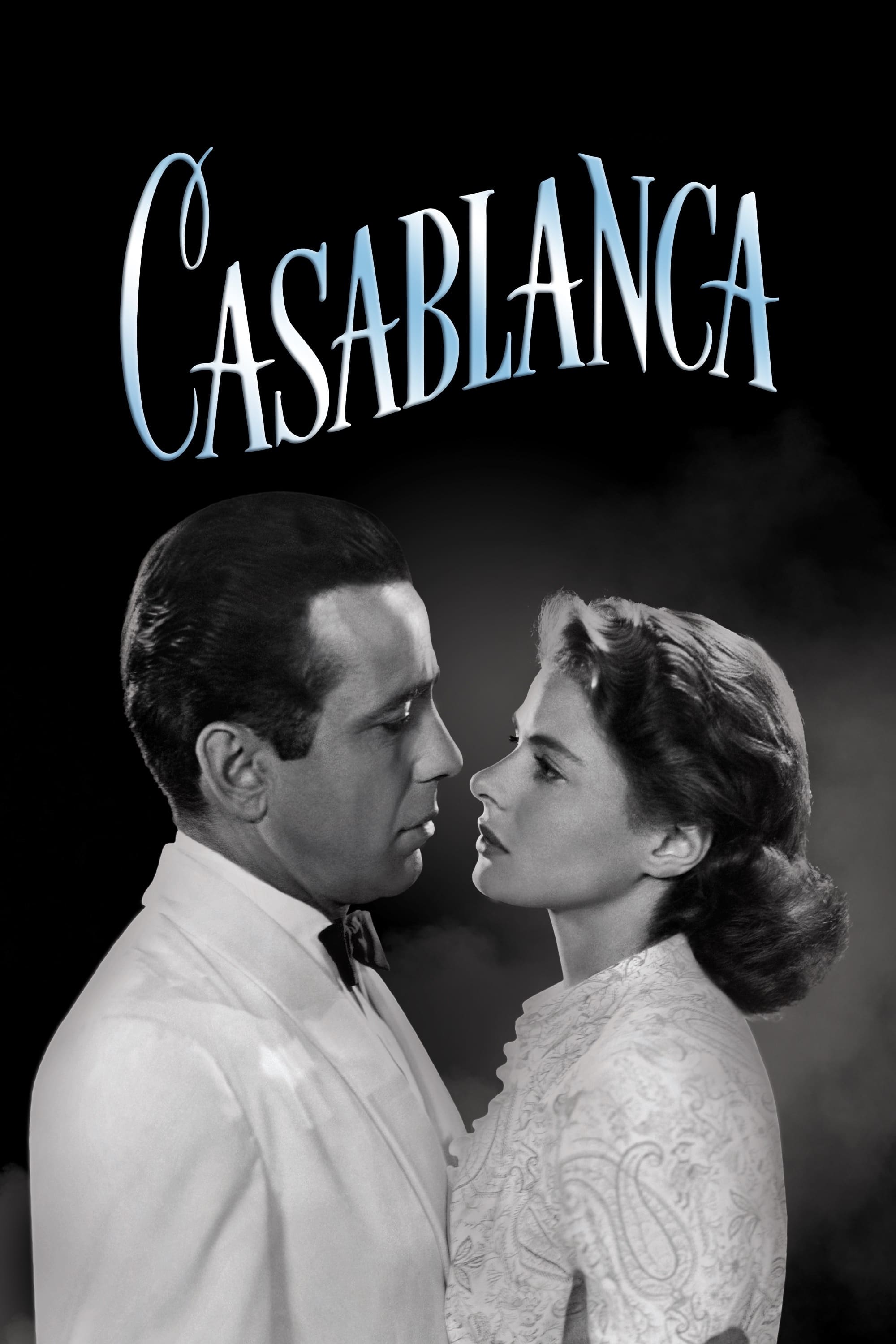
In Casablanca, Morocco in December 1941, a cynical American expatriate meets a former lover, with unforeseen complications.
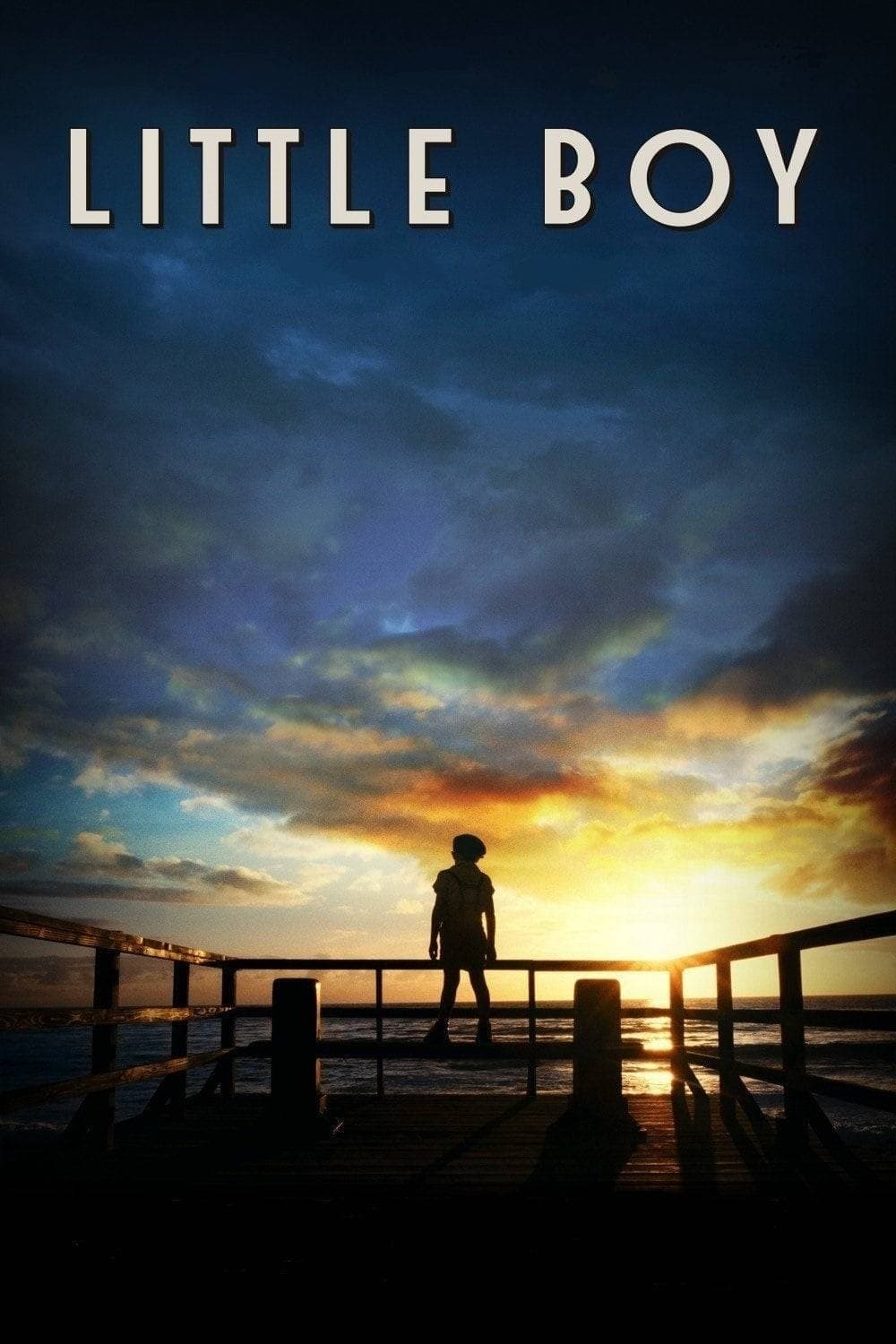
An eight-year-old boy is willing to do whatever it takes to end World War II so he can bring his father home. The story reveals the indescribable love a father has for his little boy and the love a son has for his father.
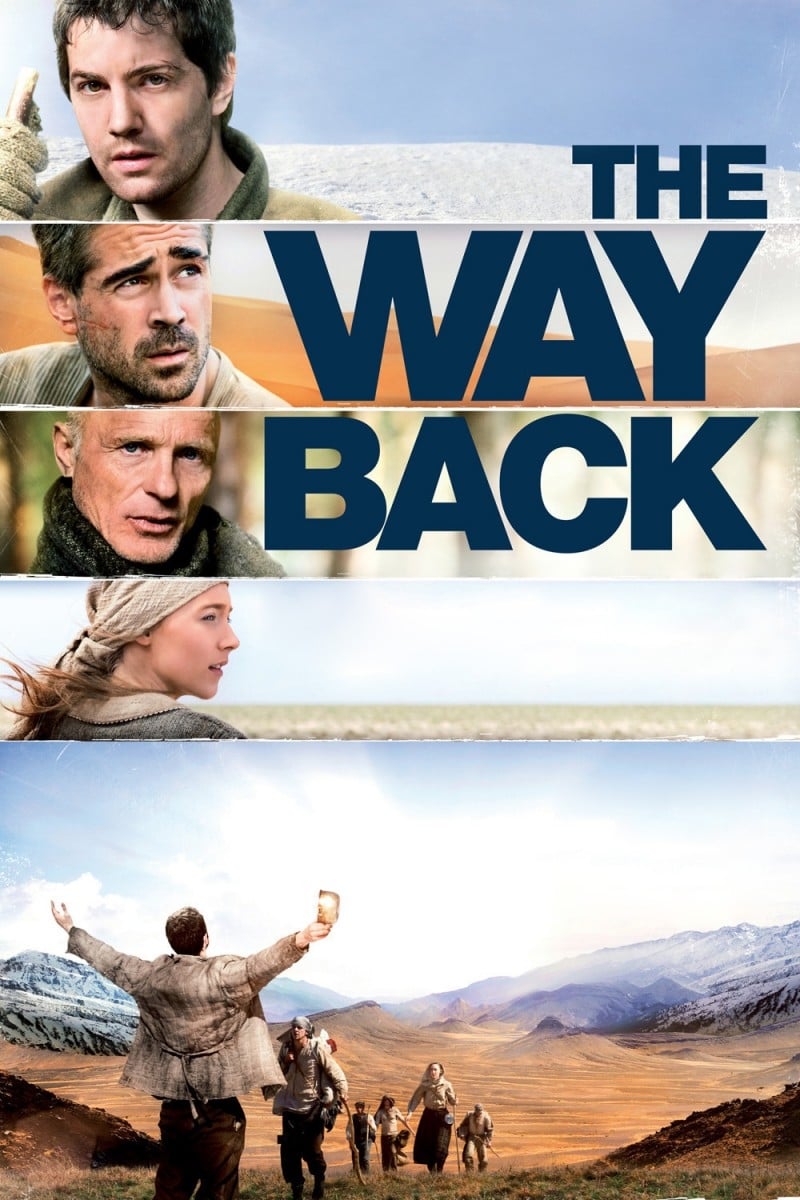
A small band of multicultural convicts stages a daring escape from a WWII-era Siberian gulag, and embarks on a treacherous journey across five countries in a desperate race for freedom and survival.
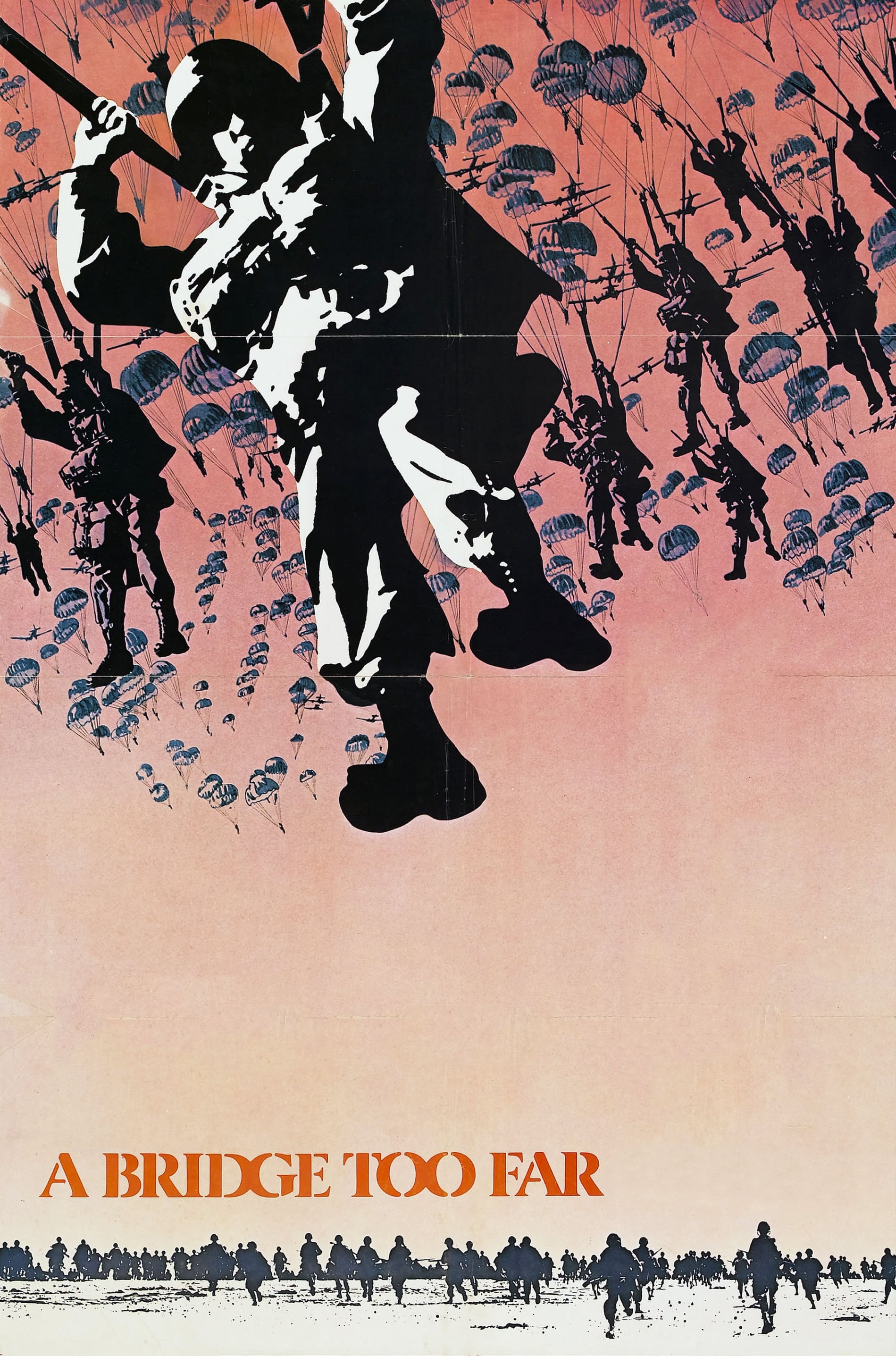
The story of Operation Market Garden—a failed attempt by the allies in the latter stages of WWII to end the war quickly by securing three bridges in Holland allowing access over the Rhine into Germany. A combination of poor allied intelligence and the presence of two crack German panzer divisions meant that the final part of this operation (the bridge in Arnhem over the Rhine) was doomed to failure.
In 1943, two British intelligence officers concoct Operation Mincemeat, wherein their plan to drop a corpse with false papers off the coast of Spain would fool Nazi spies into believing the Allied forces were planning to attack by way of Greece rather than Sicily.
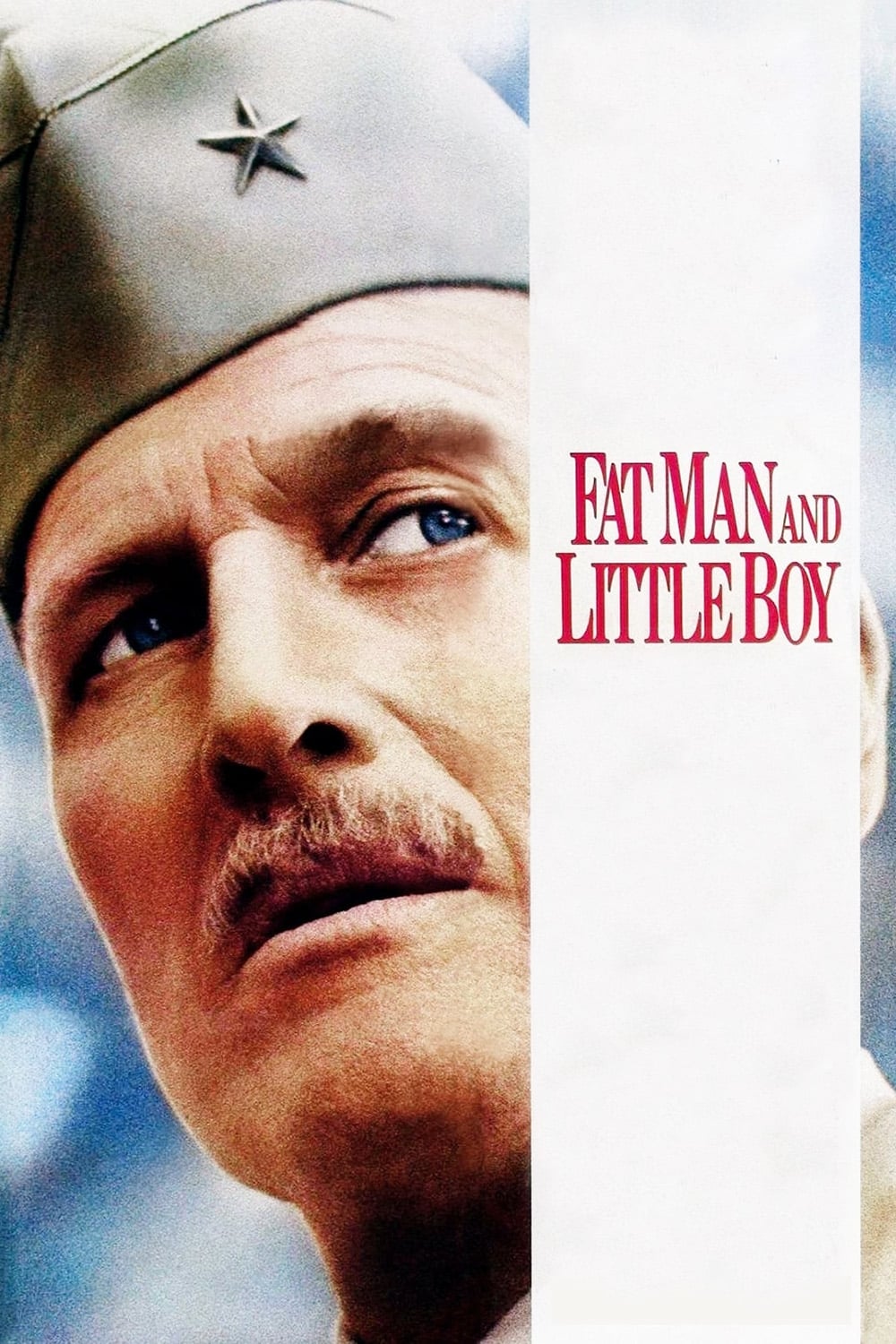
Assigned to oversee the development of the atomic bomb, Gen. Leslie Groves is a stern military man determined to have the project go according to plan. He selects J. Robert Oppenheimer as the key scientist on the top-secret operation, but the two men clash fiercely on a number of issues. Despite their frequent conflicts, Groves and Oppenheimer ultimately push ahead with two bomb designs — the bigger "Fat Man" and the more streamlined "Little Boy."
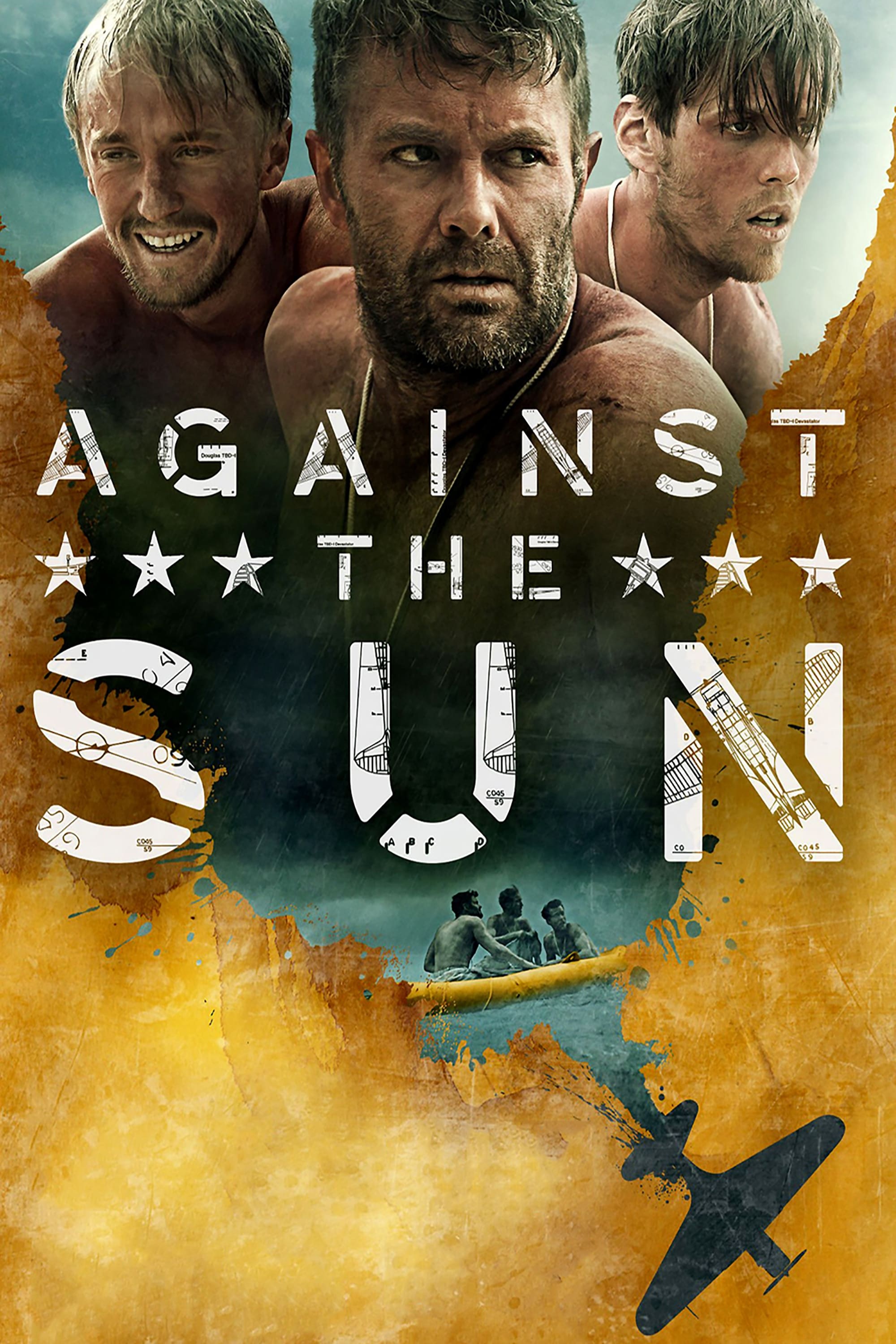
A WWII pilot, bombardier, and radioman find themselves adrift on a lifeboat without food or water after being forced to ditch their plane during a scouting mission.
Prelude to War was the first film of Frank Capra's Why We Fight propaganda film series, commissioned by the Pentagon and George C. Marshall. It was made to convince American troops of the necessity of combating the Axis Powers during World War II. This film examines the differences between democratic and fascist states.
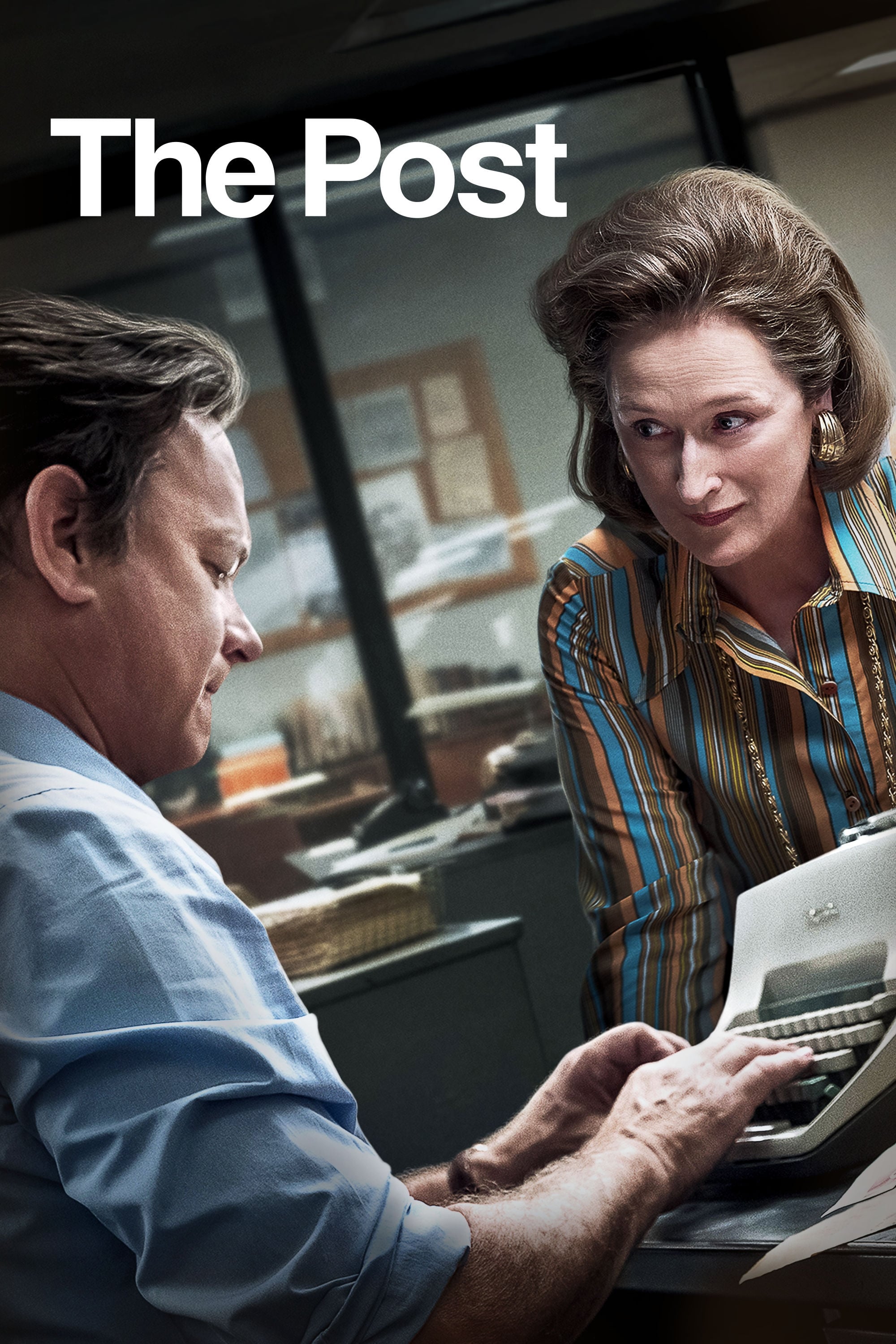
A cover-up that spanned four U.S. Presidents pushed the country's first female newspaper publisher and a hard-driving editor to join an unprecedented battle between journalist and government. Inspired by true events.
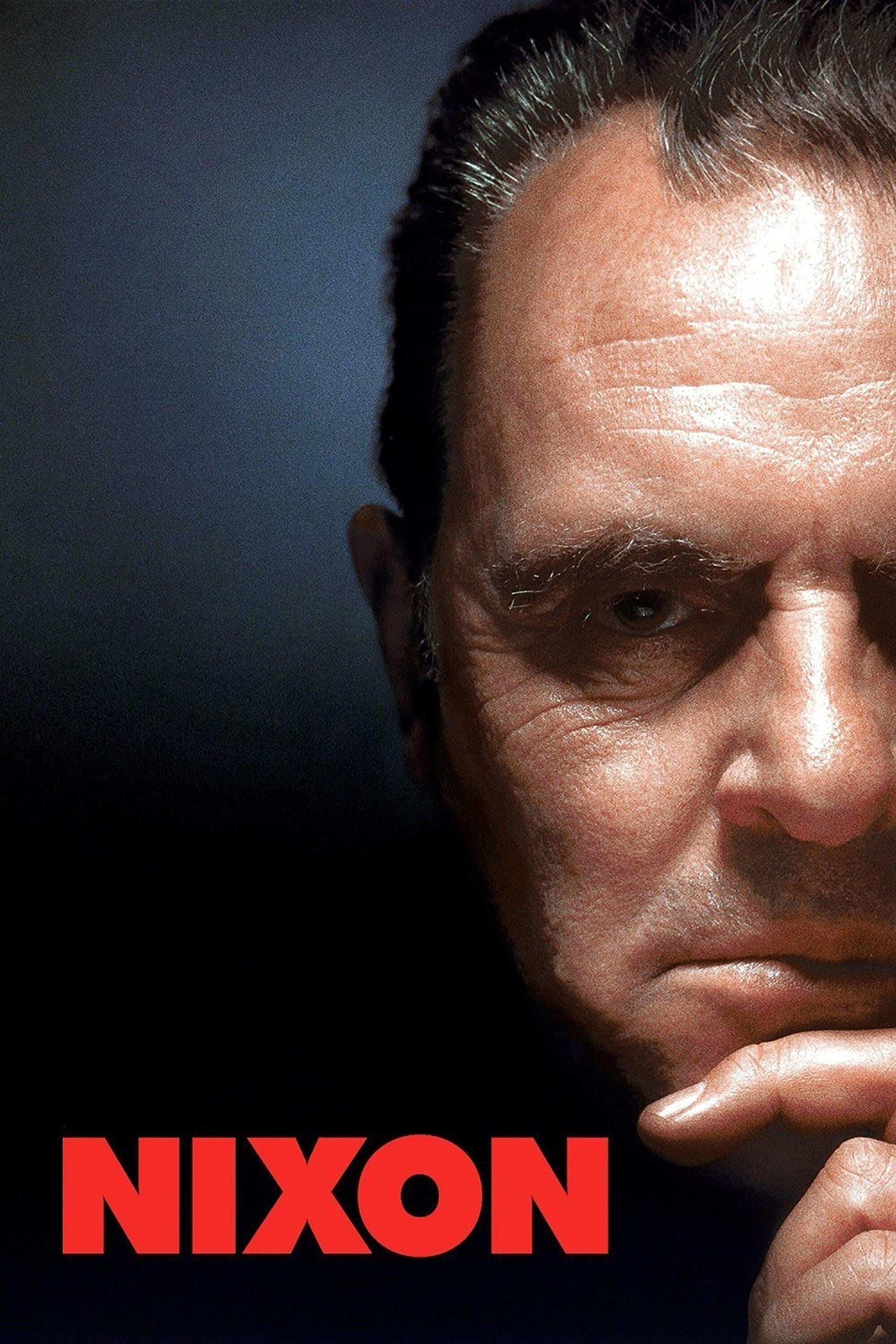
A look at President Richard M. Nixon—a man carrying the fate of the world on his shoulders while battling the self-destructive demands from within—spanning his troubled boyhood in California to the shocking Watergate scandal that would end his Presidency.
The man behind the legend and a knowing look at 1950s Hollywood are revealed in this dynamic biopic of the meteoric star whose troubled life echoed his gut-grabbing performances in East of Eden, Rebel Without a Cause and Giant.
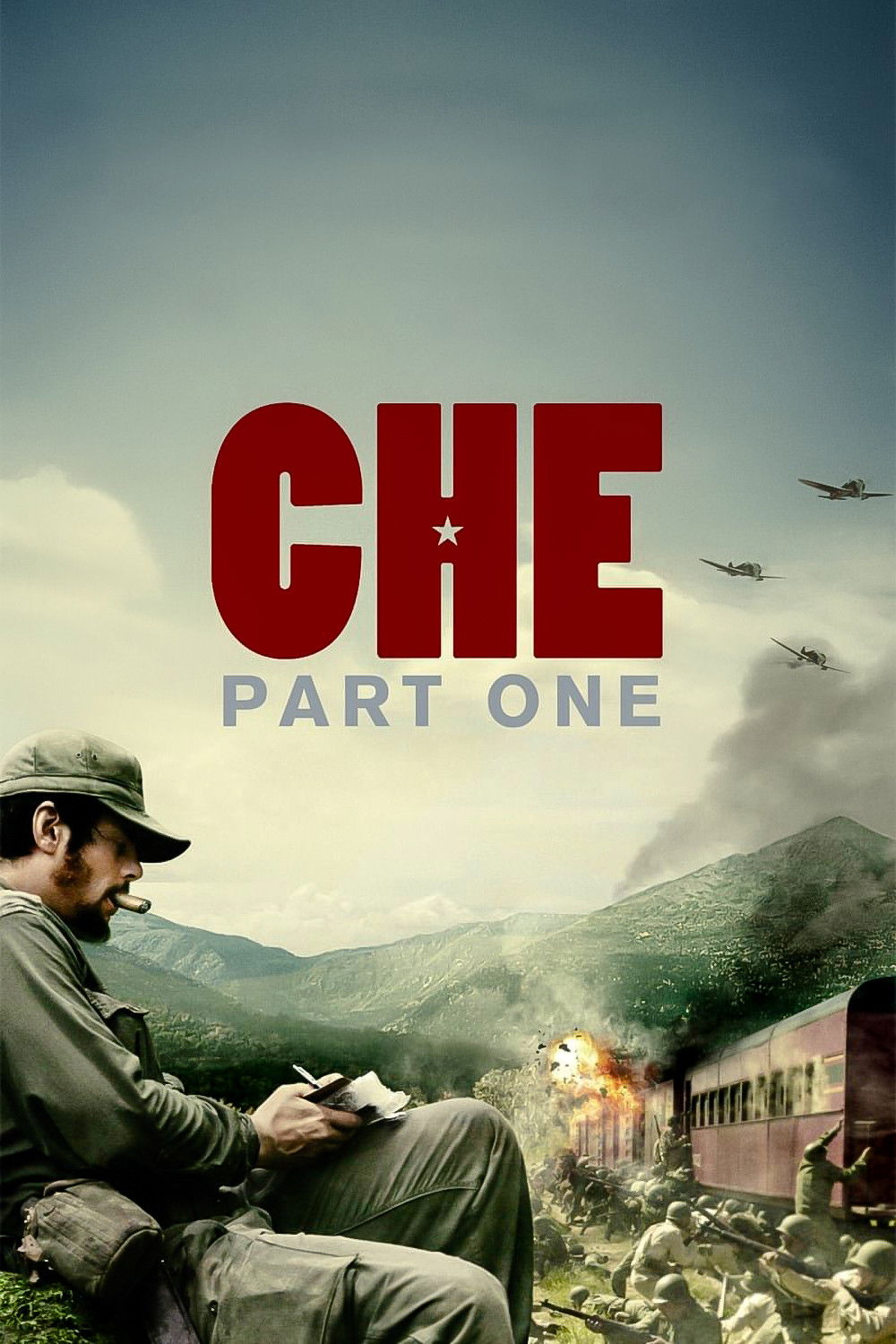
Ernesto Guevara, known as 'Che', leads a group of Cuban exiles under Fidel Castro in a revolution to overthrow Fulgencio Batista, the dictator of Cuba.
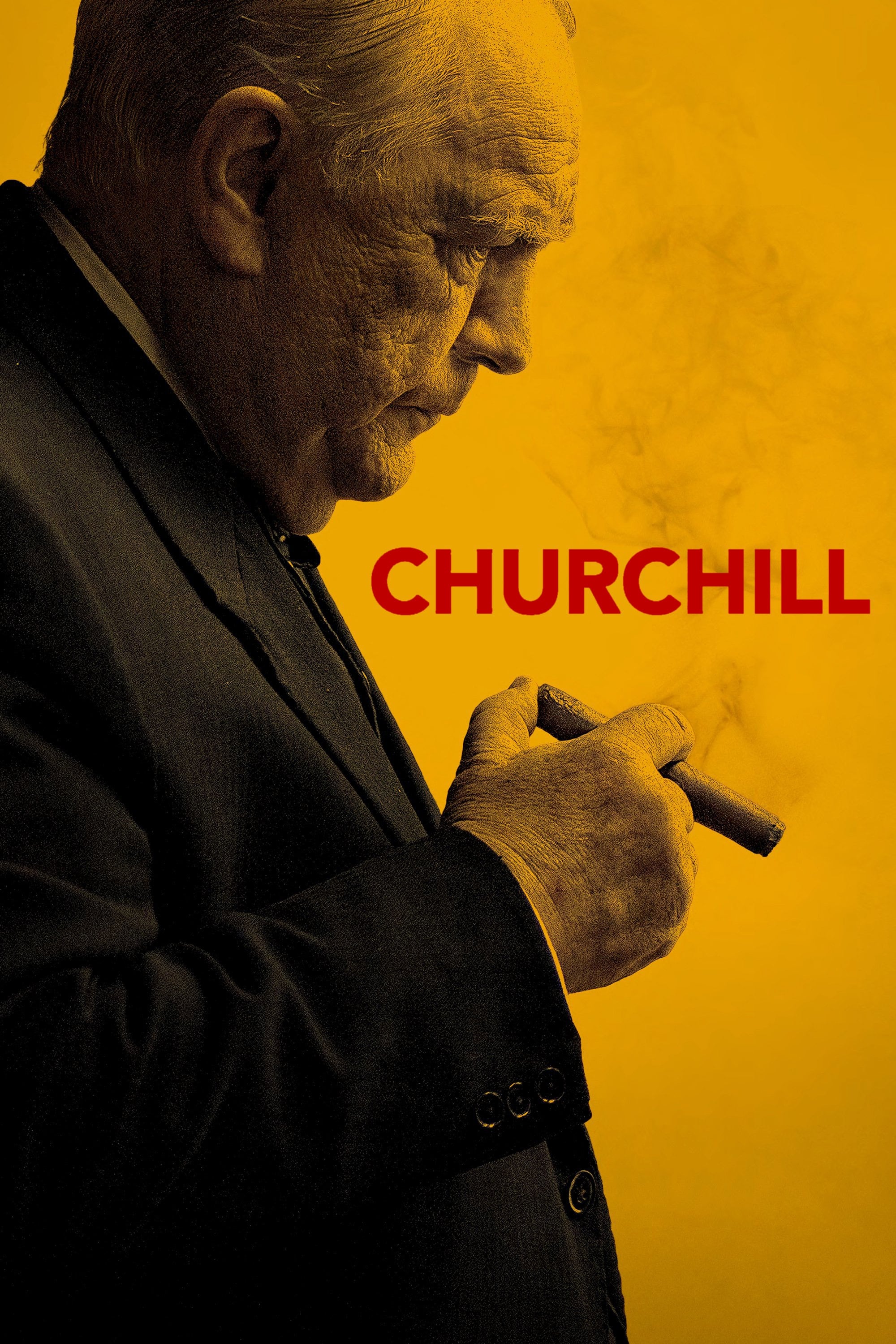
A ticking-clock thriller following Winston Churchill in the 24 hours before D-Day.
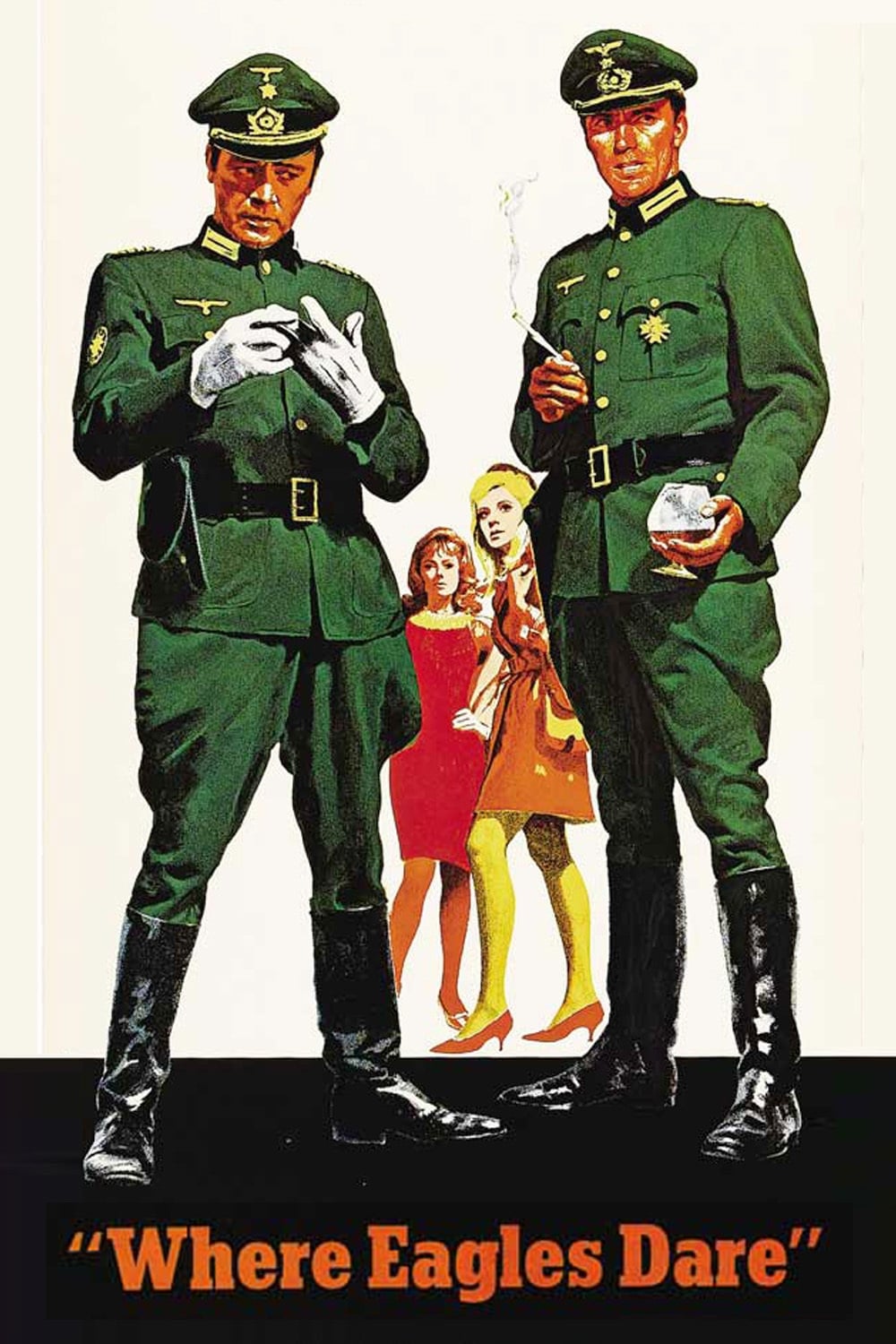
World War II is raging, and an American general has been captured and is being held hostage in the Schloss Adler, a Bavarian castle that's nearly impossible to breach. It's up to a group of skilled Allied soldiers to liberate the general before it's too late.
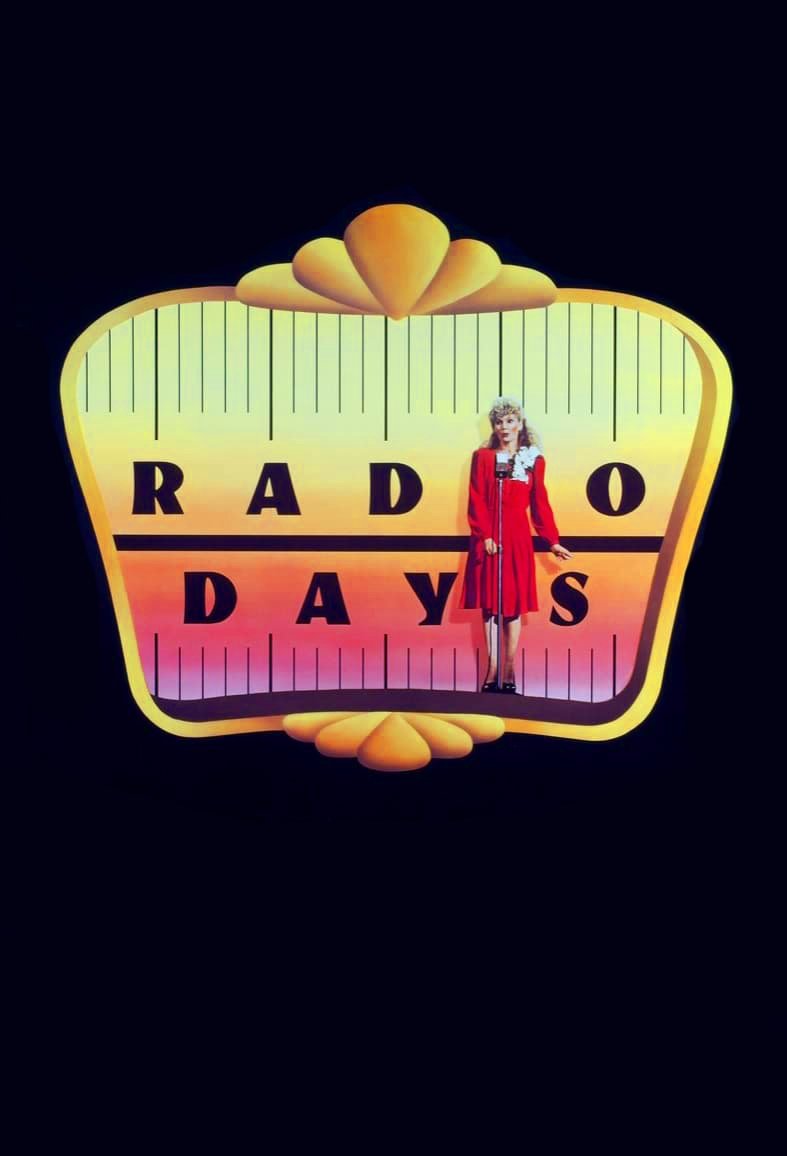
The Narrator tells us how the radio influenced his childhood in the days before TV. In the New York City of the late 1930s to the New Year's Eve 1944, this coming-of-age tale mixes the narrator's experiences with contemporary anecdotes and urban legends of the radio stars.
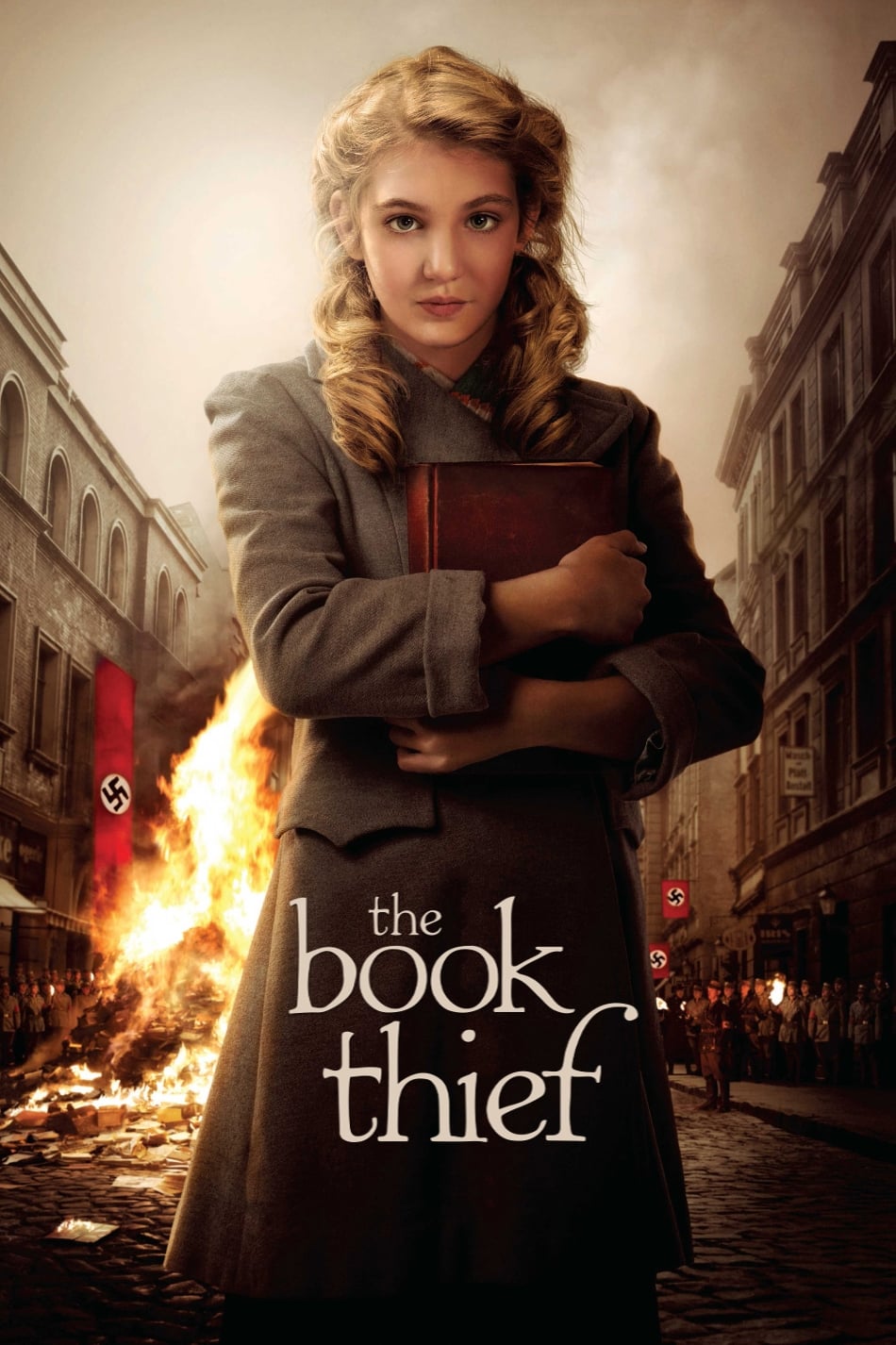
While subjected to the horrors of WWII Germany, young Liesel finds solace by stealing books and sharing them with others. Under the stairs in her home, a Jewish refugee is being sheltered by her adoptive parents.
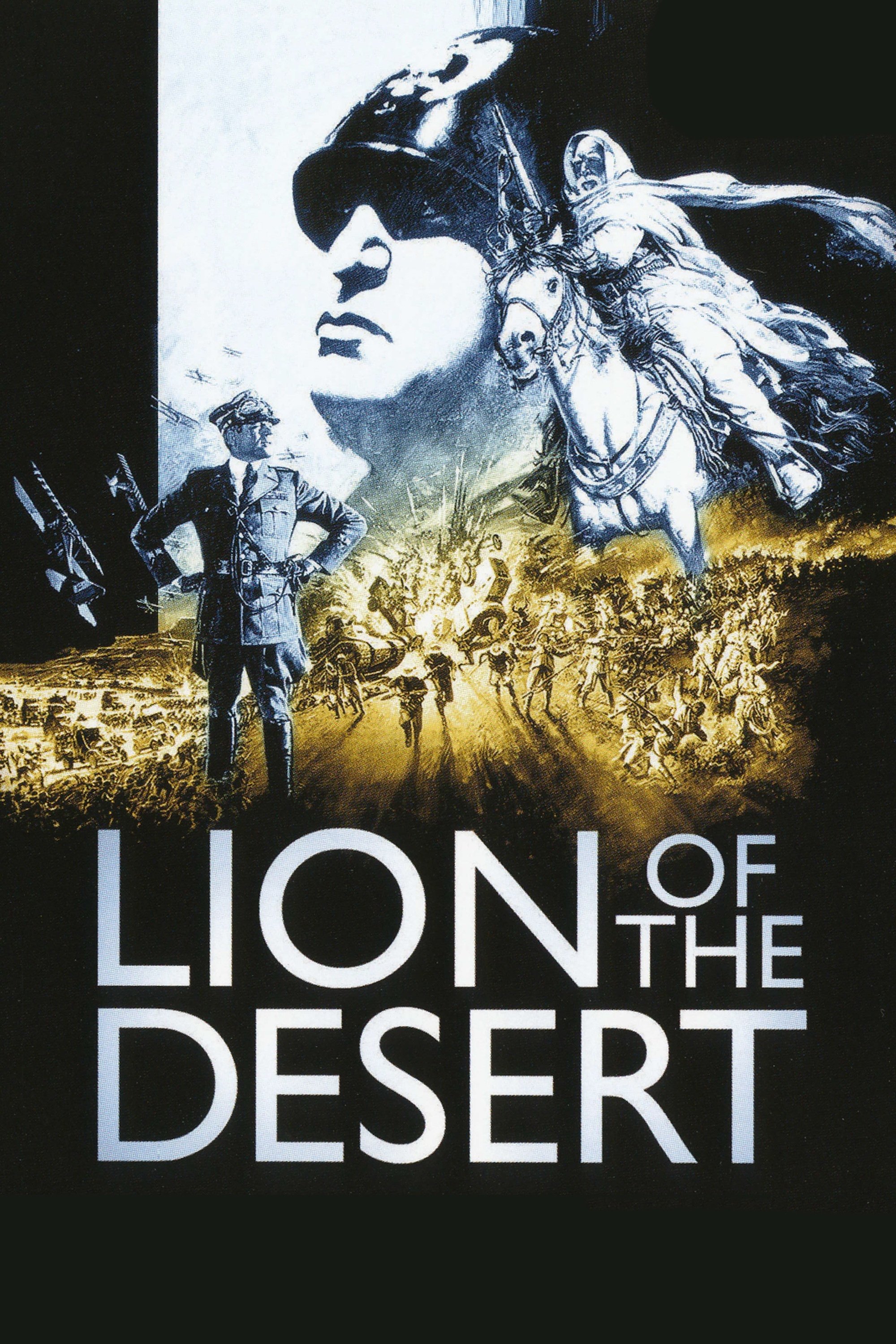
Resistance leader Omar Mukhtar opposes Italian colonization before World War II. The brutal guerrilla war against Italian General Rodolfo Graziani and the Fascist forces of Benito Mussolini highlights the struggle for Libyan independence and the harsh tactics utilised by the colonisers.
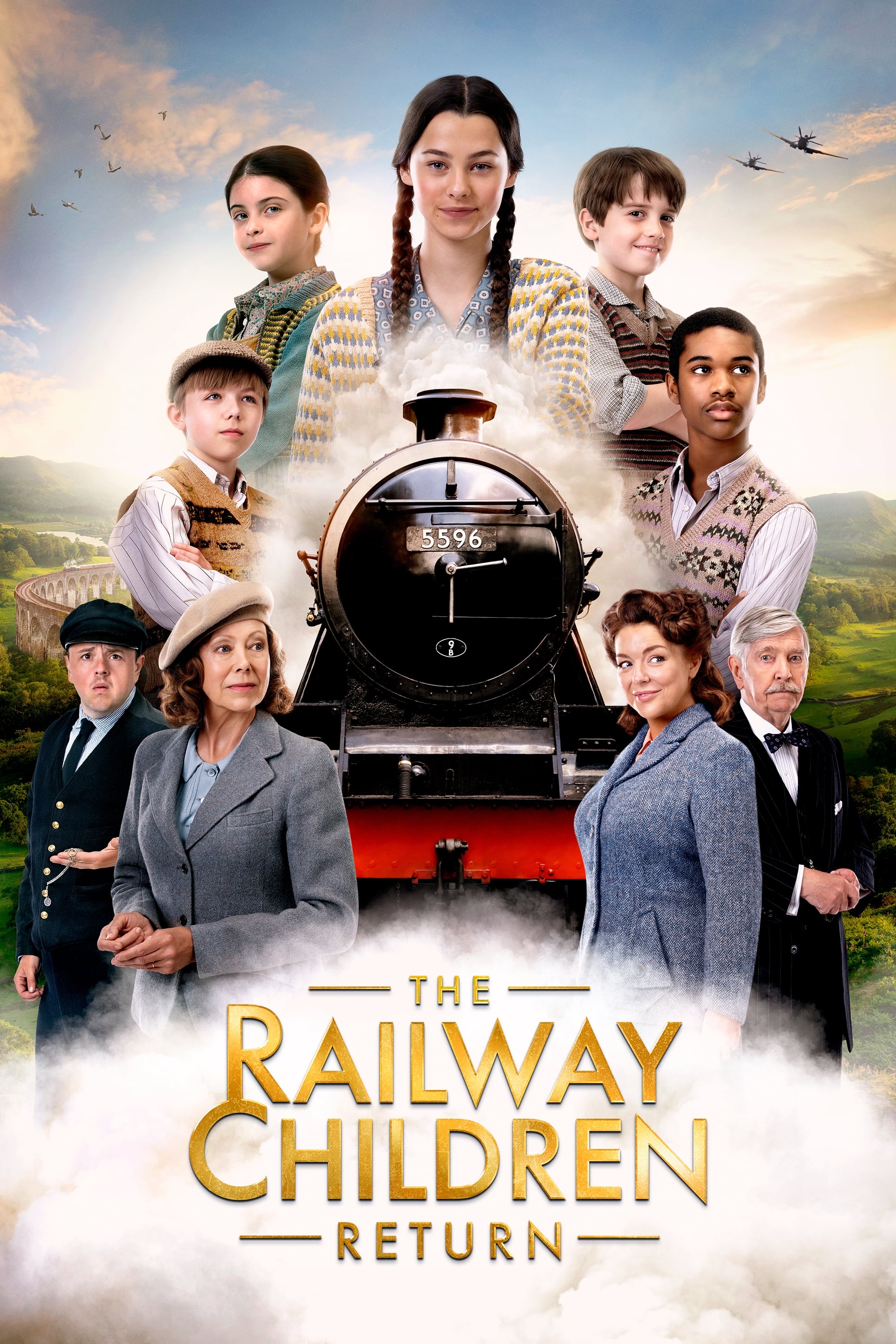
Follow a group of children who are evacuated to a Yorkshire village during the Second World War, where they encounter a young soldier who, like them, is far away from home.