"Four stories from the Huasco Alto"
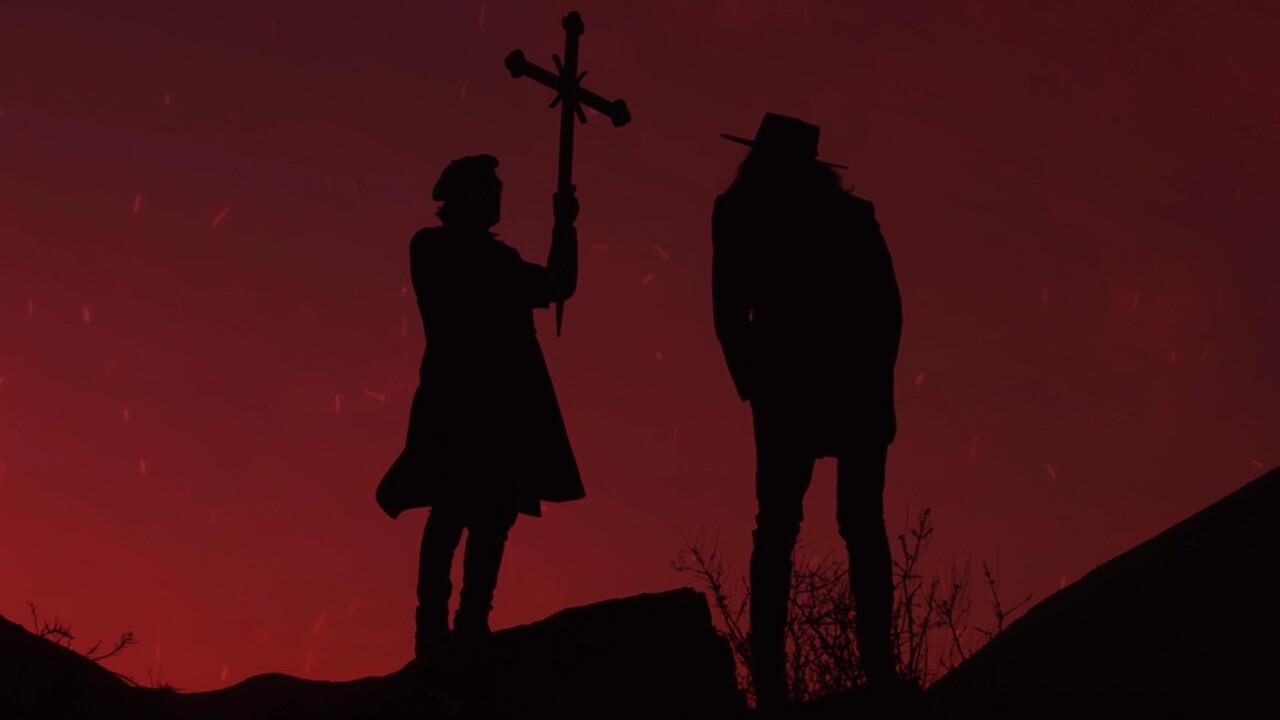
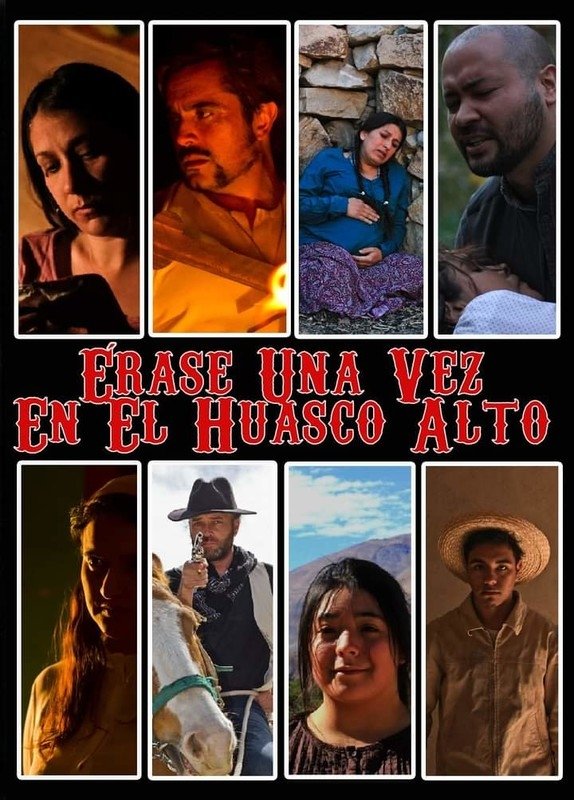
In a place in northern Chile where oral tradition, myths and history are mixed in a single mysterious universe, four stories take place surrounded by emotion, music and local identity.
Social & External
The people behind it
Koke Santa Ana
Maria José Araya
Francia Cortés
Mauricio Alfaro
Felipe Escuti
Shirley Ramos
Rodrigo Escuti
Catalina Robles
Colomba Robles
José Guerrero Urzúa
“Shellmound” is the story of how one location was transformed from a sacred center of pre-historic cultures to a commercial mecca for modern people. What began as a Native American burial ground three thousand years ago, was transformed first into an amusement park, and later an industrial age paint factory. Now, the tainted ancient soil sits beneath the glittering lights of Banana Republic, Victoria’s Secret, and the AMC movie theaters. “Shellmound” examines the decisions made during the recent toxic cleanup, excavation, and construction of the Bay Street mall through the eyes of the city of Emeryville, the developer, the archaeologists, and the native Californians who worked on the site.
From May 10, 1940, France is living one of the worst tragedies of it history. In a few weeks, the country folds, and then collapsed in facing the attack of the Nazi Germany. On June 1940, each day is a tragedy. For the first time, thanks to historic revelations, and to numerous never seen before images and documents and reenacted situations of the time, this film recounts the incredible stories of those men and women trapped in the torment of this great chaos.
The Seljuk Empire has expanded, and taken over “the Holy Land”. Pope Gregory VIII gets together a band of valorous warriors from across Europe to defeat Saladin.
The story of the statesman Ioannis Kapodistrias from his time as foreign minister of Russia all the way to Greece's independence in the 1820s.
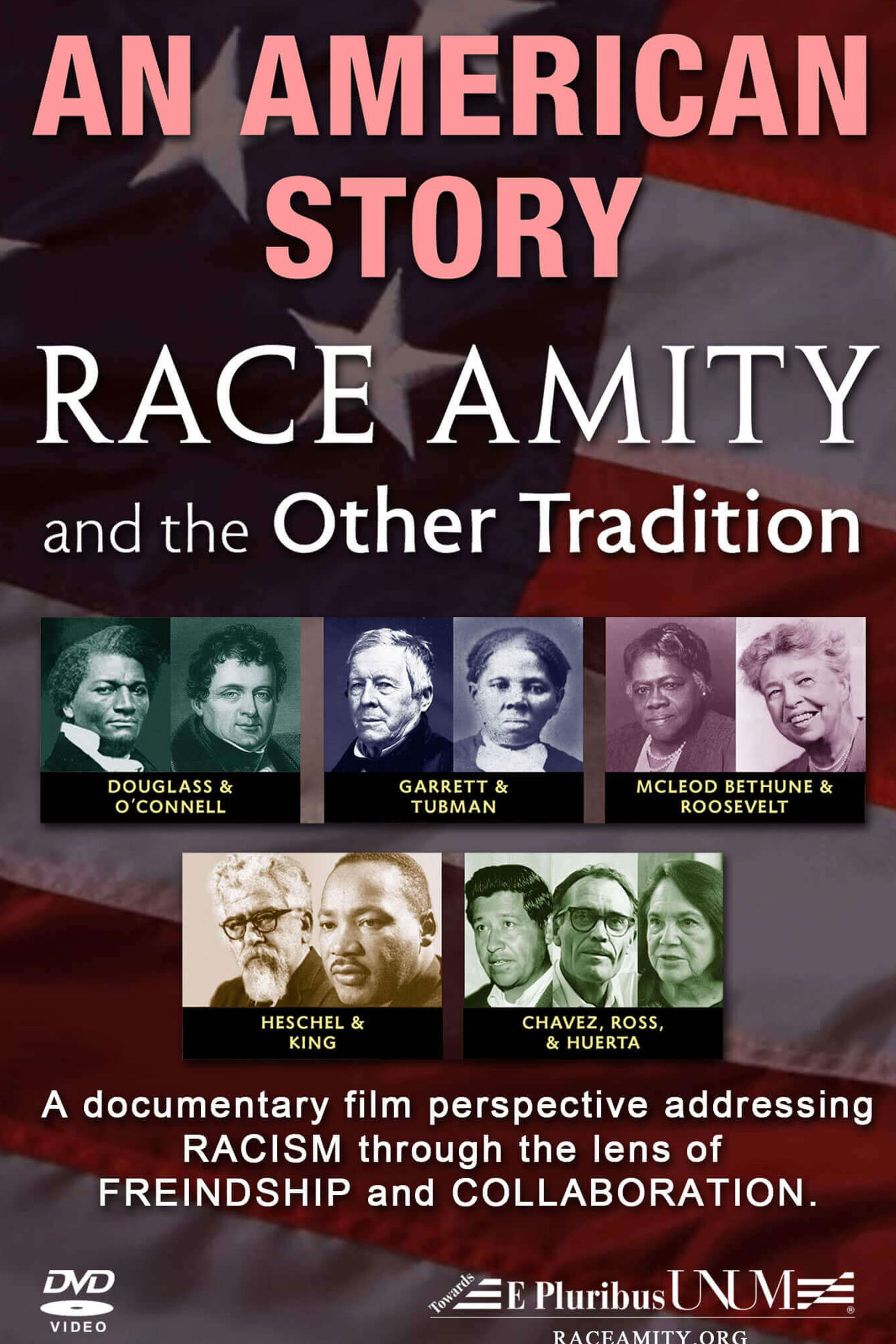
In contrast to the lens that focuses exclusively on the racist traditions that are rooted in America’s social history, the moral counterweight of close, loving, friendship and collaboration, which have always been present in our history, represents “the other tradition.” This “other tradition” is a source of inspiration and presents models of behavior that are instructional and include unknown and uncelebrated legacies to be absorbed and emulated across generations of present day Americans. The documentary discusses the “better in us” a needed collective perspective in the current climate of national disunity across racial, religious, and political lines. This has significant implications for addressing public issues from immigration to health care and the myriad of governmental, educational, business, and religious challenges that we must successfully meet to weave the fabric of unity which is indispensable to survival as a nation.
To the east of the Arabian desert, an ancient culture developed; and it attainted the sophistication of its civilized neighbours in Mesopotamia & Iran. The extreme aridity of the spot, combined with the strictness of religious prohibitions, discouraged archaeologists for a long period of time. Only recently, a group of French scientists initiated a large-span excavation. Their aim is to comprehend how this society succeeded to prosper, despite a natural environment so hostile to any conditions of life. The answer seems to be the refinement of a revolutionary, water management technique. Yet beyond such technical prowess, this documentary provides a unique look to discover a unique way of life; but also the pre-Islamic religious beliefs of this milieu.
Special care has been taken by International Historic Films to assemble this monumental documentary, which tells the story of what is left for a people after its land has been ravaged by war. Situated between the powerful antagonists Germany and the Soviet Union, the Baltic nations of Latvia, Lithuania, and Estonia bore witness to some of the most ferocious land battles of the Second World War.
A war. Two friends. Chaos will reign.
On January 15, 1972, Leonid Pliouchtch, a Ukrainian mathematician who was unknown at the time, was locked up in a Soviet psychiatric institution and accused of dissidence. His wife, Tatiana, fought for his defense and contacted a committee of French mathematicians to help him. Led by Laurent Schwartz, they launched a three-year campaign to secure his release and succeeded in getting the USSR to back down on the issue.
In the 1960s, the suburbs were meant to be modern havens for newcomers from rural France, Portugal, Spain, North Africa, and Africa, helping rebuild post-war France. Large housing complexes symbolized this ideal, offering comfort, heating, and electricity. But by the 1980s, disillusionment set in as economic crisis, unemployment, poverty, crime, racism, and police violence took hold. Mohamed Bouhafsi tells the story of a dream that didn’t last.
In the shadow of the First World War, the genocide of the Christian Assyrians took place almost unnoticed by the world public. This first systematic genocide of the 20th century was committed by the Young Turks (Ottoman Empire) and would not have been possible without the support of some Kurdish local rulers and their family clans. The Assyrians are the indigenous people of Mesopotamia and have lived in Mesopotamia for thousands of years. The film includes testimony from several European, Turkish and Assyrian historians, as well as genocide researchers, including Professor Taner Akcam, Dr. Gabriele Yonan and Professor David Gaunt. The film includes testimony from survivors of the genocide. Various journalists and publicists also have their say with well-researched information in this documentary. The Assyrians refer to the Genocide as "Seyfo" (ܣܝܦܐ), which translates as "sword".
Why did the Roman Empire, which dominated Europe and the Mediterranean for five centuries, inexorably weaken until it disappeared? Archaeologists, specialists in ancient pathologies and climate historians are now accumulating clues converging on the same factors: a powerful cooling and pandemics. A disease, whose symptoms described by the Greek physician Galen are reminiscent of those of smallpox, struck Rome in 167, soon devastating its army. At the same time, a sudden climatic disorder that was underway as far as Eurasia caused agricultural yields to plummet and led to the westward migration of the Huns. Plagued by economic and military difficulties, attacked from all sides by barbarian tribes, the Roman edifice gradually cracked.
Freedom fighter and politician Mohammed Abdul Rahiman leads the revolution in Kerala.
During the Swedish invasion of Poland, the brave warrior Andrzej Kmicic, considered a traitor to the nation, fights for a country, redemption and love across the 17th-century Polish territories.
In 1520, the notorious and power-hungry Danish King Christian II is determined to seize the Swedish crown from Sten Sture, no matter what it takes. Meanwhile, sisters Freja and Anne make a solemn promise to seek revenge on the men who brutally murdered their family. Everything comes to a head in the heart of Stockholm, where the sisters are drawn into a ruthless political struggle between Sweden and Denmark that culminates in a mass execution, presided over by the mad King "Christian the Tyrant," known as the Stockholm Bloodbath.
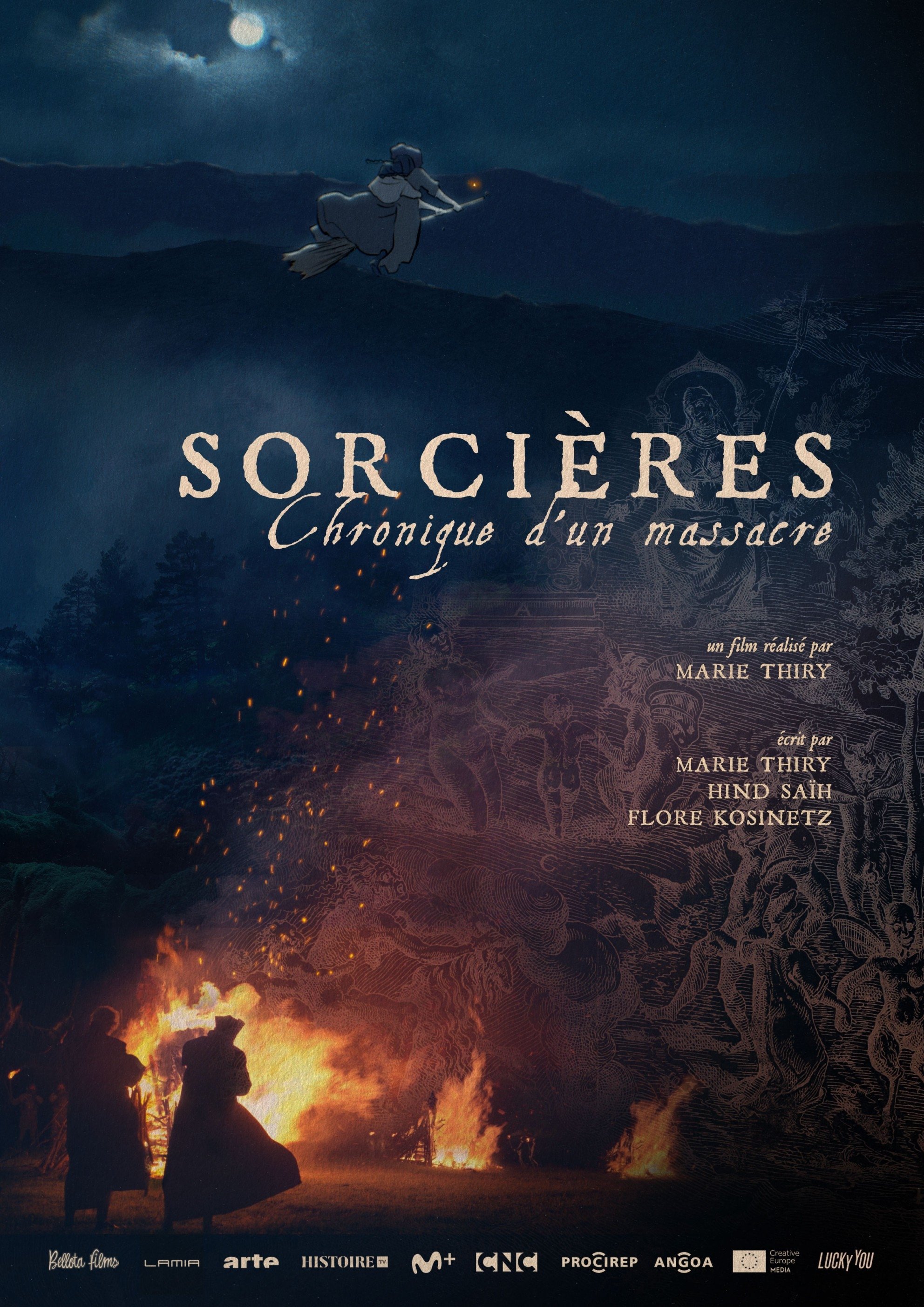
In 1609, Henry IV sent Inquisition judge Pierre de Lancre to the French Basque Country to investigate witchcraft. In the trials, 80 people were sentenced to death at the stake. Between the 15th and 17th centuries, a total of between 40,000 and 60,000 people fell victim to such waves of persecution in Europe. How can this phenomenon be explained?
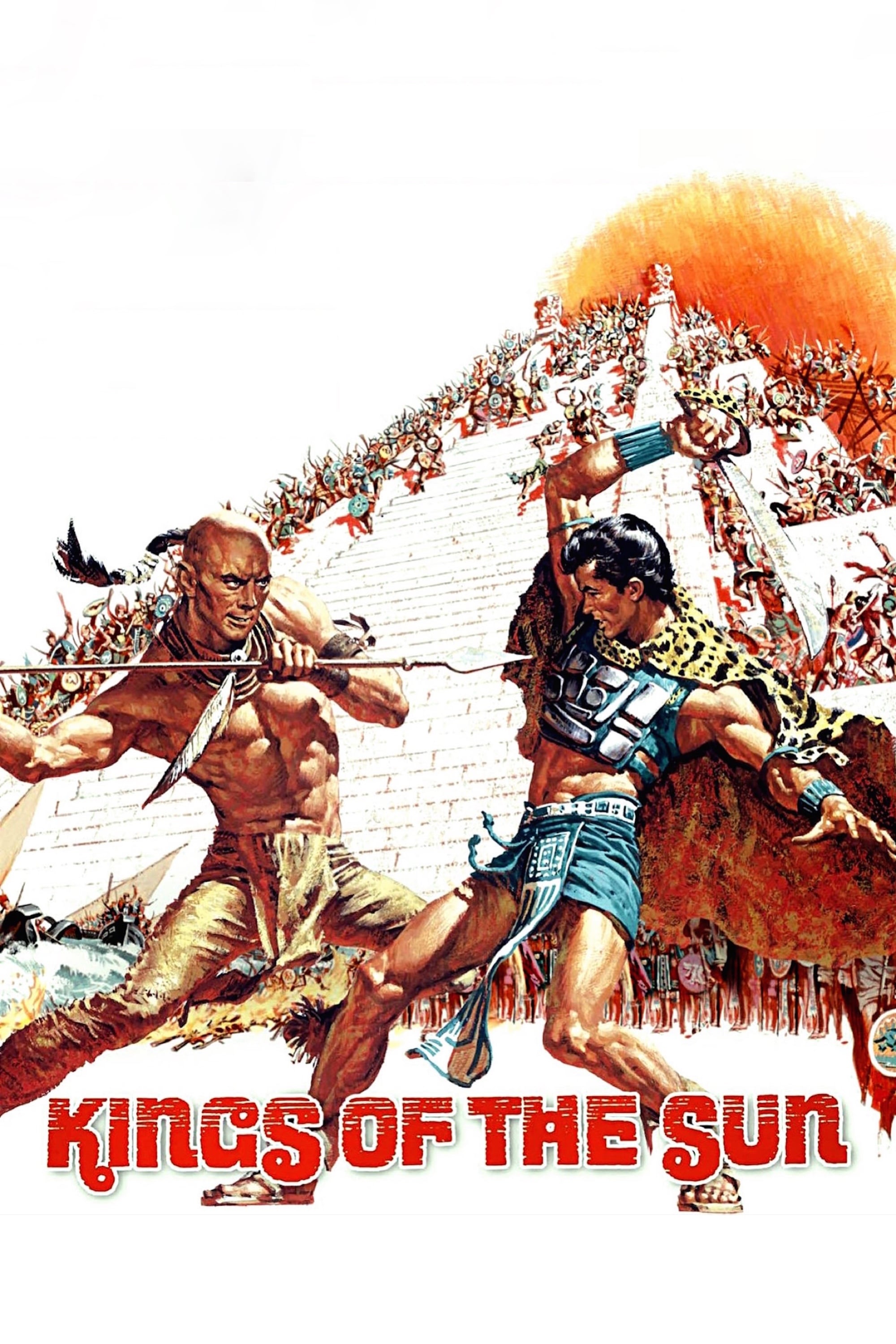
In order to flee from powerful enemies, young Mayan king Balam leads his people north across the Gulf of Mexico to the coast of what will become the United States. They build a home in the new land but come into conflict with a tribe of Native Americans led by their chief, Black Eagle, while both Balam and Black Eagle fall in love the beautiful Mayan princess Ixchel.
An escaped slave travels north and has chance encounters with Frederick Douglass and John Brown. Based on the life story of Shields Green.
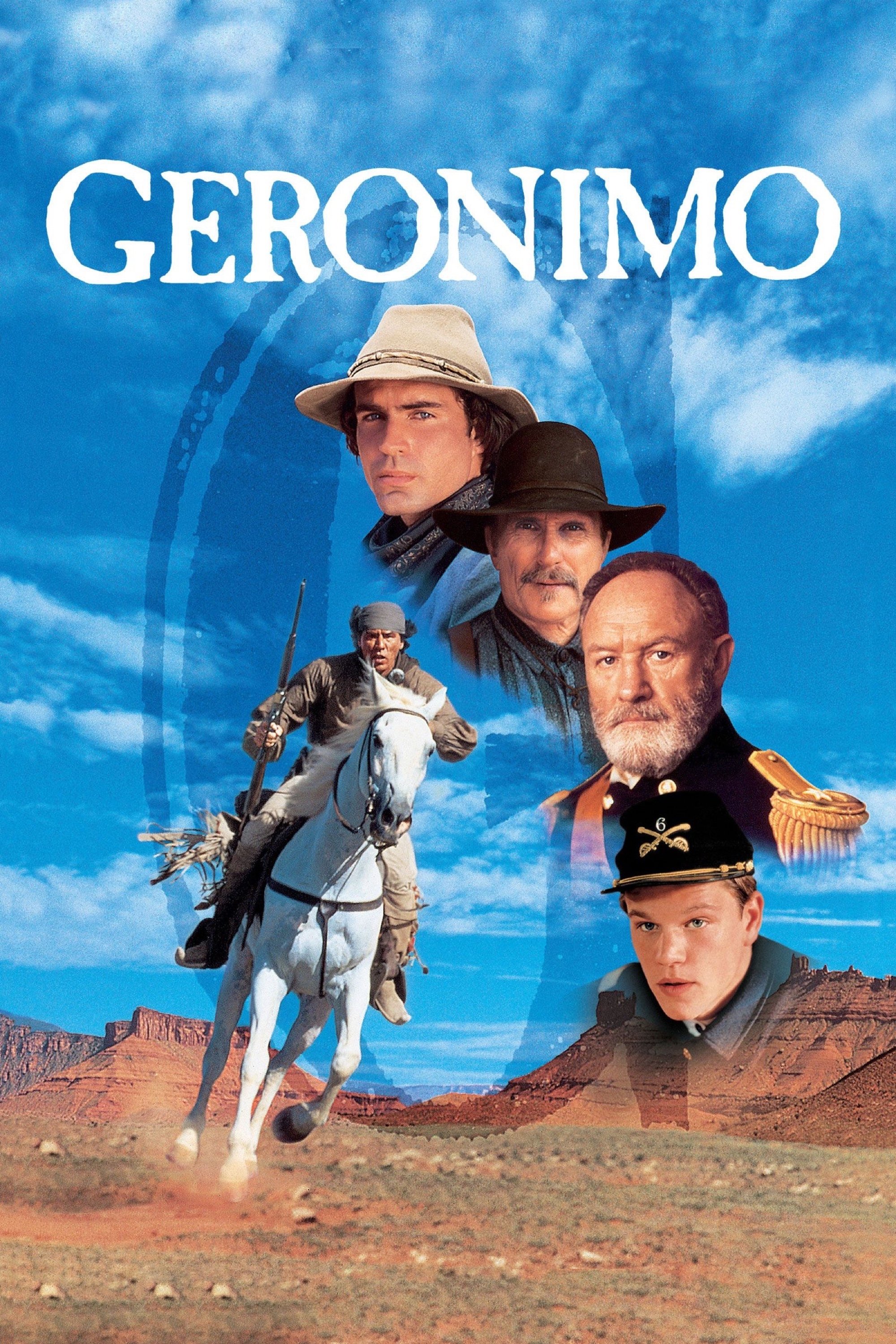
The Apache Indians have reluctantly agreed to settle on a US Government approved reservation. Not all the Apaches are able to adapt to the life of corn farmers. One in particular, Geronimo, is restless. Pushed over the edge by broken promises and necessary actions by the government, Geronimo and thirty or so other warriors form an attack team which humiliates the government by evading capture, while reclaiming what is rightfully theirs.
The story concerns two grizzled mountain men -- Bill Tyler and Henry Frapp -- during the dying days of the fur-trapping era. The plot begins when Running Moon runs away from her abusive husband Heavy Eagle and comes across the two seedy fur trappers. The mountain men take her in, unaware that Heavy Eagle has dispatched an army of Indian braves to reclaim her.
In the highlands of Scotland in the 1700s, Rob Roy tries to lead his small town to a better future, by borrowing money from the local nobility to buy cattle to herd to market. When the money is stolen, Rob is forced into a Robin Hood lifestyle to defend his family and honour.
In the mid-19th century, Senator William J. Tadlock leads a group of settlers overland in a quest to start a new settlement in the Western US. Tadlock is a highly principled and demanding taskmaster who is as hard on himself as he is on those who have joined his wagon train. He clashes with one of the new settlers, Lije Evans, who doesn't quite appreciate Tadlock's ways. Along the way, the families must face death and heartbreak and a sampling of frontier justice when one of them accidentally kills a young Indian boy.
Noreno, a half-Roman, is entrusted with the mission of crossing the snowy mountains of Armenia, swarming with Parthian patrols, to seek help for his slowly dying men.
Legends (and myths) from the life of famed American frontiersman Davy Crockett are depicted in this feature film edited from television episodes. Crockett and his friend George Russel fight in the Creek Indian War. Then Crockett is elected to Congress and brings his rough-hewn ways to the House of Representatives. Finally, Crockett and Russell journey to Texas and the last stand at the Alamo.
"End of the Spear" is the story of Mincayani, a Waodani tribesman from the jungles of Ecuador. When five young missionaries, among them Jim Elliot and Nate Saint, are speared to death by the Waodani in 1956, a series of events unfold to change the lives of not only the slain missionaries' families, but also Mincayani and his people.
A warrior-assassin is forced to hide in a small town in the American Badlands after refusing a mission.
Wounded Civil War soldier John Dunbar tries to commit suicide—and becomes a hero instead. As a reward, he's assigned to his dream post, a remote junction on the Western frontier, and soon makes unlikely friends with the local Sioux tribe.
The legendary true story of a small band of soldiers who sacrificed their lives in hopeless combat against a massive army in order to prevent a tyrant from smashing the new Republic of Texas.
When half-breed Indian Yaqui Joe robs an Arizona bank, he is pursued by dogged lawman Lyedecker. Fleeing to Mexico, Joe is imprisoned by General Verdugo, who is waging a war against the Yaqui Indians. When Lyedecker attempts to intervene, he is thrown into prison as well. Working together, the two escape and take refuge in the hills, where Lyedecker meets beautiful Yaqui freedom fighter Sarita and begins to question his allegiances.
In 1914, the Mexican revolutionary Pancho Villa invites studios to shoot his actual battles against Porfírio Diaz army to raise funds for financing guns and ammunition. The Mutual Film Corporation, through producer D.W. Griffith, interests for the proposition and sends the filmmaker Frank Thayer to negotiate a contract with Pancho Villa himself.
A young boy draws on the inspiration of legendary western characters to find the strength to fight an evil land baron in the old west who wants to steal his family's farm and destroy their idyllic community. When Daniel Hackett sees his father Jonas gravely wounded by the villainous Stiles, his first urge is for his family to flee the danger, and give up their life on a farm which Daniel has come to despise anyway. Going alone to a lake to try to decide what to do, he falls asleep on a boat and wakes to find himself in the wild west, in the company of such "tall tale" legends as Pecos Bill, Paul Bunyan, John Henry and Calamity Jane. Together, they battle the same villains Daniel is facing in his "real" world, ending with a heroic confrontation in which the boy stands up to Stiles and his henchmen, and rallies his neighbors to fight back against land grabbers who want to destroy their town.
Two brothers discharged from the Confederate Army join a businessman for a cattle drive from Texas to Montana where they run into raiding Jayhawkers, angry Sioux, rough terrain and bad weather.
John Thornton, is a fearless man who's after more than gold; he wants to do what's right. Thornton works for the U.S. mail and is the only person daring and smart enough to figure out how to travel the deadly 600 miles from Skagway to Dawson, Alaska in the icy winter. His incredibly dog Buck is by his side and part of how he survives.
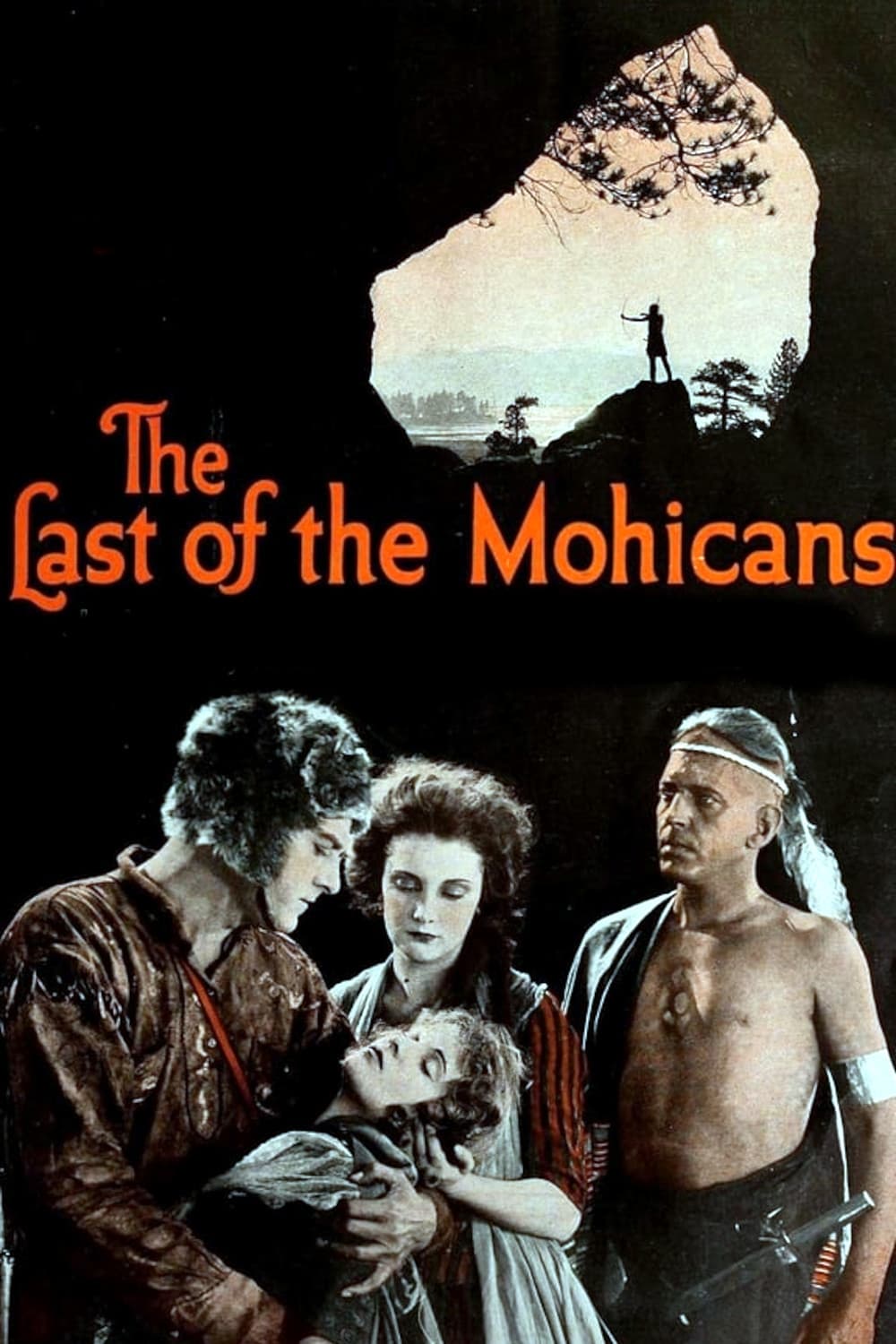
As Alice and Cora Munro attempt to find their father, a British officer in the French and Indian War, they are set upon by French soldiers and their cohorts, Huron tribesmen led by the evil Magua. Fighting to rescue the women are Chingachgook and his son Uncas, the last of the Mohican tribe, and their white ally, the frontiersman Natty Bumppo, known as Hawkeye.
Two tough Kentucky mountaineers join a trading expedition from St. Louis up the Missouri River to trade whisky for furs with the Blackfoot Indians. They soon discover that there is much more than the elements to contend with.
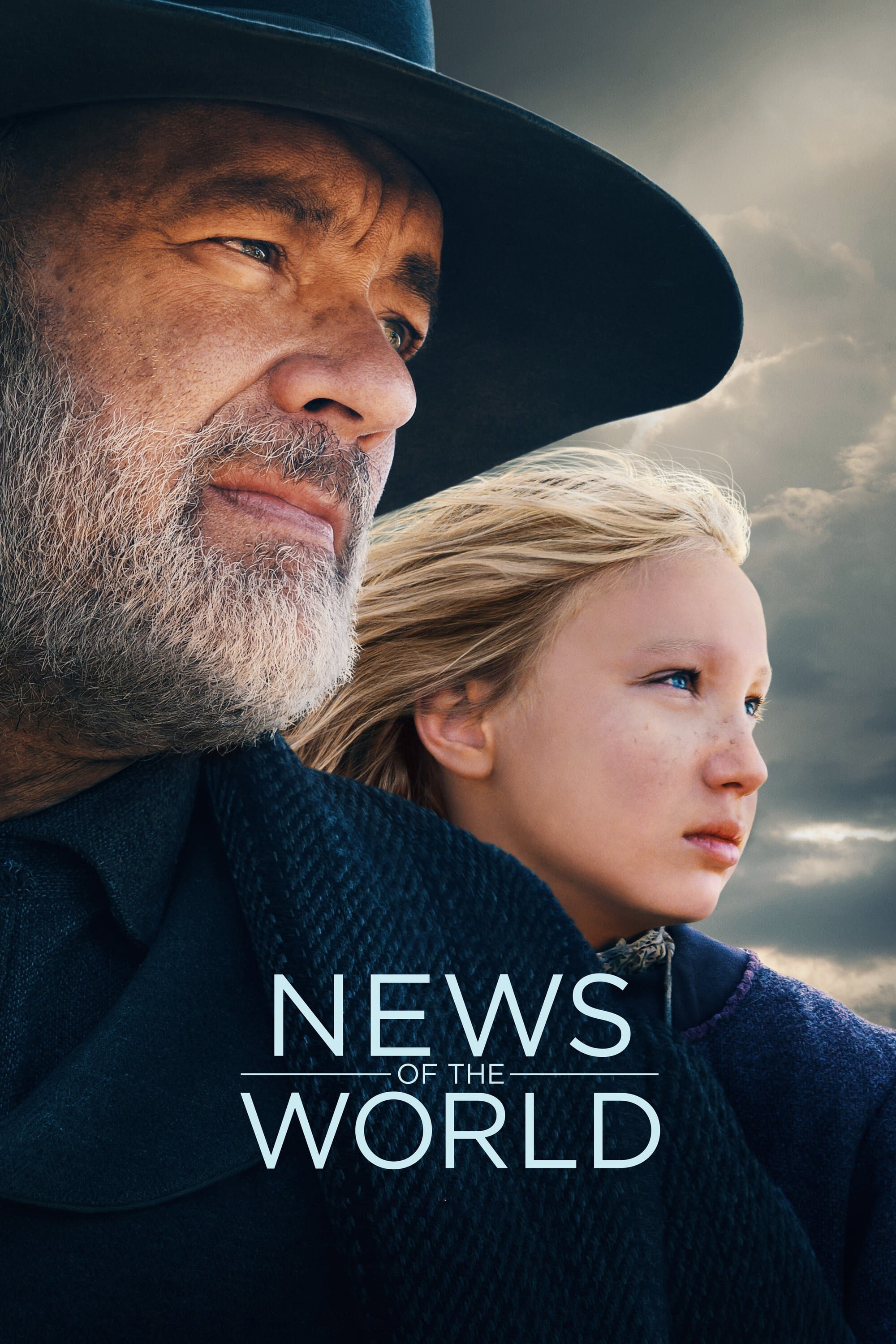
A Texan traveling across the wild West bringing the news of the world to local townspeople, agrees to help rescue a young girl who was kidnapped.