A nematic painting of sleep.
Social & External
The people behind it
Everyday states of being and decay are observed through the infinite scope of the cosmos and the restorative light which emanates from it, driving cinematic and photographic impulses.
TATTERY TATTERY TATTERY TATTERY TATTERY. TATTERY TATTERY TATTERY TATTERY TATTERY TATTERY TATTERY TATTERY TATTERY TATTERY TATTERY TATTERY TATTERY.
This animation can be watched in 2D or using Chromadepth Glasses in 3D.
Joost Rekveld's first film is an hommage to the way daylight changes colour during the course of the day and links this to how film is a medium that captures and radiates light. Until 2013, this was the only film for which Rekveld also composed the soundtrack.
"Three Women, is an ambitious work designed to be shown on multiple screens in a movie theater. Moving a step forward from the use of multiple screens as an expansion of cinema as exemplified by Abel Gance’s Napoléon (1927), it presents what is literally a conceptual expansion of cinema in the form of a filmic work experienced in a theater in which the 15-channel, surround-sound audio constructed by Araki Masamitsu and Ito’s visuals organically intertwine."
1977 Czech experimental short by Petr Skala
Distorted memories, hidden rituals. The journey of a soul returning to its essence through a silent funeral.
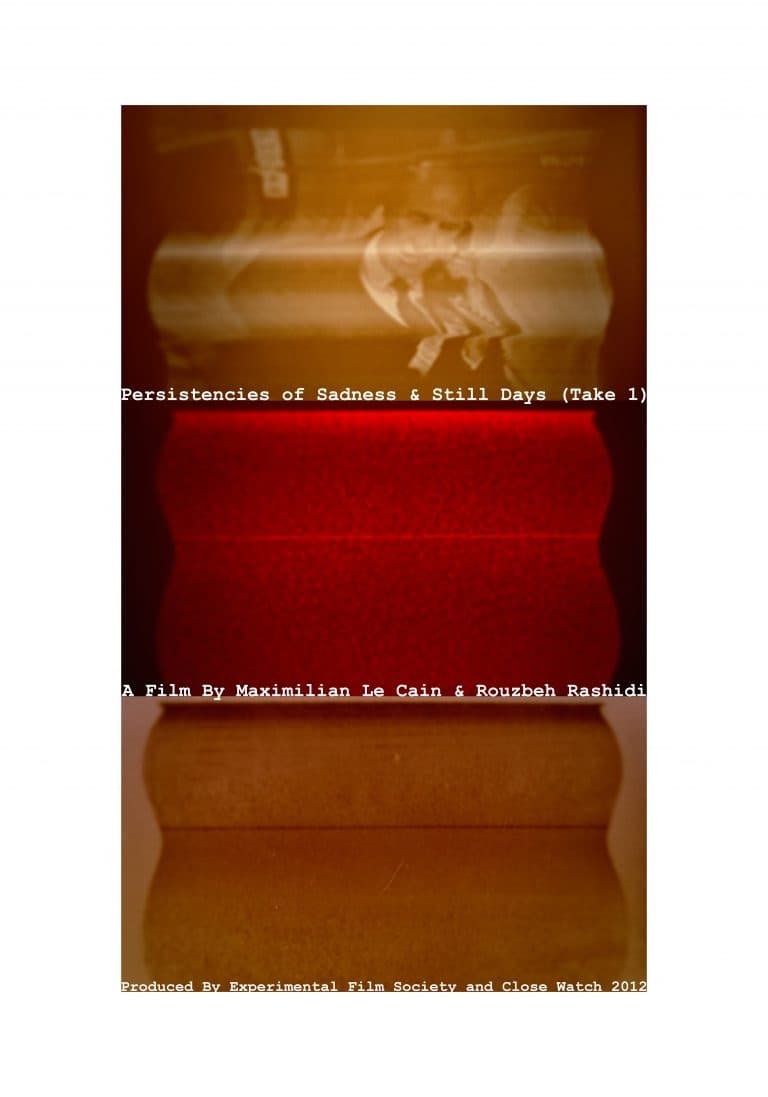
“Persistencies of Sadness & Still Days”, is a four hour feature film by Maximilian Le Cain and Rouzbeh Rashidi. Structured in two sections or ‘takes’ of two hours each, this dream-like, experimental project offers two complementary explorations of cinematic form that skirt around possible narratives, ducking through a series of fluctuating audio-visual categories and intensities.
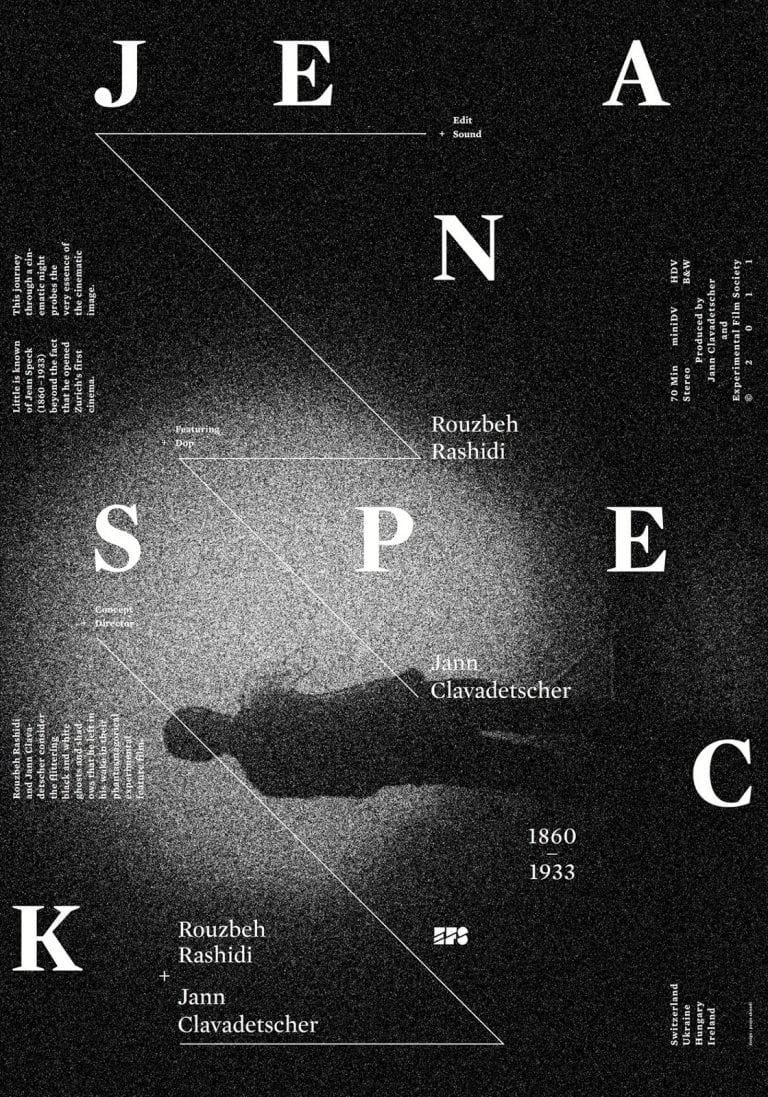
Little is known of Jean Speck (1860-1933) beyond the fact that he opened Zurich’s first cinema. Rouzbeh Rashidi and Jann Clavadetscher consider the flittering black and white ghosts and shadows that he left in his wake in their phantasmagorical experimental feature film. This journey through a cinematic night probes the very essence of the cinematic image.
An intimate stream of memories reaching out across time and space, taking on a uniquely experimental form that cuts the viewer adrift in a weave of old footage rising to the surface of consciousness like a dream.
A bleak, cryptic vision of life in contemporary Iran that eschews overt social commentary in favour of a very personal vision of stifled lives. Directed remotely by Rashidi from Ireland over Skype, the making of this unique film reflects the alienation it so compellingly portrays.
Surreal and mysterious, in equal parts absurd and intense, Mutual Admiration Society is part of the noted multi-film collaboration between actor James Devereaux and experimental filmmaker Rouzbeh Rashidi. Based entirely around a silent, tour-de-force one-man performance by Devereaux as a man who appears to be haunting and threatening himself, Mutual Admiration Society uses startling visual techniques and editing rhythms to create a claustrophobic hall of mirrors with Devereaux’s tormented protagonist at its centre.
Obinagụ is not human. They are a spirit who walks among us, taking the form of a worker each day, only to return each evening to the forest they call home, a place where they feel whole and free, where they don’t have to perform or hide.
An Art and a Short Film in which the director records his childhood experiences and memories through the mischievous activities of a boy named Mohammad Saadh.
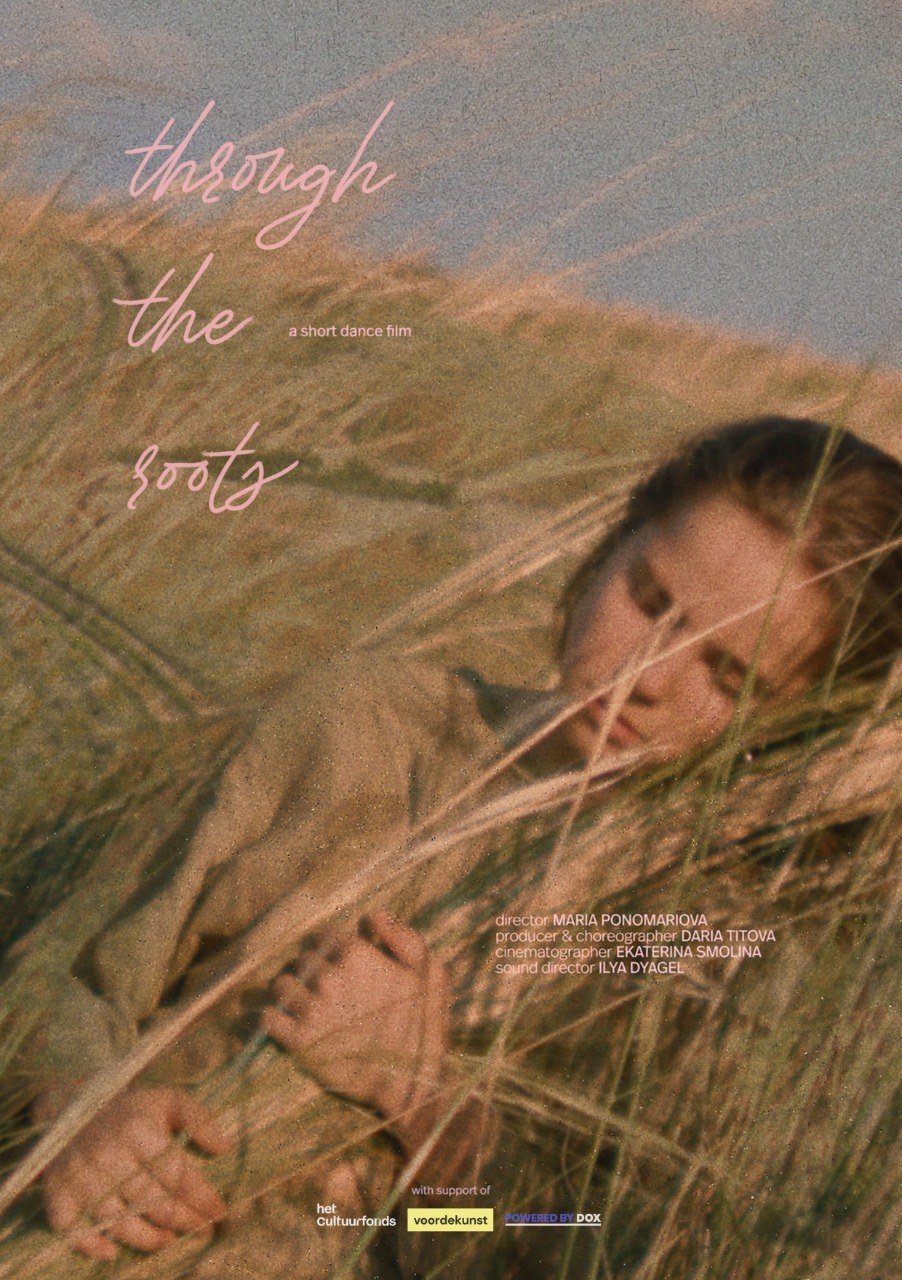
As an ode to her grandfather, choreographer Daria Titova returns to the rural land he cherished in Sokur, Russia. Through movement and evocative visual language, she explores memory, family heritage, and a sense of belonging — inviting the audience to reconnect with their own roots.
A short experimental film about communicating with each other using VHS and nostalgia and memories of time before.
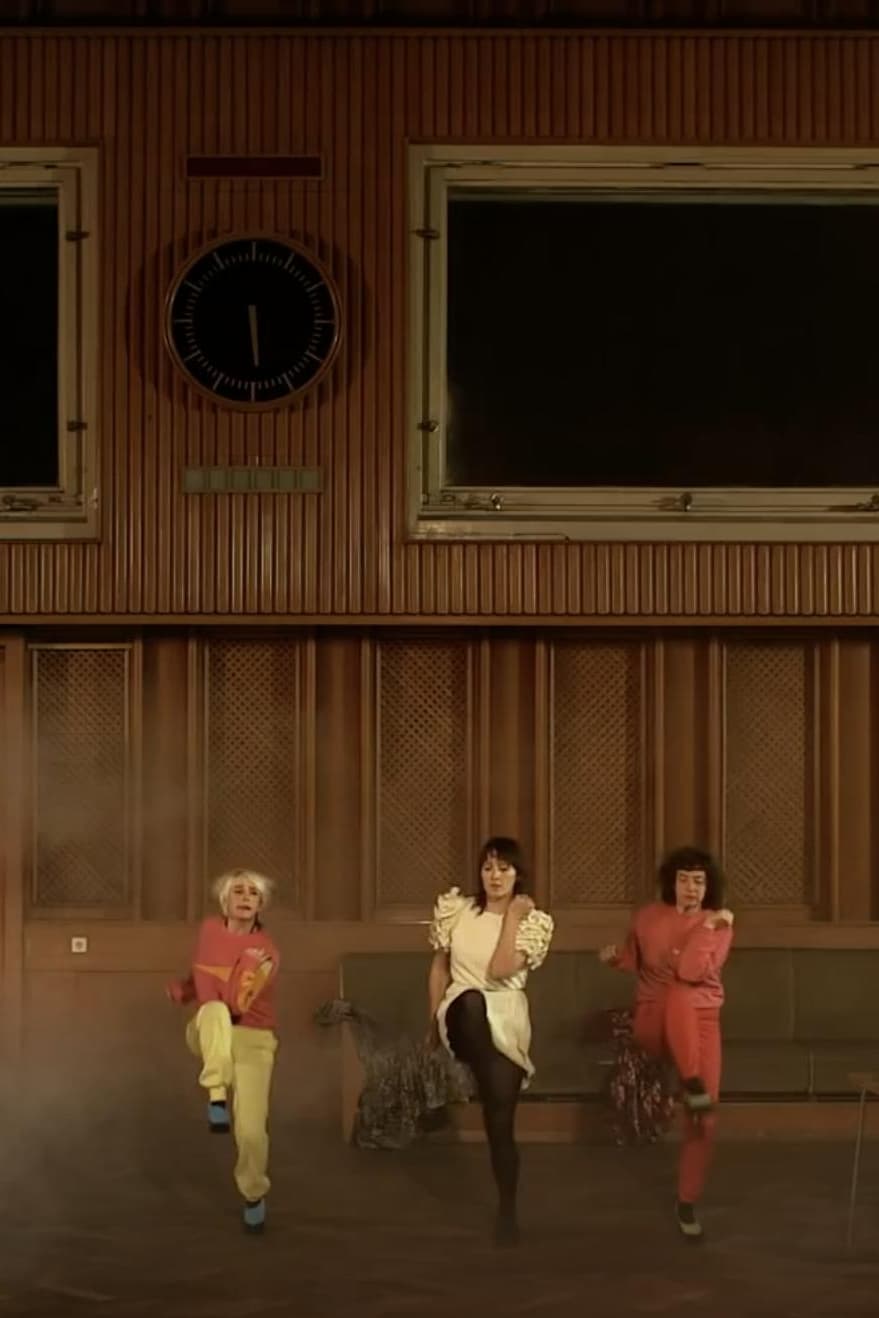
Crab Day is a short film made to accompany Cate Le Bon’s eponymous album, released on April 15, 2016 via Turnstile. Directed by Phil Collins and shot on location in Berlin in the winter of 2015.
Vintage pornography reels from the archives of Italy’s National Film Museum display over an AI recitation of Dante's The Divine Comedy.
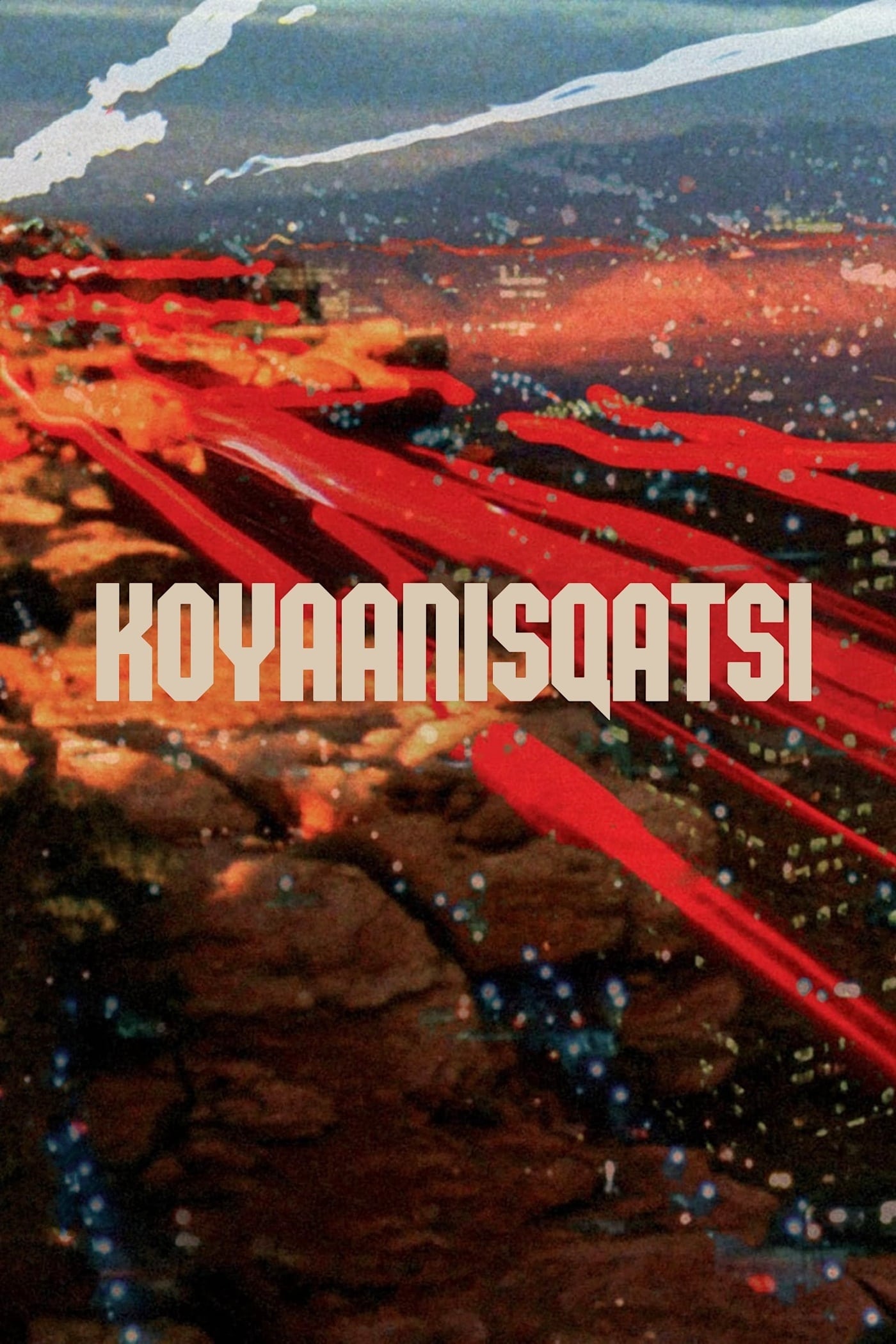
Takes us to locations all around the US and shows us the heavy toll that modern technology is having on humans and the earth. The visual tone poem contains neither dialogue nor a vocalized narration: its tone is set by the juxtaposition of images and the exceptional music by Philip Glass.
Carefully picked scenes of nature and civilization are viewed at high speed using time-lapse cinematography in an effort to demonstrate the history of various regions.
A nameless drifter navigates a barren landscape punctuated by satellite dishes, radio towers and droning airplanes. Stopping periodically in anonymous hotel rooms, she makes attempts to connect to an unidentified second party.
The government gets wind of a plot to destroy America involving a trio of nuclear weapons for which the whereabouts are unknown. It's up to a seasoned interrogator and an FBI agent to find out exactly where the nukes are.
First-time father Henry Spencer tries to survive his industrial environment, his angry girlfriend, and the unbearable screams of his newly born mutant child.
Clinging to a smooth, curved surface high above a sentient abyss, a woman tries to cover the few feet back to safety without losing purchase and falling to her death.
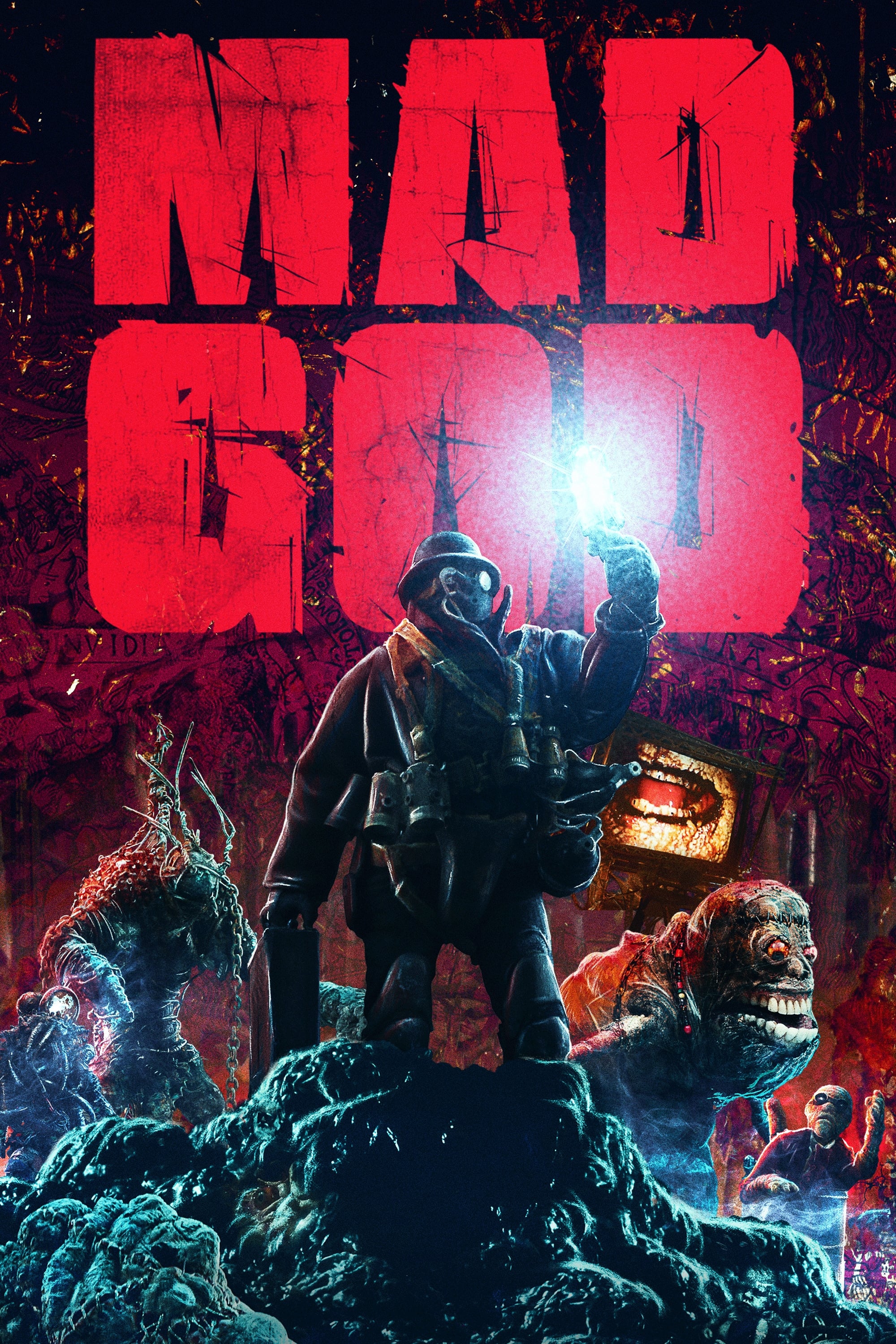
A silent figure known as The Assassin travels through a nightmare underworld of tortured souls, ruined cities and wretched monstrosities forged from the primordial horrors of the unconscious mind of Phil Tippett, the world's preeminent stop-motion animator.
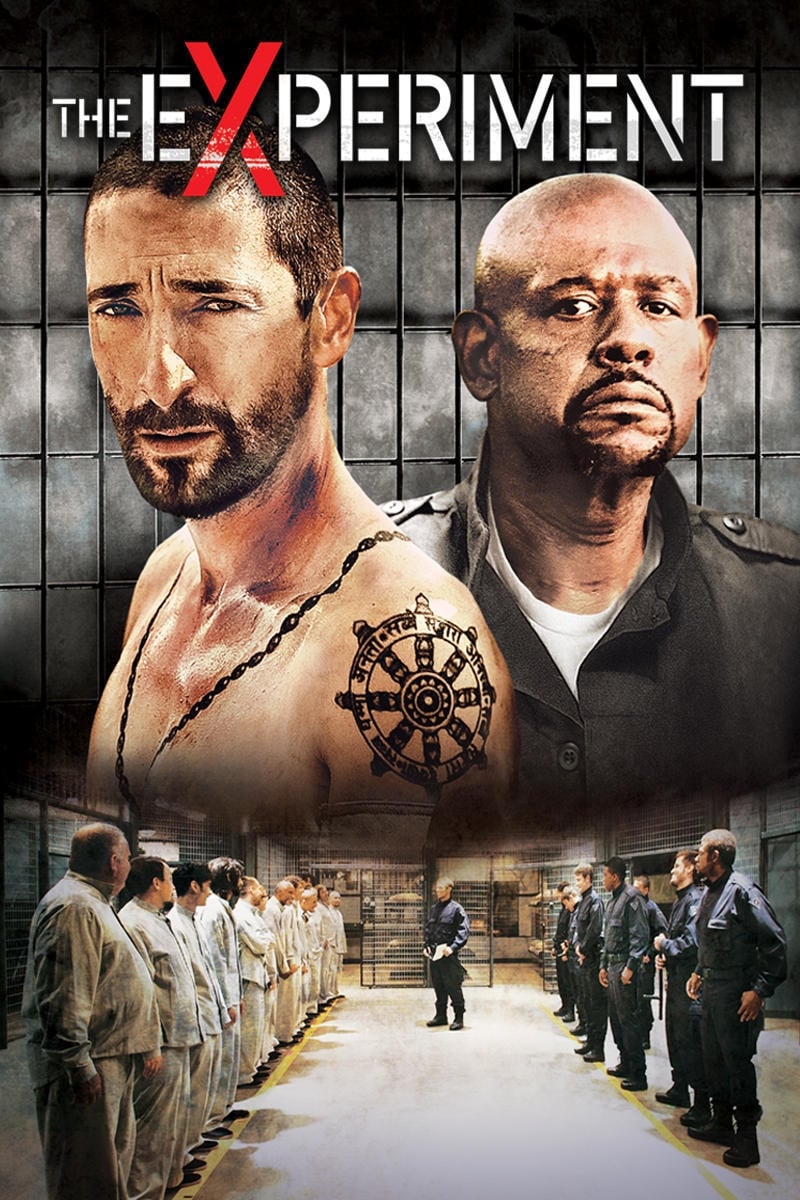
20 men are chosen to participate in the roles of guards and prisoners in a psychological study that ultimately spirals out of control.
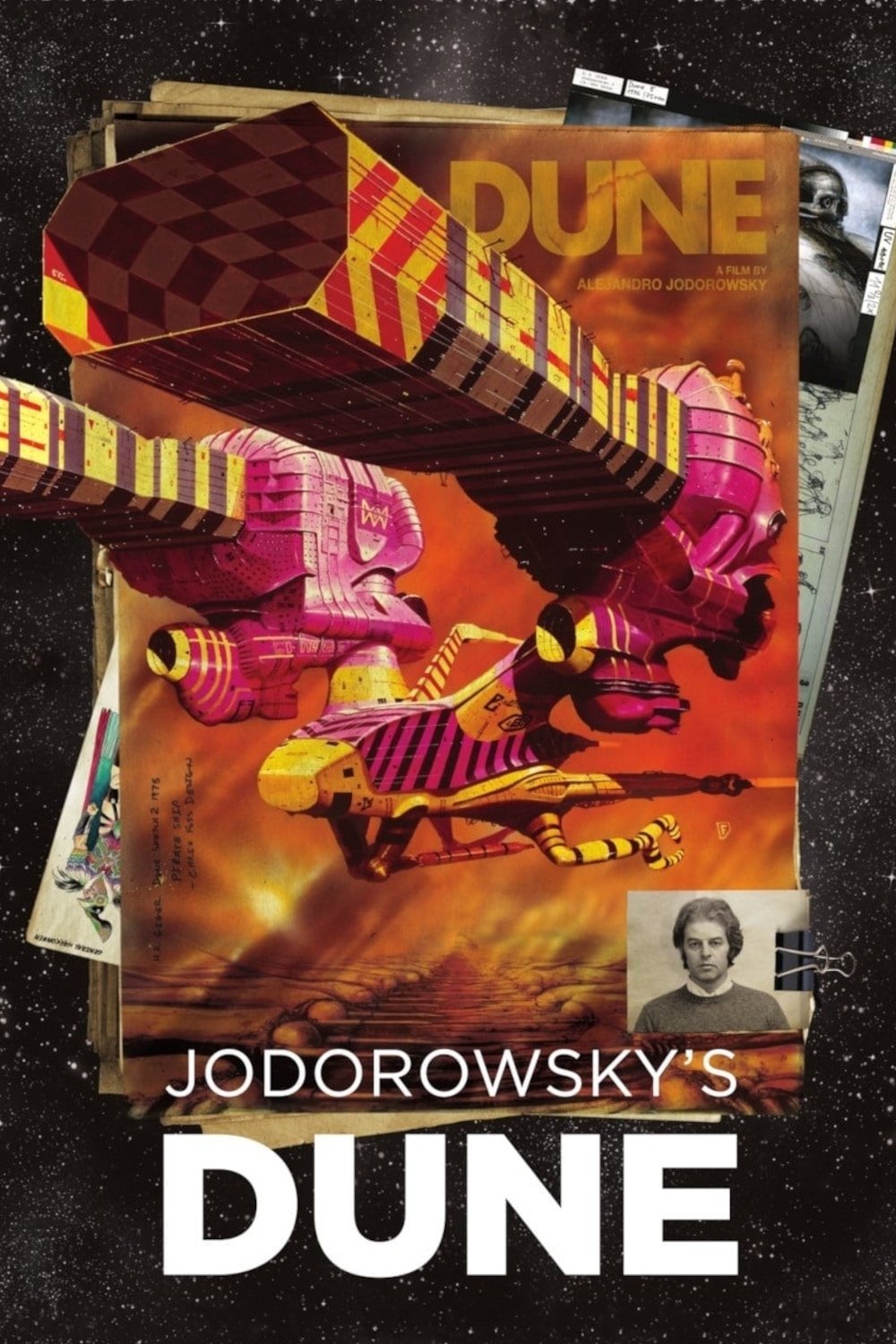
In 1974, Chilean-French director Alejandro Jodorowsky embarked on the quixotic project of adapting Frank Herbert's influential novel Dune (1969) for the big screen. After investing two years, and millions of dollars, the gigantic project ended in failure; but the artists Jodorowsky brought together to carry it out continued to work together, and ended up laying the foundations for modern science fiction cinema.
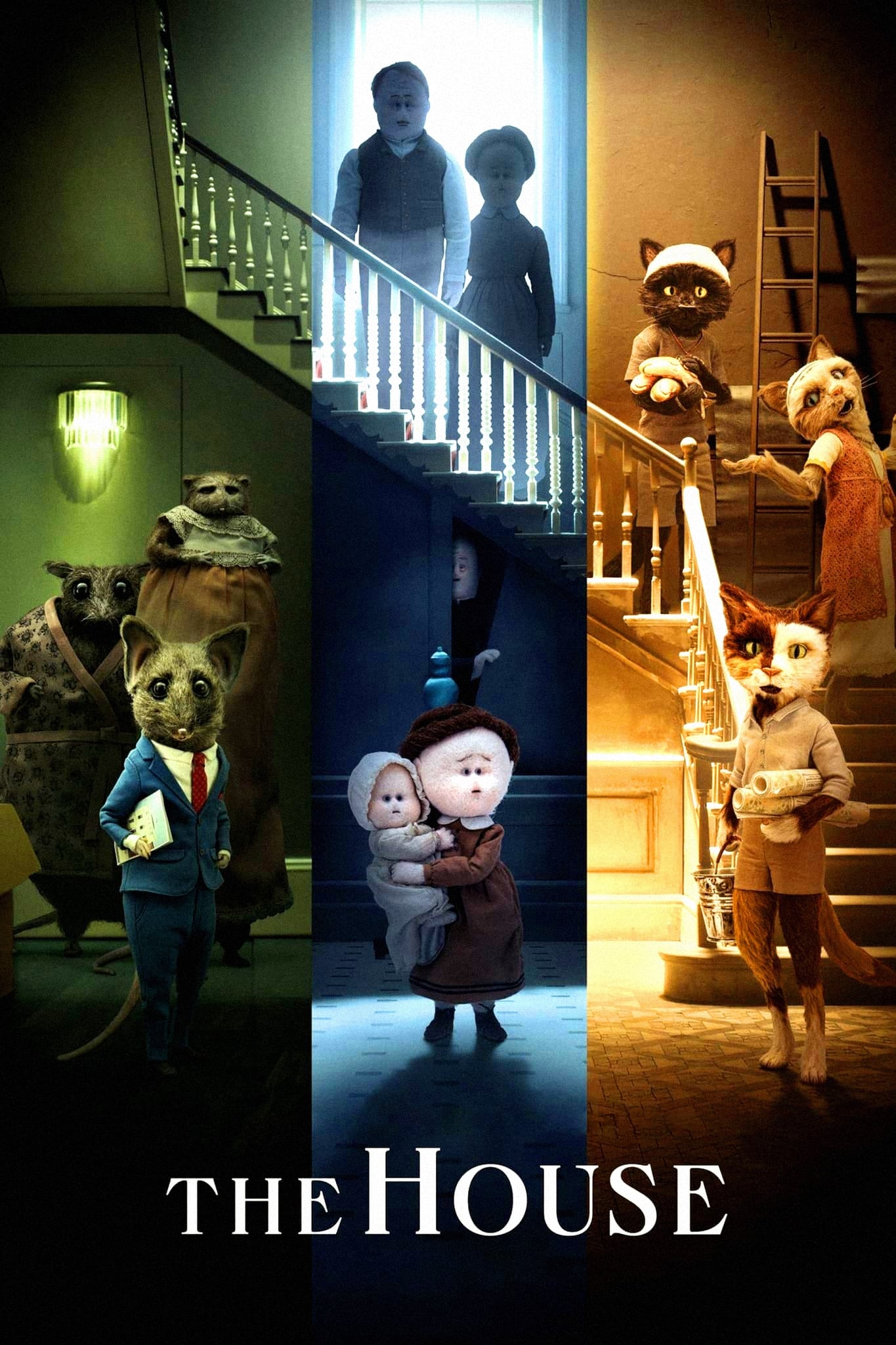
Across different eras, a poor family, an anxious developer and a fed-up landlady become tied to the same mysterious house in this animated dark comedy.
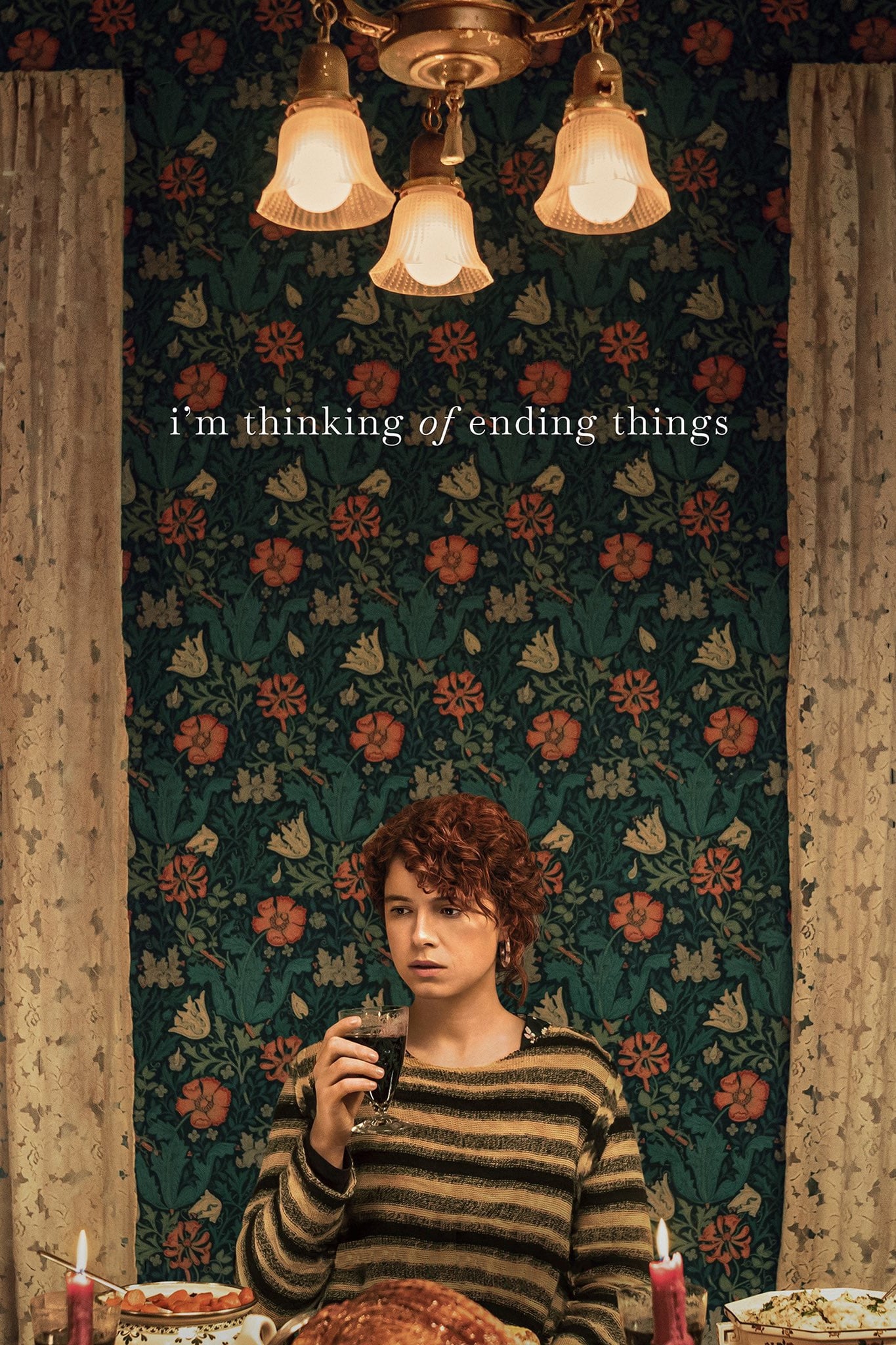
Nothing is as it seems when a woman experiencing misgivings about her new boyfriend joins him on a road trip to meet his parents at their remote farm.
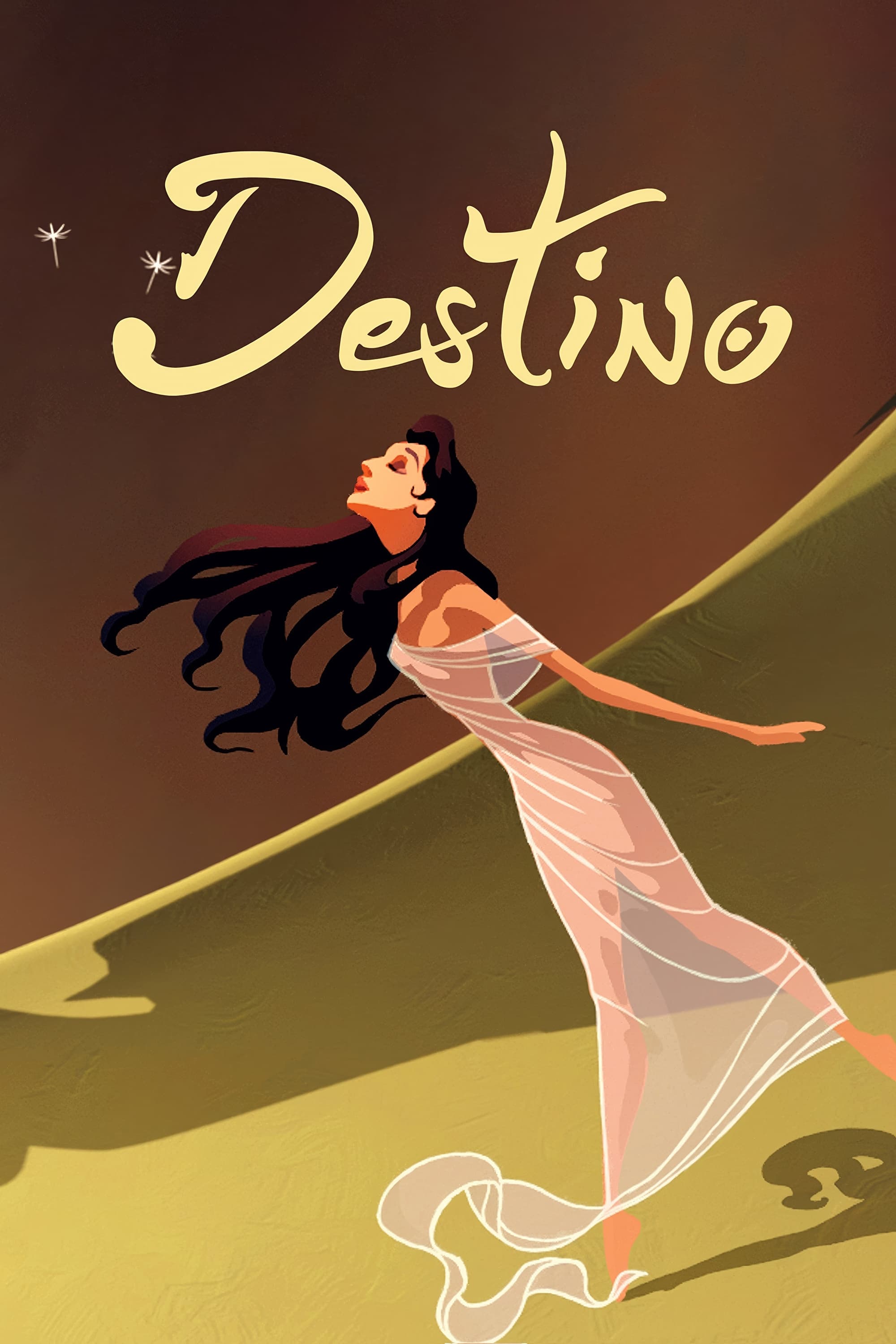
Short film to a song of love lost and rediscovered, a woman sees and undergoes surreal transformations. Her lover's face melts off, she dons a dress from the shadow of a bell and becomes a dandelion, ants crawl out of a hand and become Frenchmen riding bicycles. Not to mention the turtles with faces on their backs that collide to form a ballerina, or the bizarre baseball game.
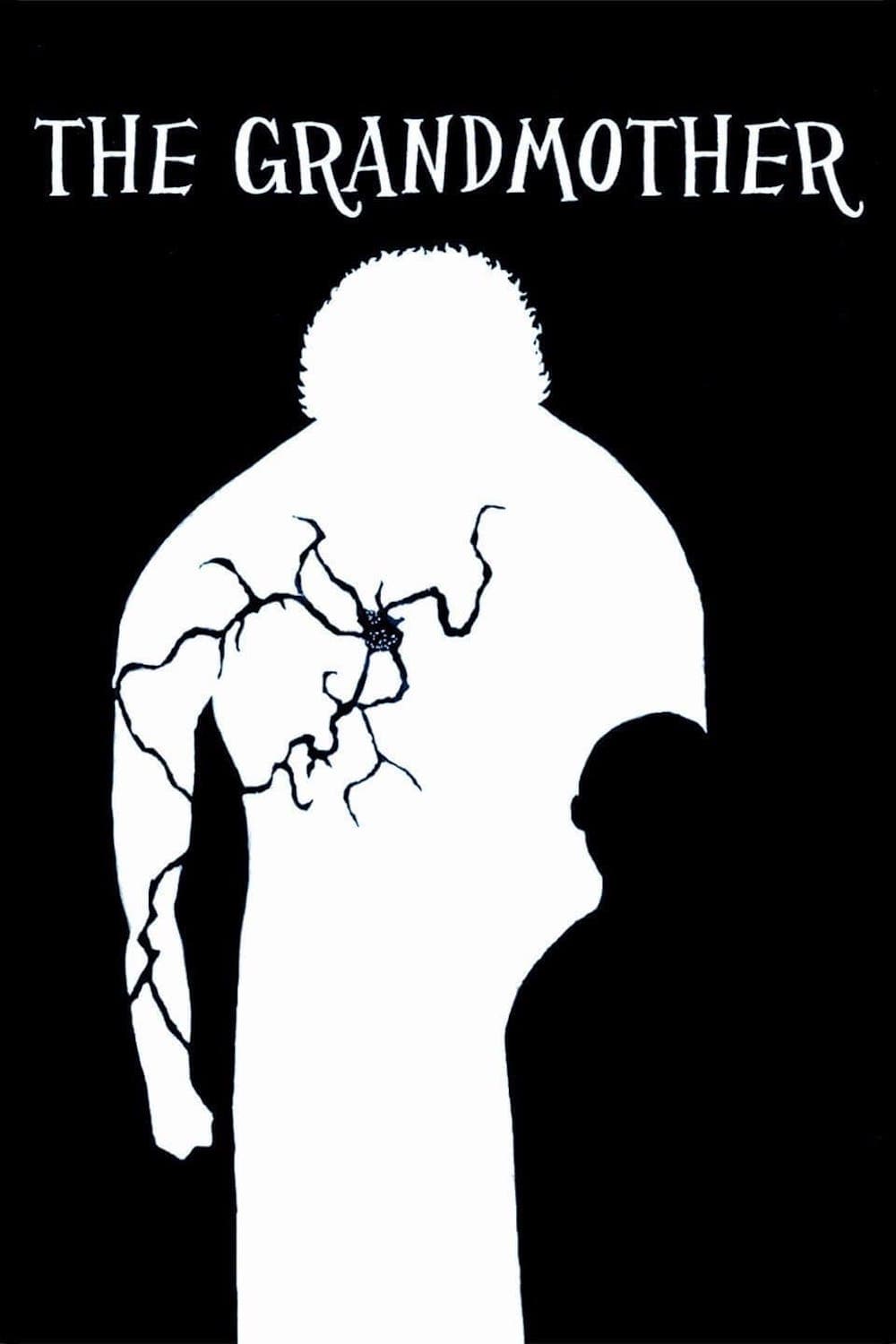
To escape neglect and abuse from his parents, a young boy plants some strange seeds and they grow into a grandmother.
In the Realms of the Unreal is a documentary about the reclusive Chicago-based artist Henry Darger. Henry Darger was so reclusive that when he died his neighbors were surprised to find a 15,145-page manuscript along with hundreds of paintings depicting The Story of the Vivian Girls, in What is Known as the Realms of the Unreal, of the Glodeco-Angelinnian War Storm, Cased by the Child Slave Rebellion.
A visual montage portrait of our contemporary world dominated by globalized technology and violence.
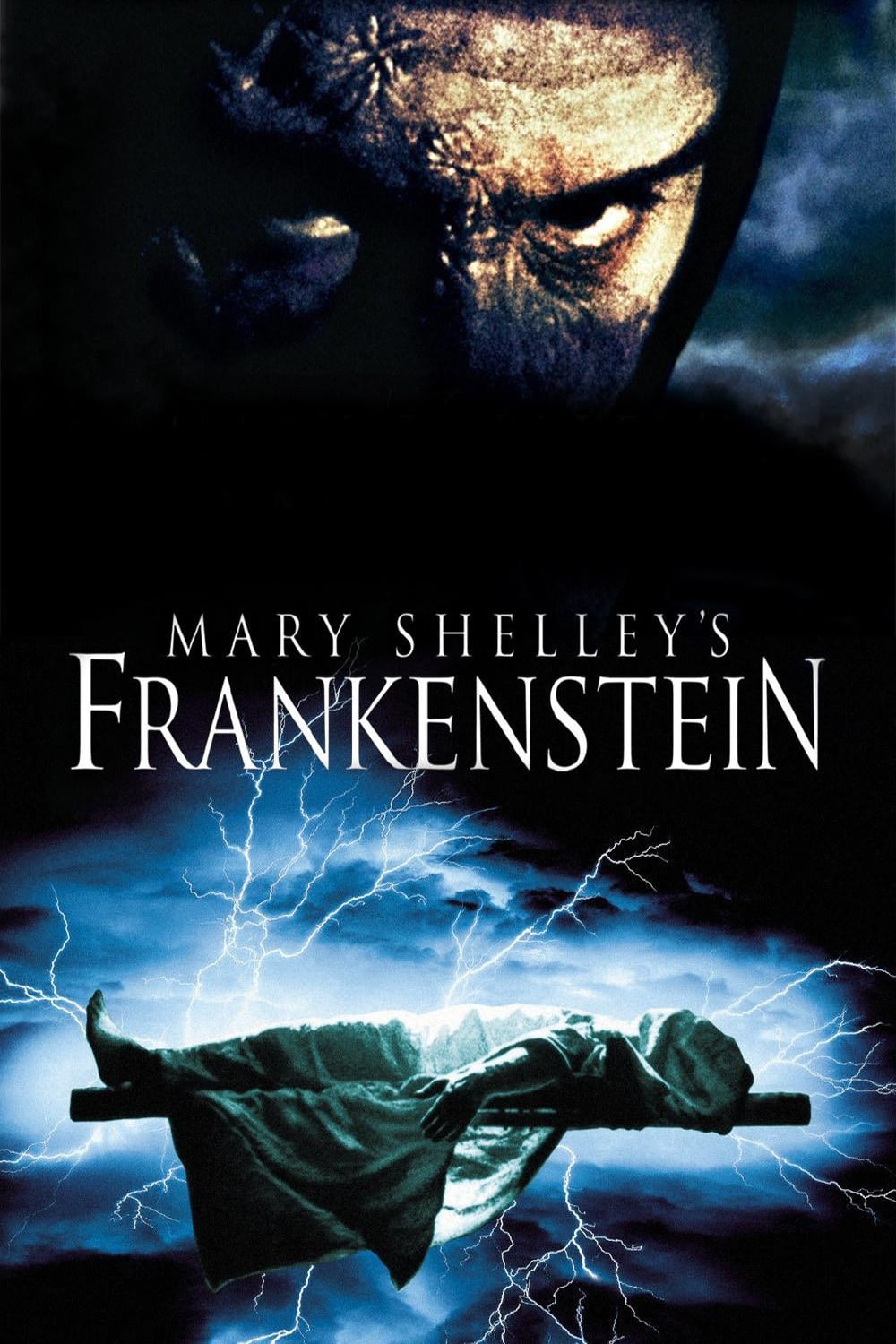
Victor Frankenstein is a promising young doctor who, devastated by the death of his mother during childbirth, becomes obsessed with bringing the dead back to life. His experiments lead to the creation of a monster, which Frankenstein has put together with the remains of corpses. It's not long before Frankenstein regrets his actions.
A wealthy woman from Manhattan's Upper East Side struggles to deal with her new identity and her sexuality after her husband of 16 years leaves her for a younger woman.
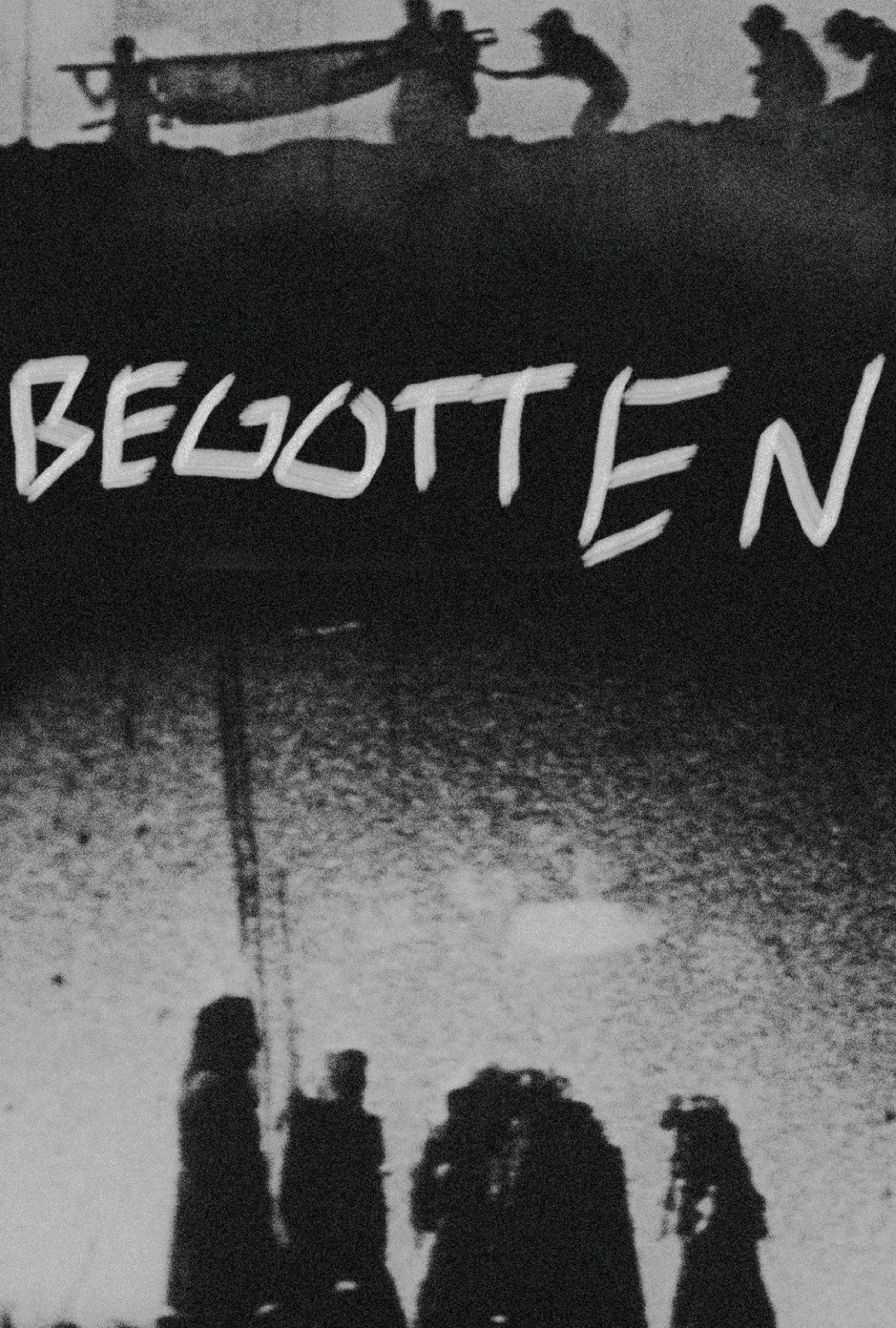
Begotten is the creation myth brought to life, the story of no less than the violent death of God and the (re)birth of nature on a barren earth.
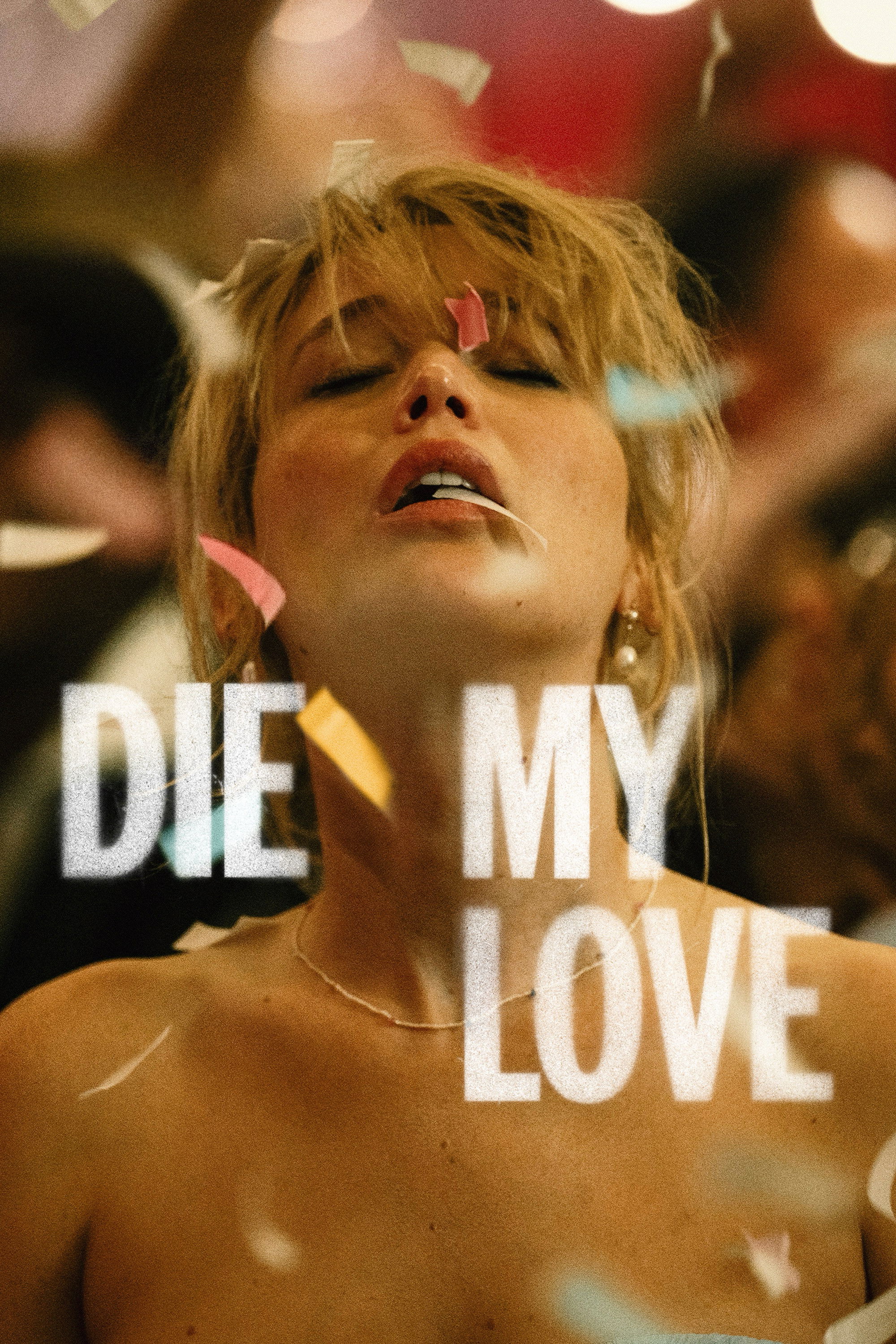
After inheriting a remote Montana house, Jackson moves there from New York with his partner Grace, and the couple soon welcome a child. As Jackson becomes increasingly absent and rural isolation sets in, Grace struggles with loneliness, creative frustration, and unresolved emotional wounds. What begins as an attempt at renewal gradually turns into an intense psychological descent, placing strain on their relationship and exposing the fragile balance between love, identity, and motherhood.
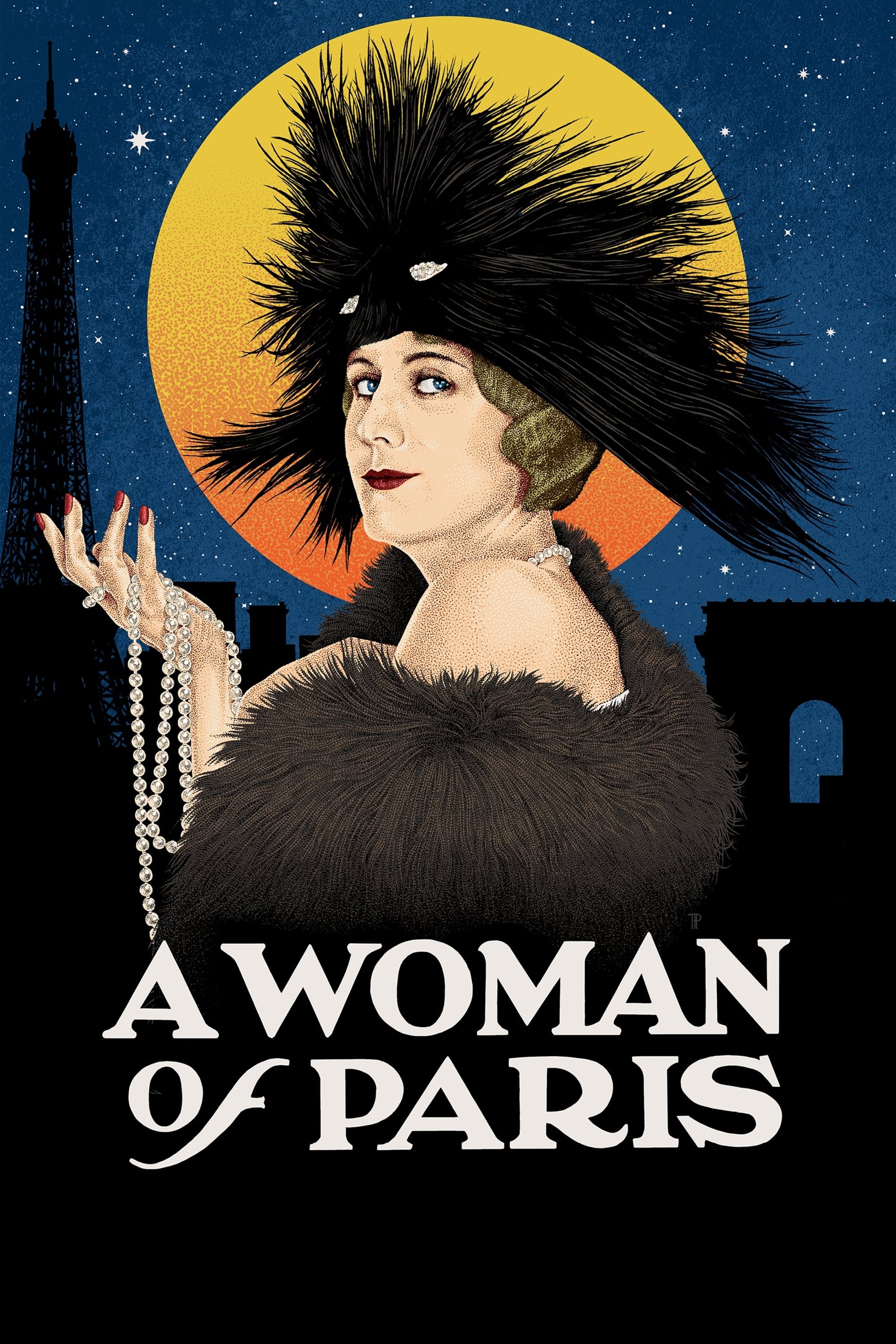
When Marie St. Clair believes she has been jilted by her artist fiance Jean, she decides to leave for Paris on her own. After spending a year in the city as a mistress of the wealthy Pierre Revel, she is reunited with Jean by chance. This leaves her with the choice between a glamorous life in Paris, and the true love she left behind.