Social & External
The people behind it
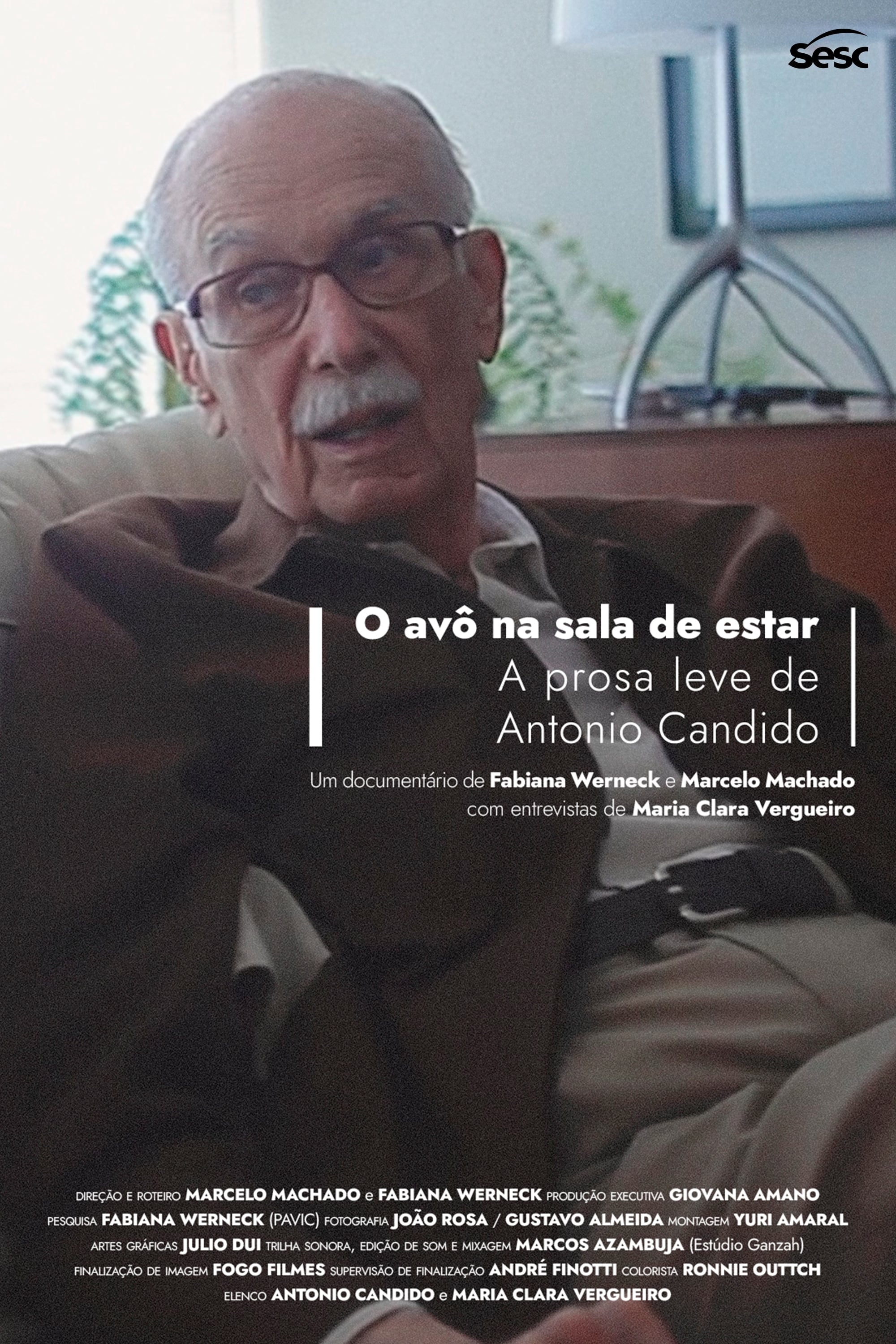
Maria Clara Vergueiro
Ela mesma
Antônio Cândido
Ele mesmo
Paris, France, February 2, 1922. The novel Ulysses, by Irish writer James Joyce (1882-1941), is published by US poet Sylvia Beach (1887-1962), owner of the small bookstore Shakespeare & Co. The book, whose writing consumed seven years of Joyce's life, years in which his family was in financial need, would have a profound and unprecedented impact on 20th century literature and culture.
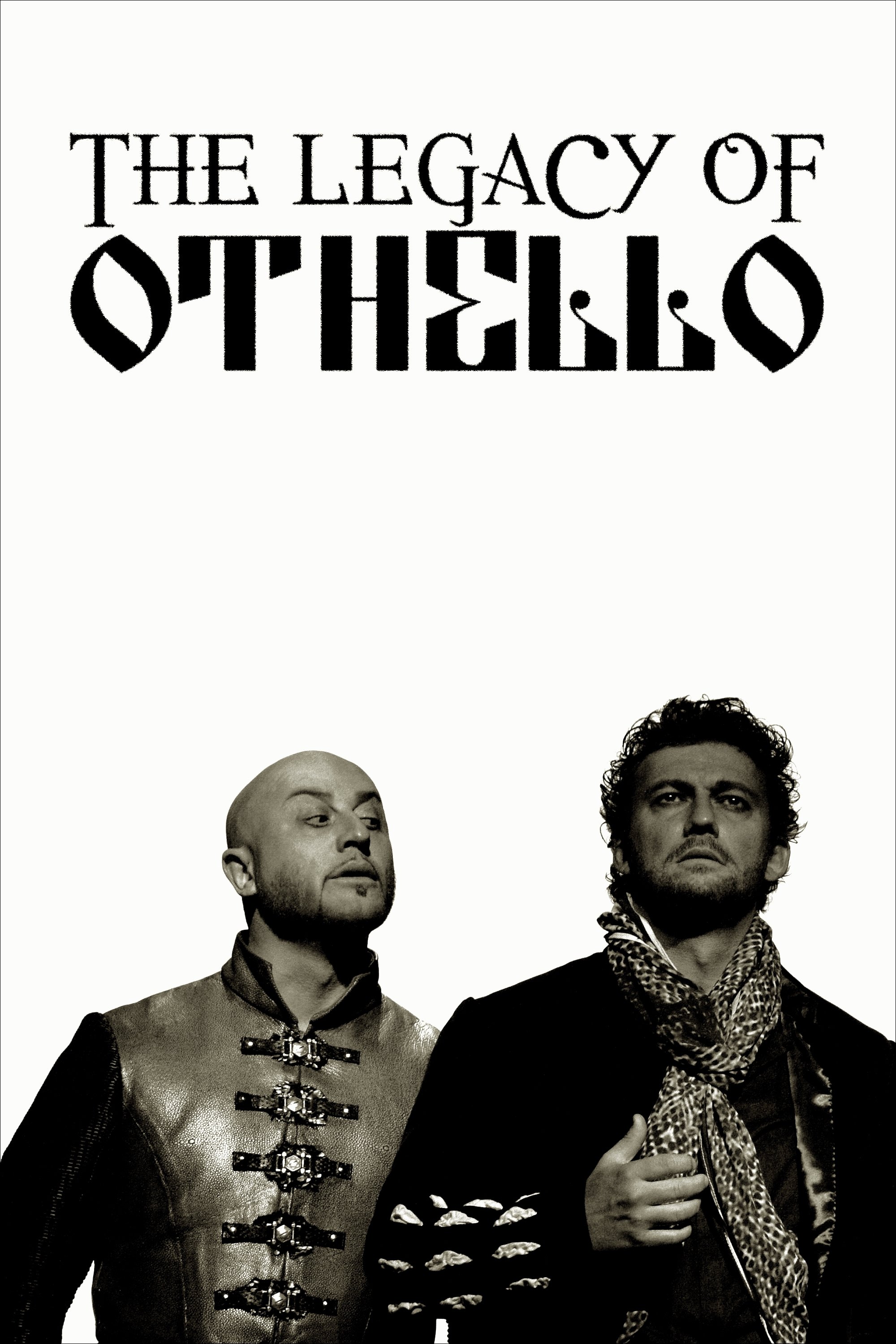
A fascinating exploration of the literary — The Tragedy of Othello, the Moor of Venice, by English playwright William Shakespeare (1604) — and lyrical — Othello, by Italian opera composer Giuseppe Verdi (1887) — myth of Othello, the desperately tragic story of a Moorish general in the army of the Venetian Republic whose absurd jealousy poisons his love for his wife Desdemona.
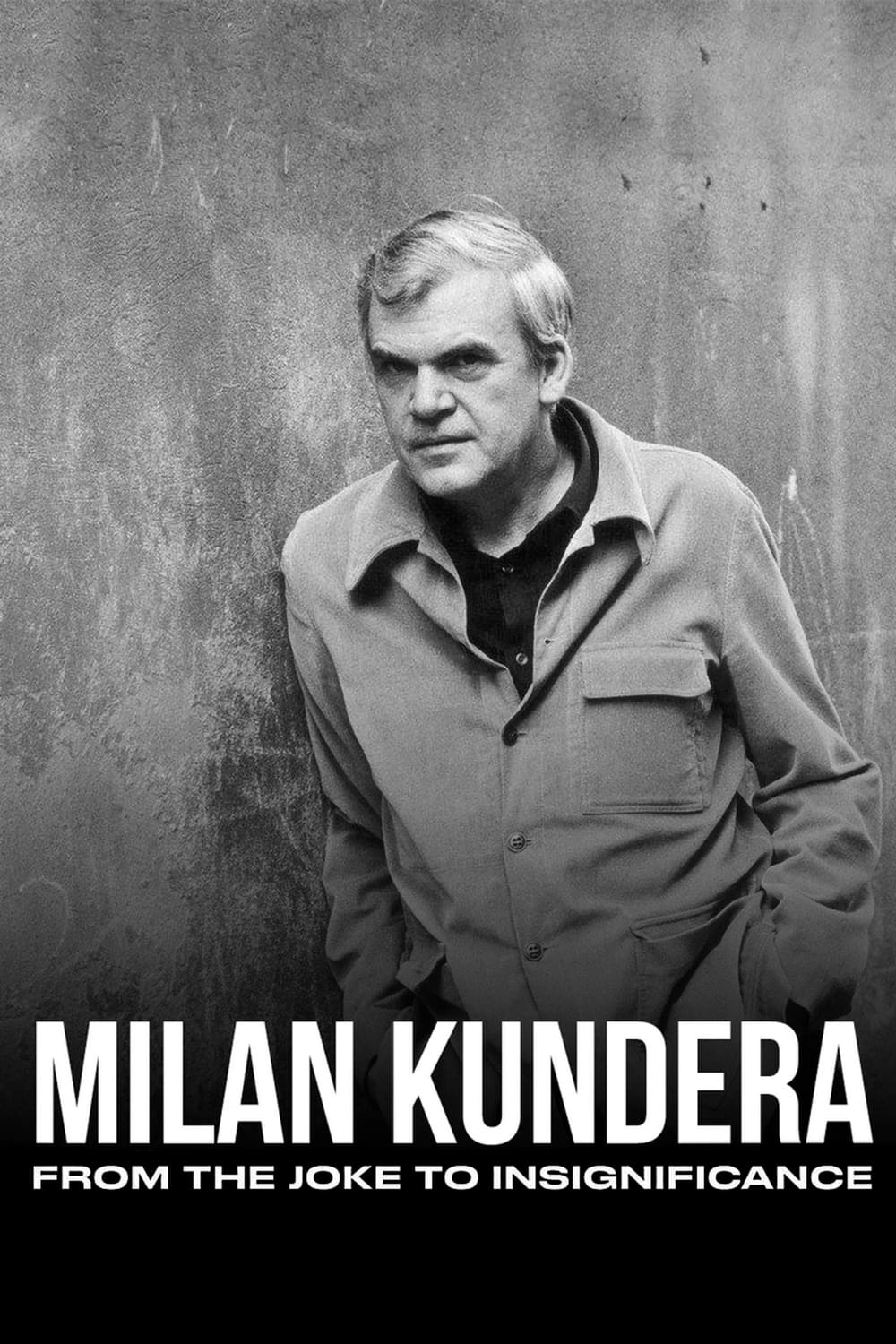
The brilliant Czech writer Milan Kundera has not given an interview in thirty years; nor does he appear in public. How did he become a legendary author? What is so unique about his books?
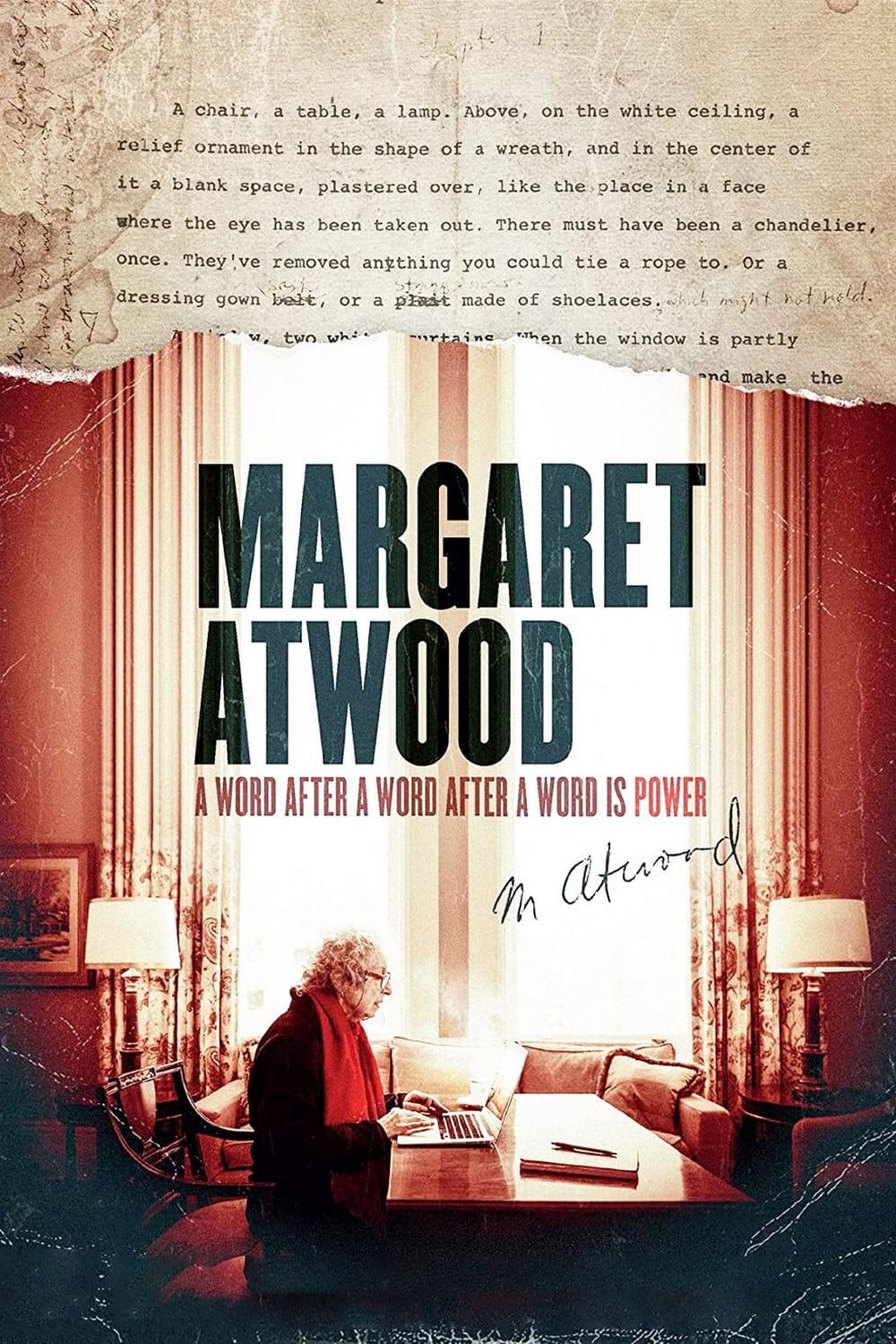
The views and thoughts of Canadian writer Margaret Atwood have never been more relevant than today. Readers turn to her work for answers as they confront the rise of authoritarian leaders, deal with increasingly intrusive technologies, and discuss climate change. Her books are useful as survival tools for hard times. But few know her private life. Who is the woman behind the stories? How does she always seem to know what is coming?
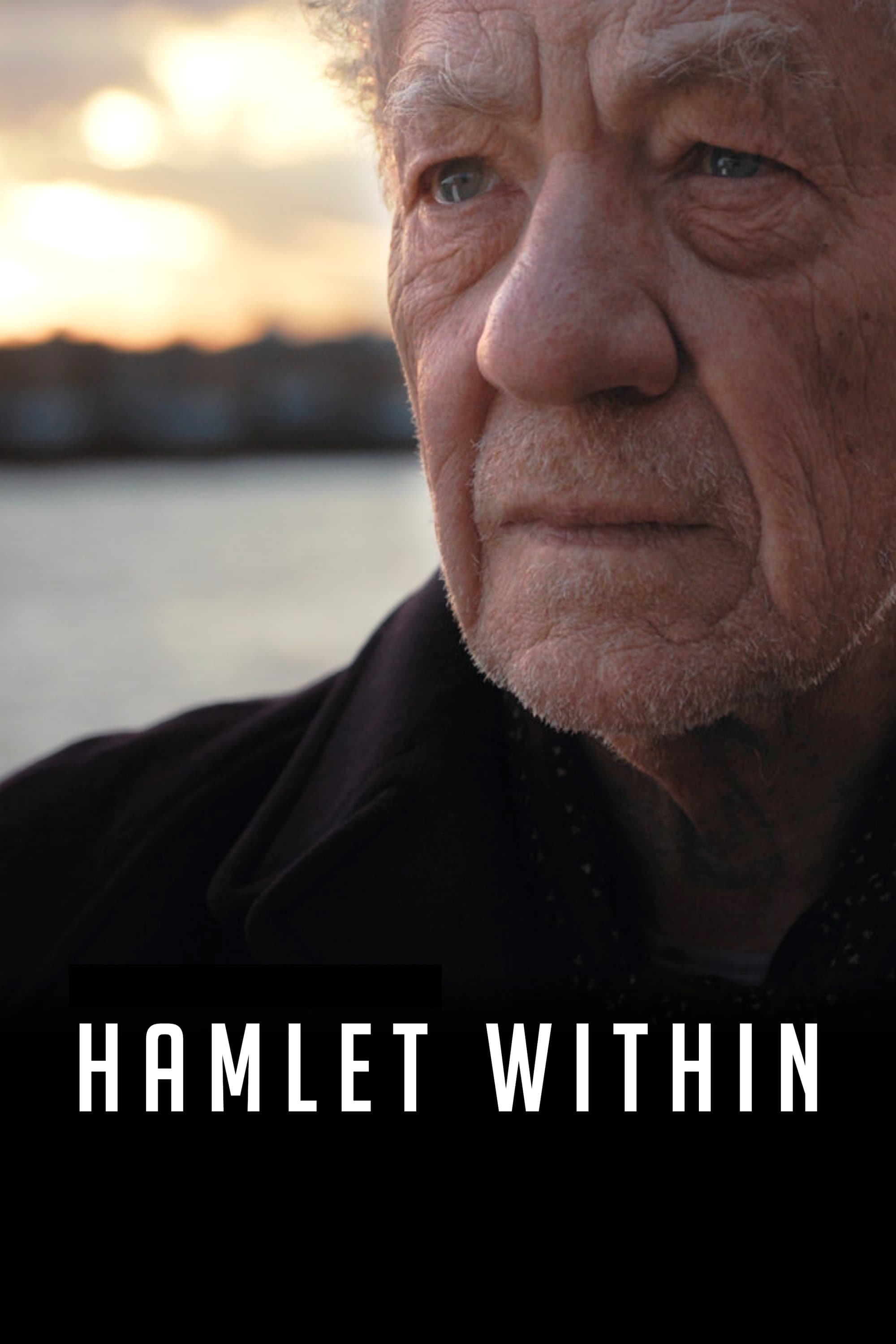
A radical cinematic investigation into the myth of Hamlet, the avenging prince of Denmark, William Shakespeare's creature; his origins and his unending influence on many diverse cultures.
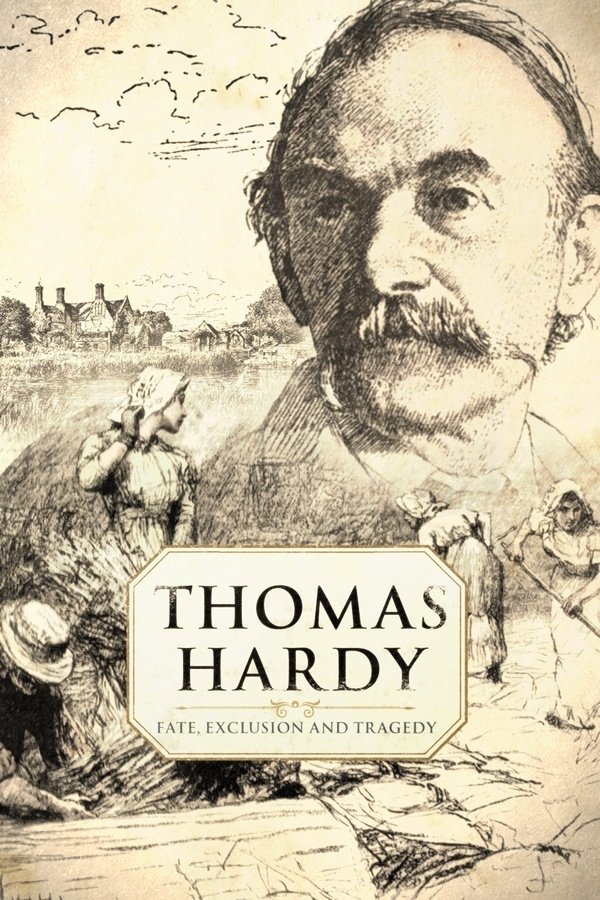
A portrait of the British writer Thomas Hardy (1840-1928), who, although he had radical instincts, hated hypocrisy, was of great poetic brilliance, had a tragic perception of life and a calm outward appearance, was at heart a man of seething and somber darkness.
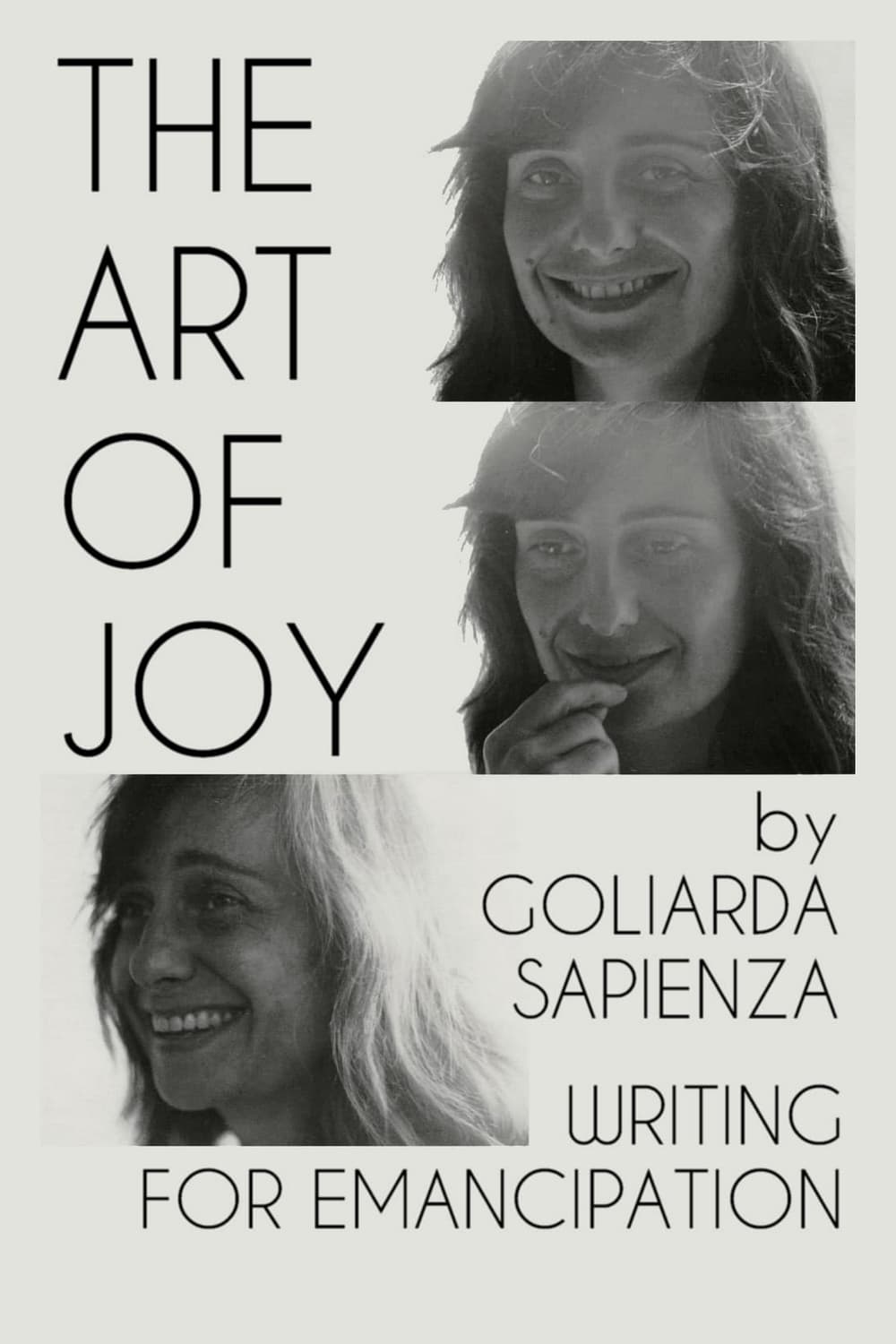
Between 1967 and 1976, Italian writer Goliarda Sapienza (1924-76) wrote The Art of Joy, a subversive novel about the dazzling social ascent of a rebellious heroine; too scandalous to be published at that contradictory time.
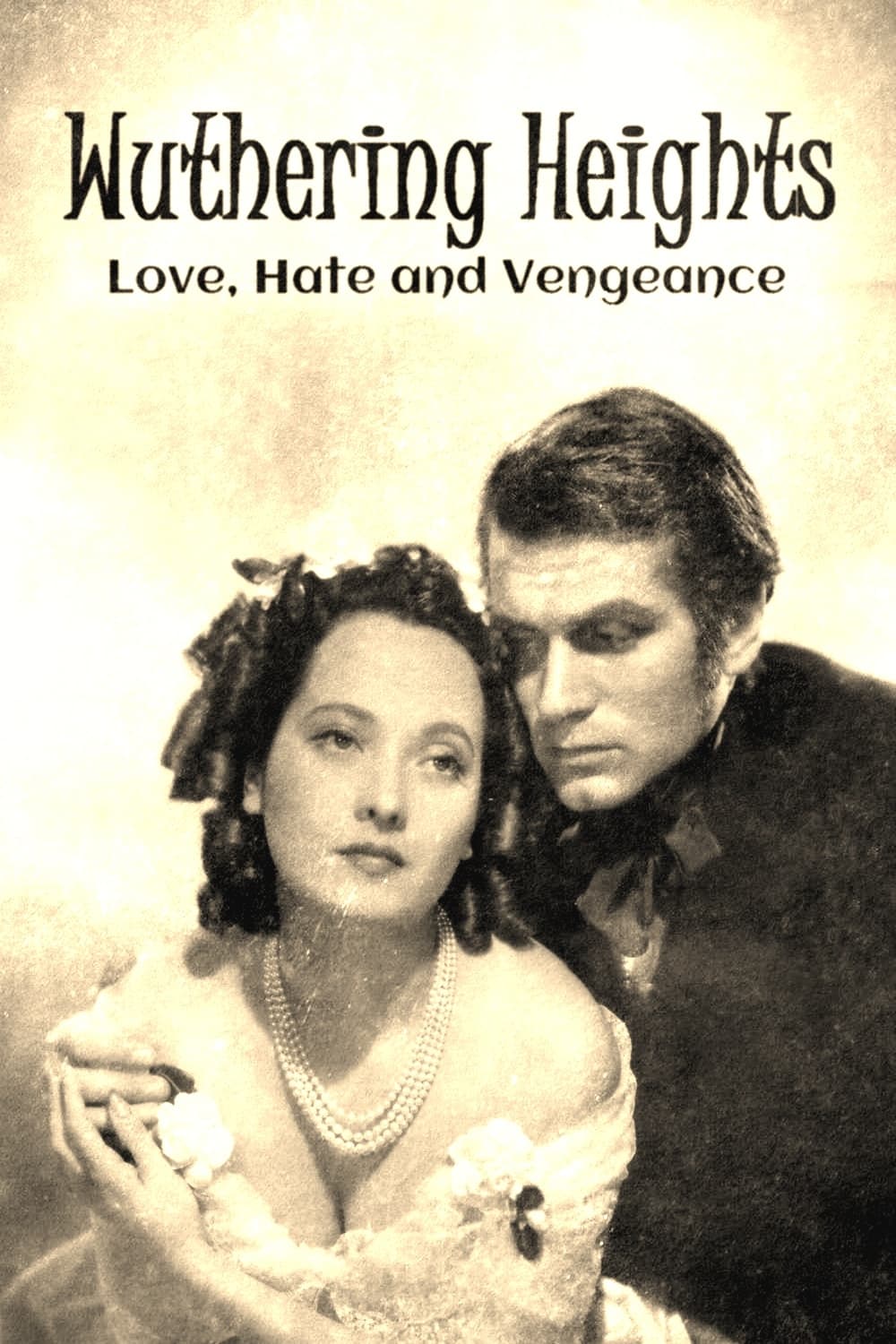
In 1847, British writer Emily Brontë (1818-48), perhaps the most enigmatic of the three Brontë sisters, published her novel Wuthering Heights, a dark romance set in the desolation of the moors, a unique work of early Victorian literature that stunned contemporary critics.
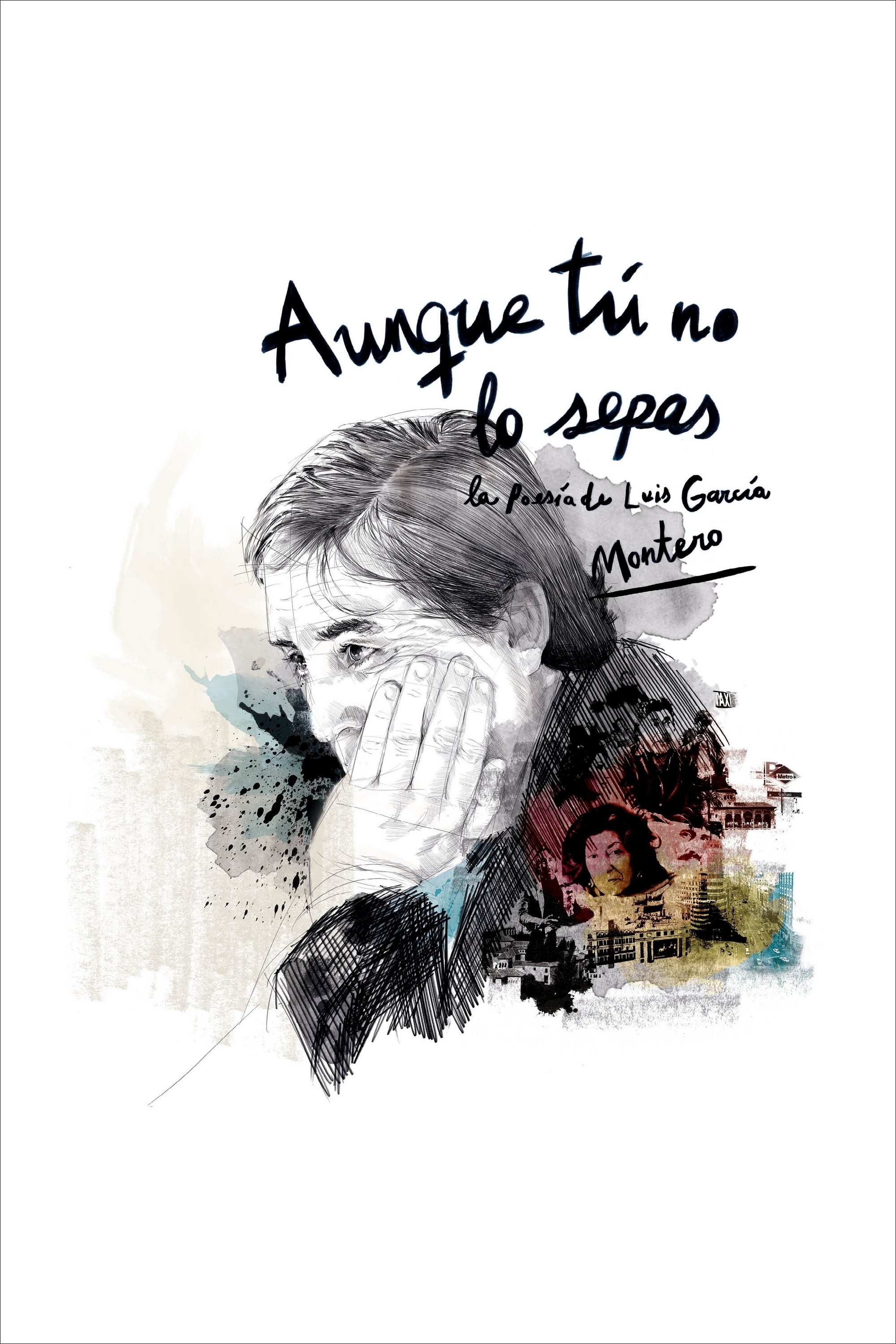
An account of the life and work of the Spanish poet Luis García Montero; a journey through his experiences, his mentors, his influences and his contact with other artists, both from the literary world and from other disciplines.
England, 1960. The Crown sues the publisher Penguin Books in order to ban the publication of Lady Chatterley's Lover, a novel by the British writer D. H. Lawrence (1885-1930), published privately in Italy in 1928, which celebrates nature and deals with sex without taboos.
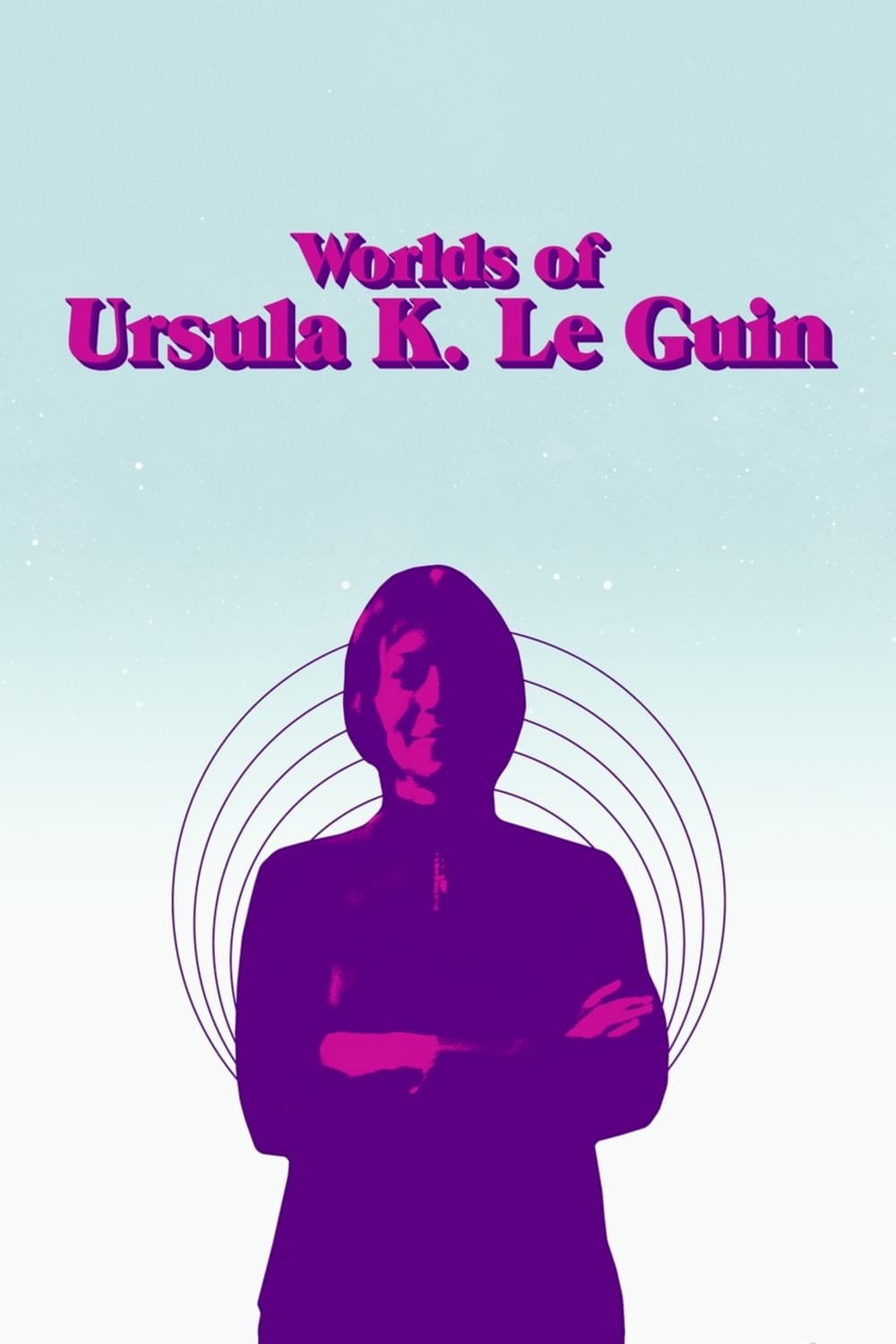
The extraordinary life story of science fiction and fantasy writer Ursula K. Le Guin (1929-2018) who, in spite of remaining for many years on the sidelines of the mainstream literature, managed to be recognized as one of the most remarkable US writers of all time, due to the relevance of her work and her commitment to the human condition.
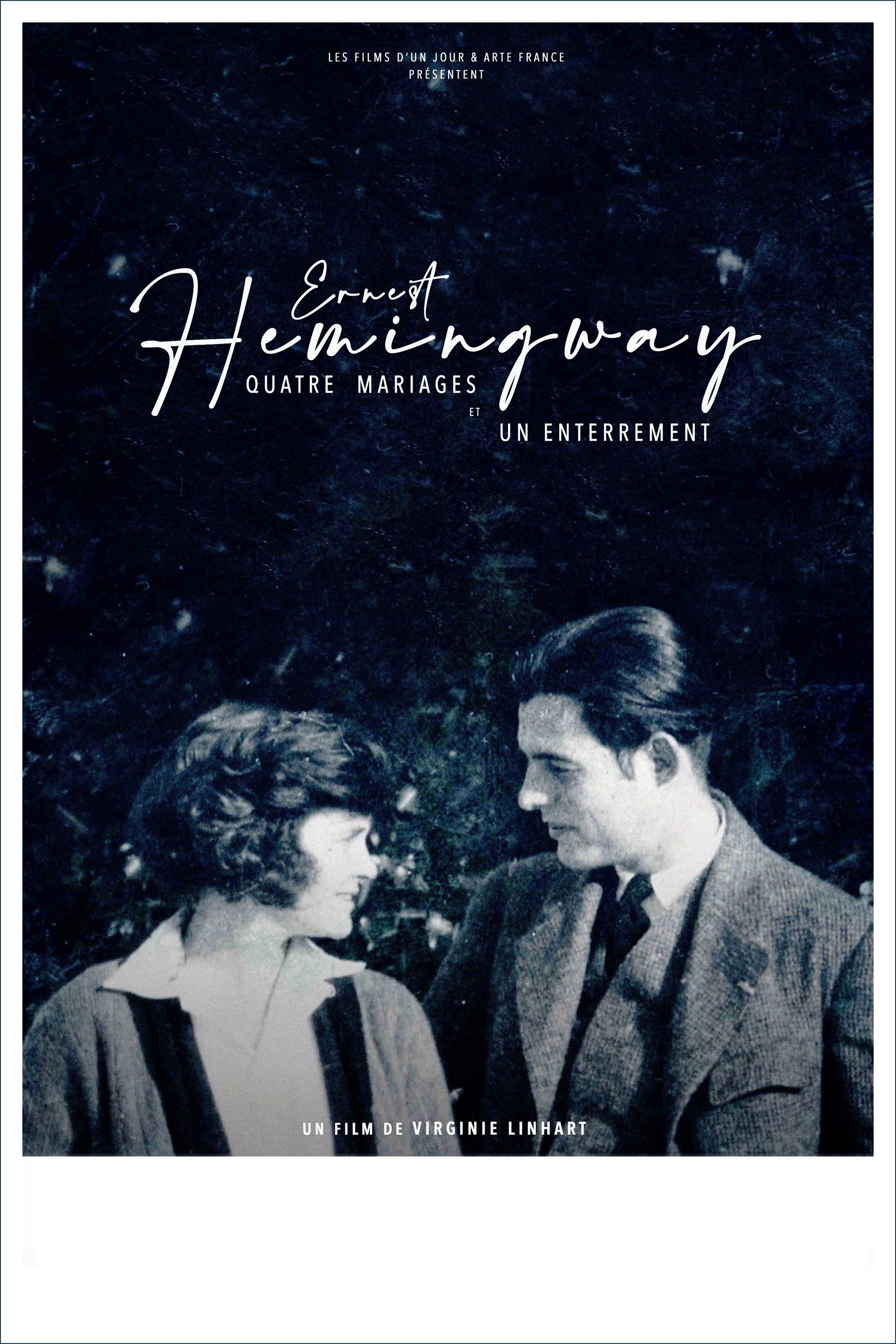
A look at the intimacy of the US writer Ernest Hemingway (1899-1961), a man infinitely more complex than his public image suggested, through the story of his relationship with his four wives.
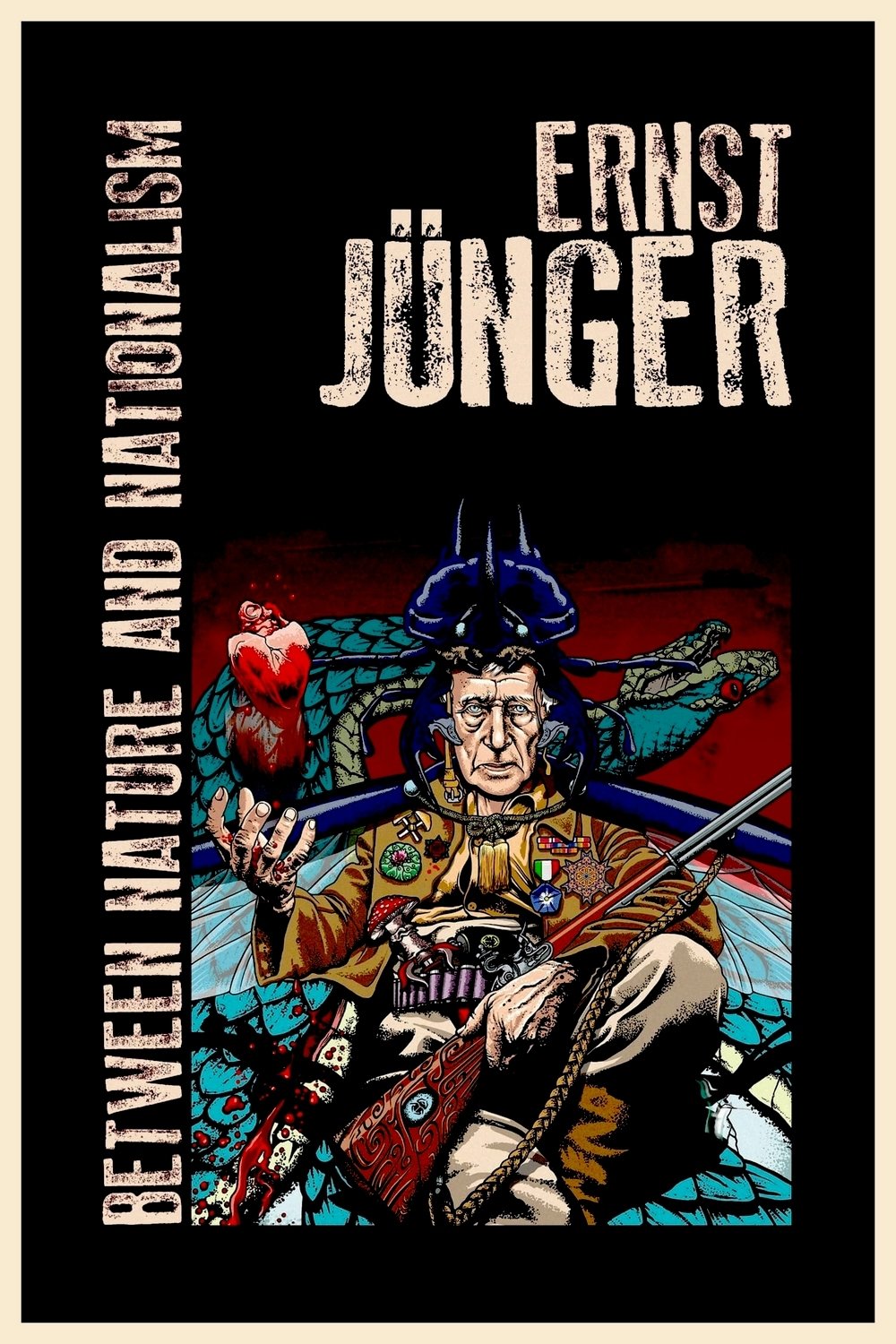
A portrait of the controversial German writer Ernst Jünger (1895-1998), the great stylist of 20th century German literature.
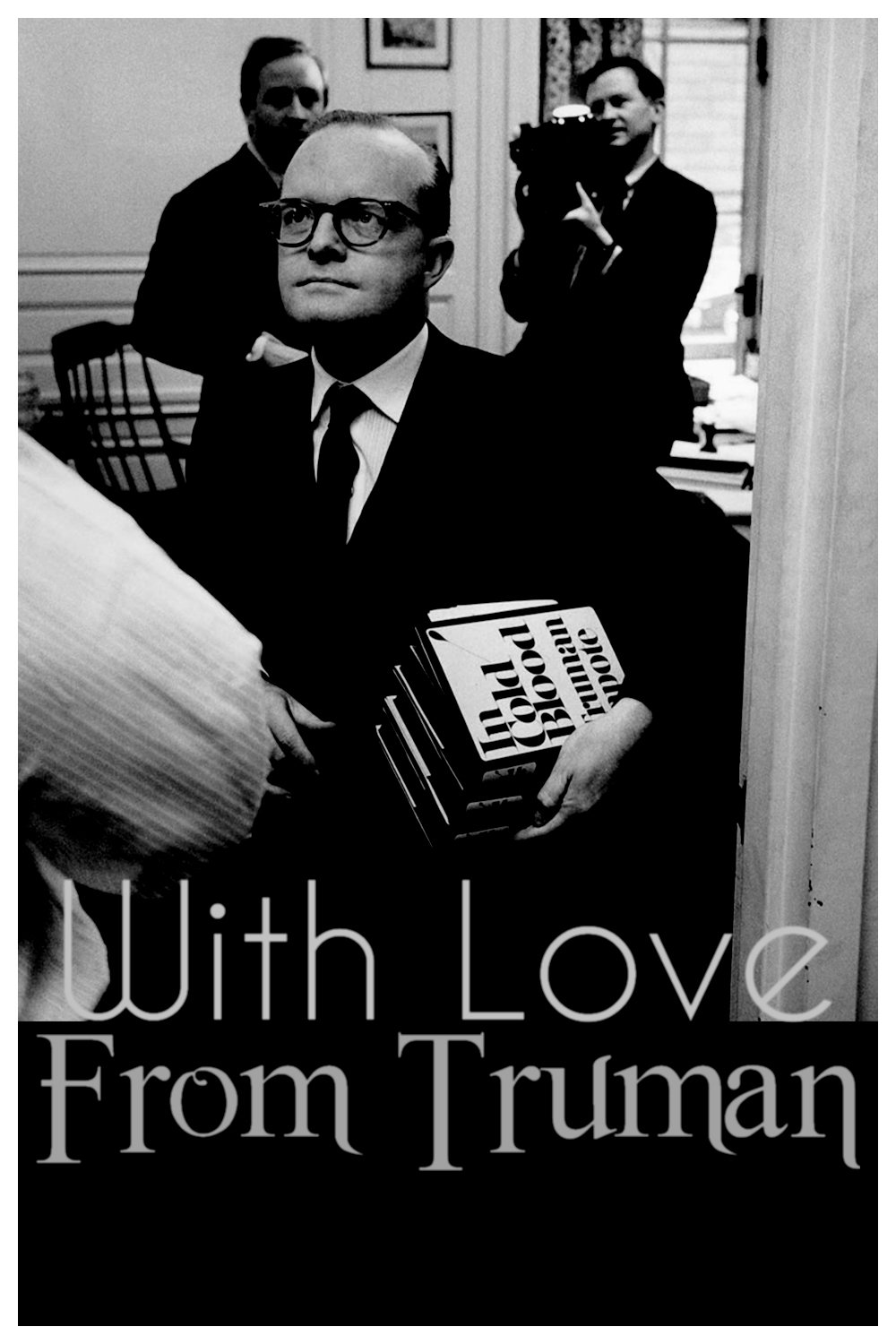
At his Long Island beach house, and on the occasion of the publication of his masterful nonfiction novel In Cold Blood, reporter Karen Dennison interviews celebrated writer Truman Capote, who displays his exuberant personality, makes witty jokes, shares his thoughts on writing, reflects on various aspects of the book and, in a sweet and endearing voice, reads and explains some of its highlights.
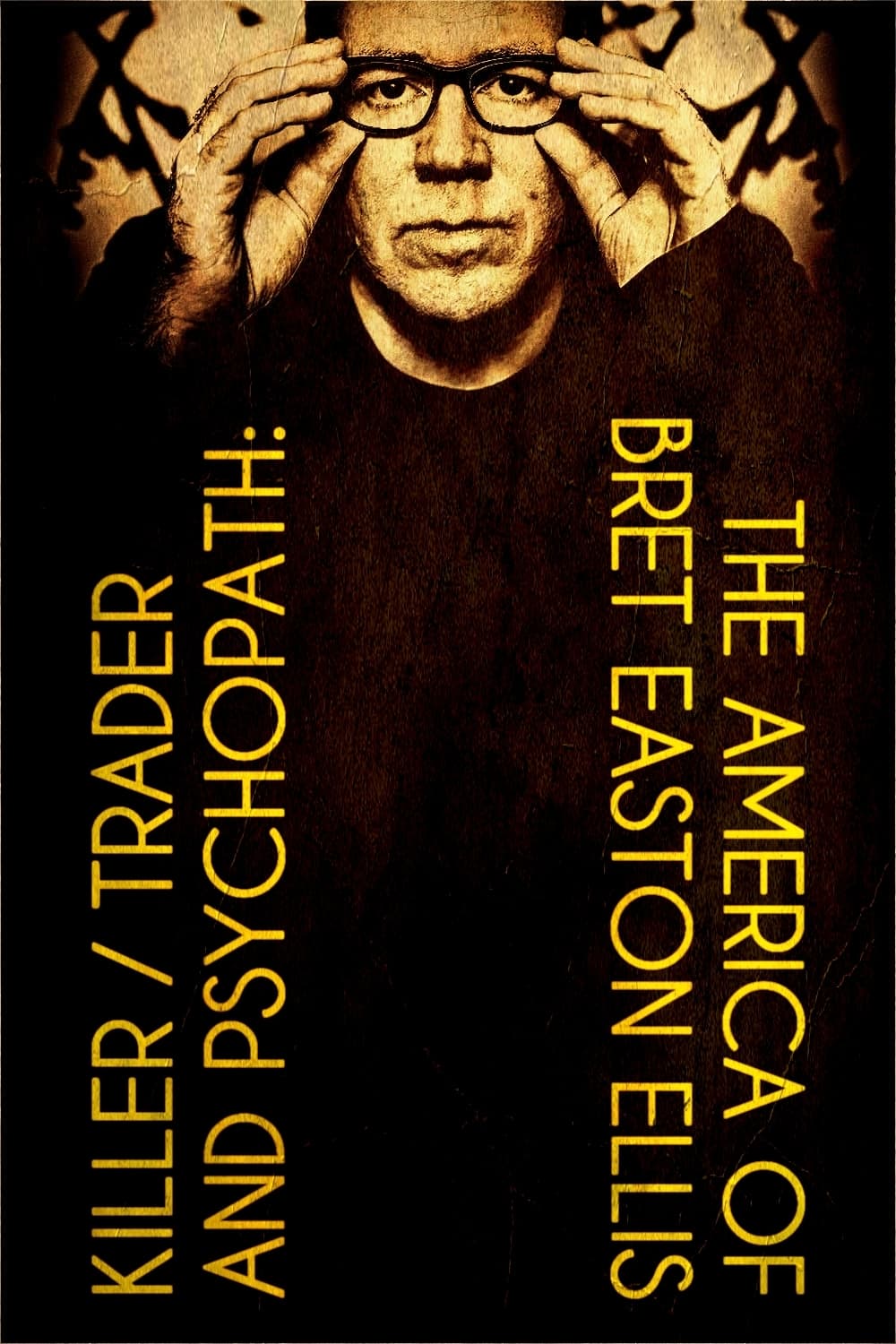
In 1991, American Psycho, the third novel by controversial writer Bret Easton Ellis, provoked heated discussions among critics and readers alike; an extraordinarily disturbing book that transported its readers into the mind of Patrick Bateman, a cynical mergers and acquisitions executive obsessed with brands, inconsequential details, pop culture and brutal murder.
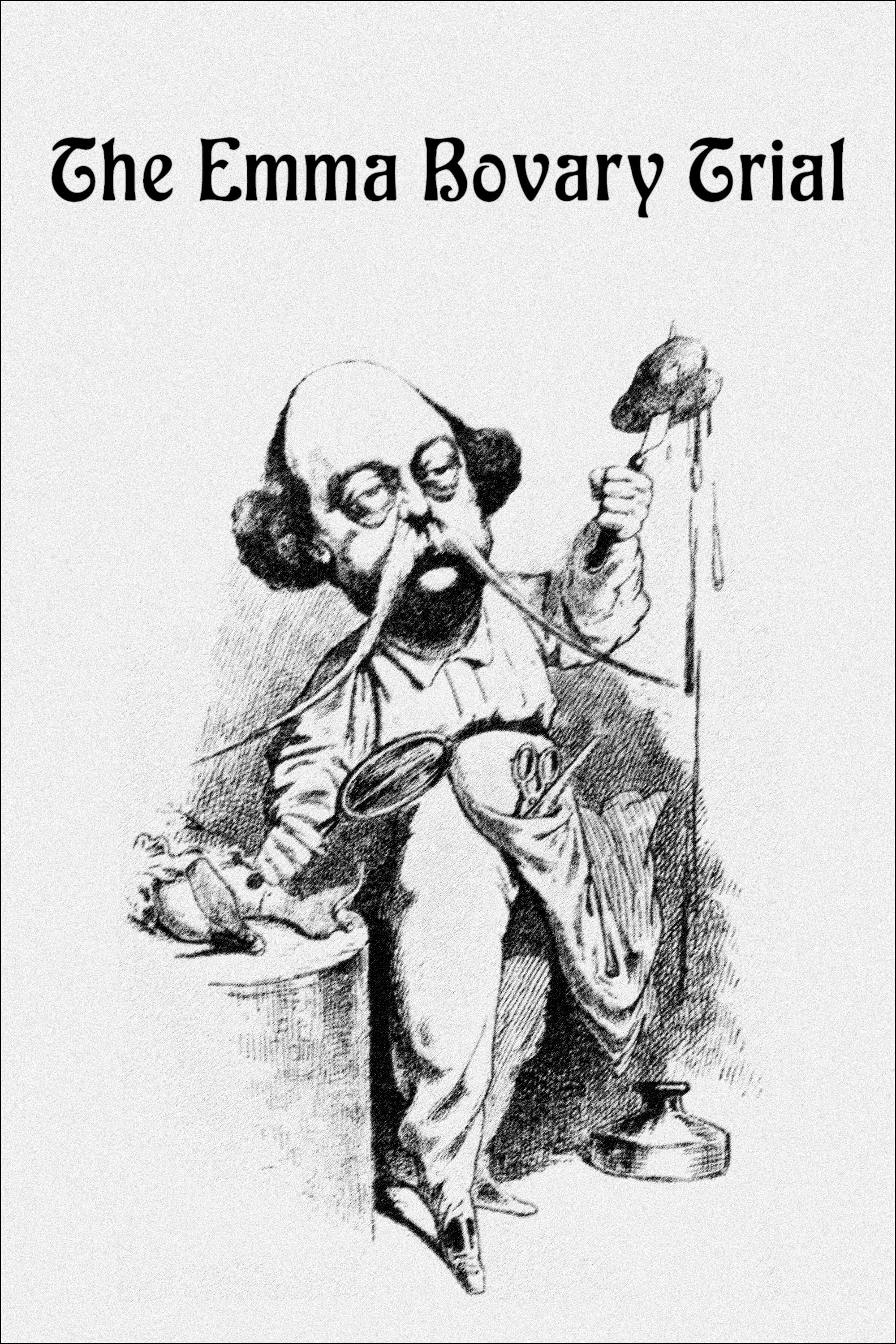
On January 31, 1857, the French writer Gustave Flaubert (1821-80) took his place in the dock for contempt of public morality and religion. The accused, the real one, is, through him, Emma Bovary, heroine with a thousand faces and a thousand desires, guilty without doubt of an unforgivable desire to live.
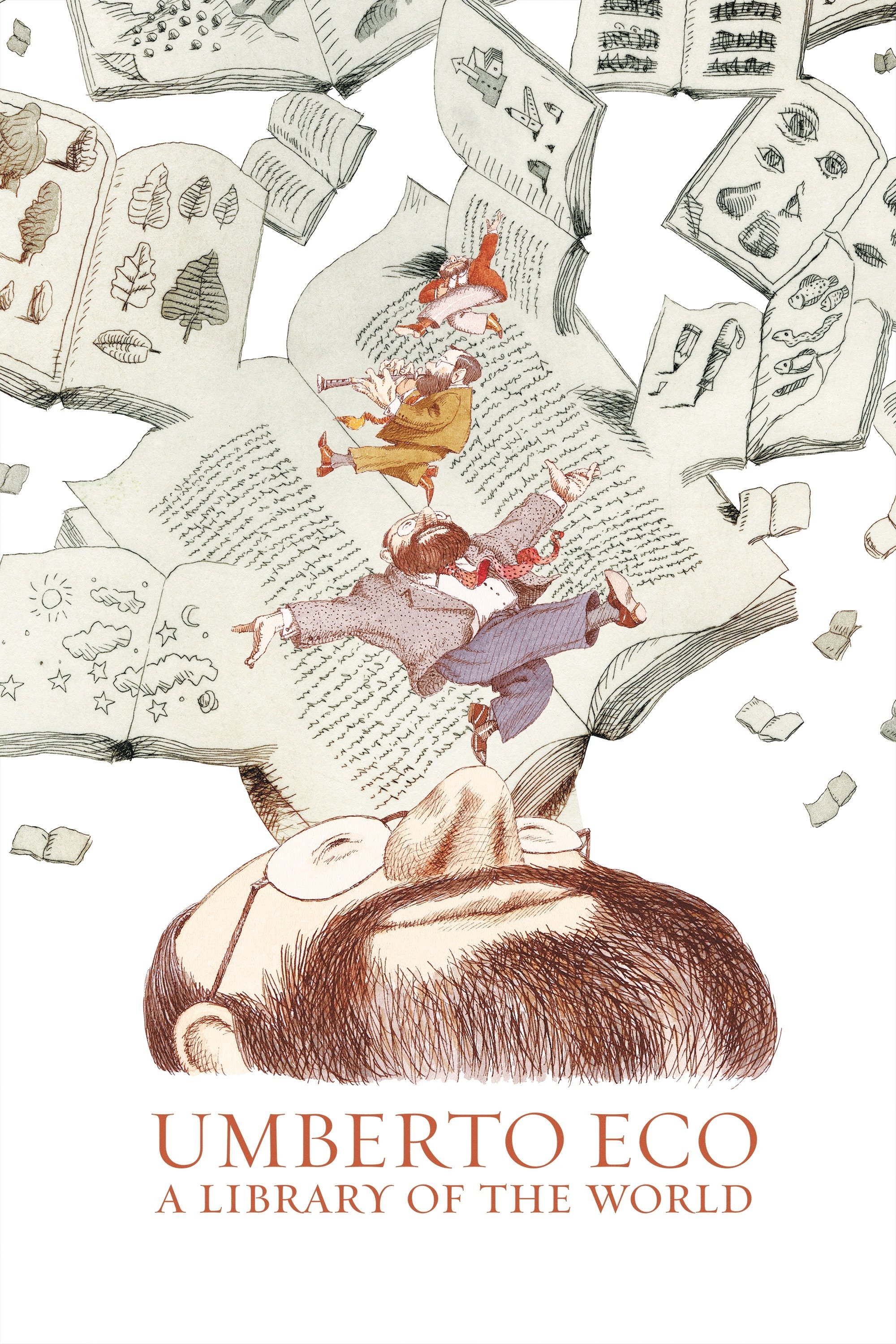
A walk through the immense private library of Italian writer and thinker Umberto Eco (1932-2016).
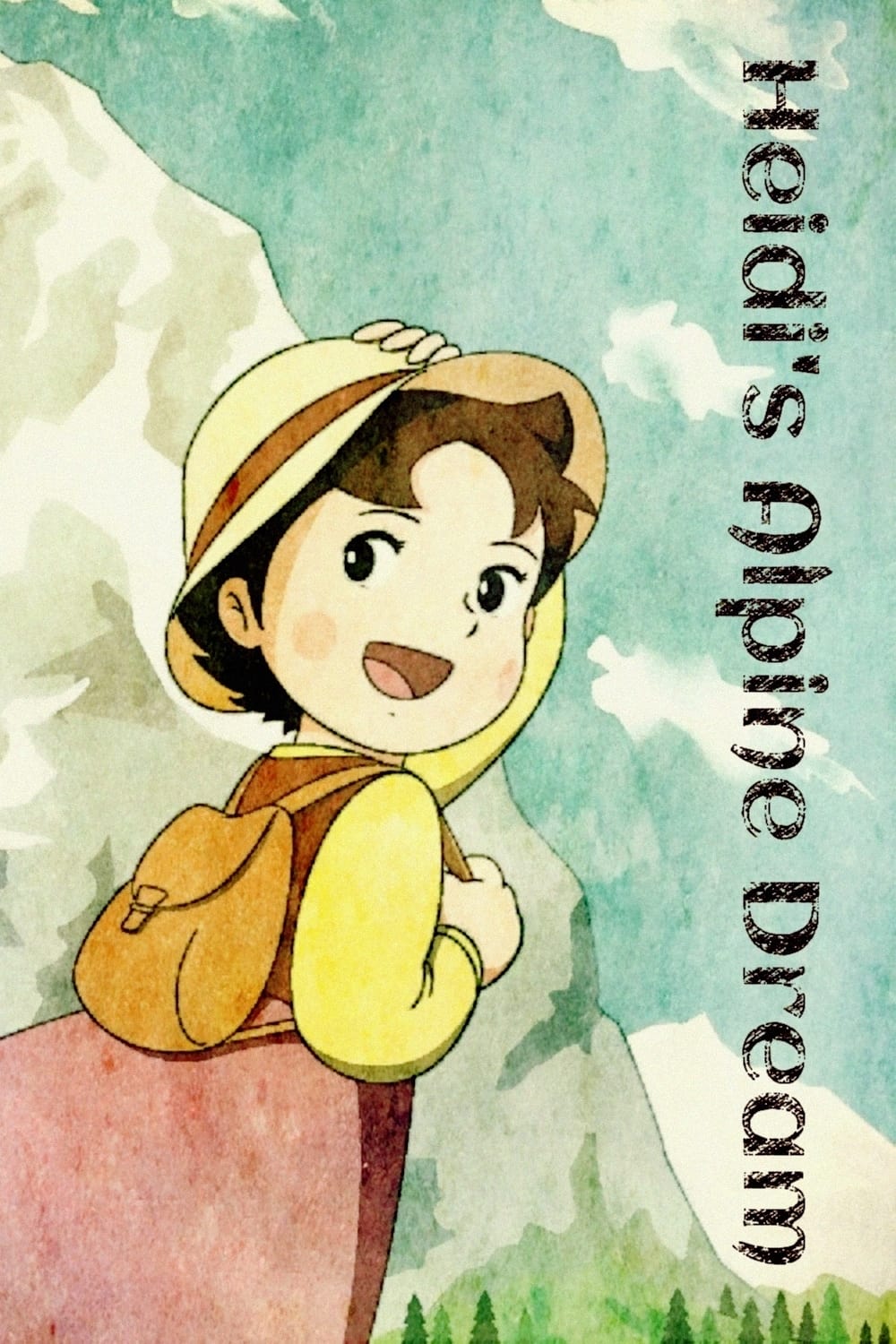
An account of the life and work of the Swiss writer Johanna Spyri (1827-1901), the barely known artistic mother of Heidi, her brave alpine heroine, who was first introduced to the world between 1880 and 1881, in a novel published in two parts, and became definitely immortal thanks to an anime series, released in 1974, directed by the Japanese genius Isao Takahata.
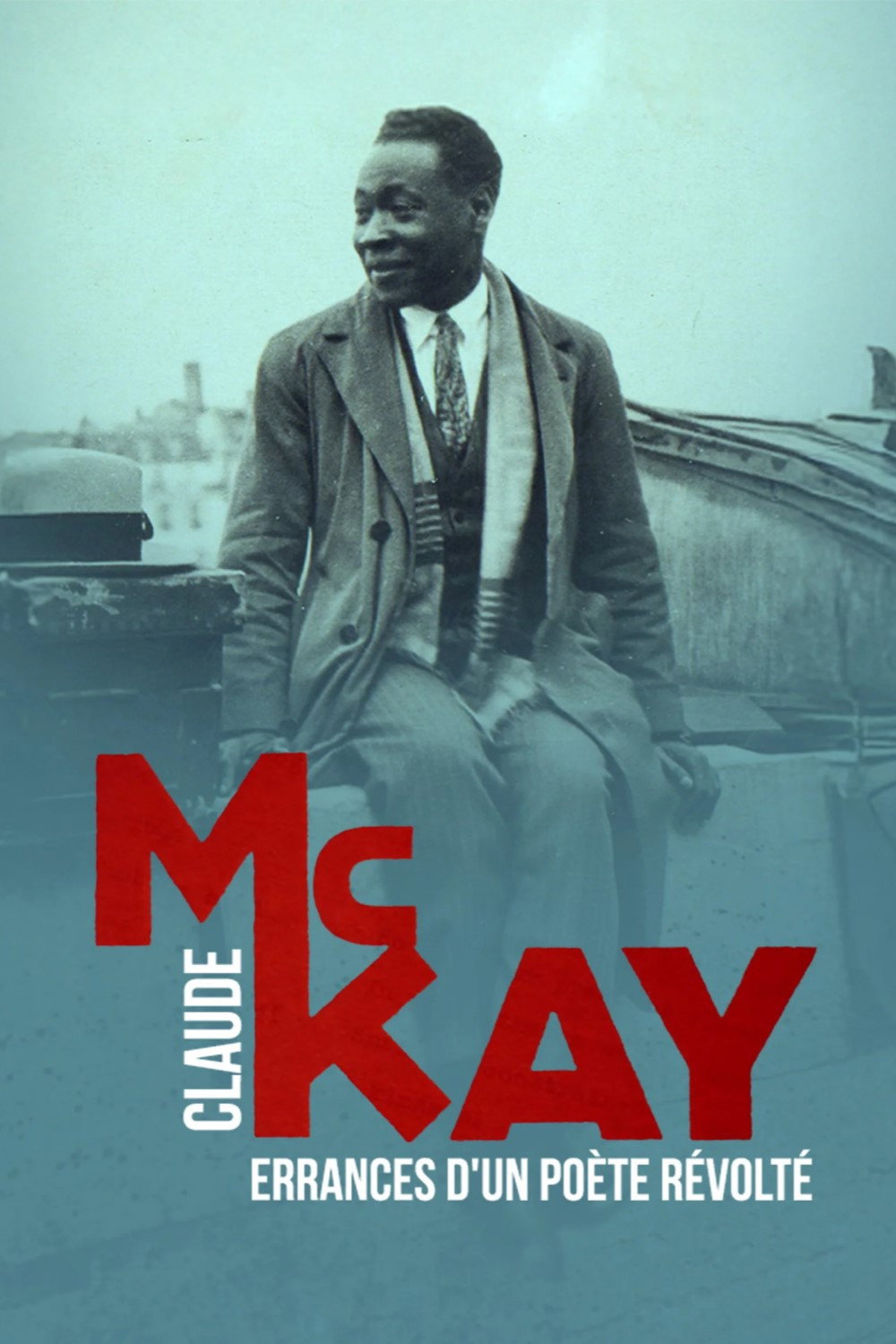
At the crossroads of Black literary consciousness and political struggle, the ideas of Claude McKay, Jamaican poet and novelist, laid the foundations for major literary movements, including Négritude. Proudly wandering, both bohemian and politically committed, a chameleon with a magnetic personality, he traveled across the globe: New York’s literary scene, Parisian aristocracy, Communist intelligentsia in Russia, and Black diasporas in the port of Marseille. Using archival materials and texts read in voice-over by Gaël Faye and Manon Azem, the film traces McKay’s journey as he crosses paths with major figures of his time, from George Bernard Shaw to W.E.B. Du Bois, Trotski, and many others.
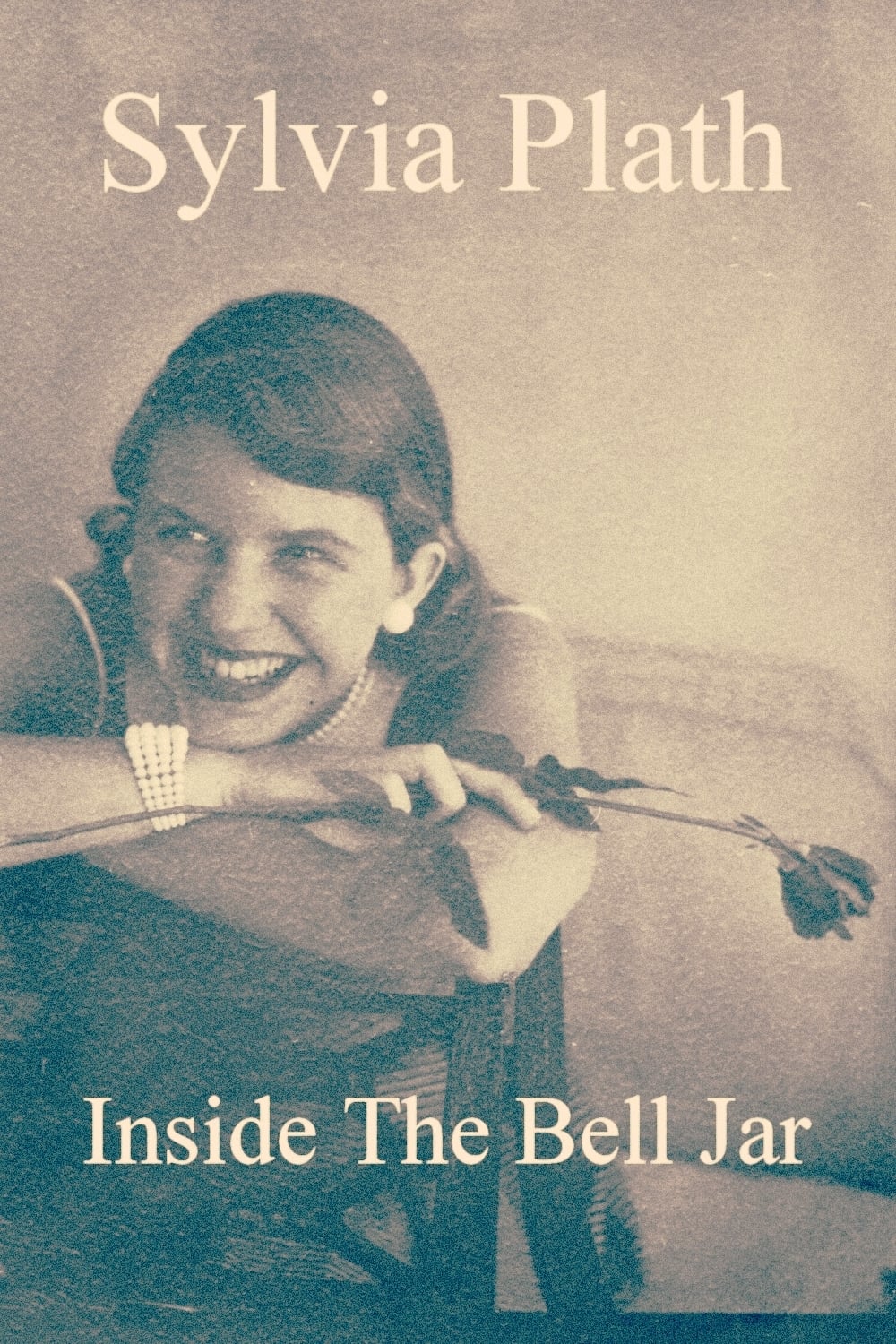
The story of the making of The Bell Jar, the unique, semi-autobiographical novel written by American writer Sylvia Plath (1932-63), published in February 1963, shortly before her death.
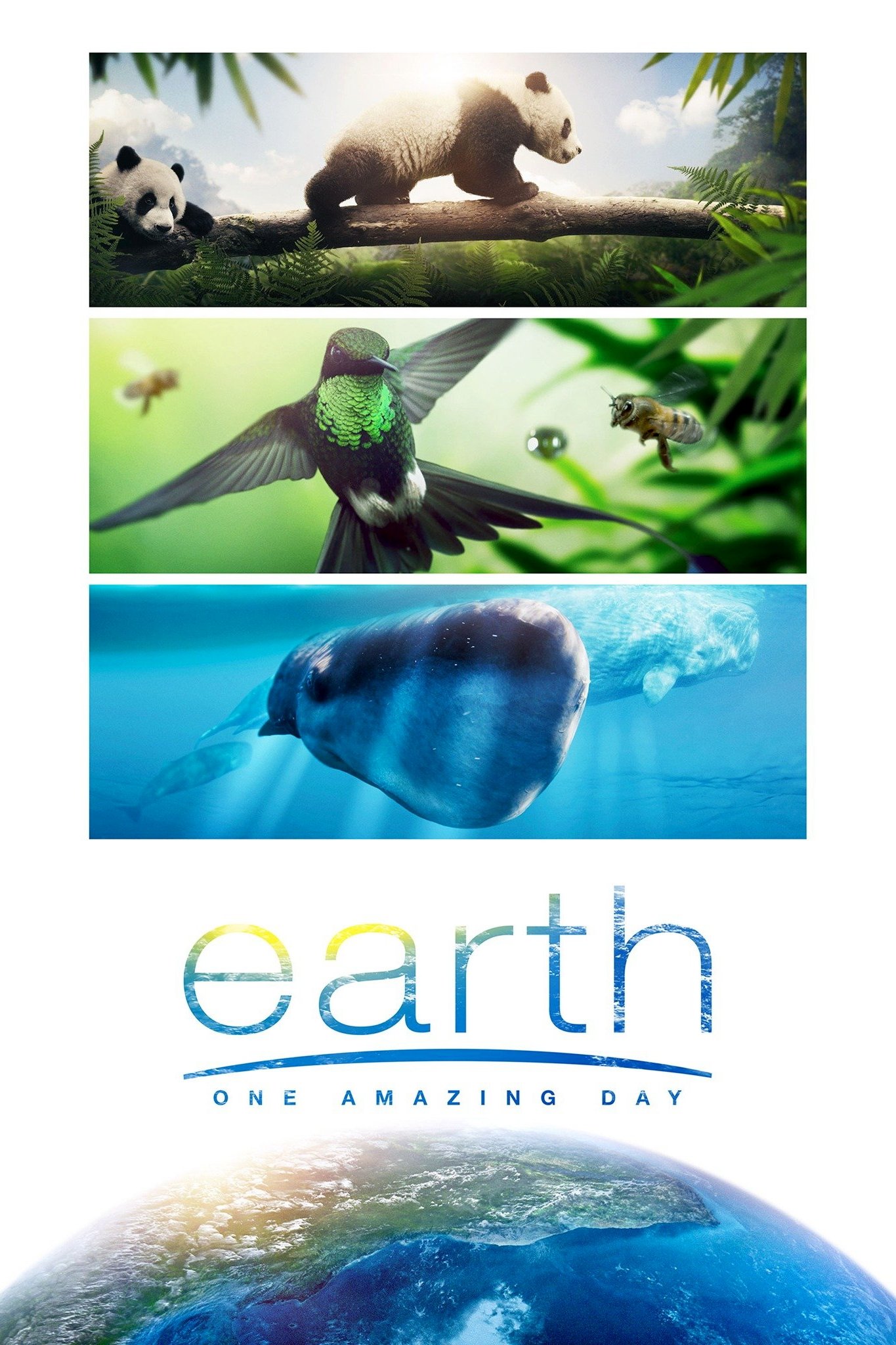
An astonishing journey revealing the awesome power of the natural world. Over the course of one single day, we track the sun from the highest mountains to the remotest islands to exotic jungles.
The life and career of an actor, artist, and icon. His own journey through his own camera.
A documentary about how a dominant cultural and demographic institution both sustains their traditional activities and adapts to the digital revolution.
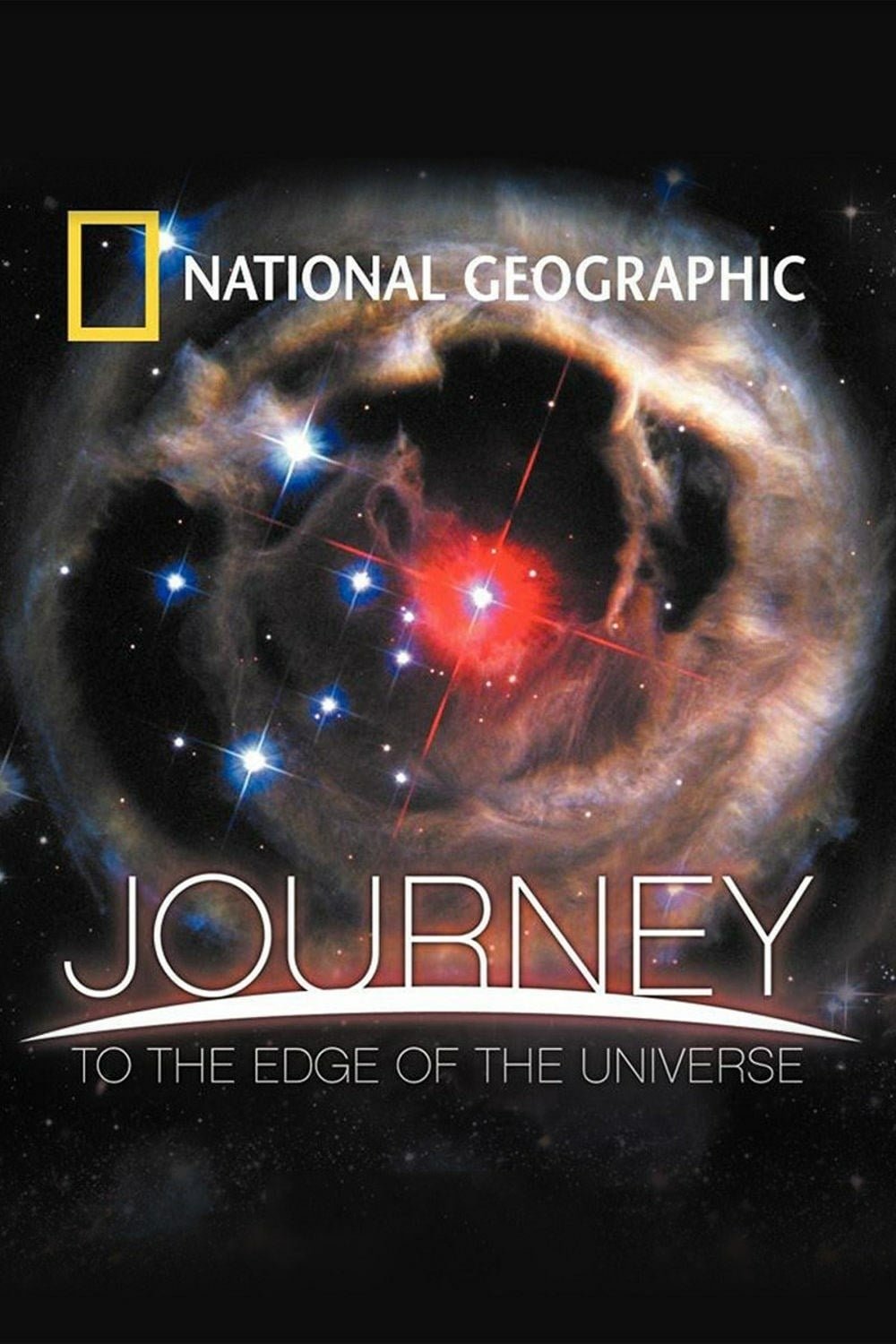
In one single, epic camera move we journey from Earth's surface to the outermost reaches of the universe on a grand tour of the cosmos, to explore newborn stars, distant planets, black holes and beyond.
A visual montage portrait of our contemporary world dominated by globalized technology and violence.
Through deeply personal interviews with her siblings and an examination of the photographs, letters, and belongings left behind, Mariska assembles a new portrait of her mother Jayne Mansfield, an extraordinary and complex woman.
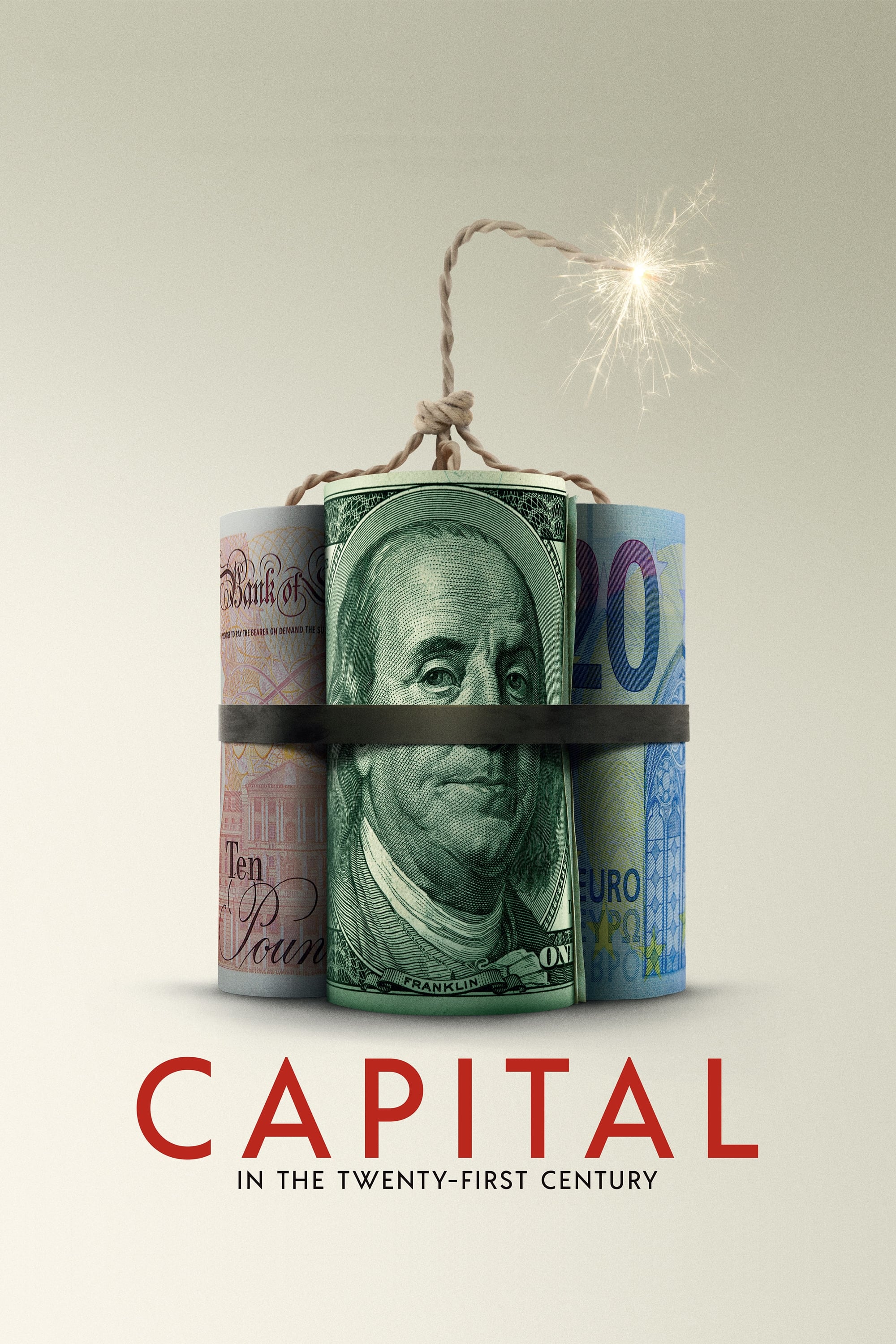
Film adaptation of French economist Thomas Piketty's ground-breaking global bestseller of the same name: an eye-opening journey through wealth and power.
Go behind the scenes with stars, puppeteers and creators as they bring Jim Henson's magical world of Thra back to life in a sweeping fantasy series.
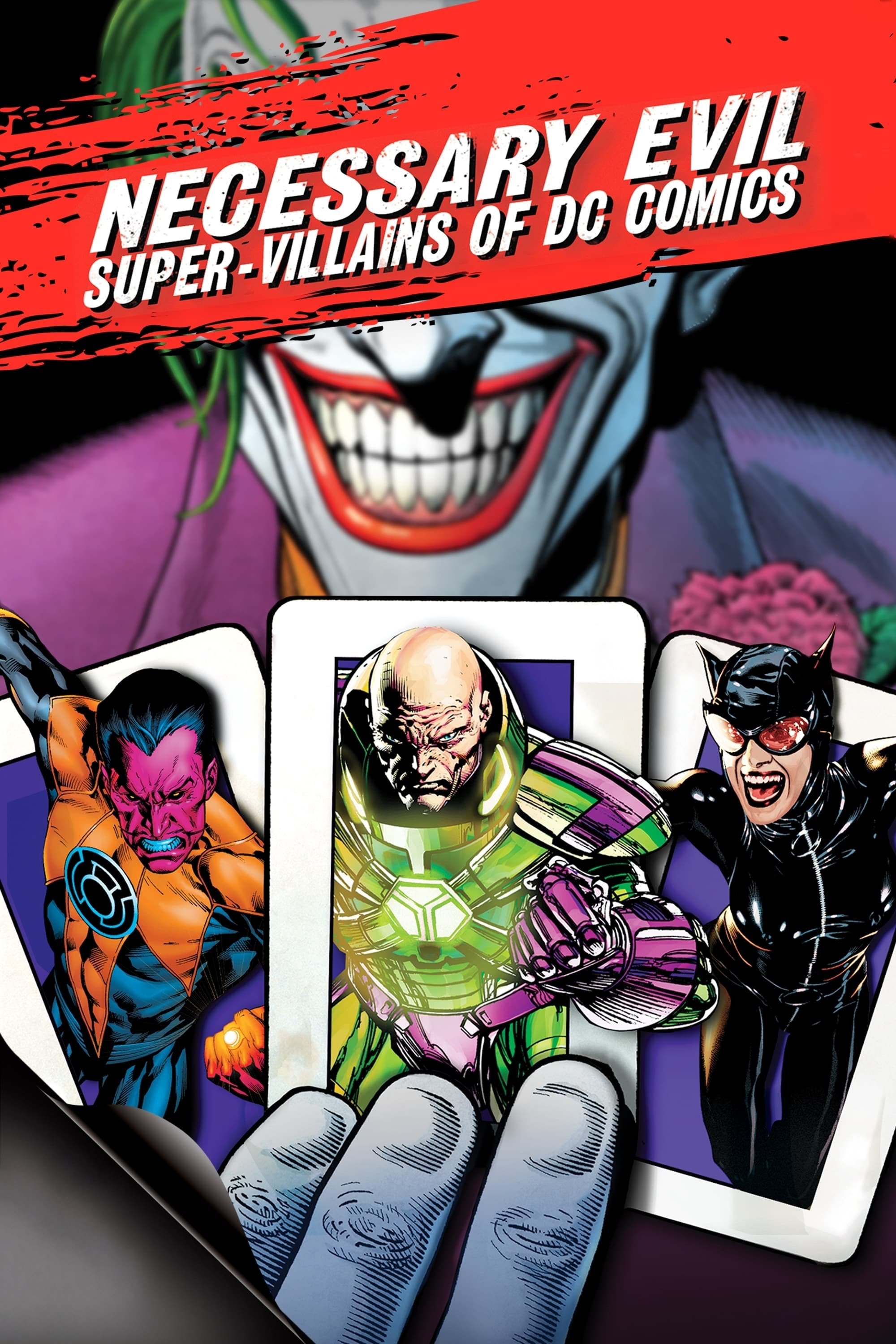
A documentary detailing the epic Rogues' Gallery of DC Comics from The Joker and Lex Luthor, Sinestro, Darkseid and more, this documentary will explore the Super Villains of DC Comics.
The life of Mr. Spock, as well as that of Leonard Nimoy, the actor who played him for almost fifty years, written and directed by his son: Adam.
Al Pacino's deeply-felt rumination on Shakespeare's significance and relevance to the modern world through interviews and an in-depth analysis of "Richard III."
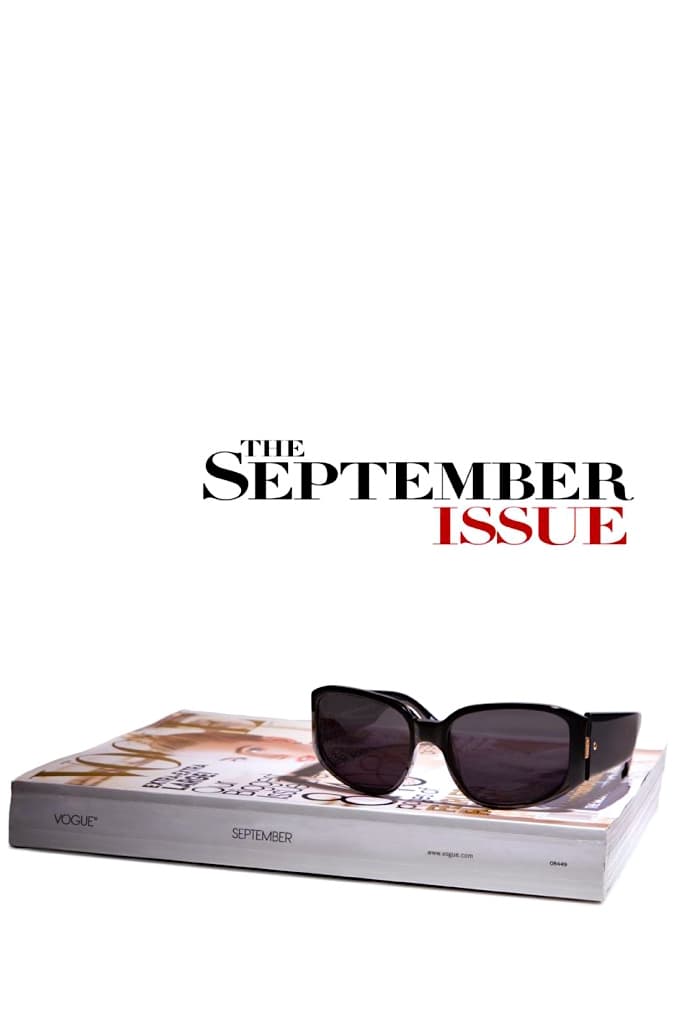
A documentary chronicling Vogue editor-in-chief Anna Wintour's preparations for the 2007 fall-fashion issue.
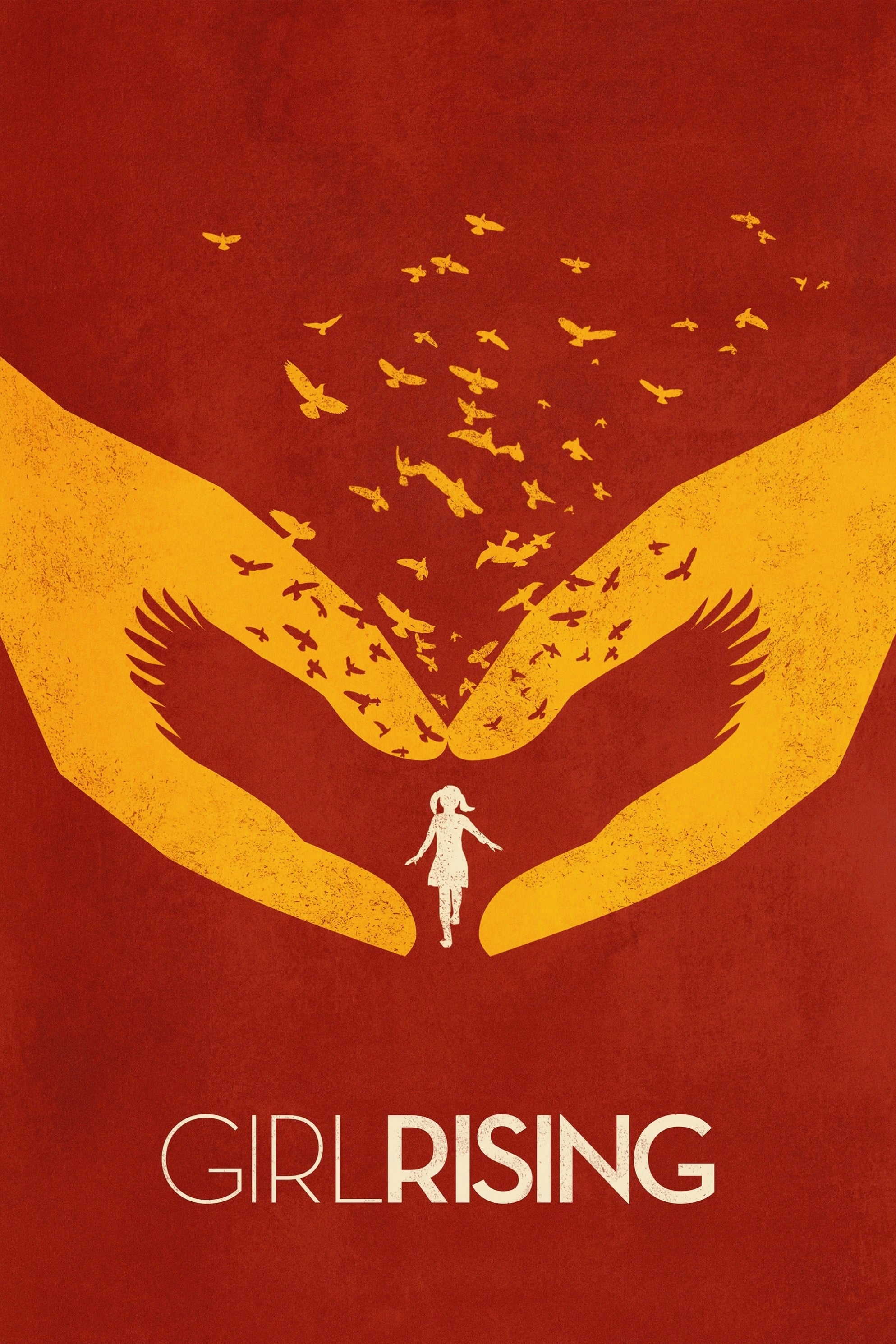
Nine filmmakers each profile a young girl from a different part of the world to weave a global tapestry of youth in the 21st century.
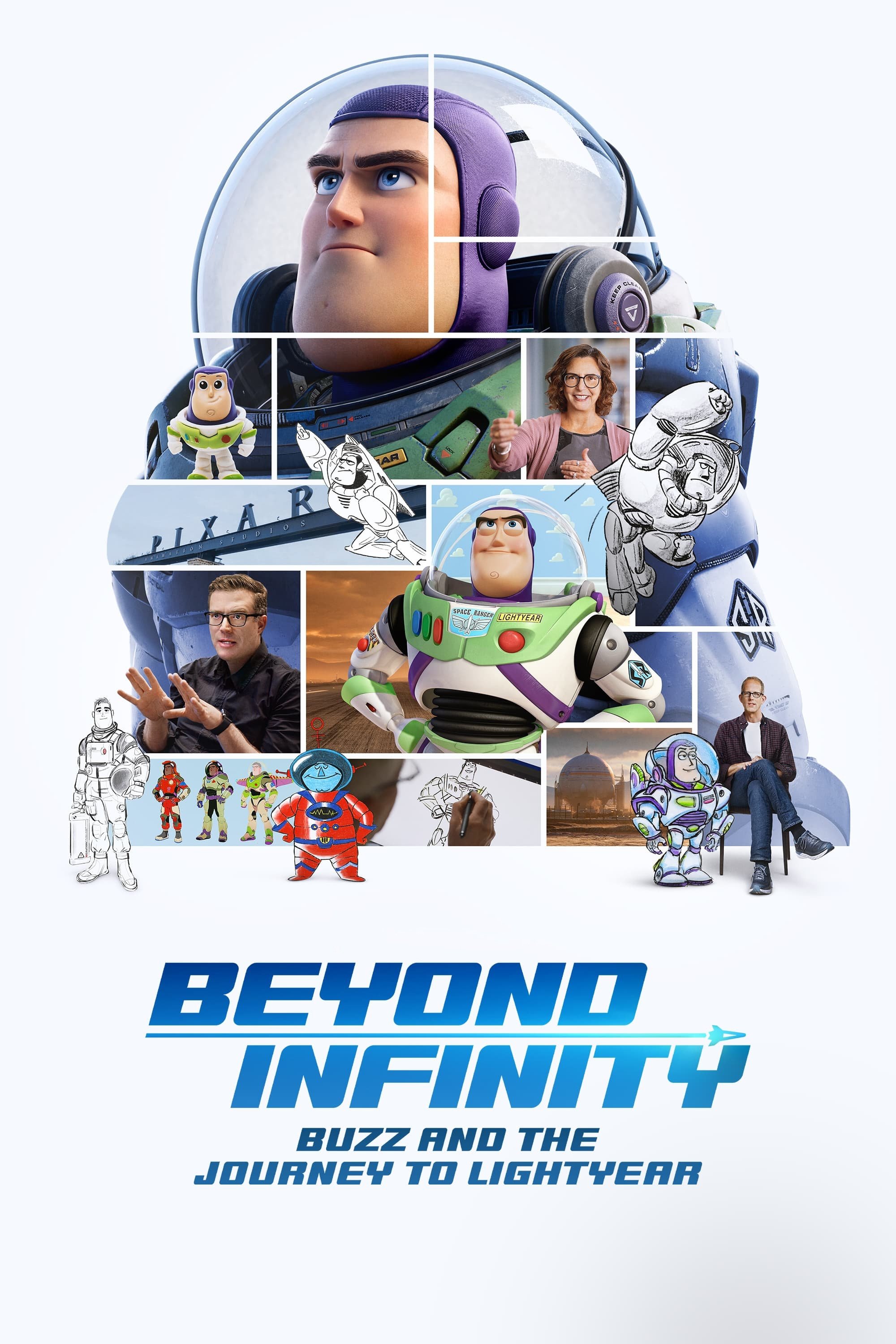
Explore the evolution of Buzz Lightyear from toy to human in the making of Pixar’s Lightyear. Dive into the origin and cultural impact of everyone’s favorite Space Ranger, the art of designing a new “human Buzz,” and the challenges faced by the Lightyear crew along the way.
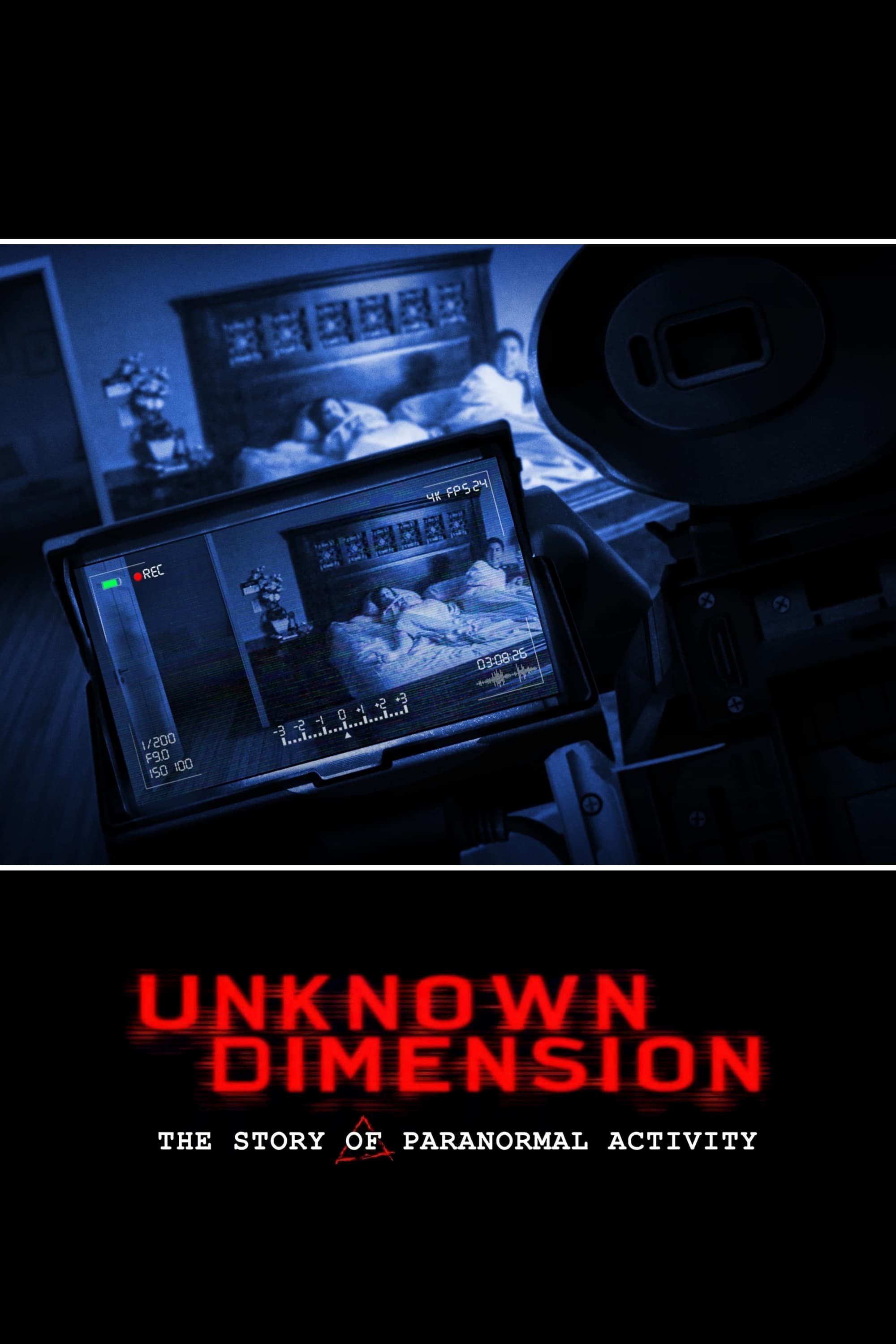
A deep dive into the making of the Paranormal Activity films with first time ever interviews with cast and crew, never-before-seen footage from the movies, and a preview of the seventh installment in the franchise.
Daniel Craig candidly reflects on his 15 year adventure as James Bond. Including never-before-seen archival footage from Casino Royale to the upcoming 25th film No Time To Die, Craig shares his personal memories in conversation with 007 producers, Michael G Wilson and Barbara Broccoli.
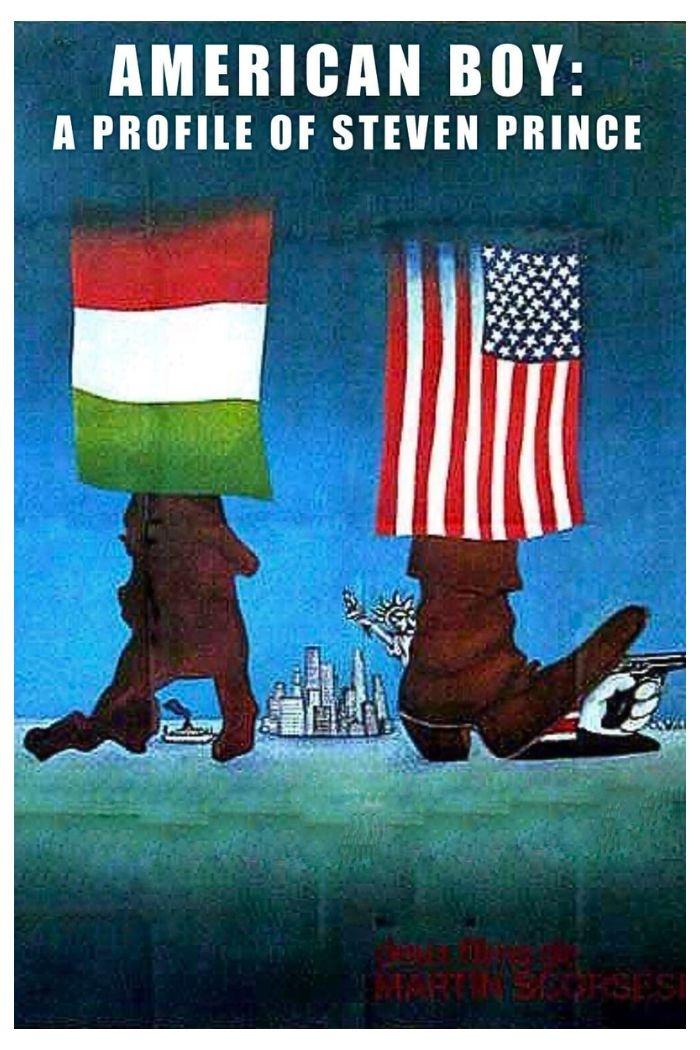
Martin Scorsese spends an evening with larger-than-life raconteur Steven Prince—a former drug addict, road manager for Neil Diamond, and actor—as he recounts stories from his colorful life.
A look at the origins, history and conspiracies behind the "Majestic 12", a clandestine group of military and corporate figureheads charged with reverse-engineering extraterrestrial technology.
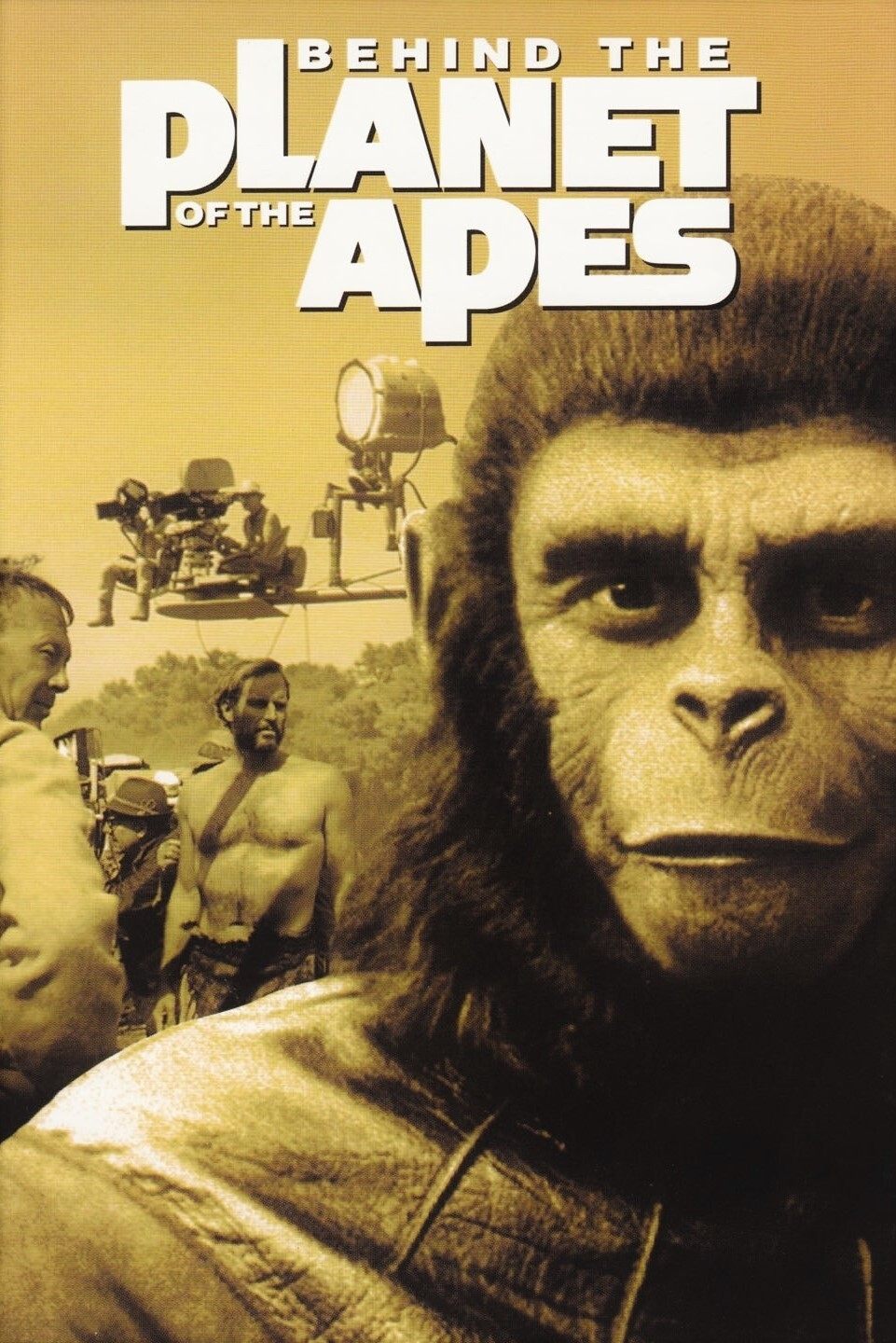
Roddy McDowall takes you, film by film, from production meetings to make-up sessions, then right onto the movie set to see the actual filming of the science fiction masterpiece. The most comprehensive history of Planet of the Apes ever created, this fascinating 127-minute documentary explores one of the most imaginative and influential series in movie history.
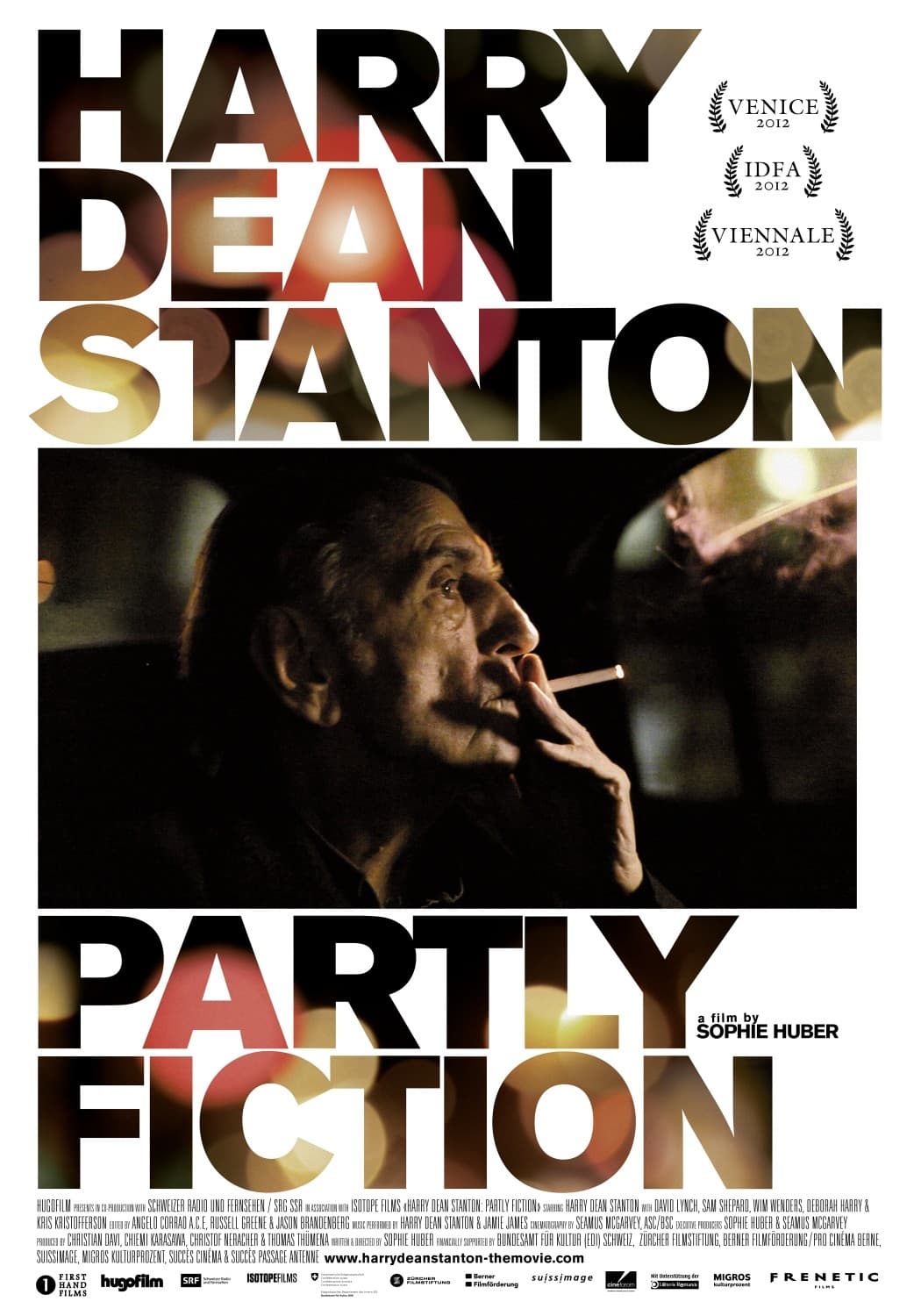
An impressionistic portrait of the iconic actor Harry Dean Stanton comprised of intimate moments, film clips from some of his 250 films and his renditions of American folk songs.