“Rape is a precise political program: the skeleton of capitalism, it is the crude and direct representation of the exercise of power.” Virgine Despentes
Social & External

The people behind it
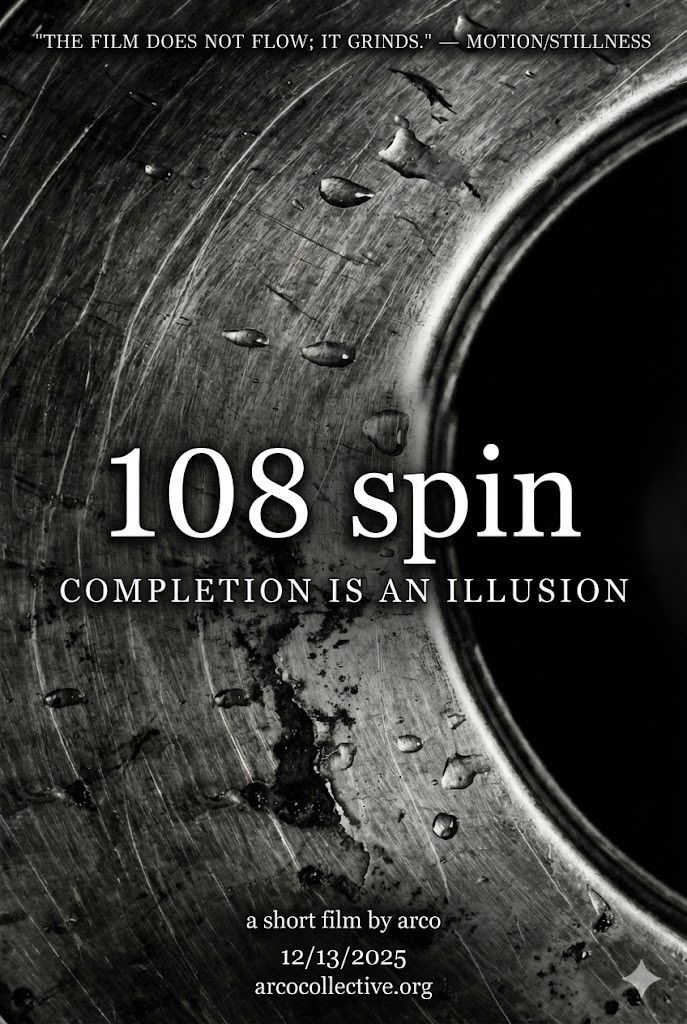
A camera rotates around the same four towers. Seasons, weather conditions and the positions of the camera change over the course of the film. The sound goes round in circles and drifts in variations.
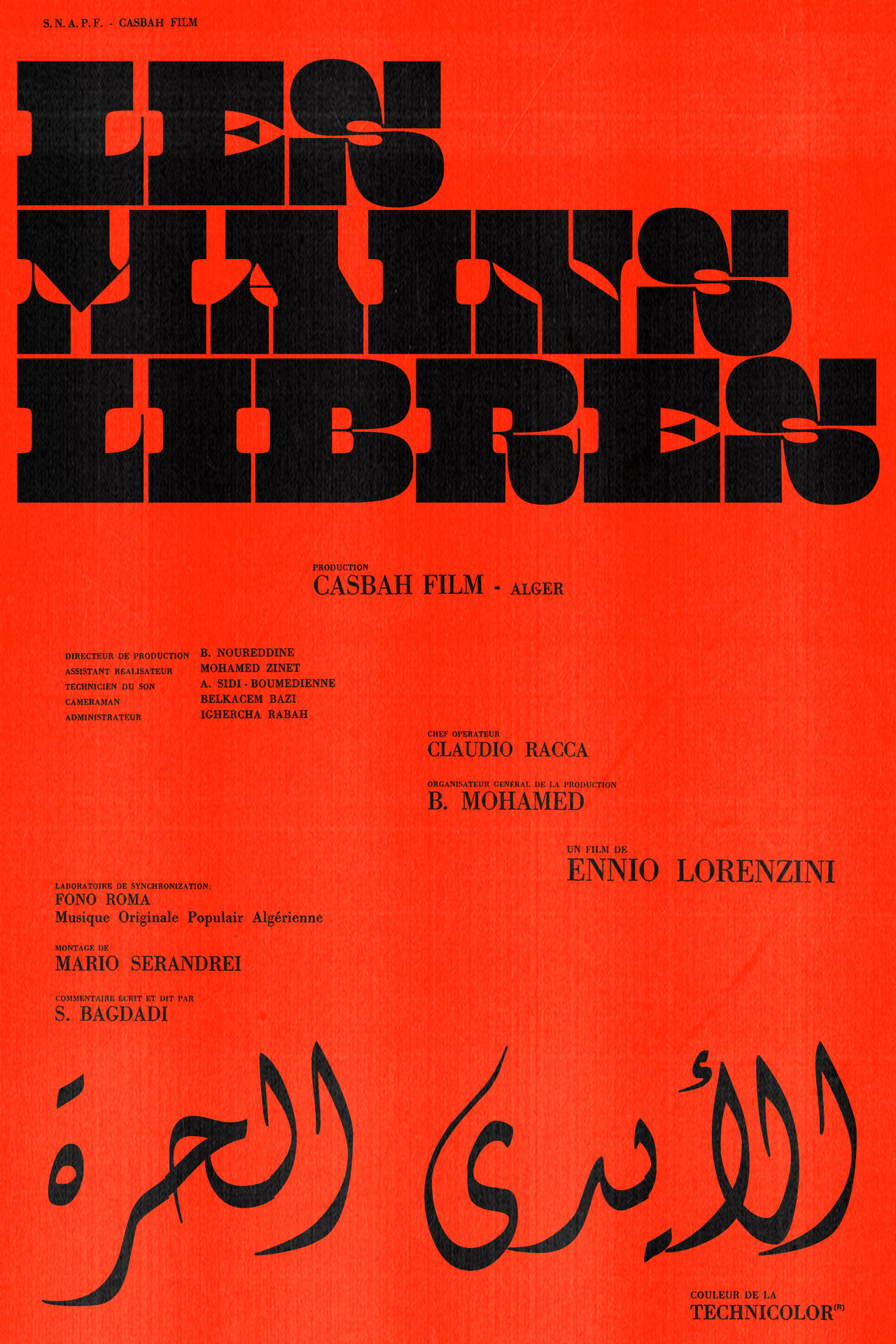
In 1964, Algeria, just two years after the end of the war of independence, found itself catapulted into new contradictions, a still rural territory which responded to the modernity brought by the revolution. Filmed during the winter of 1964-1965 by the young director Ennio Lorenzini, it is the first international Algerian production which paints a rare portrait in color of a multifaceted nation, far from the simplistic vision created by the press and the French army. Produced by Casbah Film, Les Mains Libres (initially titled Tronc De Figuier) bears witness to the stigmata of colonization and the future of free Algeria throughout the Algerian territory and reveals the richness of its landscapes and the diversity of its traditions . The documentary, using the aesthetics of militant cinema of the time, is made up of four scenes: Sea and Desert, The Struggle, The Earth, Freedom.

A kinetic prayer and structuralist intervention. Shot entirely on an iPhone 11 in a desolate Midwest laundromat, 108 spin documents the mechanics of impermanence. The film shifts from heavy turbulence to suspended repetition—not as a path to completion, but as a study of the loop itself. Featuring a layered soundscape, the work asks the viewer to stare into the rotation until the noise becomes a mantra.
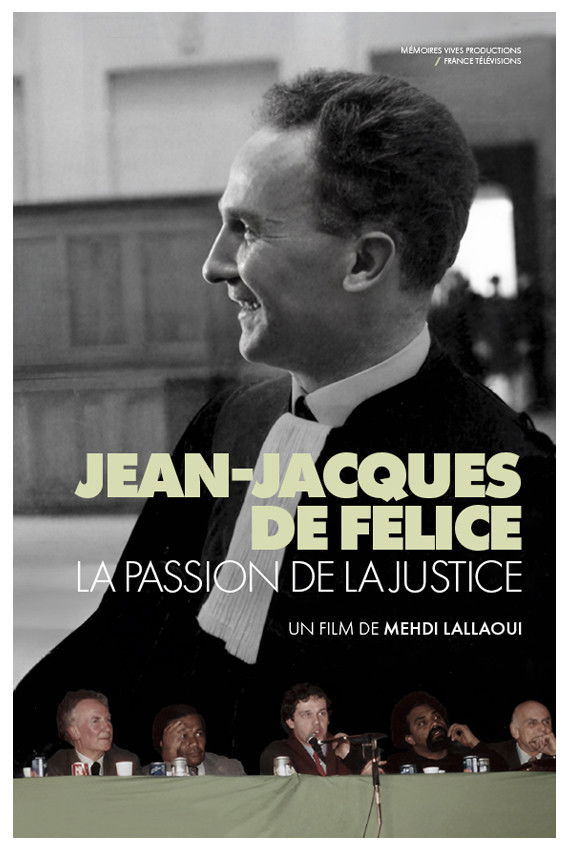
From the rights of minors before the juvenile court, young offenders from the neighborhoods of eastern Paris, or children of Algerian origin from the shantytowns of Nanterre, to the defense of colonized Kanaks and Polynesians; from the fight for conscientious objector status to the denunciation of torture and the death penalty, lawyer Jean-Jacques de Félice has been involved in every struggle. His pacifism knows no bounds: with organizations like Cimade, LDH, and the Louis-Lecoin Committee, he assists draft dodgers in numerous countries. These include Portuguese conscientious objectors refusing to fight in the wars in Angola and Mozambique, American deserters opposed to the Vietnam War, and Israeli objectors refusing to serve in the Occupied Territories. It is no surprise that, as early as 1971, he was one of the very first lawyers representing the farmers of the Larzac plateau.
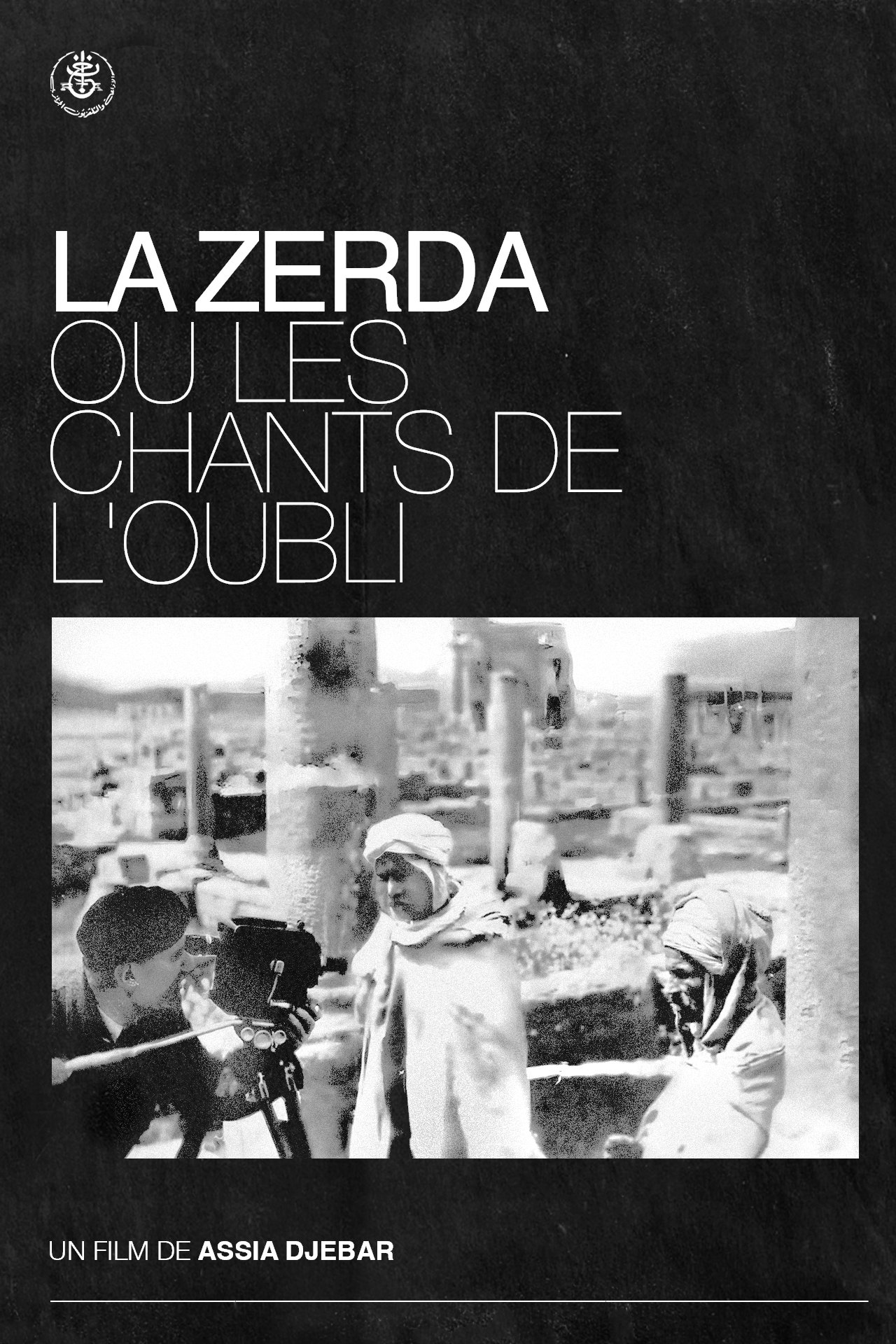
“La Zerda and the songs of oblivion” (1982) is one of only two films made by the Algerian novelist Assia Djebar, with “La Nouba des femmes du mont Chenoua” (1977). Powerful poetic essay based on archives, in which Assia Djebar – in collaboration with the poet Malek Alloula and the composer Ahmed Essyad – deconstructs the French colonial propaganda of the Pathé-Gaumont newsreels from 1912 to 1942, to reveal the signs of revolt among the subjugated North African population. Through the reassembly of these propaganda images, Djebar recovers the history of the Zerda ceremonies, suggesting that the power and mysticism of this tradition were obliterated and erased by the predatory voyeurism of the colonial gaze. This very gaze is thus subverted and a hidden tradition of resistance and struggle is revealed, against any exoticizing and orientalist temptation.
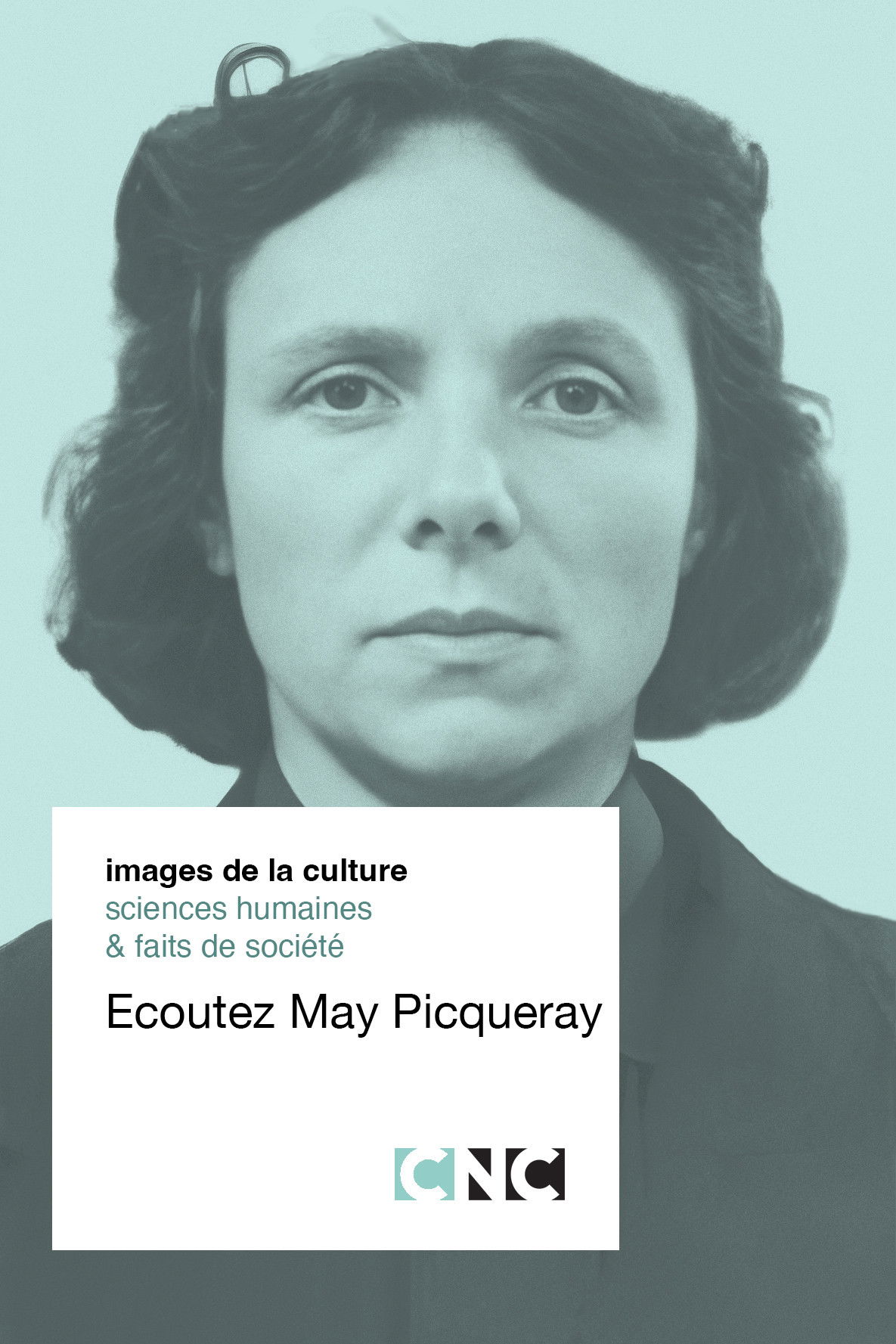
"Well, I believe in anarchy! And I believe it will come true one day." That's what "May the Rebel," a union activist, anti-militarist, and anarchist, always ready to denounce oppression and defend victims, affirms at 85. Born in Brittany, she earned her living at age 10 delivering butter. In Paris, at 20, she became involved with the Anarchist Union. Sébastien Faure became her mentor. She used a grenade to trigger the Sacco-Vanzetti affair. A union delegate in Moscow in 1922, she sang "Hymn to Anarchy" before Trotsky. Children during the Spanish Civil War, Jews during the Second World War, conscientious objectors alongside Louis Lecoin during the Algerian War, and later, through her newspaper Le Réfractaire, the Larzac, Plogoff, and Creys-Malville protests—all these were battlegrounds for May Picqueray. To the very end, she remained true to her commitment to defending peace and individual liberties.
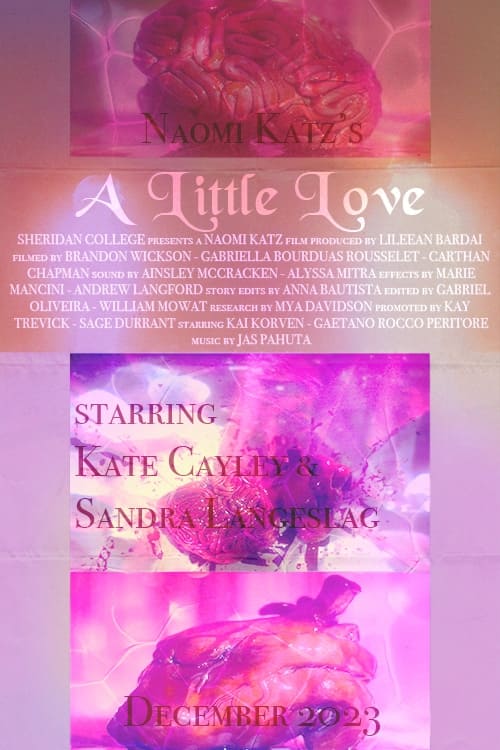
Through interspersed conversation and prose, this experimental documentary follows a poet and a neuroscientist as they explore the definition of love, what it means, and why it matters.
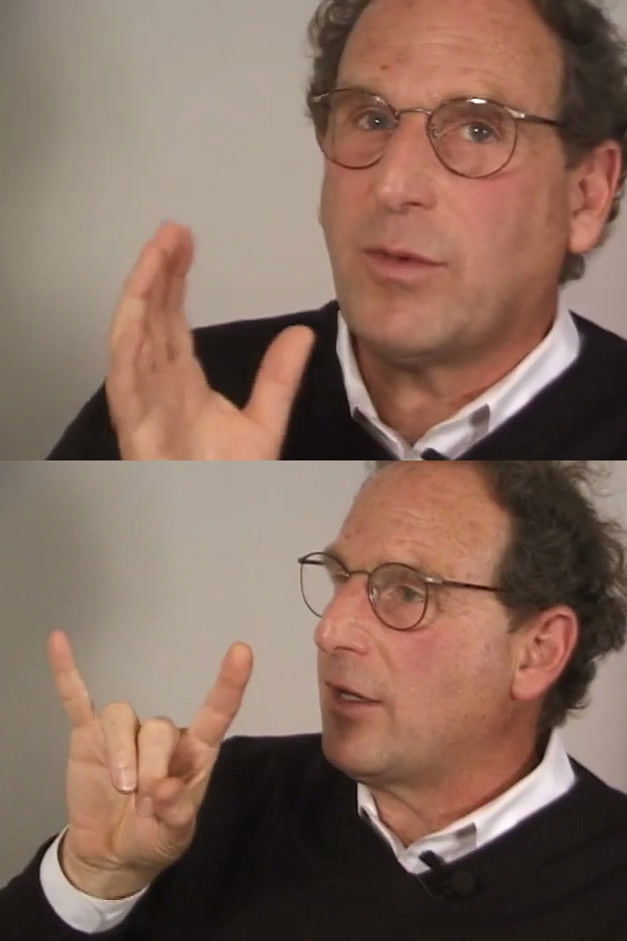
In his contribution to the On Art and Artists interview series, Nathaniel Dorsky (b.1943) begins by discussing his childhood love of the John Ford film Stagecoach and its influence upon his decision to make films while attending Antioch College. Describing the affinity he developed for work operating at the intersection of film materiality and personal language, Dorsky explains how he developed his philosophy of the “devotional film” and the “microcosmic viewer.” Dorsky likens his practice to Buddhist sculpture, referring to himself as a “Japanese poet continuing aspects of the ethos of the Marxist revolution.” In the interview, the artist describes his use of the screen as an “altarpiece for the image” and emphasizes his use of editing to create works which “harmoniously coalesce.” Interview conducted by Jeffrey Skoller in May 2000, edited in 2014.
Stan Brakhage is a film maker whose work is shown mainly at film festivals. His work has been likened to poetry. Brakhage explains his techniques and his motivation.
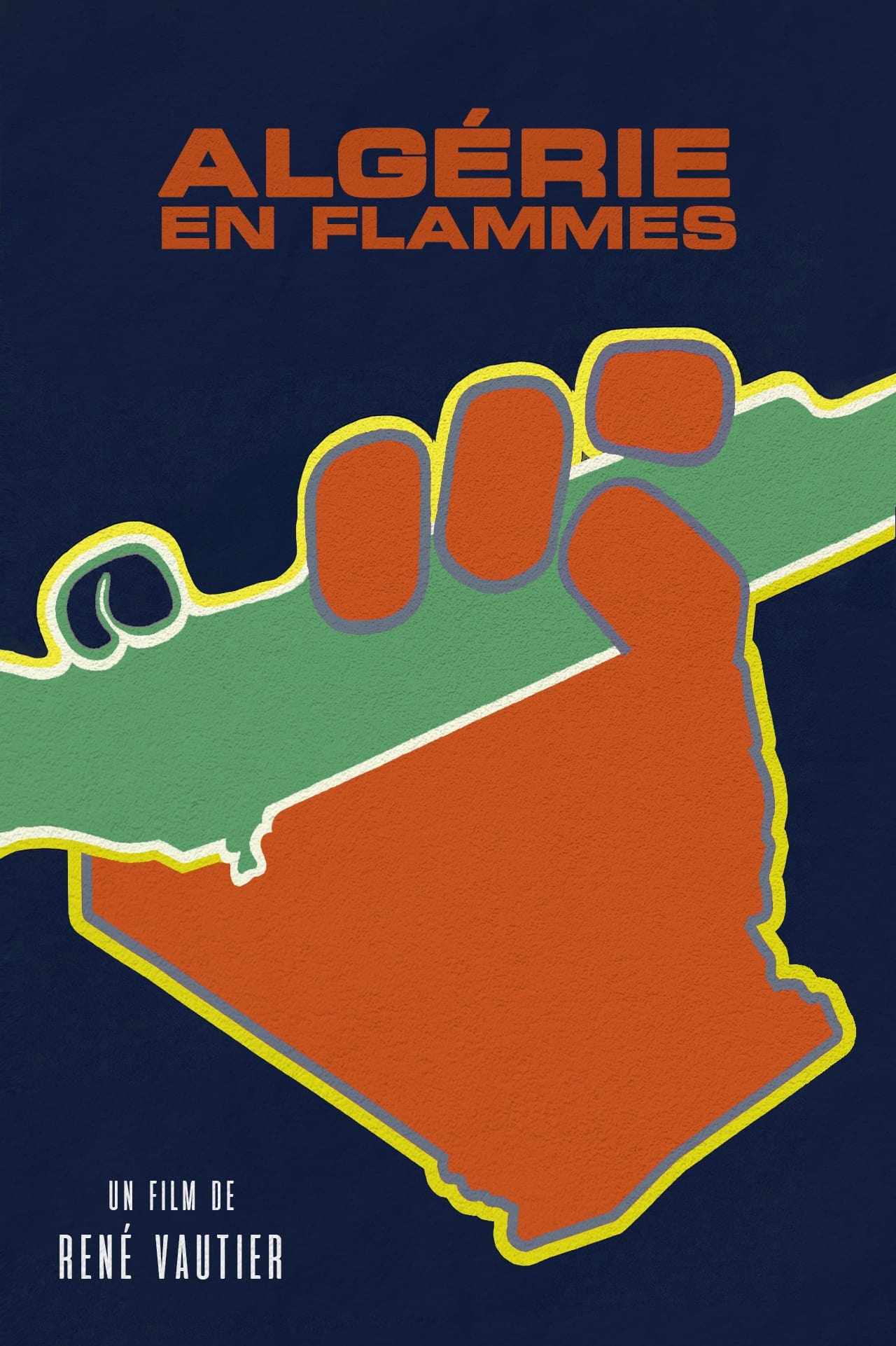
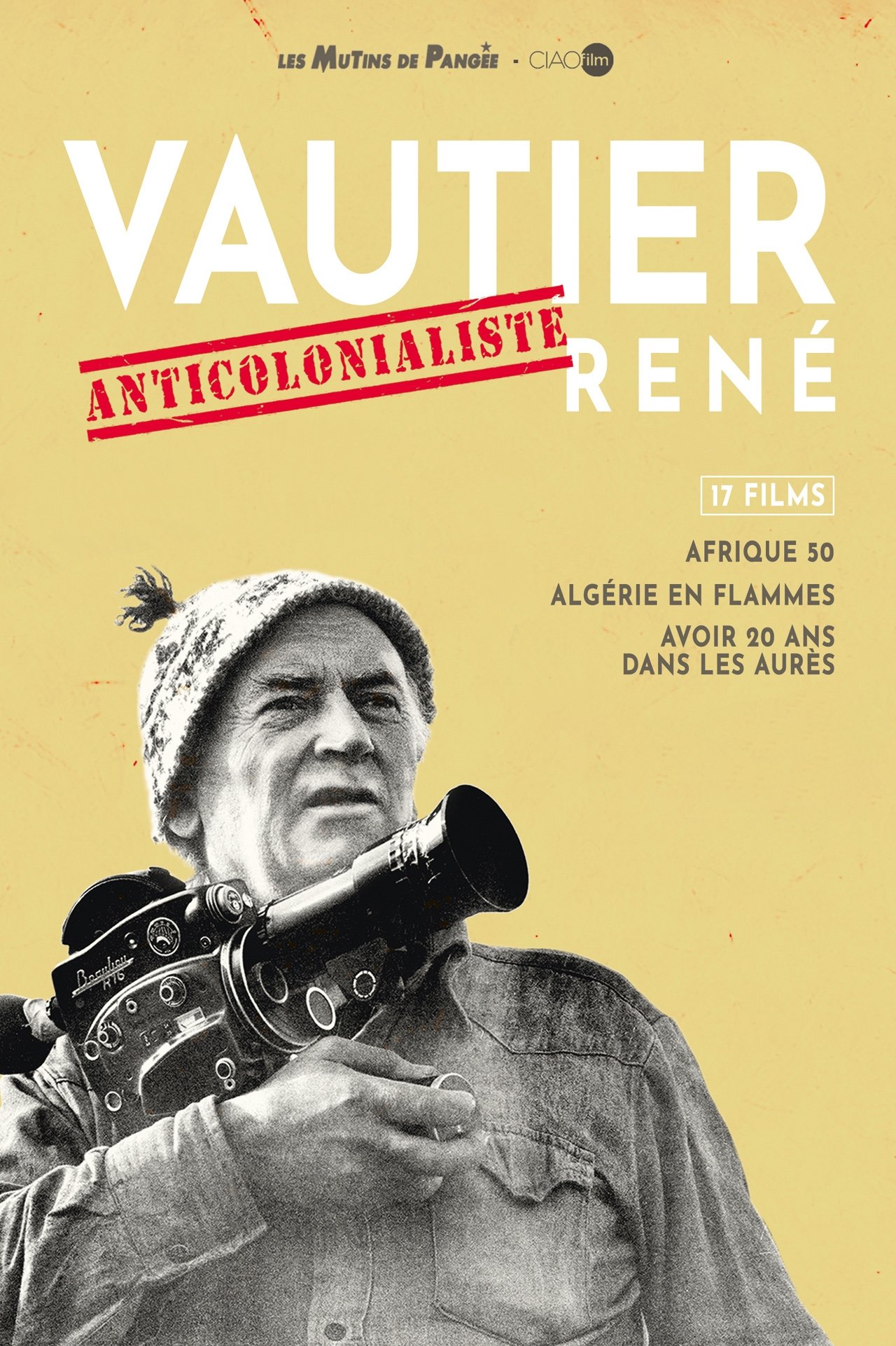
These are the first images shot in the ALN maquis, camera in hand, at the end of 1956 and in 1957. These war images taken in the Aurès-Nementchas are intended to be the basis of a dialogue between French and Algerians for peace in Algeria, by demonstrating the existence of an armed organization close to the people. Three versions of Algeria in Flames are produced: French, German and Arabic. From the end of the editing, the film circulates without any cuts throughout the world, except in France where the first screening takes place in the occupied Sorbonne in 1968. Certain images of the film have circulated and are found in films, in particular Algerian films. Because of the excitement caused by this film, he was forced to go into hiding for 25 months. After the declaration of independence, he founded the first Algerian Audiovisual Center.
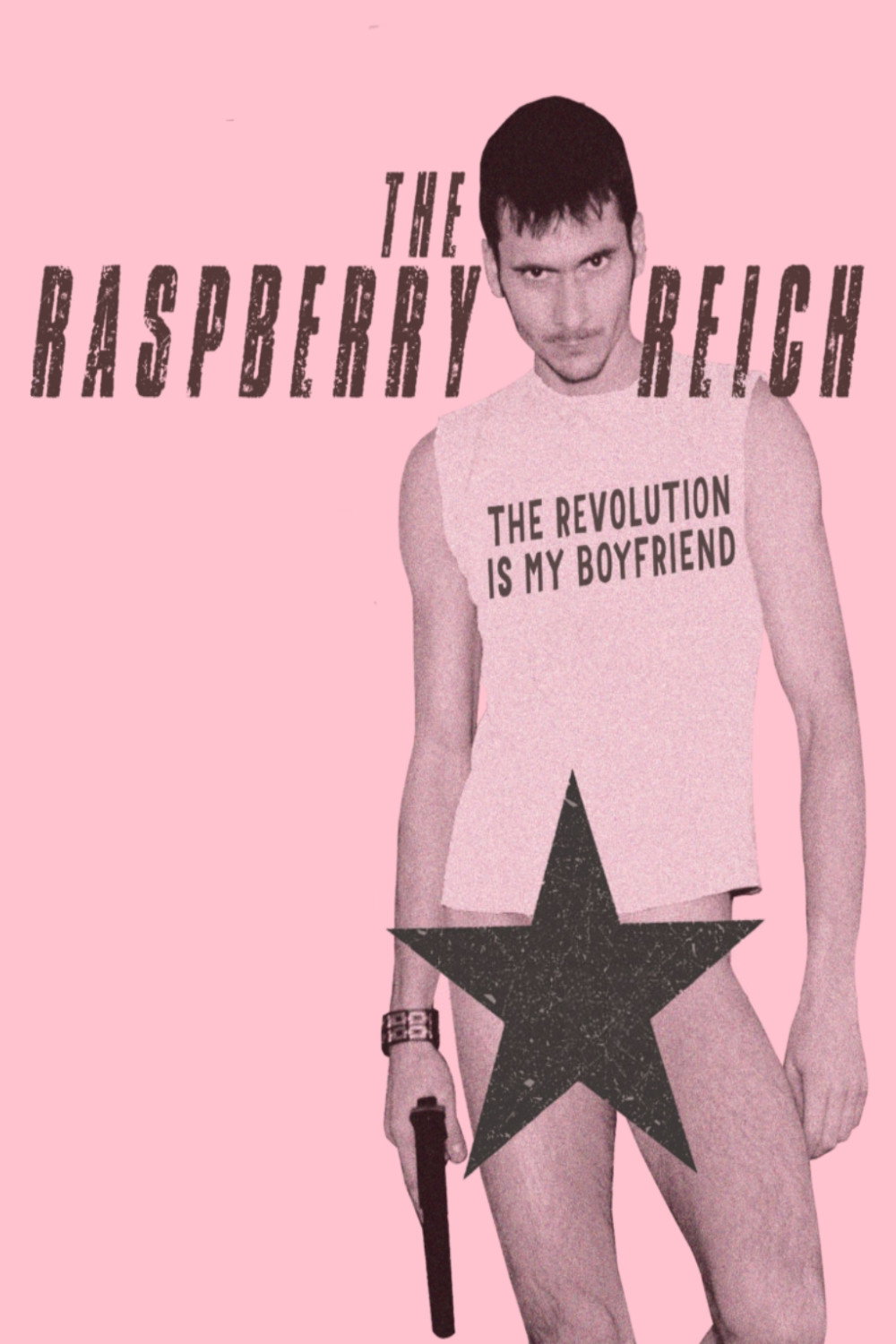
Gudrun has modeled her amateur German terrorist group after the 1970s Red Army Faction (Baader-Meinhof Gang). She attempts to imitate her heroes by kidnapping the son of a wealthy industrialist and hopes to negotiate leftist demands from the father. When Gudrun’s not spouting leftist verses (including during a hilariously brilliant fuck session), she’s trying to convince her all-male gang to abandon their heterosexuality, which she believes is the result of mass delusion.
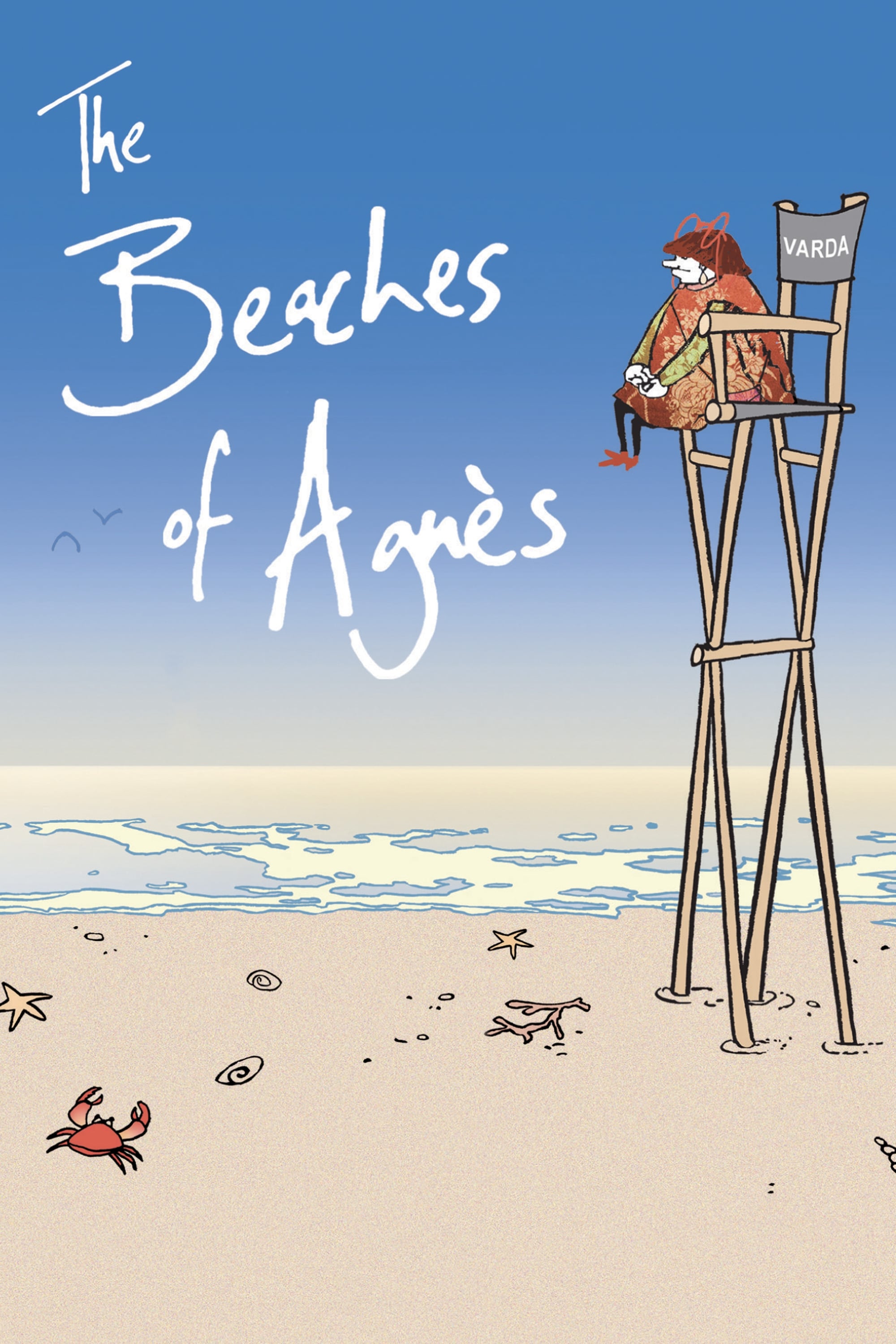
Filmmaking icon Agnès Varda, the award-winning director regarded by many as the grandmother of the French new wave, turns the camera on herself with this unique autobiographical documentary. Composed of film excerpts and elaborate dramatic re-creations, Varda's self-portrait recounts the highs and lows of her professional career, the many friendships that affected her life and her longtime marriage to cinematic giant Jacques Demy.
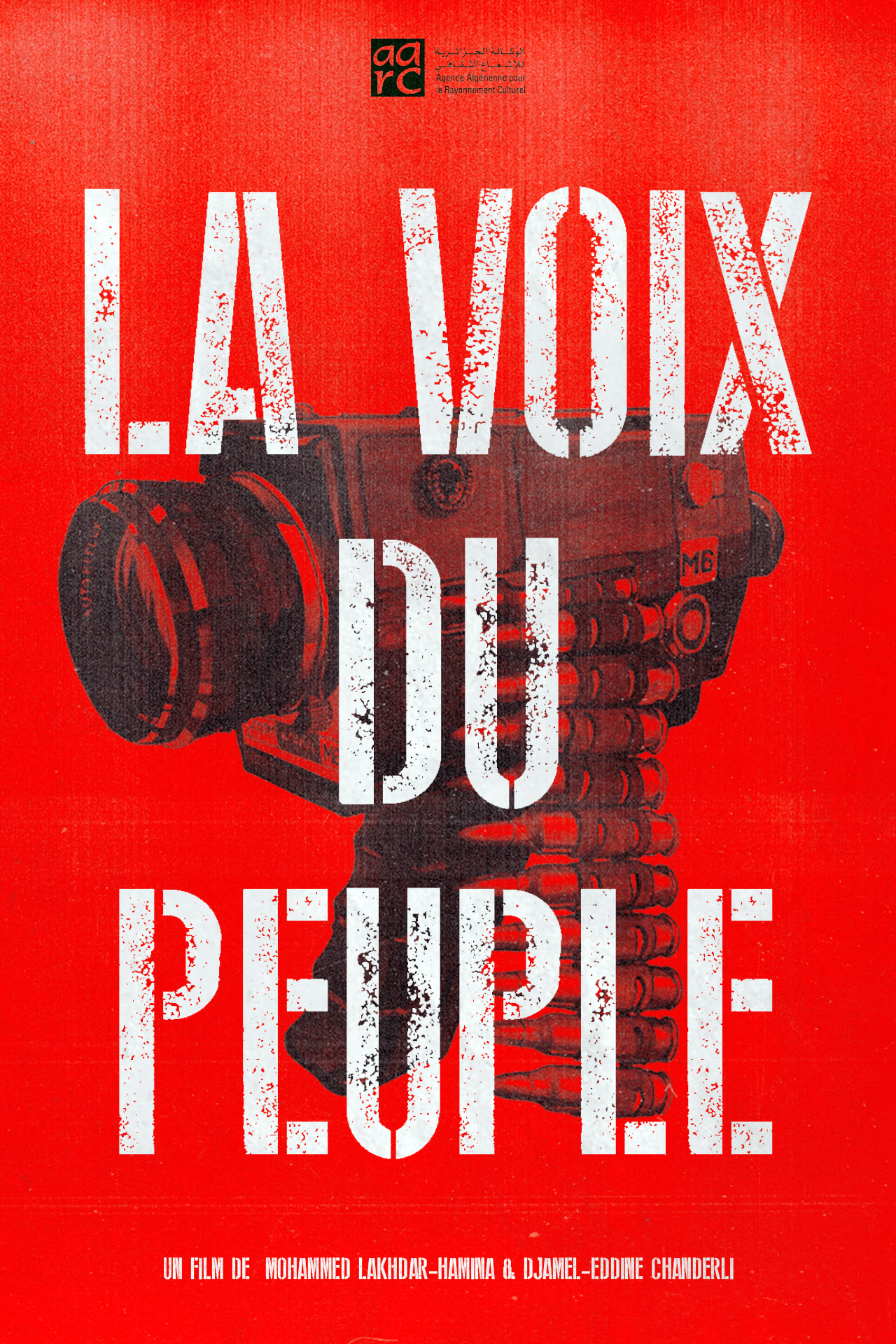
“La Voix du Peuple,” composed of archival photographs by René Vauthier and others, exposes the root causes of the armed conflict of the Algerian resistance. Participating in a war of real images against French colonial propaganda, these images aimed to show the images that the occupier had censored or distorted, by showing the extortions of the French occupation army: torture, arrests and arbitrary executions, napalm bombings, roundabout fires, erasing entire villages from the map, etc. This is what the French media described as a “pacification campaign”.
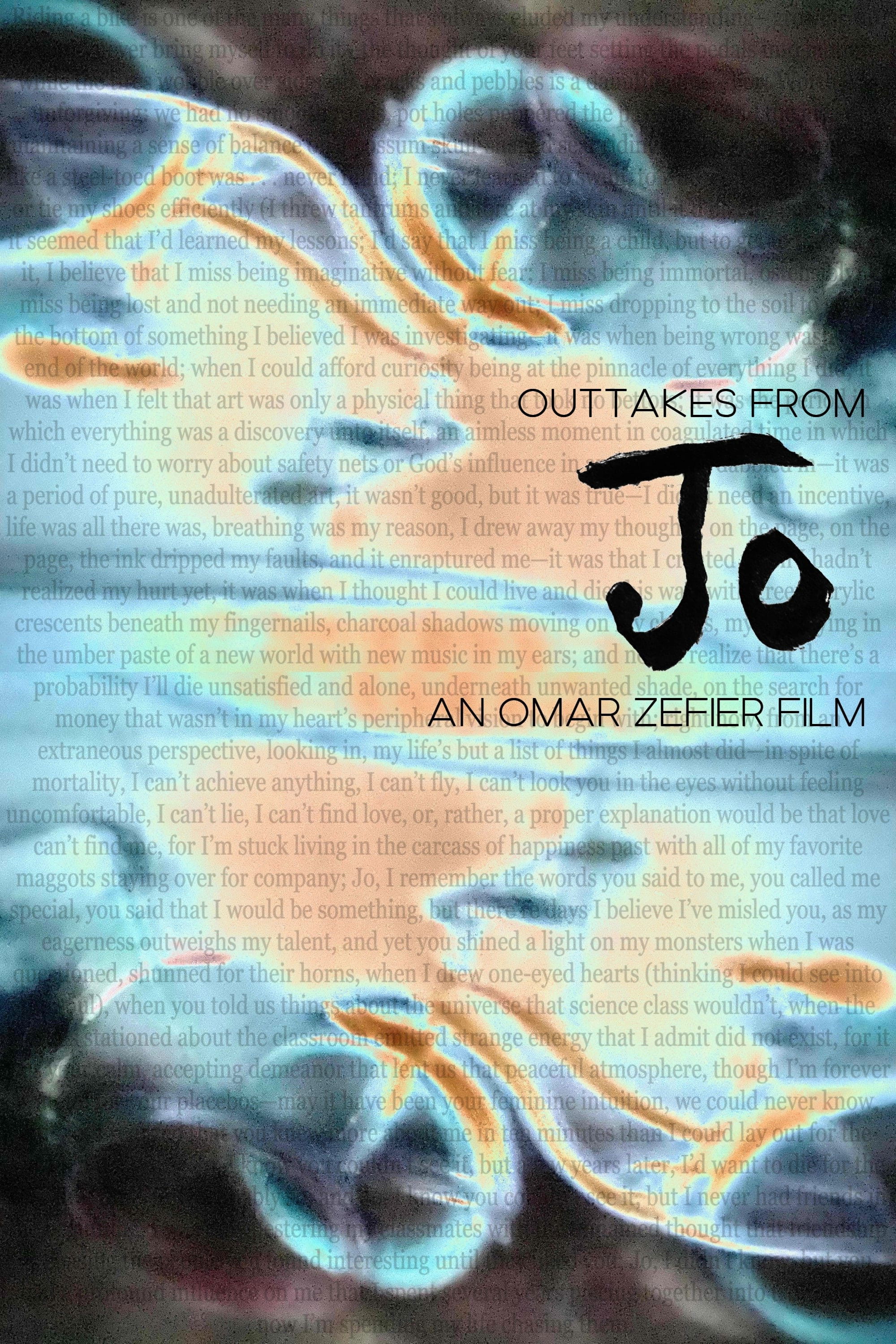
Outtakes, commentary from Zefier's third film: Jo; or The Act of Riding a Bike.
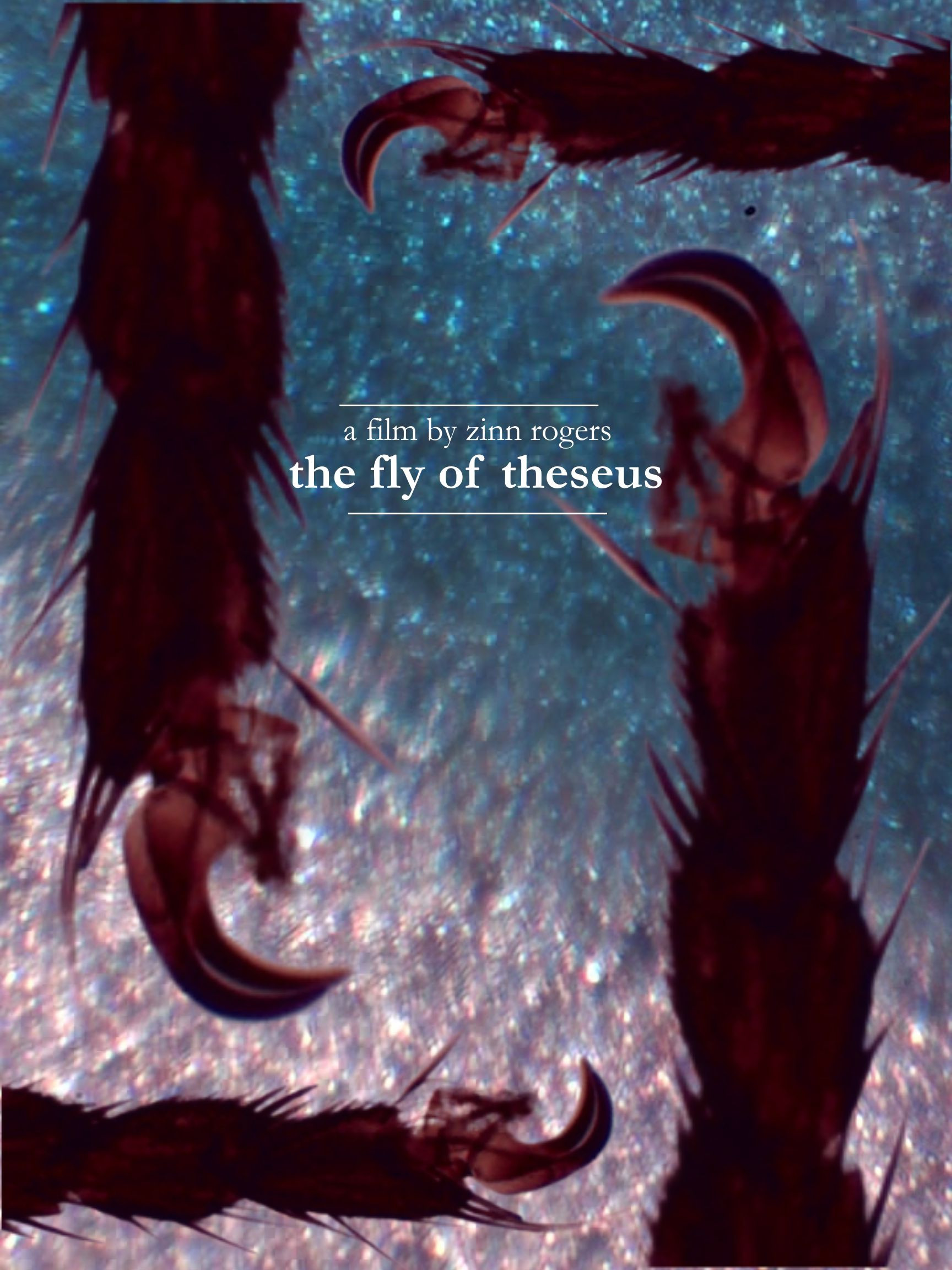
If the fly eats the flower, does the fly become the flower?
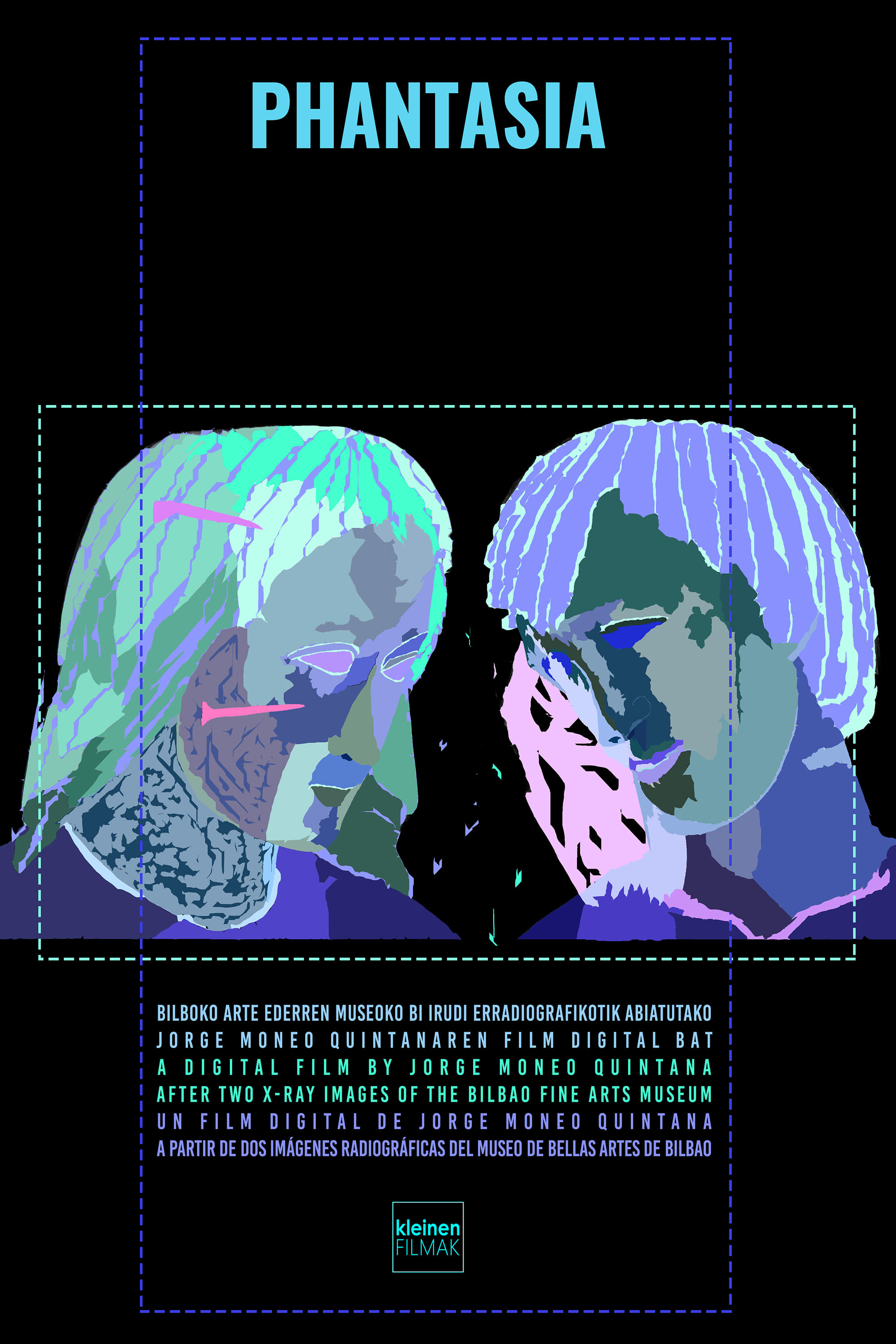
X-ray images were invented in 1895, the same year in which the Lumière brothers presented their respective invention in what today is considered to be the first cinema screening. Thus, both cinema and radiography fall within the scopic regime inaugurated by modernity. The use of X-rays on two sculptures from the Bilbao Fine Arts Museum generates images that reveal certain elements of them that would otherwise be invisible to our eyes. These images, despite being generally created for technical or scientific purposes, seem to produce a certain form of 'photogénie': they lend the radiographed objects a new appearance that lies somewhere between the material and the ethereal, endowing them with a vaporous and spectral quality. It is not by chance that physics and phantasmagoria share the term 'spectrum' in their vocabulary.
Henry, a newly resurrected cyborg who must save his wife/creator from the clutches of a psychotic tyrant with telekinetic powers, AKAN, and his army of mercenaries. Fighting alongside Henry is Jimmy, who is Henry's only hope to make it through the day. Hardcore Henry takes place over the course of one day, in Moscow, Russia.
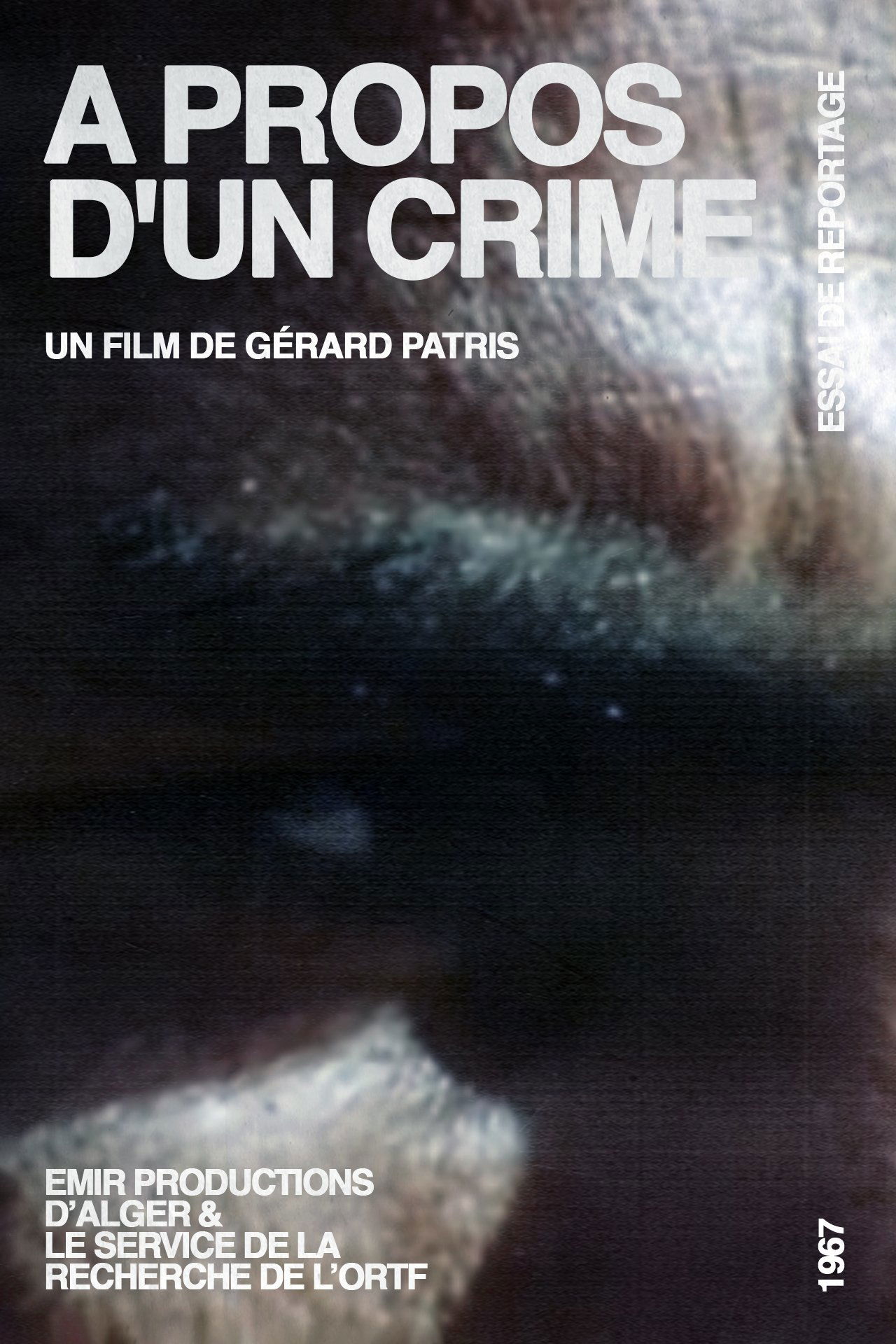
In 1967, Visconti came to Algiers for the filming of The Stranger with Mastroianni and Anna Karina. Camus, during his lifetime, had always refused to allow one of his novels to be brought to the screen. His family made another decision. The filming of the film was experienced in Algiers, like a posthumous return of the writer to Algiers. During filming, a young filmmaker specializing in documentaries Gérard Patris attempts a report on the impact of the filming of The Stranger on the Algerians. Interspersed with sequences from the shooting of Visconti's film, he films Poncet, Maisonseul, Bénisti and Sénac, friends of Camus, in full discussions to situate Camus and his work in a sociological and historical context. “The idea is for us to show people, others, ourselves as if they could all be Meursault, or at least the witnesses concerned to his drama.”
A documentary on the expletive's origin, why it offends some people so deeply, and what can be gained from its use.
A string of threatening emails escalates into a revenge plot involving a newly married US marshal and his ex-girlfriend.
Alexander McQueen's rags-to-riches story is a modern-day fairy tale, laced with the gothic. Mirroring the savage beauty, boldness and vivacity of his design, this documentary is an intimate revelation of McQueen's own world, both tortured and inspired, which celebrates a radical and mesmerizing genius of profound influence.
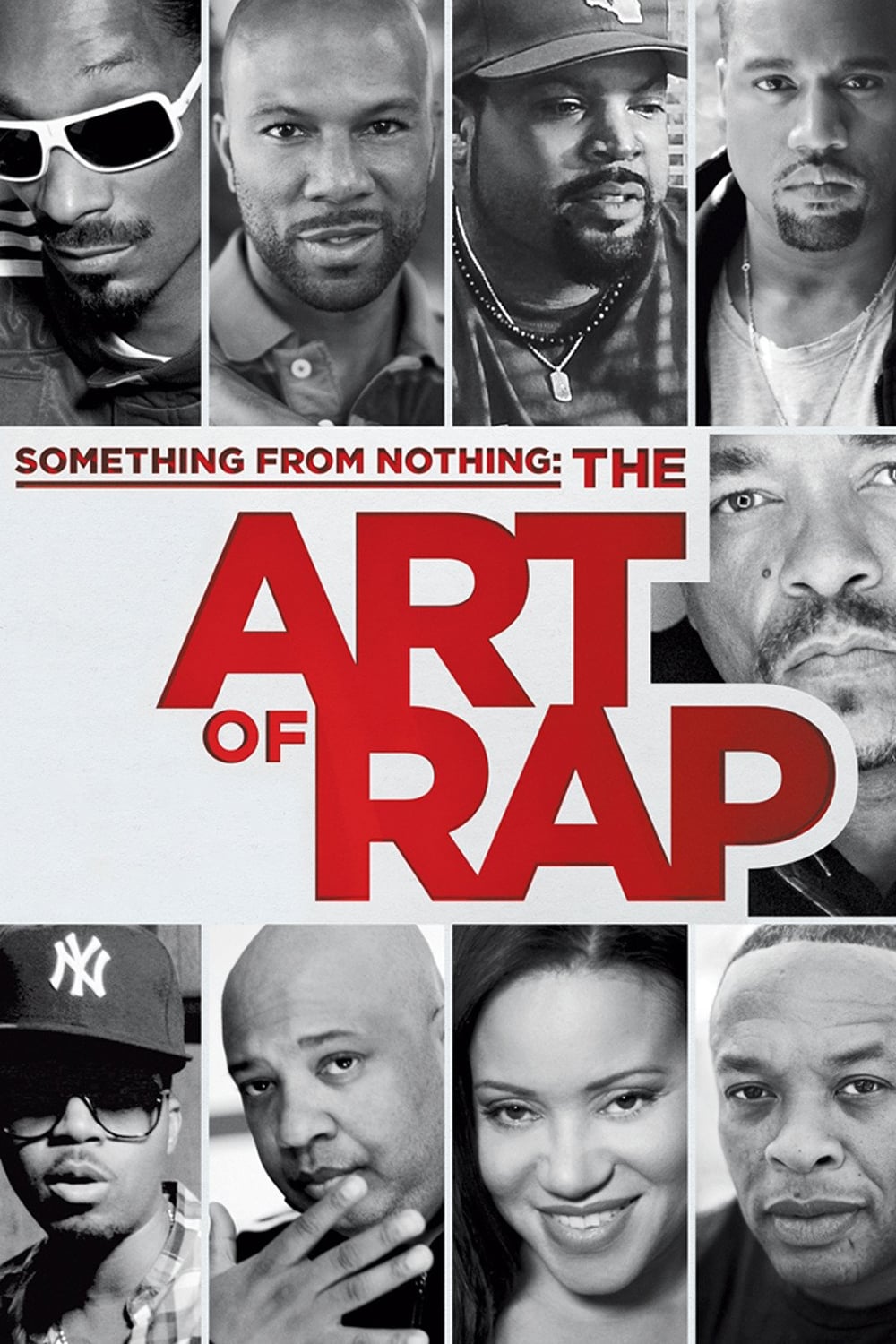
SOMETHING FROM NOTHING: THE ART OF RAP is a feature length performance documentary about the runaway juggernaut that is Rap music. At the wheel of this unstoppable beast is the film's director and interviewer Ice-T. Taking us on a deeply personal journey Ice-T uncovers how this music of the street has grown to dominate the world. Along the way Ice-T meets a whole spectrum of Hip-Hop talent, from founders, to new faces, to the global superstars like Eminem, Dr Dre, Snoop Dogg and Kanye West. He exposes the roots and history of Rap and then, through meeting many of its most famous protagonists, studies the living mechanism of the music to reveal 'The Art Of Rap'. This extraordinary film features unique performances from the entire cast, without resorting to archive material, to build a fresh and surprising take on the phenomenon that is Rap.
Ranjit, a farmer in India, takes on the fight of his life when he demands justice for his 13-year-old daughter, the victim of a brutal gang rape. His decision to support his daughter is virtually unheard of, and his journey unprecedented.
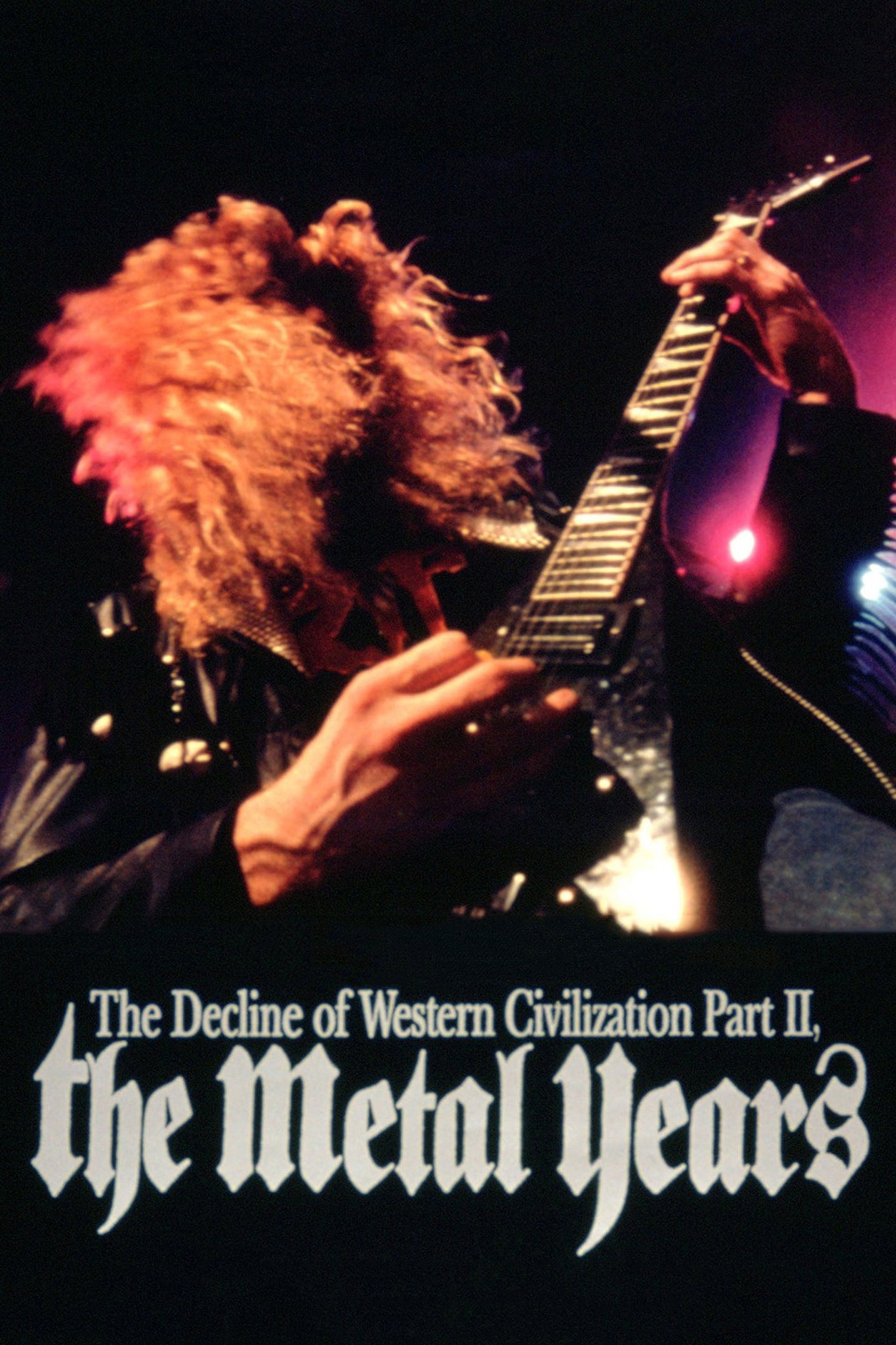
An exploration of the heavy metal scene in Los Angeles, with particular emphasis on glam metal. It features concert footage and interviews of legendary heavy metal and hard rock bands and artists such as Aerosmith, Alice Cooper, Kiss, Megadeth, Motörhead, Ozzy Osbourne and W.A.S.P..
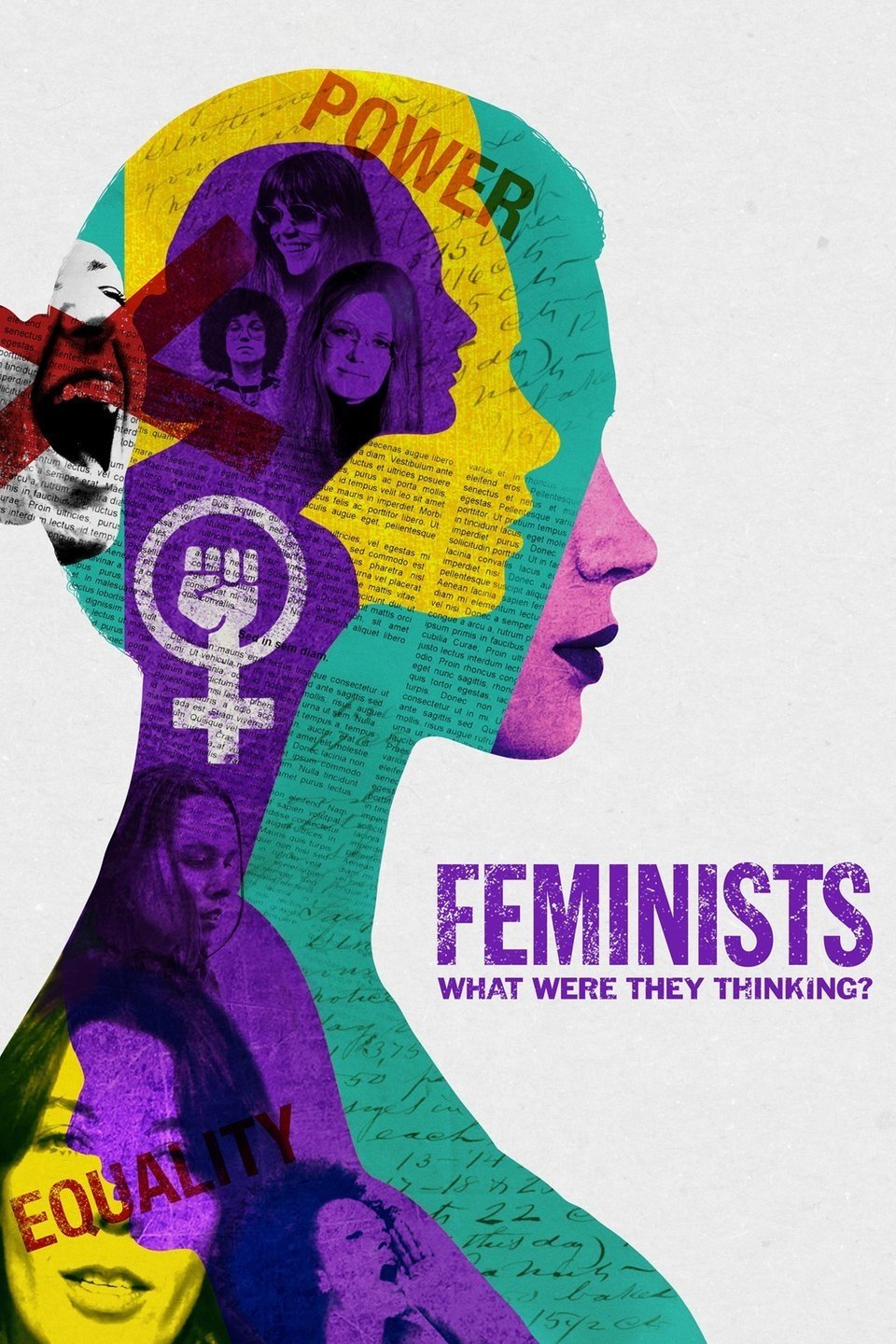
In 1977, a book of photographs captured an awakening - women shedding the cultural restrictions of their childhoods and embracing their full humanity. This documentary revisits those photos, those women and those times and takes aim at our culture today that alarmingly shows the need for continued change.
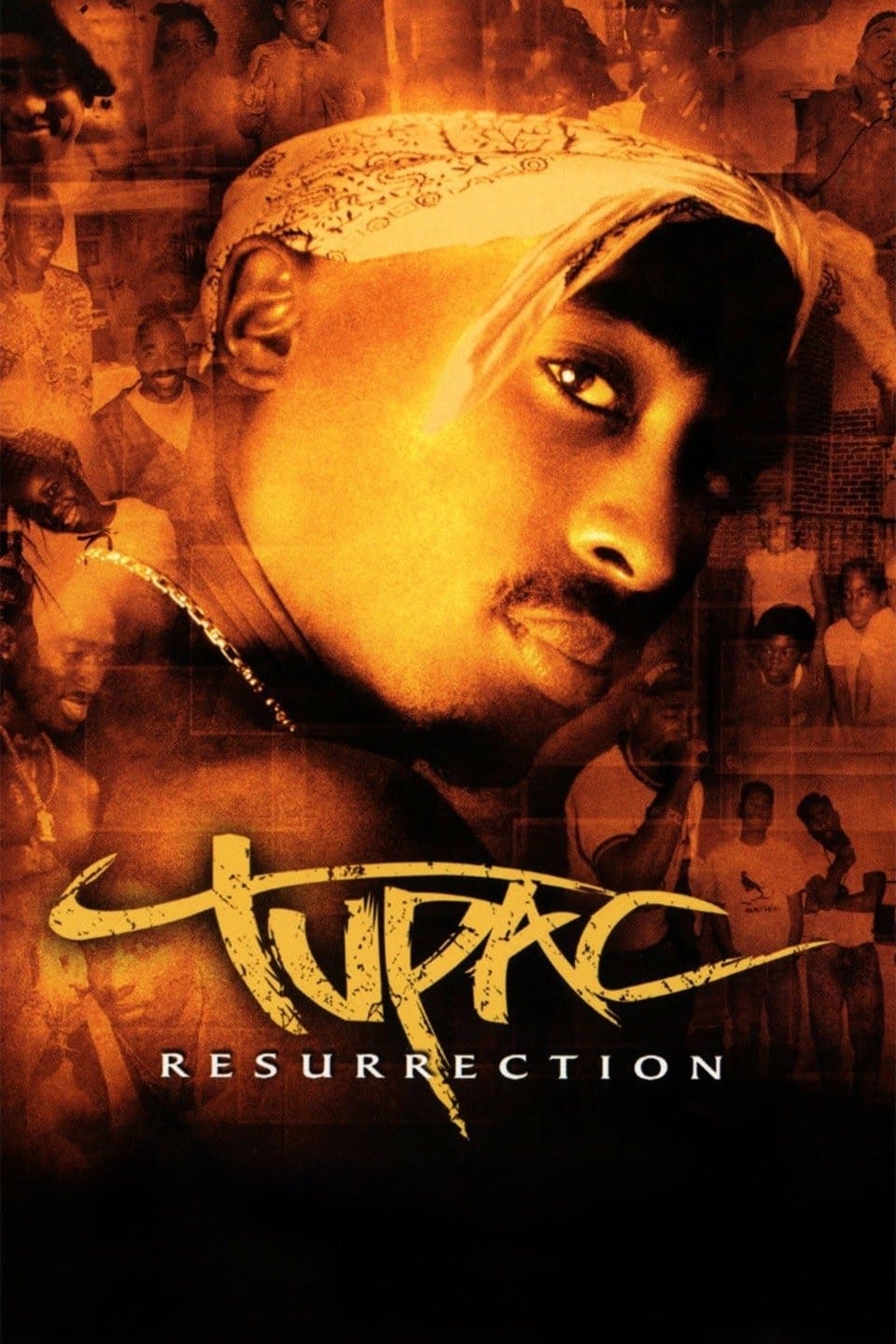
Home movies, photographs, and recited poetry illustrate the life of Tupac Shakur, one of the most beloved, revolutionary, and volatile hip-hop MCs of all time.
A night of drunken chaos rocks a quiet Dutch town in this shocking documentary about a teen's birthday invite that accidentally went viral on Facebook.
A love letter from a young mother to her daughter, the film tells the story of Waad al-Kateab’s life through five years of the uprising in Aleppo, Syria as she falls in love, gets married and gives birth to Sama, all while cataclysmic conflict rises around her. Her camera captures incredible stories of loss, laughter and survival as Waad wrestles with an impossible choice– whether or not to flee the city to protect her daughter’s life, when leaving means abandoning the struggle for freedom for which she has already sacrificed so much.
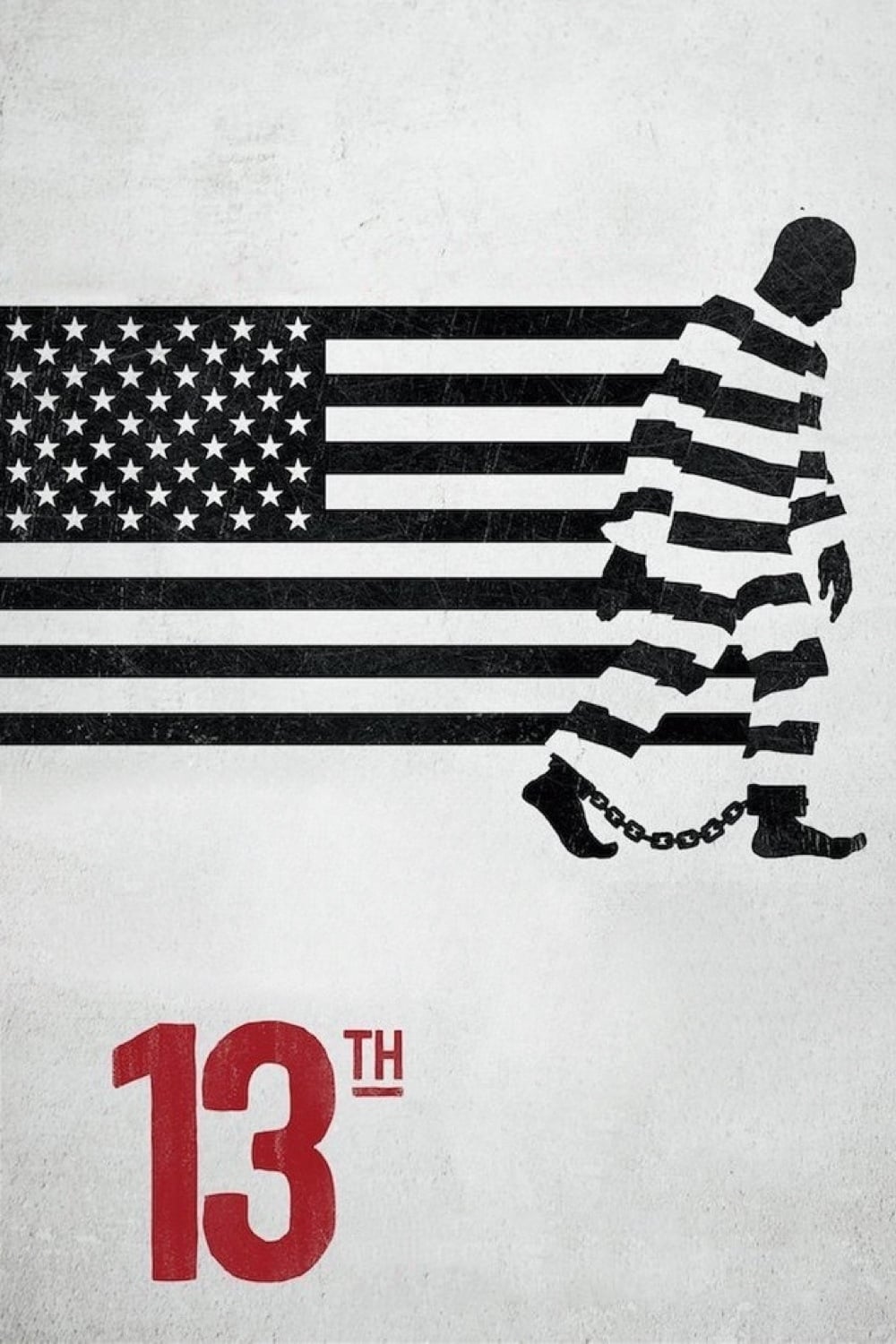
An in-depth look at the prison system in the United States and how it reveals the nation's history of racial inequality.
Police pull over a woman who claims she just gave birth. But the baby — and the blood — aren't hers. Twisted lies unravel in this true-crime documentary.
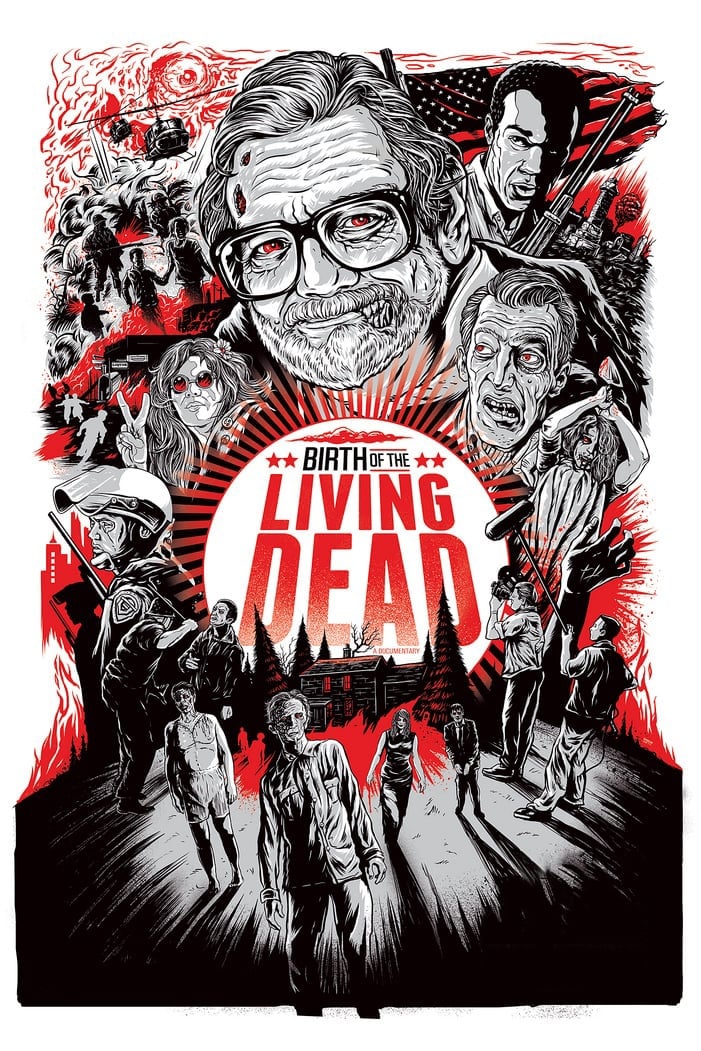
A behind the scenes look into George Romero's groundbreaking horror classic Night of the Living Dead.
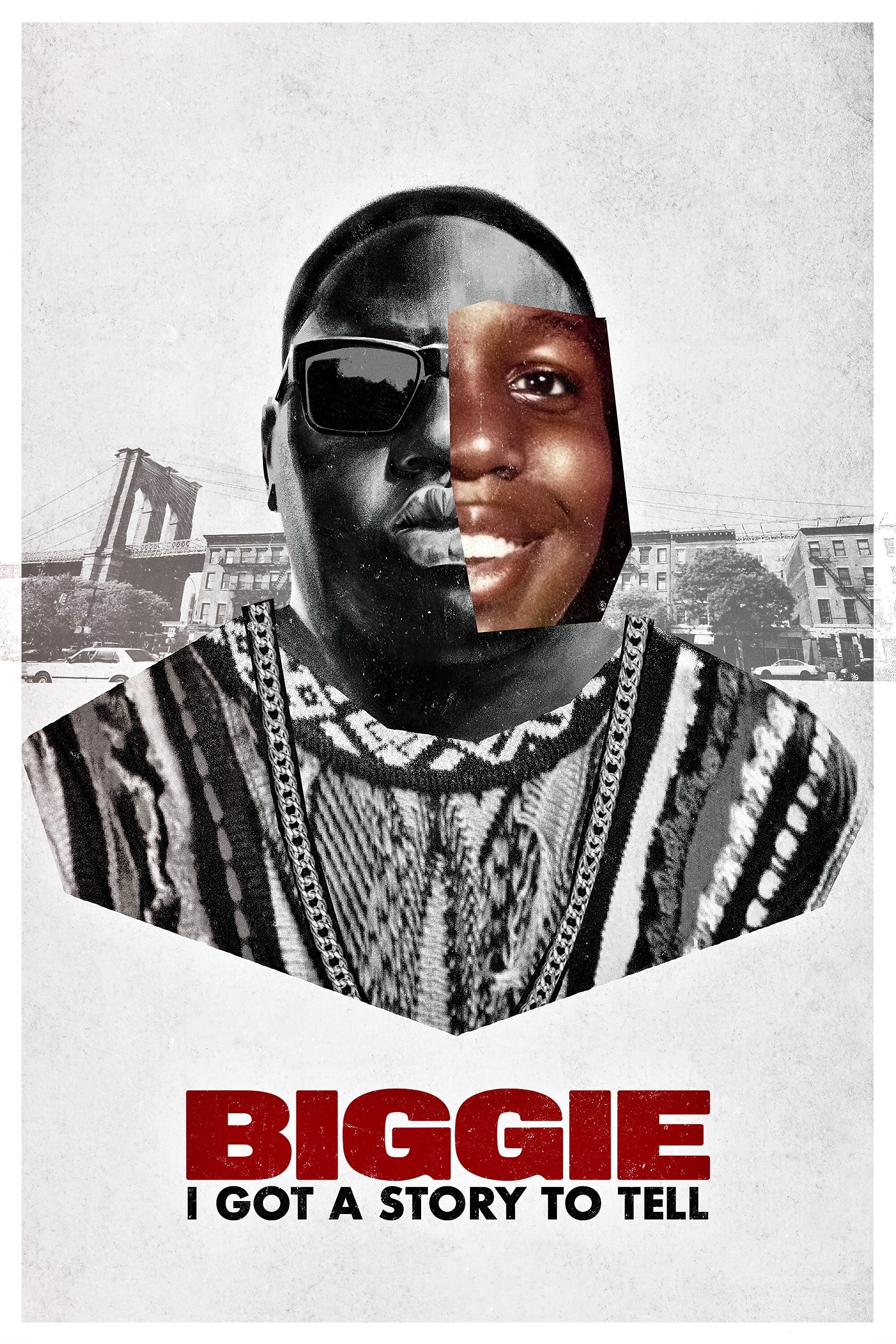
Christopher Wallace, AKA The Notorious B.I.G., remains one of Hip-Hop’s icons, renowned for his distinctive flow and autobiographical lyrics. This documentary celebrates his life via rare behind-the-scenes footage and the testimonies of his closest friends and family.
A subjective documentary that explores various theories about hidden meanings in Stanley Kubrick's classic film The Shining. Five very different points of view are illuminated through voice over, film clips, animation and dramatic reenactments.
When Allied forces liberated the Nazi concentration camps in 1944-45, their terrible discoveries were recorded by army and newsreel cameramen, revealing for the first time the full horror of what had happened. Making use of British, Soviet and American footage, the Ministry of Information’s Sidney Bernstein (later founder of Granada Television) aimed to create a documentary that would provide lasting, undeniable evidence of the Nazis’ unspeakable crimes. He commissioned a wealth of British talent, including editor Stewart McAllister, writer and future cabinet minister Richard Crossman – and, as treatment advisor, his friend Alfred Hitchcock. Yet, despite initial support from the British and US Governments, the film was shelved, and only now, 70 years on, has it been restored and completed by Imperial War Museums under its original title "German Concentration Camps Factual Survey".
In an intimate and joyful story of love in the face of loss, celebrated poets Andrea Gibson and Megan Falley find strength—and unexpected hilarity—in what might be their final year together.
Unravel the case of Utah therapist Jodi Hildebrandt, whose child abuse arrest with parenting YouTuber Ruby Franke exposed a twisted tale of manipulation.
A 1993 documentary film about Bruce Lee. The film includes interviews from some of his fellow students and opponents who worked alongside him in his movies.
After years in the limelight, Selena Gomez achieves unimaginable stardom. But just as she reaches a new peak, an unexpected turn pulls her into darkness. This uniquely raw and intimate documentary spans her six-year journey into a new light.