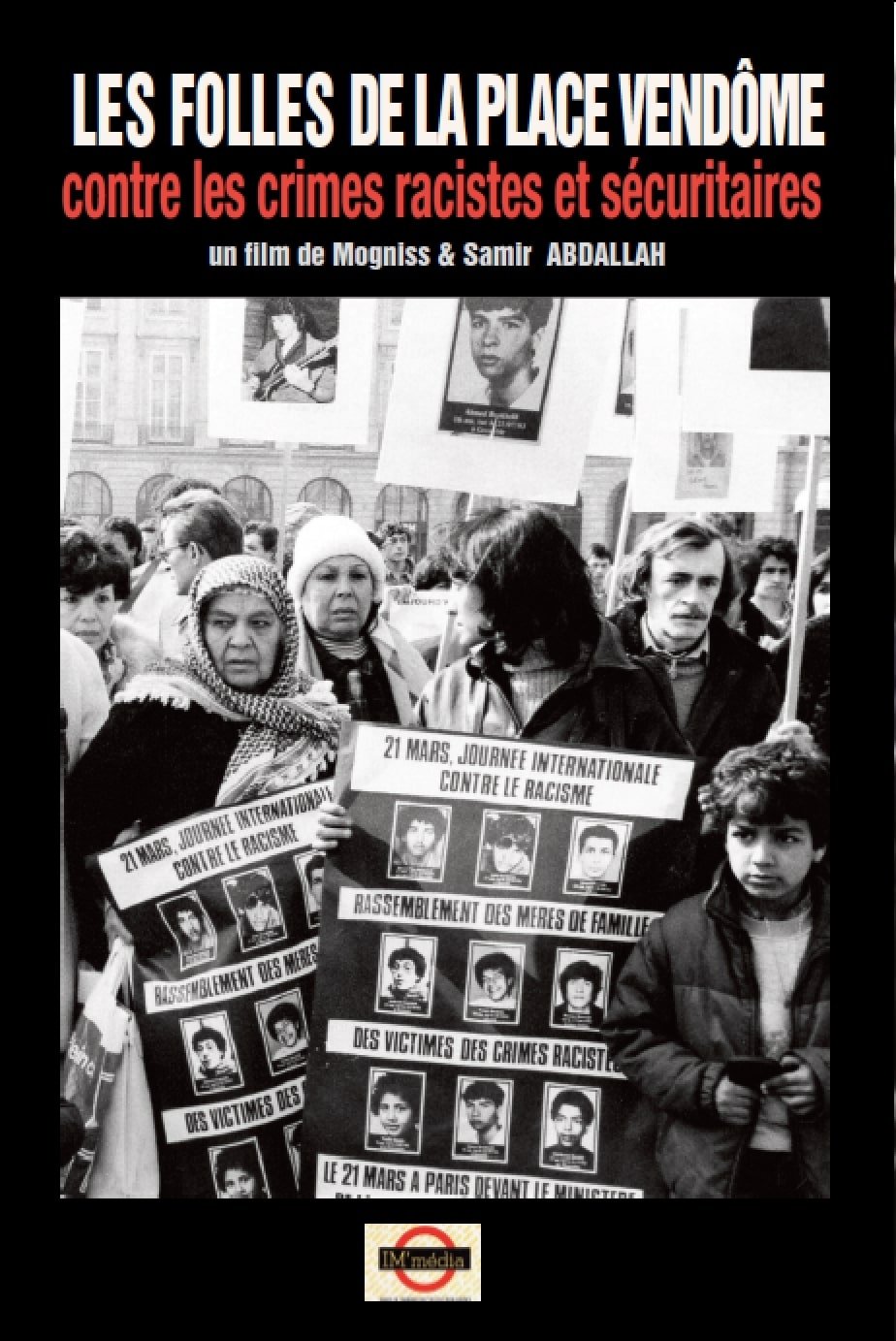
A documentary released in 1985 about the Mothers of Place Vendôme.
Social & External

The people behind it
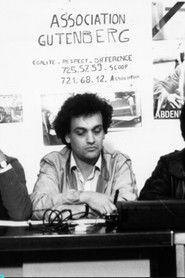
In the 1980s, young people of North African descent born in France and a priest from the Lyon suburbs organized the "March of the Beurs." Launched on October 15, 1983, by seventeen people from the La Cayolle neighborhood in Marseille following a racist crime, the march concluded two months later—on December 3—on the streets of Paris, with 100,000 participants. This movement demanded equal rights. Was their cry heard?
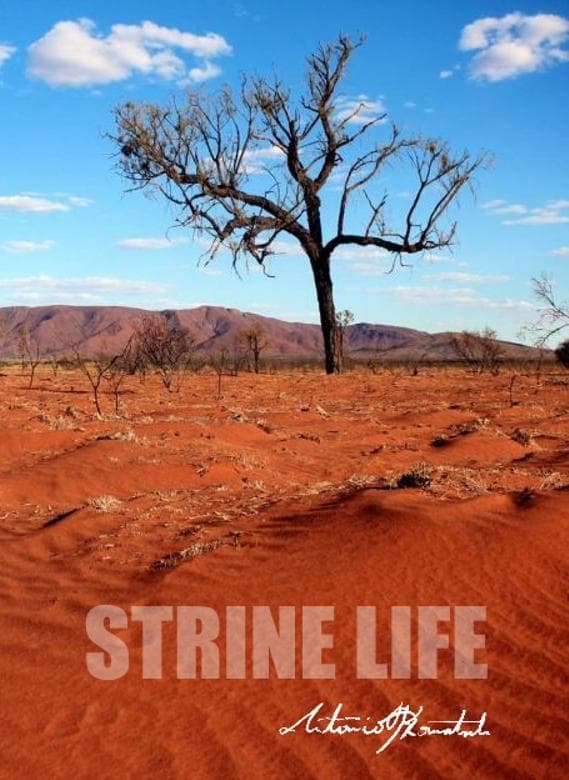
A short film / documentary that depicts the daily grind of first-generation immigrants in Australia.
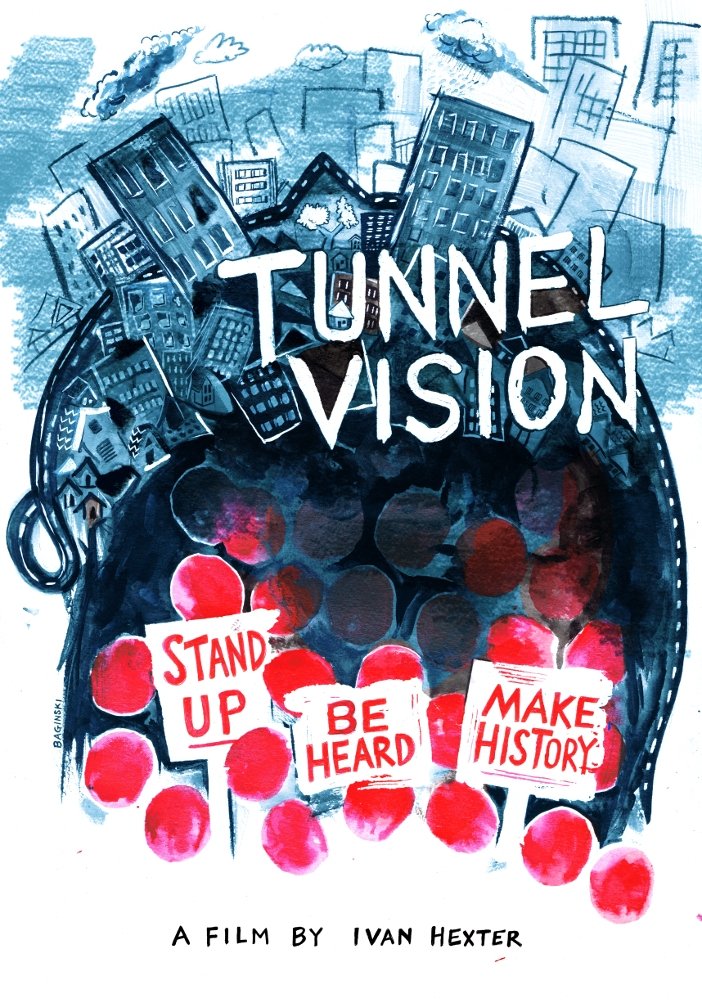
The extraordinary story of the Melbourne community campaign that put a stop to the $18billion East Wast toll road link.
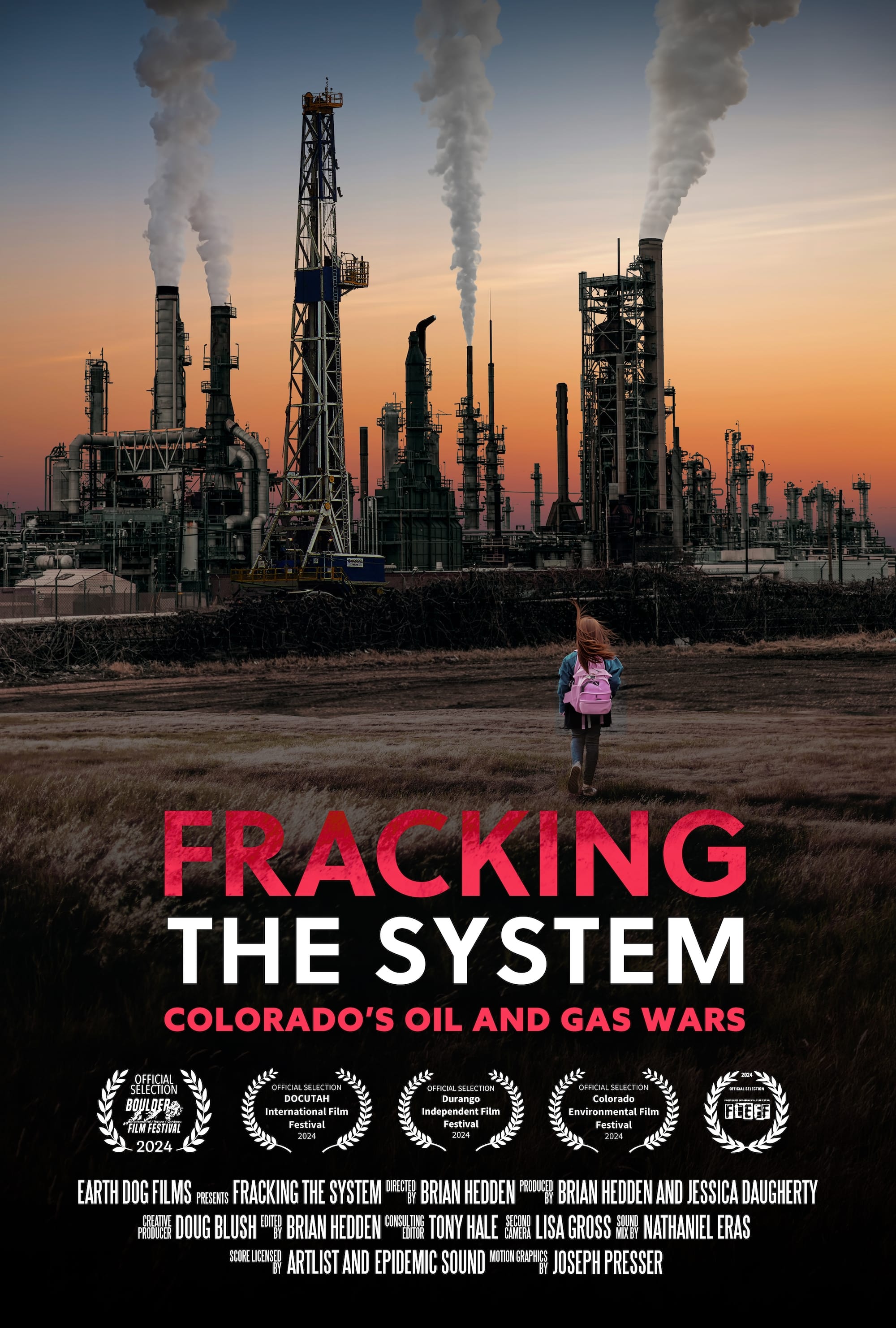
Fracking the System is a political thriller documentary from the front lines of climate justice activism in Colorado. When a fracking mega-site gets moved from a White neighborhood to a BIPOC neighborhood, a concerned mother fights to try and stop it. This is an investigative exposé about the harms of fracking, the lengths to which the government is complacent with industrial pollution, and the nefarious tactics that the oil and gas industry uses to undermine democratic elections.
This documentary accompanies the journey of artists who exalt and celebrate ancestry and the orishas in their work. It also offers a manifesto against one of the biggest problems facing Brazil: religious racism. The feature brings together stories from music, theater, fashion, dance and the visual arts to promote reflection on the power and importance of black representation, art and diversity
After losing part of her memory in an accident, Leila, a young French woman of Iraqi origin, reconstructs her story by reconnecting with her family and exploring her roots. Through music and cinema, she brings her exiled father's poems to lite, dis-covers the reality of the Middle East, and embarks on a personal quest to understand her identity and find her voice.
Never before in Russian history has the Russian domestic intelligence services been more powerful than today. The FSB is a murky organisation that can ruin people’s lives who are deemed enemies of the Russian state and even commit murder on behalf of the Kremlin. Four people in exile open up about their experiences with the FSB.
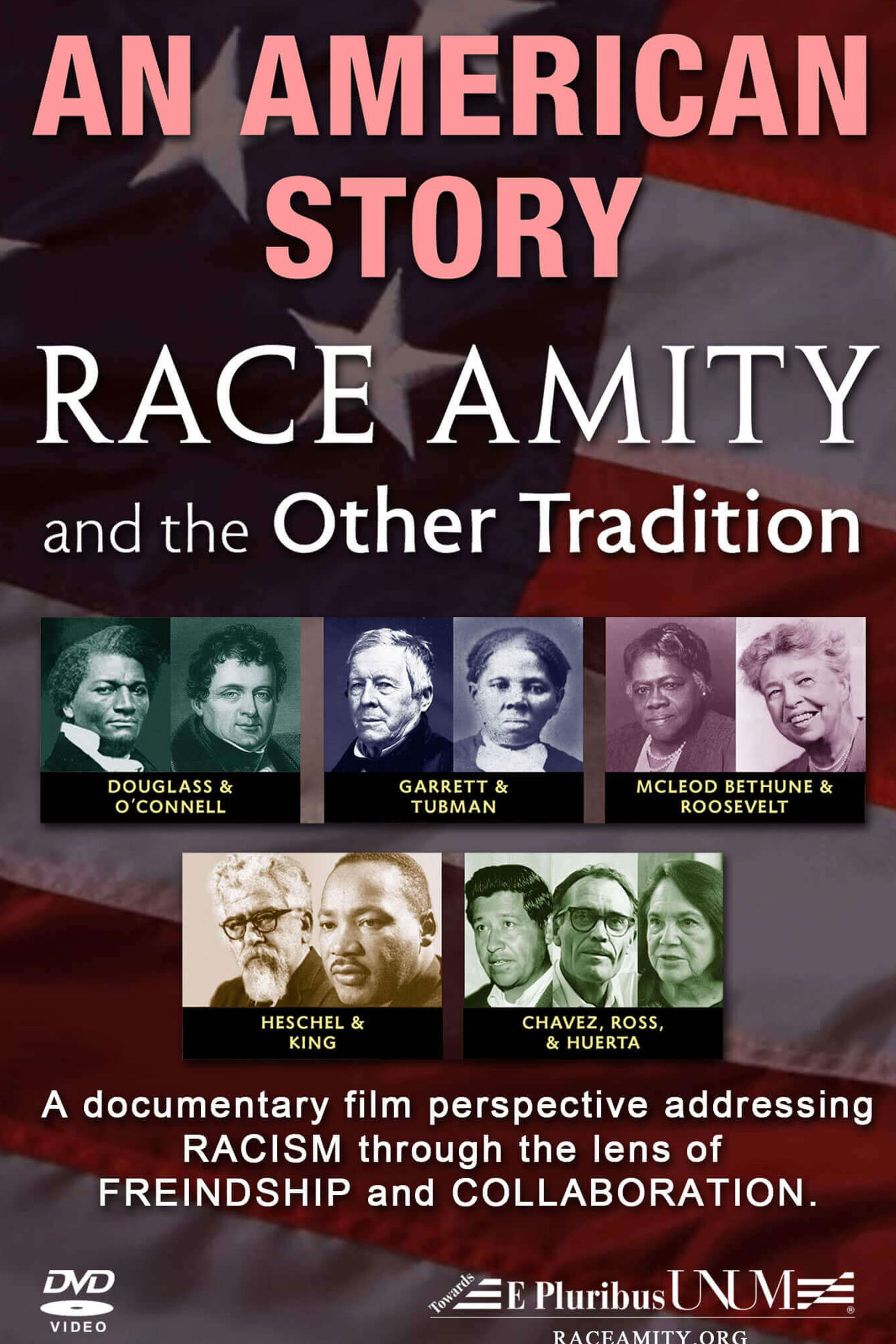
In contrast to the lens that focuses exclusively on the racist traditions that are rooted in America’s social history, the moral counterweight of close, loving, friendship and collaboration, which have always been present in our history, represents “the other tradition.” This “other tradition” is a source of inspiration and presents models of behavior that are instructional and include unknown and uncelebrated legacies to be absorbed and emulated across generations of present day Americans. The documentary discusses the “better in us” a needed collective perspective in the current climate of national disunity across racial, religious, and political lines. This has significant implications for addressing public issues from immigration to health care and the myriad of governmental, educational, business, and religious challenges that we must successfully meet to weave the fabric of unity which is indispensable to survival as a nation.
Doing really well on your school assessment tests, but still having the school recommend that you go to preparatory vocational school. Going to a club with friends and having the bouncer keep you out. Having to endure jokes from classmates. These are examples of the sort of casual racism that the children of director Karin Junger and their friends have to face. In Ik alleen in de klas, director Karin Junger, white mother of three darker-skinned children, stands with her family to confront the racism they experience in their daily lives. Twelve adolescents meet at a mansion in France. The group consists of Junger’s children and their friends. All of them come from ethnic minority backgrounds and share a feeling of being excluded from Dutch society. Re-enactment is used to explore painful situations again. In this simple but effective documentary, we can see the impact of subtle and less subtle forms of racism on the lives of young Dutch people.
In April 1999, three Lakeside brothers murdered a Mexican migrant worker by beating him to death. Producer Lee Harvey spent several months talking with Lakesiders--teachers, social workers, longtime residents and teens who are avowed racists--to unearth the reasons why kids would commit this gruesome crime and why it happened in the peaceful, semi- rural town of Lakeside in eastern San Diego county.
A film about homes on both sides of an ocean.
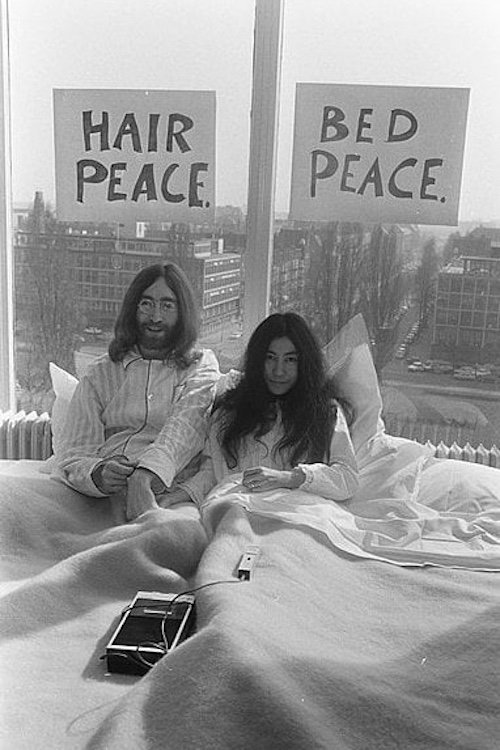
John and Yoko in the presidential suite at the Hilton Amsterdam, which they had decorated with hand-drawn signs above their bed reading "Bed Peace." They invited the global press into their room to discuss peace for 12 hours every day.
Pop star Leigh-Anne Pinnock confronts her experience as the only black member of Little Mix, and as a black woman in the music industry. She embarks on her own very personal journey to understand how she can use her platform and privilege to combat the profound racism she sees in society around her.
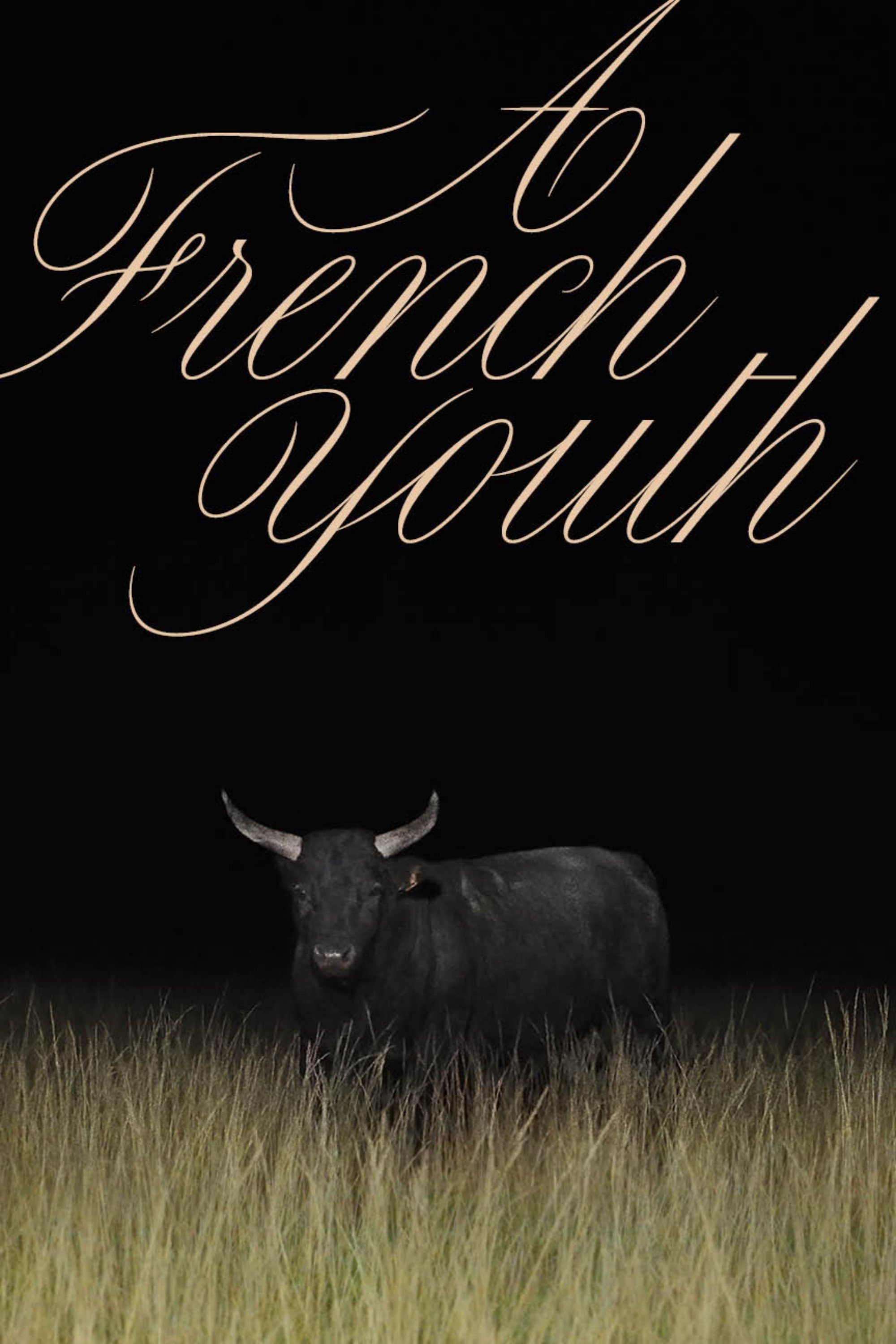
In the heart of the Camargue region, in the south of France, Jawad and Belka find freedom in their love of Camargue races. For these young Maghrebi men, the event is more than a simple tradition. Facing off with a bull is an opportunity to establish their place in the arena—and in French society. But at what cost?
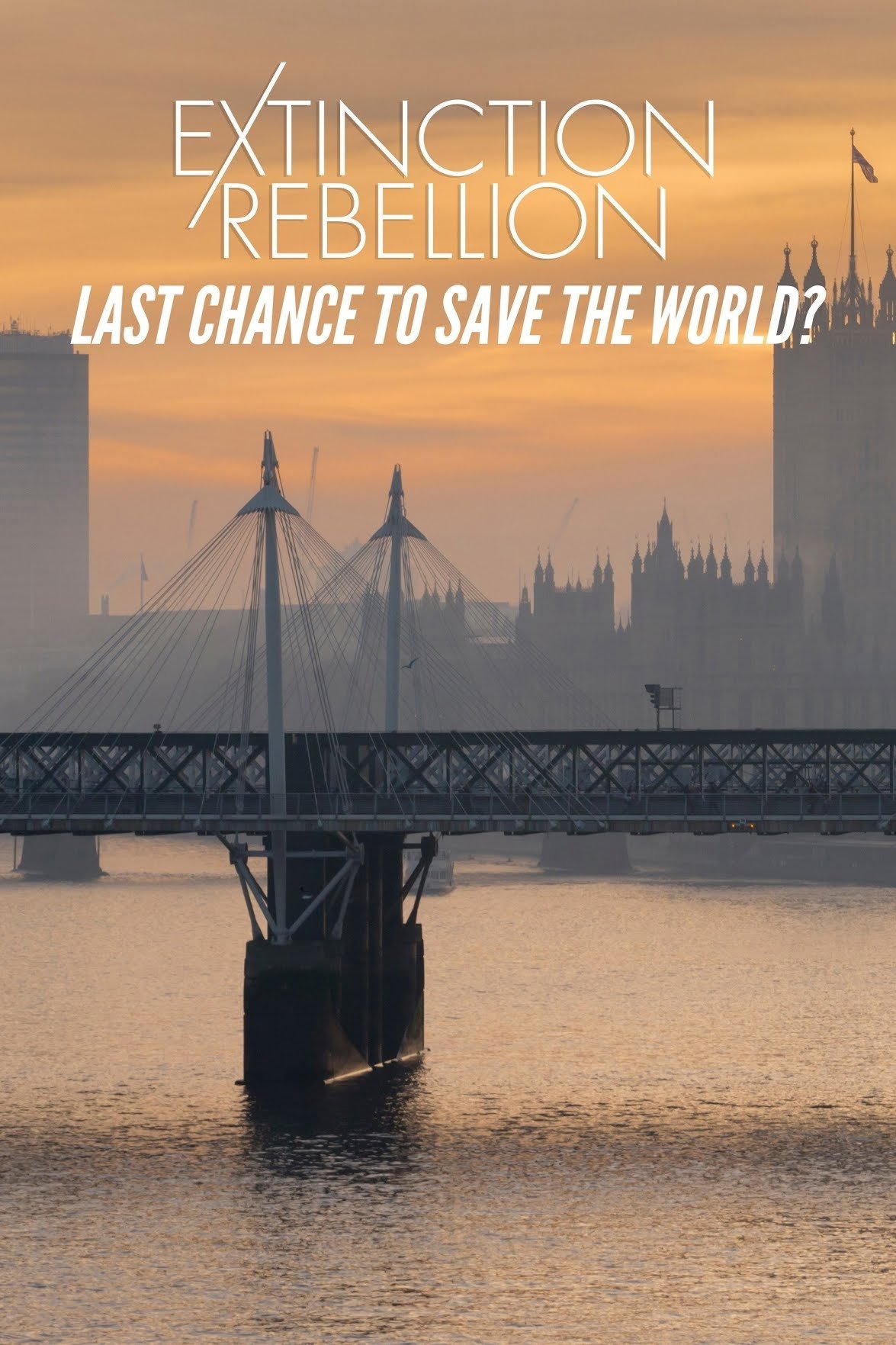
A huge new global protest movement is changing public attitudes to climate change. Reporter Ben Zand gains access to the most high-profile activist group, Extinction Rebellion.
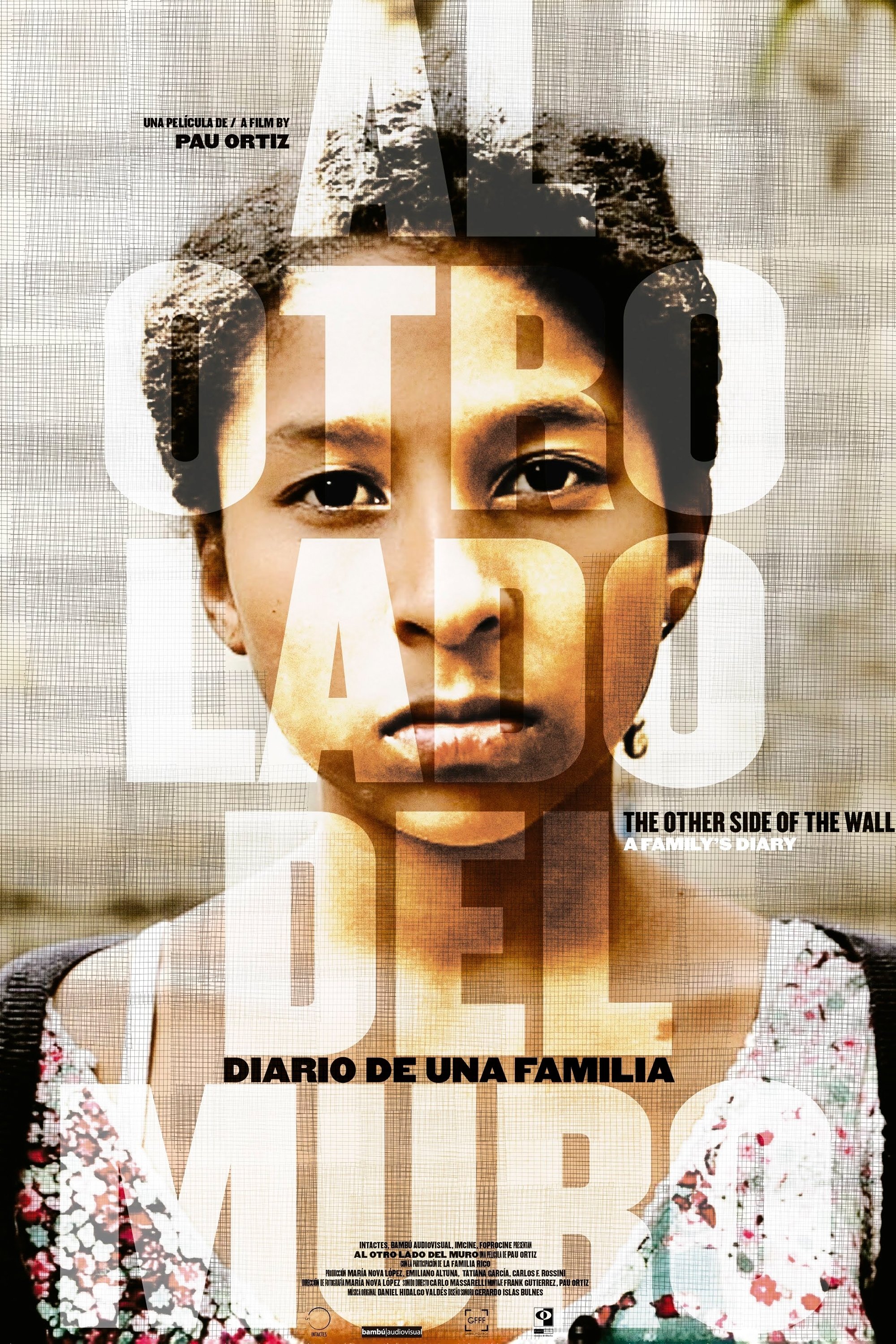
Honduran immigrants living in Mexico, teenage siblings Rocío and Ale must take over care of their two younger siblings after their mother is sentenced to prison on dubious grounds. Tensions grow between the pair as the decision must be made on whether to stay together in Mexico or split the family up to cross into the US to work.
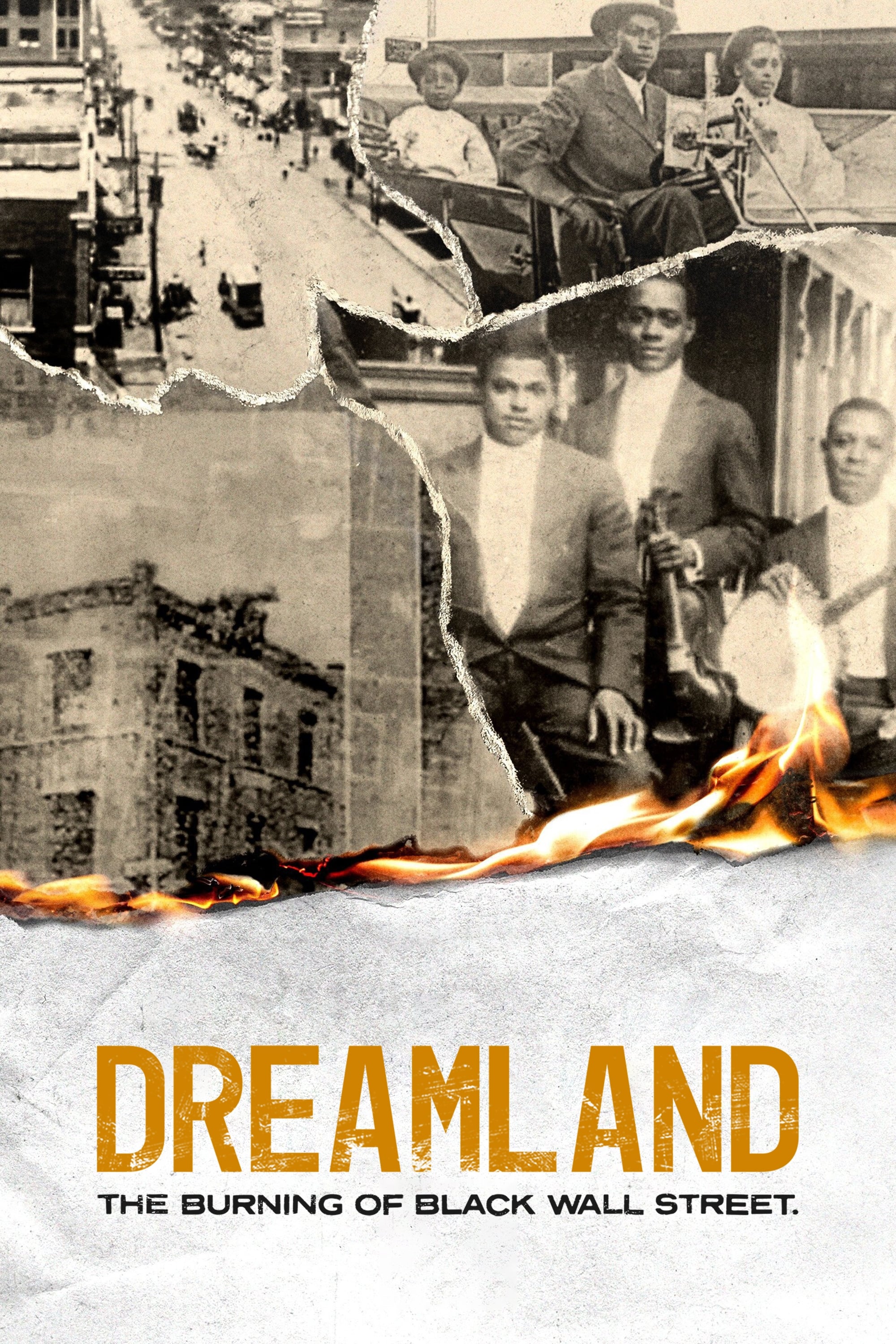
This documentary celebrates the Black cultural renaissance that existed in the Greenwood district of Tulsa, OK, and investigates the 100-year-old race massacre that left an indelible, though hidden stain on American history.
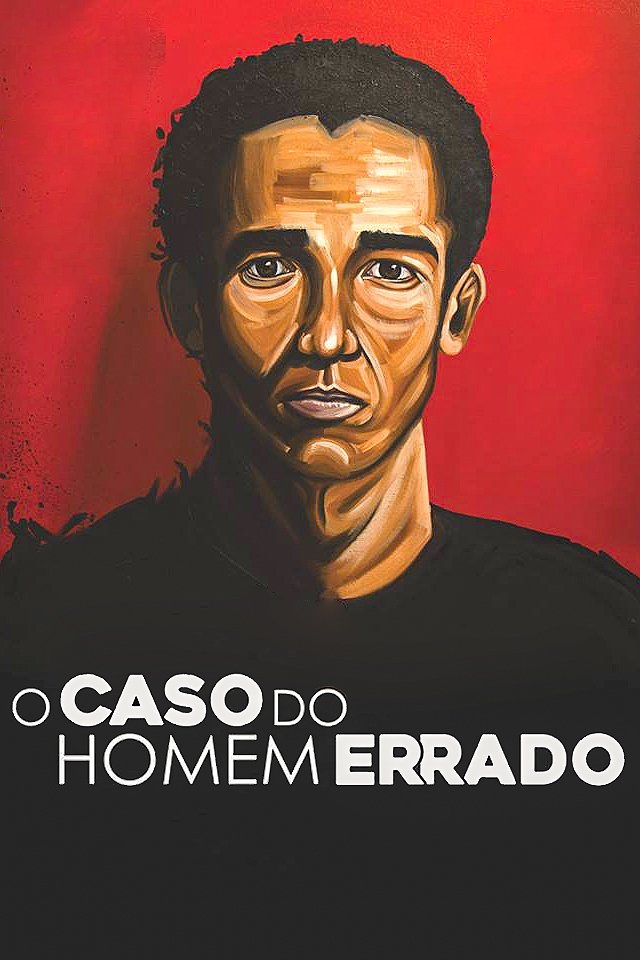
The documentary tells the story of Júlio César, a young Afro-Brazilian who was executed by the Police in the 1980s in Porto Alegre. The crime became notorious when the press published photos of Julius being put alive in the police car and arriving 37 minutes later shot and dead at the hospital.
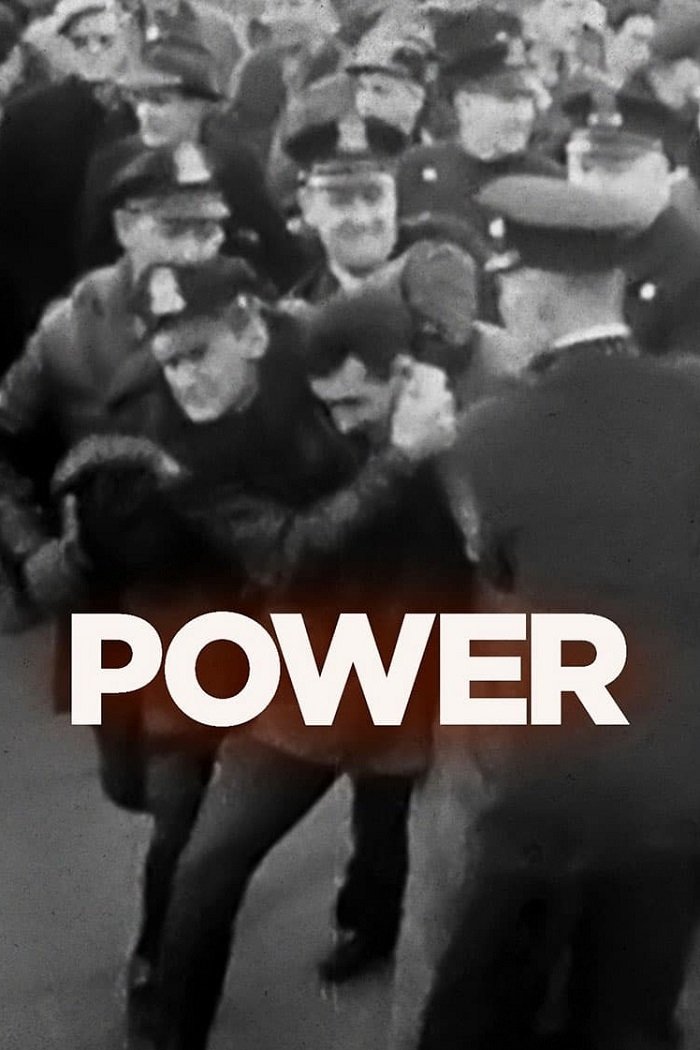
Driven to maintain social order, policing in the United States has exploded in scope and scale over hundreds of years. Now, American policing embodies one word: power.
OJ: TRIAL OF THE CENTURY, premiered on June 12, 2014 and it chronicles the twists and turns of the OJ Simpson murder trial and allows viewers to relive every moment of the investigation first-hand.
A documentary on the expletive's origin, why it offends some people so deeply, and what can be gained from its use.
Through deeply personal interviews with her siblings and an examination of the photographs, letters, and belongings left behind, Mariska assembles a new portrait of her mother Jayne Mansfield, an extraordinary and complex woman.
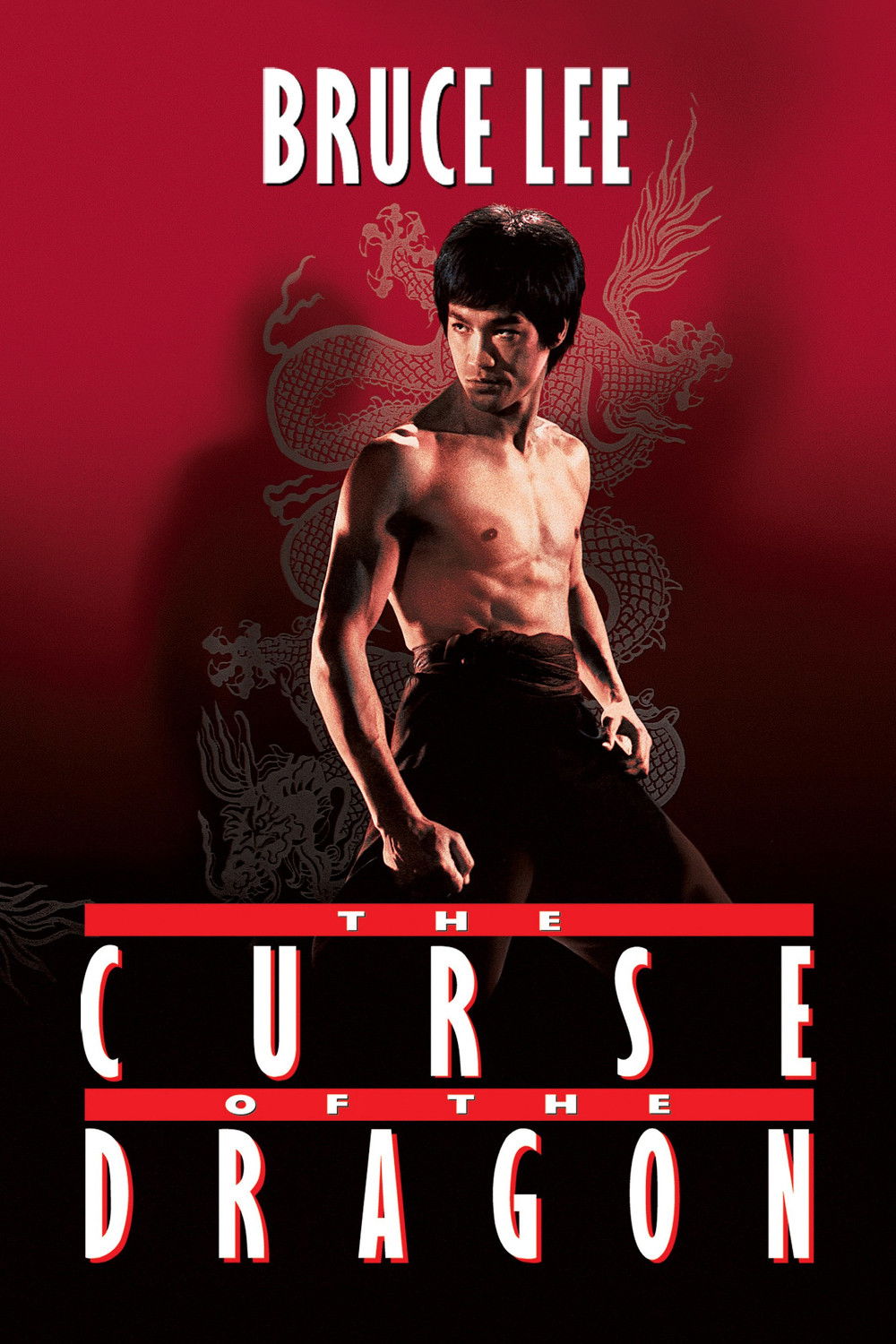
A 1993 documentary film about Bruce Lee. The film includes interviews from some of his fellow students and opponents who worked alongside him in his movies.
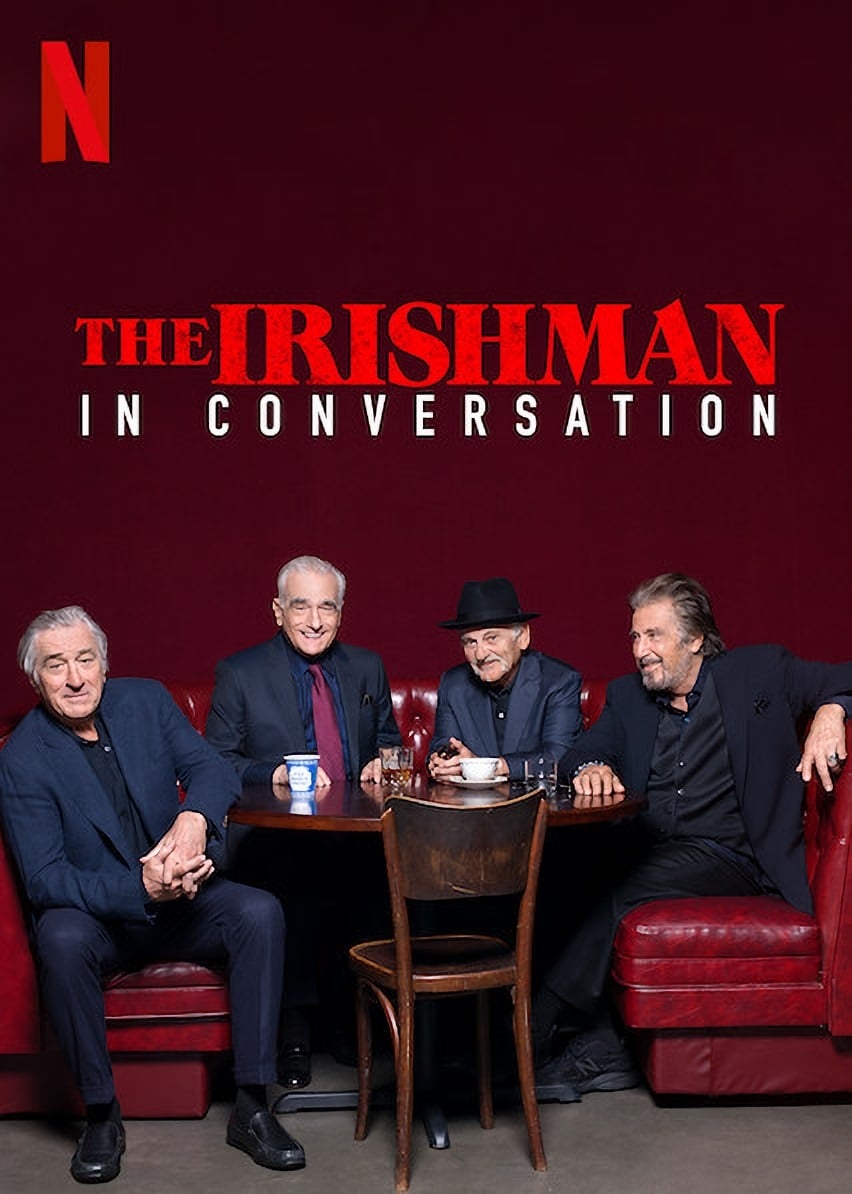
Martin Scorsese, Robert De Niro, Joe Pesci, and Al Pacino in conversation about The Irishman.
In an intimate and joyful story of love in the face of loss, celebrated poets Andrea Gibson and Megan Falley find strength—and unexpected hilarity—in what might be their final year together.
Amber Heard and Nicole Kidman discuss their characters Mera and Atlanna.
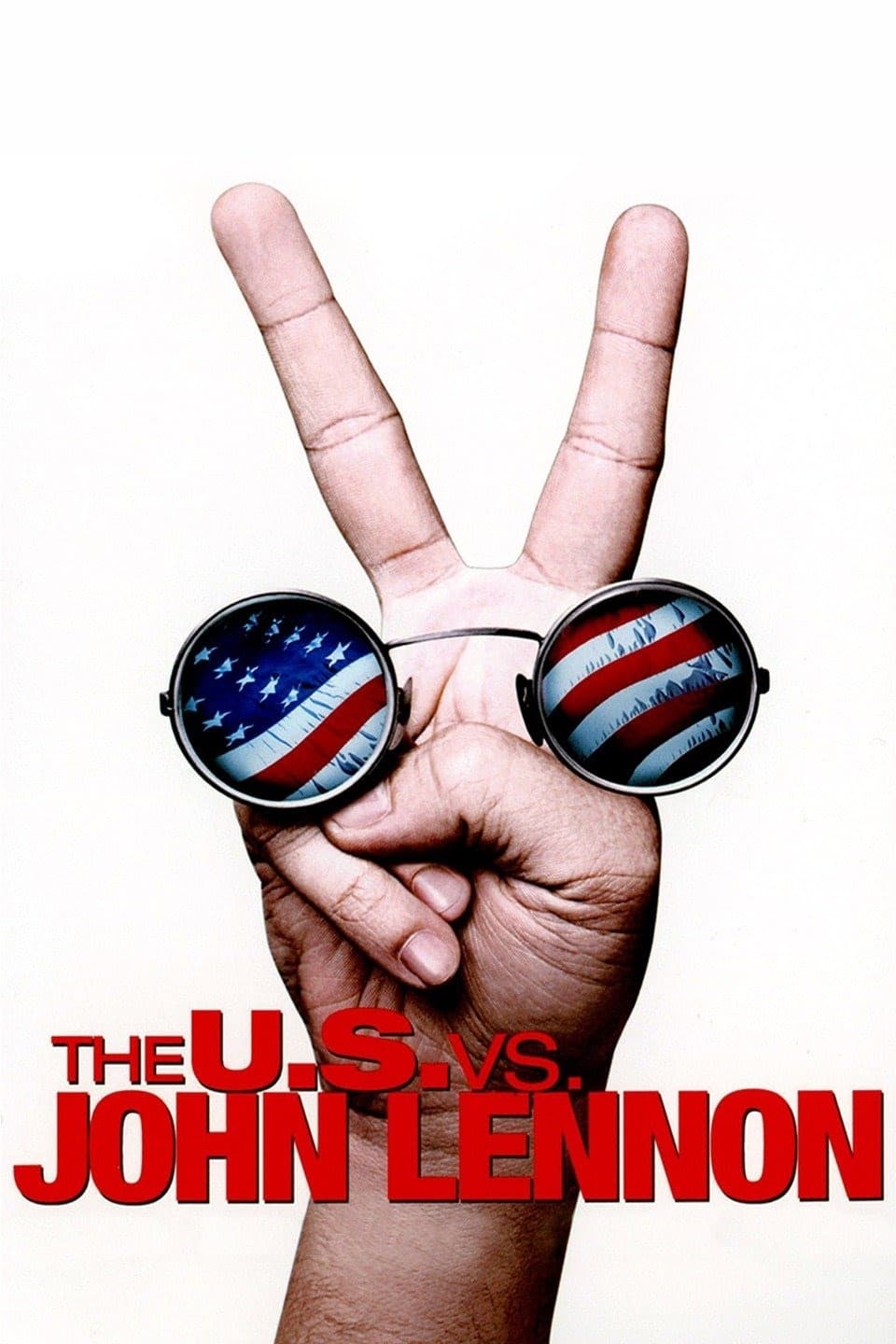
A documentary on the life of John Lennon, with a focus on the time in his life when he transformed from a musician into an antiwar activist.
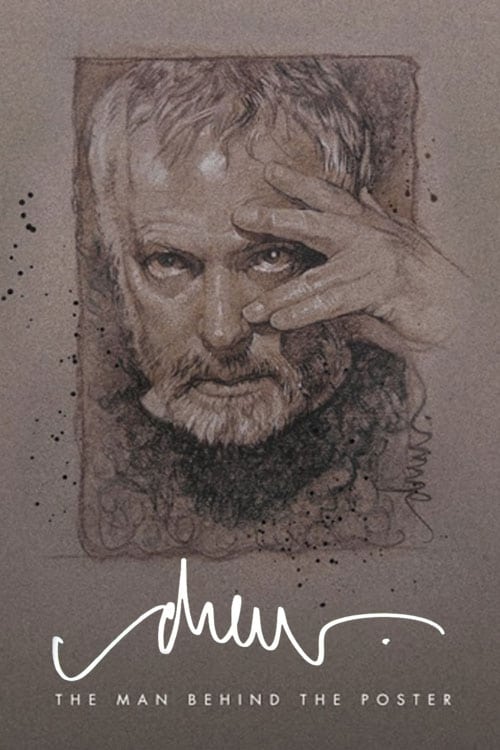
A documentary on legendary movie-poster artist Drew Struzan.
A visual montage portrait of our contemporary world dominated by globalized technology and violence.
Police bodycam footage reveals how a long-running neighborhood dispute turned fatal in this documentary about fear, prejudice and Stand Your Ground laws.
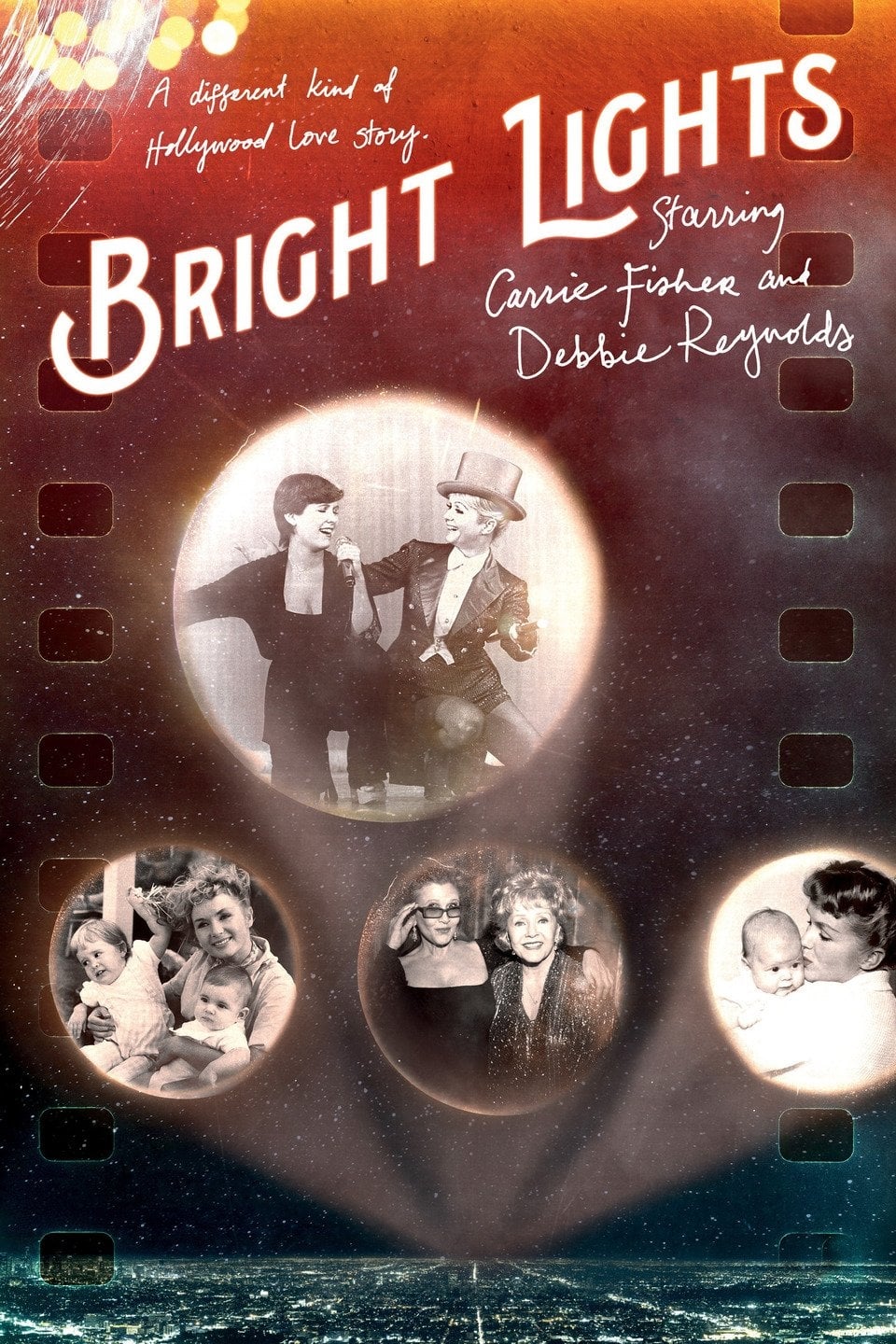
An intimate portrait of Hollywood royalty featuring Debbie Reynolds, Todd Fisher, and Carrie Fisher.
Alexander McQueen's rags-to-riches story is a modern-day fairy tale, laced with the gothic. Mirroring the savage beauty, boldness and vivacity of his design, this documentary is an intimate revelation of McQueen's own world, both tortured and inspired, which celebrates a radical and mesmerizing genius of profound influence.
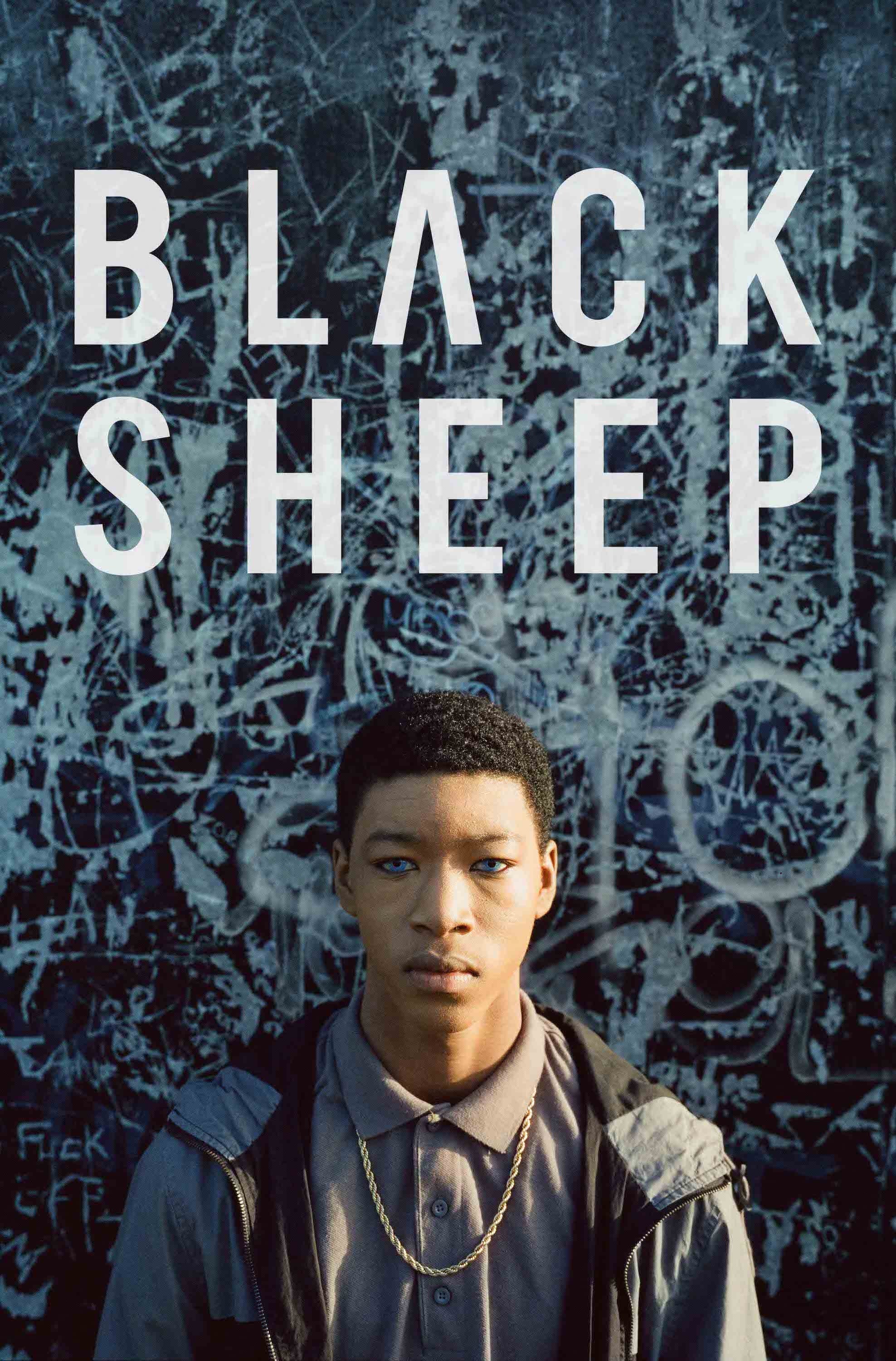
After the high-profile killing of Damilola Taylor, Cornelius' family move out of London. But when they discover their new town is run by racists, Cornelius takes a drastic step to survive.
From the heights of her modeling fame to her tragic death, this documentary reveals Anna Nicole Smith through the eyes of the people closest to her.
A detailing of the rise to prominence and global sporting superstardom of six supremely talented young Manchester United football players (David Beckham, Nicky Butt, Ryan Giggs, Paul Scholes, Phil and Gary Neville). The film covers the period 1992-1999, culminating in Manchester United's European Cup triumph.
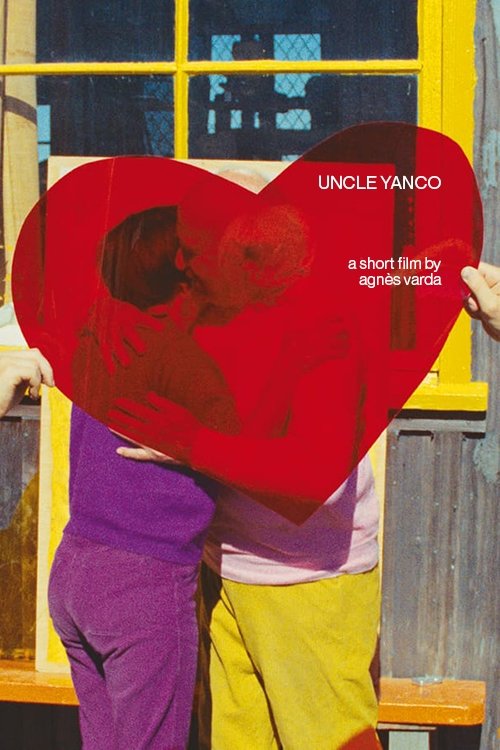
While in San Francisco for the promotion of her last film in October 1967, Agnès Varda, tipped by her friend Tom Luddy, gets to know a relative she had never heard of before, Jean Varda, nicknamed "Yanco". This hitherto unknown uncle lives on a boat in Sausalito, is a painter, has adopted a hippie lifestyle and loves life. The meeting is a very happy one.
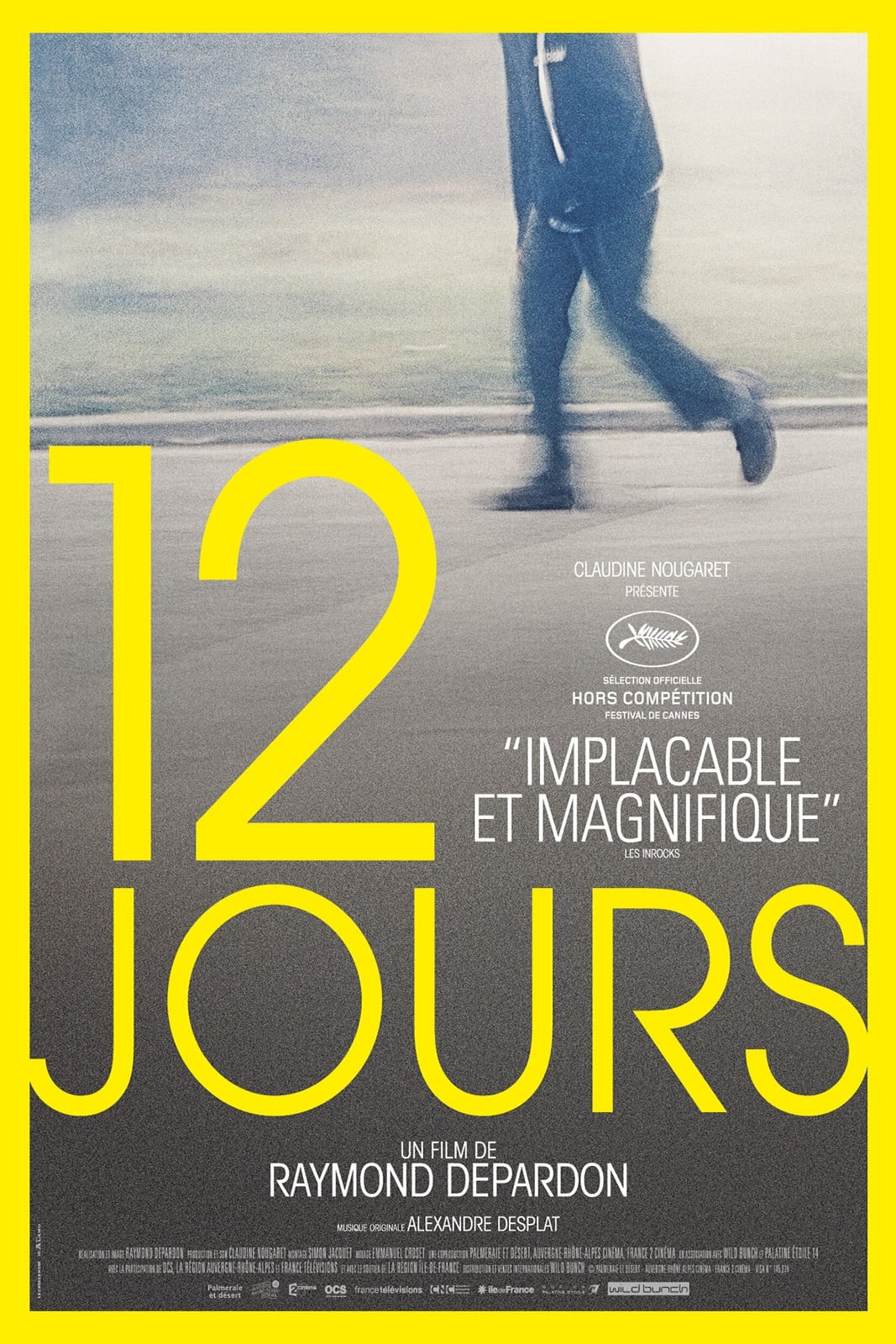
A new documentary by filmmaker-photographer Raymond Depardon – where justice and psychiatry meet.
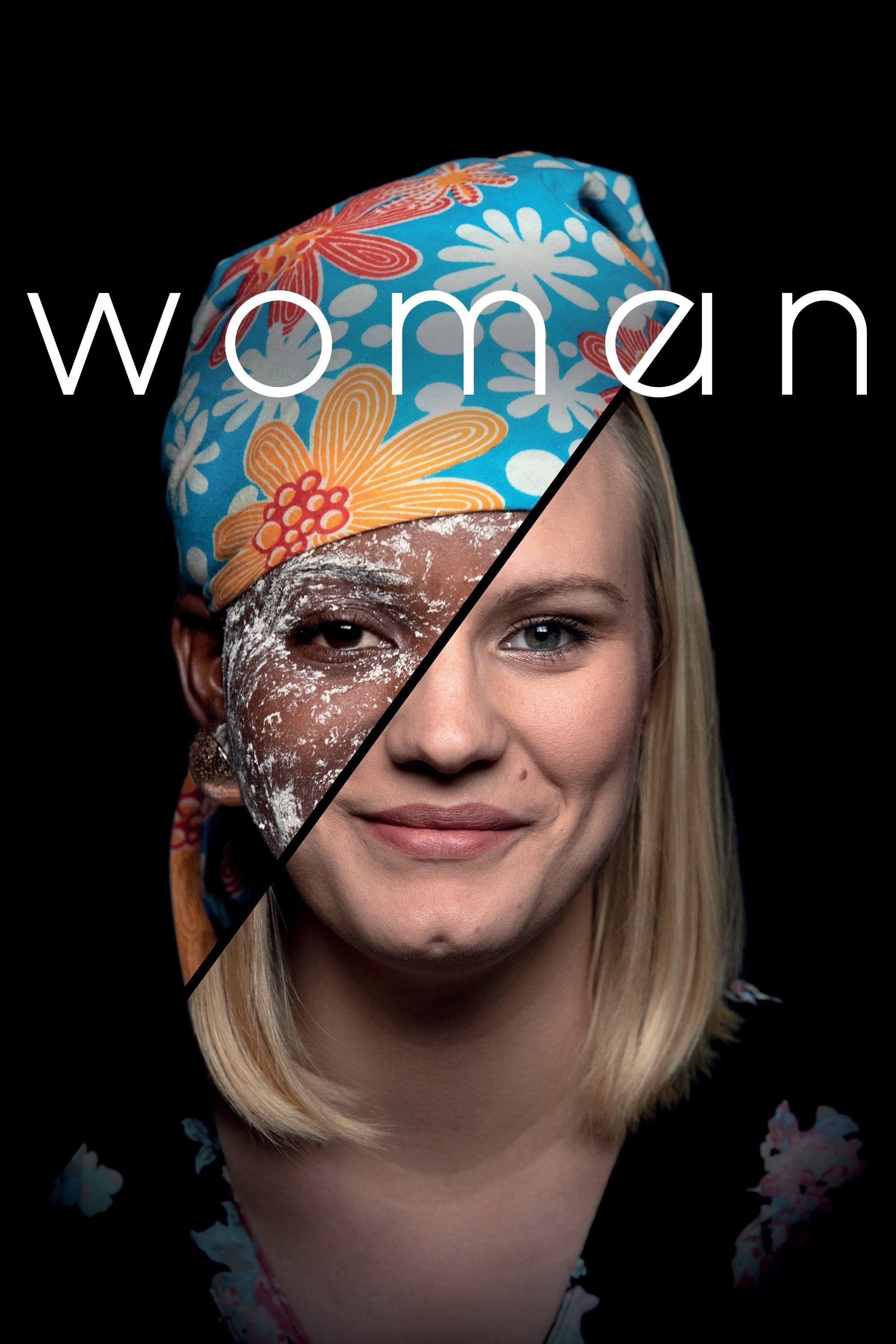
The film is based on interviews with 2,000 women from 50 countries, and covers the status of women all over the world. The topics covered include forced marriages, sexual assault, female genital mutilation, acid attacks, motherhood, sexuality, menstruation, education and the professional success of women.
An inside look at one of the most anticipated movie sequels ever with James Cameron and cast.
Director Michael Apted revisits the same group of British-born adults after a 7 year wait. The subjects are interviewed as to the changes that have occurred in their lives during the last seven years.