Social & External
The people behind it
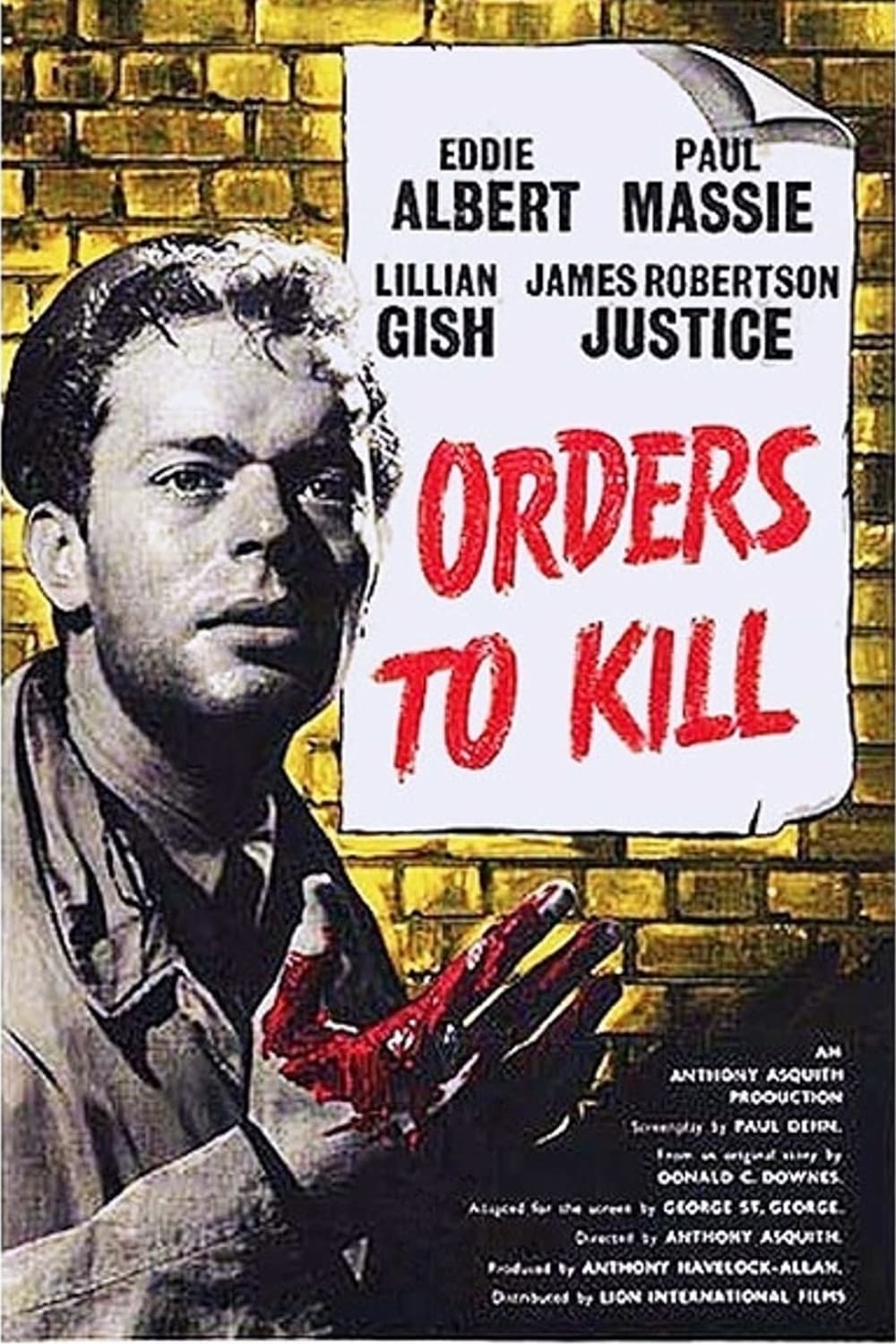
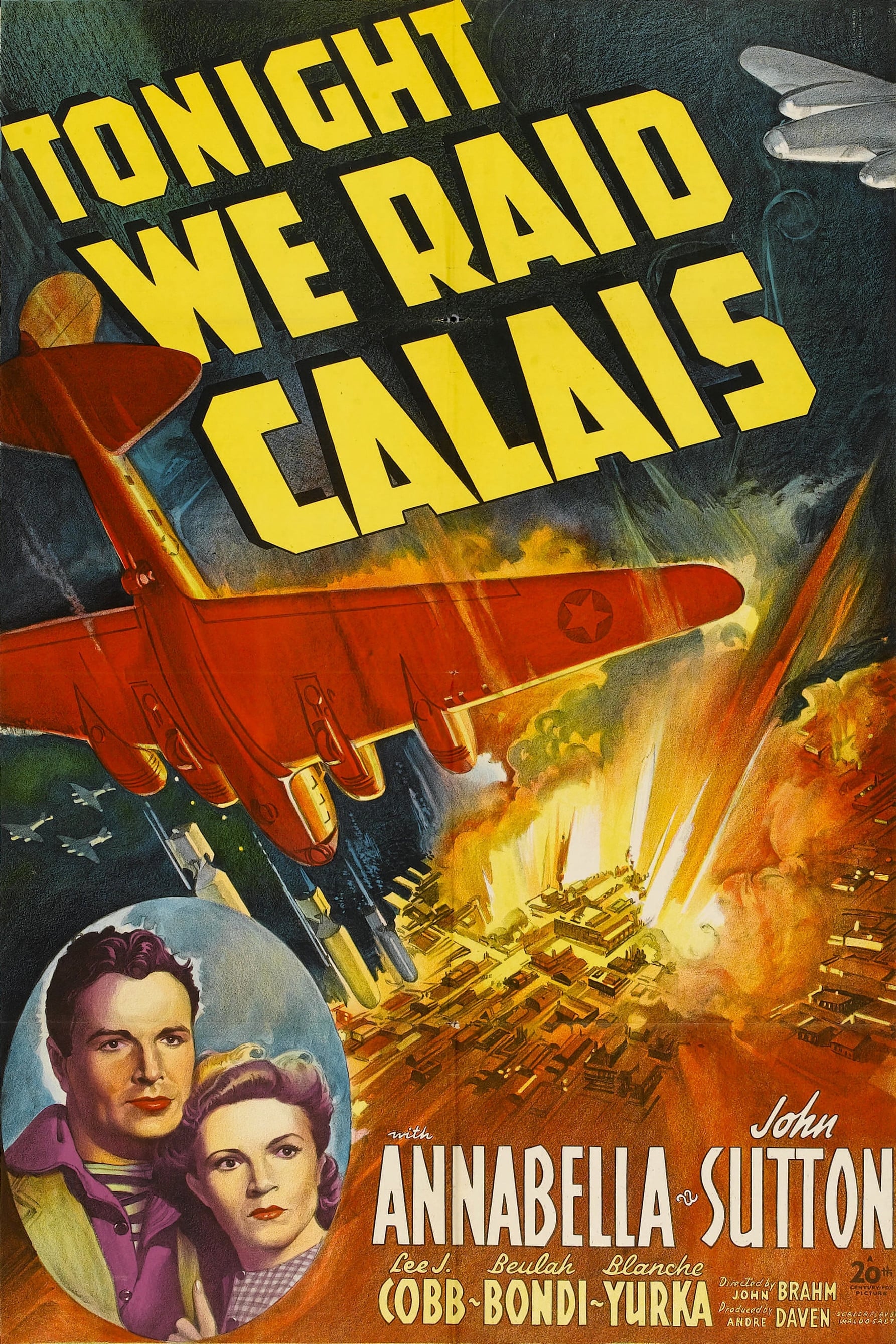
A grounded American fighter pilot is switched to espionage on a special job in which he must kill a small-time Paris lawyer suspected of double-crossing France by selling out radio operators to the Nazis.
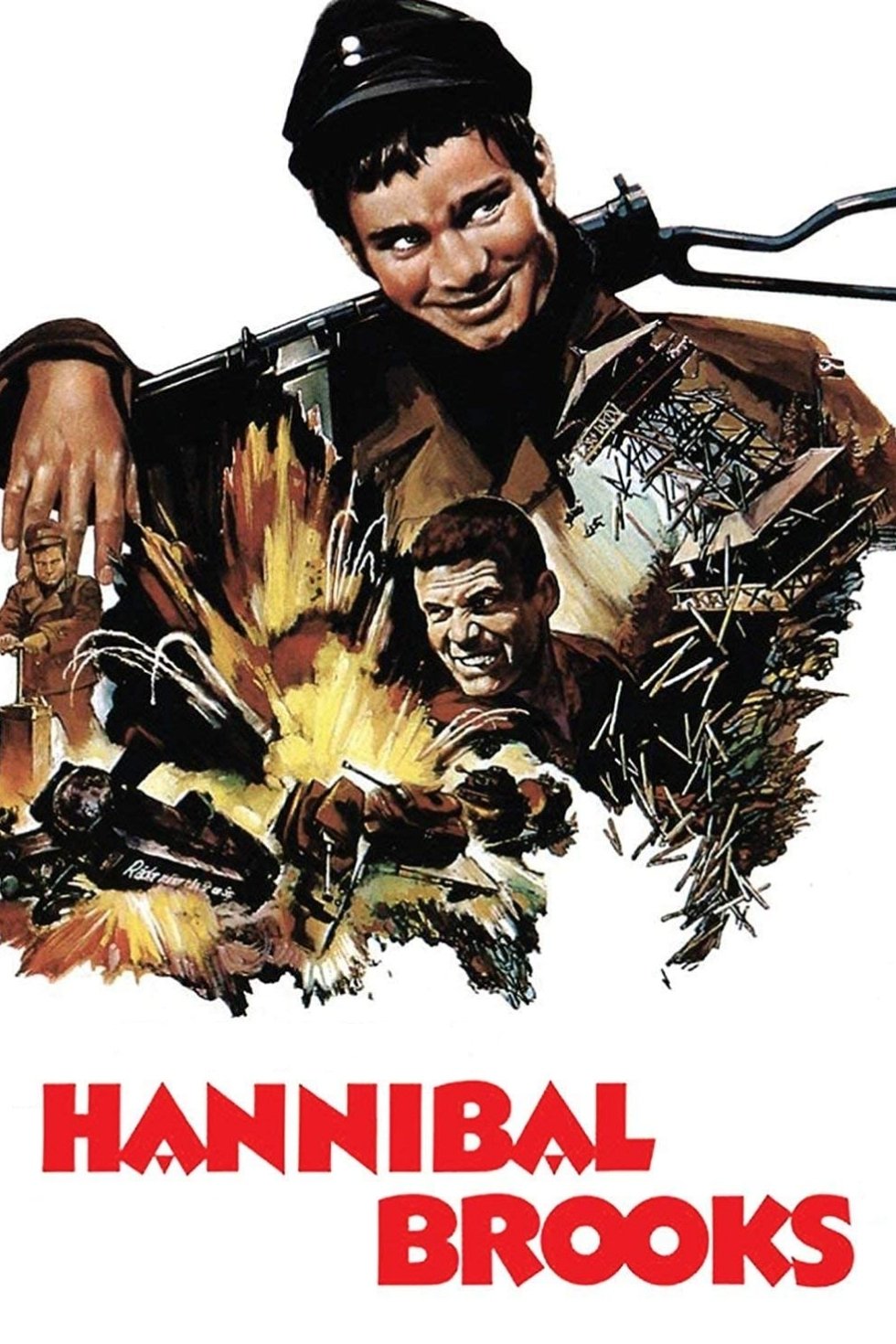
A POW in World War II is put to work in a Munich zoo, looking after an Asian elephant. The zoo is bombed by the Americans and the director of the zoo decides it is not safe for his Asian elephant Lucy to remain there. So he sends Brooks to safety with Lucy. They escape and go on the run in order to get to Switzerland.
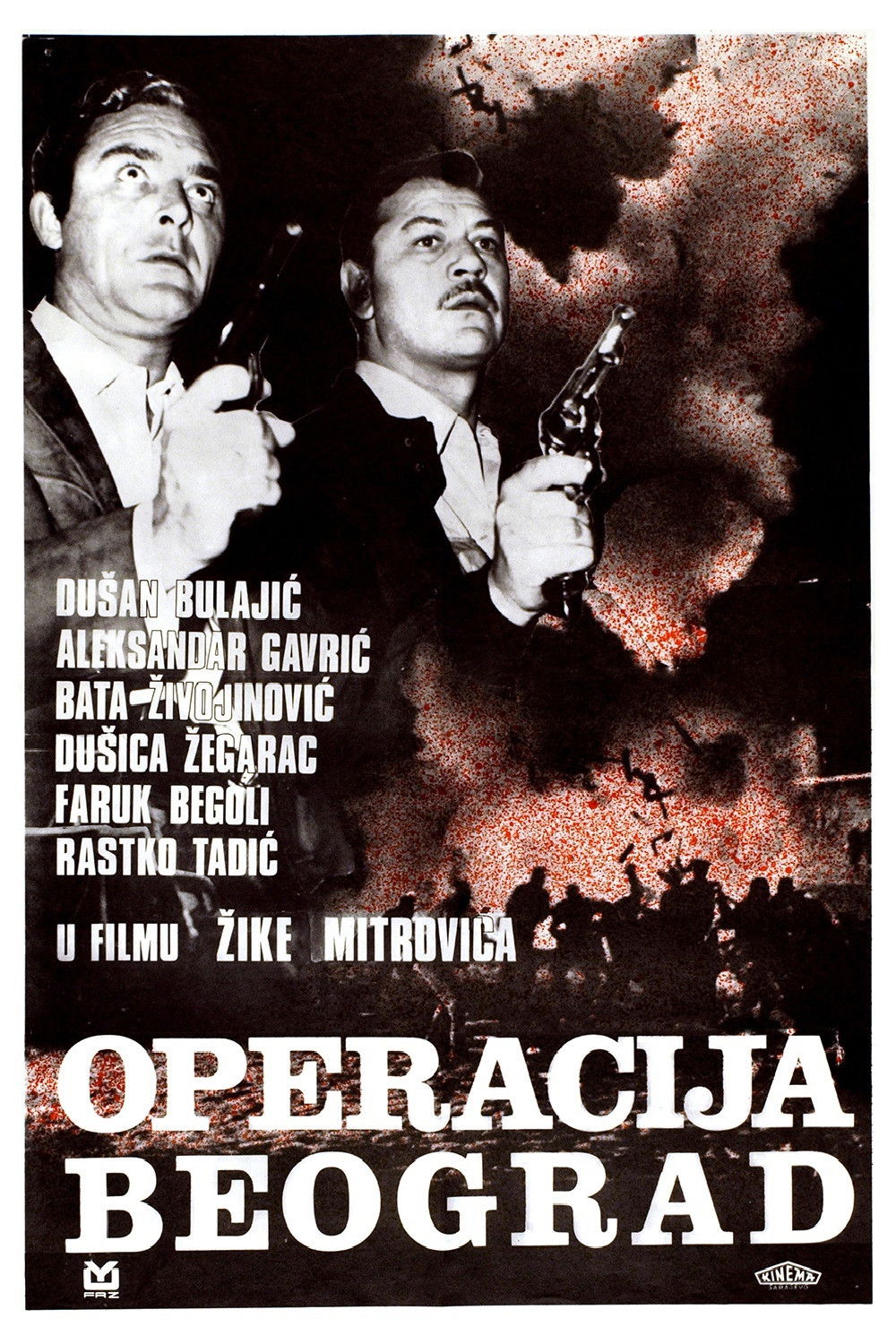
In Autumn of 1943 American plane carrying Soviet colonel is shot down near Nazi-occupied Belgrade. Germans capture the colonel and begin interrogations, because he knows everything about forecoming Allied summit in Tehran. Group of Yugoslav Partizans is sent to Belgrade in order to rescue the colonel before he starts talking.
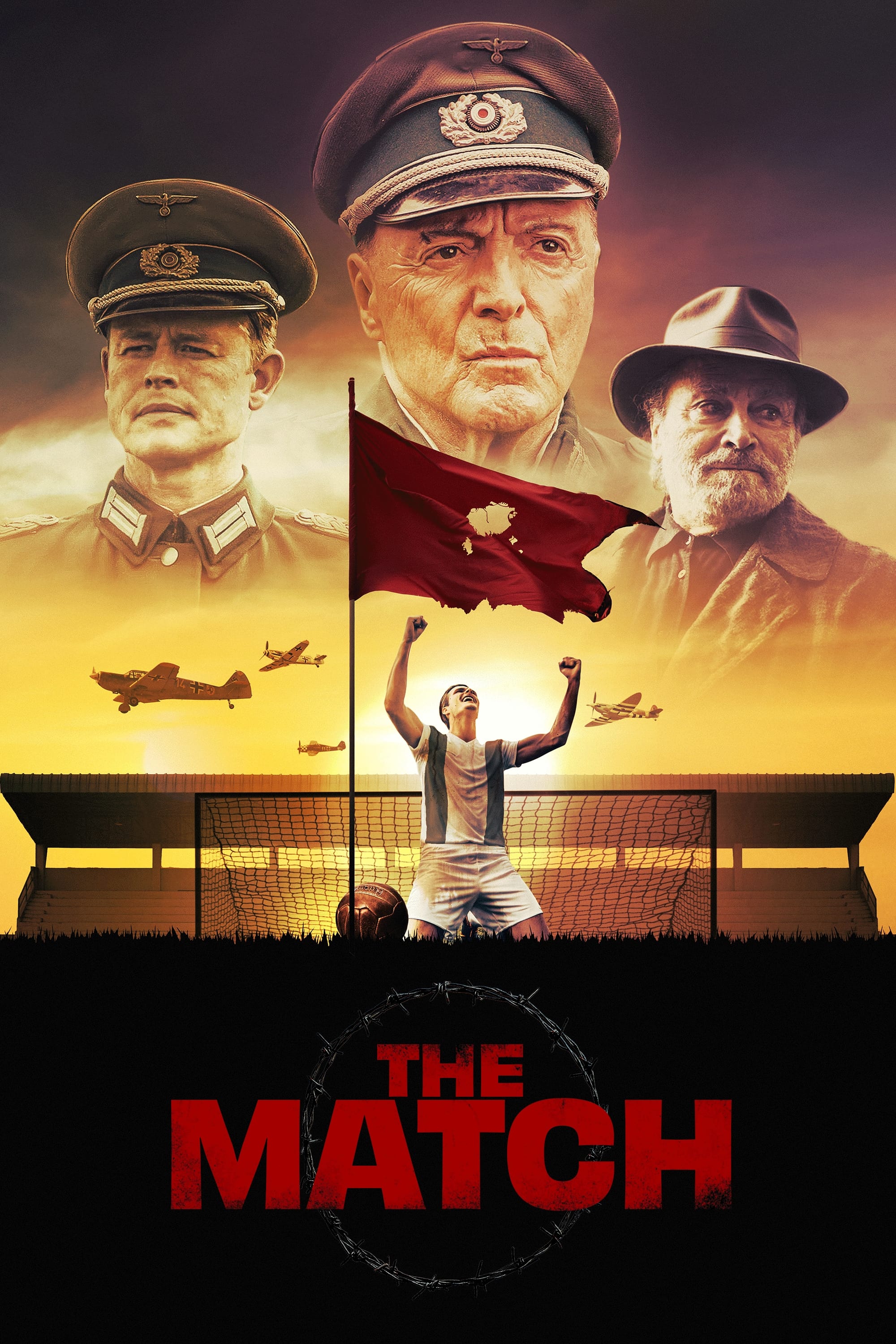
Inspired by true events from the spring of 1944 when the Nazis organized a football match between a team of camp inmates and an elite Nazi team on Adolf Hitler's birthday. A match the prisoners are determined to win, no matter what happens.
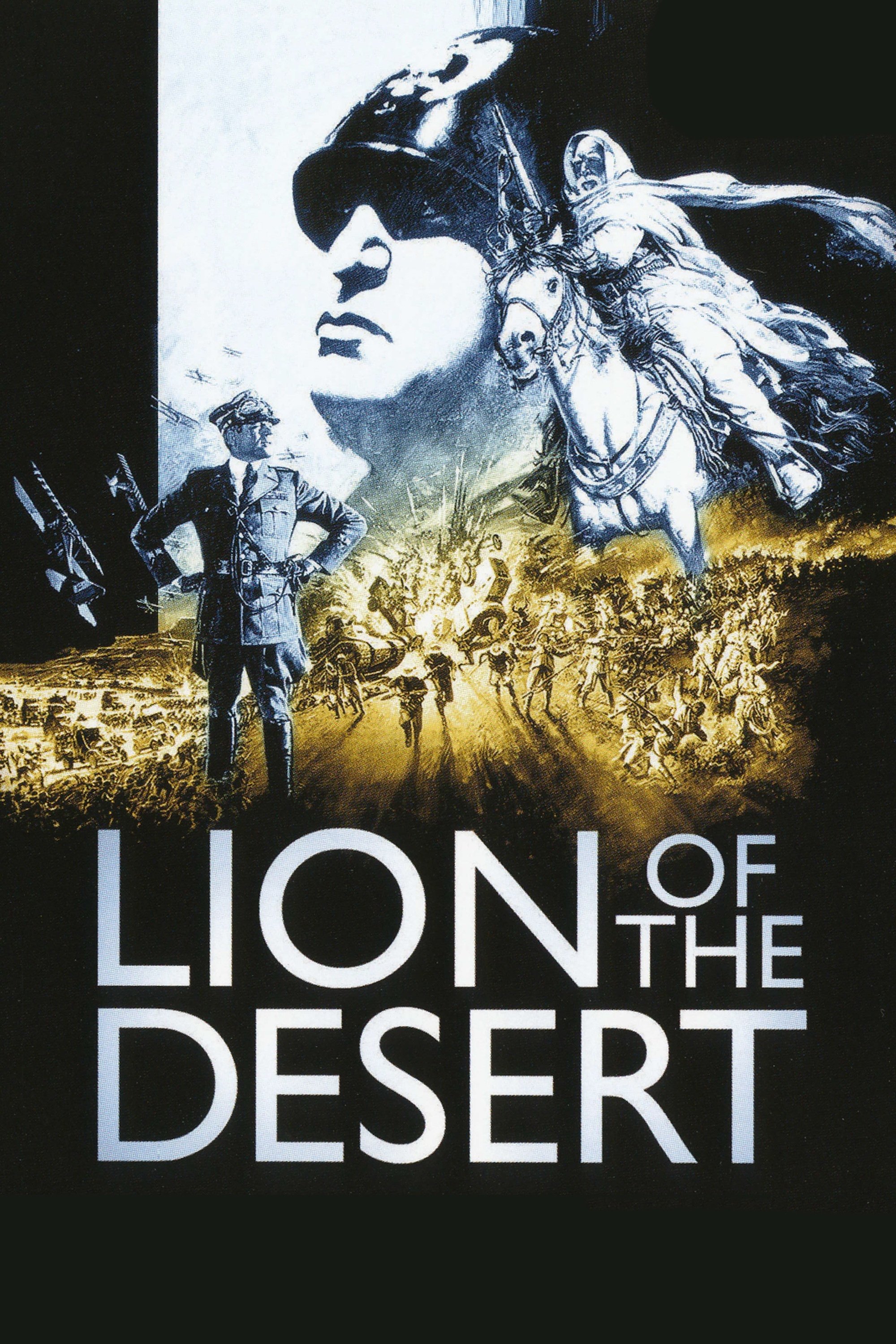
Resistance leader Omar Mukhtar opposes Italian colonization before World War II. The brutal guerrilla war against Italian General Rodolfo Graziani and the Fascist forces of Benito Mussolini highlights the struggle for Libyan independence and the harsh tactics utilised by the colonisers.
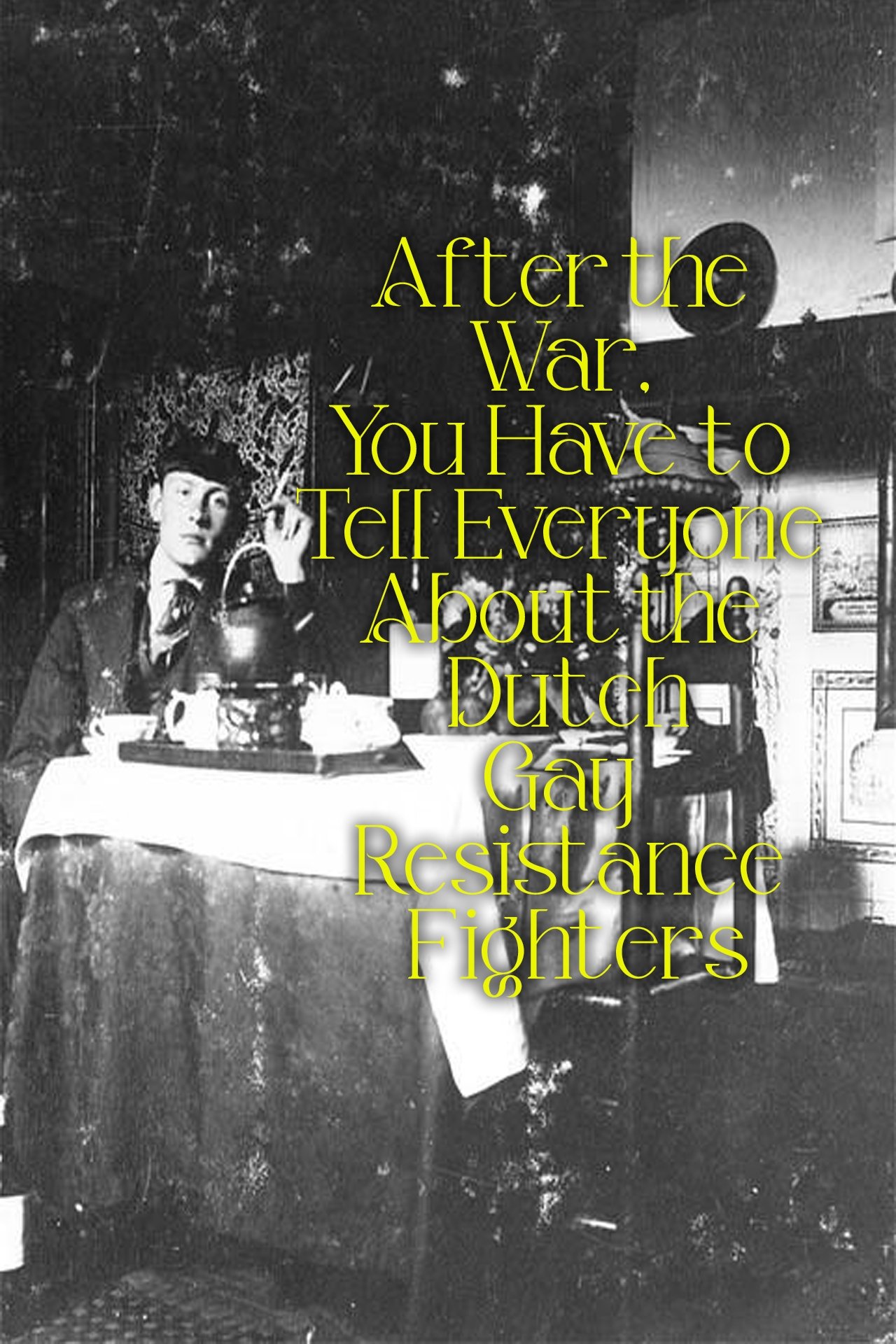
Many members of the Dutch Underground were gay and lesbian. This film pays homage to them and recounts their story.
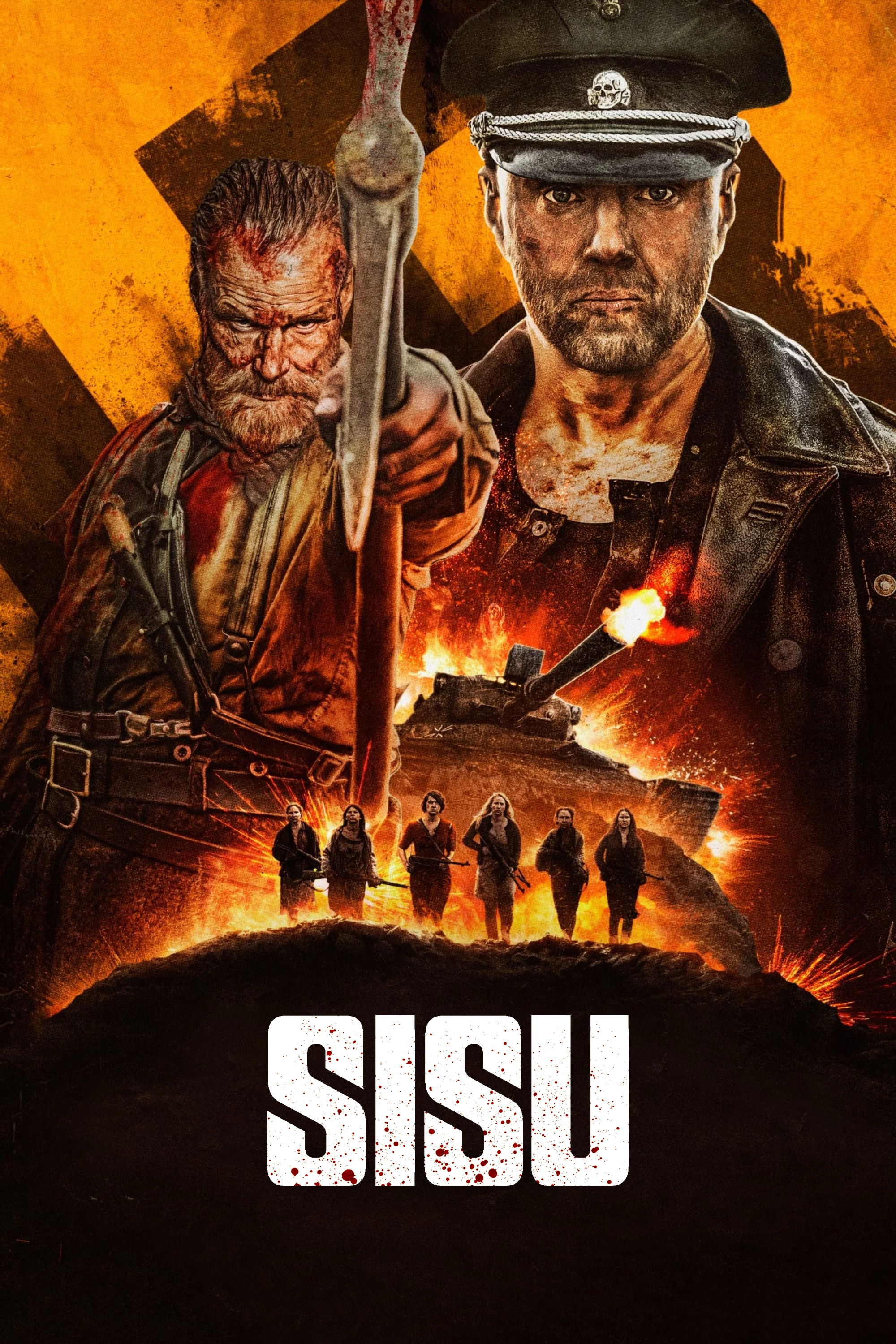
When an ex-soldier who discovers gold in the Lapland wilderness tries to take the loot into the city, German soldiers led by a brutal SS officer battle him.
In 1943 Malmö, 15-year-old Stig is attracted to his teacher Viola, 22 years his senior, who, drawn to his youth and innocence, believes the lad is a God-sent relief from her miserable marriage to a drunken, unfaithful lout.
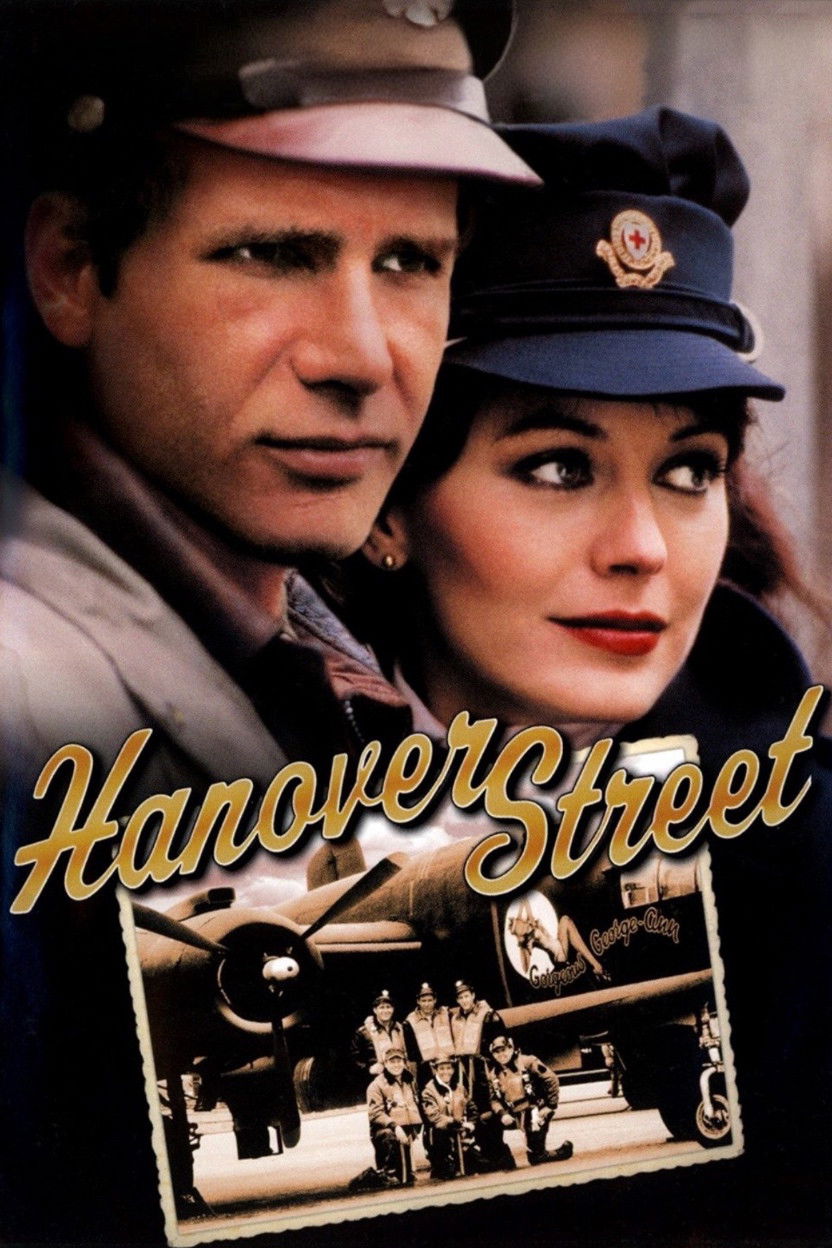
Margaret is a nurse in England during WW2, and married to a secret agent. Things get complicated when she falls for David, an American pilot.
Five Guamanians interviewed in the early 2000s recall the Japanese bombing of Guam on 7 December 1941, and the years of food shortages, abuses, and other hardships that followed. They describe their childhood lives before, during, and after the island's occupation by Japanese soldiers.
A British commando is on a one-man raid to destroy a bomb factory in Nazi-occupied France. He must enlist the aid of French farmers to complete his mission.
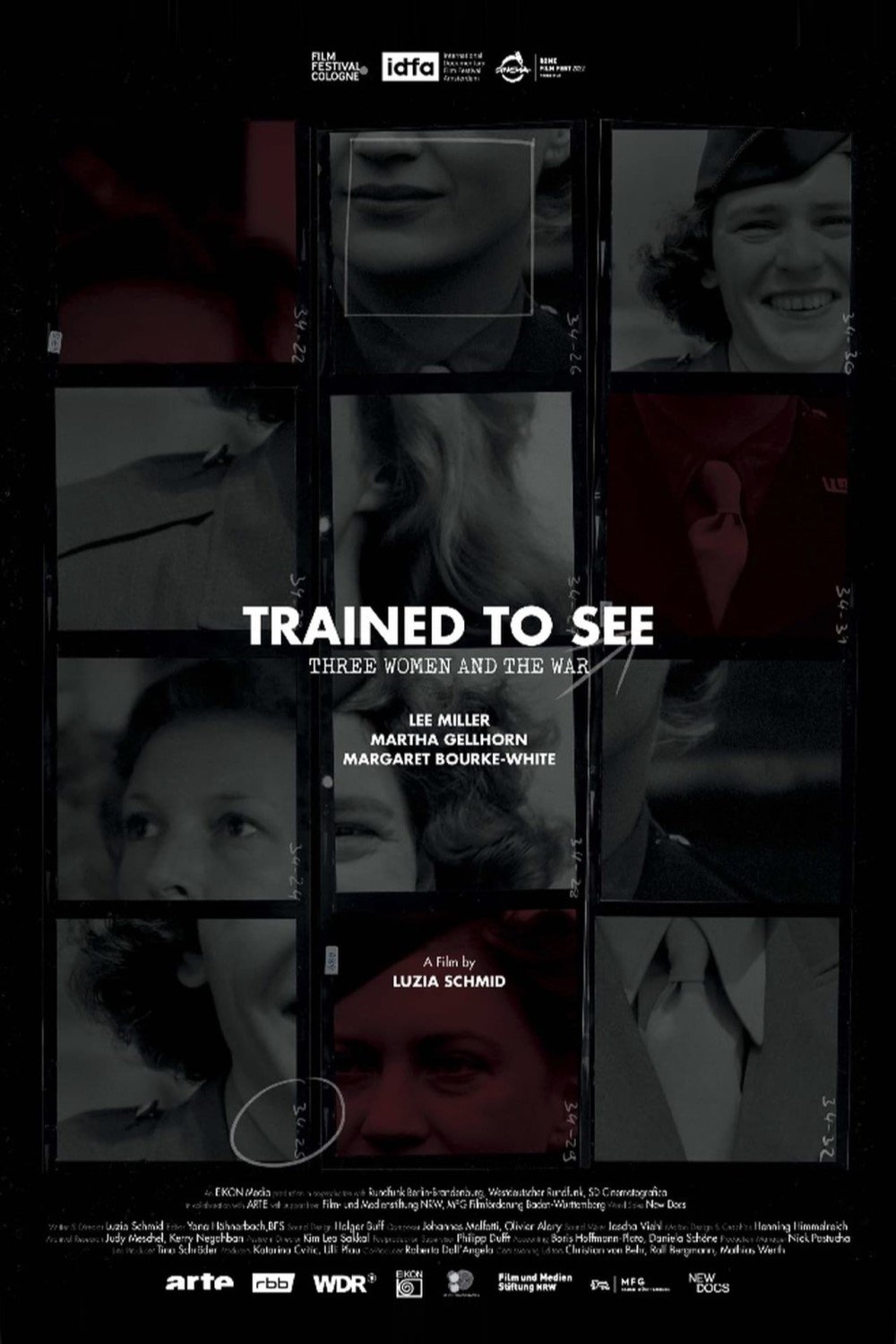
During the Second World War, women were for the first time allowed to work as war correspondents. Based on reports, letters and diary excerpts, filmmaker Luzia Schmid sketches a personal portrait of three fearless women and their unique attempts to report on the war.
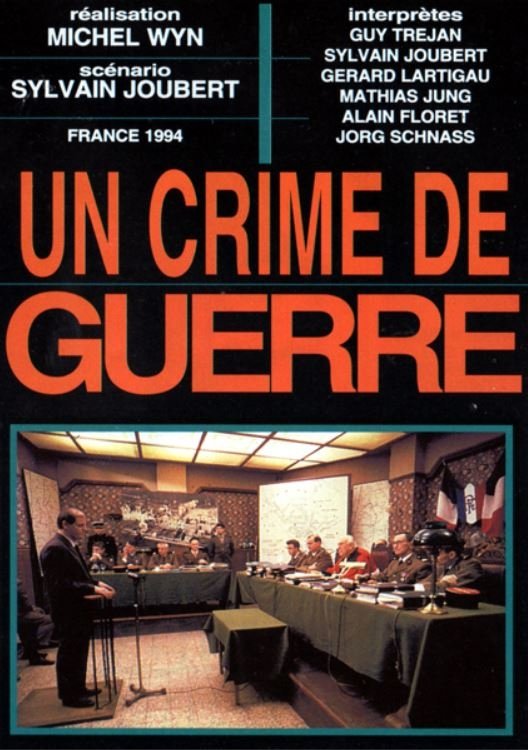
A film that relates the trial in Bordeaux in January 1953 of some of the participants in the Oradour-sur-Glane massacre of June 10, 1944.
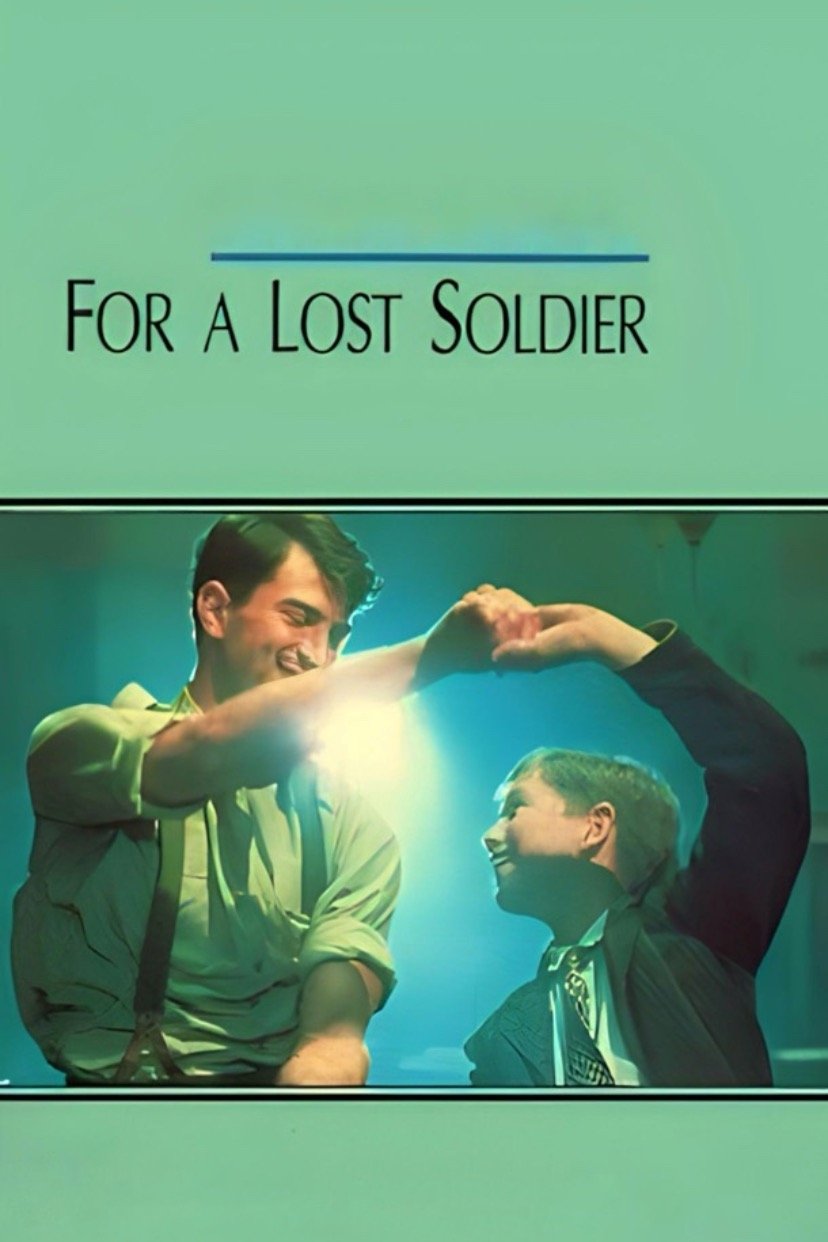
In the occupied Netherlands near the end of WWII, a young teenager, Jeroen Boman (Maarten Smit) is sent to the Dutch countryside to avoid the war in Amsterdam. While living with his adopted family, Jeroen meets and becomes friends with a Canadian soldier named Walt Cook, who is stationed at the same town he is staying at. Joroen and Walt spend a lot of time playing around and eventually a romantic relationship develops between them. The boy’s sexual curiosity leads him to have a sexual experience with Walt, an encounter that is shown with some vague detail but without actually showing any nudity, even though sexual intimacy between the two of them is implied. Overall, the movie handles this difficult subject with an elegant style and feeling, without having the adult-child relationship overwhelm the viewer and thus allowing the movie to be seen as just a wartime relationship between two people that marks an important time in a young boy’s life.
Filmmaker Eva Colmers' father Theo Melzer spent three and a half years in a POW camp in Lethbridge, Alberta -- one of 25 such camps across Canada housing German prisoners captured during World War II. Surviving prisoners, including Melzer, recount how their lives were changed by the unexpected respect and dignity they received at the hands of their Canadian captors.
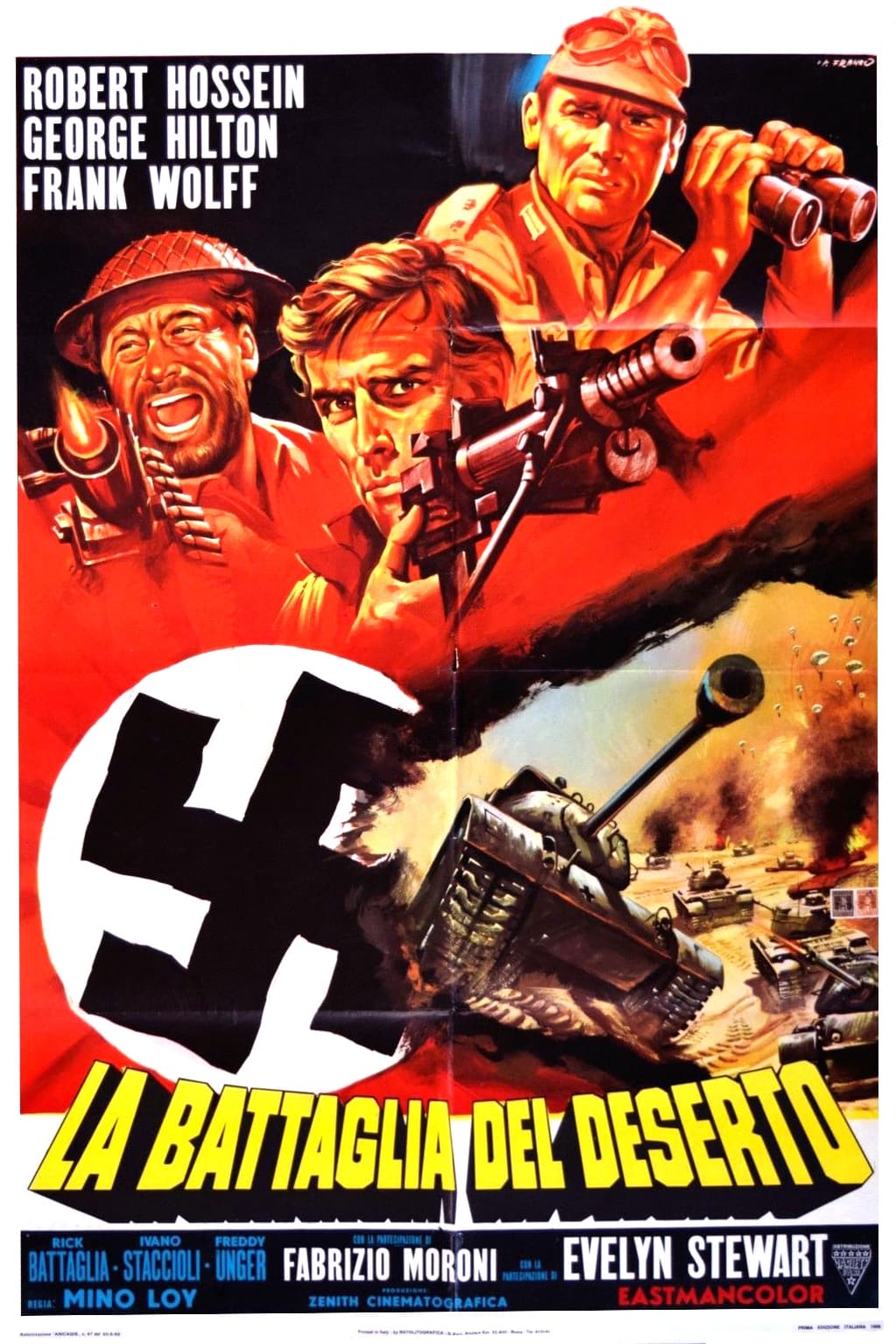
Allied and German forces are stranded in desert during WW II and attempt to surrender each other.
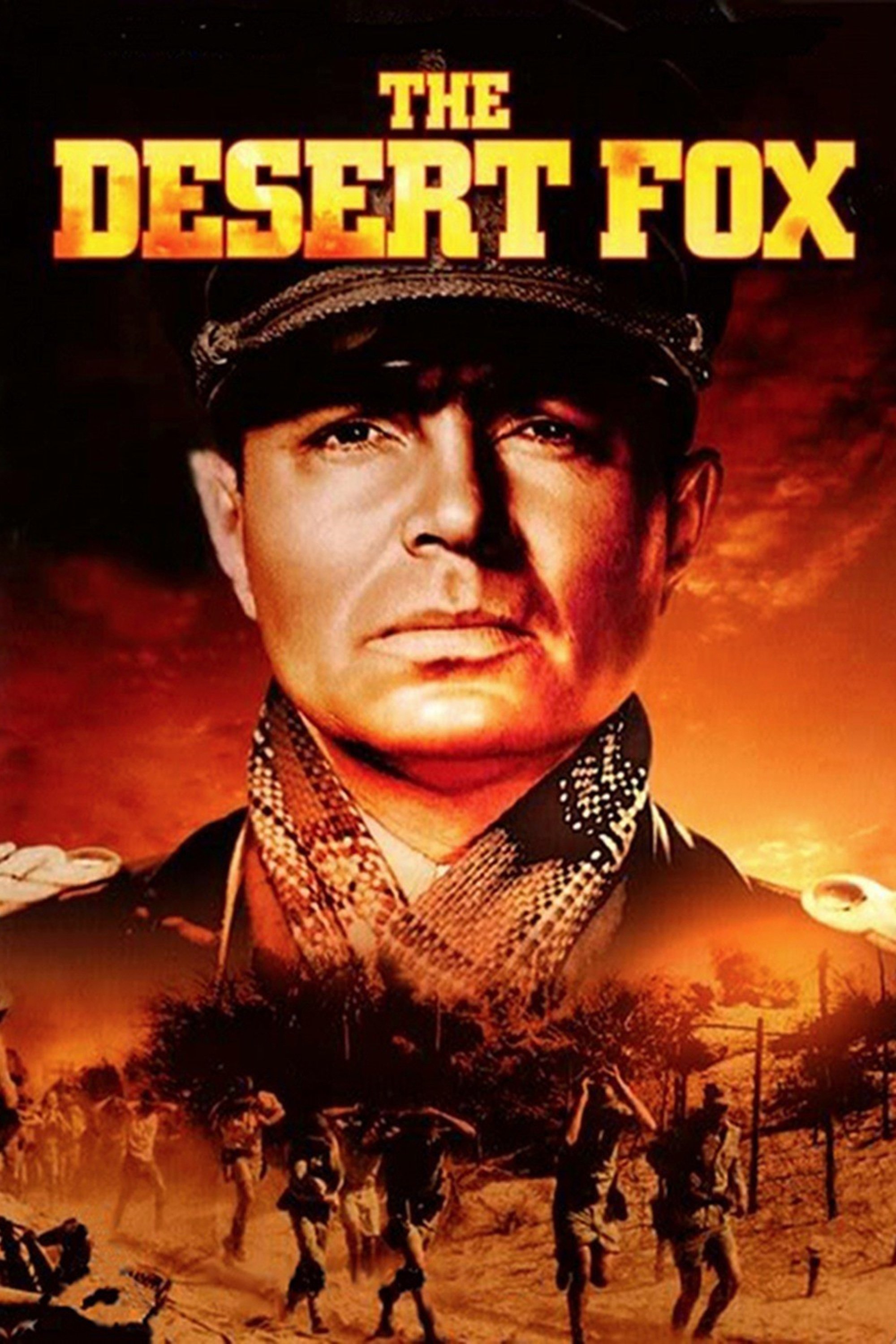
The life and career of Erwin Rommel and his involvement in the plot to assassinate Hitler.
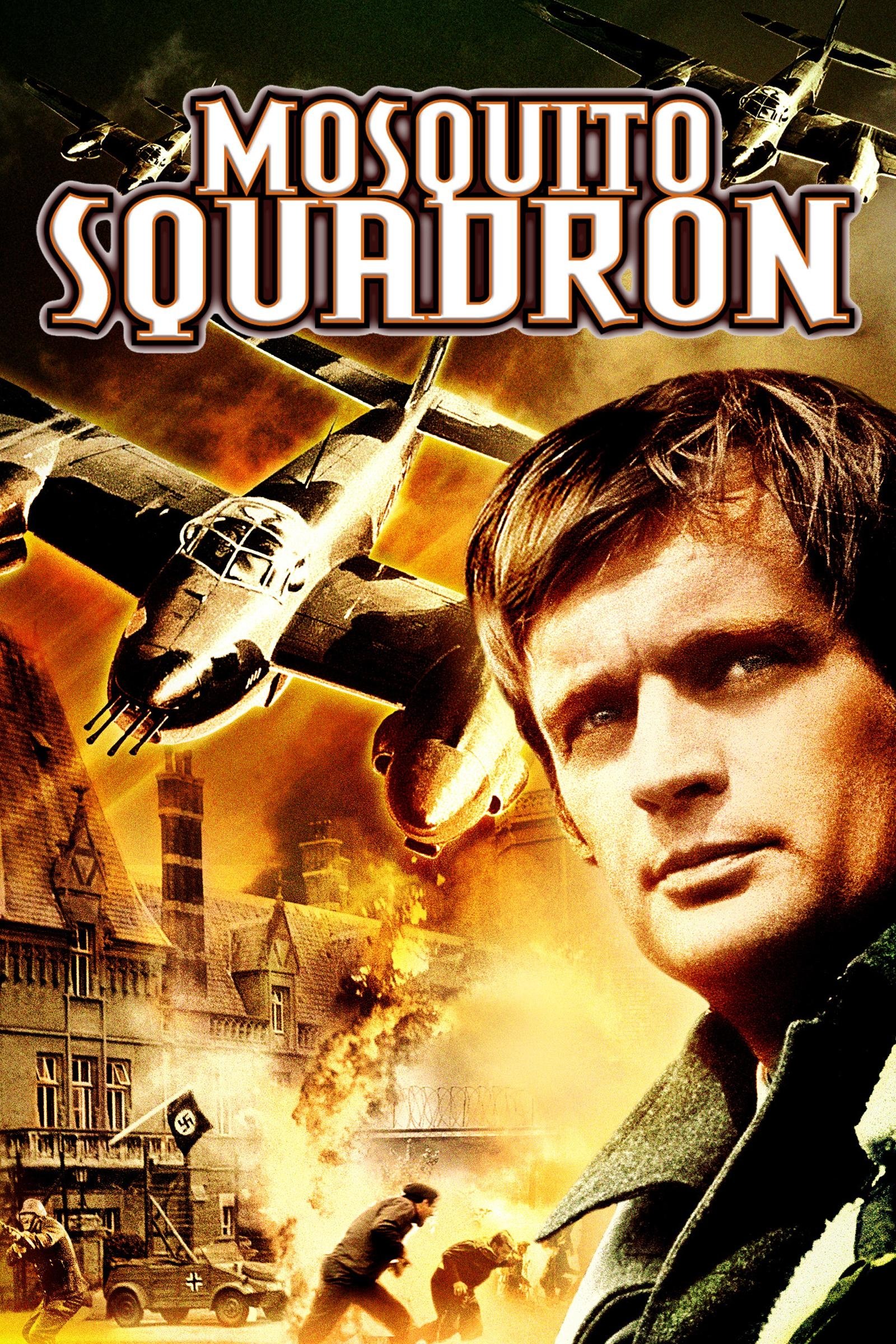
England, World War II. Quint Munroe, RAF officer and new leader of a Mosquito squadron, is tasked with destroying a secret Nazi base in France while trying to overcome the disappearance of a brother-in-arms.
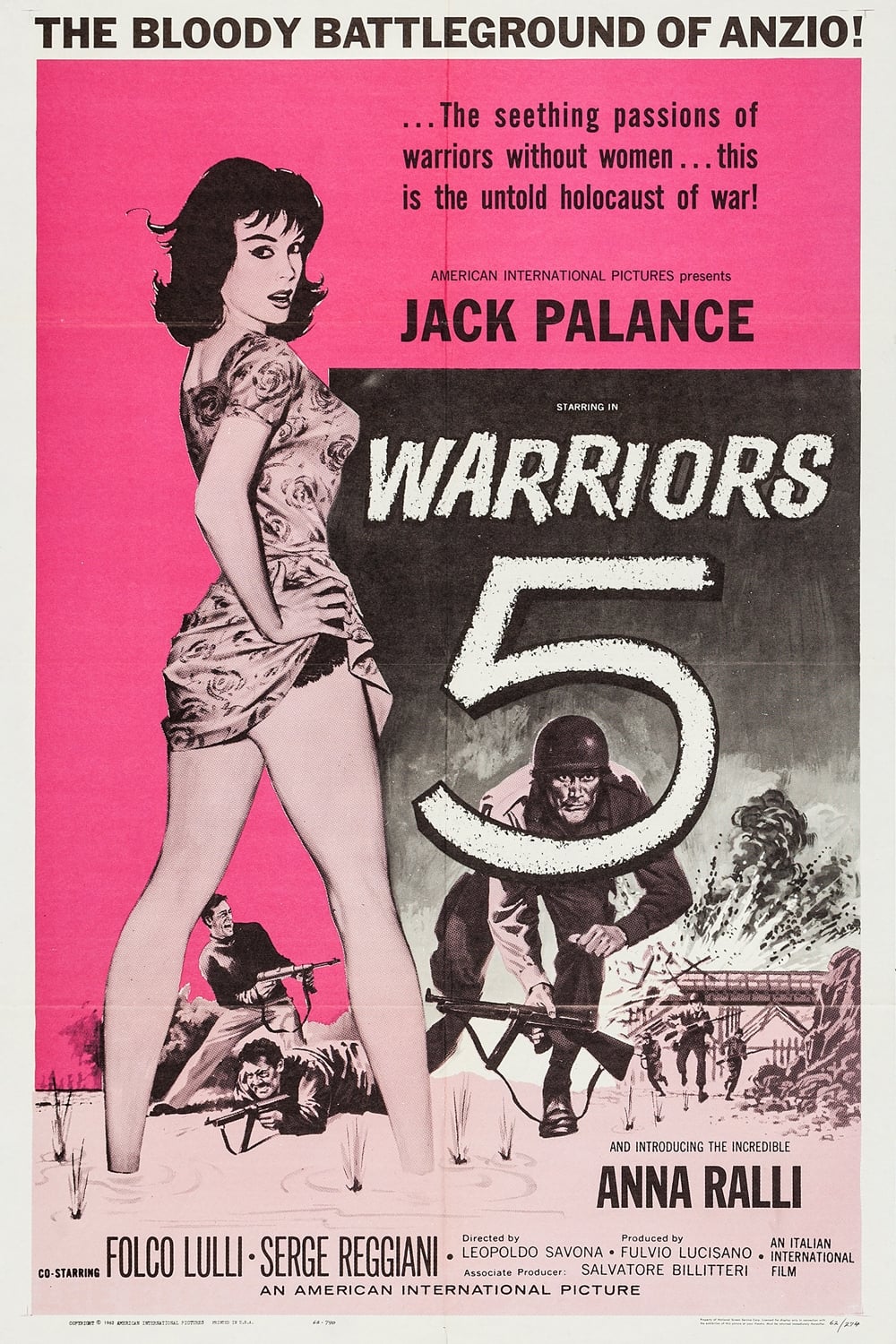
World War II Italy...1943. After parachuting behind enemy lines on an espionage mission, an American soldier is imprisoned by the enemy. He escapes with four Italian prisoners, enlisting their aid in exploding a bridge.
Meet the real-life airmen who inspired Masters of the Air as they share the harrowing and transformative events of the 100th Bomb Group.
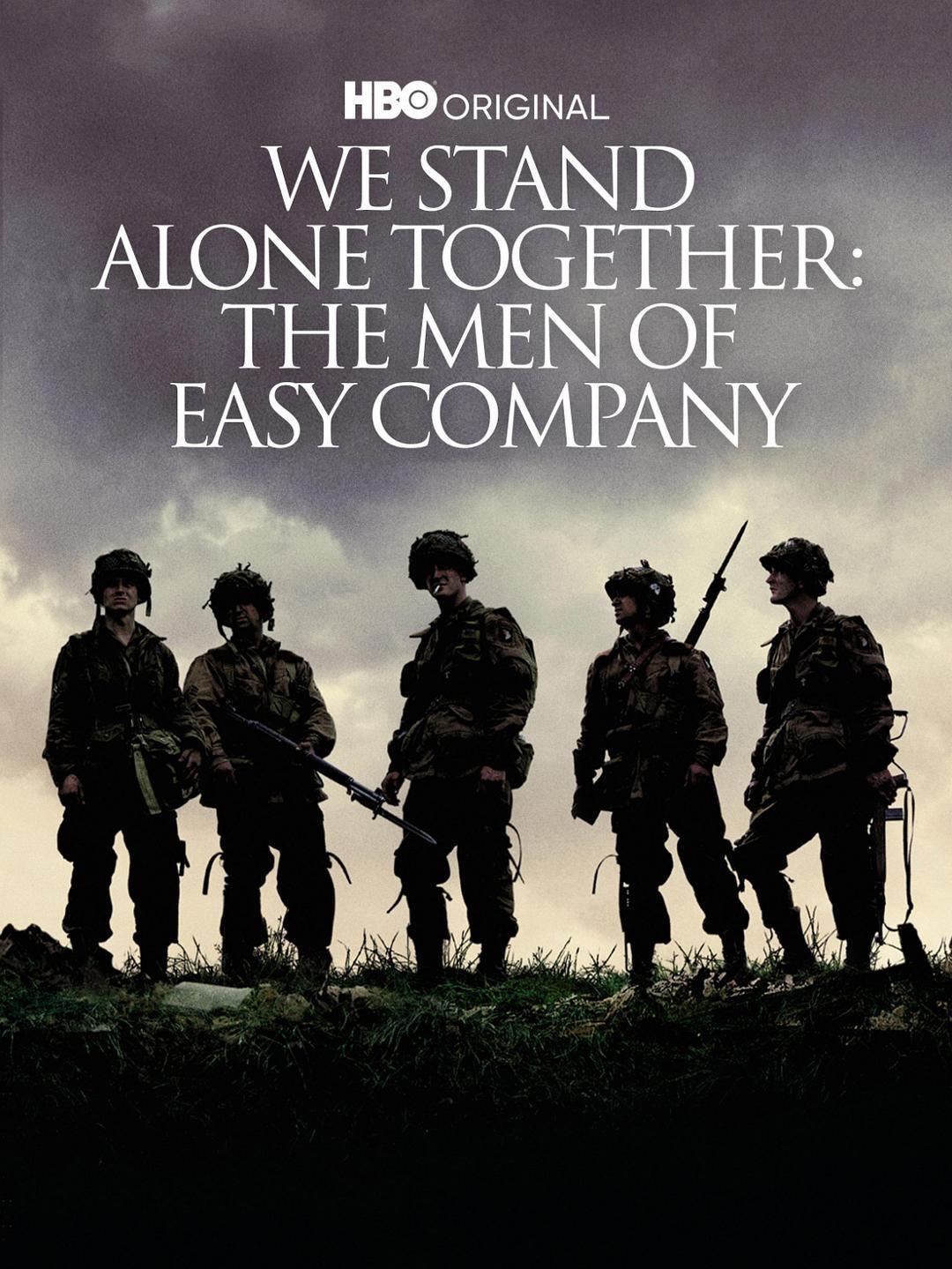
Over a period of two years, Mark Cowen and his crew travelled to thirty U.S. states and ten European cities, to interview the veterans of Easy Company. The stories told by the veterans themselves, create a history of the Second World War from the point of view of this heroic company of men, made famous in the mini-series Band of Brothers.
Amid the failing counteroffensive, a journalist follows a Ukrainian platoon on their mission to traverse one mile of heavily fortified forest and liberate a strategic village from Russian occupation. But the farther they advance through their destroyed homeland, the more they realize that this war may never end.
Prelude to War was the first film of Frank Capra's Why We Fight propaganda film series, commissioned by the Pentagon and George C. Marshall. It was made to convince American troops of the necessity of combating the Axis Powers during World War II. This film examines the differences between democratic and fascist states.
Filmmaker Alain Resnais documents the atrocities behind the walls of Hitler's concentration camps.
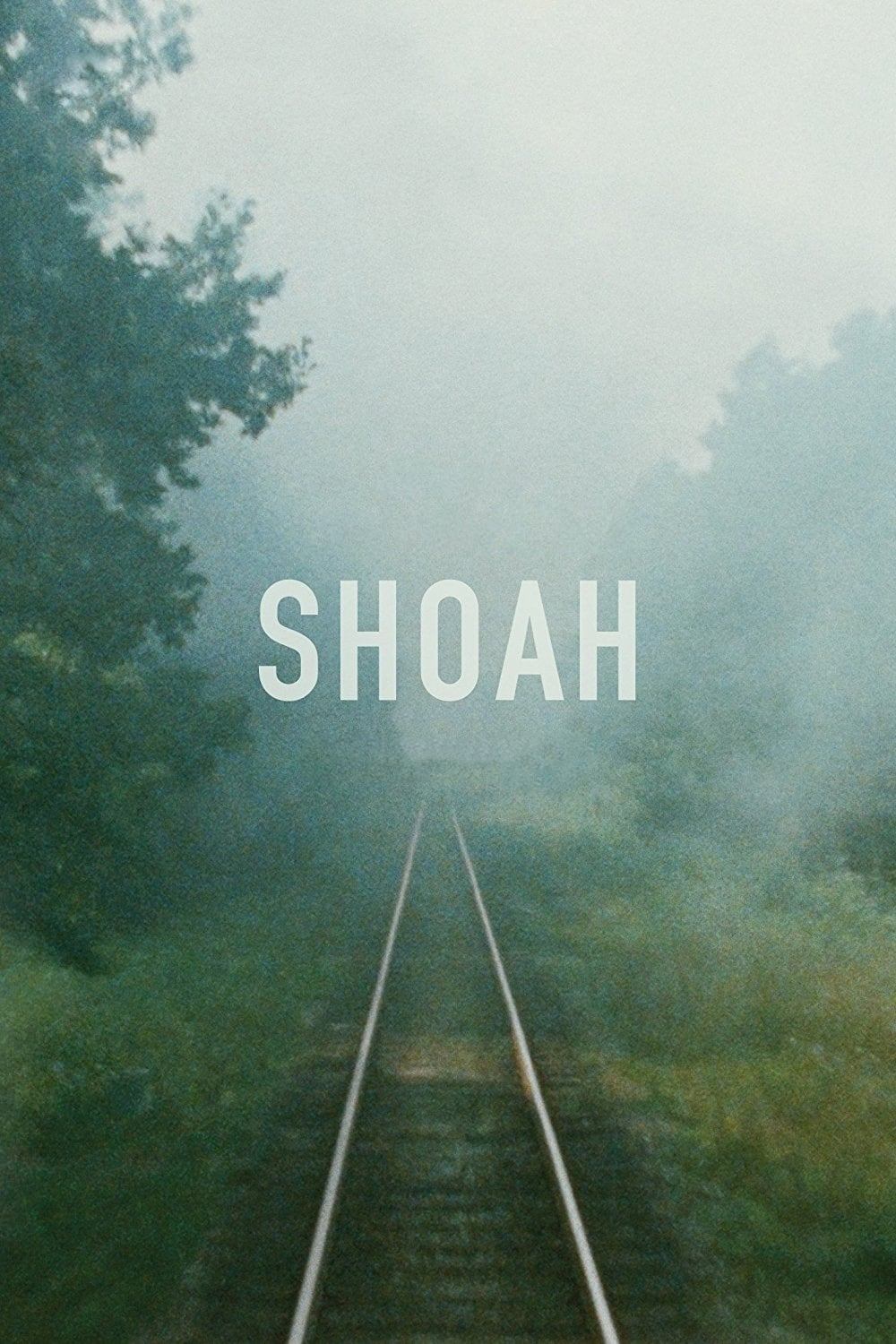
Director Claude Lanzmann spent 11 years on this sprawling documentary about the Holocaust, conducting his own interviews and refusing to use a single frame of archival footage. Dividing Holocaust witnesses into three categories – survivors, bystanders, and perpetrators – Lanzmann presents testimonies from survivors of the Chelmno concentration camp, an Auschwitz escapee, and witnesses of the Warsaw Ghetto Uprising, as well as a chilling report of gas chambers from an SS officer at Treblinka.
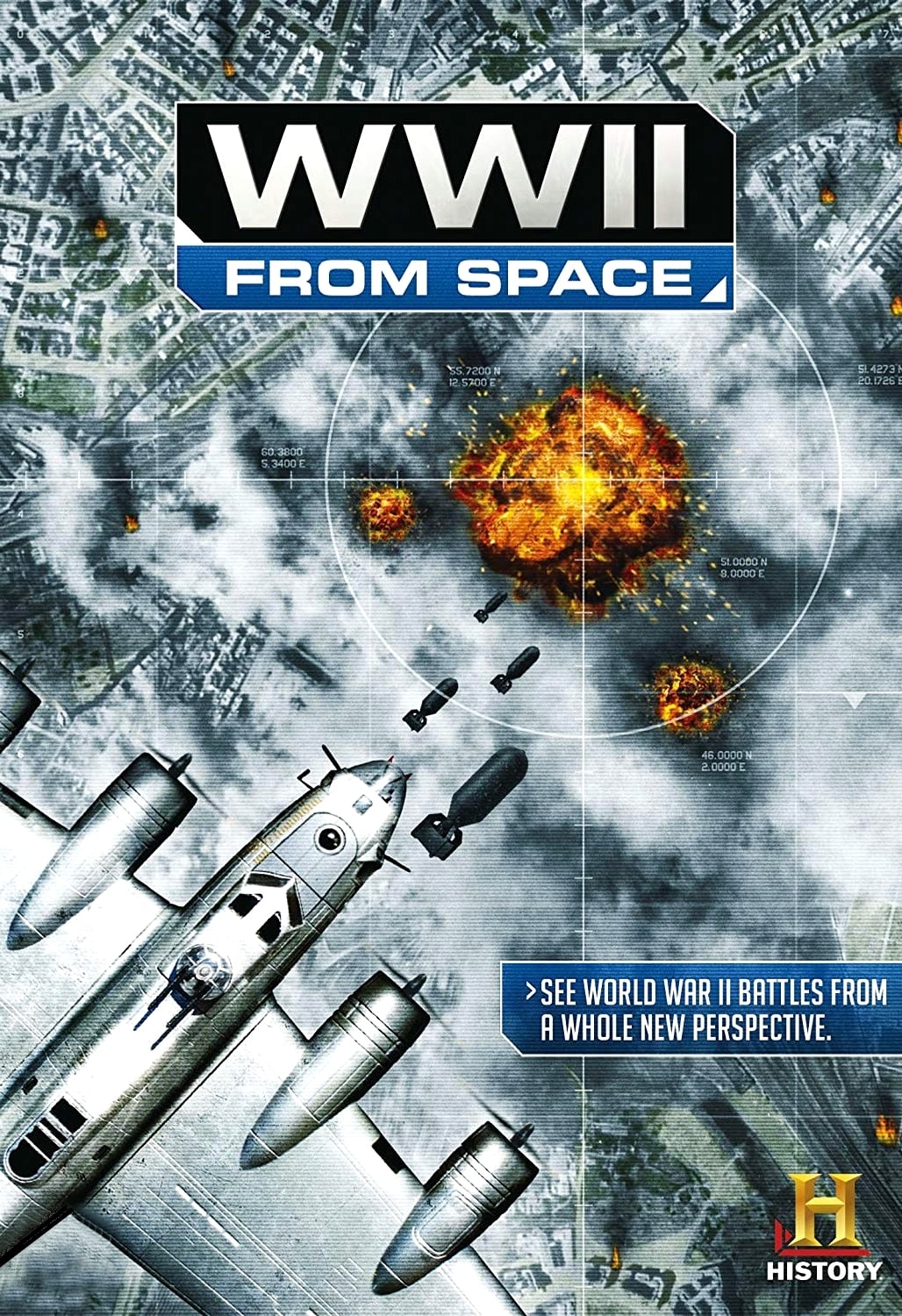
WWII from Space delivers World War II in a way you've never experienced it before. This HISTORY special uses an all-seeing CGI eye that offers a satellite view of the conflict, allowing you to experience it in a way that puts key events and tipping points in a global perspective. By re-creating groundbreaking moments that could never have been captured on camera, and by illustrating the importance of simultaneity and the hidden effects of crucial incidents, HISTORY presents the war's monumental moments in a never-before-seen context. And with new information brought to the forefront, you'll better understand how a nation ranked 19th in the world's militaries in 1939 emerged six years later as the planet's only atomic superpower.
A documentary about the legendary series of nationally televised debates in 1968 between two great public intellectuals, the liberal Gore Vidal and the conservative William F. Buckley Jr. Intended as commentary on the issues of their day, these vitriolic and explosive encounters came to define the modern era of public discourse in the media, marking the big bang moment of our contemporary media landscape when spectacle trumped content and argument replaced substance. Best of Enemies delves into the entangled biographies of these two great thinkers, and luxuriates in the language and the theater of their debates, begging the question, "What has television done to the way we discuss politics in our democracy today?"
The history of cinematic sound, told by legendary sound designers and visionary filmmakers.
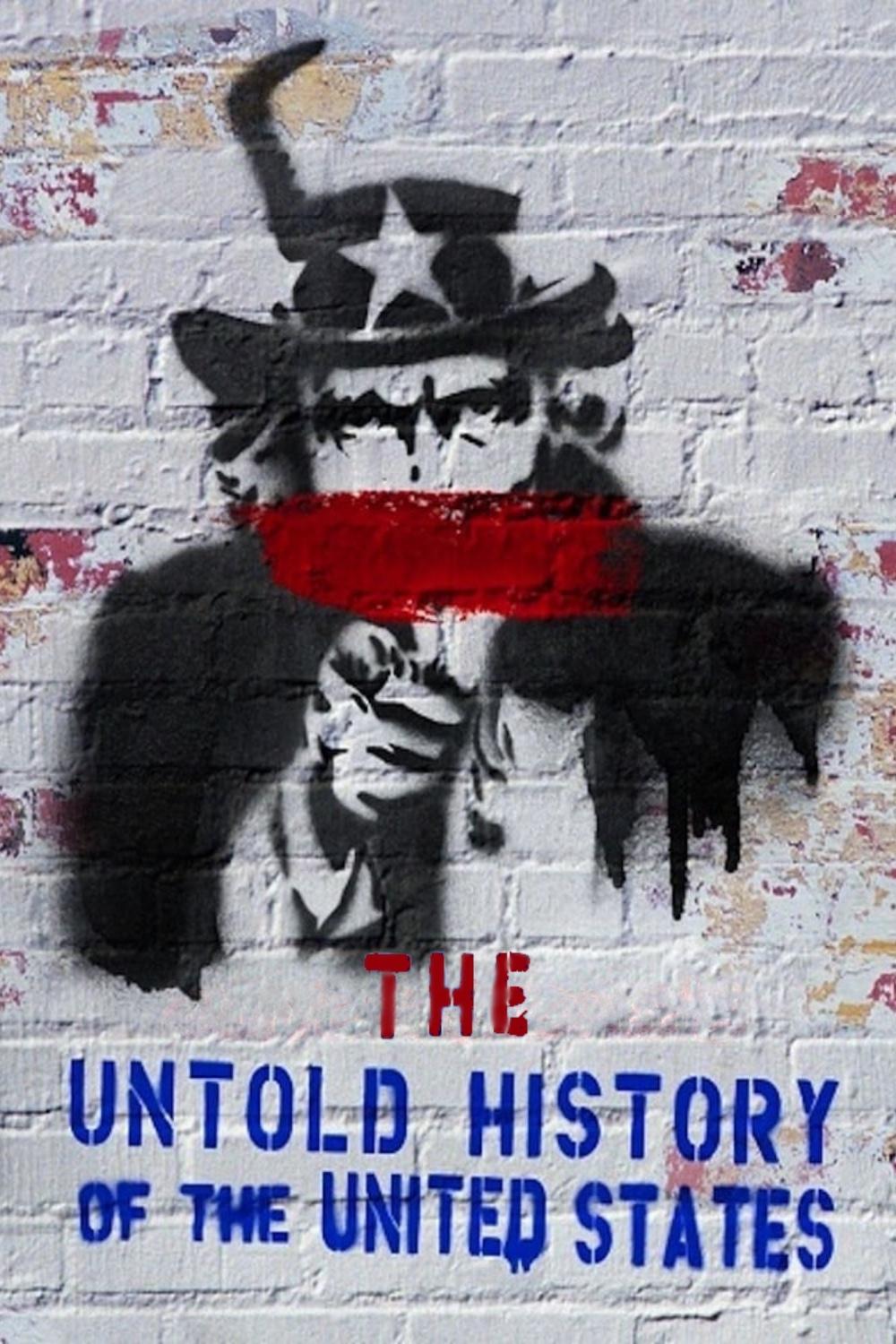
Oliver Stone charts the history of the United States from the Second World War to the present.
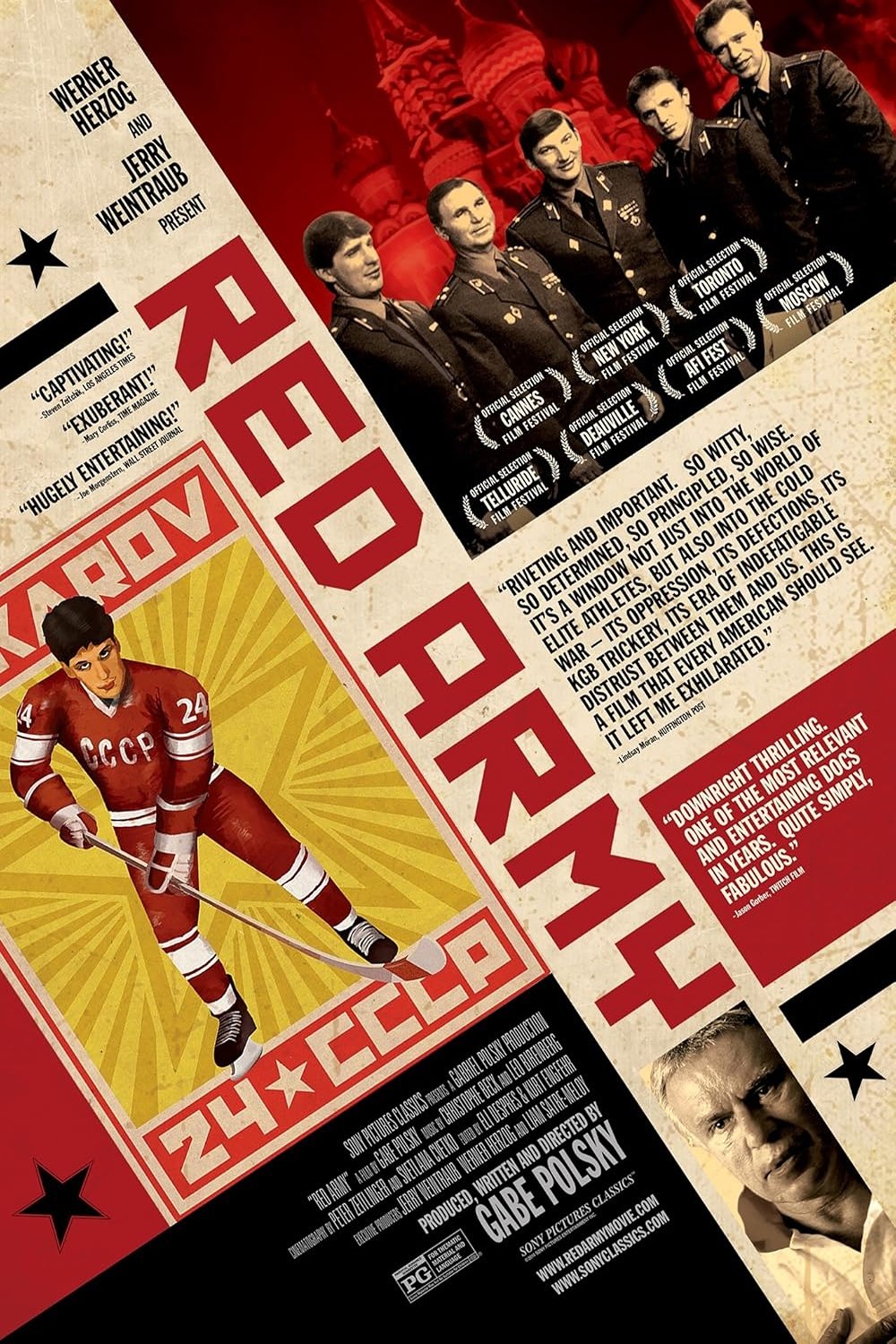
A documentary highlighting the Soviet Union's legendary and enigmatic hockey training culture and world-dominating team through the eyes of the team's Captain Slava Fetisov, following his shift from hockey star and celebrated national hero to political enemy.
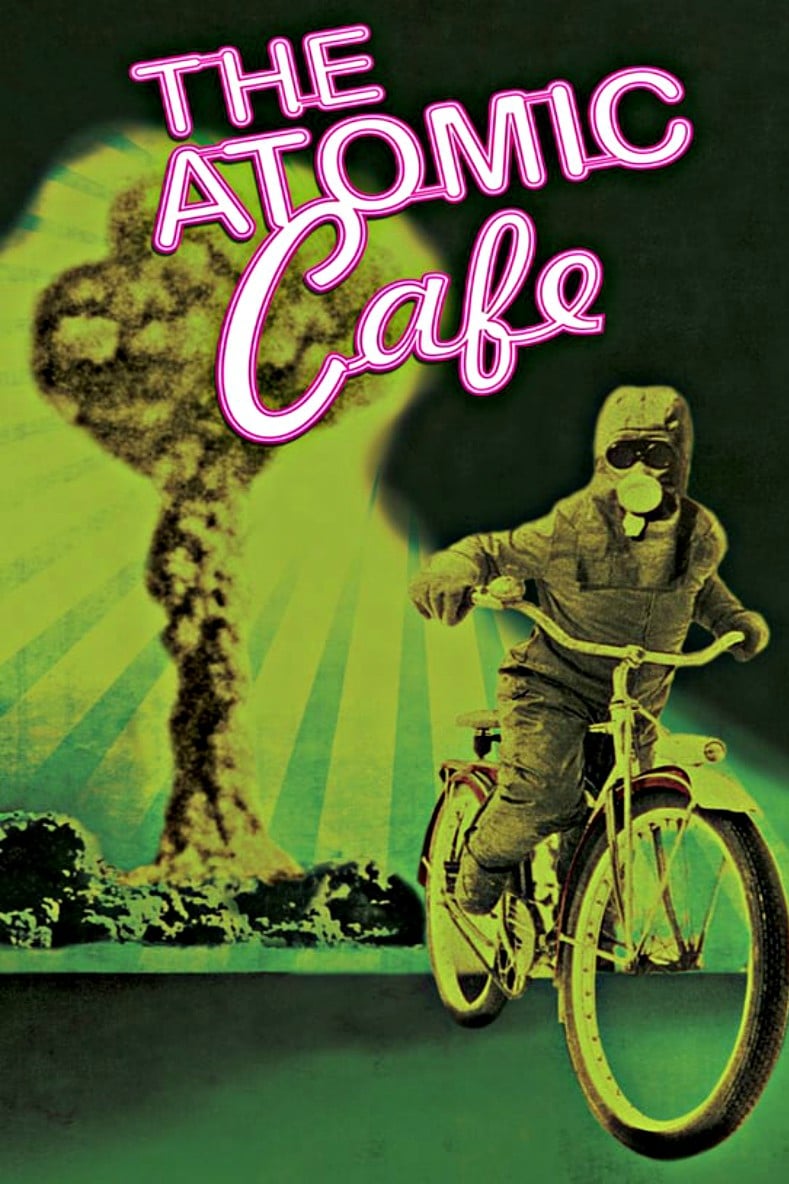
A disturbing collection of 1940s and 1950s United States government-issued propaganda films designed to reassure Americans that the atomic bomb was not a threat to their safety.
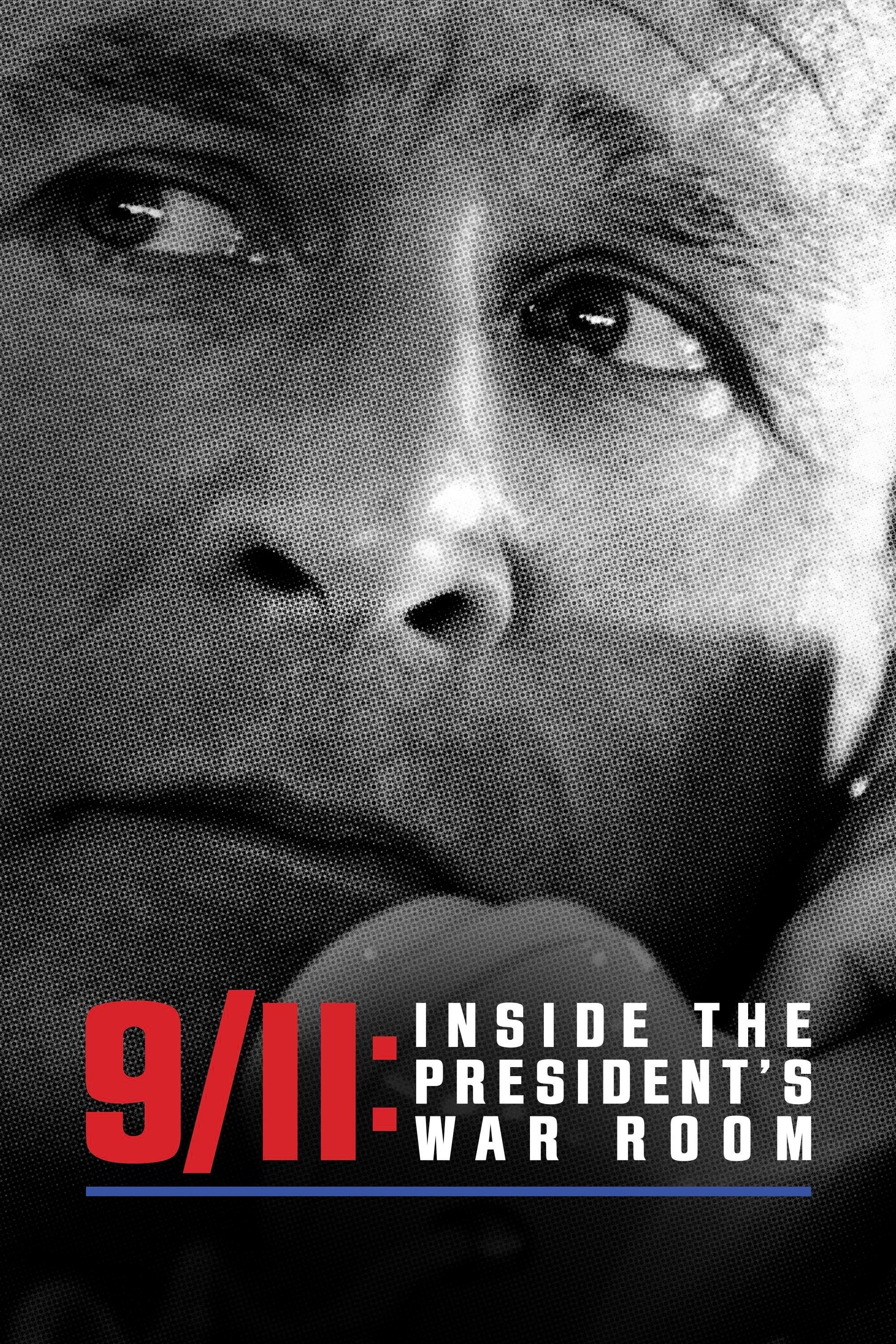
Experience the events of September 11, 2001 through the eyes of President Bush and his closest advisors as they personally detail the crucial hours and key decisions from that historic day.
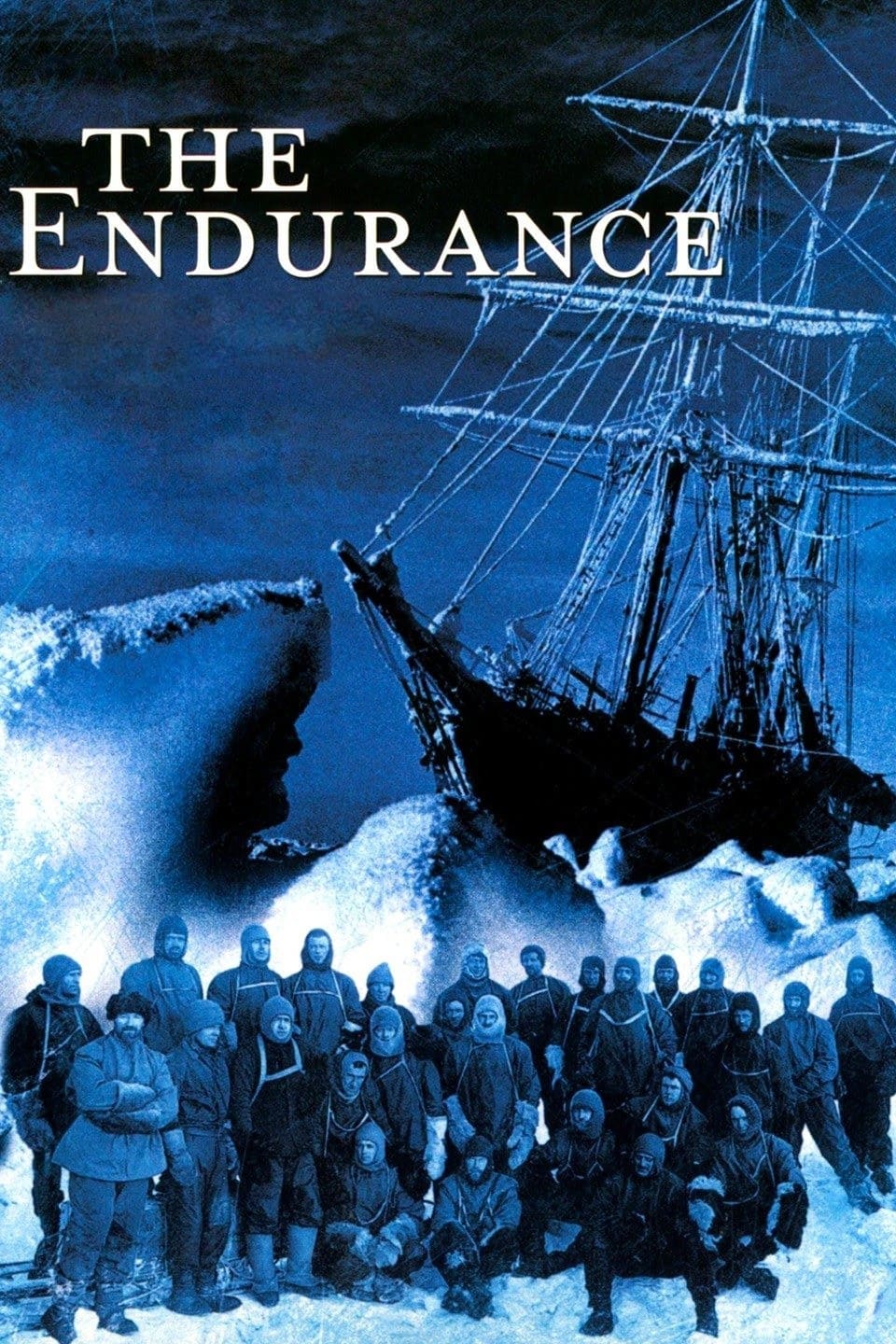
Documentary on the Shackleton Antartic expedition. A retelling of Sir Ernest Shackleton's ill-fated expedition to Antarctica in and the crew of his vessel 'The Endurance', which was trapped in the ice floes and frigid open ocean of the Antarctic in 1914. Shackleton decided, with many of his crew injured and weak from exposure and starvation, to take a team of his fittest men and attempt to find help. Setting out in appalling conditions with hopelessly inadequate equipment, they endured all weather and terrain and finally reached safety. Persuading a local team of his confidence that the abandoned team would still be alive, he set out again to find them. After almost 2 years trapped on the ice, all members of the crew were finally rescued.
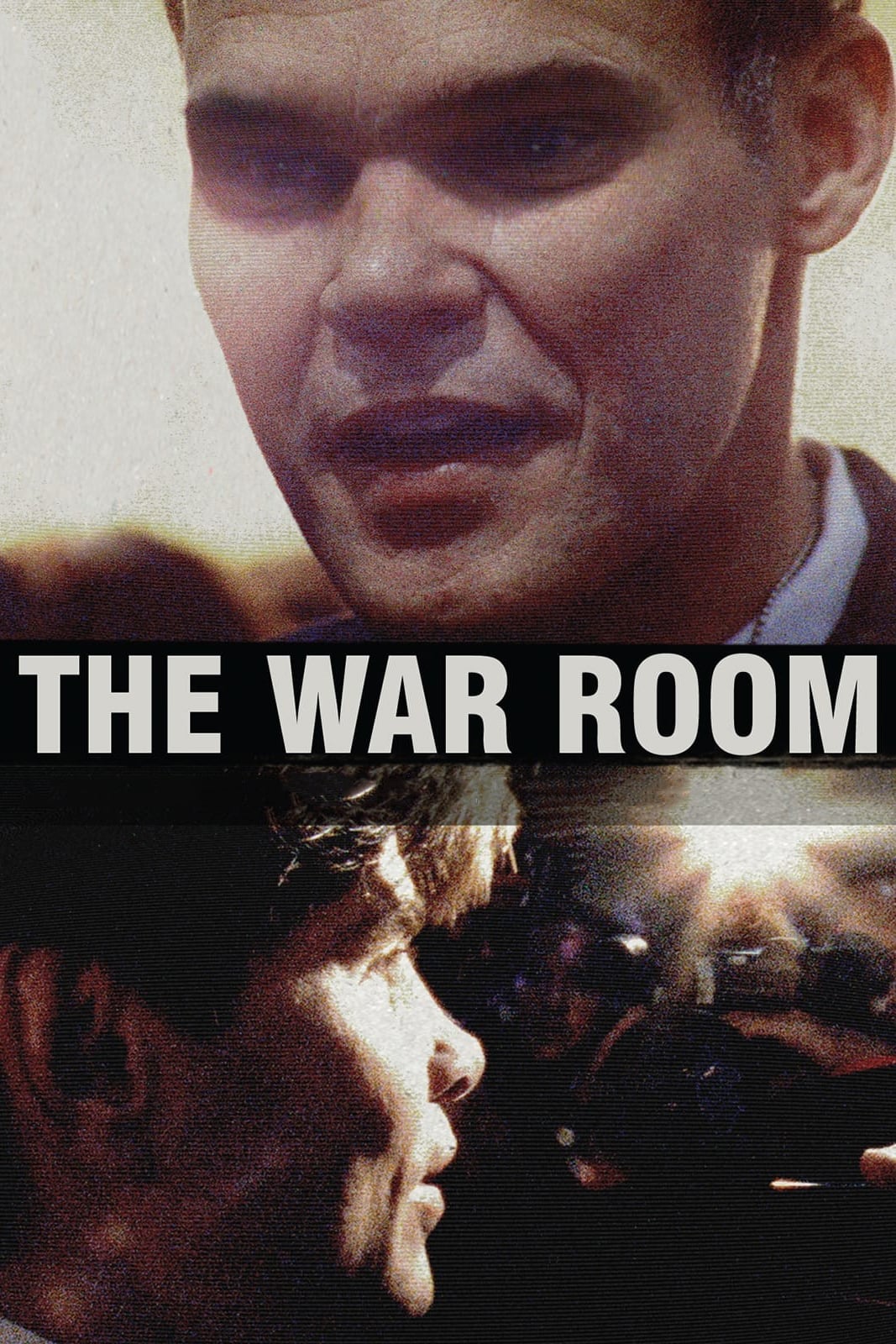
A behind-the-scenes documentary about the Clinton for President campaign, focusing on the adventures of spin doctors James Carville and George Stephanopoulos.
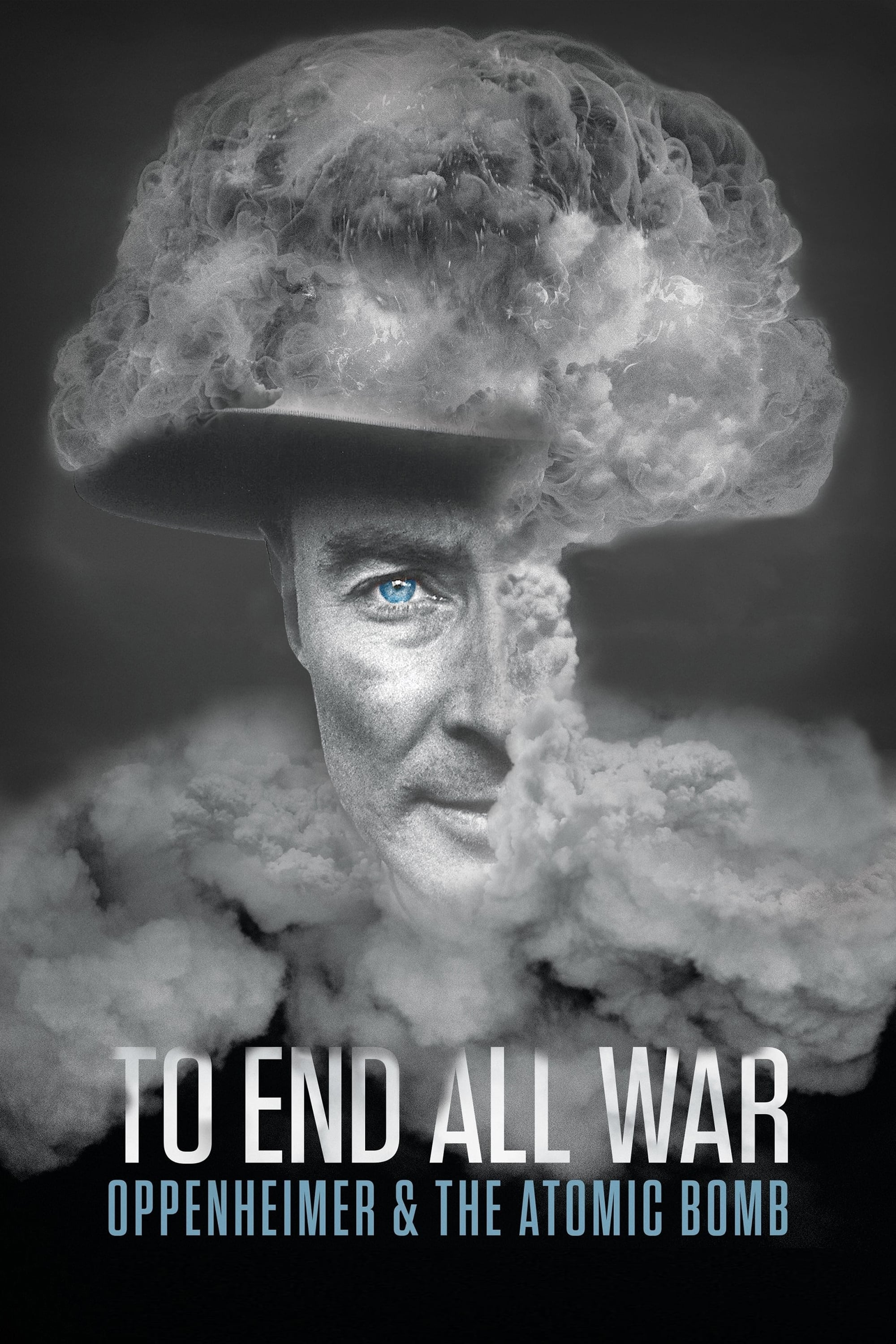
Explore how one man's relentless drive and invention of the atomic bomb changed the nature of war forever, led to the deaths of hundreds of thousands of people and unleashed mass hysteria.
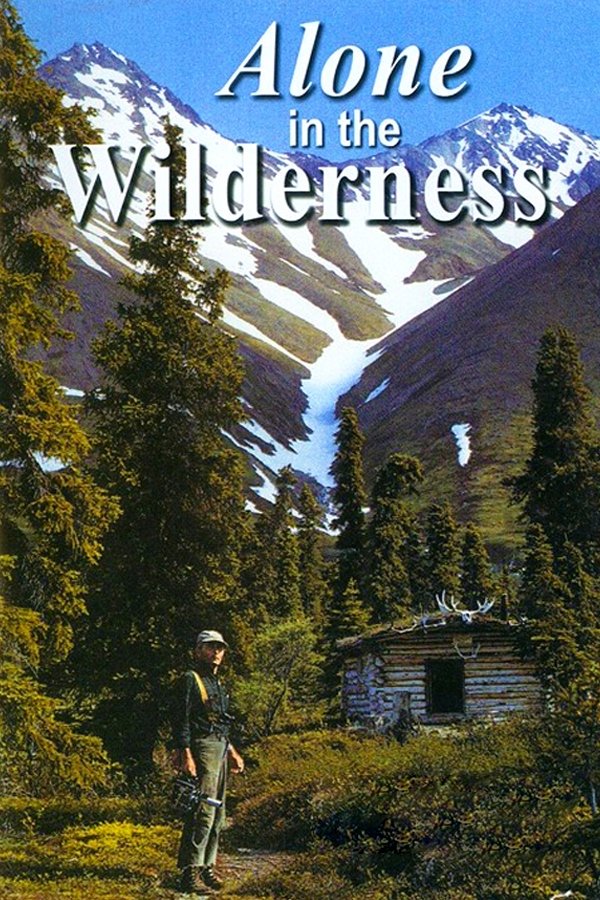
Dick Proenneke retired at age 50 in 1967 and decided to build his own cabin in the wilderness at the base of the Aleutian Peninsula, in what is now Lake Clark National Park. Using color footage he shot himself, Proenneke traces how he came to this remote area, selected a homestead site and built his log cabin completely by himself. The documentary covers his first year in-country, showing his day-to-day activities and the passing of the seasons as he sought to scratch out a living alone in the wilderness.
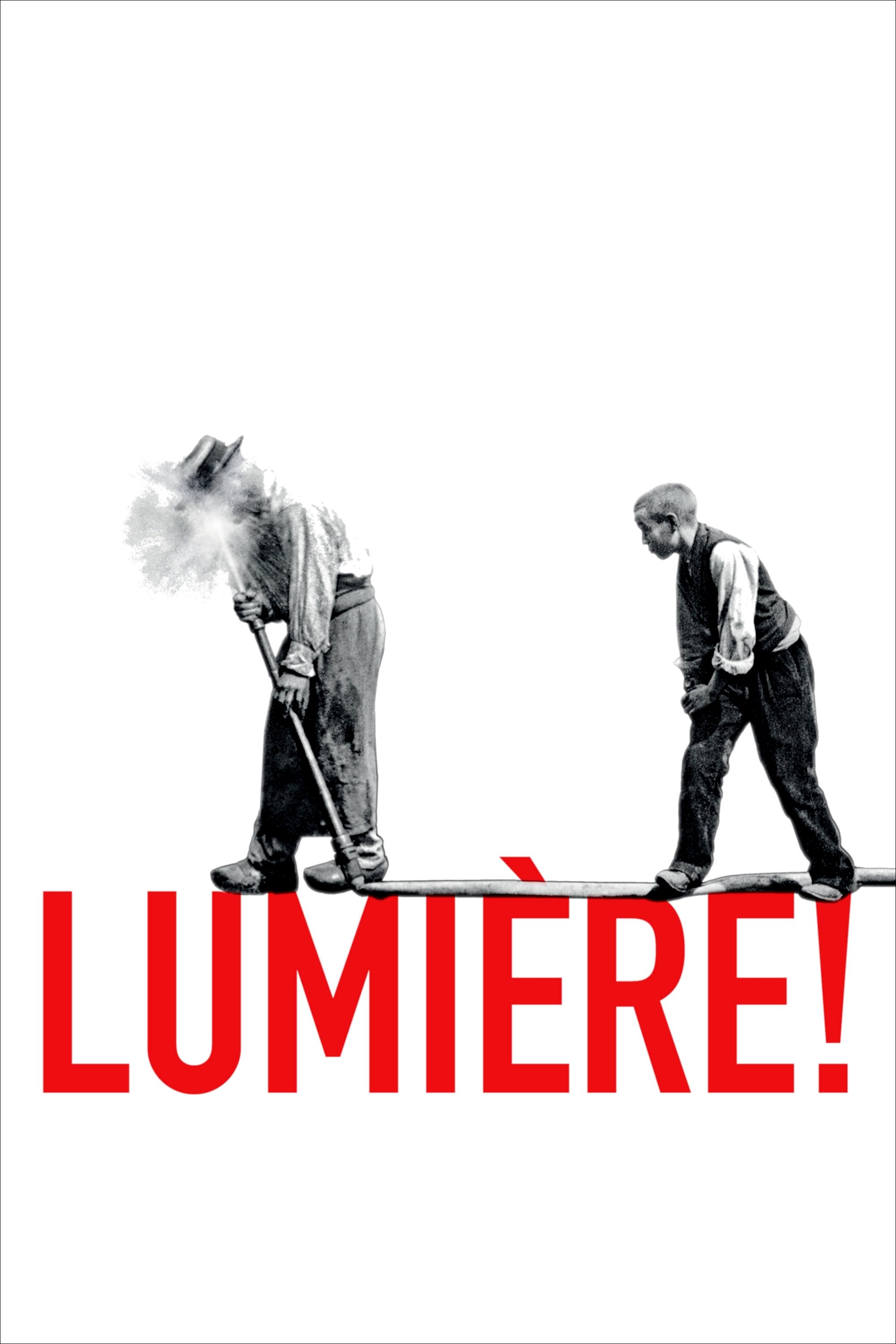
A collection of restored prints from the Lumière Brothers.
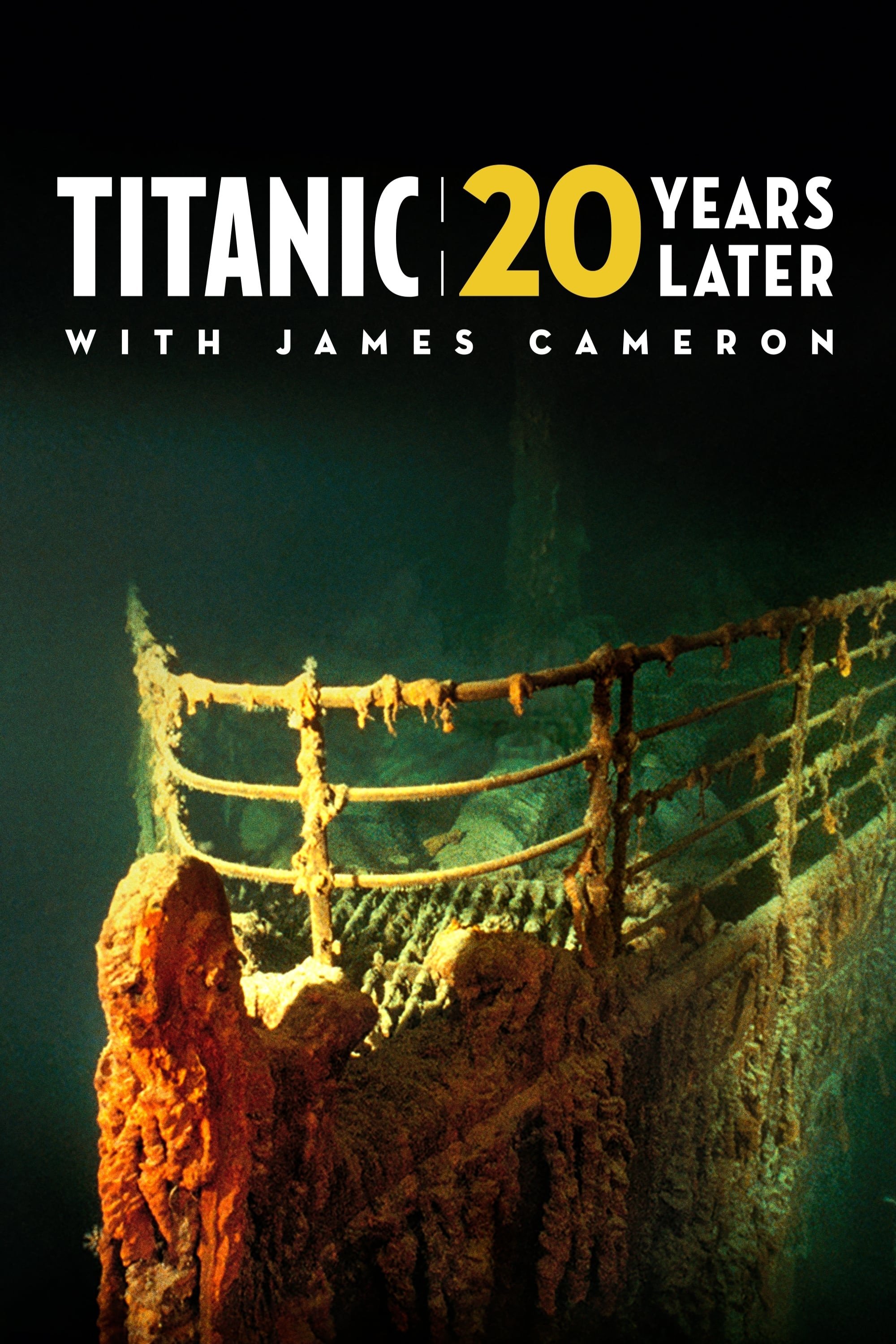
For the 20th anniversary of "Titanic," James Cameron reopens the file on the disaster.
Former United States Secretary of Defense Donald Rumsfeld discusses his career in Washington D.C. from his days as a congressman in the early 1960s to planning the invasion of Iraq in 2003.