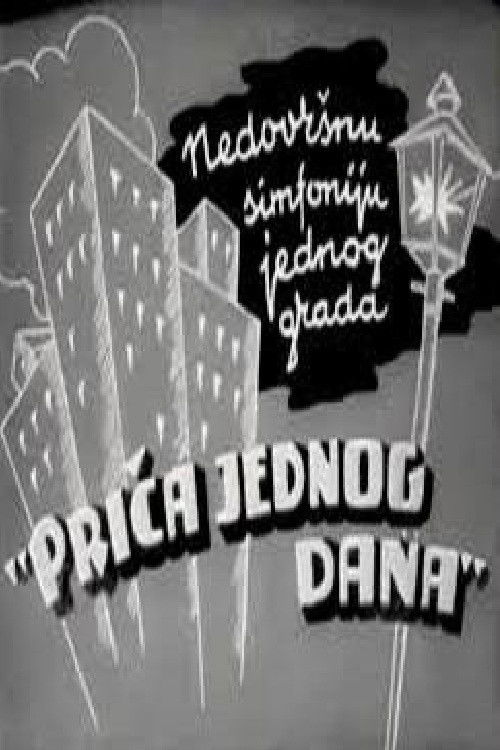
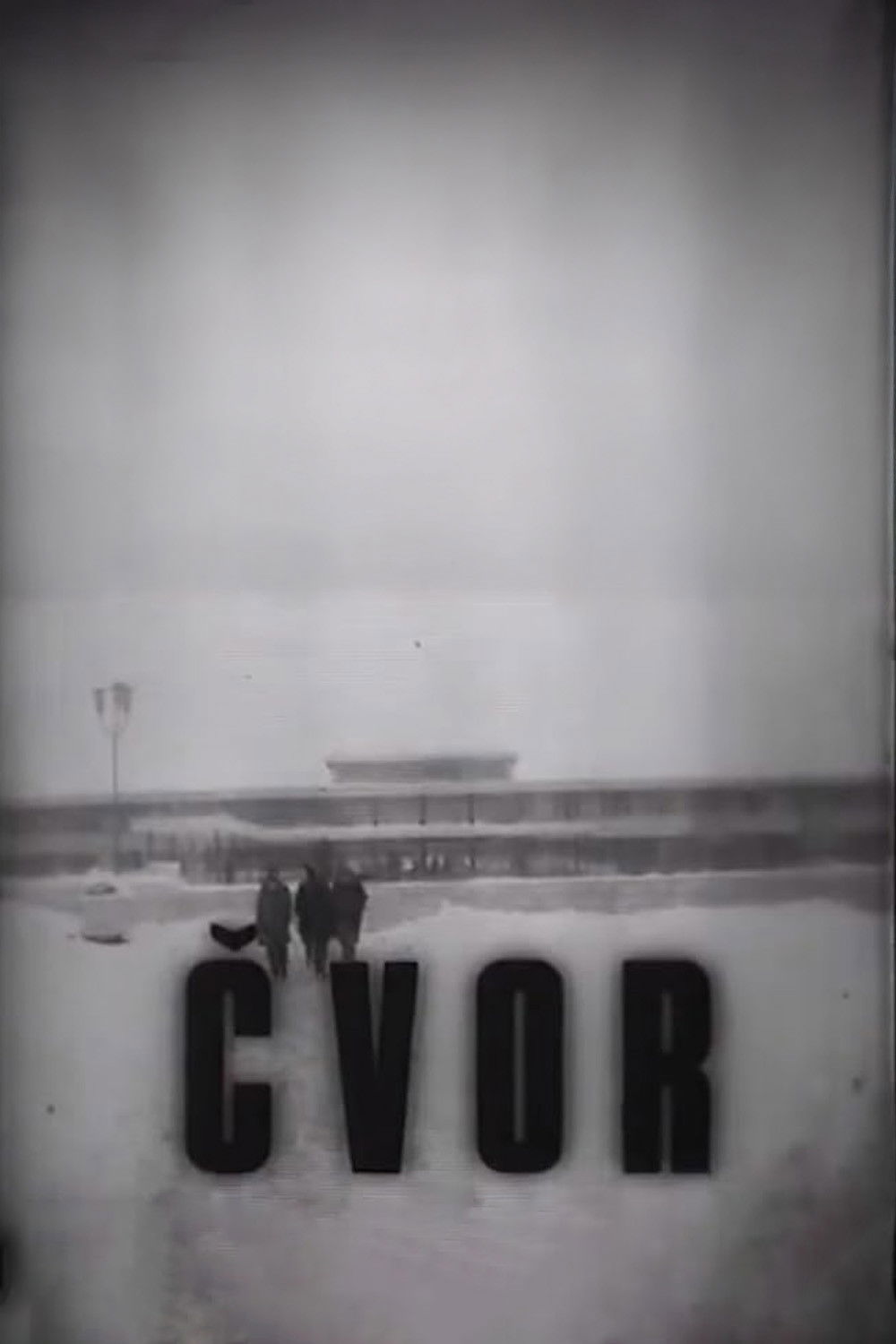
A short film which documents a 24 hour period in the city of Belgrade, Yugoslavia.
Social & External
The people behind it
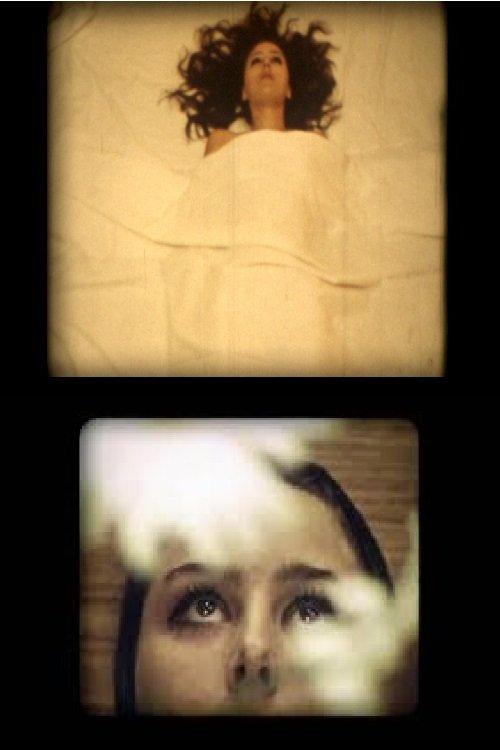
Between four walls of her apartment, a girl enjoys in intimate idleness and being her true self.
As Yugoslavia begins to unravel, the workers of industrial complex at Rakovica struggle to survive inside a system that once promised dignity and solidarity. Told from their perspective, Žulj (Blister) captures the anger, exhaustion, and disillusionment of a generation abandoned by political elites far removed from working-class life.
In the Kosovo War, human dignity was shattered by the terrors of the Serbian government and the Albanian liberation army. Truths about the victims’ fates faded away, which is why a Finnish forensic research group led by Helena Ranta got a mission to act as an unbiased agent and investigate the real course of events.
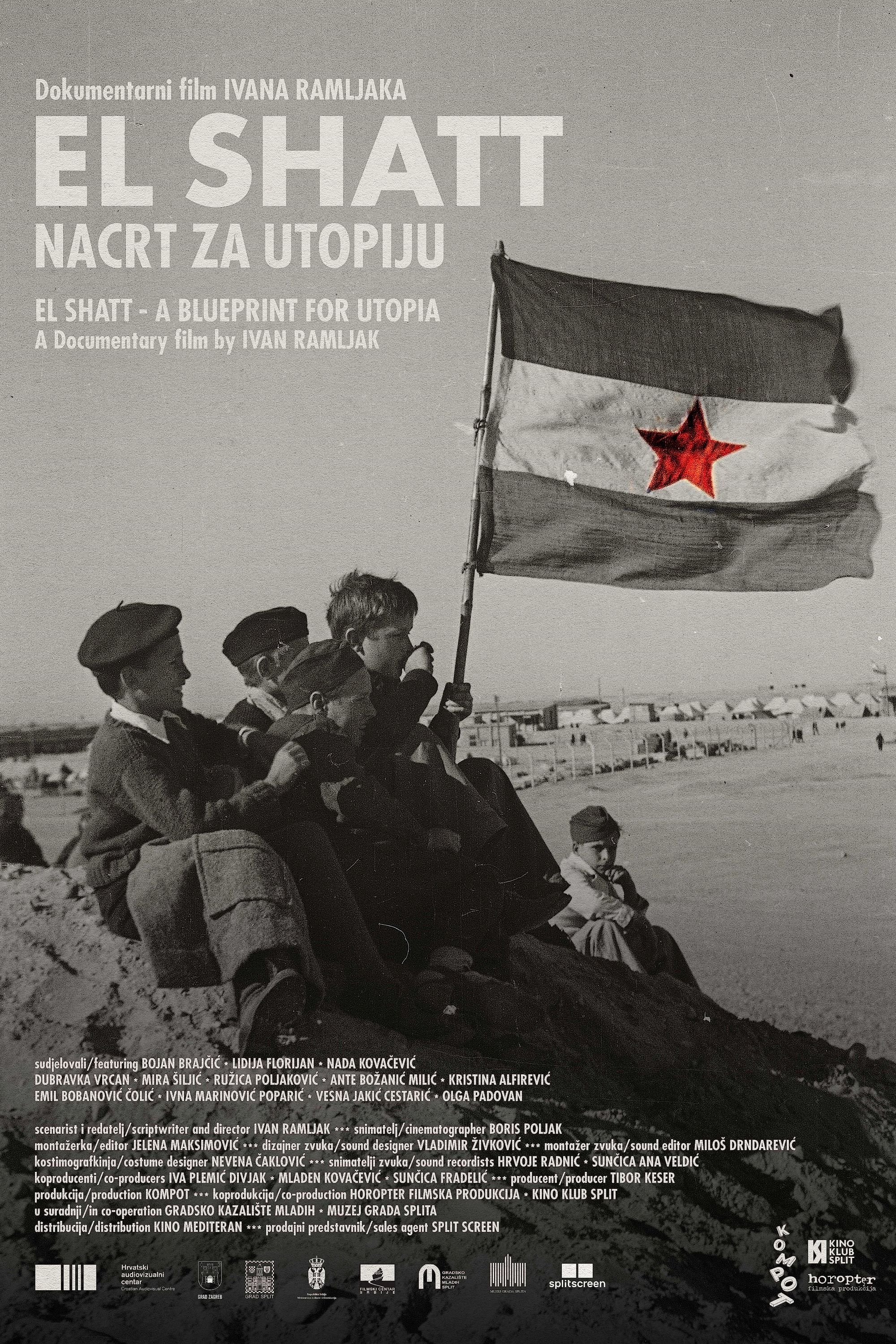
Hundreds of frozen and starved people floating on boats in the middle of the Mediterranean Sea fleeing from the war... Familiar scenes that we are used to seeing in recent times. But the year is 1944, and the refugees are travelling from Europe to Africa. After Italian capitulation,and before the arrival of German army, 28 000 Dalmatian Croats left their home villages and towns to live for two years under the tents in the middle of Egyptian desert, in a kind of a communist model village that was formed to show the Allies how the new Yugoslavia will look like when the war ends. This is a story about them.
SARAJEVO RICOCHET - A TOWN BETRAYED This documentary exposes the callous betrayal of the massacred men of Srebrenica - how they were sacrificed by their own government for a political objective. The widows, mothers and sisters of the men and boys who died near Srebrenica will never let the world forget the events of July 1995. The Serbs pulled the trigger, but the reasons for their brutal action has not been investigated. Now Bosnian Muslims themselves expose what really happened before, during and after what is been called `the European genocide of our time`. The Bosnian Muslim government was negotiating with the Serbs to exchange territory - Srebrenica for the suburbs of Sarajevo.
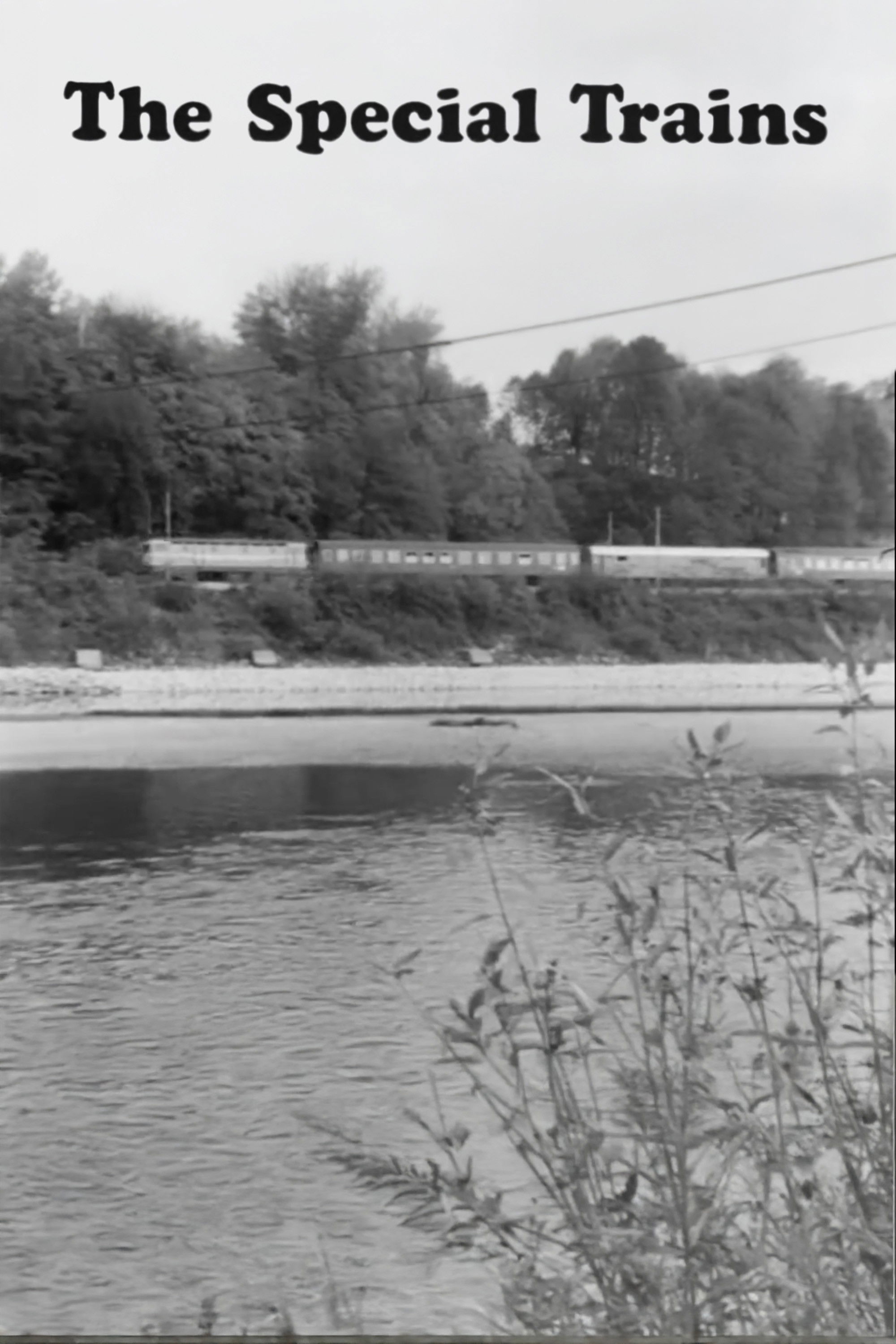
A documentary following Yugoslav migrant workers on special trains to West Germany, documenting their journey and the bureaucratic realities of labor migration.
A documentary set in a modern Croatian railway station, contrasting its promise of progress with the visible presence of unemployment and social stagnation.
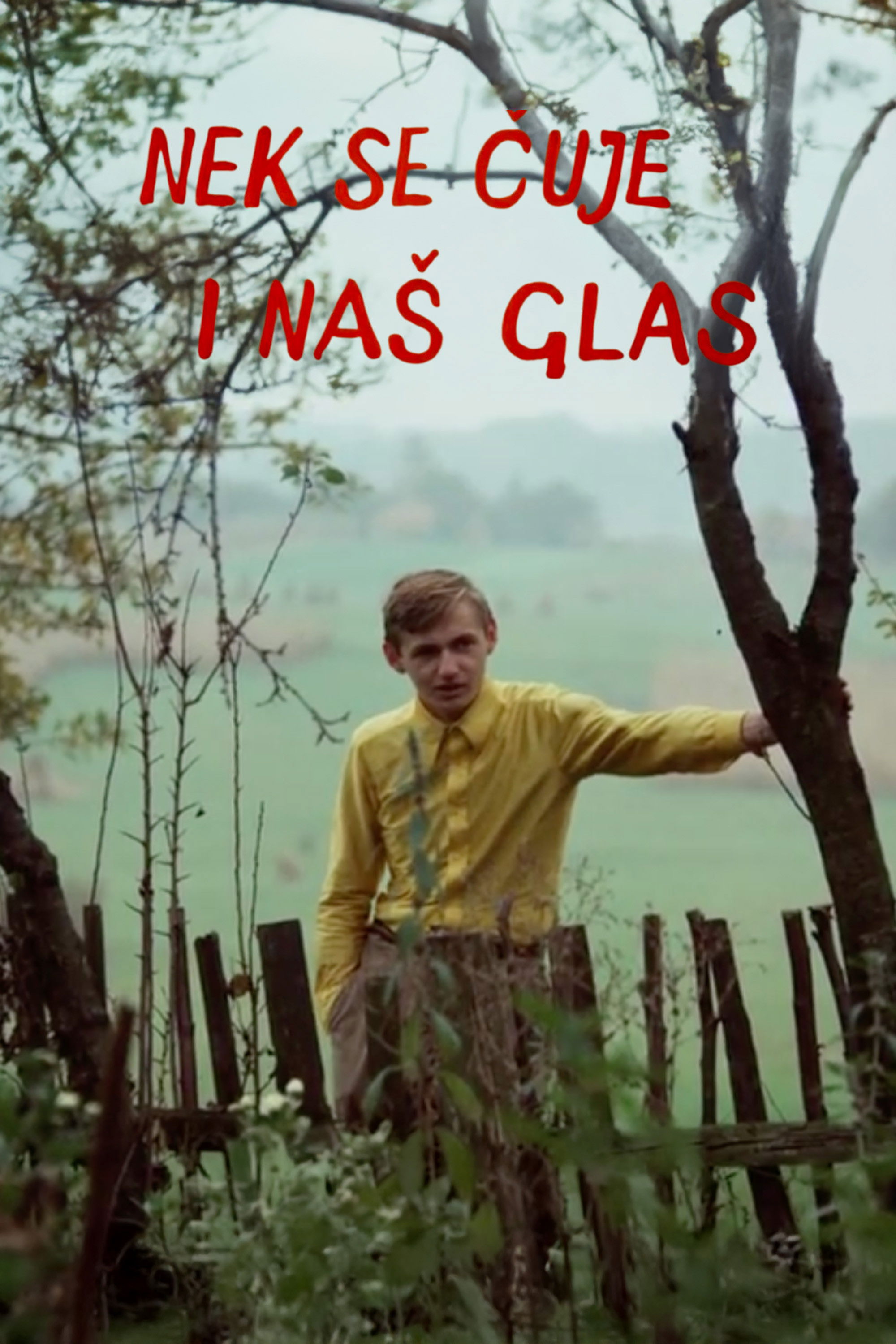
The elderly inhabitants of a village in Vojvodina look back on the war and the partisan battles. The film also examines how collective memories and myths enter the individual consciousness.
A loving portrait of a pirate radio stations, which is run by the rural population with plenty of passion and talent in the face of opposition from the authorities.
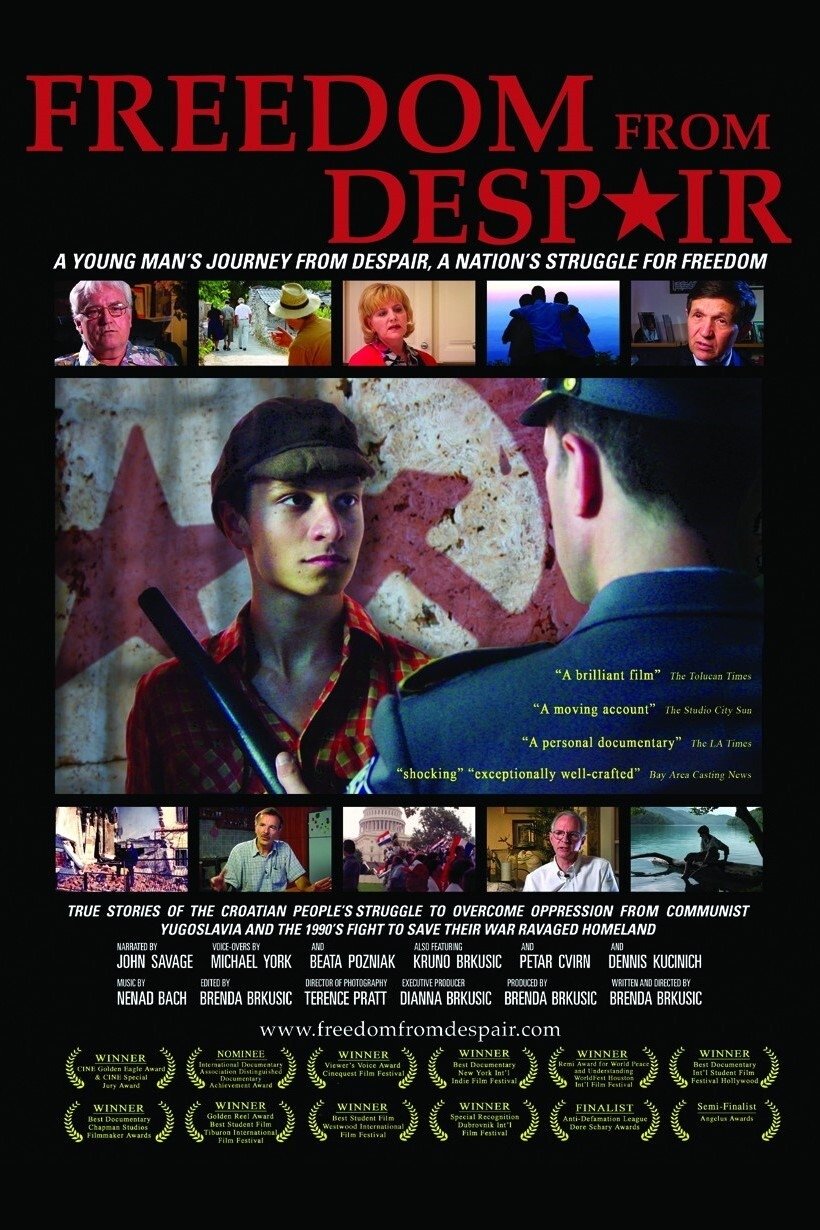
True stories of the Croatian People's struggle to overcome oppression from communist Yugoslavia and the 1990's fight to save their war ravaged homeland.
A documentary movie about Tomos, Slovenian motorcycle factory.
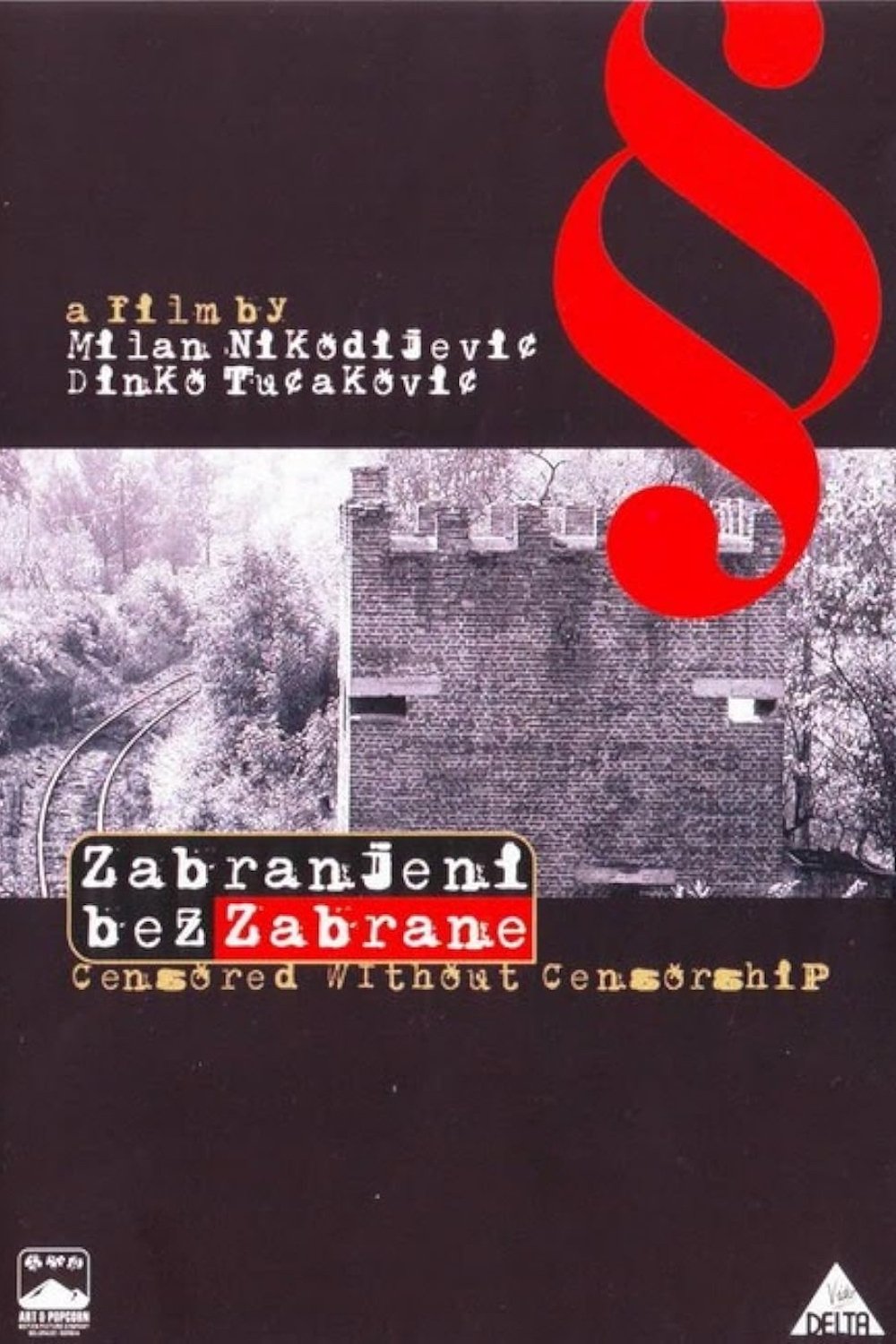
Through the conversation with Yugoslav film authors and excerpts from their films, this documentary film tells a story of a film phenomenon and censorship, and its focus is, in fact, a painful epoch of Yugoslav film called “a Black Wave”, which was the most important and artistically strongest period of Yugoslav film industry, created in the sixties and buried in the early seventies by means of ideological and political decisions. The film tells a great “thriller” story of the ideological madness which characterised the totalitarian psychology having left multiple consequences felt up to our very days. It stresses similarities between totalitarian regimes defending their taboos on the example of the persecution of the most important Yugoslav film authors. Those film authors have, however, made world careers and inspired many later authors. The film is the beginning of a debt pay-off to the most significant Yugoslav film authors.
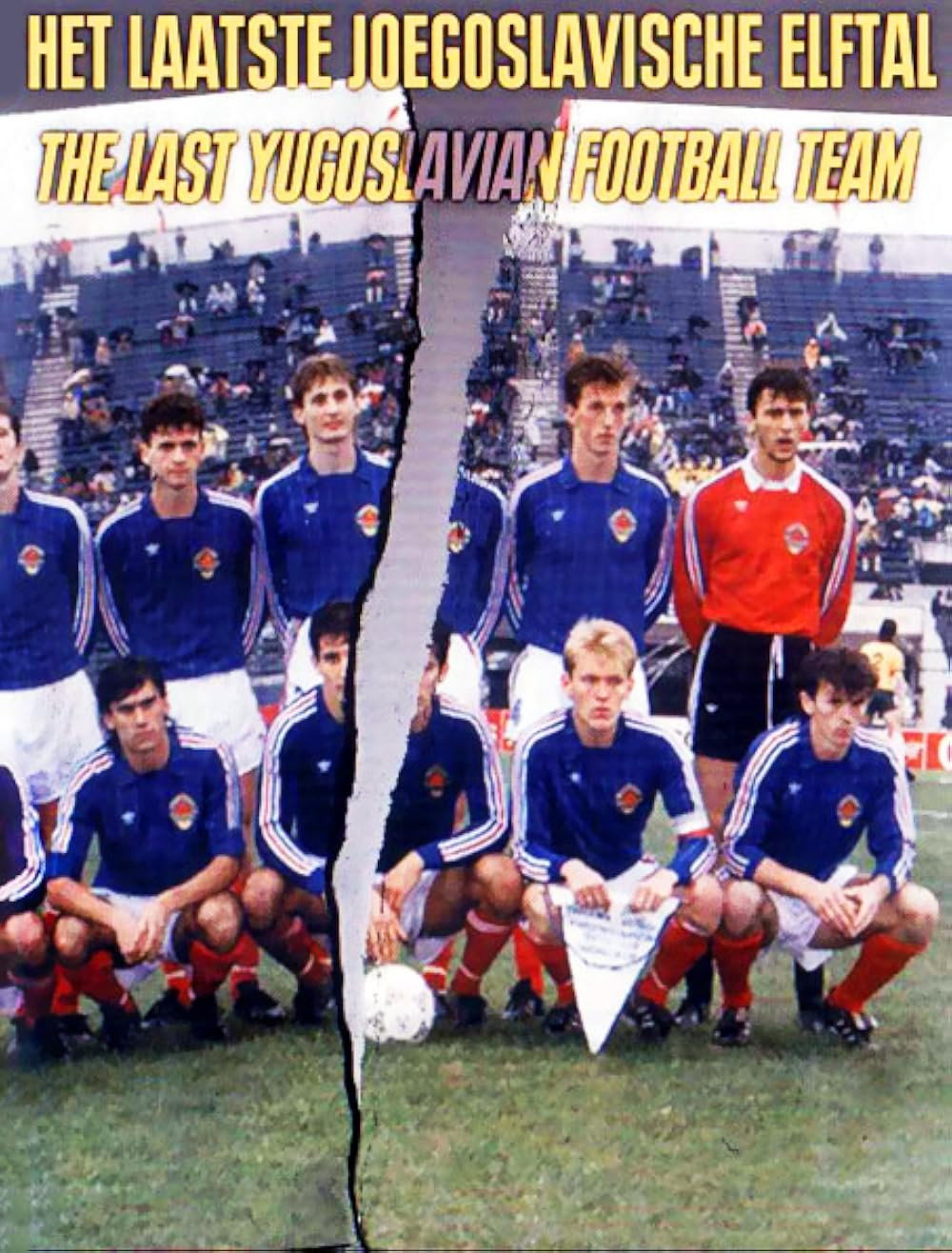
They were called ‘the golden generation’, the young Yugoslavian soccer players who won the Junior World Soccer Championships in 1987 in Chile. They became world-famous and today play in Rome, Milan and Madrid. But the country they represented in Chile no longer exists. Director Vuk Janic talks with soccer heroes like Zvonimir Boban and Sinisa Mihajlovic and visits the neighbourhoods they grew up in. Via the soccer, he tells the story of the disintegration of his country. The supporter riots in 1990 during the match between Red Star Belgrade and Dinamo Zagreb heralded the imminent war. Shortly after, the team fell apart. Seven years later, as national players of Croatia and little Yugoslavia, they compete in two charged qualification matches for the 2000 European Championships. Soccer is not war, but the war is never far away. The first match in Belgrade has to be cancelled due to NATO bombings, and the two national hymns are drowned in deafening whistles from the audience.
"(On the Quest for) Beograd Underground" is an independent documentary film in the form of a sequence of interviews with alternative artists from Serbia who have dedicated their lives to the creation of one (sub)culture, very rich in its nuances, yet very precarious in its existence. Numerous artists speak of their conceptions of the underground as a movement, a way of perceiving reality, a way of social engagement, and even a way of living. The specific socio-historical condition in the '90s resulted in intensive artistic activity as a response to the totalitarian regime. This film is a collection of the personal experiences of artists who were involved in the underground scene since the '90s until the first decade of the new millennium.
The film follows a famous model and stylist Maja Atanasijević in her lonely, but intense struggle to bring back forgotten values of a city.
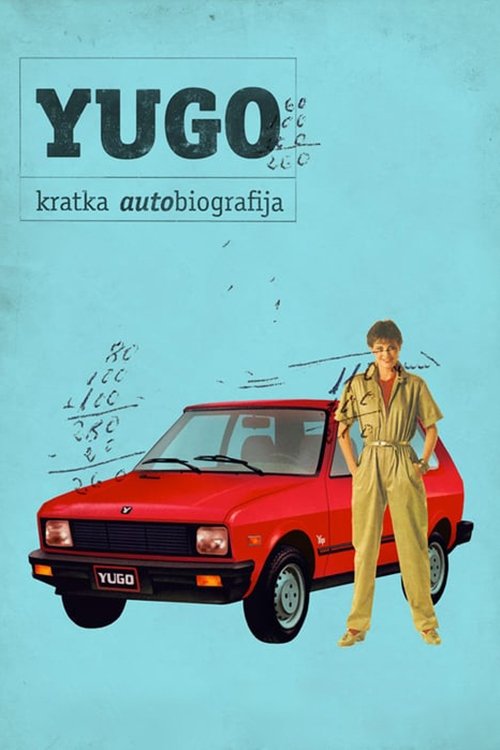
A half-hour fictional documentary film that, through the fates of different people, tries to illuminate the phenomenon of the YUGO car, a cute outsider of small capacities but big ambitions, in the period between 1980 and 2008, when it was manufactured. The film combines statements from authentic workers that were involved in the production of Yugo, archives, along with the reconstruction of different fragments from the Yugo's history which portray him both as a family and a thug's car, as a part of the great American Dream, or as a symbol of betrayed expectations. This film is a small 'commemorative' review of the history of an automobile that for a long time symbolized, in a jocular and veritable way, sometimes even by accident, the times in which he was manufactured.
A teenager arrives from Germany to his grandparents in Novi Sad. He can't adjust to Yugoslavian schools, system or slow way of life, so he asks his folks to go back, but his parents insist on him staying. What now?
This documentary was inspired by the artistic life of Serbian actress Sonja Savić. Being a wonder child, a star of Yugoslavian cinematography, a sex symbol, and urban legend of the eighties generation, a fighter against establishment, Sonja Savić had always attracted attention. Simply put, she always looked, spoke and thought differently from others, she was entirely autonomous, an authentic phenomenon of Serbian culture. In the documentary SONJA, friends and colleagues of Sonja Savić testify on many aspects of her life and work, and a special emphasis is put on Sonja’s libertarian, rebellious, Don Quixote type of nature.
After Bucharest, Belgrade is European city with the most stray dogs in Europe. This documentary shows the treatment of countless abandoned dogs in Serbia's capital.
This is the first feature, as well as the first sound film made in Yugoslavia. It is a collection of vignettes made for tourism purposes showing the most beautiful parts of the country.
Through deeply personal interviews with her siblings and an examination of the photographs, letters, and belongings left behind, Mariska assembles a new portrait of her mother Jayne Mansfield, an extraordinary and complex woman.
In an intimate and joyful story of love in the face of loss, celebrated poets Andrea Gibson and Megan Falley find strength—and unexpected hilarity—in what might be their final year together.
Daniel Craig candidly reflects on his 15 year adventure as James Bond. Including never-before-seen archival footage from Casino Royale to the upcoming 25th film No Time To Die, Craig shares his personal memories in conversation with 007 producers, Michael G Wilson and Barbara Broccoli.
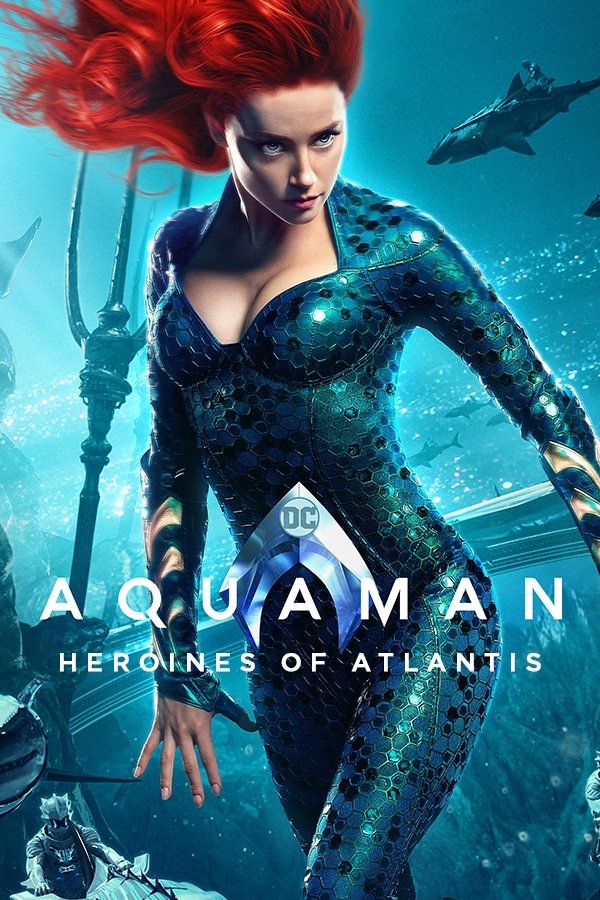
Amber Heard and Nicole Kidman discuss their characters Mera and Atlanna.
A documentary about the life and films of director John Ford.
Al Pacino's deeply-felt rumination on Shakespeare's significance and relevance to the modern world through interviews and an in-depth analysis of "Richard III."
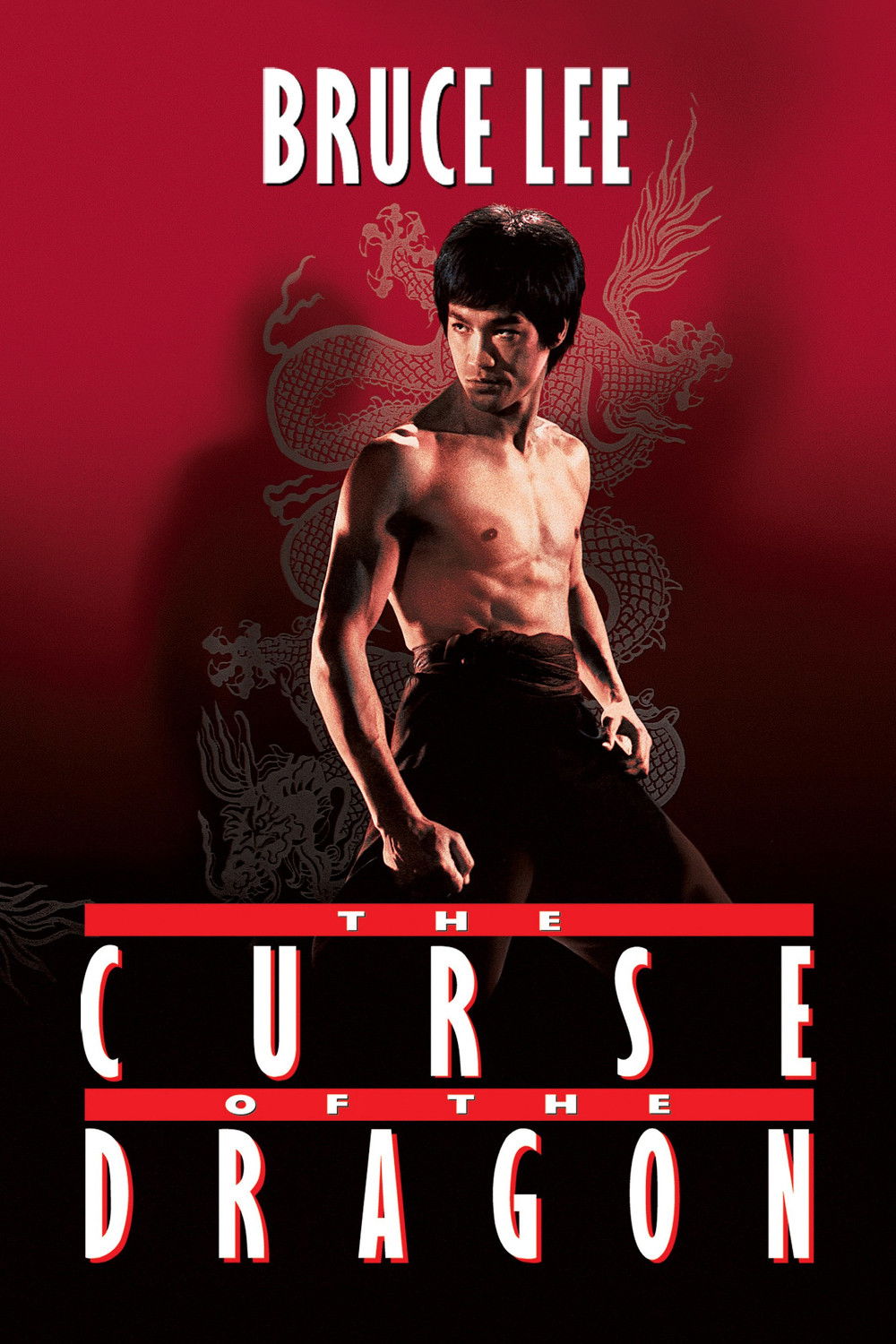
A 1993 documentary film about Bruce Lee. The film includes interviews from some of his fellow students and opponents who worked alongside him in his movies.
A string of threatening emails escalates into a revenge plot involving a newly married US marshal and his ex-girlfriend.
Ranjit, a farmer in India, takes on the fight of his life when he demands justice for his 13-year-old daughter, the victim of a brutal gang rape. His decision to support his daughter is virtually unheard of, and his journey unprecedented.
A compilation of over 30 years of private home movie footage shot by Lithuanian-American avant-garde director Jonas Mekas, assembled by Mekas "purely by chance", without concern for chronological order.
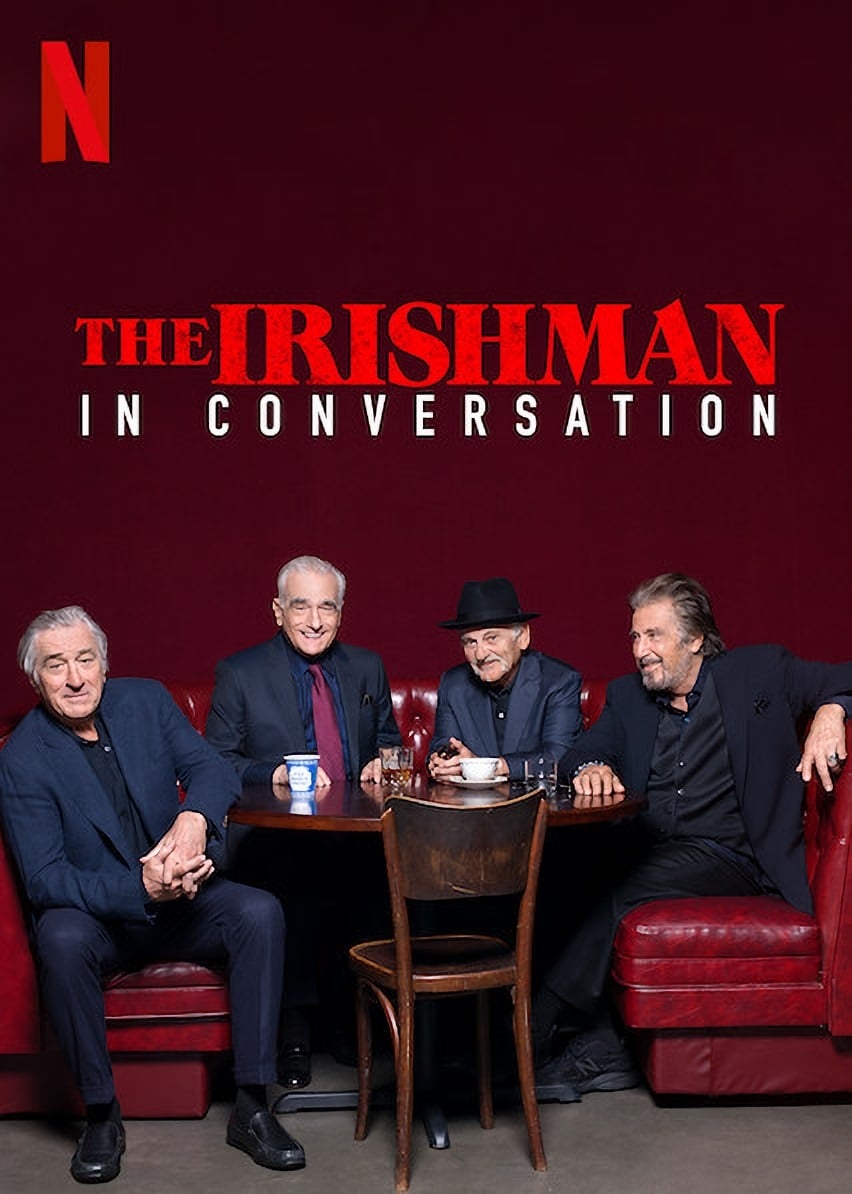
Martin Scorsese, Robert De Niro, Joe Pesci, and Al Pacino in conversation about The Irishman.
A detailing of the rise to prominence and global sporting superstardom of six supremely talented young Manchester United football players (David Beckham, Nicky Butt, Ryan Giggs, Paul Scholes, Phil and Gary Neville). The film covers the period 1992-1999, culminating in Manchester United's European Cup triumph.
An inside look at one of the most anticipated movie sequels ever with James Cameron and cast.
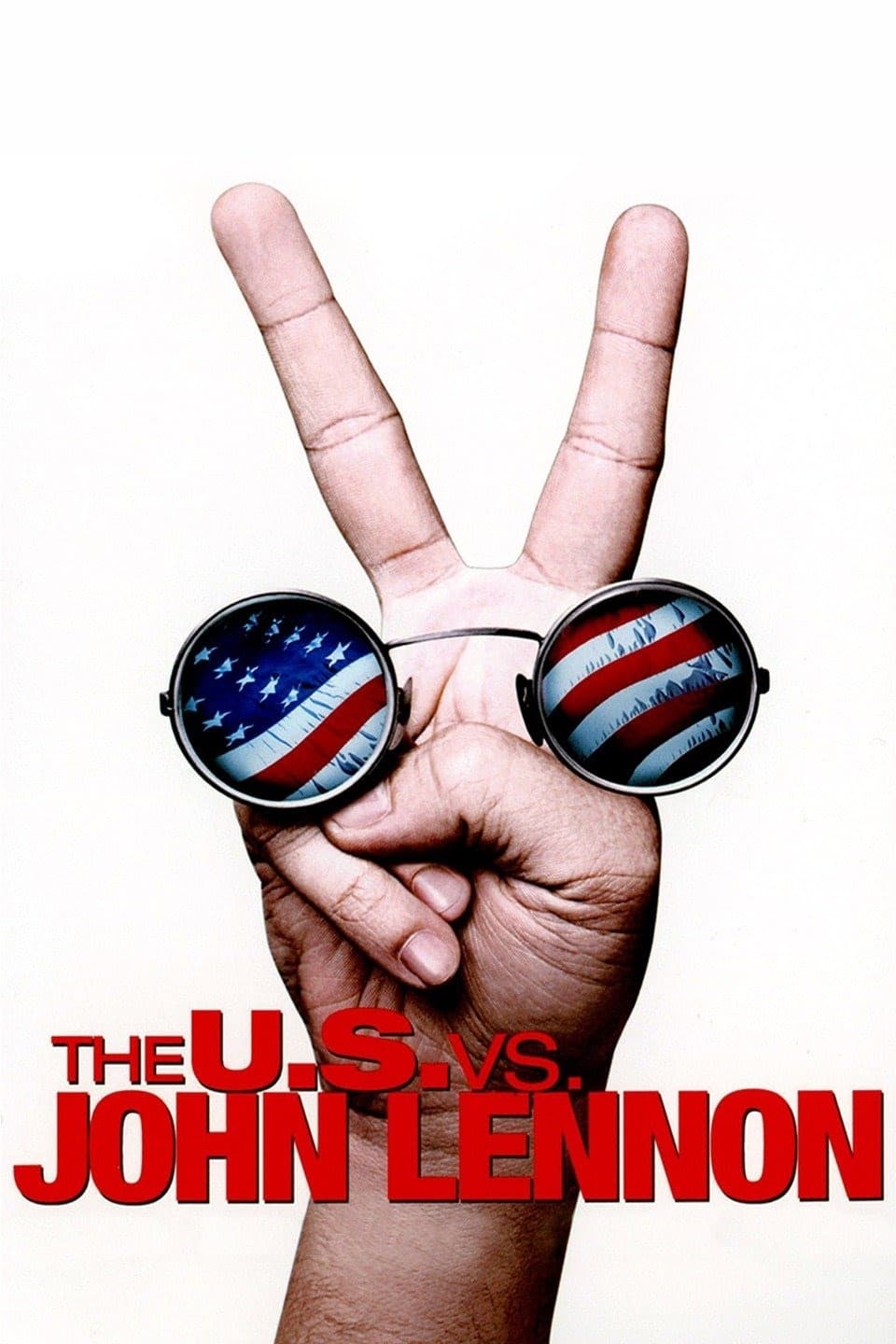
A documentary on the life of John Lennon, with a focus on the time in his life when he transformed from a musician into an antiwar activist.
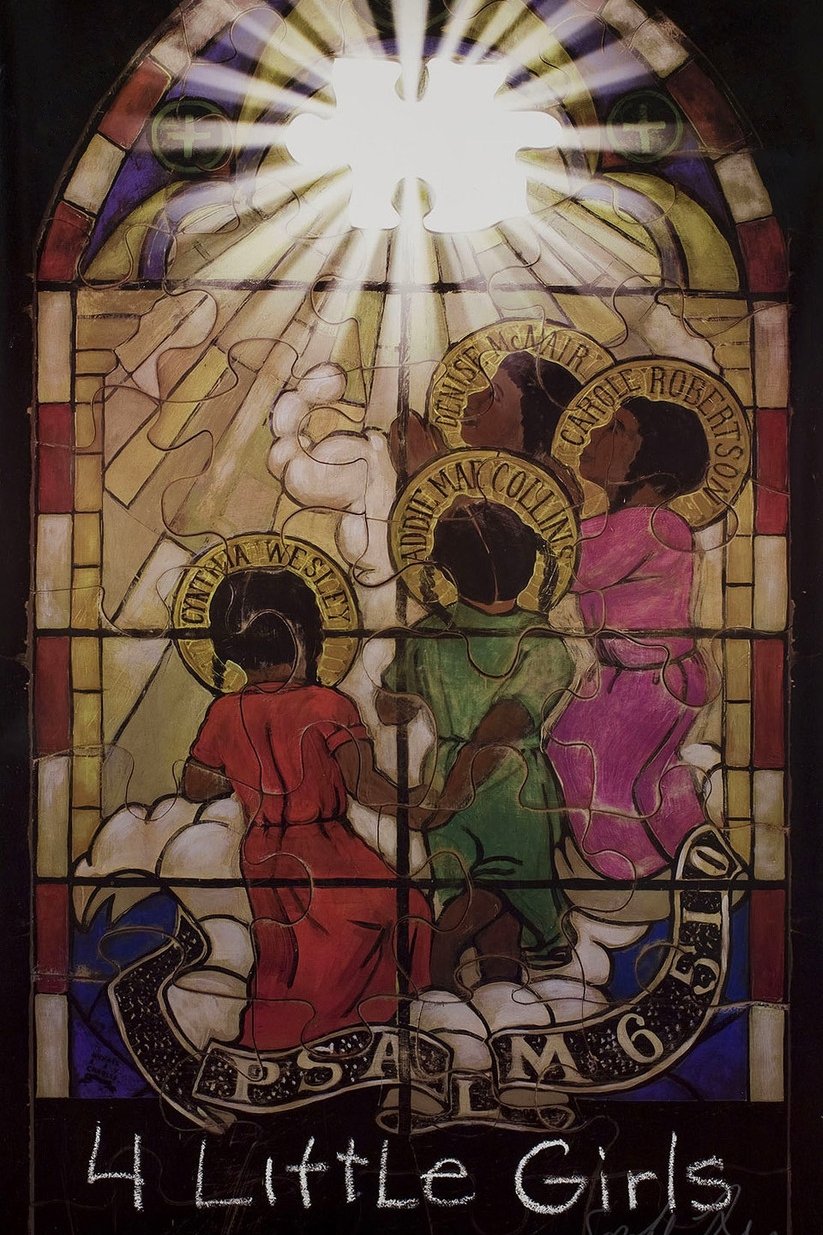
On September 15, 1963, a bomb destroyed a black church in Birmingham, Alabama, killing four young girls who were there for Sunday school. It was a crime that shocked the nation--and a defining moment in the history of the civil-rights movement. Spike Lee re-examines the full story of the bombing, including a revealing interview with former Alabama Governor George Wallace.
The Making-of James Cameron's Avatar. It shows interesting parts of the work on the set.
The life and career of an actor, artist, and icon. His own journey through his own camera.
The life and career of one of comedy's most inimitable modern voices, Mr. Gilbert Gottfried.
Artists in LA discover the work of forgotten Polish sculptor Stanislav Szukalski, a mad genius whose true story unfolds chapter by astounding chapter.
Behind the scenes look at fight choreography and action training.