A letter to what has gone before. And to what is to come.
Social & External
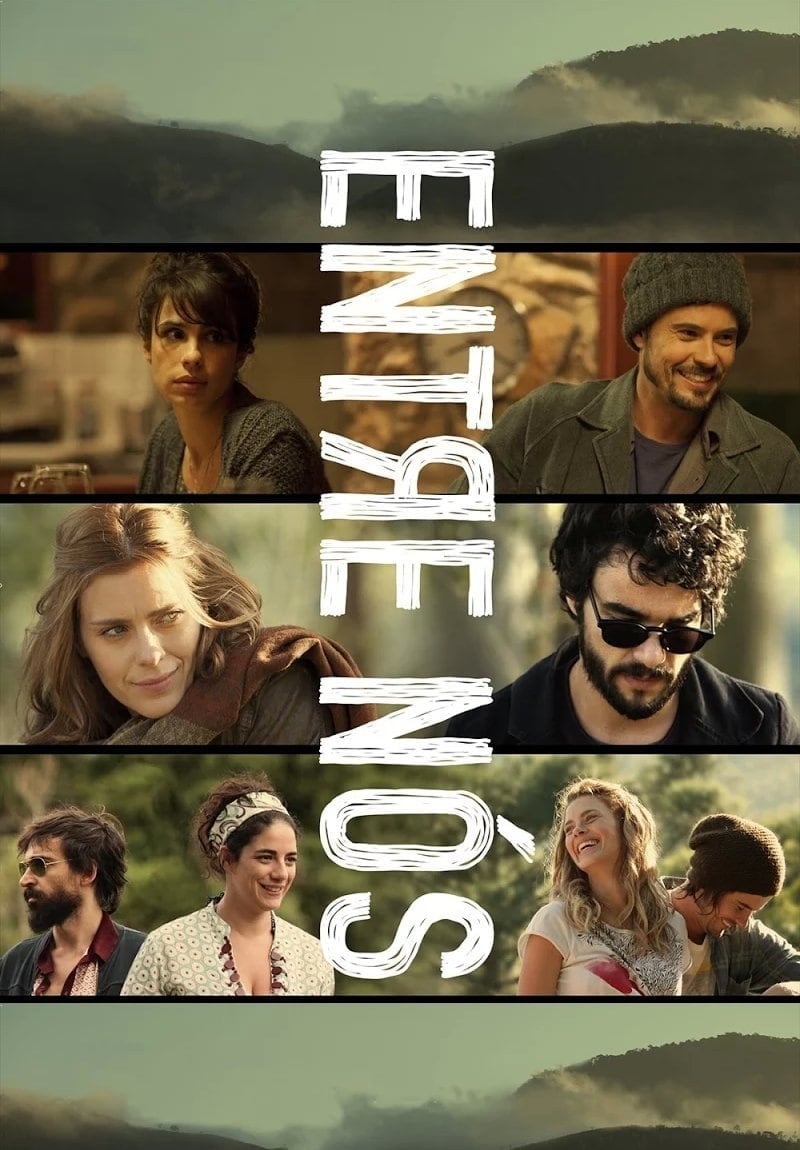
The people behind it
Kely Nascimento
Voz
João Ives
Mãos
Letícia Silva
Vinícius Dórea
Olhos
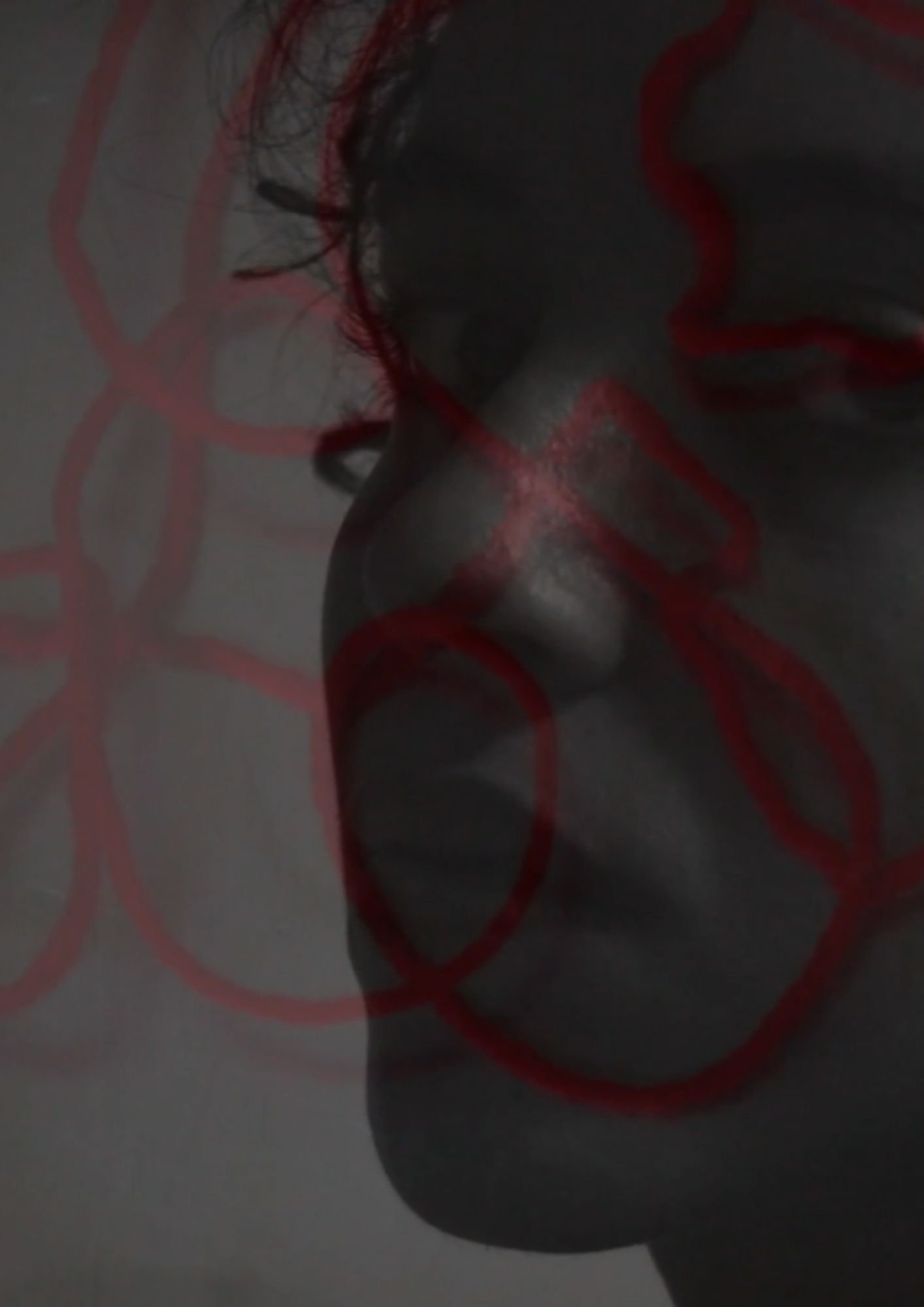
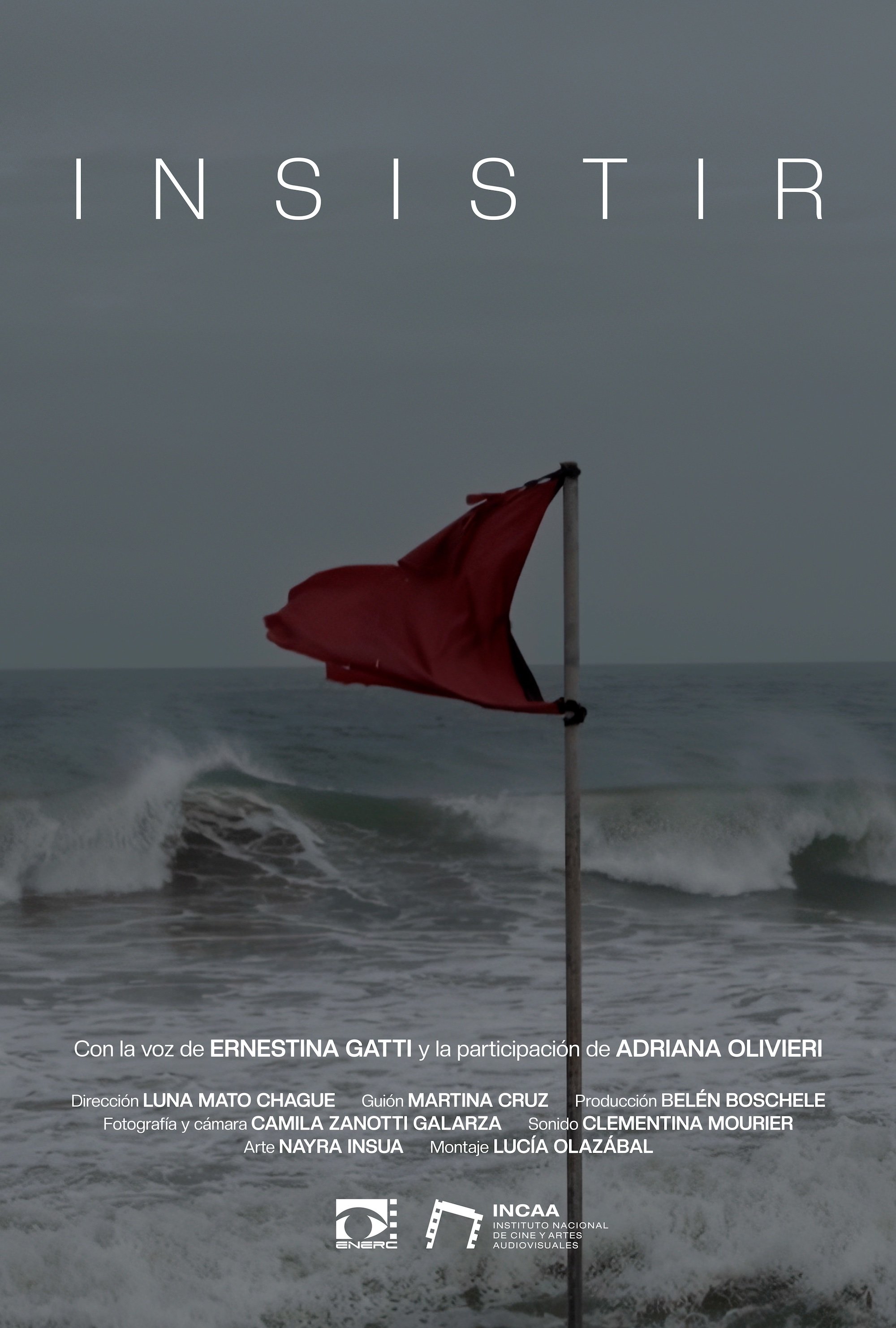
A documentary about the sea and memory. Its movement is its form. Its strength.
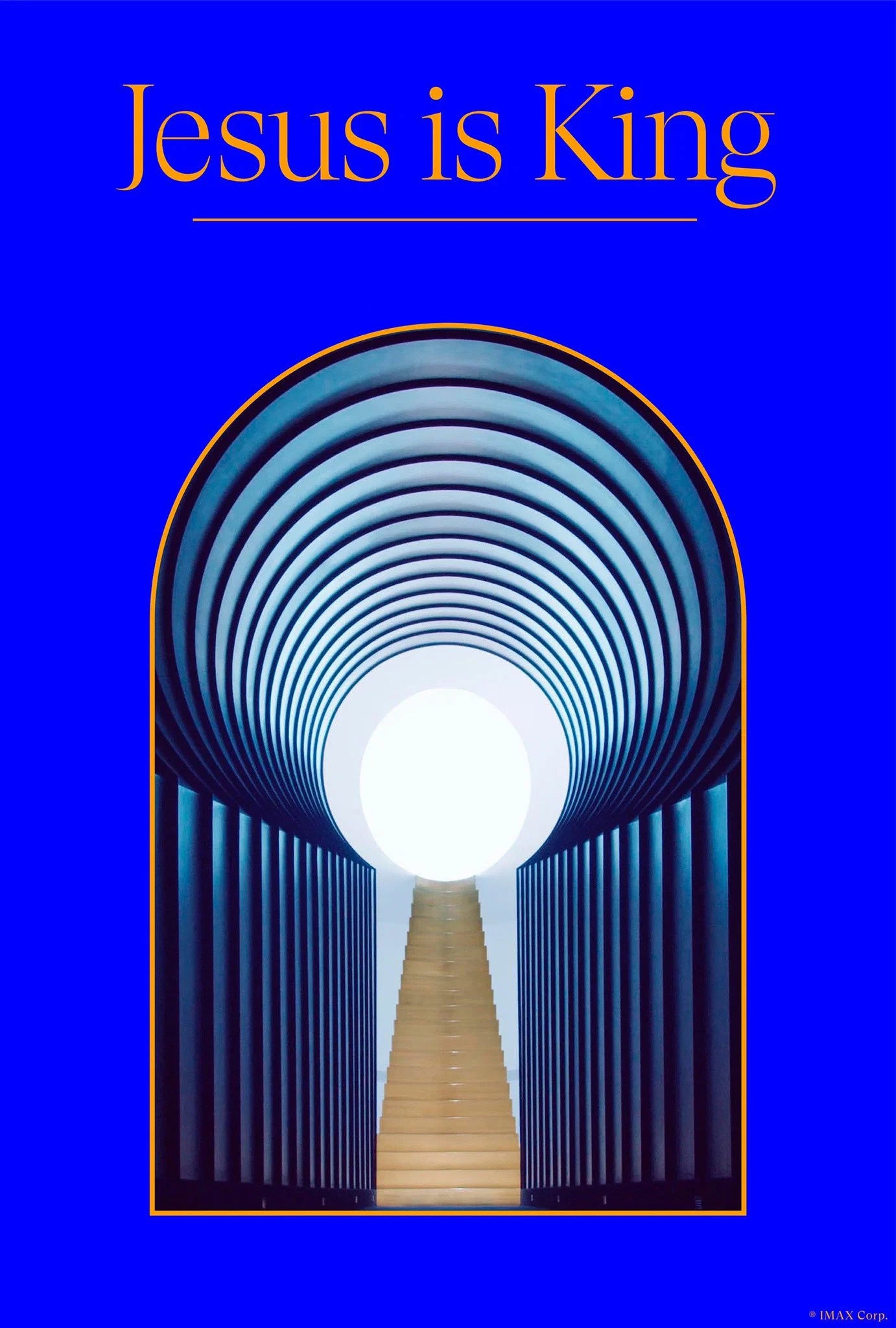
Filmed during summer 2019, Jesus Is King brings Kanye West’s famed Sunday Service to life in the Roden Crater, visionary artist James Turrell’s never-before-seen installation in Arizona’s Painted Desert. This one-of-a-kind experience features songs arranged by West in the gospel tradition along with new music from his forthcoming album.
Light Pharmacy: 4.1 is part of a series of 'film haiku' concerned primarily with the reflection and refraction of sunlight, and dream representation.---AGN "A surreal fantasy - almost a homage to Maya Deren. Nigrin has a fine feeling for imagery and pacing."---William Sloan, Museum of Modern Art, New York City, 1988.
An afternoon of training for Olympic diver Greg Louganis transforms into a visual poem about freedom, the flight of the spirit, and the astonishing physical prowess of which the human body is capable. The title of this award-winning short film alludes to the mythical kingfisher, a harbinger of calm after the storm and a symbol of grace, elegance, and vigor.
A film about peace, love and war. Dedicated to the 100th anniversary of the end of the Civil War in Russia. The film takes place at the end of the summer of 1917, when Russia and the whole world were at a crossroads between two eras. None of the people could even imagine how much his life would change in the very near future. In a strange way, the atmosphere of the film echoes our current reality and what is happening in Russia today. According to the form of visualization, the film belongs to experimental mockumentary cinema. To give greater authenticity to what is happening on the screen, the shooting was carried out on black-and-white negatives of 16 and 35 mm, hand-operated cameras were used and the material was developed in manual spiral tanks. The documentary chronicle of the Kolchak army of 1919 and the White army in the Far East of 1922 is embedded in the finale of the film.
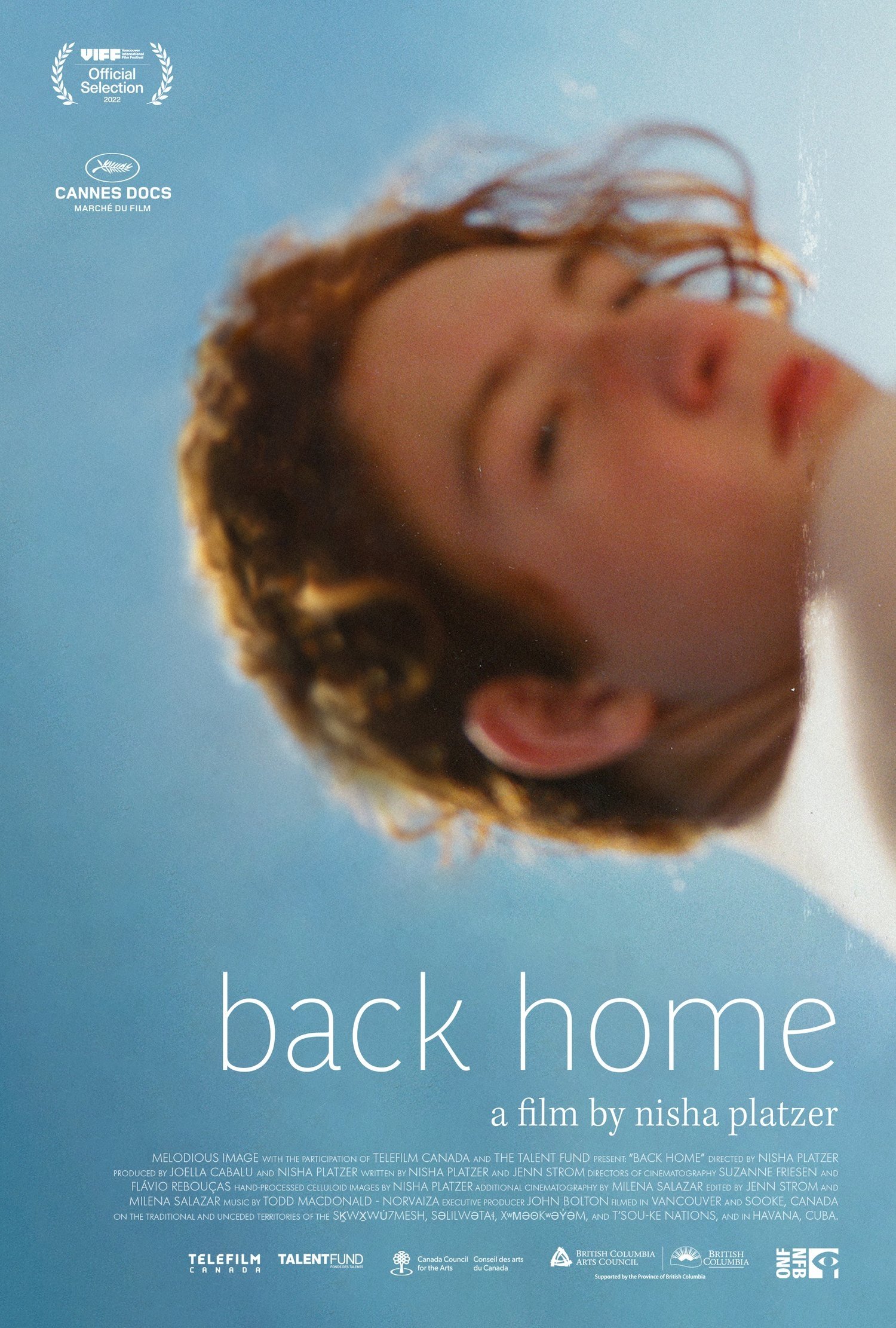
In 1999, 11-year-old Nisha Platzer lost her older brother, Josh, to suicide. Twenty years later, her search for a specialized medical treatment leads her to the door of someone who was once exceptionally close to Josh. And so it is that she finally has the chance to truly know her brother through his chosen family. Captured over five years in which synchronicities continually manifested, Platzer’s documentation of these encounters gently asserts that both grieving and healing are meant to be communal experiences.
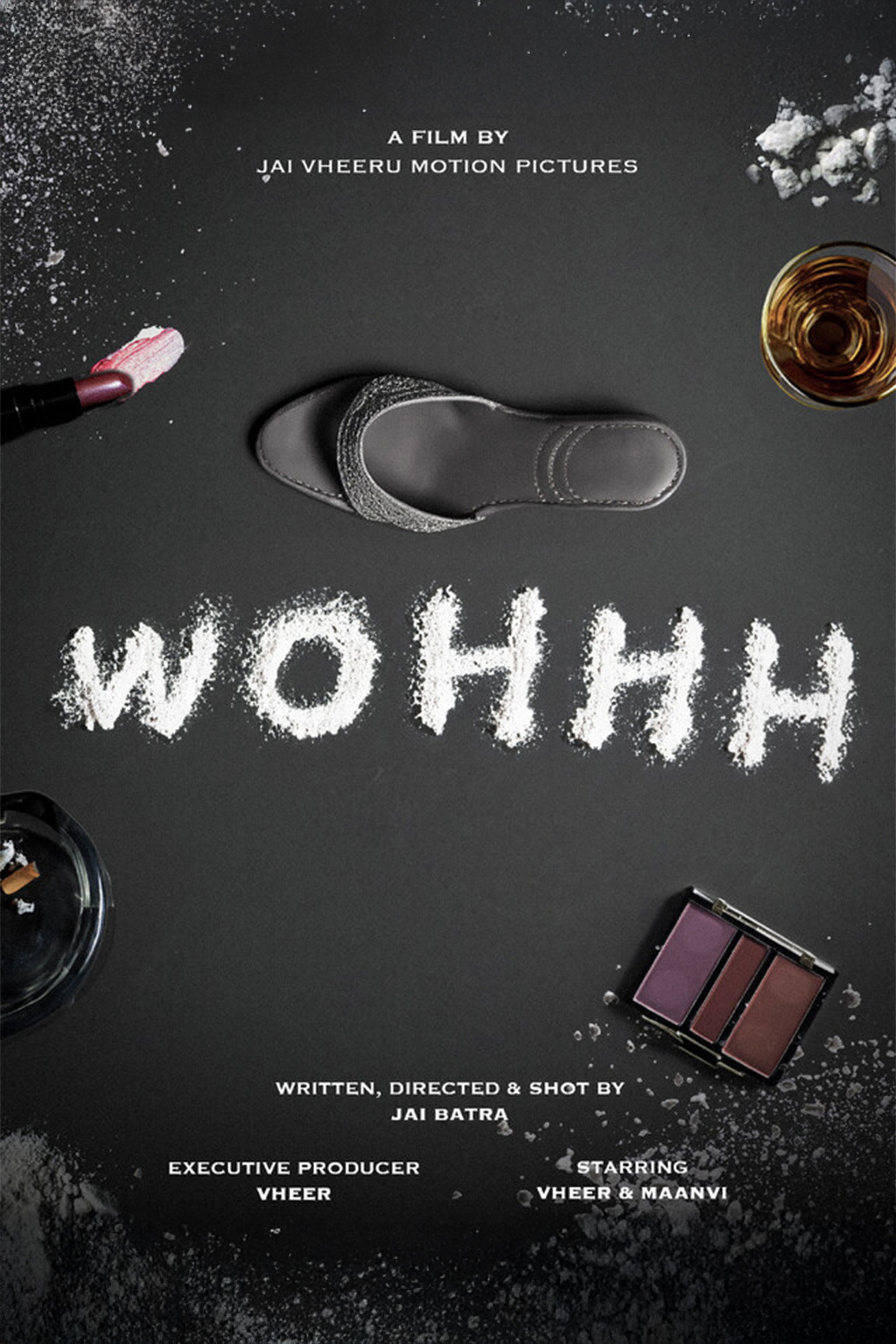
Ten years ago, Arjun Singh and Tara Kapoor were inseparable-two young souls lost in love, dreaming of a future together. Their days were filled with laughter, stolen moments, and whispered promises of forever. But forever never came. Now, a decade later, Arjun finds himself in the dead of night, at an almost desolate five-star hotel room, a far cry from the life he once imagined. He is no longer the boy who believed in love-he is a man hardened by crime, preparing for the biggest drug deal of his life, one that could set him free. As the clock strikes 3:33 AM, shadows of the past begin to creep in. He sees glimpses of Tara-her laughter, her touch, her presence-as if time itself is mocking him.
A meditation on film, language, and human nature.
You're waiting,aren't you?
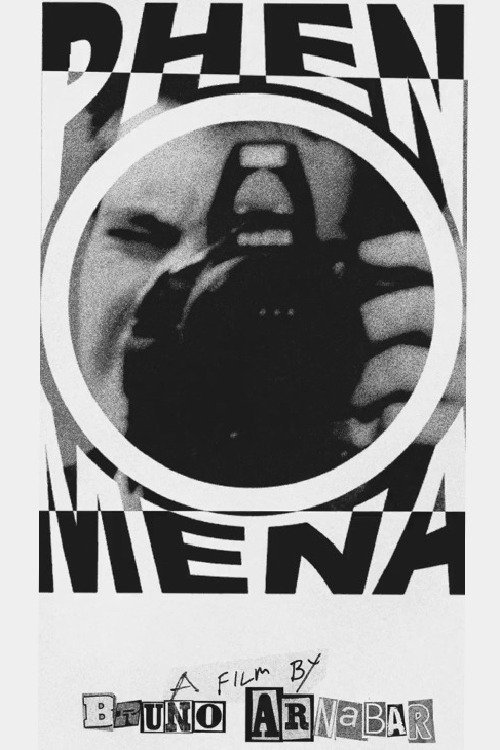
A theoretical exercise can stem from a physical one: using the camera as if it was the vibrating device placed on the olive trees for the harvest of its fruit, the final result is a series of original and intriguing images. The camera shakes, gets in and out of focus, and we don’t exactly know what is happening. At first this is a strange disorientation, but then you get used to it through the cyclical mechanical noise that joins the images. The words of a peaceful female voice allows you to frame the film: a visual exercise after all can also be free.
A human figure synergizes with the light and questions its existence and society's expectations of it.
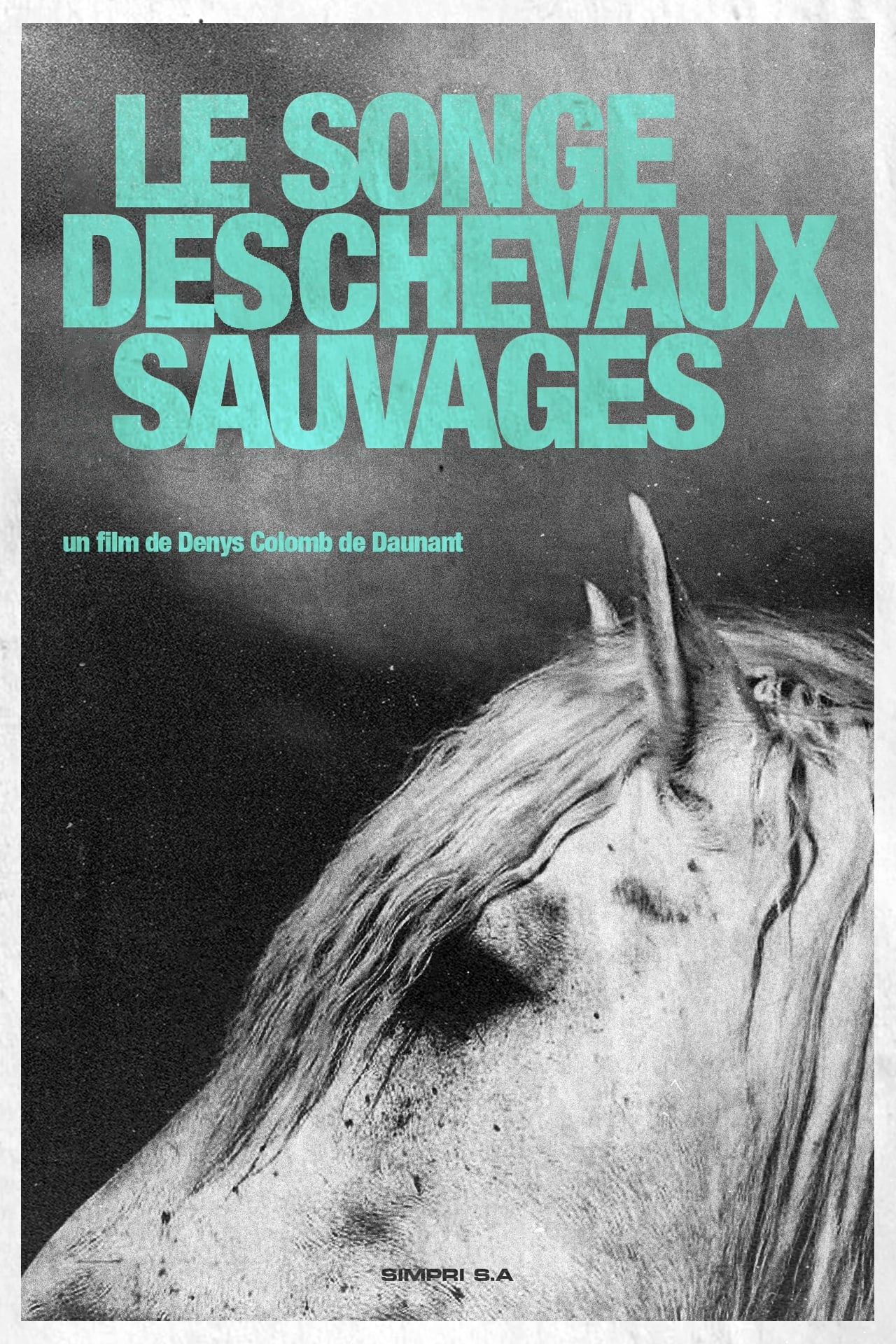
The horses in Denys Colomb Daunant’s dream poem are the white beasts of the marshlands of the Camargue in South West France. Daunant was haunted by these creatures. His obsession was first visualized when he wrote the autobiographical script for Albert Lamorisse’s award-winning 1953 film White Mane. In this short the beauty of the horses is captured with a variety of film techniques and by Jacques Lasry’s beautiful electronic score.
Experiencing extreme sleep deprivation for months, a young man tape-records his memories for preservation against sinister, clandestine watchers.
An experimental short film about sensory seeking behaviour in childhood. Filmed on VHS.
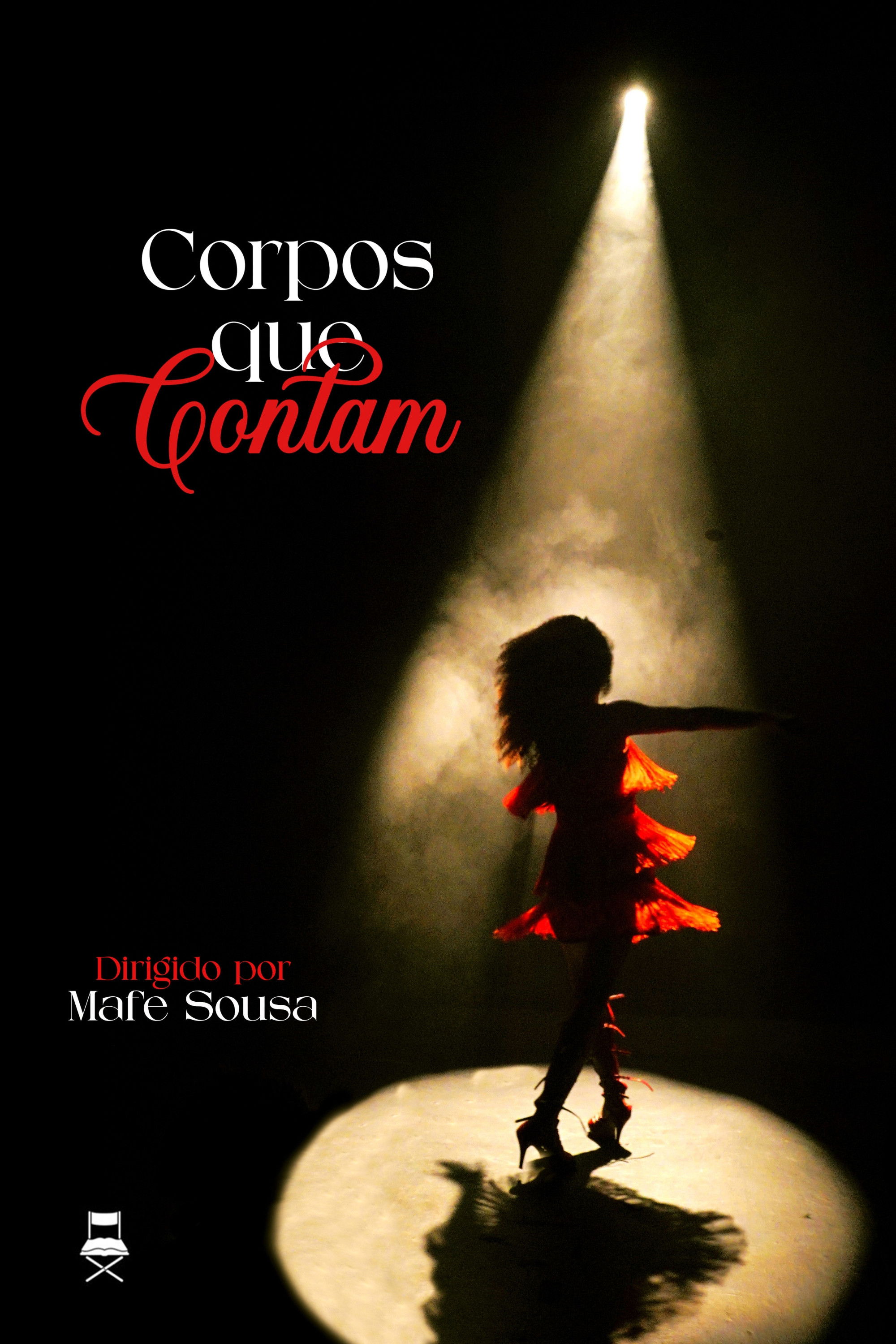
Samba, Popping, and Jazz. Through these dance styles and documentary interviews, Bodies That Tell Stories seeks to discuss the standardization and whitening of dances that had their roots in Black people.
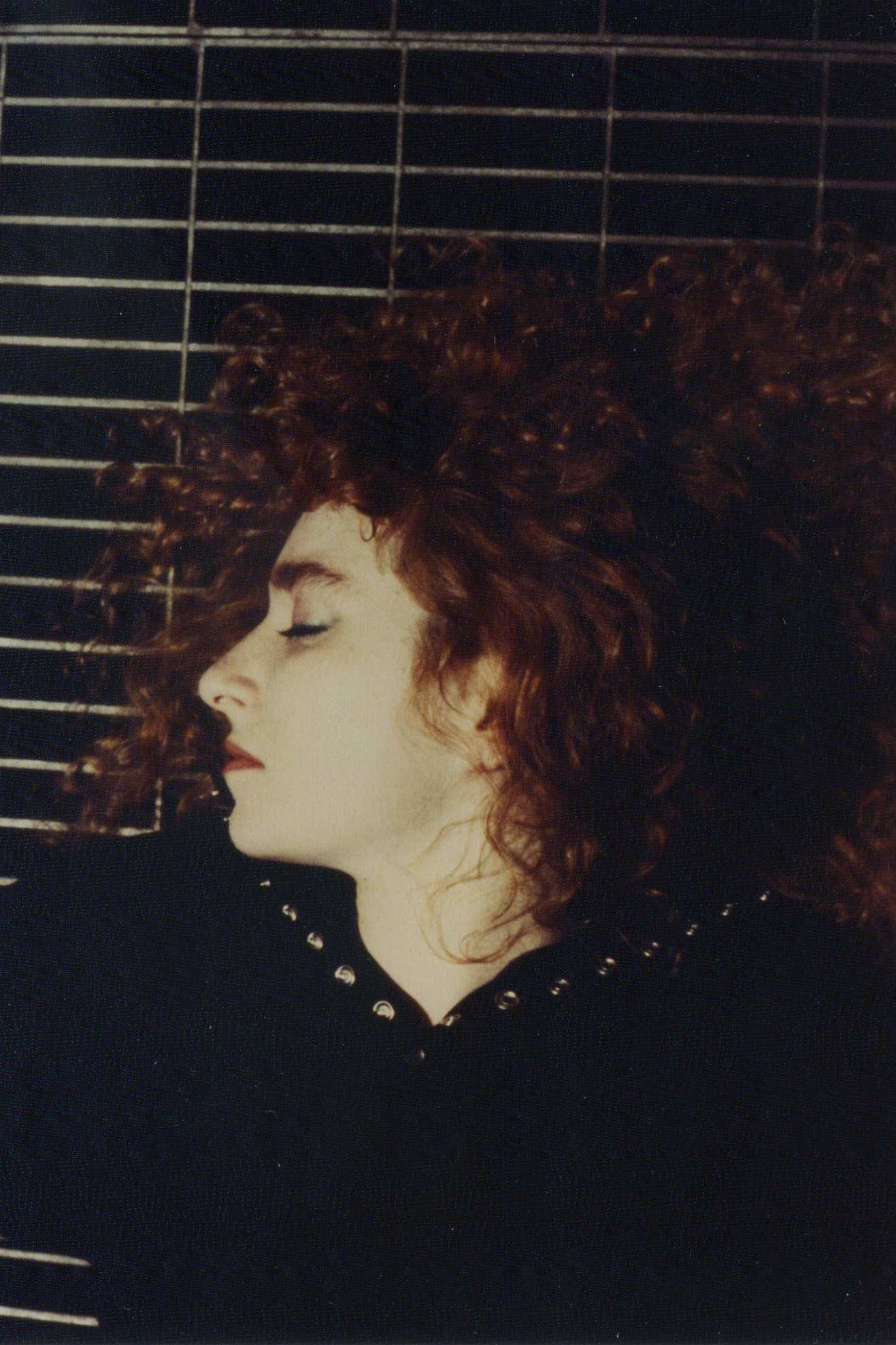
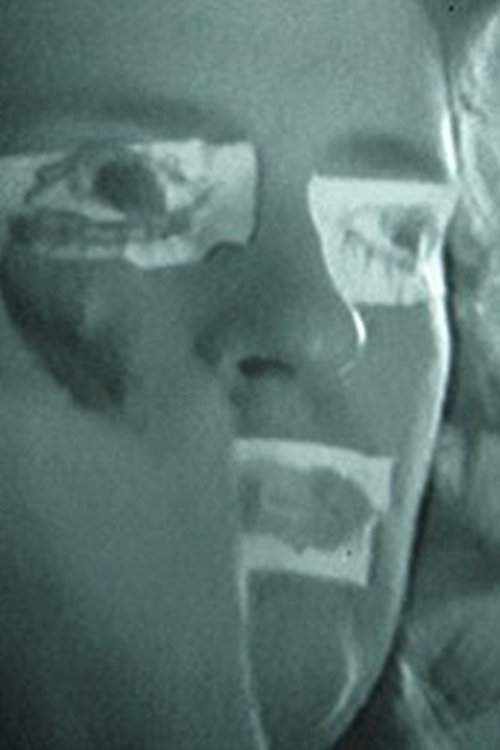
In Preparação I (Preparation I) Letícia Parente prepares herself to go out. In front of a bathroom mirror, she places bandages over her mouth and eyes, draws eyes and a mouth over the bandages, fixes her hair, takes her bag and leaves the room. This masquerade becomes a political commentary about the female gaze, voice, modes of interaction, sociality and corporeality in Brazilian society during the 1970s.
Experimental short film on the theme of repetition.
Amoré (1min, 16mm film loop, experimental installation) In 2005, Amoré won the Best Canadian Film award at Toronto’s International One-minute Film Festival and in 2011, it won the Jury Prize for Experimental Film at the Toronto Underground Film Festival.
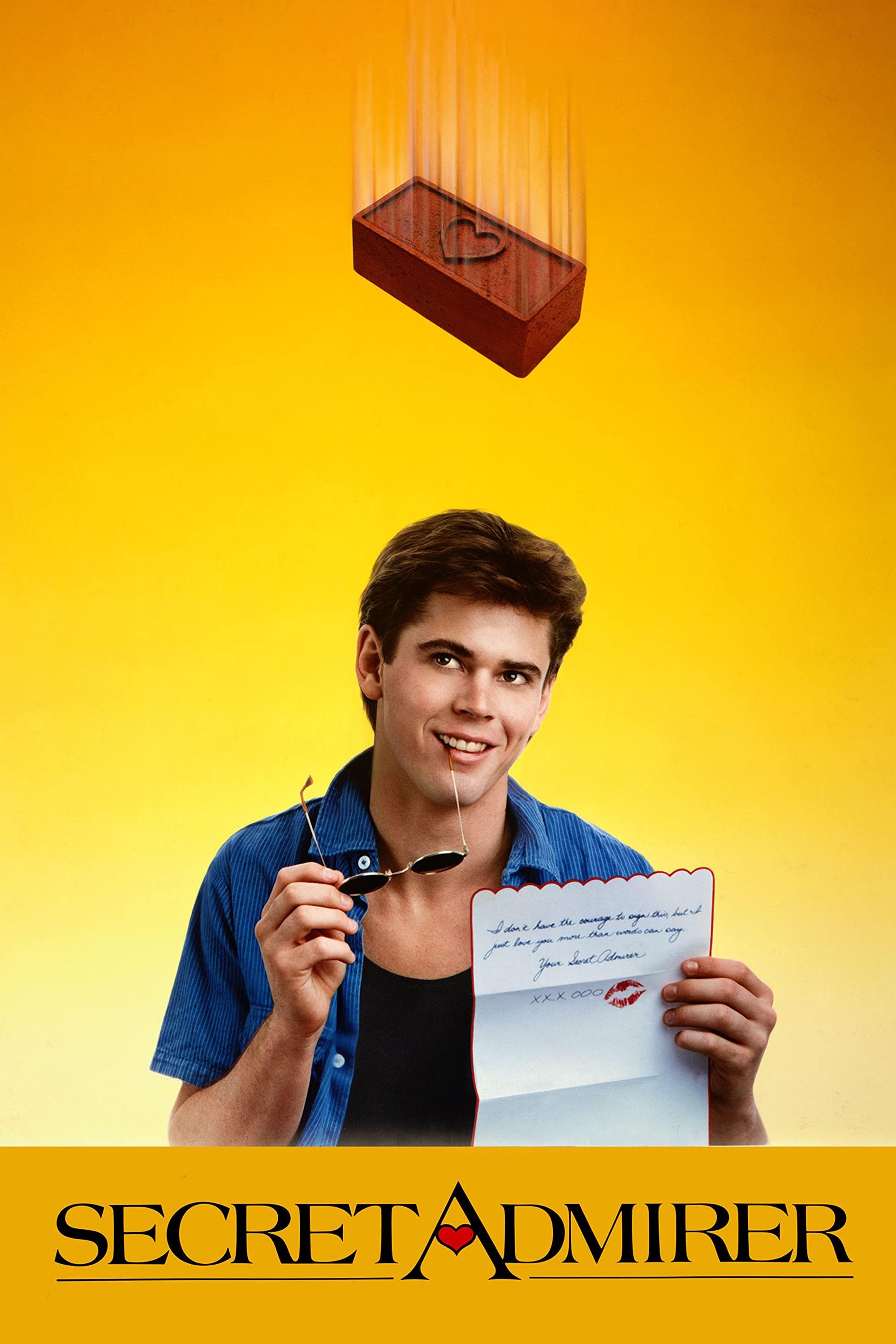
An anonymous love letter left in Michael Ryan's locker on the last day of school wreaks havoc on his life and the lives of everyone who comes in contact with it.
Takes us to locations all around the US and shows us the heavy toll that modern technology is having on humans and the earth. The visual tone poem contains neither dialogue nor a vocalized narration: its tone is set by the juxtaposition of images and the exceptional music by Philip Glass.
A group of literature-loving friends bury letters to be opened 10 years later when they will confront the dreams of their youth with what the future has held in store for them.
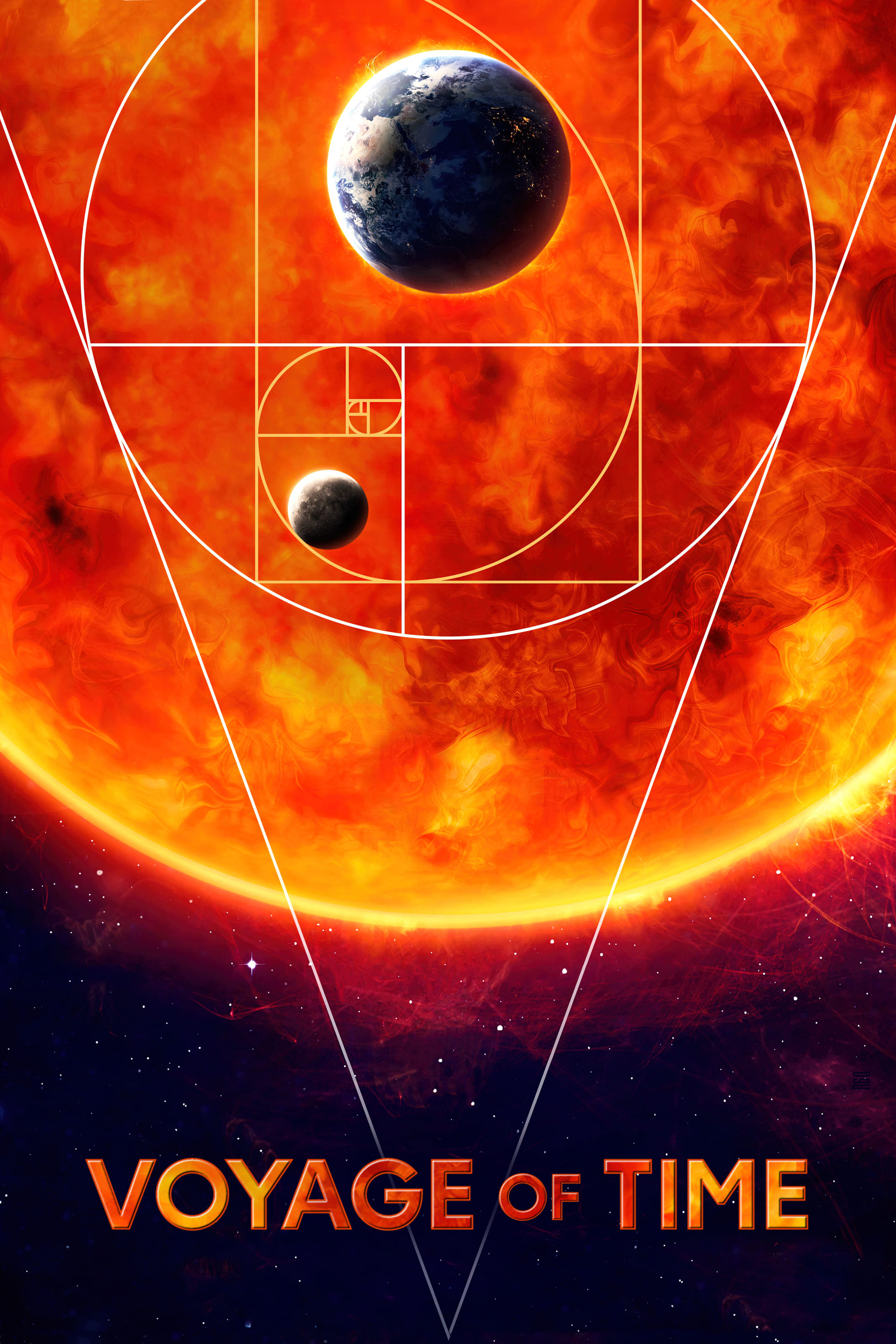
A celebration of the universe, displaying the whole of time, from its start to its final collapse. This film examines all that occurred to prepare the world that stands before us now: science and spirit, birth and death, the grand cosmos and the minute life systems of our planet.
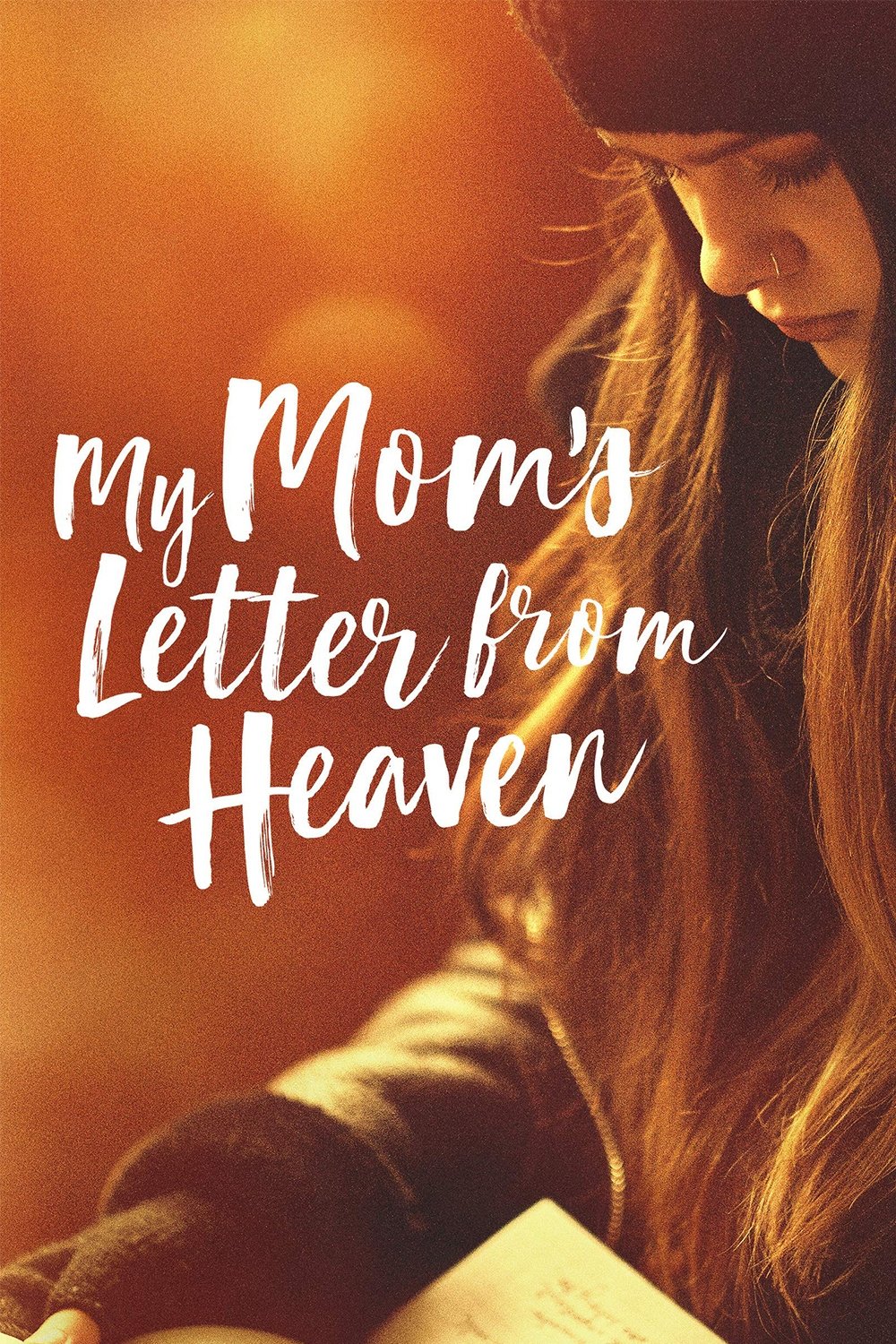
A single father has a fractious relationship with his rebellious teenage daughter. When a lost letter written to the daughter from her dying mother is miraculously found, everything starts to turn around.
A visual montage portrait of our contemporary world dominated by globalized technology and violence.
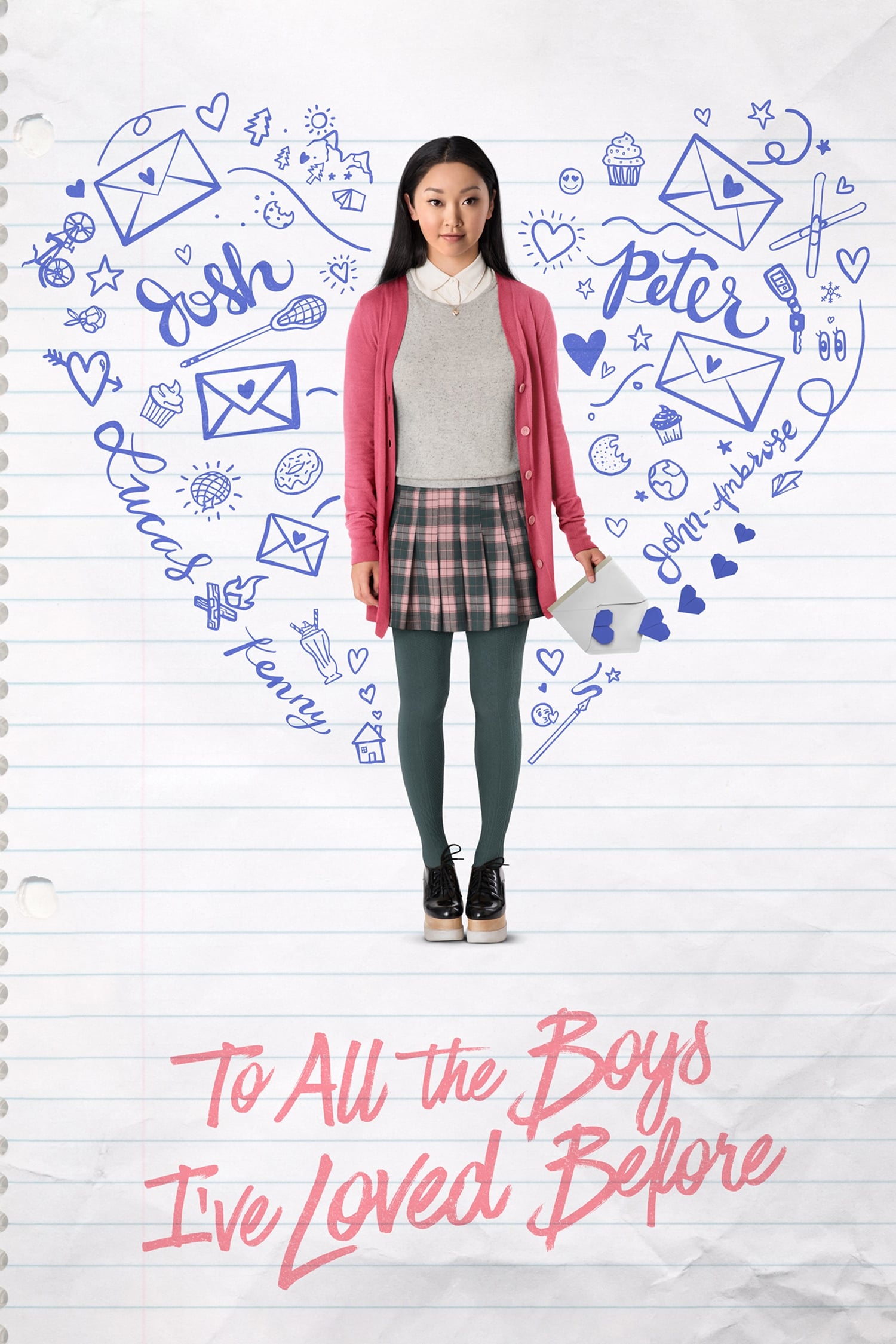
Lara Jean's love life goes from imaginary to out of control when her secret letters to every boy she's ever fallen for are mysteriously mailed out.
Musician and performance artist Laurie Anderson reflects on the deaths of her husband Lou Reed, her mother and her beloved dog.
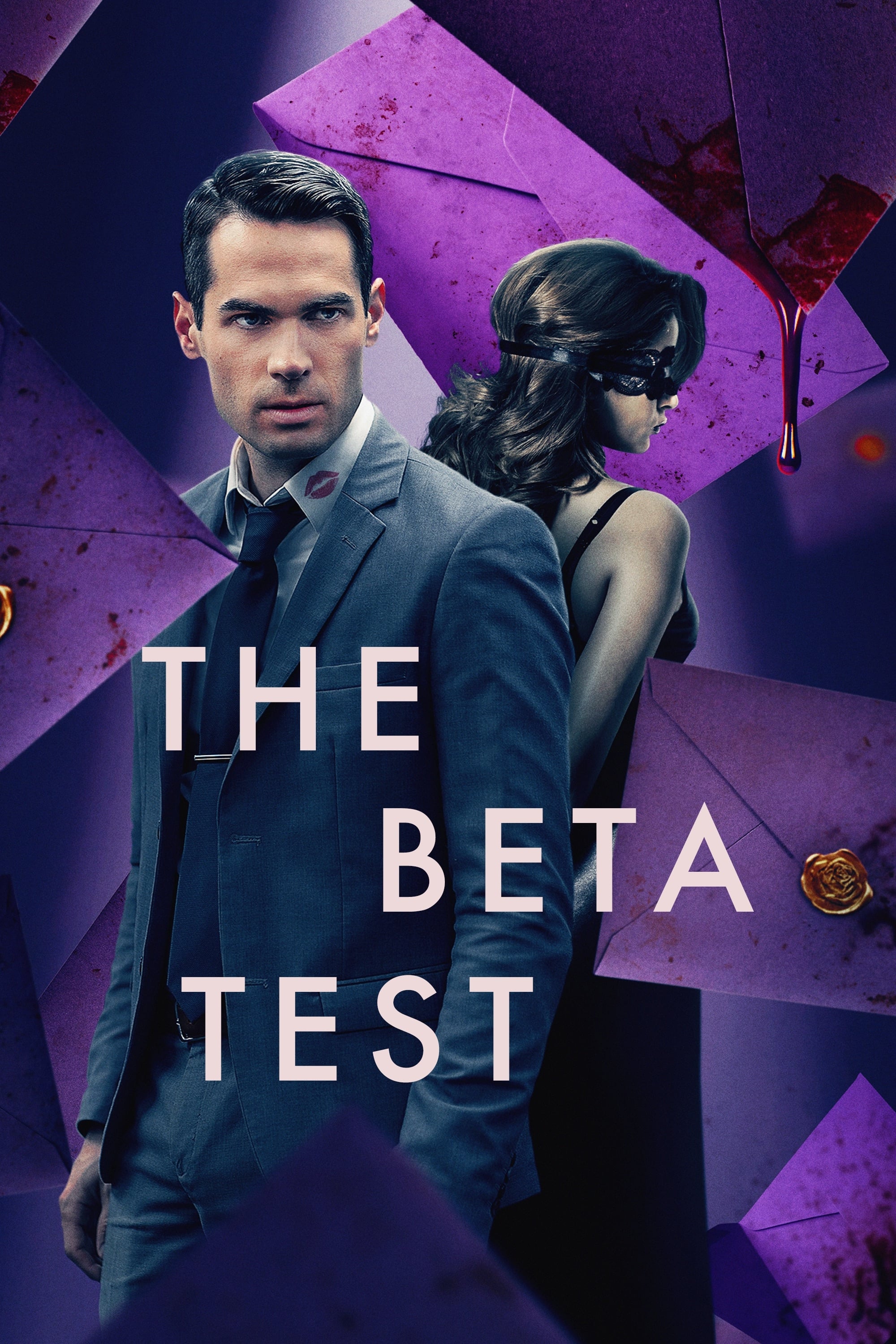
An engaged Hollywood agent receives a mysterious letter for an anonymous sexual encounter and becomes ensnared in a sinister world of lying, infidelity, and digital data.
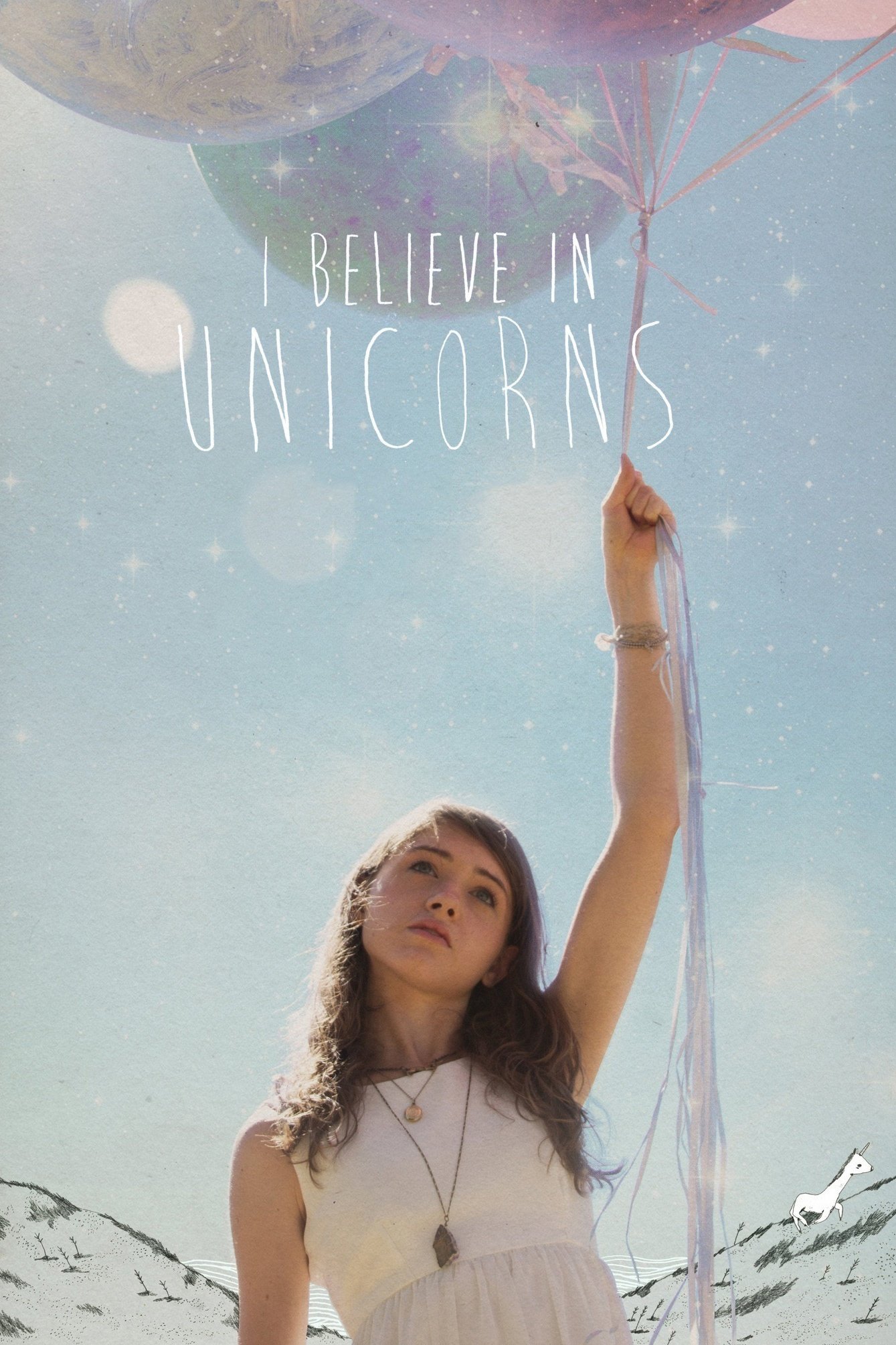
Feeling awkward and isolated, an imaginative and strong-willed teenage girl runs away from home with an older punk rock drifter.
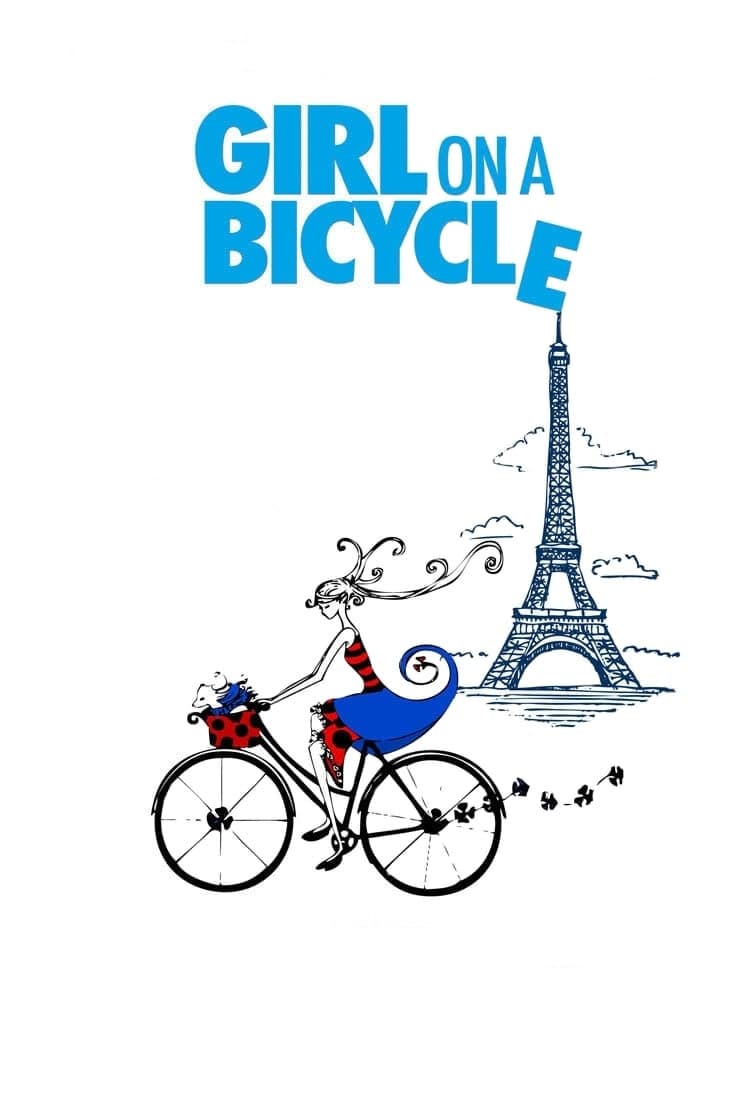
Paolo, an Italian tour bus driver living in Paris, has just summoned up the courage to propose marriage to his German girlfriend Greta. However, a chance encounter with a French woman on a bicycle the very next day turns Paolo's life upside down.
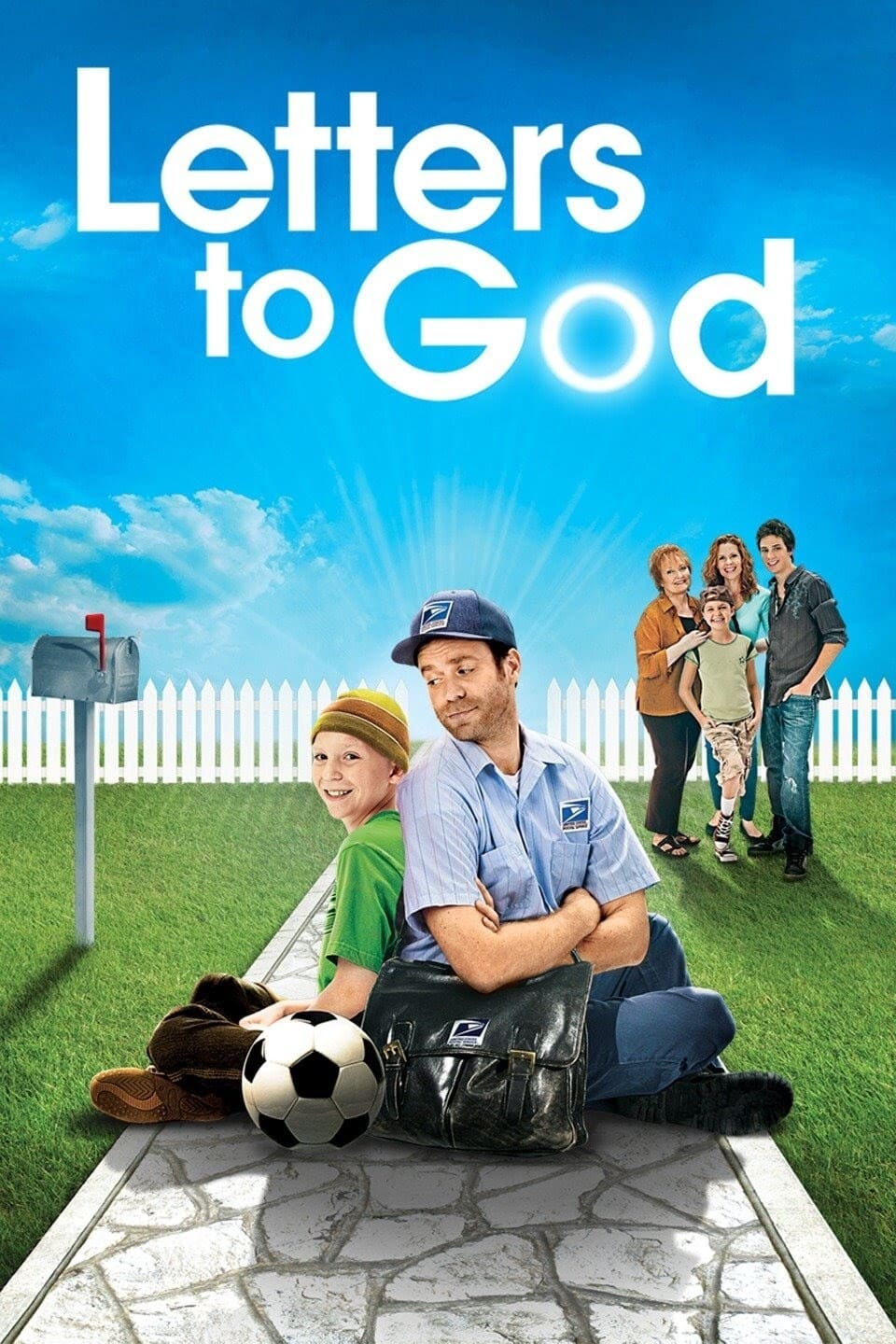
A young boy fighting cancer writes letters to God, touching lives in his neighborhood and inspiring hope among everyone he comes in contact. An unsuspecting substitute postman, with a troubled life of his own, becomes entangled in the boy's journey and his family by reading the letters. They inspire him to seek a better life for himself and his own son he's lost through his alcohol addiction.
While attending a retrospect of his work, a filmmaker recalls his life and his loves: the inspirations for his films.
Against a plain, unchanging blue screen, a densely interwoven soundtrack of voices, sound effects and music attempt to convey a portrait of Derek Jarman's experiences with AIDS, both literally and allegorically, together with an exploration of the meanings associated with the colour blue.
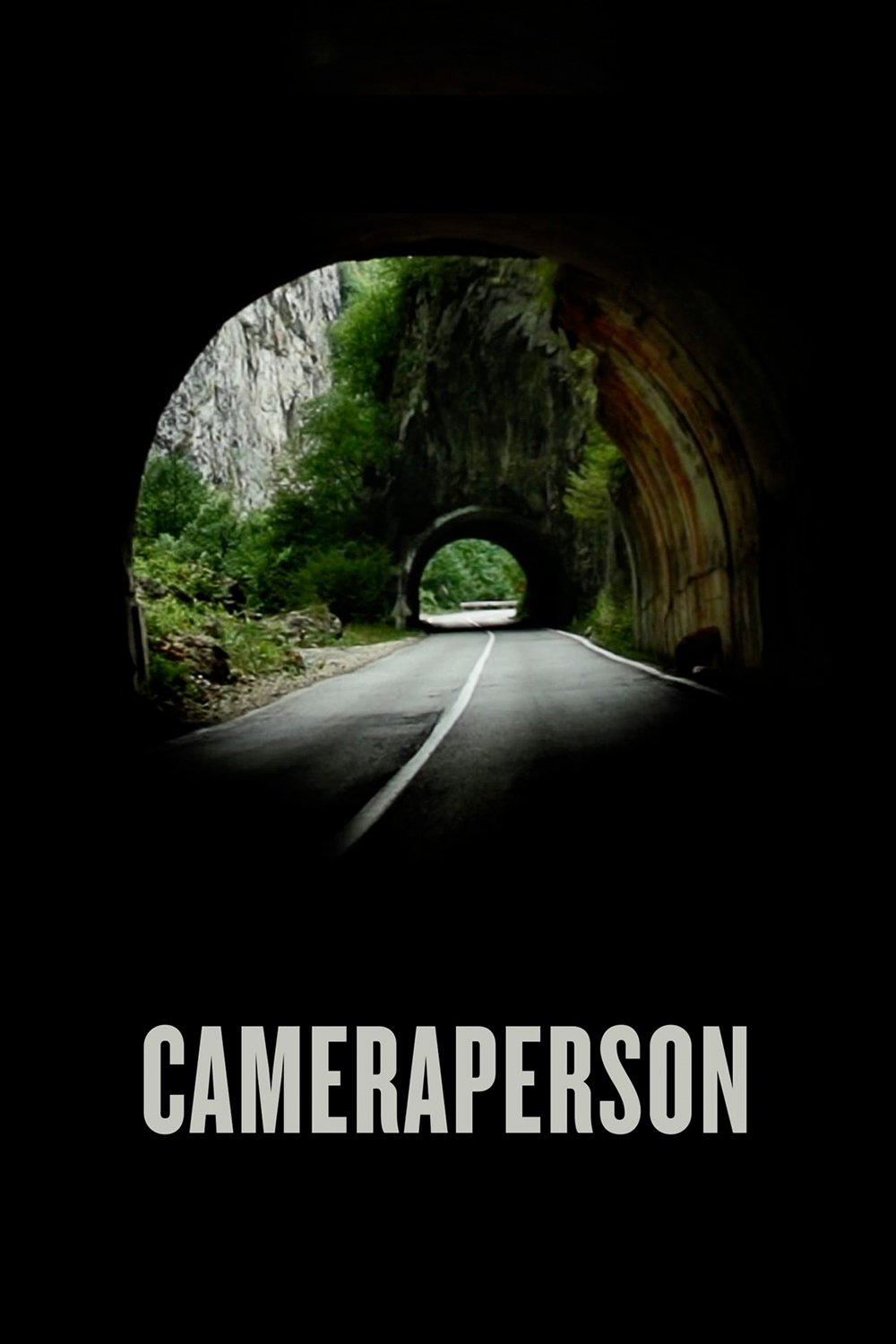
As a visually radical memoir, CAMERAPERSON draws on the remarkable footage that filmmaker Kirsten Johnson has shot and reframes it in ways that illuminate moments and situations that have personally affected her. What emerges is an elegant meditation on the relationship between truth and the camera frame, as Johnson transforms scenes that have been presented on Festival screens as one kind of truth into another kind of story—one about personal journey, craft, and direct human connection.
The artist's personal commentary on the decline of his country in a language closer to poetry than prose. A dark meditation on London under Thatcher.
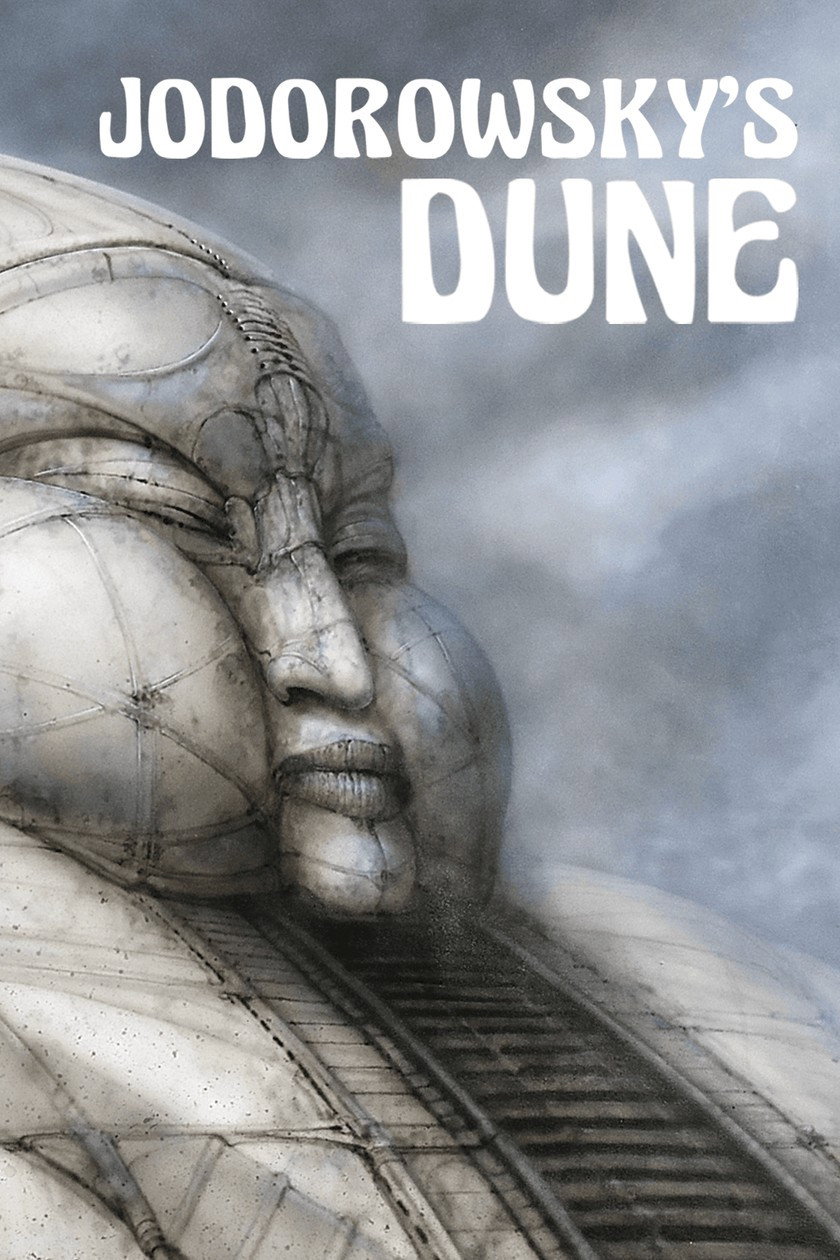
In 1974, Chilean-French director Alejandro Jodorowsky embarked on the quixotic project of adapting Frank Herbert's influential novel Dune (1969) for the big screen. After investing two years, and millions of dollars, the gigantic project ended in failure; but the artists Jodorowsky brought together to carry it out continued to work together, and ended up laying the foundations for modern science fiction cinema.
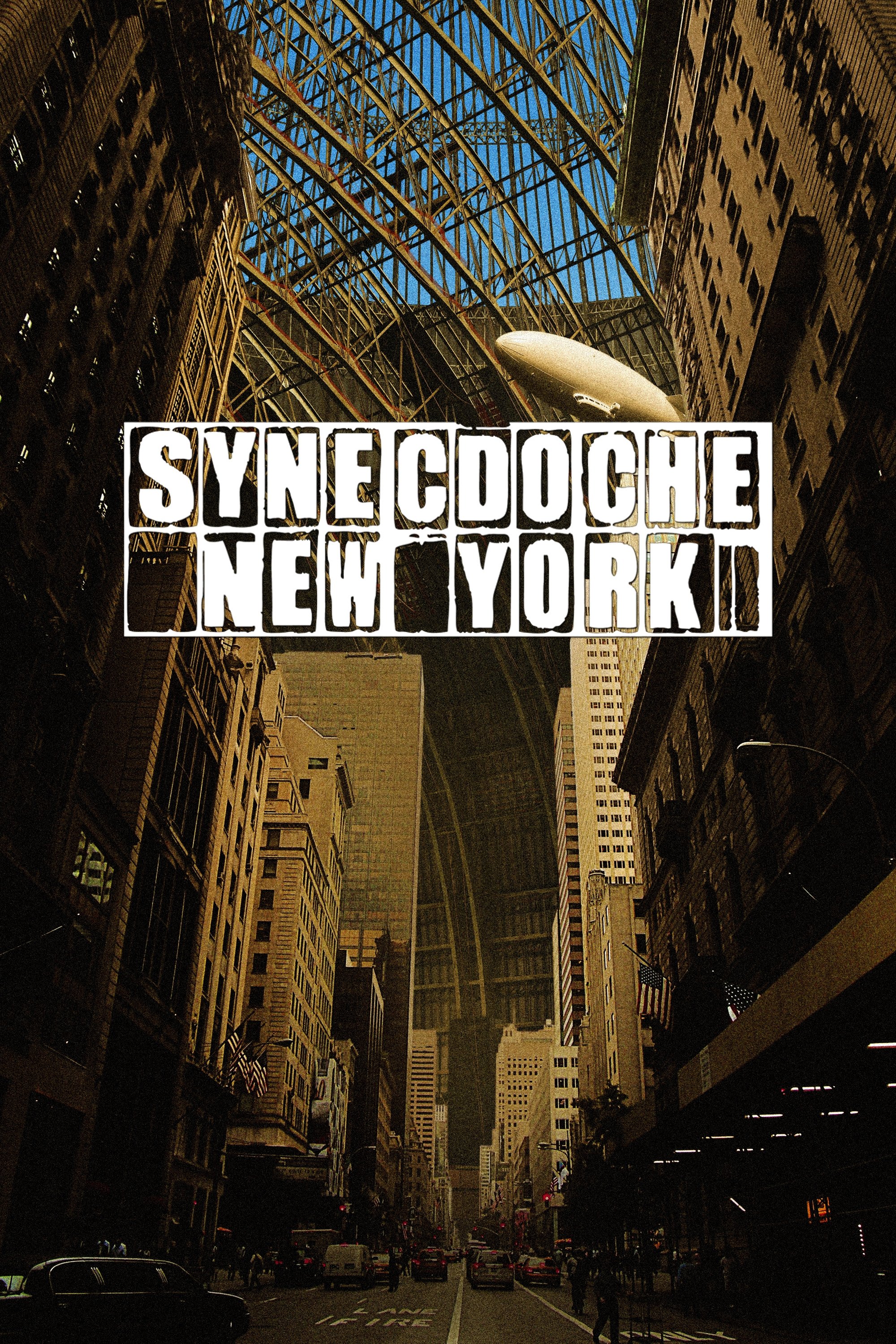
A theater director struggles with his work, and the women in his life, as he attempts to create a life-size replica of New York inside a warehouse as part of his new play.
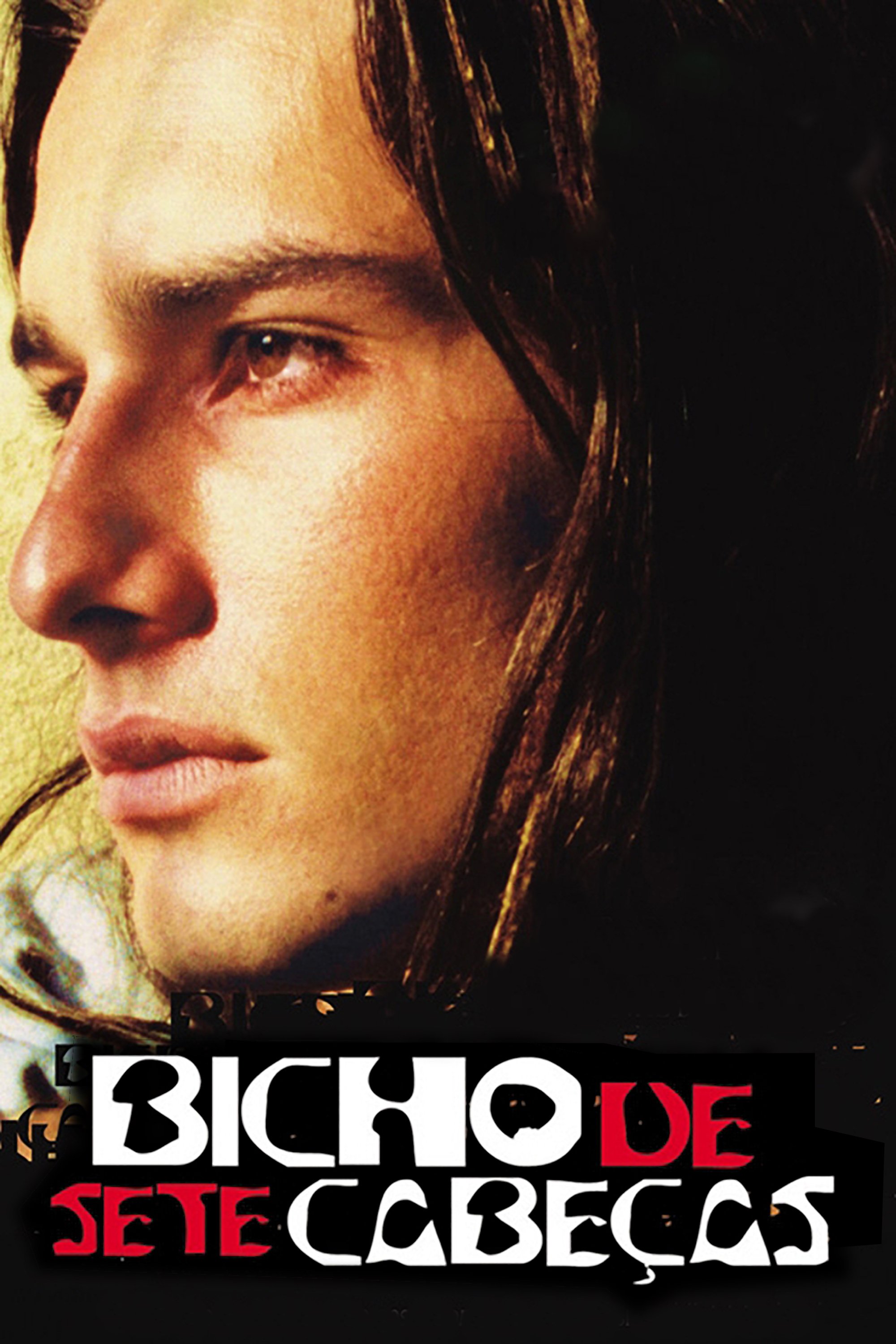
Neto is a middle class teenager living a normal life. After his father finds a marijuana cigarette on his pocket, he is sent to a mental institution, where he gets to know a completely absurd and inhumane reality in which people are devoured by a corrupt and cruel system.
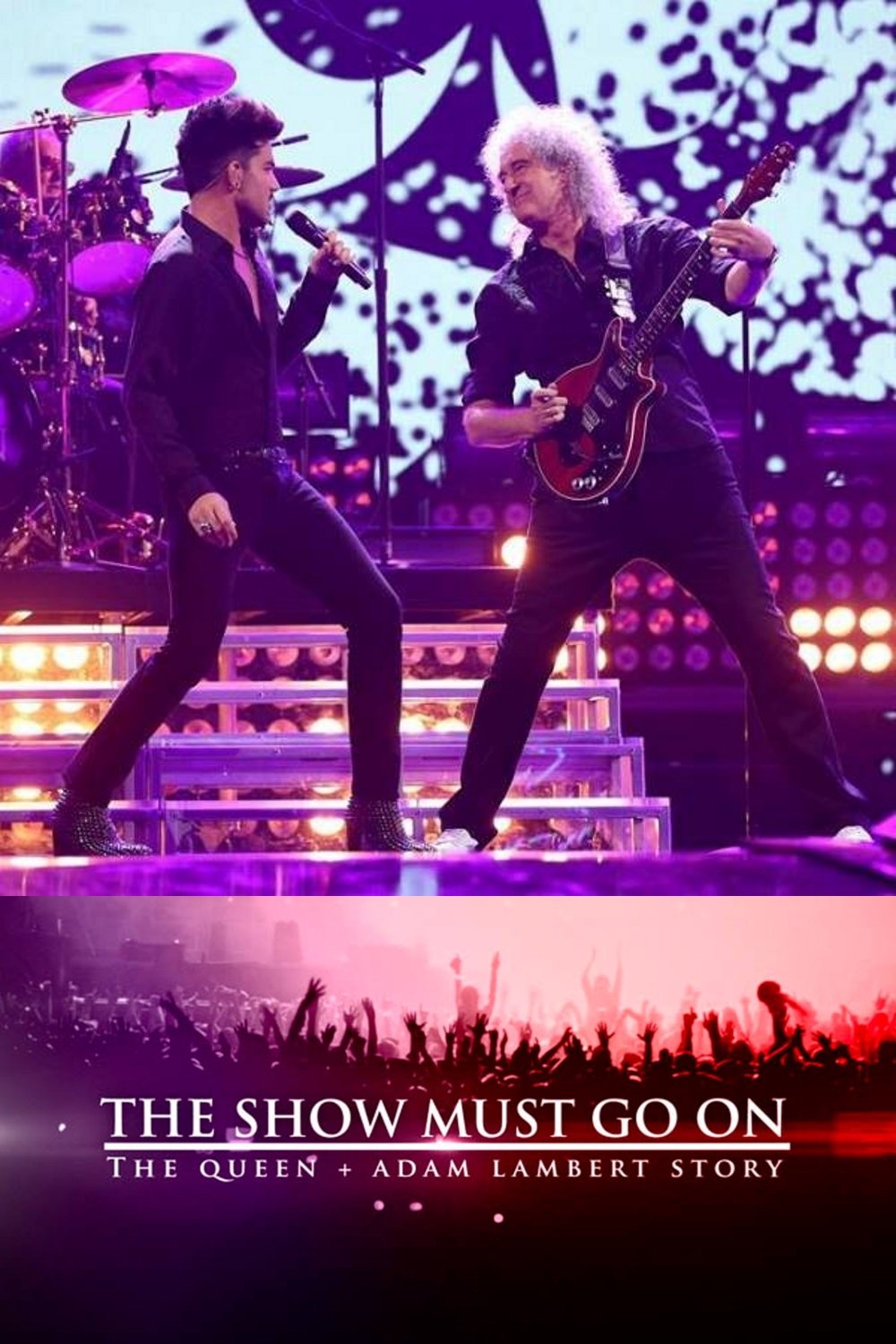
A documentary chronicling Queen and Lambert's incredible journey since they first shared the stage together on "American Idol" in 2009.