

A searing examination of the contamination that sparked an international catastrophe and the decades’ long battle with some of the world’s largest chemical companies for justice and compensation.

Social & External
The people behind it
Carrie Kellner
Self
Rob Bilott
Mark Ruffalo
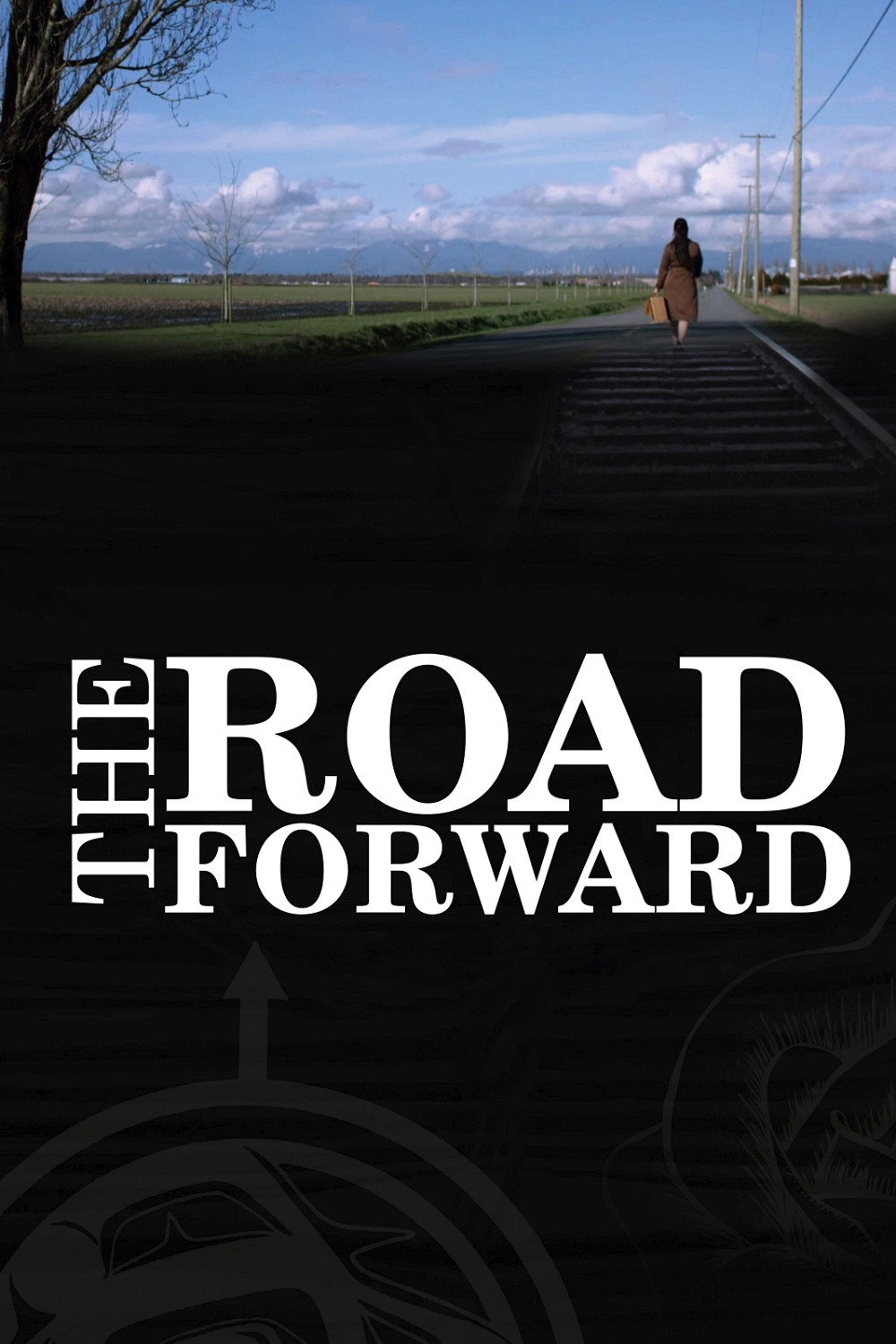
The Road Forward is an electrifying musical documentary that connects a pivotal moment in Canada’s civil rights history—the beginnings of Indian Nationalism in the 1930s—with the powerful momentum of First Nations activism today. Interviews and musical sequences describe how a tiny movement, the Native Brotherhood and Sisterhood, grew to become a successful voice for change across the country. Visually stunning, The Road Forward seamlessly connects past and present through superbly produced story-songs with soaring vocals, blues, rock, and traditional beats.
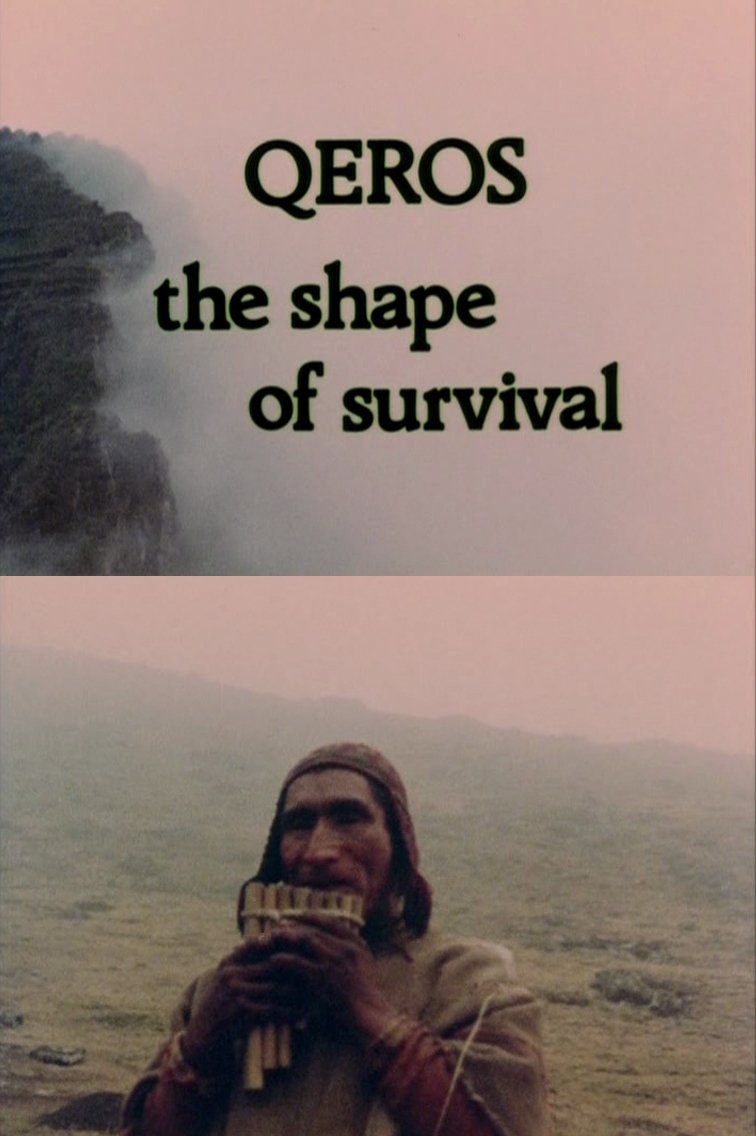
Exploration of the way of life of the Q’eros Indians of Peru, who have lived in the Andes for more than 3,000 years.
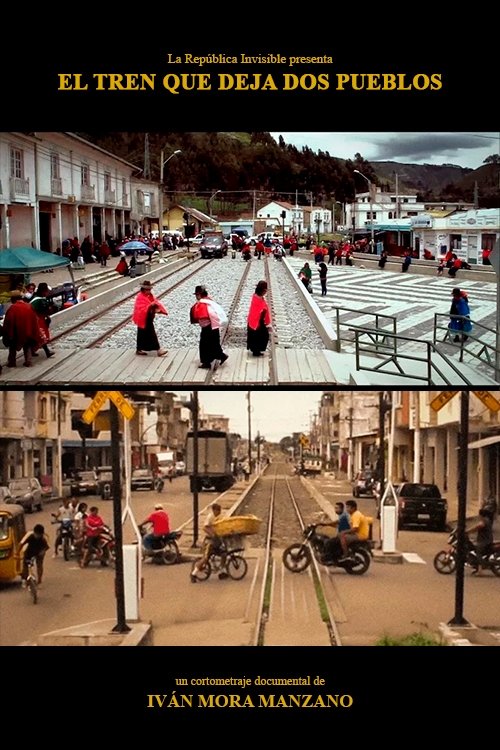
In Ecuador, in a single day, the train passes from the mountainous Andes to the tropical coast. The roads were built between 1861 and 1908 to connect the country. Until this date, the two regions live as separate countries, although the roads connect them in less than a day. The film is an observational work that talks about space and collective memory.
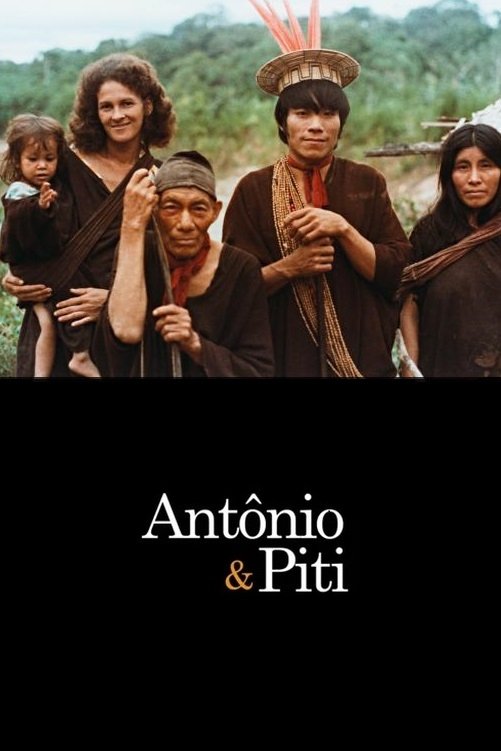
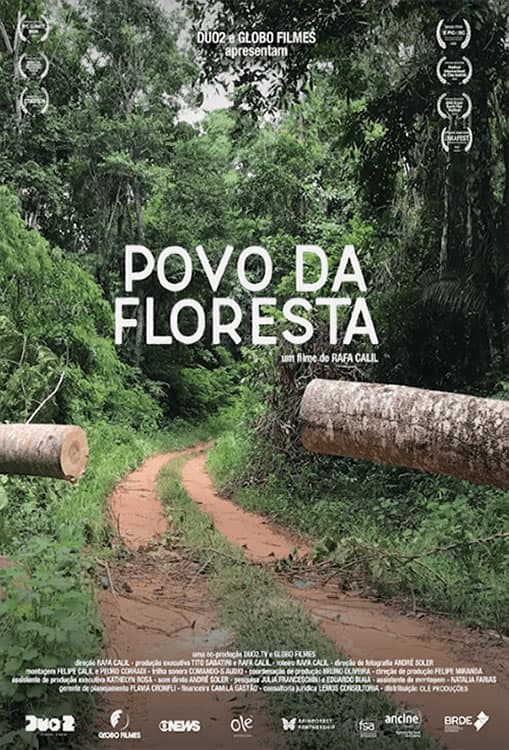
Thirty years ago, a rubber company enslaved a group of Asháninka people, manipulating them into tapping the trees in the lush borderland between Peru and Brazil. The company was expelled by a coalition of Indigenous and non-Indigenous people, led by one mixed race couple. Now the adult children of this marriage combat political corruption and ongoing environmental disaster.
In this searing documentary, Indigenous people share heartbreaking stories that reveal the injustices inflicted by the Canadian child welfare system.
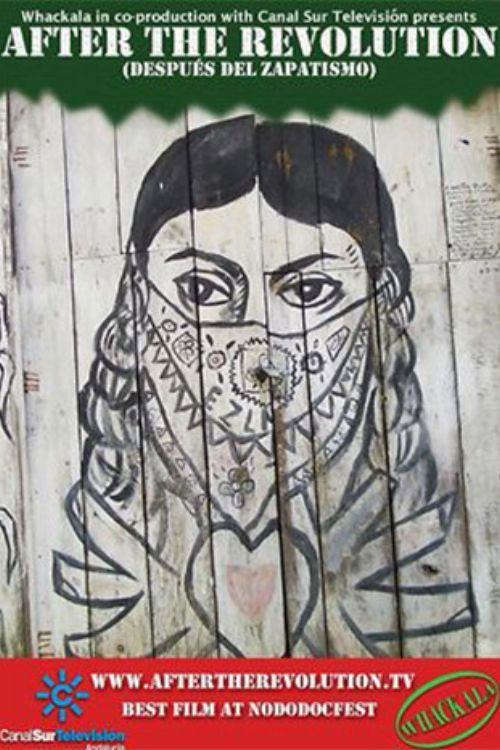
The impact of the Zapatista uprising in Chiapas, Mexico, on the lives of the Mayan women who joined as rebels to seek justice within their own culture.
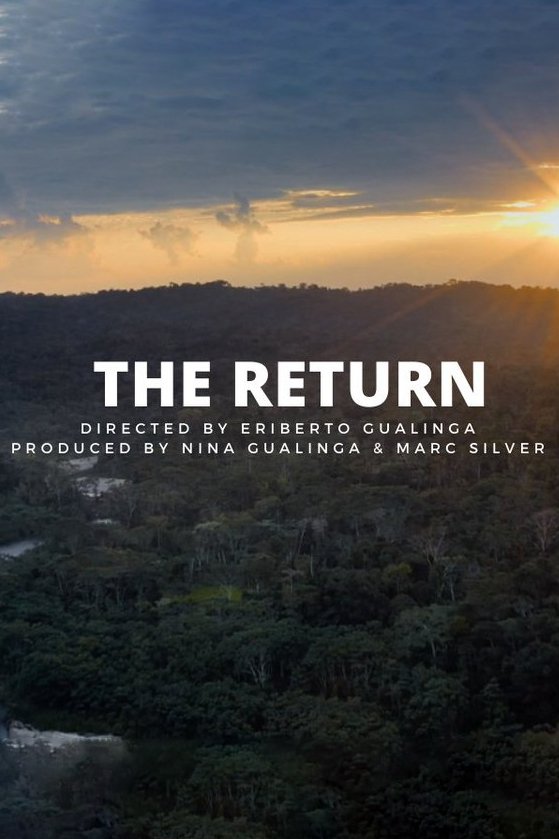
It’s spring in the Ecuadorian Amazon and the Uyantza festival is underway with the community celebrating all that the forest has to offer. Meanwhile, news is breaking around the world that a novel virus is spreading and a state of emergency is declared across the country. As people test positive for COVID-19 in the community, some families decide to leave and head deeper into the jungle. Disconnected from school, friends, the internet, and work, one family learns to reconnect with life in the forest. The children begin to unlearn the national curriculum, and instead are taught Indigenous knowledge that mainstream schools normally pass over. As COVID-19 wreaks havoc around the planet, the family reconnect to their ancestral ways, but as news arrives that Ecuador’s lockdown will end soon, will the family choose to return?
In 2025, satellites recorded wildfires sweeping through the hills of Hollywood, shifting battle lines in Ukraine, and nearly 600 million people assembling for a sacred pilgrimage along the River Ganges. From orbit, imagery exposed the vast displacement of civilians in Gaza, while reconnaissance satellites traced covert weapons transfers from North Korea to Russia. Scientists also relied on satellite data to count migrating wildebeest and walrus, monitoring the planet’s health. Combined with news archives, eyewitness accounts, user-generated content, and expert analysis, these views from above reveal the hidden story of 2025.
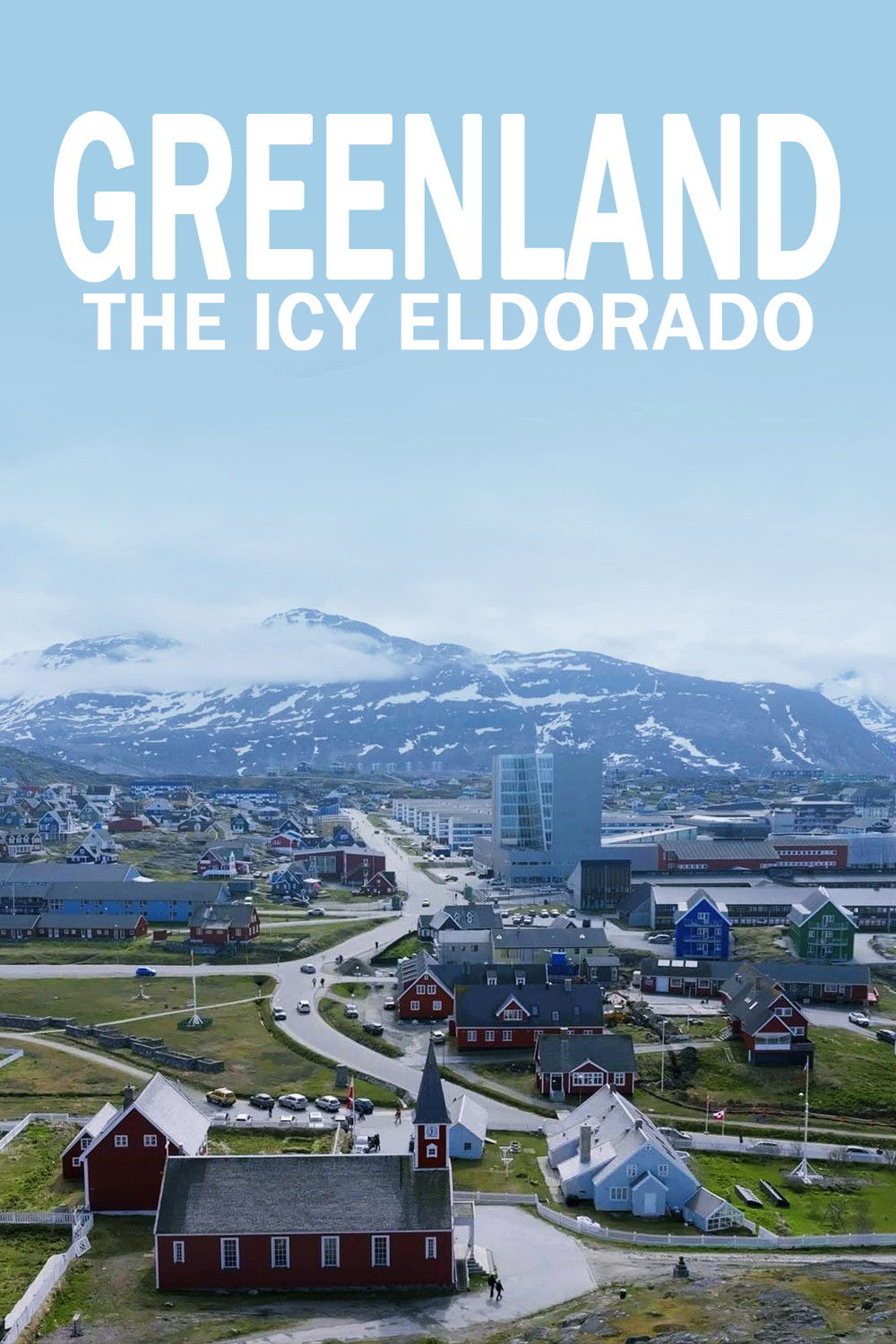
Greenland has become a major geopolitical issue between the United States, Europe, Russia, and China due to its geographical location and mineral resources. Its geopolitical destiny will have significant ecological consequences for the entire planet. What choice will the people of Greenland make? The largest island in the world, with its 2.2 million square kilometers covered 80% by ice, is also one of the least densely populated territories on Earth, with barely 57,000 inhabitants. Mainly living off fishing, tourism, and Danish subsidies, yet sitting on a potential treasure. We are talking about 25% of the world's hydrocarbon reserves, the third-largest uranium reserves, and 20% of rare earths. An icy Eldorado that today sparks all sorts of ambitions, one of the hotspots where the future of our multipolar world is being shaped. This is what the film will explore, addressing both its economic and commercial challenges, as well as its geo-ecological and military implications.
Profile of the Haida artist Bill Reid
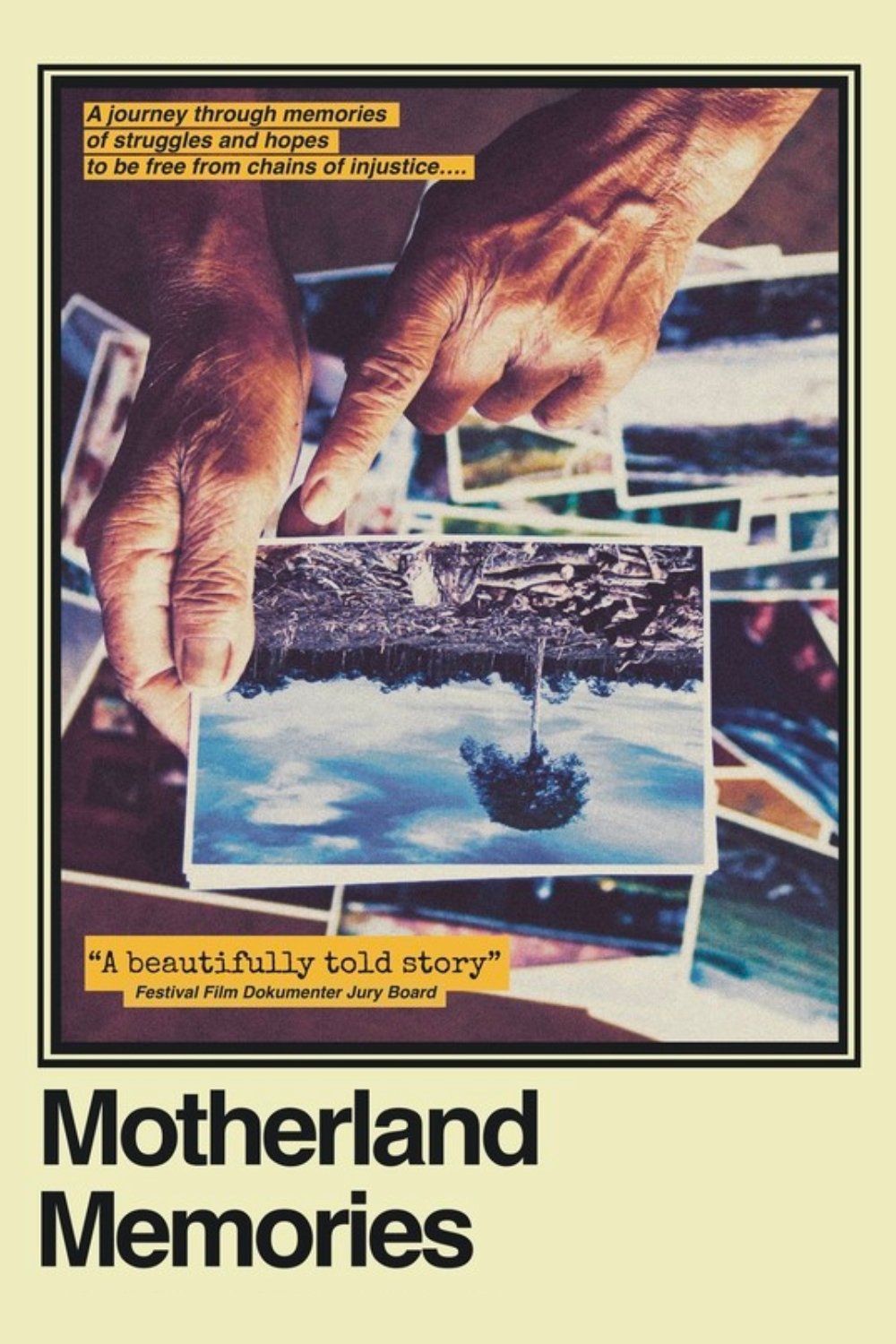
Ompung Putra Boru, a sixties indigenous Batak woman from Humbang Hasundutan, North Sumatra, retraces her life stories through photographs that interweave her past and present as a wife, mother, healer and indigenous land defender in two neighboring villages. Her multi-layered stories are juxtaposed with visual records of everyday life in the two villages, where people’s living space is still increasingly threatened by a giant pulp expansion.
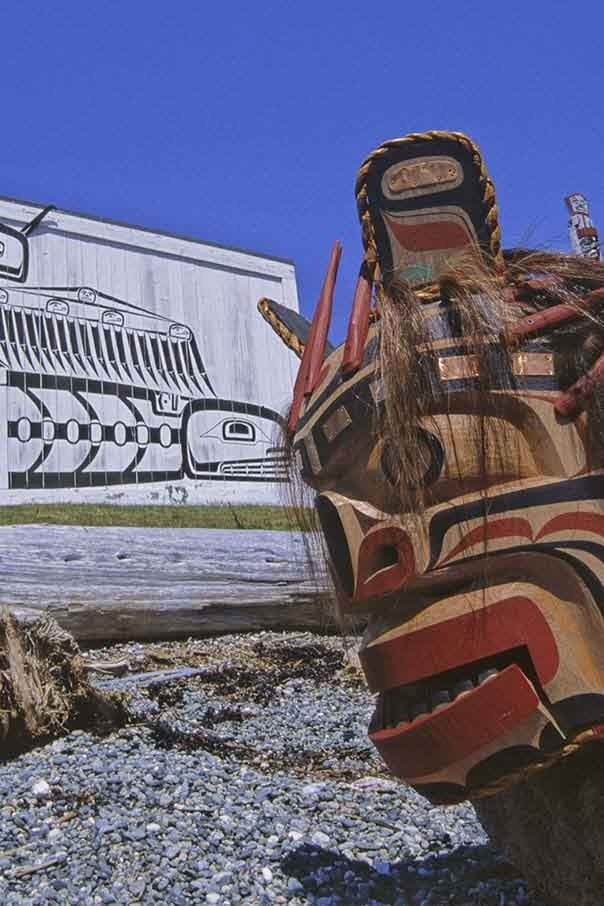
In 1921 the Kwakiut'l people of Alert Bay, British Columbia, held their last secret potlatch. In 1980 at Alert Bay, the U'mista Cultural Centre (U'mista means "something of great value that has come back") opened its doors to receive and house the cultural treasures which were seized decades earlier and only then returned to the people. The center also took up activities such as recording stories told by elders so that some part of the past would always be alive and teaching children about their heritage in order to make them feel connected to their ancestors. This film documents the cultural significance of these events for today's Kwakiut'l people. It is an eloquent testimony to the persistence and complexity of Kwakiut'l society and to the struggle for redefining cultural identity for them.
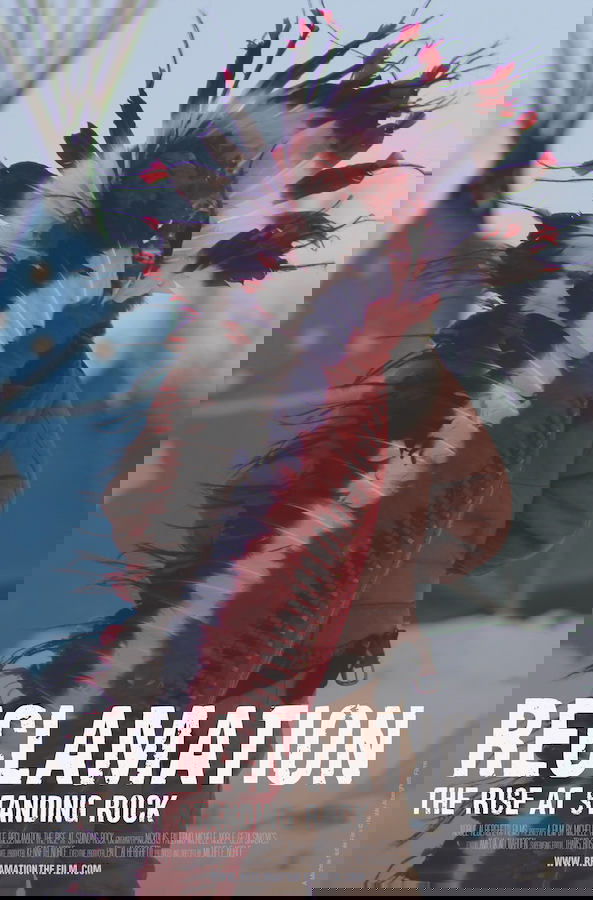
Nominated for an Emmy® Award in 2021 for best non fiction special. Winner of 35 grand jury awards. Filmed in 2016 at Standing Rock, North Dakota, this powerful documentary follows the Indigenous leaders as they unite the Native Nations for the first time in 150 years in order to rise up in spiritual solidarity against the unlawful Dakota Access Pipeline which threatens their treaty lands, sacred burial sights and clean water. These young Native Leaders honor their destiny by implementing a peaceful movement of resistance which awakens the world.
In this short film, artist Jobie Weetaluktuk turns his gaze on his family and the power of ritual through the story of a young woman and her unplanned child. In Inukjuak, an Inuit community in the Eastern Arctic, a baby boy has come into the world and they call him Timuti, a name that recurs across generations of his people, evoking other Timutis, alive and dead, who will nourish his spirit and shape his destiny.
Takes us to locations all around the US and shows us the heavy toll that modern technology is having on humans and the earth. The visual tone poem contains neither dialogue nor a vocalized narration: its tone is set by the juxtaposition of images and the exceptional music by Philip Glass.
An explosion in one of the largest chemical plants in Europe, the Petrochemical complex in Tarragona, triggers the labour struggle of a group of workers who demand what is fair for everyone.
Three farming families in Hanyuan, China, strive to give their children a good life in the midst of an ecological crisis, as widespread use of pesticides leads to a dramatic decline in bees and other pollinating insects in the valley.
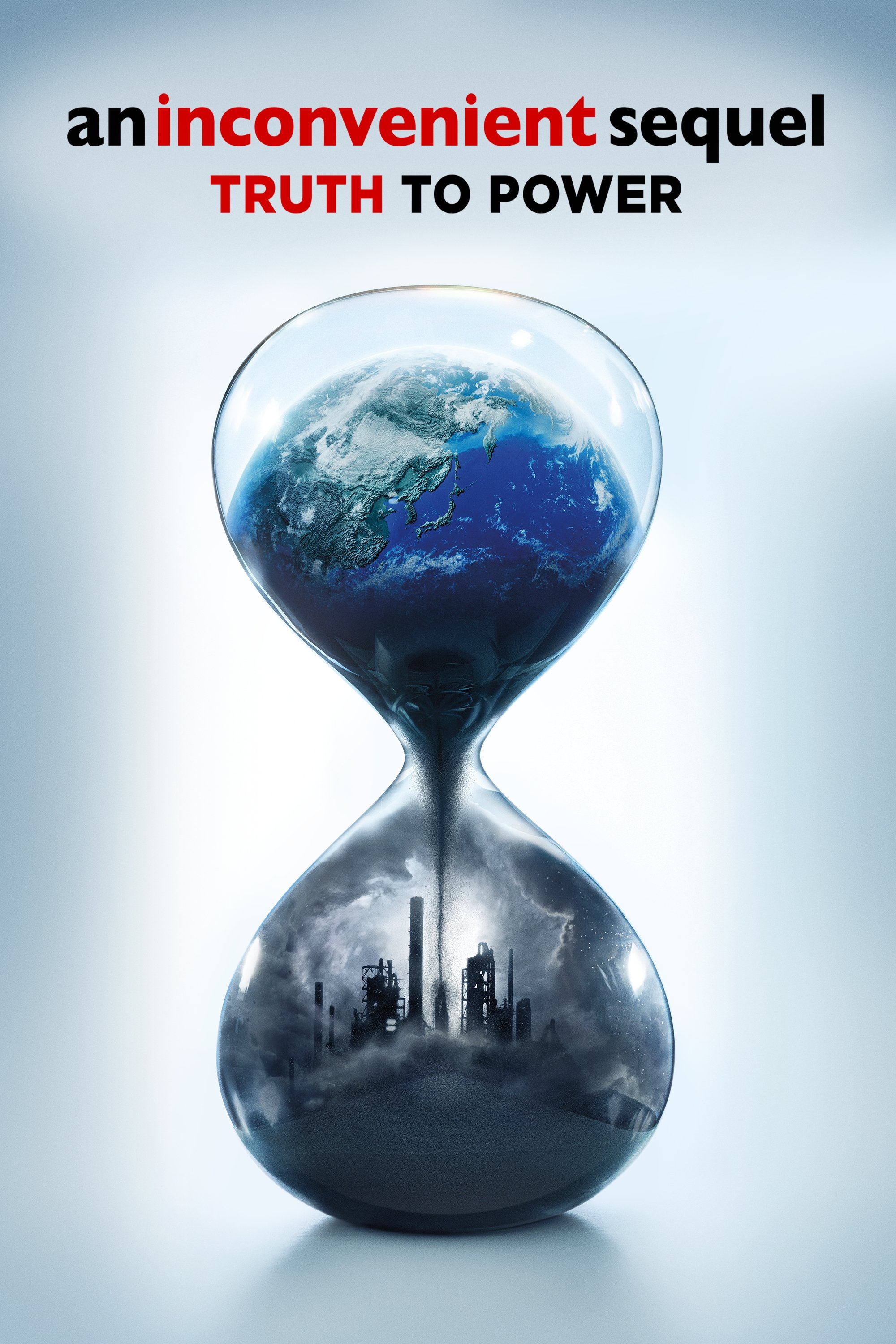
A documentary on Al Gore's campaign to make the issue of global warming a recognized problem worldwide.
A decade after An Inconvenient Truth brought climate change into the heart of popular culture comes the riveting and rousing follow-up that shows just how close we are to a real energy revolution. Vice President Al Gore continues his tireless fight, traveling around the world training an army of climate champions and influencing international climate policy. Cameras follow him behind the scenes—in moments private and public, funny and poignant—as he pursues the empowering notion that while the stakes have never been higher, the perils of climate change can be overcome with human ingenuity and passion.
A visual montage portrait of our contemporary world dominated by globalized technology and violence.
An inside look at one of the most anticipated movie sequels ever with James Cameron and cast.
David Attenborough and scientist Johan Rockström examine Earth's biodiversity collapse and how this crisis can still be averted.
This revealing documentary honors the legendary Sidney Poitier—iconic actor, filmmaker, and civil rights activist. Featuring interviews with Denzel Washington, Spike Lee, Halle Berry, and more.
An exploration of technologically developing nations and the effect the transition to Western-style modernization has had on them.
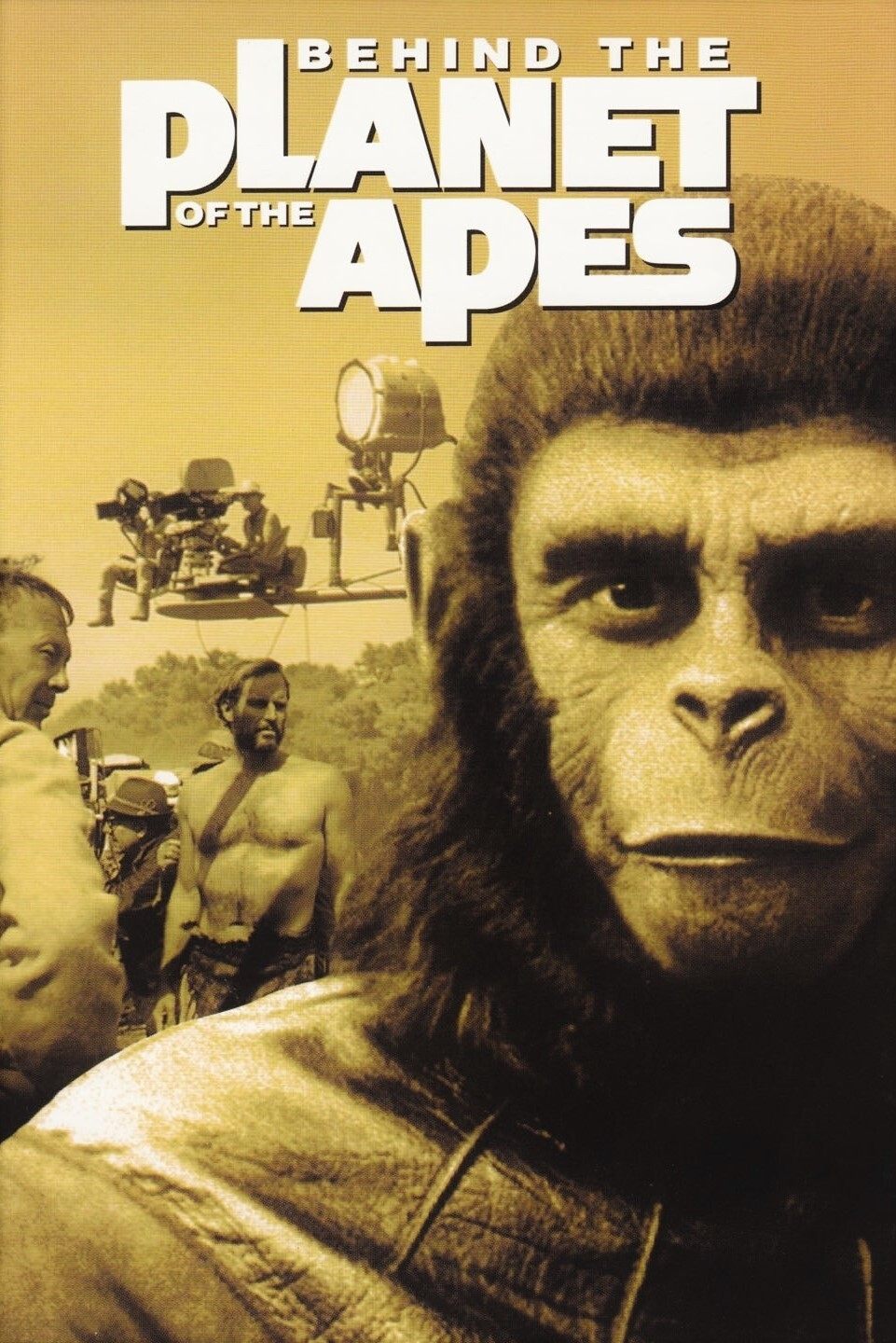
Roddy McDowall takes you, film by film, from production meetings to make-up sessions, then right onto the movie set to see the actual filming of the science fiction masterpiece. The most comprehensive history of Planet of the Apes ever created, this fascinating 127-minute documentary explores one of the most imaginative and influential series in movie history.
By the mid-1980s, the fabled animation studios of Walt Disney had fallen on hard times. The artists were polarized between newcomers hungry to innovate and old timers not yet ready to relinquish control. These conditions produced a series of box-office flops and pessimistic forecasts: maybe the best days of animation were over. Maybe the public didn't care. Only a miracle or a magic spell could produce a happy ending. Waking Sleeping Beauty is no fairy tale. It's the true story of how Disney regained its magic with a staggering output of hits - "Little Mermaid," "Beauty and the Beast ," "Aladdin," "The Lion King," and more - over a 10-year period.
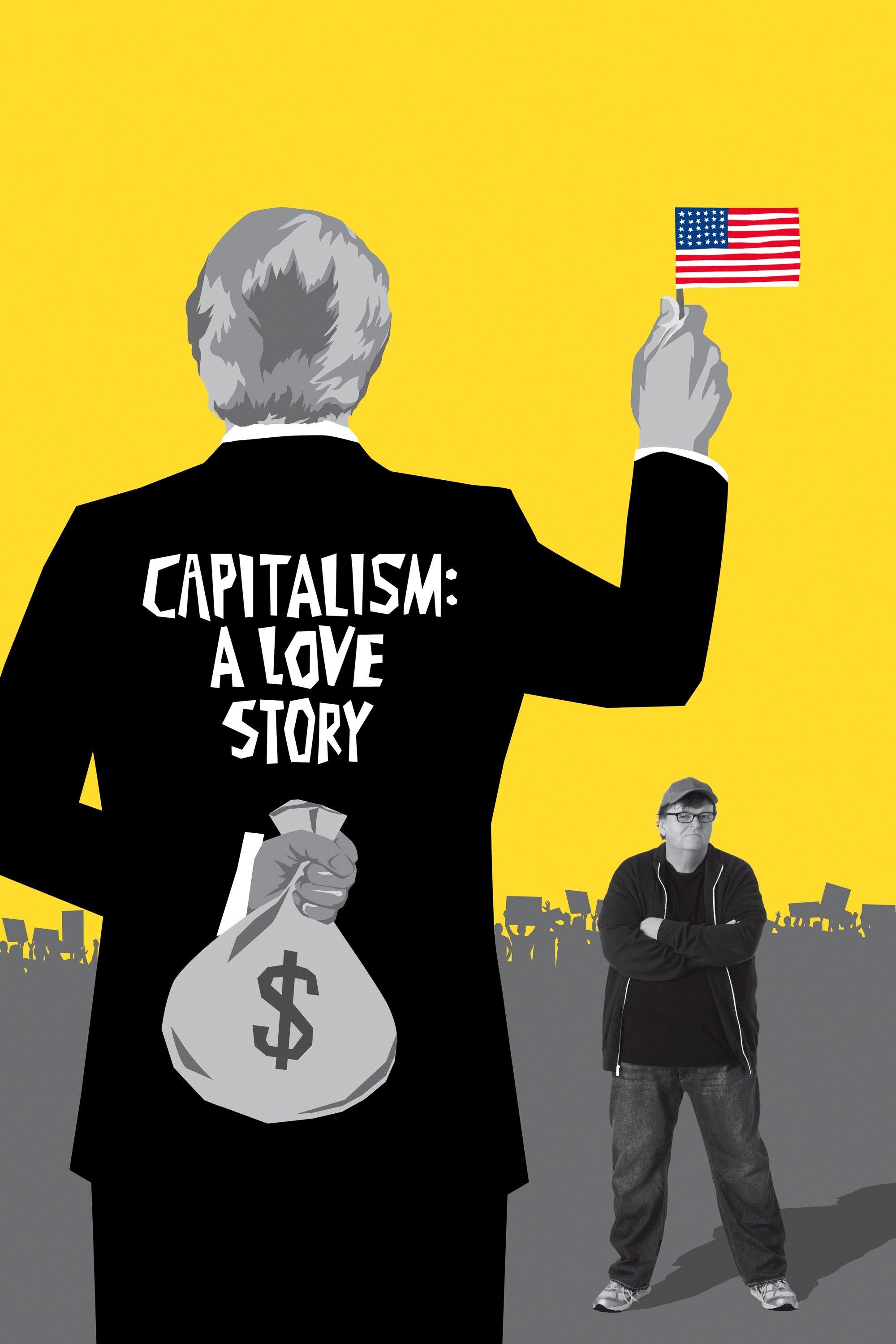
Michael Moore comes home to the issue he's been examining throughout his career: the disastrous impact of corporate dominance on the everyday lives of Americans (and by default, the rest of the world).
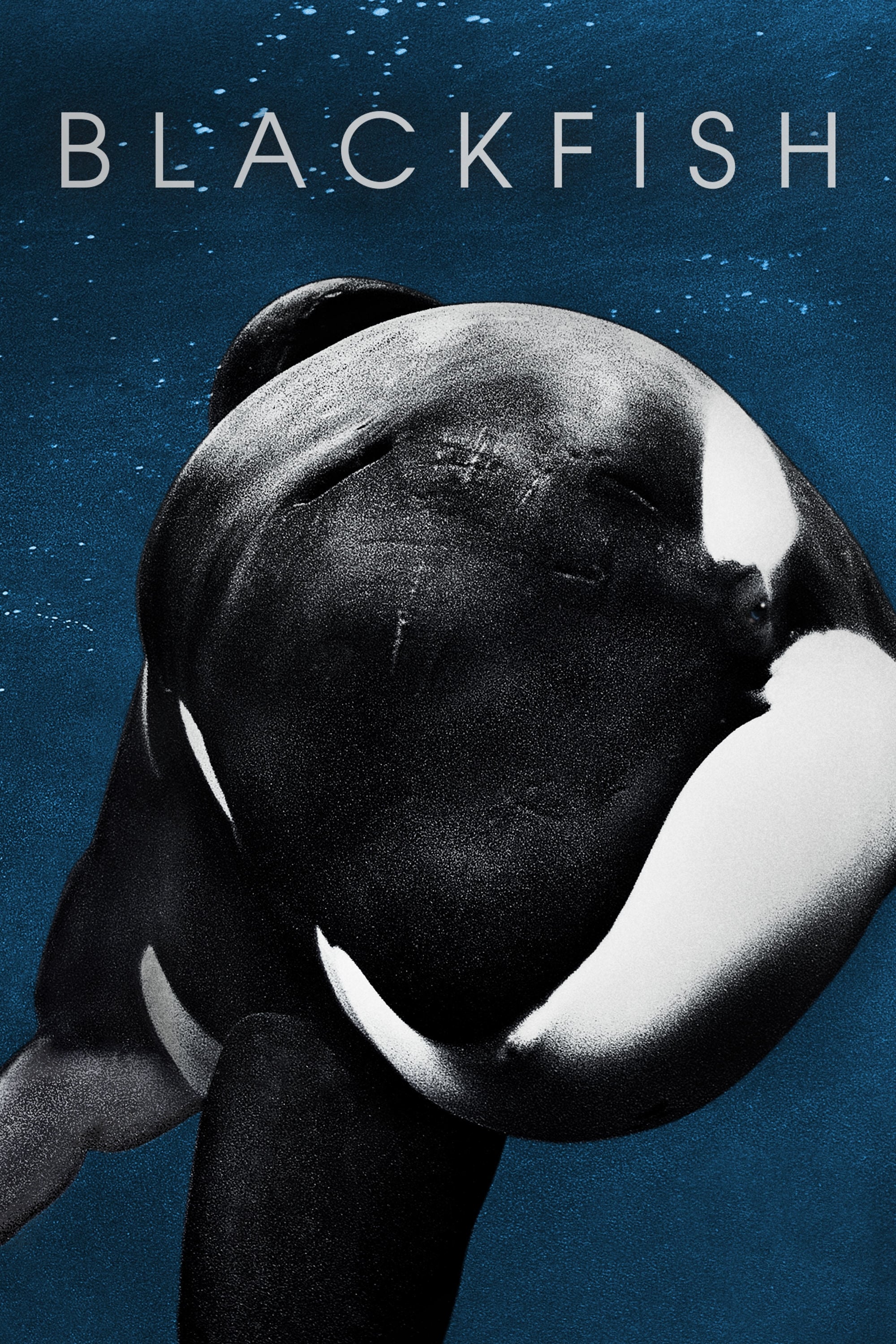
Notorious killer whale Tilikum is responsible for the deaths of three individuals, including a top killer whale trainer. Blackfish shows the sometimes devastating consequences of keeping such intelligent and sentient creatures in captivity.
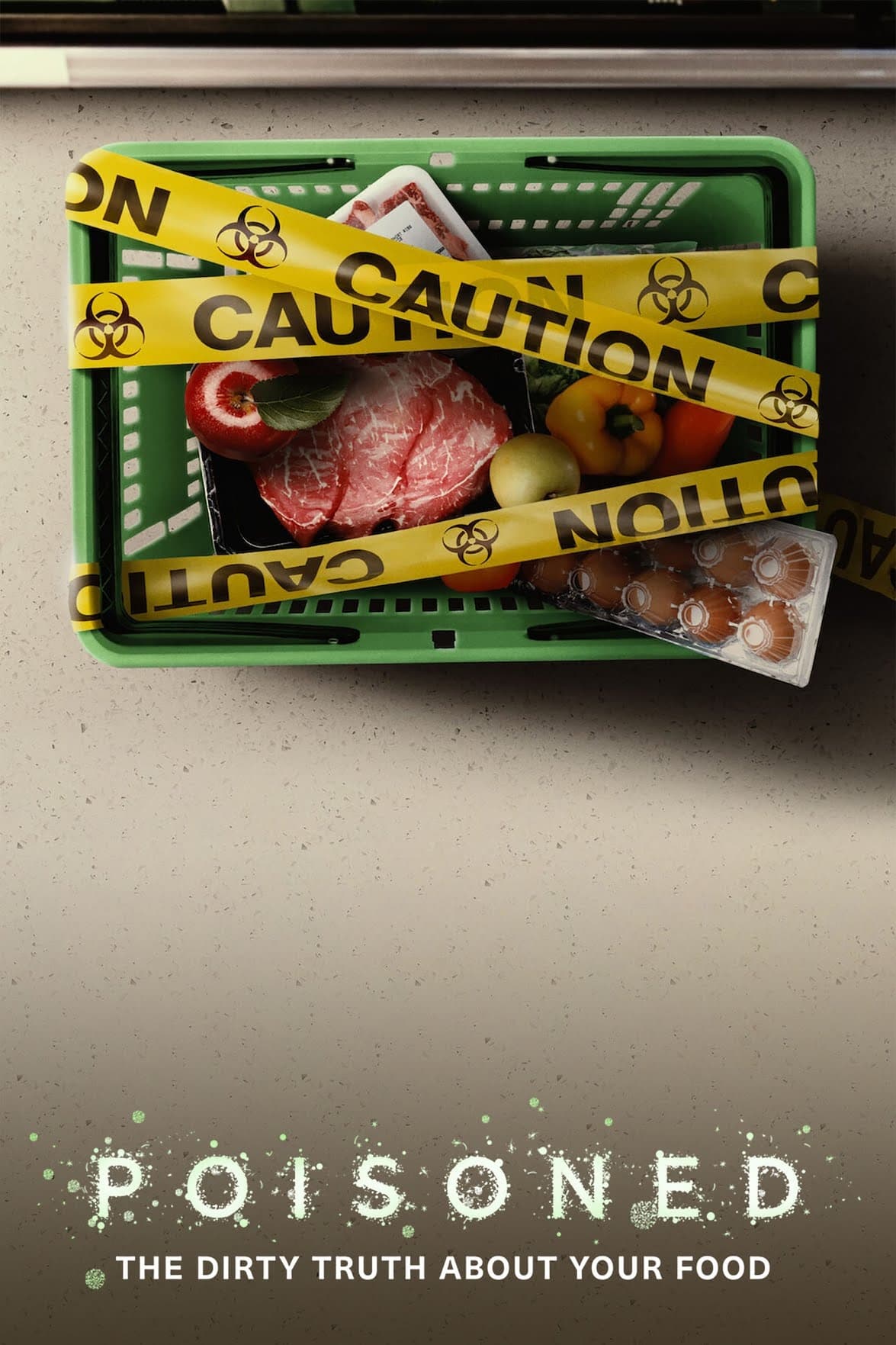
Through revealing interviews with experts and victims' families, this gripping documentary examines the problem of deadly foodborne illness in the US.
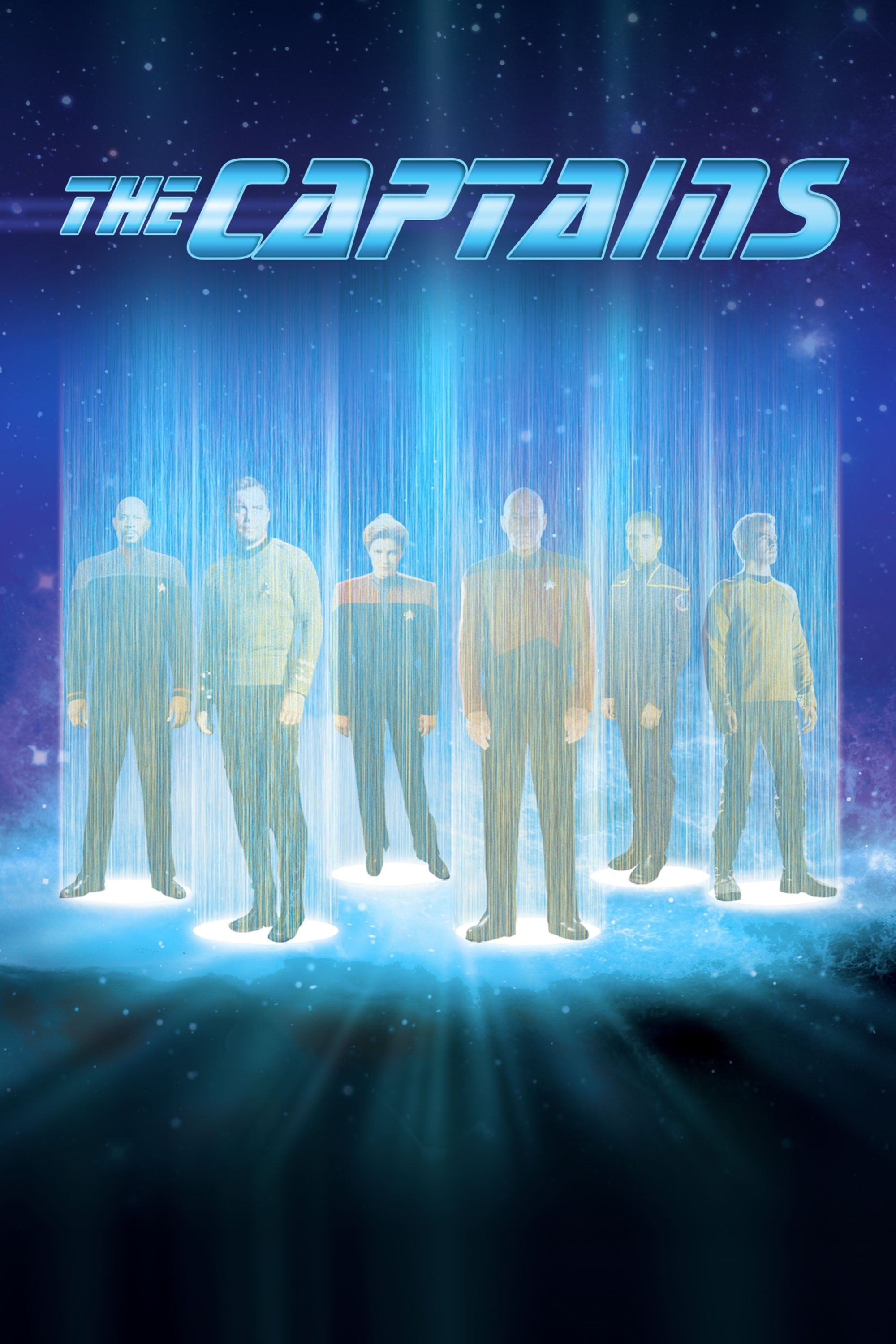
The Captains is a feature-length documentary film written and directed by William Shatner. The film follows Shatner as he interviews the other actors who have portrayed starship captains in the Star Trek franchise.
Using the book 'Fragments', which collects Marilyn Monroe's poems, notes and letters, and with participation from the Arthur Miller and Truman Capote estates who have contributed more material, each of the actresses will embody the legend at various stages in her life.
Filmmaker Marshall Curry explores the inner workings of the Earth Liberation Front, a revolutionary movement devoted to crippling facilities involved in deforestation, while simultaneously offering a profile of Oregon ELF member Daniel McGowan, who was brought up on terrorism charges for his involvement with the radical group.
Nine filmmakers each profile a young girl from a different part of the world to weave a global tapestry of youth in the 21st century.
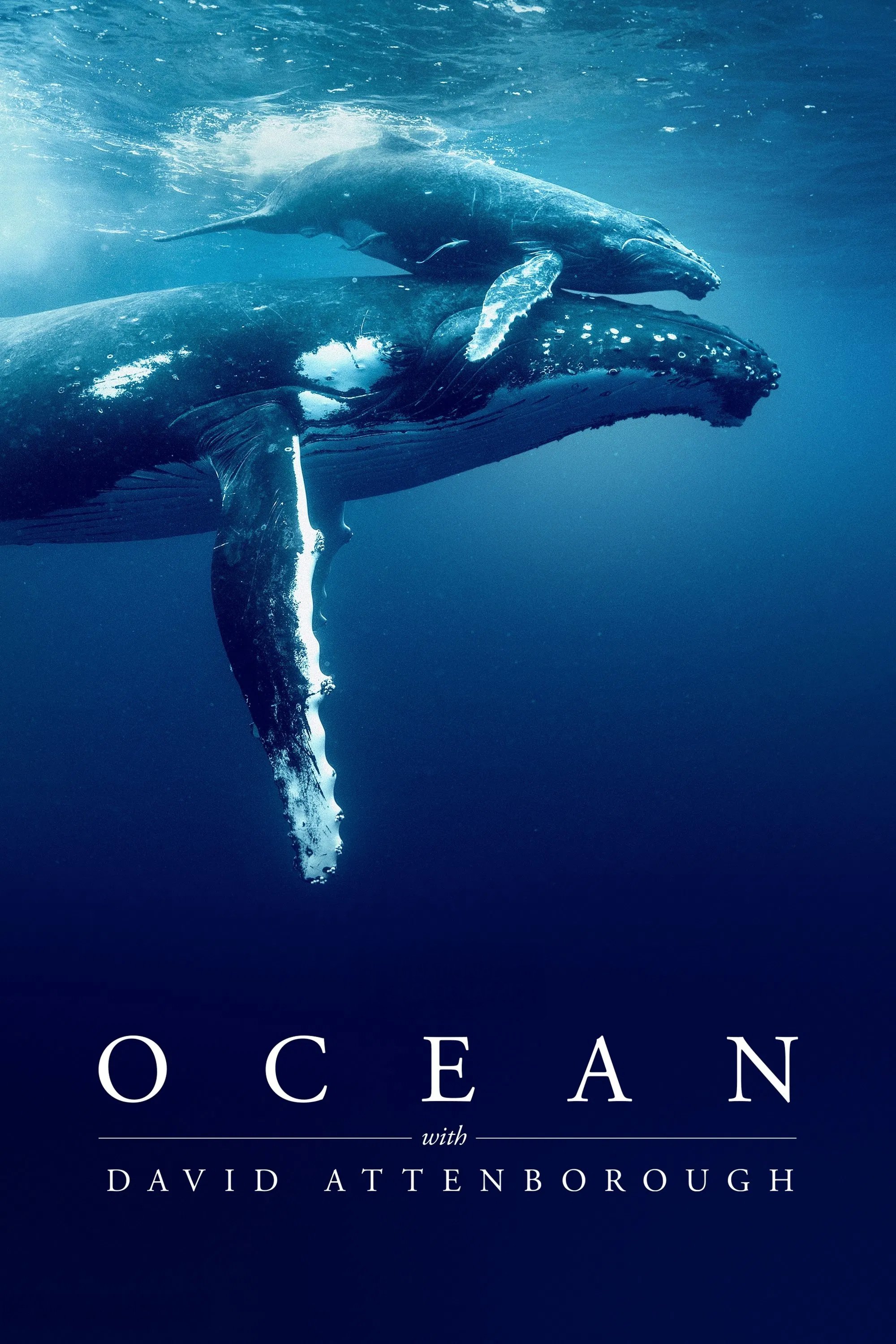
David Attenborough takes viewers on a breathtaking journey showing there is nowhere more vital for our survival, more full of life, wonder, or surprise, than the ocean. Through spectacular sequences featuring coral reefs, kelp forests and the open ocean, Attenborough shares why a healthy ocean keeps the entire planet stable and flourishing.
An unprecedented and intimate look at the life, work and enduring legacy of British actress Audrey Hepburn (1929-1993).
Lupita Nyong'o narrates a documentary about Peanuts and its creator, Charles M. Schulz. Famous fans—including Drew Barrymore, Kevin Smith, and Al Roker—share its influence on them, and a new animated story finds Charlie Brown on a quest.
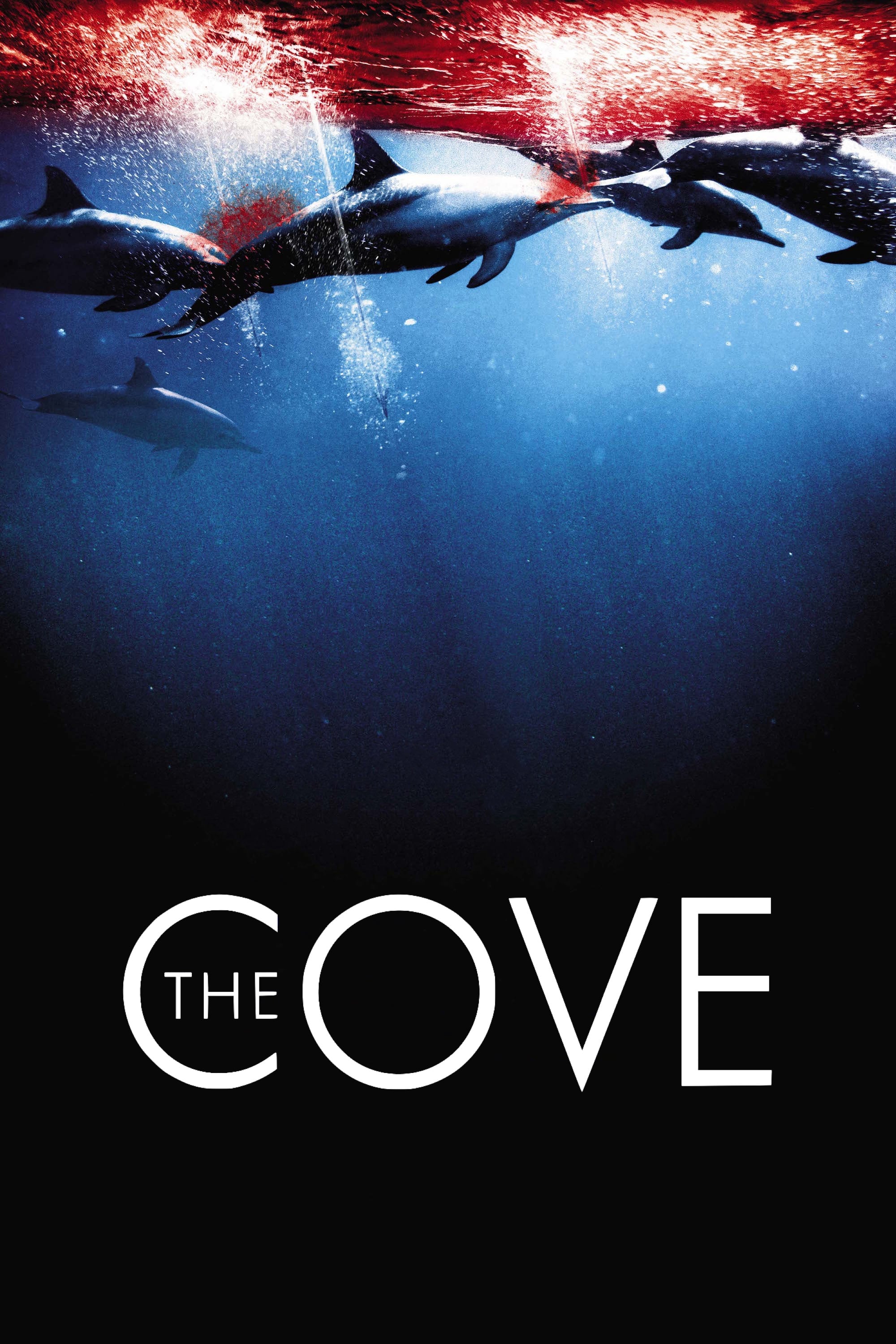
The Cove tells the amazing true story of how an elite team of individuals, films makers and free divers embarked on a covert mission to penetrate the hidden cove in Japan, shining light on a dark and deadly secret. The shocking discoveries were only the tip of the iceberg.