Social & External
The people behind it
Corinne Masiero
Narrator
Isabelle Aubret
Self
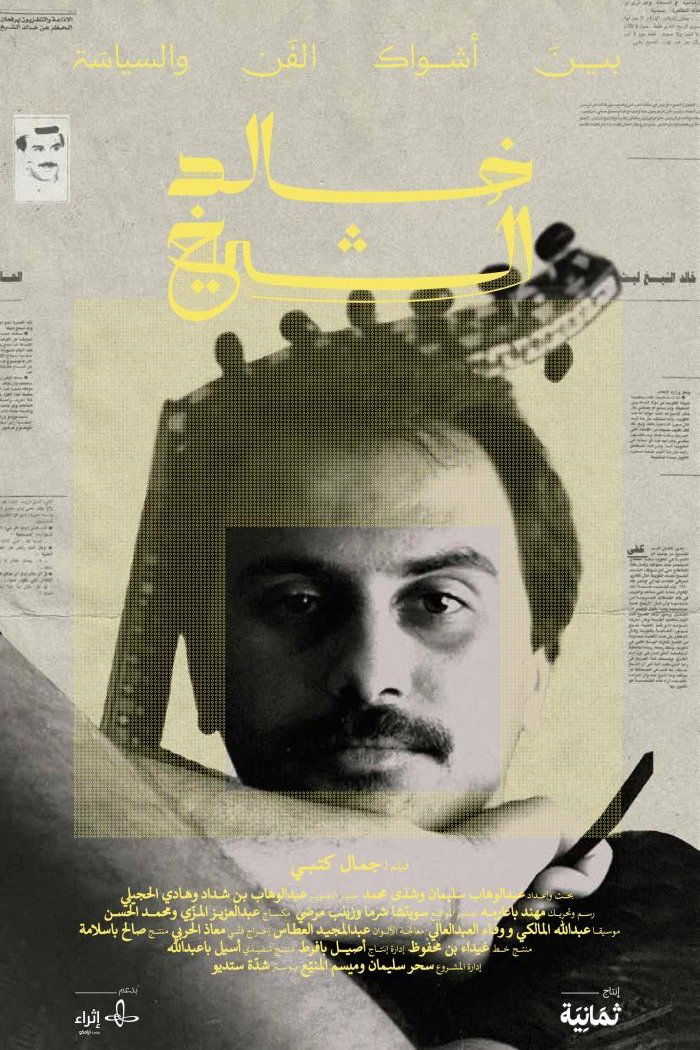
The Bahraini singer "Khaled Al Shaikh" is synonymous with musical innovation, earning him numerous awards. This film follows his creative journey from his early days as a student at Kuwait University. We trace Khaled Al Shaikh's path from Kuwait University, where he initially studied economics and political science, to the music institute in Egypt. After leaving university to pursue music, we follow his years of fame and struggles.
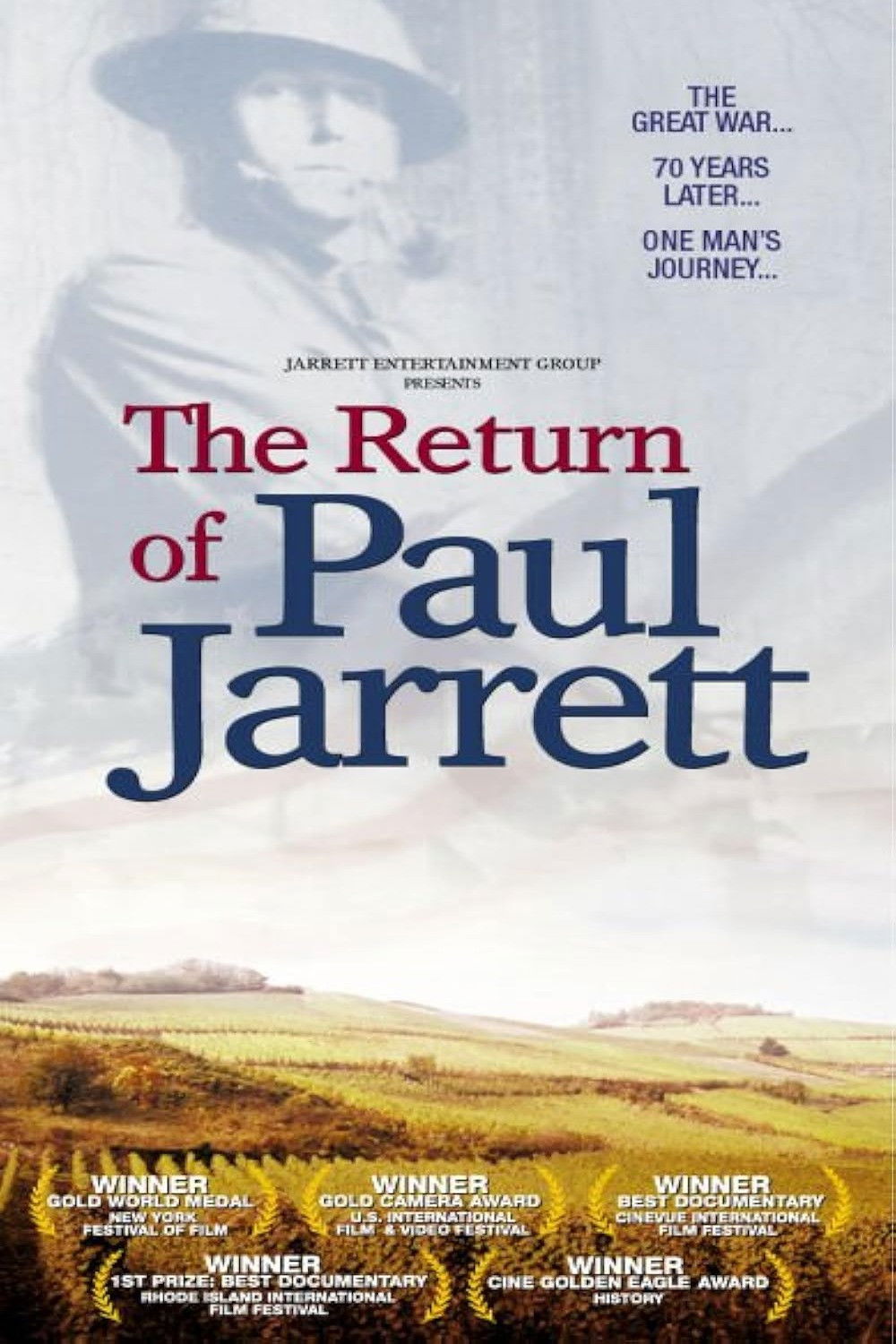
A very personal account of one of the last gentlemen of a dying era. In fact, Paul Jarrett will forever be remembered in the annals of American history as the last WWI veteran to ever return to the battlefields of France.
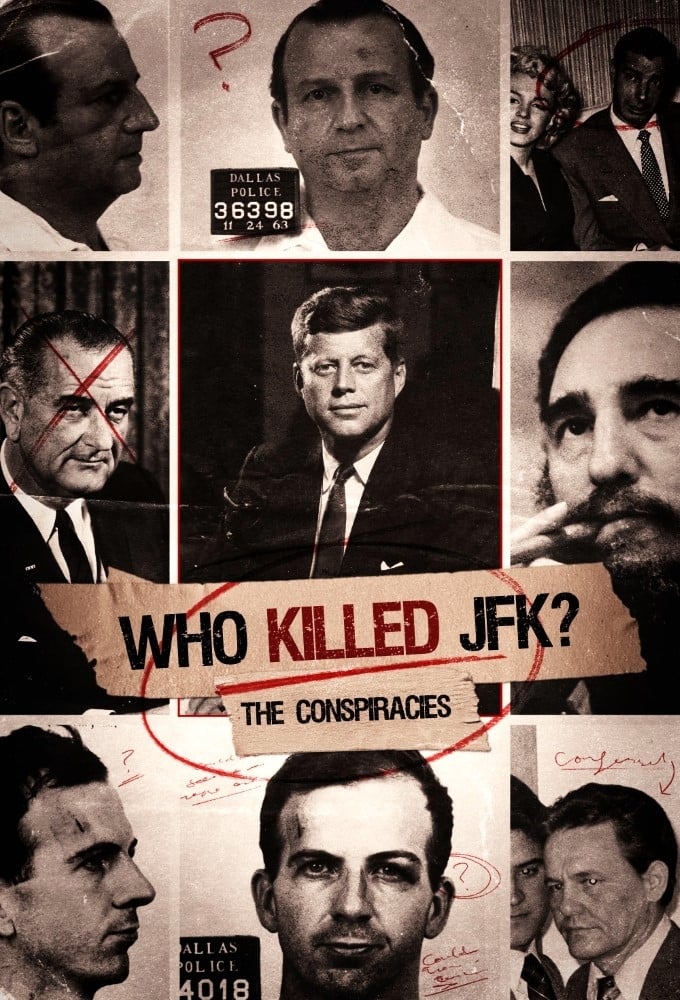
Over the decades, unanswered questions, tampered evidence, ulterior motives, and witness testimony surrounding the assassination has perpetuated conspiracy theories and alternative explanations that challenge the official narrative. Most of the figures involved--or knew who was involved--have mostly passed away, leaving avenues of investigation dead in their tracks. Over time, efforts to determine what happened have left more questions than answers. We take a look back on the moment that changed the course of world history, questioning the official record. Was the assassination a conspiracy?
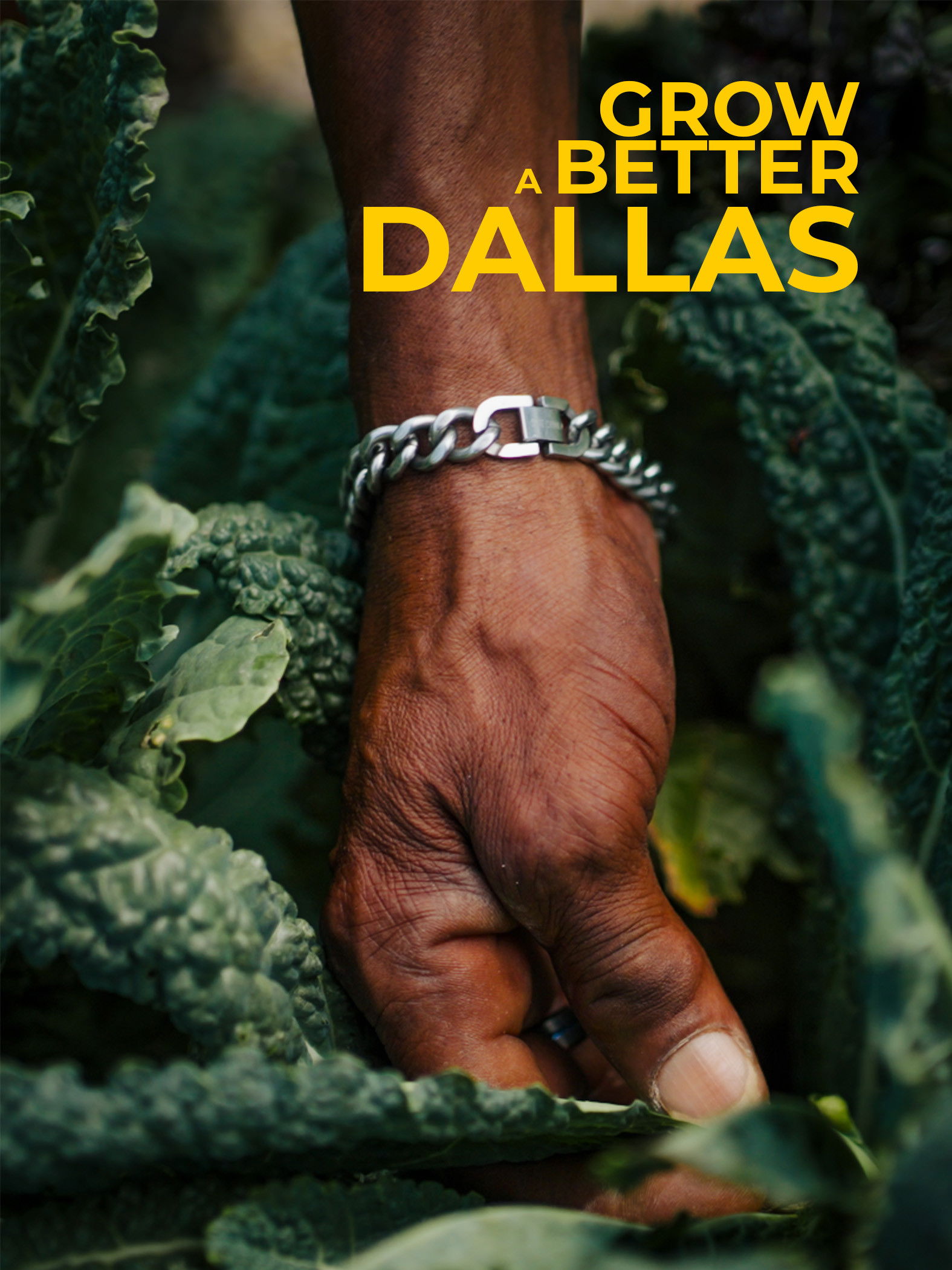
"Grow a Better Dallas" is a short documentary film showcasing South Dallas' Restorative Farms, a registered non-profit offering restorative justice and urban agriculture solutions to the "food desert" problem in South Dallas. Restorative Farms offers the ability for rehabilitation and therapeutic solutions to individuals with criminal backgrounds to come and contribute as employees to the farm. Restorative Farms was co-founded by Tyrone Day, who was falsely incarcerated for over 26 years.
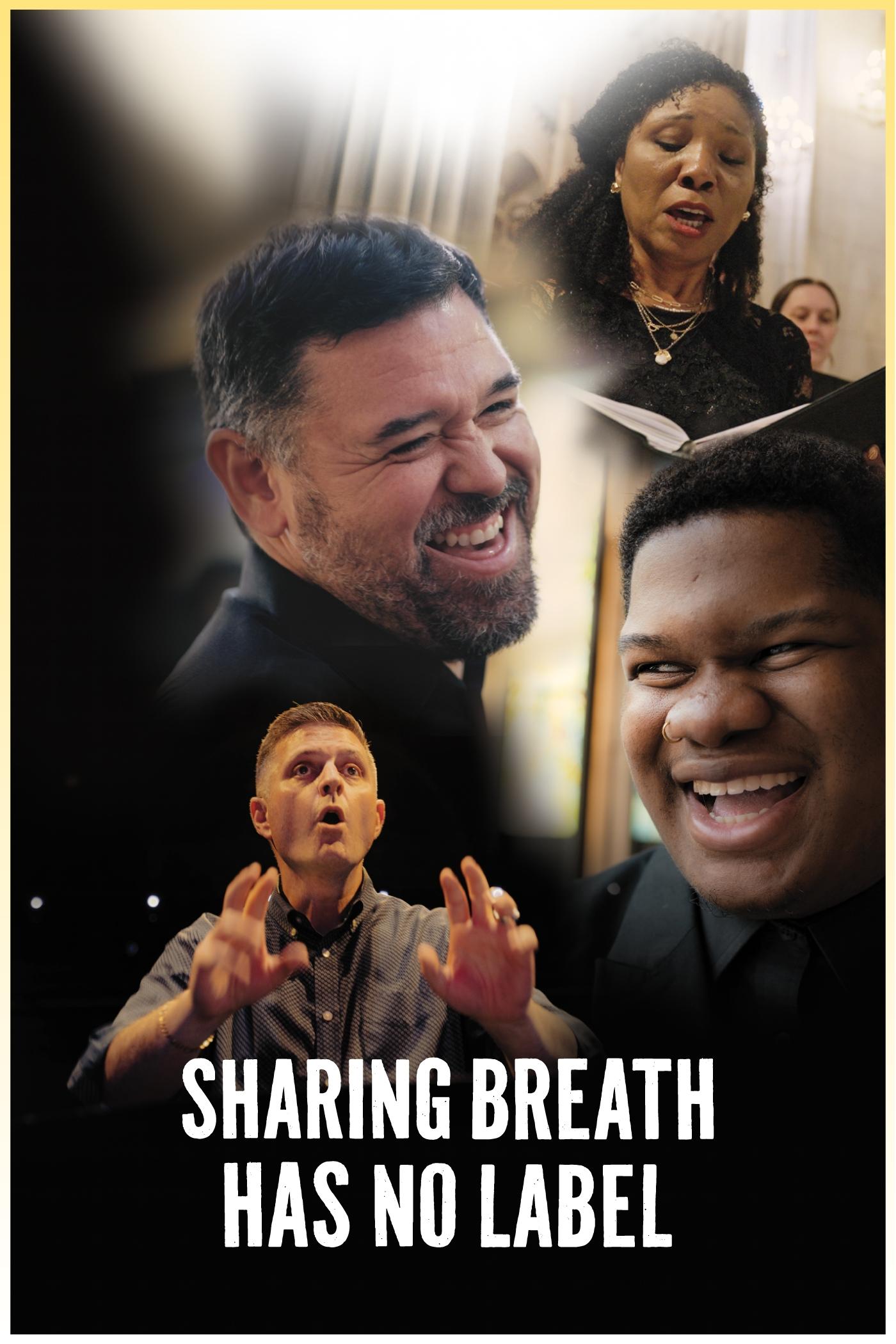
This documentary film tells the story of the Credo Community Choir, a Dallas-based ensemble on a mission to foster acceptance through the power of music. Embark on a captivating journey from Dallas, Texas to Argentina and Uruguay, witnessing Credo's philanthropic endeavors to transform lives through the universal language of music. Credo Choir has ages 14-82, and a variety of all backgrounds, abilities, and musical experience.
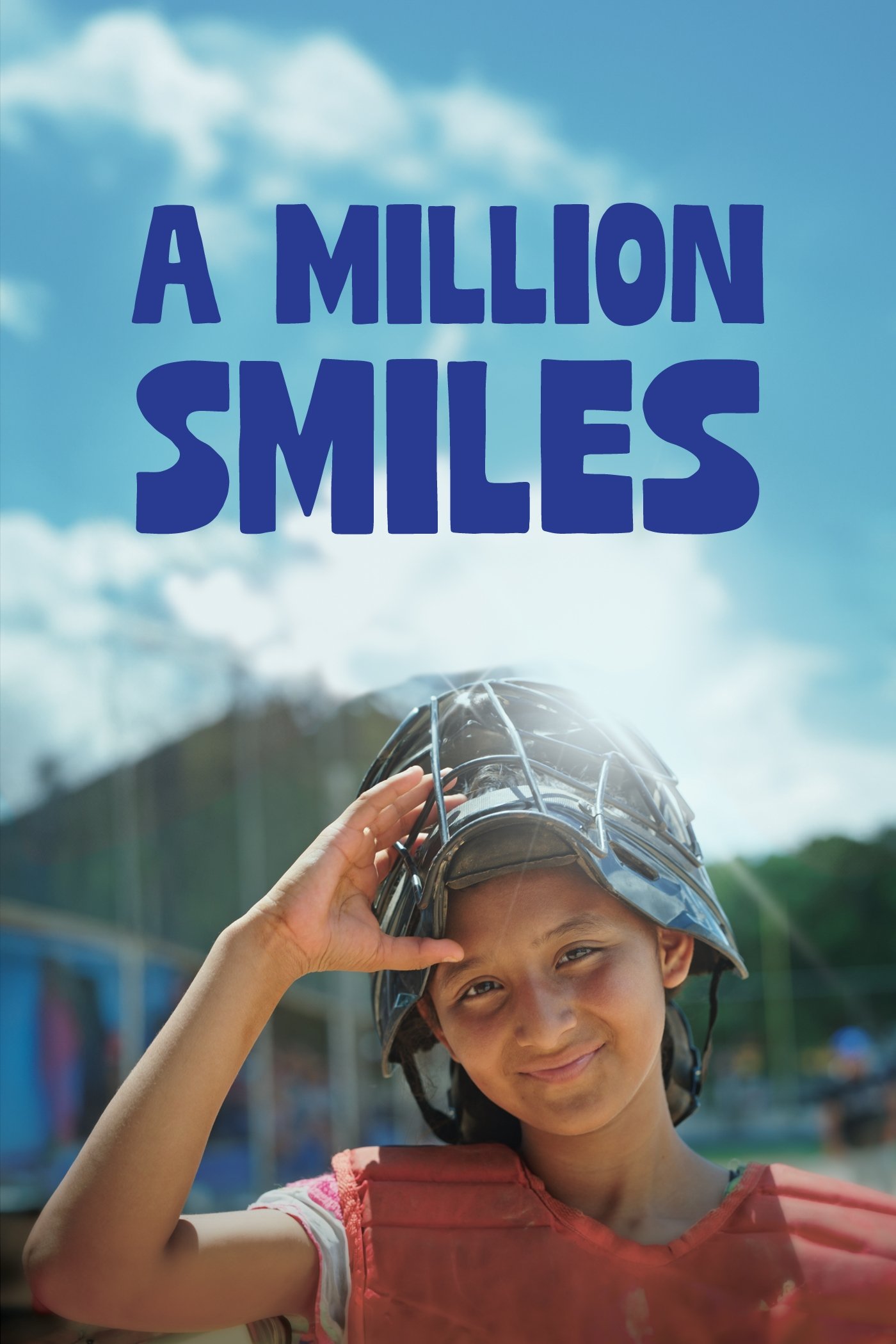
"A Million Smiles" is a documentary film showcasing the Baseball Without Borders Foundation based in San Francisco, CA for nearly 30 years. Baseball Without Borders Foundation brings joy to children throughout the world through a love of America’s favorite pastime, baseball. They provide new and used baseball and softball equipment to children of all ages and they donate all equipment free of charge. Donations have been made to children in 52 countries since 1995. Baseball Without Borders has no paid staff. 100% of donated funds help to promote friendship, recipients' native cultures and connection with the less fortunate of our world. This is the first film in Baseball Without Borders history. This film focuses on bringing awareness to the culture and children of Yucatán while giving viewers a sense of the impact that Baseball Without Borders has been creating for more than 27 years as it carries out its mission to weave joy through the world by offering the gift of baseball.
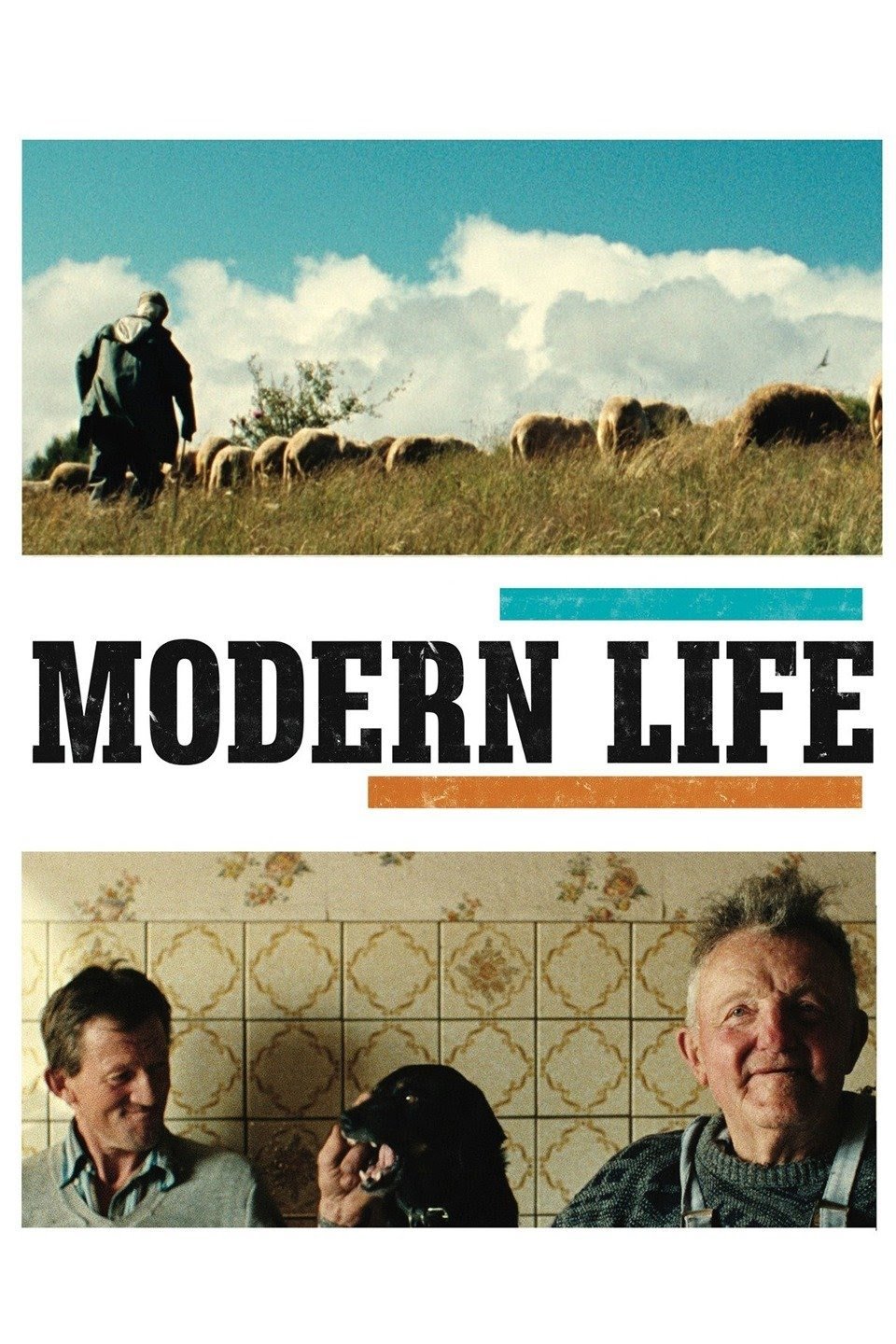
For ten years, Raymond Depardon has followed the lives of farmer living in the mountain ranges. He allows us to enter their farms with astounding naturalness. This moving film speaks, with great serenity, of our roots and of the future of the people who work on the land. This the last part of Depardon's triptych "Profils paysans" about what it is like to be a farmer today in an isolated highland area in France. "La vie moderne" examines what has become of the persons he has followed for ten years, while featuring younger people who try to farm or raise cattle or poultry, come hell or high water.
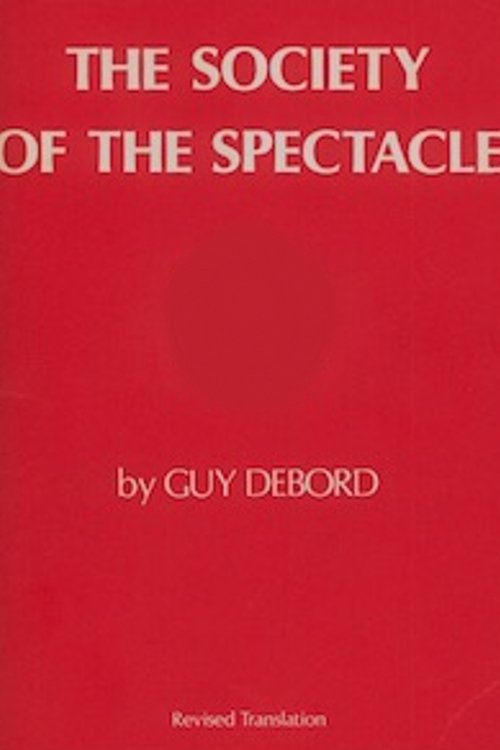
Guy Debord's analysis of a consumer society.
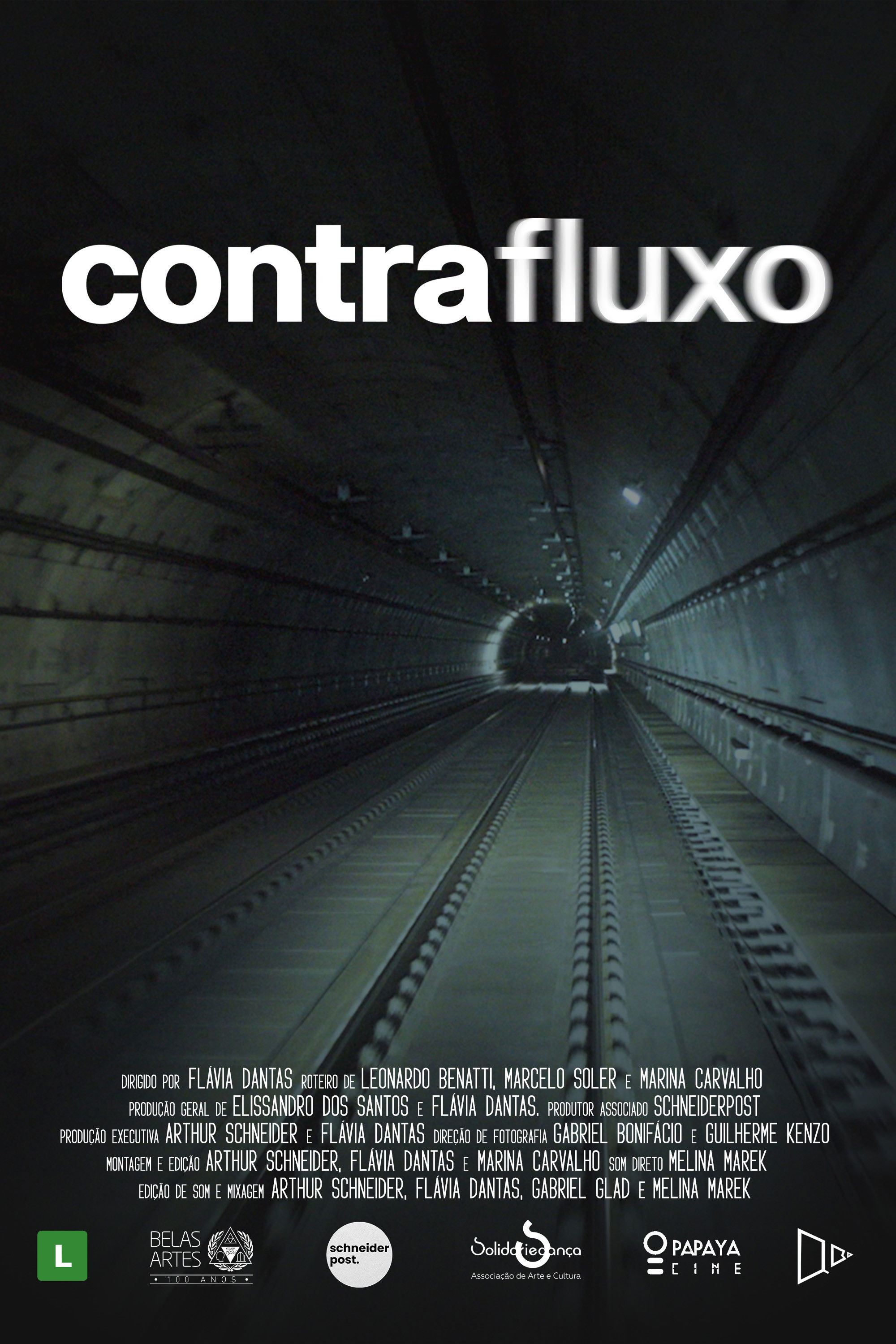
Amidst the paralysis of downtown São Paulo, the film follows the journey of 5 characters to the same place - a common meeting point. The voices and experiences of each reveal something greater: a new perspective on life, movement and art.
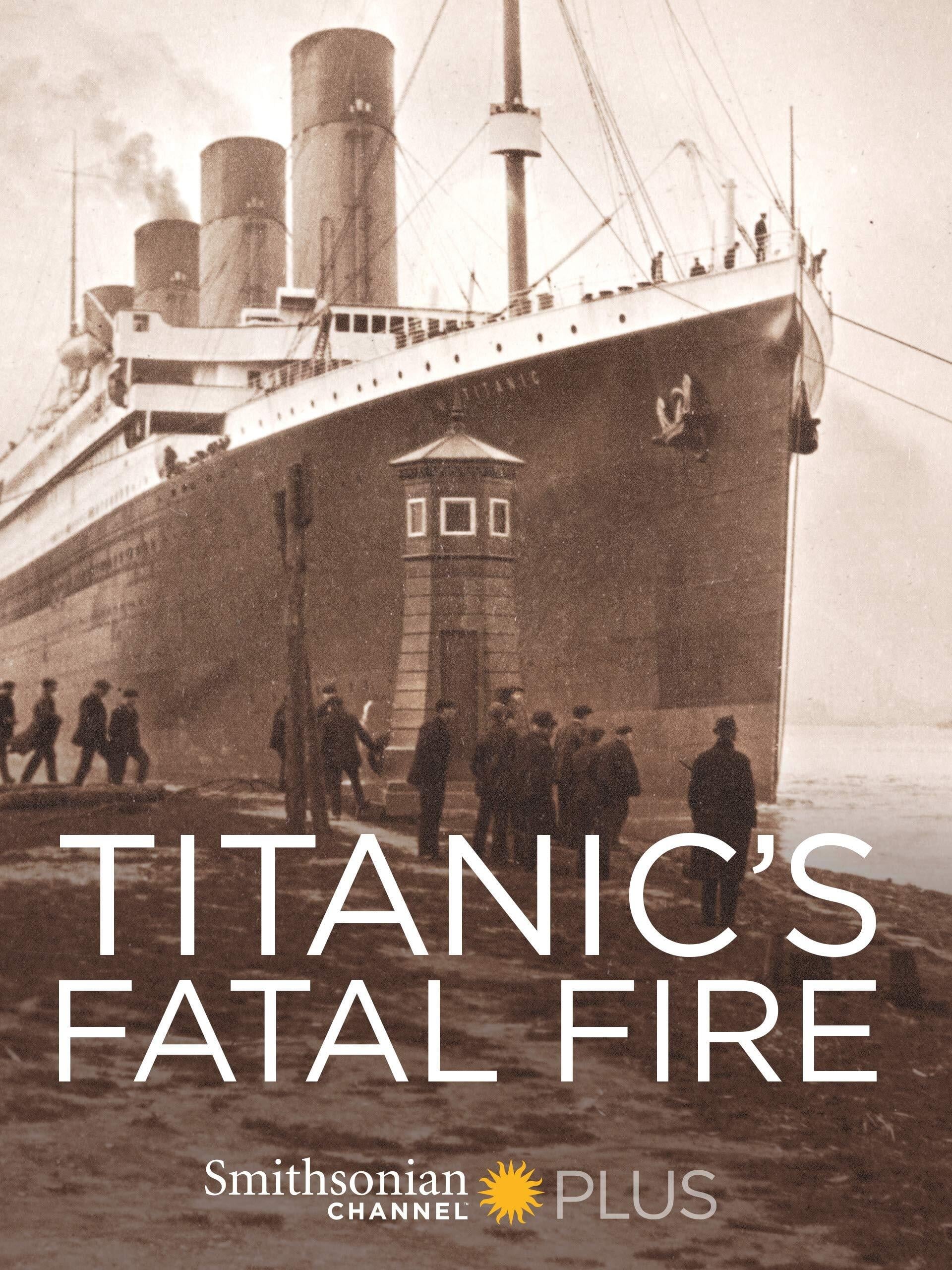
The sinking of the Titanic sent shockwaves around the world and started debates that continue to this day. But new, explosive evidence from the most unlikely of sources may finally lay all arguments to rest and reveal, for the first time, the full story of what possibly doomed the "unsinkable" liner. Join us as we unveil recently discovered and never-before-seen photographs of the super ship that exposes shocking clues that investigators and historians once dismissed but can no longer ignore.
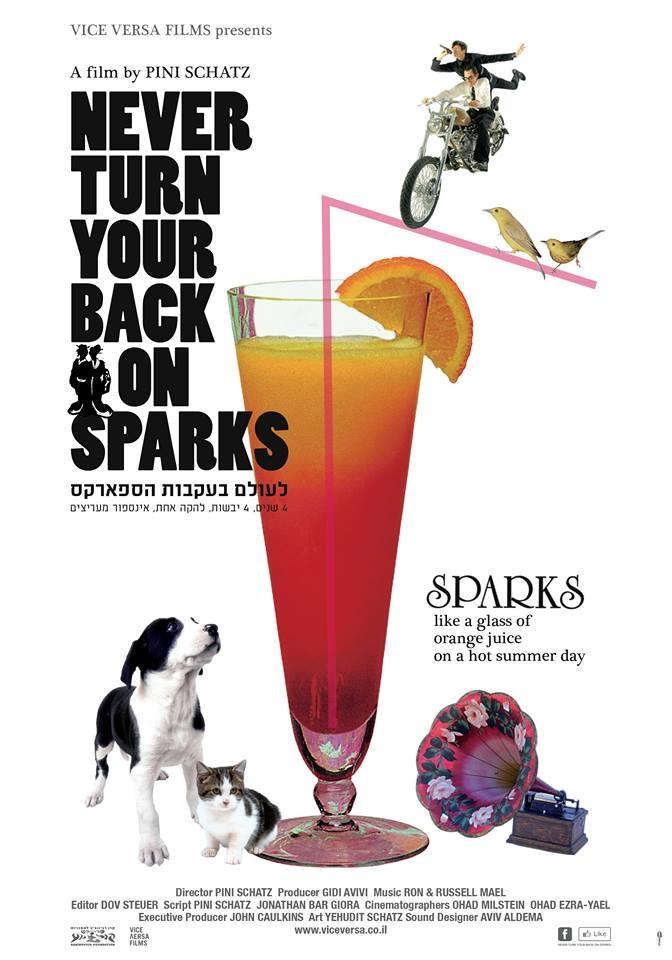
As he turns 50, filmmaker Pini Schatz sets out to explore his life-long obsession with the band Sparks (the brothers Ron and Russell Mael). Pini charts the impact of Sparks on his life while meeting with fellow Sparks fans, among them famous musicians, in Tel Aviv, London, Berlin, Rotterdam and NYC. Structured as a personal quest of the filmmaker to prove that Sparks are the coolest underrated band in the history of popular music, this docu-comedy explores the universal themes of growing old and being an outsider, the importance of art in daily life and the power of non-conformism.
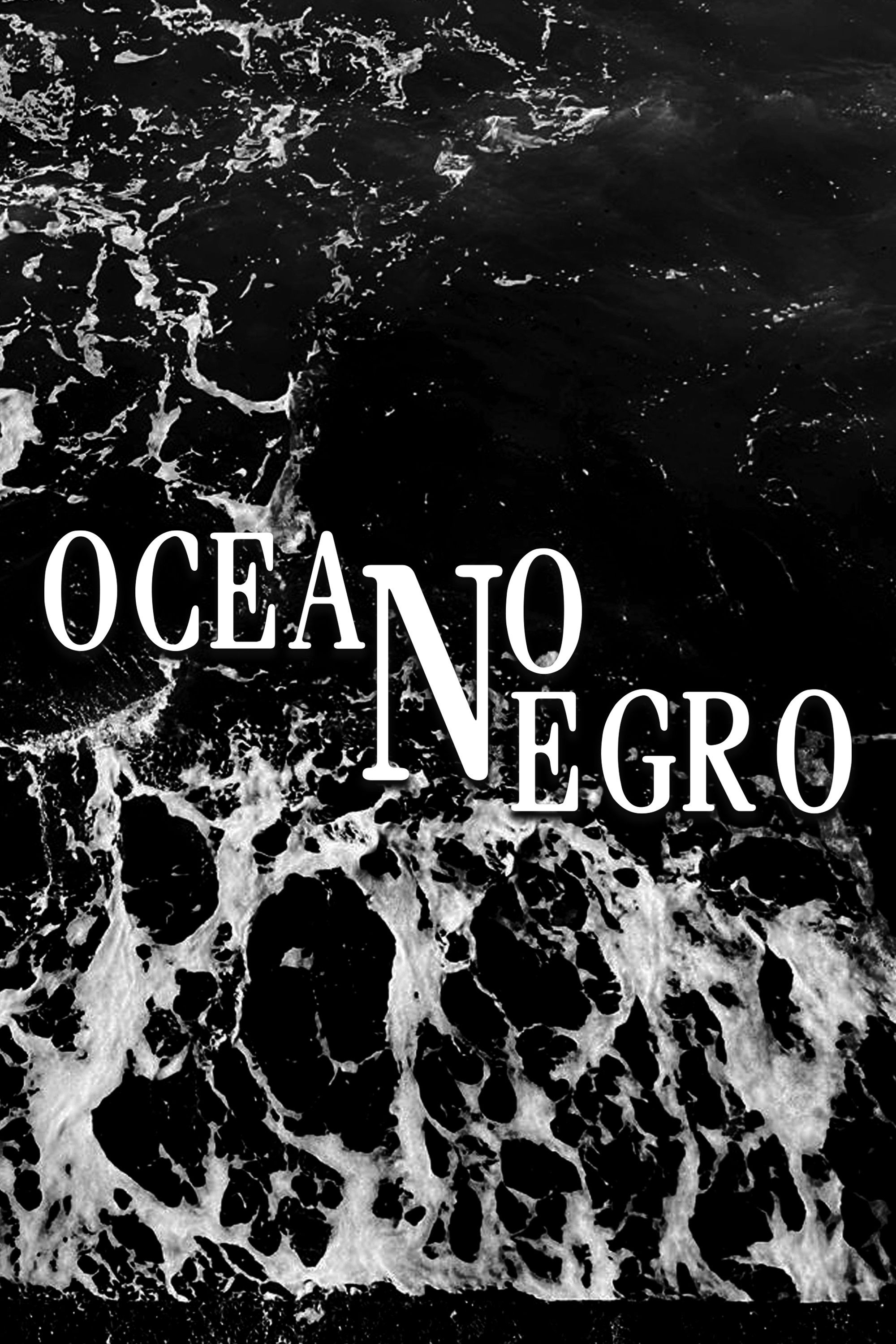
Carlos Carreto, photographer, and María Fernández, painter, join forces to bring forth the exhibition “Océano Negro”. A brief journey not only through their work, but also within themselves. An excuse to talk about water in all its forms and provocations. Rain, clouds, reflections, distortion... everything is water to be shaped with the gaze.
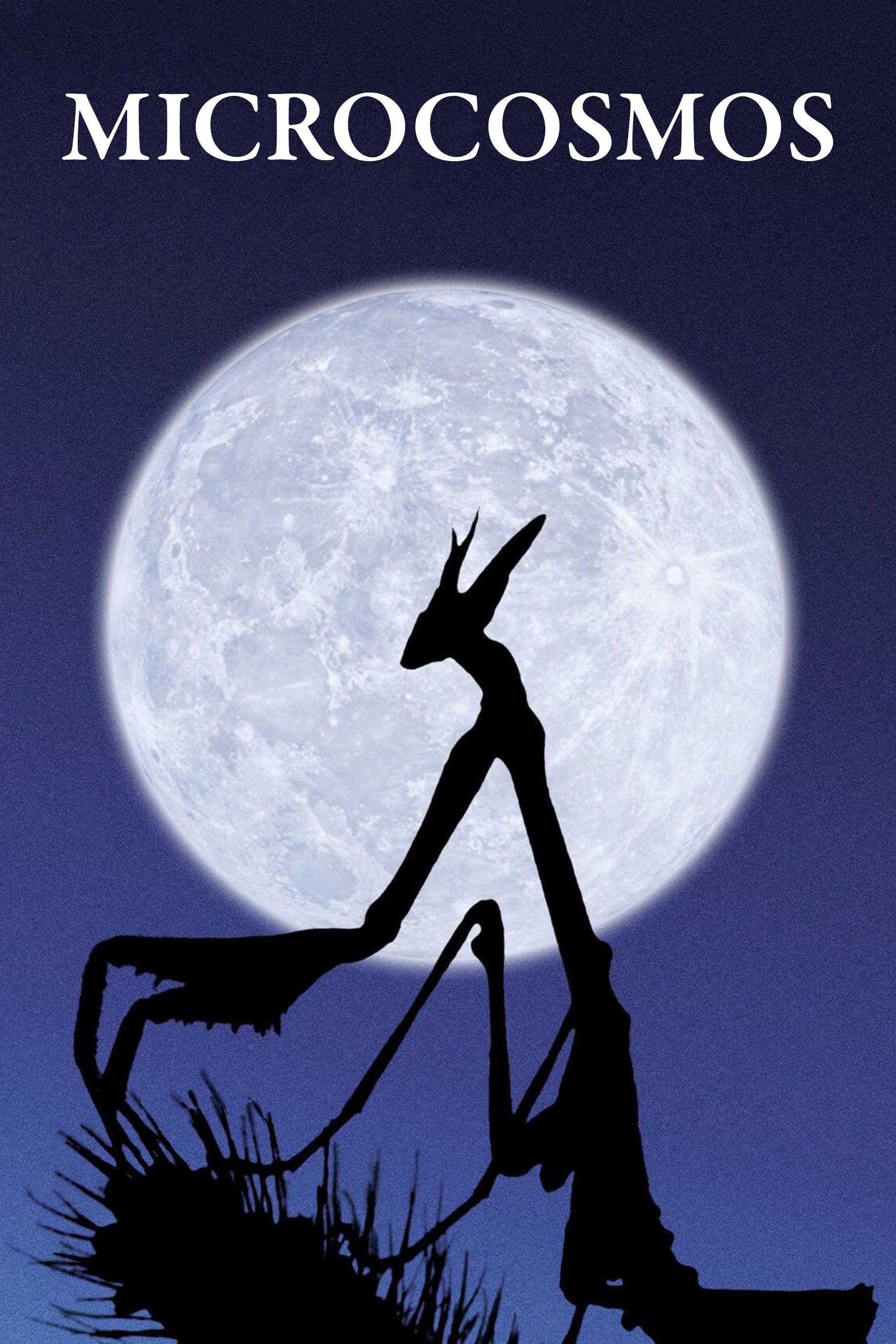
A documentary of insect life in meadows and ponds, using incredible close-ups, slow motion, and time-lapse photography. It includes bees collecting nectar, ladybugs eating mites, snails mating, spiders wrapping their catch, a scarab beetle relentlessly pushing its ball of dung uphill, endless lines of caterpillars, an underwater spider creating an air bubble to live in, and a mosquito hatching.
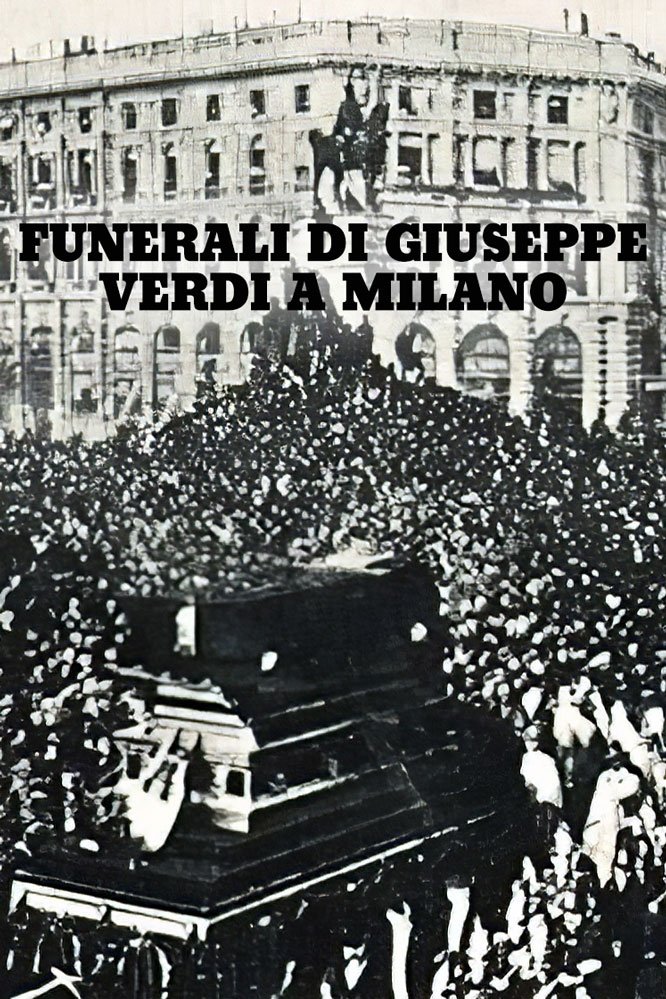
On 28 January 1901 the great musician Giuseppe Verdi died from the consequences of a stroke that had struck him six days earlier. These very rare images, captured in Milan on 27 February 1901 by the operator and pioneer of Milanese cinema Italo Pacchioni, document the transfer of the Maestro's body from the Monumental Cemetery of Milan to the famous retirement home for musicians which he himself founded.
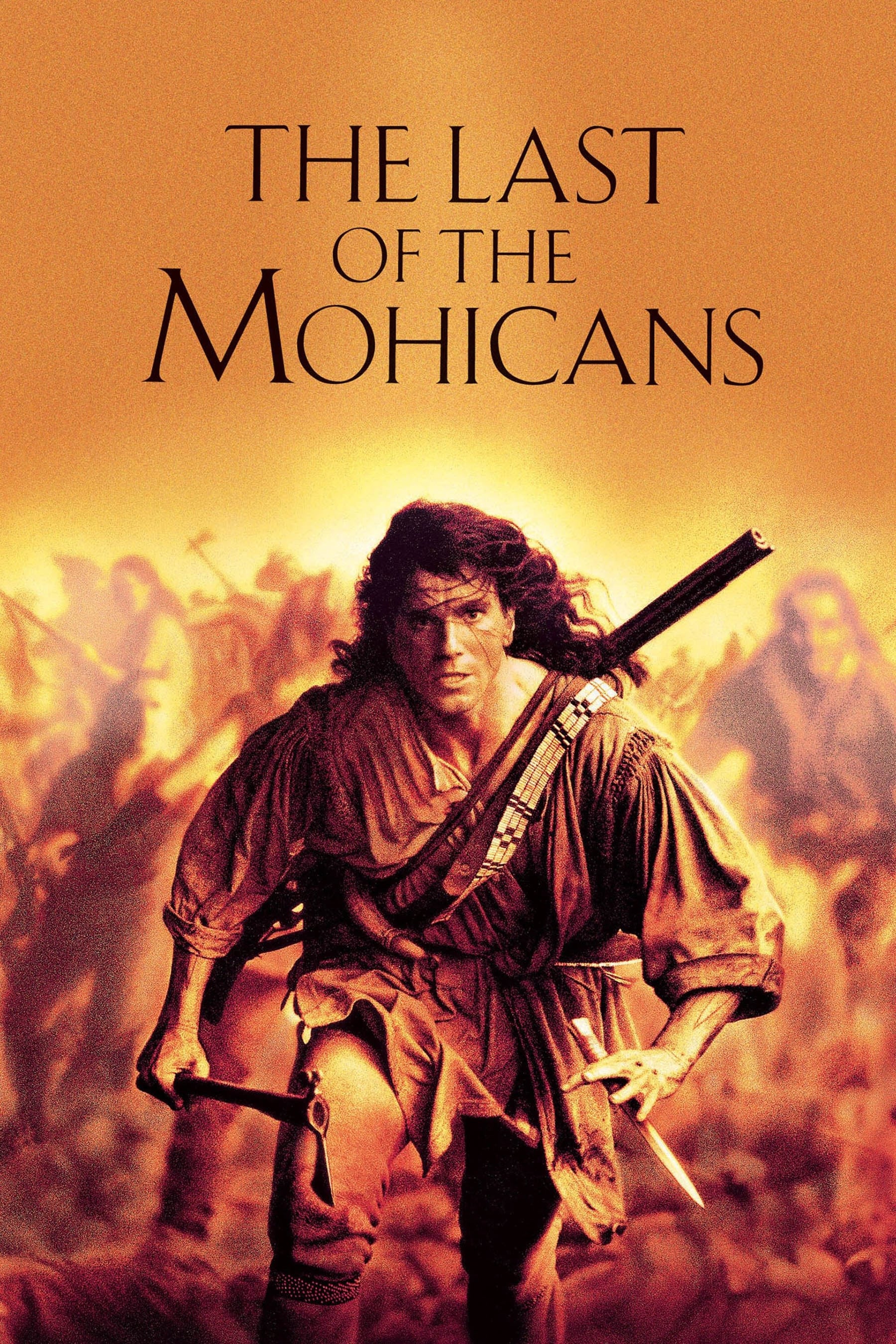
In war-torn colonial America, in the midst of a bloody battle between British, the French and Native American allies, the aristocratic daughter of a British Colonel and her party are captured by a group of Huron warriors. Fortunately, a group of three Mohican trappers comes to their rescue.
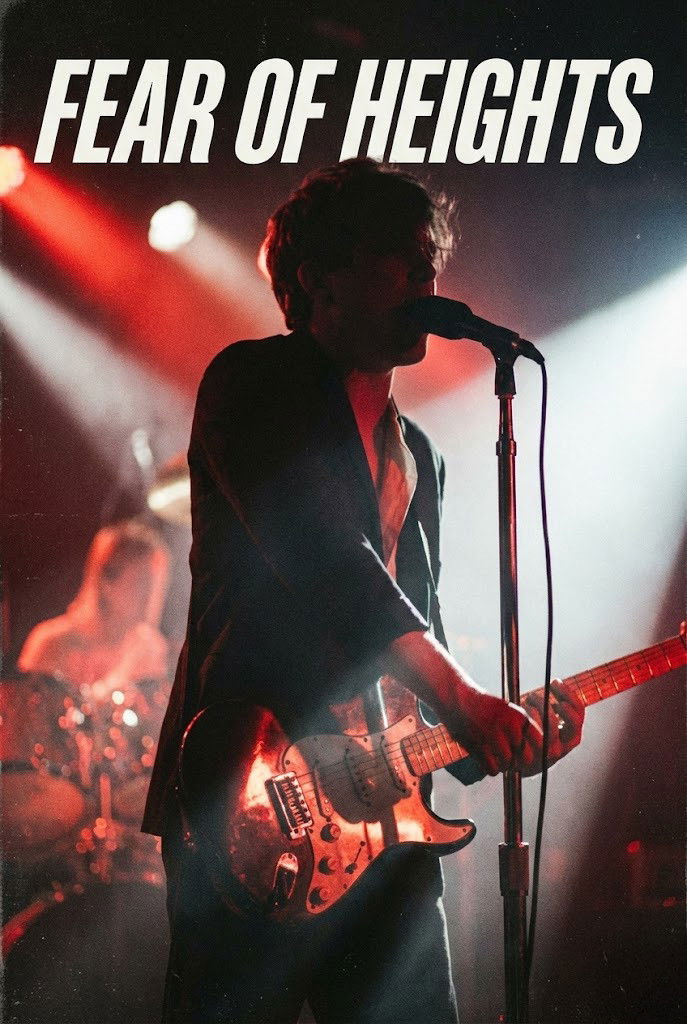
In 1983, film student Rich Murray was handed $20,000 in a brown paper bag by a mobster. The money was for directing his first music video for a virtually unknown Philly rocker named Alan Mann. Mann's song "Christmas on the Block" became a Philly radio staple and Murray's music video, against the odds, became the first indie video to play on MTV. This experience, tainted by Mann's tragic passing, remained with Murray through the years. With "Fear of Heights," Murray travels back to that time to answer some nagging questions and to illuminate the dark, mysterious life and music of Alan Mann.
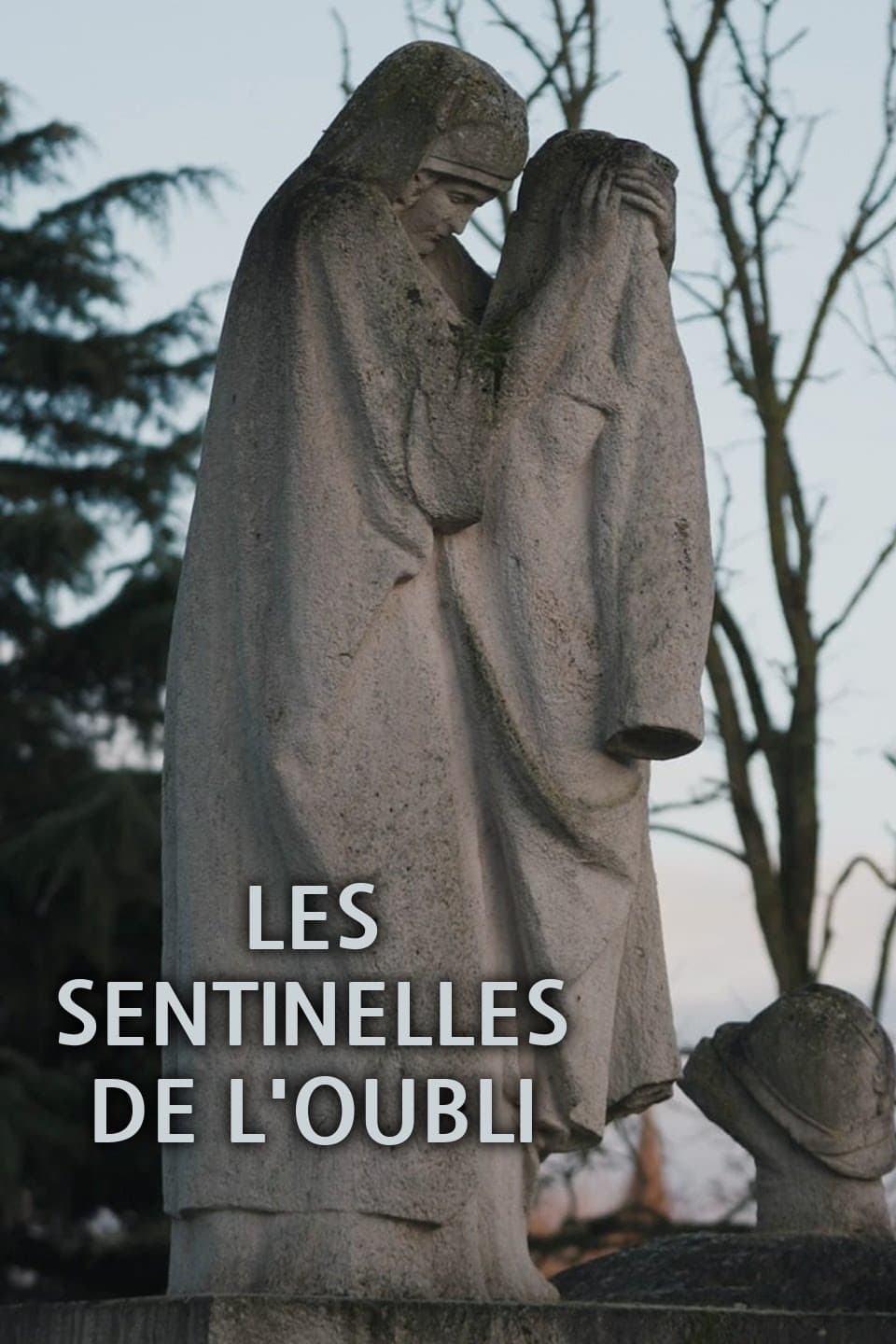
The war memorials of 1914-1918 have become so familiar that we no longer see them. They've become an invisible museum, blending into the landscape of France. Then, one fine day, a sculpture catches our eye. Another History appears, perhaps the most gigantic artistic project since the cathedrals...
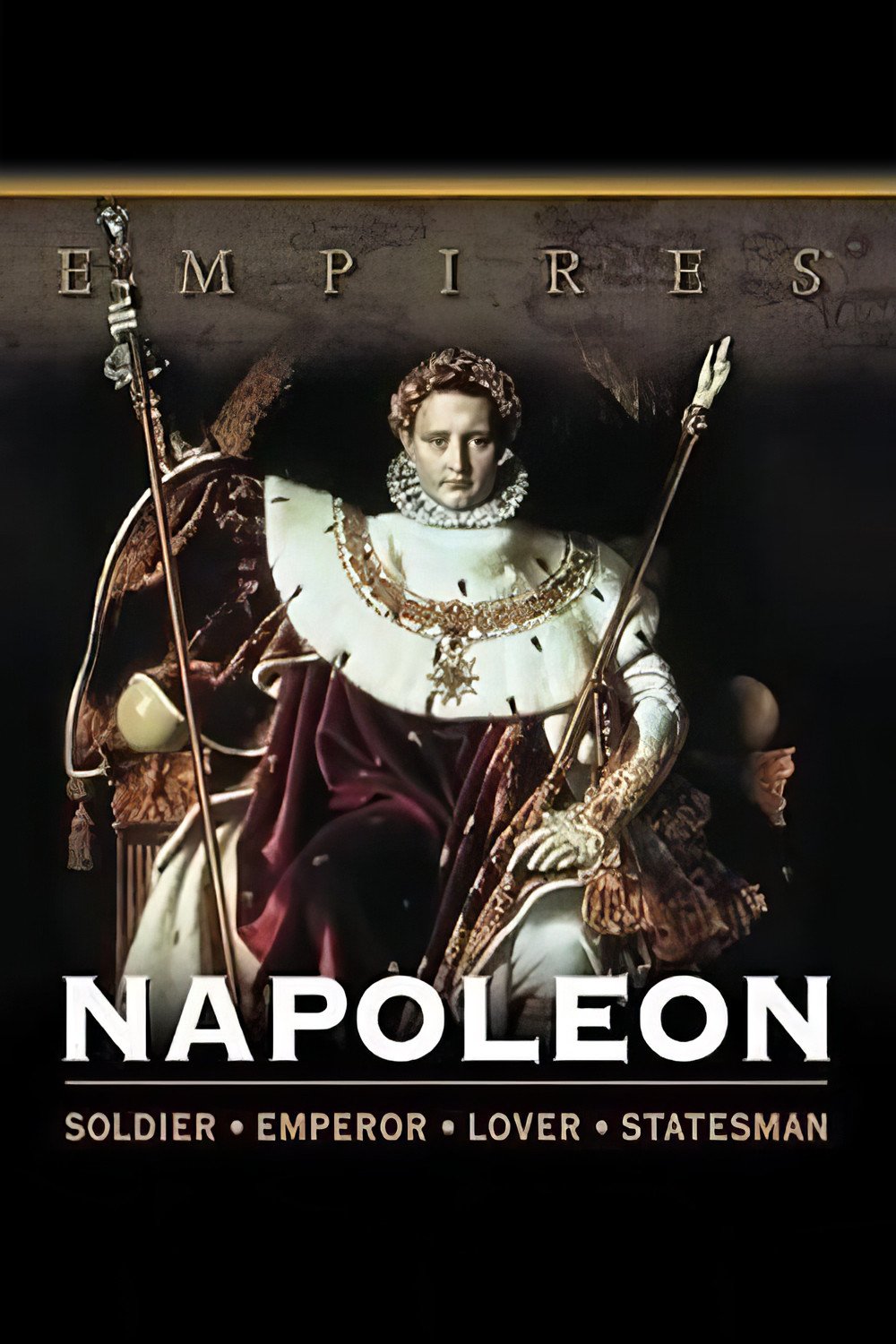
In David Grubin's NAPOLEON watch Napoleon's rise from obscurity to victories that made him a hero to the French people and convinced him he was destined for greatness. Learn of his love for Josephine Beauharnais, and his rise to Emperor. Witness his extraordinary achievements and ultimately his fall, his final battles, his exile to Elba, and his defeat at Waterloo. For nearly two decades he strode the world stage like a colossus -- loved and despised, venerated and feared. From his birth on the rugged island of Corsica to his final exile on the godforsaken island of St. Helena, NAPOLEON brings this extraordinary figure to life.
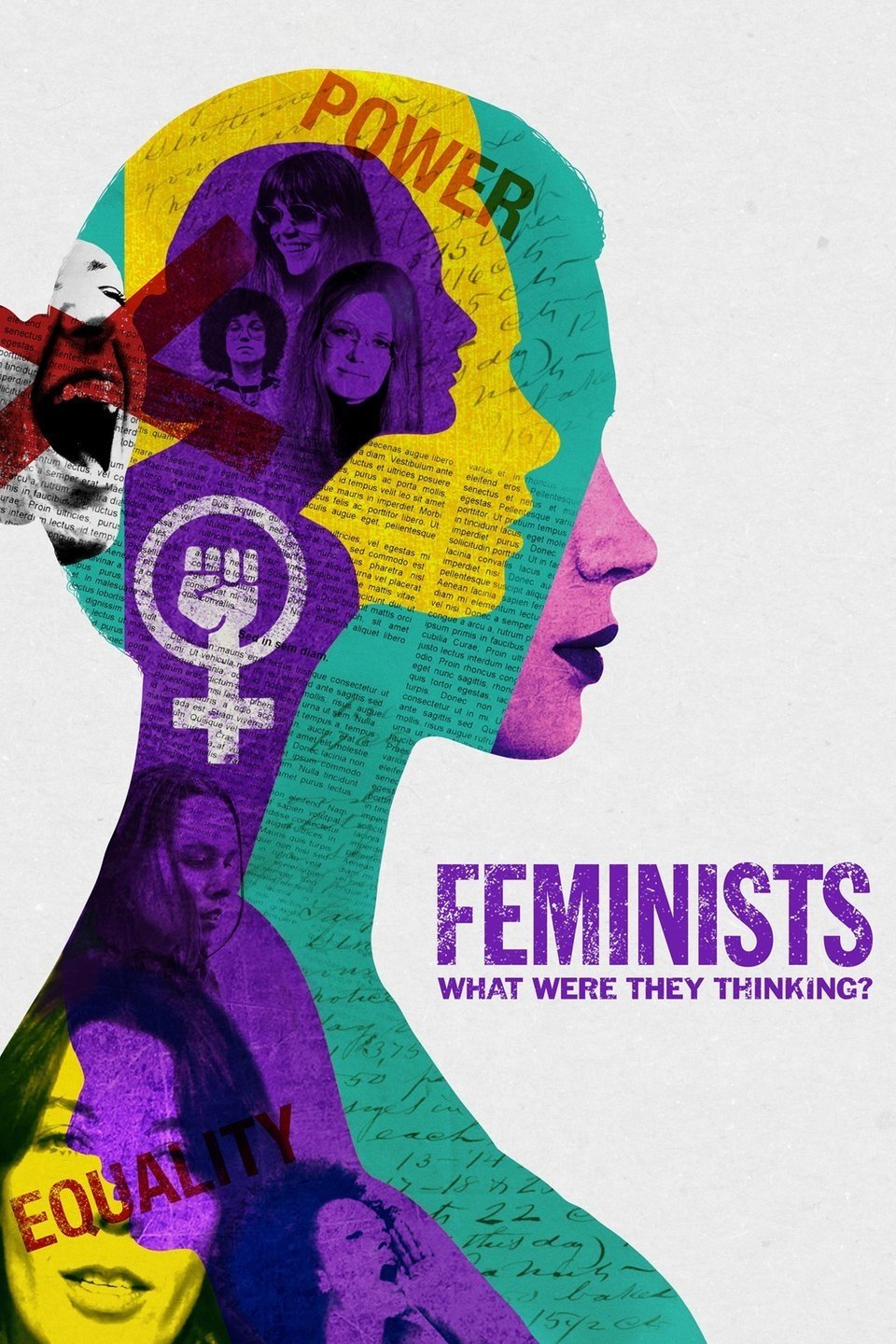
In 1977, a book of photographs captured an awakening - women shedding the cultural restrictions of their childhoods and embracing their full humanity. This documentary revisits those photos, those women and those times and takes aim at our culture today that alarmingly shows the need for continued change.
A documentary on the expletive's origin, why it offends some people so deeply, and what can be gained from its use.
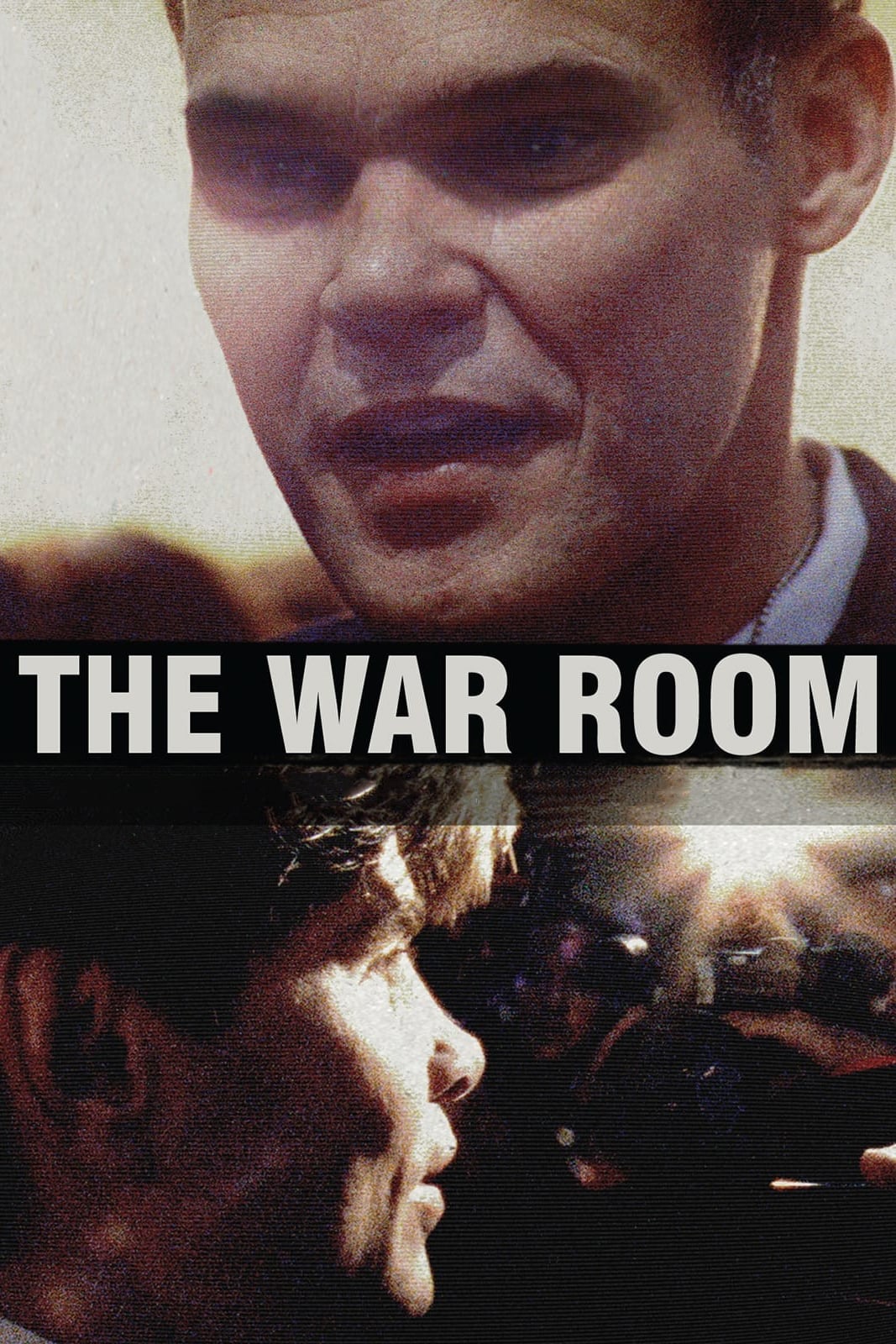
A behind-the-scenes documentary about the Clinton for President campaign, focusing on the adventures of spin doctors James Carville and George Stephanopoulos.
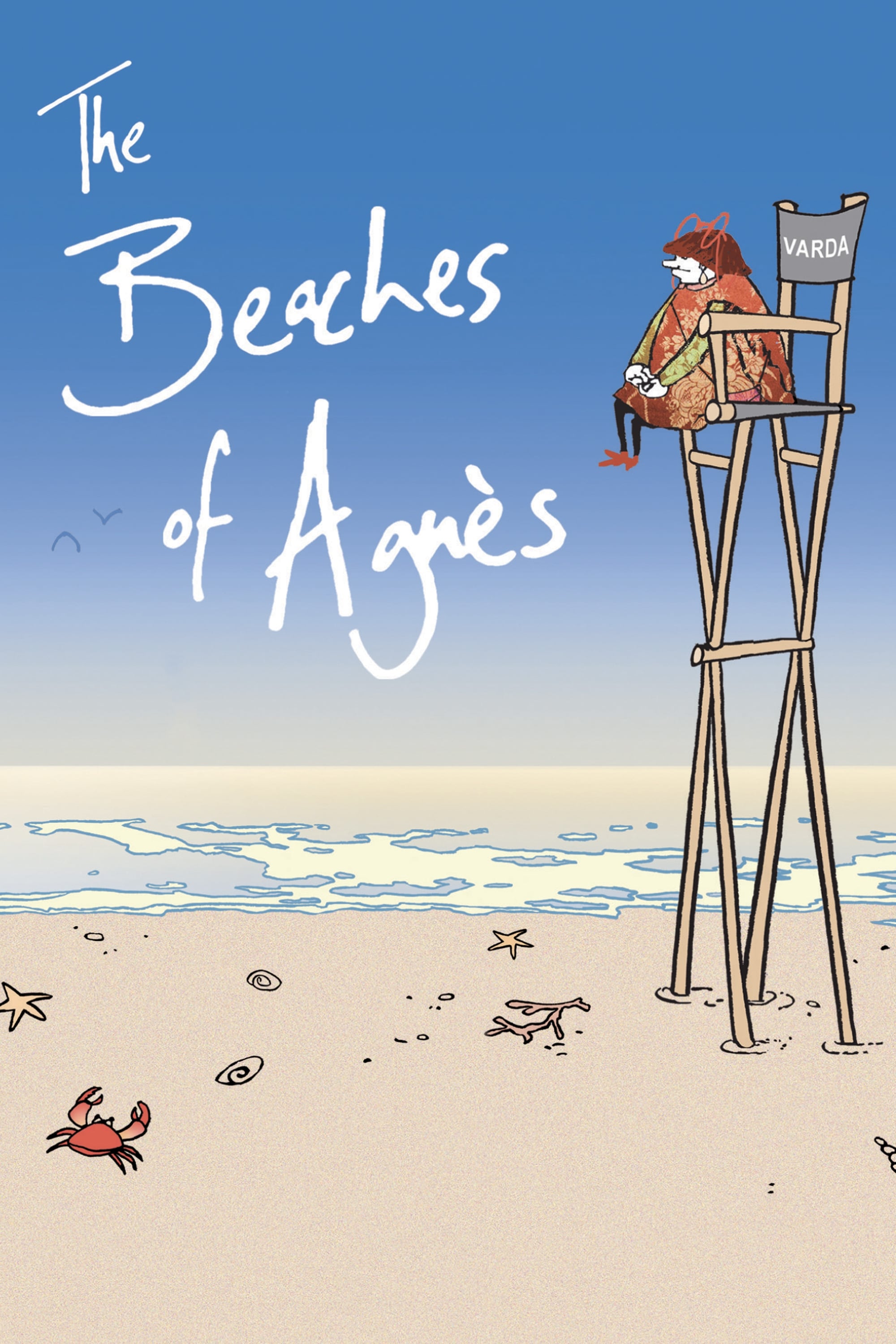
Filmmaking icon Agnès Varda, the award-winning director regarded by many as the grandmother of the French new wave, turns the camera on herself with this unique autobiographical documentary. Composed of film excerpts and elaborate dramatic re-creations, Varda's self-portrait recounts the highs and lows of her professional career, the many friendships that affected her life and her longtime marriage to cinematic giant Jacques Demy.
Director Claude Lanzmann spent 11 years on this sprawling documentary about the Holocaust, conducting his own interviews and refusing to use a single frame of archival footage. Dividing Holocaust witnesses into three categories – survivors, bystanders, and perpetrators – Lanzmann presents testimonies from survivors of the Chelmno concentration camp, an Auschwitz escapee, and witnesses of the Warsaw Ghetto Uprising, as well as a chilling report of gas chambers from an SS officer at Treblinka.
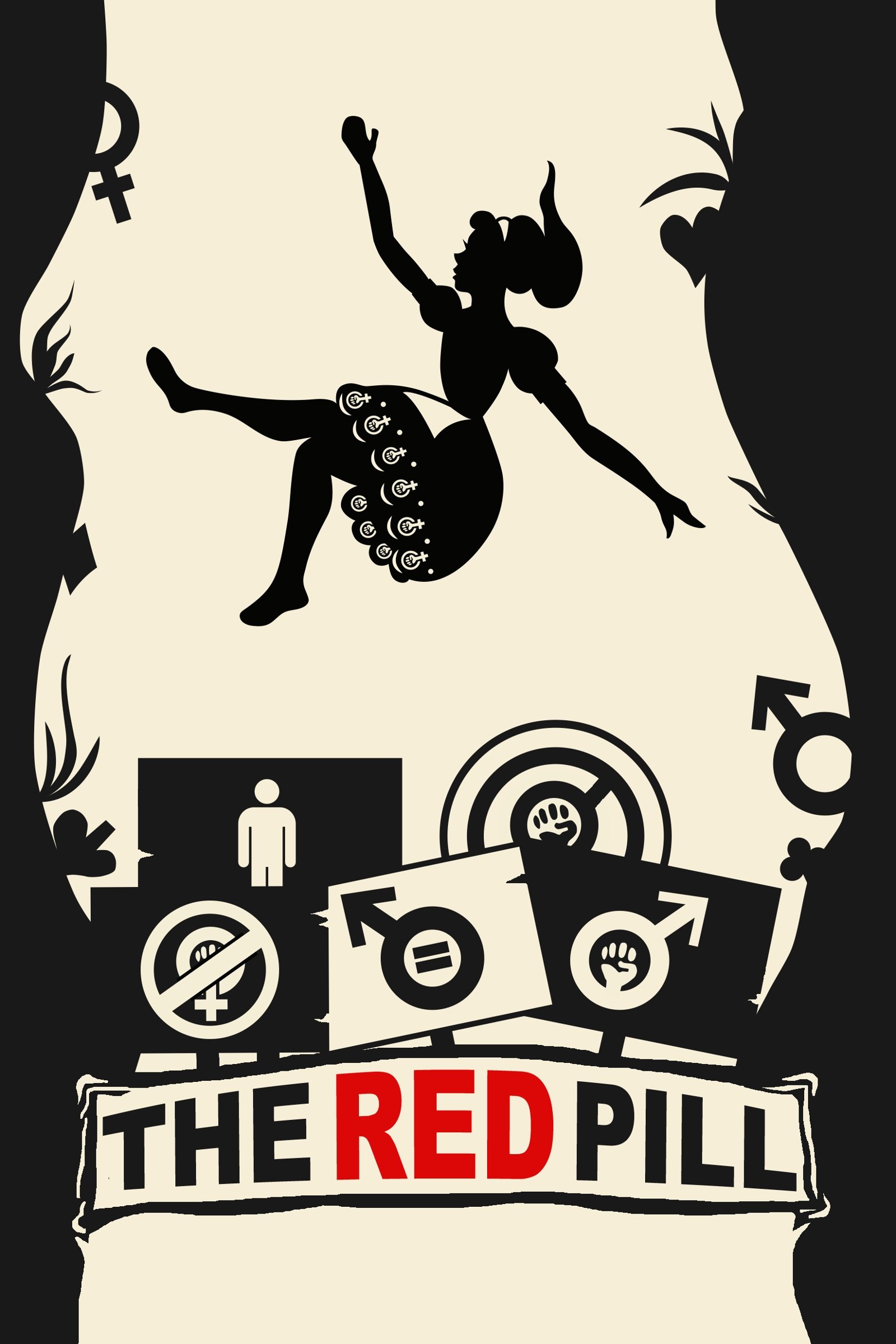
When a feminist filmmaker sets out to document the mysterious and polarizing world of the Men’s Rights Movement, she begins to question her own beliefs. Chronicling Cassie Jaye’s journey exploring an alternate perspective on gender equality, power and privilege.
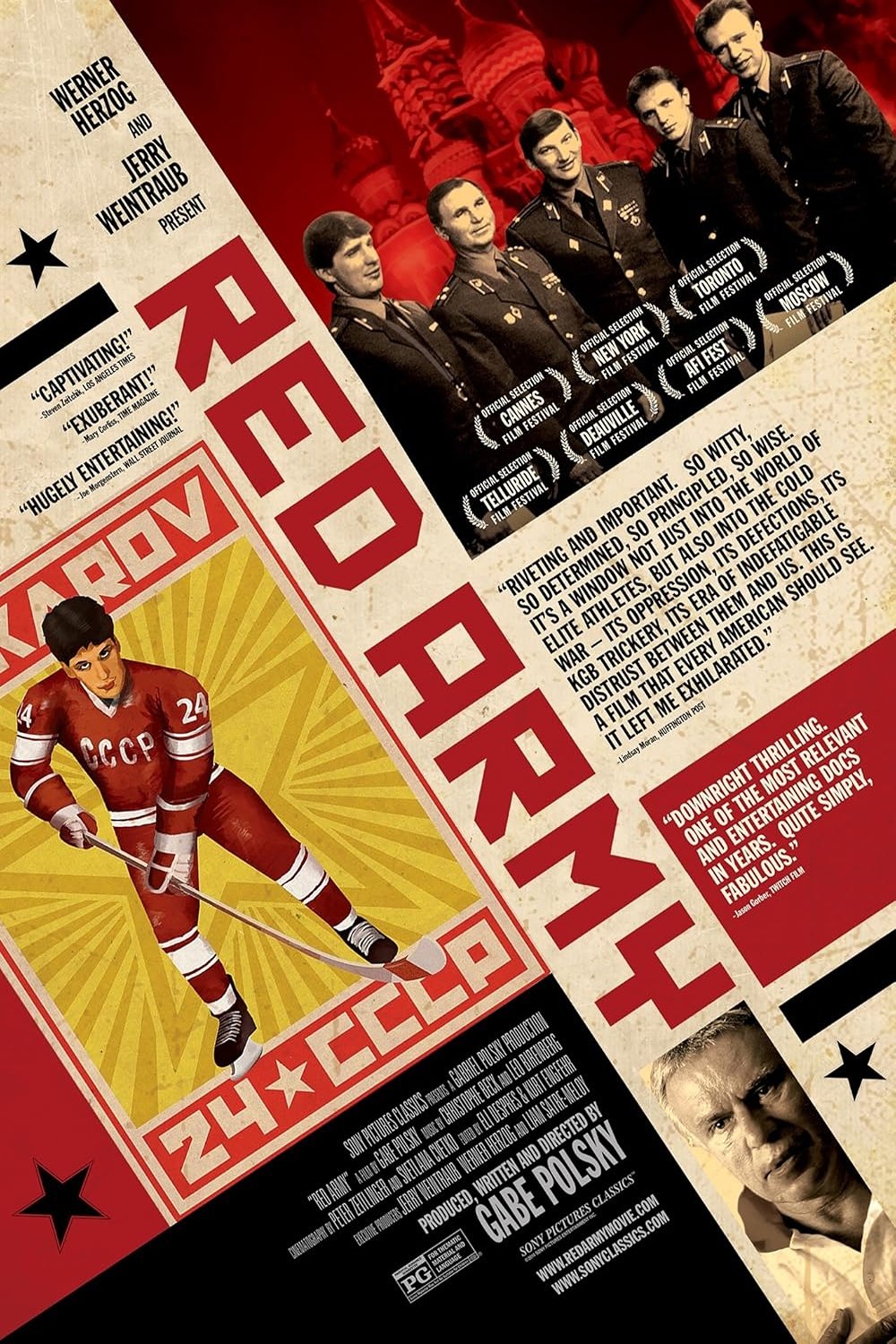
A documentary highlighting the Soviet Union's legendary and enigmatic hockey training culture and world-dominating team through the eyes of the team's Captain Slava Fetisov, following his shift from hockey star and celebrated national hero to political enemy.
In 1964, Henri-Georges Clouzot's production of L'Enfer came to a halt. Despite huge expectations, major studio backing and an unlimited budget, after three weeks the production collapsed. This documentary presents Inferno's incredible expressionistic original rushes, screen tests, and on-location footage, whilst also reconstructing Clouzot's original vision, and shedding light on the ill-fated endeavor through interviews, dramatizations of unfilmed scenes, and Clouzot's own notes.
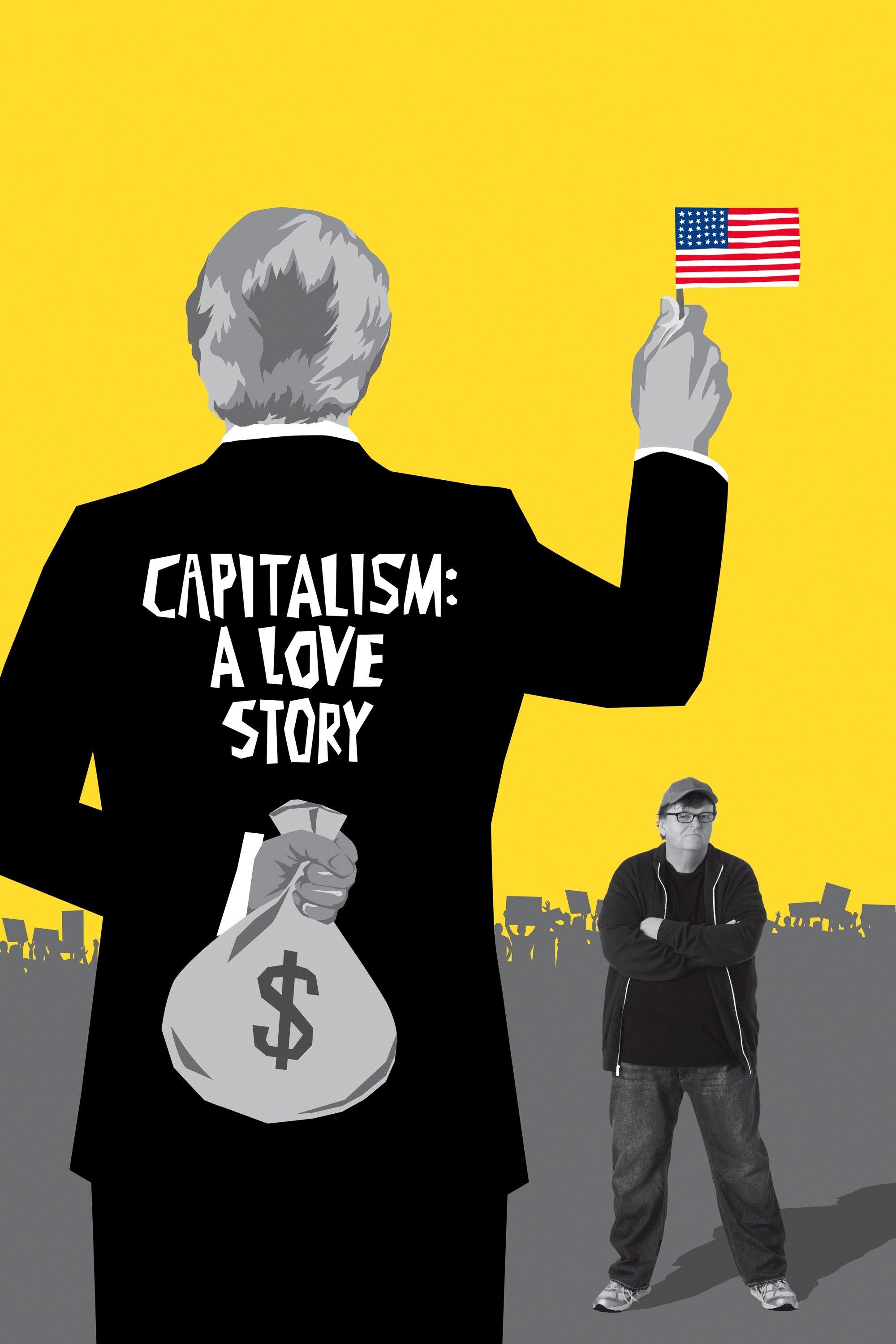
Michael Moore comes home to the issue he's been examining throughout his career: the disastrous impact of corporate dominance on the everyday lives of Americans (and by default, the rest of the world).
An unprecedented and intimate look at the life, work and enduring legacy of British actress Audrey Hepburn (1929-1993).
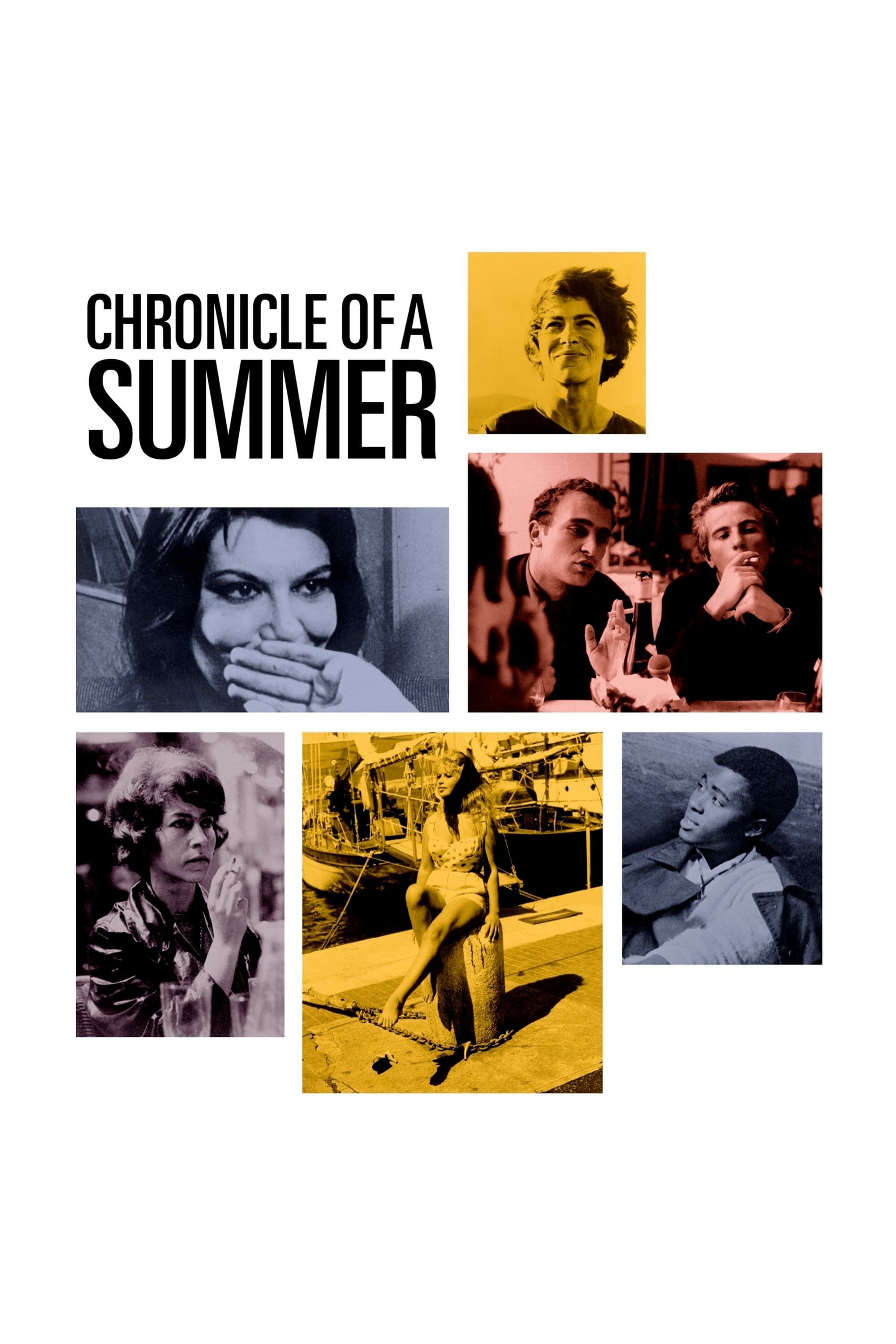
Paris, summer 1960. Anthropologist and filmmaker Jean Rouch and sociologist and film critic Edgar Morin wander through the crowded streets asking passersby how they cope with life's misfortunes.
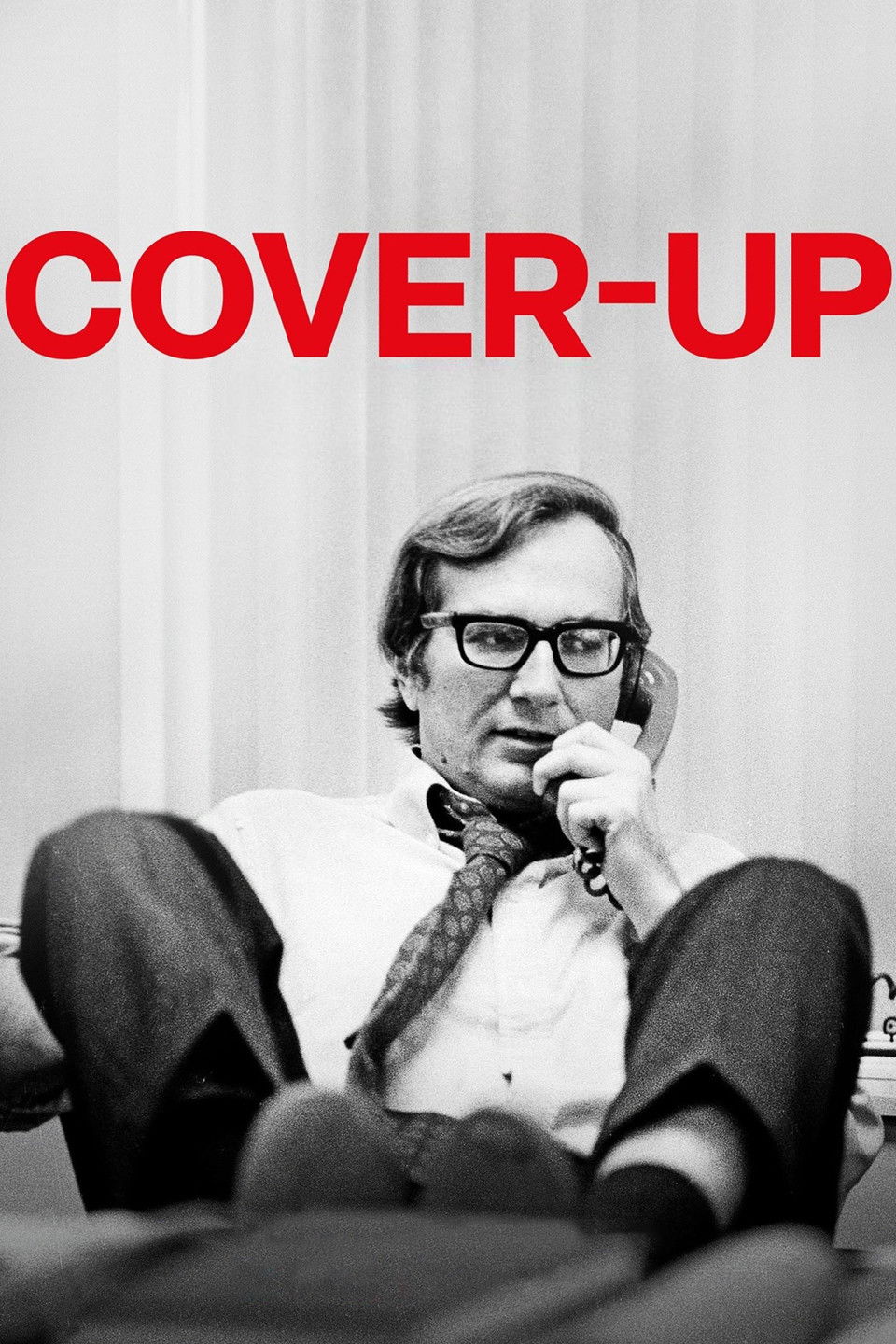
He's devoted his career to uncovering stories the powerful want buried. From My Lai to Abu Ghraib, dig into the life's work of journalist Seymour Hersh.
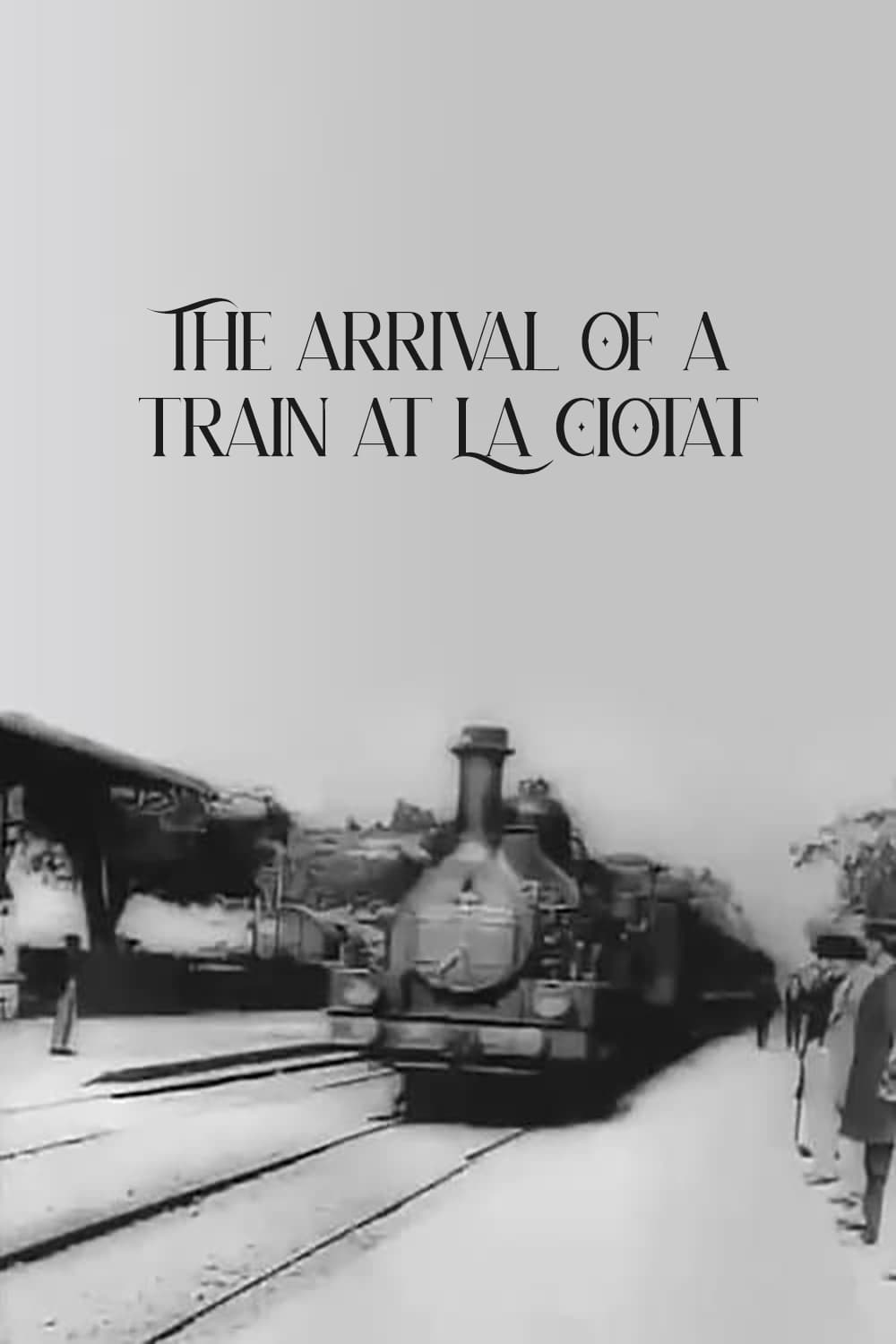
A group of people are standing along the platform of a railway station in La Ciotat, waiting for a train. One is seen coming, at some distance, and eventually stops at the platform. Doors of the railway-cars open and attendants help passengers off and on. Popular legend has it that, when this film was shown, the first-night audience fled the café in terror, fearing being run over by the "approaching" train. This legend has since been identified as promotional embellishment, though there is evidence to suggest that people were astounded at the capabilities of the Lumières' cinématographe.
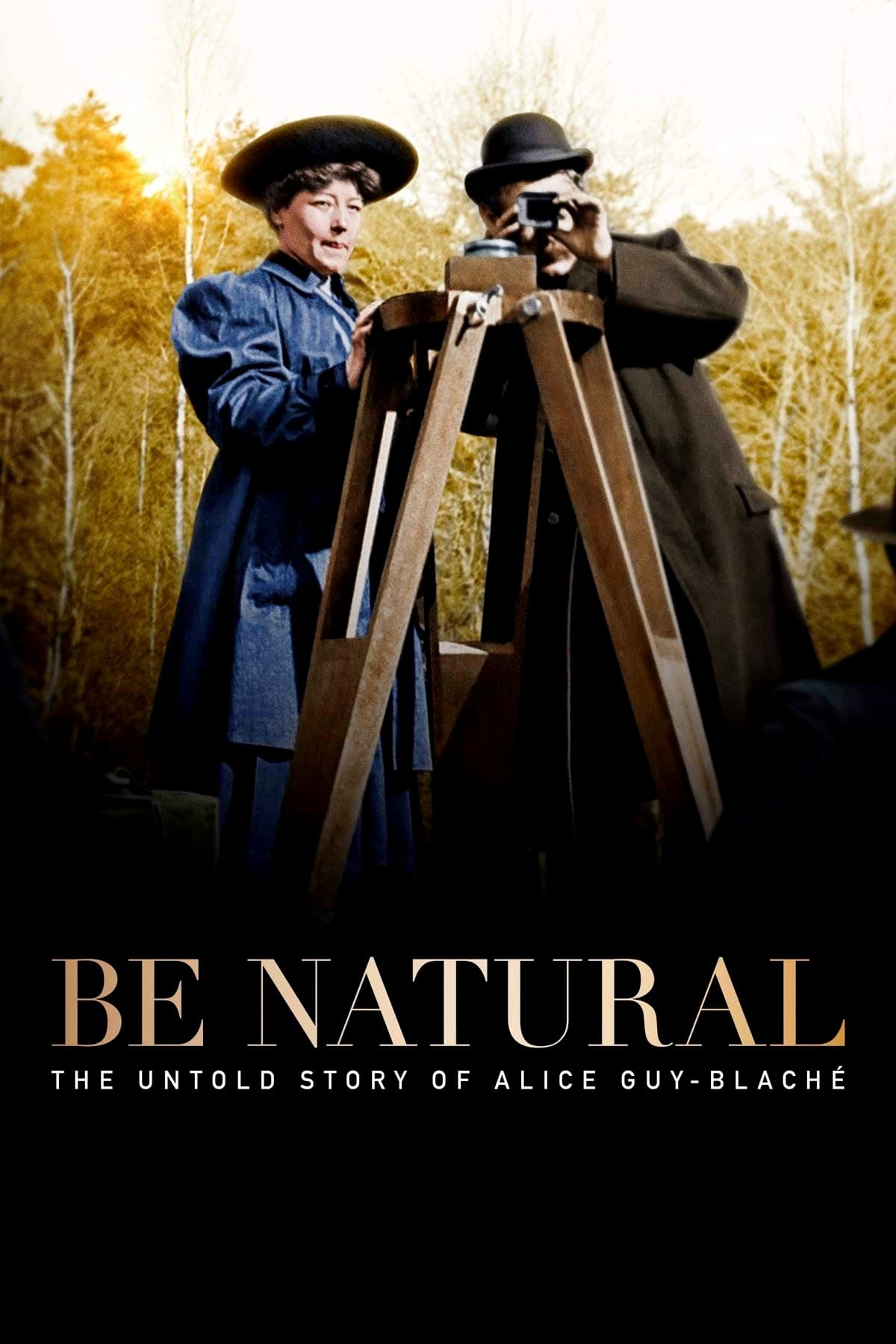
The epic life story of Alice Guy-Blaché (1873–1968), a French screenwriter, director and producer, true pioneer of cinema, the first person who made a narrative fiction film; author of hundreds of movies, but banished from history books. Ignored and forgotten. At last remembered.
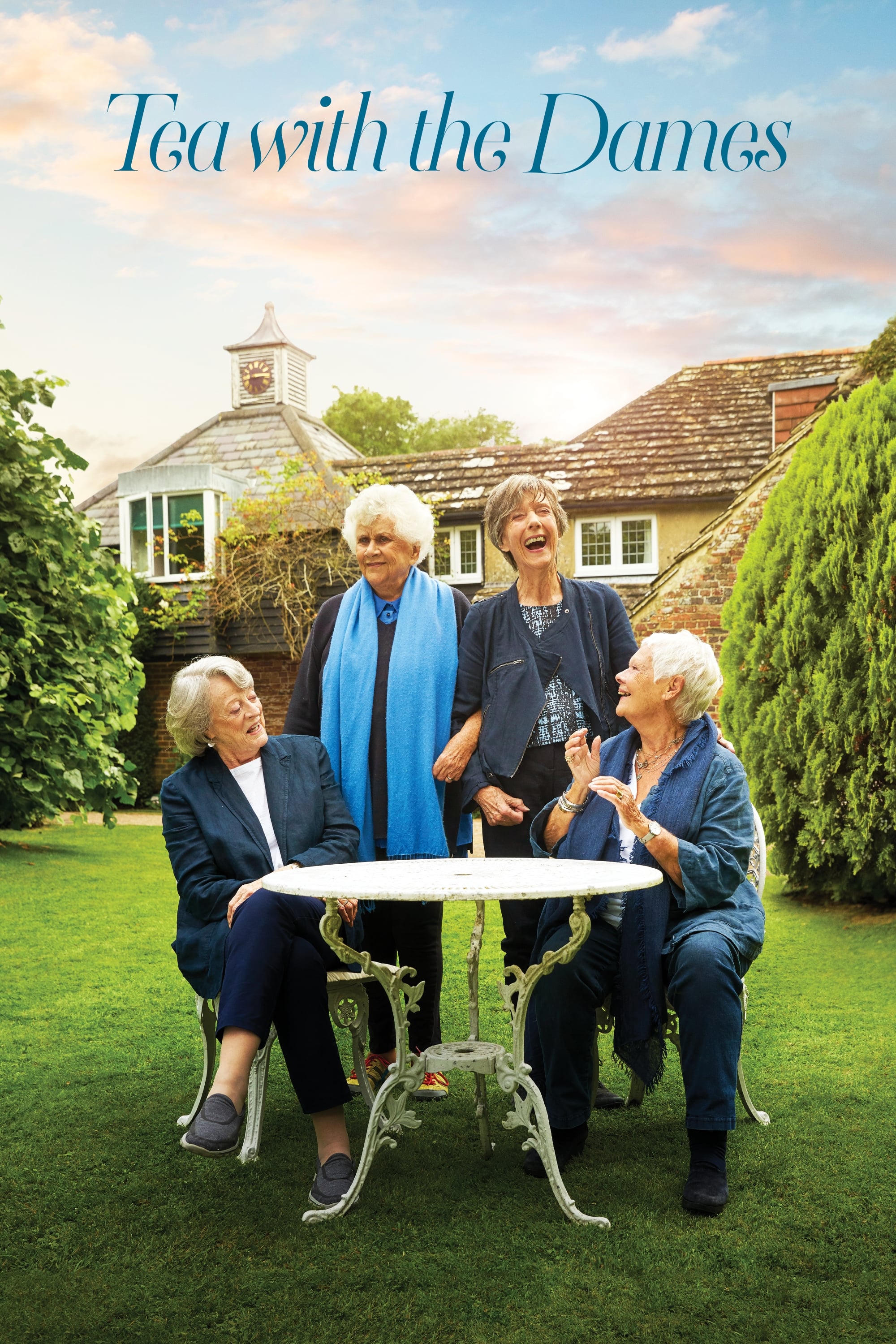
BBC Arena's documentary on the Dames of British Theatre and film featuring Maggie Smith, Eileen Atkins, Judi Dench and Joan Plowright on screen together for the first time as they reminisce over a long summer weekend in a house Joan once shared with Sir Laurence Olivier.
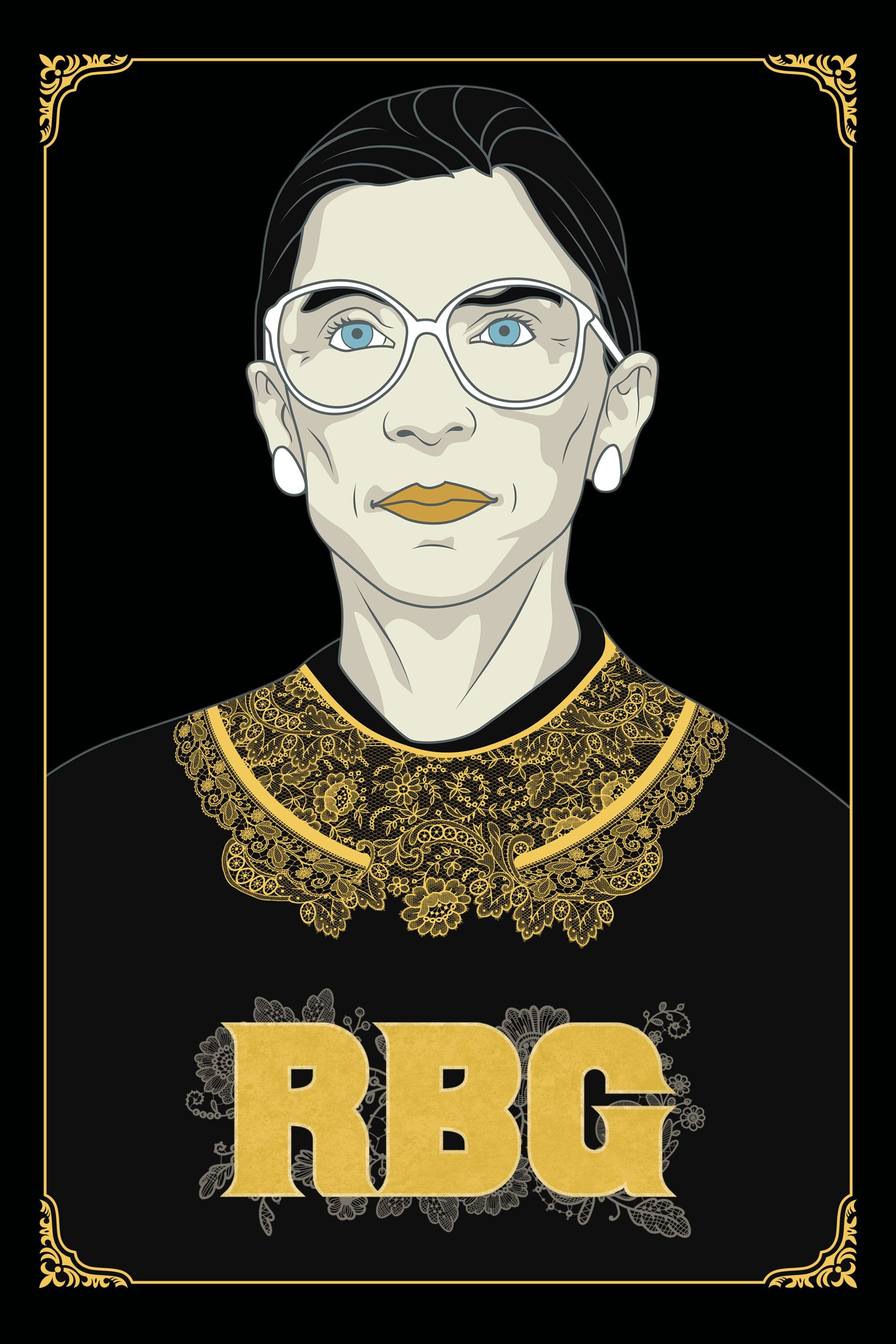
Justice Ruth Bader Ginsburg now 84, and still inspired by the lawyers who defended free speech during the Red Scare, Ginsburg refuses to relinquish her passionate duty, steadily fighting for equal rights for all citizens under the law. Through intimate interviews and unprecedented access to Ginsburg’s life outside the court, RBG tells the electric story of Ginsburg’s consuming love affairs with both the Constitution and her beloved husband Marty—and of a life’s work that led her to become an icon of justice in the highest court in the land.
Candid interviews of ordinary people on the meaning of happiness, an often amorphous and inarticulable notion that evokes more basic and fundamentally egalitarian ideals of self-betterment, prosperity, tolerance, economic opportunity, and freedom.
Filmmaker Alain Resnais documents the atrocities behind the walls of Hitler's concentration camps.
The film MISS REPRESENTATION exposes how American youth are being sold the concept that women and girls’ value lies in their youth, beauty and sexuality. Explores the under-representation of women in positions of power and influence in America, and challenges the media's limited portrayal of what it means to be a powerful woman. It’s time to break that cycle of mistruths.
A love letter from a young mother to her daughter, the film tells the story of Waad al-Kateab’s life through five years of the uprising in Aleppo, Syria as she falls in love, gets married and gives birth to Sama, all while cataclysmic conflict rises around her. Her camera captures incredible stories of loss, laughter and survival as Waad wrestles with an impossible choice– whether or not to flee the city to protect her daughter’s life, when leaving means abandoning the struggle for freedom for which she has already sacrificed so much.